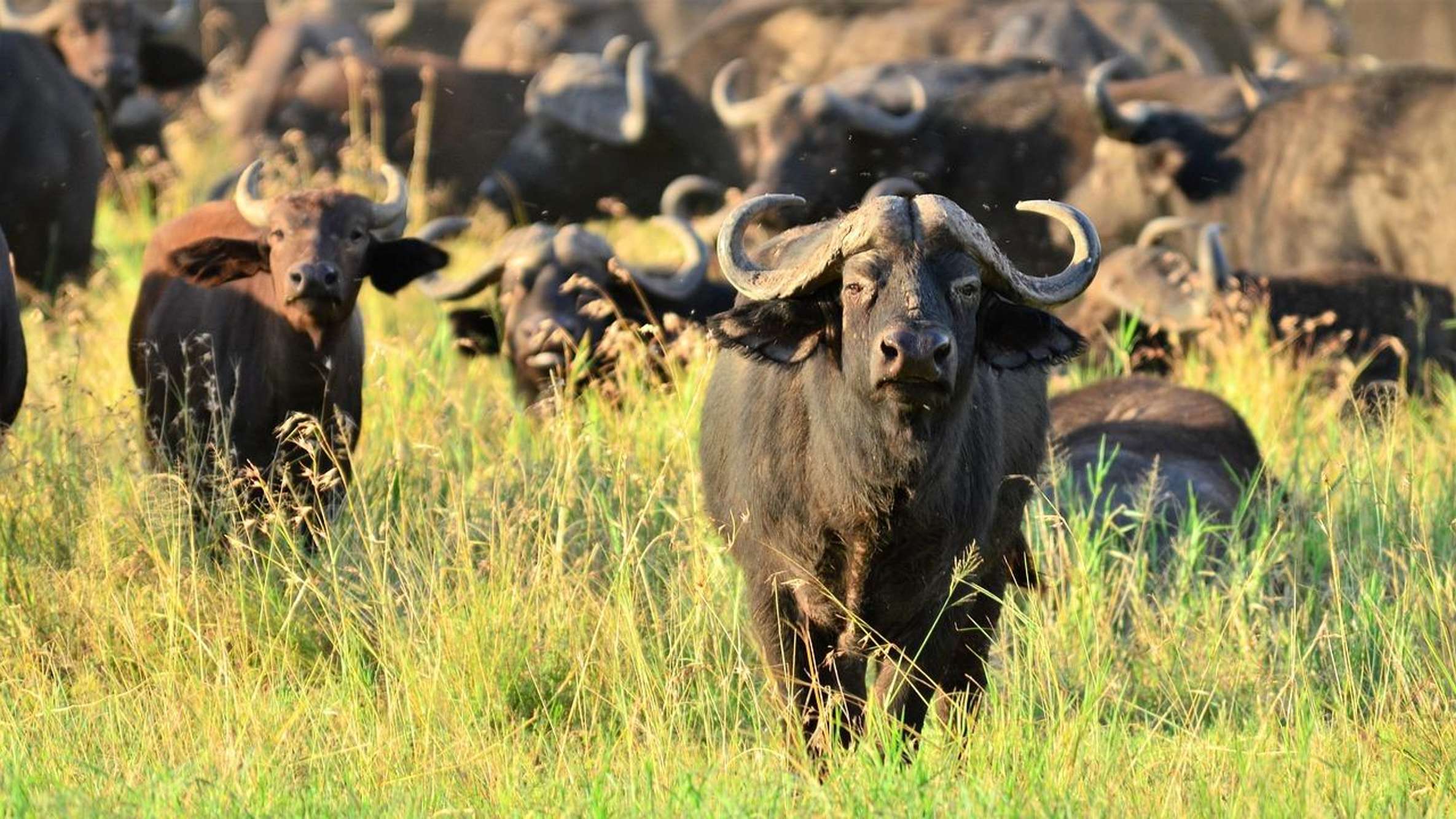
2 Days Mikumi Safari from Zanzibar Overnight Camping Safari in the National Park
Two game drives and a night in the bush beat a rushed day trip every time. Cross by ferry and train, catch lions hunting at dusk, sleep to the sounds of the African bush, and wake for a dawn drive while herds graze the Mkata Floodplain. Tours depart from Zanzibar with everything arranged, so you spend your weekend in the wild, not on logistics.
"Our guide Shine, ranger Stefano and driver Jackson were so friendly and caring. Everything ran smoothly with Lilondo Tours, felt totally looked after. Would recommend 100%."
4.8★average rating3,258traveler reviews100%free cancellation20countries travelers came from
Choosing a 2 days Mikumi safari - ferries, flights and a night in the park
Two days in Mikumi means two game drives instead of one rushed circuit: an afternoon drive, then an early morning one while predators still hunt. The one difference that decides between the packages is how you get there, by ferry and train, or by small plane. Overnight lodges sit inside or beside the park gate.
Stay inside the park and you can add a night drive with spotlights.
DocumentsBring a valid passport or ID for the ferry and train crossings, since passengers must show one before boarding.
VaccinationsNo vaccination is required for a Tanzania safari, and yellow fever is not required for travel between the mainland and Zanzibar.
Gate hoursPark gates open at 6 am and close at 6 pm, and vehicles that miss the evening curfew face fines.
SeasonBetween April 1 and June 1, heavy rains on the Mkata Floodplain can force route or schedule changes rather than park shutdowns.
ClothingSkip dark blue and black clothes because tsetse flies are drawn to those shades, and wear khaki, olive or beige instead.
Early startsHotel pickups can run from early morning, so pack a hat, sunscreen and insect repellent and expect long travel times.
KidsChildren under twelve must travel with an adult, and quiet voices are the rule during close animal encounters.
BookingBook with a return to Zanzibar at least two nights before your international departure, in case a flight shifts.
BinocularsCameras and binoculars come highly recommended for the game drives, and drivers often help position the jeep for photos.
documentVisitors entering Zanzibar must hold the mandatory Zanzibar Insurance Corporation travel coverage, which is a government requirement separate from any policy you already carry.
Buy the Zanzibar insurance before you travel and keep the proof with your passport, since it is checked on arrival and also covers your safari days.
2 days in Mikumi - every overnight option, side by side
Private two-day flyer
8 - 32 hours·English, French
4.7(3,203)
From Zanzibar: Mikumi Safari Day Trip with Flights and Lunch
Option: Mikumi 2-Day safari with two private game drives
The two-day option runs two private game drives with a bush lunch in the park and comes with the strongest review score here.
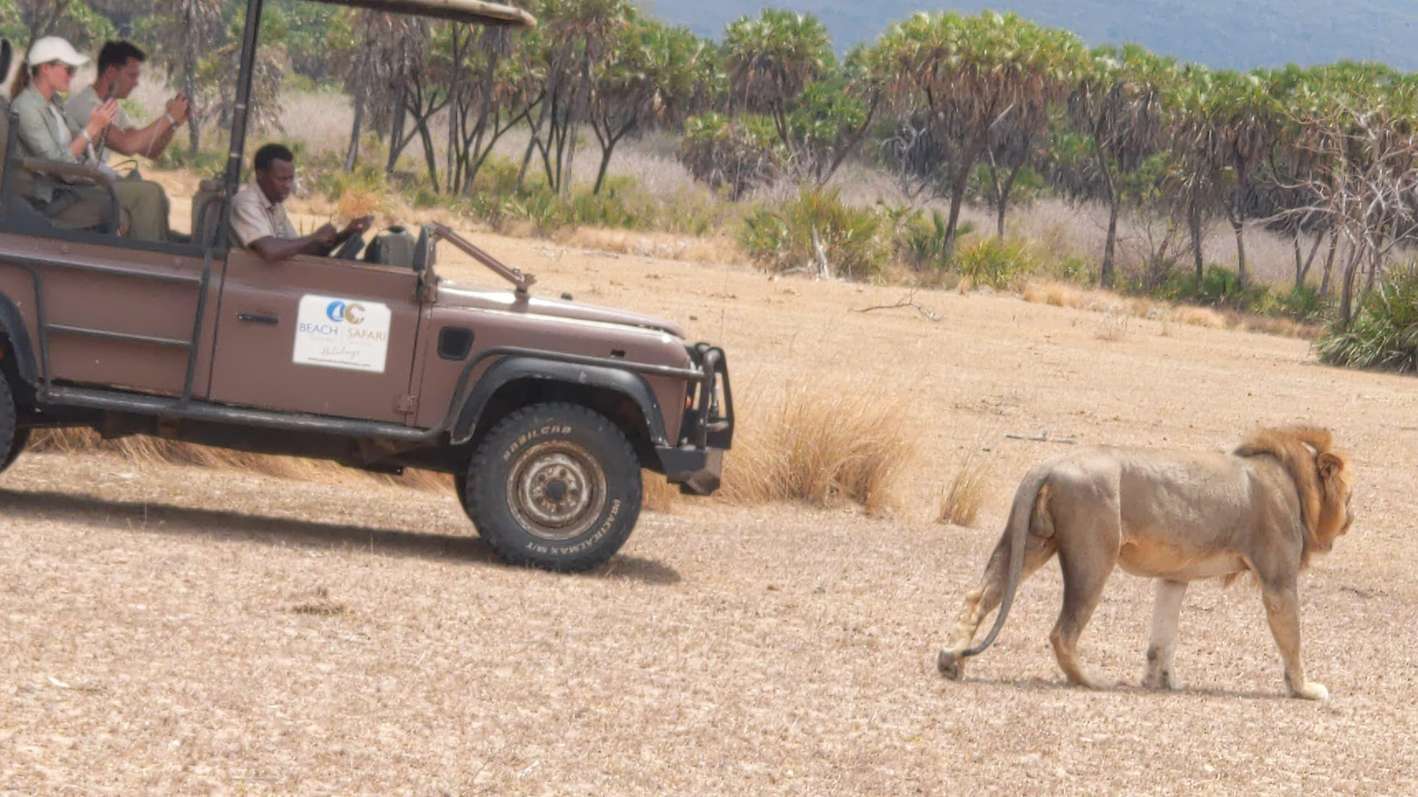
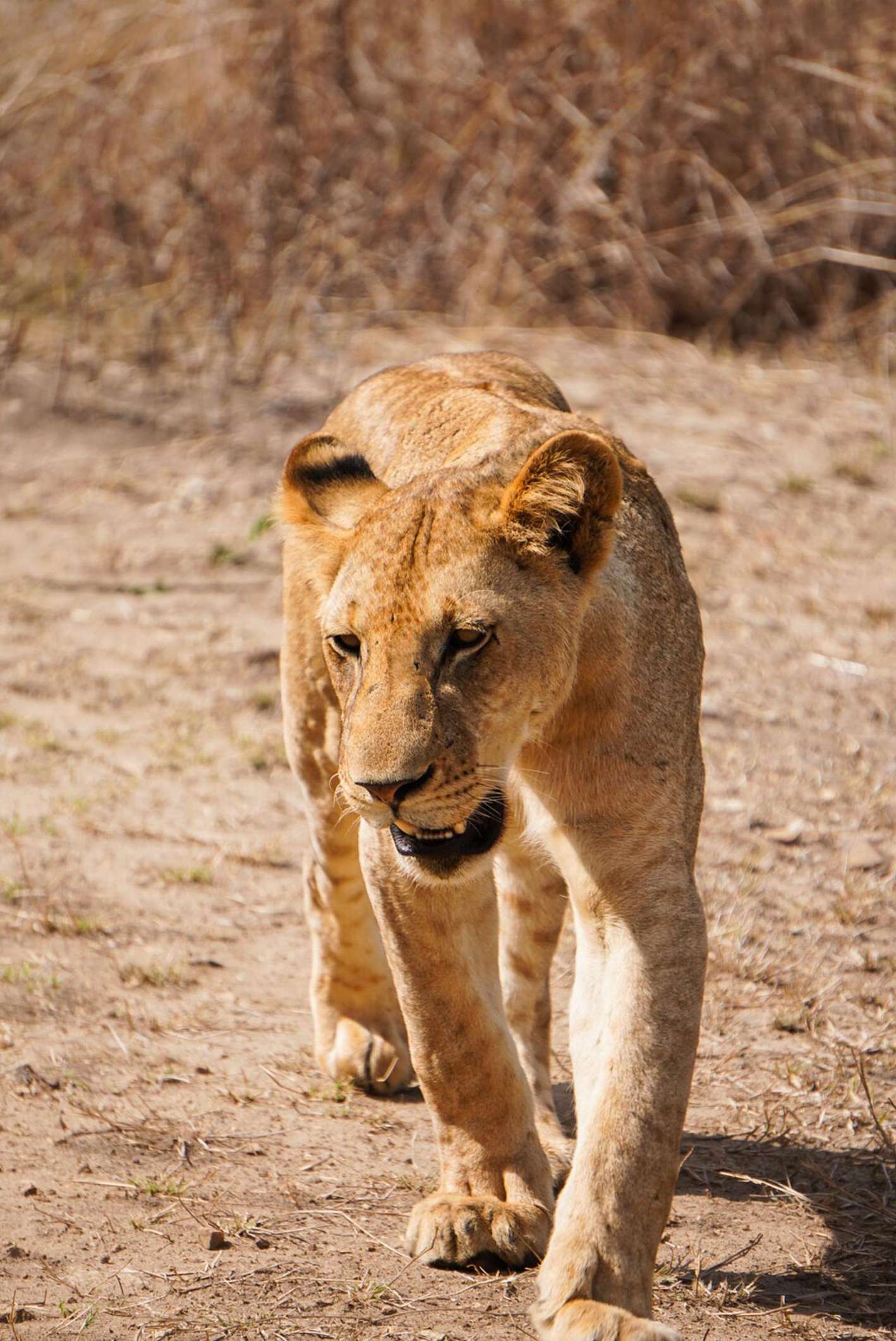
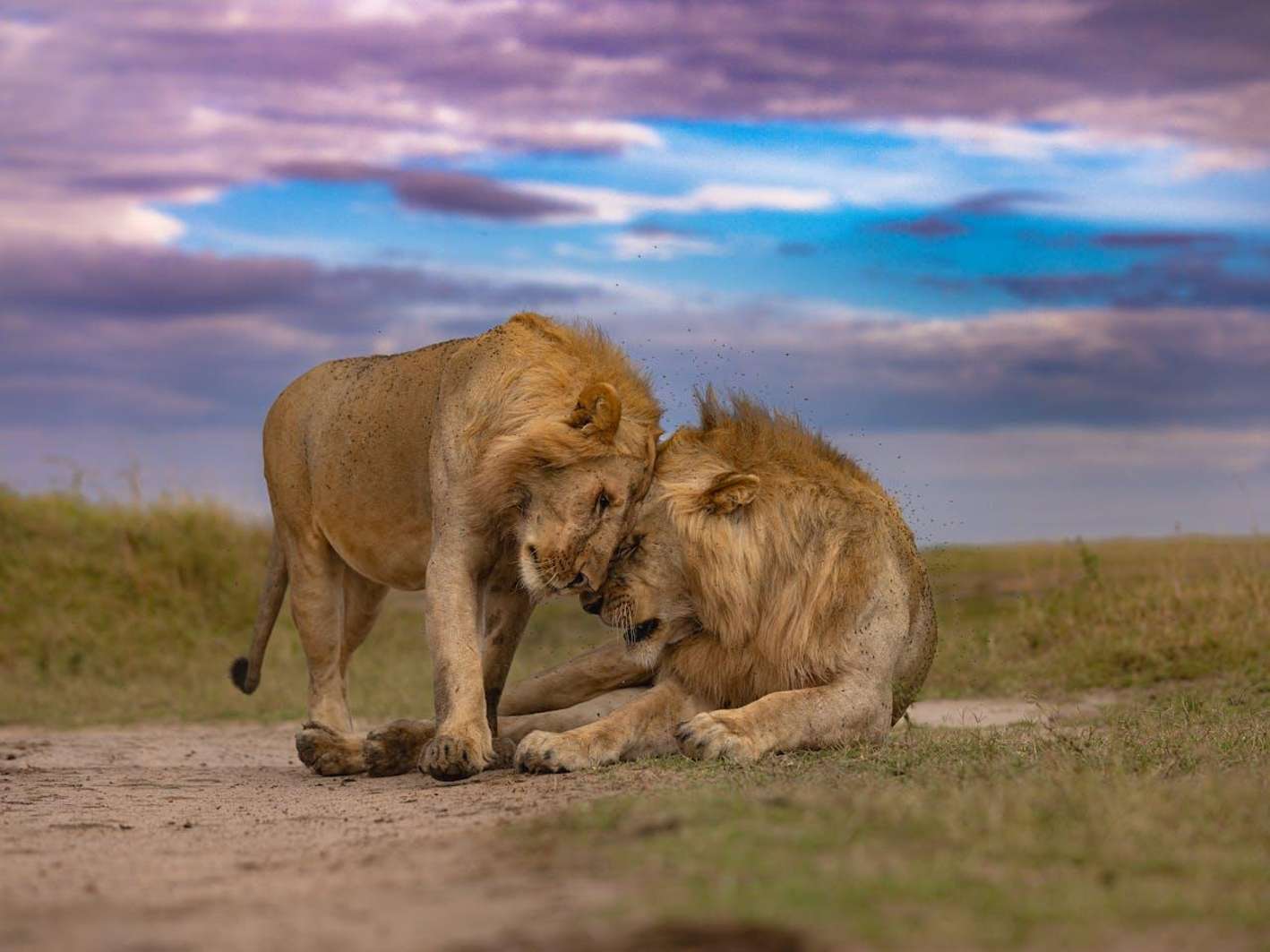
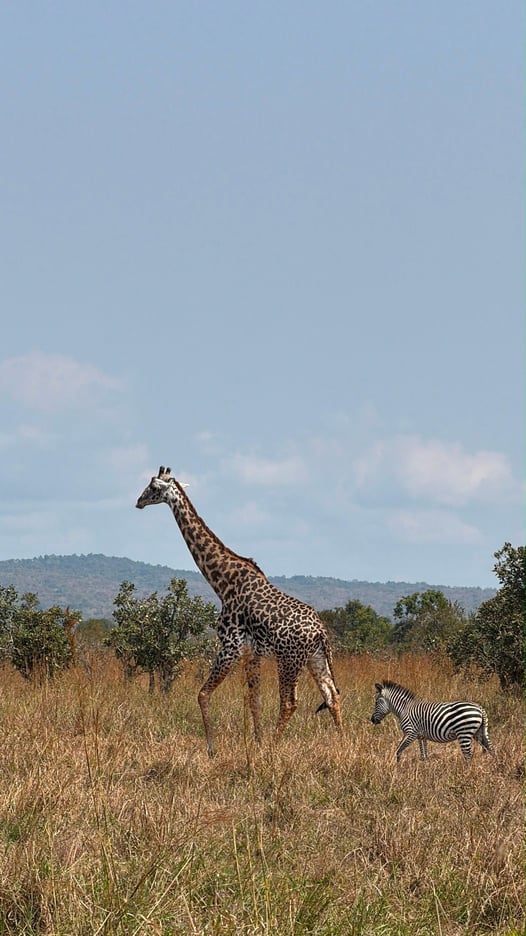
This two-day trip runs from your Zanzibar hotel to the open grasslands of the Mkata Floodplain, where zebra, wildebeest, buffalo and impala graze under flat-topped acacias and resident lions prowl at dusk. The first drive happens in the golden late-afternoon hours, when herds are still moving and the heat is dropping.
After dinner at a lodge inside the park, the guides head out again with spotlights for a night drive, the only way to see the park at its most active. You sleep inside the reserve, wake to the sounds of the bush, and drive back to Zanzibar the next day with breakfast already behind you.
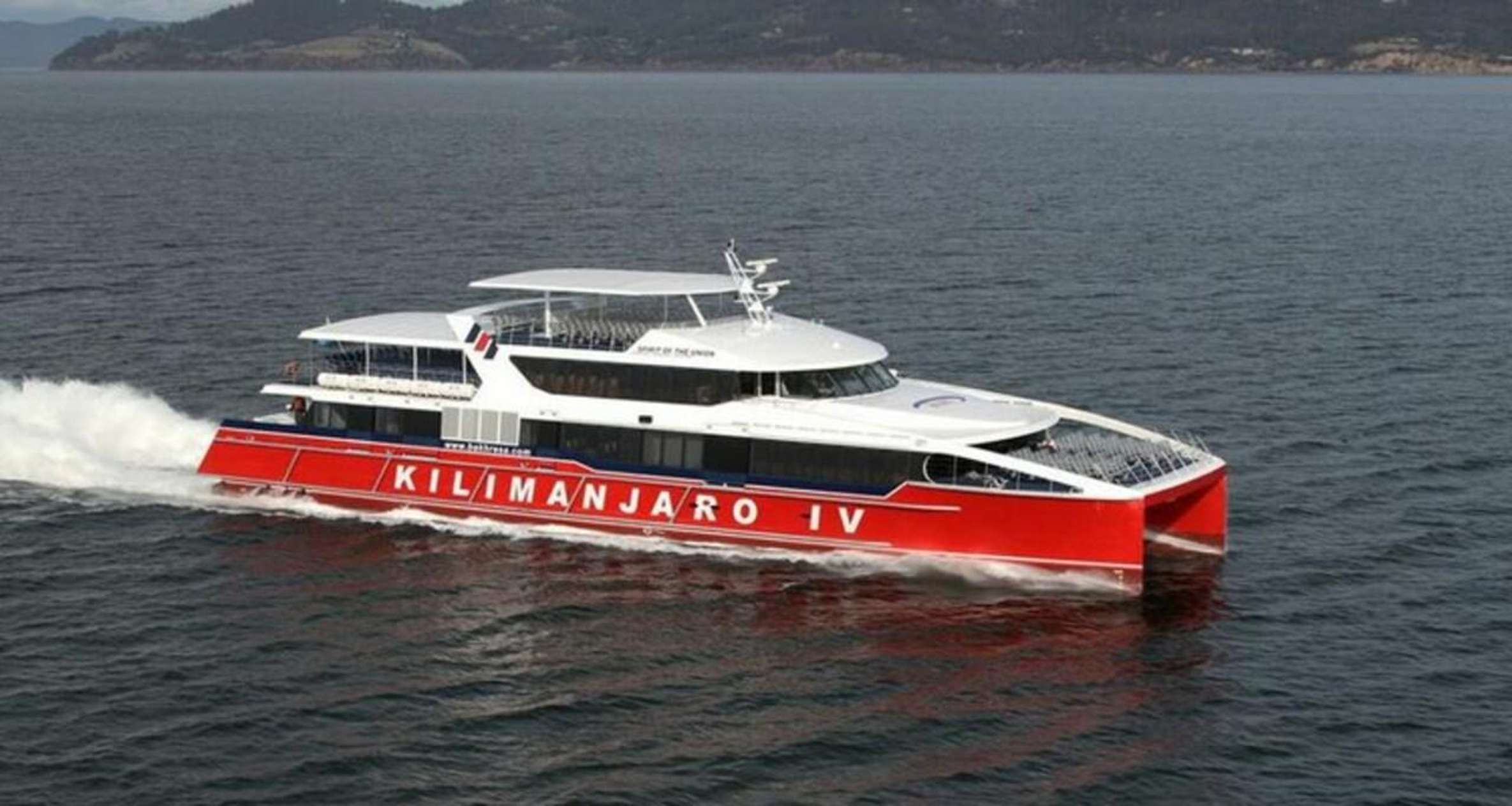
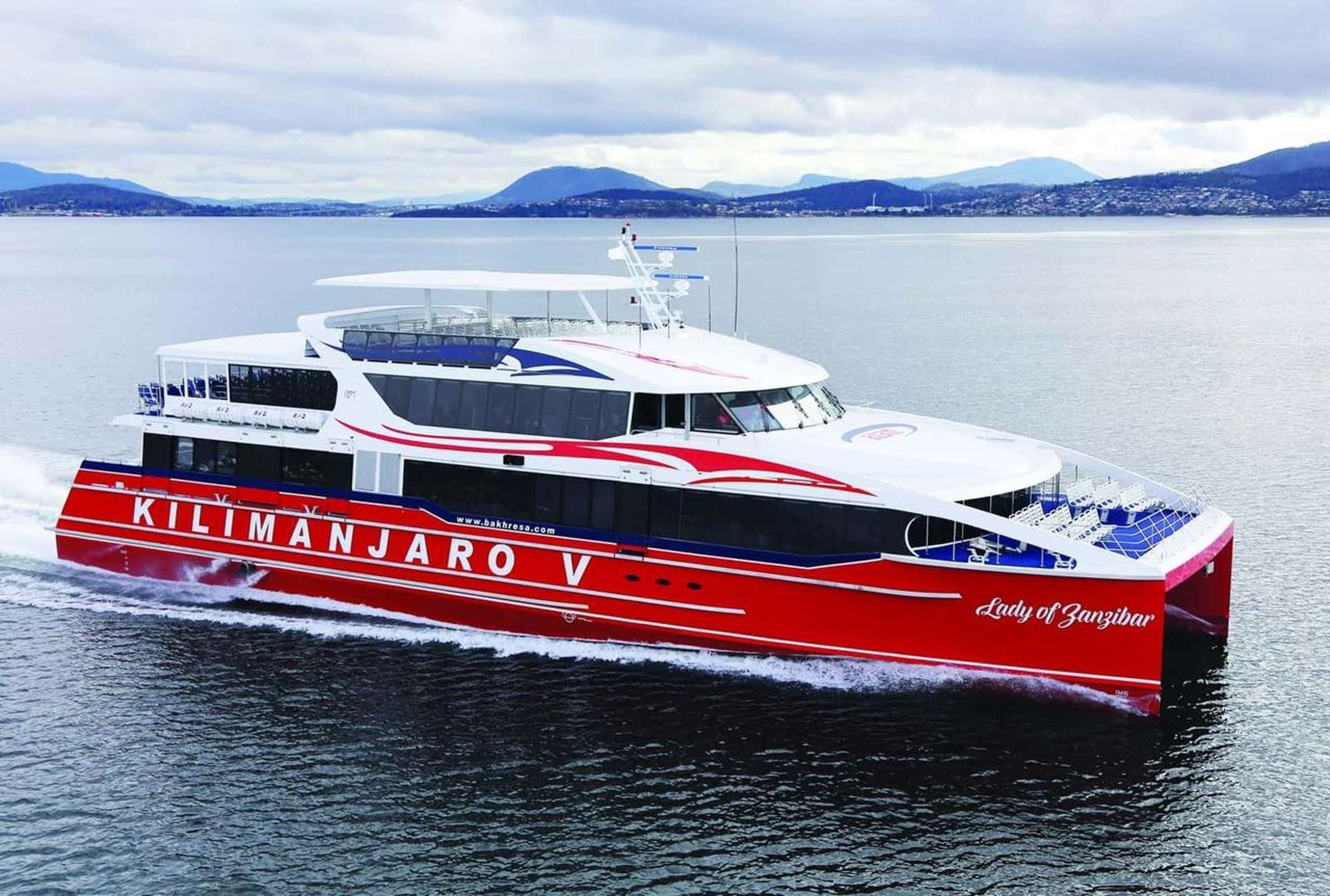
1Ferry to Dar es Salaam· about 300 minA hotel pickup in Zanzibar puts you on a high-speed ferry across the Indian Ocean to Dar es Salaam.2Express train to Morogoro· about 100 minYou board the modern express train and ride through rural Tanzanian landscapes to Morogoro.3Afternoon game drive· about 360 minAn open 4x4 takes you onto the floodplain as the sun dips, with elephants, giraffes and zebras near the waterholes.4Night game drive· about 120 minSpotlights sweep the plains after dark for lions, leopards, civets and hyenas going about their nighttime routines.5Overnight inside the park· about 840 minYou dine at the lodge, sleep inside the reserve where animals pass close by, and wake to an early bush breakfast.
Where the other tours go
Zanzibar: 3-Day Mikumi National Park Safari with Free Pickup
Most reviewers praise their guides by name, calling Jackson and Shine knowledgeable, friendly and patient.
Best surprise
Several travelers feared the ferry, train and road transfer would be chaos and found every leg ran on time.
Most common wish
A few travelers wished the trip lasted longer, wanting another full day in the park before the ferry home.
How to book your 2 days Mikumi camping safari
01
Pick your dates early
Decide whether the safari runs before or after your beach days, then book the moment your Zanzibar dates are fixed. In the dry peak from July to October, bush-plane seats fill weeks ahead and lodges near the park fill months ahead.
Pro tipBook the overnight before your international departure window, since operators advise returning to Zanzibar at least two nights before you fly home
RecommendedJune to October gives the driest park tracks and the most reliable game viewing
02
Choose the option
Compare how you want to travel: ferry plus express train and open 4x4 from Zanzibar, or faster combinations. Check what each option includes, because some cover lunch and all meals while others leave lunch and drinks out.
Pro tipOptions without hotel transfers meet at a set point, so only choose them if you know exactly where it is
03
Confirm and pay
Once paid, you get a confirmation and the operator sends a link to submit passport details. Tickets and your exact pickup time arrive the day before the safari, so watch your messages then.
ImportantA valid passport is required for the ferry and the train, and for park registration at the gate
Pro tipCancellation up to 24 hours before departure brings a full refund, which keeps a tight travel plan flexible
04
Get ready for pickup
The day before, note your pickup time from the operator's message and be at your hotel reception early. Drivers collect you there, and early starts are the rule on both days.
Common mistakeWaiting for the driver at the gate or the road; pickups happen at reception
RecommendedKeep a clear copy of your passport on your phone in case the original stays in the hotel safe
05
On the day
Expect early morning starts and long transit legs, with game drives in the late afternoon and again at dawn. Between April 1 and June 1, weather or airfield conditions can force schedule changes, so keep your day flexible.
ImportantTravelers with back problems or limited mobility should choose a lodge-based option over rough road transits
Pro tipCarry cash separately for tips, since guide and driver gratuities are optional and not in the package price
What to know before you book 2 days in Mikumi
Can stop the dayGood to knowGood news
01
ChoosingWhat it is, who it suits, when to go
4
Night drive
The ferry-based itinerary adds a night game drive with spotlights, when hyenas, civets and leopards are at their most active. The park runs official night drives for guests staying inside or right beside it, so the evening is a real activity.
Health limitsCan stop the day
Full days on rough dirt tracks make these safaris unsuitable if you have back problems or a mobility impairment. Long bumpy drives also demand a basic level of fitness, since you stay in the vehicle for hours at a time.
Hippo pools
The pools near the main gate hold water all year, so hippos crowd together and jostle for territory. Kingfishers, egrets, herons and open-billed storks feed in the mud the hippos stir up. It is a reliable stop close to the entrance.
Bathrooms
You cannot step out of the vehicle on the open plains, so plan bathroom breaks around the gates, picnic sites, campsites and lodges. Tell your guide early when you need a stop and he will time one at a designated place.
02
BookingHow far ahead, and what happens if plans change
1
Cancellation
A 2 days Mikumi safari can be cancelled up to 24 hours before departure for a full refund, which makes it easy to plan one around a beach week without losing money if plans shift.
03
Before you goPapers, health, what to bring
3
Weather
Between April 1 and June 1, rain or wet airstrips can push departures, routes or flights to a different time. Book your return to Zanzibar with at least two nights of buffer before your international flight home.
Clothing
Skip black and dark navy: tsetse flies are drawn to those colours. Wear khaki, beige or olive, with long sleeves and trousers. Nights and dawn drives drop to around 16 degrees in the June-August dry season, so pack a fleece or light jacket.
DocumentsCan stop the day
Carry your passport for the ferry and train legs, and keep it handy for park registration at the gate. Pack it in the vehicle with you rather than in a bag that travels out of sight.
04
On the dayWhere to be, when, and how you get there
3
Transport
The overland tours run a multi-leg day: a ferry from Zanzibar to Dar es Salaam, the express train towards Morogoro, then a short road transfer to the park. Expect early starts and several hours of travel before your first game drive.
Drive timing
The two-day format works because it catches the hours that matter. Lions hunt and herds of elephant, buffalo and zebra move in the cool late-afternoon light, then again at dawn on day two. By midday most animals rest in the shade.
What's included
The two overland tours bundle the full journey: ferry and train tickets, hotel pickup in Zanzibar, park entry fees, guide, meals as per itinerary and one night of lodge accommodation. On the cheaper tour, lunch and drinks are left out; tips and personal expenses are extra throughout.
05
During the tourWhat is expected of you
1
Sightings
Wildlife is never guaranteed, because animals roam freely. Mikumi's density falls short of the Serengeti and big cats appear less often. Your guide networks by radio with other drivers to track down lions when word spreads of a sighting.
A short guide to a 2 days in Mikumi overnight safari
Two days in Mikumi turns a Zanzibar beach week into a real safari: an afternoon drive, a night in the bush and a dawn drive. Here is whether the swap is worth your weekend, and how every hour of it runs.
Dar es Salaam· 6.17° S, 39.20° E
If you only remember three things
1
Park gates open at 6 am and shut at 6 pm, so every drive and transfer fits inside that window.
2
Book dry-season trips well ahead; bush-plane seats and park lodges fill weeks to months out from July.
3
Leave black and dark blue clothes at home, because tsetse flies seek those colours out on the plains.
What 2 days Mikumi adds to a Zanzibar beach week
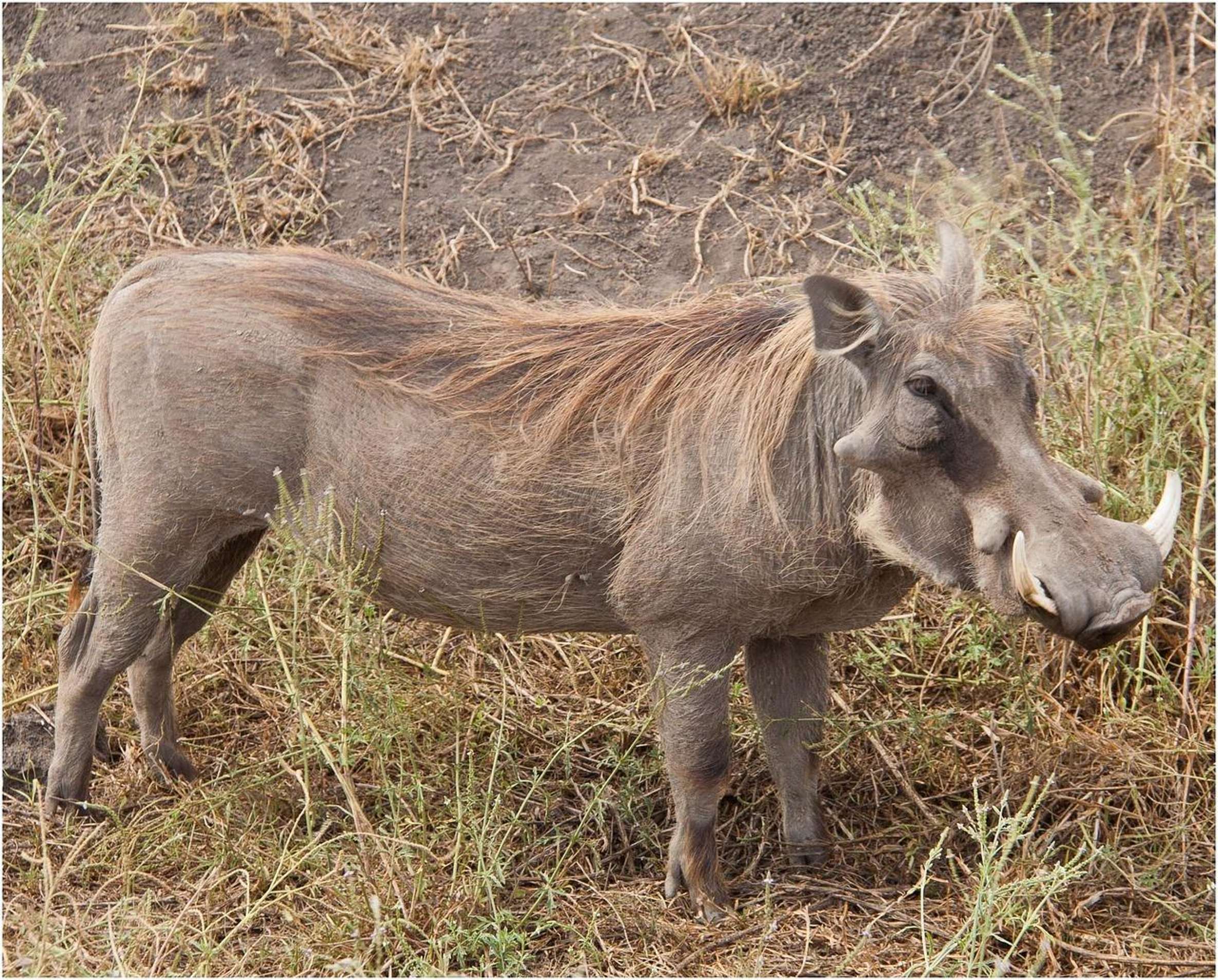
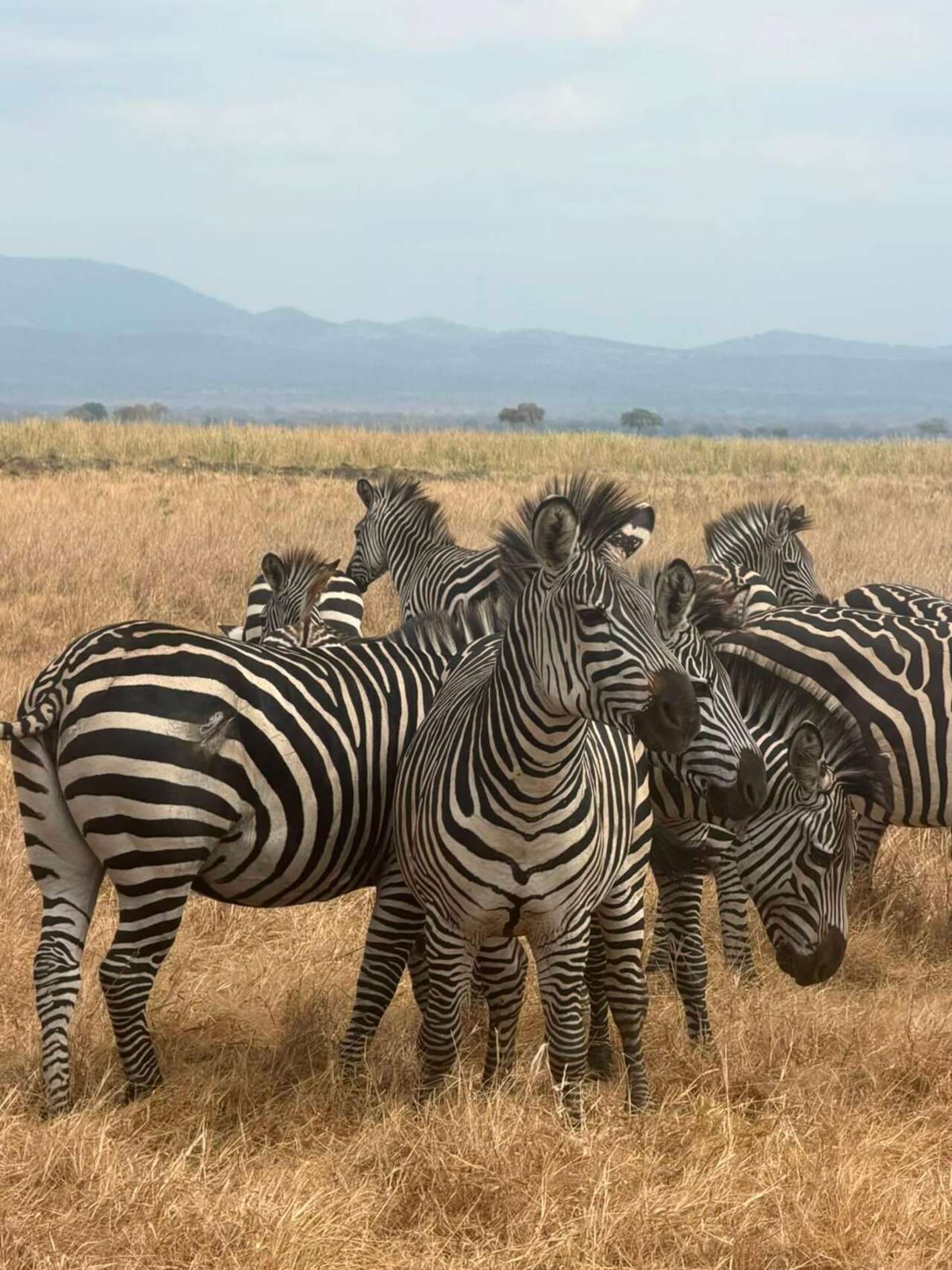
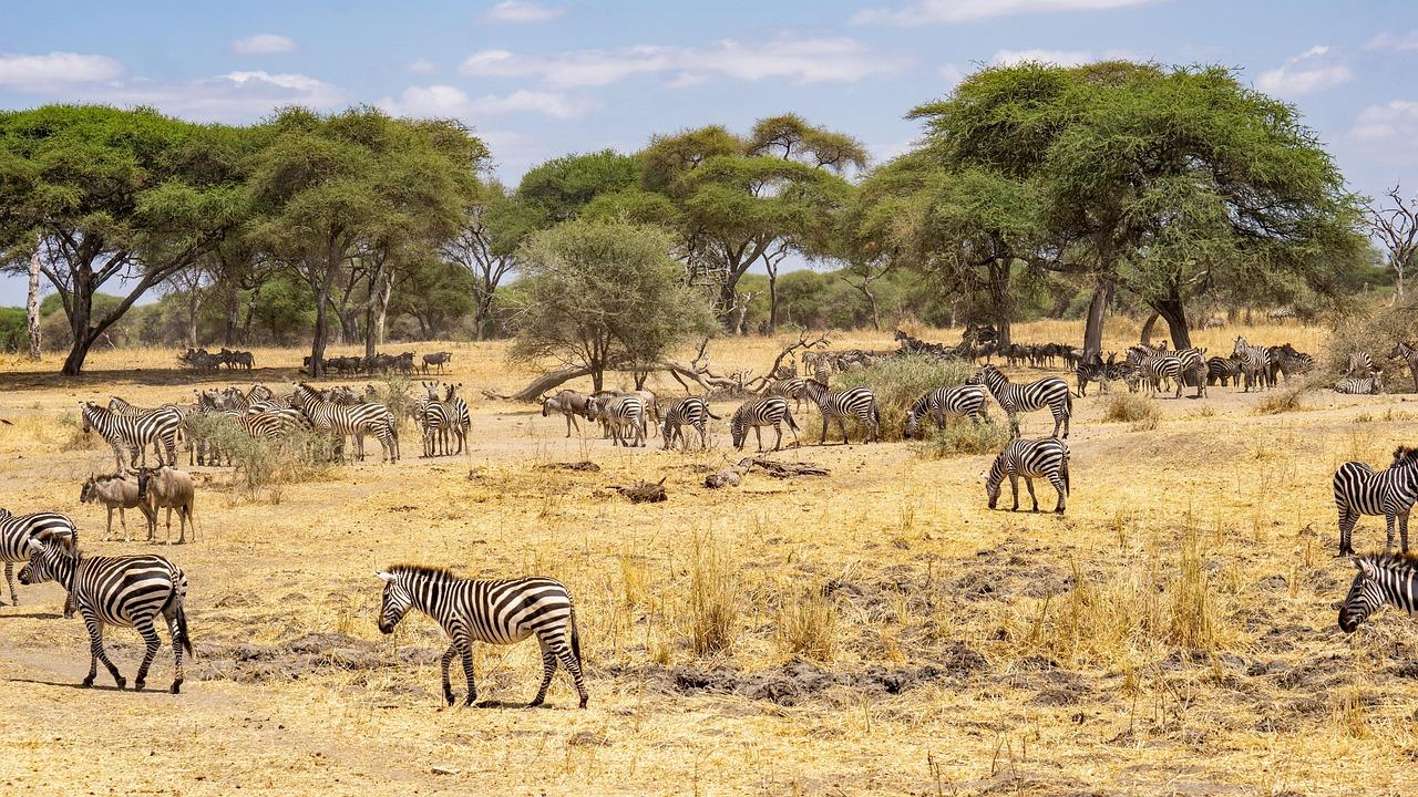
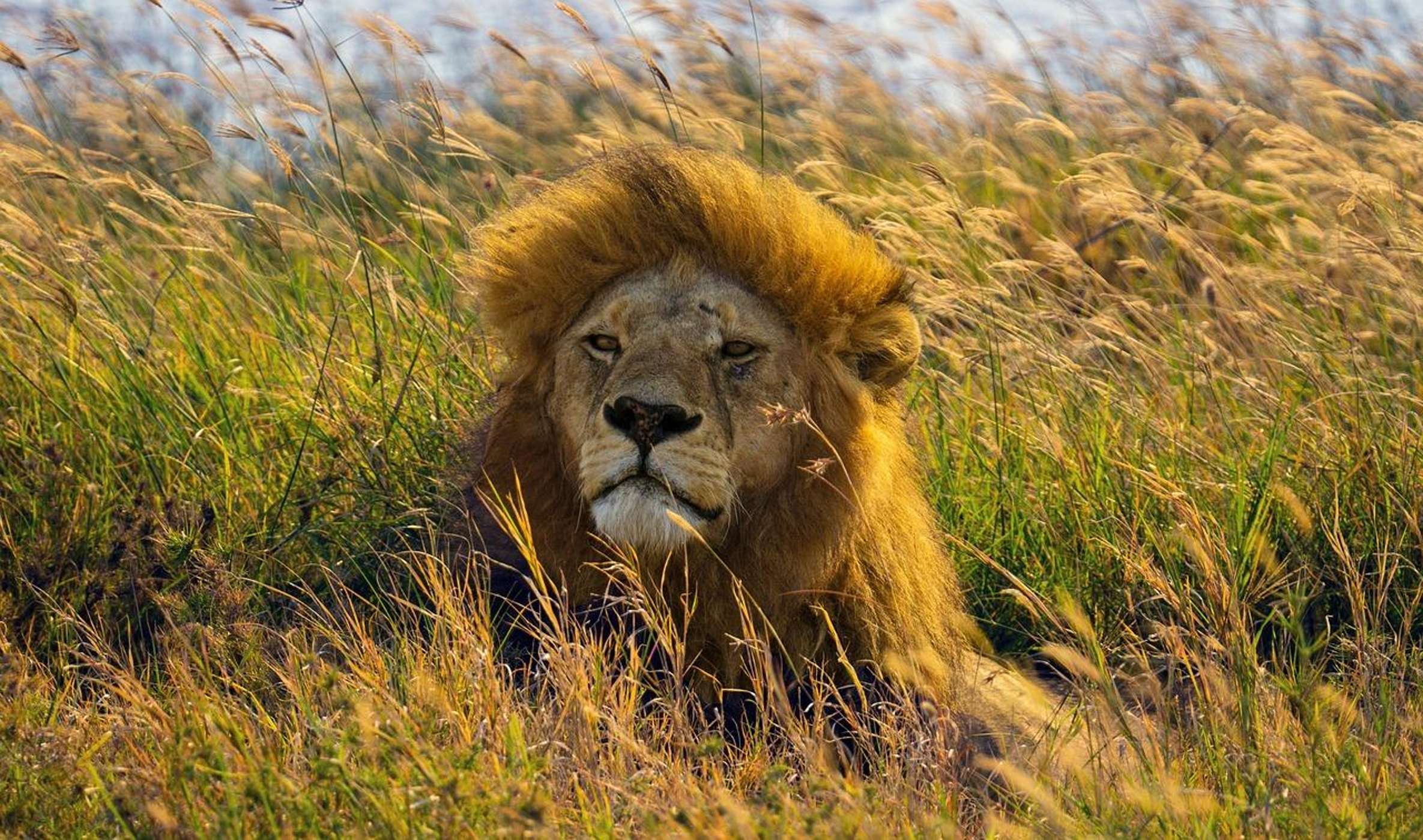
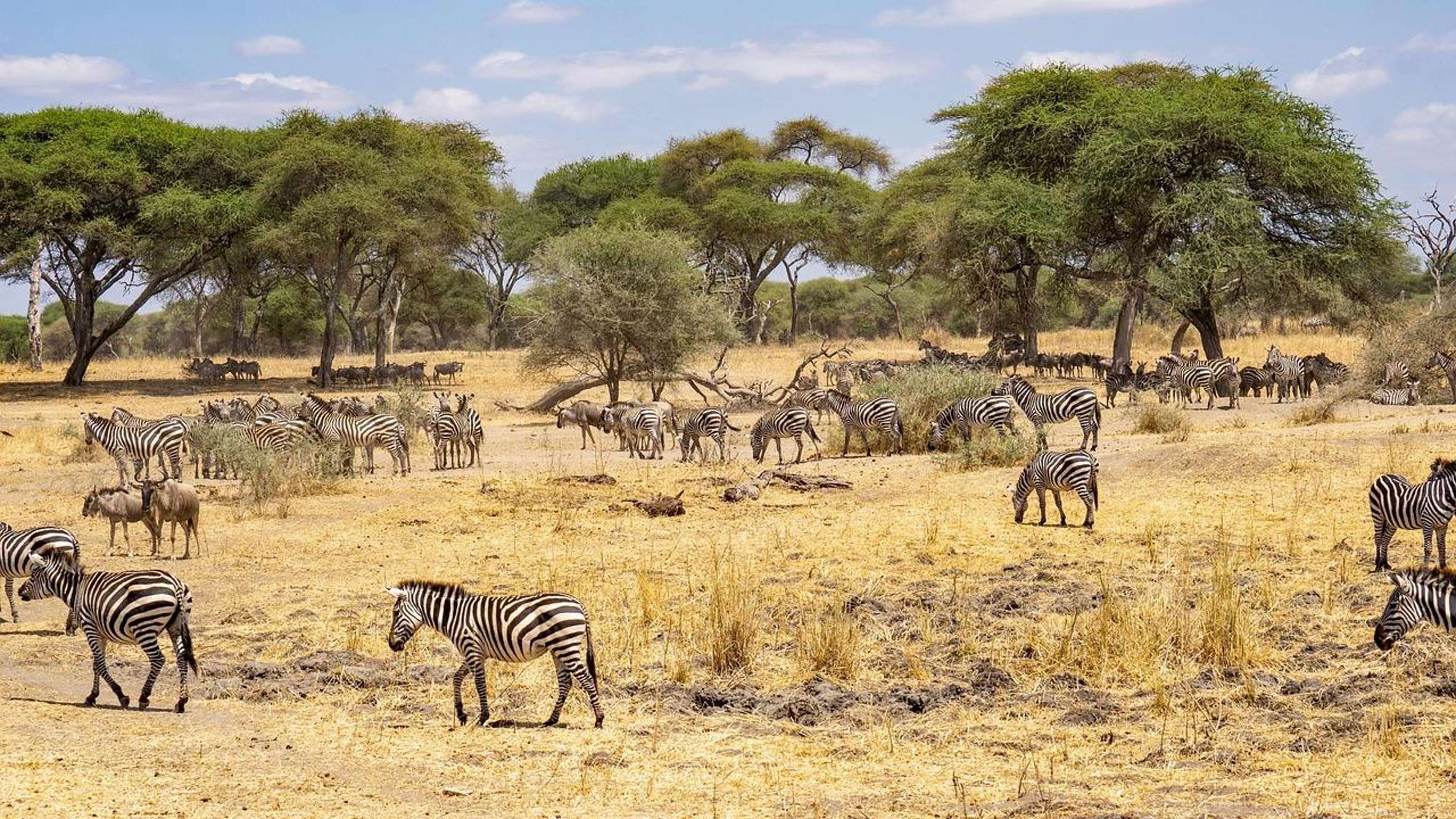
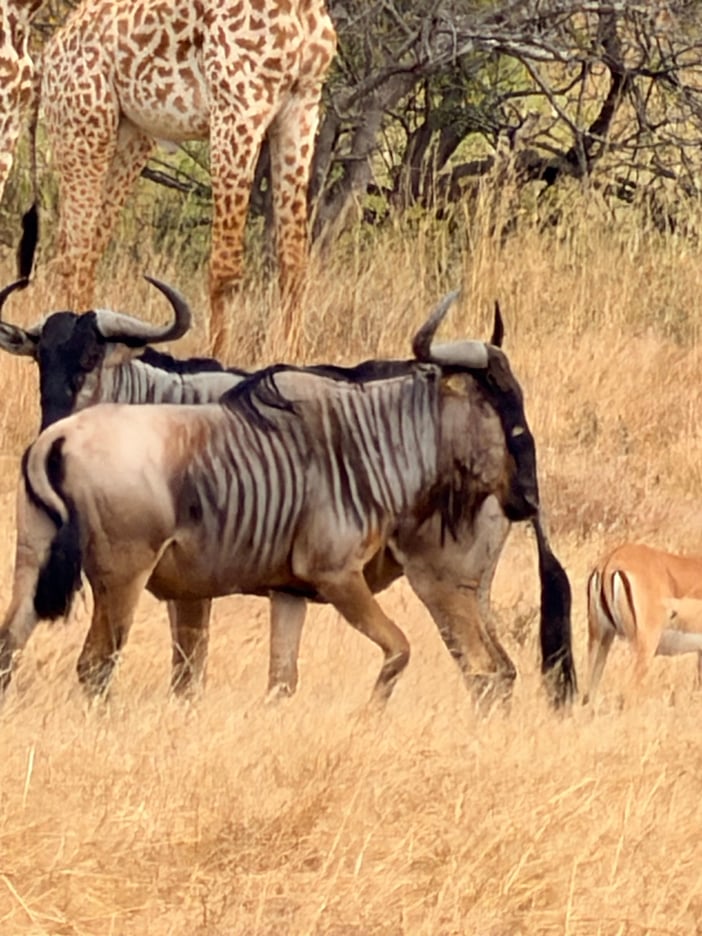
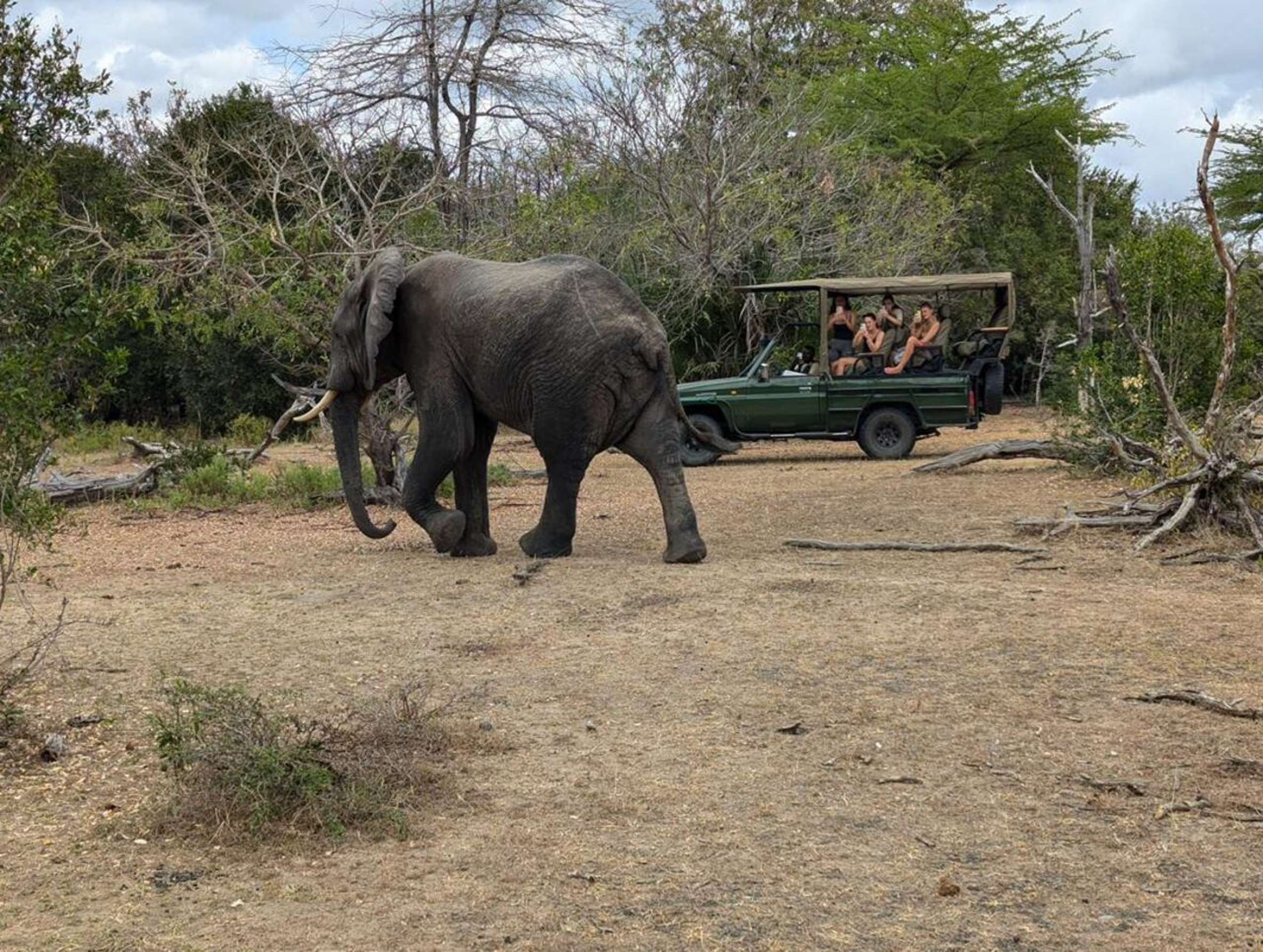
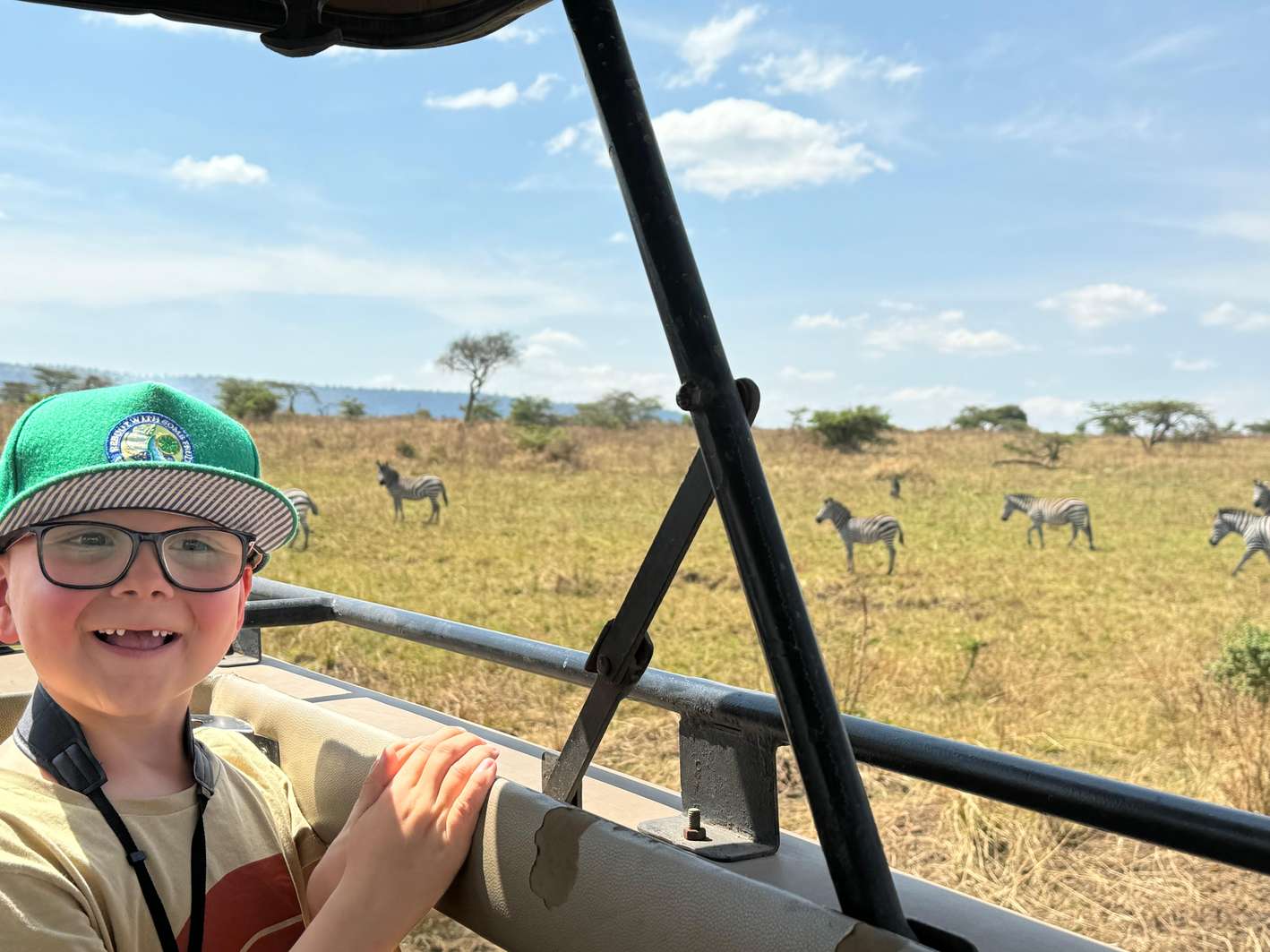
The Mkata Floodplain does most of the arguing for you. Zebra, wildebeest, buffalo and impala graze across flat grasslands scattered with flat-topped acacias, elephants move through the herds, and lions hold territories on the edges of it all.
Mikumi sits close enough to Zanzibar and Dar es Salaam that the trip costs a fraction of the travel time a northern safari demands.
Be honest about the trade. Wildlife density here cannot match the Serengeti, and big cats turn up far less often than on the northern circuit. What you get instead is a genuine reserve with healthy animal numbers, reachable on a weekend.
What two days buys that one cannot: the hours before dark and after dawn, when the plains actually move.
A day trip such as From Zanzibar: Mikumi Safari Day Trip with Flights and Lunch gets you roughly one midday drive window. An overnight adds the dusk hunt, animals around camp after sunset, and the morning drive.
Three ways to safari
Zanzibar day trip by air
2-day Mikumi overnight
Nyerere (Selous) trip
Time in the park
one drive, about six hours
two drives plus a night in the bush
two drives, optional boat safari
Dawn and dusk drives
no, midday hours only
yes, both ends of the day
yes
Travel effort
two short flights
long ferry, road or rail legs
flights plus longer transfers
Value per wildlife hour
fewest hours for the effort
the most hours for the weekend
more hours, more moving parts
Zanzibar day trip by air
Time in the park
one drive, about six hours
Dawn and dusk drives
no, midday hours only
Travel effort
two short flights
Value per wildlife hour
fewest hours for the effort
2-day Mikumi overnight
Time in the park
two drives plus a night in the bush
Dawn and dusk drives
yes, both ends of the day
Travel effort
long ferry, road or rail legs
Value per wildlife hour
the most hours for the weekend
Nyerere (Selous) trip
Time in the park
two drives, optional boat safari
Dawn and dusk drives
yes
Travel effort
flights plus longer transfers
Value per wildlife hour
more hours, more moving parts
For a weekend built around the beach, that middle column is the one that earns its transit.
Tour for this
Zanzibar: Mikumi National Park 2-Day Safari with Ferry5.0★ (4) · 2 days · Hotel pickup · Free cancellation
What 2 days in Mikumi shows you on the Mkata plains
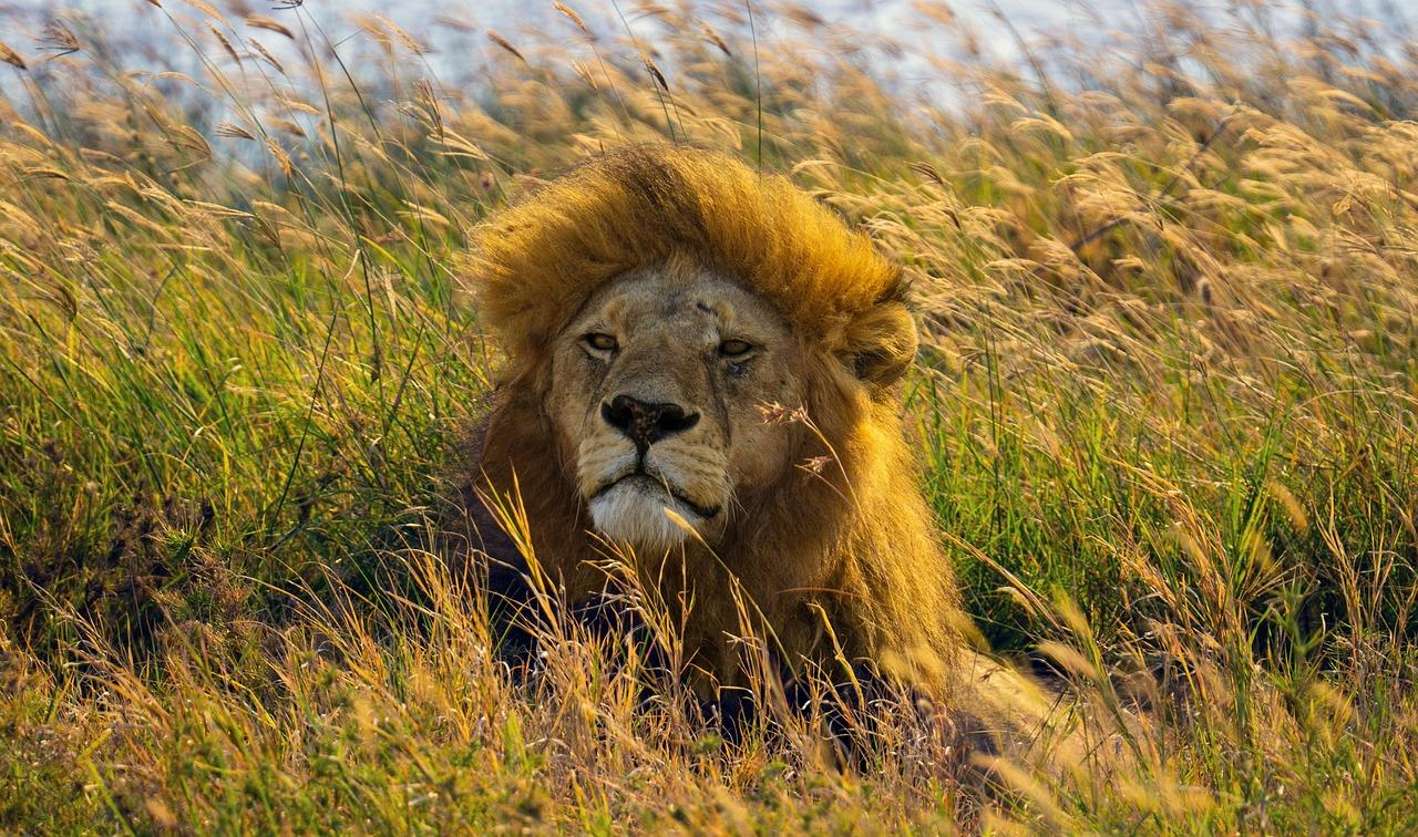
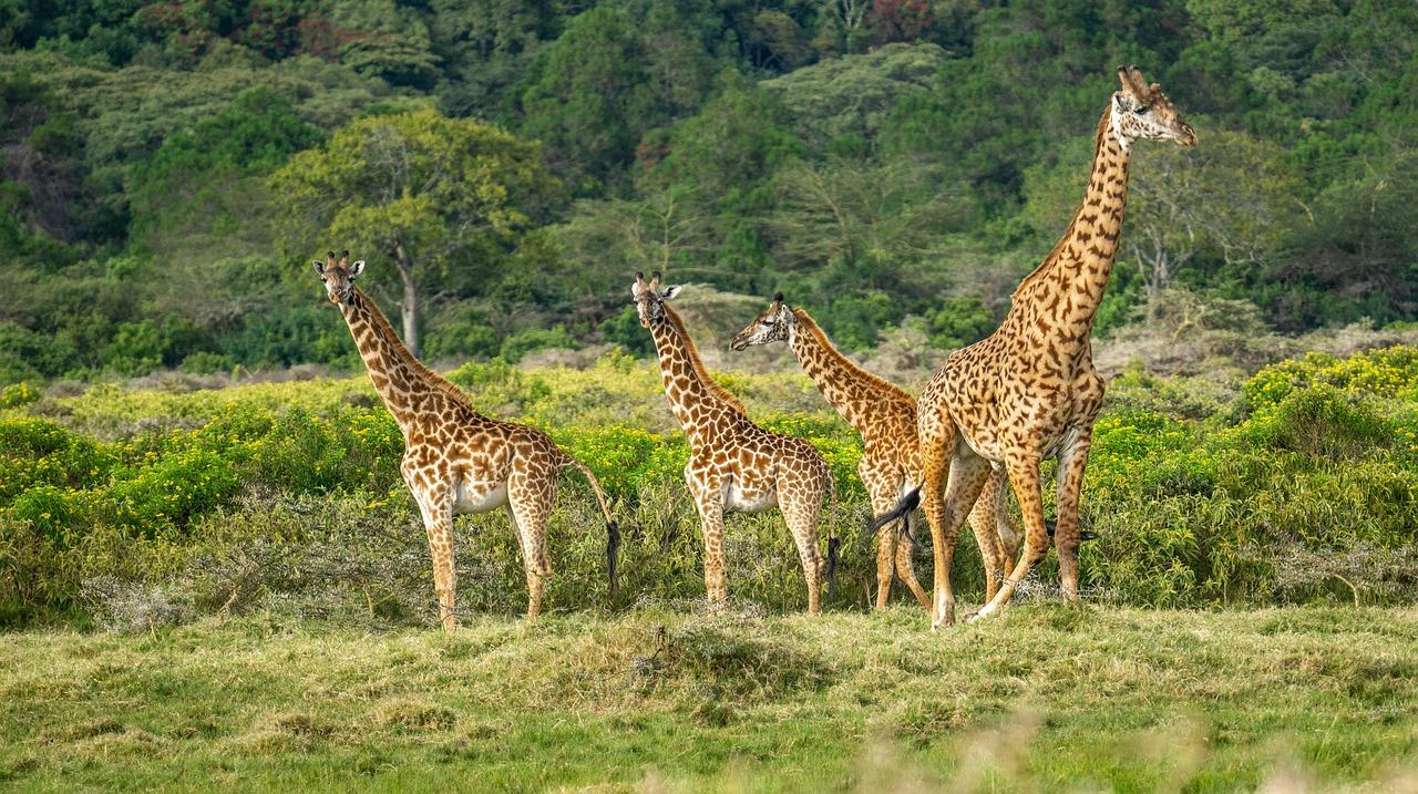
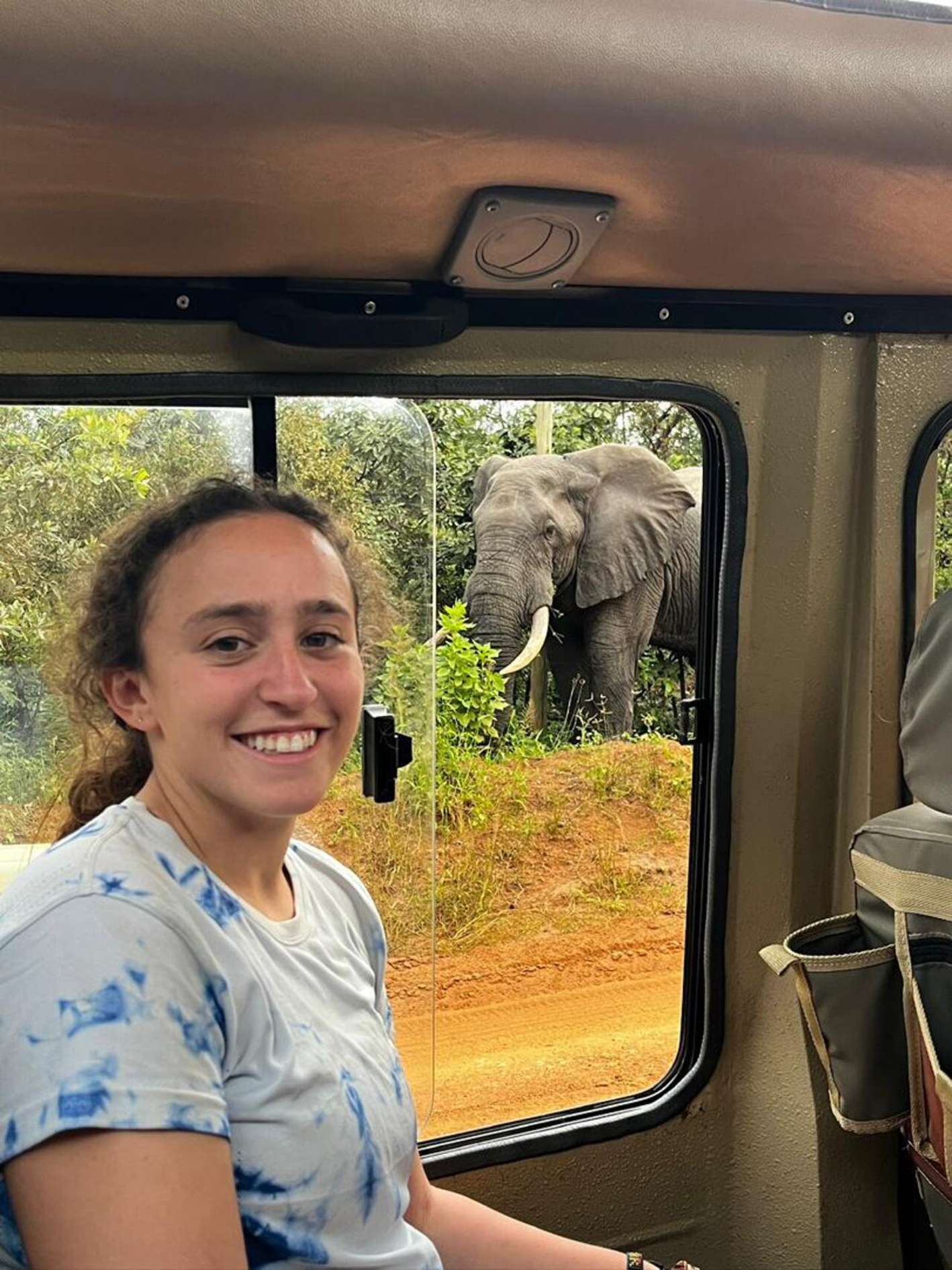
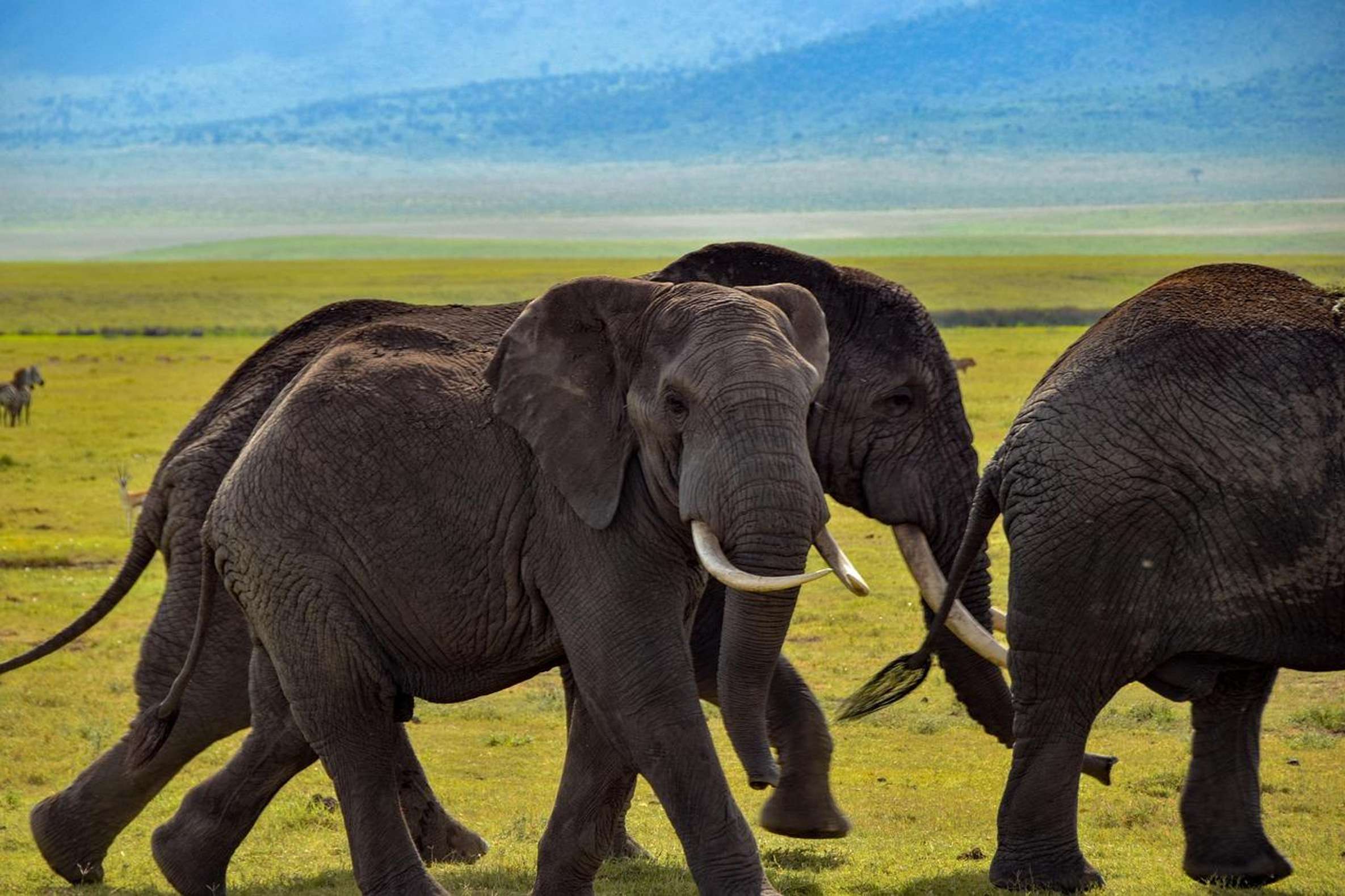
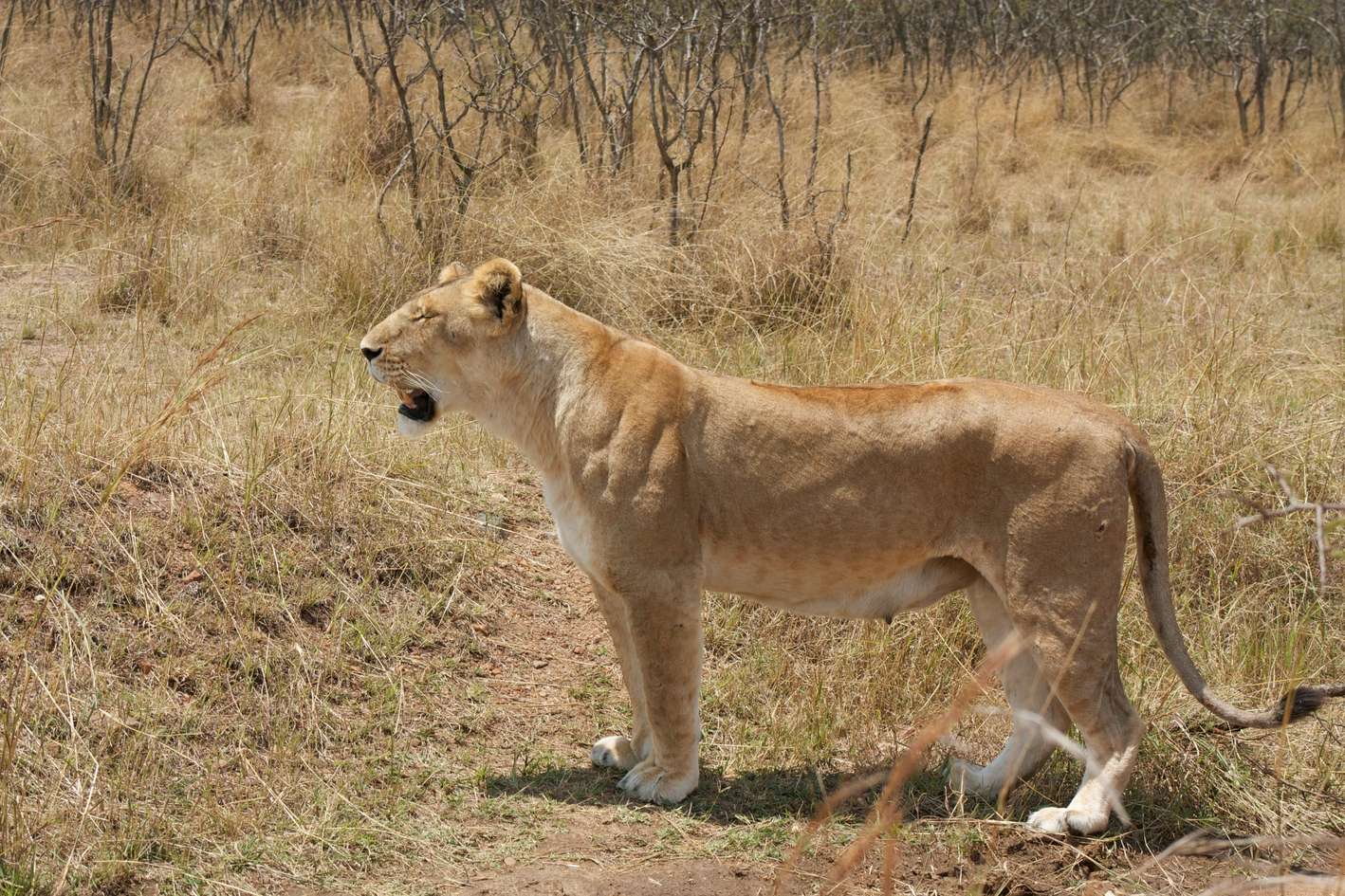
Guides call the Mkata Floodplain the Little Serengeti, and the name is not a stretch. Vast flat grasslands with scattered flat-topped acacias hold the same cast of grazers as the famous northern plains: zebra and wildebeest in herds, buffalo and impala, elephants working the tree lines, and resident lions that never really leave.
The hippo pools near the main gate are the near-certain sighting. They hold water through every month of the year, unlike most surface water around the park, so hippos crowd together and jostle in frequent territorial displays.
Kingfishers, egrets, herons and open-billed storks work the mud the hippos stir up. Stand there long enough and something happens.
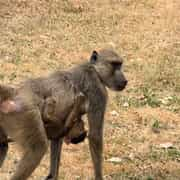
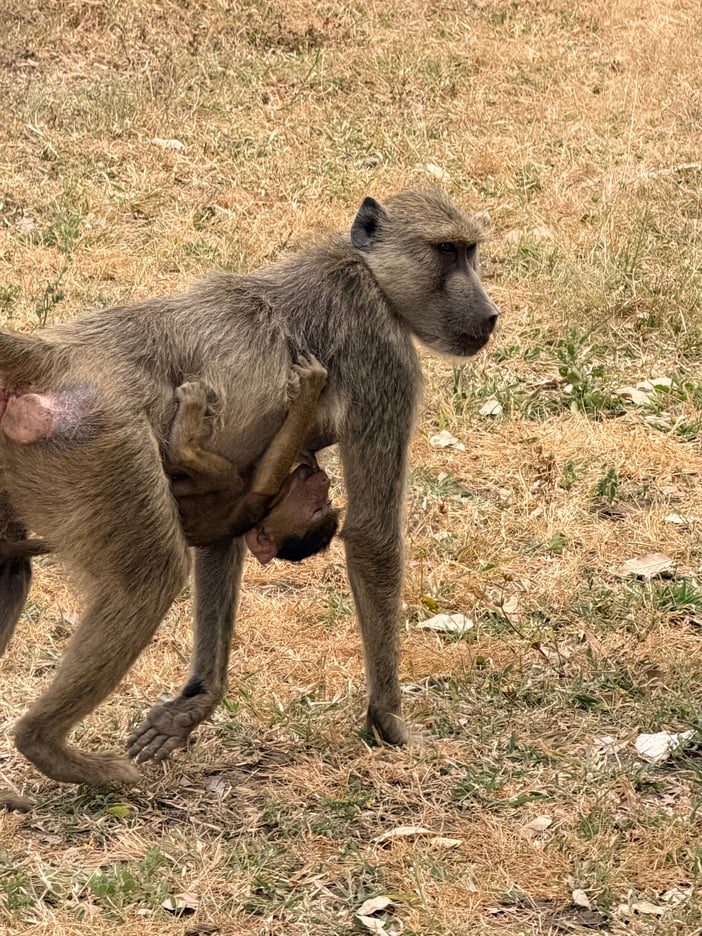
Yellow baboons patrol the central roads. Look for the golden coat with black-tipped hairs, the black hairless face with white sideburns, and the long tails bent away from the body.
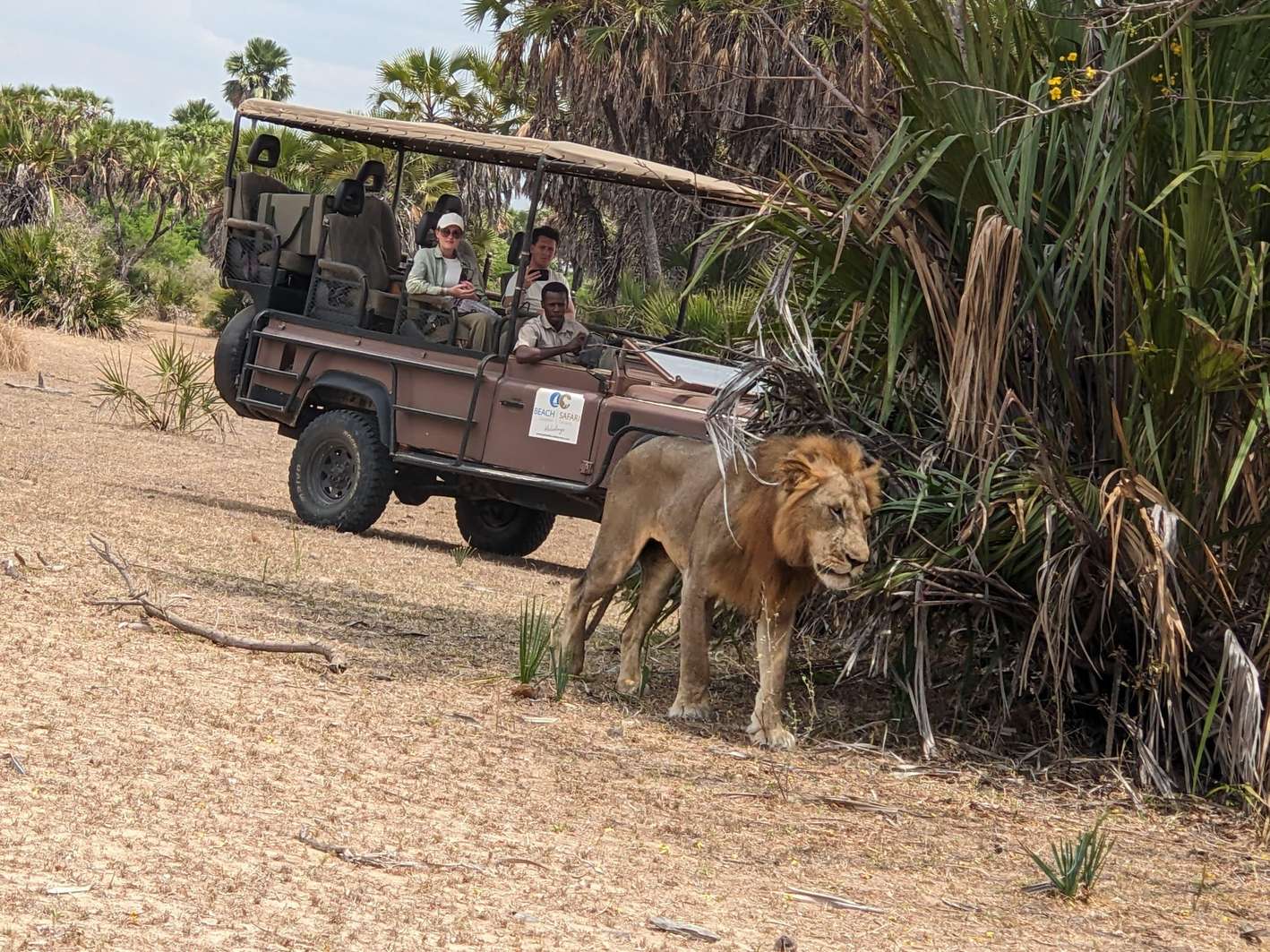
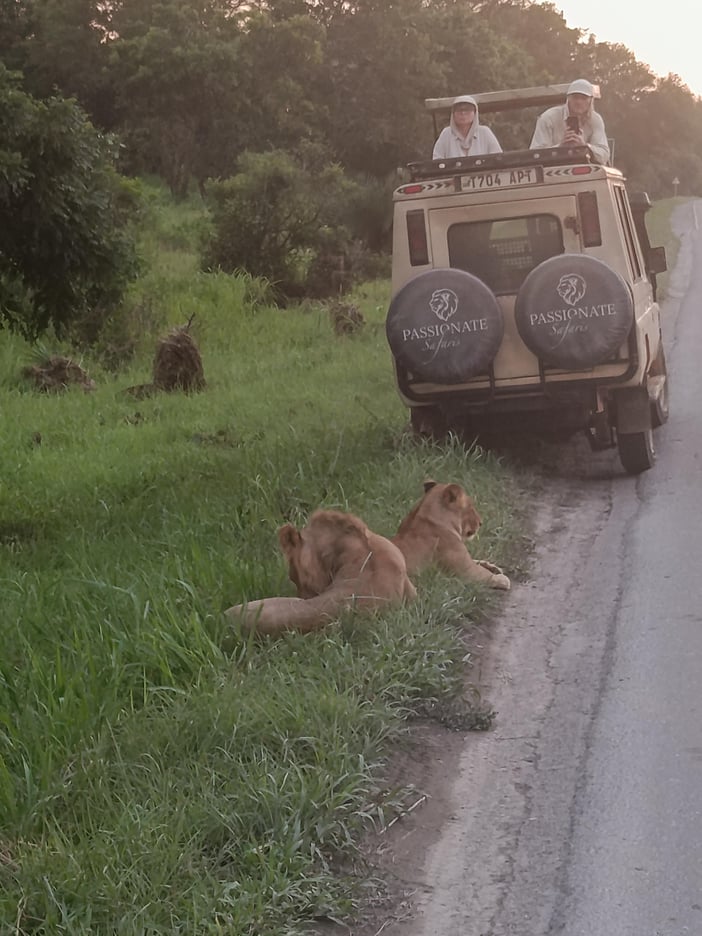
Lions and leopards depend on luck and the radio network. Animals roam freely and sightings are never guaranteed, so guides radio other jeeps across the park the moment a pride shows. Two days gives that network two chances to find them for you.
What nobody tells you
The gate-side hippo pools hold water year-round
hippos and waterbirds are the most reliable sighting in the park, whatever the season
Yellow baboons live along the central roads
watch for the golden coats and black-faced troops while driving between sightings
Guides talk to each other by radio
a lion sighting anywhere in the park often becomes your sighting within the hour
Two days helps the odds twice over: the radio network has a dusk drive and a dawn drive to work with, and the resident herds give a first-timer something on every single drive.
Tour for this
Zanzibar: 3-Day Mikumi National Park Safari with Free Pickup4.6★ (9) · Free cancellation
Day one starts in the dark. Hotel pickups in Zanzibar can run as early as 4 am, because the whole transit has to beat the park's evening curfew.
Gates open at 6 am and shut at 6 pm sharp, and a vehicle that misses the evening closure faces fines and ranger direction, so the schedules leave no slack.
The afternoon drive lands in the best window of the day. As the heat drops toward dusk, lions start to prowl and elephant, buffalo, zebra and wildebeest herds graze out in the open.
At midday the same animals shelter in tree shade and the hippos sink out of sight, which is why the timing matters more than the length.
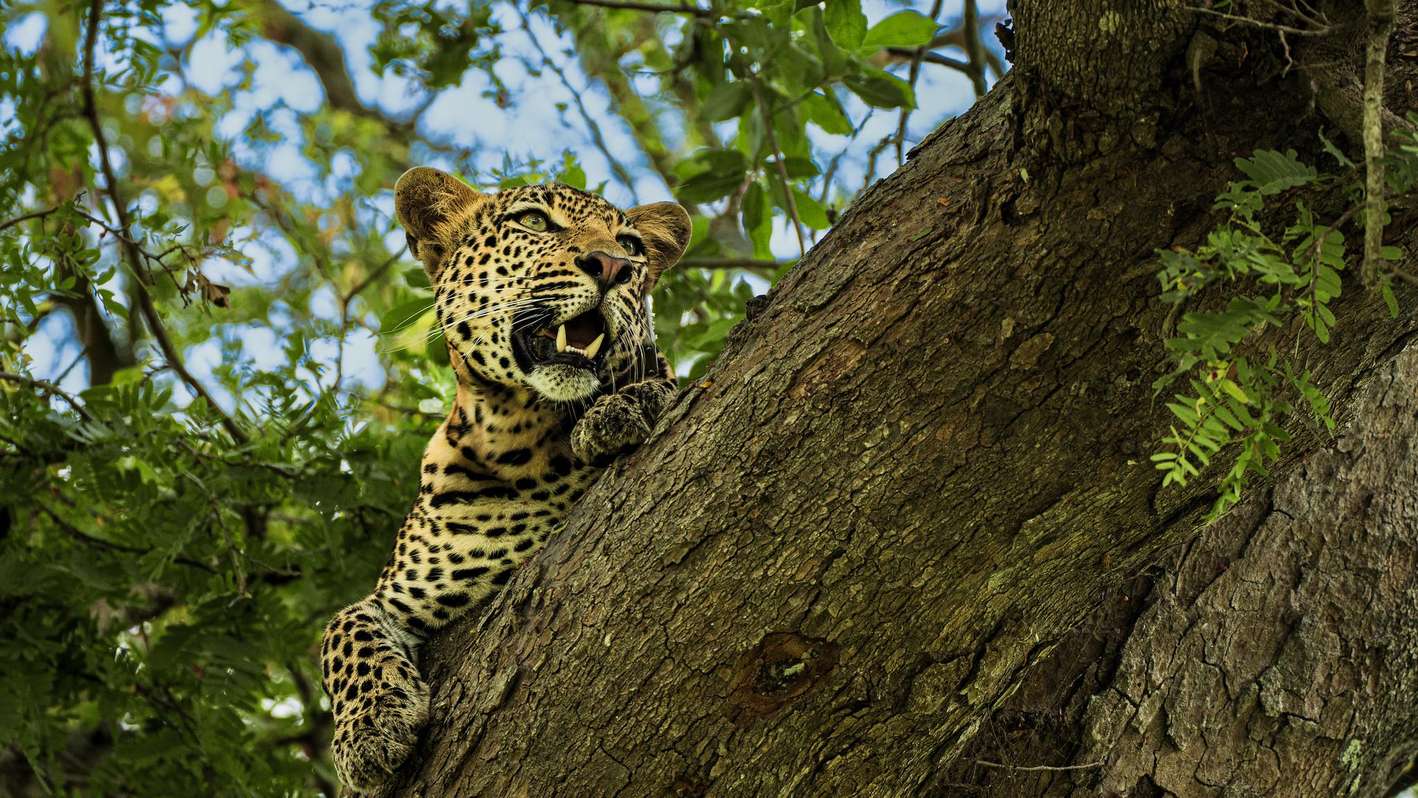
Dark falls, and the night drive takes over. With spotlights, the guides find lions, leopards, civets and hyenas going about their after-dark business. Then dinner, and a bed inside or beside the park.
Day two starts before sunrise with breakfast and a dawn drive, the second peak-activity window, before the return transit.
The activity is not spread evenly across the daylight hours, and the whole schedule is built around that.
Wildlife activity by time of day in Mikumi
Early morning6 am to 10 am
Grazers feed on open plains while predators roam
Midday10 am to 3:30 pm
Lions and other animals shelter in tree shade
Late afternoon3:30 pm to 6:30 pm
Predators begin hunting as temperatures drop toward dusk
QuietBusyThe busiest
The itinerary exists to put you on the plains in the early-morning and late-afternoon windows and to have you sleeping inside the gate, so no peak hour is spent in a vehicle on the road.
Tour for this
From Zanzibar: Mikumi Safari Day Trip with Flights and Lunch4.7★ (3,203) · 8 - 32 hours · Hotel pickup · Free cancellation
Getting to Mikumi in 2 days - flight, ferry or ferry-and-train
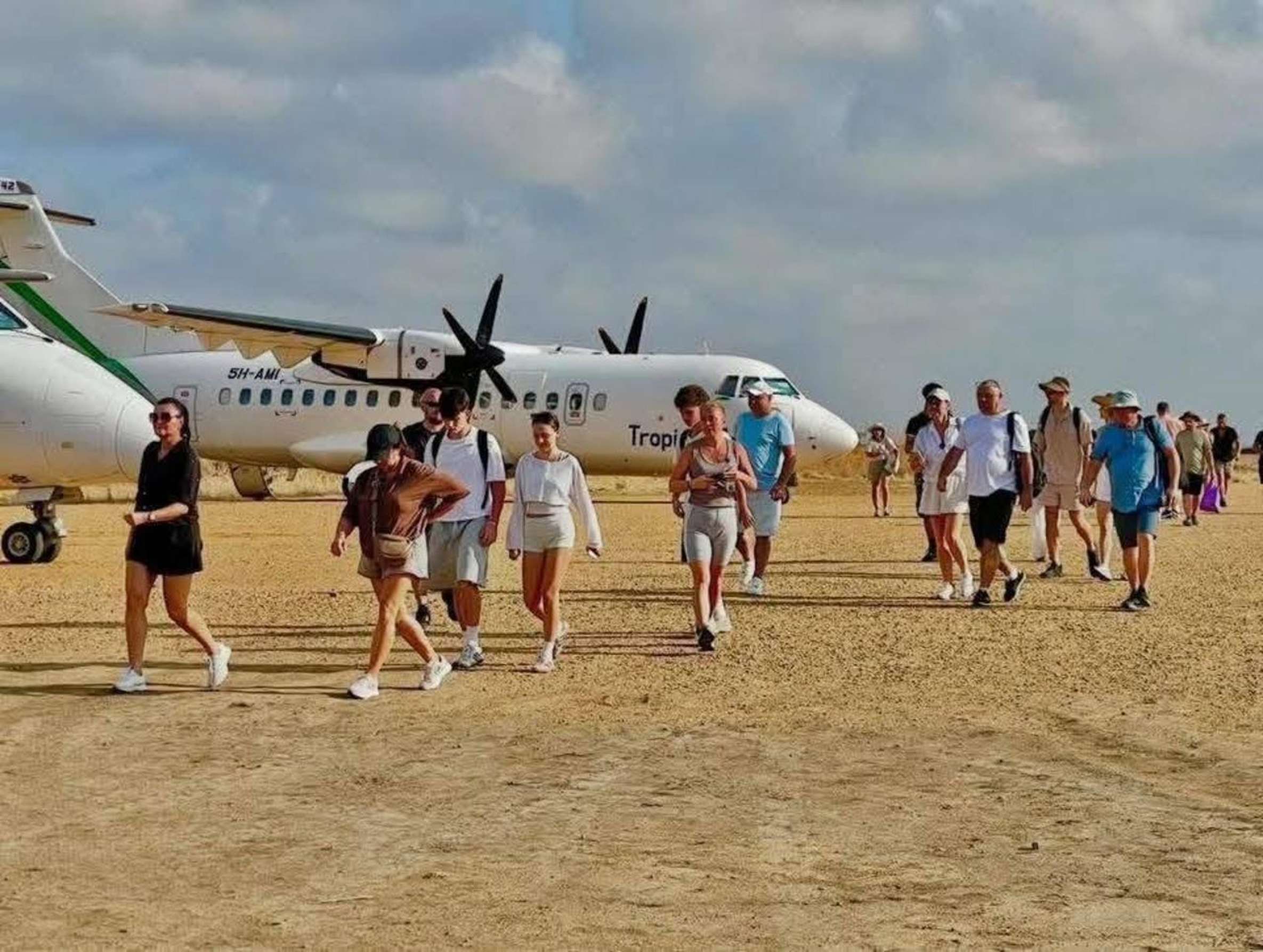
Three ways in, three very different days. The fastest is the bush flight: 40 to 60 minutes from Zanzibar to Kikoboga Airstrip inside the park, with the bonus of aerial views and early animal spotting on the descent. Small prop planes, soft-bag luggage rules, no wasted hours.
The overland route covers roughly 463 to 485 km and takes about 6.5 to 7.5 hours by ferry and road: a two-hour sea crossing to Dar es Salaam, then hours of driving. Crossing Dar es Salaam itself takes about 1.5 to 2 hours in ordinary traffic between the ferry terminal and the highway.
The smart overland version replaces much of that road with rail. The SGR express train runs Dar es Salaam to Morogoro in about 1 hour 40 minutes, and the road hop from Morogoro to the park gate takes another 1 hour 40, cutting the overland total to roughly 3.5 to 4 hours.
Zanzibar:2-Day Mikumi National Park Safari with boat & Train books exactly this combination, with the ferry, train and road transfers bundled in.
How hard each way in is
Bush flight from Zanzibar40 to 60 minutes direct to Kikoboga Airstrip, luggage capped at 15 kg in soft bags
Easy
Ferry plus direct roadabout 6.5 to 7.5 hours door to gate, including up to 2 hours through Dar es Salaam traffic
Difficult
Ferry plus SGR express trainroughly 3.5 to 4 hours overland, about 2 hours saved against driving
Moderate
Pick by stamina, and by what the transit is worth to you. The flight buys hours on the plains, the train buys scenery and a lower fare, and the direct road buys mostly traffic.
Tour for this
Zanzibar:2-Day Mikumi National Park Safari with boat & Train5.0★ (1) · Free cancellation
Shared or private is the first fork, and for two people it barely costs anything. Booking a private vehicle often runs only marginally more than joining a scheduled group, and it hands you the departure time, the length of each drive and the stops.
Shared seats cost less per person but lock you into the group's clock and the group's company.
Your back decides the second question. Full days on rough dirt tracks aggravate lower-back problems badly, and pregnancy changes the calculus too, since long corrugated-road journeys raise fatigue and other risks.
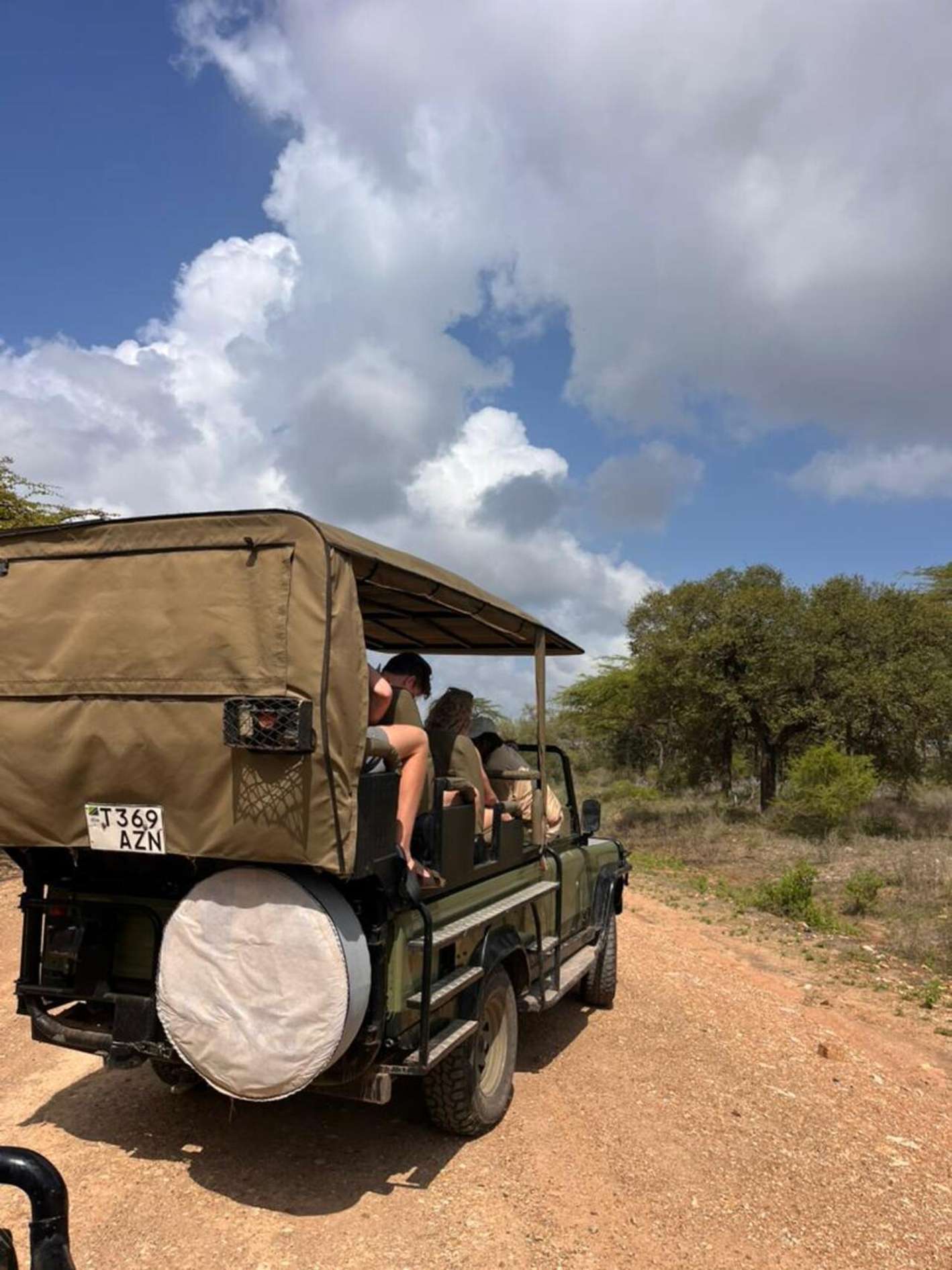
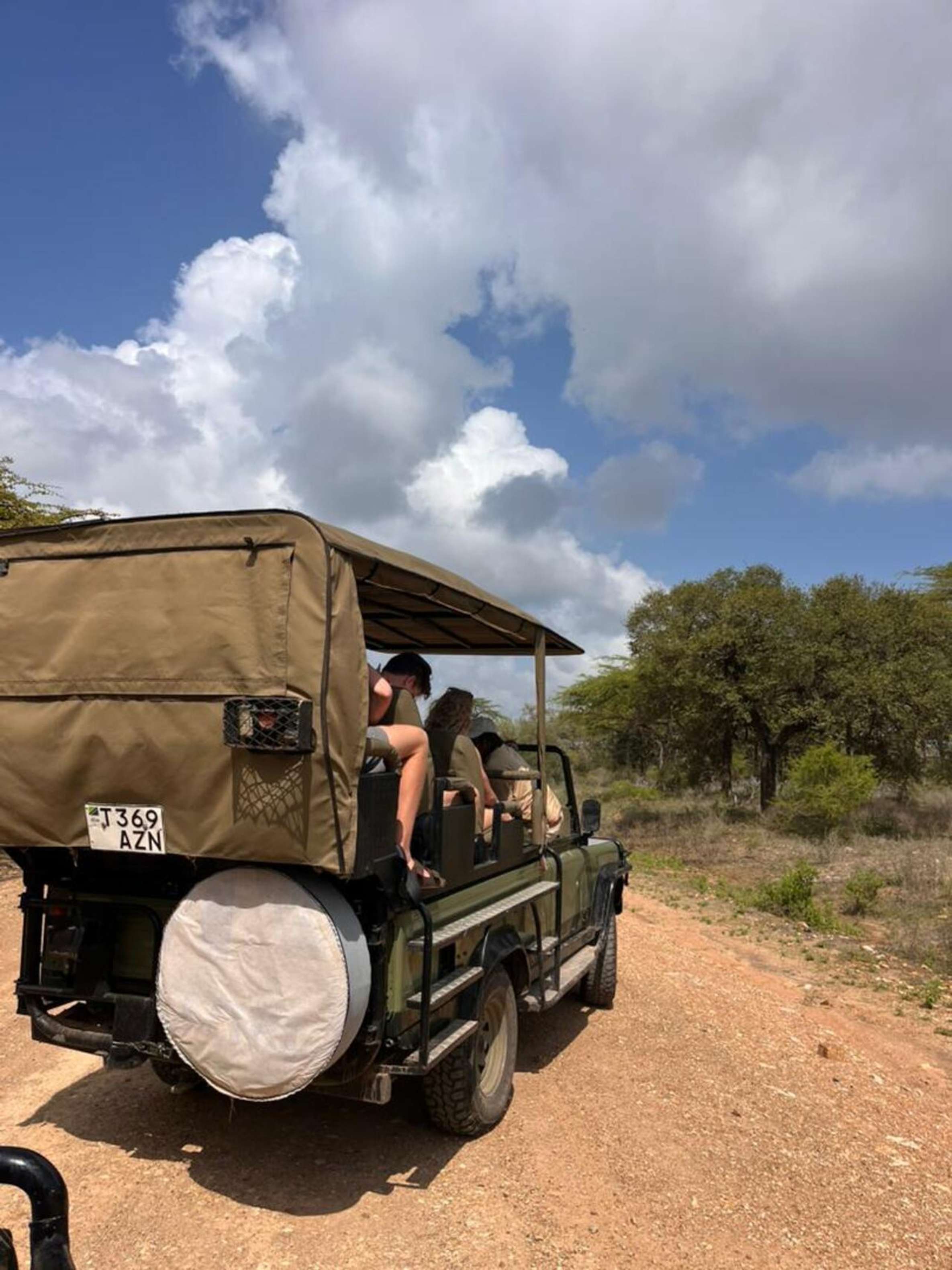
Mikumi safaris are not suitable for people with back problems, mobility impairments or wheelchair users, and honest tour cards say so. Check the vehicle as well: closed pop-top 4x4s run the overland legs, and open-sided jeeps are for the game drives themselves.
How to choose a 2 days Mikumi safari
Check
Why it matters
Our pick
Shared seat or private vehicle
private costs marginally more for two and controls the schedule; shared costs less per person
the ferry-and-train package runs as a private-vehicle trip with hotel pickup
Vehicle type and route suitability
rough dirt tracks compound back pain and rule out some travellers
not suitable for back problems or mobility impairments, stated up front
What the price bundles
multi-leg transit and park fees add up fast when booked piecemeal
ferry, train, transfers, entry fees, lodge night and most meals included
Night game drive access
only guests staying inside or beside the park get it
included, with spotlights, on the overnight itinerary
Run any tour card against those four lines and the differences between packages stop being vague.
Tour for this
Zanzibar: Mikumi Wonderful Safari with Open Jeeps4.9★ (41) · 3 days · Hotel pickup · Free cancellation
June to October is the window that fits both halves of your holiday.
The long dry season brings sunny, low-humidity days in the high twenties to low thirties Celsius on the coast and the mainland parks alike, and as seasonal water dries up, animals crowd the sources that remain, which concentrates the game viewing. A secondary window runs from late December to February.
July and September are the busiest months on the plains and in the booking books.
Travel demand in the dry peak runs well above an ordinary month, bush-plane seats fill several weeks to a few months ahead, and safari lodges inside the parks fill several months out. If your dates sit in that window, book as soon as you know them.
April and May bring the heavy rains, the wettest stretch of the year with possible flight delays.
Full cancellations are uncommon: the clay tracks of the Mkata Floodplain turn muddy, so guides reroute to the better-drained circuits near the northern core and the paved highway, which stay open year-round. Between April 1 and June 1, expect schedule adjustments while the park stays open.
Best months for wildlife at Mikumi water sources
July is a peak safari month with 26 dry days and mild 27°C temperatures, drawing wildlife to the shrinking waterholes and hippo pools.
HighestJul, Sep to Oct
In betweenAug, Nov to Mar
LowestApr to Jun
Darker: a higher how busy it gets score, out of 5
Tap a month to read it.
August brings steady tour traffic, comfortable temperatures, and over 22 dry days as wildlife clusters closely around remaining water.
HighestAug7 times seen
In betweenMar, Dec to Jan3 to 4 times seen
LowestFeb, Apr to Jul, Sep to Nov1 to 2 times seen
Darker months: higher, from 1 to 7 times seen
Tap a month to read it.
July is a peak safari month with 26 dry days and mild 27°C temperatures, drawing wildlife to the shrinking waterholes and hippo pools.
HighestMay to Oct22 to 26 days
In betweenNov14.8 days
LowestDec to Apr5.8 to 11.4 days
Darker months: higher, from 5.8 to 26 days
Tap a month to read it.
January sees moderate visitor traffic and warm days reaching 31°C, with frequent rain dispersing wildlife across the park away from permanent waterholes.
HighestDec to Apr116 to 167 mm
In betweenNov80 mm
LowestMay to Oct14 to 44 mm
Darker months: higher, from 14 to 167 mm
Tap a month to read it.
November sees moderate crowds and rising temperatures alongside increasing showers that begin replenishing waterholes across the plains.
HighestOct to Feb30.6 to 32.3 °C
In betweenMar, Sep30.1 to 30.2 °C
LowestApr to Aug26.6 to 27.7 °C
Darker months: higher, from 26.6 to 32.3 °C
Tap a month to read it.
Read the months against your own dates: dry months put the animals at the remaining water and fill the camps, while a green month buys quieter tracks and thinner crowds at the cost of some sightings.
This is the part the day-trippers miss, and it is the reason the overnight exists. Sleeping inside or right beside the park means the wild does not stop when the jeeps go home.
Campers regularly report zebras and other animals walking close past the tents after dark, and the bush sounds through canvas or a lodge wall are the memory that lasts.
You have three grades of bed. Budget guesthouses in Mikumi village sit about 20 minutes from the boundary and run day drives from there, which costs you the dawn hours.
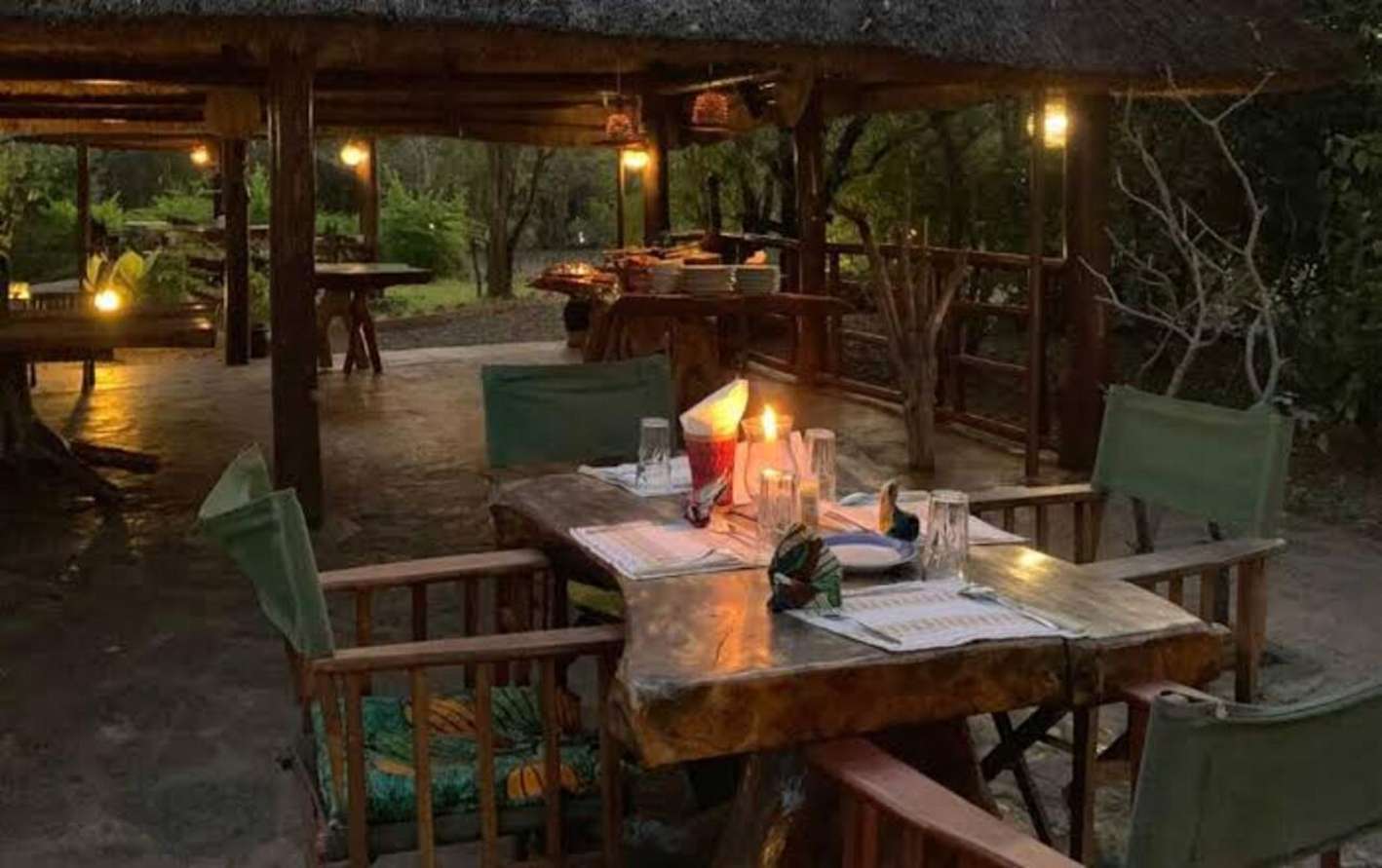
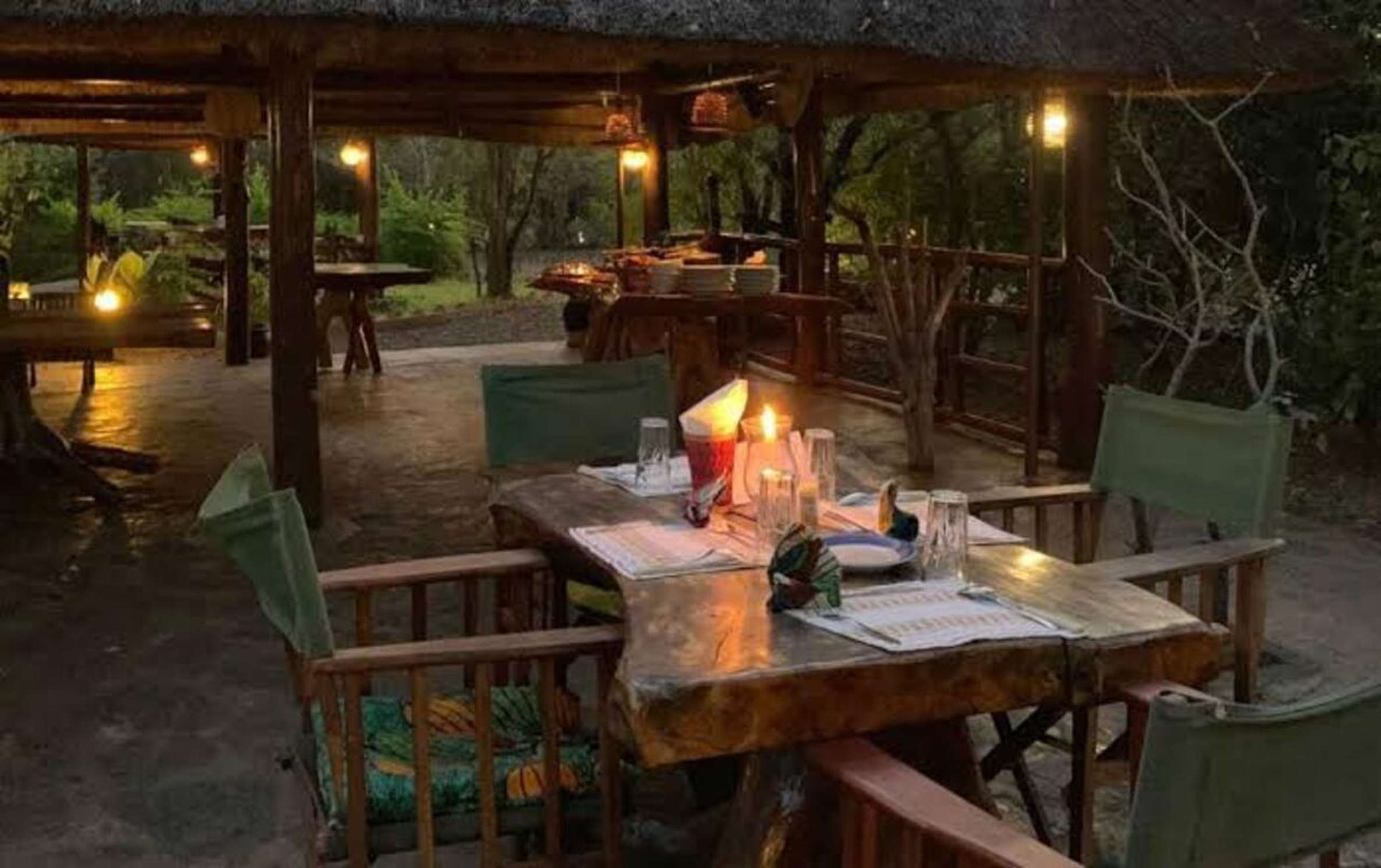
Tented camps adjacent to the park gate pair a proper bush setting with full safari vehicles and upscale amenities. Lodges inside the park add the official night game drive, run with spotlights after dark, and that drive is what turns the hyenas and civets from sounds into sightings.
Zanzibar: Mikumi National Park 2-Day Safari with Ferry builds its two days around exactly this: an afternoon drive, dinner, the night drive, and a lodge night inside the park before the dawn return.
Practical note: some bush camps run on solar power that limits in-room electricity to lighting, so cameras and phones charge in the common areas. A lodge with a pool earns its keep with families, giving children somewhere to burn energy between dusty drives.
A traveler's note
Once in a lifetime experience! Amazing one-day safari. Lucky to see many animals, including lions just after breakfast. Very positive guide with many interesting facts. Recommend 100%. Hakuna Matata, thanks for unforgettable memories!
Pack for two extremes and one rule. The rule first: malaria is present year-round in Mikumi, the park sits below 1,800 metres in a high-risk zone, and official guidance recommends antimalarial prophylaxis for every visitor regardless of how short the stay or how comfortable the lodge.
Start the course before you travel, and back it with insect repellent and long sleeves at dusk.
The first extreme is the dawn. Open vehicles on early drives feel genuinely cool before sunrise, with night lows around 16 degrees in the cool months of June to August and near 20 the rest of the year.
A fleece or light jacket over a long-sleeved shirt and long trousers covers it, and comes off by mid-morning.
The second extreme is the sun, so add a wide-brimmed hat, sunglasses, sunscreen and closed-toe shoes for clambering in and out of the jeep.
The colours matter more than people expect. Tsetse flies are strongly drawn to black and dark blue, so khaki, beige, tan and olive are the wardrobe, and thin fabrics are worth avoiding because the flies bite through them.
Mikumi overnight safari packing essentials
Soft-sided duffel bag (max 15 kg)Domestic bush flights enforce a strict 15 kg limit using soft bags without hard frames to fit into small plane cargo holds.
Neutral lightweight clothingKhaki, beige, and neutral tones keep cool during midday heat and avoid attracting biting tsetse flies.
Warm fleece or light jacketMorning and night game drives in open-sided safari vehicles turn breezy and cool before sunrise and after dark.
Long-sleeved shirts and trousersProvides barrier protection against mosquito bites around dusk and dawn in a year-round malaria zone.
Insect repellentEssential defense to deter mosquitoes and insects during evening camp hours and daytime drives.
Malaria prophylaxis medicationMikumi has year-round malaria risk, making medical prophylaxis recommended before and during overnight stays.
Supportive closed-toe shoesRequired for safety and comfort around safari lodges, rest stops, and embarking 4x4 vehicles.
Wide-brimmed hat and sunglassesGuards against strong equatorial sun glare during open-roof game drives across the savannah.
The list carries the soft-bag rule that catches bush flyers out: hard-shell cases do not fit a light aircraft hold, so pack into a soft duffel under the weight limit.
What your 2 days Mikumi package covers, and what sits outside it
The fixed costs are already inside a guided package. Park entry fees, landing charges and government taxes for Mikumi are included in tour bookings, so nobody presents you with a fee at the gate.
Book independently instead and know the gate's rule: entrance fees are card only, cash is not accepted, and the same cashless system applies across the national parks.
What sits outside the package price is mostly human. Tips for the driver-guide and camp or lodge staff are the most common omission from a safari budget: discretionary but expected, with a range of about ten to twenty dollars per person per day for guides, paid at the end of the drive and at departure.
Carry small notes in good condition for exactly this.
Personal expenses round out the list: drinks beyond what the itinerary serves, laundry, souvenirs, and the travel insurance that visitors to Zanzibar are required to hold anyway.
ImportantBring a card, not cash, and budget for tips on top of the package price Mikumi's entrance gate takes credit only, and guide and camp staff tips are never included in the tour price
Set the tip money aside on day one and it stops being a thing you think about.
Weather is the only real wildcard, and the fallback is written down. Between April 1 and June 1, wet-season conditions may postpone, advance or otherwise change a safari, and a trip grounded by unsafe flying conditions is rebooked to an alternative date or refunded in full.
Some operators route around it: passengers fly to Dar es Salaam and continue the journey by road.
Read the fine print on connections before you buy, not after. Operators do not accept responsibility for missed onward flights or missed activities caused by delays on other airlines, so build buffer between the safari and anything with a fixed time on it.
One tour advises returning to Zanzibar at least two nights before an international departure for exactly this reason.
Group departures have their own quirk. If a shared group fails to fill, operators frequently run the itinerary anyway with a private driver and vehicle at the shared price, which is a quiet upgrade.
If things go sideways
If this happens
What happens then
Weather grounds the bush flight
alternative date or a full refund
Wet-season conditions between April 1 and June 1
schedule shifts or route changes, not a park shutdown
Shared group misses its headcount
the trip often runs anyway, private vehicle for the shared price
Your onward flight is delayed by the safari
the operator is not liable, so leave buffer days
None of these scenarios ends the trip unpaid, which is the reassurance worth booking on.
After the 2 days Mikumi trip - mainland days worth adding
A third day tempts everyone, and the pairing matters. Nyerere National Park, the former Selous reserve, adds something Mikumi cannot: boat safaris on the Rufiji River, with hippos and crocodiles at water level.
Wildlife there is more dispersed than on Mikumi's compact floodplain, so drives involve more active tracking, and an overnight package earns far better value per hour, since a same-day dash captures only six or seven midday hours.
Resist combining both parks into a tight three or four days. The itinerary turns rushed and the transfer costs pile up for hours of driving between sightings. Pick one park as the safari and give it the days it deserves.
Closer to Mikumi, some packages fold in a Maasai village visit with traditional dances and time with the community, which fills a mainland afternoon well and suits families.
Booking is simpler than the logistics suggest. Wildlife safaris to Mikumi or Nyerere can be booked directly through Zanzibar resorts, so you can arrange the whole mainland extension without leaving the island, and the transfers arrive with your name on them.
Two days is the right length for Mikumi. One day gets you a midday drive and a long transit; the overnight adds the dusk hunt, the night drive and the dawn plains, which are when the park is actually alive.
Book the ferry-and-train or fly-in package by June, pack khaki and a fleece, and the weekend delivers a real safari.
Go ifYou have a Zanzibar or Dar es Salaam base and a weekend to spareYou want dusk, night and dawn game viewing a day trip cannot reachYou are booking for June to October and can commit months ahead
Skip ifYou have back problems, limited mobility or are pregnant, because rough dirt tracks rule the drivesYou only have one day and no flexibility, where a fly-in day trip fits betterBig cat density is your whole reason for going, which points to the Serengeti instead
Our pick to book
Zanzibar: Mikumi National Park 2-Day Safari with Ferry5.0★ (4) · 2 days · Hotel pickup · Free cancellation
Straight answers on routes, gates, animals and overnight stays before you book your two days in Mikumi.
Dar es Salaam2026
Hippos jostle at the pools by the main gate all year, and kingfishers feed in the mud they stir. Book the flight if the overland hours worry you.
How far is Mikumi National Park from Zanzibar, and how do I get there for a 2-day safari?
Mikumi sits about 463 to 485 km from Zanzibar. A direct flight to Kikoboga Airstrip takes 40 to 60 minutes, while the ferry to Dar es Salaam plus road travel runs about 6.5 to 7.5 hours in total.
What does a 2-day Mikumi itinerary actually look like?
Most two-day packages leave early on day one, reach the park by afternoon and run a game drive toward sunset, then sleep inside or beside the park. Day two adds a morning drive before the journey back.
Why does an overnight stay beat a same-day trip?
Early morning and late afternoon drives catch predators hunting and big herds grazing, while midday animals shelter from the heat. Sleeping inside the park puts you at the gate for the dawn hours a day trip misses.
Can I do a night game drive on a 2-day Mikumi camping safari?
Yes. Mikumi offers official night game drives for visitors staying inside or adjacent to the park, and one tour includes an after-dark drive with spotlights for lions, hyenas and other nocturnal animals.
What are the park gate hours, and what if we run late?
Gates open strictly from 6 am to 6 pm. Vehicles outside those hours cannot drive in the park, so plan to clear the gate by the evening curfew to avoid fines.
Which animals will I see in 2 days in Mikumi?
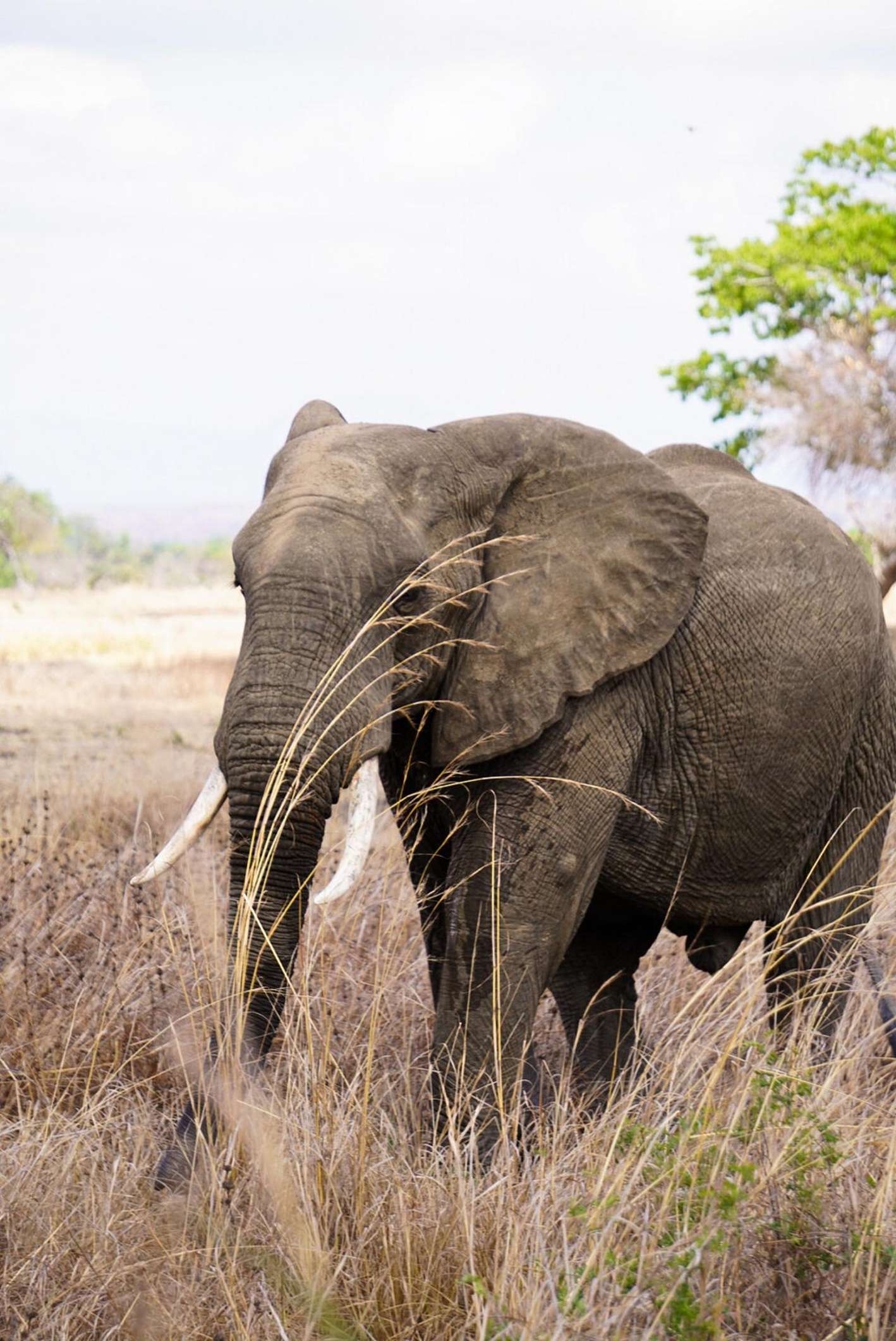
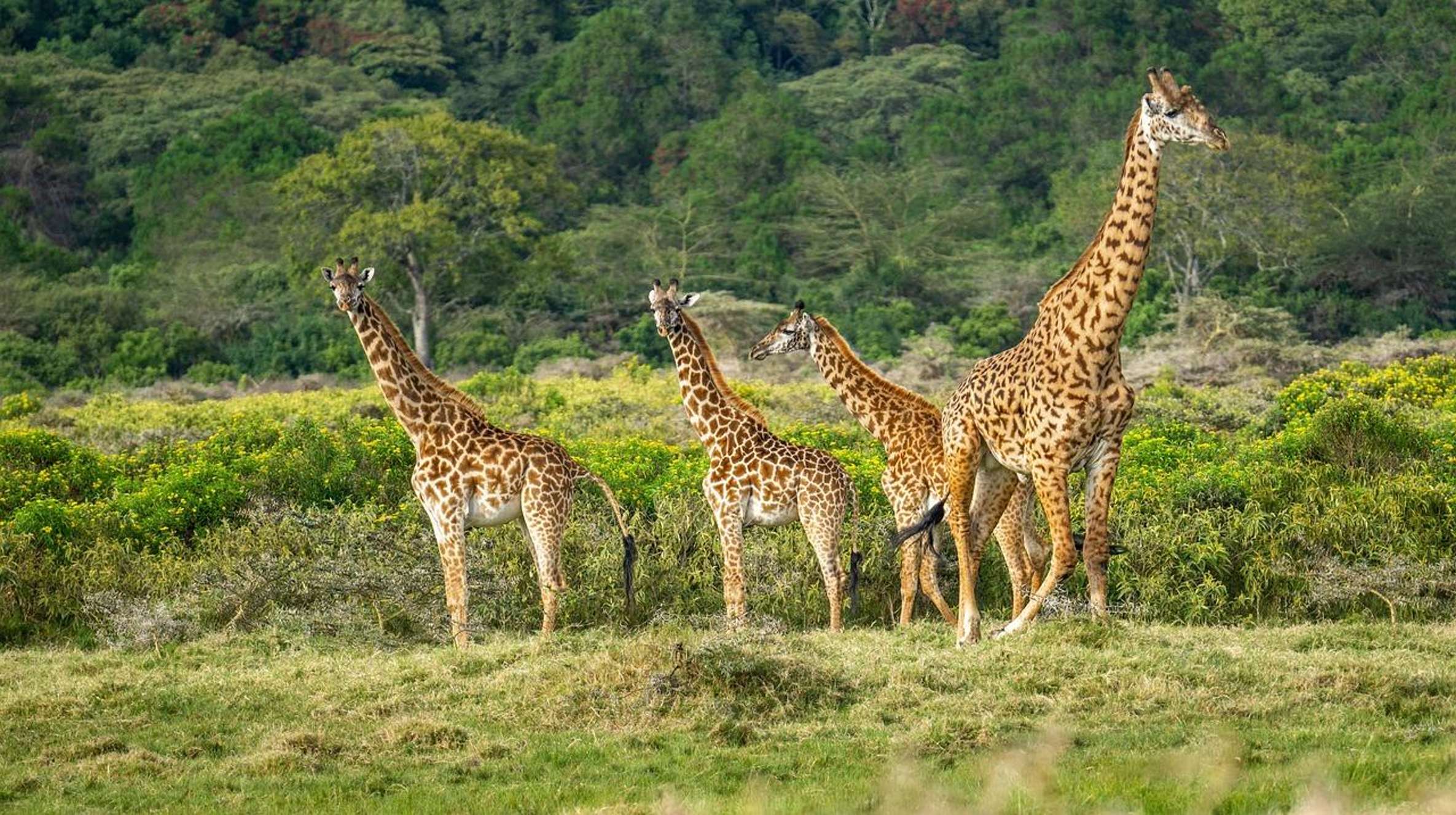
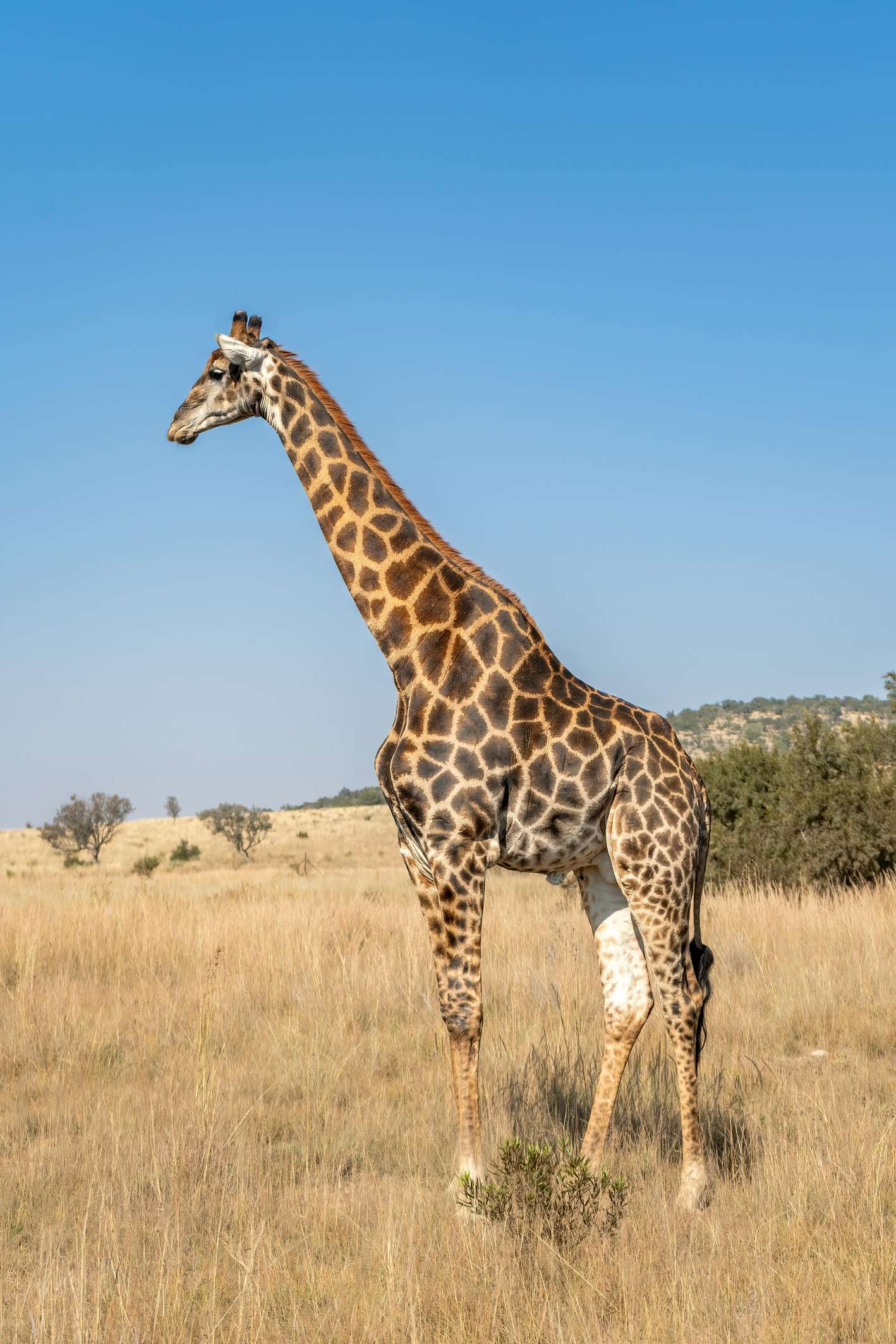
Elephants, zebras, wildebeest, buffalo, giraffes and resident lions live in the park year-round. Big cat sightings happen less often than in the Serengeti, so guides network by radio to track them down.
Why is Mikumi called the Little Serengeti?
The Mkata Floodplain looks like the Serengeti, with flat grasslands, scattered acacias and similar herds of zebra, wildebeest and buffalo grazing on open horizons.
Is 2 days in Mikumi worth it compared with the Serengeti?
Mikumi saves real travel time and cost from Zanzibar or Dar es Salaam, and its wildlife numbers are healthy, though its density cannot match the Serengeti and big cat encounters are rarer.
Should I choose Mikumi or Nyerere National Park instead?
Wildlife spreads across much larger areas in Nyerere, so game drives demand more active tracking, and Nyerere adds boat safaris on the Rufiji River. Cramming both parks into a short trip gets rushed and costly.
Can I book the safari through my Zanzibar resort?
Yes, wildlife safaris to Mikumi can be booked directly through Zanzibar resorts, usually with hotel pickup, ferry or flight, park fees and the overnight stay bundled into one booking.
Is the journey exhausting?
The overland route involves early starts and several hours of travel, so the two-day format helps by splitting the trip with a night near the park. Flying trims the transfer to under an hour each way.
2 days in Mikumi safari tours and more planning pages