
 Our top pick
From Zanzibar: Mikumi Safari Day Trip with Flights and Lunch
Experienced English-speaking driver-guideMikumi National Park entry and landing fees
From$423 /group
See dates and book Free cancellation · Hotel pickup
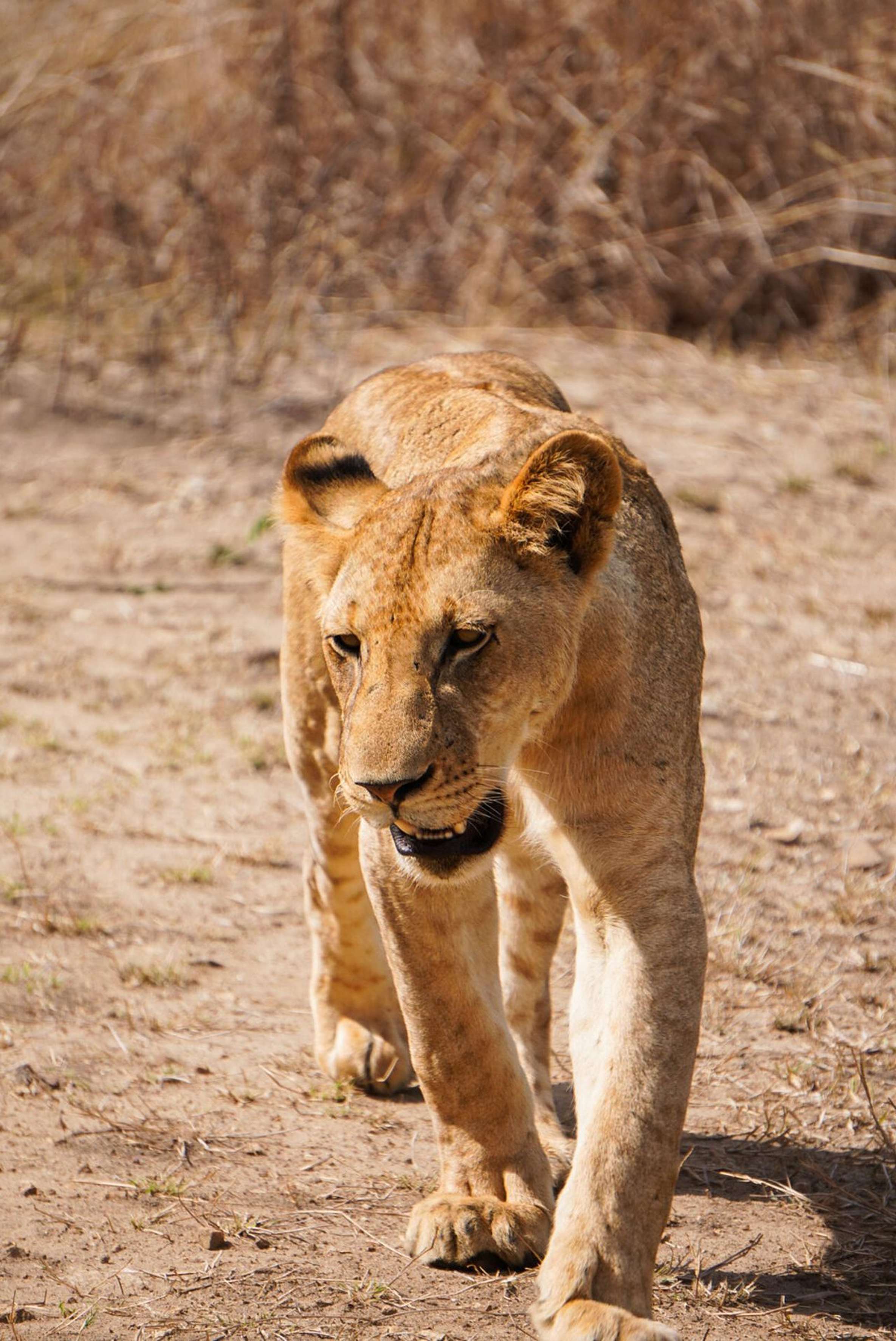
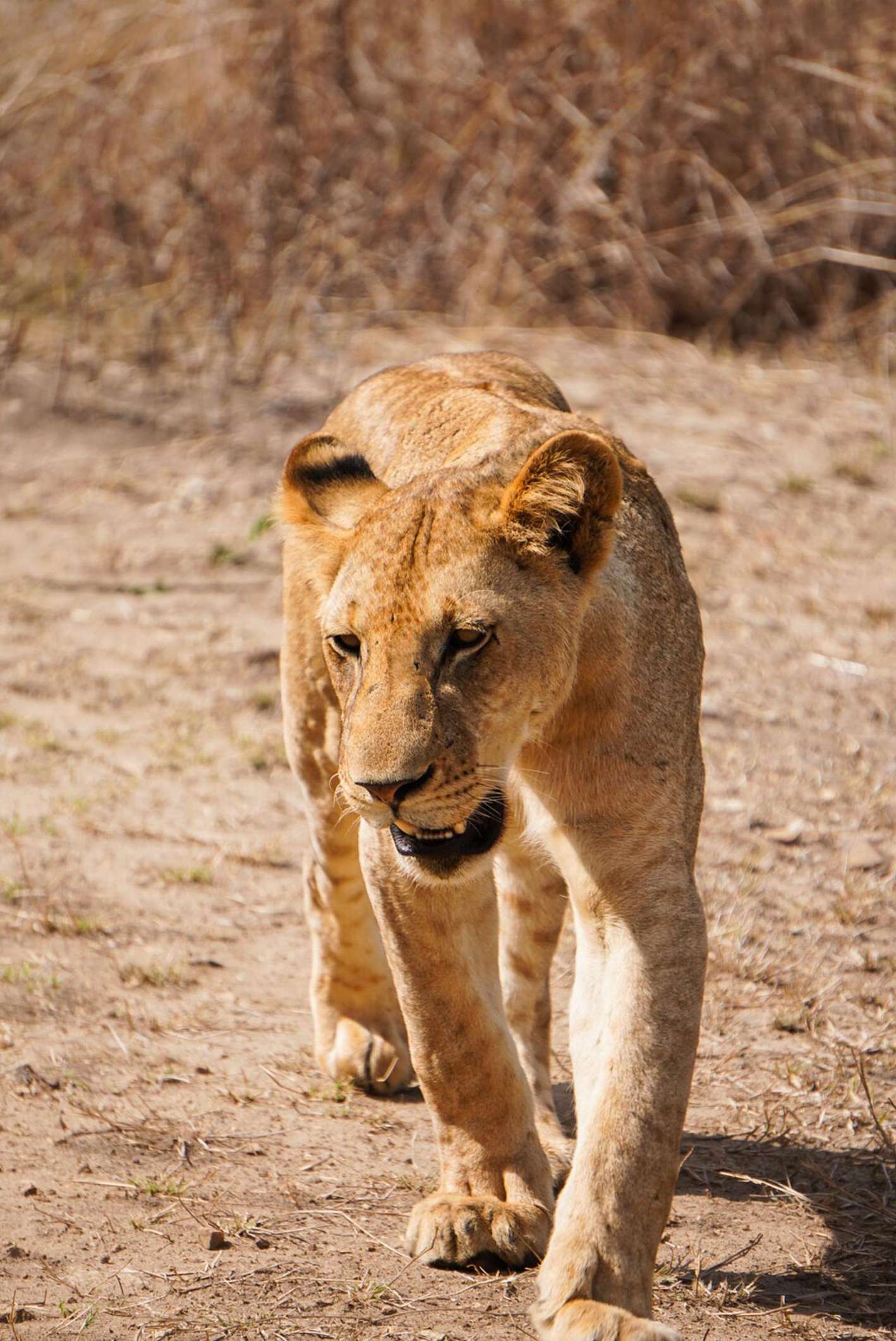
Trade your beach lounger for lions for a day. Fly straight from Zanzibar to a bush airstrip, board a 4x4 at the gate, and be back at your resort for dinner. Over 3,000 travelers have turned their island holiday into a mainland safari this way.
“Driver arrived right on time, friendly and did his utmost to show us wildlife, sharing valuable info. We saw animals really close to the car. Great experience!”
Every tour here starts at your Zanzibar hotel or the island airport, flies you to a mainland park, and gets you back the same day or after one or two nights away.
Our top pick
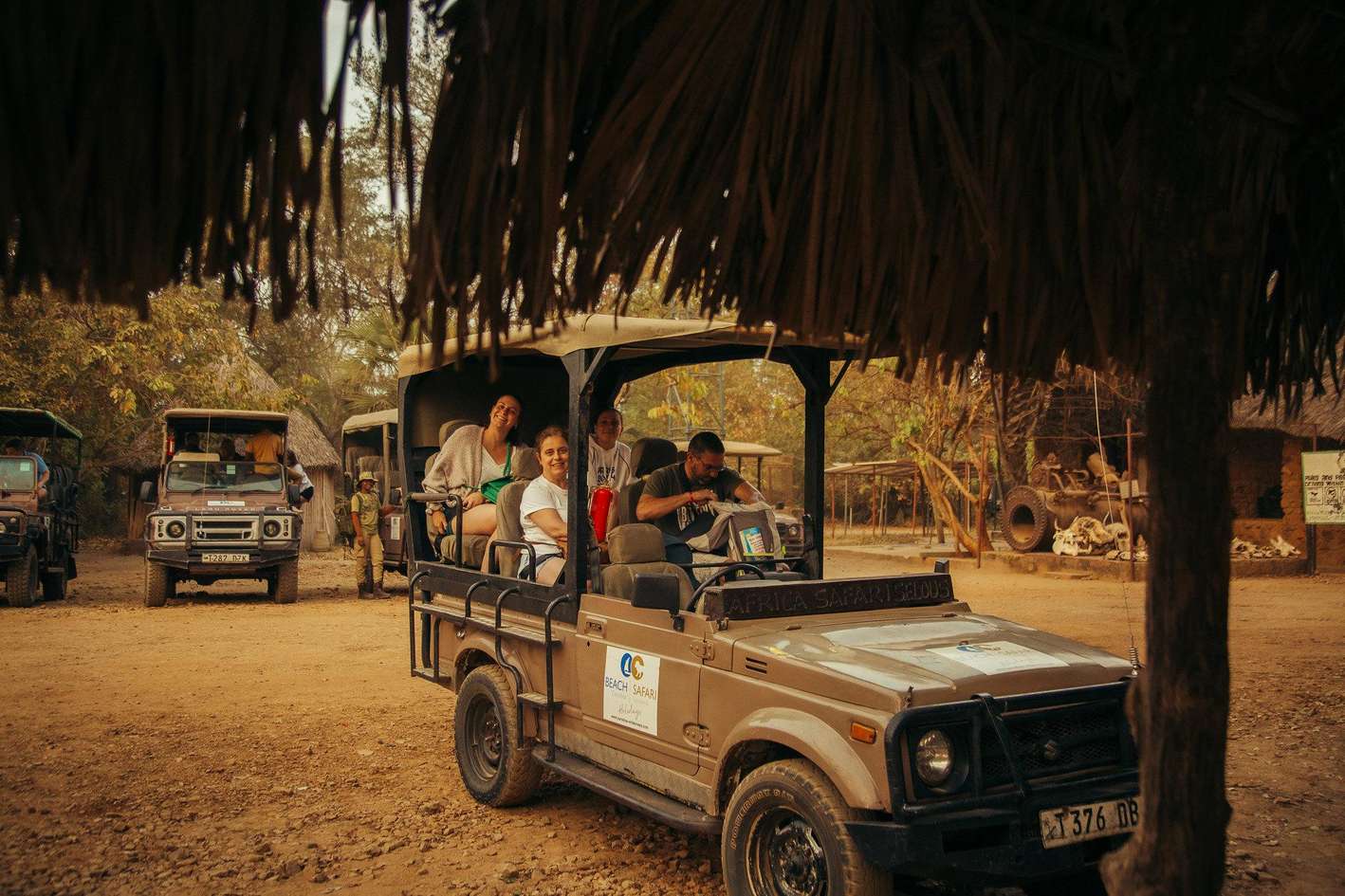
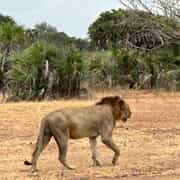
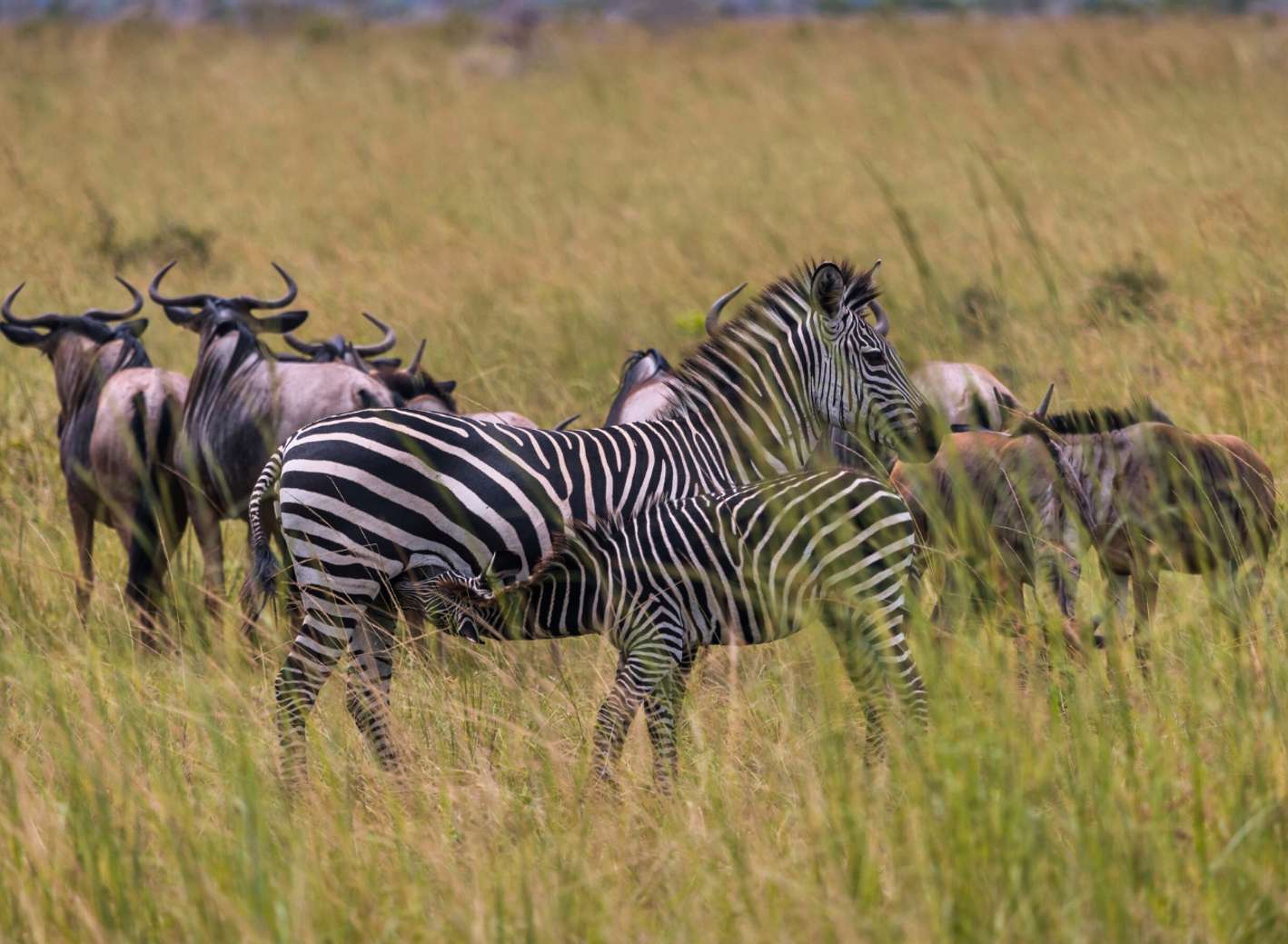
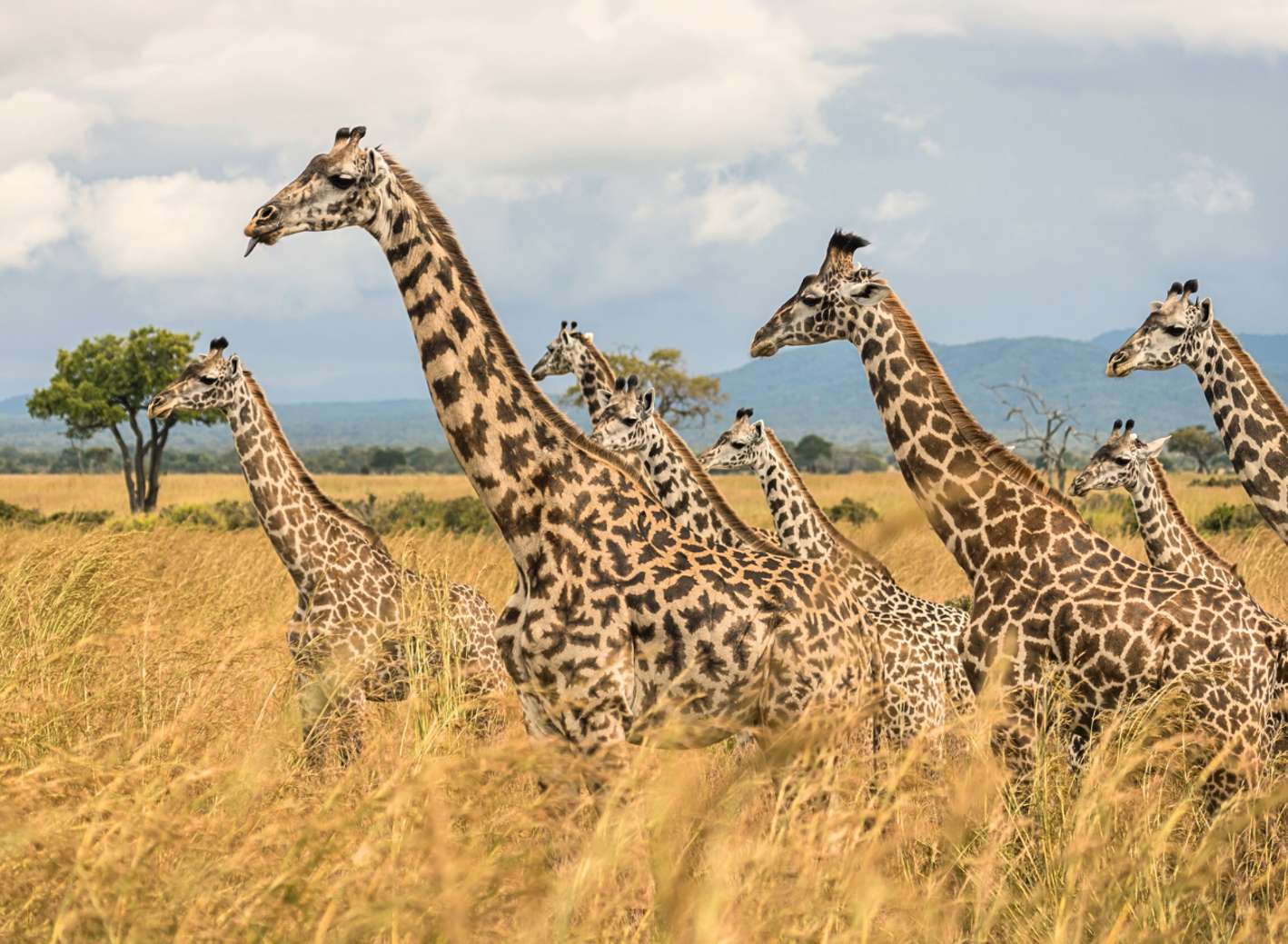
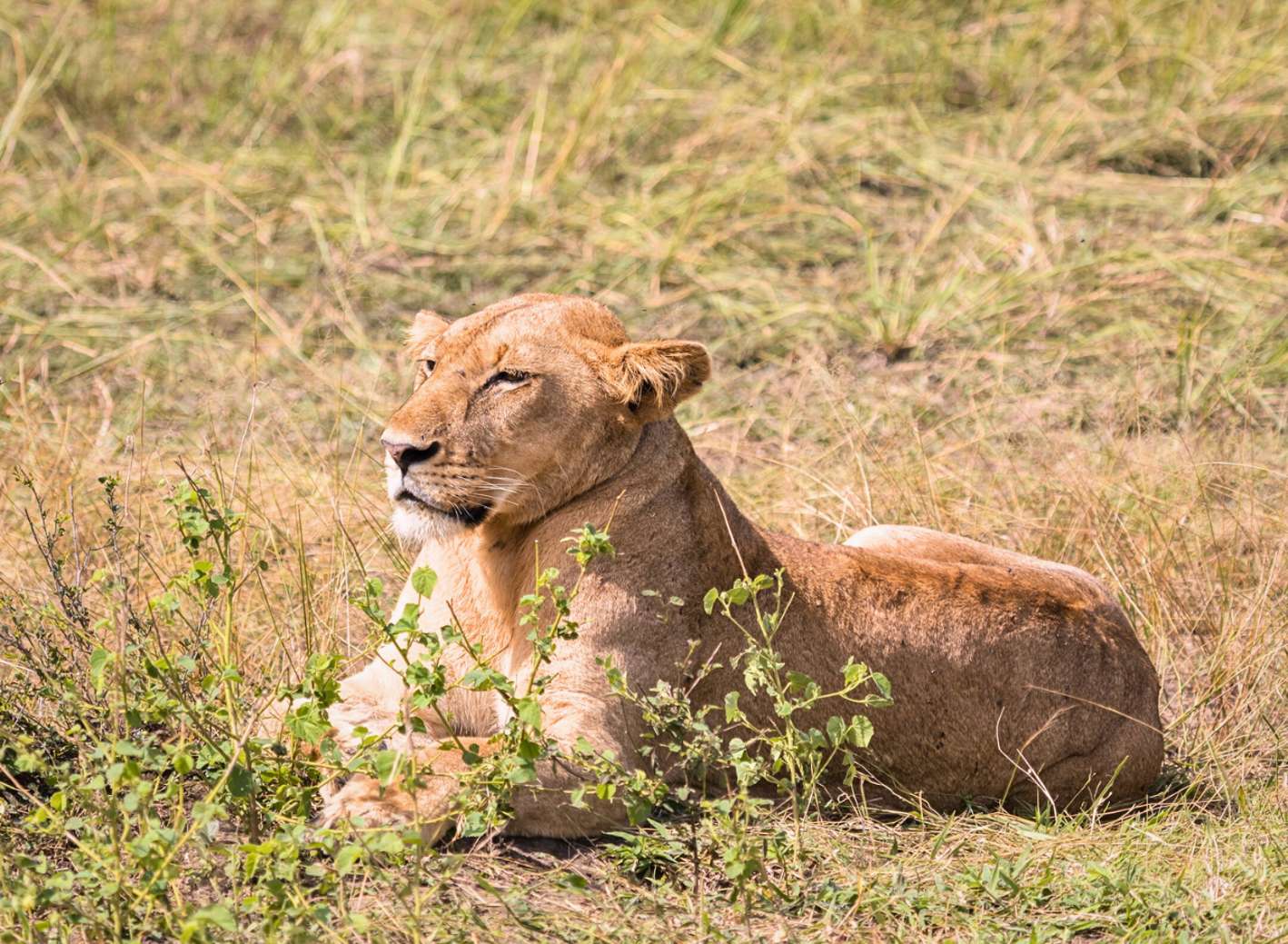
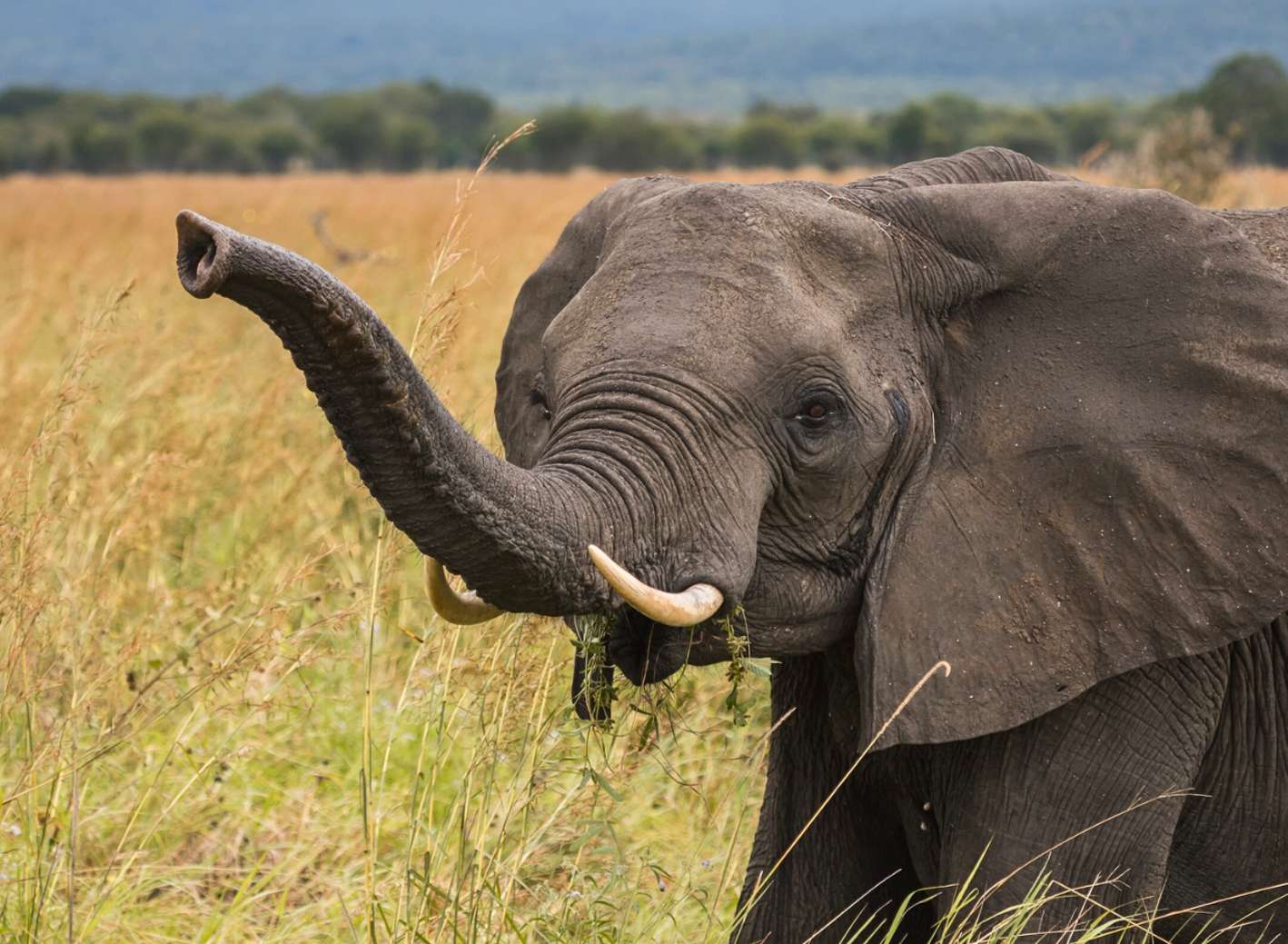

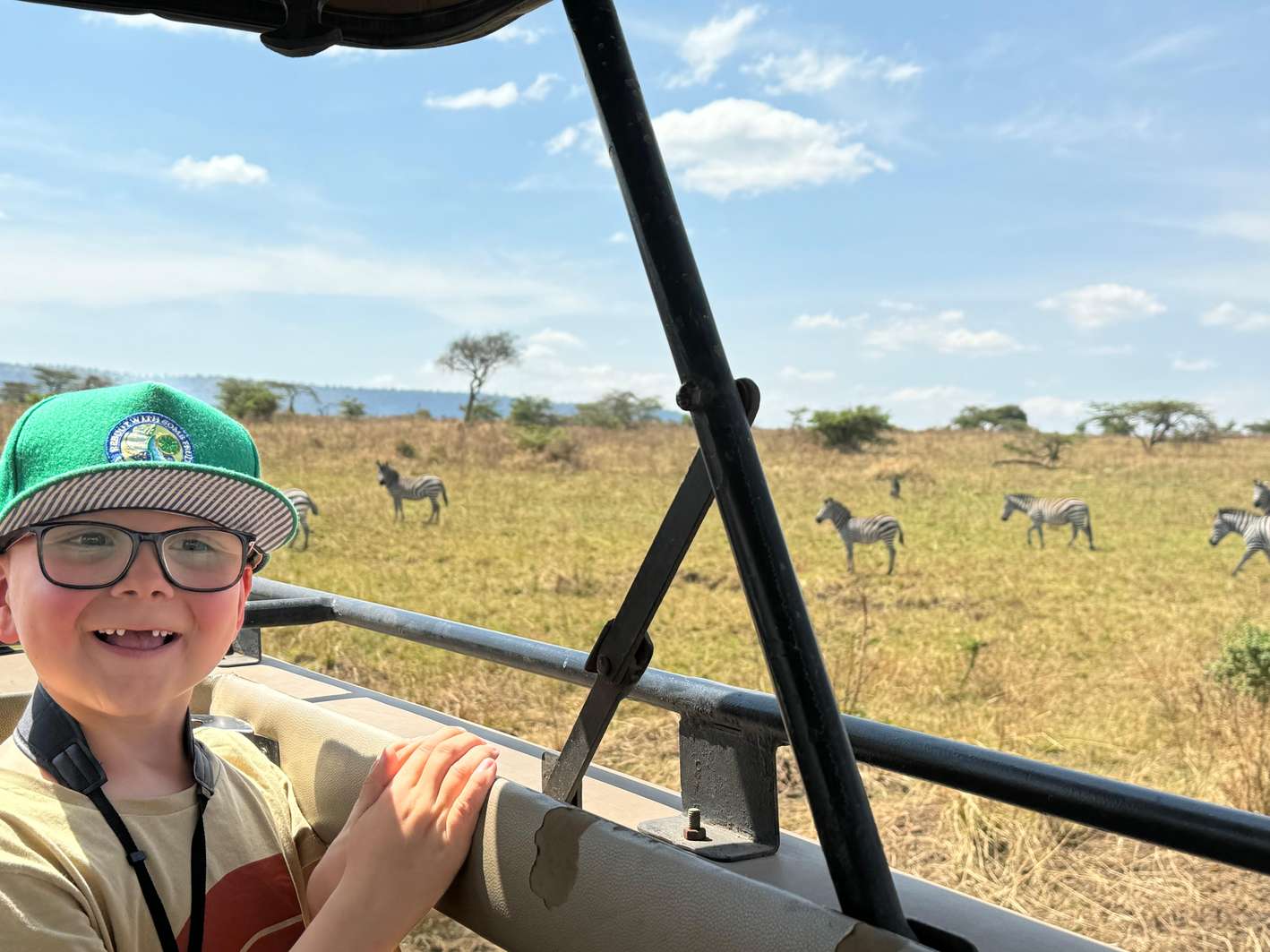
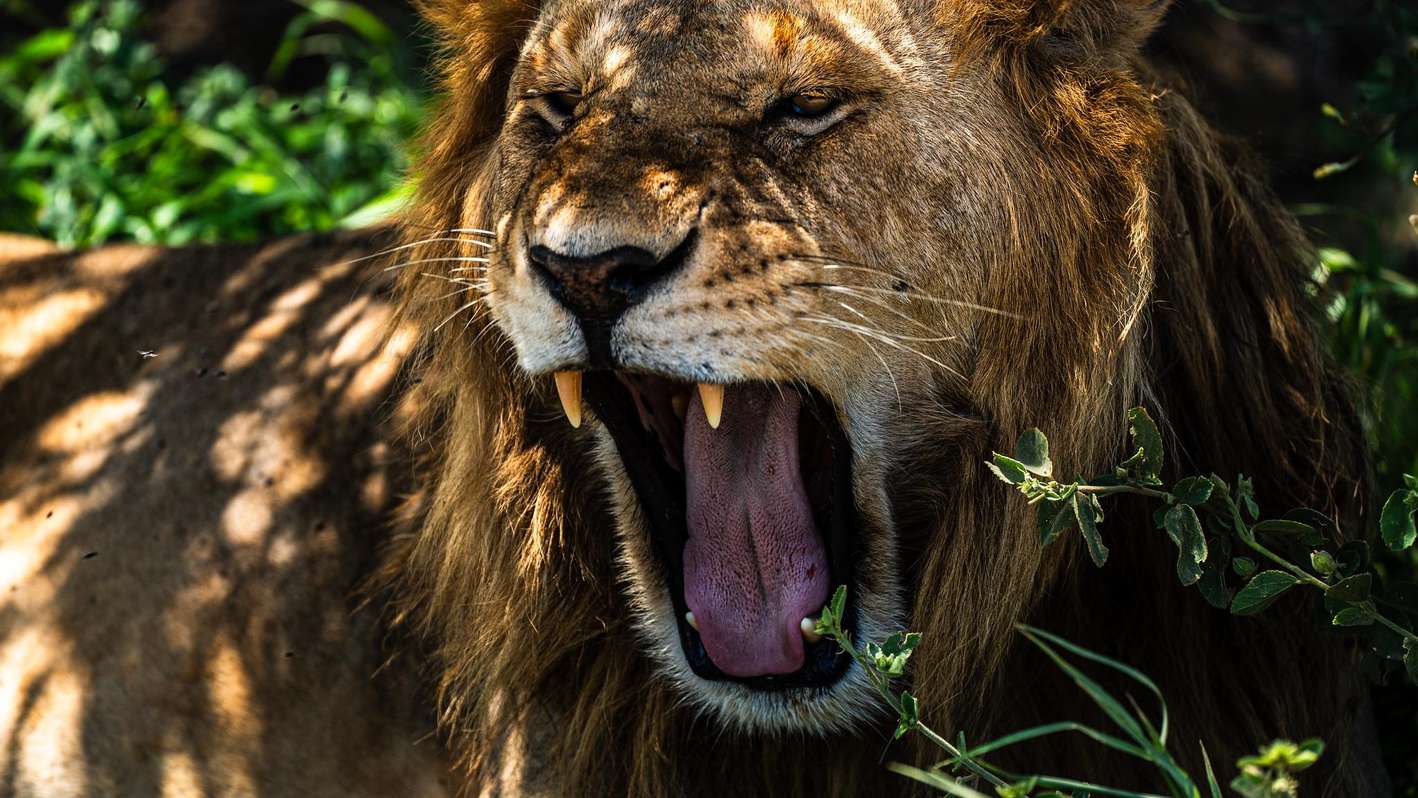
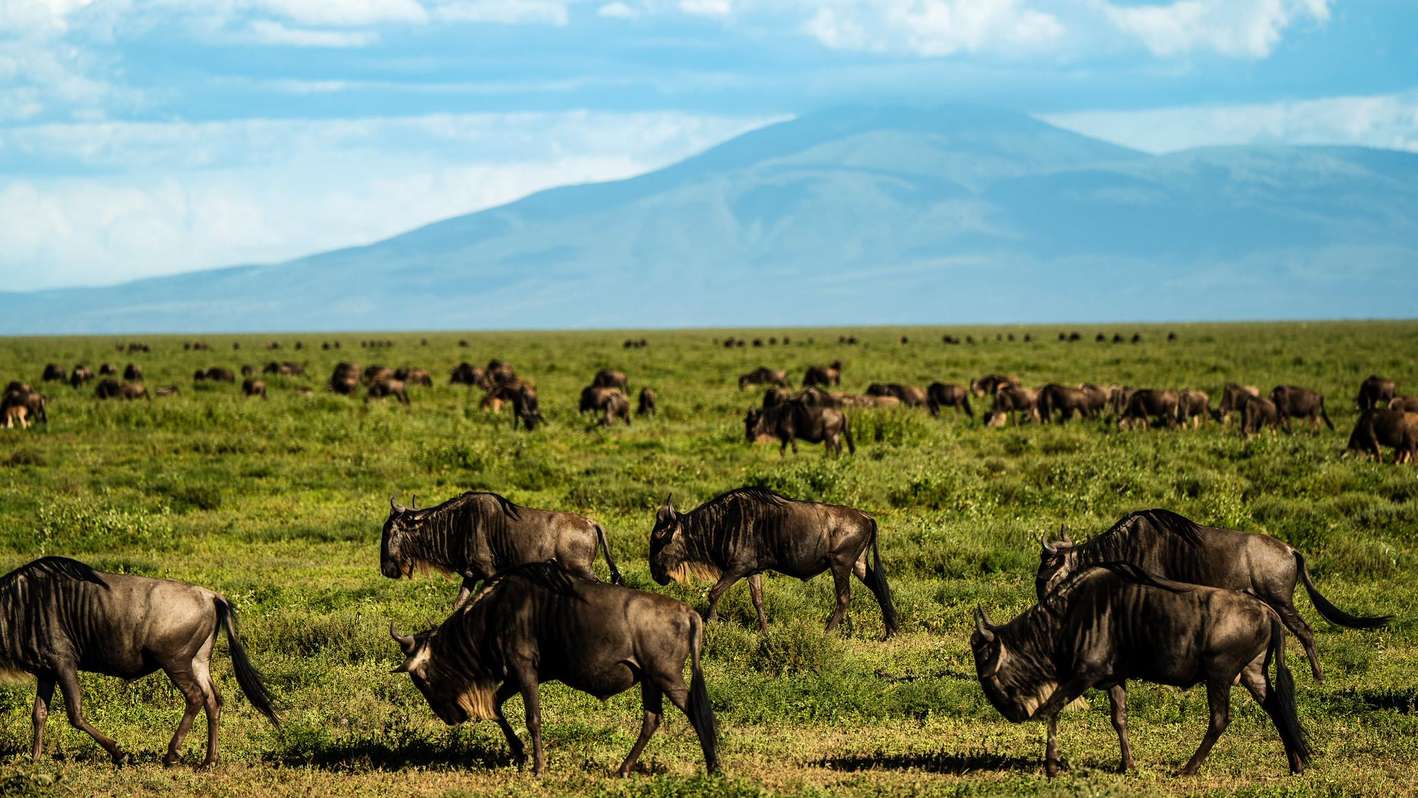
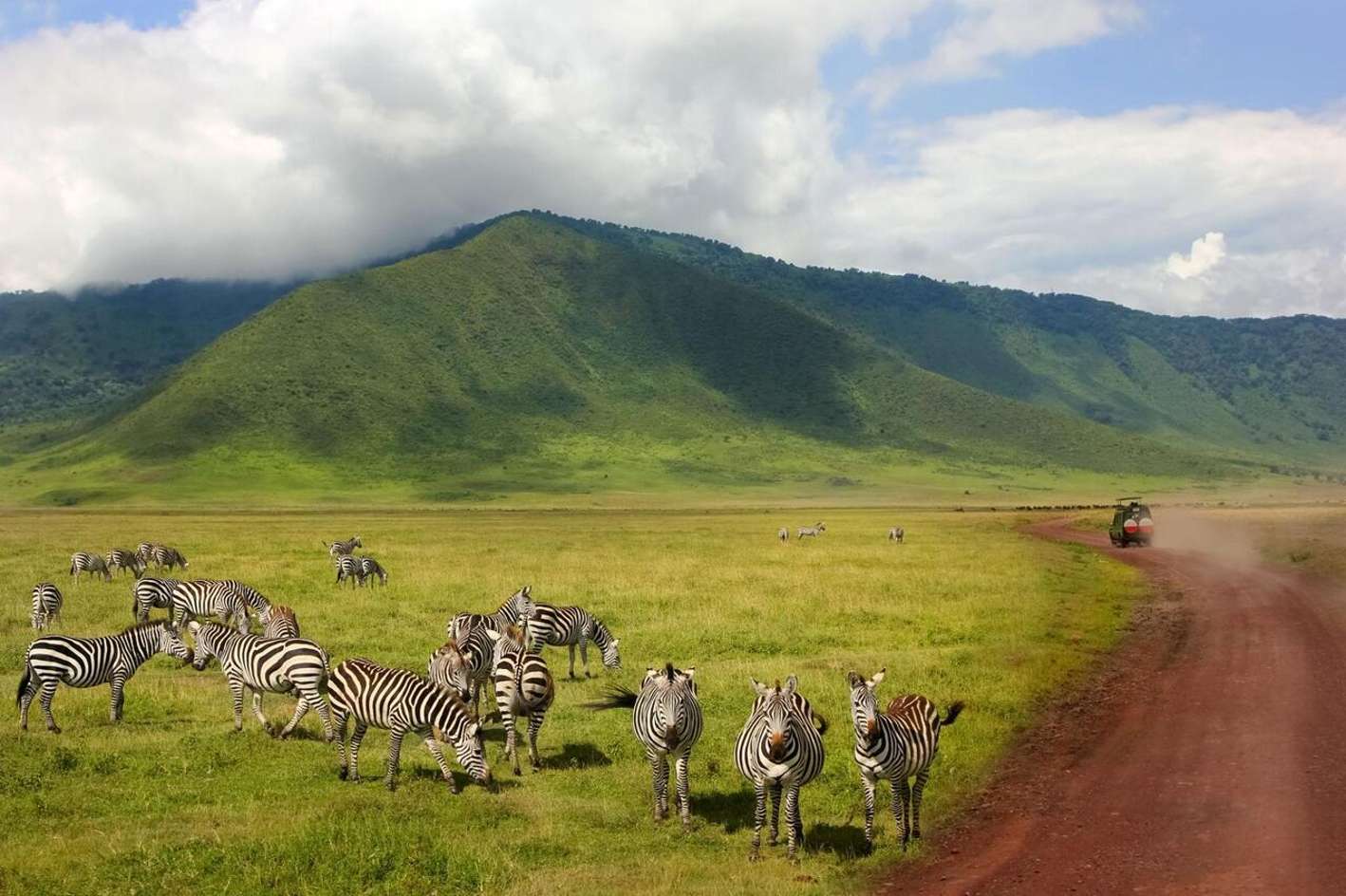
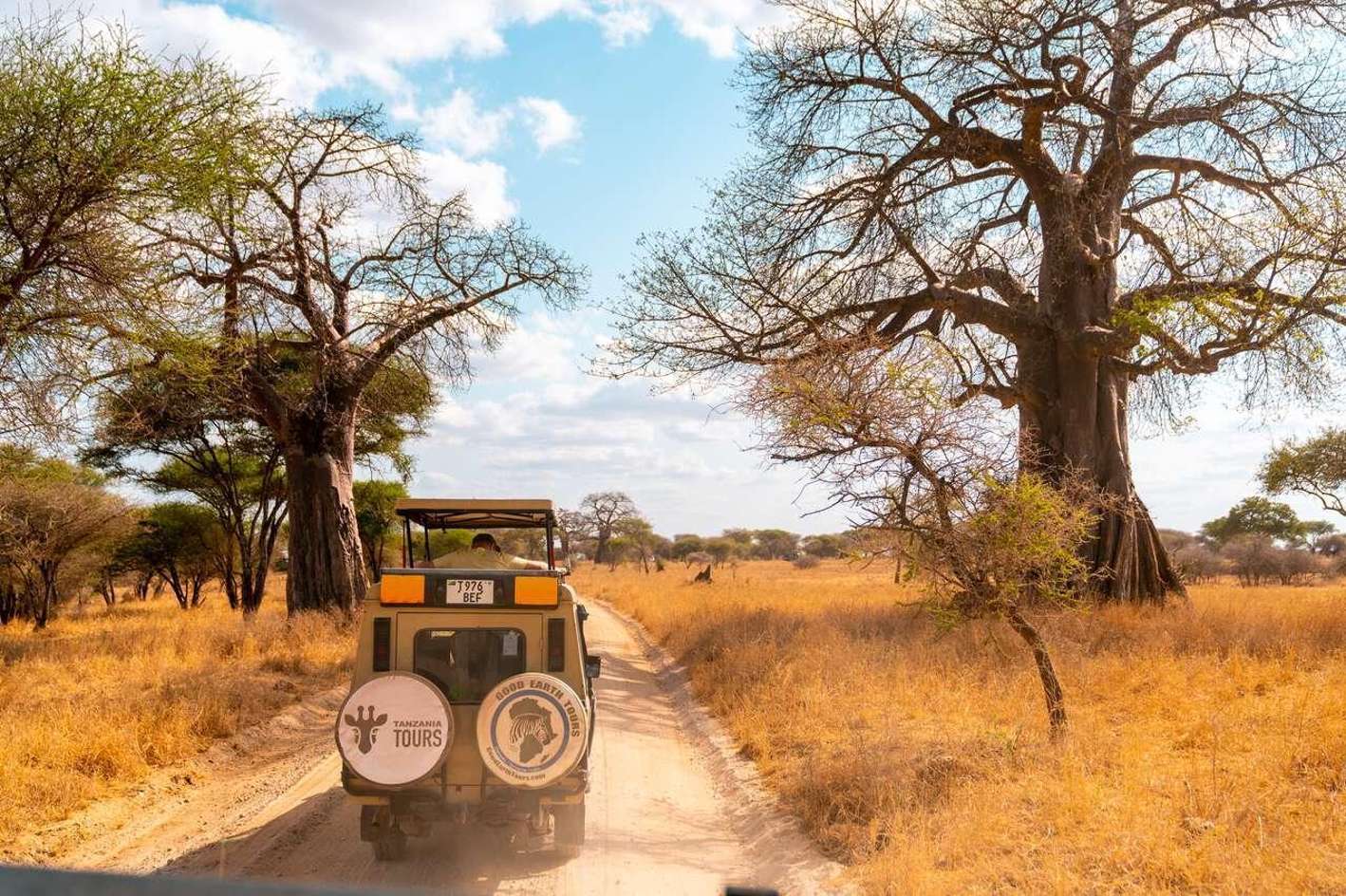
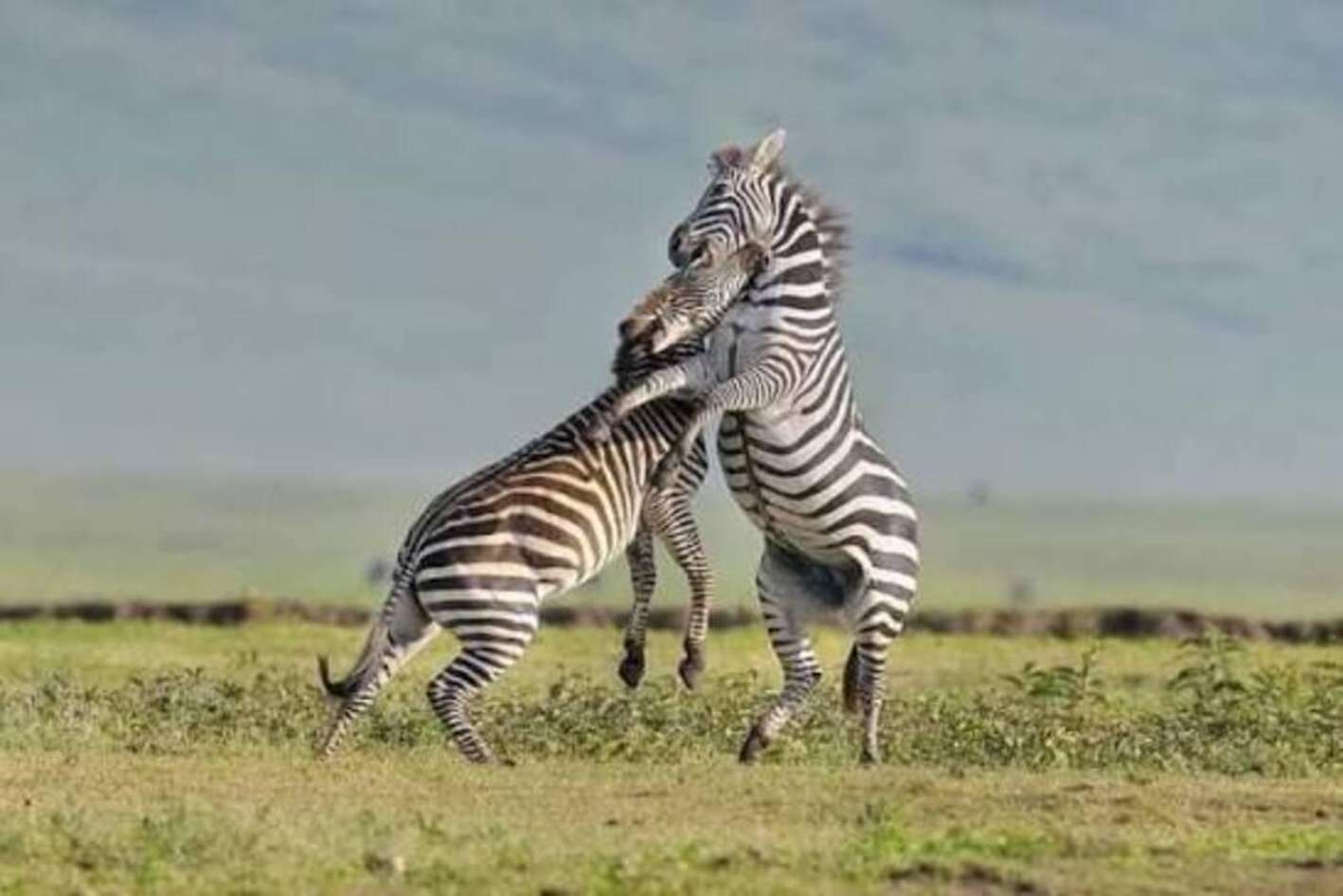
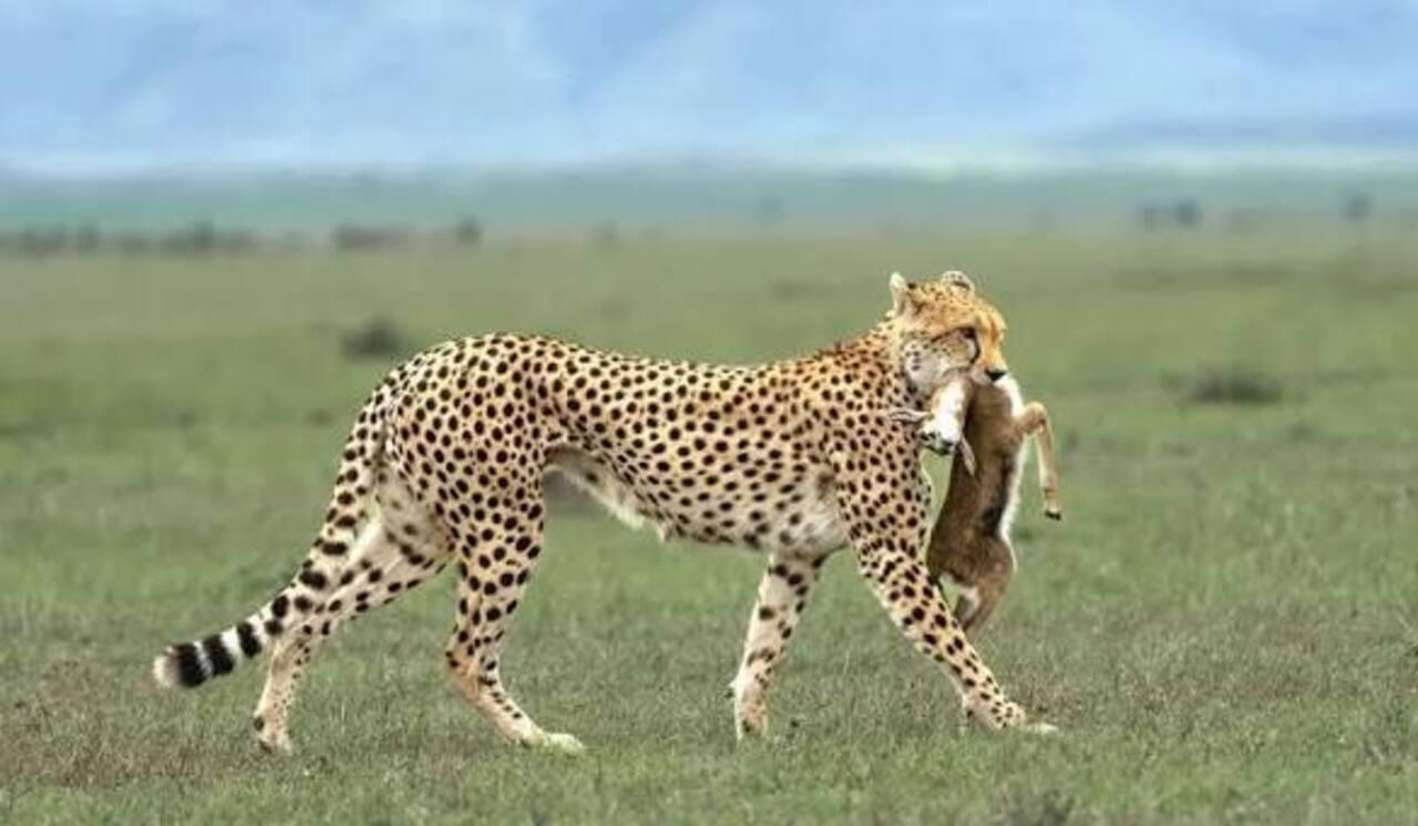
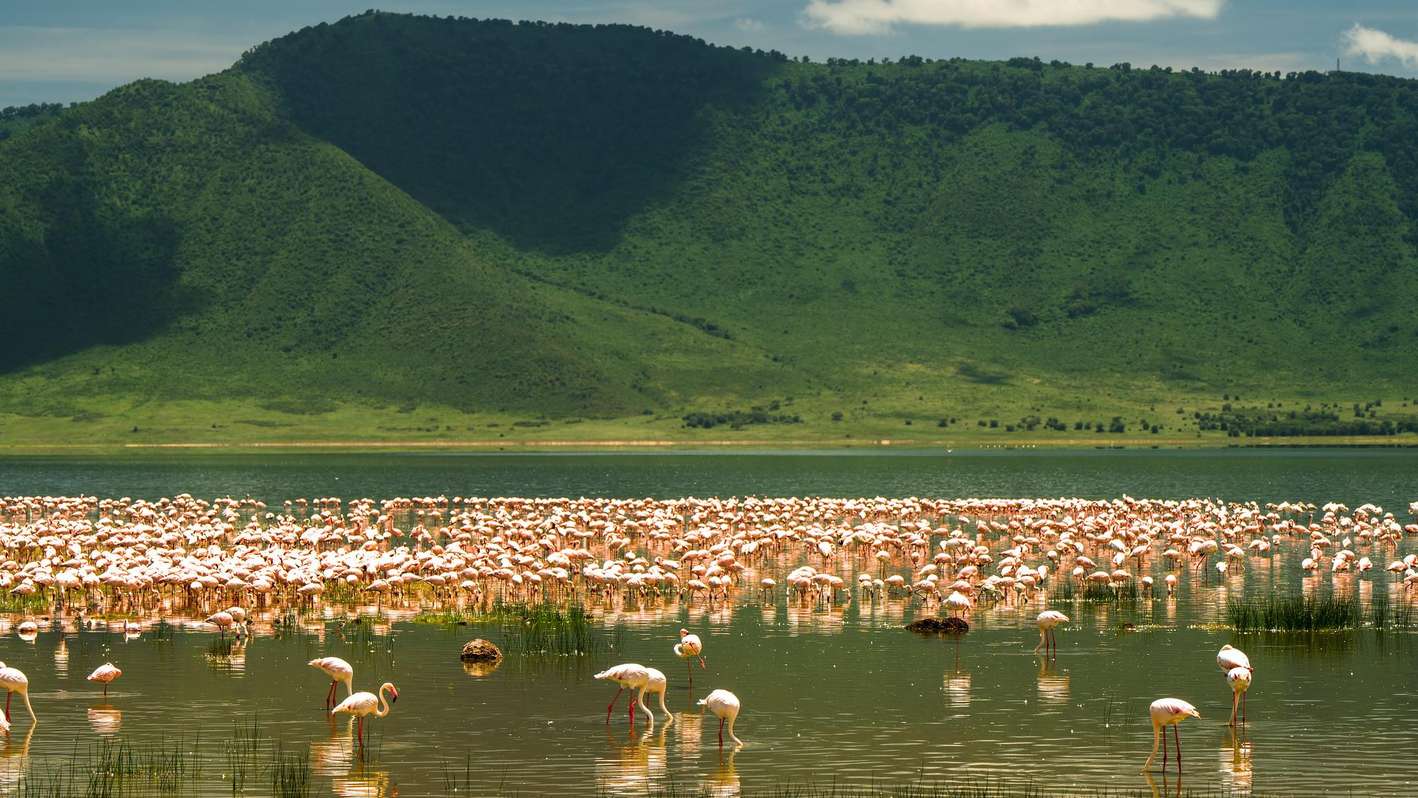
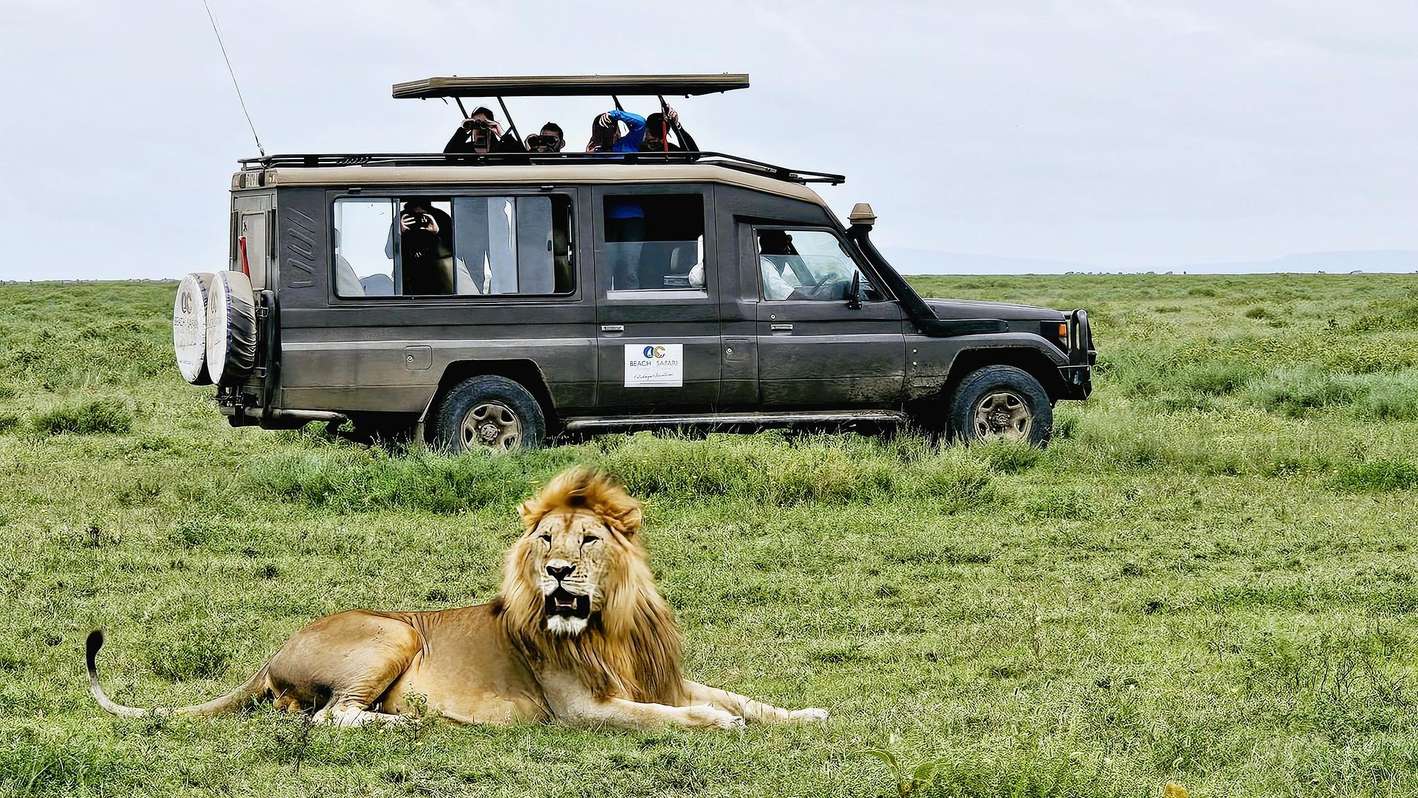

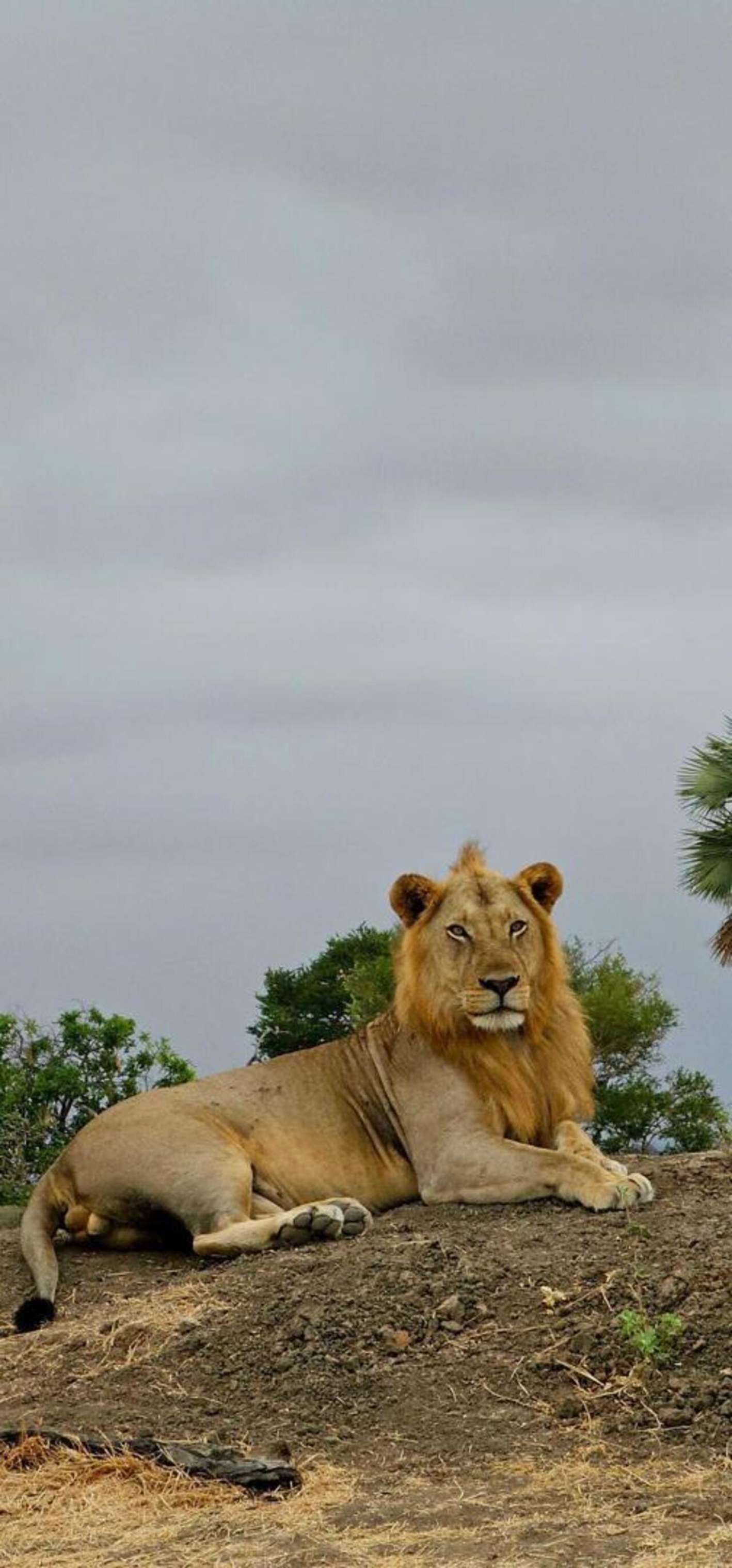
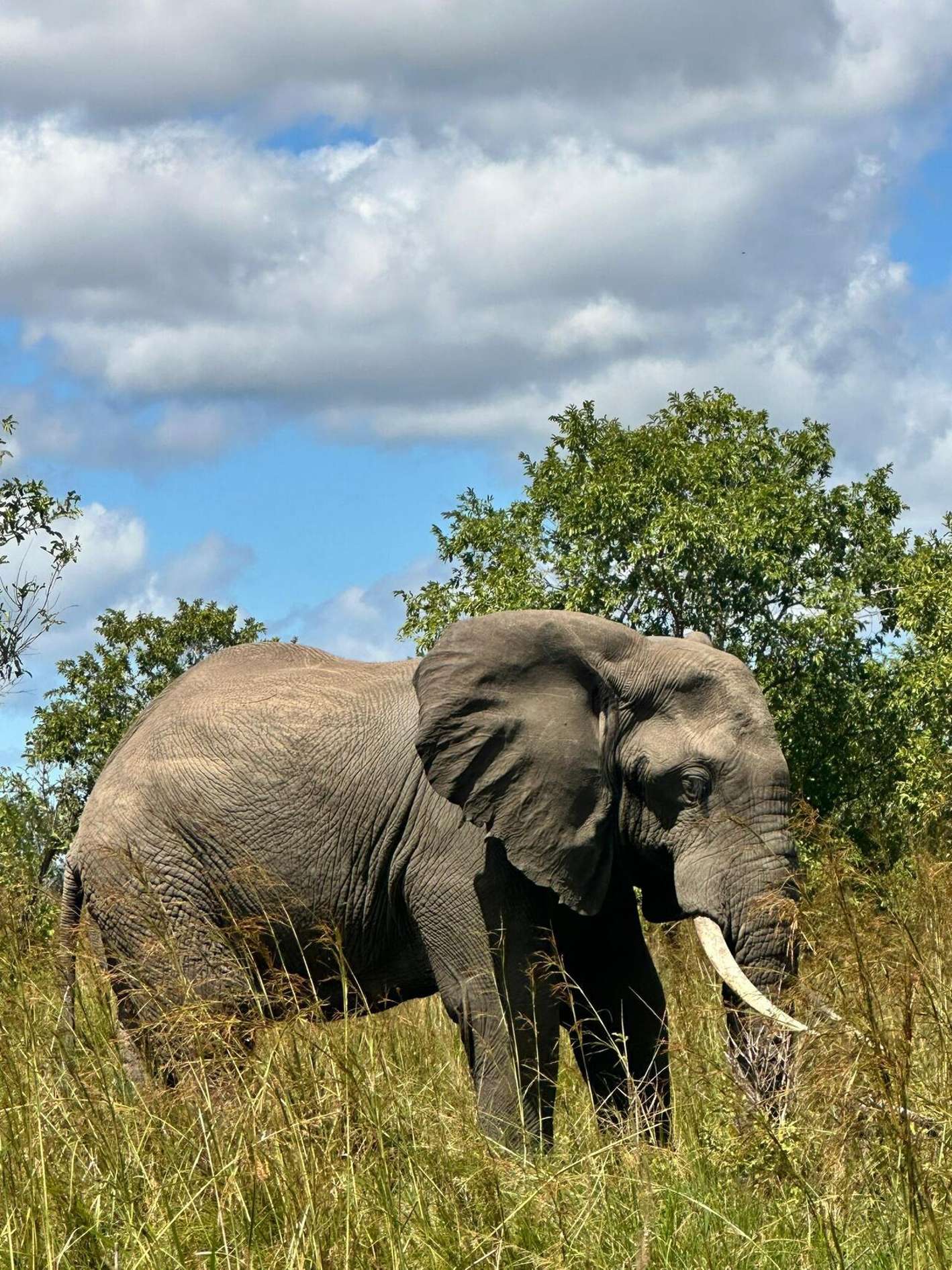
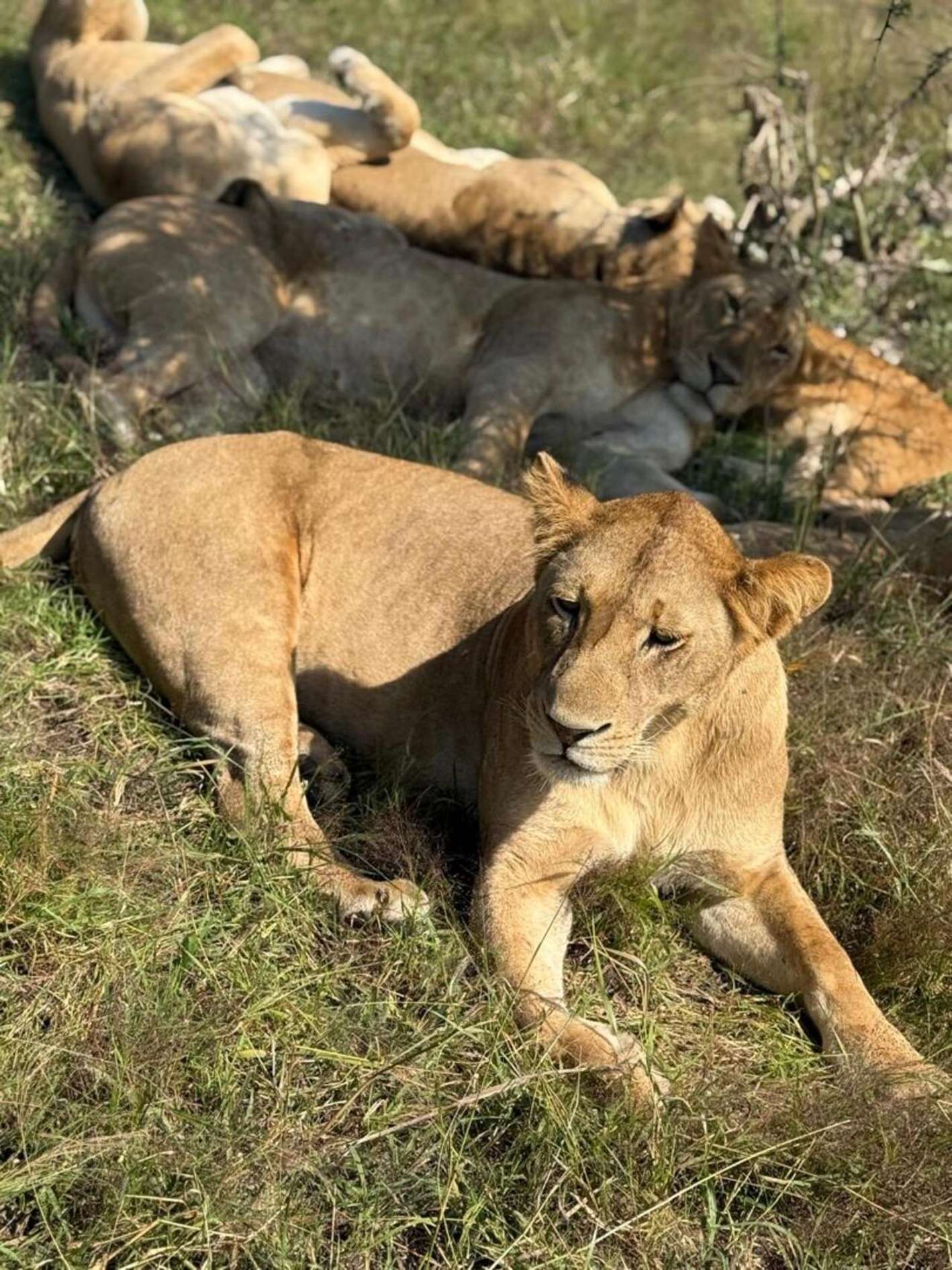
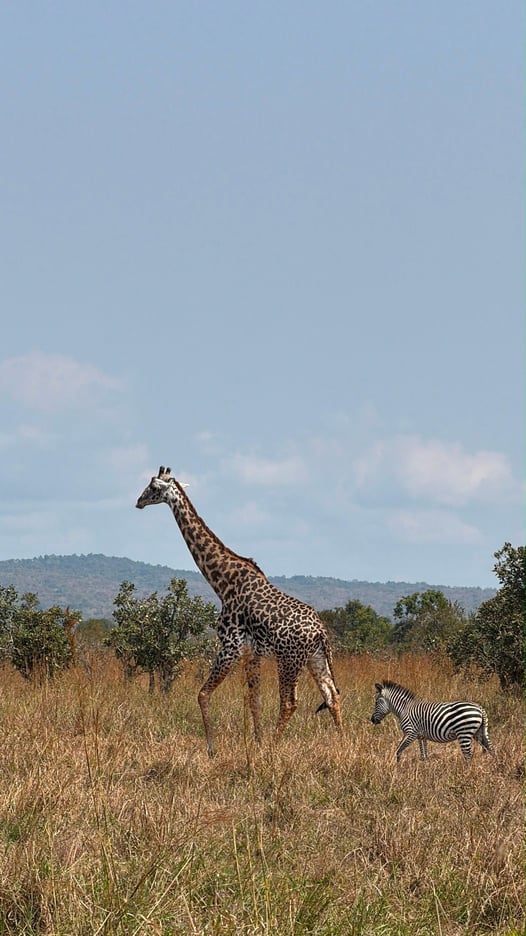
Traveled solo and totally recommend the tour. Loved it and saw every animal I wanted to see!
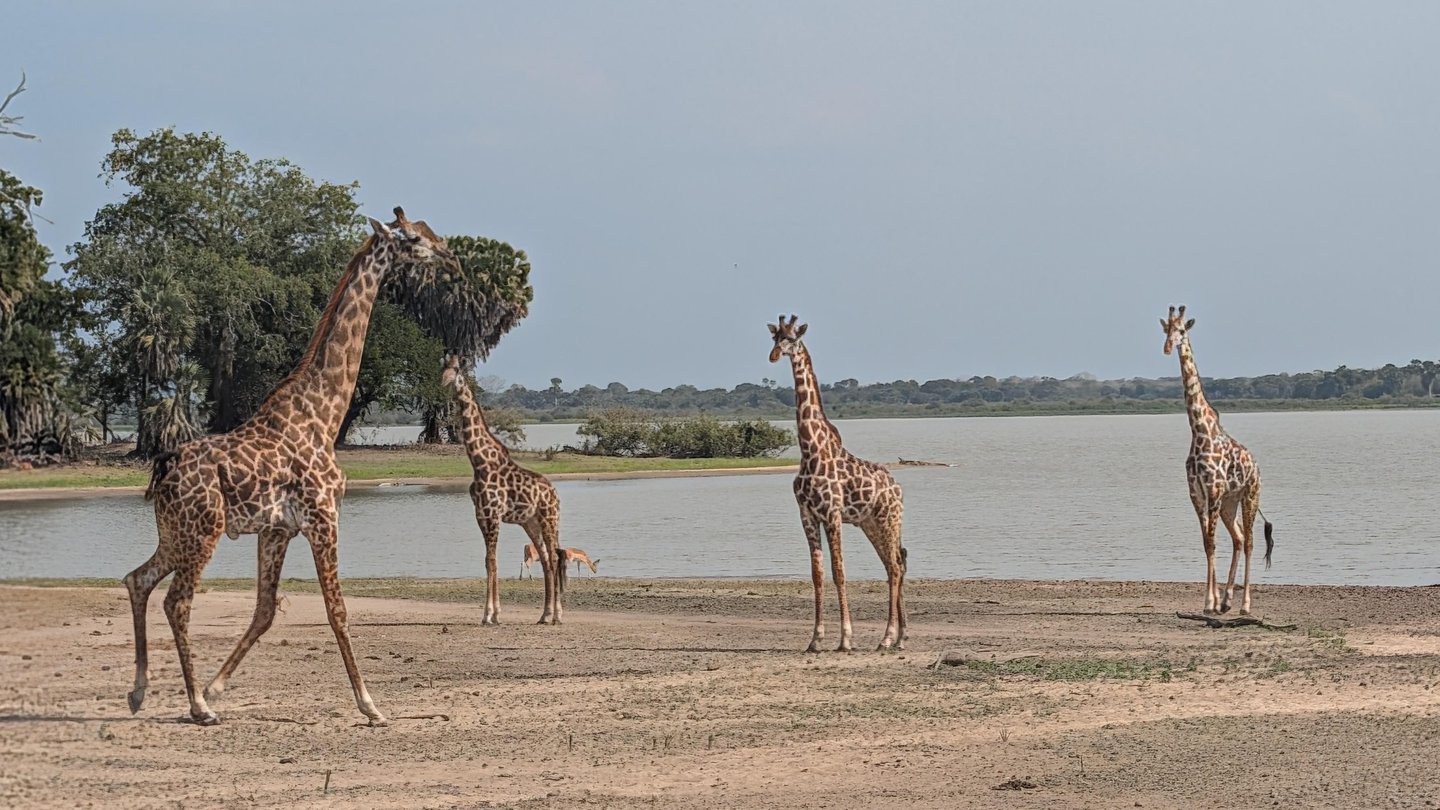
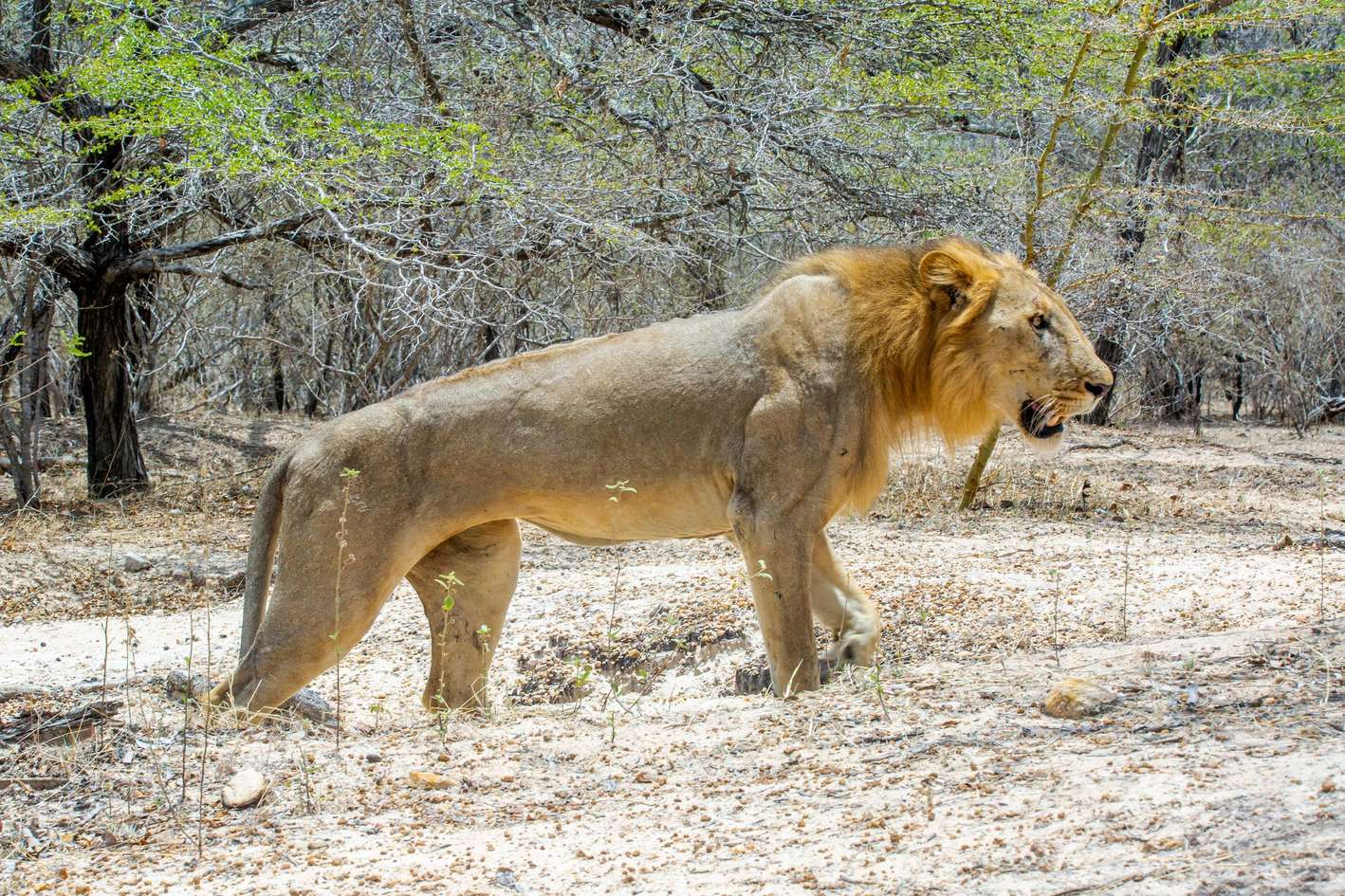
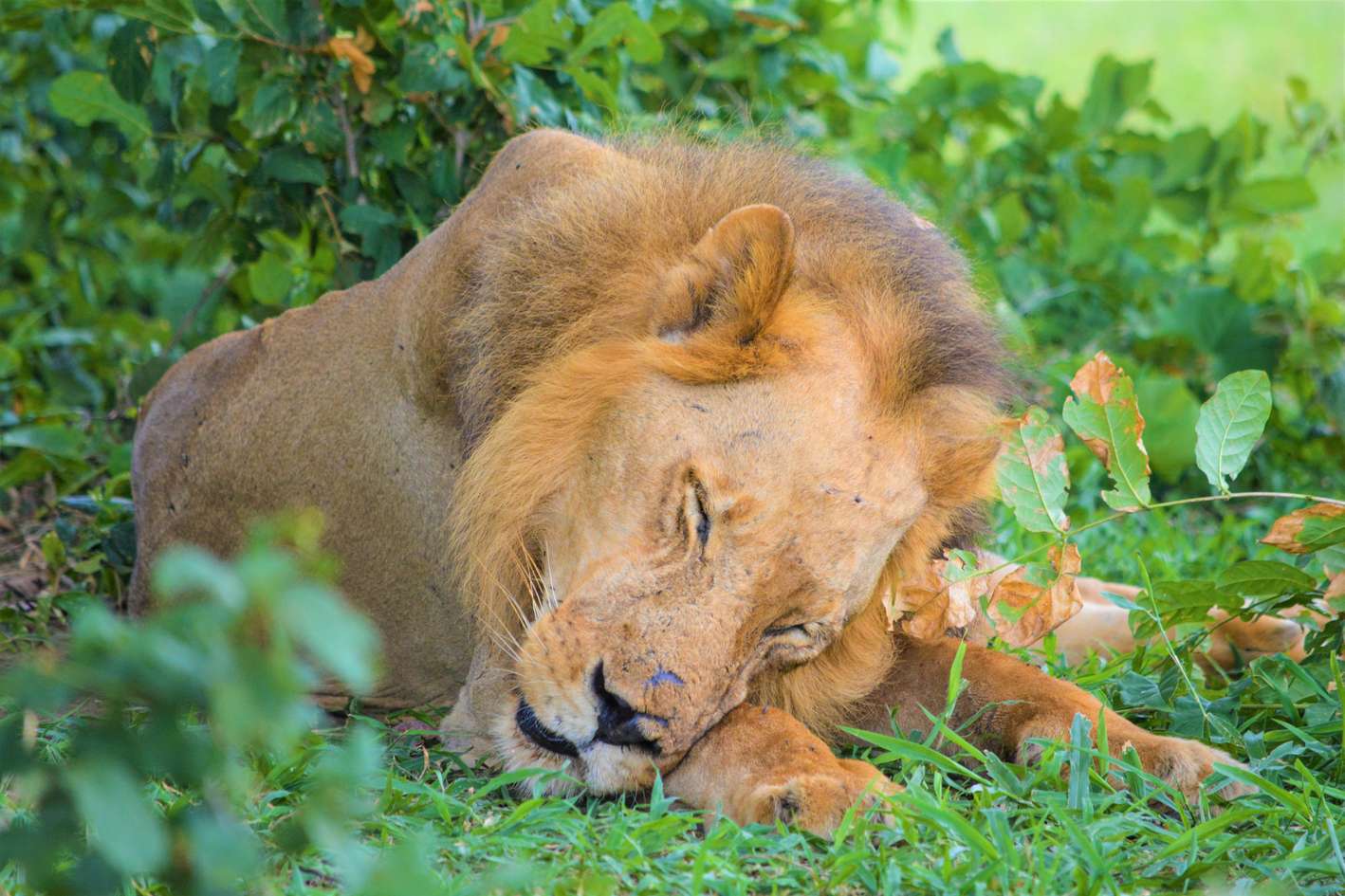
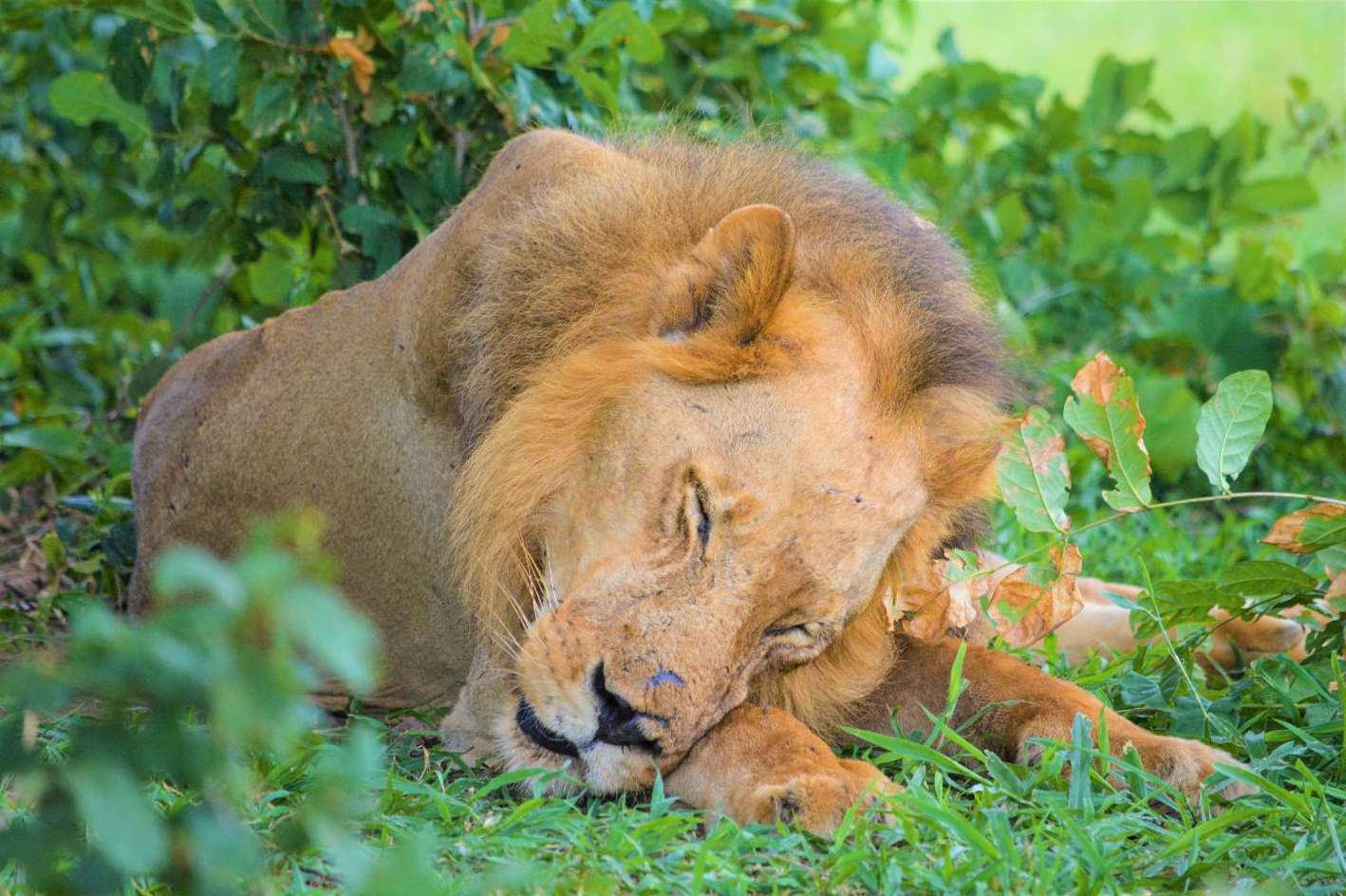
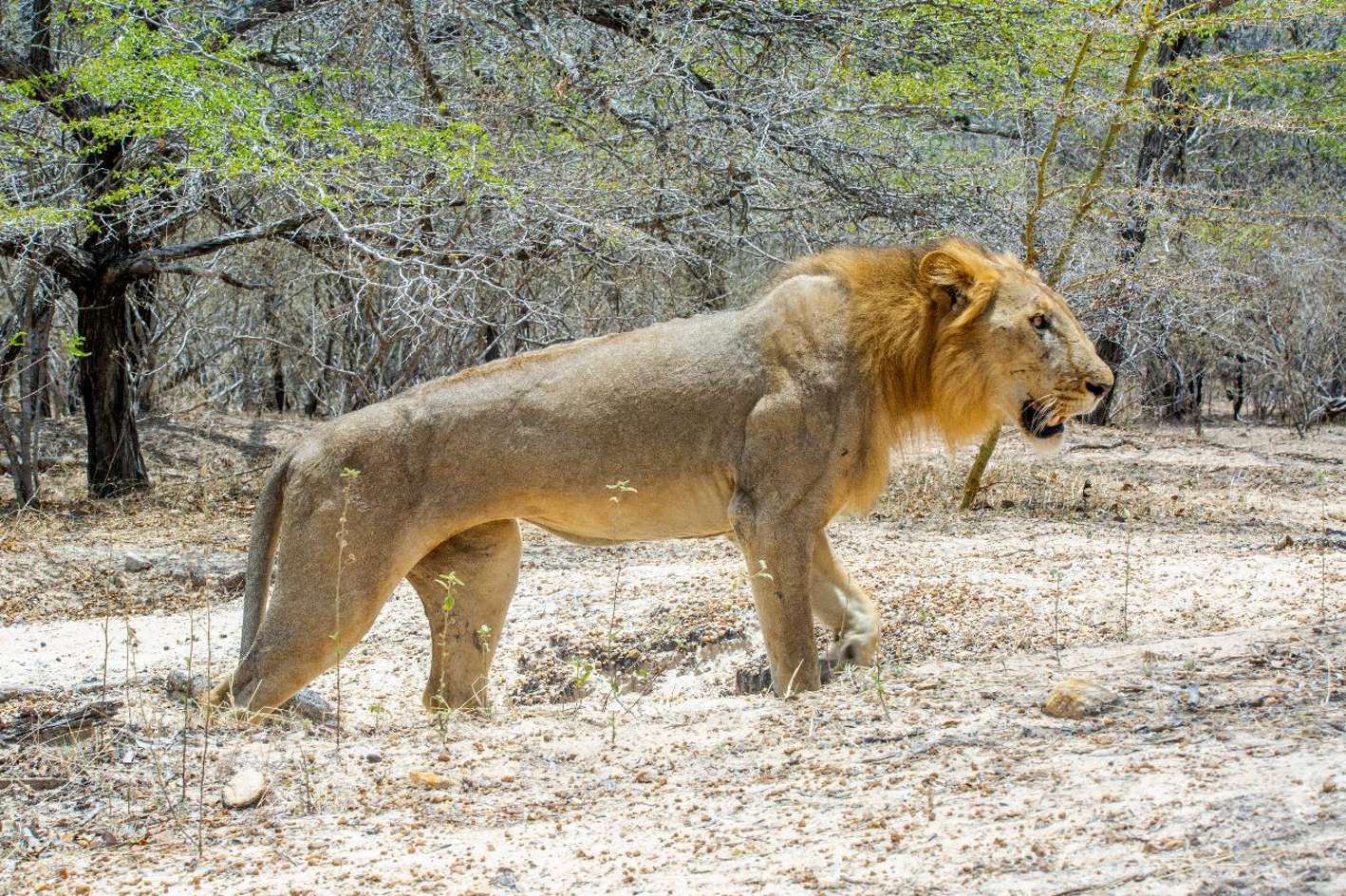
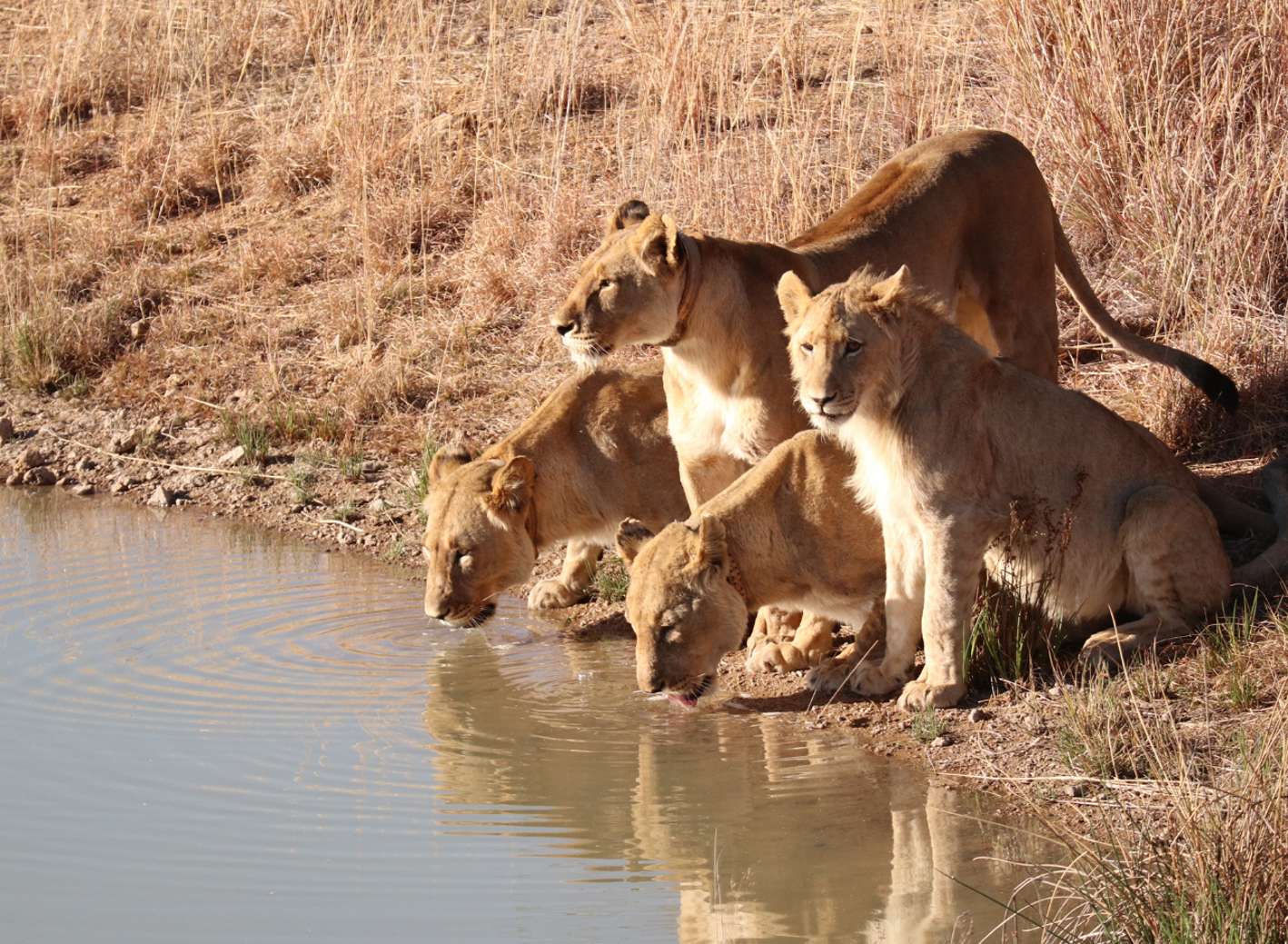
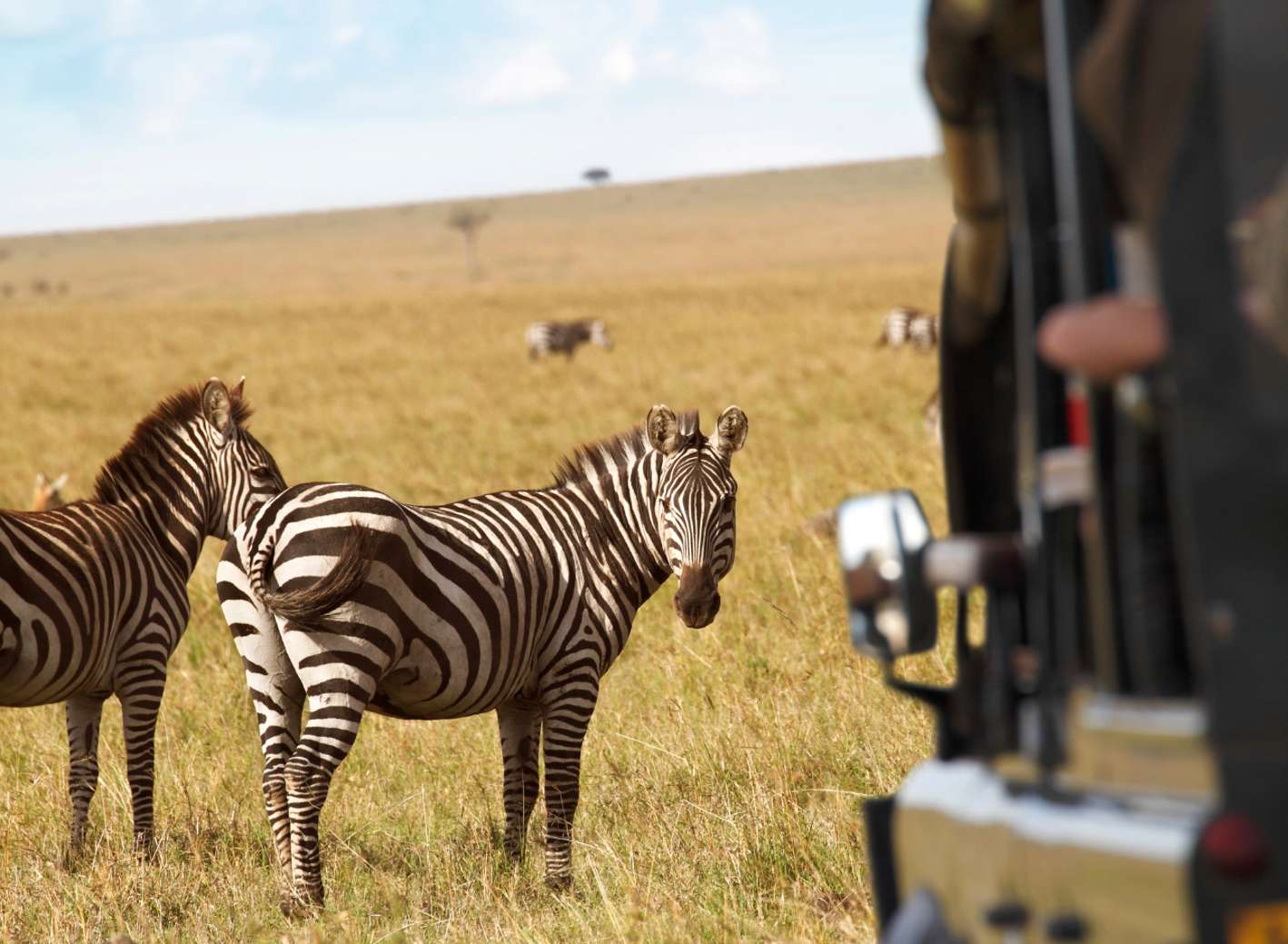
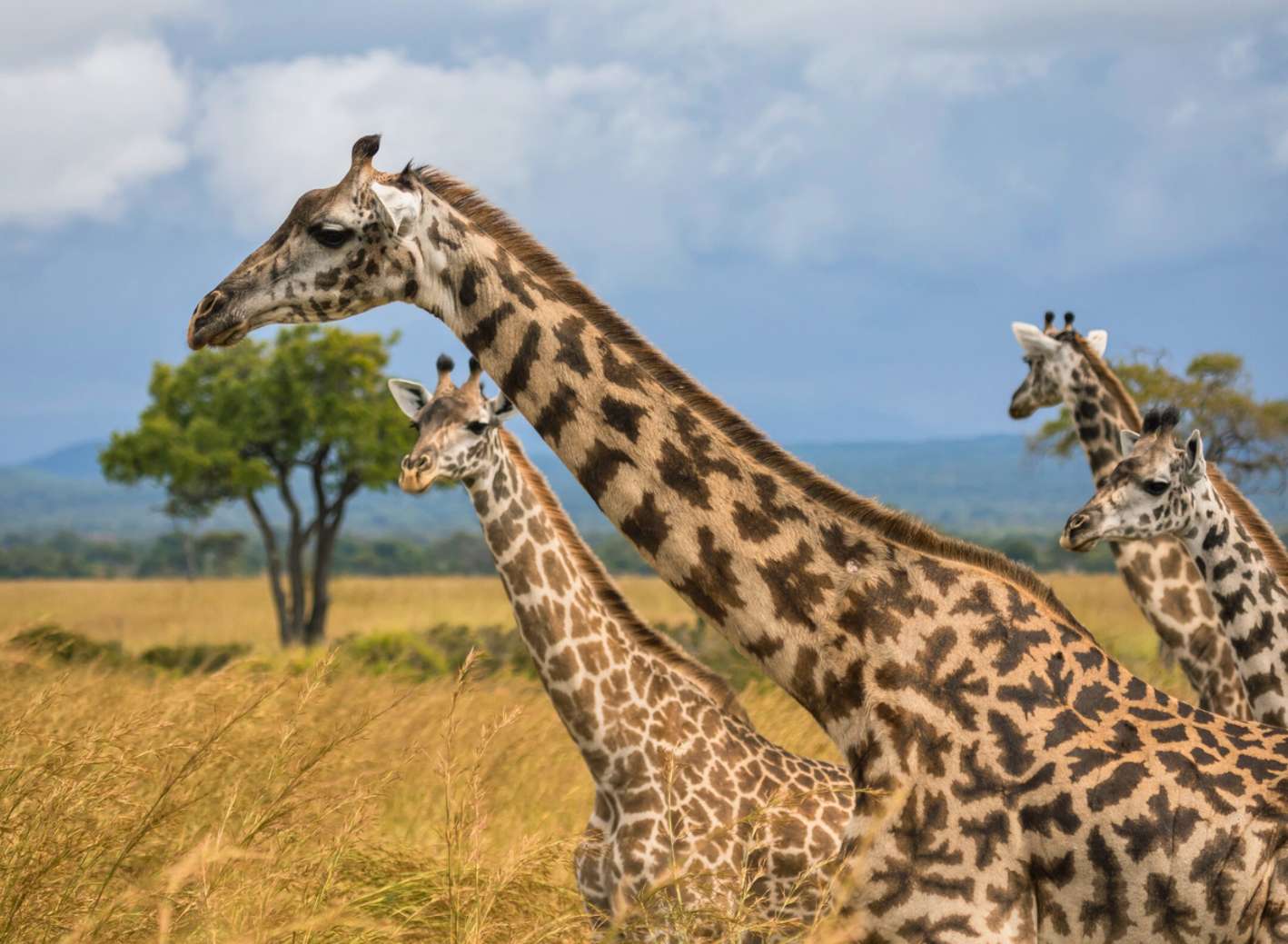
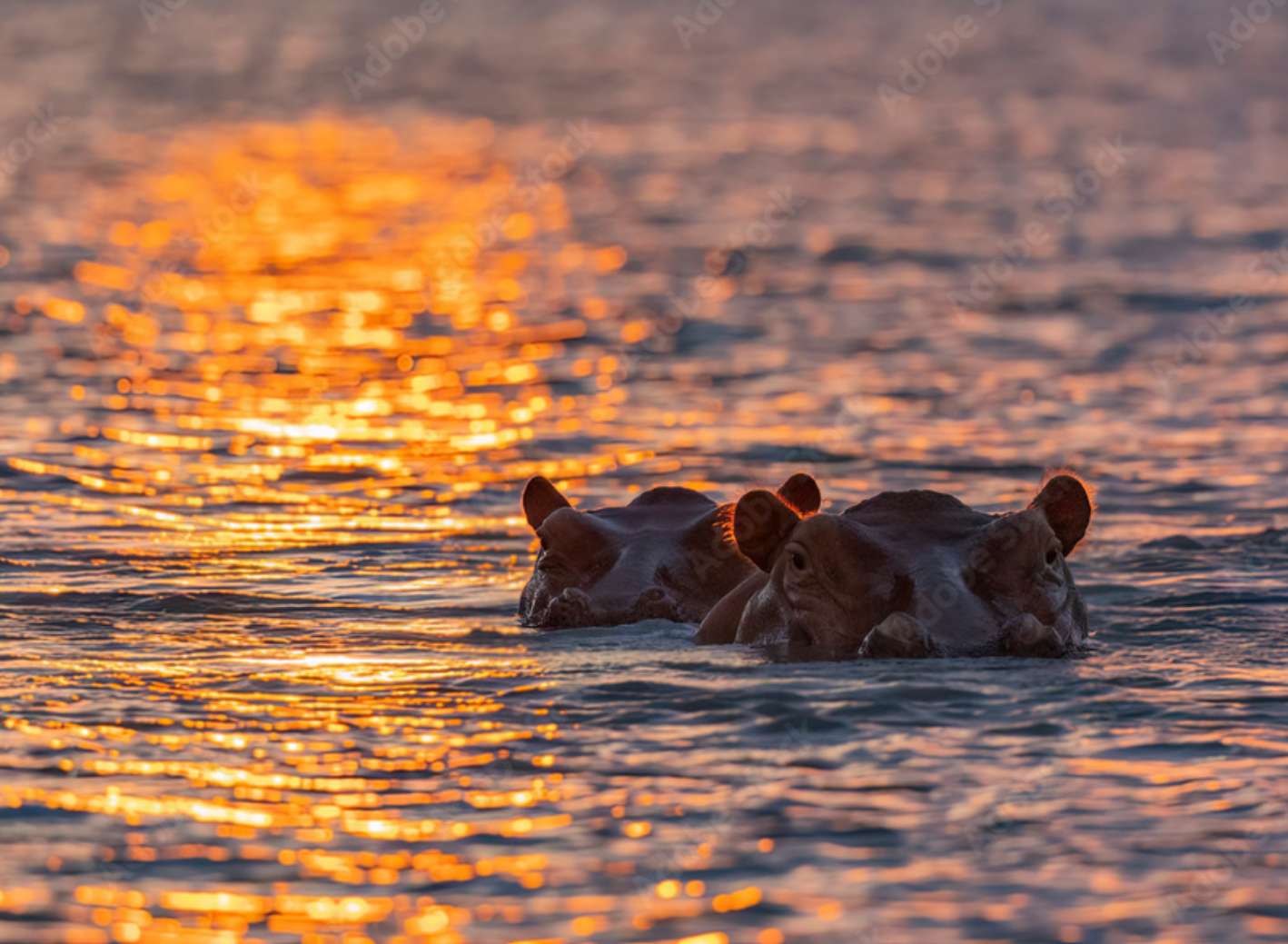
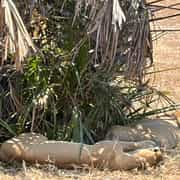
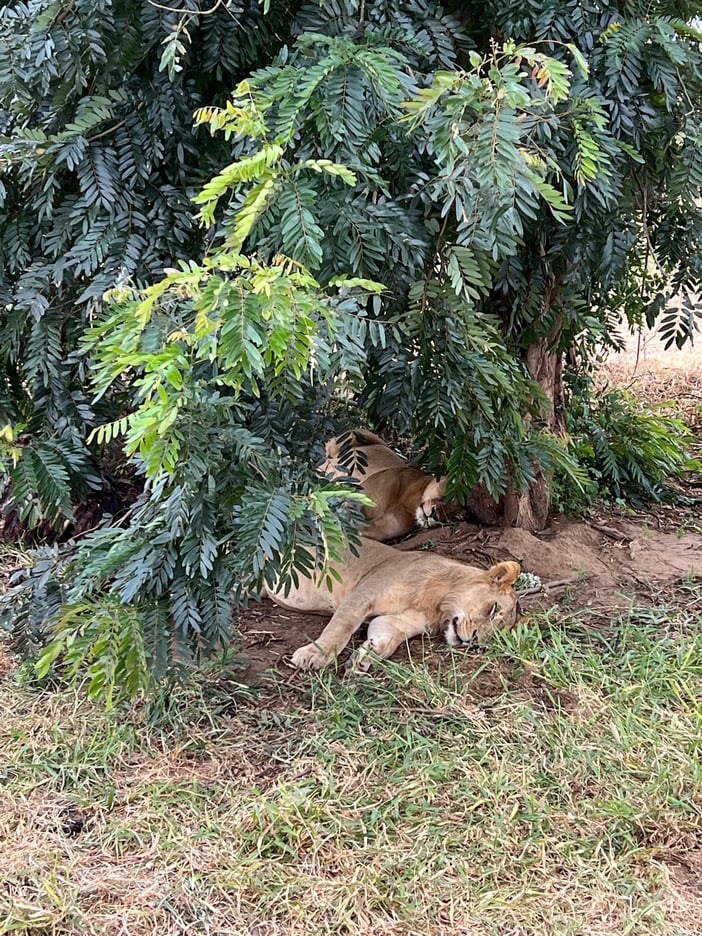
Booked 2 days, 1 night, everything well organized. Drivers amazing given the bush roads. Saw giraffes, monkeys, antelopes, hippos, zebras, plus a lion and lioness under a tree. Great hotel food, comfy room.
Such good organization, transport, drinks, guide, contacts. Guide Guy Herman shared so much interesting info and made the trip unforgettable. Every question answered immediately. Whole crew was pleasant. Would recommend to everyone!
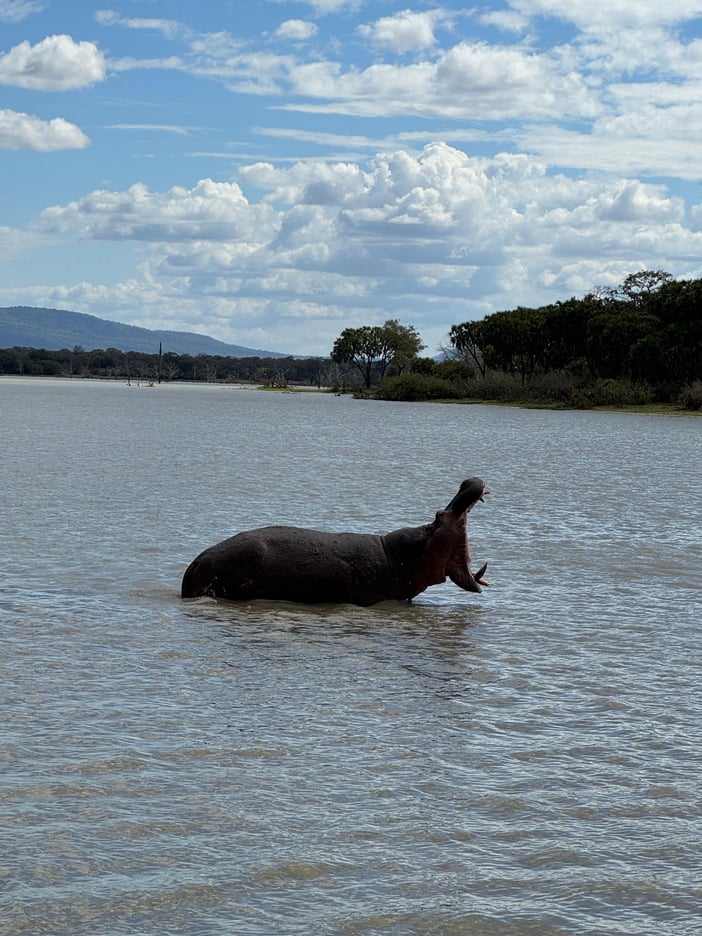
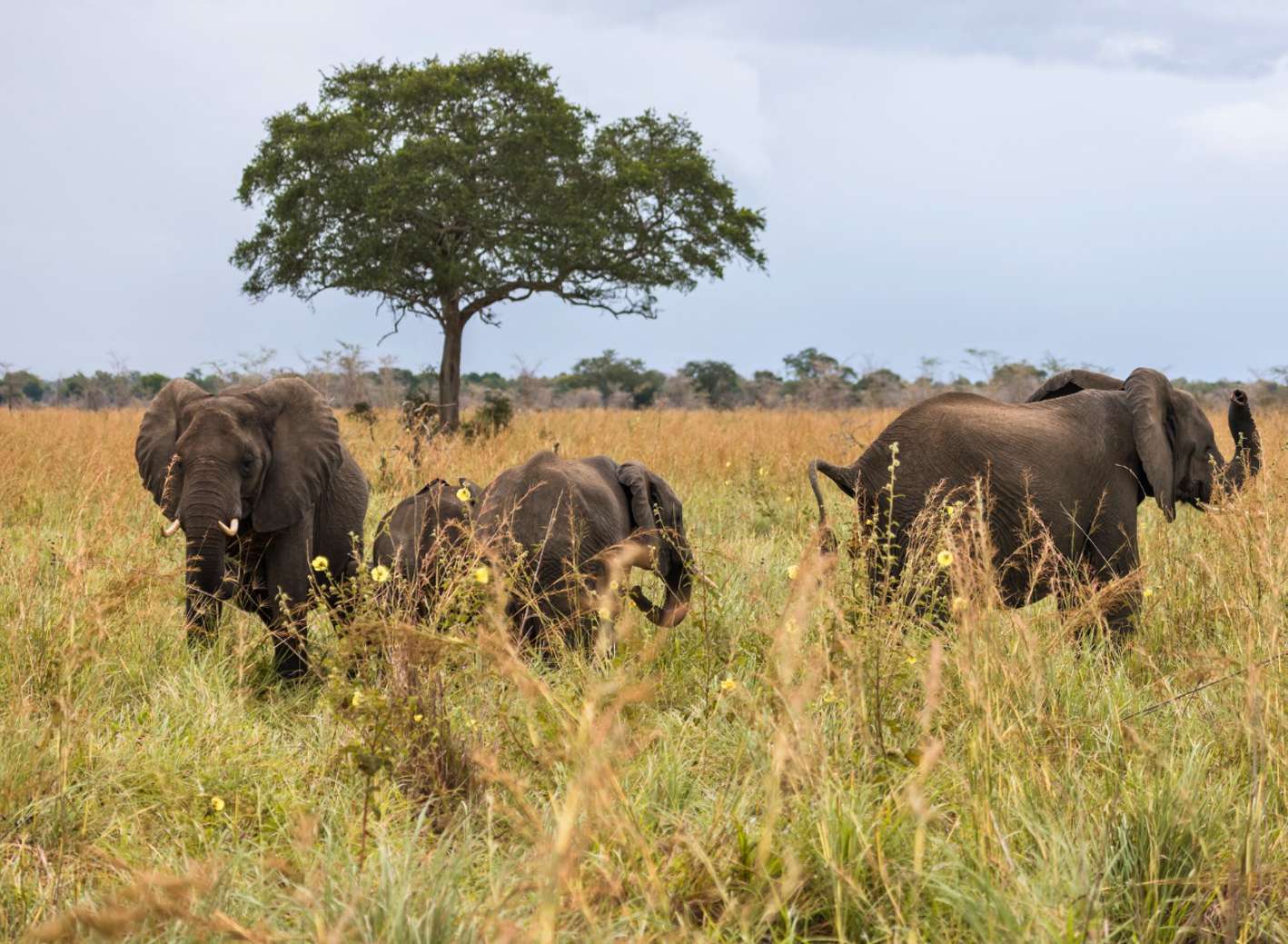
Unforgettable one-day safari to Selous! Saw lions, elephants, hyenas, hippos, giraffes and more in their natural habitat. Our guide Fabian was knowledgeable, friendly and made everything smooth. Highly recommend!
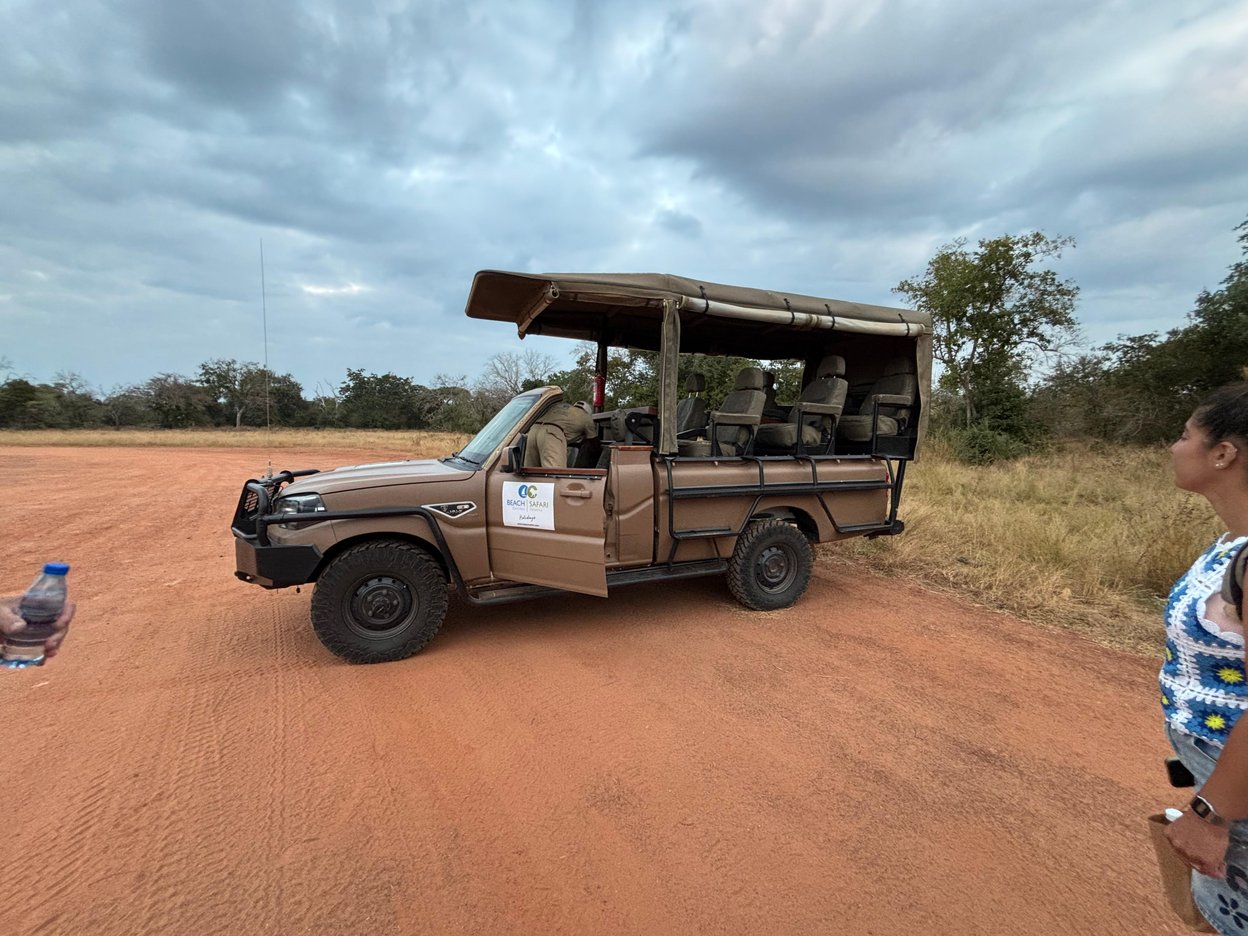
The two-day safari was unforgettable for us. Organization, friendly guides, food and accommodation all met our expectations. So glad we booked this experience.
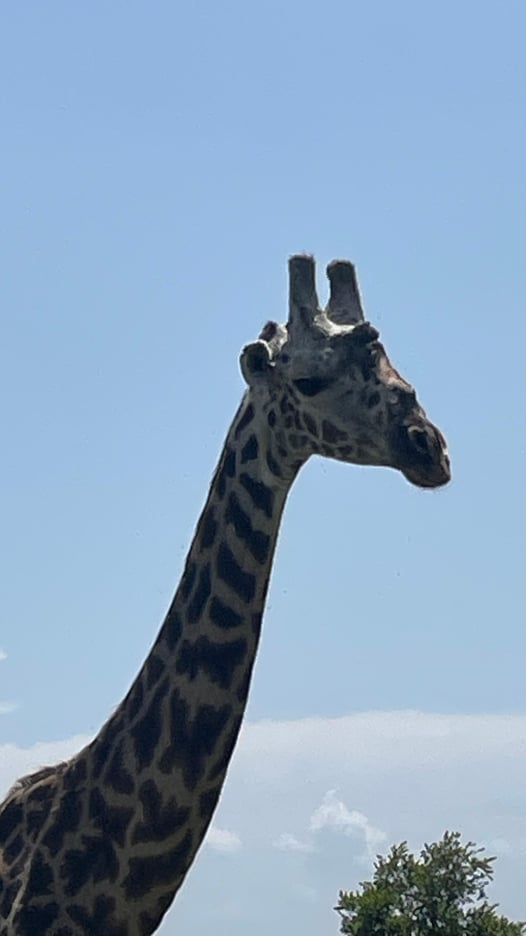
Loved the variety of animals we saw. As for what could be better - nothing. It was perfect.
Amazing experience, happy from start to finish! Everything ran perfectly, hotel transfer to flight. Our guide was super sweet, the team incredibly warm.
Most reviewers got close to lions, elephants and giraffes thanks to guides who knew where to look.
Many loved the small prop plane itself, landing on bush airstrips with wildlife already in view.
Several wished the airport check-in ran smoother, with flight times shared the night before.
Choose a date at least two nights before you leave Zanzibar. Operators advise this buffer because morning flights run on small planes and any weather delay should never touch your international departure.
Most tours list a shared option and a private one, each with or without hotel transfer. No transfer means you meet the team at Zanzibar Airport yourself, often around 6:30 am for a flight near 7 am.
You get your vouchers and pick-up time the day before the safari. Some operators send a form link for your passport information at this point, so watch your inbox and reply the same day.
A valid passport is required for domestic flight check-in to the mainland. Keep it in your day bag, not the hotel safe. Pack sunscreen, a sun hat and insect repellent alongside it.
Be at your hotel reception five to ten minutes before the stated pickup time. The flight lands around 8 am, your jeep waits at the airstrip, and you are back at your resort between 5 pm and 6:30 pm.
Photo stop, Visit, Lunch, Guided tour, Sightseeing, Game drive, Scenic drive, Scenic views on the way, Wildlife viewing
Zanzibar, Abeid Amani Karume International Airport, Zanzibar
Zanzibar, Abeid Amani Karume International Airport, Zanzibar
Zanzibar, Abeid Amani Karume International Airport, Zanzibar
Photo stop, Visit, Lunch, Guided tour, Sightseeing, Game drive, Scenic views on the way, Wildlife viewing
Abeid Amani Karume International Airport, Zanzibar
Abeid Amani Karume International Airport, Zanzibar
Game drive
Zanzibar, Q6JC+H7V
Zanzibar, Q6JC+H7V
Domestic bush planes to Mikumi, Nyerere and the Serengeti enforce strict baggage limits, and hard-shell suitcases are not accepted on these flights.
Pack in a soft-sided duffel bag and keep luggage light, typically capped around 15 kg including hand luggage; leave anything extra in your Zanzibar hotel's storage room for the night or the day you are away.
The dhow trips and sandbank picnics Zanzibar does so well share one thing: no lions. For elephants, giraffes and big cats you cross to the mainland, and the practical parks are Mikumi, Nyerere (the old Selous), the Serengeti and Ngorongoro Crater.
| Flight time from Zanzibar | Same-day trip feasible | Wildlife in 24-48h | Gate hours | Bush flight baggage | |
|---|---|---|---|---|---|
| Mikumi | 40-60 minutes | Yes, back for dinner | Elephants, predators year-round | 6 am, 6 pm | 20 kg soft bags |
| Nyerere | not known | Overnight better value | Wild dogs, boat safaris | not known | 20 kg soft bags |
| Serengeti | 2-3.5 hours | No, needs overnight | Migration, big cats | 6 am, 6 pm | 20 kg soft bags |
| Ngorongoro Crater | 2-2h 40m to Manyara | Yes, full day | Big Five year-round | 6 am, 6 pm | 20 kg soft bags |
The table settles the shape of the choice. Southern parks work as a day trip; Mikumi lands you 40 to 60 minutes from the island and sends you home before dinner. Nyerere rewards an overnight more than a same-day dash.
The Serengeti, two to three and a half hours in the air, needs a night. Ngorongoro sits between: two to two hours forty to Lake Manyara airstrip, then a full day on the crater floor.
Every park opens its gates at 6 am and shuts them at 6 pm, so a morning departure is what makes any of this work. That schedule is the next thing to look at.
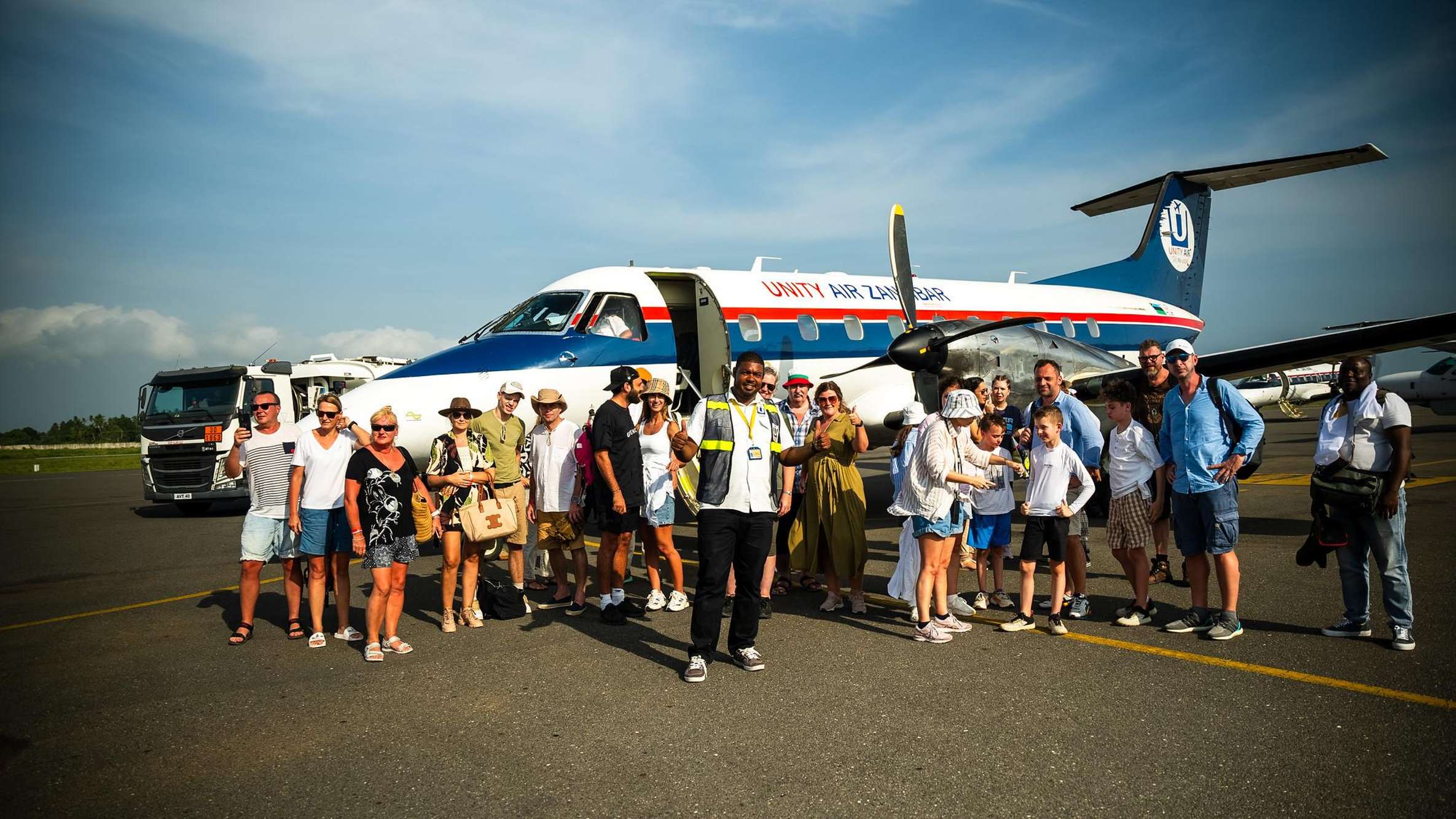
Light aircraft leave Zanzibar's main airport between 6:30 and 7:45 am and land right on the bush airstrips, so the transfer is the flight itself.
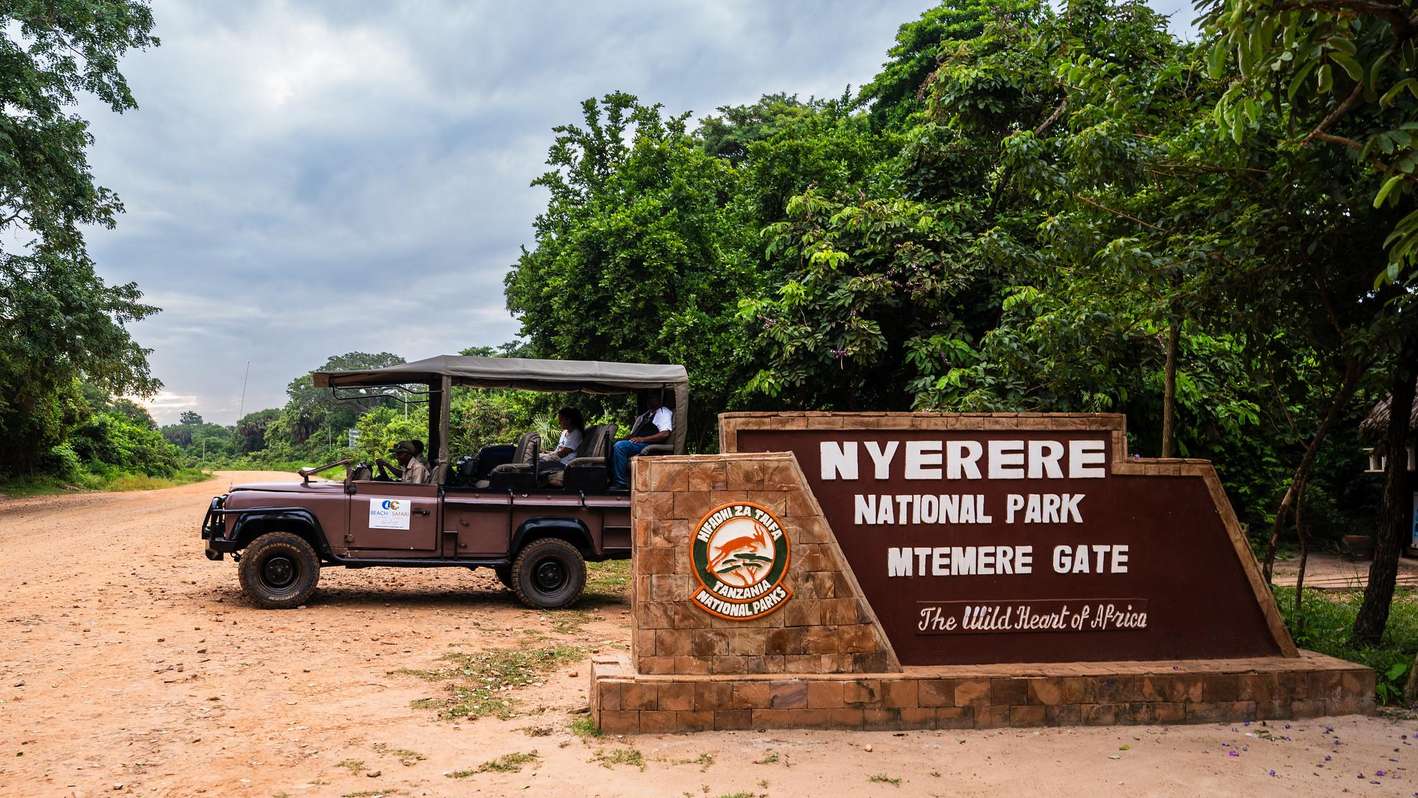
To Mtemere airstrip in Nyerere it is about 45 minutes; to Kikoboga in Mikumi 40 to 60; to Seronera in the central Serengeti roughly two to three and a half hours, sometimes with a stop.
The routes earn their keep by skipping the alternative: a two-hour sea crossing to Dar es Salaam, city traffic, then close to seven hours of driving to reach Mikumi alone.
The Serengeti by road takes about a full day. Some Nyerere flights route through Dar es Salaam and add an hour and a half, which matters when the return leg is timed against sunset.
And sunset is the real clock. Daylight in the parks runs from about 11.5 to nearly 13 hours, with the sun down between 6:16 and 6:55 pm and gates closing at six. A 7 am departure gives you the whole day on the ground.
The arithmetic of a day trip is simple.
Land at the airstrip around 8 to 8:30 am, climb into the 4x4, game drive through the morning, stop for a bush lunch, drive on until 2:30 or 3:30 pm, then fly back and reach your resort between 5 and 6:30 pm, or up to 8 pm when a shared transfer serves several hotels.
That is about 6 hours of game drive time on a single-day Mikumi booking, which is a full safari by any honest measure. The trade-off is timing: a same-day trip misses dawn and dusk, the hours when animals move most.
An overnight fixes that. In Nyerere it also adds the Rufiji River by boat, a second and third drive, and better value per hour than the day rate. If you have a spare 24 hours, take them.
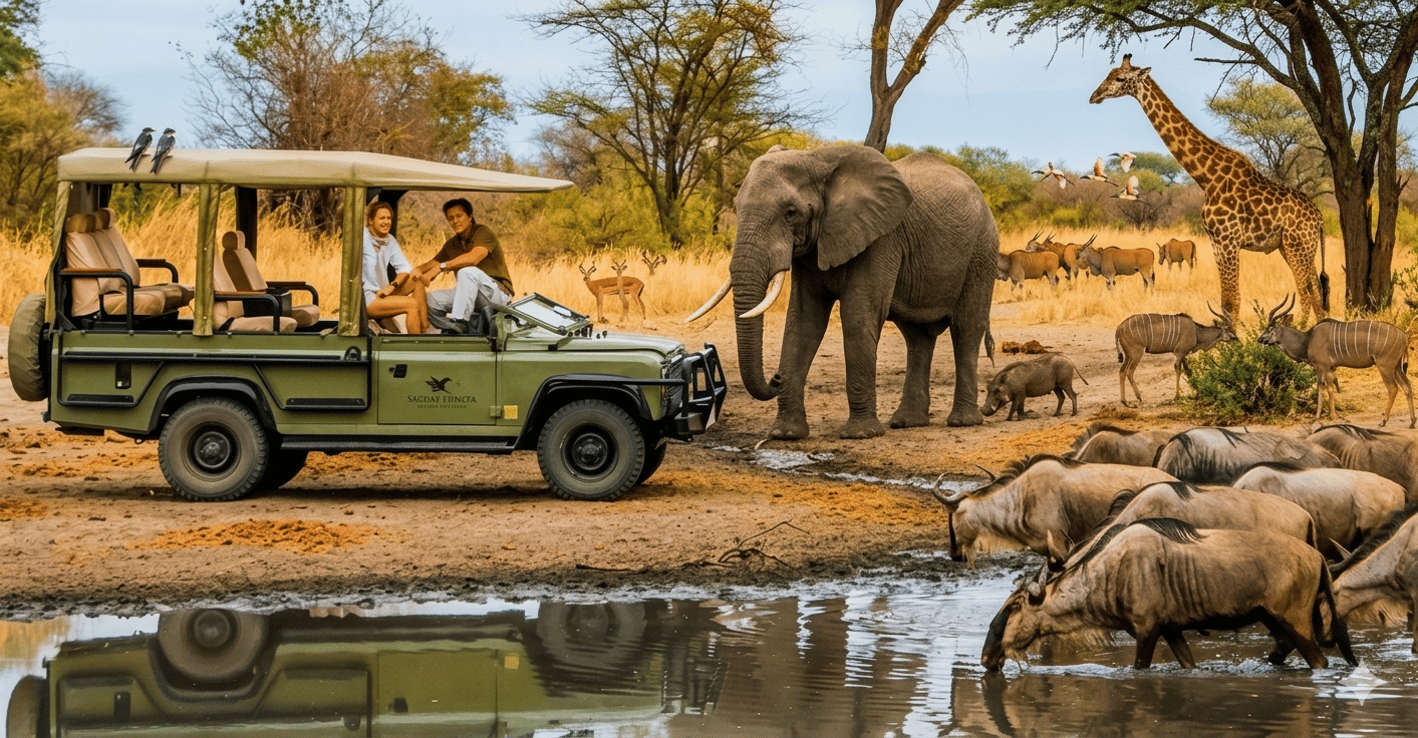
One booking does the lot: "From Zanzibar: Mikumi Safari Day Trip with Flights and Lunch" covers the return flight, the shared game drives, a bush lunch and the park fees, with an option for hotel pickup.
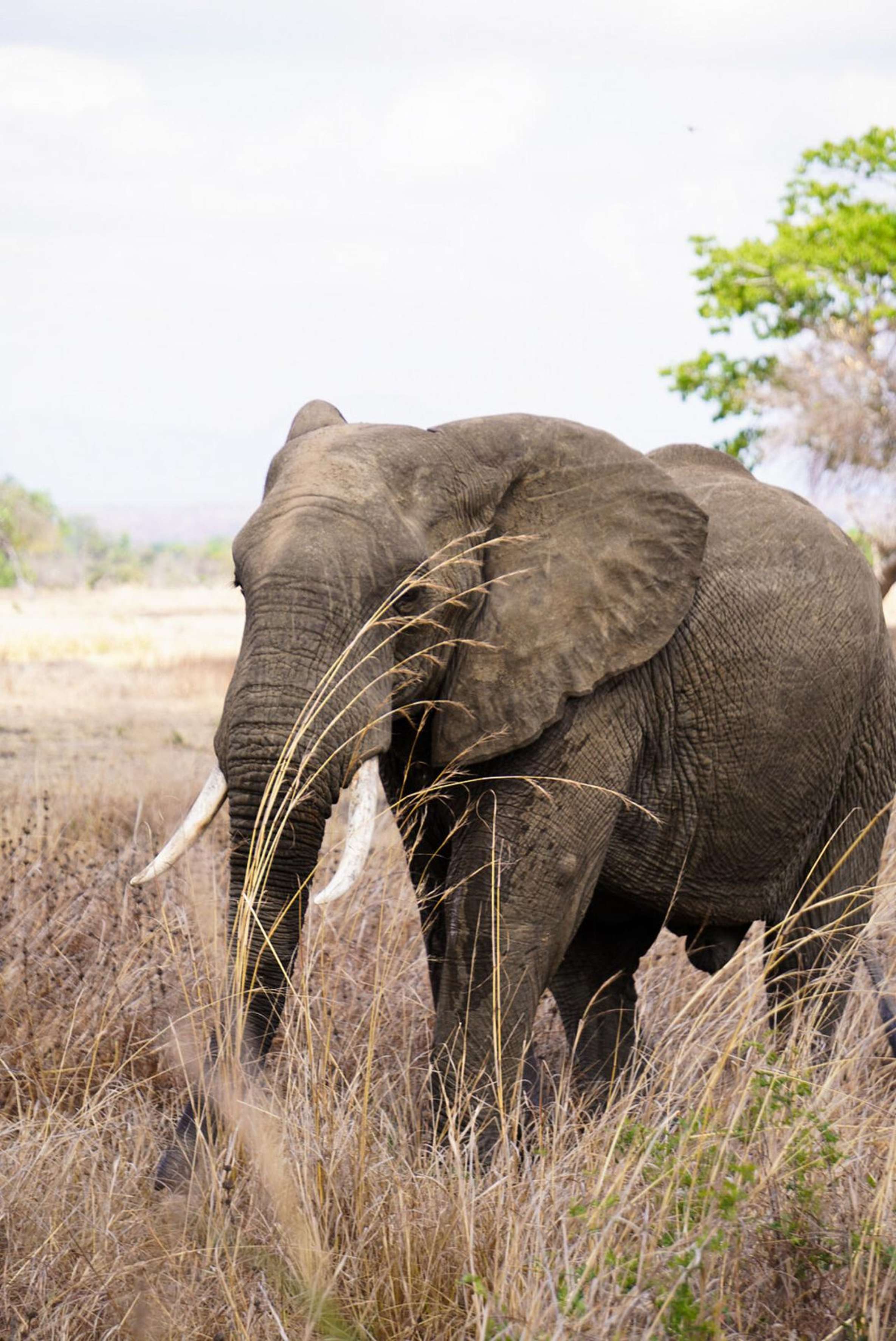
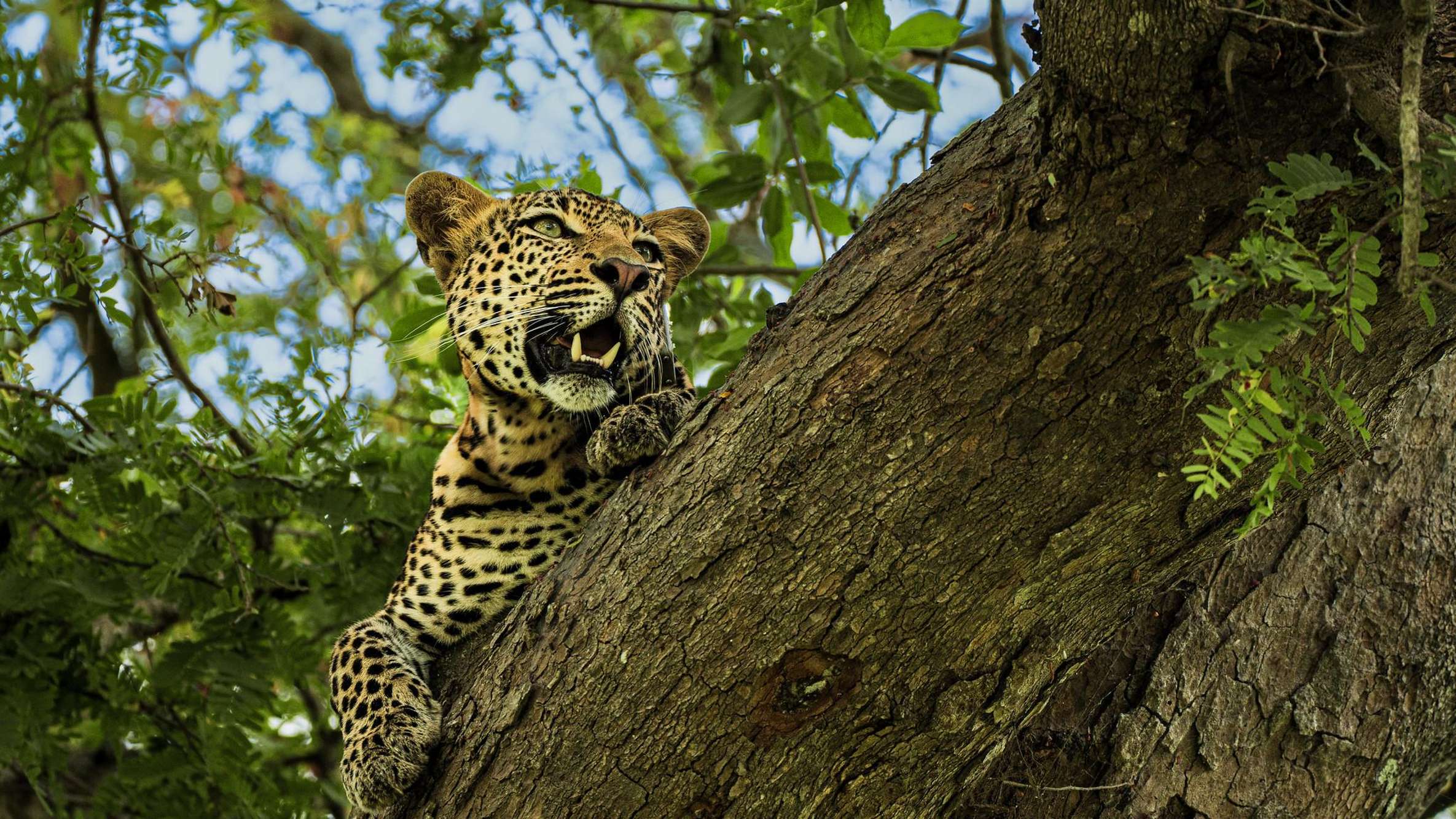
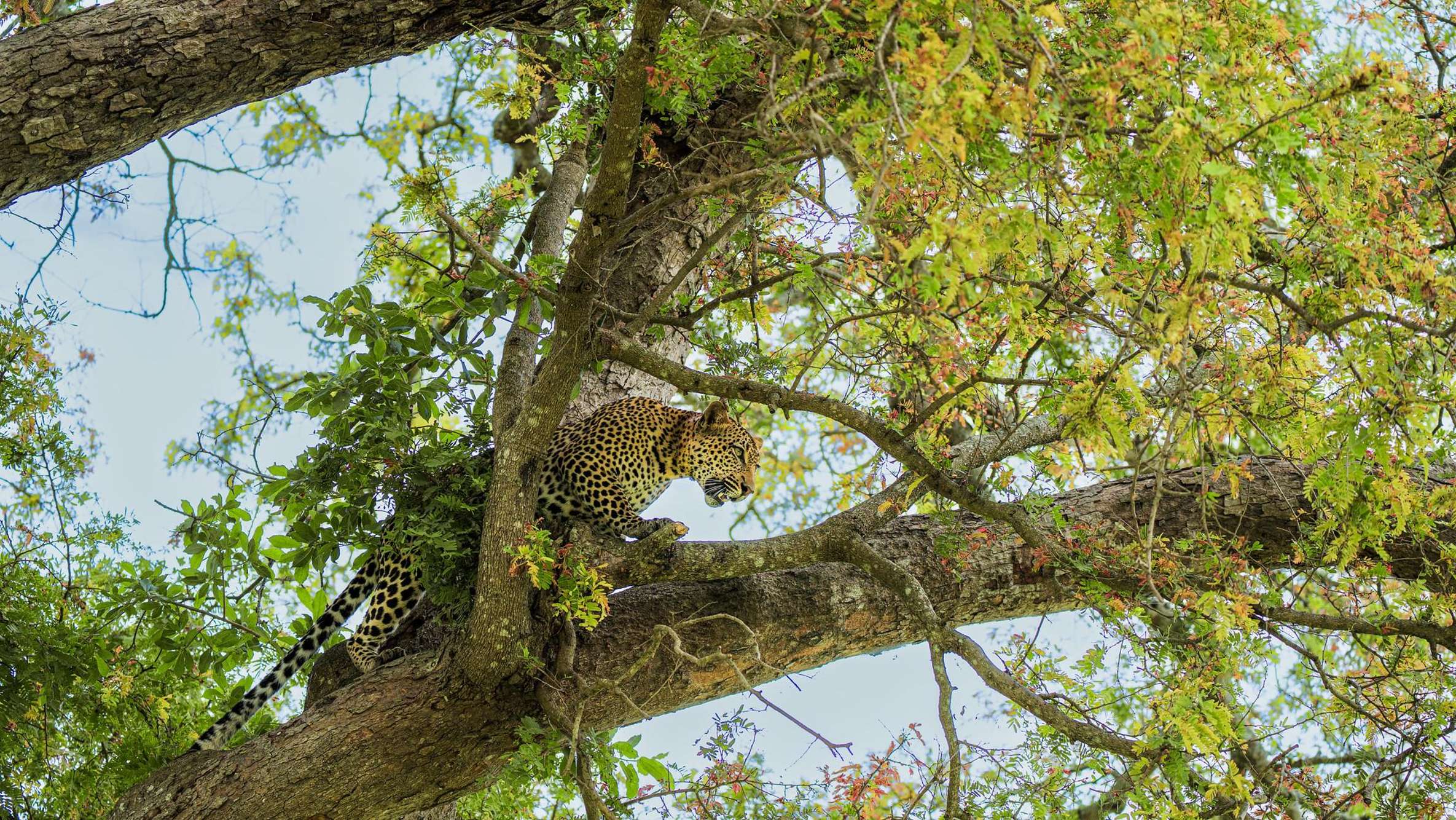
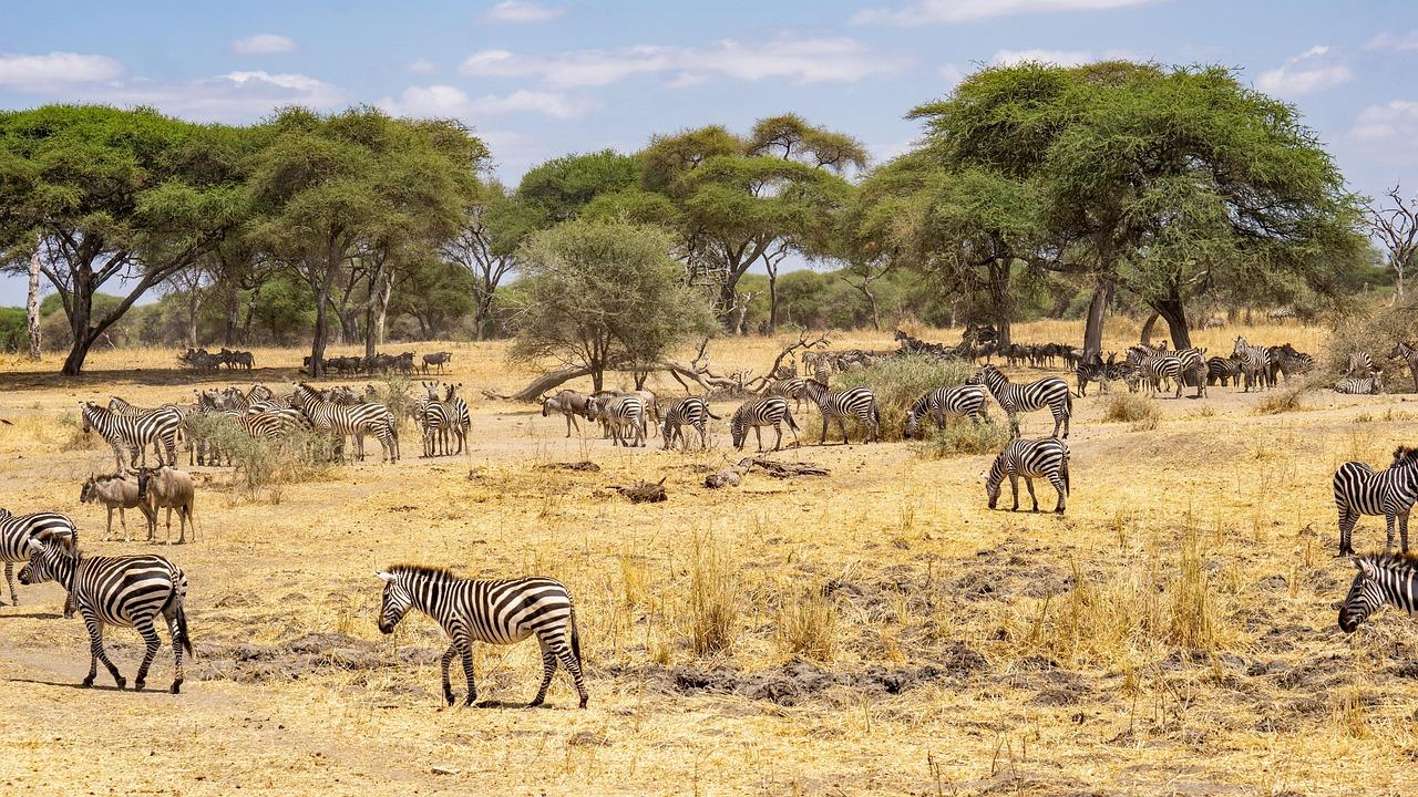
Mikumi holds elephants, grazers and predators all year, and short drives from the airstrip put you among them quickly. What it lacks is big-cat frequency: lions and leopards live there, but encounters come less often than up north.
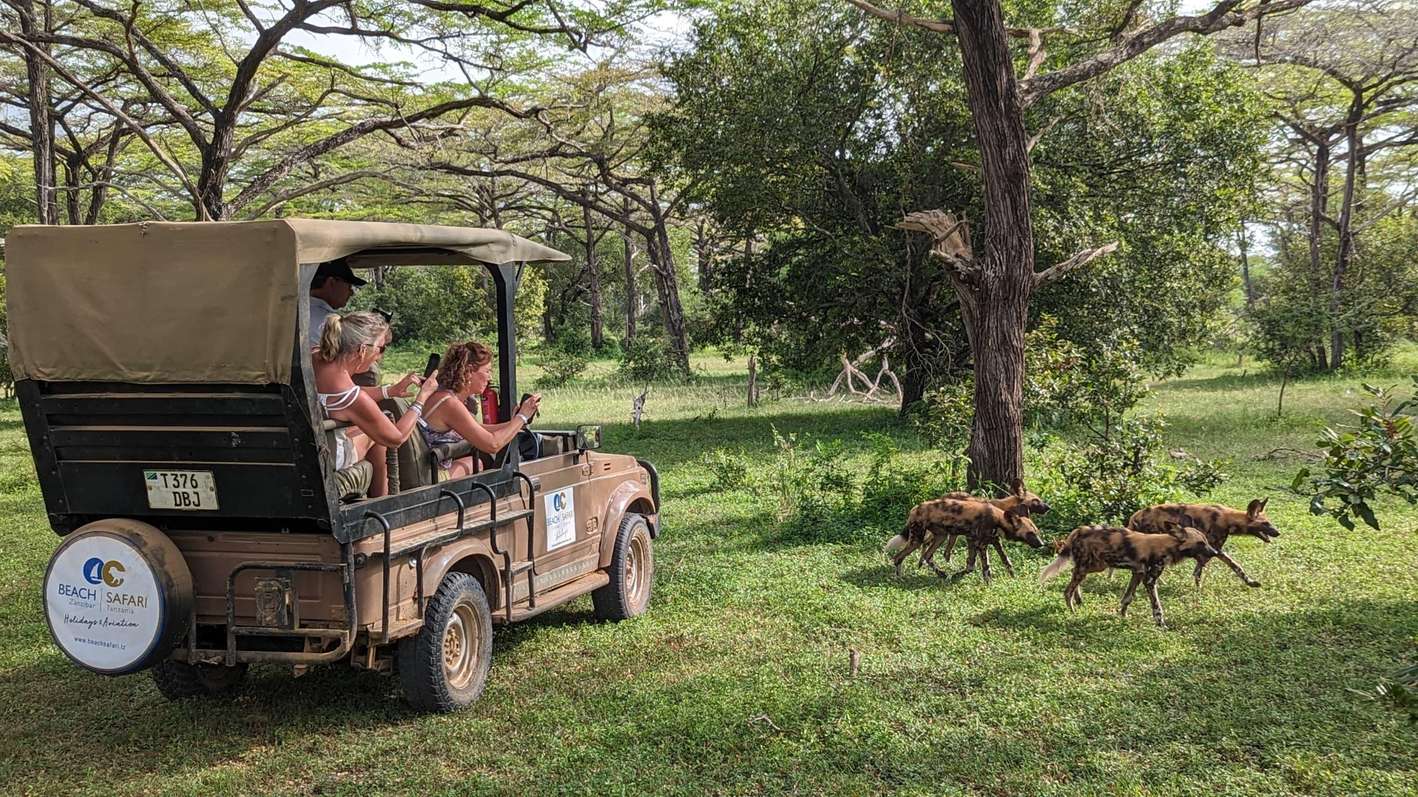
Nyerere plays a different game. The reserve is huge and its animals are spread out, so your guide actively tracks them. The reward is the Rufiji River by boat, hippo pods, and the best odds anywhere in Tanzania of meeting African wild dogs, which roam this park in Africa's largest remaining population.
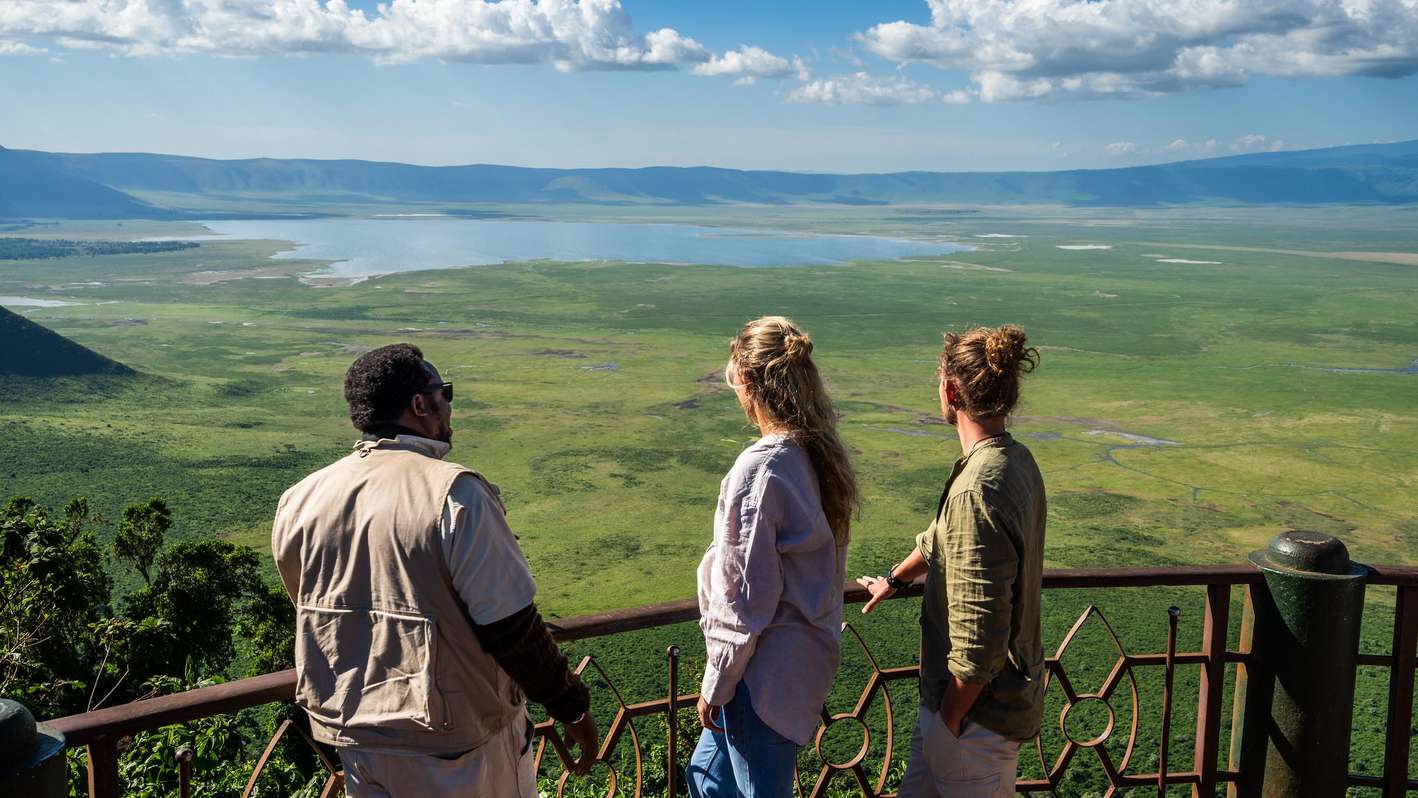
North of there, the Serengeti is the big-cats park, and Ngorongoro is the short-cut: animals live permanently inside the caldera, so lions, elephants, rhinos and buffaloes are all likely in one day. Cheetahs and leopards are the exceptions.
Two nights in Nyerere captures all of it. The tour built for that is "From Zanzibar: 2-Day Selous Safari with Flights & Lodge Stay", which pairs open-4x4 drives with a Rufiji boat safari and a night in a lodge.
The small planes that land on dirt airstrips take soft bags only. Hard-shell suitcases stay behind, so pack a soft duffel and keep the allowance in mind: around 20 kg on the bush flights, with some operators cutting it to 10 or 15.
Leave anything you don't need at your Zanzibar hotel; most will hold a bag until you are back.
That rule decides the bag before the wardrobe does. Tsetse flies in Mikumi and Tarangire home in on dark blue and black, the same shades used in baited traps, so navy denim is the worst thing you can wear.
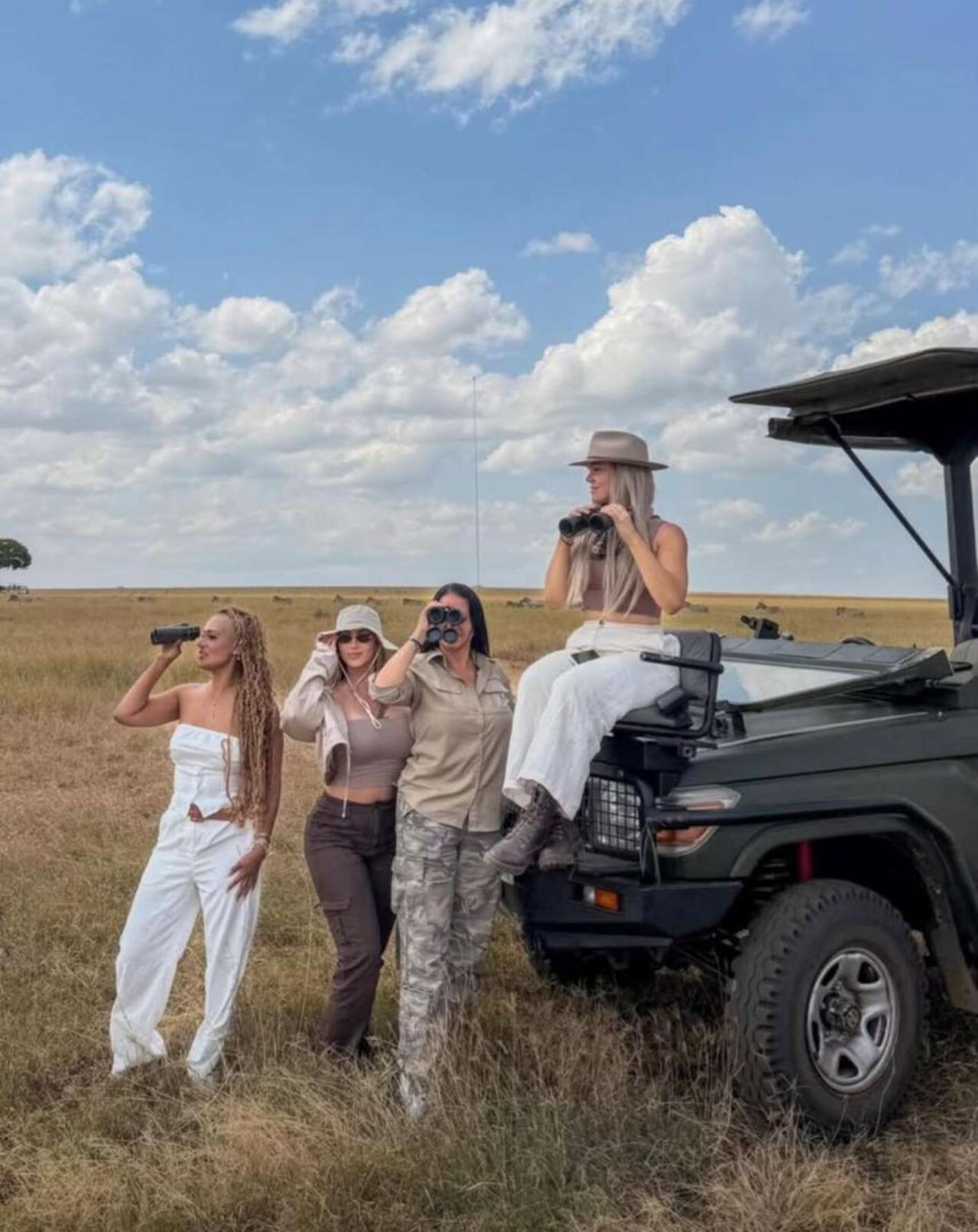
Khaki, beige, olive and tan are right, in long sleeves and trousers woven tight enough that a fly can't bite through.
Two more bans from Tanzanian law: camouflage clothing is illegal for civilians, and single-use plastic bags are confiscated at the airport. Clear zip-top toiletry bags are the allowed exception.
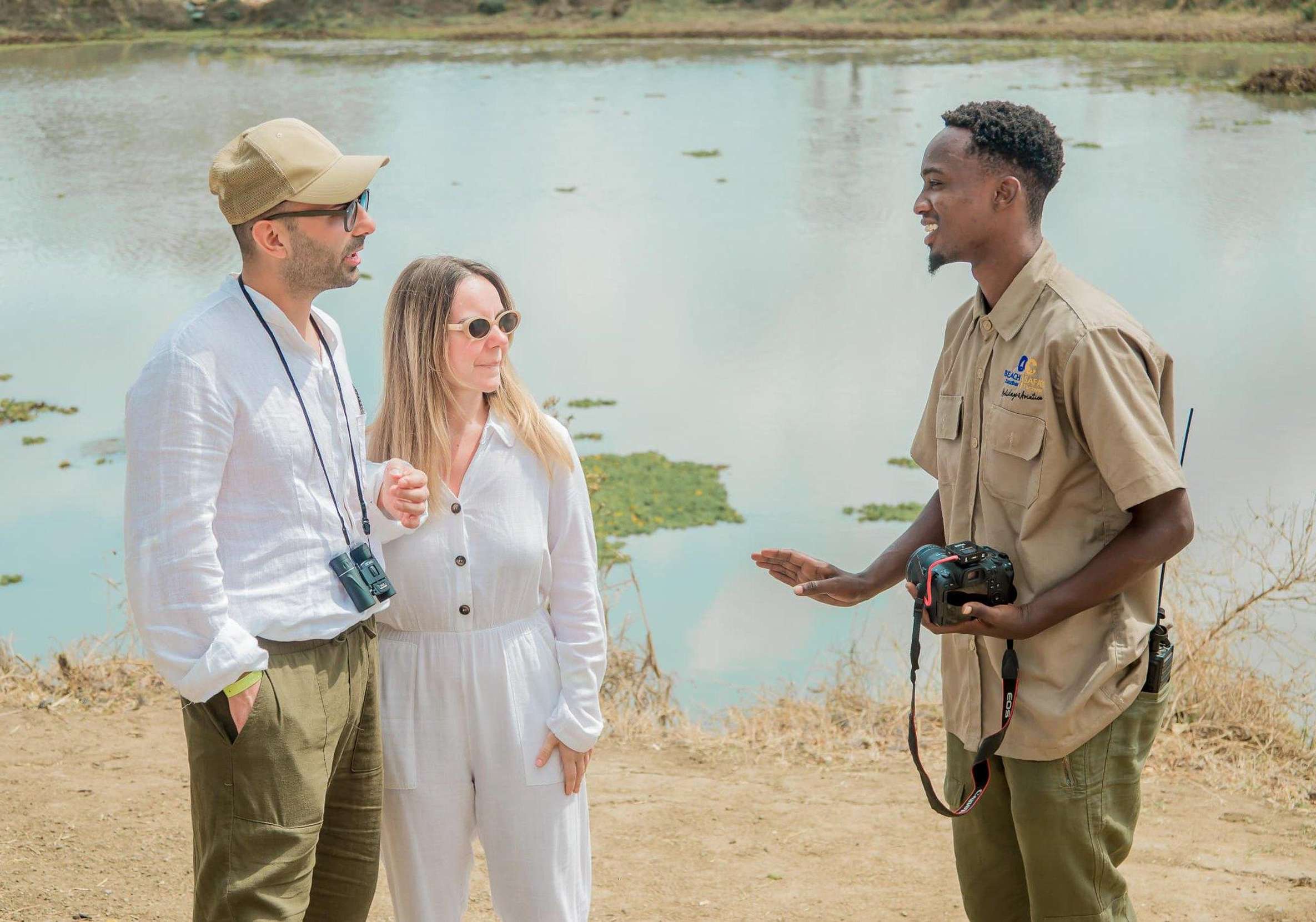
The least glamorous hour of the trip comes first. Drivers collect you from your hotel reception around 4 am, because flights out of Abeid Amani Karume International Airport leave between 6:30 and 7:45 am.
The drive depends on your coast. From Paje on the southeast it is about 50 km and an hour and a half; from Nungwi at the northern tip, 64 km and closer to two hours. If you can, book a night nearer Stone Town before safari day.
The safari operator's pre-arranged pickup is what makes the early flight, so confirm your hotel name and pickup time when you book
Expect a message with your exact collection time the evening before, once the flight schedule is set
Drivers leave on schedule and the plane does not wait
From the airport the day runs itself: board, fly, land on the airstrip, meet the 4x4.
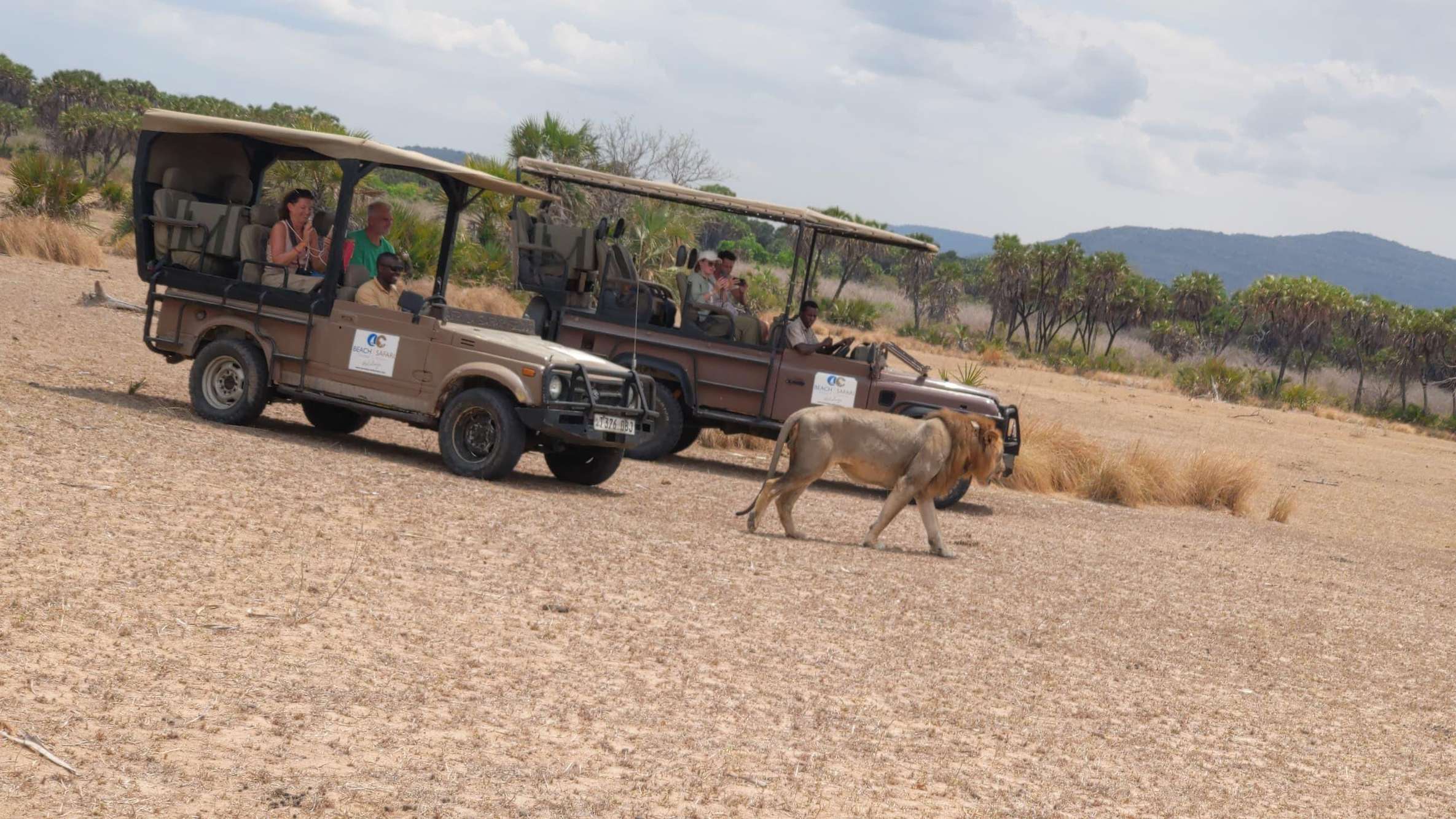
April and May are the honest months to plan around. The long rains muddy the dirt tracks, especially on Mikumi's clay floodplain, and light aircraft can be delayed or rescheduled. Operators say so plainly: between April 1 and June 1, weather or airfield conditions may change the schedule.
April is the wettest month with heavy downpours, muddy secondary tracks, and quiet parks.
Tap a month to read it.
October is warm and dry with light visitor traffic before the short rains begin.
Tap a month to read it.
January brings warm safari conditions with occasional rain showers and around fifteen dry days.
Tap a month to read it.
A washout rarely cancels the whole safari. Guides reroute to the better-drained circuits near the paved highway, and the parks stay open through the season; the Serengeti's main central tracks carry on regardless.
If a Mikumi day flight is grounded outright, you get a new date or a full refund. On some Nyerere routes the fallback is creative: passengers fly to Dar es Salaam and continue by road.
What the operators do not cover is your onward plan. Missed connections on separate airline tickets and missed activities lost to flight delays are on you, which is why the sensible rule is to schedule your return to Zanzibar at least two nights before any international departure.

One visa covers both the island and the mainland, so a safari adds no paperwork there. What matters is the passport: valid for six months beyond arrival, with a blank page or two for stamps.
Arriving from or transiting 12 or more hours through a yellow-fever country means a certificate is required at the border Get vaccinated at least 10 days before arrival and carry the certificate; travelers arriving directly from non-endemic countries need no proof
For everyone else the yellow fever certificate is not demanded, and moving between mainland Tanzania and Zanzibar carries no vaccination requirement, though port screening happens. Children are exempt either way.
Have your proof of accommodation and a return or onward ticket ready at immigration; both are asked for. Most nationalities can apply for an e-Visa online or take a visa on arrival at Zanzibar's airport, and a standard single-entry tourist visa allows up to 90 days.
The safari itself asks for one document only: bring your passport, which doubles as ID for the domestic flight check-in.
The park sets the pace of the day. Gates open at 6 am and close at 6 pm, and vehicles inside the park after closing face fines, so the guide's schedule follows the gate.
Money at the gate is cashless. Mikumi's entrance takes credit cards only, no cash, though on a booked tour this is moot: entry fees, landing charges and taxes are bundled into the package.
The rules inside the park protect the day as much as the animals. You stay in the vehicle except at designated picnic and restroom sites; feeding animals, touching wildlife and littering all carry penalties.
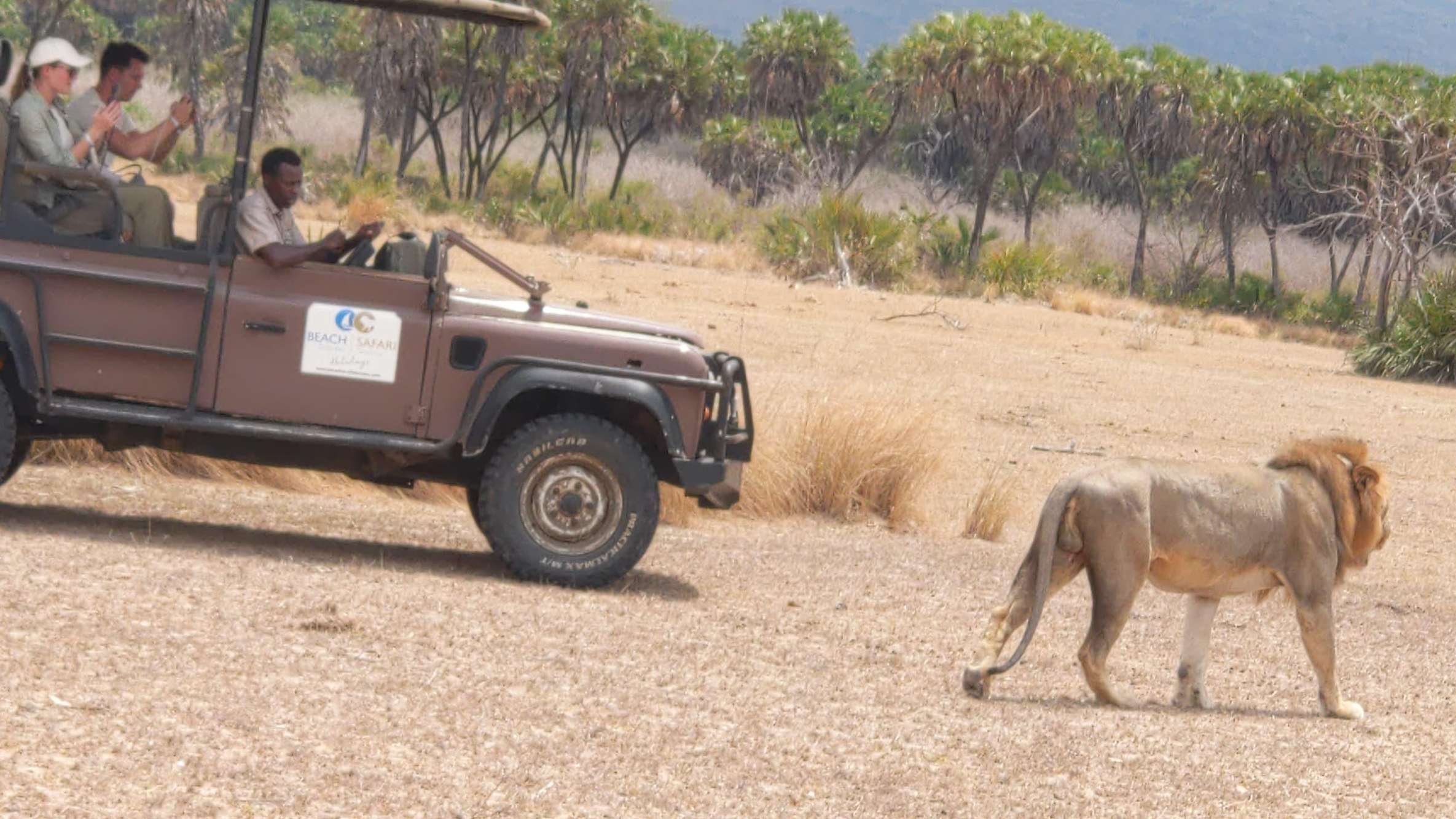
Vehicles keep to the tracks, no off-road shortcuts, and that is also why the drivers matter: they know where the road runs close to the riverbanks and where lions have been seen that morning.
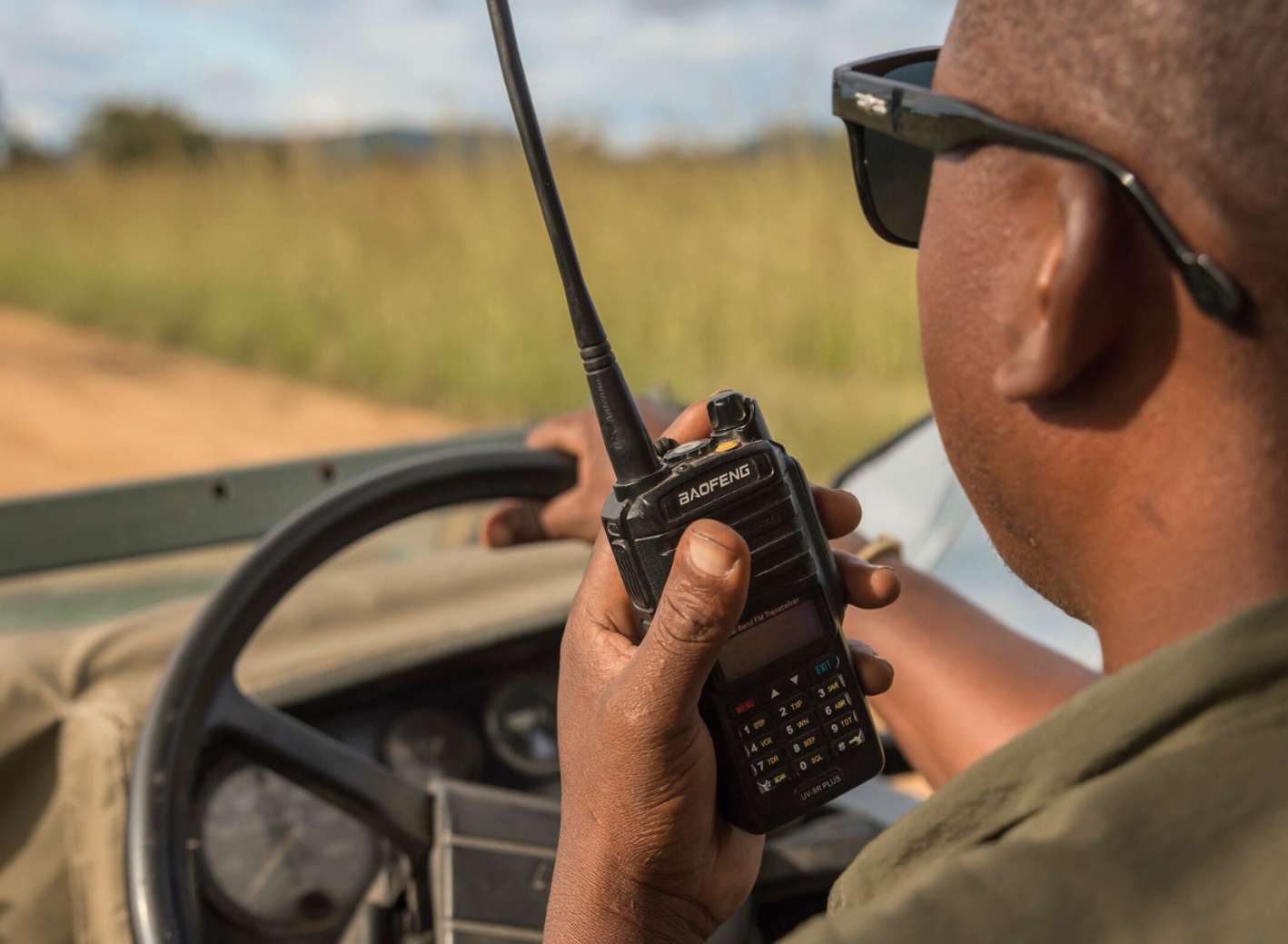
Guides radio each other across the park to track rarer sightings, which is how a vehicle that left the airstrip five minutes behind yours ends up beside the same leopard. Sit still, keep your voice low at a sighting, and let the guide work.
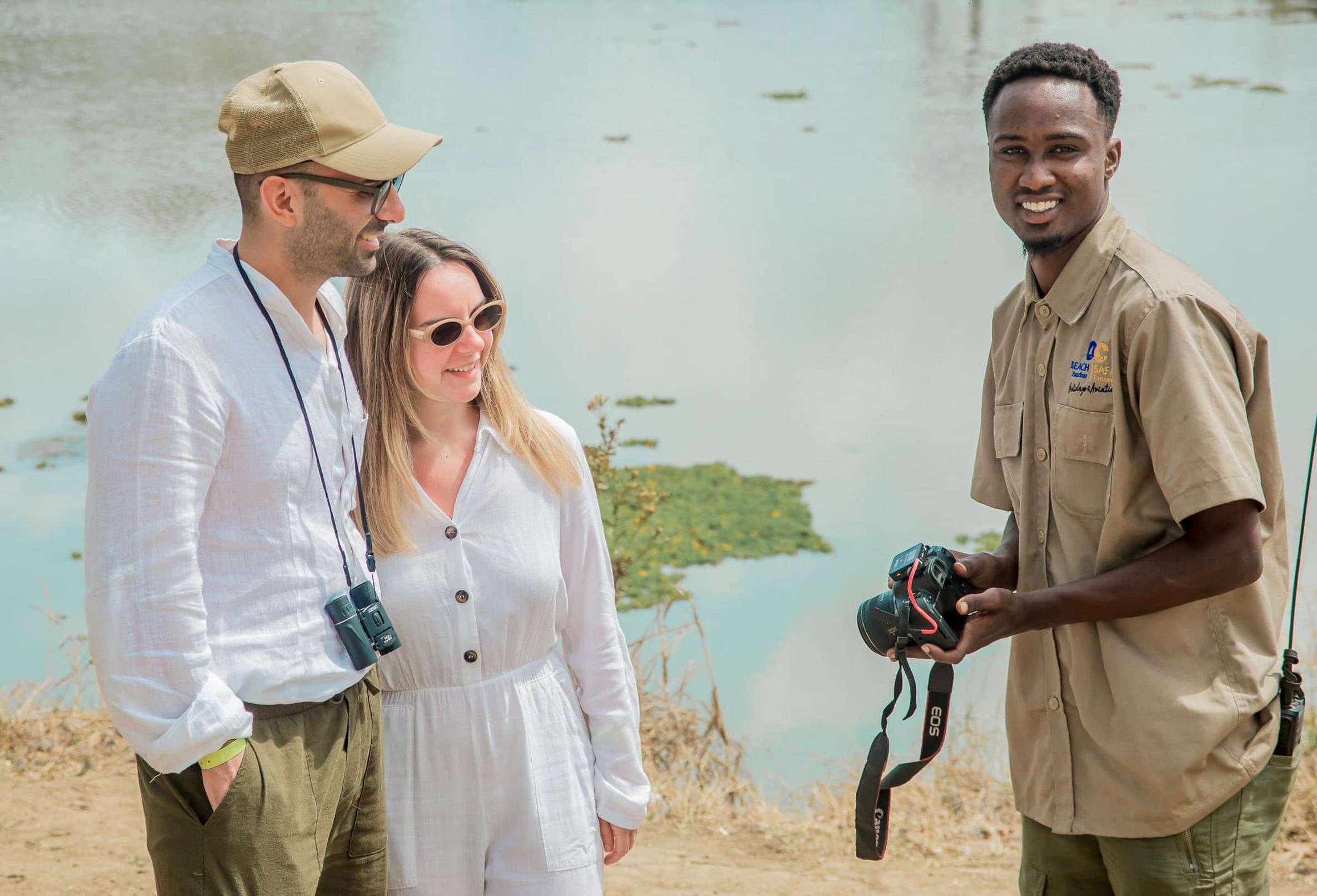
The calendar does both halves of this holiday at once. July is the sweet spot: peak dry-season game viewing on the mainland and calm, dry weather on the coast, with June through September close behind.
The long dry season runs June to October, with daytime temperatures around 27 to 31 degrees and beaches at their best. A second window opens late December to February, the hottest beach months, and good for the calving season in the southern Serengeti.
April and May are the months to give away. The long rains bring the heaviest rainfall of the year, muddy park tracks and delayed bush flights, exactly the weather that costs you game-drive hours. November's short rains are lighter and the parks stay good; it is also the quieter month if crowds matter to you.
So the simple rule: book the safari for the same stretch you'd choose the beach for, June to October, and you lose nothing on either side.
Independence sounds tempting until you count the moving parts: the ferry crossing, an hour and a half to two hours of Dar es Salaam traffic between the terminal and the city edge, the road transfer, a lodge, and card-only gate fees paid on your own.
On a short island trip, that is a day of logistics bought at the price of a safari day.
The map shows why the math tilts: the Serengeti sits two to three and a half hours away by air, and Ngorongoro around two to two hours forty via Lake Manyara. Hand those connections, the park permits and the vehicle to one booking and the day stays yours.
A packaged fly-in tour folds all of it in: hotel pickup, the bush flight, the 4x4, park fees and a guide, with free cancellation up to 24 hours before. For nearly everyone based on Zanzibar, that is the better trip.
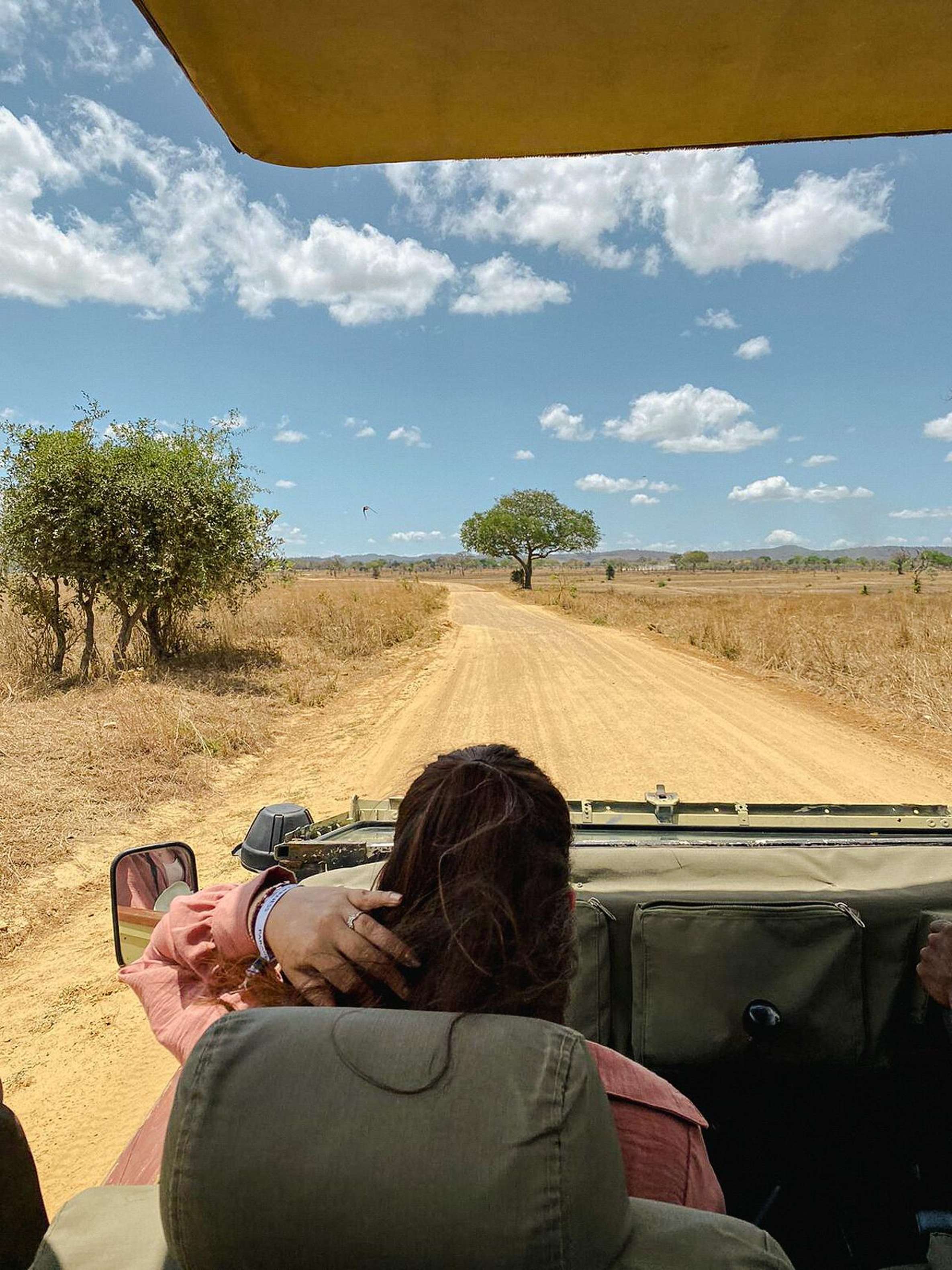
Take the package. From an island base, a bundled fly-in tour is the only version of this trip that keeps the safari hours and sheds the friction, and the day-trip option returns you to your resort for dinner.
Go it alone only if you have a week to spare and enjoy organizing ferries and road transfers yourself.
Yes. Your hotel pickup happens between 4 am and 6 am, the flight leaves around 7:00 to 7:45 am, and the return flight departs the airstrip between 3:00 and 3:45 pm. You reach your resort between 5:00 and 6:30 pm, or up to 8 pm when a shared transfer serves several hotels.
Roughly six hours, with a bush lunch in the middle. Flights land at the park airstrip around 8:00 to 8:30 am, the drive wraps up between 2:30 and 3:30 pm, and then you fly back to Zanzibar.
You do. Zanzibar's own excursions are marine ones: dhow cruises, snorkeling, sandbanks and dolphins. For a wildlife safari with lions, elephants and giraffes, you fly to a mainland park such as Mikumi, Nyerere or the Serengeti.
Flying is the way to go. Direct flights take 40 to 60 minutes to Mikumi or Nyerere (Selous) and 2 to 3.5 hours to the Serengeti. Ferries only reach Dar es Salaam in 1.5 to 2 hours, and from there you still face hours of road travel on a multi-day itinerary.
Mikumi National Park. It has short travel times once you land and resident elephants, grazers and predators year-round. Nyerere National Park is the pick if you want to add a boat safari on the Rufiji River to your game drives.
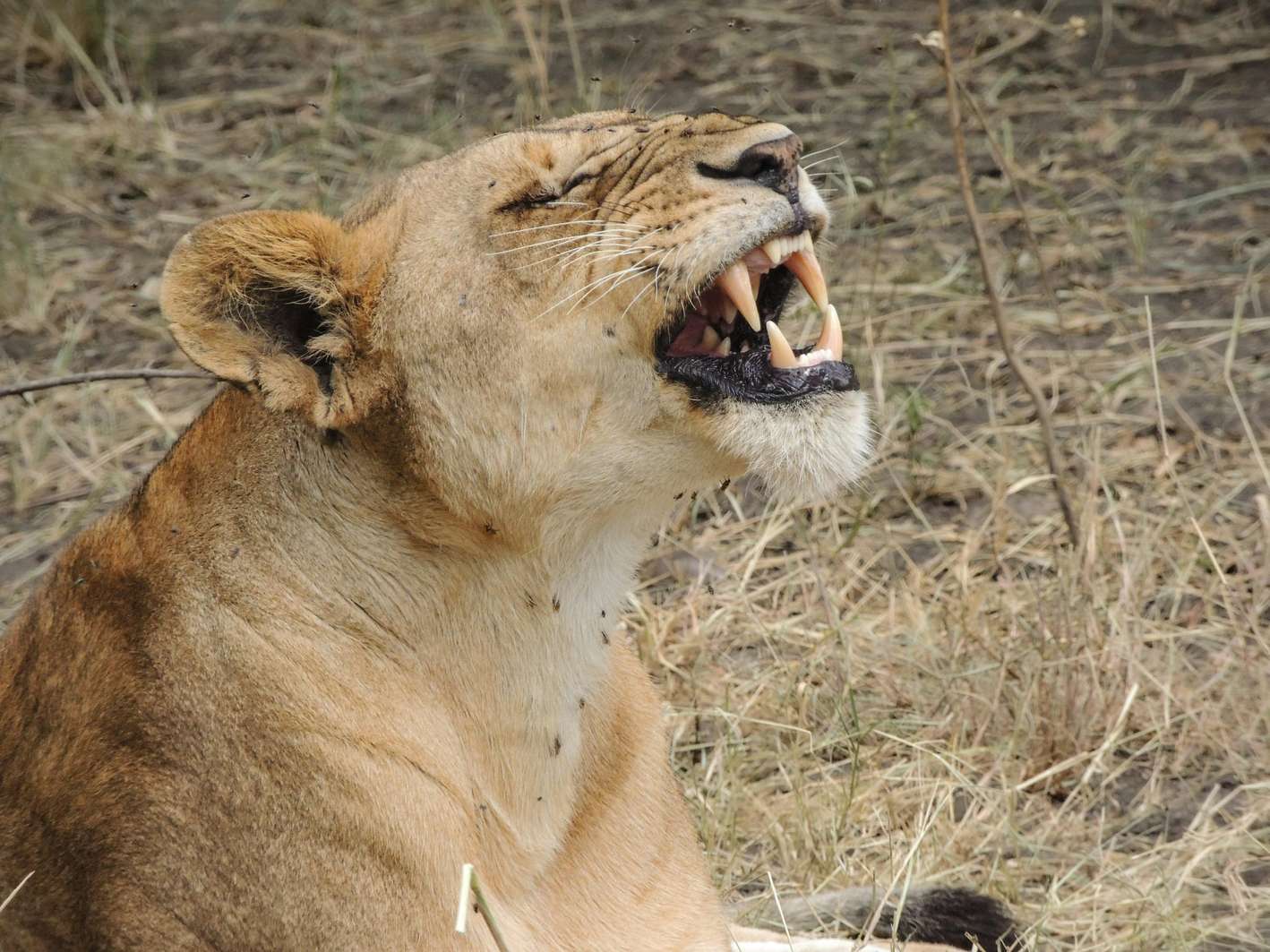
Day trips reward you with sightings of lions and elephants. Mikumi keeps resident grazers, elephants and predators all year, though big cat encounters come less often there than in the Serengeti.
It depends on your trip. From Zanzibar you can fly straight into southern parks like Mikumi and Nyerere for day trips or one-night stays. Arusha works better for multi-day Northern Circuit routes through Tarangire, Ngorongoro and the Serengeti, so travelers often base themselves on the island and fly north for longer trips.
Wildlife is more spread out in Nyerere, so your guide does more active tracking during the drive. In return you get sprawling lakes and the Rufiji River, where boat safaris run past big hippo pods, and Nyerere hosts Africa's largest remaining population of African wild dogs.
Plenty. The light aircraft land on bush airstrips inside or beside the parks, and the views along the way take in Zanzibar's reefs, the coastline, winding rivers and open plains. Some passengers spot herds of elephants, buffalo or even hippos in the rivers from the air.
You stay with the vehicle while animals are around. Park rules let you leave the safari vehicle only at designated picnic and restroom sites, so guides plan stops there and coordinate any urgent break with the driver.
Often yes. Some tours let you pick a French, German, Italian or Spanish-speaking guide when you book, and others ask you to request one ahead of time or select a language add-on. It is worth sorting this out during booking so you land in the right vehicle.
July. It brings peak dry-season game viewing on the mainland and dry, sunny weather with calm seas on the coast. The broader July to September window gives much the same conditions in both places.
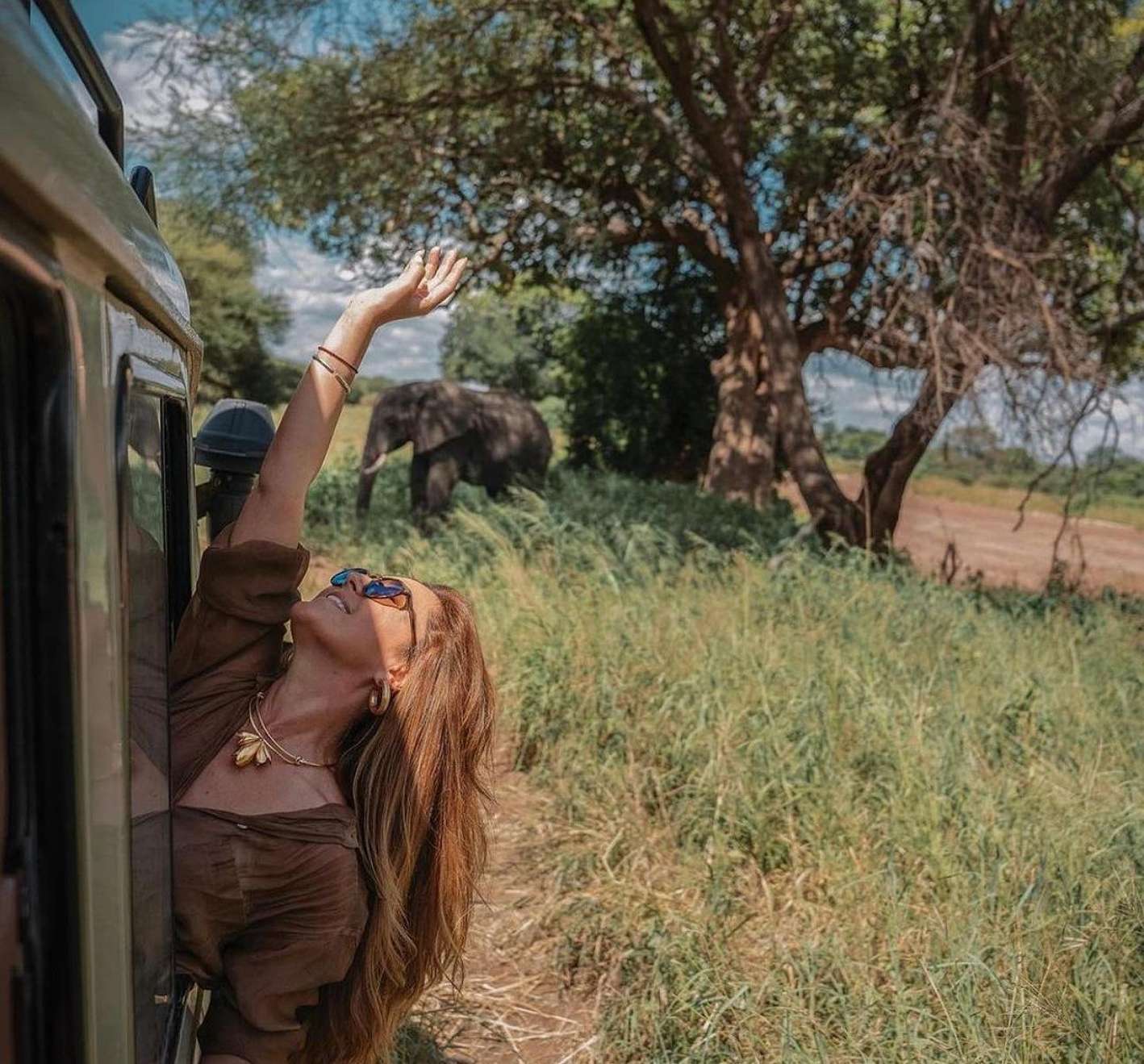
If one day in Mikumi leaves you hungry for the great open plains, the Serengeti page takes the story further.
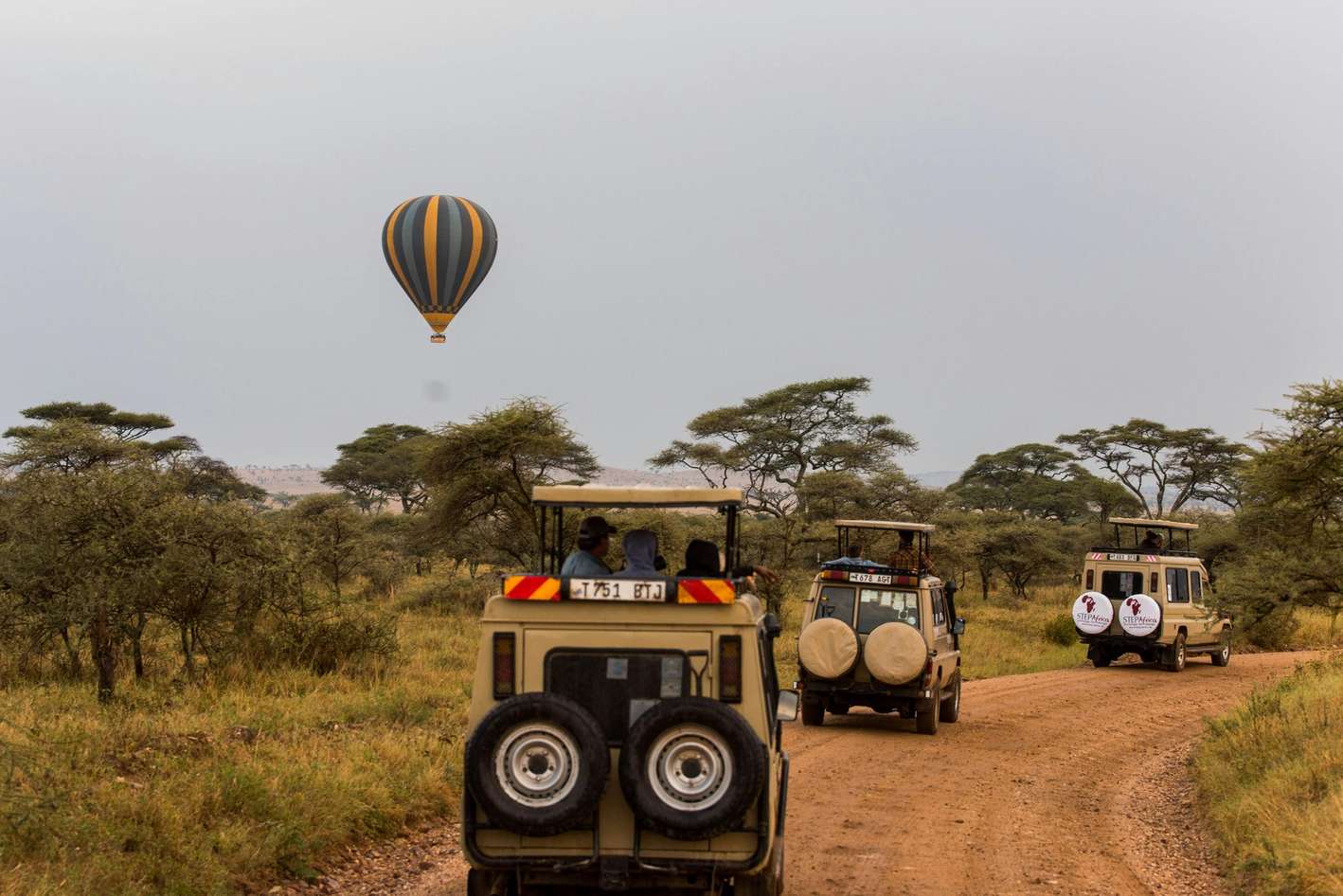
Timing decides everything on a short trip from Zanzibar, and this month-by-month guide shows which weeks reward you most.
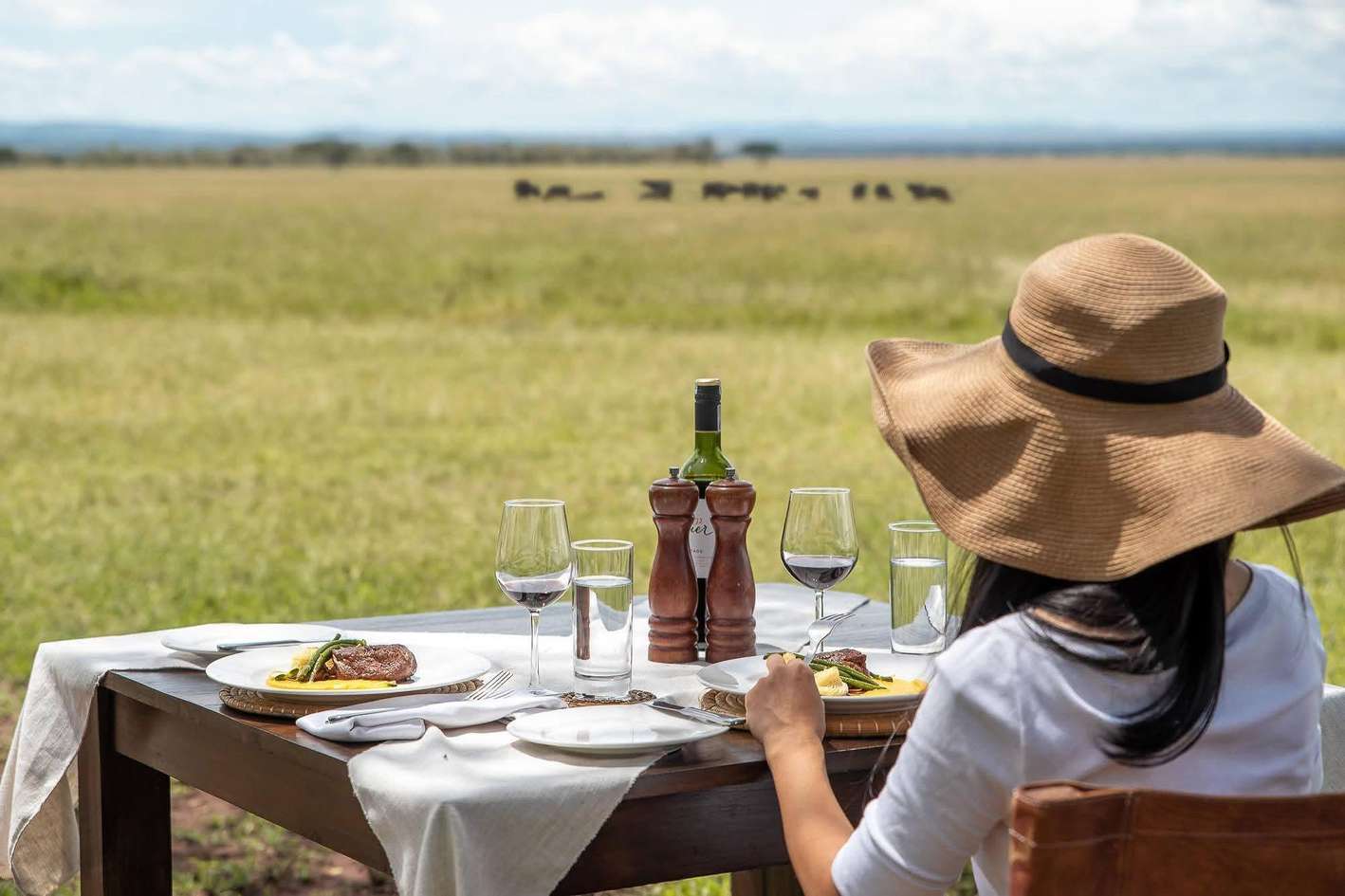
The great herds move across the plains in a yearly rhythm, and this page shows where to be and when.
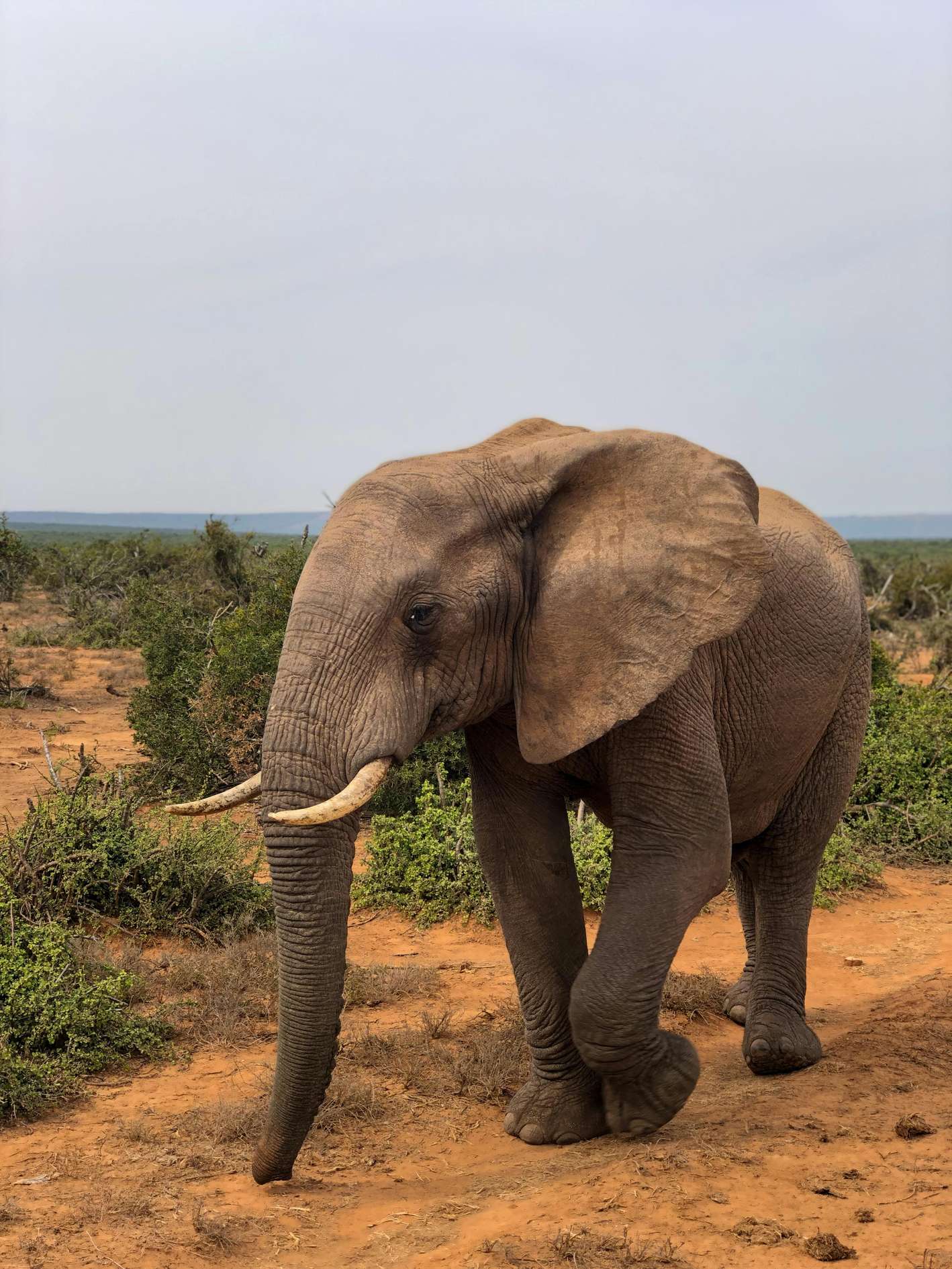
A dawn balloon flight over the Serengeti costs real money, and this page weighs what you get for it.
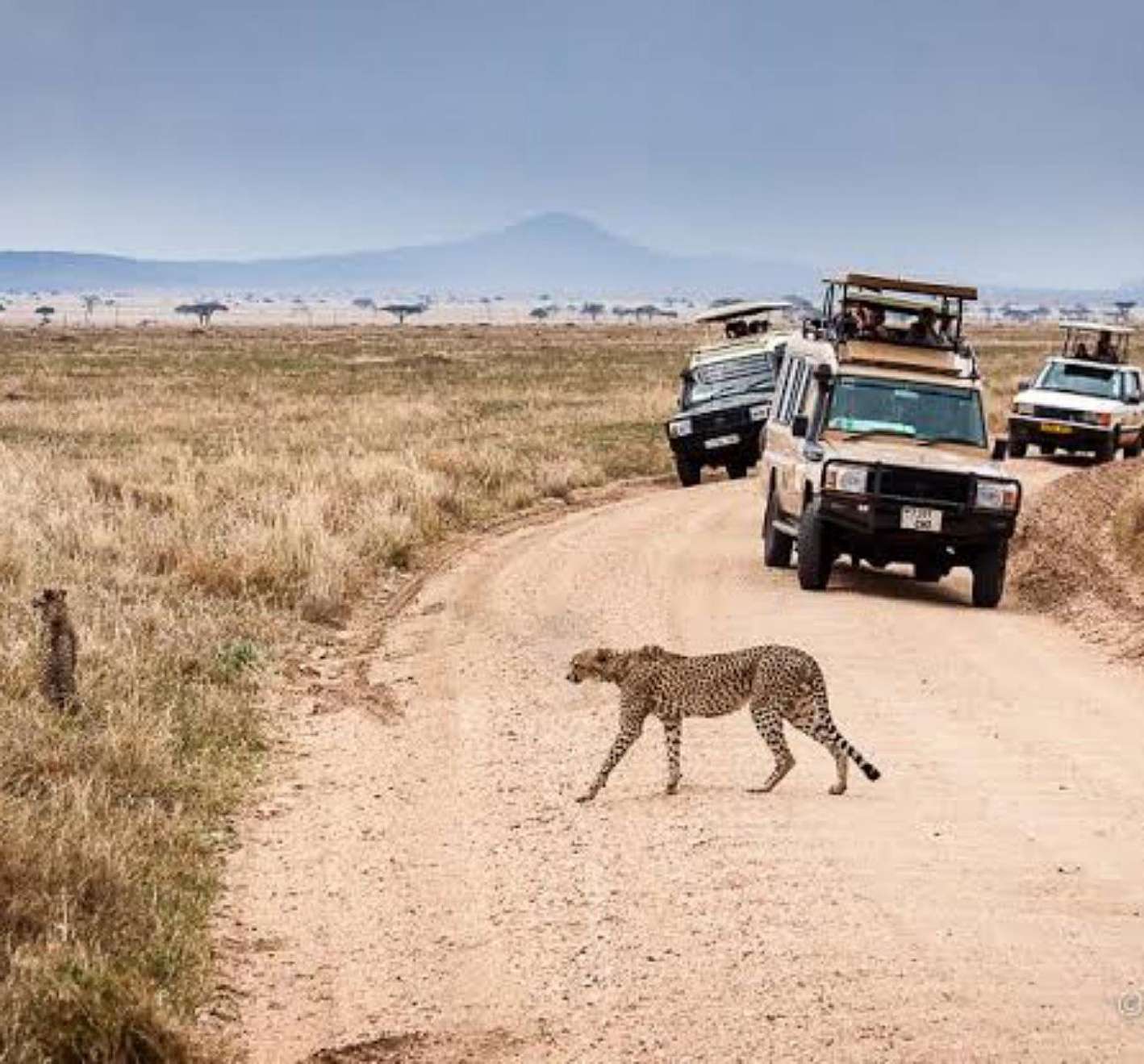
Going overland from Arusha instead of flying in? This page maps the drive times and the routes between the parks.
Thinking of squeezing the Serengeti into a single day? This page explains what that day can and cannot hold.
Mikumi deserves a page of its own, and this one covers the park, its animals and every tour option in detail.
Starting in Dar es Salaam rather than the island? This page lays out the overland bush routes south.
Two days beat one, and this page shows how an overnight in Mikumi adds morning and evening game drives.
With three days you can slow down, add a night drive or a village visit, and this itinerary shows how it fits.
Rain, heat and crowds swing the safari by month, and this calendar guide helps you pick your dates with confidence.
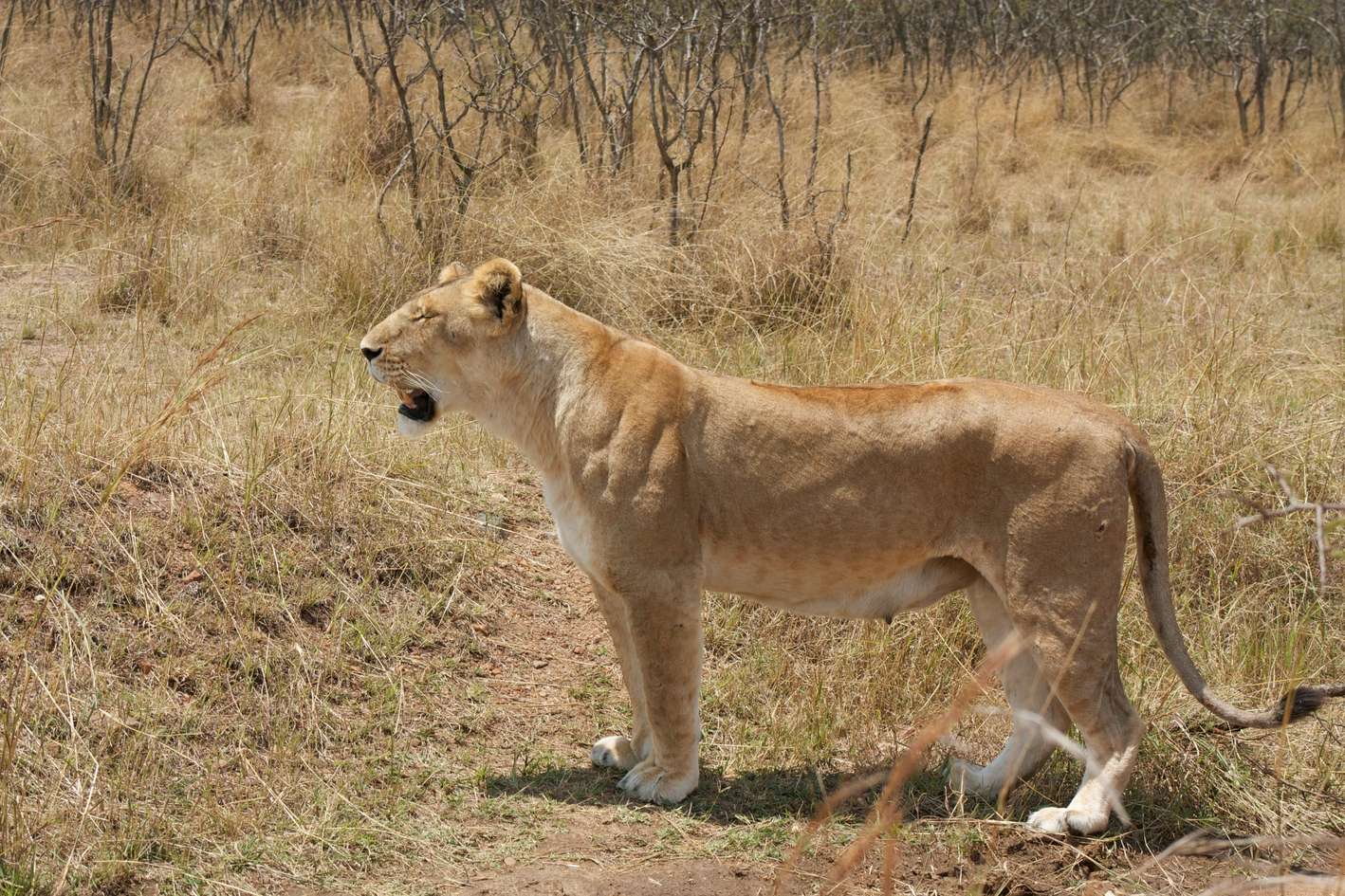
Still unsure how many days to give the bush? This page weighs 2-day, 3-day and overnight itineraries against each other.
Pairing the bush with the beach is the classic Tanzania trip, and this page shows how the two halves fit together.
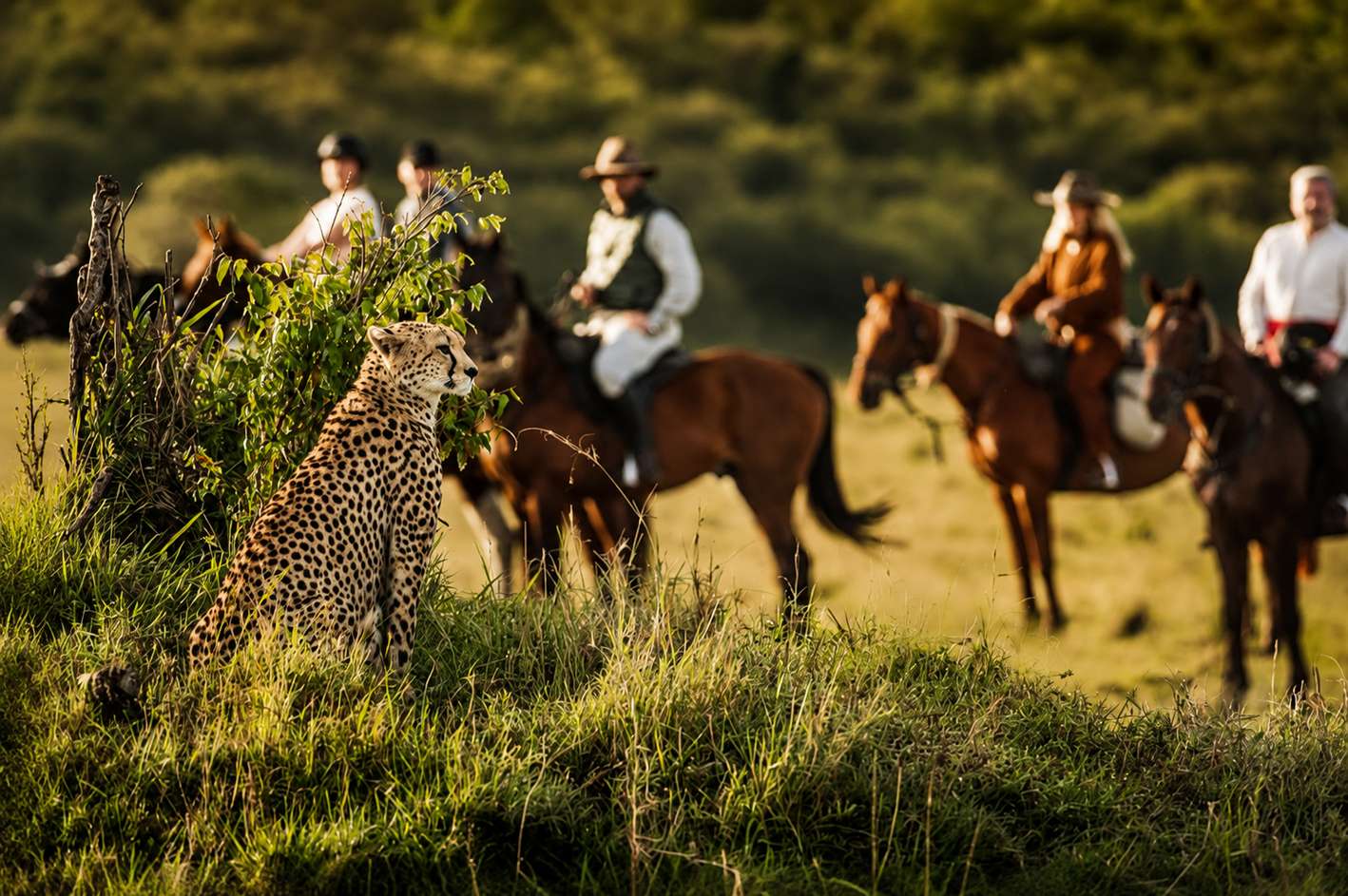
Riding on horseback through the bush is a quieter way to meet the wildlife, and this page explains how it works.
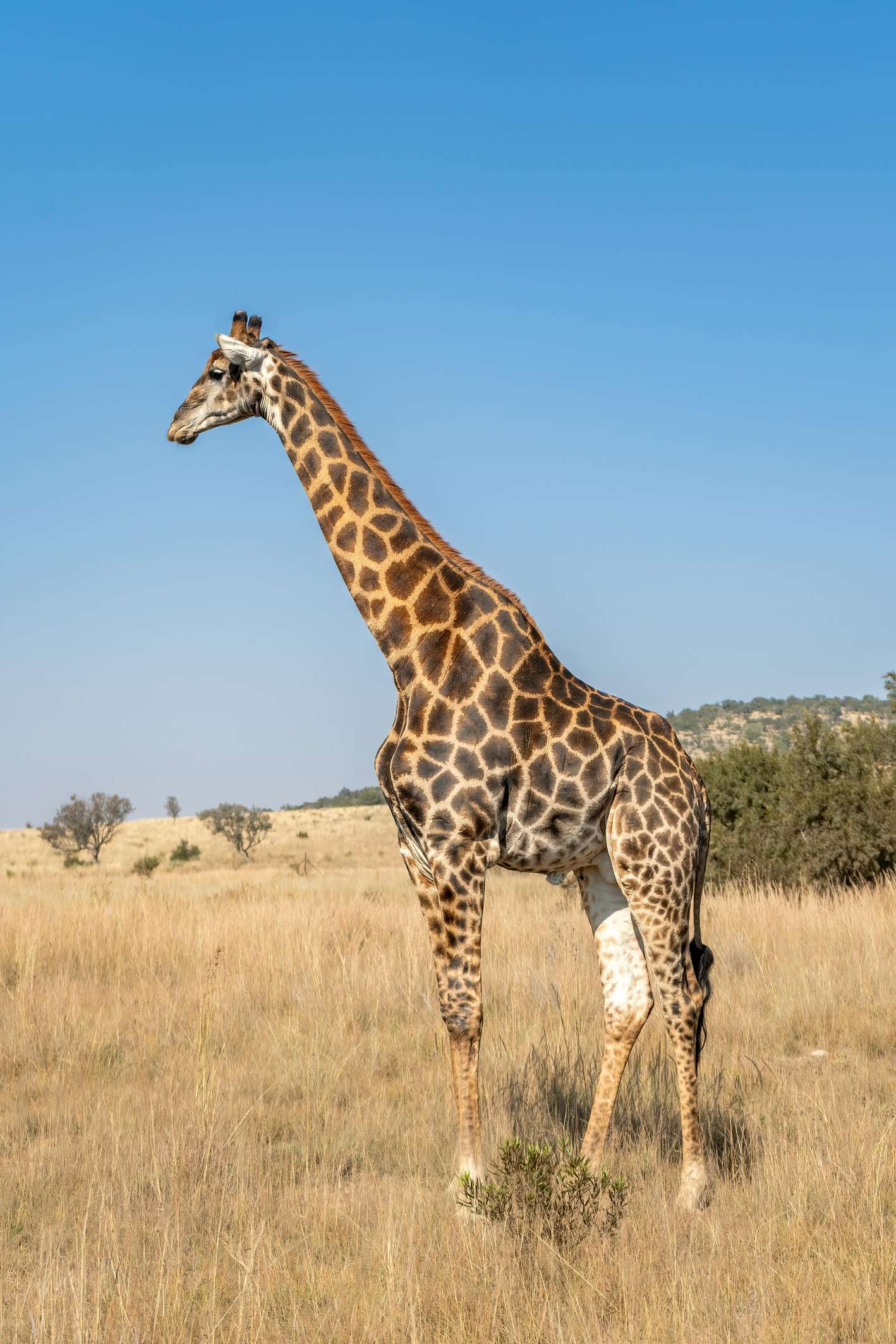
Lions, elephants and the rest of the cast, with what you can realistically expect to see in the hours you have.

The crater packs Big Five sightings into one caldera floor, and this page covers the drives and tours inside it.
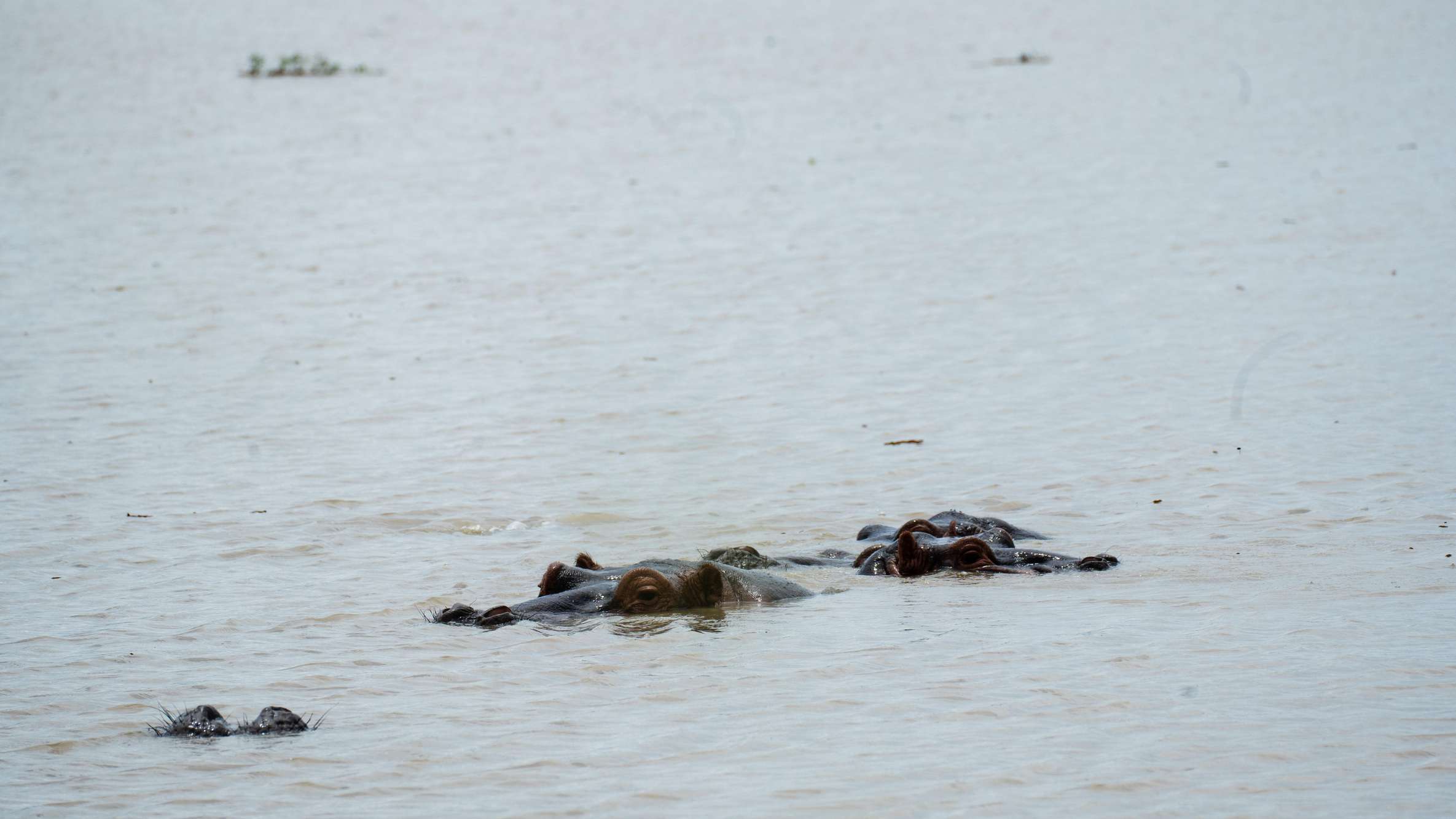
One day, one flight, a full game drive and a bush lunch in Mikumi, with free cancellation up to 24 hours before you go.