
 Our top pick
Dar es Salaam: 2-Day Safari to Mikumi NP & Chizua Waterfall
Pick-up and drop-off at your hotel or airportBreakfast at the lodgeGame drive in Mikumi National Park
From$450 /person
See dates and book Free cancellation · Hotel pickup
See real big game without flying to the north. Ride the 6 am express train to Morogoro, meet your open safari jeep, and be watching lions, elephants and hippos on the Mkata Floodplain by late morning. A guided 2-day overland itinerary from Dar es Salaam, park fees and lodge night included. Book your departure today.
“Amazing experience, our guide Godfret was great, so friendly and helpful. Saw loads of animals and loved the waterfall hike. Would definitely recommend!”
Every tour here reaches Mikumi National Park overland, by train, ferry and 4x4, in two to three days. One starts in Dar es Salaam itself; the others begin with a ferry from Zanzibar and connect through the city.
Our top pick
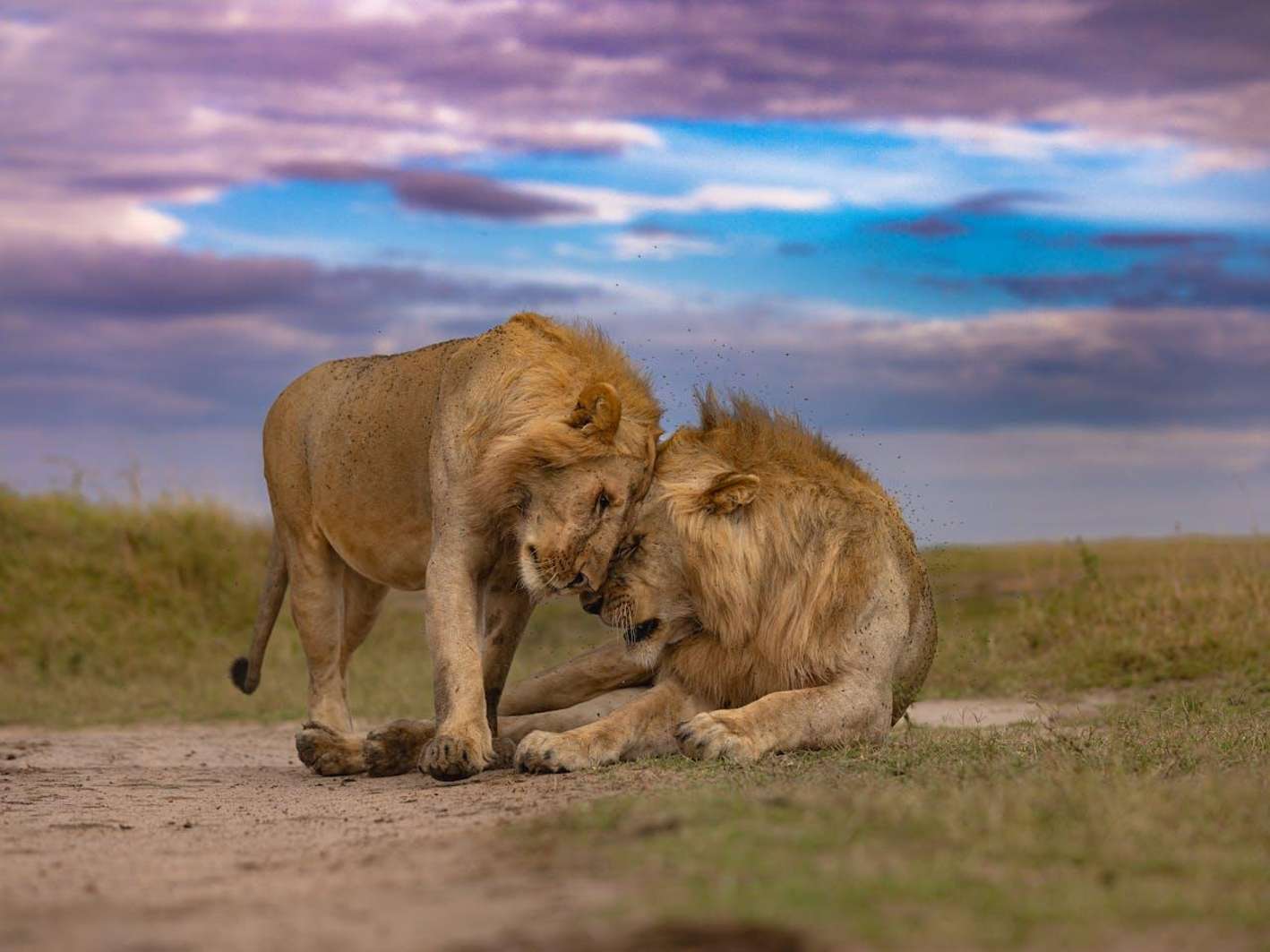
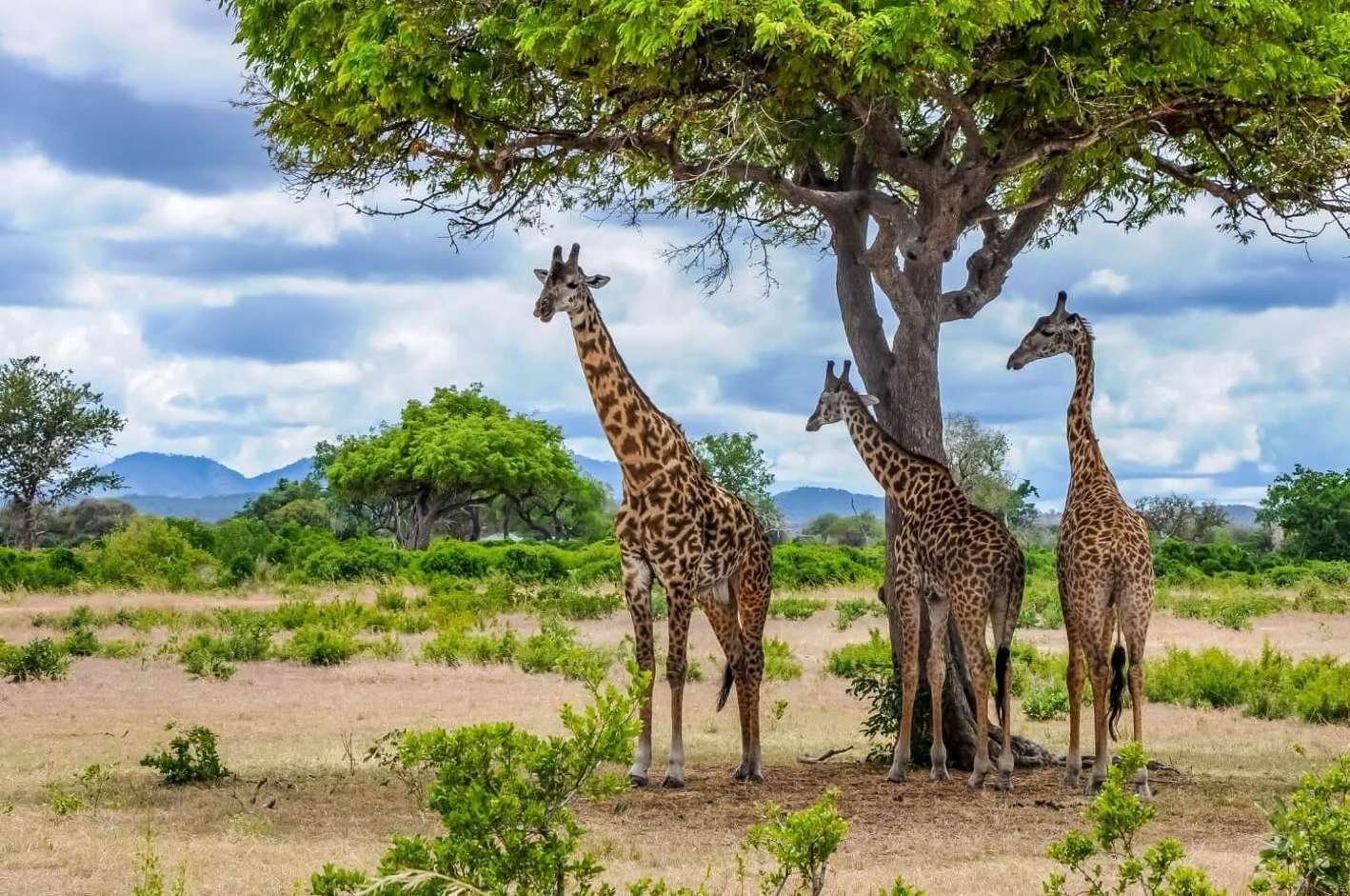
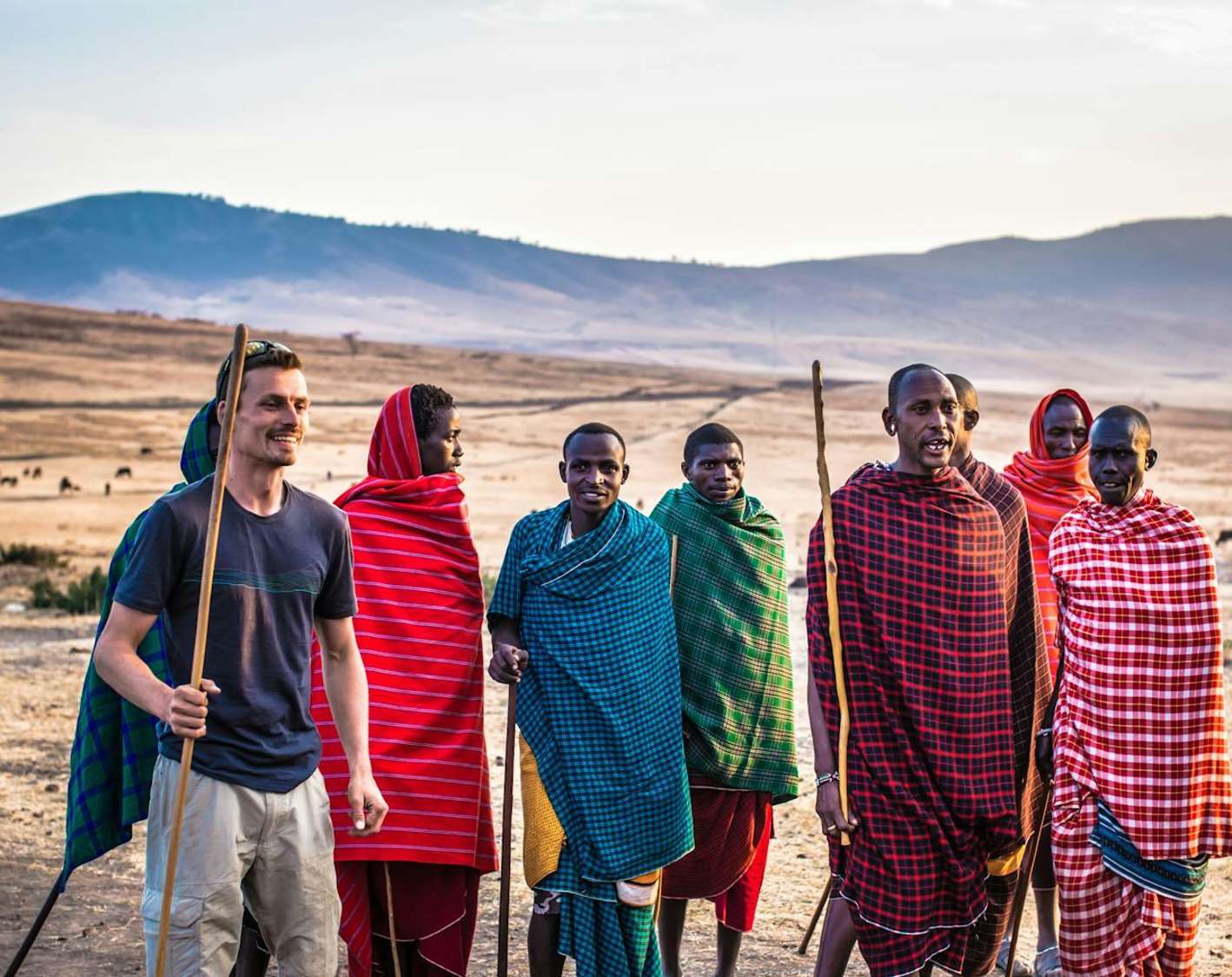
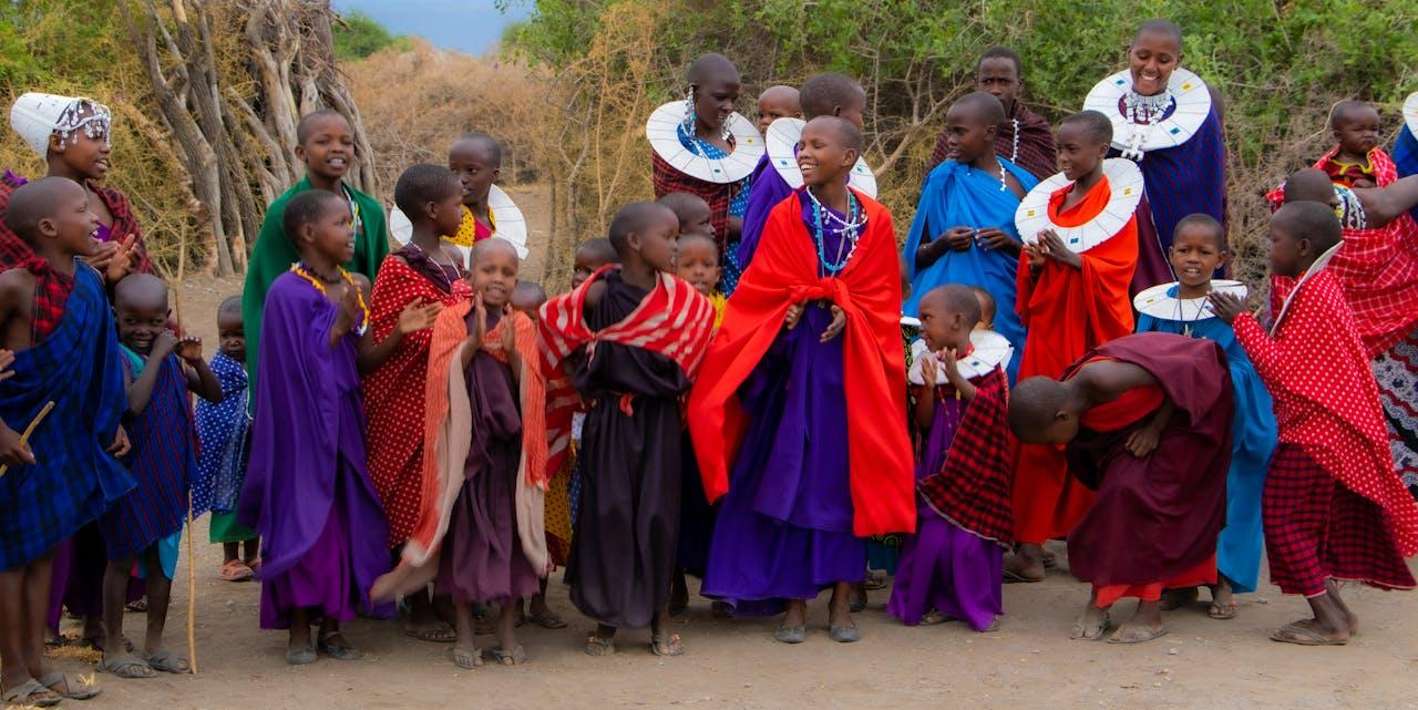
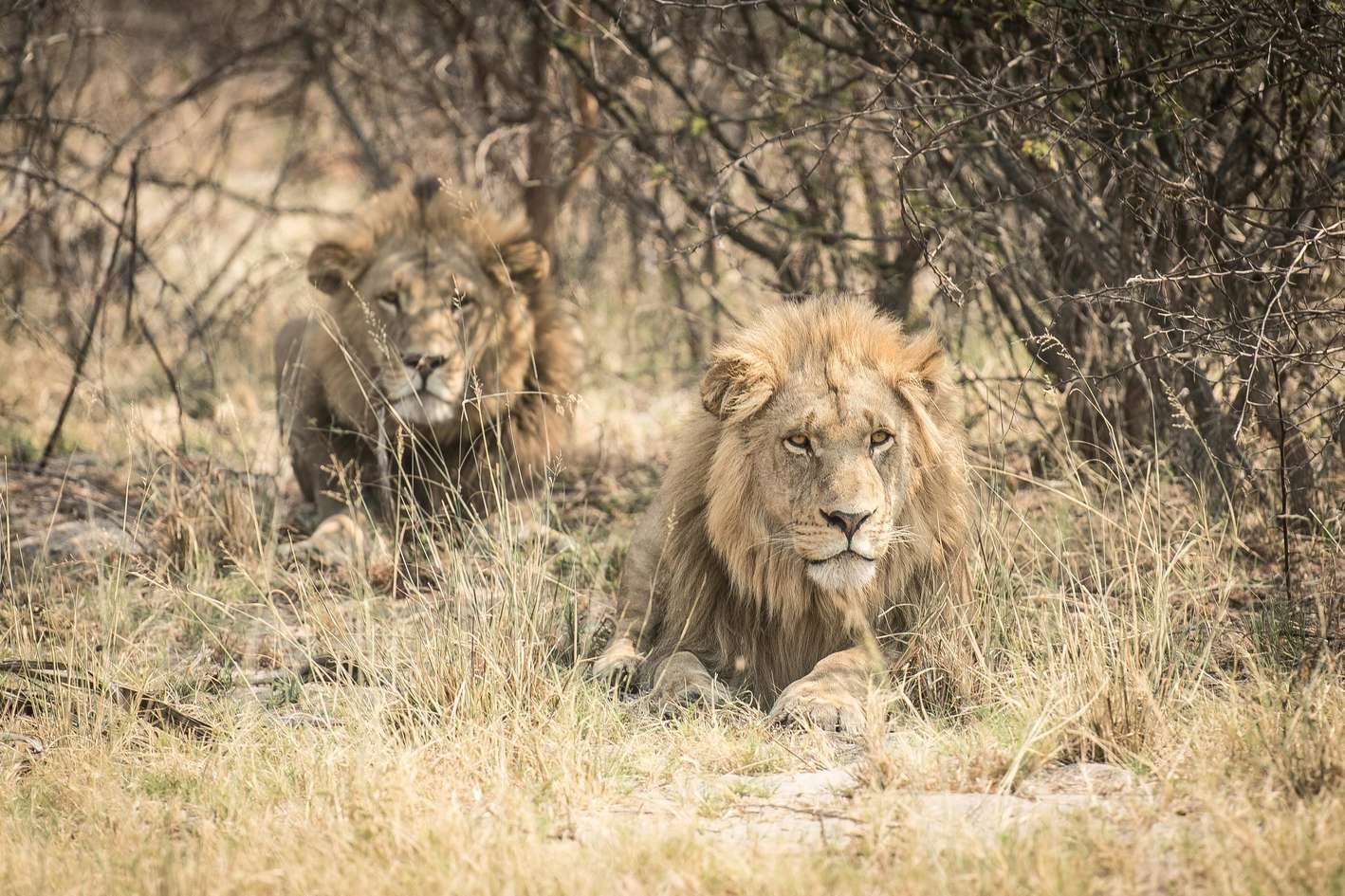
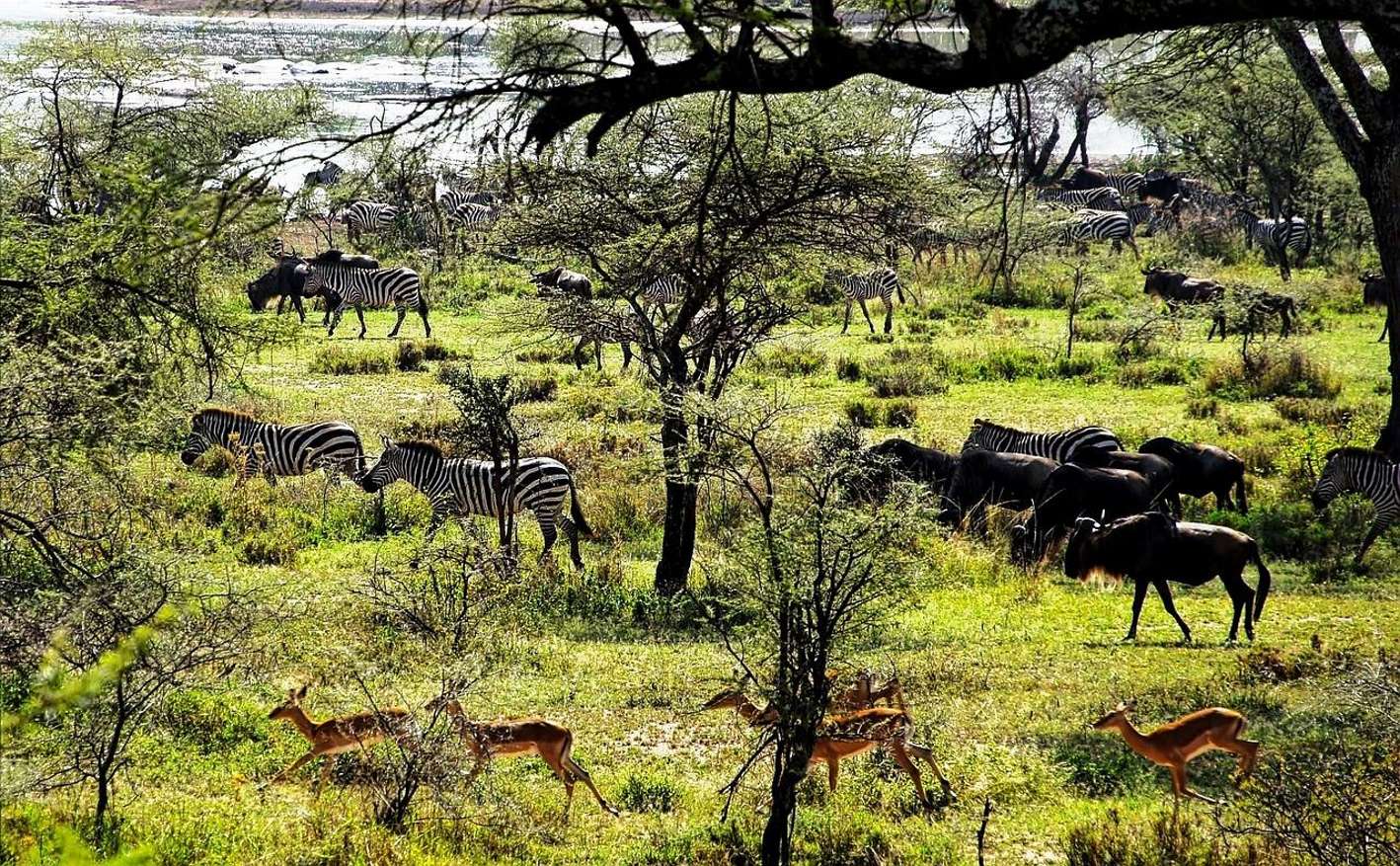
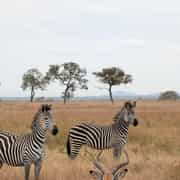
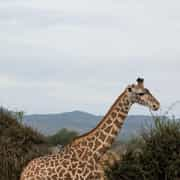

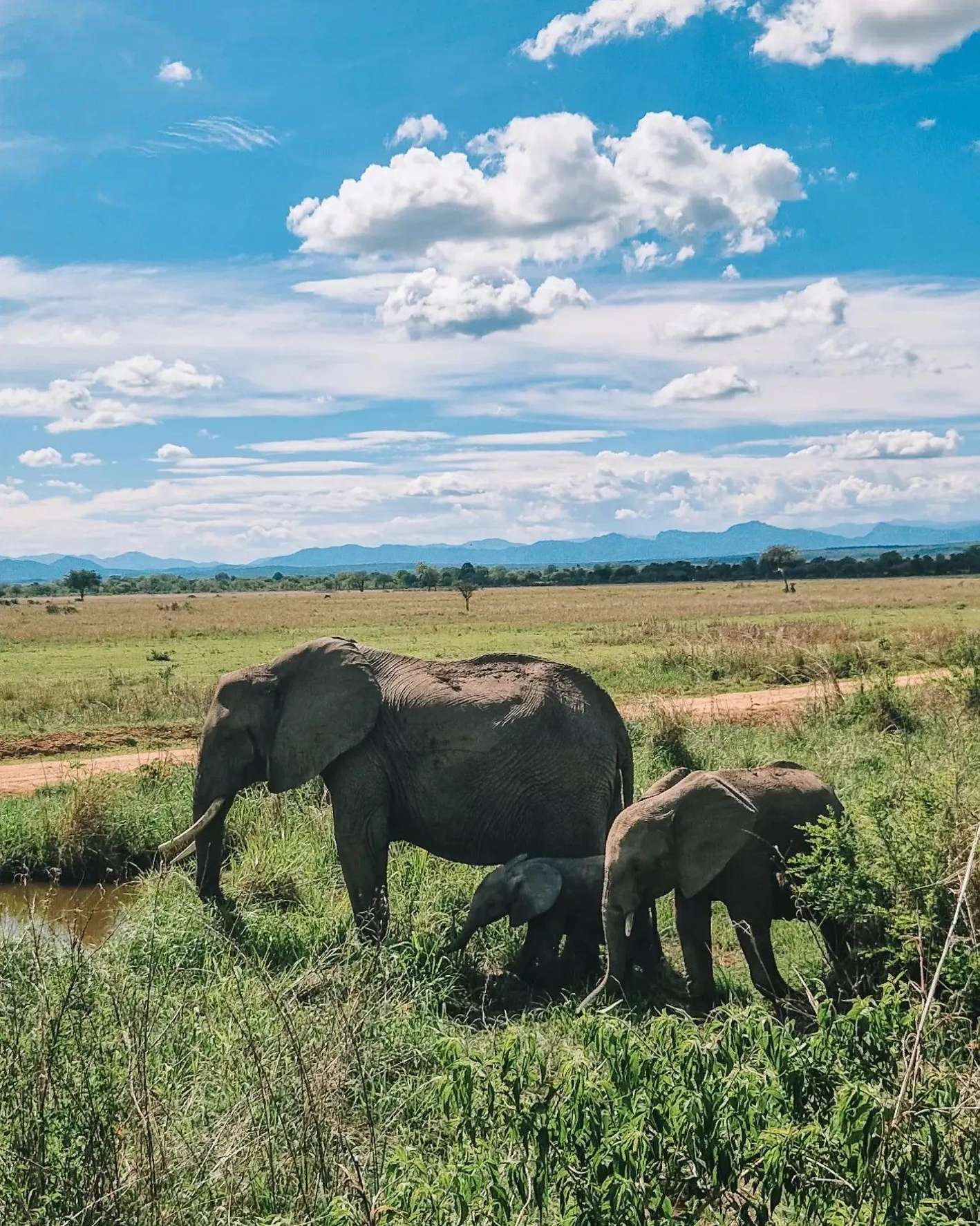
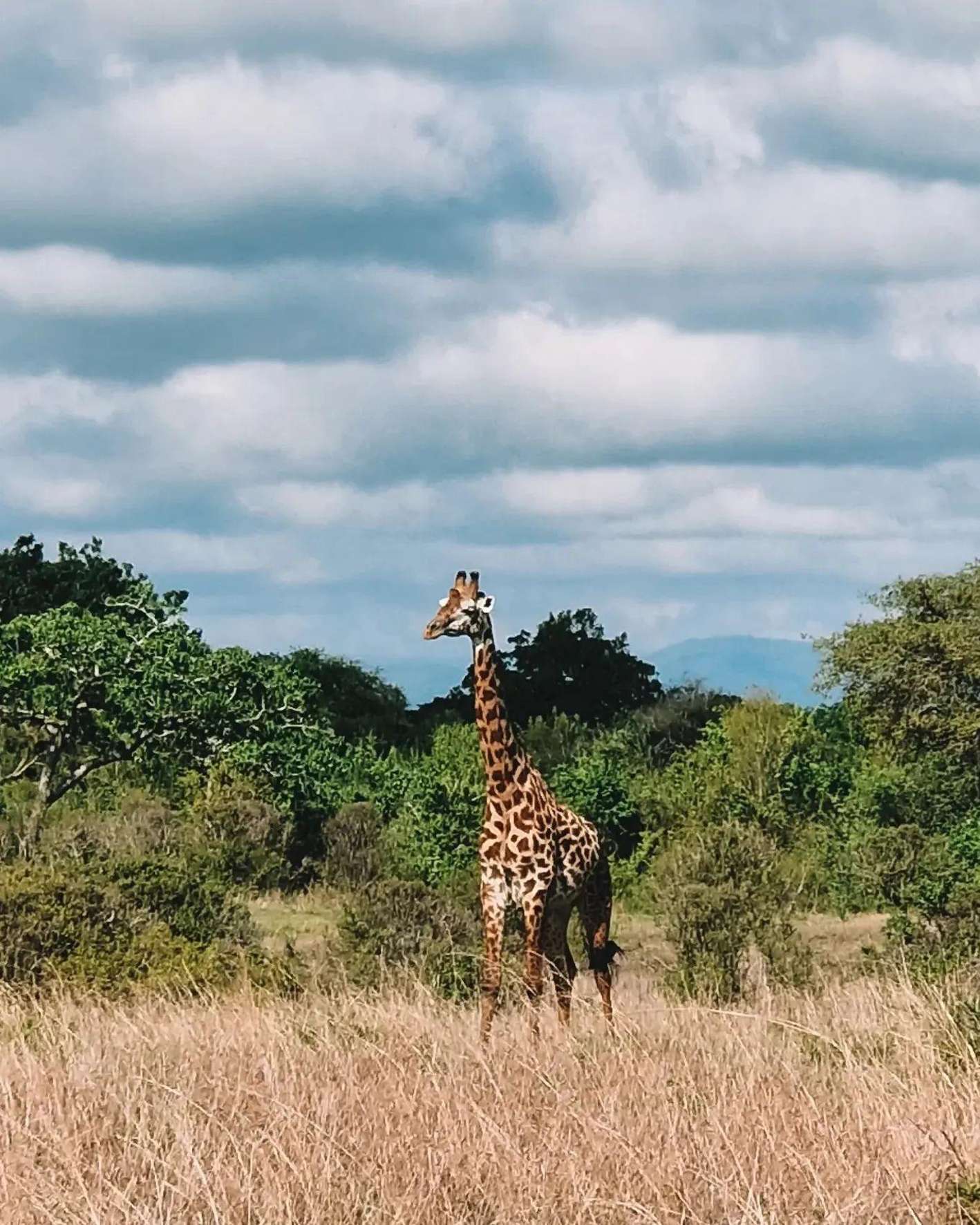
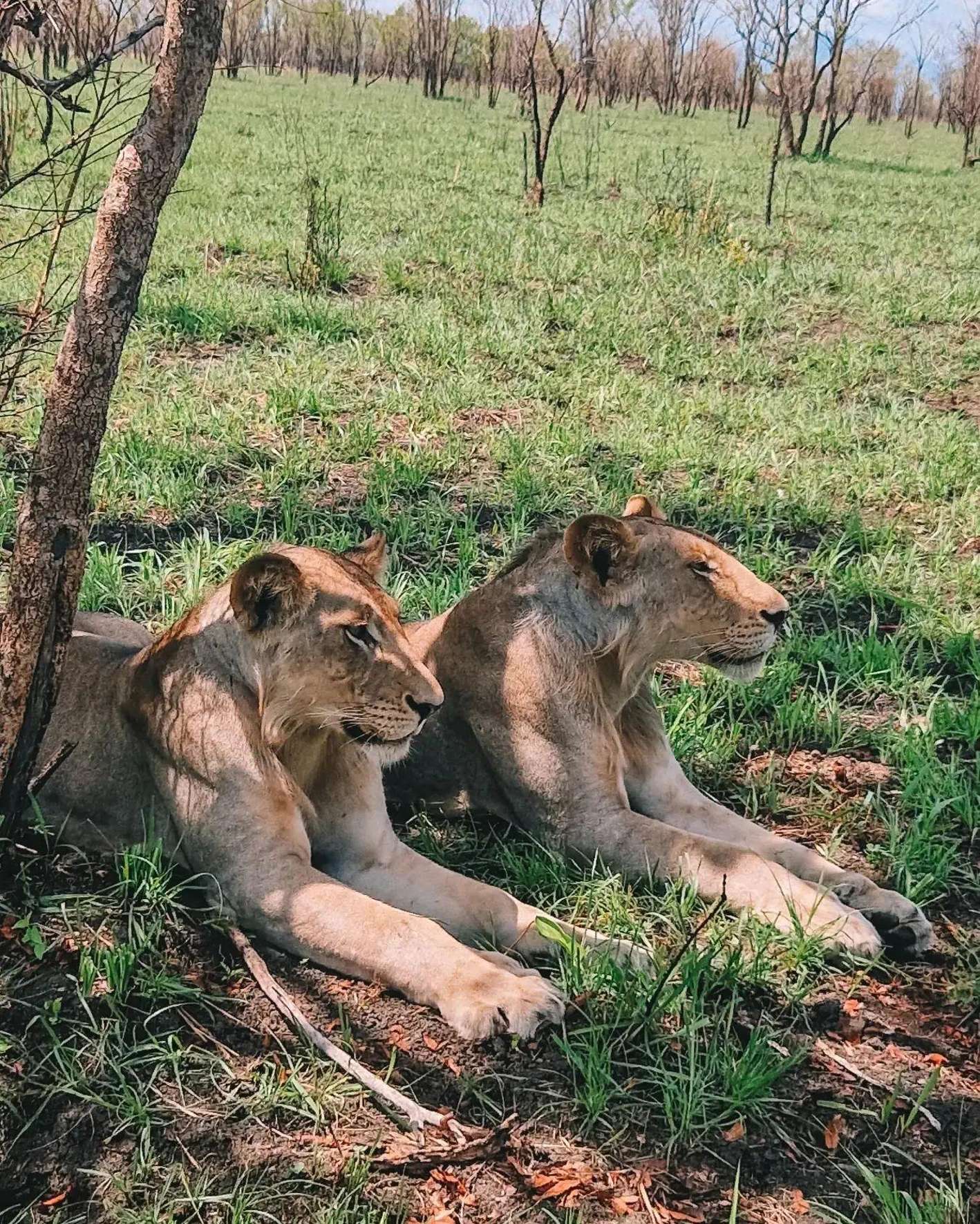
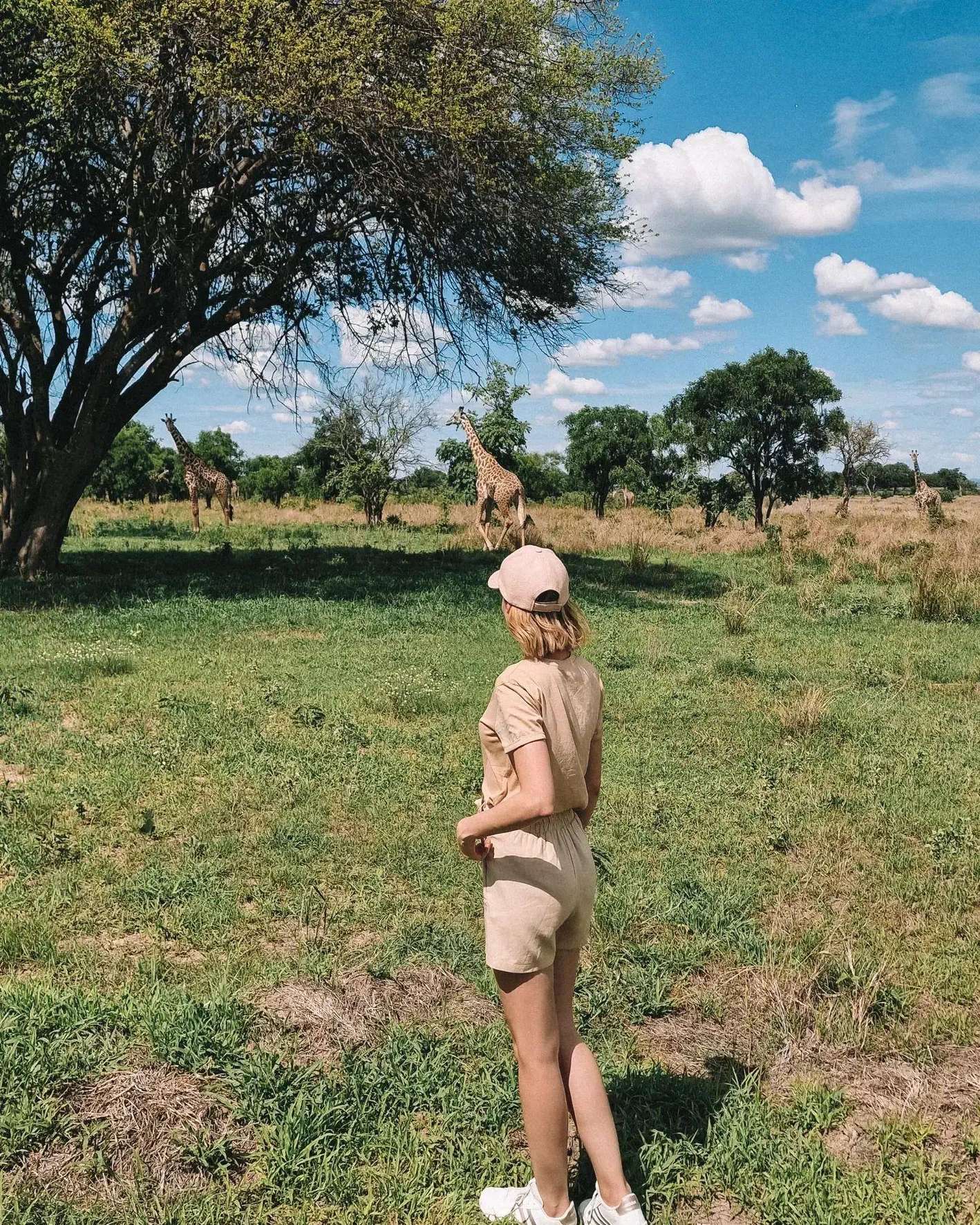
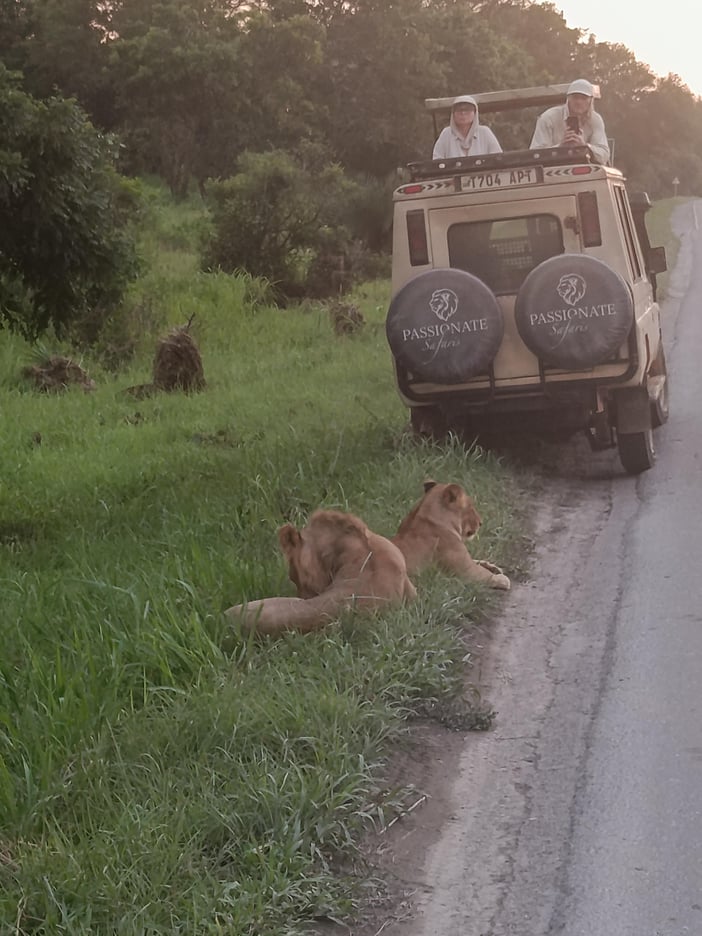
Two-day safari, just me in the park.
Amazing experience, our guide Godfret was a G. So friendly and helpful, we saw loads of amazing animals and enjoyed the waterfall hike. Would defo recommend it!
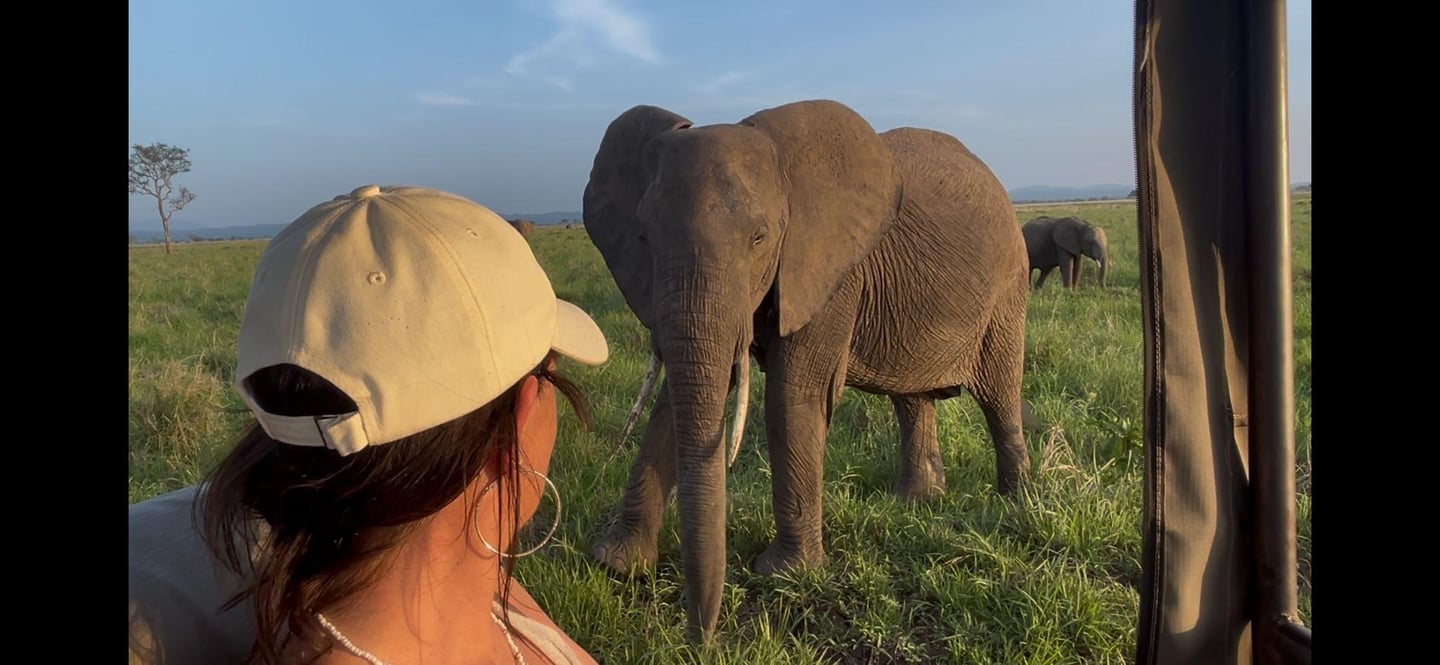
Our host Shine, ranger Stefano and driver Jackson were incredibly friendly and accommodating. Everything ran smoothly and we felt well looked after with Lilondo Tours. 100% recommendation.
Jackson and Shine were amazing guides at Mikumi National Park, knowledgeable, friendly, fun. We saw the Big 5 on a 4-hour safari drive. Unforgettable. Highest rating for Lilondo Tours & Safaris!
Most reviewers praise their guide by name, calling him patient, knowledgeable and quick to find animals.
Many travelers expected the long ferry, train and van chain to be chaotic and found every link ran on time.
Several reviewers wished they had one more day in the park, and a few hoped the elusive leopard would show.
Choose the days you can give the trip. Two days is the practical minimum by road, so the game drive happens on solid ground rather than crammed against the drive back.
Compare what each option covers. The two-day tour pairs the 6 am SGR express train with a lodge night and a Chizua Waterfall hike; the ferry-based version adds a night game drive but starts from Zanzibar.
Read the cancellation line on the card before you confirm. These two-day tours let you cancel up to 24 hours in advance for a full refund, which covers you if the schedule slips.
The Dar es Salaam tour picks you up at your hotel or the airport and drops you at Magufuli SGR Train Terminal for the 6 am departure. Confirm the pickup time in your confirmation message the evening before.
After the train reaches Morogoro, a van waits for the roughly 1 hour 40 minute drive to the gate. You switch to the open safari jeep there and go straight into the game drive, with lunch inside the park.
Mikumi National Park sits about 300 km inland from Dar es Salaam, and the trip takes five to six hours by road, passing through Morogoro. Leave before sunrise, around 4 am, and the drive clears the city before the trucks build up.
The SGR express train is the other main option: it departs at 6 am, reaches Morogoro in under two hours, and a van covers the last stretch to the park gate.
What decides the route is your schedule. By road, an early start puts you at the gate for an afternoon game drive. On the morning train, you reach the gate around 11 am and still get a full afternoon of wildlife viewing, with a picnic lunch inside the park.
A night in the park turns it into a proper safari. Two days buy you an evening and a morning drive; three days add a full day on the Mkata Floodplain, where zebra, buffalo, elephants and lions graze across open grass.
Mikocheni, Dar es Salaam, Masaki, POSTA, DAR ES SALAAM
Mikocheni, Dar es Salaam, Masaki, POSTA, DAR ES SALAAM
Mikocheni, Dar es Salaam, Masaki, POSTA, DAR ES SALAAM
Lunch, Guided tour, Game drive, Wildlife viewing (10 hours)
Dinner, Overnight stay (12 hours)
Breakfast, Hiking, Swimming (6 hours)
Dinner, Overnight stay (12 hours)
Mikocheni, POSTA, DAR ES SALAAM, Masaki, Dar es Salaam
Mikocheni, POSTA, DAR ES SALAAM, Masaki, Dar es Salaam
Mikocheni, POSTA, DAR ES SALAAM, Masaki, Dar es Salaam
Nungwi, Kiwengwa, Paje, Zanzibar
Nungwi, Kiwengwa, Paje, Zanzibar
Nungwi, Kiwengwa, Paje, Zanzibar
Nungwi, Kiwengwa, Paje, Zanzibar
Visit, Guided tour, Traditional dance show (2 hours)
Zanzibar, Paje, Kiwengwa, Nungwi
Zanzibar, Paje, Kiwengwa, Nungwi
Zanzibar, Paje, Kiwengwa, Nungwi
Zanzibar, Paje, Kiwengwa, Nungwi
Mikumi National Park's gates open at 6 am and close at 6 pm, and a vehicle that misses the evening curfew can face fines.
Leave Dar es Salaam early, whether by road at 4 am or on the 6 am express train to Morogoro, so you reach the gate with hours to spare before dark.
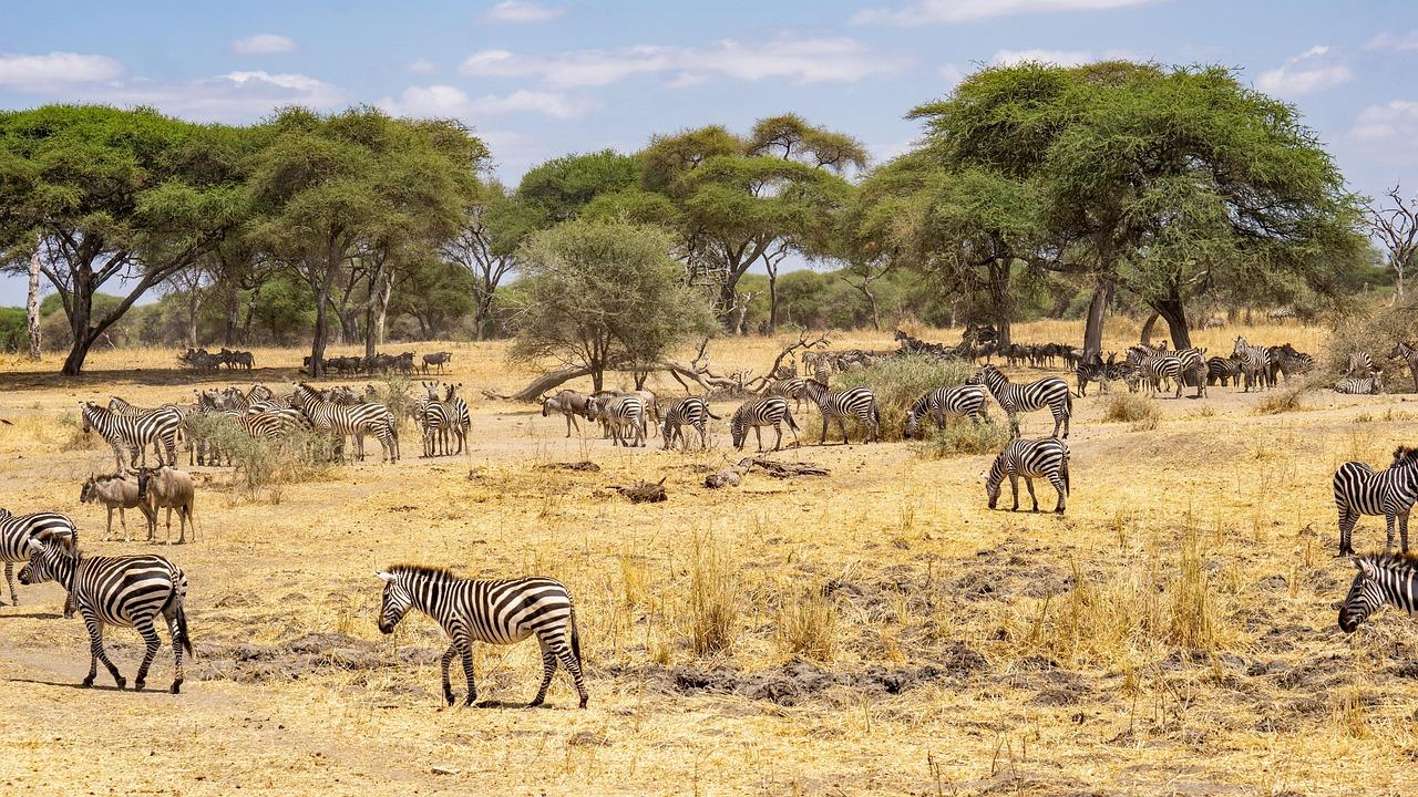
The Mkata Floodplain at dawn: zebra and buffalo spread across flat grass under flat-topped acacias, and resident lions hold the shade. Getting to that scene from Dar es Salaam means roughly 300 km of road, and the way you cover it decides how much of your day is left for the animals.
Four overland ways exist. A direct drive along the highway takes 3 to 6 hours depending on traffic. The SGR express train from Magufuli terminal to Morogoro cuts the total to about 3 hours 45 minutes.
No scheduled public bus runs to the park gates; bus-style travel happens as organized tours. Guided tours handle hotel pickup and either drive you the whole way or pair the 6 am train with a van transfer.
The first comparison lines up the through-routes by total time and what each one hands you at the gate.
Read it as a shortlist: the train-based routes buy back roughly two hours against the road run, and every hour saved in transit becomes an hour on the floodplain.
Broken into legs, the same journey looks like this.
The leg view matters when you book separately: a train ticket, then a van from Morogoro station for the last 103 km to the gate. A guided booking folds both legs into one price and one handoff.
Dar es Salaam does not ease you out of the city gently. Container trucks and long-distance buses clog the outbound highway, and the city exit alone can stall a morning. The fix is blunt but simple: leave before the city wakes.
Departing central Dar es Salaam between 3:30 am and 4 am by road gives you the standard 5 to 6 hours of highway travel plus a buffer for delays, landing you at the gate with the afternoon game drive still ahead. Anything later risks eating the very hours you came for.
Coming off the Zanzibar ferry, the timing tightens further. City traffic between the ferry terminal and the Ubungo side runs about 1.5 to 2 hours on its own, so the ferry connection works only if your onward transport is waiting with no slack to spare.
One detail regulars lean on: Sunday. Outbound commercial traffic along the Morogoro highway is at its lightest on Sundays, and the drive runs fastest then compared with Saturdays and weekday peaks.
That single timing decision does more for your safari than any other in the plan: it decides whether day one holds a full afternoon drive or a rushed half hour before the gate shuts.
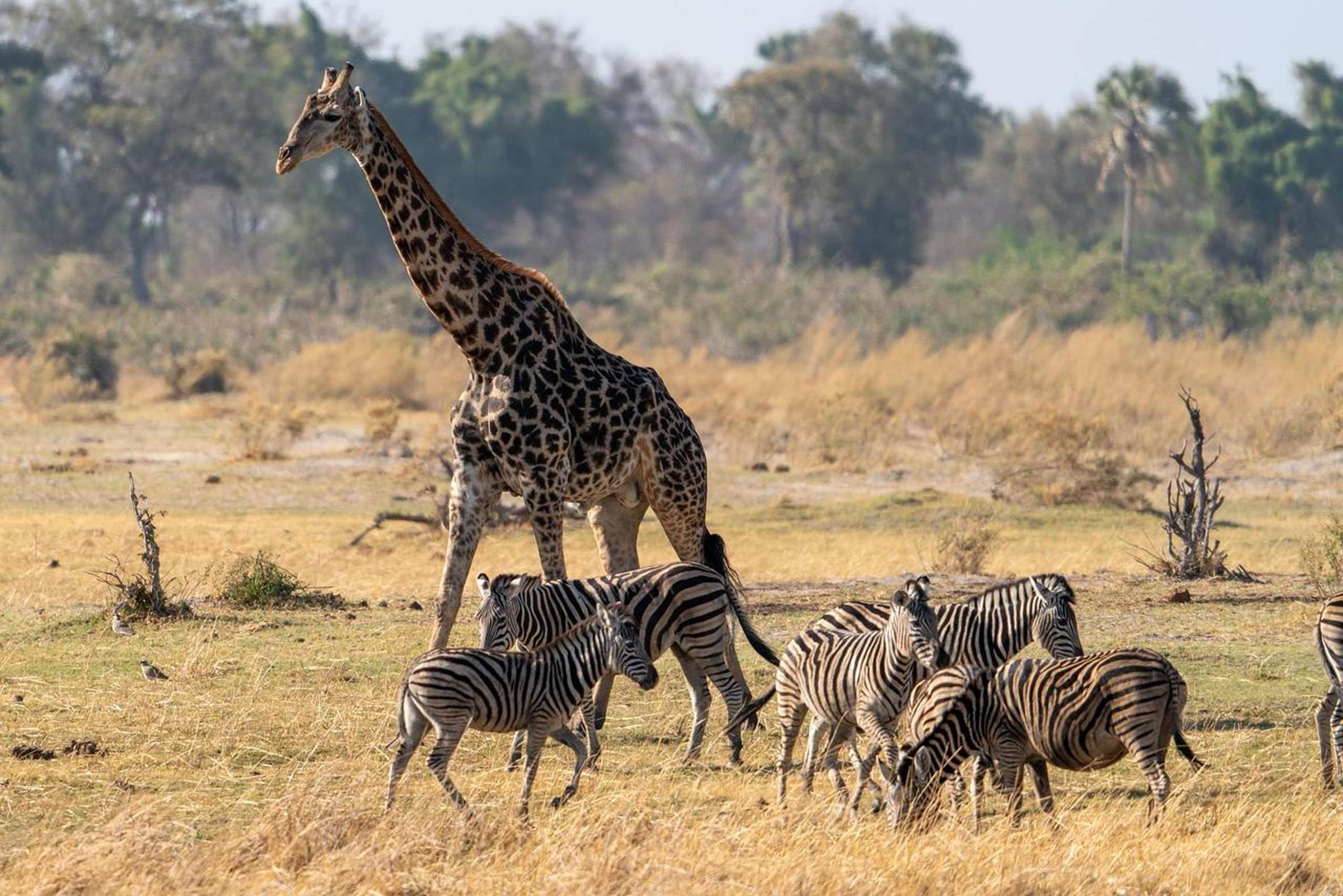
Each of the four ways out of the city trades something different, and the differences show up in hours with animals.
A minimum of 2 days and 1 night is what an overland itinerary needs to deliver both evening and morning game drives; the transfers eat 5 to 6 hours each way, leaving a 2-to-3-hour sunset drive on day one and an early drive on day two.
A guided 4x4 road trip can hand you about 5 to 6 hours of game viewing on day one alone, a figure that counts everything from arrival until mid afternoon.
The 2-day totals quoted later in this guide count actual game driving only, split across two shorter sessions. Both are true; they measure different stretches of the day.
| Transit time | Safari hours gained | Game-drive vehicle | Highway traffic stress | Cost add-ons | |
|---|---|---|---|---|---|
| Guided 4x4 safari | 3-6 hrs | 5-6 hrs day one | Pop-top closed 4x4 | Depart 3:30 am-4 am | Hotel pickup included |
| SGR train plus transfer | 3.5-4 hrs total | 11 am, 5:30 pm drive | Safari van transfer | not known | 103 km transfer fee |
| Self-drive rental | 5-6 hrs | not known | not known | Trucks, blind spots, checkpoints | not known |
| Bus plus local 4x4 | 4-6 hrs | not known | Hire 4x4 in Mikumi town | No direct bus to gate | Lodges organize day drives |
Shortlist by your days. Two days with a weekend deadline points at the train or a guided tour. More time, and the choice loosens.
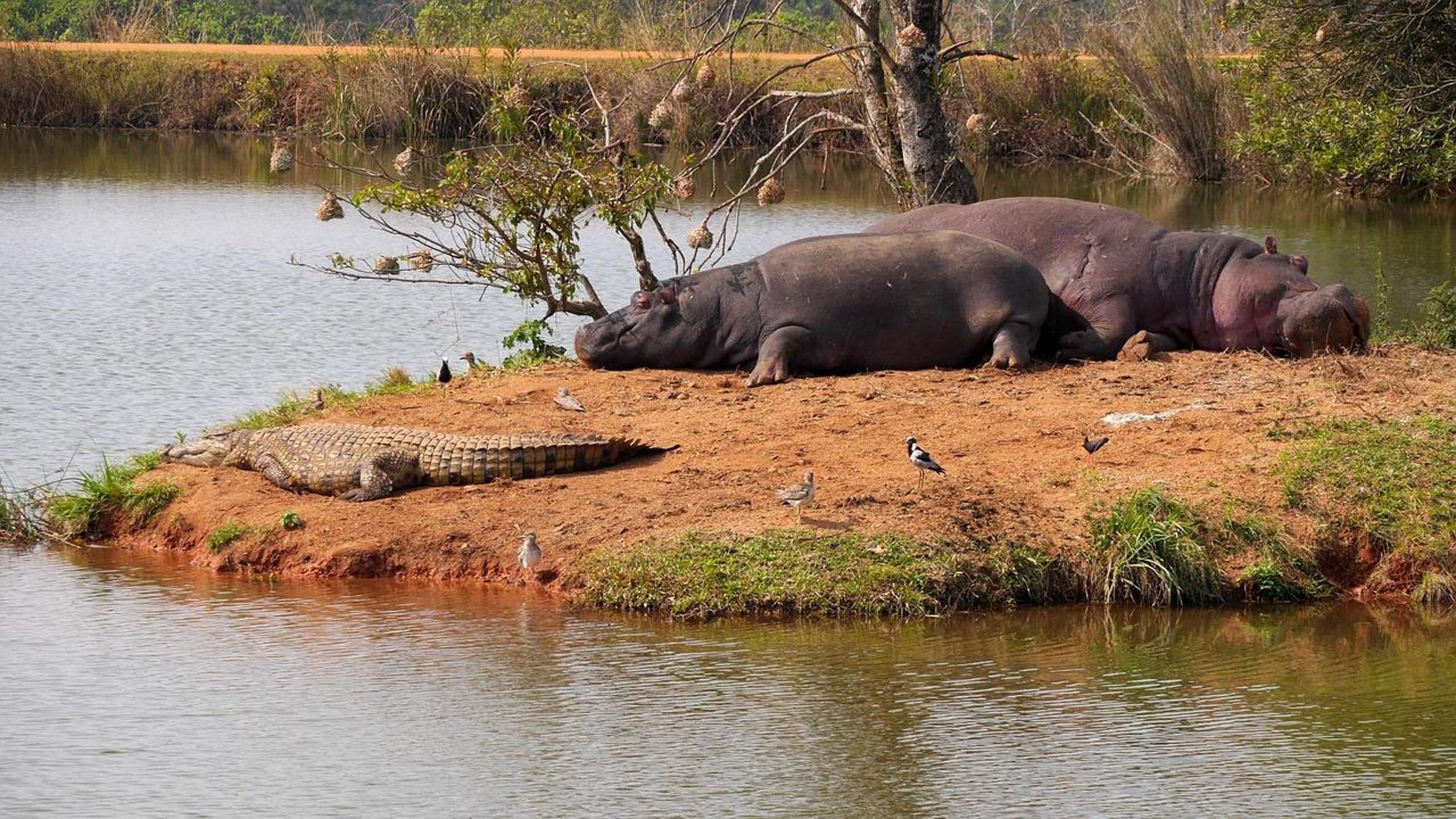
The 6 am express train leaves Magufuli terminal and glides past the highway traffic and police checkpoints that hold the road route back.
The rail leg itself runs about 1 hour 40 minutes; count boarding and station stops and the timetable lands the train in Morogoro around 9:09 am, where your safari driver waits at the station.
The road transfer from Morogoro to the park gate runs about 1 hour 40 minutes more.
That puts you at the gate by 11 am, rolling straight onto the plains for a game drive, pausing for a picnic lunch inside the park, and continuing until around 5:30 pm. That is a full first day in the bush, bought by a rail ticket.
The road route can match those wildlife hours only if it leaves by 4 am; leave later and day one shrinks toward the mid-afternoon start a road departure salvages. The train protects the afternoon for you.
A safari van meets the train
First hours on the open plains
A bush lunch break between drives
Peak wildlife activity as temperatures cool
Tours built around this rhythm exist.
One operator runs a Zanzibar: 3-Day Mikumi National Park Safari with Free Pickup that bundles ferry tickets from Zanzibar, train tickets to the park and back, all road transfers between Dar es Salaam, Mikumi and Morogoro, plus meals and park fees, so the station-to-jeep handoff is arranged before you land.
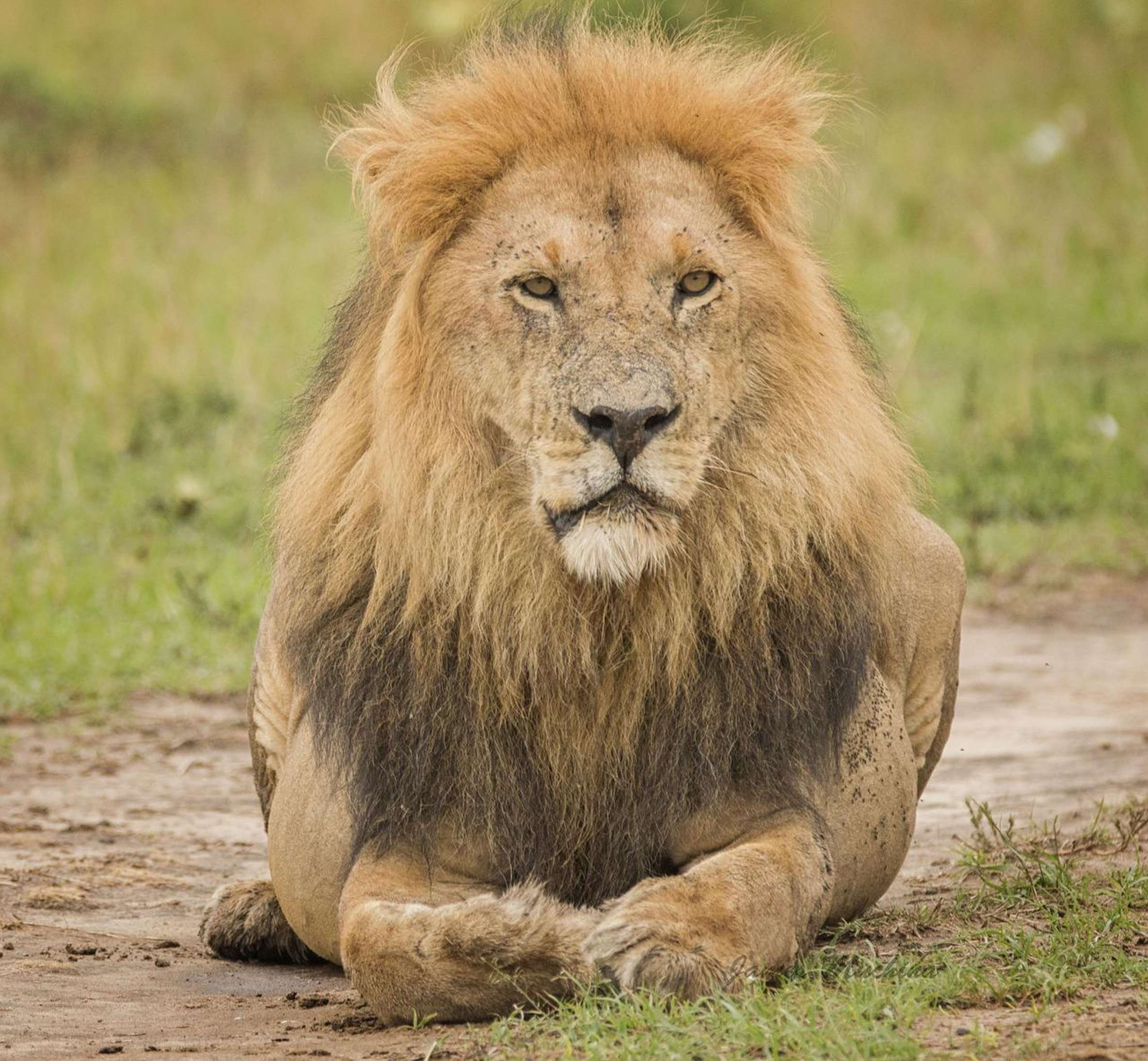
Count the hours before you count the days. On a 2-day overland itinerary, 5 to 6 hours of actual game driving is the realistic total: an afternoon drive the first day, a morning drive the second, then the road home.
That total is counted session by session; the bigger day-one figure you saw earlier includes the long midday stretch on the plains, which the second day cannot repeat because the drive home takes over.
A 3-day itinerary roughly doubles it to 10 to 15 hours or more, because the middle day belongs entirely to the park from sunrise to sunset. That full day is where Mikumi rewards patience.
The jump between the two bars is the argument for the extra night: you double your animal hours for one more hotel night and no extra driving.
A one-day trip by road does not add up, and the two driving figures on this route explain why.
The 3 to 6 hours counts wheel time on a normal highway run; a full route timing measured at more than 7.5 hours each way adds the city exit, checkpoints and stops.
Even on the fast reading, a single day burns more than 15 hours of round-trip travel for a sliver of game viewing. Overland trips to Mikumi are organized as multi-day tours for this reason, and a 2-day version using the SGR train fits an ordinary weekend.
The tour built on that logic is the Dar es Salaam: 2-Day Safari to Mikumi NP & Chizua Waterfall, which starts with hotel or airport pickup to the 6 am SGR train and, by that operator's own schedule, reaches the gate at 9:45 am, ahead of the typical 11 am arrival.
Then a full day of game viewing, overnight at a camp near the park, a morning hike to Chizua Waterfall in the Uvidunda Mountains, and the ride home.
Train tickets, park fees, meals and the open safari jeep are all included.
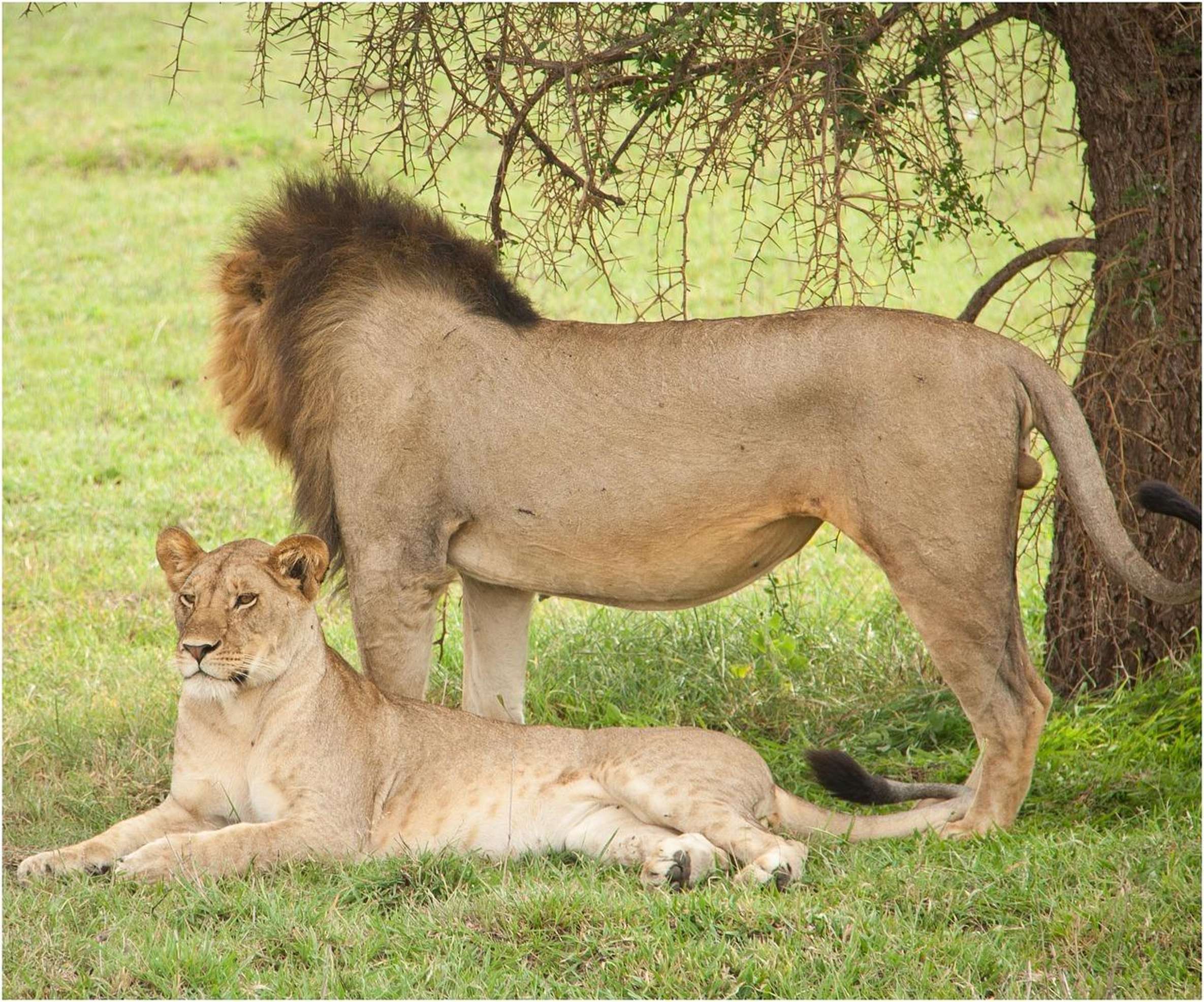
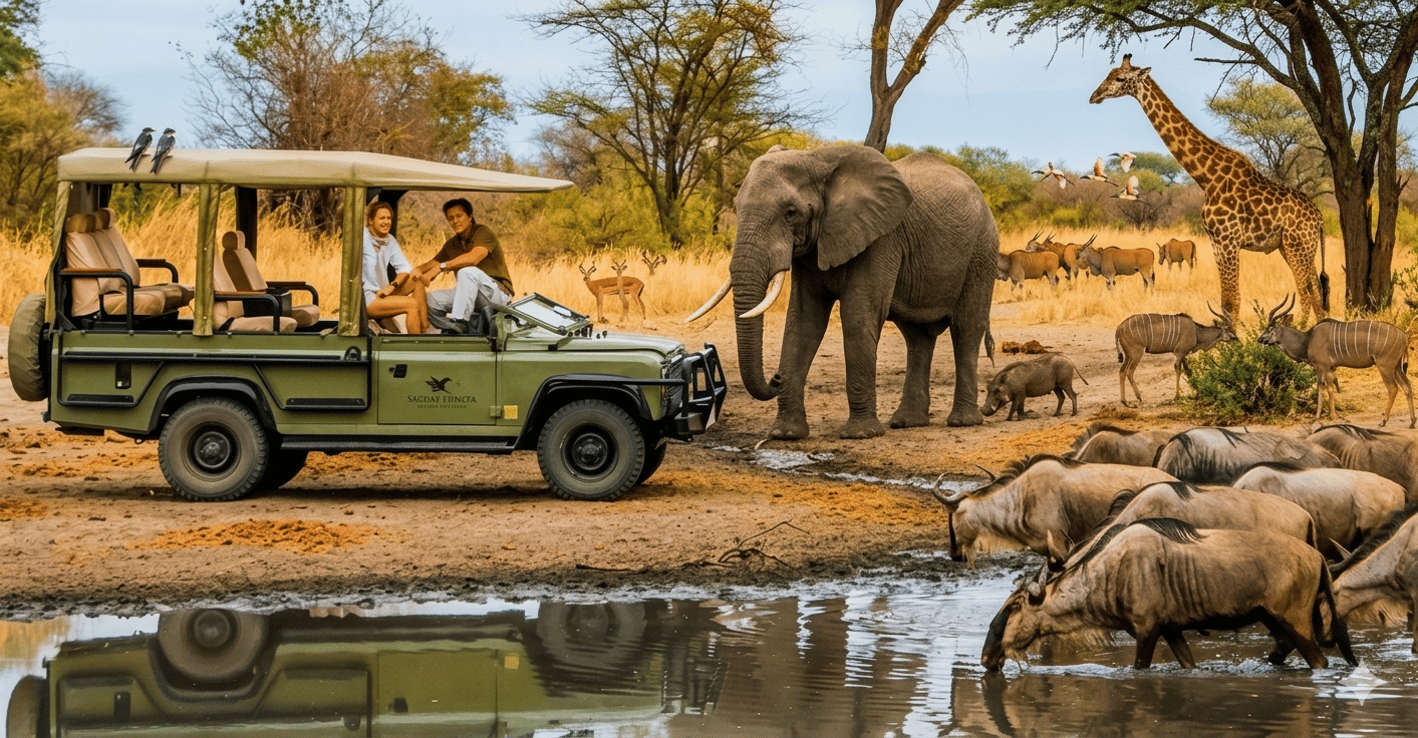
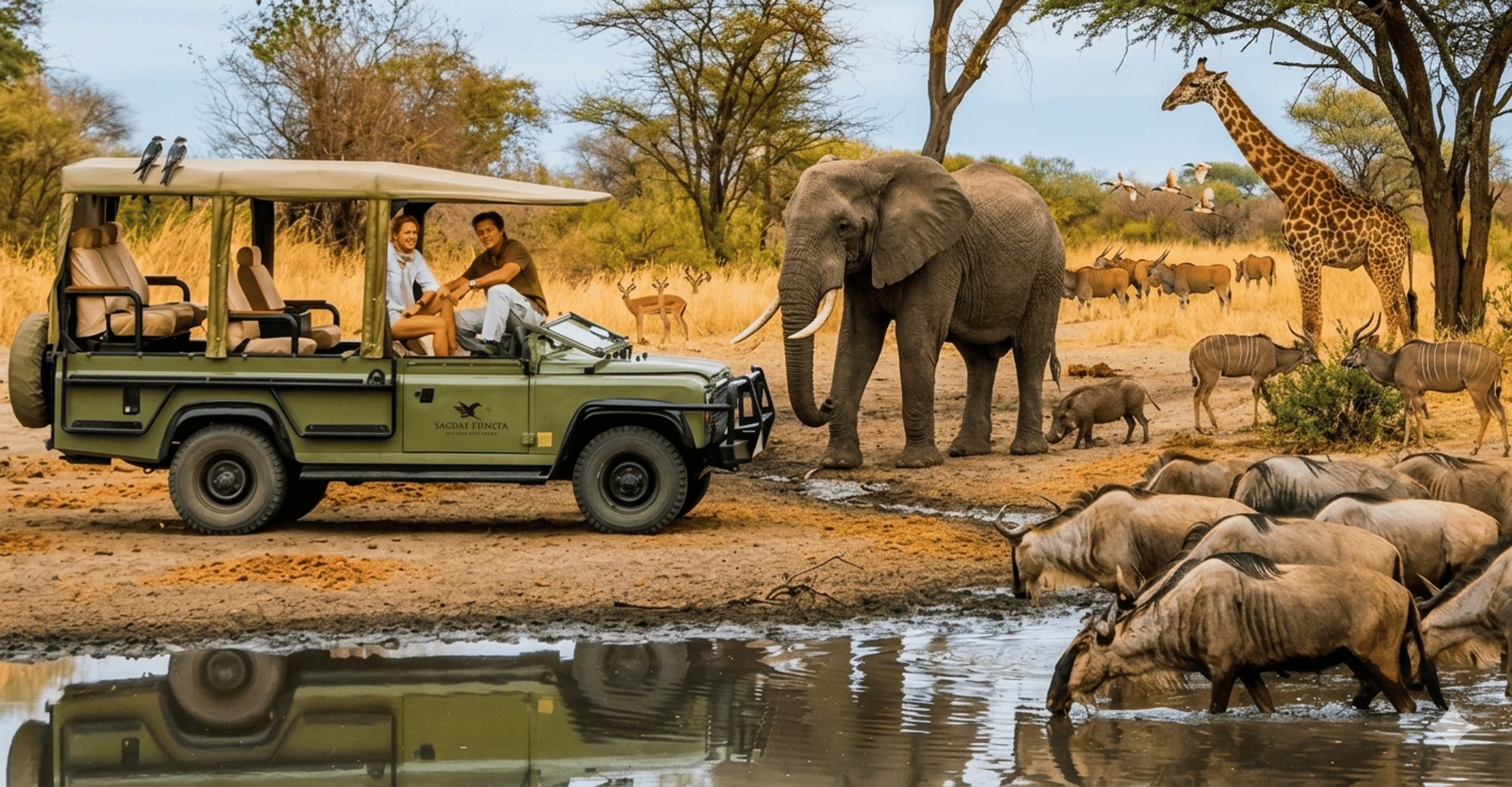
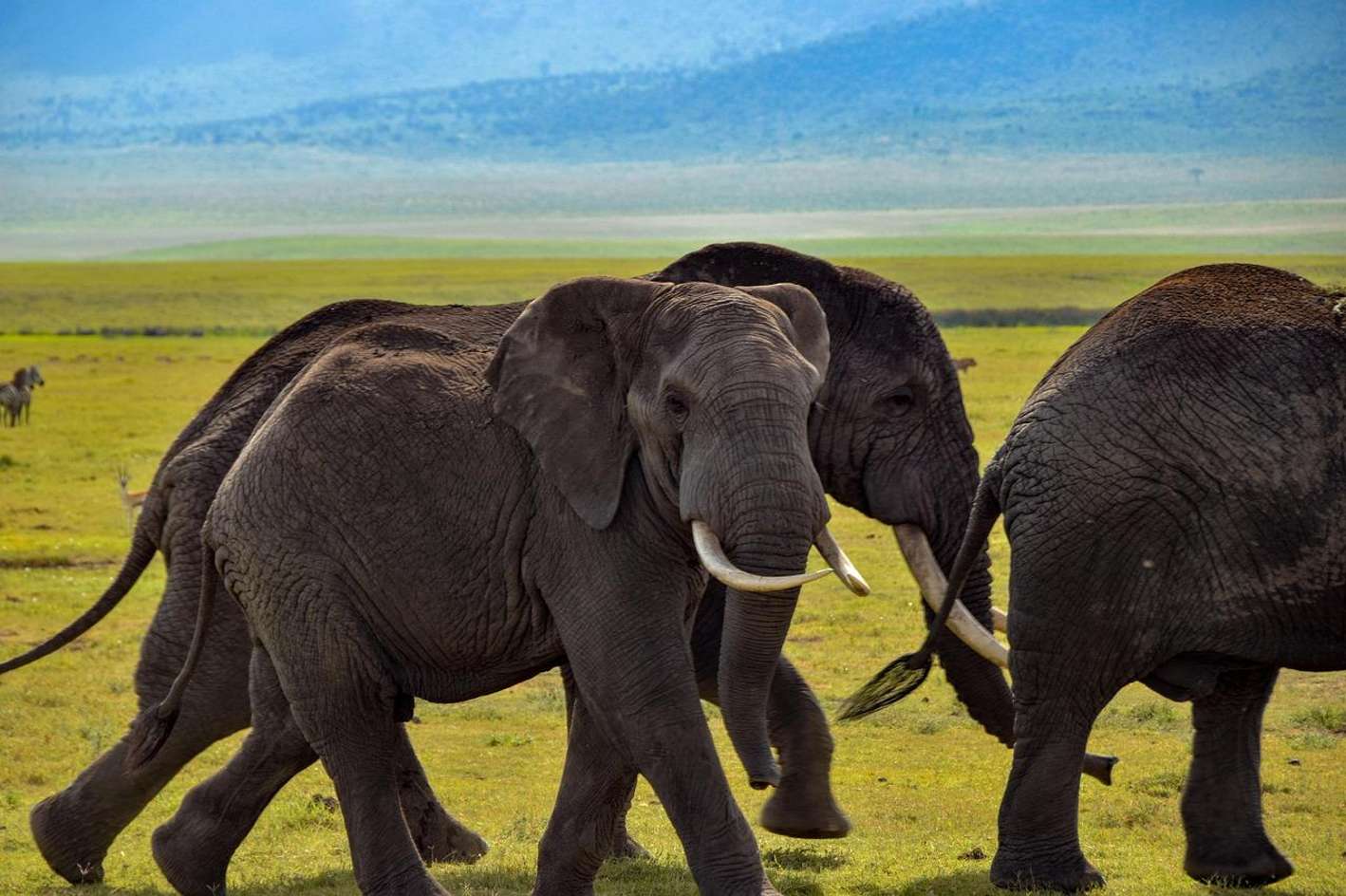
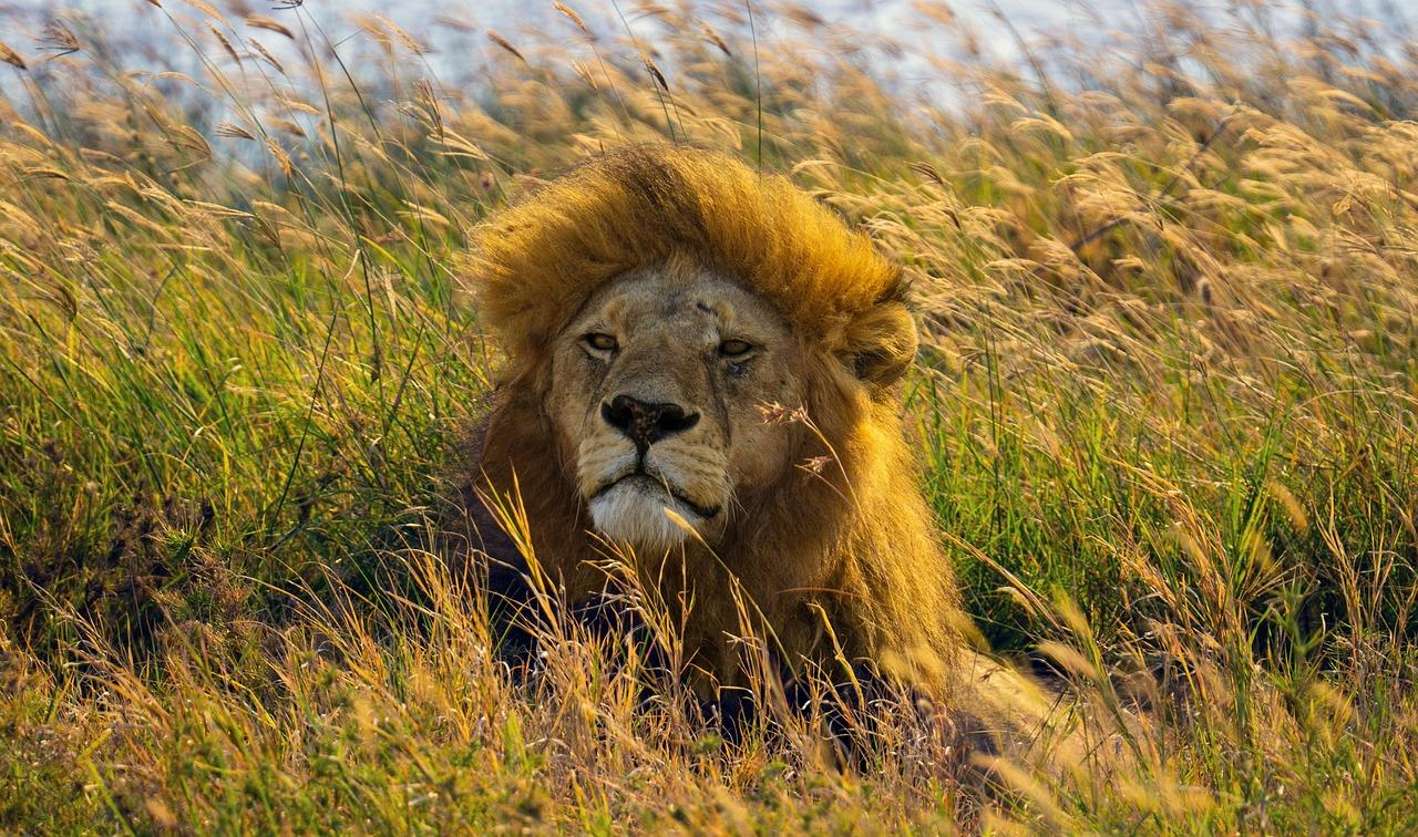
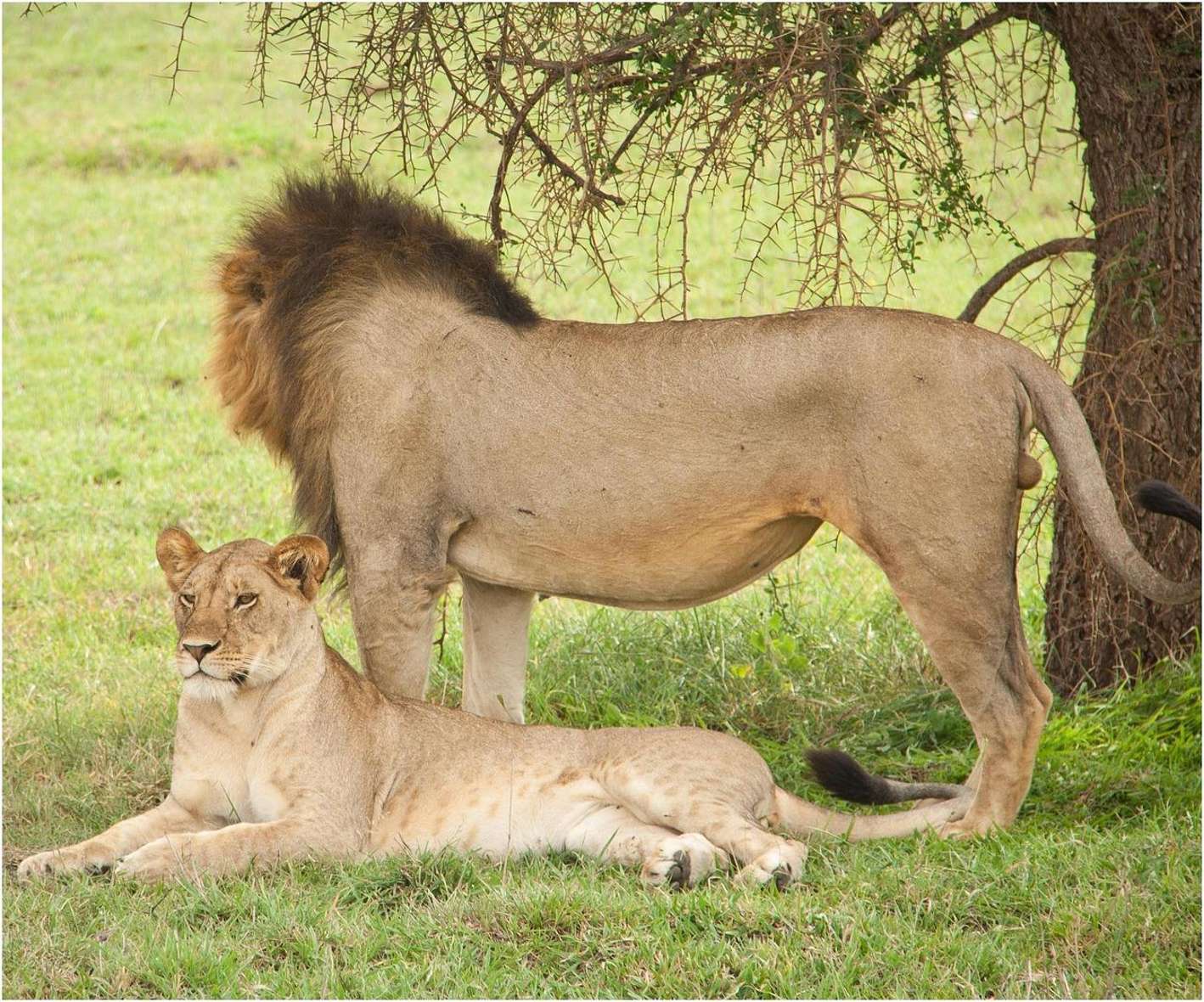
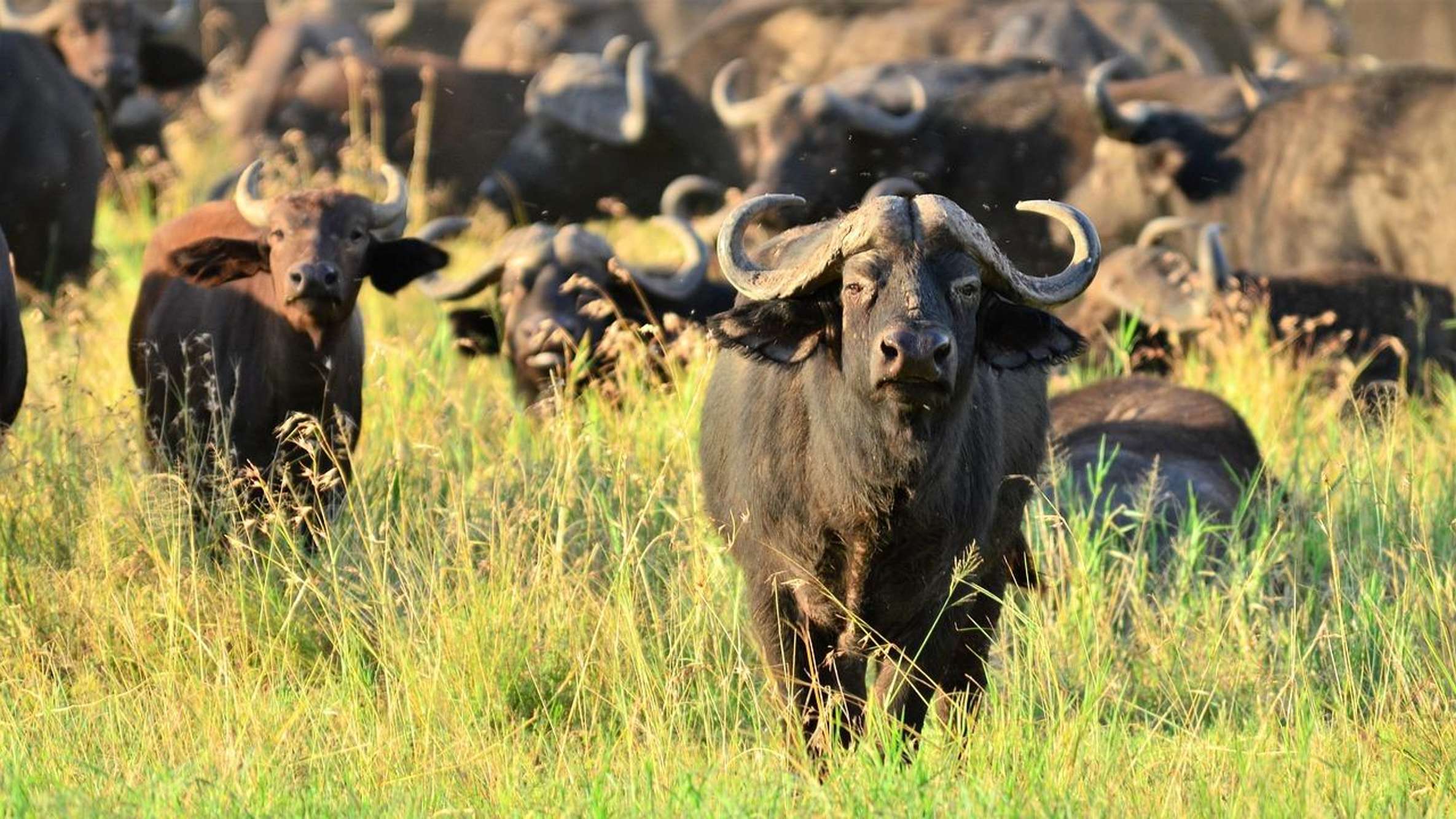
Mikumi's centerpiece has a nickname for a reason. The Mkata Floodplain is called the 'Little Serengeti' because its vast flat grasslands and scattered acacias look the part, and the wildlife behaves the part too: herds of zebra, wildebeest, buffalo and impala graze across open horizons, elephants move through, and lions hold territories here.
What you see from the vehicle depends on the vehicle. Open-sided jeeps give the best sightlines, but they cannot legally run on the highway legs of the trip, so overland safaris use closed pop-top 4x4s instead.
Overland safaris use closed pop-top 4x4s, so plan around a roof hatch
Standing through the hatch beats seated viewing at a distance
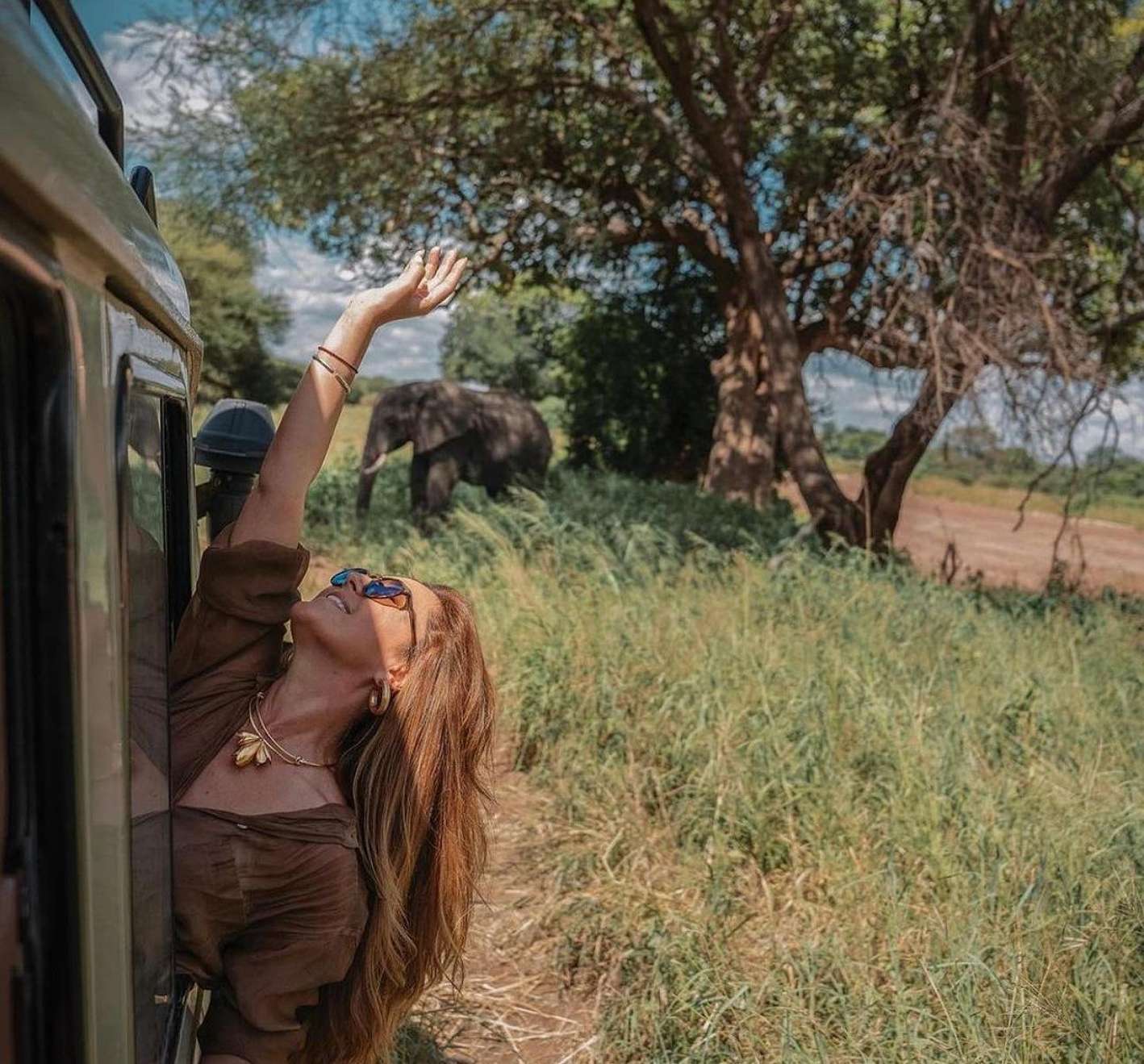
Expect a roof hatch; open sides stay off the highway. Stand up through it at sightings. The plains are wide, so the raised viewing position matters more here than in wooded parks.
Guides on the floodplain also network by radio with other drivers across the park to track down rarer sightings, which is how a morning of zebras can turn into an afternoon with lions.
The independence argument for self-driving is real, and so is the highway. The A7 carries heavy cargo trucks and long-distance buses, and on the hilly or winding sections they create blind spots and overtaking hazards that demand full attention for hours.
Add the police checkpoints along the corridor and the arithmetic changes: the 5 to 6 hour drive becomes a working day behind the wheel, and it repeats in reverse when you want to leave.
The reward is schedule freedom and the option to hire a 4x4 with a guide in Mikumi town for the game drives themselves, which most local lodges and guesthouses can arrange.
Honest judgment: this suits confident return travelers who have driven in East Africa before. First-timers on a short trip give up more in concentration and stress than they gain in flexibility.
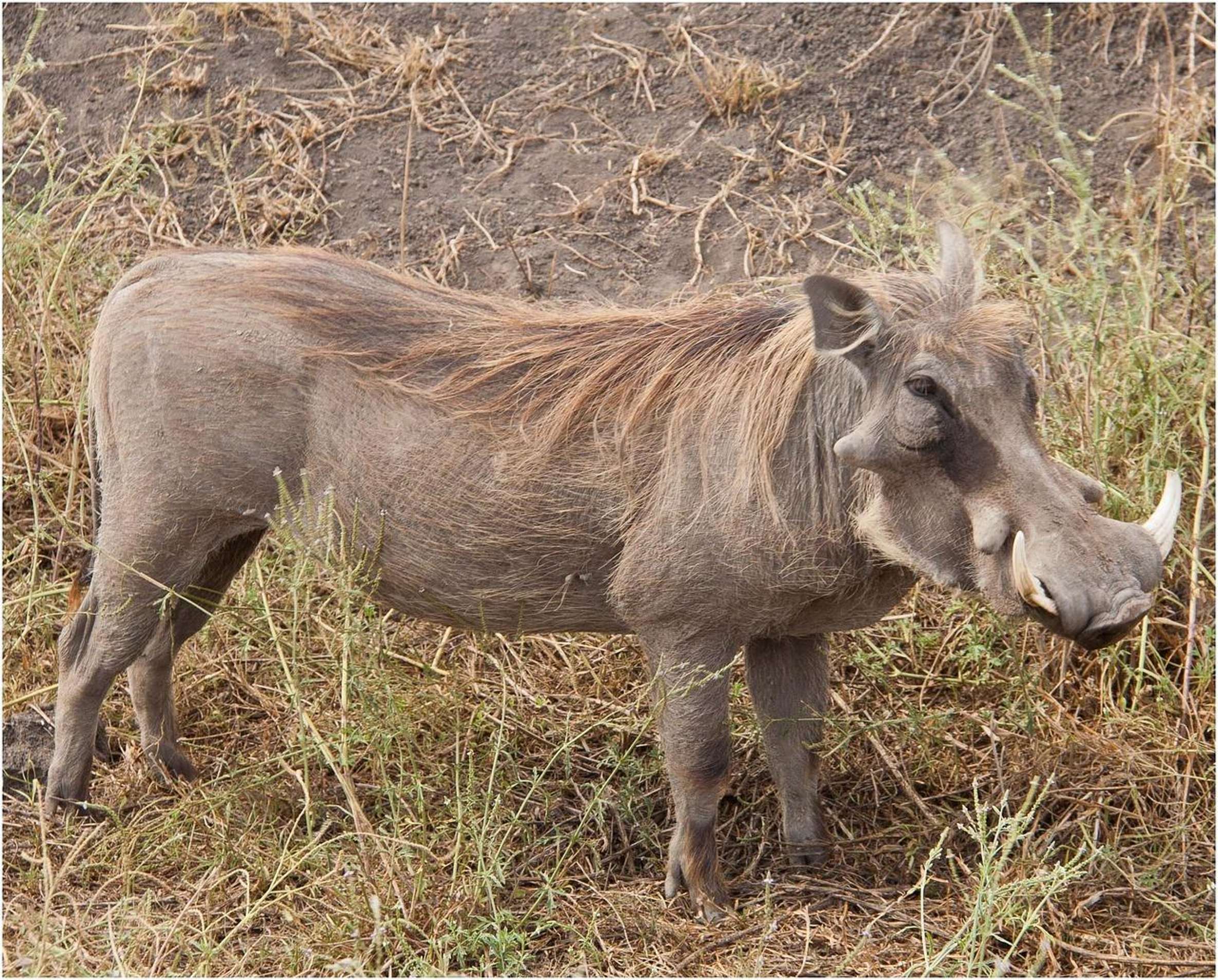
Guided bookings bundle most of the money questions away: park entry fees, landing charges and government taxes are included in the tour price, which is why the quoted number holds up on the day.
Going independent moves the costs onto your shoulders, and one of them bites. Mikumi's entry gate accepts credit cards only and does not take cash, so an independent traveler arriving with banknotes and no card cannot pay the fee at all.
Mikumi's TANAPA entry gates accept credit card only and refuse cash Carry a working card, or book a guided tour with the park fees already included
The card rule catches people who assume bush gates run on cash like everything else in the region.
Tipping sits outside every package. Guides, drivers and camp staff work for gratuities, and local custom is to tip a hired park ranger guide at the end of the game drive. Budget for it as part of the trip, and the final bill will match the expectation.
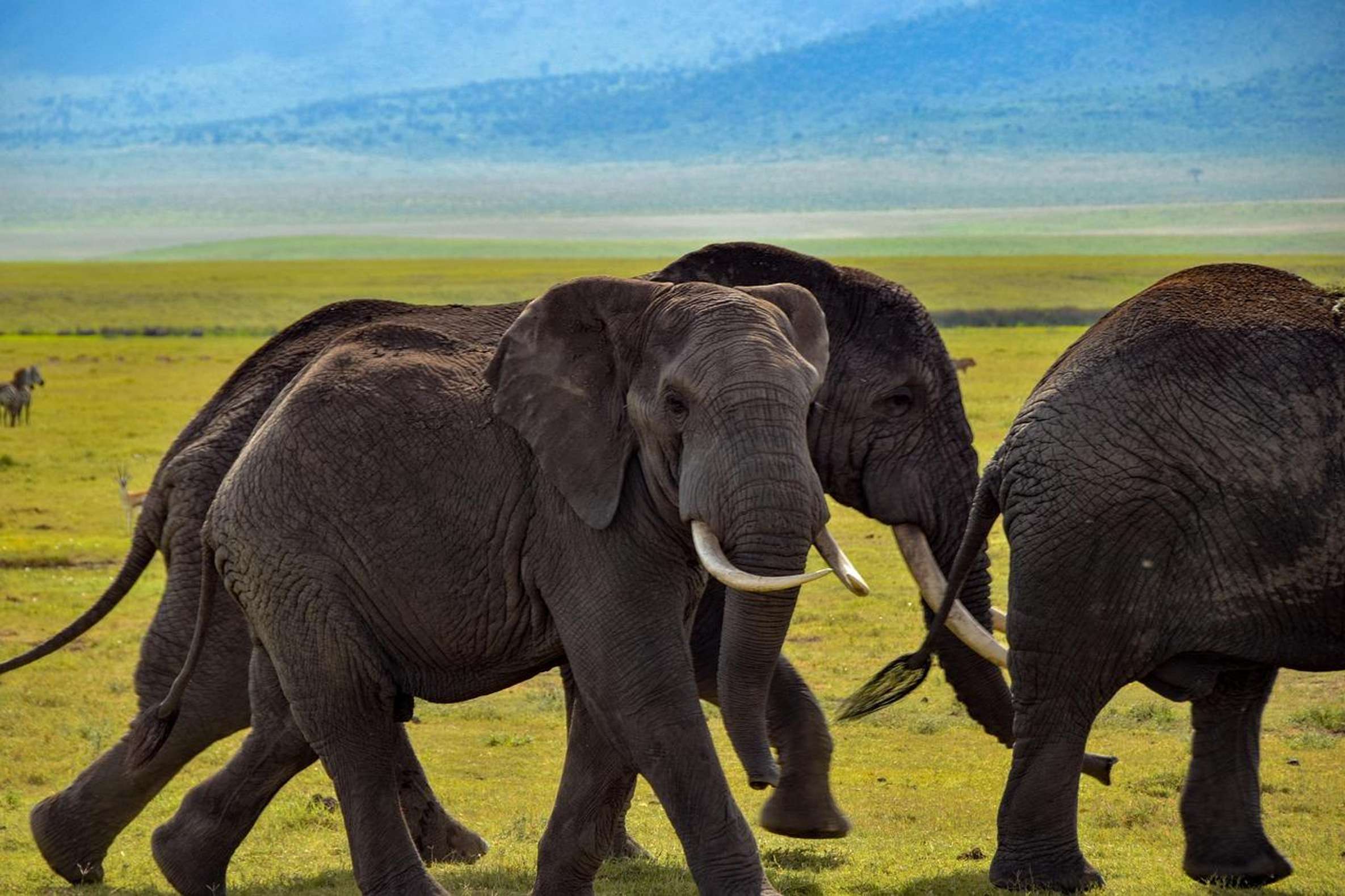
Mikumi's gates run strictly from 6 am to 6 pm. Miss the evening curfew and the vehicle cannot enter or move through the park; late arrivals face discretionary sanctions and fines, and the vehicle must stay at designated accommodation or follow ranger directions.
On a highway route with real traffic risk, this curfew is the single rule that shapes the day.
Registration at TANAPA gates requires proof of identification, so carry the passport all the way to the gate.
Health preparation starts before departure. Mikumi sits in a high-risk malaria zone below 1,800 meters, and official guidance recommends antimalarial prophylaxis for all visitors regardless of trip length or accommodation.
Dress for the flies: dark blue and black clothing, including dark navy and denim, attracts biting tsetse flies. Khaki, beige, tan, olive and light brown are the working colors. Inside the park, feeding or touching animals risks immediate fines or expulsion.
| If this happens | What happens then |
|---|---|
| You reach the gate after 6 pm | The vehicle cannot enter or drive in the park, and late arrivals face discretionary fines |
| Heavy rain floods the Mkata clay tracks | Guides reroute to better-drained circuits near the northern core and the paved highway |
| You cancel up to 24 hours before departure | The tour refunds you in full |
The curfew row is the one to plan around: build your return drive so the gate is behind you well before dark.
Packing is the other half of preparation, and the essentials split between clothing colors and sun gear.
Two rows carry the rule that matters most: neutral colors keep tsetse flies off you, and long layers handle sun, dust and insects through a full day in the vehicle.
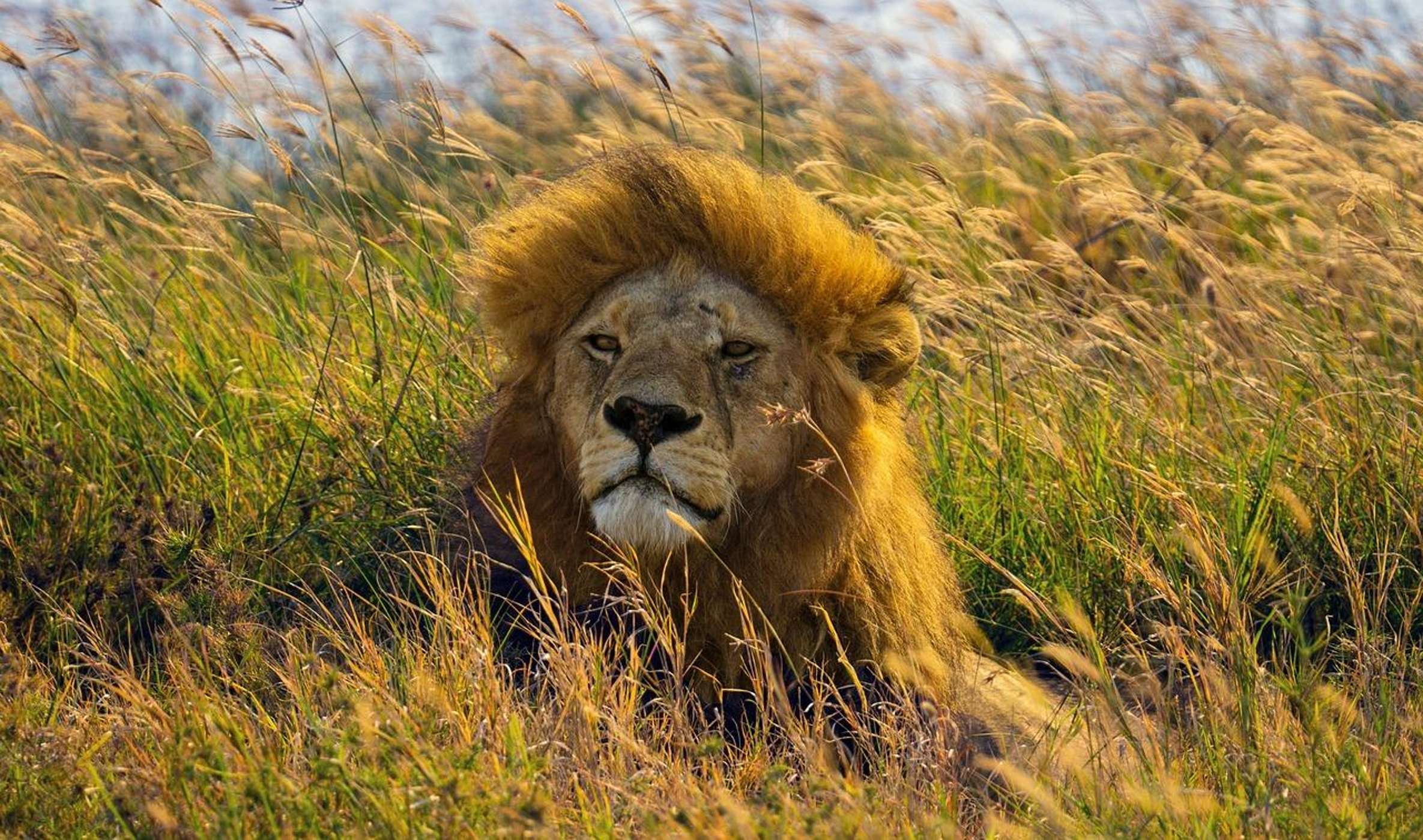
Water decides the wildlife calendar here. In the dry months, game concentrates around the permanent water sources and the floodplain fills with animals; after the rains, the herds spread out and the drives work harder for sightings.
July through October is the peak, and demand shows it. Travel pressure in those months runs well above an ordinary month, and the practical consequence is booking lead time: bush-plane seats fill several weeks to a few months ahead, and safari lodges fill up several months in advance.
For an overland trip the lodges are the constraint to plan around.
The April and May rains change the ground itself. The clay soils of the Mkata Floodplain turn muddy or flooded, and guides reroute to better-drained circuits near the northern core and the paved highway, which stay accessible year-round. Complete cancellations are uncommon. Expect adjusted routes, and between April 1 and June 1 possible schedule changes.
July is a peak safari month with 26 dry days and mild 27°C temperatures, drawing wildlife to the shrinking waterholes and hippo pools.
Tap a month to read it.
August brings steady tour traffic, comfortable temperatures, and over 22 dry days as wildlife clusters closely around remaining water.
Tap a month to read it.
July is a peak safari month with 26 dry days and mild 27°C temperatures, drawing wildlife to the shrinking waterholes and hippo pools.
Tap a month to read it.
January sees moderate visitor traffic and warm days reaching 31°C, with frequent rain dispersing wildlife across the park away from permanent waterholes.
Tap a month to read it.
November sees moderate crowds and rising temperatures alongside increasing showers that begin replenishing waterholes across the plains.
Tap a month to read it.
In practice: go in the dry months for concentrated game, accept emptier tracks in the green season, and keep plans flexible across the rainy weeks.
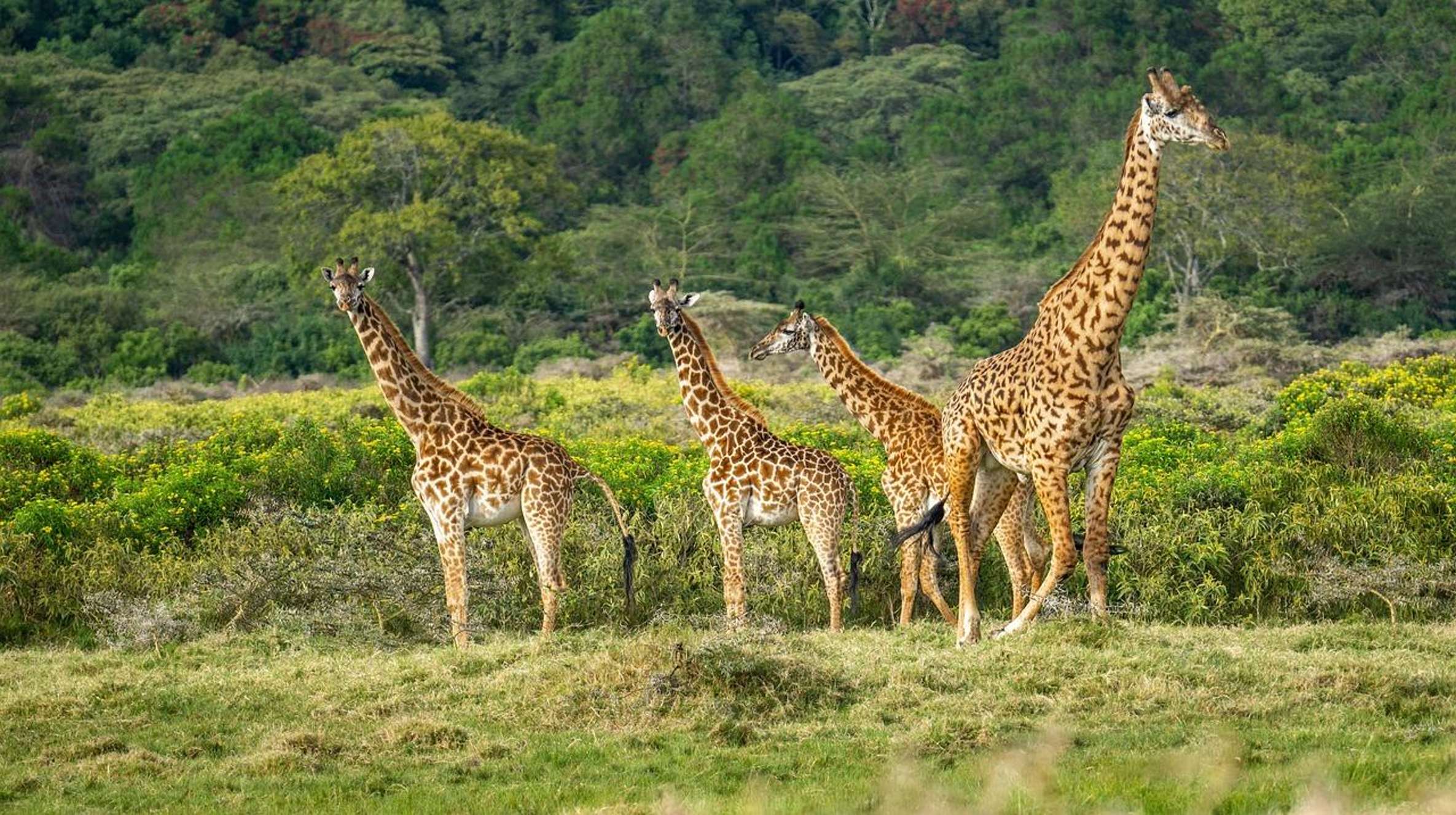
Mikumi sits next to bigger country, and the temptation is to stitch it together. Nyerere National Park, the former Selous, plays a different game: wildlife is more dispersed across large areas, so drives involve active tracking, and the Rufiji River adds boat safaris that no game drive can imitate.
Resist the urge to combine both parks in a tight 3-to-4-day trip. Travelers who try it end up with a rushed and unnecessarily expensive itinerary, spending their days in transit between two reserves instead of watching either one properly.
The Zanzibar connection is the other piece of the map. By ferry and road, the island to Mikumi takes about 6.5 to 7.5 hours including a 2-hour sea crossing; a direct flight to Mikumi's Kikoboga Airstrip takes 40 to 60 minutes instead.
Some tours run the ferry-and-train route as part of the package, which turns the crossing from a logistics problem into part of the trip.
Keep the plan simple: one park, done well, beats two parks squeezed into a long weekend.
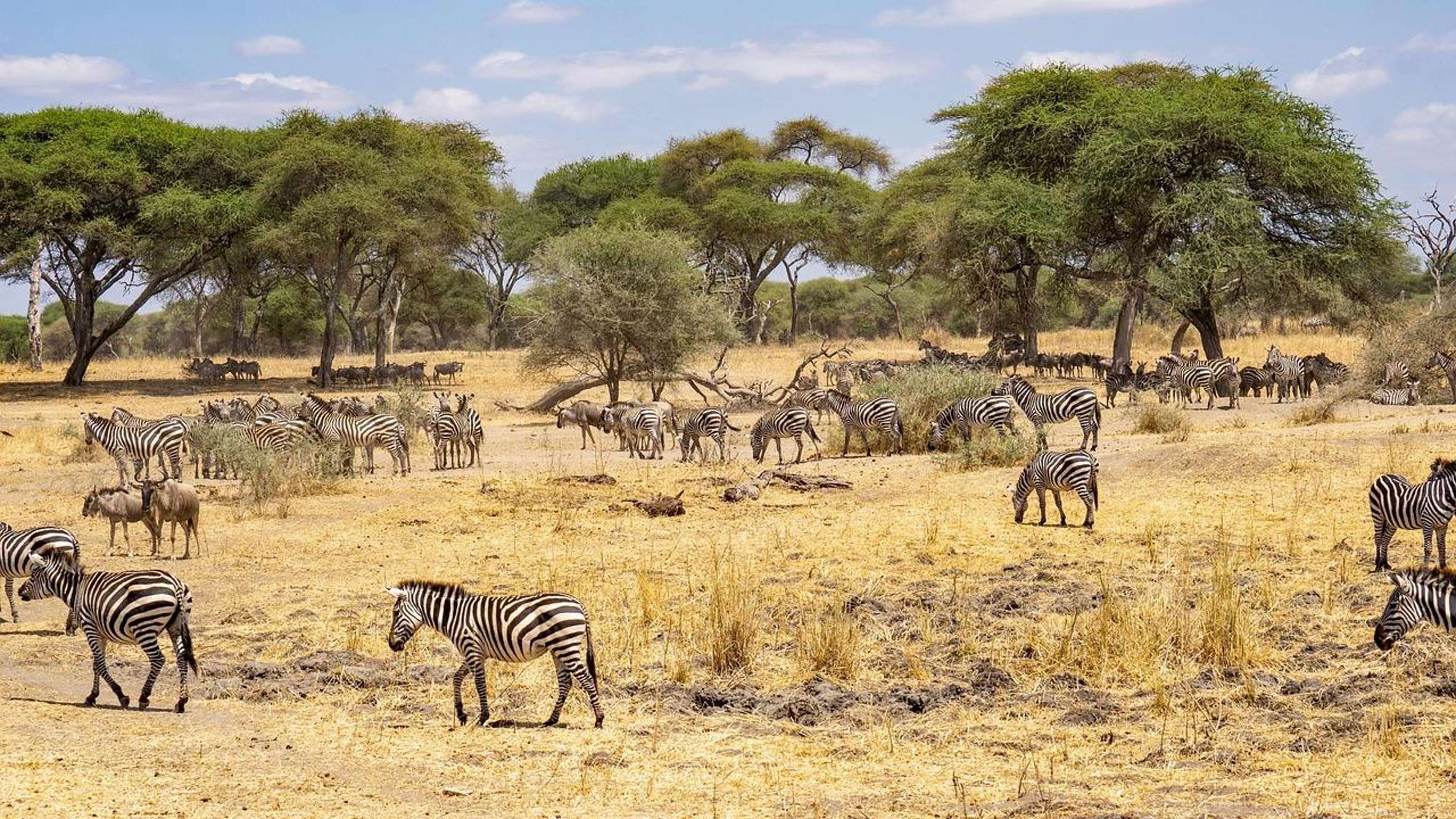
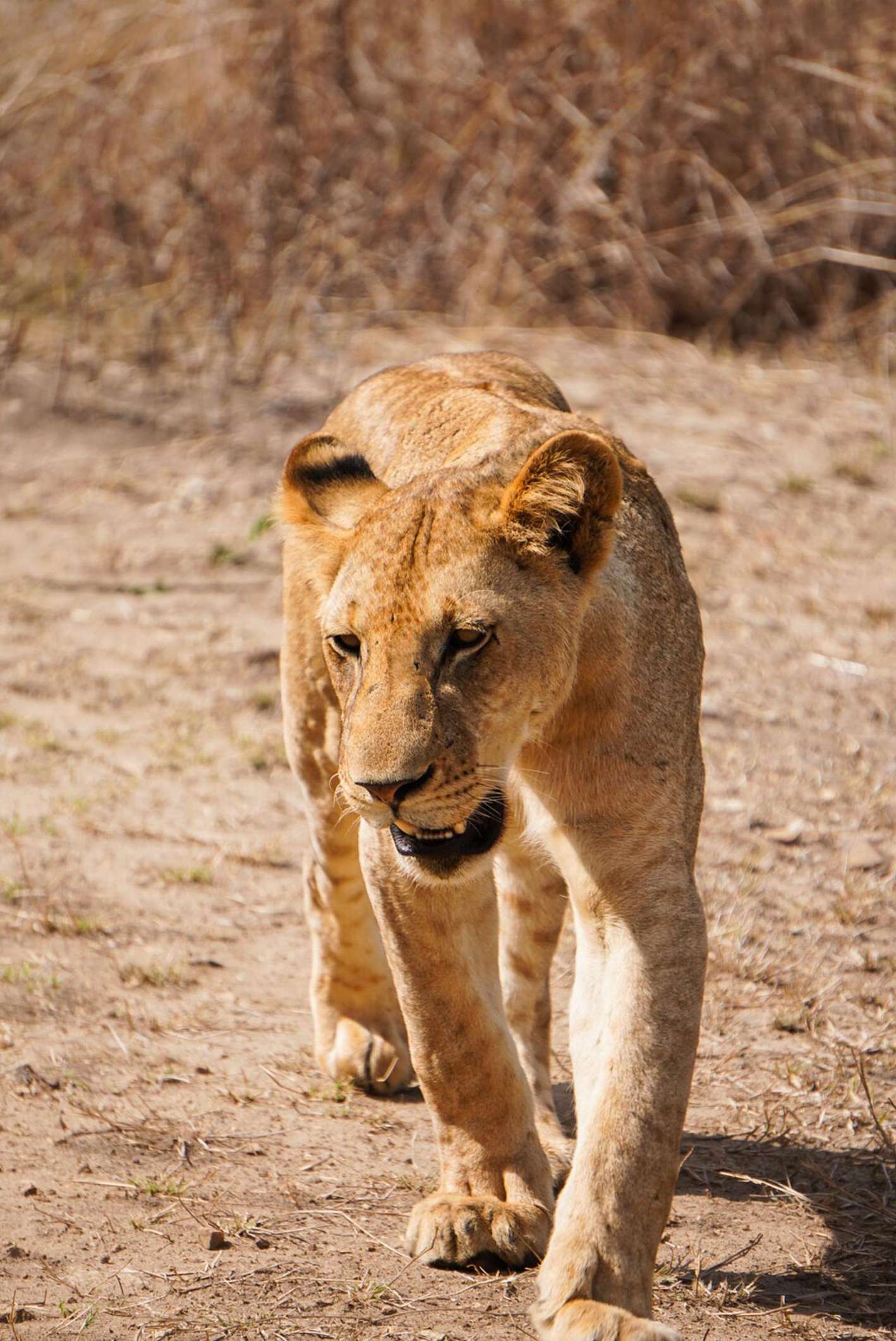
Honest accounting first: Mikumi's wildlife density cannot match the Serengeti, and big cat encounters come less often here than in the northern parks. What Mikumi gives back is time and money saved from the coast, and healthy animal numbers on a floodplain that looks the part.
A guided tour wins for most visitors starting in Dar es Salaam. Hotel pickup, bundled park fees and a driver who knows the highway timetable erase exactly the friction an independent trip adds. Book the tour if you have two or three days and want the hours to go to wildlife.
Going alone suits confident return travelers who can navigate a card-only gate, a strict 6 pm curfew and the A7's truck traffic, and who want the freedom to hire a jeep in Mikumi town on their own schedule.
For a first safari, or any trip squeezed into a weekend, take a guided tour: pickup from your hotel, the 6 am train or an early road departure, and park fees already handled.
Self-drive makes sense only for travelers comfortable with the A7's trucks and checkpoints. Either way, aim for two days or more; the gate shuts at 6 pm and one day by road does not add up.
Not really. The drive covers roughly 300 km each way, so a road-only day trip would swallow more than 15 hours in transit. Overland trips are organized as two-day tours, and day trips run by air instead.
Four to six hours along the main highway through Morogoro, depending on traffic. The A7 carries heavy cargo trucks and long-distance buses, which is why guided tours leave before the congestion builds.
Yes, and it is the most comfortable overland route. You board the 6 am express train from Magufuli station to Morogoro, then ride about 1 hour 40 minutes by van to the park gate.
Road departures leave central Dar es Salaam between 3:30 am and 4 am to beat traffic and reach the gate with daylight to spare. Rail tours pick up early enough to catch the 6 am train. Either way, you arrive before the afternoon game drive.
Roughly 5 to 6 hours, split between an afternoon drive on day one and a morning drive on day two. A 3-day itinerary adds a full day in the park, giving you 10 to 15 hours or more of game viewing.
Yes. Two days and one night is enough for both an evening and a morning game drive, and the two-day tour runs on the SGR luxury train with hotel pickup, park fees, meals, and lodging included.
The gates open at 6 am and close at 6 pm, strictly. Guides plan each day around that window, so nobody lingers past the evening curfew.
Mikumi saves you the long flight north and keeps the cost down, and the Mkata Floodplain, nicknamed the Little Serengeti, has zebras, wildebeest, buffalo, elephants, and resident lions on open grassland. Big cat sightings come less often than in the Serengeti, so go for the access and the plains, not for lion counting.
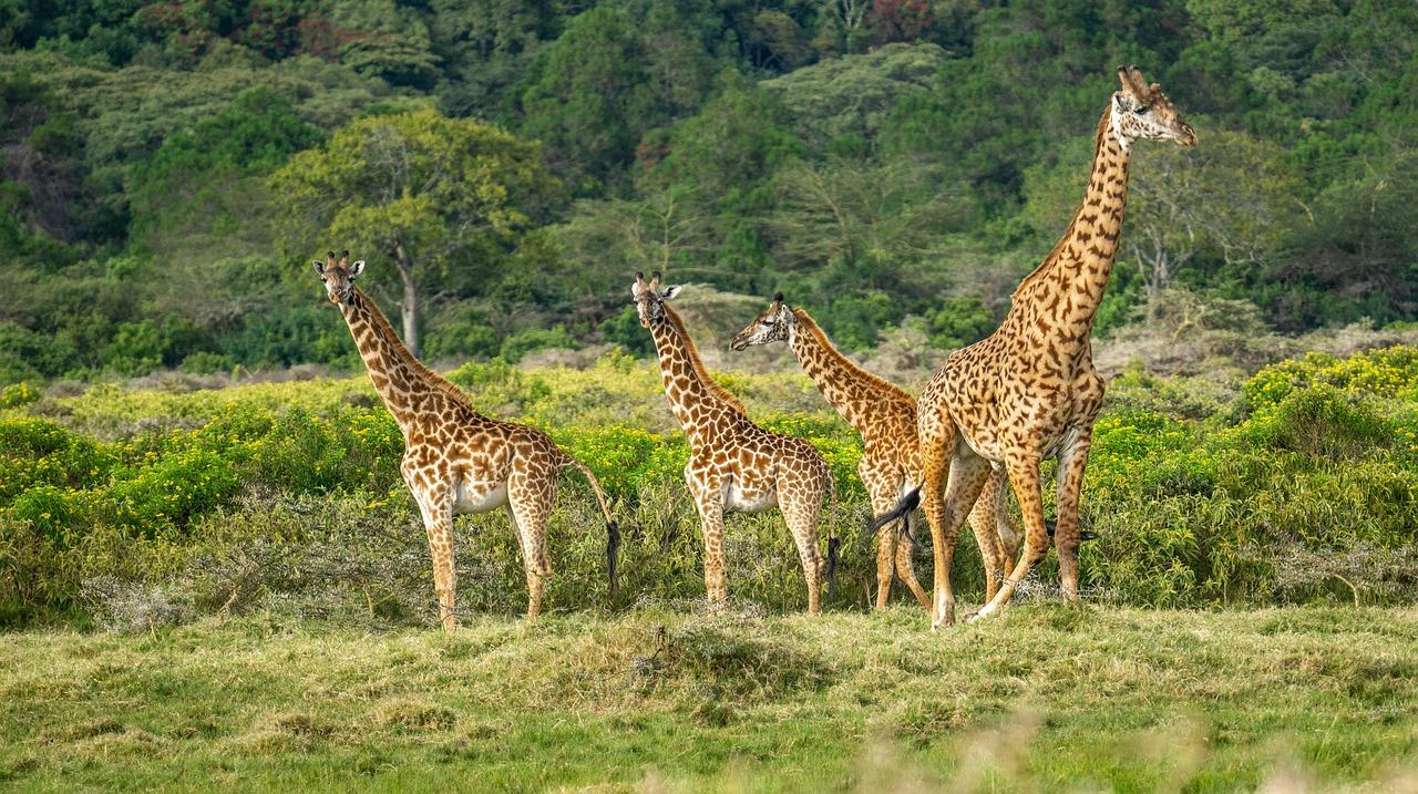
Lions, elephants, giraffes, zebras, buffaloes, hippos, and impala are regulars on the floodplain, and the night drives in the two-day itineraries add leopards, civets, and hyenas. Guides stay in radio contact with other drivers to track rarer sightings.
Light, breathable clothes in khaki, beige, or green, with long sleeves and trousers against sun and insects. Skip dark blue and black because they attract biting tsetse flies. Bring a light jacket for the chilly dawn drive and leave your main bags at the hotel with just a daypack.
Yes. Full-day drives include a bush lunch or a picnic inside the park, bottled water in the vehicle, and special meal requests can be arranged. Just tell the operator in advance.
Sunday. Commercial and outbound traffic along the Morogoro highway runs lightest then, so the drive goes faster than on Saturdays or weekdays.
Flying in from the beach instead? See how a one-day Mikumi safari from Zanzibar works with a 40-minute flight.
A second day turns a rushed drive into a morning and evening game drive. See the two-day plan from Zanzibar.
Three days give you ten to fifteen hours on the game tracks. See how the longer itinerary fits together.
Big cats show up far less often in Mikumi than up north. Compare what a Serengeti safari looks like.
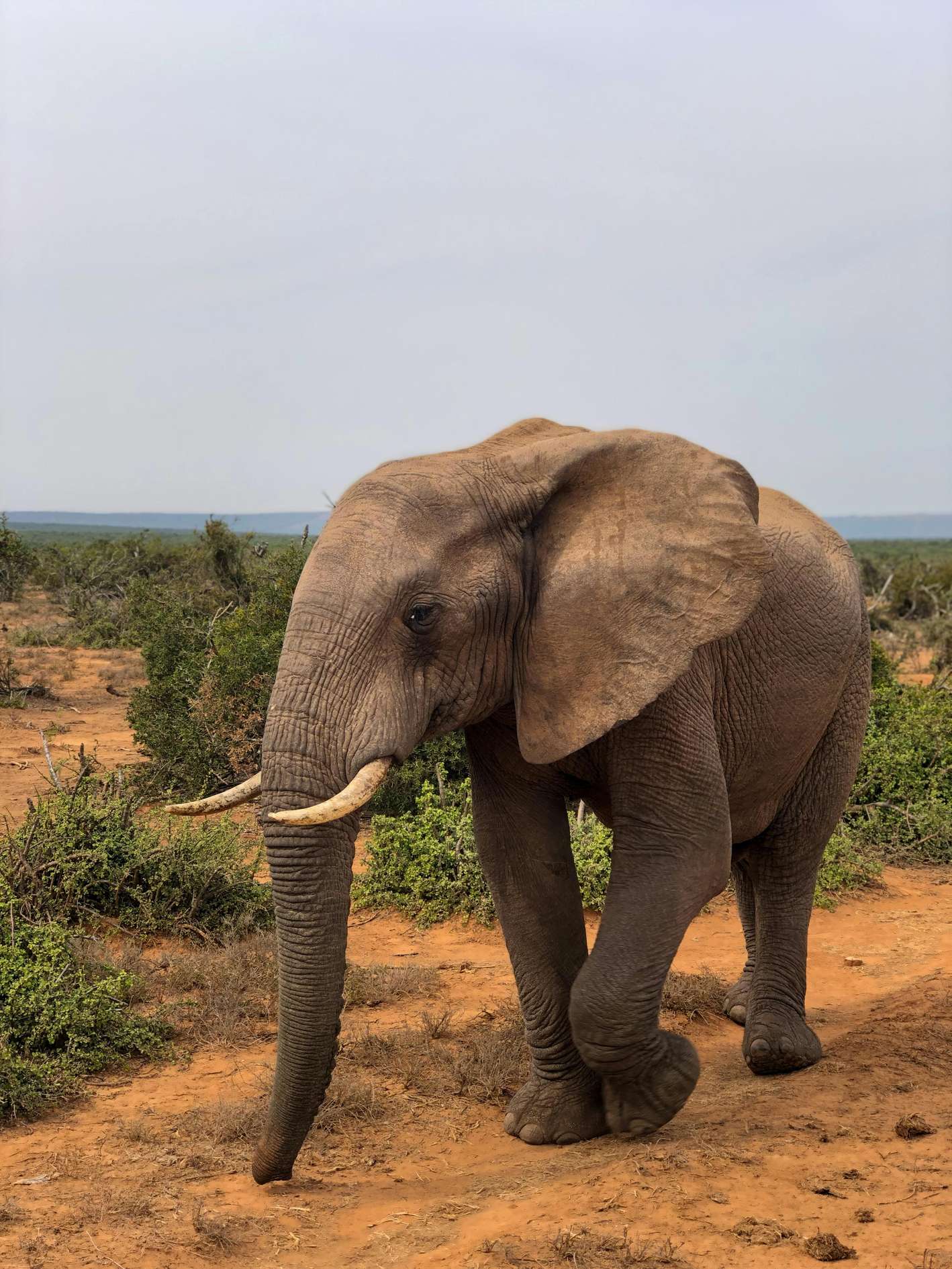
Timing matters more in the north. Check which months suit the Serengeti before you commit.
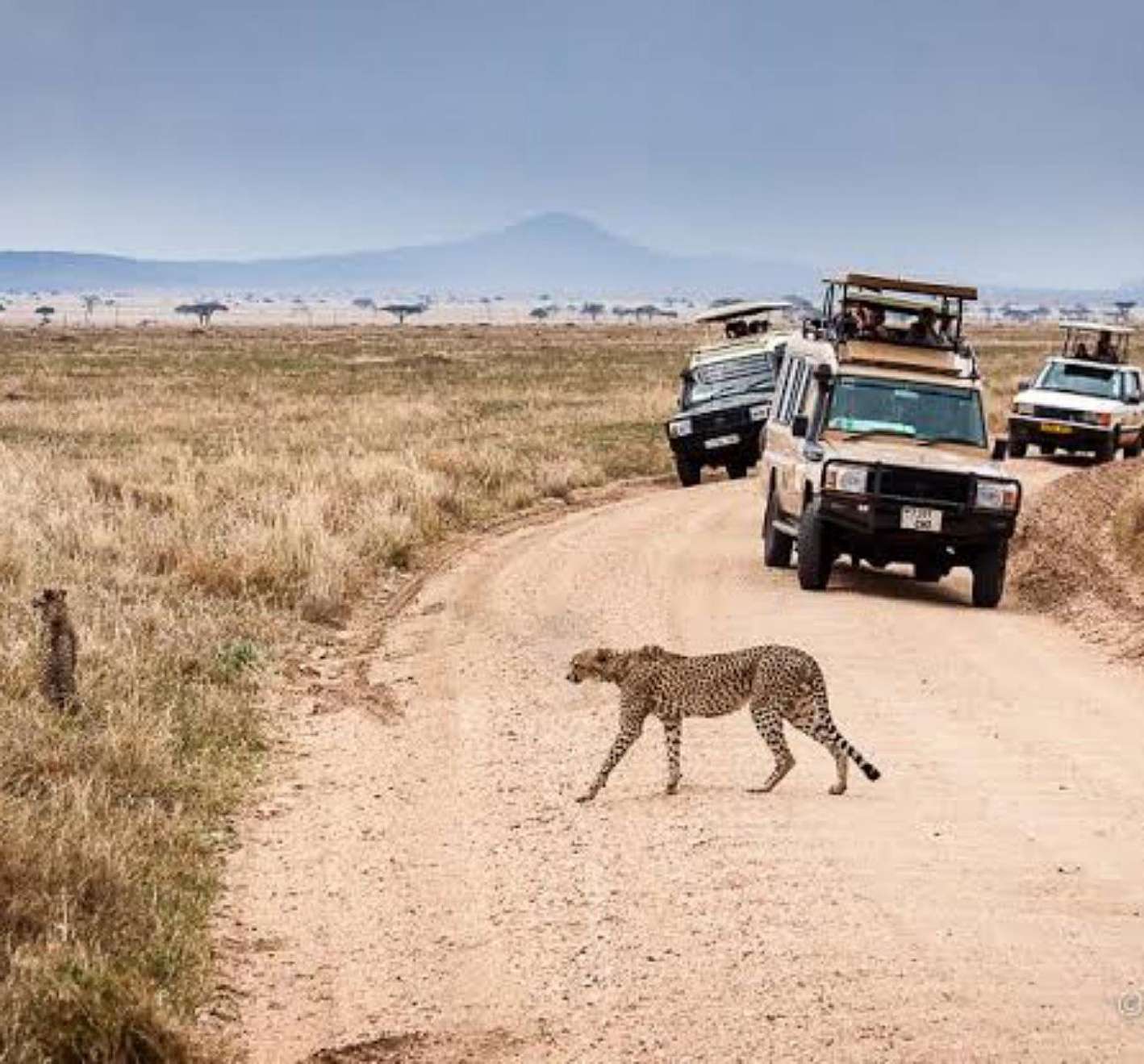
The great herds move on their own calendar. Follow where the wildebeest stand month by month.
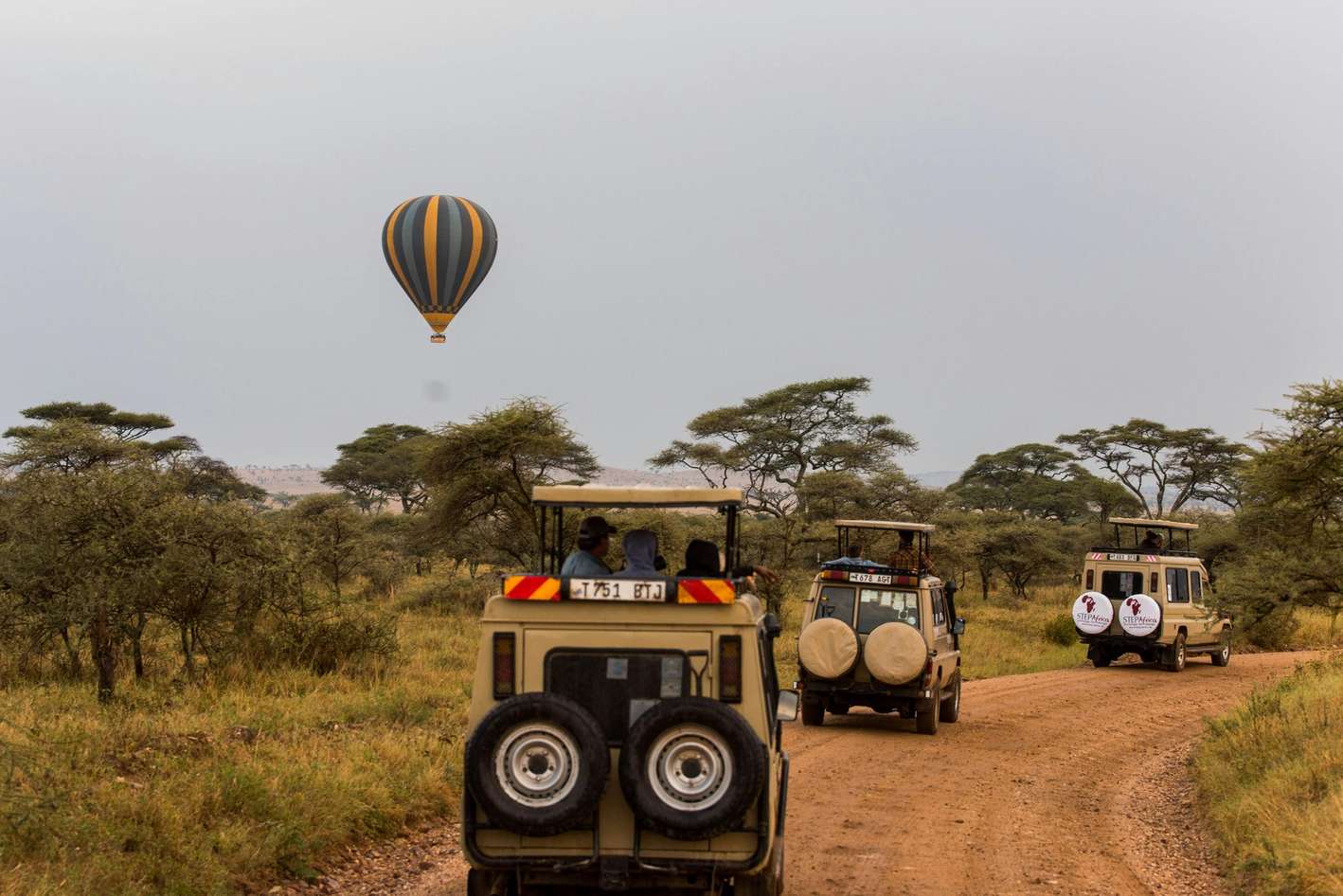
A dawn flight over the Serengeti divides opinion. Read what the flight involves and decide for yourself.
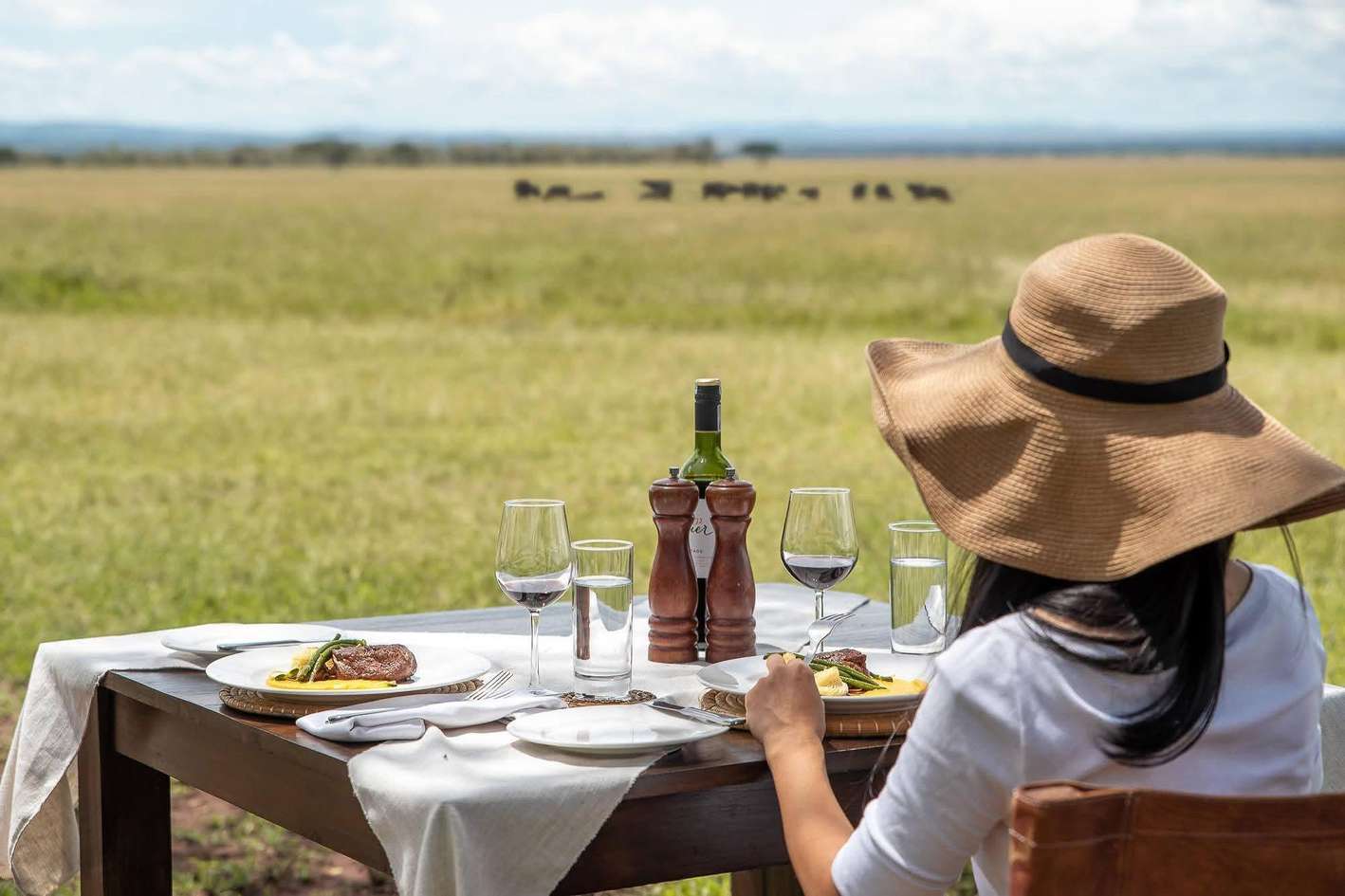
Heading north from Arusha instead? See how the overland routes to the Serengeti break down.

A one-day Serengeti visit is a different animal altogether. Read what actually fits in a single day.
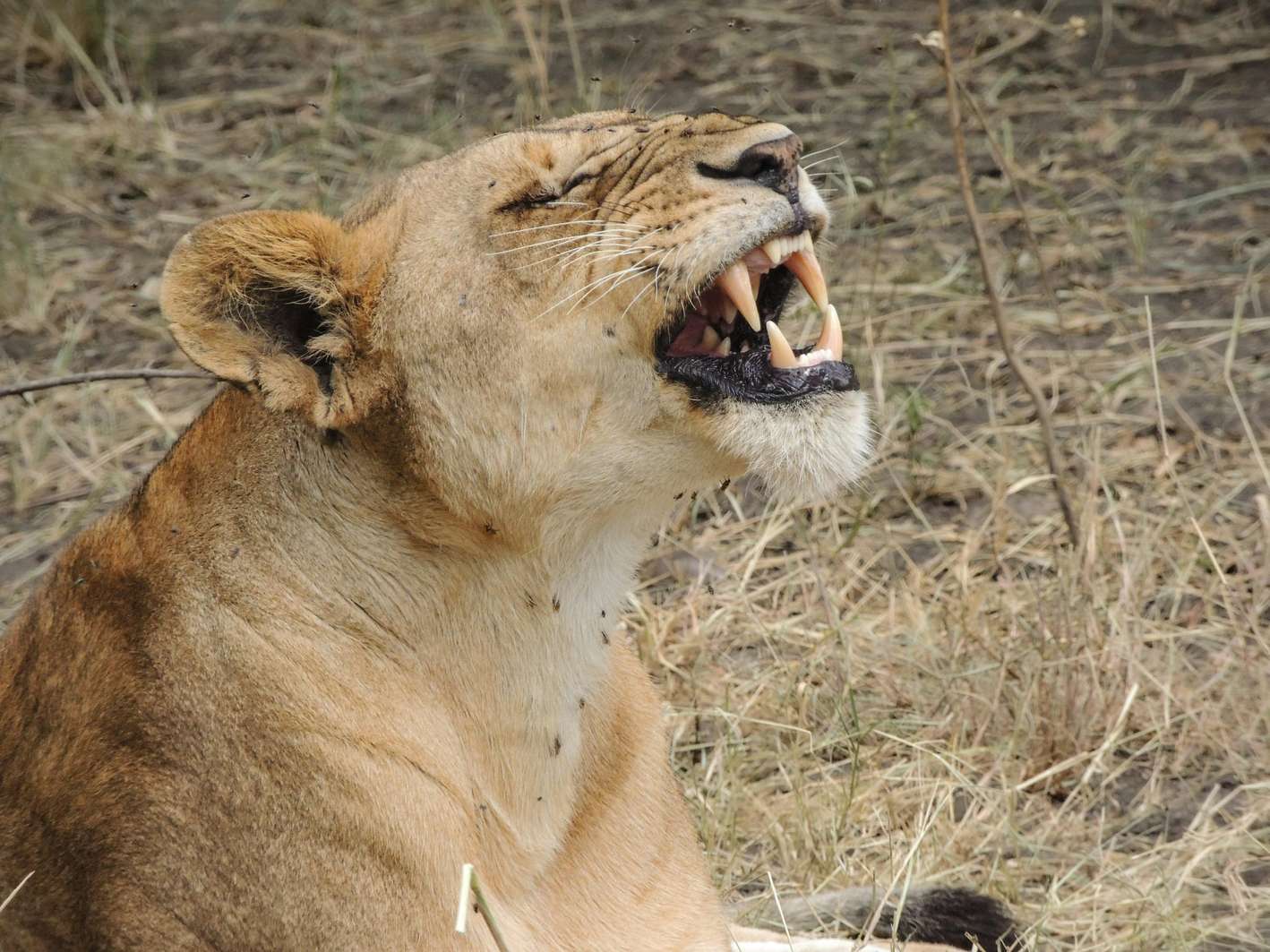
Rain, crowds and gate hours all shift by month. Match your Tanzania safari to the right season.
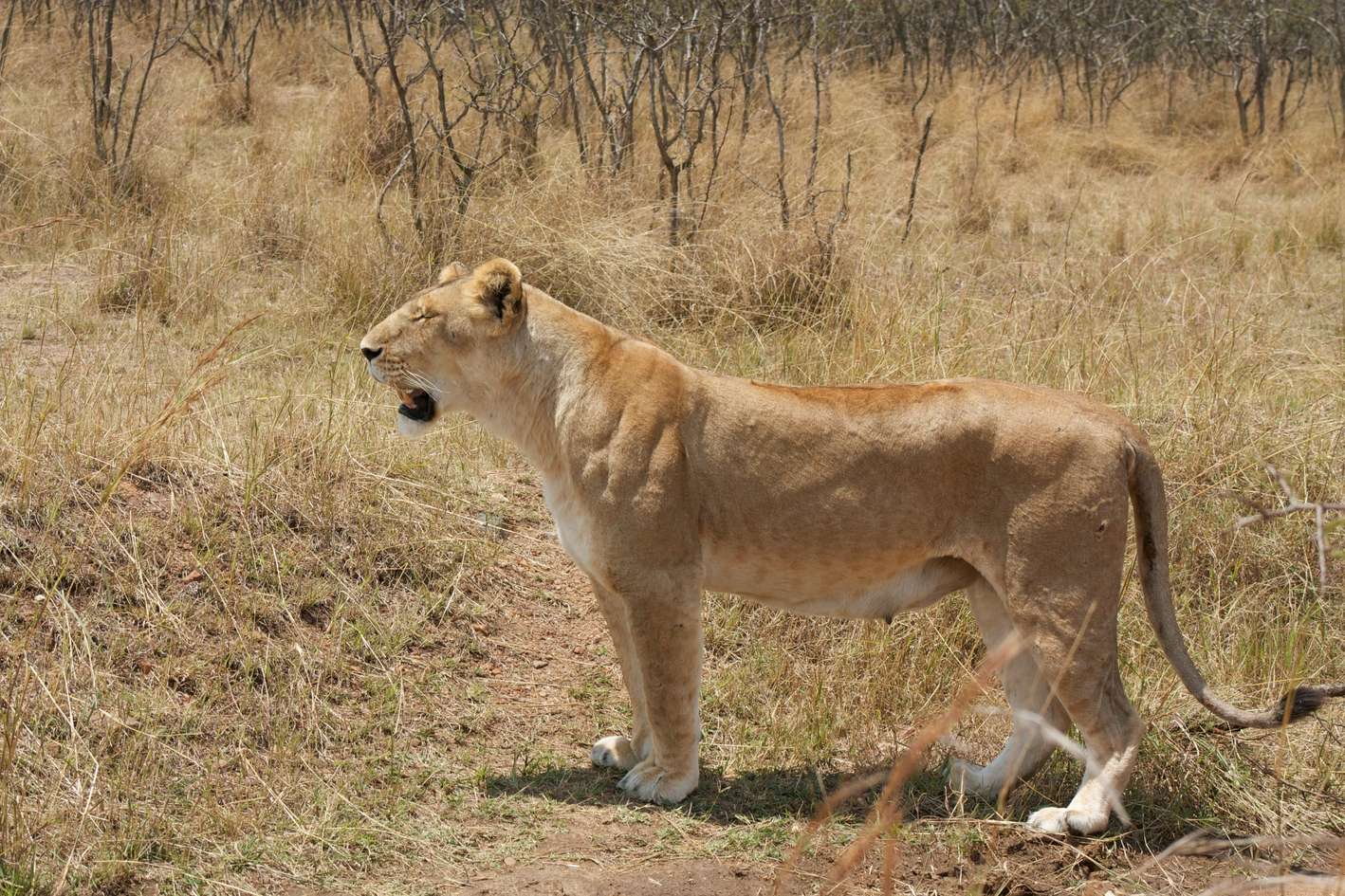
Deciding between two days and four? See how the itineraries compare before you book anything.
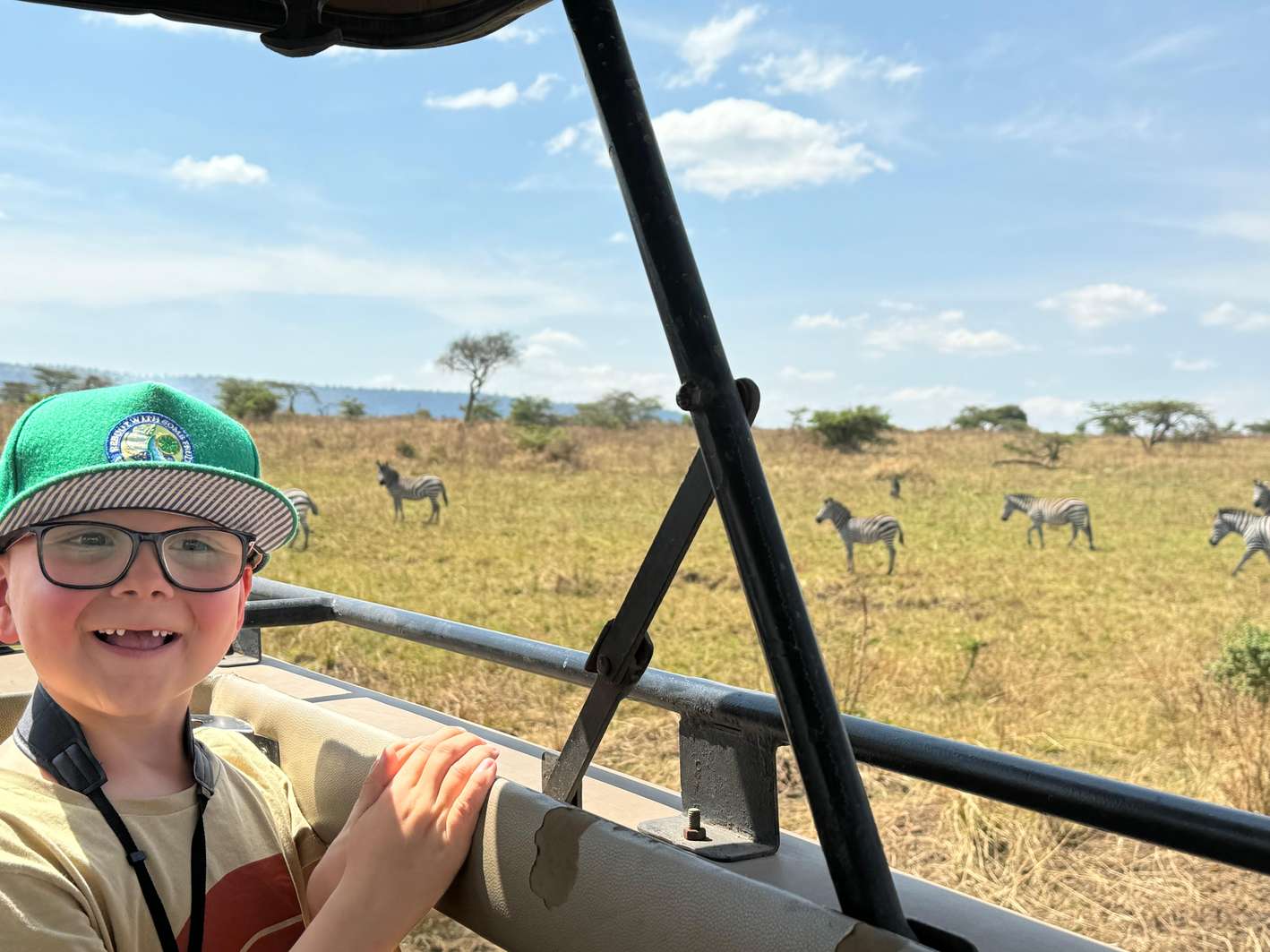
Pairing bush and beach works best from June to October. See the combined tours side by side.
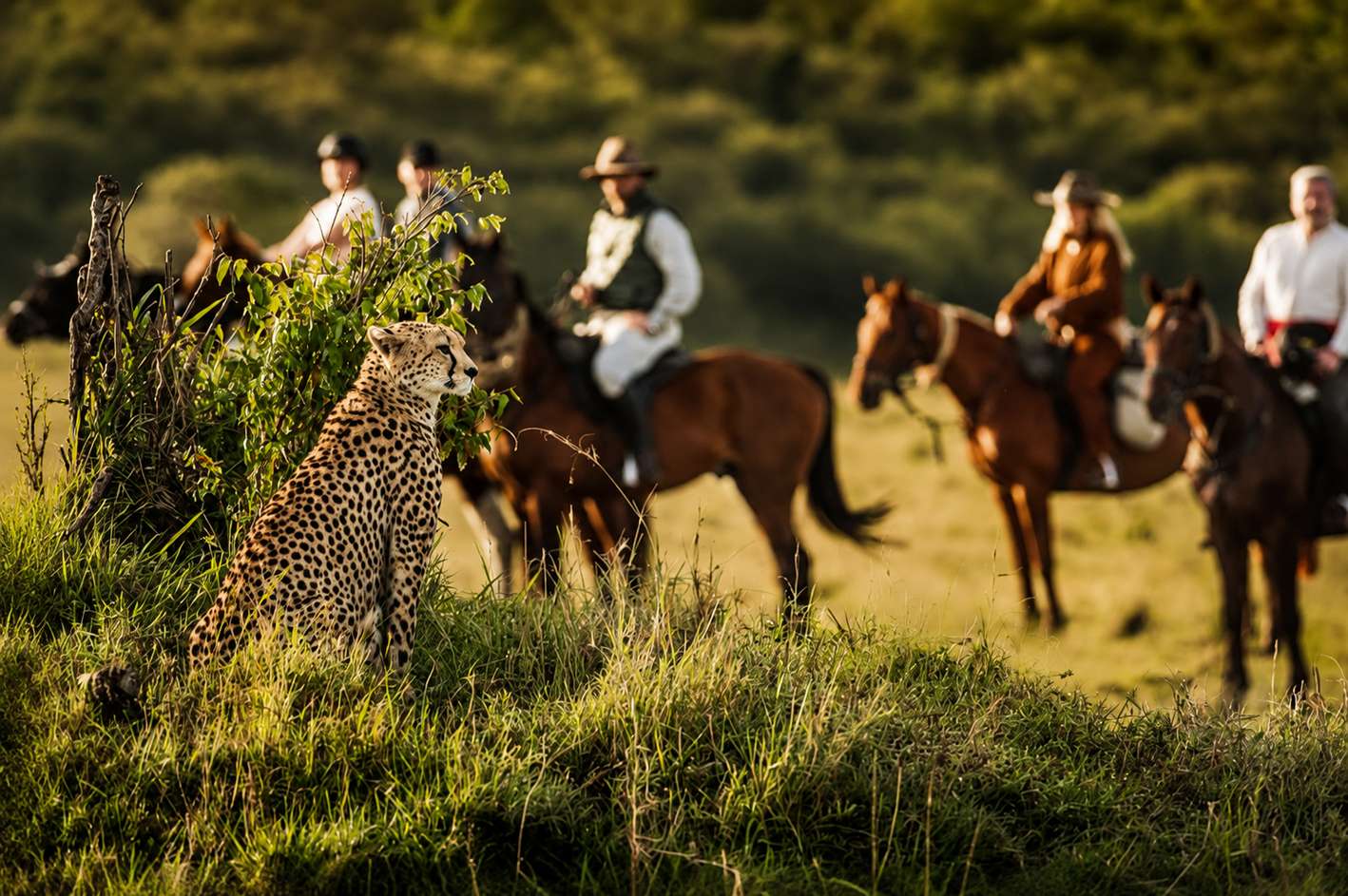
Prefer a quieter way into the bush? Horse riding safaris put you among the wildlife at walking pace.
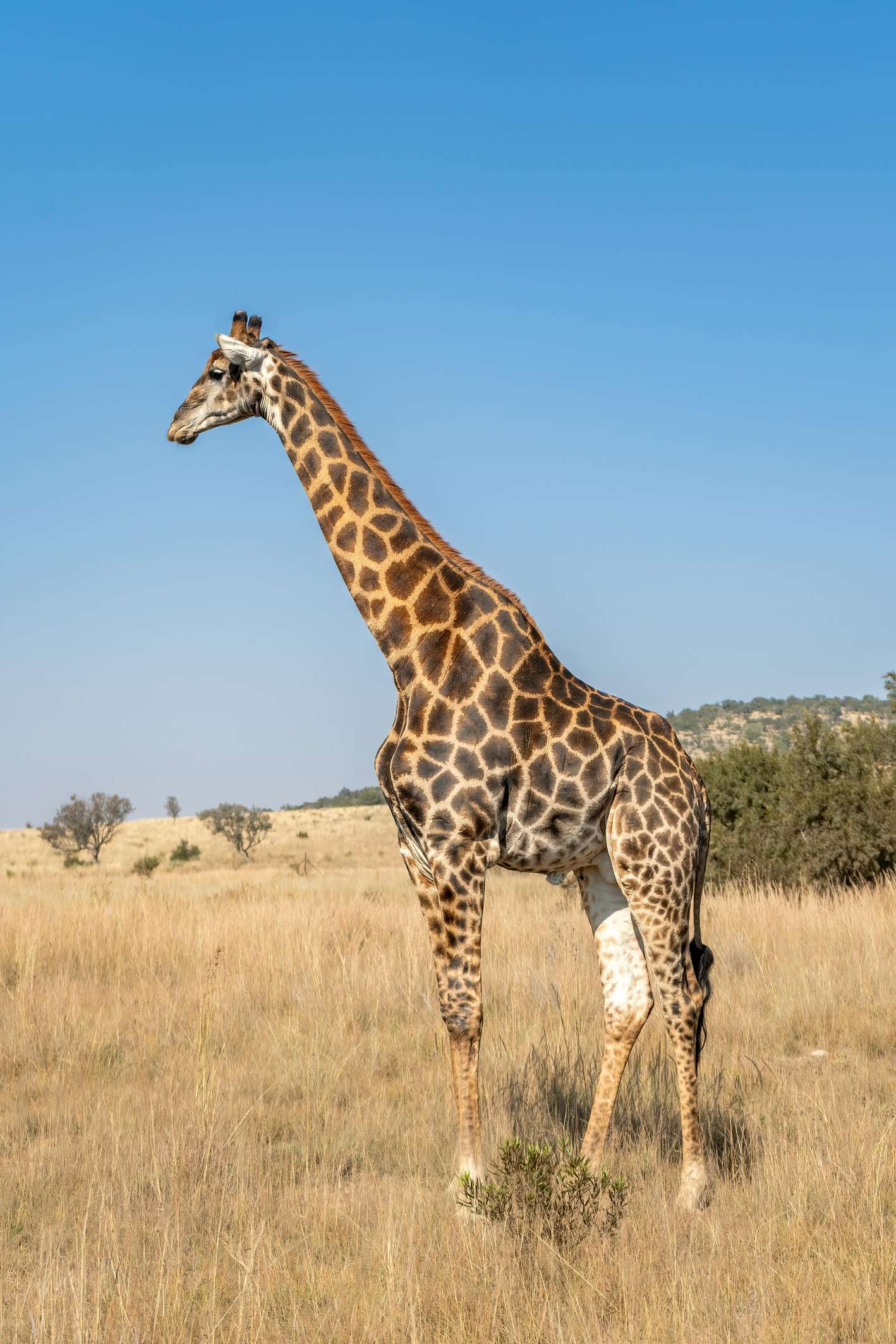
Want to know what you might see before you go? Get the full animal checklist for a Tanzania safari.

The crater packs dense wildlife onto one enclosed floor. See how a Ngorongoro safari day runs.
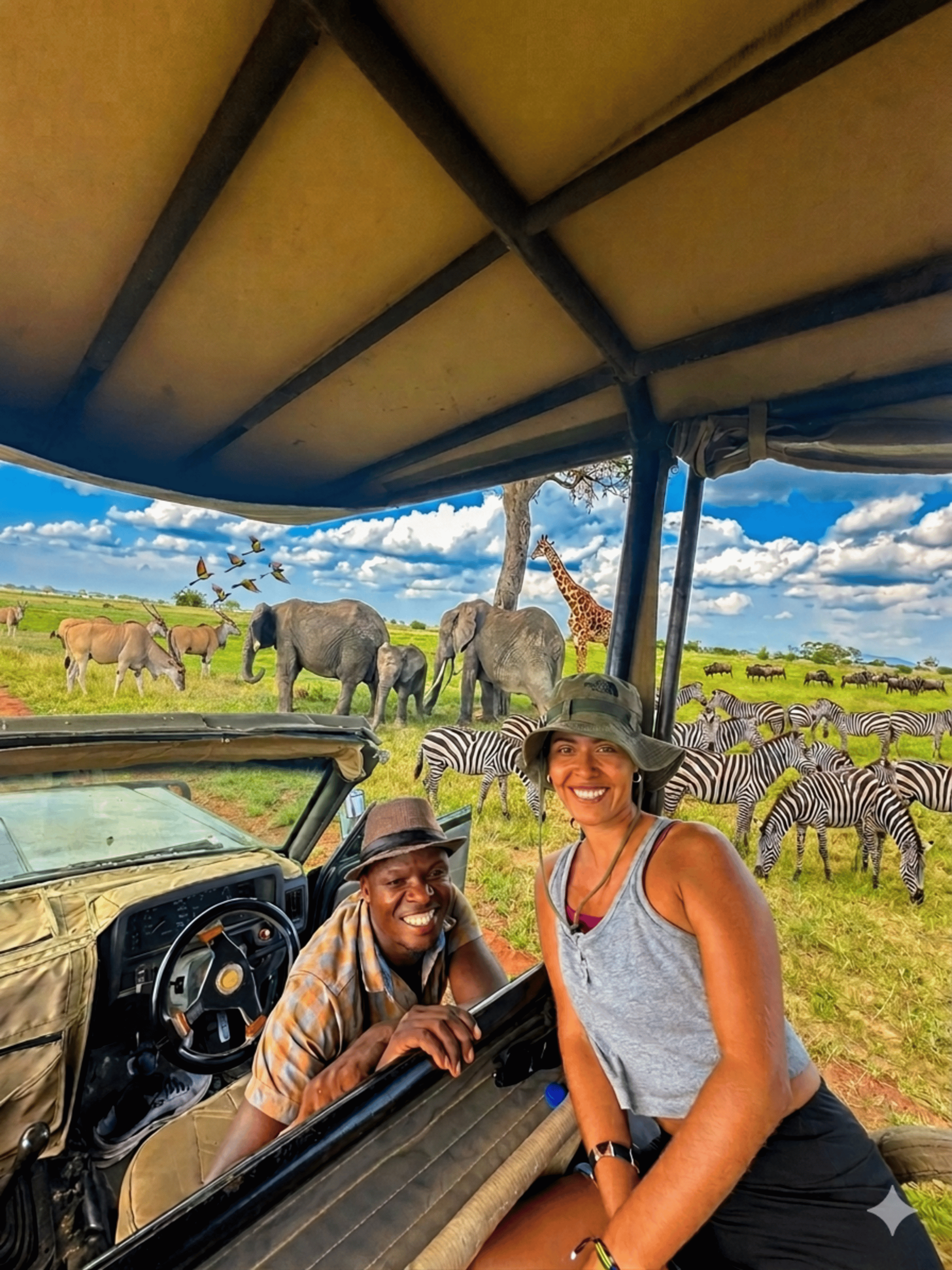
Board the 6 am express train, watch for lions from an open jeep the same day, and cancel free up to 24 hours before departure.