
3 days·English
4.7(75)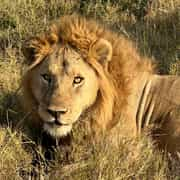
Arusha: 3-Day Serengeti & Ngorongoro Crater Big Five Safari
Free cancellationHotel pickup includedBottled drinking water throughout the tour
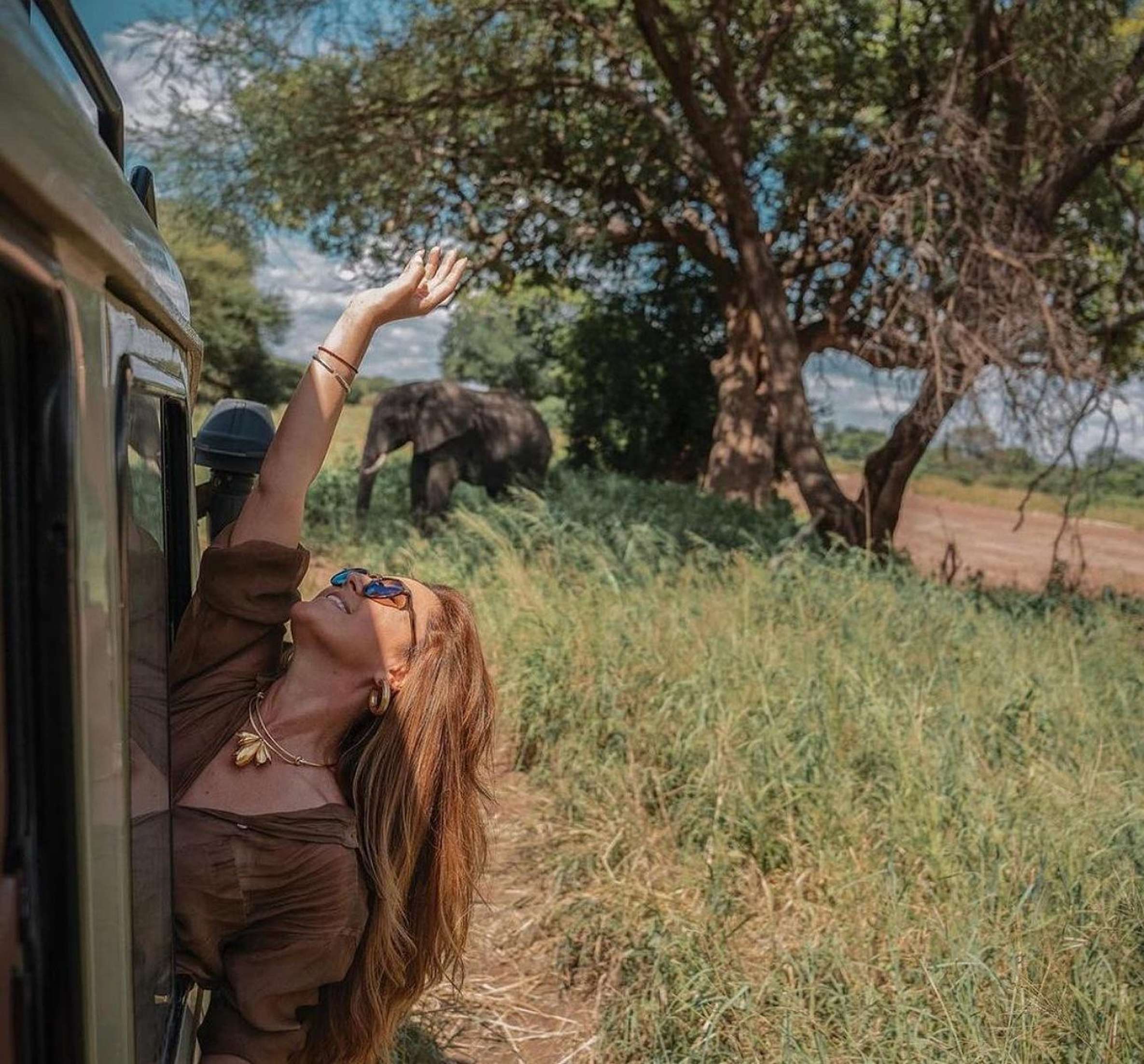
Pick your month, then watch the plains deliver. Guides radio each other to track the big cats you came for, from July river crossings to February calving, on a 3-day Serengeti and Ngorongoro safari in a pop-top Land Cruiser. Every month works. Choose your dates and go.
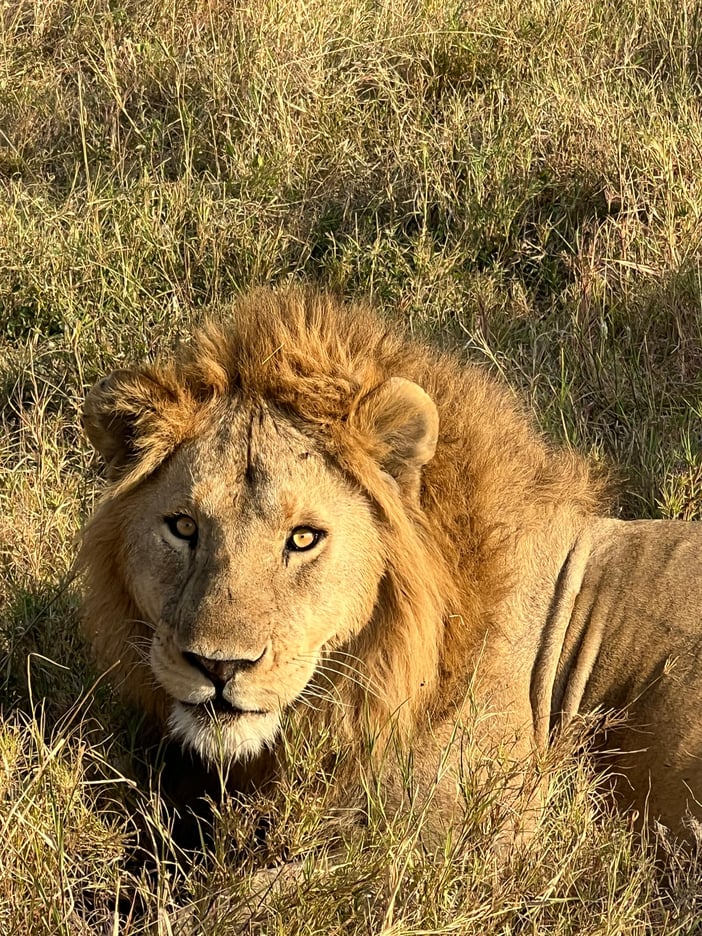
"Season Masters gave us a polite, communicative team and the best driver. Saw tons of animals, the Big Five, amazing landscapes."
Half a million calves drop on the southern plains in February, and up to 600 vehicles a day crowd the Mara crossings in August. Both are true, and both can be yours. Each month delivers something different, and the trick is matching one to what you want to see.
June to October is the most dependable window: about 25 to 30 dry days a month, thin grass, and predators out in the open.
Calving peaks in late February on the Ndutu plains, when roughly half a million wildebeest are born within a few weeks.
A Mara River crossing is never guaranteed, so give the northern Kogatende area three to four days if you go for it.
November and December are the quiet value months: brief afternoon showers, lush plains, far fewer vehicles.
April and May are the genuine risk months: seasonal camps close and secondary tracks flood, though main routes stay open.
If you travel in April or May, base your safari around the main routes and permanent lodges, which stay open all season, and book with an operator whose itineraries stick to those better-drained circuits.
The calendar question sounds simple, and it isn't. Rain, grass and big-cat sightings move together through the year, so the Serengeti safari season you pick depends on what you most want to see.
From June to September the tracks stay firm and the rain barely shows up. July is the driest month, with rain on about one day in the whole month and nearly 30 dry days.
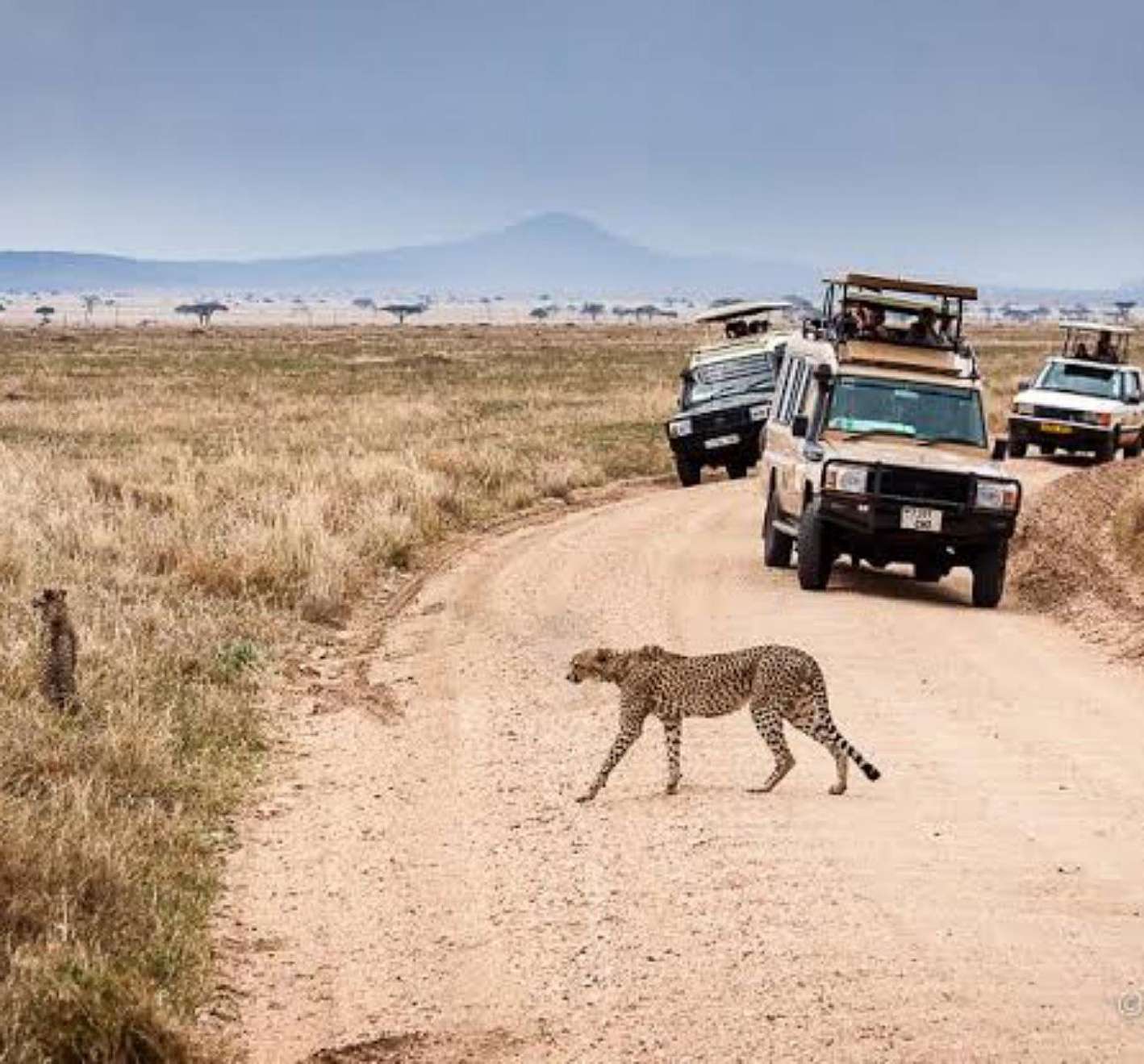
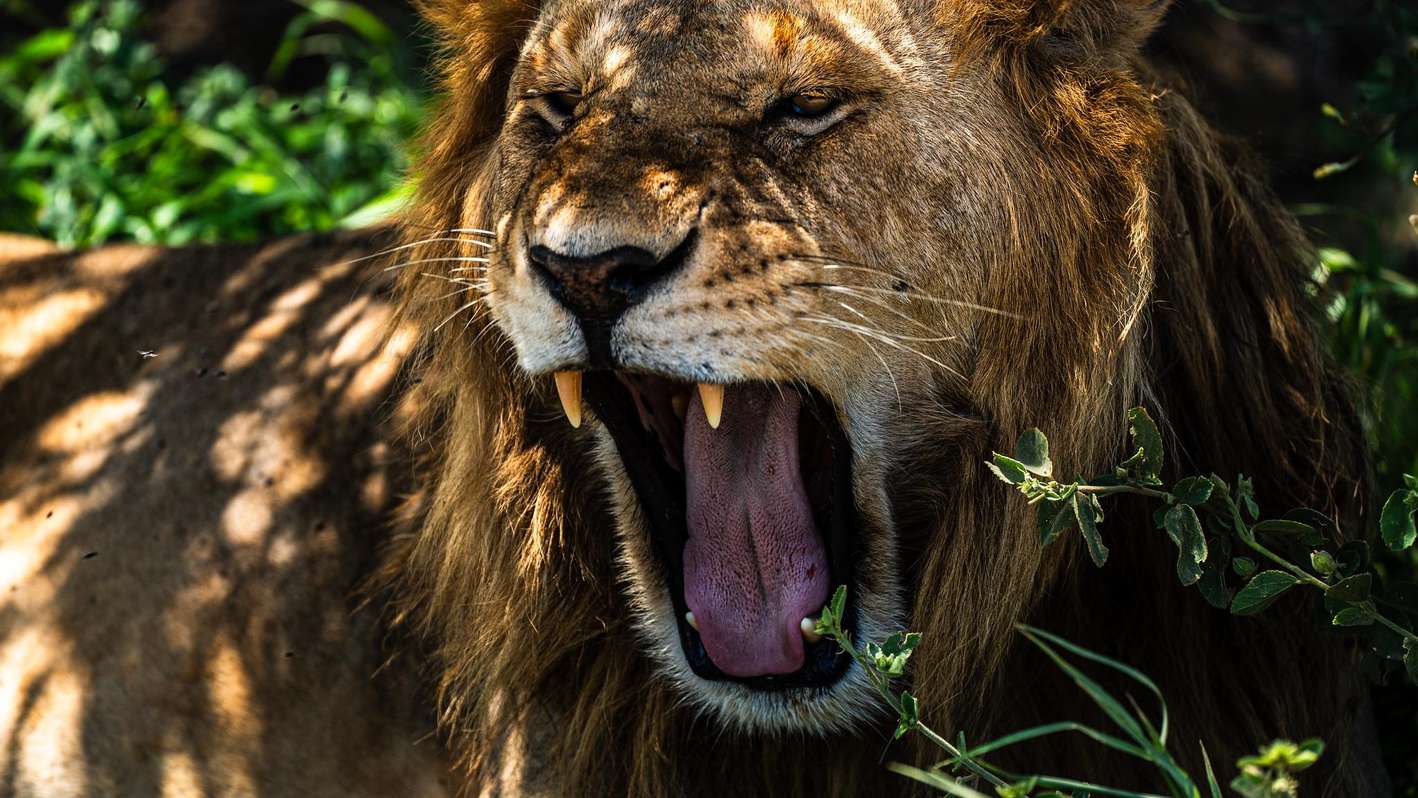
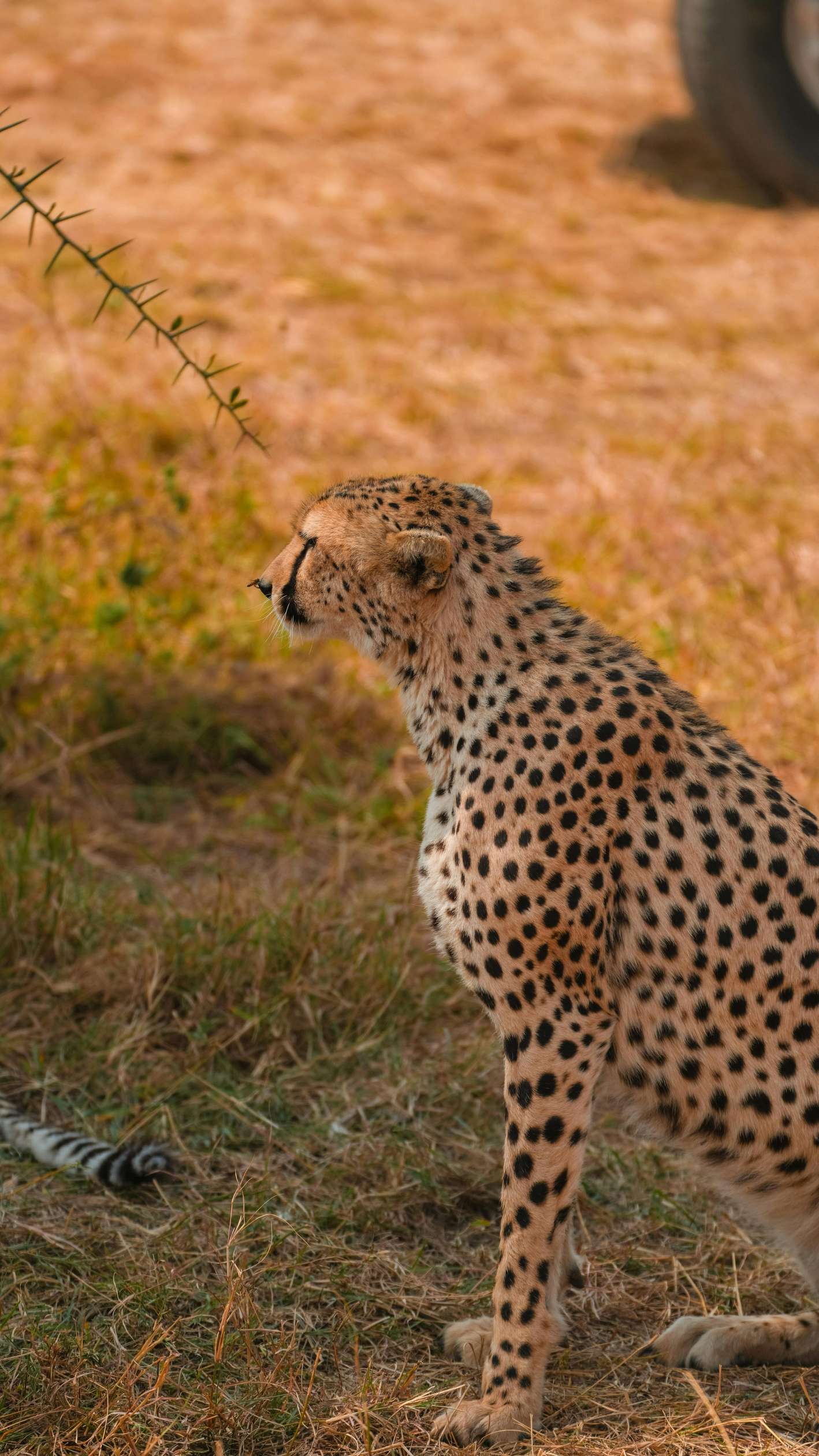
That thins the bush down to stubble, and lions, leopards and cheetahs come into the open. Predator sightings peak in July and August.
The year splits into two broad seasons, and the first one is the one most first-timers should look at hardest. ::w1 months: "Vegetation, Weather, and Big Cat Sightings in Serengeti National Park"
The dry days line up with the sightings almost perfectly: big cats climb as the rains drop. June to October is the most dependable viewing window, with animals gathered around shrinking water and grass low enough to see over.
The green season from November to May trades short grass for something else. Landscapes go lush, rates soften, and January to March brings newborn herds and hunting cats around them. There is no single best month. There is a window for each priority, and the chapters below walk through them.
One belief worth dropping early: don't chase a Big Five list. Leopards and rhinos stay elusive no matter the month. Judge a season by overall predator and plains game sightings instead.
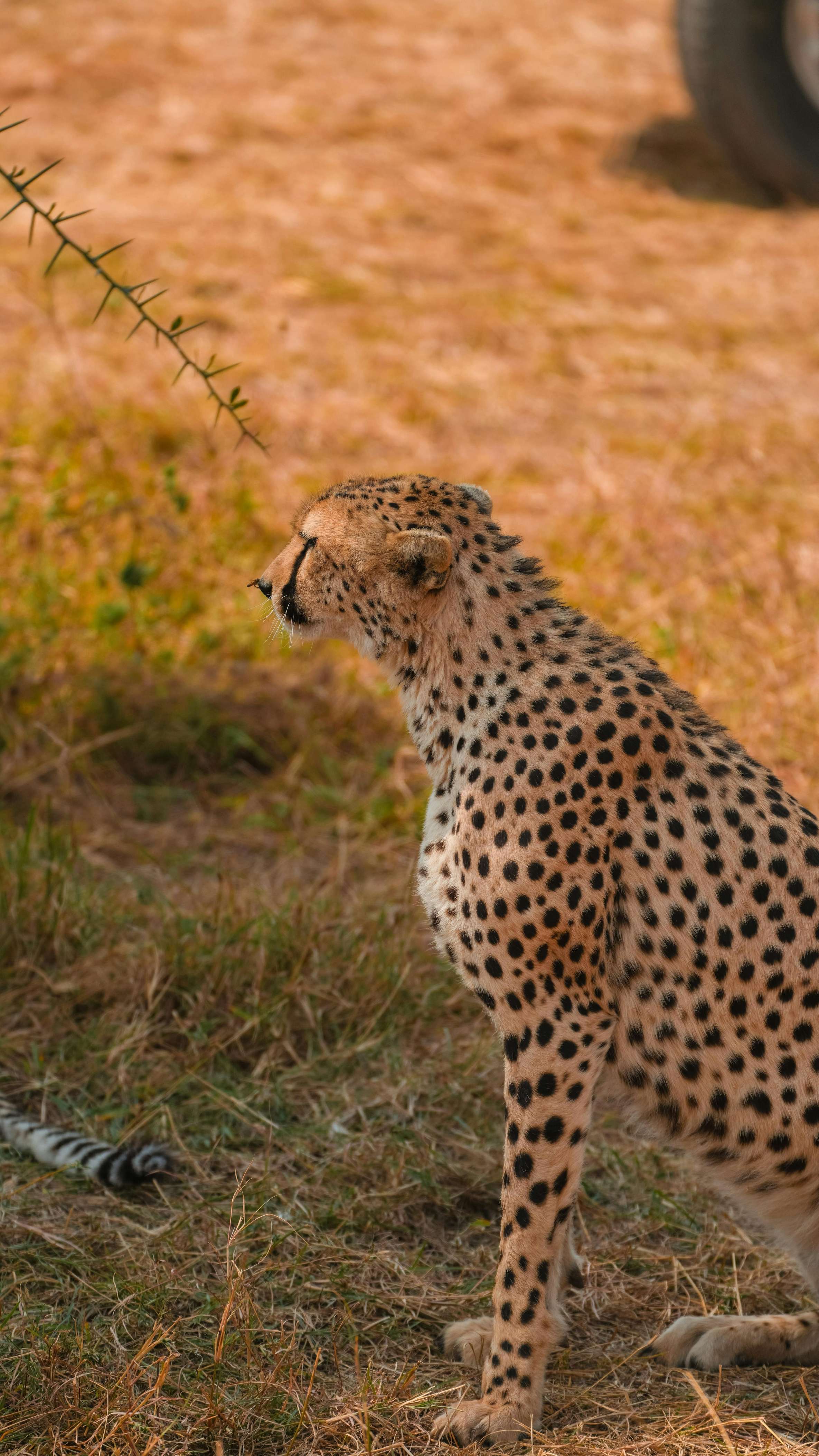
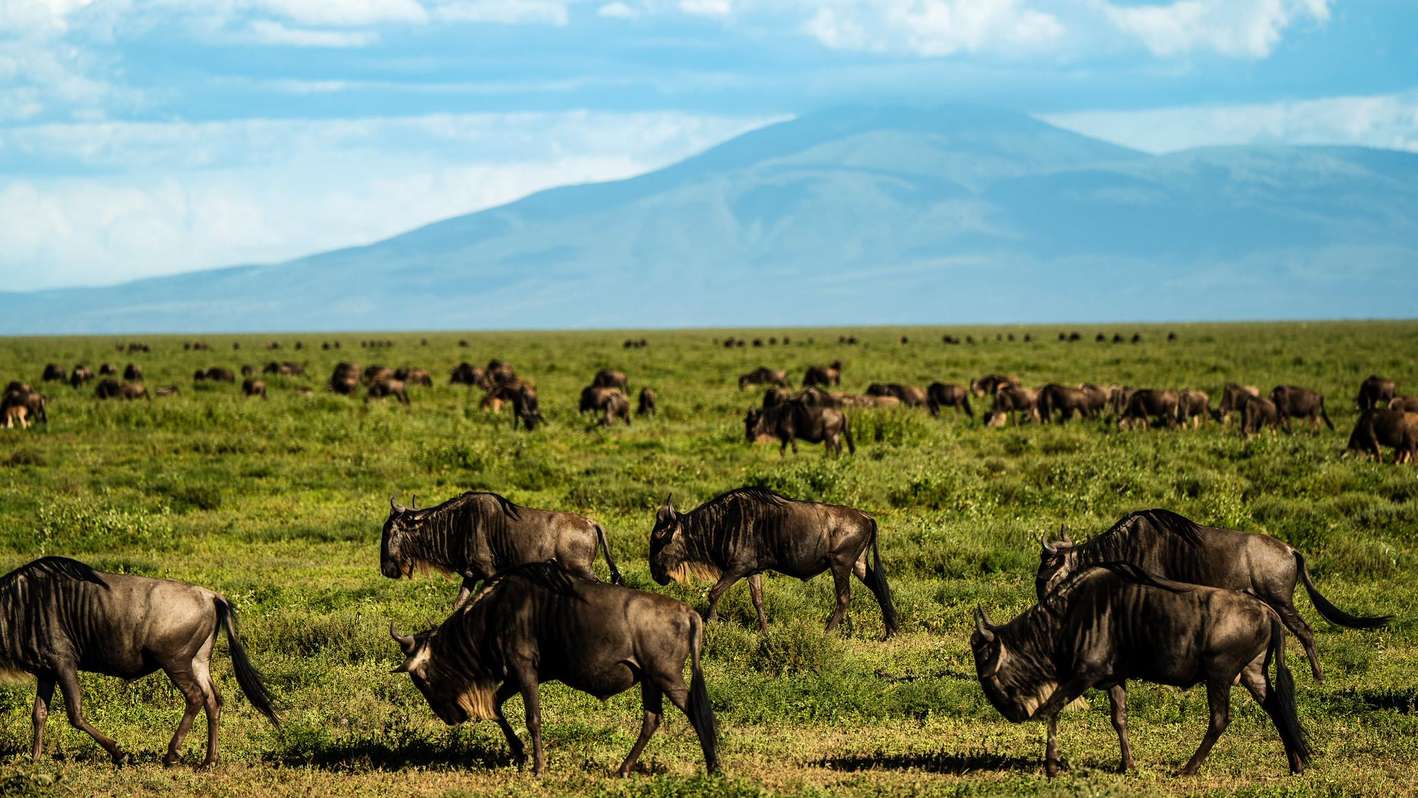
For a few weeks each year, the short grass plains of the southern Serengeti and Ndutu become one enormous nursery. Calving runs from January through March, and around half a million wildebeest calves are born in February alone, most of them within two to three weeks of each other.
Predators know it too. Lions, cheetahs and hyenas hunt in the open around the calving herds, and January to March brings the sharpest hunting activity of the green season. If you want drama with a date you can plan around, this is it.
The herds arrive on the southern plains from January and stay through March, which is exactly where the migration sits in that stretch of its year-round clockwise circuit. By April they drift into the central Serengeti with the long rains.
Go earlier and December has its own quiet appeal. Lake Ndutu in December delivers strong wildlife viewing alongside thousands of feeding flamingos, before the peak calving crowds arrive.
Crowds stay low through this window. The calving season draws far fewer vehicles than the river crossings later in the year, and sightings spread across open plains with no single bottleneck to fight for.
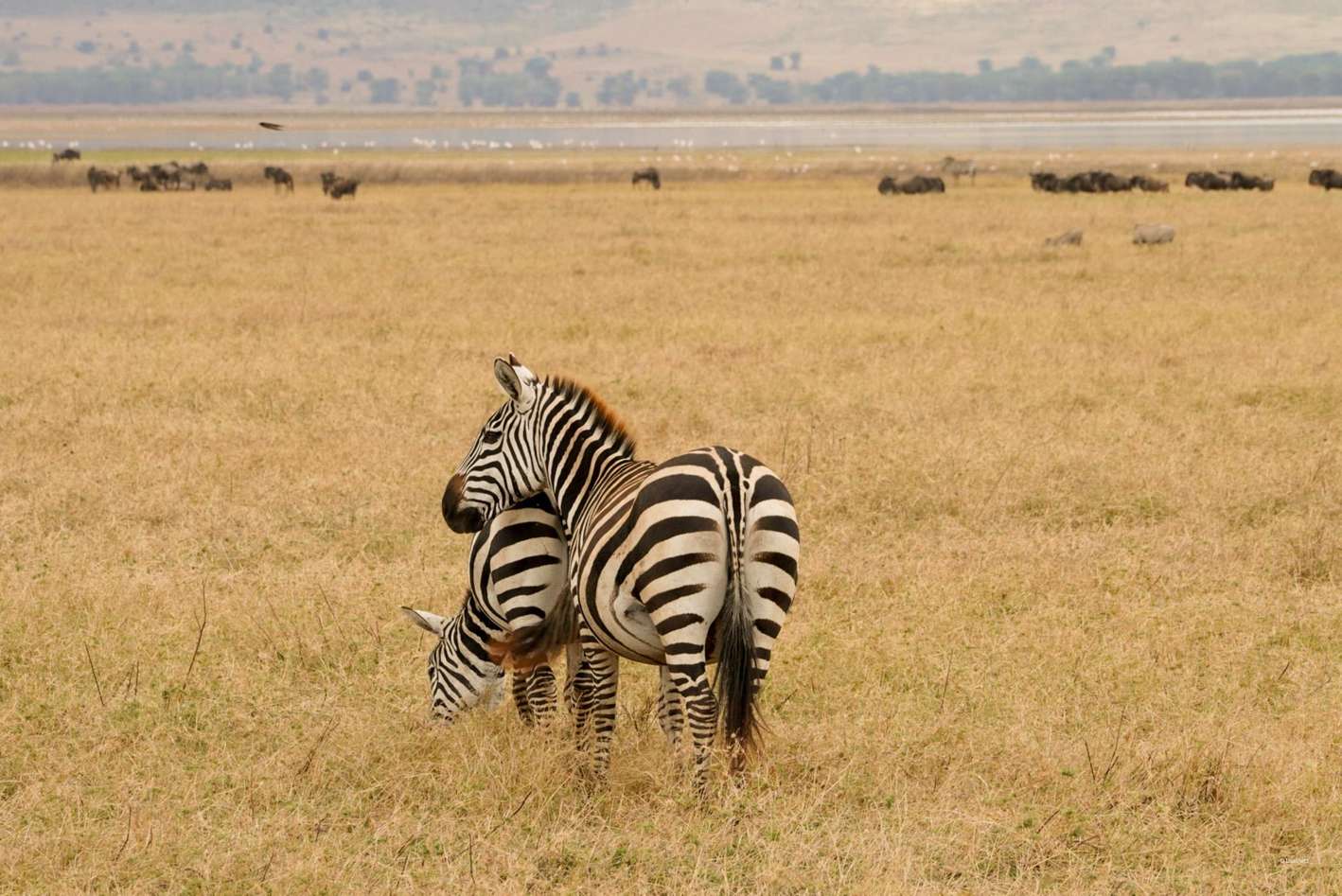
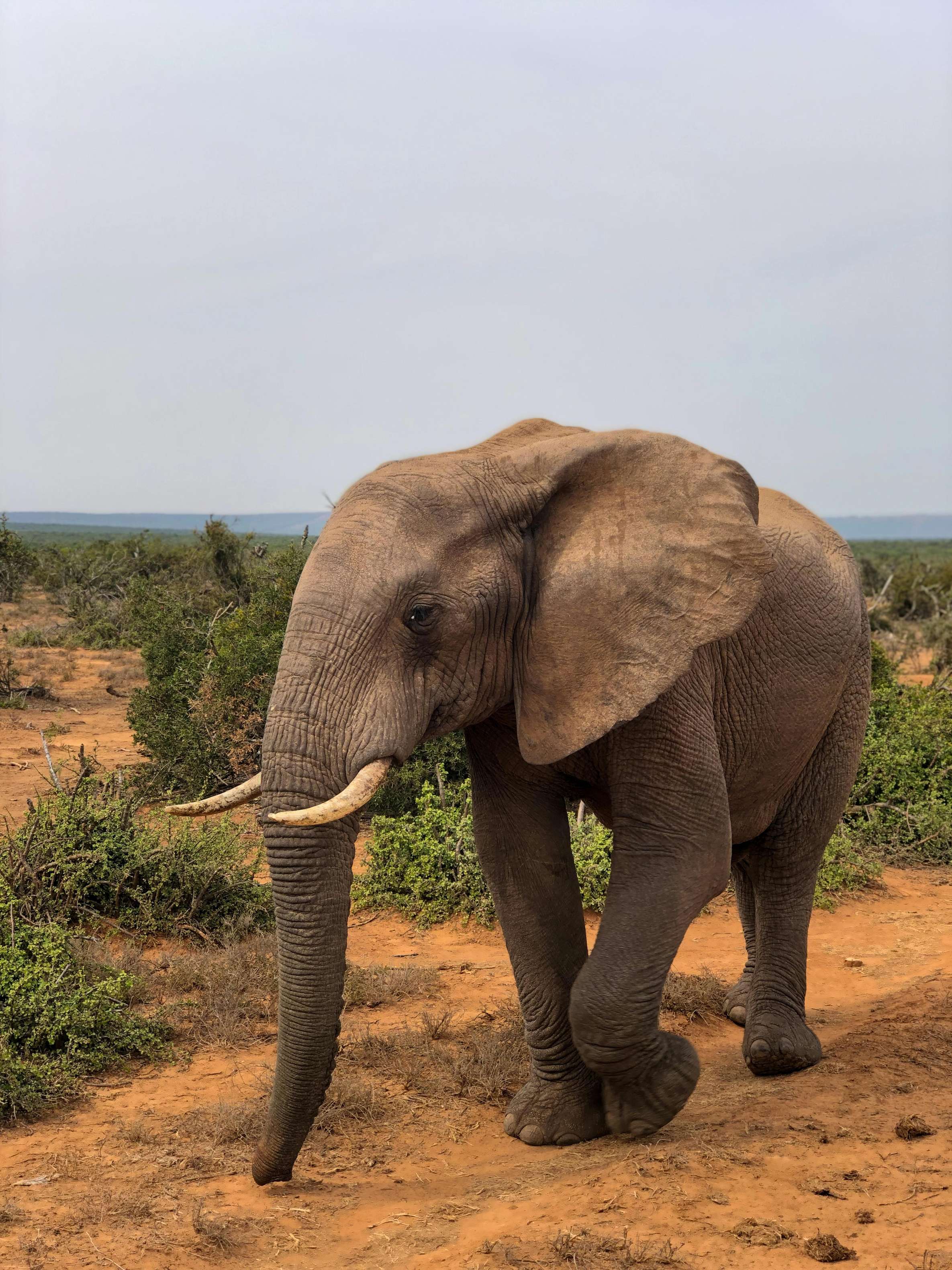
From mid-July through October, the herds gather in the northern Serengeti around Kogatende, where the Mara River waits.
First come the Grumeti crossings in the Western Corridor around June and July, then the main Mara crossings from July through October. A wildebeest column pouring down a riverbank into crocodile water is the spectacle most people picture.
Now the honest part. Witnessing a crossing is never guaranteed. Herds mill on the riverbank for hours and sometimes turn around and walk away.
Even professional safari researchers cannot pinpoint the herds' daily location, because their movements follow localized rain. Plan to stay three to four days in the Kogatende area to give yourself real odds.
Where you sleep matters. Mobile camps in the northern Serengeti sit far closer to the crossing points than permanent lodges, and camps far east around Turner Springs or Nanyukie add unnecessary driving hours when you head north.
Driving between central Serengeti and Kogatende takes the better part of a full day on rough, rocky dirt tracks.
A 4 Days Tarangire, Serengeti, Ngorongoro Group Camping Safari puts the great herds, Tarangire's elephants and the crater into one overland run if you want the whole circuit around your crossing dates.
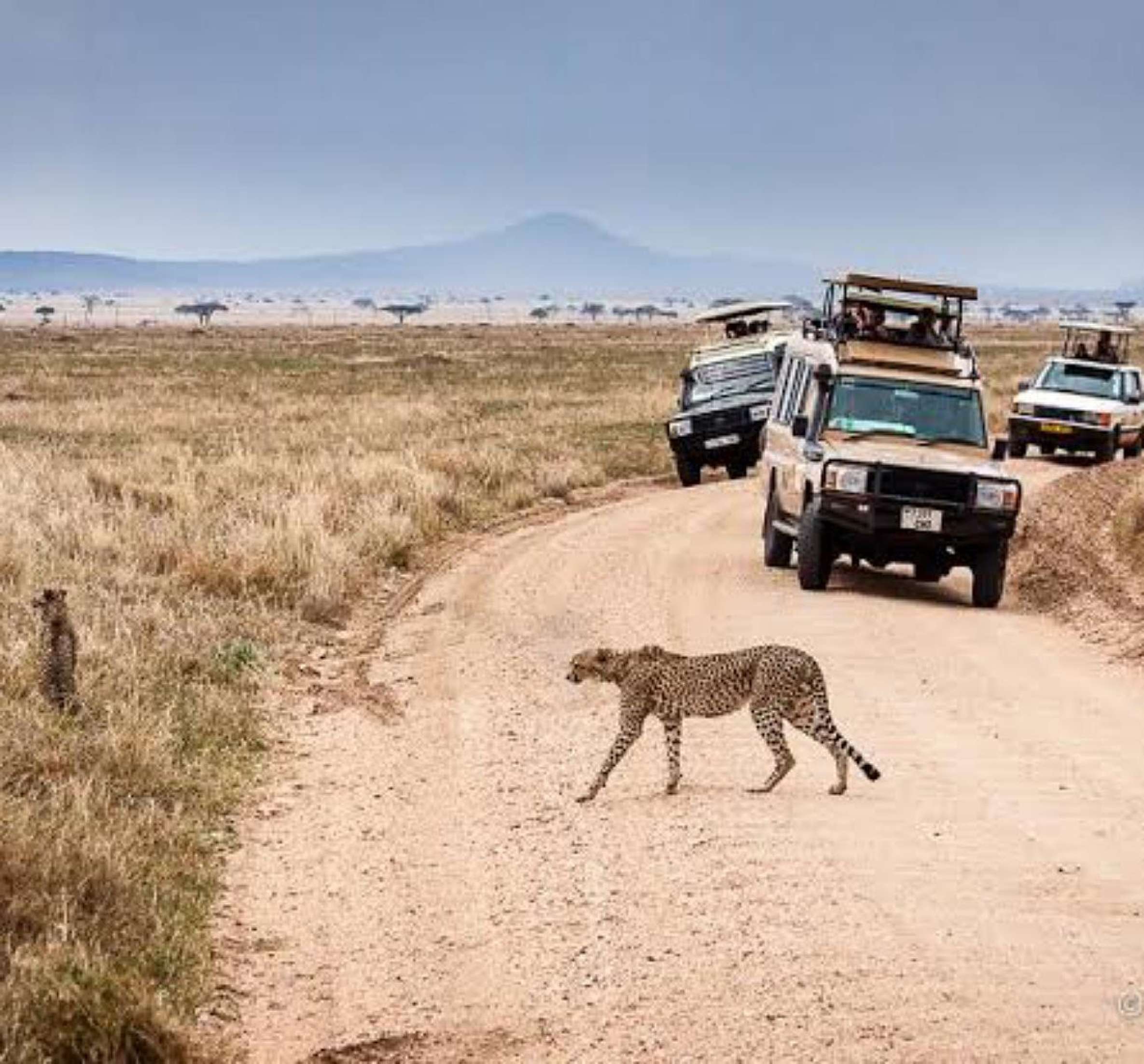
The dream photos rarely show the traffic. In the July to October peak, daily traffic at the northern Mara crossing points around Kogatende reaches up to 600 vehicles and 4,200 visitors, and around Seronera in the central plains dozens of vehicles converge and jockey for position whenever a big cat shows.
That is the price of the best weather and the thinnest bush. You can live with it or work around it.
The shoulder and green months give the quiet back. In January to March, during calving, and in November and December during the short rains, overall visitor numbers drop considerably and the river bottlenecks disappear entirely. Sightings spread across open country instead of stacking at one crossing.
If dramatic big cat activity with fewer vehicles is the priority, look at private concessions or the eastern plains around Namiri, where low traffic meets strong predator populations. For a first safari, central Serengeti remains the safest bet overall: resident wildlife in abundance, without the stress of chasing crossings.
Weigh spectacle against solitude honestly. Both exist, just not in the same month.

Nobody books the Serengeti for November, and that is precisely the case for it. The short rains arrive as brief afternoon showers, roughly 13 wet days in the month, and they do not halt game drives or block roads. Mornings stay clear and driveable.
The park turns green and lush, migratory birds arrive, and resident predators and plains game stay active through all of it. Days run warm, with daytime highs around 30 degrees cooling to about 18 at night, and just over ten and a half hours of sunshine daily.
The money argument matters too. Lodge rates drop to low-season levels, and you get uncrowded plains before the festive-season influx arrives in late December. Fewer safari vehicles means fewer clusters at sightings.
And the herds are moving back through the park in November, heading south toward the fresh grass of the calving grounds, so there is migration drama without the Kogatende crowds.
Central Serengeti around Seronera is the anchor for a November trip. Resident big cats live there year-round on permanent water, regardless of where the migration roams. If your dates are flexible and your budget is not unlimited, this is the window to price first.
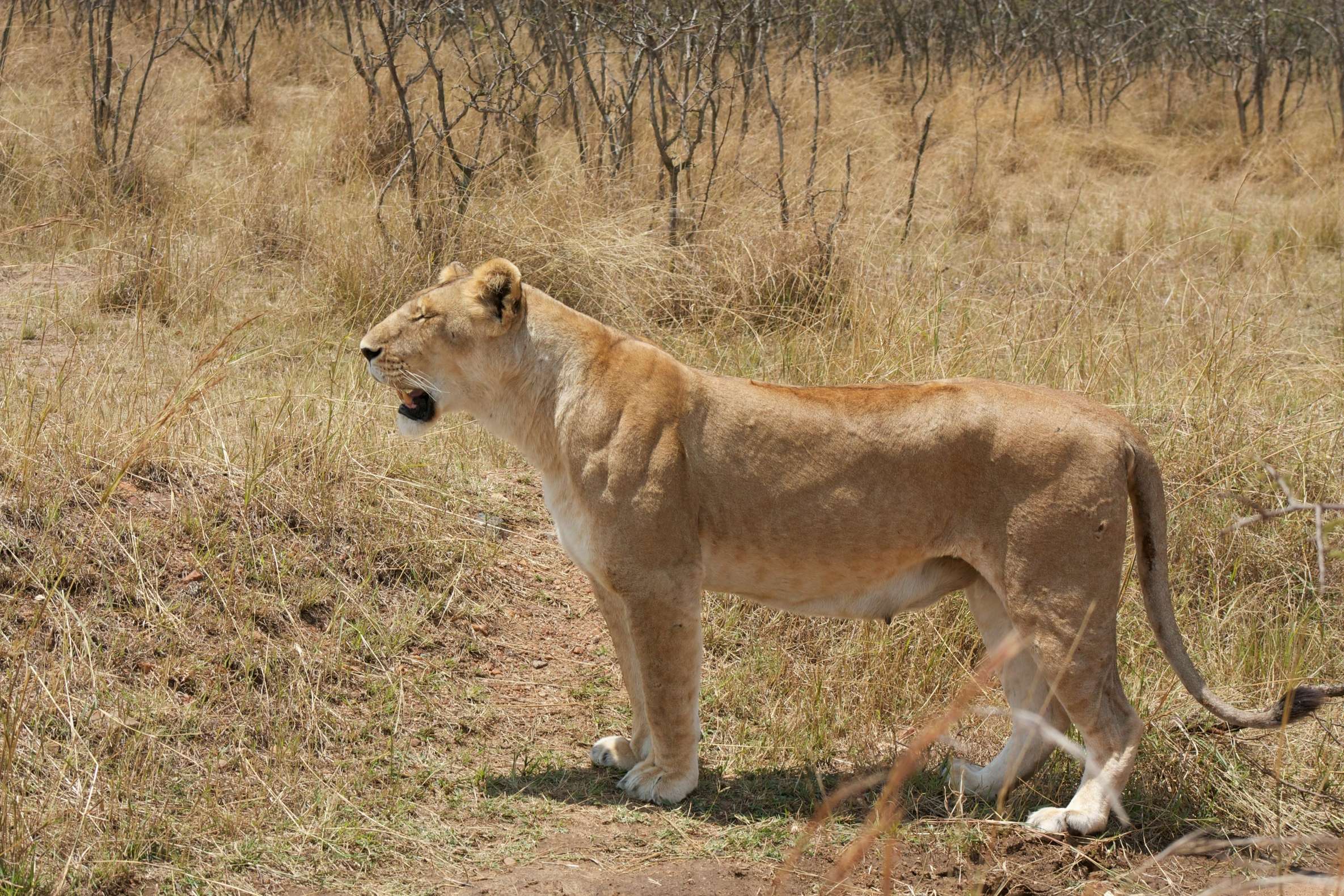
These are the honest deal-breaker months, so let's be precise about what breaks. April is the wettest month of the year, with rain falling on about 17 days, and May eases to around 8 wet days.
The long rains close some secondary tracks and stream crossings, and many mobile and seasonal tented camps shut completely through April and May or pause for maintenance.
Many mobile and seasonal tented camps close completely in April and May, and some waterlogged secondary tracks are temporarily closed Check that your chosen camp actually runs in your month before you book, and expect rangers to reroute around closed crossings
What does not break: the park itself. The Serengeti stays open year-round and safaris run in all seasons. Guides reroute drives along the main central and northern tracks, which stay passable throughout, and permanent lodges keep their doors open.
What you get in return is the year's lowest crowds. Tour traffic in April drops to its lowest annual level, and May brings it back only partway. If your camp choice checks out and you accept longer detours, these months deliver green landscapes and empty plains.
If your heart is set on a specific mobile camp or a remote sector, book a different window instead. That is the whole calculation.
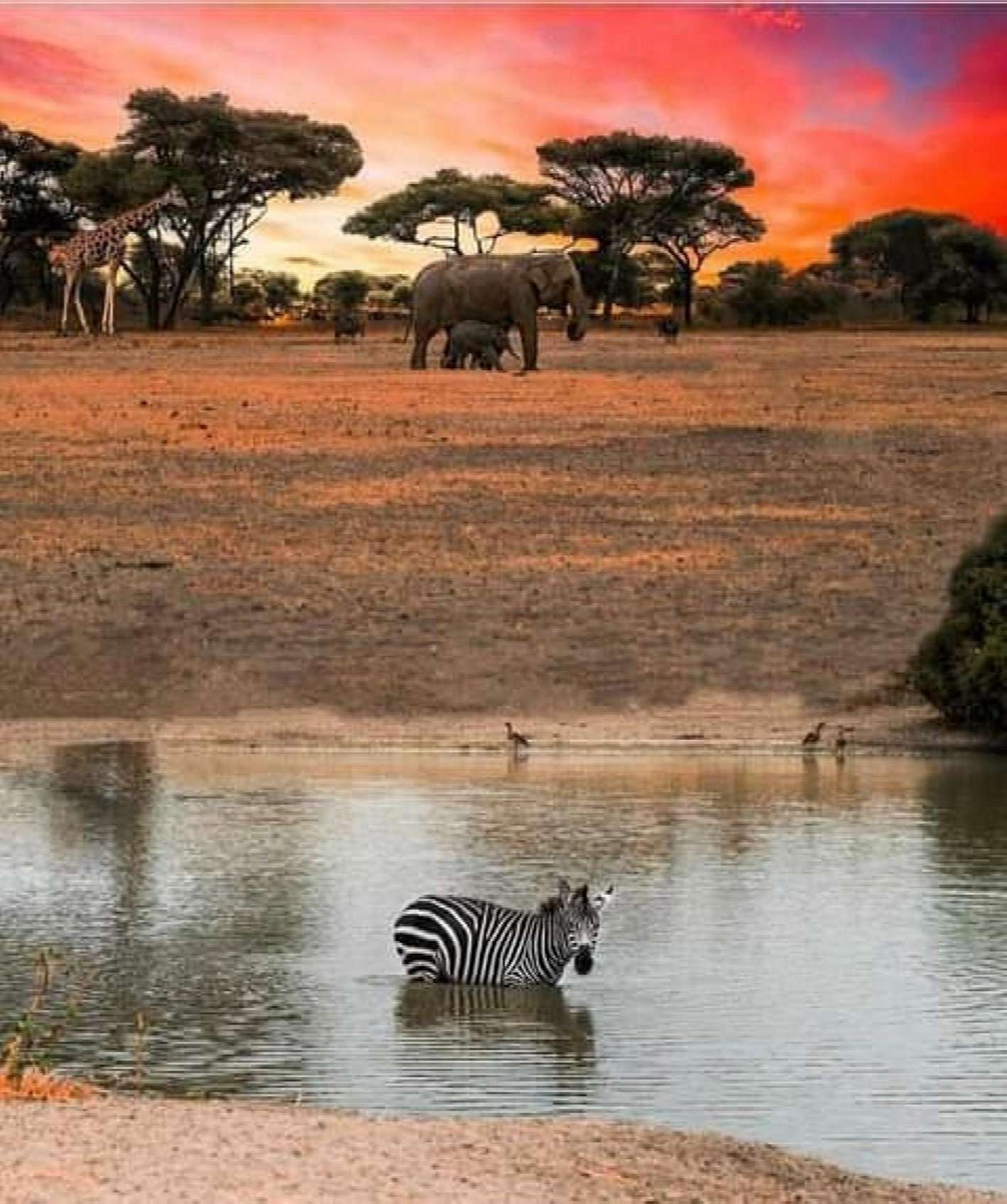
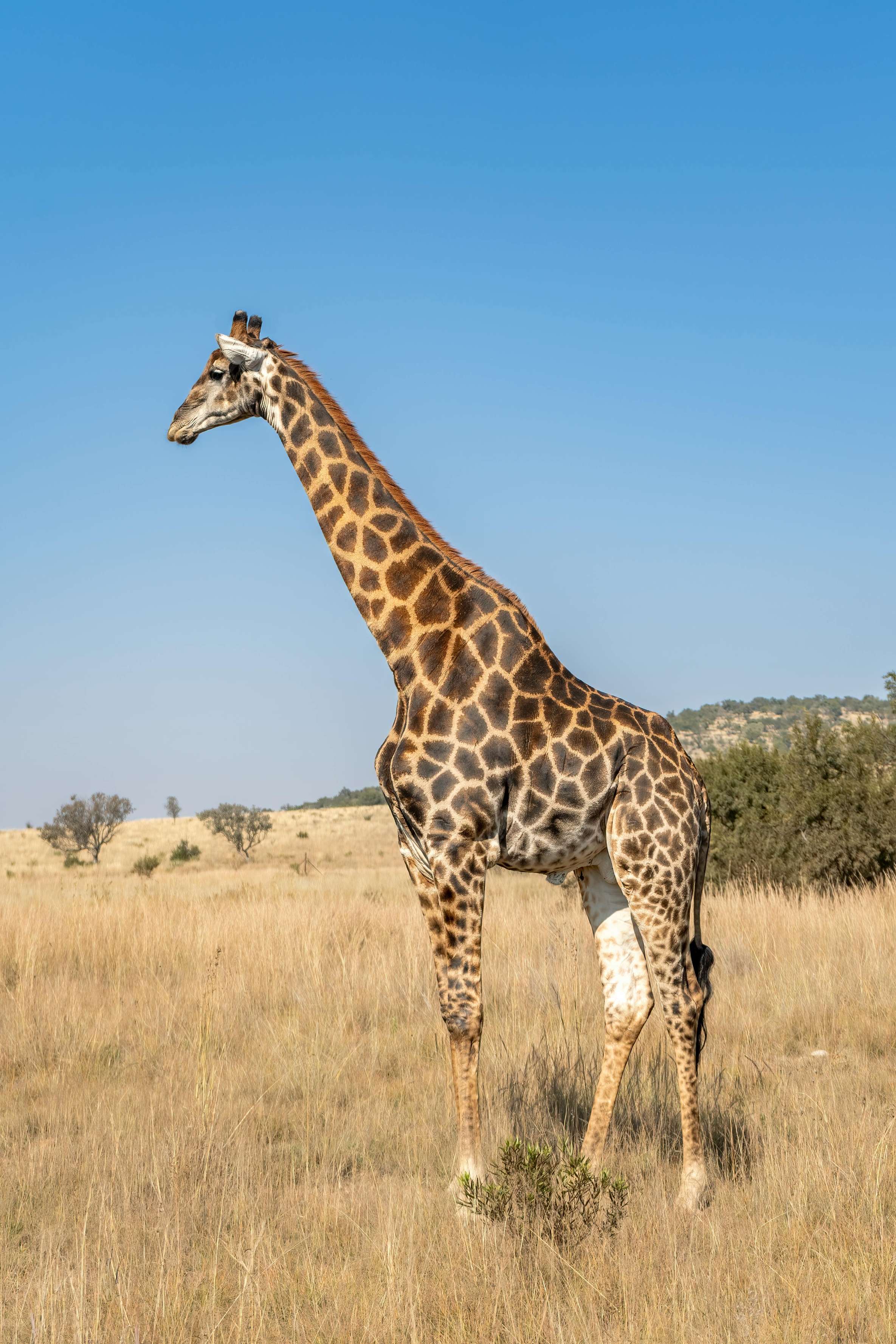
Sand after savannah is the classic Tanzanian two-parter, and both calendars line up beautifully in one stretch of the year. Late June through October works for both halves of the trip.
The Serengeti sits in its dry season, with monthly rainfall between 4 and 30 millimetres, thinning vegetation and wildlife gathering at rivers and waterholes. Zanzibar runs dry at the same time, with calm coastal waters and more than ten hours of daily sunshine from July through September.
A secondary window exists from late December to February. The coast is at its hottest and the seas stay calm, and on the mainland the calving season is in full swing. If your dream split is wildebeest nurseries plus beach afternoons, that is your window.
The months to avoid combining are April and May, when heavy rains bring potential flight delays on both sides of the channel.
Connecting the two is easier than it sounds. From Zanzibar: 2-Day Serengeti Park Safari Trip with Flights lifts you from the beach to the Seronera airstrip in the middle of the park, with park fees, transfers, a private guide and a night just outside the gate all arranged.
Two days off the sand, a full day of game driving, and back to the coast.
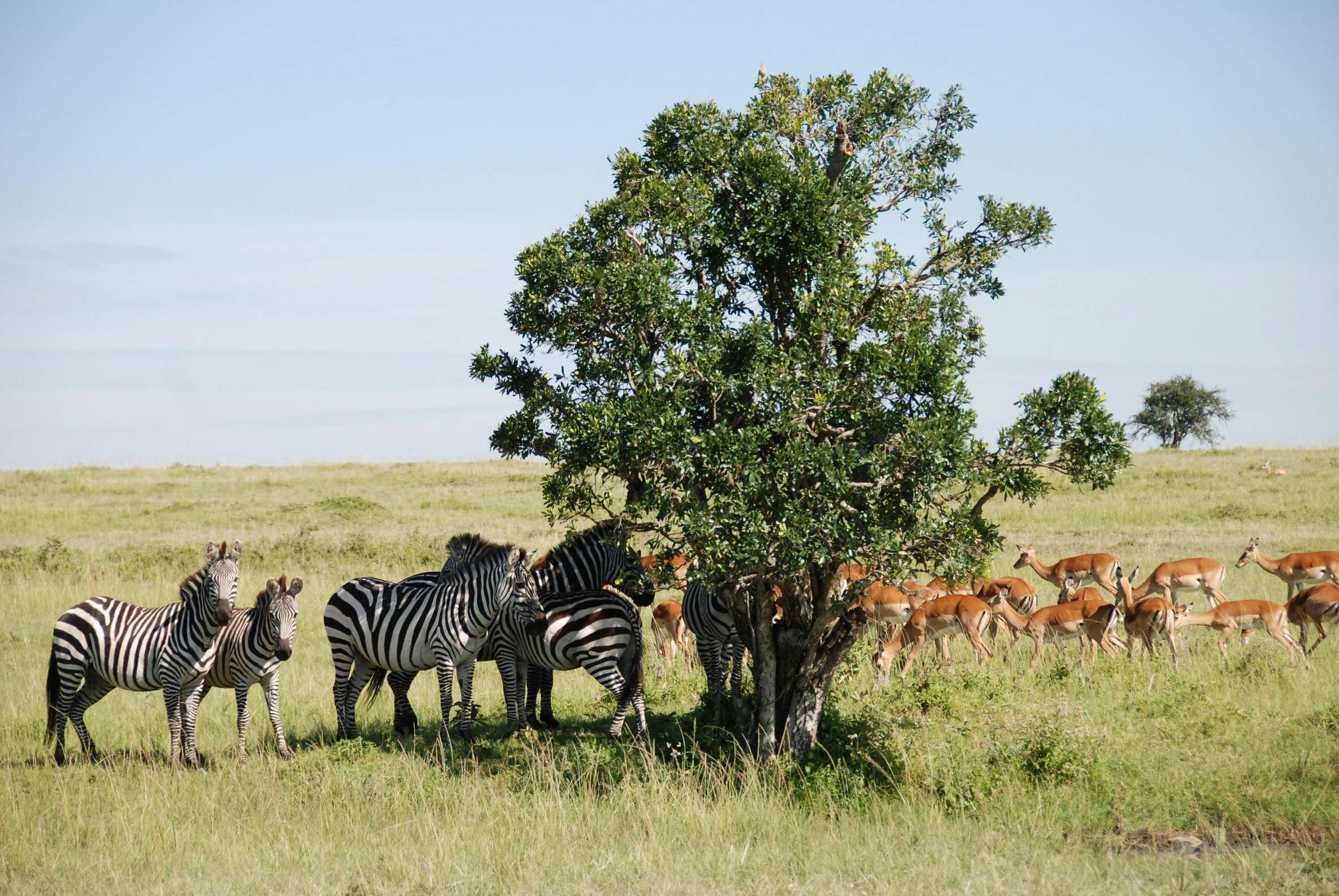
The family calendar is narrower, and the reason is the road. From late June through September, dry conditions keep tracks firm and predictable while animals concentrate at water sources, so game drives run shorter and more productive.
Rainfall stays low, with 26 to 30 dry days a month and daytime highs around 29 to 31 degrees. January and February form a second window, with 18 to 19 dry days and warm days around 28 degrees.
The vehicle matters as much as the month. Game drives mean hours on bumpy, dusty tracks without air conditioning, and children need to stay still and quiet near predators. Ages 8 to 12 absorb all of it best.
A private 4x4 with a pop-up roof lets you set departure times, cap drives at three or four hours, and take rest breaks without negotiating with strangers. Shared group vehicles lock a family into full-day drives, which is where young children, and everyone around them, suffer.
Book a camp or lodge with a swimming pool. The afternoon pool break between drives is what keeps the day humane.
Two cautions: some bush tented camps enforce minimum age rules that exclude kids under 12, so check before booking, and note that children under five often struggle with the quiet-and-still requirement near predators.
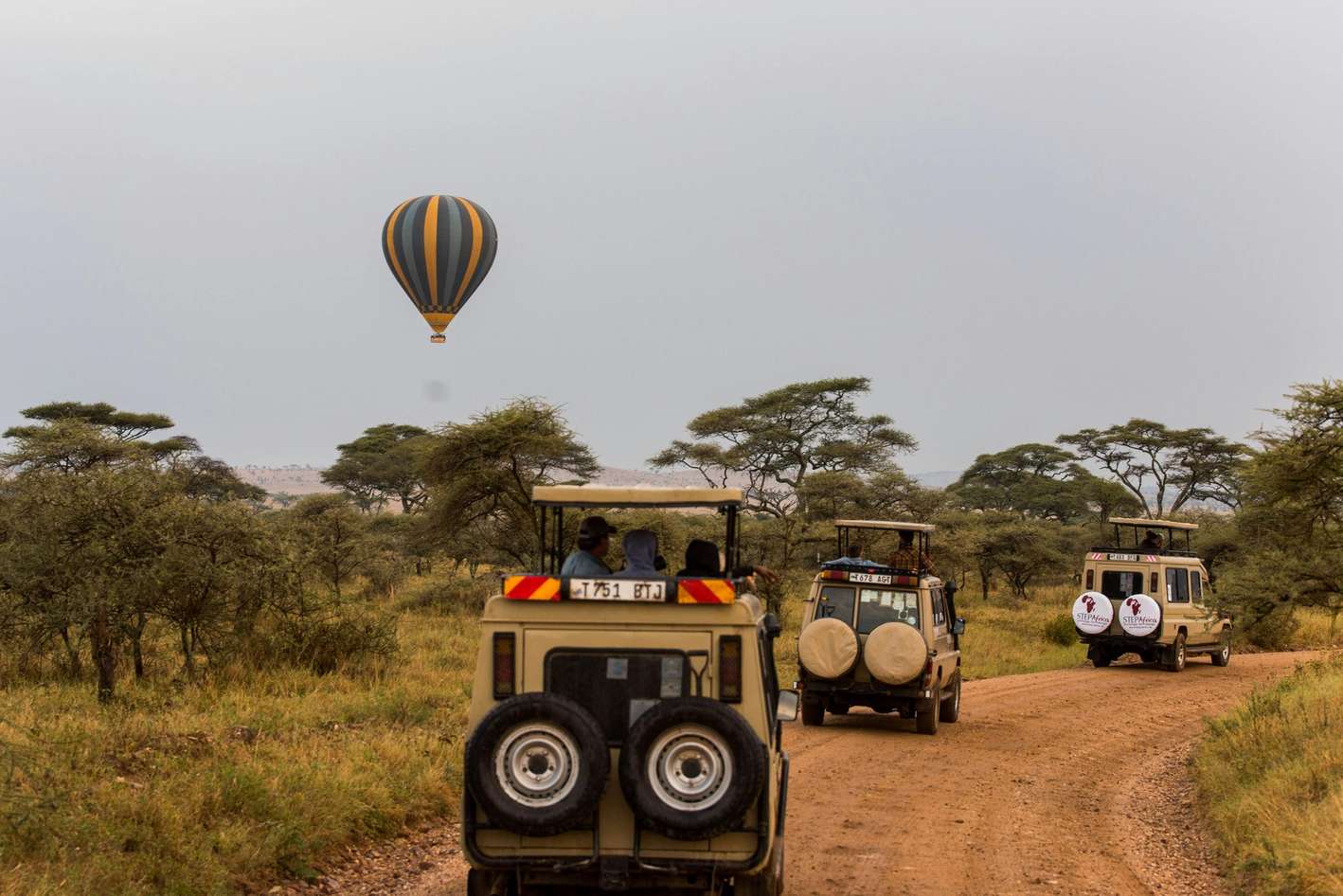
If a dawn balloon over the plains is on your list, let the calendar decide when you book it.
June through October is the window where the flight almost never gets rained off: clear skies, calm morning winds, no windy days at all, and only one to five wet days a month. Early mornings sit at a cool 16 to 18 degrees before the sun climbs.
Late December through March is the reliable second window. Rain shows up on about 9 to 13 days a month, but the showers come as short bursts and launches run steadily through the calving season, which is a spectacular sight from the air.
April and May are the months to skip for flying. The long rains bring the highest risk of cancellations and delays, on top of the track and camp problems those months already carry.
The practical takeaway is simple. Put the whole trip inside your dry-season dates and the balloon follows the same calendar, so one booking plan covers the game drives and the dawn launch together.
Once the window is chosen, the next constraint is supply. Camps along the peak migration corridors fill months ahead for July to October, so commit early once your dates are set. Operators typically ask for an upfront deposit of 30 to 50 percent, occasionally more.
Fees stack separately from the nightly rate. Serengeti itineraries carry daily park entry, transit, concession and camping fees, Ngorongoro adds its own crater service fee, tips for the driver-guide and camp staff are discretionary extras, and Zanzibar requires its own tourist travel insurance.
The Arusha: 3-Day Serengeti & Ngorongoro Crater Big Five Safari bundles all park fees, transit fees, camping fees and the crater service fee into one price, which removes most of that arithmetic.
Before you lock a date, run your shortlist against four checks. ::choose How to choose a date-bound Serengeti safari Where the camp sits | Inside the park means early drives without losing hours at the gate | Sleeps in the park on both nights Nights per camp | Single-night stays across distant camps exhaust you and eat viewing time | Two nights in the Serengeti, one at the crater Runs in your month | Seasonal camps close in April and May | Operates year-round Fees in the price | Entry, transit and crater fees add up fast if paid separately | All park, transit, camping and crater fees included
The checks lead back to the same habit: avoid accommodations outside the park gates if you plan early morning drives, because the commute back and forth eats into prime hours.
And skip itineraries packed with single-night stops. The animals look identical whether you sleep in a luxury lodge or a budget tent; what changes is how exhausted you are when you see them.
Pick June to October for dry tracks, thin grass and peak predators, or February for the calving spectacle with far fewer vehicles. November quietly wins on price and solitude. April and May demand a careful camp check before you commit. Decide which spectacle matters most, then book early.
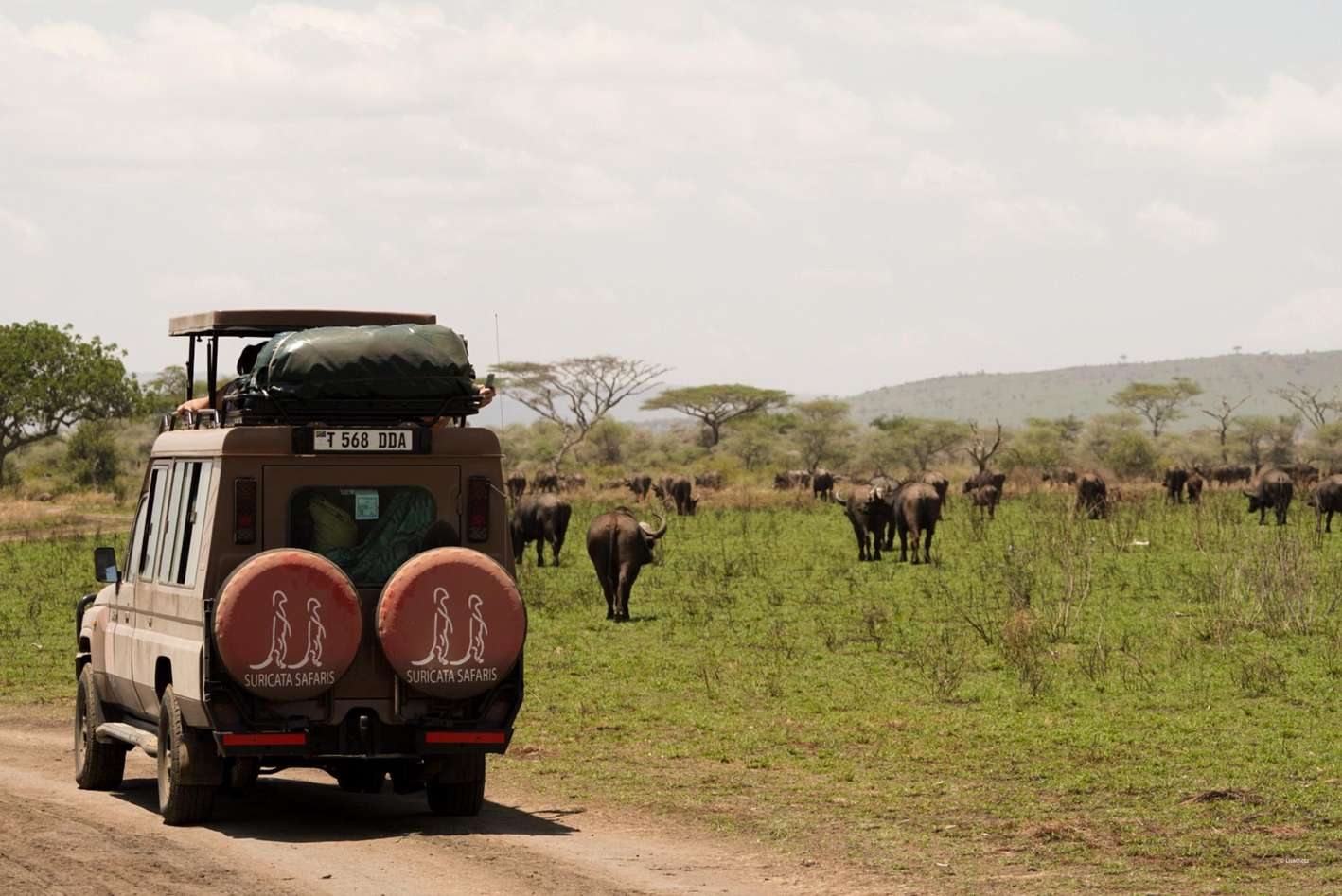
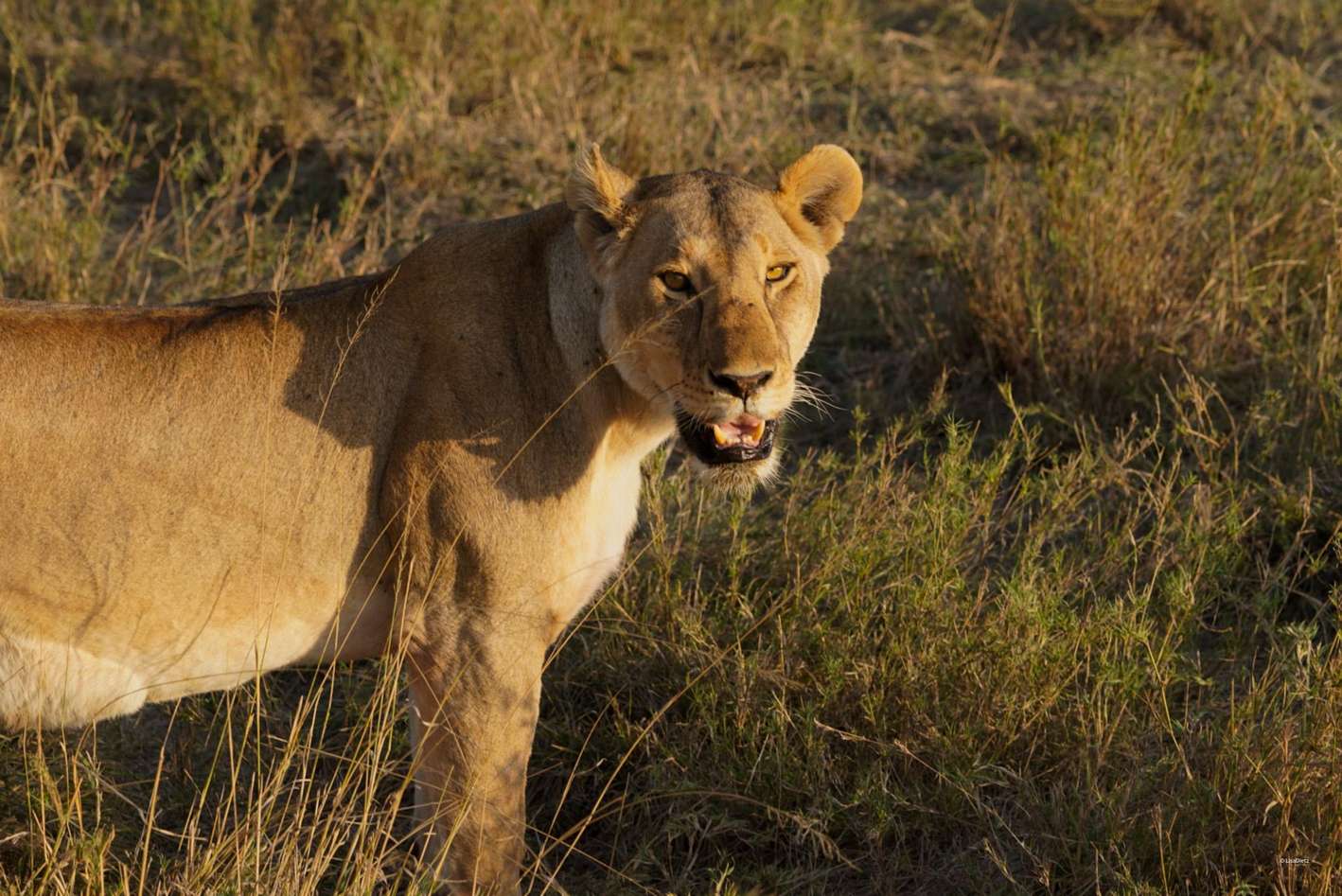
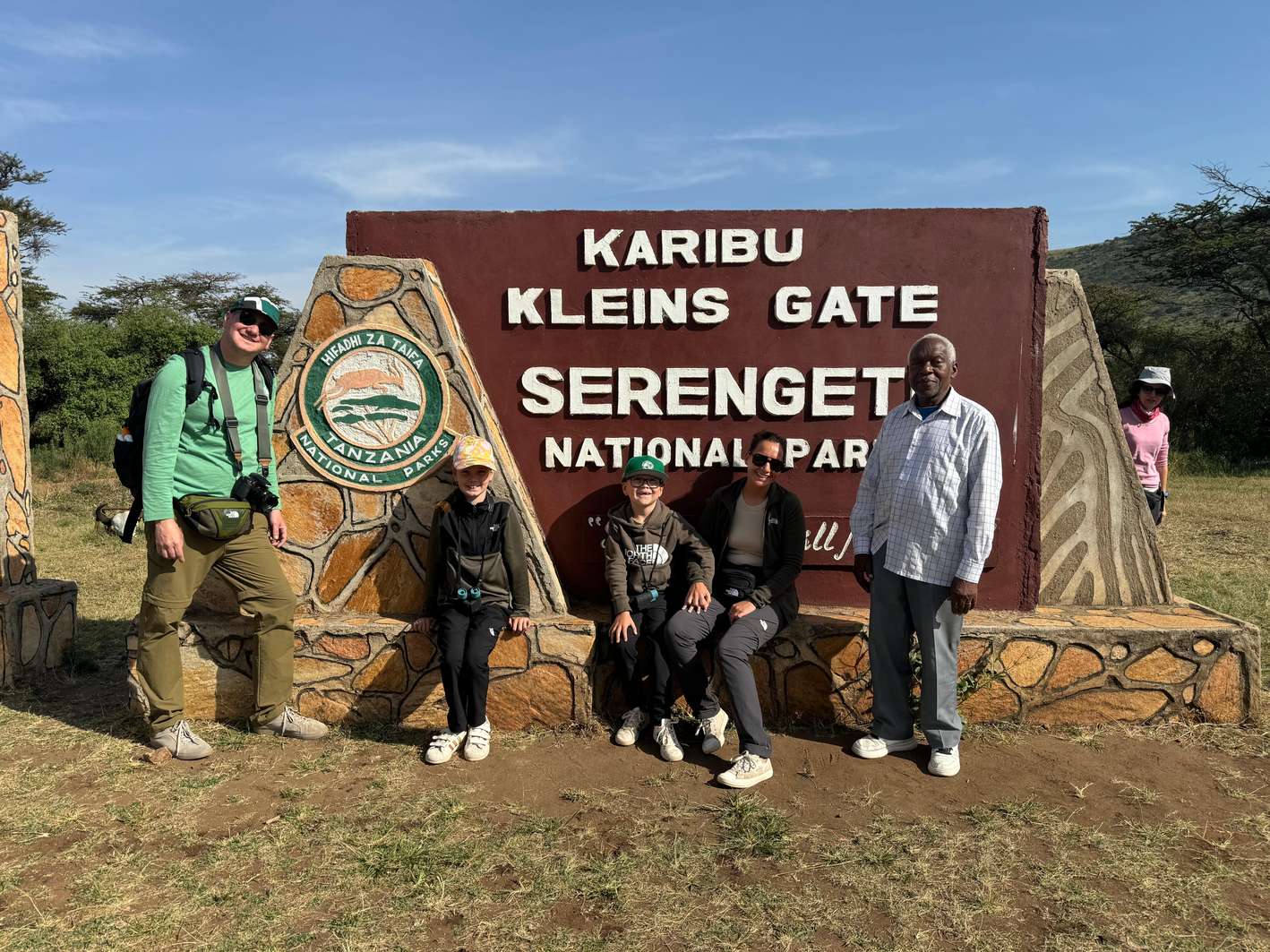
See which parks and tours deliver the Big Five in your chosen month, from Arusha departures to fly-in trips.
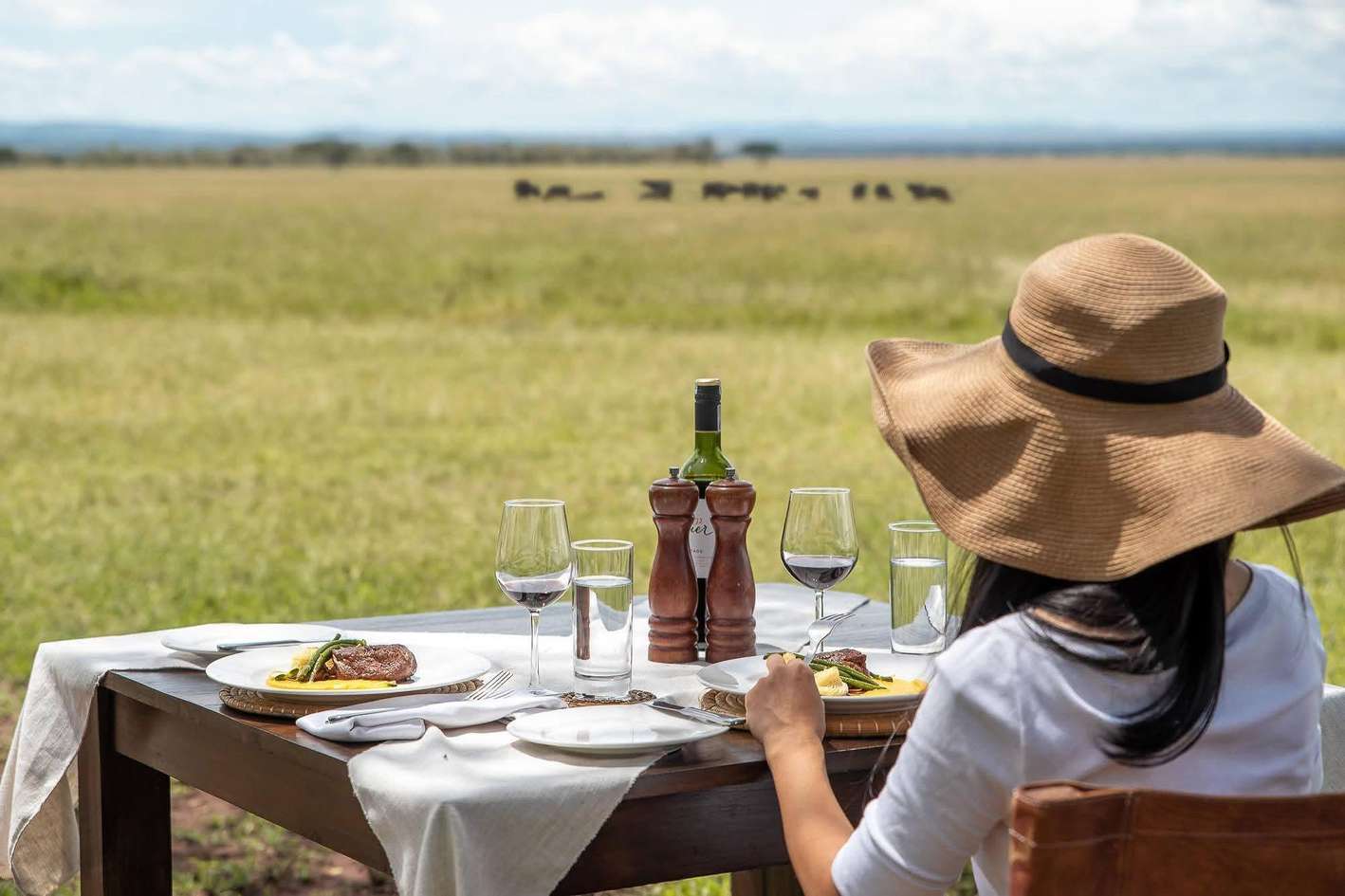
Follow the herds month by month and match your dates to river crossings or calving on the southern plains.
Balloon flights run best in the dry season; here is what a dawn flight involves and when weather cancels it.
Compare overland routes from Arusha, road times between parks, and which circuit itinerary fits your dates.
Short on time? See what one day inside the park really covers and whether a day trip suits your window.
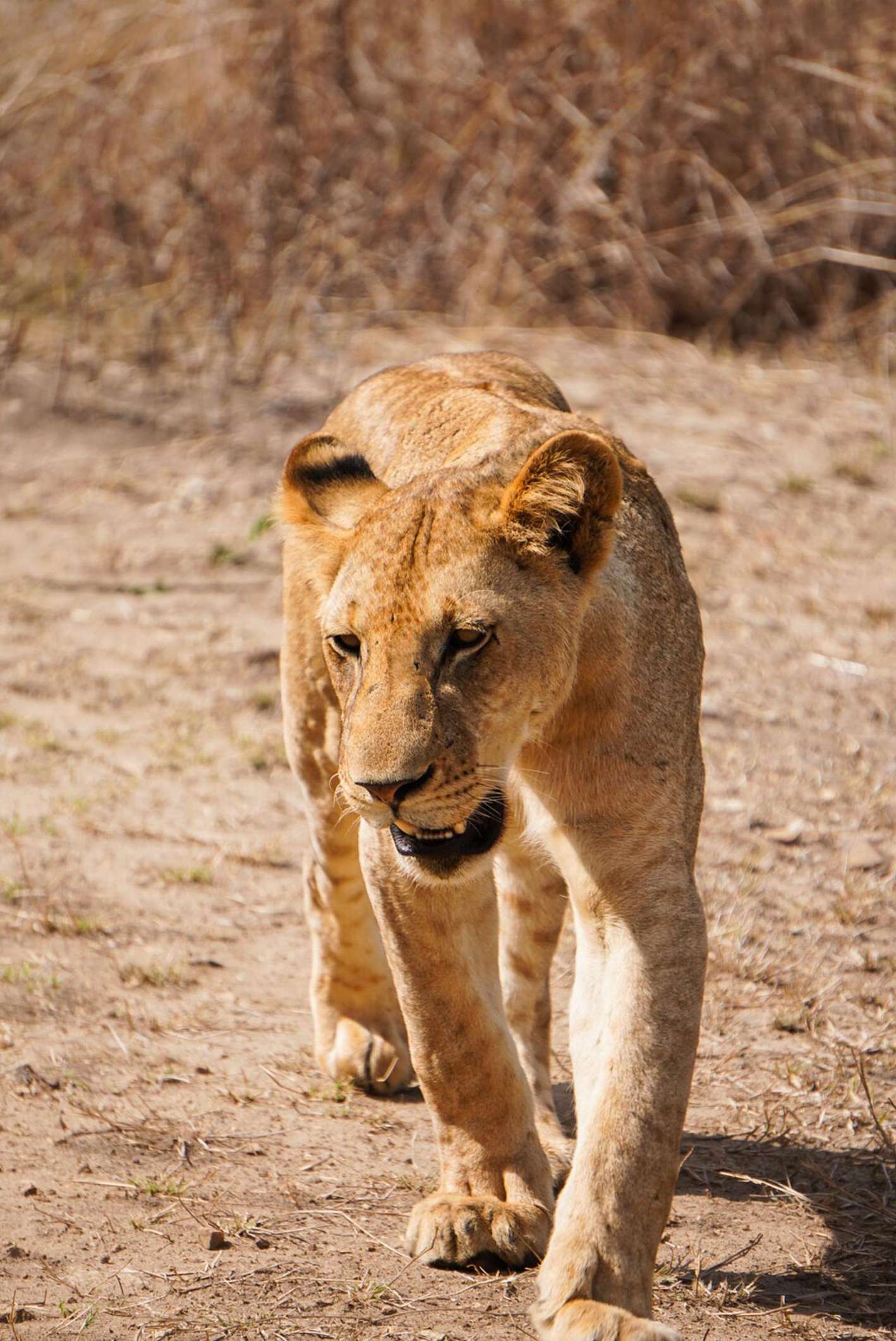
A lower-cost game drive from Zanzibar, with flights that land you in the park within about an hour.
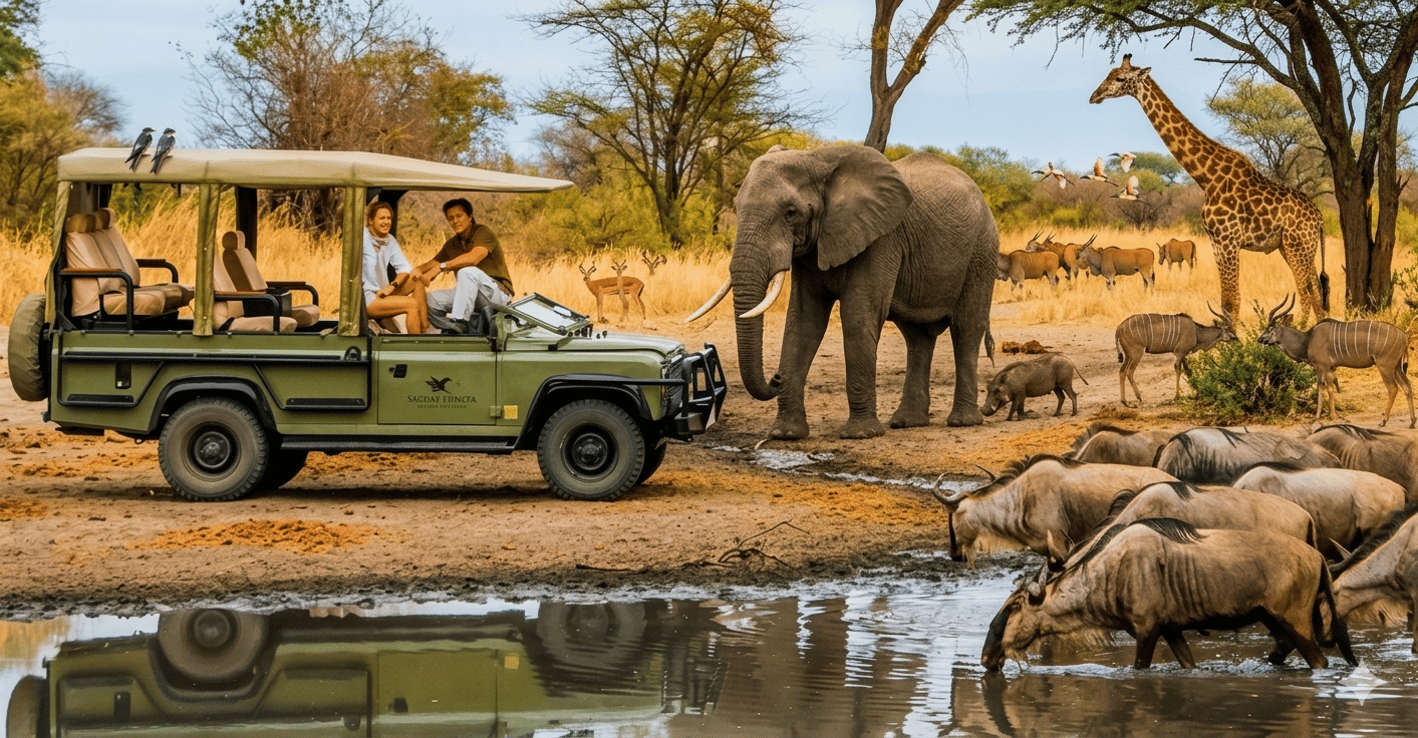
Skip the airfare and reach mainland wildlife overland from Dar es Salaam, train included.
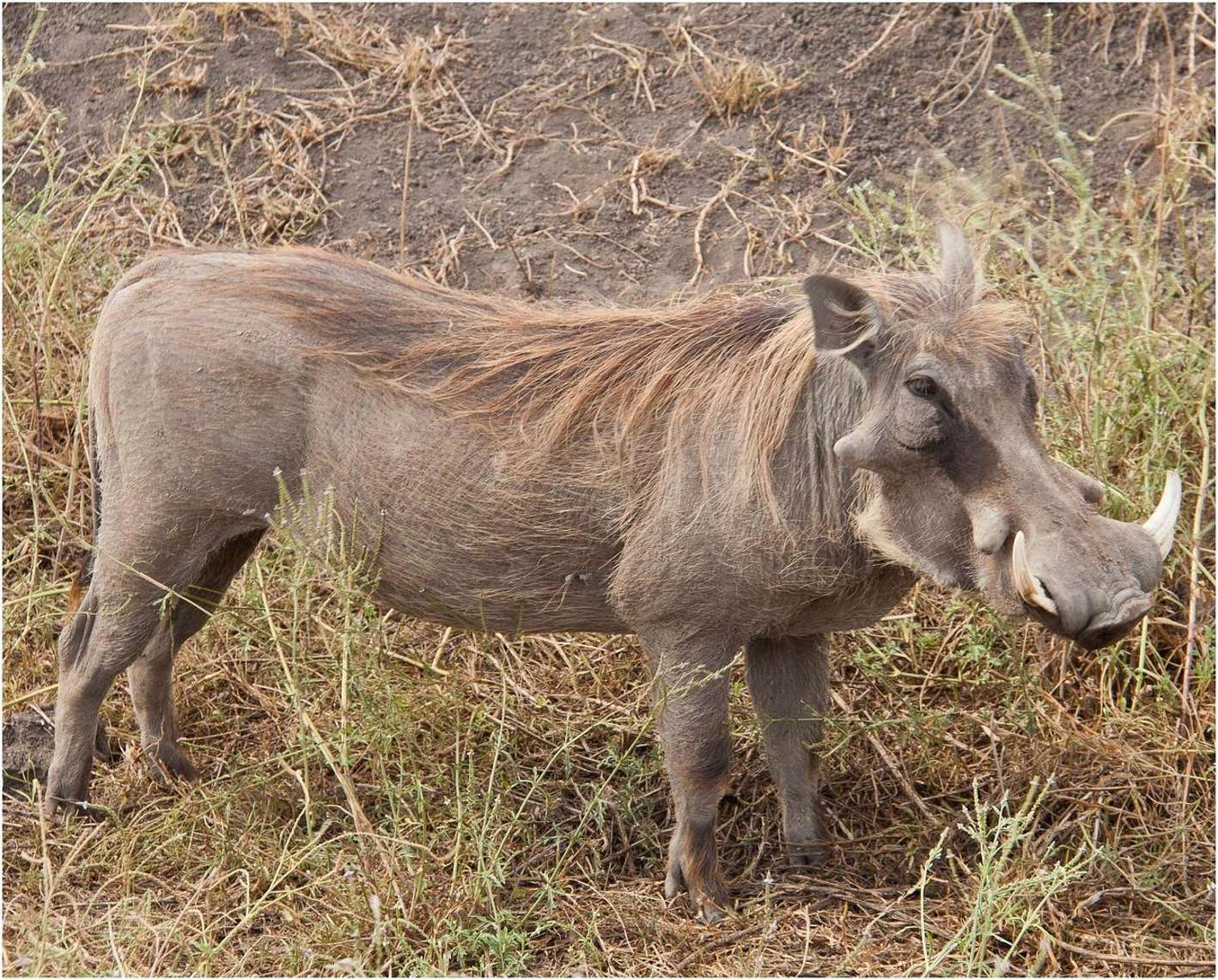
Two days is enough for an overnight bush stay near Zanzibar; here is how the itinerary works.
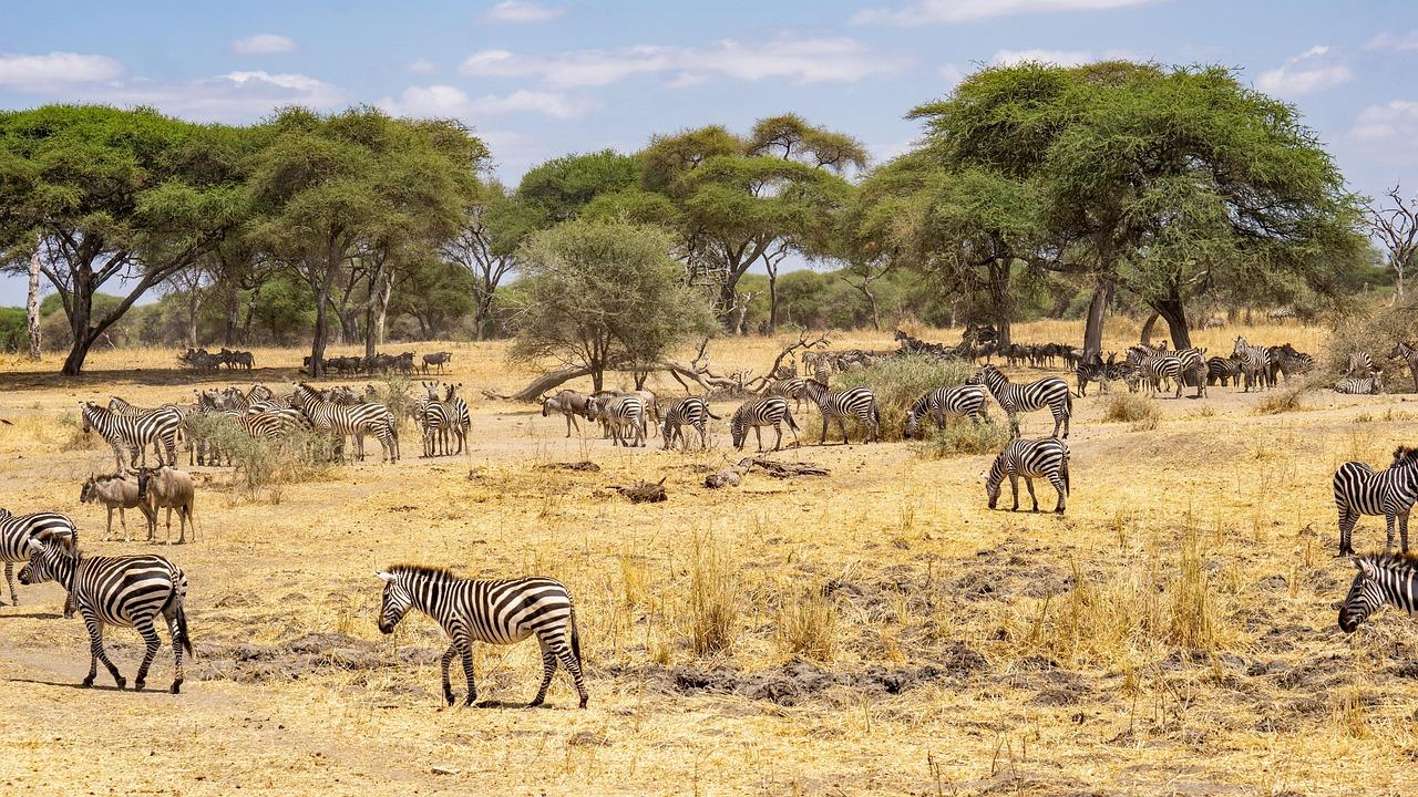
Three days lets you add a boat safari or a night drive; see the full camping itinerary from Zanzibar.
Zoom out from the Serengeti to Tanzania as a whole and pick the months that suit your whole trip.
Decide how many days you actually need, from quick two-day trips to unhurried four-day circuits.
Pair your safari with beach days in Zanzibar; late June to October suits both best.
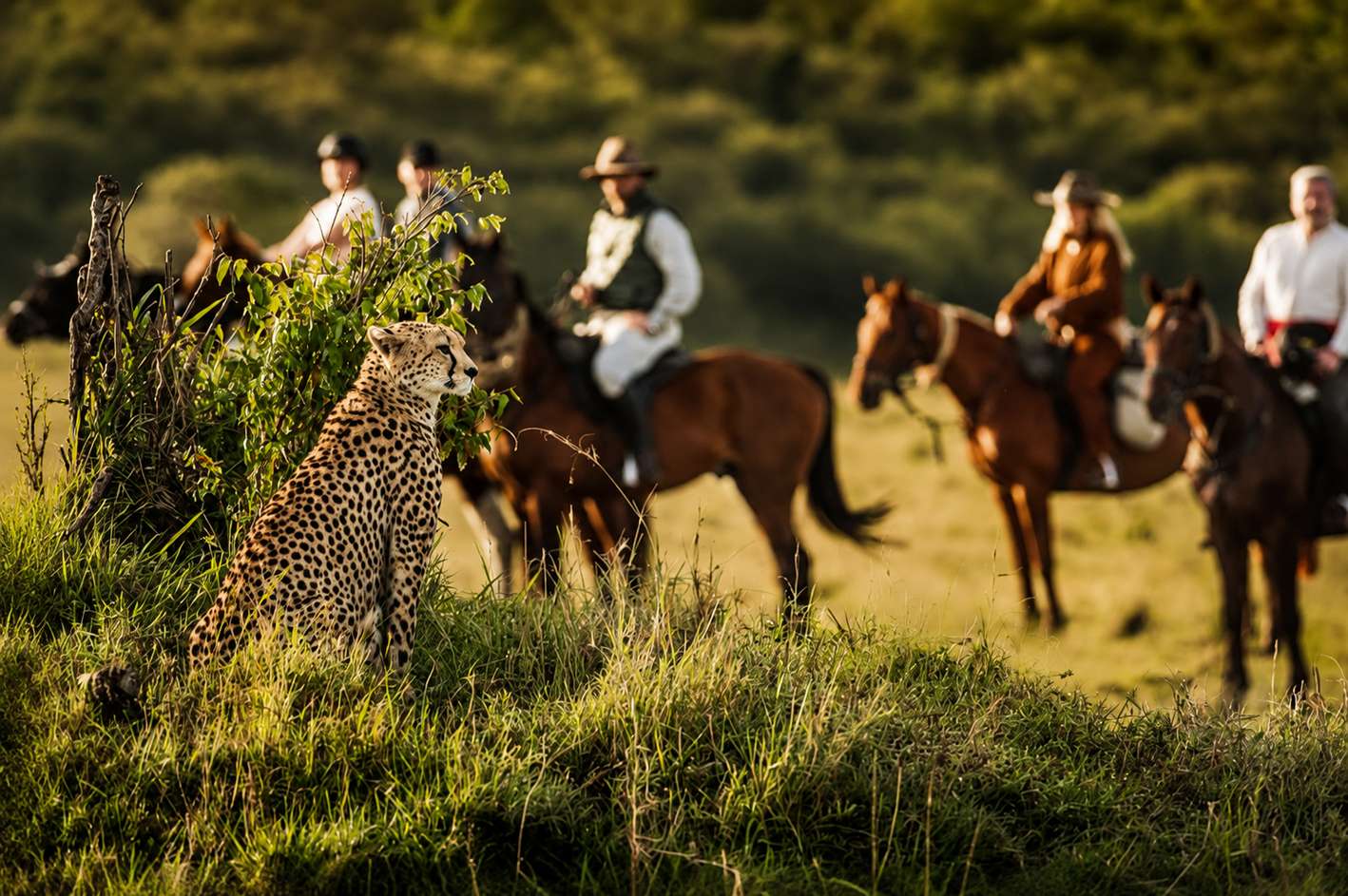
Prefer the bush at walking pace? See when trails are dry enough for riding, usually June to October.
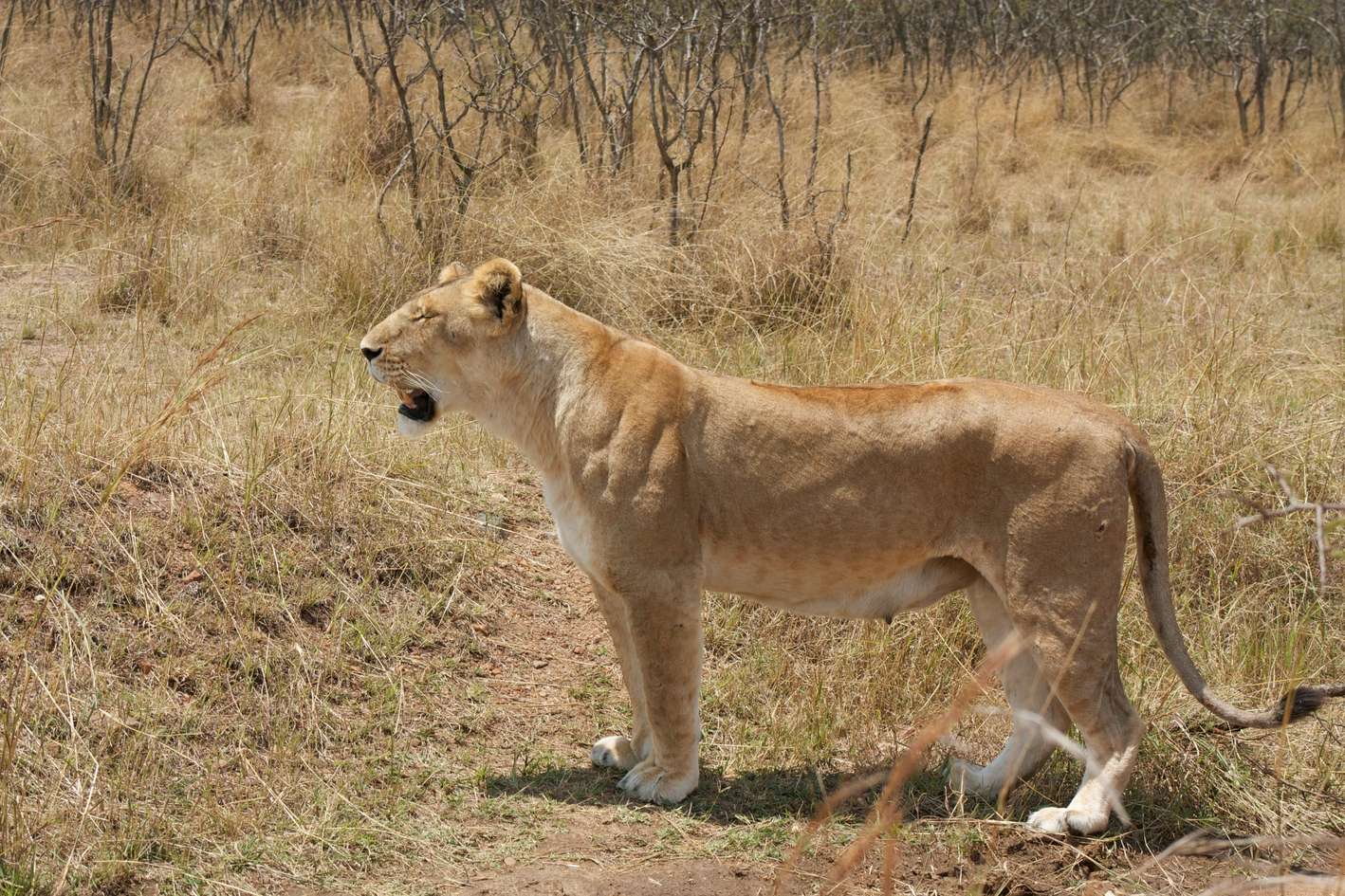
Build your animal checklist and learn which species each season makes easier to spot.
Add the crater to your circuit and see why its year-round caldera game drives fit any month.
The questions travelers ask before they pick dates, answered straight from the seasons.
 Makuyuni2026
The herds cross the Mara River in the northern Serengeti mainly from July through October. Earlier crossings of the Grumeti River in the Western Corridor happen around June and July. Dry, firm roads through those months make the northern circuit easier to drive.
Calving runs from January through March and peaks in February on the southern plains and Ndutu. Around half a million wildebeest calves are born within a few weeks, which brings a wave of hunting activity from lions, cheetahs and hyenas.
June through September. July is the driest month of the year with about 5 mm of rain and close to 30 dry days, and June and August stay similarly dry. Tracks stay firm and easily passable.
Late June through October. The bush thins and grass dries down to stubble, so the big cats stand out across the plains. Predator sightings peak in July and August, and central Seronera holds resident cats year-round.
Yes. The short rains fall as brief afternoon showers that rarely halt game drives or block roads. November brings fewer vehicles, lush green scenery, resident predators on the plains and the arrival of migratory birds.
The park stays open and safaris run, but 121 mm of rain in April closes some waterlogged secondary tracks and many seasonal tented camps shut for maintenance. Main routes stay passable and permanent lodges keep running, so guides simply adjust routes.
In the July to October peak, up to 600 vehicles a day gather at the northern Mara crossing points and dozens converge on big-cat sightings around Seronera. January to March calving and the November short rains see far fewer visitors and no river-crossing bottlenecks.
Late June through September, followed by January and February. Dry roads stay predictable, animals gather at water, and game drives stay shorter and more productive. Daytime highs sit around 29 to 31 degrees in the dry months.
June through October, with clear skies, calm morning winds and no windy days. Late December through March is a reliable secondary window. April and May carry the highest risk of balloon cancellations because of rain.
Late June through October works for both. The Serengeti is dry while Zanzibar gets its driest, sunniest stretch, with calm seas and around 10 to 11 hours of daily sunshine from July through September.
Wet-season months from November through May bring more flies across the western and northern corridors, when dense vegetation and humidity let them spread. In the dry season their range contracts. Skip dark blue and black clothing, since those shades attract the bites.
Their range is wider in the wet season from November through May, when dense vegetation lets flies spread across savannah and woodland. From June to October the range contracts across open grasslands. Wear neutral, tightly woven clothing and avoid dark blue and black.
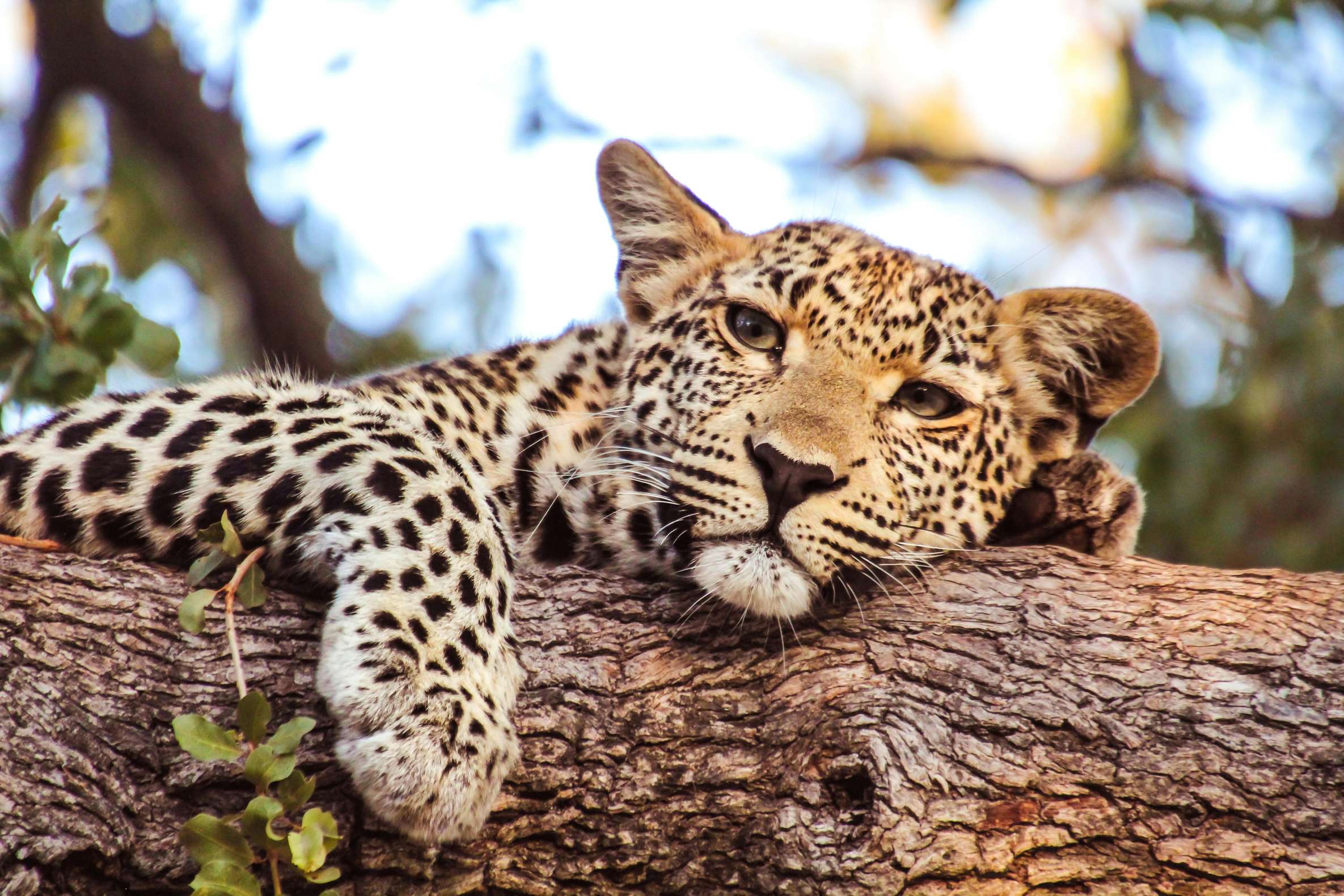
Pick your dates and join this 3-day Big Five safari from Arusha, with pickup included and free cancellation up to 24 hours in advance.