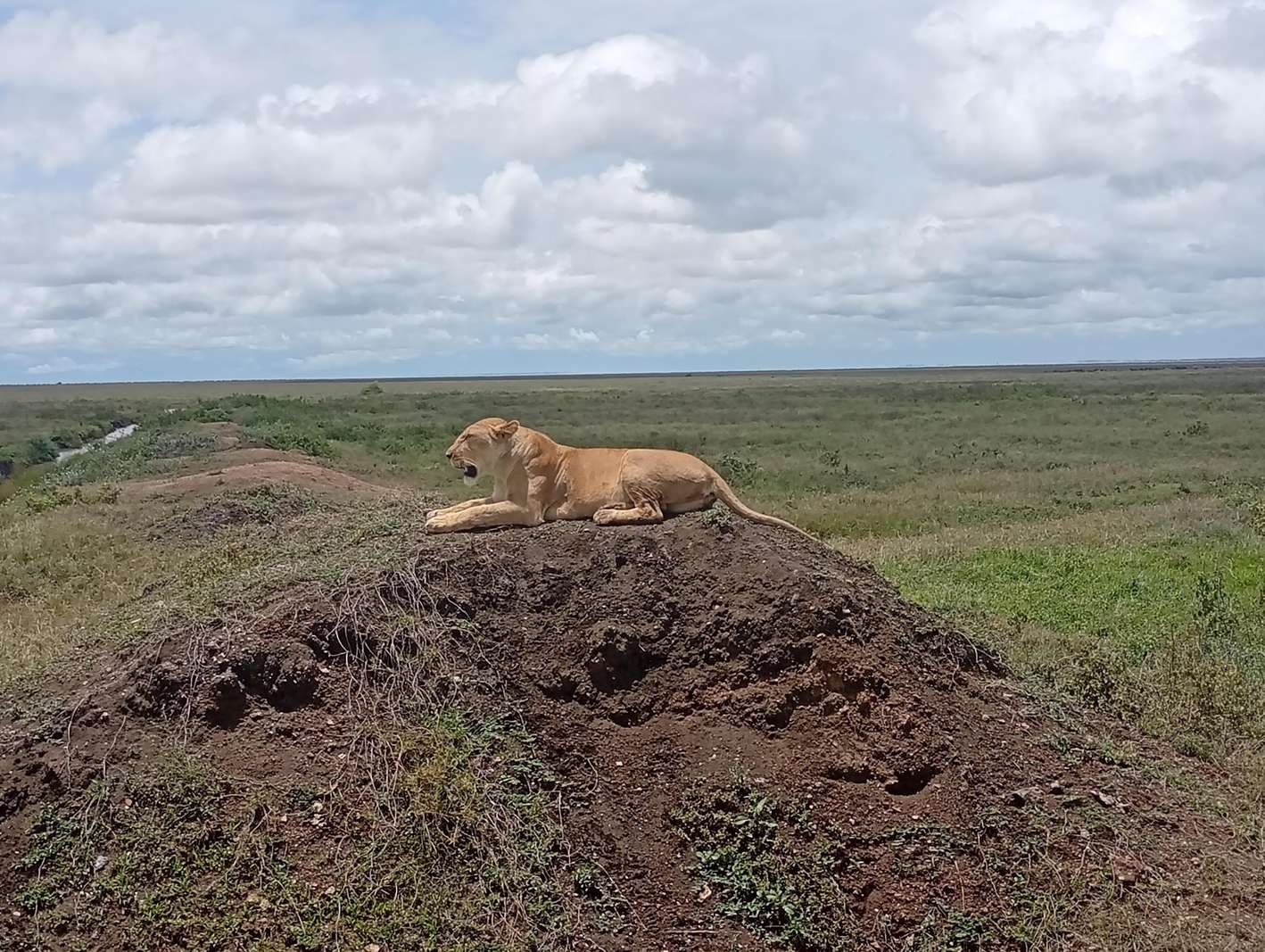
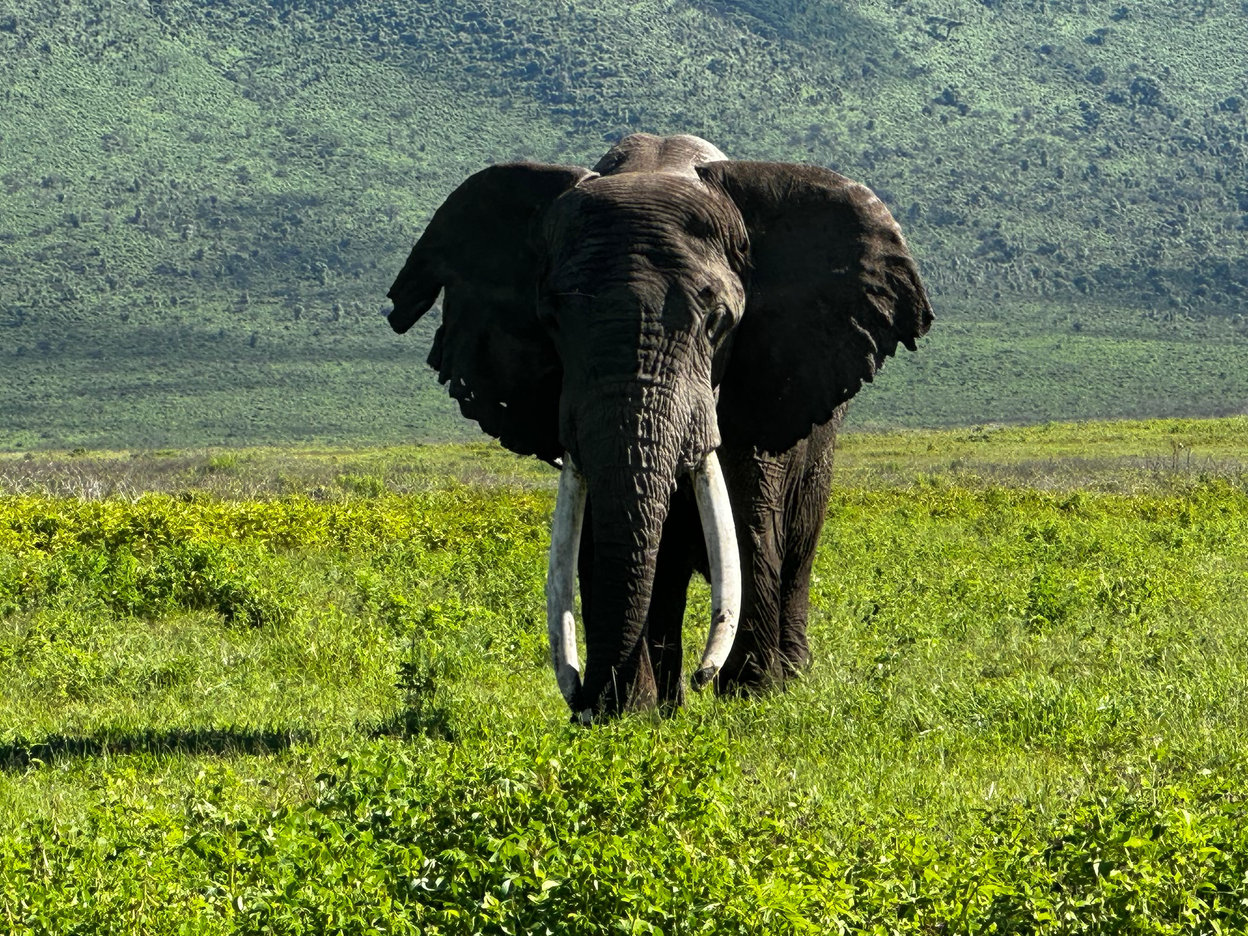
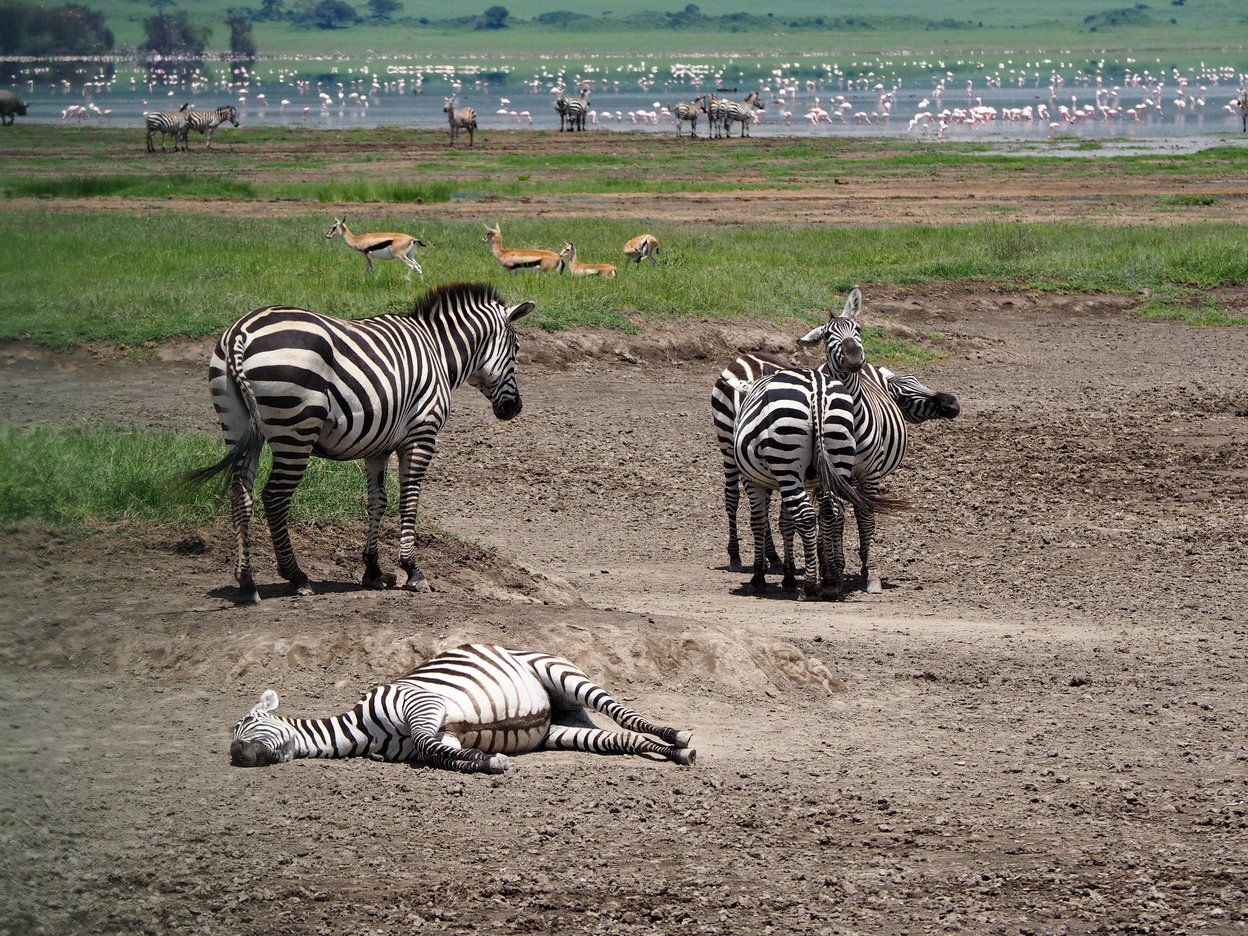
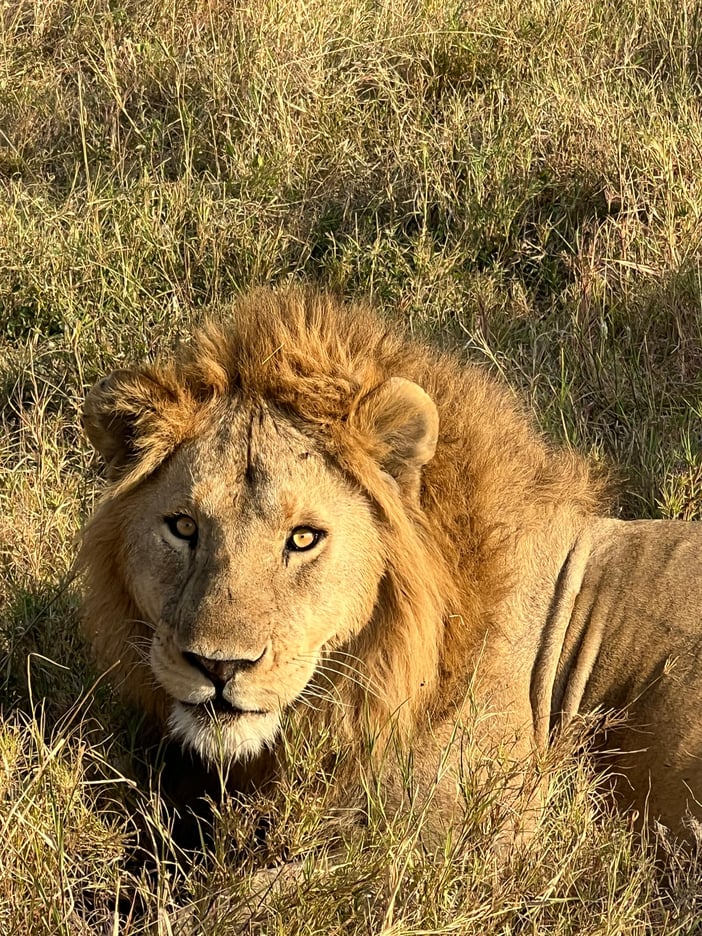
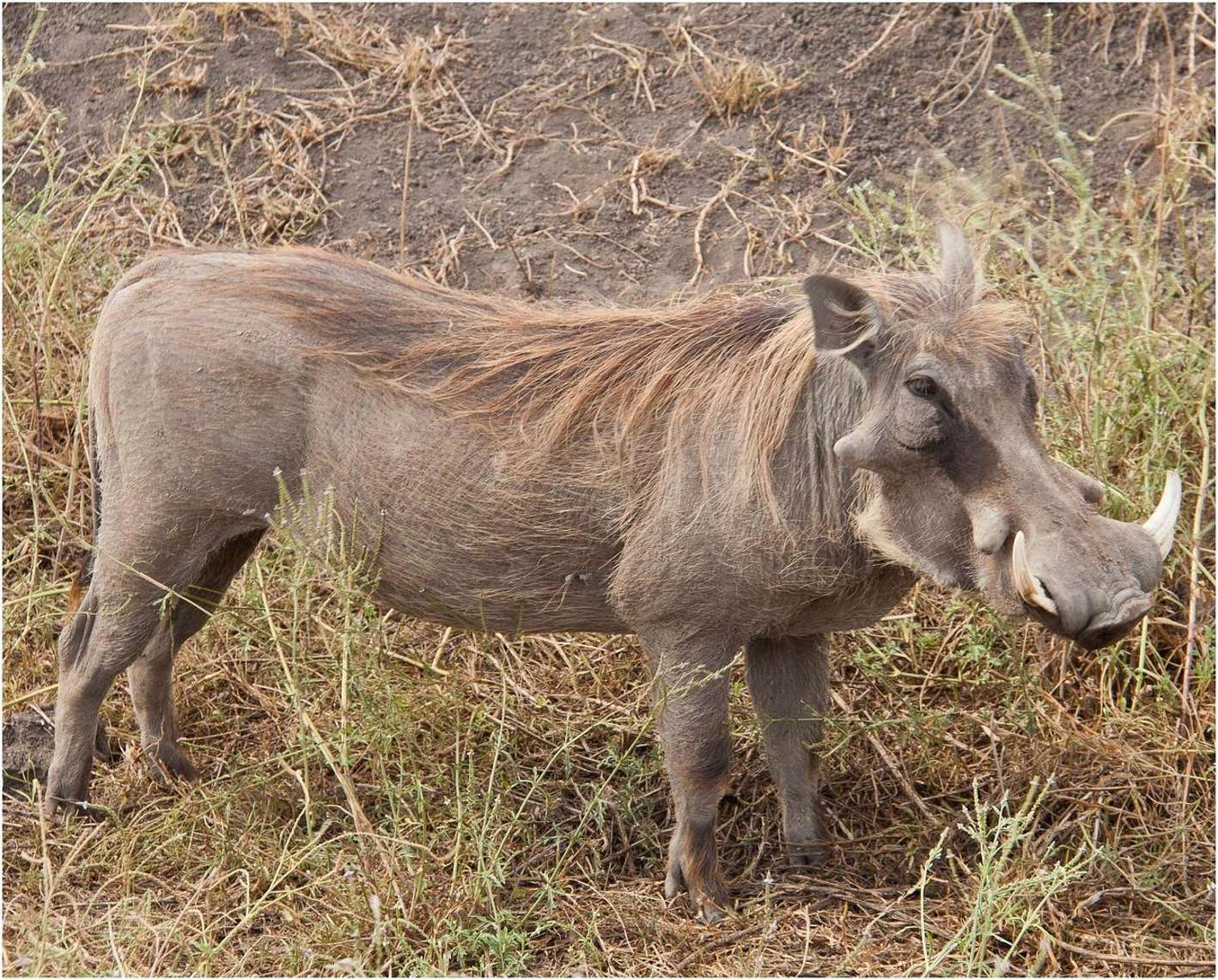
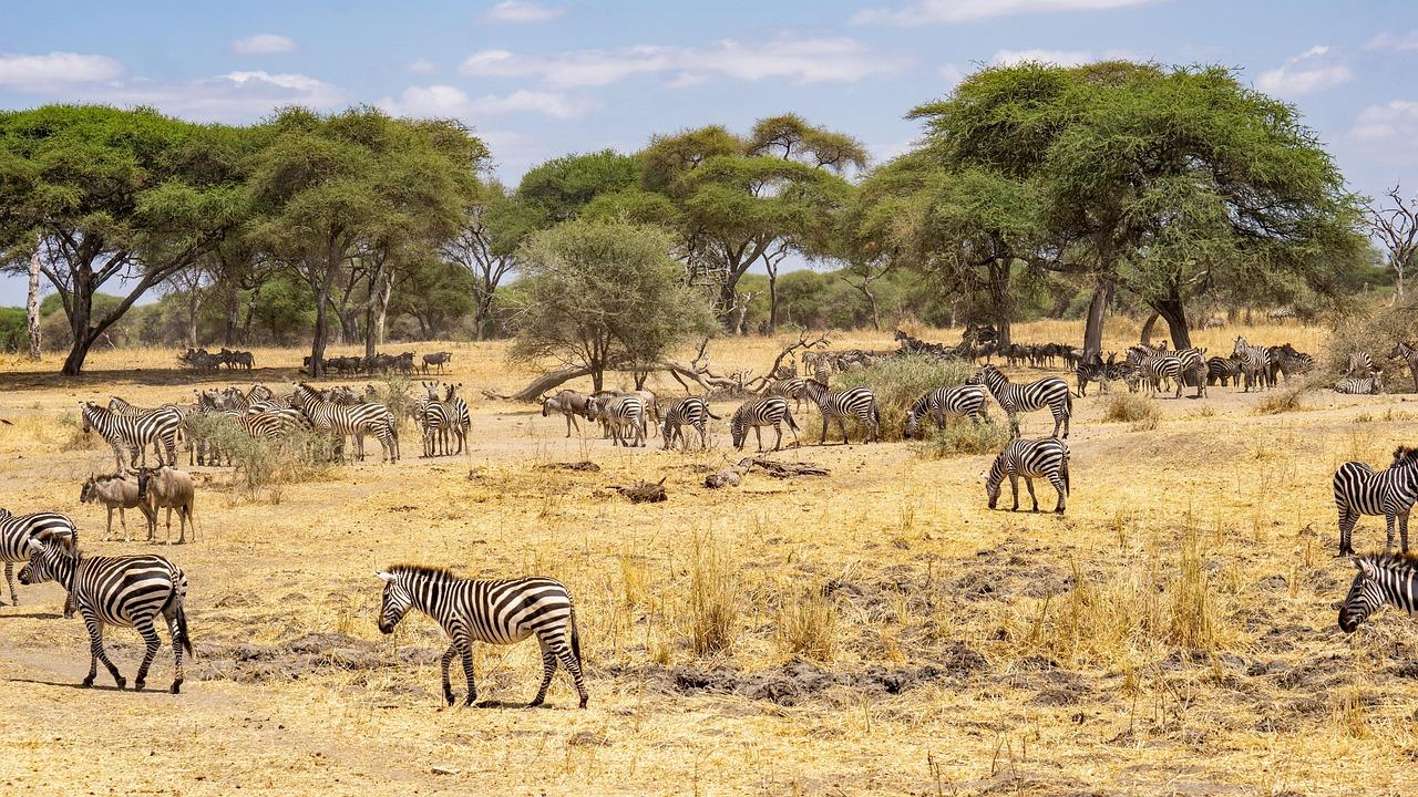
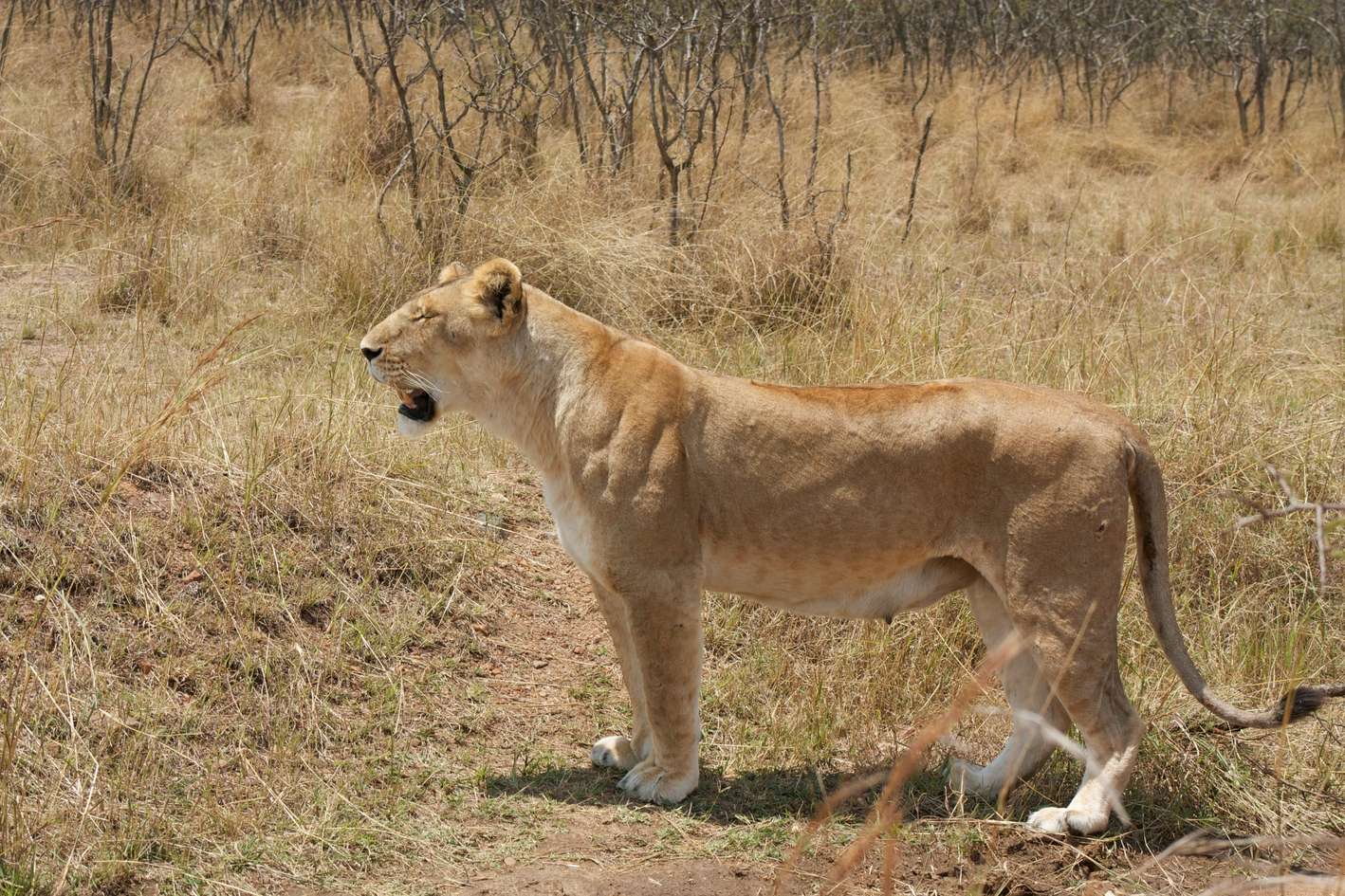
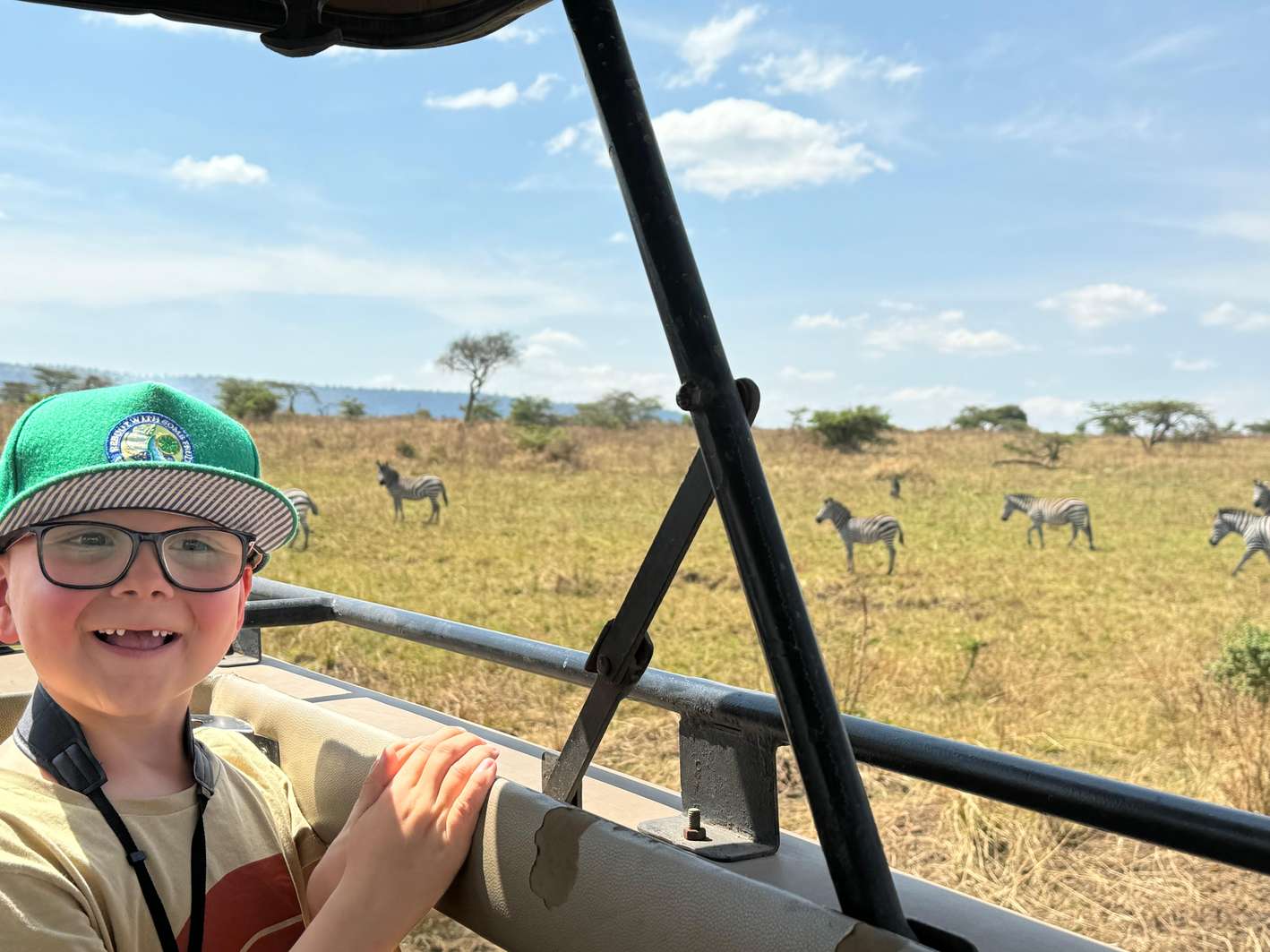
4.5103 travelers bagged black rhinos on the crater floor
Ngorongoro Crater Safari Tours Caldera Game Drives and Lake Tours in Tanzania
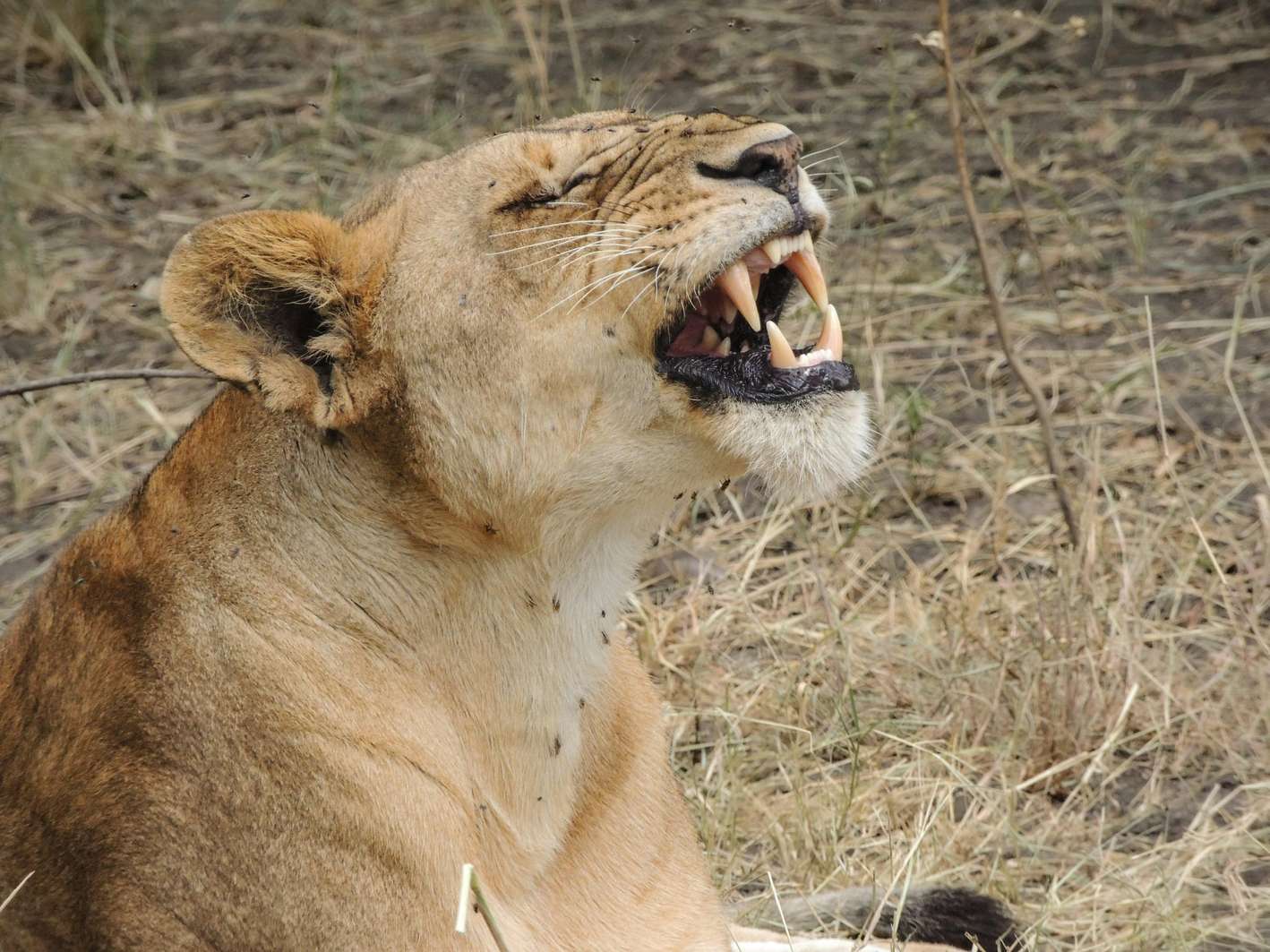
See the Big Five in one day. Descend 600 meters into the world's largest intact caldera, where lions, elephants and black rhinos live on the crater floor year round. Choose a full-day drive from Arusha or a two-day trip, pick your date and book ahead.
"A must-do trip. The crater is an incredible place, beautiful landscapes and loads of animals. Lovely lunch, quality service, great value for money. Highly recommended!"
4.5★average rating103traveler reviews100%free cancellation19countries travelers came from
Choosing your Ngorongoro Crater safari
The crater fits two main kinds of trip: a single day spent descending into the caldera, or a multi-day safari that pairs Ngorongoro with the Serengeti, Tarangire or Lake Manyara. One full day is enough to explore the compact crater floor, so a short visit works. Choose the day trip when time is short; choose the longer routes when you want open plains alongside the caldera.
Gate hoursDescending into the crater opens at 6 am, the Seneto Descent Gate closes to incoming vehicles at 4 pm, and every vehicle must be back up on the rim by 6 pm.
DocumentsBring your passport or a clear copy; the Loduare Gate requires a valid passport or national ID for entry.
Yellow feverProof of vaccination is only required if you arrive from, or transit 12 hours or more through, an endemic country, and the dose must be given at least 10 days before arrival.
Wildlife rulesStay inside the vehicle except at designated picnic and restroom sites, and never feed or touch the animals.
Off-road drivingVehicles must stay on designated tracks inside the caldera, so sightings sometimes happen at a distance; binoculars help.
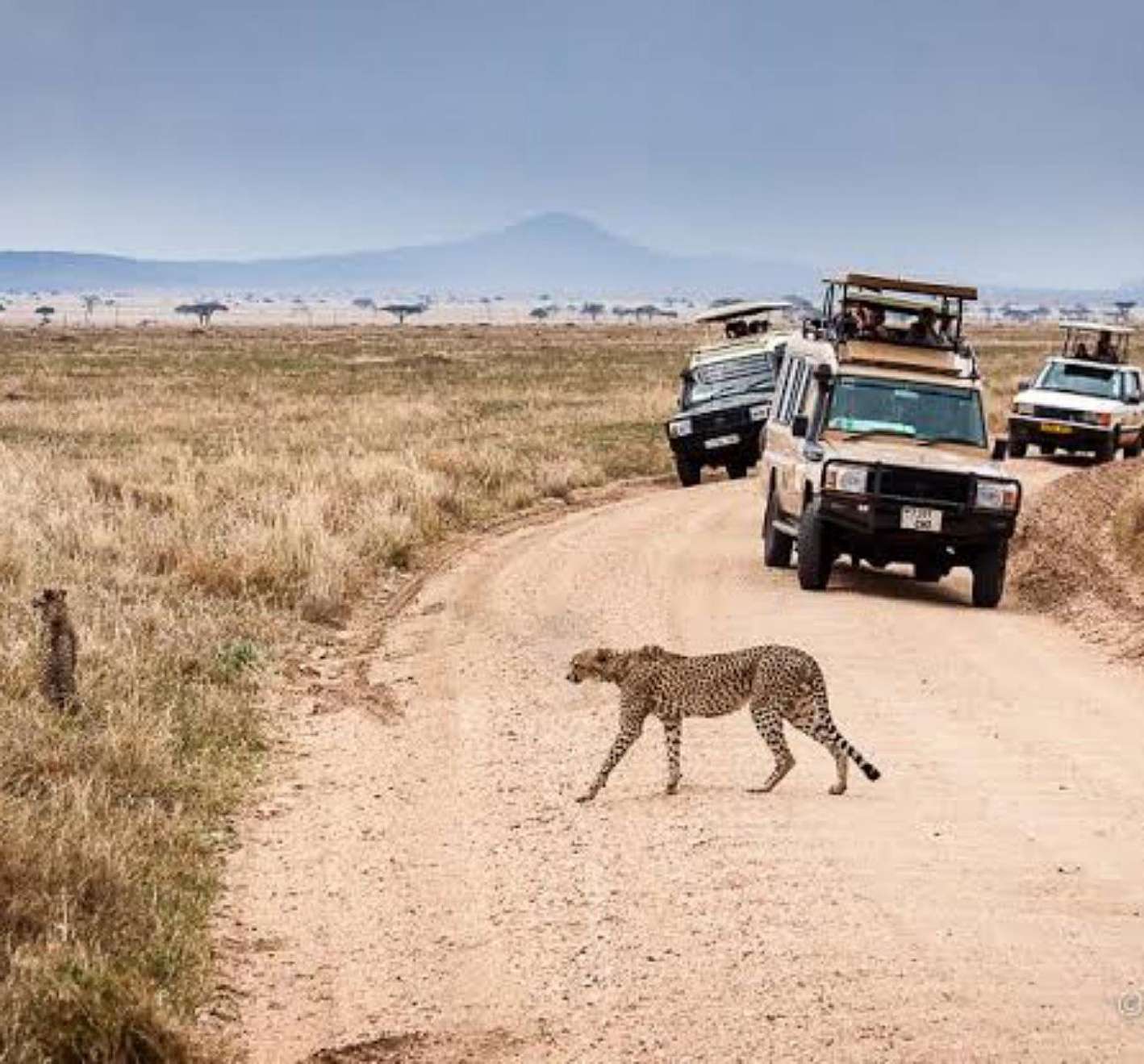
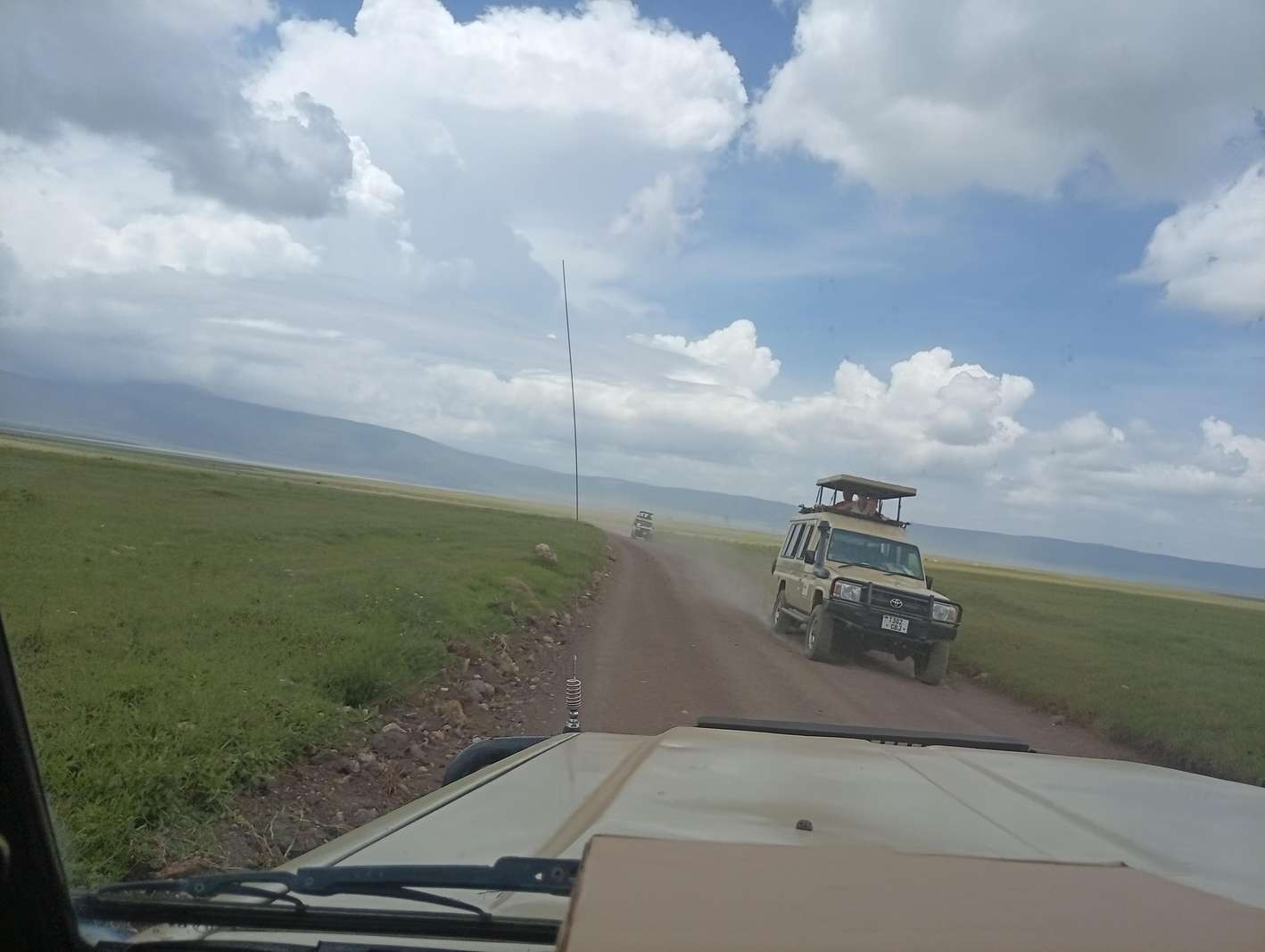
Beating the crowdsDozens of vehicles can cluster around one sighting, so a 6 am descent lets you see the floor before they gather.
Lunch stopAt the Ngoitoktok hippo pool picnic site, hold food close to your body or eat in the vehicle, because black kites swoop in fast for a snatch.
What to wearNeutral earth tones such as khaki and olive, a hat, sunscreen and a light jacket for cool mornings on the rim.
TimingDescent fee, permits and early pickups all work best booked ahead, so reserve your tour well before your travel dates.
Which Ngorongoro crater safari tours fit your trip?
Answer a few quick questions and see which tour matches your days, budget and starting point.
1Who's coming?
2What's your budget?
3What do you want to see?
Your best match
match
Arusha: 3-Day Serengeti & Ngorongoro Crater Big Five Safari★ 4.7 (75) · 3 days
Popular with solo travelers. You join a small group and share a Land Cruiser across three days of camping.
Three days of camping across the Serengeti and the crater, with every park fee covered.
accessNgorongoro Crater gates limit descent hours: vehicles may enter from 6 am, the Seneto Descent Gate closes to incoming traffic at 4 pm, and every vehicle must be back up and out by 6 pm.
Plan your day around that window. A six-hour game drive on the crater floor fits comfortably if you descend near first light, when animals are active and vehicle crowds have not yet gathered. Late arrivals risk losing their descent, so book tours that leave Arusha early and confirm the departure time before you go.
Ngorongoro Crater tour options for every budget
Cheapest day trip
1 day·English, Swahili
4.4(7)
Ngorongoro Crater Day Trip - Full Game Drive
One day, one six-hour game drive and a picnic at the hippo pool, rated 4.4 by travelers who went.
Explore the Eighth Wonder of the WorldEnjoy an exciting 6-hour game drivePicnic at the Hippo Pool
Ngorongoro crater day safari - what you see and what's included
3 stopsabout 10 h12 places
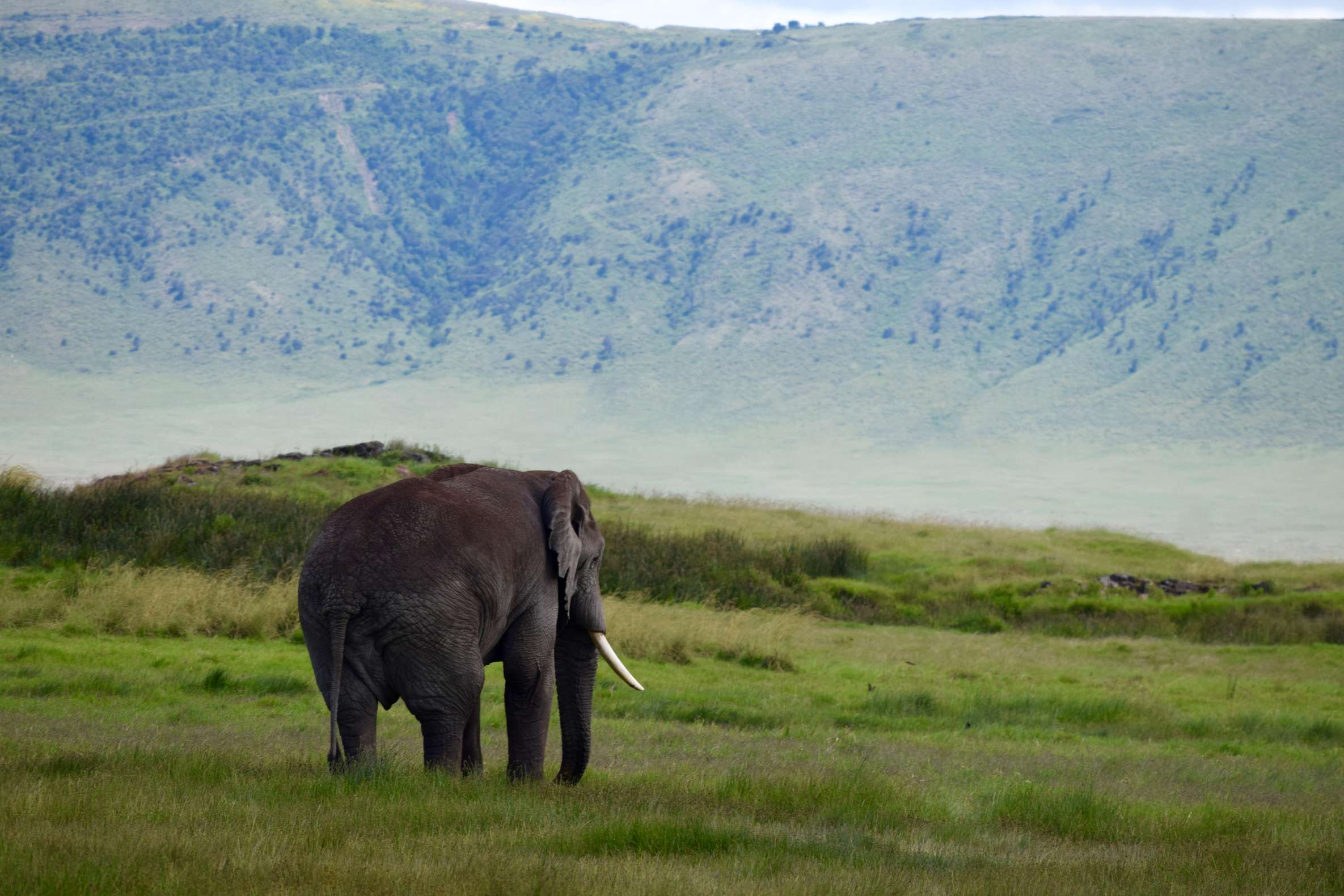
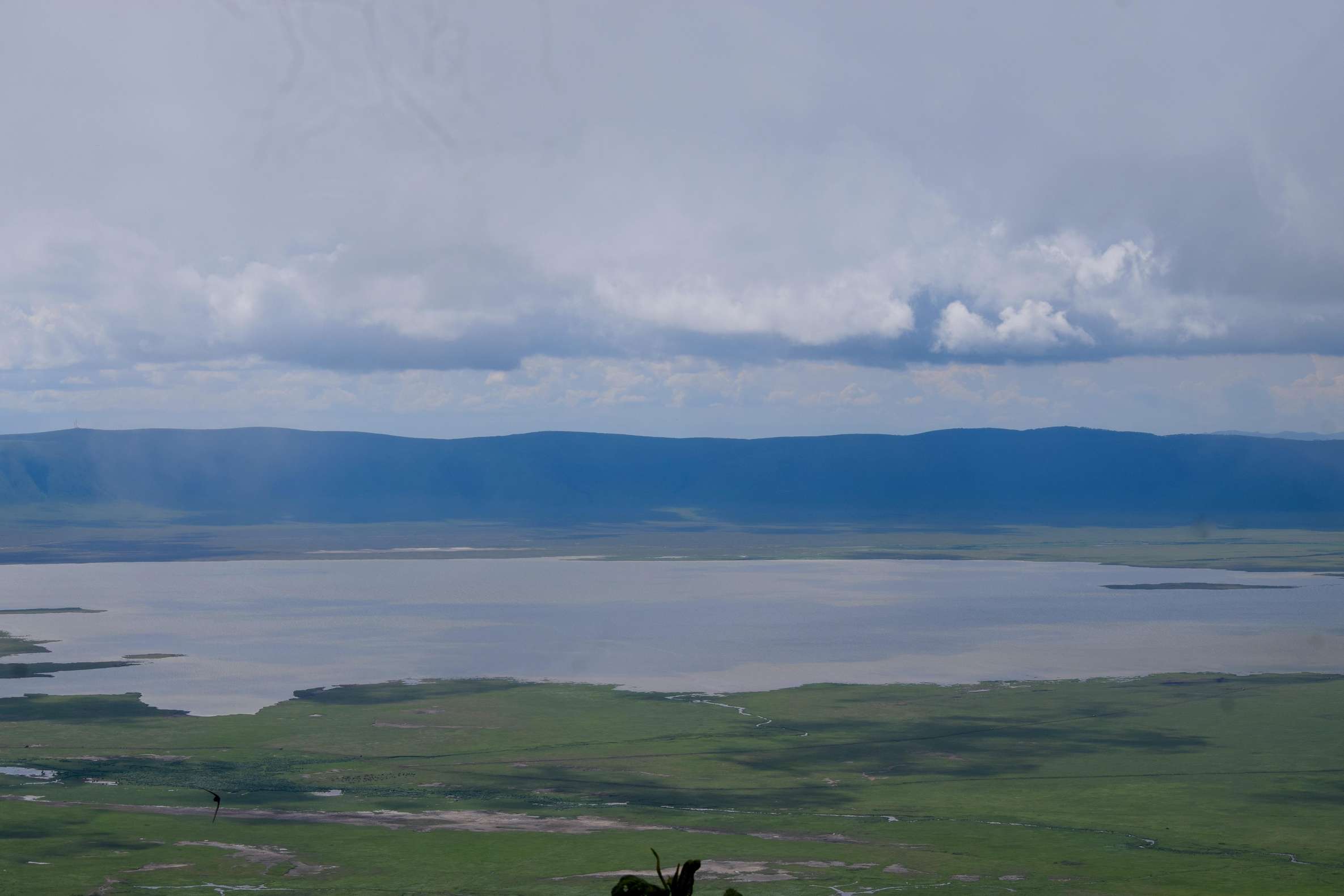
The first thing worth seeing is the crater itself, the largest intact, unflooded caldera on Earth, formed two to three million years ago when a huge volcano erupted and collapsed in on itself.
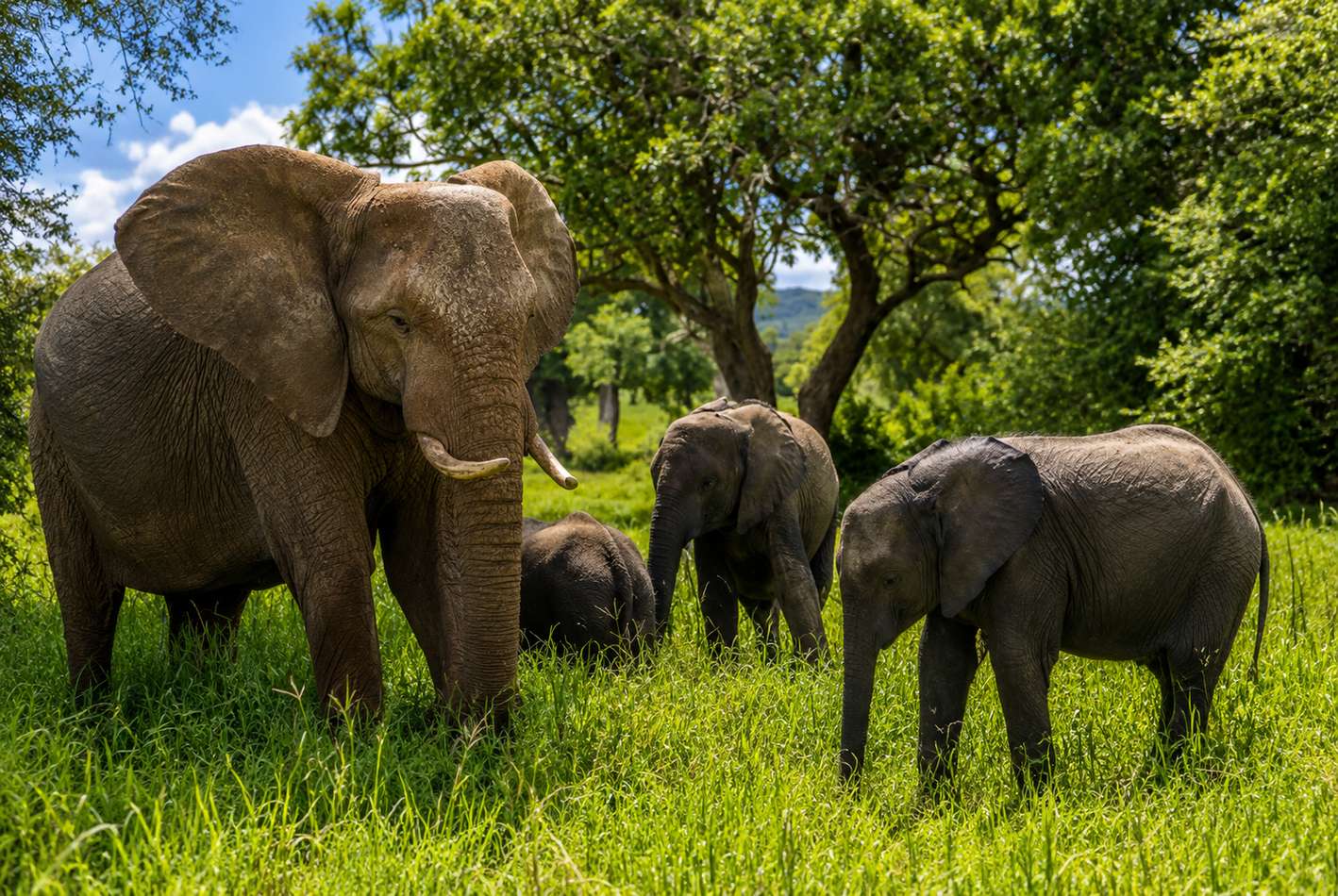
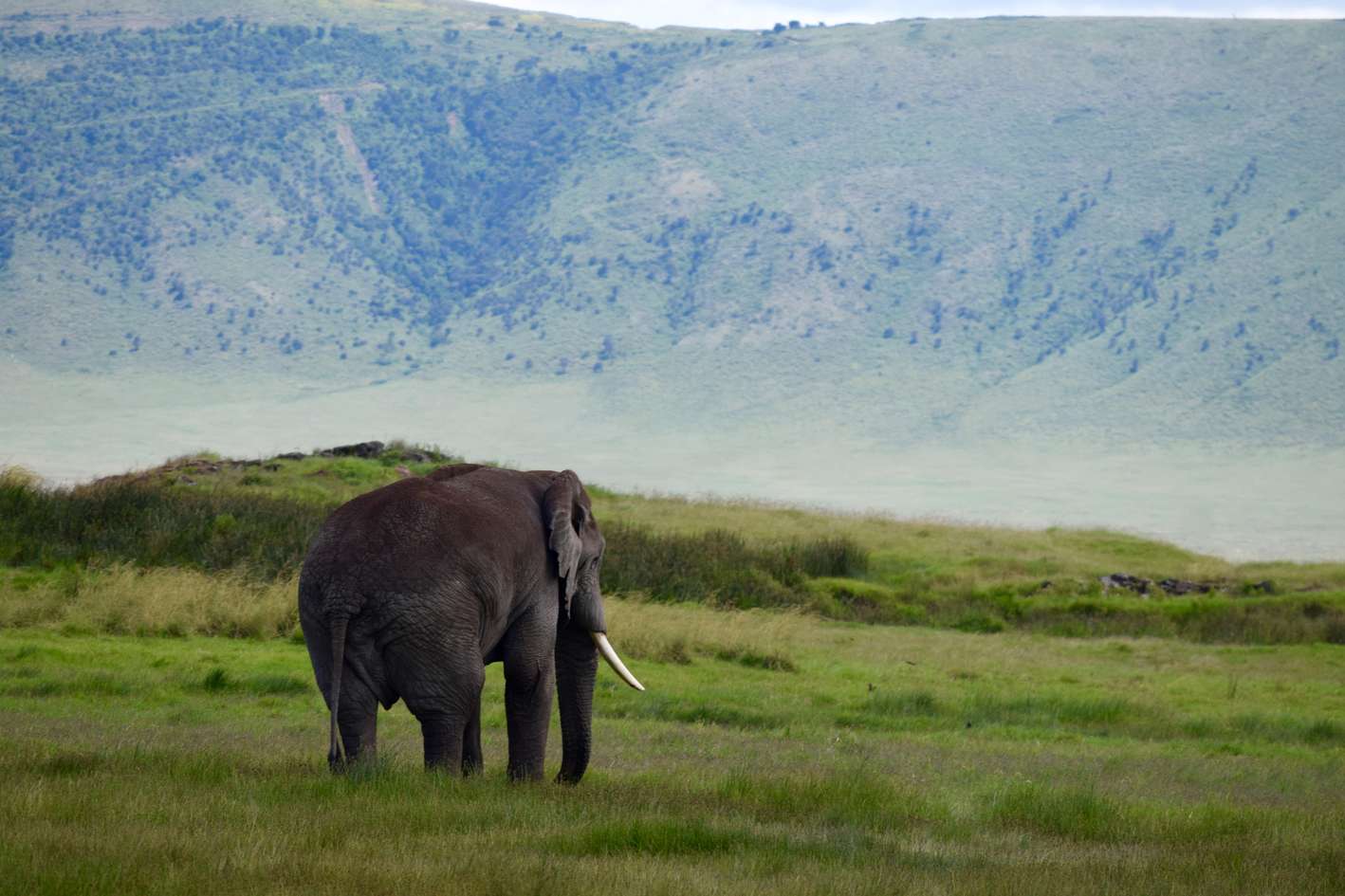
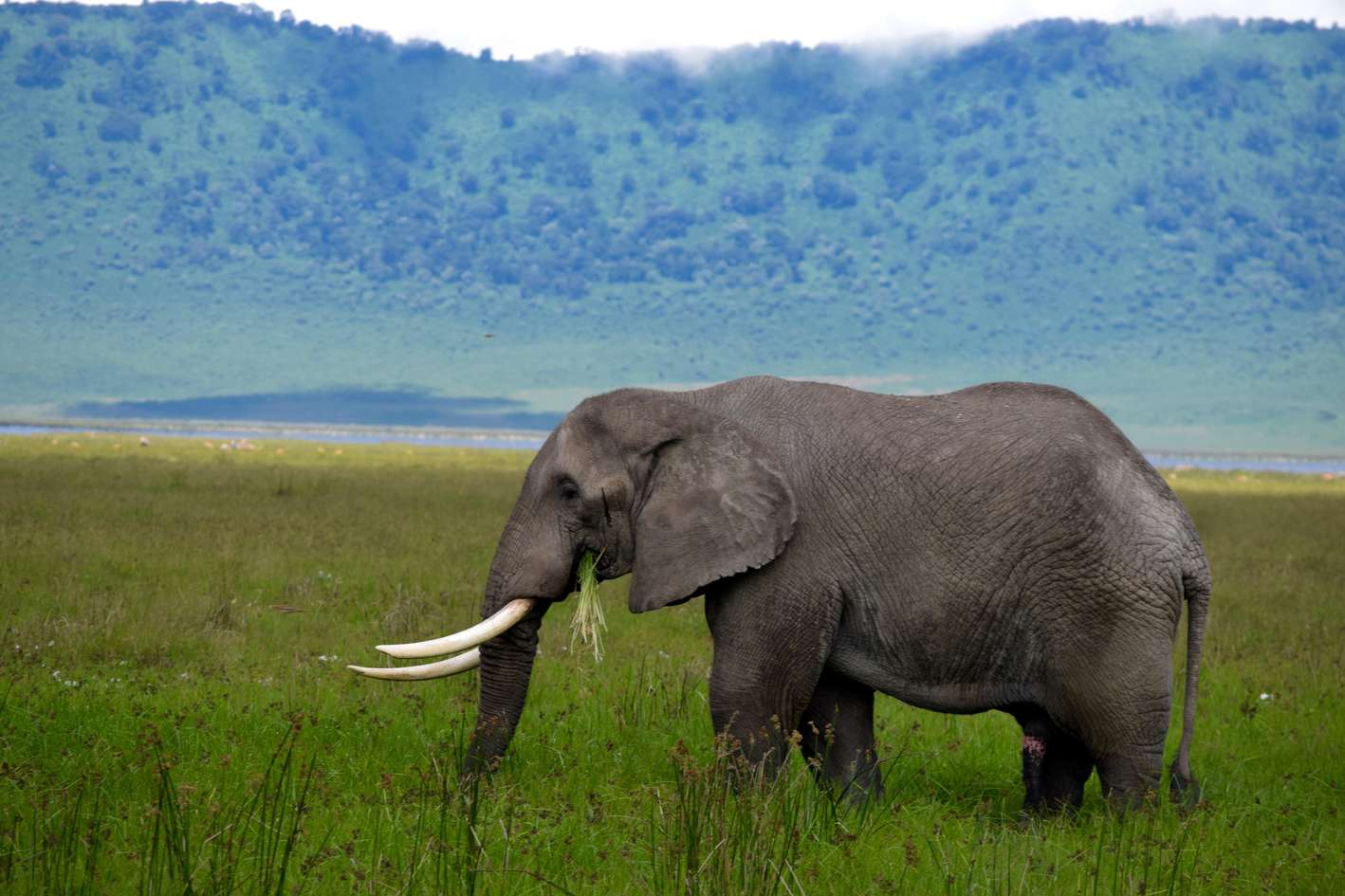
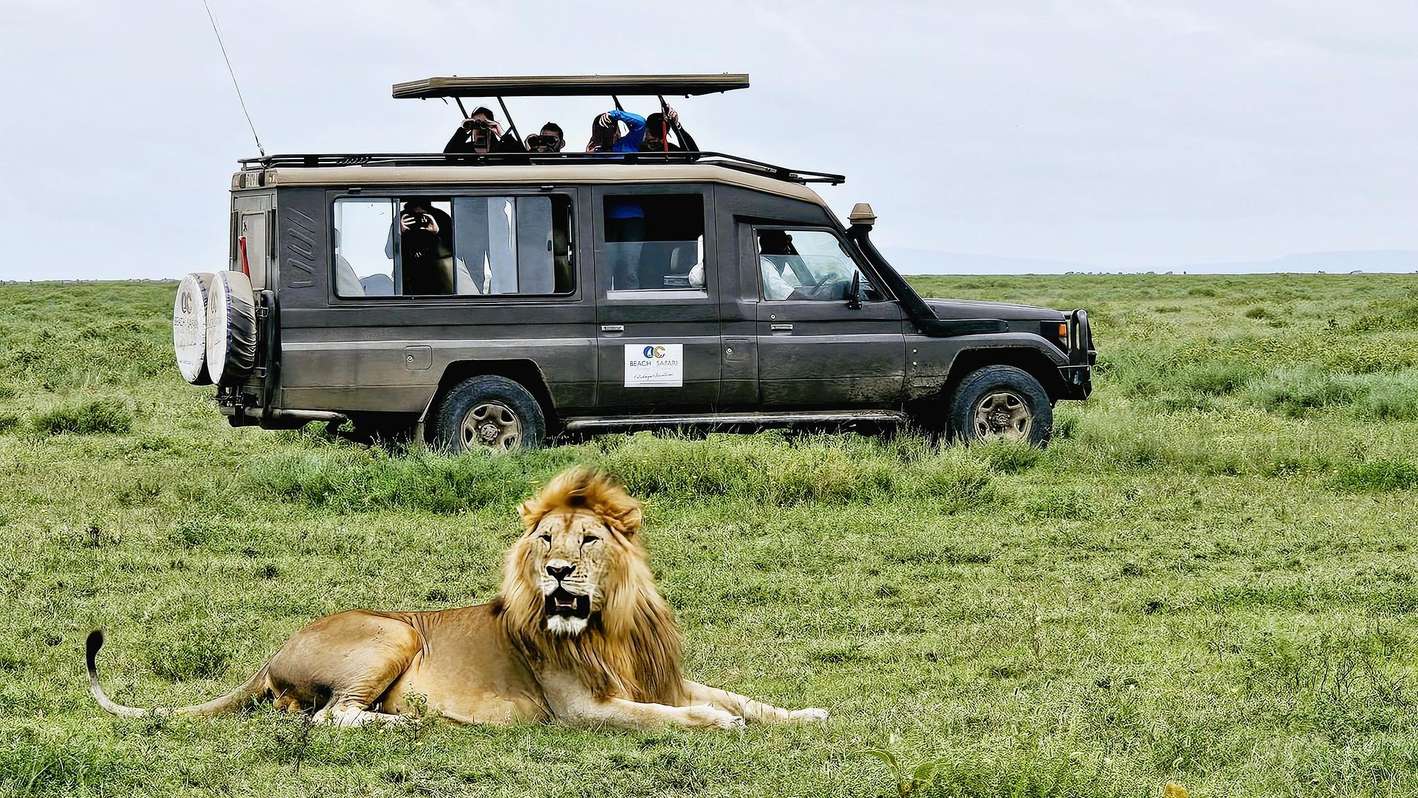
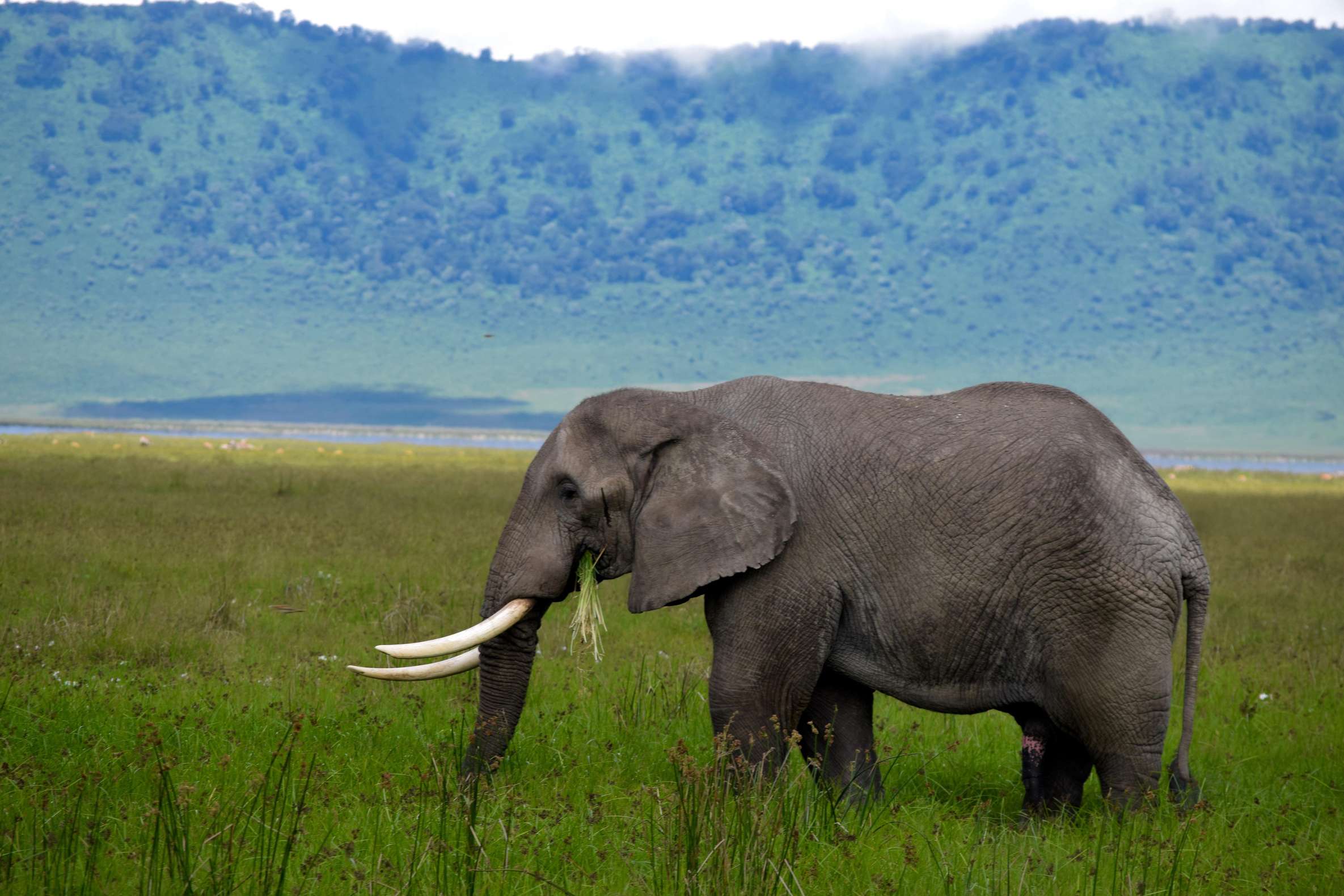
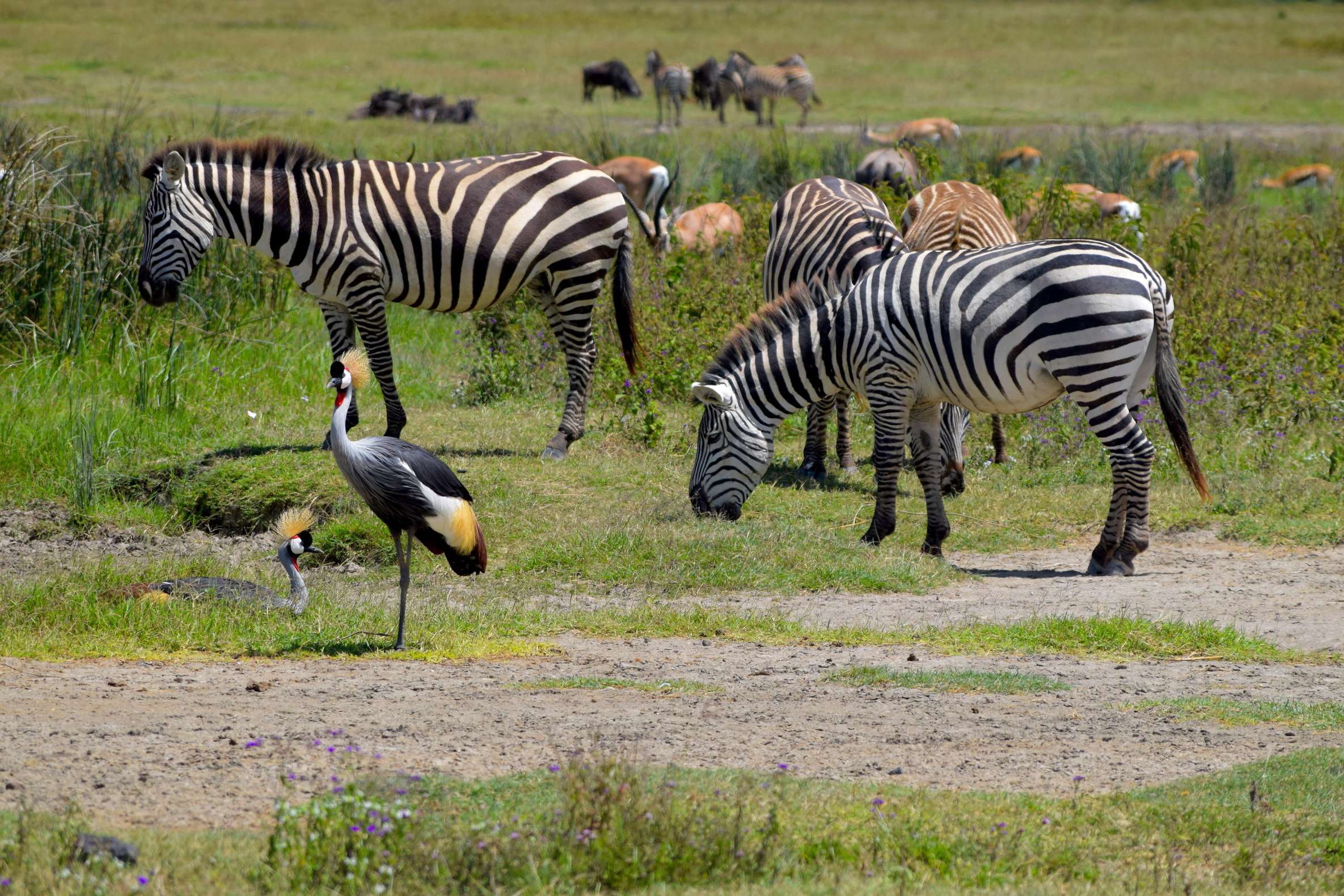
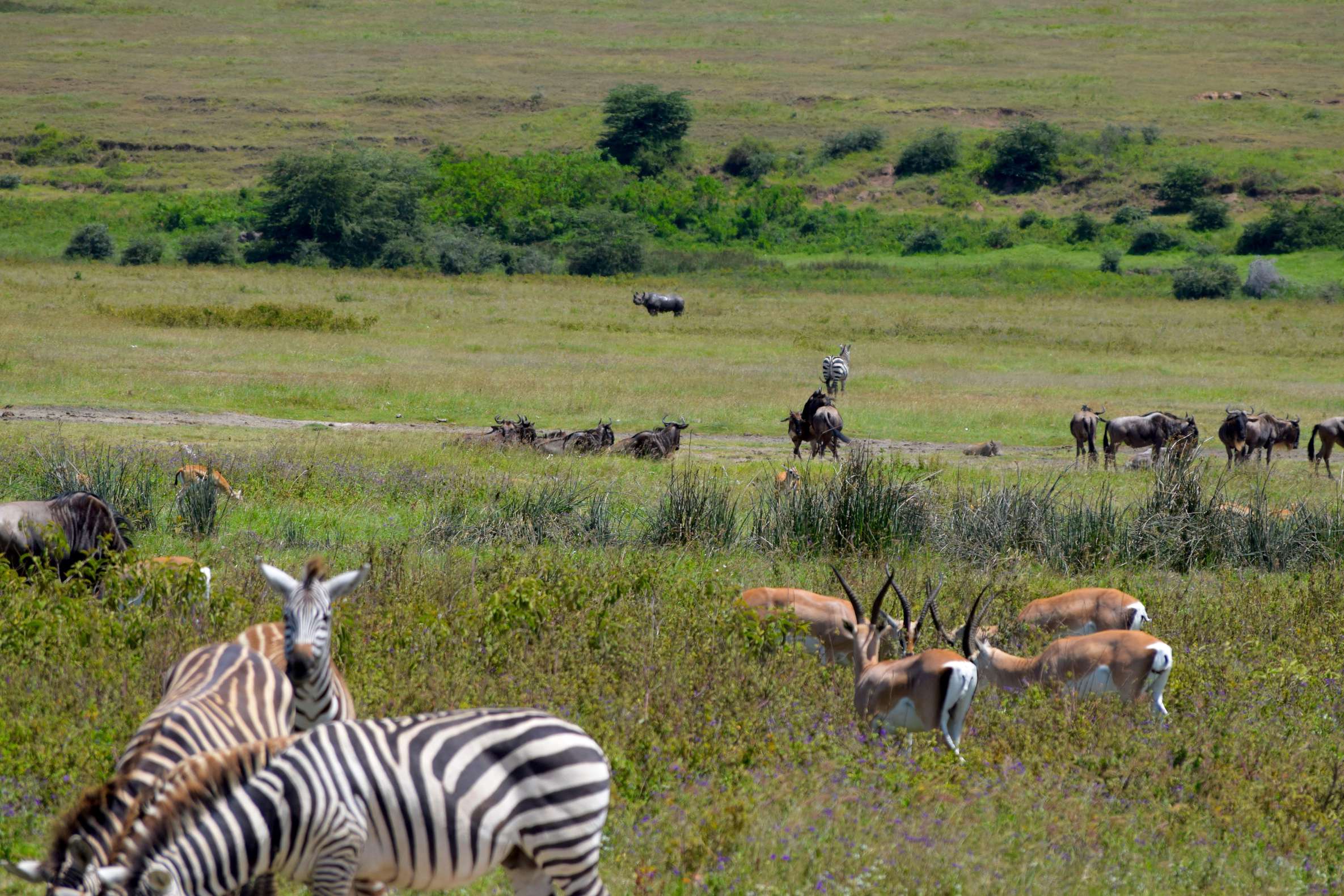
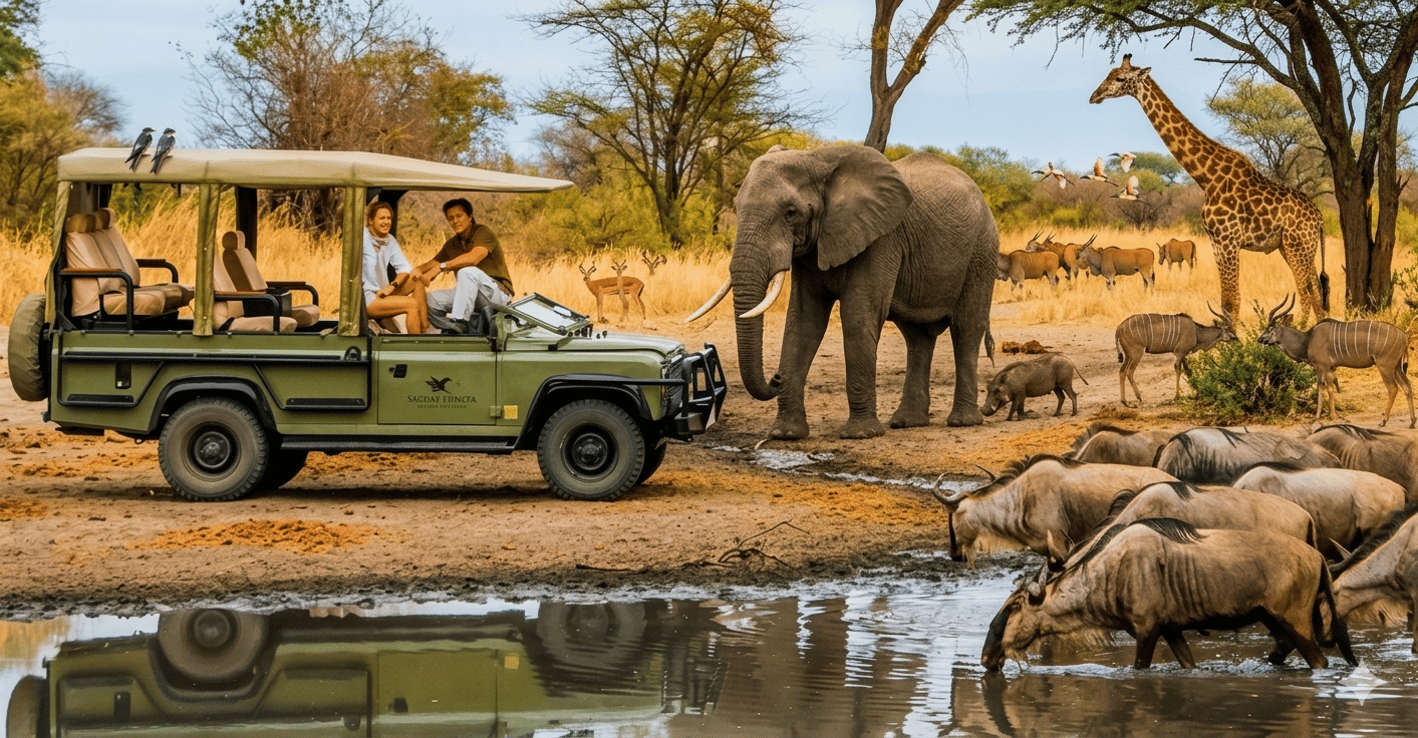
A six-hour game drive carries you down its 600-metre walls onto a floor that holds lions, elephants, buffaloes and the endangered black rhino, all living there year-round.
The day trip from Arusha includes hotel pickup and drop-off, transport in a 4x4 safari vehicle, a professional English-speaking guide, a picnic lunch inside the crater, mineral water and the itinerary activities.
Entrance, crater service and VAT fees are extra, paid in cash a day before the tour. Giraffes never appear on the floor; the walls are too steep for them.
PickupArusha UrbanThe 4x4 returns you to your accommodation in Arusha town at the end of the day.From this tour2Ngorongoro Crater· 600 minA guided game drive across the caldera floor, roughly 20 kilometres across, with a midday picnic at the Ngoitoktok hippo pool, the one site where you may leave the vehicle.Drop-offArusha UrbanThe 4x4 returns you to your accommodation in Arusha town at the end of the day.From this tour
Day trip according to the itineraryProfessional, English-speaking guideAll mentioned activitiesTransportation in a 4×4 safari vehicleMeal according to the itineraryMineral water
Not included
Entrance fee + crater service fee + 18% VAT. ($169pp)Expenditures of a personal nature, like drinks, telephone, laundry, Internet, etcGratuities/"tips" for the guideInternational flights
Which Ngorongoro Crater safari fits your trip and budget?
Green marks the lowest price. Prices per person.
Tour
Price
Duration
Languages
Best for
Our pick
Ngorongoro Crater Day Trip - Full Game Drive
4.4★ (7)
from $115lowest price
1 day
English, Swahili
budget day-trippers from Moshi or Arusha wanting a full crater descent
Most reviewers praise their guide's knowledge and sharp eyes for finding wildlife all day.
Best surprise
Several first-timers saw every Big Five member in one trip, including animals they called rare.
Most common wish
A few wished the day lasted longer so they could stay on the crater floor past lunch.
How to book a Ngorongoro Crater safari tour
01
Pick your date and hold it free
Choose your travel date first, because pickup runs early: Arusha departures collect guests between 6 am and 7:30 am. Booking can usually be cancelled up to 24 hours in advance for a full refund, so an early hold costs you nothing if plans shift.
Pro tipBook a date at least a day ahead of your international departure, since the tour runs a full 11 hours and late returns happen
RecommendedReserve for a weekday if you can, because dozens of vehicles cluster around the best sightings on busy days
02
Choose joining or private
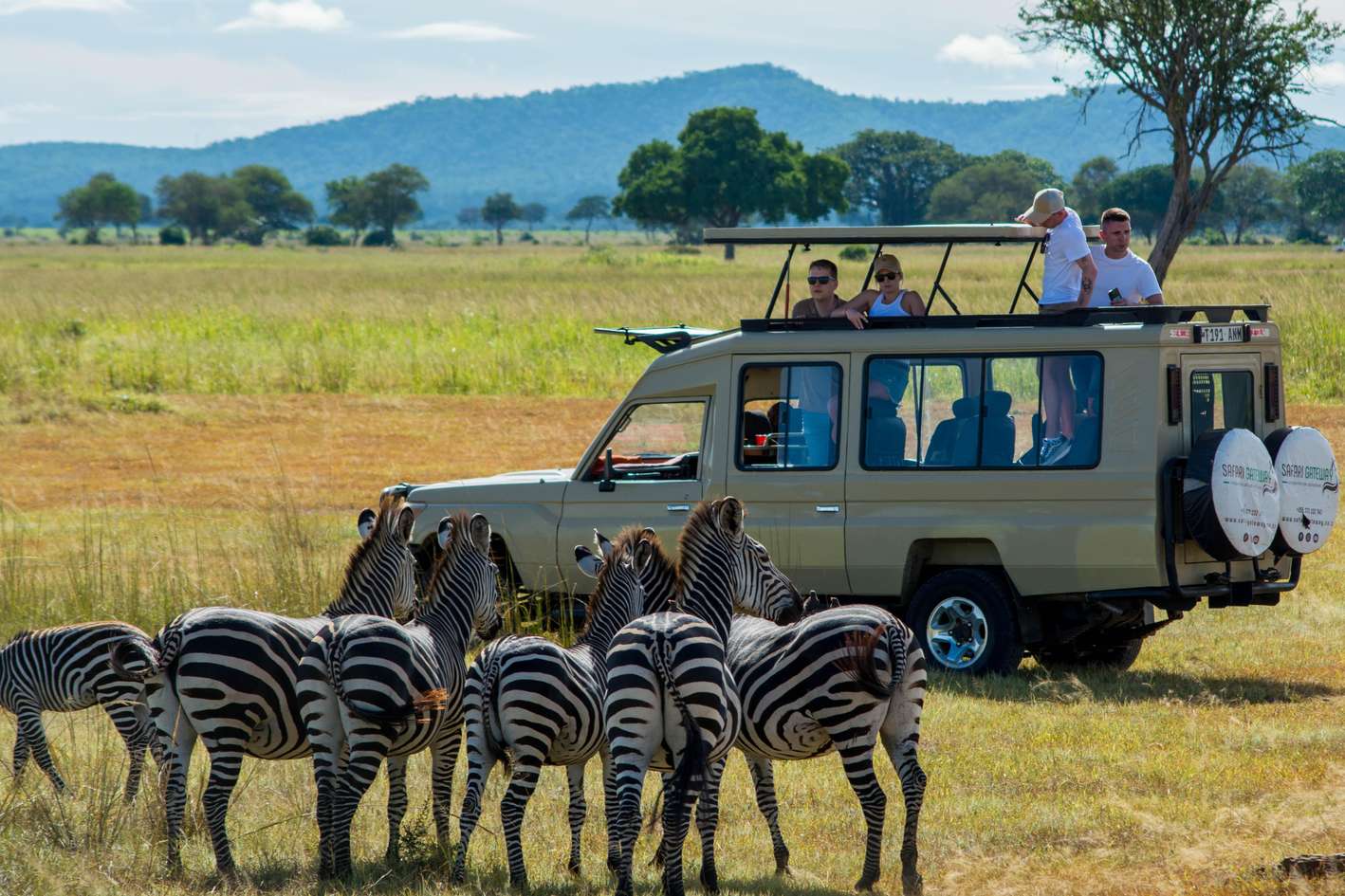
On a full-day crater safari from Arusha you can join a shared vehicle or take a private jeep with your own guide. A shared seat keeps the cost down; a private 4x4 lets you set departure times, drive lengths and how long you stay at each sighting.
Common mistakeFirst-timers book shared when travelling with young children, then discover the vehicle runs one fixed schedule for the whole group
Pro tipFor two people travelling together, a private vehicle often costs only a little more than two shared seats
03
Check what the price includes
Read the inclusions before you pay. Some crater tours bundle entry fees and the crater service fee into the package; others leave them out and ask you to settle the fees in cash the day before the tour.
ImportantOn one day-trip option the entrance fee, crater service fee and VAT are paid in cash a day before departure, so bring the amount to the pre-tour briefing
Common mistakeAssuming every listed price covers park fees, then facing a cash shortfall at the pre-tour payment
04
Confirm pickup and have ID ready
Group departures from Arusha pick up directly from accommodations in the city centre; if you stay further out, the operator arranges a meeting point instead. Your driver confirms the exact time the evening before.
ImportantTANAPA rangers check identification at the gate, so carry your original passport or a clear copy
RecommendedBe at your hotel reception five to ten minutes before pickup time, since drivers leave quickly on a tight crater schedule
05
Plan the day itself
The drive from Arusha takes most of the morning, and descent onto the crater floor ends by 4 pm with a 6 pm curfew, so the day runs to fixed deadlines. Pack water, sunscreen and a warm layer for the rim.
RecommendedAim to reach the rim for first light, because an early descent means the crater floor before the crowds gather
Pro tipEat lunch at the Ngoitokitok hippo pool picnic site, and keep food close to you because black kites swoop in fast
What to know before you book a Ngorongoro crater safari
Can stop the dayGood to knowGood news
01
ChoosingWhat it is, who it suits, when to go
5
Start time
Day trips leave Arusha and Moshi before sunrise so the vehicle reaches the descent road as the gates open. A pickup at your hotel between 6:00 and 7:00 in the morning is normal. The early alarm buys you the crater floor before anyone else.
Crowds
Dozens of vehicles can gather around a single lion or rhino sighting, because off-road driving is banned and everyone follows the same tracks. Descending at first light, right when gates open at 6 am, puts you on the floor before the cluster builds.
Picnic lunch
Most tours stop for a packed lunch at the Ngoitoktok Springs picnic site by the hippo pool, one of the few places you may legally leave the vehicle. Black kites swoop in fast and snatch food straight from hands. Hold your sandwich close to your body or eat inside the jeep with the windows up.
Extra costsCan stop the day
Park entry, crater service fee and taxes sit outside the base price on some tours, and TANAPA gates run cashless by card only. The 2-day Zanzibar fly-in adds a small tourism levy and village tax payable at check-in. Read each option's list before you budget.
Group size
Shared joining safaris fill a 4x4 with other travelers and follow a fixed schedule. A private vehicle costs a bit more for a couple but gives you the departure time, the pace and how long you sit at each sighting. Families with young children usually prefer the private jeep.
02
BookingHow far ahead, and what happens if plans change
1
Cancellation
Every crater tour here lets you cancel up to 24 hours in advance for a full refund, which makes it easy to lock in a date while your plans are still loose. If weather grounds a Zanzibar flight connection, the operator moves you to another date or returns your money.
03
Before you goPapers, health, what to bring
3
Weather
The rim sits above 2,200 metres, so early mornings run around 10 to 15 degrees with mist and wind chill in an open vehicle. Pack a fleece or light down jacket, a beanie and light gloves. By late morning the caldera floor warms up fast and you shed the layers.
DocumentsCan stop the day
Bring your original passport or a clear copy for park registration at the gate. Day-trippers from the Moshi tour also pay the entrance, crater service and VAT fees in cash the day before departure, so carry the amount with you.
Health limits
The tours flag back problems, pregnancy and heart conditions as reasons to sit this one out, since hours on rough tracks make things worse. Some options also set minimum ages, from babies under one on the day trip to under fives on shared camping departures.
04
During the tourWhat is expected of you
2
On board
You stay inside the vehicle for the whole drive, stepping out only at designated picnic and restroom sites. Feeding animals, littering and drones are all prohibited, and rangers can fine or expel visitors who break the rules. Vehicles must keep to the marked tracks.
Photos
Because vehicles cannot leave the tracks, animals sometimes stand 100 metres away, so a telephoto zoom earns its space in your bag. Drivers know the light and the angles and will position the jeep and take shots for you. Bring binoculars too.
Safari tours in the Ngorongoro crater - the caldera descent, explained
One six-hour drive can cover the whole floor of the world's largest intact caldera, and the wildlife never leaves. What still needs settling is when you go down, how you get there and how much day it takes.
Moshi· 3.45° S, 36.67° E
If you only remember three things
1
Be at the descent road when it opens at 6 am and the crater floor is yours before the day-trip vehicles arrive.
2
Every vehicle must be back up the wall by 6 pm, and no vehicle enters after 4 pm, so the day runs on the park's clock.
3
One day, or one six-hour drive, genuinely covers the caldera; bring a long lens, because the rhinos stay well off the tracks.
Is Ngorongoro Crater worth visiting?
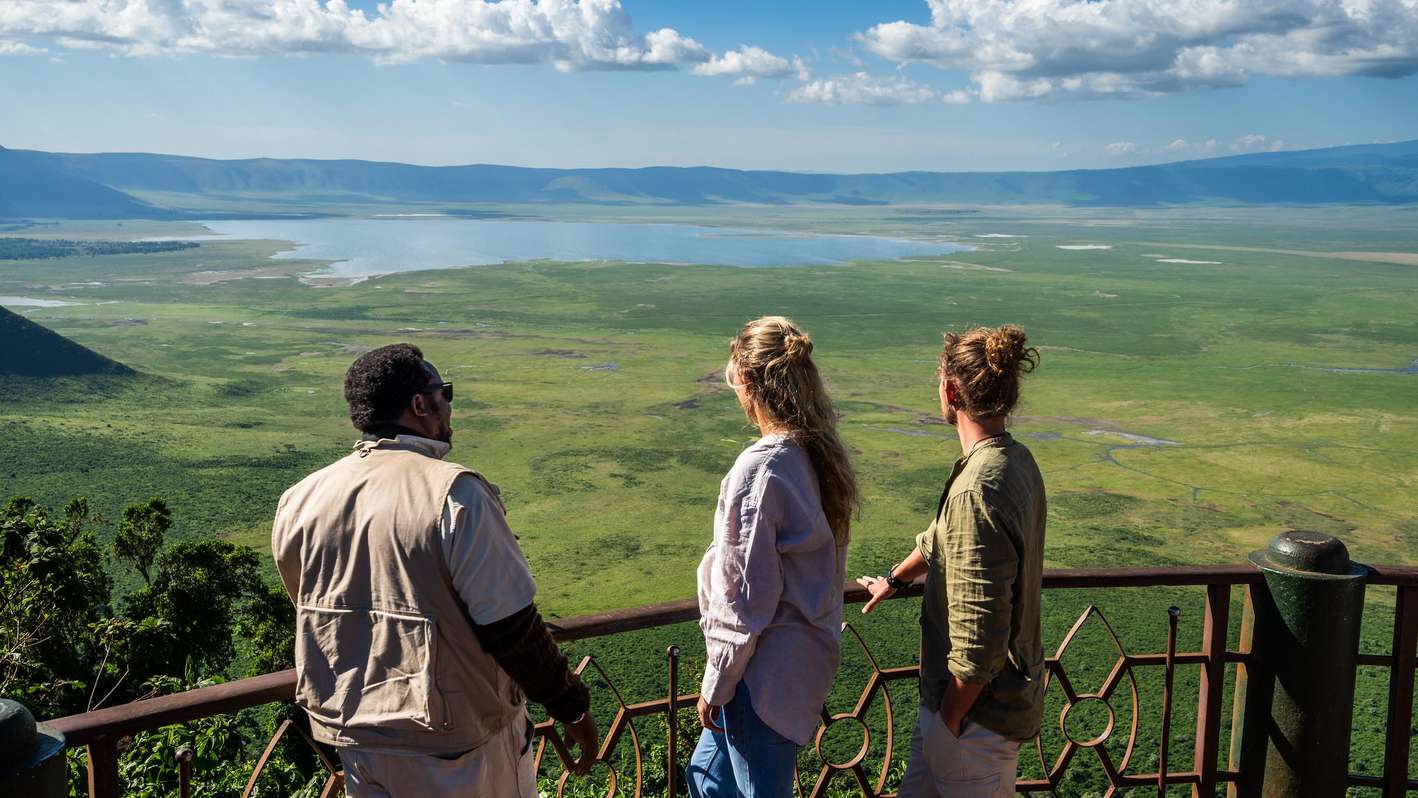
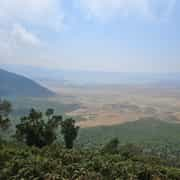
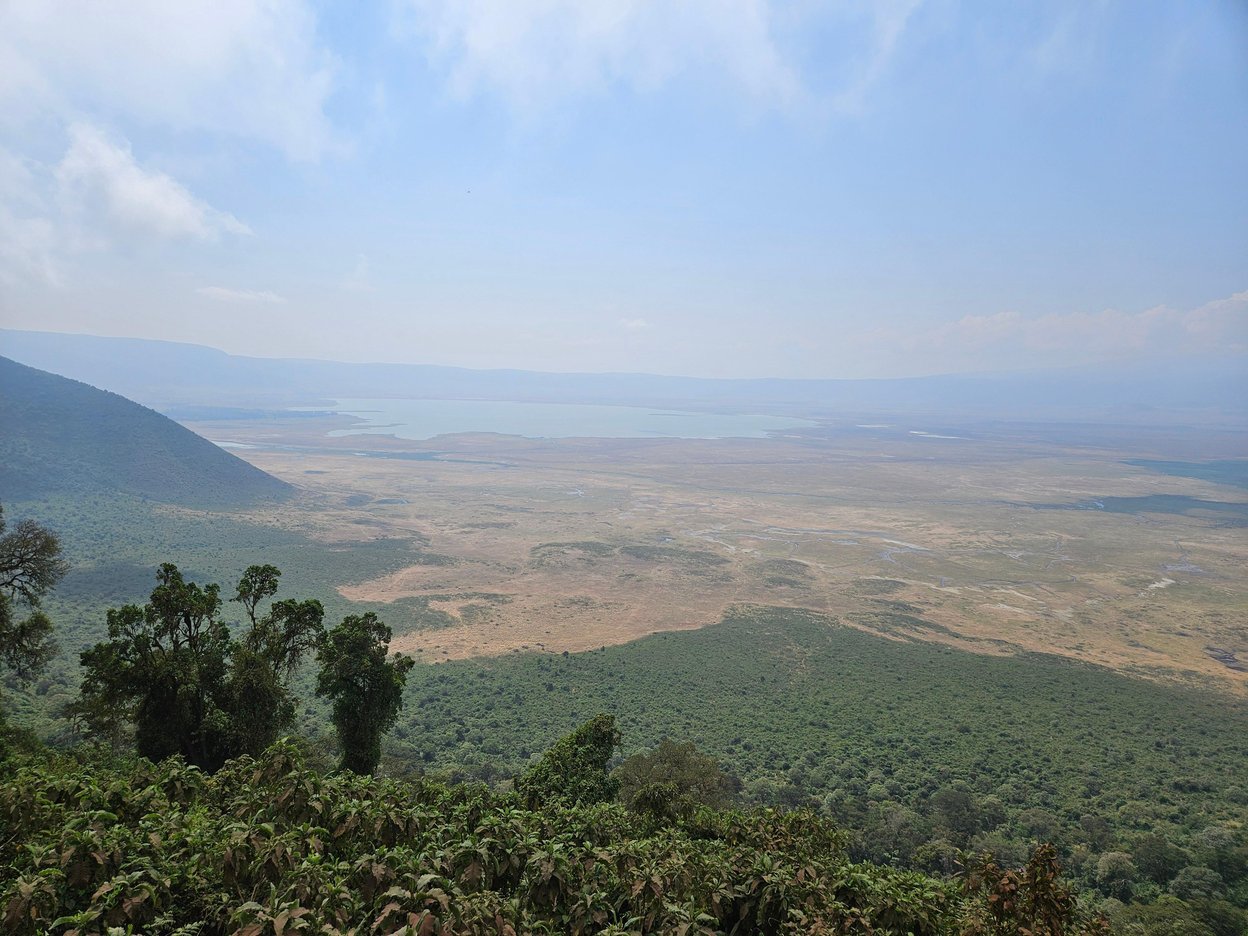
The road tips over the rim and the whole caldera opens below: a bowl about 20 kilometers across and 600 meters deep, holding roughly 25,000 large mammals that never leave.
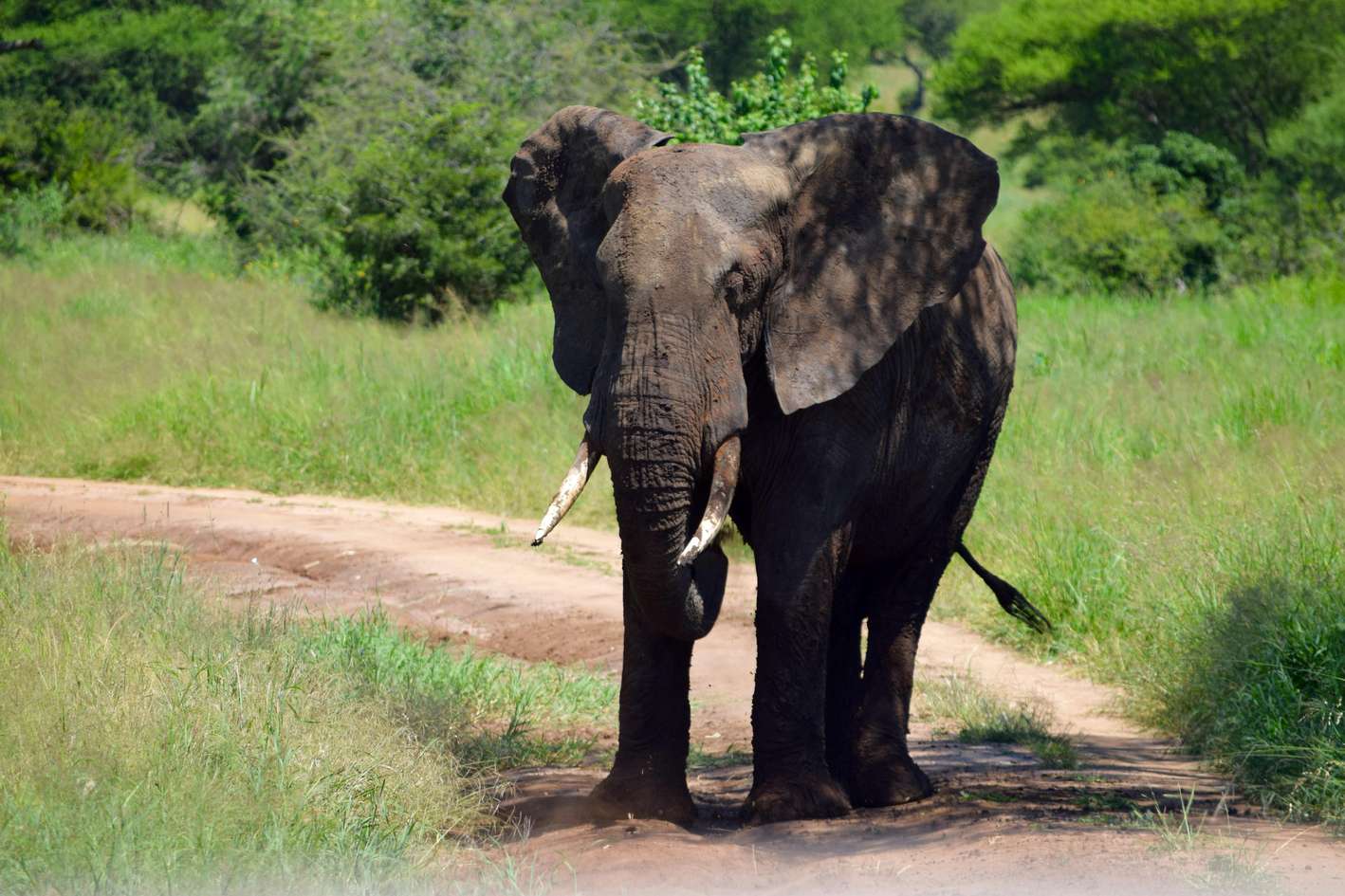
That single glance answers most of the worth-it question on its own. Because the animals live permanently inside the basin, Big Five sightings hold up year-round.
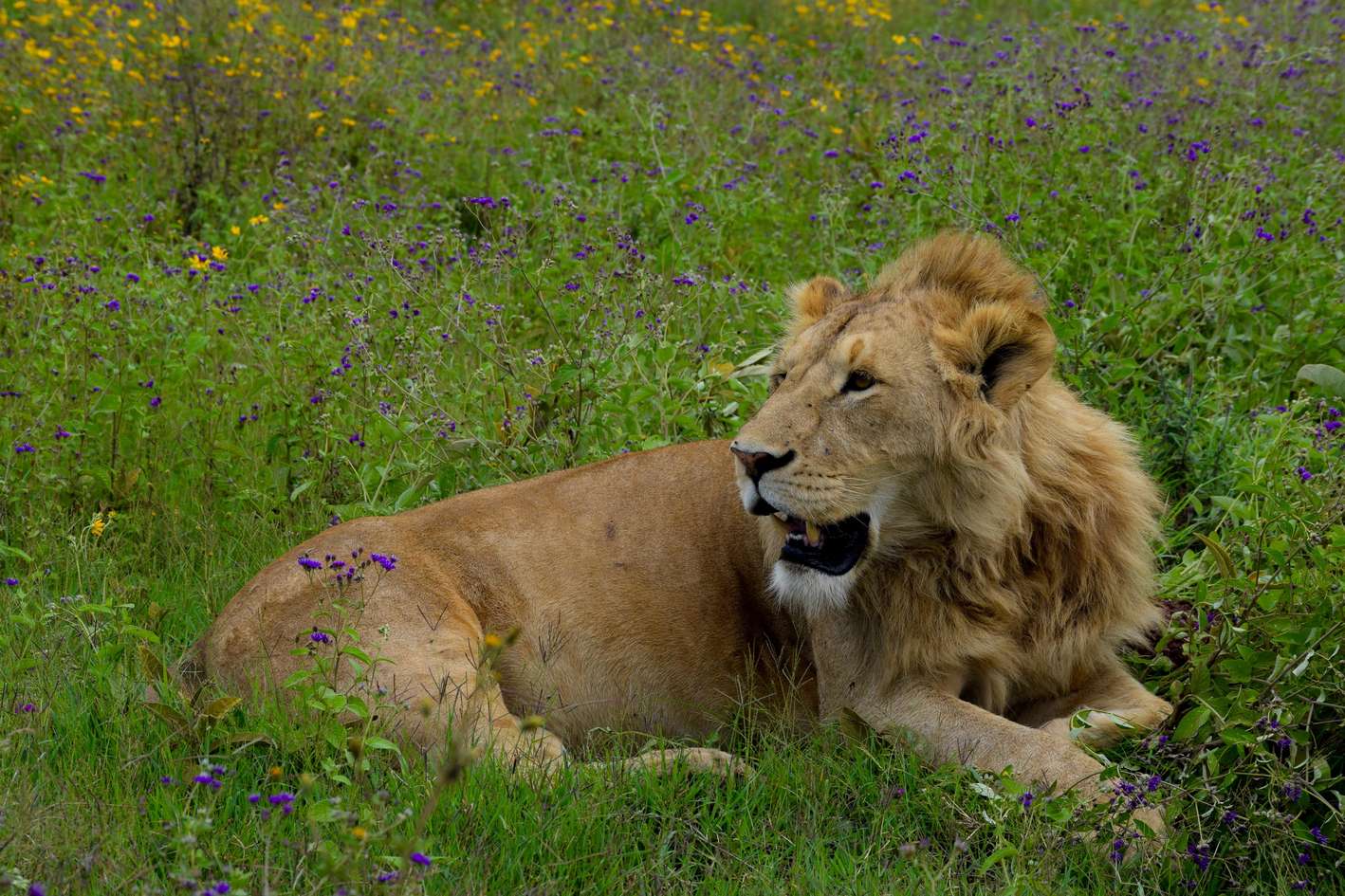
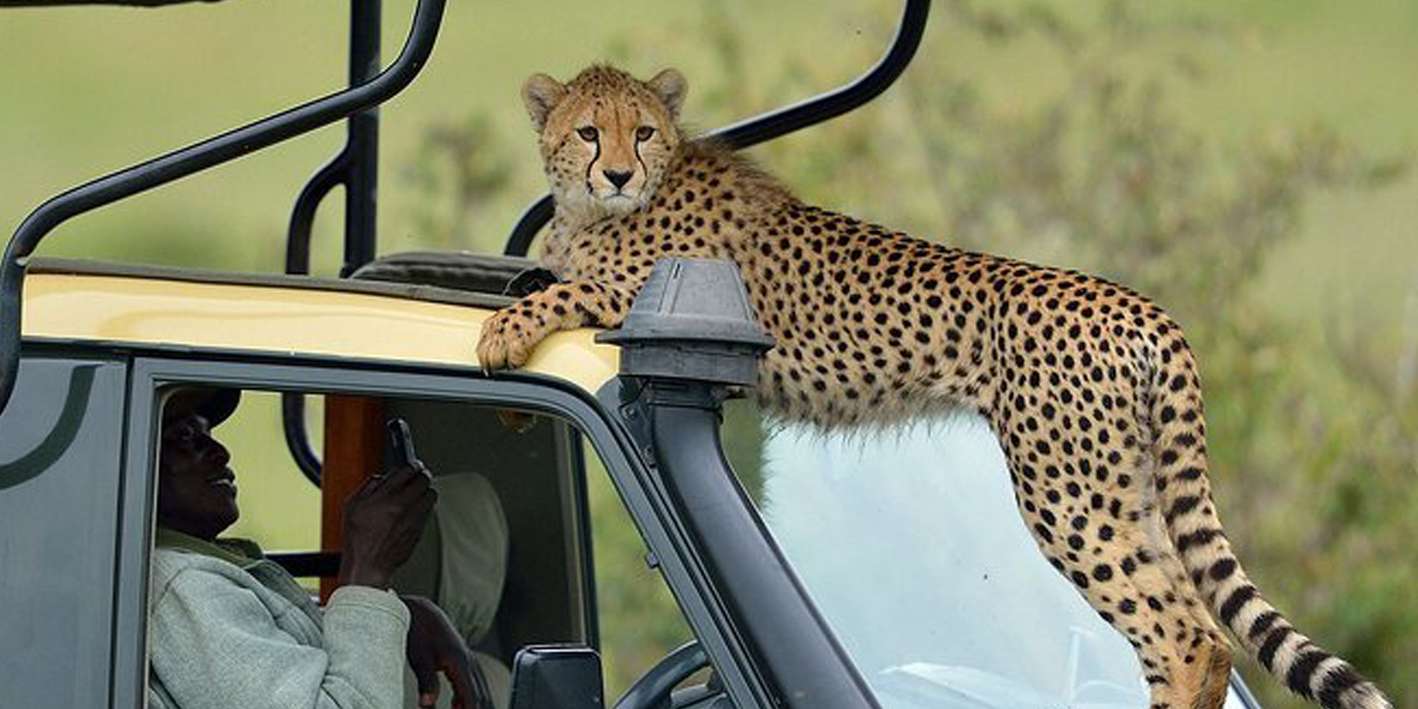
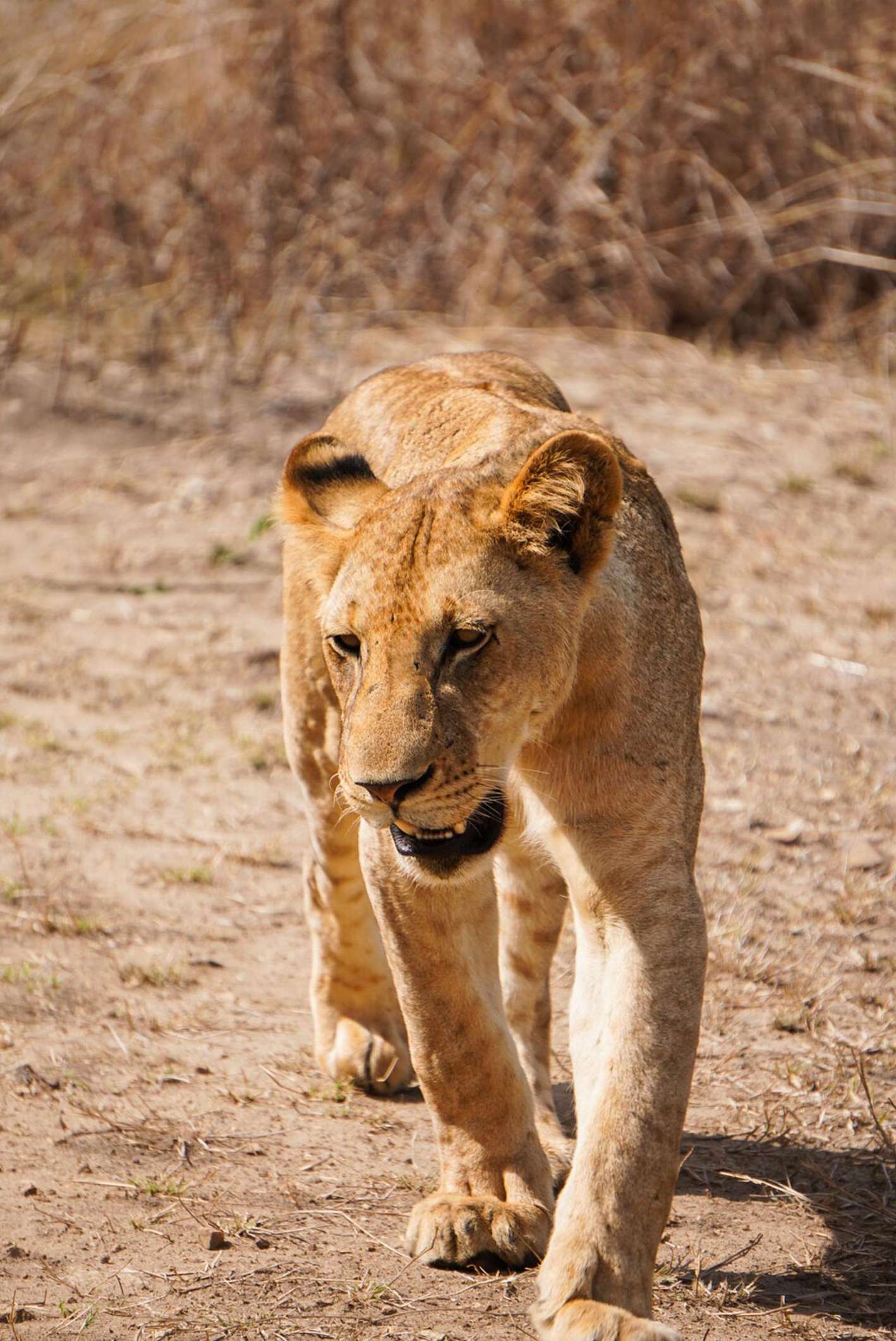
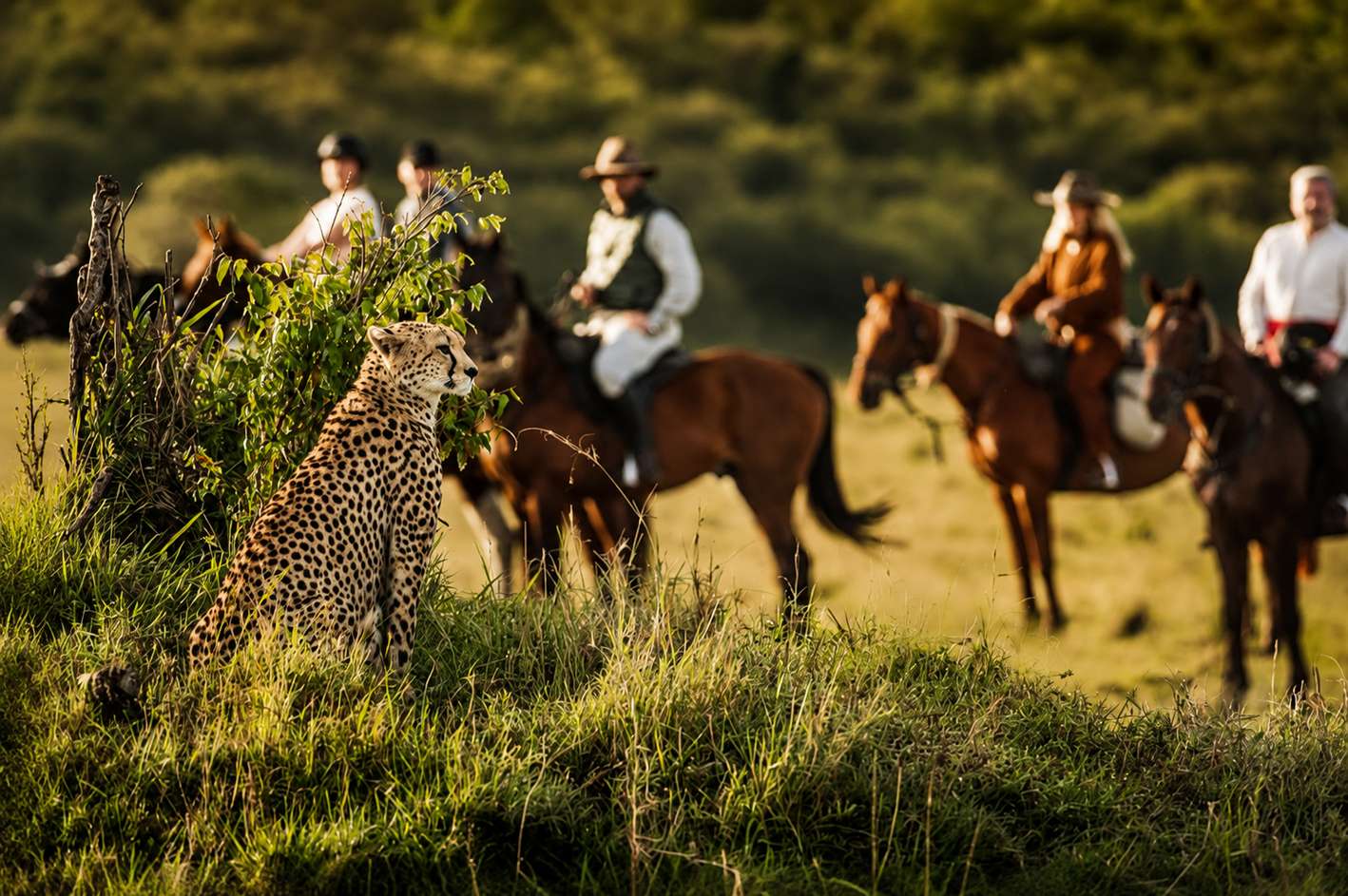
Lions, elephants, buffaloes and the endangered black rhino are the realistic prize on any given drive. Two things temper the picture. Cheetahs and leopards are much less common down here, so pair the crater with Tarangire or the Serengeti if big cats are the reason for the trip.
And dozens of vehicles do cluster around a single lion sighting, since off-road driving is banned and everyone shares the same tracks.
The fix that people who go often swear by is timing: descend at first light, or overnight on the rim, and the crowds never form around you.
What people get wrong about the crater
MythThe vehicle crowds will spoil the whole day
Reality
They gather mid-morning and cluster at sightings. Go down when the gate opens at 6 am, or sleep on the rim the night before, and you drive the floor before they arrive.
MythYou need several days here
Reality
The enclosed floor is compact, and one full day or one six-hour game drive covers it thoroughly.
MythIt only pays off alongside the Serengeti
Reality
The resident herds make the crater a complete day on its own; the Serengeti adds the migration and wide-open space.
Taken together, the crater earns a day of almost any Tanzania itinerary, provided you start it early and know which cats to look for elsewhere.
Tour for this
Tanzania: 2-Day Safari to Tarangire and Ngorongoro Crater4.0★ (1) · 2 days · Hotel pickup · Free cancellation
Ngorongoro crater floor and what one drive shows you
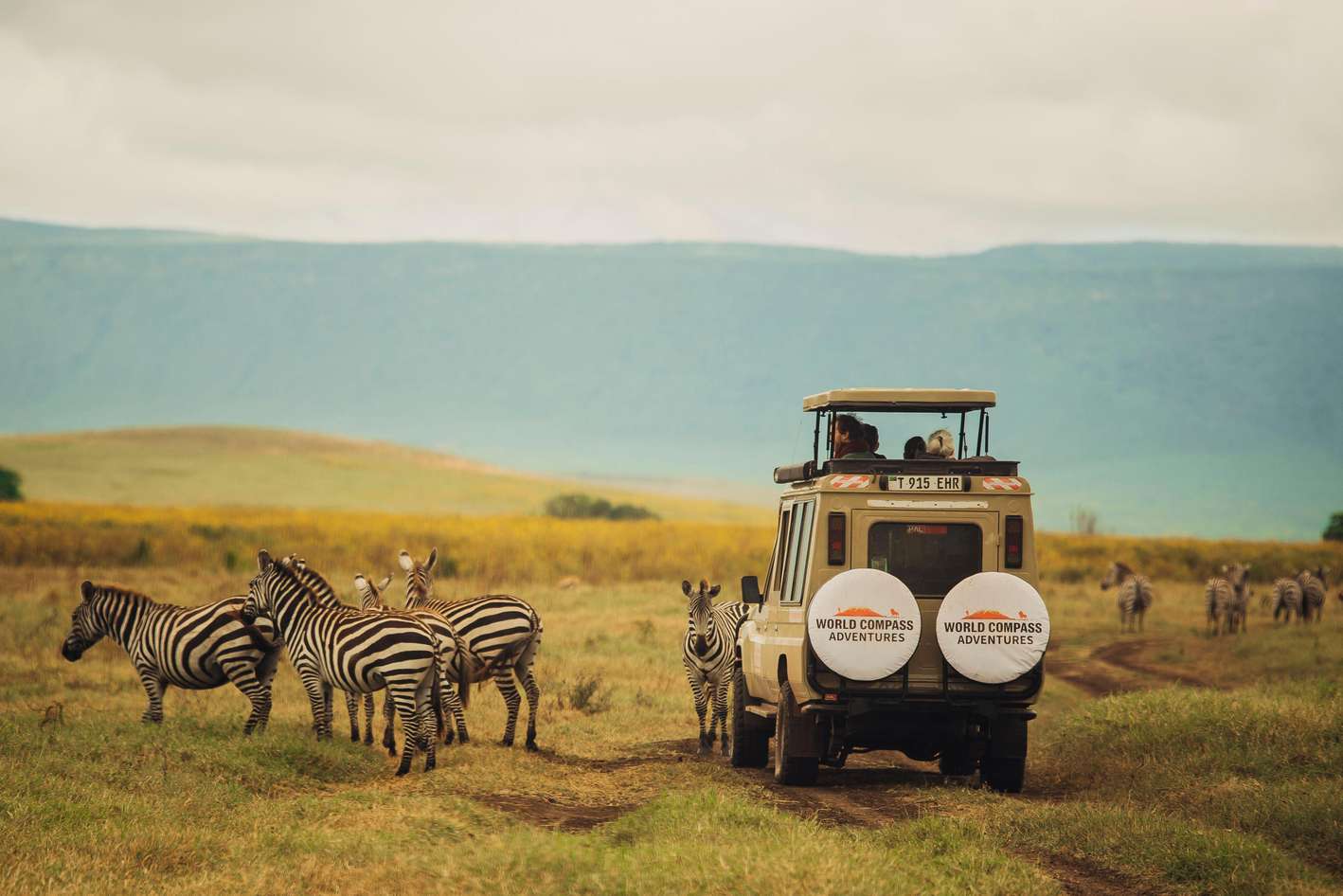
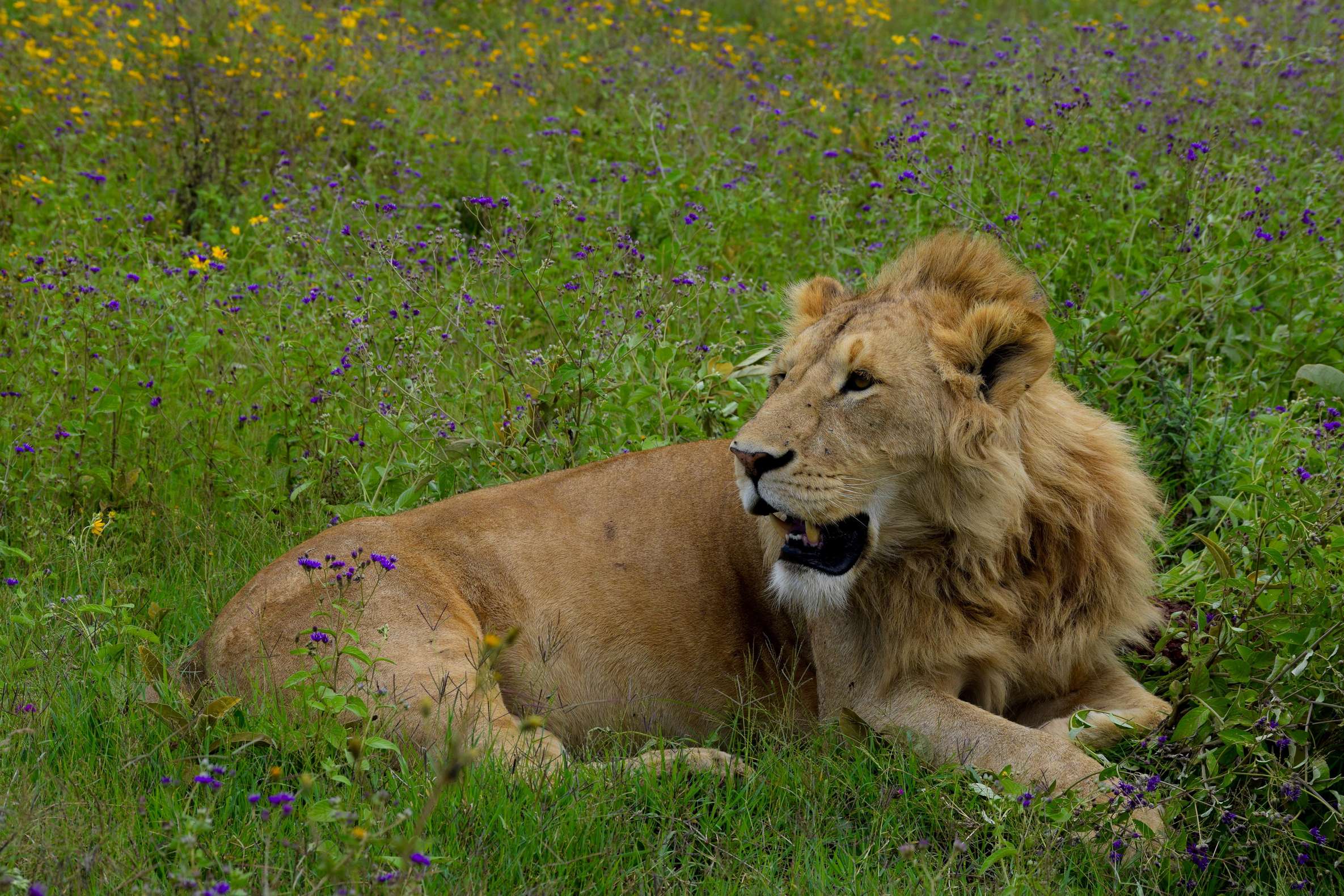
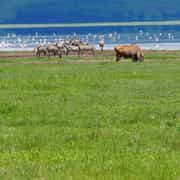
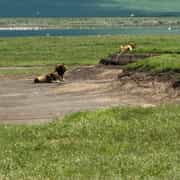
The six-hour drive reads like a route through three different worlds. Open grassland comes first, where lion prides lie close to the track and buffalo herds graze within sight of the road.
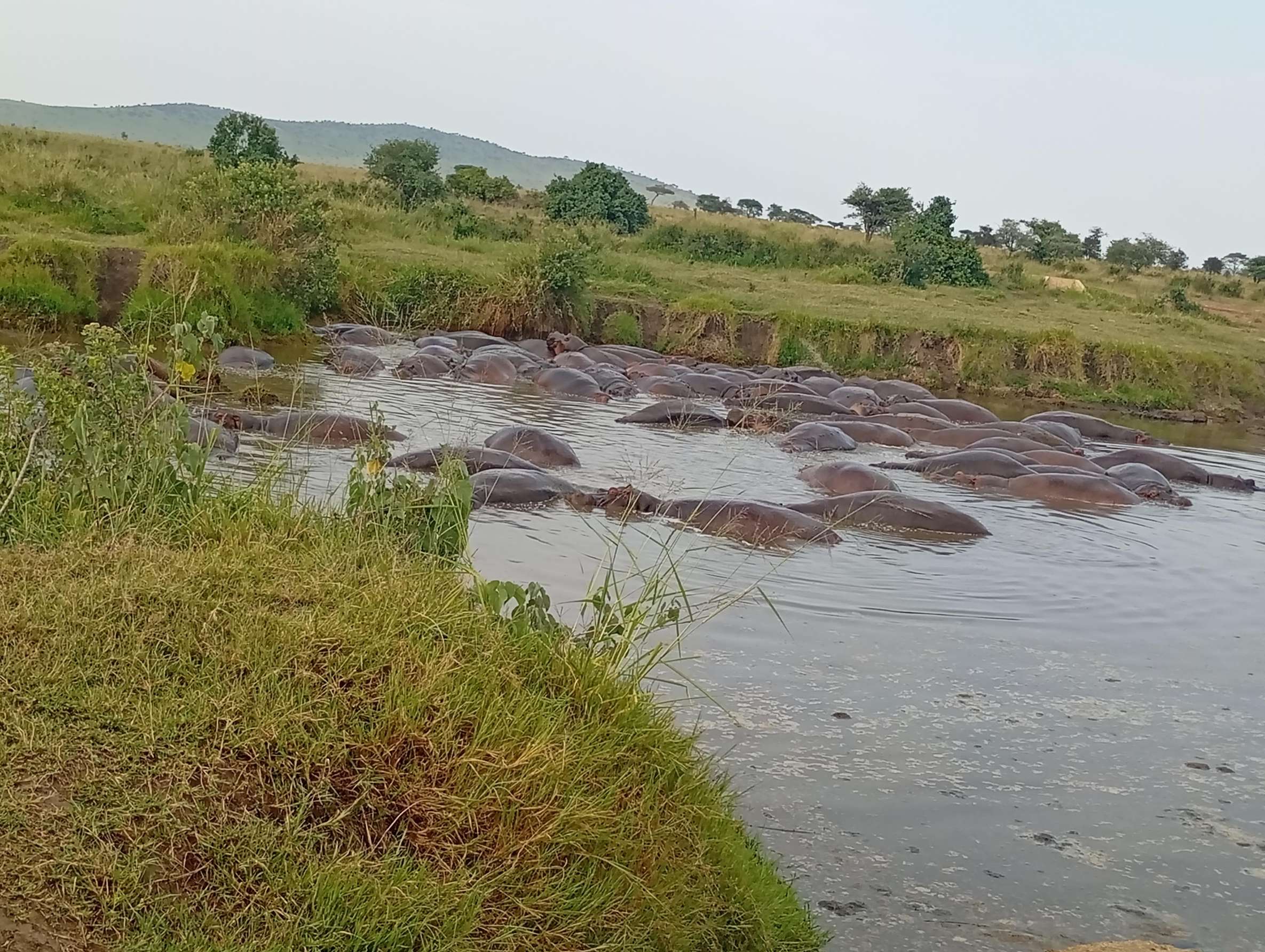
Then the marshes, where elephants wade and the Ngoitoktok Springs hold a resident hippo pool. Last is the Lerai Forest, a stand of yellow-barked fever trees that thrives on the springs pooling at the bottom of the basin.
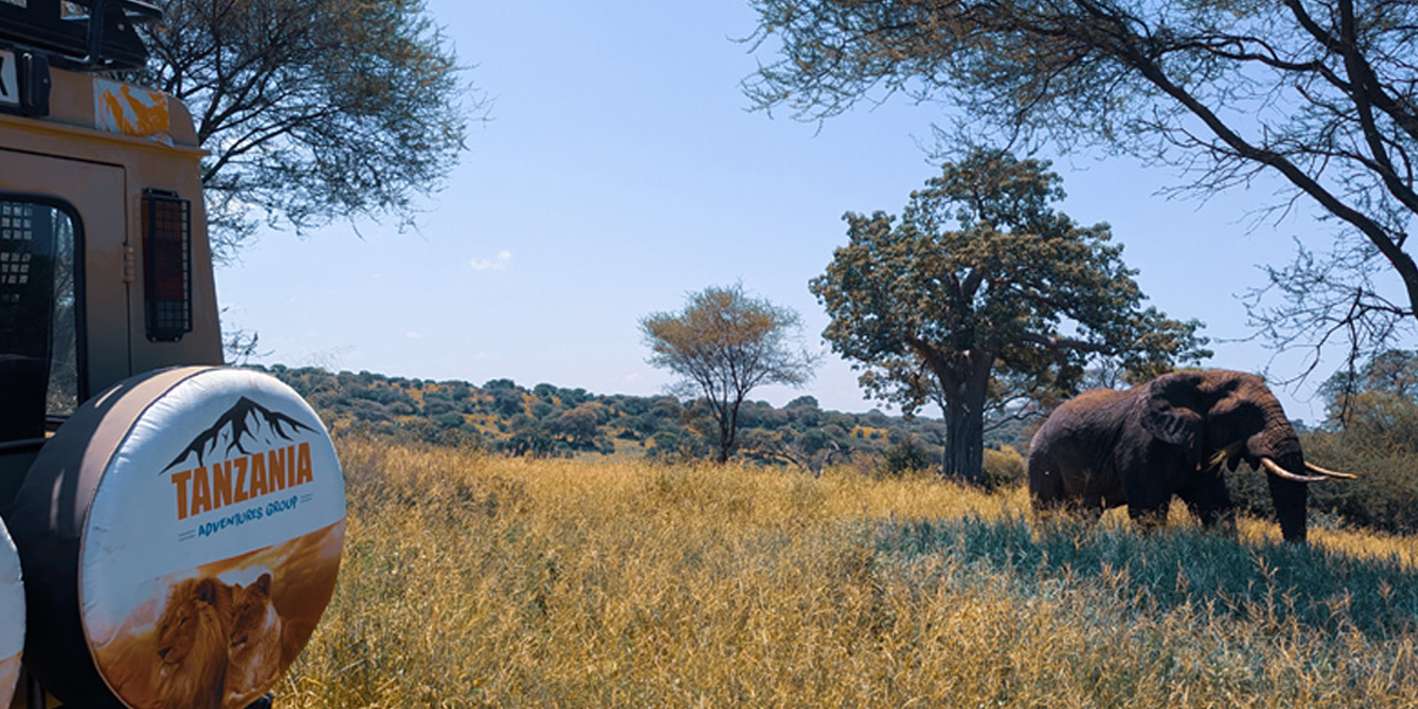
The black rhinos are out there too, but keep expectations calibrated. Off-road driving is strictly banned, so the vehicle stays on the designated tracks while rhinos sometimes hold their ground 100 meters away. A long telephoto lens earns its place in the bag here.
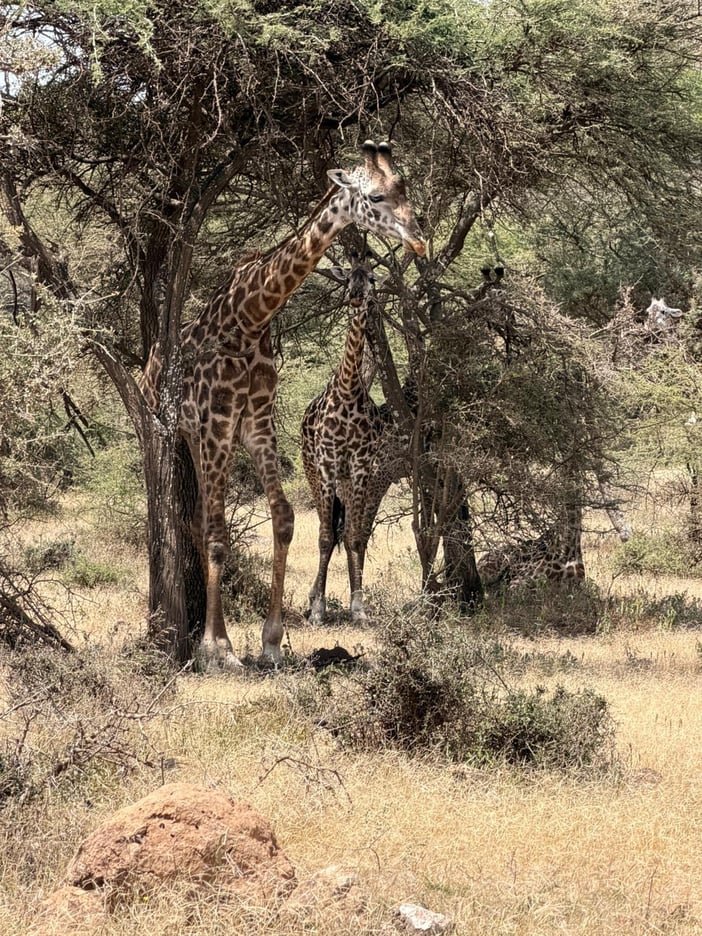
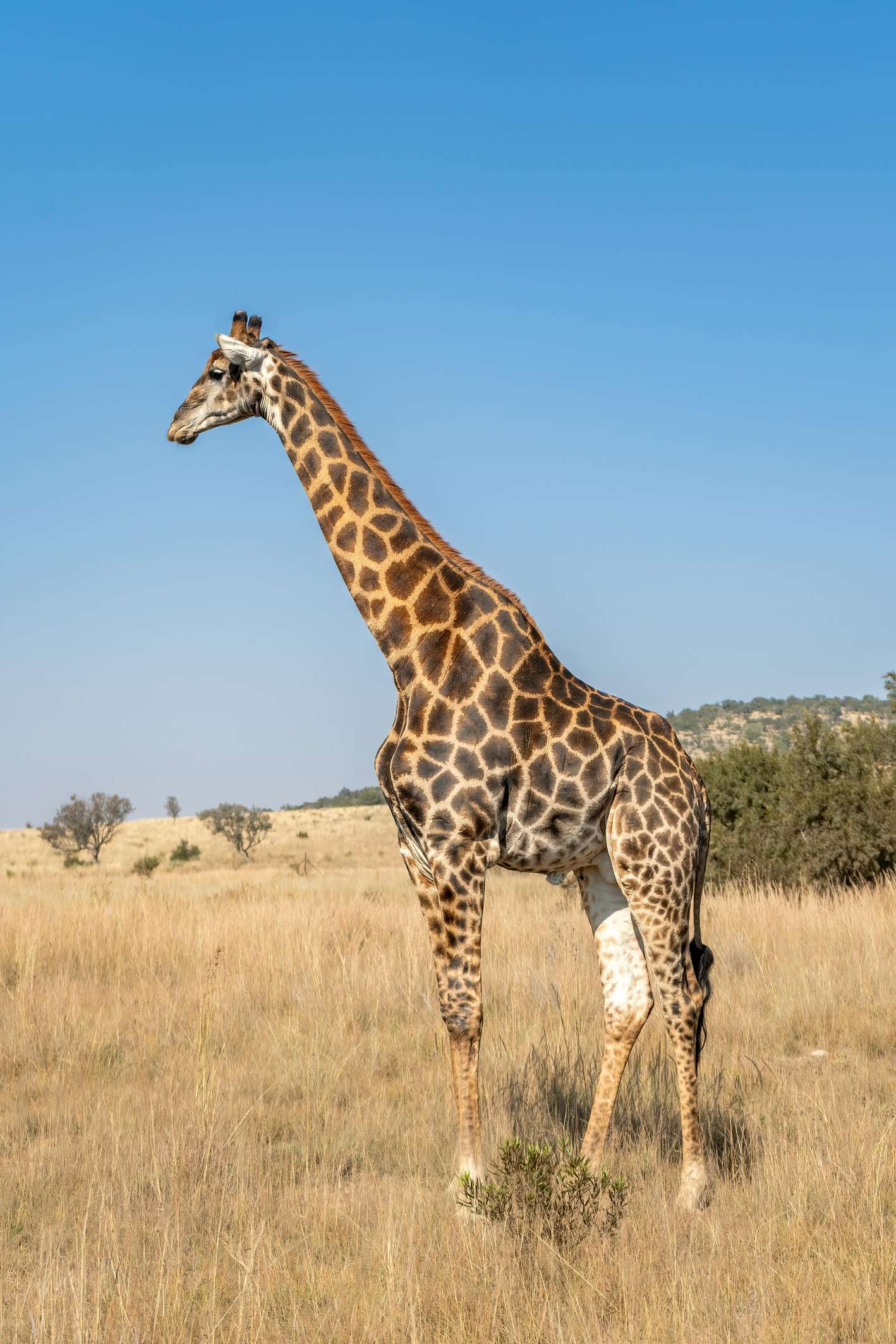
One famous absence: there are no giraffes on the crater floor. The walls are too steep for an animal built like a giraffe to climb safely, and the floor lacks the tall acacia woodland they feed on. They thrive on the rim instead.
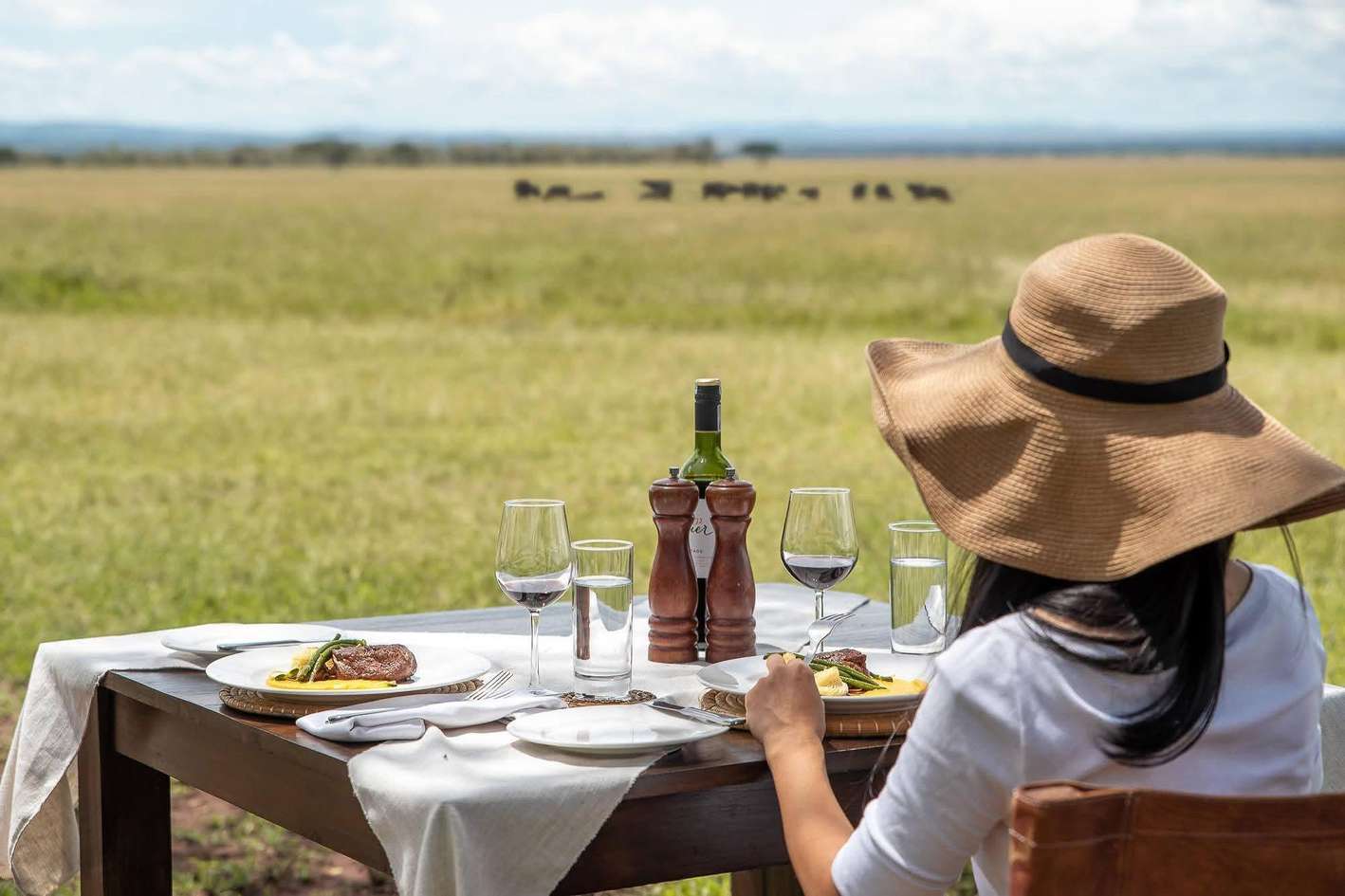
Midday, most vehicles stop at the hippo pool picnic site, the main designated spot where you may step out. Lunch beside hippos is one of the moments people remember longest.
Watch the black kites, though: they dive at food held in open hands, so keep it close to your body or eat inside the vehicle with the windows up.
What nobody tells you
Giraffes never come down
The walls are too steep and the floor has no tall trees, so the one animal you will not see is the tallest.
The off-road ban sets your distance
Vehicles cannot leave the tracks, so rhinos and lions sometimes stay a hundred meters off. Bring the long lens.
The hippo pool is the highlight
It is the main legal picnic stop, and lunch beside the hippos is the moment that sticks.
Black kites swoop on open hands
Hold food against your body or eat inside the vehicle with the windows up.
First-timers who know these three things, the absent giraffes, the fixed viewing distance and the picnic stop, read the floor like regulars by lunchtime.
Tour for this
Arusha: 3-Day Serengeti & Ngorongoro Crater Big Five Safari4.7★ (75) · 3 days · Hotel pickup · Free cancellation
When to go for the best Ngorongoro Crater game viewing
Wildlife lives here permanently, so there is no dead month. What changes is how easily you see it.
From June to October the dry season crops the grass short and squeezes animals around the permanent water sources, which opens long sightlines for predators and rhinos. Days run warm and dry, with cool nights that ask for a jacket at dinner.
In the green months from November to May the caldera turns lush, herds spread across fresh pasture and the taller grass trims your long-range views.
January and February bring a second peak, the calving season, with predators active around the young. April and May are the wettest stretch, with rain on roughly half the days and the tracks at their muddiest.
The month-by-month pattern of dry days and sightings shows how the two halves of the year trade off:
Wildlife visibility and dry days in Ngorongoro Crater
July: 24.6 dry days. Crisp mornings and twenty-five dry days offer excellent visibility as wildlife gathers around remaining water sources.
HighestJun to Oct19.4 to 24.6 days
In betweenFeb, May12.8 to 14.4 days
LowestMar to Apr, Nov to Jan4.6 to 10.4 days
Darker months: higher, from 4.6 to 24.6 days
Tap a month to read it.
August: lion seen 71 times. Peak dry conditions with twenty-four dry days draw heavy wildlife concentrations around permanent springs and open plains.
HighestFeb, Aug to Sep57 to 71 times seen
In betweenMar, Jun to Jul, Oct to Nov33 to 39 times seen
LowestApr to May, Dec to Jan9 to 29 times seen
Darker months: higher, from 9 to 71 times seen
Tap a month to read it.
July: common wildebeest seen 90 times. Crisp mornings and twenty-five dry days offer excellent visibility as wildlife gathers around remaining water sources.
HighestFeb, Jul to Sep71 to 90 times seen
In betweenJan, Mar, Oct to Nov46 to 65 times seen
LowestApr to Jun, Dec20 to 41 times seen
Darker months: higher, from 20 to 90 times seen
Tap a month to read it.
January: black rhinoceros seen 36 times. Lush green scenery and calving wildlife spread across the crater floor with around ten dry days and warm daytime temperatures.
HighestJan to Feb34 to 36 times seen
In betweenJun, Sep, Nov21 to 26 times seen
LowestMar to May, Jul to Aug, Oct, Dec12 to 18 times seen
Darker months: higher, from 12 to 36 times seen
Tap a month to read it.
Two seasons settle the choice. June to September buys open, dust-brown visibility, and February buys green scenery with calves on the plains. The lion and rhino counts hold up across the year, so the season you pick is about scenery and sightlines, never about empty months.
Tour for this
Zanzibar: 2-Day Private Magical Ngorongoro Crater Safari5.0★ (2) · 2 days · Hotel pickup · Free cancellation
The central planning question settles plainly. A single day, or one six-hour game drive, genuinely covers the compact caldera floor. What fails is squeezing it into a quick morning run; that is the version that leaves people wishing they had stayed longer.
The park's own rules back this up. Crater drives run inside a fixed daytime window, the descent closes at 4 pm and every vehicle must be up the wall by 6 pm. Operators depart at sunrise because the turnaround times allow nothing looser.
Given two or three days, pairing the crater with Tarangire turns it into a proper safari, and the drive between the two takes about two hours. Add the Serengeti and you hold the full northern circuit.
If the crater falls on the last morning of a longer circuit, a half-day descent works well and still returns you to Arusha by late afternoon.
The three shapes of a crater trip look like this side by side:
Day trip, two days or three
Full-day trip from Arusha
2-day Tarangire plus crater
3-day circuit with Serengeti
Road travel
Very early start, long drive home the same day
Moderate, an overnight in Karatu breaks it up
Longest, but the driving buys three parks
Game-viewing hours
About six hours inside the caldera
Two parks of drives over two days
Two to three days of drives across the circuit
Pace
Full and efficient, no slack
Relaxed, sunrise crater descent
Proper safari rhythm
Best for
Short stays and add-on days
First safari, limited leave
Travelers chasing big cats and migration
Full-day trip from Arusha
Road travel
Very early start, long drive home the same day
Game-viewing hours
About six hours inside the caldera
Pace
Full and efficient, no slack
Best for
Short stays and add-on days
2-day Tarangire plus crater
Road travel
Moderate, an overnight in Karatu breaks it up
Game-viewing hours
Two parks of drives over two days
Pace
Relaxed, sunrise crater descent
Best for
First safari, limited leave
3-day circuit with Serengeti
Road travel
Longest, but the driving buys three parks
Game-viewing hours
Two to three days of drives across the circuit
Pace
Proper safari rhythm
Best for
Travelers chasing big cats and migration
Match the shape to the days you have. A day trip fits a tight itinerary, the two-day run suits a first safari, and three days give the cats and the migration their chance.
Tour for this
3-Day Safari Serengeti & Ngorongoro Crater (Private/Joining)4.1★ (8) · Valid 3 days · Hotel pickup · Free cancellation
Ngorongoro crater safari, private 4x4 or shared group
The booking decision comes down to what you want control over. A private 4x4 with its own guide sets the departure time, the drive length, the time spent at every sighting and the rest breaks.
For two people traveling together, a private booking often runs only marginally more than a shared departure, which is why couples rarely regret the private vehicle. Solo travelers feel the private premium most.
Shared group camping tours cut the cost and add a different texture: basic ground tents on foam mattresses, shared bathroom blocks, and on some budget trips a share of the camp chores, from pitching tents to washing dishes.
The schedule belongs to the group. Families with young children nearly always do better in a private vehicle for exactly that reason.
Before paying anyone, run a short set of checks. A legitimate local operator can be verified through the Ministry of Tourism stakeholder register or industry associations such as TATO, and the deposit any of them asks for is an upfront share of the booking, typically a substantial portion paid in advance.
Choosing a Ngorongoro crater safari operator
Check
Why it matters
Our pick
Operator credentials
Legitimate Tanzanian operators sit on the Ministry of Tourism register or belong to associations like TATO
Established local operator with a long-running crater itinerary
Guide language
Some tours charge extra or need an add-on for a French, German or Italian guide
English-speaking guide included as standard
Group size
A shared vehicle means a shared schedule and shared seats
Joining option seats solo travelers and duos together; the private option gives you the whole vehicle
Cancellation terms
Plans change, and the terms decide what that costs
Free cancellation up to 24 hours before departure
Vehicle and pacing
Pop-top 4x4s and a dedicated guide decide how long you linger at sightings
4x4 with pop-up roof and a professional guide on both options
Run those five checks against any quote and the right vehicle, shared or private, usually picks itself.
Yes, and the flight is what makes it work. A small prop plane from Zanzibar reaches Lake Manyara Airstrip in roughly two to two-and-a-half hours, replacing a road transfer that would eat most of a day.
Travelers who have flown it describe the logistics flowing with almost no dead time: an early hotel pickup, the short hop, and game viewing that starts the same day.
A traveler's note
A sublime 3-day safari with Season Master Adventures. Patrick and his team were informative, helpful and on time. We saw all the animals up close and the food was delicious. Definitely recommend!
The honest framing is that a two-day fly-in gives you one full crater day and a night near the parks, which suits a beach holiday with a safari chapter in it. The wildlife is what people come back talking about, and the airfare rarely enters the story they tell.
Tour for this
BEST 3-DAY TANZANIA SAFARI TOUR FROM ARUSHA5.0★ (4) · 3 days · Hotel pickup · Free cancellation
The caldera sits on the Northern Safari Circuit, reachable by road from Arusha or on the way between Tarangire and the Serengeti.
Group departures pick up from accommodations in Arusha City Centre between 6 and 7:30 am, and the early start is what buys game viewing on the drive through the Conservation Area and a floor descent before the crowds.
Flying changes the arithmetic. Landing at Lake Manyara Airstrip takes about 45 minutes from Kilimanjaro, against a road drive of nearly six hours from Kilimanjaro International Airport to the Ngorongoro area. On tight schedules, the flight saves half a day.
Self-drivers have an option too. Rental cars may descend into the crater provided they are high-clearance 4x4s with low-range gearing, and a certified guide or authorized park ranger typically has to come along. The crater descent fee applies to self-drivers the same as everyone else, charged per vehicle.
Getting in: how hard each route is
Road drive from ArushaPickups from 6 am, a full-day commitment with the rim reached mid-morning
Moderate
Fly-in to Lake Manyara AirstripUnder three hours from Zanzibar, about 45 minutes from Kilimanjaro
Easy
Overnight in Karatu firstSkips the pre-dawn slog and puts you at the gate for a sunrise descent
Easy
Self-driveHigh-clearance 4x4 with low range required, plus a guide and the per-vehicle descent fee
Moderate
Whichever way in you choose, the earlier you stand at the rim, the better the day goes.
Driving yourself
Rent a car for the driveCompare cars from the rental companies in one search, then pick yours.
The crater runs on its own clock and the day bends around it. Descent opens at 6 am. The Seneto Descent Gate stops letting vehicles in at 4 pm. And every vehicle, without exception, must be back up the wall and off the floor by 6 pm.
The drive between the rim and the floor takes about 20 to 25 minutes each way, which is why a sunrise start separates a full day from a rushed one.
Operators are strict about pickups because the fixed window leaves no room to recover a late start. The people who go often put it simply: line up at the gate before it opens, descend first thing, and you experience the caldera floor before the tour vehicles arrive.
This is a full-day commitment by design; you go down in the morning and the enclosed floor holds you until the ascent.
How the crater day runs
1
Early pickup
Hotel collection in Arusha, departures from 6 am
Group safaris collect from accommodations in Arusha City Centre
2
Rim arrival and gate
Registration at the Conservation Area gate, then the descent road
The wall drive down takes 20 to 25 minutes
3
6 am descent opening
First vehicles onto the floor
Down at opening means the sightings are yours before the crowds gather
4
Midday
Picnic lunch at the Ngoitoktok Springs hippo pool
The main designated stop where you may leave the vehicle
5
Late afternoon
Ascent and exit
All vehicles must be off the crater floor by 6 pm, and no vehicles enter after 4 pm
Read that clock once and every operator's early pickup makes sense.
The paperwork surprises nobody who reads ahead. Loduare Gate checks a valid passport or national ID from every visitor, and foreign residents show proof of residency. The crater's signature cost is a flat vehicle descent fee, charged per vehicle on top of individual park admission, which is why per-person quotes vary with group size.
The document that can actually stop the trip is the yellow fever certificate. Tanzania requires proof from travelers aged one and older who arrive from, or transit twelve hours or more through, a country with yellow fever risk, and the vaccine must be given at least ten days before arrival.
Anyone coming directly from a non-endemic country does not need it. Arriving travelers also need a passport valid six months beyond arrival with blank pages for stamps; a single visa covers both the mainland and Zanzibar, applied for online in advance or on arrival at the major airports.
One packing rule catches people at the airport: single-use plastic bags are banned nationwide and get confiscated, so leave the duty-free carrier bag behind.
The document that stops the trip
Yellow fever proof is required from anyone arriving from, or transiting 12 or more hours through, an endemic country, and the vaccination must be done at least 10 days before arrival Get vaccinated early and carry the certificate with your passport; travelers arriving directly from non-endemic countries are exempt.
Sort those papers before you fly and the gates become a formality.
No other safari day asks you to pack for two climates. The rim sits at 2,200 to 2,300 meters, and at dawn it holds around 10 to 15 degrees with damp mist and real wind chill coming through an open vehicle.
By late morning on the caldera floor, direct sun has warmed the basin and you are shedding layers onto the seat beside you.
The fix is a four-layer system: a moisture-wicking base, a long-sleeved shirt, a fleece or light down jacket, and a windproof shell, with a beanie and light gloves for the descent. By midday the wide-brim hat replaces the beanie.
Colors matter as much as layers. Dark blue and black attract tsetse flies, the same shades used in baited fly traps, so build the wardrobe from khaki, olive and beige. White soils fast in the dust, and camouflage clothing is illegal for civilians in Tanzania.
For the camera, the rhinos set the requirement: telephoto reach of at least 400mm frames them across the open grassland the vehicle cannot enter.
Layers for rim mornings and crater floor midday
Moisture-wicking base layerKeeps skin dry and warm during the cold pre-dawn rim departure, staying breathable as the caldera floor heats up by midday.
Long-sleeved safari shirtAdds warmth over the base layer at dawn and provides essential sun and dust protection once stripped down on the crater floor.
Fleece or light down jacketInsulates against 10-15°C pre-dawn rim temperatures and early drafts; shed and leave on your vehicle seat once down on the floor.
Windproof and water-resistant shellShields against chilly crater rim mist and wind in open vehicles at dawn; pack away when direct sunlight warms the caldera.
Warm beanie and light glovesKeeps extremities warm while sitting still during early morning vehicle staging and the steep descent down the crater wall.
Wide-brimmed sun hatReplaces the morning beanie by late morning to protect against strong midday sun across the shade-free caldera floor.
Layer once in the morning and the day takes care of itself; everything sheds into a seat pocket and goes back on for the cold ascent at dusk.
Two things can reshape the day, and neither should stop the booking. The first is the shared departure itself.
If a group-joining safari does not fill its minimum headcount, operators commonly run it anyway, giving the small party a private driver and vehicle at the shared-seat price. Low demand tends to work in the traveler's favor.
The second is weather, which matters mainly on fly-in itineraries. Coastal conditions can ground small aircraft and delay schedules, and operators are explicit that they cannot take responsibility for missed onward connections or missed activities caused by flight delays. Book any connecting flight with buffer around the safari.
What no operator can promise is a specific animal. Sightings are never guaranteed because the wildlife roams free, though the guides work the vehicle radio network across the park to track down the rarer animals. On a caldera with 25,000 resident mammals, the odds sit about as high as they get.
When plans slip
If this happens
What happens then
You cancel more than 24 hours before departure
Full refund on the tours listed on this page
A bush flight is grounded by weather or unsafe flying conditions
An alternative date or a full refund on affected day trips
A group-joining safari misses its minimum headcount
It usually runs anyway, with a private driver and vehicle at the shared-seat price
Flight seats are scarce on your chosen date
The operator may reschedule the departure to a date with seats available
Your connecting flight or onward plans are hit by a delay
The safari operator does not cover missed connections, so build buffer into your itinerary
Every fallback here leans in the traveler's favor, which is the reassurance most people need before they commit.
The caldera delivers what few places can: a reliable Big Five day inside one enclosed bowl, with black rhinos on open grassland and a hippo pool for lunch.
Go down at or just after the 6 am opening, give it a full six hours, and it rewards the day completely. One day here is enough; the big cats and the migration belong to the parks beyond.
Go ifYou want the Big Five with real odds in a single dayYou can start at dawn or sleep on the rim the night beforeYou have a beach week in Zanzibar and two days to spare
Skip ifBig cats are the whole point of the trip; cheetahs and leopards are scarce hereYou can only manage a rushed morning drive inside the caldera
Our pick to book
Ngorongoro Crater Day Trip - Full Game Drive4.4★ (7) · 1 day · Hotel pickup · Free cancellation
The things travelers ask before they book a crater descent, answered straight.
Moshi2026
Black rhino beside the track an hour after dawn. Book the earliest descent you can, the floor fills up fast.
Where is Ngorongoro Crater?
The crater sits in northern Tanzania, inside the Ngorongoro Conservation Area on the Northern Safari Circuit. You reach it by road from Arusha, or after Tarangire on the way to the Serengeti.
Is Ngorongoro Crater in the Serengeti?
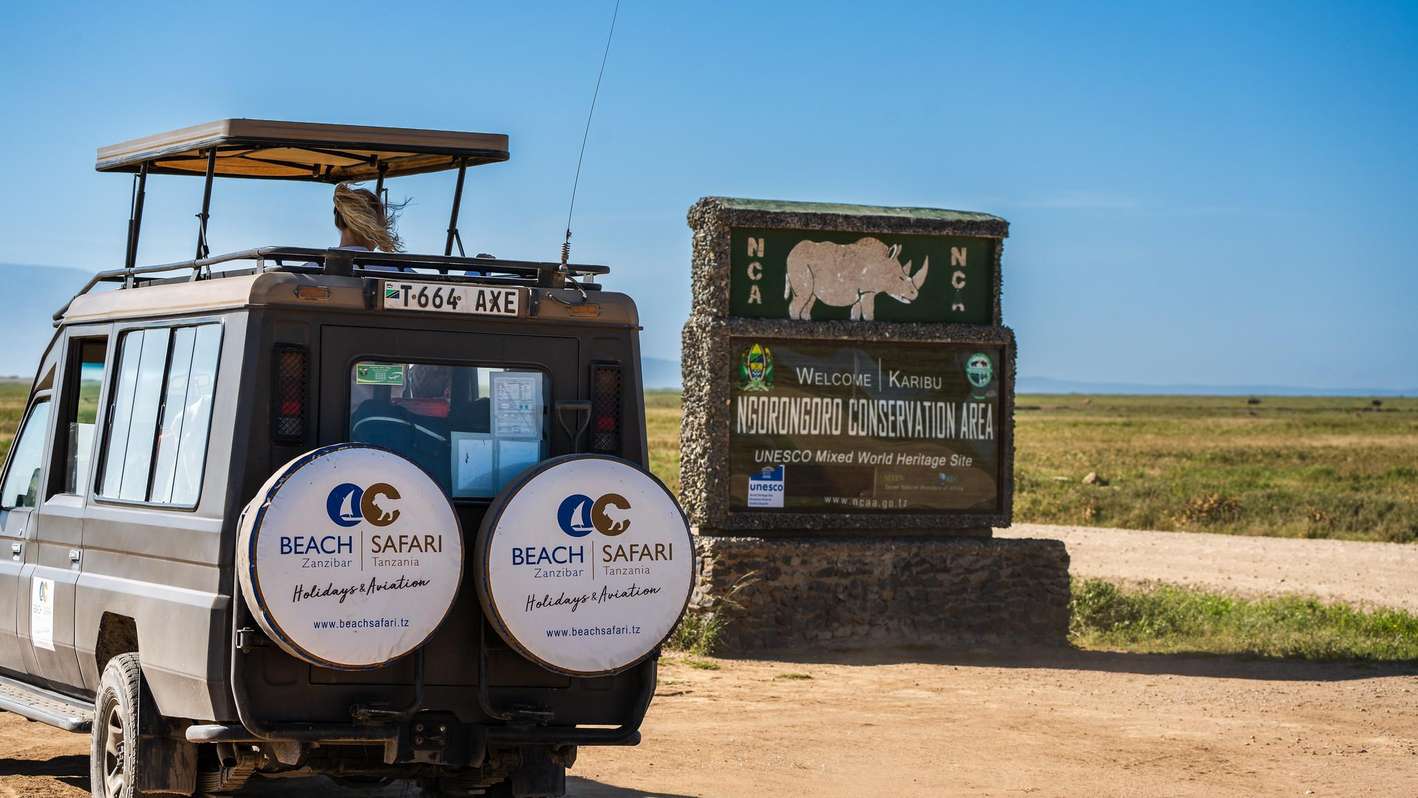
No. The crater lies in the Ngorongoro Conservation Area, a separate protected region with its own entry rules and fees. Most overland safaris pass through it between Tarangire and the Serengeti.
What is Ngorongoro Crater famous for?
It is the largest intact, unflooded volcanic caldera in the world, a UNESCO World Heritage Site roughly 20 kilometers across and 600 meters deep. Resident wildlife stays inside the basin all year, which makes sightings unusually reliable.
Is Ngorongoro Crater worth visiting?
For many travelers it is the most productive single day of wildlife viewing in Tanzania. Animals live permanently on the caldera floor, so lions, elephants, buffaloes and black rhinos come into view within one game drive.
Is a one-day Ngorongoro Crater safari from Arusha too rushed?
One full day with a six-hour game drive is enough to cover the compact caldera floor properly. A quick morning-only drive is where people end up wishing they had more time.
How do you get to Ngorongoro Crater?
Most visitors drive from Arusha in a 4x4 safari vehicle, often combined with Tarangire or the Serengeti. Travelers coming from Zanzibar can fly to the Lake Manyara area, which replaces a road journey of around six hours.
When is the best time for a Ngorongoro Crater safari?
June to October is the strongest stretch, with short grass, little rain and mild days around 17 to 21 degrees. January and February bring a second peak during the calving season, and viewing stays worthwhile the rest of the year.
Ngorongoro Crater or the Serengeti: which is better?
They do different jobs. Ngorongoro gives you dense, reliable Big Five viewing in a single day inside an enclosed basin. The Serengeti covers vastly more ground, so it rewards patience and long drives with space away from other vehicles.
Which animals will I see on the crater floor?
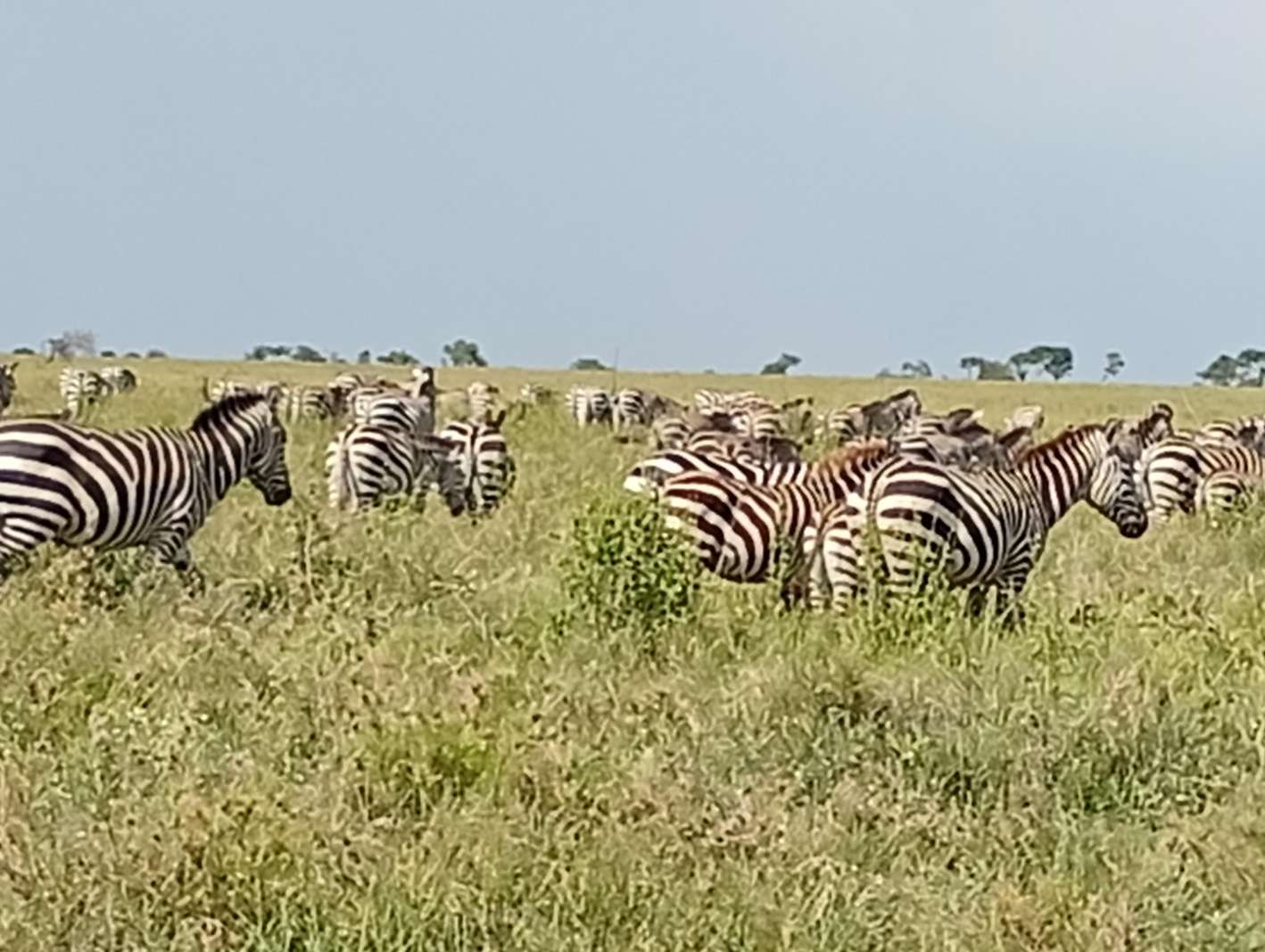
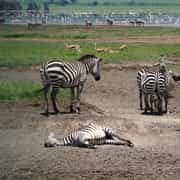
Lions, elephants, buffaloes and the rare black rhino are likely, along with hippos, zebras and wildebeest. Cheetahs and leopards are seen less often. Giraffes are completely absent, because the steep walls and open grassland do not suit them.
Why do so many vehicles gather around one sighting?
Off-road driving is banned on the crater floor, so every vehicle uses the same tracks and dozens can cluster around a good animal sighting. Guides who network by radio with other drivers still find quieter angles.
How do I avoid the crowds on the crater floor?
Time your descent for first light. Vehicles that reach the floor at or right after the 6 am gate opening see the caldera before the crowds build through the morning.
Is a safari in the Ngorongoro Conservation Area safe?
Yes, as long as park rules are followed. You stay inside the vehicle, keep your hands in, never feed or touch animals, and step out only at designated picnic and restroom sites such as the Hippo Pool.
Keep exploring Tanzania beyond the ngorongoro crater


 Your best match