
3 days·English
4.7(75)
Arusha: 3-Day Serengeti & Ngorongoro Crater Big Five Safari
Free cancellationHotel pickup includedBottled drinking water throughout the tour
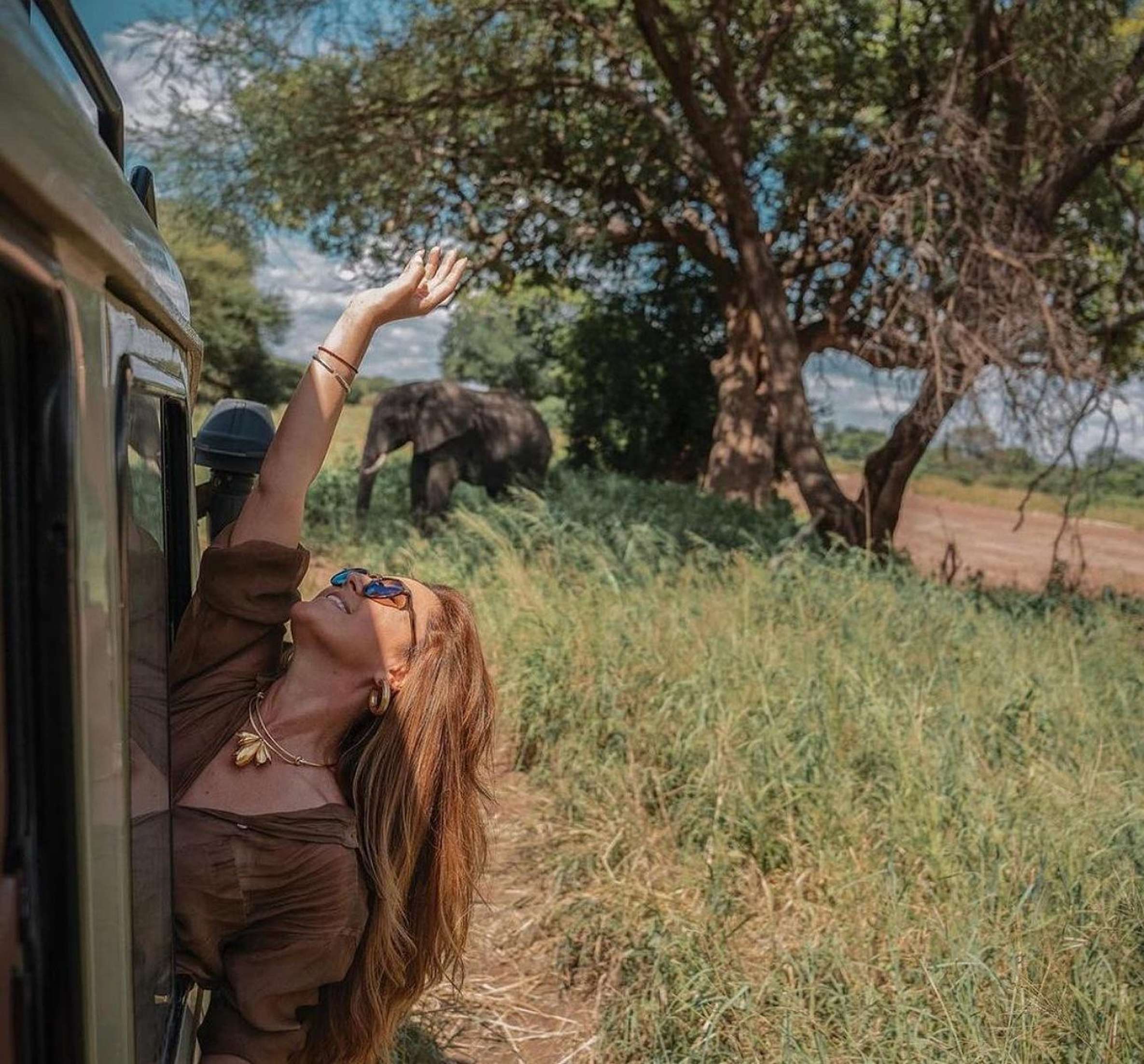
Plan your safari around the seasons you actually want. Pick your month, match it to the wildlife you came for, and book a guided 4x4 safari with knowledgeable guides who track lions across the plains for you.
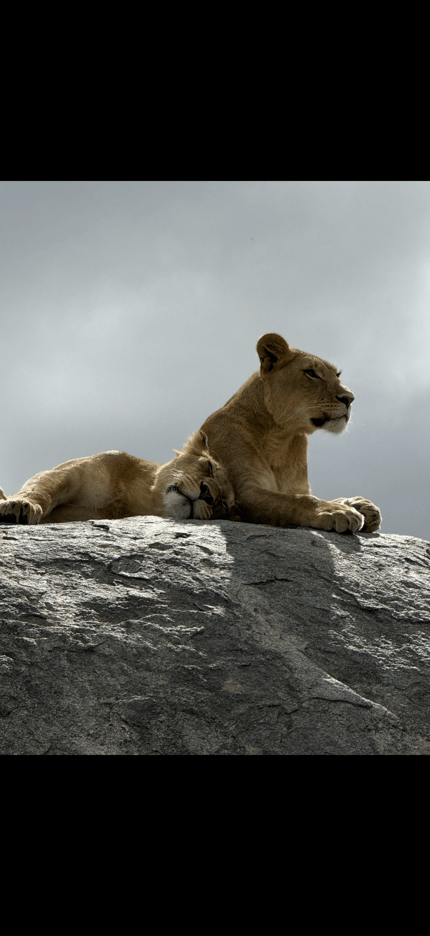
"I'd do this trip over and over. It was the highlight of our honeymoon. Thanks so much!"
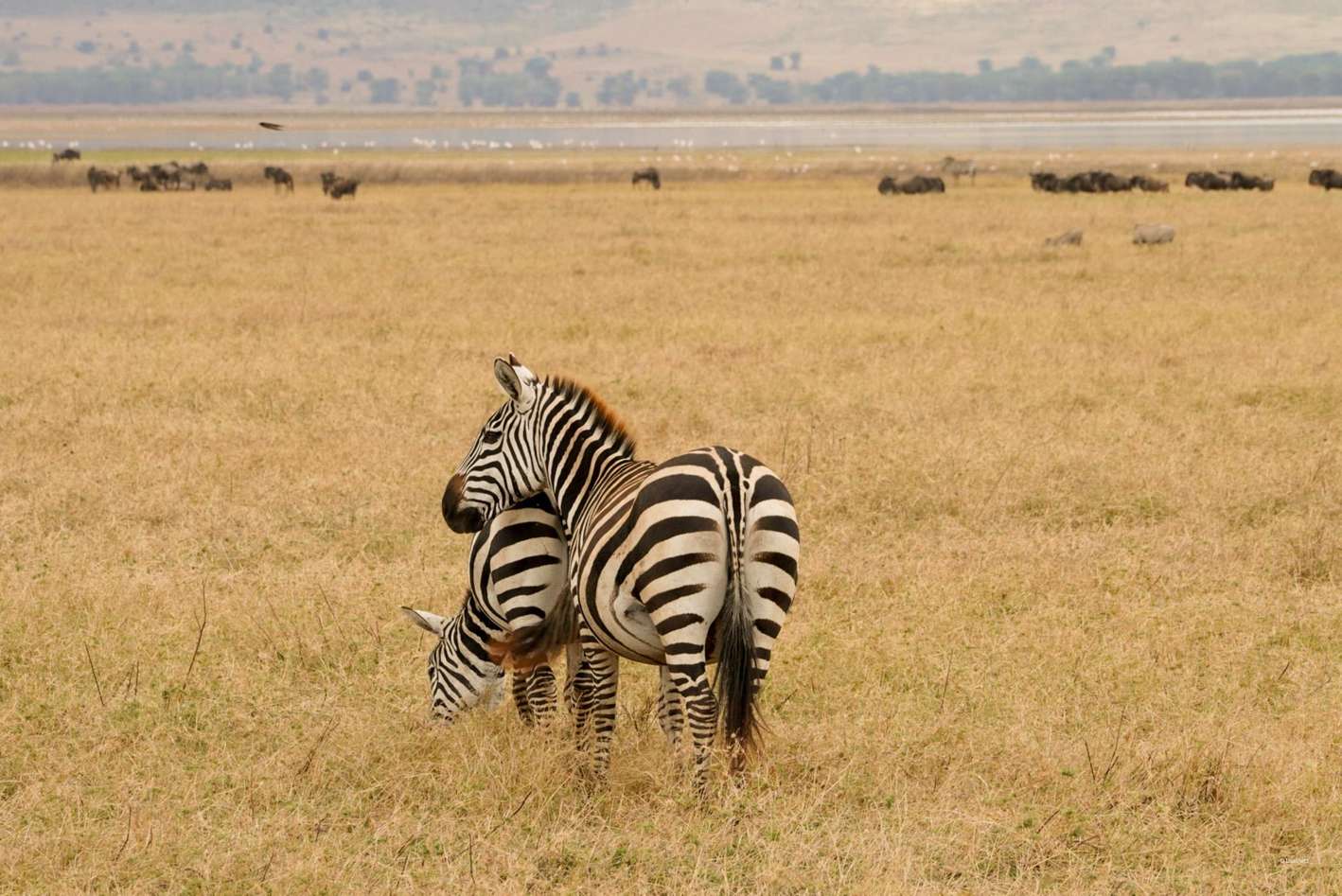
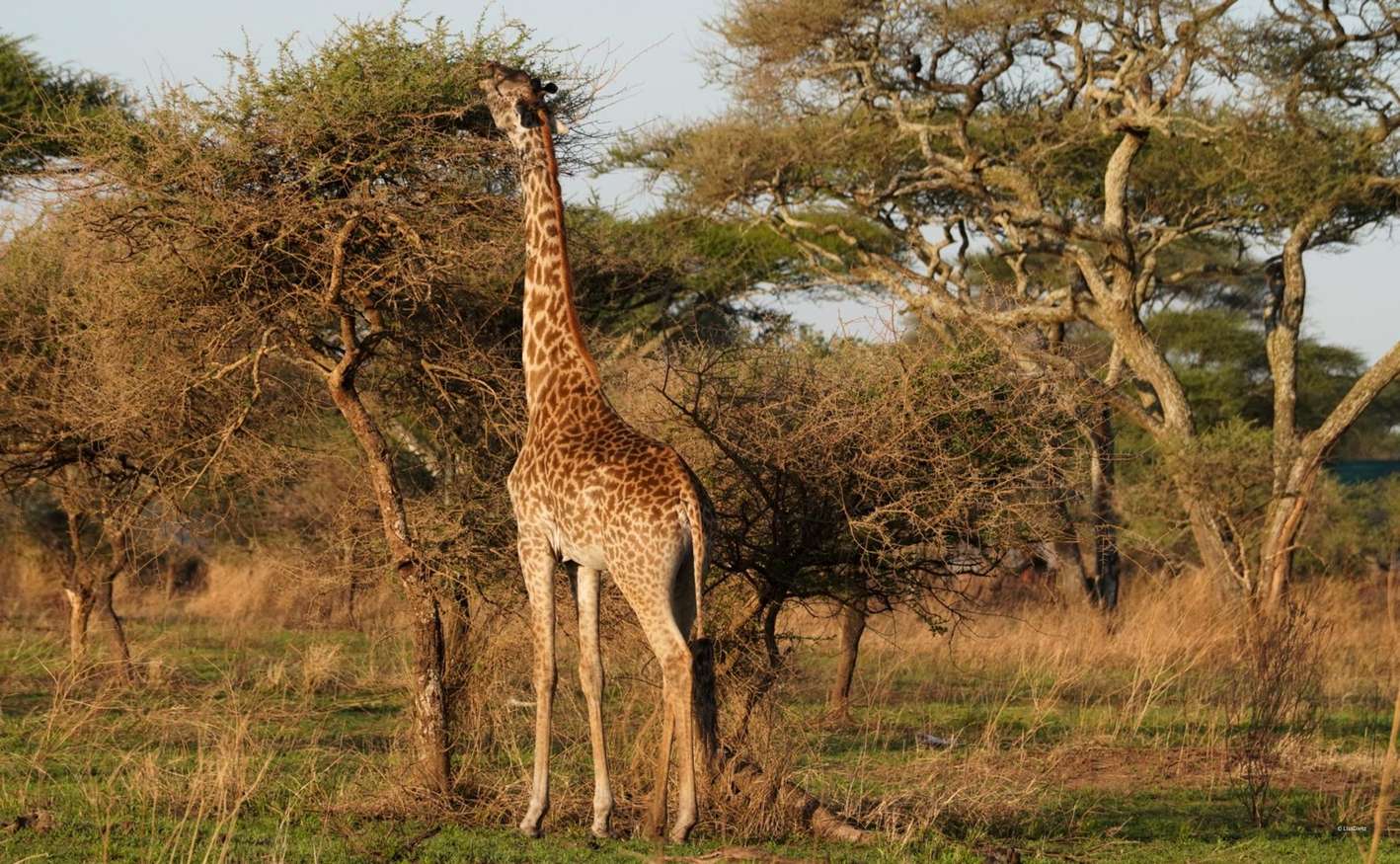
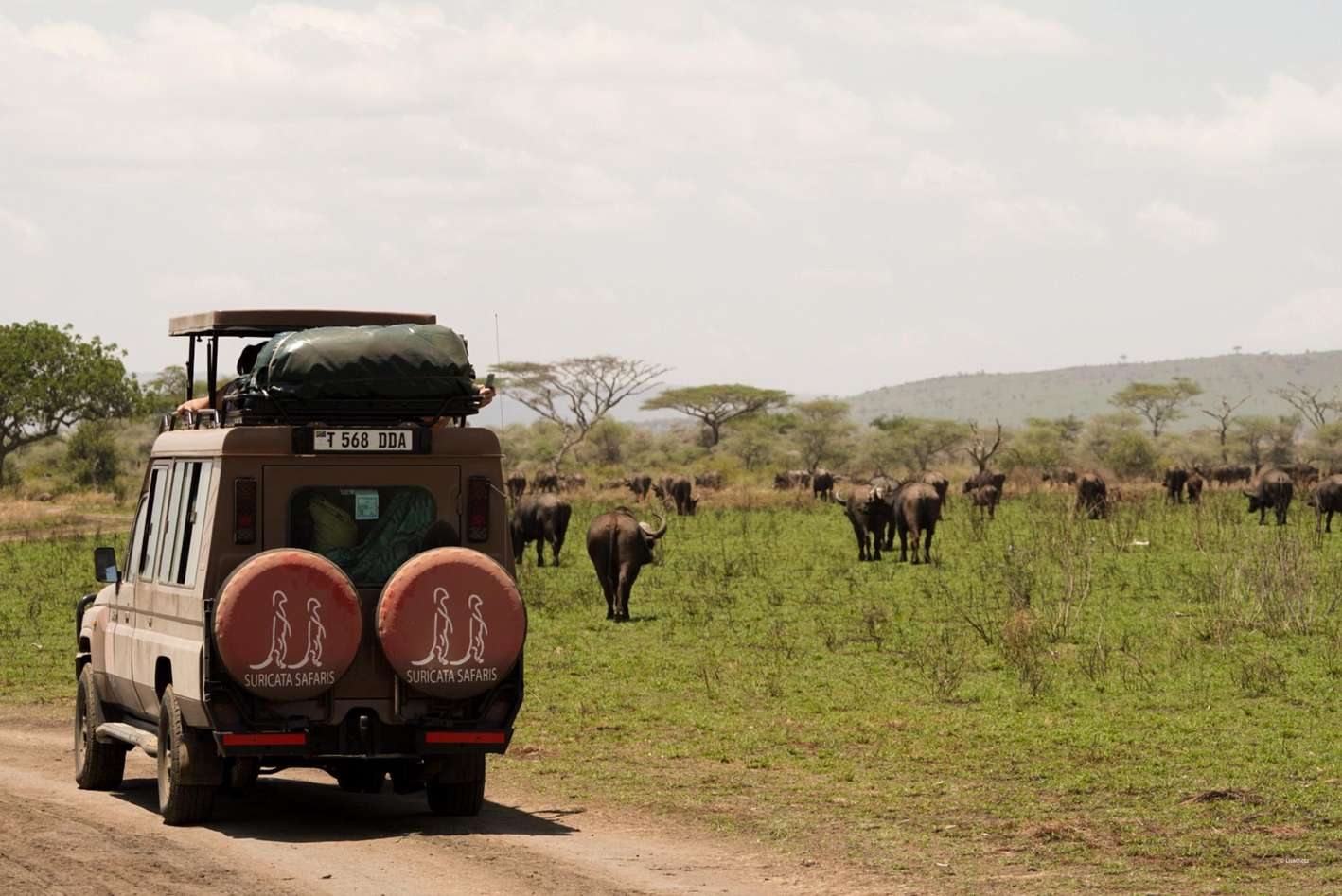
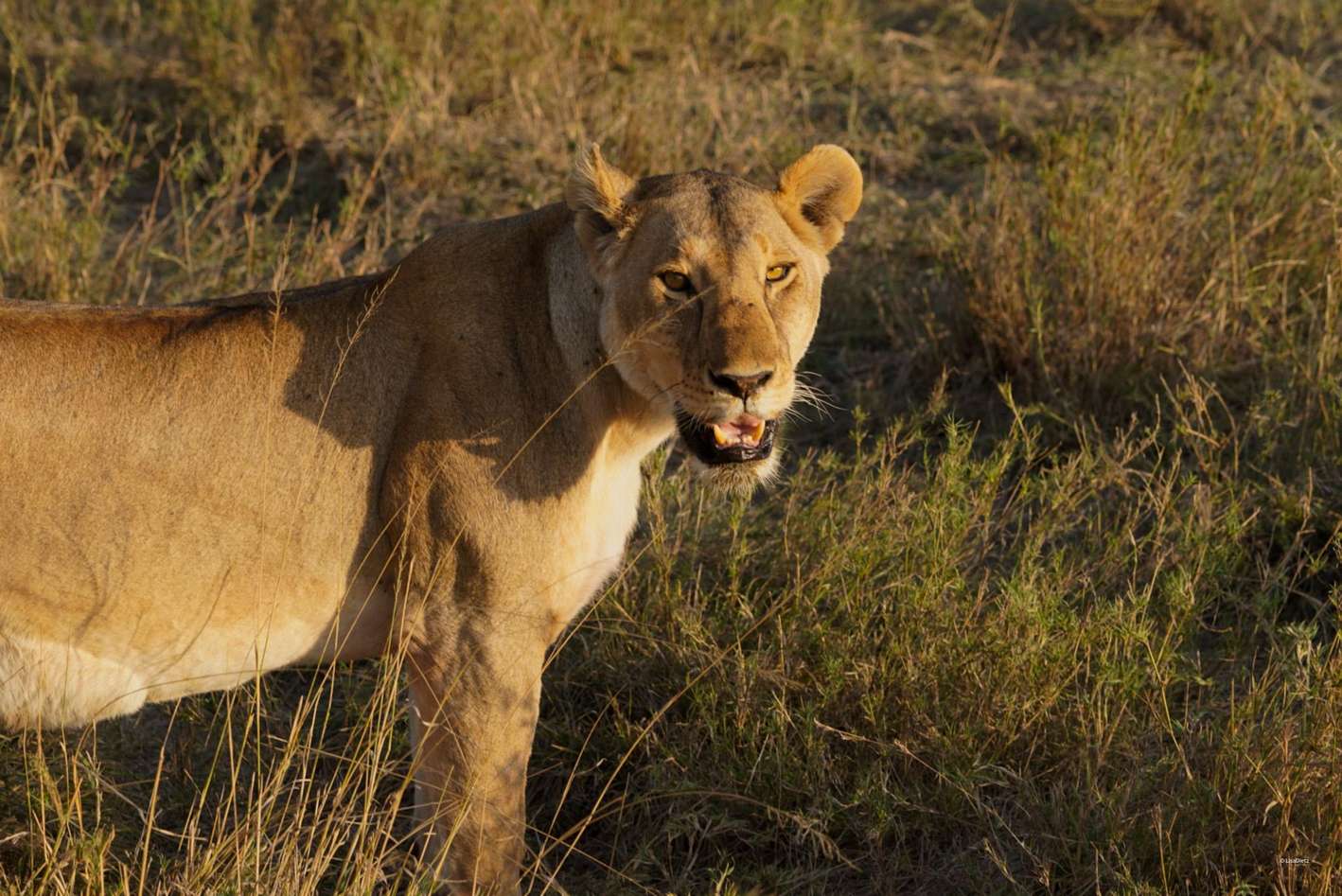
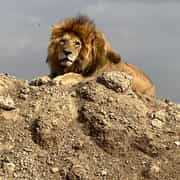
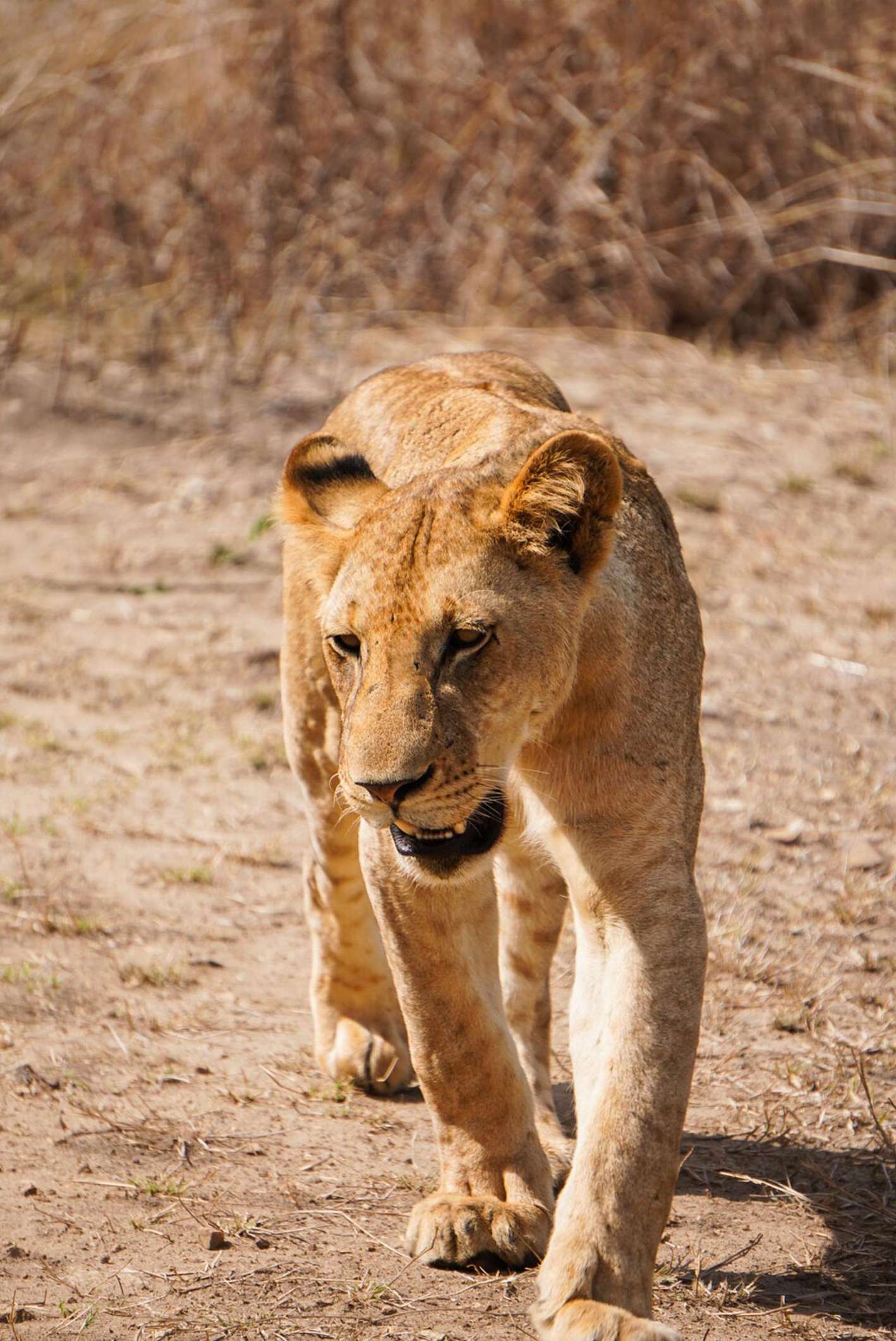
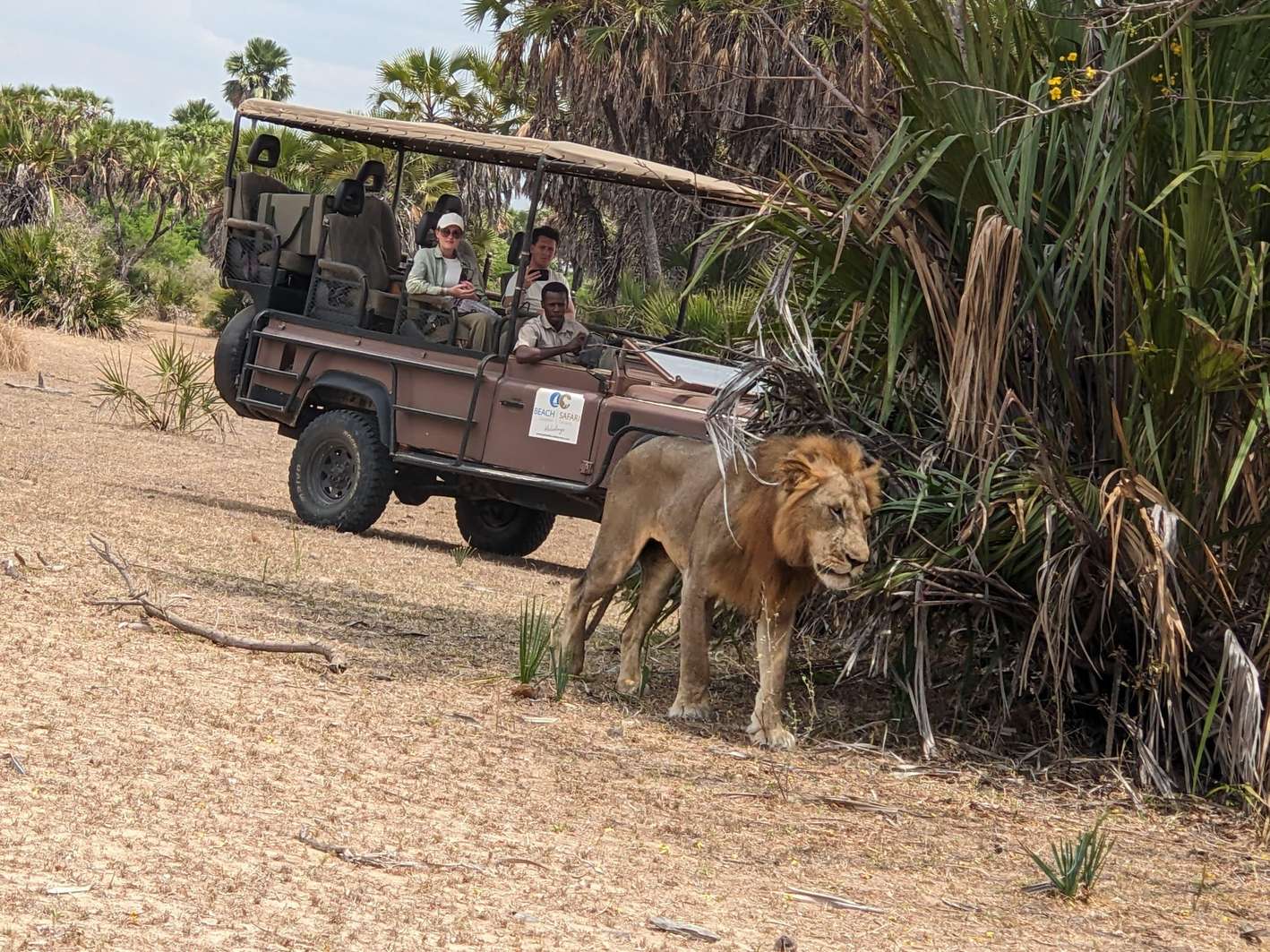
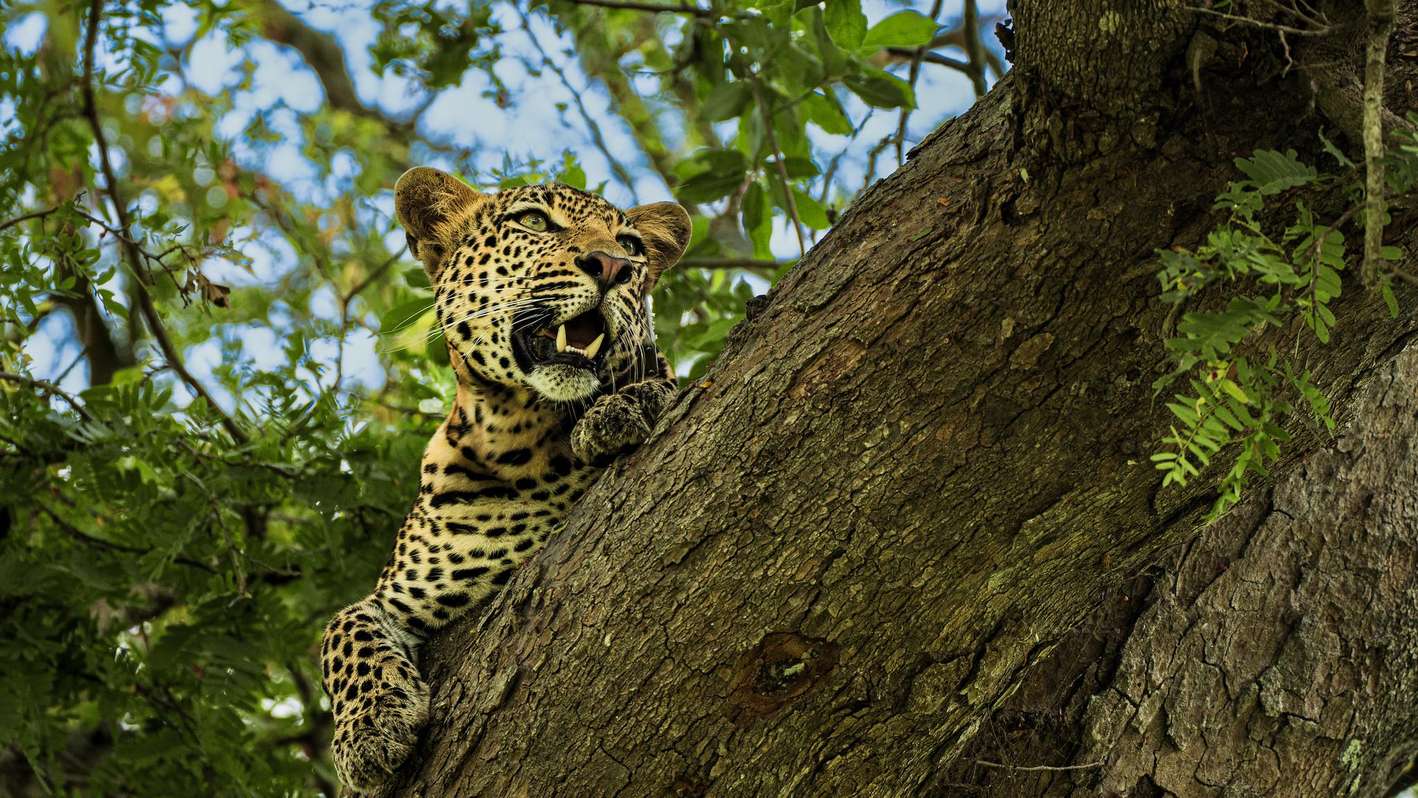
Tanzania rewards every month with a different day: the same park can hand you lions crowded at a shrinking waterhole in September and a muddy, empty track in April. Your dates decide which trip you get, and the calendar below settles it.
The long dry season runs June to October and draws the most animals to the fewest water sources, peaking in August and September.
Roughly half a million wildebeest calves drop on the southern Serengeti plains in a two-to-three-week February surge, pulling in cheetahs and lions.
November and March discount lodge rates by roughly 20% to 50% while keeping game viewing strong.
April and May bring the lowest rates and the emptiest tracks, but bush flights can shift schedule between April 1 and June 1.
Park gates open at 6 am and close at 6 pm nationwide, and park entry is cashless at the gate.
If you travel in those months, keep one buffer day between your safari and your international flight, and book a tour with a flexible cancellation policy so a weather postponement costs you nothing.
The calendar splits into four. June to October is the long dry season, November and December bring the short rains, January and February give a short dry spell, and the long rains run March through May. Every safari month works; what changes is the game, the crowds and the sky.
The honest answer to the best time for safari in Tanzania is June to October, when dry tracks and thinned bush make animals easy to find.
Two other windows suit different travelers: the short dry season of January and February, which lines up with calving on the southern plains, and the green months when lodges cut rates and tracks empty out.
Zanzibar fits the same calendar. Safari plus beach works best in those same June to October weeks, with daytime highs around 27 to 31°C on the coast, and again from late December to February. April and May serve neither: the coast takes the heaviest rains of the year and bush flights can run late.
September is the busiest month of the year, offering exceptional wildlife visibility in the parks alongside sunny, calm weather on the coast.
Tap a month to read it.
October combines warm, dry weather and high tour volumes with excellent game viewing right before the short rains.
Tap a month to read it.
April is the wettest and quietest month of the year, with heavy rains causing some lodges to close and flights to face delays.
Tap a month to read it.
February is the hottest month of the year with calm seas for diving and reliable wildlife watching before the rains begin.
Tap a month to read it.
January brings hot, sunny beach days and good safari game viewing with moderate crowd levels across the islands and parks.
Tap a month to read it.
September tops the crowd score while October shows the year's highest lion tally with fewer people around. Both are superb months; they simply feel different on the track, one busy and electric, one quieter and just as rewarding.
The dry season earns its reputation the same way every year. Seasonal pools dry up, the grass that hides game all green season burns back, and animals gather densely around the permanent rivers and waterholes that remain.
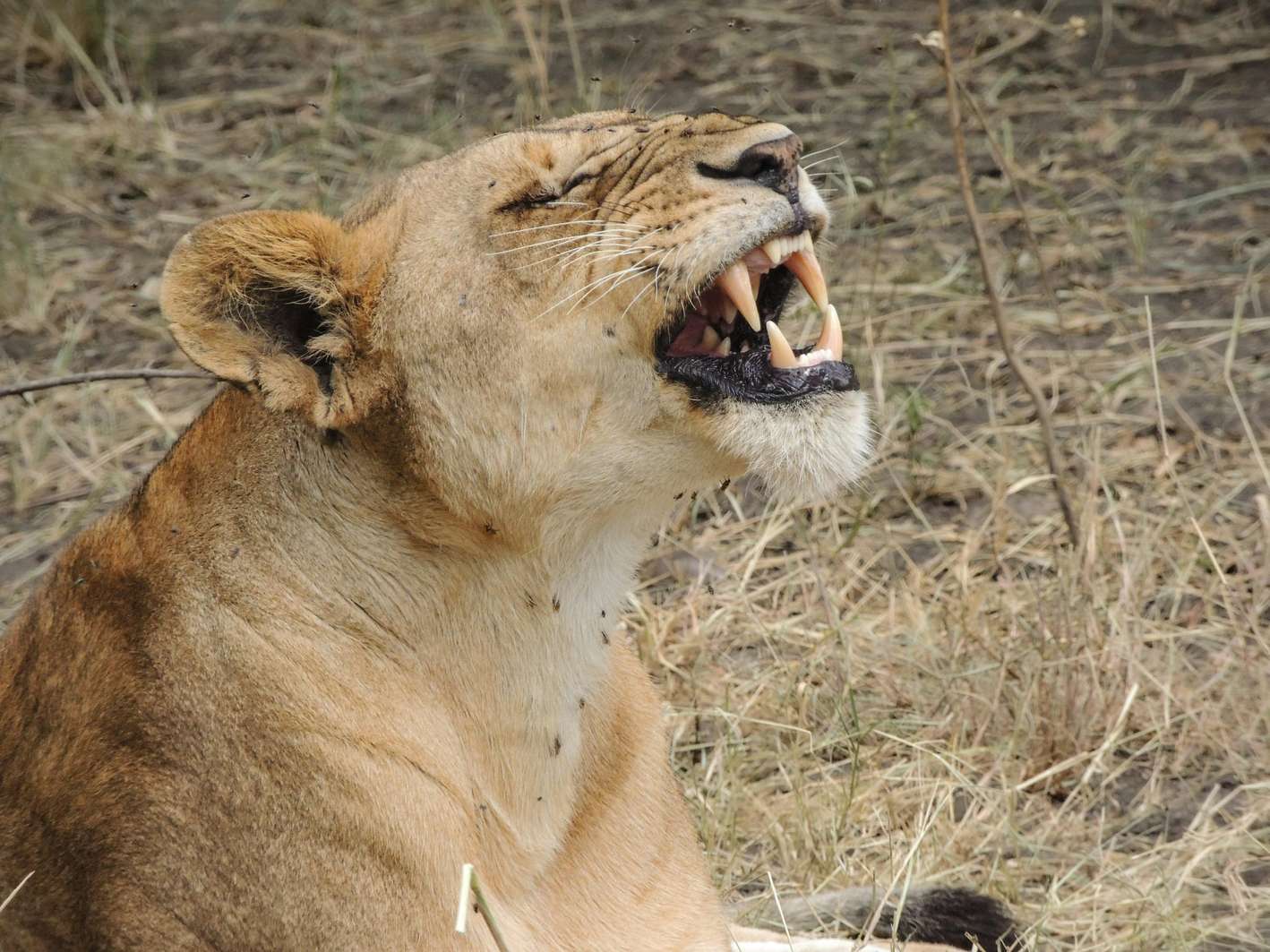
Sightlines open across the plains, so a lion invisible in April grass stands out from two hundred metres in September.
Concentrations peak in August and September, when every drive becomes a numbers game in your favour. In September the Serengeti and Tarangire sit around 30°C by day, the parks see barely a handful of wet days, and winds stay calm. Skies stay clear from dawn to dusk.
The trade comes in the mornings. At the Ngorongoro Crater rim, monthly averages between June and August sit near 7 or 8°C, and individual nights dip colder still, which is why rim campsites advise packing for near 5°C.
Take the lower number seriously: a fleece and a beanie earn their place before the sun climbs. The Serengeti plains stay milder, with lows around 15°C.
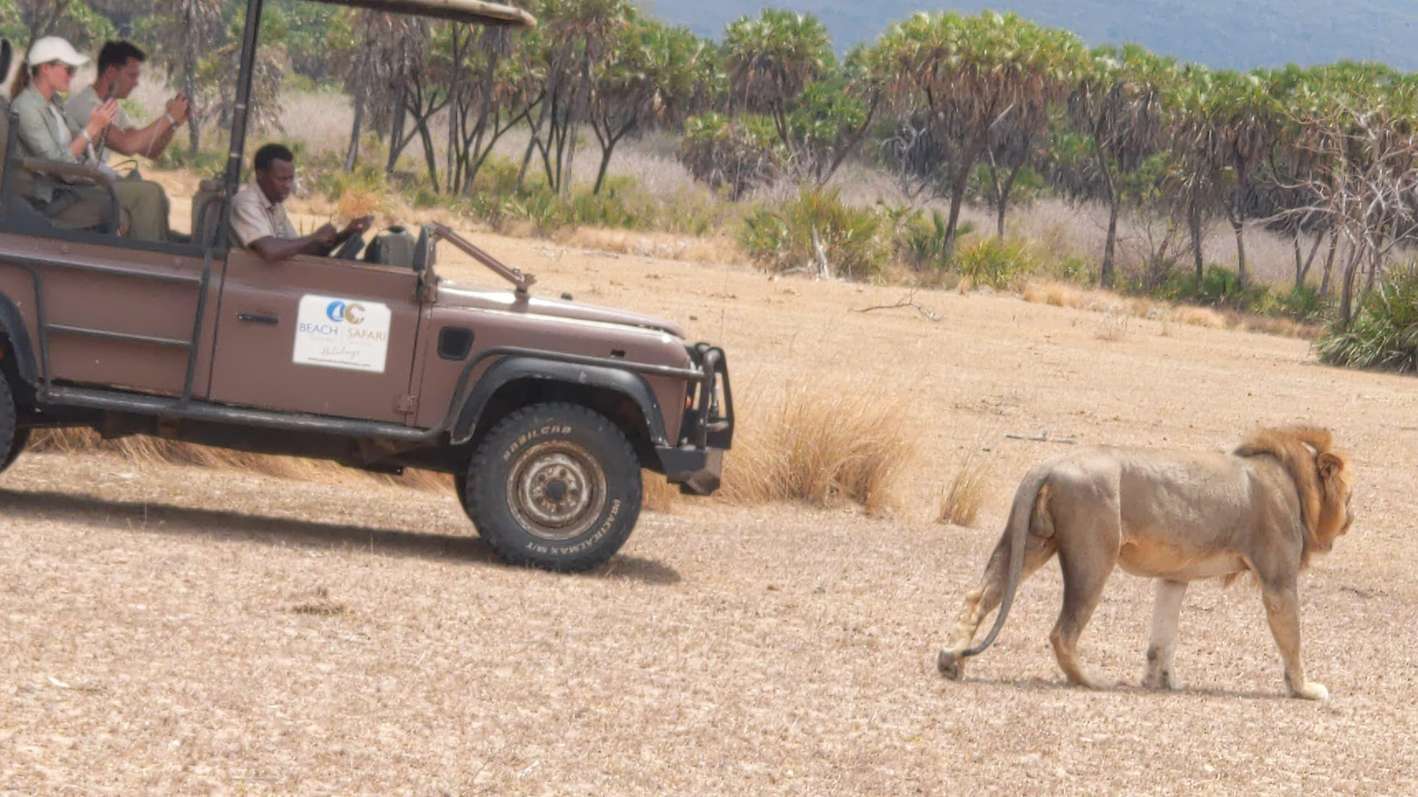
The drivers make the season. A traveler on a dry-season drive put it simply: guides here excel at spotting a wide variety of wildlife up close, lions and elephants included.
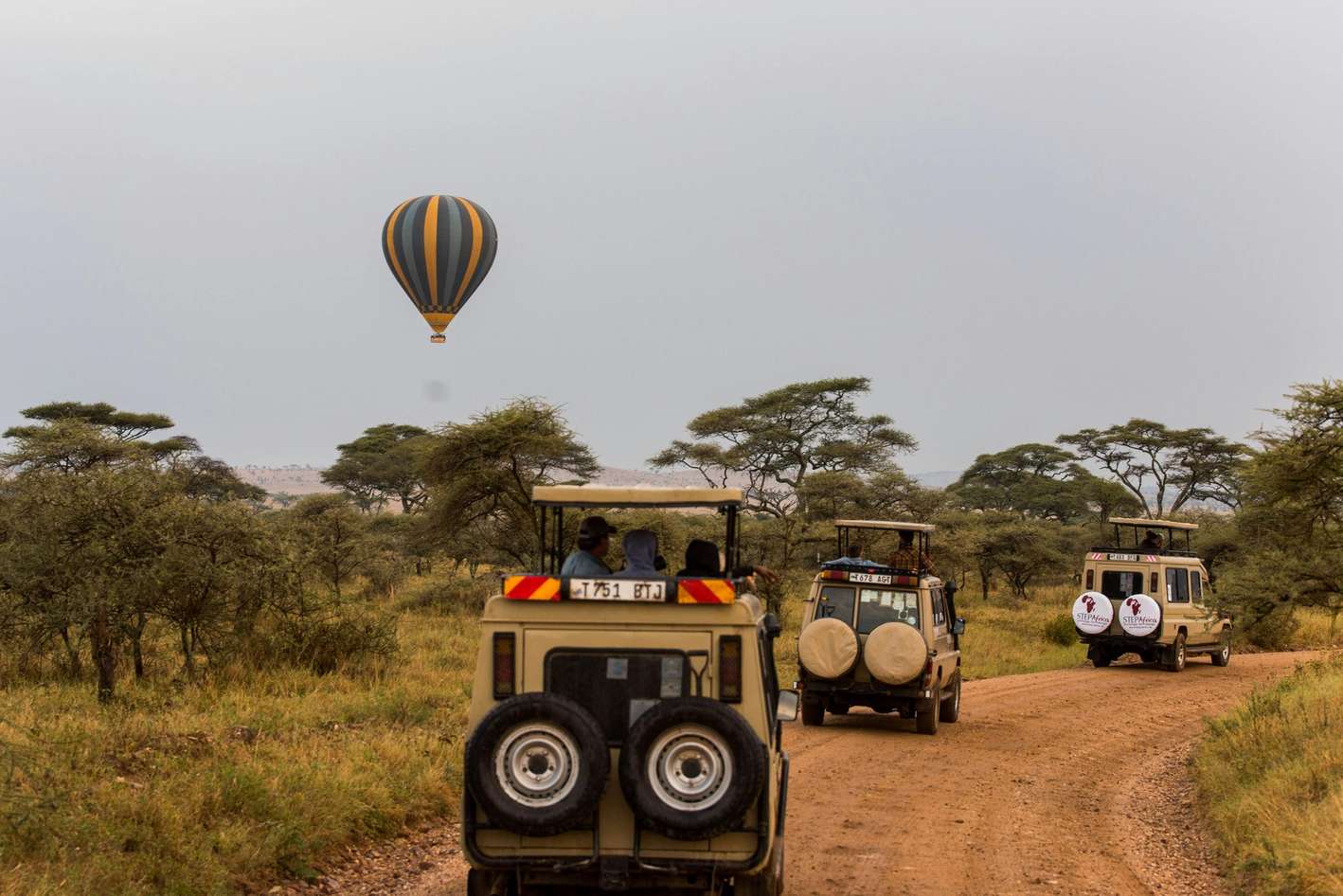
This is exactly the window a three-day Serengeti and Ngorongoro safari from Arusha is built for: a 4x4 Land Cruiser with a pop-up roof, park fees handled, and an English-speaking driver-guide who reads the plains for a living.
The green season argument rests on price and space, and it holds up. In November and March, lodges discount rates by roughly 20% to 50% against peak, visitor numbers drop noticeably, and game viewing stays strong through brief showers between drives.
The bush is lush, the light is soft, and the vehicles you meet are few.
April and May go further. They bring the year's lowest lodge rates and the quietest parks, with tracks close to empty. The cost is rain risk and rerouted drives, which the long-rains chapter below sizes honestly.
The counterargument peaks in July and August, when predator sightings at Ngorongoro Crater and Seronera cluster the most vehicles. A leopard sighting can mean a line of roofs. If sharing a lion with nine other cars matters to you, that alone can pick your month.
For budget camping, November is the standout: solid wildlife viewing, typically brief rains, and none of the dry-season campsite congestion.
| June to October | November and March | April and May | |
|---|---|---|---|
| Wildlife visibility | Highest, animals packed at few waterholes | Strong, with taller grass | Weakest, game dispersed |
| Vehicle crowds | Busiest, peaking July to September | Noticeably fewer | Near-empty tracks |
| Lodge rates | Peak season | Roughly 20% to 50% off | Lowest of the year |
| Rain risk | Very low | Brief showers | Heavy, tracks waterlogged |
A four-day Tarangire, Serengeti and Ngorongoro group camping safari suits this math well: shared vehicle costs stay down, and in November you camp with room around you.
The herds run a clockwise circuit all year, so the migration is never absent, only relocated. January to March they gather on the southern Serengeti and Ndutu plains for calving.
April and May they move through the centre with the long rains. June and July bring the Western Corridor and the Grumeti River crossings, and August and September concentrate the animals in the north for the Mara River drama.
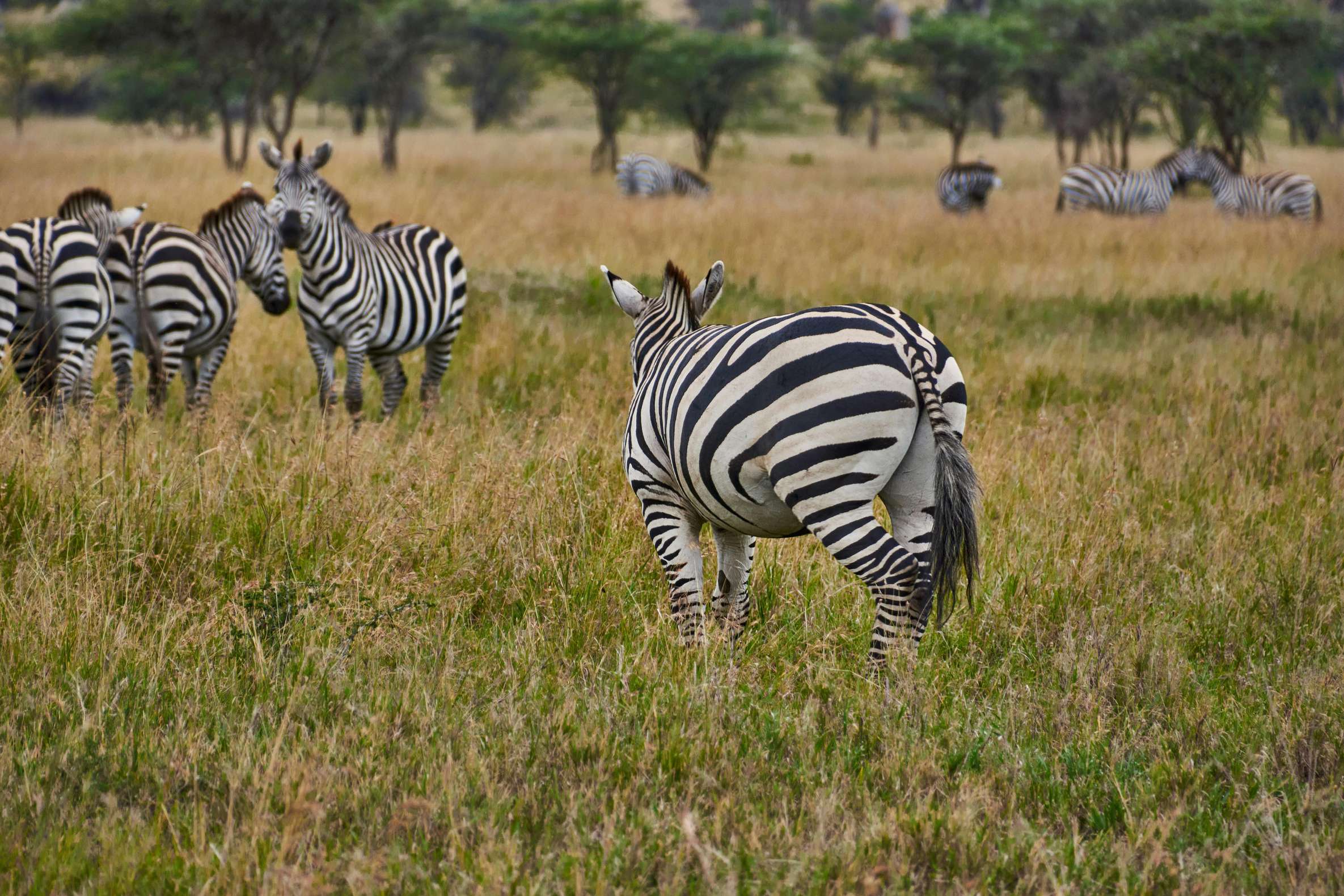
Two events carry the calendar. The Mara crossings run July through September at their most frequent, the river scenes people picture first. The calving peaks in February, when roughly 80% of pregnant females give birth in a two-to-three-week surge and up to 500,000 calves hit the short-grass plains.
The southern Serengeti and Ndutu sector is small, and February books up many months ahead
Mara River scenes only happen July to September, so a central-Serengeti base misses them
Drivers network across the park to track rarer sightings, which lifts your odds in any month
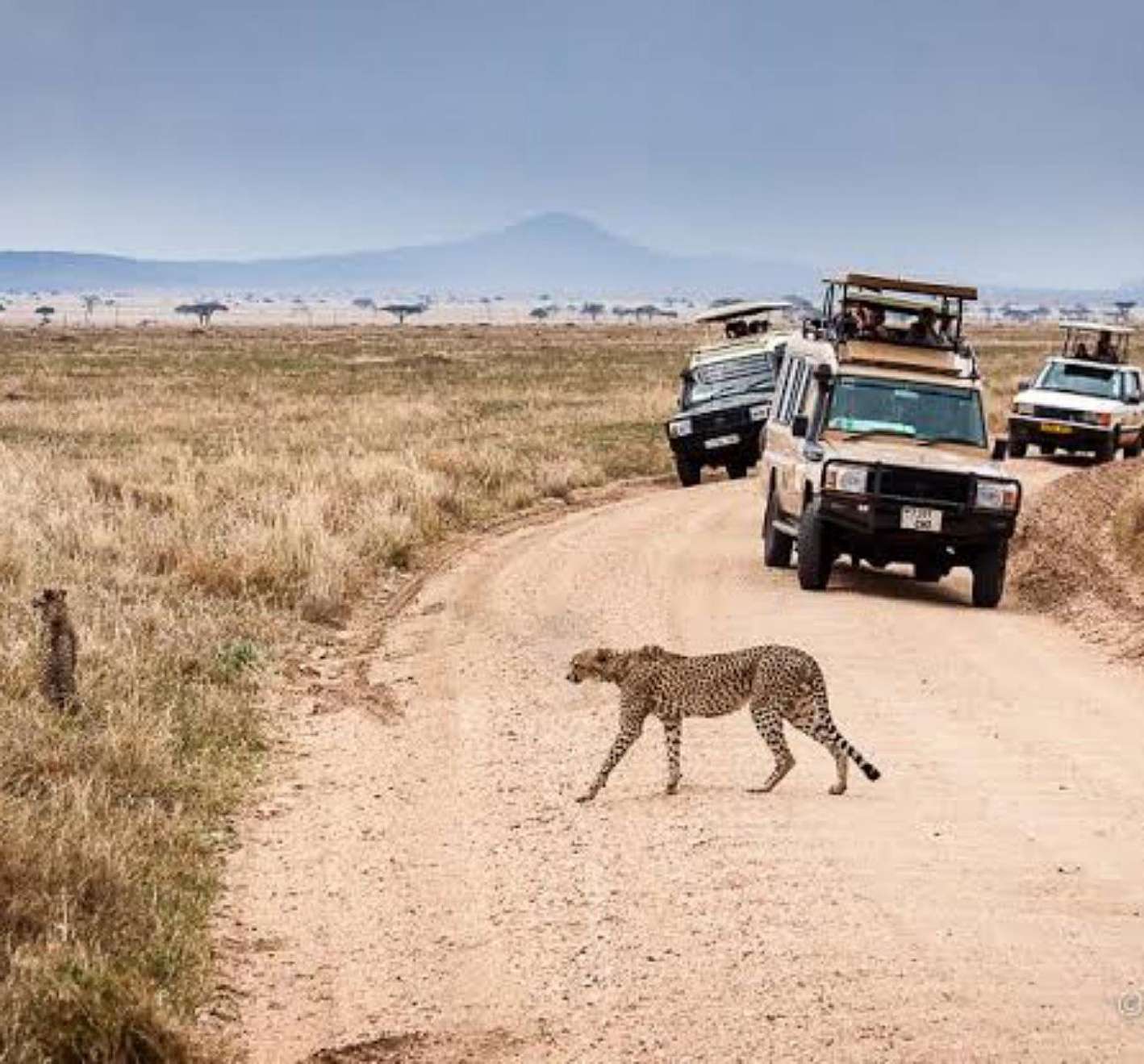
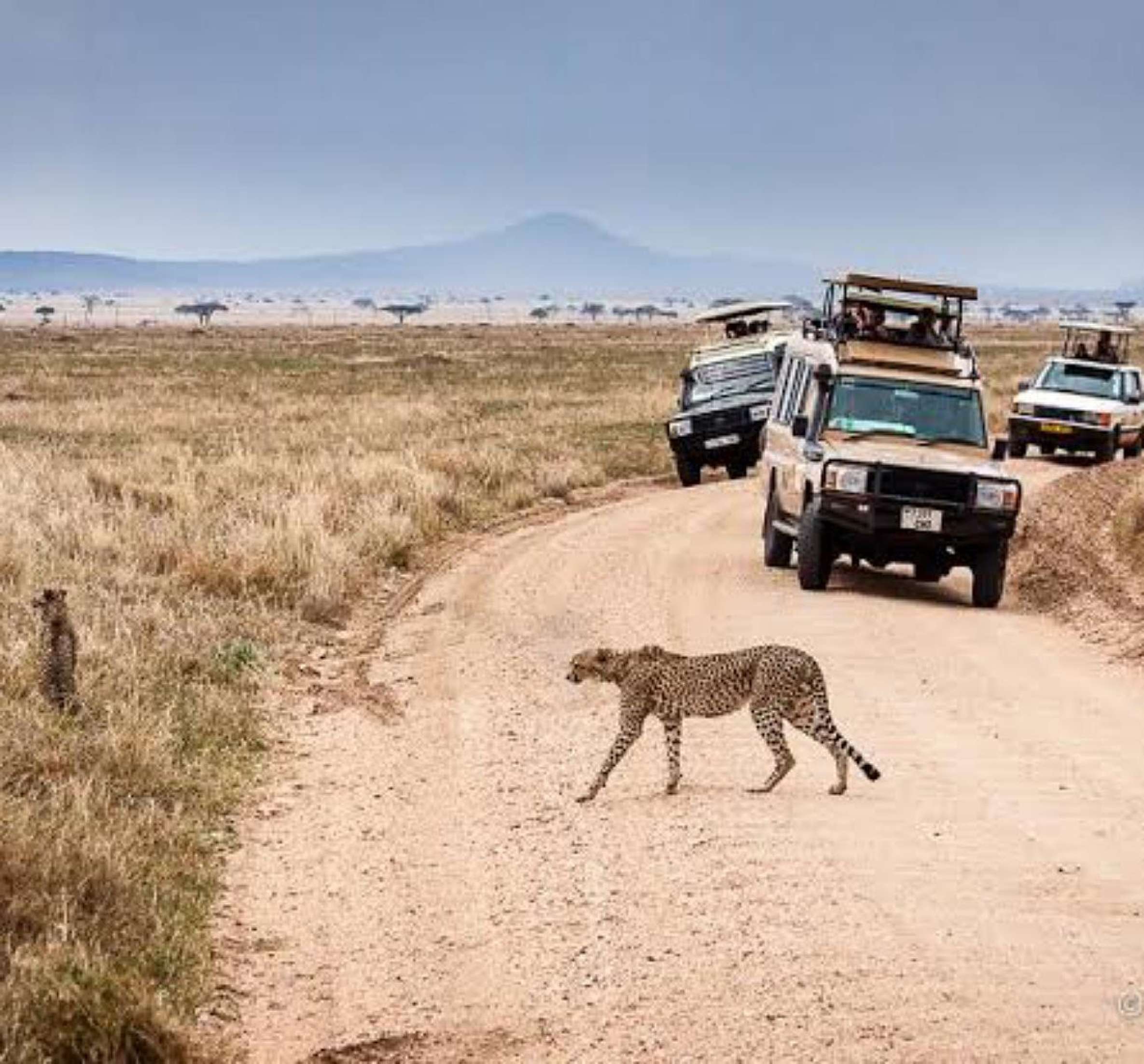
The calves change the game. Newborns cannot outrun a cheetah, the flat plains offer no cover, and the result is the highest cheetah and lion activity of the year, with hunts visible across open ground all day.
So time the migration by sector, not just by month: a February trip pointed at the central Seronera airstrip misses the plains entirely. A two-day fly-in Serengeti safari from Zanzibar lands you on Seronera airstrip with a full day of driving, which suits the June-to-October northern season best.

November's short rains and April's long rains behave differently. November averages around 12 wet days in the Serengeti, with showers that pass and leave main tracks mostly driveable. April, the wettest month, soaks the black-cotton soils until they waterlog and slide, floods the low-lying crossings, and forces route changes and the occasional 4WD recovery.
Sized honestly: no, the rains do not cancel safaris. Operators reroute along the main central and northern tracks, which stay open through the season, and tour traffic falls to its lowest level of the year in April.
In May the picture eases quickly, with roughly half the wet days of April and visitor numbers climbing again.
The southern parks behave the same way. Mikumi's clay Mkata Floodplain turns muddy, so guides shift to better-drained circuits near the northern core and the paved highway, which run year-round.
| If this happens | What happens then |
|---|---|
| A Mikumi day flight grounded by weather | An alternative date or a full refund |
| Airfield conditions between April 1 and June 1 | The safari may be postponed, moved forward or reshaped |
| Weather forces a southern reroute | Passengers may fly to Dar es Salaam and transfer by vehicle to Selous |
| You miss a connection on another airline | The operator takes no responsibility, so build in spare days |
One thing belongs in your planning: between April 1 and June 1, weather or airfield conditions can postpone or reshape a safari, so keep a spare day in the schedule.

From a Zanzibar base, the season question shrinks to a transport question, and the numbers settle it. Mikumi sits roughly 465 km from the island.
A direct flight lands at the park's own Kikoboga Airstrip in 40 to 60 minutes; the ferry-then-road route takes about 6.5 to 7.5 hours, a two-hour sea crossing plus up to five hours of Dar es Salaam traffic and highway.
The flight wins for a day trip, and it starts early. Hotel pickups in Zanzibar begin as early as 4 am, with charter flights leaving around 6:30 am to 7 am. That dawn departure buys a full game drive before the afternoon return.
The Serengeti works the same way from the coast. A two-day Serengeti safari by flight from Zanzibar puts you on the Seronera airstrip in the middle of the park for a full day's drive and an overnight just outside the gate.
One caution belongs in your booking, not your fear: operators cannot take responsibility for missed connections or missed activities caused by flight delays, so leave buffer before any international departure.
For two people traveling together, the private safari question often answers itself: a private vehicle frequently costs only marginally more than a group seat while giving you full control over departure times, drive lengths and wildlife stops.
For solo travelers the math flips, since a private vehicle alone carries the whole cost, and joining a scheduled group departure saves hundreds.
Group tours carry one reassuring quirk. If a shared departure fails to fill its minimum, operators commonly run the itinerary anyway, handing you a private driver and vehicle for the price of a shared seat.
| Check | Why it matters | Our pick |
|---|---|---|
| Deposit size | Operators typically ask 30% to 50% upfront, occasionally more | Cancellation up to 24 hours before departure for a full refund |
| Operator credentials | The Ministry of Tourism register and TATO verify legitimate locals | Runs with a professional English-speaking driver-guide and published inclusions |
| What the price covers | Park fees, meals and transfers often hide outside the base cost | Entry, transit, concession and camping fees all included |
| Pickup arrangements | Transfers outside the centre can cost extra | Free pickup and drop-off within Arusha City Centre |
Before you pay, check the paperwork side. Legitimate local operators can be verified through the Ministry of Tourism stakeholder register and associations like TATO.
Budget for the extras a package leaves out: discretionary tips for the driver-guide and camp staff, visa fees, and the travel insurance the Zanzibar government requires of all tourists.
Your month writes your packing list. Dry-season campers on the crater rim face nights near 5°C, so a warm jacket, sweater and closed walking shoes travel with you even in August.
Daytime calls for neutral earth tones: khaki, olive, beige. Operators supply the camping kit itself, tents, mattresses and sleeping bags, so the tent side is covered.
Colour works as strategy on safari. In Tarangire and Mikumi, dark blue and black attract biting tsetse flies, so leave the navy and denim home and wear long sleeves in tightly woven fabric. Bright colours startle wildlife, and white shows every track's dust within an hour.
Single-use plastic bags are banned nationwide and confiscated on arrival, camouflage clothing is illegal for civilians, and bush flights reject hard-shell suitcases Pack soft duffels capped at 10 to 15 kg, use clear zip-top bags for toiletries, and leave navy and camo at home
Bush flights have their own rulebook: no hard-shell suitcases, soft duffels only, with allowances typically capped at 15 kg including hand luggage, and some operators holding it to 10 kg. Store anything extra at your hotel.
And camouflage is illegal for civilians to wear in Tanzania, printed shirts included. A plain olive shirt does the same job and raises nobody's eyebrows.
The paperwork starts with your passport. It must stay valid at least six months beyond your arrival and carry one or two blank pages for stamps. A single Tanzanian visa covers both the mainland and Zanzibar, most foreign nationals need one, and a standard single-entry tourist visa allows up to 90 days.
Apply through the official e-Visa portal ahead of time, or get a visa on arrival at the Dar es Salaam, Kilimanjaro or Zanzibar airports. Have proof of accommodation and a return or onward ticket ready at immigration.
Yellow fever proof is narrower than the rumor mill suggests. It is required only for travelers aged one and older arriving from, or transiting twelve hours or more through, a country with yellow fever risk, and the vaccination must be given at least ten days before arrival.
Flying straight from a non-endemic country to safari, and even on to Zanzibar, asks for no certificate.
Health planning runs one direction: malaria. Mikumi sits below 1,800 metres in a high-risk zone, and official guidance recommends antimalarial prophylaxis for all visitors there, whatever the accommodation. Book a travel clinic appointment weeks before the flight so any prescription is settled in time.
The day starts early and ends by law. Overland pickups from Arusha run 6:00 to 7 am with departure at 7:00, and park gates everywhere open at 6 am and close at 6 pm sharp.
Driving inside a national park after 6 pm is prohibited outright, and some gates, including the Ngorongoro crater descent cutoff, stop admissions around 4 pm. Miss the evening gate and the sanctions are at the ranger's discretion.
Bring the right plastic. Mikumi's entry gates take credit card only, no cash, a rule TANAPA runs cashless across the parks.
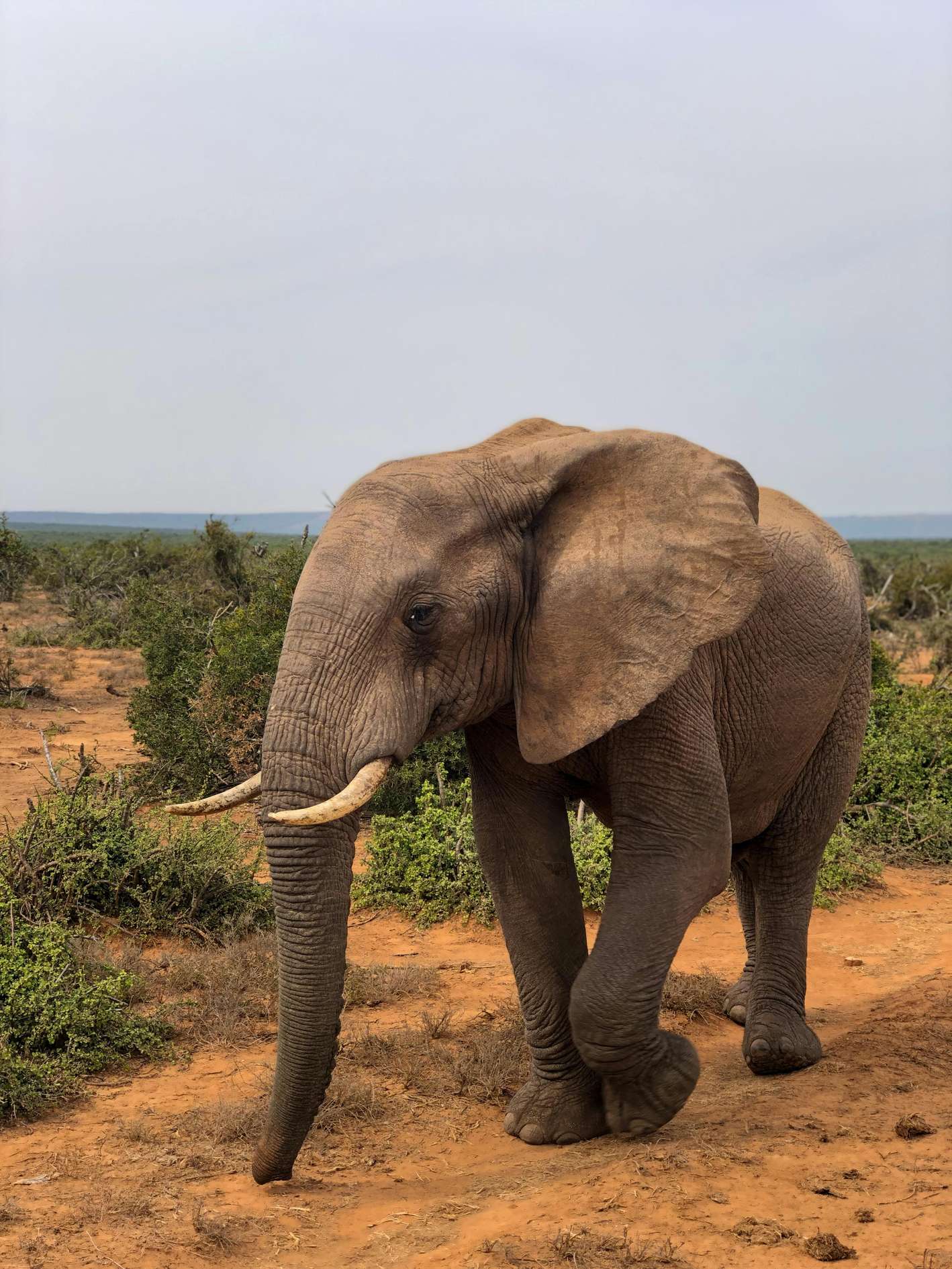
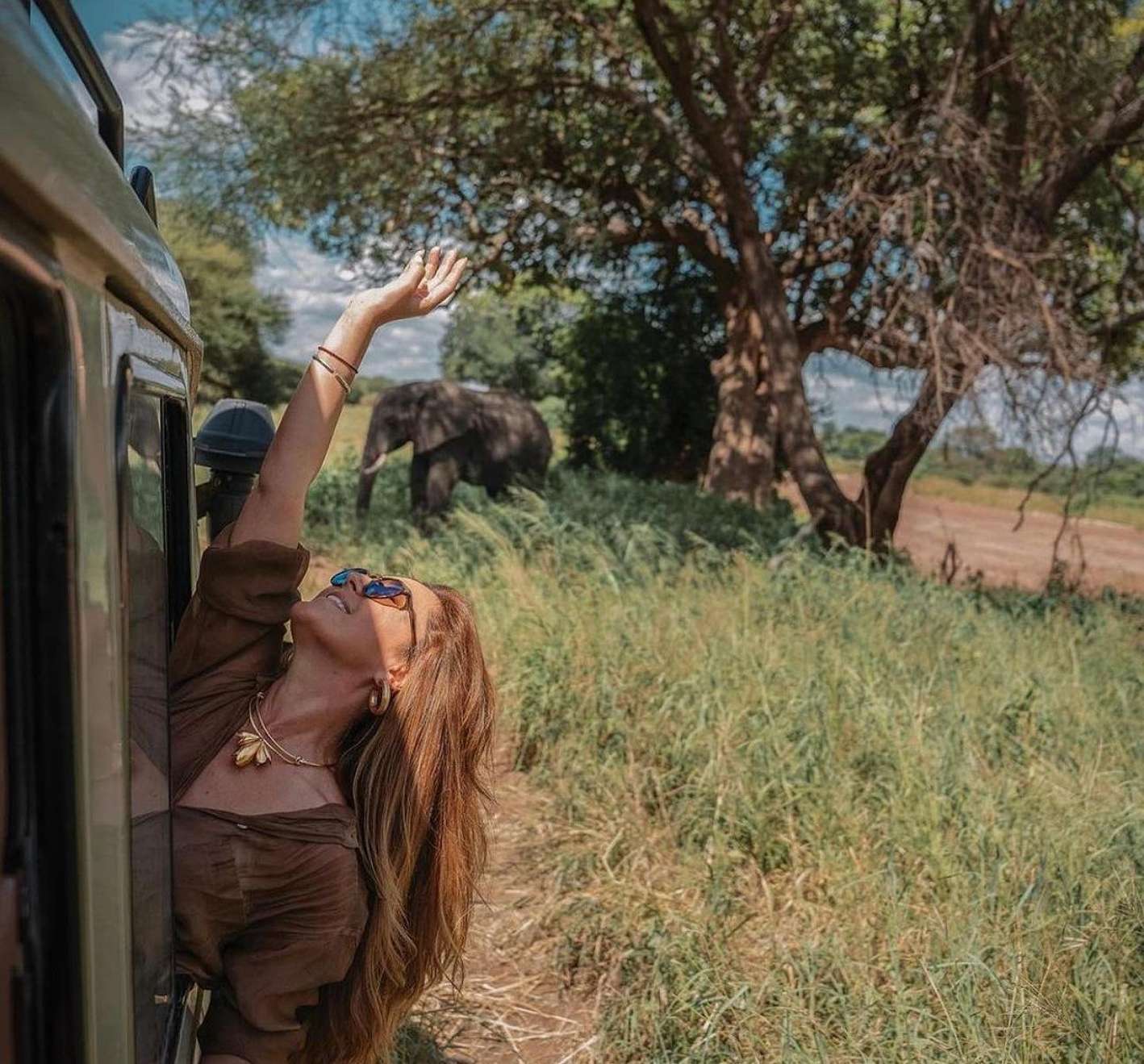
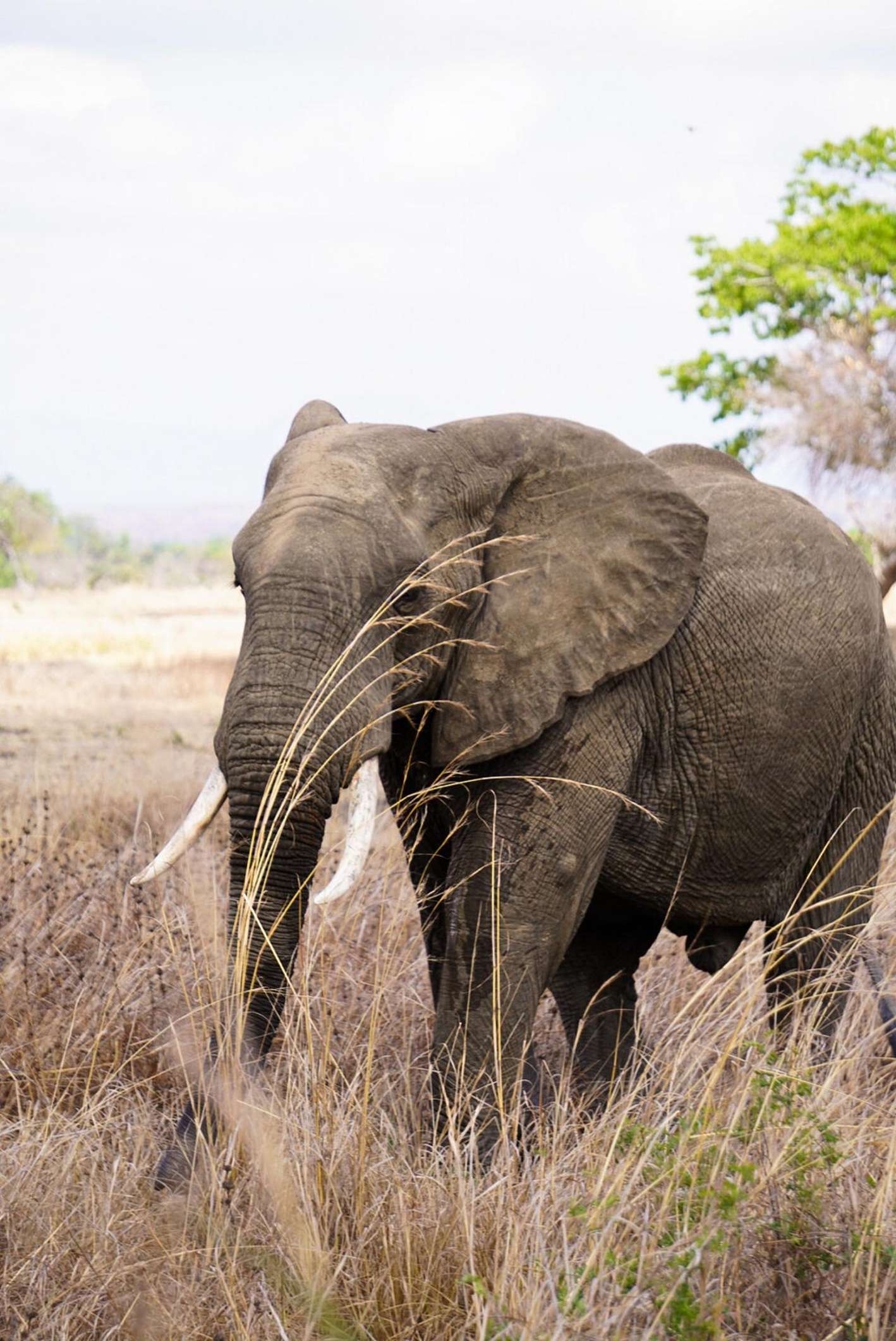
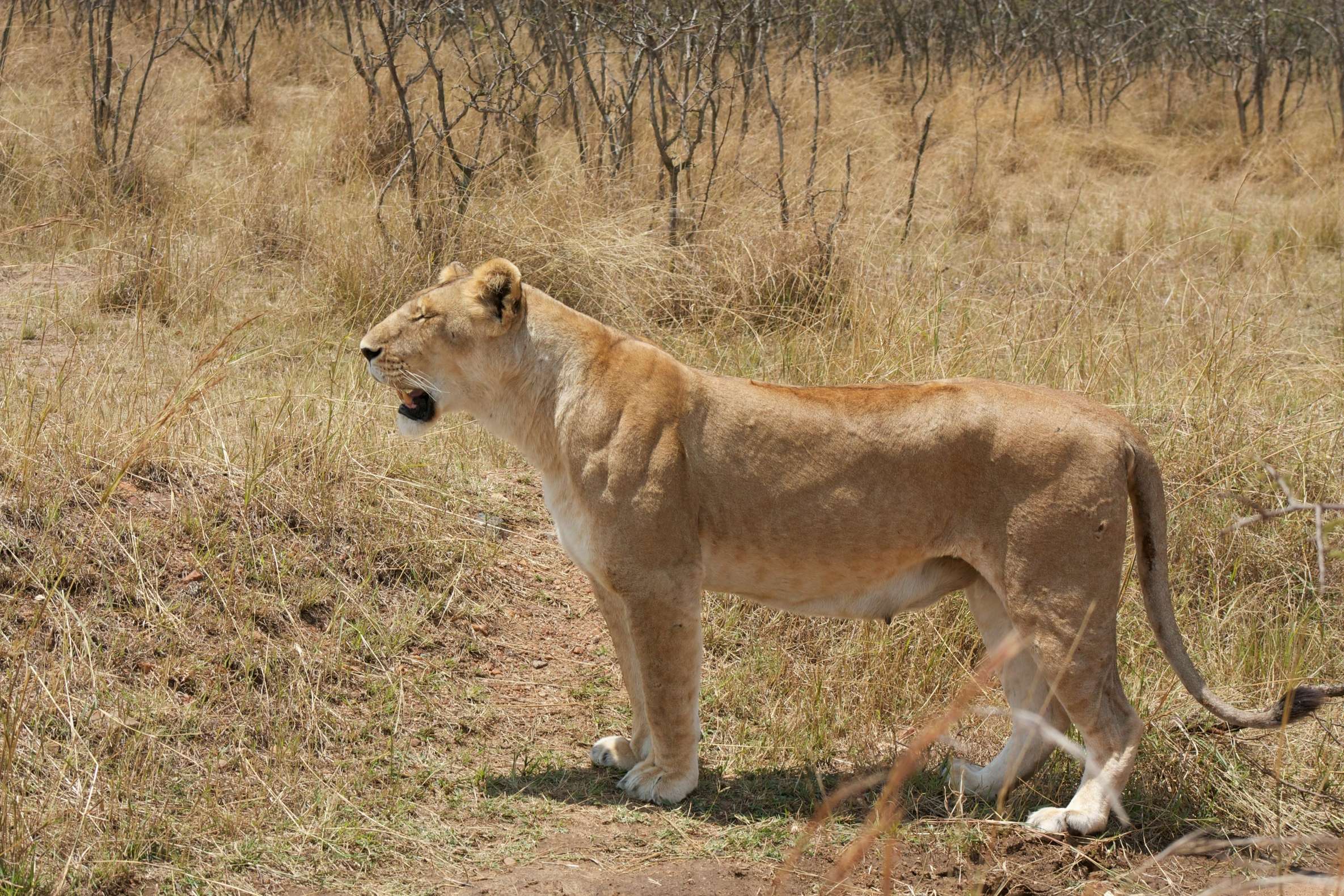
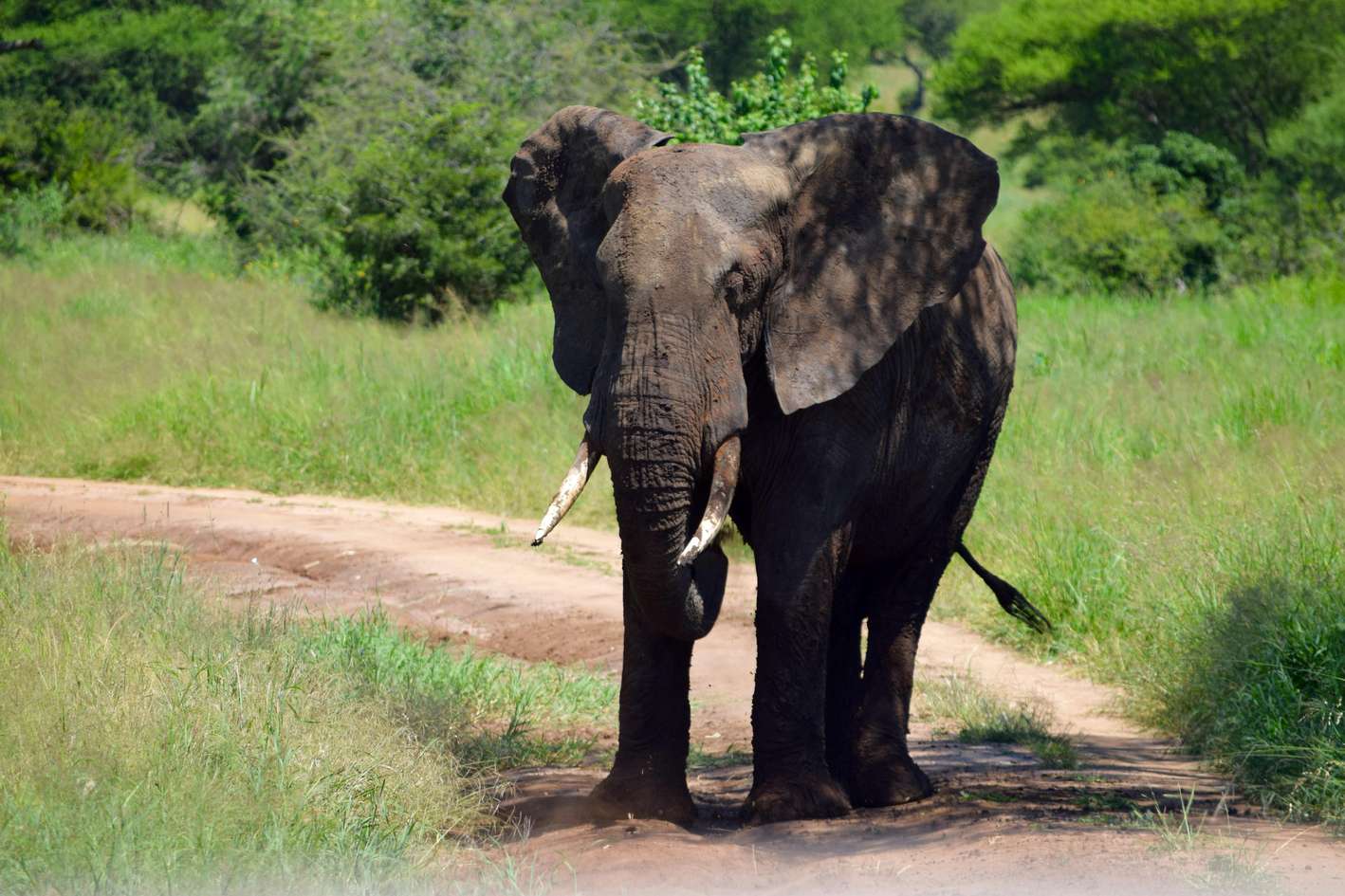
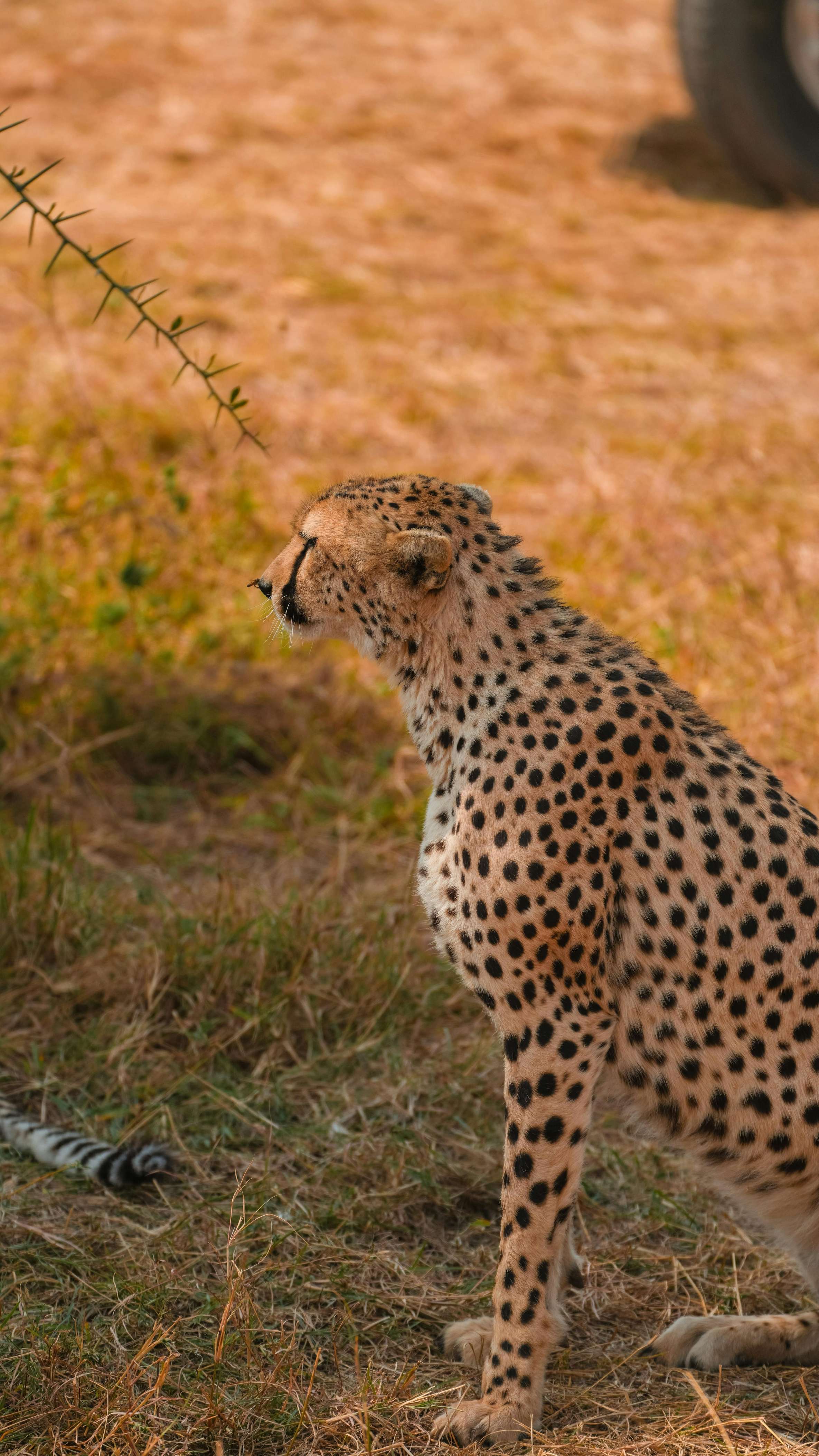
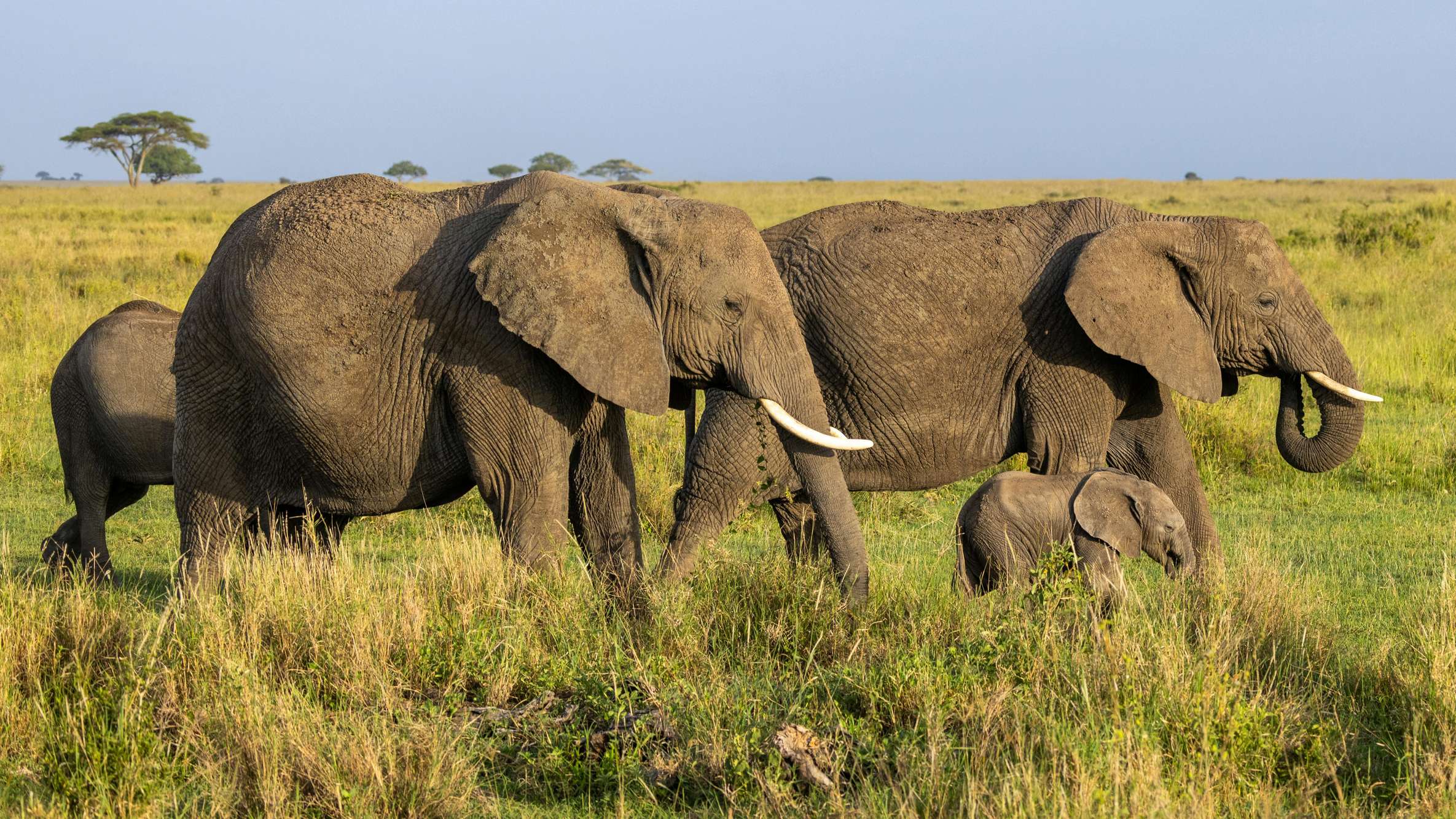
The rules inside the park are simple and absolute. You stay inside the vehicle except at designated picnic and restroom sites, vehicles keep to established tracks with off-road driving banned, and feeding or touching animals is prohibited. Skilled drivers still position you close: lions and elephants here are used to passing cars.
Sightings are never guaranteed, because animals roam freely. What makes the odds good is the drivers' radio network, guides calling each other across the park to track down the rarer cats. Book the best month, start early, and the rest is luck with the wind behind it.
There is no single best month, only the best month for what you came to see. June to October wins on sightings, dry tracks and beach weather, with August and September at the peak.
February wins on calving and the year's highest big-cat activity. November and March win on price, with lodge discounts of up to half and quiet tracks.
April and May win on budget alone, and they ask for patience with mud and shifting schedules. Choose what you care about most, book the right sector for it, and Tanzania delivers.
See what the Serengeti's open plains deliver in Big Five sightings once your travel dates are set.
Match your chosen month to Serengeti weather, crowds and game quality before you commit.
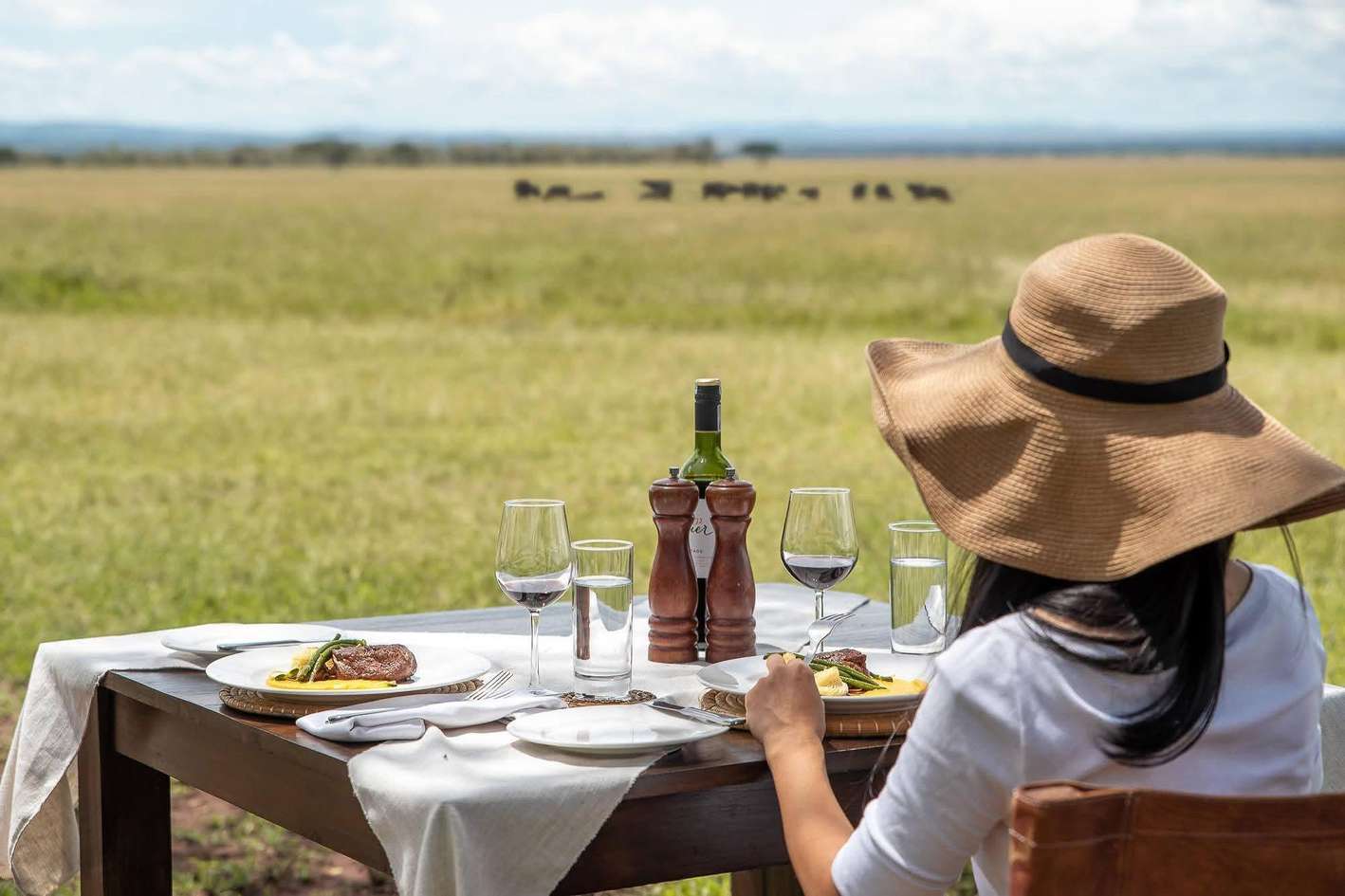
Fix your dates around the herds: calving season in February, river crossings from July to October.
Weigh a dawn balloon flight over the plains against its price before adding it to your dates.
Compare the overland drive from Arusha against flying straight into the Serengeti for your window.
Short on days? See what a one-day Serengeti visit can and cannot fit in.
Get Mikumi day-trip logistics sorted for your dates, including the April to June flight window.
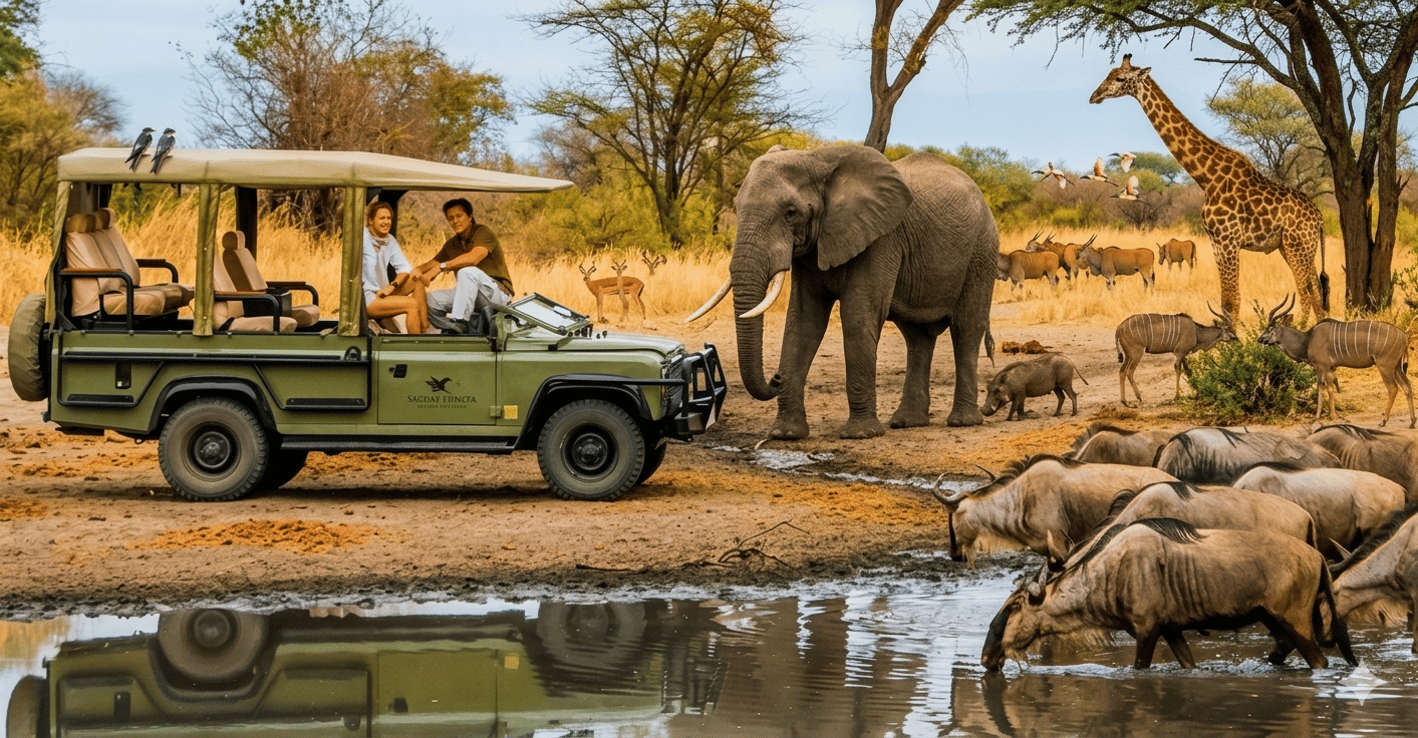
Starting in Dar es Salaam? Find overland Mikumi routes that fit your calendar.
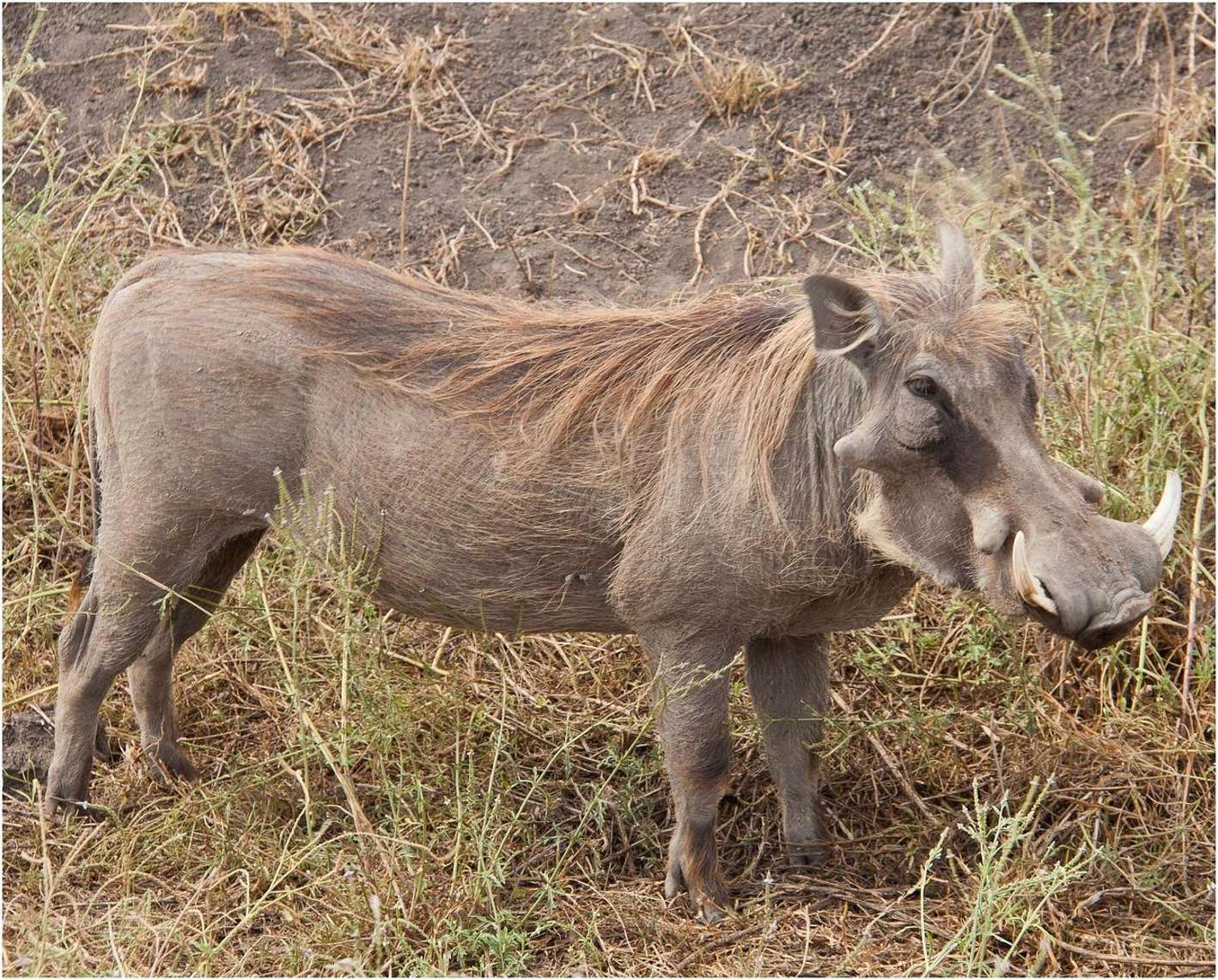
Turn your dry-season window into an overnight Mikumi safari with two days on the tracks.
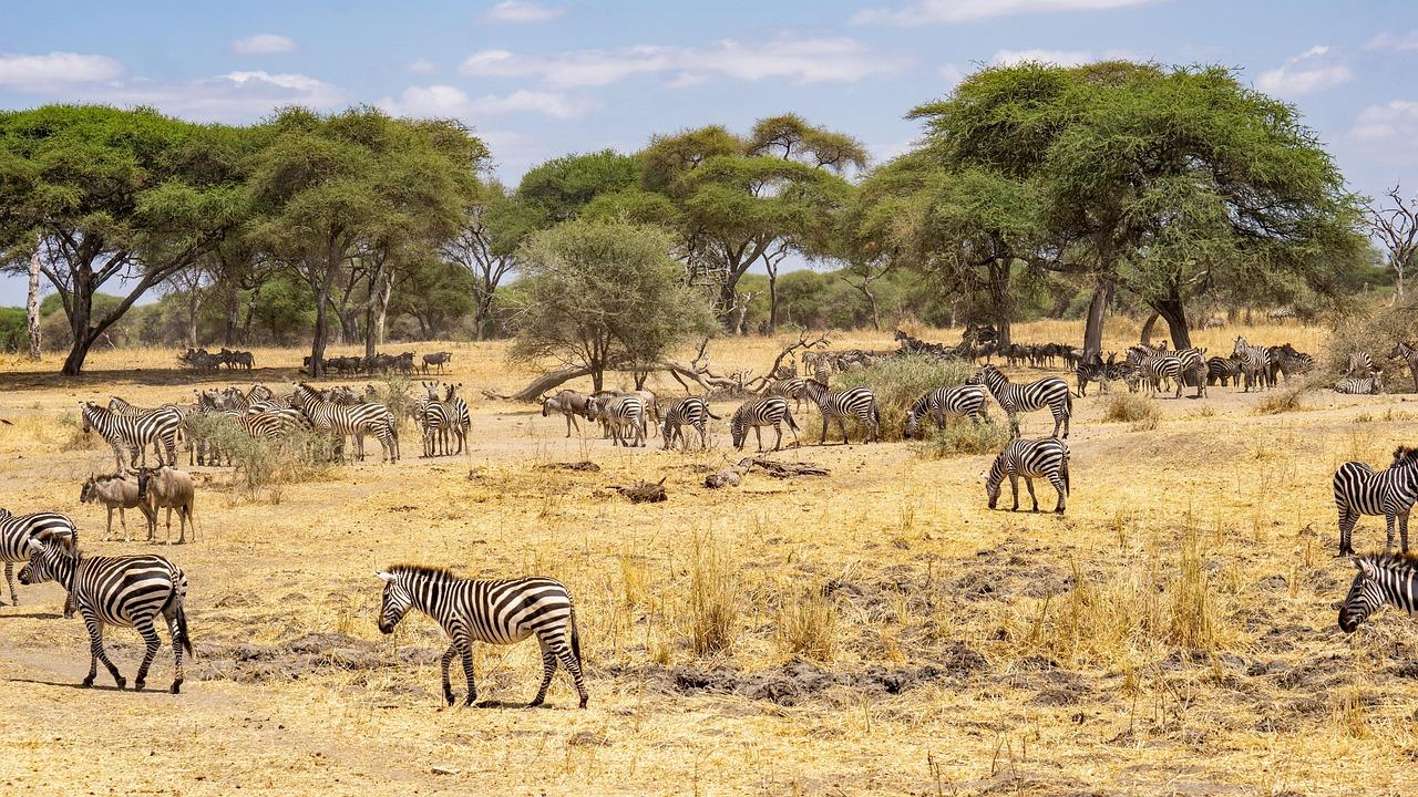
Stretch your trip to three days in Mikumi and see how the itinerary fills the extra day.
Decide how many days your safari needs once you know which month you are traveling.
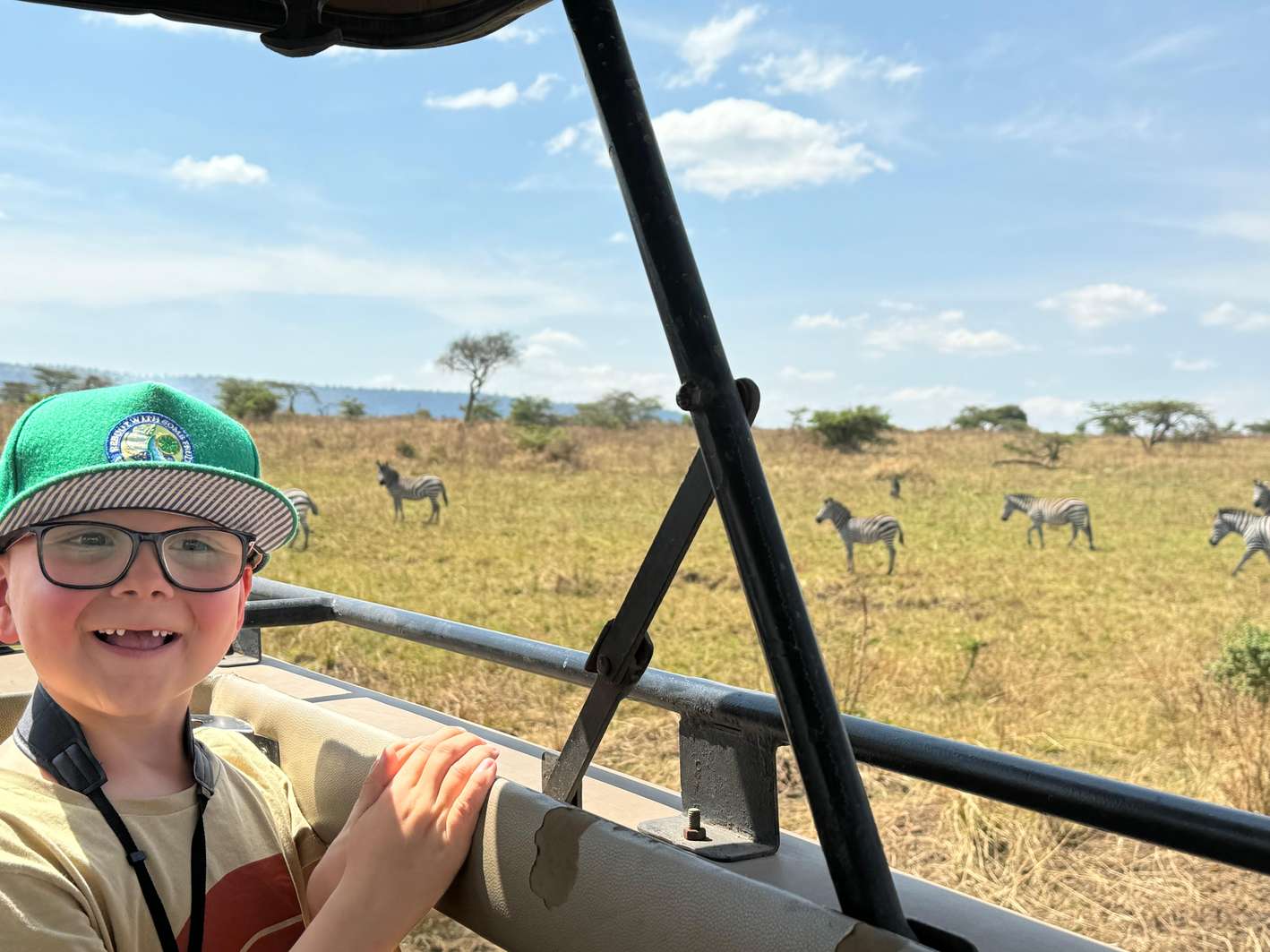
Pair a mainland safari with Zanzibar beach days using the June to October dry season.
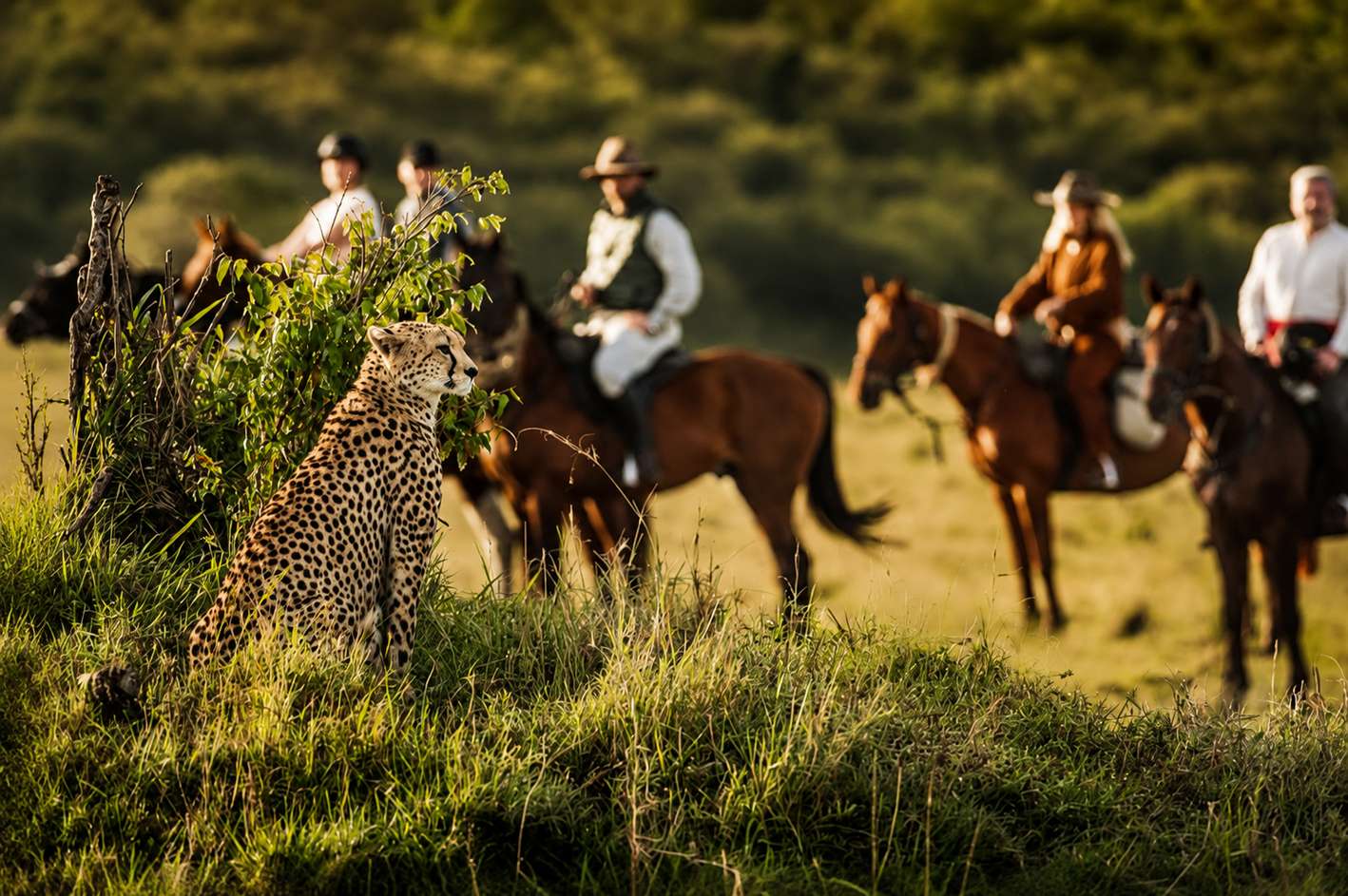
Check when trails are dry and firm for a horseback safari through the bush.
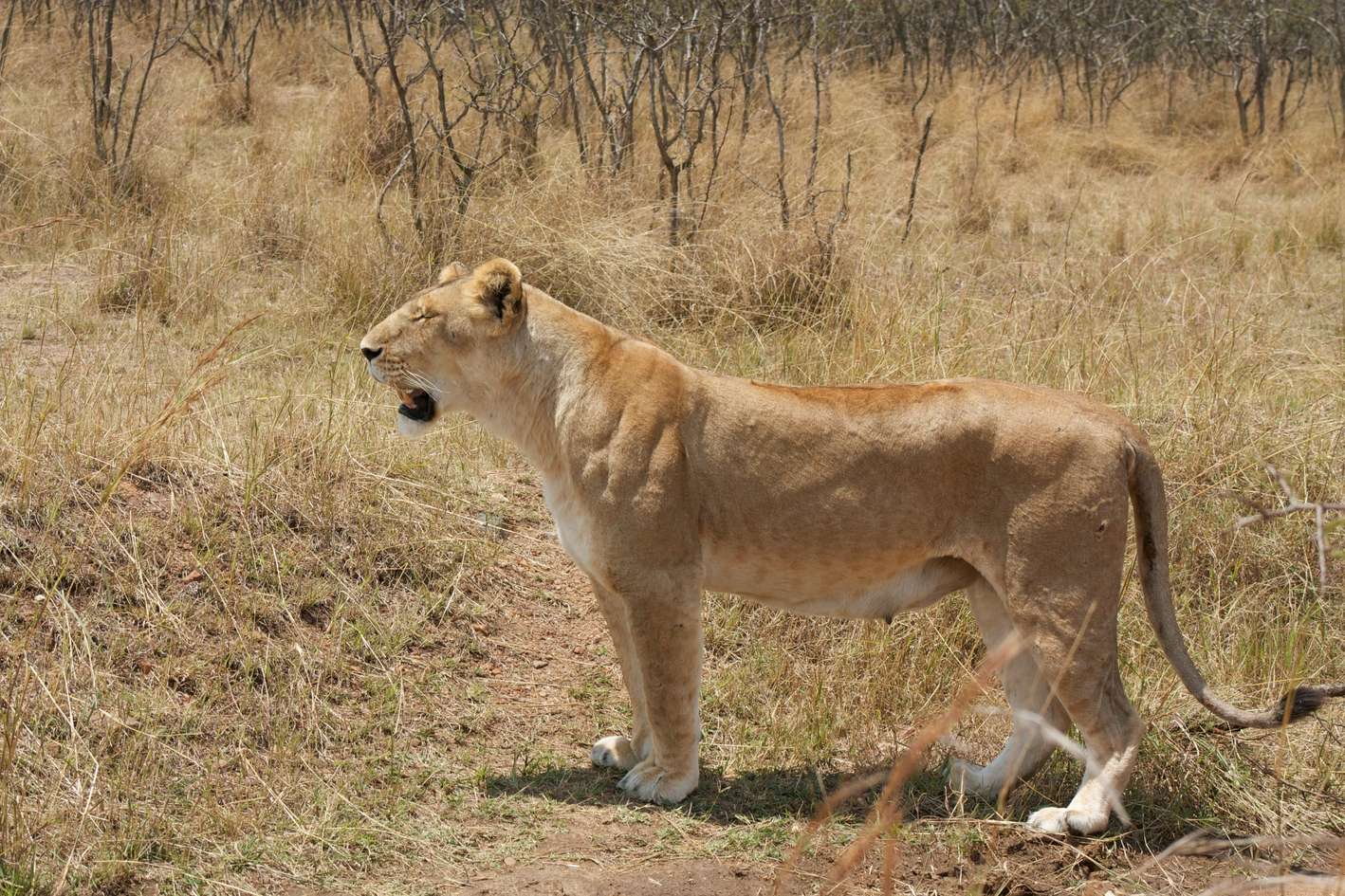
Build your animal checklist so you know what each season is likely to put in front of you.
Plan a crater descent with the gate hours and fees that apply to your travel dates.
Time an elephant gathering in Tarangire and pack clothes the tsetse flies will ignore.
Short answers to the calendar questions travelers ask before they pick their dates.
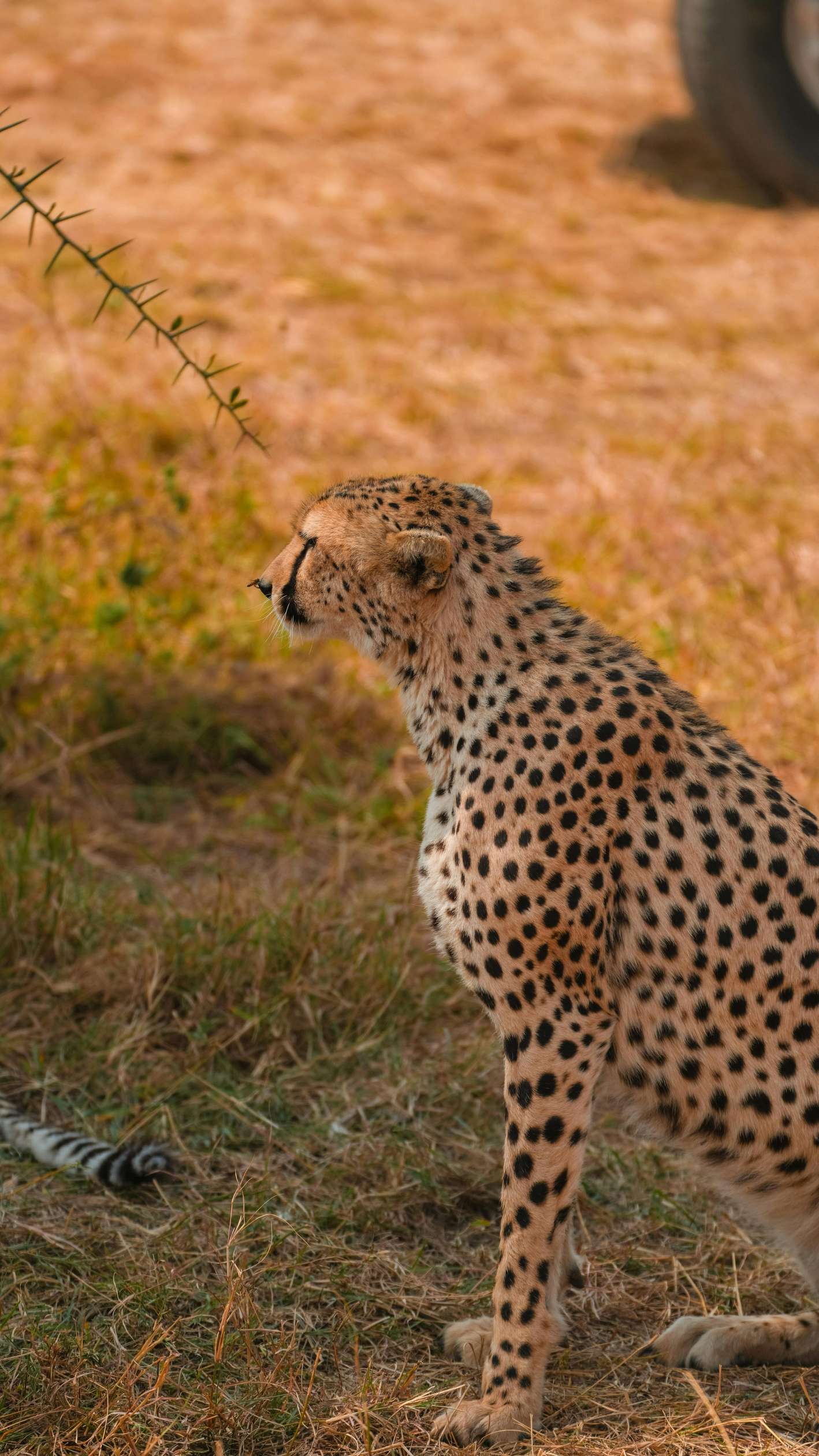 Makuyuni2026
The dry season from June through October concentrates wildlife around permanent rivers and waterholes, peaking in August and September. It also keeps dirt tracks dry and game viewing comfortable through the middle of the day.
Calving runs from January to March on the southern Serengeti and Ndutu plains, and February is the peak month. Roughly half a million calves are born in a few weeks, which draws cheetahs and lions out into the open short grass all day long.
Herds cross the Mara River in the northern Serengeti between July and October, with the most frequent crossings from July through September. If a river crossing is your priority, aim for those three months.
November and March are the strong shoulder months: lodge rates drop by roughly 20 to 50 percent compared with peak periods, visitor numbers fall, and game viewing stays strong with only brief showers. April and May are the quietest and cheapest of all, though heavy rains can leave dirt tracks muddy and shift flight schedules.
Yes, January works well, especially in the northern parks. The wildebeest gather on the southern plains ahead of calving, predator activity rises, and showers fall as localized bursts rather than all-day rain. Expect daytime highs near 28°C and about 19 dry days in the Serengeti region.
Warm, sunny and dry, with calm winds. September highs run from about 23°C on the Ngorongoro rim to over 30°C in the Serengeti and Tarangire, and October stays similarly dry with only a handful of wet days. October is also the busiest safari month on the calendar, so book early.
Nights and early mornings on the Ngorongoro Crater rim drop to about 7 to 8°C, and the Serengeti plains cool to around 15°C. Pack a warm layer for dawn departures; by midday the sun takes care of the rest.
The wet months from November to April bring migratory birds from Europe, Asia and northern Africa to the Rift Valley lakes, and residents show their breeding plumage. If flamingos are the goal, the dry months of June to October concentrate them best, notably around Lake Natron.
The wet season from November to April or May fills the Rift Valley lakes, brings migratory birds from Europe, Asia and northern Africa, and puts resident species into breeding plumage. For concentrated flamingo flocks, the dry season from June to October is best, especially around Lake Natron's breeding grounds.
Not usually. Some dirt tracks turn muddy, and between April 1 and June 1 weather or airfield conditions can force schedule changes or flight adjustments on fly-in trips, but complete cancellations are uncommon. Guides reroute to better-drained circuits, and if a booked flight day is grounded you get an alternative date or a full refund.
July and August are the busiest stretch, and October bookings peak too. Where space is tight, such as around sightings in Ngorongoro Crater, more vehicles share the moment. Choosing June or late October keeps most of the dry-season wildlife concentration with thinner traffic on the tracks.
Yes, with a different flavour. Water is everywhere from November through May, so animals spread out rather than crowding waterholes, the bush is thicker, and birds are at their best. Guides still deliver lion and elephant sightings daily, and you trade some density for green scenery, quieter parks and lower rates.
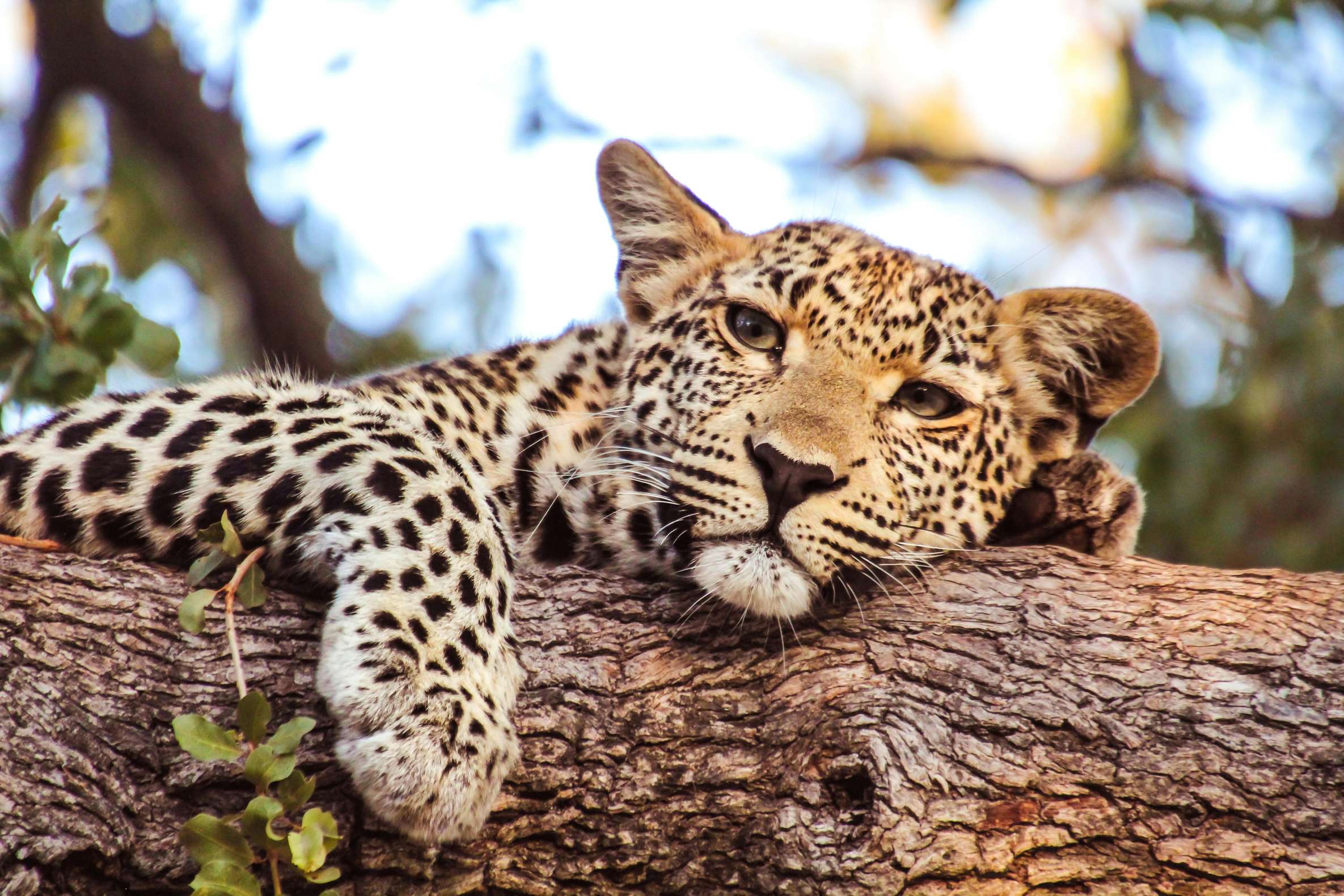
Three days through the Serengeti and Ngorongoro Crater with a pro guide, free cancellation up to 24 hours before and pickup from your Arusha hotel.