Tanzania Private Safari Packages From Arusha Exclusive Tours with 4x4 Bush Drives
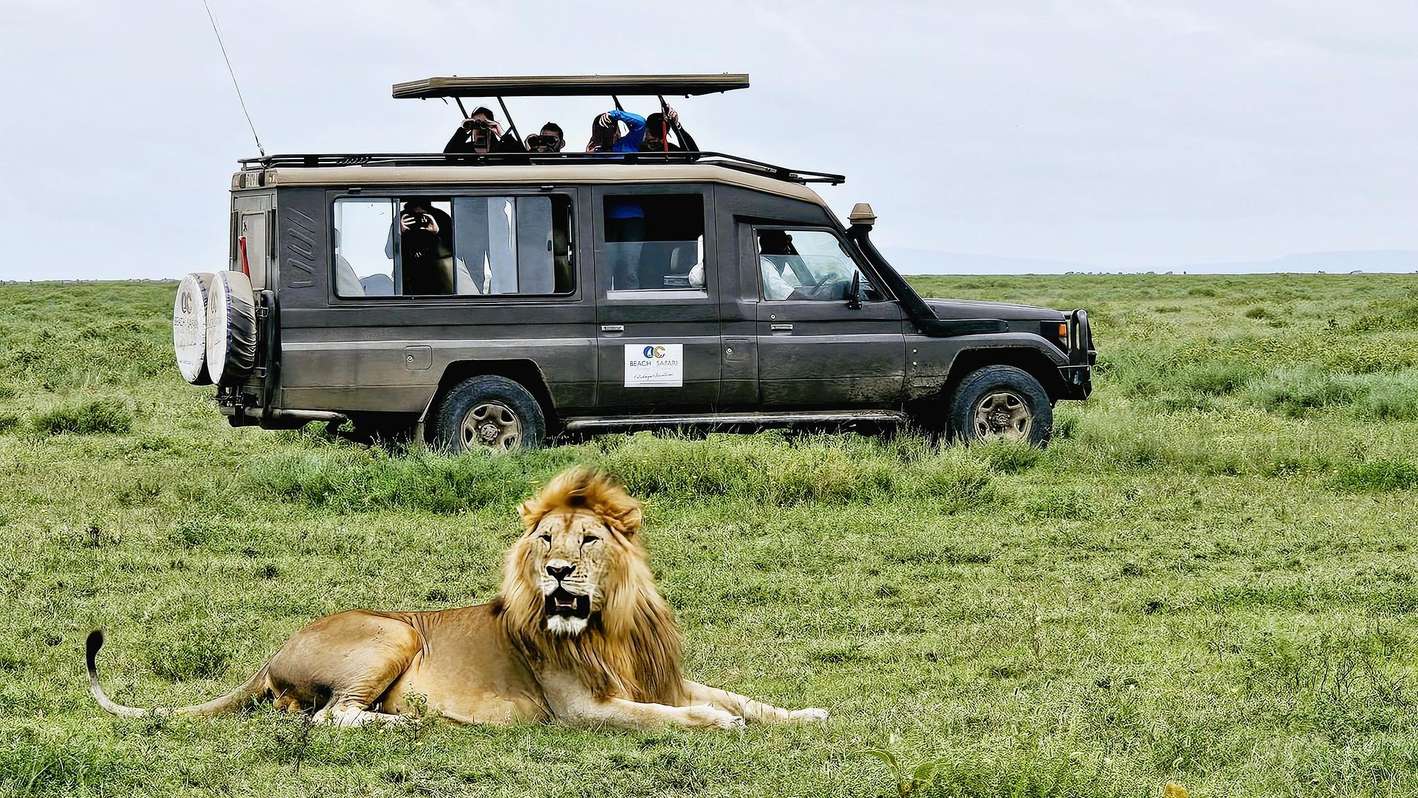
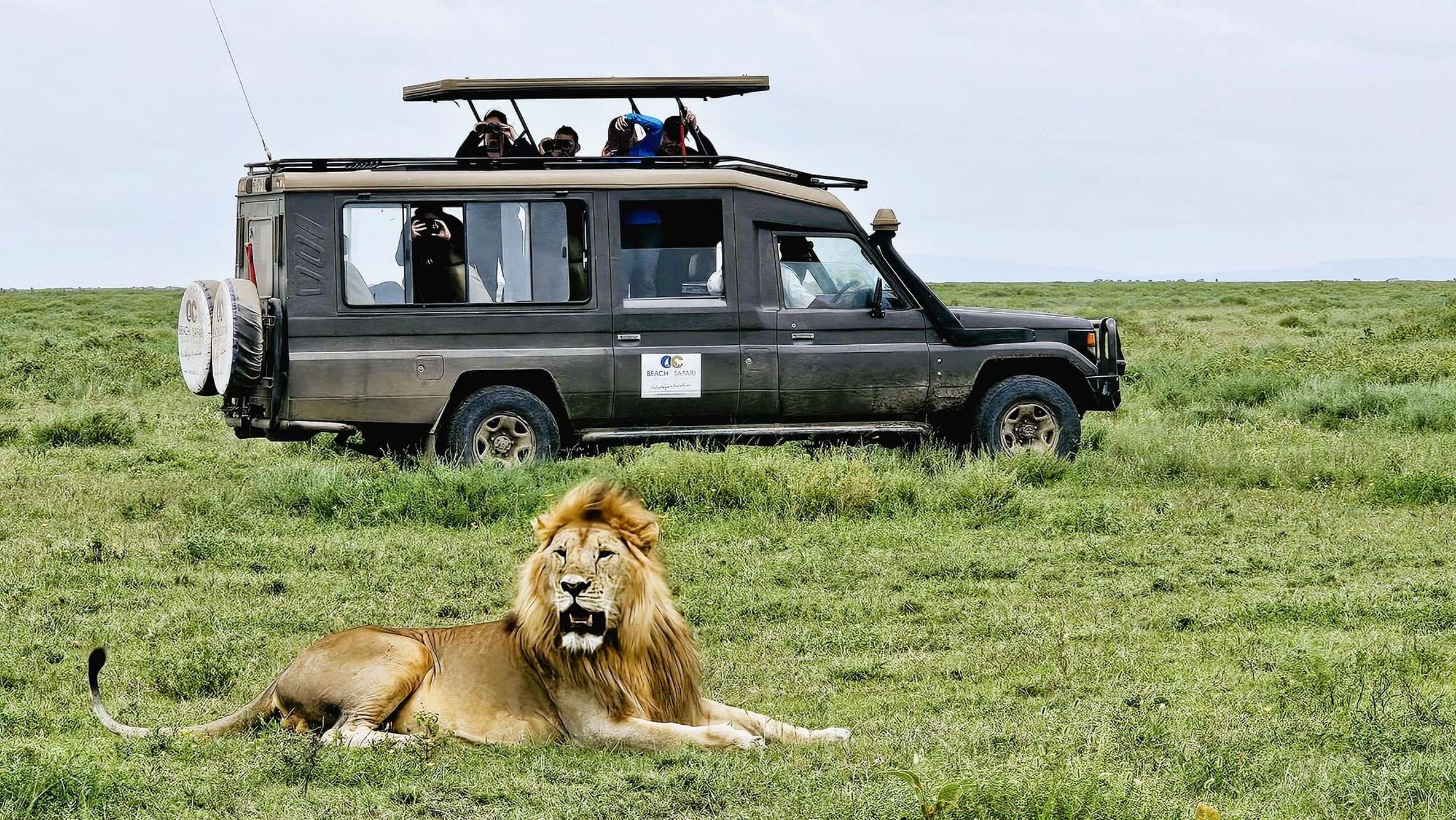
Book Tanzania private safari packages and get the whole 4x4 to yourself, with a driver-guide who calls other vehicles across the park to find lions and lingers at every sighting as long as you want. Skilled guides and smooth logistics from Arusha pickup to the crater floor. Reserve your private vehicle today.
"A once-in-a-lifetime day safari! Lucky enough to see many animals, even lions after breakfast. Our guide was positive and shared great facts. 100% recommend. Hakuna Matata!"
4.7★average rating3,296traveler reviews100%free cancellation28countries travelers came from
Picking between private packages for your Tanzania safari
A private safari here means one thing above all: the 4x4 and the driver-guide are yours alone, so you set the pace at every sighting. The choice is mostly between day trips and multi-day circuits, and between leaving from Arusha or building one onto a Zanzibar stay. Couples and small groups who want their own vehicle and their own schedule fit every option on this list.
DocumentsBring your original passport or a clear copy for park registration, and make sure it stays valid for at least six months after arrival with blank pages for stamps.
VisaMost foreign nationals need a Tanzanian visa, which covers both the mainland and Zanzibar, and you can apply online through the official immigration portal or get one on arrival at major airports.
Park hoursPark gates on the northern circuit run from 6 am to 6 pm, so game drives are planned inside that window and vehicles cannot drive inside the parks after dark.
VaccinationsYellow fever proof is only required if you arrive from or transit 12 hours or more through a country with yellow fever risk, and the vaccine must be given at least 10 days before arrival.
LuggageBush flight operators cap bags at 15 to 20 kg depending on the airline, and hard-shell suitcases are not accepted, so pack in a soft duffel.
Back problemsFull days on rough dirt tracks aggravate lower-back pain, and most private safari operators list back problems and mobility impairments as unsuitable conditions.
ClothingWear neutral earth tones like khaki and olive, because dark blue and black attract biting tsetse flies, and camouflage clothing is illegal for civilians in Tanzania.
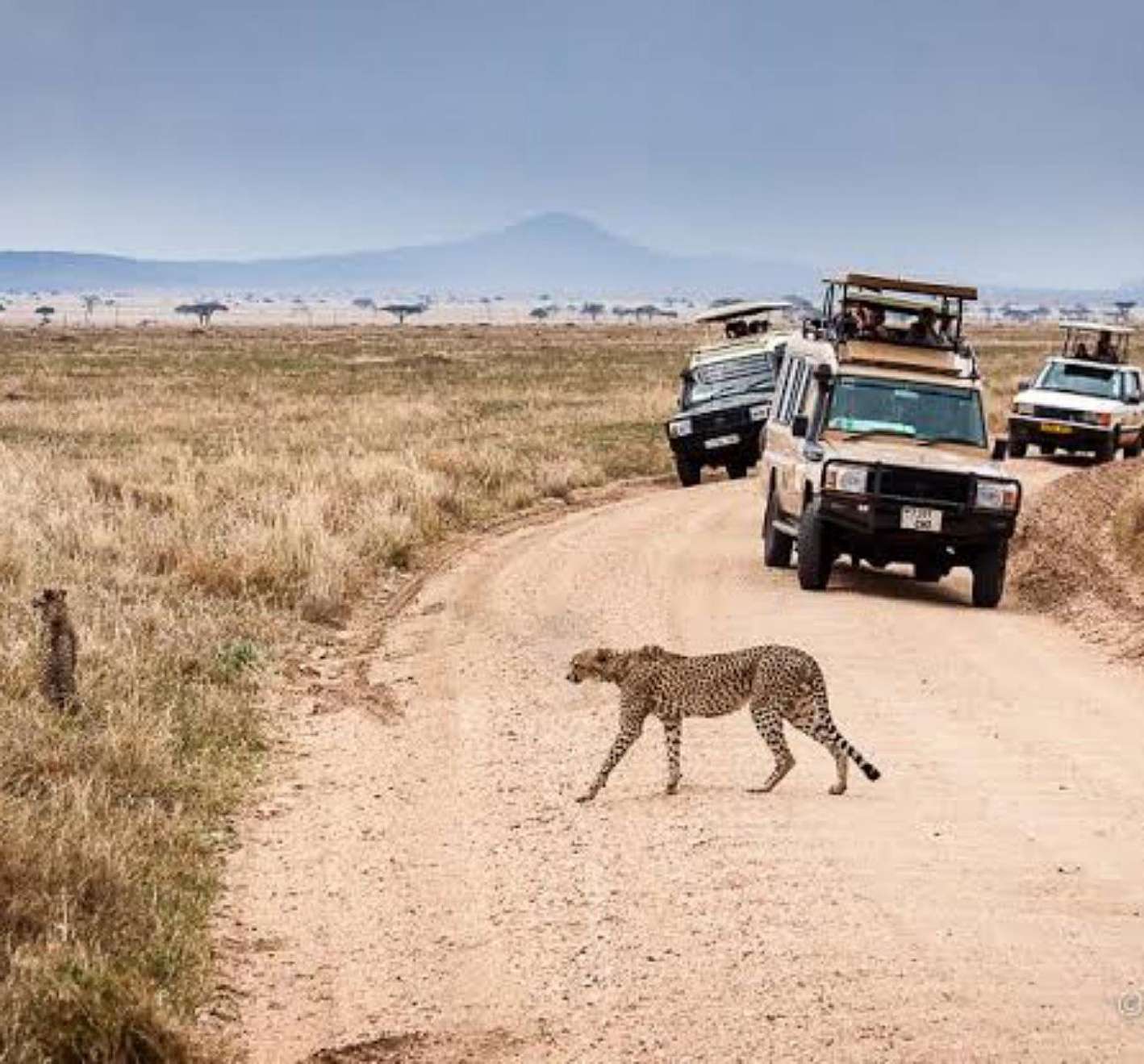
SightingsWildlife cannot be guaranteed on any game drive, though guides radio other drivers across the park to track rarer animals like lions.
FlightsBetween April 1 and June 1, weather or airfield conditions can force schedule changes on fly-in safaris, and a weather-canceled day trip gets a new date or a full refund.
InsuranceTravel insurance covering medical emergencies is strongly recommended, and travelers entering Zanzibar must hold the mandatory local insurance coverage.
Find the private packages that match your safari plans in Tanzania
Answer a few quick questions and see which private safari fits your trip, with two alternatives.
1Where are you starting from?
2Who's coming?
3What's your budget?
4What do you want to see?
5What kind of trip?
Your best match
match
From Zanzibar: Mikumi Safari Day Trip with Flights and Lunch★ 4.7 (3,203) · 8 - 32 hours · Classic game drive
Popular with couples, 95% of whom gave it 4 or 5 stars.
Booked 56 times last week
Fly from Zanzibar in the morning and be back on the beach by evening.
documentYour passport must be valid for at least six months beyond your arrival date, with blank pages for entry stamps, and a visa is required for most foreign nationals.
Check your passport date now and apply for an e-Visa through the official Tanzania Immigration portal, or plan to get a visa on arrival at Dar es Salaam, Kilimanjaro or Zanzibar airport. Bring proof of accommodation and a return or onward ticket.
Private packages for your own safari vehicle
Lowest entry price
8 hours·English
4.3(6)
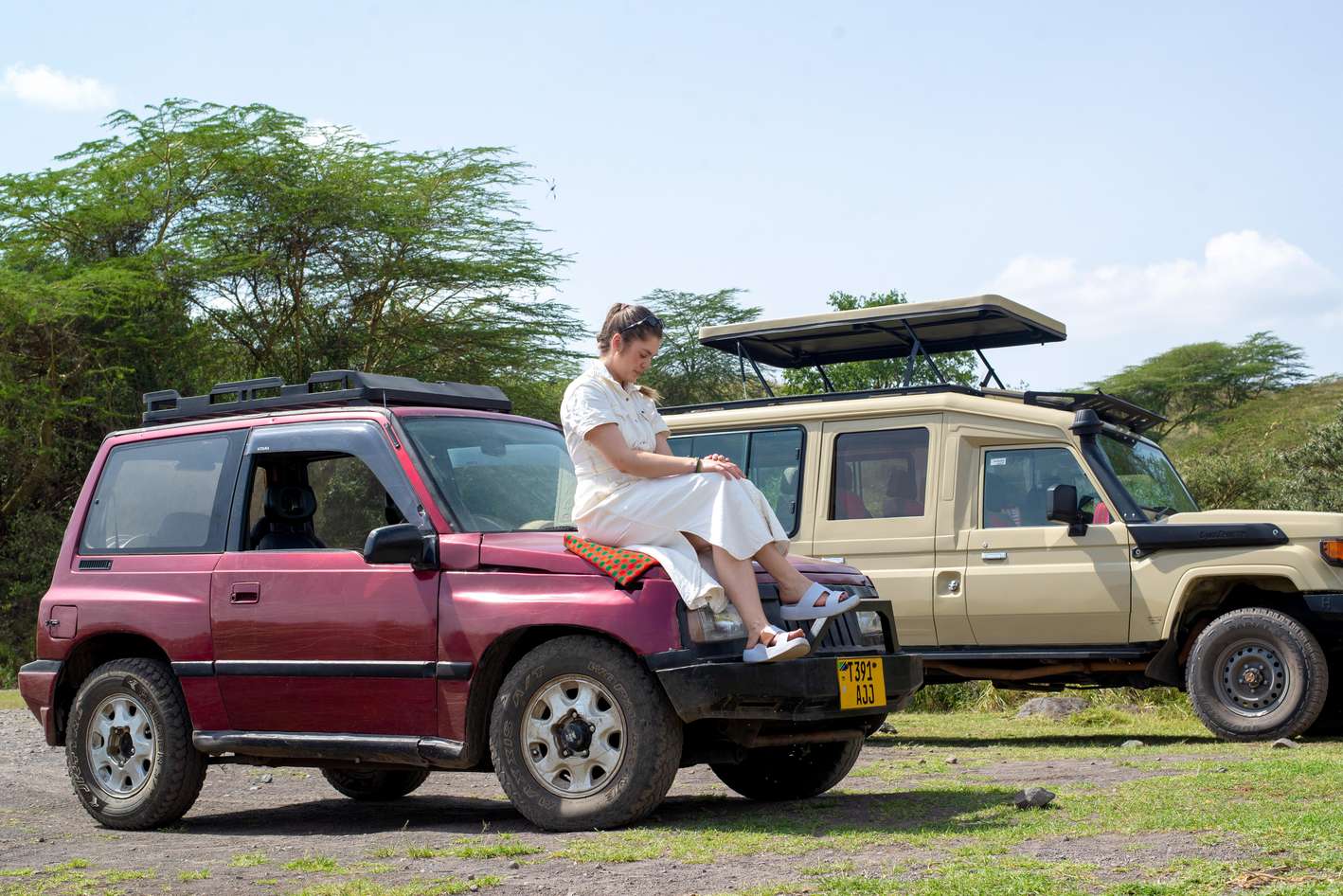
Private 4x4 Vitara Safari in Arusha National Park
The cheapest private safari here: 8 hours in Arusha National Park, park fees and guide included, and only up to 2 guests per vehicle.
Private packages laid out day by day, gate to gate
6 stopsabout 40 h12 places
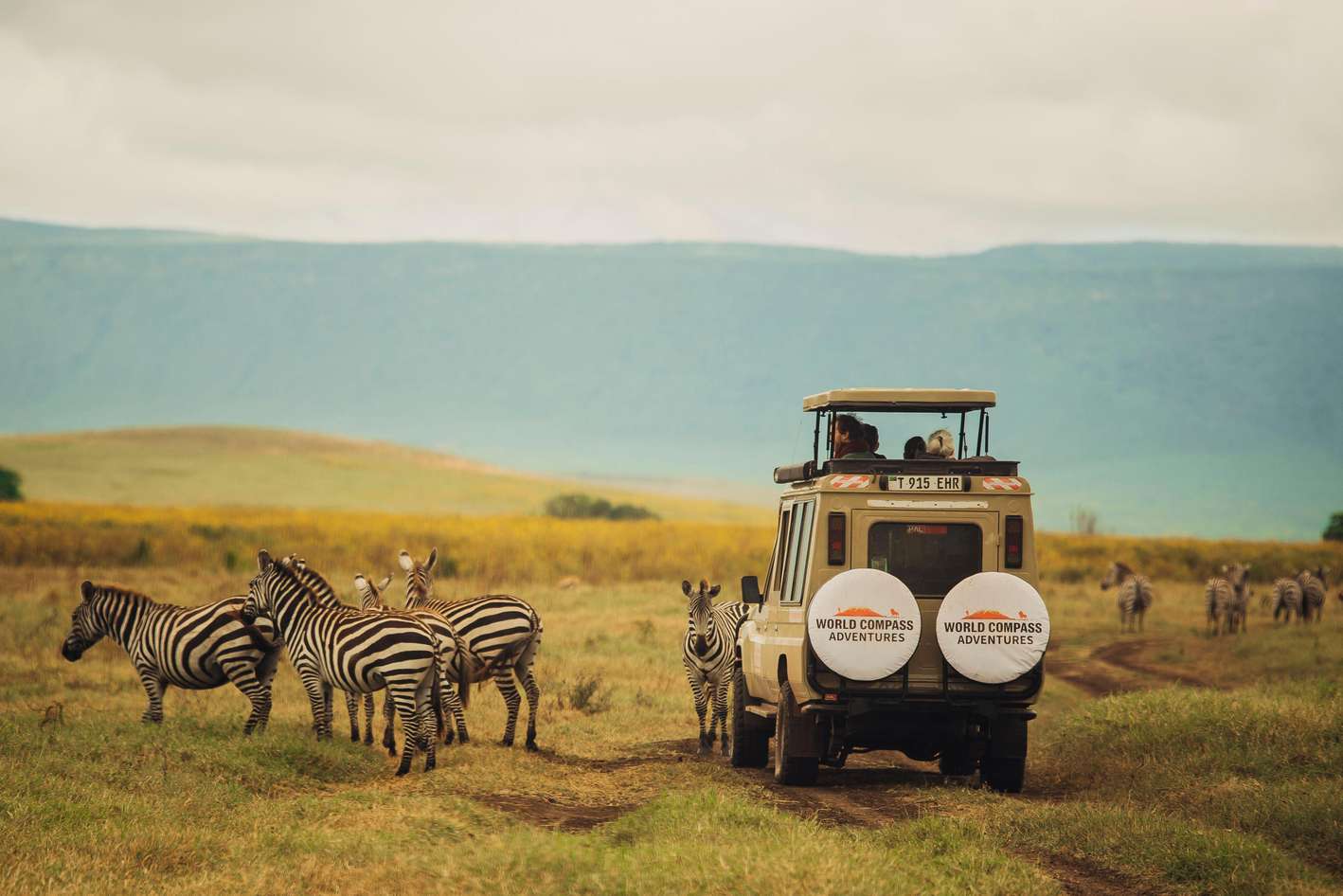
Four days, one vehicle that belongs to your party alone, and three parks on the Northern Circuit. A professional driver-guide runs the whole route in a private 4x4 with a pop-up roof, so every window seat stays open and every stop runs on your schedule.
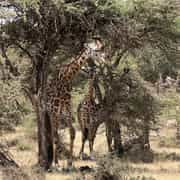
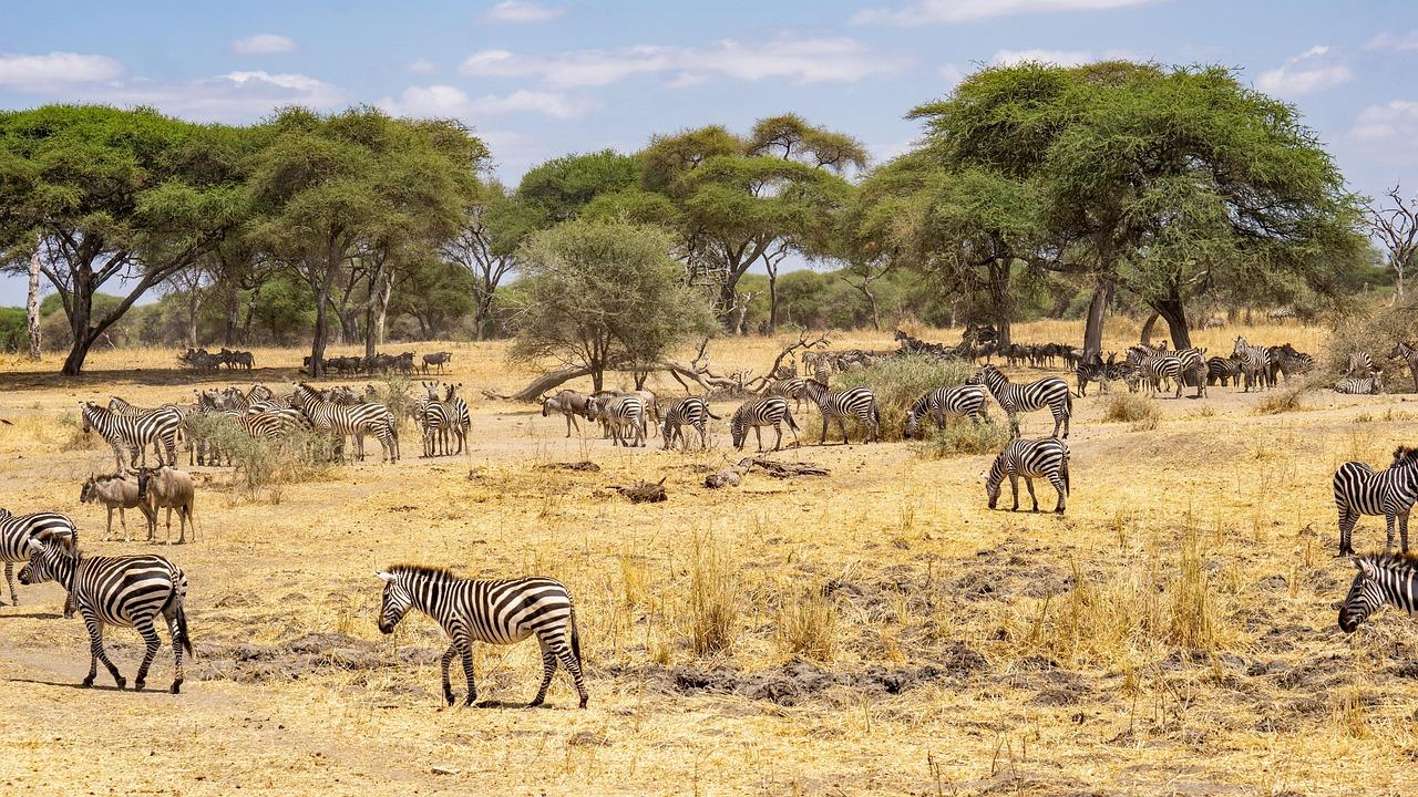
Day one means Tarangire, with its baobab groves and elephant herds gathered along the river, and a picnic lunch inside the park. Two nights of game driving follow in the Serengeti's open plains, where lions, wildebeest and giraffes move in every direction.
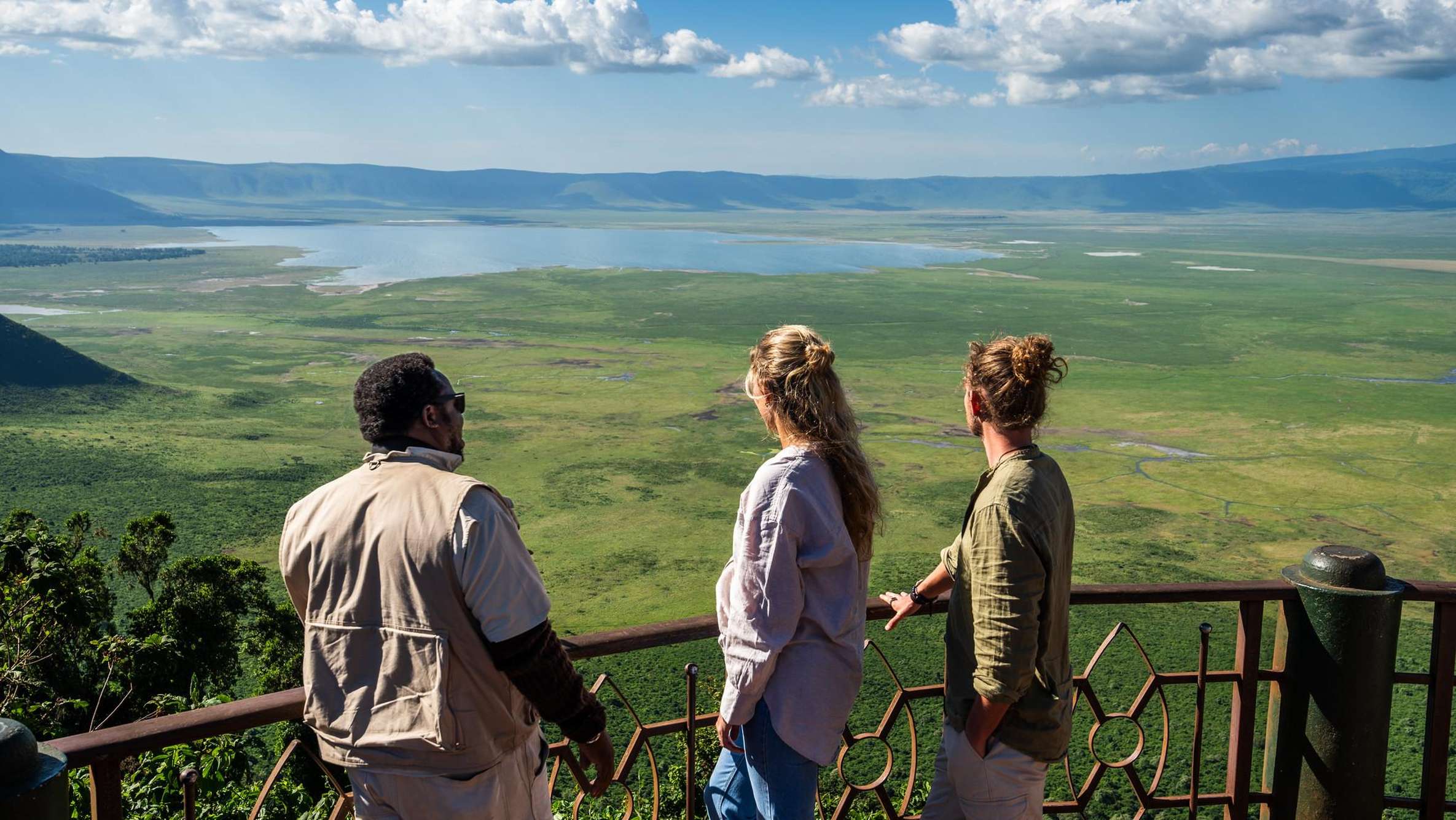
The last day drops roughly 600 meters into the Ngorongoro Crater for a full-day drive among the Big Five, then returns you to your hotel in Arusha. Tented camp accommodation, park fees, meals and binoculars come included.
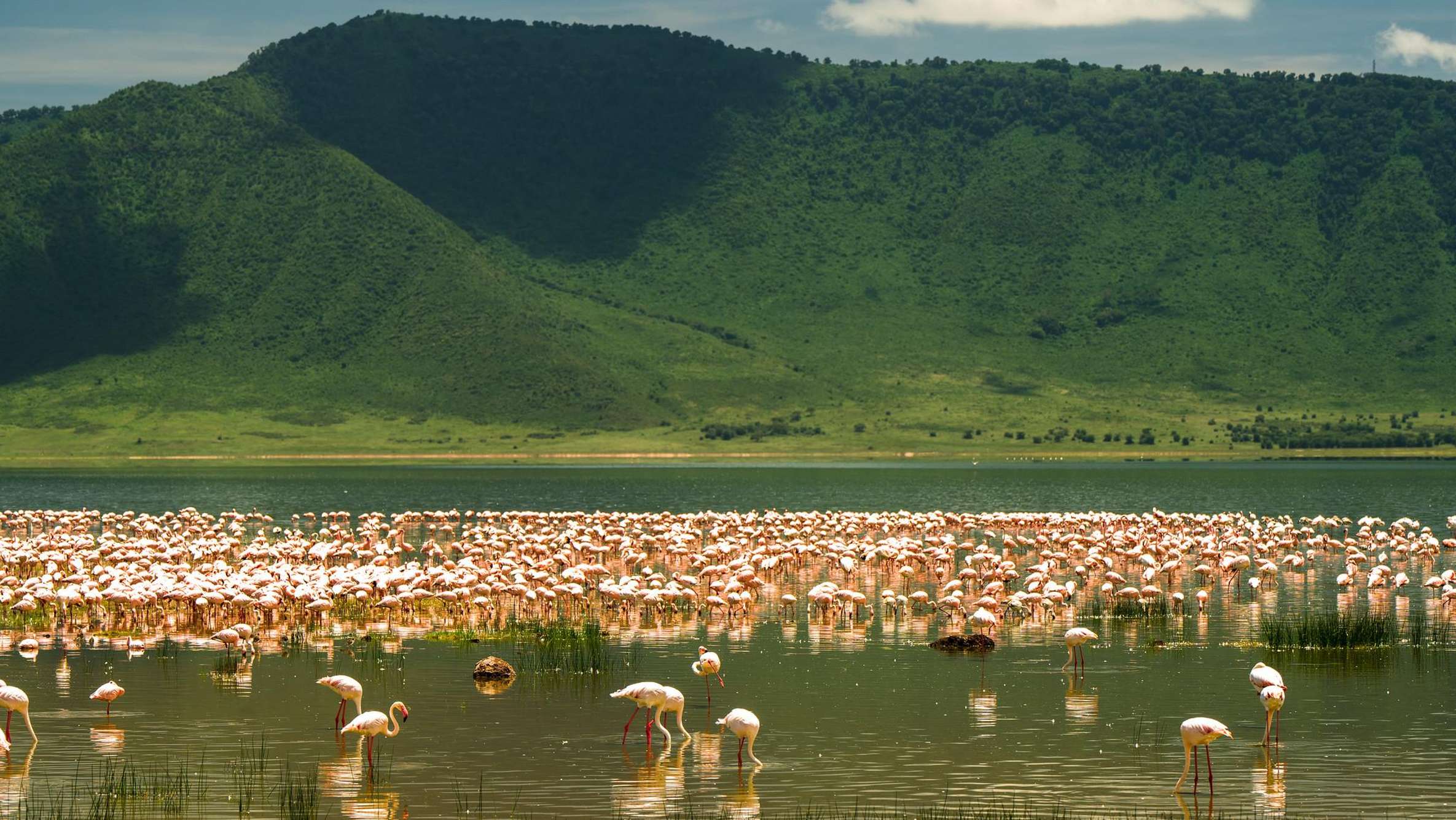
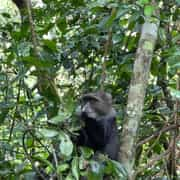
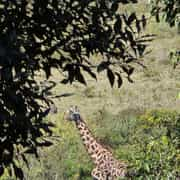
PickupArushaThe safari closes where it began, with drop-off at your hotel in Arusha after the crater drive.From this tour2Arusha National Park· 540 minMontane forests where black-and-white colobus monkeys move through the trees, flamingo flocks on the Momella Lakes, and giraffes against Mount Meru.From this tour3Tarangire National Park· 540 minAncient baobabs and a seasonal river that pulls in some of Tanzania's largest elephant herds during the dry season. Lunch is a picnic inside the park.From this tour4Serengeti National Park· 600 minFull days of game driving across the open plains among lions, leopards, zebras and wildebeest, with binoculars on hand and your guide networking with other drivers by radio.From this tour5Ngorongoro Conservation Area· 720 minDescend about 600 meters onto the crater floor for a full-day drive. This caldera ranks among the best places in Tanzania to complete the Big Five.From this tourDrop-offArushaThe safari closes where it began, with drop-off at your hotel in Arusha after the crater drive.From this tour
Included
Private 4×4 safari vehicle with a pop-up roofProfessional English-speaking driver-guidePickup and drop-off at your hotel in ArushaThree nights’ safari accommodationAll meals specified in the itinerarySerengeti National Park entrance fees
Not included
International flightsTravel insuranceVisa feesGratuities
Comparing private packages by days, parks and departure city
Green marks the lowest price. Each price says whether it is per person or per group.
Tour
Price
Duration
Languages
Best for
Our pick
From Arusha: 4-Day Private Safari to Serengeti & Ngorongoro
from $1,930per person
n/a
n/a
travelers with four days who want Tarangire, Serengeti and Ngorongoro in one private run
Every one of the five reviewers praises their guide, calling him knowledgeable, friendly and quick to spot wildlife.
Best surprise
Several travelers found their guide was also a skilled photographer who took photos for them and shared them.
Most common wish
Many reviewers would have liked more time for photos at sightings, where guides made generous stops.
Booking one of the private packages, step by step
01
Pick your date and departure city
Choose Arusha for the Northern Circuit or Zanzibar for a fly-in or ferry safari, then select a date. Zanzibar dates can shift when flight seats run short, so a flexible day helps.
Pro tipBook a date you can hold for a few days, because every one of these private packages lets you cancel free up to 24 hours before departure.
RecommendedAim for the June to October dry season, when park tracks stay firm and animals gather at the rivers.
02
Choose your vehicle and option
Pick the tier that matches your party: shared jeep with a meeting point, fully private 4x4 with hotel pickup, or lodge and camping versions of the same route. Multi-day Arusha tours run three or four days.
Common mistakeFirst-timers book a shared seat to save money, then discover a private vehicle for two often costs only a little more and gives them the whole jeep.
Pro tipIf someone in your party speaks French, German, Italian or Spanish, select the guide language option when you book. It costs extra on some tours and cannot be added at the gate.
03
Pay and read the confirmation
Payment confirms your vehicle, guide and pickup. Watch for the operator's messages after booking, because they carry your exact pickup time and any date changes.
ImportantMost local operators work on a deposit of 30% to 50% of the package price, with the balance due before departure, so check when the remainder is collected.
Pro tipReply to the confirmation with your hotel name the same day. Arusha pickups run between 6:00 and 7:30 in the morning, and the driver needs to know where to find you.
04
Sort your voucher and documents
Your voucher shows the meeting point or pickup arrangement. Some Zanzibar and Arusha tours ask you to meet at a set spot instead of collecting you, so read which one applies before the day.
ImportantBring your original passport or a clear copy. Park rangers check identification at every TANAPA gate before the vehicle is allowed in.
Common mistakePeople arrive with a photo on a dying phone. Print the copy or carry the passport itself, because the gate will not wave you through without it.
05
Be ready on the morning
Wait at your hotel reception five to ten minutes before the stated pickup time. Drives start early so the vehicle reaches park gates soon after they open at 6 am.
RecommendedLay out neutral khaki or olive clothes the night before, and keep dark blue and black out of the bag. Those shades draw biting tsetse flies in Tarangire and Mikumi.
Pro tipEat something before pickup. Breakfast on multi-day tours comes after you are in the vehicle, and the first game drive stretches long into the morning.
Good to know before you commit to private packages
Can stop the dayGood to knowGood news
01
ChoosingWhat it is, who it suits, when to go
4
Pacing
A private vehicle means you decide when to leave camp, how long to sit with a lion, and when to pause for a break. Guides reposition the car for photos and stay at a sighting as long as your group wants. That is the main thing your money buys.
Included
Multi-day packages cover the 4x4, the driver-guide, park and crater fees, meals per the itinerary, drinking water, and binoculars in some cases. The four-day trip adds Flying Doctors emergency evacuation cover and unlimited mileage.
Gate hoursCan stop the day
Parks open at 6 am and close at 6 pm, and Ngorongoro's descent gate stops incoming vehicles at 4 pm. Vehicles must be off the crater floor by 6 pm. Your guide plans the day around these hours, which is why departures start so early.
Camps
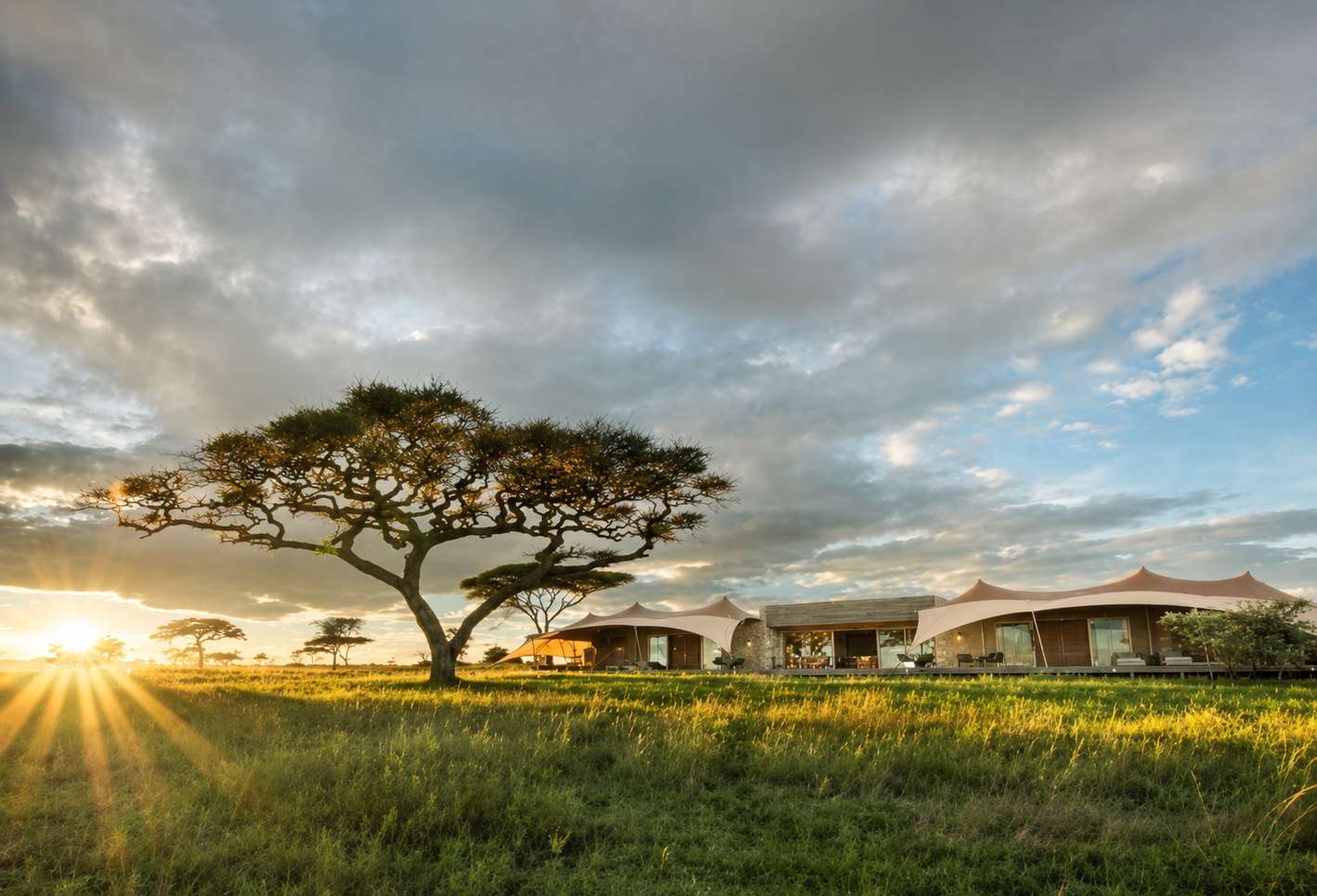
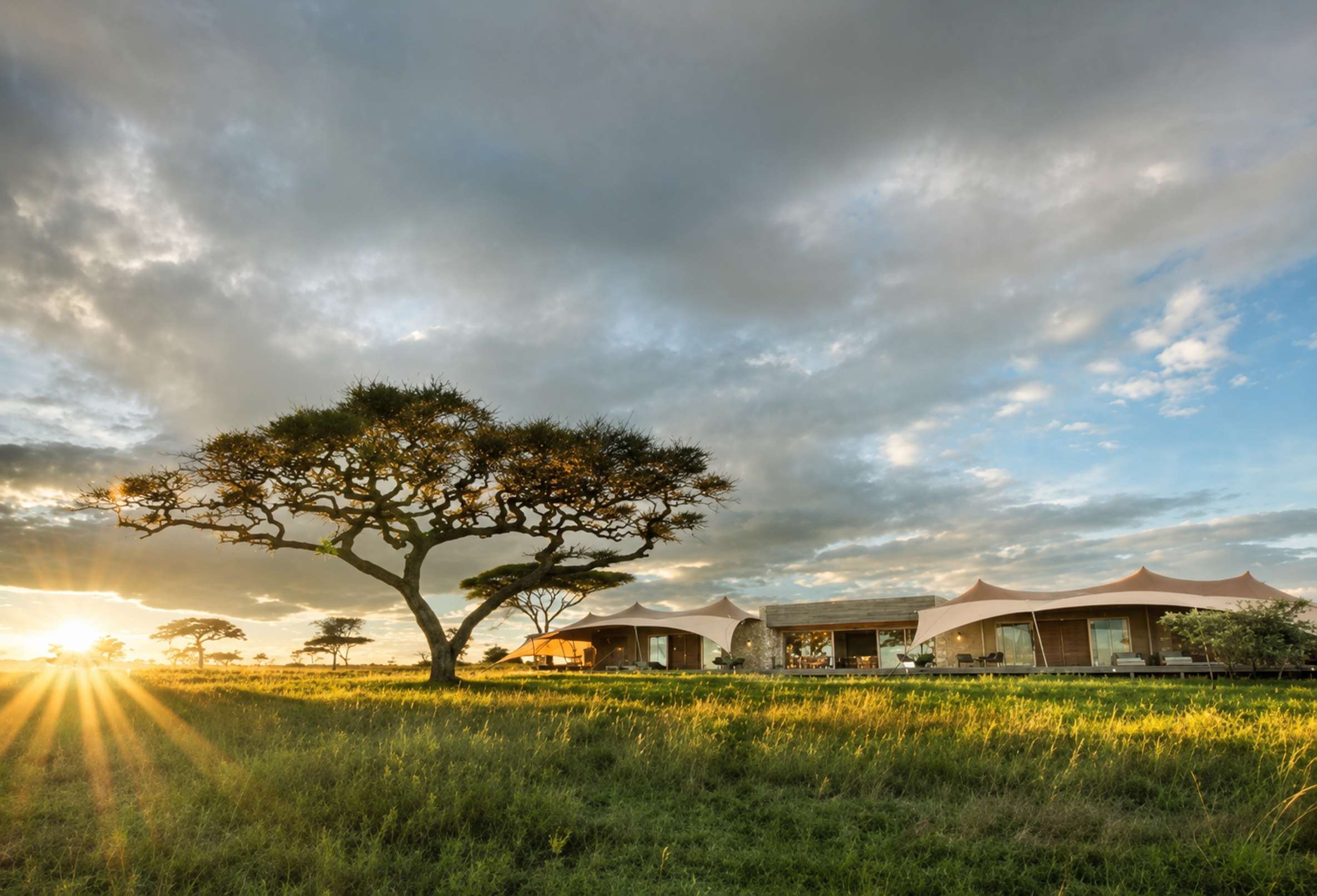
Some tented camps run on solar power that lights rooms only, so cameras and phones charge in the main common areas. Top up batteries each evening, because hours of game viewing sit ahead the next day.
02
BookingHow far ahead, and what happens if plans change
1
Cancellation
Every package on this page lets you cancel up to 24 hours in advance for a full refund. On the Zanzibar Ngorongoro trip, limited northbound flight seats can shift your departure date, so book the date flexible or early.
03
Before you goPapers, health, what to bring
4
Extra costs
Set aside tips for your guide and lodge staff, visa fees, travel insurance, and drinks at the lodges. Zanzibar departures also carry small local taxes payable at check-in, and travel insurance is required by the Zanzibar government.
DocumentsCan stop the day
Bring your original passport or a clear copy, because park gates register every visitor before entry. Park fees at Tanzania's gates are paid by card, so carry a credit card as backup. Visa rules for your own nationality are worth confirming before you fly.
Health limits
These tours are not suitable for travelers with back problems or mobility impairments, and the Zanzibar Ngorongoro trip also excludes pregnant travelers and people with heart conditions or insect allergies. The Arusha National Park day trip takes no children under six. Say so at booking rather than at the gate.
Clothing
Wear khaki, olive, or beige in long sleeves and trousers. Dark blue and black attract tsetse flies, white shows the dust, and camouflage is illegal for civilians in Tanzania. Pack a warm layer for cold early mornings.
04
On the dayWhere to be, when, and how you get there
1
Pickup
Arusha departures collect you from your hotel and drop you back there afterward. On the Zanzibar Ngorongoro trip your driver meets you at the hotel reception, so have everyone ready about five minutes early. Ferry-based tours need your names exactly as they appear in your passport.
05
During the tourWhat is expected of you
2
Your vehicle
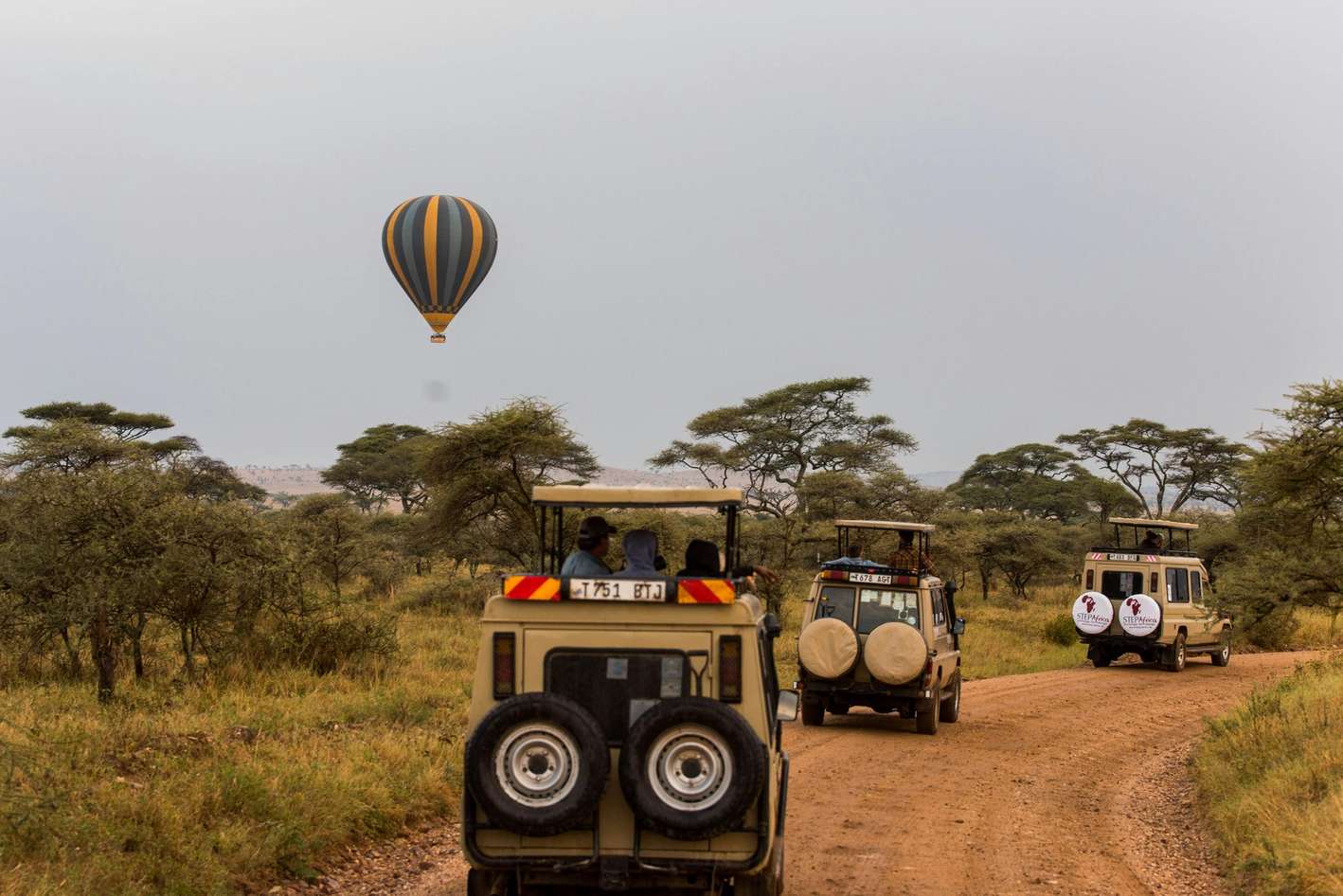
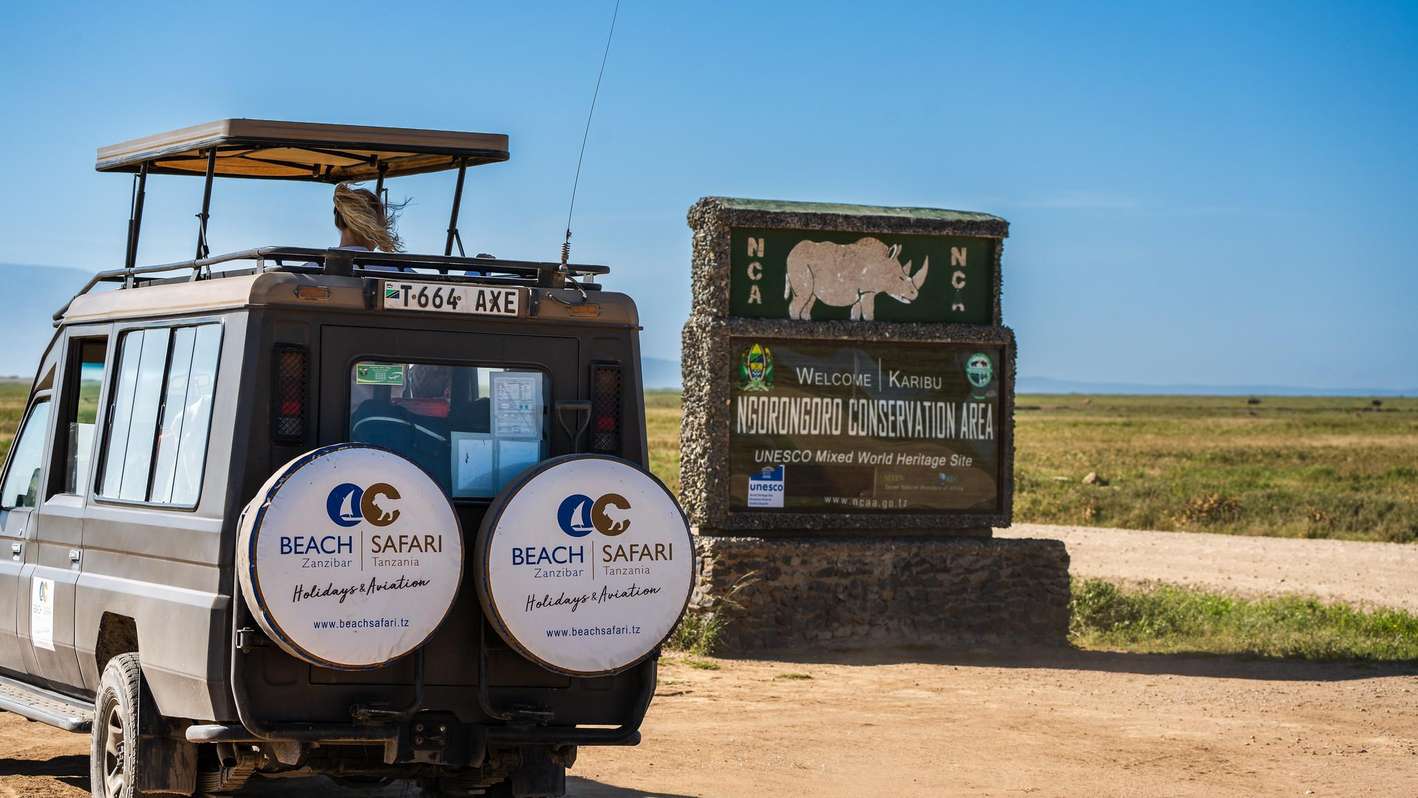
Every package here runs in your own 4x4 with a pop-up roof, never combined with strangers. The Arusha National Park day trip even caps its custom Vitara at two guests per vehicle for a true 360-degree view. One operator runs open-sided jeeps on the Nyerere itinerary.
On board
You stay inside the vehicle during game drives and step out only at designated picnic and restroom sites. Feeding animals, littering, and touching plants are all prohibited and can bring fines. Guides coordinate breaks with the driver when you need one.
Private packages in Tanzania - the full guide
Owning the 4x4 for your own party changes the whole rhythm of a safari. This guide works through what that exclusivity costs, how the packages compare, and which departure fits your calendar.
Ngorongoro, Tanzania· 3.39° S, 36.68° E
If you only remember three things
1
For a couple, a private vehicle usually costs only a little more than a shared seat, and it buys every scheduling decision.
2
On three days or fewer from Arusha, skip the Serengeti: the overland drive runs seven to eight hours each way.
3
Leave dark blue and black at home in tsetse fly country, and carry a passport or clear copy for every park gate.
Is a private package with your own 4x4 worth it?
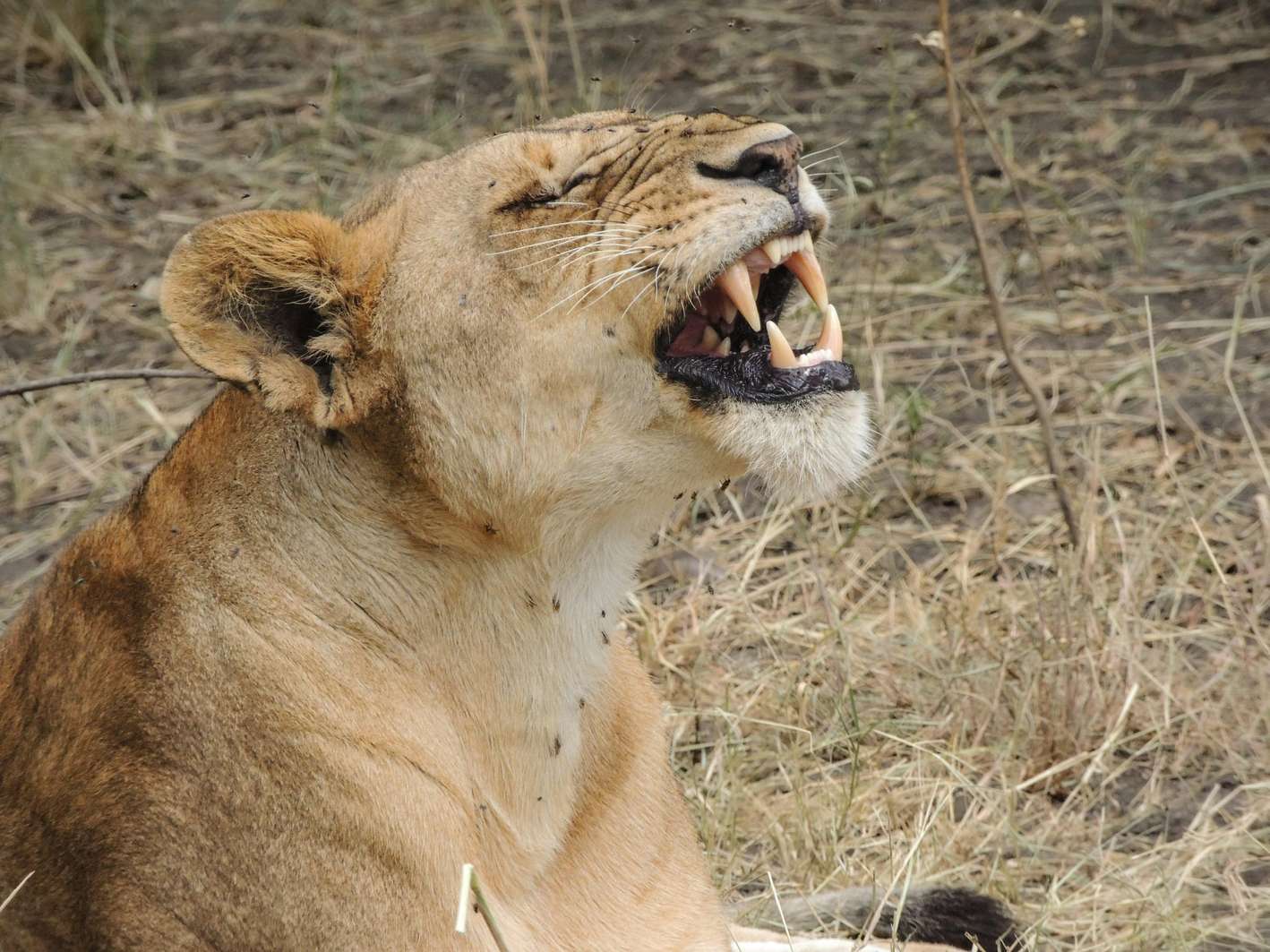
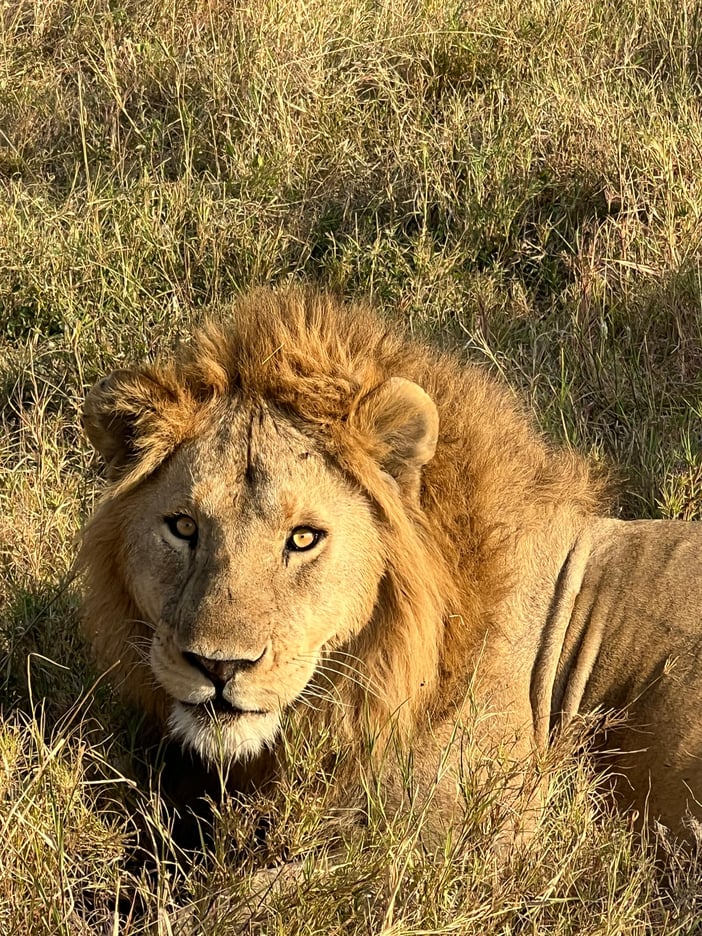
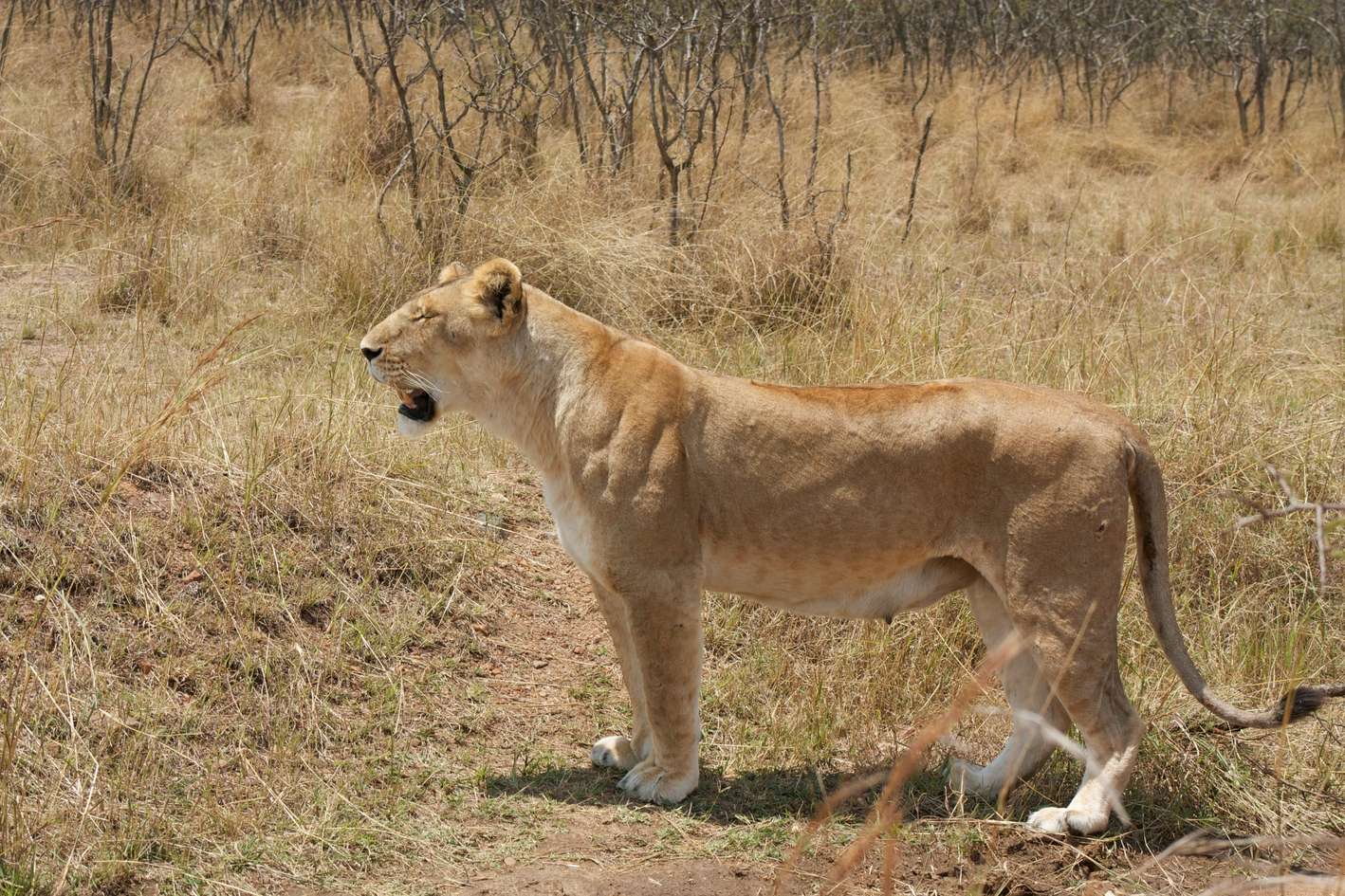
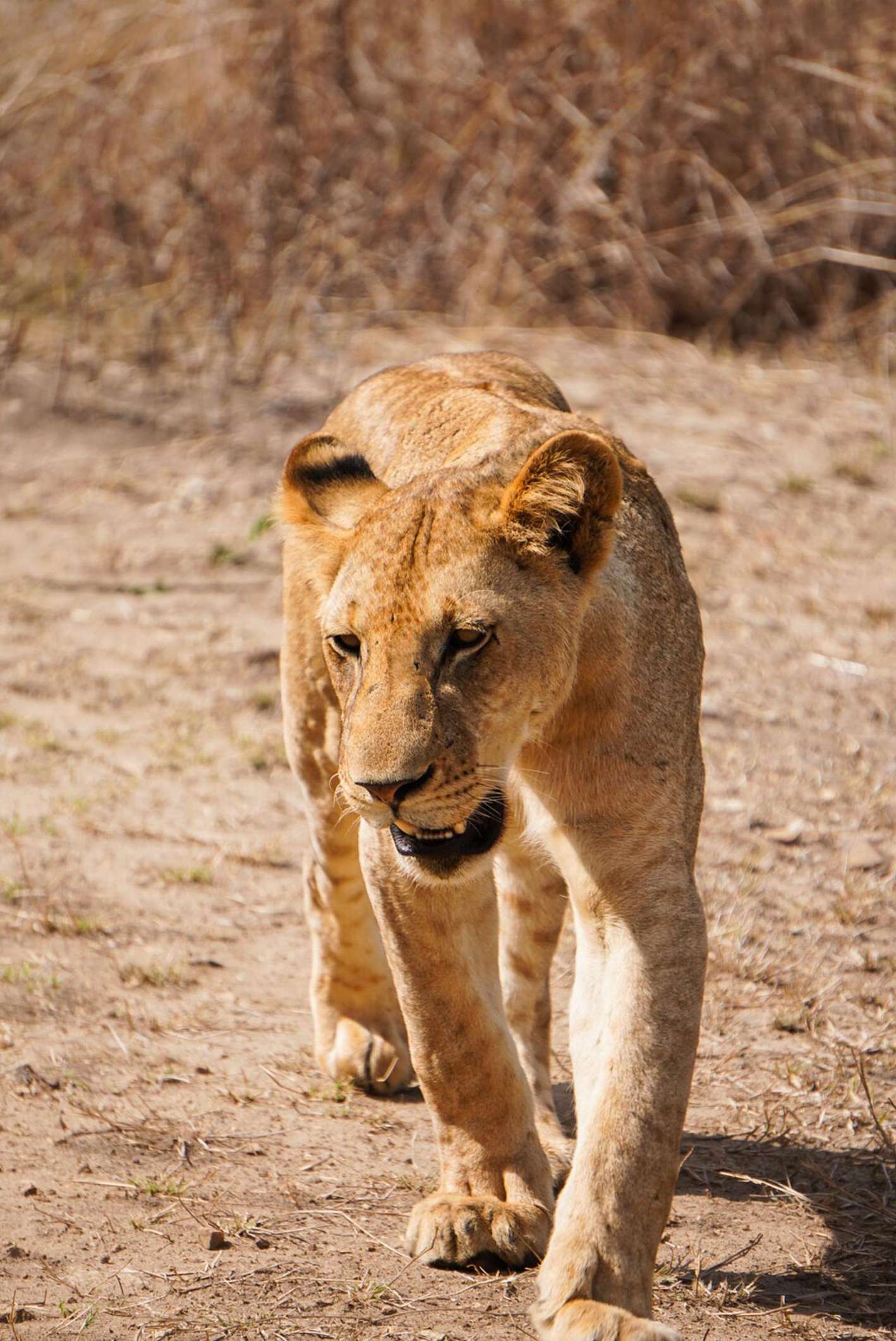
A lion pride sits up under an acacia at dusk, and the radio crackles in every vehicle in a two-kilometre radius. In a shared jeep, the driver has five other opinions about how long to stay. In your own vehicle, the only opinion that counts is yours.
That is the whole case for a private package. You set the departure time, the length of each drive, and every rest break. When a sighting is worth an hour, you take the hour. Nobody hands you a schedule built around a stranger's flight.
The doubt is money, and it is smaller than most people assume. For a couple, private often costs only marginally more than scheduled group departures, because the vehicle cost splits two ways.
A one-day private booking that runs high for a solo traveler drops sharply per person the moment a second seat fills. Solo travelers get the reverse math, which is why scheduled small-group departures exist.
One quirk works in your favor too: when a shared group fails to fill, operators sometimes run it anyway with a private driver and vehicle at the shared-seat rate.
What nobody tells you
For two travelers, private usually costs only slightly above a shared seat
You give up very little cash and gain every scheduling decision, from dawn starts to lingering at a leopard
A group that fails to fill can run as a private vehicle
Low-demand departures sometimes go out with one driver and one party at the shared-seat rate, so a quiet date can be a bargain
Shared tours trade cost for control
You save money but share the vehicle, the pace, and the window seat with strangers
So the real choice is the date, and the vehicle follows. Pick the departure with the best wildlife window and the private upgrade usually costs less than the upgrade argument suggested.
Tour for this
Zanzibar: 2-Day Private Magical Ngorongoro Crater Safari5.0★ (2) · 2 days · Hotel pickup · Free cancellation
Choosing trip lengths, parks and starting cities for private packages
Three package shapes dominate Tanzania's private safari market, and the difference between them comes down to days and departure city.
The three-day circuit from Arusha covers Tarangire, Ngorongoro Crater and Lake Manyara in one loop, with two nights in a lodge or tented camp and every game drive in your own pop-top 4x4.
The four-day version adds the Serengeti's open plains and trades in a night, giving the migration country its own full day. From Zanzibar, the packages flip the logic: a short flight or the ferry replaces the long road, and the parks change to Ngorongoro by air or Nyerere by boat and jeep.
The "Arusha: 3-Day Private Safari with Accommodation & Meals" is the cleanest example of the short shape: private vehicle, English-speaking driver-guide, hotel pickup in Arusha, meals as stated, and park fees already inside the package.
Three private package shapes side by side
3-day Arusha circuit
4-day Serengeti flagship
Zanzibar departures
Duration
3 days, 2 nights
4 days, 3 nights
Day trip to 3 days
Parks
Tarangire, Ngorongoro, Lake Manyara
Tarangire, Serengeti, Ngorongoro
Ngorongoro or Nyerere and Mikumi
Departure point
Arusha hotel pickup
Arusha hotel pickup
Zanzibar hotel, by plane or ferry
Vehicle
Private 4x4 with pop-up roof
Private 4x4 with pop-up roof
Private jeep plus flight or ferry
Best for
First visit, short window
Seeing the Serengeti properly
Beach holidays with a safari slot
3-day Arusha circuit
Duration
3 days, 2 nights
Parks
Tarangire, Ngorongoro, Lake Manyara
Departure point
Arusha hotel pickup
Vehicle
Private 4x4 with pop-up roof
Best for
First visit, short window
4-day Serengeti flagship
Duration
4 days, 3 nights
Parks
Tarangire, Serengeti, Ngorongoro
Departure point
Arusha hotel pickup
Vehicle
Private 4x4 with pop-up roof
Best for
Seeing the Serengeti properly
Zanzibar departures
Duration
Day trip to 3 days
Parks
Ngorongoro or Nyerere and Mikumi
Departure point
Zanzibar hotel, by plane or ferry
Vehicle
Private jeep plus flight or ferry
Best for
Beach holidays with a safari slot
Pick by calendar. Two or three free days point at the short circuit, four or more unlock the Serengeti, and a Zanzibar base makes the fly-in or ferry departure the sensible option.
Tour for this
From Zanzibar: Mikumi Safari Day Trip with Flights and Lunch4.7★ (3,203) · 8 - 32 hours · Hotel pickup · Free cancellation
What private safari packages charge for, line by line
The cost of private safari packages stacks up from one thing above all: mandatory park fees. National park and conservation area entrance fees are the primary base cost of any safari, and they apply per person for every day spent inside a park.
Run the arithmetic on a northern circuit. The Serengeti's daily entry sits at the top of the northern parks, Tarangire charges less per day, and camping at the public sites adds a per-person fee each night.
Then comes the line that surprises everyone: Ngorongoro charges a flat vehicle descent fee, charged once per vehicle, on top of every passenger's admission. It is why crater itineraries are priced the way they are, and a private vehicle spreads that single fee across your own party.
What the package leaves out matters just as much for the budget. Tips for the driver-guide and lodge staff sit outside the fee, and most visitors plan a daily amount for the guide. Visa fees are separate, and if your route touches Zanzibar, the government requires tourist travel insurance bought for that stay.
Know the lines and the gate holds no surprises.
Tour for this
3-Day Safari Serengeti & Ngorongoro Crater (Private/Joining)4.1★ (8) · Valid 3 days · Hotel pickup · Free cancellation
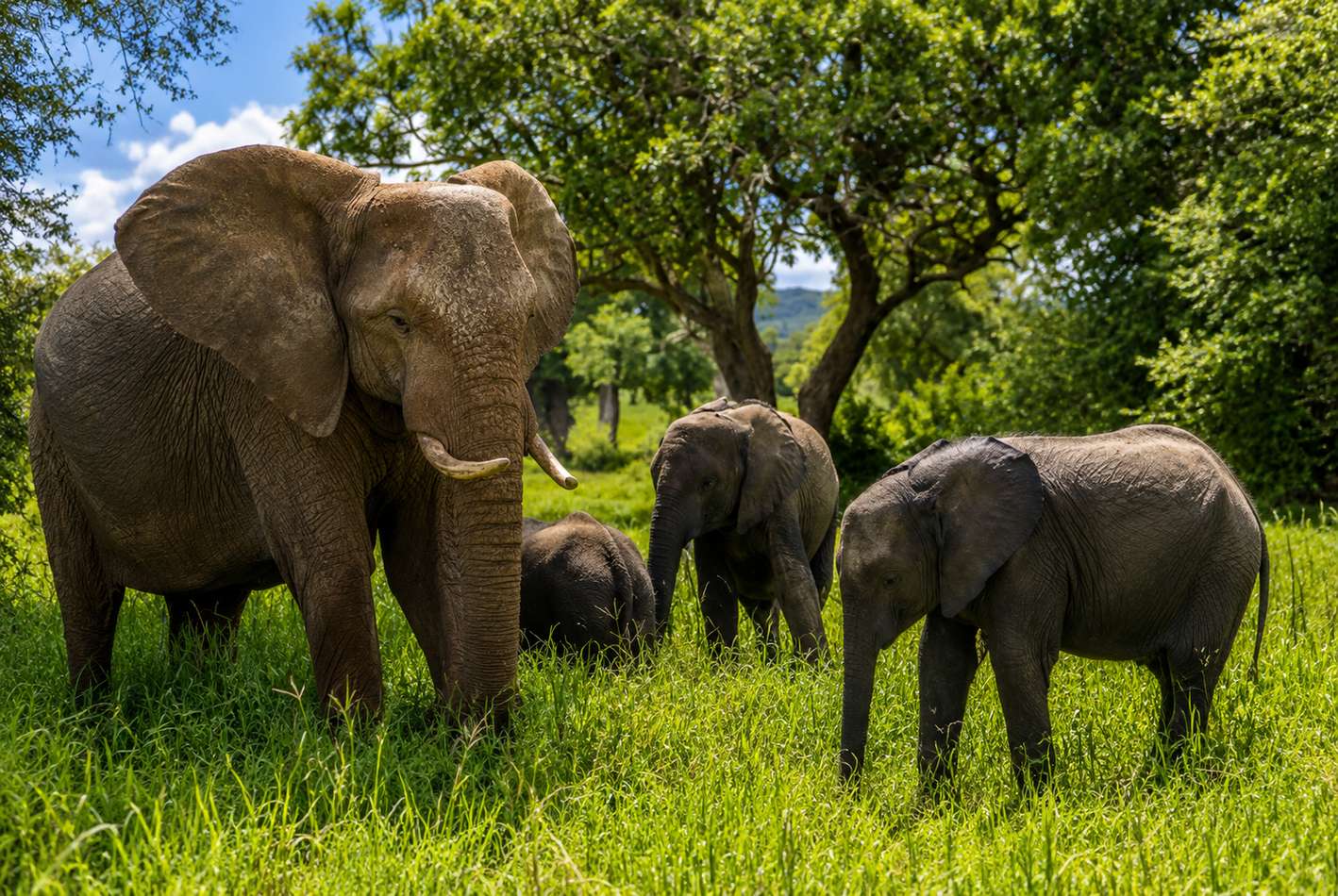
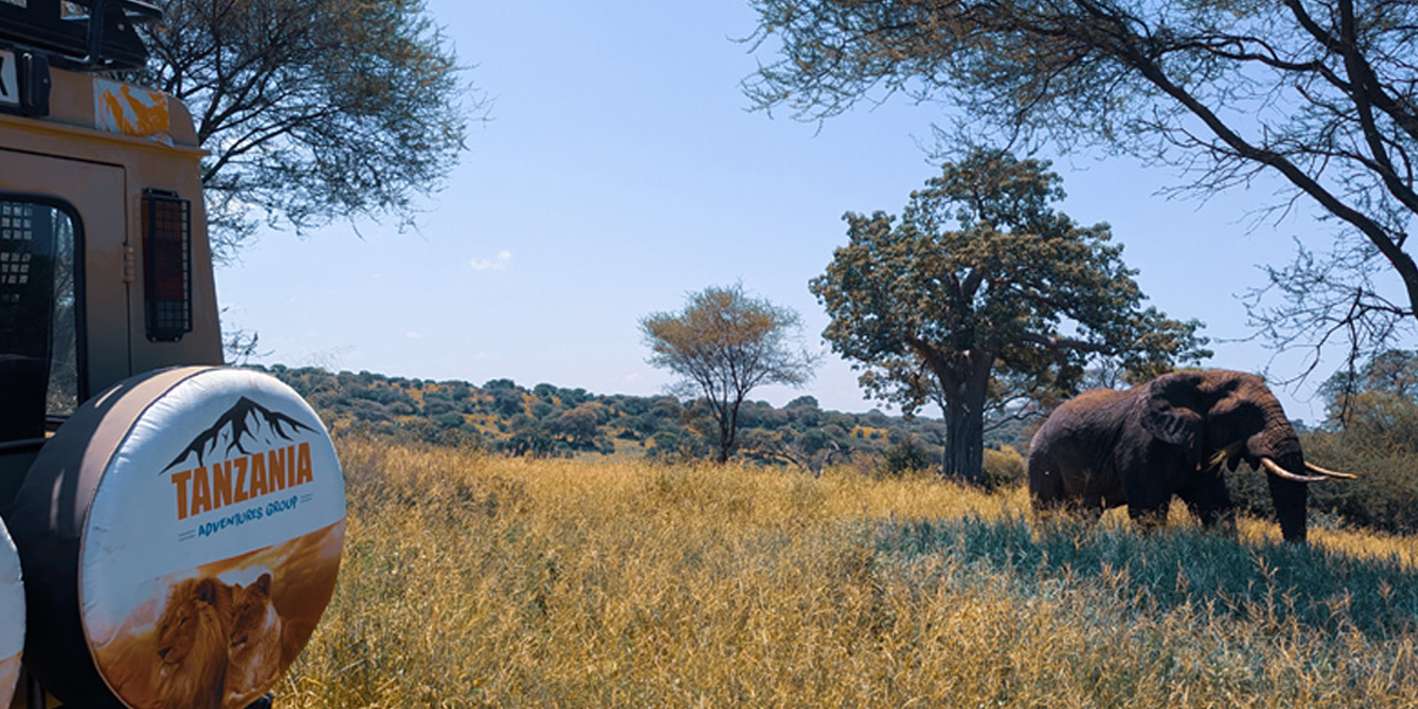
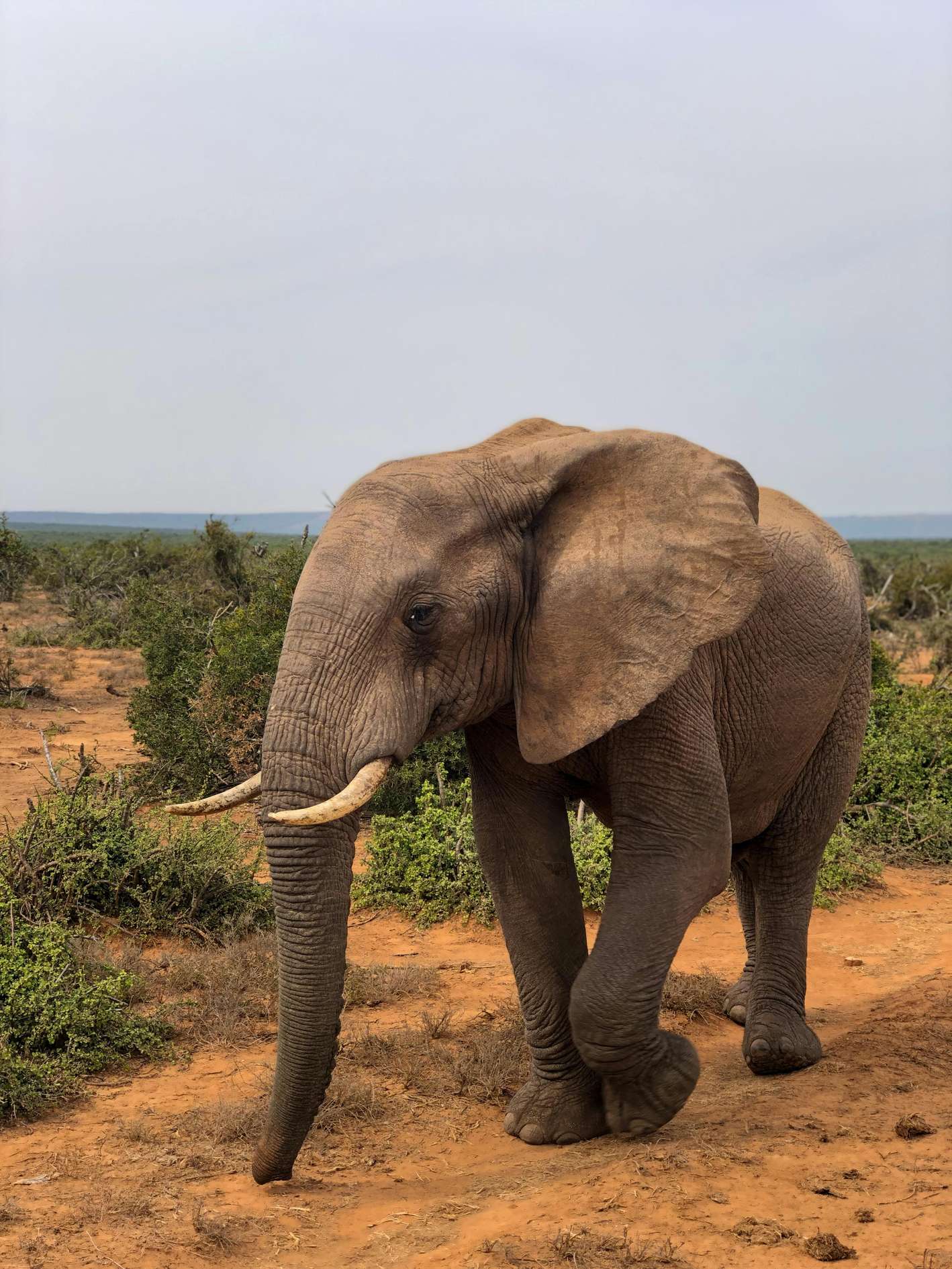
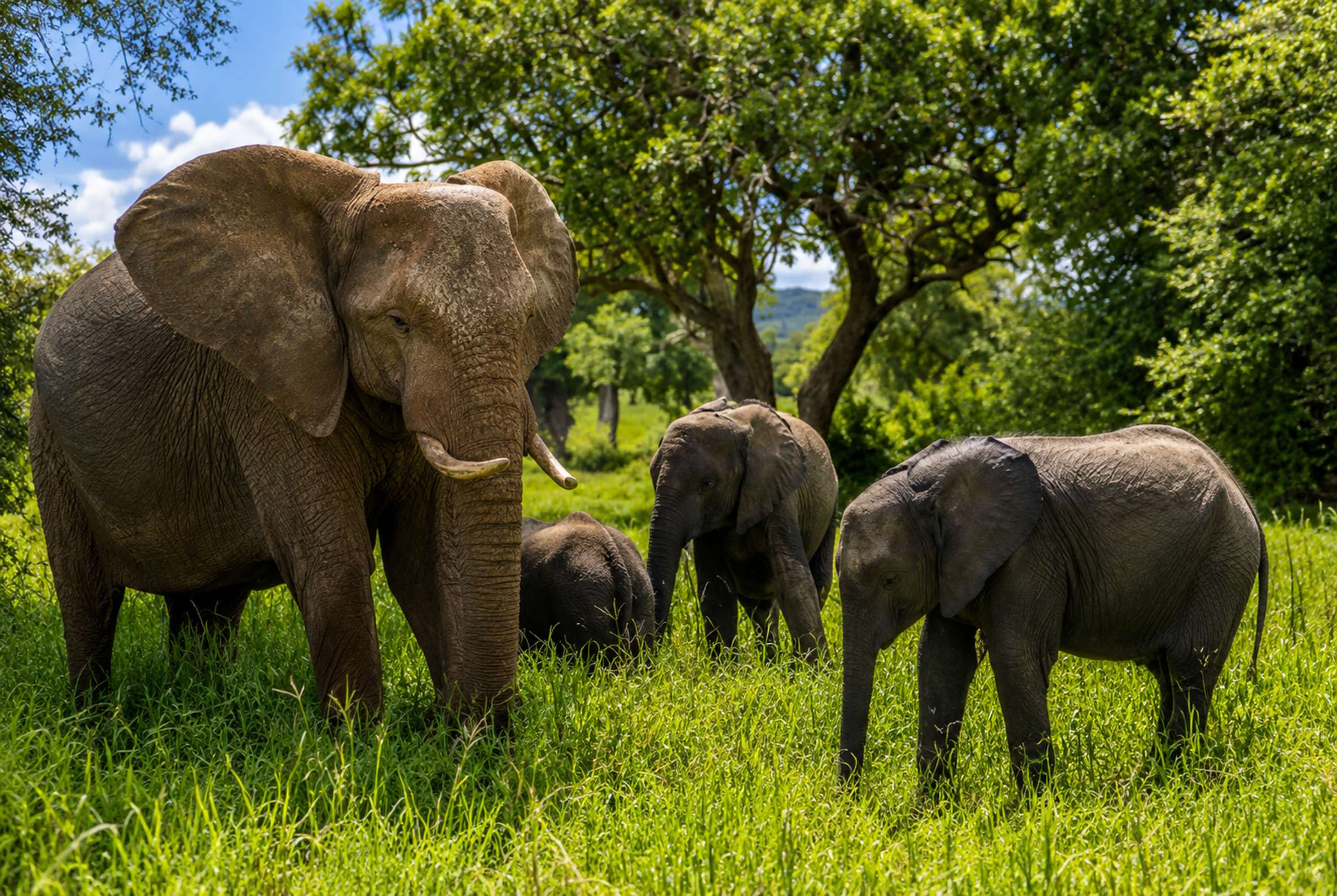
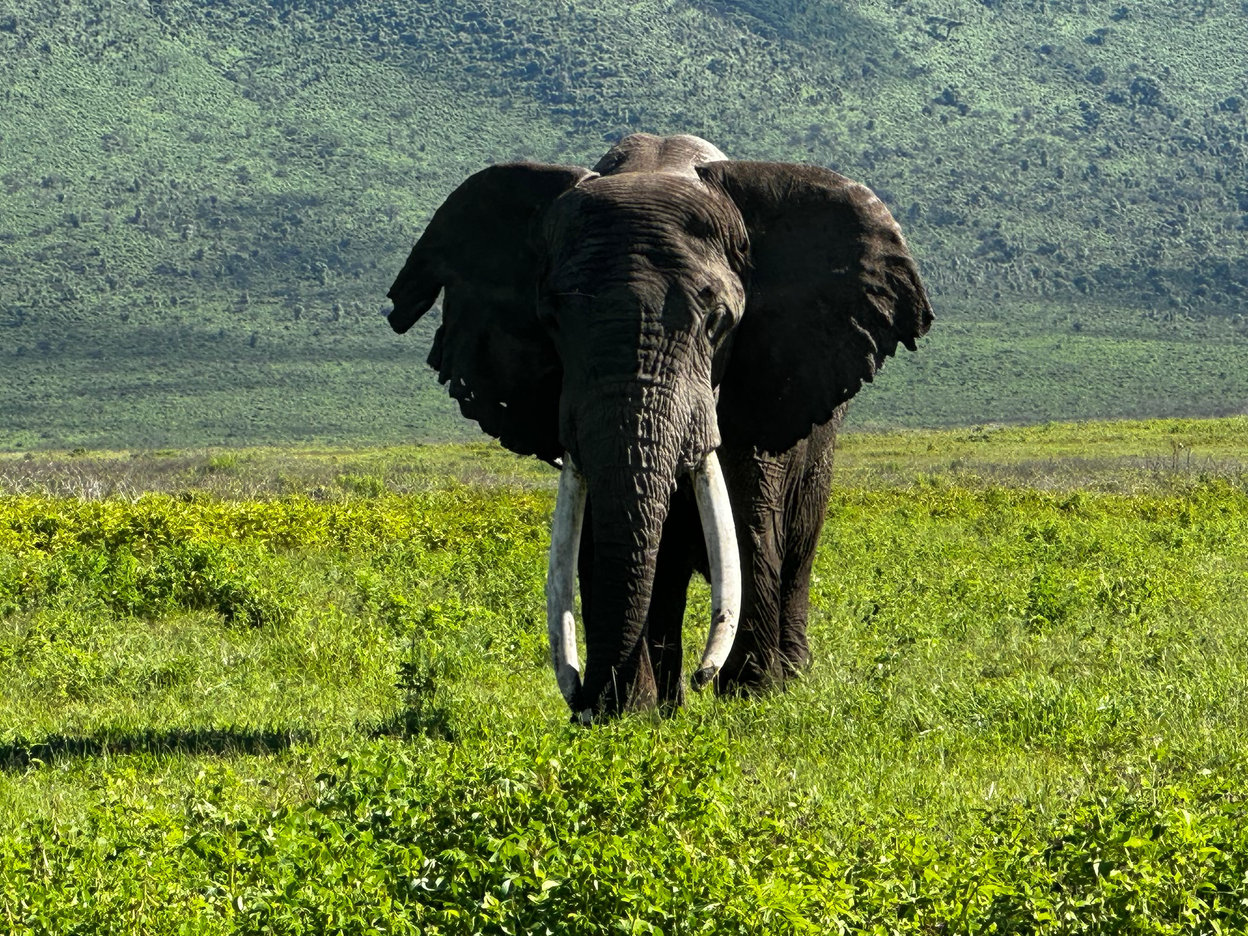
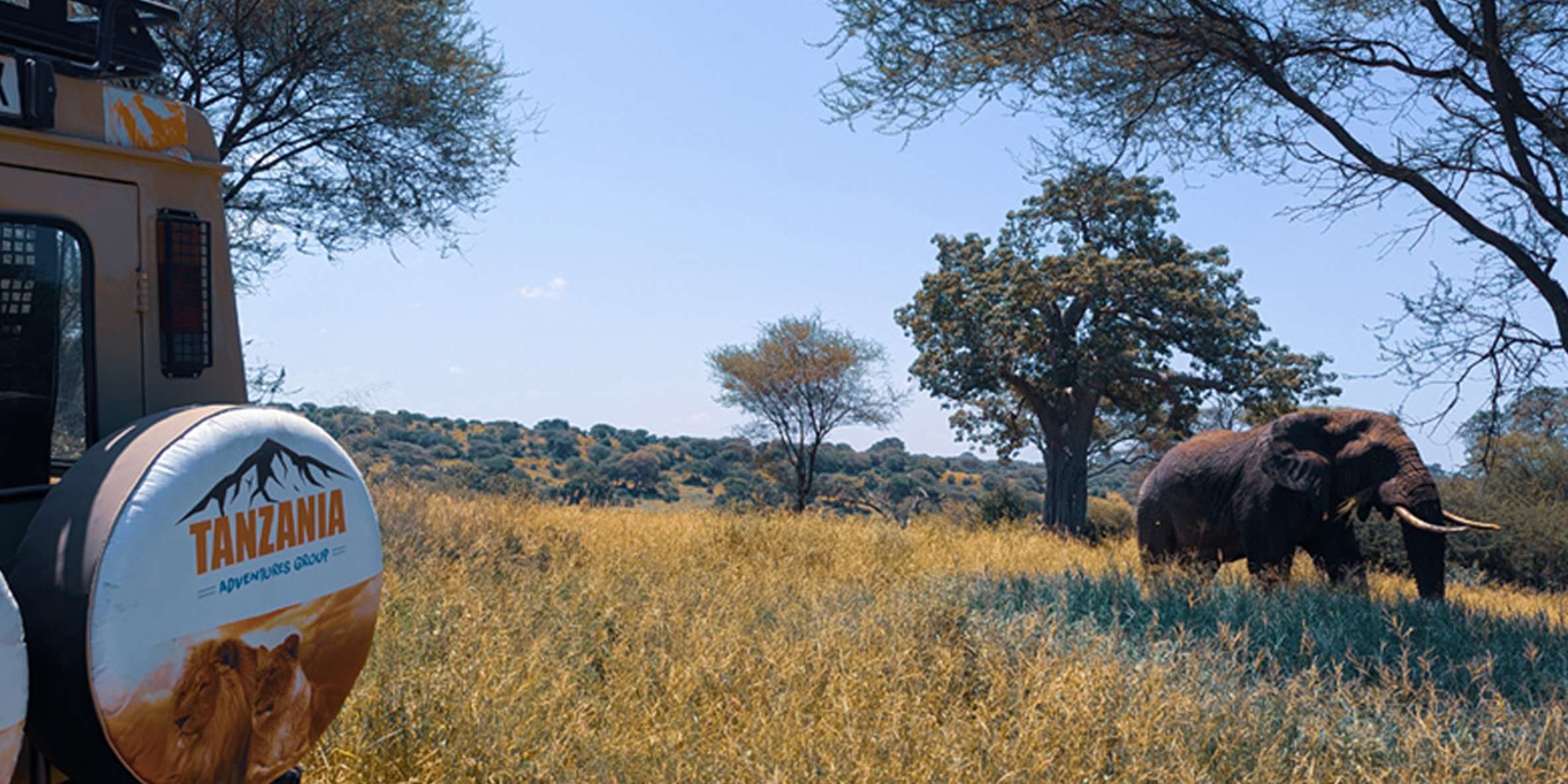
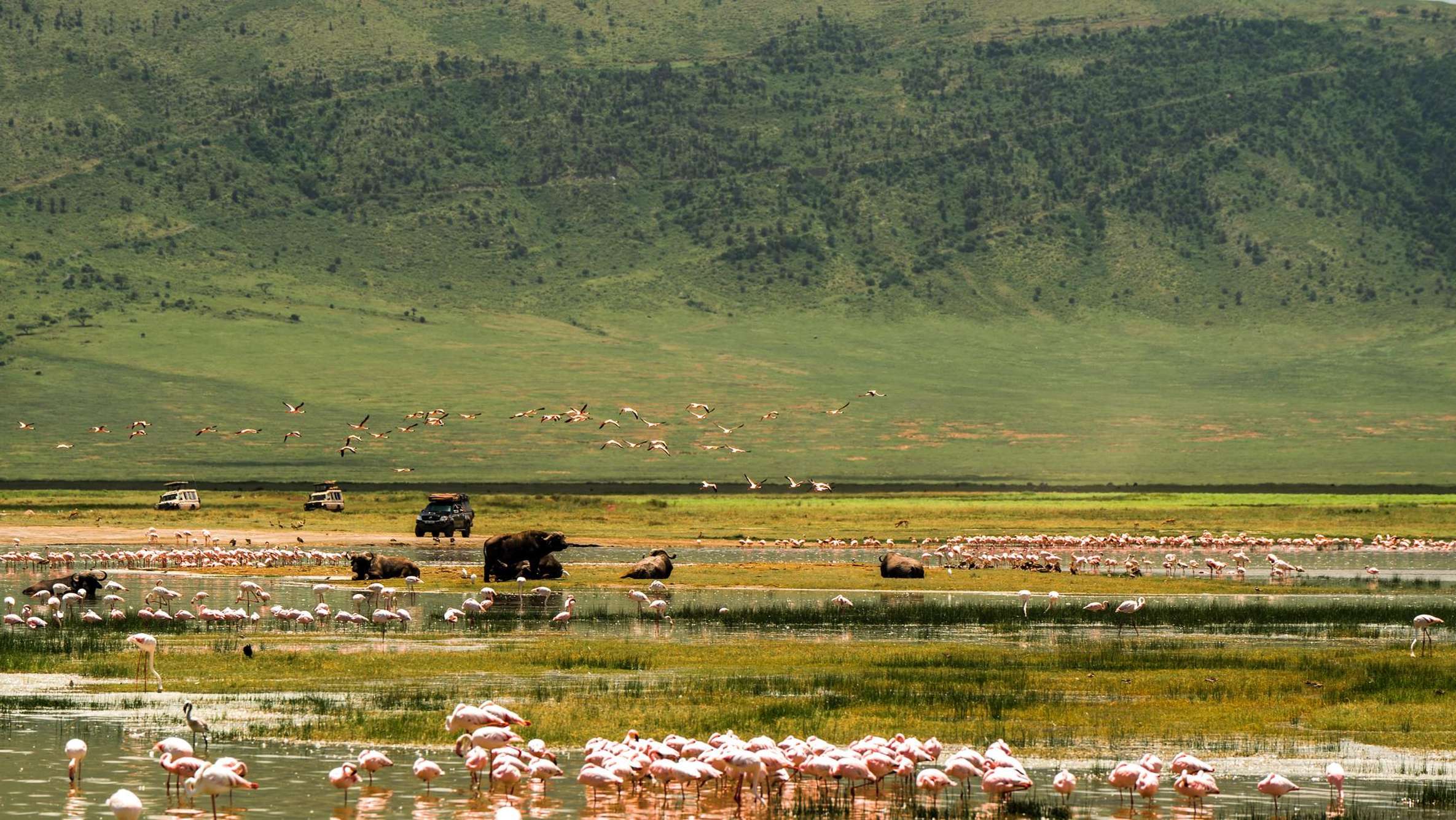
Tarangire announces itself with elephants. Herds move through the baobab woodland toward the river, and in the dry season the animals gather along it in numbers the park is known for.
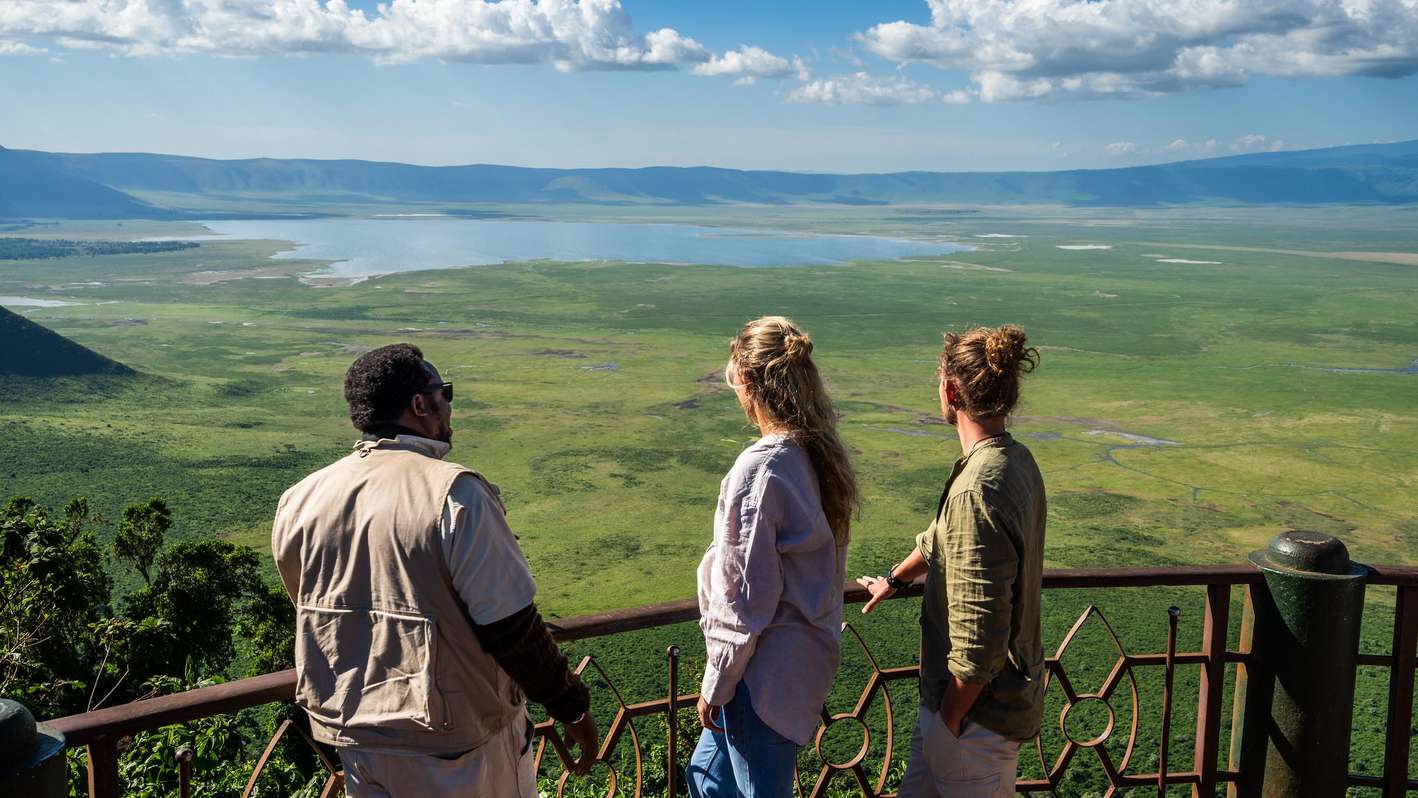
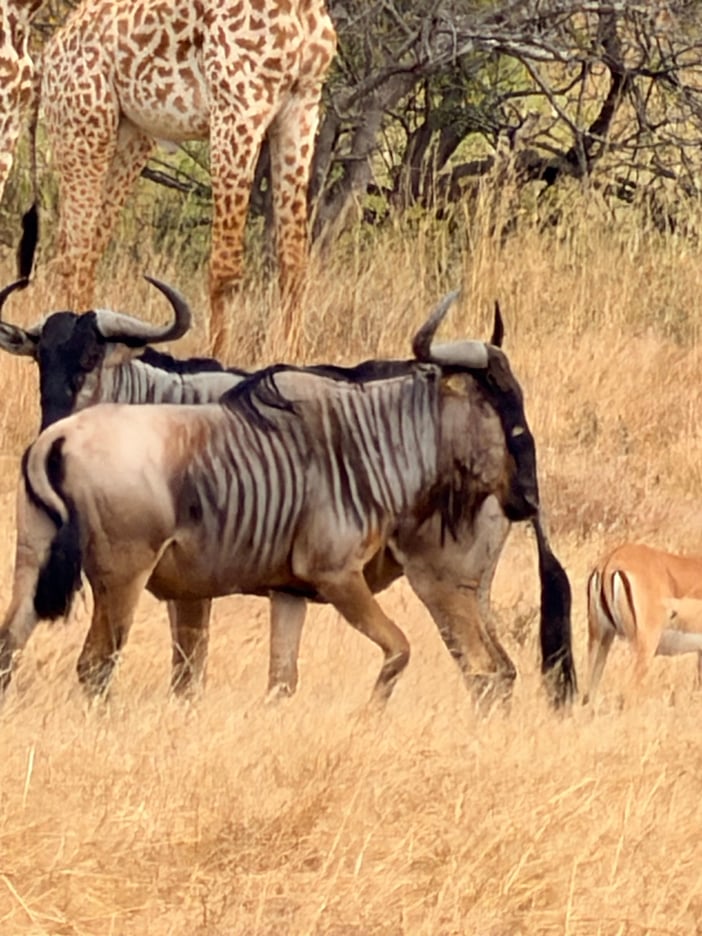
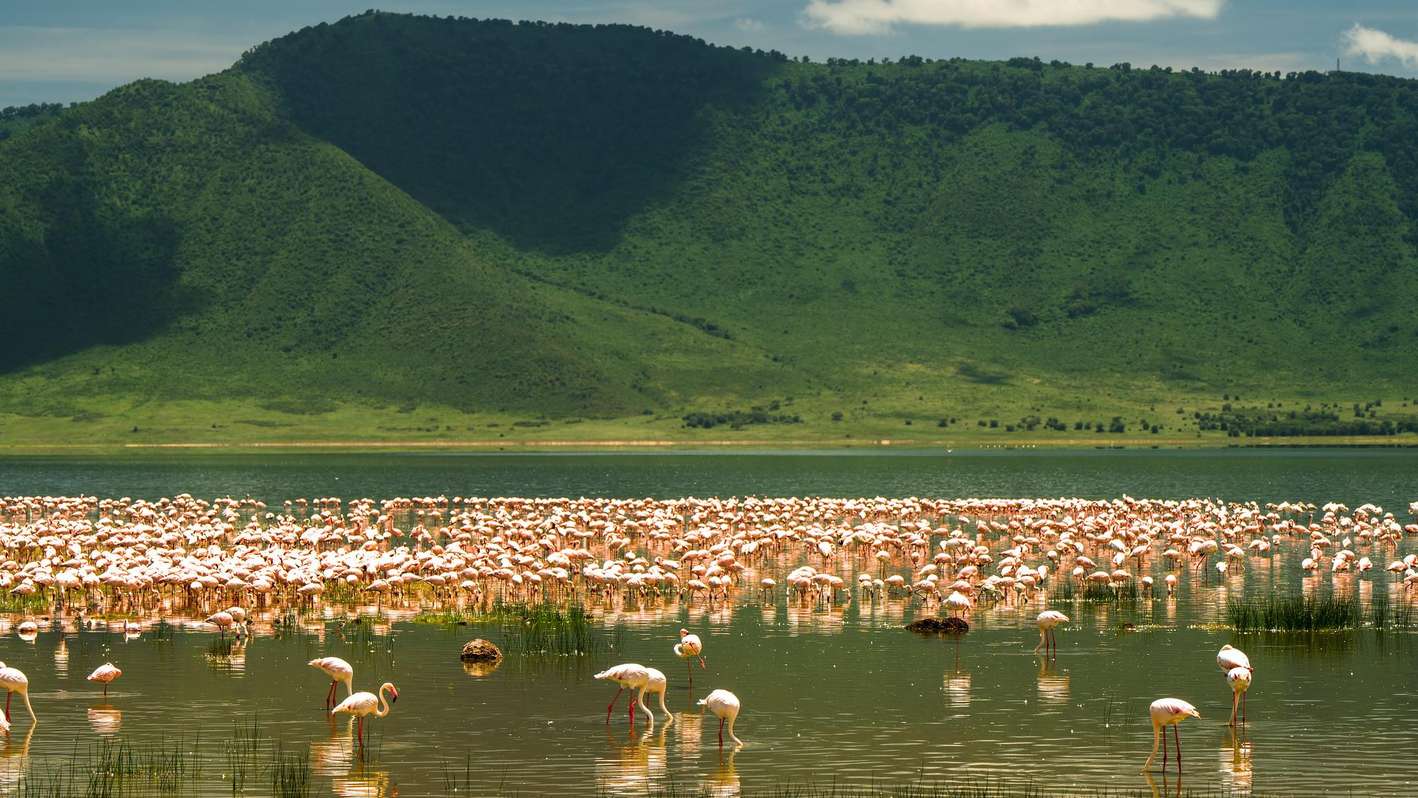
Day two usually belongs to Ngorongoro, where the caldera floor concentrates lions, buffalo, hippos and zebras inside a collapsed volcano wall. The Serengeti, when your package includes it, adds open plains and the migration's wildebeest.
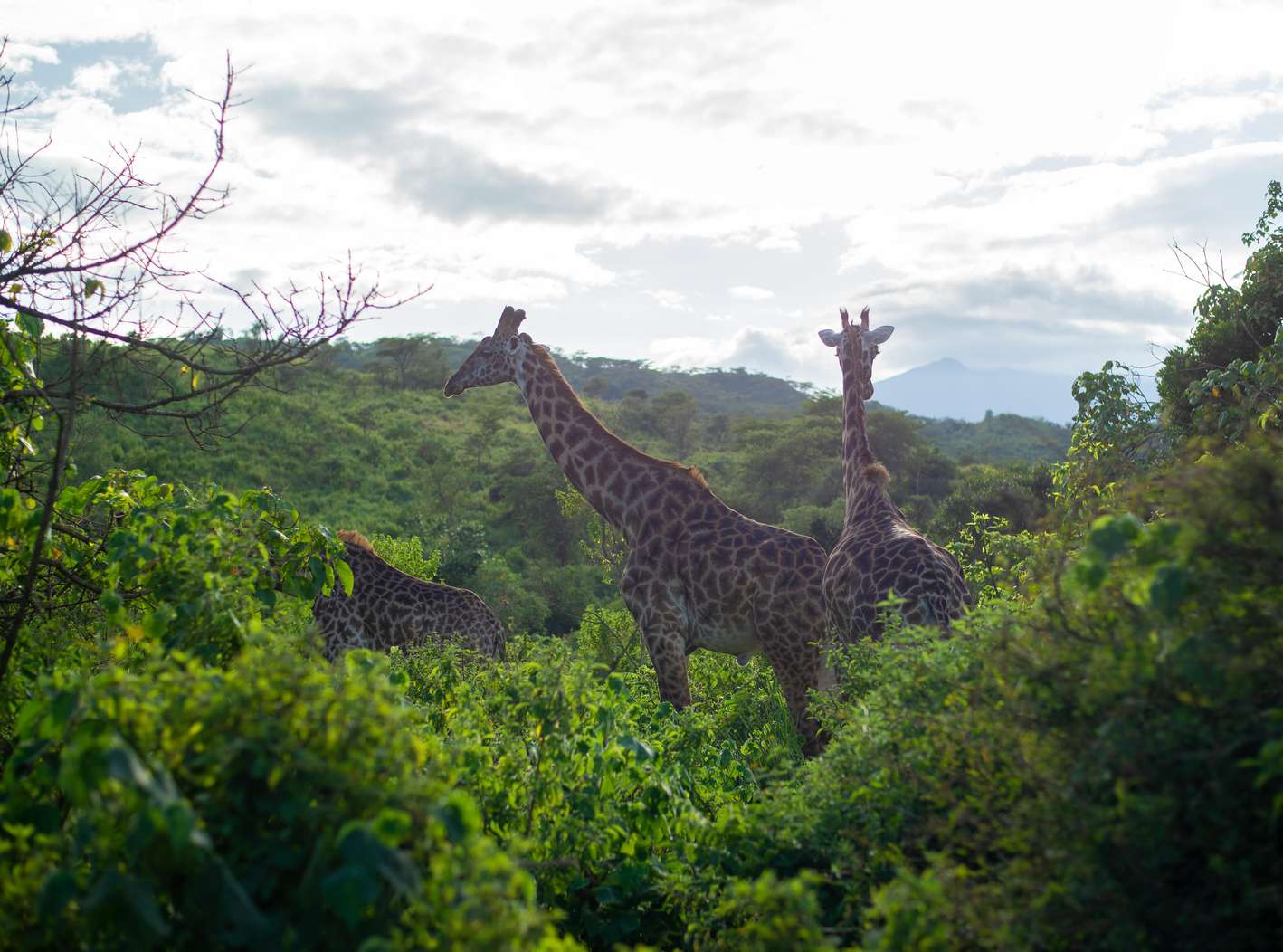
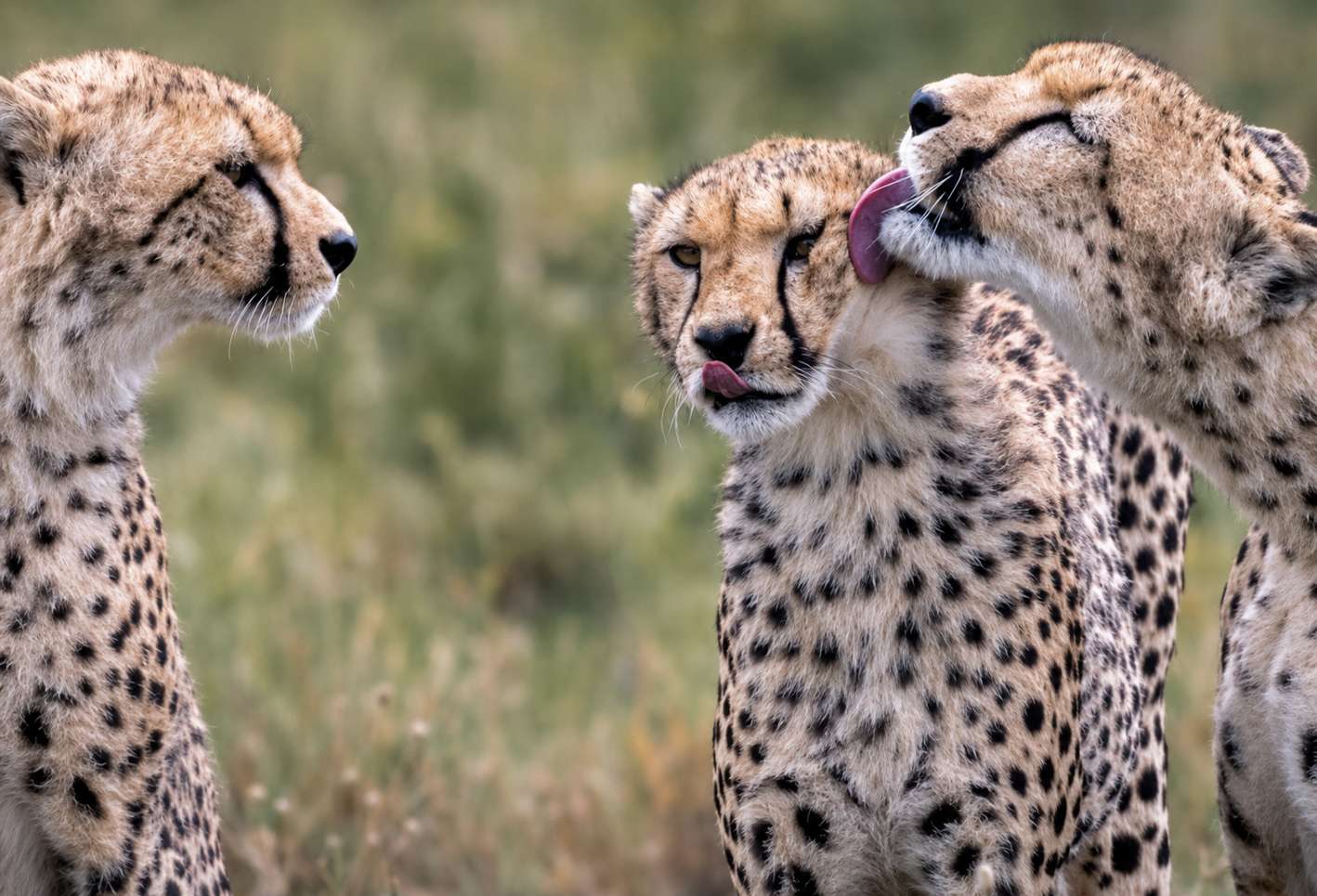
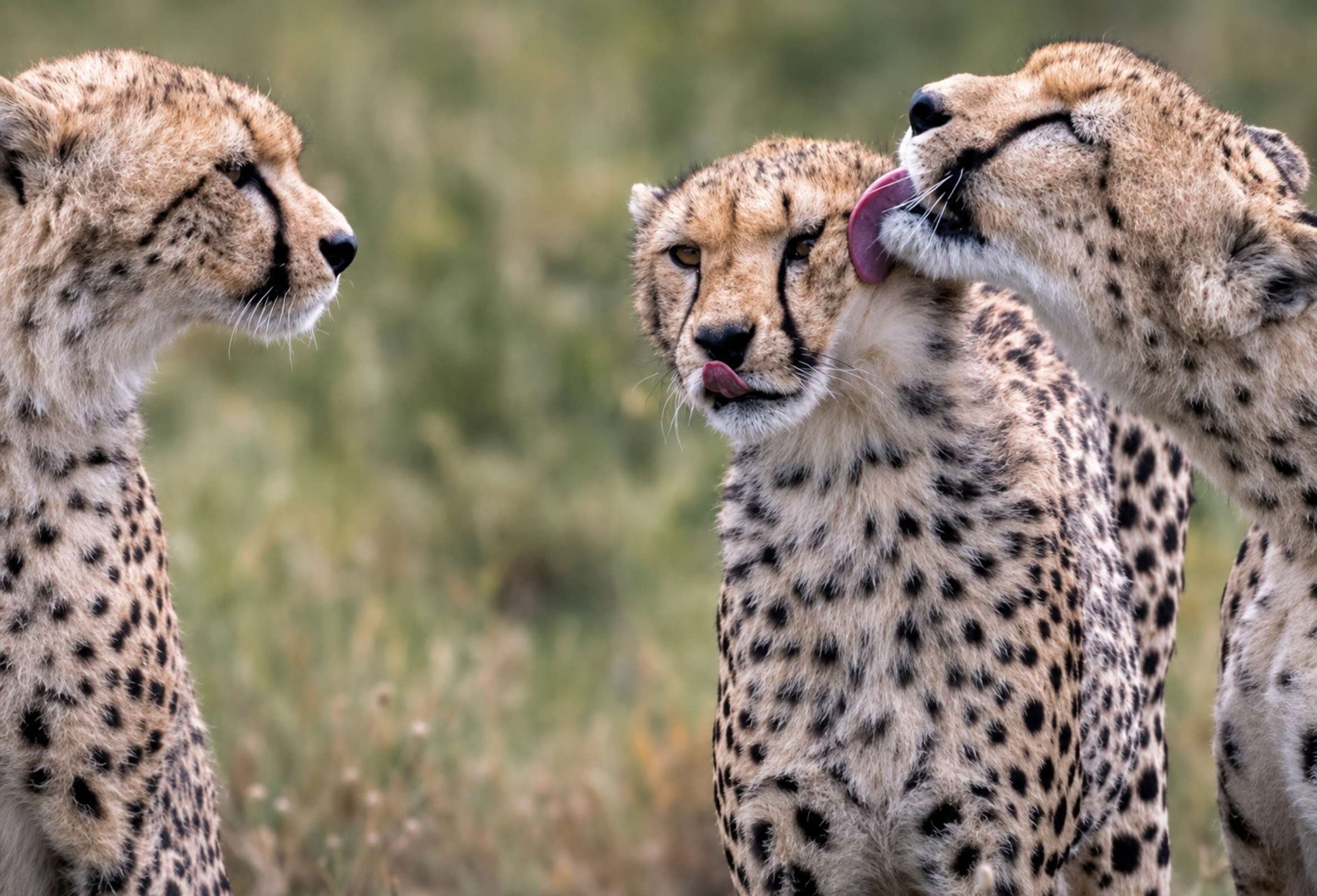
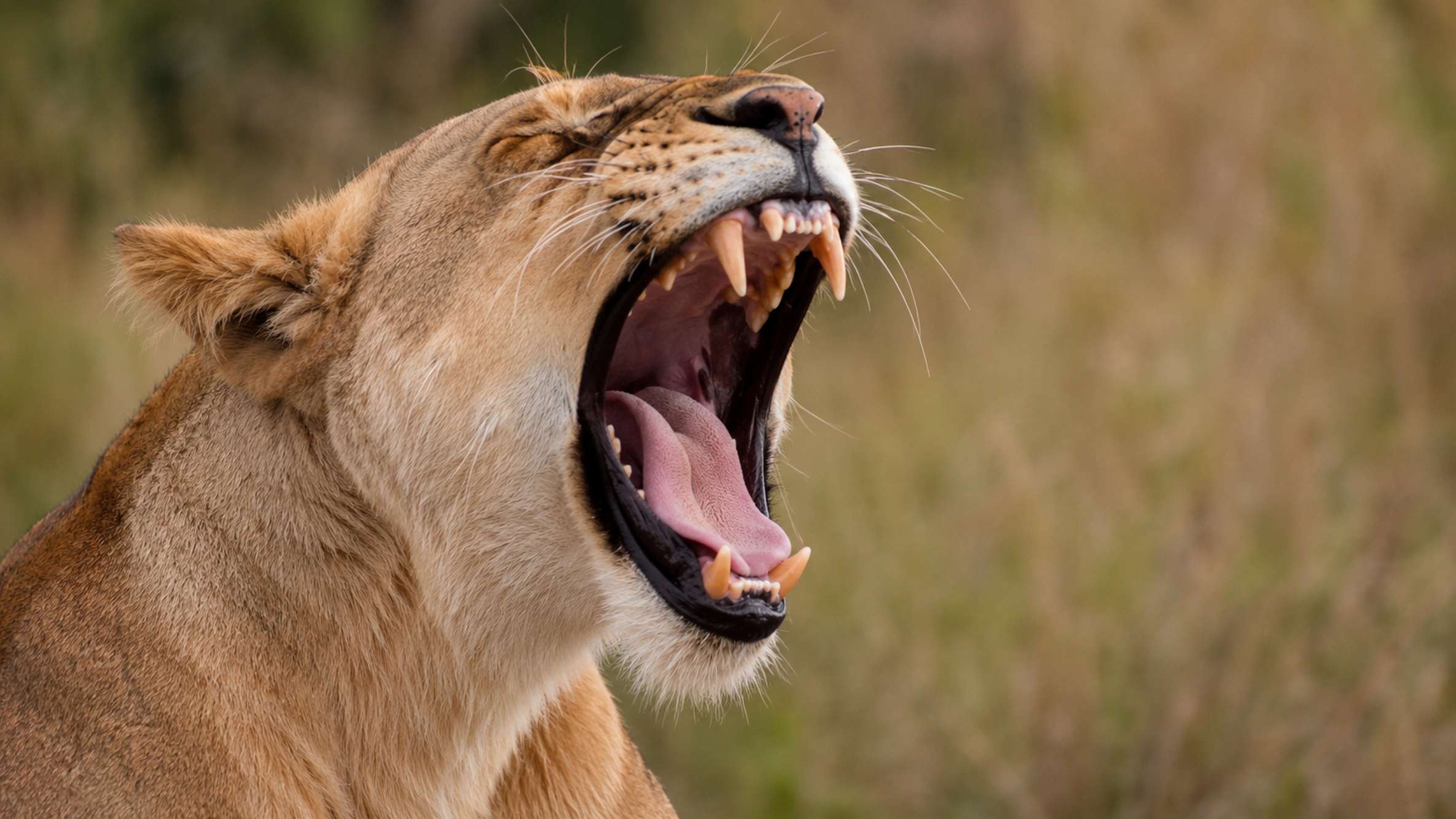
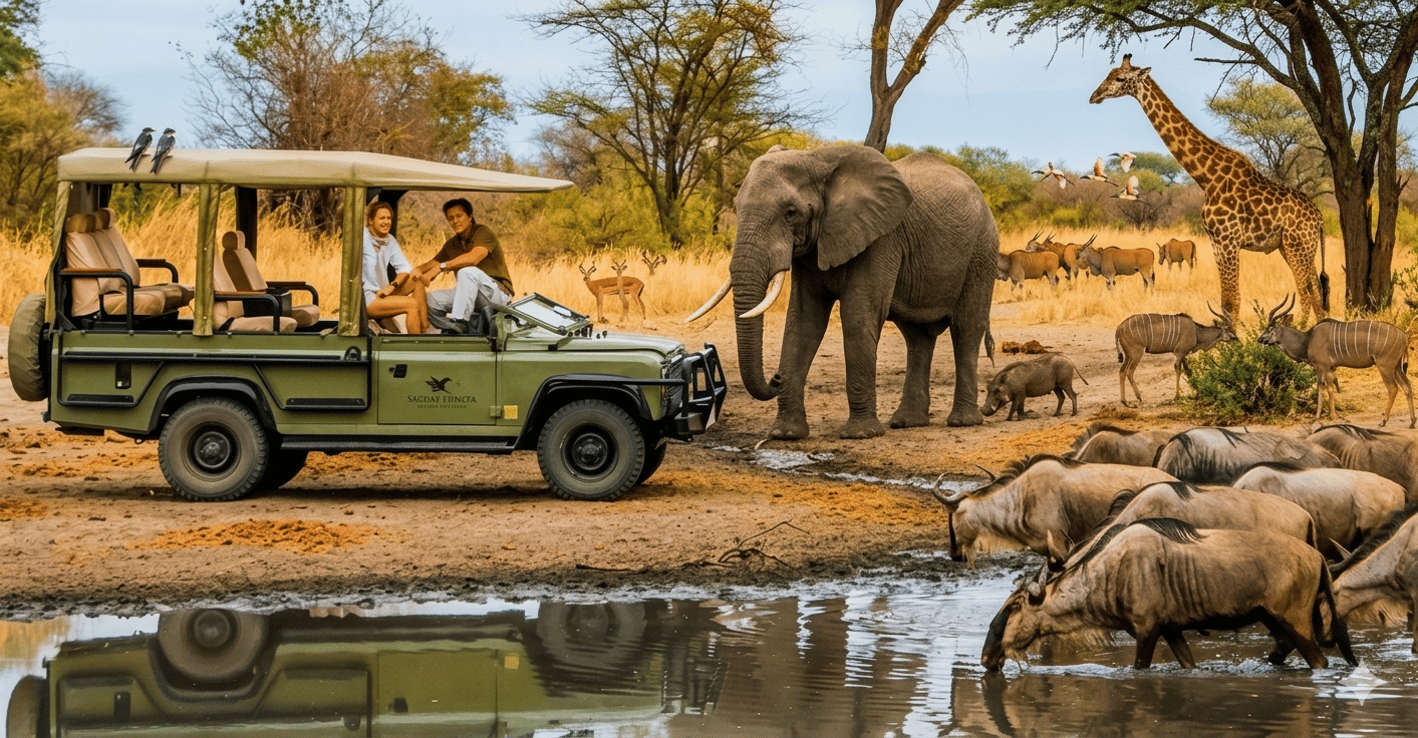
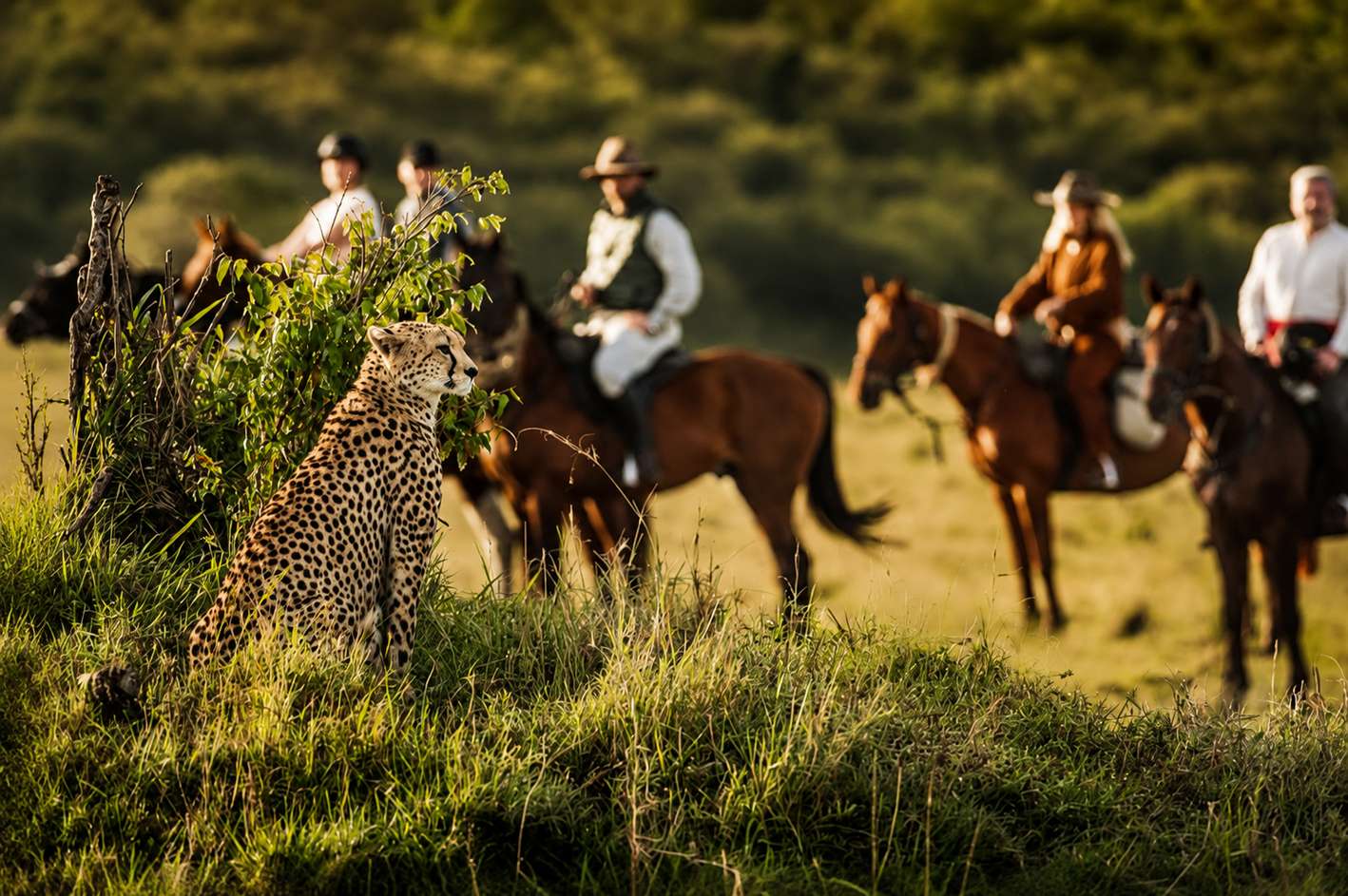
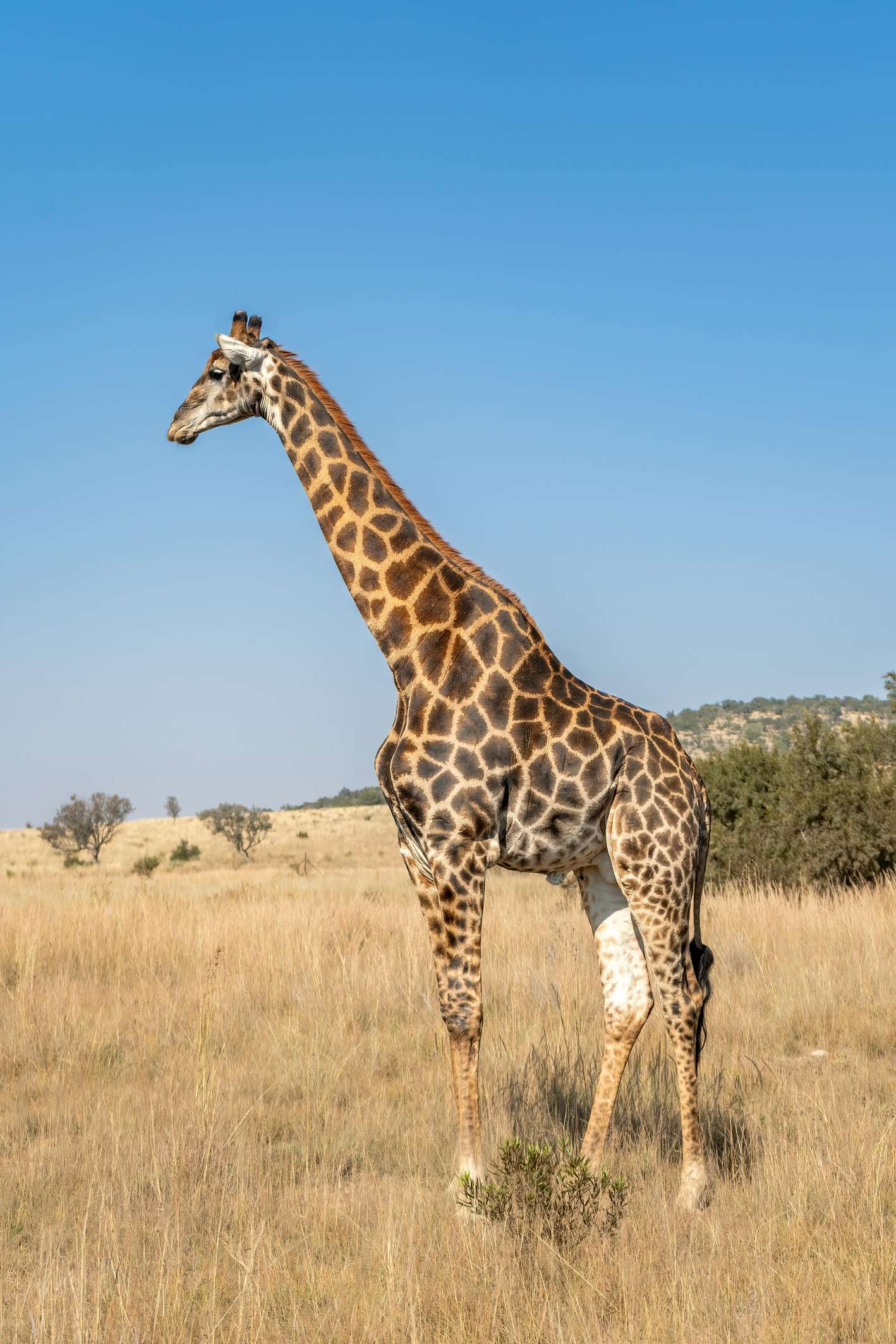
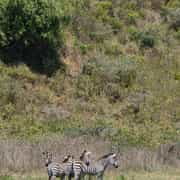
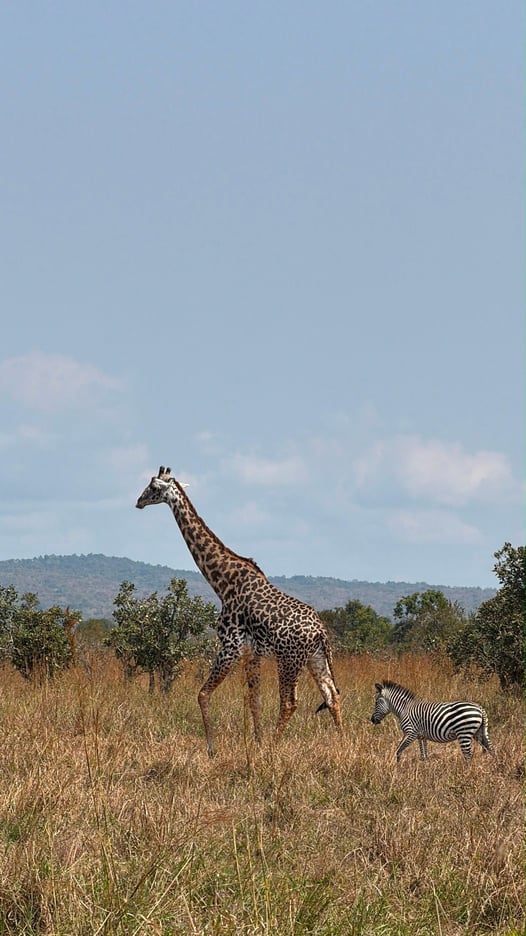
Across these three parks, lions, elephants, buffalo, giraffes and zebras are regular sightings, and many visitors complete the Big Five. Black rhinos and leopards stay a matter of luck, and no honest operator claims otherwise.
A private guide changes what luck looks like. Skilled drivers position the vehicle so a lion or an elephant fills the frame, and guides radio each other across the park to track rarer sightings.
Animals here are used to cars, which is what makes the proximity safe: stay inside the vehicle, never feed or touch wildlife, and step out only at designated picnic and restroom sites. Off-road driving is banned, so the track you are on is the track you get.
A traveler's note
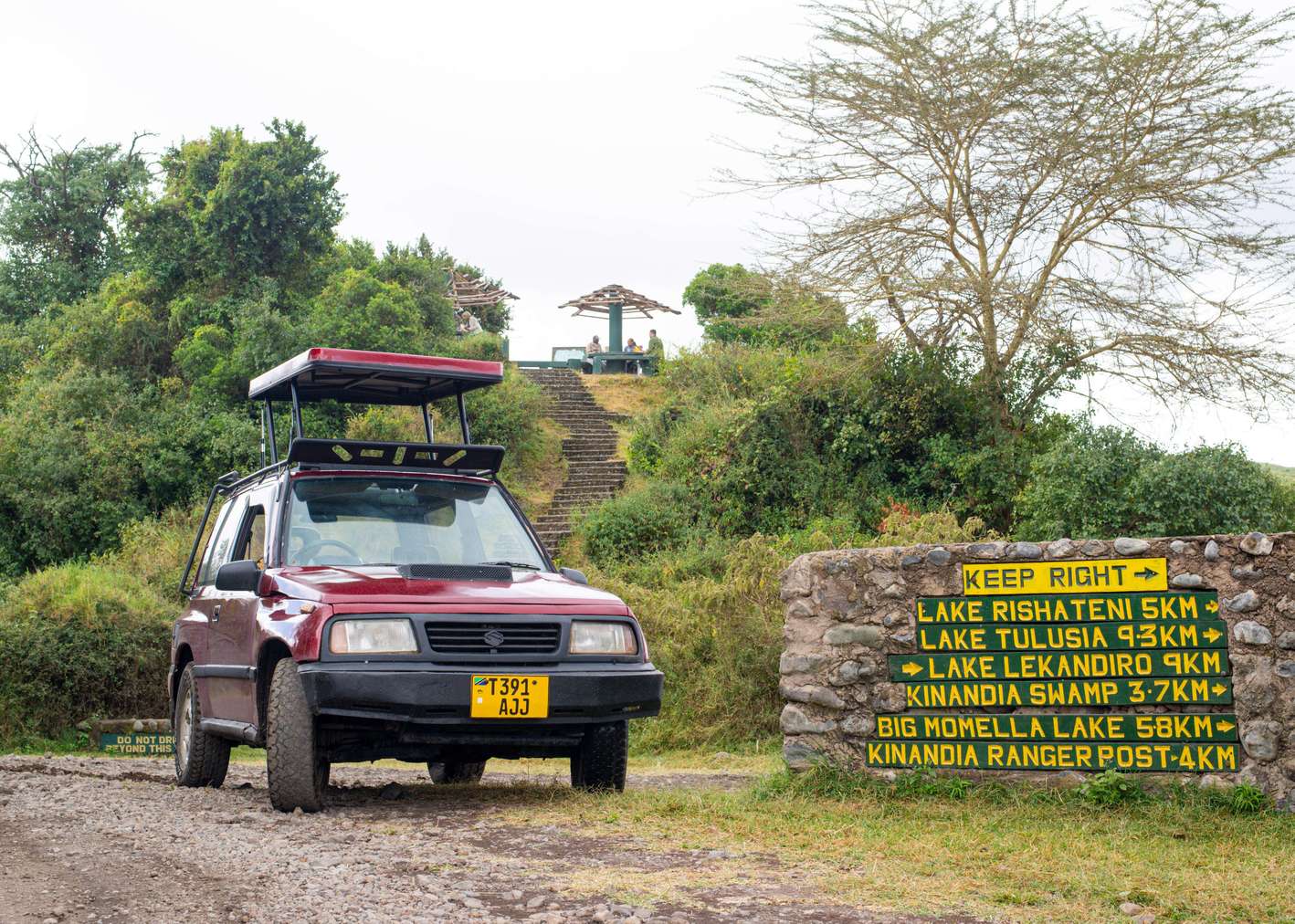
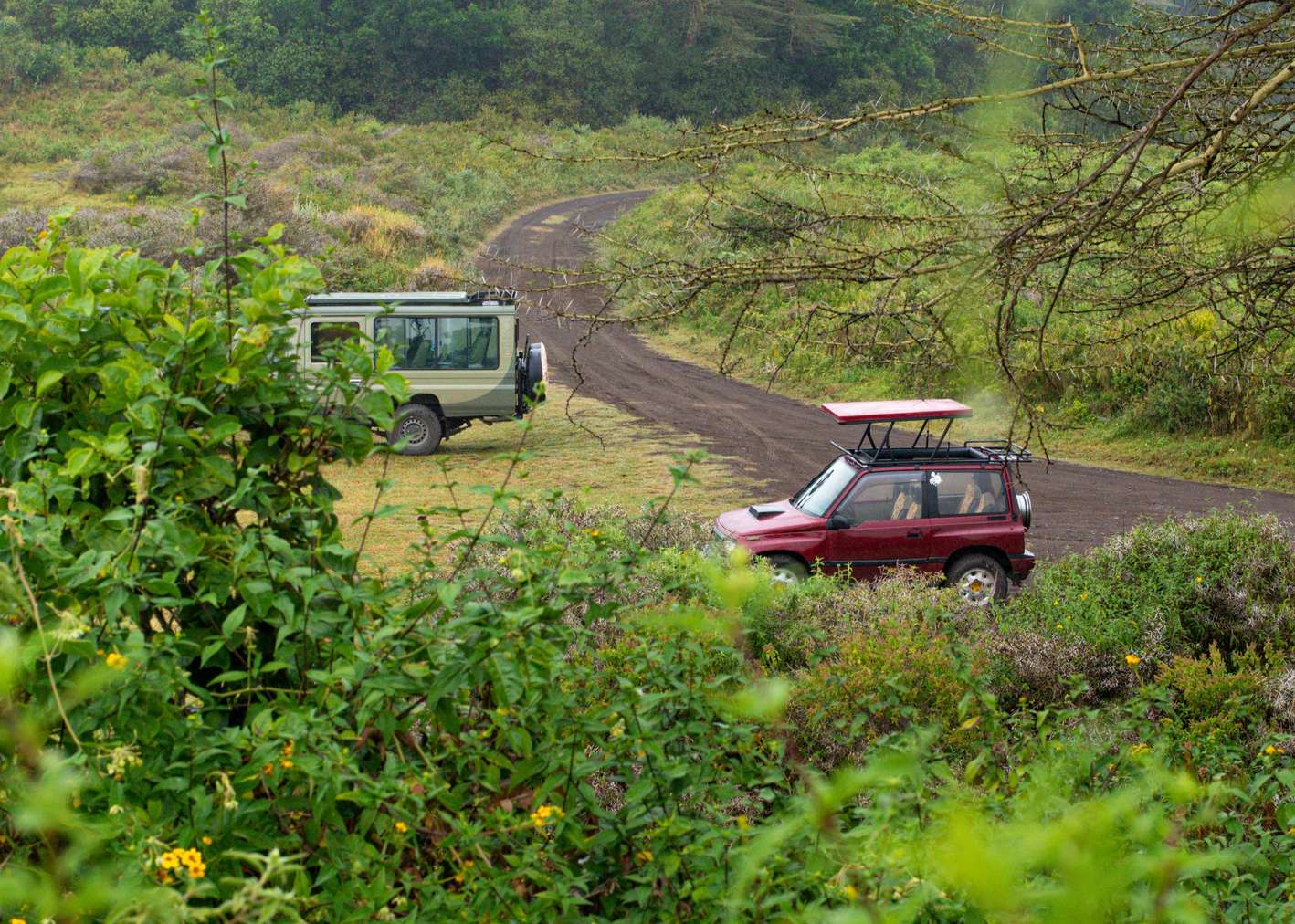
Tour with Didas was amazing! Well organized start to finish, very knowledgeable about the park and its wildlife. Time for photos, answered all questions, great sense of humor. Stand out in the red Vitara!
When private safari packages pay off through the year
The calendar does more to shape a private safari than the itinerary does. From June to October the long dry season thins the bush, concentrates animals at permanent water, and keeps the tracks firm.
September and October sit at the sweet end: highs in the low thirties across the Serengeti and Tarangire, cool nights, and rain on only a handful of days all month. The same window works on the coast, which is why June to October suits a safari-plus-beach plan best.
January and February bring the calving season to the southern Serengeti, with predator activity to match, and the rains fall as short localized showers.
April is the wettest month of the year and the quietest on the tracks; May eases off and visitor numbers climb back. November is the sleeper choice, with brief rains and campsites far less crowded than the July peak.
Best months for a Tanzania safari
August: lion seen 566 times. Peak safari crowds gather for famous Mara River crossings alongside dry weather and reliable predator sightings.
HighestJul to Aug473 to 566 times seen
In betweenFeb, Jun, Sep to Oct292 to 363 times seen
LowestMar to May, Nov to Jan103 to 253 times seen
Darker months: higher, from 103 to 566 times seen
Tap a month to read it.
August: common wildebeest seen 441 times. Peak safari crowds gather for famous Mara River crossings alongside dry weather and reliable predator sightings.
HighestJul to Aug394 to 441 times seen
In betweenFeb, Sep249 to 285 times seen
LowestMar to Jun, Oct to Jan67 to 190 times seen
Darker months: higher, from 67 to 441 times seen
Tap a month to read it.
July: 30 dry days. Classic dry-season conditions bring high visitor numbers, excellent wildlife concentrations at rivers, and dramatic crossings.
HighestJun to Oct25.6 to 30 days
In betweenMar, May19.6 to 23.4 days
LowestApr, Nov to Feb13.8 to 18.8 days
Darker months: higher, from 13.8 to 30 days
Tap a month to read it.
April: 128 mm of rain. The heaviest rains bring muddy roads and low visitor numbers, though Ngorongoro Crater retains solid resident wildlife.
HighestApr, Nov to Jan91 to 128 mm
In betweenFeb to Mar, May49 to 67 mm
LowestJun to Oct5 to 27 mm
Darker months: higher, from 5 to 128 mm
Tap a month to read it.
October: highs around 31.4°C. Dry plains draw massive elephant herds before the brief short rains arrive alongside thinning crowds.
HighestSep to Oct30.5 to 31.4 °C
In betweenFeb to Mar, Aug, Nov29.2 to 29.7 °C
LowestApr to Jul, Dec to Jan27.9 to 28.8 °C
Darker months: higher, from 27.9 to 31.4 °C
Tap a month to read it.
The months with the biggest lion and wildebeest counts, July through September, are also the busiest at a sighting. A private vehicle cannot clear the road, but it can wait out a viewpoint and move on when the convoy does. Crowded months reward a party that owns its own pace.
Tour for this
Tarangire Day Safari: Private 4x4 Suzuki Vitara Experience5.0★ (1) · 10 hours · Hotel pickup · Free cancellation
How many days private packages need to run unhurried
Days decide everything, and the honest rule is two nights per park. That pacing is what turns game drives into mornings with animals in them.
With three days, the arithmetic argues against the Serengeti. The overland drive runs seven to eight hours each way, so a tight itinerary loses entire daylight schedules to the road.
First-timers on a three-day window should stay on Tarangire and Ngorongoro Crater, which a single well-paced day covers thoroughly. Four days fits Tarangire, the crater and the Serengeti without excessive driving, though the Serengeti itself really wants three nights to be explored properly.
Where you sleep matters as much as how long. Lodging inside or right beside a park buys dawn predator sightings without queueing at an entry checkpoint; staying outside the gates means commuting through the best hours of the morning.
The "From Arusha: 4-Day Private Safari to Serengeti & Ngorongoro" is built on this logic, with three nights of safari accommodation and unlimited game drives on the itinerary.
How to choose a private safari package
Check
Why it matters
Our pick
Vehicle exclusivity for the whole route, transits included
Guarantees your party owns every window seat and every stop
Confirmed private 4x4 with pop-up roof throughout
Nights per park on the itinerary
Two nights per park makes drives unhurried and mornings productive
Three nights spread across Tarangire, Serengeti and Ngorongoro
Gate-timing logic behind the route
Parks open at 6 am and shut at 6 pm, so good routes sleep near the action
Accommodation sits at crater and park edges for early drives
What the package includes
Park fees, meals and water change the true cost
Entry fees, meals, water, binoculars and evacuation cover are all inside
Score any package against those four checks before you book. A route that fails the gate-timing line will cost you the coldest, best hours of every morning.
Tour for this
Private 4x4 Vitara Safari in Arusha National Park4.3★ (6) · 8 hours · Hotel pickup · Free cancellation
Getting there on private packages, from Arusha to the plains
Most international flights land at Kilimanjaro International Airport, about an hour to an hour and three-quarters from downtown Arusha depending on traffic; the domestic Arusha Airport sits only twenty-odd minutes from the centre.
Book the transfer through your safari operator or a private driver the day before, and sleep in town. A coffee plantation estate is a restful first night for jet lag, and city-centre hotels from Kibo Palace to Mount Meru all sit on the pickup map.
Departure morning starts early. Pickups run between 6 and 7:30 am, and the road to Tarangire takes about two and a half hours. The Serengeti is the demanding leg: 225 to 325 kilometres of road, seven to eight hours each way, much of it rough and unpaved after Ngorongoro.
That drive is the whole argument for pacing a short trip. Two repairs exist. Overnight in Karatu and the crater descent happens at sunrise, with the road commute done the evening before. Or fly one leg to Seronera and save more than seven hours of corrugated road, driving the other direction only.
Airport transfers to downtown Arusha
To Downtown Arusha Hotels · Central Business District
1From Kilimanjaro International Airport (JRO)56 km
Private transferEasiest
Prearranged through operator or private driverDirections →
At the park gates, bring the passport or a clear copy, because registration is required before the vehicle moves. Serengeti gates run from 6 am to 6 pm, and driving inside the park after 6 pm is prohibited, so a late arrival draws a sanction from the rangers.
Tour for this
Zanzibar: 3-Day Private Nyerere Safari by Ferry & Open Jeep5.0★ (1) · 3 days · Hotel pickup · Free cancellation
Private packages from Zanzibar when days run short
A beach week in Zanzibar and a safari are two halves of one trip. From Zanzibar Airport, small twin-engine prop planes fly to bush airstrips inside Mikumi National Park in roughly 40 to 60 minutes, and the game viewing starts from the air.
The alternative is the ferry to Dar es Salaam and the road north: a two-hour sea crossing plus four and a half to five hours of driving, six and a half to seven and a half hours in total.
How hard each route is
Bush flight from ZanzibarLands inside the park on a dirt airstrip; a same-day private safari still yields six to seven hours of game viewing
Easy
Ferry plus road via Dar es SalaamRoughly 6.5 to 7.5 hours each way; day traffic between the ferry terminal and the city exit can add hours
Difficult
The flight costs more and buys daylight. The ferry route suits a longer itinerary that turns the transfer into part of the trip, including the express train leg to Morogoro.
One honest caveat applies to both: same-day trips miss the dawn and dusk hours when animals are most active, so an overnight package in Nyerere delivers better wildlife per hour, with boat safaris and two game drives.
The "From Zanzibar: Mikumi Safari Day Trip with Flights and Lunch" is the day-trip version, with the return flight and lunch inside the package.
Tour for this
From Zanzibar: Mikumi Safari Day Trip with Flights and Lunch4.7★ (3,203) · 8 - 32 hours · Hotel pickup · Free cancellation
The clothes rule comes before the camera rule, and it surprises everyone: dark blue and black attract biting tsetse flies, the same shades the baited fly traps use. In Tarangire and Mikumi woodland, that rules out navy and denim entirely.
Wear khaki, beige, tan, olive or muted grey in tightly woven long sleeves and trousers, because the flies bite through thin fabric. Repellent helps against mosquitoes but does not reliably stop tsetse flies, so the clothing does the real work.
Clothing colors and safari gear for Tarangire and Mikumi
Avoid dark blue and navy clothingDark blue is the strongest visual attractant for biting tsetse flies in woodland and riverine safari areas.
Avoid black and charcoal clothingBlack and very dark tones mimic animal hides, drawing aggressive swarms of tsetse flies directly to you.
Skip blue denim jeansBlue jeans are a major tsetse fly magnet; choose lightweight canvas or cotton safari pants instead.
Khaki, beige, and tan clothingNeutral earth tones blend naturally into the savannah and are largely ignored by tsetse flies.
Olive green or muted grey layersDull natural shades keep you comfortable on daytime game drives without attracting insects.
Long-sleeved shirts and trousersTsetse flies deliver painful bites through thin garments; thicker long layers provide a physical barrier.
Insect repellentHelps protect against mosquitoes and other savannah insects during morning and afternoon drives.
Luggage comes second. Bush flights accept only soft-sided duffels, not hard-shell suitcases, with allowances typically capped at 15 kg including hand luggage and some operators holding it to 10 kg. One medium soft bag per person fits the vehicle space; hotels will store the rest.
Then the layers. The Ngorongoro rim sits above 2,200 metres, and early mornings run 10 to 15 degrees with mist and wind chill in an open vehicle.
A fleece, a windproof shell, a beanie and light gloves handle the dawn; by late morning on the caldera floor the sun takes them all off again. Closed-toe walking shoes, a sun hat, sunscreen and binoculars fill out the bag.
Entry paperwork moves quickly when three things are in order. First, the passport: valid for at least six months beyond arrival, with blank pages for stamps, and carried in original or clear-copy form for park registration at every gate.
Second, the visa. Most foreign nationals need one, and a single Tanzanian visa covers both the mainland and Zanzibar. The official immigration portal takes e-visa applications in advance, and major airports including Kilimanjaro, Dar es Salaam and Zanzibar issue visas on arrival.
Arrive with proof of accommodation and a return or onward ticket, and note that some nationalities must secure a referral visa approval before departure, which takes longer than any other step.
Third, health. A yellow fever certificate is only mandatory if you arrive from, or transit 12 or more hours through, an endemic country, and the vaccine must be given at least ten days before arrival.
Flying directly from a non-endemic country means no requirement, and the mainland-to-Zanzibar transfer adds none either. Travelers who cannot be vaccinated carry an official medical waiver.
Malaria is the last line: low-lying parks such as Mikumi sit in a high-risk zone, and prophylaxis is recommended for every visitor regardless of trip length or lodge standard. Bring a child's fever to a doctor urgently, during the trip or within a year of returning.
Check before you fly
Yellow fever certificate required on arrival from or transit through an endemic country, plus referral visas for some nationalities Get the vaccine at least 10 days before travel or carry a medical waiver, and confirm your nationality's visa route on the official portal early
Handle those two early and nothing at the border or the gate can hold you up.
Rain rewrites days more often than it cancels them. In April and May, secondary tracks and low-lying crossings turn muddy, and guides simply reroute along the main central and northern tracks, which stay open all season.
Park closures for impassable conditions are uncommon. The flight side is the sensitive part: between April 1 and June 1, weather or airfield conditions can shift schedules, moving a safari earlier or later in the day.
Passengers on a Mikumi day flight grounded by weather are offered an alternative date or a full refund, and some may be flown to Dar es Salaam and driven to Selous instead.
The fine print worth reading twice: operators do not accept responsibility for missed connections on other airlines or missed activities caused by flight delays. If a bush flight anchors your schedule, build slack into the day around it.
Money terms are straightforward. A weather-cancelled day trip means a new date or your money back, and the tours on this page allow cancellation up to 24 hours in advance for a full refund.
For multi-day private bookings, deposits of 30 to 50 percent are standard across Tanzanian operators, with 60 percent occasionally asked. Booking early in the dry season costs less in weather risk than any discount is worth.
When plans change
If this happens
What happens then
Poor weather grounds a Mikumi day flight
An alternative date or a full refund
April to June airfield conditions
Schedule moves forward or back rather than canceling
You cancel within the tour's terms
Cancel up to 24 hours in advance for a full refund
A flight delay makes you miss a connection
The operator is not liable for the missed link or activity
Heavy rain floods minor park tracks
Guides reroute to main all-season circuits
Read those rows against your own itinerary and book the slack in. A package with generous cancellation terms is worth more in the wet months.
Before and after private packages, days around Arusha
The day before departure and the day after belong somewhere better than an airport lounge. Arusha answers with a short list that settles the jet lag.
Stay on a working coffee plantation estate and the recovery from the long flight comes with a view of the fields. Next to Arusha Coffee Lodge sits the Shanga workshop, where craft studios support artisans with disabilities and the browsing is worth an hour.
Arusha National Park, only 30 to 40 minutes from the city, runs an eight-hour private 4x4 day that includes walking safaris and canoeing on the lakes, a gentle warm-up for the bigger drives.
Cultural tours, traditional dance performances and market visits fill an afternoon, and horseback safaris ride out with a professional guide after a safety briefing, best on the dry trails of June to October or in the warm January and February window.
One practical note for town itself: use prearranged transport around Arusha, and give street touts near the transit hubs a firm, polite refusal. Nobody who does that has a story worth telling.
After the safari, the same list works in reverse, and the slowest morning of the trip is usually the one spent under a coffee tree deciding which animals get mentioned first.
A private package in Tanzania is worth the premium for any party of two or more, and the short three-day circuit from Arusha is the honest starting point for a first visit. Add the Serengeti only when you can give it four days or a flight.
Book the departure that matches your calendar: Arusha overland for the full northern circuit, Zanzibar by air when the beach holds half the trip.
Go ifYou are a couple or small group who wants the whole 4x4 and your own scheduleYou have four days or more and want the Serengeti properly, not from a car window in transitYou are holidaying in Zanzibar and can spare one to three days for a fly-in safari
Skip ifYou are traveling solo and watching every dollar, where scheduled group departures save hundredsYou have only two or three days overland and insist on the Serengeti anywayYou are pregnant or have serious back problems, which long corrugated drives aggravate
Our pick to book
From Arusha: 4-Day Private Safari to Serengeti & NgorongoroHotel pickup · Free cancellation
Private Safari packages FAQ - your questions answered
The questions couples, families and small groups ask before they book their own vehicle and guide.
Ngorongoro, Tanzania2026
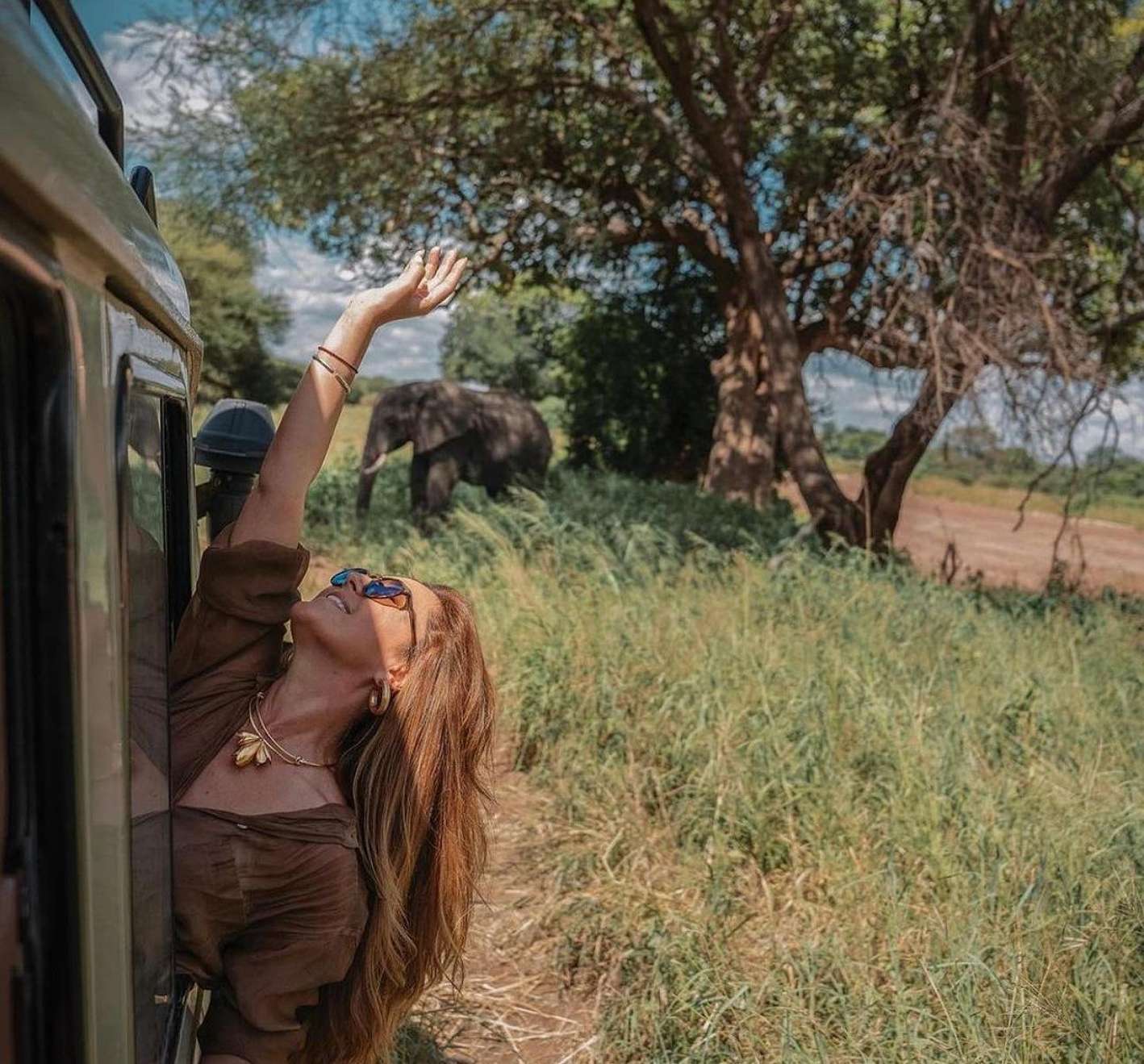
Elephants all around the jeep this morning, nobody else in the vehicle. Pack khaki and leave the dark blue behind.
What does a private safari package actually guarantee?
Your party gets the entire 4x4, with your own driver-guide and no strangers in the seats. You also control the daily hours, the departure times and how long you linger at each sighting.
How much does a private safari cost compared to a group tour?
For two people travelling together, a private safari often costs only marginally more than a scheduled group departure. The gap widens for solo travellers, where a private one-day vehicle can cost noticeably more per person than sharing with a second passenger.
How many days do I need for an unhurried private safari on the northern circuit?
Count on two nights per park for morning game drives at your own pace. A four-day itinerary over Tarangire, Ngorongoro Crater and the Serengeti gives a balanced trip without excessive driving.
Can I do a private safari package from Zanzibar?
Yes. Options include a two-day private Ngorongoro trip that flies Zanzibar to Arusha, and a three-day private Nyerere safari by ferry and open jeep. Day trips to Mikumi by charter flight are private too, with the flight landing at a bush airstrip inside the park.
Is flying from Zanzibar for a short safari worth it?
Flights land directly on bush airstrips inside the parks, so you skip the long ferry and road transfers. That leaves six to seven hours of real game viewing before the return flight, and the aerial views start the sightings early.
How far is the Serengeti from Arusha by road?
Between 225 and 325 kilometres depending on the gate, which takes about seven to eight hours of driving each way on rough roads. On a two- or three-day trip many travellers break the drive with an overnight near the crater rim, or skip the Serengeti entirely for Tarangire and Ngorongoro.
What animals will we realistically see on a private safari?
The circuit through Serengeti, Ngorongoro and Tarangire regularly produces lions, elephants, Cape buffalo, giraffes, zebras, wildebeest, hippos and dozens of bird species. Many visitors see the full Big Five, though black rhinos and leopards are less reliable than the rest.
What is included in the price of a private Tanzania safari?
Most packages include your vehicle, driver-guide, park and conservation area entrance fees, meals on the itinerary and accommodation. Mandatory park costs form the base of any quote, and Ngorongoro adds a flat vehicle descent fee on top of individual admission.
How do bathroom breaks work on a full-day game drive?
You cannot step out of the vehicle on open plains, so stops happen at designated picnic and restroom sites or in coordination with your driver. Because the vehicle is private, your guide fits those stops around your day.
What should I wear on safari in Tanzania?
Choose neutral earth tones such as khaki, beige and olive, in tightly woven long sleeves. Skip dark blue and black in tsetse fly country because the flies are drawn to those shades, and leave camouflage at home since civilians cannot legally wear it.
Where should we stay in Arusha the night before departure?
A coffee plantation estate lets you recover from the flight before heading into the bush. Arusha Coffee Lodge suits couples and solo travellers, Legendary Lodge has private garden cottages for families, and city-centre options include Kibo Palace, Mount Meru Hotel and Four Points.
Are wildlife sightings guaranteed on a private safari?
No, because animals roam freely and guides cannot promise them. That said, your driver-guide networks with other drivers by radio across the park to track down rarer sightings such as lions, and you can wait longer at a sighting than a shared vehicle could.
Where private packages take you next - parks, seasons and herds

 Your best match