Tanzania Safari Tours with Kids Family Safari Holidays and Serengeti Trips
Book a safari your kids will talk about for years, not complain about. Local guides in 45-minute bush flights from Zanzibar land you at Mikumi by 8 am, so families spot lions and elephants the same morning, with private 4x4s that stop when little legs need a break. Pick the day trip or the full northern circuit today.
4.7★average rating5,243traveler reviews100%free cancellation39countries travelers came from
Tanzania safari with kids - the shortlist
Families here choose between two shapes of safari. A fly-in day trip from Zanzibar keeps the whole thing inside one manageable day, which suits younger children. A multi-day trip out of Arusha or up to the Ngorongoro Crater trades longer drives for the Serengeti's big herds, which suits kids old enough to sit still and love it.
PassportBring the original for every traveler; it is required at domestic flight check-in and at the park gates.
VaccinationsNo vaccine is legally required for a Tanzania safari; yellow fever proof applies only if you arrive from an endemic country, and infants under 1 are exempt.
MalariaParks below 1,800 meters count as high risk, so ask your doctor about pediatric antimalarials, and get any child's fever checked urgently during or after the trip.
Gate hoursPark gates open at 6 am and close at 6 pm, which fixes the shape of every game drive day.
CancellationFull refund only if you cancel at least 24 hours before the safari starts; inside 24 hours nothing comes back.
WeatherBetween April 1 and June 1, rain can shift flight times or move the safari, and a weather-canceled flight day gets a new date or a refund.
AgesChildren under 4 cannot join the twin-engine plane tour, and shared jeeps lock everyone into the group's pace, so a private vehicle suits families with toddlers.
ClothingSkip dark blue and black because tsetse flies go for those colors, wear khaki or olive, and add a warm layer for the crater rim, where nights drop to around 5 degrees.
accessSome fly-in safaris from Zanzibar do not accept children under 4, and mobile bush camps in the Serengeti often set a minimum age of 6.
Check each tour's age rules before you book, and with younger children pick a day safari or a private vehicle that welcomes your kids.
Tanzania safari with kids - tours built for families
Cheapest family day
8 - 32 hours·English, French
4.7(3,203)
From Zanzibar: Mikumi Safari Day Trip with Flights and Lunch
The lowest-priced Mikumi day safari, shared with a small group and rated 4.7 by more than 3,200 travelers.
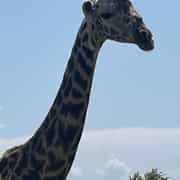
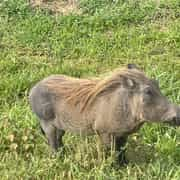
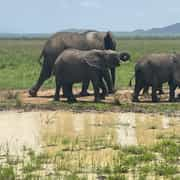
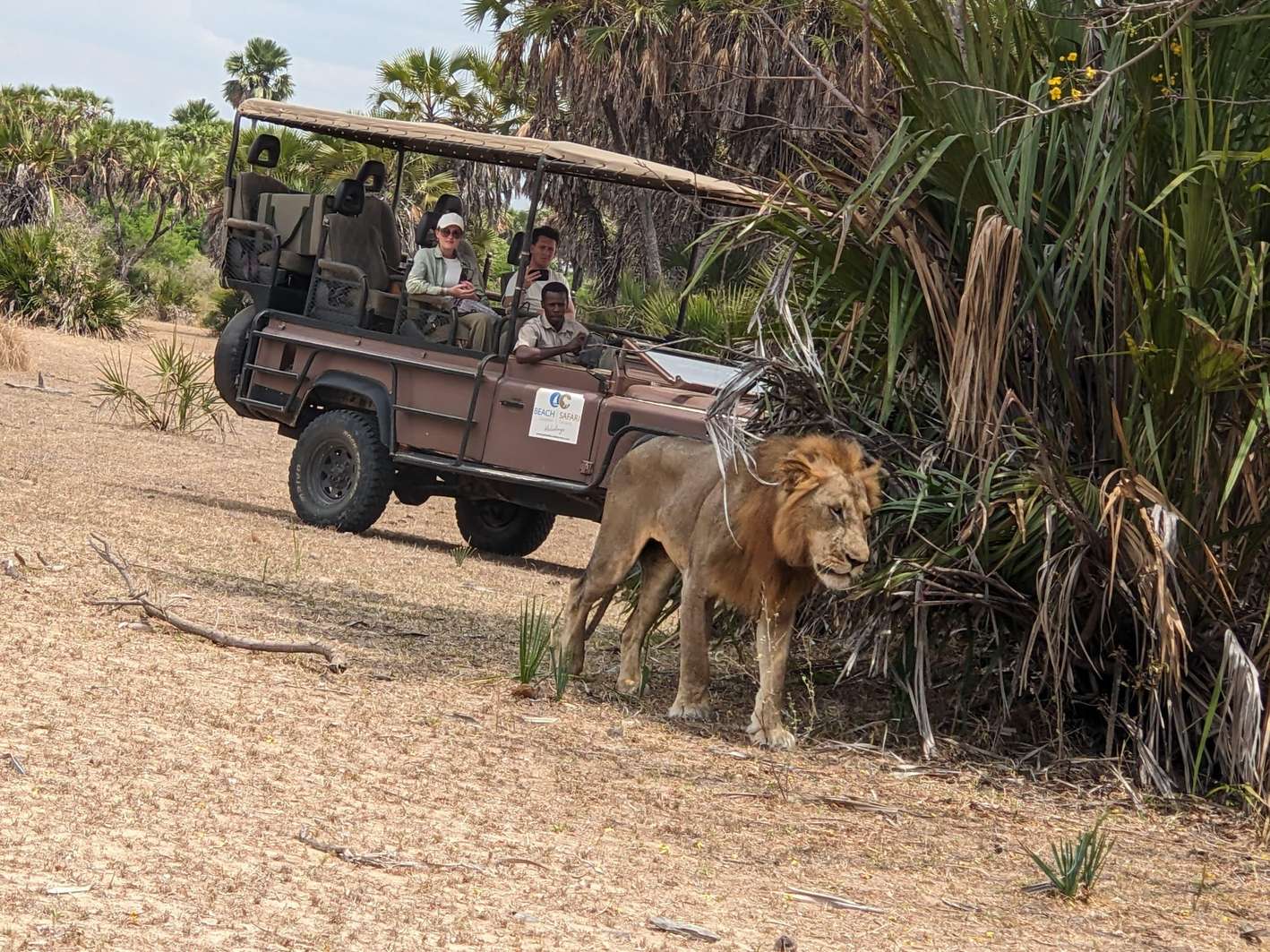
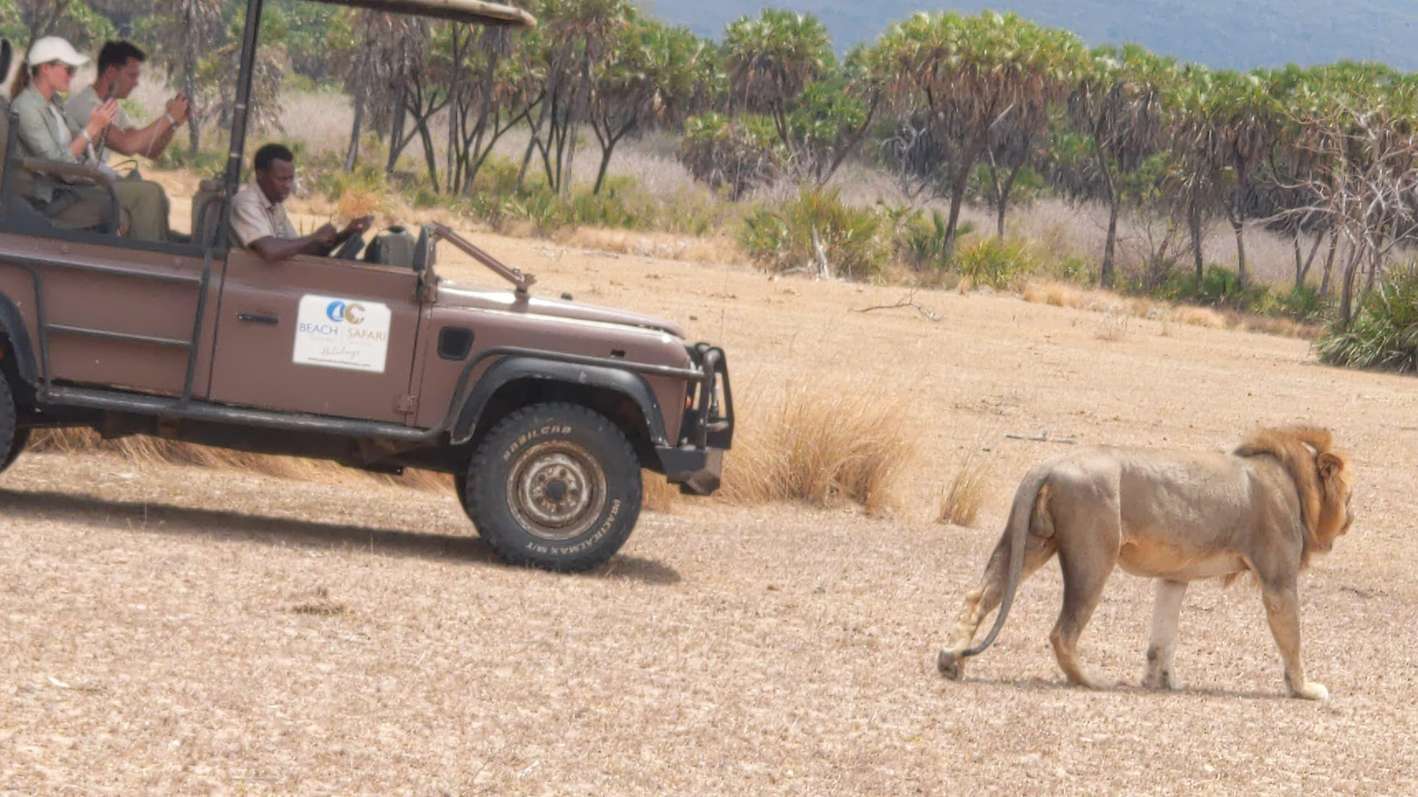
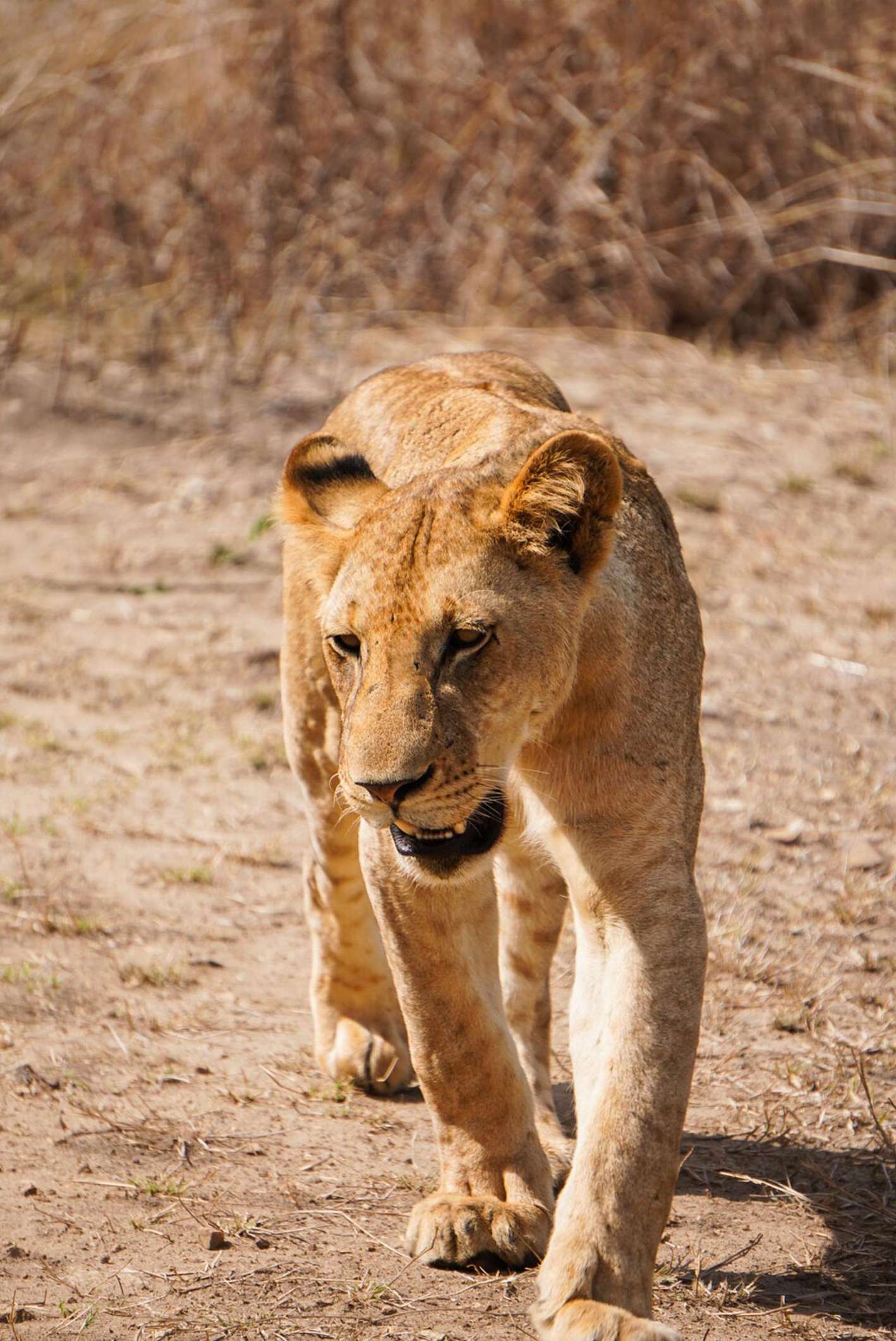
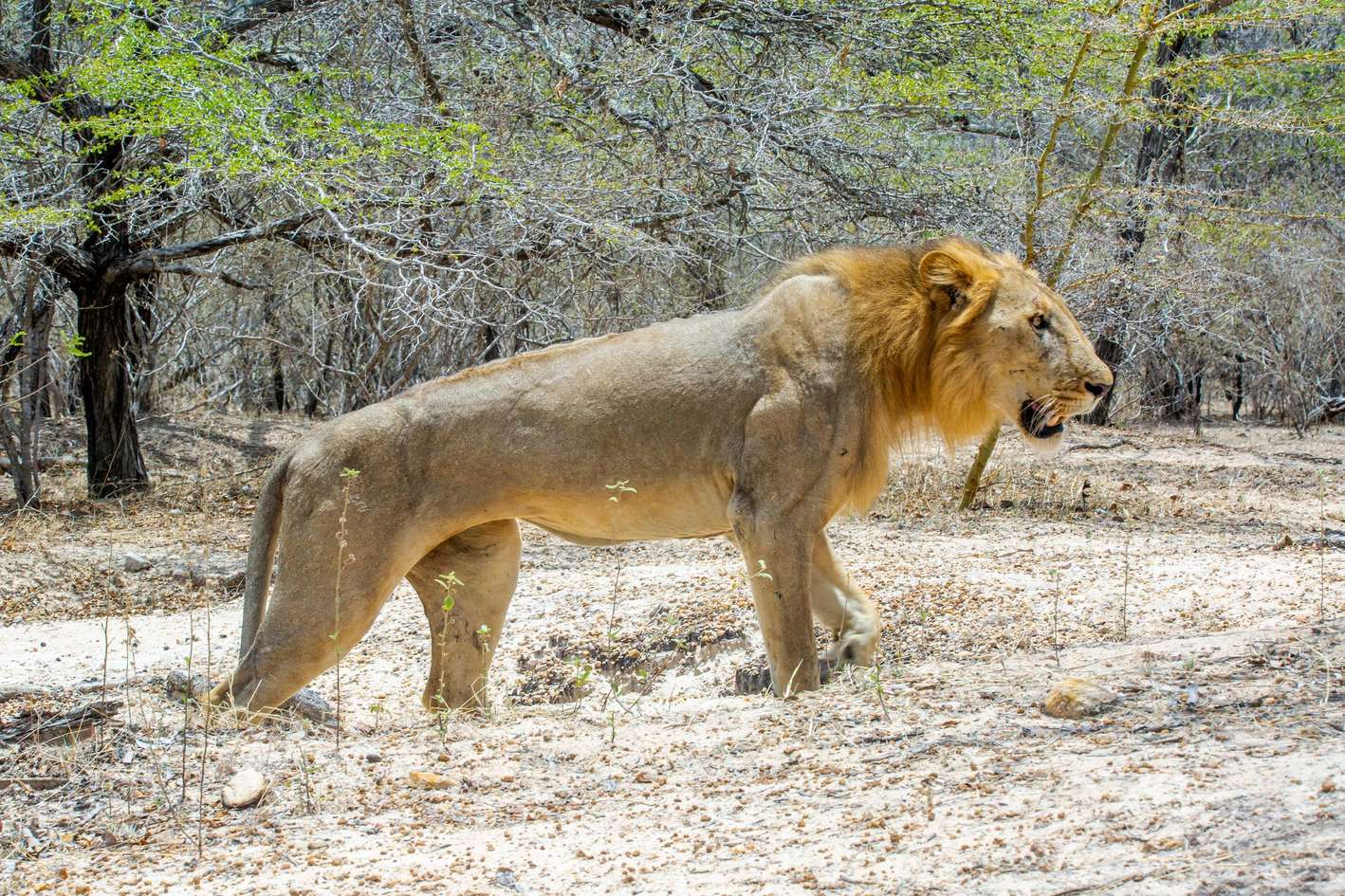
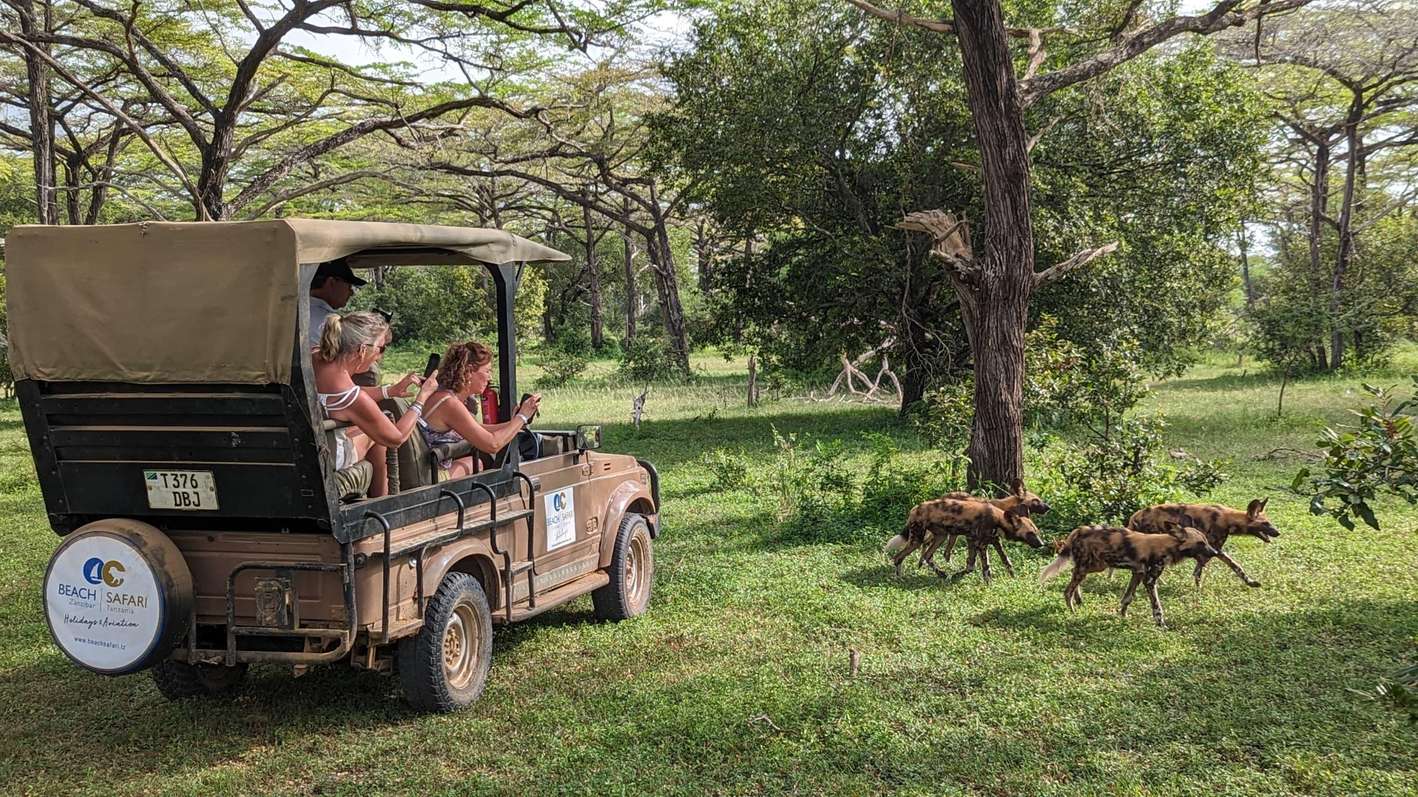
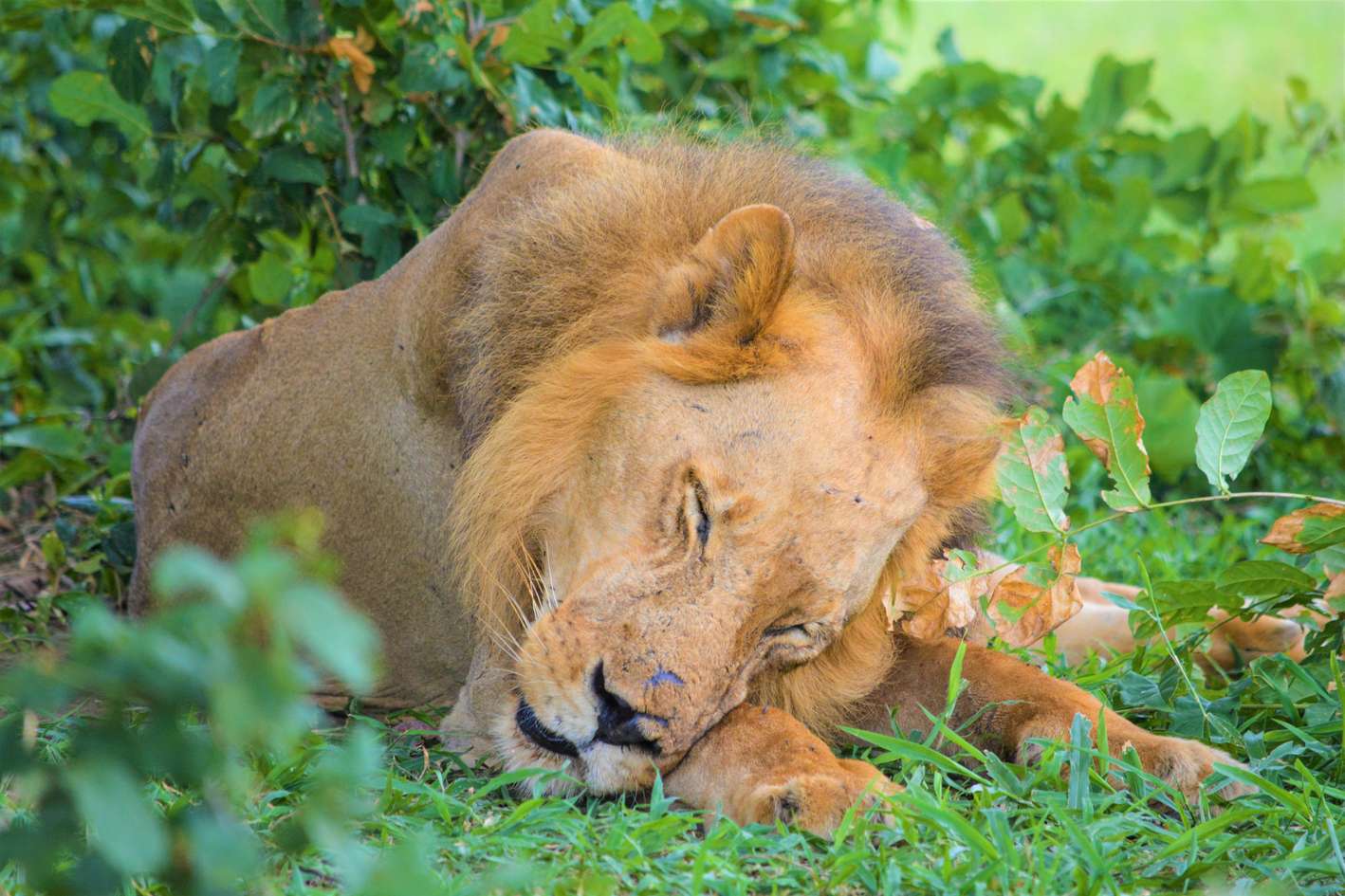
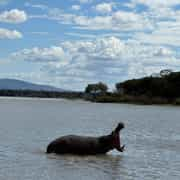
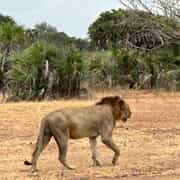
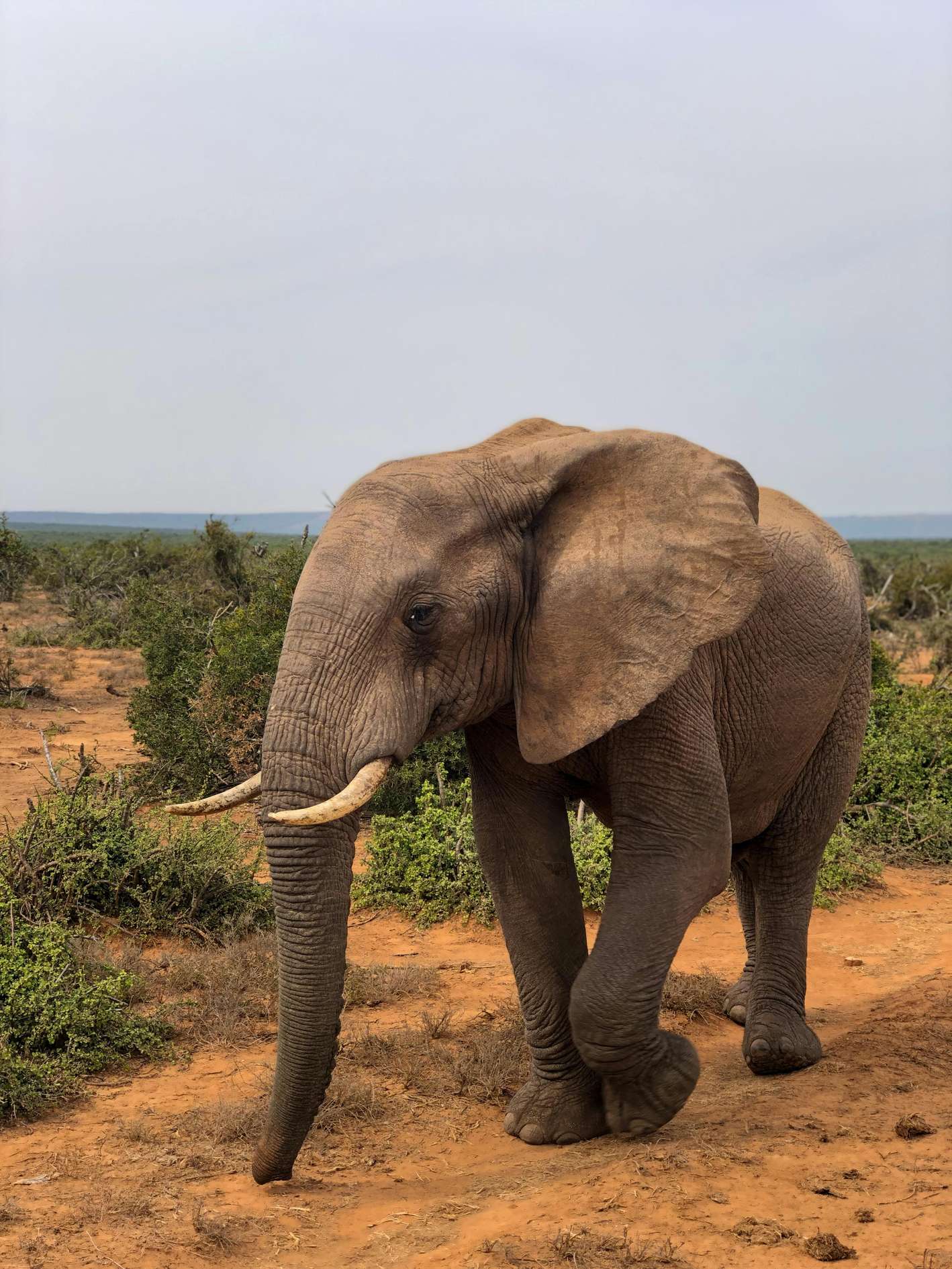
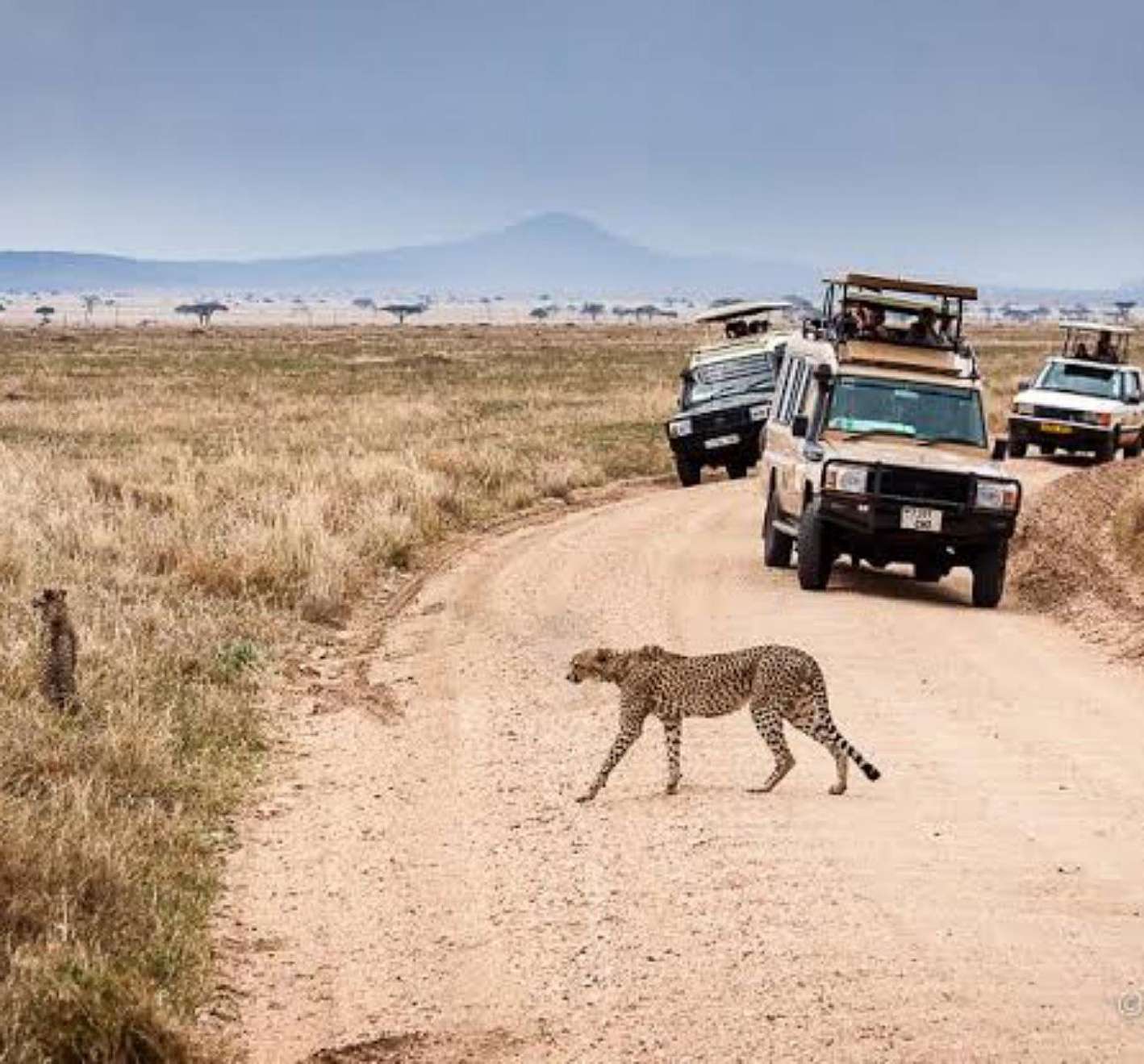
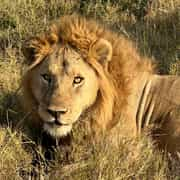
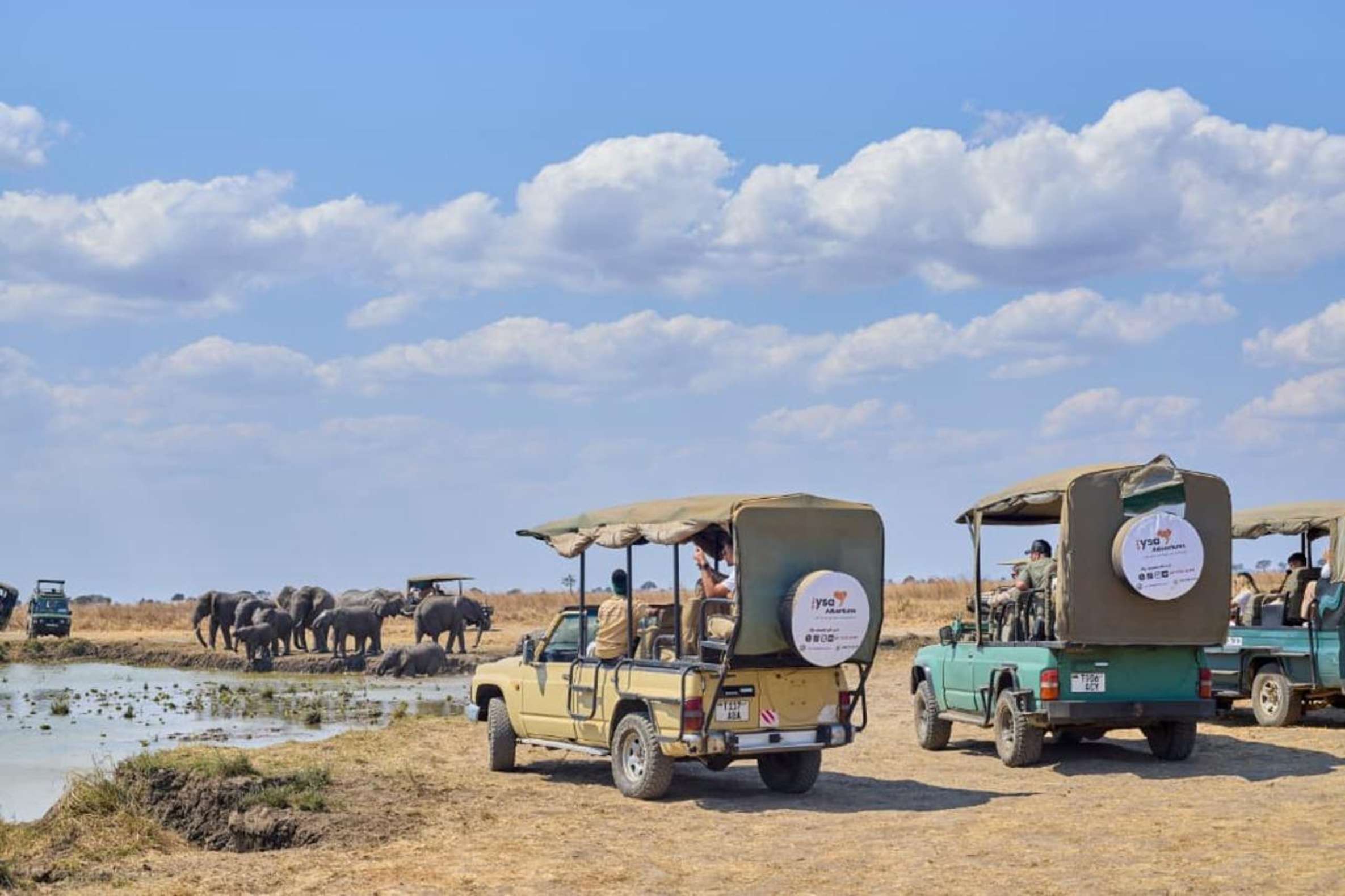
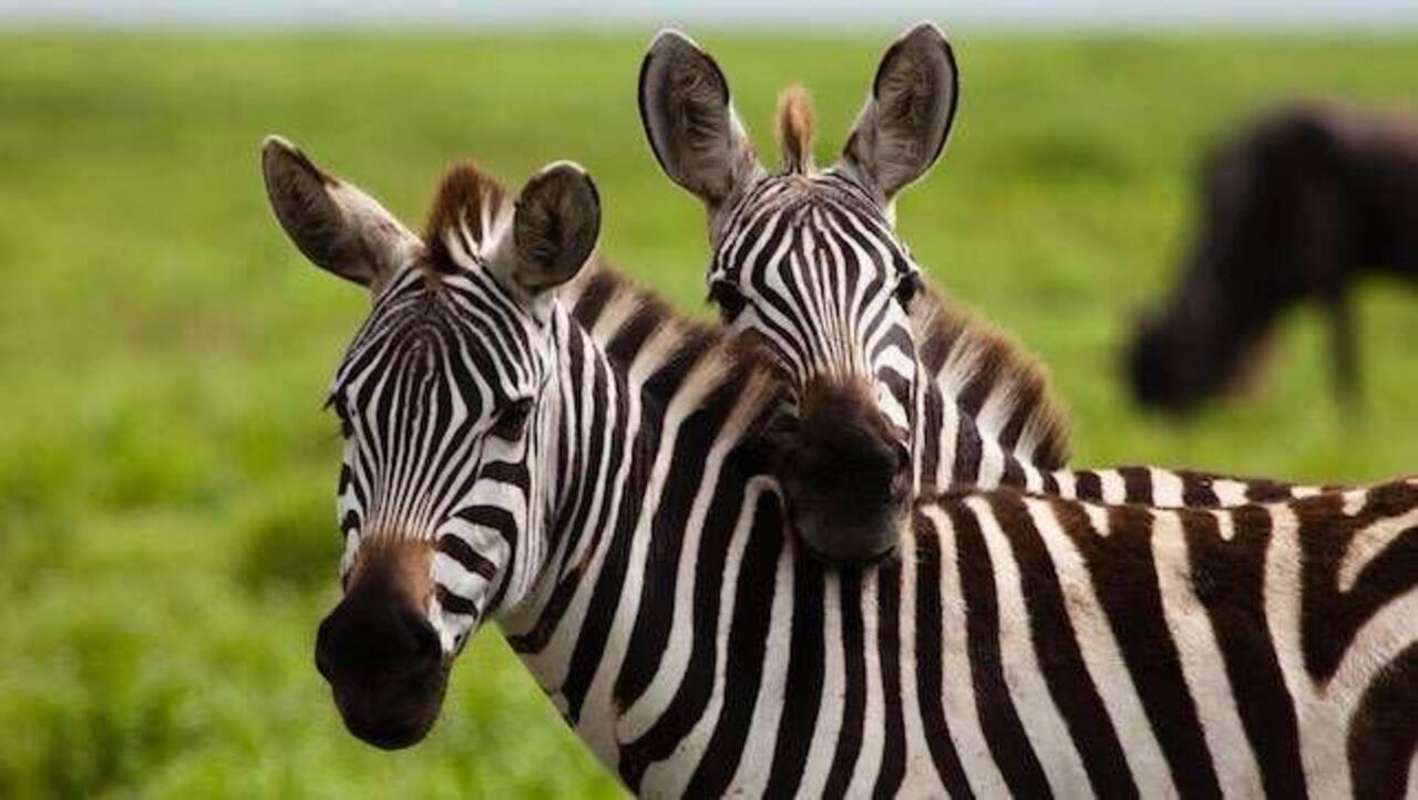
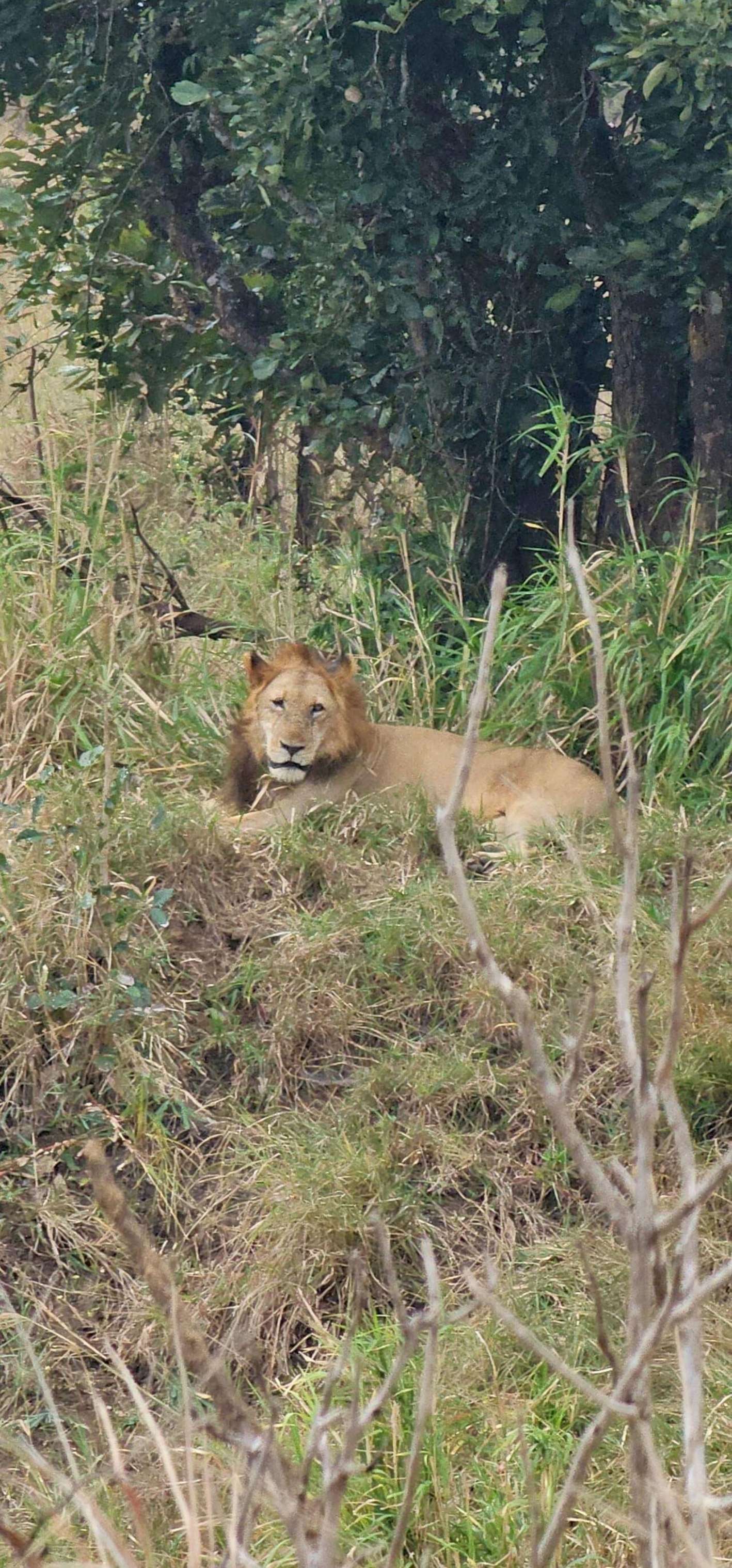
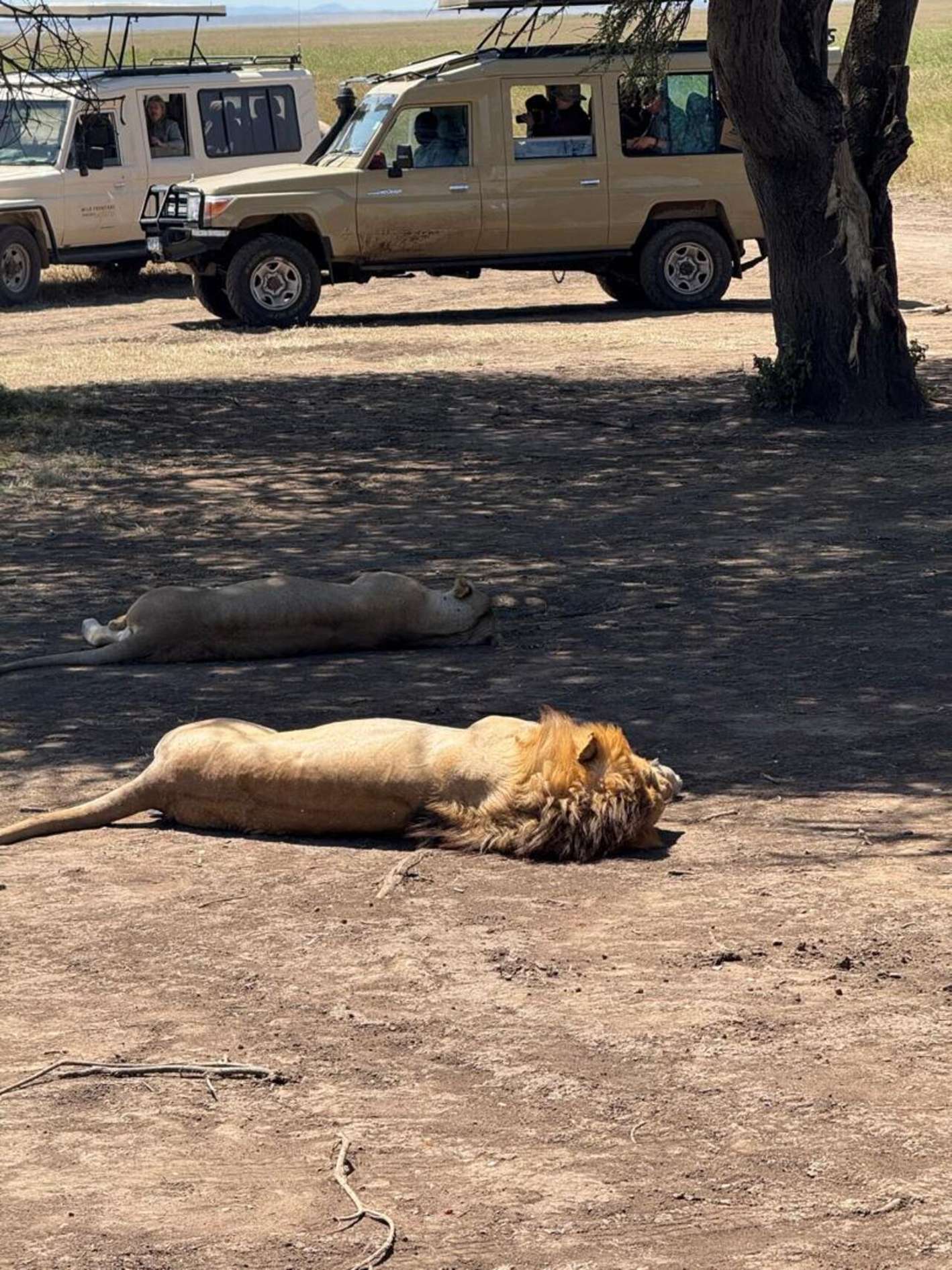
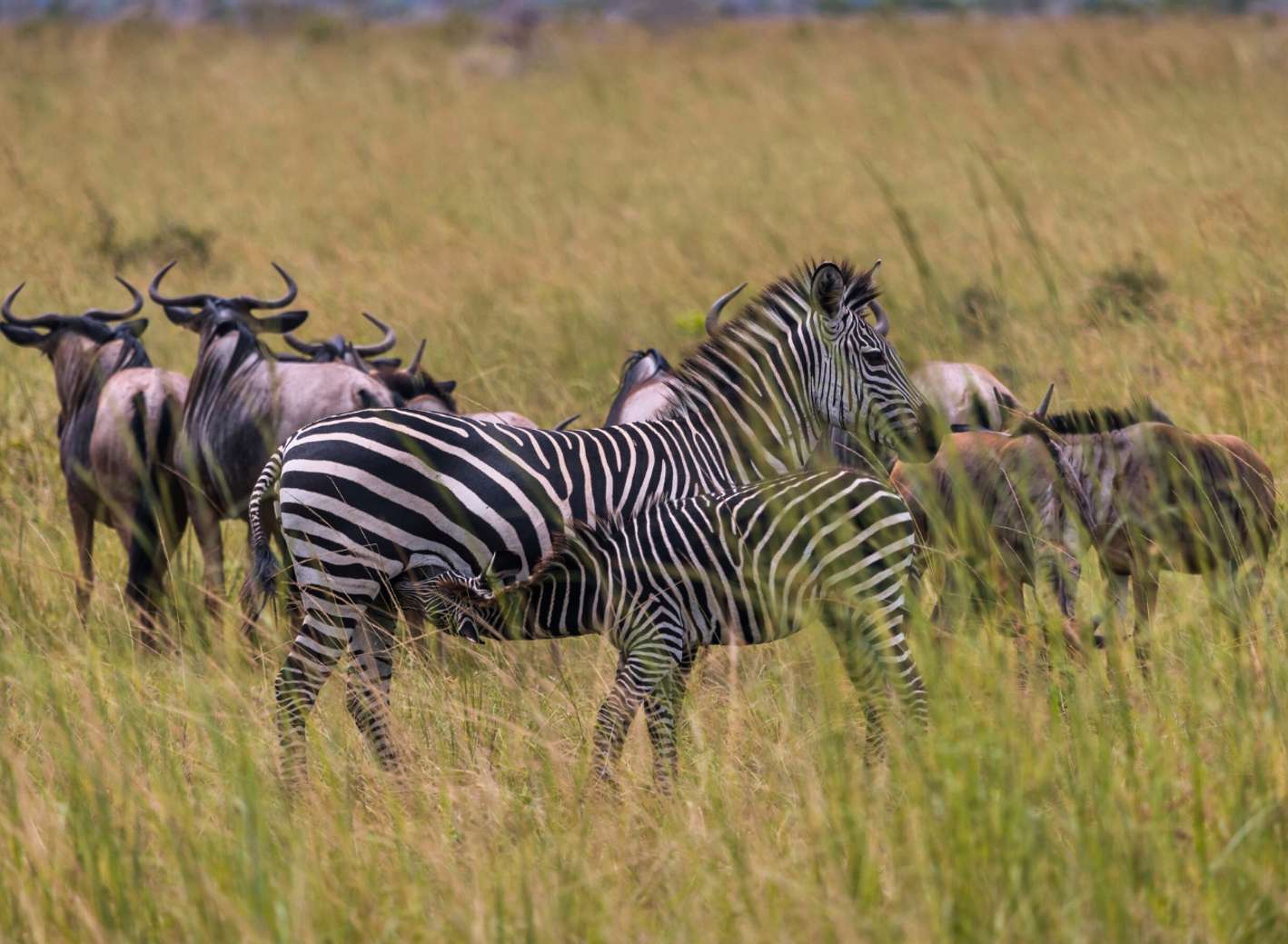
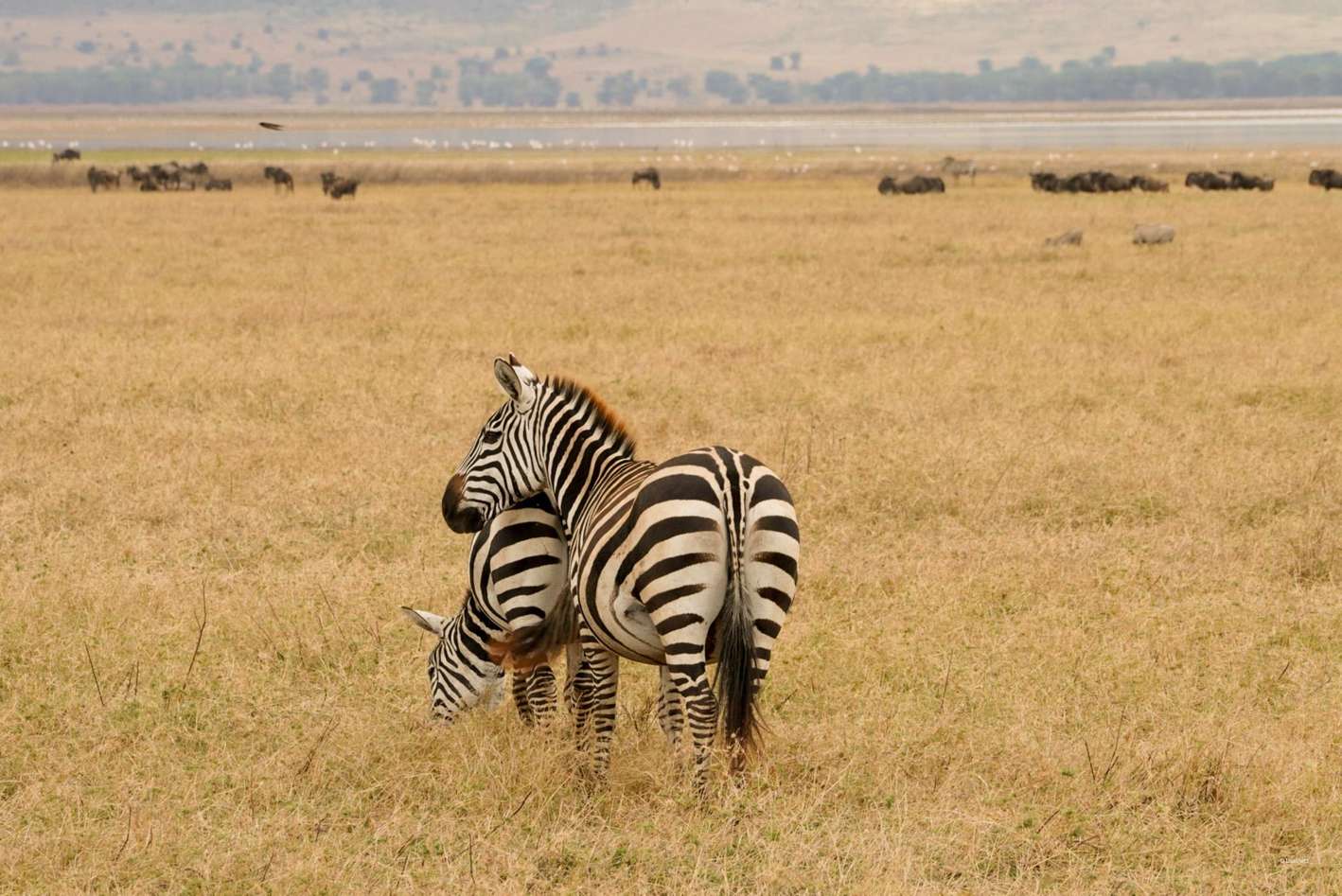
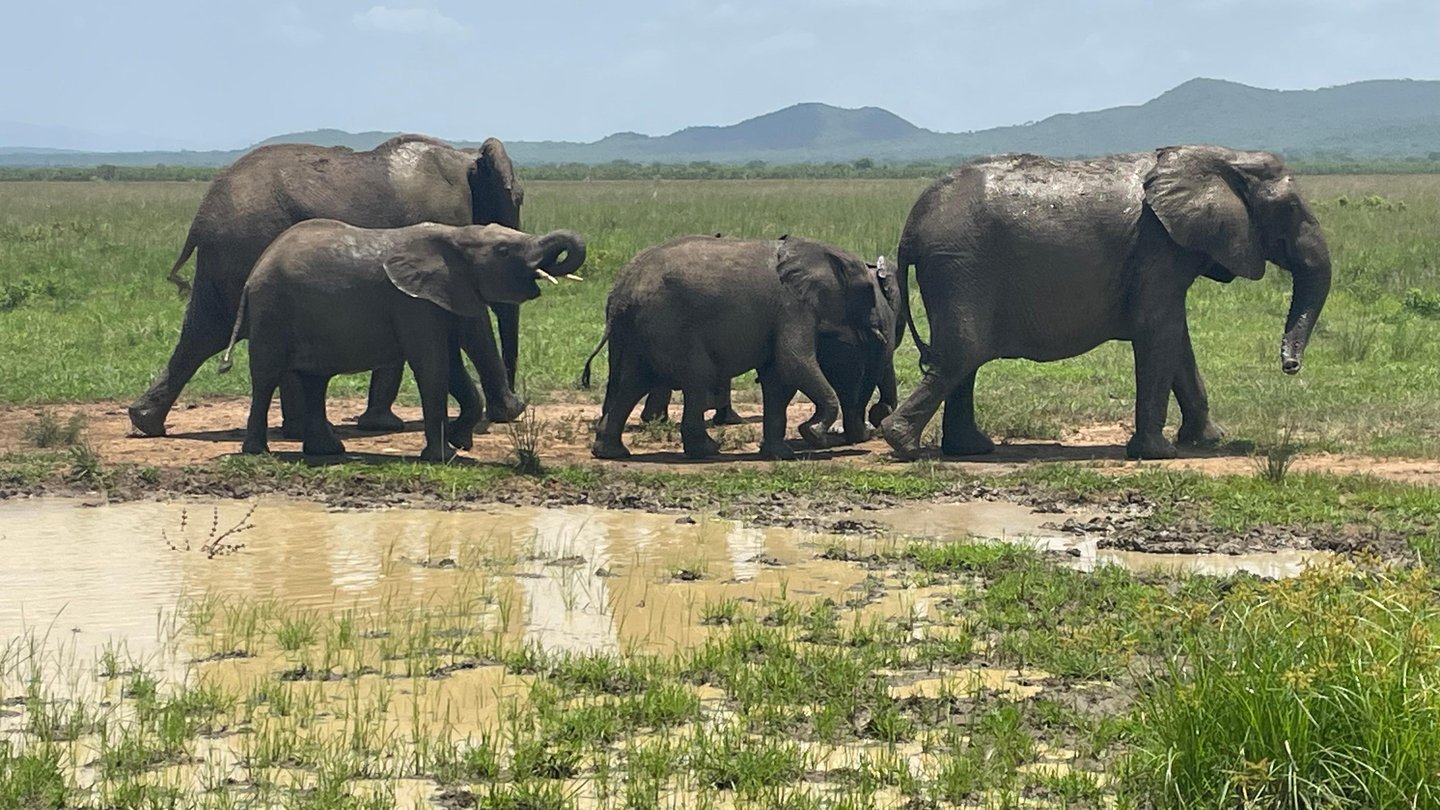
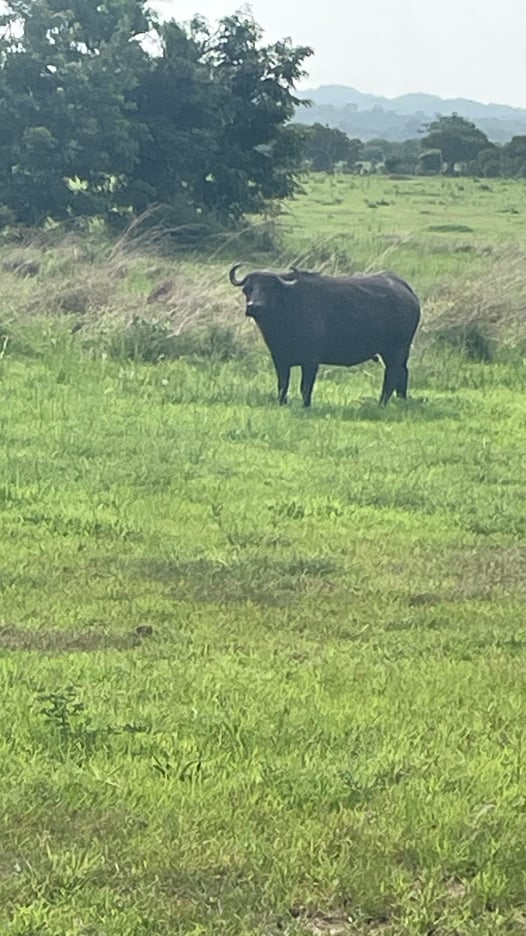
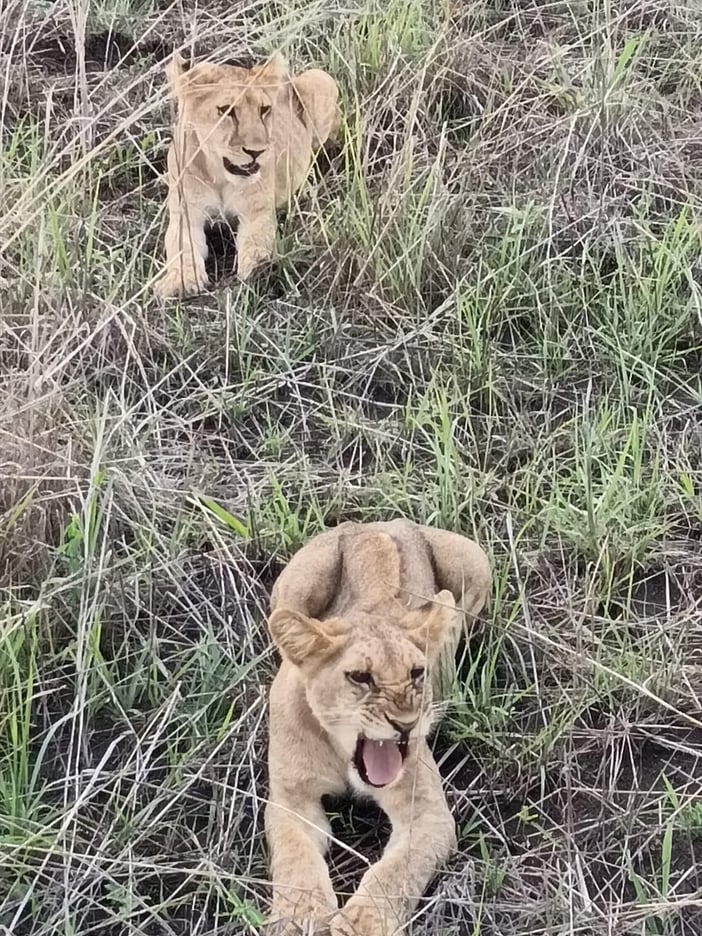
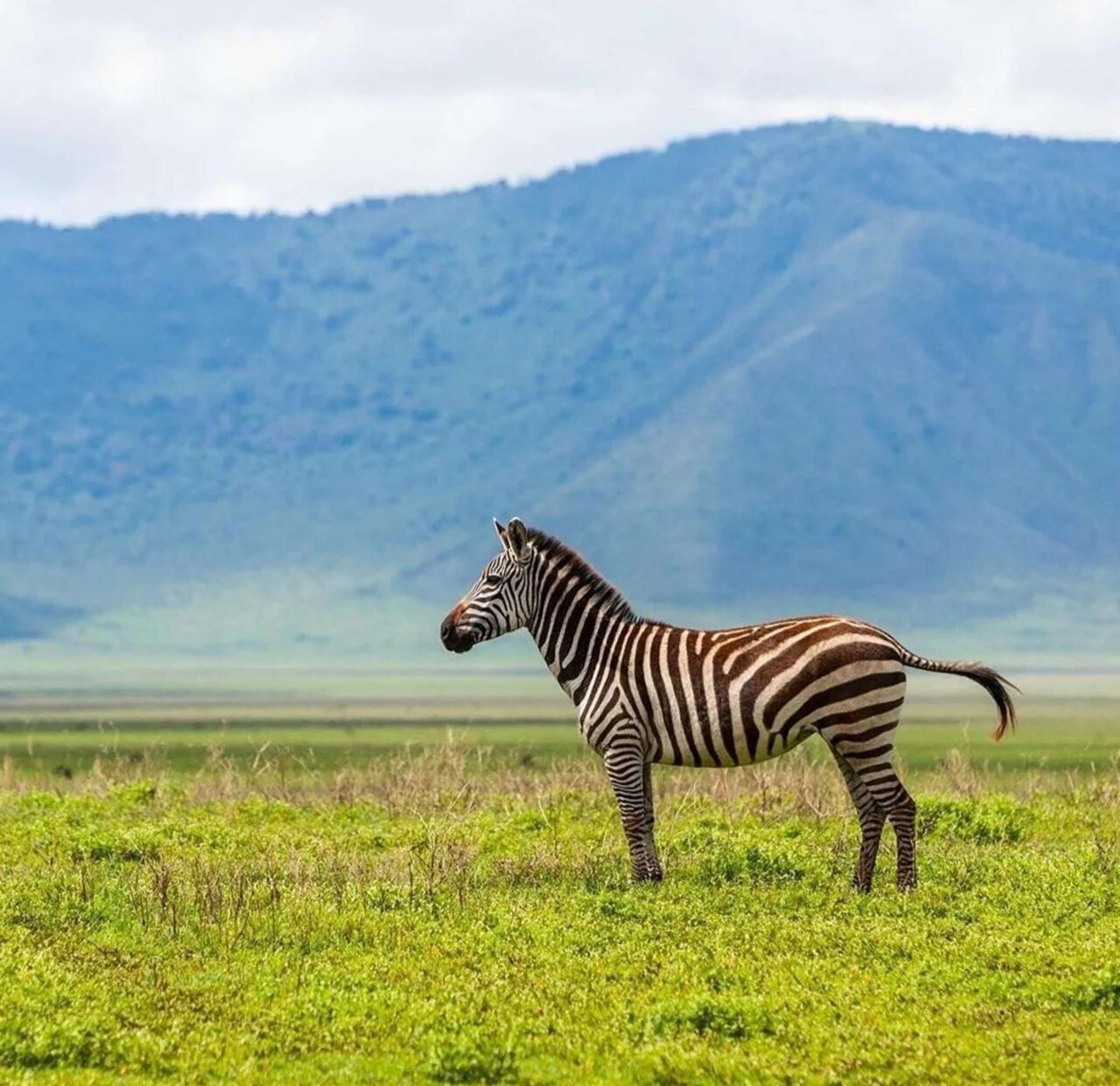
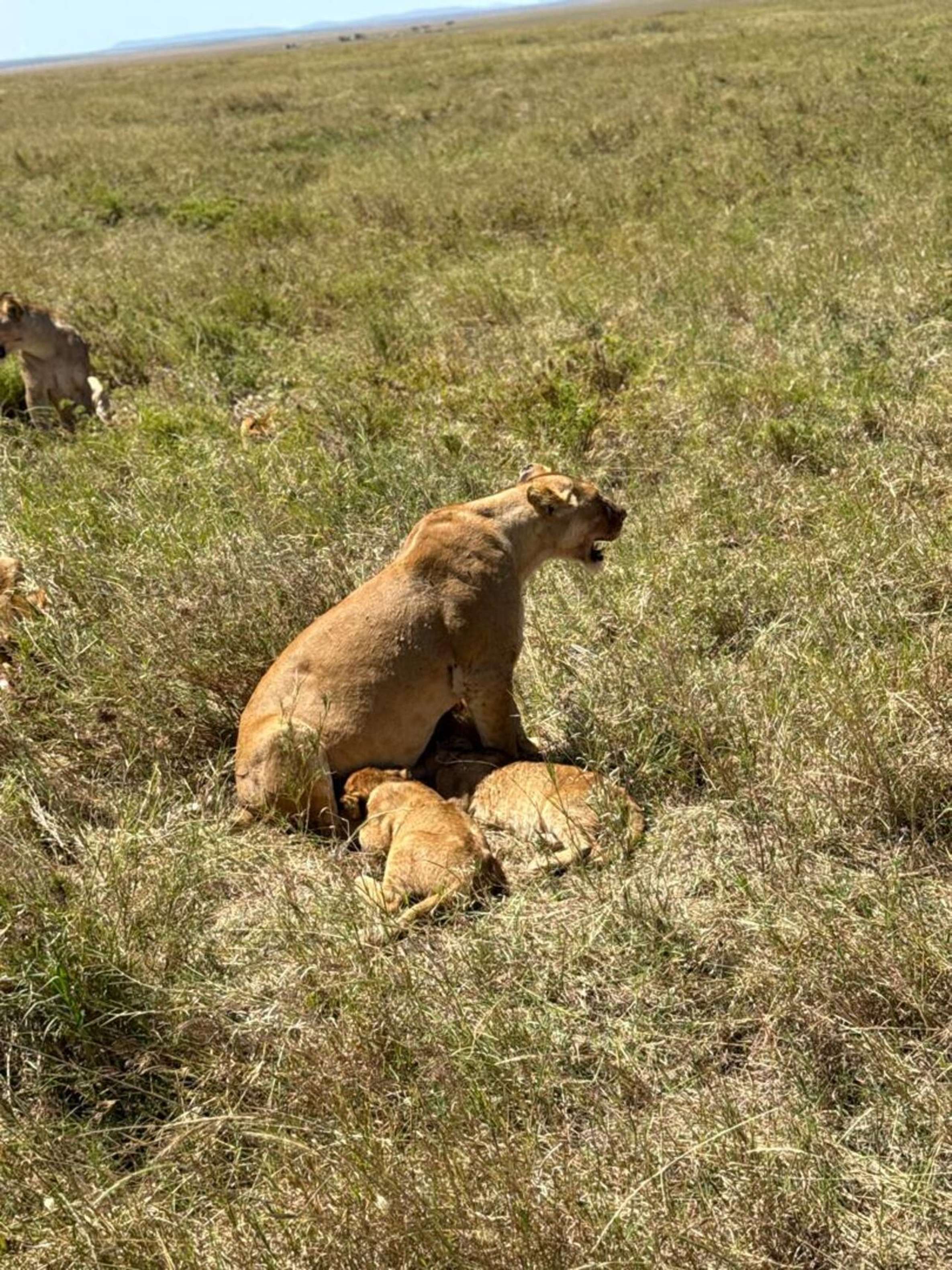
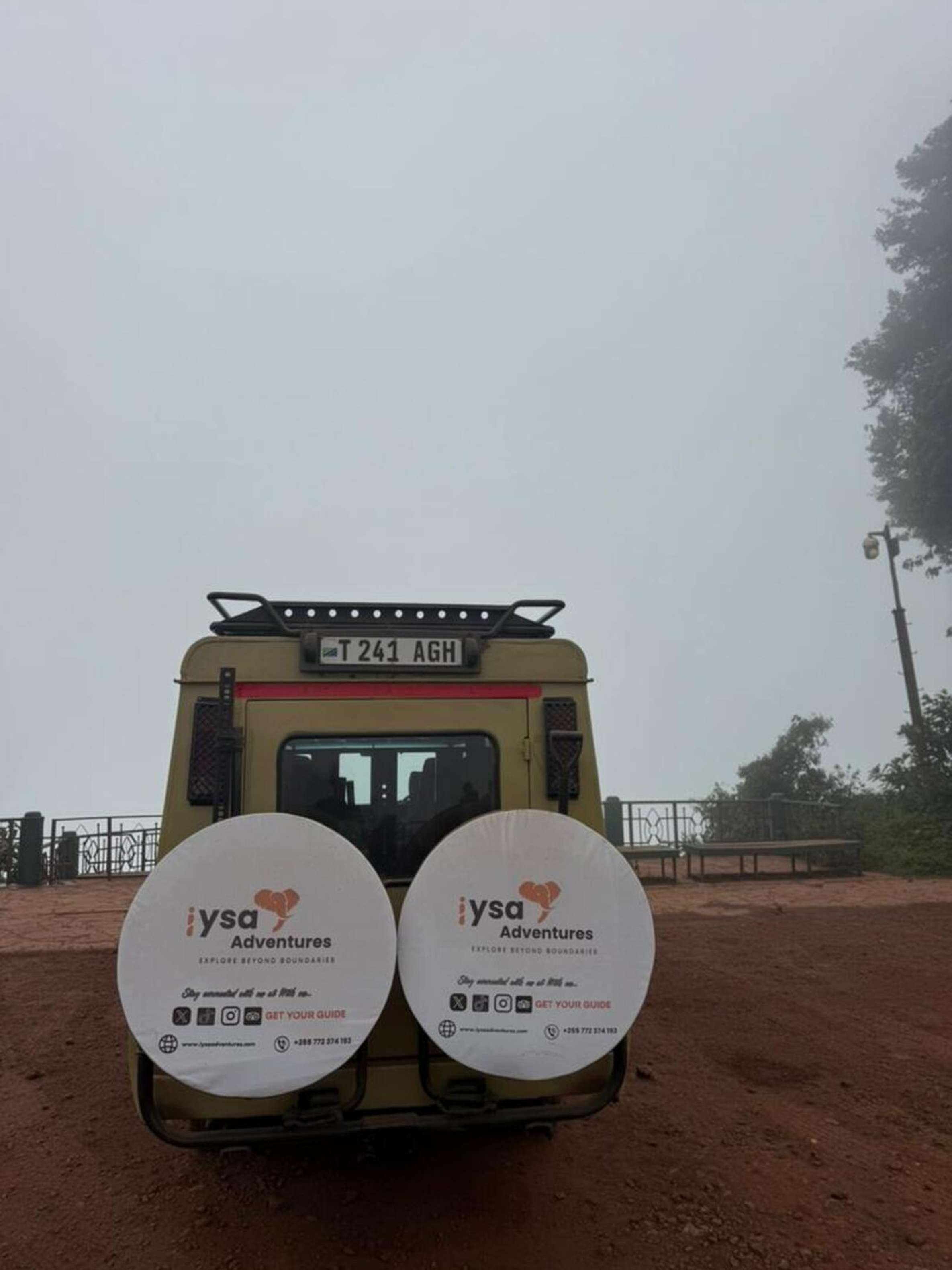
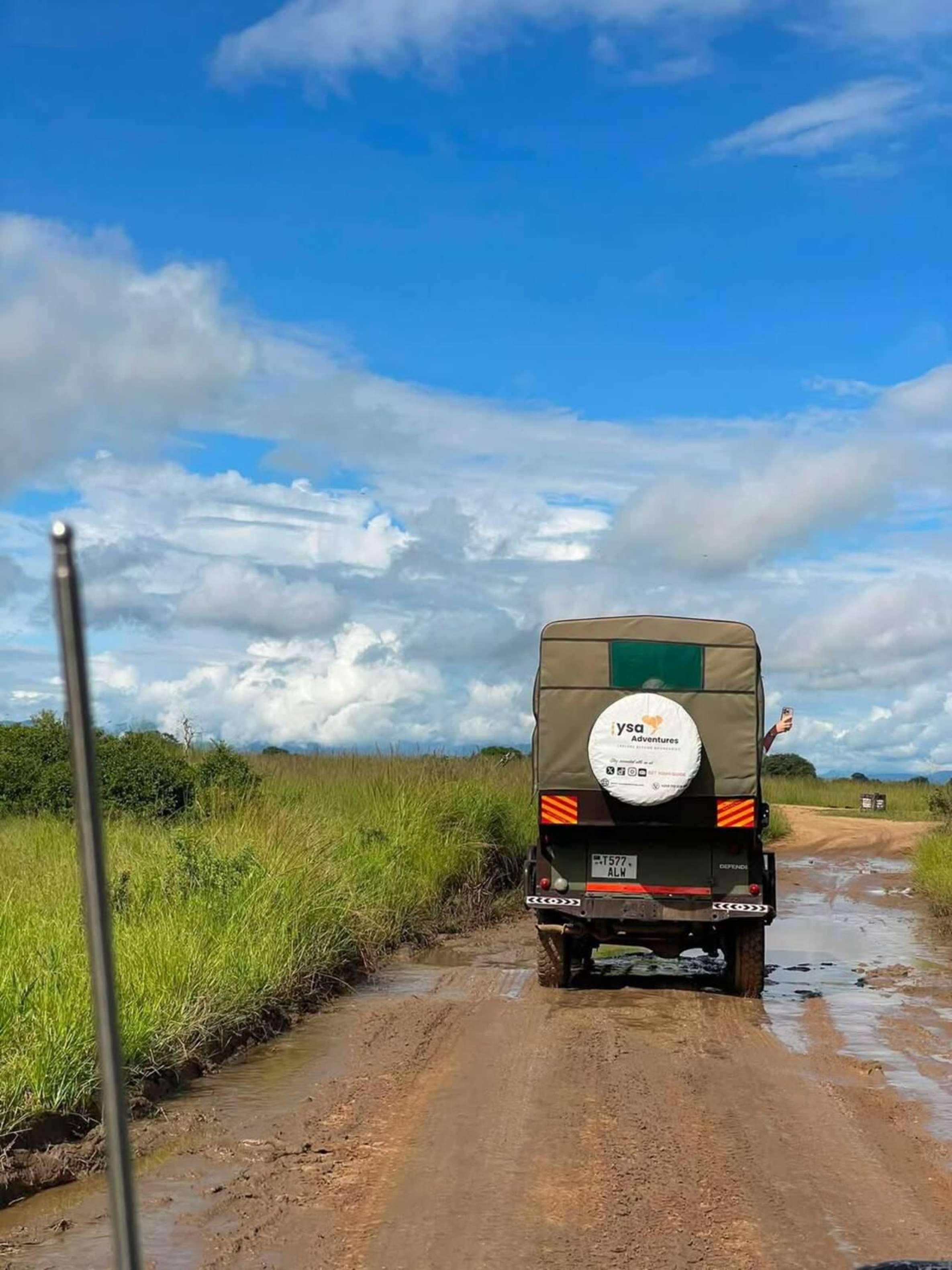
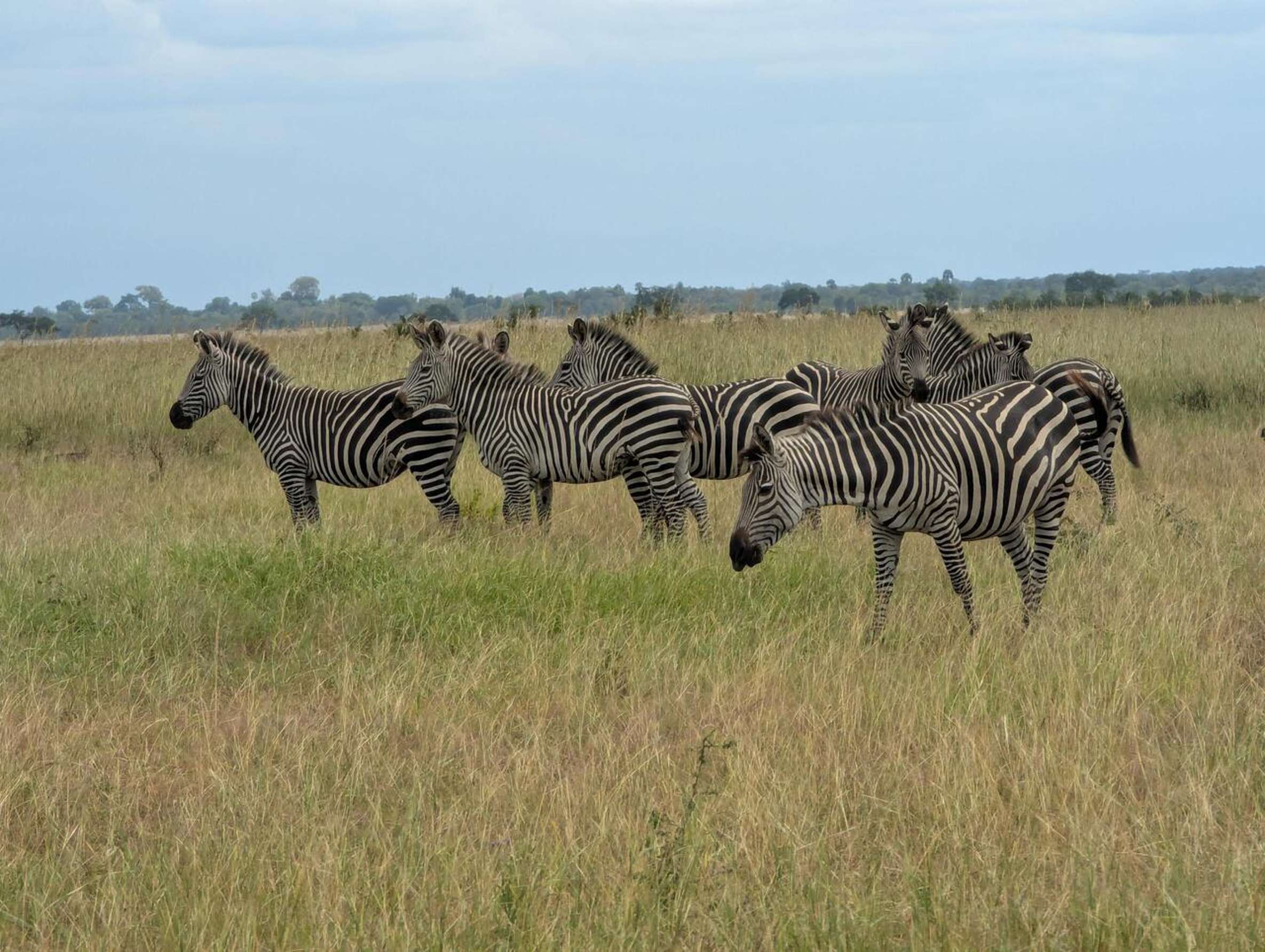
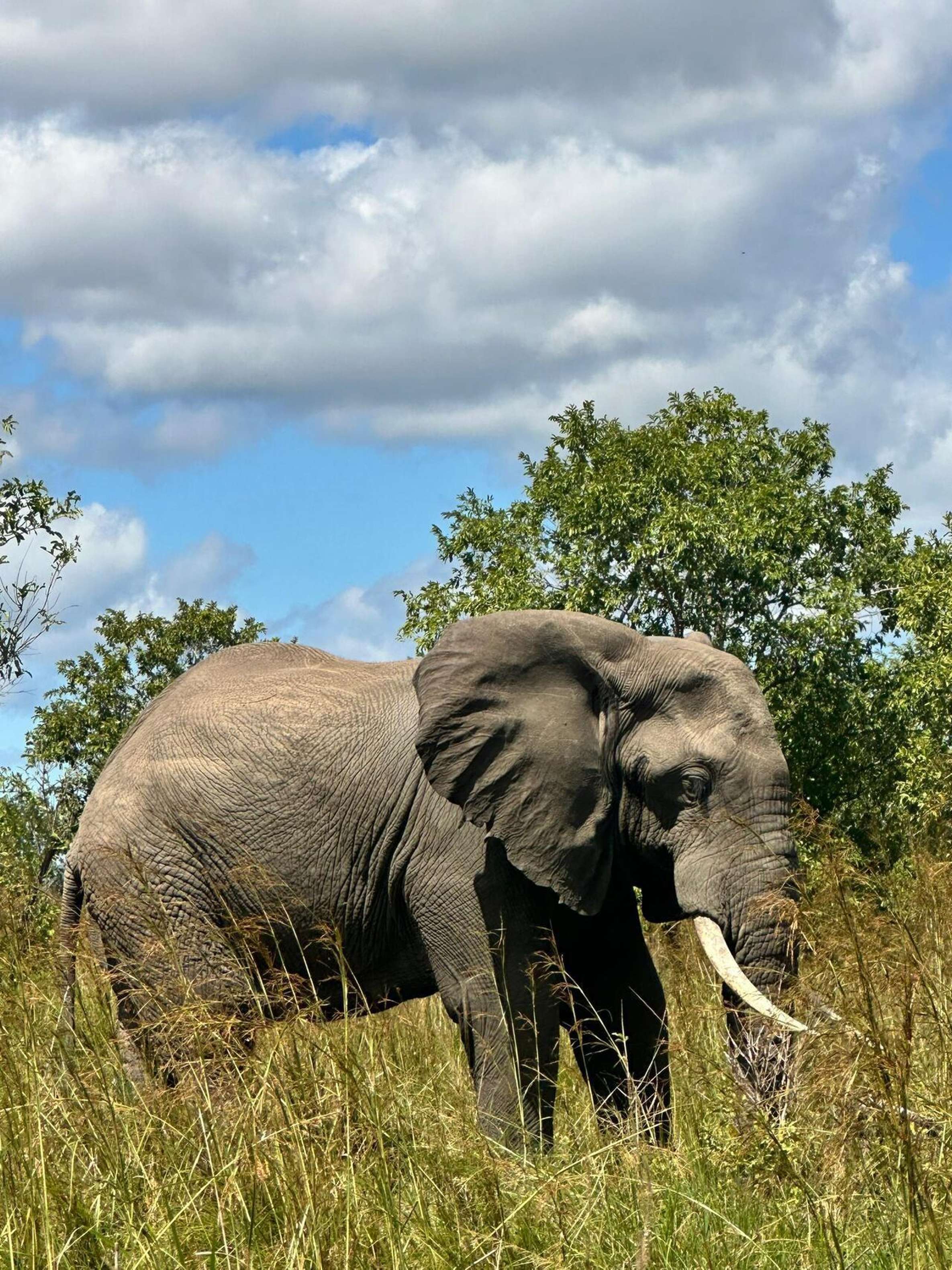
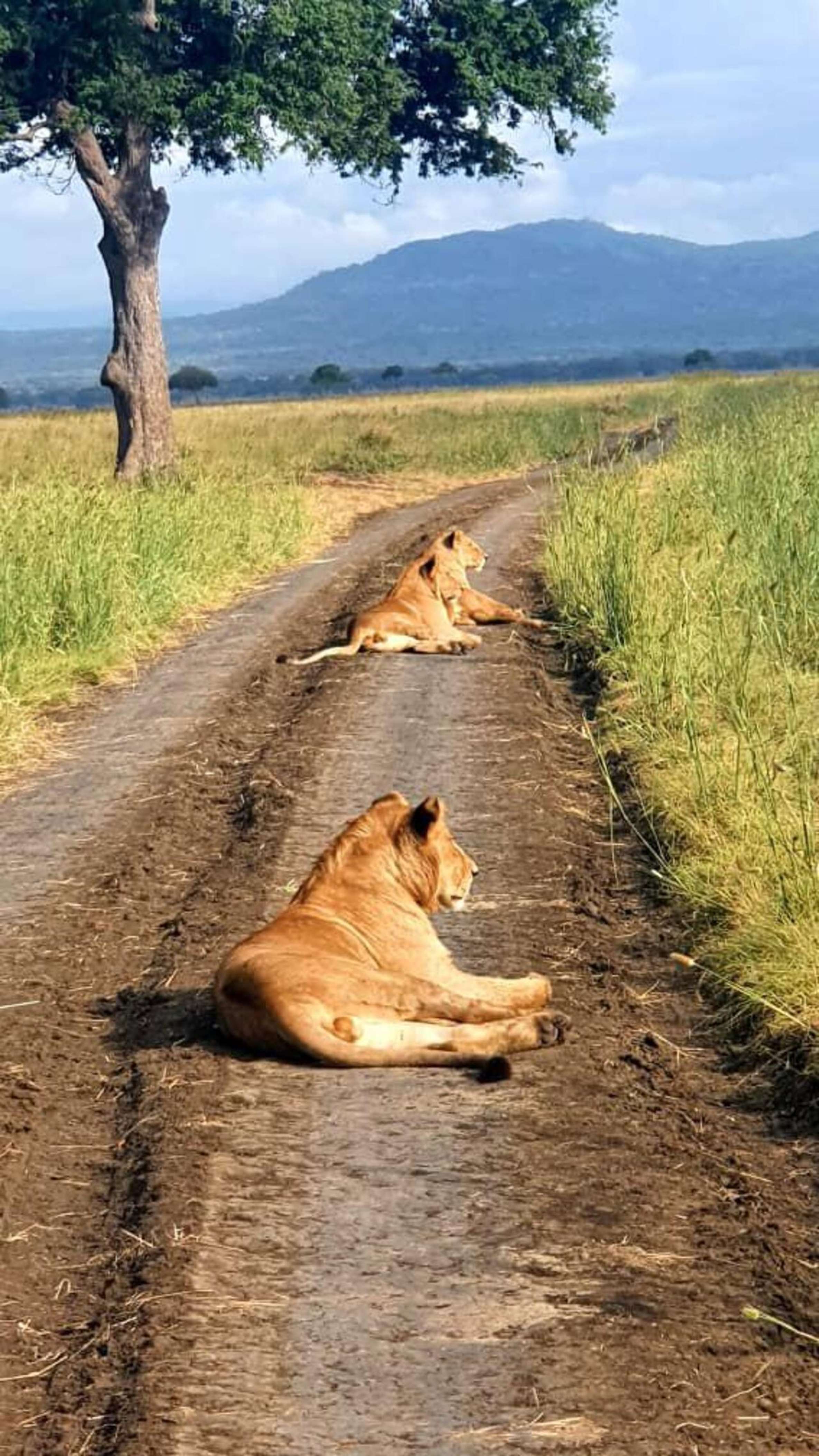
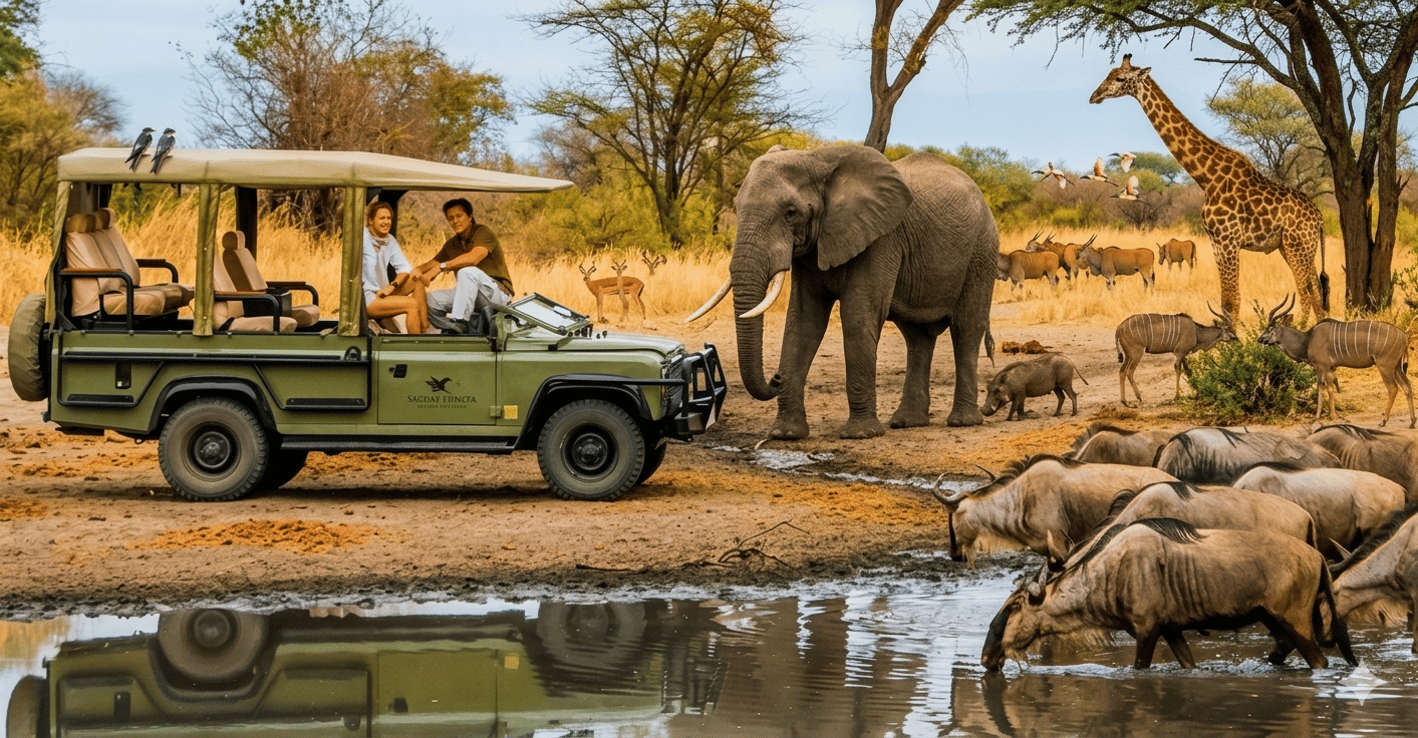
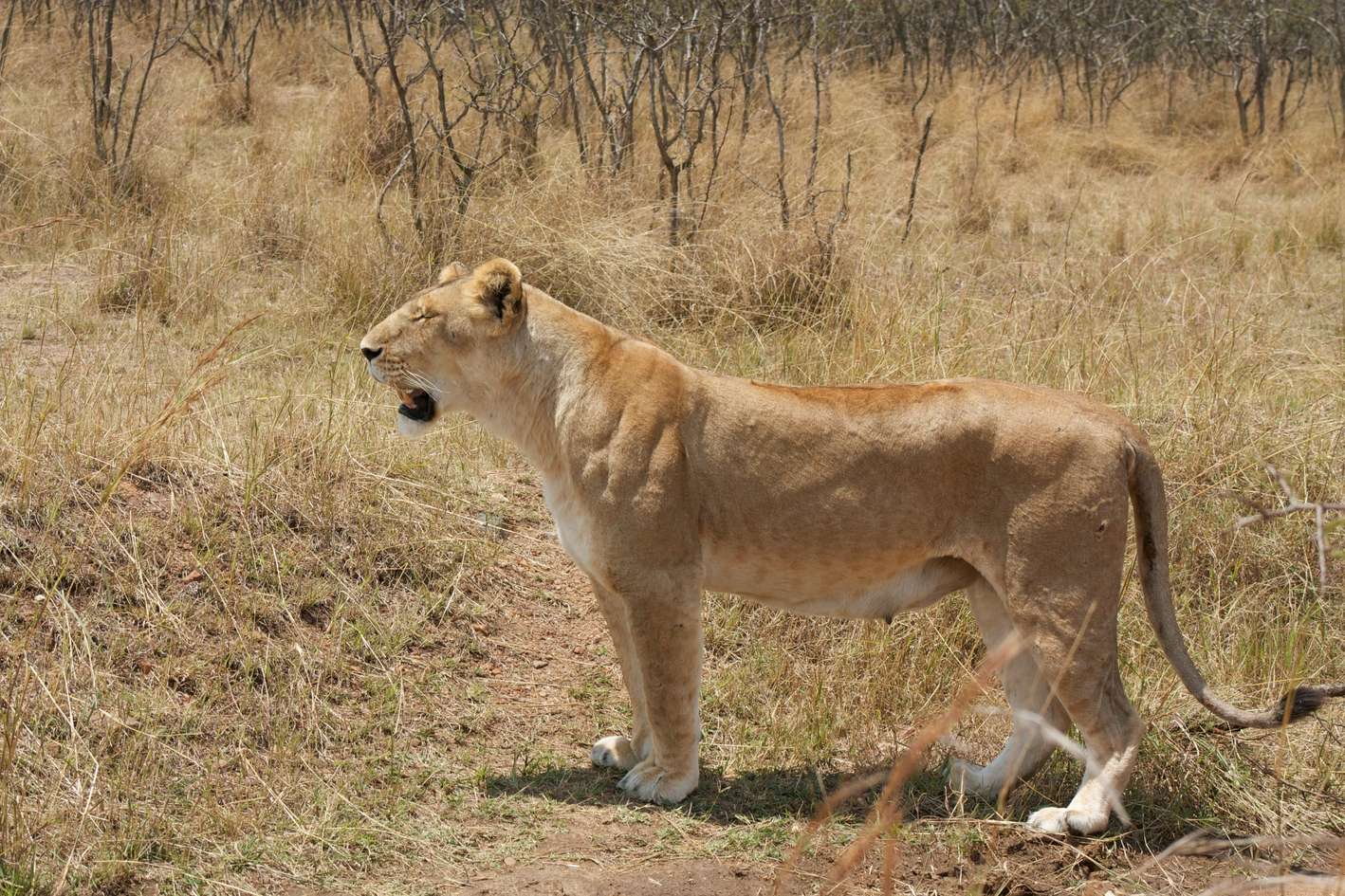
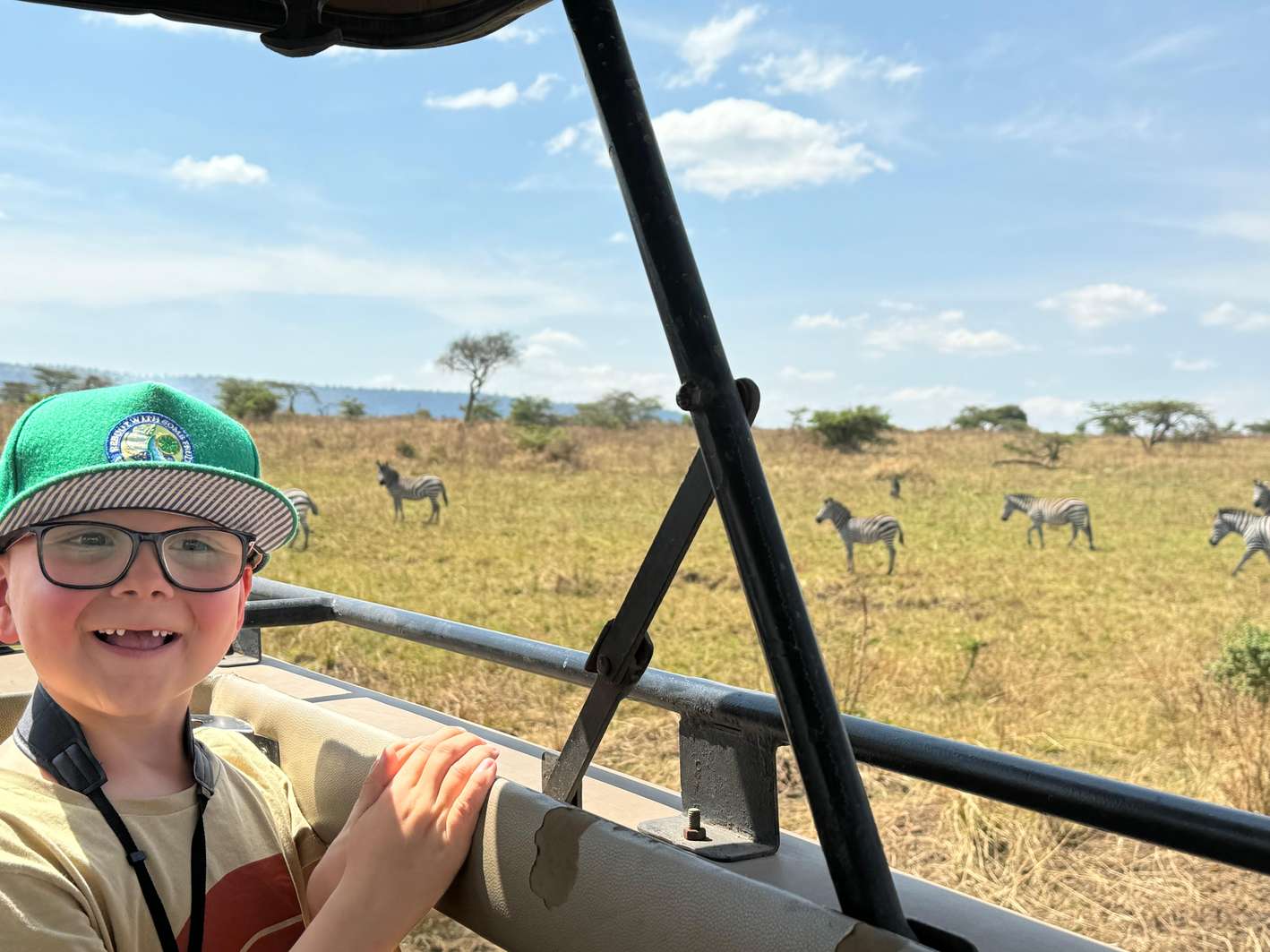
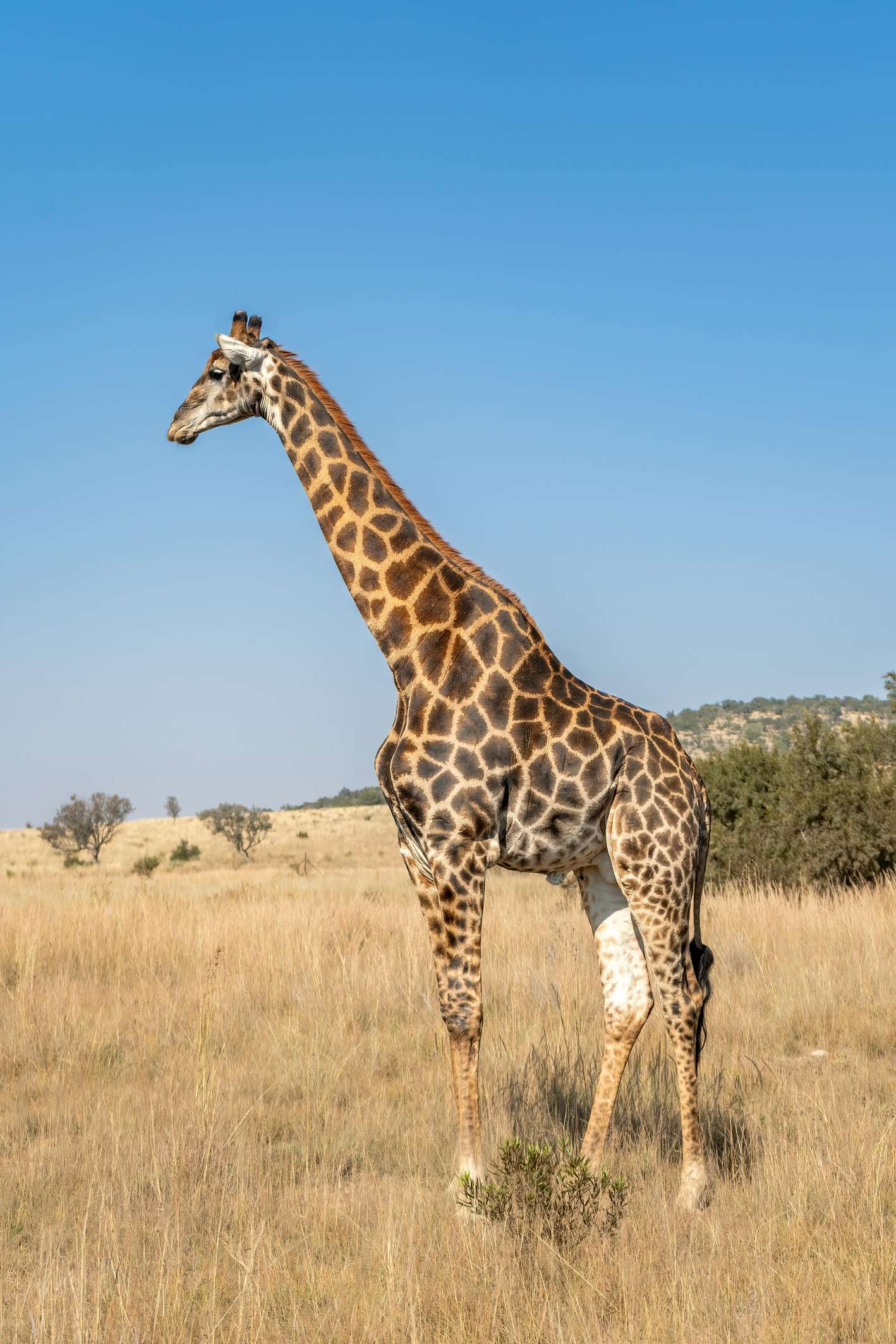
Lions, elephants, giraffes, zebras and hippos wait in Mikumi National Park, and your children watch them from a 4x4 with a pop-up roof, safely seated and standing to see over the plains. A guide tracks the animals, drives you close and answers the hundred questions that come with it.
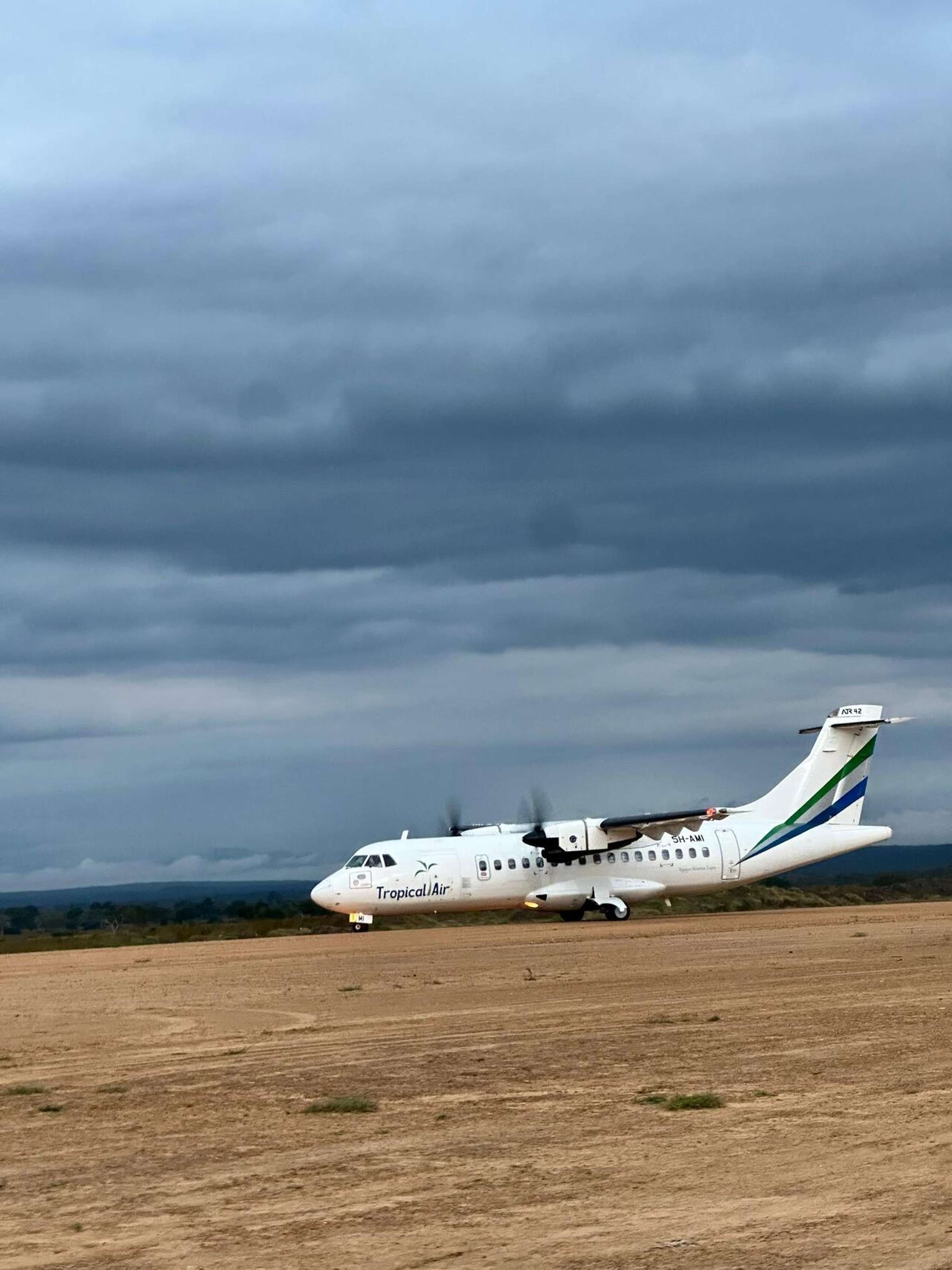
The day runs on two short flights. Hotel pickup on Zanzibar starts at 5 am, the plane lifts off around 7 am and lands about 45 minutes later inside the park.
Morning and afternoon game drives bracket a picnic lunch in the bush, then the return flight has your family back at the hotel the same evening. No overnight, no long road transfers, no restless hours in traffic.
PickupZanzibar IslandA prearranged vehicle returns the family to their hotel, usually by late afternoon or early evening depending on where you stay.2The Forodhani of Zanzibar· 45 minBack on Zanzibar after the return flight. A short closing stop where your guide wraps up the day before the drive to your hotel.Street View3Mikumi National Park· 710 minA full day of game drives across the Mkata Floodplain in an open 4x4, looking for lions, elephants, giraffes, buffaloes, zebras and hippos, with a picnic lunch in the park.4The Forodhani of Zanzibar· 45 minBack on Zanzibar after the return flight. A short closing stop where your guide wraps up the day before the drive to your hotel.Street ViewDrop-offZanzibar IslandA prearranged vehicle returns the family to their hotel, usually by late afternoon or early evening depending on where you stay.From this tour
Where the other tours go
From Arusha: 4-Day Private Safari to Serengeti & Ngorongoro
Hotel pickup and drop-off in ZanzibarRound-trip flights from Zanzibar to MikumiAirport transfers in ZanzibarEntrance fees to Mikumi National ParkProfessional English-speaking safari guide (French, Italian, German, Poland guides available on request)Morning and afternoon game drives
Not included
International FlightsTravel insurancePersonal expenses and souvenirsTips and gratuities for the guide/driver
Day by day - how each family safari in Tanzania works for kids
Green marks the lowest price. Each price says whether it is per person or per group.
Tour
Price
Duration
Languages
Best for
Our pick
Zanzibar: Mikumi Safari Day Trip with Scenic Flights
Their guide tracked down lions and elephants and knew exactly where to look all day.
Best surprise
Many families found the small plane flight into the park the most exciting part, not just a ride there.
Most common wish
Several reviewers wished the airport check-in and flight handoffs ran as smoothly as the game drives.
How to book your family safari in Tanzania with kids
01
Pick your date carefully
Choose a date with at least two nights' margin before any international flight, because bad weather between April and June can move or reshuffle a fly-in safari. Cancel up to 24 hours before the start time for a full refund.
Pro tipBook a return to Zanzibar at least two days before your international flight home, since operators cannot cover missed connections caused by flight delays
RecommendedJune to October brings dry roads and short game drives that hold young children's attention
02
Choose the right option
Compare shared and private jeep options side by side. For kids under eight, a private 4x4 lets you cap game drives at three or four hours and take rest breaks without disturbing other guests.
Common mistakeFirst-timers book a shared group seat with toddlers, which locks the family into someone else's full-day schedule
Pro tipIf your family speaks French, German or Italian, select the language add-on at booking rather than hoping the guide speaks it
03
Fill in passport details
After payment, the operator sends a form link to request passport information, and tickets arrive one day before the safari. Every traveler needs a passport because it is checked for park registration and the domestic flight.
ImportantA valid original passport is required at the park gate and for flight check-in, so bring it for each child, not just the adults
04
Confirm your pickup
Pickup times are shared the day before the safari. With transfer options, the driver meets you at your hotel reception and asks you to be there five minutes early. Without a transfer, you meet the team at the airport, around 6:30 am for the morning flight.
Pro tipSkip the hotel transfer option if your family sleeps near Zanzibar Airport, since the meeting-point option starts the day the same way with less waiting
05
Plan the safari day
Hotel pickups can start as early as 5 am, with flights departing around 7 am and landing inside the park less than an hour later. Pack snacks, sun hats and water for the kids, and expect a short safari briefing before the first game drive.
Common mistakeDressing the kids in dark blue or black, which attracts biting tsetse flies; khaki, beige and olive are the colors that keep bites away
RecommendedPut everyone in long sleeves and closed shoes, since early mornings on the plains are cool and dust rises fast
What to know before you book a safari with kids
Can stop the dayGood to knowGood news
01
ChoosingWhat it is, who it suits, when to go
3
Pickup times
Family safari days start early. On the fly-in day trips from Zanzibar, hotel pickup runs around 5 am, with charter flights leaving near 7 am. Overland tours from Arusha collect families between 6 am and 7:30 am, so wake the kids gently and have bags packed the night before.
Vehicle choice
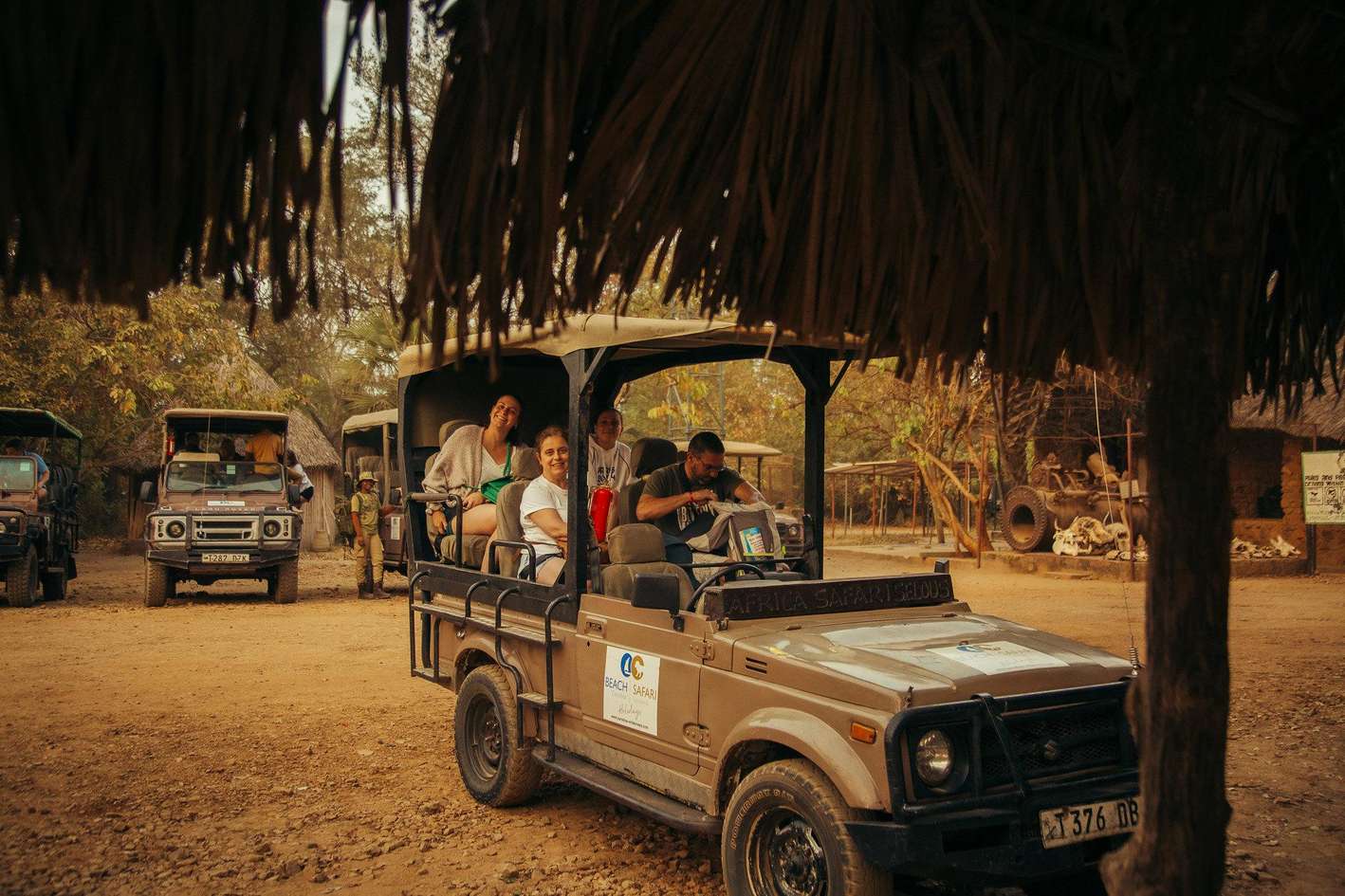
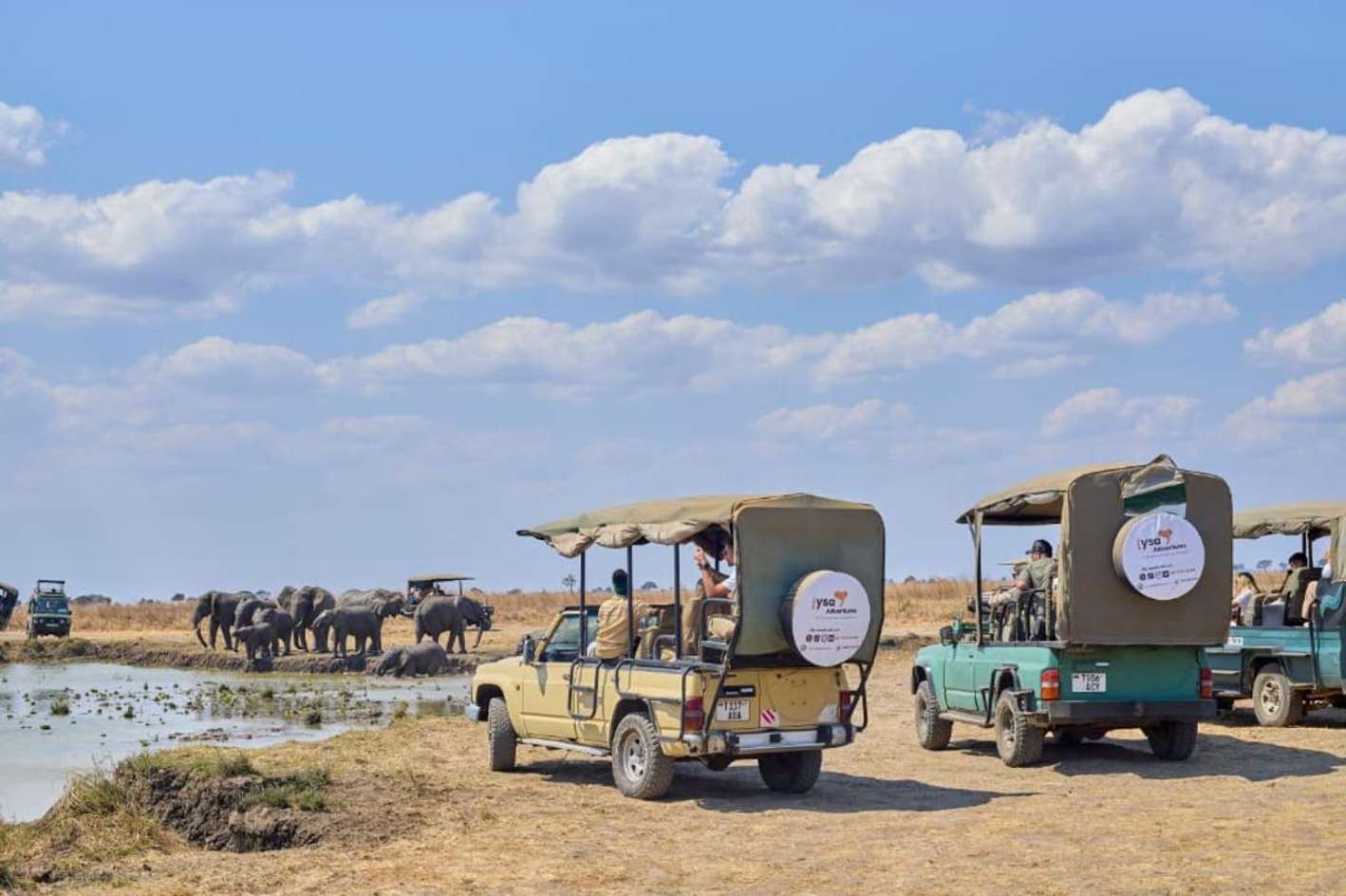
A private 4x4 gives your family control over departure times, drive lengths and rest breaks, and pop-up roofs let kids stand to see wildlife without leaning over window edges. With very young children, private beats shared, because group tours run fixed full-day schedules.
Tipping
Tips for the driver-guide and camp staff stay outside the tour price, and locals suggest 10 to 20 per person per day for the guide. Carry small bills in cash, since park gates take cards only.
02
BookingHow far ahead, and what happens if plans change
2
Weather changes
Between April 1st and June 1st, rain can shift flight schedules or force route changes. If a flight safari is canceled for unsafe flying conditions, you get an alternative date or a full refund. Book your return to Zanzibar at least two nights before any international flight.
Cancellation
The tours on this page let you cancel up to 24 hours before the start time for a full refund. Changes inside that window are refused, and cut-off times follow local Zanzibar time, so set a reminder the day before.
03
Before you goPapers, health, what to bring
5
Motion sickness
Put children in the middle seats facing forward, where the vehicle moves least. Keep vents or the roof open for fresh air, serve a light snack before you set off, and keep tissues, wipes and sickness bags within reach. Watching the horizon helps more than a screen.
Age limitsCan stop the day
Some tours on this site do not take children under 4, and mobile bush camps in the Serengeti often require kids to be at least 6. Families with children under 5 do best with short fly-in day trips rather than multi-day drives. Confirm any age rule with the tour operator before you book.
Park rules
National parks prohibit leaving the vehicle except at designated picnic and restroom areas, and feeding or touching animals carries fines or expulsion. Children need to keep voices low during close predator encounters. Bring original passports or clear copies for park registration at the gate.
What to wear
Dress kids in khaki, beige or olive, in lightweight long sleeves and long trousers. Dark blue and black attract biting tsetse flies, and standard repellent does not stop them. Add wide-brim hats with chin straps, sunglasses, sunscreen and a neck scarf against dust on open-roof drives.
Sighting chances
Wildlife sightings are never guaranteed because animals roam freely. Guides help the odds by radioing other drivers across the park to track down rarer sightings like lions. Tarangire packs dense wildlife close to its gate, so kids see animals without a punishing drive.
04
On the dayWhere to be, when, and how you get there
2
Getting there
Domestic flights from Zanzibar to parks like Mikumi and Nyerere take 45 minutes to an hour, which spares young children the long road haul. On the northern circuit, expect about 3 hours of driving to Tarangire and around 5 hours from Arusha to the Serengeti.
Bathroom stops
Safari vehicles have no toilets on board. Toilets sit at park gates, visitor centers and designated picnic sites, and guides find safe bush stops during game drives when you ask. Tell the driver early so a break comes before the wiggles turn into an emergency.
Family safari guide - taking the kids on a Tanzania wildlife trip
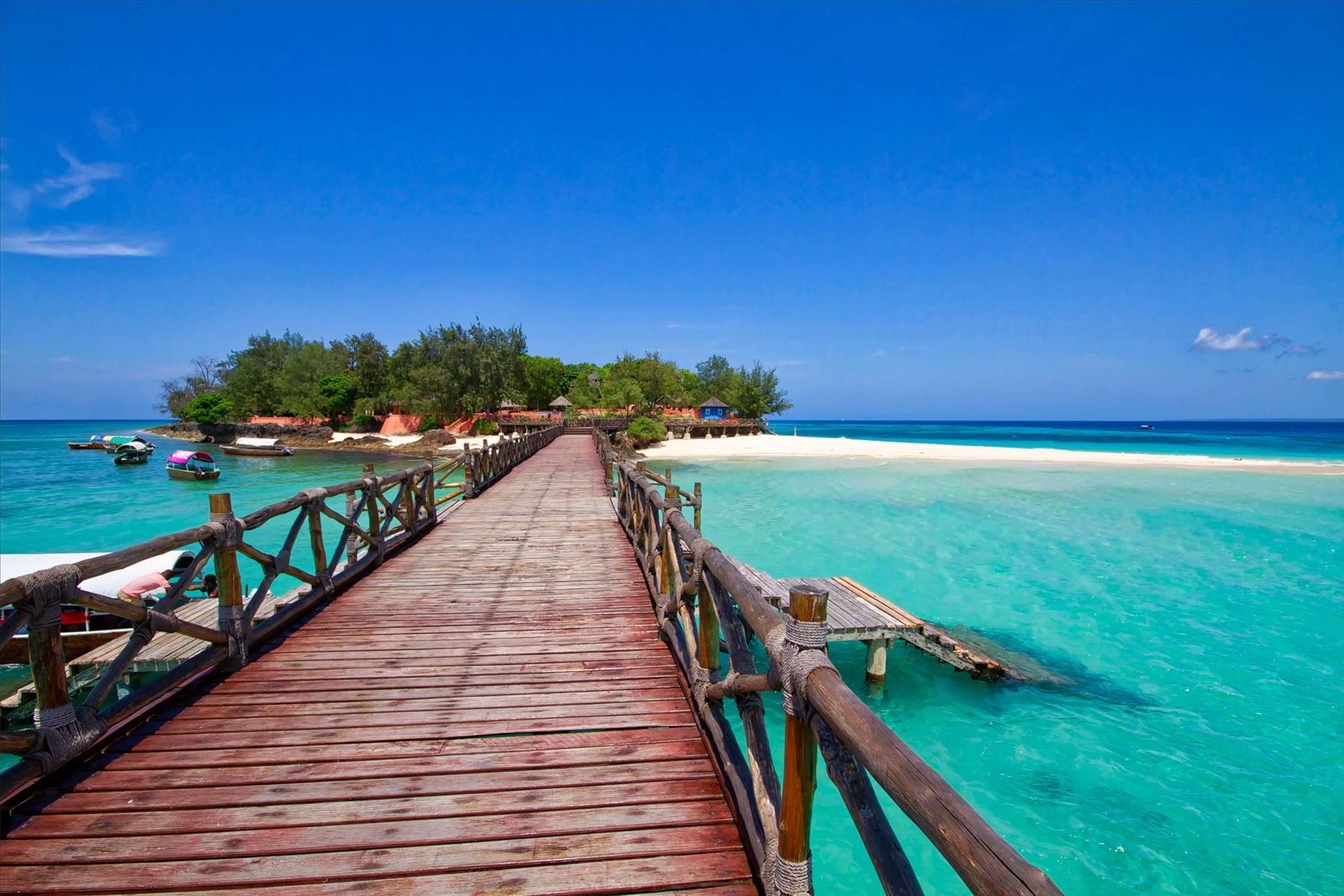
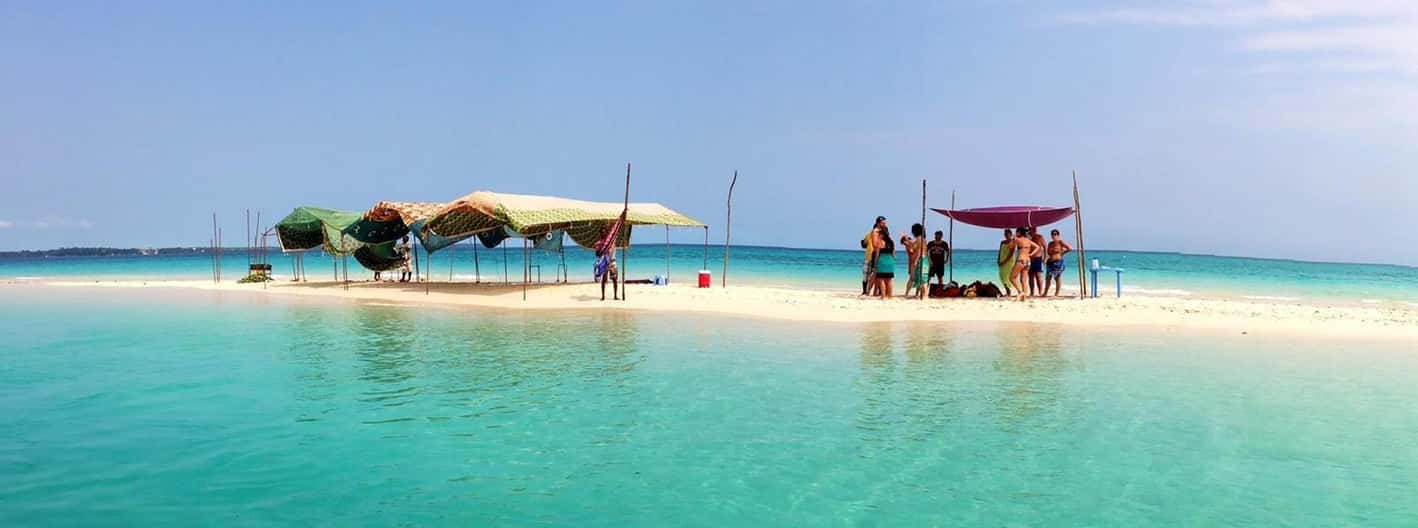
A 45-minute bush flight puts lions in front of children the same morning they leave their beach towel in Zanzibar. This guide settles which kind of safari your family can take without wearing anyone out.
Mikumi· 6.17° S, 39.33° E
If you only remember three things
1
Kids aged 8 to 12 get the most out of a safari; under-fives do better on a short fly-in day trip than a long road circuit.
2
Cap game drives at three to four hours, then head back to camp or a pool before anyone melts down.
3
Wear khaki, olive or beige in the parks: dark blue and black attract biting tsetse flies that repellent barely deters.
Are your kids the right age for a Tanzania safari?
The age question decides the shape of the whole trip before you pick a single park. Guides and parents who have done this many times land on the same answer: ages 8 to 12 are the sweet spot, the years when children absorb, enjoy and actually remember a Tanzanian safari.
Younger children are routed differently. Under-fives struggle to stay quiet and still when predators sit near the vehicle, and hours on bumpy, dusty dirt roads without air conditioning test even patient adults.
Families with children under five lean toward short fly-in day excursions instead of long road circuits, which keeps vehicle time low and burnout out of the picture.
Accommodation has its own gatekeeping. Some Serengeti mobile bush camps set a minimum age, often six, and a few exclude kids under 12 outright. Check that line before you fall in love with a camp.
One habit worth copying from families who go often: book a lodge or camp with a swimming pool, so children have somewhere to burn off energy between dusty drives.
Which of the two trips you are planning shapes everything after, starting with the month you go.
Tour for this
Arusha: 3-Day Serengeti & Ngorongoro Crater Big Five Safari4.7★ (75) · 3 days · Hotel pickup · Free cancellation
When should a family go - picking the month that suits kids?
School holidays usually make this decision for you, so the trick is matching them to the calendar. July is the standout for families: virtually no rain across the whole month, mild days near 28°C and nights cool enough for a jumper.
June through October works the same way across the board, dry and sunny on both the parks and the Zanzibar beaches.
Tanzania safari crowds, temperature, and rain by month
September is the busiest month for game viewing, offering dry 30°C afternoons and exceptional wildlife sightings.
HighestJul to Oct
In betweenFeb, Jun, Nov to Dec
LowestJan, Mar to May
Darker: a higher how busy it gets score, out of 5
Tap a month to read it.
October stays very busy with hot 31°C days and mostly dry trails before the short rains begin.
HighestSep to Oct30.5 to 31.4 °C
In betweenFeb to Mar, Aug, Nov29.2 to 29.7 °C
LowestApr to Jul, Dec to Jan27.9 to 28.8 °C
Darker months: higher, from 27.9 to 31.4 °C
Tap a month to read it.
October stays very busy with hot 31°C days and mostly dry trails before the short rains begin.
HighestFeb to Mar, Sep to Dec16.6 to 17.3 °C
In betweenJan, Apr to May16.1 to 16.4 °C
LowestJun to Aug15 to 15.6 °C
Darker months: higher, from 15 to 17.3 °C
Tap a month to read it.
April is the quietest month of the year with heavy rains averaging 128 mm and frequent muddy roads.
HighestApr, Nov to Jan91 to 128 mm
In betweenFeb to Mar, May49 to 67 mm
LowestJun to Oct5 to 27 mm
Darker months: higher, from 5 to 128 mm
Tap a month to read it.
July is very popular with families thanks to cool 15°C nights, clear sunny skies, and 30 dry days.
HighestJun to Oct25.6 to 30 days
In betweenMar, May19.6 to 23.4 days
LowestApr, Nov to Feb13.8 to 18.8 days
Darker months: higher, from 13.8 to 30 days
Tap a month to read it.
Read that against your own dates and two windows stand out. The long dry season keeps tracks passable and animals gathered at water, which means more sightings per hour in the vehicle.
The secondary window, late December to February, trades a few localized showers for something children find electrifying: the wildebeest calving season in Ndutu and the southern Serengeti, when newborn animals and predators share the same grass.
April and May are the months to avoid with kids. Heavy rain turns secondary tracks to mud, and flights between April 1 and June 1 can be moved or shuffled around airfield conditions.
The rains do not cancel safaris, guides reroute to the main tracks, but a rescheduled bush flight is a harder sell to a six-year-old than to a couple.
Tour for this
From Zanzibar: Mikumi Safari Day Trip with Flights and Lunch4.7★ (3,203) · 8 - 32 hours · Hotel pickup · Free cancellation
First hour inside the gate, the vehicle is still rolling on the entry track when the elephants appear. That is the point of choosing a park with dense wildlife close to its entrance. Tarangire delivers packed sightings without grueling drives, which is exactly what short attention spans need.
The comparison parents ask about most is Mikumi against the Serengeti. Mikumi, known as the mini Serengeti, has healthy wildlife numbers and saves serious travel time and cost from Zanzibar, but big cat encounters come much less often than in the northern parks.
Day trips there still reward families with lions and elephants, just not every hour.
Here is what no honest guide will promise: sightings are never guaranteed, because animals roam freely. What your driver does about it is the reassuring part. Guides talk to each other by radio across the whole park, so when someone finds a pride of lions, every family in the area hears about it within minutes.
Patience is the one skill the vehicle teaches. When the brush is quiet for a stretch, guides fill it with bush stories, jokes and route changes that break the drive into short chapters.
A traveler's note
Great one-day safari from Zanzibar, a bit exhausting but definitely worth it. Saw impalas, giraffes, elephants, wildebeest, crocodiles, hippos, zebras, monkeys, birds and one lion. Well organized, guides and safari cars were fine.
That kind of guide is the difference between a long drive and a story your children retell for years, and it is worth asking how a tour assigns its guides before you book.
Tour for this
Exclusive Mikumi Day Safari from Zanzibar by Flight4.1★ (41) · 1 day · Hotel pickup · Free cancellation
Fly-in day trip or private northern circuit - which safari fits your family?
Both routes end with the same animals, so the choice comes down to how much vehicle time your children can take.
From Zanzibar, a fly-in day lands on a bush airstrip inside the park and gives you six to seven hours of solid game viewing before flying home the same evening. No roads, no overnight, and the flight itself entertains the kids.
A private multi-day circuit goes the other way: real depth, more parks, more control. The vehicle question matters more than people expect. A private 4x4 gives your family the departure times, drive lengths and rest breaks, and lets you cap drives at three to four hours before returning to camp.
Share a vehicle with strangers while carrying a toddler and you lock everyone into full-day drives that other passengers did not sign up for.
For two adults, private often costs only marginally more than a shared seat, which surprises most families. Larger groups split the vehicle cost further. Group camping stays the budget third way, best suited to older children who sleep happily in tents.
How the three family safari styles stack up
Fly-in day from Zanzibar
Private northern circuit
Group camping safari
Vehicle time
45-minute flight, no road transfers
3 hours to Tarangire, 5 to the Serengeti
Same roads, shared seats
Flexibility with kids
Fixed flight times
You set drive lengths and rest stops
Schedule set by the group
Wildlife payoff
Six to seven hours in Mikumi
Serengeti density plus Ngorongoro
Both parks at the lowest cost
Best for
Children under five
Any age, especially 8 to 12
Older kids who enjoy camping
Fly-in day from Zanzibar
Vehicle time
45-minute flight, no road transfers
Flexibility with kids
Fixed flight times
Wildlife payoff
Six to seven hours in Mikumi
Best for
Children under five
Private northern circuit
Vehicle time
3 hours to Tarangire, 5 to the Serengeti
Flexibility with kids
You set drive lengths and rest stops
Wildlife payoff
Serengeti density plus Ngorongoro
Best for
Any age, especially 8 to 12
Group camping safari
Vehicle time
Same roads, shared seats
Flexibility with kids
Schedule set by the group
Wildlife payoff
Both parks at the lowest cost
Best for
Older kids who enjoy camping
If the private route wins, a tour such as the From Arusha: 4-Day Private Safari to Serengeti & Ngorongoro runs the full arc in a pop-top Land Cruiser with your own driver-guide and three nights of accommodation included.
Tour for this
Zanzibar: 2-Day Private Magical Ngorongoro Crater Safari5.0★ (2) · 2 days · Hotel pickup · Free cancellation
From dawn drive to sundown camp - a Serengeti safari with kids, hour by hour
The day starts in the dark. Hotel pickups in Zanzibar begin as early as 4 am for single-day park trips, with safari charter flights leaving around 6:30 to 7 am.
Overland vehicles out of Arusha collect families between 6 and 7 am. Dress the children the night before and the pre-dawn wake-up loses half its pain.
Once the animals start appearing, the guide takes over the entertainment. Good guides engage children's senses, asking them to listen for sounds in the bush, identify scents, and study leaves up close.
They tell bush stories and jokes, let kids ride up front, and reshape the route to break up long stretches. Drivers double as photographers, positioning the vehicle so everyone gets a clean shot.
How a family safari day unfolds
1
4 am to 7 am
Hotel pickups and departure
Zanzibar flights leave around 6:30 to 7 am
2
Mid-morning
First game drive
Children stand under the pop-up roof
3
Midday
Picnic or bush lunch
Cap driving stretches at three to four hours
4
Afternoon
Pool and downtime
Order dinner menus at high tea so food comes fast after evening drives
5
Evening
Camp quiet time
Board games beat screens in the bush
The bumpy roads deserve their own note. Seat children facing forward in the middle of the vehicle, where movement is lowest, keep fresh air moving through the vents, and serve light plain snacks before the drive, skipping the greasy breakfast. Acupressure wristbands work for some children without any medication.
The same shape fits a one-day fly-in from Zanzibar, compressed. The Zanzibar: Mikumi Safari Day Trip with Scenic Flights runs a seven-hour day door to door on one tour operator's own schedule, with hotel pickup, round-trip flights, a 10-minute briefing and a picnic lunch in the park.
The six to seven hours of game viewing families talk about counts only the time on the ground inside the park; the seven hours is the whole trip including flights and briefing, so the two numbers measure different things.
Either way, the day ends back on the beach by evening.
Tour for this
Zanzibar: Mikumi Safari Day Trip with Scenic Flights5.0★ (2) · 7 hours · Hotel pickup · Free cancellation
Getting there from Zanzibar or Arusha without wearing the kids out
Two routes, two very different back-seat experiences.
From Zanzibar, take the bush flight: 45 minutes to an hour in the air and you land on an airstrip inside the park, while the ferry-and-road alternative swallows six and a half to seven and a half hours, including a two-hour sea crossing and Dar es Salaam traffic that alone can eat two hours.
Flight and drive times across safari routes
45 minflight Zanzibar to Mikumi
1 hourflight Zanzibar to Nyerere
3 hoursdrive Arusha to Tarangire
5 hoursdrive Arusha to Serengeti
The northern circuit runs on roads. Arusha to Tarangire takes about 3 hours, and driving straight to the Serengeti costs about 5. The hops between parks are shorter, 2 hours from Tarangire toward Ngorongoro, 3 more to Central Serengeti.
Families on tight schedules have a fix: fly one way between Arusha and the Serengeti and you save an entire day of retracing rough dirt roads.
Where you sleep the night before matters more than parents plan for. In Arusha, Legendary Lodge has private garden cottages suited to families, and a coffee plantation estate lets everyone recover from the international flight and jet lag.
Families who go often spend two or three nights in the arrival hub before heading into the bush, so the early starts hit rested children. Book international arrivals into Kilimanjaro Airport and depart from Zanzibar, and you skip the backtrack across the country entirely.
Tour for this
From Zanzibar: Day Selous Game Reserve Safari with Lunch4.8★ (1,688) · 8 hours - 2 days · Hotel pickup · Free cancellation
Where to sleep - camps, lodges and the bathroom question
A night in the bush comes in three comfort levels, and none of them means roughing it unless you choose to.
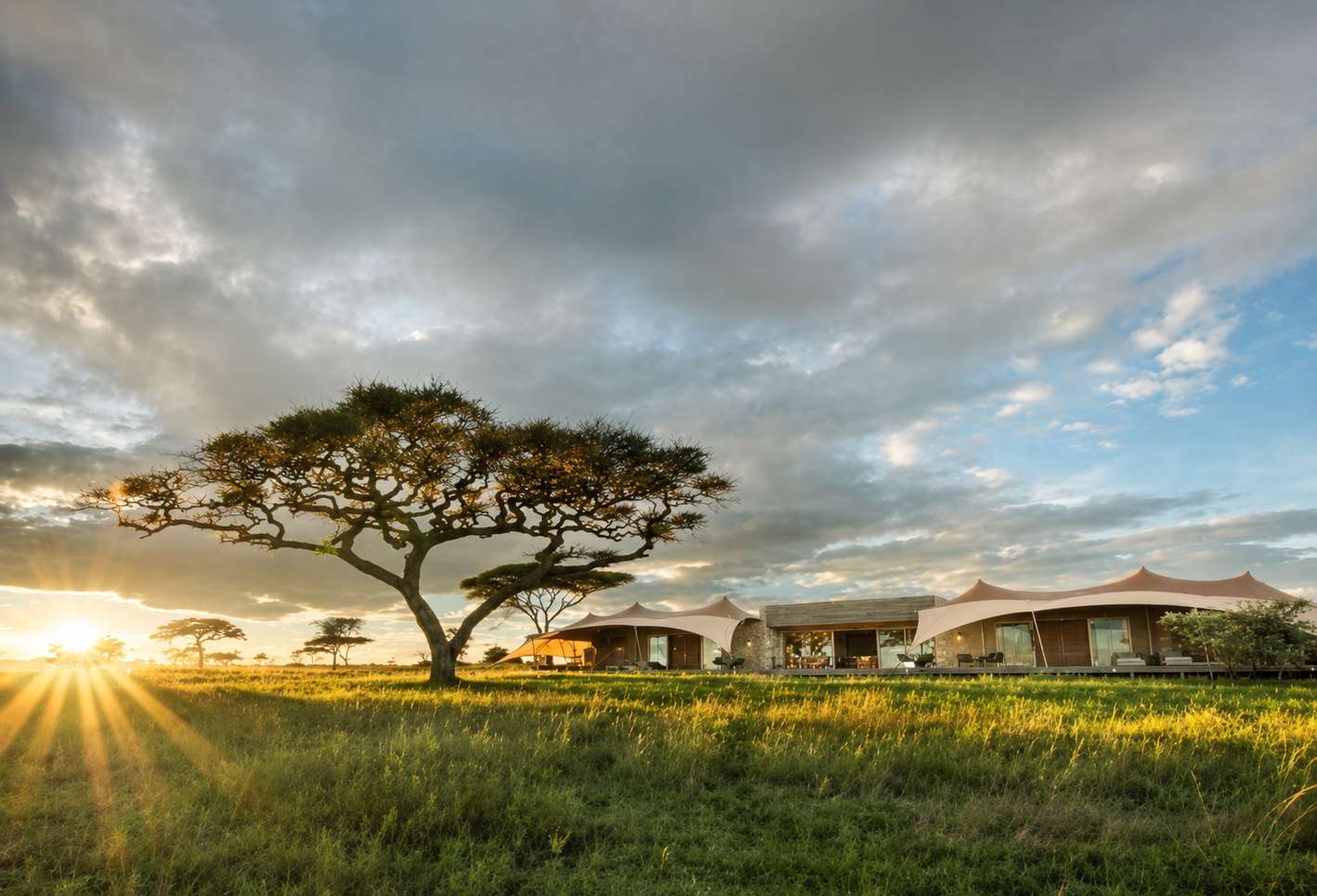
Basic camping puts you in ground tents with foam mattresses and shared bathroom blocks, where wild animals frequently roam right past the tents, which children either find magical or find at 2 am. Mid-range permanent tented camps have standing canvas tents with real beds, private flush toilets and hot running water.
What families wrongly assume
Myth"A tented camp means roughing it"
Reality
Mid-range tented camps have real beds, private en-suite flush toilets and hot running water
Myth"Every lodge takes young children"
Reality
Many Serengeti bush camps enforce a minimum age, often six, and some exclude kids under 12
Myth"Mid-drive bathroom stops are simple"
Reality
Safari vehicles have no toilets, so stops happen at gates, picnic sites or with the driver coordinating a safe bush break
Location does real work on a family itinerary. Sleeping inside or beside a park boundary buys early morning predator sightings without burning an hour at the entry checkpoint, while staying outside means commuting back and forth through the best wildlife hours.
For the Ngorongoro crater drive specifically, an overnight in the nearby town of Karatu lets you descend right at sunrise instead of grinding down the road from Arusha at dawn.
One practical caveat for the bush camps: some run on solar power that limits in-room electricity to lighting, so phones and camera batteries charge in the common areas. A pool, again, is the single best amenity you can put between game drives.
Tour for this
4 Days Tarangire, Serengeti, Ngorongoro Group Camping Safari4.7★ (53) · 4 days · Hotel pickup · Free cancellation
Packing for kids - colors, dust, sun and the tsetse fly trap
The packing rule nobody expects until their first drive: color matters. Dark blue and black attract biting tsetse flies, the same shades used on baited fly traps, and the bites hurt.
White soils fast in the dust, bright red and orange startle wildlife, and camouflage is illegal for civilians in Tanzania. Khaki, beige, olive and light brown it is, in tightly woven fabric, because tsetse flies bite through thin material.
Repellent does less than parents hope. Standard DEET and permethrin-treated clothing have not proven effective against tsetse flies, so clothing choice is the actual defense.
Kids safari packing list for sun, dust, and insects
Buff or neck gaiterPulls over the nose and mouth during dusty drives between parks and on unpaved safari tracks.
Neutral-color long trousersKhaki, olive, or beige pants shield legs from dust while avoiding dark blue and black tones that attract tsetse flies.
UPF long-sleeve safari shirtsLightweight breathable fabrics protect arms from intense equatorial UV rays and insect bites without overheating.
Wide-brim hat with chin strapShades face, ears, and neck in open-roof safari jeeps and stays secure during windy game drives.
UV-blocking sunglassesShields sensitive young eyes from harsh savannah glare and airborne dirt kicked up on rough roads.
Closed-toe walking shoesKeeps grit and dust off feet and protects against thorns and rough ground better than sandals.
High-SPF broad-spectrum sunscreenEssential daily sun defense for exposed skin during extended hours in open-top safari vehicles.
Travel wet wipesCleans dust and grit from hands and faces before vehicle picnic meals and bush lunches.
Beyond the clothing, luggage rules bite hardest on fly-in trips. Bush flights reject hard-shell suitcases and cap bags at 15 kg including hand luggage, some at 10 kg, so soft duffels are the family standard, and hotels can store what stays behind.
Leave single-use plastic bags out entirely, they are banned nationwide and confiscated on arrival, though clear zip-top bags for toiletries are fine.
For the cold end of the range, mornings on the Ngorongoro rim sit around 10 to 15°C with wind chill in an open vehicle, so each child needs a warm layer over the khaki. Vehicles leave before sunrise, when the bush is brisker than the beach holiday suggested.
Tour for this
Arusha: Tarangire National Park Day Safari4.7★ (15) · 13 hours · Hotel pickup · Free cancellation
Visas, vaccinations and malaria - the paperwork before the animals
The entry formalities are simpler than the internet suggests. Passports need six months of validity beyond arrival and one or two blank pages, and each family member needs one, children included.
Most foreign nationals need a visa, and one Tanzanian visa covers both the mainland and Zanzibar; apply online through the official immigration portal or get one on arrival at the major airports. Have proof of accommodation and a return ticket ready at immigration.
Yellow fever worries families more than it should. Proof is only required for travelers aged one and older arriving from, or transiting 12 hours or more through, a country with yellow fever risk.
Fly direct from a non-endemic country and no vaccination is legally required, and mainland-to-Zanzibar transfers carry no vaccination requirement either. Infants under one are exempt by law.
Malaria is the serious one. Mikumi sits in a high-risk zone below 1,800 meters, and official guidance recommends antimalarial prophylaxis for all visitors regardless of trip length.
Pediatric options exist, including mefloquine or weight-based atovaquone-proguanil tablets, so ask your travel clinic well before departure. Any fever during the trip or within a year of returning needs urgent malaria testing.
One rule that stops families at Zanzibar's doors
Zanzibar requires every entering visitor, children included, to hold the mandatory Zanzibar Insurance Corporation coverage Buy it online before you arrive, and carry each child's original passport or a clear copy for TANAPA park gate registration
That insurance is the one formality families discover at the last minute, so sort it alongside the visas and the whole paperwork pile is done in an evening.
Tour for this
From Zanzibar: Mikumi Safari by Twin-Engine Plane + Lunch4.7★ (164) · 10.5 - 12 hours · Hotel pickup · Free cancellation
How safe is a safari with children in the vehicle?
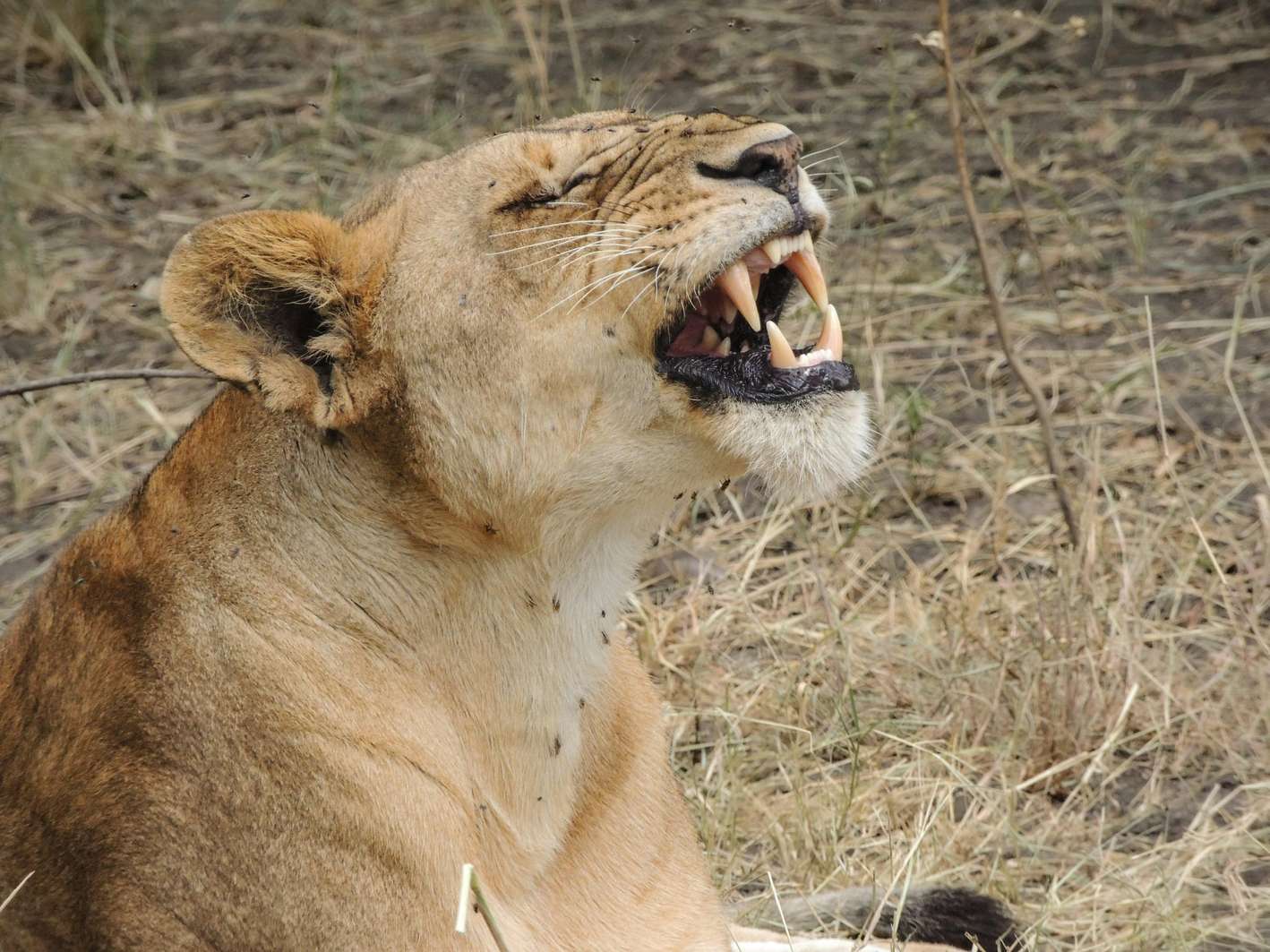
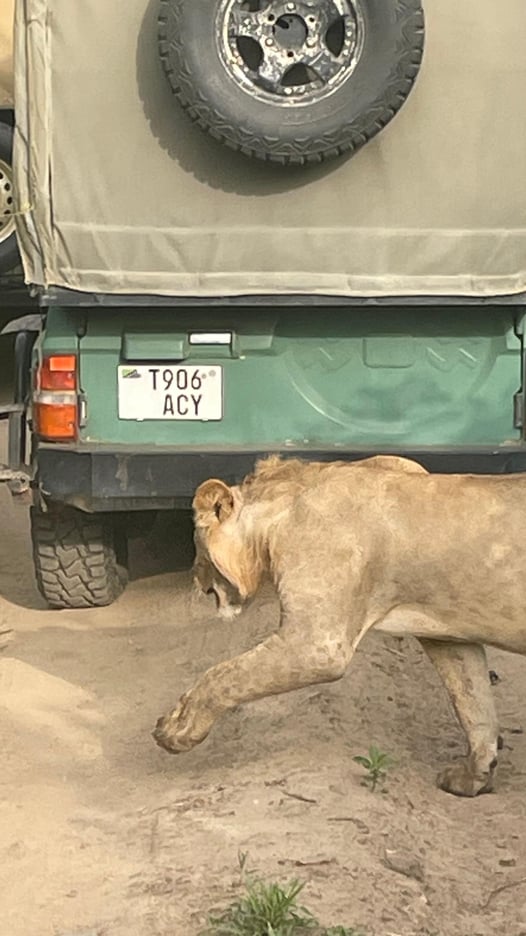
A lion walks past the Land Cruiser close enough to count its whiskers, and the guide does not raise his voice. That is the scene that settles the safety question. The animals are habituated to vehicles, the vehicles are sturdy, and everyone stays inside, which is the entire safety system and it works.
The rules are short and absolute. No feeding animals, no touching wildlife, no stepping out onto open ground except at designated picnic and restroom sites, hands inside the vehicle.
Break them and rangers can fine or expel you on the spot. Vehicles stay on designated tracks, off-road driving is banned in the parks and on the crater floor.
Children have two jobs of their own. They keep their voices to a whisper during close predator encounters so nobody startles the animals, and the pop-up roof lets them stand and watch without hanging over high window edges.
One honest limit for parents planning their own comfort: full days on rough dirt tracks aggravate back pain, and Mikumi safaris are not suitable for travelers with back problems or mobility impairments. If anyone in the family fits that description, plan shorter drives for them.
Gate hours, park fees and what happens if things go wrong
The rules that shape the day are simple and strictly enforced. Park gates, including the Serengeti's and the Ngorongoro checkpoints, open at 6 am and close at 6 pm, and driving inside the parks after closing is prohibited.
Some gates stop admitting vehicles around 4 pm, which is also the standard cutoff for descending into Ngorongoro Crater. Miss the evening curfew and the vehicle faces discretionary fines, so guides build the day backwards from 6 pm.
Payment surprises independent travelers: TANAPA gates are cashless, Mikumi's among them, credit card only. Guided tours bundle all the entry fees, landing charges and taxes into the booking, which is one less thing to manage with children in tow.
The what-ifs cluster around weather. From April 1 to June 1, rain or airfield conditions can move a safari earlier or later, and grounded bush flights trigger the protection below.
If plans change, here is how it lands
If this happens
What happens then
Bush flight canceled for weather or unsafe flying
A new date or a full refund on Mikumi day trips
Cancellation less than 24 hours before start
No refund under most tours' terms
Shared group never fills its minimum seats
Operators often run it anyway with a private driver and vehicle for the shared-seat price
Airline schedule changes or delays
The operator assists with the best available alternative, subject to availability
Tight international connection after a safari
Operators accept no responsibility for missed connections, so return to Zanzibar two days early
The last line is the one families thank themselves for following: build buffer before any international flight home.
Children who want to move come alive when the vehicle stops being the whole trip.
Arusha National Park is the easiest add-on, only 30 to 40 minutes from Arusha city, and it is one of the few places where guided walking is legally allowed, so kids can stretch their legs with a ranger instead of sitting through another drive.
An 8-hour private day covers it comfortably. Highland walks around Olmoti and Empakai crater work the same way for families with older, surer feet.
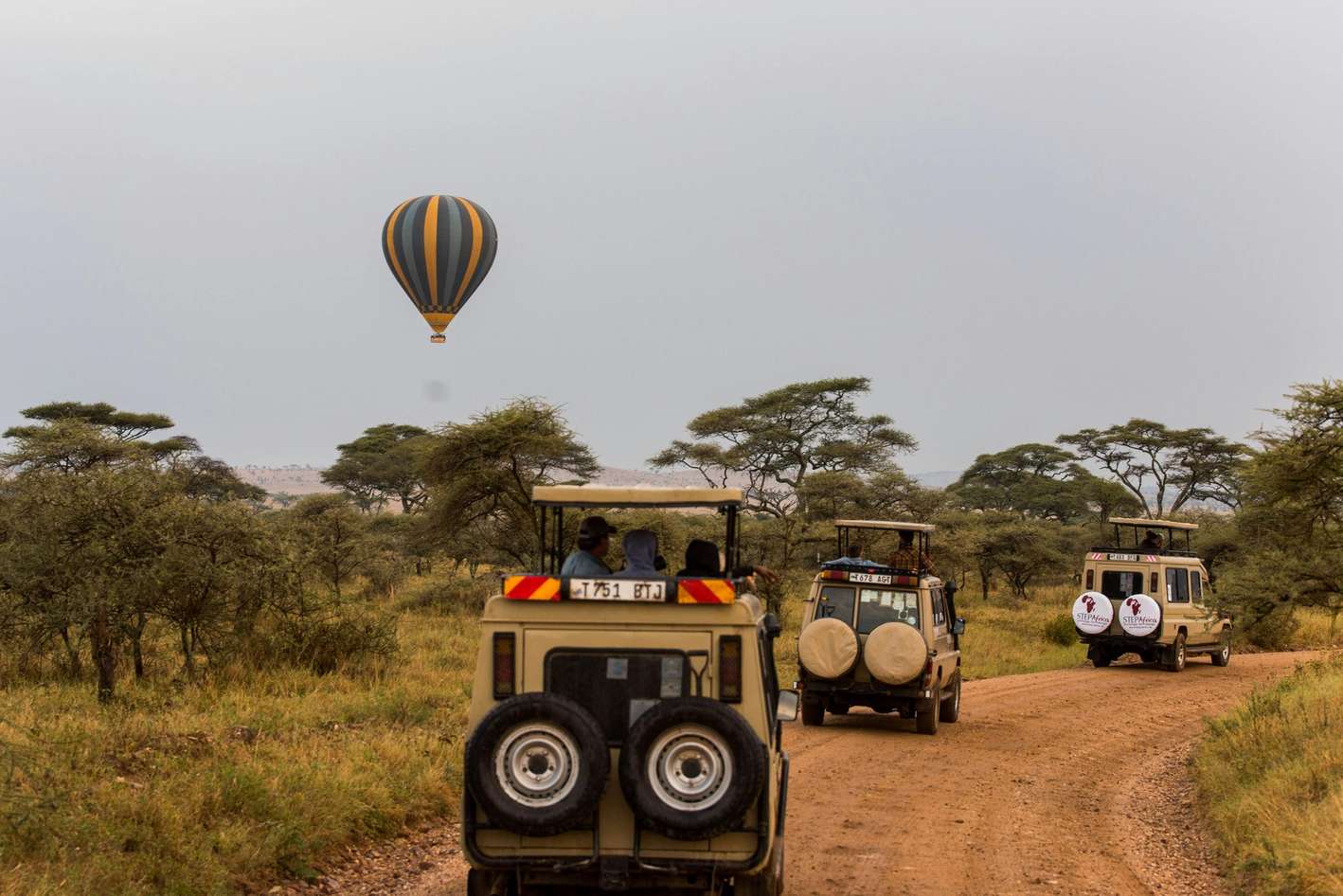
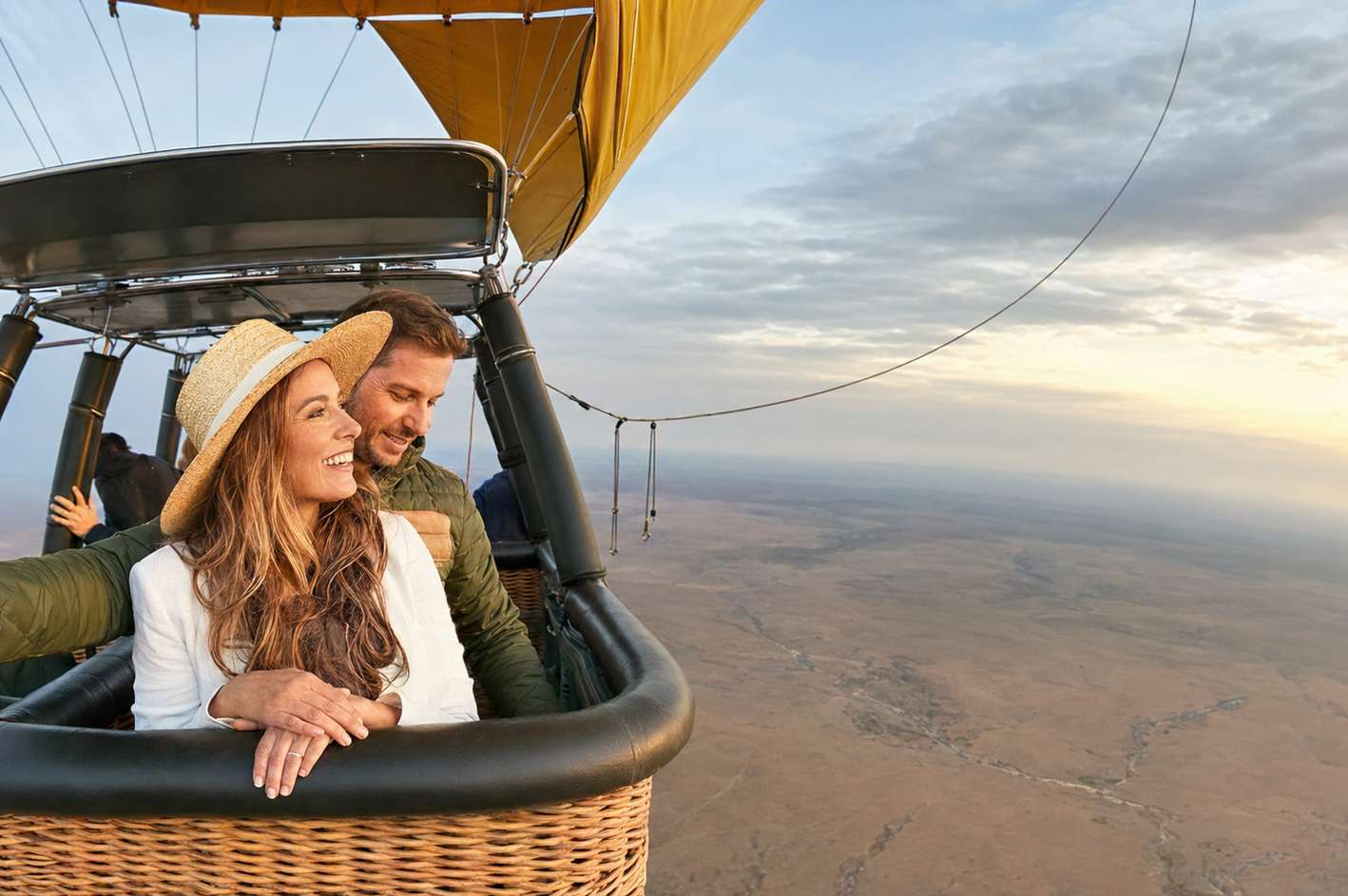
For children aged roughly 8 and up, a sunrise balloon over the Serengeti is the memory they bring home, watching hunting lions and moving herds from above.
Two honest caveats: pickups run around 4:30 am followed by a bumpy transfer to the launch site, and balloons fly fixed zones, so migration views from the air are never guaranteed.
On the Zanzibar end, pair the two in one direction: safari first, beach after, so children unwind on the sand as the trip winds down. Mainland day trips can even be booked directly through Zanzibar resorts, which keeps the logistics under one roof.
Overnight packages in Nyerere National Park add a Rufiji river boat safari, and children on Zanzibar boat trips tend to remember guides who sing while the dhow sails.
Tanzania takes children beautifully, but only when the itinerary fits their age. Under-fives thrive on a 45-minute fly-in day from Zanzibar; kids 8 to 12 are ready for the private northern circuit and remember it for years. Keep drives short, pick camps with pools, and pack khaki.
Go ifYour children are 8 to 12 and can stay quiet and still when predators come closeYou are based in Zanzibar and want wildlife without an overnight on the mainlandYou can travel in the June to October dry season or catch the February calving season
Skip ifYour children are under five and you are set on a long overland circuit with themAnyone in the family has serious back problems that full days on rough dirt tracks would aggravateYour trip falls in April and May, when heavy rains shuffle bush flight schedules
Our pick to book
Zanzibar: Mikumi Safari Day Trip with Scenic Flights5.0★ (2) · 7 hours · Hotel pickup · Free cancellation
Parents planning a Tanzania safari with kids usually worry about the same few things. Here are the answers, plainly.
Mikumi2026
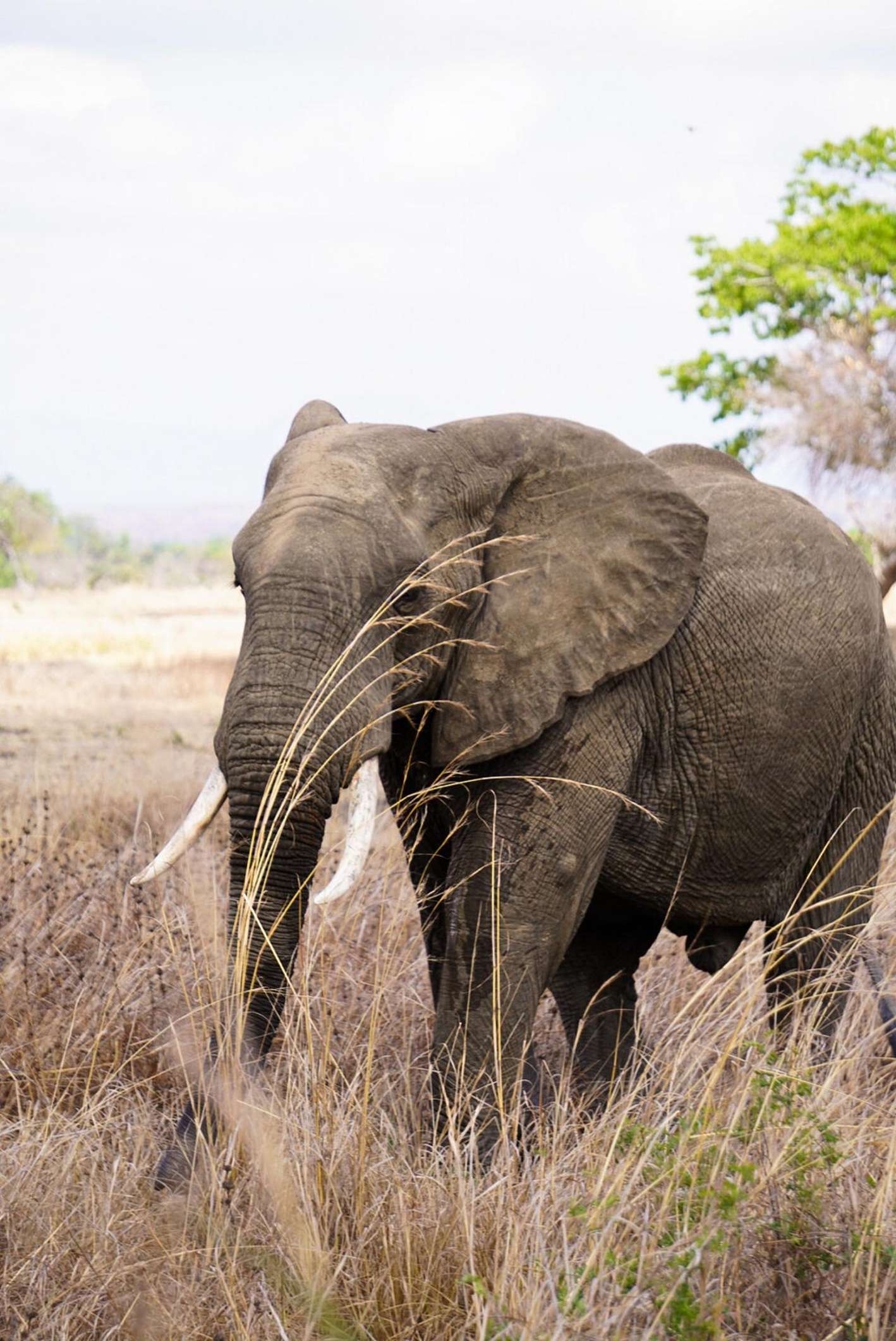
The elephants walked right past our jeep this morning and the kids went silent. Book a private vehicle before the July window fills.
What is the best age for kids on a Tanzania safari?
Children between 8 and 12 get the most out of a safari: they remember it, they can sit through longer game drives, and they follow the rules. Kids under 5 often struggle with staying still and quiet, so short fly-in day trips suit them better.
Is a safari in Tanzania safe for young children?
Yes, when everyone follows the rules. Guests stay inside sturdy vehicles, the animals are accustomed to passing cars, and children must keep their voices down during close encounters. Nobody walks near predators, and everyone steps out only at designated picnic and restroom stops.
Should we book a private safari vehicle or join a group with kids?
A private 4x4 gives your family control over departure times, drive lengths, and rest stops without disturbing other guests. A shared safari locks you into full-day drives with strangers, which gets tense when a toddler needs a break.
Which park is best for a first safari with children?
Tarangire packs dense wildlife sightings into an area close to Arusha, so kids see elephants and giraffes without hours of empty driving. Mikumi, reachable by a 45-minute flight from Zanzibar, works the same way for families based on the coast.
Is a Serengeti family safari worth it compared to closer parks?
For children 8 and up, absolutely. In February and March, the calving season in the southern Serengeti and Ndutu puts newborn wildebeest and active predators in dense view. Younger children usually do better with a shorter, closer park.
How do we get around Tanzania with kids without exhausting them?
Fly. Domestic flights from Zanzibar to parks like Mikumi or Nyerere take 45 minutes to an hour, and the plane lands right at a bush airstrip. Overland, the drive from Arusha to Tarangire runs about 3 hours and to the Serengeti about 5.
What should we pack for our children on safari?
Lightweight long pants and shirts in khaki, beige, or olive, because dark blue and black attract biting tsetse flies. Add wide-brim hats with chin straps, UV sunglasses, high-SPF sunscreen, closed-toe shoes, and neck gaiters to cover their faces from dust on open-roof drives.
How do guides keep kids engaged during long game drives?
Good guides let children listen for sounds of the bush, identify scents, and touch or observe plants safely. They share bush stories and facts, let kids sit up front, and break the route into shorter stretches.
Are camp rules a problem for families?
Public campsites and most park areas set no minimum age, but some Serengeti bush camps require children to be at least 6, and a few exclude kids under 12. Pick lodges or camps with a swimming pool so children can burn off energy between drives.
Is a hot air balloon safari over the Serengeti good for families?
Older kids love watching lions and hyenas hunt from above. Two things to know first: pickups start around 4:30 am, and balloons fly fixed zones, so migration views from the air are never guaranteed.
Where your kids should head next on their Tanzania safari