- 1
Book the balloon at least 3 to 4 months ahead for July to October, and 8 to 12 months ahead for specific dates.
- 2
Pickup comes between 4:00 and 5:30 am; flights lift off near sunrise and you are back at camp by 9:00 to 10 am.
- 3
Wear neutral earth tones and a hat or cap, since the burner fires directly above your head.
What travelers said about their Serengeti hot air balloon safari
Their guide found the whole Big Five in three days and knew just where to position the jeep.
Many did not expect camping to be the highlight, with elephants and buffalo walking past the tents at night.
Several travelers wished they had booked more days, saying three days in the Serengeti felt too short.
 ★★★★★
Amazing trip! Patrick organized everything and communicated constantly.
Emile · Netherlands ★★★★★
Big thanks to Samuel, chef Martin and Patrick Silaa of Season Master Adventures for a thrilling Serengeti and Ngorongoro trip! We spotted all Big 5.
FAWAZ · Kuwait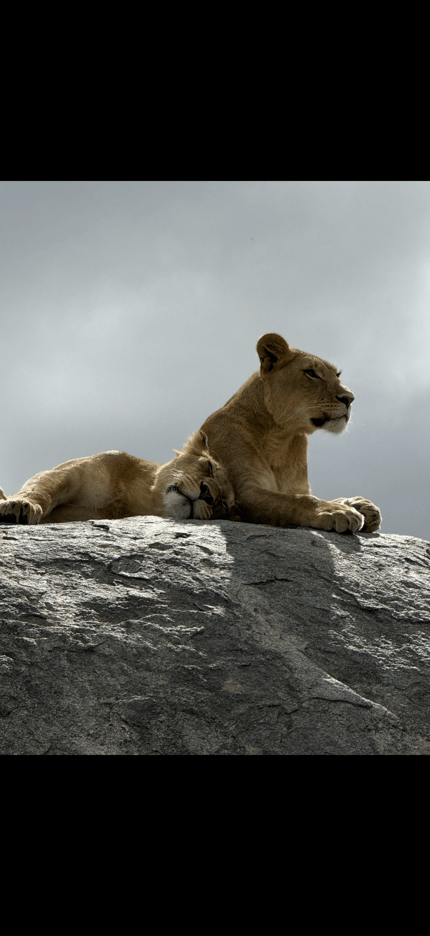 ★★★★★
A sublime 3-day safari with Season Master Adventures. Patrick and his team were informative, helpful and on time. We saw animals up close and the food was delicious. Definitely recommend!
Frederik · Denmark ★★★★★
The safari was extraordinary, a wonderful guide, an excellent cook. A breathtaking adventure from start to finish; the team was perfect throughout.
Salima · Mayotte ★★★★★
I'd do this trip again any time. It was the highlight of our honeymoon, many thanks!
Chiara · Germany ★★★★★
Wonderful, exciting trip with Season Master Adventures. Polite, communicative, and the best driver. We saw lots of animals, the Big Five and stunning landscapes.
Najim · Denmark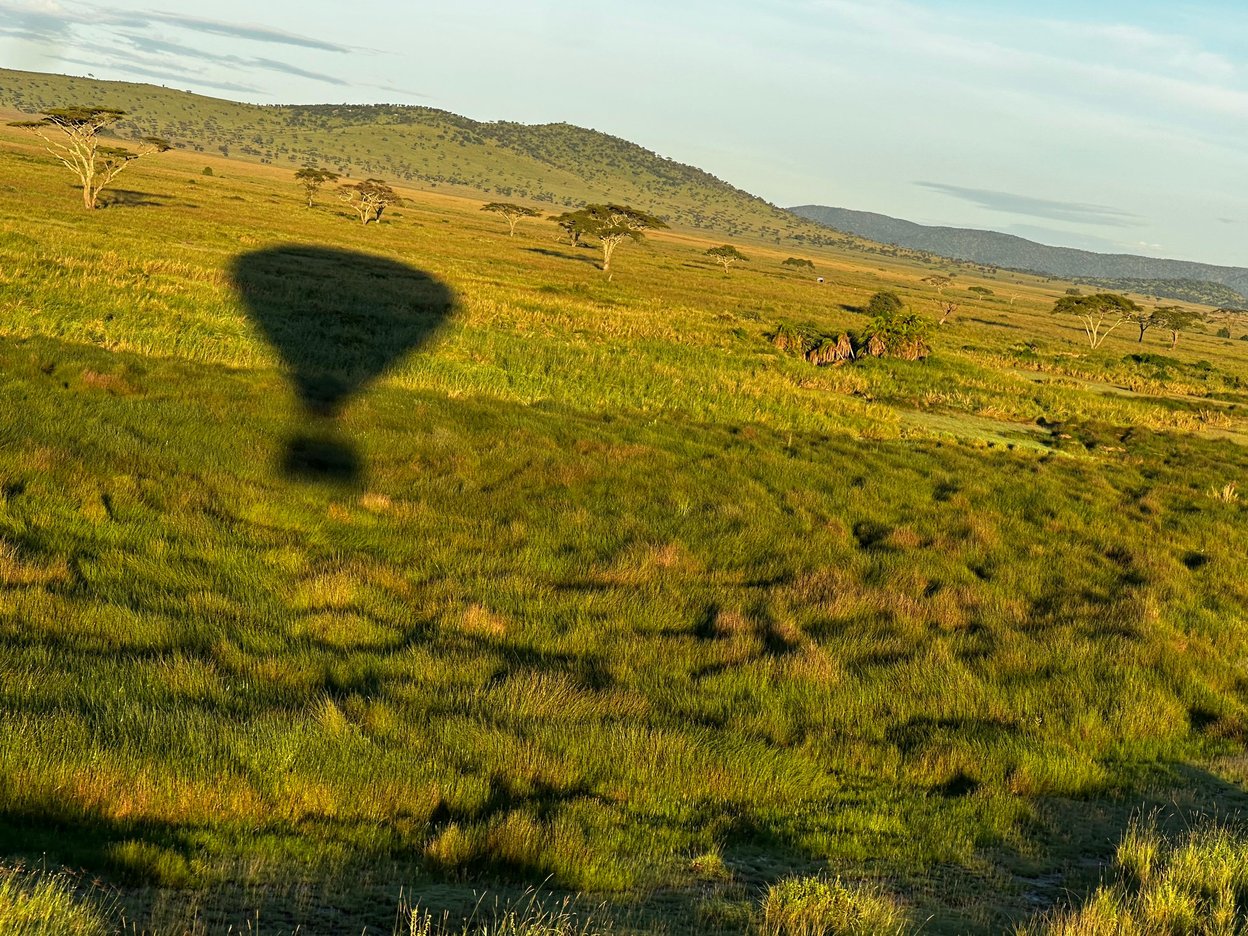 ★★★★★
Amazing trip! Patrick organized everything and communicated constantly. Our guide Mike was fantastic, he found every animal, knew so much about each one, and gave us time for photos.
A traveler · United Kingdom
What a balloon flight over the Serengeti is and why it's worth it
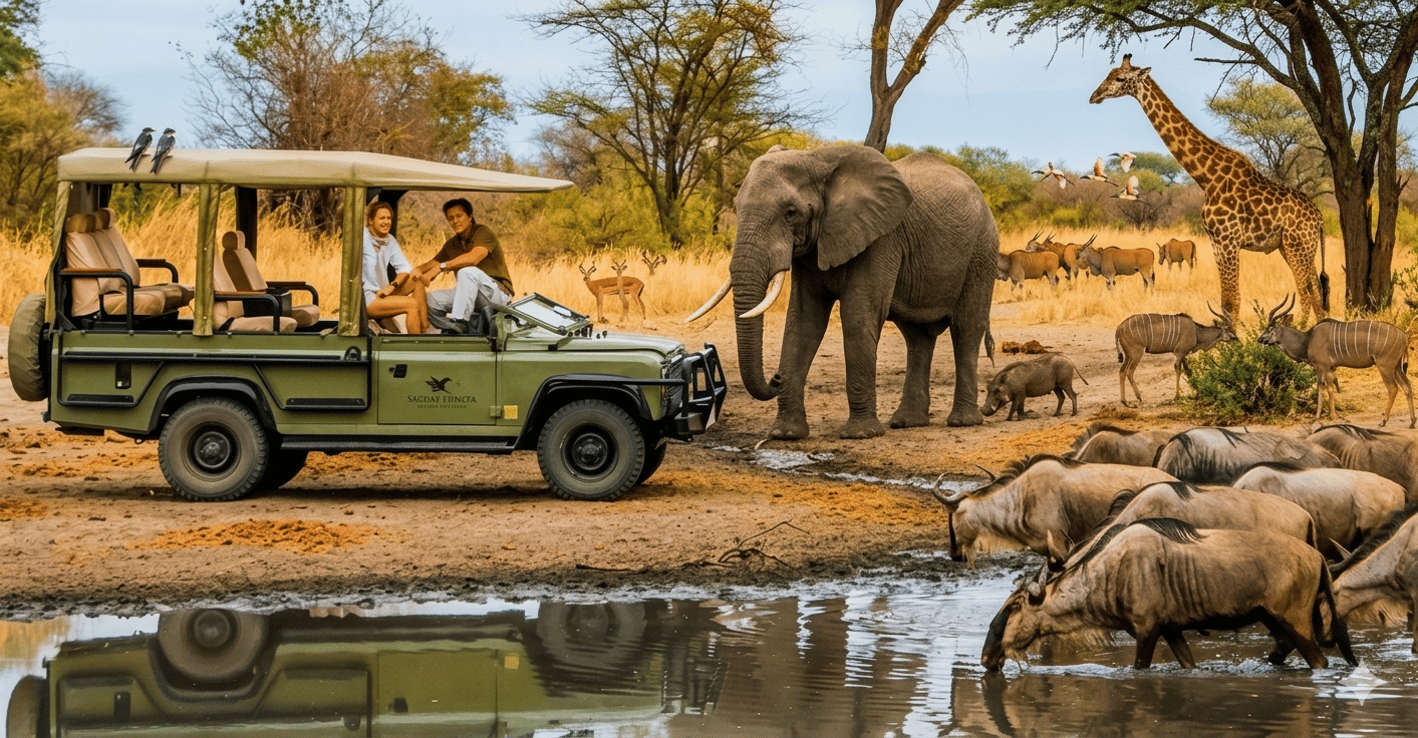
The plains at first light look different from above. From a basket drifting at 300 to 1,000 feet, and sometimes up to 2,000 feet, you get an unobstructed 360-degree view of open savanna, with no brush in the way and no engine noise behind you.
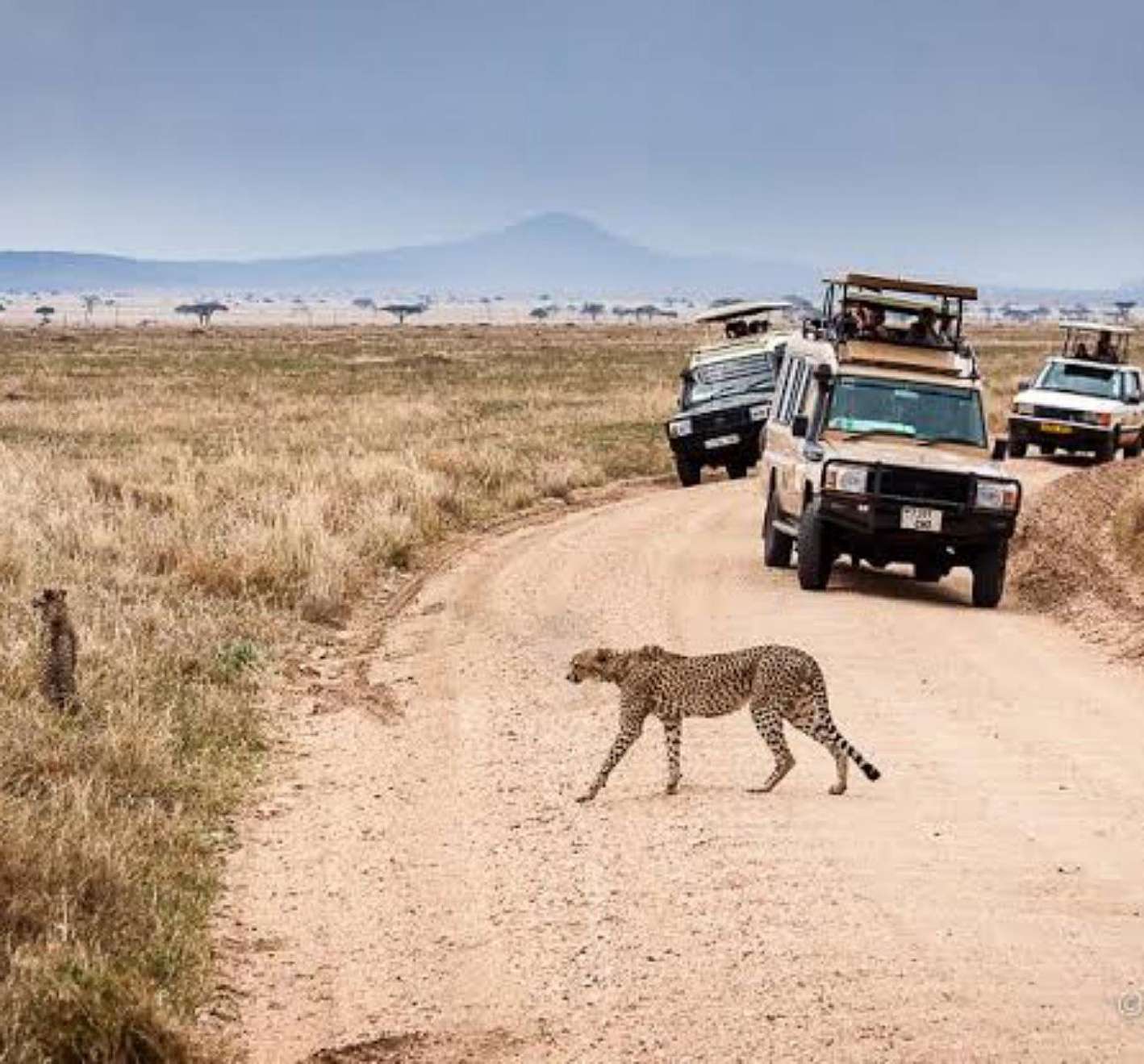
Your guide tracks lions through grass at eye level, while the balloon shows you hunting lions and hyenas interacting with herds across a whole plain at once.
The flight does not steer. Balloons drift on the wind inside fixed flight zones, so a view of the Great Migration from the air is never guaranteed. What you get instead is the dawn vantage point, the same early hours the game drives use, seen from a different angle.
A few assumptions trip people up before they book, so it helps to see them next to what actually happens.
The law keeps balloons at least 150 feet above the ground so herds and visitors stay undisturbed
Flight zones are fixed, and the balloon cannot alter course to follow wandering herds
The aerial predator views come from the same dawn hours the game drives use, on the same plains
Once those assumptions are out of the way, the decision gets simple: you are paying for the dawn view from above, and the game drives fill the rest of the day.
Does the balloon flight cut into your Serengeti game drive time
The arithmetic works out better than most people expect. The pickup happens while it is still dark, the flight lifts off near sunrise and lasts roughly 60 to 75 minutes, and after landing, the champagne toast and a full cooked bush breakfast, you are back at your camp between 9:00 and 10 am.
The flight costs you the first hour or two of the morning drive and hands the rest of the day back. Your vehicle and guide pick you up afterwards and the tracking continues until the gates close at 6 pm.
People who do both say the two viewings feed each other: what you spot from the air, you then find on the ground.
One honest limit: the balloon flies inside set zones and cannot chase wandering herds, so a migration view from the air is never promised. Treat the flight as a bonus perspective on the same dawn hours, and the game drives as the main course that follows it.

When to go - Serengeti balloon safari season and best months
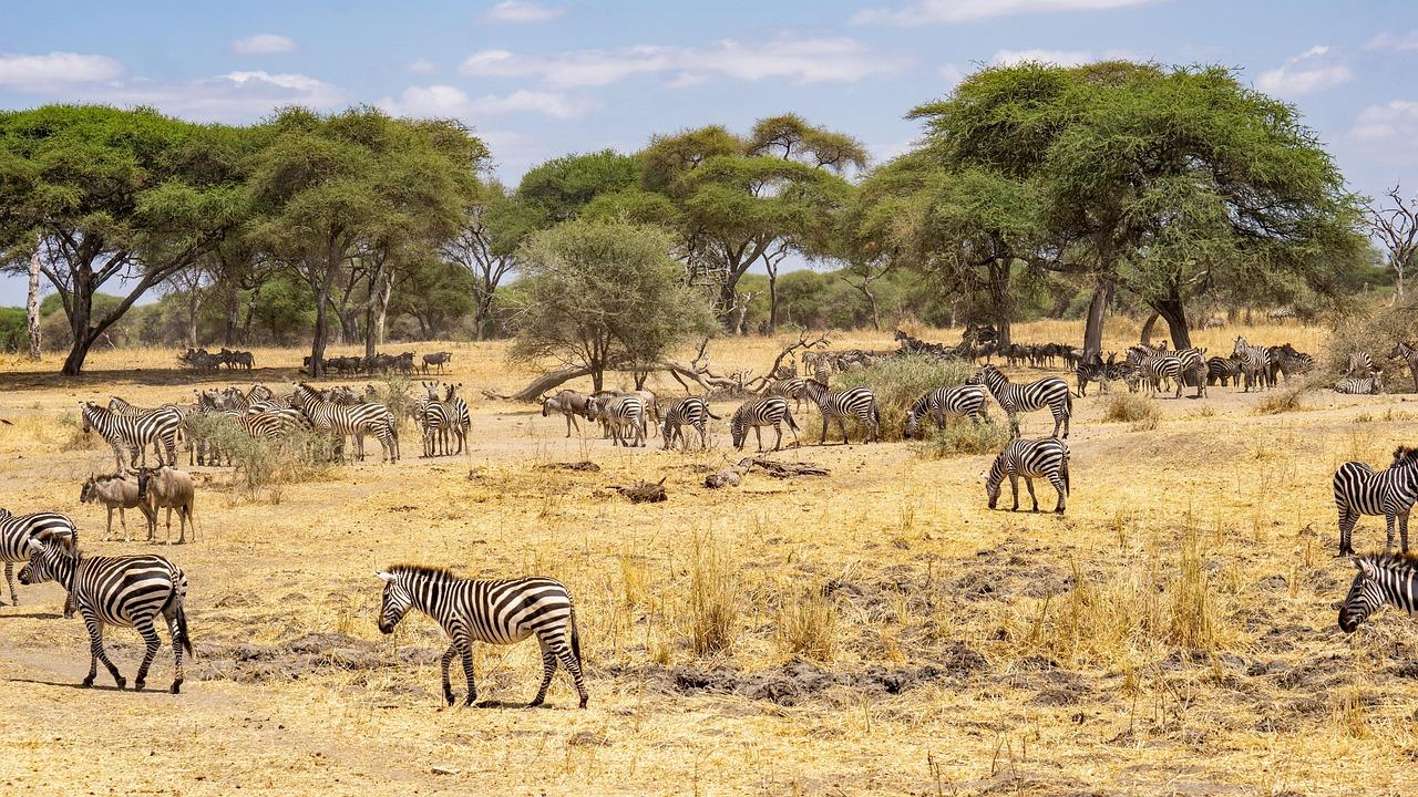
The balloon follows the migration's calendar across the park. From December to March, the premier flights run over the Southern Serengeti and Ndutu during calving season, when wildebeest gather on the short-grass plains.
June and July belong to the Western Corridor, where the herds bunch around the Grumeti River. From July through October, the northern sector around Kogatende is best, putting you over the Mara River crossing country.
The Central Serengeti around Seronera flies year-round, including the transitional months of April, May and November, which makes it the dependable pick when your dates fall outside the migration peaks.
Sunrise shifts too: it ranges from 6:19 am in November to 6:49 am in February, and flights launch to coincide with it.
The month-by-month counts below show where the herds concentrate and how many dry days each month gives you, so you can match your dates to a sector before you book.
February: common wildebeest seen 145 times. Southern Serengeti and Ndutu flights peak during the height of the wildebeest calving season with 19 dry days.
Tap a month to read it.
August: common wildebeest seen 366 times. Northern Serengeti balloon safaris deliver spectacular aerial views of Mara River crossings during 28 dry days.
Tap a month to read it.
June: common wildebeest seen 39 times. Western Corridor balloon flights offer dramatic views of Grumeti River crossings during 29 dry days.
Tap a month to read it.
July: 29.8 dry days. Flights in both the Western Corridor and the Northern Serengeti showcase migrating columns across 30 dry days.
Tap a month to read it.
Read it against your dates: the southern numbers peak in February, the northern ones through July to October, and the western corridor only matters in June.
Pick the sector with the herd count for your month, then lock the slot early: 3 to 4 months ahead for July to October, and 8 to 12 months ahead for exact dates or peak weeks.
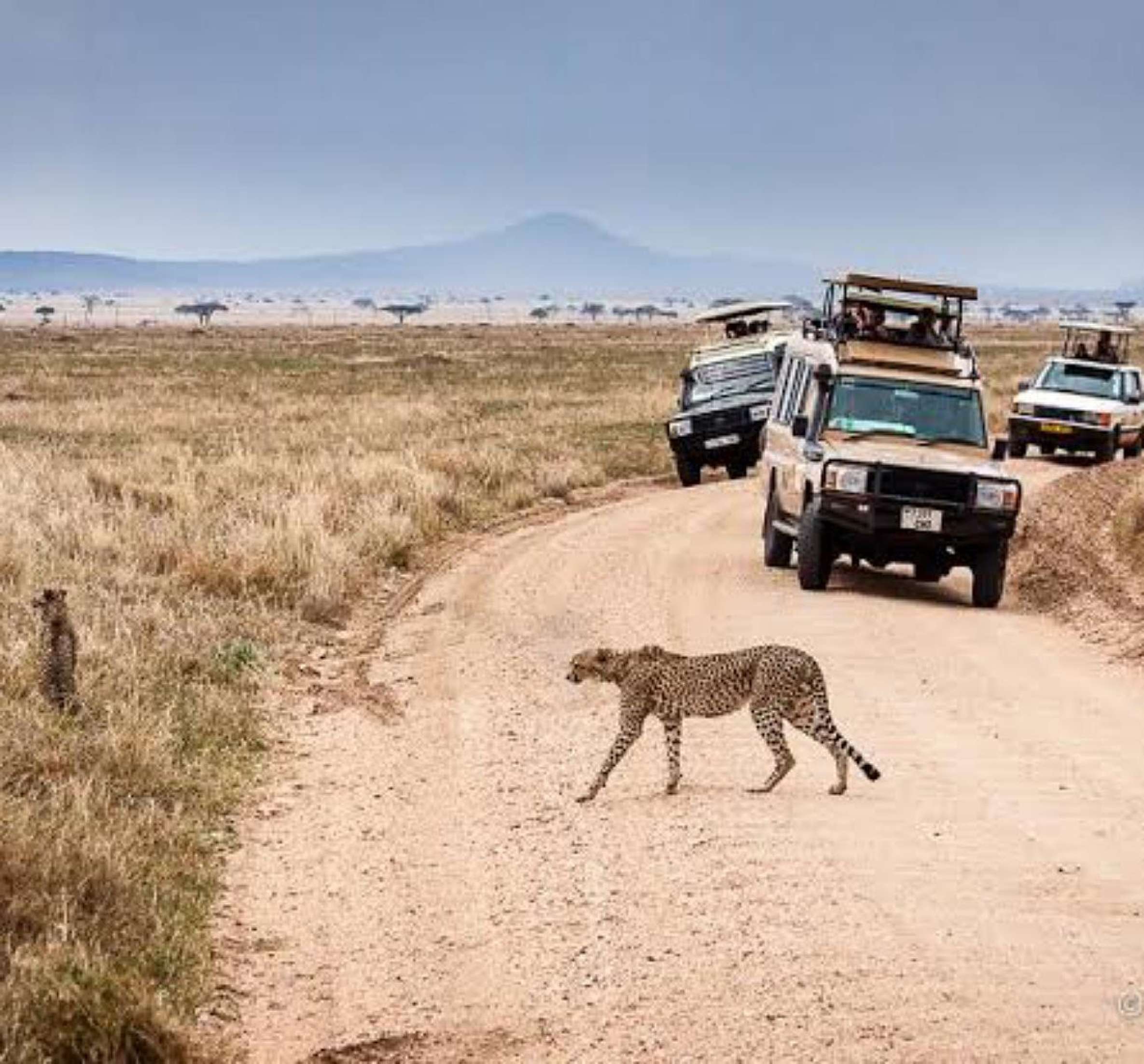
Getting to the Serengeti and where your balloon flight takes off
Three ways in, and they feel very different. The overland route from Arusha means long, bumpy days on dirt tracks that can leave you exhausted, though starting early lets you game-view through the Ngorongoro Conservation Area on the way.
Flying into Seronera Airstrip saves more than seven hours of driving and spares you the rough roads, at the cost of separate airfare and soft-bag limits. From Zanzibar, a propeller flight takes roughly 2 to 4 hours, nonstop or with a single transit stop at Arusha or Lake Manyara.
For a Northern Circuit trip, arriving into Kilimanjaro Airport and departing from Zanzibar Airport removes the backtracking across the country.
The launch site sits inside the park, close to the camps it serves, which is why the transfer is short in Central Seronera and longer in the far north.
The table below lines up the three routes by how hard they are on you, so you can match the trip to the days you have.
One tour that builds the overland route in is the Arusha: 3-Day Serengeti & Ngorongoro Crater Big Five Safari, which runs three days in a 4x4 Land Cruiser with a pop-up roof, pickup from your Arusha accommodation, and all park, transit, concession and camping fees handled.
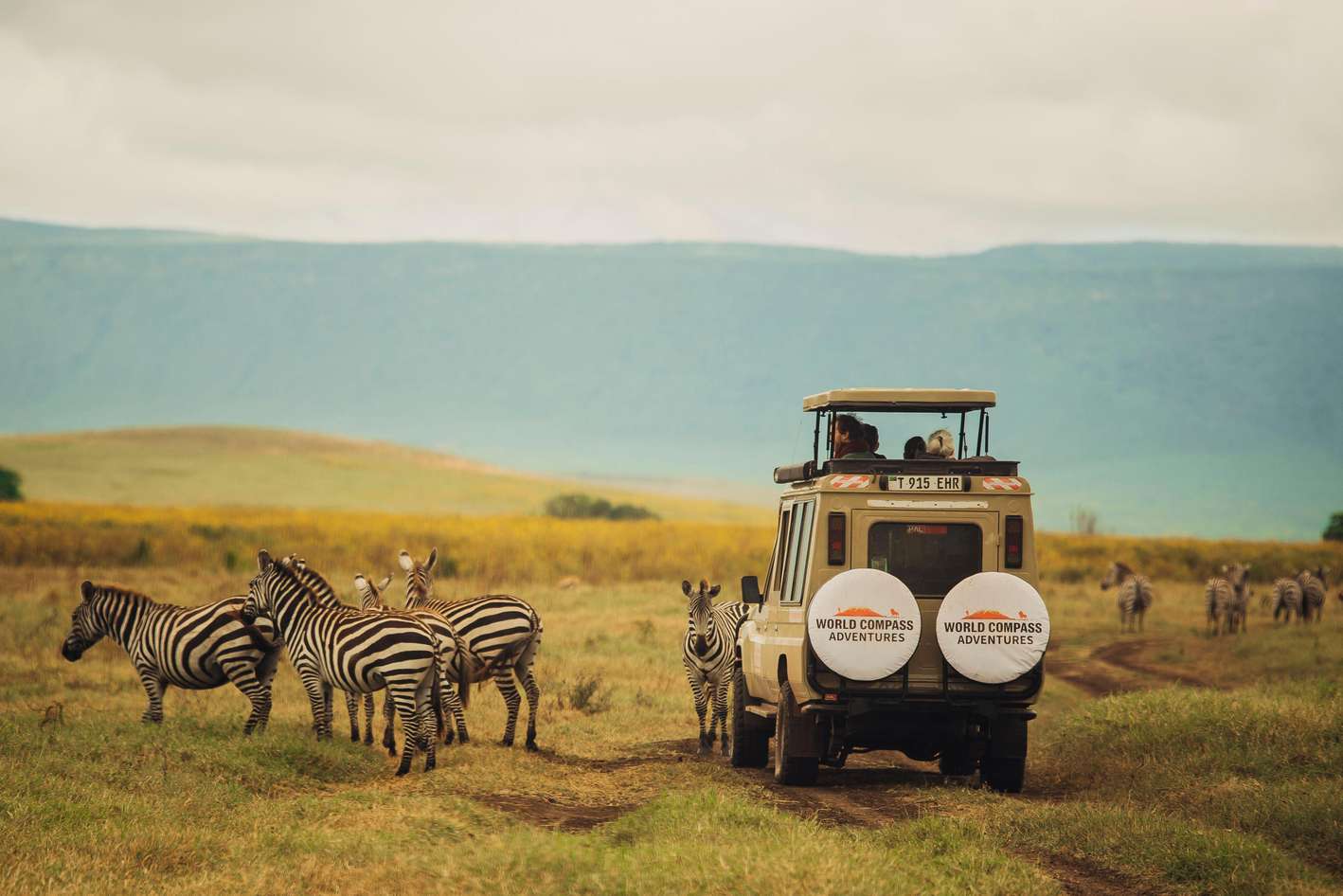
Your Serengeti balloon safari day, hour by hour
The morning starts in the dark.
A safari vehicle collects you from your camp or lodge between 4:00 and 5:30 am, and the exact time depends on where you sleep: in Central Seronera the launch sites sit close by, so pickups run about 5:00 to 5:30 am, while in Kogatende and Ndutu the transfers are longer and the vehicle comes at 4:00 to 5 am.
You ride out over a dirt track to the launch site, where hot tea, coffee and light snacks wait while the crew inflates the canopy with the burners.
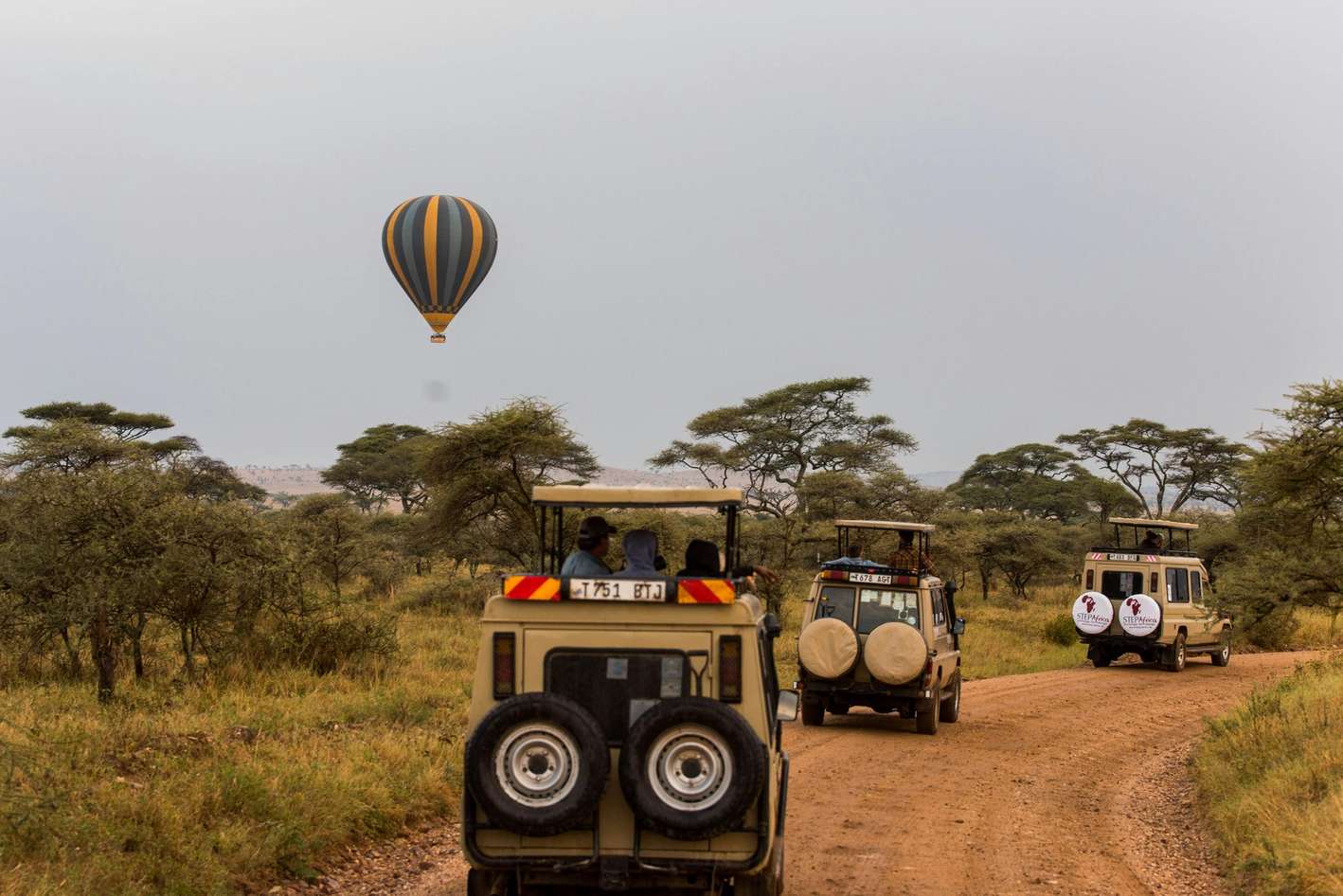
After a pilot safety briefing, you climb into the basket on its side, as you would a boat. Baskets carry 8, 12 or 16 passengers in partitioned compartments, with the pilot standing in the middle. Liftoff comes between 5:45 and 6:30 am, timed to sunrise.
The flight lasts 60 to 75 minutes, skimming the treetops and drifting across the plains. The chase vehicle meets the landing for a champagne toast, then drives you to a full cooked bush breakfast under the open sky. By mid-morning you are back at camp, and the game drives pick up from there.
Washrooms or portable bush toilets are available at the launch site, which matters on a morning this long.
What to wear and pack for a dawn balloon flight
You dress for two climates in one morning. Pre-dawn at the launch site is cold, so start with a lightweight base layer or long-sleeved top under a fleece, sweater or warm jacket, with long trousers. Once the burners fire overhead and the sun climbs, you strip the outer layer off and stow it.
A hat or cap earns its place for a reason people forget: the propane burner sits directly above the basket and fires in short bursts through the flight, casting radiant heat down onto your head. A brimmed hat is the barrier between you and those pulses.
Footwear is about grip and support. Sturdy closed-toe sneakers or walking shoes with good grip are required, because you climb over the basket wall on landing and walk uneven bush terrain.
For cameras, a padded bag with a strap keeps gear safe through the basket landing. Bring a wide lens around 16-35mm for the panoramas and a zoom in the 70-200mm or 100-400mm range for the herds. Binoculars are worth the weight.
The list below gathers the kit in one place, so you can pack the night before the dark pickup.
- Warm jacket or fleeceProtects against chilly pre-dawn departure temperatures and strips off easily when burner heat builds up.
- Lightweight base layerKeeps you cool once the overhead burners fire and the morning sun begins to heat the flight basket.
- Long safari trousersShields legs during early morning outdoor walks and provides comfort when climbing into the basket.
- Hat or capBlocks intense radiant heat from overhead burners above your head and shields against morning sun.
- Sturdy closed-toe shoesEssential for safe footing across uneven bush terrain and climbing over the basket walls.
- Padded camera bag with strapKeeps camera bodies and lenses safe during basket landings and easy to handle while airborne.
Pack the layers where you can reach them in the basket, because the morning goes from cold to burner-warm inside an hour.
What happens if wind or rain cancels your balloon flight
Wind is the one thing no packing list fixes. High morning winds or thunderstorms can ground a scheduled flight, and the pilot's call is final. When that happens, the operator rebooks the flight for a later slot or the next day if space allows, or refunds the fare if rescheduling is not possible.
The multi-day safari around the flight has its own weather logic. Heavy rains in April and May can make secondary tracks muddy or impassable, but they do not cancel trips altogether; guides reroute drives onto the main central and northern tracks, which stay open through the season.
The terms below are the ones that decide whether a rough morning costs you the flight or just moves it.
What happens if the day changes
| If this happens | What happens then |
|---|---|
| Weather cancels the balloon flight | Rebooked for a later slot or the next day when space allows |
| Rescheduling is not possible | The fare is refunded |
| Heavy April-May rains | Drive routes shift to the main tracks; the safari continues |
Keep one flexible morning in your itinerary when you can, especially in the rainy months, so a grounded flight gets a second chance at the basket rather than a refund. A spare morning is the cheapest insurance you can pack.
Booking a Serengeti balloon safari package or going on your own
You have two routes. Stitching the flight onto an existing safari yourself means coordinating a pre-dawn pickup in the dark with whoever runs your camp, and if the times slip, the flight leaves without you.
A package that bundles the flight with the pickups and transfers removes that risk: one operator owns the whole morning, from lodge collection to launch site to breakfast.
Either way, check who you are handing money to. Legitimate local Tanzanian operators can be verified through the Ministry of Tourism stakeholder register and official associations such as TATO. You can book directly with local operators in Arusha, or through online booking platforms, choosing between budget camping, mid-range tented camps and luxury lodges.
The route below shows how a bundled trip runs from pickup to crater, so you can see where the balloon morning sits inside it.
- 1StartMeeting point
Pickup included, Check availability for details
- 2Serengeti National Park
Break time, Breakfast, Dinner, Lunch, Picnic, Camp activities, Game drive, Off-road adventure, Scenic drive, Scenic views on the way, Wildlife viewing
- 3Ngorongoro Crater
Guided tour, Game drive, Off-road adventure, Scenic drive, Scenic views on the way, Wildlife viewing
On the bundled route one operator owns the whole chain: pickup from your accommodation, drives and camp activities in the Serengeti, then a guided descent into Ngorongoro Crater with the scenic drive between them. That single chain of responsibility is what removes the 4:30 am connection risk.
How to choose a Serengeti balloon safari tour and who this one suits
The checklist that separates a good tour from a disappointing one is short. A live guide with you in the vehicle matters more than any extra, because the guide finds the animals and reads the morning.
Free cancellation protects you against the days that change. A small group means everyone gets a window seat and a voice in the day. Hotel pickup removes the pre-dawn logistics, and a tour in your language makes the guiding worth listening to.
The scores below are the seven lines worth holding any tour against before you pay.
- A guide with youLive tour guide
- Free cancellationCancel up to 24 hours in advance for a full refund
- Book now, pay laterReserve your place and pay closer to the date
- A small groupSmall group
- Hotel pickupPickup included, Check availability for details
- Wheelchair accessibleYes
- Your languageEnglish
The 3-day Serengeti and Ngorongoro safari featured on this page scores on every line: a live English-speaking guide, free cancellation up to 24 hours ahead, reserve-now-pay-later booking, small groups, pickup included, wheelchair access, and park fees already covered.
It suits Northern Circuit travelers who want the flight bundled with Big Five game drives and the crater descent in one short trip. Travelers with more days to spare, a Zanzibar base or a camping budget will find longer, fly-in and group alternatives on this site that fit better.
What else to do around the Serengeti besides ballooning
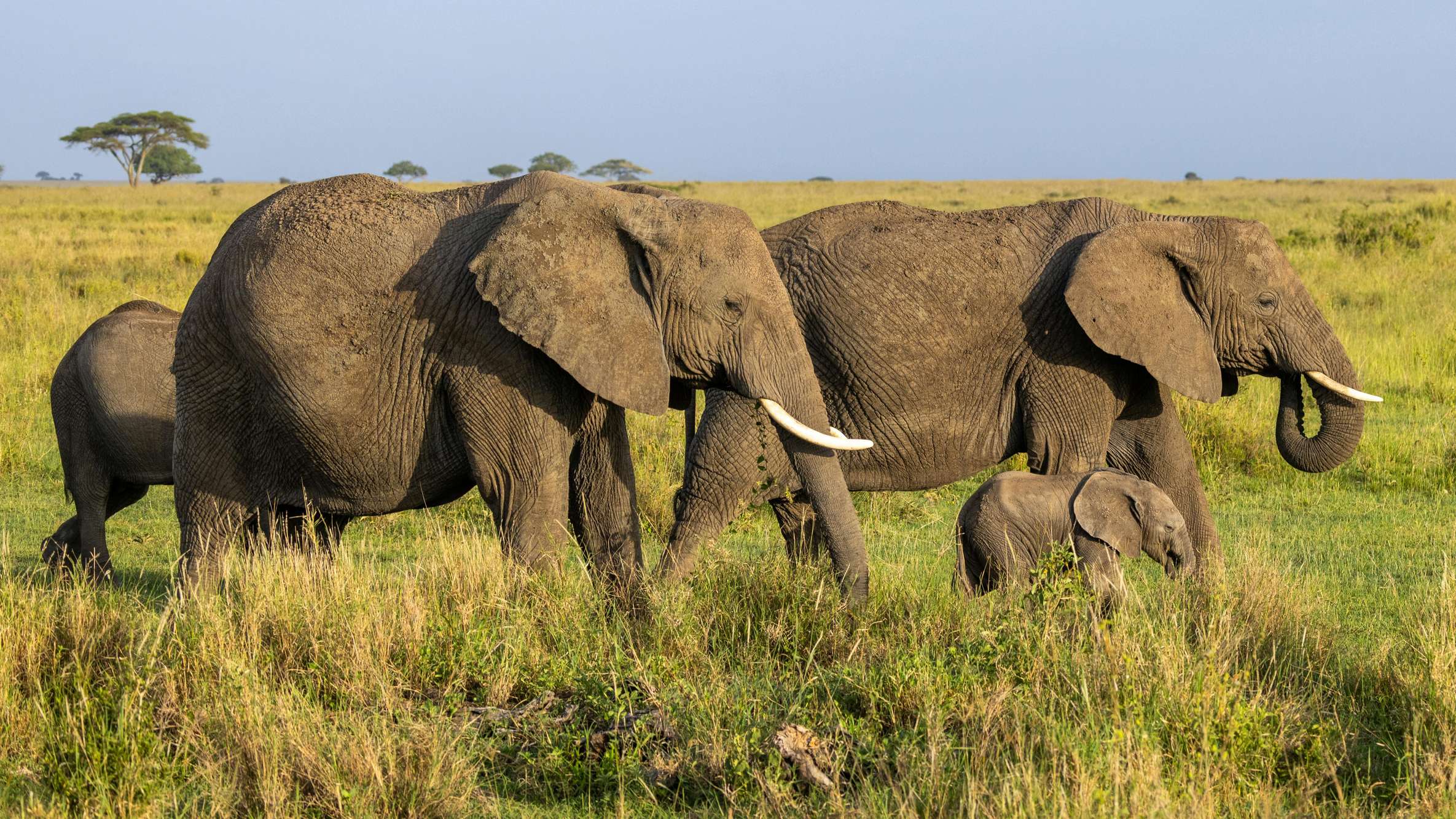
The balloon morning anchors a longer Northern Circuit story, and the natural partner is Ngorongoro Crater. The caldera floor compresses the Big Five into a single enclosed space, and a full day inside is enough to explore it properly, with a picnic at the Hippo Pool built into the day.
One quick morning drive alone can leave you wishing for more time, so give the crater a full day.
Timing matters.
The crater charges a flat vehicle descent fee on top of individual park admission, and the descent itself has a cutoff: Ngorongoro gates, including Loduare and Naabi Hill, run from 6 am to 6 pm, with some gates halting admission around 4 pm, which is also the standard cutoff for descending the crater wall.
All vehicles must exit by 6 pm.
That rhythm fits neatly around a flight day. The balloon takes the early morning, the game drives fill the afternoon, and the crater gets its own full day either side.
What to know before you book your hot air balloon flight over the Serengeti
Pre-dawn pickups run between 4 am and 5:30 am, depending on where you stay. Camps near Central Seronera collect guests around 5 am, while lodges in Kogatende and Ndutu come earlier because the drive to the launch site is longer.
The transfer crosses dirt tracks, so expect dust or mud before you ever reach the balloon.
During the July to October peak in northern Serengeti, balloon slots need booking at least 3 to 4 months ahead, and *8 to 12 months ahead for specific dates or peak weeks*. If you travel in quieter months, the same flight usually has space much closer to the day.
High morning winds or thunderstorms can ground a flight, and the operator rebooks you for a later slot or the next day if space allows. If rescheduling is not possible, the fare is refunded. The multi-day tours on this page let you cancel up to 24 hours in advance for a full refund.
Baskets hold 8, 12, or 16 passengers, divided into partitioned compartments so everyone has a fixed corner with a clear view over the side. You do not choose your spot; the pilot assigns it at the launch site.
Between April 1 and June 1, rain or airfield conditions can force schedule changes or flight moves rather than cancellations of the whole safari. Guides reroute game drives to the tracks that stay open all year, so the day still runs.
Mornings at the launch site are cold, so pack a warm jacket over neutral layers in khaki, olive, or beige. Dark blue and black attract tsetse flies, and camouflage clothing is illegal in Tanzania.
A brimmed hat or cap earns its place in the basket, because the propane burner fires in short bursts overhead and throws heat down on your head.
A wide lens in the 16 to 35mm range captures the panoramas of open plains, while a zoom in the 70 to 200mm or 100 to 400mm range is the one for herds and predators from the air. Bring both if you have them; the view changes fast with altitude.
Tipping the pilot, the chase crew, and the bush breakfast kitchen staff is customary but not mandatory. Bring a little cash if you want to thank them at the end of the flight.
Balloons drift between 300 and 1,000 feet, climbing up to 2,000 feet (about 610 meters) for the full 360-degree view, and never fly below 150 feet (45 meters) over wildlife. Liftoff is timed to dawn, around 6 am, since sunrise falls between 6:19 am in November and 6:49 am in February.
Worth it, if you time it
This flight suits travelers who want the dawn view from above and have the game drives to fill the rest of the day. The 3-day Serengeti and Ngorongoro safari with pickup from Arusha bundles it cleanly with Big Five drives and crater time.
Skip it if your dates fall in the rainy months with no flexible morning, or if you want migration views guaranteed from the air, since flight zones are fixed and no balloon can promise that.
Hot air balloon over the Serengeti - your questions answered
Is a Serengeti hot air balloon safari worth it?+
It depends on what you want from the morning. From the air you get an elevated view over open plains, which is where you see hunting lions and hyenas working around the herds.
What you give up is control: balloons fly fixed zones and cannot steer after migrating herds, so Great Migration views from above are never guaranteed.
What does the flight day look like, hour by hour?+
Expect a lodge pickup between 4:30 am and 5:30 am, earlier in remote sectors like Kogatende and Ndutu, followed by an overland transfer to the launch site.
Flights lift off around sunrise, near 6 am, and end with a champagne bush breakfast. Most guests are back at camp between 9 am and 10 am, in time to join the day's game drive.
How high does the balloon fly?+
Pilots drift between 300 and 1,000 feet, going up to 2,000 feet at times, which gives an unobstructed 360-degree view across the savanna. Over wildlife they keep a minimum of 150 feet, about 45 meters, so the herds stay undisturbed.
What happens if the weather cancels my flight?+
High morning winds or thunderstorms ground balloons, and the operator rebooks you for later the same day or the next day if there is space. If rescheduling is not possible, the fare is refunded.
Will the balloon ride cut into my game drive time?+
It takes the first hours of the morning, but it slots in cleanly. You are back at camp by mid-morning, and your driver-guide picks up the day's game drive from there. On a 3-day itinerary the balance works out well.
Where is the best sector for ballooning, and when?+
Ballooning follows the migration: the Southern Serengeti and Ndutu fly best from December to March, the Western Corridor in June and July, and the north from July through October for the Mara River crossings. Central Seronera flies reliably year-round and through the transitional months.
How far ahead should I book a balloon slot?+
During the July-to-October peak in the northern Serengeti, book at least 3 to 4 months ahead, and 8 to 12 months ahead for specific dates or peak weeks. Elsewhere in the park, demand is lighter.
How many people share a basket?+
Baskets carry 8, 12, or 16 passengers, divided into partitioned compartments so everyone gets a clear view. Your pilot and the ground chase crew ride separately.
What should I bring and wear?+
Wear a brimmed hat or cap, because the propane burner fires in short bursts overhead and casts heat down onto your head. Photographers do well with a 16-35mm lens for panoramas and a 70-200mm or 100-400mm zoom for herds.
Are there restrooms at the launch site or during the flight?+
The launch site has washrooms or portable bush toilets available before you board. There are none during the flight itself, so plan for the hour in the air.
How early is pickup, really?+
Pickups run between 4:30 am and 5:30 am depending on your sector. In Central Seronera the transfer is short, so pickups lean toward 5 am to 5:30 am; Kogatende and Ndutu lodges go out earlier. Set two alarms.