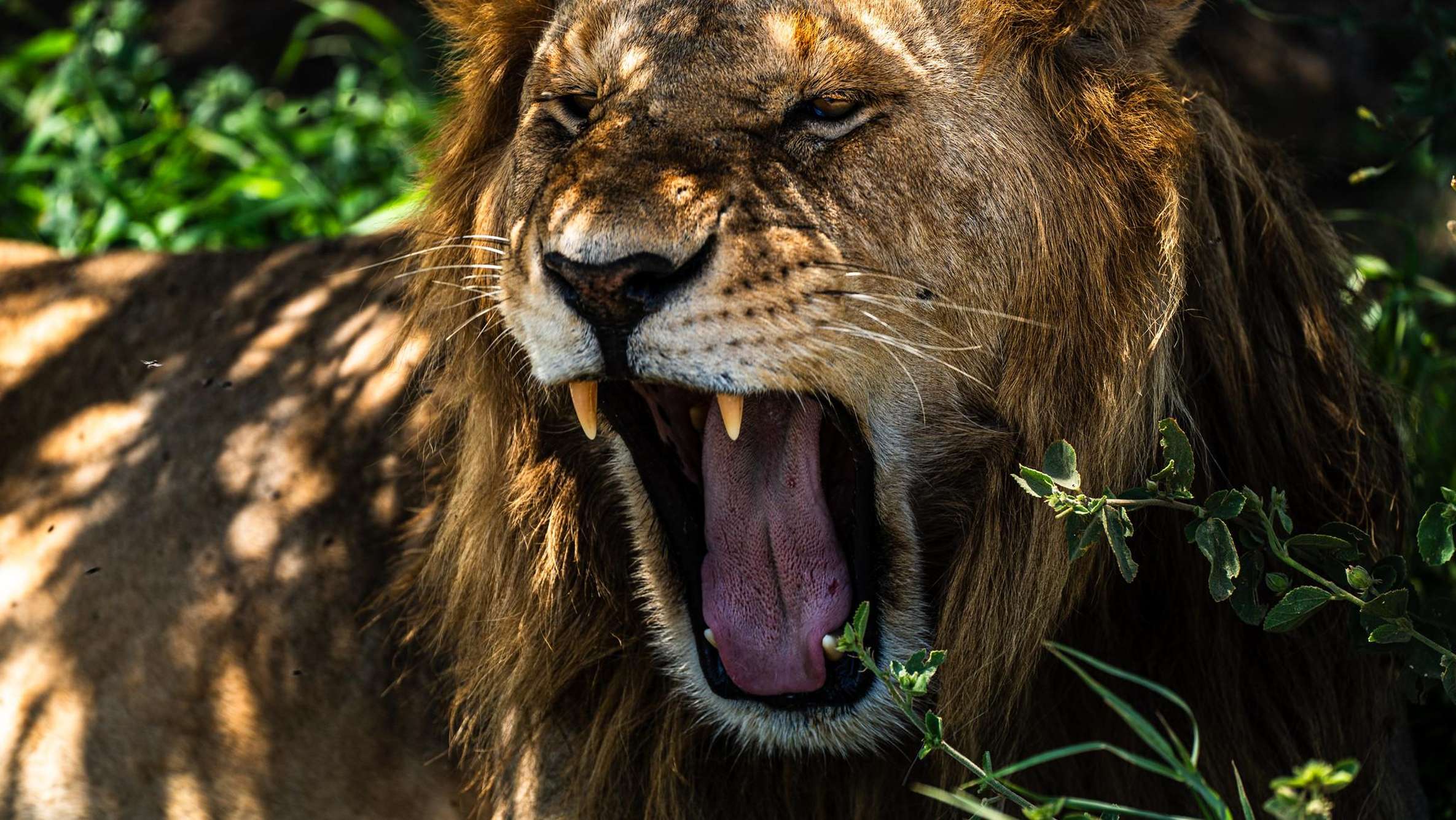
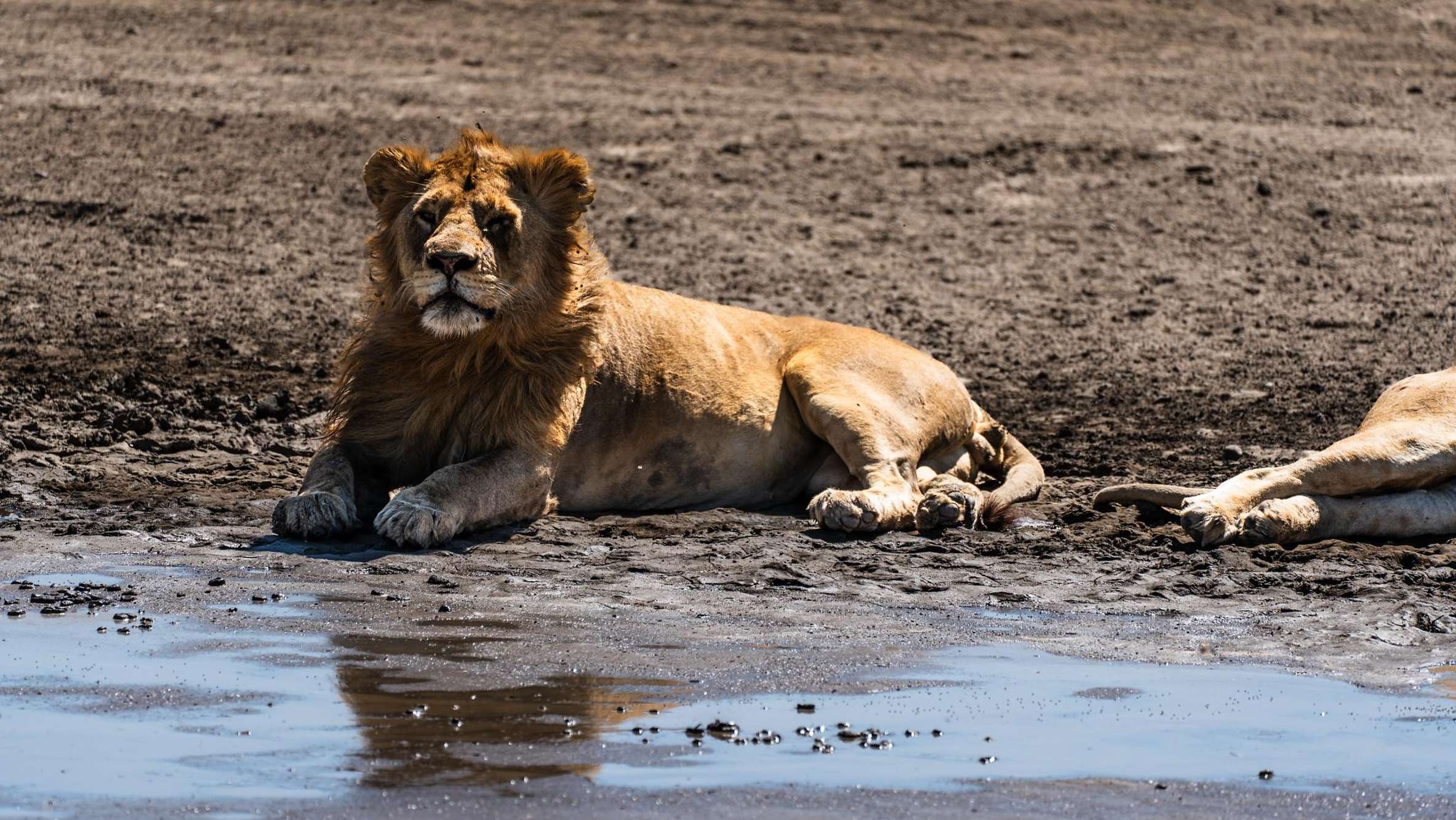
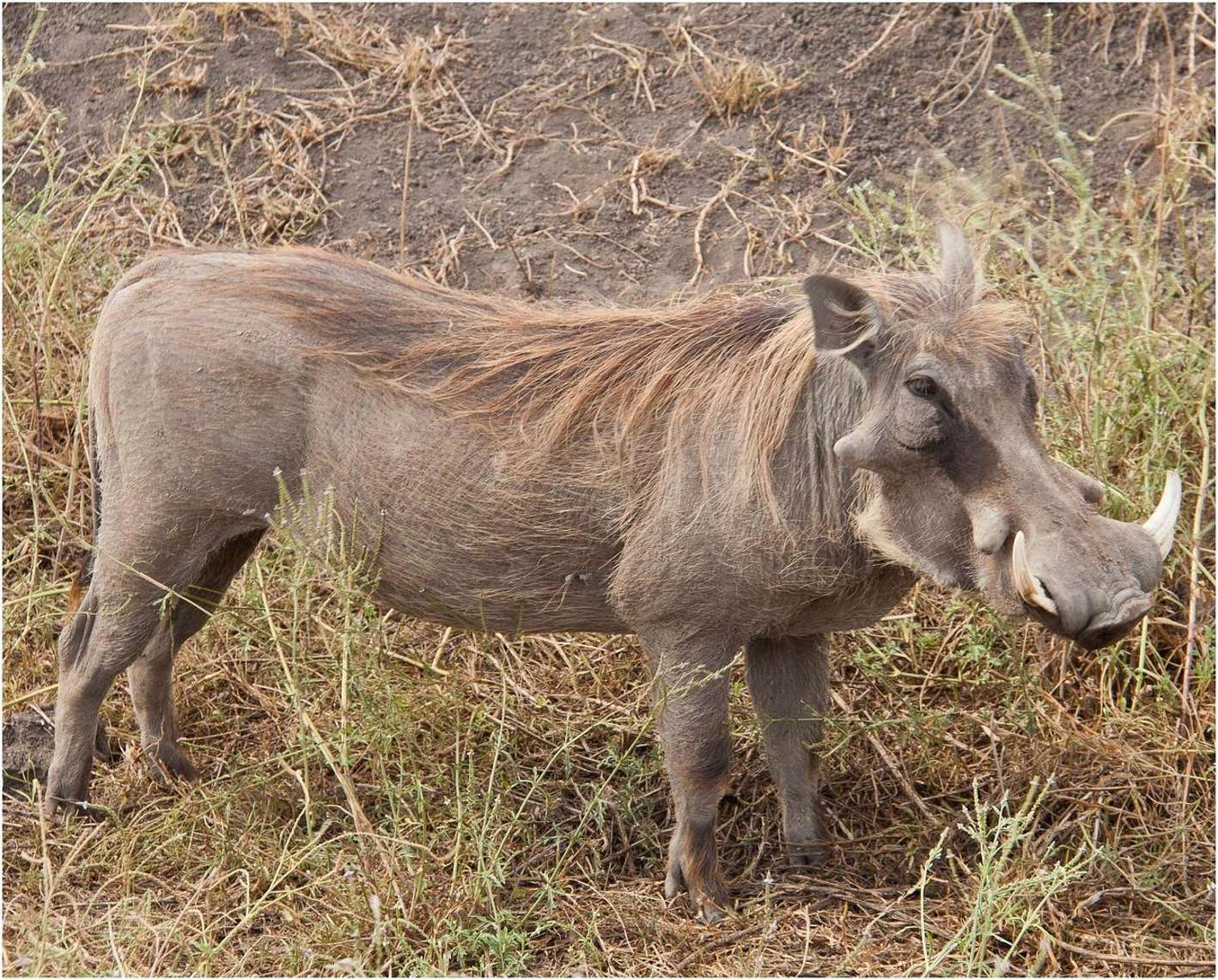
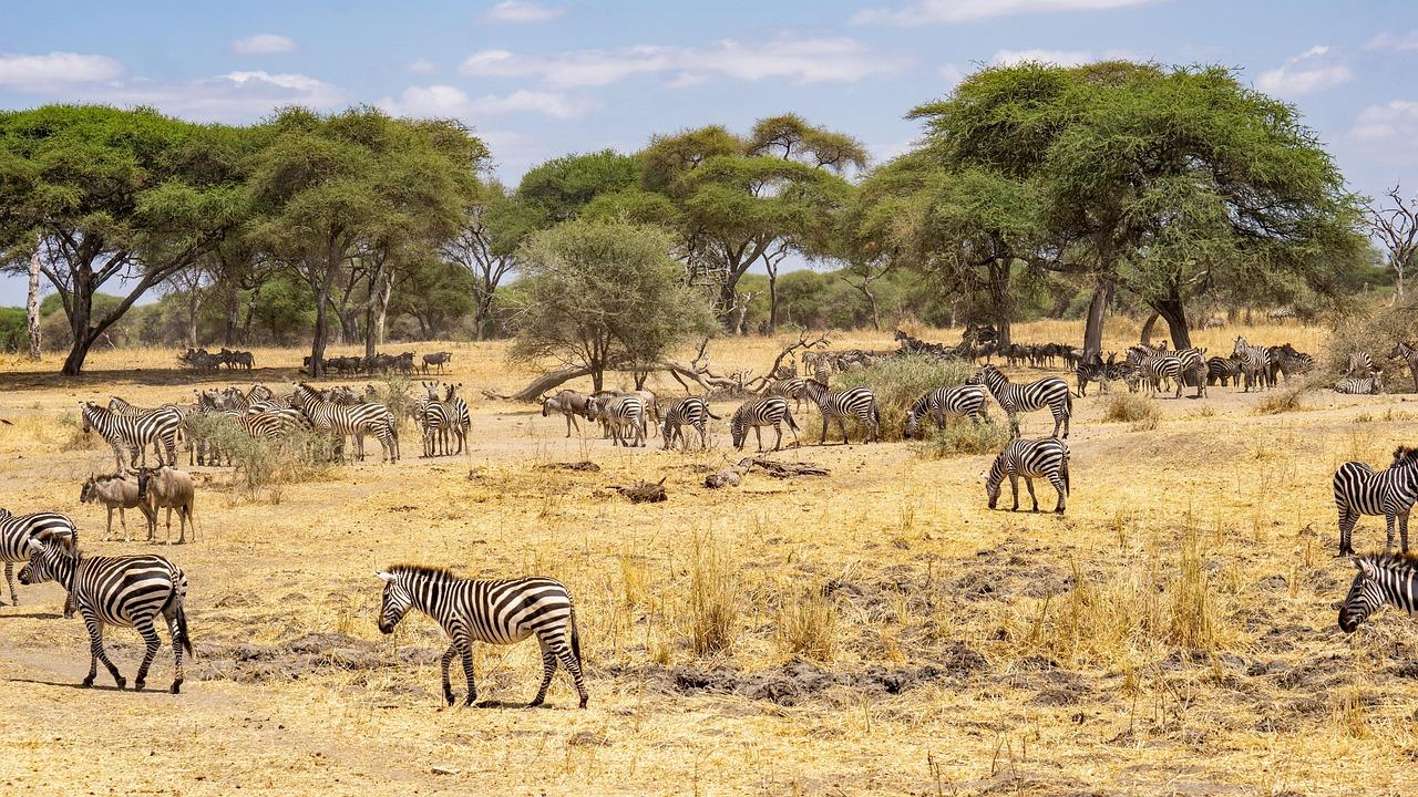
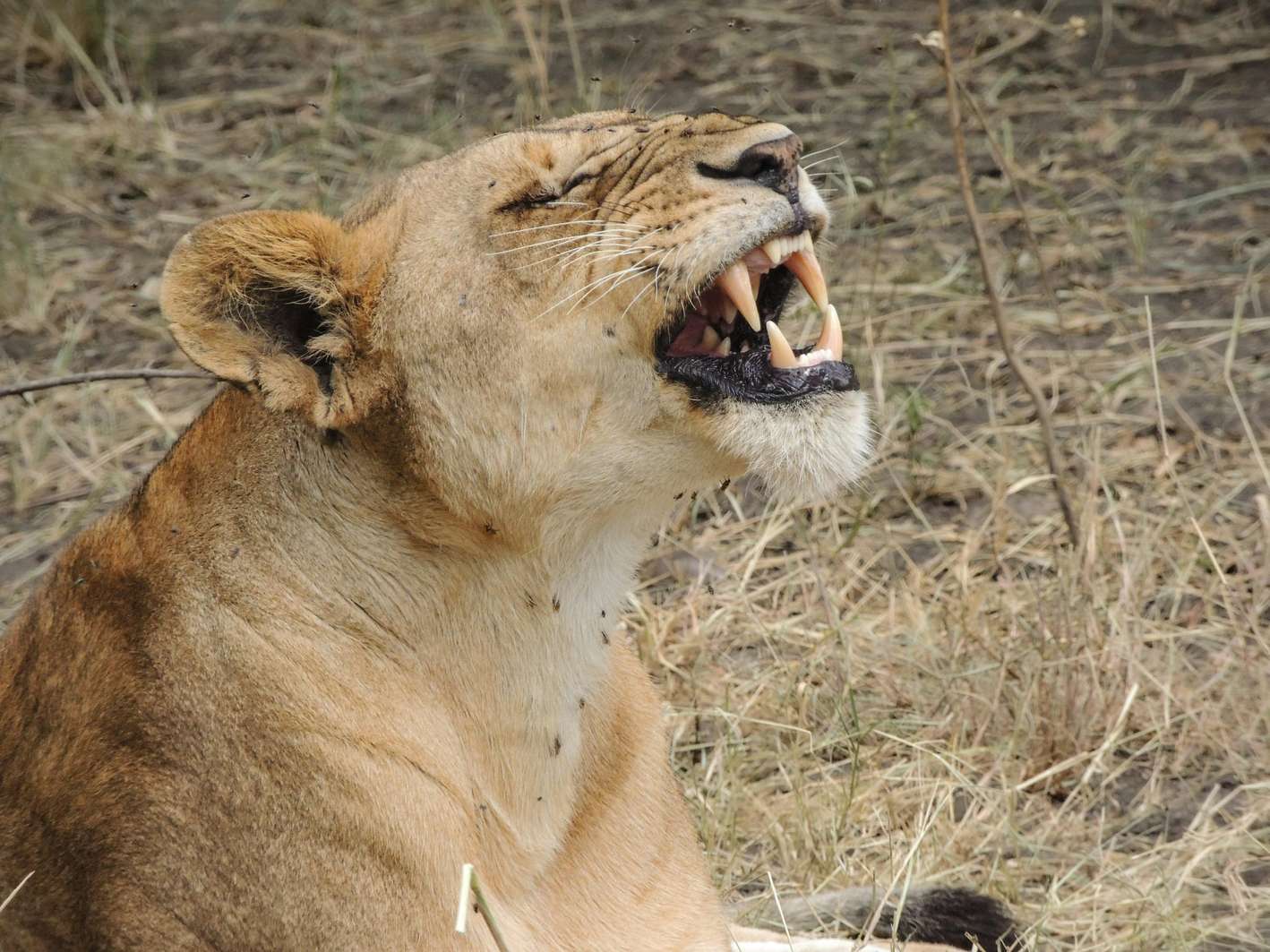
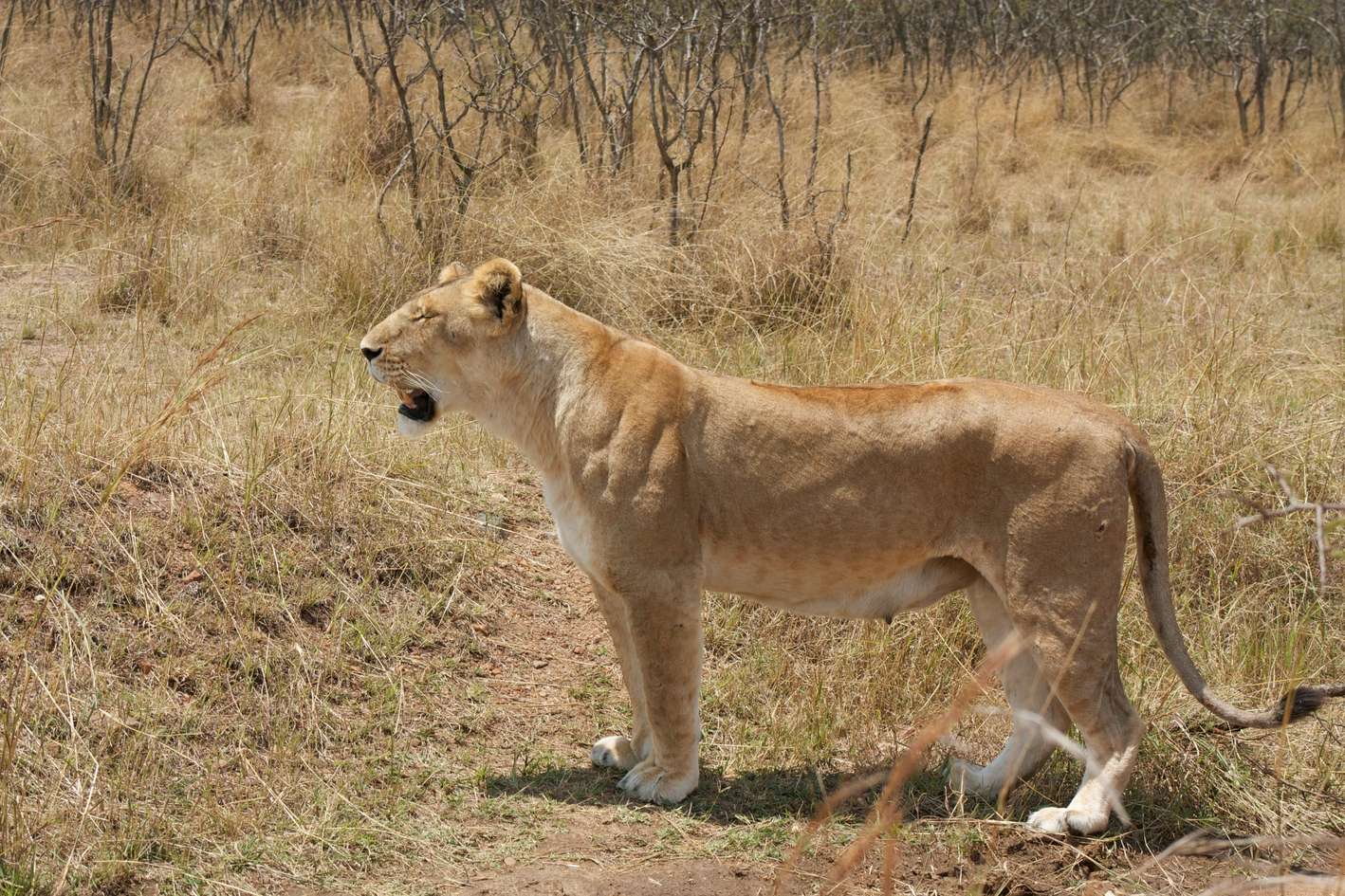
4.75,149 travelers landed at Seronera and saw lions by lunch
2 Day Tanzania Fly in Safari From Zanzibar Serengeti Fly in Safari by Safari Plane
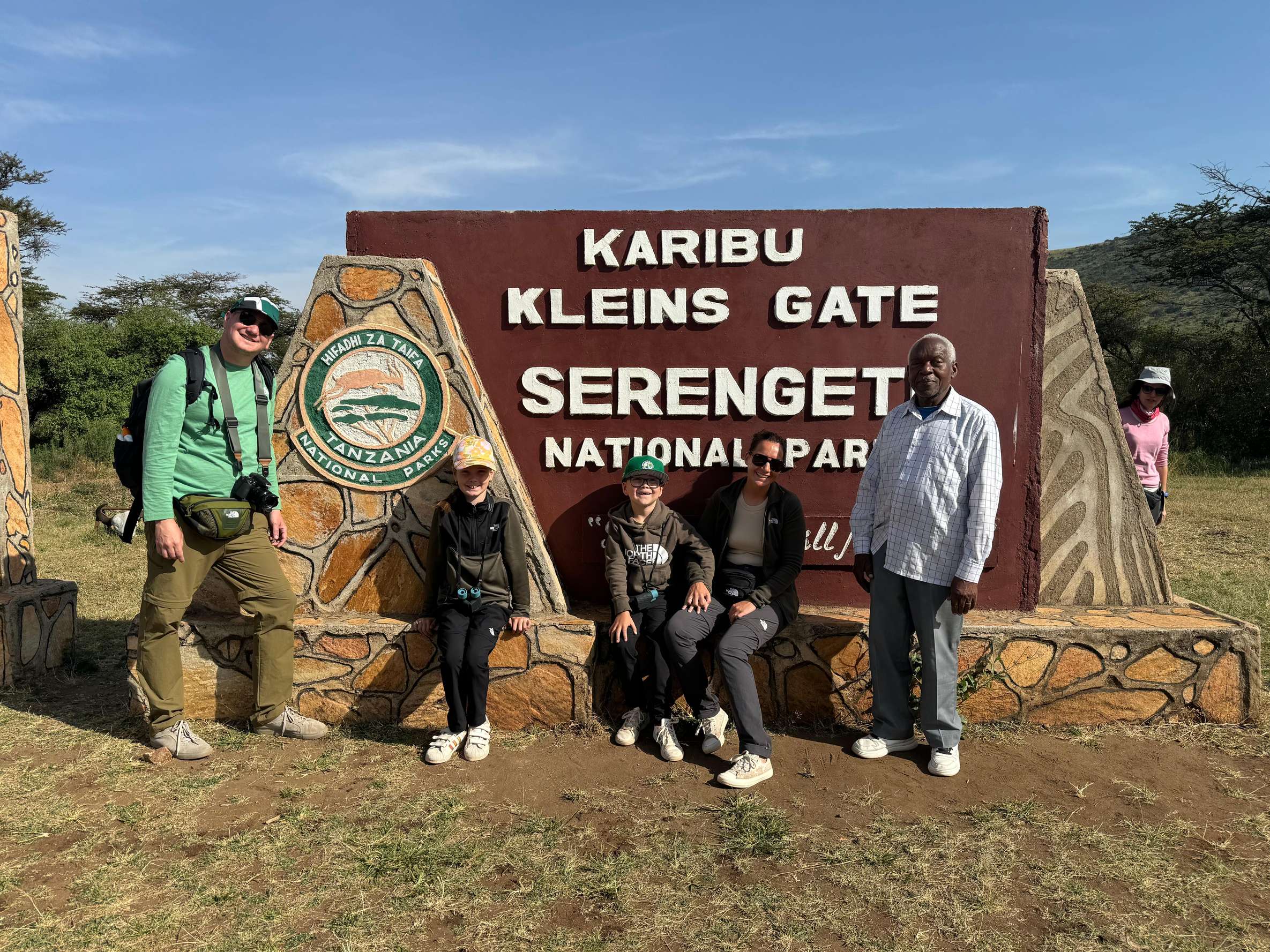
Fly in to a real safari, not a full day on rough roads. Board a safari plane from Zanzibar, land on Seronera airstrip in the heart of the Serengeti, and step straight into a 4x4 for a full-day game drive. Round-trip flights, park fees and your lodge are all booked in one package, with your guide waiting at the airstrip.
4.7★average rating5,149traveler reviews100%free cancellation30countries travelers came from
Tanzania fly in safari - quick picks
A fly in safari swaps the long road for a small plane that lands right in the bush, where a 4x4 waits at the airstrip. The choice comes down to how much time you want to give it: a single day from Zanzibar into Mikumi, or two days with an overnight that adds a boat safari or the Ngorongoro Crater.
importantBush planes have strict baggage limits, and hard-shell suitcases are not accepted on light aircraft, so the wrong bag can cause problems at check-in.
Pack in a soft duffel bag and keep the total weight to 20 kg per person, with each piece no larger than 90 by 65 by 35 cm. Leave anything extra in your Zanzibar hotel's storage room and carry your passport for the domestic flight check-in.
Fly in safaris from Zanzibar - day trips and two-day park stays
Cheapest day trip
8 - 32 hours·English, French
4.7(3,203)
From Zanzibar: Mikumi Safari Day Trip with Flights and Lunch
The lowest-priced way to see lions and elephants from Zanzibar, with a full game drive, bush lunch and fees included.
What a 2-day fly-in safari to the Serengeti looks like
about 1 h
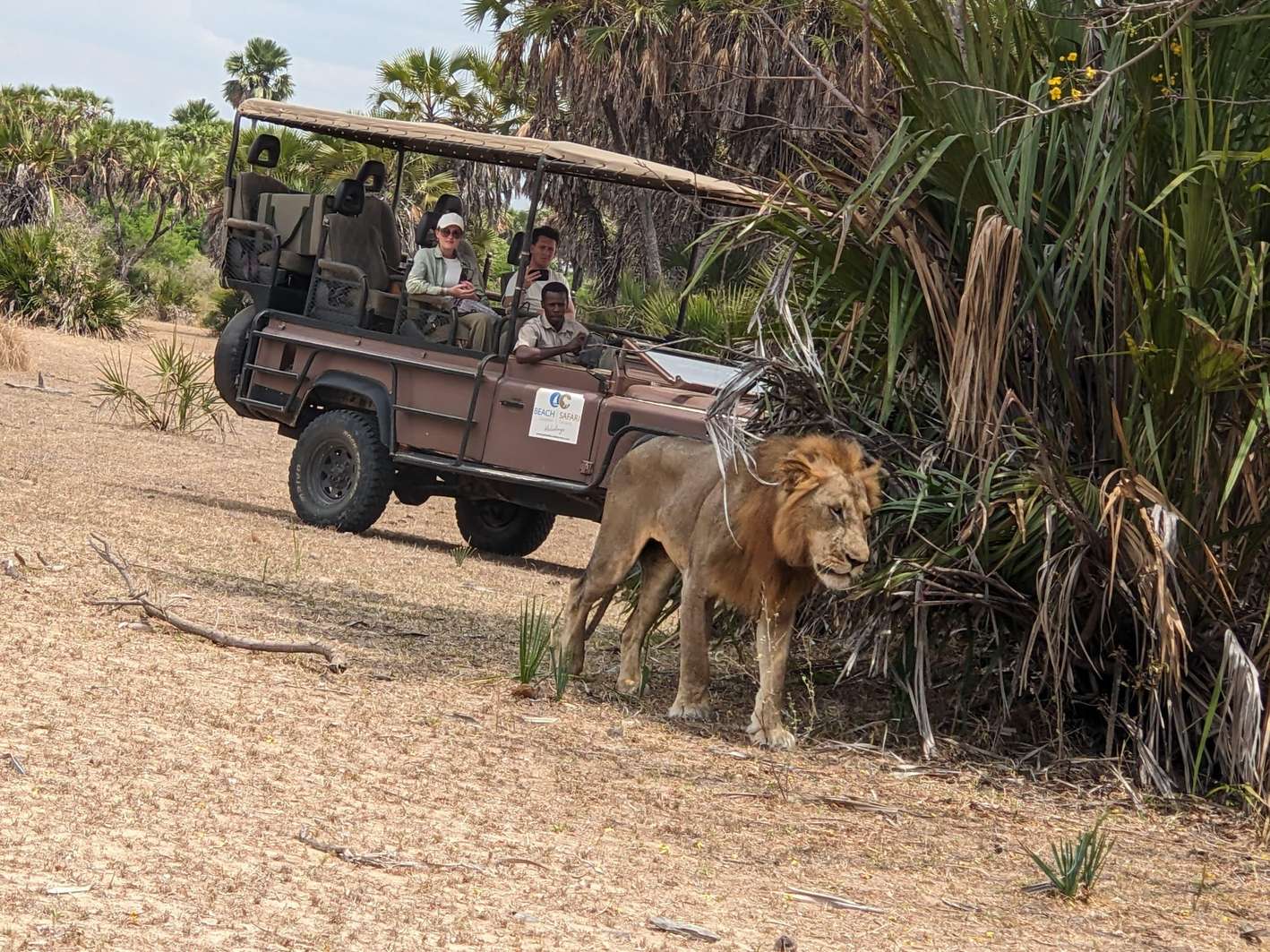
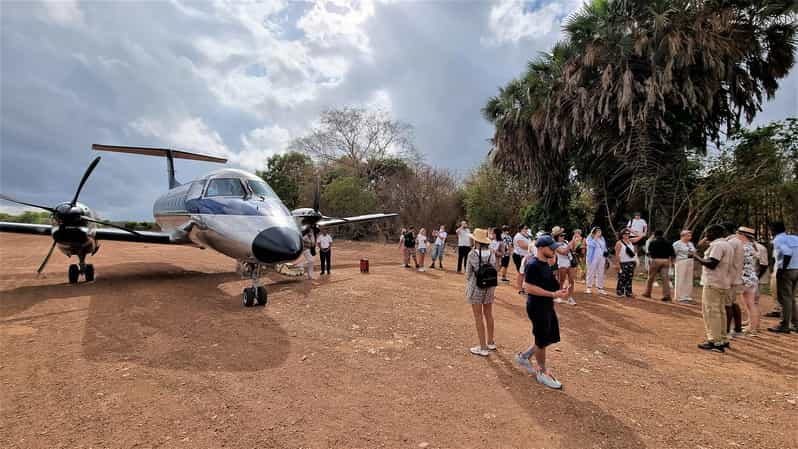
The day opens in the air. A small plane lifts off from Zanzibar, carries you over turquoise reefs, the coastline, and finally the open plains of the Serengeti, and lands on Seronera airstrip right in the middle of the national park.
Your driver-guide waits there, and the game drive begins the moment you step off the plane.
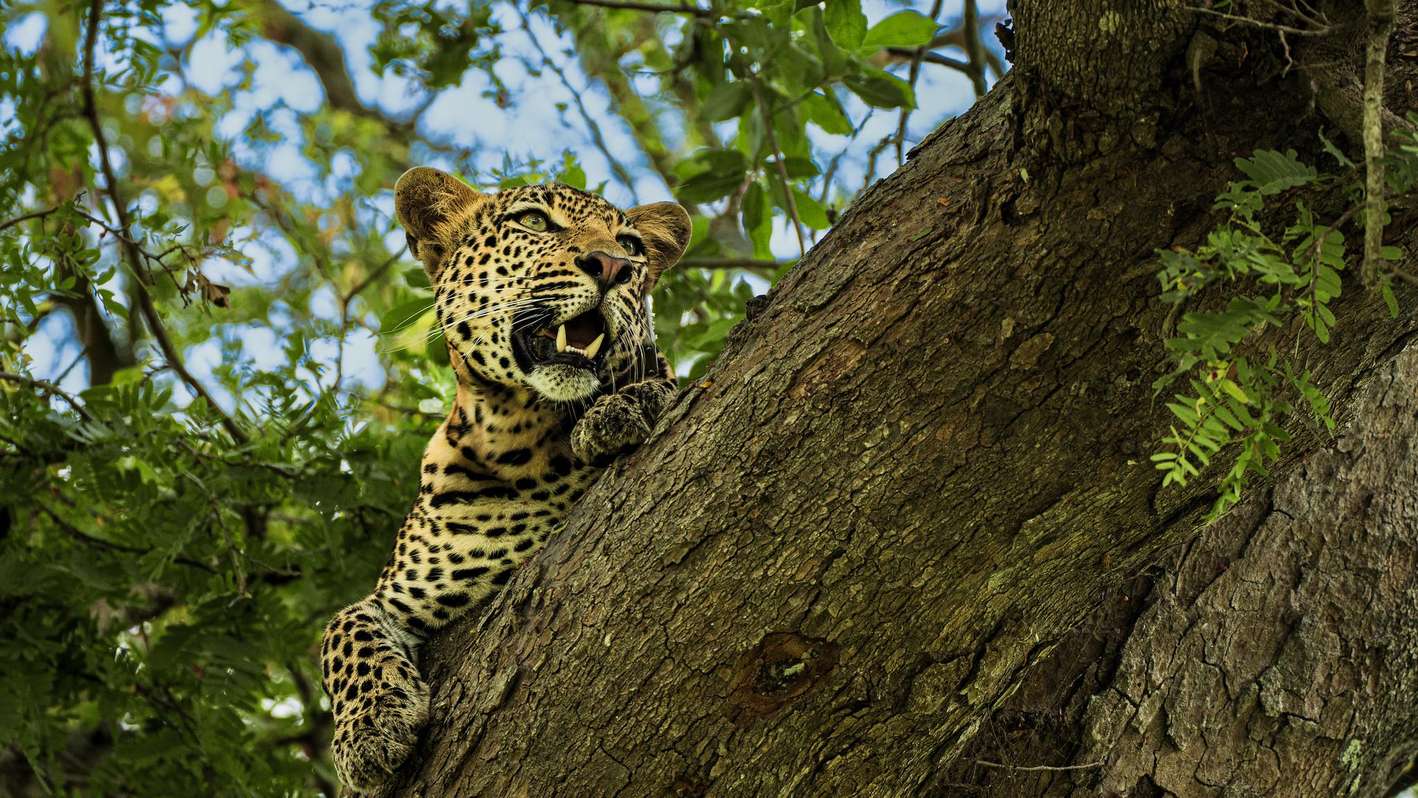
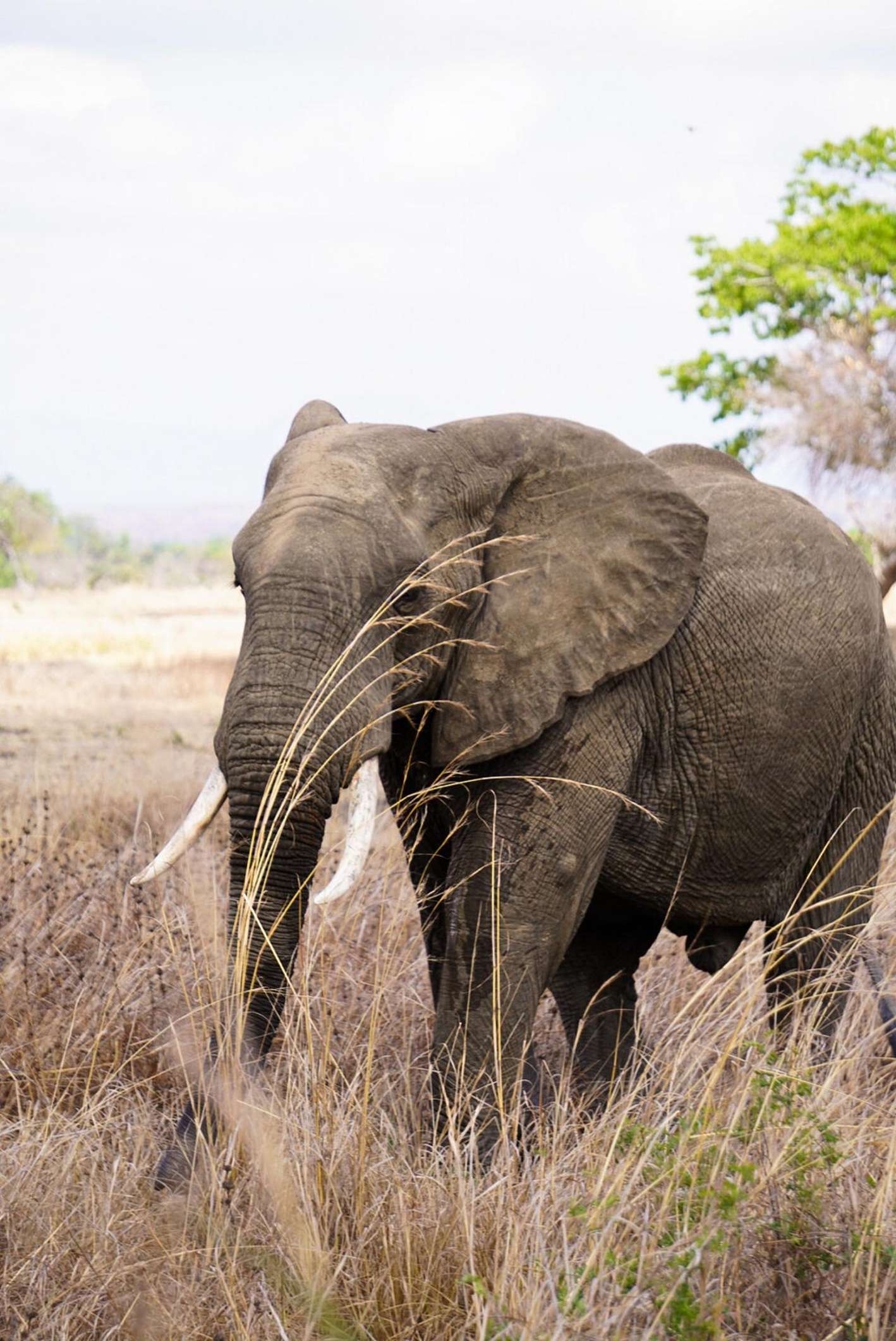
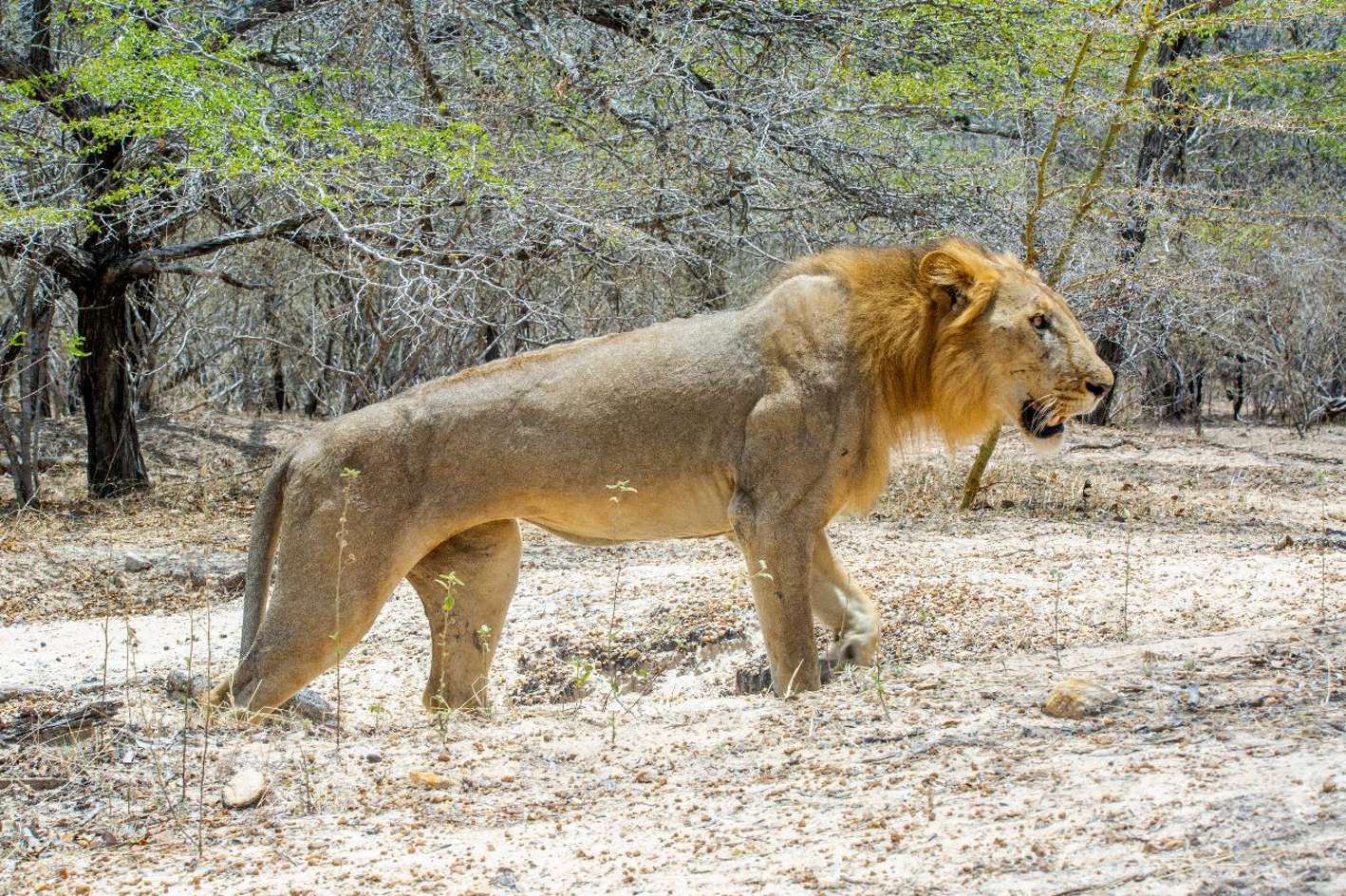
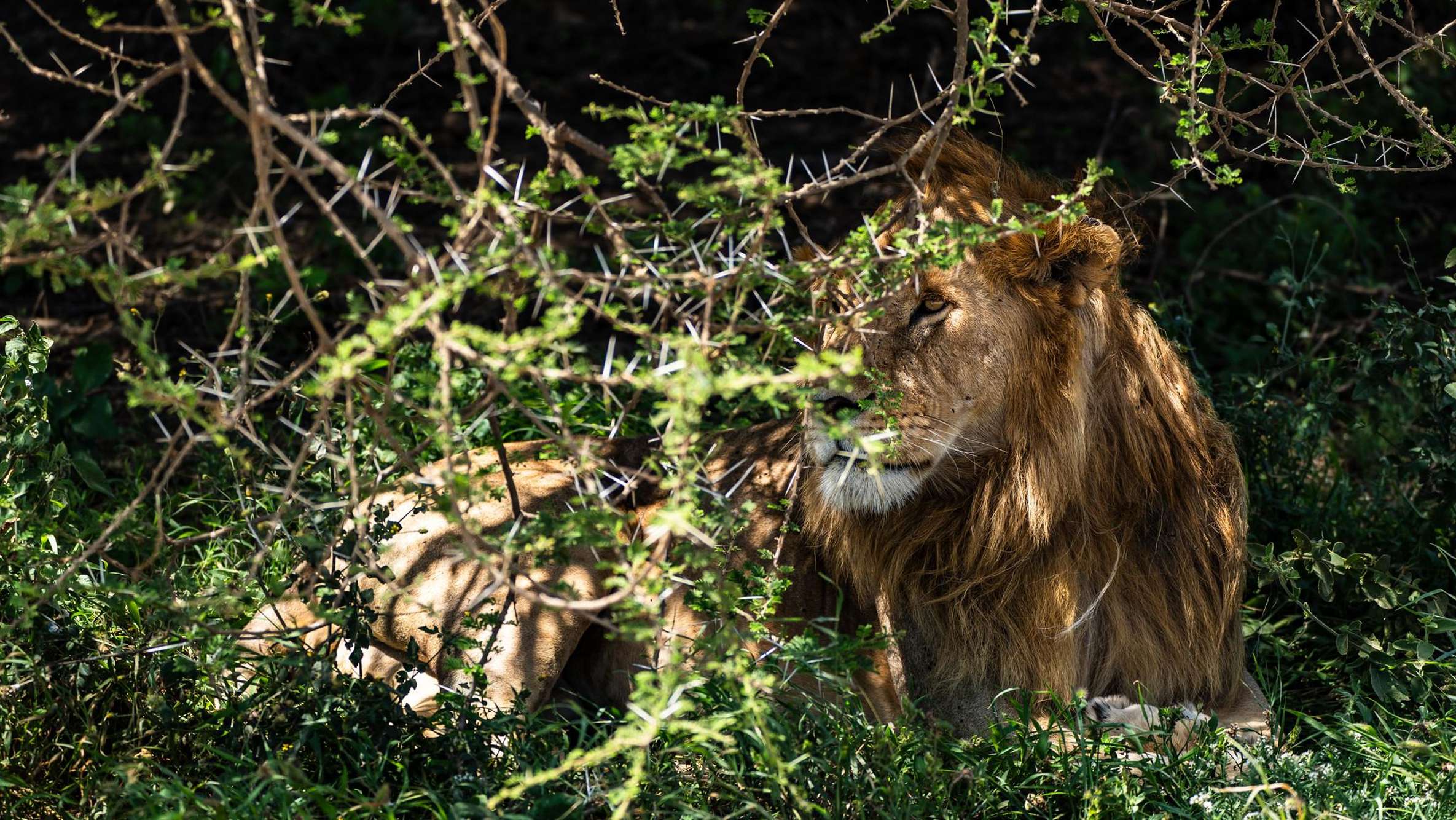
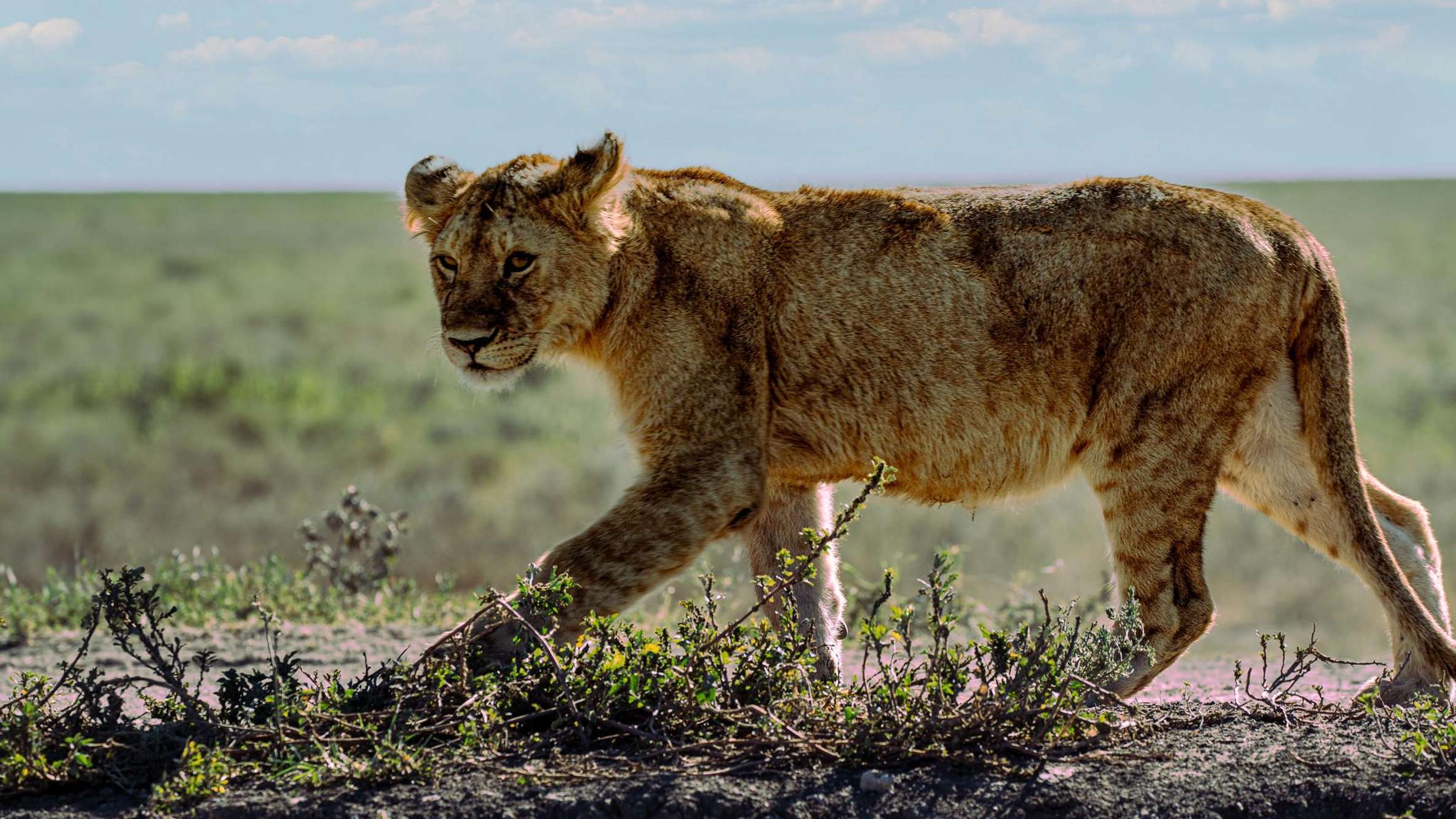
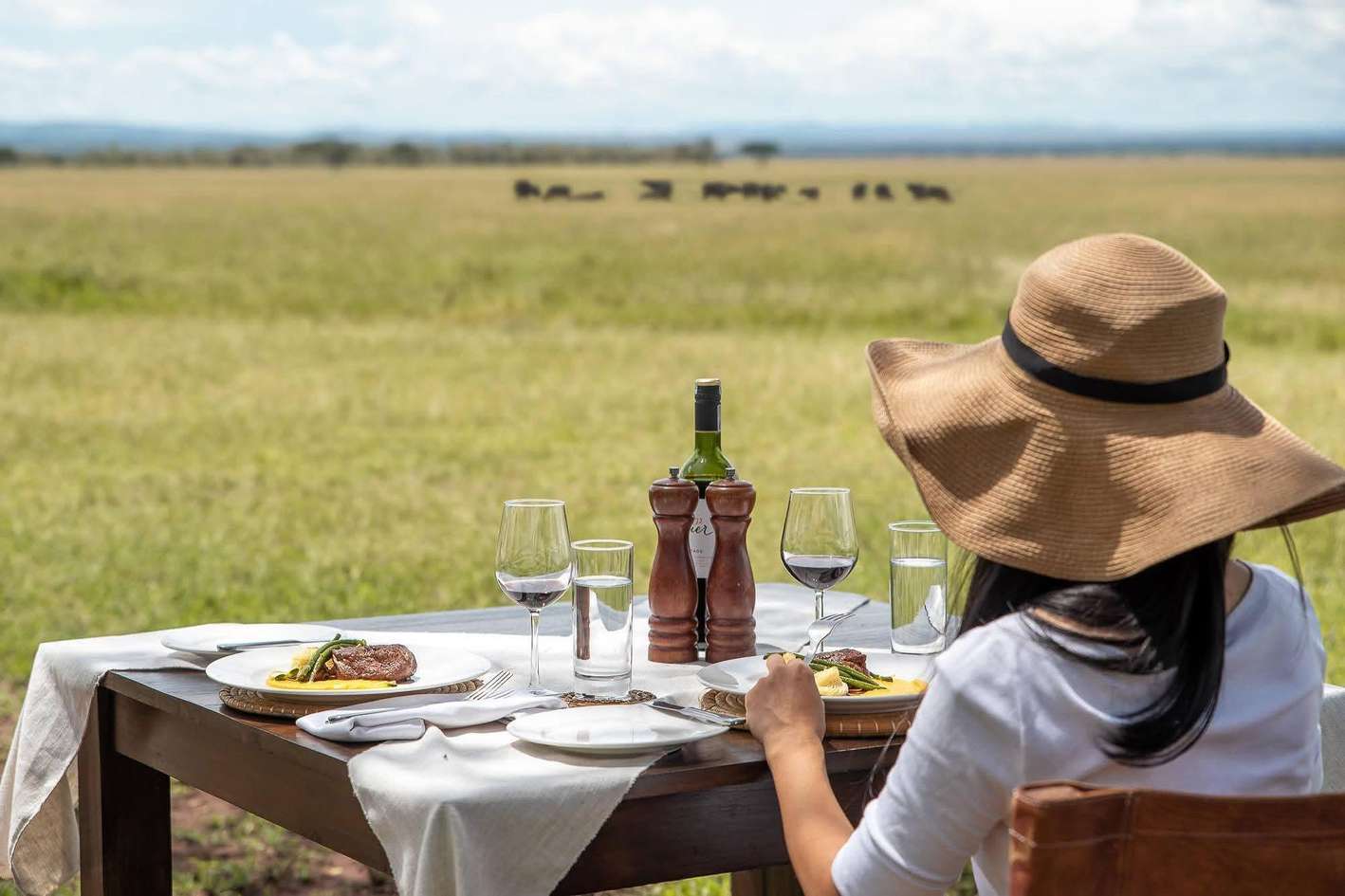
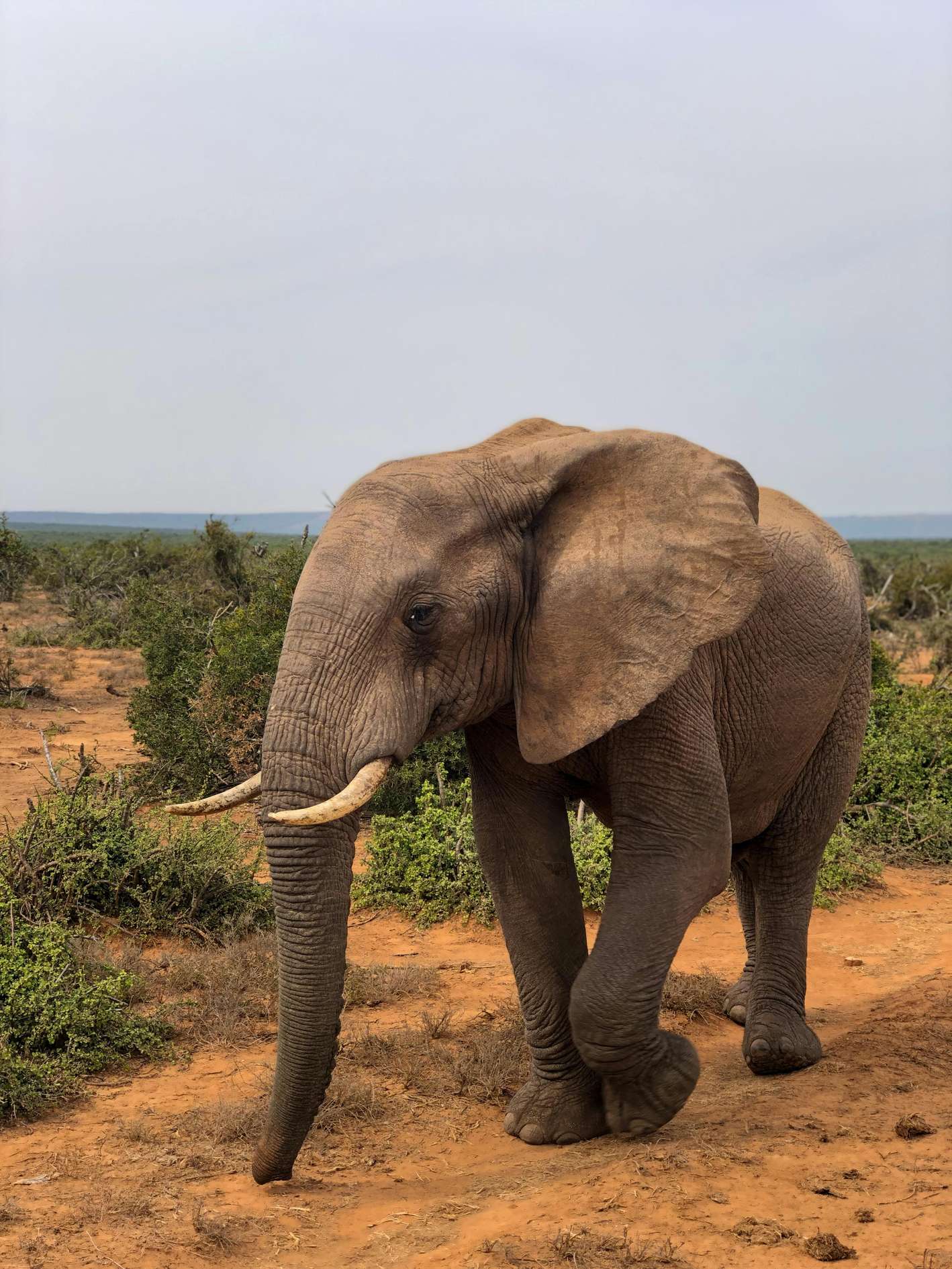
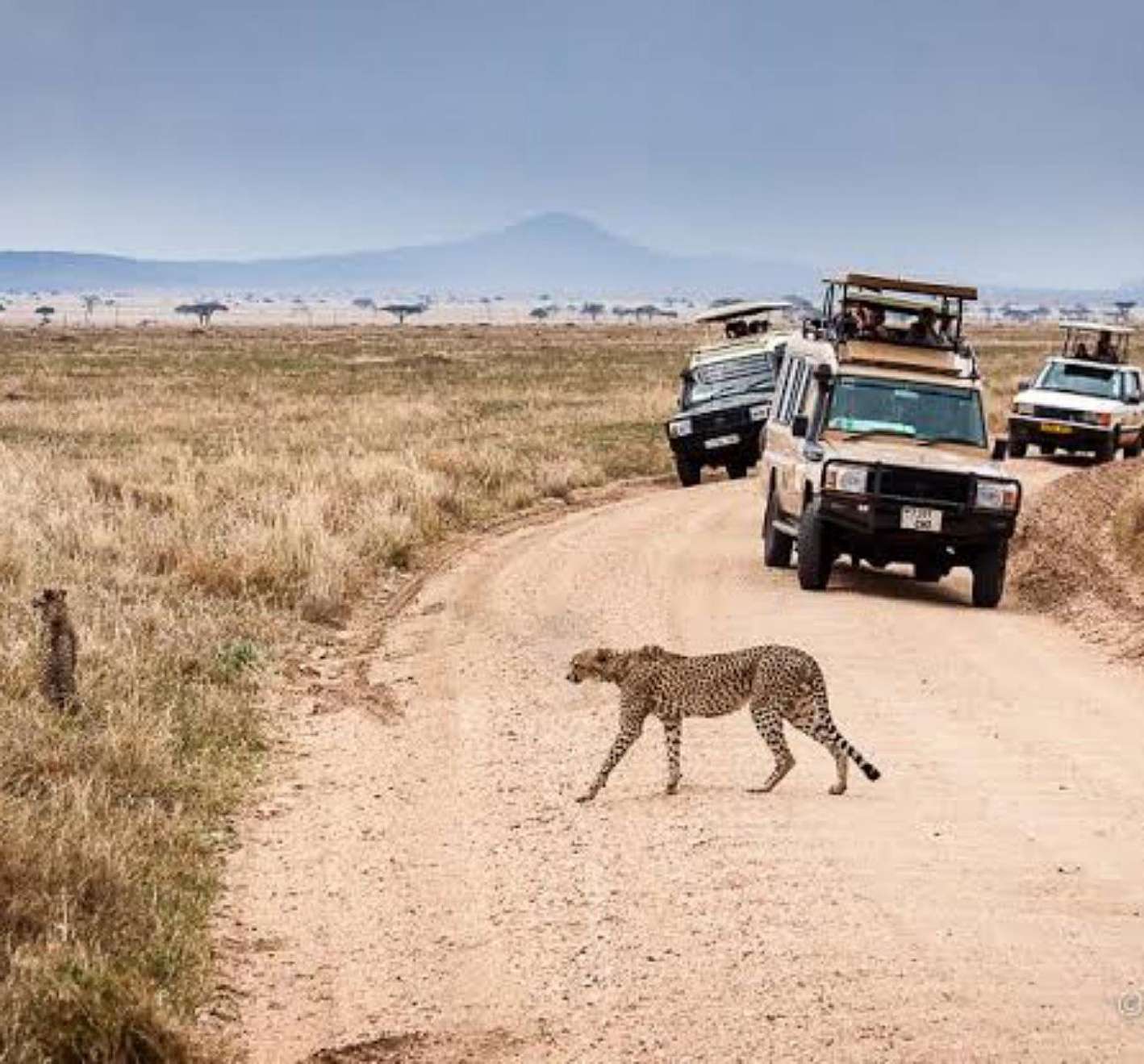
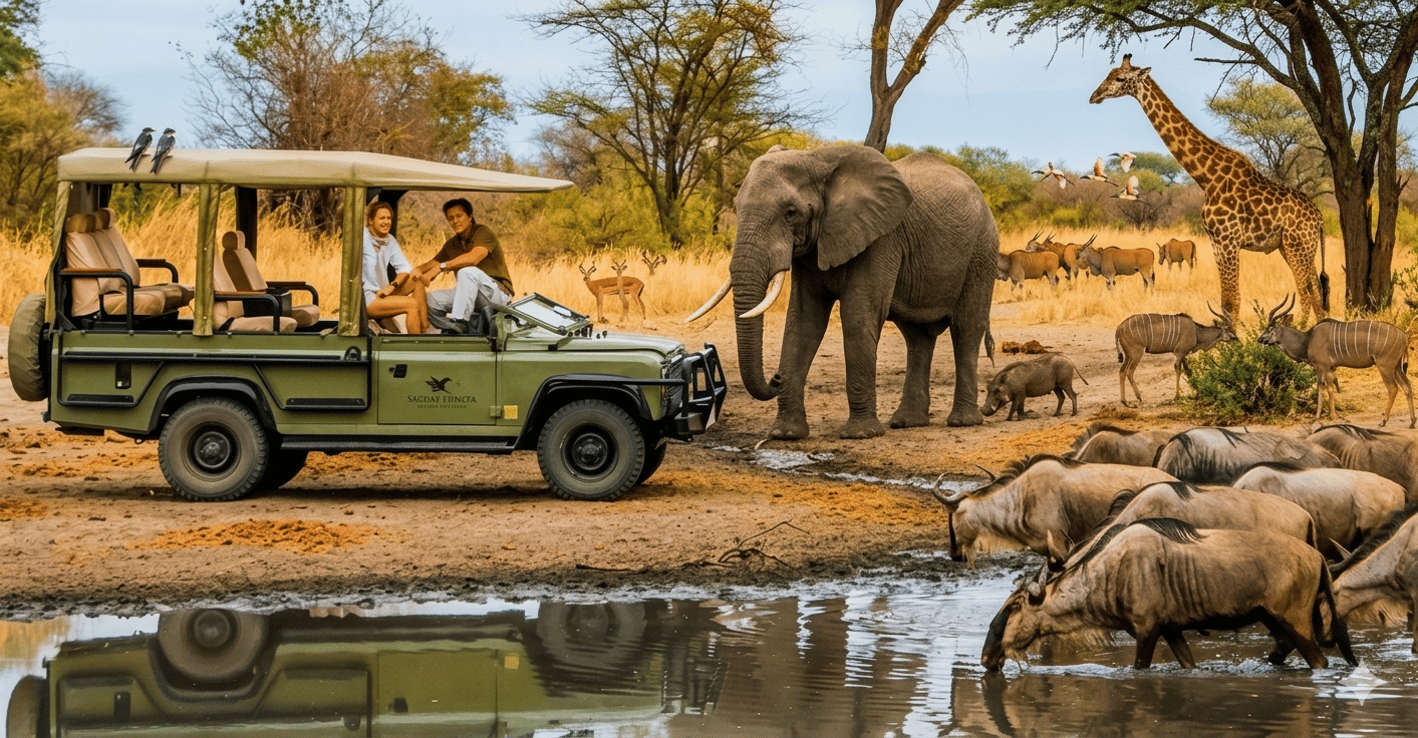
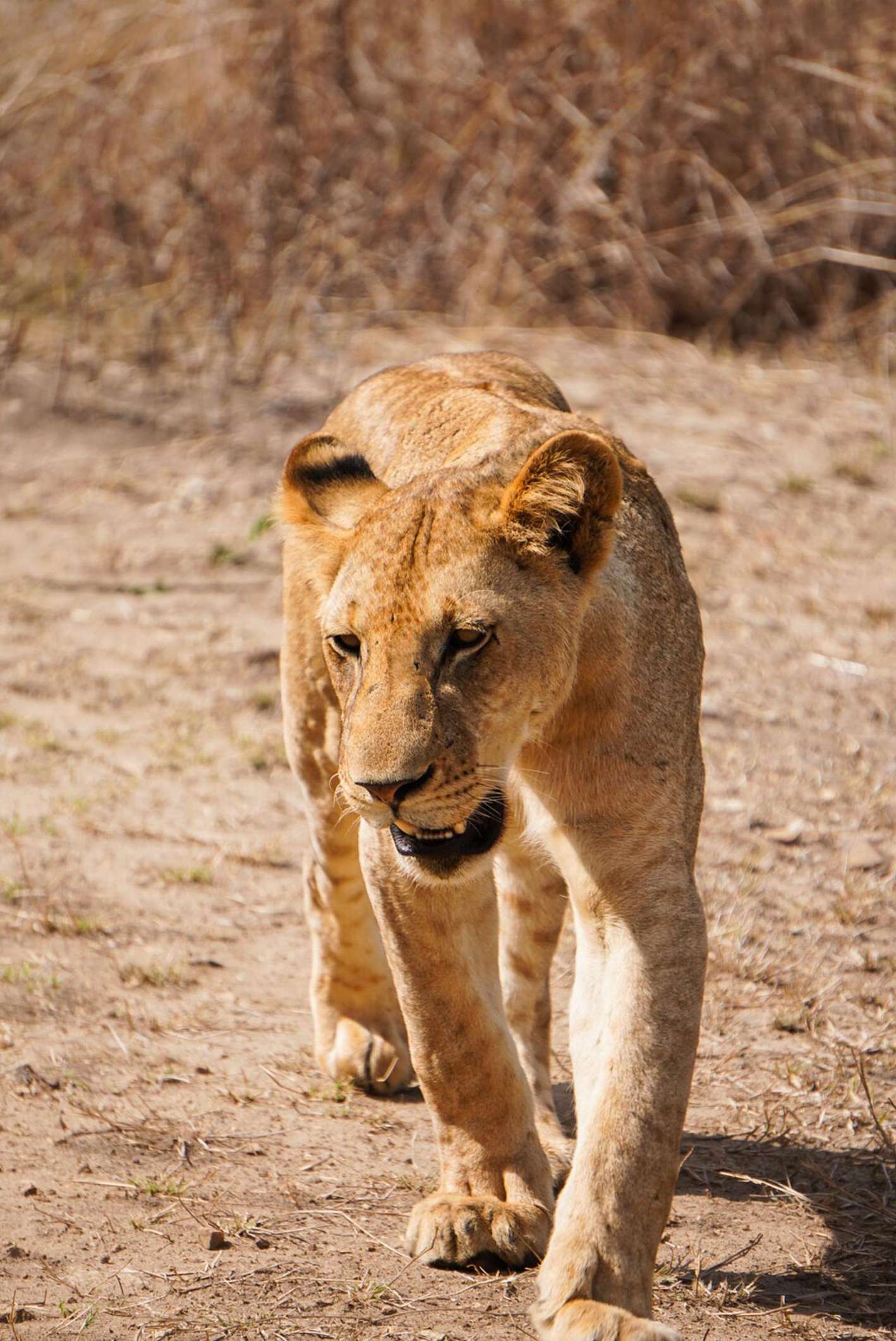
Over two days you search for lions, leopards, elephants, rhinos and buffalo on a full-day drive, eat a picnic lunch surrounded by the African wilderness, and sleep at a lodge just outside the park gate before flying back to Zanzibar.
Park fees, landing fees, flights, guiding, meals and drinking water are all included; international flights, visa and tips are not.
1Landing at Seronera· about 2 hoursYour plane touches down on Seronera airstrip in the middle of the Serengeti, where your driver-guide waits with the 4x4 ready to go.2Full-day game drive· about 6 hoursA private guided drive across the plains in search of lions, leopards, elephants, rhinos and buffalo, with your guide tracking sightings.3Picnic lunch in the wild· about 45 minMidway through the drive you stop for a picnic lunch in the middle of the Serengeti, with the plains around you.4Night near the park gate· overnightYour guide drives you to a safari lodge a short distance outside the Serengeti gate for dinner and a full-board overnight stay.5Flight back to Zanzibar· about 2 hoursAfter a second day of wildlife viewing you fly from Seronera back to Zanzibar, closing the loop on your beach holiday.
Where the other tours go
Stiegler Airstrip -SelousSelous Game ReserveAfrica Safari Selous
From Zanzibar: 2-Day, 1-Night Selous GR Safari with Flights
Park feesHotel pickup and drop-offDomestic flights Zanzibar to Serengeti Seronera and Serengeti Seronera to ZanzibarPrivate guided safariExperienced guide driverTanzania lodge as per the itinerary
Not included
International flightsVisaTourism Development Levy of$1.50 pp/pn and village tax of $1.00 pp/pn, to be paid by the guest(s) at check-in
Comparing fly in safari packages from Zanzibar
Green marks the lowest price. Each price says whether it is per person or per group.
Tour
Price
Duration
Languages
Best for
Our pick
From Zanzibar: 2-Day Serengeti Park Safari Trip with Flights
4.5★ (10)
from $1,435per person
2 days
German, English
travelers set on the Serengeti, flying straight to Seronera airstrip
Their guide spotted lions, elephants and more up close, and they praise the early pickup.
Best surprise
Several travelers say the small bush plane itself was a highlight, with wildlife visible from the air.
Most common wish
Many wished the morning flight and airport handoff had clearer, earlier instructions on where to stand.
How to book your fly in safari from Zanzibar
01
Pick the park and length
Decide first between a one-day hop and an overnight. Mikumi and Nyerere (Selous) work as day trips that fly you back to the beach in the afternoon, while the Serengeti needs the two-day version with a night at a lodge near the park gate.
RecommendedBook your return to Zanzibar at least two nights before any international flight, in case a bush flight slips a day.
Pro tipA two-day Nyerere trip gets you dawn and dusk game drives plus a Rufiji River boat safari, the hours a day trip misses.
02
Choose your option
Each tour splits into shared or private jeeps, and into hotel transfer or meeting point. The meeting-point option has you arrive at the airport grounds yourself, which suits travelers staying near Stone Town.
Pro tipFor two people traveling together, a private jeep costs only a little more than a shared seat and gives you the whole vehicle.
Common mistakeFirst-timers staying in Nungwi or Paje book the meeting-point option, then face a long taxi ride to reach the airport before dawn.
03
Pay and watch for messages
Booking is cancelable up to 24 hours ahead for a full refund, so you can lock a date while your beach plans are still loose. After payment the operator emails a form for passport details, then sends tickets and your pickup time the day before the safari.
ImportantA valid passport is required for domestic flight check-in, so have the details ready when the form arrives.
Common mistakeLeaving the passport form unanswered; without it the tickets and pickup time cannot be confirmed.
04
Prepare for the early start
Safari flights out of Zanzibar leave between 6:30 am and 7:45 am. If you selected hotel transfer, a driver collects you at reception, around 4 am from far-flung resorts like Nungwi or Paje, and it takes about an hour and a half from either side of the island.
Pro tipSet out your passport, sun hat and camera the night before; fumbling in a dark hotel room at 4 am is no way to start.
RecommendedBe at the reception five minutes before the pickup time so the driver does not have to search for you.
05
Know the weather fallback
Between April 1 and June 1, rain or wet airstrips can shift a flight's timing, or on southern routes move you to a vehicle transfer instead of the plane. If a Mikumi day trip is canceled outright for flying conditions, you get a new date or a full refund.
Common mistakePlanning a fly-in day for the last morning of your holiday; build in the buffer so a delayed flight cannot cost you your international connection.
What to know before you book a fly-in safari from Zanzibar
Can stop the dayGood to knowGood news
01
ChoosingWhat it is, who it suits, when to go
4
Included
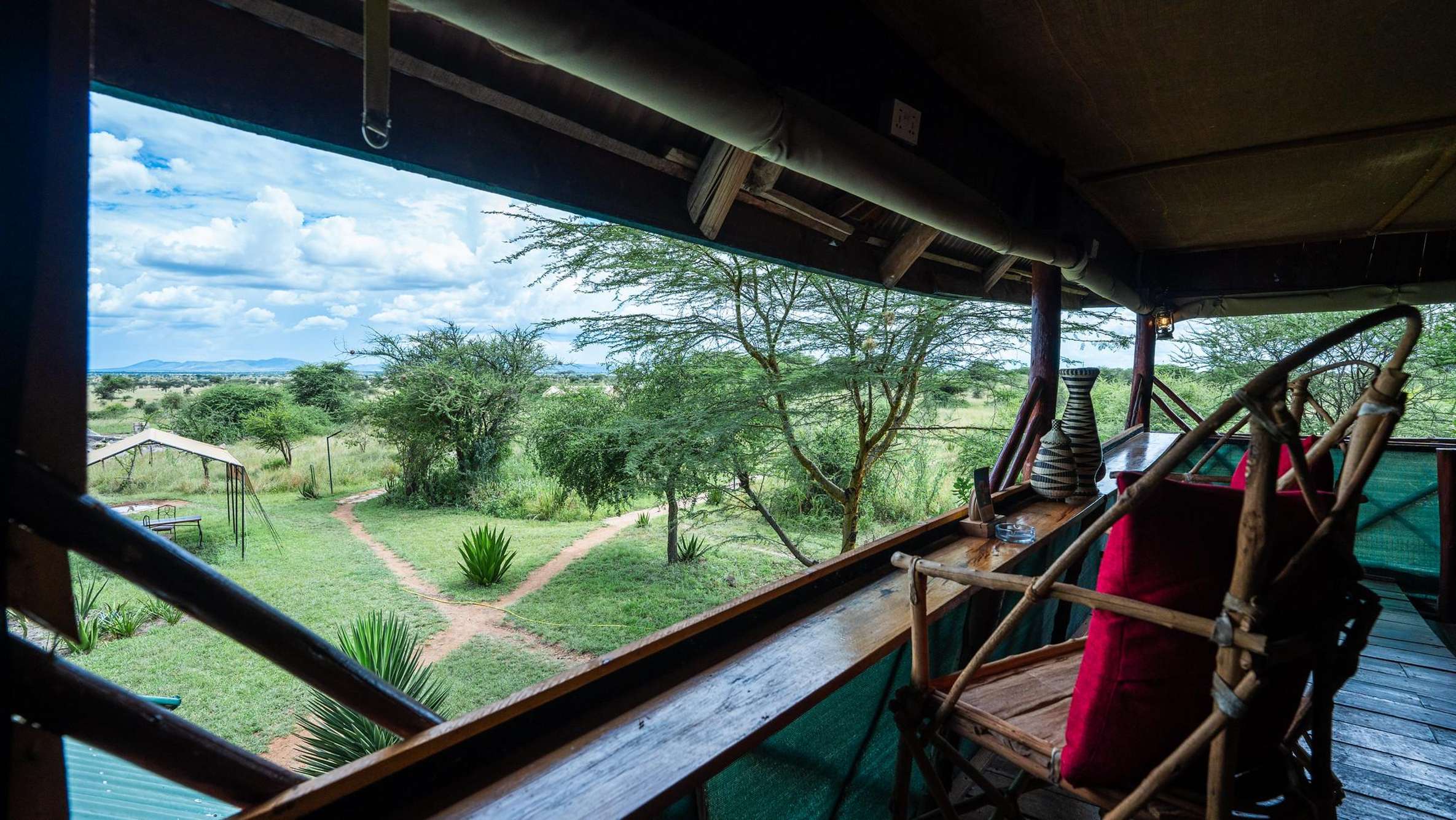
Packages bundle the essentials: return bush flights, park entry and landing fees, guided game drives in a 4x4, drinking water and lunch in the park. Multi-day options add lodge nights on a full-board basis. What sits outside the package: international flights, visas, tips and drinks.
InsuranceCan stop the day
Zanzibar requires all tourists to hold government travel insurance, and this fee is not part of the safari price. Arrange it before you fly to the island so the paperwork never blocks your day trip.
Weather
Between April 1 and June 1, rain and airfield conditions can move flight times or shift the safari a day. Operators cannot cover missed connections on other airlines, so book the trip back to Zanzibar at least two nights before any international flight.
Park rules
You stay inside the vehicle during game drives and step out only at designated picnic and restroom sites. Feeding or touching animals is banned, drones are not allowed, and gates close at 6 pm, which fixes the shape of the day.
02
BookingHow far ahead, and what happens if plans change
1
Cancellation
Every tour on this page lets you cancel up to 24 hours in advance for a full refund. If weather grounds your plane on a Mikumi day trip, the operator offers another date or a full refund, so a washed-out morning does not cost you the booking.
03
Before you goPapers, health, what to bring
3
DocumentsCan stop the day
Bring your passport; a valid passport is required for domestic flight check-in and for park registration at the gates. Tour operators send a short form before the trip to collect your passport details, so tickets can be issued a day ahead.
Clothing
Skip black and dark blue on game drives in Mikumi and Nyerere: those shades attract tsetse flies, which bite hard, and soak up the midday heat. Wear khaki, olive or beige in long sleeves and trousers, and bring a light jacket for the early flight.
Health limits
These tours list pregnant travelers, people with back problems and wheelchair users as not suited, because game drives mean hours on rough dirt tracks. Small planes and open jeeps also set minimum ages on some departures, so check the age limit for the option you want.
04
On the dayWhere to be, when, and how you get there
2
Pickup
Most fly-in packages collect you straight from your hotel reception, including resorts on the far side of the island. If you pick a meeting-point option instead, you make your own way to the airport grounds; the tour lists tell you where. Be at reception 5 to 10 minutes before your pickup time.
Morning start
Pickups begin very early, sometimes around 4 am from resorts like Nungwi or Paje, because safari planes leave Zanzibar between 6:30 am and 7:45 am. You will get your exact pickup time the day before. It buys you a full morning in the park.
05
During the tourWhat is expected of you
1
Luggage
Small bush planes have strict baggage rules. Pack in a soft duffel and keep the total weight low, since one airline flying these routes caps bags at 20 kg and a fixed size per piece. Hard-shell suitcases do not fit the cargo hold.
Fly-in safari - the editor's guide from Zanzibar beach to bush
A light aircraft can have you watching elephants within an hour of leaving your beach towel. What it costs you in early alarms, it repays in game-viewing hours, if you pick the right route and pack the right bag.
Seronera· 6.17° S, 39.20° E
If you only remember three things
1
Book your flight safari with at least two nights to spare in Zanzibar, because bush flights shift when weather turns.
2
Take the plane: it lands inside the park while the road journey eats most of a day.
3
Pack a soft duffel under the weight limit, in khaki and beige, never black or dark blue.
The bush flight routes that fly you from Zanzibar
Six thirty in the morning at Zanzibar airport, and the small prop planes are already turning at the end of the runway. Each one heads for an airstrip that sits inside a national park, minutes from the animals.
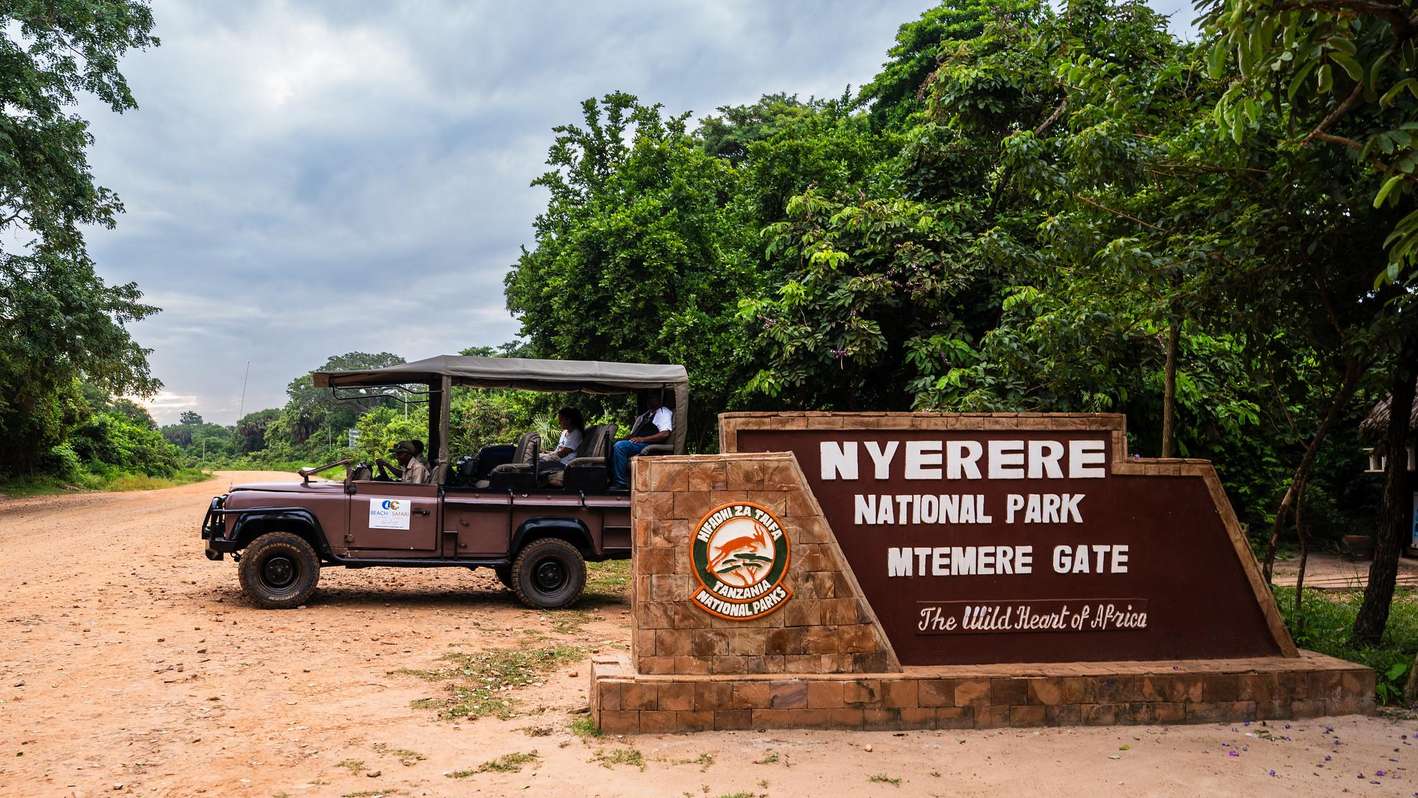
Kikoboga in Mikumi sits a 40 to 45 minute hop away. Mtemere, the gateway to Nyerere and the old Selous reserve, runs 30 to 60 minutes. The longest hop goes north to Seronera, in the middle of the Serengeti.
The time these flights save is the whole point. Ferry plus road to the southern parks runs six and a half to seven and a half hours, a two-hour sea crossing followed by close to five hours of driving; operators who count the mainland leg on its own put it nearer eight and a half.
By road to the Serengeti, count on the better part of a day, each way. The plane cuts both down to minutes on the tarmac.
One thing to know before you fall in love with the northern route: seats to Seronera are few, and when the schedule tightens your departure date can shift to the next day the light aircraft fly. Book that leg early.
Tour for this
From Zanzibar: 2-Day, 1-Night Selous GR Safari with Flights4.9★ (40) · 2 days · Hotel pickup · Free cancellation
The trade is simple to weigh. A day on a lounger, or a day on the plains? What tips it is arithmetic.
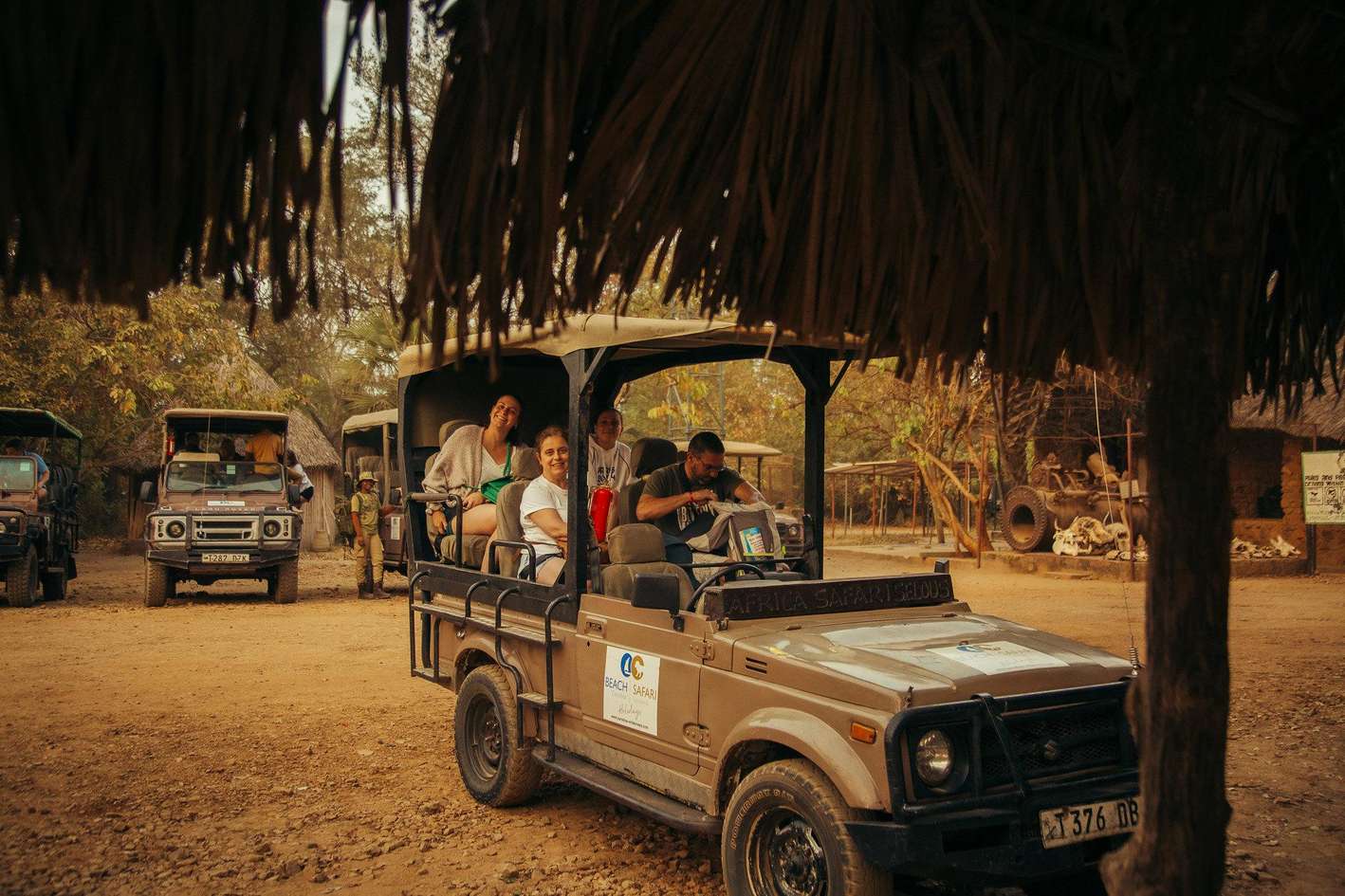
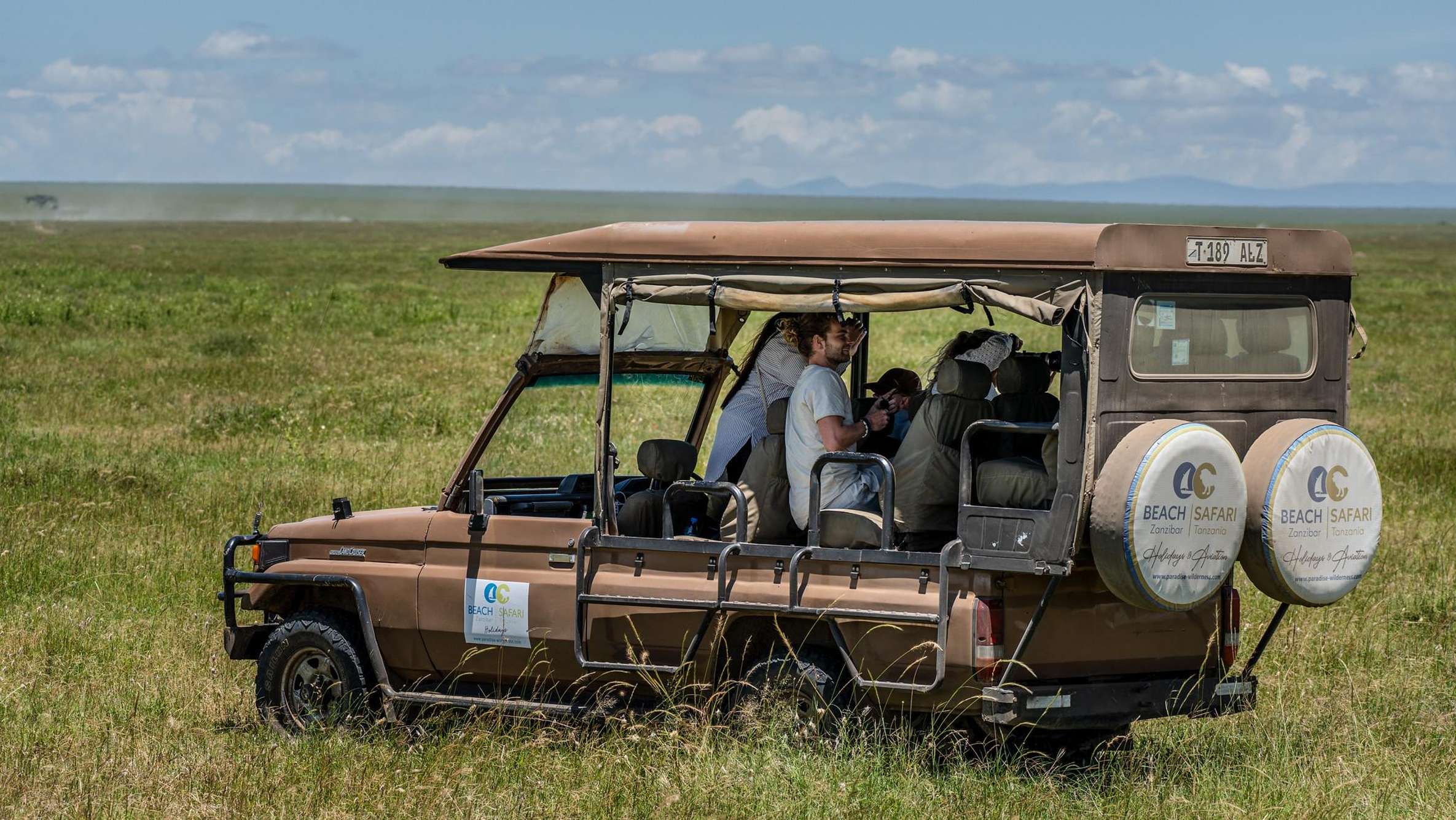
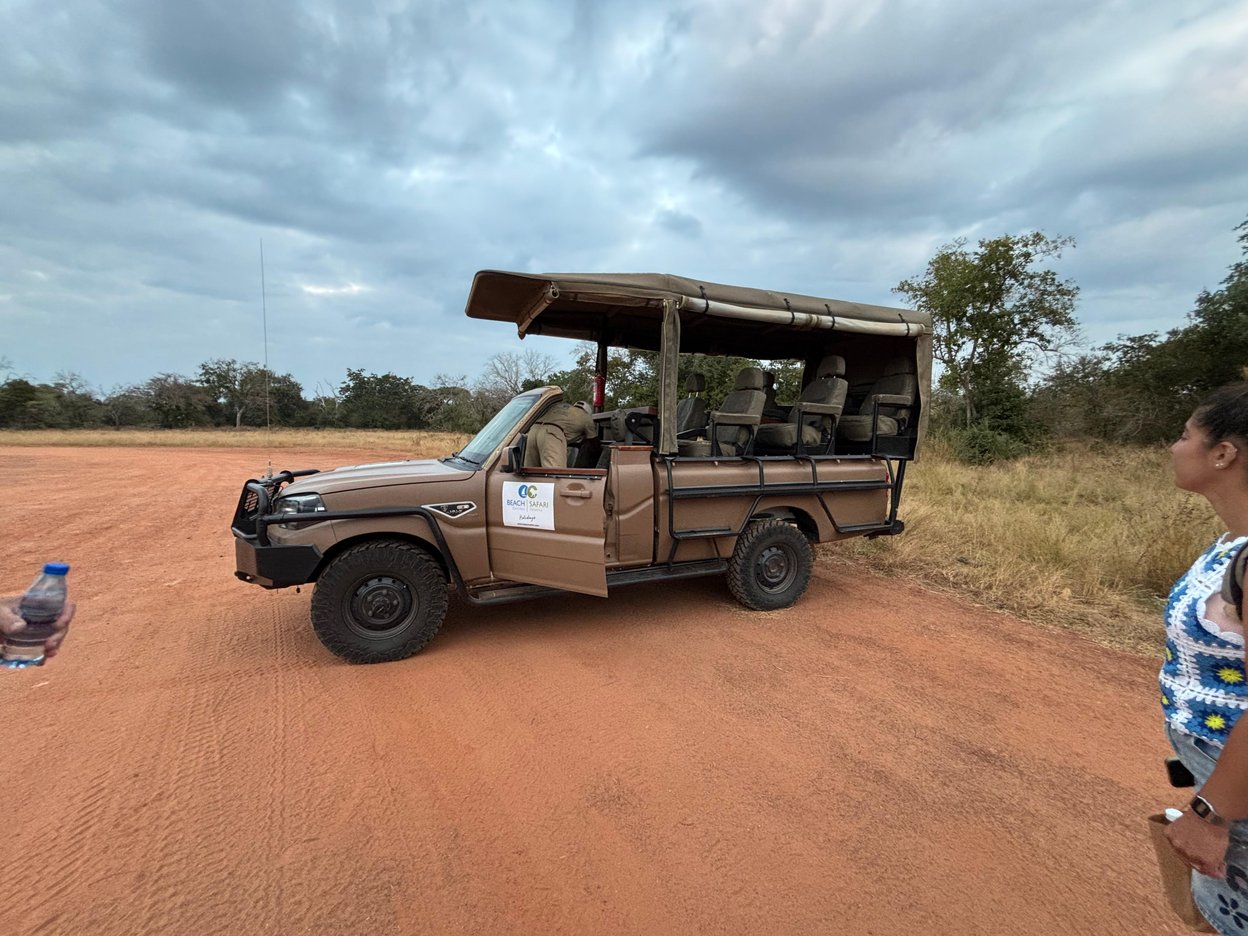
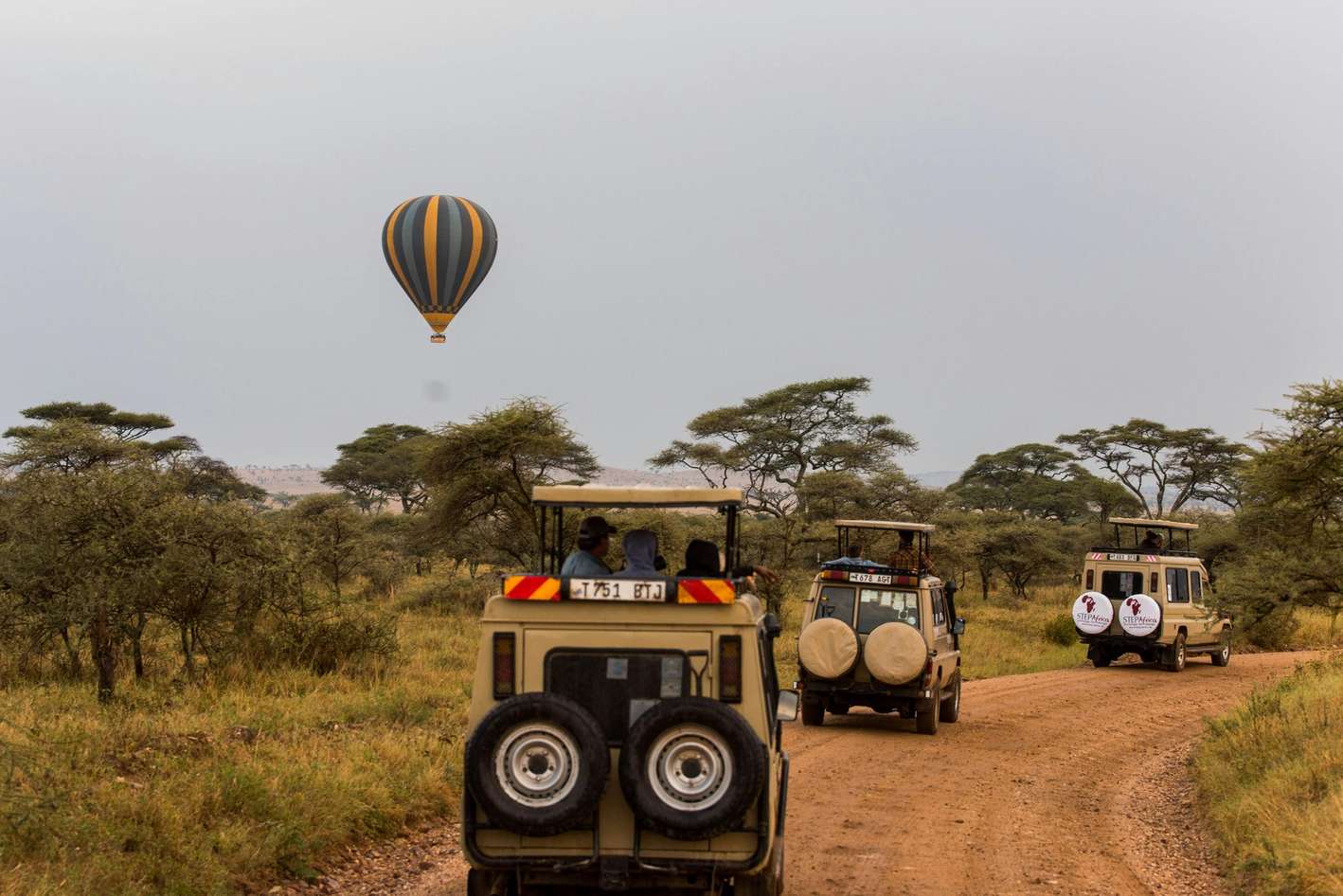
Landing on a bush airstrip hands you straight into a waiting 4x4, and the short ride to the animals is your first game drive.
That adds up to up to 8 hours of wildlife viewing on day one, a ceiling reached when the airstrip transfer itself counts as game time. The scheduled drives on a one-day Mikumi trip run 6 to 7 hours, and the balance is the game-rich ride from the strip.
Drive in from a city airport such as Dar es Salaam or Arusha, and the picture flips. Four to eight hours of road each way, a wide range because the southern parks sit closer than the Serengeti, leaves almost nothing for the animals.
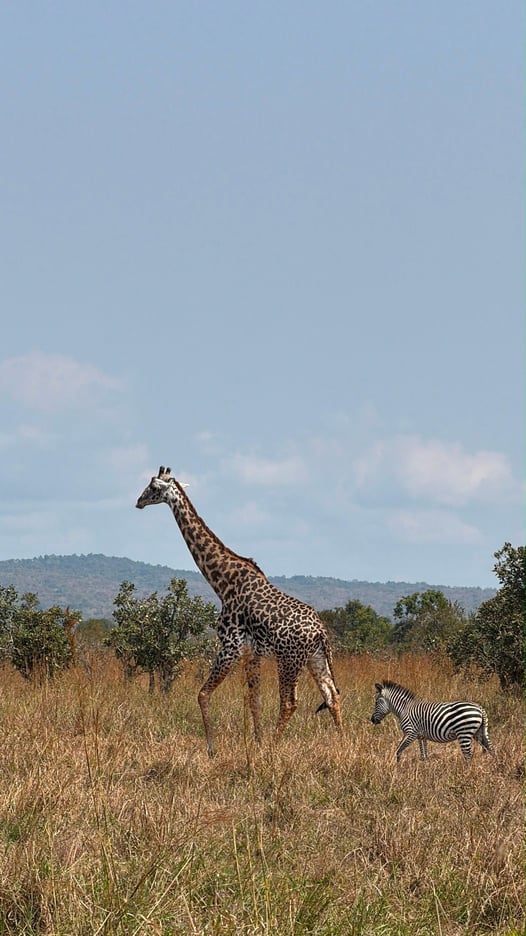
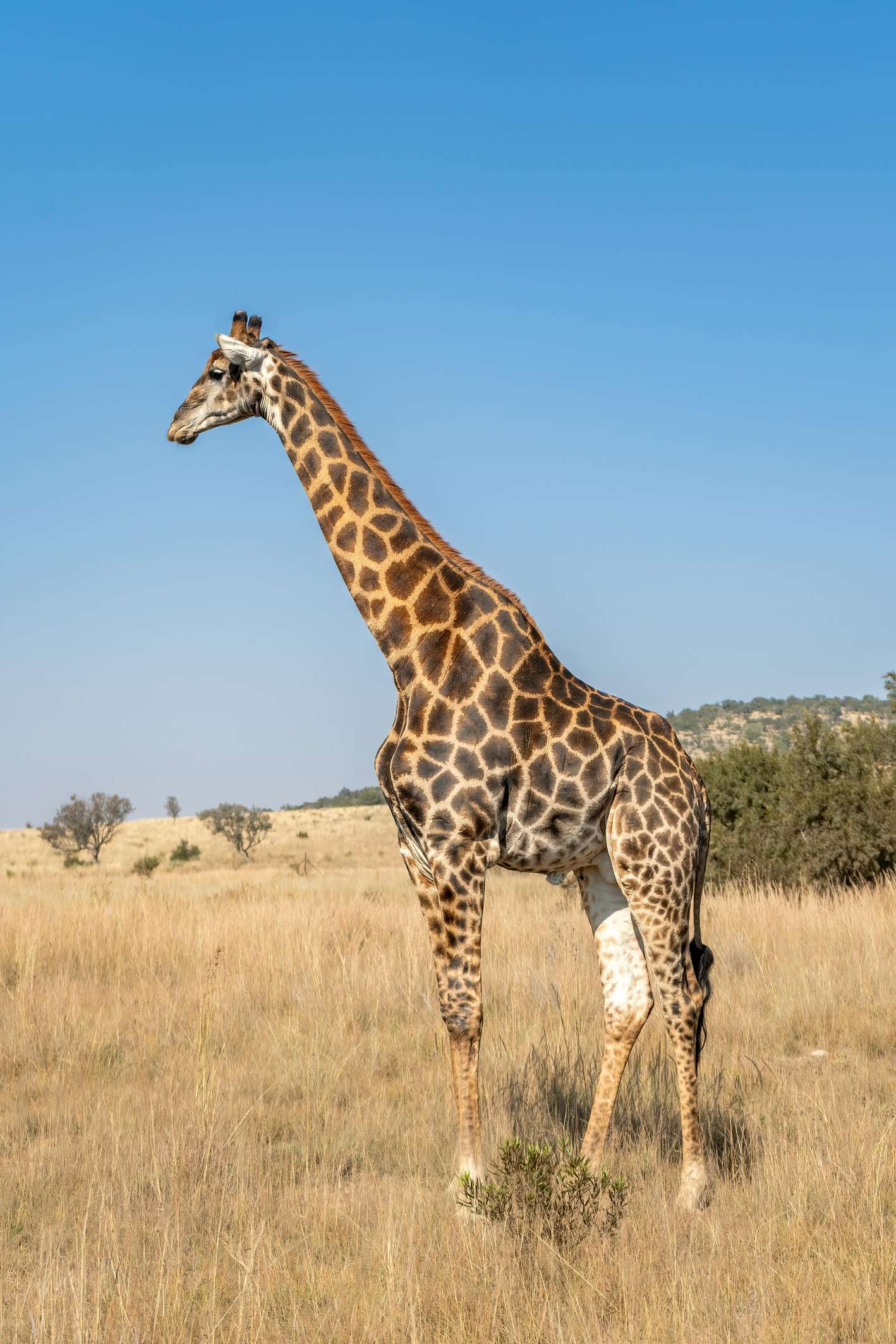
There is a question people ask first, and the answer is no: Zanzibar itself is a marine destination, dhow cruises, sandbanks and dolphin swims. Lions, elephants and giraffes live on the mainland, in Mikumi, Nyerere or the Serengeti.
A traveler's note
Wonderfully organized throughout, transport, drinks, staff, guide, contact persons. We enjoyed every step. Guide Guy Herman was really interesting, shared so much new information and made the trip unforgettable.
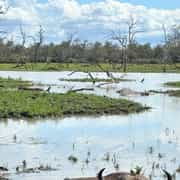
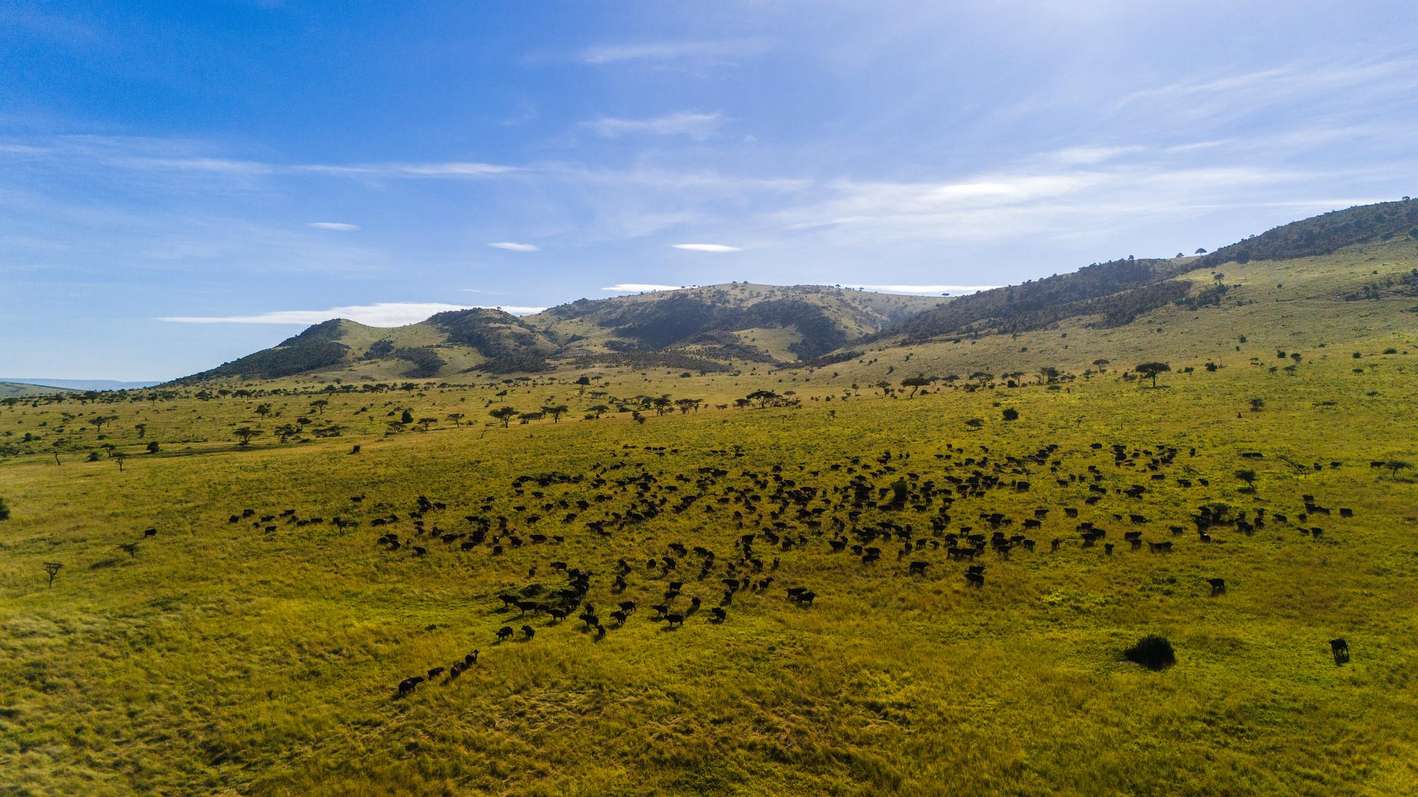
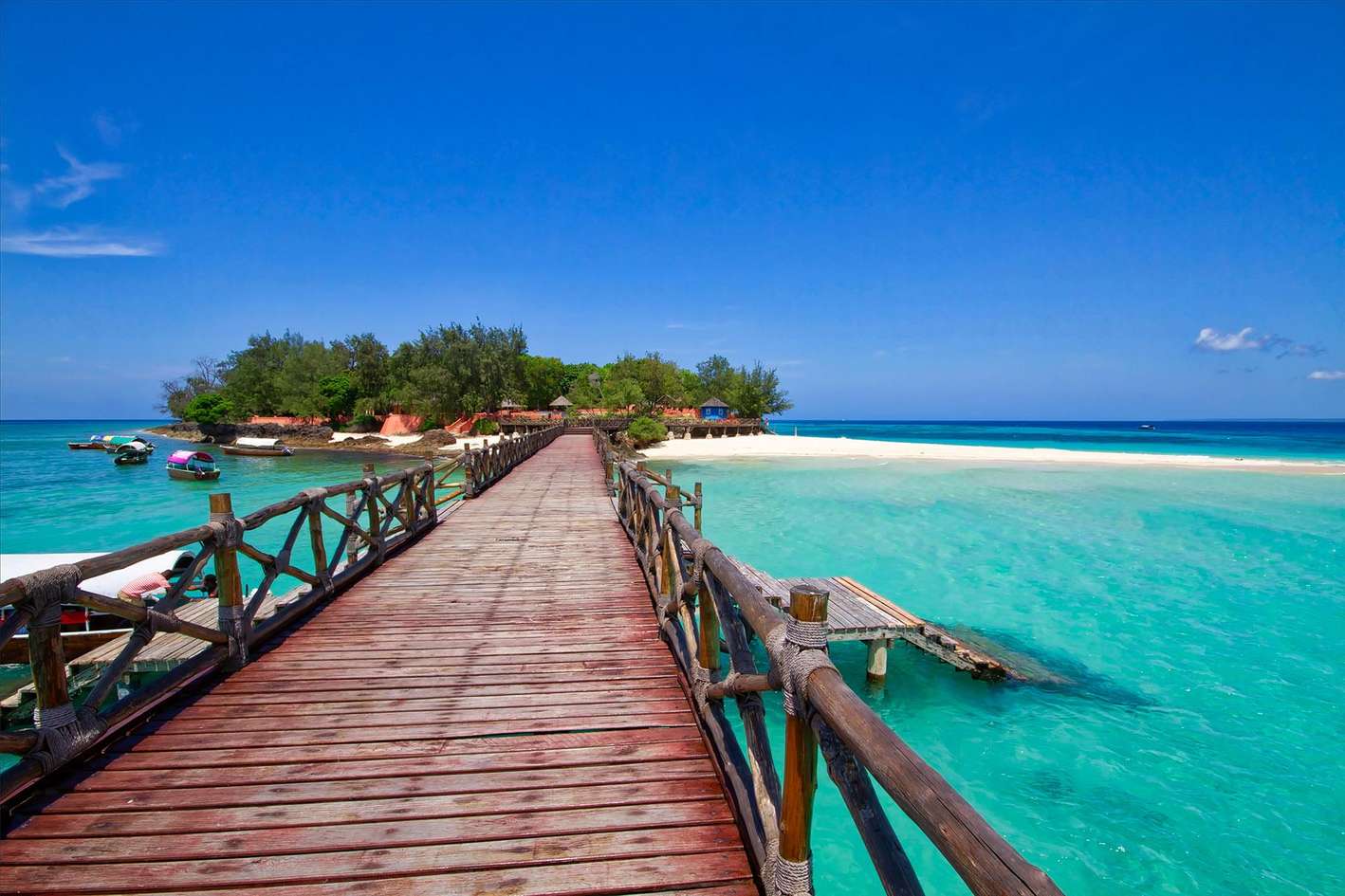
The safari begins at the airplane window. The plane climbs away from Zanzibar's turquoise water and coral reefs, crosses the coastline, and then the land turns into winding rivers, open plains and the wetlands of Nyerere. Buffalo graze below.
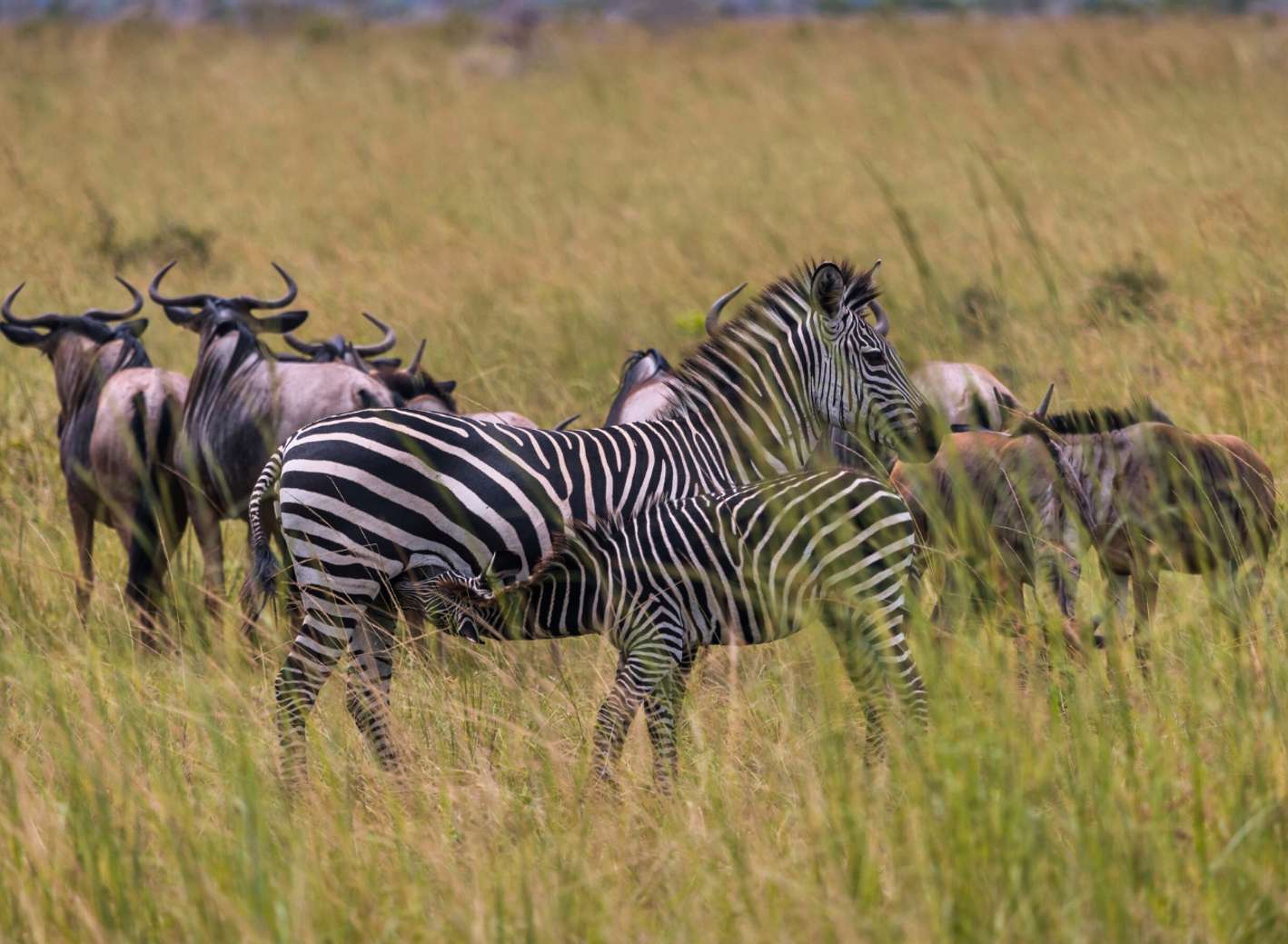
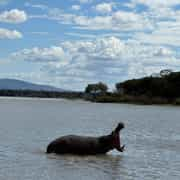
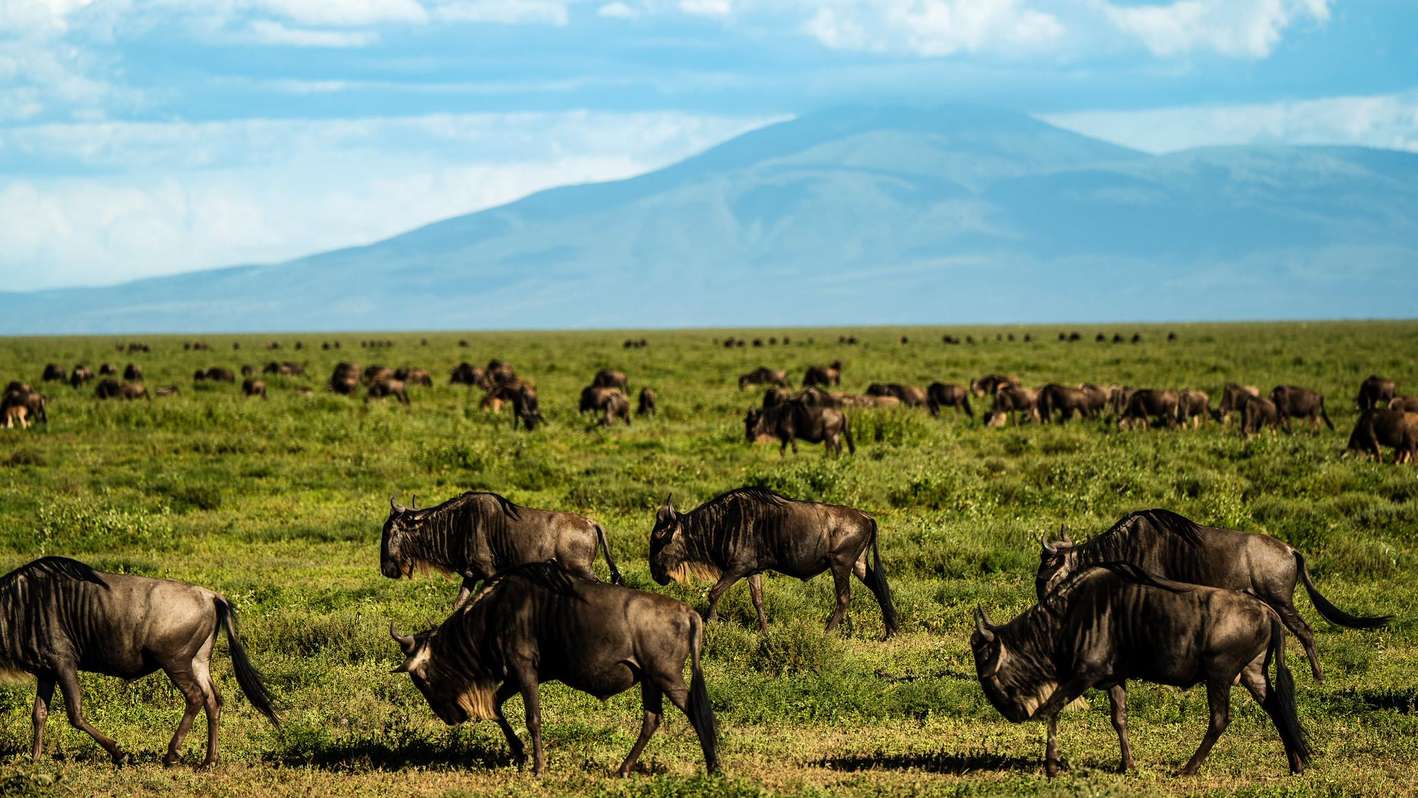
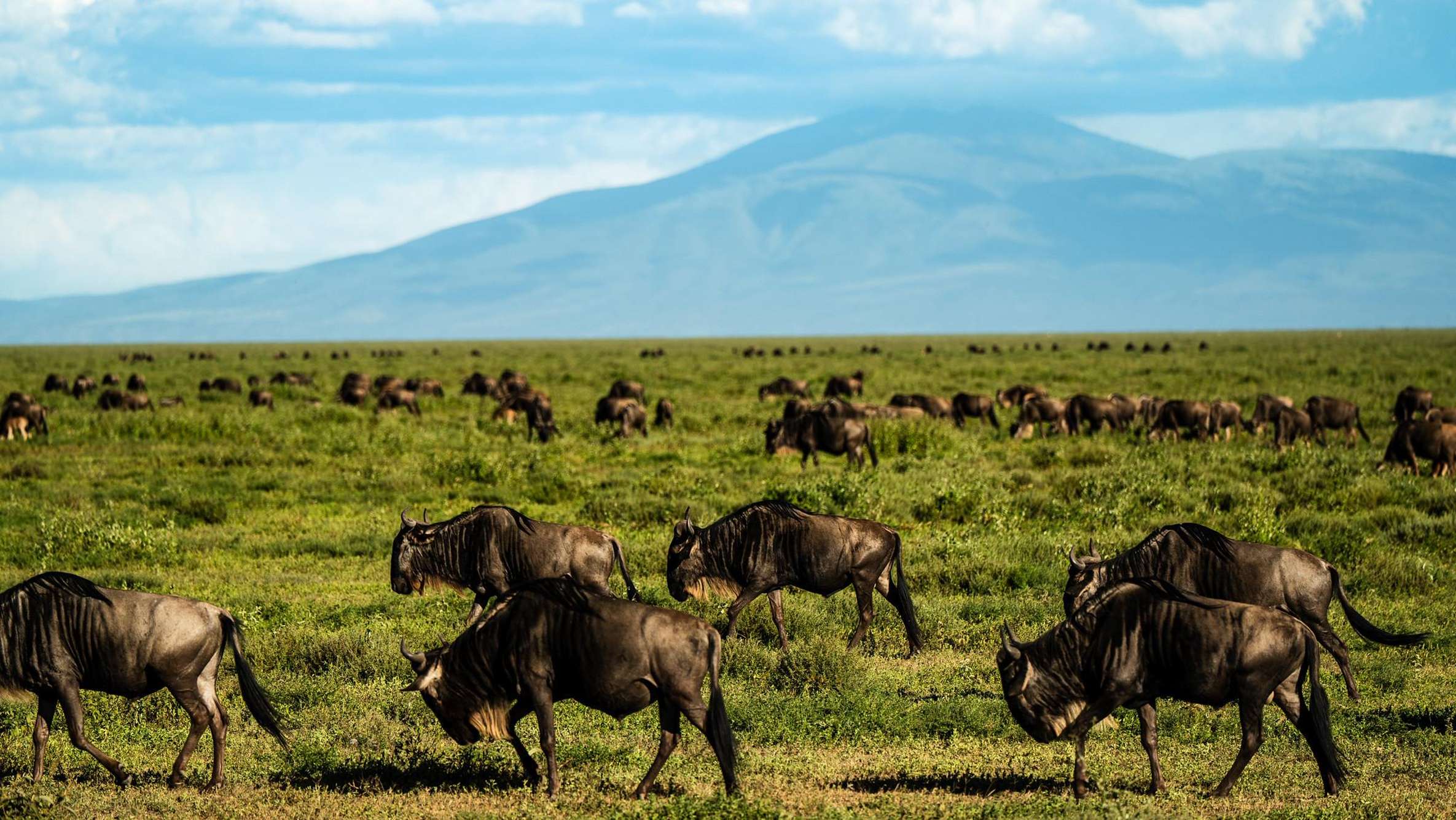
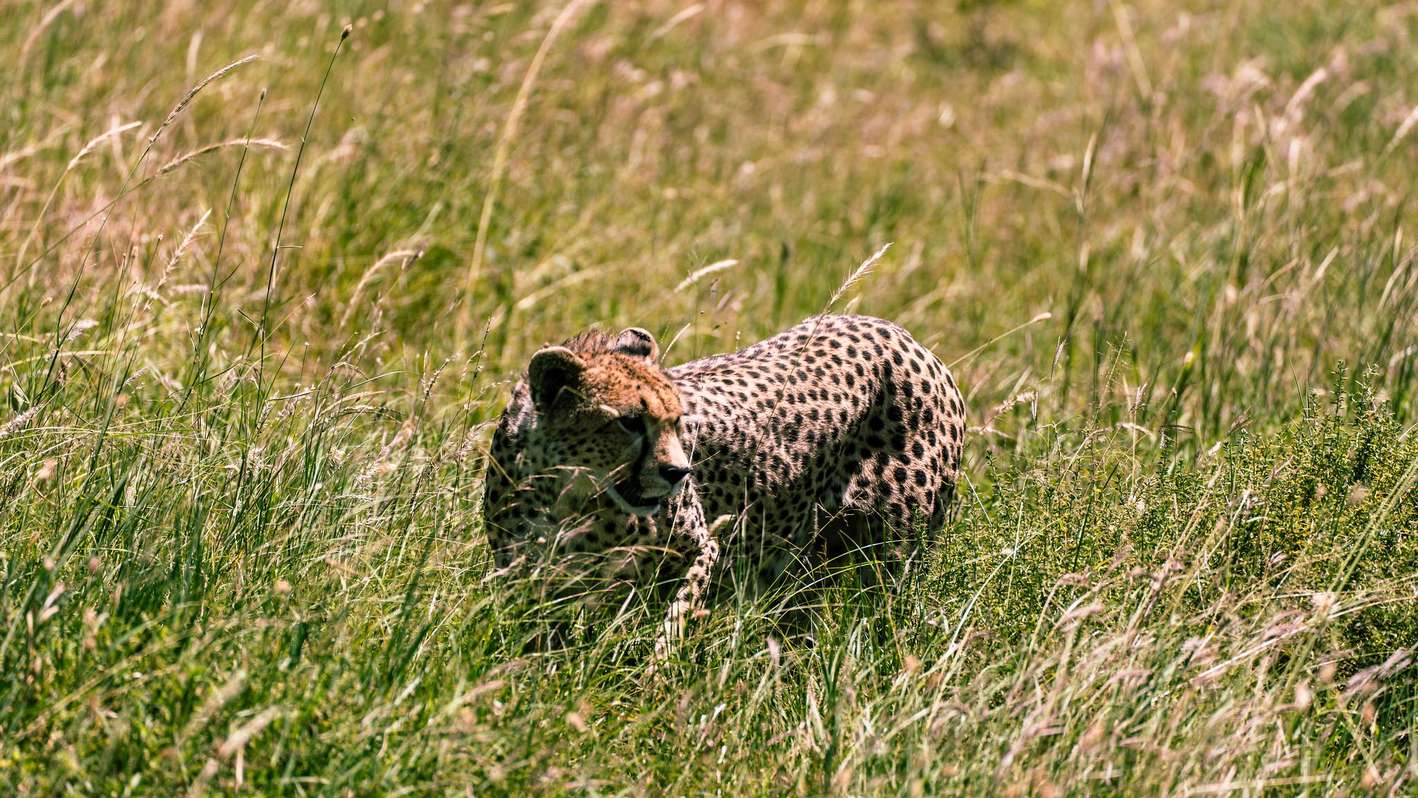
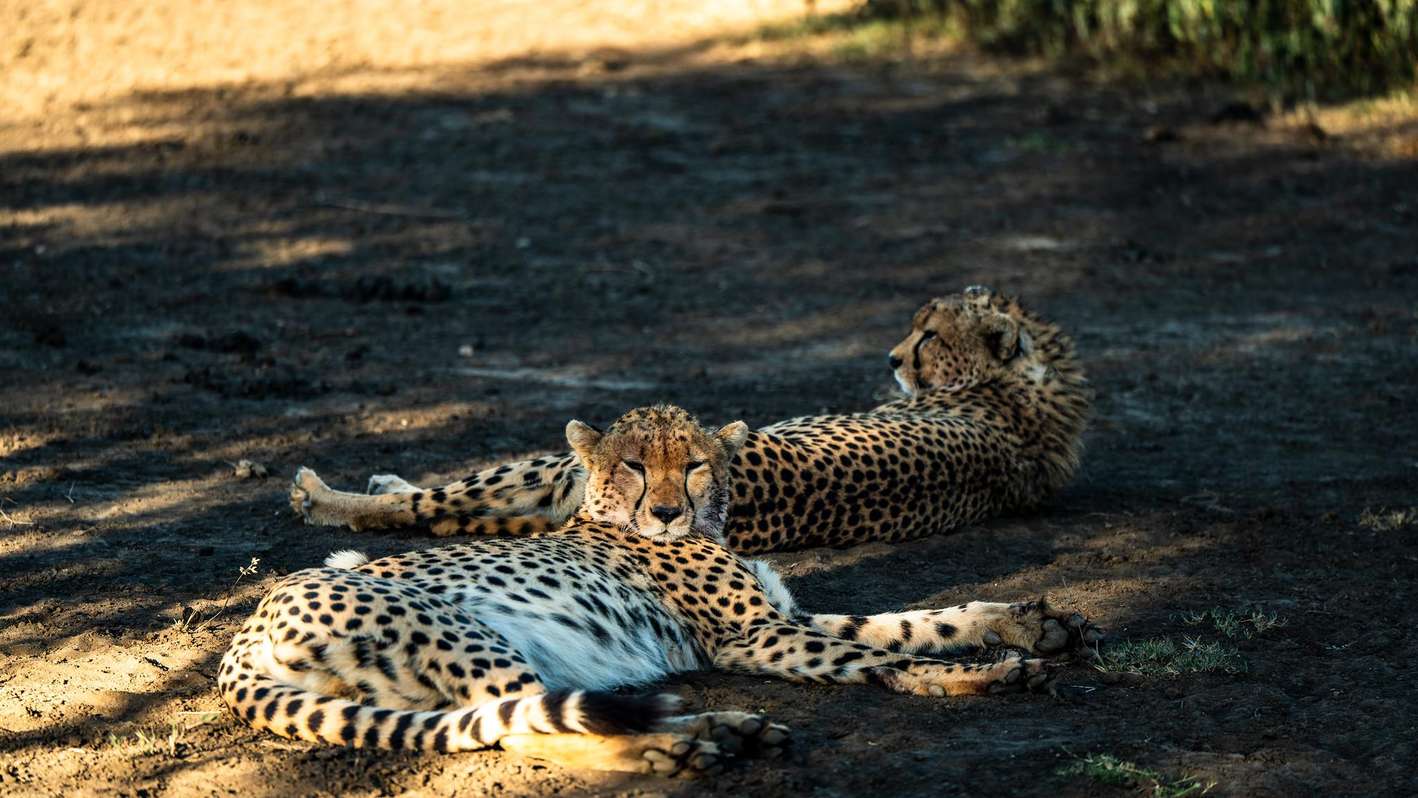
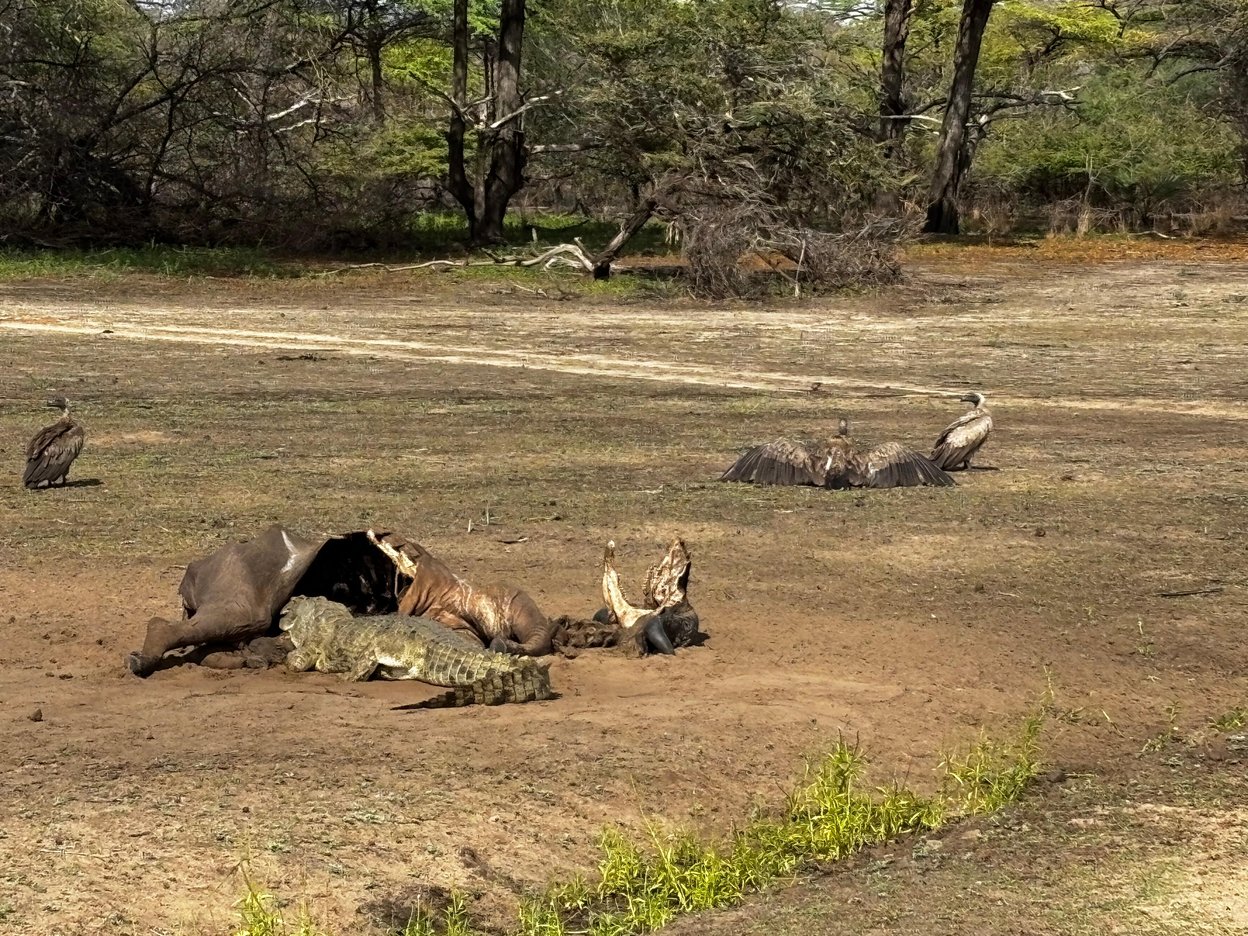
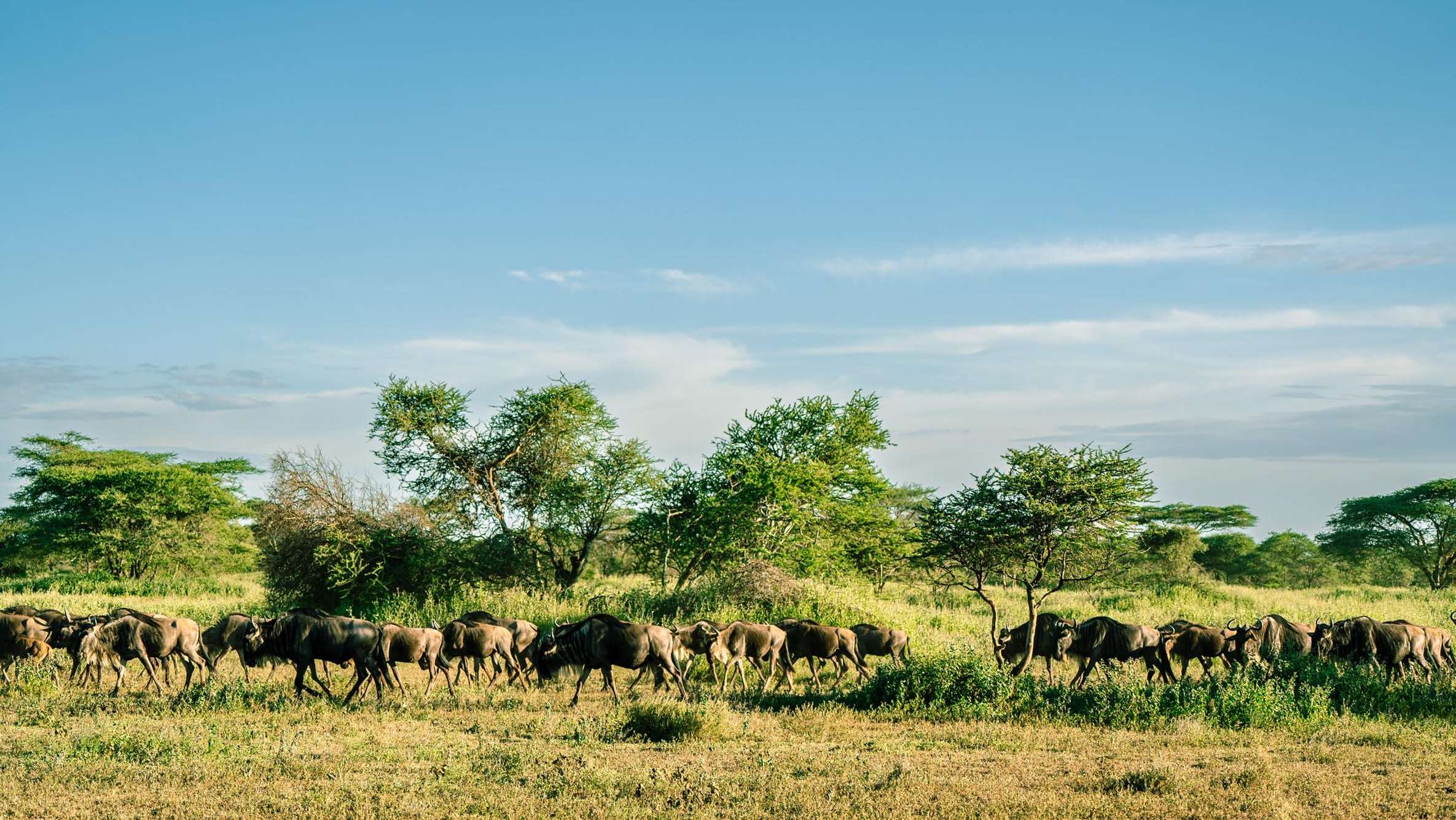
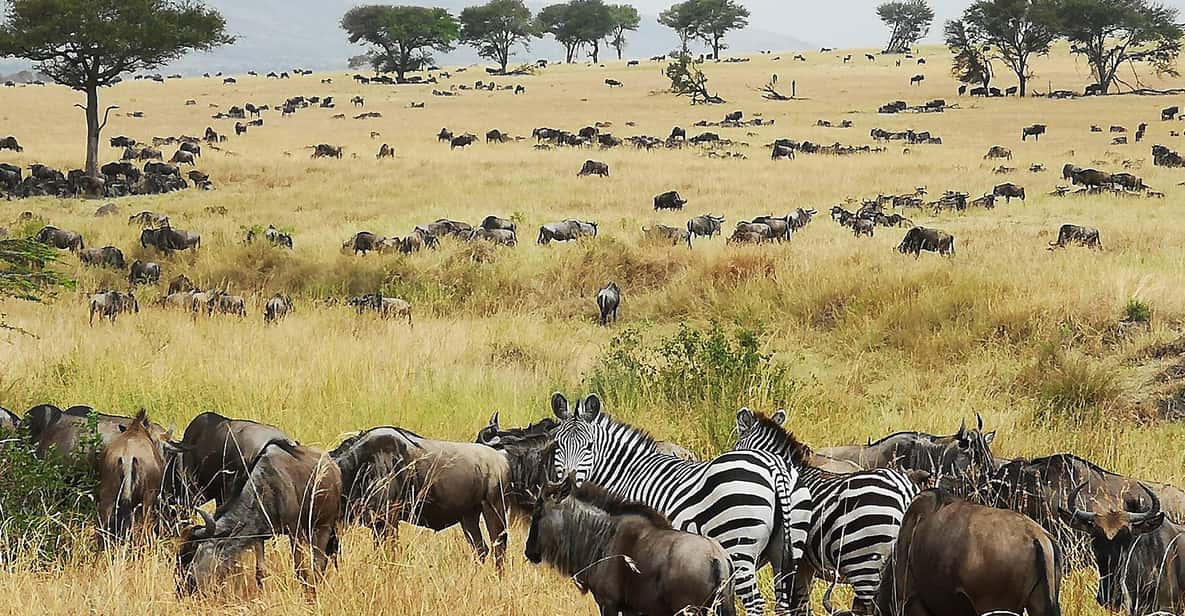
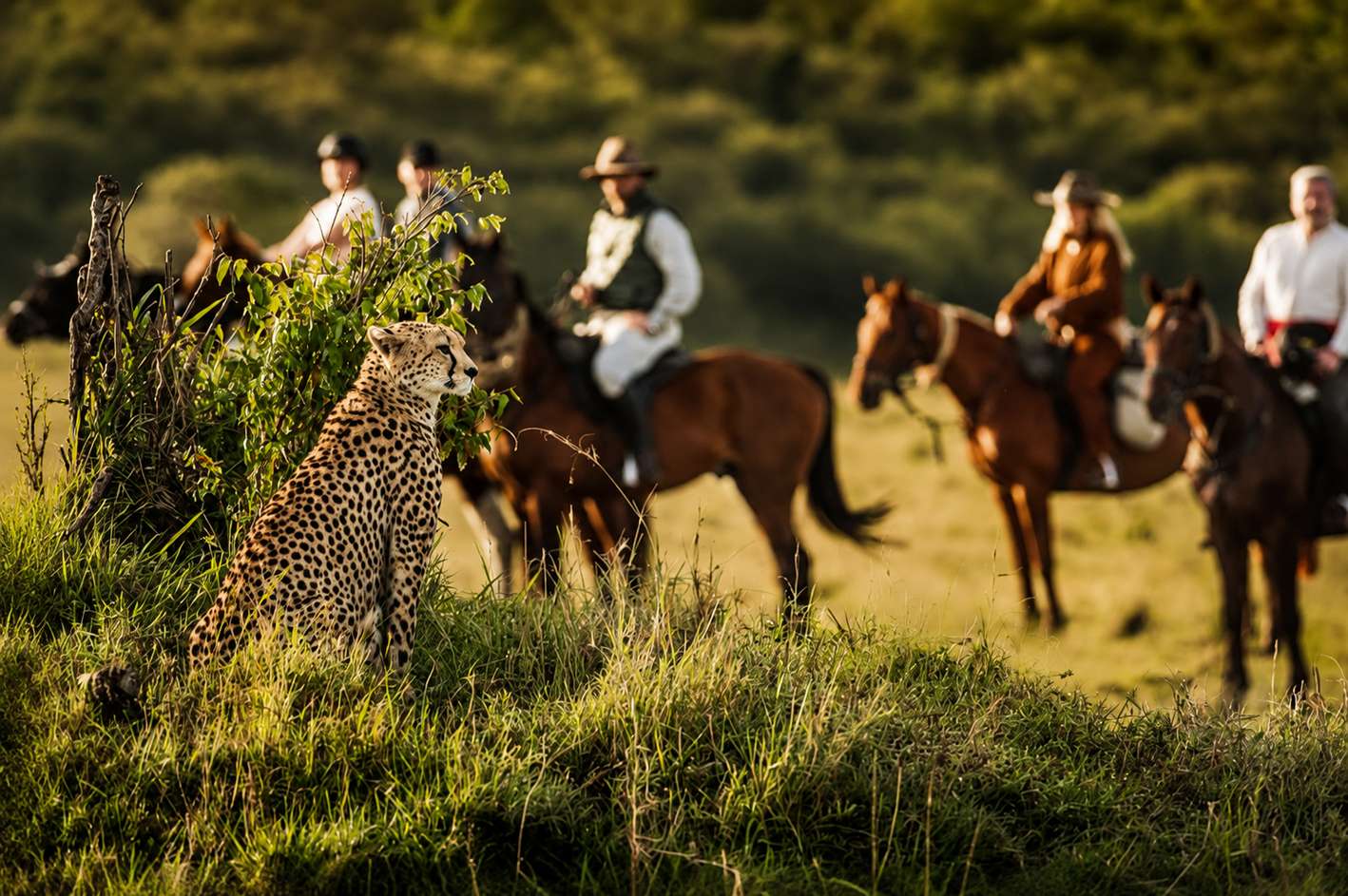
Rivers carry hippos, crocodiles lie on the banks, and herds of wildebeest, zebras and elephants move across the ground like slow weather. On the northern routes, the Serengeti plains open up under you. People have even spotted lions and cheetahs from the air.
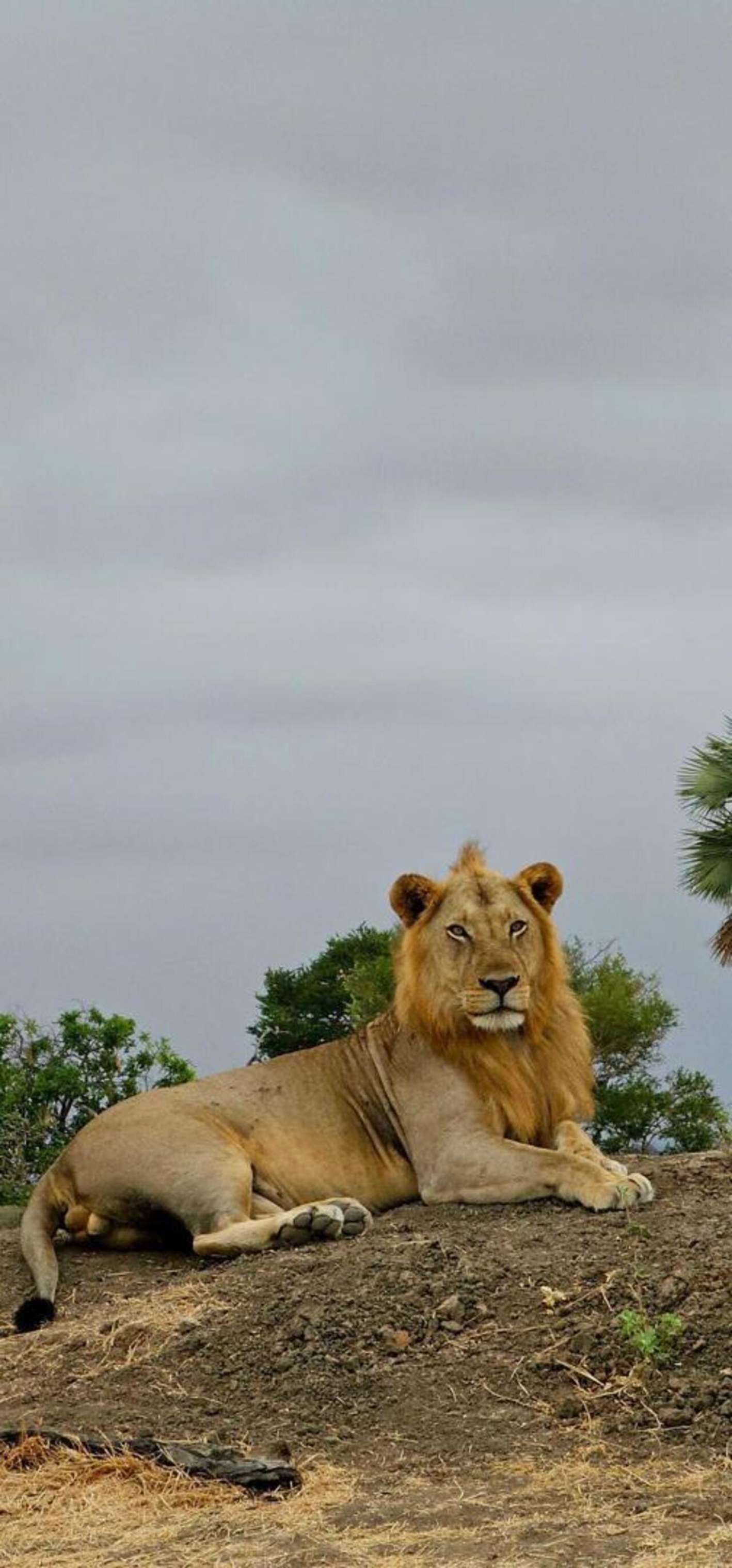
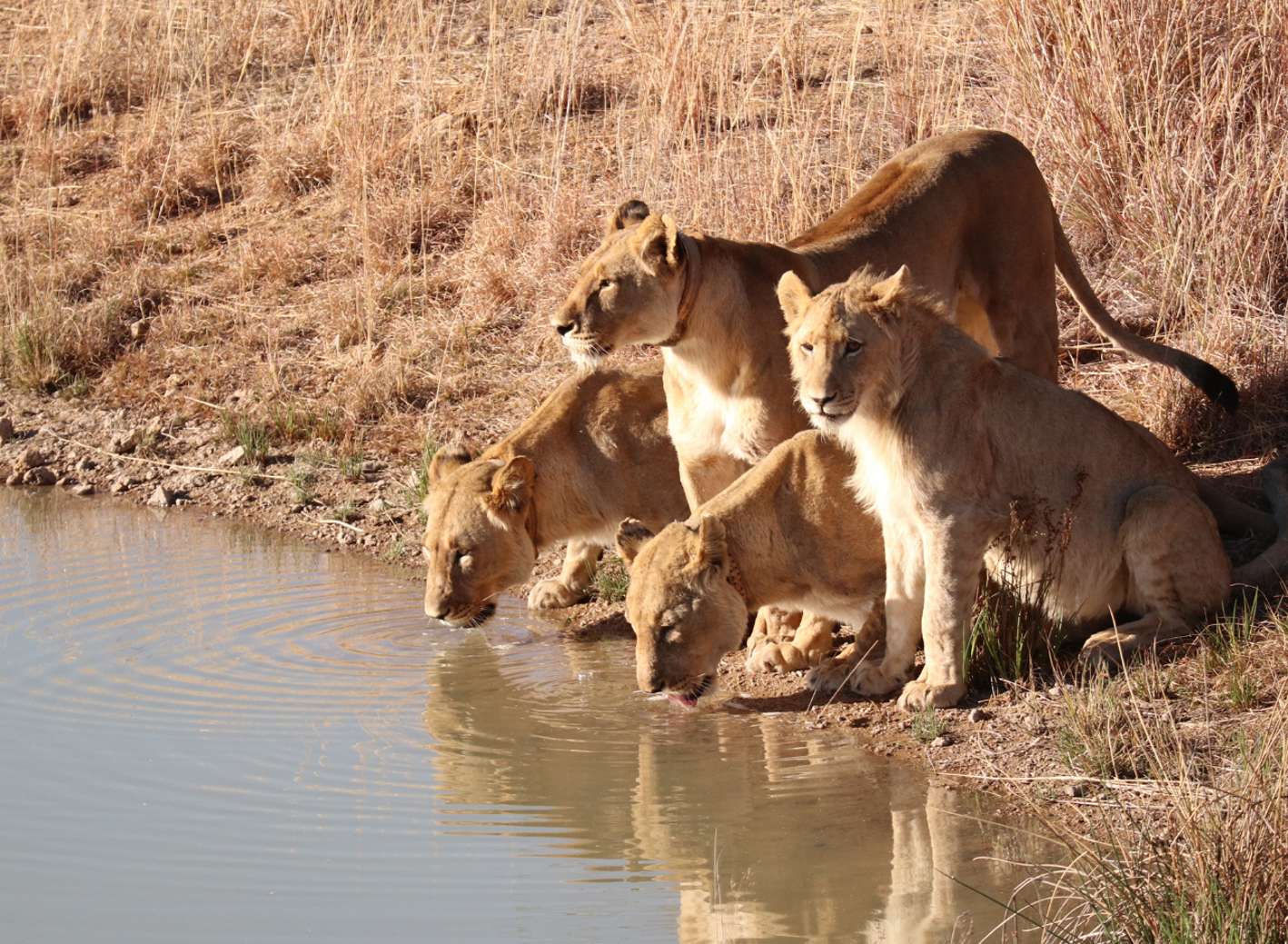
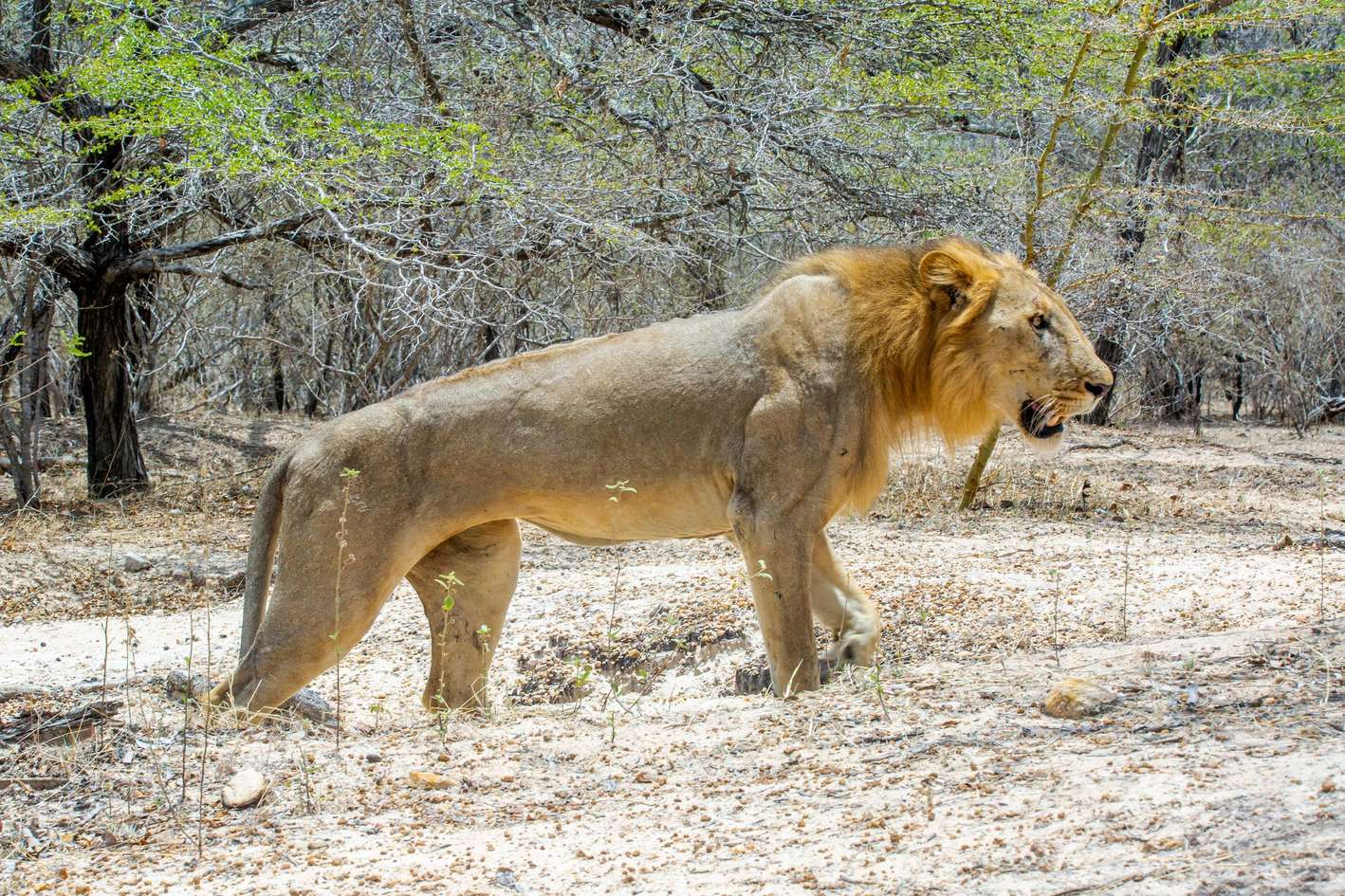
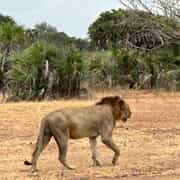
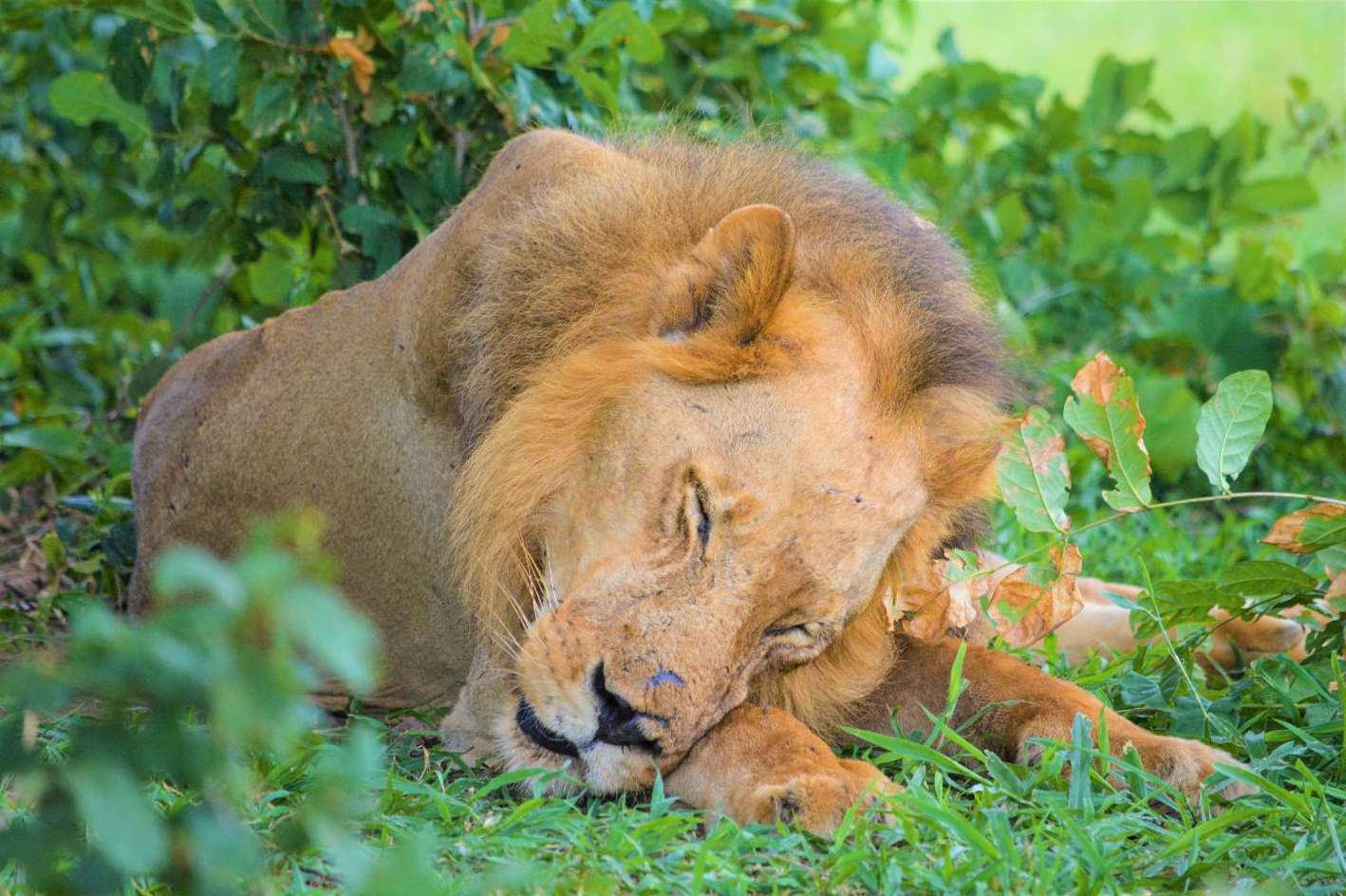
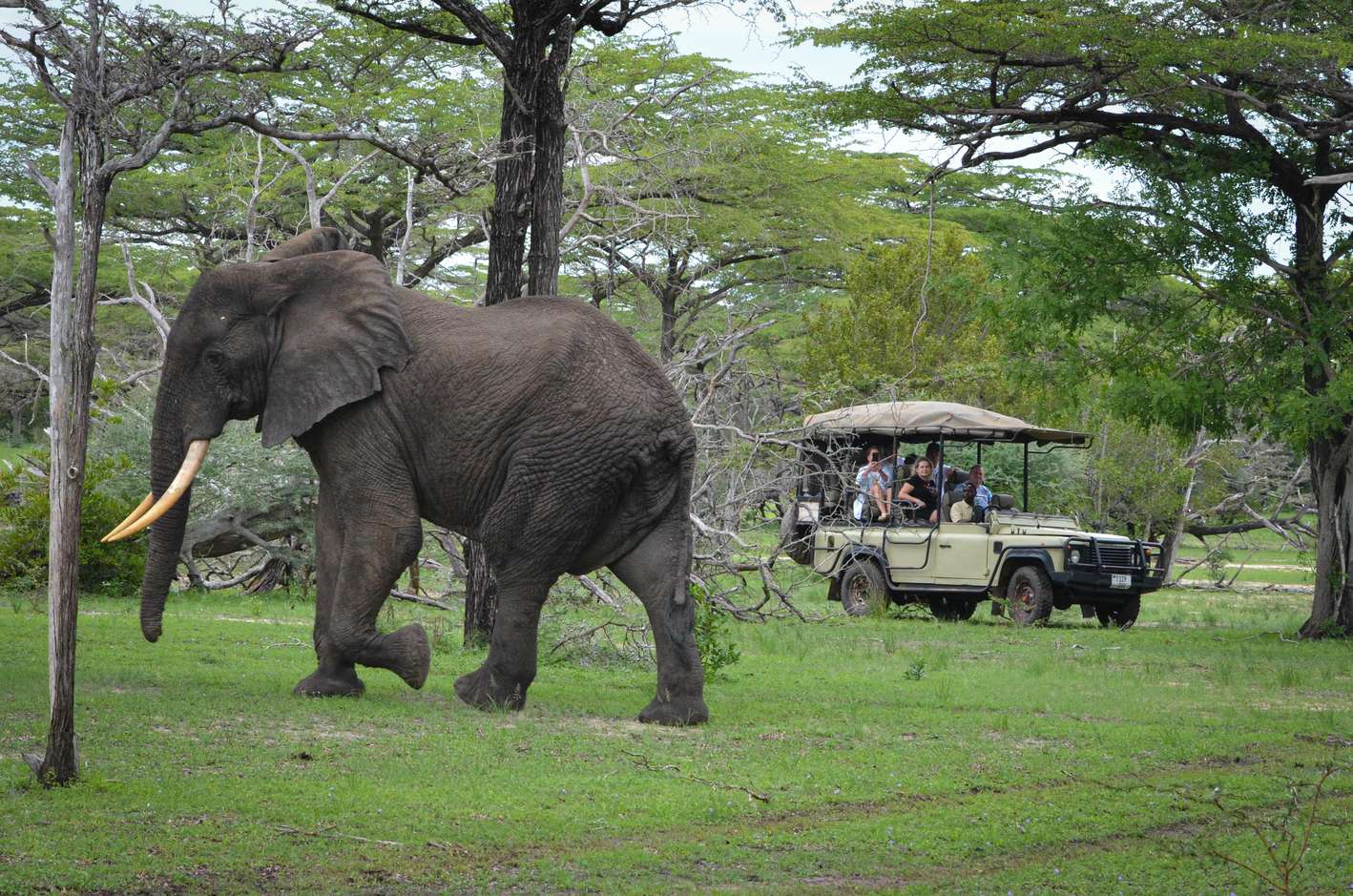
Then the wheels touch a dirt strip and the guide is already waiting. Guests on these day trips regularly come back with lions and elephants on their list, and guides radio other drivers across the park when a rarer sighting needs tracking down.
The honest odds of big cats still run lower in Mikumi than in the northern parks, where animal numbers run higher.
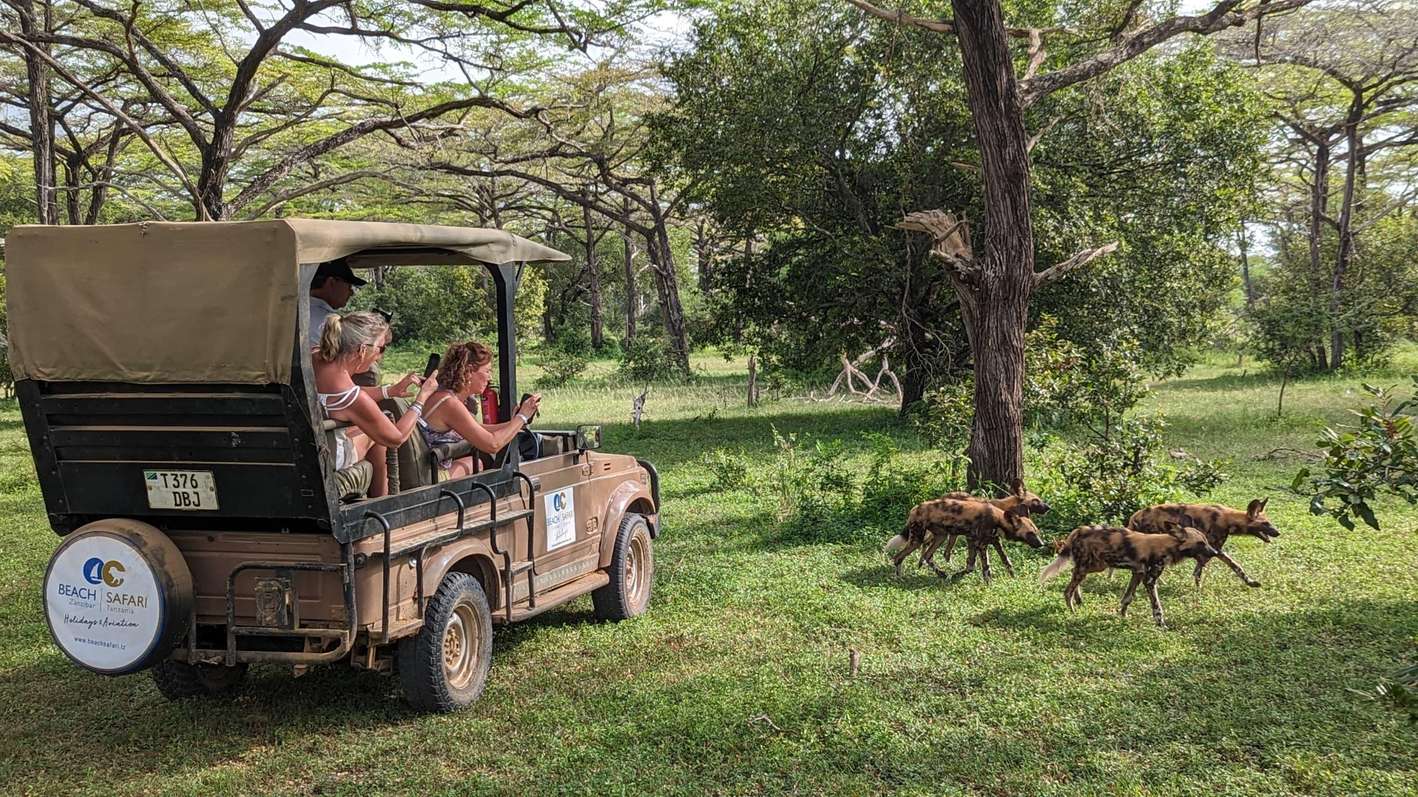
For more, the two-day version earns its extra night. The 2-Day Nyerere National Park Safari from Zanzibar by Flight pairs two game drives with a guided boat safari on the Rufiji River, where hippo pods gather and African wild dogs, rare anywhere, still roam.
Wildlife there is more spread out than in Mikumi, so the guide earns the sightings through active tracking, which is half the fun.
Tour for this
From Zanzibar: 2-Day Selous Safari with Flights & Lodge Stay4.4★ (12) · 2 days · Hotel pickup · Free cancellation
Dates matter more on a fly-in safari than on any beach week. The prime window runs June to October, the long dry season, when the parks are sunny and the beaches are too, with warm days near 30 degrees and low humidity.
A second good stretch comes from late December to February, the hottest beach weather with calm seas.
April and May are the honest months. The long rains arrive, the Mkata Floodplain in Mikumi turns to clay soup, and guides reroute to the better-drained circuits near the northern core. In the Serengeti, secondary tracks close but the main routes stay open, so migration drives continue. Full cancellations are uncommon.
Rain and wind across the year in northern Tanzania safari parks
April is the wettest month with heavy downpours, muddy secondary tracks, and quiet parks.
HighestMar to Apr, Dec166 to 232 mm
In betweenJan to Feb, Nov102 to 115 mm
LowestMay to Oct22 to 86 mm
Darker months: higher, from 22 to 232 mm
Tap a month to read it.
October is warm and dry with light visitor traffic before the short rains begin.
HighestJun to Oct19.8 to 23.8 days
In betweenMay, Nov to Mar11 to 17 days
LowestApr4.4 days
Darker months: higher, from 4.4 to 23.8 days
Tap a month to read it.
January brings warm safari conditions with occasional rain showers and around fifteen dry days.
Lowestall year0 days
Darker months: higher, from 0 to 0 days
Tap a month to read it.
April carries the heaviest rain of the year, with rain falling on about two days in three, and the parks go quietest then. May already eases, and by June the tracks are dry.
Between April 1 and June 1, tour operators flag that flight times and airfields can shift at short notice, so build slack around any mainland day. The animals, for their part, are still there.
Tour for this
From Zanzibar: Day Selous Game Reserve Safari with Lunch4.8★ (1,688) · 8 hours - 2 days · Hotel pickup · Free cancellation
Match the trip to the days you actually have, because the parks are not interchangeable. A one-day flight puts you in Mikumi for 6 to 7 hours of game drives and back at your hotel by evening.
It is the cheapest and shortest way to a real safari, and the park is nicknamed the mini Serengeti for good reason. Big cat encounters come less often there than up north, though, and the herds are smaller in scale.
A second day changes the arithmetic. Nyerere rewards an overnight: same-day visitors see the park for barely six or seven hours and miss dawn and dusk, when animals move. Sleep there and you get two drives plus a boat on the Rufiji.
Pick the two-day Serengeti flight and you land at Seronera, in the middle of the plains, where wildlife density has no rival. It costs more and the seats are scarce.
Choosing your fly-in trip
40 to 45 minutes
30 to 60 minutes
About 2 hours, sometimes longer with a stop
Hours in the park
6 to 7 on day one
Dawn, dusk and a full day
A full day plus morning drive
Wildlife density
Healthy, fewer big cats
Spread out, wild dogs and hippos
The densest on the circuit
Back at the beach
By evening
Next afternoon
Next day
40 to 45 minutes
Hours in the park
6 to 7 on day one
Wildlife density
Healthy, fewer big cats
Back at the beach
By evening
30 to 60 minutes
Hours in the park
Dawn, dusk and a full day
Wildlife density
Spread out, wild dogs and hippos
Back at the beach
Next afternoon
About 2 hours, sometimes longer with a stop
Hours in the park
A full day plus morning drive
Wildlife density
The densest on the circuit
Back at the beach
Next day
If you want the most park for the least disruption, the From Zanzibar: Mikumi Safari Day Trip with Flights and Lunch does exactly that, return flight, shared 4x4 drives and a bush lunch inside the park.
Tour for this
2-Day Selous (Nyerere) Safari from Zanzibar by Flight4.6★ (25) · 2 days · Hotel pickup · Free cancellation
Set the alarm early. For a mainland day trip, the pickup arrives at your hotel reception around 4 am, and from the far north of the island that is still a good hour and a half of dark road to the airport. Flights leave Zanzibar between 6:30 and 7:45 am.
Then the pace relaxes. The plane lands on a bush strip, your guide meets you there, and the drive from airstrip to wildlife is short enough to count as game viewing.
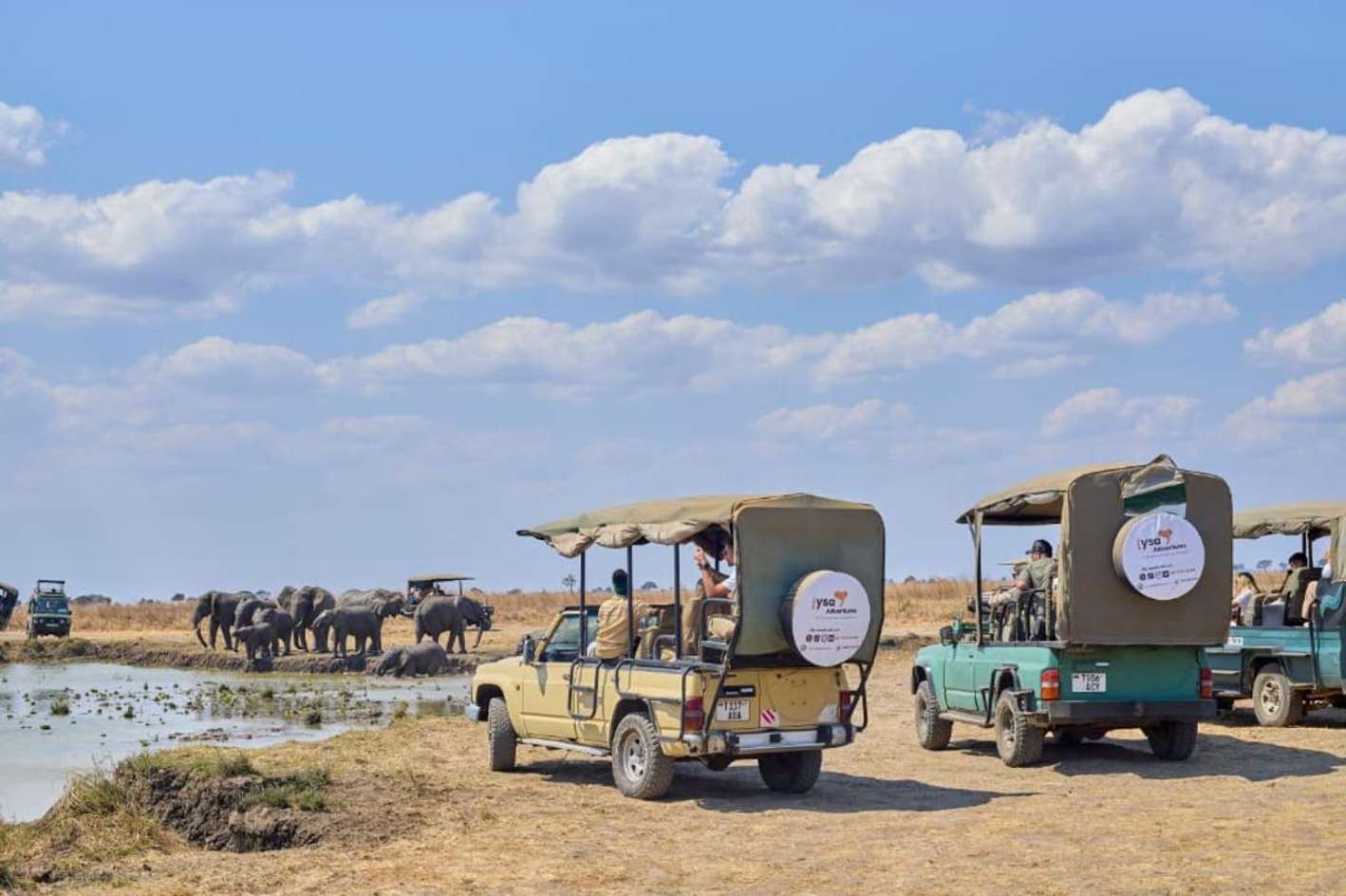
By mid-morning you are watching elephants with the engine off. A bush lunch in the park breaks the day, the afternoon drive runs until the light goes soft, and the flight home gets you to Zanzibar by early evening.
One number to respect: park gates open at 6 am and shut at 6 pm. Vehicles that miss the evening curfew face ranger discretion and fines, which is why the schedule keeps a margin.
The timing feels ruthless at 4 am and generous by 9, when you are already deep in the bush instead of still on a highway.
Your fly-in safari day
1
4 am
Hotel pickup in the dark
Prearranged transfer straight to the airport
2
6:30 to 7:45 am
Flight to the bush airstrip
40 to 60 minutes on most routes
3
8 am
Into the 4x4
Game viewing starts within minutes of landing
4
1 pm
Bush lunch in the park
Fresh food under a tree, engines off
5
About 4 pm
Return flight
Back at your Zanzibar hotel by evening
The pacing tells you what kind of day to expect: dark and brisk until the wheels leave the runway, then slow and generous once they touch the dirt. Nobody who has done it twice complains about the 4 am alarm.
Tour for this
Zanzibar: Mikumi Safari Day Trip with Scenic Flights5.0★ (2) · 7 hours · Hotel pickup · Free cancellation
Packing for a bush plane and a tsetse fly woodland
The packing rule that decides everything: soft bags only. Hard-shell suitcases are not accepted on light aircraft, and the baggage allowance is tight, typically capped around 15 kg including hand luggage, with some operators limiting it to 10 kg per person. A foldable duffel is the bag that survives this trip.
Then the wardrobe, and here the reason matters. In the woodlands of Mikumi and Nyerere, tsetse flies hunt by sight, and black and dark blue are the shades that attract them, the same colors used on baited fly traps.
Their bite is sharp and memorable. Wear khaki, beige, tan or olive instead, in tightly woven long sleeves and trousers, because the flies can bite through thin fabric.
Leave three more things behind: single-use plastic bags, banned nationwide and confiscated on arrival, camouflage clothing, illegal for civilians in Tanzania, and anything bright or pure white, which startles animals or turns dust-coloured by lunchtime. A light fleece earns its place for the cool first hour of the morning drive.
RecommendedRecommended Pack a foldable soft duffel: Hard suitcases are not accepted on bush flights, the weight limits are strict, and hotels in Zanzibar can usually store your excess luggage until you fly back.
That storage option closes the loop neatly: you check in light for the bush flight, leave the big suitcase at your Zanzibar hotel, and collect it when you return for the beach days.
Tour for this
2-Day Nyerere National Park Safari from Zanzibar by Flight4.1★ (3) · 2 days · Hotel pickup · Free cancellation
The paperwork is lighter than most people fear, provided you check three things before you fly. Your passport must stay valid six months beyond arrival, with blank pages for stamps, and most foreign nationals need a Tanzanian visa.
One visa covers both the mainland and Zanzibar, and you can apply online through the official e-Visa portal or get one on arrival at the major airports. Have your accommodation details and return ticket ready at immigration.
Now the worry you can drop: yellow fever. No certificate is legally required for travelers moving between mainland Tanzania and Zanzibar. A certificate is only demanded from people arriving from, or transiting long hours through, a yellow fever country.
What you should arrange is malaria protection. Mikumi sits in a high-risk zone below 1,800 meters, and official health guidance recommends antimalarial tablets for every visitor, however short the stay.
At the gate itself, come prepared to pay by card. Mikumi's entry gates take credit card only, no cash. And keep some cash for tips, since driver-guides and lodge staff are customarily tipped separately from the package.
Tour for this
From Zanzibar: Mikumi Safari by Twin-Engine Plane + Lunch4.7★ (164) · 10.5 - 12 hours · Hotel pickup · Free cancellation
The plane is the family's best friend here, because it deletes the part of a safari that children survive worst: hours of rough road. A short fly-in trip gets a family from beach to bush and back without vehicle burnout.
Age still shapes the day. Under fives often struggle to stay quiet and still near predators, which is what close viewing requires.
The practical fix is a private 4x4 with a pop-up roof, which lets you set your own pace, cap game drives at three or four hours, and retreat to camp when patience runs out. A shared group vehicle locks you into other people's schedule and full-day drives, a poor match with a tired toddler.
The rules themselves are simple and children can follow them: hands stay inside the vehicle, nobody feeds or touches animals, and everyone steps out only at designated picnic and restroom spots. The animals are used to cars and mostly ignore them, which is what makes the whole thing safe.
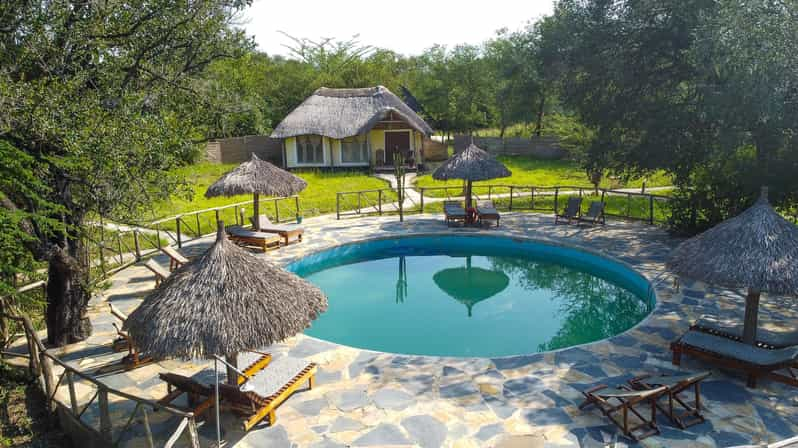
One more family trick worth stealing: book a lodge with a pool. Between dusty drives, it burns off the energy a vehicle cannot.
Tour for this
Zanzibar: 2-Day Private Magical Ngorongoro Crater Safari5.0★ (2) · 2 days · Hotel pickup · Free cancellation
What happens if the weather turns on your fly-in trip
Rain is the one force a schedule cannot argue with, so know the fallbacks before you book. Between April 1 and June 1, weather or airfield conditions can postpone, bring forward or otherwise change the safari. That is the season to hold your plans loosely.
The terms are reasonable. If a Mikumi day flight safari is canceled for poor weather or unsafe flying, you are offered an alternative date or a full refund.
On the Selous routes, there is a clever second option: passengers can be flown to Dar es Salaam instead and transferred by vehicle to the reserve, or the reverse.
Two limits sit alongside that reassurance, and both come from the operators' own terms. They cannot be held responsible for missed connections on separate airline tickets, or for activities lost to flight delays.
That is why the standing advice is to plan your return to Zanzibar at least two nights before any international departure. Handled this way, a weather problem costs you a date change and little more.
If the bush flight is grounded
If this happens
What happens then
Flight canceled for weather or unsafe flying
An alternative date or a full refund
Airfield conditions on the Selous route
Passengers may be flown to Dar es Salaam and driven to the reserve instead
Schedule changes between April 1 and June 1
The safari is postponed, advanced or adjusted
You miss a connection on a separate airline ticket
The operator accepts no responsibility for it
Book the mainland day early in your trip, and most of this stays theoretical. If the schedule slips, there are still beach days left to absorb the change, and your flight home stays safe.
Tour for this
From Zanzibar: 2-Day Serengeti Park Safari Trip with Flights4.5★ (10) · 2 days · Hotel pickup · Free cancellation
Separate the map from the headlines. The travel advisories that carry real warnings point at the far south, the border area with Mozambique's Cabo Delgado province, where the UK advises against all but essential travel and the US recommends reconsidering the Mtwara border zone.
The national parks and popular safari circuits are not subject to those travel warnings. Elsewhere, the standard advice applies anywhere in the world: stay alert in tourist areas, keep away from crowds and demonstrations, follow local news.
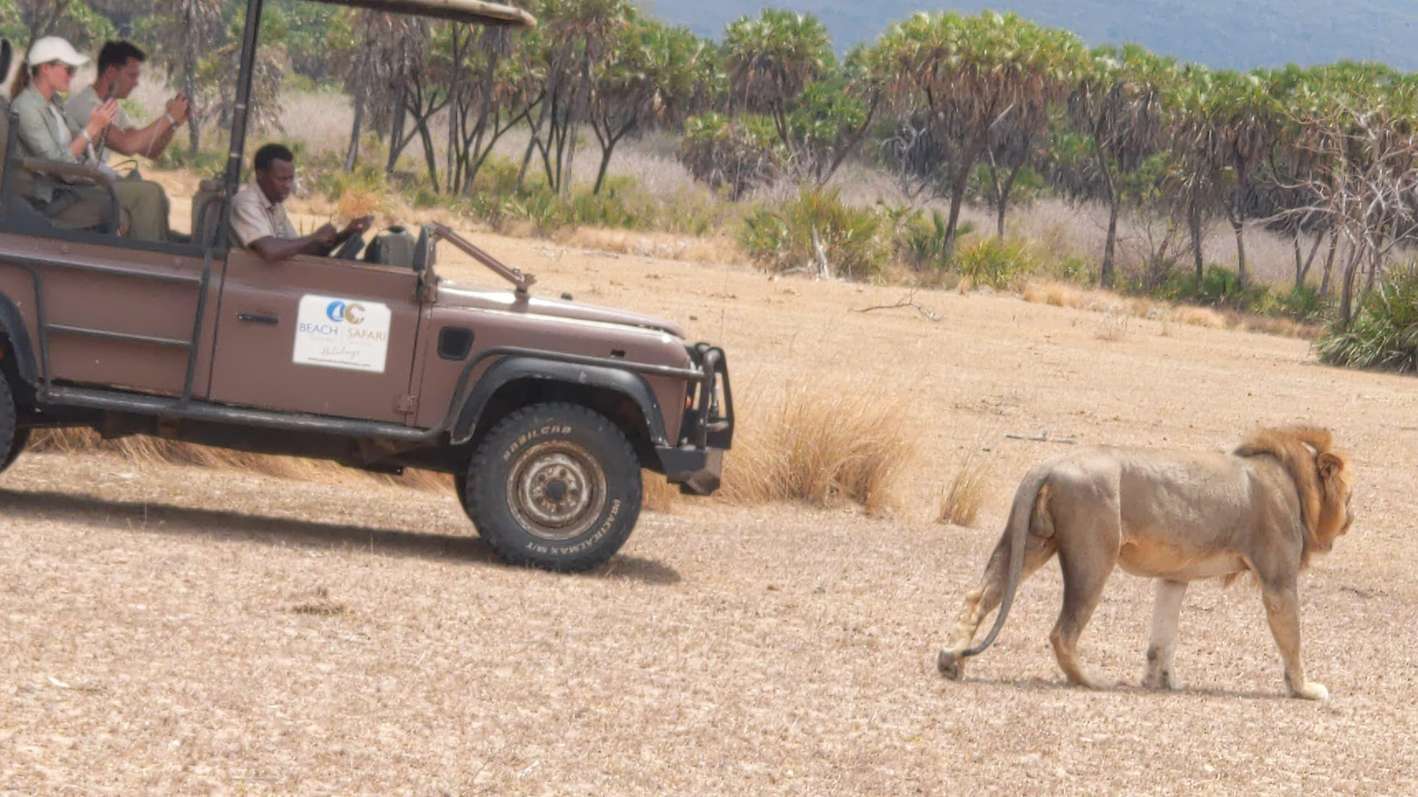
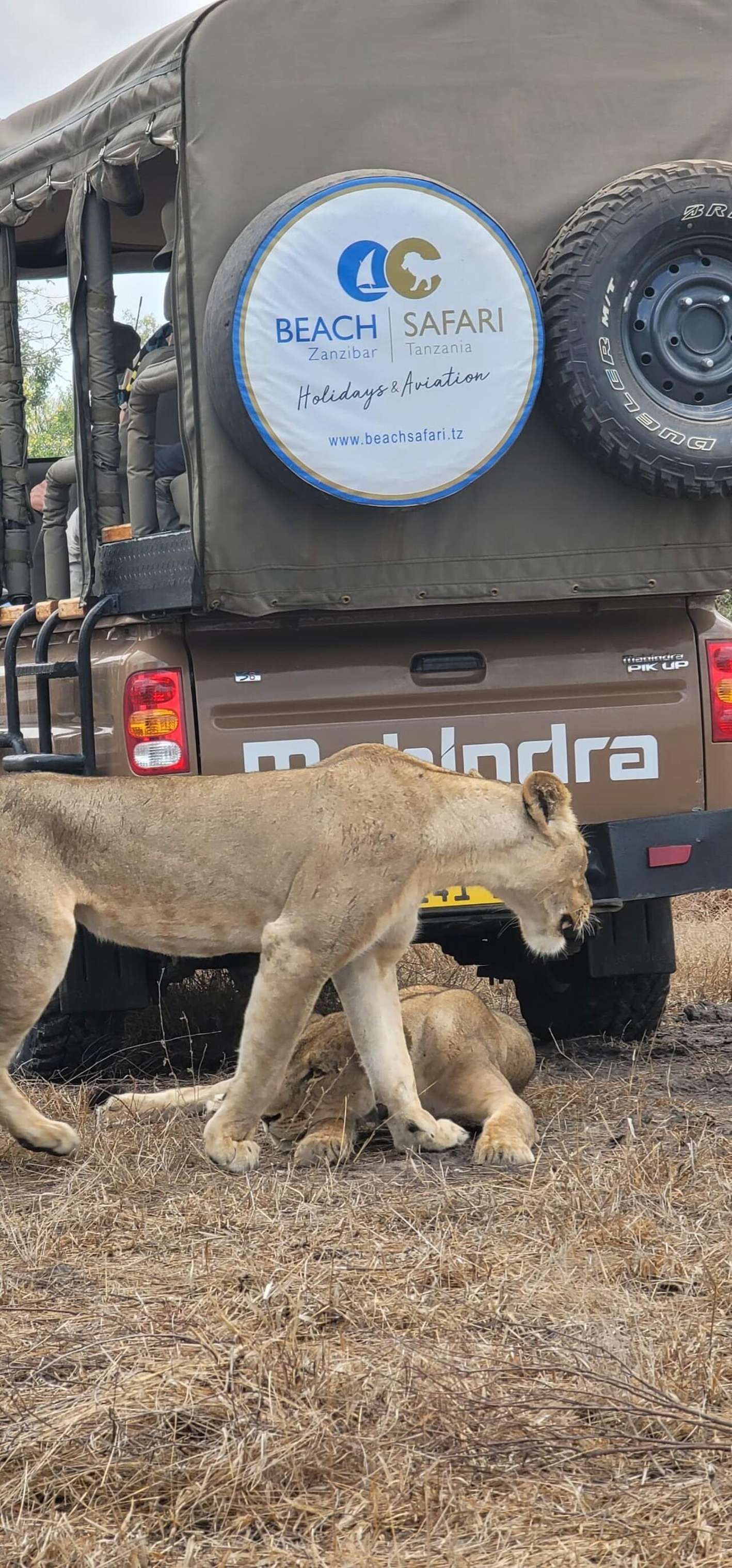
As for the animals, the safety case rests on one habit. Visitors stay inside sturdy vehicles, and the wildlife has grown up around cars, so a lion walks past your window the way a stranger walks past your garden fence.
Stay in the vehicle, never feed or touch an animal, and follow the guide's instructions, and a game drive is a calm, controlled way to meet wild animals.
The genuine risk on a fly-in day is not the bush at all. It is the 4 am road to the airport, so use the prearranged transfer rather than an improvised taxi at that hour.
The safari works best as the centerpiece of a longer island week, not the whole of it. The day before your mainland flight, the sea takes over.
A private boat trip out to Mnemba Atoll pairs dolphin watching with snorkeling over the reef, and it sits comfortably alongside an early safari morning because the boats leave at civilized hours.
Dhow cruises, sandbank stops and mangrove swims fill the other slots, and they ask nothing of you but sunscreen. That is the right pairing in another sense too: the sea days are restful, the safari day is an early alarm and a long, thrilling day, so keep a quiet morning after you fly back.
Starfish and reef fish give the snorkelers something to talk about at dinner, and the dolphins usually show up unasked.
If your safari runs two days with a night in the park, the return afternoon is best left unbooked. Flights in the rainy season can shift, and a free evening on the beach is a fine place for a delayed arrival to land.
A Tanzania fly-in safari turns a beach holiday into a safari holiday without costing you a single full day on a road. The one-day Mikumi hop is the easy yes, the two-day Nyerere stay adds dawn, dusk and a river, and the Serengeti flight is the one worth booking furthest ahead.
Watch the calendar as closely as the itinerary: June to October is the window where everything lines up, and April to June is the season to hold loosely.
Go ifYou have one free day in Zanzibar and want a real wildlife safari without an overnightYou want dawn and dusk game drives and a Rufiji River boat, and can spare two daysYou are booking the Serengeti leg months ahead, when the north seats are still available
Skip ifYou are pregnant, or have back, heart or mobility problems that rough dirt tracks would aggravateYour international departure from Zanzibar is less than two nights after the safariYou cannot get up for a 4 am hotel pickup
Our pick to book
From Zanzibar: 2-Day Serengeti Park Safari Trip with Flights4.5★ (10) · 2 days · Hotel pickup · Free cancellation
Quick answers on bush flights, airstrips and timings before you pick your trip.
Seronera2026
By 8 am today we were watching elephants from a 4x4, and by 5 pm back at the pool. Book the flight day with two nights to spare before your flight home.
Can you fly straight from Zanzibar to a safari?
Yes. Light aircraft leave Zanzibar each morning and land on bush airstrips inside Mikumi, Nyerere (Selous) and the Serengeti. A 4x4 and your guide wait at the airstrip, so the game drive starts minutes after touchdown.
How long is the flight from Zanzibar to each park?
Mikumi's Kikoboga Airstrip takes 40 to 45 minutes, Mtemere in Nyerere takes 30 to 60 minutes, and Seronera in central Serengeti sits around two hours away. These flights replace the ferry and roughly 8 to 8.5 hours of mainland driving to the southern parks.
Can you do a fly in safari as a day trip from Zanzibar?
Mikumi works as a one-day trip: you fly out early, get 6 to 7 hours of game drives either side of a bush lunch, and land back in Zanzibar in the afternoon, at your hotel around 5 pm to 6:30 pm.
What time do you get picked up for an early safari flight?
Flights leave Zanzibar between 6:30 am and 7:45 am, and drivers collect you from your hotel reception around 4 am. From Nungwi the transfer takes about 1 hour 42 minutes, and from Paje about 1 hour 26 minutes, so the exact pickup time arrives the day before.
Is a fly in safari worth the airfare when you're on a beach holiday?
You trade one early morning for a full day in the bush and skip the ferry and long road transfers entirely. Regulars say the logistics flow smoothly, with little downtime between pickup, flight and game drive.
Is the Serengeti better than Mikumi for a fly in safari?
Mikumi is known as the mini Serengeti, with healthy wildlife numbers and big savings on flight time and cost. Big cat sightings come more often in the Serengeti, and the two-day trip from Zanzibar lands you on Seronera airstrip right in the middle of the park.
What can you see from the safari plane?
The flight itself is part of the day. You cross Zanzibar's reefs and the coastline, then rivers, wetlands and open plains where herds of wildebeest, zebras and elephants sometimes show up below, and even lions or cheetahs now and then.
When is the best time to combine a safari with a Zanzibar beach holiday?
June to October brings the long dry season, with sunny days of 27°C to 31°C on the coast and in the parks. Late December to February works too, while April and May bring heavy rain and possible flight delays.
What happens if weather delays or cancels the bush flight?
Between April 1 and June 1, weather or airfield conditions can move a safari forward or back. If a Mikumi day flight is canceled, you get an alternative date or a full refund, and on some Selous routes you may be routed via Dar es Salaam with a road transfer instead.
Can you see wild animals on Zanzibar itself?
Zanzibar trips are marine ones: dhow cruises, sandbanks, dolphin snorkeling and starfish on the reefs. For lions, elephants and giraffes you need the mainland, and a bush flight gets you there before breakfast is a distant memory.
What should you wear on a fly in safari?
Pack khaki, beige and olive, with long sleeves and trousers. Black and dark blue attract tsetse flies in Mikumi and Nyerere, and their bites sting, so leave the navy and denim at the hotel.
How early should you book your fly in safari before flying home?
Plan your return to Zanzibar at least two nights before your international departure. That buffer protects you if weather moves a domestic flight, since operators cannot cover missed connections on other airlines.
Fly in to the parks - where to take your Tanzania safari next



 Your best match