

Our pick
2 days·German, English
4.5(10)
From Zanzibar: 2-Day Serengeti Park Safari Trip with Flights
Free cancellationHotel pickup includedPark fees

See the Serengeti in one day from Arusha or Zanzibar. The honest answer first - a same-day road trip takes 18 hours round trip, so fly in on a two-day package with a full-day game drive and land on Seronera airstrip right inside the park.
A Serengeti safari day trip you can book here runs over two days, not one.
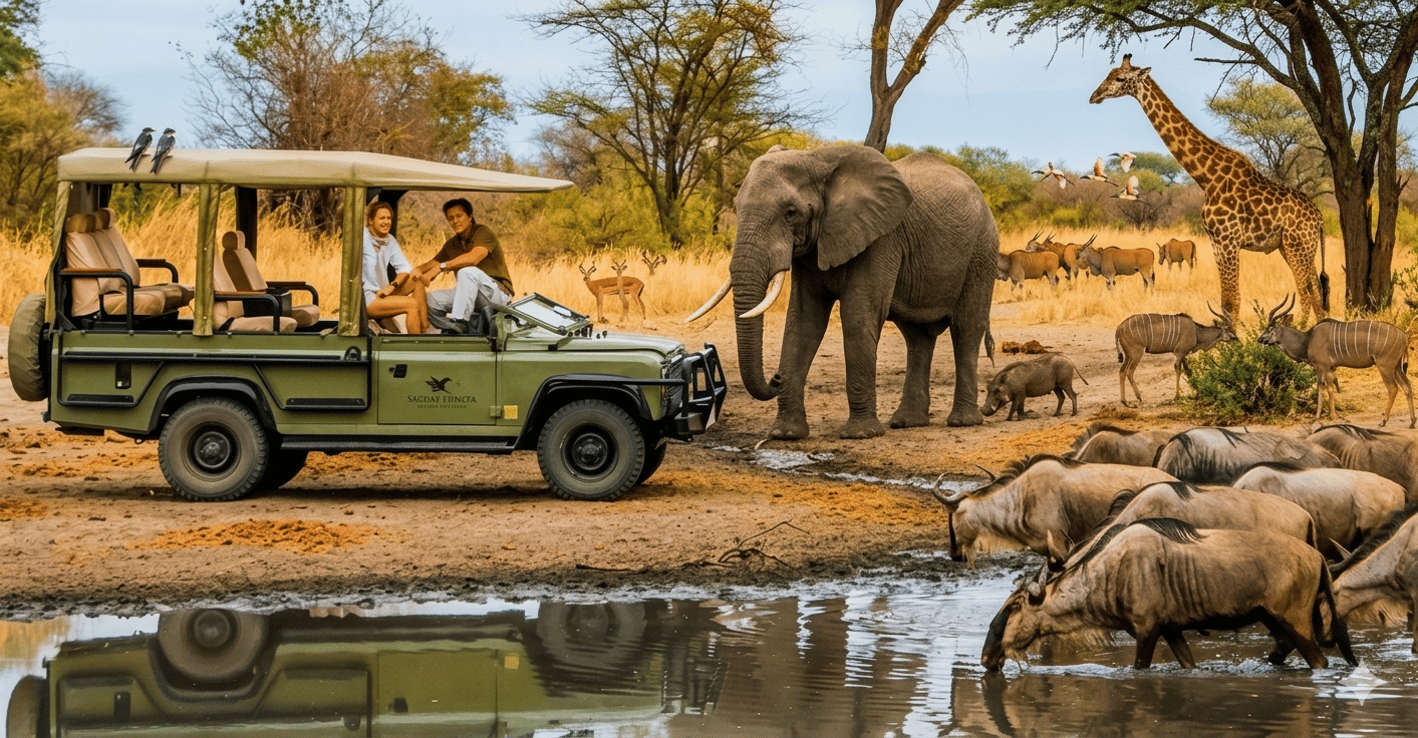
The closest match is a fly-in trip from Zanzibar that lands on Seronera airstrip inside the park, with a full-day game drive, a picnic lunch in the middle of the plains, and a night at a lodge five minutes from the Serengeti gate before a second morning out.
What it shares with the one-day idea: flights cut the drive entirely and you see lions, leopards, elephants, rhinos and buffalo on day one. Where it differs: you stay overnight, so plan two days. The card beside this lists dates and options.
A true Serengeti safari day trip is not on offer here, because the park sits too far away for a same-day road round-trip. The closest match we recommend instead is this two-day fly-in safari from Zanzibar, and it answers what a day trip was really after: maximum wildlife, minimum transit.
You skip the highway entirely. A domestic flight carries you from Zanzibar to Seronera airstrip, right inside the park, where your private guide waits with the safari vehicle.
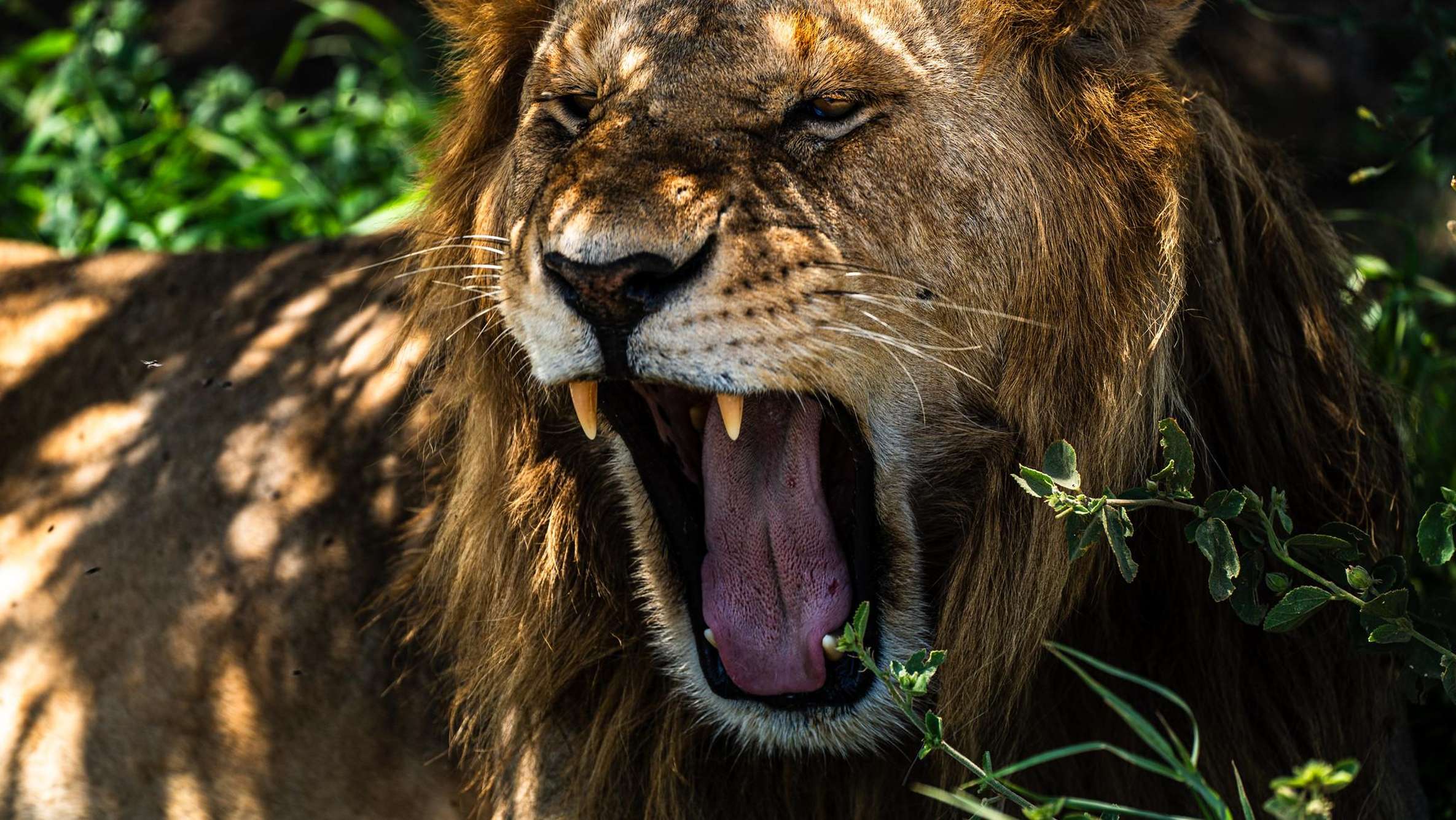
Day one is a full-day game drive across the plains with a picnic lunch in the middle of the Serengeti, then an overnight at a lodge just outside the gate. That second half-day is what a rushed day trip loses, and it is where dawn sightings happen.
Park fees, hotel pickup, return flights, a full-board lodge stay and drinking water are all included, with English or German guiding. Free cancellation applies up to 24 hours before departure.
It suits travelers on a Zanzibar beach holiday with one spare night. One thing worth knowing: bush flight seats are limited, so your departure date may need to shift to a day with available flights.
Green marks the lowest price. Prices per person.

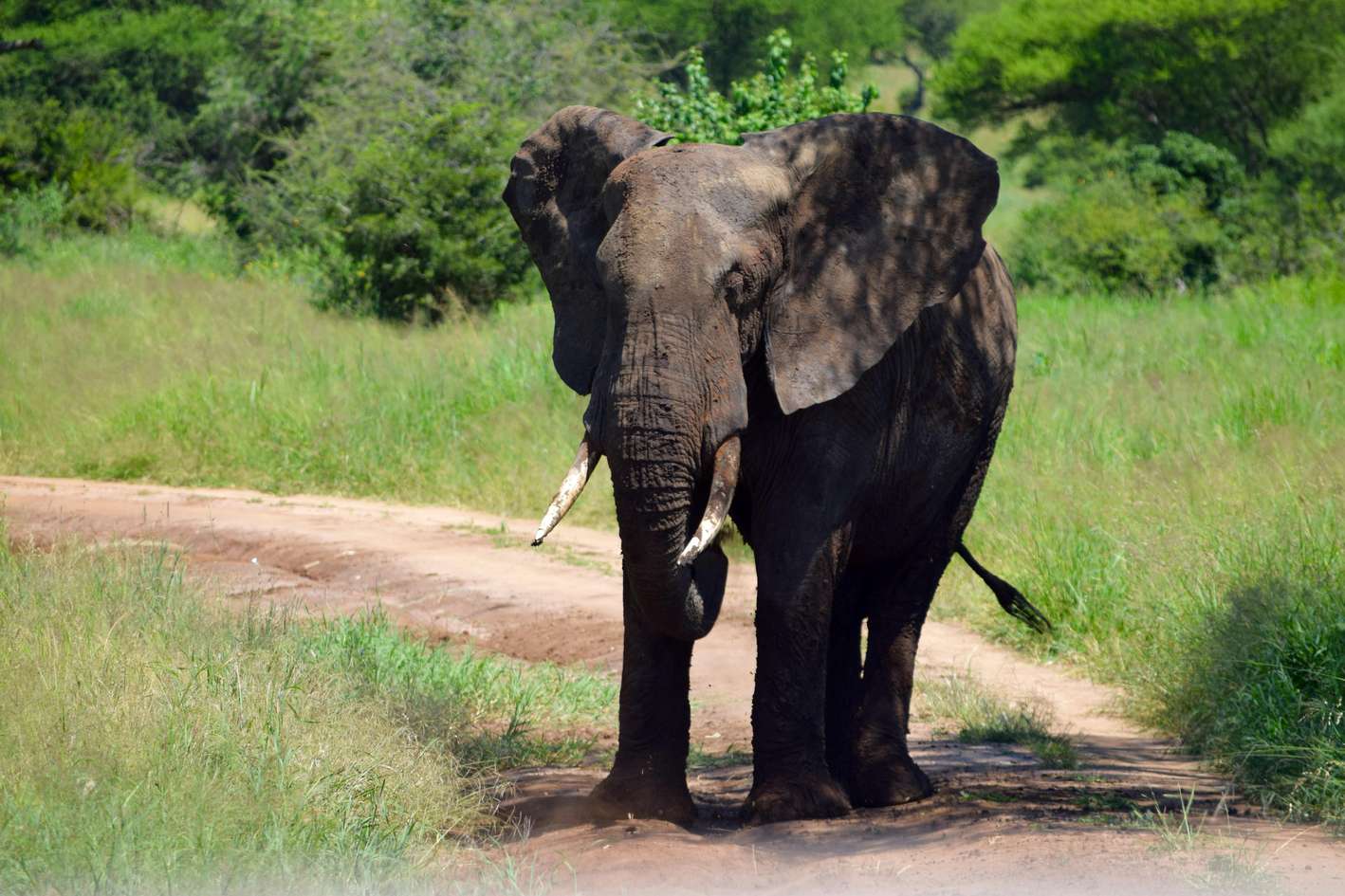
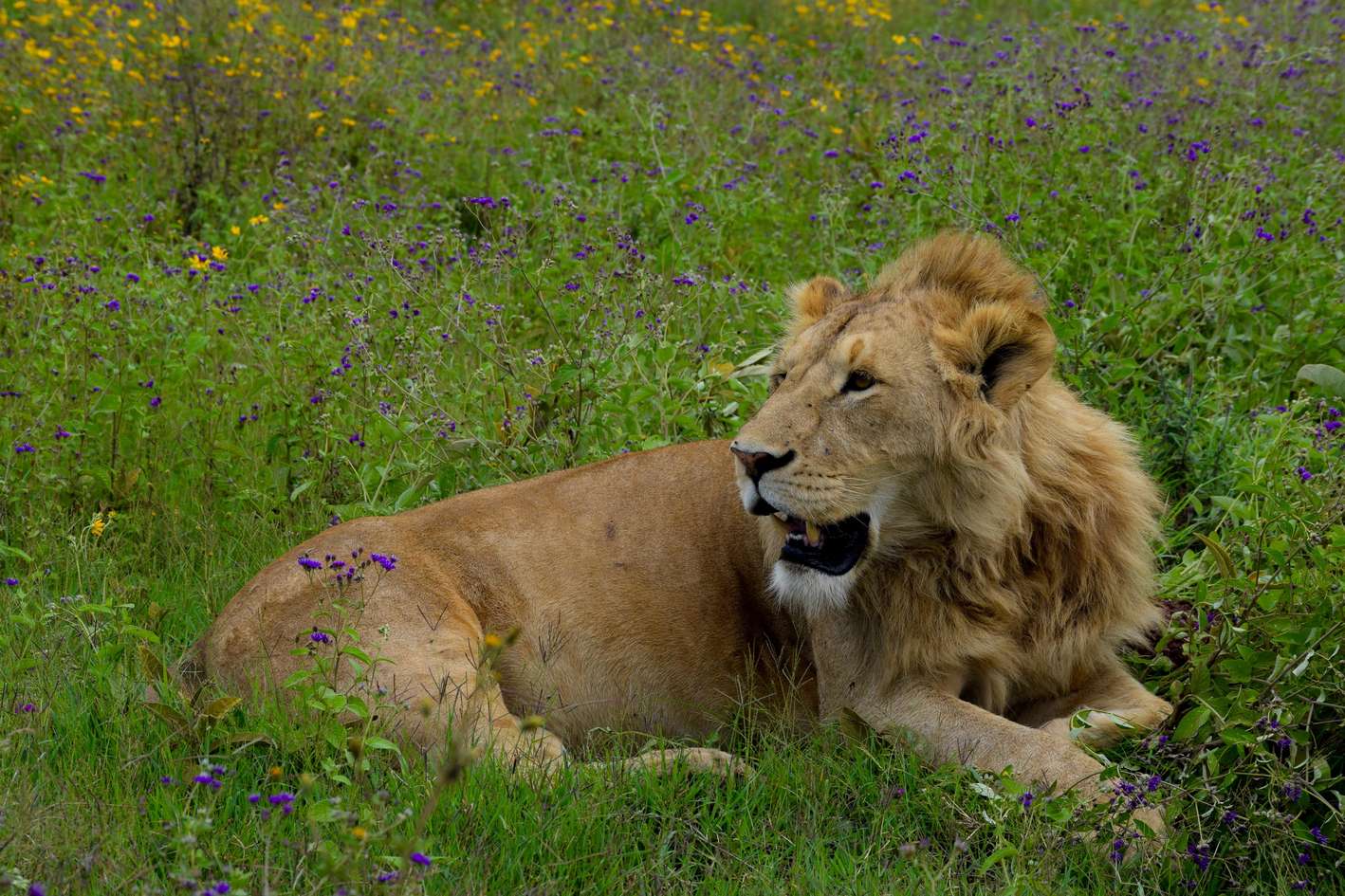
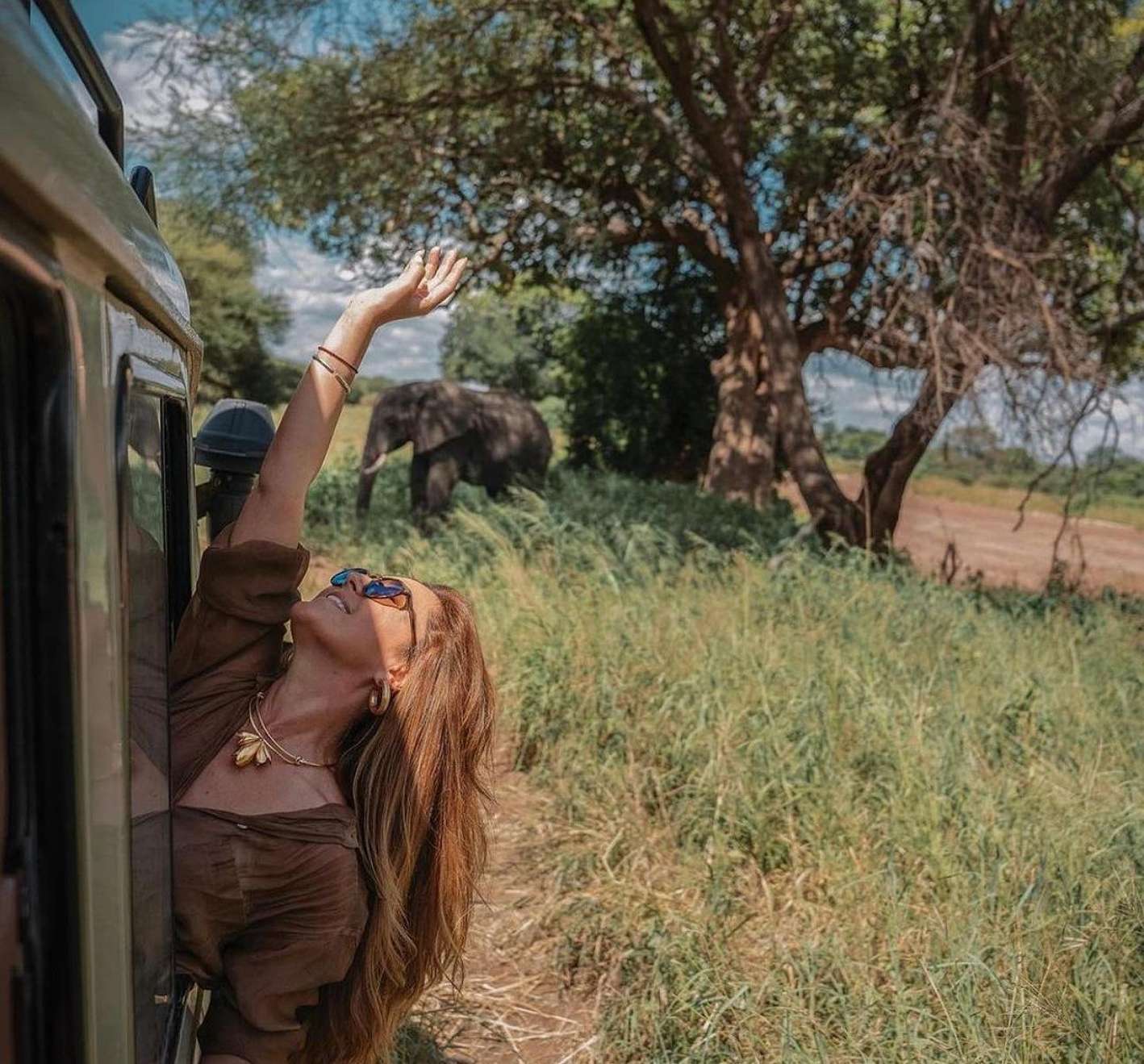
A two-day fly-in from Zanzibar gets you the plains you searched for without a single long road day. The plane lands on Seronera airstrip, right inside the national park, so the game drive starts minutes after touchdown.
Your private guide runs a full-day drive across the open savanna, with a picnic lunch eaten in the middle of it.
Overnight is at a lodge five minutes from the Serengeti gate, on a full-board plan, and the second day adds more time with the animals before the flight back.
Park fees, landing fees, both domestic flights, hotel transfers and drinking water are all in the price. Bring your passport or ID card for the park gates.
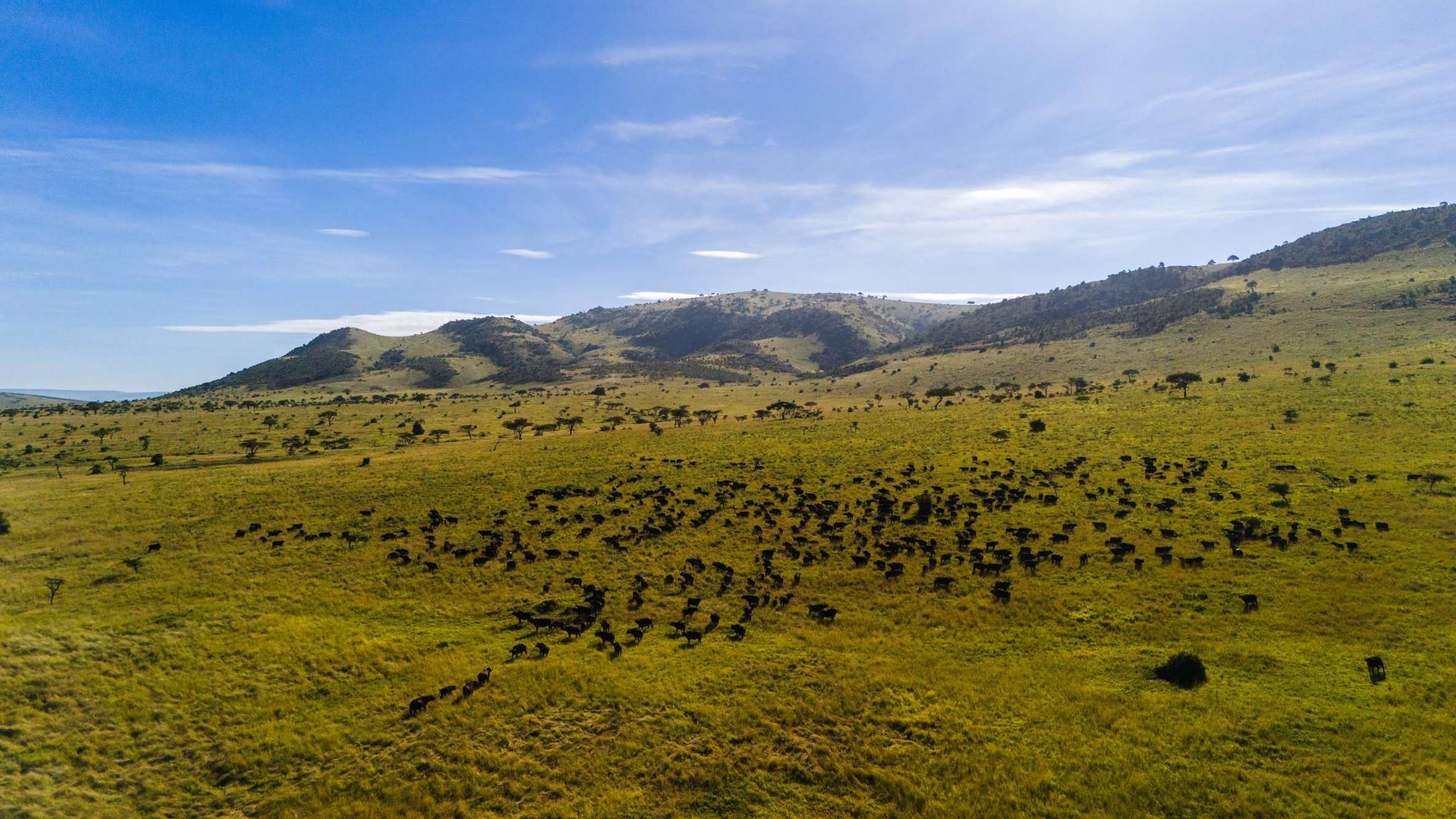
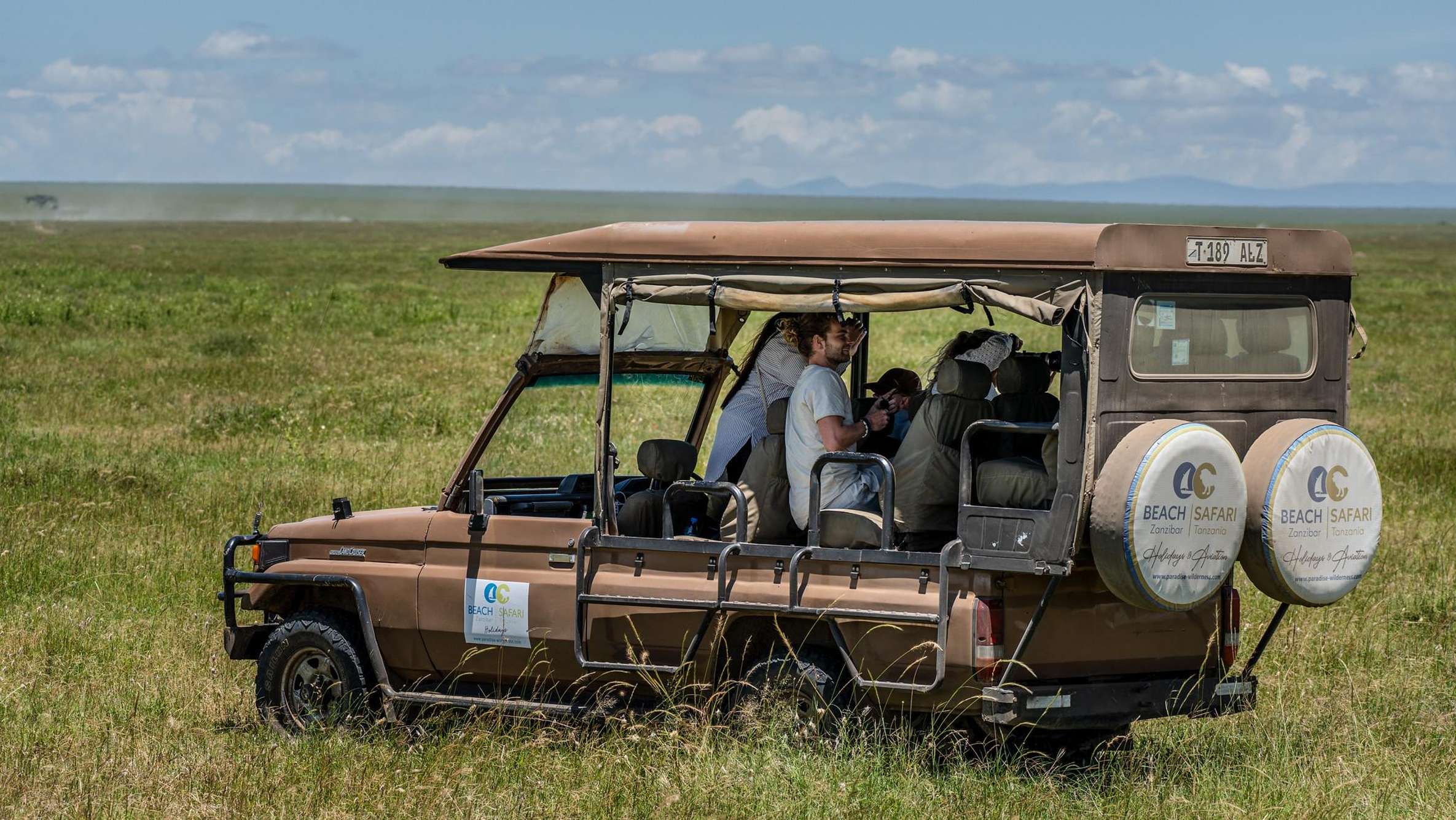
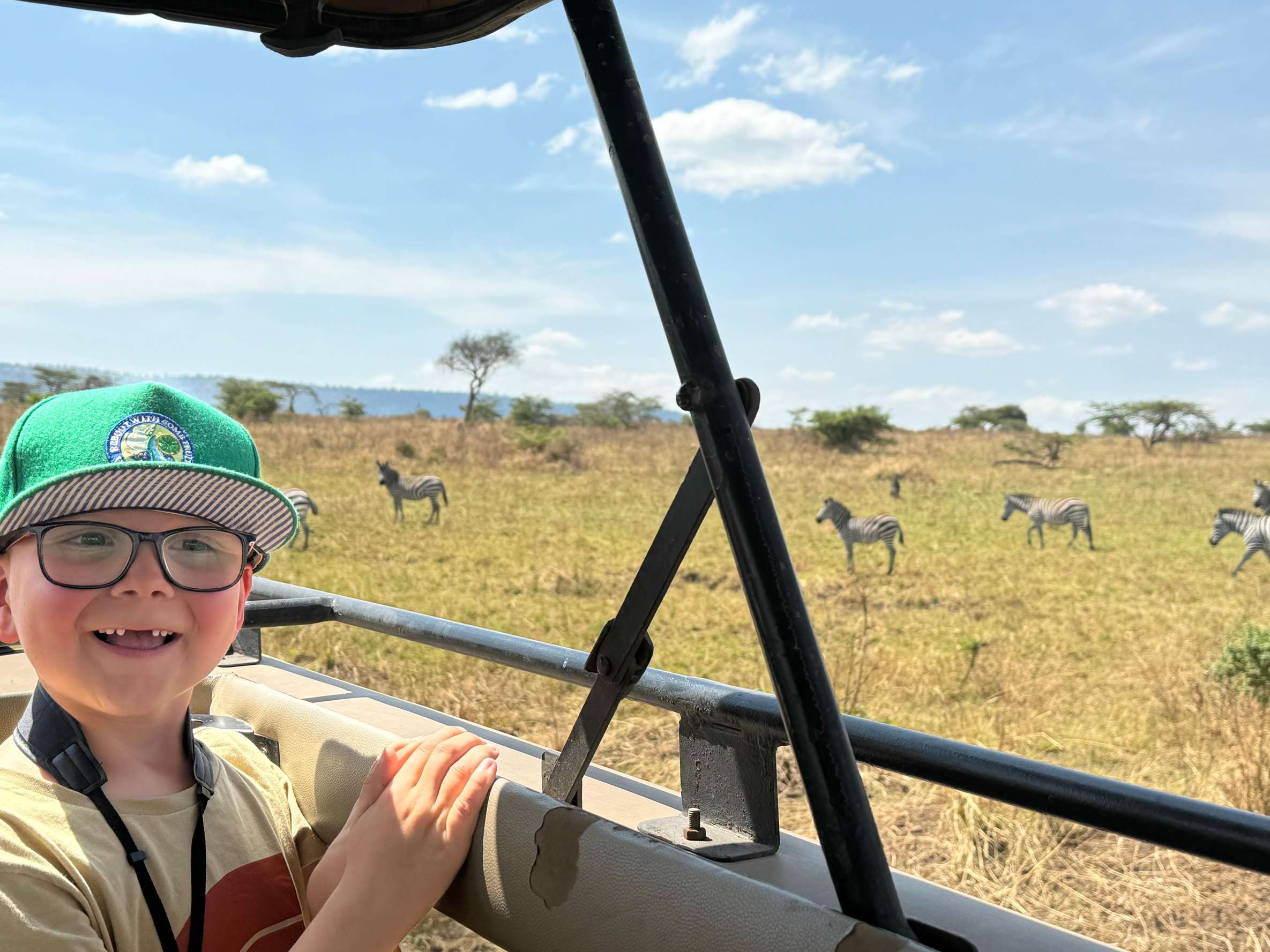
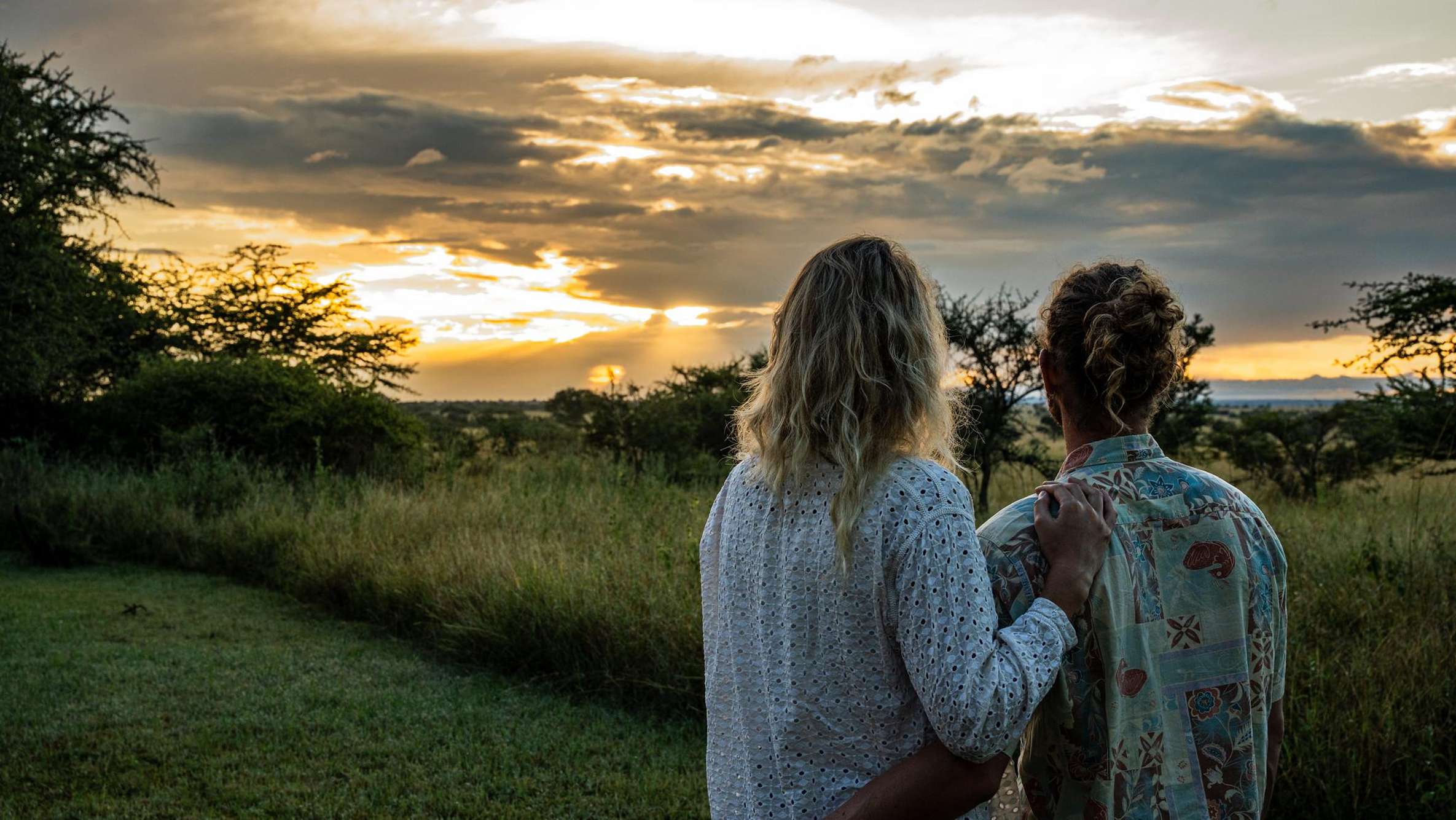
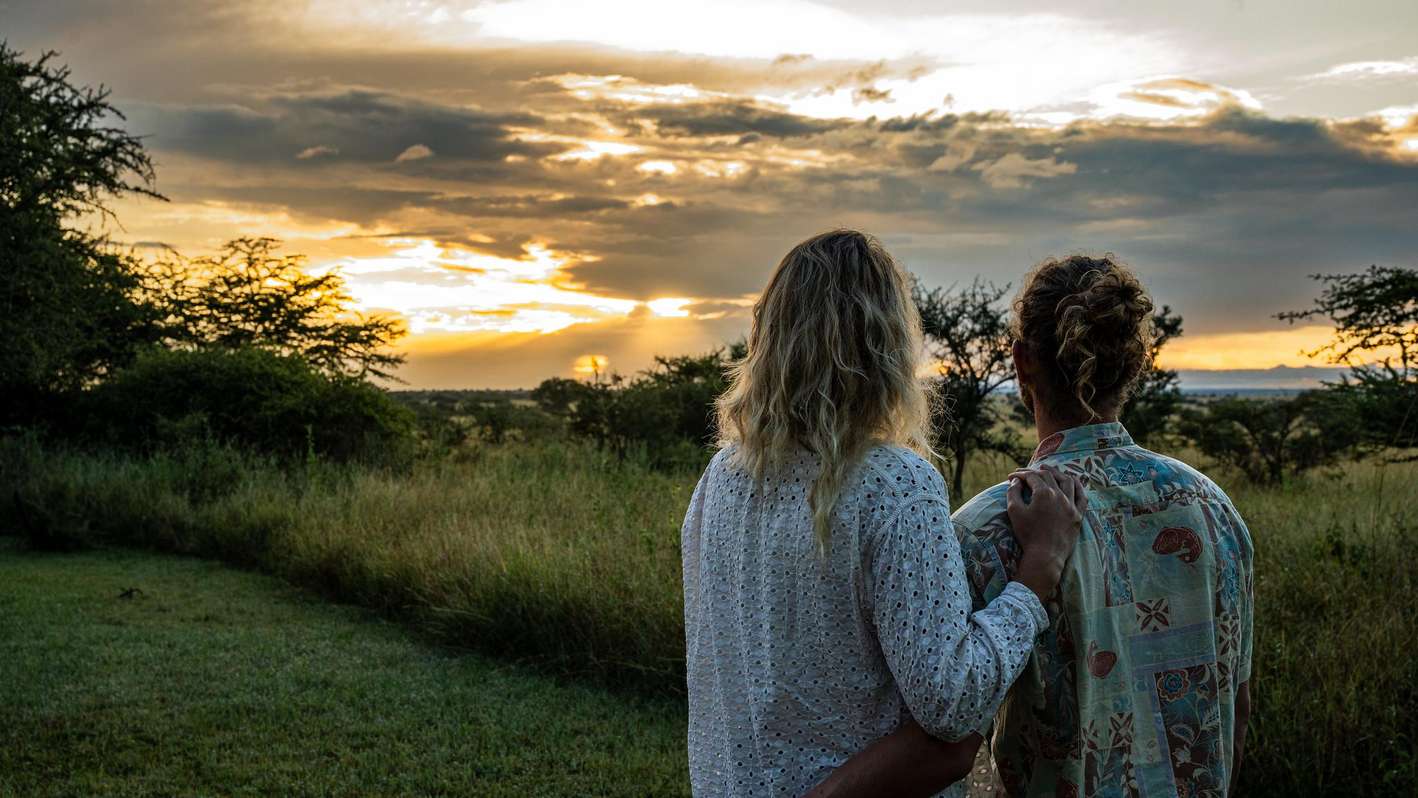
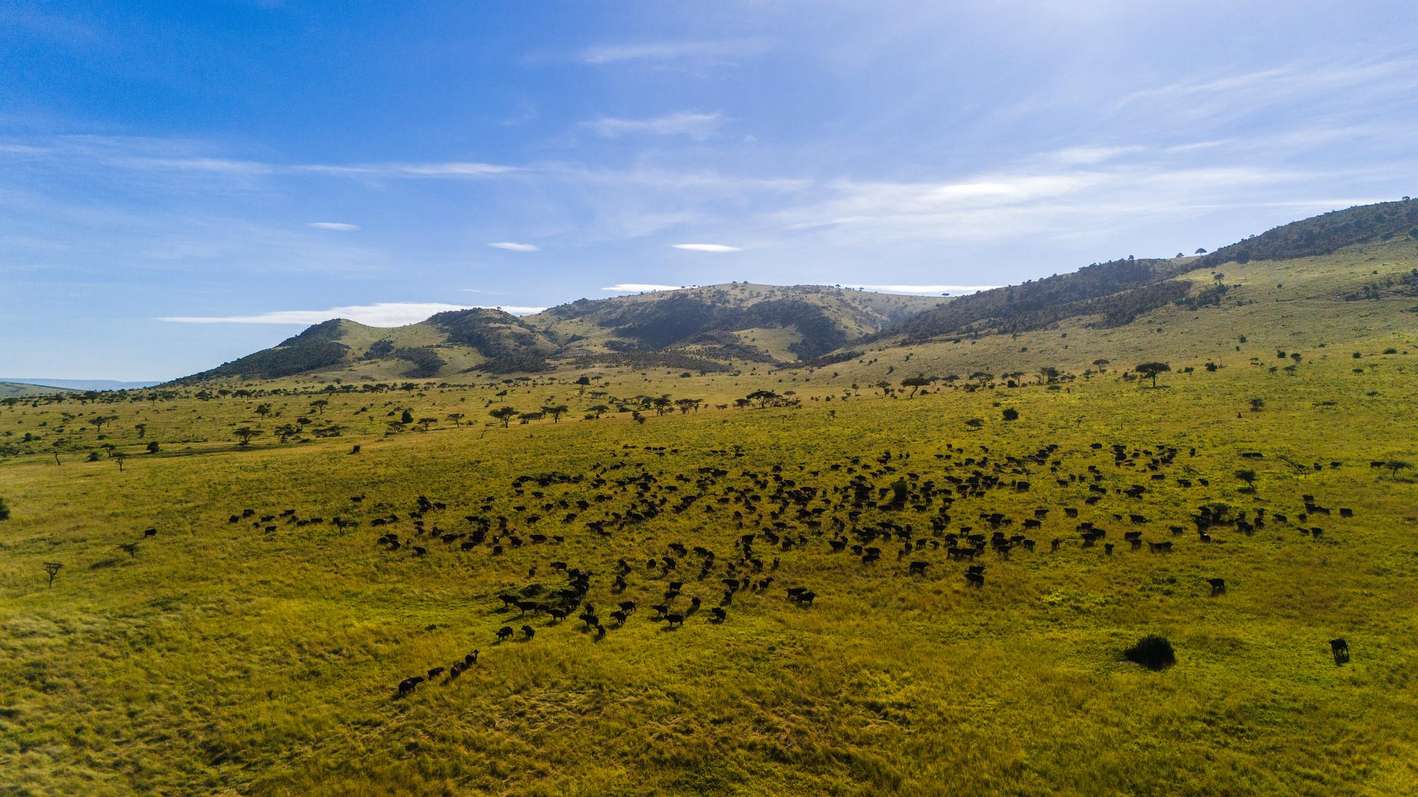
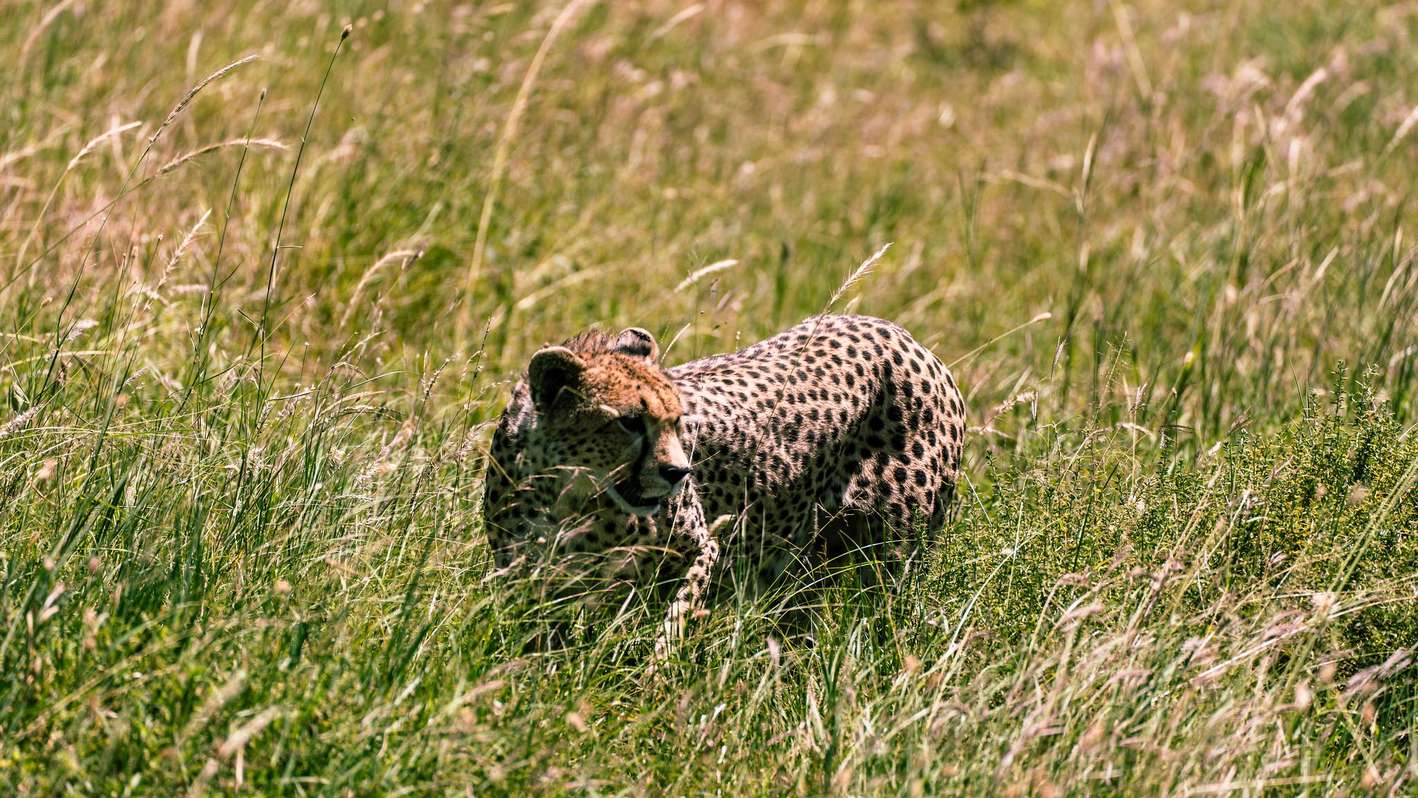
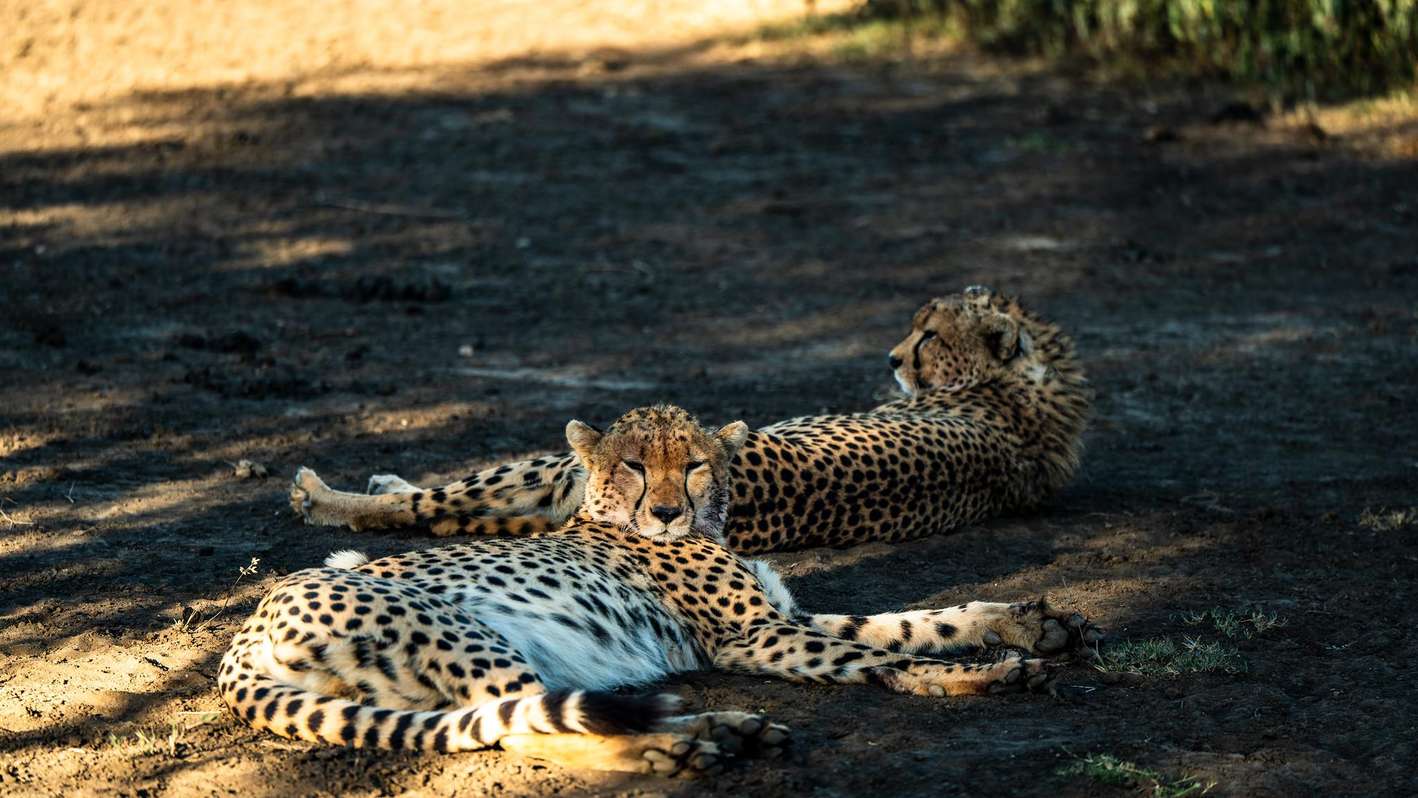
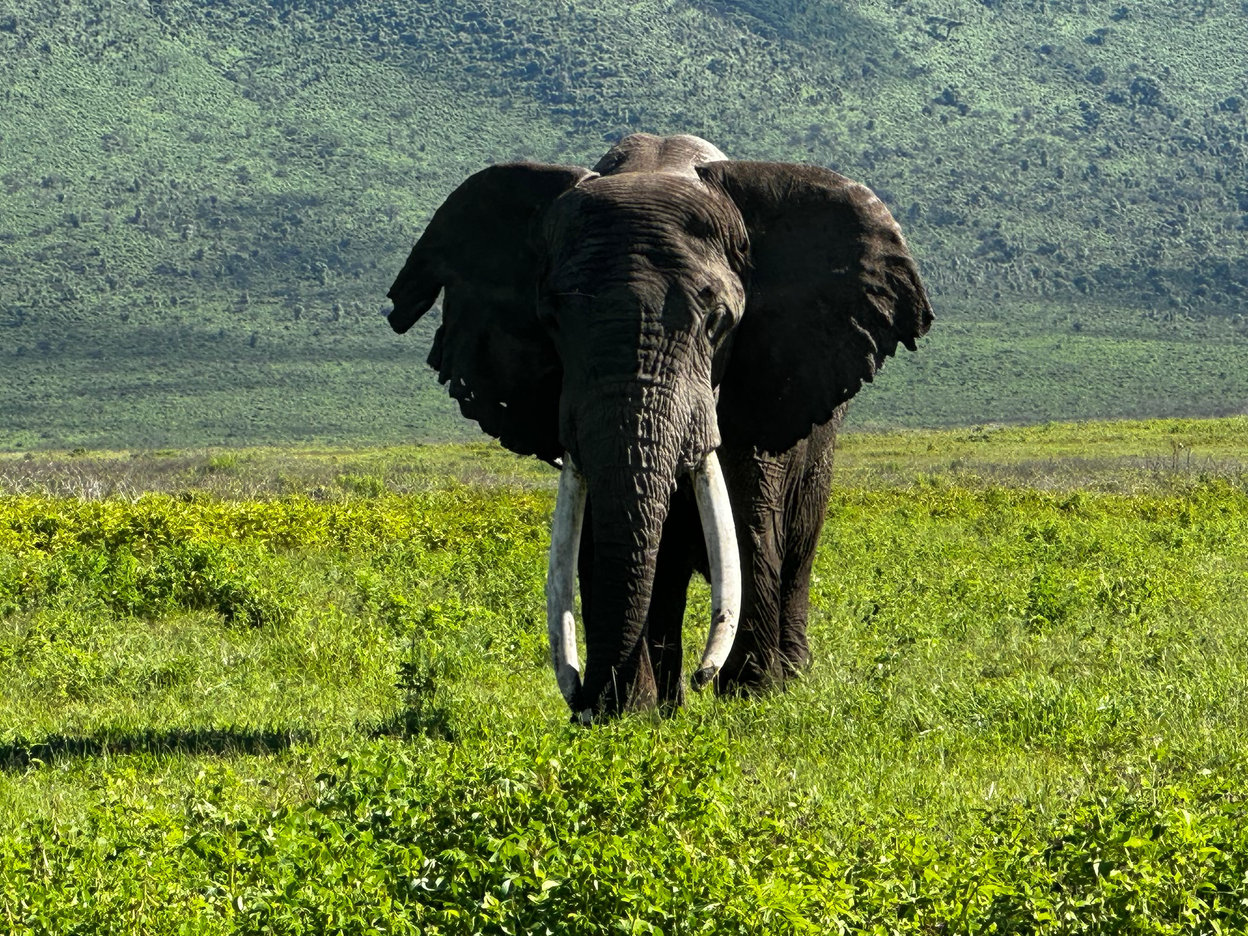
Amazing trip! Friendly, knowledgeable guide, and the Serengeti balloon safari was worth every penny.
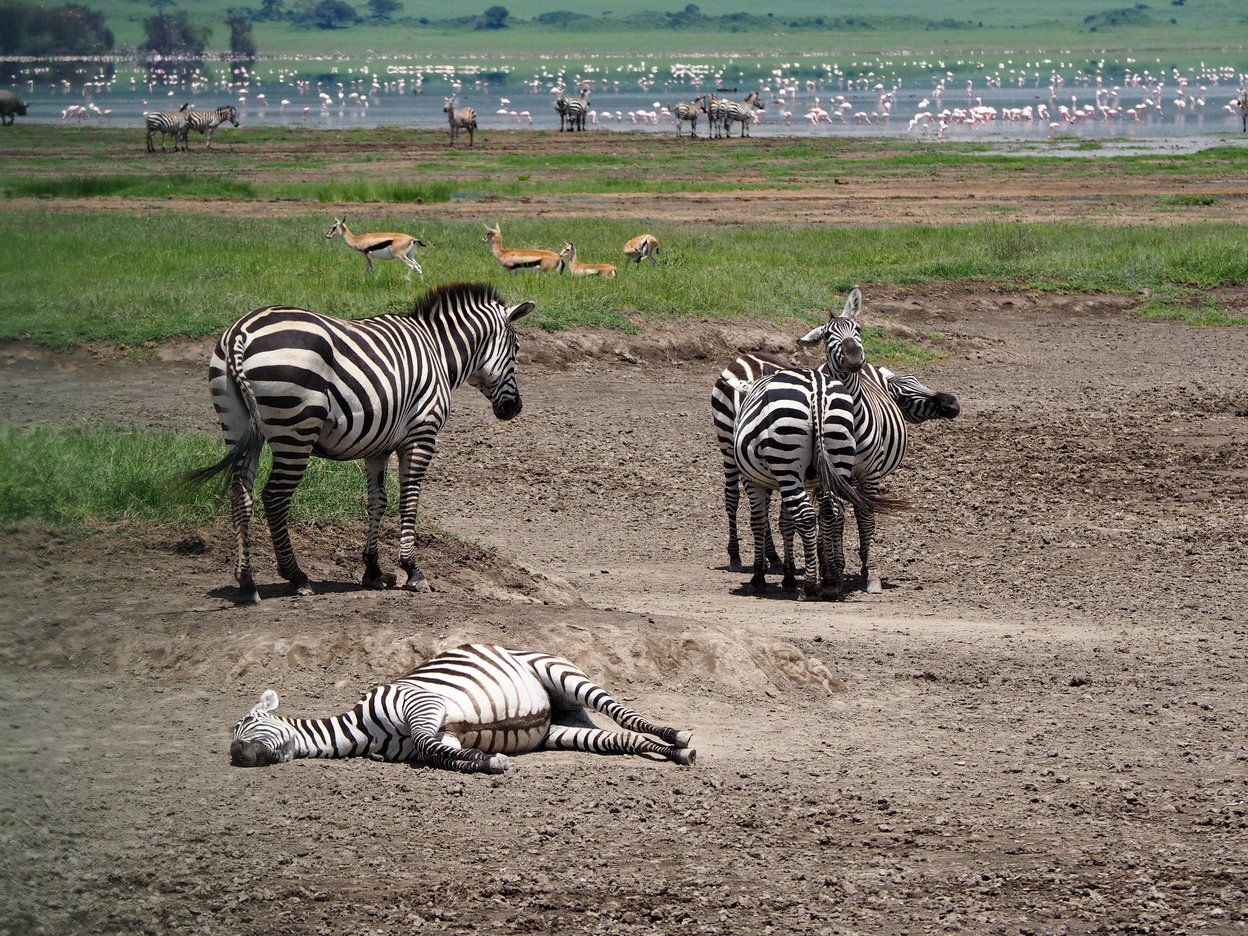
A perfect day from hotel pickup through safari and back. Ruben answered all our questions and took his time, making our day special. Thank you!
Simply a dream! Everything ran perfectly, so no worries booking. Our driver showed us all the animals and did everything to make us happy. Great food. Highly recommend!
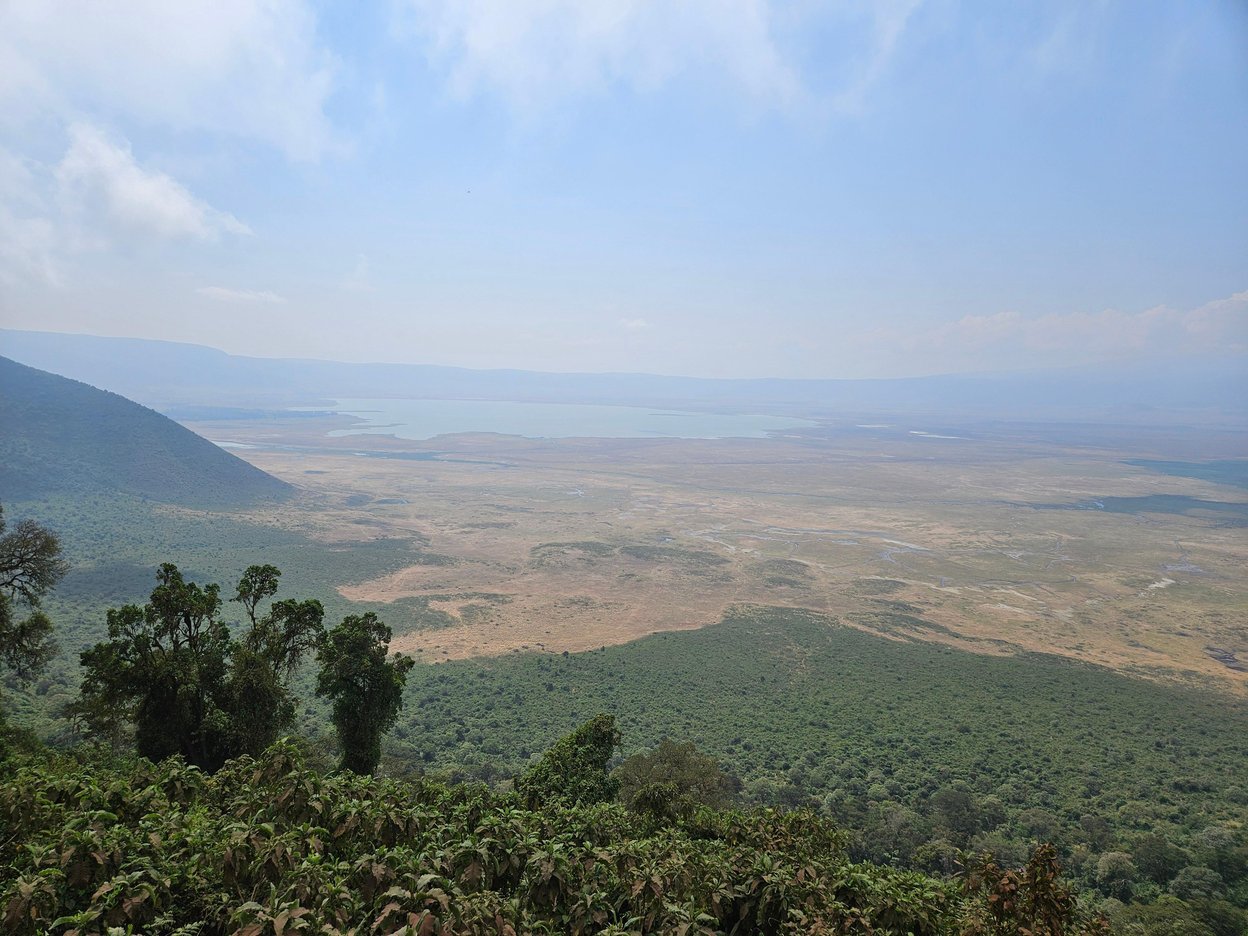
An excursion not to miss. The crater is incredible - beautiful nature, landscapes, and so much wildlife. Lovely lunch and quality service. Very good value for money. Highly recommended!
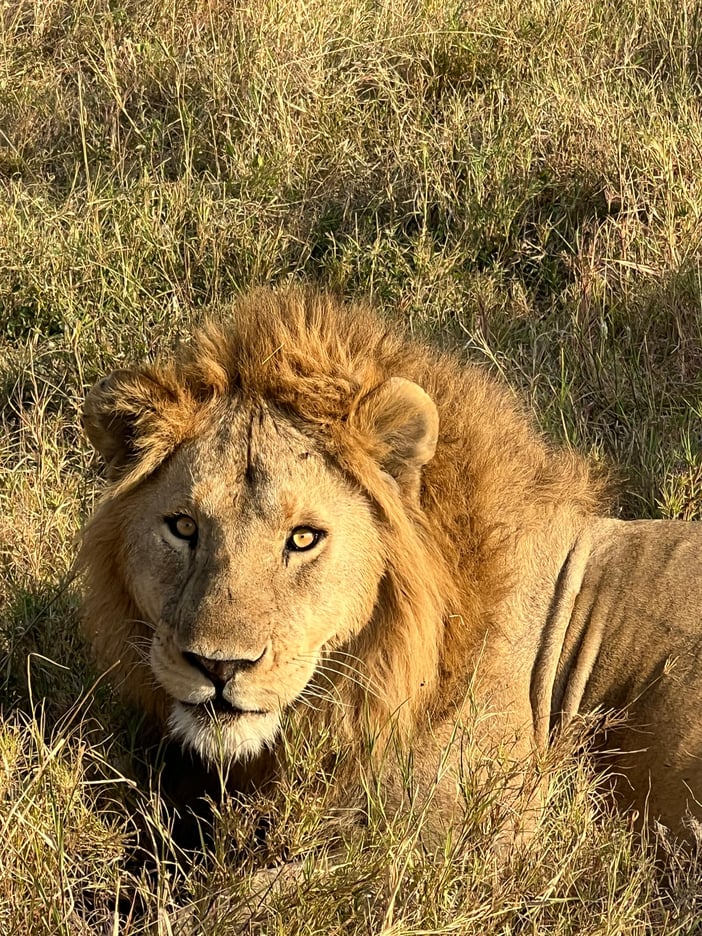
Thanks Samuel, chef Martin and Patrick! Amazing Serengeti and Ngorongoro trip - saw all the Big 5! Asante sana, Fawaz, Kuwait.
Excellent programme, exceptional safari, friendly and attentive guide. Warm welcome at Ikoma with a very good meal. We had a wonderful time!
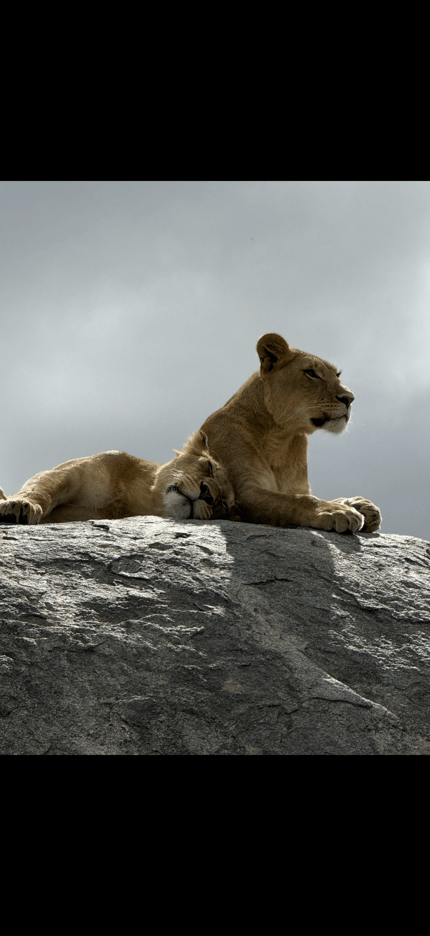
We had a sublime 3-day safari with Season Master Adventures. Patrick and his team were informative, helpful and on time. We saw all the animals up close and the food was delicious. Definitely recommend!
Most reviewers praise their guide by name for spotting lions and every animal they hoped for.
Several travelers did not expect to tick off all of the Big Five and rarer animals on one trip.
Many reviewers wished the pickup and flight times had been communicated more clearly in advance.
Choose your date first, because it decides what you book. Between April 1 and June 1, weather or airfield conditions can push a fly-in safari to a different day, so pick a flexible window if you are traveling then.
Coming from Zanzibar, the two-day fly-in with flights and a night near the park gate is the closest you can get to a one-day safari. Staying in Arusha, pick a full-day crater drive or the 13-hour Tarangire safari, both of which run morning to evening.
Decide whether you want hotel pickup or a meeting point. On the fly-in trip from Zanzibar you can be collected from your hotel, or meet at the airport directly. Arusha day safaris pick up between 6 am and 7 am, so be at reception a few minutes early.
Bring your original passport or a clear copy. Park gates run an identification check at entry, and TANAPA rangers register every visitor before the vehicle is allowed in. East African residents should also carry proof of residency.
Check what your chosen option includes before you go. Some day tours add park entrance and crater fees on top of the tour price, payable in cash the day before, while others fold them in. Settle that at booking so nothing surprises you at the gate.
TANAPA and Ngorongoro Conservation Area gates open at 6 am and close at 6 pm. Some gates stop admitting vehicles around 4 pm, which is also the standard cutoff for descending into the crater. Descent timing shapes the whole crater day.
Every game drive in this list starts early. On the fly-in package the driver meets you at your hotel reception a few minutes before departure; overland departures from Arusha begin between 6:00 and 7 am. Early starts are what make same-day returns possible.
The transit road through the Ngorongoro Conservation Area to the Serengeti gate is unpaved and notoriously rough. That is a large part of why a same-day overland round trip does not work, and why the Serengeti day safari on this site runs by plane instead.
A fly-in day in central Serengeti gives about 6 to 8 hours of game viewing between flights, while full-day drives in closer parks such as Ngorongoro Crater or Tarangire allow 9 to 10 or more hours in the field. Pick by how much daylight you can spare.
Safari vehicles have no onboard toilet. Stops happen at gates, picnic sites and highway rest areas, and guides find safe bush spots between them. Facilities are widely spaced, so mention your needs to the driver early in the day.
Tips for driver-guides are discretionary and sit outside the tour price, usually given at the end of the drive. Bring some cash in small notes. Nothing extra is demanded on the vehicle, so a satisfied guest sets their own amount.
Every tour on this page can be cancelled up to 24 hours in advance for a full refund. That gives you room to hold a place while your travel plans settle, then release it without cost if the timing shifts.
Park entry gates check proof of identification for every visitor, so bring your original passport or a clear copy. The two-day fly-in from Zanzibar lists a passport or ID card as required. Leave it at the hotel and the day cannot start.
Skip black and dark blue clothes in Tarangire and Mikumi, because biting tsetse flies are drawn to those shades. Wear khaki, beige, tan or olive in tightly woven fabric, since the flies can bite through thin cloth. White also shows dust fast.
The two-day Serengeti fly-in is not suitable for pregnant travelers, people with back or heart problems, wheelchair users, or anyone with insect allergies. Long drives in the crater and Tarangire tours carry the same caution for pregnancy. Check the tour card before you commit.
The two-day Serengeti trip flies Zanzibar to Seronera airstrip, a small plane landing inside the park. Seats on northern flights are limited, so the operator may reschedule your departure date to a day when flights run. Book with that flexibility in mind.
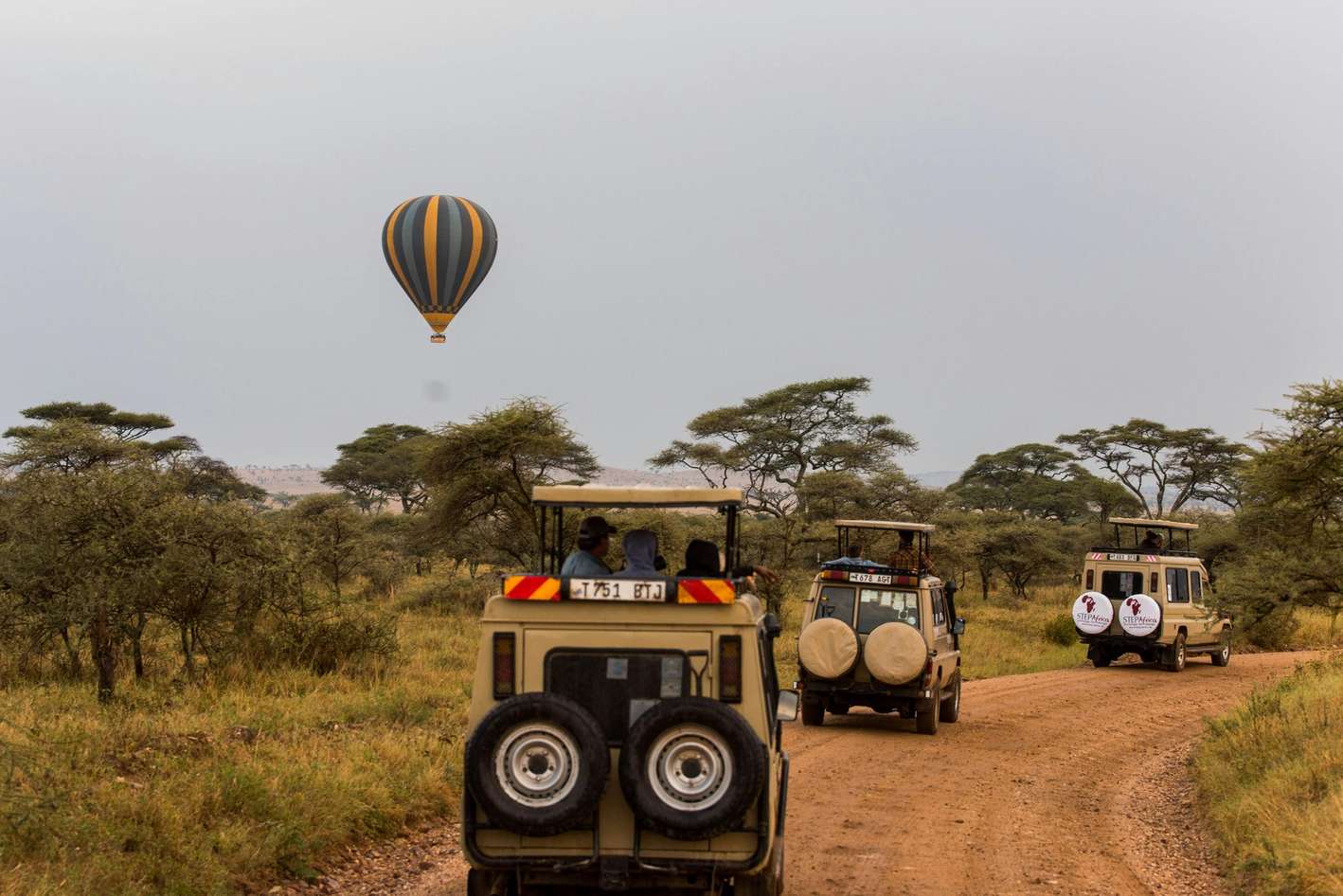
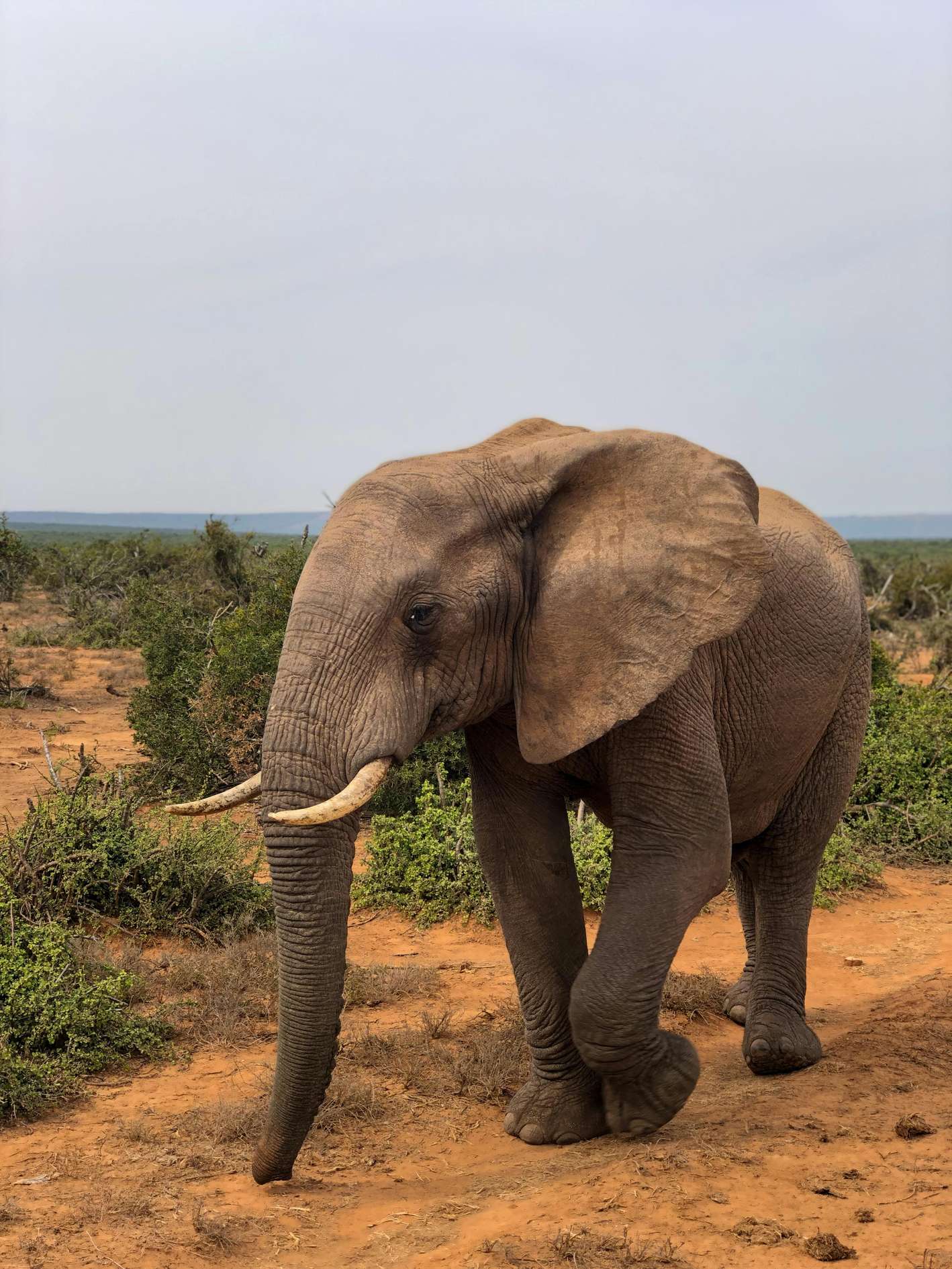
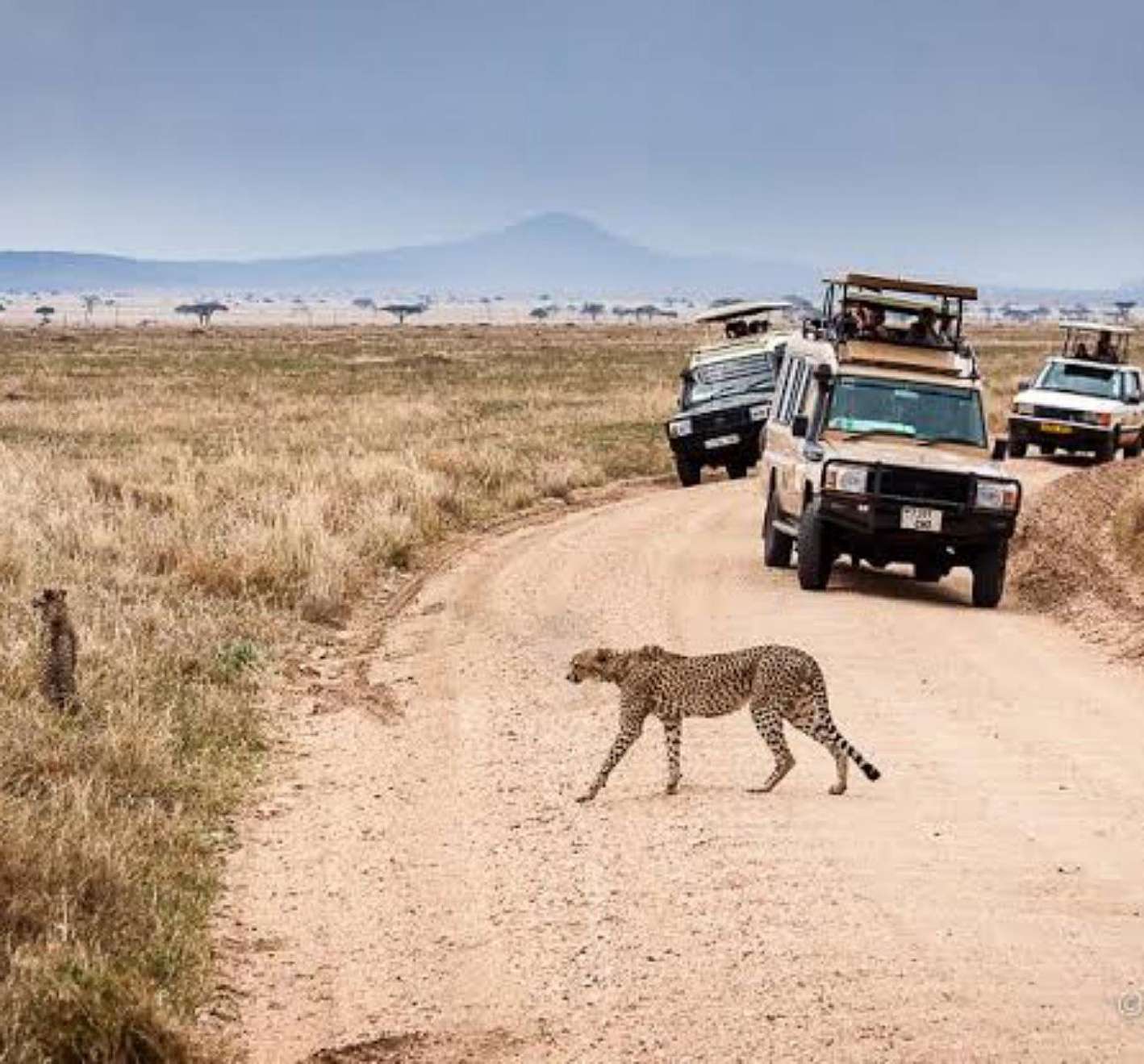
Arusha sits 225 to 325 kilometres from the Serengeti, most of it gravel past the crater highlands. A single free day has to spend its hours well, and where they go decides what you come home with.
A road trip to the Serengeti costs 7 to 9 hours of driving each way, so the two-day fly-in from Zanzibar is the shortest way there.
The Tarangire day safari collects guests between 6:00 and 7 am, and every park gate opens at 6 am sharp.
July through October packs the Tarangire River with elephant herds; April and May bring the rains that shuffle schedules.
The highway out of Arusha climbs into the Ngorongoro highlands long before dawn, and the Serengeti is still 225 to 325 kilometres off. A driver who turns back the same evening has spent 7 to 9 hours at the wheel each way, 18 or more in total, for 4 to 5 hours of game driving.
That arithmetic is why a true one-day Serengeti safari by road does not exist, and why travel guides push two to three nights in the park for anyone serious about it.
The fly-in is the honest substitute. Judged the way a traveler with one free day judges it, three things matter: hours with animals over hours on tarmac, door-to-door logistics that survive a fixed hotel booking, and Big Five odds you can rely on.
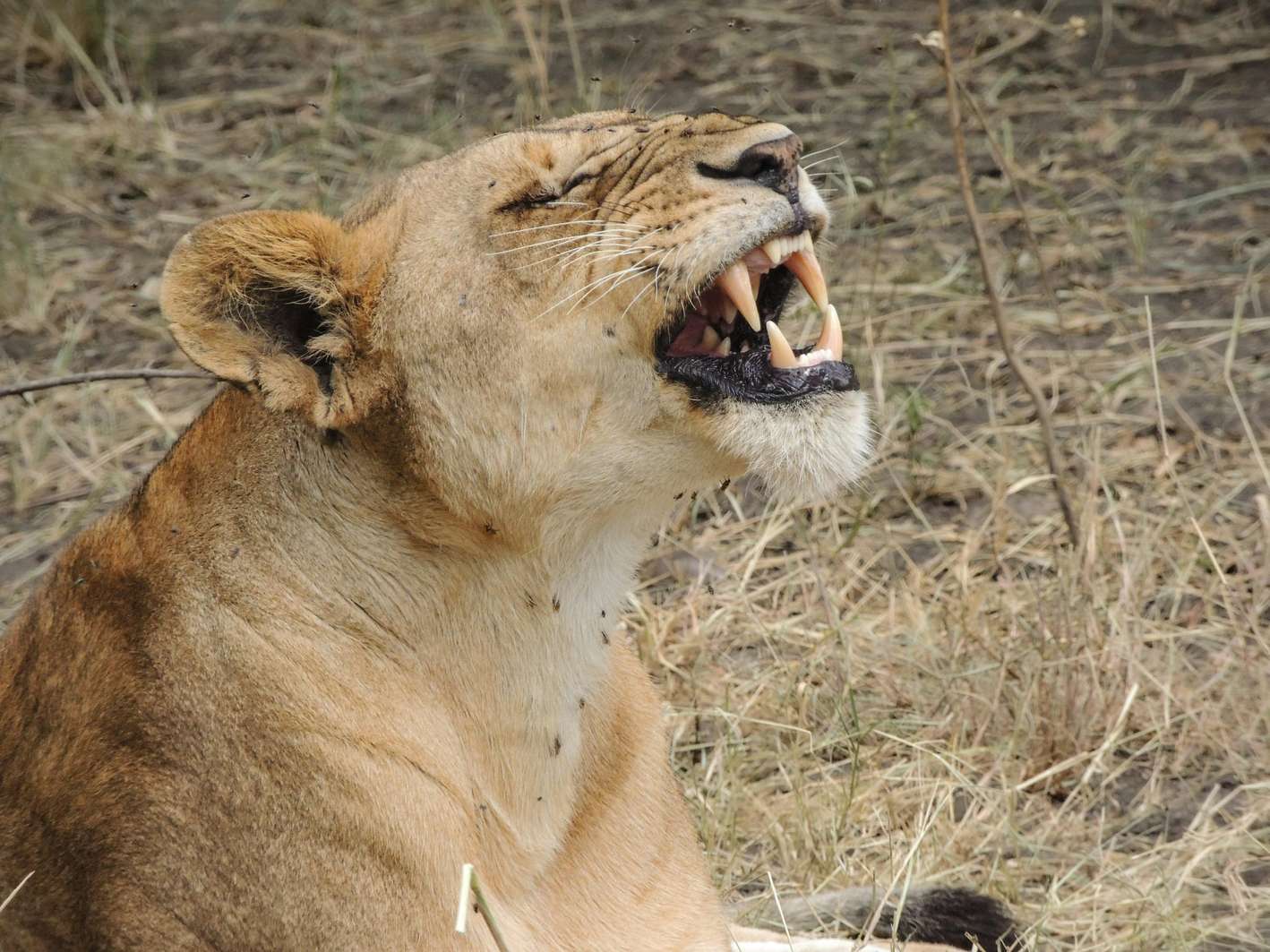
The From Zanzibar: 2-Day Serengeti Park Safari Trip with Flights clears all three. It lands on Seronera airstrip inside the park, runs a full-day game drive among lions, leopards and elephants, and sleeps the night just outside the gate.
For a strict single day, two full-game-drive tours from Arusha cover the ground instead, one into the crater and one into Tarangire.
| 2-day fly-in Serengeti from Zanzibar | Ngorongoro Crater full day from Arusha | Tarangire day safari from Arusha | |
|---|---|---|---|
| Does it reach the Serengeti? | Yes, by plane to Seronera airstrip | No | No |
| Transit versus game time | About 2 hours flying each way, a full game-drive day | Around 8 hours of road for 4 to 5 hours in the crater | 5 to 6 hours of road for about 4 hours in the park |
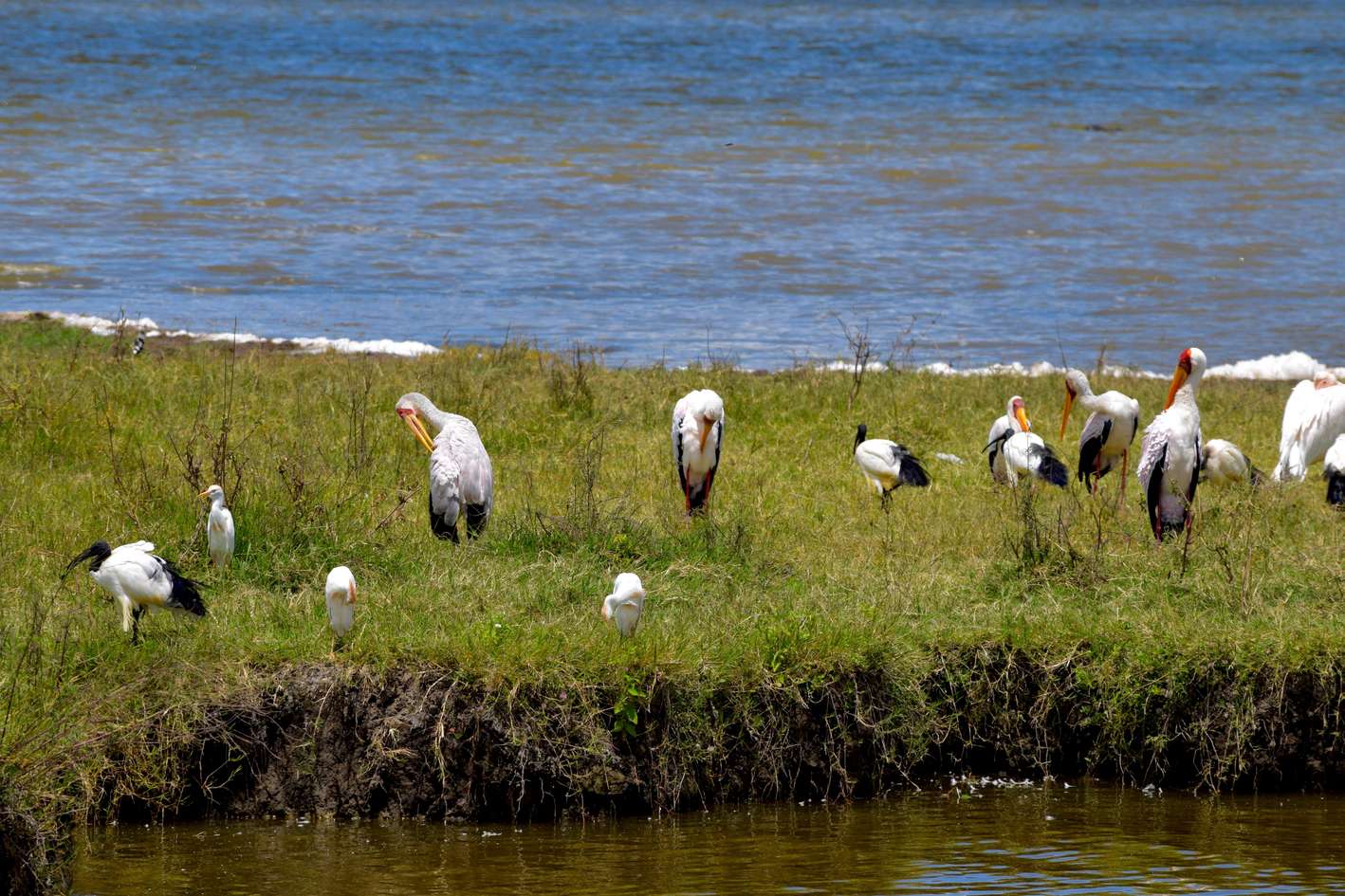
| What you see | Lions, leopards, elephants, rhinos, buffalo on open plains | Big Five resident year-round, black rhino | Huge elephant herds, lion prides, over 550 bird species |
If the Serengeti itself is the dream, fly. If a single rich safari day is the dream, the crater and Tarangire both deliver it.
The clock sets the tone. Safari vehicles collect Arusha guests between 6:00 and 7 am and pull out at seven; from Zanzibar, hotel pickups begin as early as 4 am so the small planes can leave between 6:30 and 7:00.
Park gates swing open at 6 am, and every good day is built on that hour.
Then comes the arithmetic of a northern day trip. Transit driving takes over half to roughly two-thirds of the whole excursion. Tarangire costs 2.5 to 3 hours each way, about 5 to 6 round trip, for around 4 hours of actual game viewing.
Ngorongoro asks about 4 hours of highway each way, near 8 round trip, for 4 to 5 hours of wildlife on the crater floor.
Read together, the numbers pick your park. The Arusha: Tarangire National Park Day Safari runs 13 hours door to door, and its long drive buys elephant herds and lion prides at the end of it.
The crater option books about 11 hours from pickup to drop-off, the window that holds both the highway and the hours on the caldera floor. Either way, the early start is what converts a long transfer into a safari.
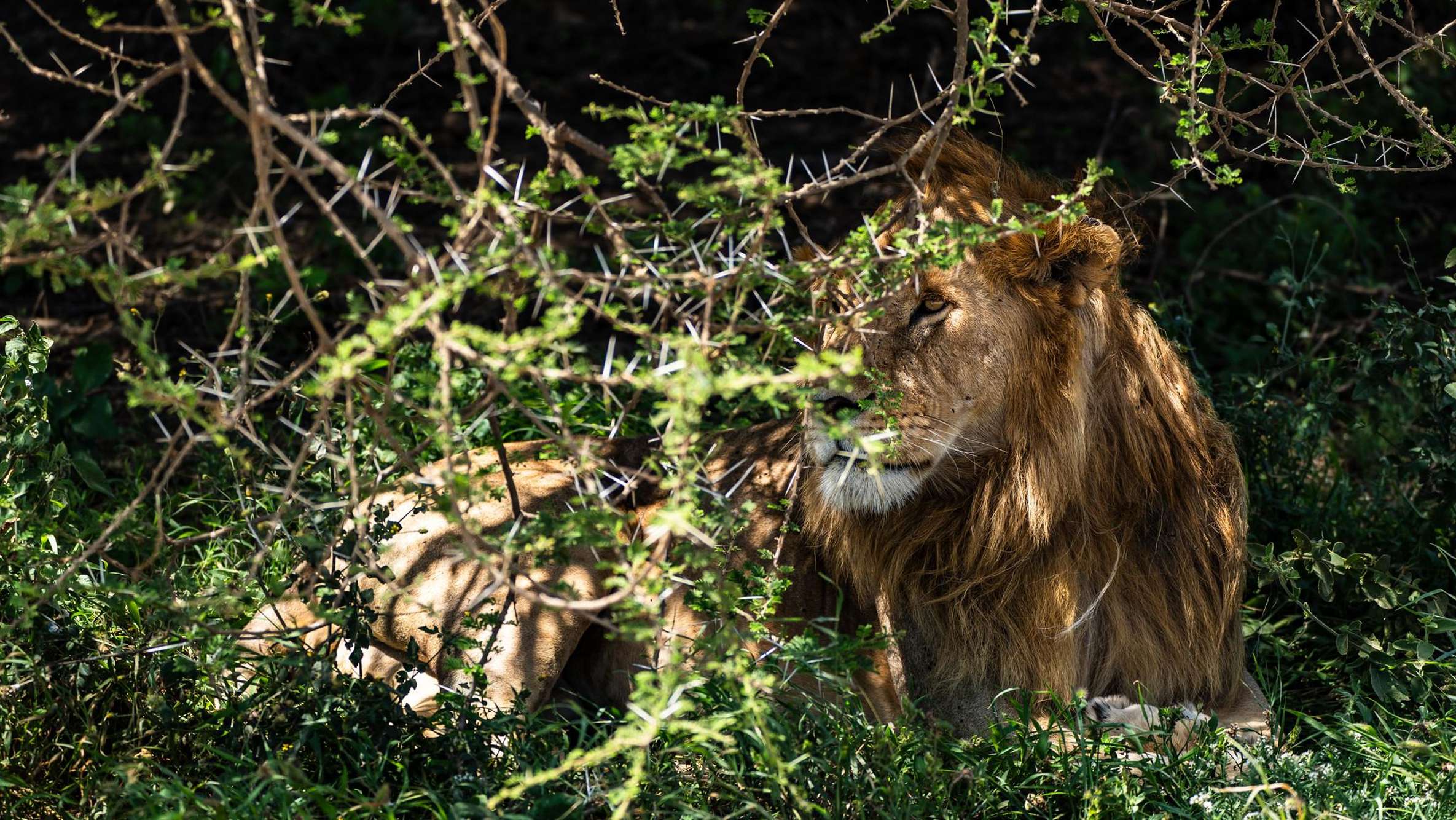
Between the two full-day drives, wildlife density settles it. Ngorongoro is a self-contained volcanic caldera with resident Big Five populations year-round, so a single day inside it genuinely works: the floor is small enough to explore thoroughly, and the odds of a wide range of sightings in a few hours run high.
The Arusha: Ngorongoro Crater Full-Day Safari books an 11-hour window from pickup to drop-off, and the exact split between road and crater shifts with the gate times.
Tarangire trades the compact caldera for room to move. Its draw is huge elephant herds, lion prides on open plains and more than 550 bird species.
Ngorongoro sees heavy traffic around sightings and off-road driving is strictly banned, so animals stay on their own terms.
A flat per-vehicle descent fee applies on top of individual admission, which is why a shared vehicle stretches your money further.
A hurried crater visit is the regret travelers report most; the tours on sale build in the whole day for that reason.
Rhinos and hippo pools put the crater ahead for one day; elephants and thinner crowds put Tarangire ahead for anyone who dreads queues.
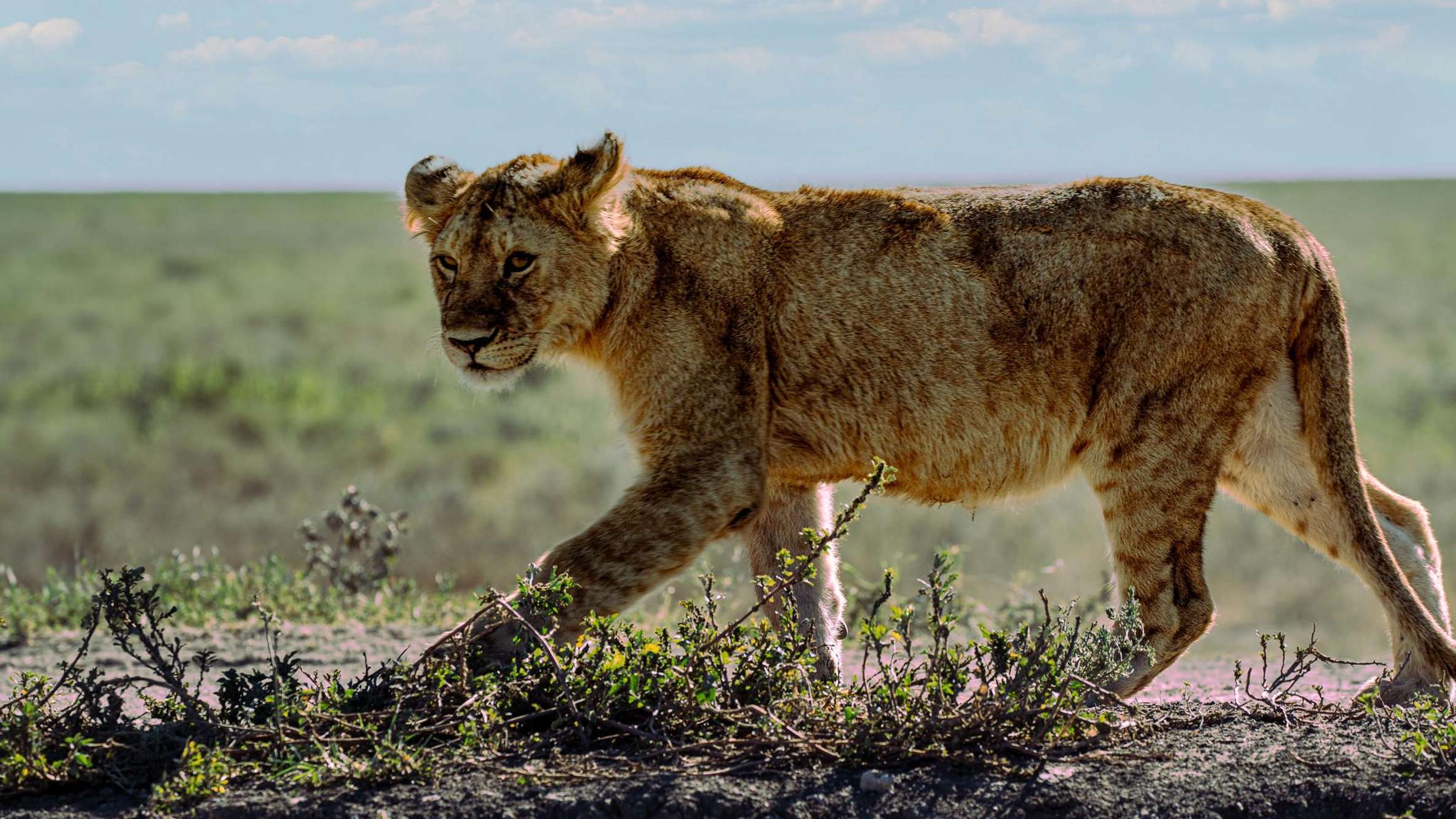
The calendar decides how much a single day returns. Along the Tarangire River, the late dry season from July through October brings the most dramatic viewing, peaking August to October, when shrinking water elsewhere forces massive elephant herds and dense game onto the riverbanks.
June: african savanna elephant seen 26 times. Dry, cooler weather sets in and elephants begin concentrating along the riverbanks in rising numbers.
Tap a month to read it.
September: mammals seen 134 times. Exceptionally dry weather drives dense herds of elephants and predators right along the river corridor.
Tap a month to read it.
April: 160 mm of rain. The year's heaviest rains make tracks slippery and keep wildlife widely dispersed throughout the region.
Tap a month to read it.
July: 29.4 dry days. Very dry weather concentrates growing herds of elephants and plains game directly along the Tarangire River.
Tap a month to read it.
The same June-to-October stretch pairs a mainland day with a Zanzibar beach holiday: sunny, low-humidity days near 27 to 31 degrees on the coast, September and October mostly dry, and mornings cool enough for a fleece in the vehicle. A secondary window runs late December to February, the hottest beach weather with calm seas.
April and May demand a different plan. Heavy rains leave low-lying tracks muddy and coastal weather can shuffle flight schedules, so book those months with flexibility in mind. The parks stay open, the drives go on, and the guides know the drained circuits.
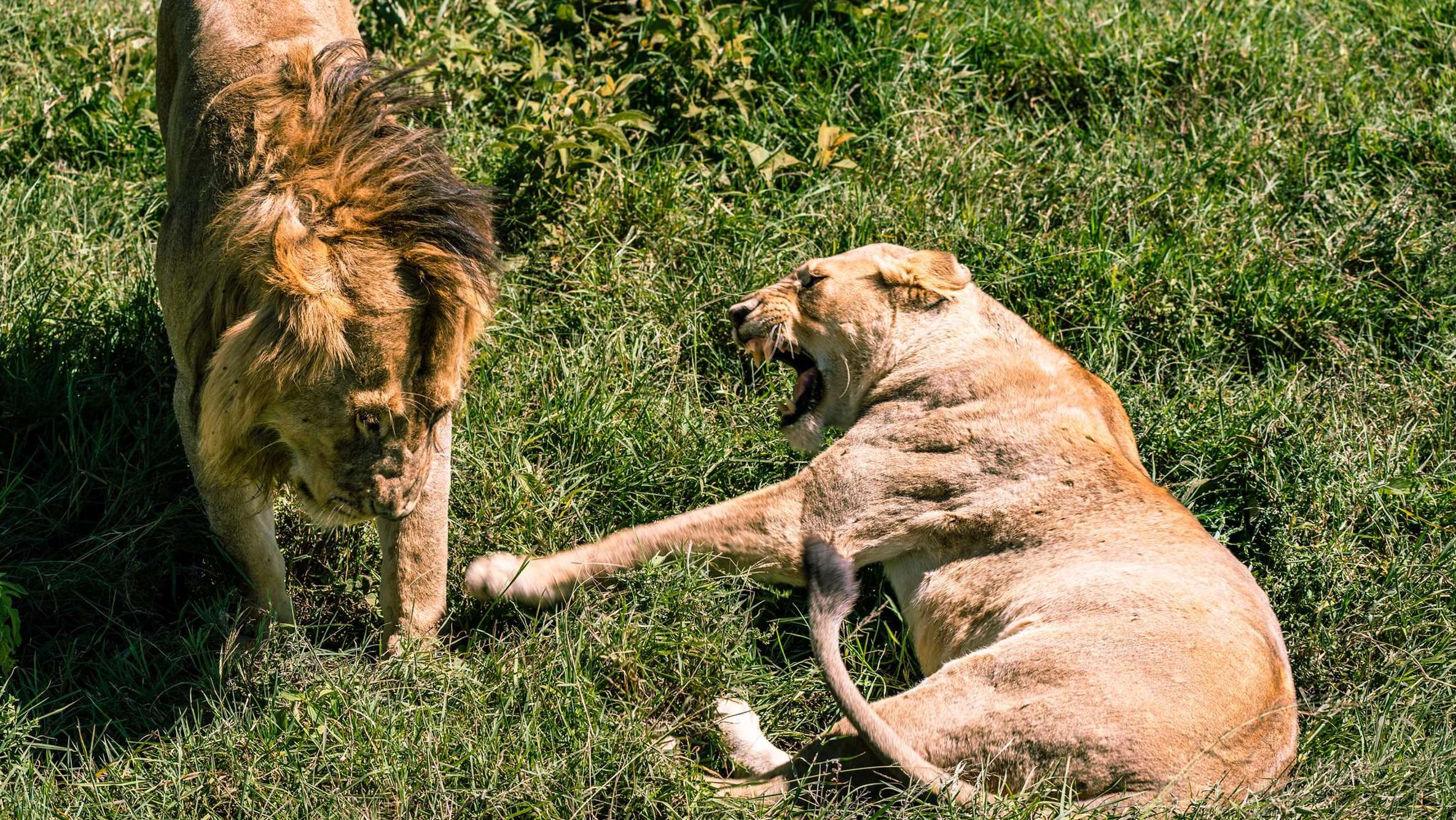
The road is the reason the one-day Serengeti drive stays a dream. Arusha sits 225 to 325 kilometres from the park depending on the gate, 7 to 8 hours each way in a 4x4, and the gravel through the Ngorongoro highlands to Naabi Hill is rough enough to consume a whole travel day by itself.
The flight shortens the trip a different way: a nonstop hop from Zanzibar to Seronera runs about two hours each way against that 7 to 8 hours of driving, and it skips the corrugations entirely.
The nearer parks ask far less. Tarangire lies 143 kilometres south of Arusha, a 2.5-to-3-hour drive; Ngorongoro is about 4 hours of highway. Both fit one long day with room to spare.
Gate hours bookend everything. TANAPA and conservation-area gates, Loduare and Naabi Hill among them, open at 6 am and close at 6 pm, and some admissions plus all crater descents stop around 4 pm
Gates open for park entry and transit checkpoint processing.
Standard daytime entry and transit continue across all gates.
New admissions and crater descents halt while exits continue.
All gates and checkpoints remain closed until morning.
Arrive past the cutoff and the gate turns the vehicle back, whatever the itinerary said. The tours on sale time their departures around it.
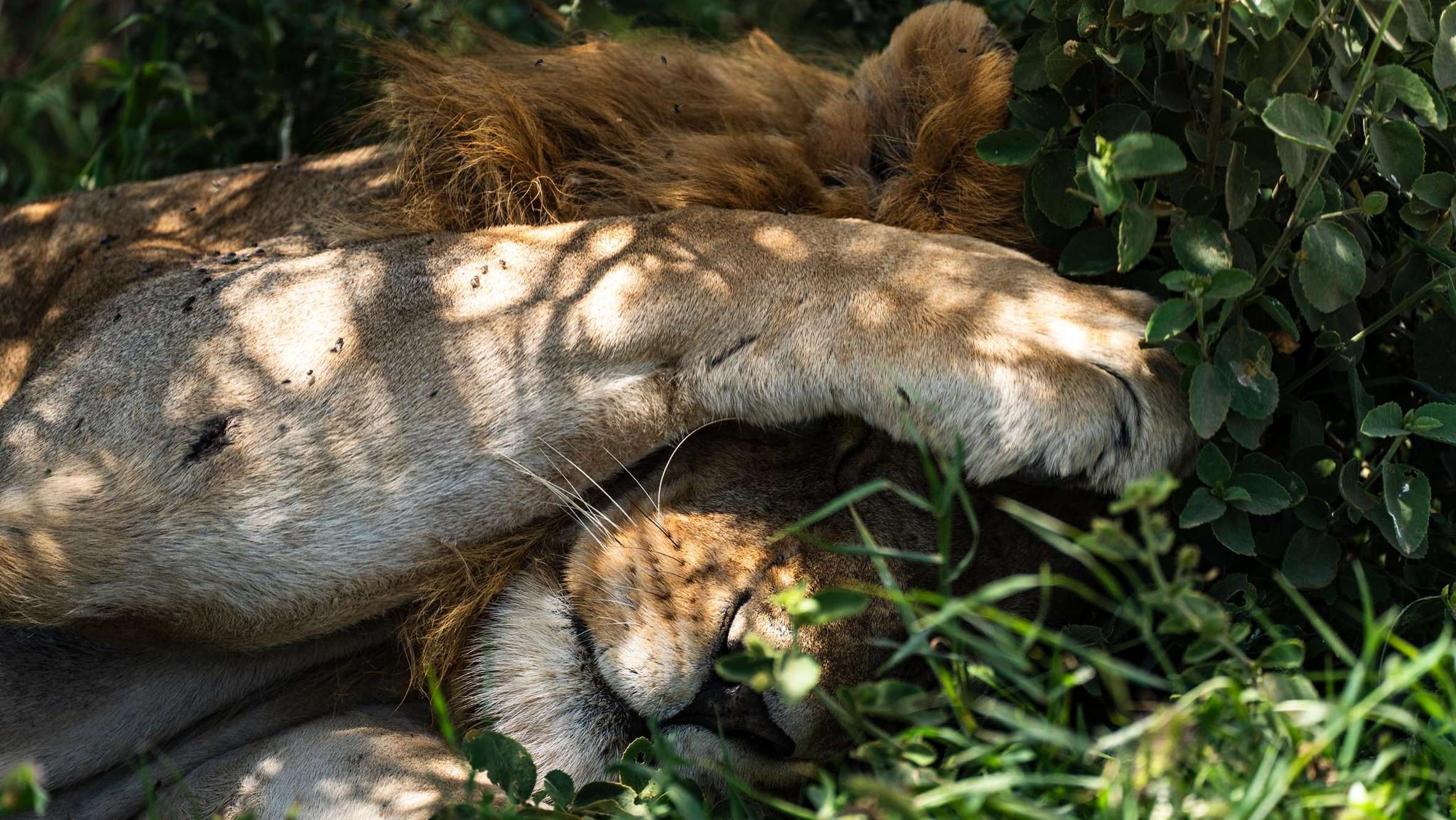
One packing mistake gets repeated every season: dark blue and black clothing in tsetse country. In Tarangire those shades act like fly bait, the same colours used on baited tsetse traps, and the flies bite straight through thin fabric. White soils fast in vehicle dust, and camouflage prints are illegal for civilians in Tanzania.
Repellent helps less than hoped. DEET and permethrin-treated clothes have not proven reliable against tsetse flies; tightly woven long sleeves and trousers do the real work, with strong sprays adding limited deterrence.
Luggage follows its own rules. Group safaris from Arusha can cap bags at 10 kilograms per person, and bush flights accept only soft duffels, since hard shells are turned away.
Single-use plastic bags are confiscated at the airport, clear zip-top toiletry bags excepted. Pack one medium soft bag with layers you can peel as the day warms.
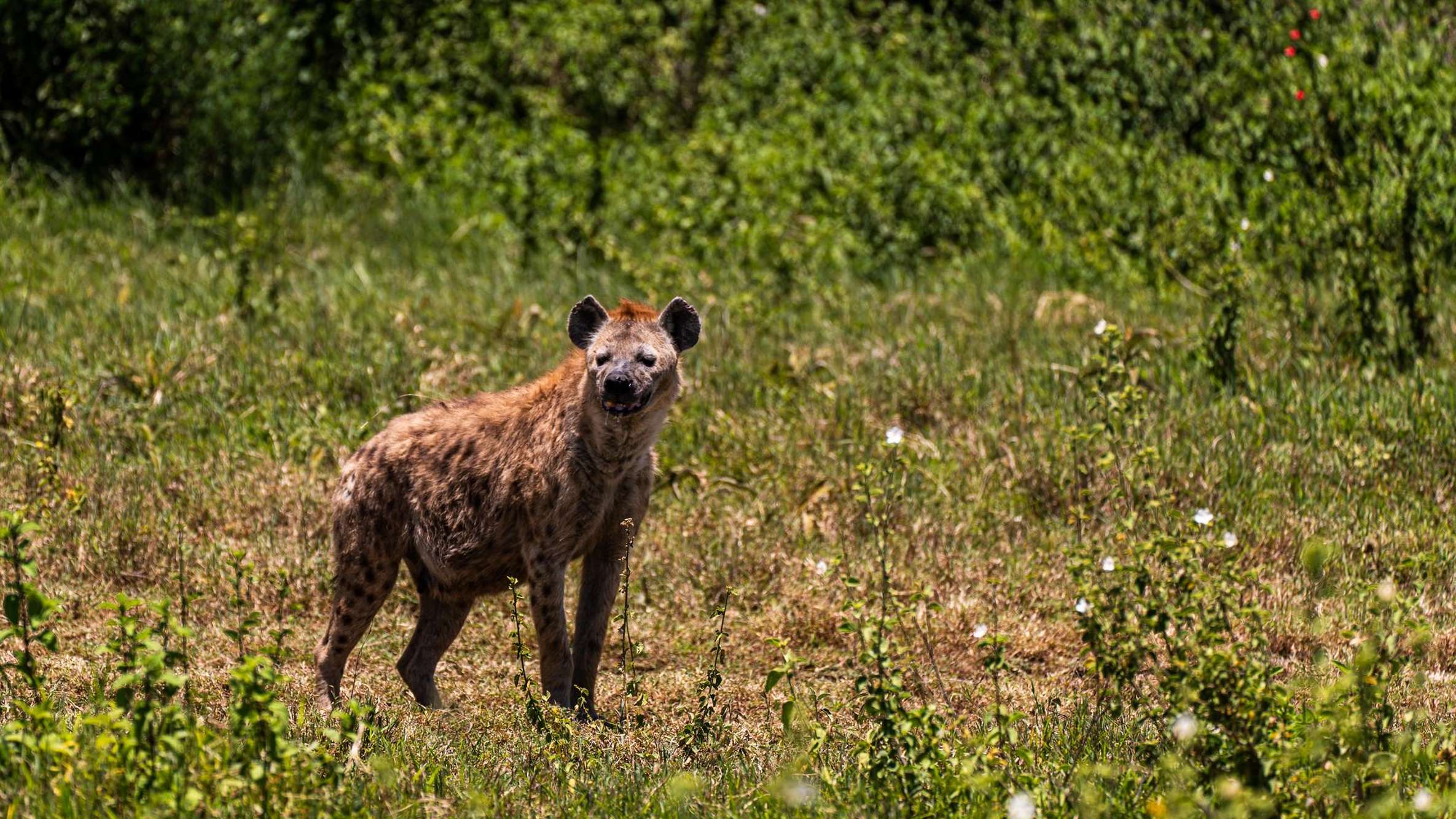
Paperwork stops more safaris than weather does. A passport must stay valid at least six months beyond arrival with a page or two free for stamps.
Most foreign nationals need a visa, and one Tanzanian visa covers both the mainland and Zanzibar; apply on the official e-Visa portal ahead of time or get one on arrival at the major airports.
A standard tourist visa allows up to 90 days, and arrival asks for proof of accommodation plus a return or onward ticket.
Your passport must be valid six months beyond arrival, and travelers from referral-visa countries need approval before departure Apply for the e-Visa in advance on the official portal, and check the referral list before booking anything.
Yellow fever proof only bites travelers aged one and over who arrive from, or transit twelve hours or more through, an endemic country, and the vaccine must be given at least ten days before arrival.
At the gates, every visitor shows an original passport or clear copy for TANAPA registration, Loduare included. Drones are banned on Serengeti safaris, so the aerial camera stays home.
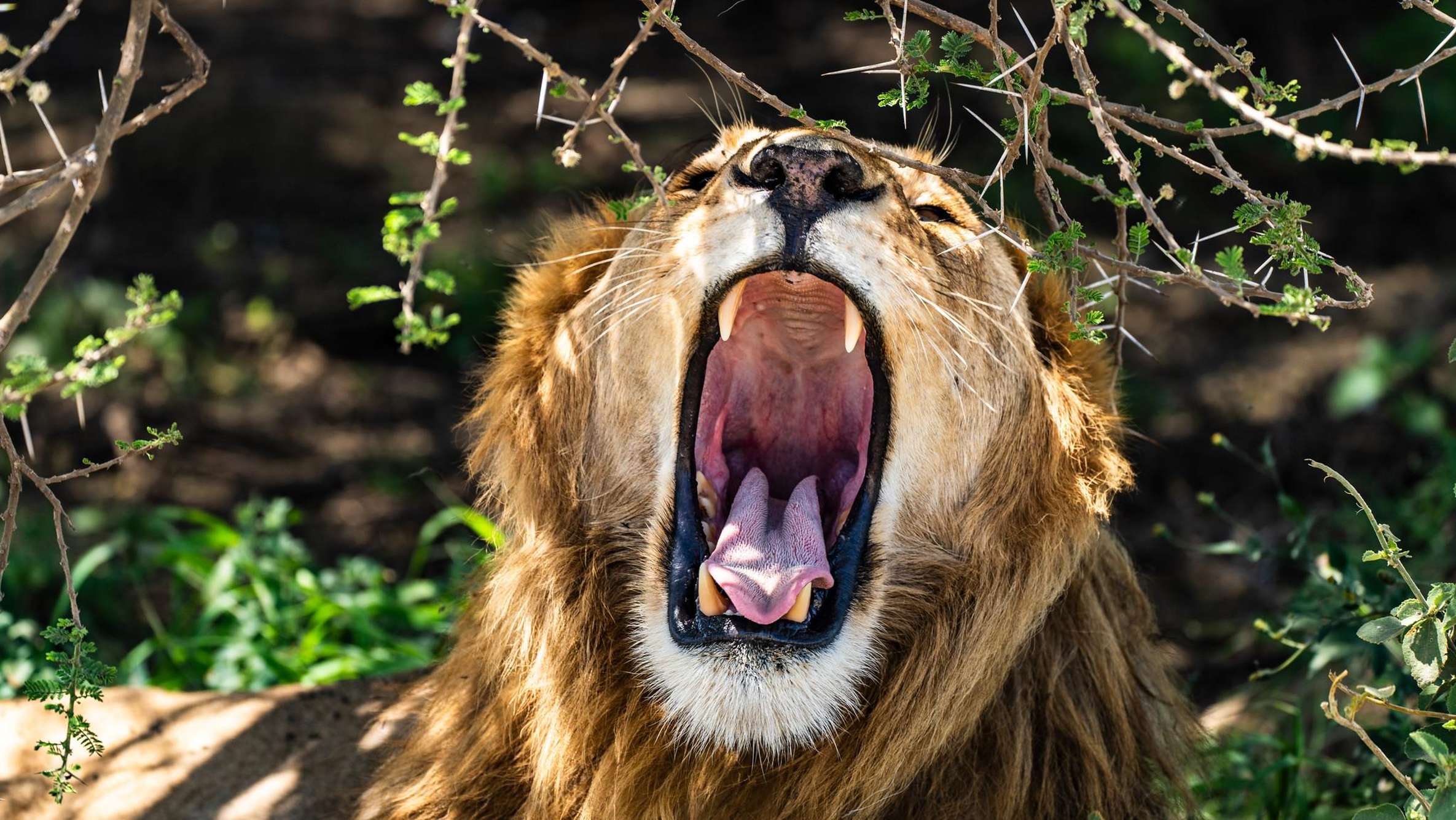
Rain reshapes a day more often than it cancels one. From April 1 to June 1, weather or airfield conditions can postpone, advance or rework bush safaris, and heavy showers leave secondary tracks muddy. Guides reroute to the better-drained main circuits, and complete cancellations stay uncommon.
| If this happens | What happens then |
|---|---|
| A flight safari is canceled for poor weather or unsafe flying | You are offered an alternative date or a full refund. |
| Park tracks flood after heavy rain | Guides shift to better-drained circuits; the drive continues. |
| You hold an onward flight connection | Operators cannot take responsibility for missed connections caused by weather delays, so pad your schedule. |
The one-day traveler builds slack. A safari the evening before an international departure leaves no room for a grounded morning flight, and operators typically ask a booking deposit of 30 to 50 percent up front, so read the change terms before paying.
Most visitors who go in the green months still come back with the sightings and the stories.
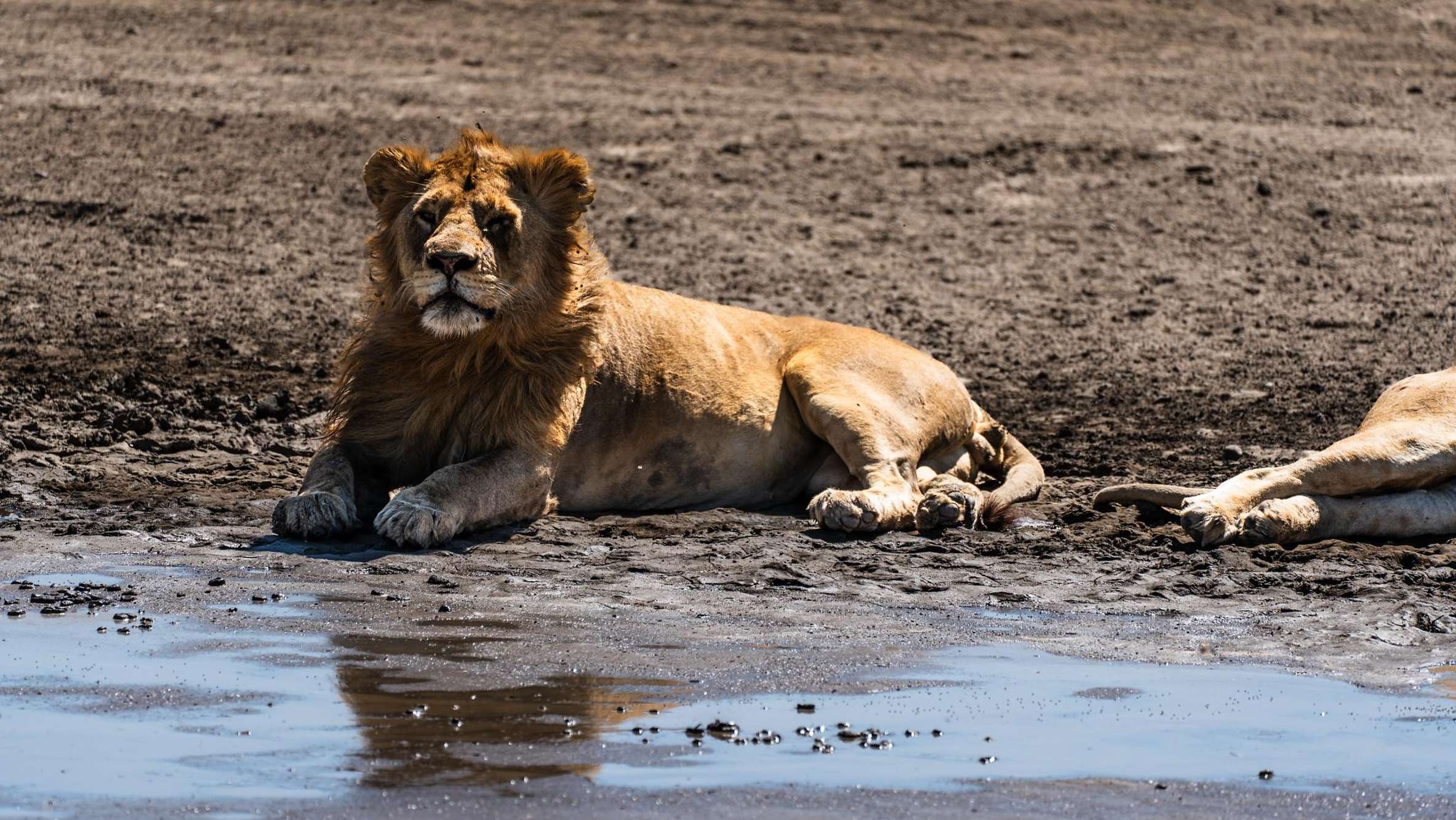
A safari is safe when the rules hold, and the rules are few. Guests stay inside the vehicle, keep hands in, never feed or touch animals, and step out only at designated picnic and restroom sites.
The animals are accustomed to passing cars, which is exactly why a lion pride can be watched from a few metres without fuss on either side.
Sightings are never guaranteed; animals roam freely, so guides radio other drivers across the park to track rarer animals.
Children under five struggle to stay quiet and still for hours; drives with kids work best capped at three to four hours.
Full-day corrugated transits aggravate back problems and add real risks in pregnancy; the shorter drives and the fly-in option exist for this.
For families, a private 4x4 changes the day: departure times, drive lengths and rest breaks all follow the children, where a shared vehicle locks everyone into one schedule. Travelers with back problems or a pregnancy should weigh the corrugated stretches honestly before choosing an overland route.
A safari day rarely uses up Arusha. The city's own national park lies 30 to 40 minutes away, close enough for an 8-hour private 4x4 day with hotel pickup, and it adds what the big parks refuse: walking safaris and canoeing among the wildlife.
In town, the Shanga artisan workshop beside Arusha Coffee Lodge makes an easy afternoon, craft studios staffed by artisans with disabilities and pieces worth carrying home. Day tours from Arusha also run horseback safaris, cultural visits, traditional dance performances and market trips.
A quieter move many travelers swear by: sleep on a working coffee plantation the night before an early pickup. Mist over the fields, coffee on the veranda at 6 am in place of a rushed taxi. Book the safari day first; everything else fits around it.
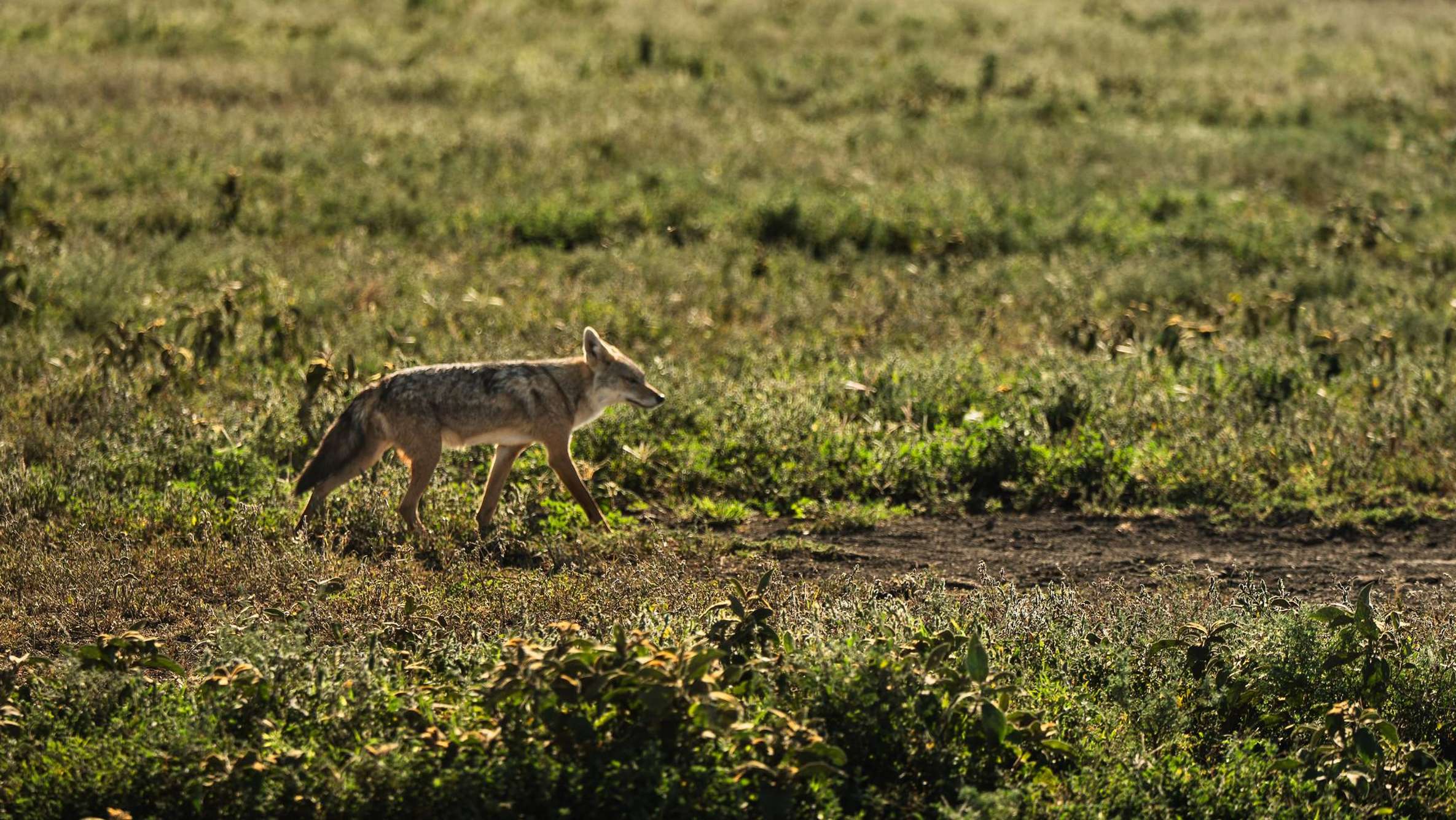
We had a sublime 3-day safari with Season Master Adventures. Patrick and his team were informative, helpful and on time. We saw all the animals up close and the food was delicious. Definitely recommend!
A one-day Serengeti safari by road asks 18 or more hours for 4 to 5 of wildlife, so keep the Serengeti for the two-day fly-in from Zanzibar, which lands on Seronera airstrip inside the park.
With a single day from Arusha, the Ngorongoro Crater full-day safari gives the densest Big Five viewing, and Tarangire rewards August-to-October travelers with its riverbank elephant herds.
The honest logistics behind a one-day safari in the Serengeti, and the closest trips that actually work.
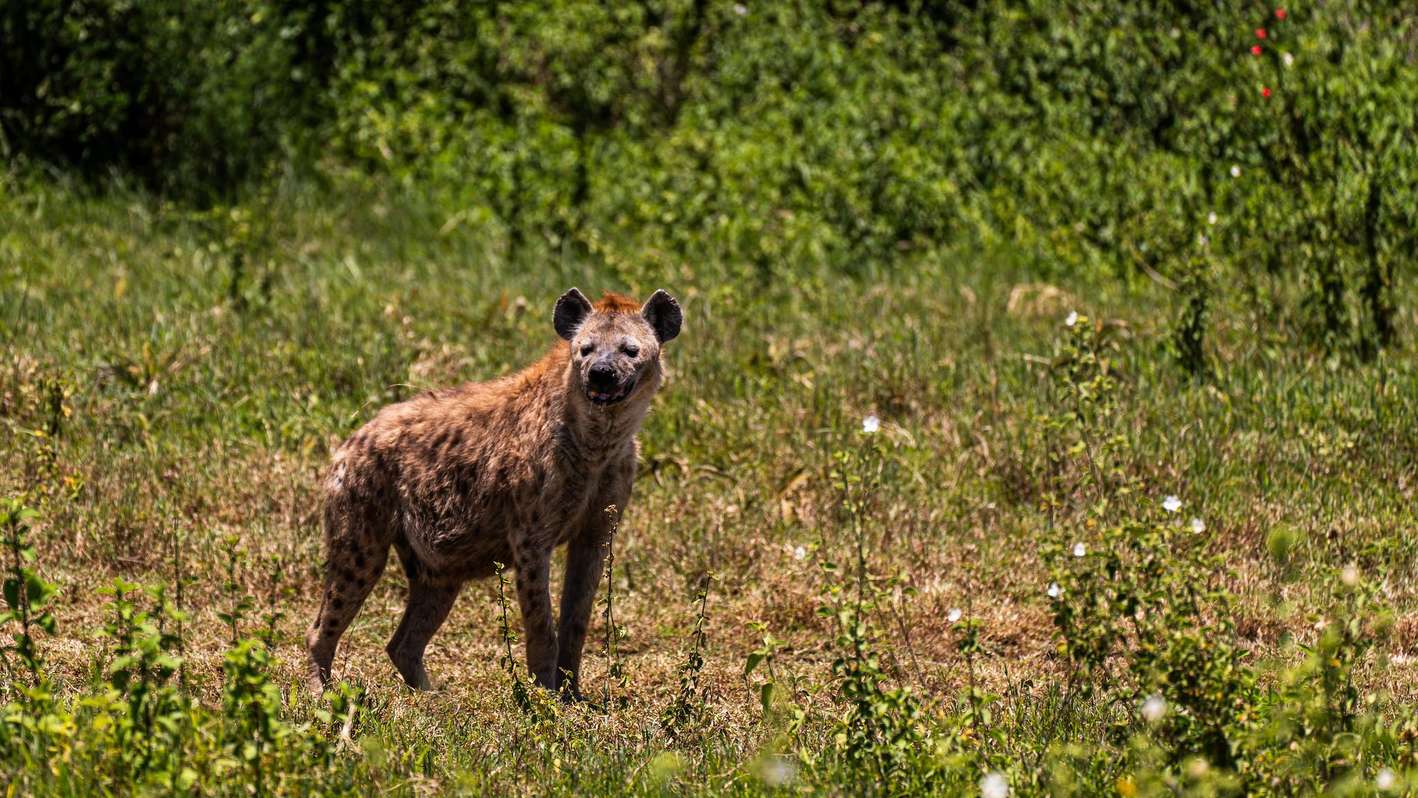 Seronera2026
Driving there and back in a single day does not work: the road from Arusha takes 7 to 8 hours each way, so a round trip eats 18 hours or more and leaves a couple of hours with the animals.
If you have one spare day, the day trips sold here run to Ngorongoro Crater or Tarangire, both back in Arusha by evening.
Between 225 and 325 kilometres depending on the gate you enter, which works out at roughly 7 to 8 hours of driving each way over unpaved stretches.
That is why the site sells the Serengeti as a two-day fly-in trip from Zanzibar and as part of three-day overland safaris from Arusha, with a full game drive on arrival.
The two-day trip from Zanzibar with return flights. You land on Seronera airstrip inside the park, meet your guide driver there, and go straight into a full-day game drive with a picnic lunch in the plains. You overnight just outside the park gate and fly back to Zanzibar the next day.
No. The crater sits inside the Ngorongoro Conservation Area and counts as its own destination with its own fees. It is a closed caldera basin where the Big Five live year-round, so a one-day visit still delivers lions, elephants, buffalo, leopard and the rare black rhino in a few hours of driving.
Tarangire. The drive south takes about 2.5 to 3 hours, so the 13-hour day safari sold here puts the bulk of your daylight inside the park rather than on the highway. Expect big elephant herds, lion prides, giraffes, zebras and more than 550 bird species, with a picnic lunch by the river.
Northern park gates, including those for Serengeti and Ngorongoro, run from 6 am to 6 pm, and some stop admitting vehicles around 4 pm. Early departure is built into every tour here: pickups in Arusha start between 6:00 and 7:30 am, which is exactly when the animals are most active.
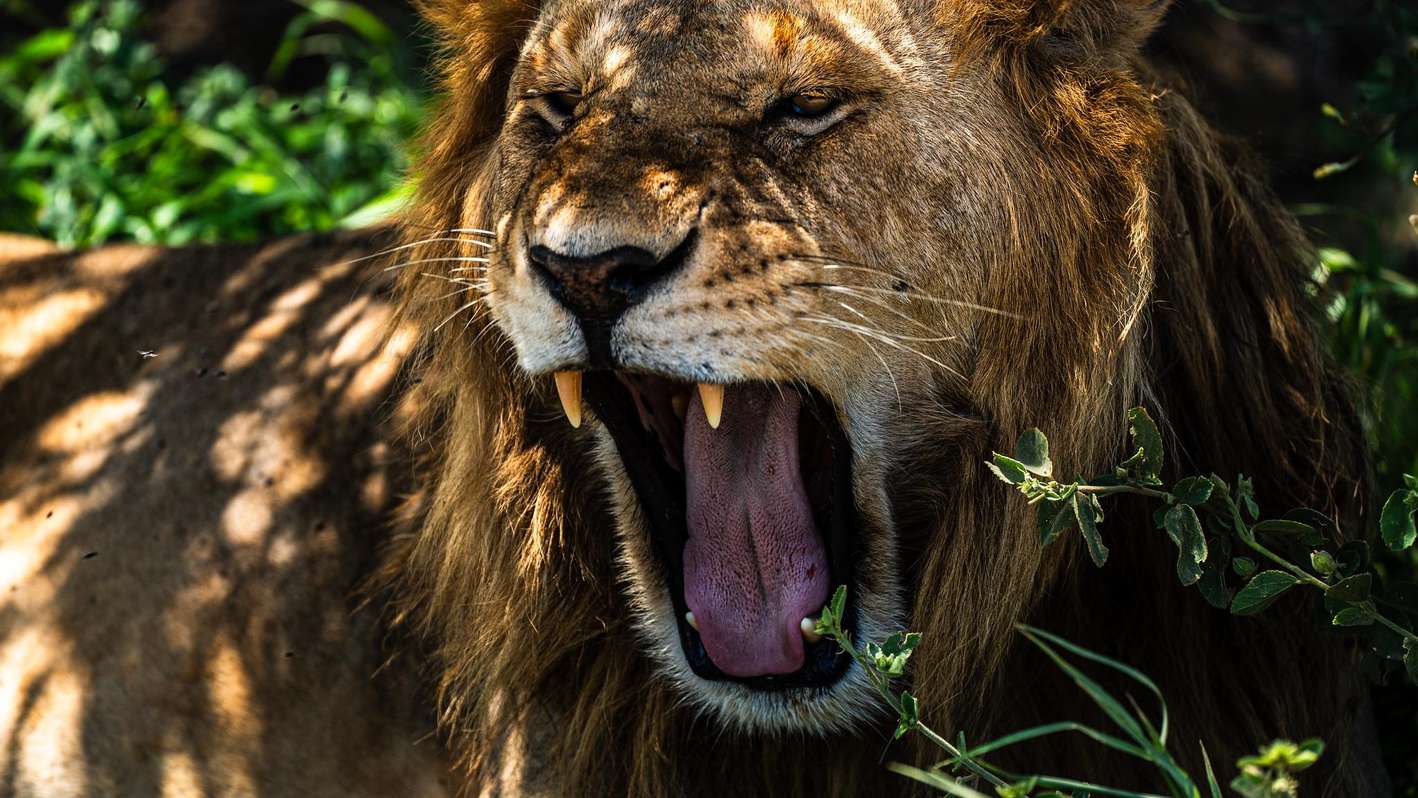
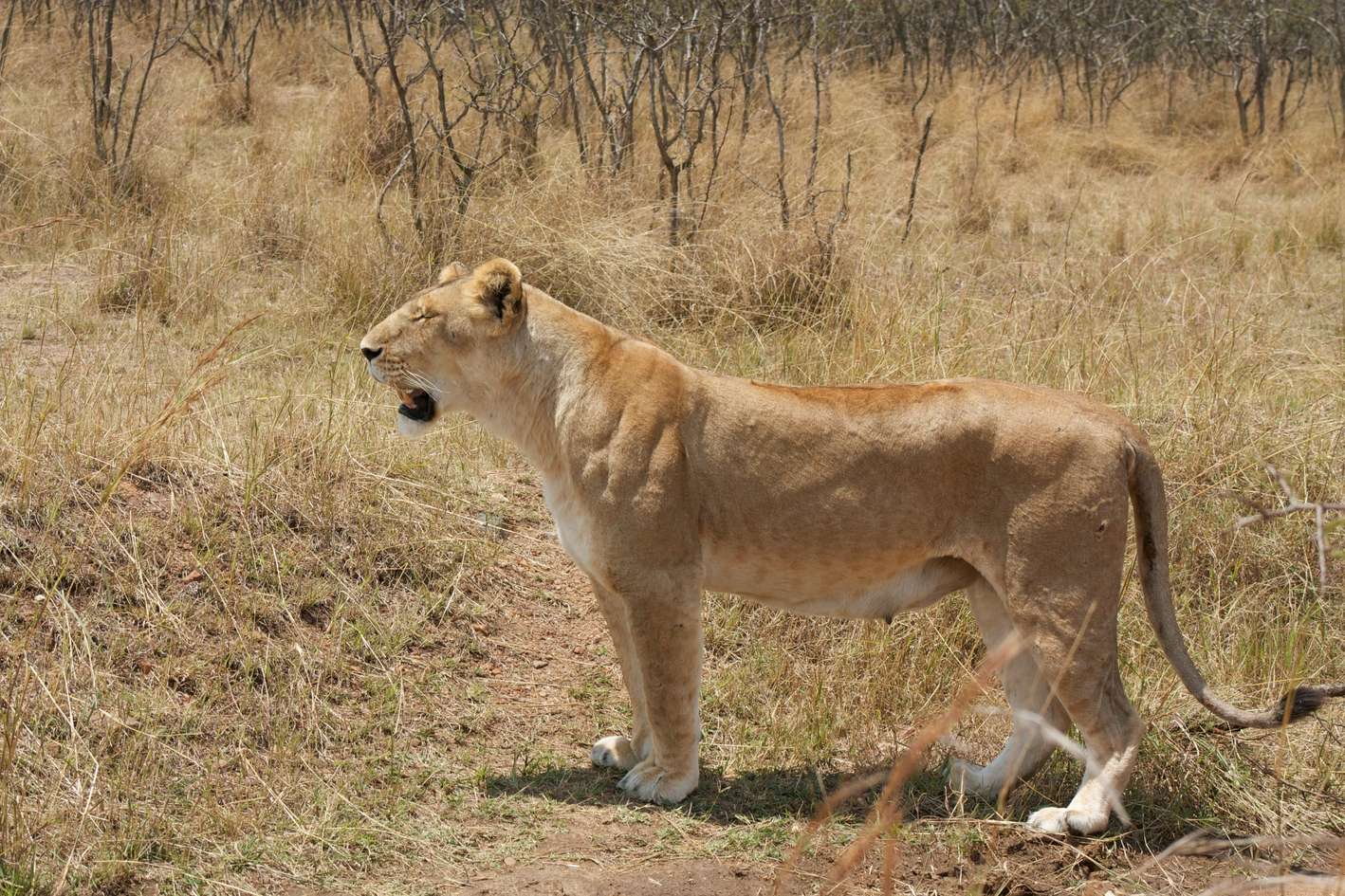
No guide can promise a lion, because the animals roam freely. What helps is the network: guides radio each other across the park when someone finds a predator, so a full-day drive in the crater or at Tarangire stacks the odds firmly in your favour.
Children under five often find long hours in a vehicle hard, since they need to stay quiet and seated near animals. Keep drives to three or four hours with a proper break in the middle, or give them the window seat of a fly-in trip where the transit takes an hour instead of a morning.
Long sleeves and trousers in khaki, olive or beige, a hat and closed shoes. Skip black, dark navy and bright colours: dark shades attract biting tsetse flies and bright colours startle the wildlife. Bring your passport for the gate registration, a camera, and sunscreen for the open roof.
It depends on the tour. The crater day trip from Moshi and Arusha asks for the entrance and crater fees in cash the day before departure, while the full-day crater safari from Arusha includes entry fees in the price. Each tour card lists exactly what is covered before you book.
The full Serengeti picture: lions, leopards, the great herds and the open plains, on proper multi-day routes.
Which Serengeti months bring rain and which bring the herds, so your dates match the bush.
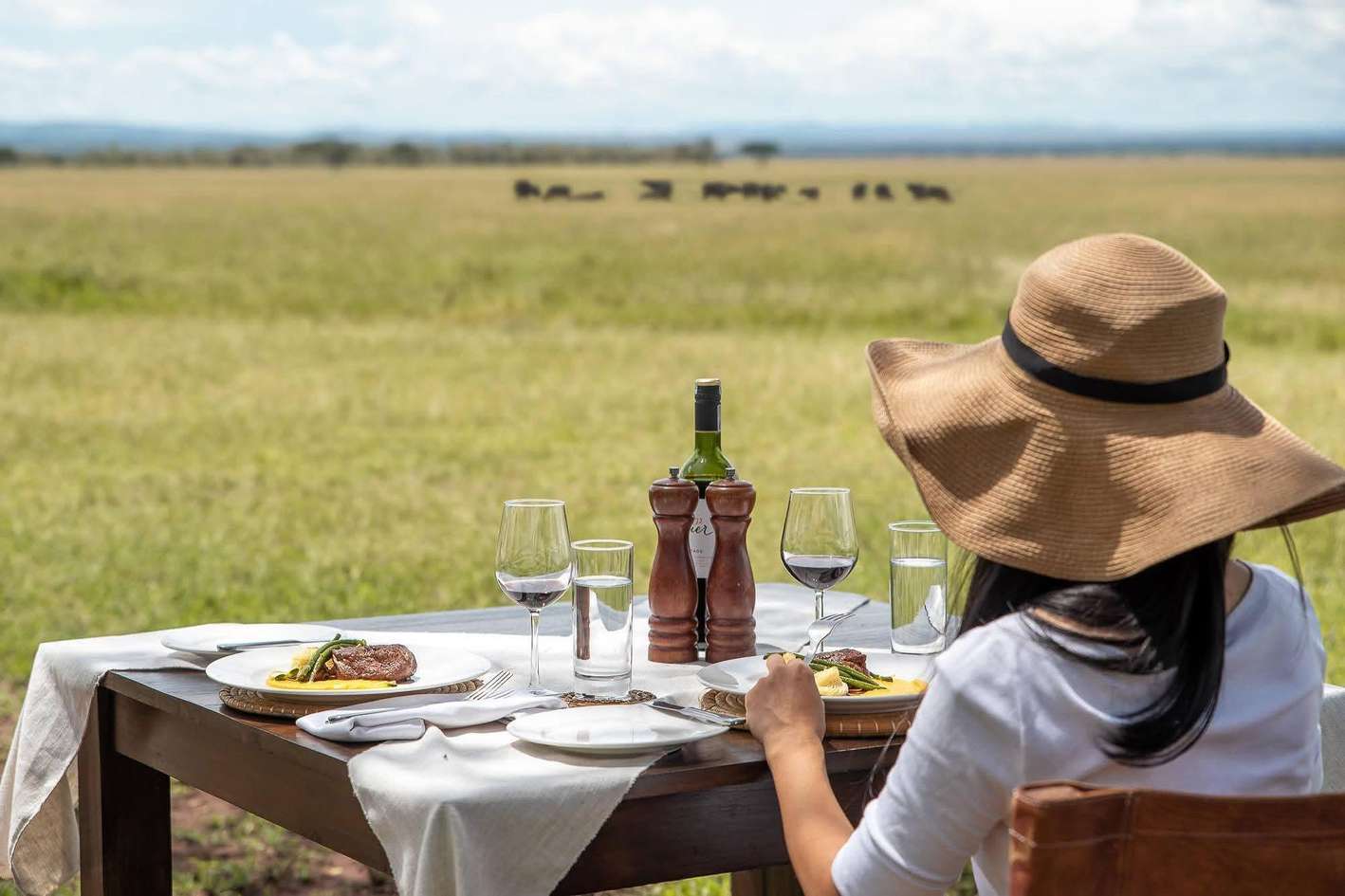
Where the wildebeest stand each month, and how to be in place for a river crossing.
What a dawn balloon flight over the Serengeti involves, and who it suits best.
Overland routes from Arusha into the Serengeti, with honest drive times and where an overnight stops the exhaustion.
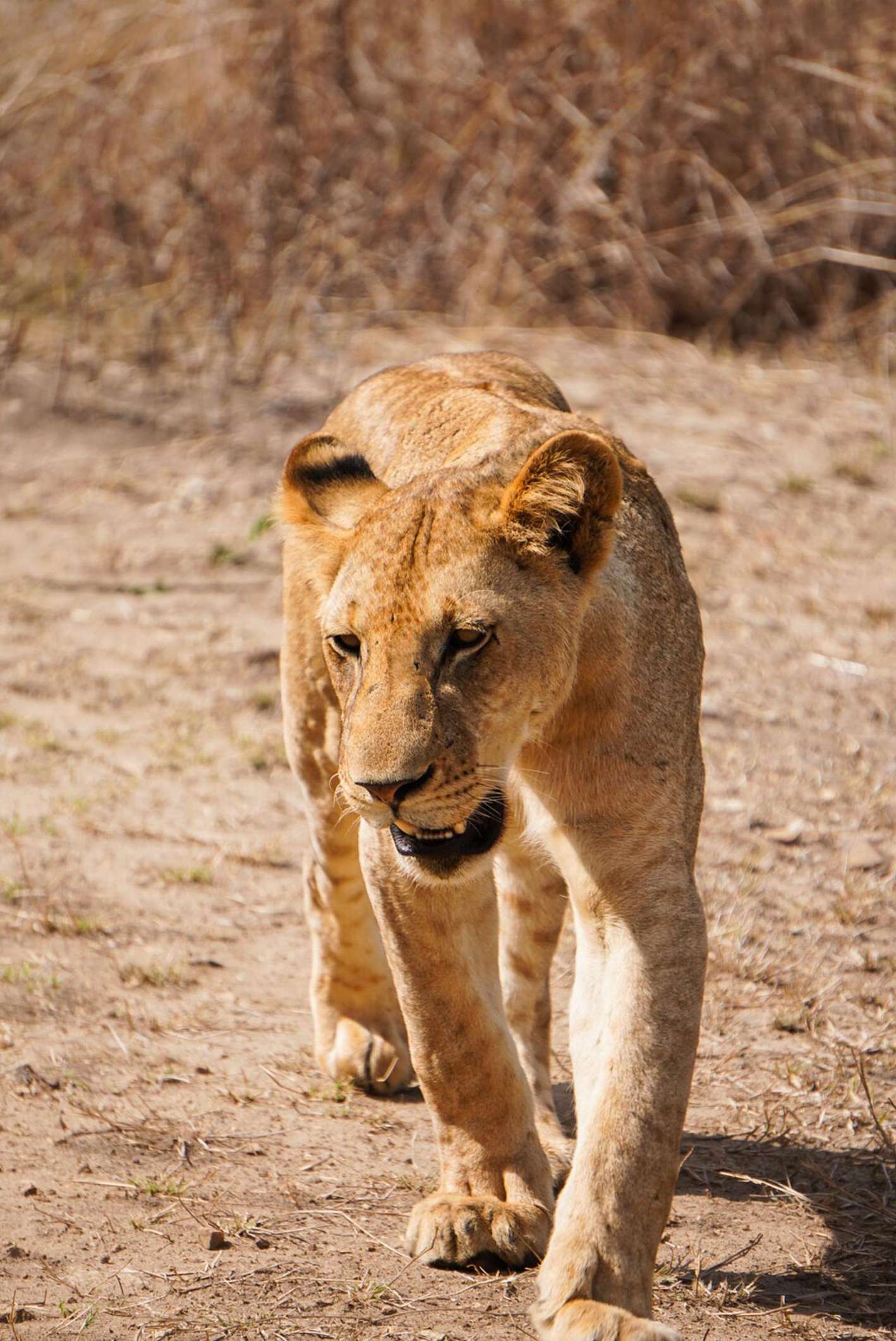
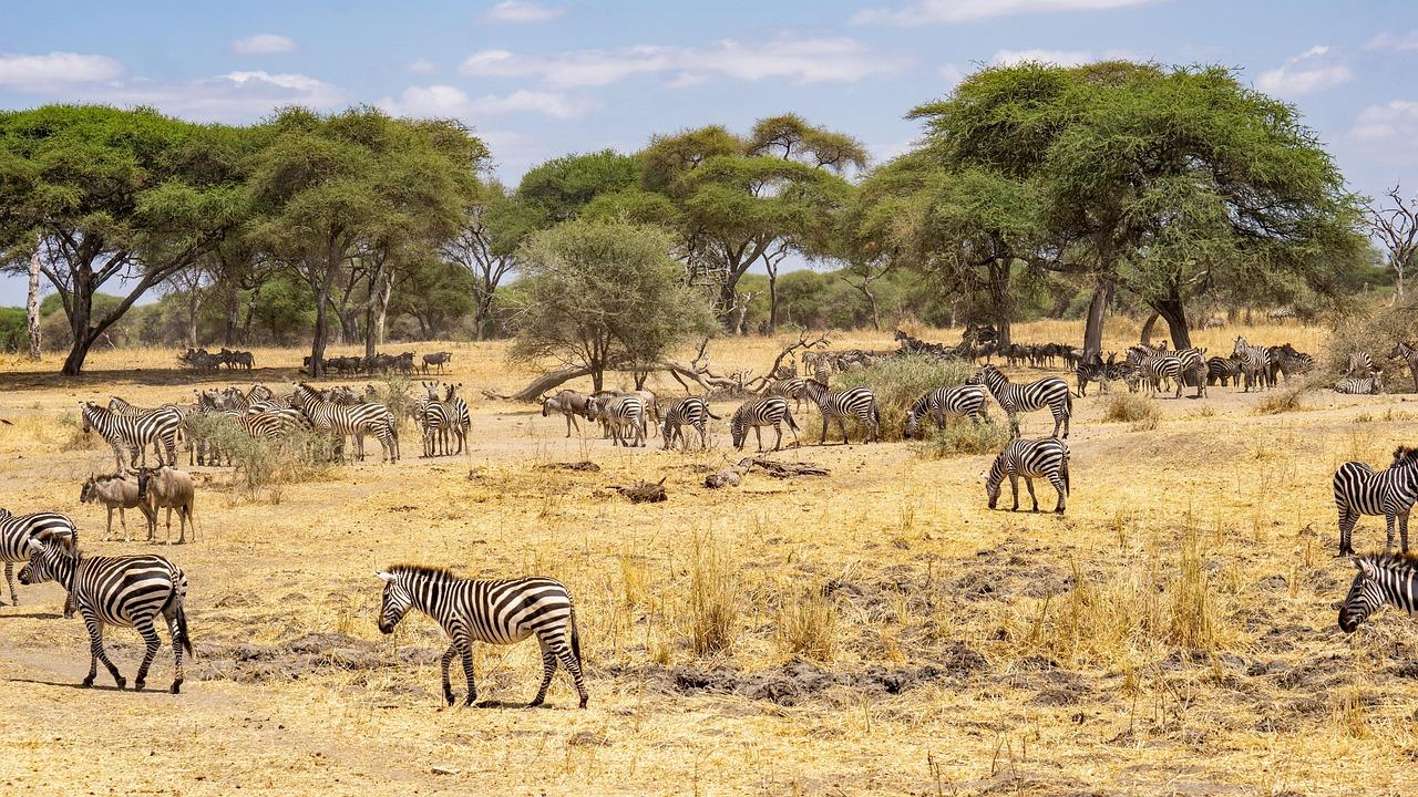
A shorter game drive from Zanzibar: the Mkata floodplain's zebras, lions and open grassland.
Bush itineraries from Dar es Salaam, including the express train option that cuts hours off the road.
Two days in Mikumi with a night in the bush, sized for a beach holiday with a weekend to spare.
Three days from Zanzibar by ferry and open jeep, enough for real game drives without losing the week.
Month-by-month weather and crowds across Tanzania's parks, so you can pick dates with confidence.
Realistic two-, three- and four-day itineraries, and what each length actually lets you see.
How to pair a safari with Zanzibar's beaches, from fly-in trips to lodge stays on the mainland.
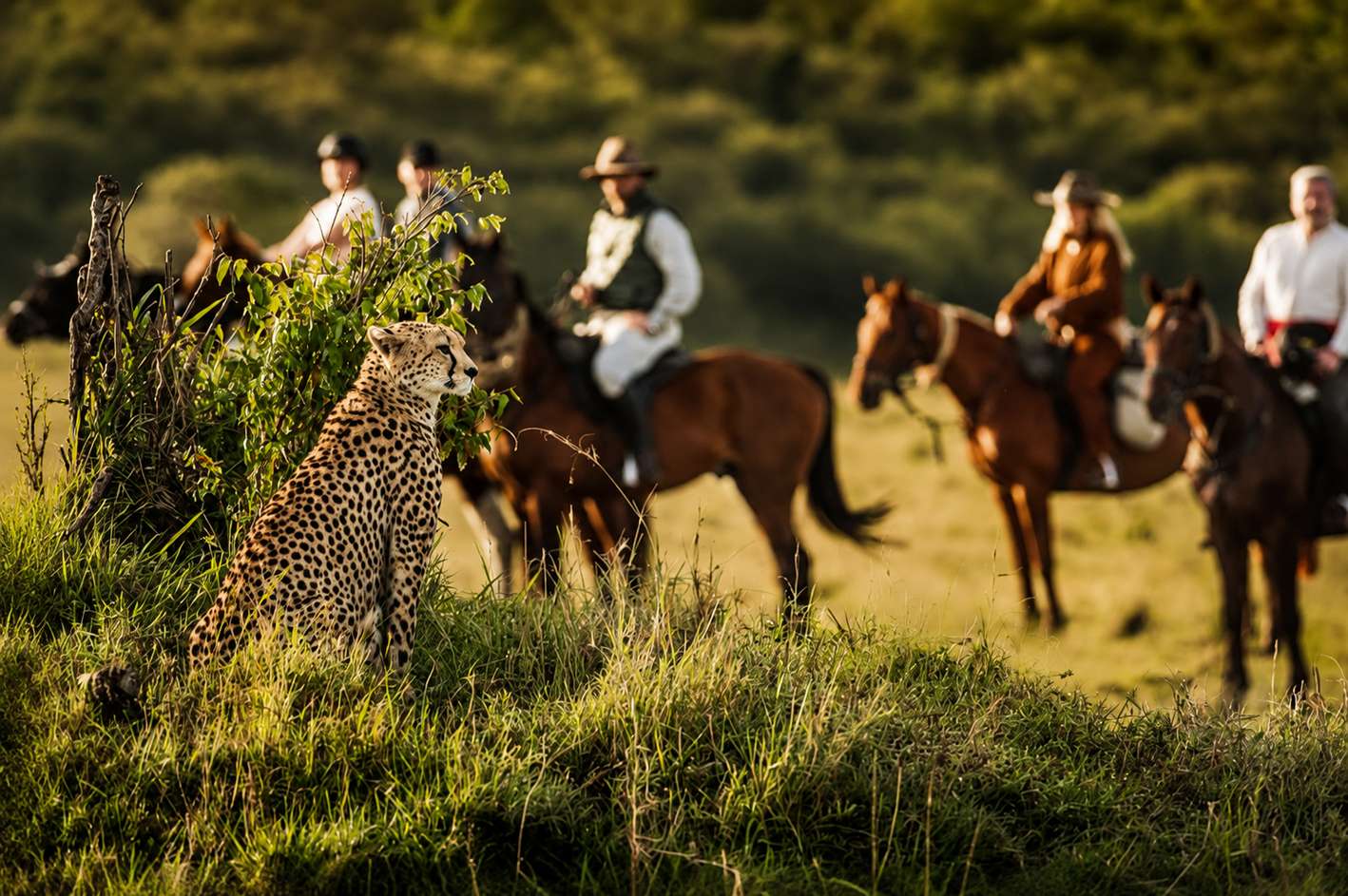
Riding expeditions through the bush, with the safety briefing and wildlife rules spelled out.
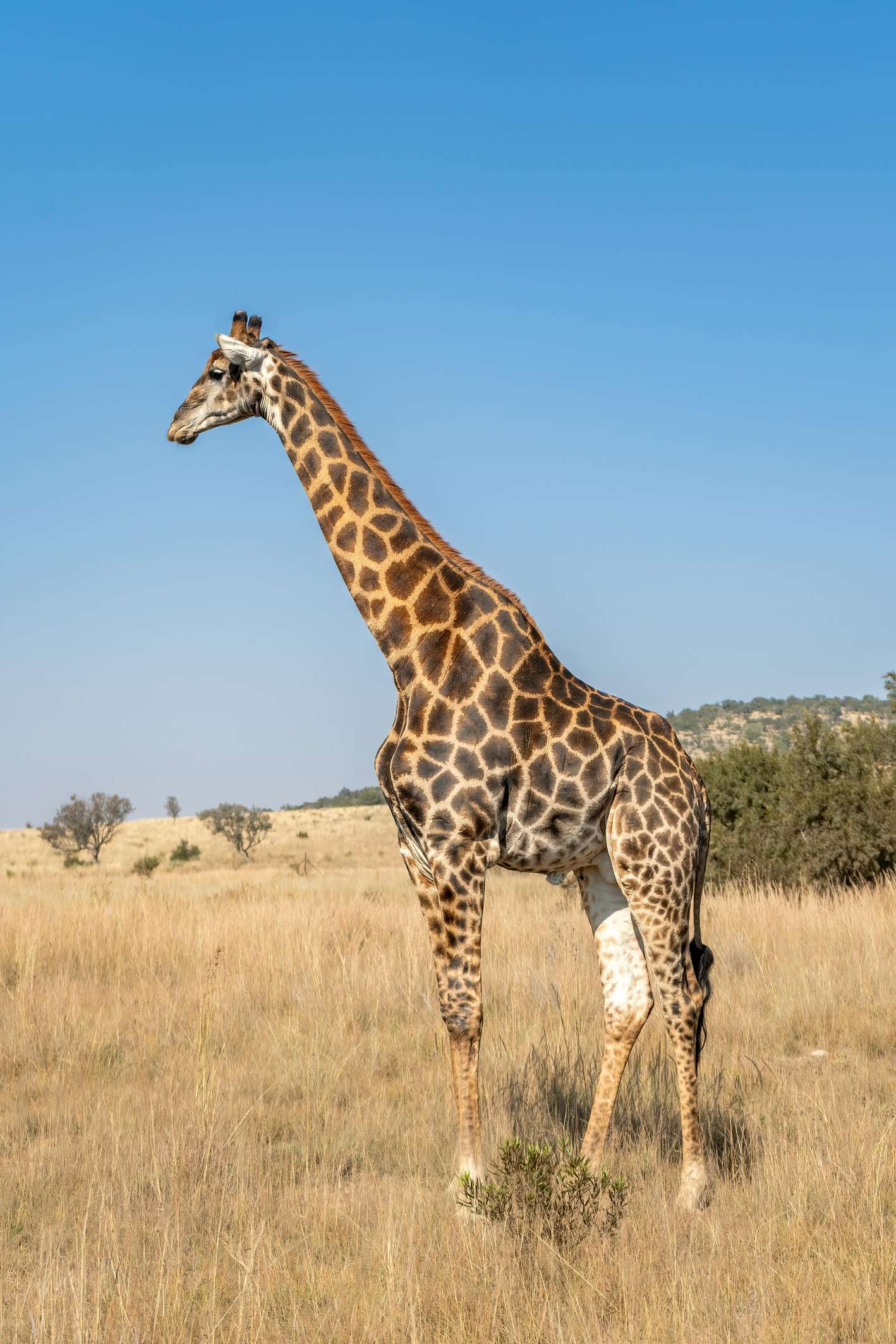
A wildlife checklist for a Tanzania safari, from big cats to what the herds do by season.
The crater's caldera game drives, rhino chances and descent logistics, explained in plain detail.
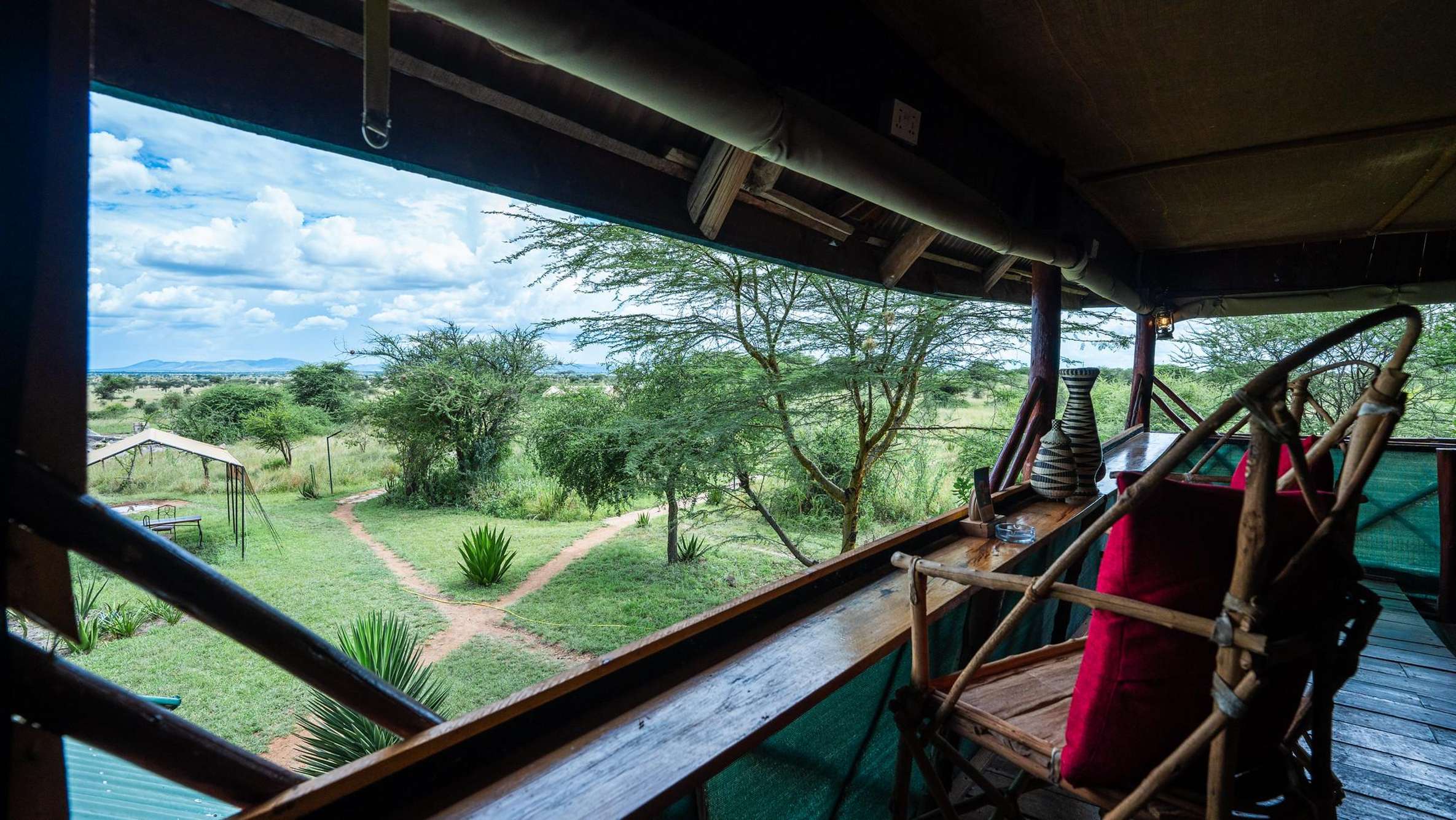
Fly straight onto Seronera airstrip for a full day of game drives, with hotel pickup in Zanzibar and free cancellation up to 24 hours before.