
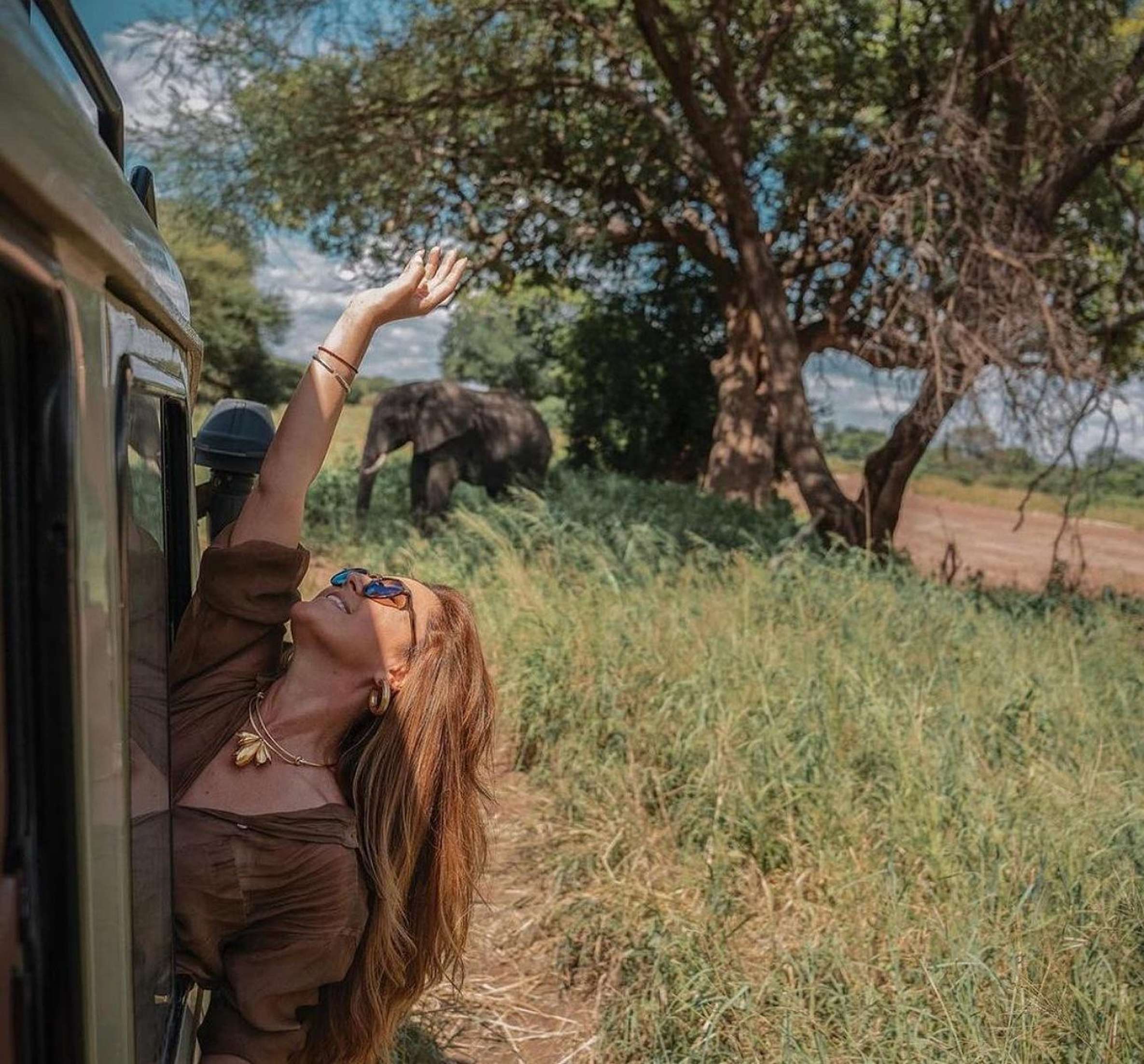
How Many Days for a Tanzania Safari Itineraries for 2 Days, 3 Days and Overnight
Match your safari length to the days you actually have. Compare tested one-day, two-day, and three-night routes from Zanzibar and Arusha, with game drives that reward early starts and logistics that flow smoothly with minimal downtime. Pick your duration, then book it below.
"I'd do this trip again in a heartbeat. It was the highlight of our honeymoon. Thank you so much!"
The many days a Tanzania safari really takes
Park gates shut at 6 pm sharp, so every extra hour of transit eats straight into your game viewing. How many days a Tanzania safari needs depends on the parks you can reach in that window, and how much of the beach you are willing to trade for them.
- 1
One day works only if you give it the whole day: a six-hour drive on the Ngorongoro crater floor covers it, a quick morning drive does not.
- 2
A bush flight from Arusha to central Serengeti takes under 75 minutes against about eight hours of driving, saving up to three days across a circuit.
- 3
Two days beats one on the southern parks because a same-day trip misses dawn and dusk, when animals are most active.
- 4
Three days is the shortest trip that reaches the Serengeti and Ngorongoro properly, with Big Five chances including black rhino.
- 5
A 7-day holiday splits into 4 days of safari and 3 on the beach; 10 days gives 5 or 6 to the parks.
Plan each day so your vehicle clears the gate by 6 pm, and pick a duration with many days of margin rather than one that depends on a perfectly timed last-hour arrival.
One, two, three or four days - what each length really buys
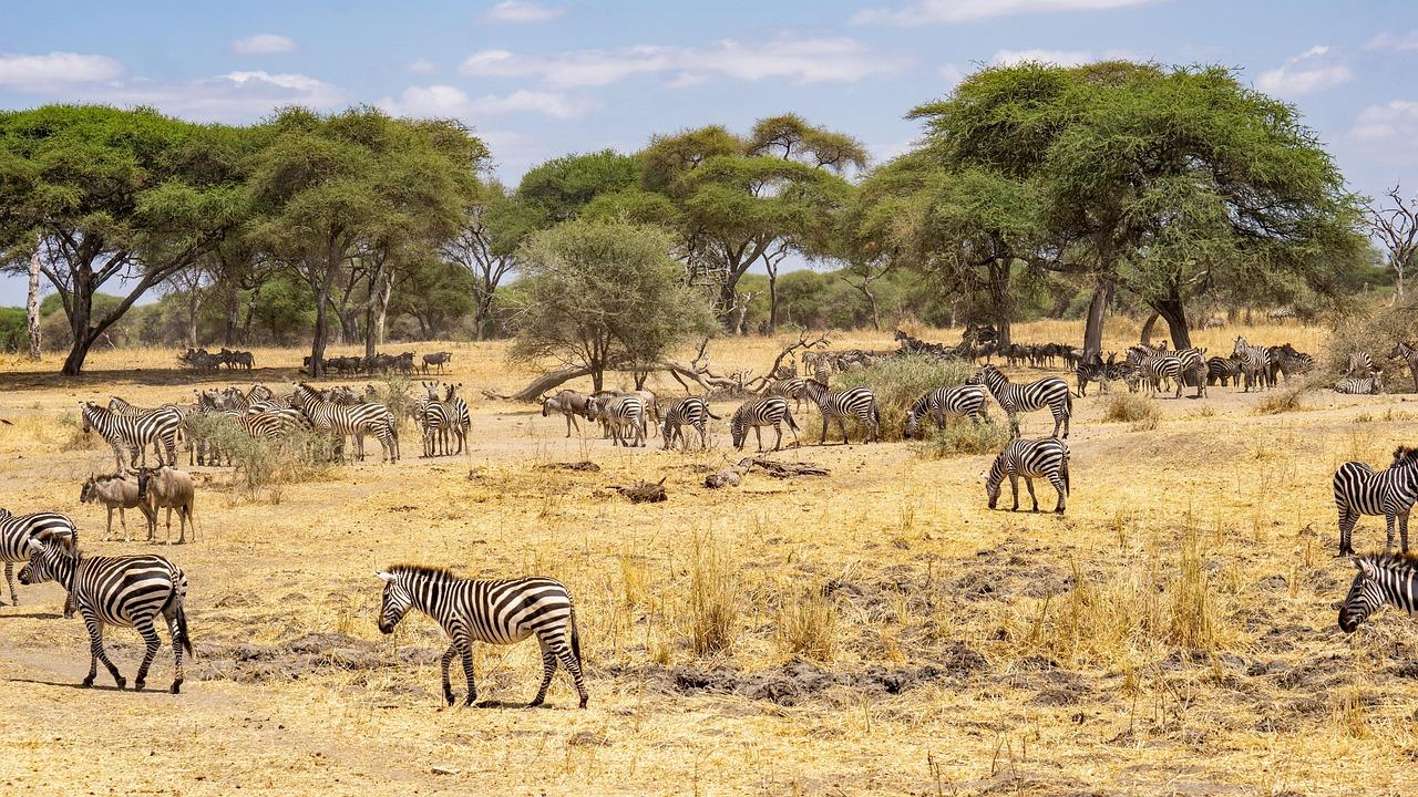
A 4x4 rolls across the Mkata Floodplain at first light, zebras scattering off the track, and somewhere behind you a light aircraft is already climbing back towards Zanzibar.
That is what one day of safari looks like, and it is a real day. One day buys a single park within reach of your hub: Tarangire, Arusha National Park or Ngorongoro Crater from Arusha, or Mikumi by flight from Zanzibar.
Add a night and the shape changes. Two days unlocks afternoon and morning drives, or a boat safari on the Rufiji River.
Three to four days is where the northern circuit opens up: Tarangire, Ngorongoro Crater and the Serengeti together, with the Big Five, hippos in the crater pool and animals wandering past your tent at night.
Every tier trades transit time against time in front of animals, and the shorter your trip the more transit takes. Match the tier to the days you actually have in Tanzania.
Safari lengths side by side
| 1 day | 2 days | 3 to 4 days | |
|---|---|---|---|
| Parks covered | One park near your hub (Tarangire, Ngorongoro, Arusha NP, or Mikumi from Zanzibar) | Mikumi, Nyerere (Selous) or Serengeti with an overnight | Northern circuit: Tarangire, Ngorongoro Crater, Serengeti |
| Transit share | High: most of the day is travel plus one game drive | Low: overnight removes the return rush | Spread across mornings between parks |
| Wildlife on the table | Lions, elephants on good days, no rhino at Tarangire | Dawn and dusk drives, boat safari, plains game on the Mkata Floodplain | Big Five including black rhino, migration plains, hippos at the crater pool |
| Best departure hub | Arusha by road, Zanzibar by flight | Zanzibar fly-in or Arusha road trip | Arusha, with flights between parks |
- Parks covered
- One park near your hub (Tarangire, Ngorongoro, Arusha NP, or Mikumi from Zanzibar)
- Transit share
- High: most of the day is travel plus one game drive
- Wildlife on the table
- Lions, elephants on good days, no rhino at Tarangire
- Best departure hub
- Arusha by road, Zanzibar by flight
- Parks covered
- Mikumi, Nyerere (Selous) or Serengeti with an overnight
- Transit share
- Low: overnight removes the return rush
- Wildlife on the table
- Dawn and dusk drives, boat safari, plains game on the Mkata Floodplain
- Best departure hub
- Zanzibar fly-in or Arusha road trip
- Parks covered
- Northern circuit: Tarangire, Ngorongoro Crater, Serengeti
- Transit share
- Spread across mornings between parks
- Wildlife on the table
- Big Five including black rhino, migration plains, hippos at the crater pool
- Best departure hub
- Arusha, with flights between parks
Read that row by row and the pattern holds: the one-day tier spends most of its clock on the road and still delivers lions, the two-day tier buys the quiet hours at the edges of the day, and the three-to-four-day tier is the only one that reaches the deep northern parks.**
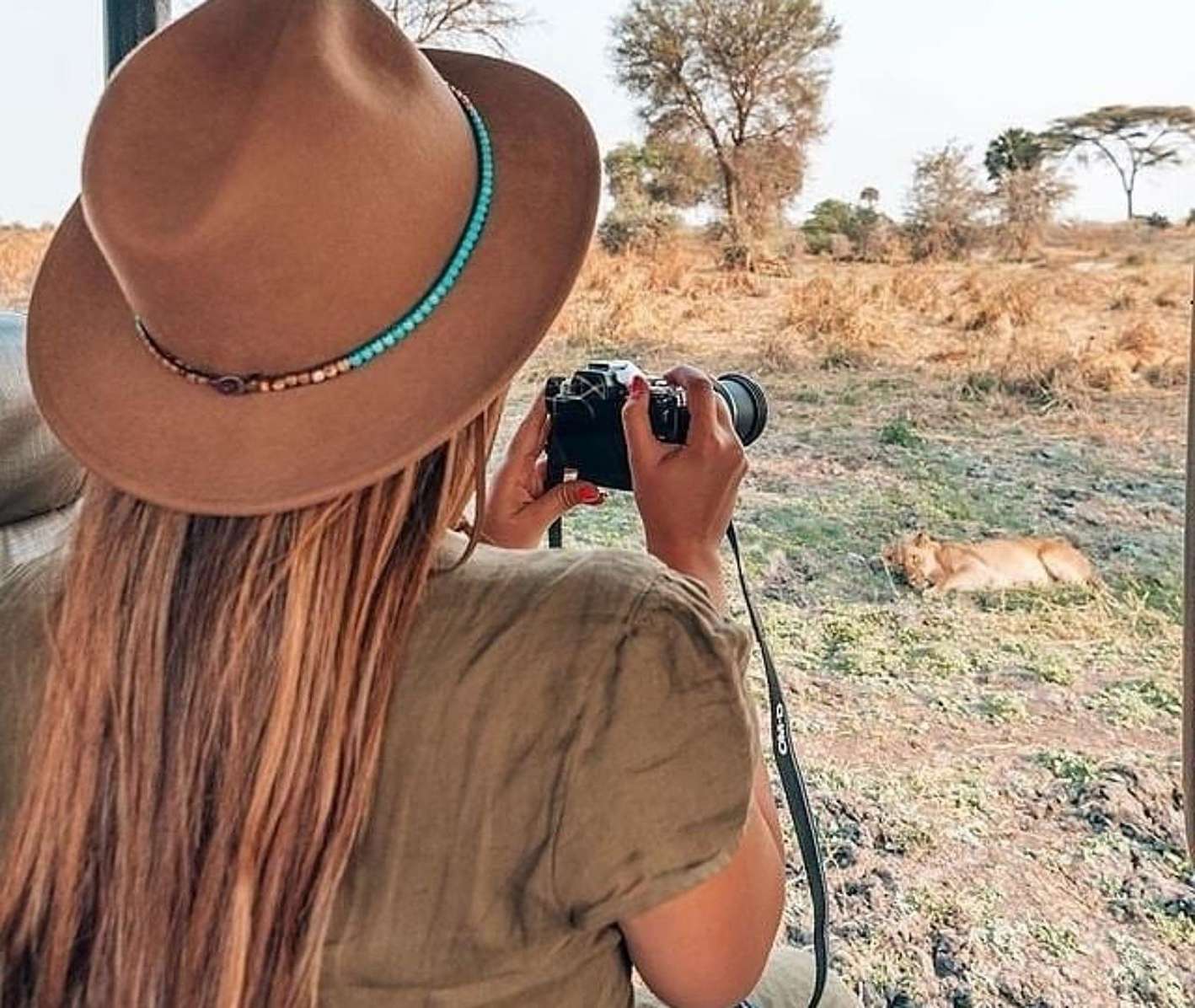
Can a one-day safari actually be worth it?
A one-day safari starts before sunrise. Zanzibar hotel pickups begin as early as 4 am, with charter flights leaving around 6:30 am; from Arusha, vehicles collect you between 6 and 7 am and roll out for the parks at 7.
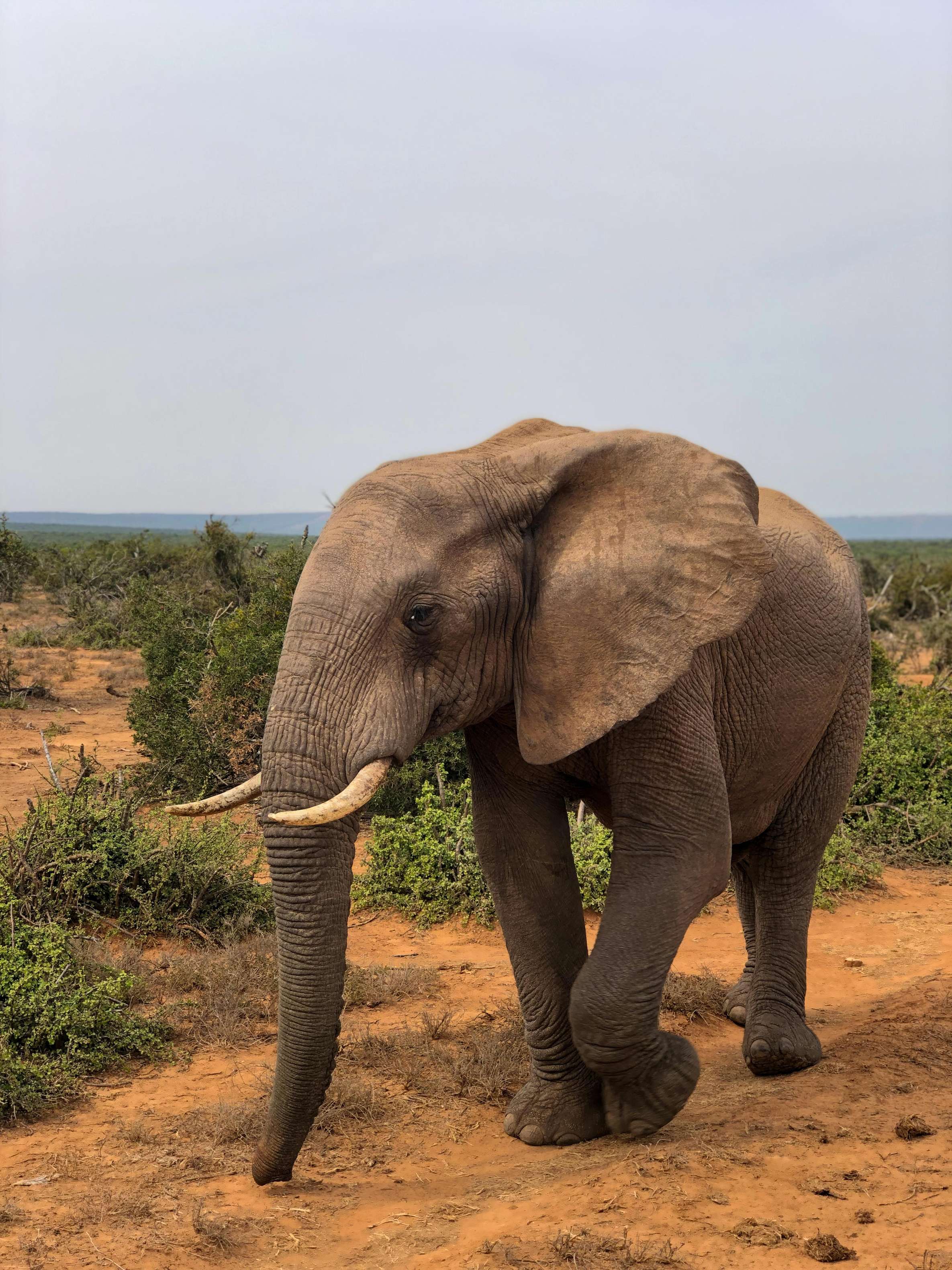
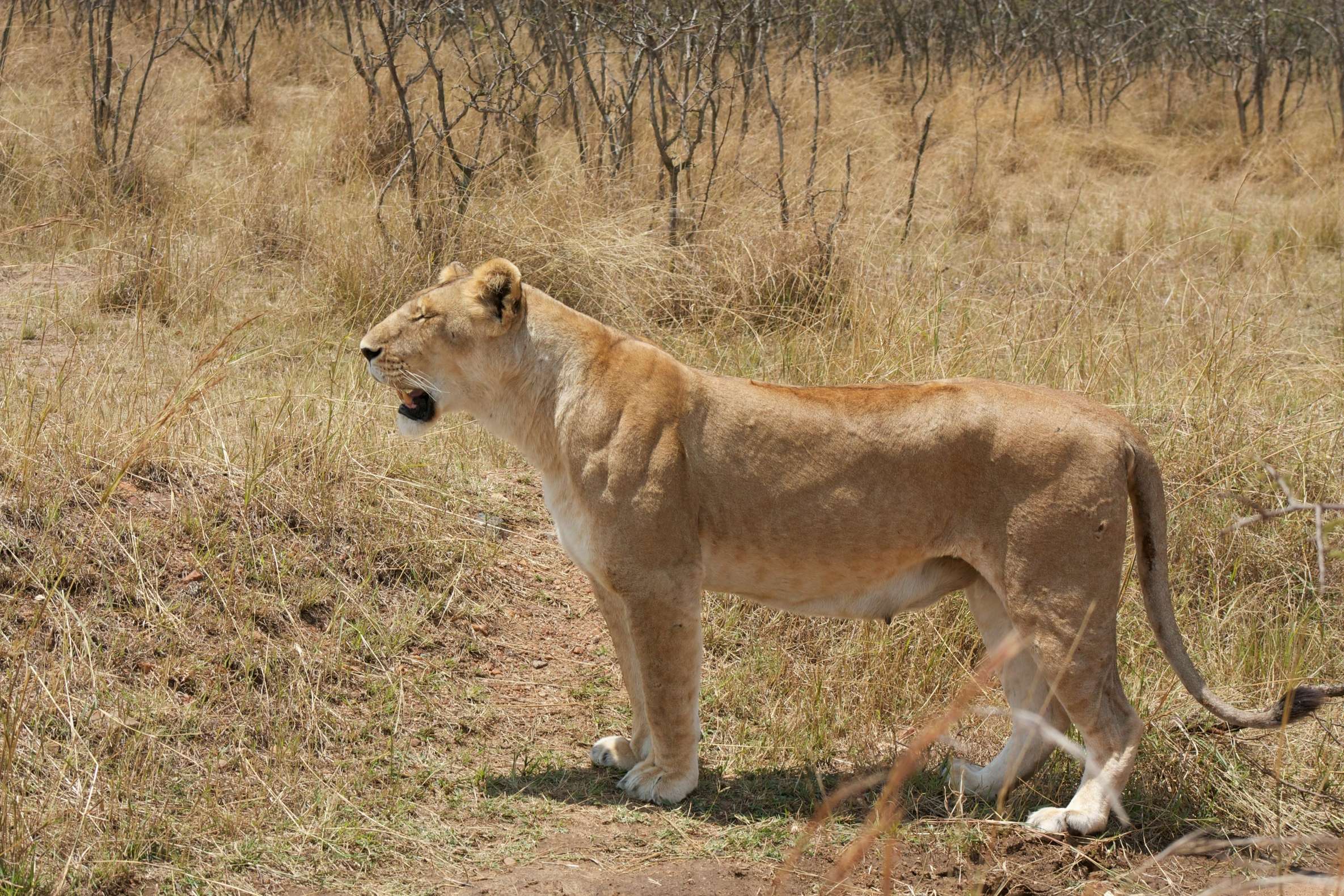
The reward is real: day trips and short drives routinely deliver sightings of lions and elephants, and guides network by radio with other drivers to track down rarer animals.
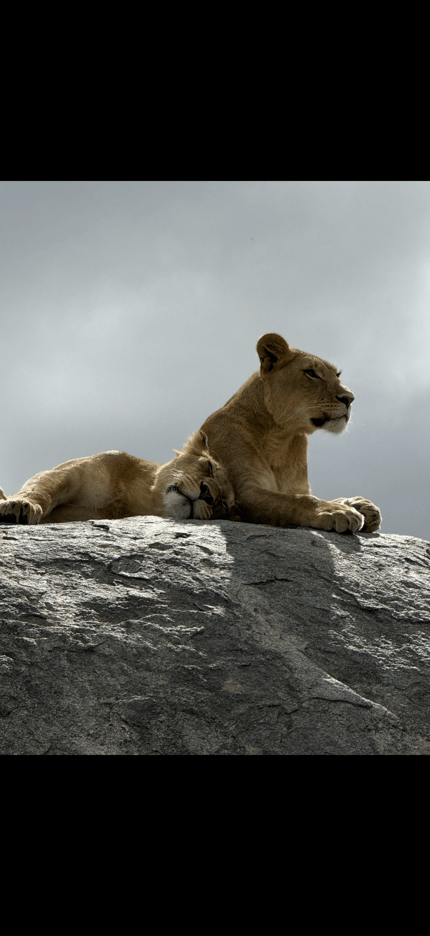
Ngorongoro is the standout single day. One full day inside the crater is enough to explore the caldera floor properly, with high chances of a wide variety of wildlife packed into a small area.
Squeeze it into a quick morning drive and you get exactly what people complain about: a day that leaves them wishing they had more time.
From Zanzibar, the Mikumi fly-in is the same idea: 6 to 7 hours of game driving around a bush lunch, back at your hotel by early evening.
From Zanzibar: Mikumi Safari Day Trip with Flights and Lunch runs exactly that, with the return flight and the game drive both included, so the only planning left is what time to set the alarm.
A single day spent like this is a genuine safari, with hours on the crater floor and animals in the frame. What it cannot buy is the quiet hours on either side of the sun.
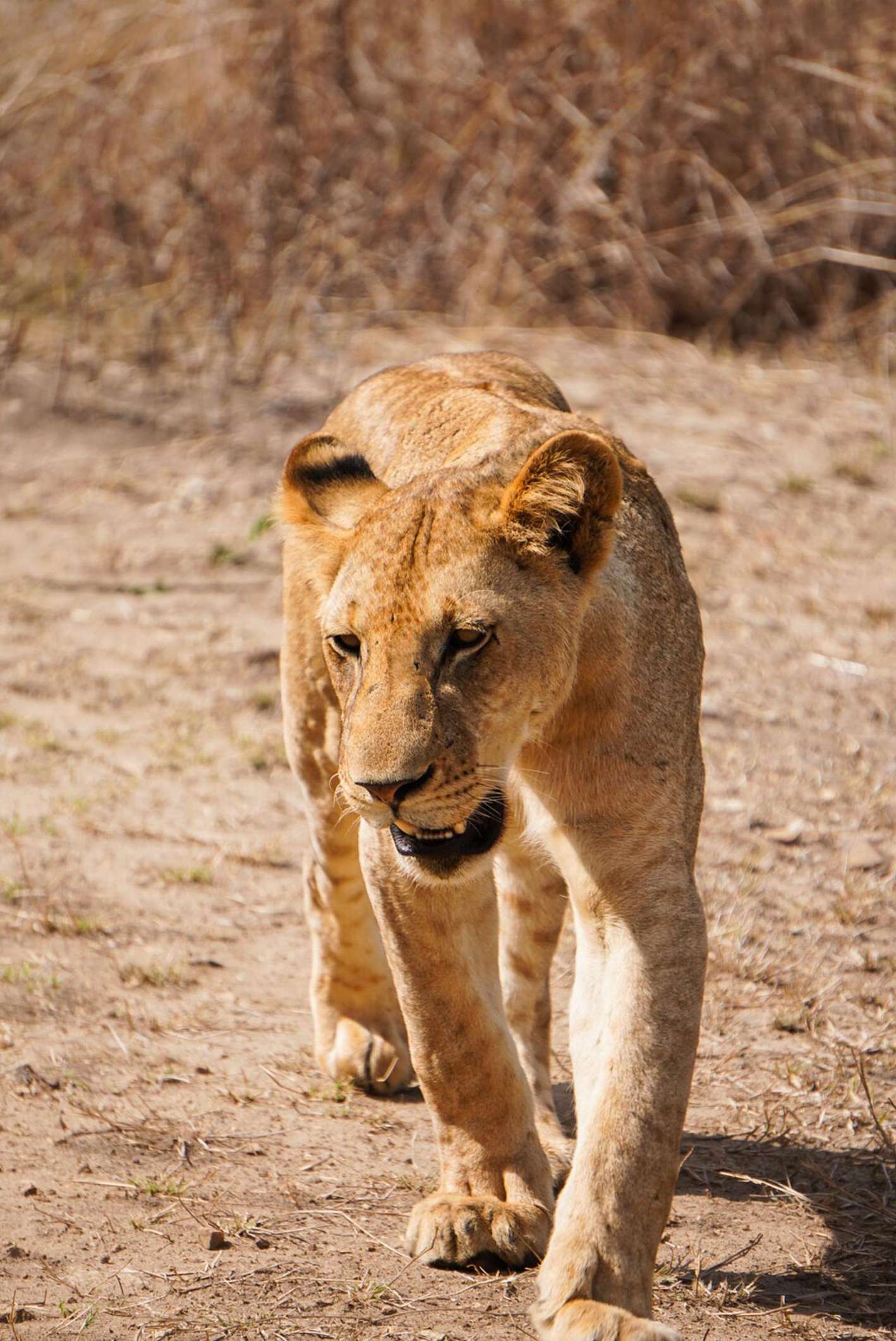
Is two days enough, and is the overnight from Zanzibar worth it?
The case for the second day is simple arithmetic. A same-day trip to Nyerere gives you six to seven hours in the park and misses the prime early morning and dusk hours, precisely when animals are most active.
Stay the night and the value per hour shifts: dawn and dusk drives come back onto the schedule, a boat safari on the Rufiji becomes possible, and the second day starts with animals already moving.
The southern parks reward this differently from the north. Mikumi concentrates plains game and lions on its open floodplain, while Nyerere spreads its wildlife across a watery wilderness of lakes, channels and palm-lined banks, home to wild dogs, elephants, hippos and crocodiles.
Both show lower visible densities than the Serengeti because animals disperse over vast distances, so more drive time helps. No reliable rhino sightings in either.
From Zanzibar: 2-Day, 1-Night Selous GR Safari with Flights covers the whole pattern: fly in early, spend the day on game drives with a bush lunch, sleep at a lodge beside the reserve, and add the Rufiji boat safari if you want it.
What nobody tells you
These are the hours animals are most active, so the overnight package is where the value per hour shifts
Two nights in Zanzibar given up buys two full days of wildlife instead of six or seven hours
Animals are dispersed across vast landscapes, so a second day roughly doubles what you will actually see
If your holiday is anchored in Zanzibar and you can spare two nights, take them. If you cannot, the day trip in the last chapter still stands.
What three days gets you - Serengeti and Ngorongoro together
Three days is the shortest itinerary that reaches the deep northern parks properly.
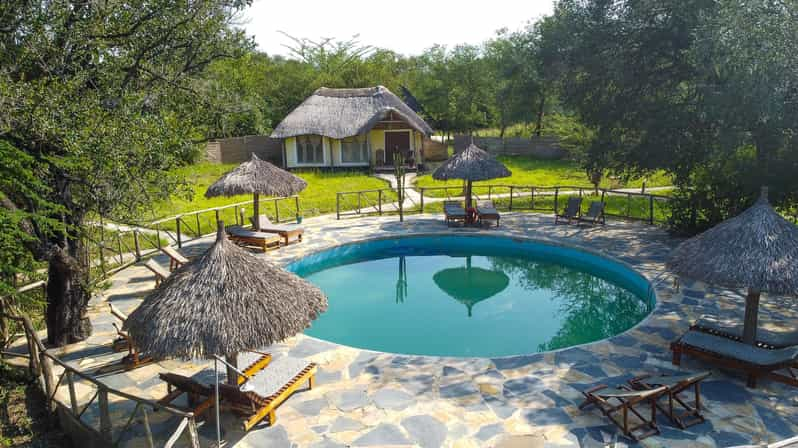
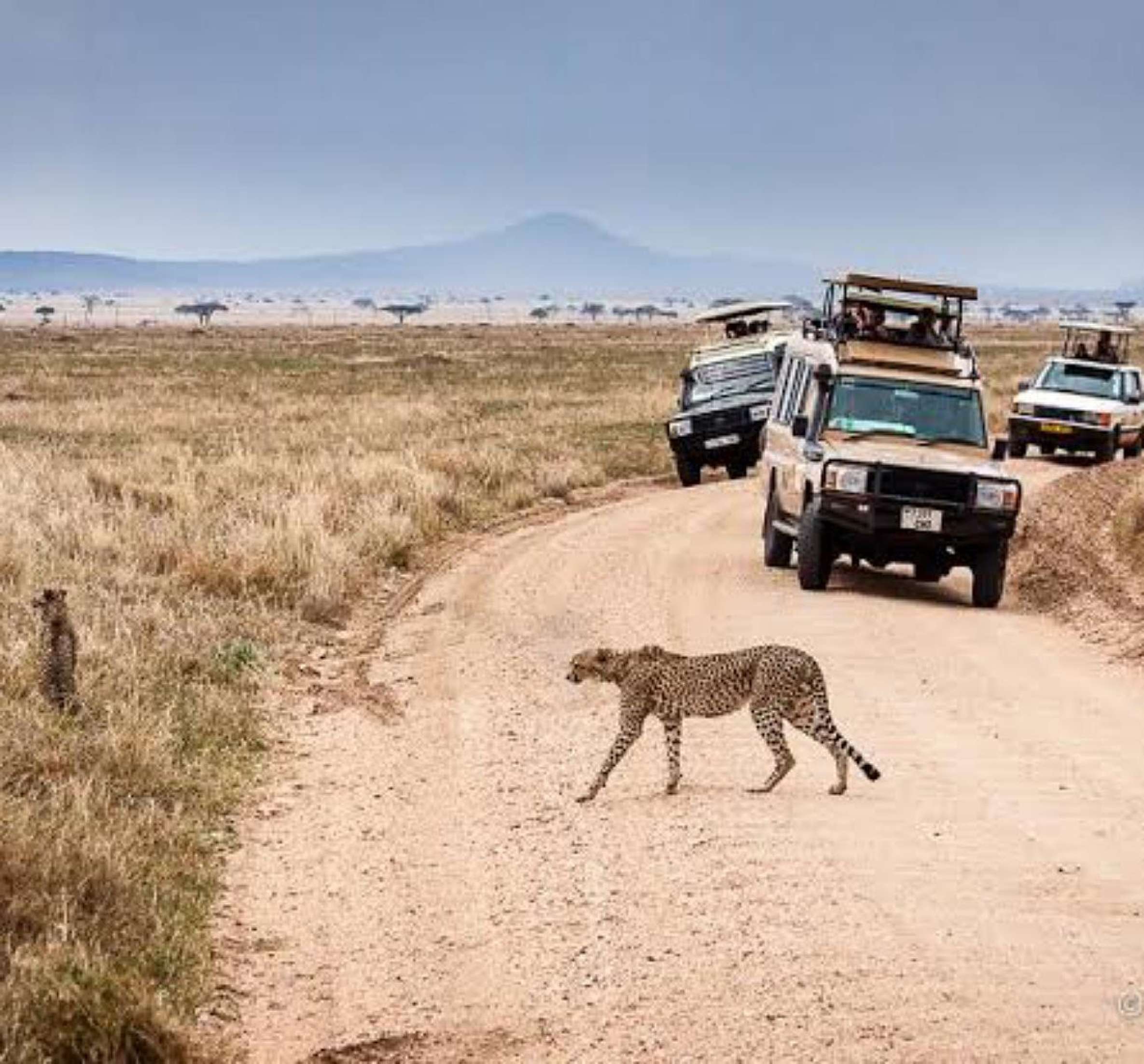
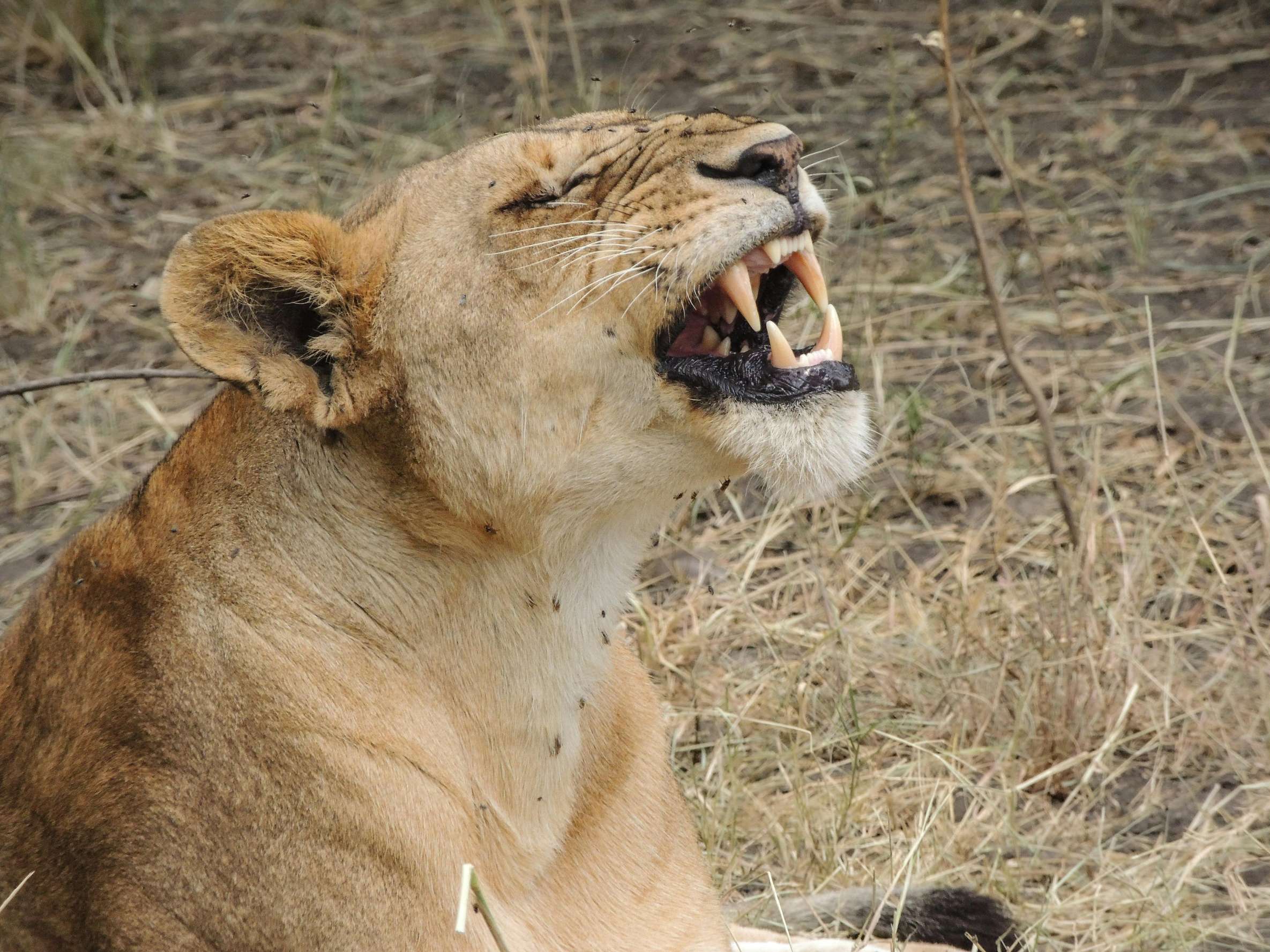
The shape of the trip: up through the Ngorongoro Highlands to the Serengeti plains, a night at a campsite where wild animals frequently roam right past the tents, a morning drive at first light, then down into the crater for the Big Five, hippos in the crater pool and a real chance of the endangered black rhino.
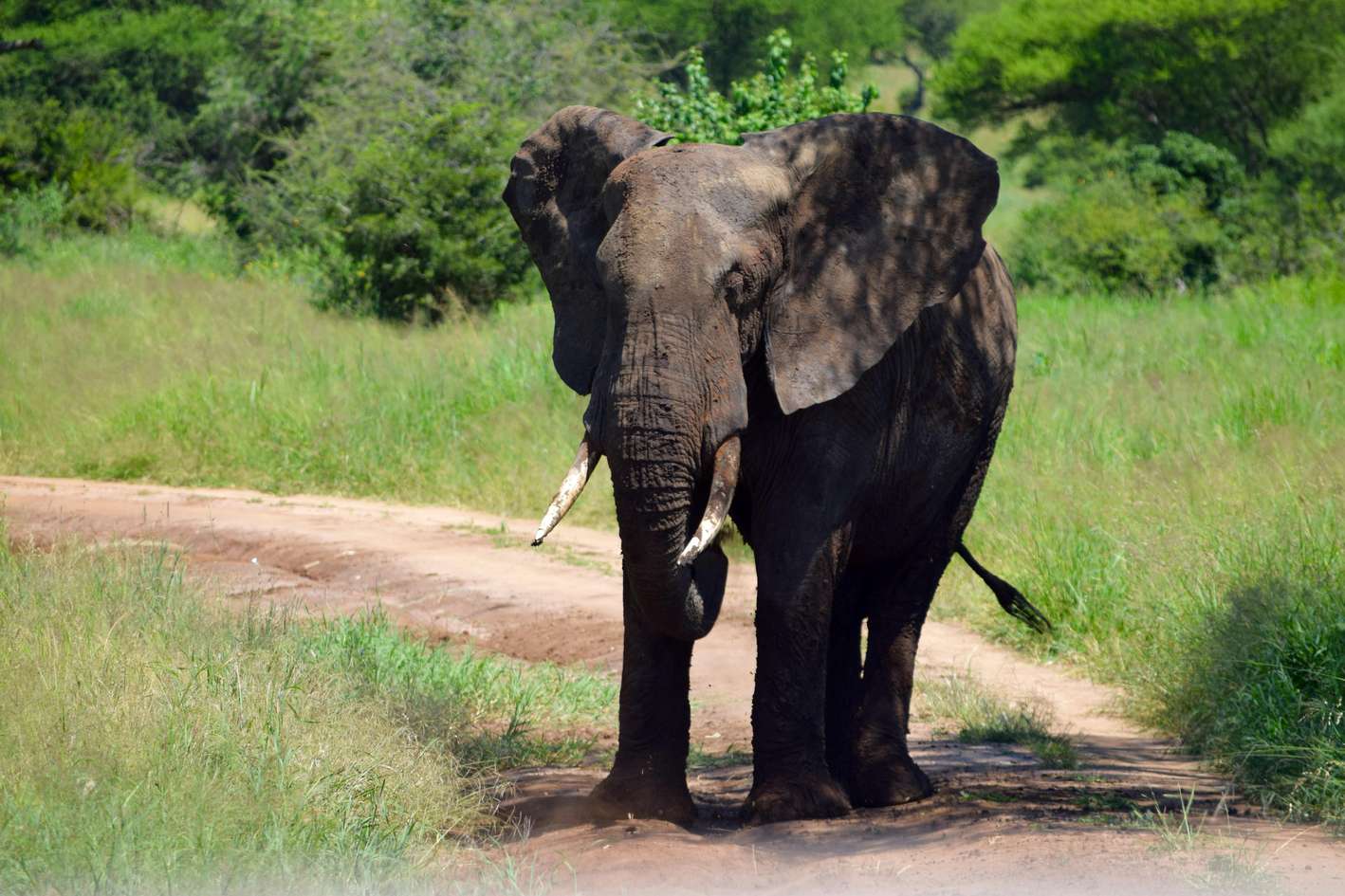
What makes the wildlife feel close is the vehicle work. Guides and drivers position the vehicle near animals that are used to safari cars, so lions and elephants fill the frame without binoculars.
The rules hold it safe: stay inside the vehicle, no feeding or touching wildlife, no driving off the established tracks, and step out only at designated picnic and restroom sites.
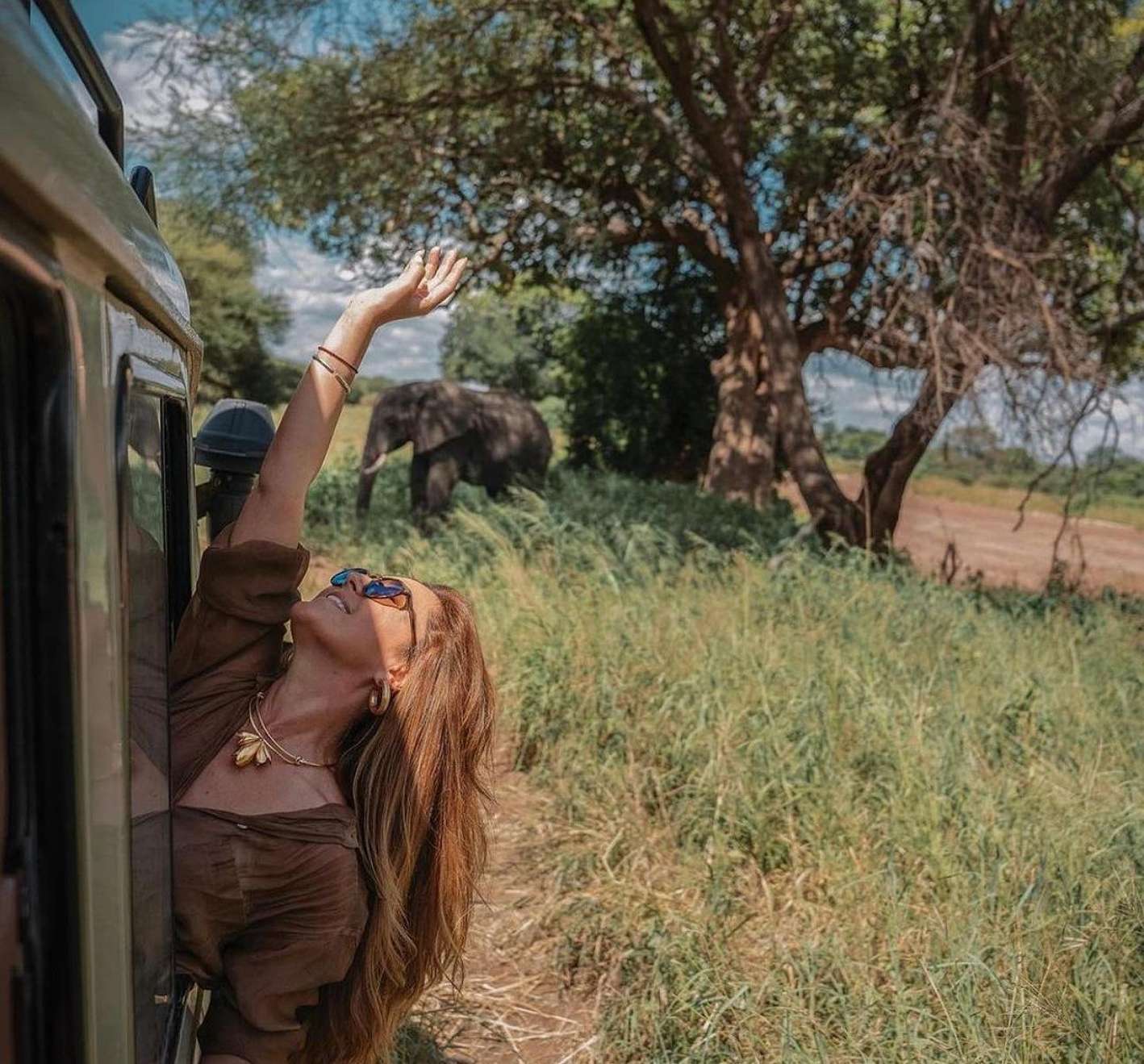
Travelers who have done the circuit talk about the guides more than the parks. One put it plainly about how knowledgeable guides and skilled drivers spot a wide variety of wildlife up close, lions and elephants among them.
Arusha: Best 3-Day Safari to Serengeti & Ngorongoro Crater runs this route, with airport pickup in Arusha, a pop-up roof Land Cruiser, park fees and camping gear all in the package, so the only thing you add is the packing. It is the trip people mean when they say they went on safari.
Why four days, and two nights per park, beats rushing
The pacing rule that separates a good safari from a road rally is simple: two nights per park, minimum.
Moving between safari parks consumes roughly half a day in transit, so a single-night stop gives you one afternoon game drive and a morning of packing. Two nights lets you use the active morning drives, which is where the wildlife is.
Three nights in the Serengeti is what it takes to get to know that ecosystem, exploring it in full instead of skirting its edges on the way somewhere else.
A four-day itinerary visiting Tarangire, Ngorongoro Crater and the Serengeti or Lake Manyara gives a balanced trip without excessive driving, and it is the bracket where families and couples get the most per day.
The habit to avoid is an itinerary that changes camps every night on trips longer than four days. Constantly packing up and transiting turns the trip into an exhausting rally and keeps you from settling into the wildlife and the camp atmosphere.
Fewer parks, longer stays: that is the whole formula, and it is why the four-day tours on this site resist adding a fifth park.
How far is everything really? Transit times you can't guess
The distances are what break short itineraries, so look at them before you look at park lists. Arusha to the Serengeti runs 225 to 325 kilometres depending on your gate, about 7 to 8 hours of driving each way over rough unpaved roads.
Arusha to Tarangire takes 2 to 2.5 hours, Tarangire to the crater area about 2 hours, and the crater area to Central Serengeti 4 to 6 hours on rough gravel.
That is why brief trips either break the drive with an overnight on the crater rim or fly at least one leg.
A bush flight from Arusha to central Serengeti takes 45 to 75 minutes against eight hours of road, the Ngorongoro to Serengeti flight saves 3 to 5 hours, and across a whole circuit flying one way saves 1.5 to 3 full days of transit.
The gravel leg explains the gap between the two figures: the crater area sits four to six road hours from Seronera, so a 25- to 45-minute hop over it clears most of a day.
The first table shows why the road route to the Serengeti is a full-day affair no matter how you run it: guided tour or private car, roughly eight hours either way, and no public transport comes close. On a two-day trip that transit would swallow the whole safari.
The second table is the fix. The flights land you on park airstrips with the game viewing started before the cars have cleared the highlands, and each leg listed there is the same journey measured twice, by road and by air.
On a three or four day trip, one flight is usually the difference between seeing the Serengeti and just passing through it.
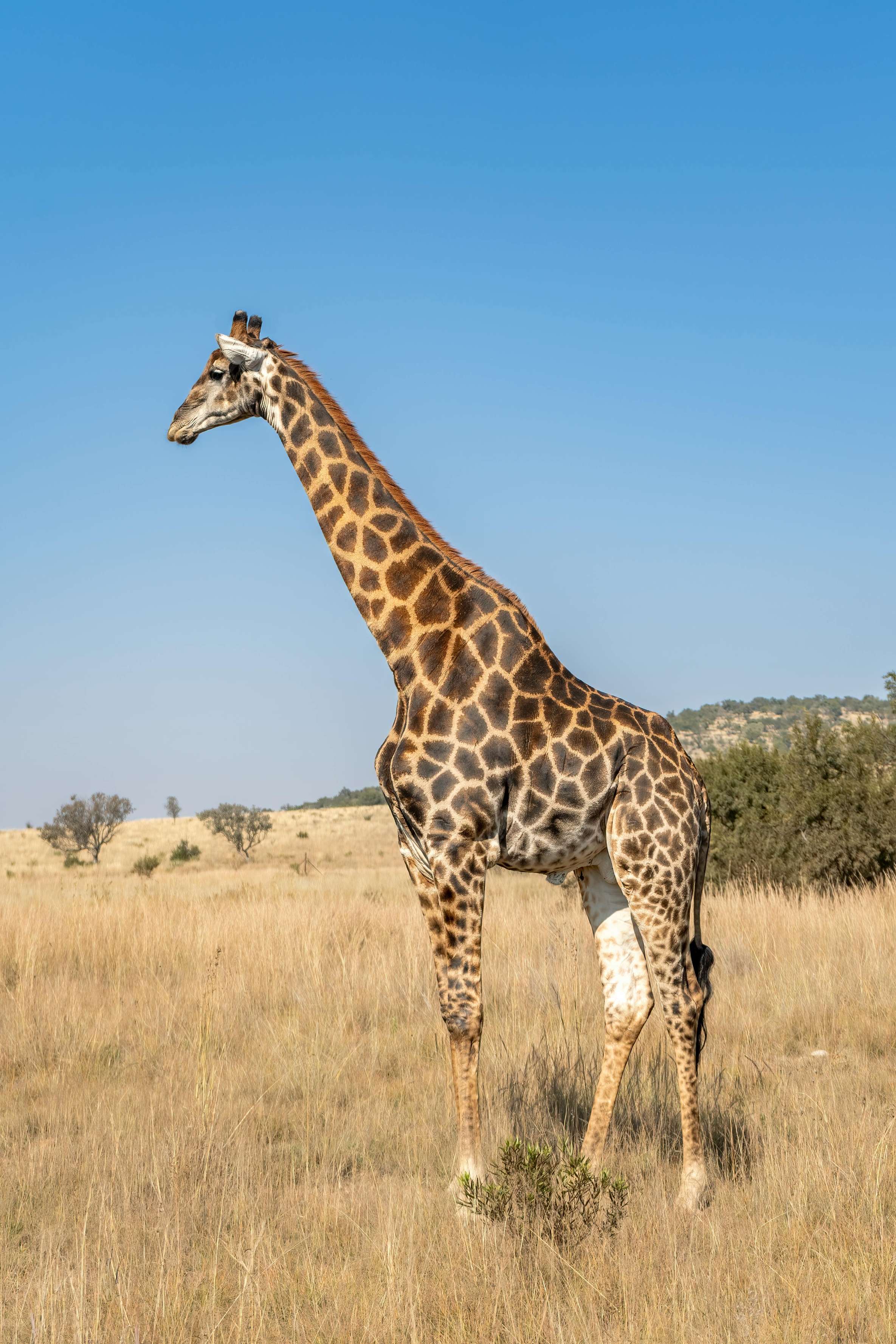
How many days for safari, how many for the beach?
If Zanzibar anchors the holiday, the split is settled arithmetic. A 7-day trip divides into 4 days of safari and 3 days of beach. On 10 days, the balance moves to 5 or 6 days in the parks and 4 or 5 on the coast.
The safari days count transit as well as game drives, which is why the fly-in packages earn their place: landing on bush airstrips keeps the safari days full.
The season decides whether both halves work at once. June to October is the long dry season, with sunny days around 27 to 31 degrees on the coast and dry tracks in the parks, so a week in that window gives you the beach and the wildlife at their best.
Late December to February trades a little rain for the hottest beach weather and calm seas. April and May bring the heavy rains and potential flight delays, the one stretch where the two halves fight each other.
Line your dates up with the dry season and the split on the table just works.
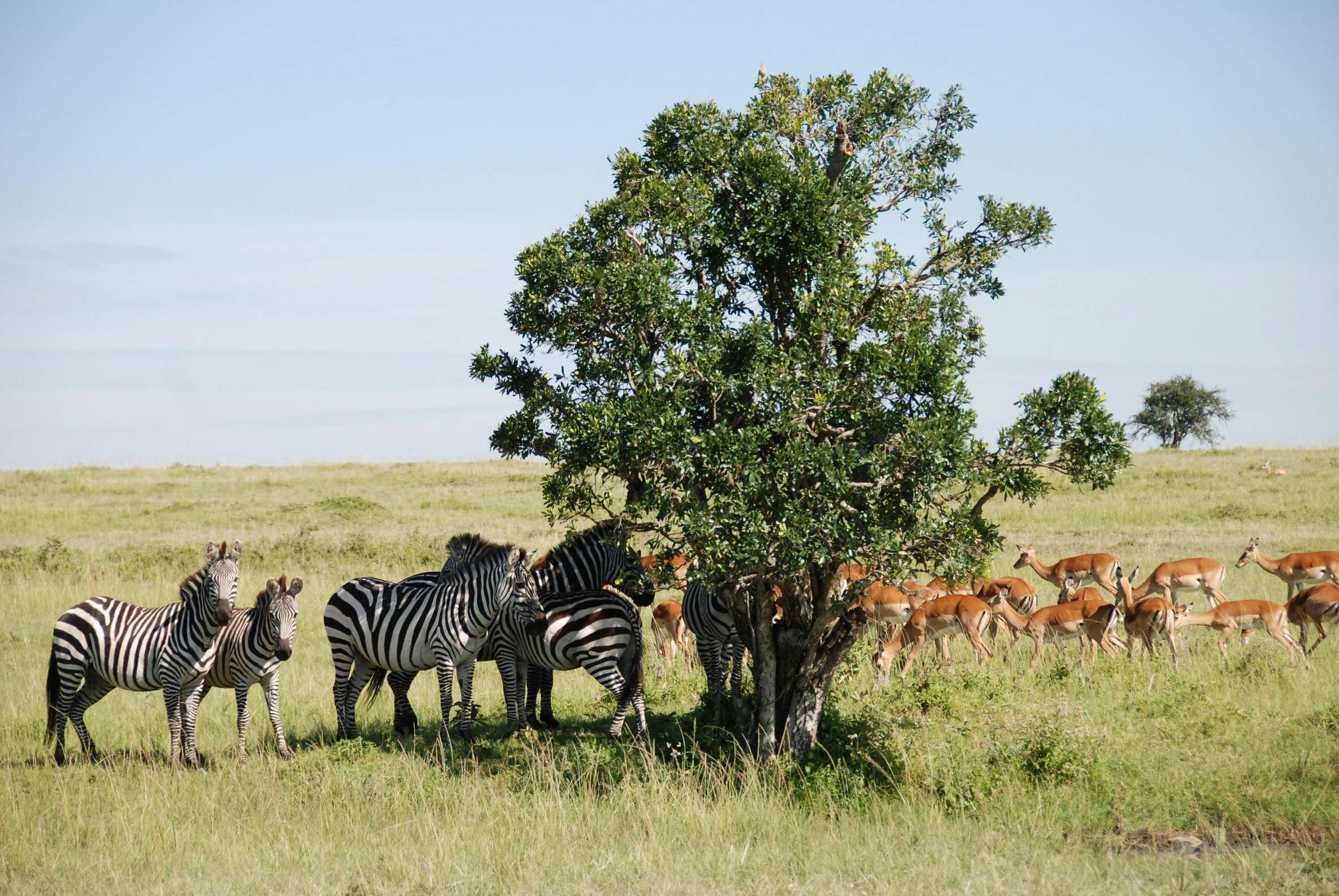
When should you go, and what if the weather turns?
The dry-season peak runs June to October, and September and October book out first: the tour busyness peaks at its highest in September, while October holds warm, mostly dry days with rain on only a handful of days and Serengeti highs around 31 degrees.
November is the sleeper choice, the best balance for a budget camping safari in northern Tanzania, with brief rains and thinner crowds. January is strong too, timed with wildebeest calving in the southern Serengeti and heightened predator activity.
September: 5 out of 5 for how busy it gets.
Tap a month to read it.
April and May are the honest test. Complete cancellations are uncommon: heavy rains make secondary tracks and low-lying crossings muddy, so guides reroute along the main central and northern tracks, which stay open year round. On the Mikumi floodplain the clay soils flood and drivers shift to better-drained circuits near the paved highway.
Bush flights are the sensitive part. Between April 1 and June 1, weather or airfield conditions can force schedule changes, and operators cannot be held responsible for missed connections or missed activities caused by flight delays.
Plan a buffer: tour operators recommend booking these packages with a return to Zanzibar no later than 2 nights before an international departure. A weather-canceled Mikumi day flight gets you an alternative date or a full refund, so the money survives even when the schedule bends.
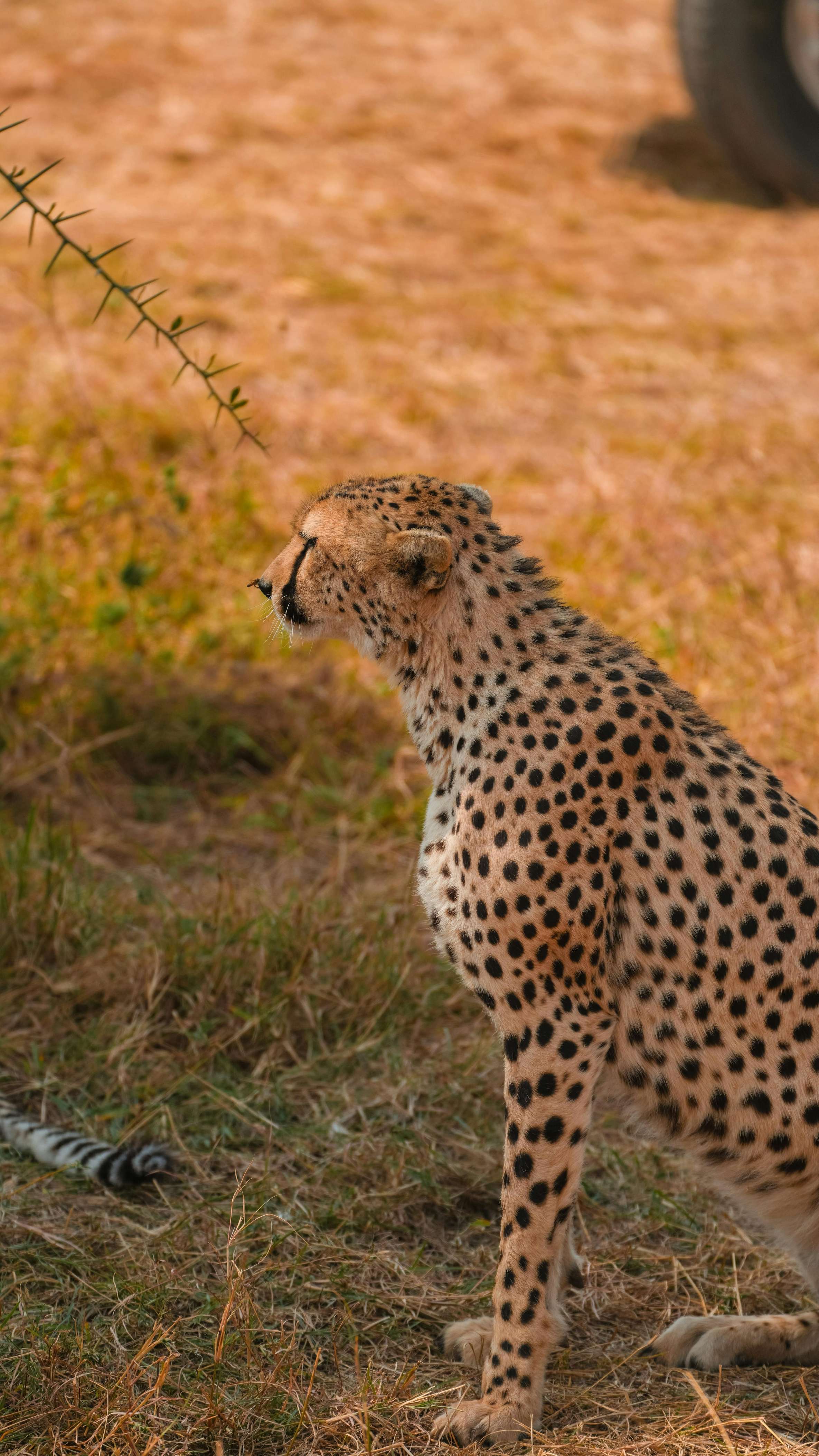
Will the long drives wear you out, and what if kids come?
The physical toll is the part brochures leave out. Overland days run on rough, dusty dirt tracks with no air conditioning, and hours of corrugated road between distant parks can cause real exhaustion. For travelers with back problems, full-day rough drives compound lower-back pain and can turn into medical emergencies.
For pregnant travelers, long journeys over these roads increase fatigue and aggravate back pain, so the northern overland circuit is the wrong fit and a fly-in day or short trip is the better shape.
Children change the arithmetic more than the itinerary. Kids under 6 do best on 3 to 4 days at most, focused on compact parks like Tarangire, Lake Manyara and Ngorongoro.
School-age children of 6 to 9 handle 5 to 7 days, and no family should exceed 8 nights before burnout sets in. Under-fives struggle to stay quiet and still near predators, so cap drives at three to four hours and return to camp for downtime.
Book a private vehicle if you have young children. A shared group locks the whole vehicle into full-day drives, and restless toddlers are felt by everyone. A private 4x4 sets its own departure times and turn-back points, and a lodge pool between drives burns off the energy the vehicle stored up.
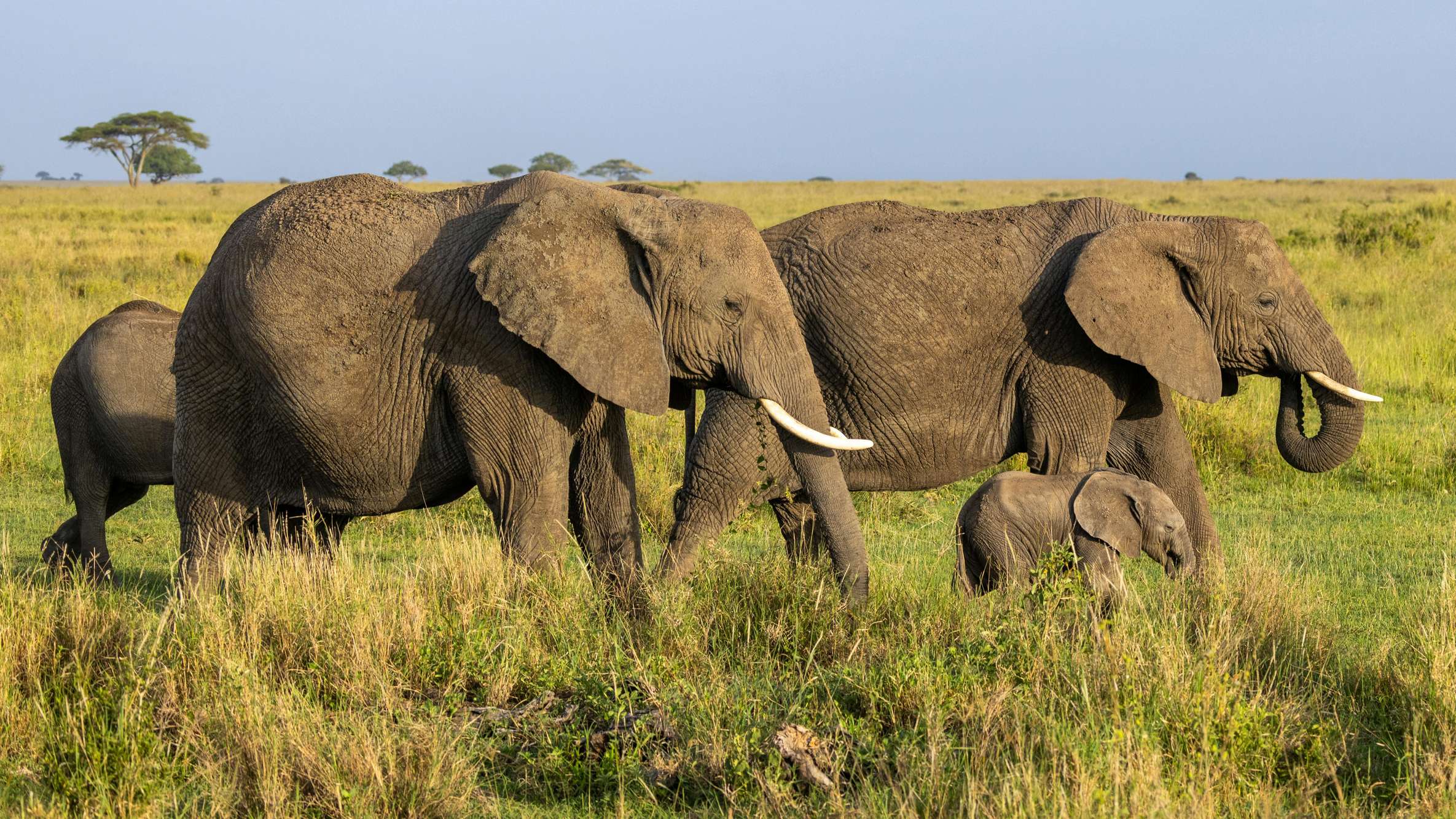
What it actually costs once you're in the parks
The tour price covers the vehicle, guide and lodge; the parks bill separately, and knowing the structure helps you compare packages fairly.
Serengeti entry runs as a daily per-person fee, Tarangire charges its own daily admission, and Ngorongoro adds a flat descent fee per vehicle on top of individual admission, which is why crater days cost operators more than any other leg. Campsites in the northern parks carry their own nightly per-person charge.
Two payment habits matter at the gate. TANAPA runs cashless systems, so Mikumi and Lake Manyara gates take credit card only, no cash. Keep a card free for fees if you travel independently.
Beyond the gate, three out-of-pocket items surprise first-timers. Tips for the driver-guide and camp staff are discretionary but expected, with norms set per person per day. Visas are your own cost.
And if Zanzibar features in the trip, the government requires its own tourist travel insurance, which sits outside your safari package. Add these to any comparison before you judge which package is cheaper.
Papers, shots and what goes in the duffel
Papers first, because they can stop a trip. Your passport needs at least six months of validity beyond arrival and a blank page or two for stamps.
Most foreign nationals need a visa, good for up to 90 days on a single entry, and one visa covers both the mainland and Zanzibar; apply through the official e-Visa portal or get one on arrival at the major airports.
Have proof of accommodation and a return or onward ticket ready. Yellow fever proof is required only if you arrive from, or transit 12 hours or more through, an endemic country, and the vaccine must be given at least 10 days before arrival. Zanzibar adds its own mandatory insurance coverage.
The duffel rules are strict on bush flights: hard-shell cases are not accepted, soft-sided bags only, with allowances around 15 kg including hand luggage and some group tours capping at 10 kg. Single-use plastic bags are banned nationwide and confiscated on arrival, and camouflage clothing is illegal for civilians.
Clothing color is the part people skip. Dark blue and black attract biting tsetse flies, as do bright and neon shades, and white shows the dust within an hour.
Pack khaki, beige, olive and light brown, in long sleeves and tight weave, because the flies bite through thin fabric. Repellents help only a little; the color of your shirt does most of the work.
Mikumi sits in a high-risk malaria zone below 1,800 m Official guidance recommends antimalarial prophylaxis for every visitor, regardless of stay length or accommodation type
Also pack a warm layer: crater rim nights drop near 5 degrees, a different climate from the plains below.
Private or shared - choosing the right operator before you pay
The final call is private against shared, and the arithmetic surprises couples. For two people traveling together, a private safari often costs only marginally more than a group seat, while handing you full control over departure times, driving lengths and wildlife stops.
Shared tours cut costs but fix the schedule and fill the vehicle. Solo travelers run the other way: a private vehicle for one carries a heavy markup against sharing, so joining a pre-scheduled small group departure saves hundreds.
There is even a lucky case. If a scheduled group fails to fill up, operators may run the itinerary anyway with a private driver and vehicle for the price of a shared seat.
Before you pay, check the operator itself. Legitimate Tanzanian operators appear on the Ministry of Tourism stakeholder register and in associations like TATO. Deposits typically run 30 to 50 percent upfront, occasionally more, so read the cancellation terms.
And fix the language question at booking: some tours ask you to select a specific foreign-language guide option or pay an add-on fee to secure one, rather than finding out at the vehicle door.
How to choose a Tanzania safari by day count
| Check | Why it matters | Our pick |
|---|---|---|
| Verified operator | The Ministry of Tourism register and associations like TATO list legitimate local operators | Sold through a platform with published reviews and clear operator terms |
| Private or shared seat | A couple pays marginally more for private; solos save by joining scheduled departures | Both offered: group camping and private camping options on the same itinerary |
| Park fees included | Daily entries, transit, concession and crater fees are billed separately if excluded | All park fees, transit, concession and camping fees listed as included |
| Guide language | Language is fixed at booking on some tours, sometimes as a paid add-on | English-speaking guide standard; the tour page confirms before you pay |
| Overnight location | Staying inside or beside the parks protects the morning drive hours | Camping nights sit inside the parks, near the wildlife |
Book the length you settled on in the first chapter, confirm the fees are in, and the planning is done.
Three days is the honest answer
One day gives you a real safari if you give it the whole day. Two days beats one because dawn and dusk come back.
Three days is the shortest trip that reaches the Serengeti and Ngorongoro properly, and four, with two nights per park, is where the trip stops feeling rushed. If Zanzibar anchors the holiday, split a 7-day trip 4 and 3, and fly at least one leg.
Where to go from many days of planning
Serengeti Safaris
Set aside three or more days and this page shows what the Serengeti delivers on each one.
Once you know your month, this guide maps the seasons and their effect on game drives.
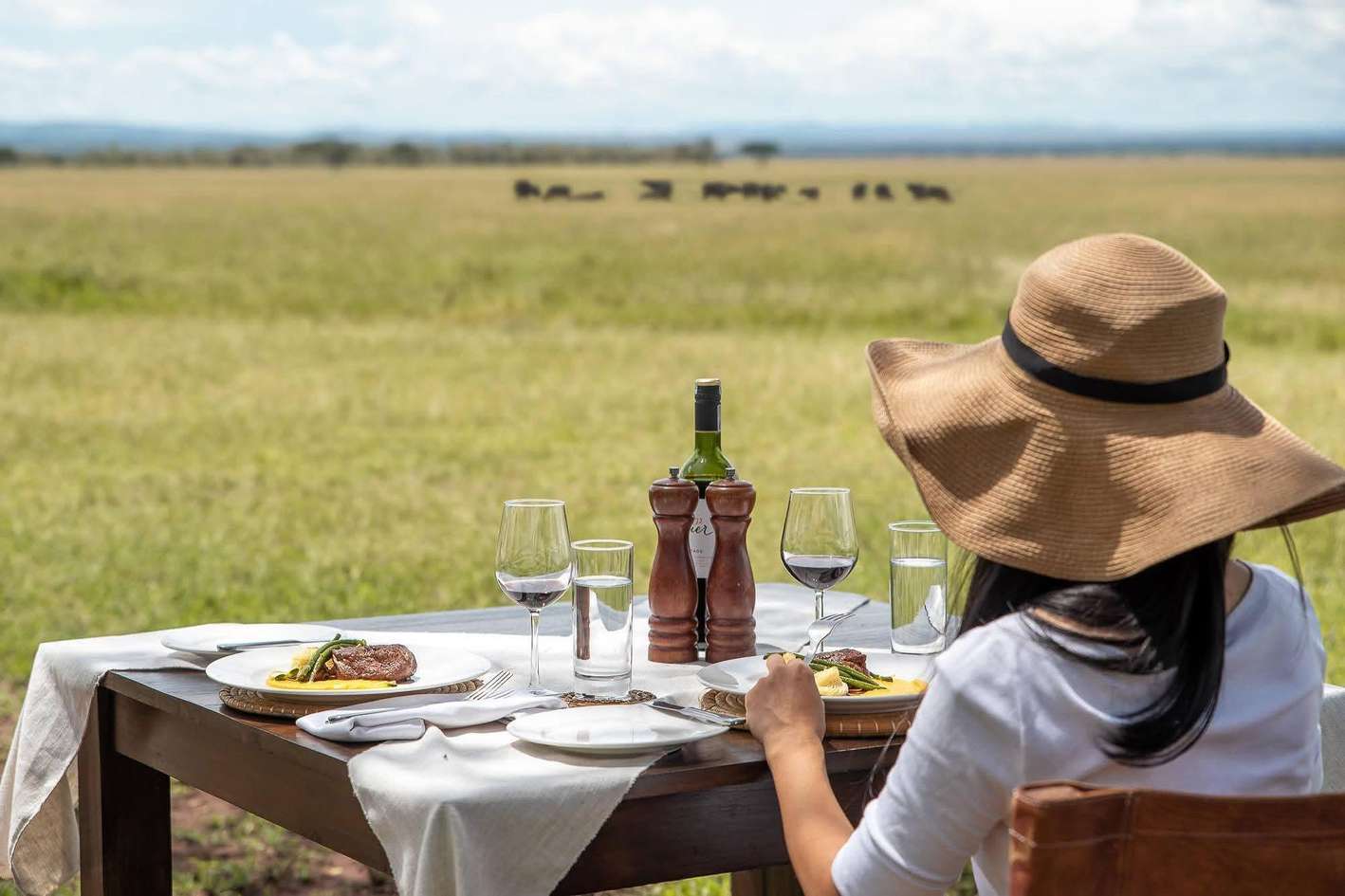
Timed right, a multi-day trip can catch the herds on the move, and this page explains when.
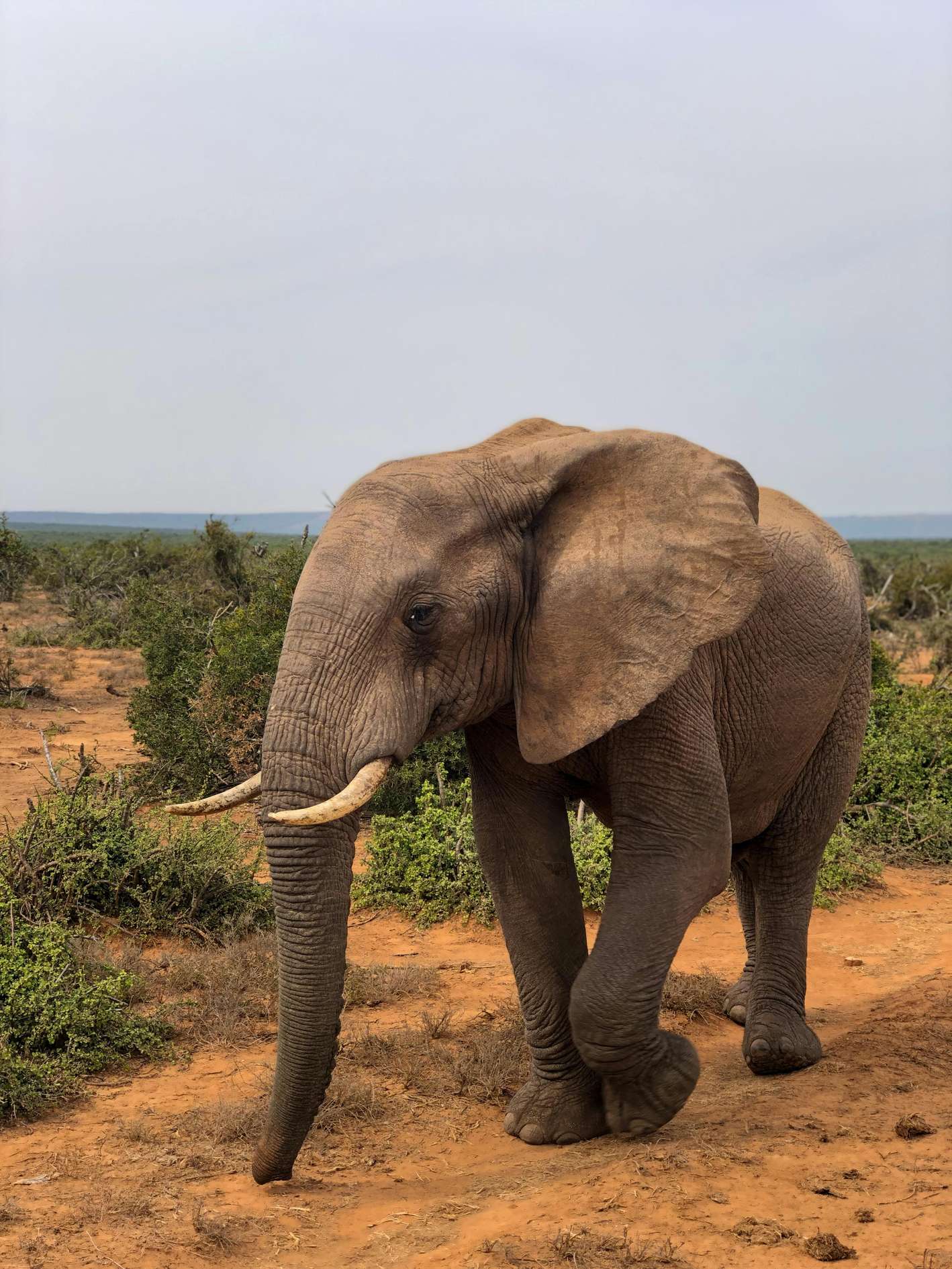
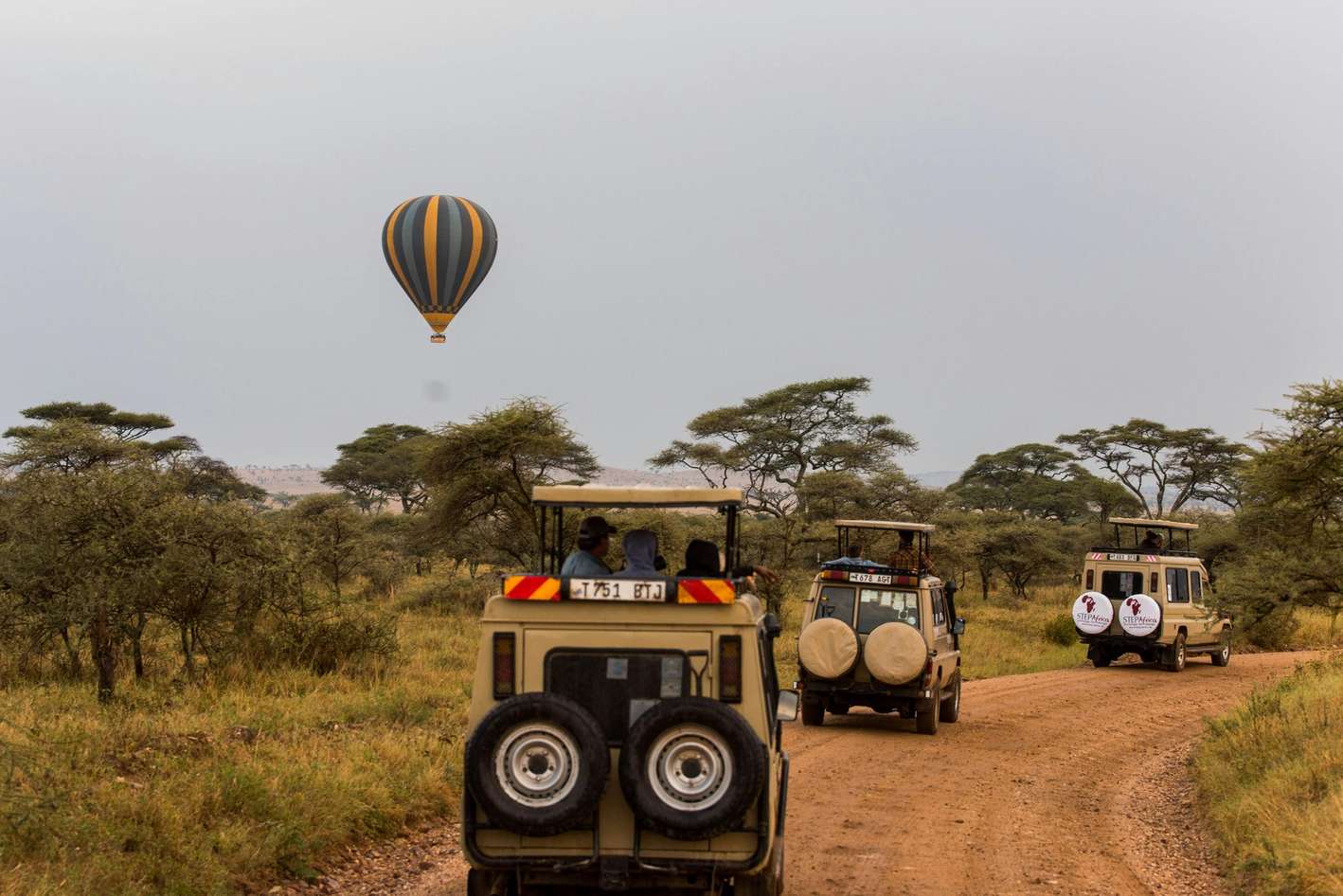
Adding one dawn balloon flight changes a Serengeti day; this page weighs the cost against it.
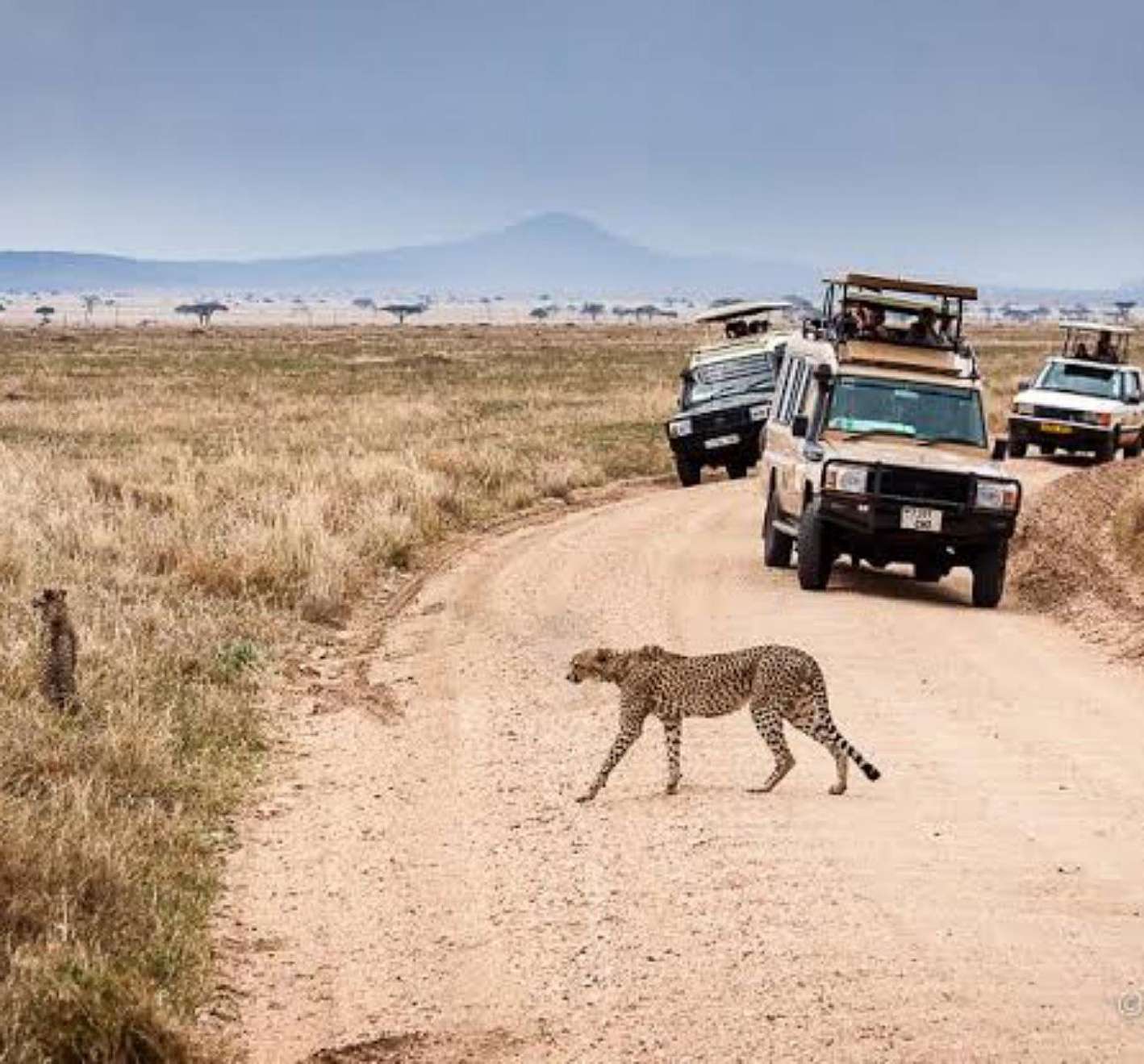
Starting in Arusha? This page breaks down the road routes and driving hours to the Serengeti.

Thinking of the Serengeti in one day? This page shows what a day trip there really takes.
Mikumi Safaris
For a one-day safari from Zanzibar, this page covers Mikumi flights, drives and timings.
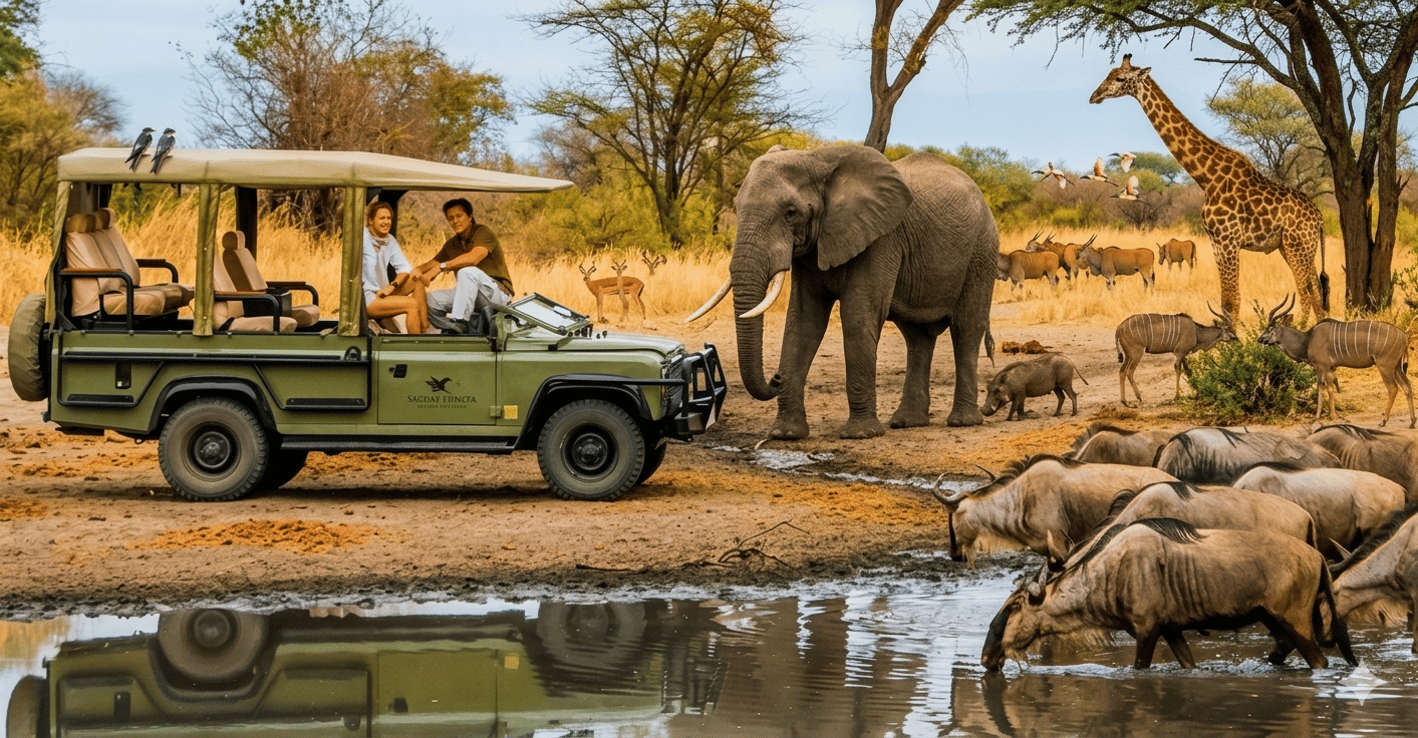
Coming overland from Dar es Salaam? This page lays out the road options to Mikumi.
Two days buy you a night near the park gates; this page shows the overnight Mikumi plan.
Three days from Zanzibar fit ferry or flight plus camping; this page maps the itinerary.
Also on this site
Before fixing your dates, this guide tells you which months bring rain, crowds and game.
Want beach days on either side of your safari? This page plans the Zanzibar combination.
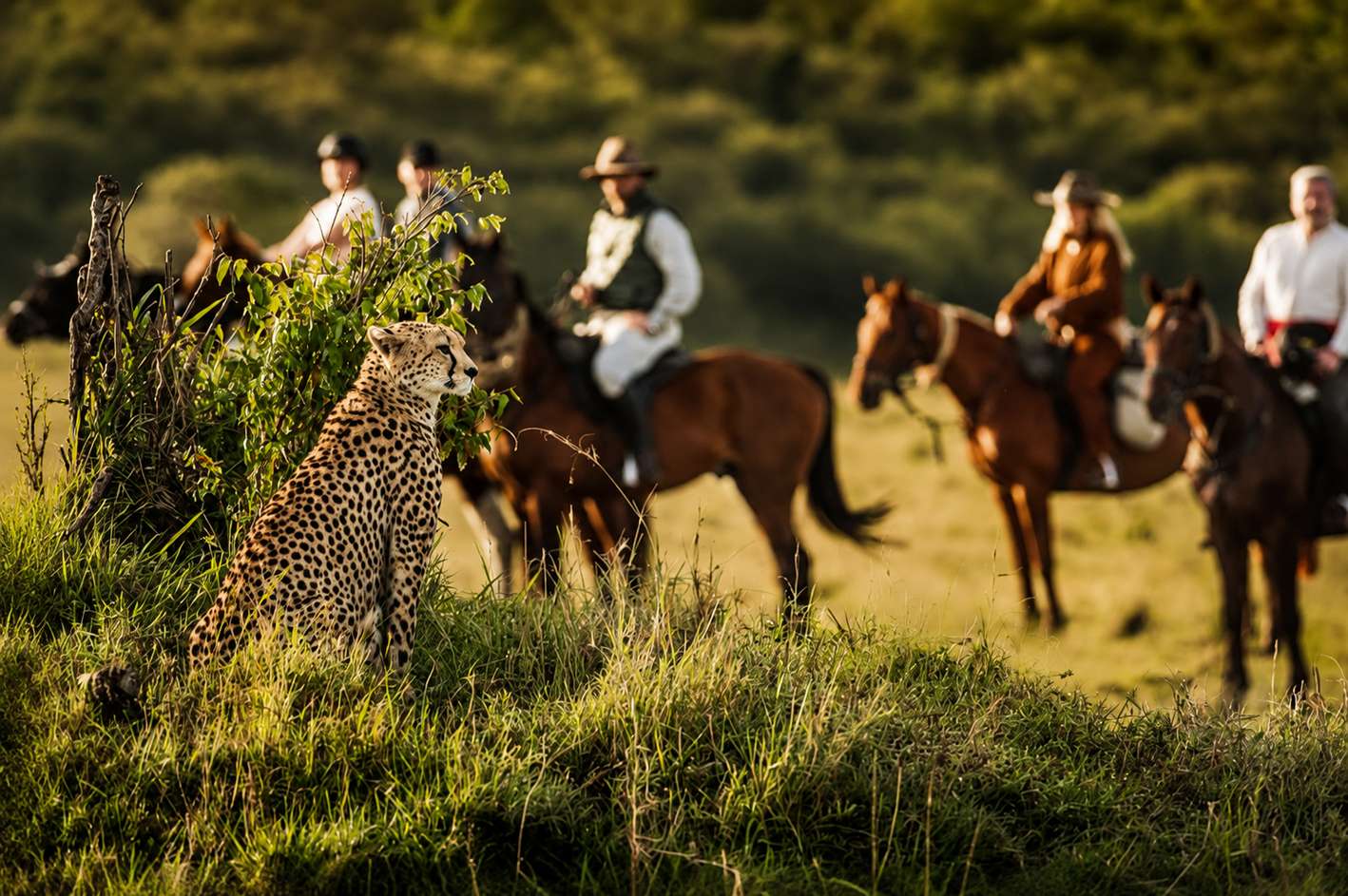
If sitting in a jeep feels passive, this page shows how horse safaris work in the bush.
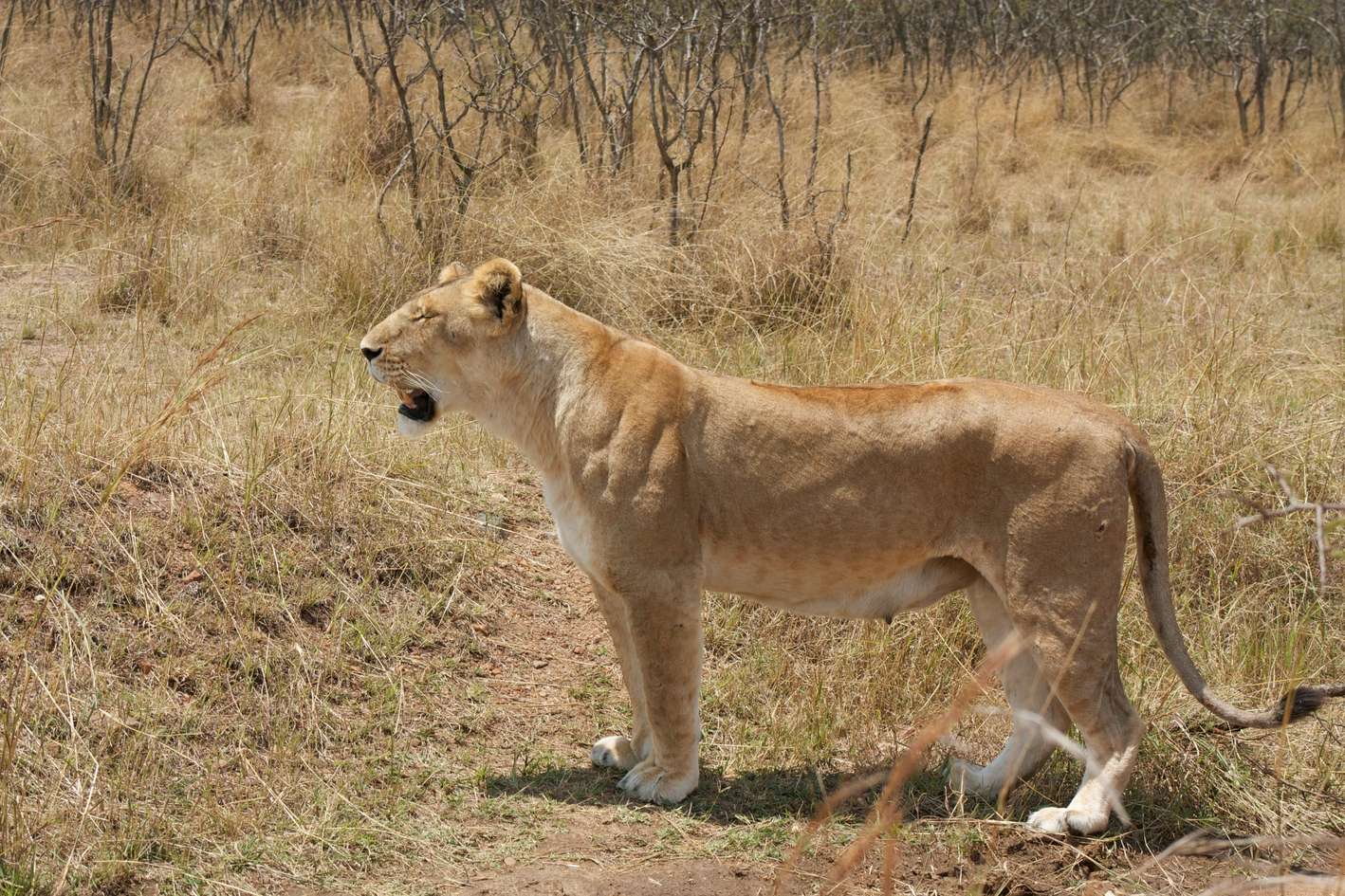
Short on days? This page lists which animals each park reliably delivers, and which it doesn't.

A single day in the crater still earns you Big Five chances; this page plans that visit.
For elephant herds and baobabs on a day trip, this page covers the Tarangire options.
Quick answers - how many days a Tanzania safari takes
Short answers on how long a Tanzania safari lasts, what fits into one day and how to split safari days with beach time.
 Makuyuni2026
How many days do you need for a Tanzania safari?
Two nights give you a real taste, three days let you cover Serengeti and Ngorongoro Crater properly, and four days add Tarangire at a relaxed pace. On a seven-day trip, the standard split is four days on safari and three in Zanzibar.
Is a one-day safari from Zanzibar worth it?
It can be, because a morning flight puts you in Mikumi National Park within about an hour. You get six to seven hours of game drives before flying back the same evening, so a full safari day costs you none of your beach week.
Can you reach the Serengeti on a short trip from Arusha?
Yes, but the drive takes seven to eight hours each way over rough roads, so a short overland trip eats whole days in transit. Most travelers on brief itineraries break the drive with an overnight near the crater rim, or fly at least one leg.
How much time does flying between parks save?
A bush flight between Arusha and central Serengeti takes 45 to 75 minutes instead of about eight hours of driving. Over a full northern circuit, flying one or more legs saves one and a half to three full days of transit.
What do you miss on a one or two-day safari instead of a longer northern circuit?
Short trips to Mikumi or Tarangire bring fewer big cat encounters than the Serengeti, and Tarangire no longer has rhinos. A three-day trip to Serengeti and Ngorongoro gives you genuine Big Five chances, including endangered black rhinos on the crater floor.
How many safari days suit a family with young children?
Three to four days is the sensible maximum with children under six, focusing on compact parks like Tarangire, Lake Manyara and Ngorongoro. For school-age children of six to nine, five to seven days works well, and no safari should run past eight nights.
What does a two-day safari from Zanzibar add over a day trip?
The extra night lets you stay near Mikumi, Nyerere or the Serengeti, so you game drive through the afternoon, the next morning and a full day. Two-day Nyerere trips can also add a Rufiji River boat safari, which a day trip cannot fit.
Are three nights enough for Serengeti and Ngorongoro?
Three nights work well for both. You game drive across the Serengeti plains, sleep at a campsite inside the park where animals sometimes roam past the tents, then descend into the crater the next day for hippos, buffaloes and plains game.
How long do African safari tours usually last?
Most run from a single day to about a week. On this site you will find everything from an eight-hour day trip with flights to a four-day overland camping safari, so you can match the length to the time you actually have.
How tiring is a multi-day safari on rough roads?
Long stretches run on bumpy, dusty dirt tracks without air conditioning, and back-to-back driving days wear people down. Pacing matters: a private vehicle lets you shorten drives and take breaks, and camping trips ask you to pack for nights that drop to around 5°C.
How should I split a 10-day trip between safari and Zanzibar?
Plan five to six days on safari and four to five on the beach. That balance leaves room for an unhurried northern circuit while still giving you real time on the coast, instead of squeezing both into rushed half-weeks.
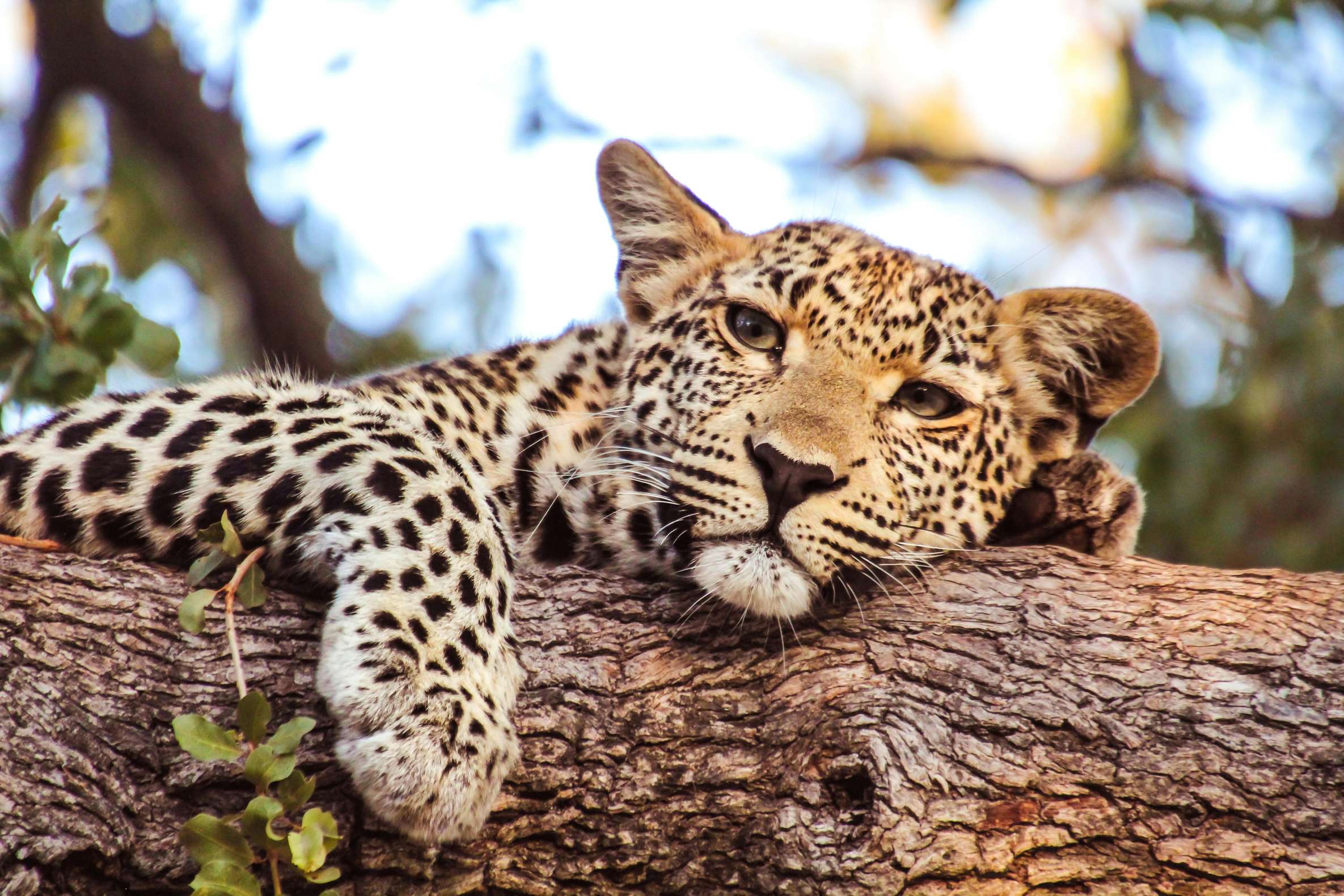
Spend many days on safari in the Serengeti and Ngorongoro
Three days of Big Five game drives from Arusha, with pickup, all park fees and meals included, and free cancellation up to 24 hours before departure.