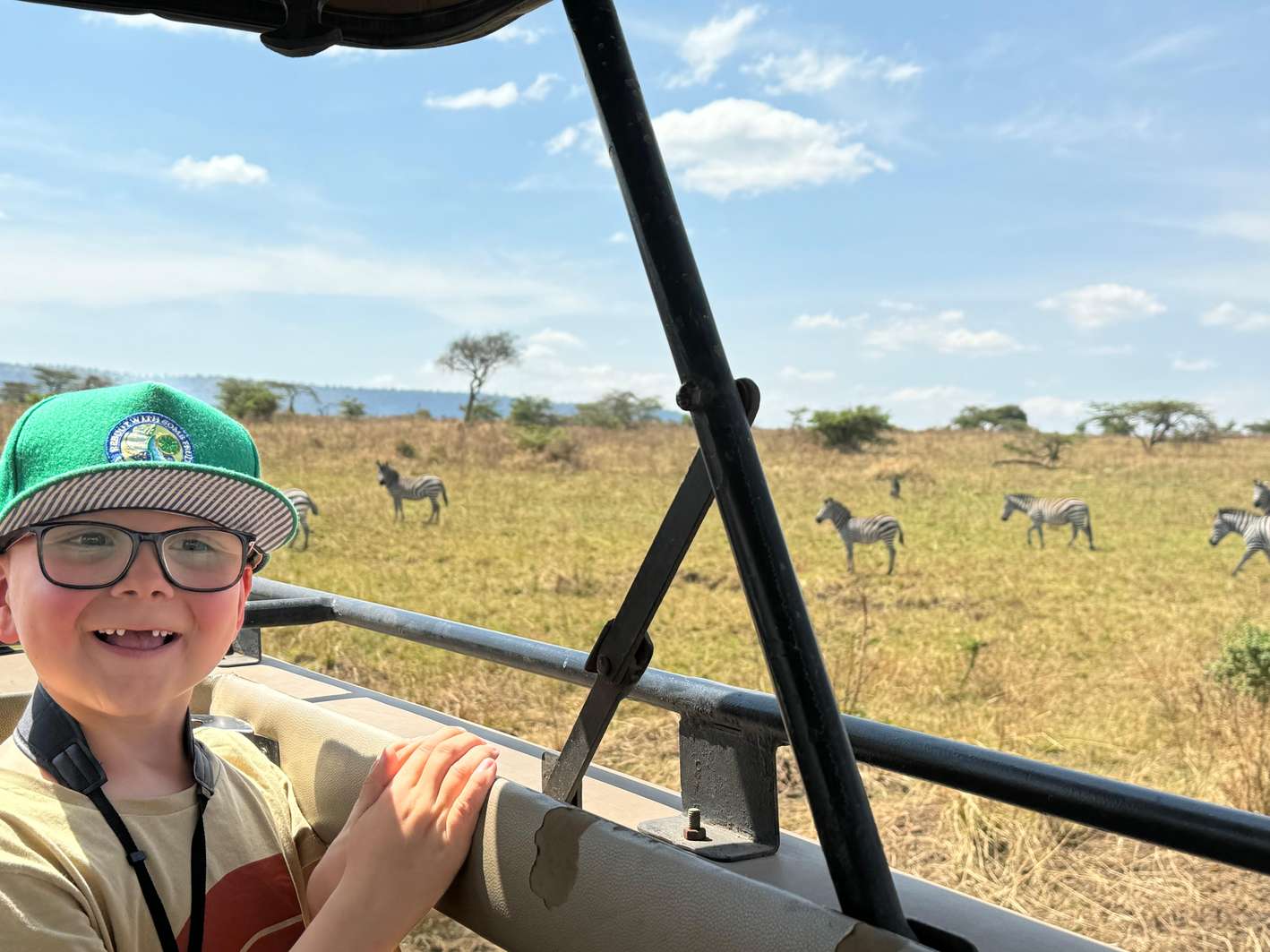
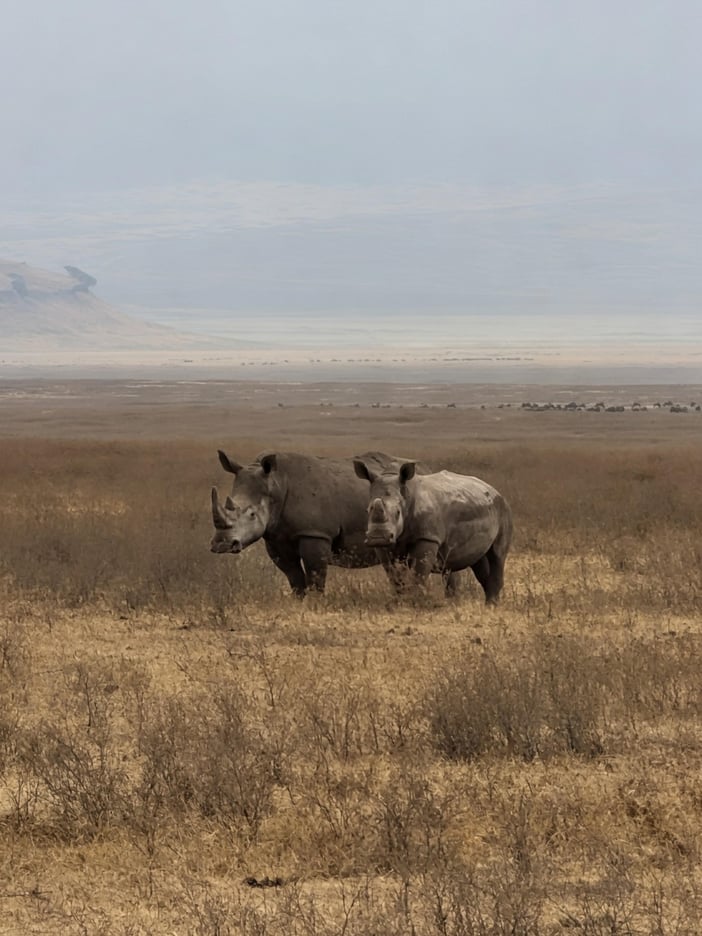
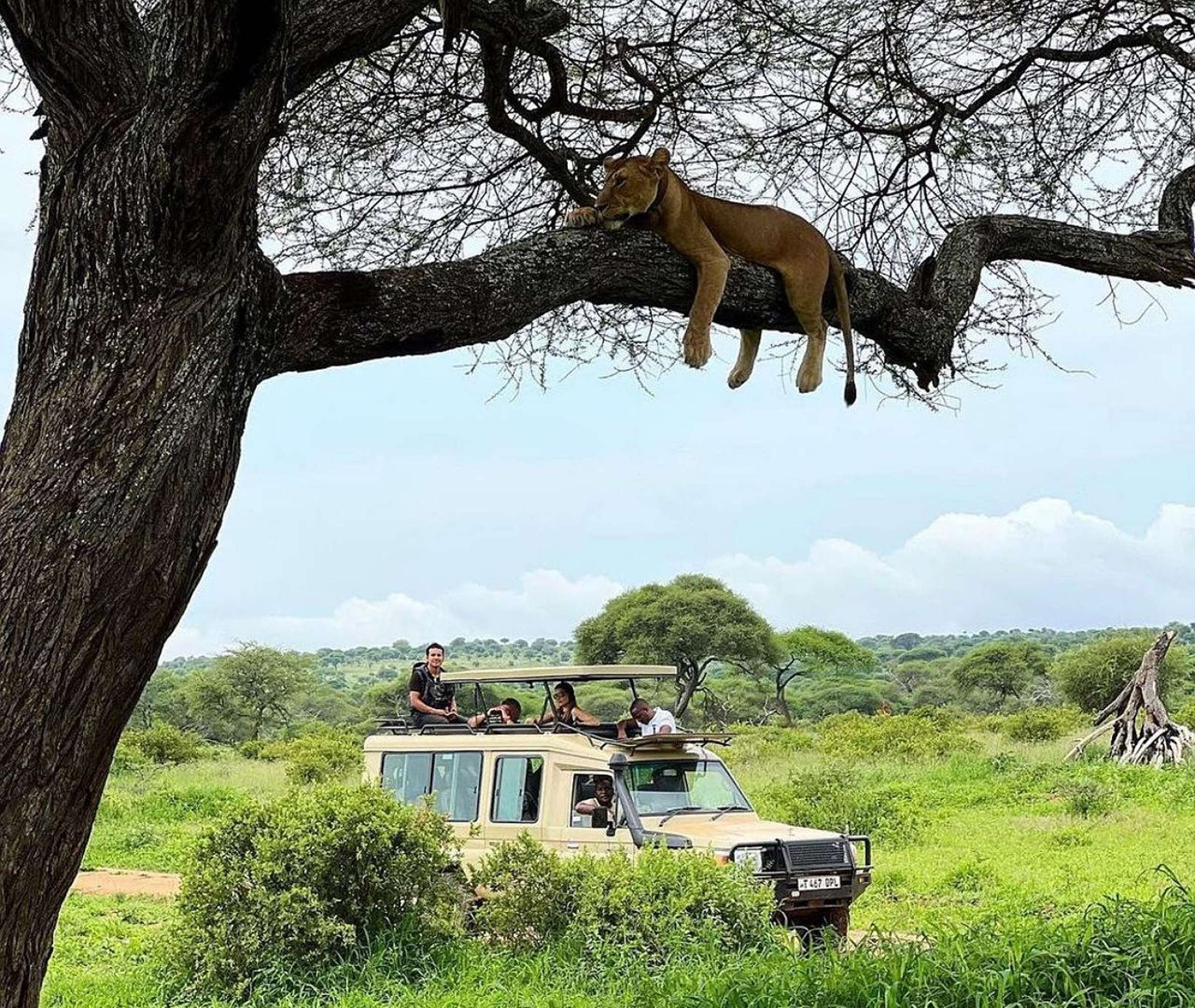
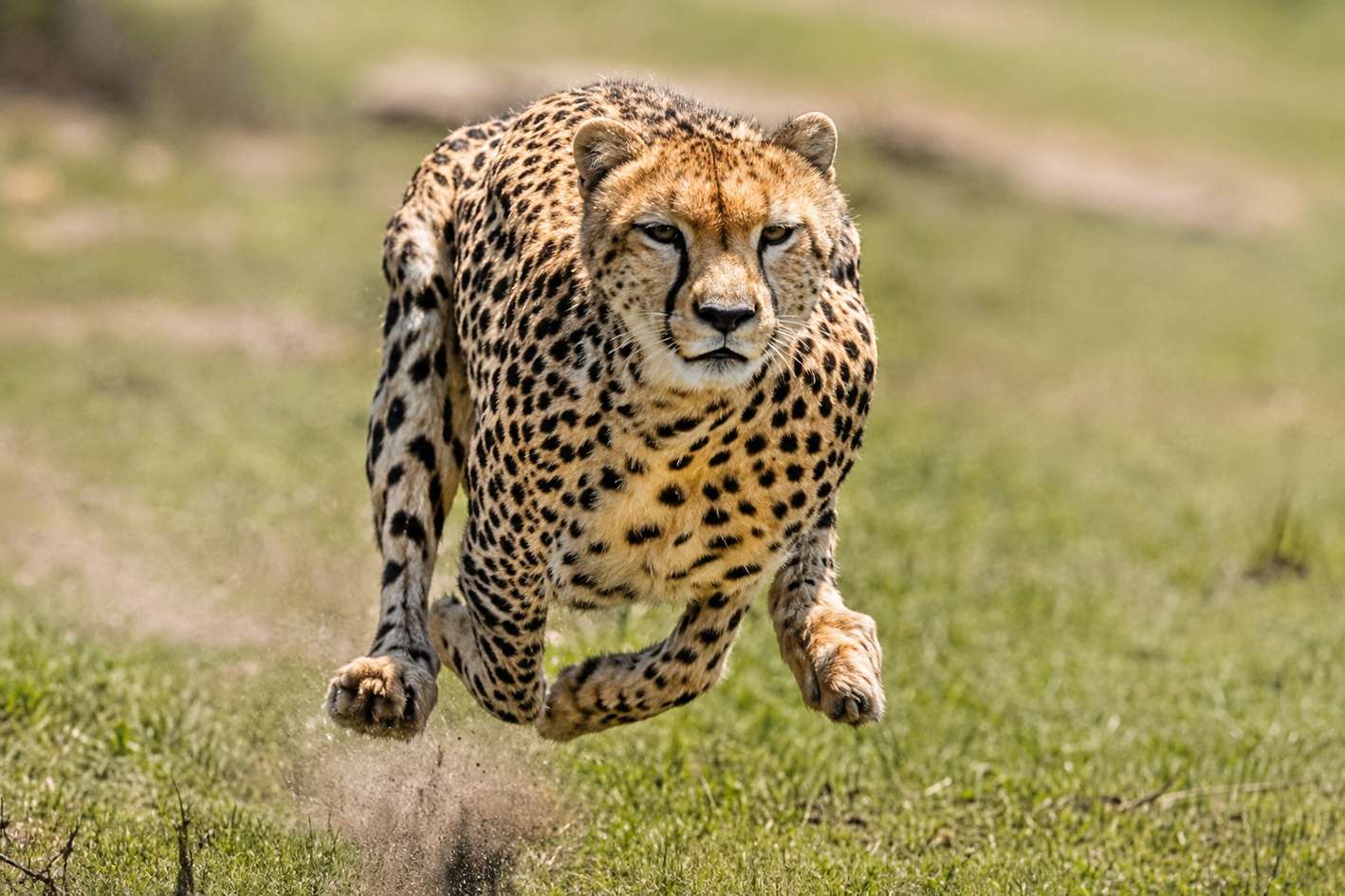
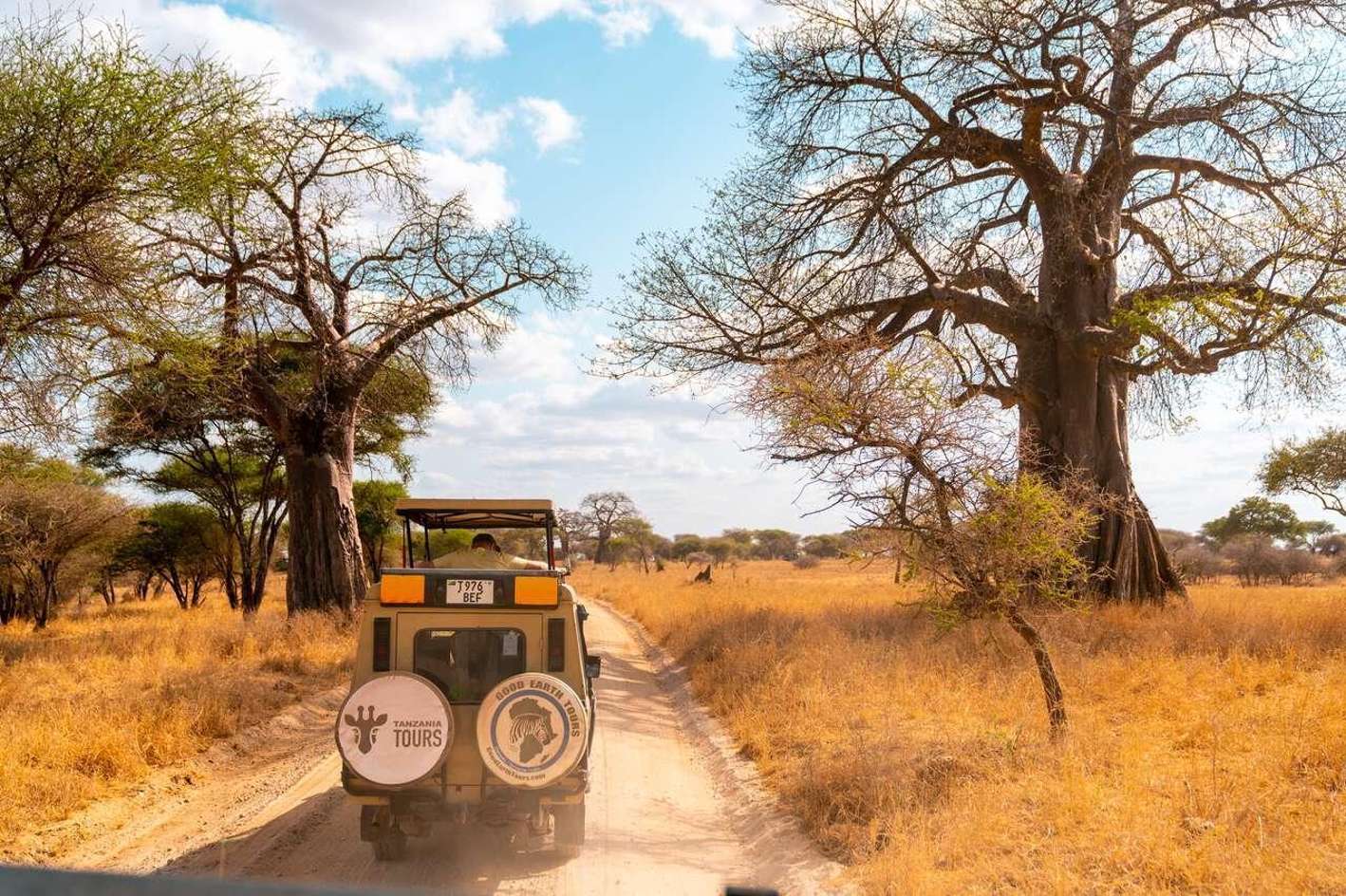
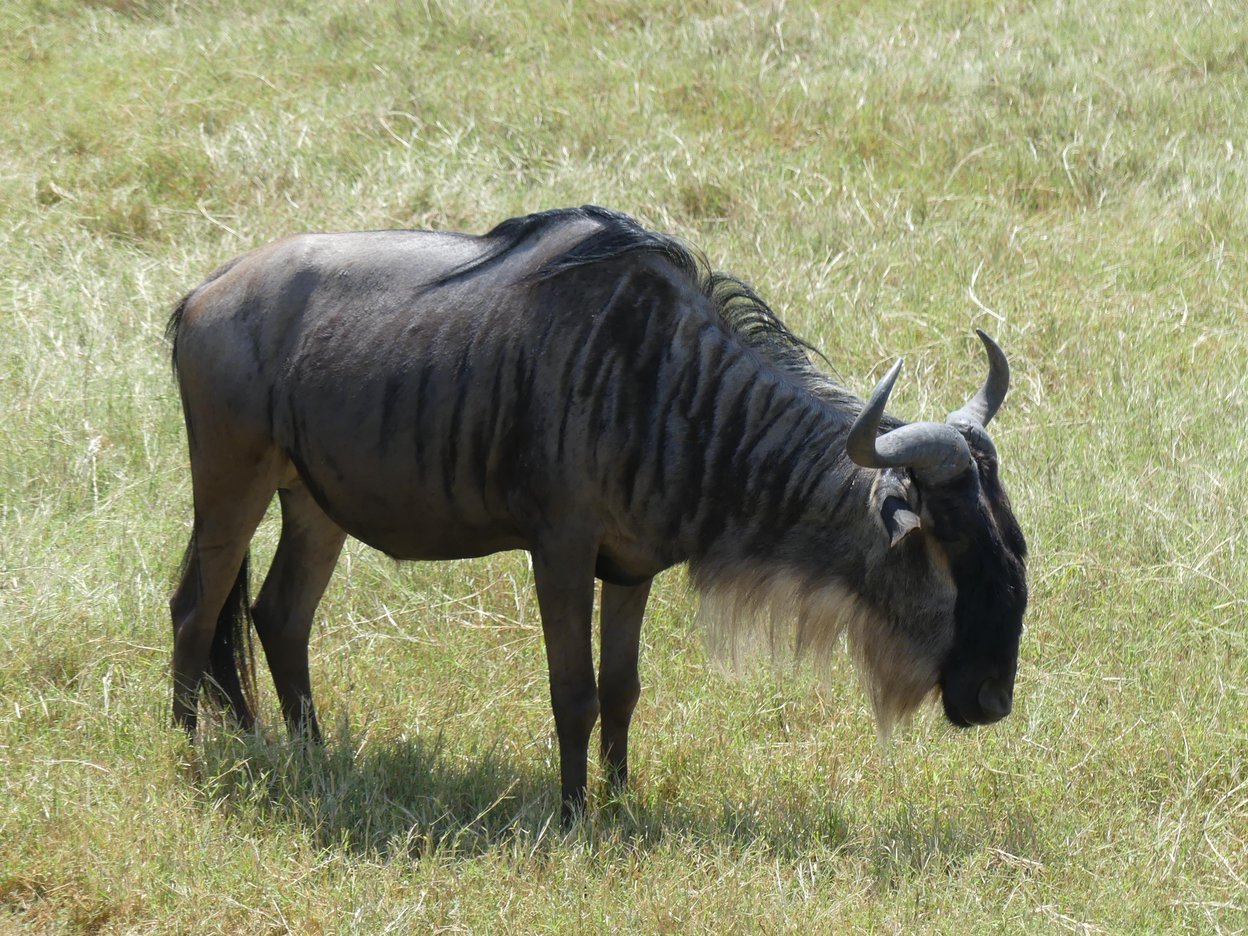
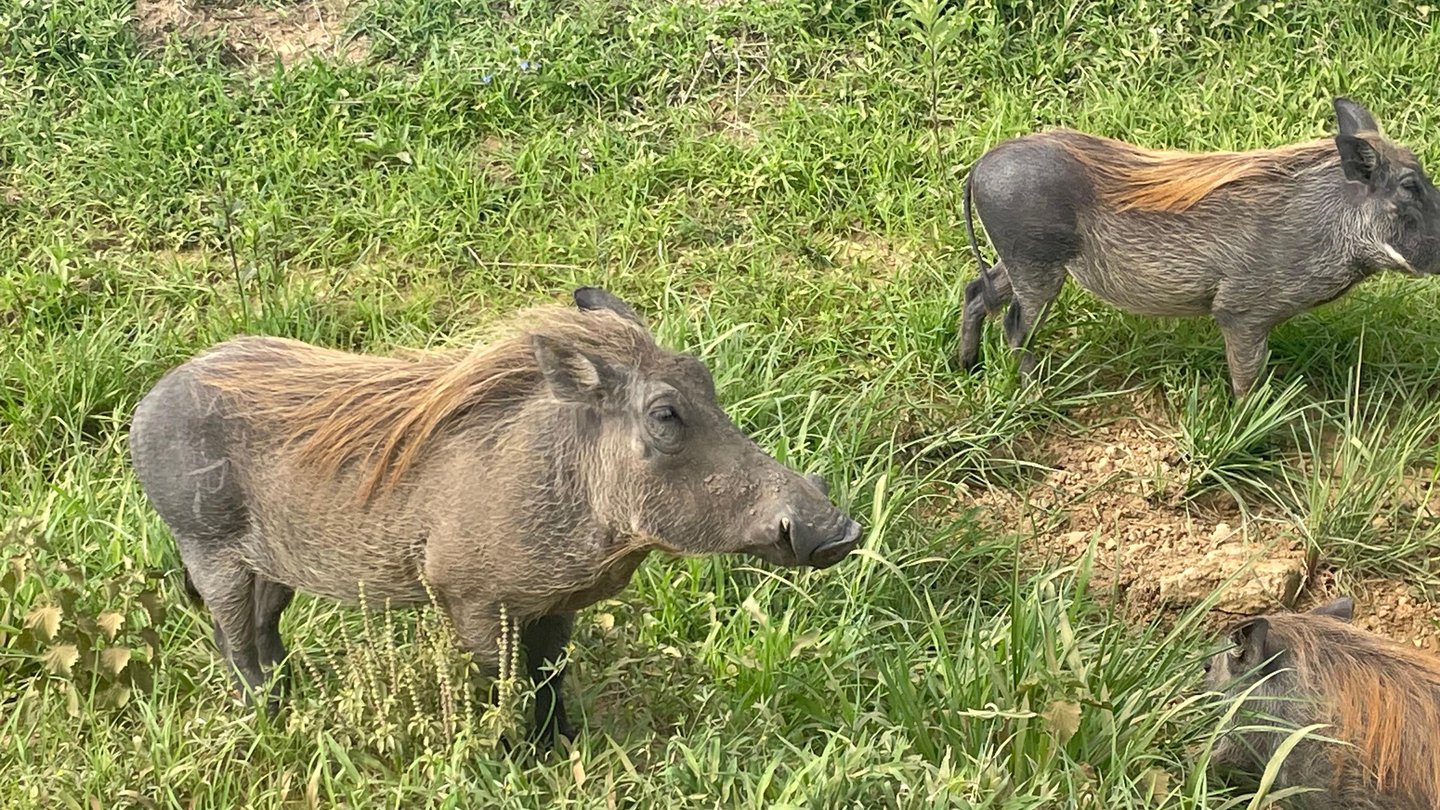
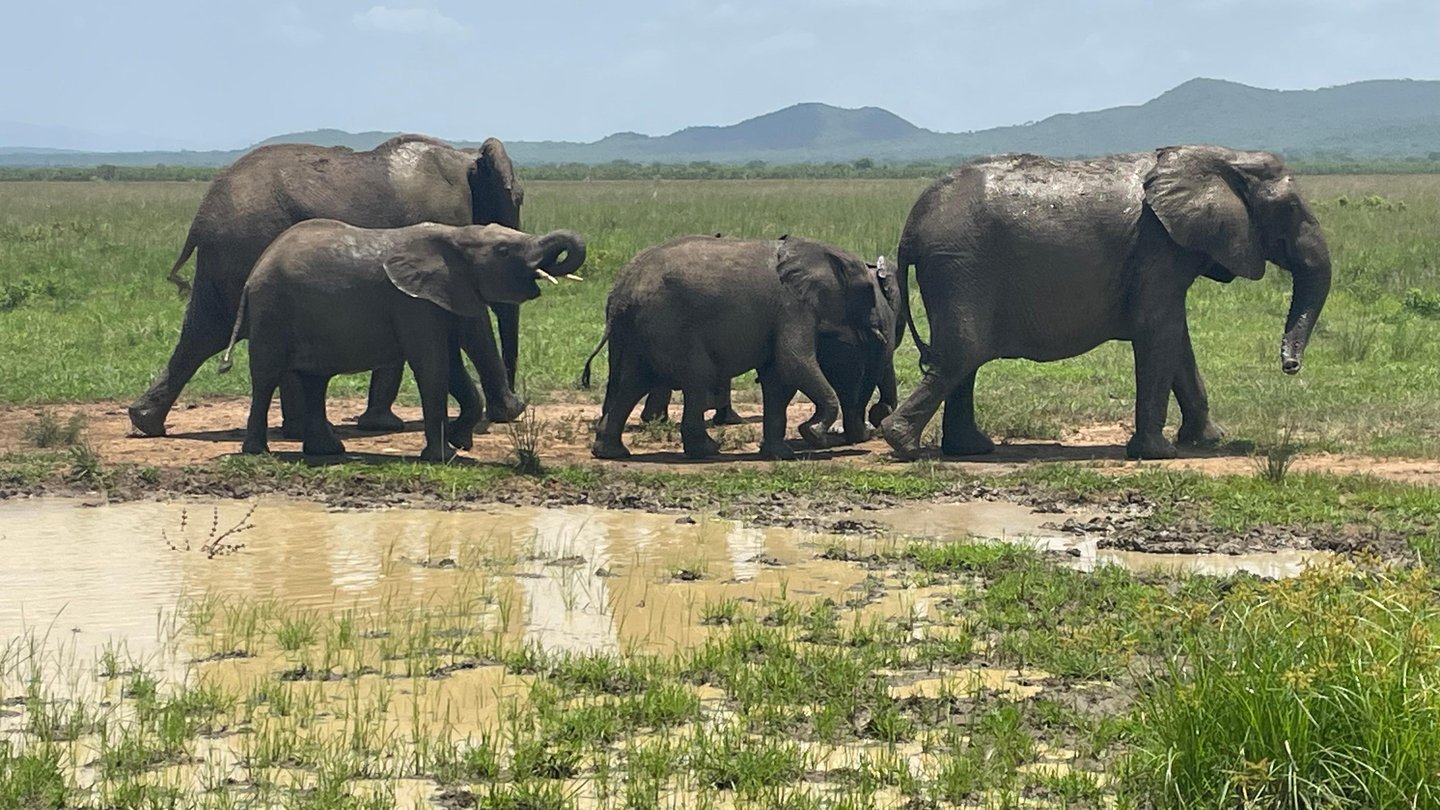
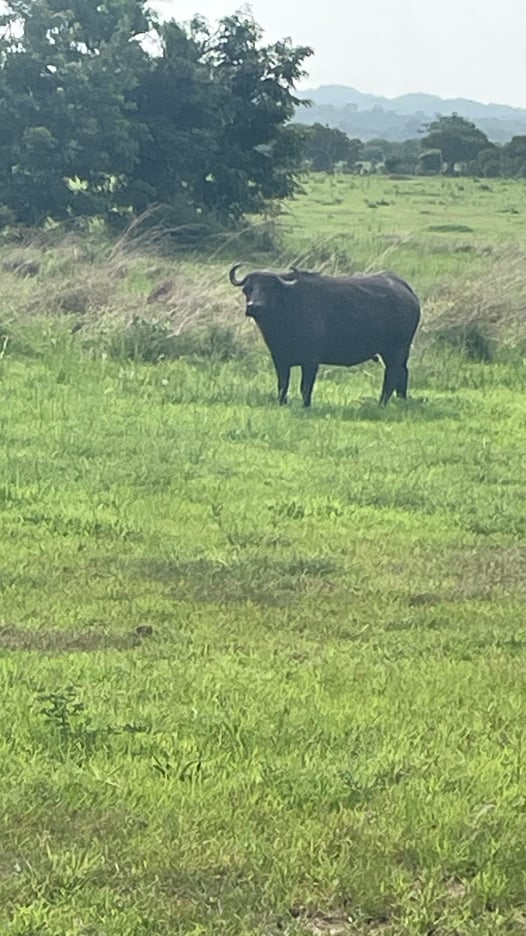
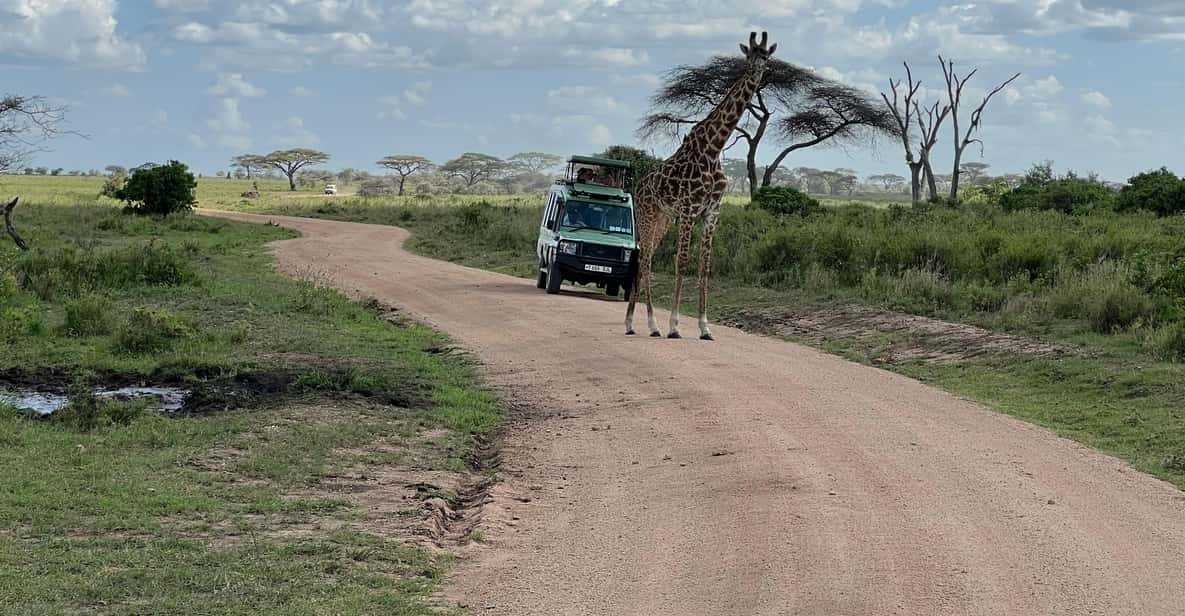
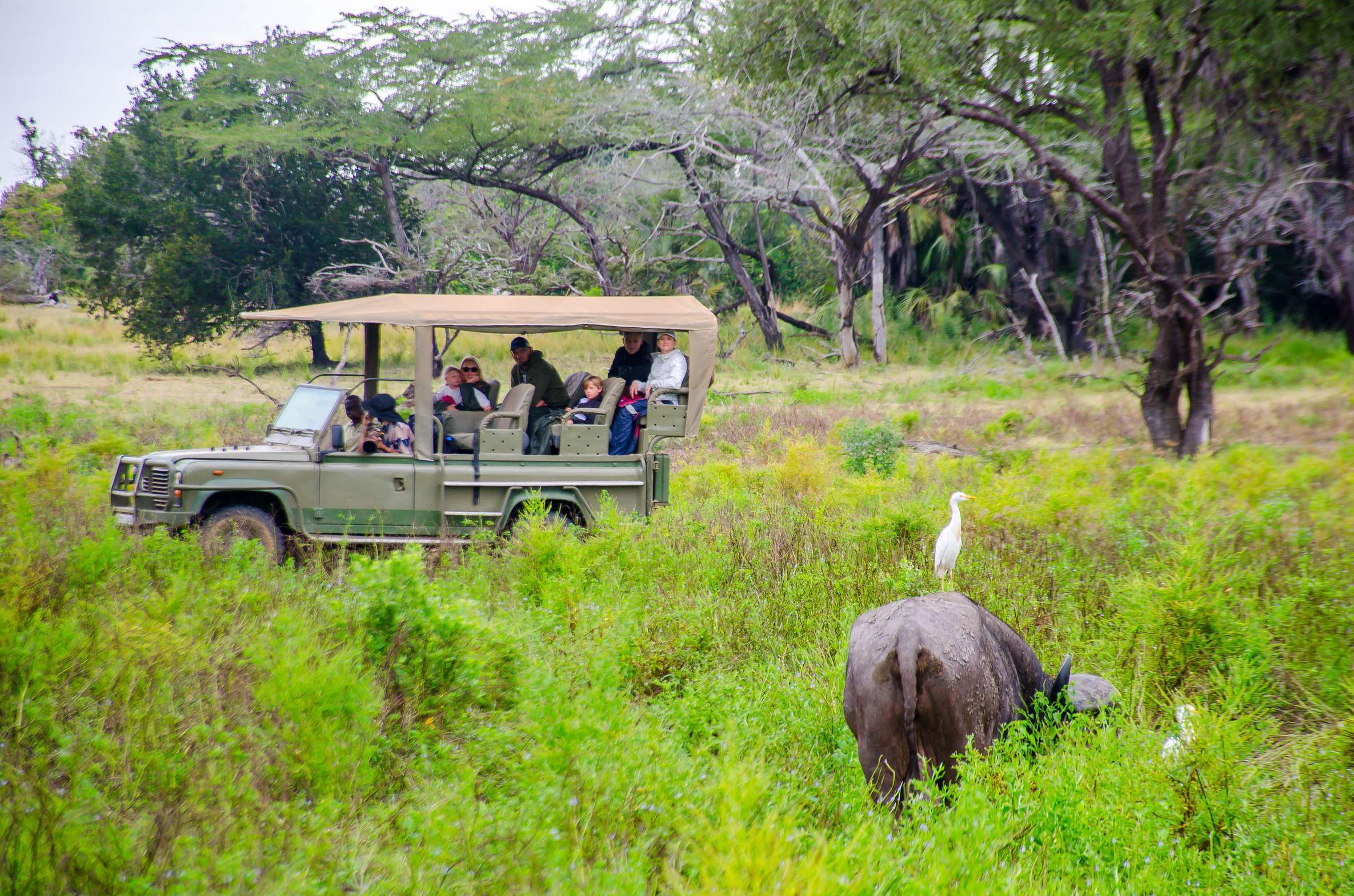
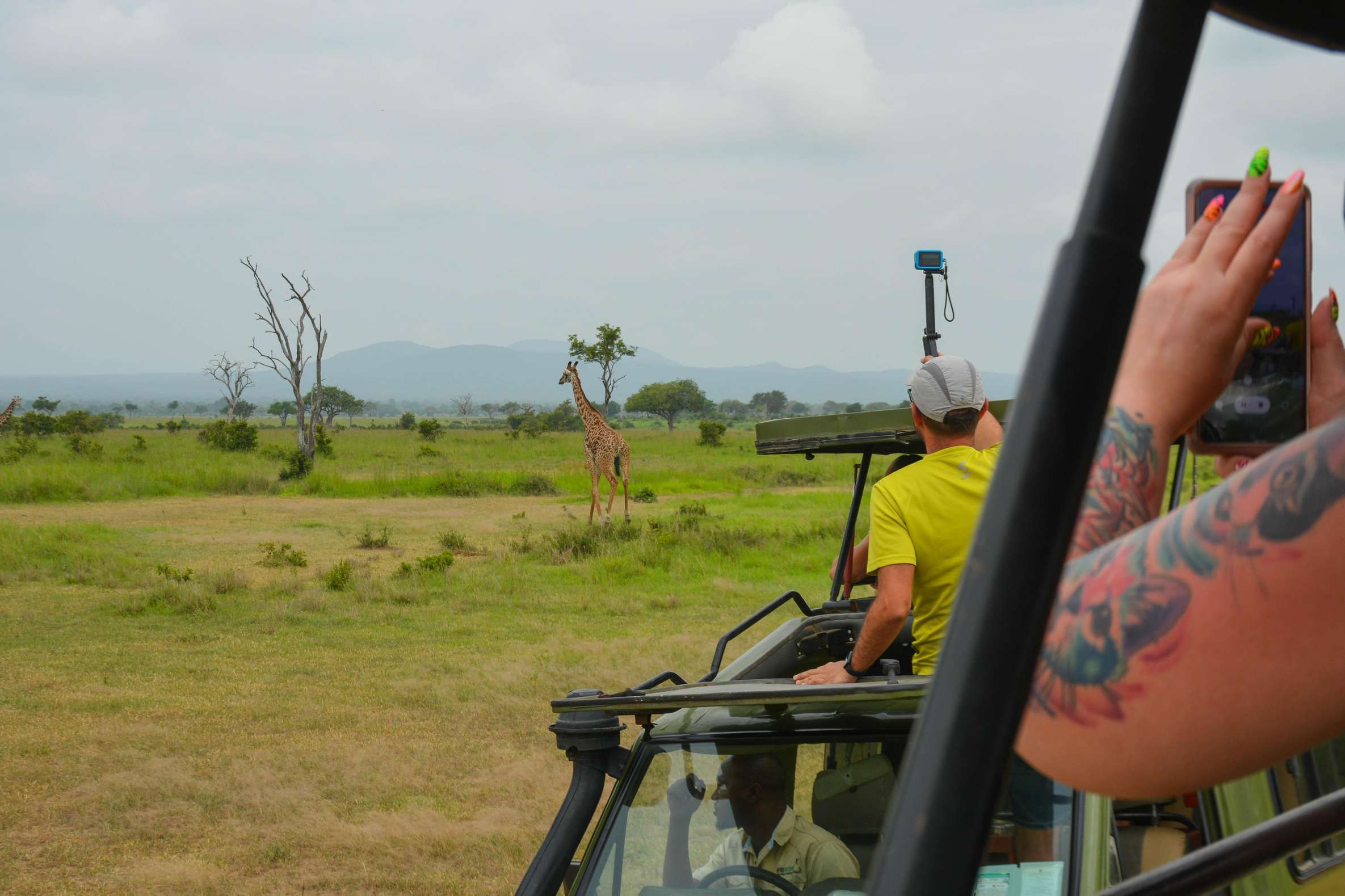
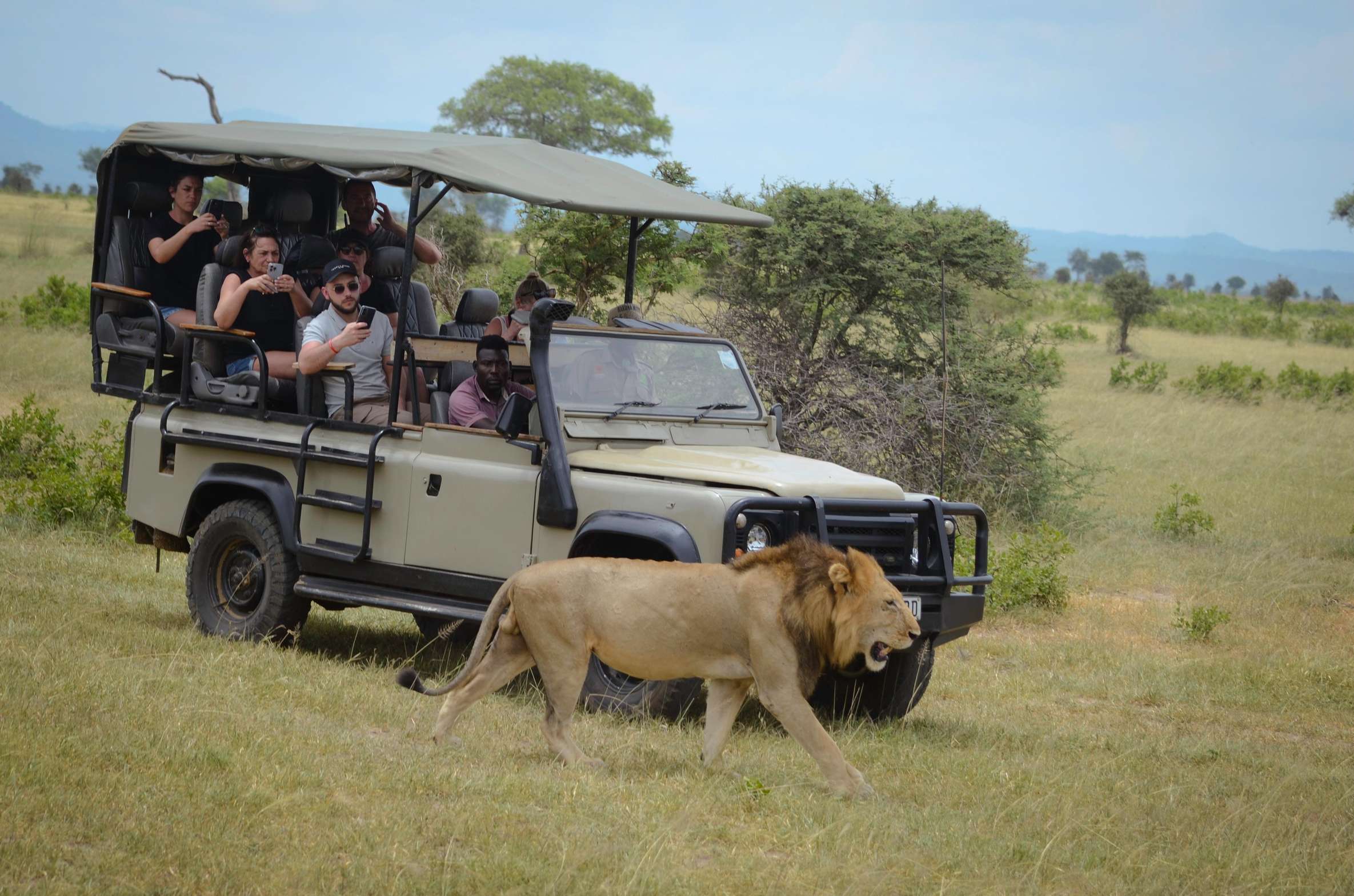
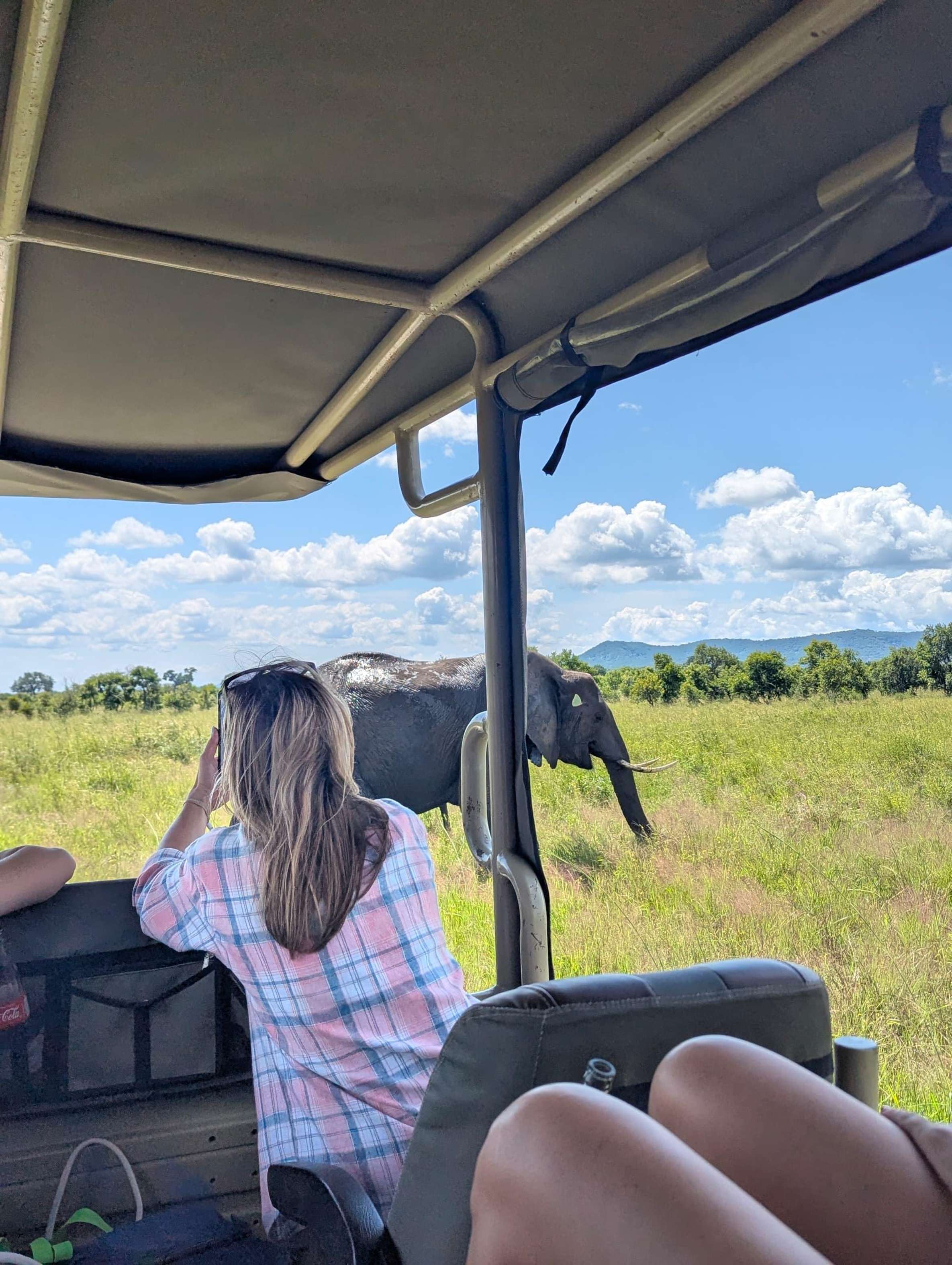
4.7116 couples who watched lions at dawn from their own jeep
Tanzania Honeymoon Safari Packages Serengeti Honeymoon and Safari Elopement Trips
Book a private honeymoon safari where the game drive belongs to the two of you. Couples fly from Zanzibar straight into the parks or ride a private 4x4 with a pop-up roof from Arusha, share the vehicle with no strangers, and end dusty mornings at a quiet tented camp before the beach. Choose your itinerary today and let the plains do the rest.
4.7★average rating116traveler reviews100%free cancellation13countries travelers came from
Your honeymoon safari options at a glance
Most of these trips split by one thing: how many days you give the bush. A single day works as a flight-in excursion from Zanzibar or a private 4x4 outing from Arusha. Multi-day private circuits take in Tarangire, the Serengeti and Ngorongoro Crater with lodge or camping nights.
PassportIt must stay valid for six months past arrival, with blank pages for stamps.
VisaOne Tanzanian visa covers both the mainland and Zanzibar; apply online in advance or get one on arrival at major airports.
DocumentsCarry your passport at park gates and for domestic flight check-in.
Gate hoursPark gates open at 6 am and close at 6 pm, and driving inside after that is prohibited.
Park feesGates run cashless, so entry fees go on a card.
InsuranceEntering Zanzibar requires the mandatory local insurance coverage.
LuggageBush flights enforce a 10 kg limit packed in soft duffel bags, with excess held at your base hotel.
SeasonBetween April and June, weather can shift flight schedules; a canceled day trip brings a new date or a full refund.
ClothingSkip dark blue and black, which attract biting tsetse flies, and wear khaki or olive instead.
documentA legal wedding or elopement in Tanzania needs a notarized Certificate of No Impediment plus passports, birth certificates, photos, and a mandatory 21-day public notice through the District Registrar of Marriages.
Start the paperwork at least two months before your trip, get documents translated into English where needed, and submit your notice of intention to marry early so the waiting period runs out before your arrival date. Game drives themselves need only a passport and, where required, yellow fever proof.
Honeymoon safari options compared
Best one-day escape
1 day·English, French
4.1(41)
Exclusive Mikumi Day Safari from Zanzibar by Flight
A private 4x4 day safari by flight for couples, rated 4.1 with the lowest price tag of the four honeymoon picks
Free cancellationHotel pickup includedHotel pickup and drop-off
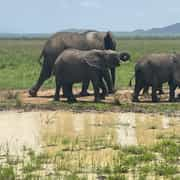
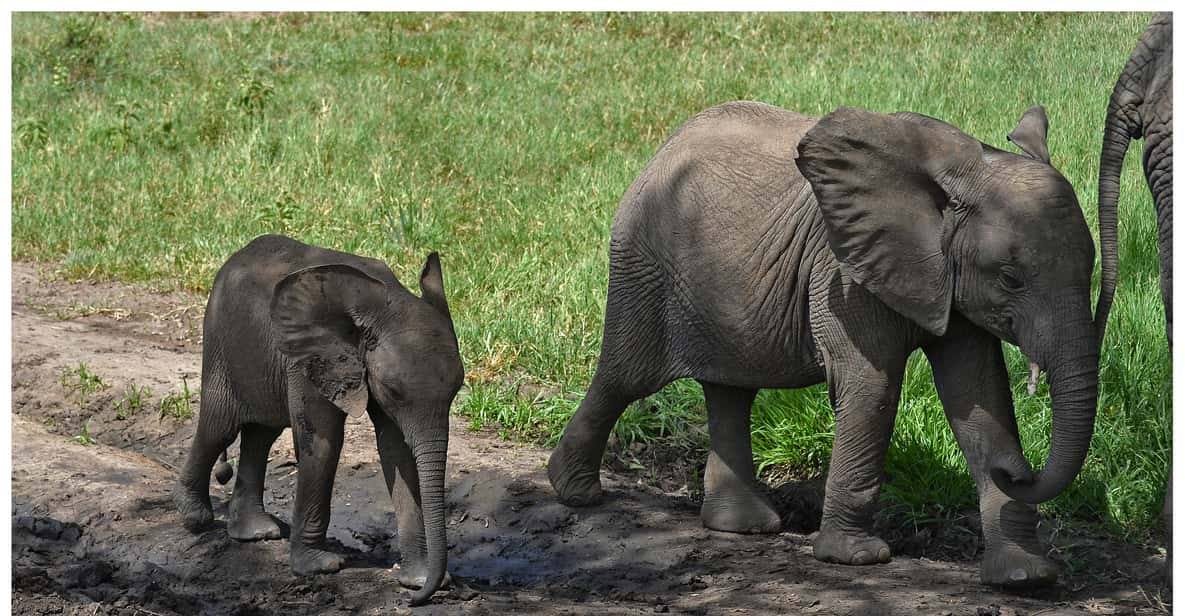
The three days run Arusha, Tarangire, Serengeti, then down into Ngorongoro Crater, with your own 4x4 Land Cruiser and pop-up roof so the game drives stay just the two of you. On day two you leave at 7 am for Tarangire, where elephants gather under baobabs, and picnic inside the park before camping overnight.
Day three crosses Karatu and the Ngorongoro Conservation Area to reach the Serengeti plains, with game drives the whole way. The package includes airport transfers, two hotel nights in Arusha, all park and camping fees, three meals a day, and binoculars. Tips and international flights sit outside the price.
Pickup3 places, depending on your optionFrom this tour2Serengeti National ParkA full day across the Serengeti's open plains, with wildlife viewing at sunrise and sunset, a scenic drive in through Karatu, and a night under canvas at a public campsite.From this tour3Ngorongoro CraterYou descend into the caldera for a guided game drive with chances at the Big Five, picnicking inside before climbing out on the crater rim road.Drop-off3 places, depending on your optionFrom this tour
Where the other tours go
From Arusha: 4-Day Private Safari to Serengeti & Ngorongoro
Pick-up and drop-off from Kilimanjaro International Airport (JRO) / Arusha Airport (ARK)Two nights in a hotel accommodation in Arusha (before and after safari) with breakfastTransportation in a 4×4 Toyota Land Cruiser with pop-up roofProfessional and experienced safari driver/guide available in all languagesAll national park entry, transit, and camping feesOvernight stays in tents during the safari
Not included
International flights (from/to your home country)Additional accommodation before or after the safariTravel insurance (highly recommended)Tips for driver/guide and chef
Which honeymoon safari in Tanzania fits you both best
Green marks the lowest price. Each price says whether it is per person or per group.
Tour
Price
Duration
Languages
Best for
Our pick
Arusha: Best 3-Day Safari to Serengeti & Ngorongoro Crater
5.0★ (4)
from $1,800per person
3 days
English
couples chasing the classic Serengeti and crater in three compact days
Most reviewers praise their guide by name, crediting sharp eyes and expert driving for spotting lions and elephants.
Best surprise
Several couples were surprised that their guide doubled as a skilled photographer and shared the photos after the day.
Most common wish
Many couples wished the day were longer, calling the safari tiring but well worth the early start.
How to book your Tanzania honeymoon safari
01
Pick your dates first
Lock in your travel window before anything else. If you want the Great Migration months, reserve early: sought-after camps and lodges in the Serengeti and Ngorongoro book out up to a year or more in advance.
Pro tipFor a Zanzibar honeymoon with safari, put the bush days first and the beach days after, so you unwind from the dust and early wake-ups instead of saving them for last.
Common mistakeFirst-timers plan the whole trip around one park. Two or three parks over 4 to 7 days on the mainland gives you variety without living in the car.
02
Choose the option
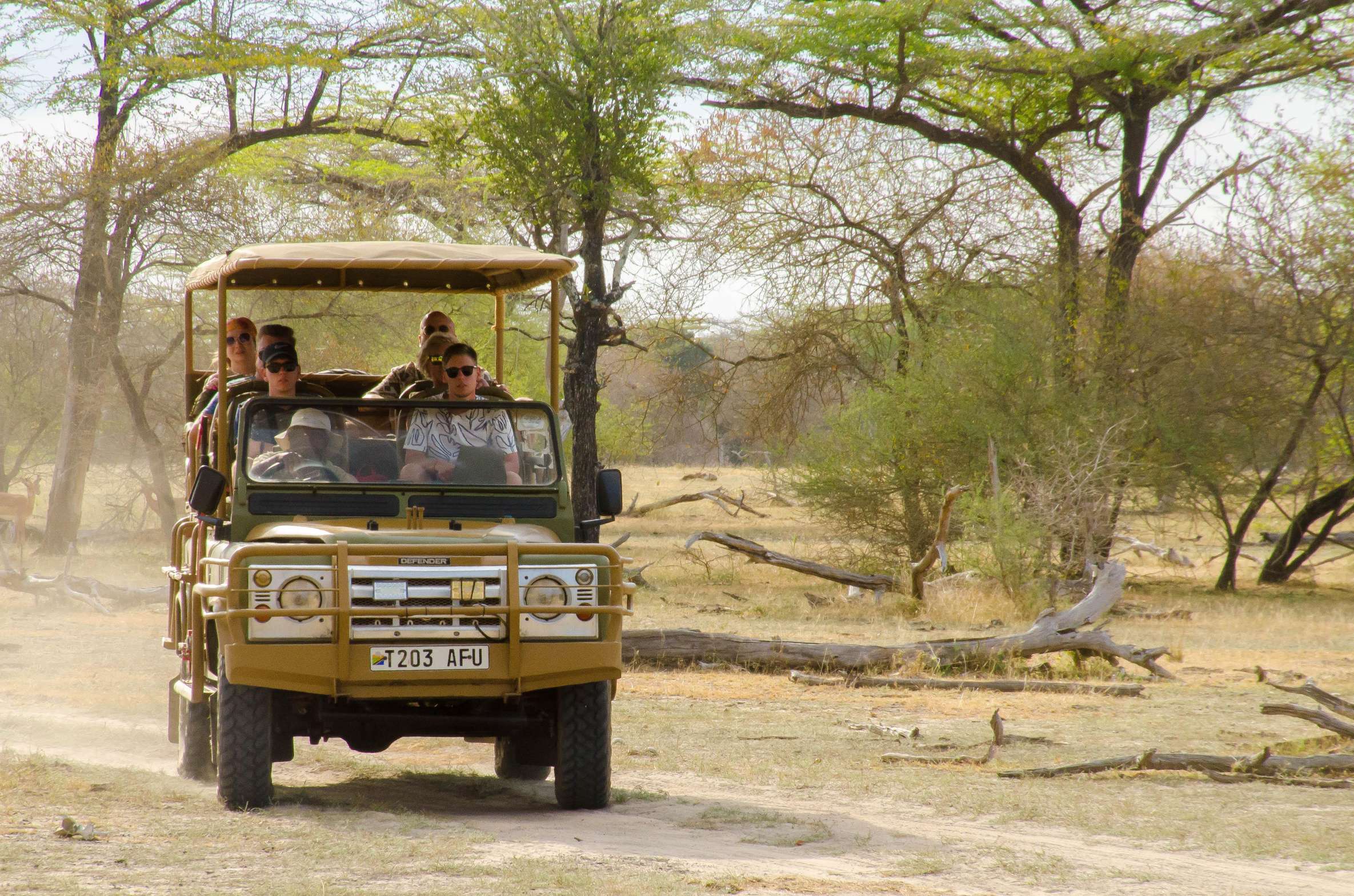
Read the options on each tour card and pick the one that matches your trip. A private option gives you the whole jeep to yourselves; a group joining option puts you in a shared vehicle with other travelers.
Pro tipOn tours from Arusha, pickup runs between 6 am and 7:30 am from hotels in Arusha City Centre, so book a hotel there rather than out of town.
Common mistakeCouples book a shared jeep to save a little and spend the day whispering around strangers. If privacy matters to you, choose private from the start.
03
Confirm and pay
Select your date, the option, and the number of travelers, then pay through the marketplace. Most tours listed here let you cancel up to 24 hours in advance for a full refund, so your money stays safe while plans settle.
Pro tipCheck the included list before you pay. Some tours bundle park fees, flights and meals; others leave tips, visas or travel insurance to you.
ImportantZanzibar requires all incoming tourists to hold mandatory government travel insurance. Sort it before you fly, since it is checked on arrival.
04
Voucher and meeting point
Your voucher arrives by email after payment and names the operator, the tour title and your chosen option. Read it the same day: it tells you whether you get hotel pickup or need to reach a meeting point, and any language choice you made.
Pro tipSome tour operators on the northern routes fly or drive you to parks where flights have limited seats, and your departure date may shift. Book your international flights around that, not after.
RecommendedReply to the operator's confirmation email the same week to lock in your pickup details and any meal requests.
05
On the day
Have your passport ready; park gates check ID at entry. For day safaris from Zanzibar, be at your hotel reception early, or at Zanzibar Airport around 6:30 am if you booked the option without hotel transfer.
RecommendedPack soft duffel bags under the 10 kg limit per person for bush flights, and keep excess bags at your base hotel.
Common mistakeTravelers wear black or navy on game drives and attract biting tsetse flies. Khaki, beige and olive keep the flies off and hide the dust.
What to know before you book your honeymoon safari
Can stop the dayGood to knowGood news
01
ChoosingWhat it is, who it suits, when to go
3
Private vehicle
Booking a private option gives you the whole safari jeep, with no other guests on board and no compromises over where to stop. Six people travelling together also secure a private vehicle for the entire trip.
Clothing colors
Skip dark blue and black around Tarangire, because tsetse flies are drawn to those shades and can bite through thin fabric. Neutral earth tones like khaki, tan and olive work best, in tightly woven long sleeves and trousers.
FitnessCan stop the day
Full days on rough dirt tracks are not advised for pregnant travelers or people with back problems. If either of you expects a bumpy ride to be a problem, choose the shortest flight option rather than a long overland day.
02
BookingHow far ahead, and what happens if plans change
2
Lead time
The most sought-after lodges and tented camps in the Serengeti and on the Ngorongoro rim sell out 9 to 12 months ahead for the Great Migration season. Prime river-crossing camps book out even earlier, 12 to 18 months in advance.
Cancellation
These tours come with free cancellation up to 24 hours before departure. If a Mikumi bush flight is grounded by weather, you get an alternative date or a full refund, so a grounded morning never costs you the booking.
03
Before you goPapers, health, what to bring
3
DocumentsCan stop the day
Carry your passport on every safari day: park gates need it for registration. It must be valid for at least six months beyond arrival, with blank pages for stamps. Most foreign nationals need a visa, which one e-Visa covers for both mainland Tanzania and Zanzibar.
Layers
Mornings on the Ngorongoro rim drop to around 5°C while the crater floor warms fast by late morning. Pack a warm jacket and sweater over light clothes, plus sunglasses and a scarf: dust from passing vehicles is real on full-day drives.
Luggage
Domestic bush planes take soft-sided duffel bags only, with limits starting from 10 kg per person. Hard-shell suitcases are not accepted, so pack soft and leave anything extra in storage at your base hotel.
04
On the dayWhere to be, when, and how you get there
2
Pickup
Hotel pickup is included and starts early. Zanzibar pickups for single-day park trips begin as early as 4 am, with charter flights leaving around 6:30 to 7 am, so expect your driver at the reception a few minutes before the booked time.
Food
Full-day crater and Serengeti drives run on a packed picnic lunch inside the park. Multi-day itineraries are full board, with breakfast, lunch and dinner covered, and bush meals on fly-in Mikumi trips land right in the middle of the park.
05
During the tourWhat is expected of you
2
Charging
Some tented camps run on solar power that limits in-room electricity to lighting only. Charge camera batteries and phones in the common areas overnight, and a power bank in your day bag earns its place.
Beach order
Put the safari before the beach. Dusty early starts and long game drives land better when Zanzibar's quiet days come after the mainland, not before, and the sand gives the trip its unhurried ending.
Honeymoon safari planning in Tanzania, from bush to beach
Most couples arrive with one fear: a jeep full of strangers on the trip meant to be theirs alone. For two, the private jeep costs only marginally more than a shared seat; the rest is choosing month, days and route.
Arusha· 3.45° S, 36.67° E
If you only remember three things
1
Do the mainland safari first, then unwind on Zanzibar; sand before dust wastes the unwinding.
2
Give the safari side 4 to 7 days inside a trip of 8 to 12, with at least two nights per park and three in the Serengeti.
3
Book July to September for dry game drives and calm seas; avoid April and May, when rain delays flights.
Is a private honeymoon safari worth it for just the two of you
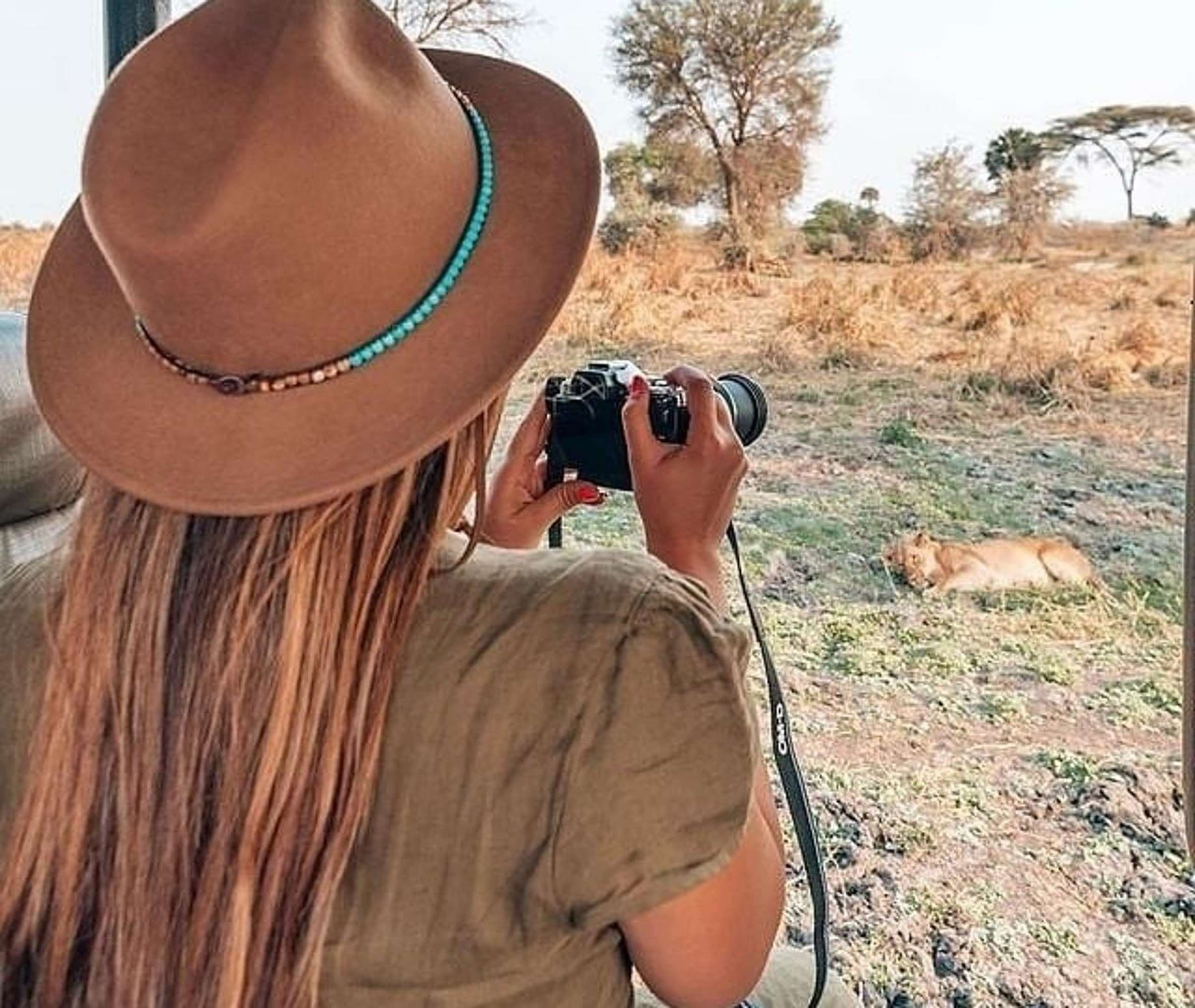
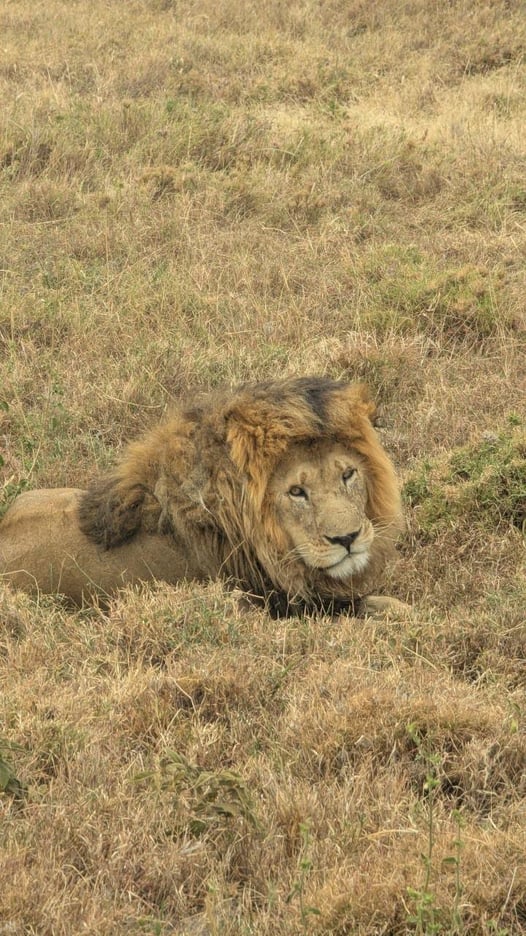
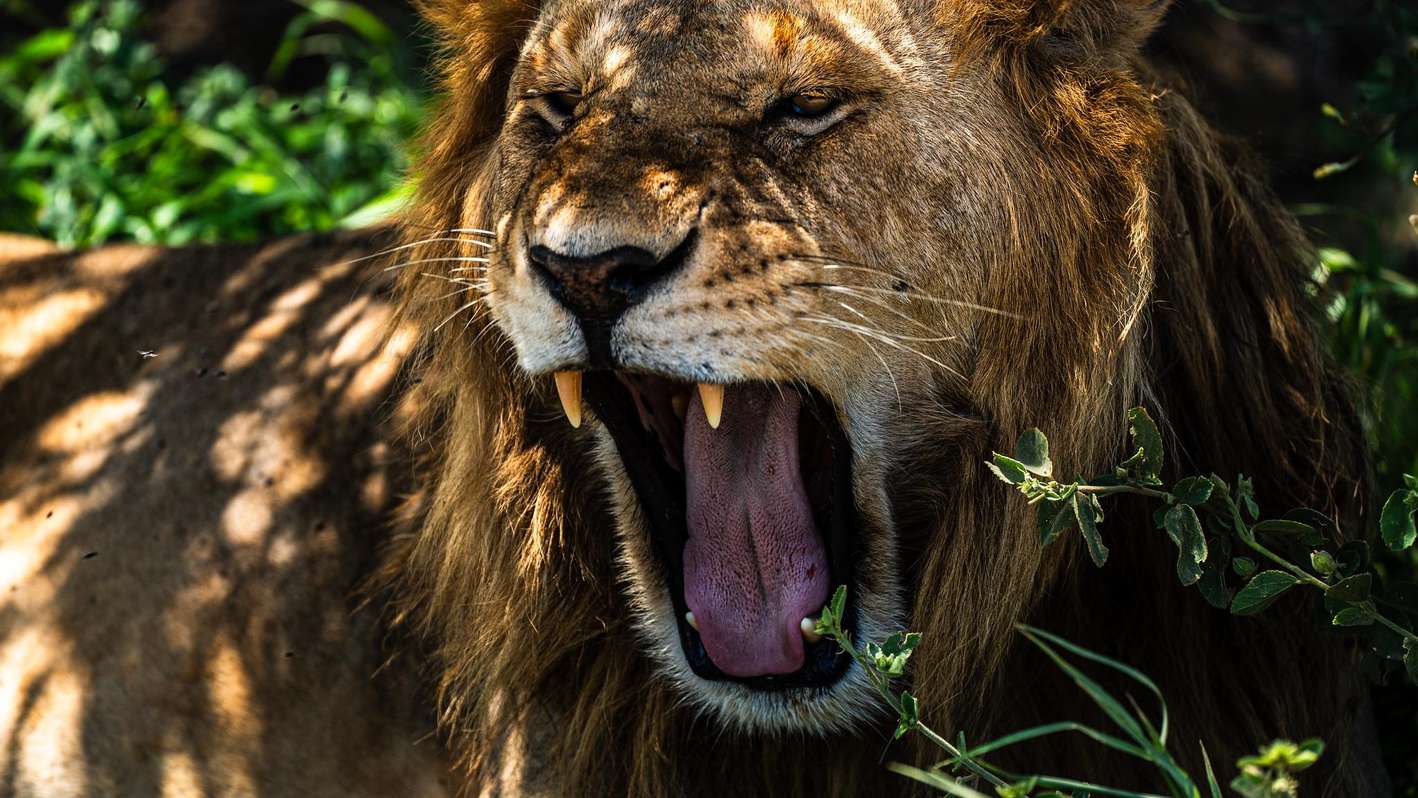
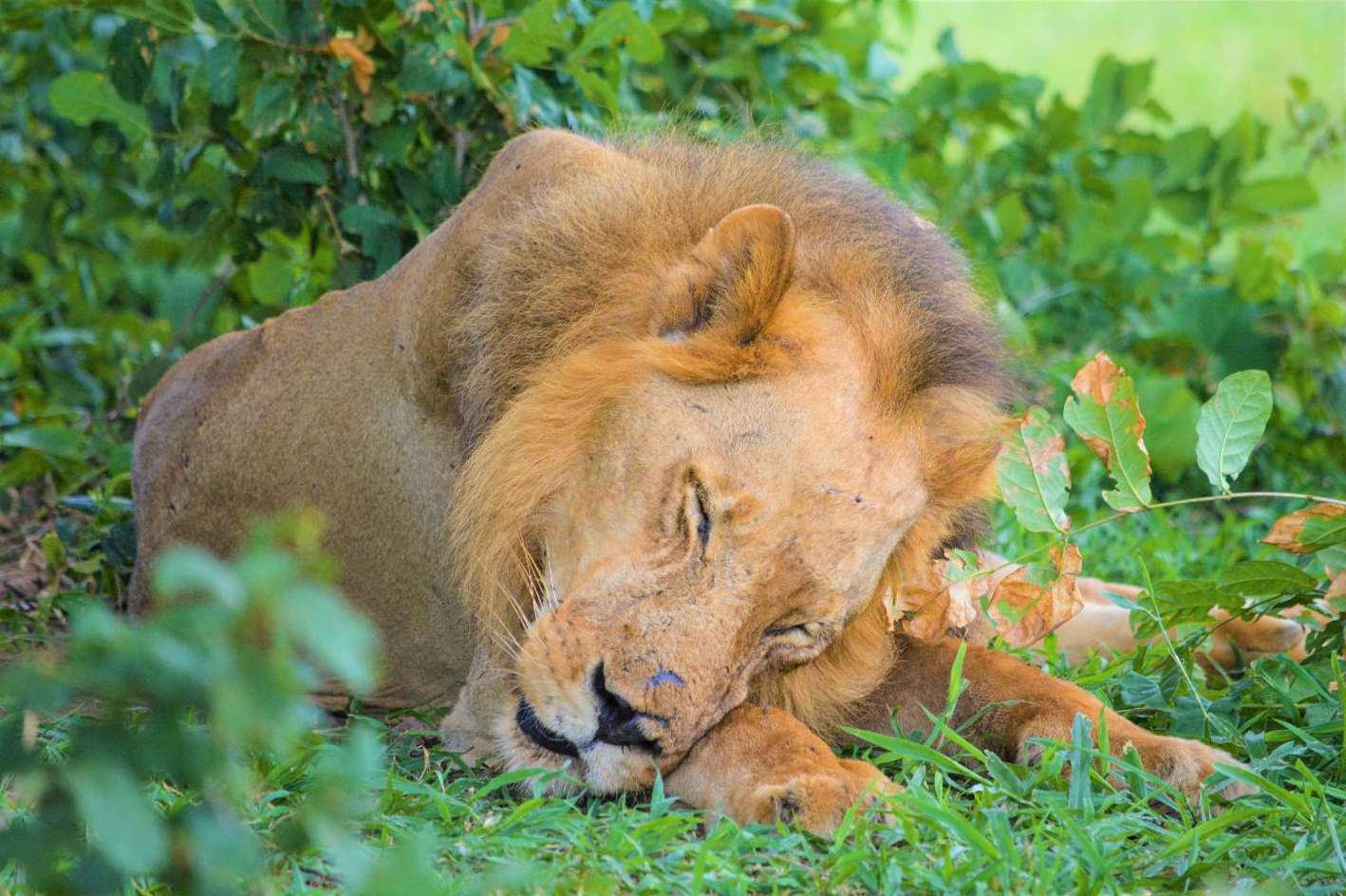
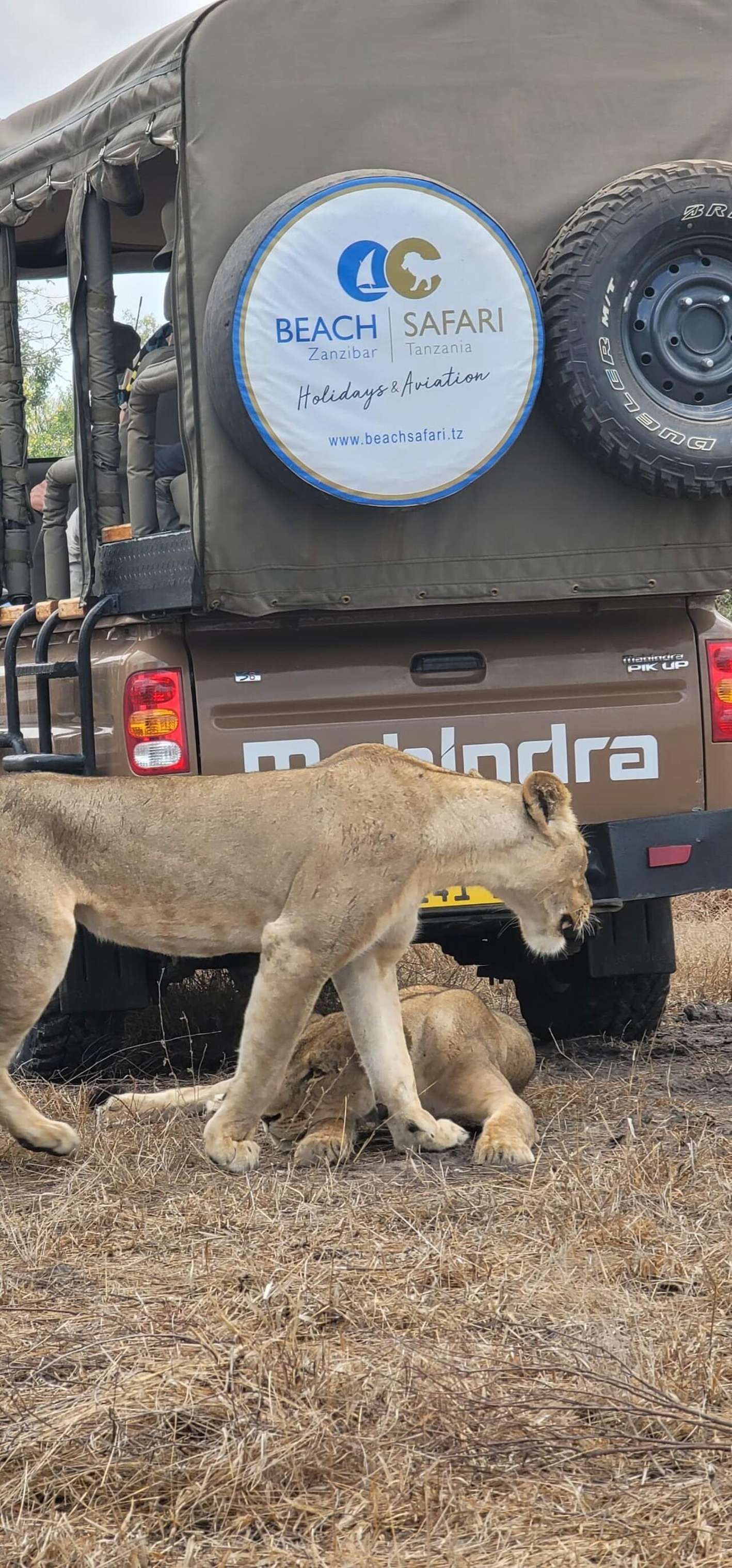
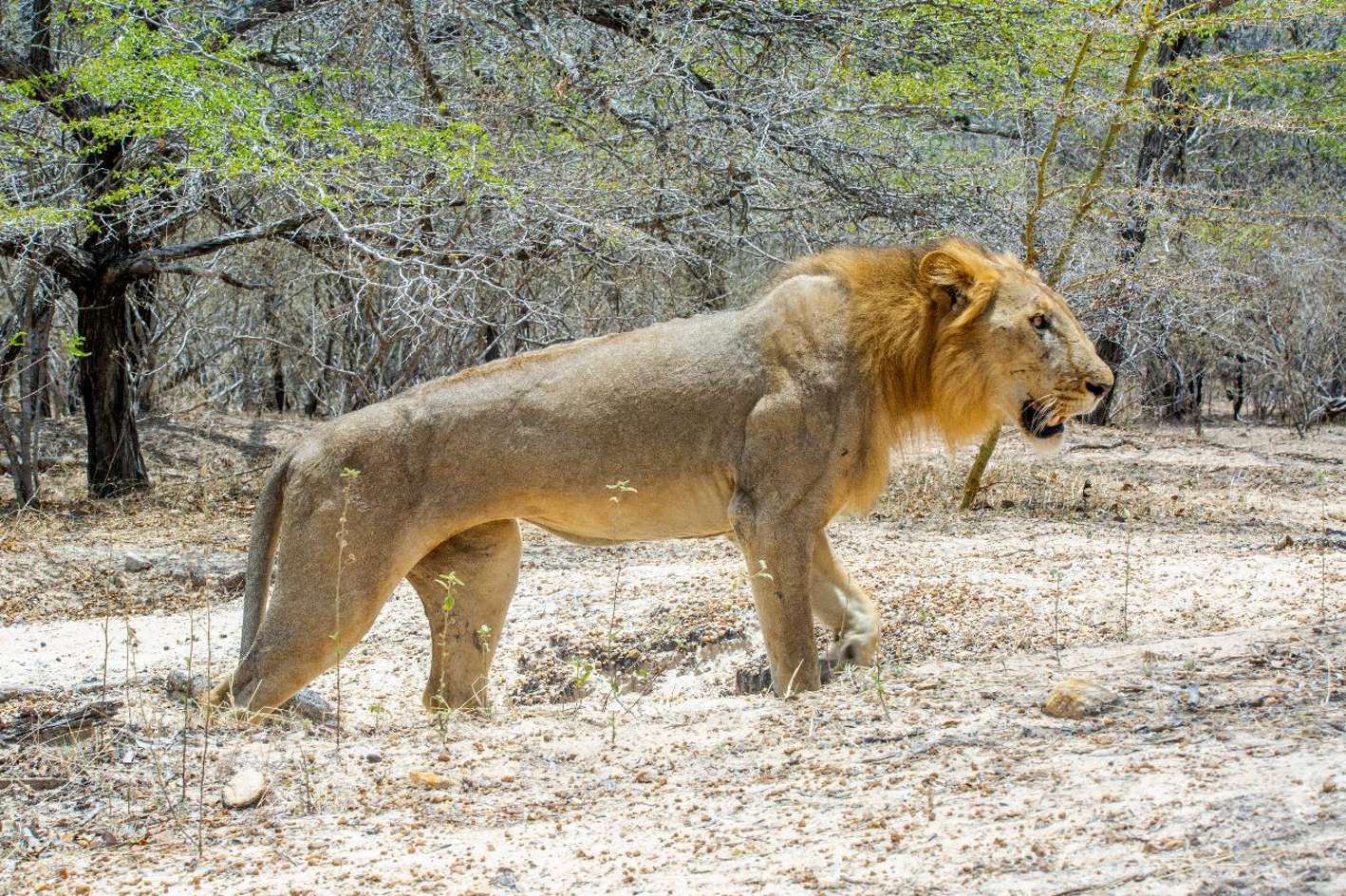
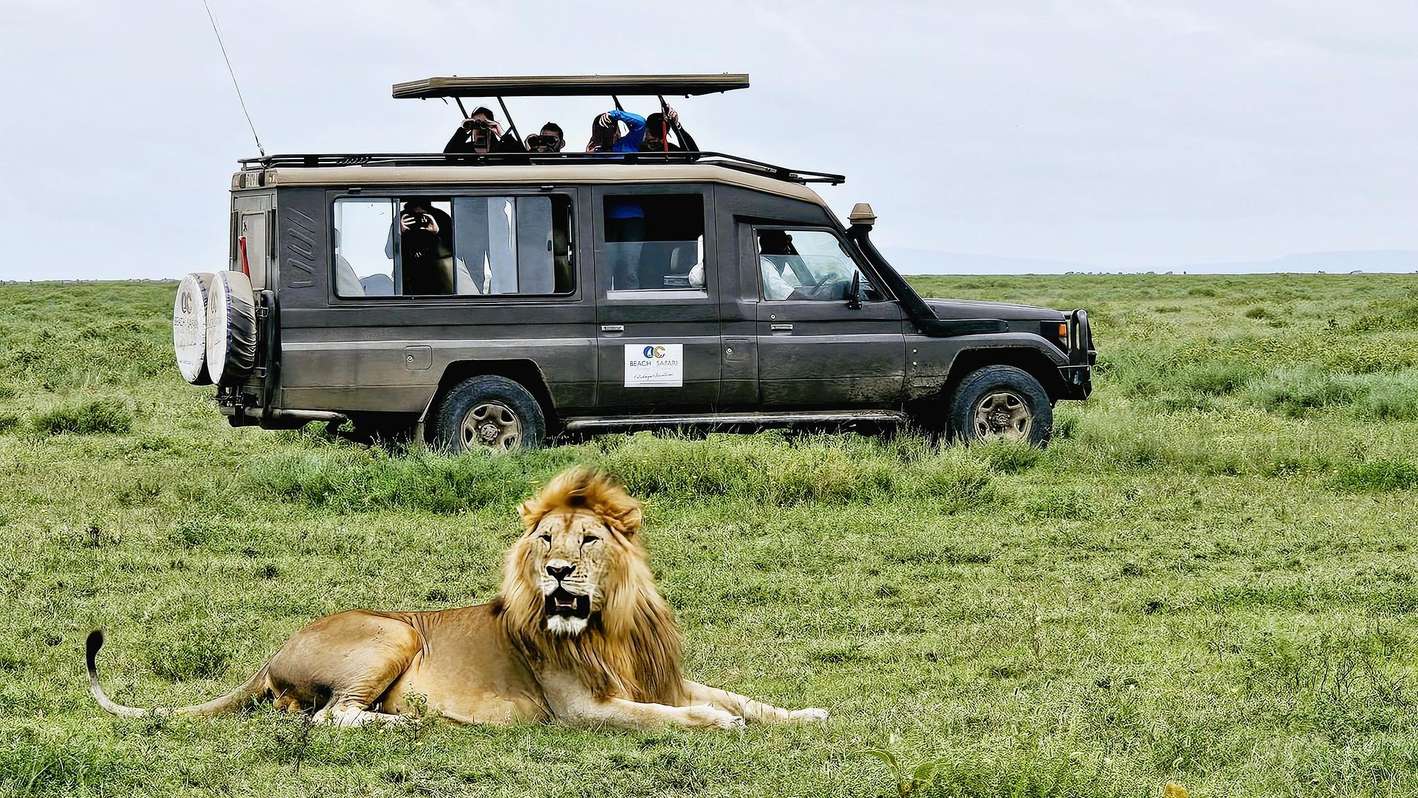
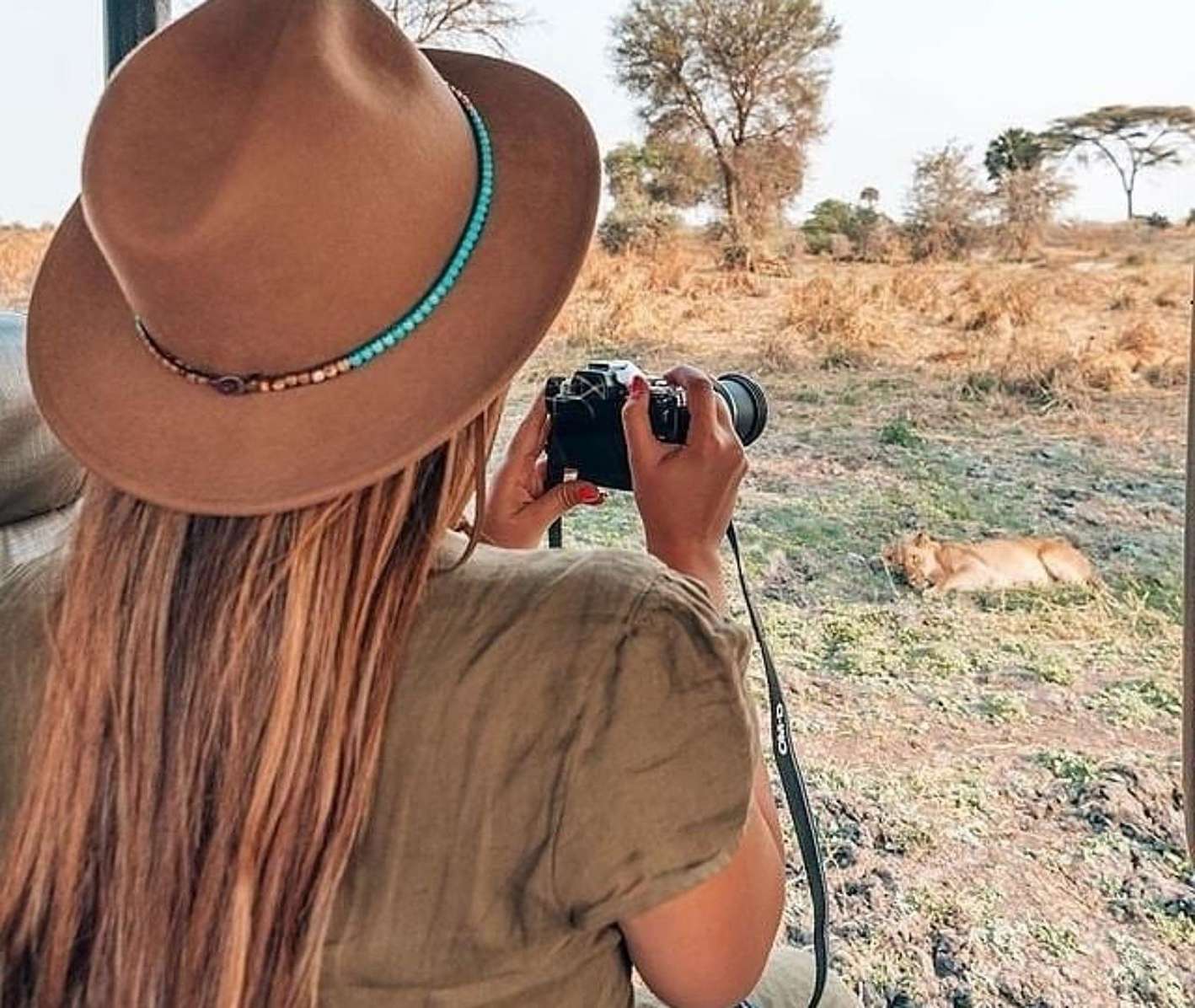
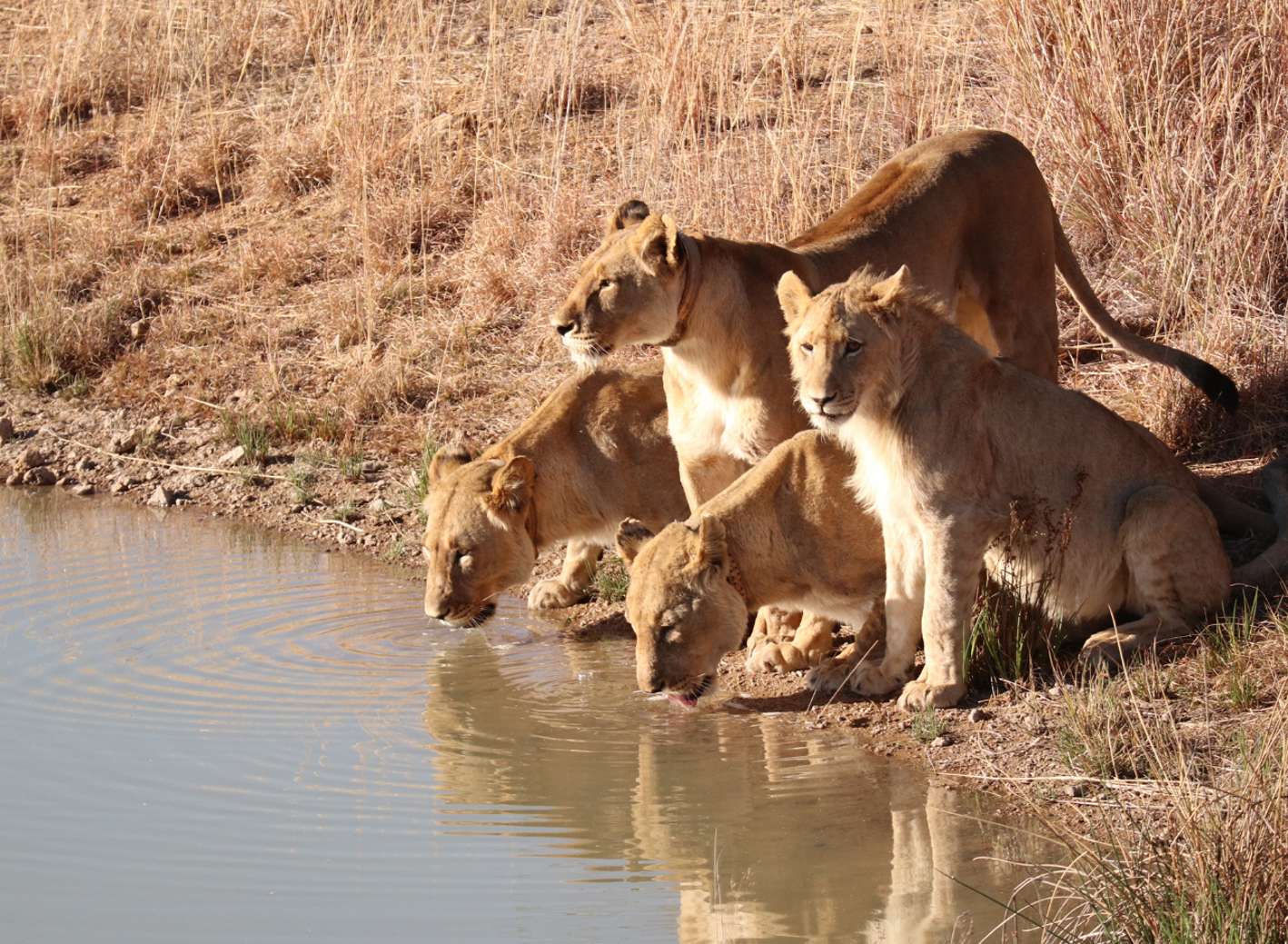
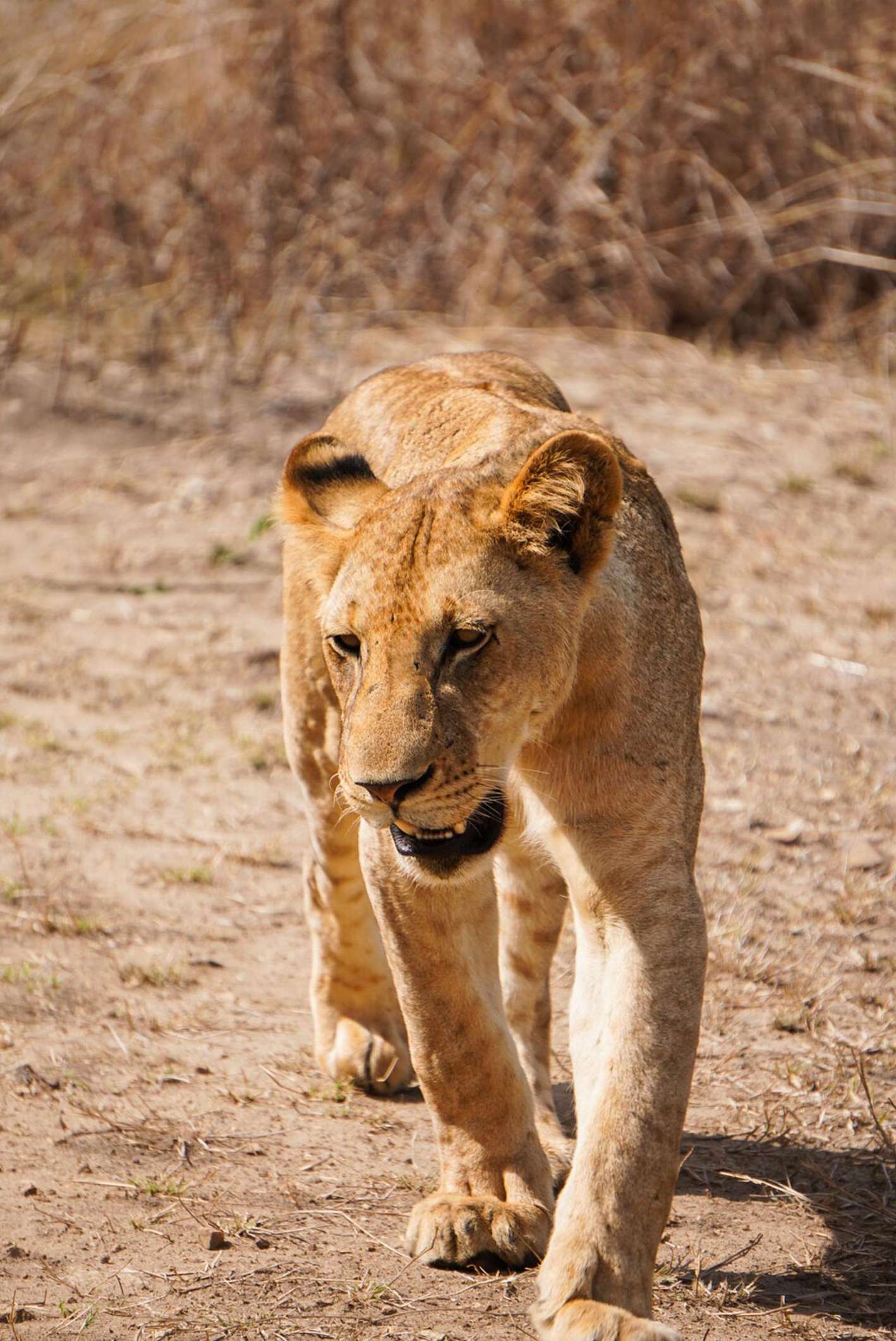
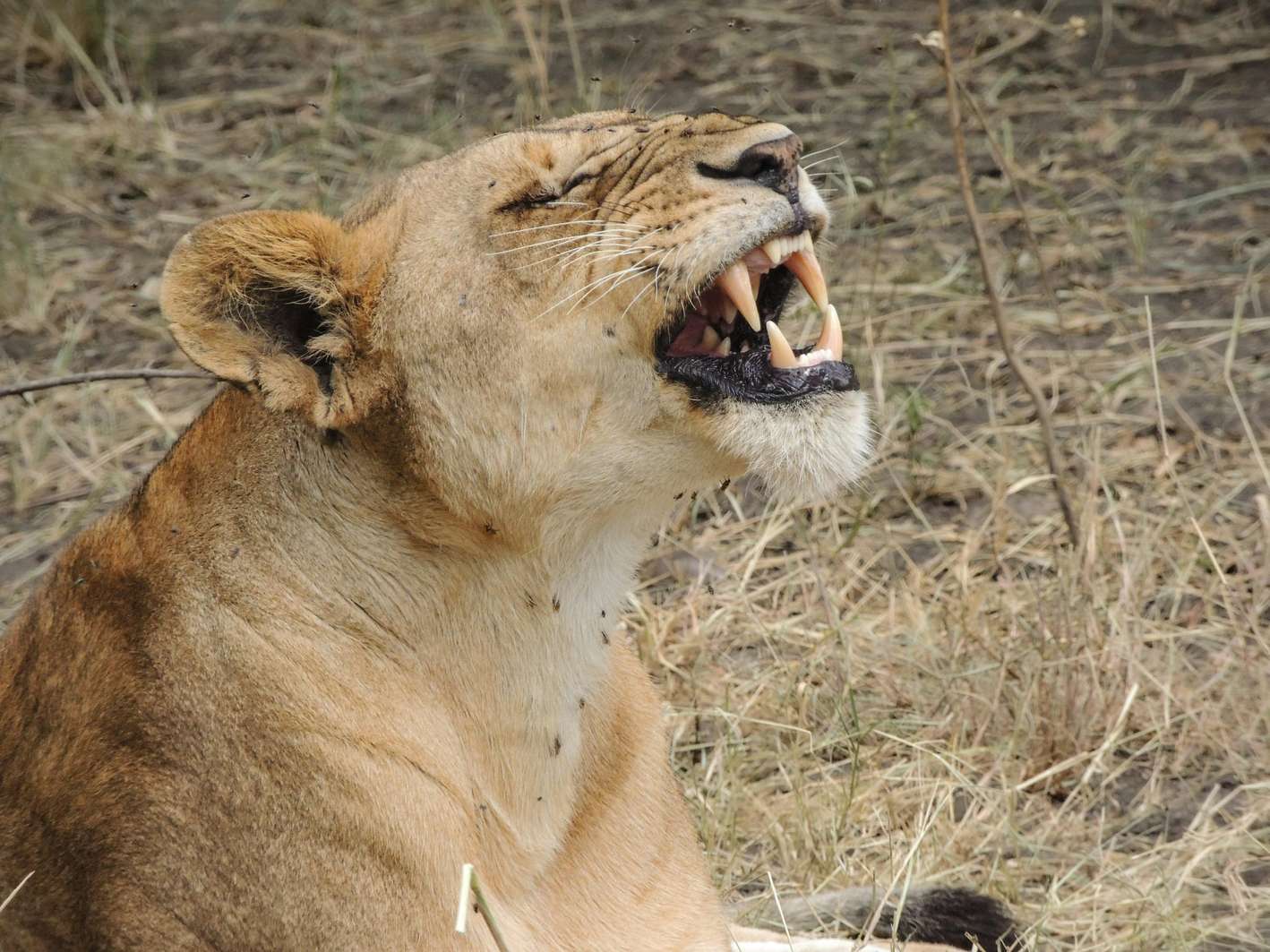
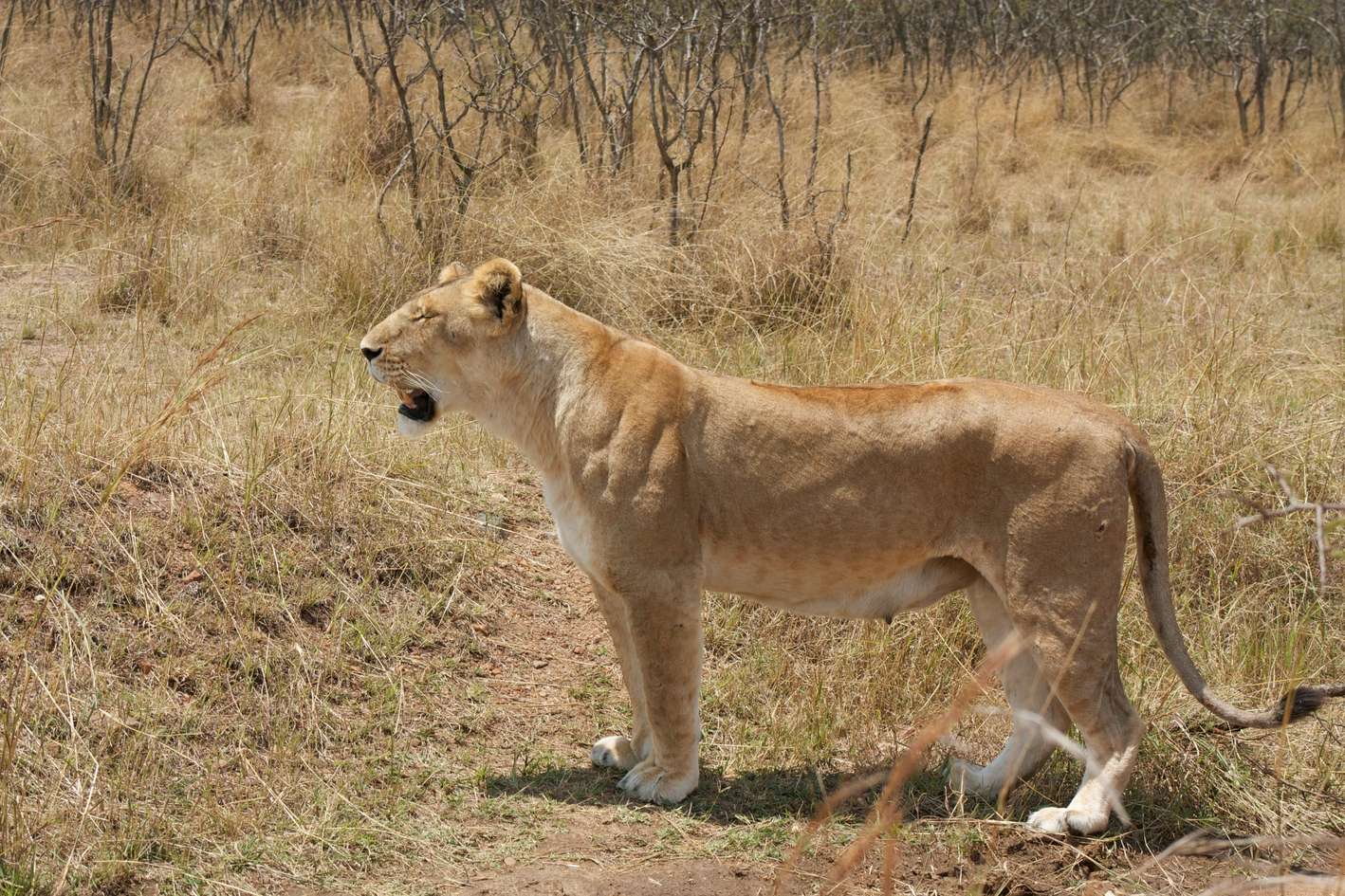
Morning on the savannah, and the jeep stops so everyone can watch a lion pride. In a shared vehicle, that moment comes with three strangers leaning over your shoulder and a schedule set by whoever booked first. It is the one picture every couple arrives hoping not to star in.
The arithmetic works in your favor. For two people traveling together, a private honeymoon safari usually costs only marginally more than a shared seat, and it hands you the whole jeep, the departure time, the driving pace and every stop.
Solo travelers pay the steepest rates; the second seat is the cheapest one on the vehicle.
Booking the private option means the entire safari jeep is yours, with no other guests. Guides double as photographers too, repositioning the car whenever a shot needs it.
Three honeymoon safari myths, and what two travelers actually pay
MythPrivate safaris are only for the very wealthy
Reality
For a couple, the gap over a group departure is small, and you keep the whole vehicle
MythYou have to join a group departure to afford the parks
Reality
Shared tours save money per person but lock you into other people's schedule
MythA private vehicle means a private guide at luxury prices
Reality
The guide comes with the vehicle either way; privacy is mostly a matter of the booking option you pick
Read the middle row twice, because it is the one that costs couples their trip. A group seat saves a little and surrenders every morning of the honeymoon to a timetable set for six. Six booking together get the whole jeep anyway, but you are two.
Tour for this
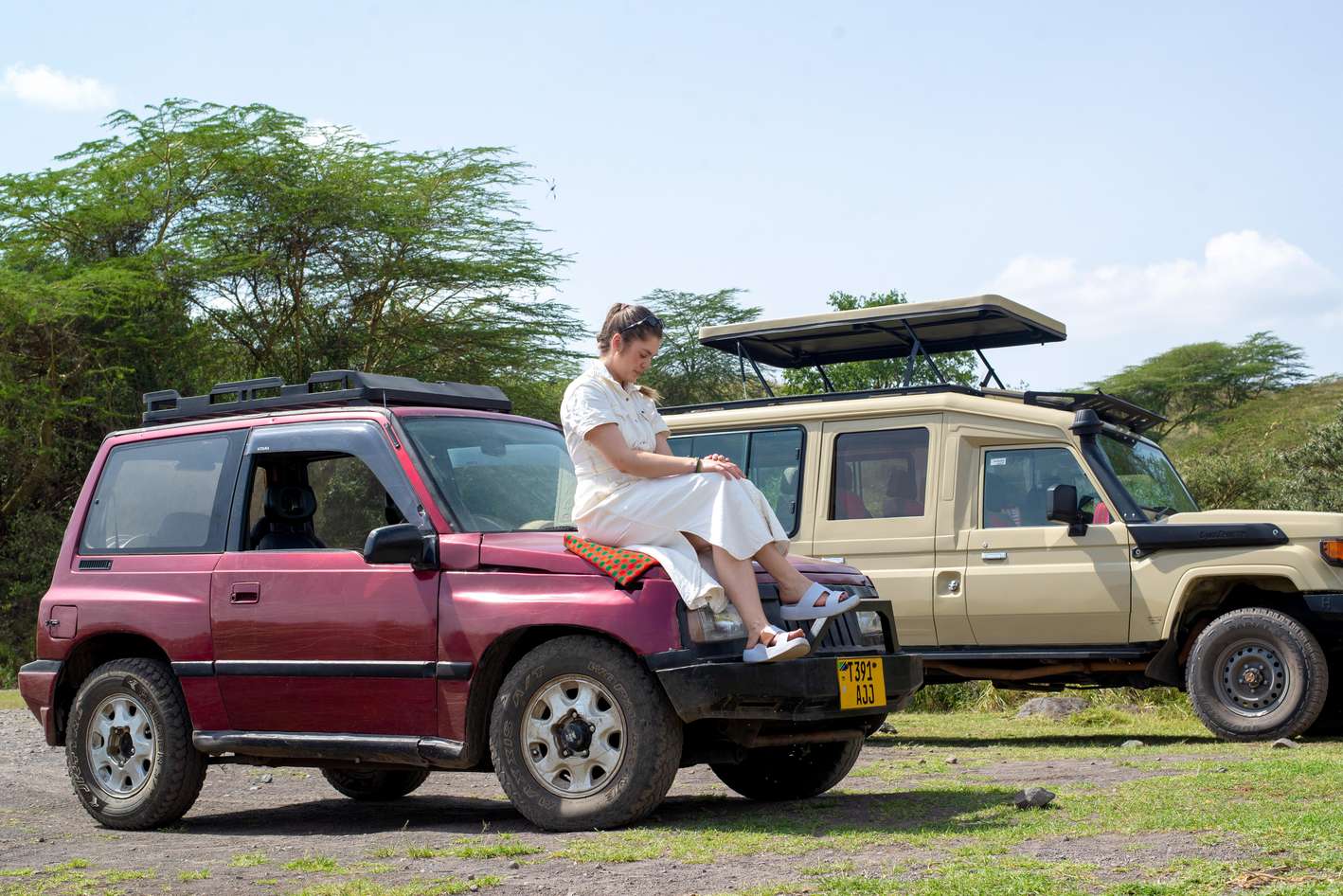
Tarangire Day Safari: Private 4x4 Suzuki Vitara Experience5.0★ (1) · 10 hours · Hotel pickup · Free cancellation
Safari first or beach first in your honeymoon plan
Every couple planning a Zanzibar honeymoon with a safari hits this fork early, usually over coffee with a map between them. Dust, 4:30 am wake-up calls and long days in the bush sit on one side; white sand and slow evenings sit on the other. The order matters more than it seems.
Put the mainland game drives first and the beach after. A safari is the demanding half of the trip: early starts, bumpy tracks, dusty hours with the roof up.
Landing straight into that after the wedding is one kind of tired; earning the sand is another. Couples who schedule the beach first often find the bush days feel like work waiting for them at the end.
Do it in the other order and the last week writes itself: salty hair, sleep-ins, a sundowner that requires no alarm. For the unwinding half, travelers point each other to Nungwi, at the northern tip of Zanzibar, where the evenings stay quiet and the water stays warm.
Tour for this
From Zanzibar: 2-Day Serengeti Park Safari Trip with Flights4.5★ (10) · 2 days · Hotel pickup · Free cancellation
The best months to go on a honeymoon safari in Tanzania
The calendar decides more of this trip than any other choice. Two halves have to agree: the mainland parks, which live by the rains, and Zanzibar, which lives by the sea.
July is the month when both agree at once, with peak dry-season game viewing on the mainland and dry, sunny weather with calm seas on the coast. The wider window from July to September holds nearly as well in both places, and daytime temperatures sit in the high twenties to low thirties.
Safari and beach conditions by month
August: lion seen 214 times. Peak dry conditions bring high safari crowds around waterholes alongside sunny, dry days on Zanzibar's beaches.
HighestFeb, Aug202 to 214 times seen
In betweenJan, Mar, Jun to Jul, Sep105 to 154 times seen
LowestApr to May, Oct to Dec48 to 92 times seen
Darker months: higher, from 48 to 214 times seen
Tap a month to read it.
February: african savanna elephant seen 232 times. Herds gather for calving season on warm mainland plains, while Zanzibar enjoys hot, relatively dry beach weather.
HighestJan to Feb, Jun to Sep178 to 232 times seen
In betweenMar, Oct to Nov115 to 128 times seen
LowestApr to May, Dec53 to 90 times seen
Darker months: higher, from 53 to 232 times seen
Tap a month to read it.
July: 27.8 dry days. Prime dry-season game viewing pairs with moderate temperatures, dry beach conditions, and calm ocean waters.
HighestJan to Mar, Jun to Oct21 to 27.8 days
In betweenMay, Nov to Dec16.2 to 17.4 days
LowestApr4.8 days
Darker months: higher, from 4.8 to 27.8 days
Tap a month to read it.
January: 16.2 dry days. Safari herds begin calving during a brief dry stretch, while coastal beaches stay hot and humid with scattered showers.
HighestJan to Mar, May to Oct12 to 16.2 days
In betweenDec8.6 days
LowestApr, Nov2.6 to 7 days
Darker months: higher, from 2.6 to 16.2 days
Tap a month to read it.
January: calm sea on 100% of days. Safari herds begin calving during a brief dry stretch, while coastal beaches stay hot and humid with scattered showers.
Lowestall year100% of days
Darker months: higher, from 100 to 100% of days
Tap a month to read it.
Go earlier and June has its own case: around 29 dry days, thinned bush that concentrates animals at the remaining water, and the Great Migration herds gathered in the Western Corridor toward the Grumeti River.
Couples chasing that choose camps positioned in the Western Corridor itself. Late December to February offers the hottest beach weather and calving season in the south.
April and May stay in the avoid column. Heavy rains turn tracks to mud and delay the small flights, and the chart above shows lion and elephant sightings at their annual low.
Tour for this
From Zanzibar: 2-Day Selous Safari with Flights & Lodge Stay4.4★ (12) · 2 days · Hotel pickup · Free cancellation
The talk every couple needs after the wedding is an honest one about pacing. The working answer: give the mainland 4 to 7 days of safari inside a combined trip of 8 to 12, beach time included.
The distances eat days faster than couples expect. Arusha to Tarangire runs about two to two and a half hours, Tarangire to the Ngorongoro area about the same, and Ngorongoro to the Serengeti another four to six by road. Plan a single night per park and you spend the honeymoon changing beds.
Safari and beach itinerary durations
4-7 daysrecommended mainland safari
8-12 daystotal combined itinerary
Two nights per park is the floor for an unhurried trip, because morning game drives are the ones that count. Three nights in the Serengeti is what it takes to know the place properly. If a tight schedule forces a cut, experienced travelers drop Tarangire and keep the crater and the Serengeti.
One more habit worth copying: ask for the exact hour-by-hour schedule of flights, transfers and drives before you pay. A vague itinerary is how a honeymoon becomes a relay race.
Tour for this
Arusha: Best 3-Day Safari to Serengeti & Ngorongoro Crater5.0★ (4) · 3 days · Hotel pickup · Free cancellation
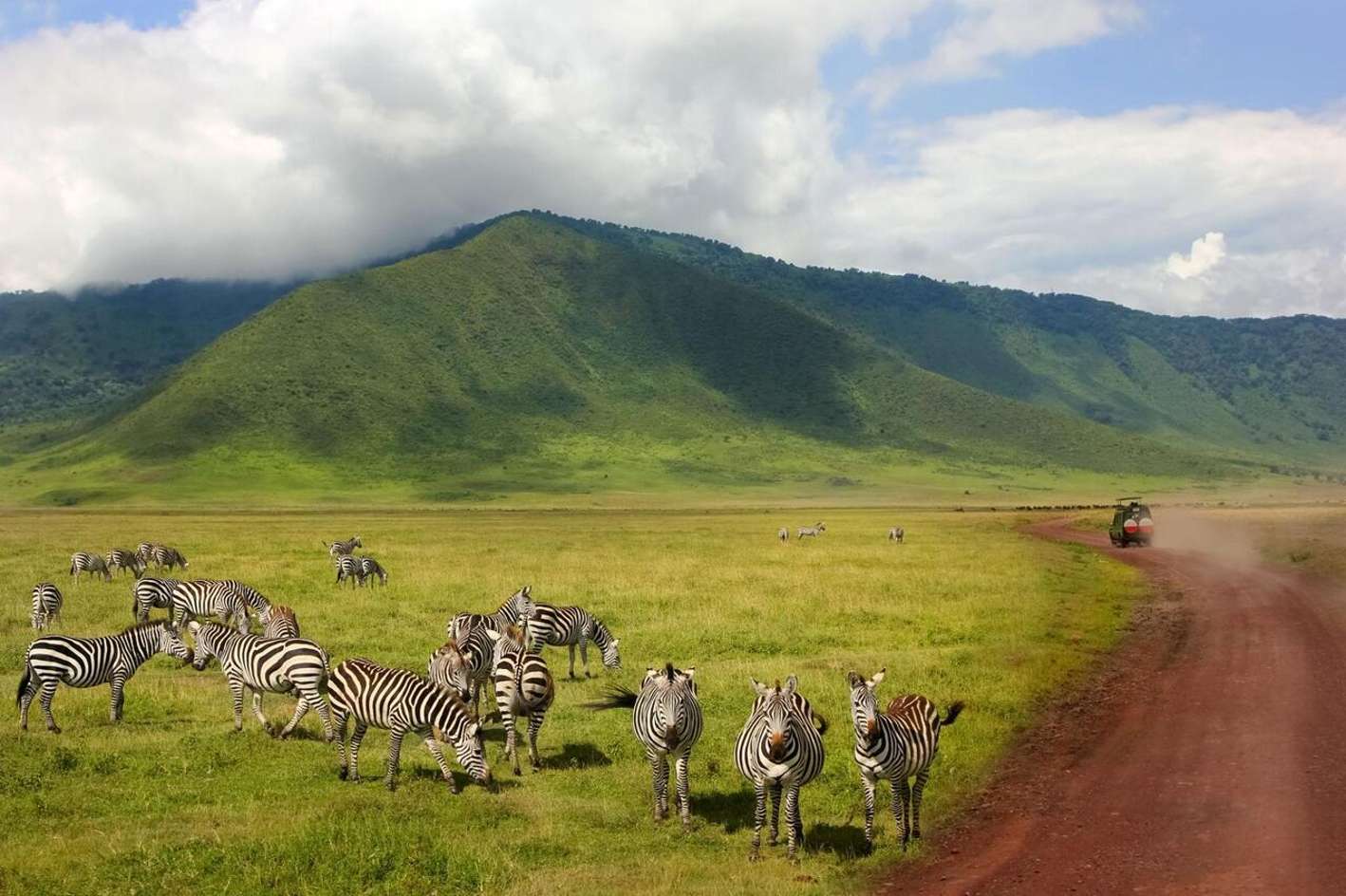
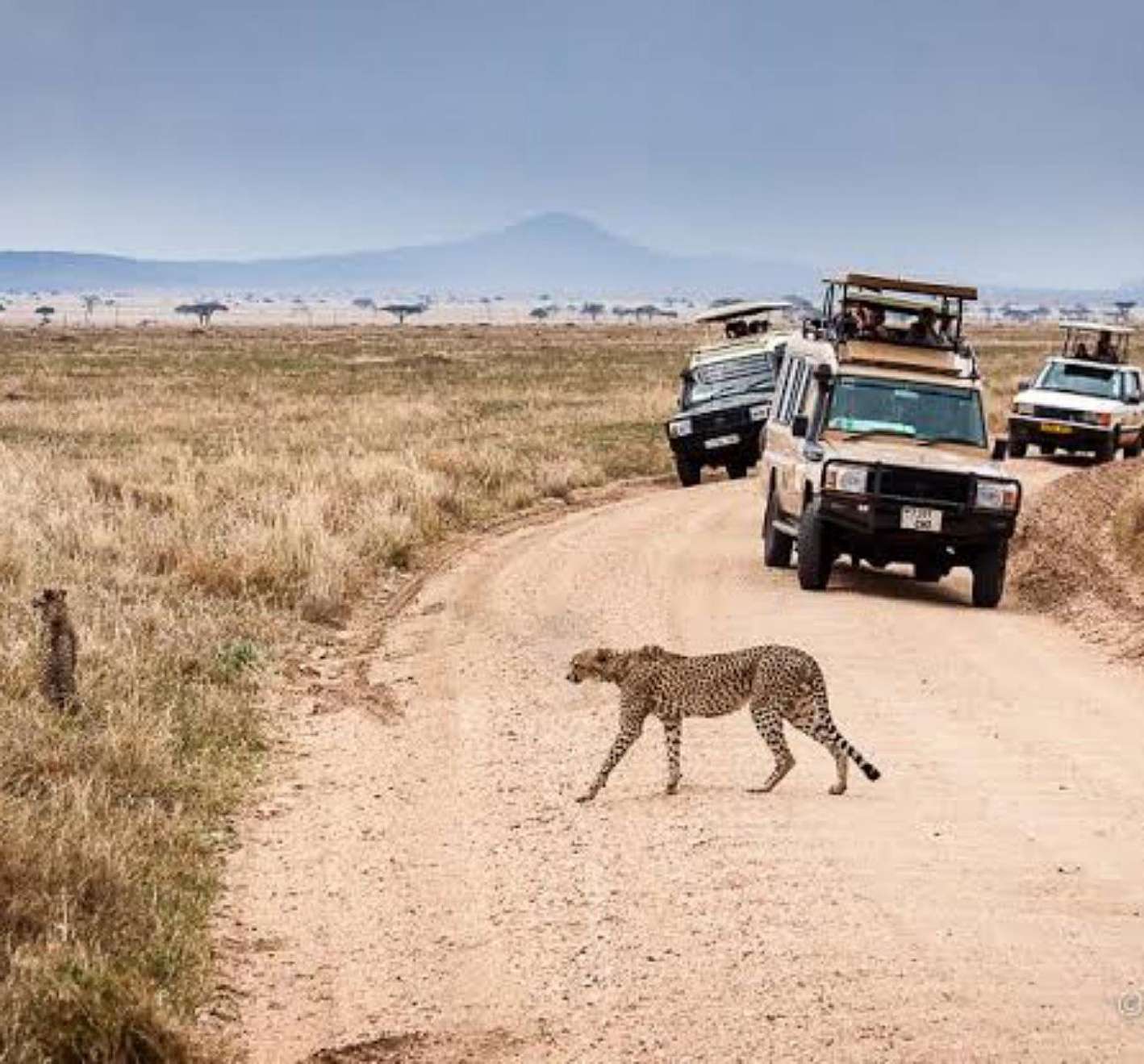
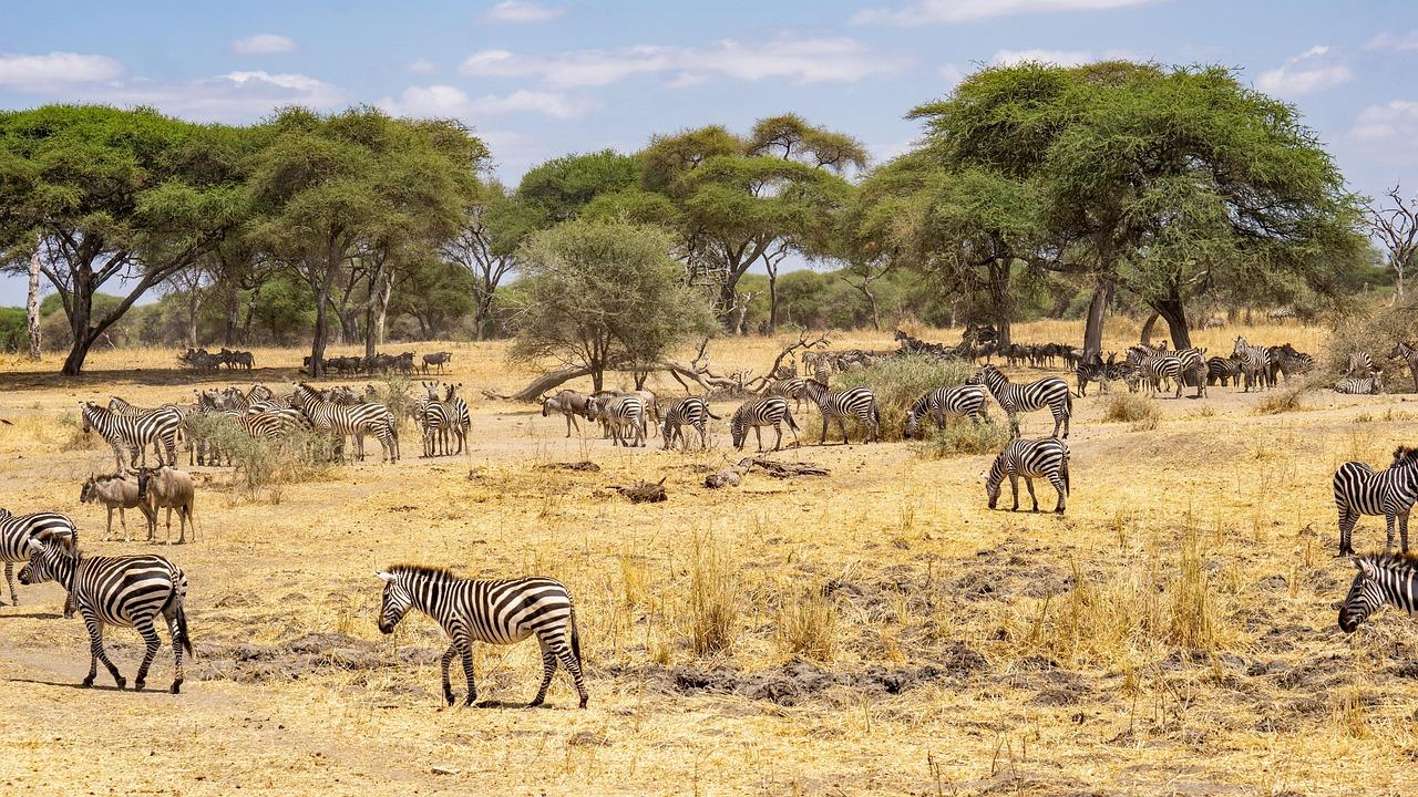
Three landscapes, three different honeymoons. The Serengeti is the vast one: territory so large that vehicles spread out instead of queueing, with resident big cats abundant year-round and predator sightings several times a day. It outspaces Kenya's Maasai Mara, where herds and cars bunch at the river crossings.
Mikumi suits couples who want comfort and flexibility without the northern vehicle convoys. Resident wildlife and grazers stay rich all year, though predators show up far less often.
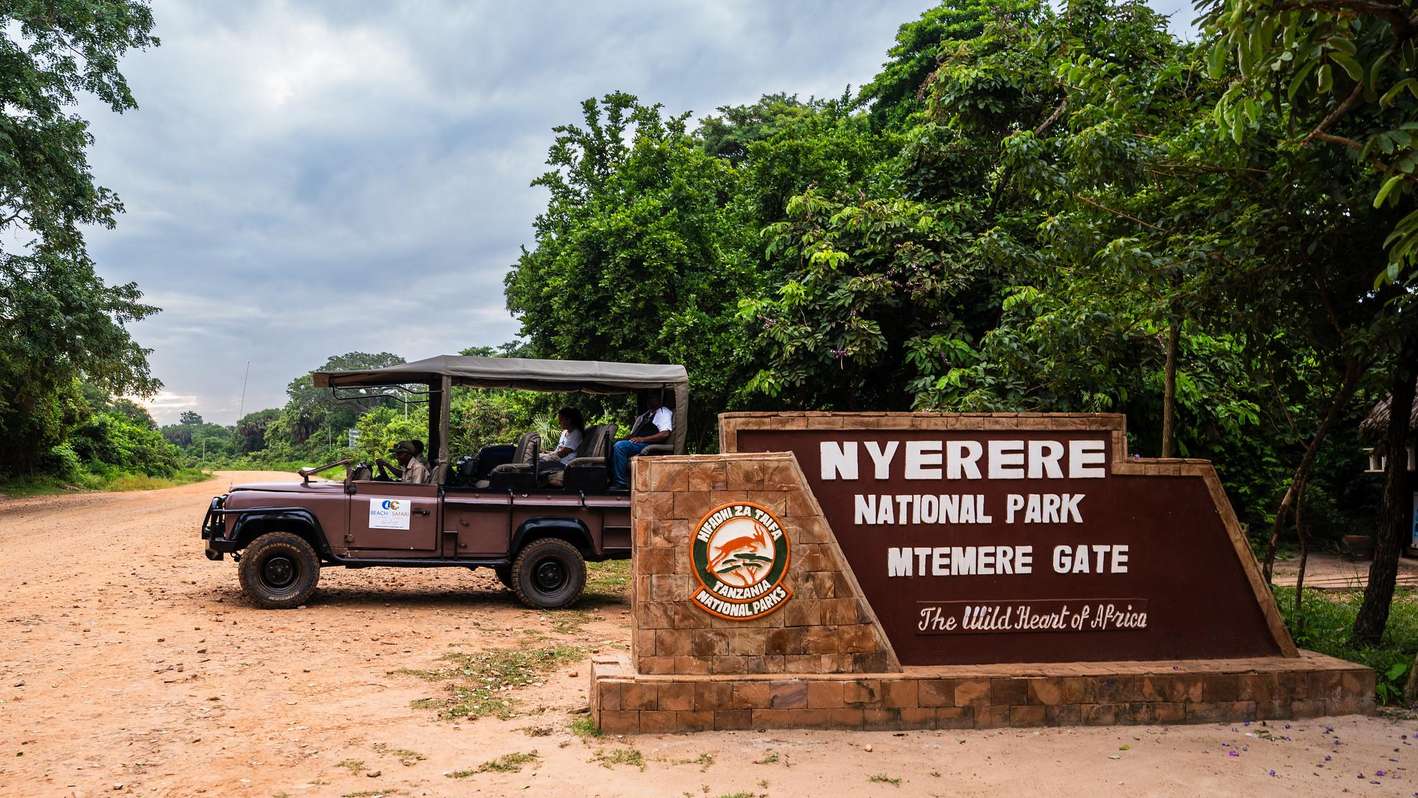
Nyerere is the crowd-free one, with sprawling lakes and boat safaris along the Rufiji River and far fewer vehicles than the northern parks; its animals are more dispersed, so the guide works harder to find them.
How to choose a honeymoon safari itinerary
Check
Why it matters
Our pick
Private vehicle guaranteed
Game drives stay an experience for two, with your own schedule
The private option includes a private 4x4 with pop-up roof throughout
Nights per park
Two nights minimum keeps mornings in the field instead of on the road
Three nights' safari accommodation across the route
Road time between parks
Long corrugated transfers exhaust couples after a wedding
The route runs Tarangire, Serengeti, Ngorongoro in four days
The closest bookable match for the classic version is the From Arusha: 4-Day Private Safari to Serengeti & Ngorongoro, which covers Tarangire, the Serengeti plains and the crater in your own pop-up-roof vehicle with a dedicated guide.
Tour for this
Zanzibar: 2-Day Private Magical Ngorongoro Crater Safari5.0★ (2) · 2 days · Hotel pickup · Free cancellation
The transit question out of Arusha is really a question about your back. Overland from Arusha to central Serengeti takes six to eight hours without stops, and gate formalities and corrugated gravel can stretch a full transfer toward nine or ten. Even the crater rim leg runs three to four hours.
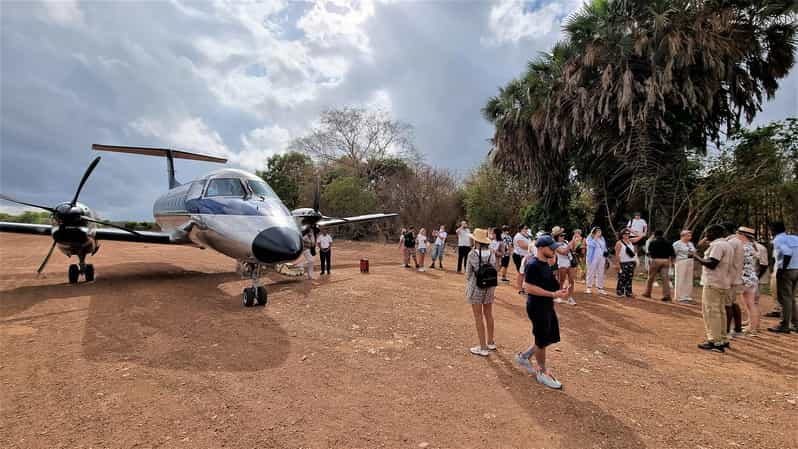
A bush flight into Seronera Airstrip saves more than seven hours of driving and skips the worst of the washboard road, and the approach itself is part of the pleasure: small prop planes dropping onto dirt strips with wildlife spotted from the air.
The compromise regulars like is flying one way, then driving down through Ngorongoro, which removes a full day of retracing the same rough track.
From Zanzibar, nonstop flights to Seronera take roughly two to two and a quarter hours, with connections via Arusha or Lake Manyara running about four. For the northern circuit as a whole, the smart routing is flying into Kilimanjaro and home from Zanzibar, which removes the backtrack across the country.
The From Zanzibar: 2-Day Serengeti Park Safari Trip with Flights does exactly that, landing on Seronera airstrip with private game drives and a night just outside the park. Book early; northern flight seats are few.
Tour for this
From Zanzibar: 2-Day, 1-Night Selous GR Safari with Flights4.9★ (40) · 2 days · Hotel pickup · Free cancellation
A honeymoon safari day trip from your Zanzibar resort
Couples who cannot spare a week still have a real option. Mikumi National Park lies roughly 470 kilometers from Zanzibar, and a direct flight to its Kikoboga Airstrip takes 40 minutes to an hour, against six and a half to seven and a half hours by ferry and road.
The day starts early. Hotel pickups begin around 4 am for charter flights leaving Zanzibar near 6:30 am.
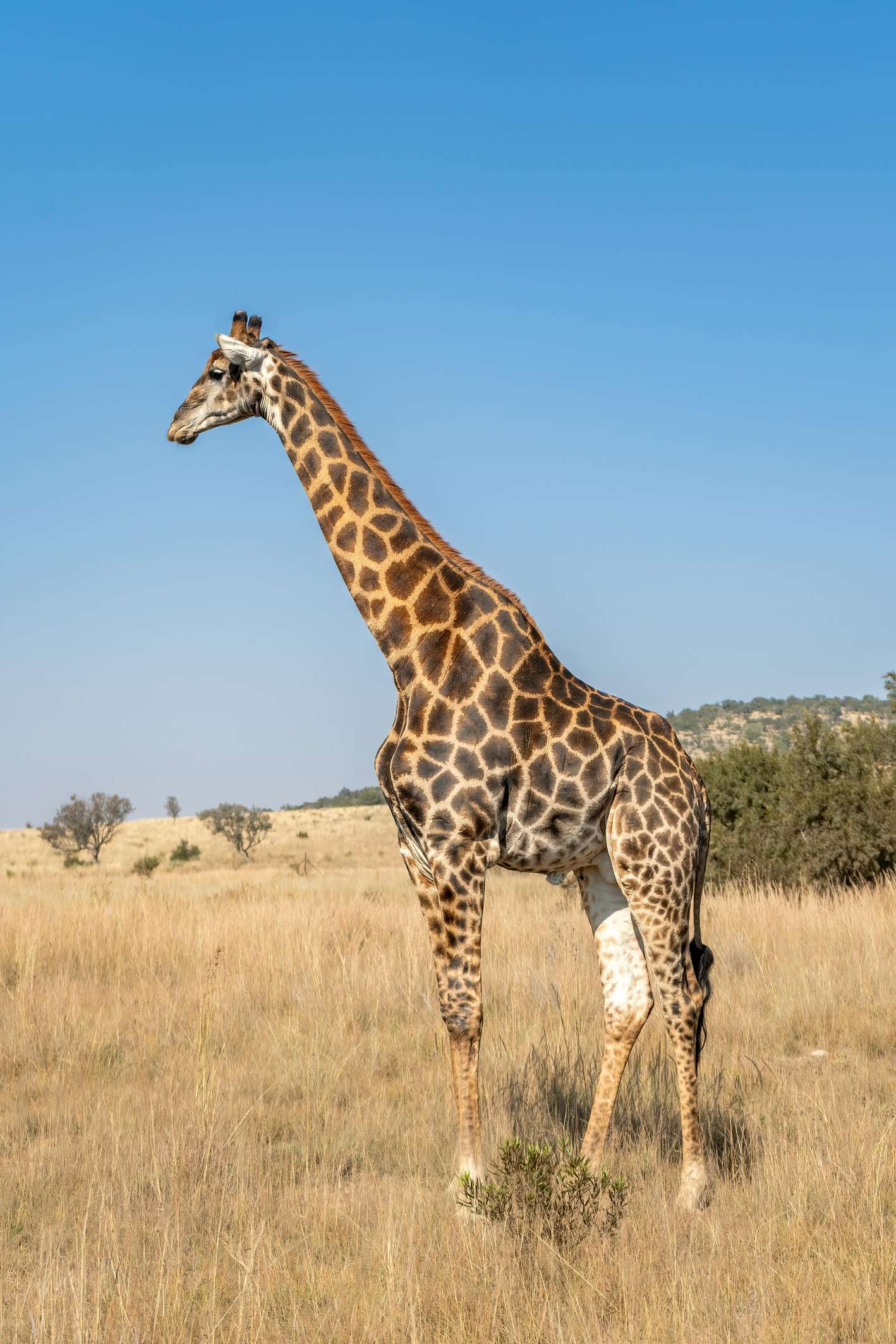
From the airstrip inside the park, a full day of game viewing follows, six to seven hours of it, with lions, elephants, giraffes and hippos on the list and a picnic lunch in the bush. The flight back lands in time for sunset on the beach.
A traveler's note
Great one-day safari from Zanzibar, a bit tiring but worth it. Saw impalas, giraffes, elephants, hippos, zebras, birds, even one lion. Well organized and authentic.
Is the airfare worth it? For a genuine taste of the bush without losing beach days, yes: the fly-in format removes the punishing road transfers and delivers worthwhile hours with animals. The Exclusive Mikumi Day Safari from Zanzibar by Flight runs the whole sequence, transfers, flights, private guide and bush lunch included.
Tour for this
Exclusive Mikumi Day Safari from Zanzibar by Flight4.1★ (41) · 1 day · Hotel pickup · Free cancellation
The night shapes the trip as much as the drives. At the simple end, camping safaris mean ground tents with foam mattresses, sleeping bags and shared bathroom blocks, an adventure where animals sometimes wander past after dark.
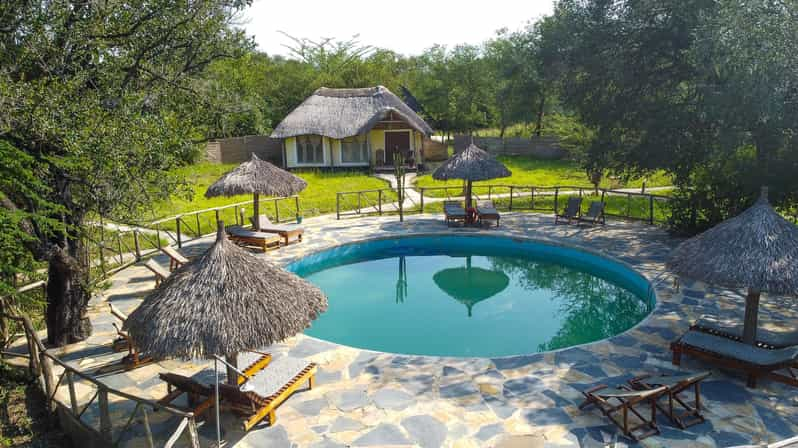
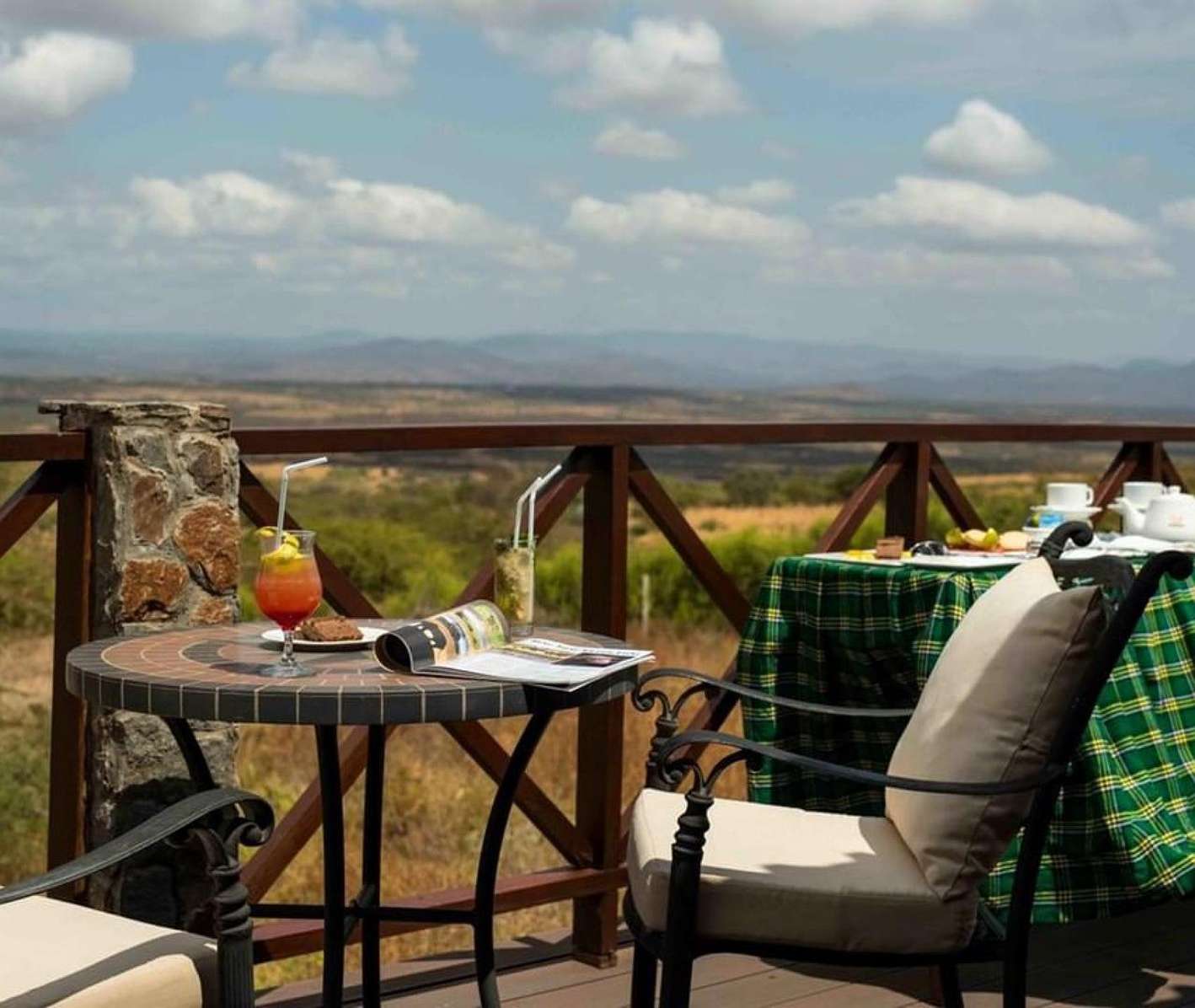
Mid-range permanent tented camps step up to standing canvas rooms with real beds and private bathrooms with hot running water.
At the top, authentic mobile bush camps and river lodges trade electric air conditioning for overhead fans and hot bucket showers, and that is part of the charm.
One practical wrinkle: some camps run on solar power, so in-room electricity covers lighting only, and camera batteries and phones charge in the common areas. Plan the charging window before dinner.
The choice that decides the romance is scale, not star rating. Large corporate lodges in central Serengeti sit in busy surroundings, and travelers who wanted seclusion say the atmosphere feels more like a hotel than the bush.
Small intimate tented camps are what couples point each other to, for quiet evenings and staff who know your names by the second night.
Tour for this
Private 4x4 Vitara Safari in Arusha National Park4.3★ (6) · 8 hours · Hotel pickup · Free cancellation
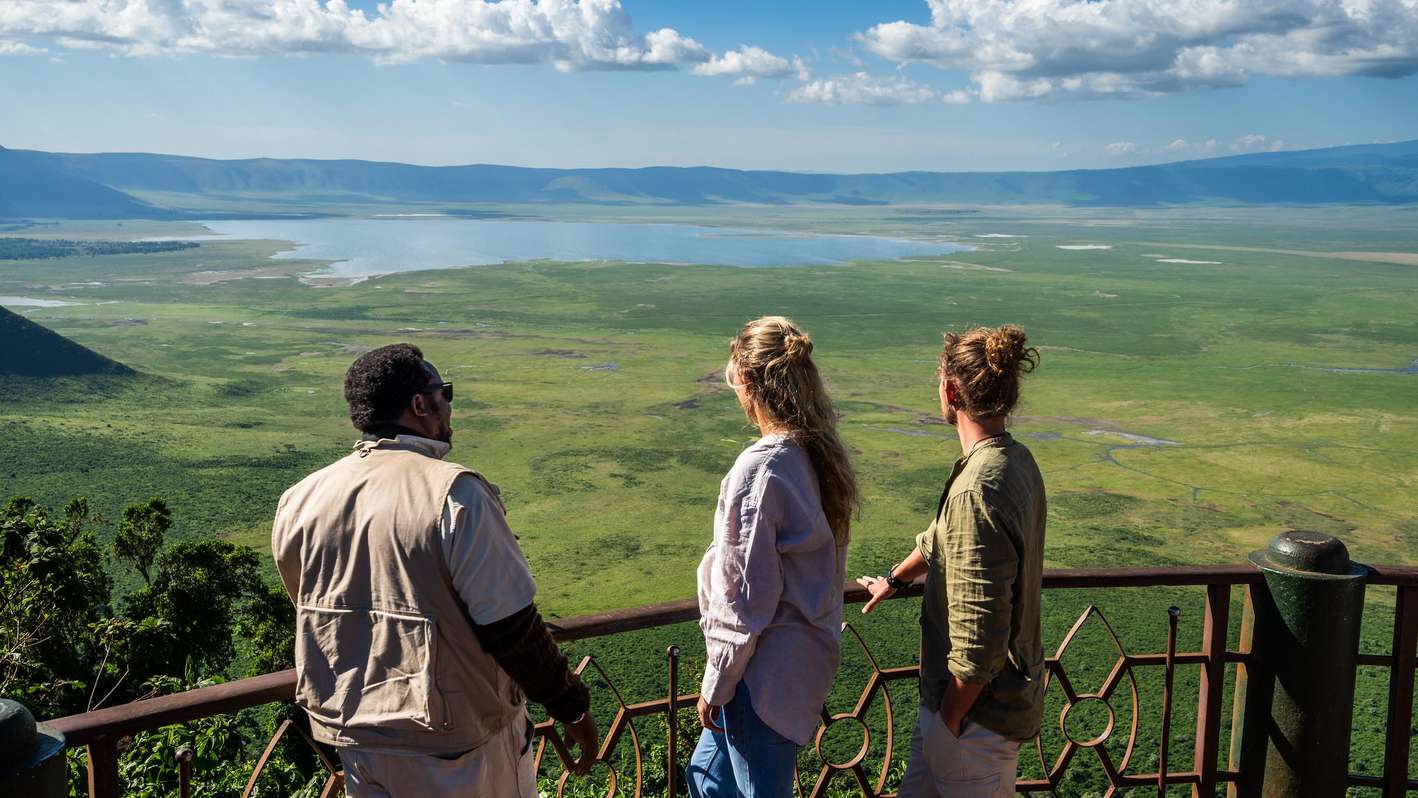
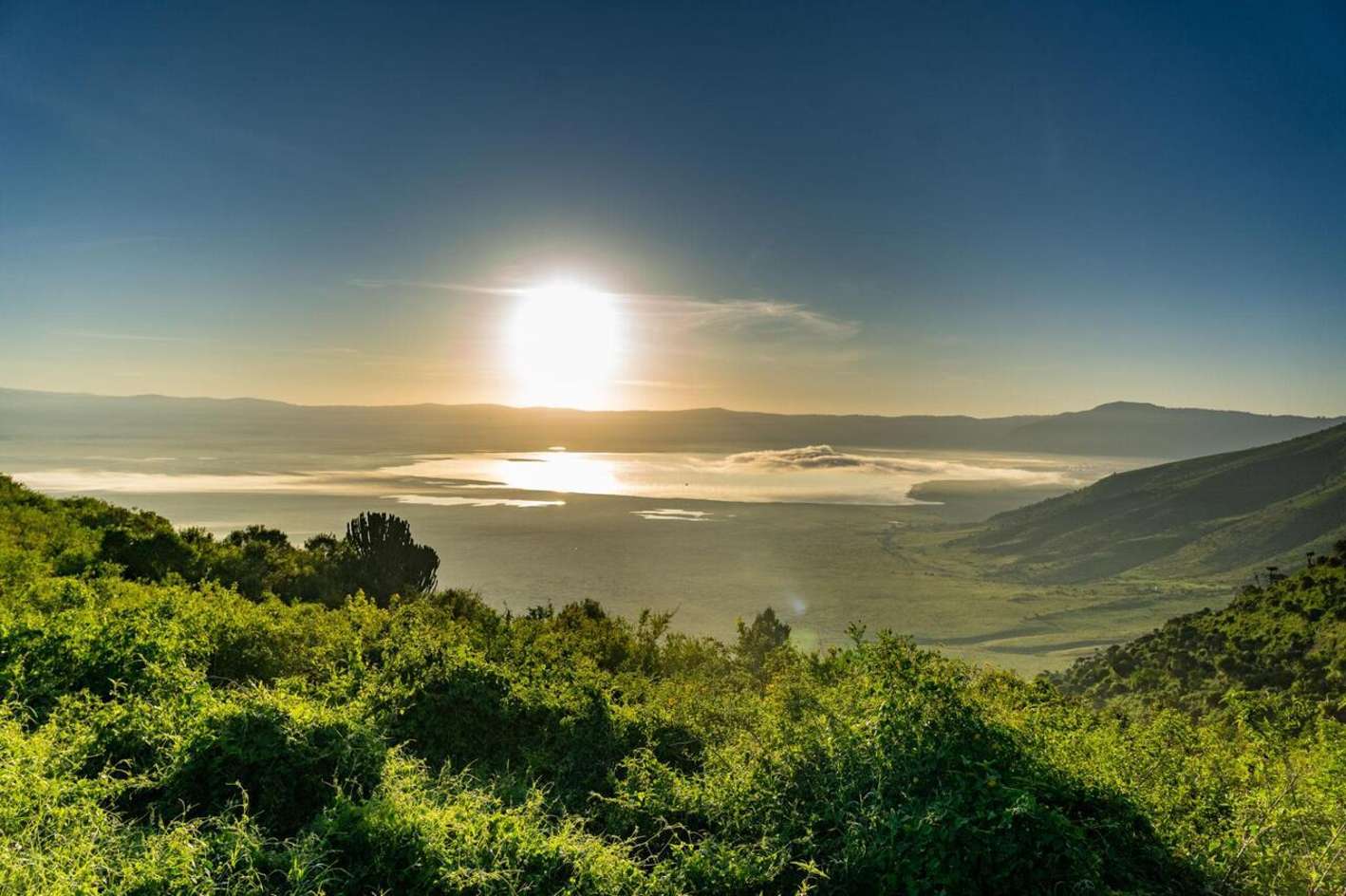
The range a honeymoon safari covers surprises first-timers. Dawn on the Ngorongoro Crater rim sits around 5 degrees, near the cold of a refrigerator shelf; by midday on the plains you are rolling the windows down into heat.
The fix is layers: lightweight neutral clothing, then a sweater and warm jacket and socks for the early drives.
Dust is the other constant, thrown up by every vehicle ahead. Long sleeves, closed shoes, a sun hat, sunglasses and a scarf for face and neck handle most of it.
Packing checklist for Tanzania honeymoon safaris
Soft-sided duffel bagBush planes and safari jeeps require soft luggage, with operator limits starting at 10 kg per person; hotels hold surplus bags.
Warm jacket and sweaterNgorongoro Crater rim temperatures drop to around 5°C in the early mornings and evenings before heating up during daytime drives.
Scarf and sunglassesDry roads generate heavy dust clouds from other safari vehicles, requiring face and eye protection inside pop-up vehicles.
Neutral long-sleeve shirtsLong sleeves protect against dust and sun, while neutral tones such as beige, white, and green blend with the savannah.
Warm socksCrater mornings and chilly camp evenings drop near 5°C before open-roof game viewing begins.
Closed walking shoesTour operators specify closed, supportive footwear for rough vehicle footing, transfer stops, and campsite terrain.
Luggage has its own rule on bush flights: soft-sided duffels, with operator limits starting at 10 kilograms per person, and your base hotel holds the surplus. Hard-shell suitcases simply do not fit the hold.
Then the rule people learn the hard way: leave dark blue and black at home. Tsetse flies are visually drawn to those shades, the same colors used in baited fly traps, and the bites hurt.
No repellent reliably saves you, since DEET and permethrin have not proven effective. Khaki, beige, tan and olive are the working wardrobe.
The paperwork morning comes early in the planning, and most of it is simpler than couples fear. Your passport needs six months of validity beyond arrival and a page or two free for stamps.
One Tanzanian visa covers both the mainland and Zanzibar, applied for through the official e-Visa portal or on arrival at the major airports, with proof of accommodation and a return ticket requested at entry.
Yellow fever proof is only required if you arrive from, or transit twelve hours or more through, an endemic country, and the vaccine must be given at least ten days before travel. Zanzibar requires every visitor to hold inbound travel insurance under its mandatory scheme.
Three rules that can stop the trip
Yellow fever certificate needed only after 12+ hours in an endemic country, valid 10 days after the jab Get vaccinated well before departure, or carry a medical waiver letter if you cannot Travelers from referral-visa countries need approval before flying Check your nationality's requirement and secure the referral visa at home Single-use plastic carrier bags are banned nationwide and confiscated on arrival Pack toiletries in clear zip-top bags instead
On money beyond the package price: park admission runs to several tens of dollars a day, the crater adds a flat vehicle descent fee, tipping guides ten to twenty dollars a day is customary, and operators typically ask a 30 to 50 percent deposit to hold the booking.
In Zanzibar, modest dress covering shoulders and knees applies outside the resorts.
Honeymoon safari safety and weather
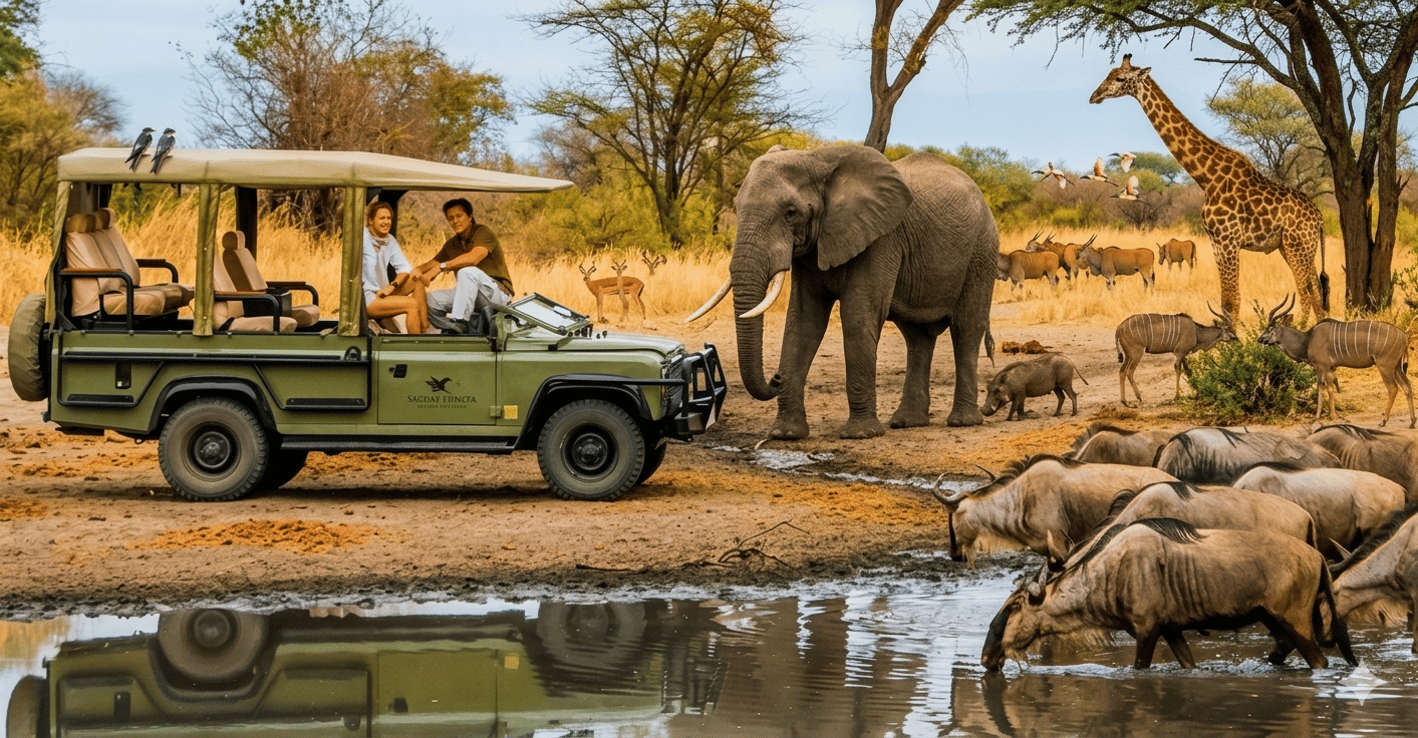
The safety picture on a private safari is calmer than most couples imagine. You stay inside a sturdy vehicle the whole time, and the lions and elephants you approach are accustomed to cars; guides position the jeep close enough for front-row views precisely because the animals ignore the car.
The rules that keep it that way: no stepping out except at designated picnic and restroom sites, no feeding or touching animals, and vehicles stay on the marked tracks, with off-road driving banned even on the crater floor.
Sightings are never guaranteed, and that is the honest part. Guides network by radio across the park to chase down rarer finds like lions, which is often how the best moments happen. Drones are strictly not allowed in the Serengeti.
If weather changes the plan
If this happens
What happens then
A Mikumi day flight safari is canceled for unsafe flying conditions
You are offered an alternative date or a full refund
Weather or airfield conditions between April 1 and June 1 disrupt the schedule
The safari may be postponed, moved up or rerouted; some passengers are flown to Dar es Salaam and transferred by road to Selous
A bush flight delay causes you to miss a connecting flight or activity elsewhere
Operators do not cover missed connections, so leave slack between bookings
Between April and June, build slack into the schedule; tight same-day links are what break.
Beyond the game drive on your honeymoon
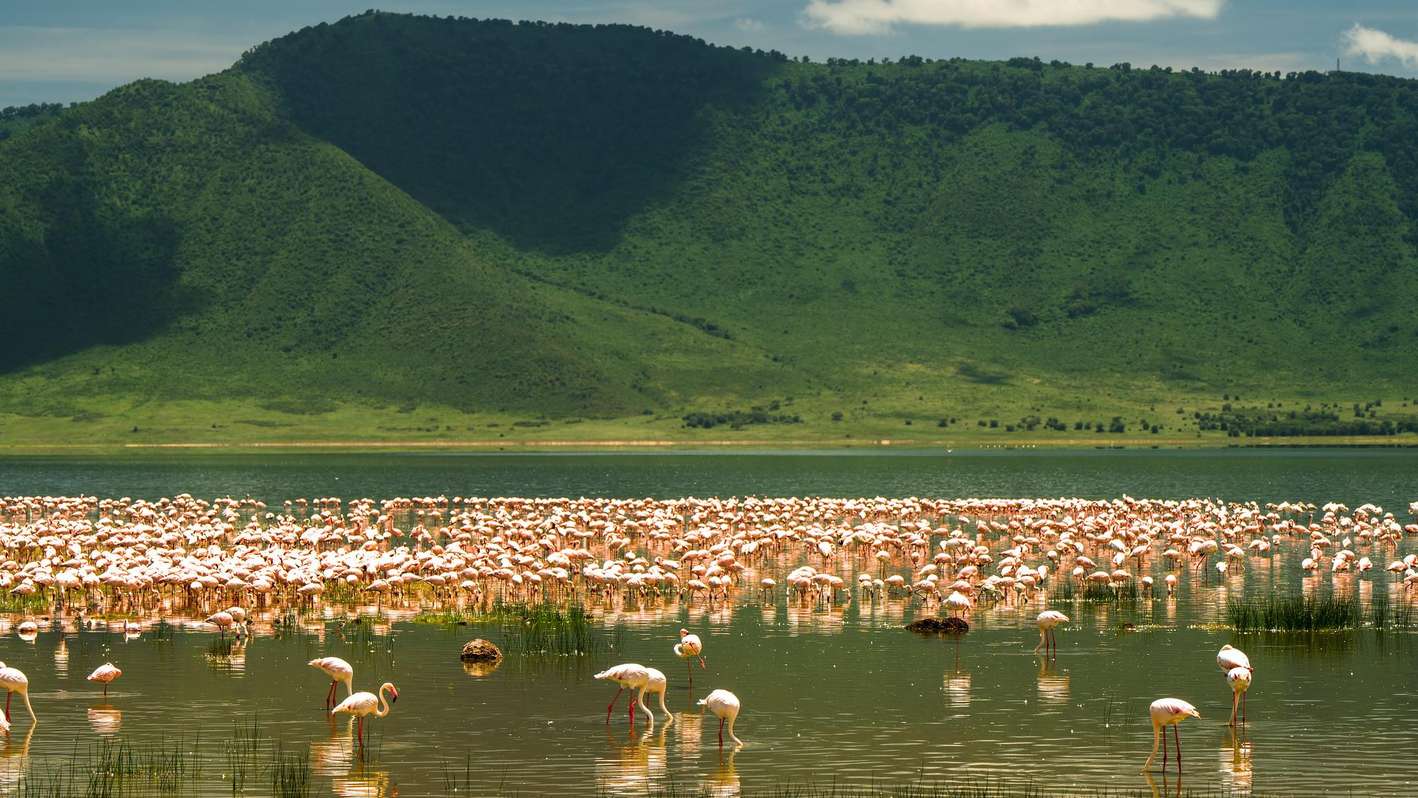
A honeymoon safari leaves room around it, and the add-ons are worth choosing deliberately. Closest to Arusha, Arusha National Park sits only 30 to 40 minutes from the city and takes a full private 4x4 day, eight hours with flamingos on the Momella Lakes and colobus monkeys in the montane forest under Mount Meru.
In the south, Nyerere pairs its game drives with boat safaris along the Rufiji River and across sprawling lakes, with far fewer vehicles than the northern parks; couples who add it call the water perspective the trip's quiet highlight.
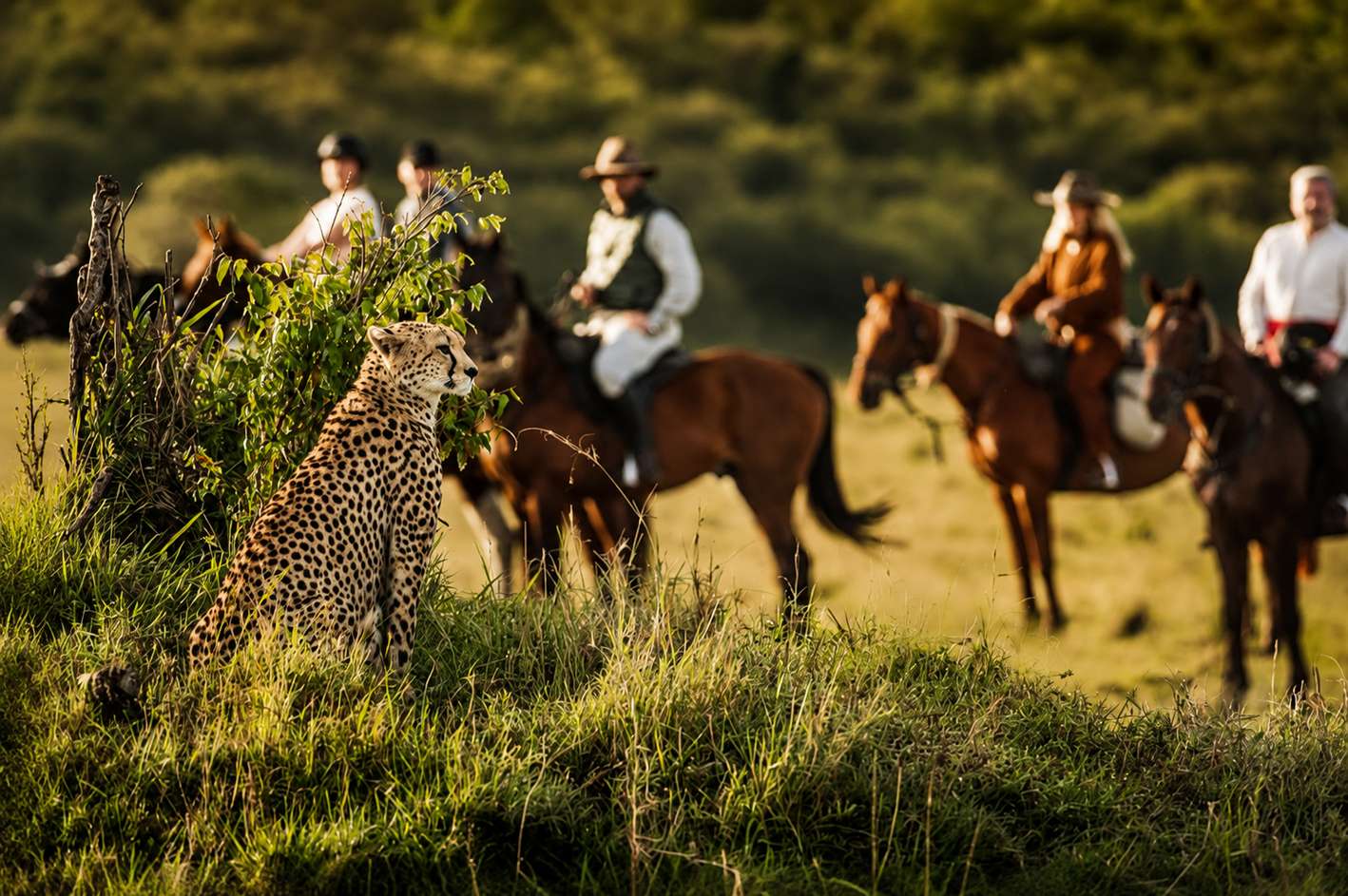
Horseback safaris run with a professional riding guide and a safety briefing, though riding the wild animals is off limits.
On Zanzibar, the sea side of the honeymoon fills itself: full-day dhow and snorkeling trips with lunch on Kwale Island, and a PADI Open Water course if you want to leave certified, which takes two to three days and includes four open water dives.
Bookable safari days to Mikumi or Nyerere can also be arranged directly through Zanzibar resorts, which keeps the logistics off your plate.
More to book around Arusha
Live dates and prices
Worth it, if you book it private and order it right
A Tanzania honeymoon safari works when two decisions are right: a private vehicle for the two of you, and the bush before the beach.
Pick July to September or the June herds, give the mainland four to seven days with real nights in each park, and fly the legs that would otherwise cost you a day of road. Do that and the honeymoon delivers both the lions and the sand.
Go ifYou want game drives for two, on your own schedule, without strangers in the jeepYou can travel between June and October, or catch the June herds in the Western CorridorYou have 8 to 12 days to split between bush and beach
Skip ifYour dates fall in April or May, when heavy rain floods tracks and delays bush flightsYou cannot spare more than a day or two for the mainland and want the full migration experienceYou need air conditioning and hotel-style infrastructure every night of the trip
Our pick to book
Arusha: Best 3-Day Safari to Serengeti & Ngorongoro Crater5.0★ (4) · 3 days · Hotel pickup · Free cancellation
Common honeymoon safari questions from couples in Tanzania
Straight answers to the questions couples ask before booking a safari around their honeymoon.
Arusha2026
Lions at first light, then a picnic in the crater. Book the safari first and save Zanzibar for after. Pack the duffel, not the suitcase.
Can we have a private safari jeep without other travelers in it?
Yes. Booking a private option gives you the entire safari jeep, with your own guide and driver, for every game drive. If six people travel together as a group, a private safari runs throughout the whole trip without any strangers in the vehicle.
Is a Tanzania honeymoon safari safe for two newlyweds alone out there?
It is, as long as you follow the park rules. You stay inside a sturdy vehicle the whole drive, and the animals are used to passing cars. Keep your hands inside, never touch or feed the predators, and step out only at designated picnic and restroom sites.
How many days should the safari part of our trip take?
Plan 4 to 7 days on the mainland safari within a trip of 8 to 12 days overall, then finish with the beach in Zanzibar. Going on safari first and unwinding on the coast afterwards works better than the reverse, so the dusty early mornings get followed by proper rest.
Which month suits a safari plus a Zanzibar beach honeymoon best?
July. The mainland sits in peak dry-season game viewing while Zanzibar has dry, sunny weather and calm seas. July to September as a whole gives you those same conditions across both halves of the trip.
How much time do we lose driving between the northern parks?
Expect 2 to 2.5 hours from Arusha to Tarangire, 2 to 2.5 hours on to the Ngorongoro area, and 4 to 6 hours by road from Ngorongoro to the central Serengeti. Gravel tracks, park speed limits and gate registration stops stretch the longer legs, so build slack into your days.
What will we actually see in the Serengeti on a honeymoon game drive?
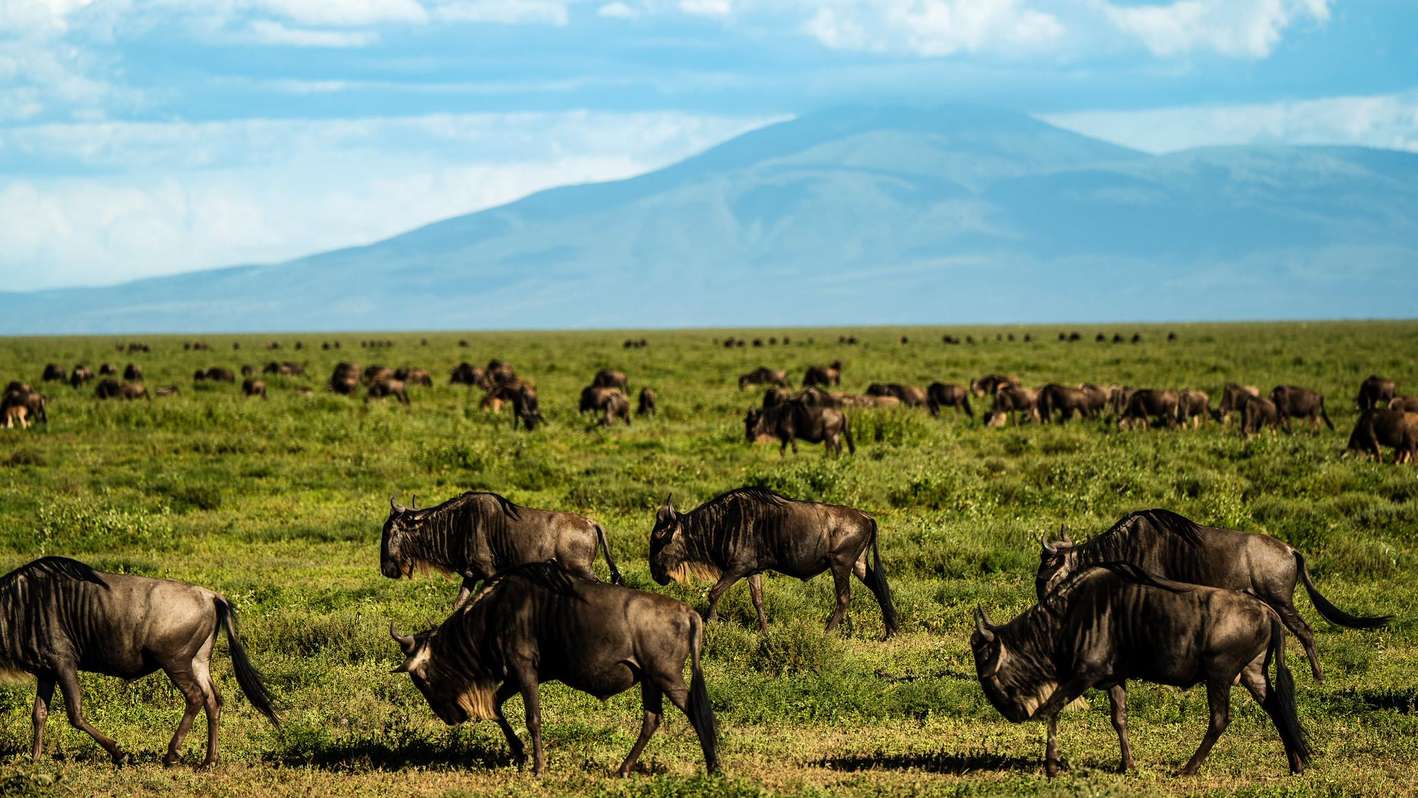
The Serengeti is huge, and resident big cats are abundant year-round, so predator sightings can come several times a day. In early June the dry season begins, the bush thins, and the migration herds gather in the Western Corridor toward the Grumeti River.
Would Mikumi suit us better if we want fewer vehicles around?
Mikumi works well for couples who want comfort and flexibility without the large vehicle convoys of the northern parks. Wildlife stays rich there year-round, though you will see predators less often than in the Serengeti, where big cats appear many times a day.
Is a sunrise balloon flight over the Serengeti worth it for a honeymoon?
For many couples, yes. From the air you can watch lions and hyenas working the herds on open plains. Two things to know: balloons fly fixed zones, so migration views are never guaranteed, and pickups start around 4:30 am with a rough ride to the launch site.
What should we pack for cold mornings and dusty drives?
Dress in layers: light clothes with a warm sweater, socks and a jacket on top, especially around Ngorongoro, where mornings drop to around 5°C. Add long sleeves, closed shoes, a sun hat, sunglasses and a scarf against the dust, all in neutral colors like beige and green.
How much luggage can we bring on the bush flights?
Operators enforce limits starting from 10 kg per person in soft-sided duffel bags, so the bags fit the small planes and the jeep. Leave hard-shell cases behind and store anything extra at your base hotel before you fly.
Do we pay park fees in cash at the gate on a private safari?
Usually you will not handle cash at all. Tanzania's national parks run cashless payment systems that take credit cards and electronic government gateways, and on guided bookings the park fees are bundled into the package price.
How do Ngorongoro Crater and the Serengeti differ on paperwork?
They are separate. The Serengeti takes its own daily entry fees, and Ngorongoro adds a flat vehicle descent fee on top of individual park admission, which is why the crater legs of an itinerary cost a little more per day.
Three days of private Big Five game drives from Tarangire to Ngorongoro Crater, with airport pickup and free cancellation up to 24 hours before you go.