- 1
Leave Dar es Salaam between 4:30 am and 5:30 am; after 6 am the city traffic adds one to two hours.
- 2
September is the best month: dry, thin bush, animals pinned to the rivers.
- 3
Leave the dark blue and black at home; those shades draw tsetse fly bites.
What travelers said - safari from Dar es Salaam
Reviewers most often praise their guide, who they say was friendly, knowledgeable, and quick to spot animals.
Several reviewers did not expect to love the waterfall hike as much as the game drives themselves.
Many reviewers wished they had more time with their guide, whose company made the long days fly by.
 ★★★★★
Highly recommend this trip! The drive is exhausting (about 8h) but perfectly organized - everything.
Grégory · France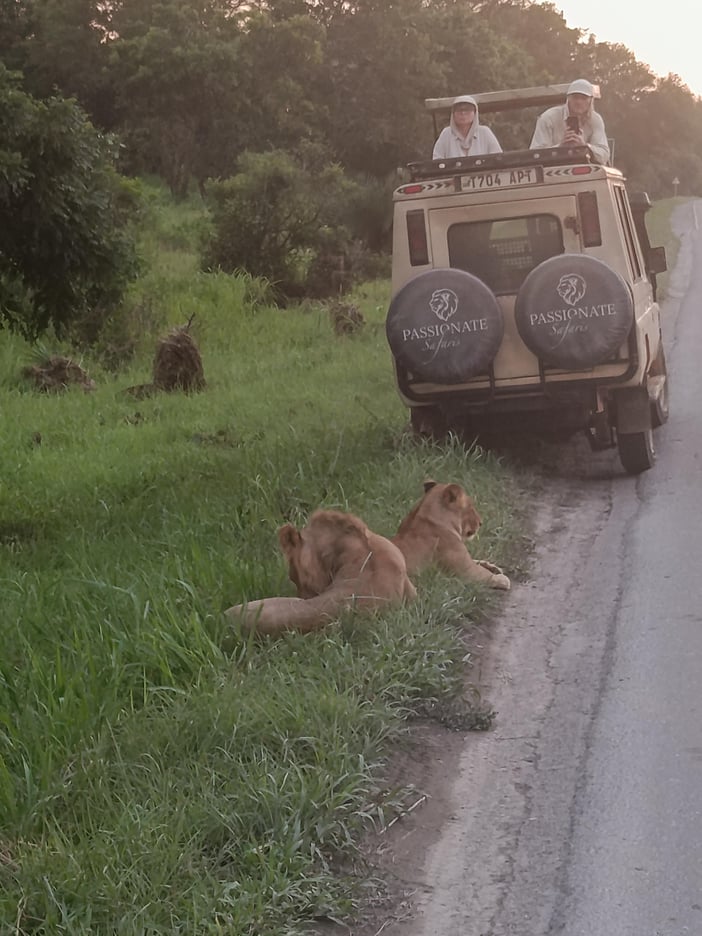 ★★★★★
Two-day safari, wonderful tour. Everything organized down to the last detail - I was the only one in the park.
VITALIY · Georgia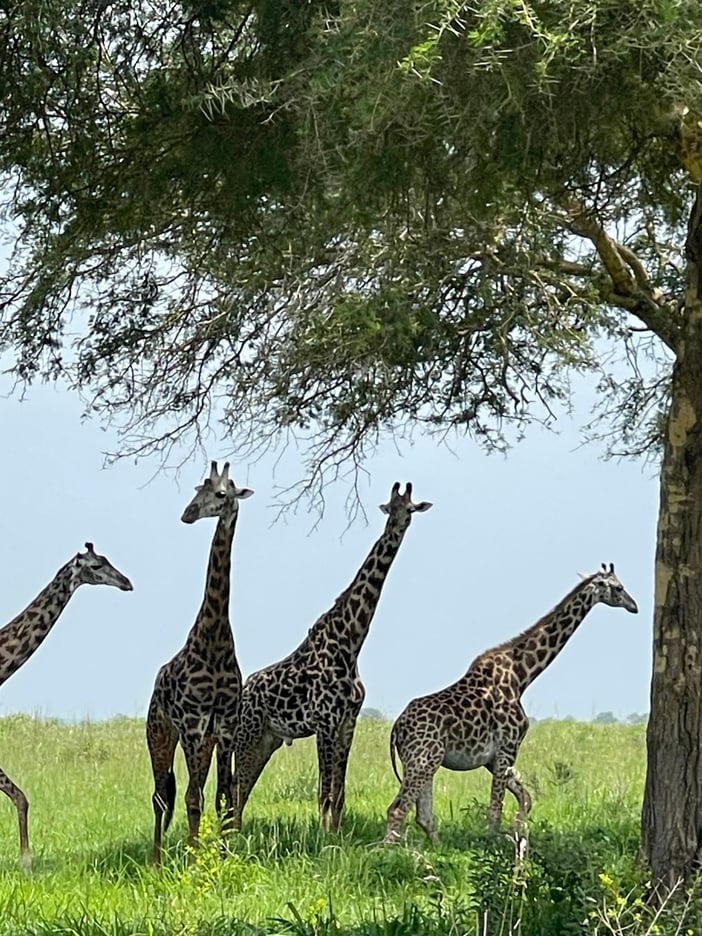 ★★★★★
Super experience! We loved our safari and spotted so many animals! Our guide Tayc is fantastic, skilled and caring.
Nicole · France ★★★★★
Amazing experience, our guide Godfret was a G. So friendly and helpful, we saw loads of amazing animals and loved the waterfall hike. Would defo recommend it!
Sahil · United Kingdom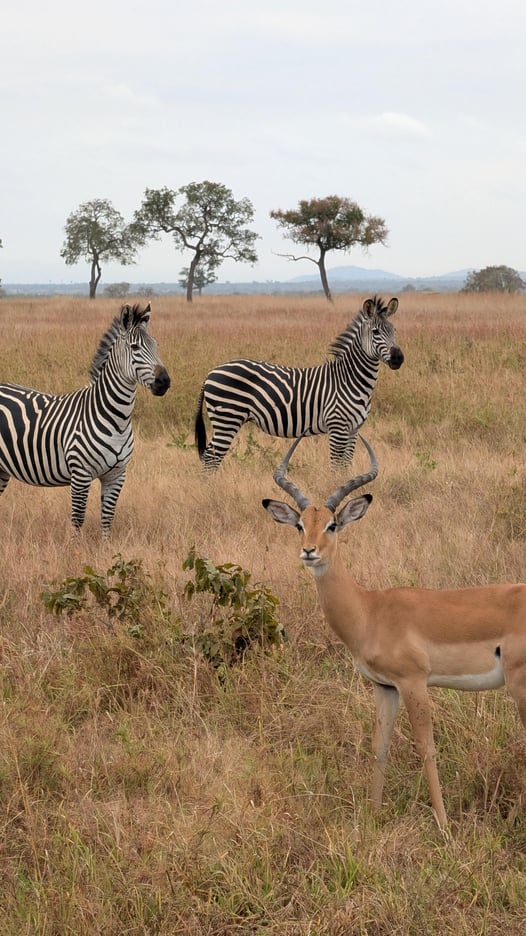 ★★★★★
Everything perfectly organized from pickup to safari and return. Loved the lodge - quiet, beautifully designed, meals outdoors.
Zsuzsanna · Germany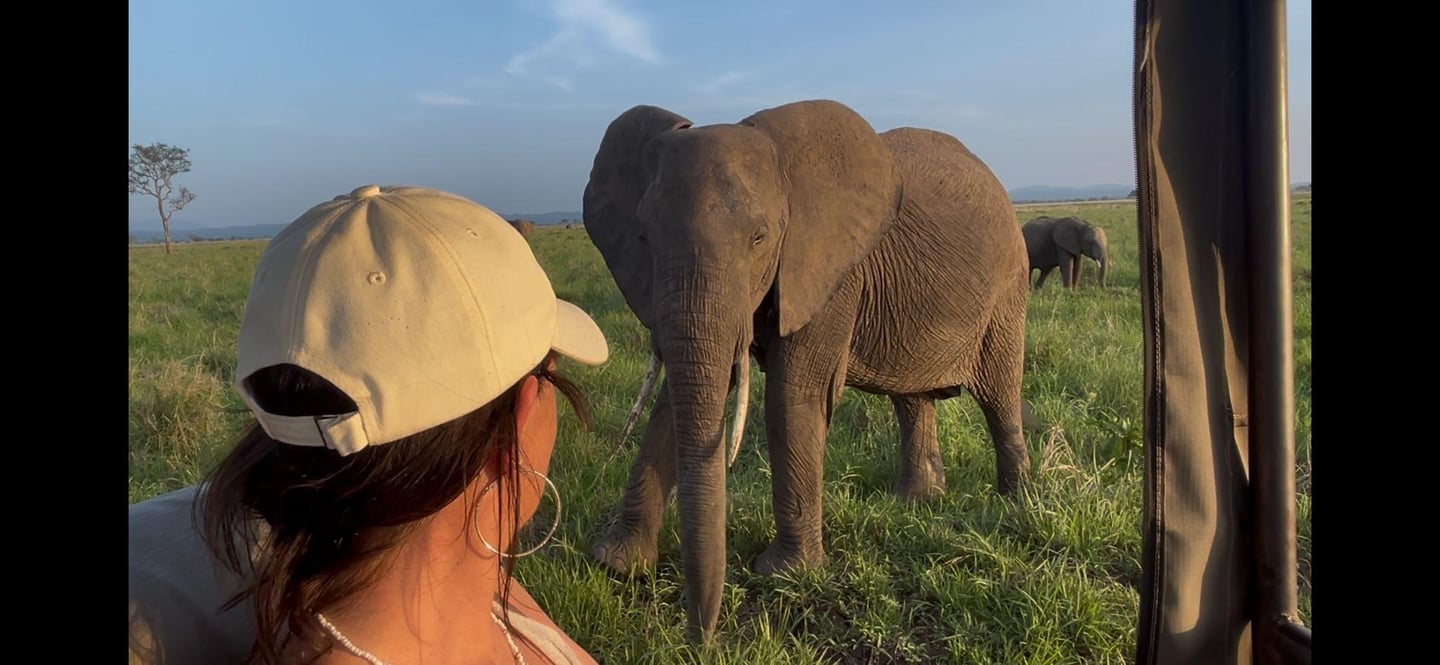 ★★★★★
Our host Shine, ranger Stefano, and driver Jackson were incredibly friendly and attentive. The whole tour went smoothly and we felt well looked after with Lilondo Tours. 100% recommend!
Claudia · Germany ★★★★★
100000/10. One of the most beautiful experiences I've ever had. Our guide was kind and attentive, taught us so much about the park's history and animal behavior.
Laetitia · Austria
Why a safari from Dar es Salaam to the southern parks is worth it
The express train pulls out of the harbour city and reaches Morogoro in about 100 minutes, sliding past the highway crawl and its police checkpoints.
From Morogoro a road transfer of roughly 1 hour 40 minutes carries you on to the Mikumi gate. Door to gate, that is 3.5 to 5 hours, against 4 to 6 hours or worse by road alone over the full 302 kilometres.
A train seat wins the morning back. The direct drive may look simpler, but it sits in the same suburban bottlenecks that stall the city every day, and the difference is roughly two hours of your trip.
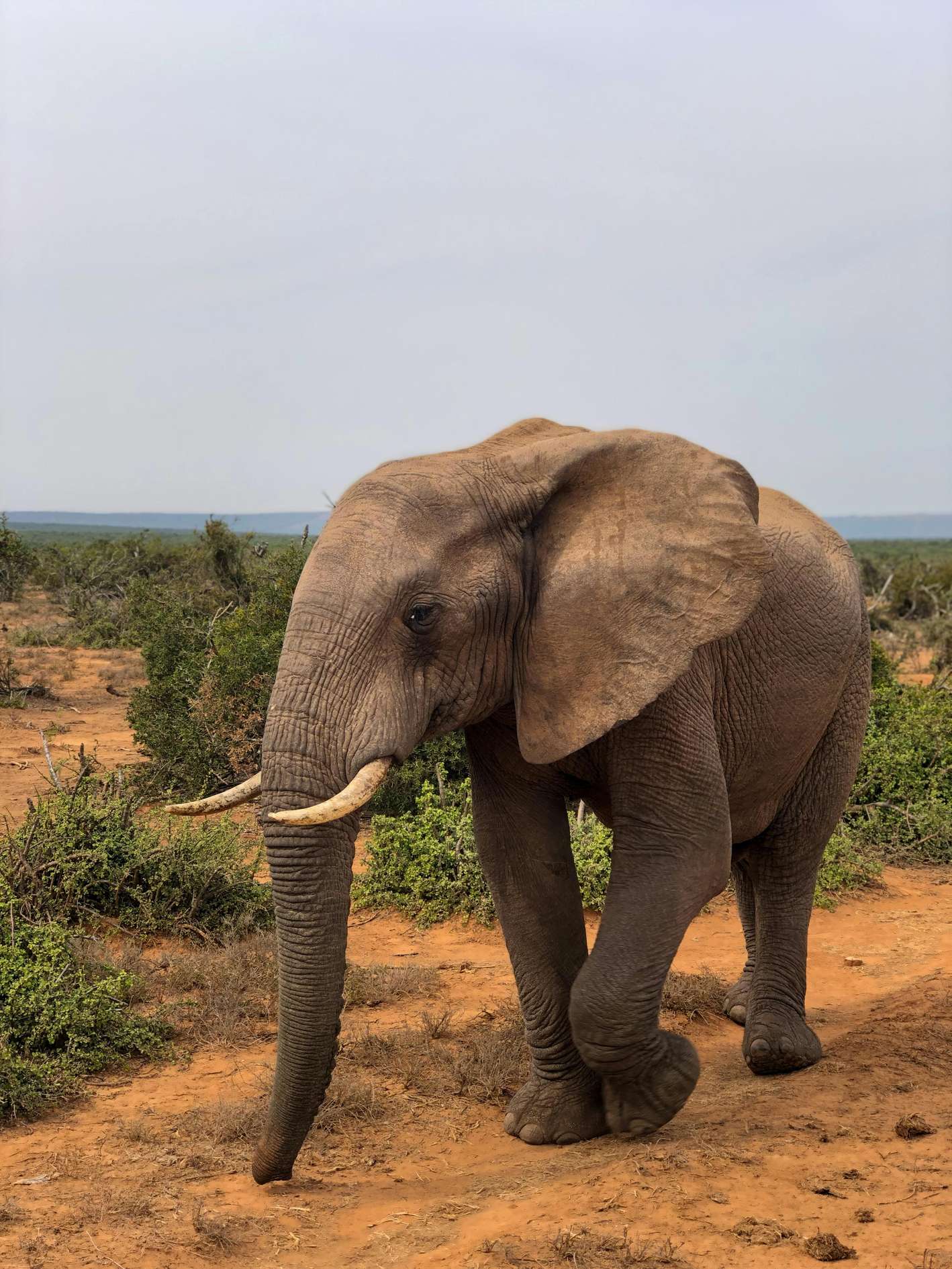
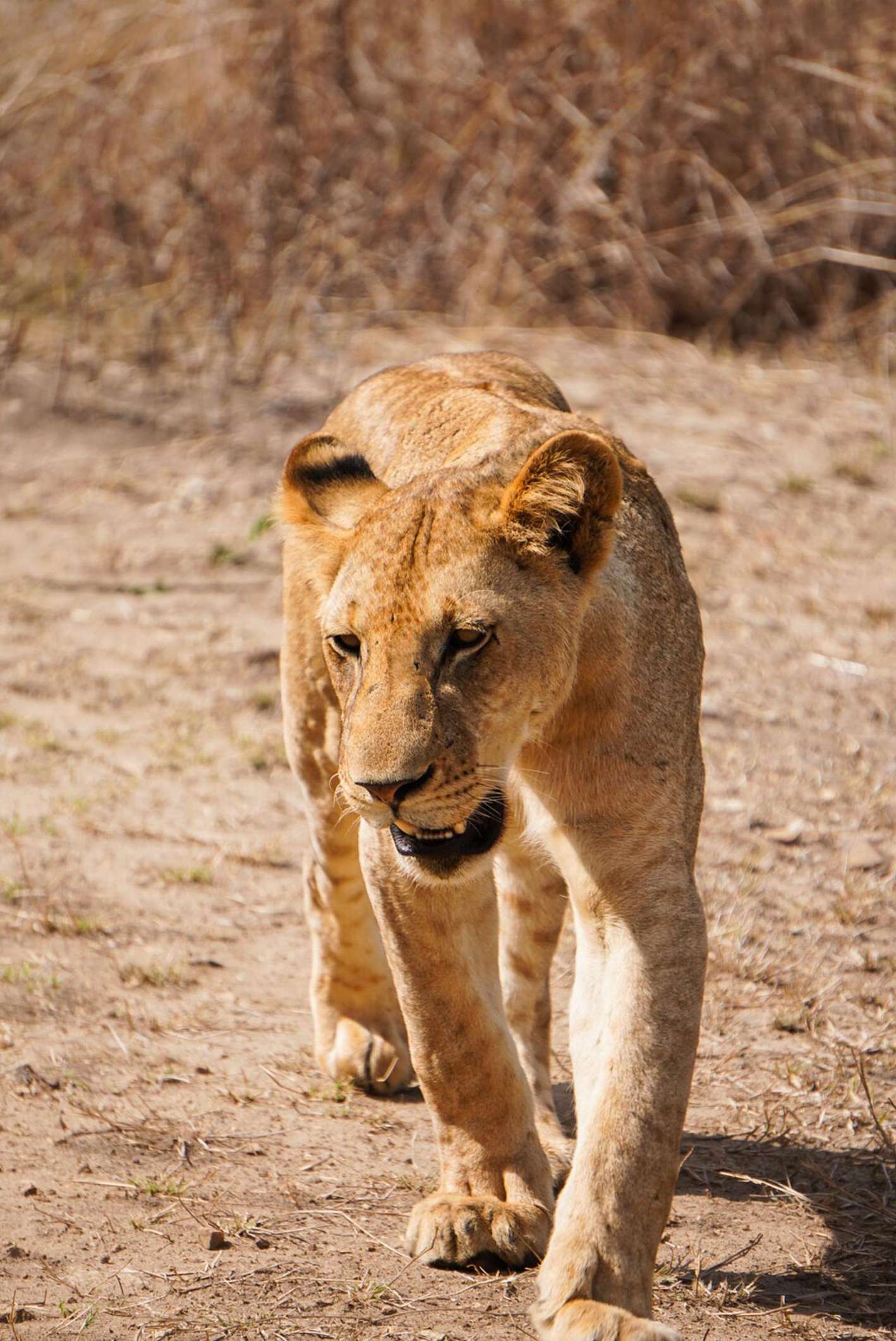
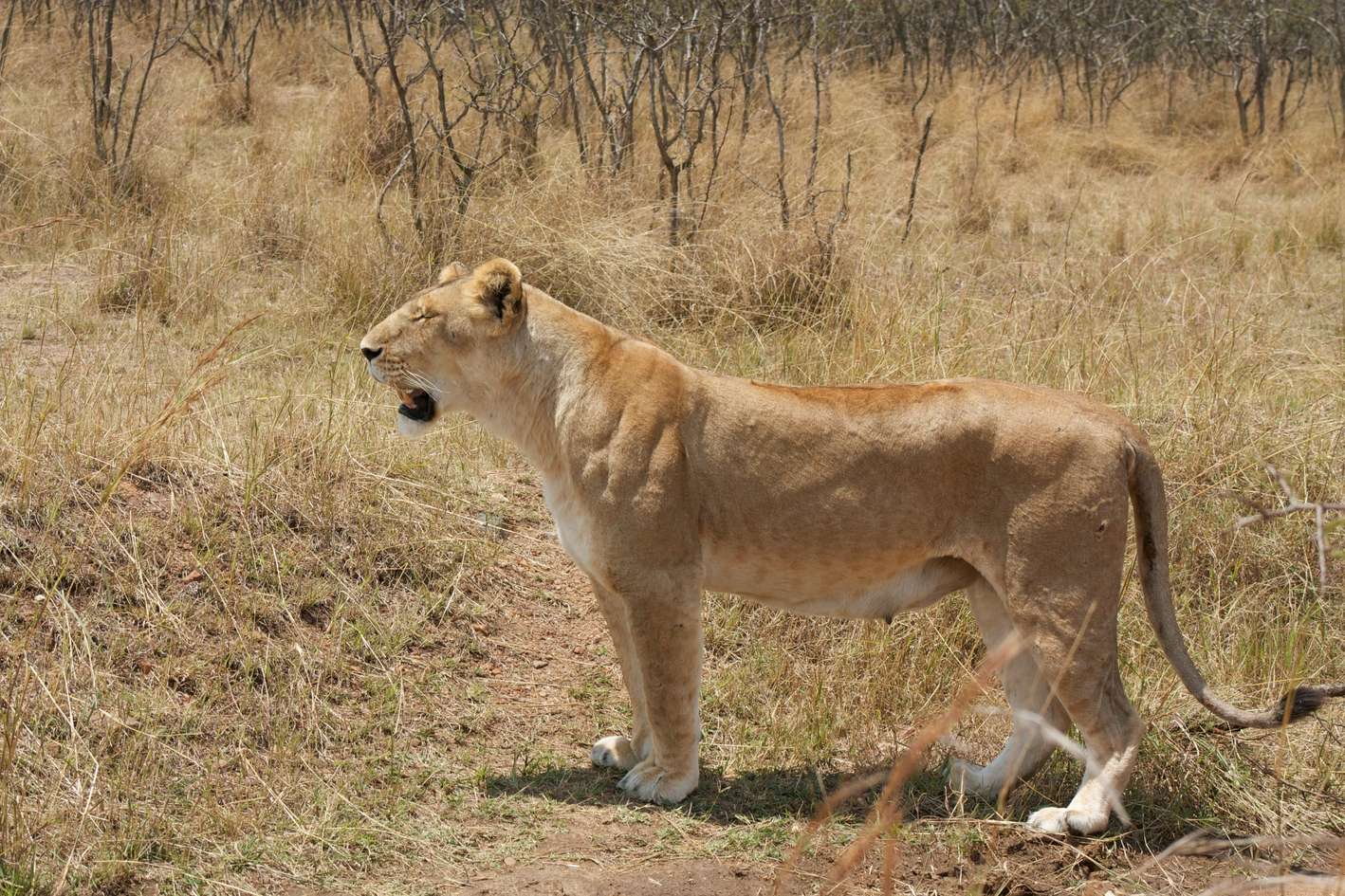
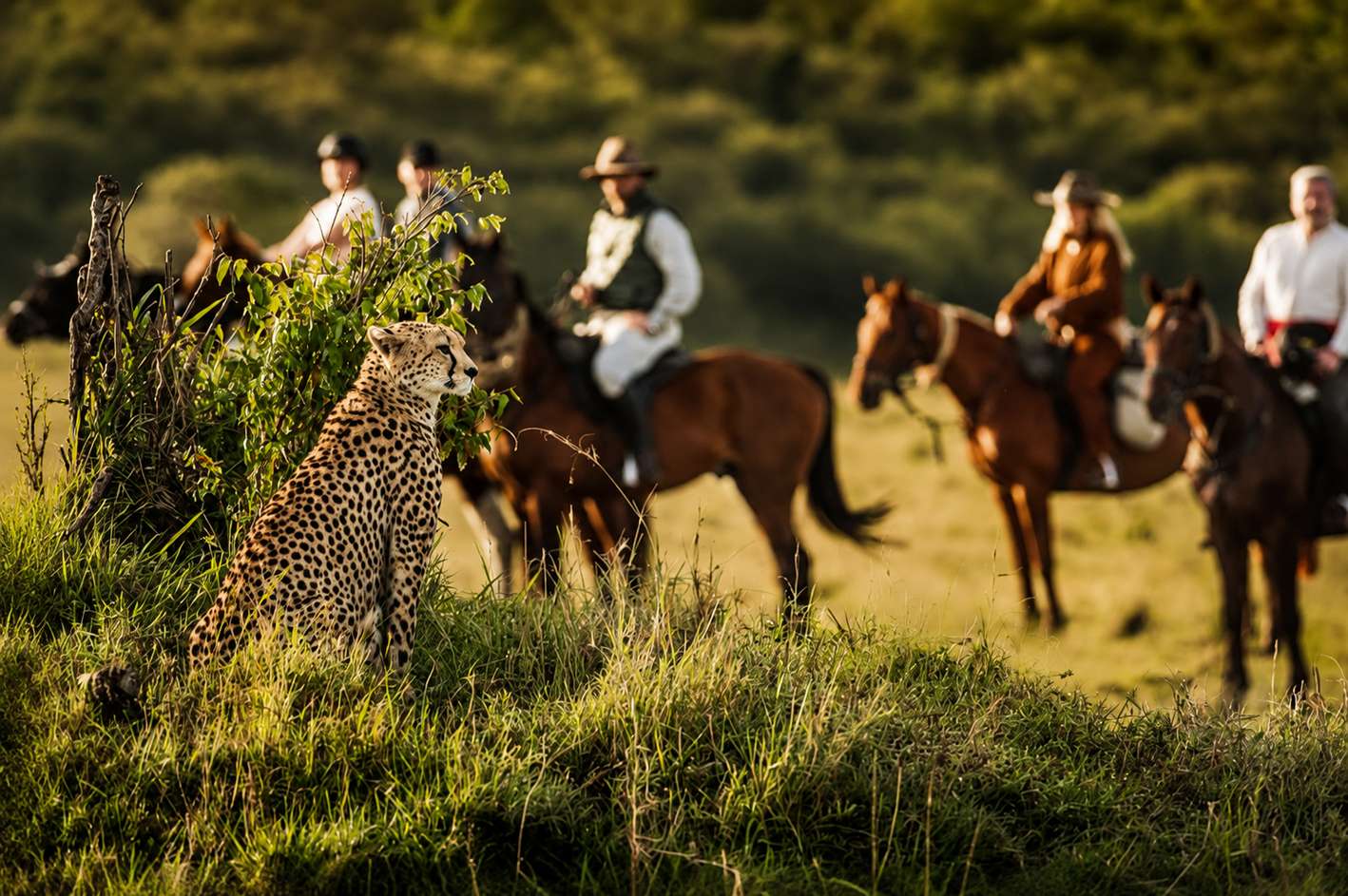
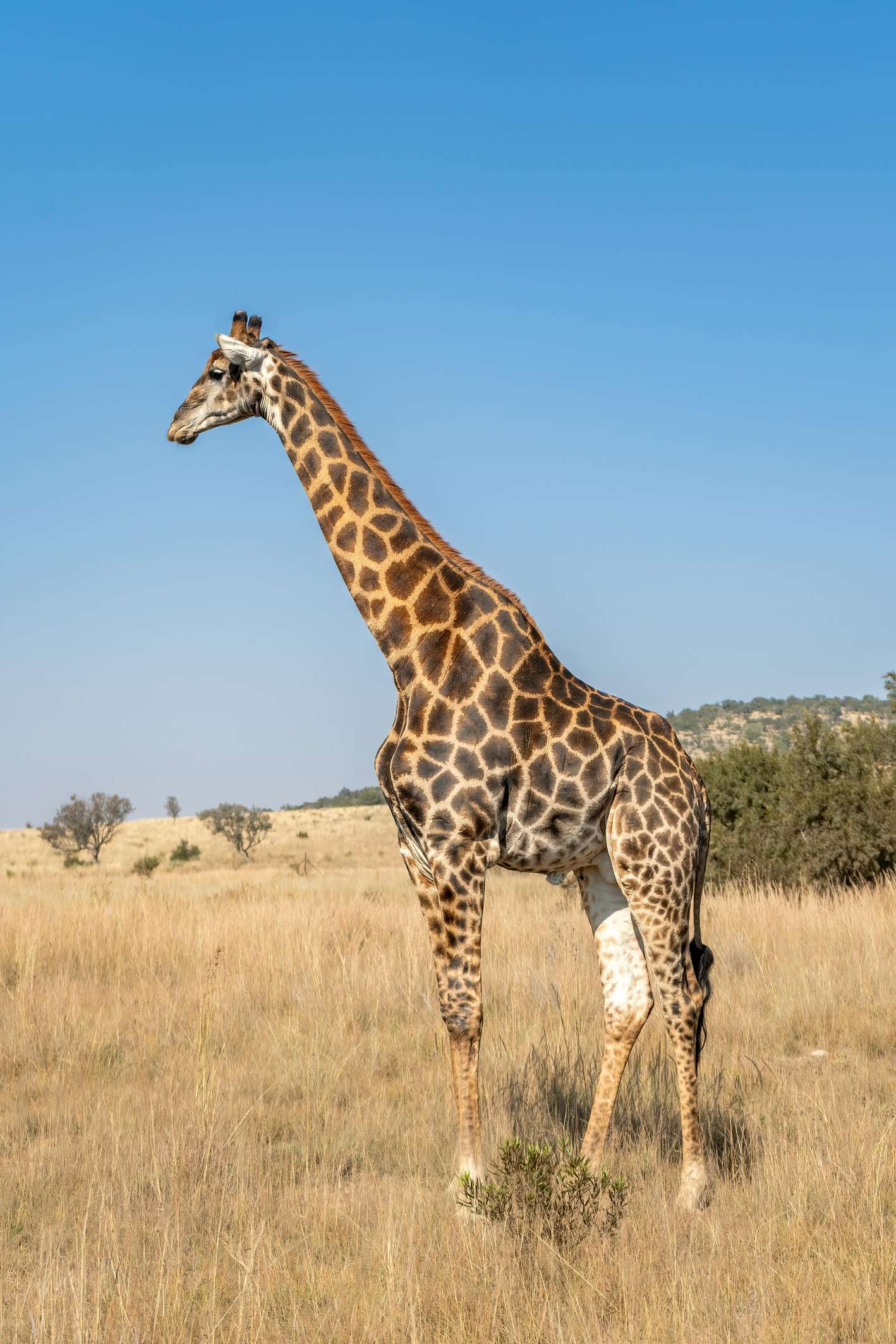
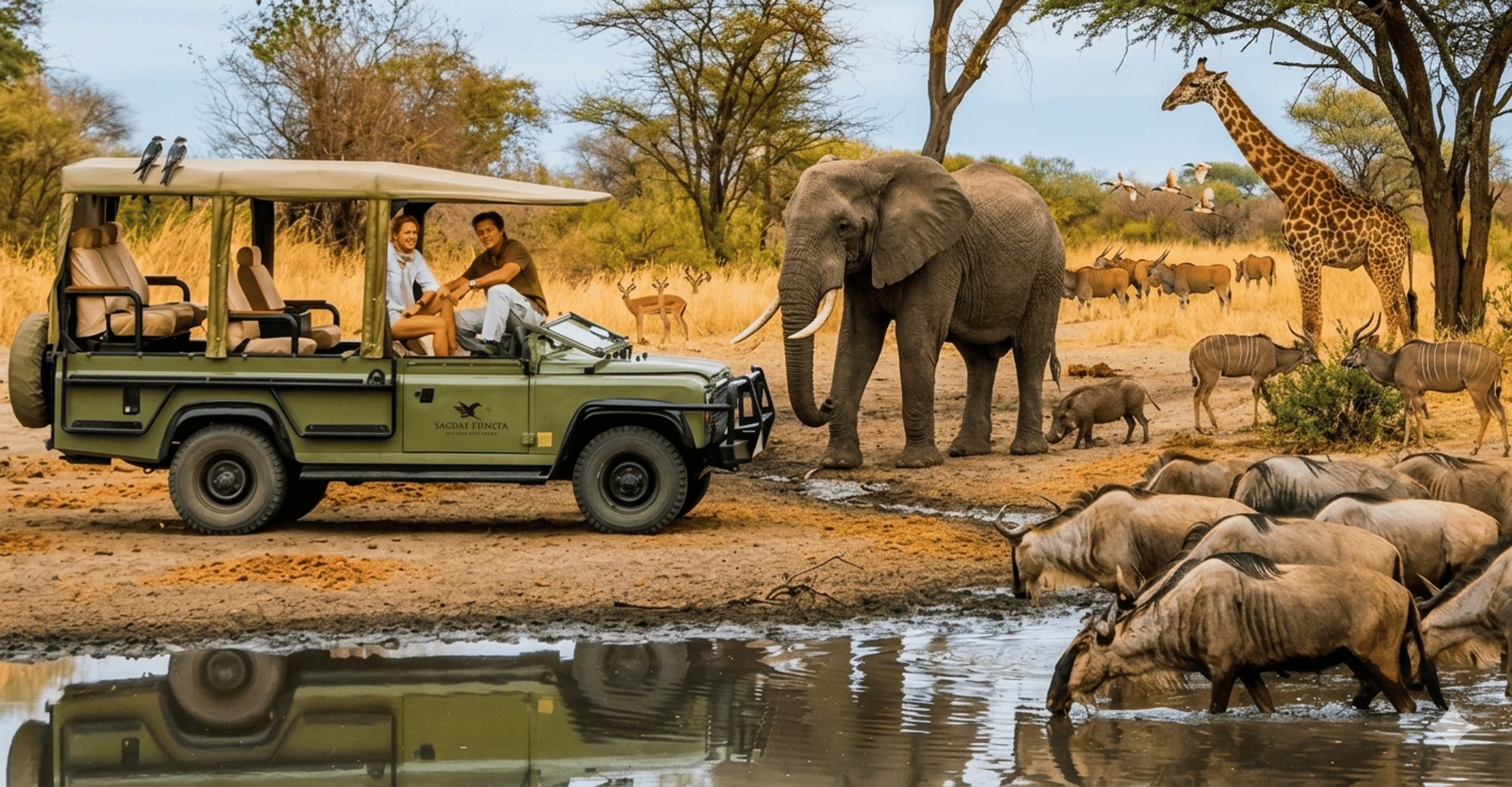
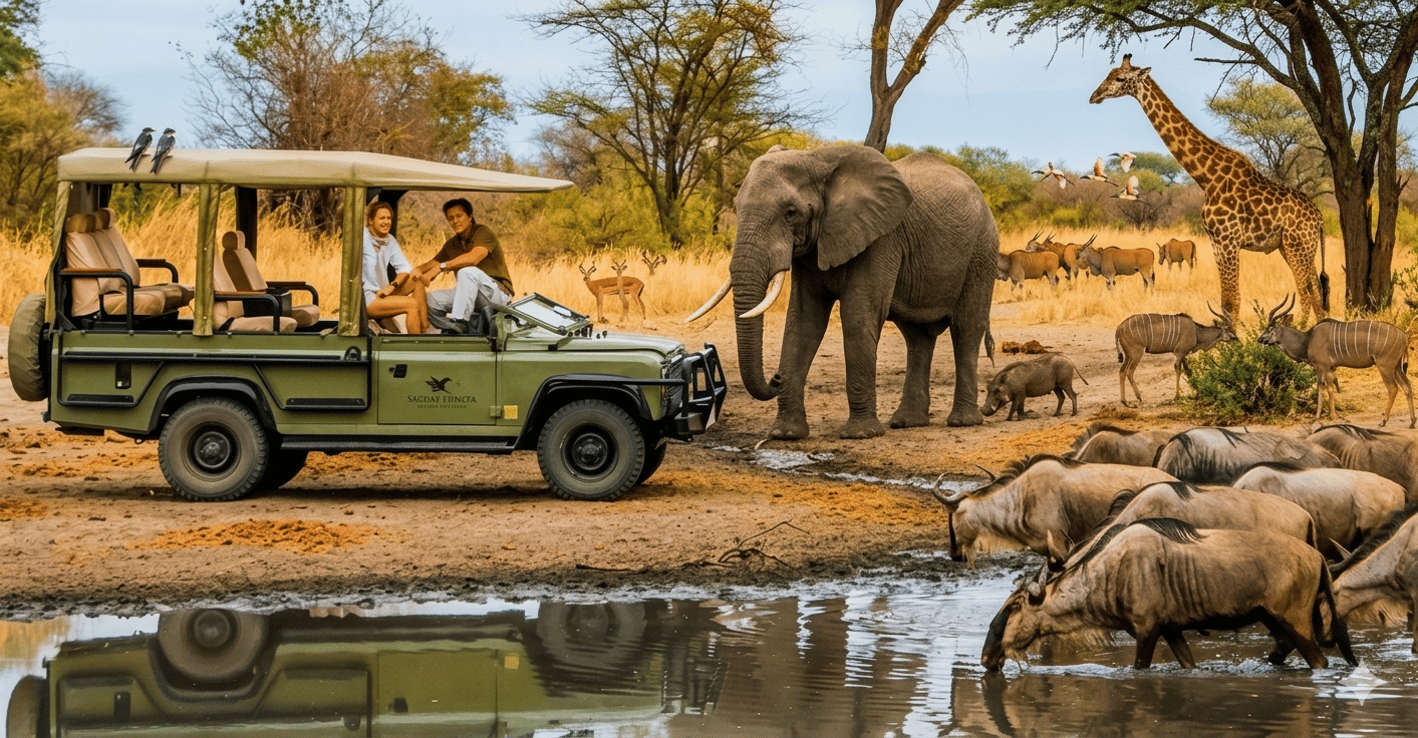
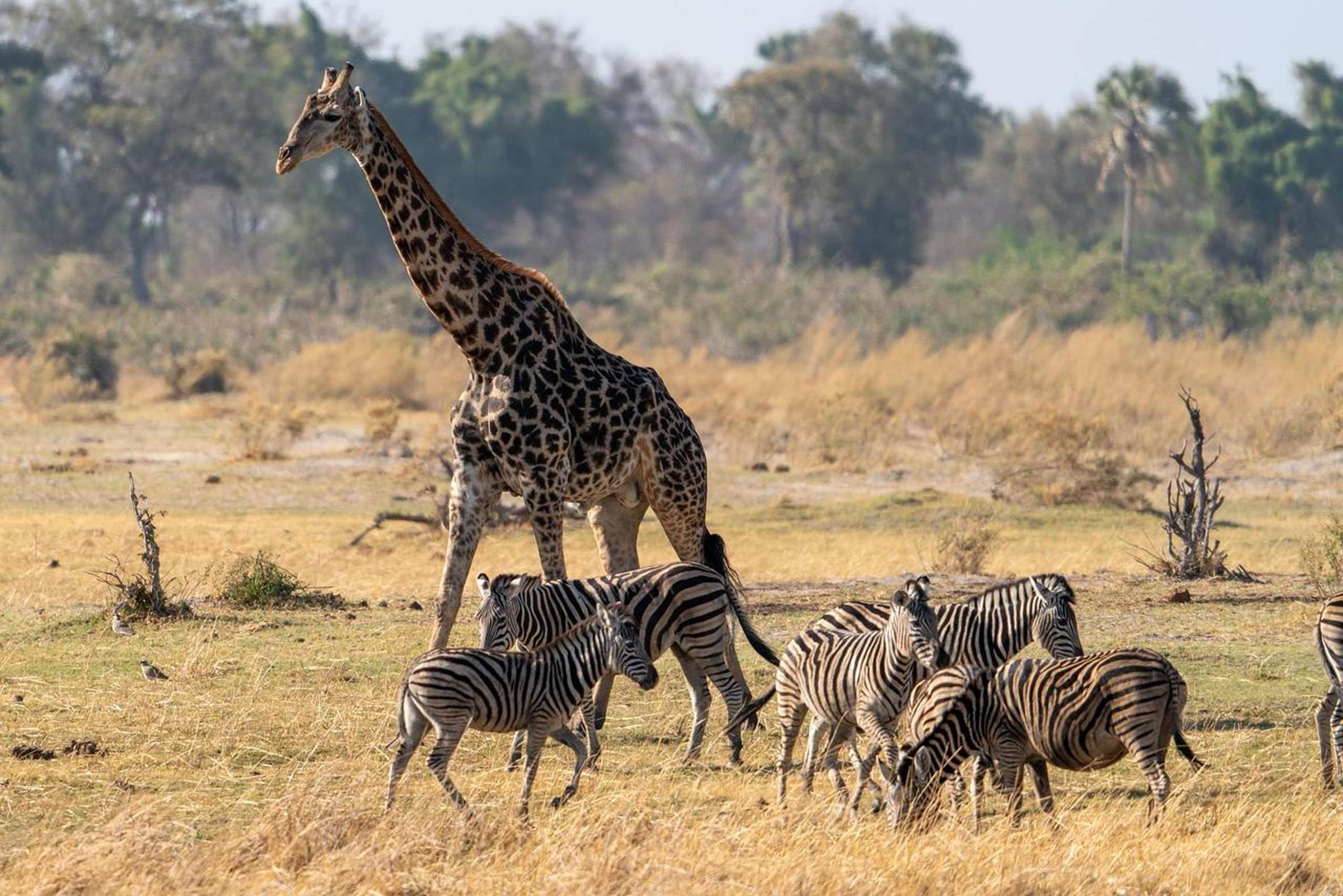
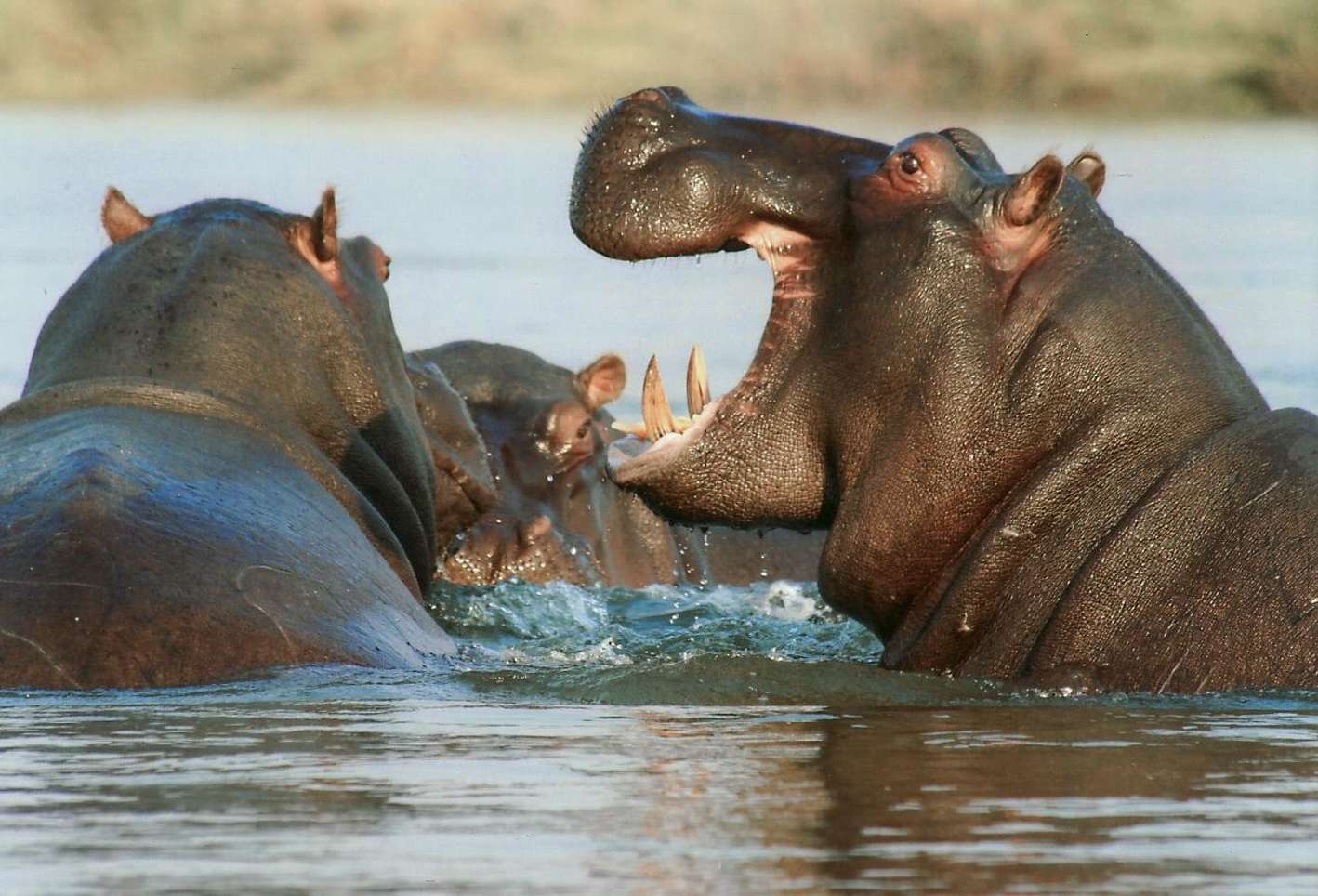
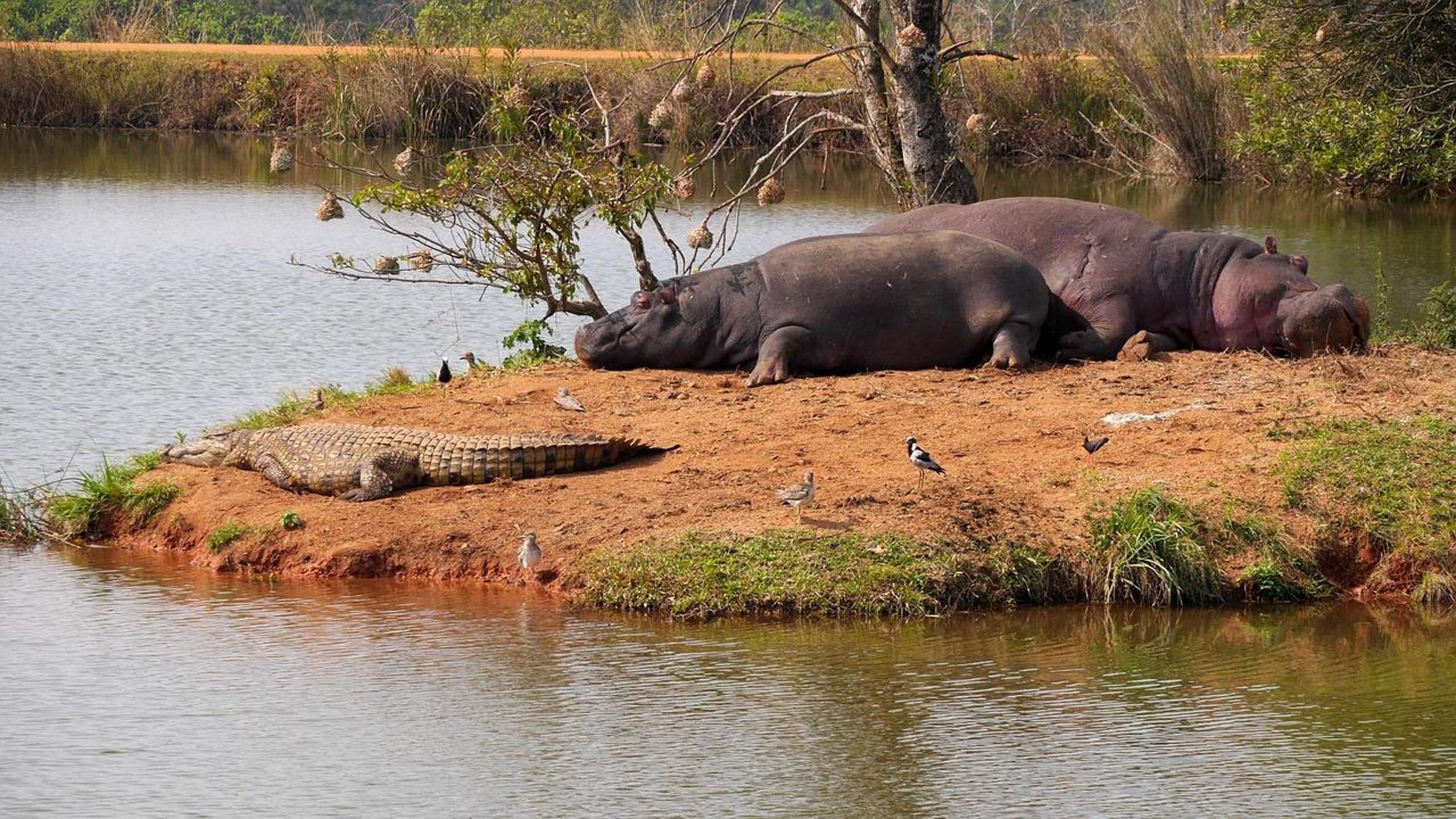
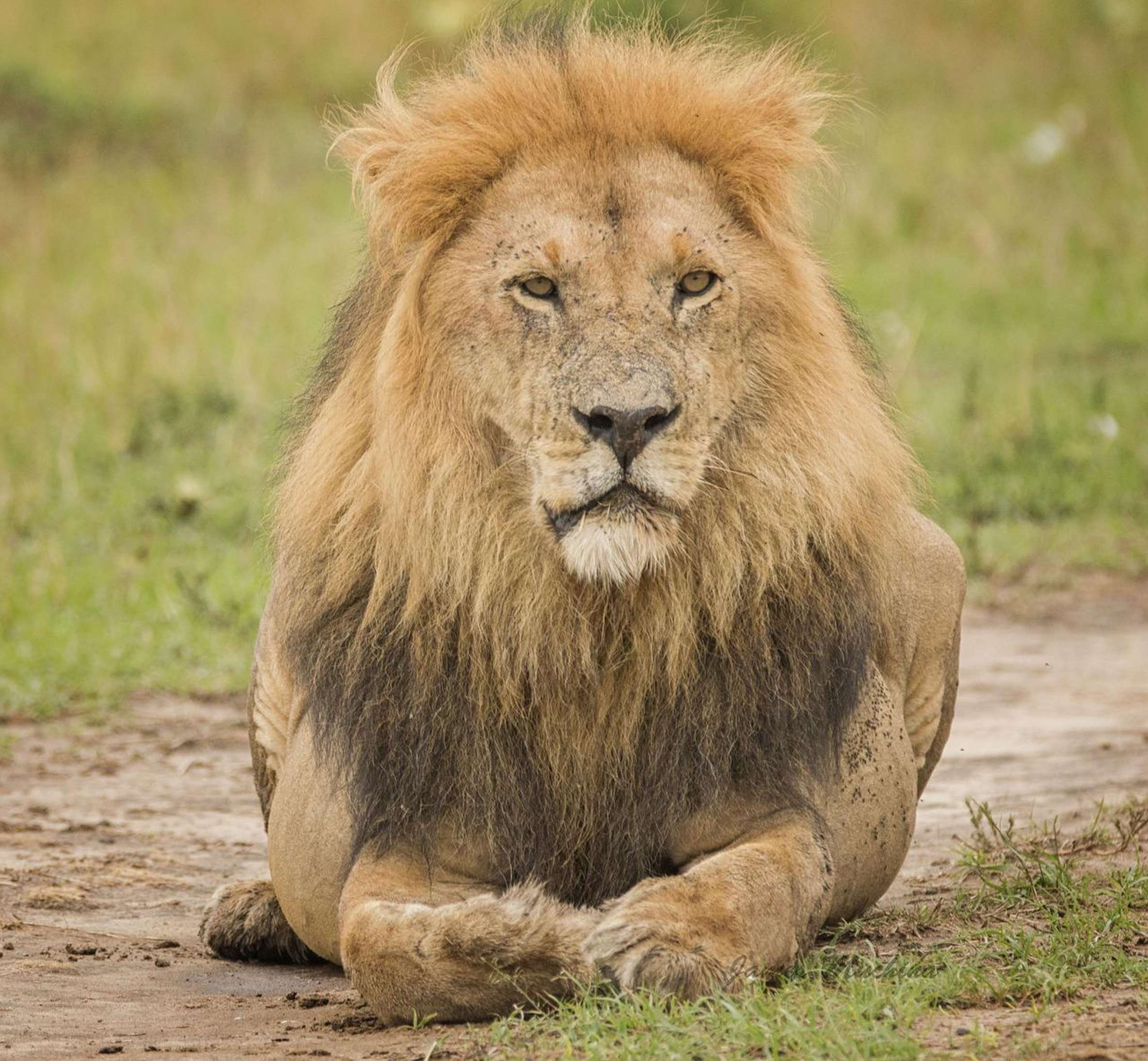
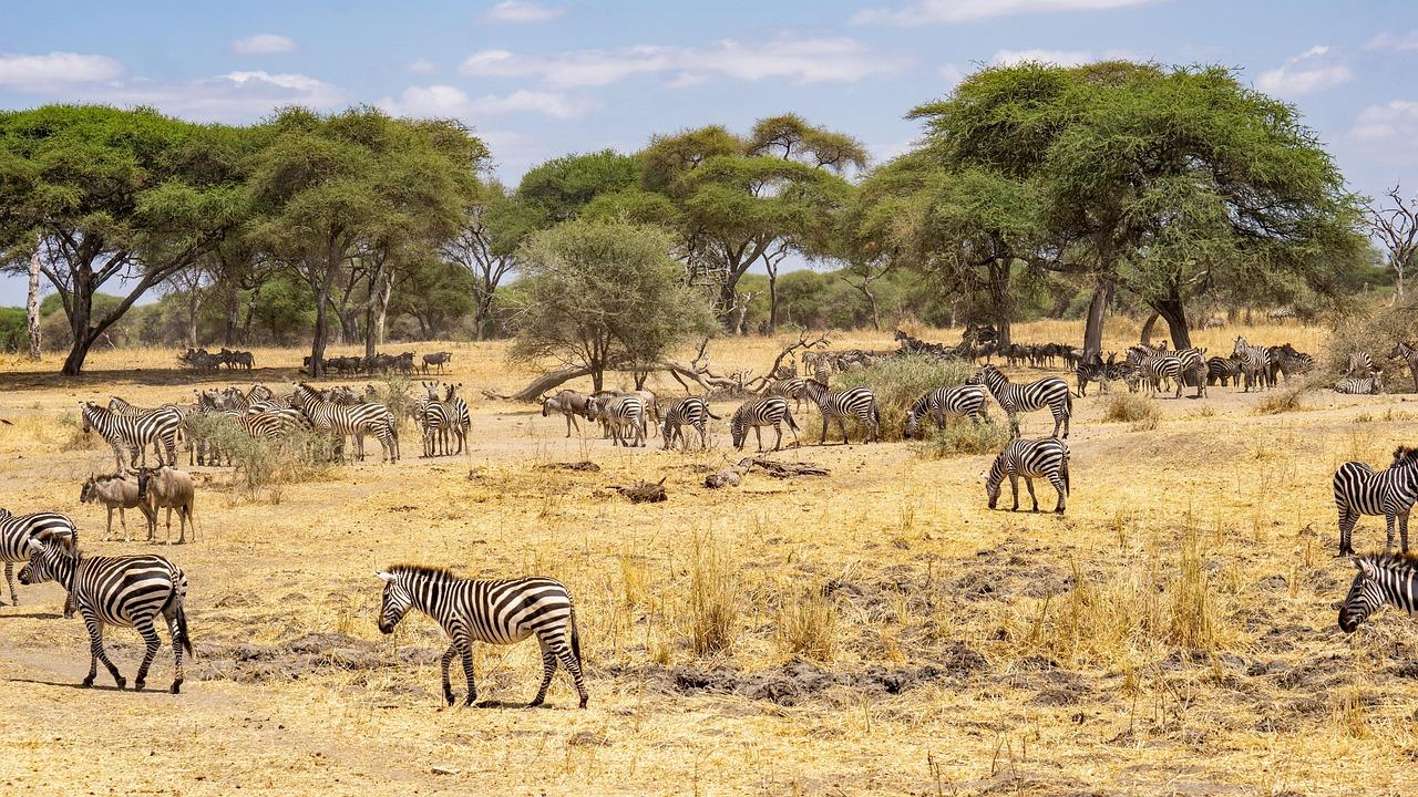
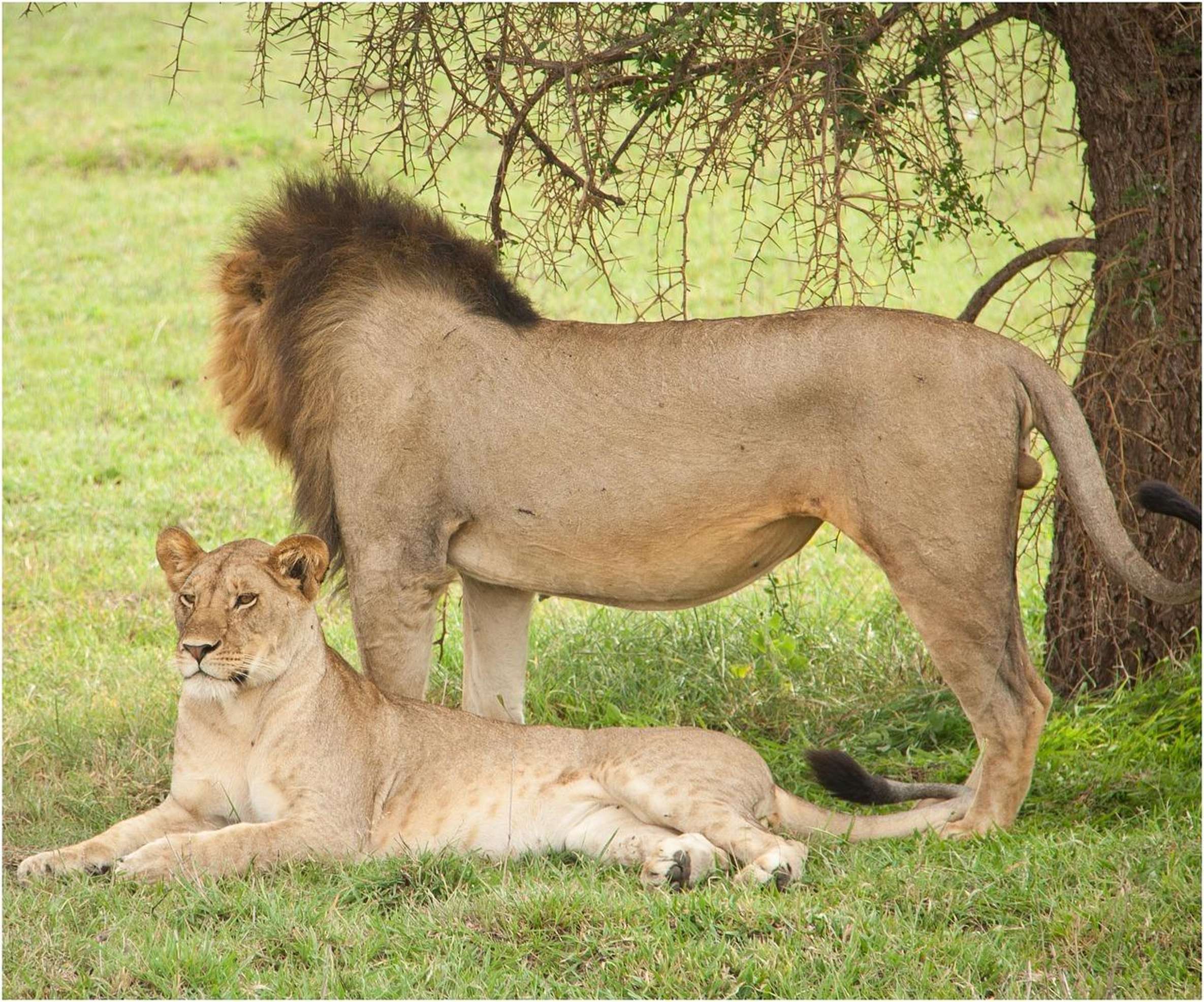
Then there is the wildlife. Nyerere National Park spreads across huge terrain with far fewer safari vehicles than the northern circuit, and Mikumi's Mkata plains hold lions, elephants, giraffes and hippos in open country. This is a genuine safari with room to breathe.
The best time of year for a southern circuit safari
September sits in the middle of the dry season that runs from late June through October, and it is the strongest month for the southern circuit.
Vegetation thins, inland water holes dry up, and animals gather at the permanent rivers, so game viewing concentrates where you are looking. Expect about 23 dry days, highs of 29 to 32°C, and the busiest safari traffic of the year, which the parks absorb easily.
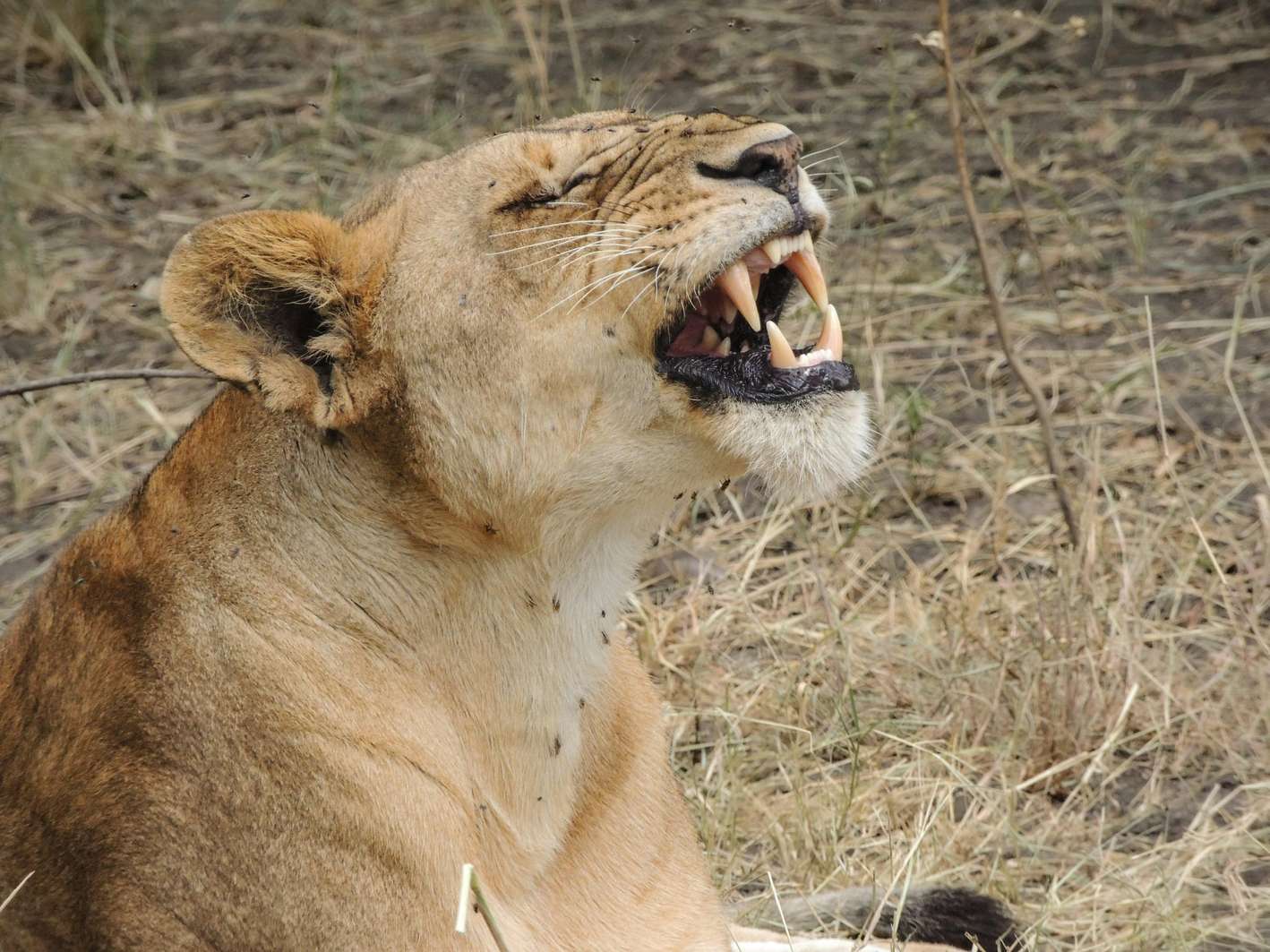
Lions show up often in the dry months from July through October, and elephant sightings peak around September. In the wet months the same animals scatter and the sightings thin out accordingly.
April and May are the months to think twice about. Long rains flood tracks across the southern reserves and force temporary camp closures, and operators note that between April 1 and June 1 weather or airfield conditions can push a safari to a new date.
At Mikumi the clay soils of the Mkata Floodplain turn to mud, though guides reroute to the better-drained circuits near the northern core, which stay open year round. Full cancellations are uncommon.
Book the dry months and the bush does the rest.
Getting from Dar es Salaam to the parks and where the tour starts
Three ways south, and the clock decides. A bush flight to Nyerere's airstrips takes 45 minutes to an hour. By road to Mtemere Gate it is 175 to 230 kilometres and 4 to 6 hours, depending on traffic and the state of the dirt tracks.
The morning rule matters more than the route. Road safaris need to leave between 4:30 am and 5:30 am and clear the outer suburbs by 6 am; depart later and the feeder roads alone add one to two hours.
Coming off the Zanzibar ferry, plan on 1.5 to 2 hours of city traffic between the terminal and the departure side of town.
The simplest answer is a package that carries the logistics for you.
The Dar es Salaam: 2-Day Safari to Mikumi NP & Chizua Waterfall tour picks you up at your hotel or the airport, puts you on the luxury SGR train at 6 am, and has you at the park gate by 9:45 am in an open safari jeep.
What happens on the safari, step by step
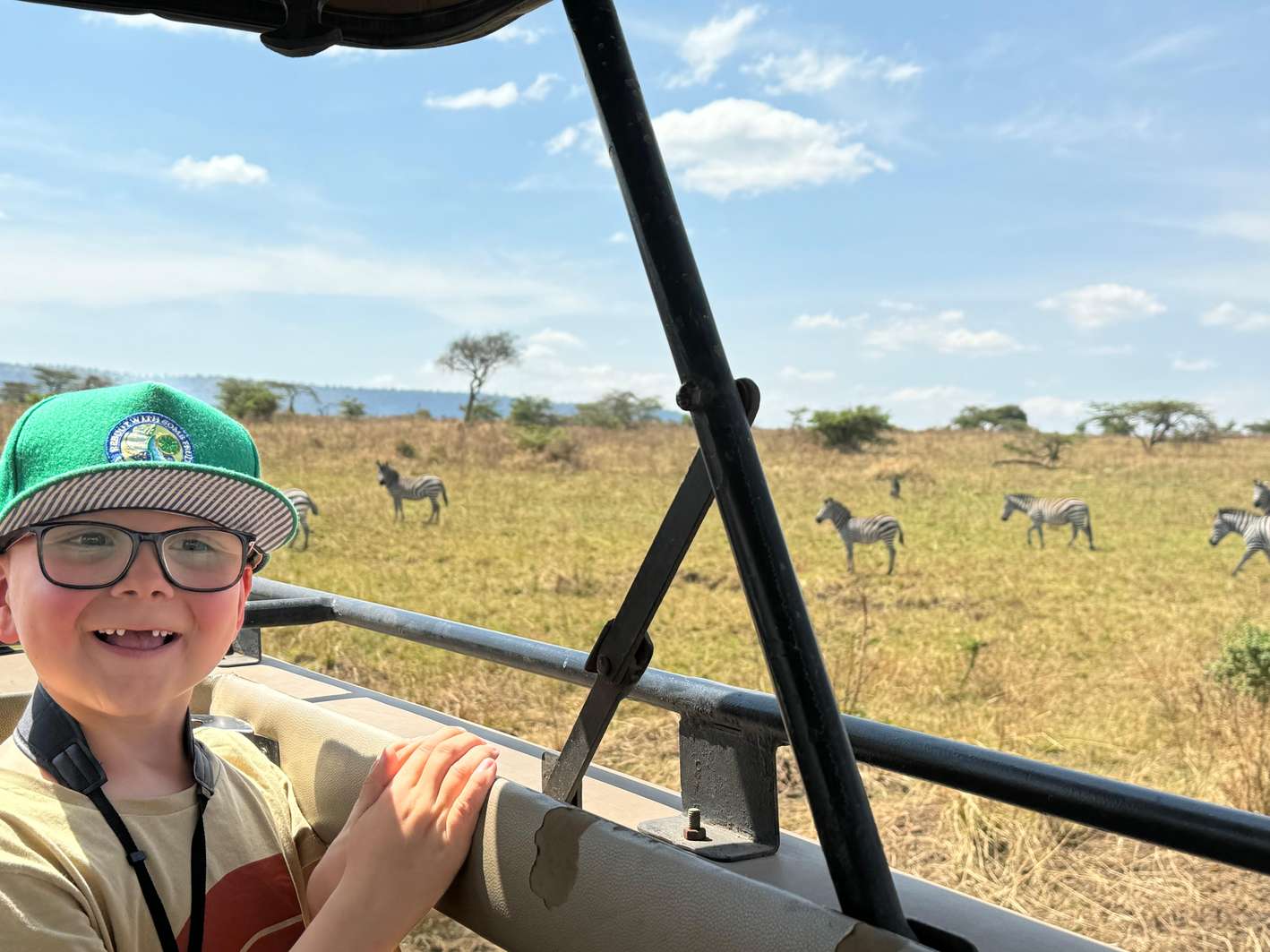
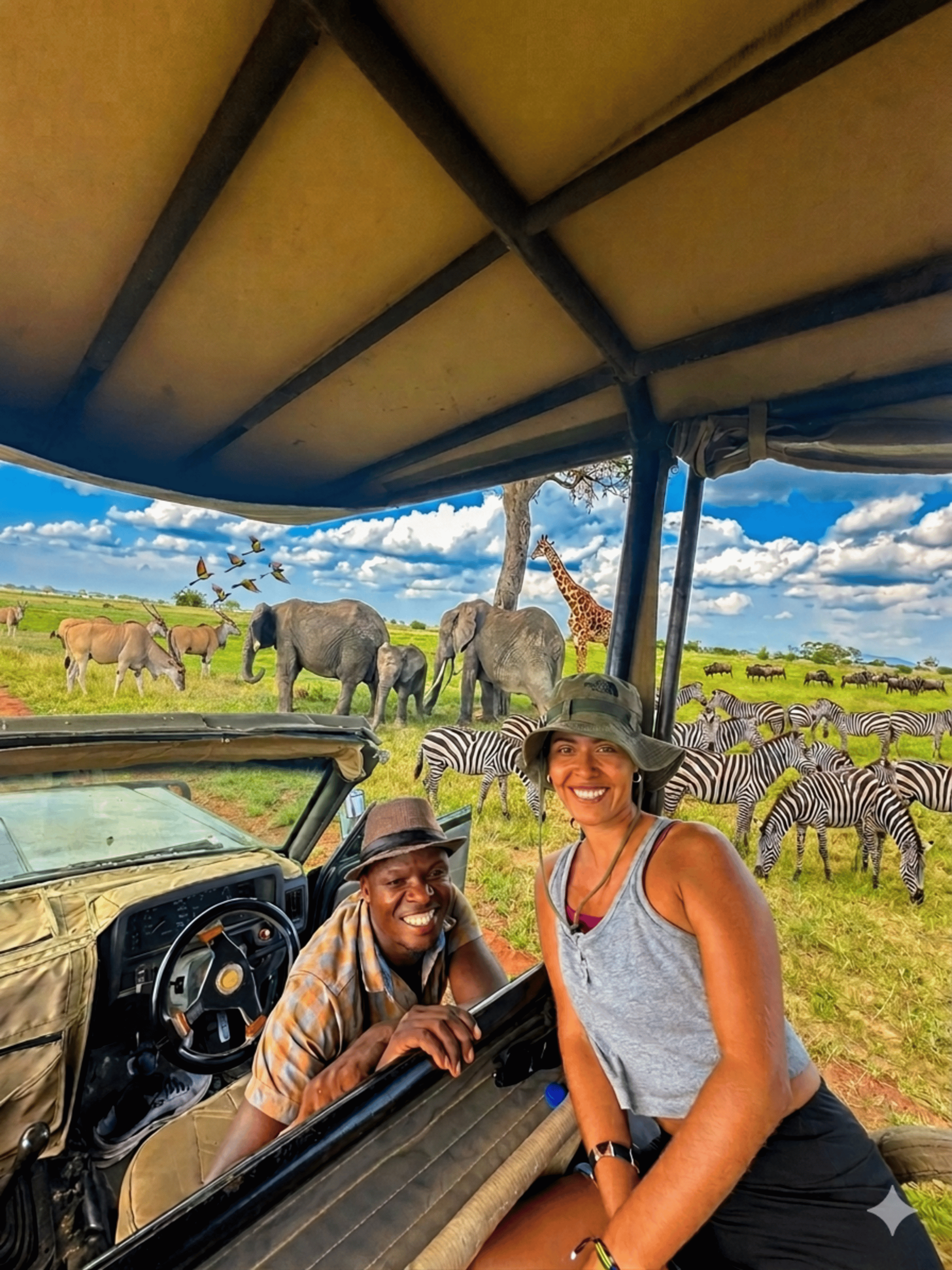
Day one starts at your hotel or the airport before dawn. The SGR train crosses to Morogoro, a van covers the last stretch, and by late morning you are in the open jeep on the Mkata plains watching for lions, buffaloes, elephants and hippos.
Lunch breaks inside the park, and the game drive runs on to sunset before dinner at your camp.
- 1Early morningHotel or airport pickup, then the SGR train to Morogoro and a van to the gate
Gate by 9:45 am
- 210 hoursGame drive on the Mkata plains with lunch inside the park
Lions, elephants, hippos and giraffes
- 312 hoursDinner and overnight at your camp in Mikumi
The drive resumes to sunset
- 46 hoursChizua Waterfalls day with breakfast first
Hiking and swimming at the falls
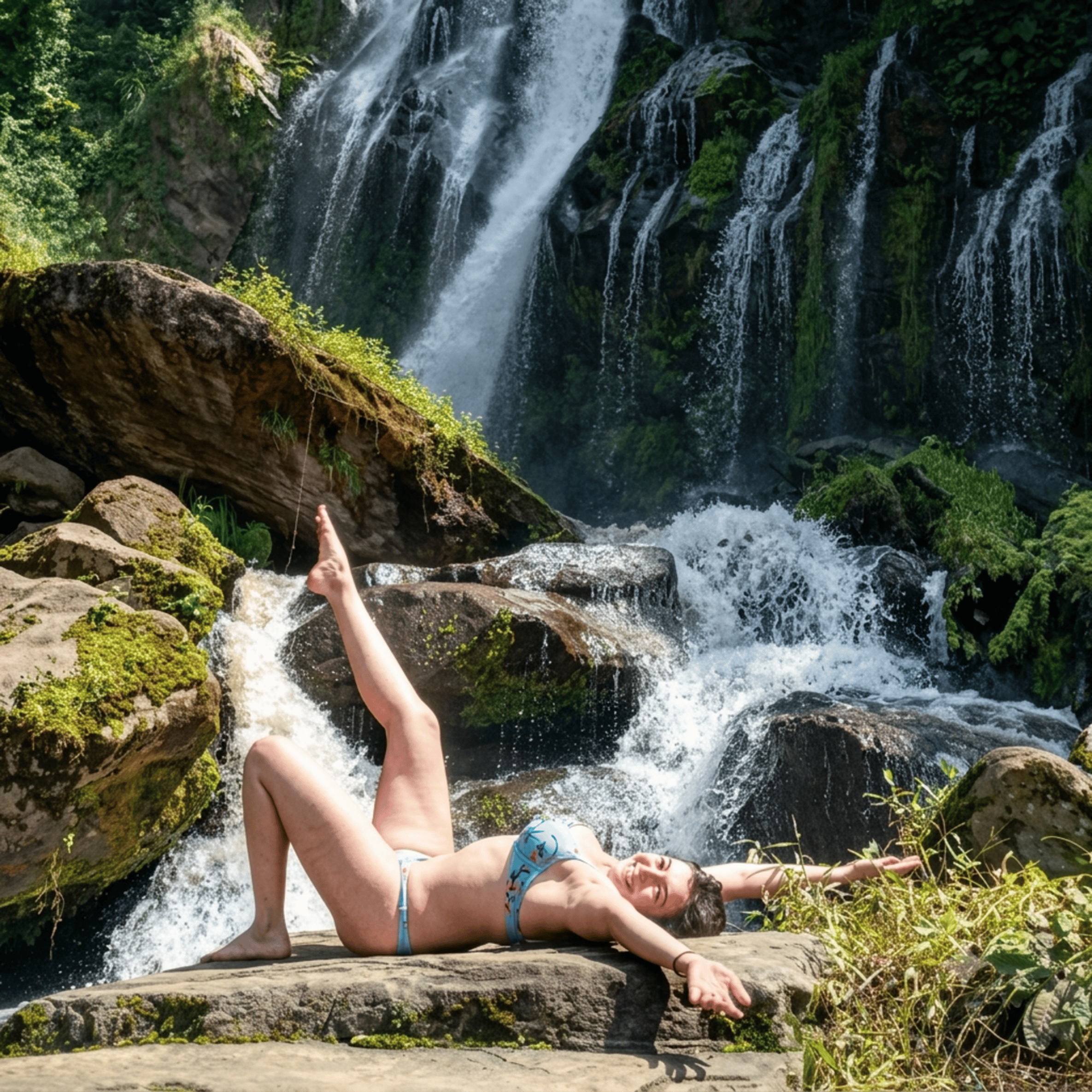
Day two heads for the Chizua Waterfalls in the Uvidunda Mountains, with a hike and a swim at the falls themselves.
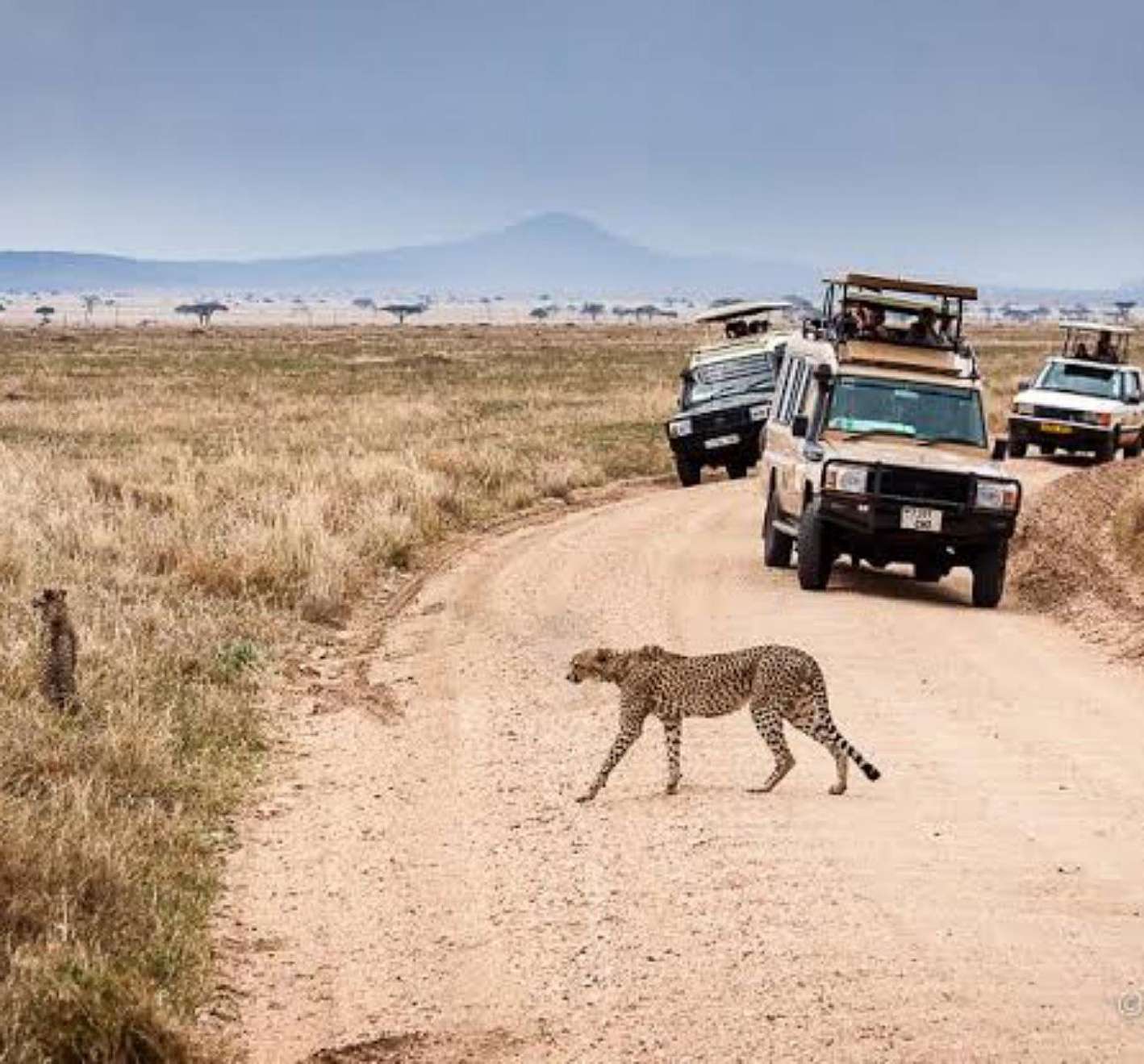
Sightings are never promised, because the animals roam free. Guides talk to each other by radio across the park, which is how a lion sighting spreads from one vehicle to the rest in minutes.
Bathrooms wait at the entrance gates, campsites and lodges, so long stretches between stops are normal. In Nyerere, wildlife sits more widely spread than in Mikumi and takes real tracking, and a Rufiji River boat safari brings you level with large hippo pods at water height.
Joining a group tour or booking a private safari
Two travellers together are the sweet spot. For a couple, a private safari often costs only marginally more than a shared departure, and you gain control of the daily start times, the driving lengths and how long you linger at a sighting.
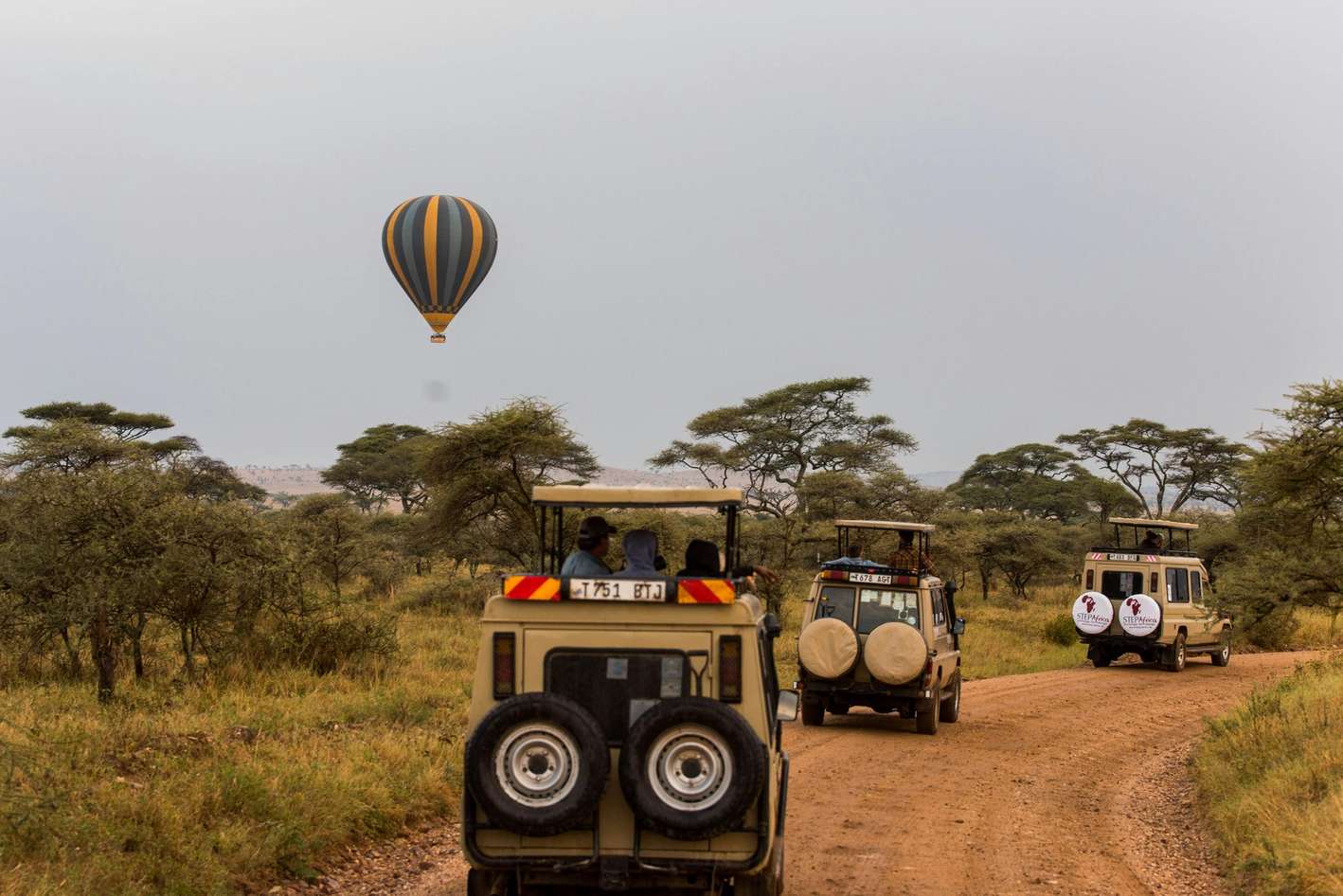
Open-sided jeeps cannot legally run the highway legs between parks, so overland trips use closed pop-top vehicles for the transfers and open jeeps inside the reserve.
Solo travellers have their own arithmetic. Single supplements push lodge prices up sharply, and a private one-day vehicle for one person can cost far more per head than sharing with a second passenger.
Joining a pre-scheduled small group is how solo travellers save hundreds. If a shared group fails to fill, some operators run it anyway with a private driver and vehicle at the shared-seat price.
The table below lines the three models up against each other, so look at which column you care about most before you book.
Shared seat, private jeep or fly-in day trip
| Cost per person | Schedule flexibility | Wildlife time | |
|---|---|---|---|
| Shared group safari | Lowest, split across the vehicle | Fixed departure times | Full game drives, shared pace |
| Private 4x4 | Marginally more for two travellers | You set the pace and stops | Full game drives, your focus |
| Fly-in day trip | Highest per hour | Fixed flight times | Six to seven hours in the park |
- Shared group safari
- Lowest, split across the vehicle
- Private 4x4
- Marginally more for two travellers
- Fly-in day trip
- Highest per hour
- Shared group safari
- Fixed departure times
- Private 4x4
- You set the pace and stops
- Fly-in day trip
- Fixed flight times
- Shared group safari
- Full game drives, shared pace
- Private 4x4
- Full game drives, your focus
- Fly-in day trip
- Six to seven hours in the park
For most couples starting in Dar es Salaam, the private jeep is the easy call. Solo travellers do well on a shared departure, where the price per head drops and the operator fills the seats.
What to look for when choosing a southern circuit tour
A proper southern circuit package shows its hand in the inclusions. Look for a live guide in the vehicle, hotel or airport pickup built in, park fees already covered, and free cancellation up to 24 hours before departure.
Book-now-pay-later lets you hold a place and pay closer to the date, which helps when the trip sits months out.
The checklist below runs through each item, and the page's lead tour passes on all of them.
How to choose a southern circuit safari from Dar es Salaam
| Check | Why it matters | Our pick |
|---|---|---|
| A guide with you | A live guide turns a drive into a story and finds the animals | Live professional guide in the jeep |
| Free cancellation | Plans shift, and a 24-hour window protects your money | Cancel up to 24 hours in advance for a full refund |
| Hotel pickup | The 4:30 am start is hard enough without finding your own way | Pickup and drop-off at your hotel or the airport |
| Park fees covered | The gates are cashless, and surprises at the gate cost time | Entry fees included |
| Meals and lodging | Two days run smoother with food and a bed sorted | Lodge breakfast, lunch, dinner and an overnight stay |
Two checks happen off the card. Legitimate local operators can be verified through the Ministry of Tourism stakeholder register and associations such as TATO, worth five minutes before you pay a deposit.
And confirm the guide's language before you join a vehicle: some tours let you pick your language at booking, others ask for a specific add-on to secure a French, German, Spanish or Italian-speaking guide. Ask early and you avoid spending two days in a jeep half understanding the commentary.
Small groups change the day itself. Fewer seats per jeep means more window time and a guide who answers questions instead of steering a crowd.

What to pack and wear on safari
Dawn game drives are cold and dusty, midday is hot, and the wardrobe has one hard rule. Dark blue and black attract tsetse flies, the biting insects of Tarangire and Mikumi country, the same shades used on baited fly traps.
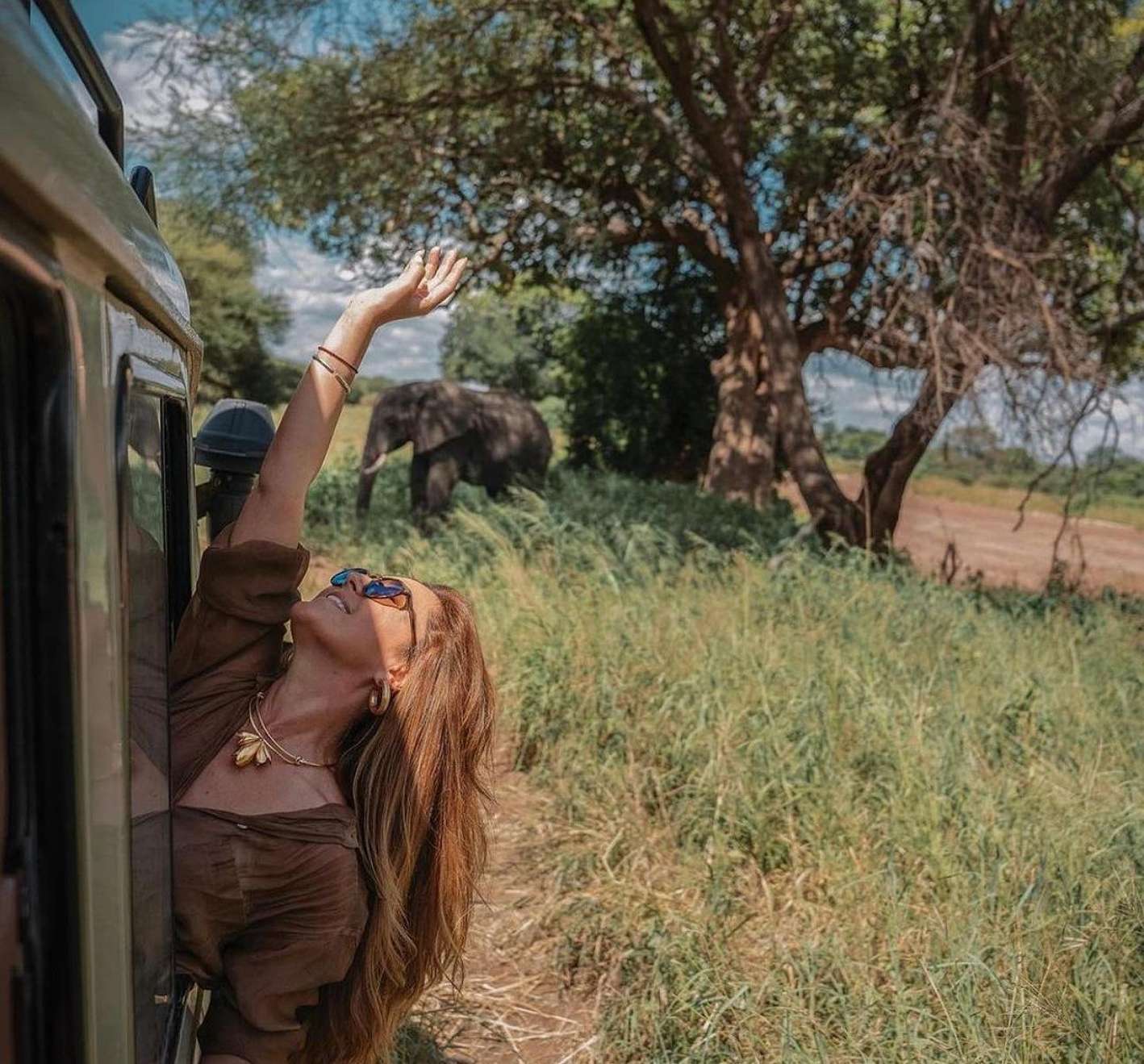
Dark navy, denim and saturated darks all count. Wear khaki, beige, tan, olive or light brown instead, in tightly woven long sleeves and trousers, because the flies bite through thin fabric.
Beyond colour, the list is practical. Long-sleeved shirts and long trousers for sun and insects, closed-toe shoes, a wide-brim hat and sunglasses, plus a light jacket or fleece for the cool early drives. A DEET-based repellent at 20 to 30 percent helps at dawn and dusk, though no repellent fully stops a tsetse.
Leave three things out. Single-use plastic bags are banned nationwide and confiscated on arrival. Camouflage clothing is illegal for civilians in Tanzania. And bright red or orange startles wildlife while pure white turns brown in the vehicle dust within an hour.
Health rules, visas and money at the park gate
The paperwork sorts itself if you start early. Your passport needs six months of validity beyond arrival and a couple of blank pages.
Most foreign nationals need a visa for Tanzania, applied for online through the official e-Visa portal or on arrival at Dar es Salaam airport, and one visa covers both the mainland and Zanzibar. Bring proof of accommodation and a return ticket.
The yellow fever rule is the one that can stop a traveller at the border, and it has a clock on it.
A yellow fever certificate is required from travellers aged 1 and over arriving from, or transiting 12 hours or more through, a country with transmission risk, and the vaccine must be given at least 10 days before arrival Check your transit route and get vaccinated early, or carry an official medical waiver letter if you cannot be vaccinated
Fly in direct from a non-endemic country and no proof is required, and travellers moving between mainland Tanzania and Zanzibar face no vaccination requirement either. Mikumi sits in a malaria zone below 1,800 metres, so official guidance recommends antimalarial prophylaxis for every visitor, however long the stay.
Money is the small surprise. The park gates are cashless and take credit cards only, though guided tour bookings include all entry fees and taxes anyway. Tips stay out of the package: 10 to 20 per person per day for the driver-guide is the norm, handed over when the drive ends.
What happens if weather or plans change
The long rains bend the itinerary around themselves. Between April 1 and June 1, weather or airfield conditions can push a safari to a new date, move it earlier, or reroute it, and outright cancellations from impassable tracks are uncommon.
If a Mikumi day flight is grounded by poor weather or unsafe flying conditions, travellers are offered an alternative date or a full refund. On some routes passengers are simply flown to Dar es Salaam and driven to the park instead.
The terms below cover the usual surprises, so read them before you lock in tight connections.
What happens when plans slip
| If this happens | What happens then |
|---|---|
| Heavy rain grounds a bush flight | An alternative date or a full refund |
| Airfield conditions block the airstrip | Fly to Dar es Salaam and transfer by road to the park |
| Flooded park tracks | Guides reroute to better-drained circuits, rarely a full cancellation |
| Plans change on your side | Cancel up to 24 hours ahead for a full refund |
One limit sits on your side of the table. Operators do not accept responsibility for missed connections on other airlines or activities lost to ferry or flight delays, so build slack into any tight international connection.
What else to see and do around the southern parks
Udzungwa Mountains National Park sits just past Mikumi on the A7, the last 60 to 65 kilometres of the same road south, which is why the two parks pair so naturally in one trip.
The drive from Dar es Salaam runs 5 to 7 hours, and breaking it with game drives or a night in Mikumi is standard practice.
The reward is a different kind of wildlife day. Udzungwa is a rainforest park seen on foot, home to primates found almost nowhere else, the Sanje mangabey and the Iringa red colobus, and more than 400 recorded bird species including the Udzungwa forest partridge.
The park holds no lions or rhinos; its stars live in the canopy and the undergrowth.
The Sanje Waterfalls Trail is the classic outing, a 4 to 5 hour round trip up a steep path to a 170-metre, three-tiered cascade with viewpoints and a swimming plunge pool at the top.
For a longer circuit, the Zanzibar ferry turns the mainland into a combo: Mikumi is about 6.5 to 7.5 hours from the island by ferry and road, or 40 to 60 minutes by direct flight, and safaris to Mikumi or Nyerere can be booked straight through Zanzibar resorts.
What to know before you book a safari from Dar es Salaam
Every tour on this page includes pickup and drop-off at your hotel or the airport in Dar es Salaam. Your driver meets you at reception, so you never have to find a terminal or a park gate on your own.
Road safaris need to leave Dar es Salaam between 4:30 am and 5:30 am and clear the outer suburbs by 6 am. Leaving later puts you in severe morning traffic, which adds one to two hours to the drive.
The two-day Mikumi tour takes the luxury SGR train to Morogoro in about 100 minutes, then a van for roughly 1 hour 40 minutes more, so you reach the gate in 3.5 to 5 hours. A direct 4x4 covers the whole 302-kilometre route in 4 to 6 hours without a vehicle change.
Mikumi and Nyerere are shared and private options in one. If you join a group, expect other travelers in the jeep; booking private gives you your own vehicle and a say over how long each game drive runs.
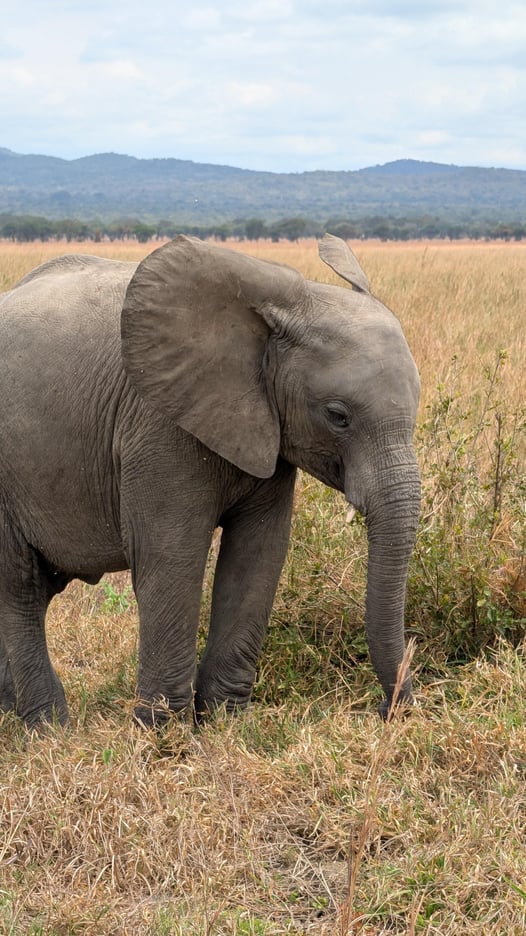
Sightings are never guaranteed, because animals roam freely. Mikumi rewards the drive with lions, elephants, giraffes and hippos close to the road, while Nyerere holds large hippo pods on the Rufiji River and wild dogs across wider, quieter terrain.
Tour prices typically cover park fees, accommodation, meals as listed, transfers, and the safari jeep. In Nyerere, the Rufiji boat safari and a Maasai village visit are part of the itinerary on most multi-day tours.
Tips for your guide and driver are not included in the package and are left to you at the end of the trip. Drinks and personal expenses also come out of your pocket.
The tours on this page let you cancel up to 24 hours in advance for a full refund. That makes it easy to lock in a departure before your city plans are final.
Safari vehicles have no onboard toilets. Restrooms sit at highway stopovers, park gates and picnic sites, and on game drives your guide finds a safe bush stop when you need one.
Bring your original passport or a clear copy, because park registration at the TANAPA gates requires identification. Park fees are paid by card only, with no cash accepted at Mikumi's entrance.
Worth it, if you start early
The southern circuit suits travellers who want real big game without the northern detour: the SGR train, Mikumi's open plains and a waterfall hike packed into two days.
Go if you are based in Dar es Salaam, connecting through the harbour, or pairing the bush with a Zanzibar beach stay. Skip it if rough, dusty full-day drives are a problem; open jeeps and long transit hours do not suit travellers with back problems or low fitness.
FAQ - safari from Dar es Salaam to the southern parks
Is the SGR train faster than a road transfer to Mikumi from Dar es Salaam?+
Yes, usually. The SGR train reaches Morogoro in about 100 minutes, then a van covers the last 1 hour 40 minutes to Mikumi, giving a door-to-gate journey of 3.5 to 5 hours.
A direct 4x4 covers the whole 302 km route without vehicle changes, but takes 4 to 6 hours or more depending on highway traffic.
How early should a road safari leave Dar es Salaam?+
Between 4:30 and 5:30 in the morning. If the vehicle is still on the city feeder roads after 6 am, the morning traffic bottlenecks can add one to two hours to the trip, so early pickups are built into most packages.
Will I see big cats and elephants on a two-day southern safari?+
Travelers on two-day Mikumi trips regularly see lions, elephants, buffaloes, giraffes, and hippos on a full game drive. Sightings are never guaranteed because animals roam freely, but guides radio other drivers across the park to track down rarer animals.
What makes Nyerere National Park different from Mikumi?+
Nyerere is far larger, and its wildlife is more dispersed, so guides do more active tracking. It also offers boat safaris on the Rufiji River, where you can watch big hippo pods, crocodiles, and sometimes elephants drinking at the bank, all with far fewer vehicles around than on the northern circuit.
When is the best month for a safari from Dar es Salaam?+
September sits in the middle of the dry season from late June through October, with around 23 dry days and daytime highs of 29 to 32°C. Thinned vegetation and dried waterholes concentrate animals near permanent rivers, which makes game viewing prime.
Do I need a yellow fever vaccination to enter Tanzania?+
Only travelers aged one year or older arriving from, or transiting 12 hours or more through, a country with yellow fever risk must show a valid certificate, and the vaccine must be given at least 10 days before arrival.
Travelers arriving directly from non-endemic countries are not required to present proof, and transfers from mainland Tanzania to Zanzibar carry no vaccination requirement.
Are hotel and airport pickups included in packages from Dar es Salaam?+
On the standard two-day Mikumi trip, pickup and drop-off at your hotel or the airport are included, along with SGR train transit, park fees, meals, accommodation, and the open safari jeep. Most operators also ask you to be ready at reception a few minutes before departure time.
Can I combine a waterfall hike with a Mikumi game drive?+
Yes. One two-day itinerary pairs a full day of game viewing in Mikumi with a day-two hike to Chizua Waterfall in the Uvidunda Mountains before the return to Dar es Salaam. Bring swimwear if you want to cool off.