4.71,827 travelers landed at bush airstrips and met lions
Luxury Tanzania Safari Tour Package 5-Star Tented Camps and Lodges
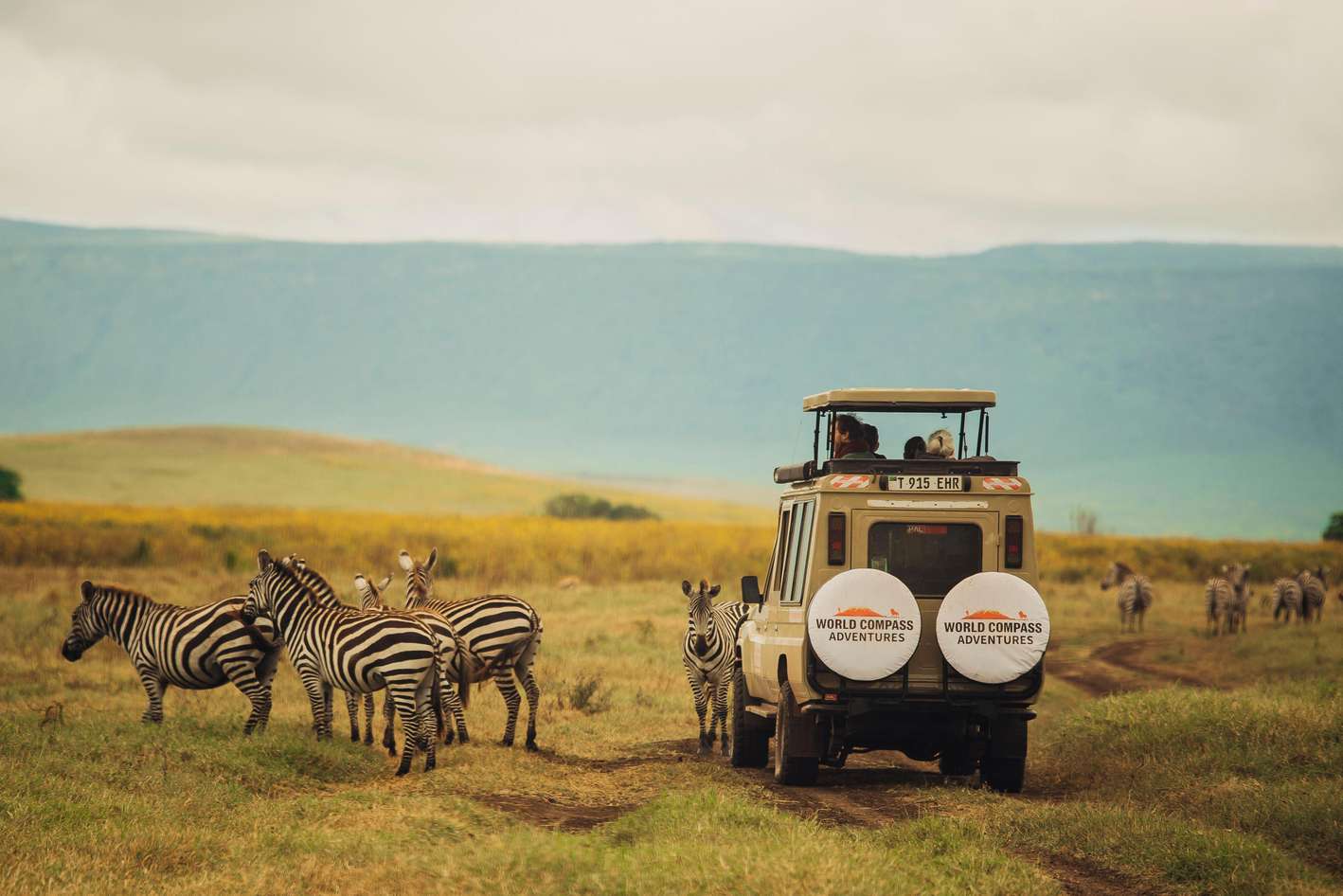
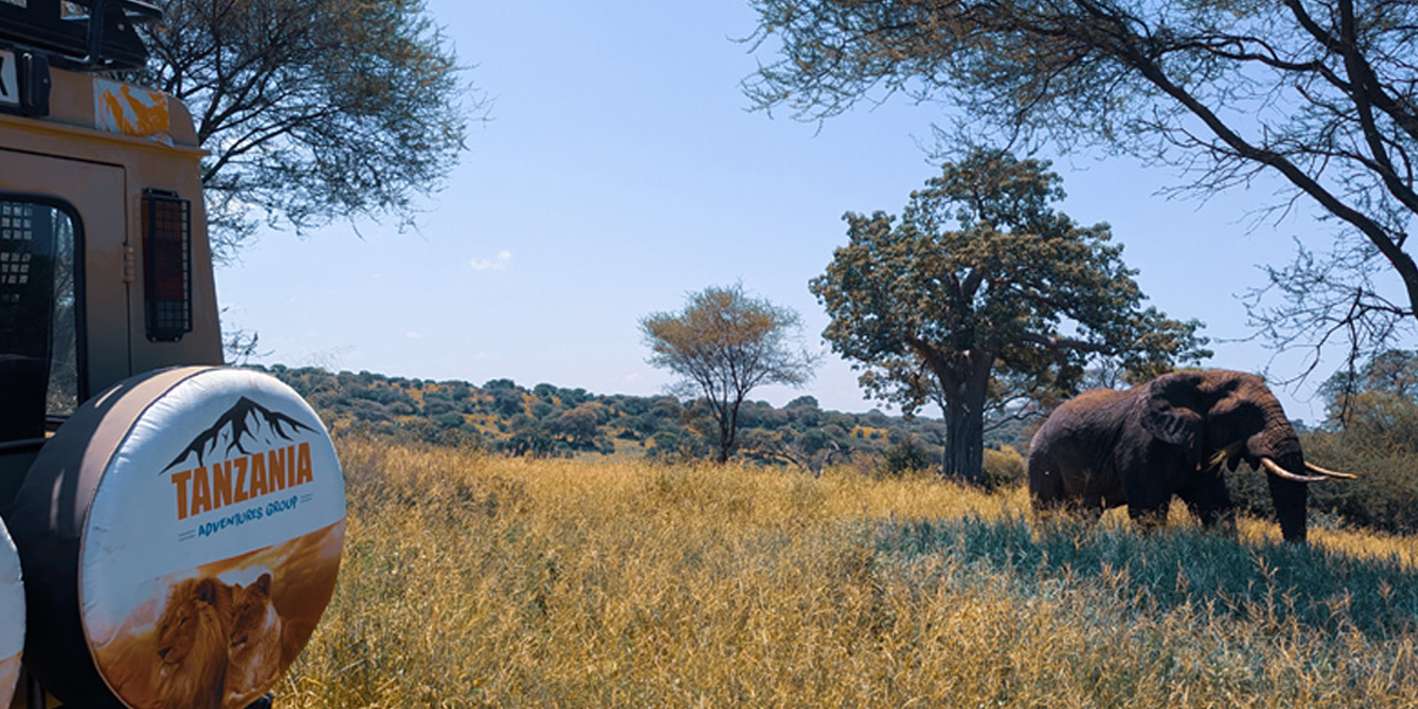
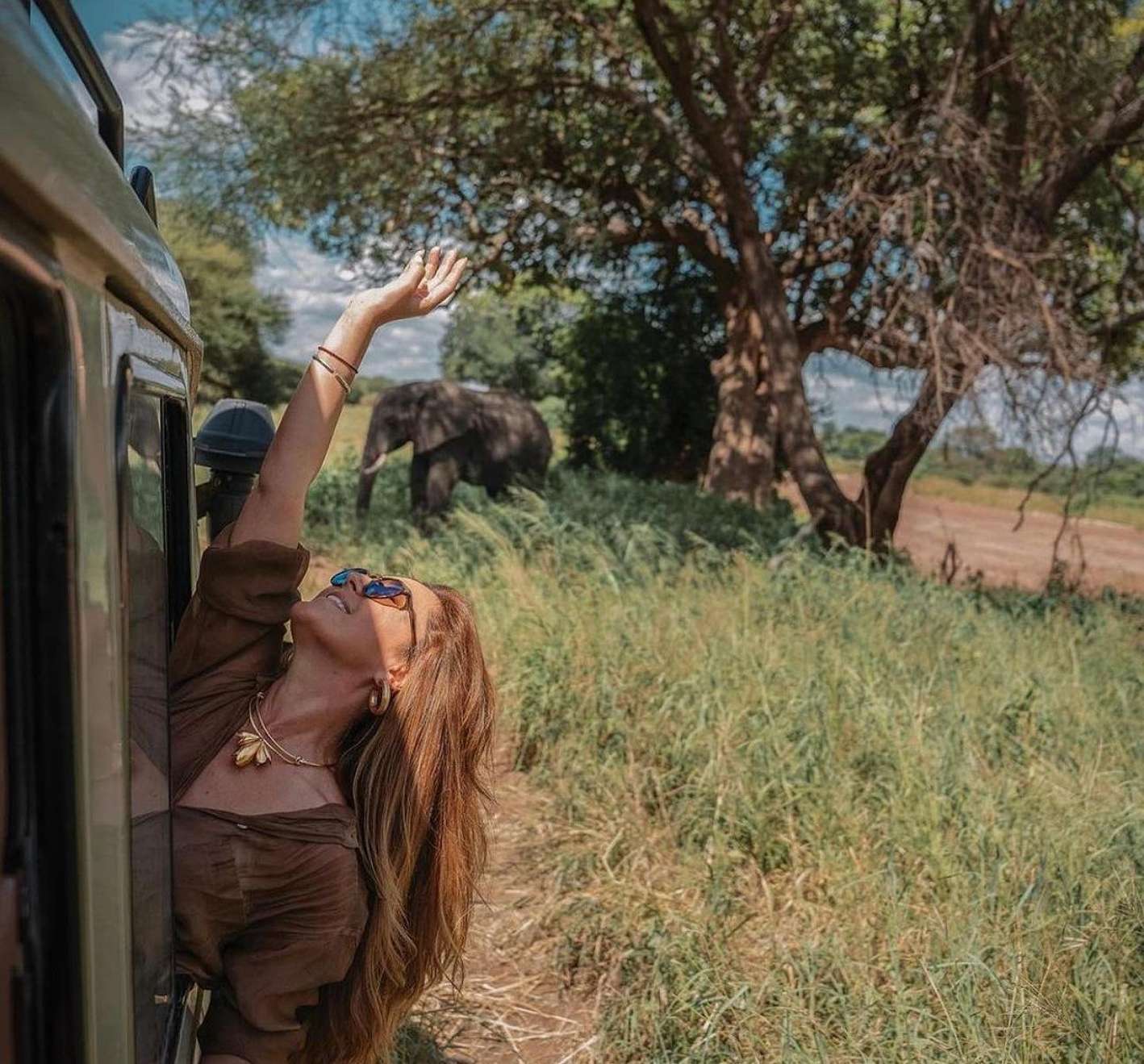
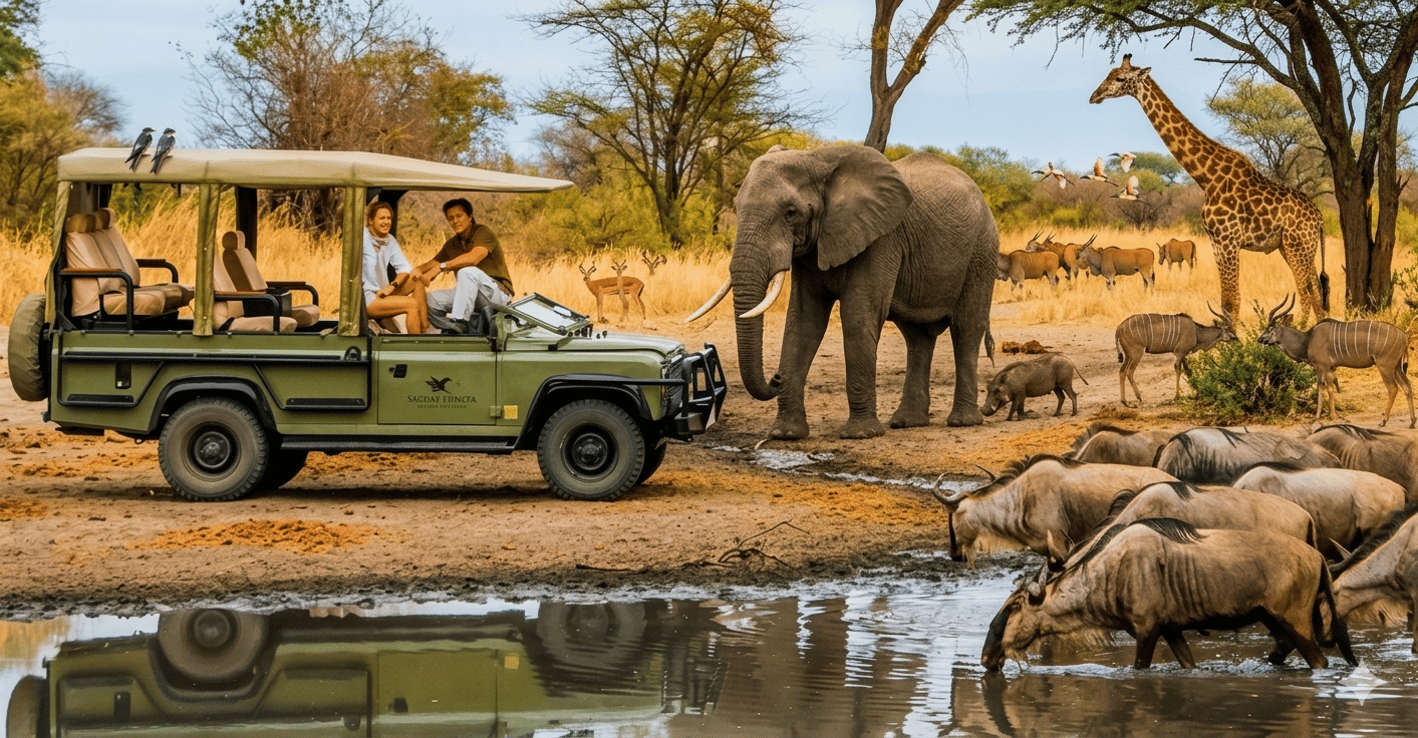
Book a luxury safari in Tanzania with your own private 4x4 and guide. Hundreds of travelers flew from Zanzibar and stepped straight into game drives past lions and elephants, no bumpy transit roads, no sharing seats. Pick a flight-inclusive package and let the bush do the rest.
4.7★average rating1,827traveler reviews100%free cancellation28countries travelers came from
Choosing your Tanzania luxury safari - A quick start
The experiences here split three ways: a day flight to the southern reserves, a multi-day private circuit through the northern parks, or a short fly-in trip that pairs a bush night with your Zanzibar beach days. The difference that decides it is how many days you can give the wildlife, and how far you want the prop plane to take you.
PassportBring your original passport or a clear copy for park registration, and keep it valid for six months past your arrival with blank pages for stamps.
VisaMost foreign nationals need a Tanzanian visa; apply online through the official e-Visa portal or get one on arrival at major airports, with proof of accommodation and a return ticket.
VaccinesNo vaccination is needed for a Tanzania safari; yellow fever proof applies only if you arrive from or transit through an endemic country.
FlightsBetween April 1 and June 1, weather or airfield conditions can move a safari forward or back a day, or route you via Dar es Salaam with a vehicle transfer instead.
PickupYour driver meets you at your hotel reception, so be ready five minutes before departure; pickup times and flight details arrive a day ahead.
ClothingWear long clothes in neutral earth tones such as khaki and olive, and skip dark blue and black, which attract biting tsetse flies.
NightsEarly mornings and evenings can be cool, especially around Ngorongoro, so a warm jacket goes in the bag even on hot days.
InsuranceEntry to Zanzibar requires the government's mandatory travel insurance, and coverage for medical emergencies is strongly recommended.
Which luxury safari in Tanzania fits you?
Answer a few quick questions and the page picks the trip that matches you best.
1Where are you starting from?
2What's your budget?
3What do you want to see?
Your best match
match
From Zanzibar: Day Selous Game Reserve Safari with Lunch★ 4.8 (1,688) · 8 hours - 2 days
Couples love this one: 97% of couples gave it 4 or 5 stars.
Booked 28 times this week
A same-day fly-in game drive with a bush lunch, back at the beach by evening.
documentYour passport must stay valid for at least six months beyond your arrival date, and most foreign nationals need a Tanzanian visa, which one visa covers both mainland and Zanzibar.
Apply for an e-Visa through the official Tanzania Immigration portal, or get one on arrival at major airports in Dar es Salaam, Kilimanjaro, or Zanzibar. Some nationalities need referral visa approval before departing, and travelers must show proof of accommodation plus a return or onward ticket.
Tanzania luxury safari picks worth comparing
Best fly-in from Zanzibar
2 days·English
4.9(40)
From Zanzibar: 2-Day, 1-Night Selous GR Safari with Flights
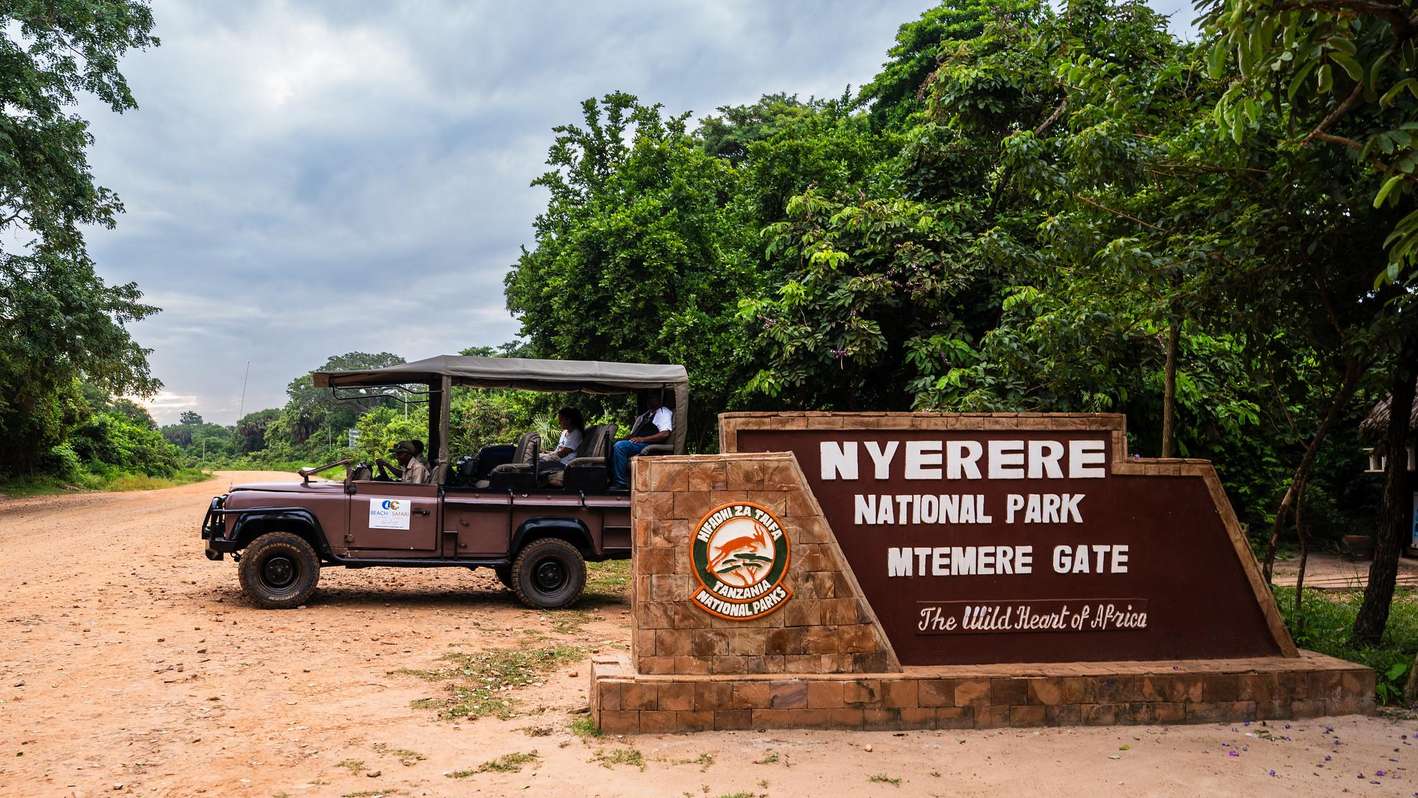
Option: Nyerere National Park 2Day premium safari with 2 game drives
Rated 4.9, this two-day trip pairs return flights and a lodge night with an optional boat safari on the Rufiji River.
Free cancellationHotel pickup includedShared Transfer from/to your hotel
Inside the two-day luxury Ngorongoro crater safari from Zanzibar
about 28 min
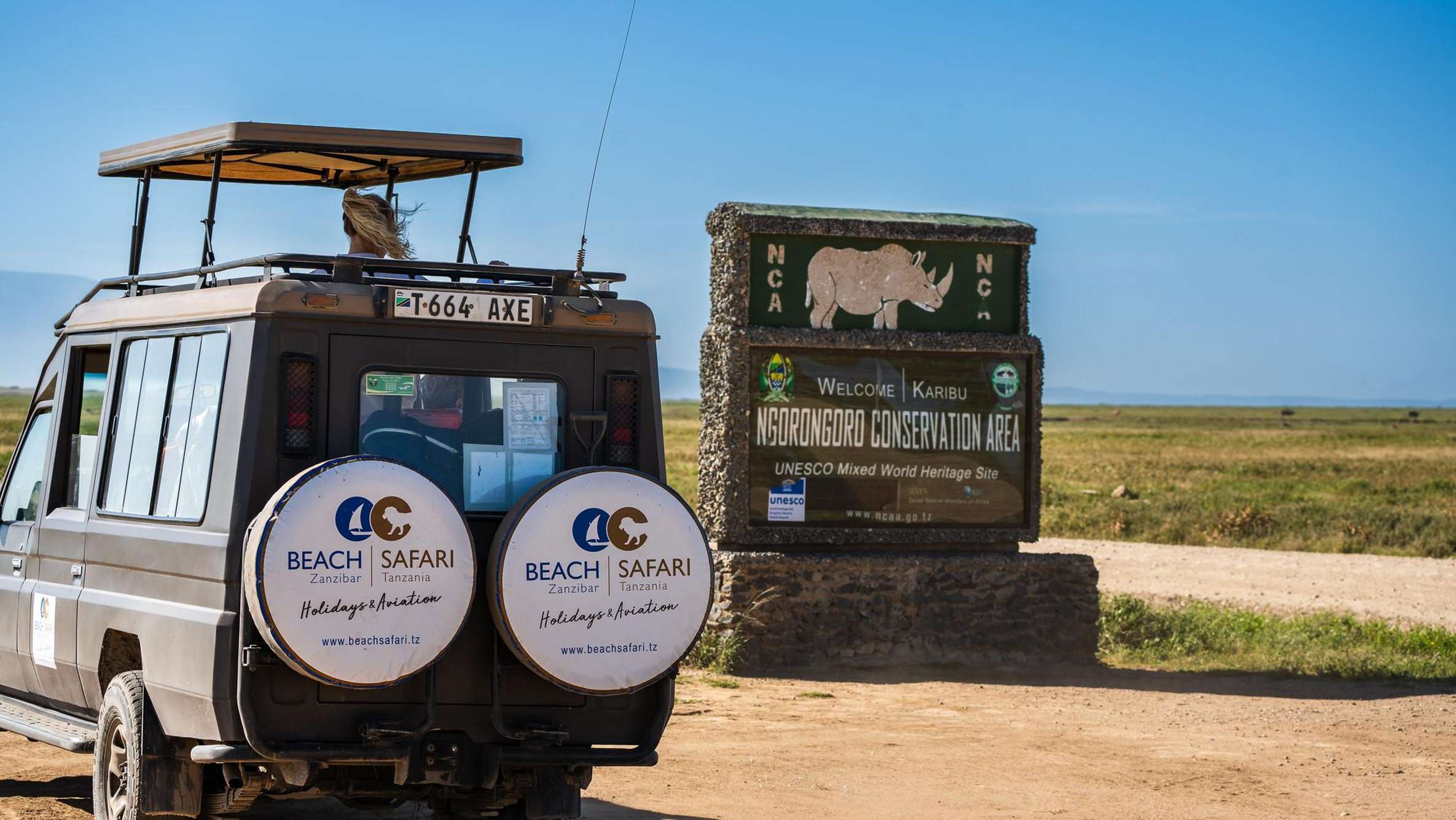
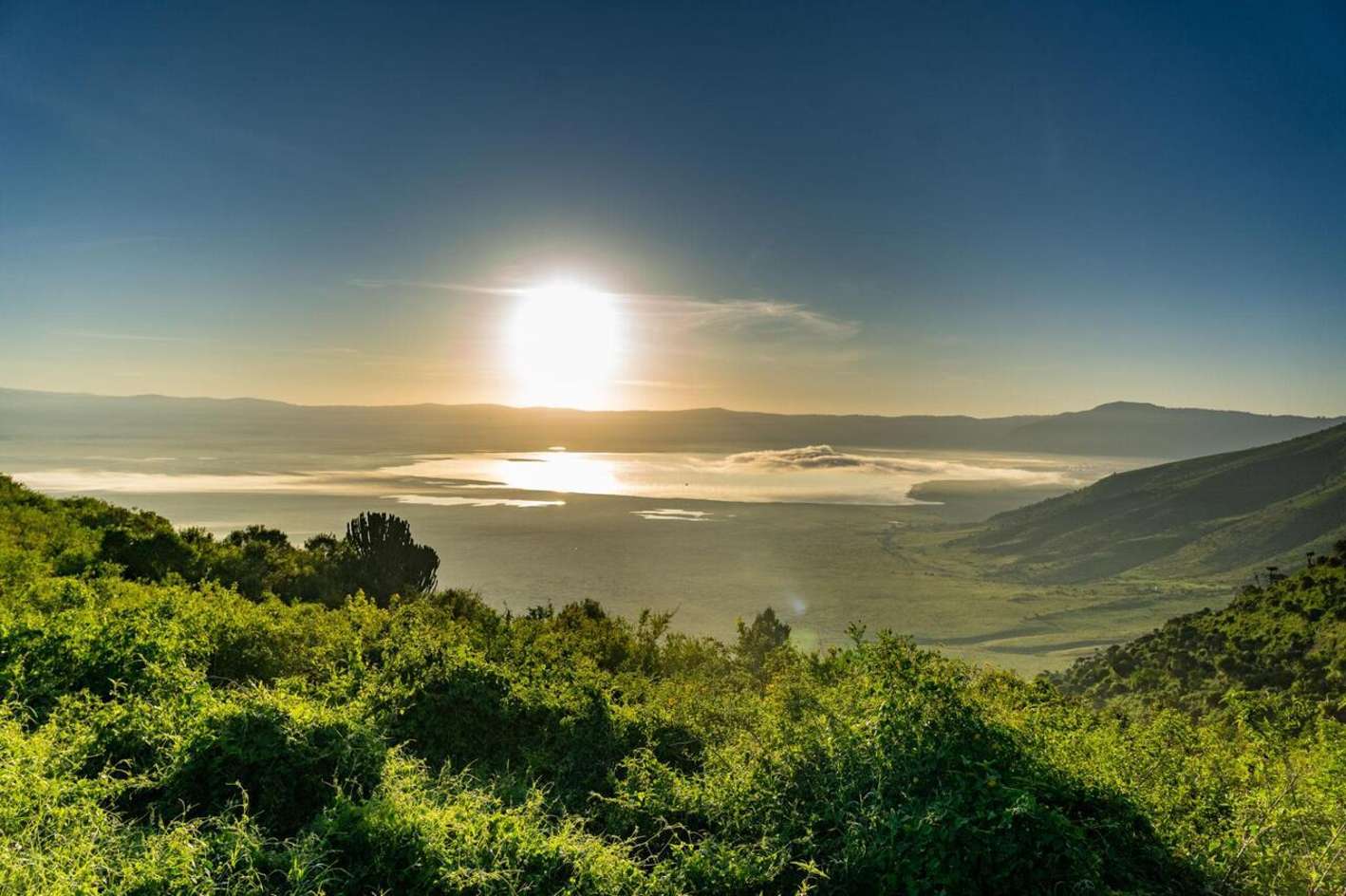
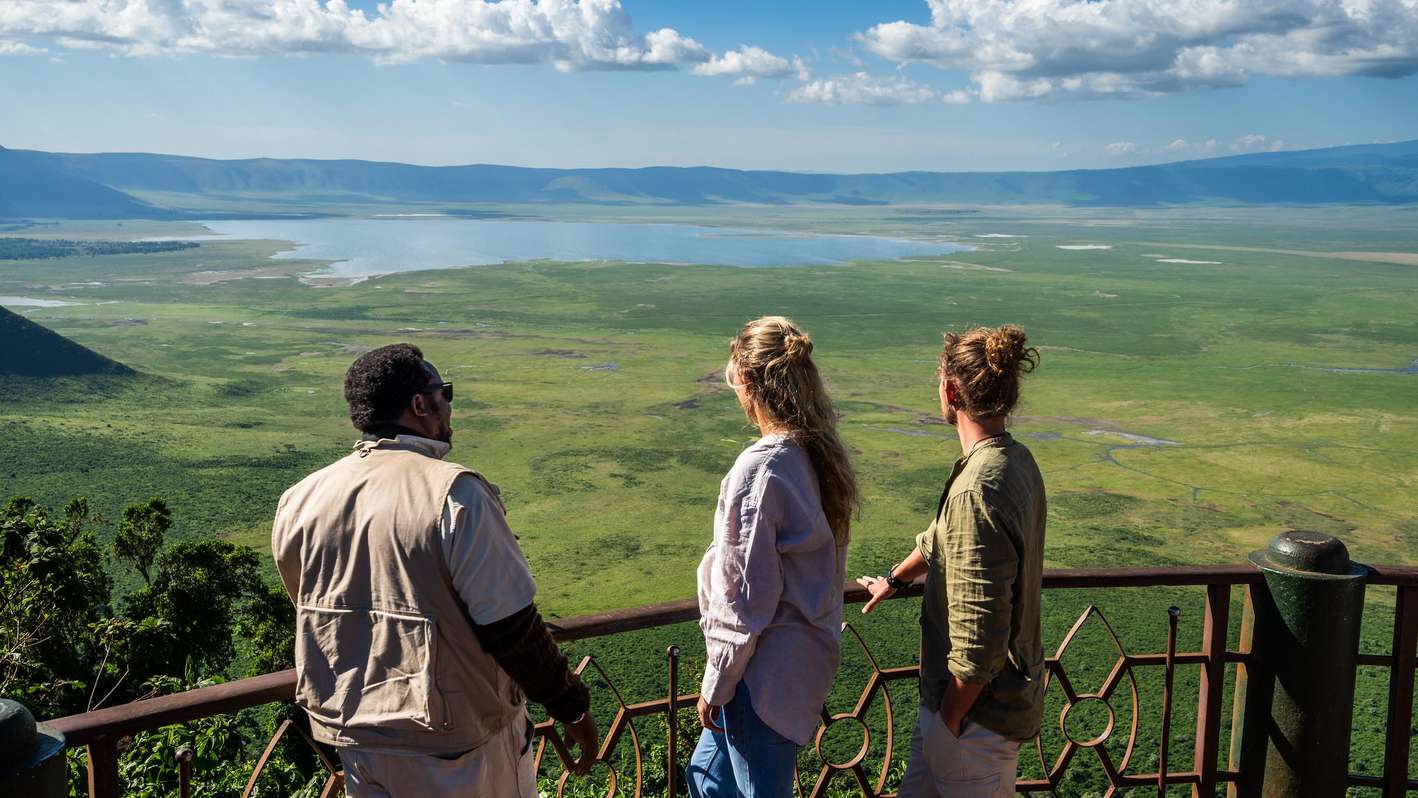
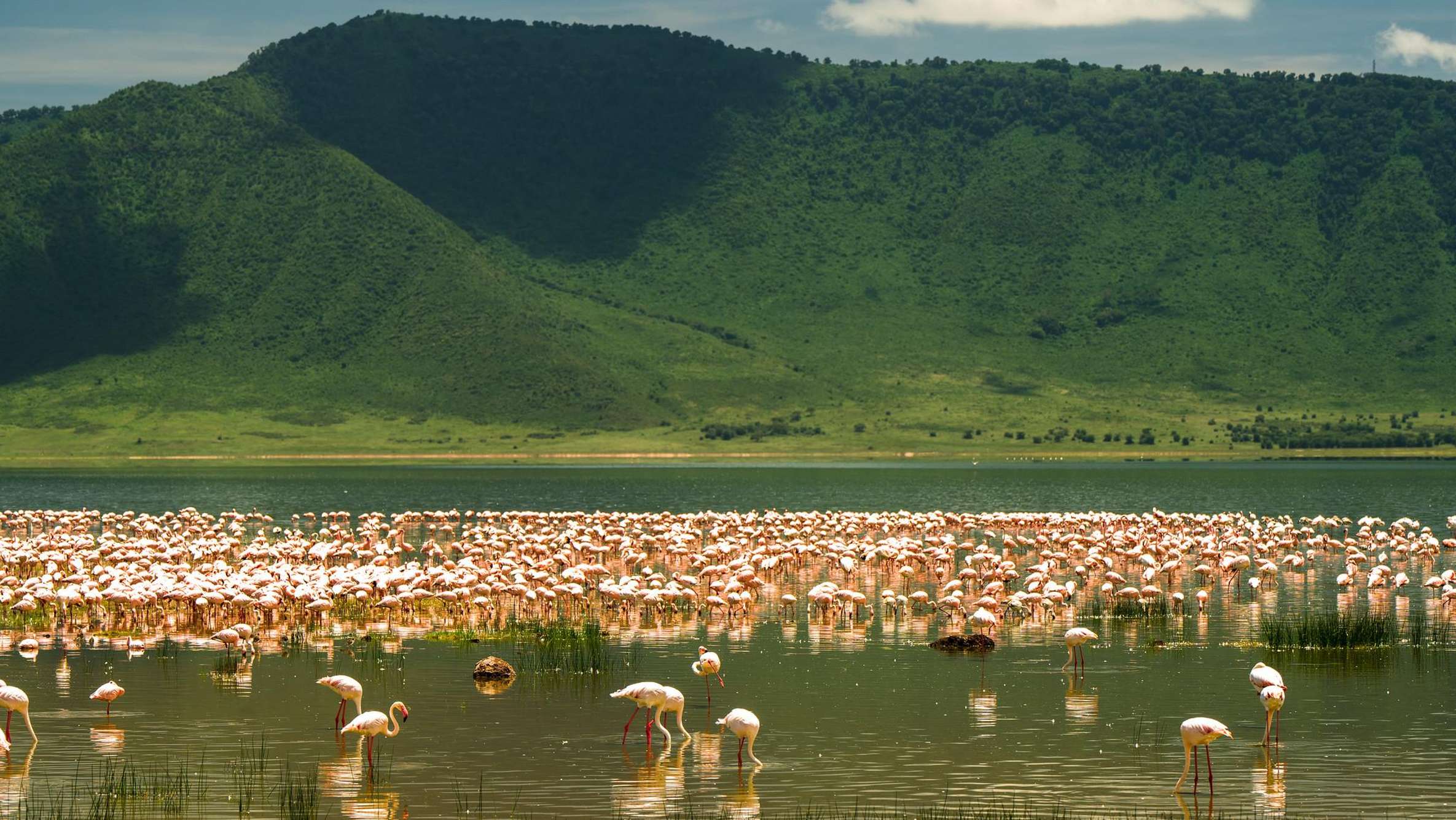
The drive down into Ngorongoro Crater is the reason this tour exists.
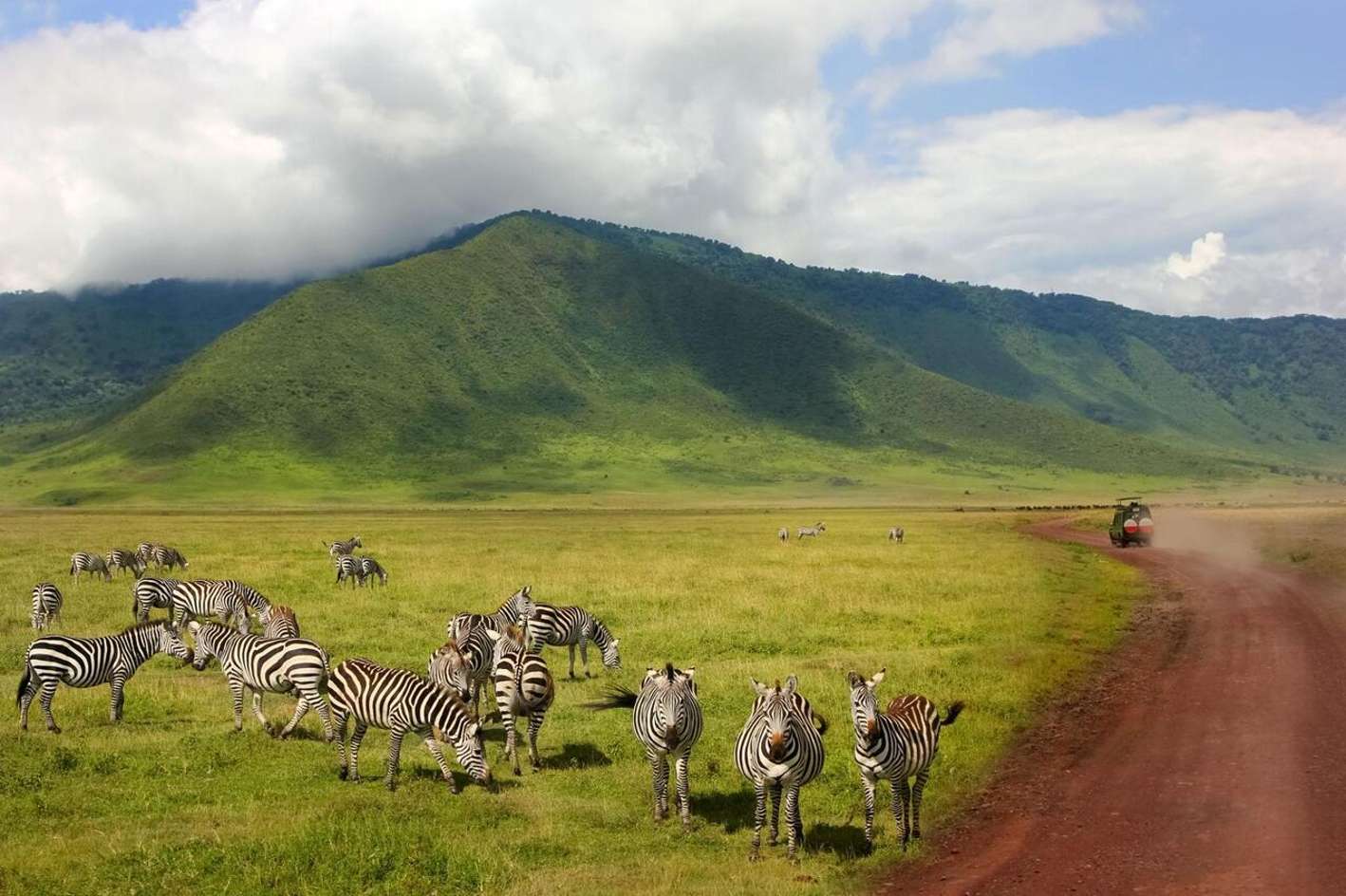
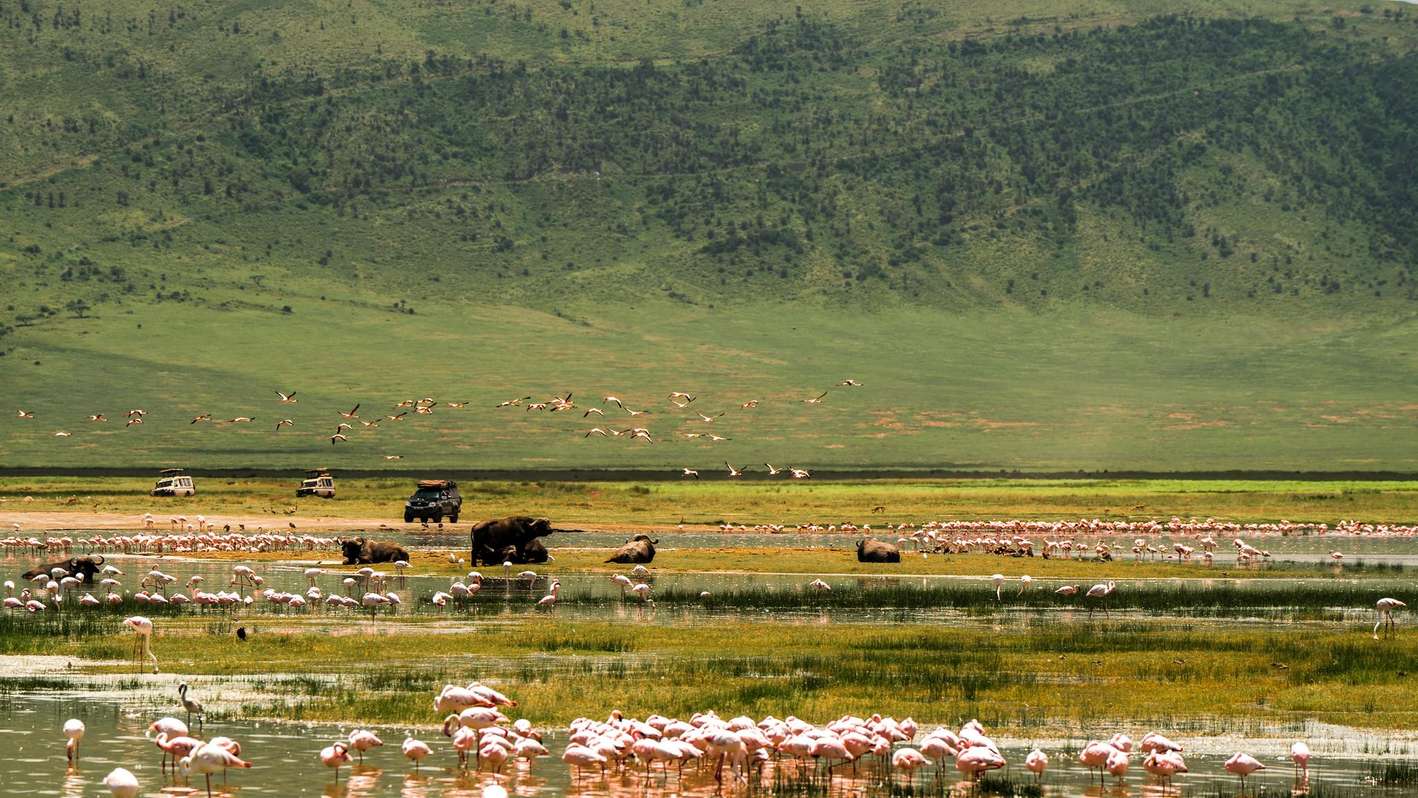
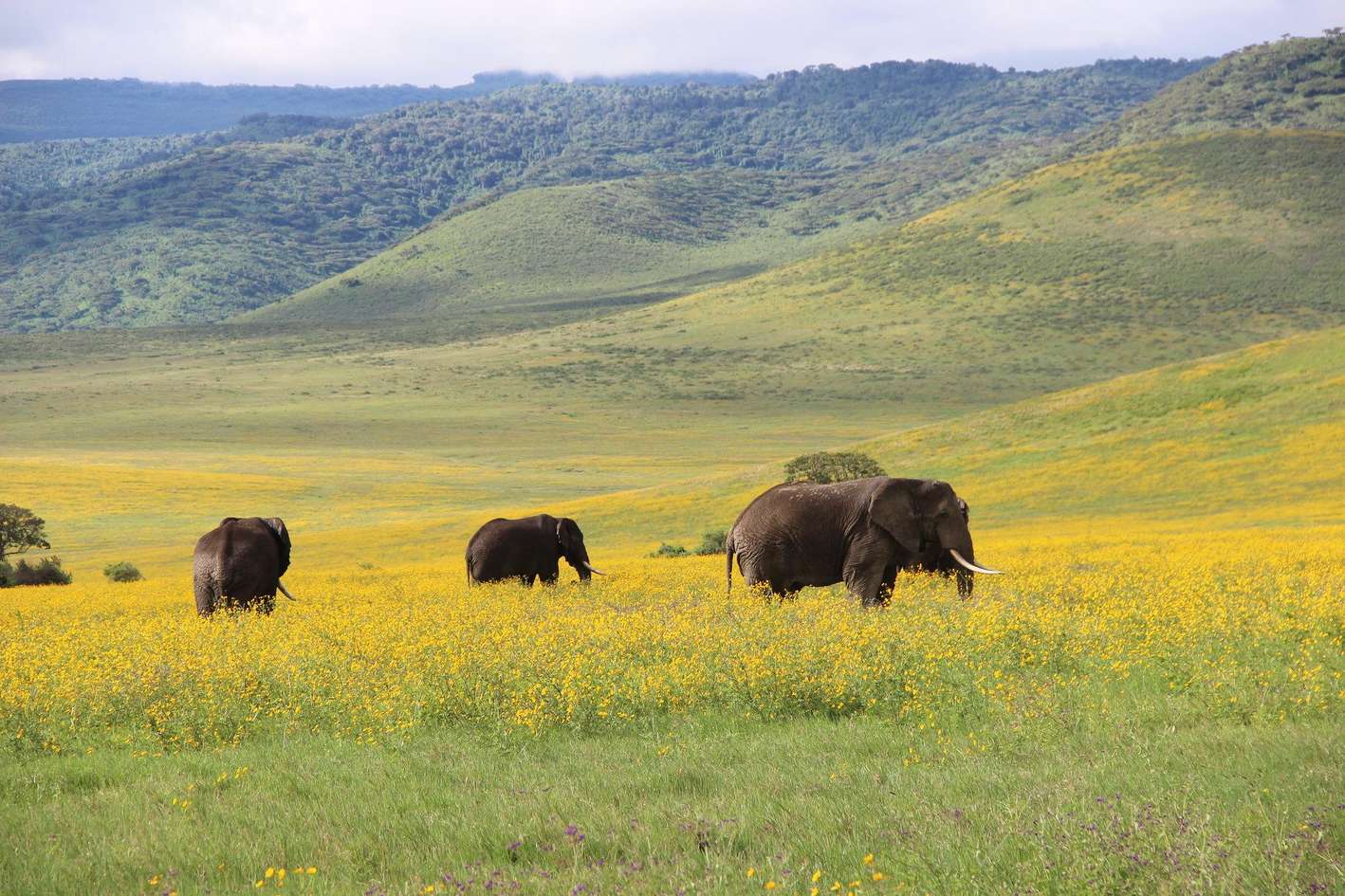
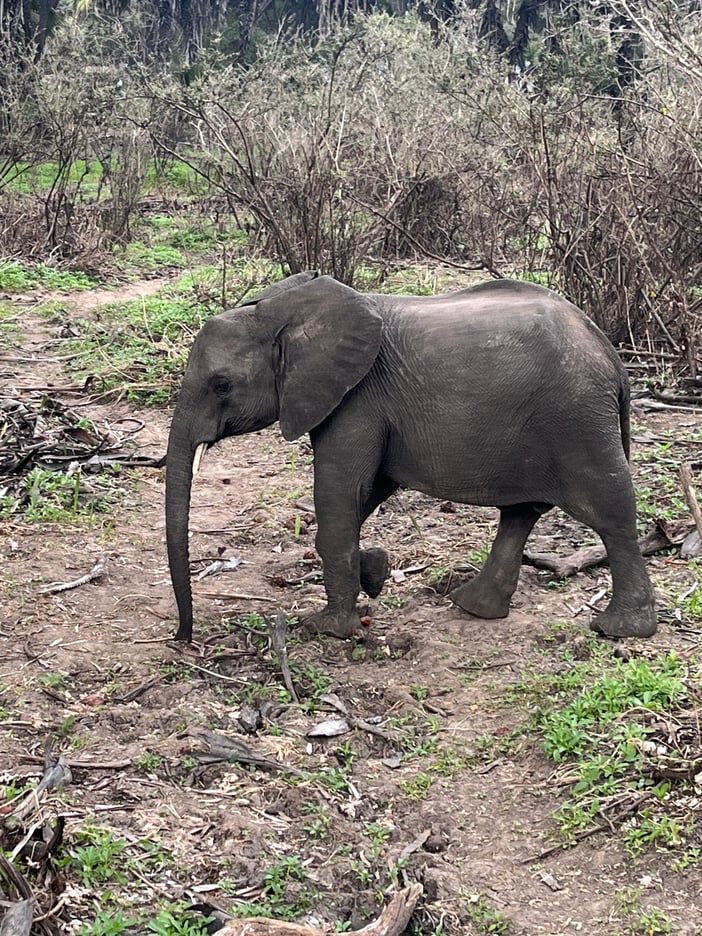
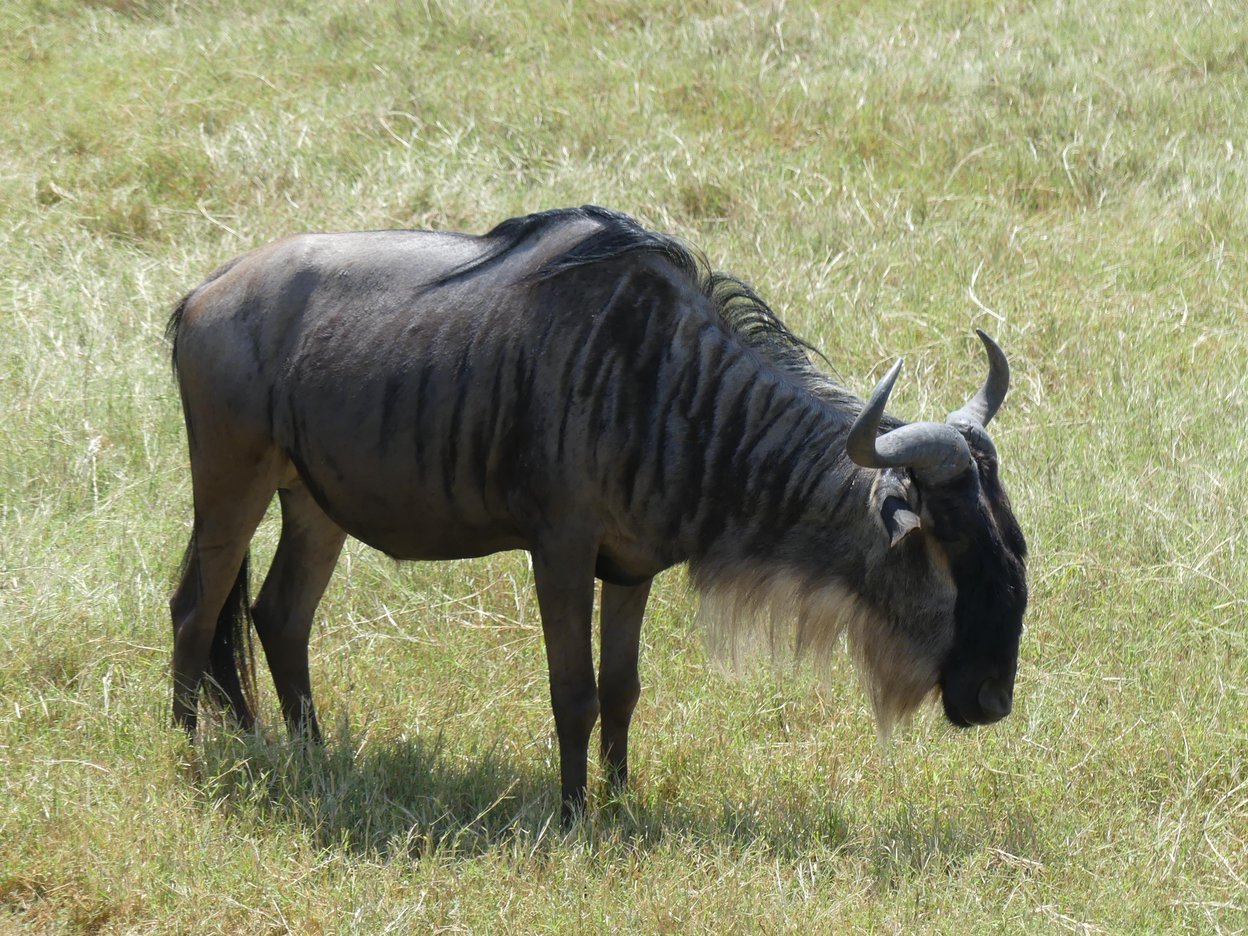
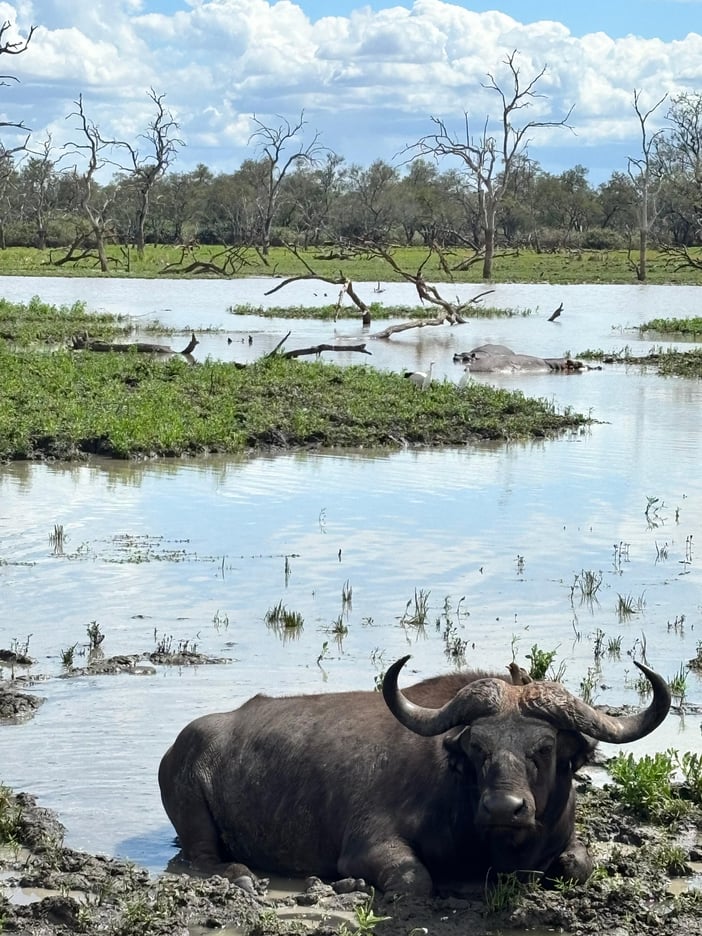
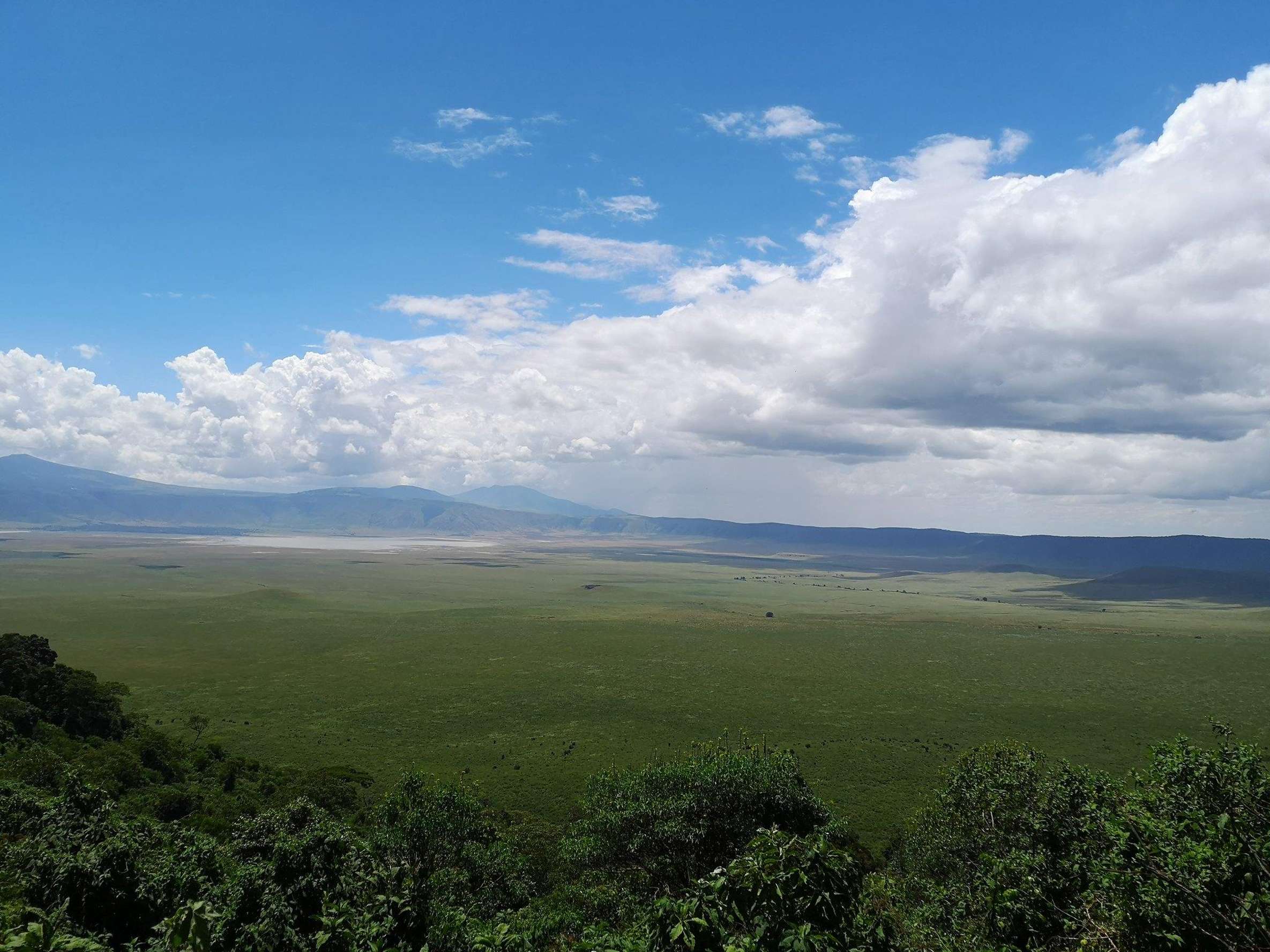
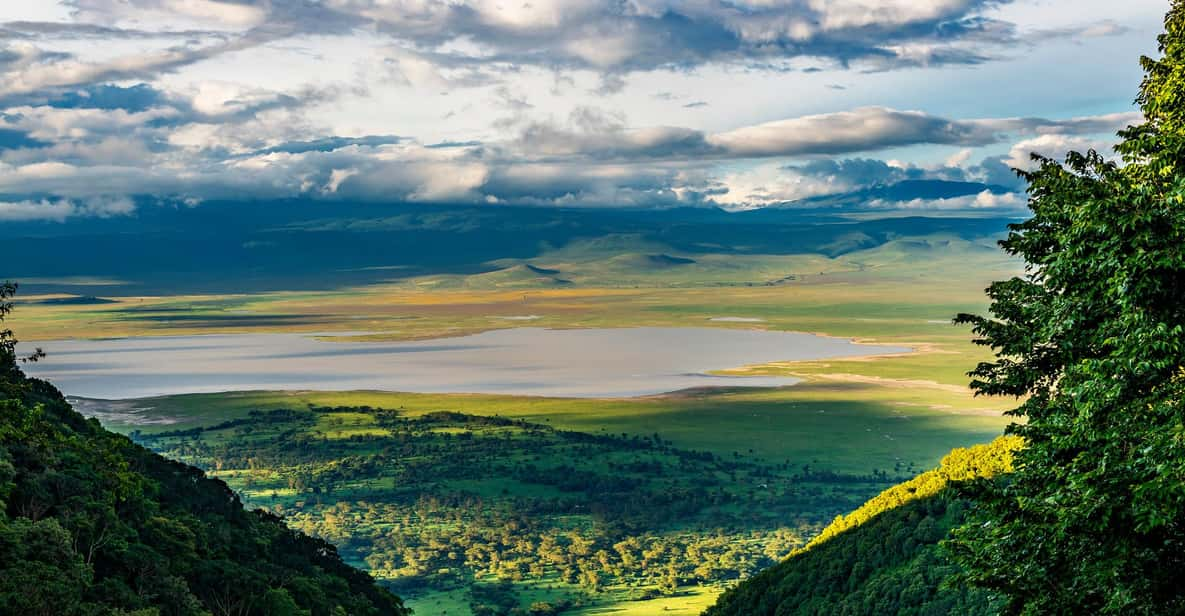
You descend roughly 600 meters into the world's largest intact volcanic caldera and spend a full day looking for lion, leopard, elephant, rhino and buffalo from your own private 4x4 jeep with your own guide. Nobody else shares the vehicle, so stops run on your schedule.
Two days cover it. The package includes the return flight from Zanzibar to Arusha, park fees, full-board lodge accommodation and hotel pickups on both islands. A morning transfer, a short flight and a game drive; the logistics run with little downtime between them.
1Morning flight from Zanzibar· about 2 hoursYour driver collects you at the hotel reception and a flight carries you from Zanzibar to Arusha, where your private guide waits to head for the highlands.2Drive through the Conservation Area· about 4 hoursYour guide drives you through the Ngorongoro Conservation Area toward the crater rim, watching for wildlife along the way.3Full day on the crater floor· about 8 hoursDescend into the caldera for a full-day private game drive. Lions, elephants, buffaloes, zebras, wildebeest and the endangered black rhino all live on this enclosed floor.4Night beside Lake Manyara· about 12 hoursYou stay in safari accommodation right next to Lake Manyara on a full-board meal plan, with zebras and wildebeest often wandering through the camp itself.5Flight back to Zanzibar· about 2 hoursAfter breakfast your guide drives you back to Arusha and the return flight puts you back on the island in time for the beach.
Where the other tours go
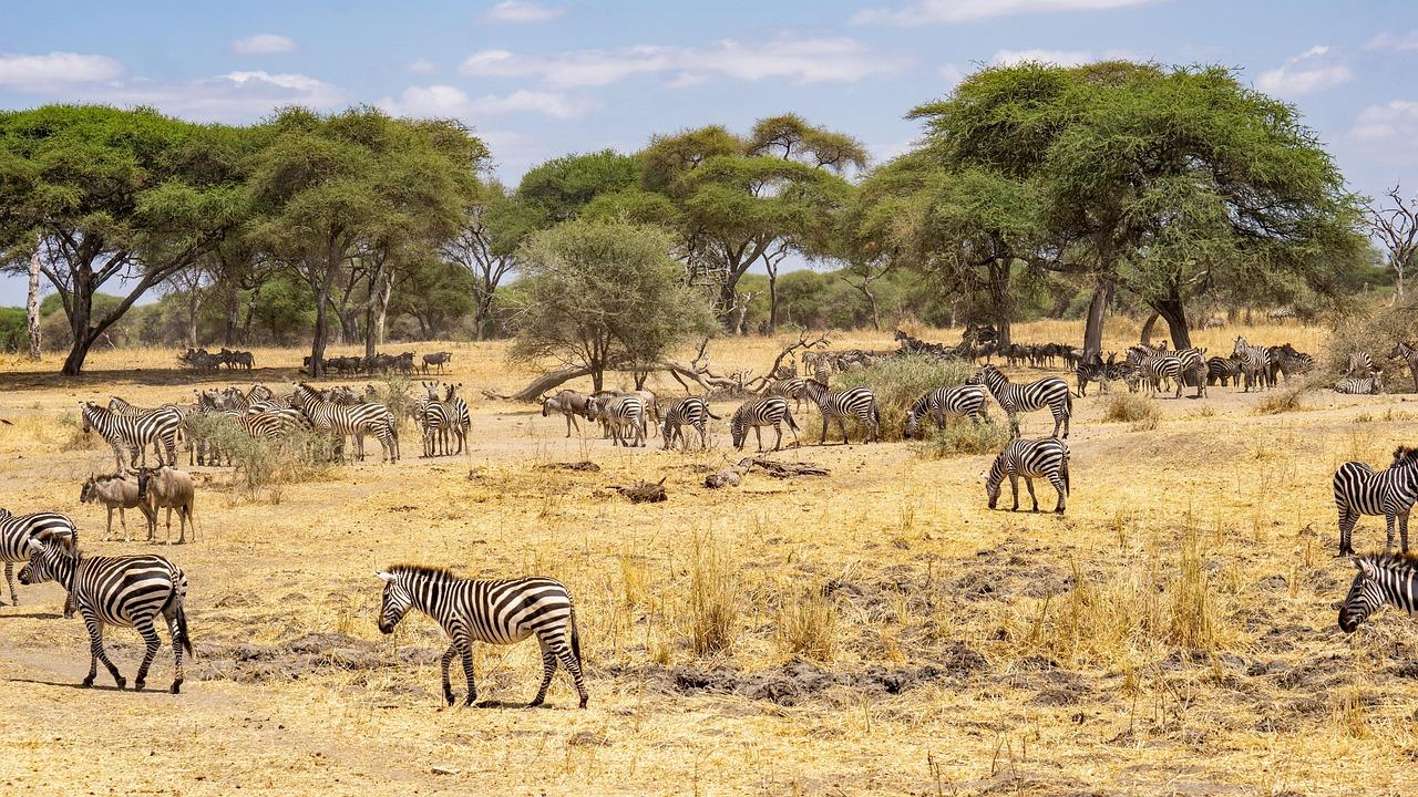
Tarangire National ParkNgorongoro Crater
From Zanzibar: 3-Day Tanzania Safari: Tarangire & Ngorongoro
Park feesExperienced guide driverHotel pick upHotel drop offPrivate Safari game drive(s)Safari jeep
Not included
International flightsVisaTourism Development Levy of $1.50 pp/pn and village tax of $1.00 pp/pn, to be paid by the guest(s) at check-inAll personal expenses, alcoholic drinks and tips
Comparing luxury Tanzania safari packages side by side
Green marks the lowest price. Each price says whether it is per person or per group.
Pro tipTop lodges on the Serengeti and Ngorongoro sell out 9 to 12 months ahead for the Great Migration, and the river-crossing camps need 12 to 18 months
RecommendedAim for June to October, when the mainland parks run dry and the Zanzibar beaches stay sunny
02
Choose your option
Each listing shows several versions of the same itinerary, and the differences matter. Private game drives give you the whole jeep and guide to yourselves; shared options seat you with other guests. On the fly-in tours you also pick hotel transfer or meeting point, and on some a language-specific guide.
Common mistakeFirst-timers book shared when they wanted private, then find strangers in the back seat for three days
03
Pay the deposit
Most operators take an upfront deposit to hold your lodge and flight seats, commonly a third to a half of the total. Check the cancellation line on the listing; several of these packages let you cancel up to 24 hours in advance for a full refund.
ImportantSome lodges charge a small tourism levy and village tax per night at check-in, plus mandatory Zanzibar travel insurance, so keep a little aside
04
Wait for the pickup message
The day before your safari you get your pickup time and flight details by message. Pack the night before, because fly-in day trips leave Zanzibar around 6:30 to 7 am and hotel pickups can start as early as 4 am.
ImportantA soft duffel bag, since bush flights and safari jeeps have no room for hard-shell cases
RecommendedBe at your hotel reception 5 minutes before the stated pickup time
05
On the day
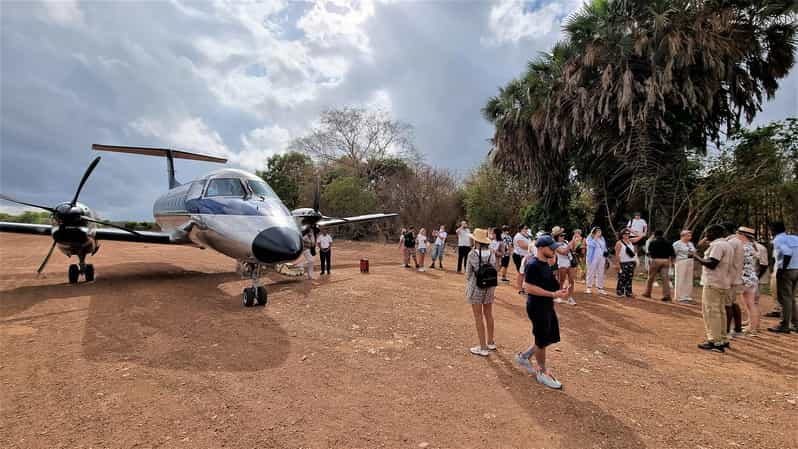
Bring your original passport or a clear copy for the park gates and the flight. Expect short prop-plane hops that land on bush airstrips inside the parks, with your guide waiting when you touch down.
ImportantBetween April 1 and June 1, weather or airfield conditions can move your safari dates, so keep one spare day in your plan
What to know before reserving your luxury Tanzania safari
Can stop the dayGood to knowGood news
01
ChoosingWhat it is, who it suits, when to go
5
Private vehicle
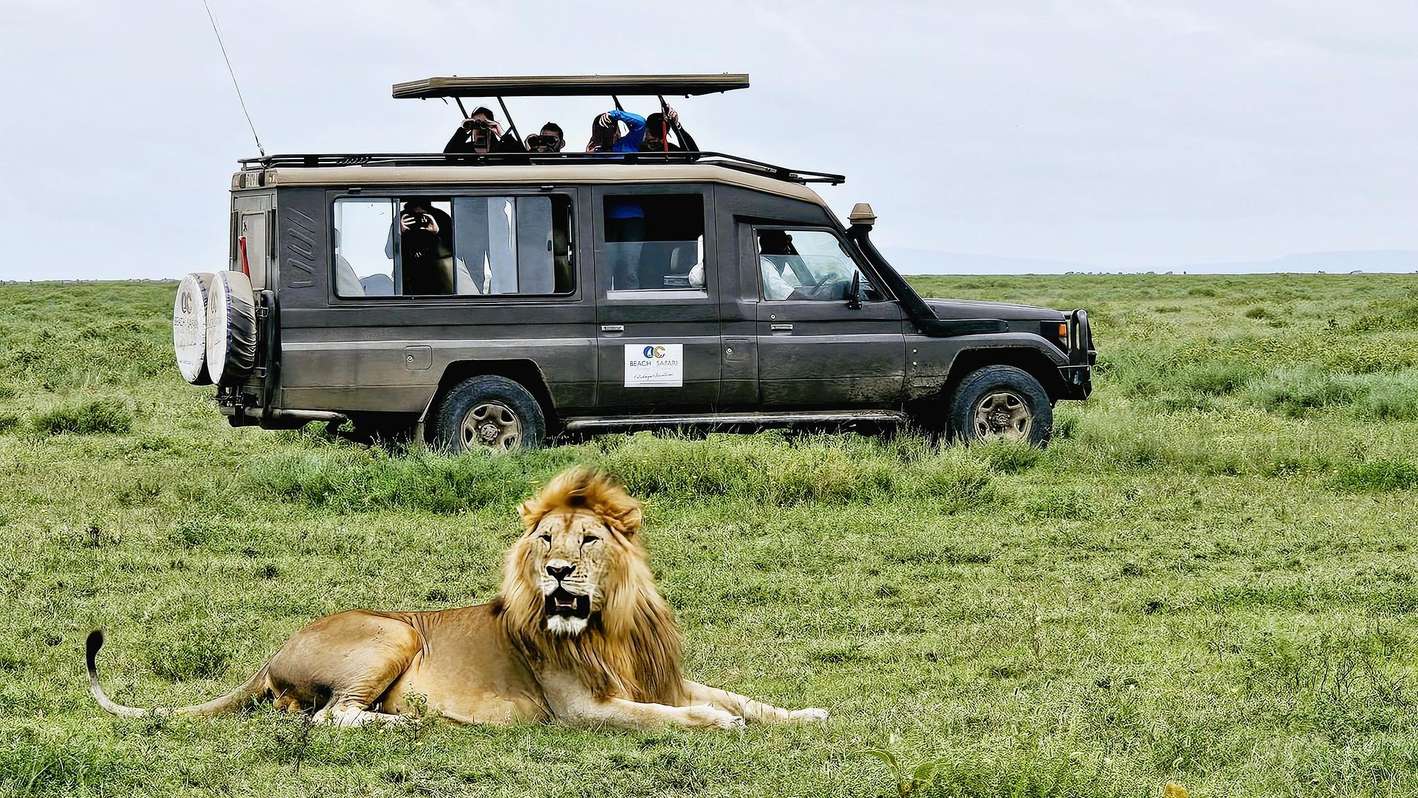
On these luxury tours the 4x4 jeep and the guide are yours alone, so you set the pace of the day and stop as long as you like at any sighting. Some day tours still run shared jeeps on their cheapest options, so pick a private option when you book.
Clothing
Pack neutral earth tones like khaki, olive and tan. Dark blue and black attract biting tsetse flies, white shows the dust fast, and camouflage is illegal for civilians in Tanzania. Mornings on the crater rim sit near 5°C, so add a fleece and a windproof layer.
Tipping
Tips for your driver-guide and lodge staff are not in the package price and stay optional.
Timing
Flights into the parks land on bush airstrips, skipping hours of rough driving and getting you to the animals early. Pickups run early, sometimes from 4 am in Zanzibar, so set an alarm and be at reception five minutes before departure.
Booking windowCan stop the day
Flight seats into the northern parks are limited, so one operator may reschedule your departure date to a day when seats are open. Book the Serengeti and Ngorongoro fly-ins well ahead of a fixed holiday.
02
BookingHow far ahead, and what happens if plans change
2
Cancellation
Every tour on this page lets you cancel up to 24 hours in advance for a full refund. That makes it low risk to lock in a date early, which matters on flights where seats are limited.
Weather
Between April 1 and June 1, heavy rains can move or change your bush flights, and a grounded flight means a new date or a full refund on day tours. Plan a buffer: operators advise finishing your safari at least two nights before your international departure from Zanzibar.
03
Before you goPapers, health, what to bring
4
DocumentsCan stop the day
Bring your original passport or a clear copy, because park gates and Ngorongoro checkpoints register every visitor by ID. Your passport also needs to stay valid at least six months past your arrival date in Tanzania.
Health limits
Several of these tours list pregnant travelers and people with back, heart or mobility problems as not suitable, since game drives mean long hours on rough dirt tracks. If a condition applies to you, tell the tour operator at booking so it can advise before you commit.
What's included
Park fees, guide, vehicle, meals and bush flights are covered on these packages. Expect to pay separately for visas, travel insurance required by Zanzibar, drinks, and small local levies at lodge check-in, so read the option's included list before you pay.
Zanzibar rules
Entering Zanzibar requires the government's mandatory travel insurance, and the island enforces modest dress in public areas outside beach resorts. Single-use plastic bags are banned nationwide and get confiscated on arrival.
04
During the tourWhat is expected of you
1
Charging
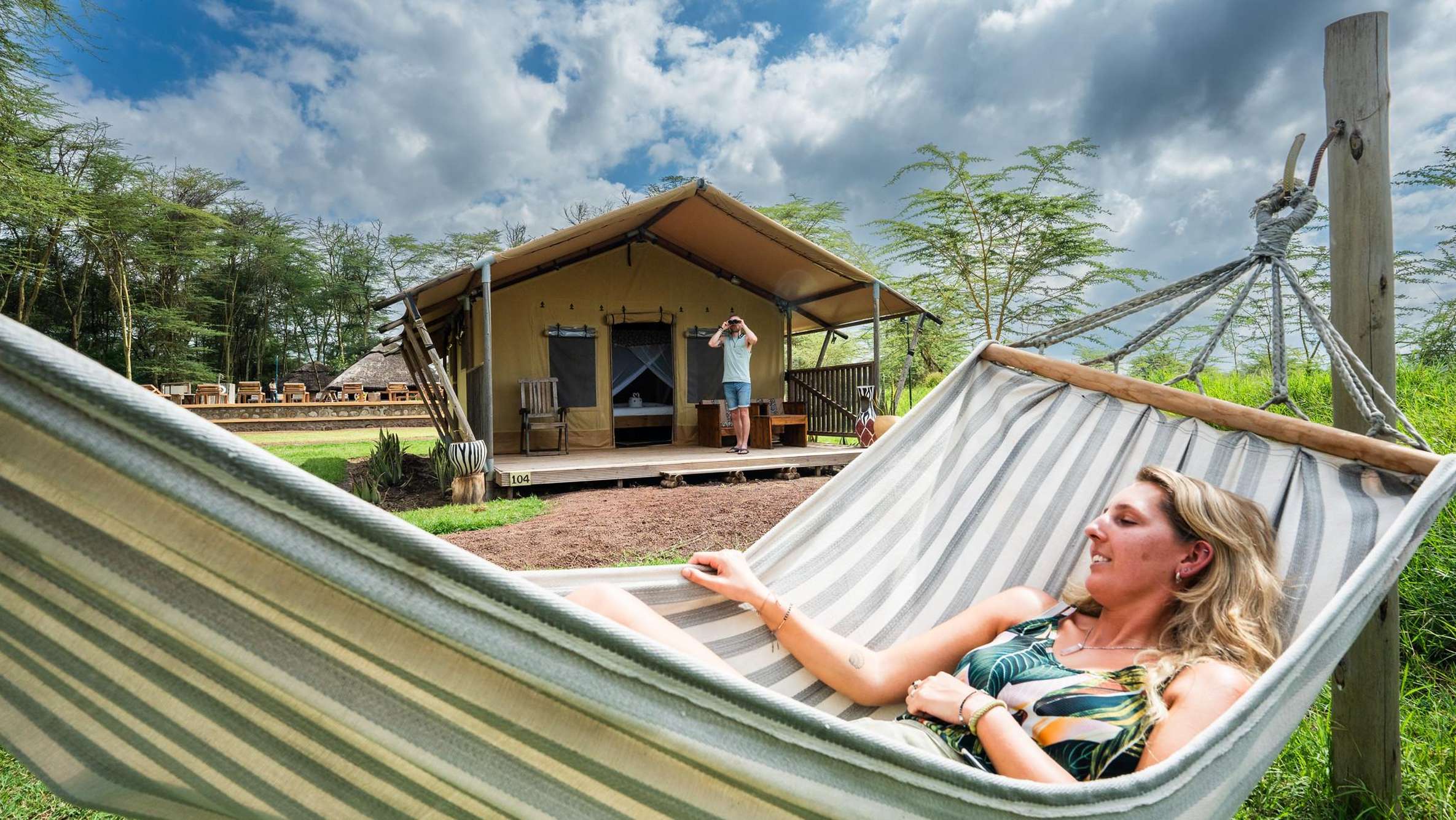
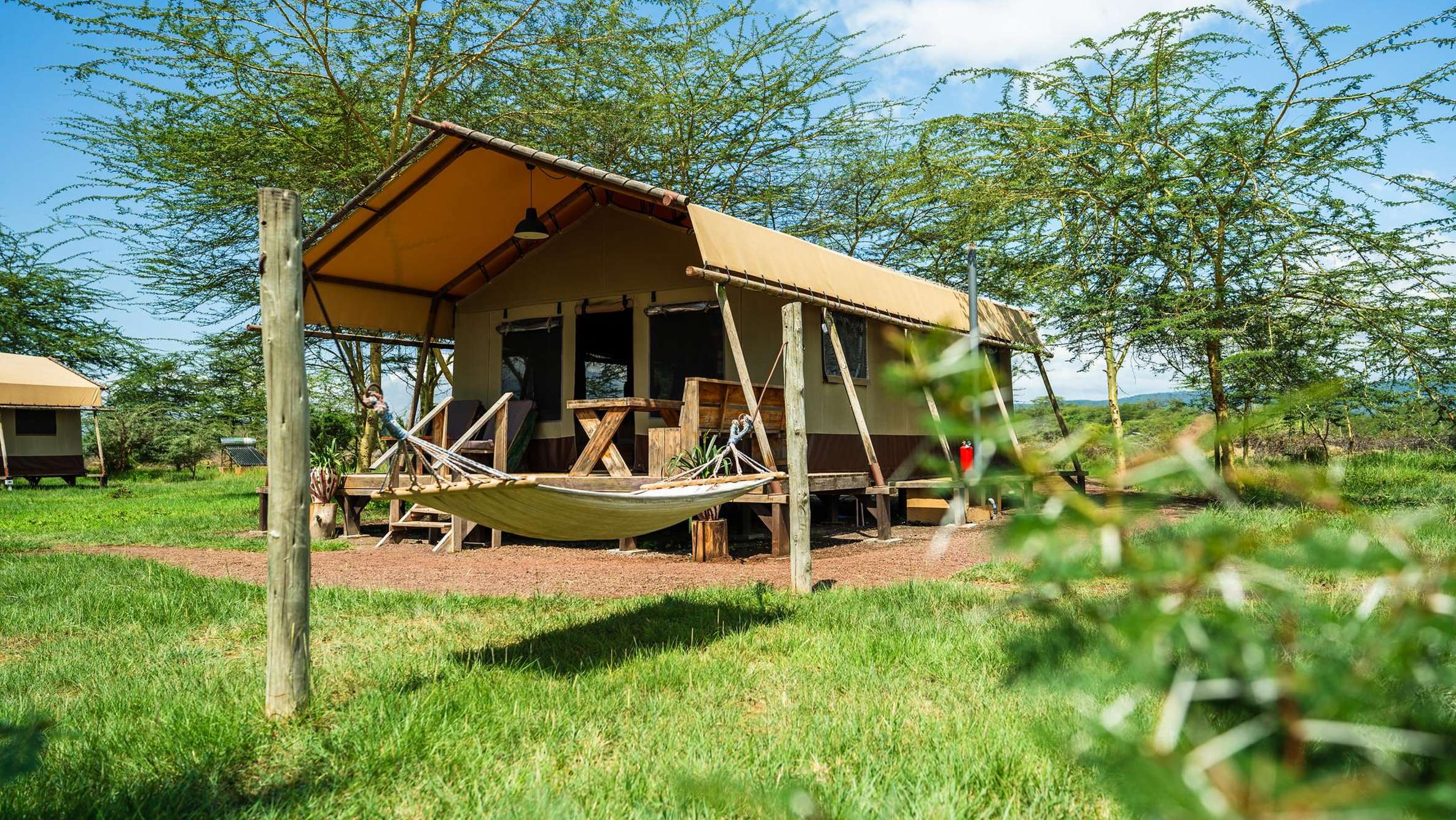
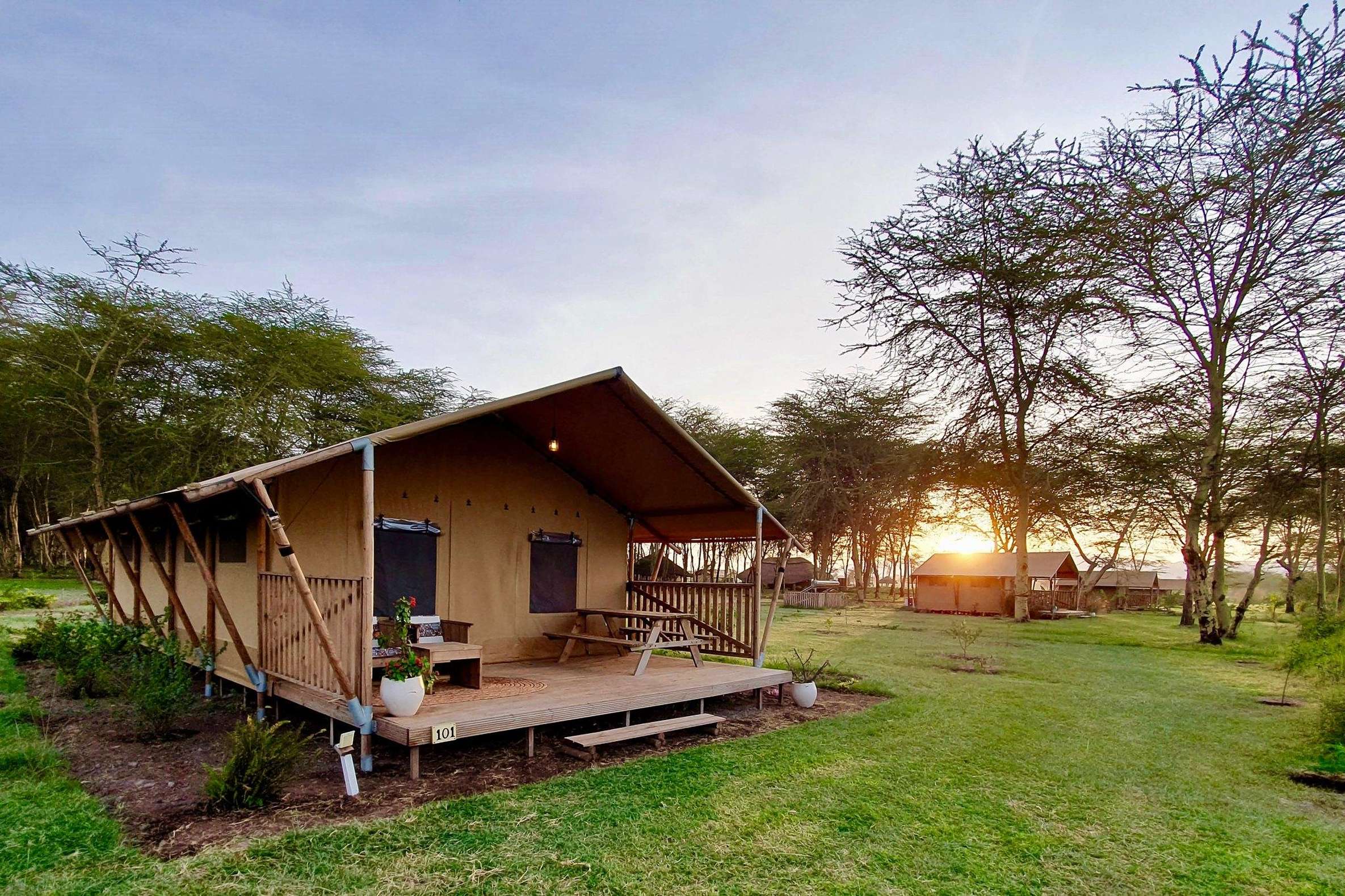
Some high-end tented camps run on solar power that limits in-room electricity to lighting. Bring spare camera batteries and plan to charge phones in the camp's main common area.
A luxury safari in Tanzania - the editor's guide
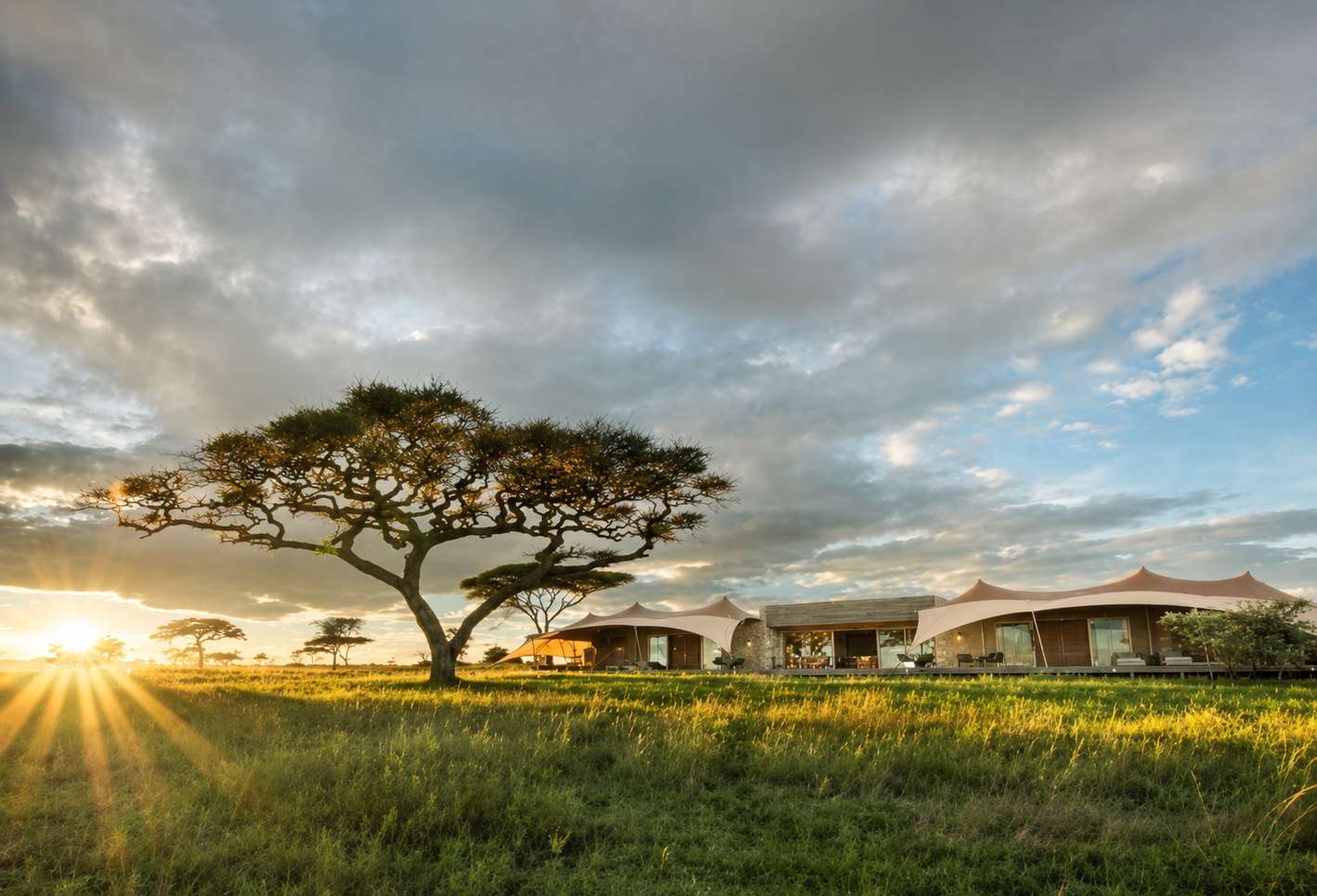
A private 4x4, your own guide, and a canvas suite with a hot shower change how a safari day feels, though the lions never check your bill. The premium shows up in hours, rest and pacing, and that is where a booking is won or lost.
Zanzibar City· 5.99° S, 39.38° E
If you only remember three things
1
Book a private vehicle: for two travelers, private often costs only marginally more than a shared seat.
2
Give the Serengeti at least three nights and every park two, or the drives win and the wildlife loses.
3
Your passport must be valid six months past arrival and most visitors need a visa: sort it before anything else.
Is the luxury premium actually worth it?
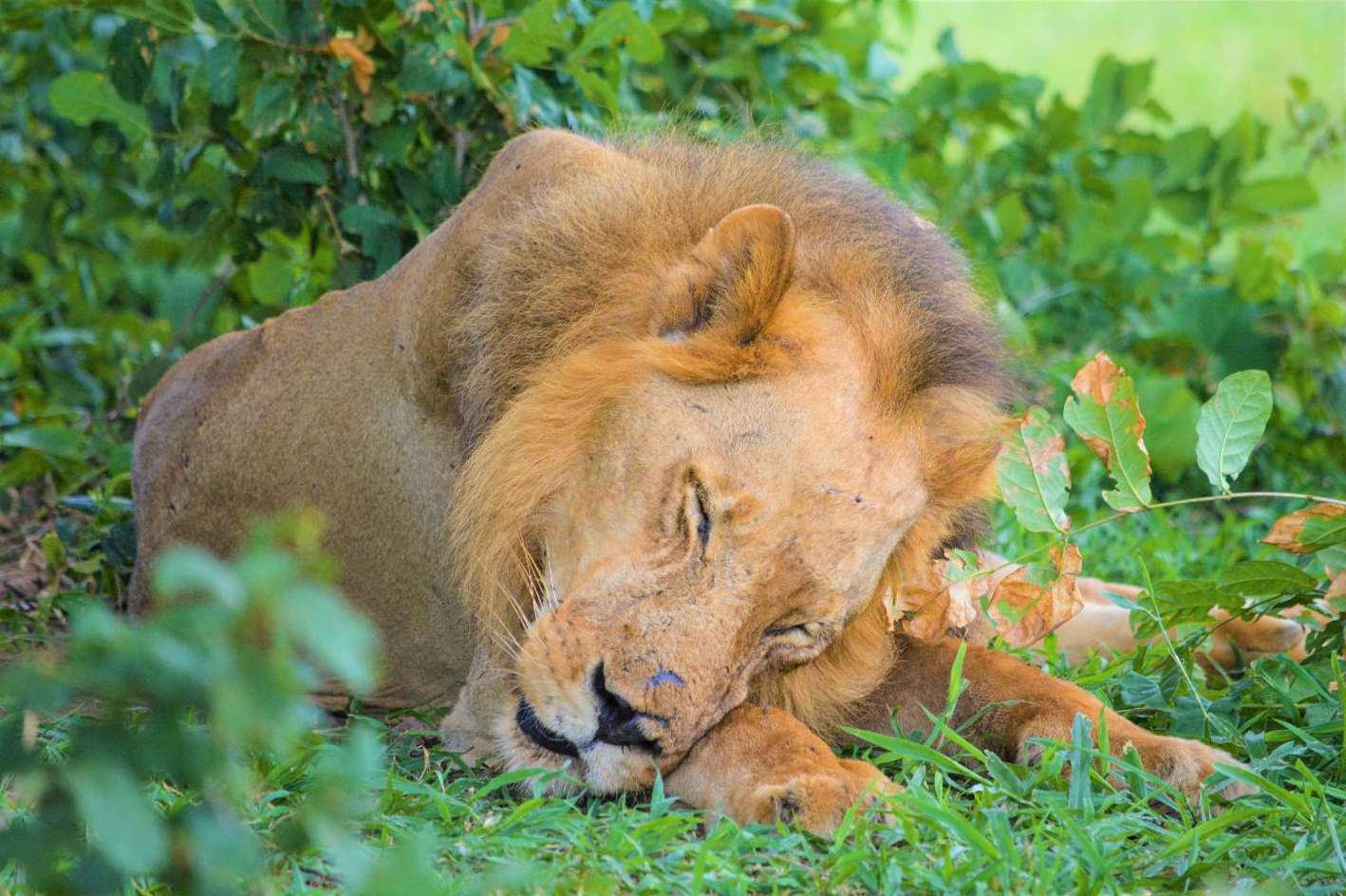
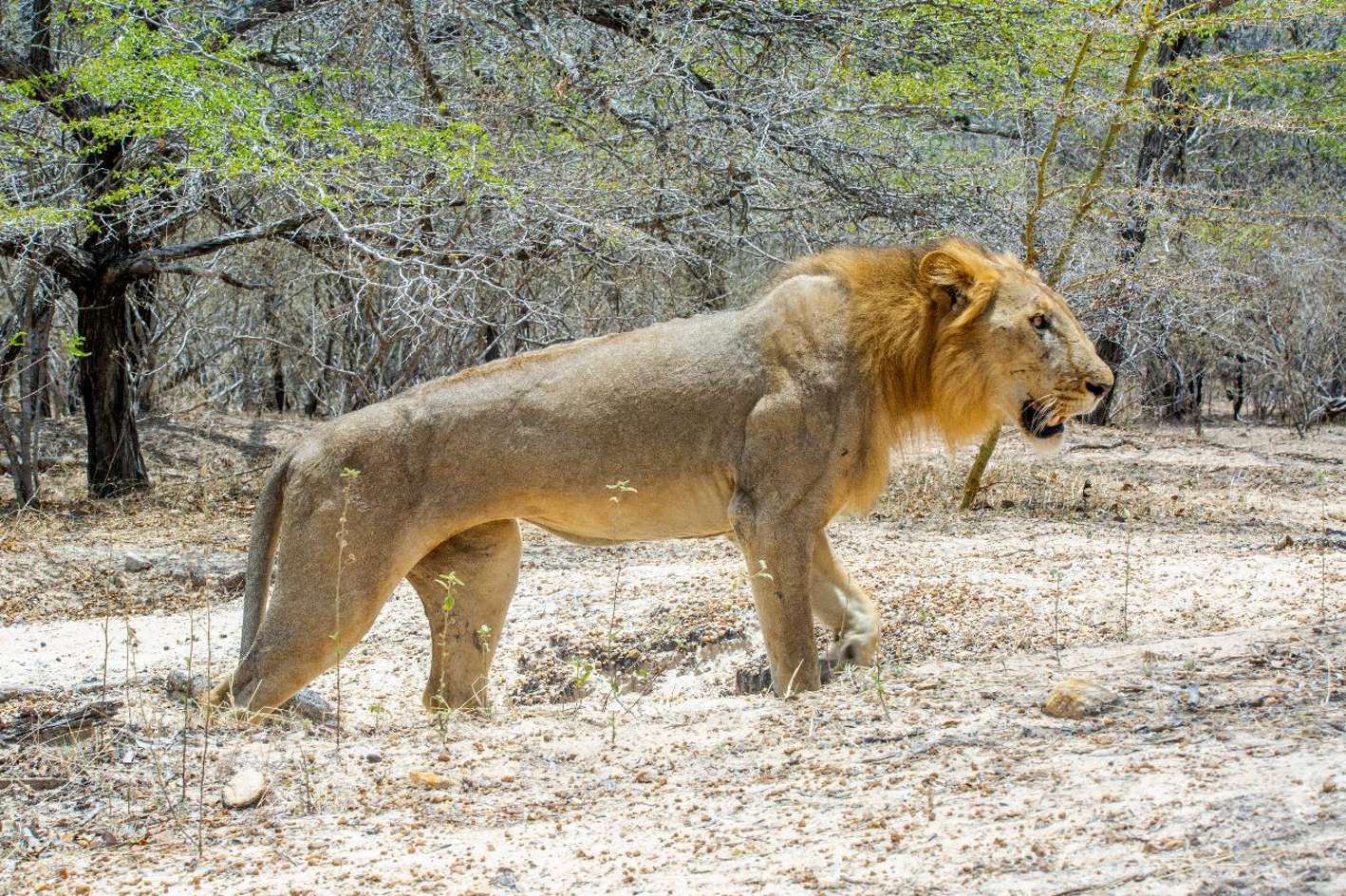
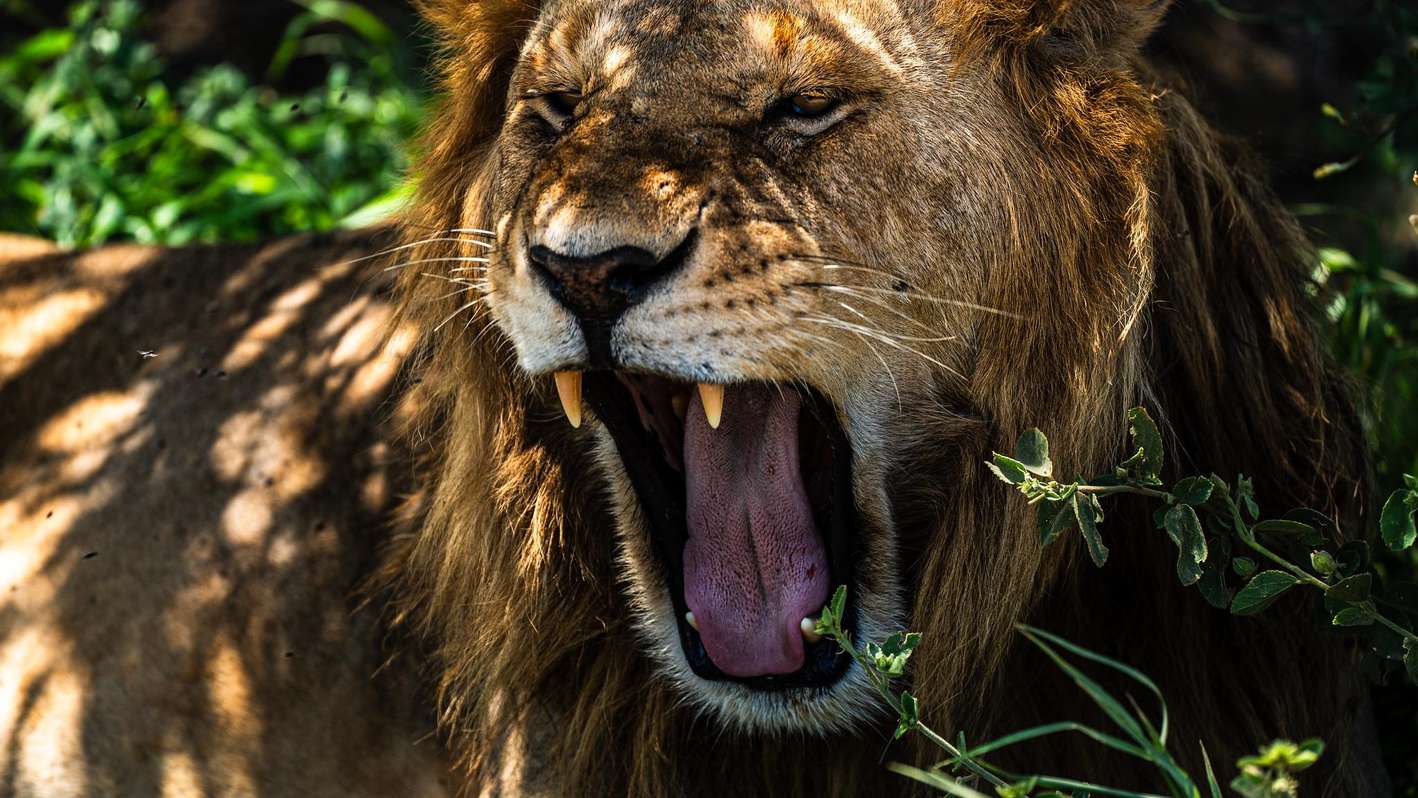
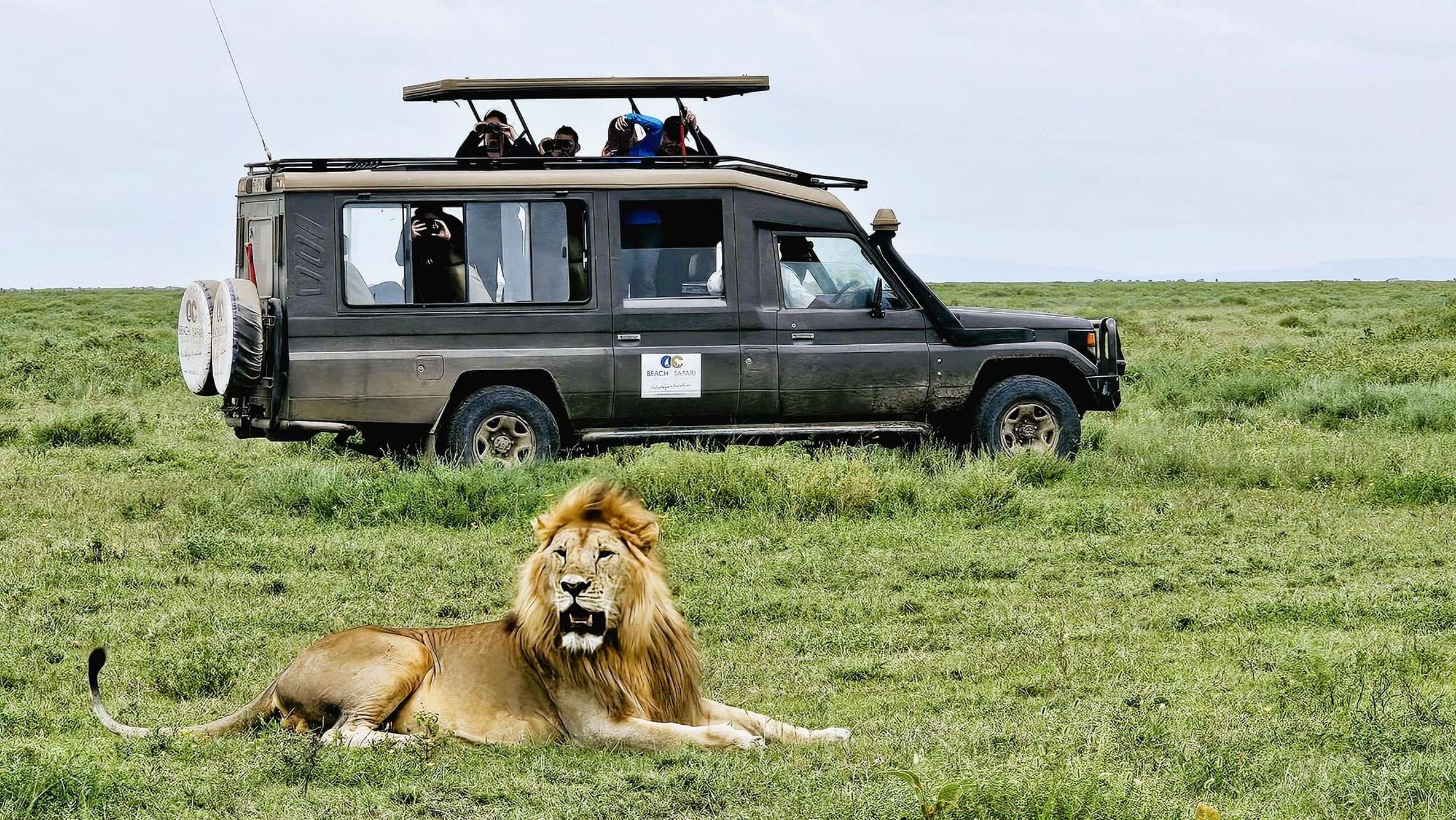
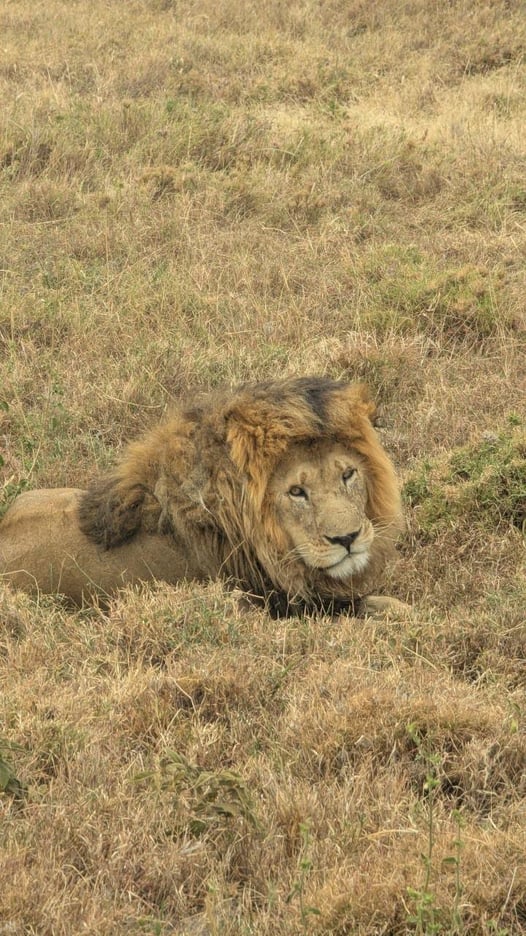
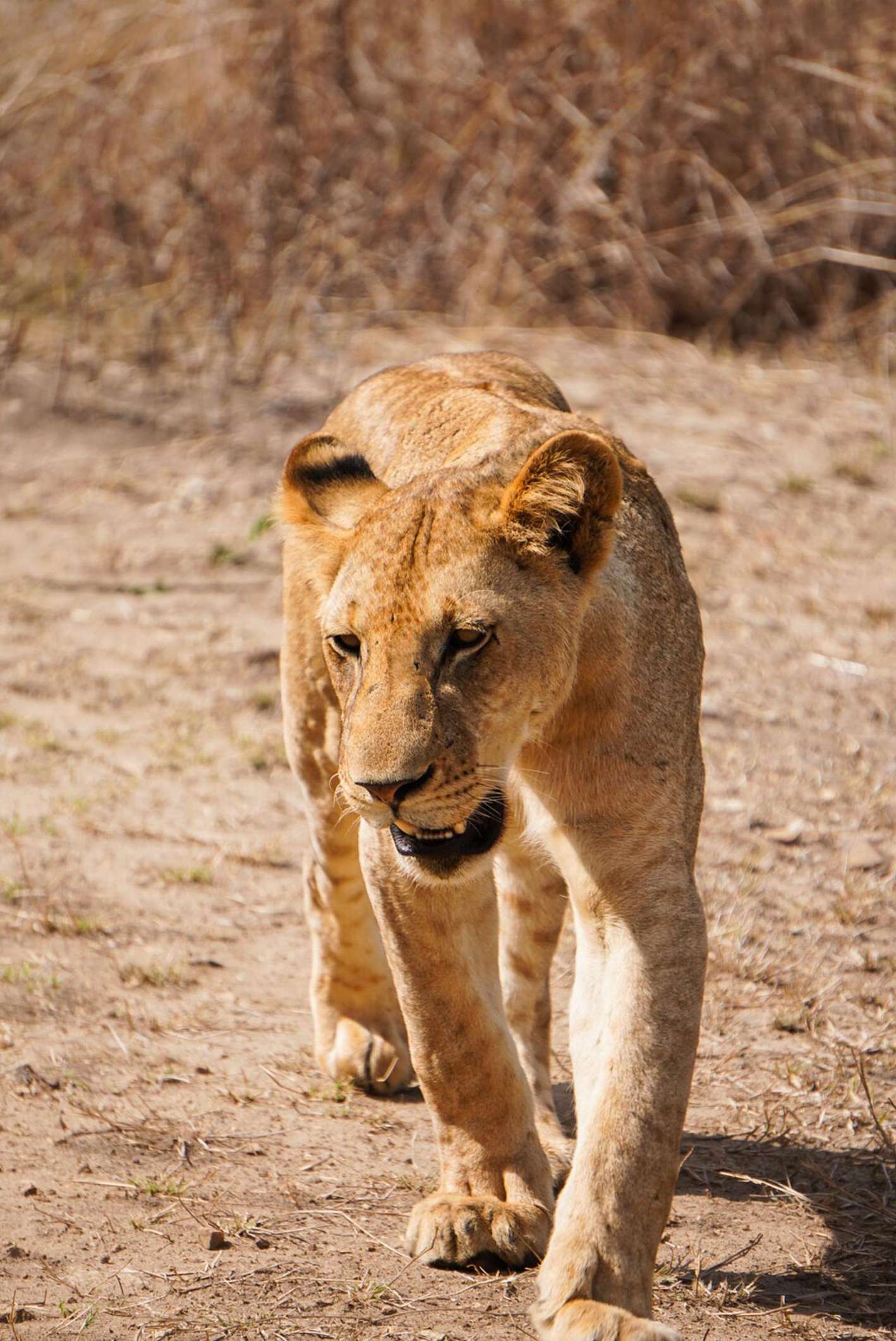
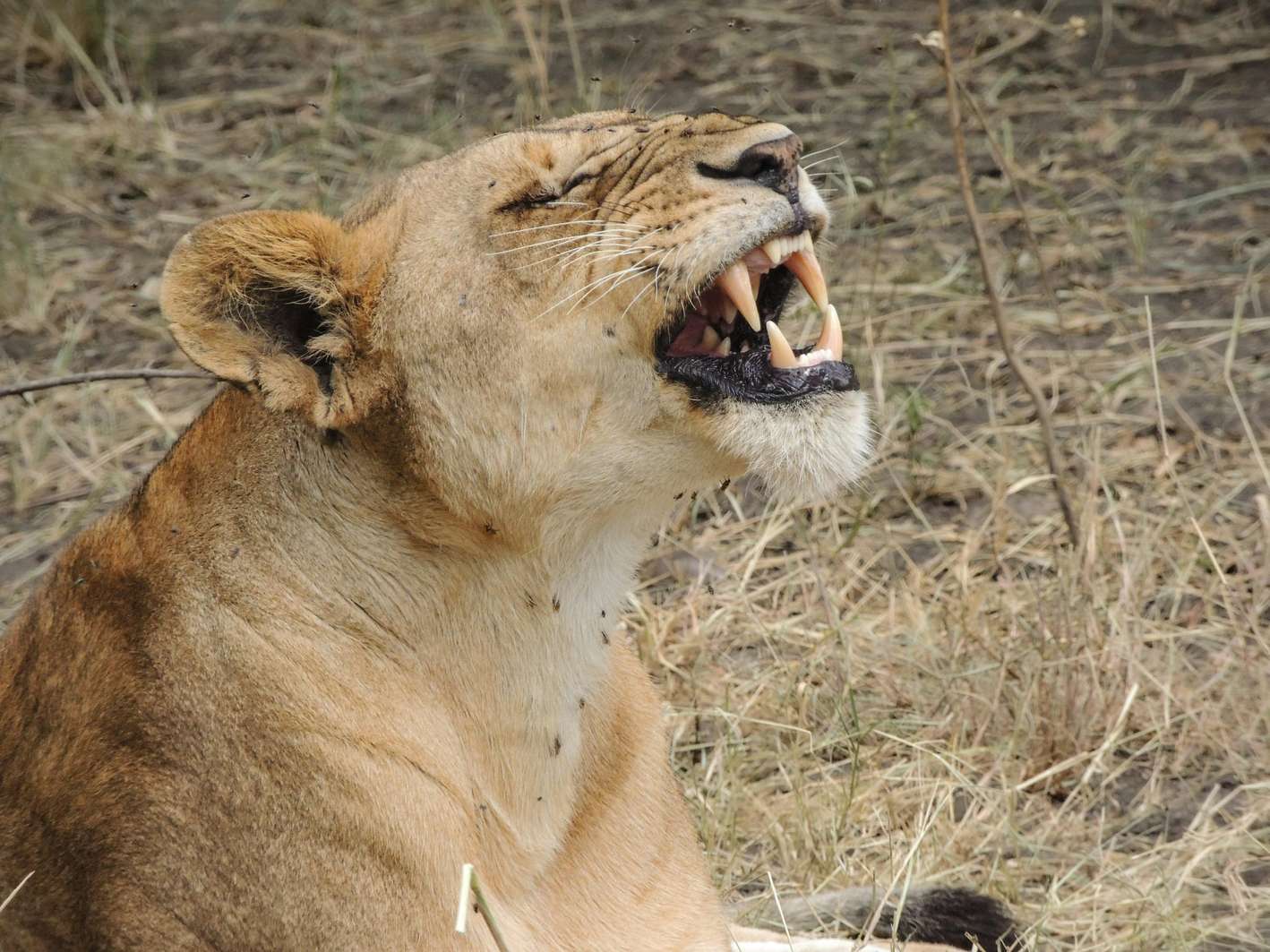
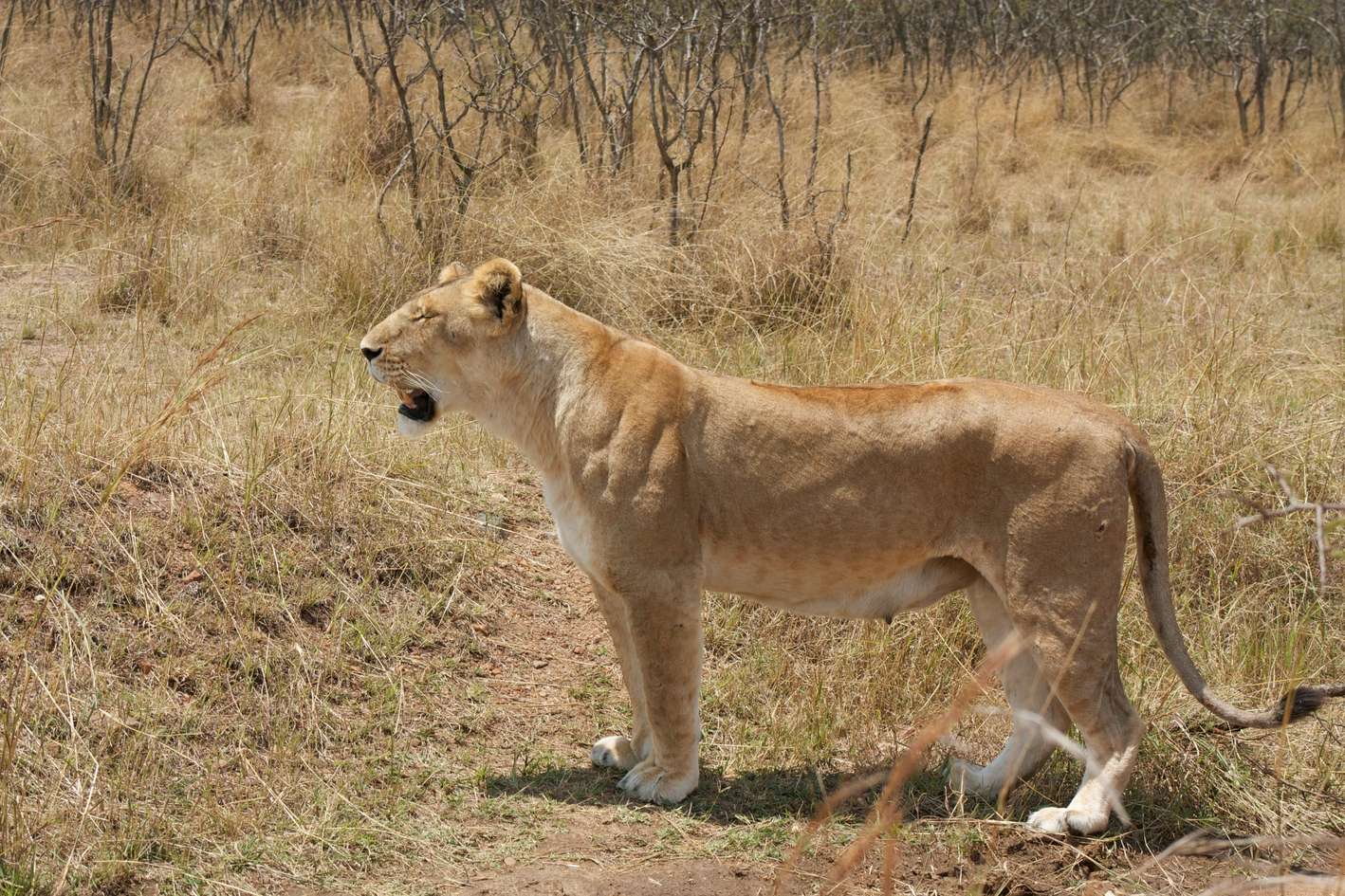
Morning in the Serengeti: a lion walks along thekopje while your driver waits, engine off, and nobody else's schedule is in the vehicle with you. That is what the premium buys. The animals themselves look identical from a budget seat or a plush one.
What changes is the day around the animals. A luxury safari means a private vehicle, a private guide and bush flights that skip the bumpy transit roads, plus tented camps with hot showers and proper dinners. Sharing a 4x4 with strangers, no upgrade in the canvas will fix it.
For two people traveling together, the private option often costs only marginally more than a scheduled group departure, and you gain control over departure times, how long you drive, and where you stop for photographs. Solo travelers pay the steepest premium of anyone.
The rule people who go often repeat: pay for privacy and pacing, never for closer animals.
What people get wrong about luxury safaris
MythA package with a shared 4x4 and guide still counts as luxury
Reality
It doesn't. Private game drives are the dividing line; everything else is bedding.
MythA higher price gets you nearer the animals
Reality
Park rules keep every vehicle on the same tracks, so the distance stays the same at every price. The fee buys comfort and control.
MythAll-inclusive means everything is covered
Reality
Government park fees are fixed at every tier and often sit outside the rate, so read the quote line by line.
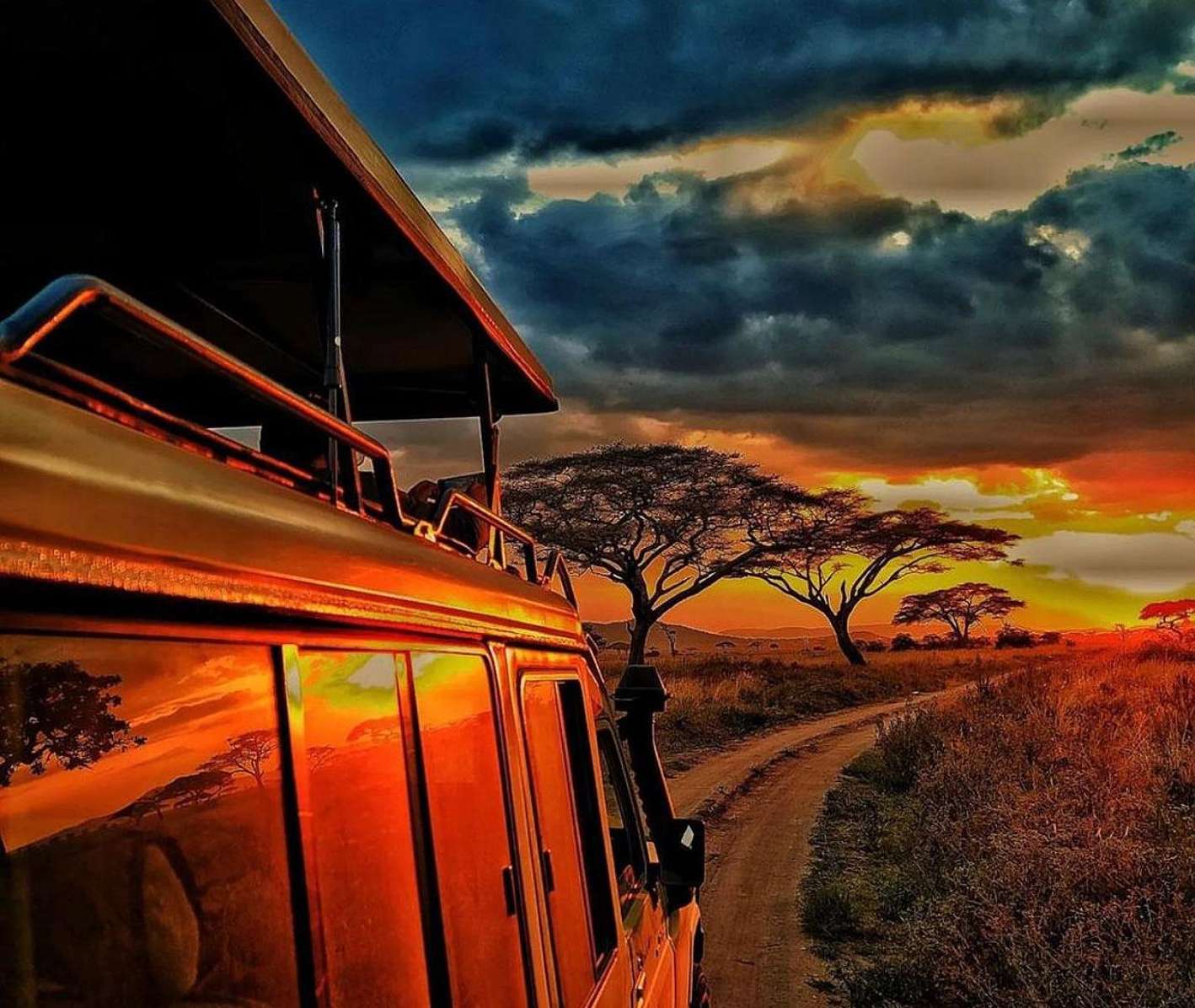
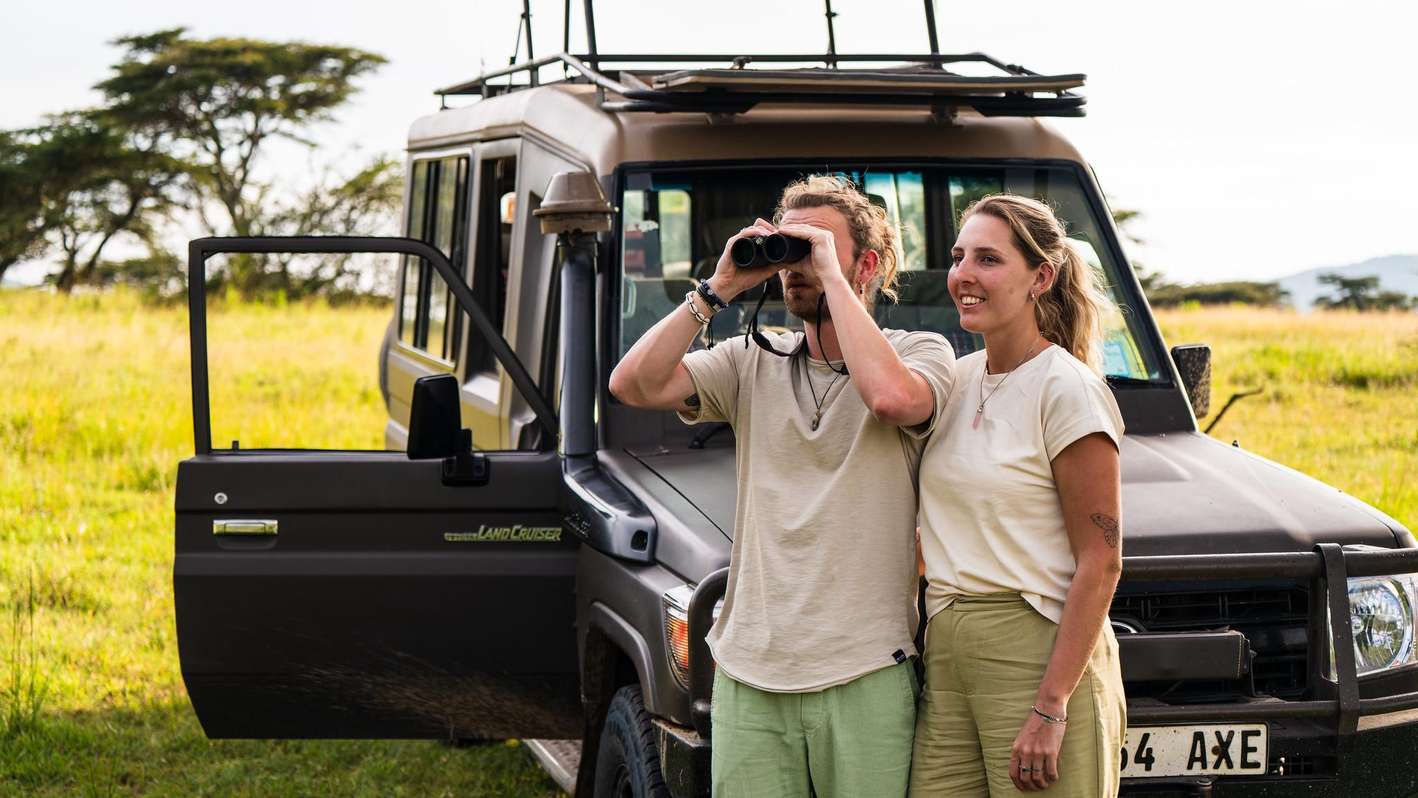
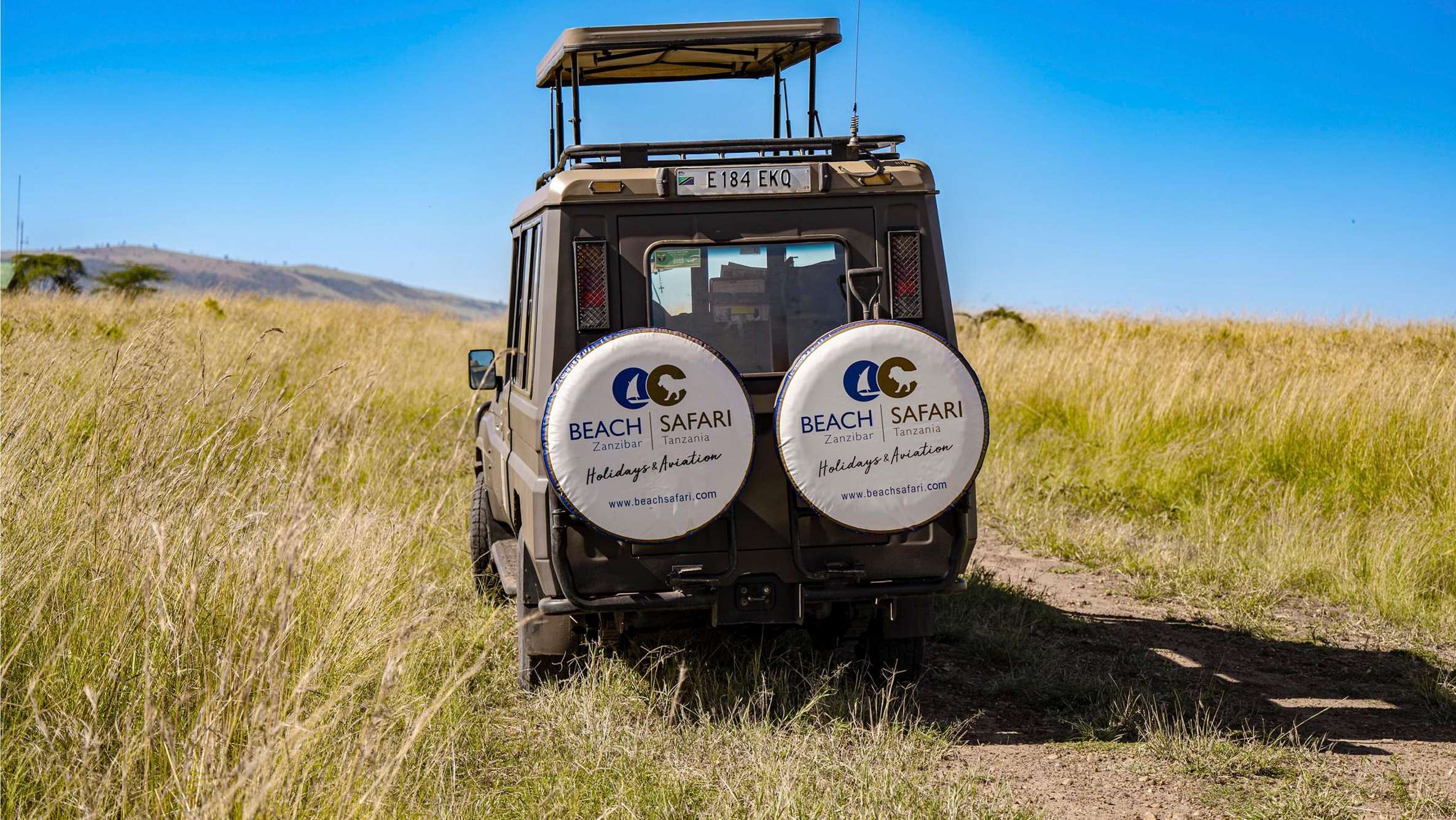
From Arusha: 4-Day Private Safari to Serengeti & Ngorongoro puts the idea to work: your own pop-top 4x4 with a dedicated English-speaking driver-guide, hotel pickup, three nights of accommodation and binoculars on board, across Tarangire, the Serengeti and the crater.
Tour for this
Zanzibar: 2-Day Private Magical Ngorongoro Crater Safari5.0★ (2) · 2 days · Hotel pickup · Free cancellation
The alarm goes before the light does. By the time the sun clears the plains, the vehicle has already found the hyenas finishing last night's kill, because predators hunt while the air is cool and sleep once the heat builds.
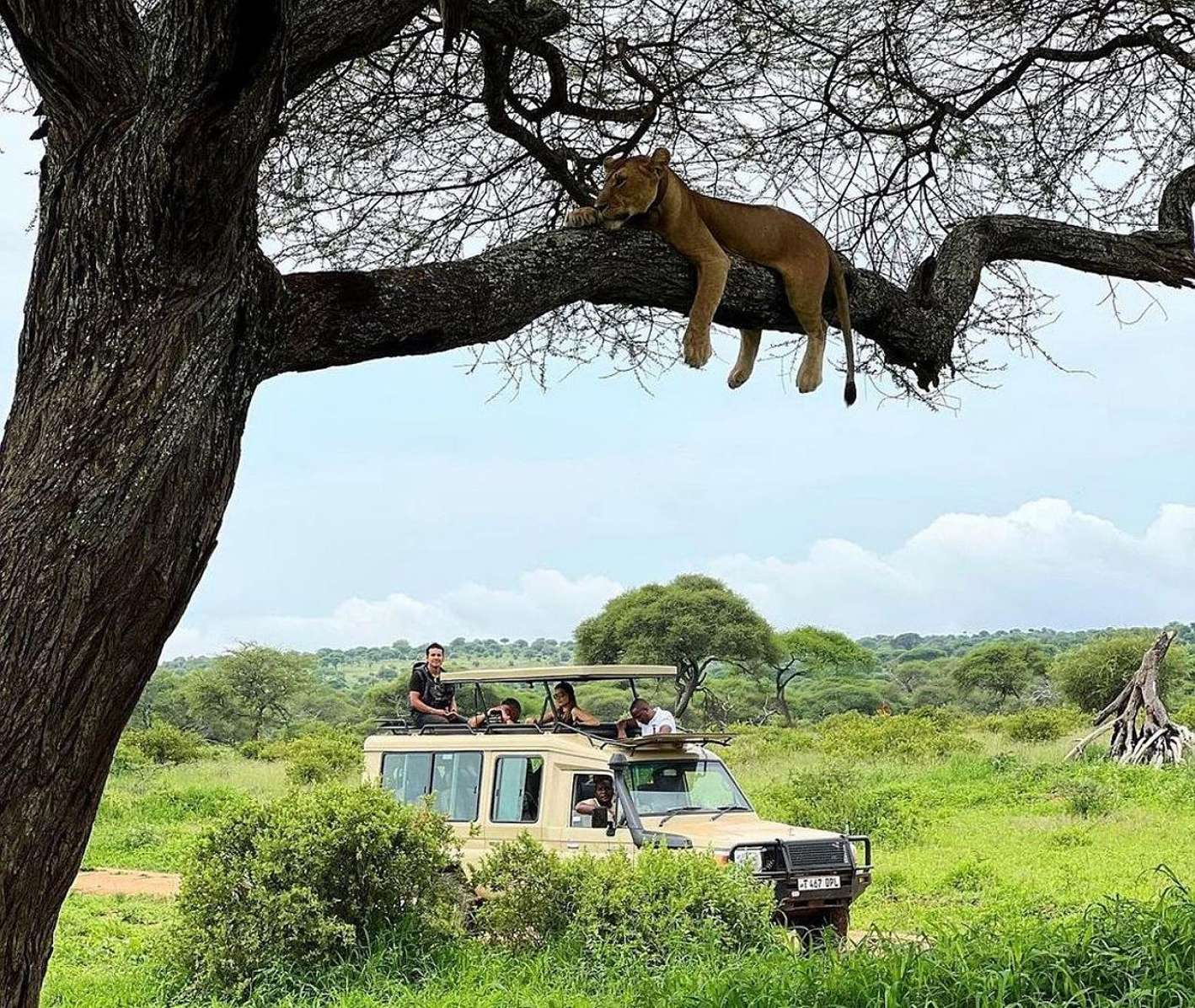
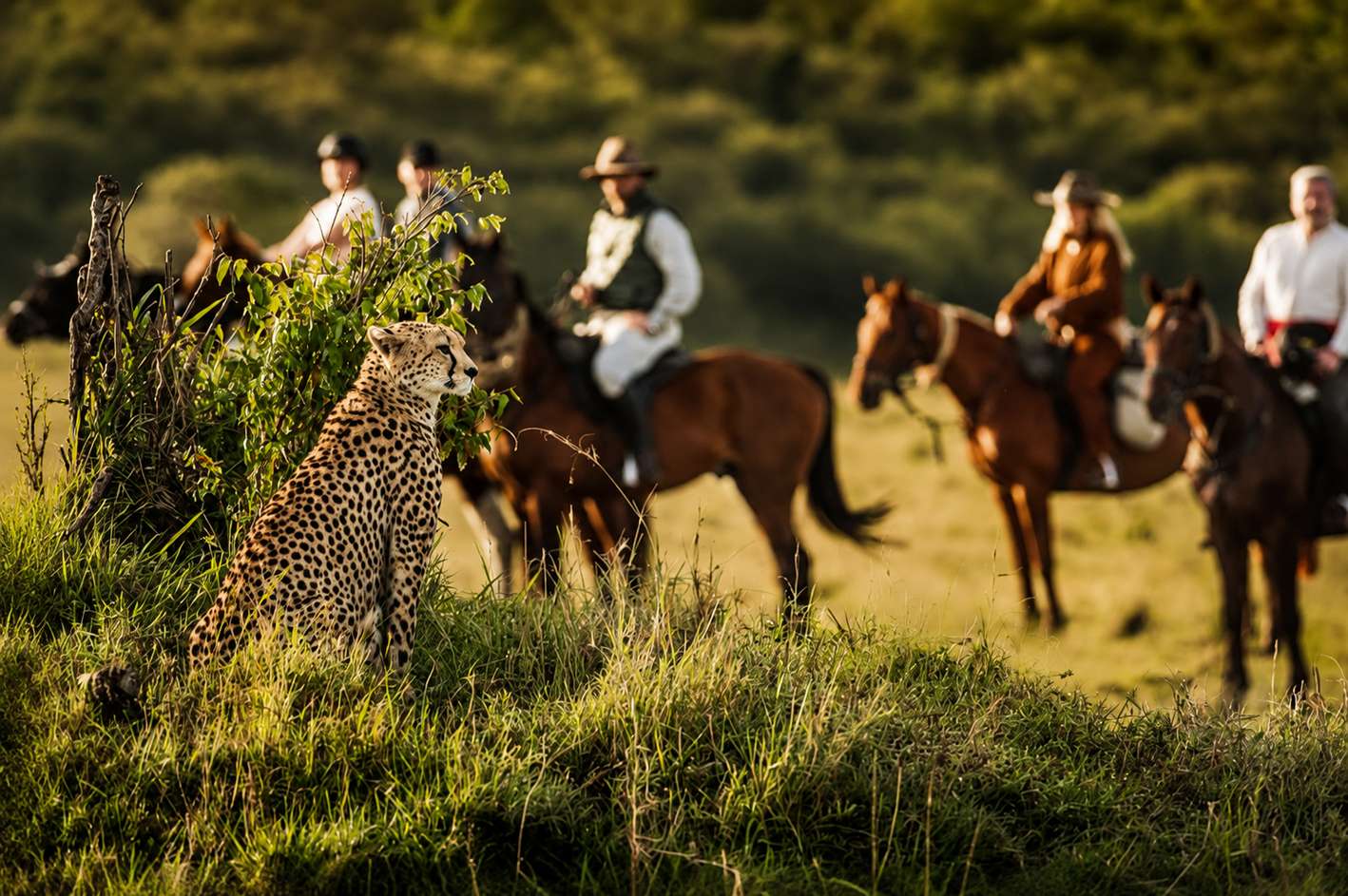
Midday, the lions climb. In Tarangire and Lake Manyara, lions rest high in acacia branches, escaping ground heat, biting flies and getting a clean view of their territory, so your guide aims the roof hatch upward.
Afternoons belong to patience. Animals roam freely, so no sighting is promised; the good guides network by radio with drivers across the park to close in on a leopard or a new kill, then keep their voices down and their distance.
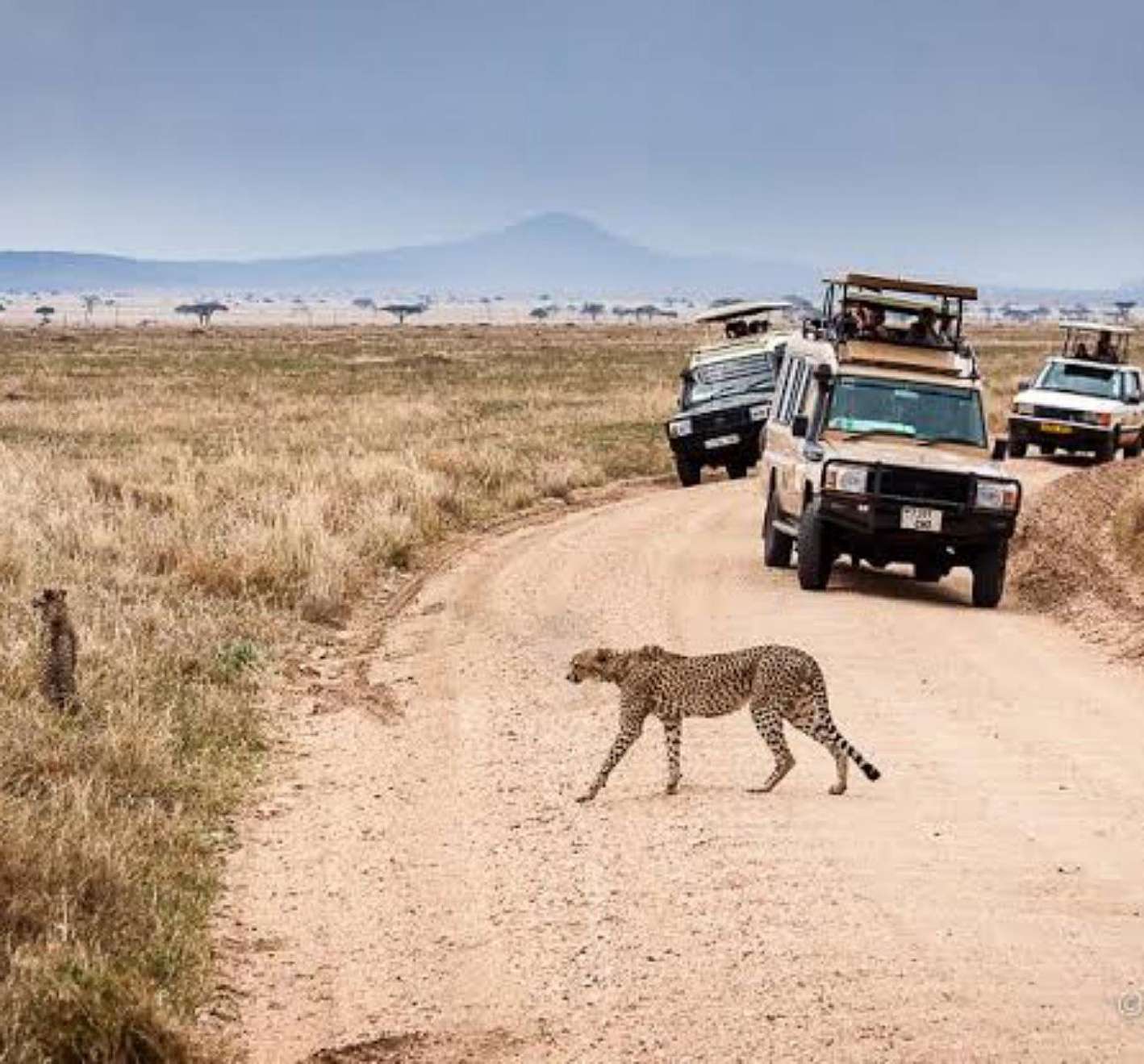
The Serengeti is larger than Kenya's Maasai Mara, so vehicles spread out instead of stacking up at a single crossing.
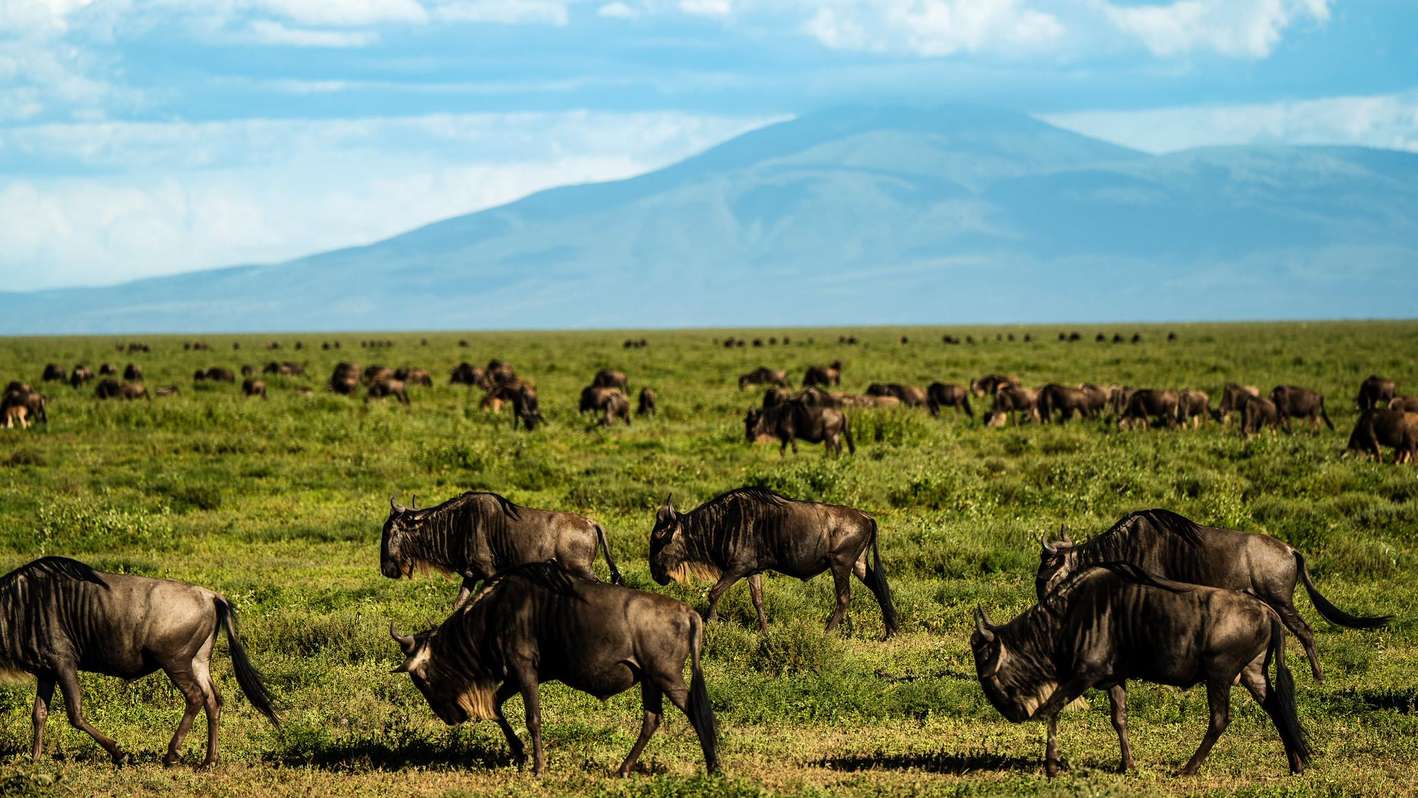
And the migration never leaves. Resident lions, cheetahs and leopards hold territory all twelve months, calving herds fill the south early in the year, and river crossings run in the north late in it.
A traveler's note
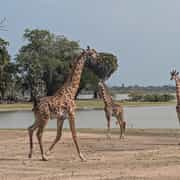
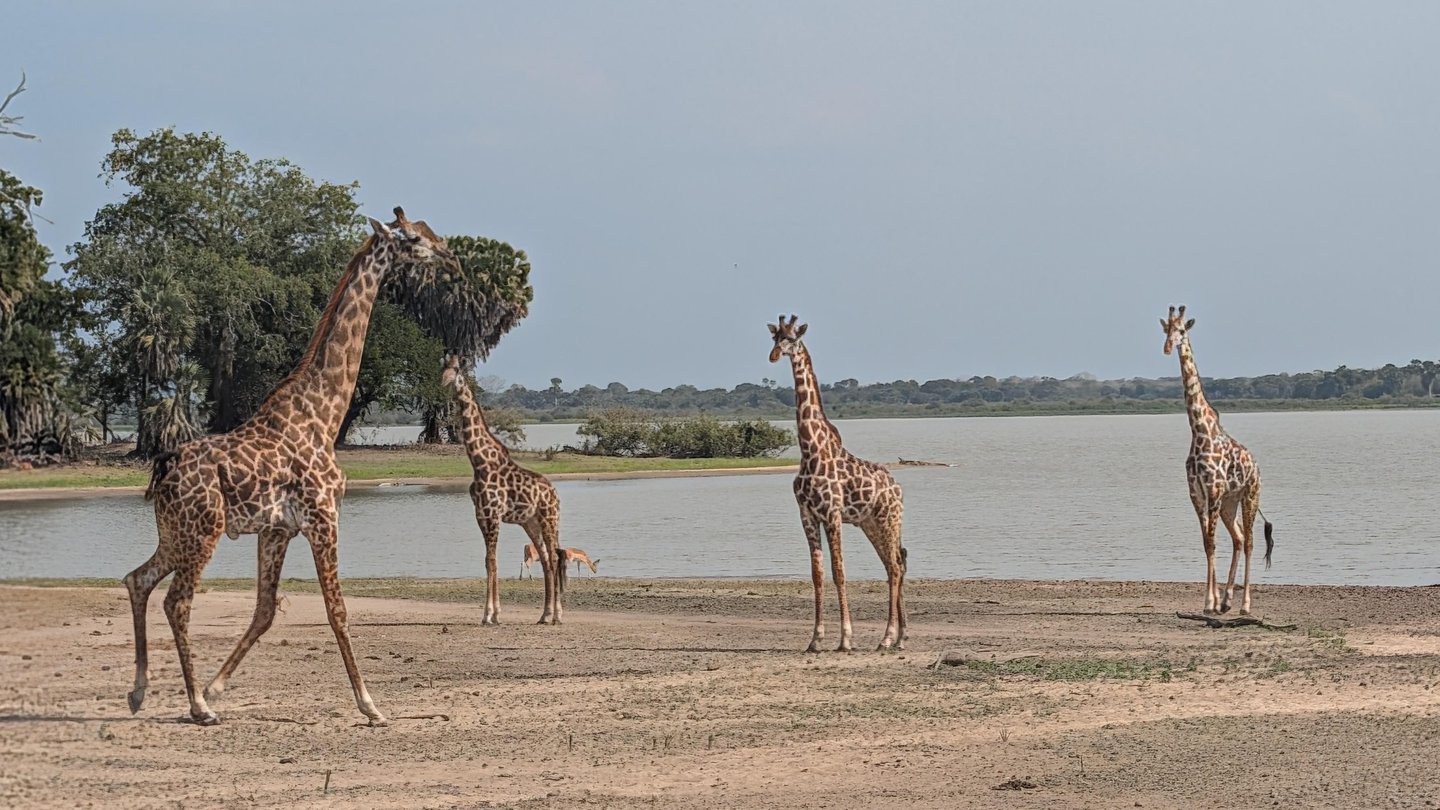
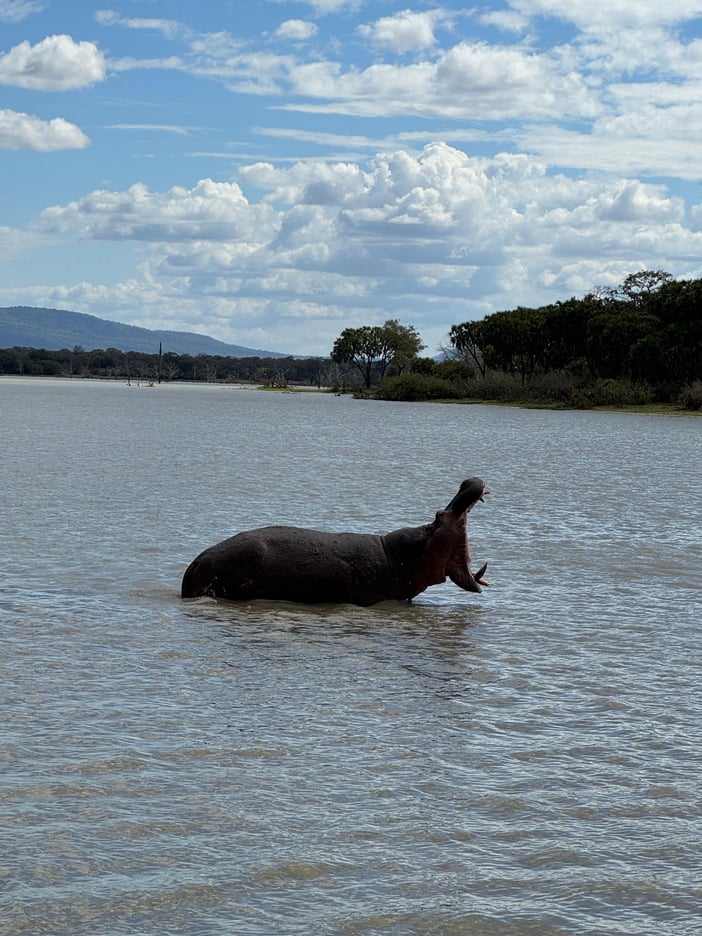
Unforgettable one-day safari to Selous! We spotted lions, elephants, hyenas, hippos, giraffes and more in their natural habitat. Our guide Fabian was knowledgeable, friendly, and made everything smooth and exciting. Highly recommend!
When is the best time for a luxury safari in Tanzania?
Pick the month before you pick the camp, because the calendar decides what you see. The long dry season from June to October brings the clearest game viewing and the best beach weather on Zanzibar, with daytime highs around 27 to 31°C and rain on only a handful of days.
September and October stay warm and dry with calm winds; nights dip to the low teens, so a fleece earns its place.
January and February answer a different wish: the wildebeest calve in the southern Serengeti and predators hunt hard, with localized showers on roughly one day in three.
Best months for a Tanzania safari
August: lion seen 566 times. Peak safari crowds gather for famous Mara River crossings alongside dry weather and reliable predator sightings.
HighestJul to Aug473 to 566 times seen
In betweenFeb, Jun, Sep to Oct292 to 363 times seen
LowestMar to May, Nov to Jan103 to 253 times seen
Darker months: higher, from 103 to 566 times seen
Tap a month to read it.
August: common wildebeest seen 441 times. Peak safari crowds gather for famous Mara River crossings alongside dry weather and reliable predator sightings.
HighestJul to Aug394 to 441 times seen
In betweenFeb, Sep249 to 285 times seen
LowestMar to Jun, Oct to Jan67 to 190 times seen
Darker months: higher, from 67 to 441 times seen
Tap a month to read it.
July: 30 dry days. Classic dry-season conditions bring high visitor numbers, excellent wildlife concentrations at rivers, and dramatic crossings.
HighestJun to Oct25.6 to 30 days
In betweenMar, May19.6 to 23.4 days
LowestApr, Nov to Feb13.8 to 18.8 days
Darker months: higher, from 13.8 to 30 days
Tap a month to read it.
April: 128 mm of rain. The heaviest rains bring muddy roads and low visitor numbers, though Ngorongoro Crater retains solid resident wildlife.
HighestApr, Nov to Jan91 to 128 mm
In betweenFeb to Mar, May49 to 67 mm
LowestJun to Oct5 to 27 mm
Darker months: higher, from 5 to 128 mm
Tap a month to read it.
October: highs around 31.4°C. Dry plains draw massive elephant herds before the brief short rains arrive alongside thinning crowds.
HighestSep to Oct30.5 to 31.4 °C
In betweenFeb to Mar, Aug, Nov29.2 to 29.7 °C
LowestApr to Jul, Dec to Jan27.9 to 28.8 °C
Darker months: higher, from 27.9 to 31.4 °C
Tap a month to read it.
July and August deliver the river crossings, and with them the fullest camps and the highest demand, while April falls away under the rains. Travel in April or May and expect heavy rain, muddy tracks and possible flight delays; operators adjust schedules when that happens.
Money tip from the people who do this often: October can carry lodge offers such as stay four nights and pay for three, while November's rains drop rates sharply, with a few seasonal camps closing.
Tour for this
From Zanzibar: 2-Day, 1-Night Selous GR Safari with Flights4.9★ (40) · 2 days · Hotel pickup · Free cancellation
Two nights per park is the floor for an unhurried safari, because morning game drives are the ones that matter and a single night burns yours on the road.
The Serengeti asks more: three nights minimum to read the ecosystem instead of racing across it. A four-day private itinerary over Tarangire, Ngorongoro and the Serengeti is the balanced core, and shorter trips spend too much daylight in the vehicle.
Add the coast and the arithmetic changes again. Combining the Serengeti, the crater and a Zanzibar stay works best at twelve to fifteen days, with nine to ten as the efficient minimum: a couple of nights at Ngorongoro, three to five in the Serengeti, three or four on the beach.
Recommended Days for a Serengeti, Ngorongoro, and Zanzibar Luxury Safari
9-10 daysMinimum trip duration
12-15 daysOptimal trip duration
1-2 nightsNgorongoro Crater stay
3-5 nightsSerengeti National Park stay
Every extra lodge change costs you. Packing up at dawn and driving all day to reach a different bed leaves travelers exhausted on bumpy, dusty roads and thin on wildlife. Fewer camps, longer stays: that is the comfort answer, and it happens to be the wildlife answer too.
If the clock is short, From Zanzibar: 3-Day Tanzania Safari: Tarangire & Ngorongoro flies you up from the beach for game drives in both parks with two nights in Karatu, flights and park fees included, so the long highway hours disappear from the itinerary.
Tour for this
Arusha: Best 3-Day Safari to Serengeti & Ngorongoro Crater5.0★ (4) · 3 days · Hotel pickup · Free cancellation
Start with the operator before falling for the itinerary. Legitimate Tanzanian tour operators are listed on the Ministry of Tourism stakeholder register and through associations like TATO, and a five-minute check screens out most of the noise.
Booking directly with a licensed local operator also avoids the markups of overseas agencies that subcontract the trip on the ground.
Then interrogate the vehicle. A day rate that sounds suspiciously cheap usually buys an experienced transfer driver, not a tracker who reads spoor and knows when to sit silent at a waterhole.
Ask who is behind the wheel, and in what language; some packages require selecting a specific language guide at booking, and one shared tour that underfills simply runs as a private vehicle for the price of a shared seat, a quiet win for late bookers.
How to choose a luxury Tanzania safari package
Check
Why it matters
Our pick
Operator credentials
A licensed, TATO-registered operator keeps your deposit and your day safe
Featured private packages here run with professional licensed driver-guides
Private vehicle and qualified guide
This is what separates a safari from a transfer
The leading 4-day Arusha package includes a private pop-top 4x4 and dedicated guide
Fees line-itemed
Park fees and bush flights must appear in the quote, not on arrival
Ngorongoro, Tarangire and Serengeti entrance fees are listed as included
Payment protection
Card payments keep funds recoverable in a dispute
Standard card booking with free cancellation up to 24 hours ahead
Before you contact anyone, fix your four answers: which parks, how long, what comfort level, private or group. Send the same brief to five to ten operators and judge the replies on speed, customization and whether a real person picks up the phone.
Tour for this
3-Day Safari Serengeti & Ngorongoro Crater (Private/Joining)4.1★ (8) · Valid 3 days · Hotel pickup · Free cancellation
Flying in versus driving - luxury ways to reach the parks
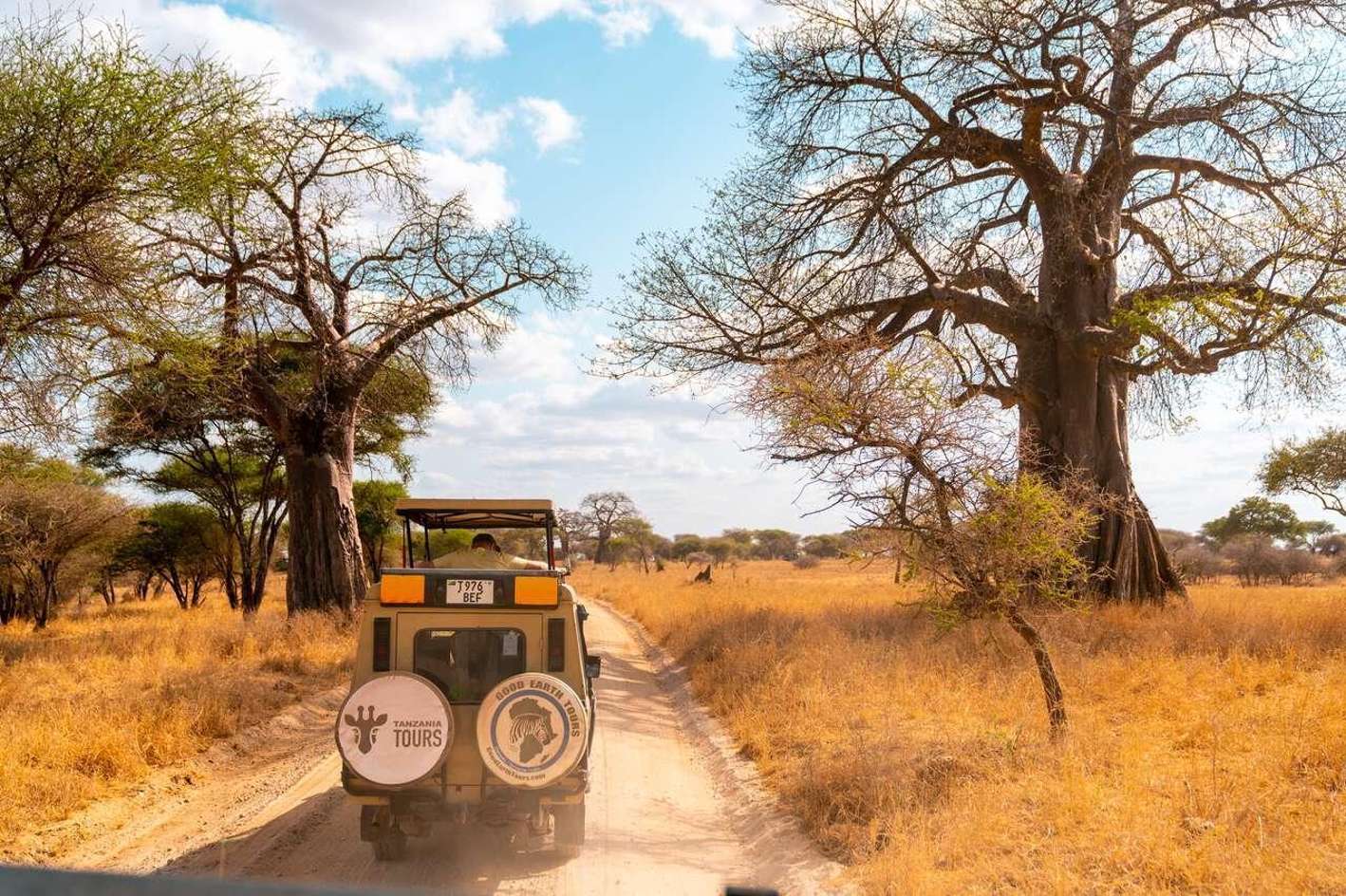
The honest cost of the road is hours. Driving from Arusha to Tarangire takes about two and a half hours, Tarangire to the crater roughly two more, and the crater to Central Serengeti another three, all on tracks that shake the dust out of your collar.
Fly instead and you save more than seven hours, landing on Seronera airstrip with your first game drive starting from the airfield.
One wrinkle surprises overland dreamers: open-sided safari jeeps cannot legally be driven between the parks on highways, so road itineraries travel in closed pop-top 4x4s anyway. From Zanzibar, nonstop flights to Seronera take roughly two hours, connecting services about four.
How hard each way of getting there is
Scheduled bush flightsFast and scenic, but weather can shift timings between April and June
Easy
One-way fly, drive backSaves a full return day over the rough roads and pairs plains with crater
Moderate
Full overland transitCheaper, game viewing en route, but long, bumpy and dusty days
Moderate
Arusha departures begin early, with pickups between 6 and 7:30 am from city-centre hotels. Arrive a full day beforehand to shake off the long-haul flight and give yourself a buffer against delays.
The purest version of the fly-in idea is From Zanzibar: 2-Day Serengeti Park Safari Trip with Flights: it lands you on Seronera airstrip, includes both domestic flights, park fees and private guided game drives, and puts you in unique accommodation just outside the park for the night.
Tour for this
From Zanzibar: 2-Day Serengeti Park Safari Trip with Flights4.5★ (10) · 2 days · Hotel pickup · Free cancellation
Paperwork stops more trips than weather does, so run this before any deposit. Your passport must be valid six months beyond arrival and carry blank pages for stamps.
Most foreign nationals need a visa, available as an e-Visa through the official immigration portal or on arrival at the major airports, and a single visa covers both the mainland and Zanzibar; a few nationalities must arrange approval before departing. Have proof of accommodation and a return ticket ready.
Yellow fever certificates matter only to some travelers: anyone arriving or transiting twelve hours or more through an endemic country must show one, administered at least ten days before arrival, with official medical waivers accepted. Flying mainland to Zanzibar needs no vaccination, though port screening can happen.
Before you book anything
Passport valid at least six months past arrival, blank pages, and a visa for most foreign nationals Sort the passport and the e-Visa first; everything else in the trip assumes you clear the border.
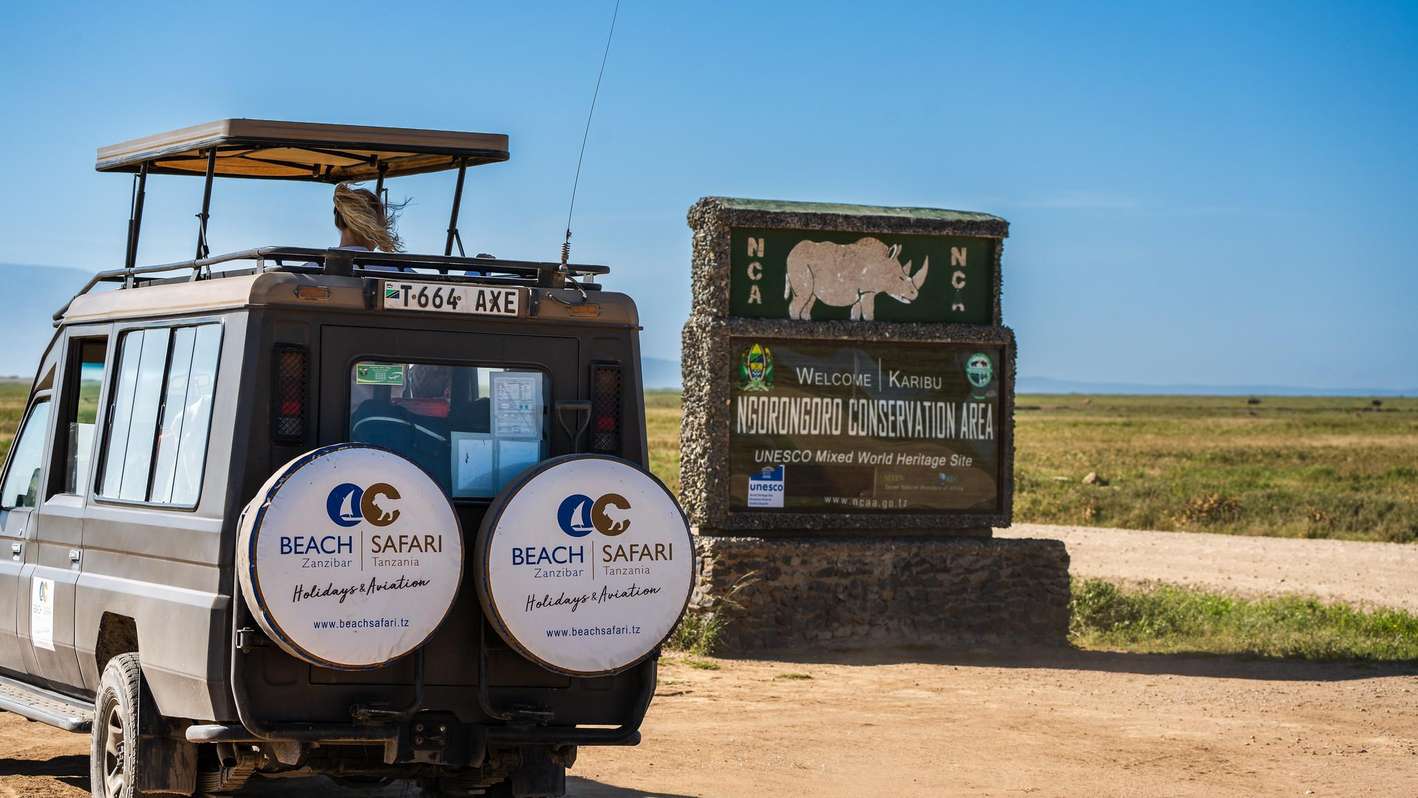
In the parks themselves, carry your original passport or a clear copy, since TANAPA gates and Ngorongoro's Loduare Gate require identification at registration.
Park fees run cashless, so a working credit card matters more than a wallet of bills. And leave the duty-free plastic bag at the airport: single-use carrier bags are banned nationwide and taken at arrival.
Tour for this
From Zanzibar: Day Selous Game Reserve Safari with Lunch4.8★ (1,688) · 8 hours - 2 days · Hotel pickup · Free cancellation
Packing for a luxury safari - crater rim cold to savannah heat
The crater rim at dawn sits around ten to fifteen degrees, with mist and a wind that cuts straight through an open vehicle; by late morning, the caldera floor bakes and everything comes off. Pack for both in one day.
Neutral khaki, olive and tan layers in tightly woven fabric form the base, with a fleece or merino mid-layer and a windproof shell over it, plus a beanie and light gloves for the 6 am departure.
Colors decide more than comfort. Tsetse flies hunt by sight and are drawn to dark blue and black, the same shades used on baited fly traps, so leave the navy at home.
Red startles animals, white turns brown with road dust in a morning, and camouflage is illegal for civilians. Repellents barely touch tsetse flies; clothing does the work.
Packing for Ngorongoro and savannah safaris
Fleece or merino wool layerKeeps you warm during frosty Ngorongoro crater mornings and evening drives before descending to warm plains.
Lightweight wind and waterproof jacketProtects against sudden weather changes and chilly wind in open-top vehicles along the high crater rim.
Neutral long-sleeve shirts and pantsLightweight khaki, olive, or tan layers shield against midday savannah heat, sun exposure, and insects.
Closed-toe walking shoes or bootsProtects feet on lodge paths, viewpoints, and short walking safaris across uneven, dusty volcanic ground.
Telephoto zoom lens (100-500mm)Ideal for framing big cats and distant wildlife from the safari vehicle across expansive savannah plains.
Wide-brim sun hat and dust scarfBlocks intense equatorial sun on open plains and keeps fine vehicle-churned dust out of your airways.
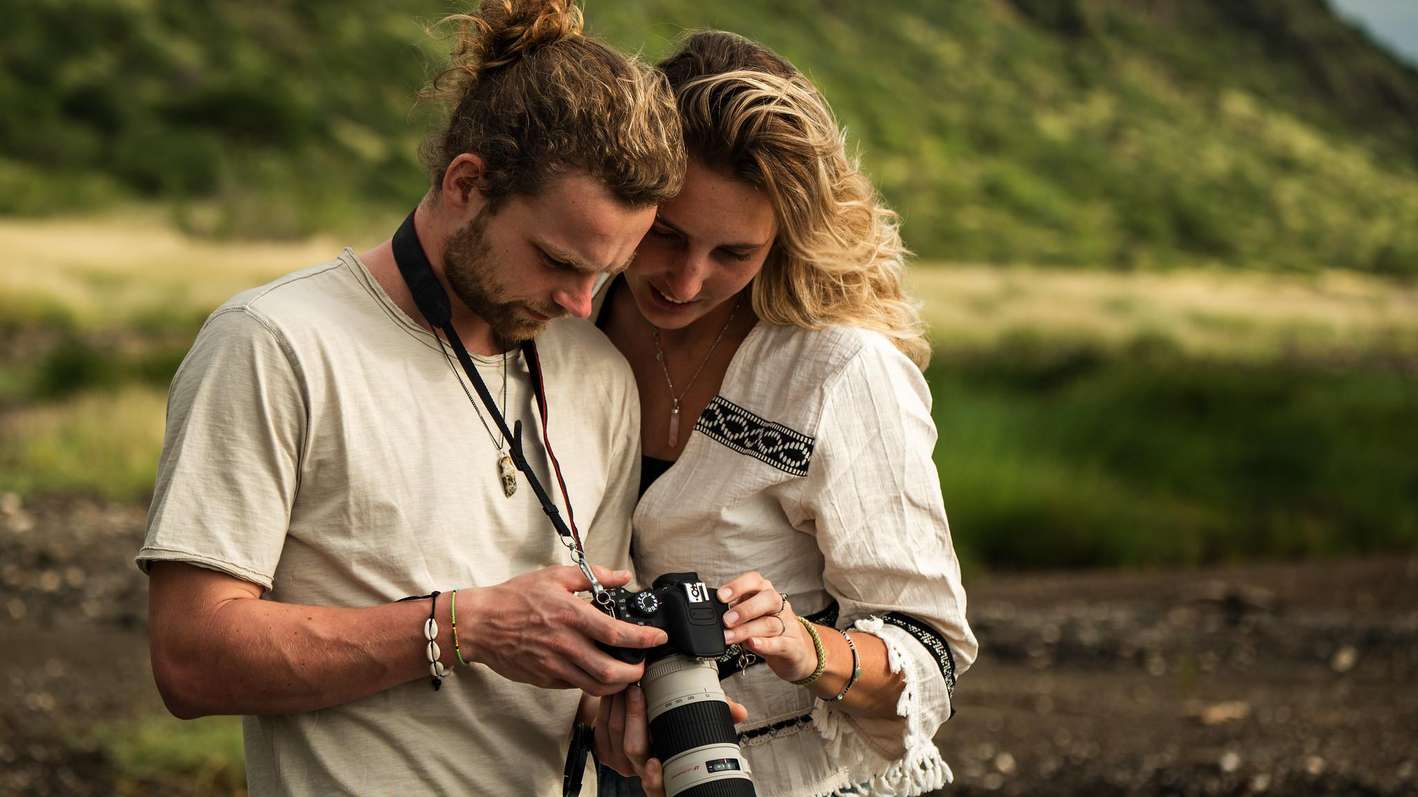
For cameras, bring binoculars, a wide-angle for the caldera panoramas and a telephoto zoom of 300mm or more, since off-road driving is banned and animals can sit a hundred meters out.
Solar-powered camps often restrict in-room power to lighting, so plan to charge batteries in the lounge. A flexible duffel rounds it out, because bush flights refuse hard shells.
The quiet question every family carries: is it safe? The answer rests on the rules, and the rules are simple.
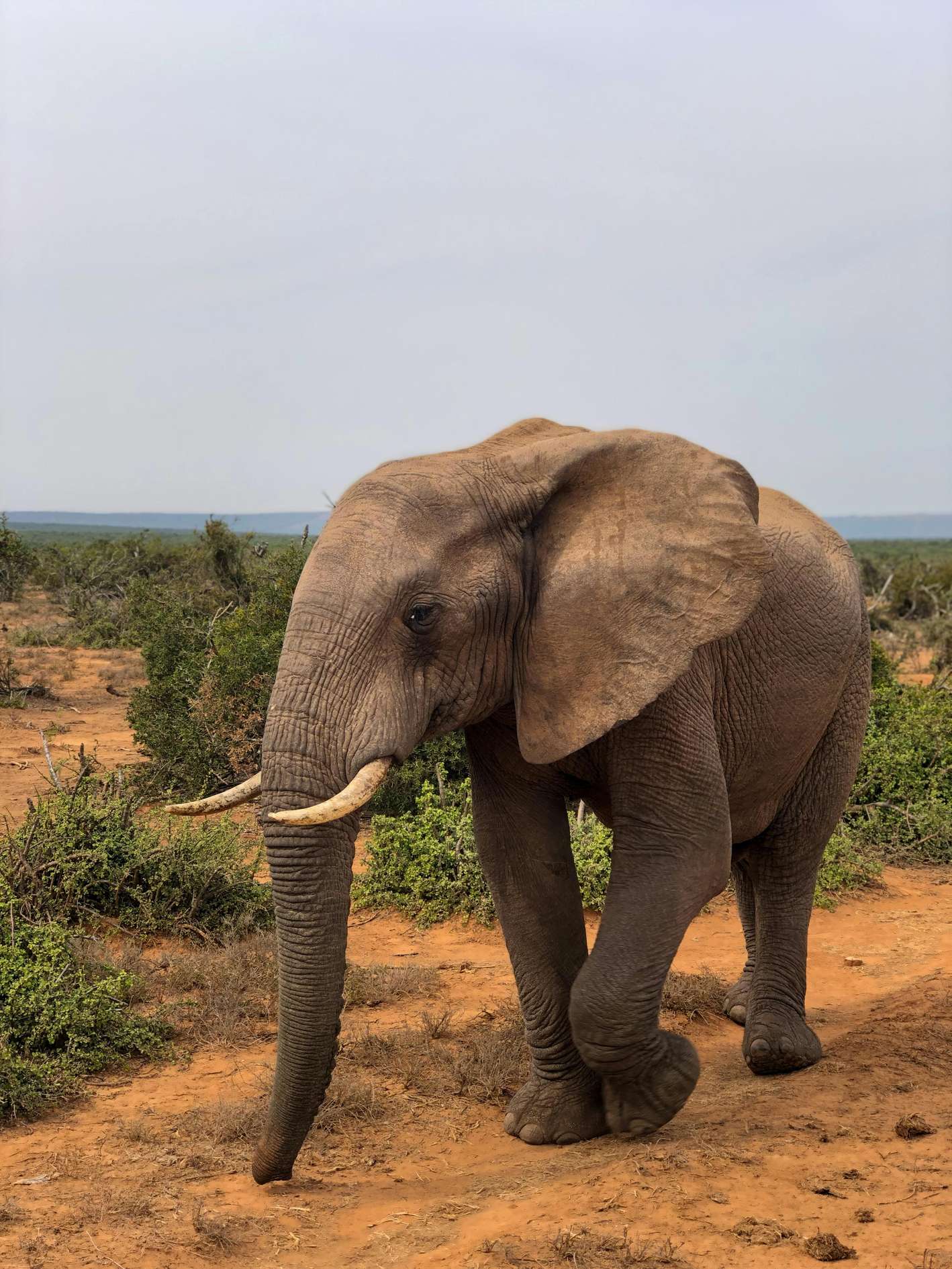
Wild animals near the parks are accustomed to cars, so staying inside the vehicle keeps a sighting safe; the danger comes from stepping out onto open ground, which is forbidden everywhere except designated picnic and restroom sites. Hands stay in, nothing gets fed, and breaking the park rules can mean immediate fines or expulsion.
Most of Tanzania, including the safari circuits, carries no travel warning; official advisories ask for ordinary caution in towns and distance from the far southeastern border area.
For children, the honest framing is age, not danger. Eight to twelve is the age that absorbs and remembers a safari best, while under-fives struggle with hours of sitting still and whispering.
A private pop-top vehicle solves most of it: you set the departure times and cap drives at three or four hours before the pool.
What nobody tells you
Many unfenced mobile camps enforce minimum ages of six or even twelve
Check the age policy before falling in love with a camp, not after
Private vehicles let families cap game drives at three to four hours
Shared tours lock everyone into inflexible full-day schedules
Lodges with swimming pools rescue the afternoon
Dusty drives plus a plunge pool keep everyone good-humoured for the evening drive
What a luxury Tanzania safari really costs, line by line
Read a luxury quote the way an accountant would. A genuinely all-inclusive lodge, with meals, drinks, bush transfers and daily drives, runs from roughly the rate of a top city hotel to several times it, per person per night, and peak-season camps by the river crossings sit at the top of that spread.
The mobile camps in the Serengeti and the private concessions near Tarangire, which include vehicle and guide, hold the middle of the range.
Three costs hide on top. Government park entrance fees are fixed at every comfort tier and can exceed a hundred dollars per person per day, so ask whether they sit inside the rate or beside it.
Solo travelers carry single supplements that push a peak-season week past the cost of a small car, and packages commonly exclude tips for guides and camp staff, visa fees, and the mandatory insurance Zanzibar requires.
Deposits run about a third to half the trip, occasionally more, and the best camps in the Serengeti and Ngorongoro sell out nine to twelve months ahead for migration season, the river-crossing suites even further ahead.
Pay by card rather than wire for protection, tip your guide in cash at the end, and mix one mid-range stop into an itinerary of luxury camps if the total needs a brake.
Around a luxury safari - Zanzibar, Arusha and the extras
Build the bush between softer edges. A night on a working coffee estate in Arusha resets a long-haul arrival: Arusha Coffee Lodge suits couples and solo arrivals, Legendary Lodge gives families private garden cottages, and next to the coffee lodge the Shanga workshop sells local crafts while supporting artisans with disabilities.
Keep prearranged transport in town and a polite, firm no for the street touts at the hubs.
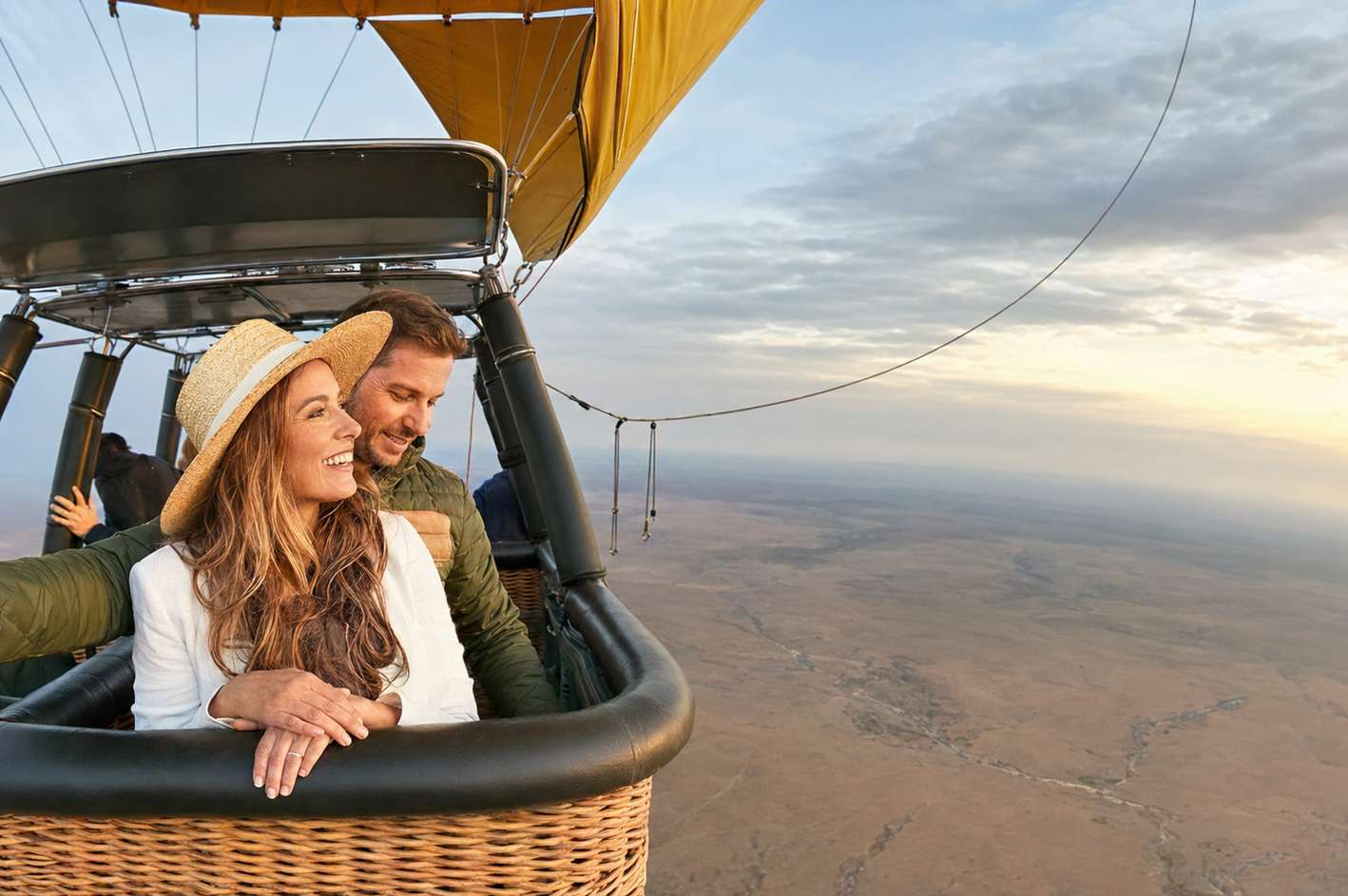
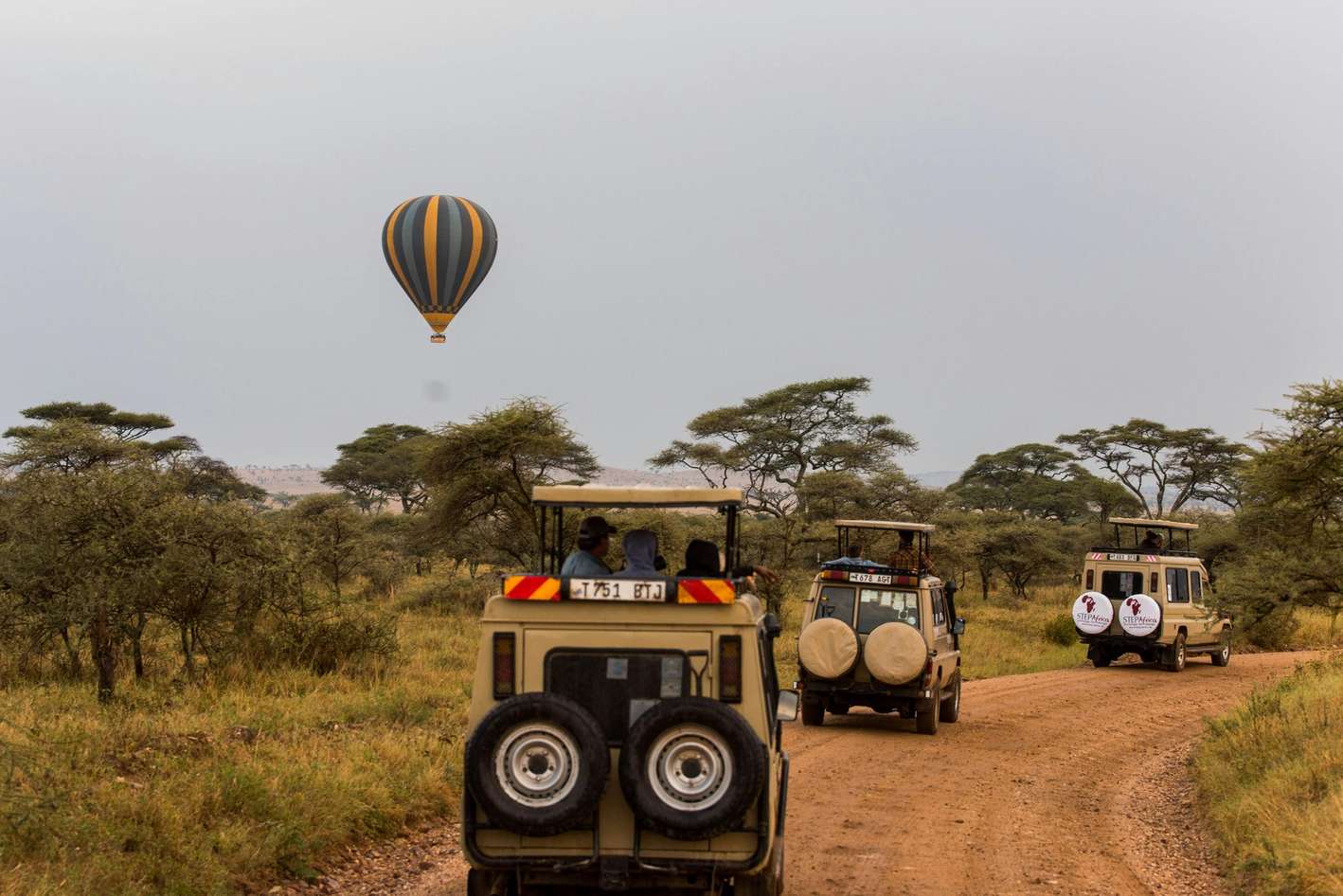
Gibb's Farm in Karatu is the retreat regulars mention for breaking up intense game-viewing days between Ngorongoro and Manyara, and a dawn balloon flight over the Serengeti delivers the one view a vehicle cannot, with warm layers for the pre-dawn launch and closed shoes for climbing the basket.
Its course is set by the wind, so migration views from the air stay a bonus, never a promise.
Two more add-ons earn their keep. Walking safaris and night drives happen only in private concessions bordering the parks, a legal and a sensory change from the national-park tracks.
And a Zanzibar extension runs best unhurried: June to October pairs bush and beach beautifully, and with limited island days, stay near Stone Town rather than over-scheduling the mainland.
A luxury Tanzania safari earns its price in the day itself: private vehicle, private guide, flights over the rough roads, and camps that let the bush come to you. The failures come from rushing, from shared vehicles, and from paperwork left late.
Travel between June and October or in the January calving window, give the Serengeti three nights, and pay for privacy and pacing above everything else.
Go ifYou are two or more travelers and want your own vehicle and guide at a modest premium over a shared seatYou can give the trip the days the parks deserve, ideally four or moreYou would rather fly in than spend days on dusty transit roads
Skip ifYou are traveling solo in peak season, when single supplements bite hardestYou have under a week for bush, crater and beach togetherYou have a serious back condition, as long bumpy drives are unavoidable on any itinerary
Our pick to book
Zanzibar: 2-Day Private Magical Ngorongoro Crater Safari5.0★ (2) · 2 days · Hotel pickup · Free cancellation
Luxury safari in Tanzania - frequently asked questions
The questions people ask before booking a high-end Tanzania safari, answered plainly.
Zanzibar City2026
Lions on the acacia branches before breakfast, then a bush lunch in the open. Bring the long telephoto lens and book the return flight two nights late.
What makes a Tanzania safari genuinely luxury?
The clearest test is the vehicle. If you share the 4x4 and the guide with strangers, no thread count will make it a luxury safari. True luxury packages give you a private vehicle, a private professional guide, an intimate tented camp, gourmet dining, and bush flights that skip the bumpy transit drives.
Is a luxury safari in Tanzania worth the money?
Honesty first: the animals look identical whether you stay in a five-star lodge or a mid-range camp, and government park fees are fixed at every tier.
What you pay for is privacy, service, location, and comfort. Private camps near Tarangire or in the Serengeti include a private vehicle and guide, which changes the pace of every day.
What do all-inclusive luxury safari lodges cover, and what comes on top?
All-inclusive lodges generally cover meals, beverages, bush transfers, and daily game drives. Check the fine print: published rates at high-end bush camps can exclude daily national park fees, which frequently run above a hundred dollars per person per day. Solo travelers should also ask about single supplement markups, which run steep at upscale lodges.
Is a Serengeti safari worth it if I have already been on safari in South Africa or Kenya?
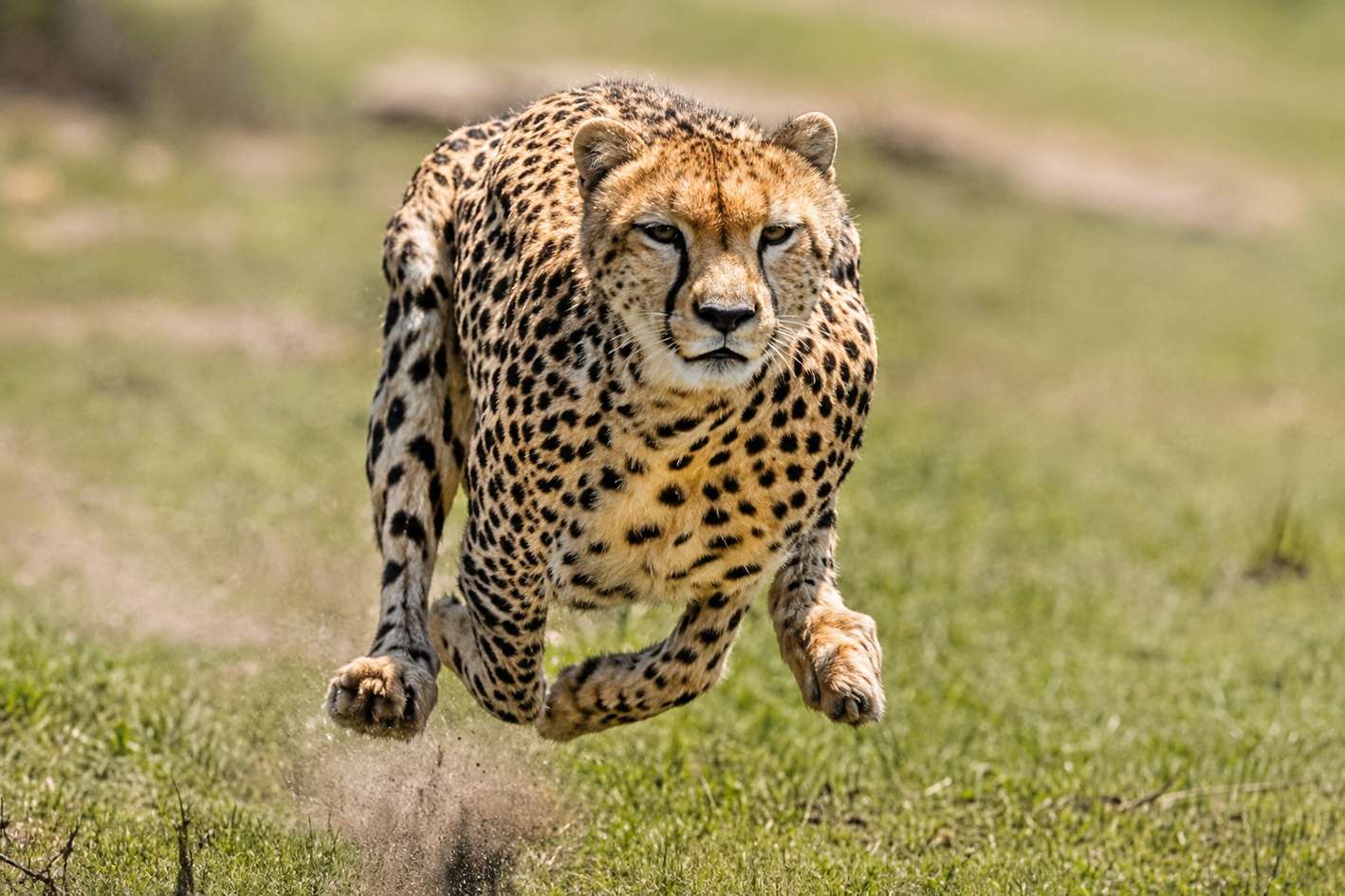
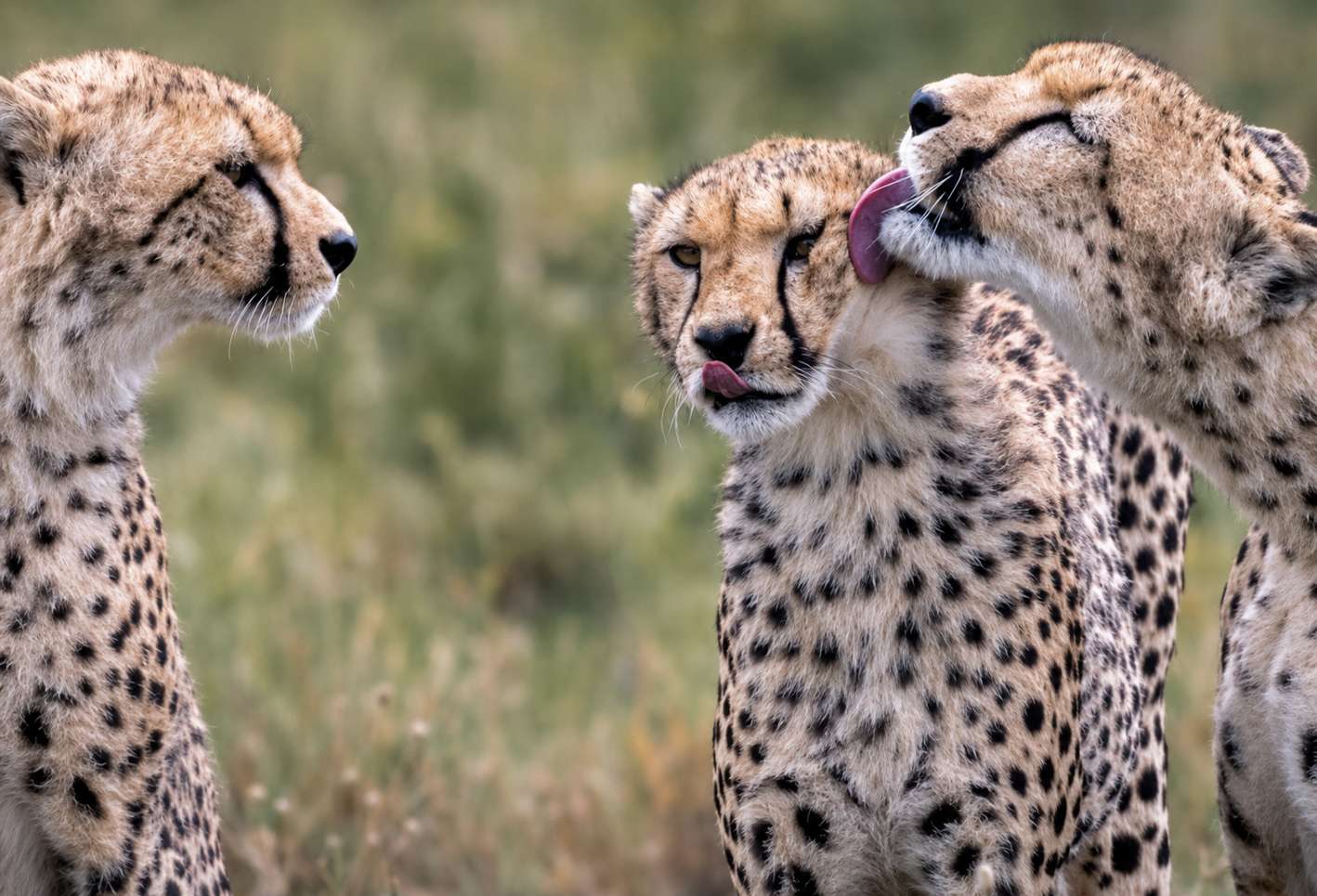
Yes, and the reason is the predators. Lions, cheetahs, and leopards stay abundant all year, and the Great Migration plays out across the park in seasons: calving herds in the south, river crossings in the north.
The Serengeti also covers far more territory than Kenya's Maasai Mara, so vehicles spread out instead of queueing at sightings.
How many days do I need for the Serengeti, Ngorongoro, and Zanzibar in comfort?
Plan nine to ten days as an efficient minimum, and twelve to fifteen if you want to travel unhurried. A balanced split is one or two nights at Ngorongoro Crater, three to five nights in the Serengeti, and three or four nights on the Zanzibar coast.
Can I fly straight from Zanzibar to the Serengeti without going through Arusha?
Yes. Direct bush flights connect Zanzibar with airstrips inside the Serengeti, such as Seronera, so you never return to Arusha by road. Small prop planes land right in the park, and regulars say the aerial views and early wildlife spotting are part of the pleasure.
Are luxury safaris in Tanzania safe for international visitors?
Most areas, including the national parks and the popular safari circuits, carry no travel warnings. Stay alert in tourist areas, keep away from crowds and demonstrations, and follow local media. Inside the parks, safety comes from the rules: remain in the vehicle, never feed or touch wildlife, and step out only at designated sites.
How do I know a luxury safari operator is legitimate?
Legitimate local Tanzanian operators appear on the Ministry of Tourism stakeholder register and belong to associations such as TATO. Verify both before paying a deposit, which typically runs a substantial share of the booking upfront.
What should I wear on a luxury game drive?
Pack neutral earth tones such as khaki, tan, olive, and light brown. Skip dark blue and black, which attract biting tsetse flies, and leave bright colors, pure white, and camouflage at home; camo clothing is illegal for civilians in Tanzania. Choose tightly woven long sleeves, since tsetse flies bite through thin fabric.
Do high-end tented camps have reliable power and Wi-Fi for charging cameras?
Some solar-powered camps restrict in-room electricity to lighting only. You may need to charge camera batteries and devices in the main common areas. Ask the camp before you pack, and bring spare batteries if photography matters to you.
Which luxury camps or lodges allow off-road driving and night game drives?
National parks forbid both, so photographers who want close angles should look at private concessions. Singita Grumeti, bordering the Serengeti, permits off-road tracking and night game drives, which is where private reserves outperform the public parks for proximity.
Can I book a private luxury safari directly from my Zanzibar resort?
Yes. Wildlife safaris to mainland parks such as Mikumi or Nyerere can be arranged straight through Zanzibar resorts, and private fly-in packages with return flights, transfers, and full-board lodge stays run from the island. Keep two nights in Zanzibar after your safari before an international departure.

 Your best match