Tanzania Budget Safari Tours Camping Safari and Tented Camp Options
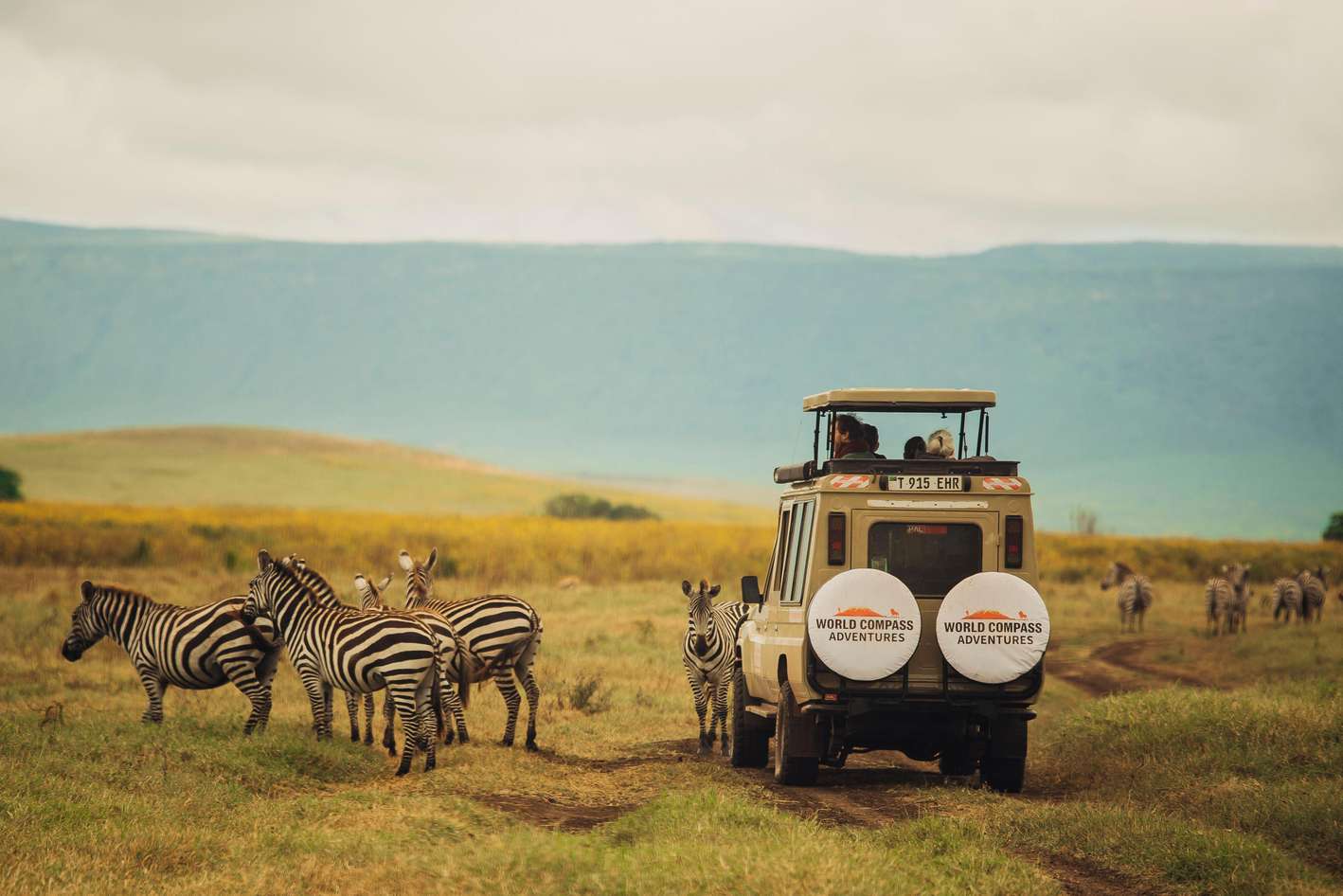
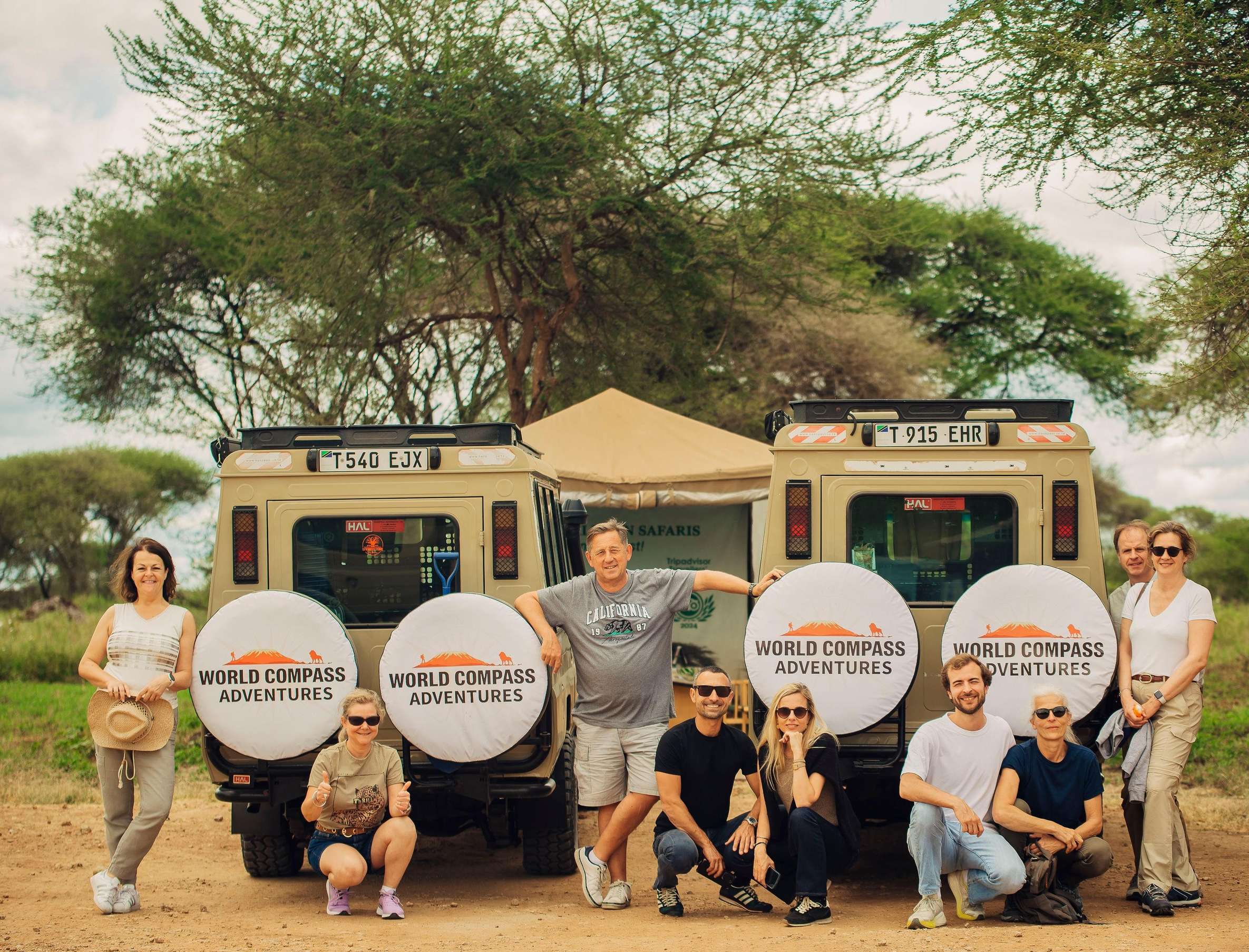
See the Big Five without the private tour price. Join a shared pop-up roof 4x4 from Arusha, sleep in tents under the stars, and split the cost of the Land Cruiser, guide, and fuel with other travelers who came for the same lions and elephants. Pick a 3-day or 4-day group departure and lock in your seat.
"Amazing safari with Season Masters Adventures! Polite, communicative team and the best driver. Saw the Big Five and stunning landscapes. Long road hours, but worth it. Sleeping in tents with animals nearby was thrilling!"
4.6★average rating173traveler reviews100%free cancellation24countries travelers came from
Budget safari tours - where to start
Three ways in: a shared camping safari that covers the Serengeti and Ngorongoro Crater in three days, a four-day route that adds Tarangire's elephant country, or a single day inside the crater from Arusha. The split comes down to time. Camping groups share a 4x4 and a bush cook; the day trip suits anyone with one spare morning.
PickupGroup safaris collect you free from accommodations in central Arusha between 6 am and 7:30 am; stays outside that area can be linked by a paid transfer to the meeting point.
LuggageGroup camping safaris cap bags at 10 kg per person, so pack a soft duffel and leave the hard suitcase in hotel storage.
ClothingSkip dark blue and black, which attract biting tsetse flies, and wear neutral khaki, olive or beige; camouflage is illegal for civilians in Tanzania.
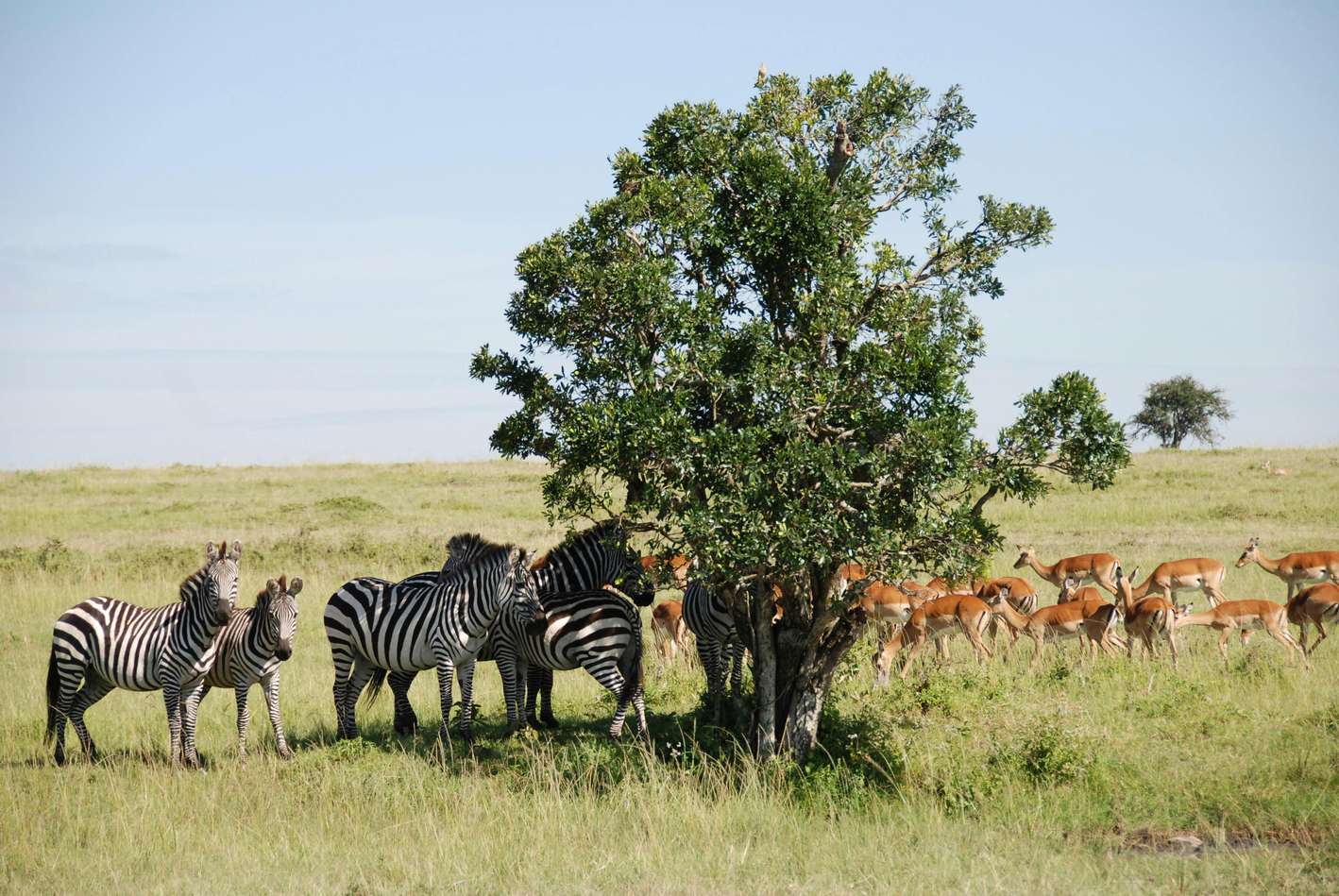
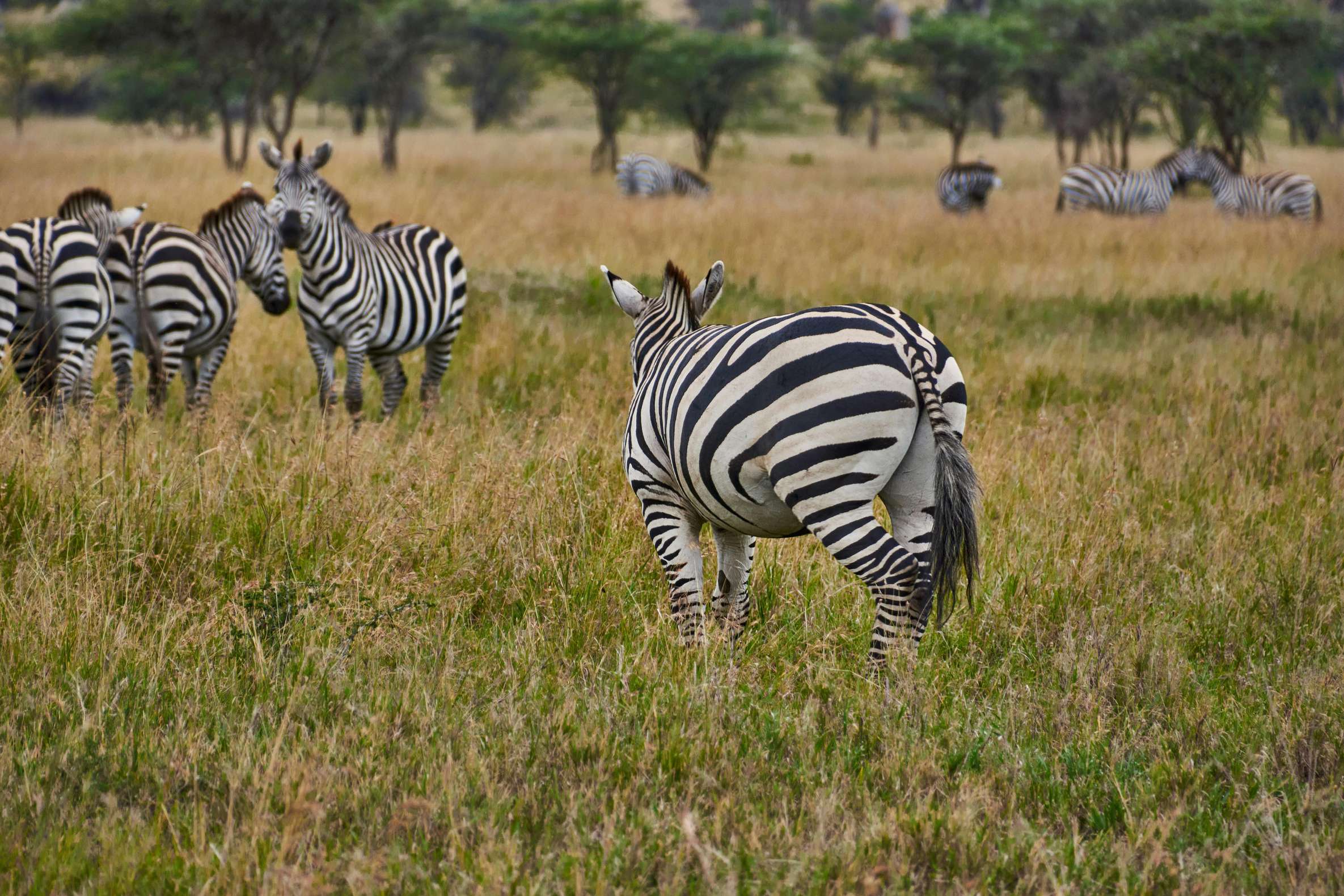
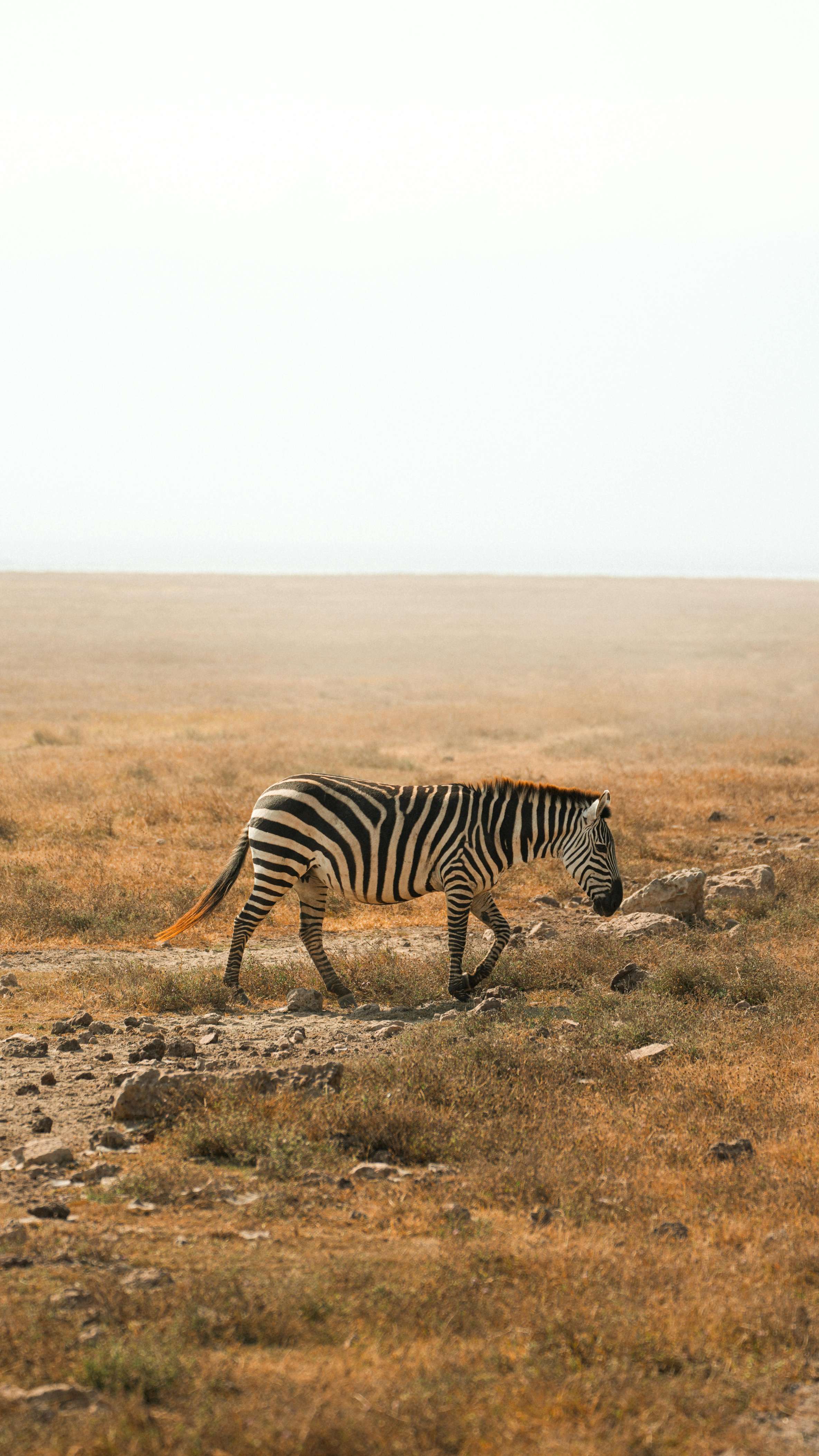
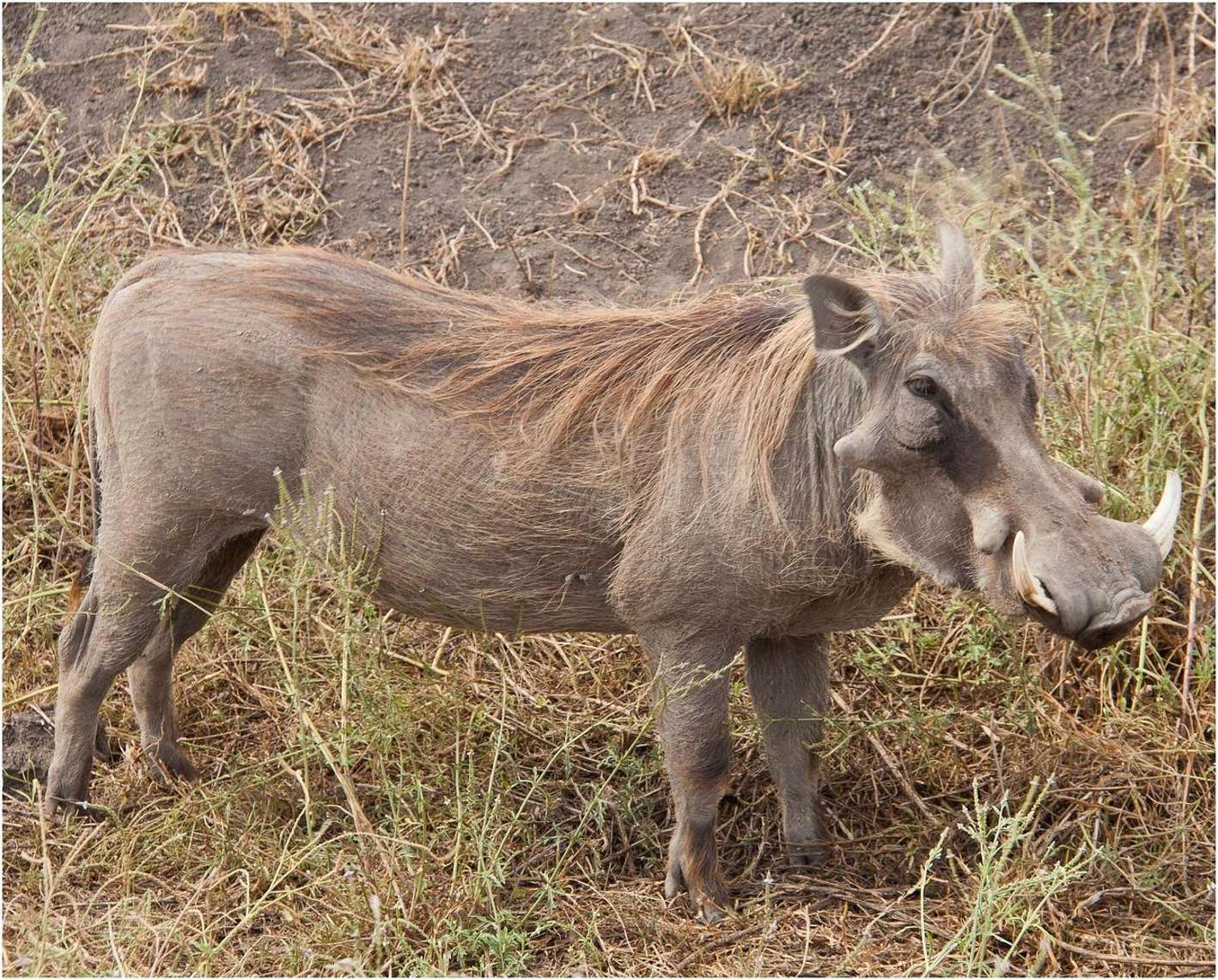
CampsitesPublic sites have basic shared bathrooms and no fences, so zebras and warthogs graze between the tents at night.
Cold nightsThe Ngorongoro rim sits above 2,200 meters and drops to around 5°C after dark, so bring a warm sweater, socks and a jacket.
GearTents, mattresses and sleeping bags come supplied, but electricity at camp is limited, so carry a power bank for cameras and phones.
Gate hoursPark gates open at 6 am and close at 6 pm, and vehicles caught driving after the curfew face fines.
PaymentPark gates run cashless and take credit cards only, though one crater day trip asks for entrance fees in cash the day before.
RulesDrones are banned, and feeding or touching animals can bring fines or expulsion from the park.
SeasonApril and May rains turn secondary tracks muddy, so guides reroute along the main central roads, which stay open all year.
Which budget safari tour fits you best?
Answer a few quick questions and see which trip matches.
1Who's coming?
2What's your budget?
3What do you want to see?
Your best match
match
Arusha: 3-Day Serengeti & Ngorongoro Crater Big Five Safari★ 4.7 (75) · 3 days
Popular with solo travelers.
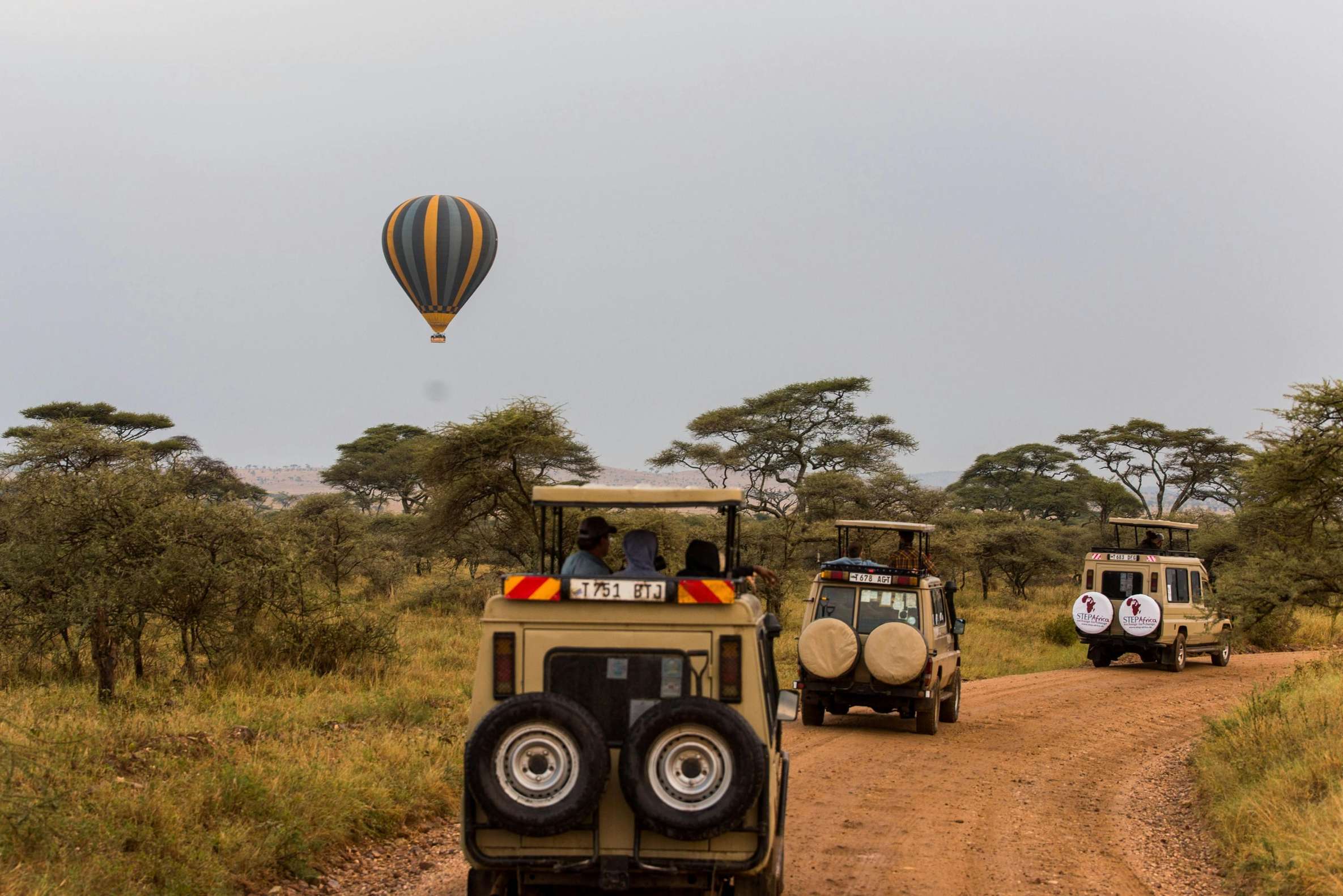
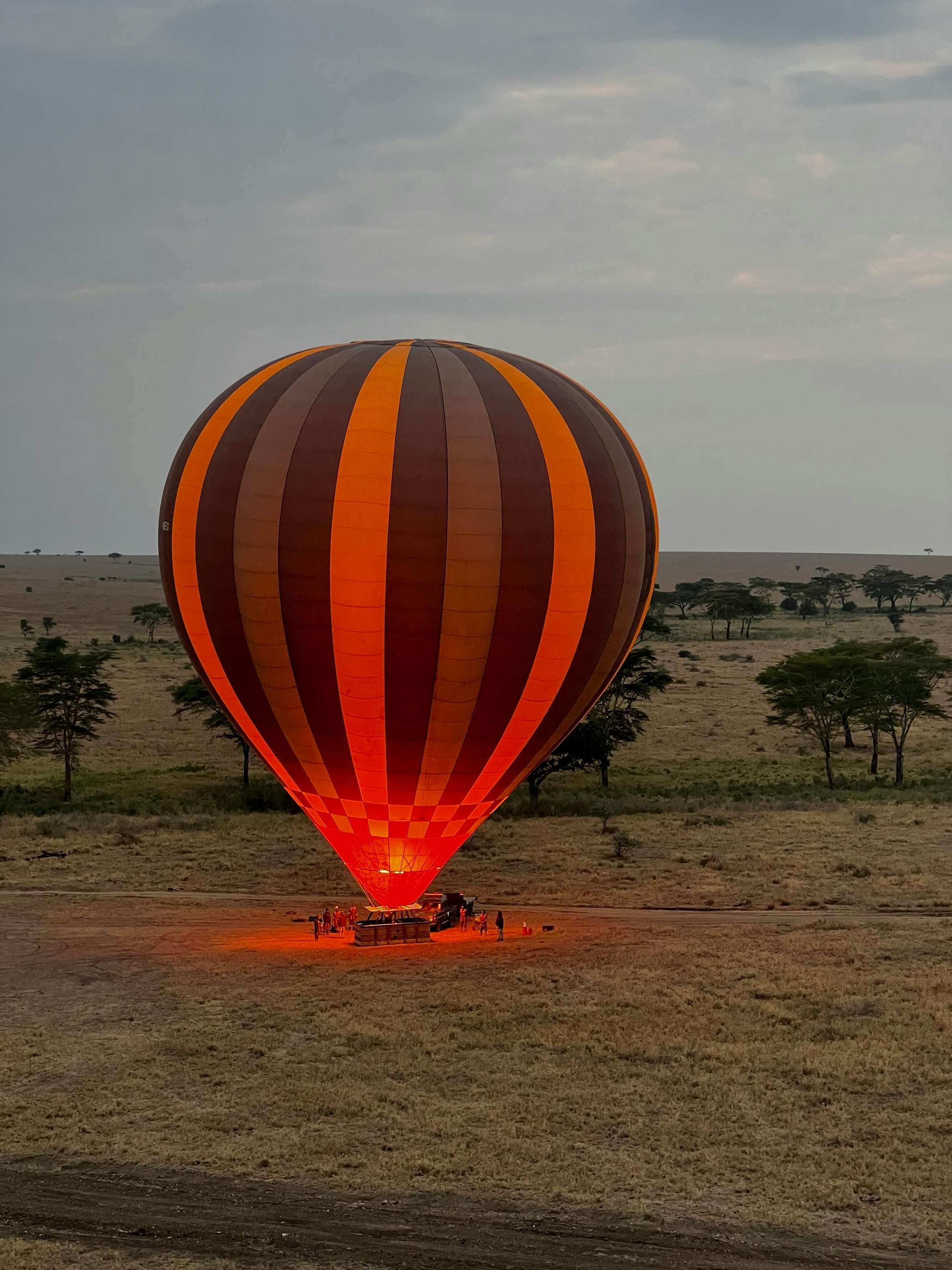
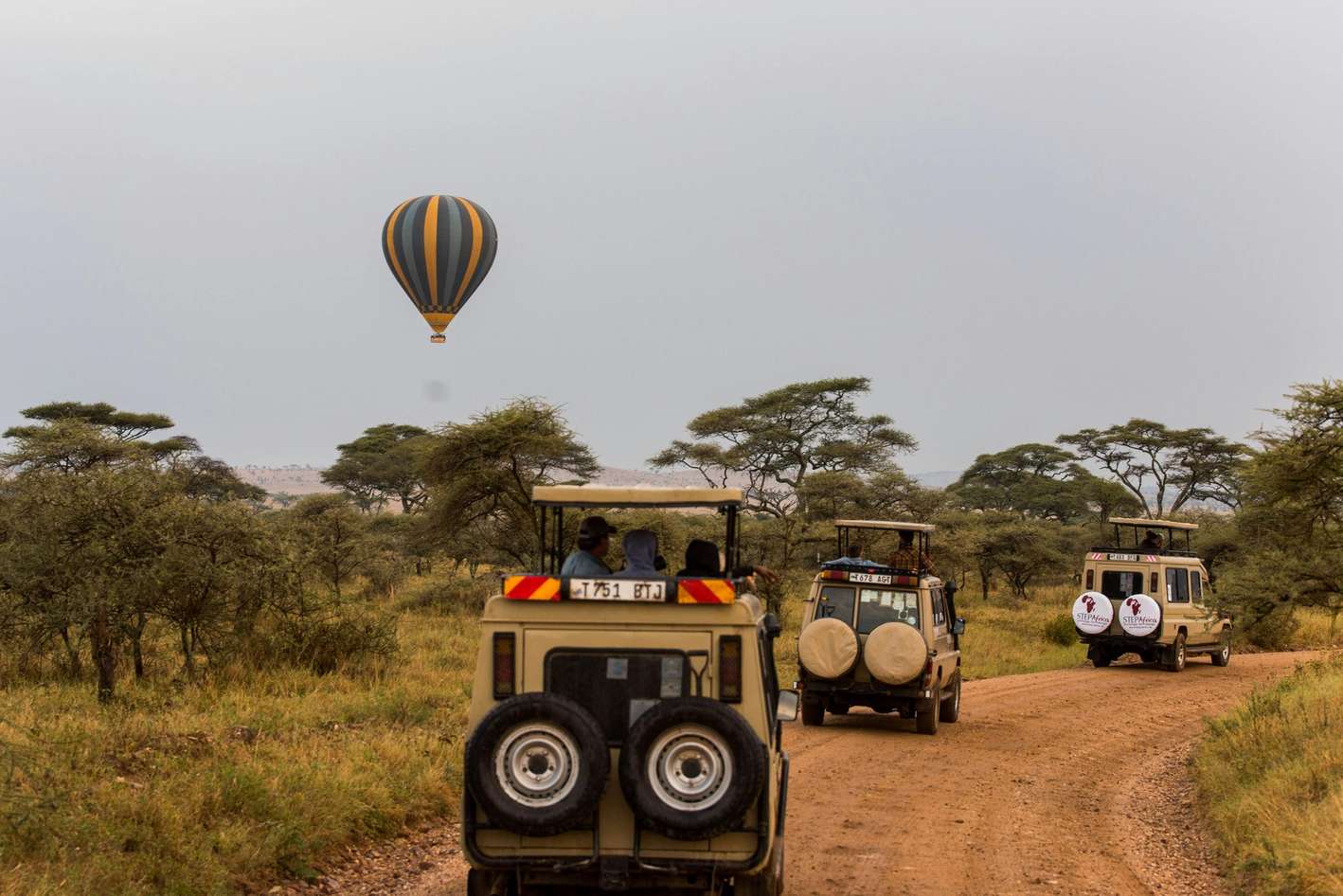
A 3-day shared camping trip with a safari chef and an optional balloon flight.
accessRain in April and May can turn secondary Serengeti tracks muddy or impassable, though game drives continue on the main central and northern routes.
Plan extra time between parks in the wet months and pack a light rain layer for the open vehicle; guides reroute to the drives that stay open all season.
Budget Tanzania safari tours compared
Most popular
3 days·English
4.7(75)
Arusha: 3-Day Serengeti & Ngorongoro Crater Big Five Safari
Option: Group Joining Camping - Big Five Safari
The best known name in the set: thousands of reviews and a 4.7 rating for its group camping trip through Serengeti and Ngorongoro.
Free cancellationHotel pickup includedBottled drinking water throughout the tour
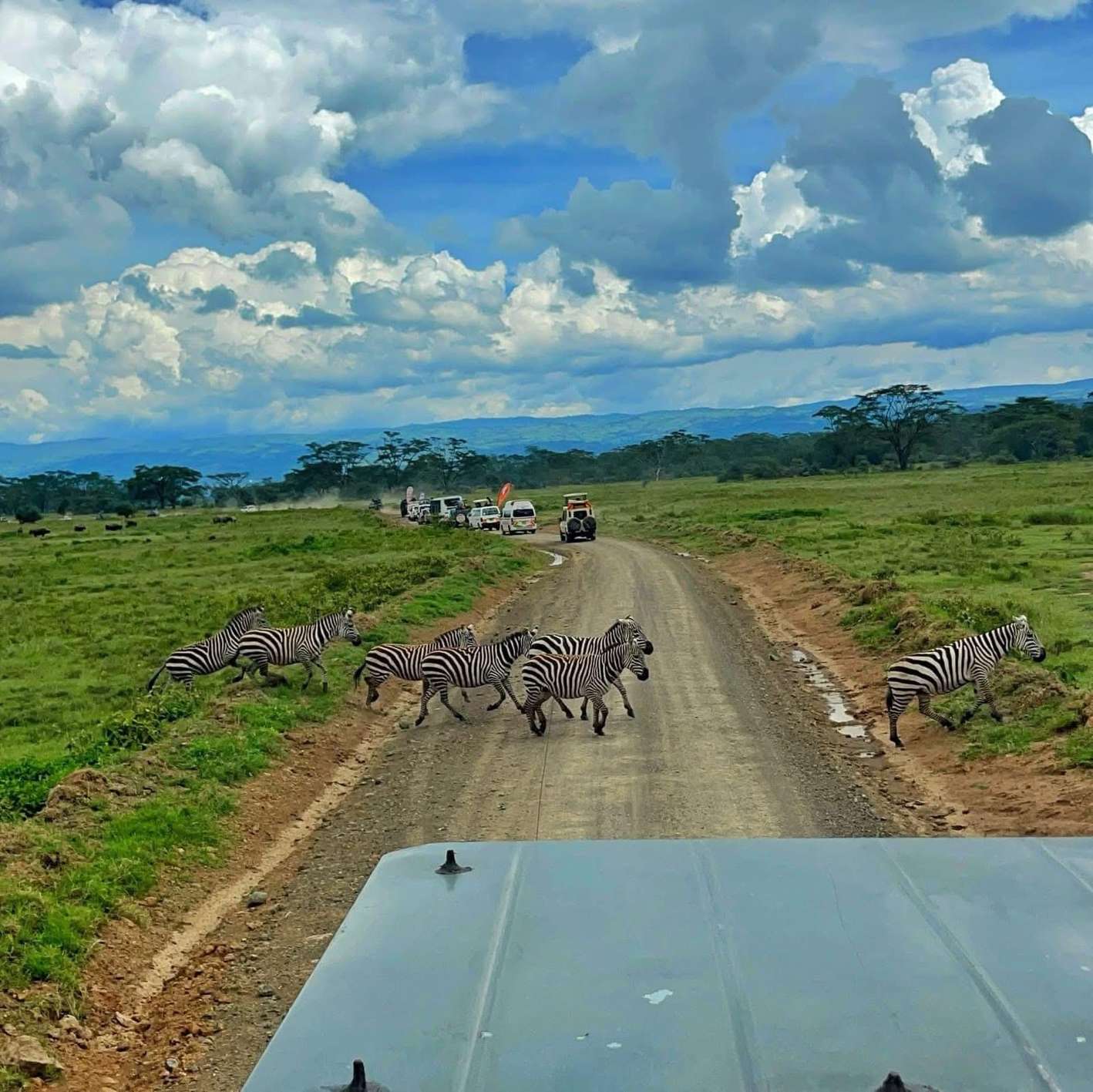
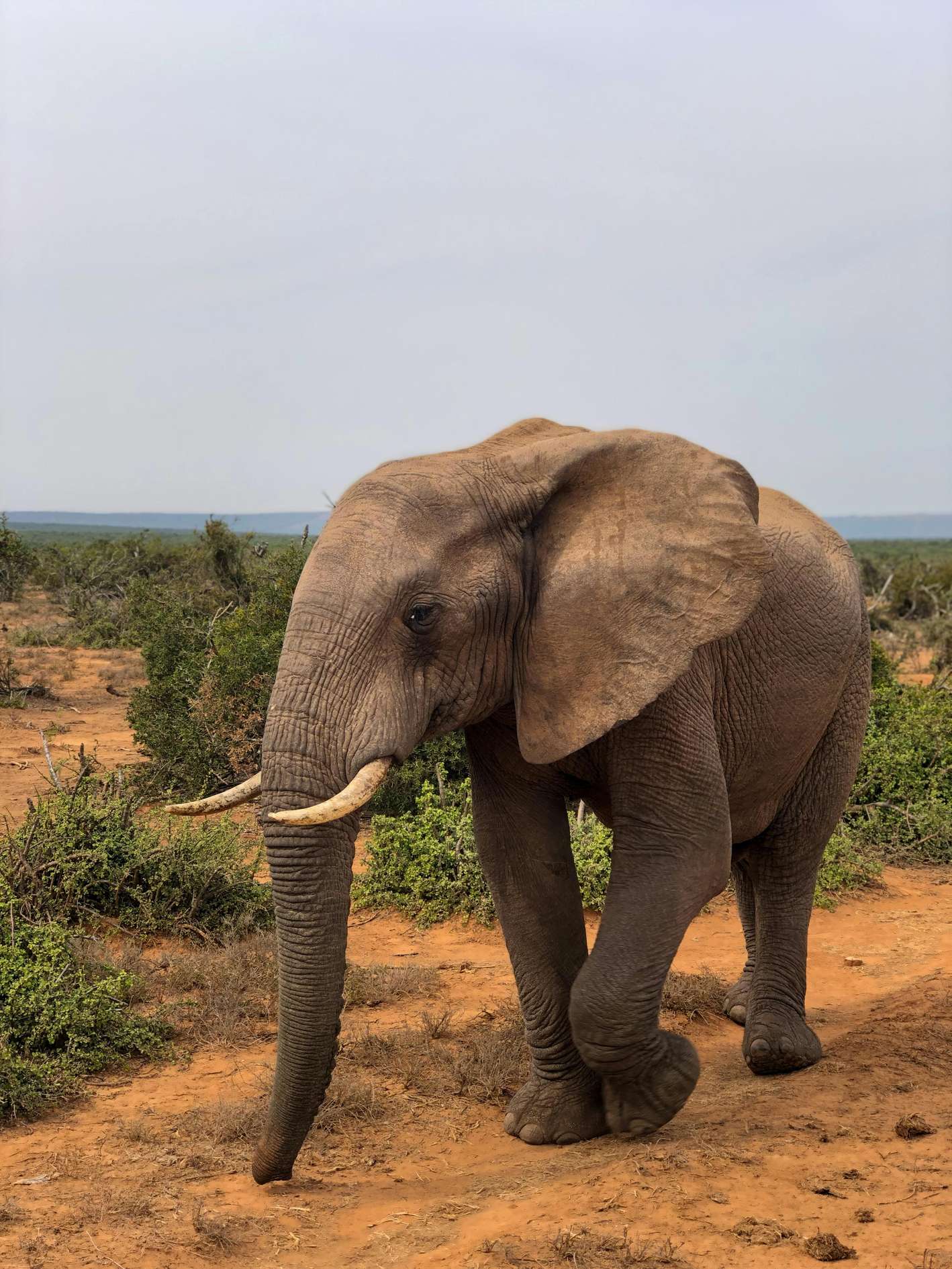
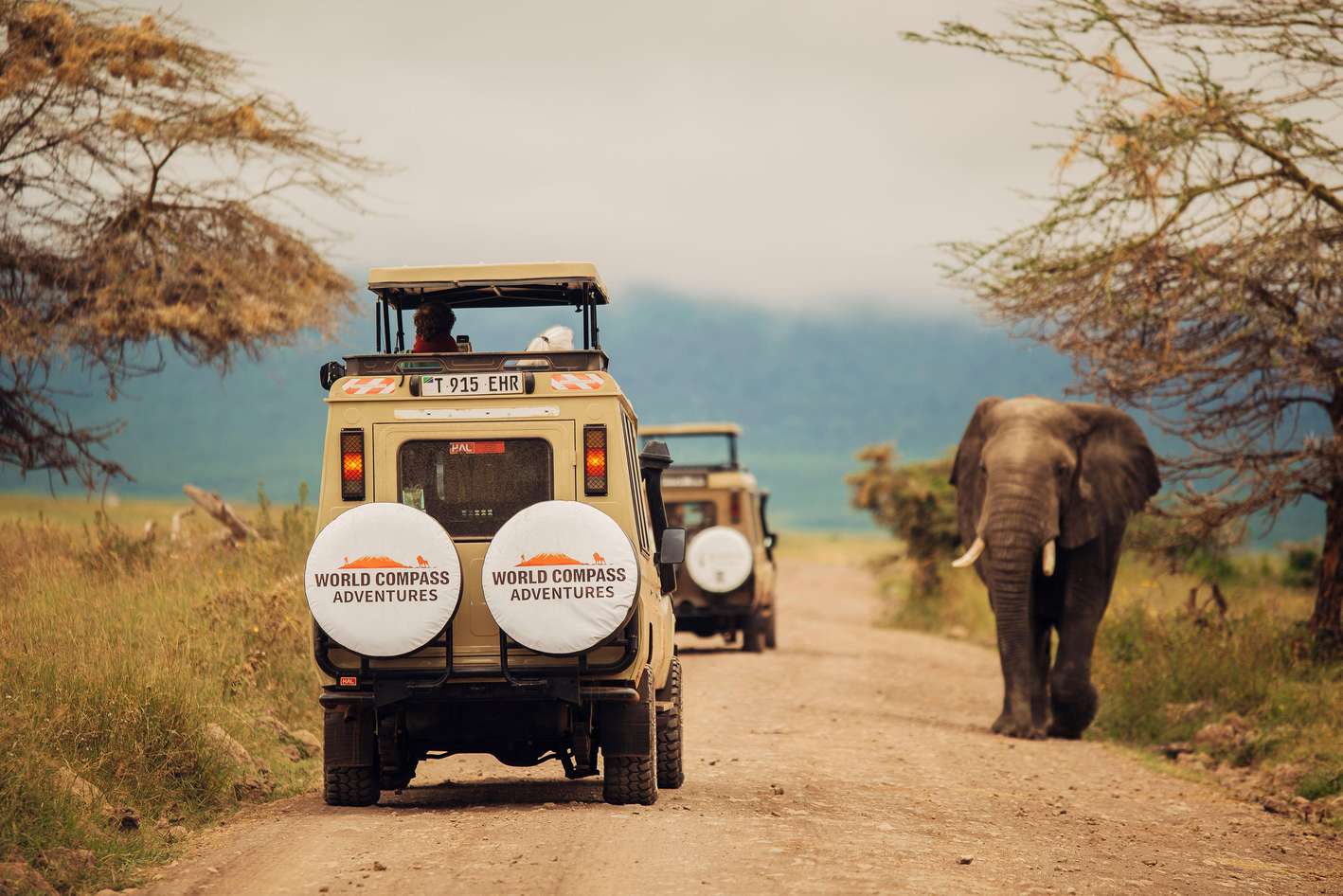
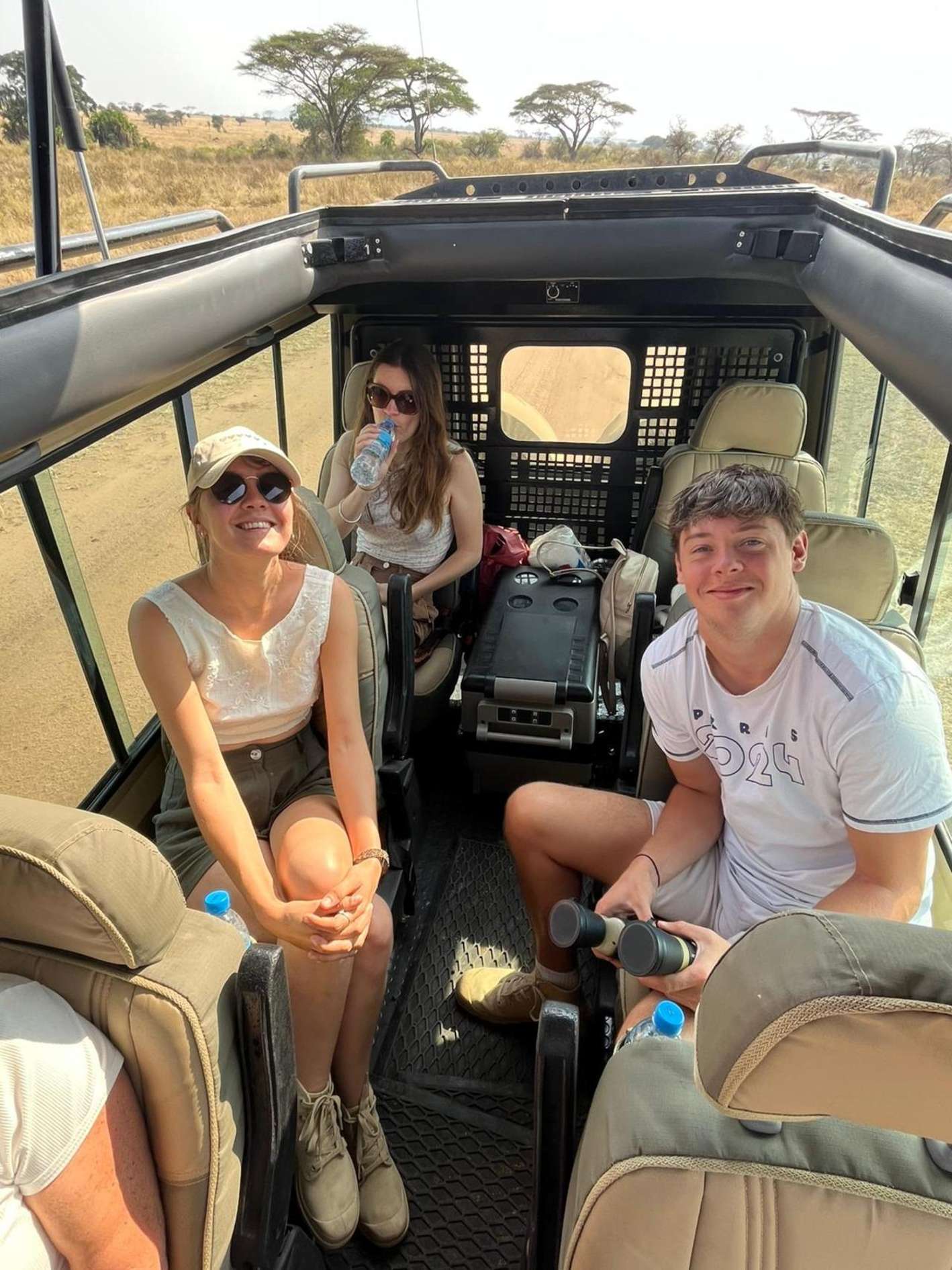
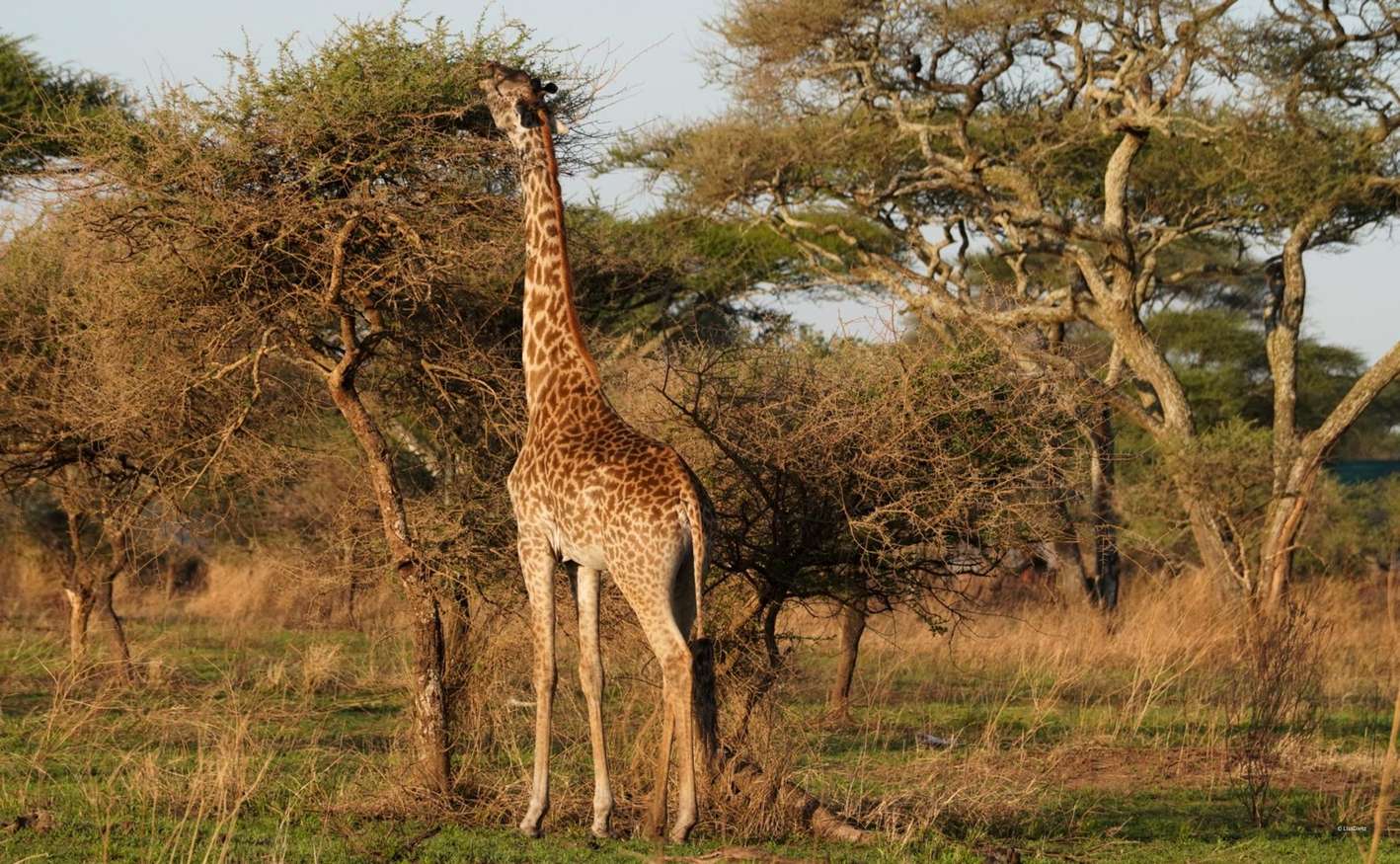
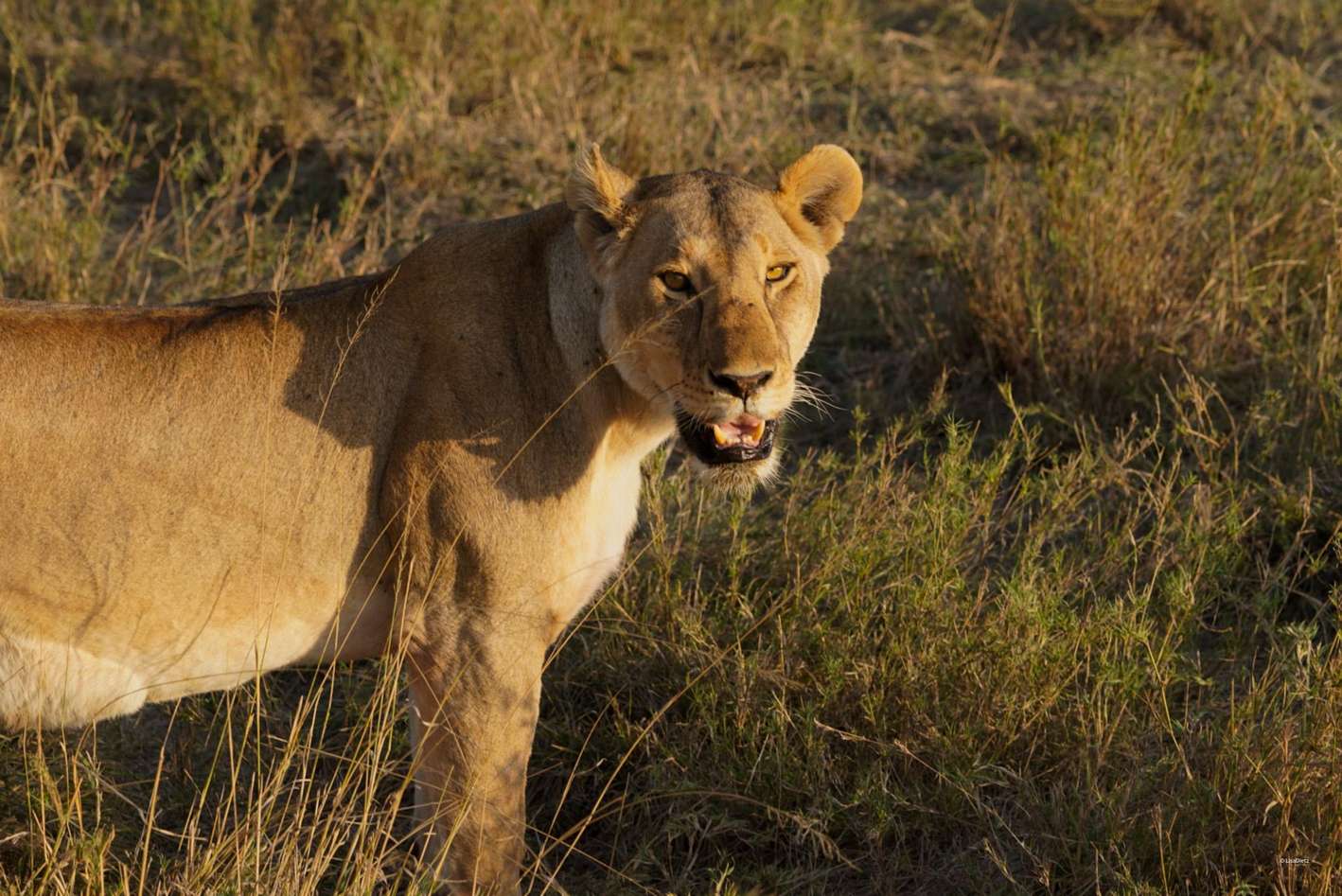
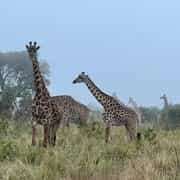
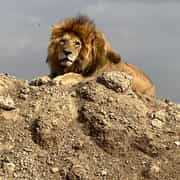
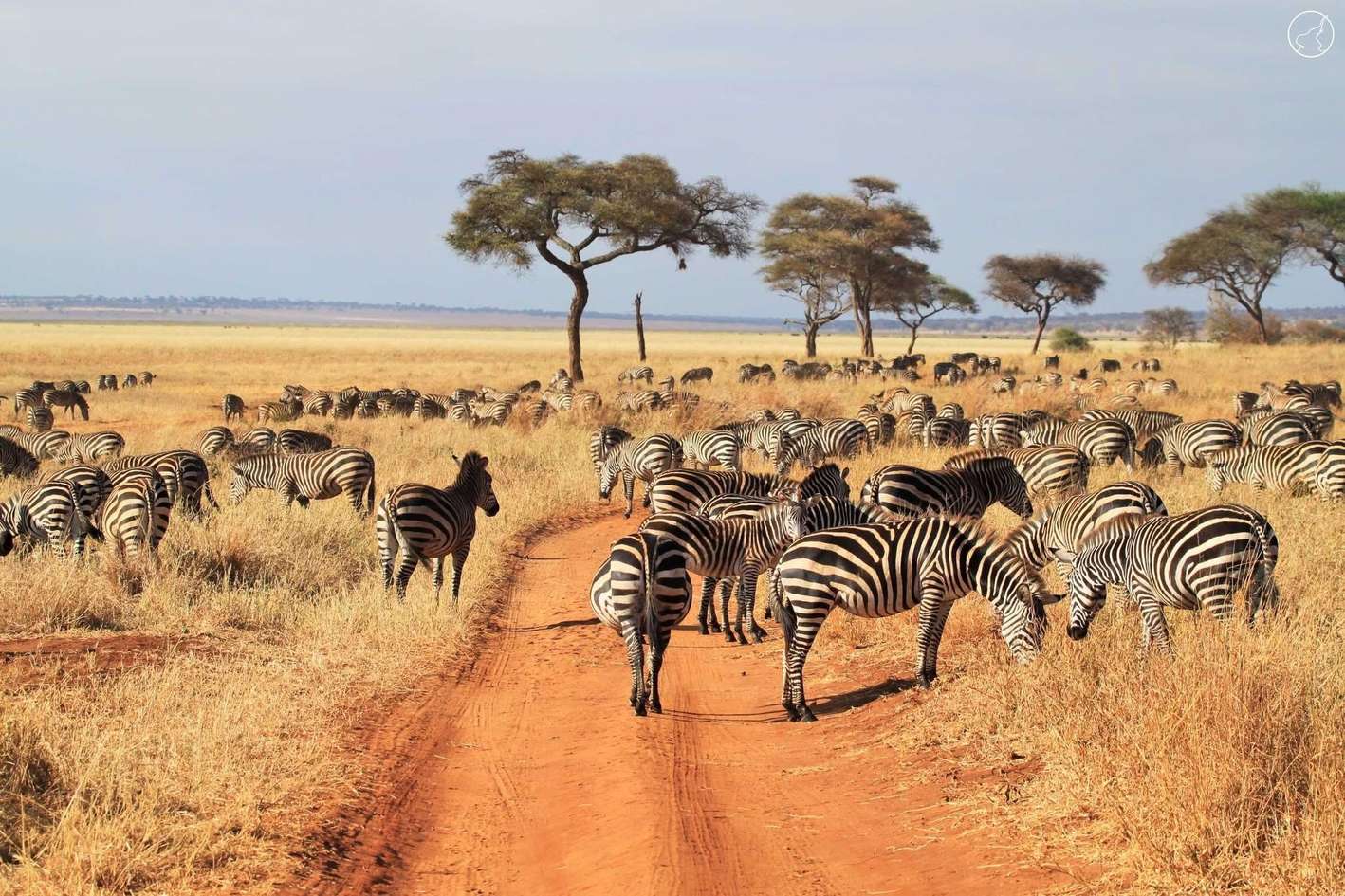
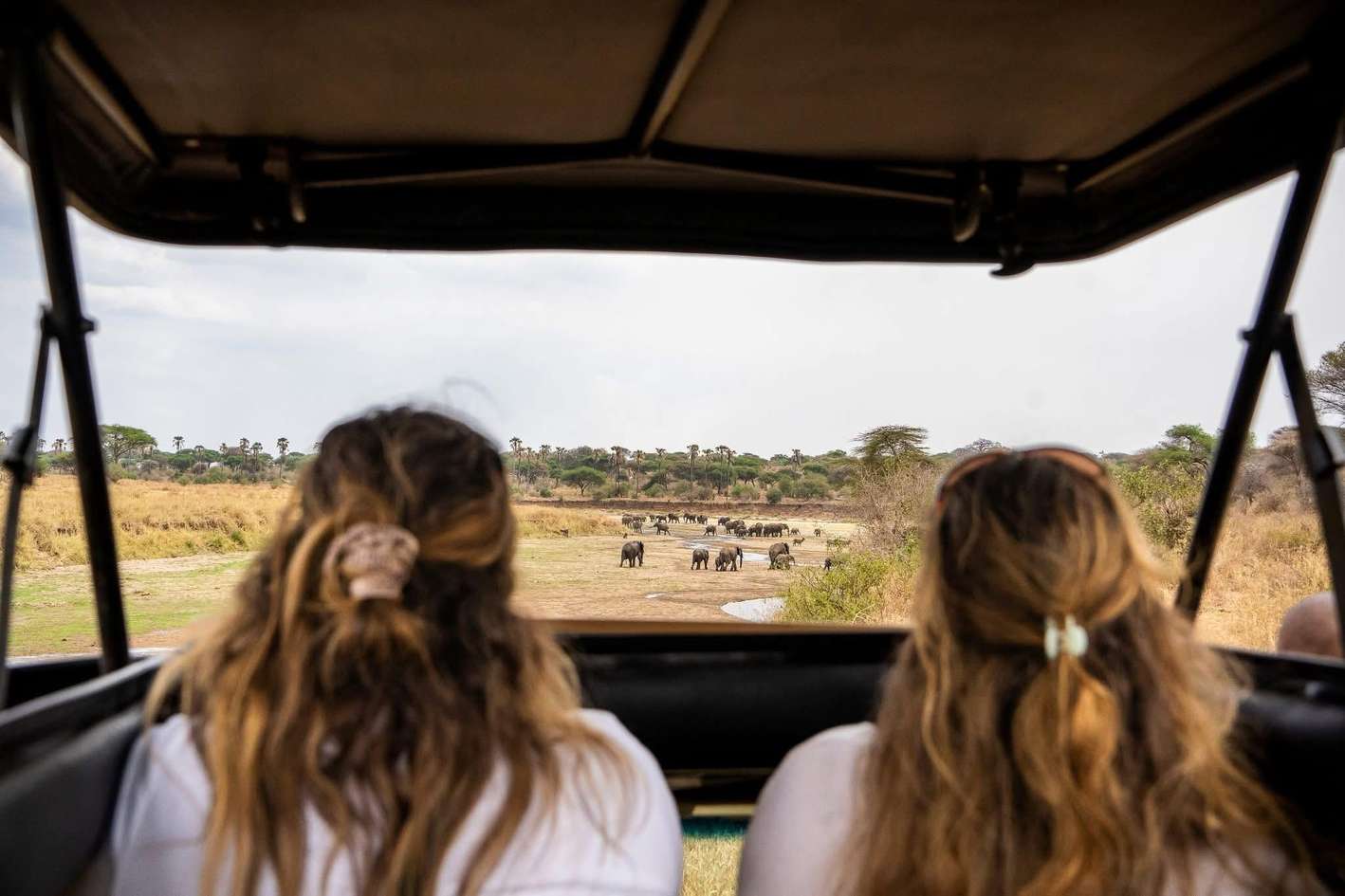
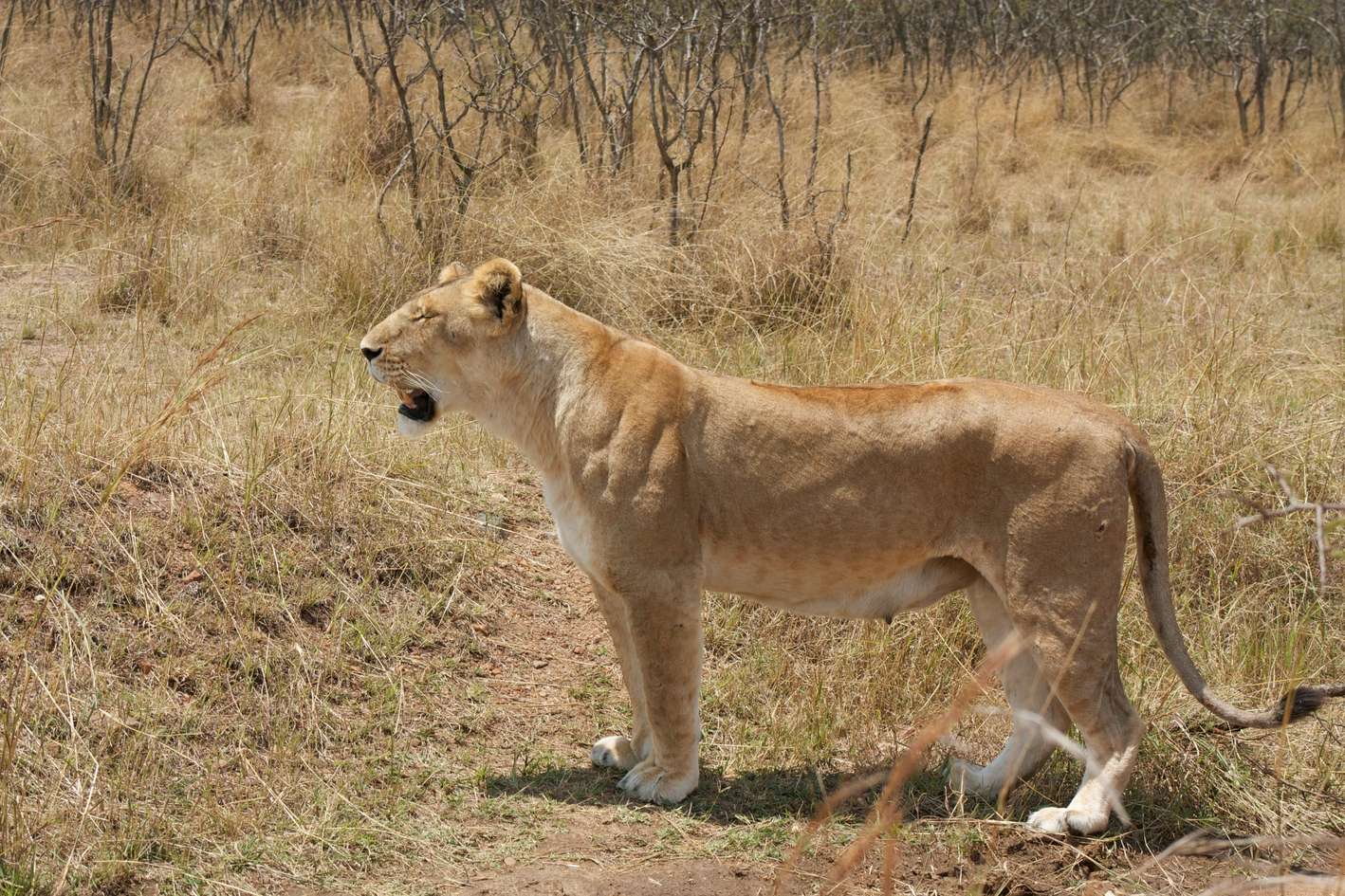
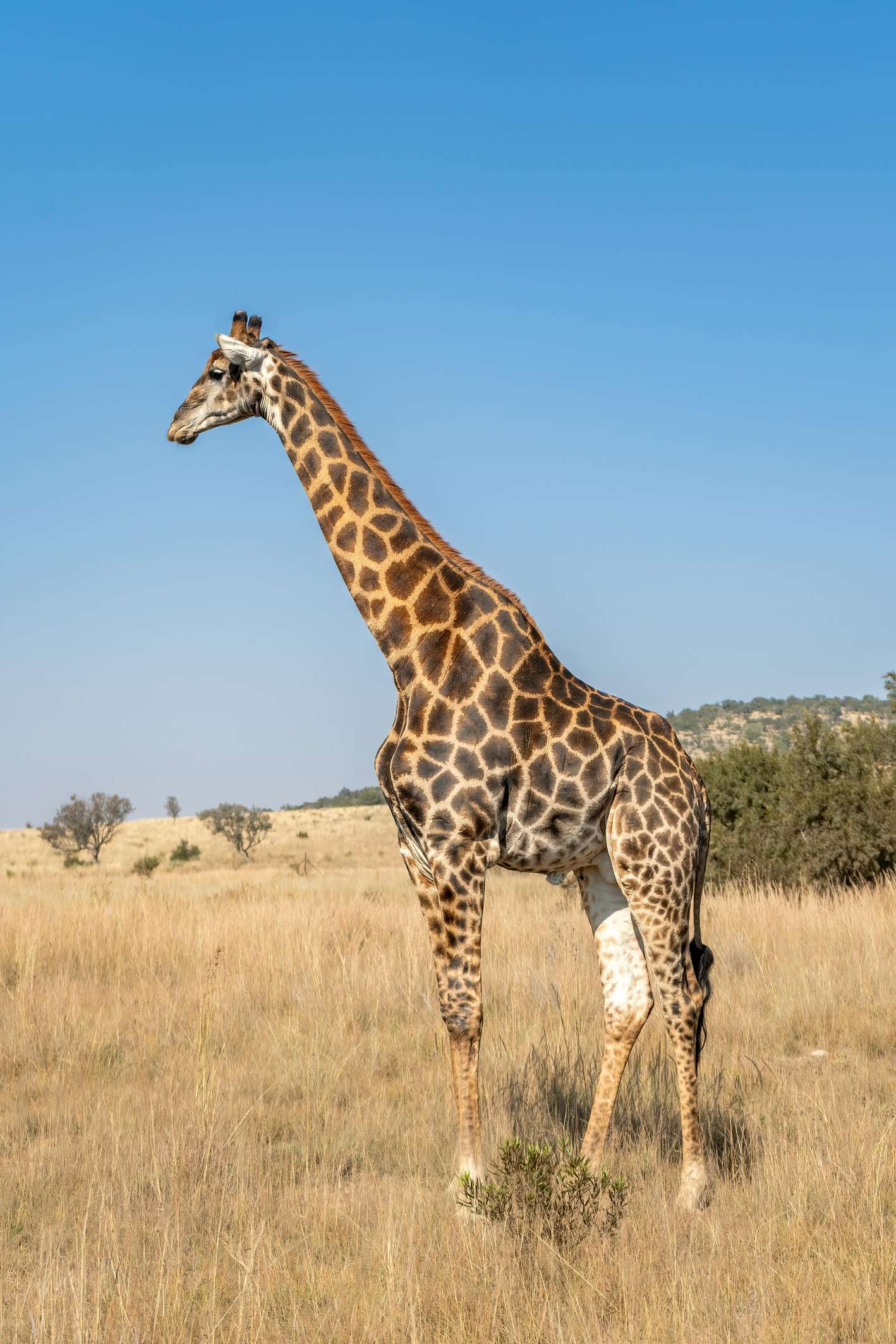
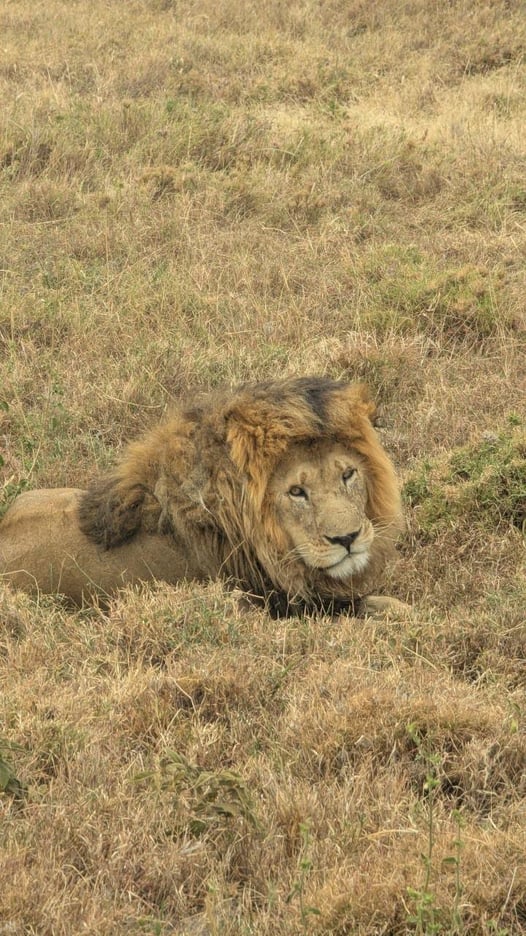
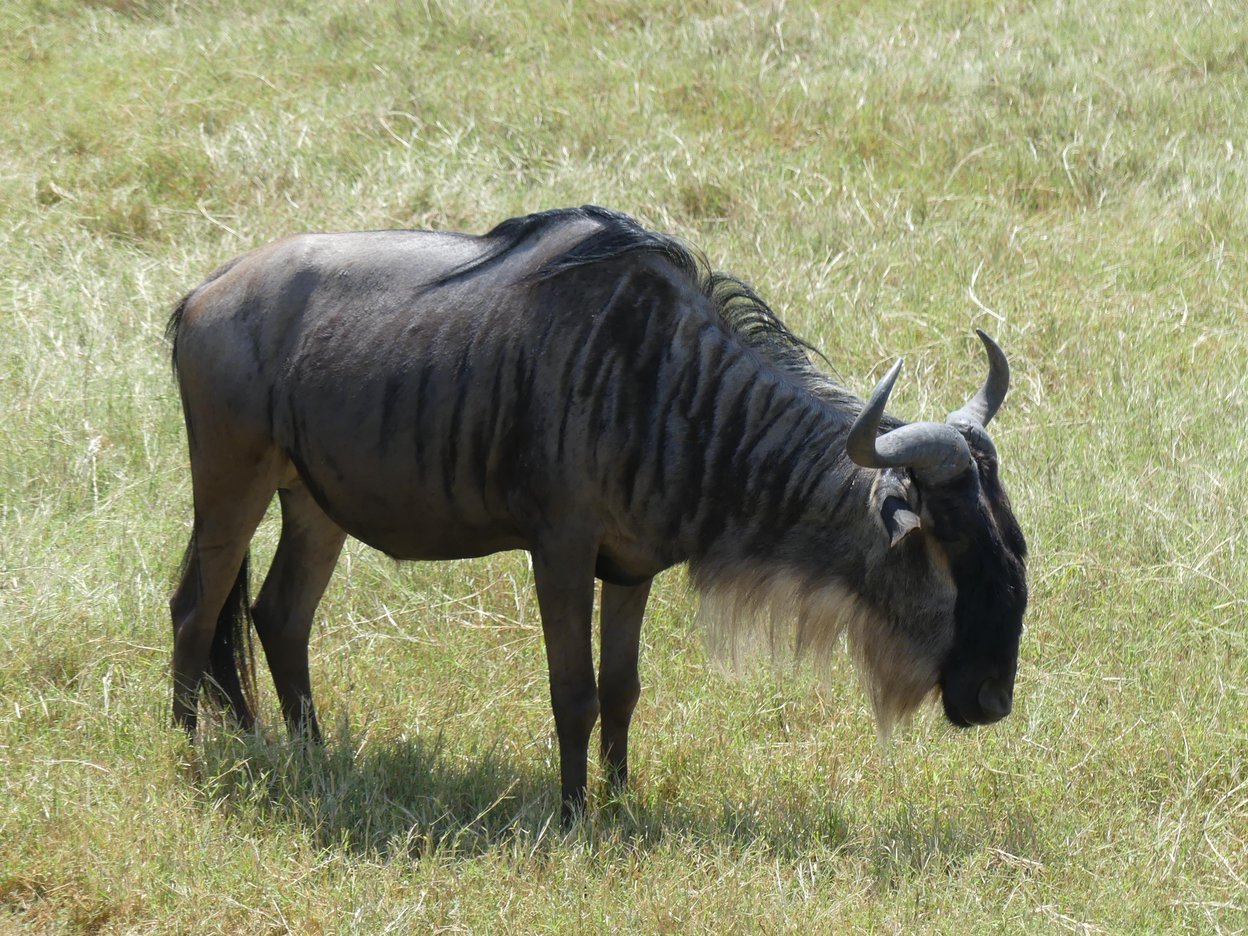
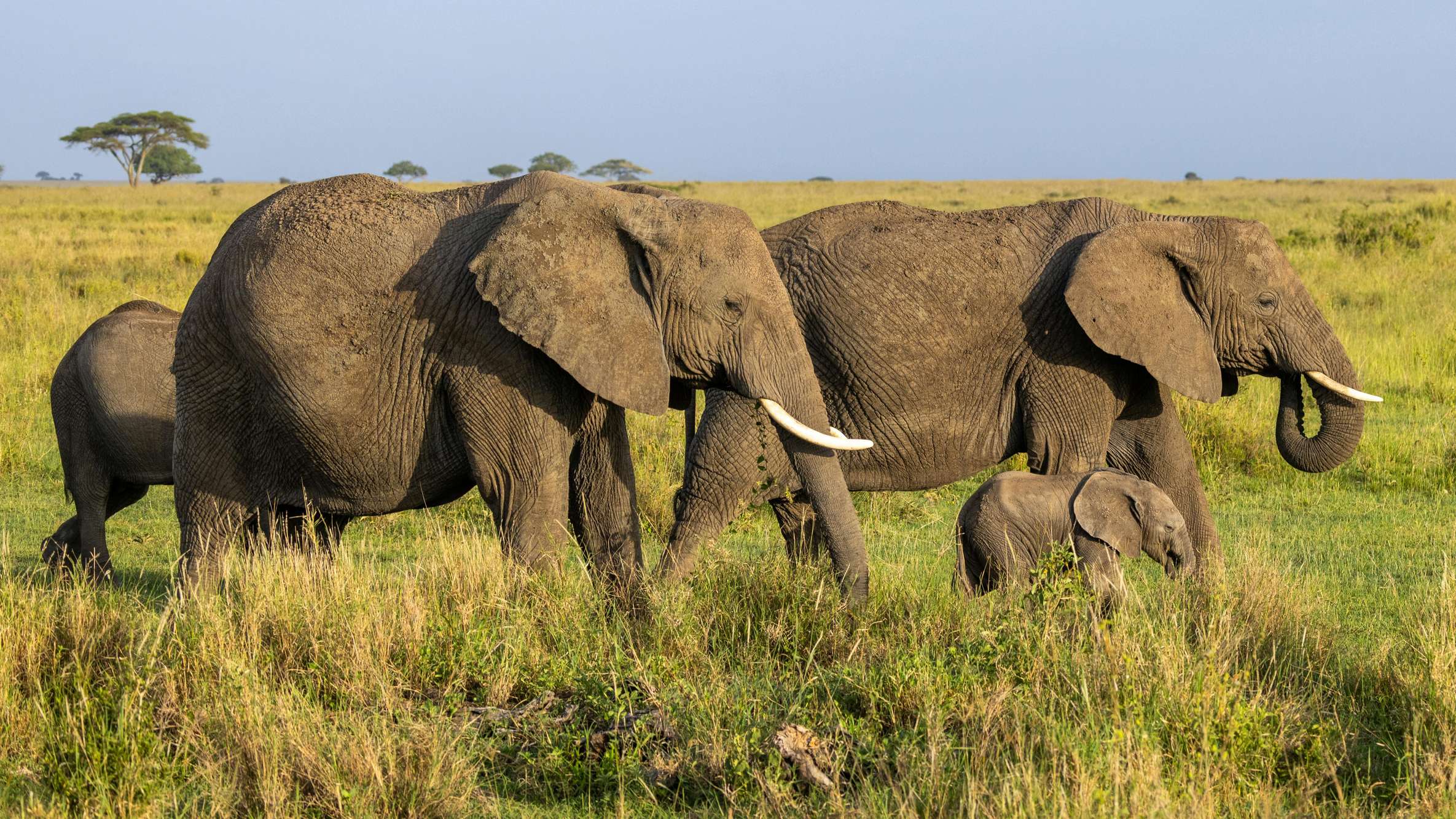
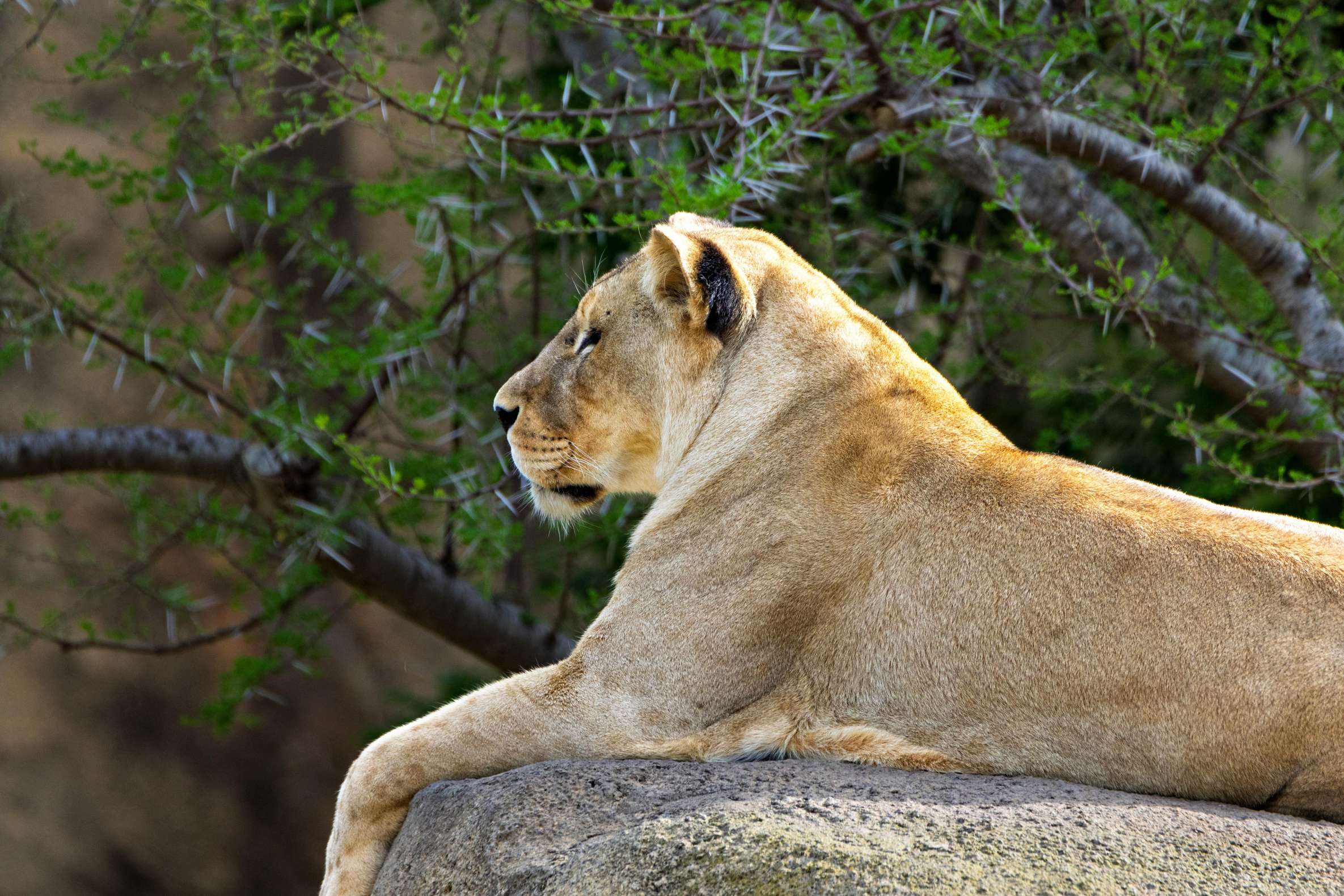
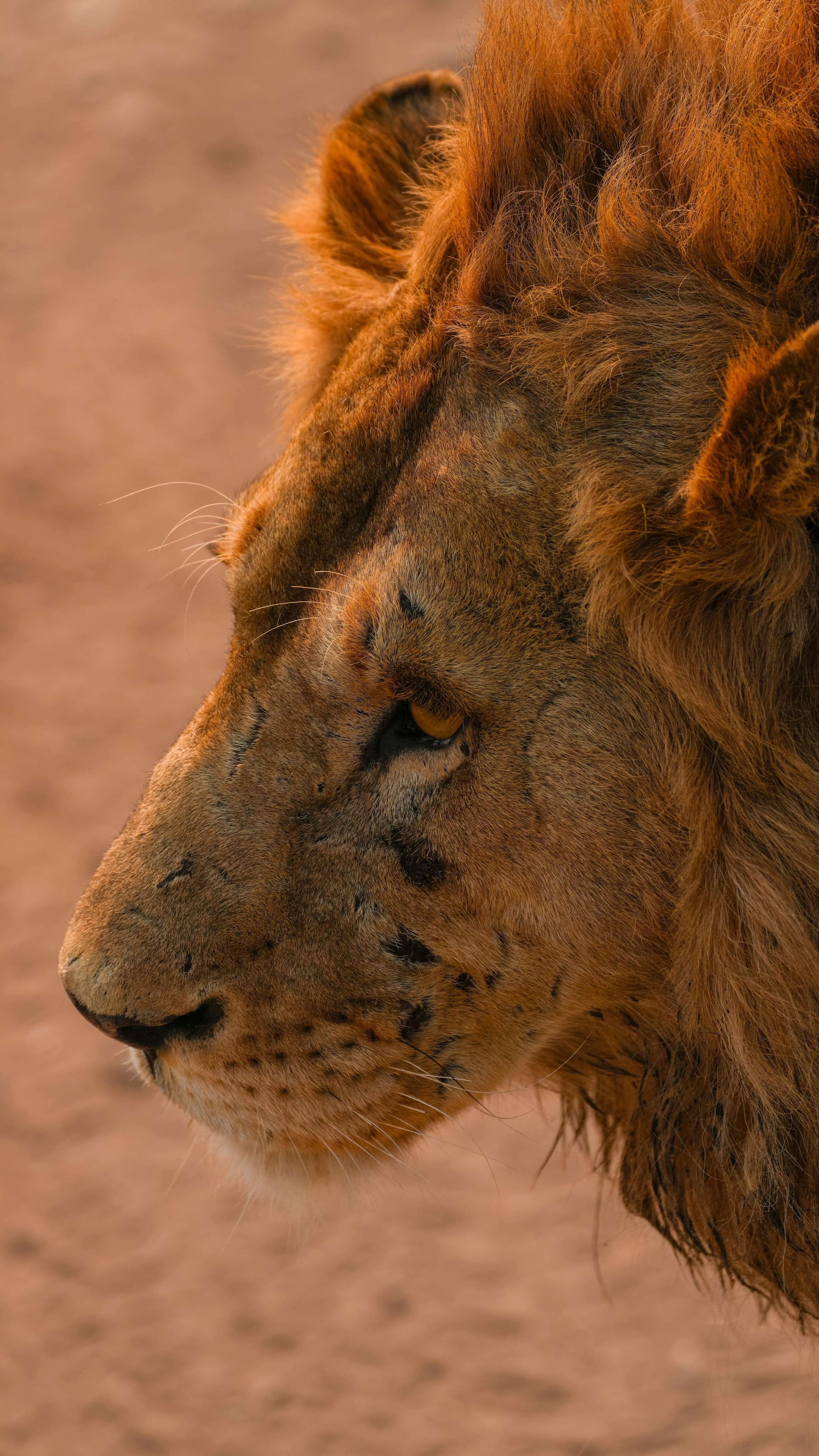
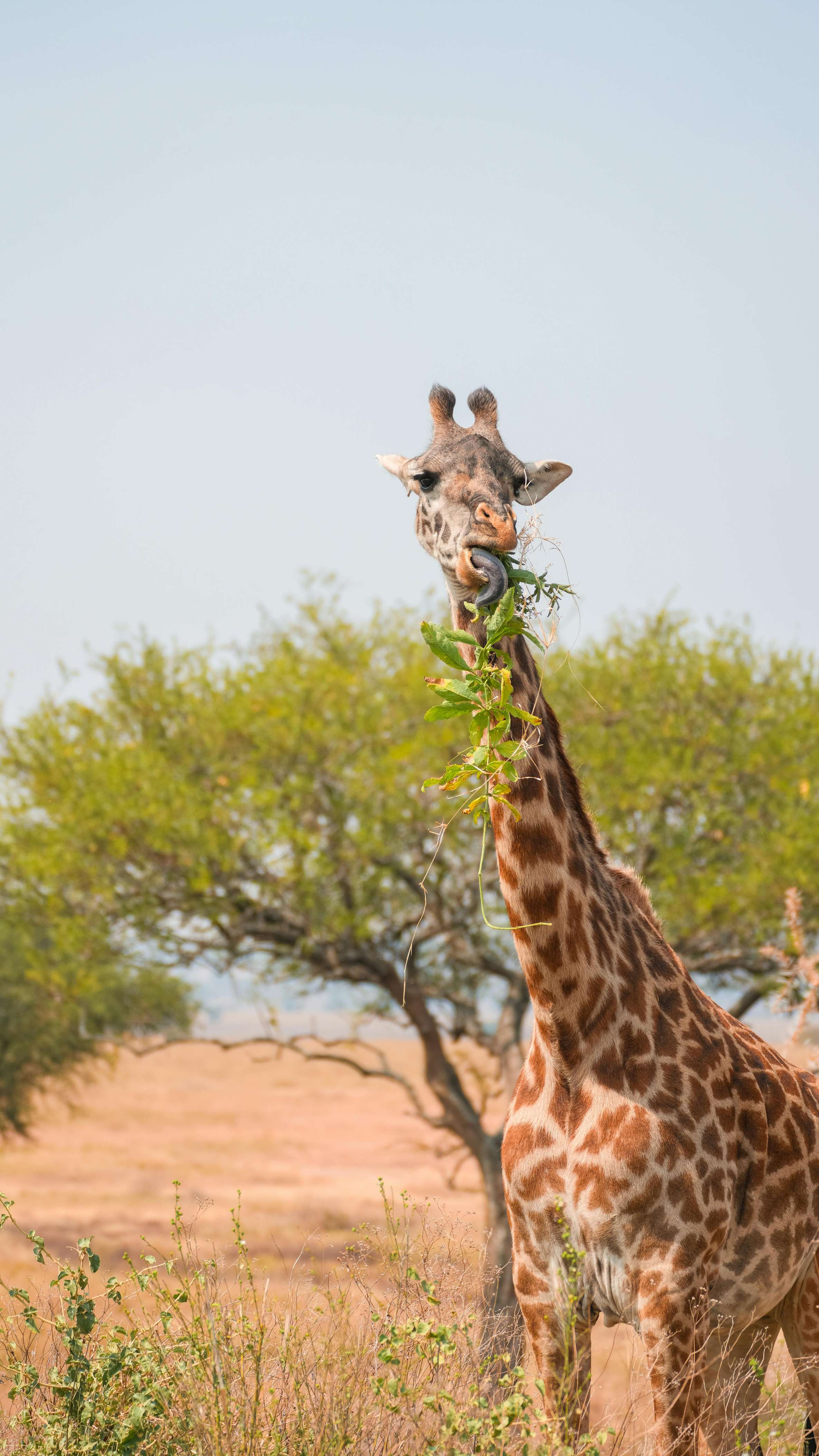
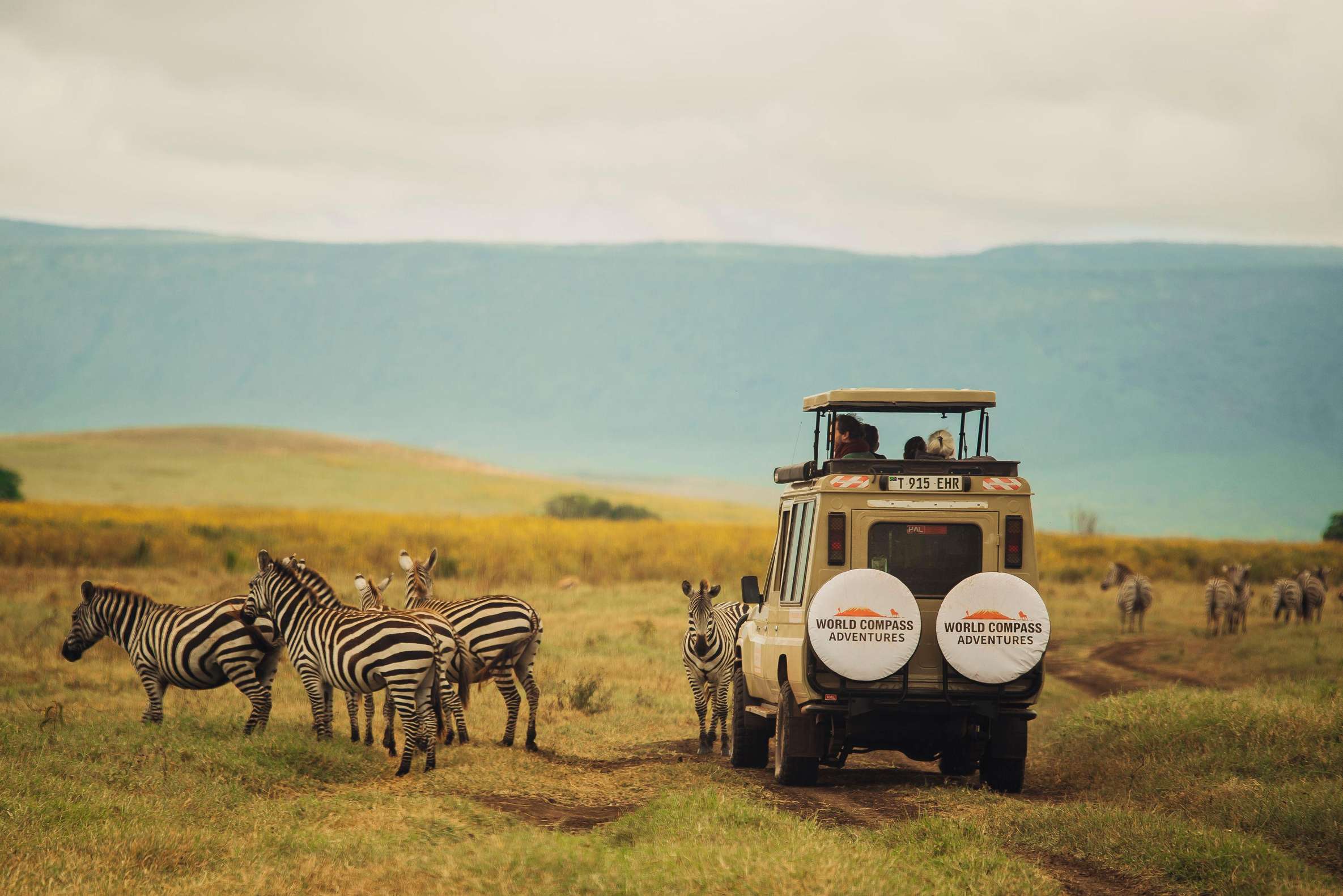
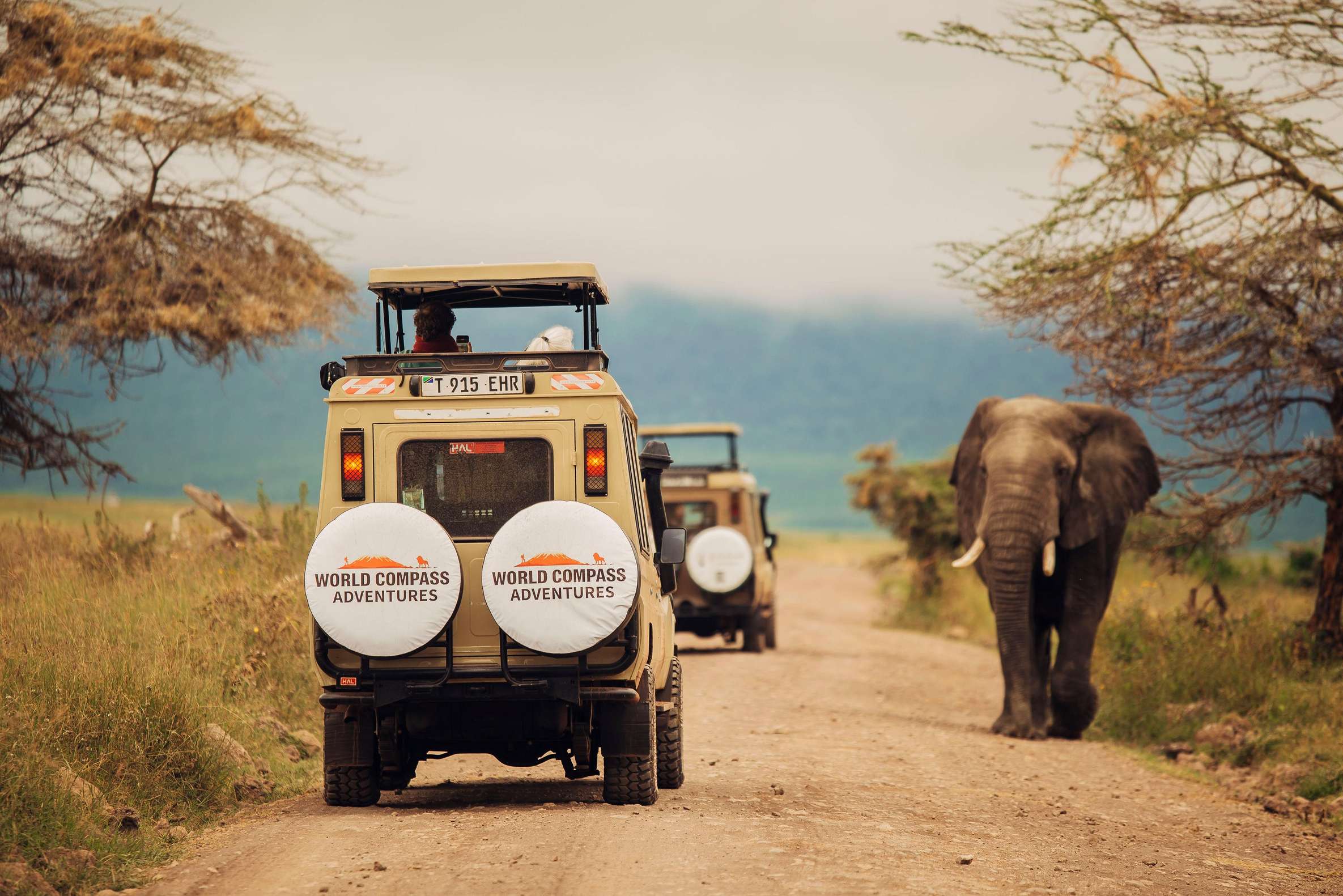
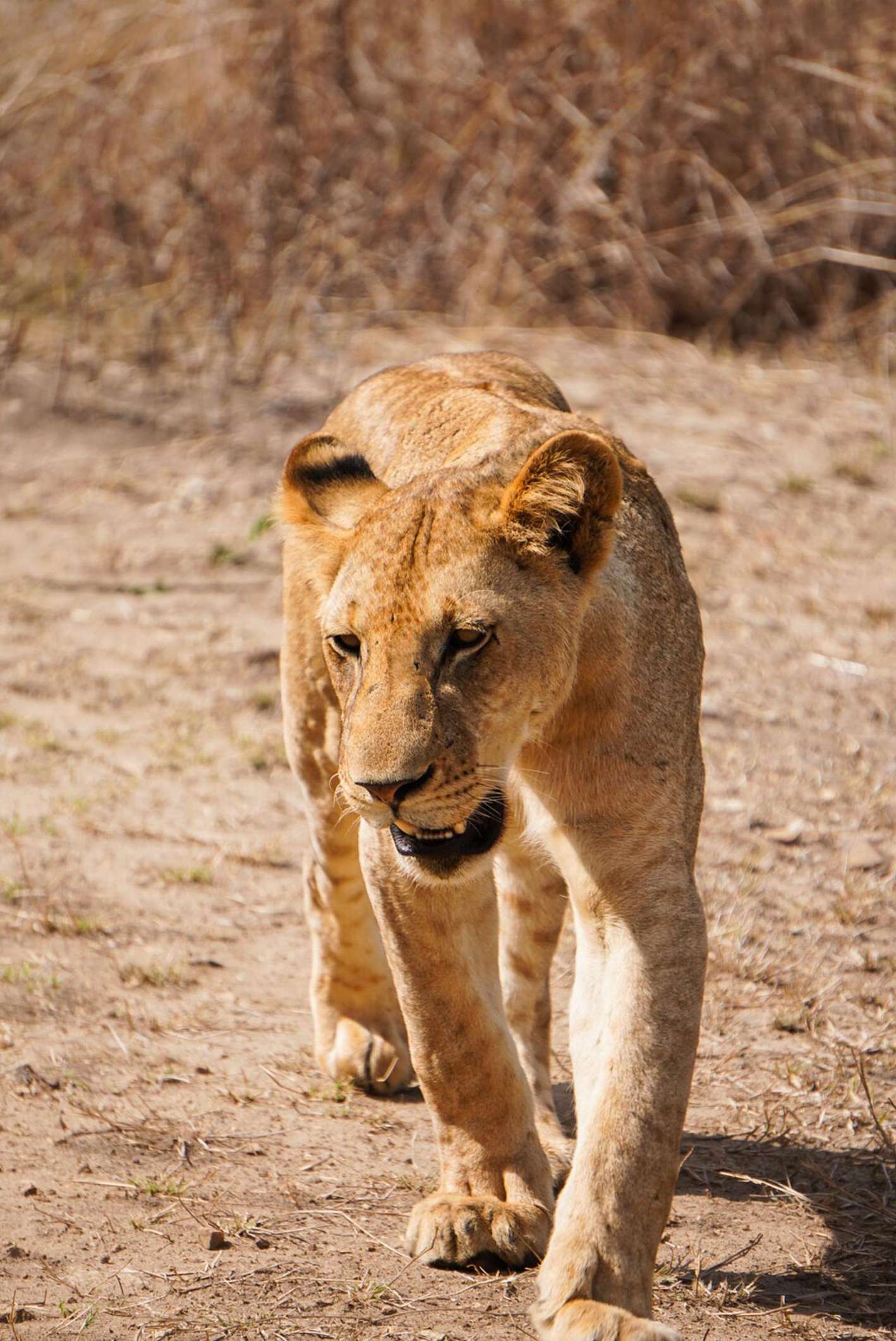
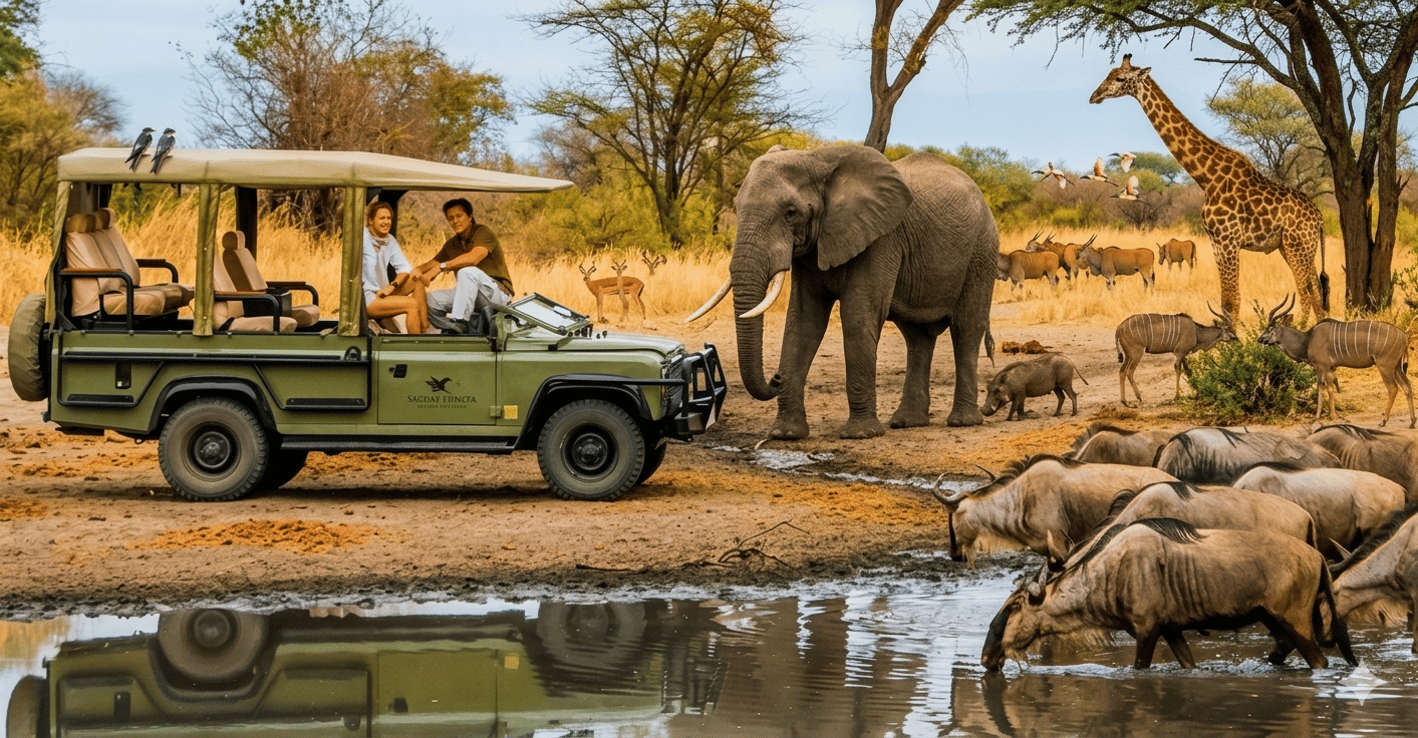
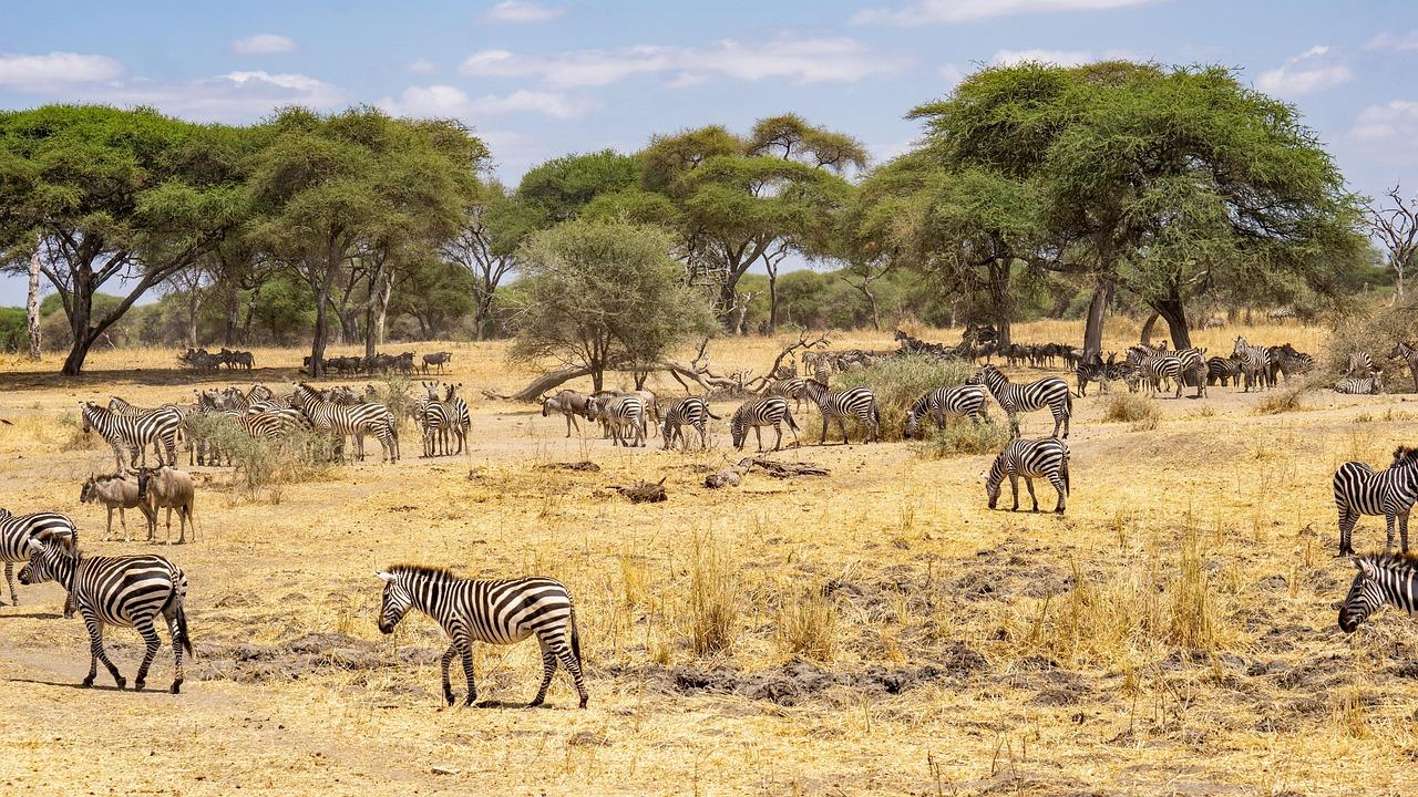
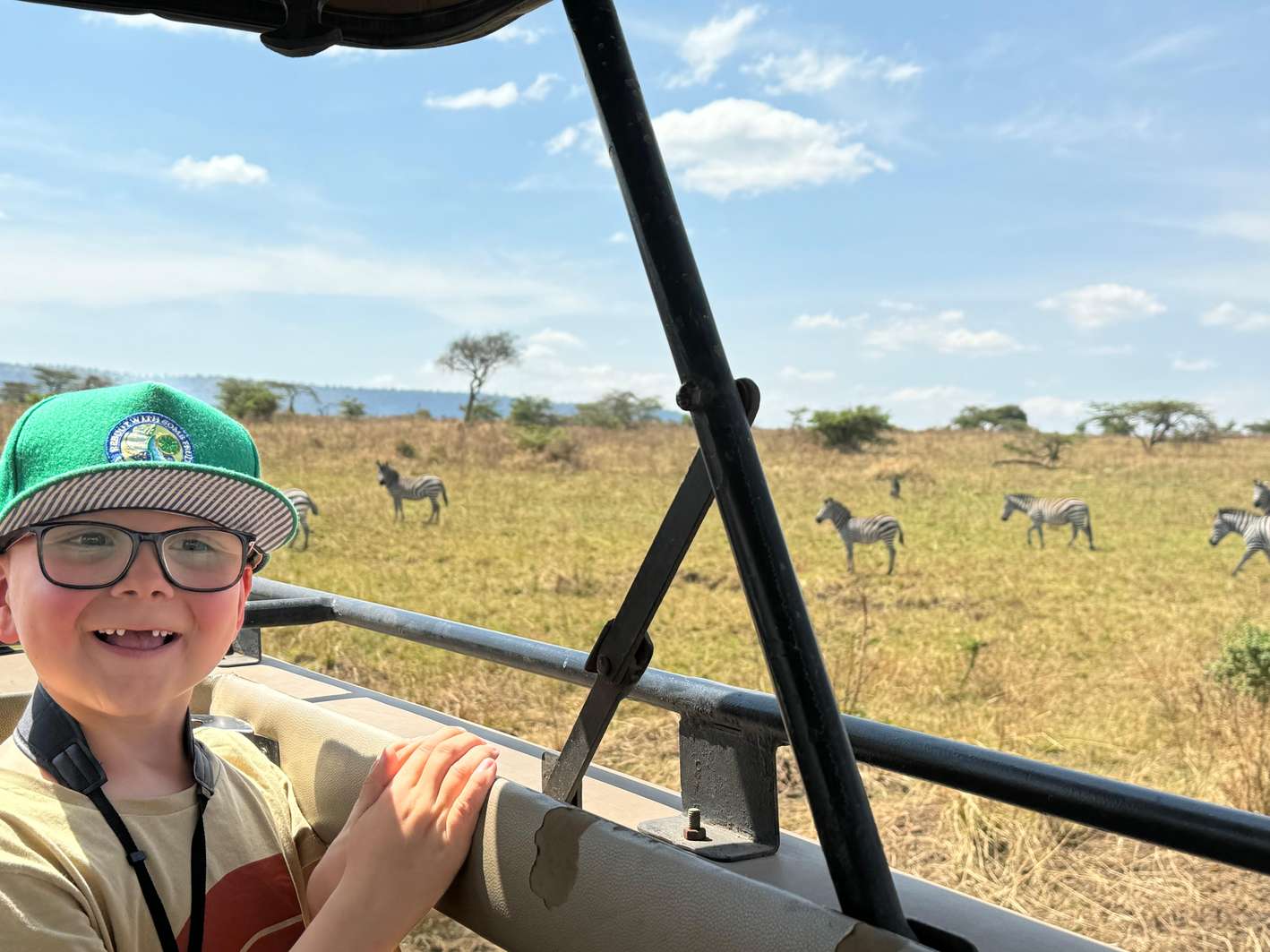
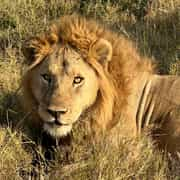
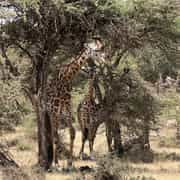
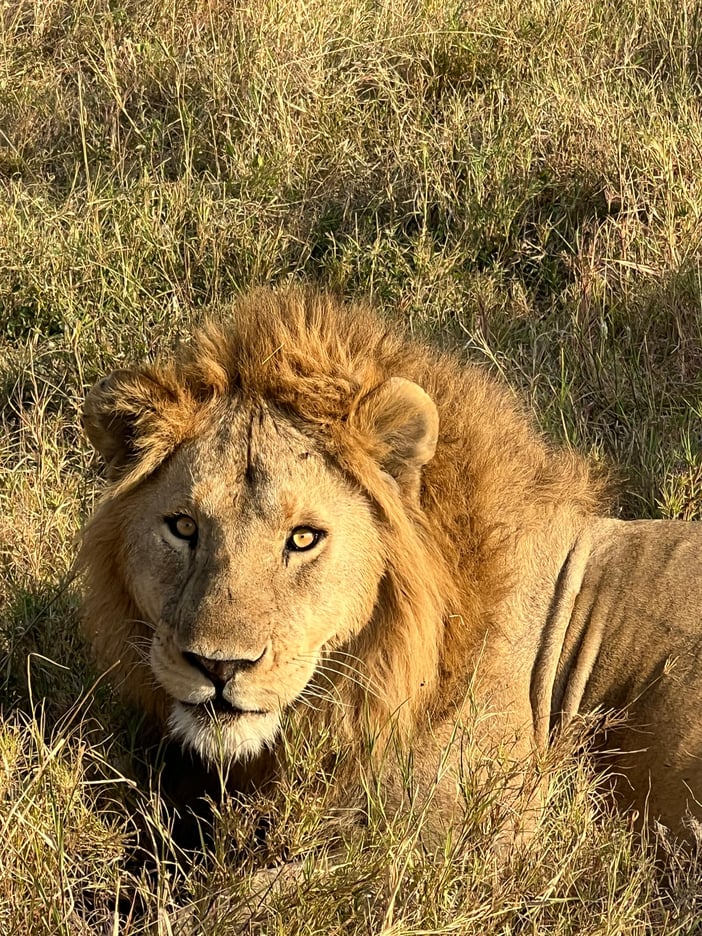
The first hours on these trips are already safari. A shared 4x4 with a pop-up roof leaves Arusha in the early morning and rolls through the Ngorongoro Highlands toward the Serengeti, where your first game drive starts the same afternoon. Lions, elephants, giraffes, zebras and wildebeests come out from the plains as your guide drives.
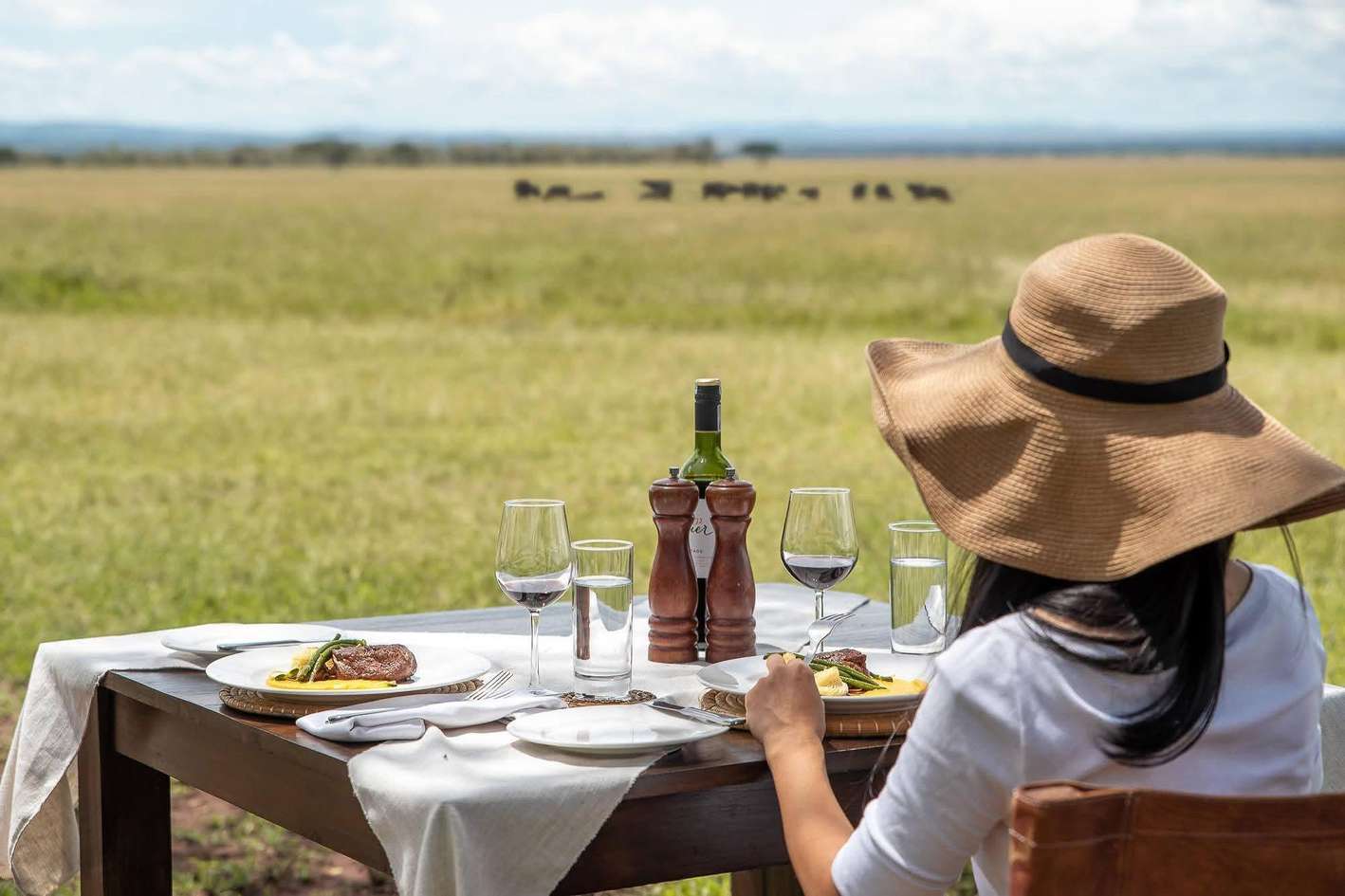
Night falls at a public campsite inside the park, in tents with sleeping mattresses that the crew pitches for you. A safari chef cooks full-board meals on camping gear, and park entry, transit and camping fees are all paid ahead.
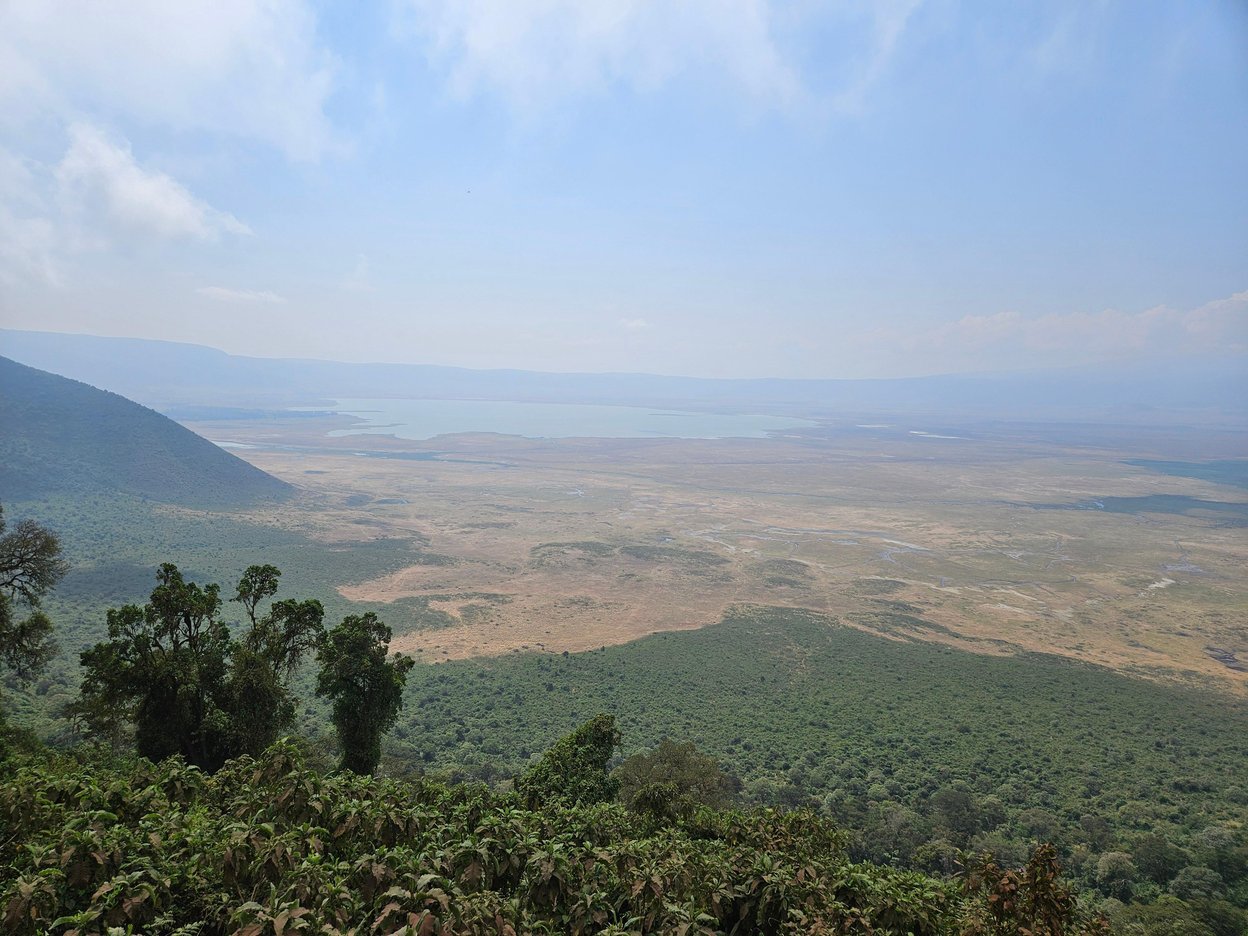
Day two brings a dawn game drive, then the road down into Ngorongoro Crater, where the Big Five share a single caldera floor before the drive back to Arusha.
Pickup6 places, depending on your optionThe return drive crosses back over the highlands toward Arusha on day three, arriving with time for an evening in town.From this tour2Serengeti National ParkFull days of game drive over the open plains, with picnic lunches and dinners at camp. Nights go in tents at public campsites like Tumbili, where zebras and warthogs graze right between the pitches.3Ngorongoro CraterA guided descent onto the caldera floor for a game drive with the park's best odds at the Big Five. Pack a warm layer: the rim campsites sit at around 2,300 metres and drop to near freezing after dark.Drop-off6 places, depending on your optionThe return drive crosses back over the highlands toward Arusha on day three, arriving with time for an evening in town.From this tour
Where the other tours go
Serengeti National ParkNgorongoro Conservation Area
From Arusha: 4-Day Tarangire, Serengeti & Ngorongoro Safari
Pickup and drop-off to your accommodation in Arusha townTransportation in a 4×4 Toyota Land Cruiser with pop-up roof throughout the safariAll park fees (entry fees, transit fees, concession fees, camping fees, and crater service fee)Professional, experienced English-speaking safari driver-guideFull-board meals (breakfast, lunch, and dinner) during the safariBottled drinking water throughout the tour
Not included
Travel, accident, and medical insurance - highly recommendedReliable Airport transfers available up on requestTips and gratuities for driver-guide - Will be highly appreciated
Comparing budget Tanzania Safari tours side by side
Green marks the lowest price. Prices per person.
Tour
Price
Duration
Languages
Best for
Our pick
Arusha: 3-Day Serengeti & Ngorongoro Crater Big Five Safari
4.7★ (75)
from $900per person
3 days
English
first-timers who want Big Five game drives on three days
Most reviewers praise their guides, saying they spotted lions, elephants and all the Big Five up close.
Best surprise
Many travelers did not expect a bush chef to cook three full meals a day and loved every one.
Most common wish
Several wished they had booked more days, saying three nights in the parks felt too short.
How to book a Tanzania budget safari
01
Pick your dates and length
Choose a date with flexible weather in mind. Three-day group departures cover the Serengeti and Ngorongoro Crater, and the four-day version adds Tarangire. Check the calendar against your arrival day, since pickups start early.
Pro tipA four-day budget safari spreads the long Serengeti drive over more mornings, so you get an unhurried first day in Tarangire instead of racing through it
RecommendedKeep one spare day in Arusha before departure, in case rain slows the roads
02
Compare the options side by side
Each tour lists several booking options on one card: group joining with camping, mid-range lodge nights, private camping, and add-ons like a balloon flight. Pick camping to share the vehicle cost, or lodge if you want real beds after the crater rim's cold nights.
Common mistakeBooking the private option solo, when joining a scheduled group departure keeps the same guide and routes for far less
Pro tipRead what each option includes before you click, because tips for the driver and chef are not part of the price
03
Book and read the cancellation terms
Enter your names exactly as they appear in your passport, then pay through the marketplace. Confirmation and any follow-up messages from the tour operator arrive by email, so check spam and confirm the pickup address matches your Arusha accommodation.
ImportantYou can cancel up to 24 hours in advance for a full refund, so book early and hold your seat while plans settle
Pro tipOperators can run a group departure even when it is not full, so a quiet season date can still leave on time
04
Pack soft and light
Pack into a duffel bag, not a hard suitcase, because space in a shared 4x4 is tight and the limit is 10 kg per person. Extra bags can stay in your hotel's storage room. Bring a warm layer for nights near the crater rim and a power bank for camp.
Common mistakePacking dark blue or black clothing, the shades biting tsetse flies go for; khaki, olive and beige keep them off you
ImportantCarry your original passport or a clear copy, because TANAPA requires ID for park registration at the gate
05
Be ready before the pickup window
Group departures pick up from accommodations within Arusha City Centre between 6 am and 7:30 am, so wait at your hotel reception ten minutes early. If you stay outside that zone, arrange a transfer to a central meeting point the evening before.
RecommendedEat something before the drive, since the first hours run straight through to the park gate
Pro tipSit near the front on the Serengeti leg, where the rough dirt roads hit hardest
What to know before you book a budget safari
Can stop the dayGood to knowGood news
01
ChoosingWhat it is, who it suits, when to go
6
Sharing a vehicle
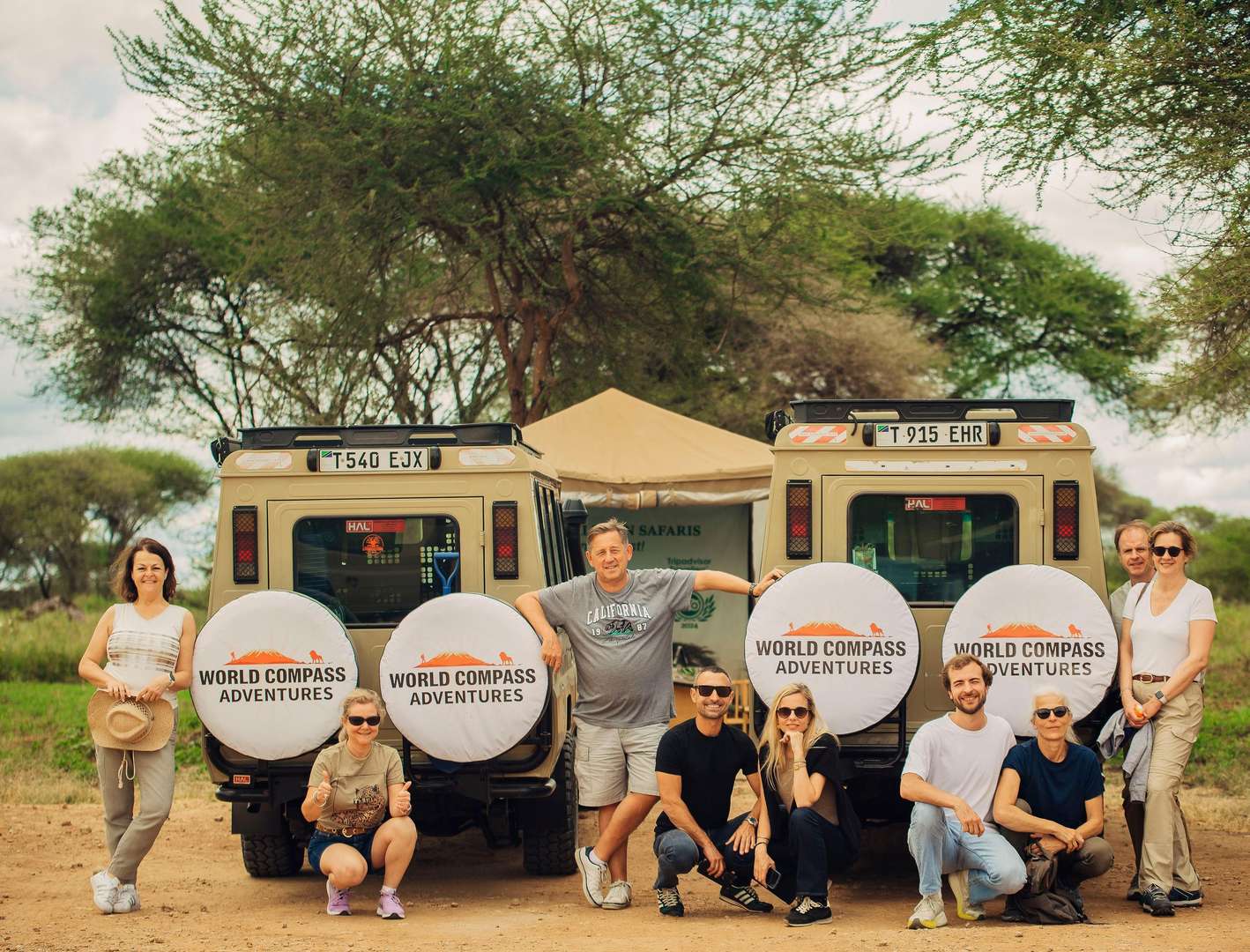
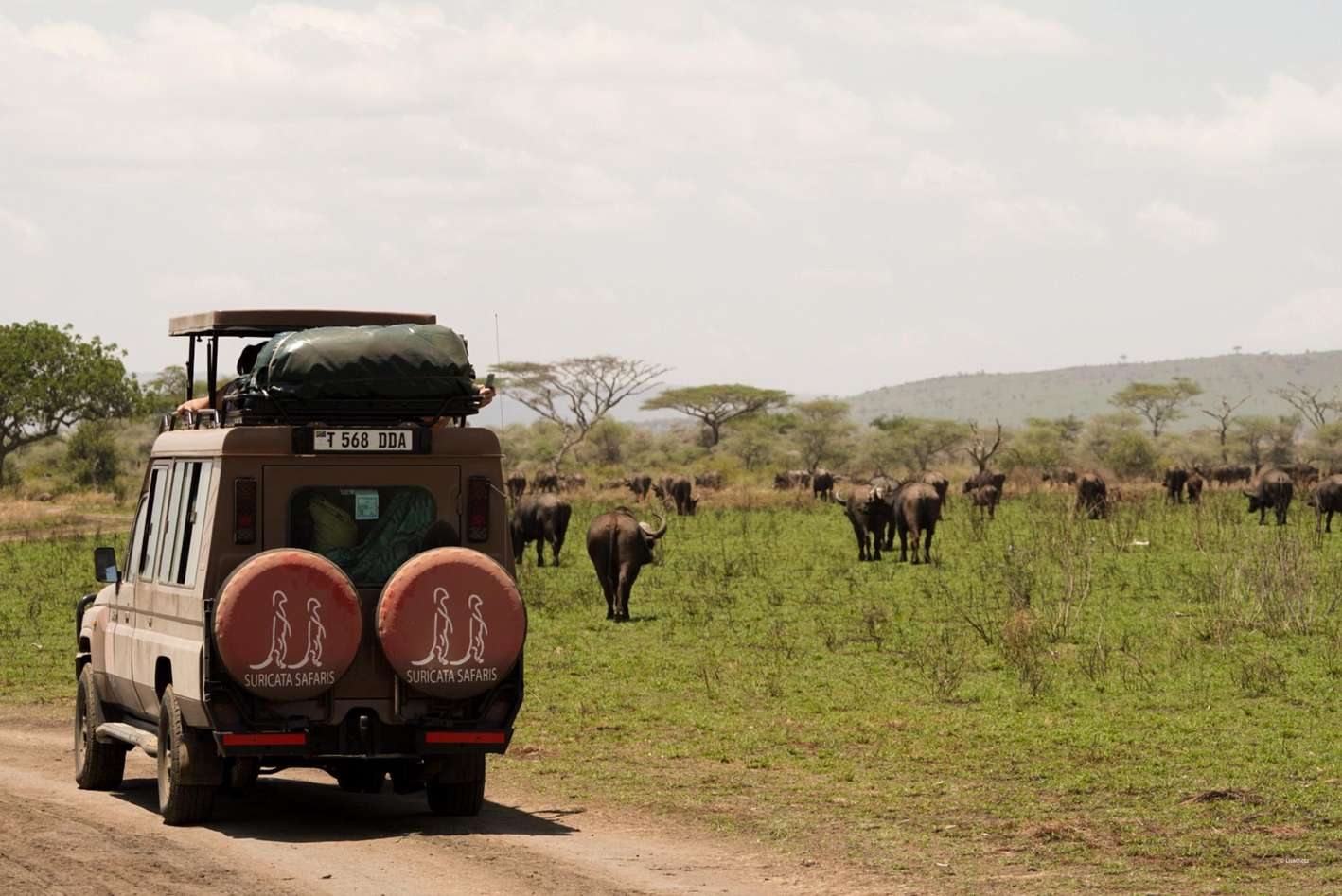
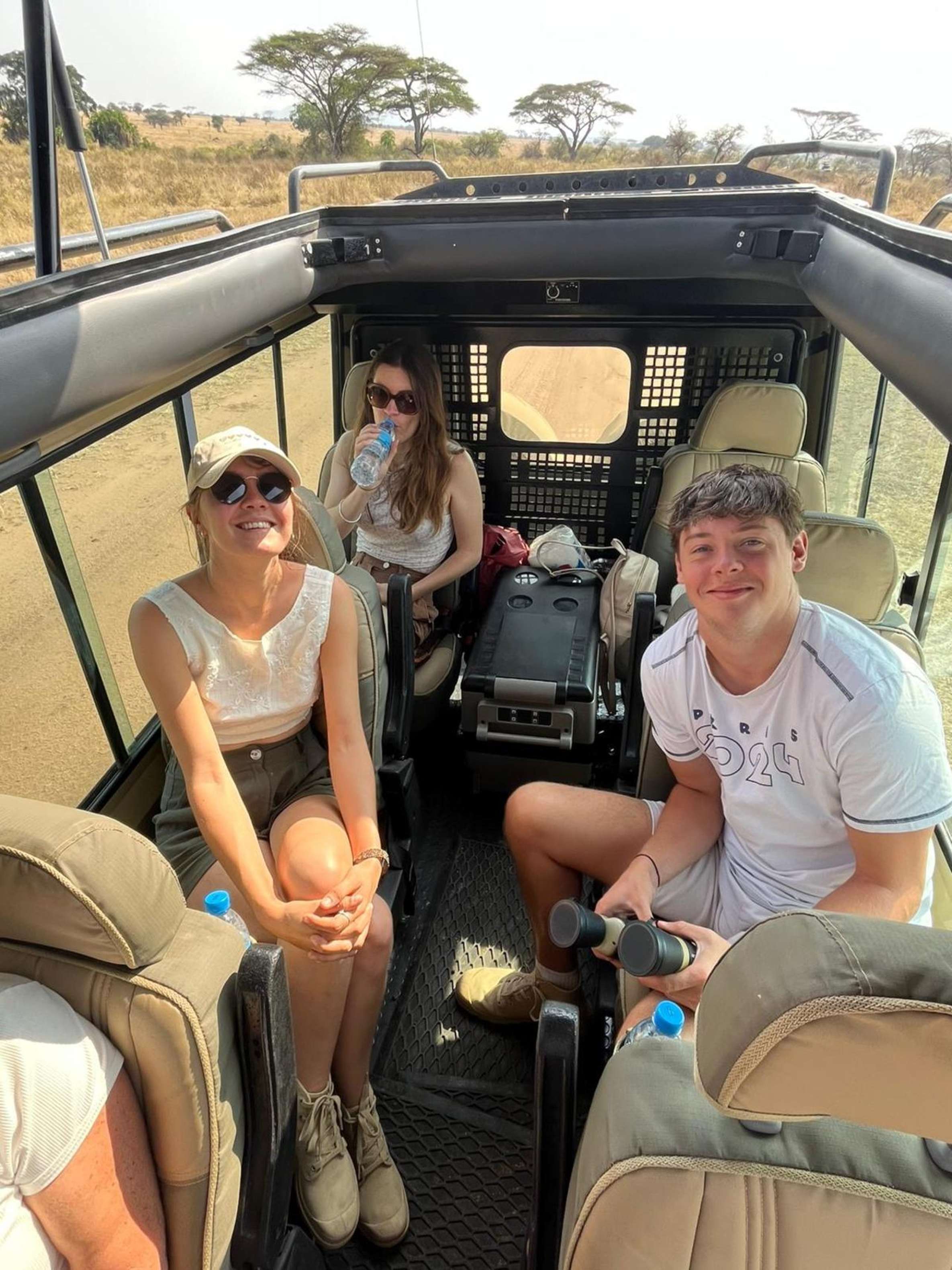
On a group joining safari you share a 4x4 with a pop-up roof and a professional driver-guide with up to a handful of other travelers. This is what keeps the price low, and your guide still spots lions, elephants and everything else along the same park roads private tours drive.
Included
The camping tours bundle transport, park entry and camping fees, all meals, drinking water, tents, sleeping mattresses and a dedicated safari chef. You cook nothing and pay for nothing at the gate.
Tipping
Give it directly at the end of the trip, in cash if you can.
Luggage
Some group camping tours limit luggage to 10 kg per person because space in the vehicle is tight. Pack in a soft duffel bag, and leave anything extra in your hotel storage room in Arusha.
Power
Public campsites have limited electricity, and some rely on solar power that only covers lighting. Bring a power bank so your phone and camera batteries last through a multi-day trip.
Bathrooms
The safari vehicles carry no toilet, so stops happen at park gates, picnic sites and highway rest points, and your guide finds a safe bush break during game drives. At camp you use simple shared bathroom blocks.
02
BookingHow far ahead, and what happens if plans change
1
Cancellation
Most of the camping itineraries can be cancelled up to 24 hours before departure for a full refund, so an early booking costs you little if your plans shift.
03
Before you goPapers, health, what to bring
4
Extra costs
Tips for your driver-guide and cook, travel insurance, visa fees and drinks like beer or soda are not part of the package. Budget for them before you go so nothing catches you out on the road.
Clothing
Wear khaki, beige or olive in the parks. Dark blue and black attract biting tsetse flies, white shows the dust within an hour, and camouflage clothing is illegal for civilians in Tanzania. Long sleeves and long trousers protect you from sun and insects.
Cold nights
The Ngorongoro Crater rim sits above 2,000 meters and nights there drop to around 5 °C, even after a hot day on the plains. Bring a warm jacket, a sweater and warm socks, plus a sleeping bag or thermal liner for the tents.
Health limitsCan stop the day
Long days on rough dirt tracks make these camping safaris unsuitable if you have back problems, and one operator marks the trip as not suitable for pregnant travelers. Book a different style of safari if either applies to you.
04
On the dayWhere to be, when, and how you get there
1
Pickup
Most camping tours pick you up from your accommodation in Arusha between 6 am and 7:30 am, and drop you back at the same spot on the last day. Staying outside the city centre may mean a short transfer to the meeting point, so mention your hotel when you book.
Tanzania budget safari tours - the honest guide
A shared camping safari in northern Tanzania starts at the same park gates as the lodge convoys, and the animals do not check your receipt. What you pay, where you sleep and what a camp night feels like: the chapters settle all three.
Makuyuni· 2.76° S, 36.26° E
If you only remember three things
1
Pick 3 or 4 days: any less and transit eats the daylight you paid for.
2
Park entry fees are fixed, so a cheaper quote buys thinner vehicle, gear and meals, and the same luck.
3
Wear khaki and beige, never dark blue or black, because tsetse flies hunt those shades.
Do budget Tanzania safaris really compromise?
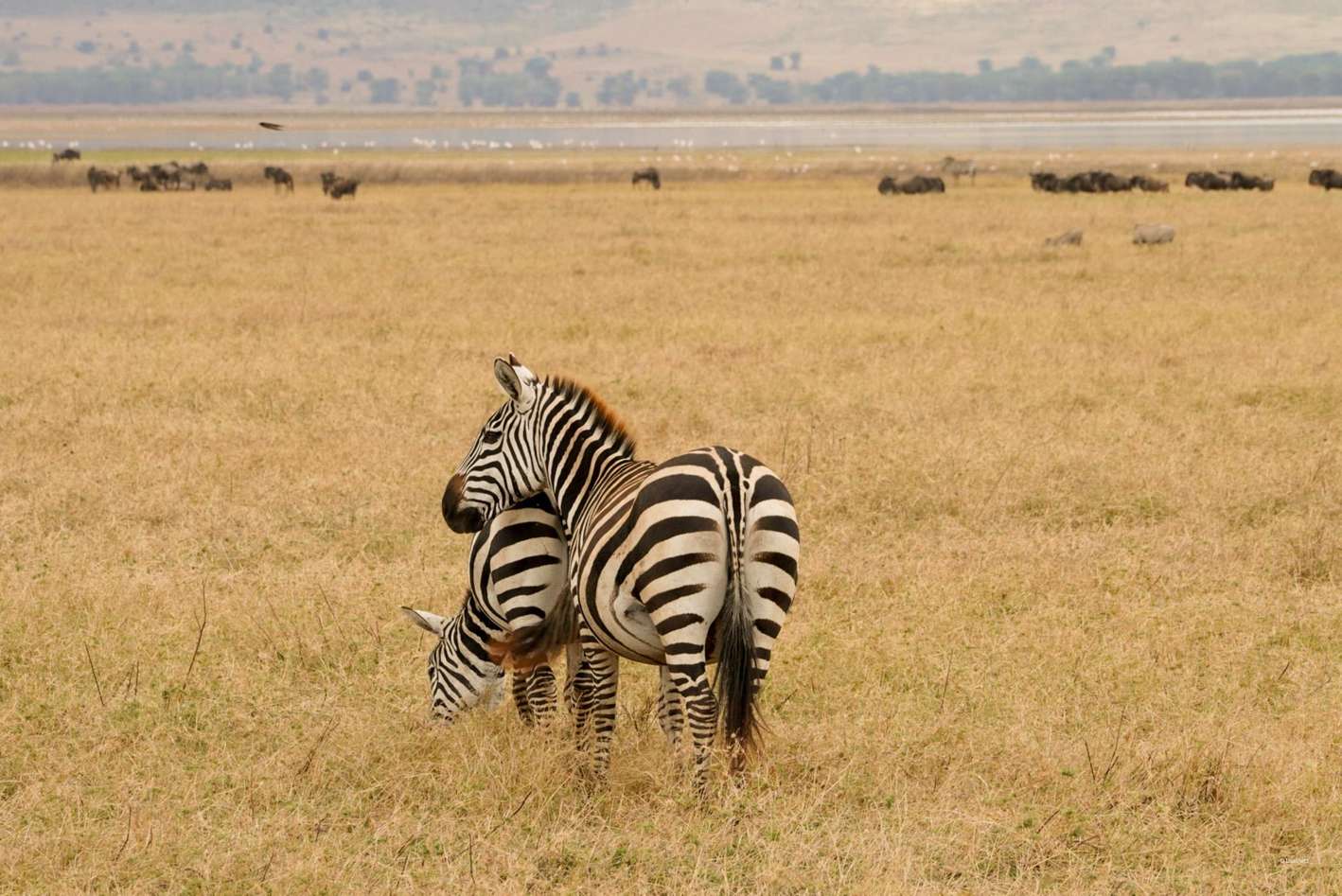
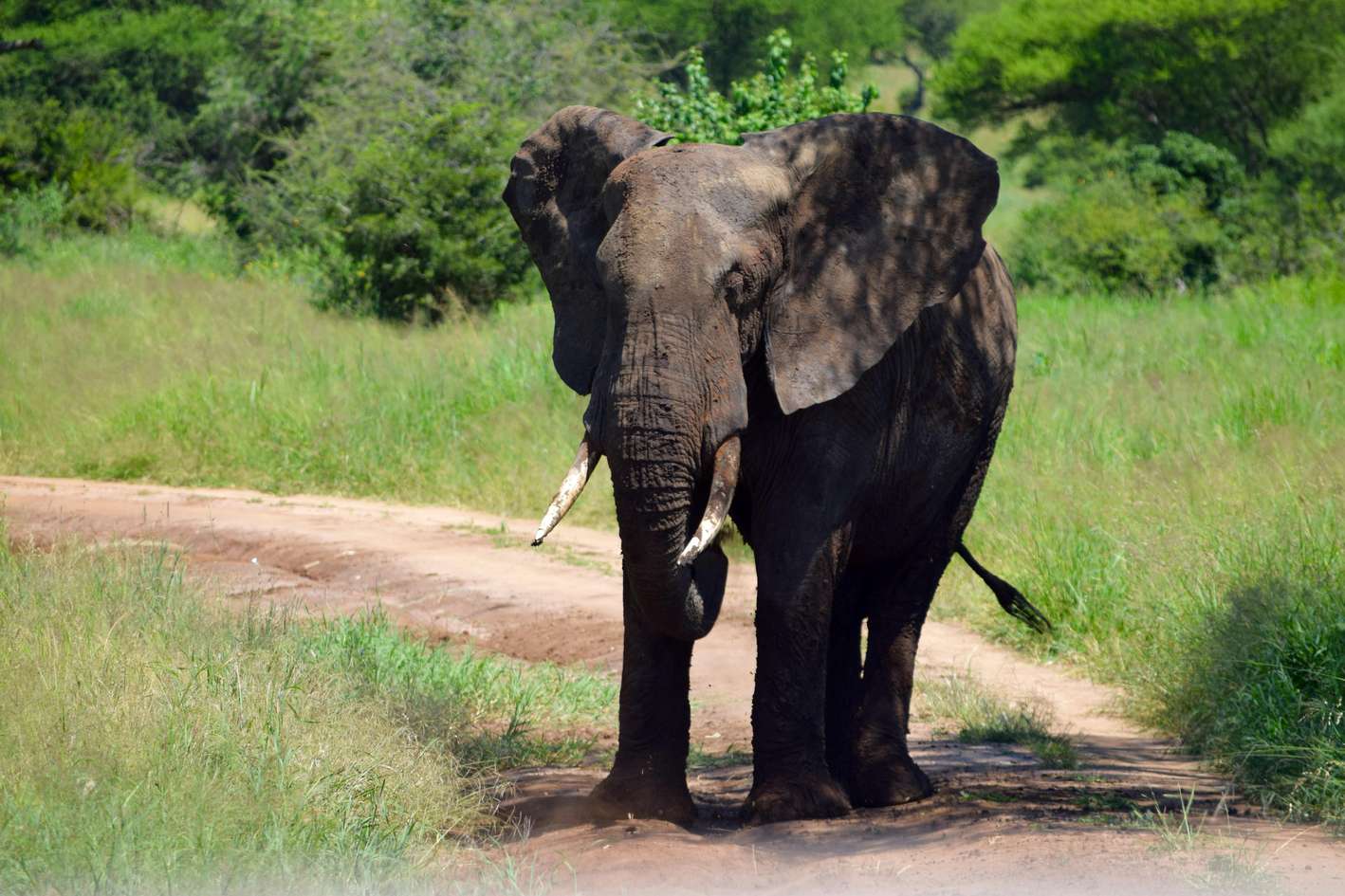
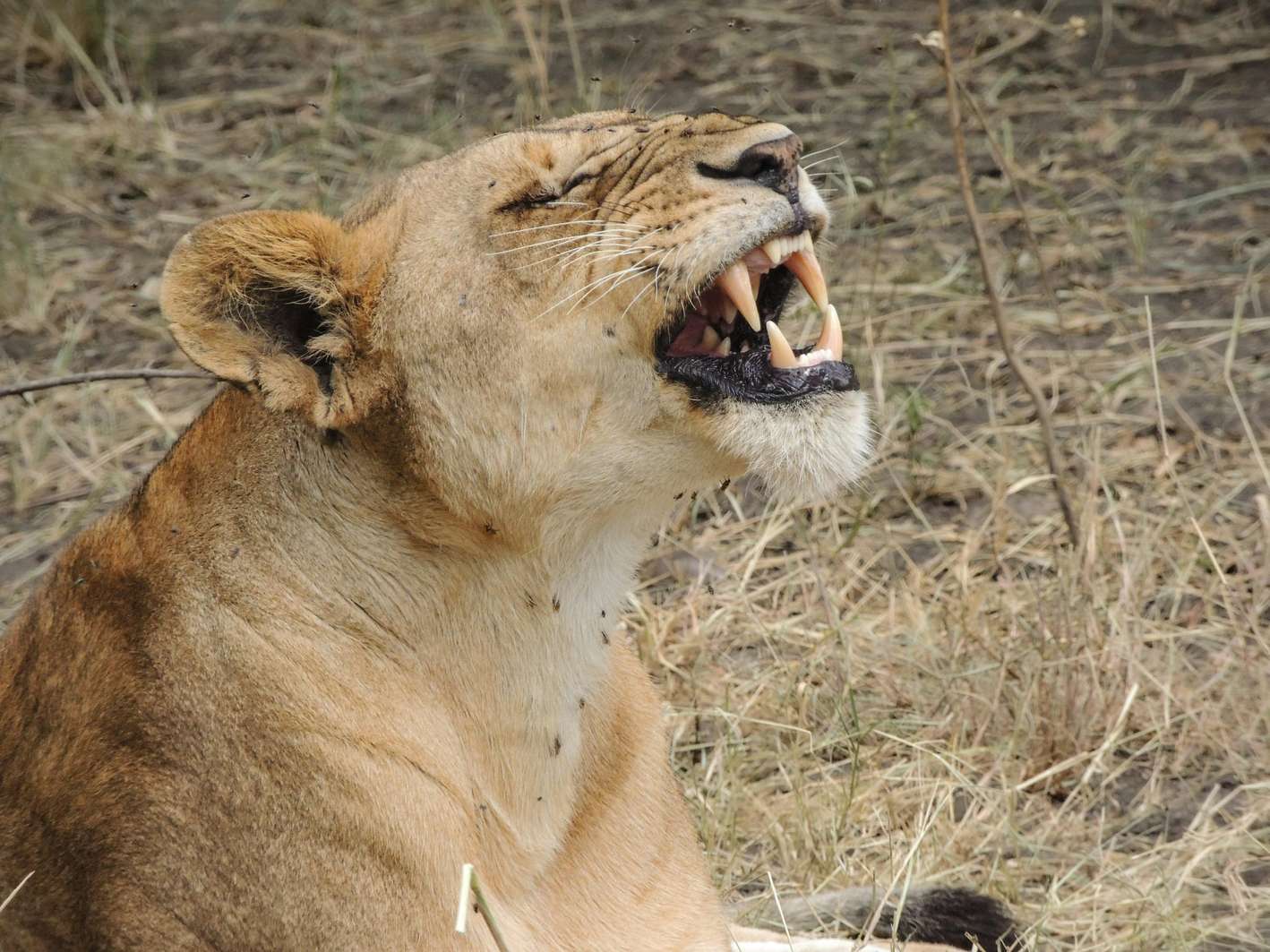
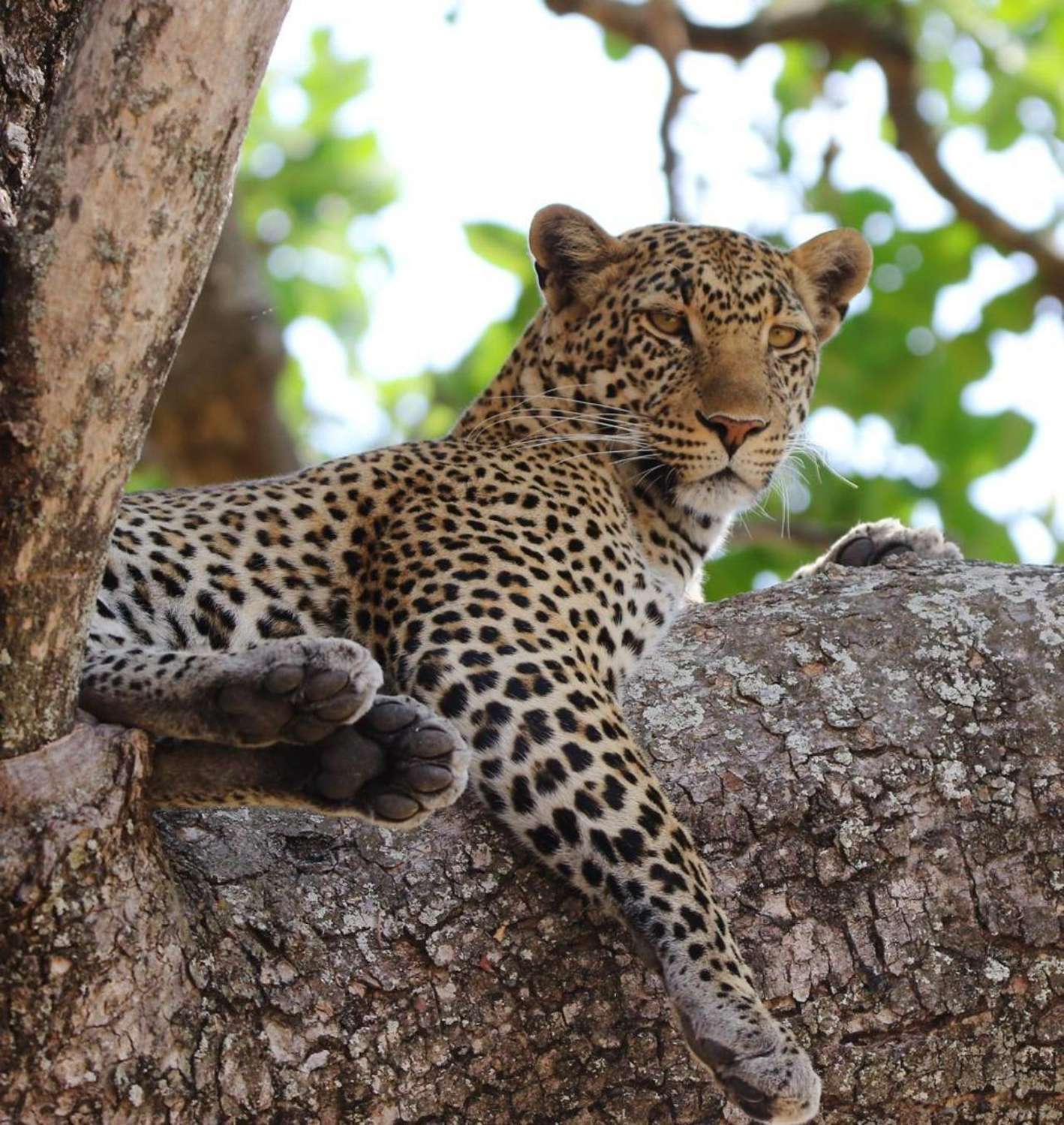
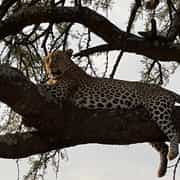
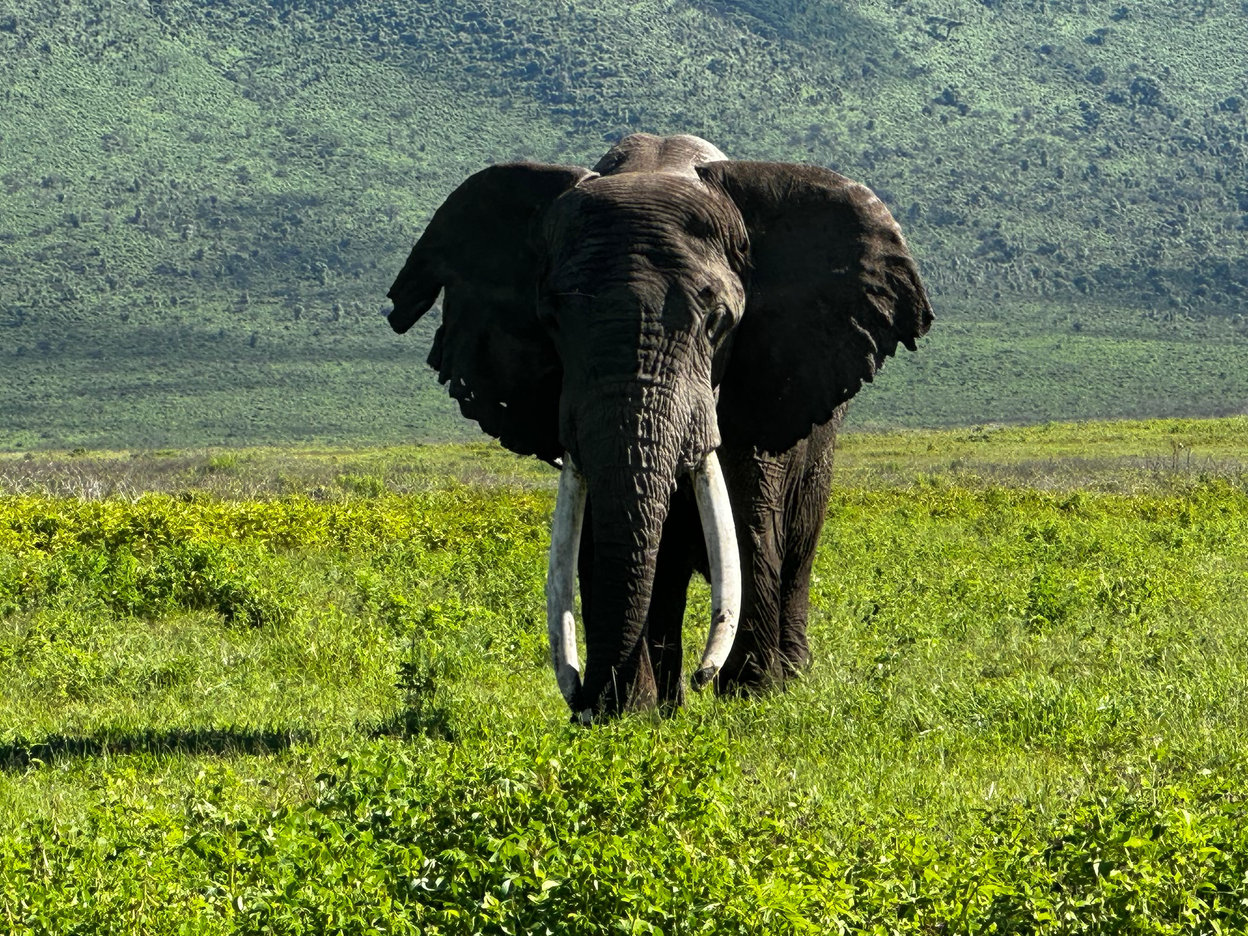
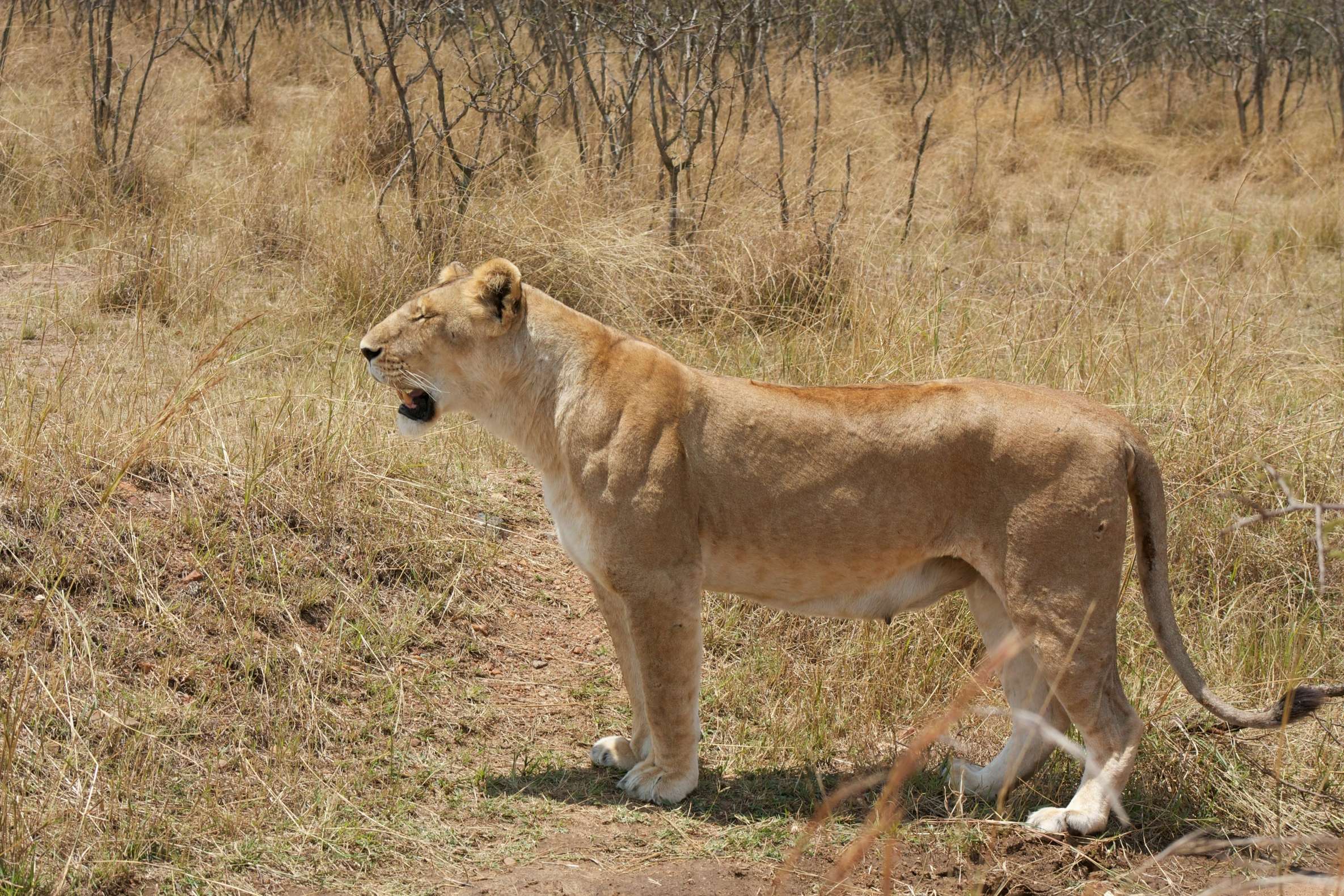
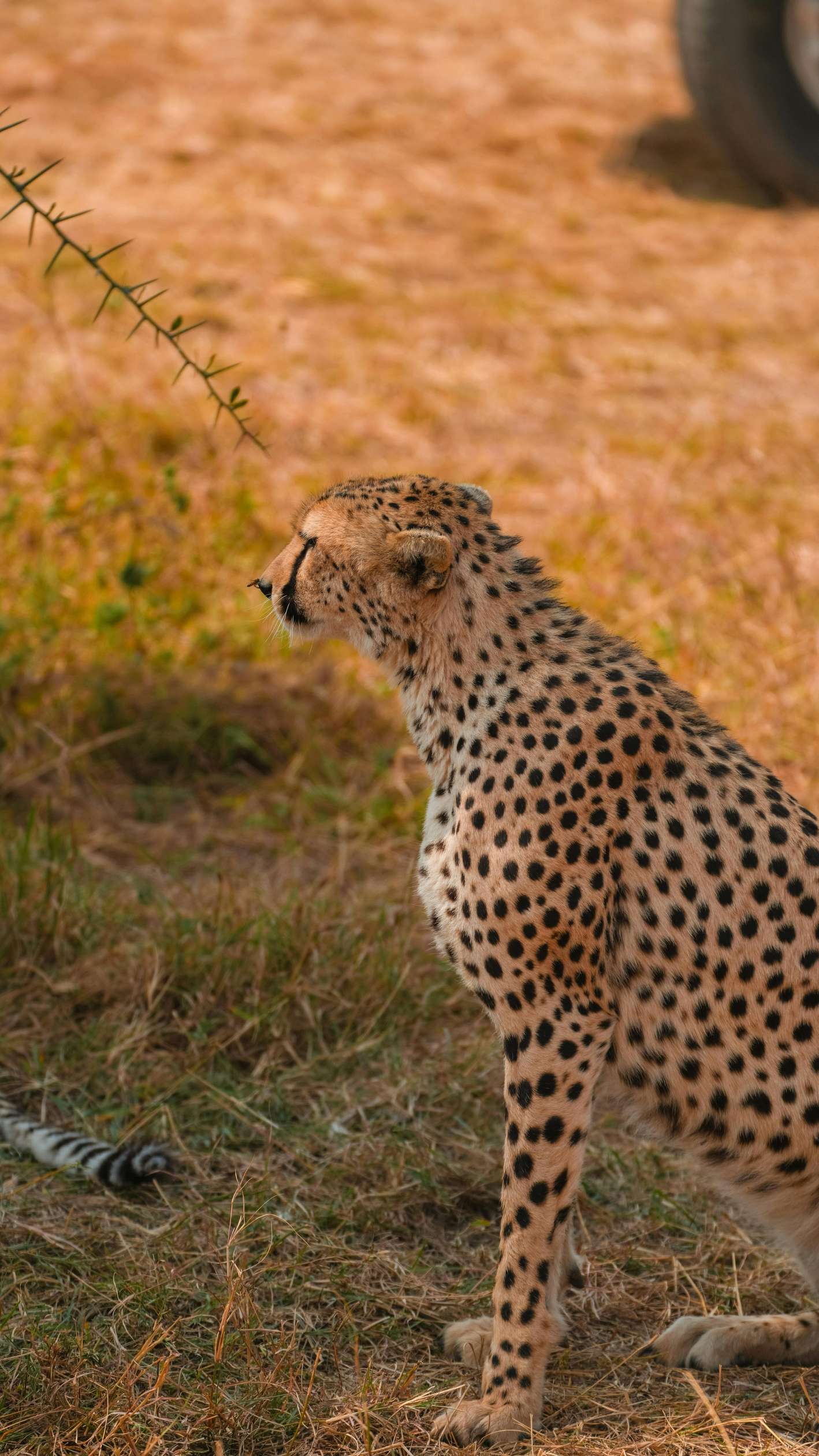
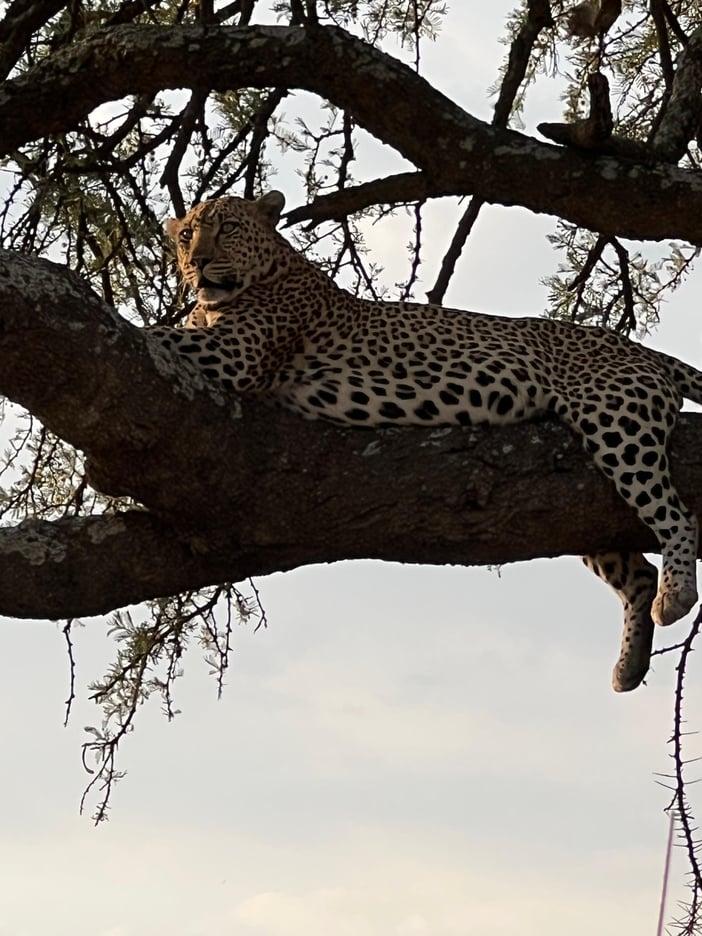
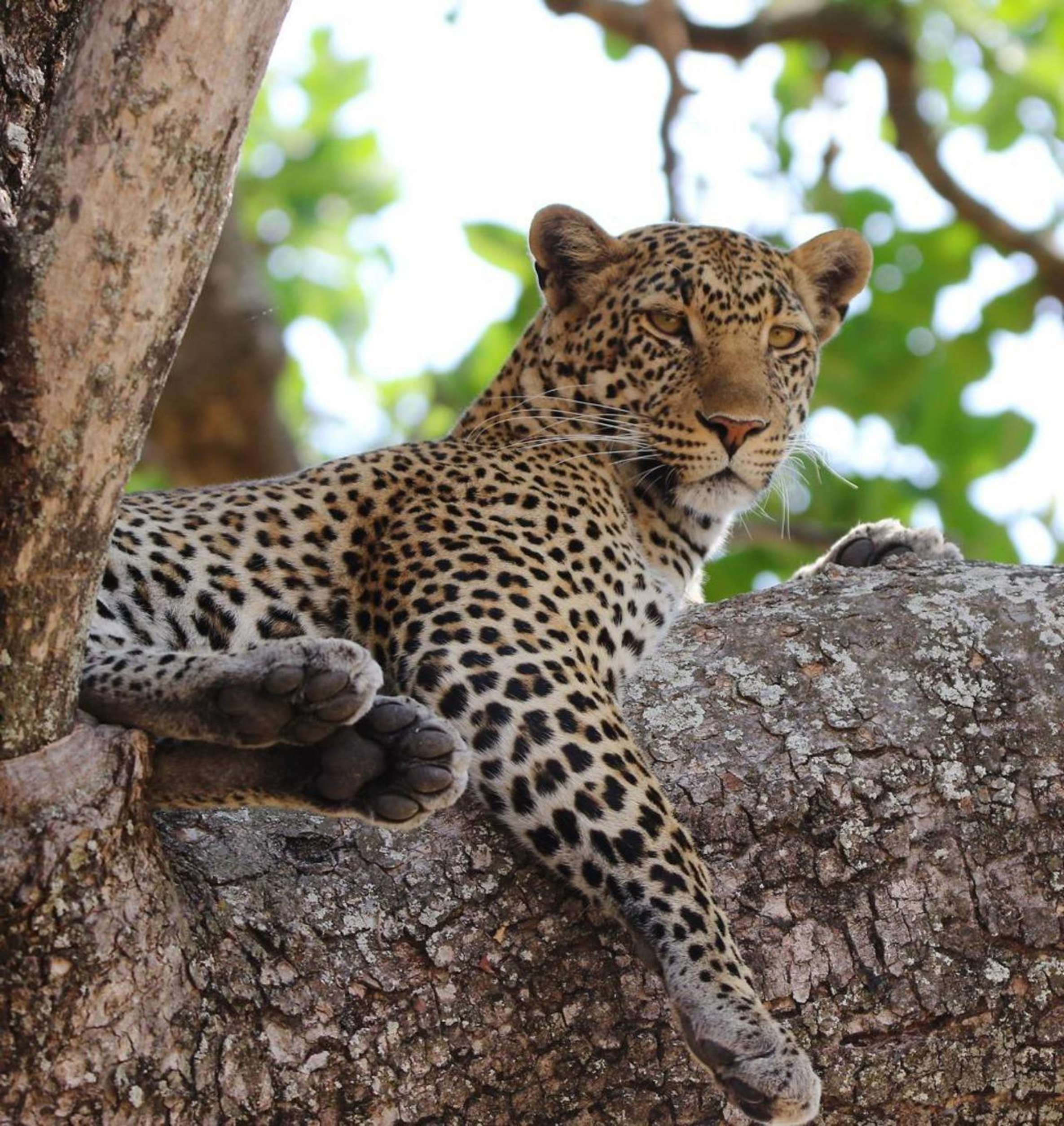
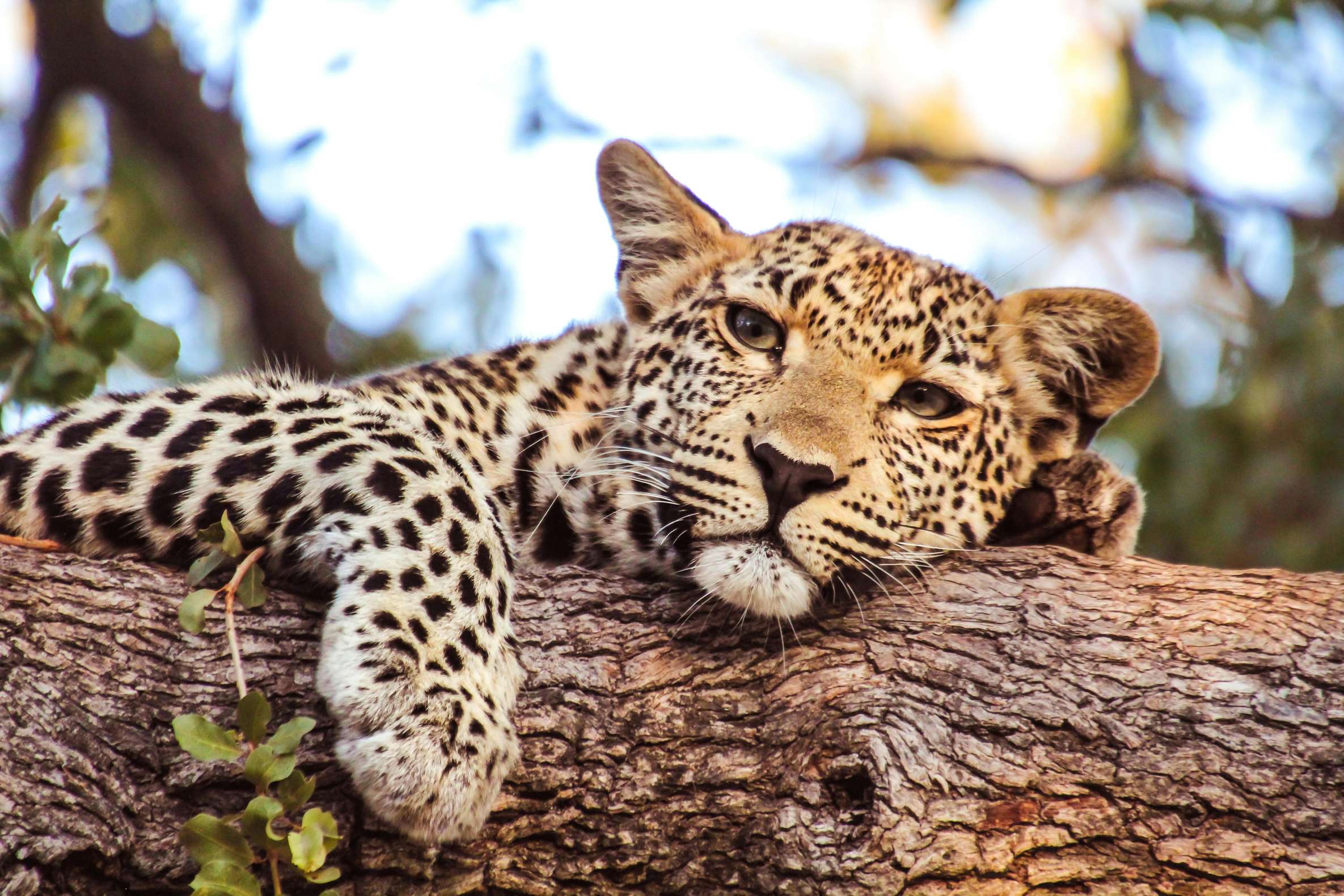
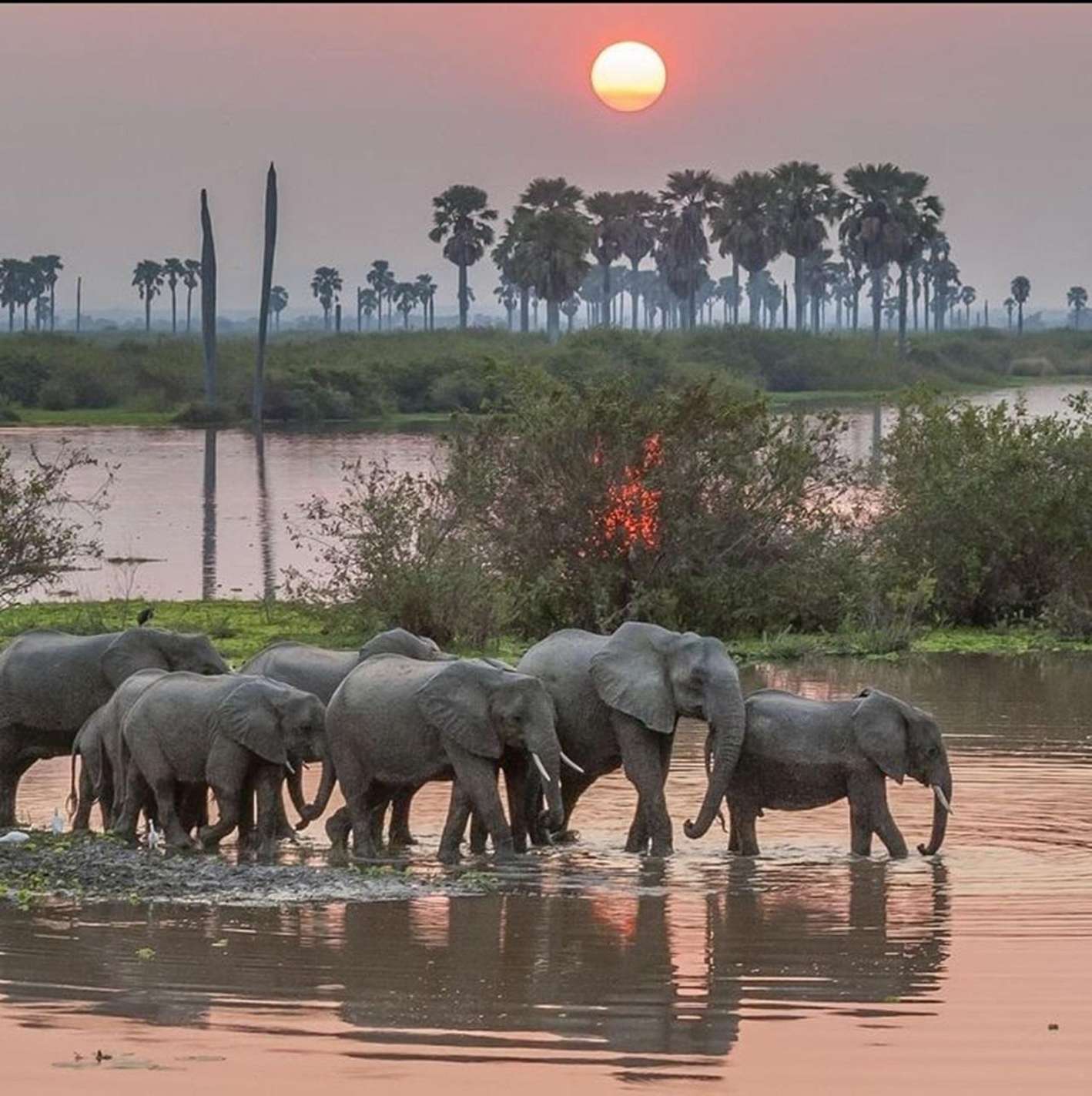
Elephants at dawn in Tarangire, a leopard yawning on a Serengeti limb: the animals are the same ones the lodge guests photograph, often from the same bend of the same track.
Most budget camping operators follow the identical park routes and share the public campsites. What changes is everything around the sighting: the bed you sleep in, the chef behind dinner.
The arithmetic pushes that way too. A chunk of any safari day is spent on park entry fees, which are fixed for everyone and cannot be discounted, whether you sleep in canvas or a suite. Skipping luxury tents and a private chef trims the soft costs around them, far less than most people expect.
Where the savings actually live is structure. Joining an existing small group on a shared camping safari keeps a dedicated local guide while splitting the vehicle, fuel and cook. For one person, that is the difference between a seat price and paying for an entire 4x4 alone, which can run several times more per head.
Tanzania stays pricier than a comparable Kenyan tent trip, and nobody should pretend a safari is backpacker territory. But it is within reach if you structure it right.
What the quotes don't say
MythA real safari costs a fortune per person
Reality
A shared camping safari keeps a pro guide and the same game loops for a seat price
MythSkipping luxury tents slashes the base price
Reality
Park fees are fixed, so dropping the canvas luxury moves the total surprisingly little
MythA cheap quote means the same service for less
Reality
A quote far below the going rate usually means corners cut on vehicle upkeep, gear and meals
The animals never see the price tag. The thing worth checking on any quote is what sits inside the fixed fee pile and what sits outside it, because that is where a budget trip is won.
Tour for this
Arusha: Best 3-Day Safari to Serengeti & Ngorongoro Crater5.0★ (4) · 3 days · Hotel pickup · Free cancellation
Three tiers, one line of truth underneath them: the park gates open the same way for all of them, and most operators, whatever the brochure implies, drive the same loops and stop at the same sightings.
At the bottom sits budget camping: ground tents, foam sleeping mats, sleeping bags, a shared bathroom block. A safari cook travels with you and turns out three hot meals a day.
In northern Tanzania this tier typically runs a few hundred dollars per person per day, and a three-day, two-night trip starts somewhere north of a thousand for two.
Step up and the tented camps put standing canvas over a real bed, hot running water and a flush toilet behind your own door. Step up again and you are at lodges, and the per-day number climbs accordingly.
One thing worth knowing before you compare: sleeping inside the park boundary, as public campsites often do, buys back the early-morning hours that guests commuting from outside the gates lose to entry checkpoints. On a camping safari, dawn is yours.
What your money buys
Budget camping
Mid-range tented camp
Entry lodge
Sleep
Ground tent, foam mat, sleeping bag
Standing canvas tent, real bed
Room with solid walls
Bathroom
Shared block at the campsite
Private en-suite, hot water, flush toilet
En-suite, usually powered
Food
Bush cook, full board
Full board at camp
Restaurant, wider menu
Comfort level
Rustic, animals wander past
Comfortable and private
Most comfortable
Trade-off
Cheapest, coldest nights, simple showers
Costs meaningfully more per day
Priciest tier on the page
Budget camping
Sleep
Ground tent, foam mat, sleeping bag
Bathroom
Shared block at the campsite
Food
Bush cook, full board
Comfort level
Rustic, animals wander past
Trade-off
Cheapest, coldest nights, simple showers
Mid-range tented camp
Sleep
Standing canvas tent, real bed
Bathroom
Private en-suite, hot water, flush toilet
Food
Full board at camp
Comfort level
Comfortable and private
Trade-off
Costs meaningfully more per day
Entry lodge
Sleep
Room with solid walls
Bathroom
En-suite, usually powered
Food
Restaurant, wider menu
Comfort level
Most comfortable
Trade-off
Priciest tier on the page
The wildlife stays identical across all three, so the real choice is cold showers versus a private bathroom, priced per day. Campers spend that saving on an extra safari day, which buys more animals than softer bedding ever will.
Tour for this
Tanzania Join Groups Safari Tarangire Serengeti &Ngorongoro4.0★ (1) · 1 - 5 days · Hotel pickup · Free cancellation
Spread a map of the northern circuit on the table and the distances argue with optimistic itineraries. Arusha to Tarangire takes about two and a half hours. Tarangire to the Ngorongoro area, another two. Ngorongoro to central Serengeti, three more. Tack Tarangire and the Serengeti on together and you are looking at a six-to-seven-hour drive.
That is why three days is the honest minimum for the Serengeti and Ngorongoro, and four is where the trip starts breathing.
A four-day route through Tarangire, the Serengeti and Ngorongoro covers the ground without turning every day into a transit marathon. Two nights per park, when you can manage it, lets the morning game drives do their work.
Short on time? A single full day inside Ngorongoro Crater genuinely works: the caldera floor holds enough wildlife that one six-hour drive delivers the Big Five cast with real chances.
The failure mode is squeezing all three headline parks into two or three days; transit then eats the entire daylight schedule and the animals become drive-by.
The From Arusha: 4-Day Tarangire, Serengeti & Ngorongoro Safari sits exactly on this line, with budget tents, a cook and a driver-guide included, so the kilometres buy wildlife hours.
Tour for this
3-Day Safari Serengeti & Ngorongoro Crater (Private/Joining)4.1★ (8) · Valid 3 days · Hotel pickup · Free cancellation
The dry months from June to October sell themselves: firm tracks, animals gathered at the water, campsite tables full. In October, Tarangire's elephants crowd the shrinking river in a way the green months cannot match. Full campsites come with that, and prices follow demand.
November is the month budget campers fight over. The rains come in short bursts that barely dent the day, the wildlife viewing stays solid, and the peak-season crush has not arrived. Book it early and you get dry-season animal behaviour at a lower-season pace.
February runs its own play. The calving herds gather on the Ndutu plains just outside the Serengeti, predators follow, and a night in a central Serengeti tent puts you close to it. December and January bookings should go in early too.
Best months for a budget camping safari in northern Tanzania
September: 5 out of 5 for how busy it gets. Safaris reach peak crowd levels across the northern circuit under hot, dry skies, leading to packed communal camping areas.
HighestFeb, Jul to Oct
In betweenNov to Jan
LowestMar to Jun
Darker: a higher how busy it gets score, out of 5
Tap a month to read it.
July: 30 dry days. Very dry weather brings peak wildlife viewing, but public campsites become heavily congested with large safari tour groups.
HighestJun to Oct25.6 to 30 days
In betweenMar, May19.6 to 23.4 days
LowestApr, Nov to Feb13.8 to 18.8 days
Darker months: higher, from 13.8 to 30 days
Tap a month to read it.
April: 128 mm of rain. Heavy rains bring the year's lowest crowds and cheapest rates, though muddy tracks make camping conditions challenging.
HighestApr, Nov to Jan91 to 128 mm
In betweenFeb to Mar, May49 to 67 mm
LowestJun to Oct5 to 27 mm
Darker months: higher, from 5 to 128 mm
Tap a month to read it.
October: highs around 31.4°C. Dry and warm conditions continue with high visitor numbers, keeping popular public campsites bustling.
HighestSep to Oct30.5 to 31.4 °C
In betweenFeb to Mar, Aug, Nov29.2 to 29.7 °C
LowestApr to Jul, Dec to Jan27.9 to 28.8 °C
Darker months: higher, from 27.9 to 31.4 °C
Tap a month to read it.
The wet months tell the rest. April is the wettest stretch, rain on far more days than not, and the parks go quiet with visitors.
Guides keep working; secondary tracks and low crossings turn to mud, so drives reroute onto the main roads, which stay open through the season. You trade some scenery for a near-empty park.
Tour for this
Arusha: 3-Day Serengeti & Ngorongoro Crater Big Five Safari4.7★ (75) · 3 days · Hotel pickup · Free cancellation
Quotes in this trade rarely sit on websites; you email and they answer. So email several operators with identical dates, passenger counts and routes, then lay the replies side by side and read what each one itemises.
The one that lists every park fee, transit fee and camping fee is the one you can trust to have no trapdoor at the gate.
Check the licence next. Legitimate Tanzanian operators appear on the Ministry of Tourism stakeholder register and in associations like TATO, and a company that cannot be found there has answered your first question for you.
Then read a too-cheap quote with suspicion. Park entry fees are fixed and heavy, so a quote far under the going rate has to recover the difference somewhere: worn tyres, thin sleeping bags, smaller portions. The fees do not move, so the corners do.
Language matters more than most first-timers expect. Some vehicles mix travellers of several tongues; on select tours you can request a French, German, Spanish or Italian-speaking guide when booking, sometimes as a paid add-on. Ask before you pay, so the answer arrives before the vehicle does.
How to choose a budget camping safari
Check
Why it matters
Our pick
Licensed operator status
Proves the company is real and accountable
Runs through established Arusha associations with published credentials
Itemised inclusions
Park and camping fees are fixed; omissions surface at the gate
Lists entry, transit, concession, camping and crater fees as included
Vehicle type
Pop-top 4x4 with window seats decides your comfort and view
Toyota Land Cruiser with pop-up roof throughout
Guide language
A mixed-language vehicle shapes every game drive
English-speaking driver-guide, arranged pickup in Arusha city centre
Solo travellers
Group joining avoids the private-vehicle surcharge
Built around group joining at a shared seat price
The Arusha: 3-Day Serengeti & Ngorongoro Crater Big Five Safari reads well against that list: Land Cruiser, full fee list, and a camp chef included.
Tour for this
4 Days Tarangire, Serengeti, Ngorongoro Group Camping Safari4.7★ (53) · 4 days · Hotel pickup · Free cancellation
Fly into Kilimanjaro International for a northern circuit trip, and fly out of Zanzibar if the trip ends on the coast; that pairing removes the backtrack across the country.
Land the day before, not the morning of, because pickups start between 6 am and 7:30 am and no flight schedule should be trusted to meet one.
The airport sits about an hour to an hour and three-quarters from downtown Arusha by road, traffic depending.
Most travellers book the transfer through their safari operator or a private driver the day before, and the driver waits at arrivals with a name board. Arusha's own domestic airport is closer, a twenty-odd-minute ride from the centre.
Sleep in Arusha the night before, always. The city holds the centre-of-town hotels most group safaris collect from, plus quieter spots on working coffee estates where jet lag fades faster than in a transit hotel. Street touts work the transit hubs; a firm, polite refusal and prearranged transport settle it.
Airport transfers to downtown Arusha
To Downtown Arusha Hotels · Central Business District
1From Kilimanjaro International Airport (JRO)56 km
Private transferEasiest
Prearranged through operator or private driverDirections →
The rental quote looks tempting until the map opens. Arusha to central Serengeti is roughly 317 kilometres and six to eight hours of rough, uneven dirt road, early starts included.
Travellers who have done it describe arriving worn out before the first game drive. A bush flight skips the grind in about an hour, but adds a separate airfare that sits awkwardly on a budget.
Self-driving saves less than it promises and costs more than it looks. Gate paperwork, unwritten right-of-way, axle-deep potholes: a local driver carries all of that for you.
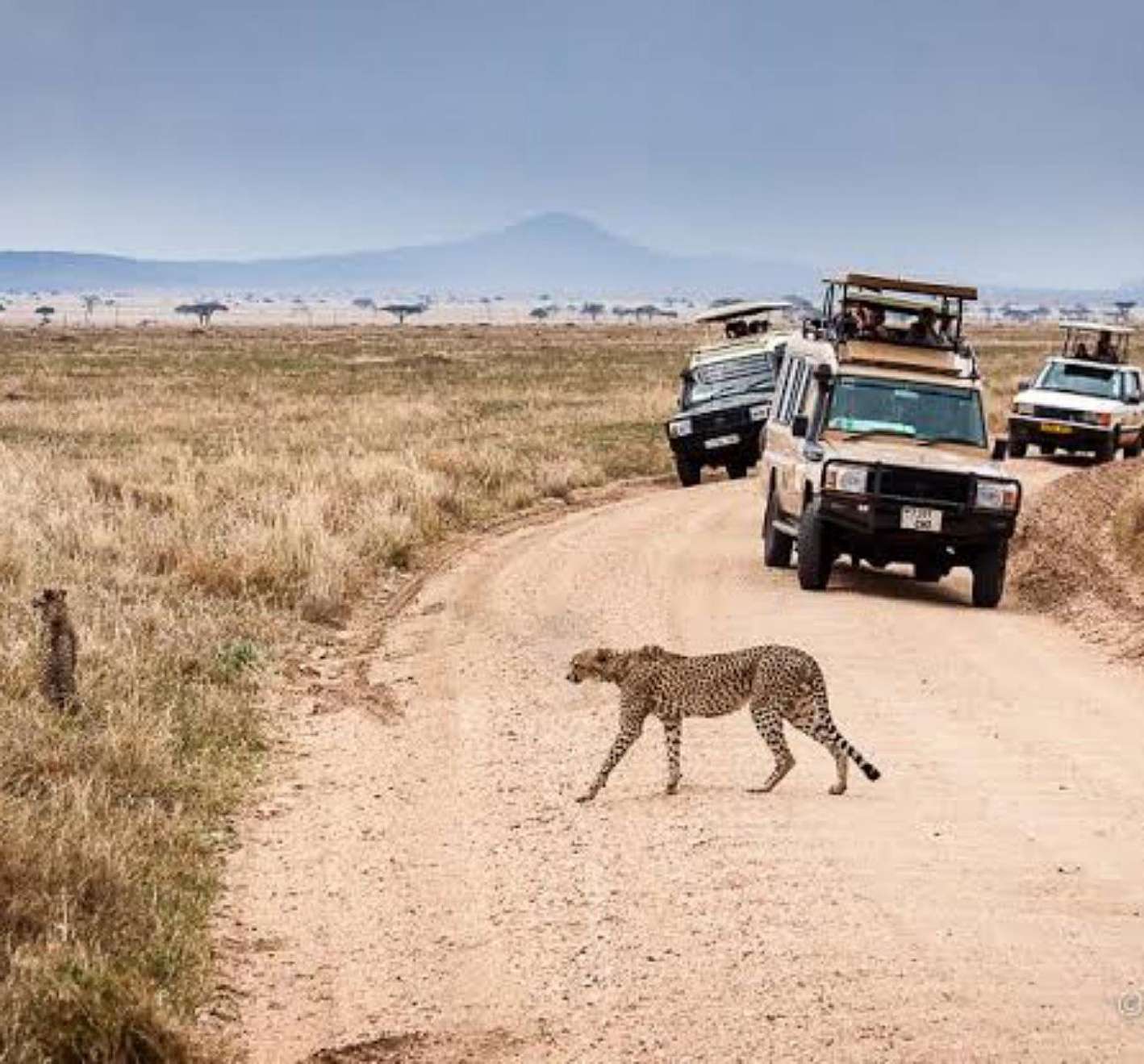
On game drives they earn the fee again, spotting the lion that looks like grass and radioing other drivers across the park to run down the rarer sightings. Hiring the driver-guide costs a little per day and returns a lot.
What nobody tells you
Open-sided safari jeeps are not allowed on the highways between parks
That is why overland safaris use closed pop-top 4x4s for transit and the open sides only matter on shorter drives
A bus plus a gate can undercut the classic route
Some travellers ride the overland bus from Arusha toward Mwanza and enter the Serengeti at the Ndabaka gate, cutting road hours and cost
The early start is the itinerary, not a habit
Leaving Arusha at 7 am turns the Ngorongoro transit into game viewing in its own right
So the seat next to the driver is the cheapest upgrade on the trip, and the one a budget itinerary should never trade away. Book the group departure and the driver comes with it.
Driving yourself
Rent a car for the driveCompare cars from the rental companies in one search, then pick yours.
The vehicle collects you at your Arusha city centre accommodation between 6 am and 7:30, kettle steam still on the windows. By 7 am the parks are pulling you towards them. Dawn pickup is the schedule working: park gates open at 6 am and the animals do their best work before the heat.
Then the drive, a picnic lunch at an approved site, an afternoon loop, and the gate before closing. Public campsites like Seronera and Simba are unfenced, which is the whole point: zebras and warthogs graze between the tents as if you were furniture.
Bathroom blocks are basic and shared. Dinner comes from the travelling bush cook, hot and generous, eaten with strangers who are no longer strangers.
Nights on the crater rim run cold enough to matter; on clear nights the temperature falls towards freezing at that altitude. Bring the fleece the packing chapter mentions. Around the campfire afterwards, under a sky with no light pollution to spare, is where people decide this was the trip.
How the day unfolds
1
6 am to 7:30 am
Pickup at your Arusha city centre accommodation
Vehicle departs around 7 am
2
Morning
Long transit or first game drive
Gates open 6 am and close 6 pm
3
Midday
Picnic lunch at an approved site
Stepping out elsewhere in the park is not permitted
4
Afternoon
Second game drive, then to camp
Descent into the crater generally happens before 4 pm
5
Evening
Bush cook dinner, campfire, cold rim nights
Zebras and warthogs graze between tents
One rhythm to accept before booking: the day belongs to the group. The vehicle leaves when the schedule says and stops when the driver says, and that is the price of the seat.
Tour for this
Arusha: Tarangire National Park Day Safari4.7★ (15) · 13 hours · Hotel pickup · Free cancellation
Pack for three climates and one insect. Days in the pop-top vehicle are hot and dusty, with the equatorial sun on your neck through the open roof.
Nights on the Ngorongoro rim drop to around 5 degrees, and clear skies pull the temperature close to freezing. So: neutral layers, a warm jacket, and a warm sleeping bag or liner, because the supplied bags are basic.
Colours matter more than fashion. In Tarangire's fly country, tsetse flies hunt dark shades, dark blue and black above all, and bite through thin fabric; white shows every gram of dust.
Khaki, beige, olive and light brown in tightly woven long sleeves and trousers are the uniform. Skip repellent complacency too: standard sprays barely touch tsetse flies, so clothing carries the defence.
Soft duffel, not hard shell: shared vehicles have tight space and, on some group camping departures, a per-person luggage limit of 10 kg, with the rest left at the hotel. And a power bank, because public campsite tents have no wall sockets worth the name.
Serengeti and Ngorongoro Camping Packing
Warm jacket and fleece sweaterNighttime temperatures drop to around 5°C on the high Ngorongoro crater rim, requiring warm insulating layers.
Warm sleeping bag or thermal linerOperators supply basic sleeping bags, but a warm rating down to 5°C or an extra liner protects against cold rim nights.
Neutral daytime clothing layersOperators recommend neutral tones like beige and green for safari drives and staying comfortable in the dust.
Sturdy closed walking shoesComfortable closed footwear is required for game drives and walking around rustic public campsite facilities.
High-capacity power bankElectricity and wall plugs are strictly limited or unavailable in public campsite sleeping tents.
Personal towel and toiletriesPublic campgrounds provide basic shared bathroom facilities where guests must supply their own towel and toiletries.
Sun hat, sunglasses, and sunscreenOpen pop-up vehicle roofs leave travelers exposed to intense equatorial sun and dust during long game drives.
Insect repellent and personal medsEssential for evenings at wilderness campsites and managing personal health in remote national park sectors.
None of it weighs much. A duffel folds flat and a fleece lives in a side pocket; what you leave behind matters more, the hard shell and the dark denim especially.
Tour for this
BEST 3-DAY TANZANIA SAFARI TOUR FROM ARUSHA5.0★ (4) · 3 days · Hotel pickup · Free cancellation
Start at the passport shelf. Six months of validity beyond arrival and blank pages for stamps, then a visa, which most foreign nationals need and one ticket covers both mainland Tanzania and Zanzibar.
Apply through the official immigration e-visa portal in advance, or queue on arrival at Kilimanjaro, Dar es Salaam or Zanzibar airports; a standard single-entry tourist visa allows up to 90 days. Have proof of accommodation and a return or onward ticket ready at the border.
Yellow fever proof follows your routing: it is required only for travellers aged one and over arriving from, or transiting twelve hours or more through, a country with yellow fever risk, and any required dose must be given at least ten days before arrival.
Direct arrivals from non-endemic countries need no certificate, and mainland-to-Zanzibar transfers face no vaccination demand. Travellers who cannot be vaccinated carry an official medical waiver letter.
Budget the after-arrival costs now, at the kitchen table, while changes are still cheap: visa fees, park charges outside your quote, and the travel insurance the Zanzibar government requires. Official advice for the safari circuits themselves carries no travel warnings; ordinary city caution applies.
Tour for this
Ngorongoro Crater Day Trip - Full Game Drive4.4★ (7) · 1 day · Hotel pickup · Free cancellation
The fear is a half-empty van or a washed-out track cancelling the whole thing. Reality is gentler. If a shared group fails to fill, operators usually run the itinerary anyway, giving you a private driver and vehicle for the price of a shared seat. Low demand, in other words, sometimes works in your favour.
Rains reroute before they cancel anything. April and May turn secondary tracks and low crossings to mud, so guides move the drive onto the main central and northern roads, which hold through the season.
On Zanzibar fly-in day trips, groundings get a new date or a full refund, and operators decline responsibility for missed connections they did not sell you.
Money flows the other way carefully. A legitimate operator takes an upfront deposit of around a third to a half of the trip price, occasionally more, before anything moves.
Read the cancellation terms against that number before you transfer, because the deposit is the part you will not see again if plans break. Booked tours generally allow cancellation up to 24 hours ahead for a full refund, which is the phrase worth confirming in writing.
If plans slip
If this happens
What happens then
The shared group misses its headcount
The operator often runs the trip anyway, a private vehicle at the shared seat price
Heavy April or May rains close a secondary track
The drive reroutes onto the main central and northern roads, which stay open
A Zanzibar fly-in day trip is grounded by weather
You get an alternative date or a full refund
You cancel a booked tour
Most tours on this page refund in full up to 24 hours before departure
So the checks before you transfer are three: cancellation window in writing, deposit size known, insurance bought.
Give Arusha a spare day and it repays it cheaply. Arusha National Park sits thirty to forty minutes from town and takes an eight-hour day trip easily, with walking safaris and canoeing on the offer, a different register from the vehicle-bound big parks.
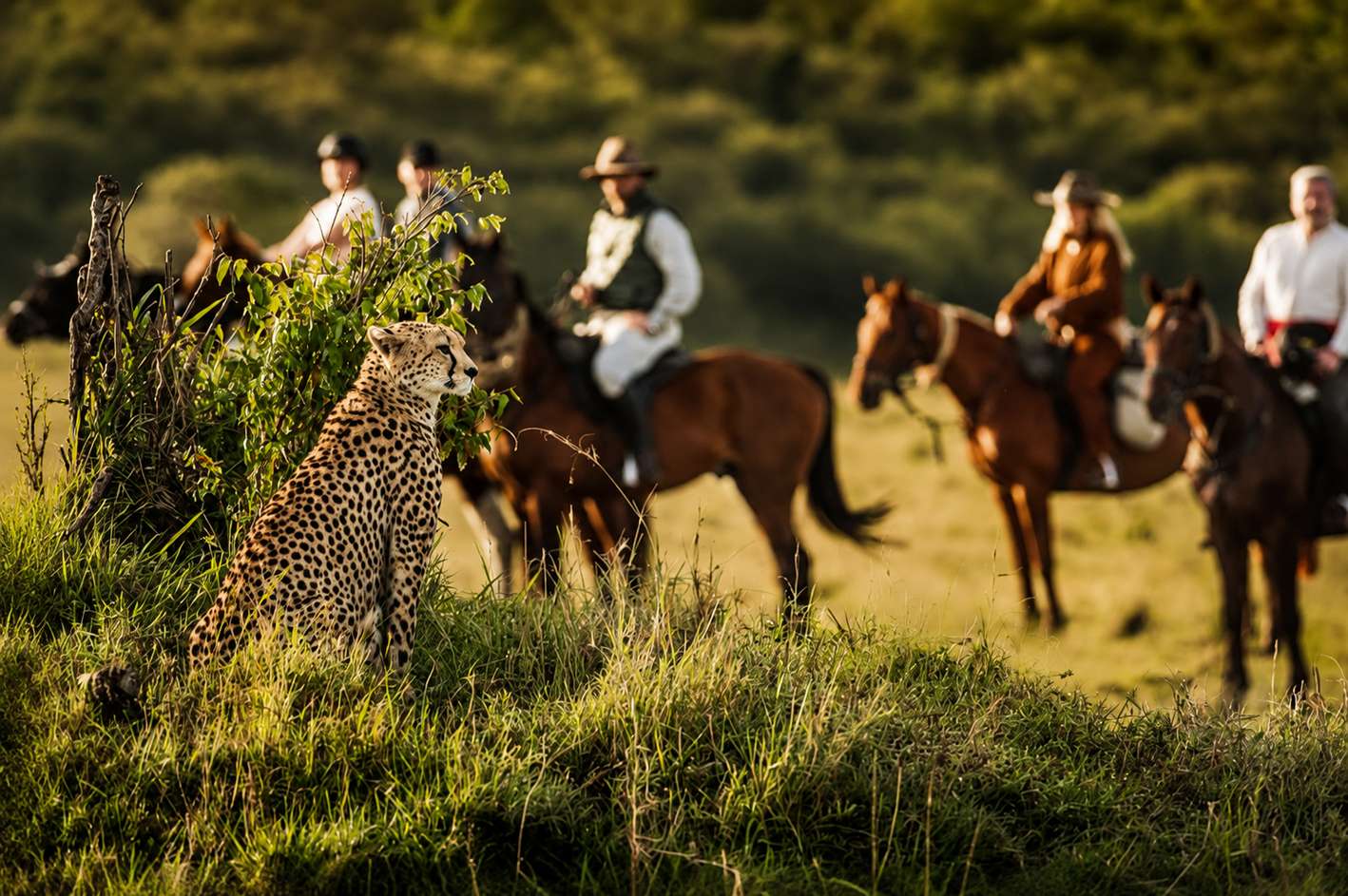
Horseback safaris, cultural tours, dance performances and market visits fill the rest of the board.
The Shanga artisan workshop, next to Arusha Coffee Lodge, is the stop people mention afterwards: craft studios supporting artisans with disabilities, and a good place to spend souvenir money where it stays.
Sleeping on a working coffee plantation the night before the safari turns jet lag recovery into part of the trip rather than a gap.
After the parks, the same list works in reverse, when you want movement without another 4x4 day. The centre-of-town hotels near the pickup zone make practical bookends on both ends.
One habit to carry through the whole stay: use prearranged transport around town, and meet street touts with a firm, polite no. Arusha rewards the traveller who has already decided where they are going.
An unbelievable, indescribable experience! Everything was perfectly organized, staff friendly, food tasty, lodgings ideal for an adventure, not luxury. Our experienced guide showed us all the Big Five. Thank you for this unforgettable time!
A shared camping safari delivers the same parks, the same game loops and the same guide knowledge as far costlier trips, because the wildlife does not grade by tent.
The honest costs are fixed park fees; the honest compromises are cold rim nights, basic washrooms and someone else's schedule. Choose it for the animals and let the linen go, and it delivers.
Go ifYou want the Big Five parks without private-vehicle pricesYou travel solo and would rather split a 4x4 than rent itYou can spare three or four days and a dawn start
Skip ifYou need en-suite comfort and a set bedtime every nightYou travel with toddlers who cannot sit quietly for long drivesYou have severe back problems; hours on rough dirt tracks aggravate them
Our pick to book
Arusha: 3-Day Serengeti & Ngorongoro Crater Big Five Safari4.7★ (75) · 3 days · Hotel pickup · Free cancellation
Quick answers to the questions travelers ask before booking a low-cost camping safari.
Makuyuni2026
Zebras grazed between our tents at Seronera this morning. Bring warm layers, the crater rim gets near freezing at night.
Does a cheap camping safari mean worse game viewing?
No. Most budget camping operators follow the same park routes and share the same public campsites as luxury cruisers. You track the same animals along the same roads, and your driver-guide still radios other vehicles to locate lions.
What does a day on a budget camping safari actually cost?
Shared group camping safaris in Tanzania start around two hundred dollars per person per day, which covers the vehicle, guide, park fees, meals, and camp. Cutting a day saves real money; park fees stay fixed either way.
What do we eat, and what if I am vegetarian?
A dedicated safari chef travels with the group and cooks full-board breakfast, lunch, and dinner from a camp kitchen. Vegetarian, vegan, and allergy requests are handled when you mention them when booking.
How cold do the campsites get at night?
Colder than you expect. Camps on the Ngorongoro rim sit above 2,000 meters, and temperatures drop to around 5°C after dark even in the dry season. Pack a warm sweater, jacket, socks, and a good sleeping bag.
What are the bathrooms like at public campsites?
Public campsites have basic shared bathroom blocks, and there are toilets at park gates and picnic sites. Safari vehicles carry no toilet, so your guide plans stops and finds safe bush breaks during long drives.
Can I charge my phone and camera while camping?
Electricity at public campsites is limited, so bring a power bank. Some solar-powered camps restrict in-room power to lighting, and charge devices in the common areas instead.
What should I wear on a budget camping safari?
Stick to neutral earth tones like khaki, olive, and beige. Dark blue and black attract biting tsetse flies in Tarangire, white shows the dust, and camouflage is illegal for civilians in Tanzania.
When is the best time for a cheap camping safari from Arusha?
November balances solid wildlife viewing with brief rains and thinner crowds at the campsites. The peak dry season brings the best weather but also the busiest public camping grounds.
What extra costs should I plan for beyond the tour price?
Tips for your driver-guide and camp chef are expected and not included in the package price. Add visa fees and travel insurance to your planning as well.
Is it cheaper to do a budget safari in Kenya instead?
Often yes. Comparable camping safaris in Kenya cost less, since entry-level tents and flights there come cheaper. What Tanzania gives you back is the scale of the Serengeti and the Ngorongoro Crater in one trip.

 Your best match