Serengeti Safari from Arusha -Overland Game Drive Routes
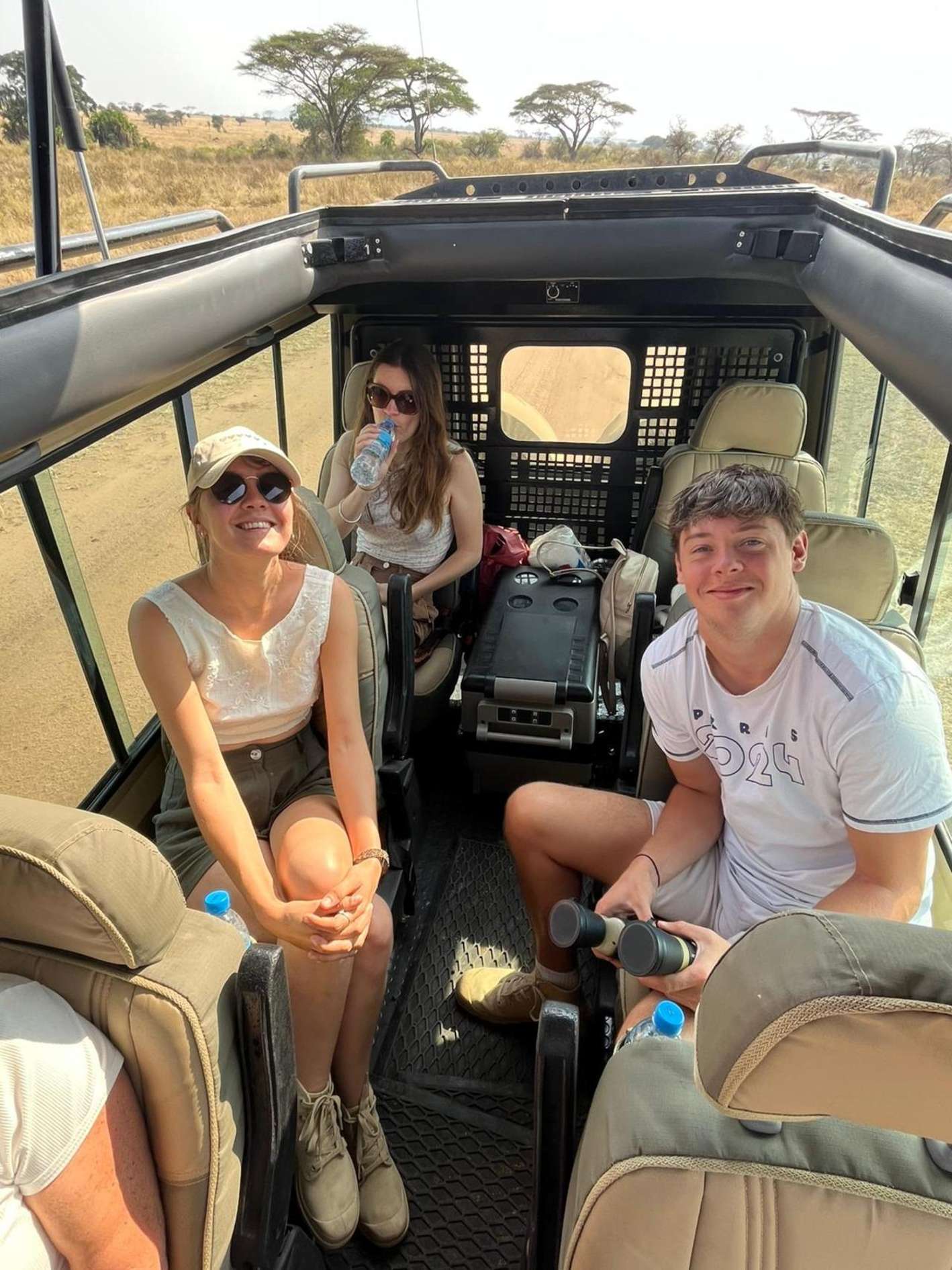
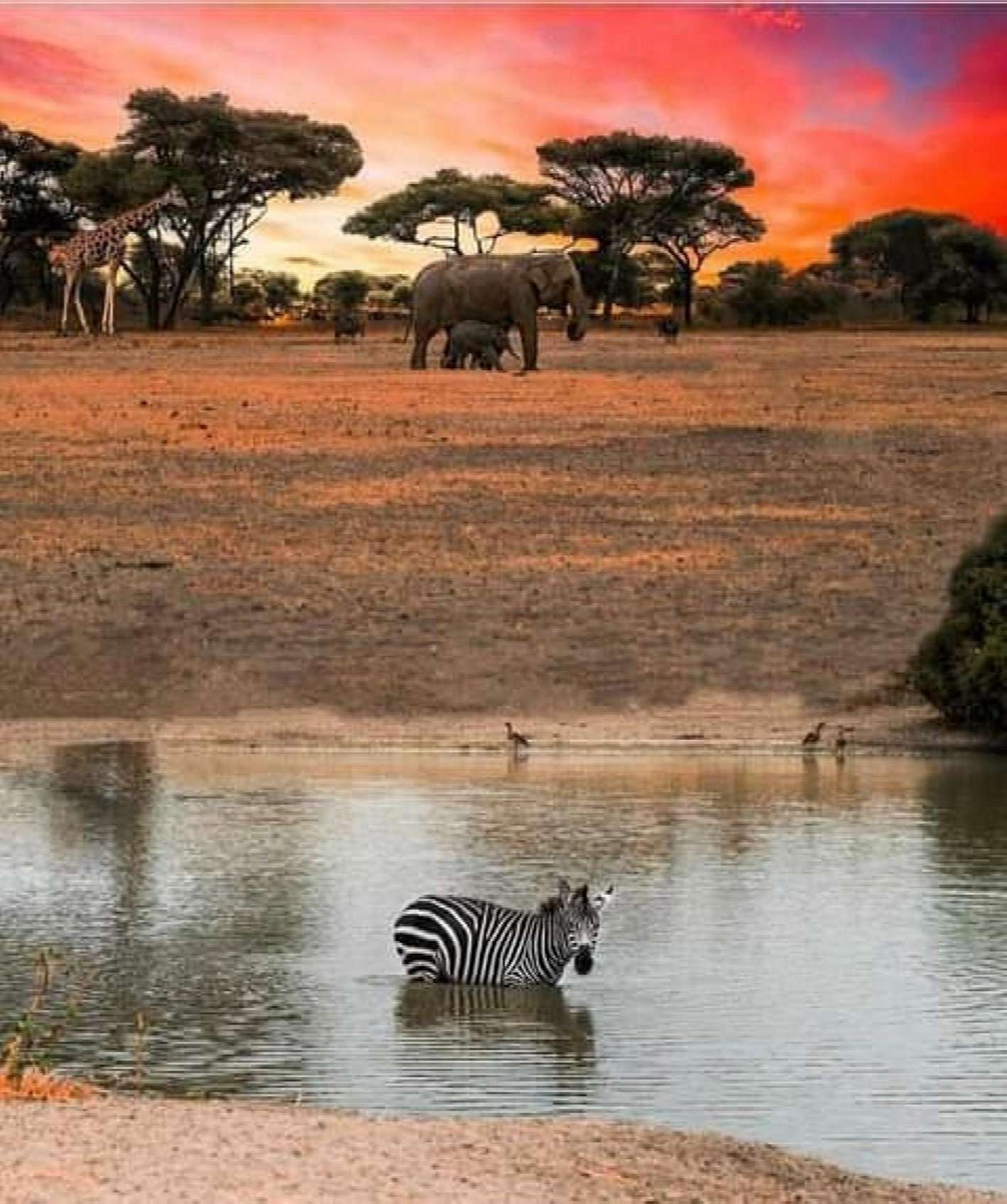
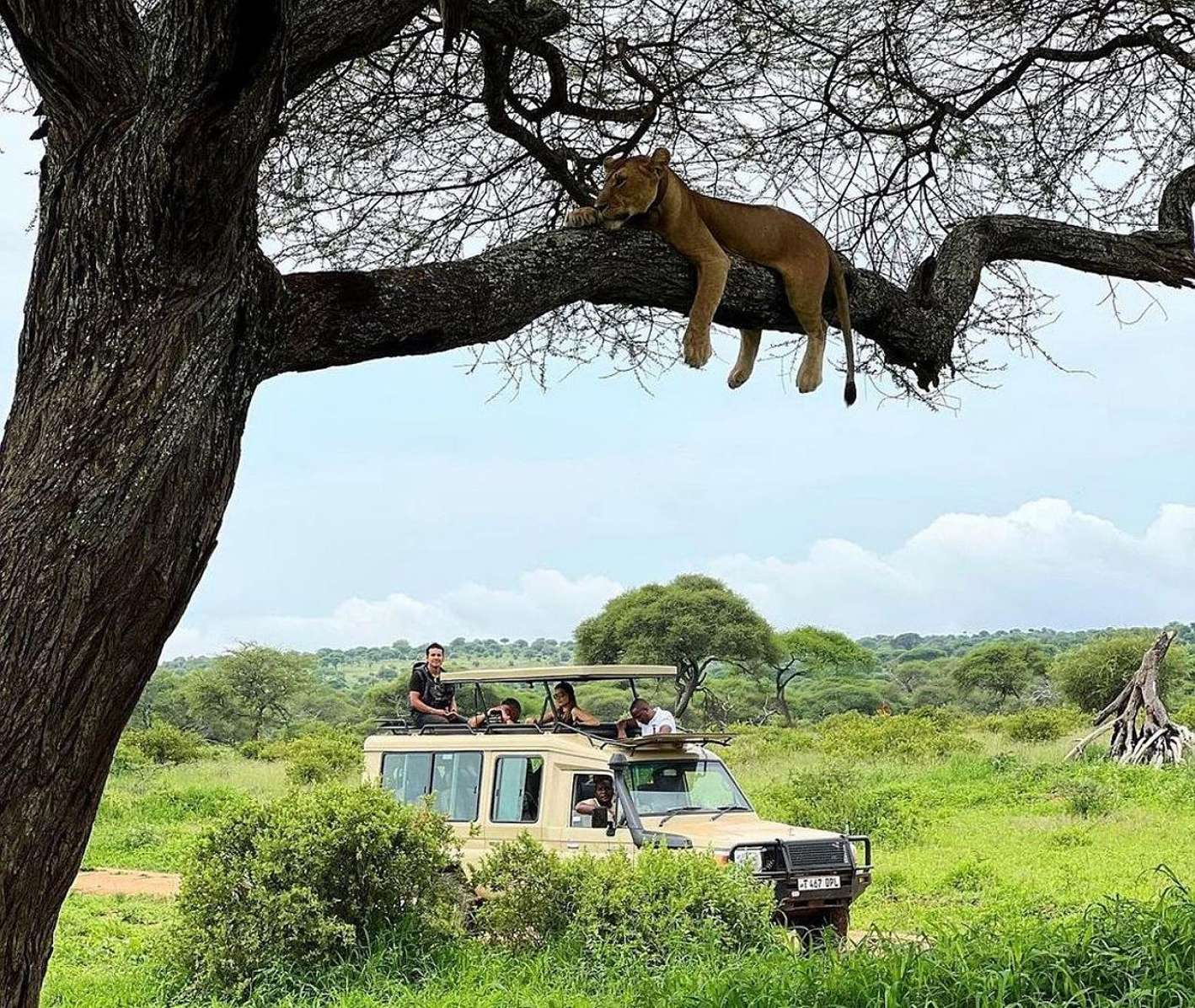
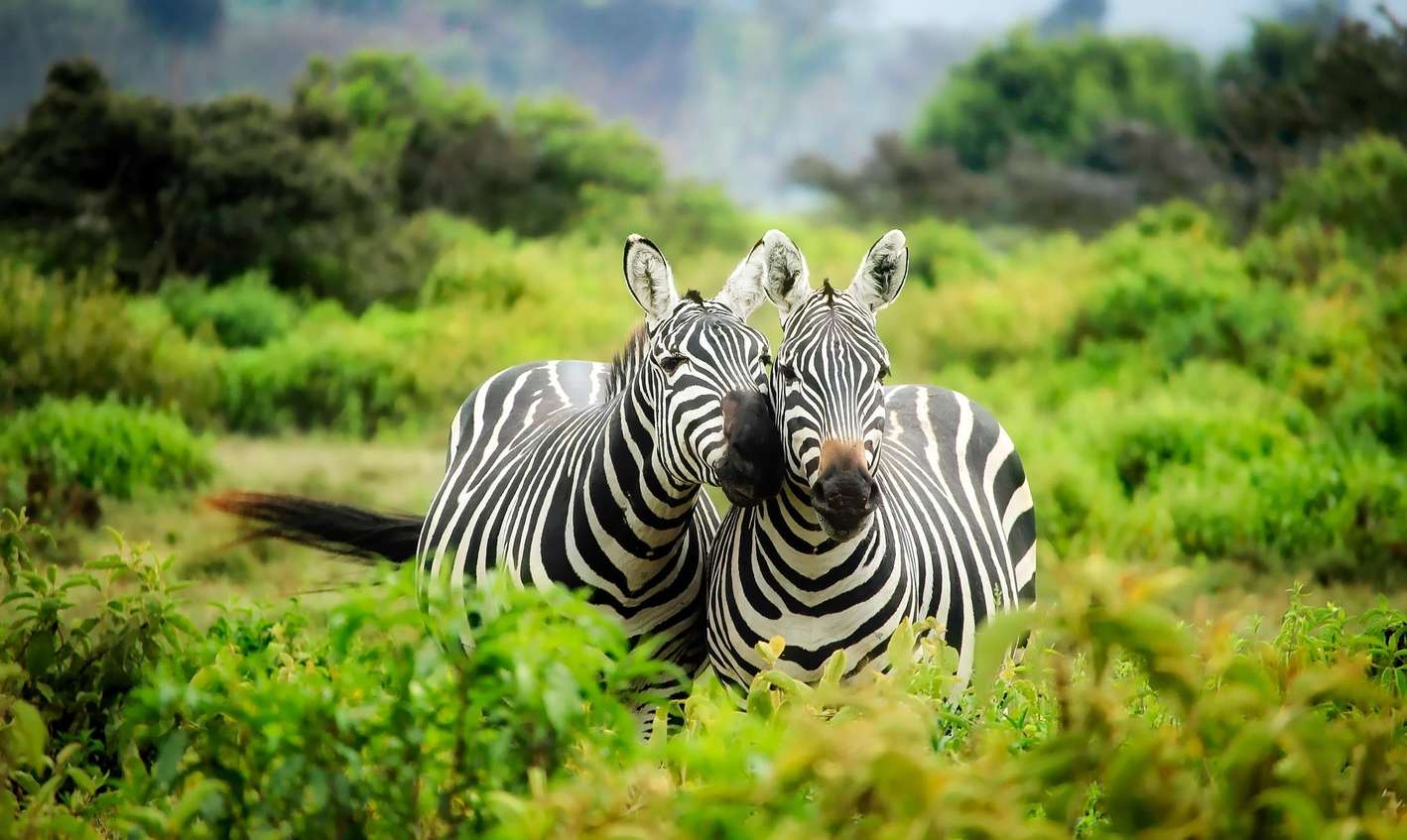
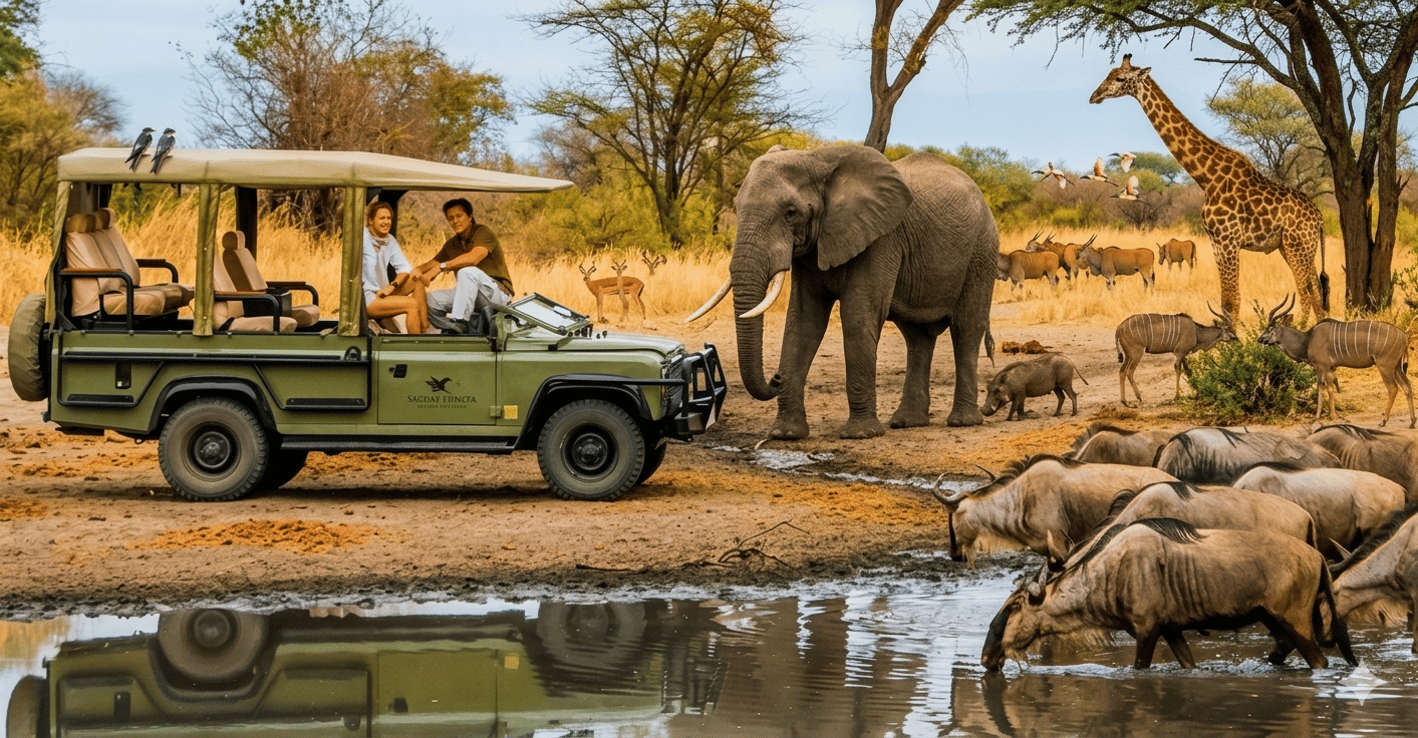
Drive out of Arusha before dawn and watch zebras and giraffes appear from the window before you reach the gate. Join a small group or take a private 4x4 with a pop-up roof, camp on the plains, and cross the Ngorongoro highlands with a professional guide. Book your 3-day safari today.
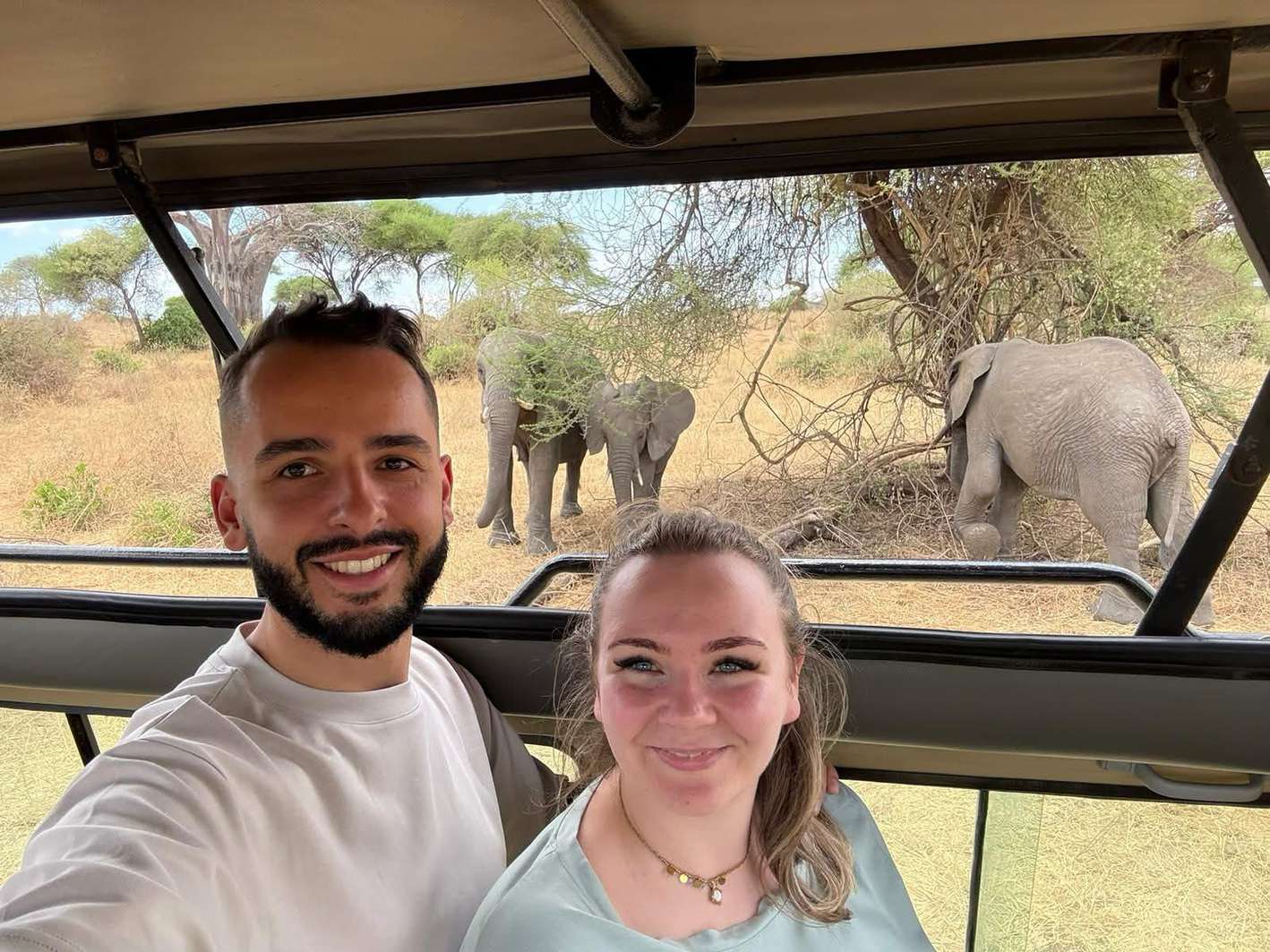
“My partner and I had an amazing 3-day safari with Season Master Adventures. Patrick's team was informative, punctual, and so helpful. Animals up close, delicious meals. Highly recommend!”
Every tour here leaves from your Arusha accommodation, drives the Ngorongoro highlands west to the Serengeti, and bundles a guide, 4x4 vehicle, park fees, and meals into one price.
Our top pick
★ 4.7 (75) · 3 days · English
Arusha: 3-Day Serengeti & Ngorongoro Crater Big Five Safari
Bottled drinking water throughout the tourServices of a professional safari chefAll activities as per the itinerary
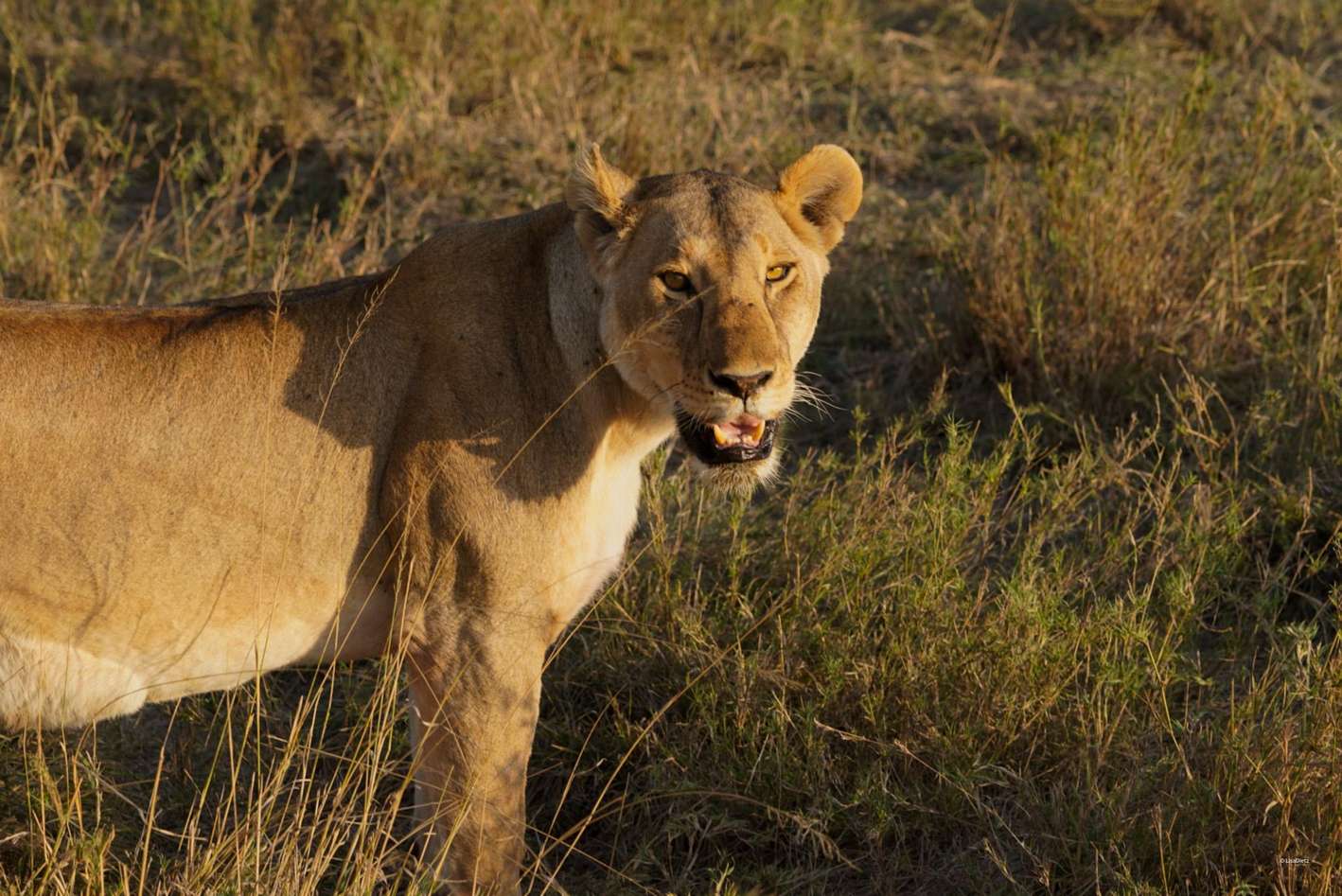
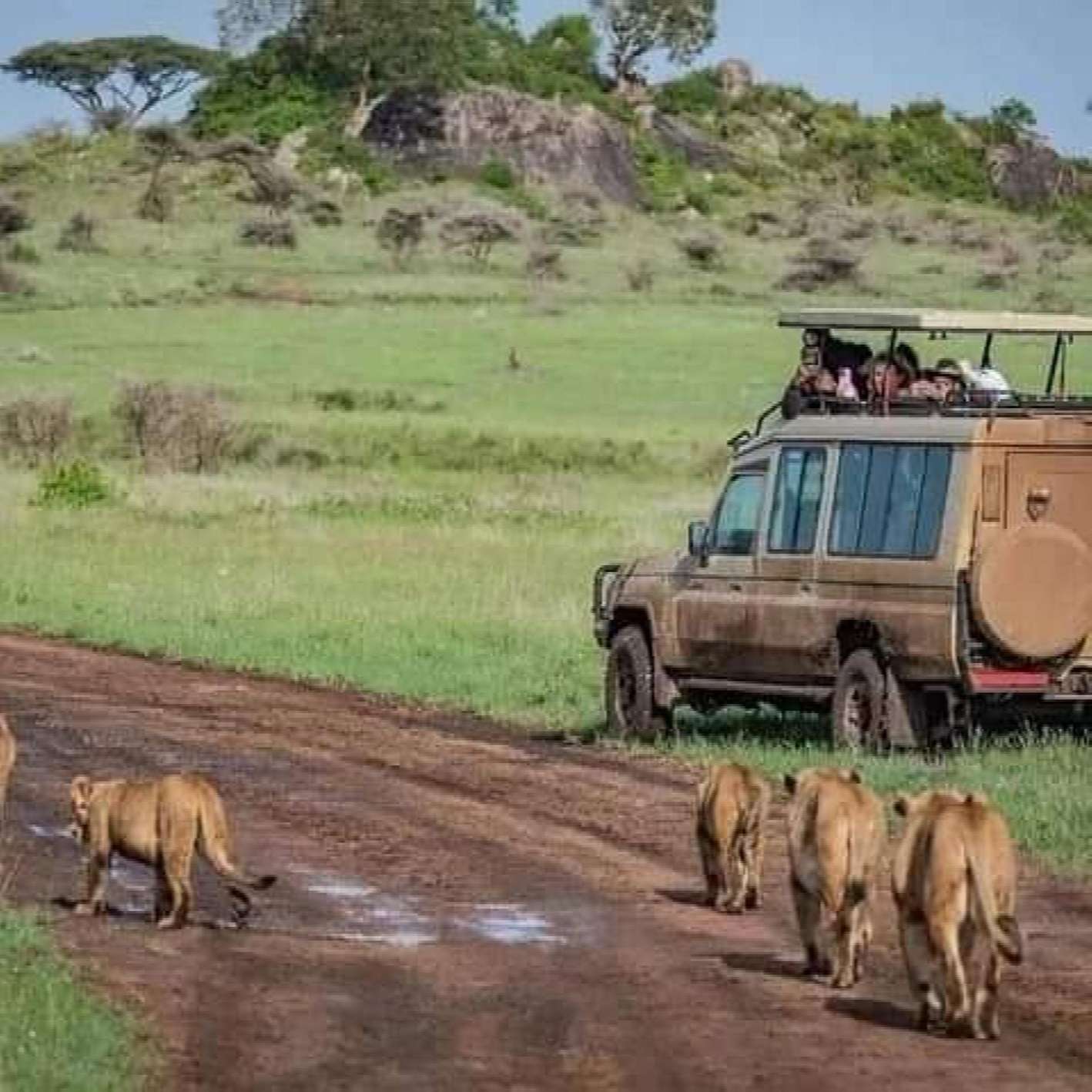
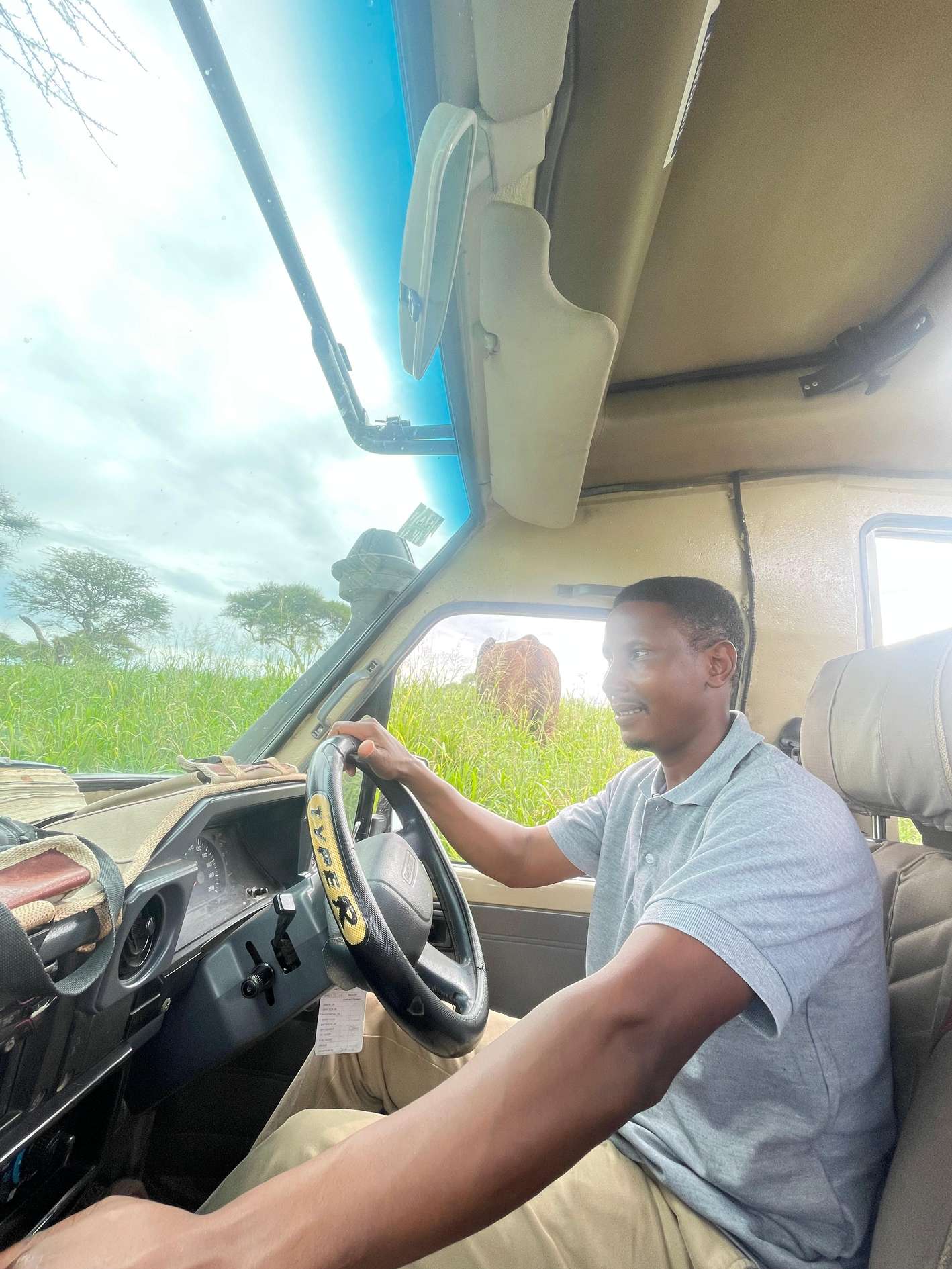
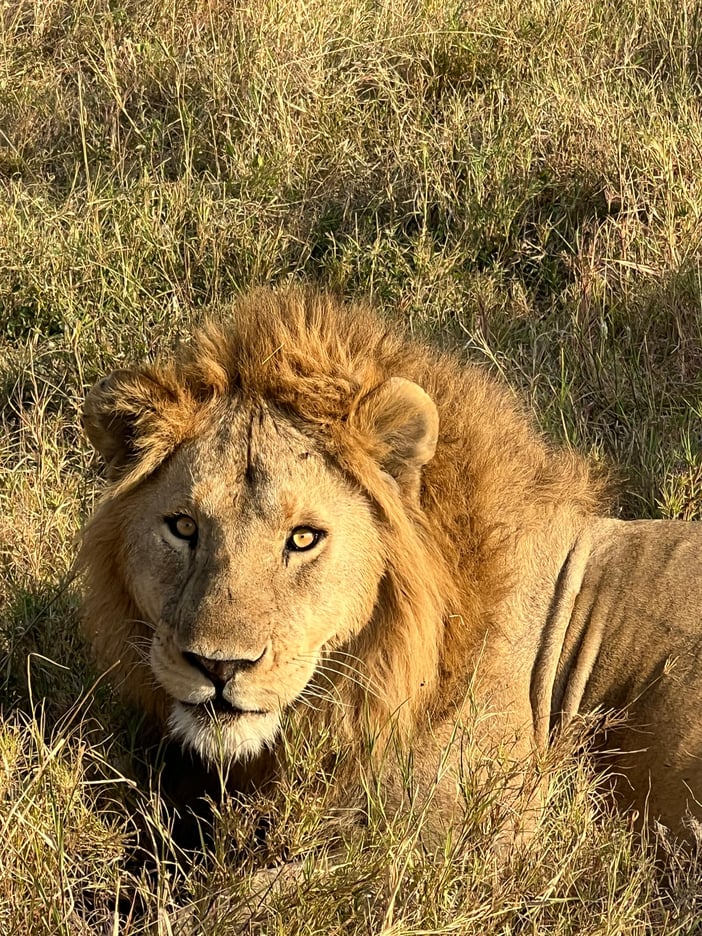
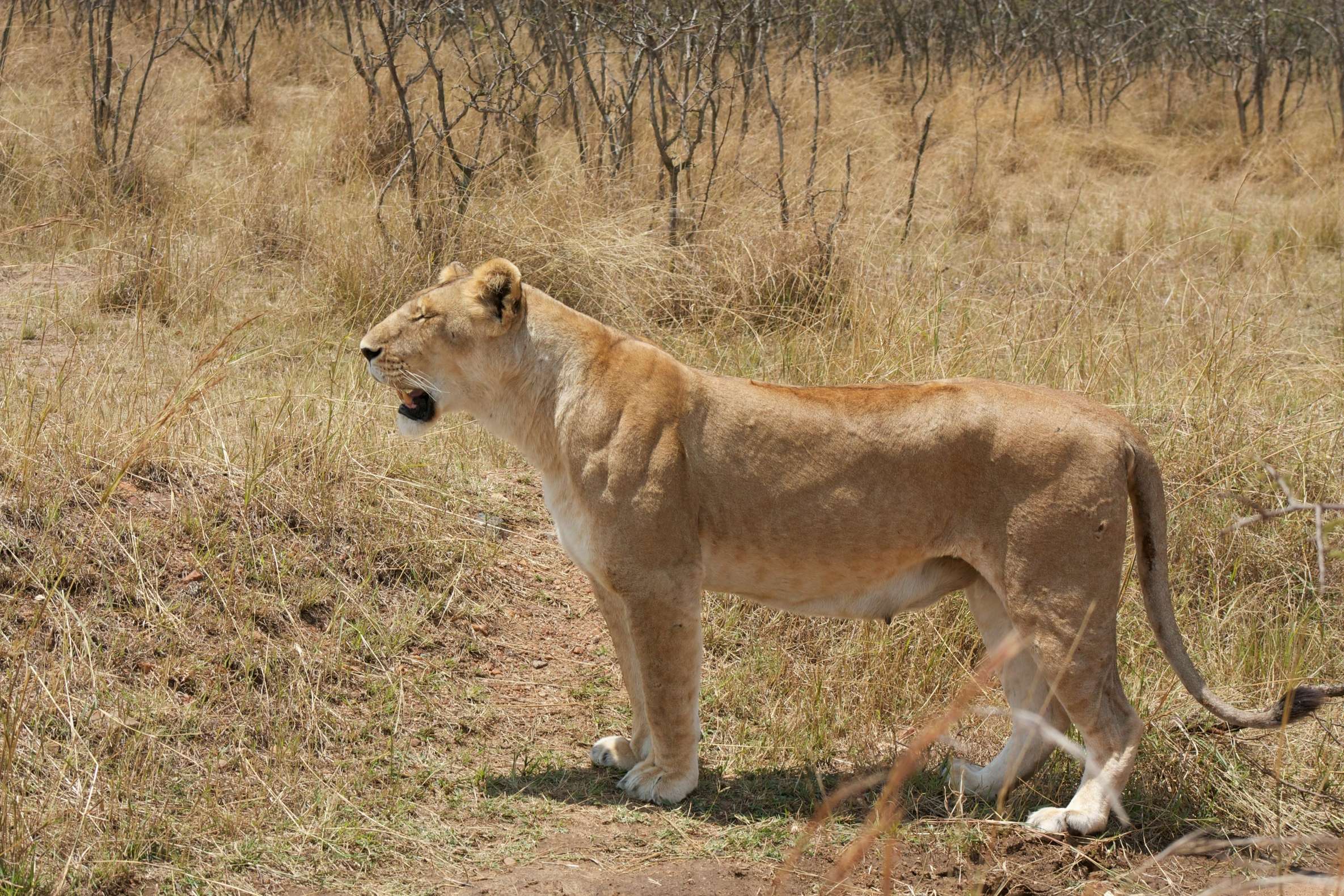
Most reviewers credit their guides for spotting wildlife up close, from lion prides to the full Big Five.
Best surprise
Many campers did not expect a dedicated bush chef, and the hot three-course camp meals became a highlight.
Most common wish
A few campers wished they had packed warmer layers for the chilly nights at camp.
How to book your Serengeti safari tour from Arusha
01
Pick your date early
Choose your travel dates first, then check availability for your preferred option. Campsites and lodges around the Serengeti and Ngorongoro fill up fast in the dry season, so booking early keeps your pick of dates open.
Pro tipIf you want the June to October peak, lock dates months ahead, since the most requested camps fill first.
RecommendedAim for a date right after you land, with a night in Arusha before departure so an early start feels easy.
02
Choose your option
Decide between shared group camping, private camping, or a lodge safari on the 3-day Serengeti and Ngorongoro route, or a 4-day circuit that adds Tarangire. Shared camping keeps costs lowest, while a private 4x4 gives you control over pacing and stops.
Pro tipFor two people traveling together, a private safari often costs only a little more than joining a group, and you set your own schedule.
Common mistakeFirst-timers book a shared 3-day route expecting the Serengeti, then find some 3-day itineraries cover Tarangire and Ngorongoro instead.
03
Check your pickup zone
Most tours collect you directly from accommodation within Arusha City Centre, including spots near Kibo Palace, Four Points, and Mount Meru Hotel. Staying further out, such as around Njiro or Moivaro, usually means an extra-cost private transfer to the city centre meeting point.
Pro tipIf you are staying outside the free pickup zone, book a room near the centre for your safari night instead of paying for a transfer.
04
Confirm departure details
After booking, wait for the operator's confirmation message with your exact pickup time. Plan on a start between 6 am and 7 am from your Arusha hotel, since the roughly six-hour drive of more than 250 km needs a dawn start to clear the Ngorongoro gate and reach the Serengeti before gates close at 6 pm.
Pro tipSome operators run pickups between 5 am and 6 am, which leaves more room for game viewing while driving through the Ngorongoro Conservation Area.
ImportantCarry your original passport or a clear copy, because park entry registration at the gate requires identification.
05
Pack for the drive
Pack the day before: neutral earth-tone clothing, a warm jacket for cold crater-rim mornings, sunscreen, insect repellent, and a buff or wraparound sunglasses for dust on the unsealed roads. Keep luggage to one soft bag, since space in the 4x4 is limited.
Common mistakeWearing dark blue or black clothing, which attracts biting tsetse flies along the Tarangire and Serengeti routes.
RecommendedA tight buff over the nose and mouth and a windbreaker keep fine volcanic dust off your skin during the long transit legs.
The route · 10 min read
The Arusha to Serengeti Route
The drive from Arusha to the Serengeti runs more than 250 kilometers and takes about 6 hours, which is why every tour picks you up between 6 am and 7 am Leave by 7 am and you clear the Ngorongoro gate with daylight to spare, since park gates close at 6 pm.
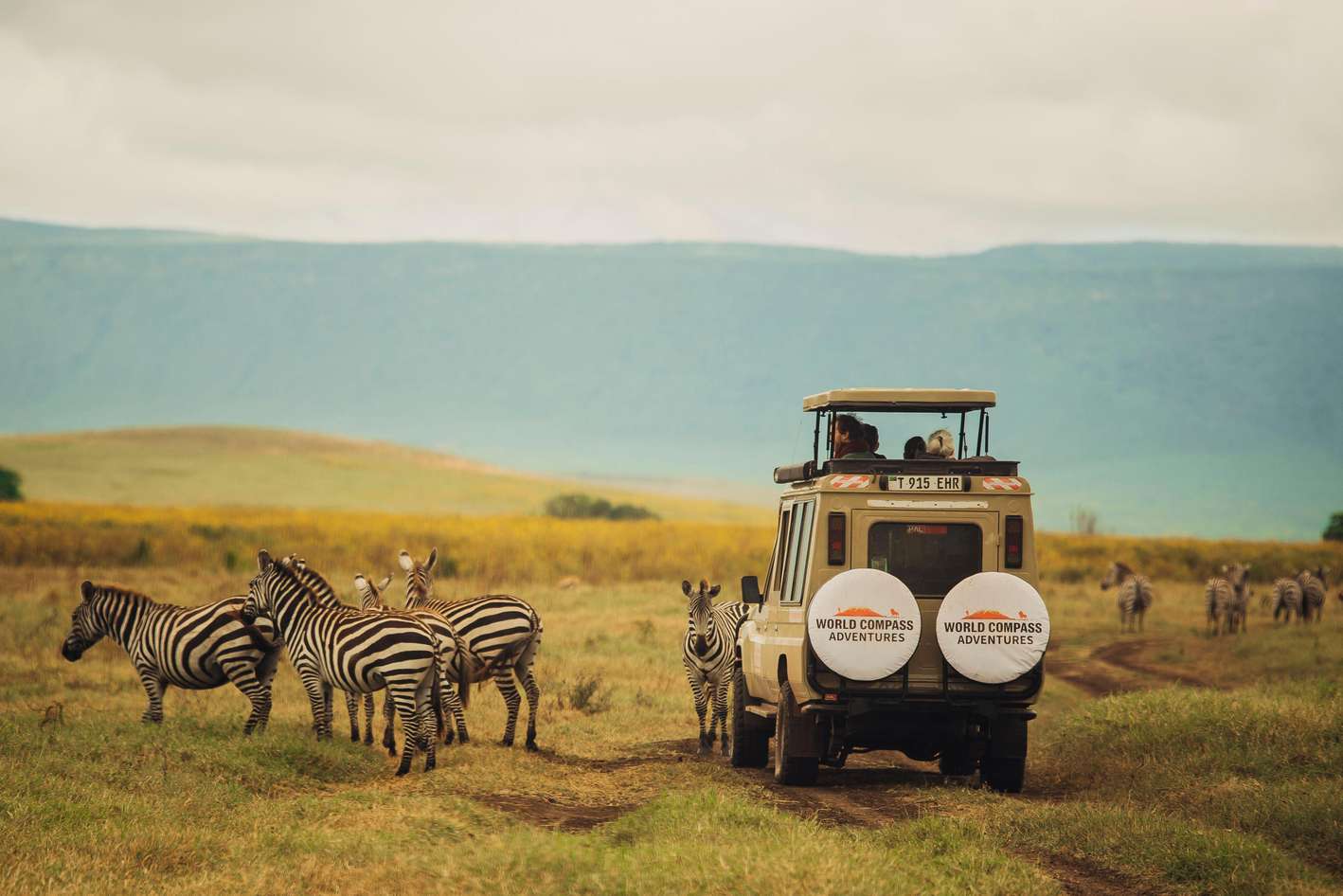
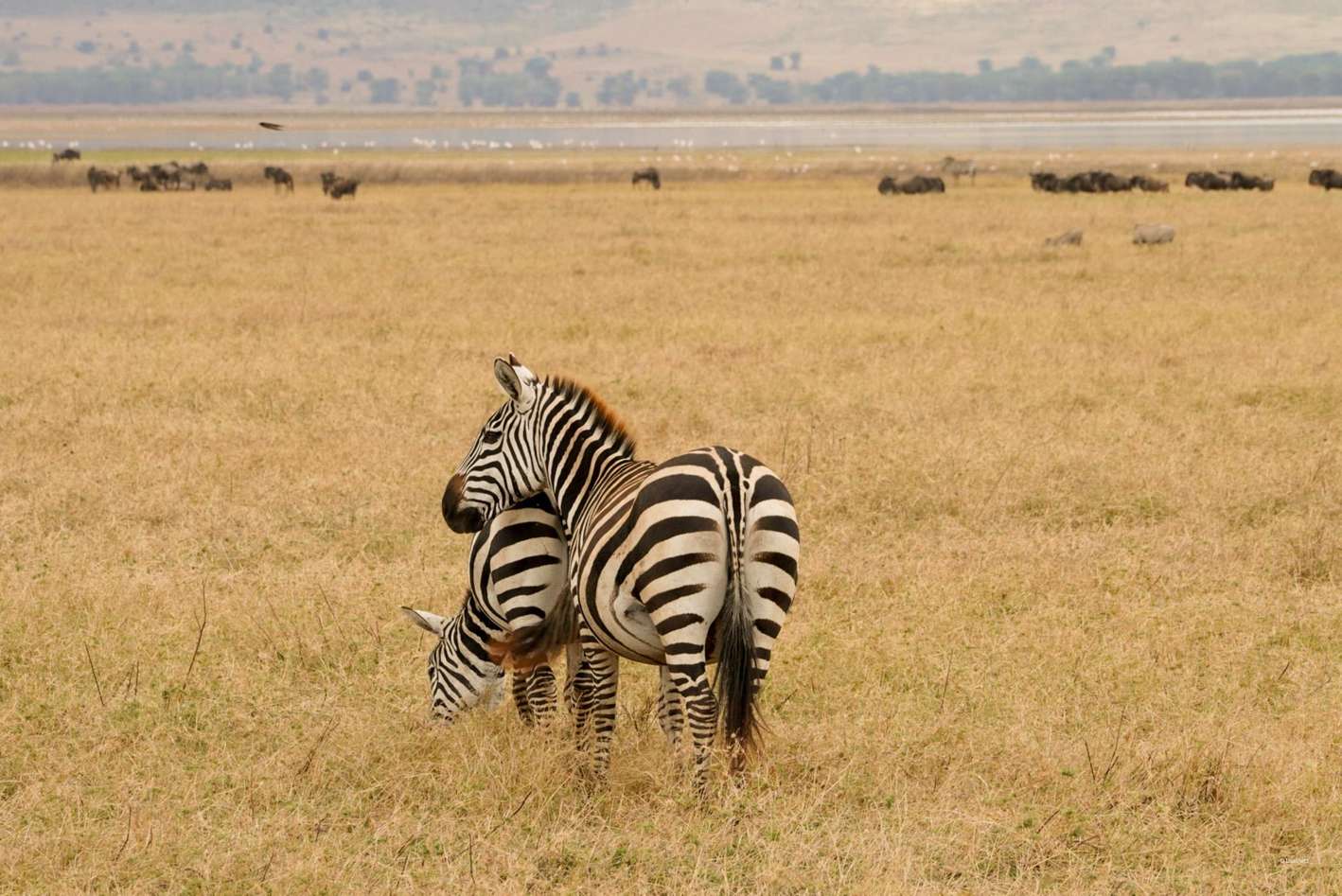
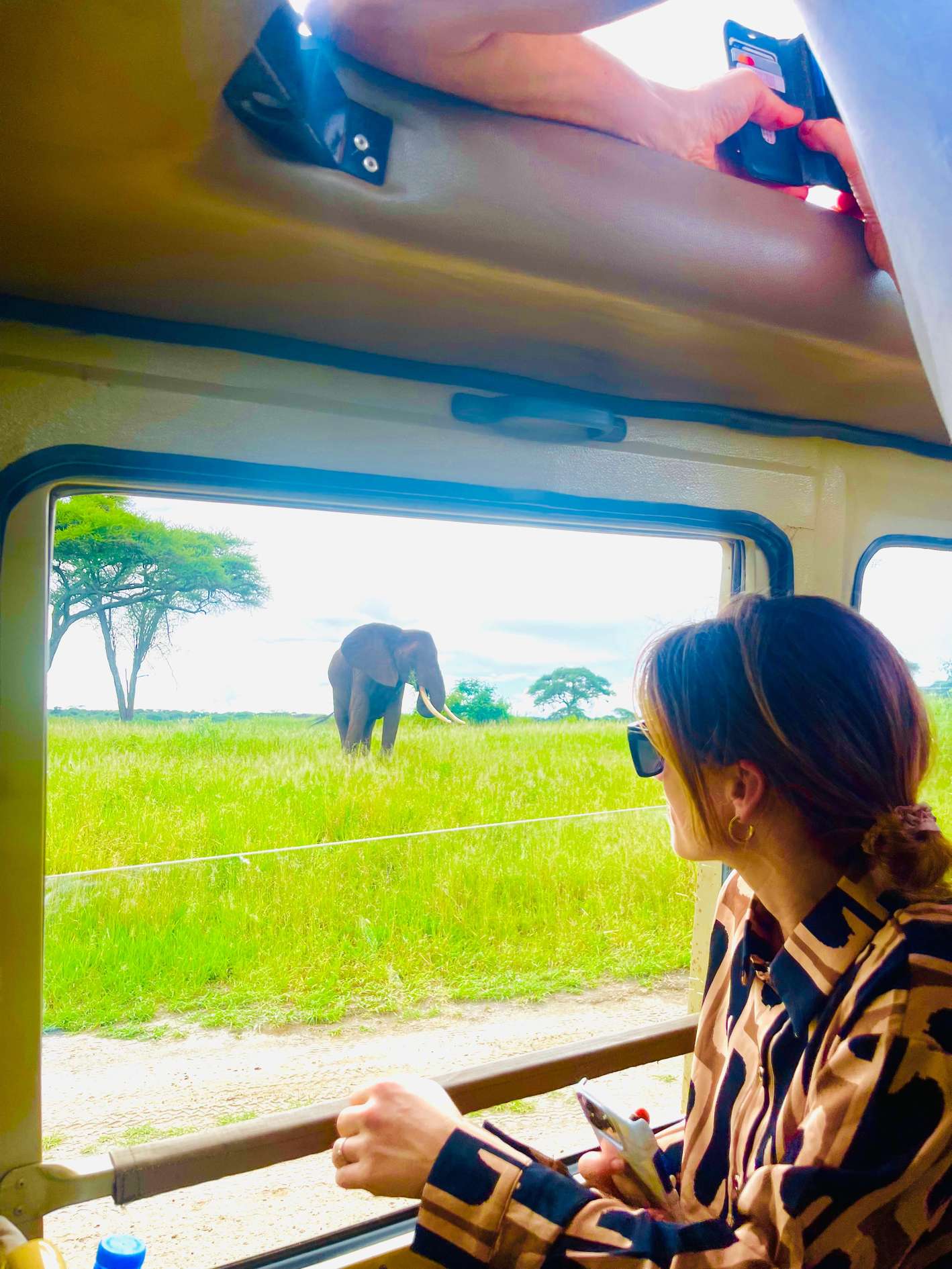
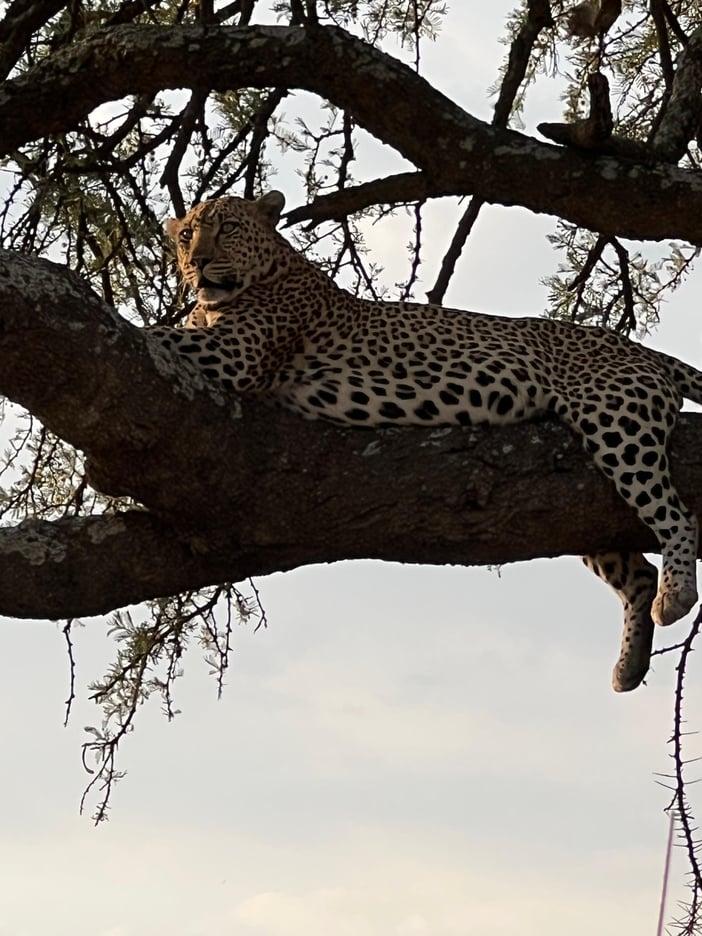
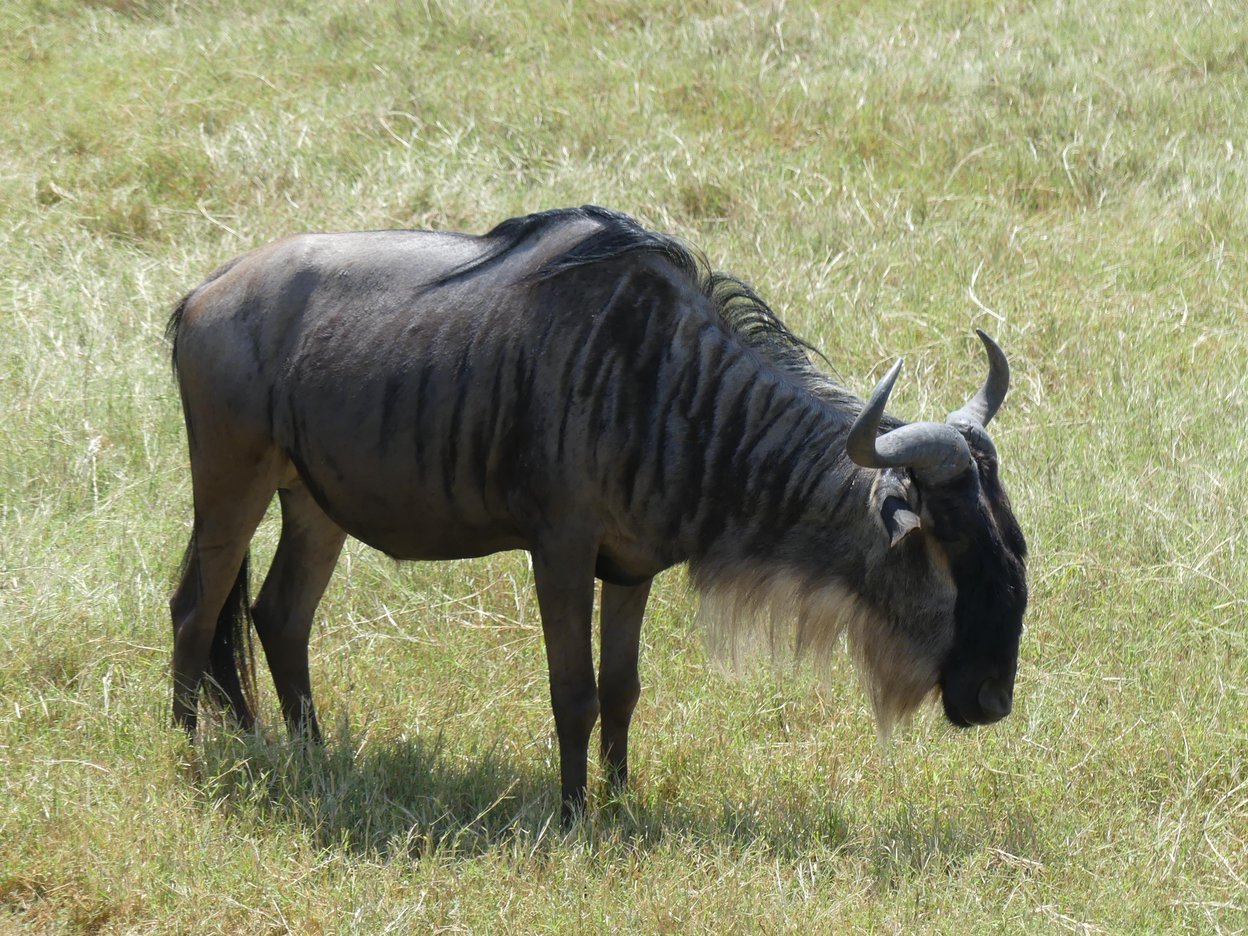
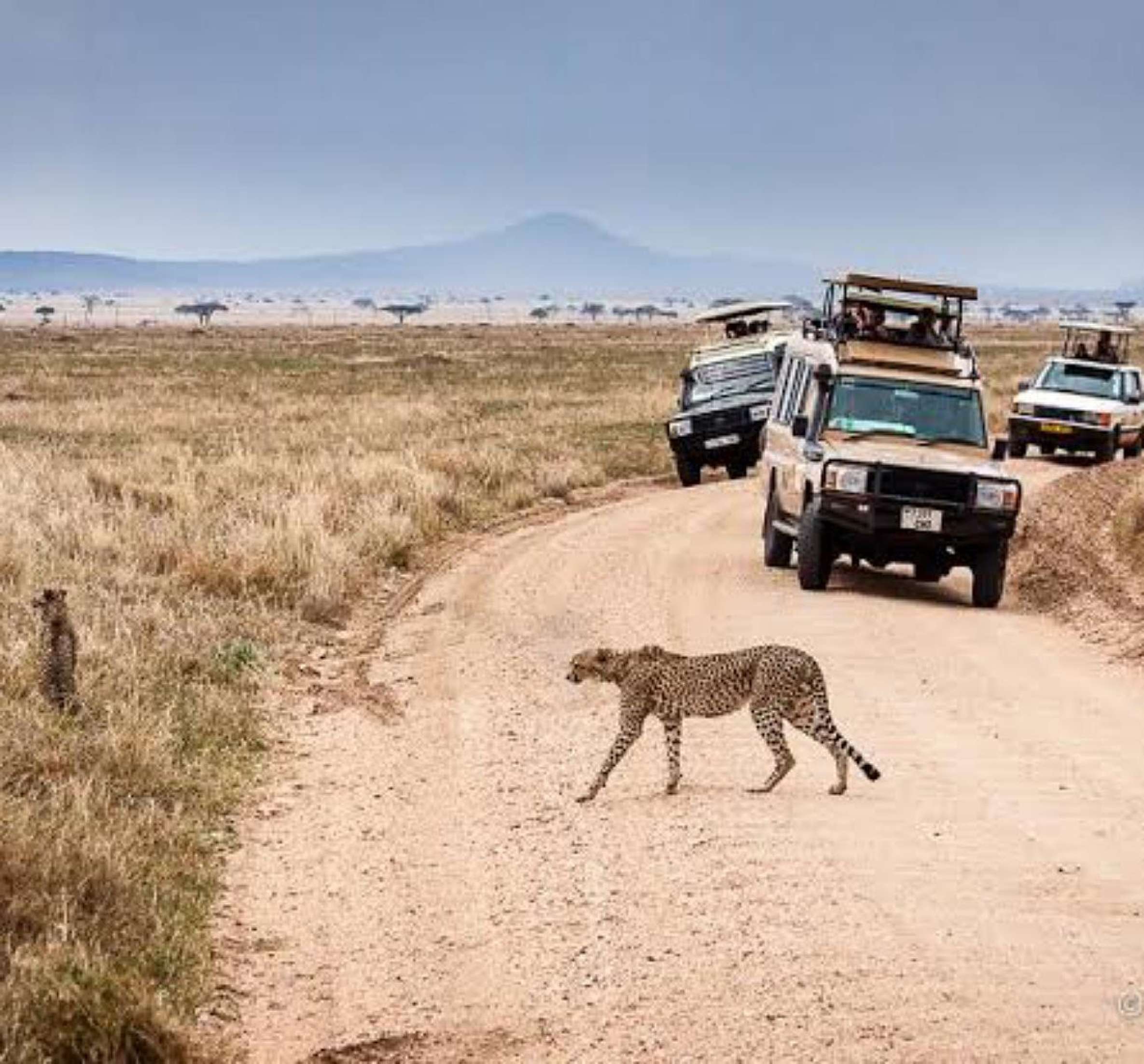
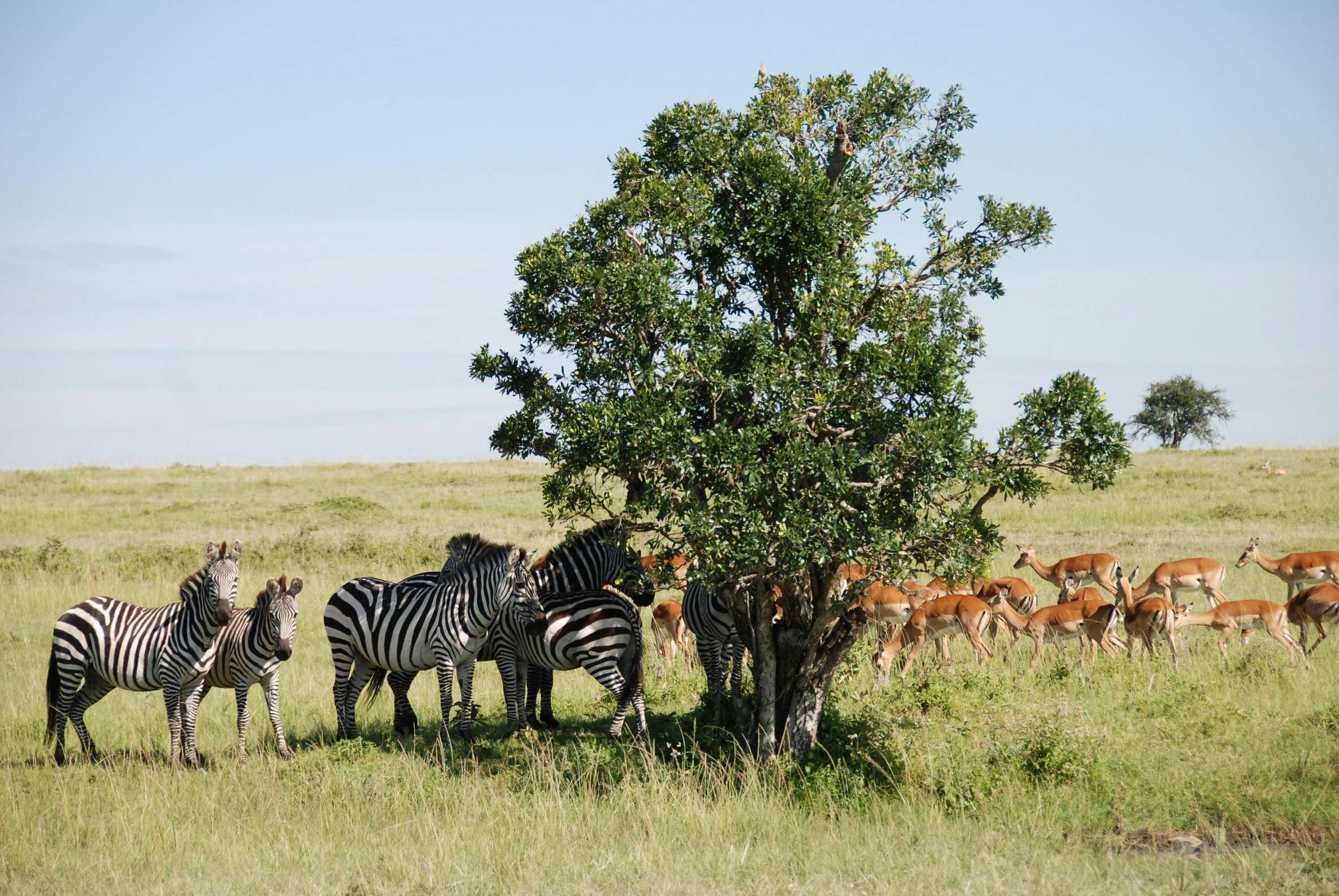
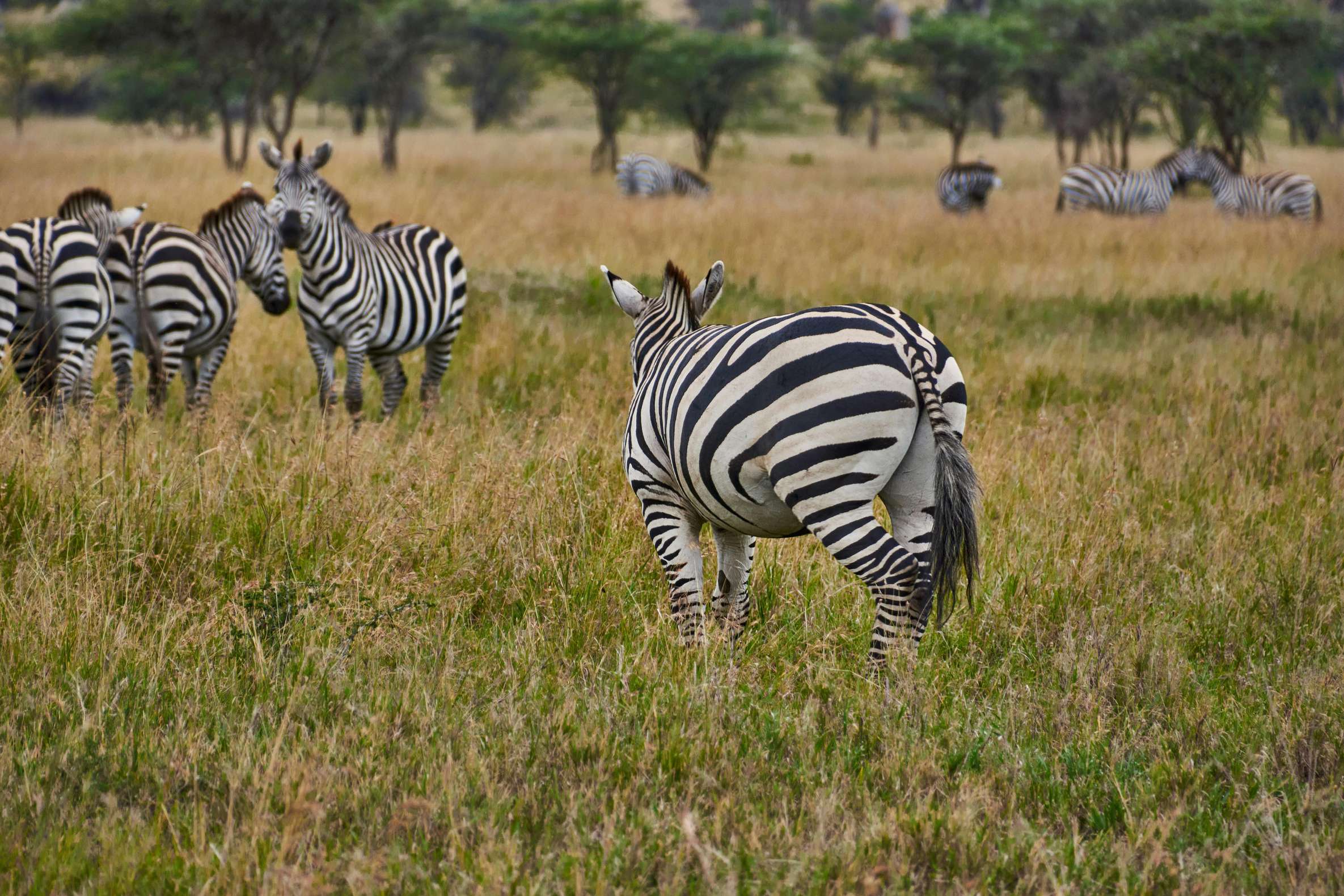
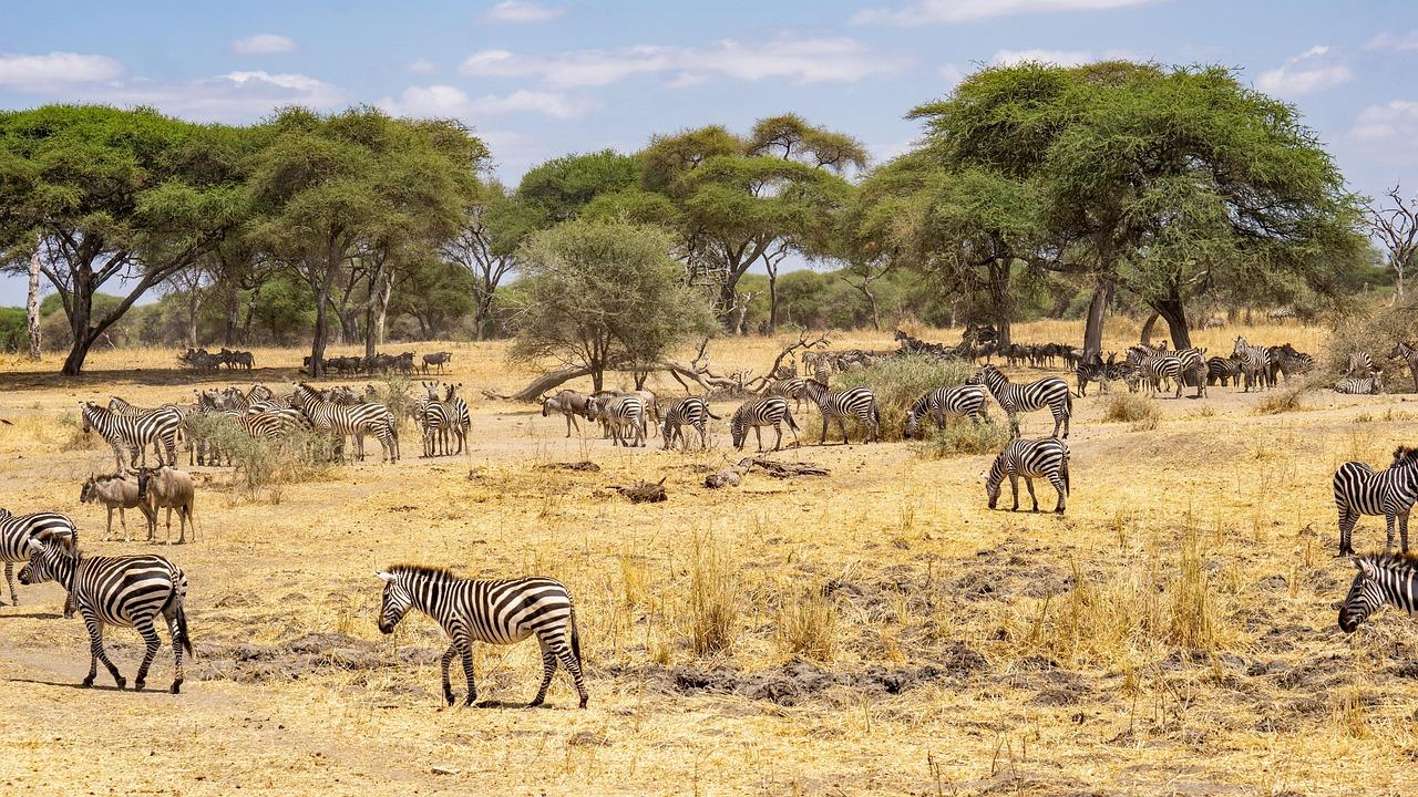
The road itself works as game viewing. You climb through the Ngorongoro Conservation Area with wildlife visible along the way, and after Naabi Hill Gate the southern plains bring zebras, gazelles, and wildebeest, with lions, cheetahs, and leopards among the sightings.
Expect 1 to 1.5 hours on that stretch, or 2 to 3 hours with photo stops.
What decides the route is whether you add Tarangire. The 3-day trips drive straight west to the Serengeti and Ngorongoro, while the 4-day versions open with a shorter 2 to 3-hour morning to Tarangire and shift the longer transit to day two.
Bring a buff and sunglasses: fine volcanic dust blows into vehicles on the unsealed crater road.
Your passport needs to be valid for at least six months beyond your arrival date, with blank pages for entry stamps, and most foreign nationals need a visa for Tanzania.
Apply for an e-Visa online before you fly, or plan to get one on arrival at Kilimanjaro Airport, and check the passport expiry date now so a renewal does not delay your departure from Arusha.
How to get from Arusha to Serengeti National Park by road
The road west from Arusha climbs out of the Great Rift Valley and through the Ngorongoro Highlands before dropping onto the Serengeti plains, a distance of 225 to 325 kilometres depending on which gate and sector you enter.
In a 4x4 the full trip is 7 to 8 hours of driving each way, much of it unpaved.
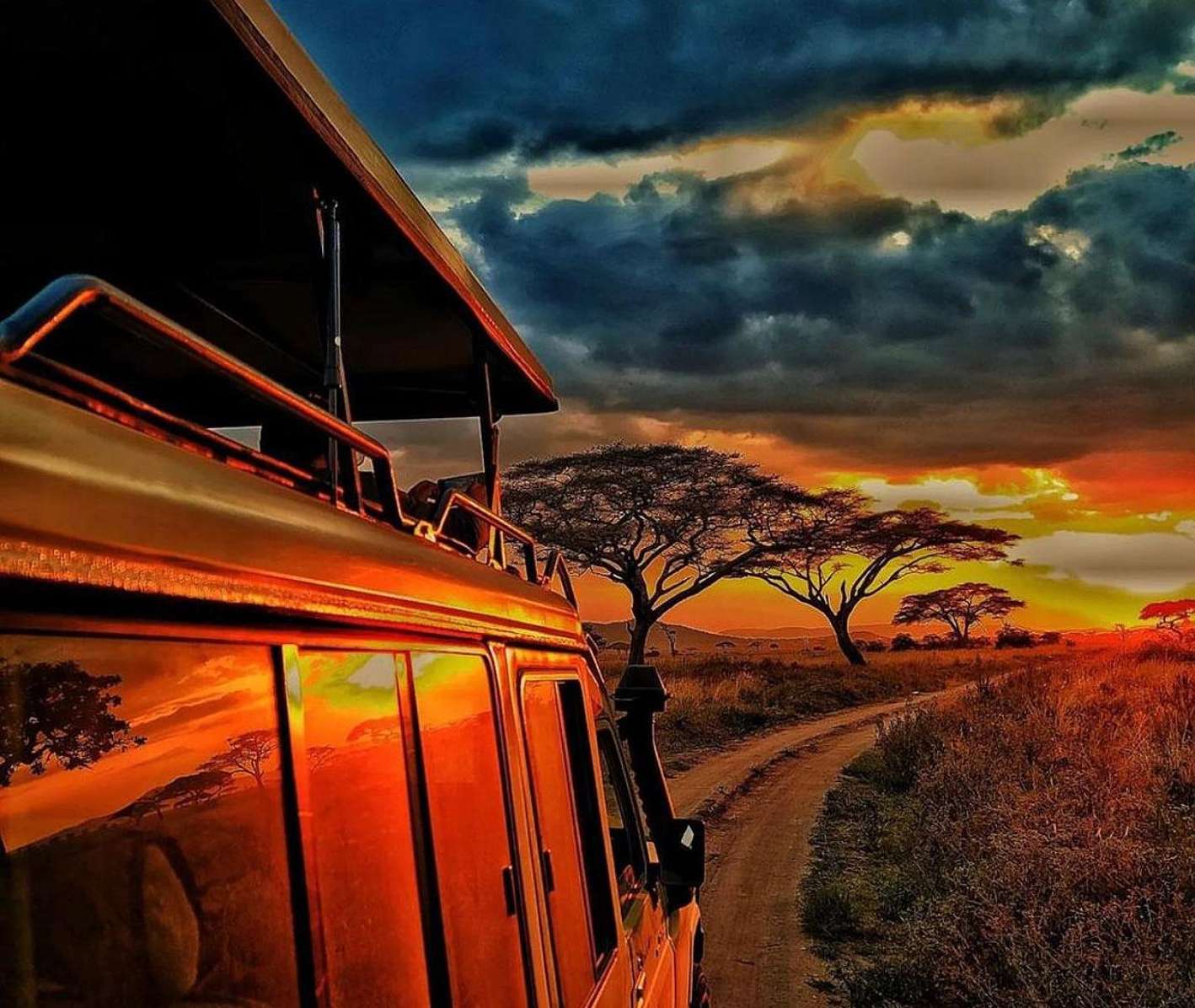
That sounds brutal until you hear the trick: leave early and the road stops being dead time. Departing before 6 am puts you on the transit road through the Ngorongoro Conservation Area in daylight, and the wildlife viewing starts there, hours before any official gate.
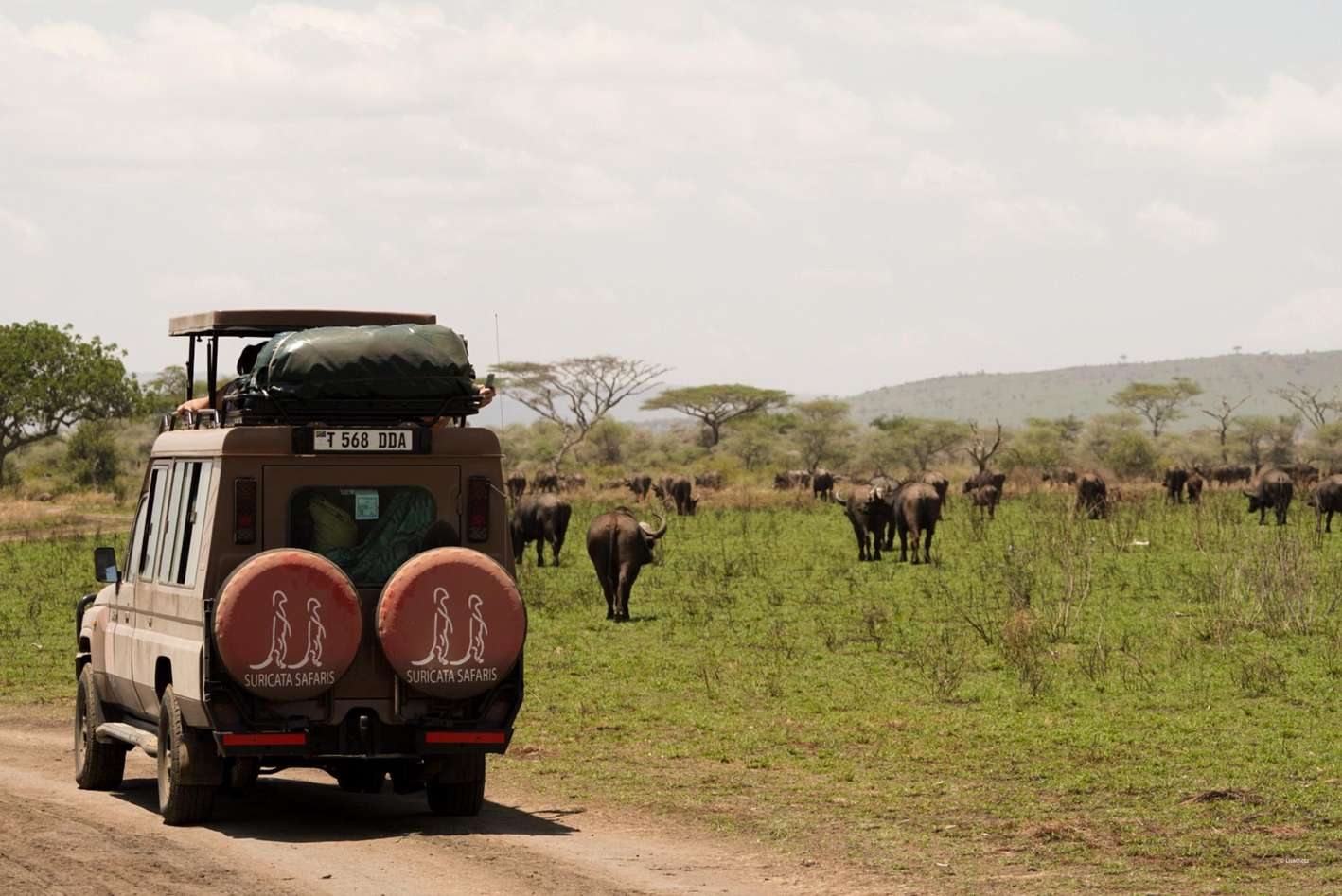
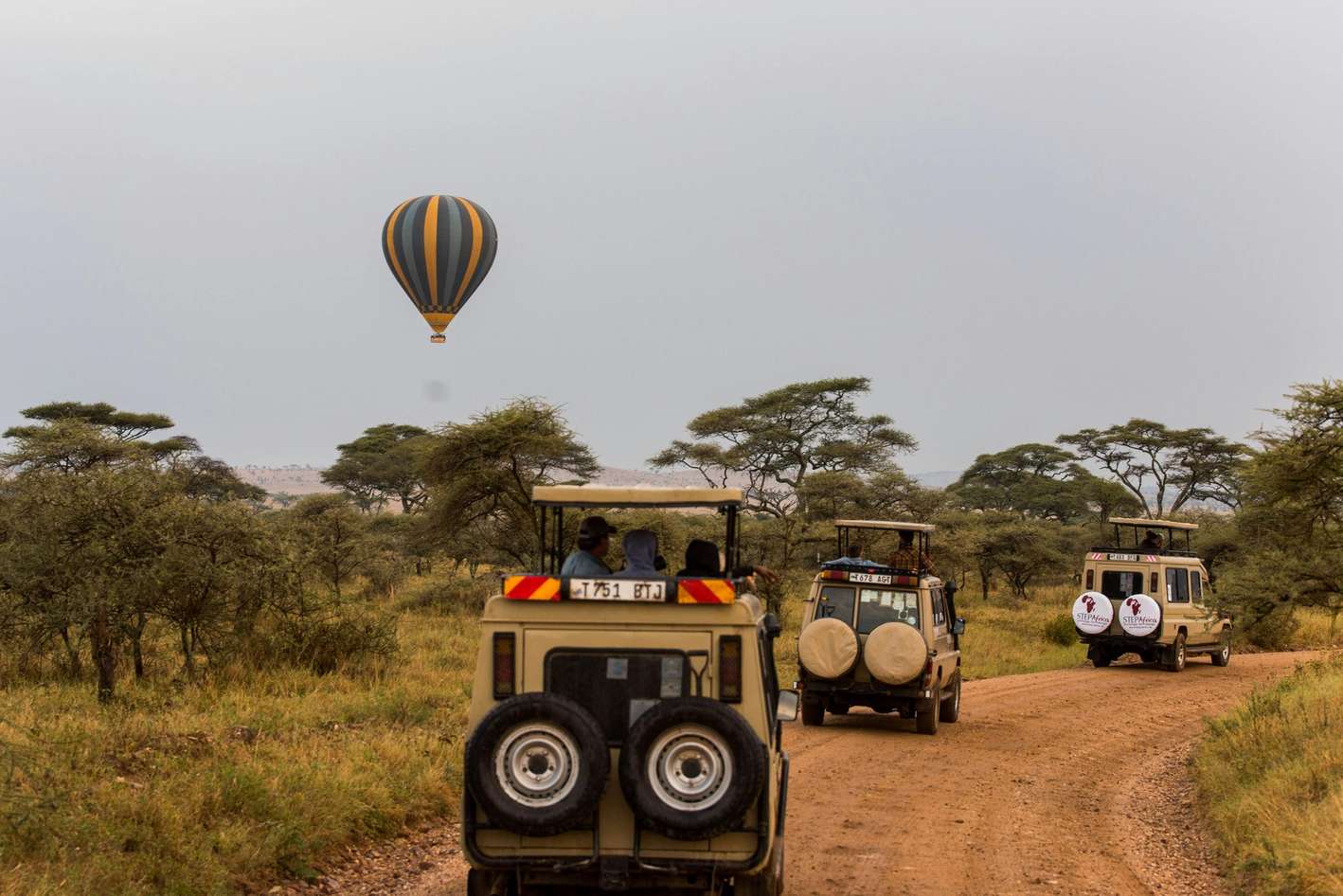
The comparison settles it. No bus or train reaches the reserve, and hotel pickups by ordinary car still face rough roads after Ngorongoro. A guided 4x4 with a pop-up roof turns the same eight hours into a scenic, animal-tracking drive.
On a short trip of two or three days, travelers who go this way break the drive with a night on the crater rim, which is exactly what the standard circuits do.
Tour for this
3-Day Safari Serengeti & Ngorongoro Crater (Private/Joining)4.1★ (8) · Valid 3 days · Hotel pickup · Free cancellation
Where you sleep the night before decides whether pickup costs you anything. Group safari operators collect travelers free of charge from accommodations in Arusha City Centre, the zone around Charity Hotel, Swahili Villa, Four Points, Kibo Palace, Mount Meru Hotel and their neighbours.
Stay further out, at Njiro Legacy or Moivaro Coffee Lodge for instance, and a paid private transfer to the city centre meeting point comes on top.
Getting there the night before is easy. Arusha Airport sits about 7 kilometres west of downtown, 20 to 25 minutes by car, while Kilimanjaro International Airport is a 56-kilometre drive of roughly an hour to an hour and three-quarters. Most travelers book the transfer through their safari operator the day before and sleep in town.
The departure morning hour by hour
1
Night before
Airport transfer to your Arusha hotel
Kilimanjaro International takes about an hour to an hour and 45 minutes by car
2
6:00 to 7 am
Hotel pickup in Arusha City Centre
Free from central accommodations, paid transfer if you stayed further out
3
7 am
Roll out of Arusha
Depart before 6 am if you can, buying game viewing en route
4
Mid-morning
Climb into the Ngorongoro Conservation Area
Wildlife appears from the transit road, before any gate
Pickup between 6:00 and 7 am sounds early because it is early. The gates close at 6 pm sharp, and the vehicles that clear them with time to spare are the ones that left in the dark. The reward for those first minutes is wildlife visible from the road through the conservation area before lunch.
Tour for this
From Arusha: 4-Day Tarangire, Serengeti & Ngorongoro Safari5.0★ (2) · 3 - 4 days · Hotel pickup · Free cancellation
The math between the two circuits comes down to where the driving hours land. A 3-day trip spends Day 1 almost entirely on the road: a 5-hour highway run from Arusha through the Ngorongoro Highlands into Central Serengeti, then an afternoon game drive.
That 5-hour figure is the guided Day 1 leg, faster than the 7 to 8 hours you would need driving the whole route on your own because the circuit's early start and prepared route streamline it.
Expect 7 to 9 total vehicle hours each day across the circuit, and Day 3 closes with a 4-hour, 173-kilometre drive back to Arusha after the crater.
Daily driving times and overland transit distances
7 to 8 hrDay 1 transit and game drive
133 kmSerengeti to Crater rim transit
5 to 6 hrCrater floor game drive transit
4 hrCrater rim to Arusha drive
The 4-day route rewrites that first day. Instead of 6 straight hours of highway, you drive a short 2 to 3 hours southwest to Tarangire National Park and spend the rest of Day 1, up to 8 hours, watching elephants under baobabs.
The cost is a longer 5 to 6.5-hour leg toward the Serengeti the next day. You give up nothing in parks and gain one full game day.
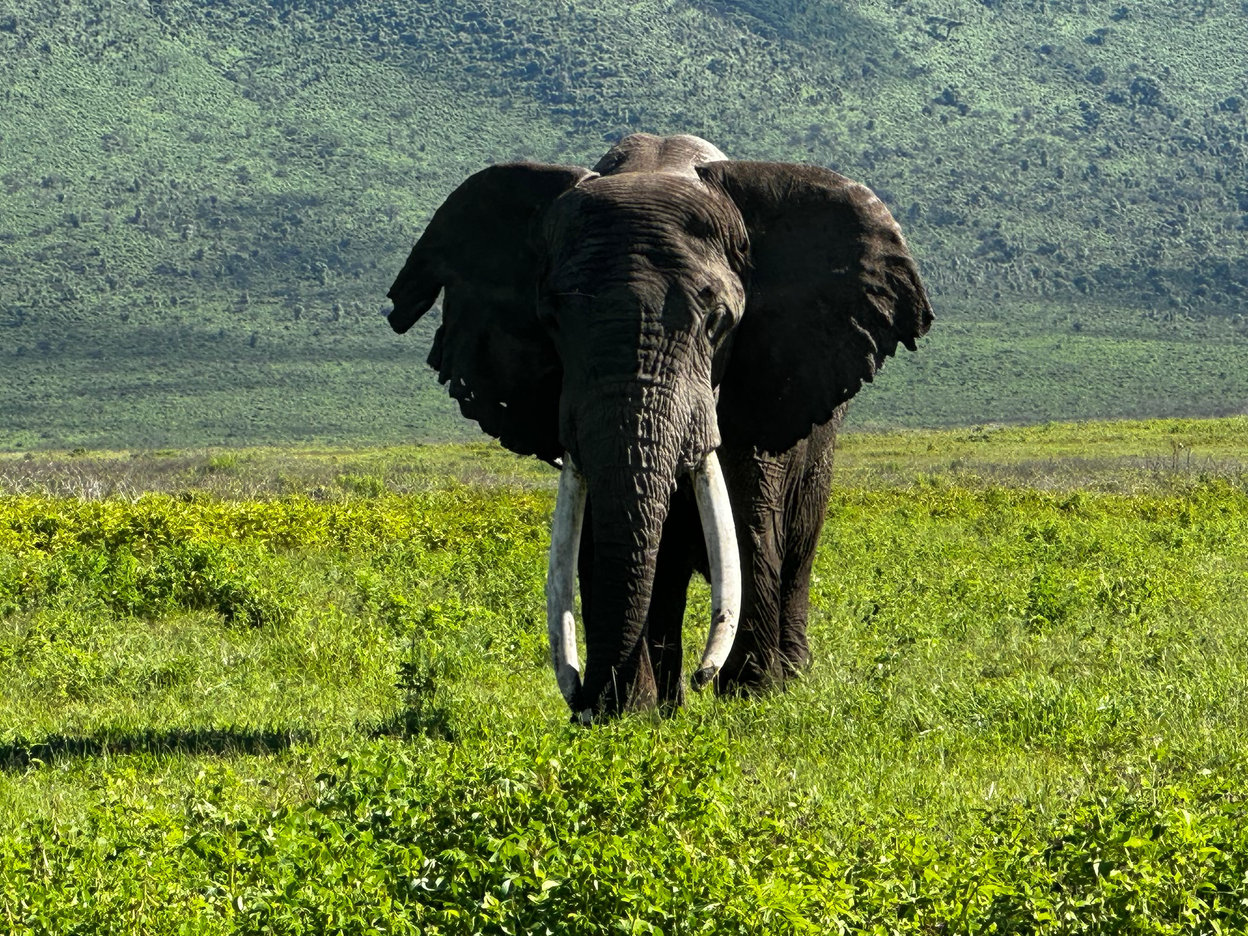
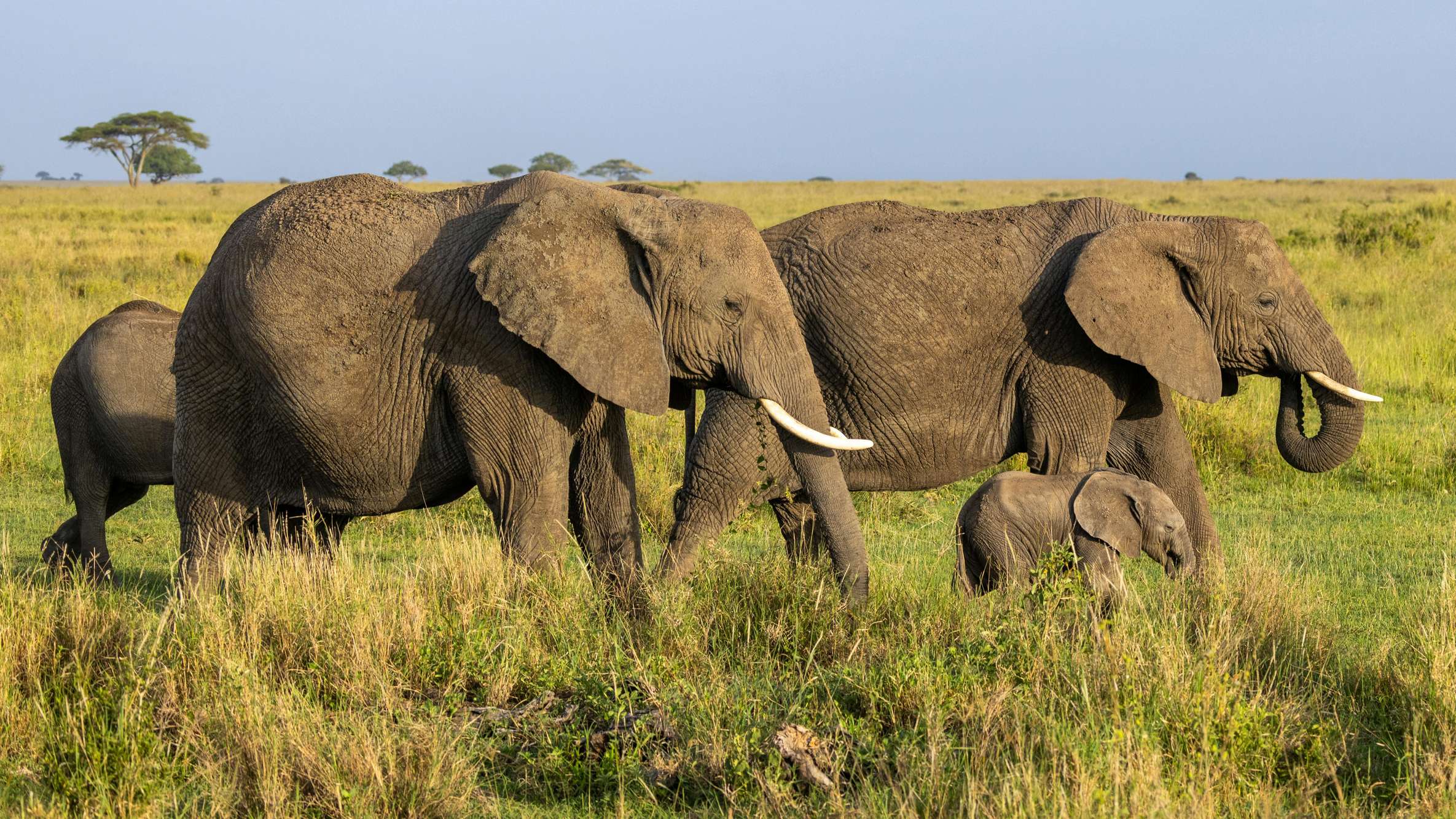
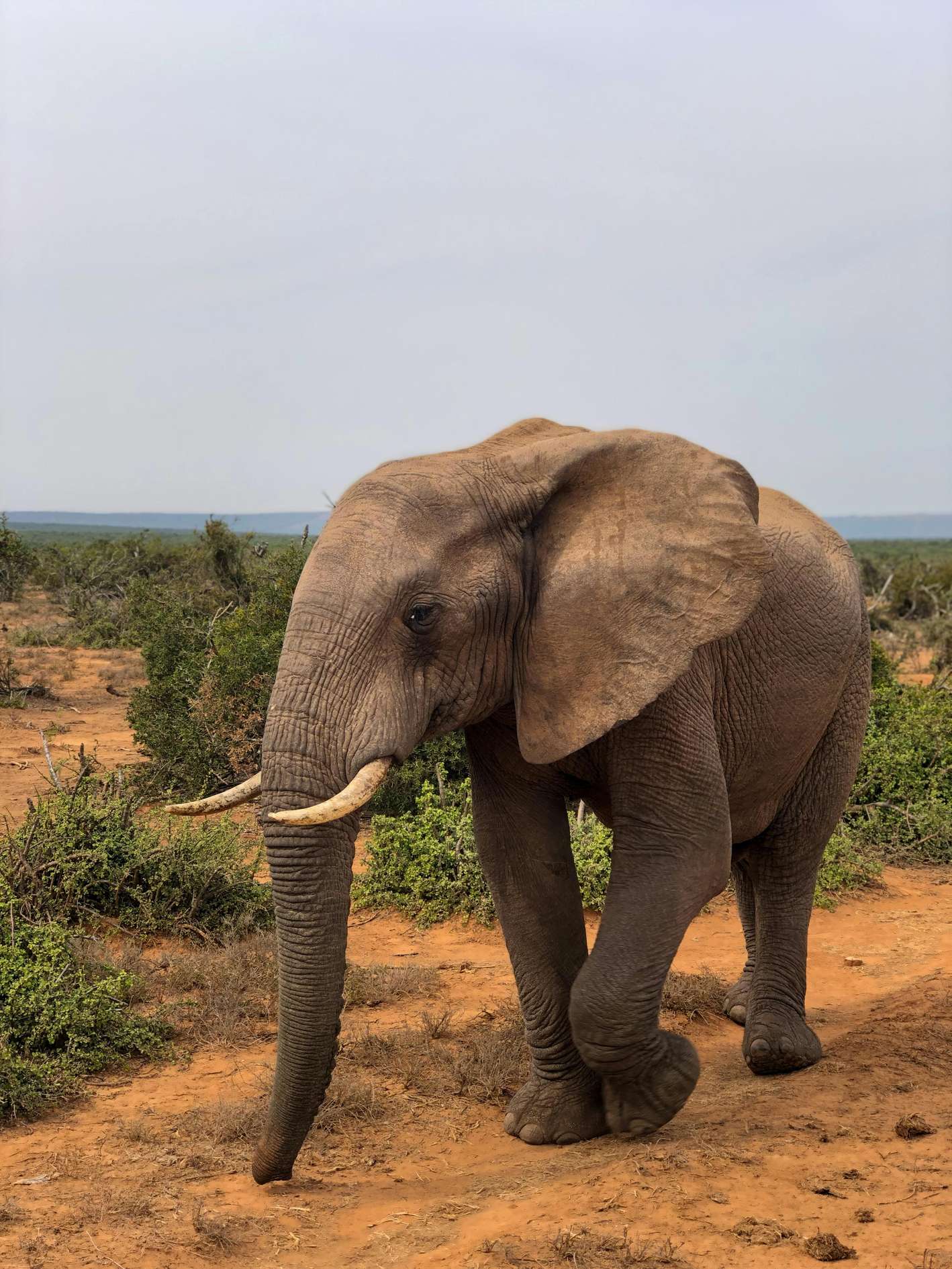
Tarangire earns its place with massive elephant herds, at their peak June through September and again January into February, plus giraffes, lion prides and leopards.
The Arusha: 3-Day Serengeti & Ngorongoro Crater Big Five Safari runs the two-park sprint with all park fees, camping and meals in the price, if three days is what you have.
Tour for this
Arusha: Best 3-Day Safari to Serengeti & Ngorongoro Crater5.0★ (4) · 3 days · Hotel pickup · Free cancellation
Group camping or private 4x4 lodge safari - which suits you
Shared seats and private vehicles differ less on money than most people expect.
Two people traveling together often pay only marginally more to go private and keep the whole vehicle to themselves. ::choose How to choose a group-joining or private overland safari Vehicle exclusivity | A shared seat means other travelers set the pace at sightings | The lead circuit offers a private camping option with your own 4x4 and guide Park fees inside the price | Gate charges stack up daily and are easy to underestimate | The 3-day Big Five Safari bundles entry, transit, concession, camping and crater fees Minimum headcount | A shared departure can be affected by how many book on | If the group fails to fill, operators often run it anyway as a private trip Meals and camp crew | Budget camping varies widely on who cooks and cleans | A professional safari chef travels with the crew on the lead circuit
What you buy with the private option is control: your departure times, your drive lengths, your pace at every sighting. A shared seat buys the campfire instead.
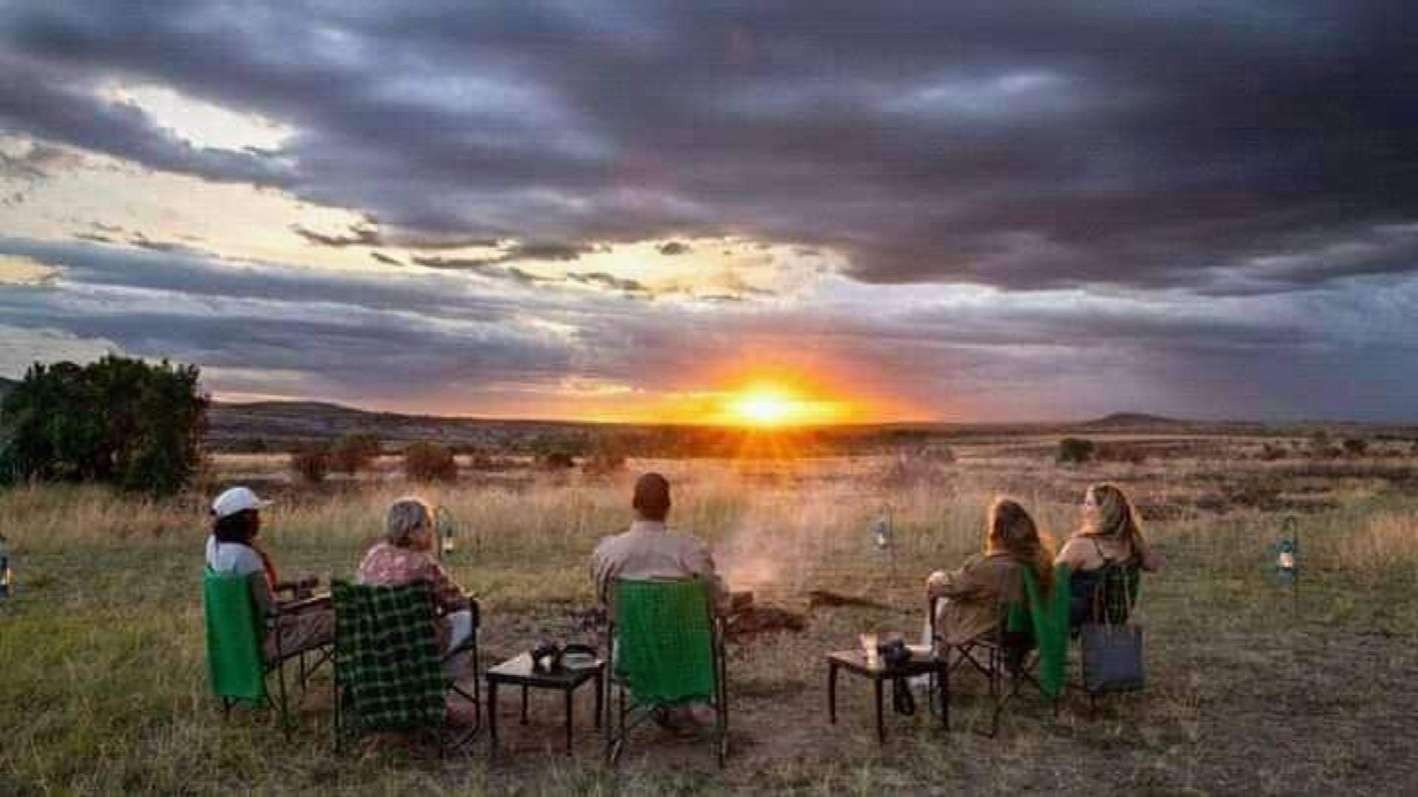
Basic camping safaris carry an evening social buzz around the fire, and camping inside the park means wild animals roam directly past the tents at night.
One reassuring detail on group departures: if a scheduled group fails to fill, operators frequently run the itinerary anyway, giving you a private driver and vehicle for the shared-seat price.
Solo travelers do best joining these pre-scheduled small groups and skipping single supplements entirely; the 4 Days Tarangire, Serengeti, Ngorongoro Group Camping Safari is exactly that format, with park fees, guide and meals included.
Tour for this
Arusha: Ngorongoro Crater Day Trip with Wildlife Viewing5.0★ (3) · 2 - 8 hours · Hotel pickup · Free cancellation
The stretch from Naabi Hill Gate to Central Seronera covers roughly 45 to 60 kilometres of dirt road. Driven straight it takes an hour and a half; with stops, two to three hours, and stopping is the point. Viewing begins the moment you clear the gate, well before any formal game drive.
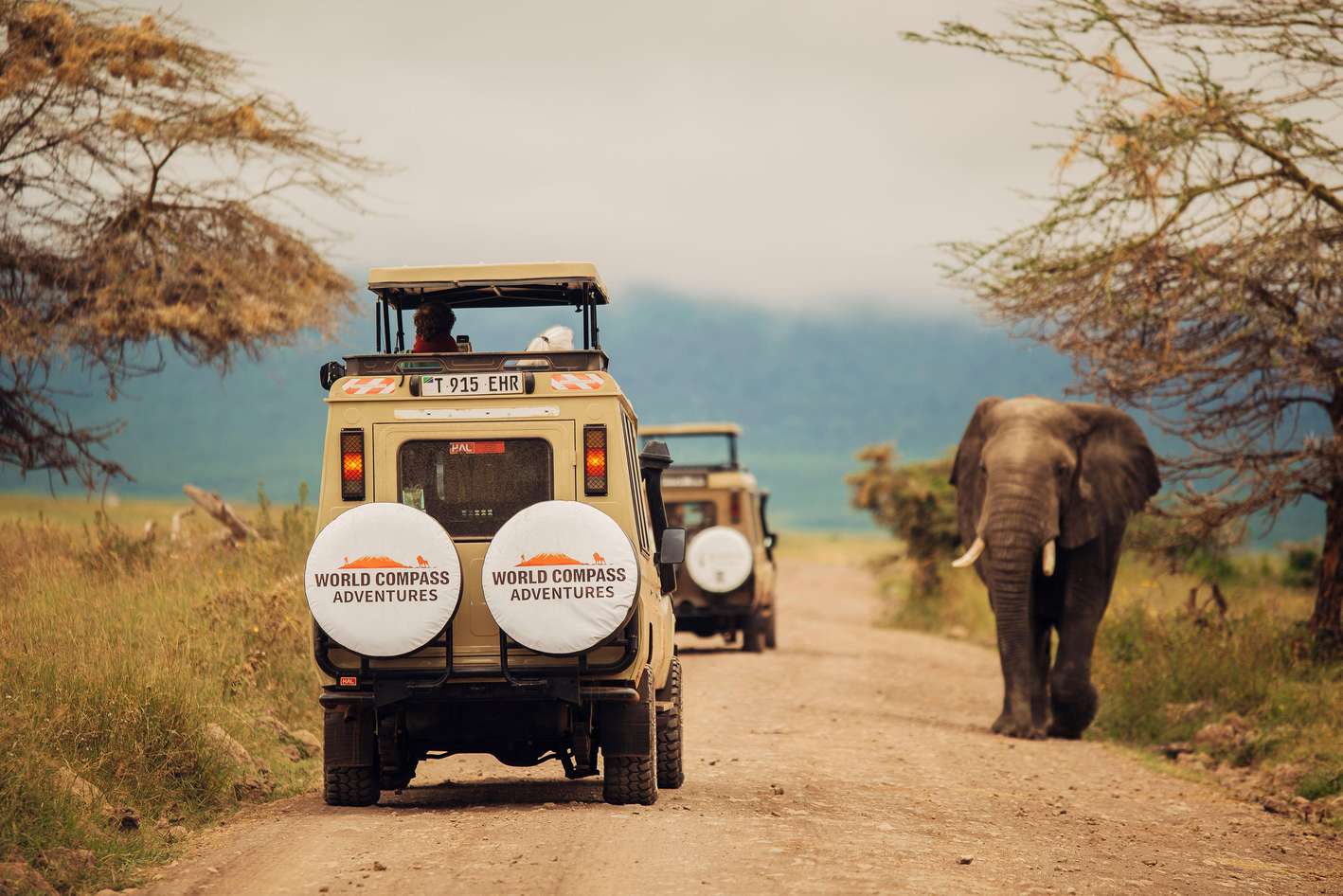
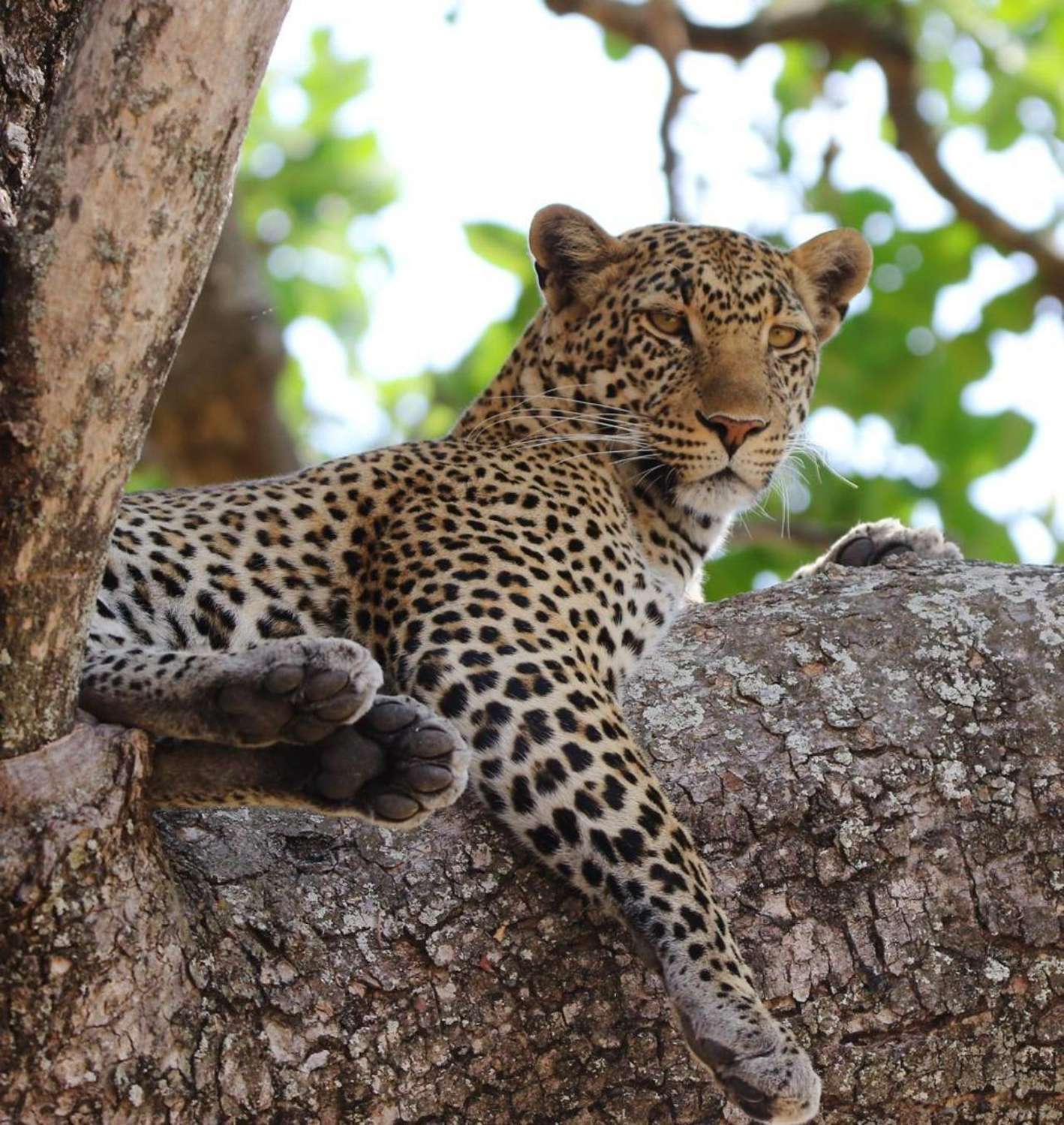
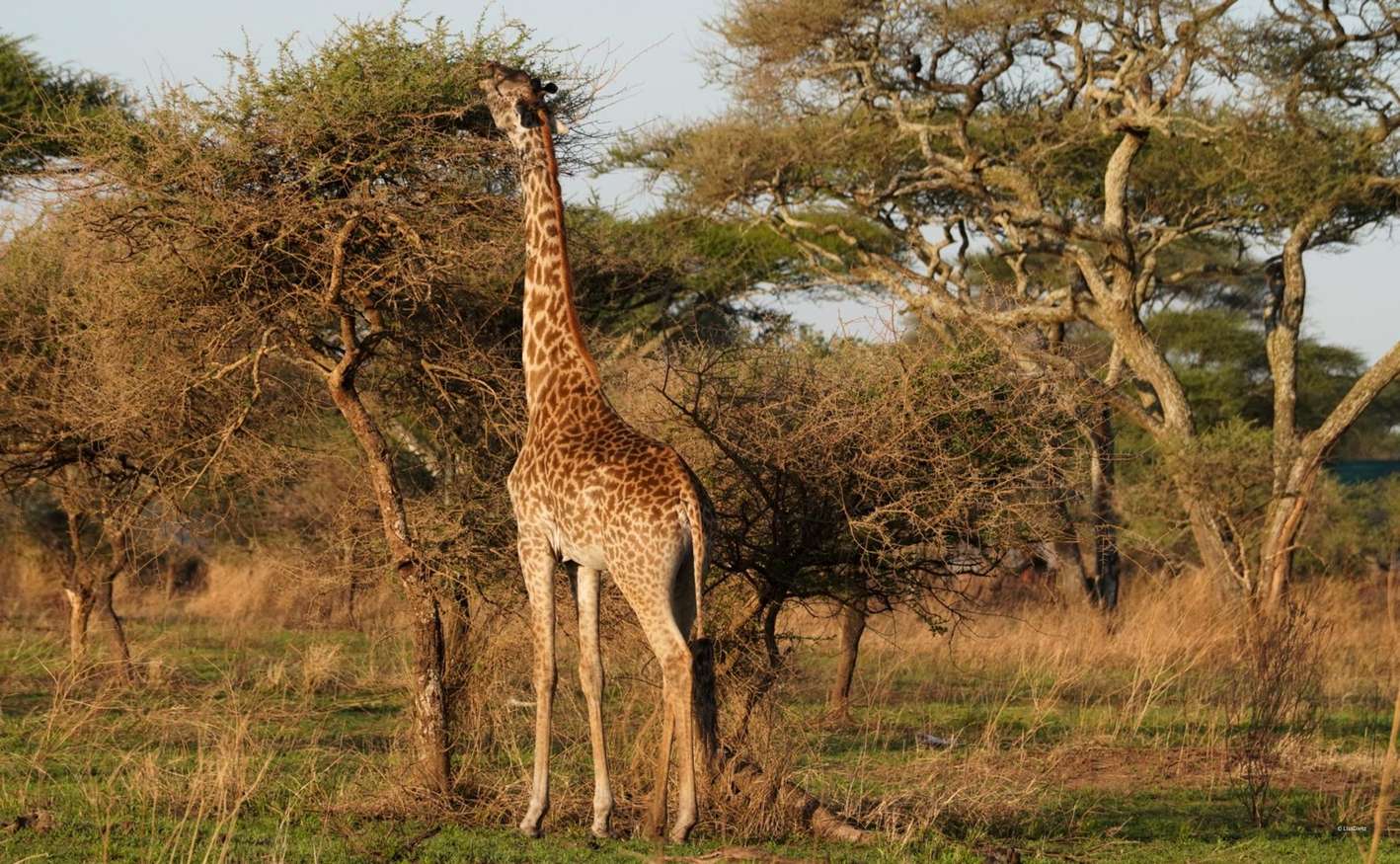
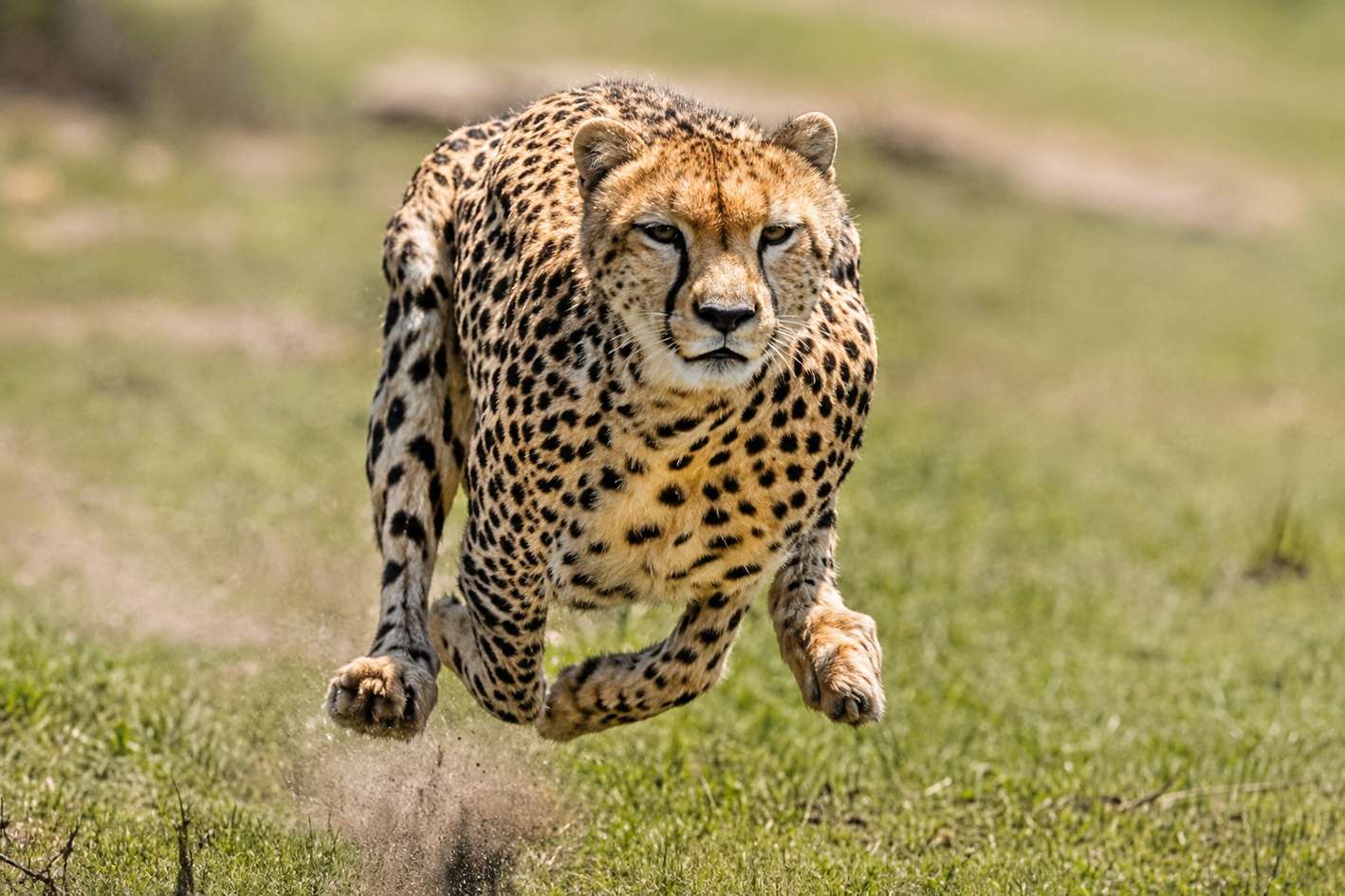
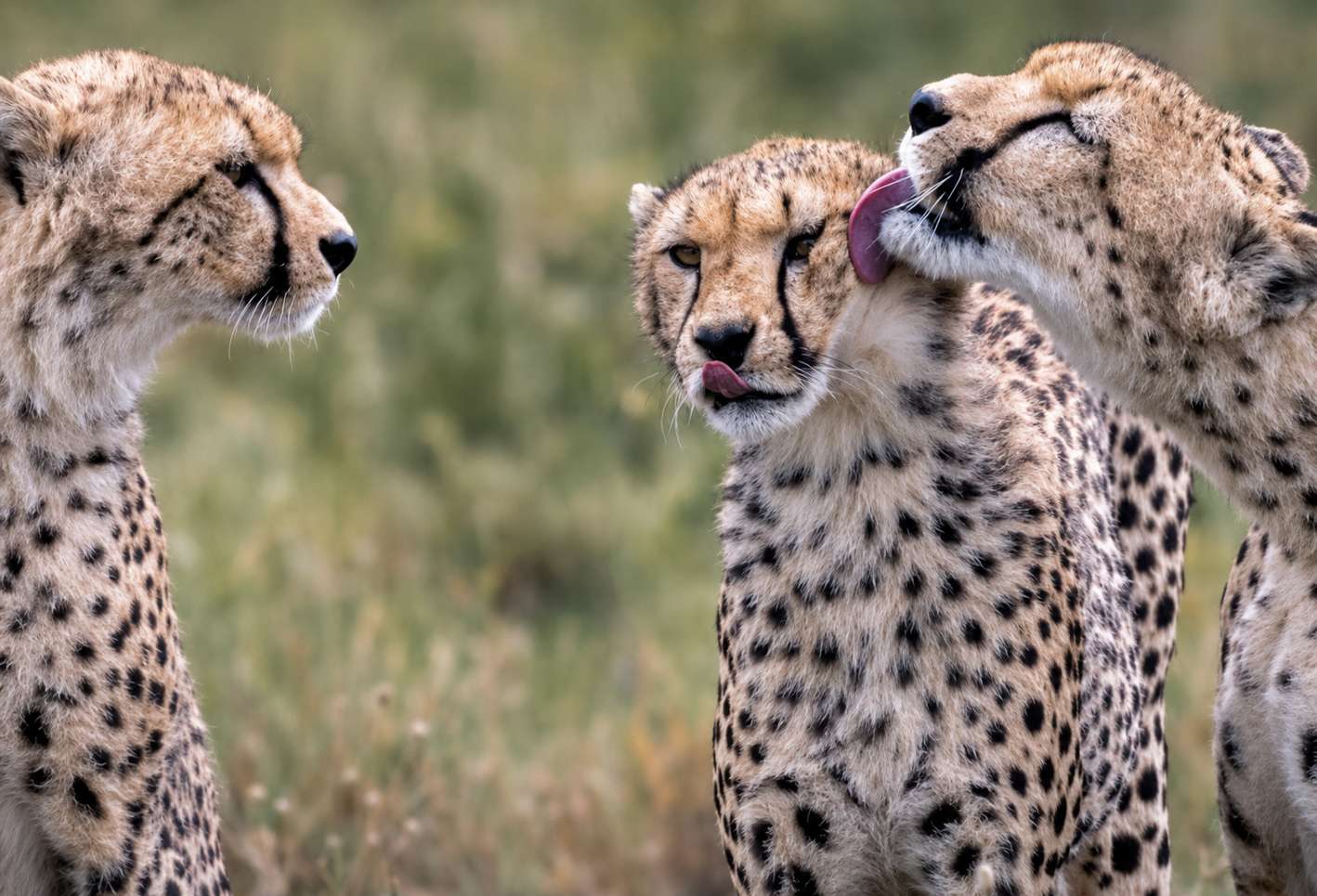
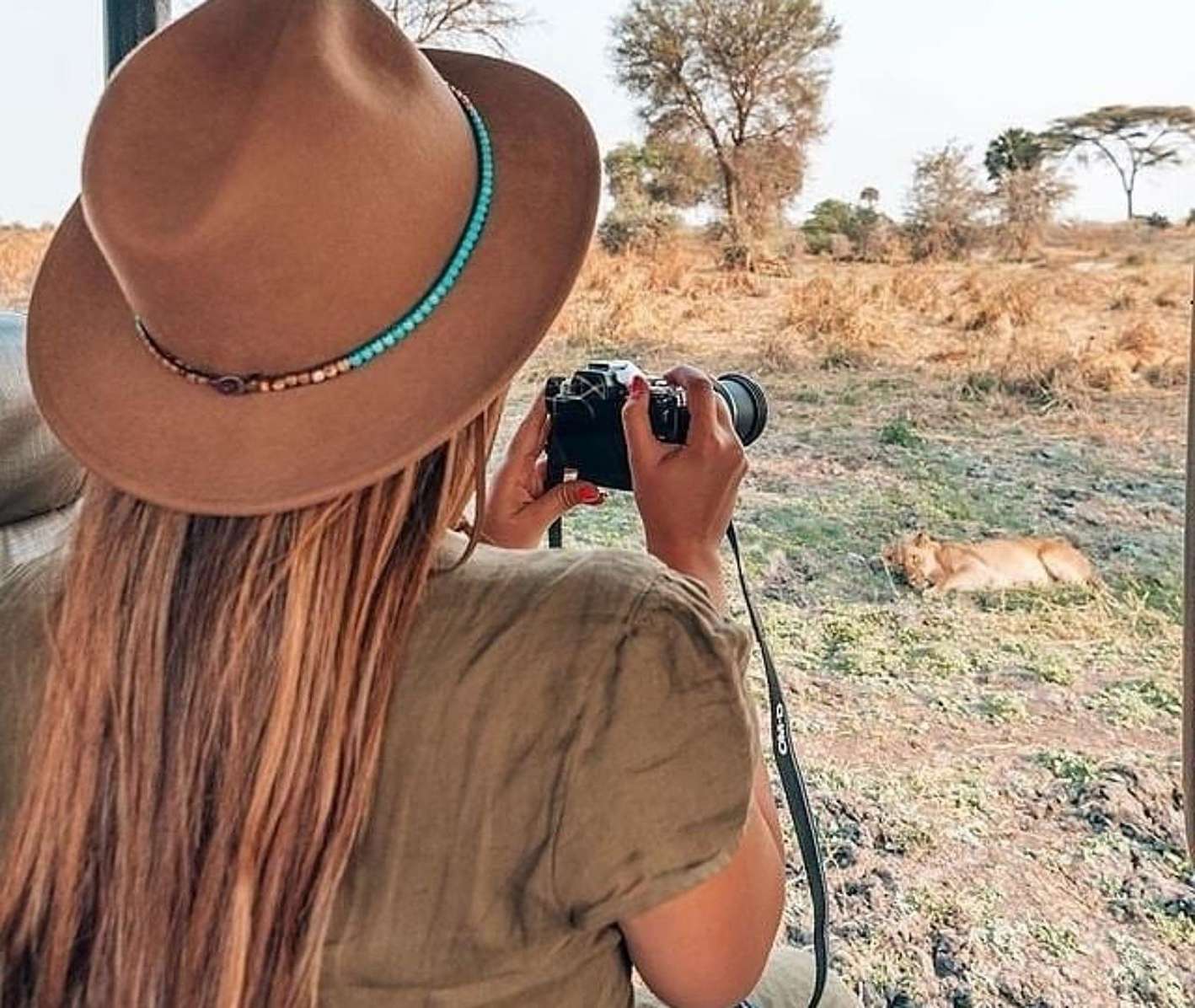
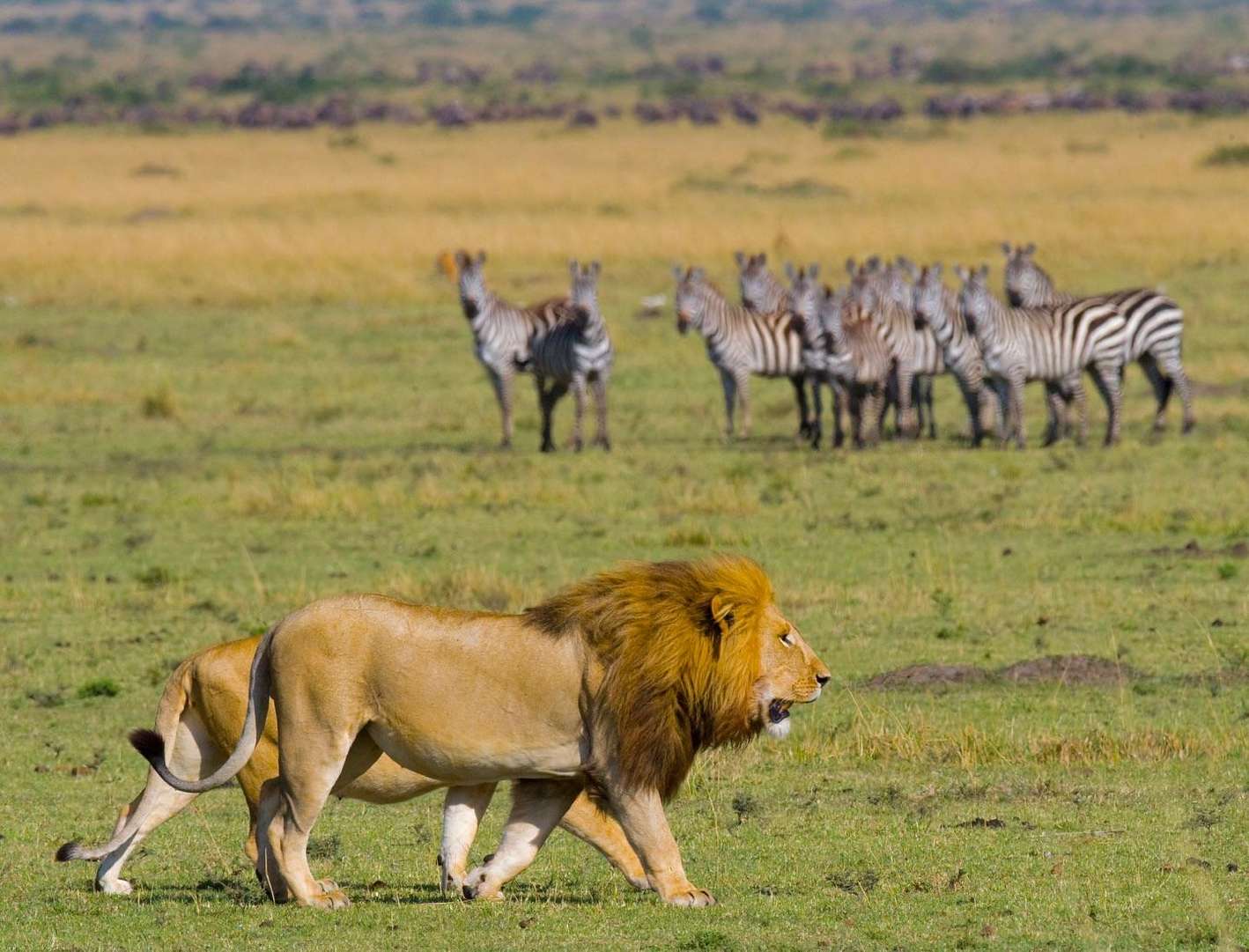
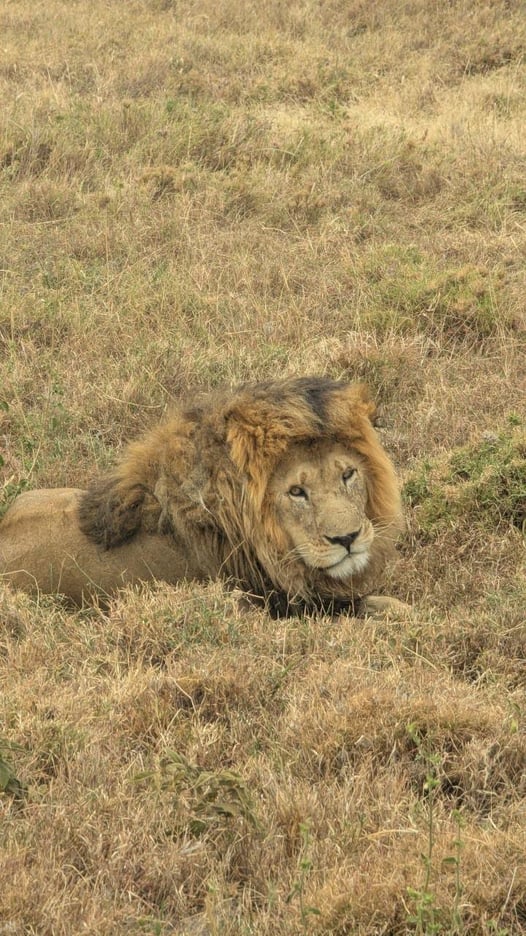
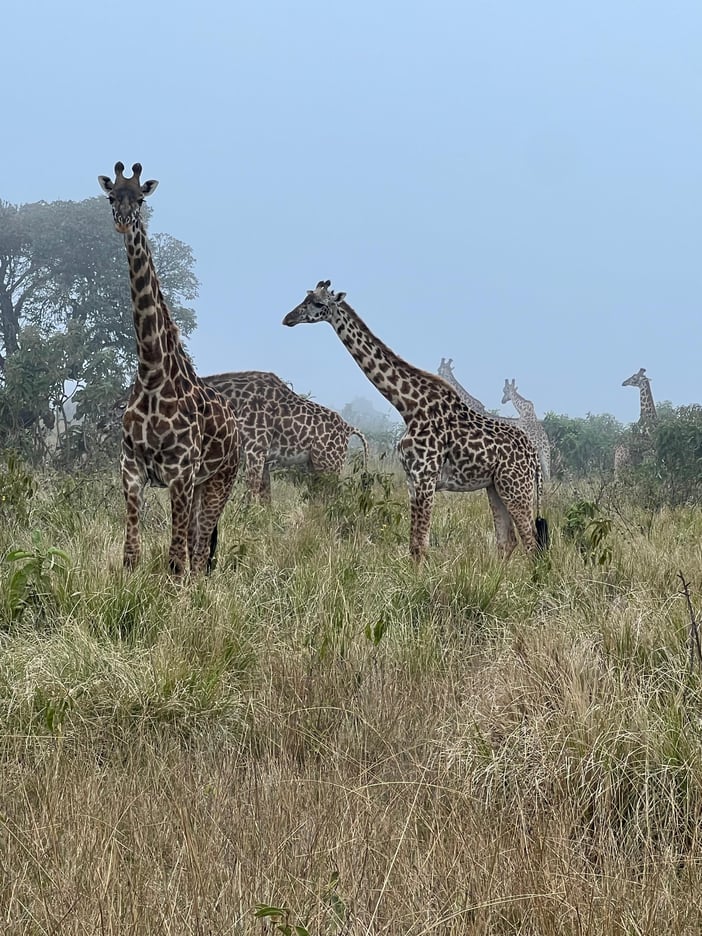
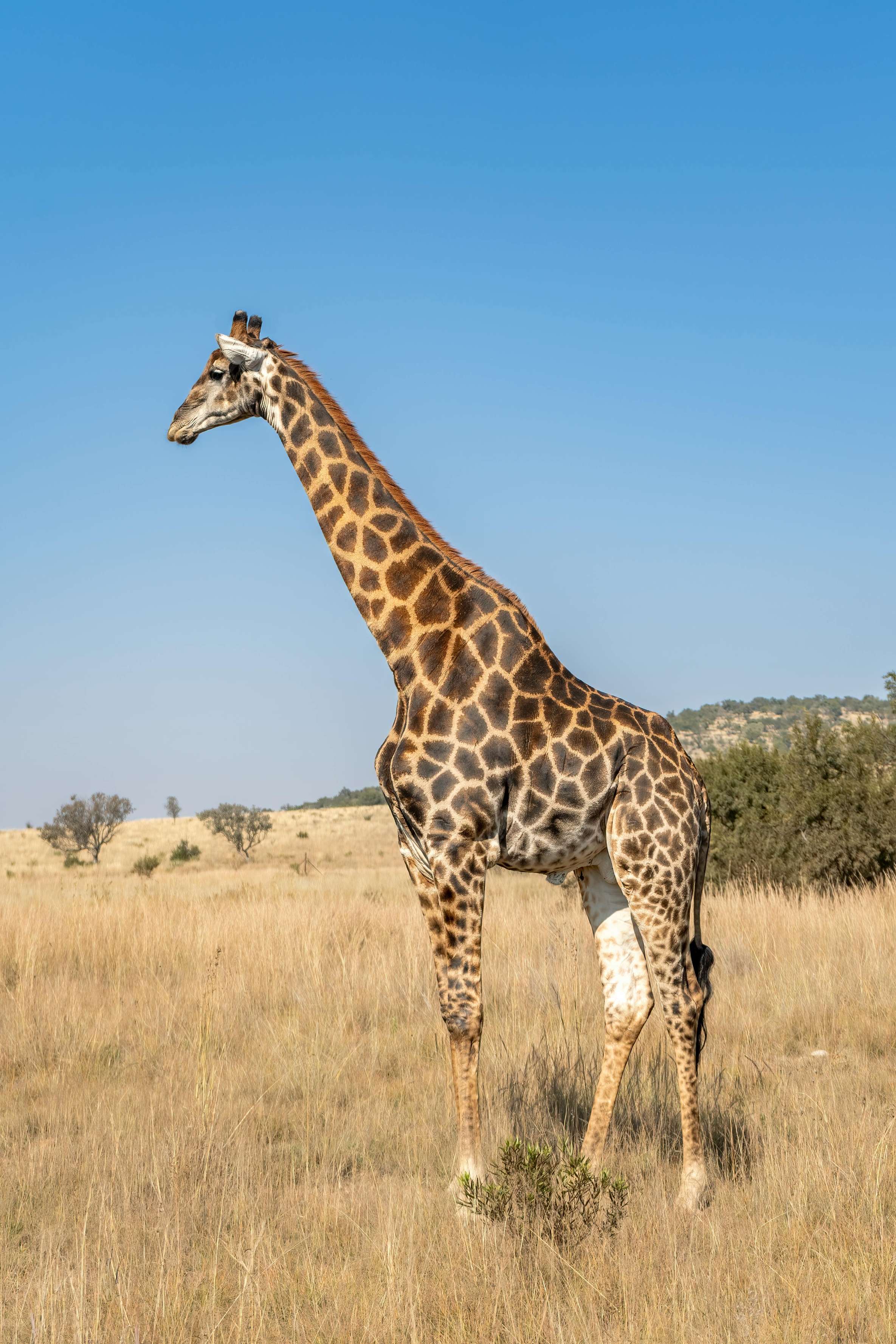
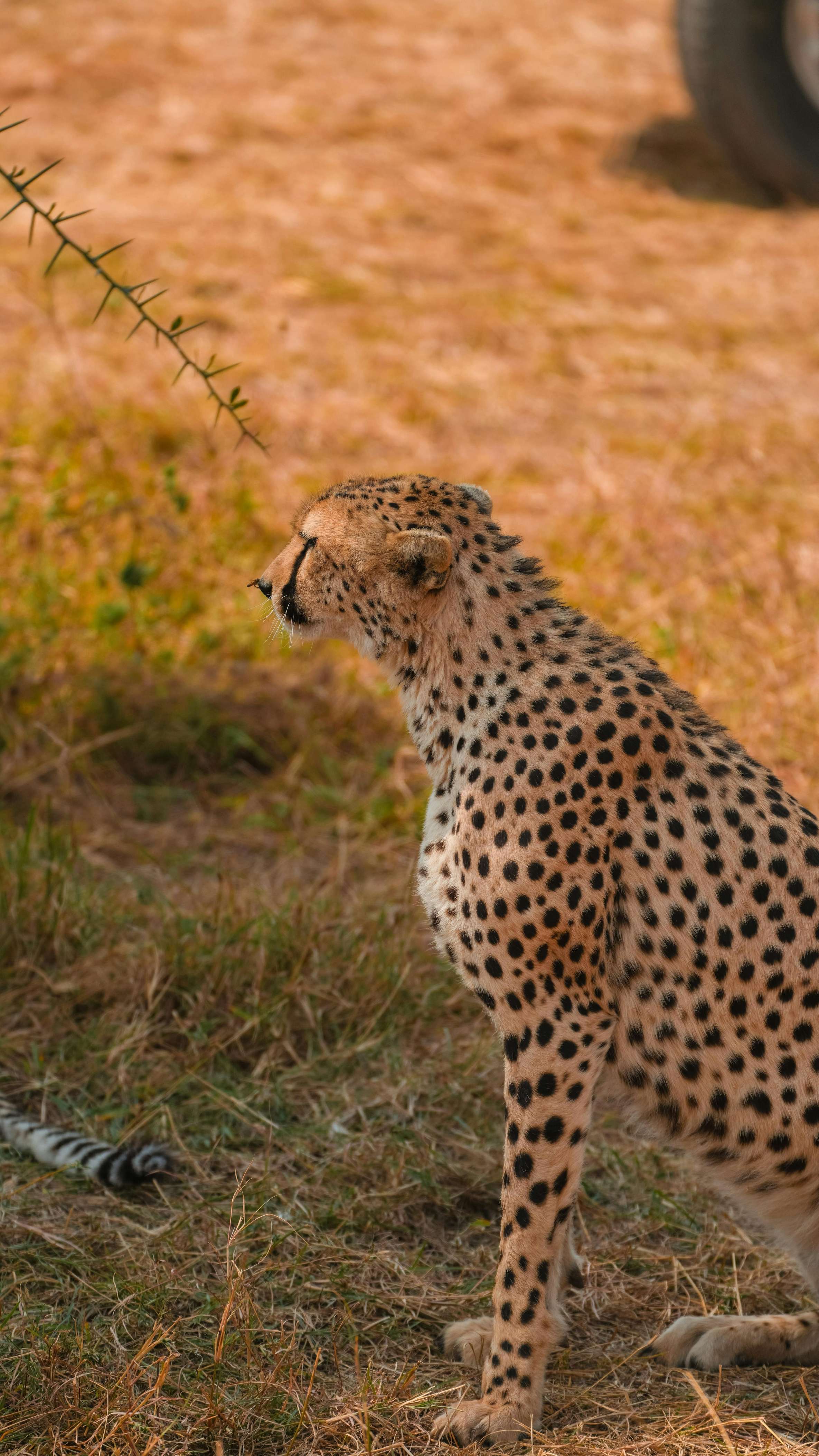
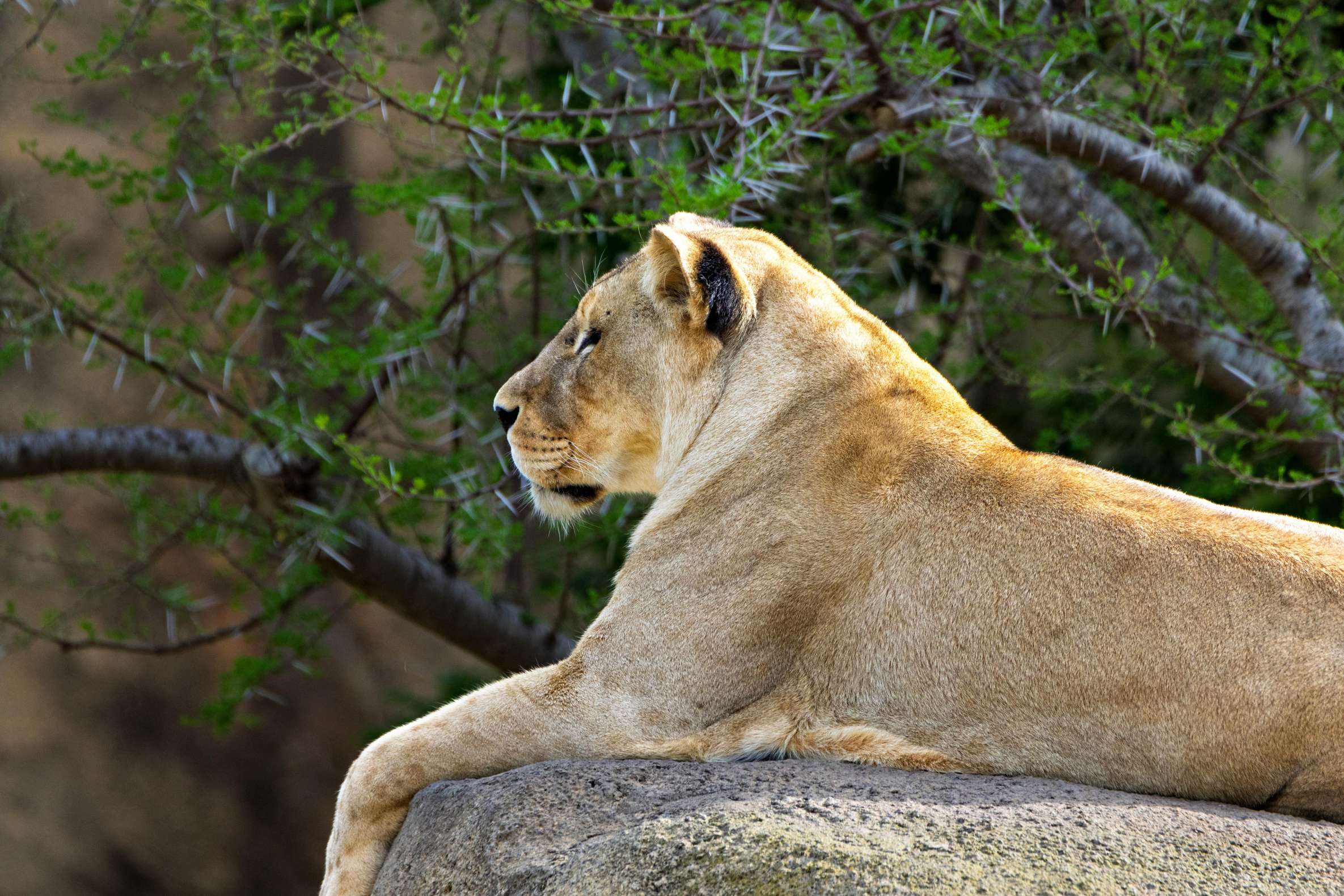
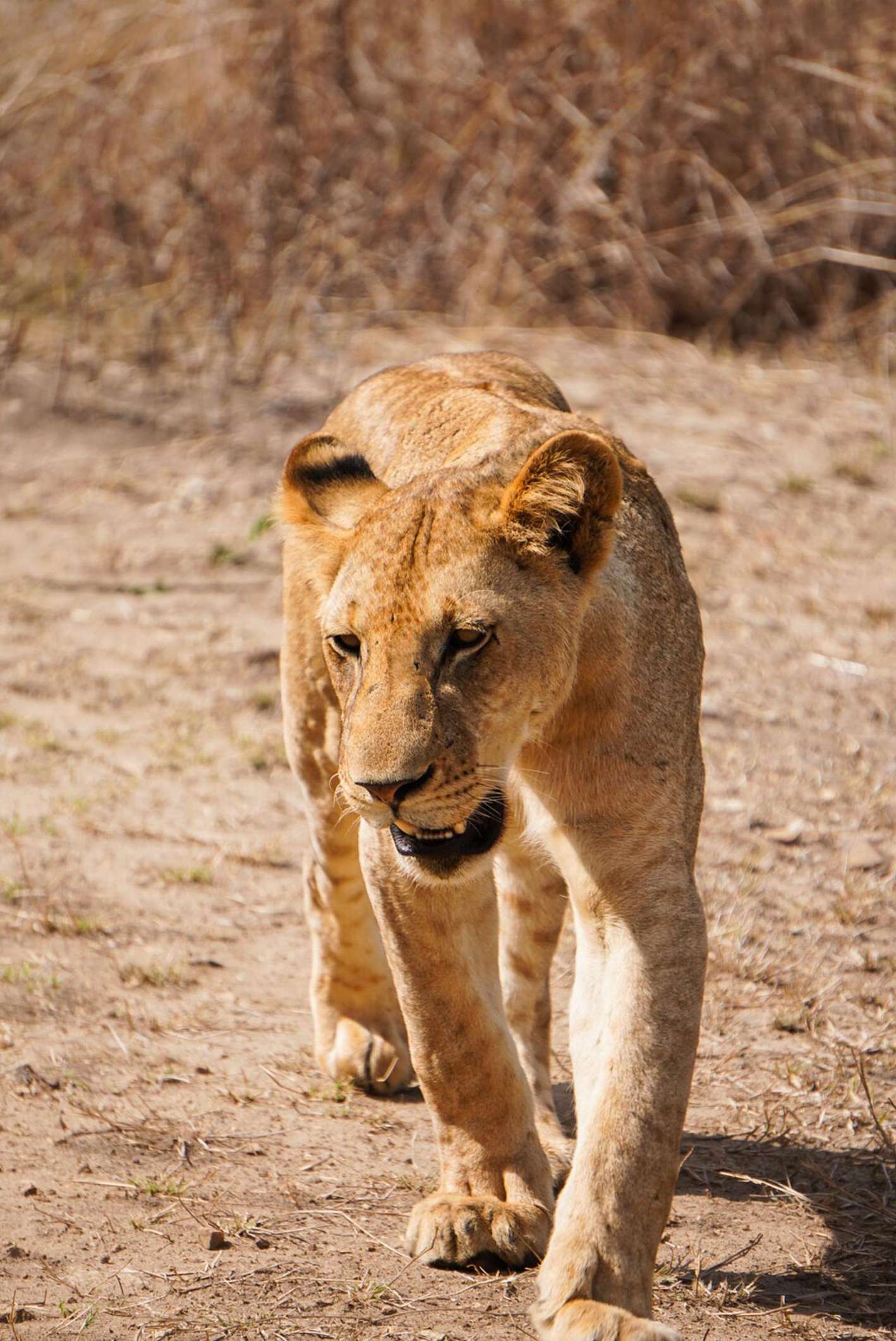
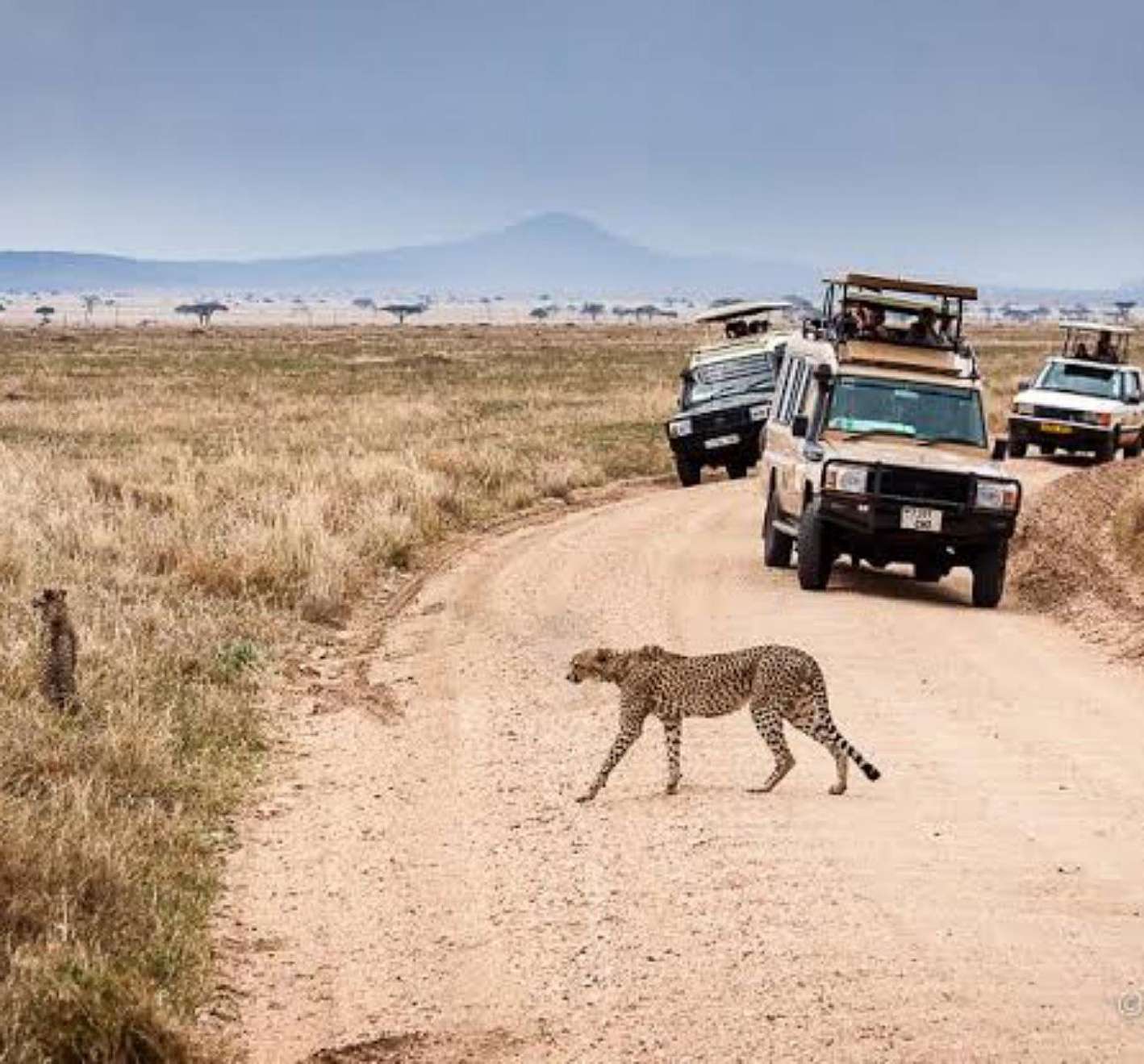
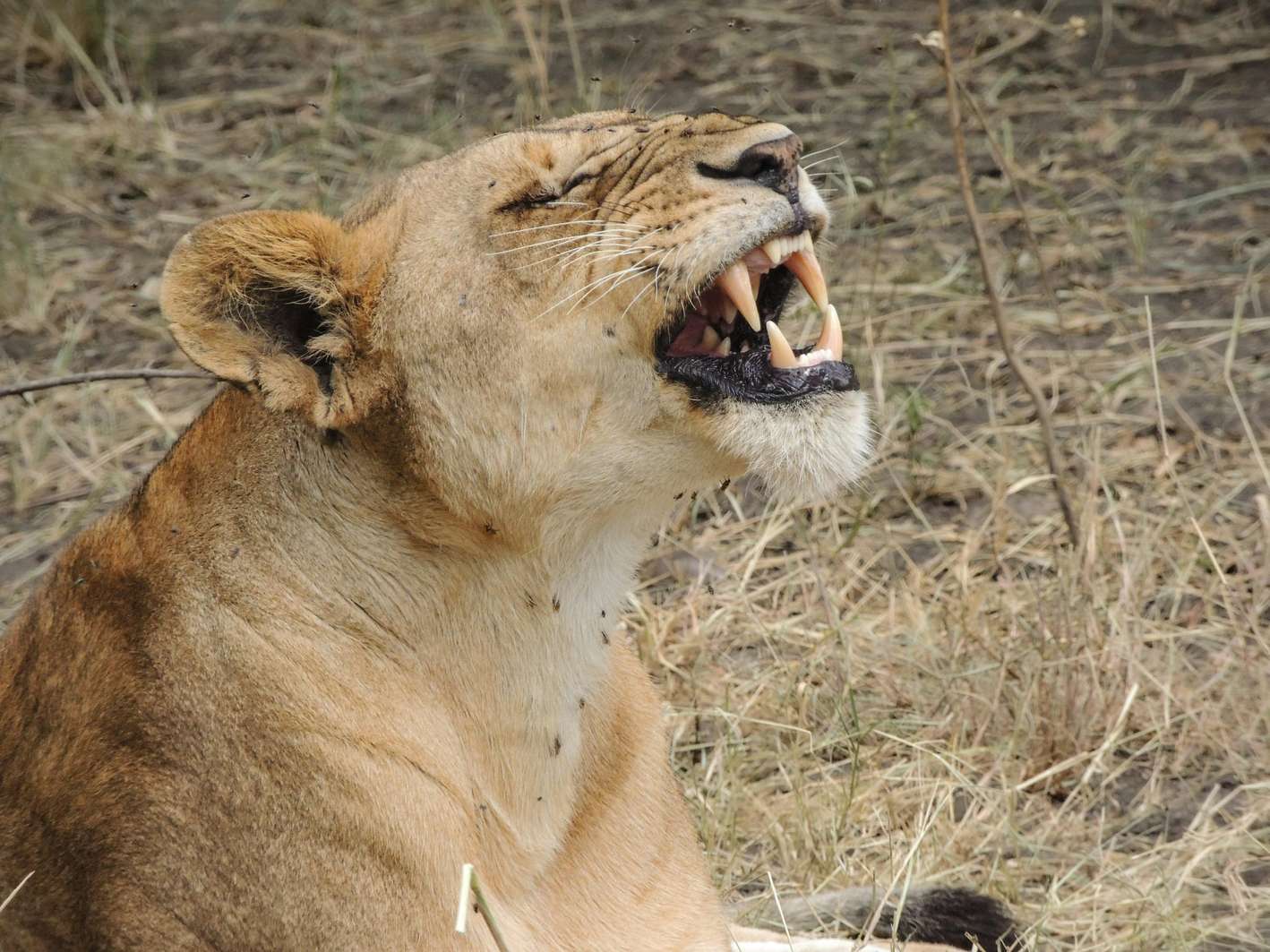
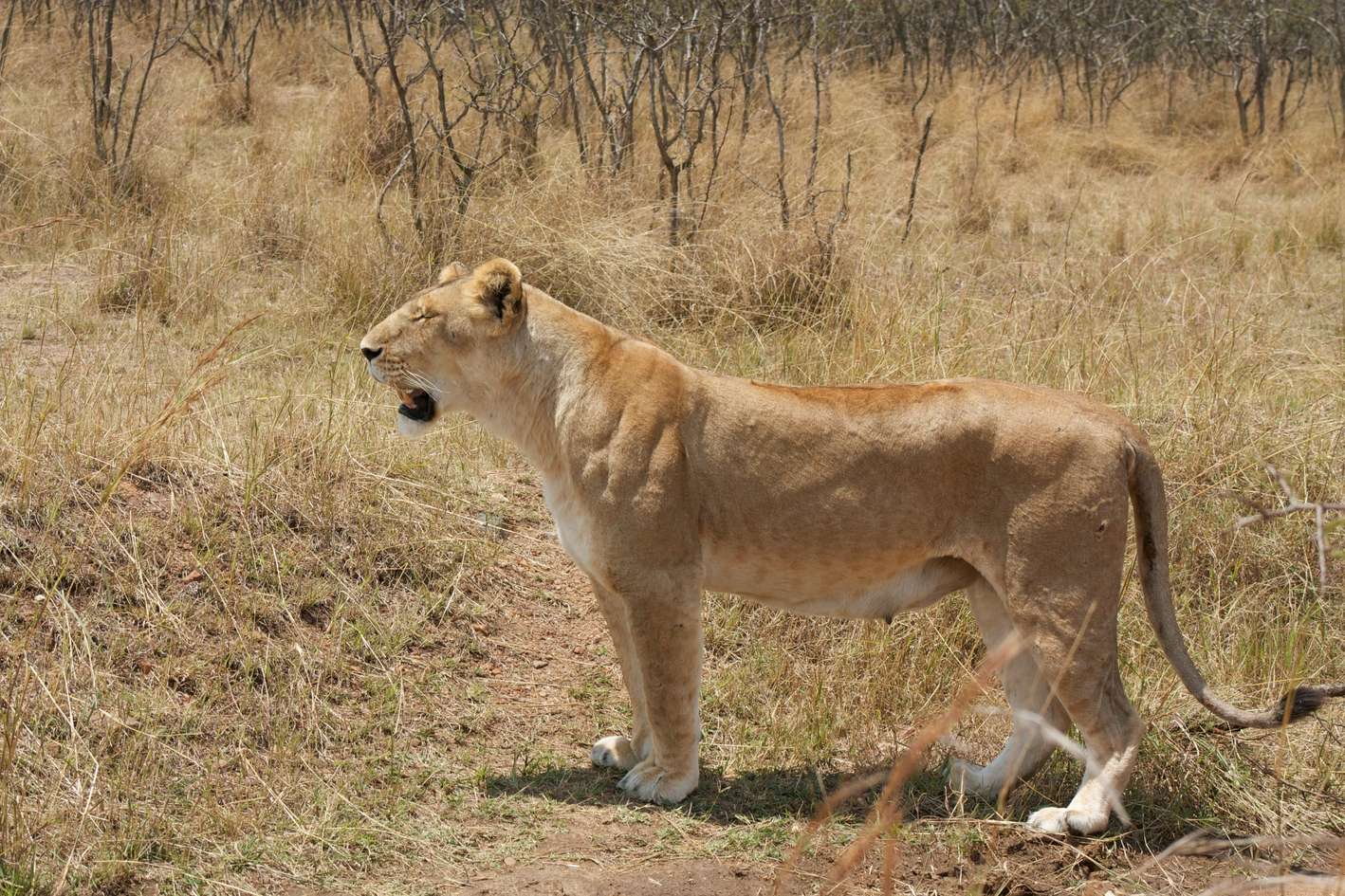
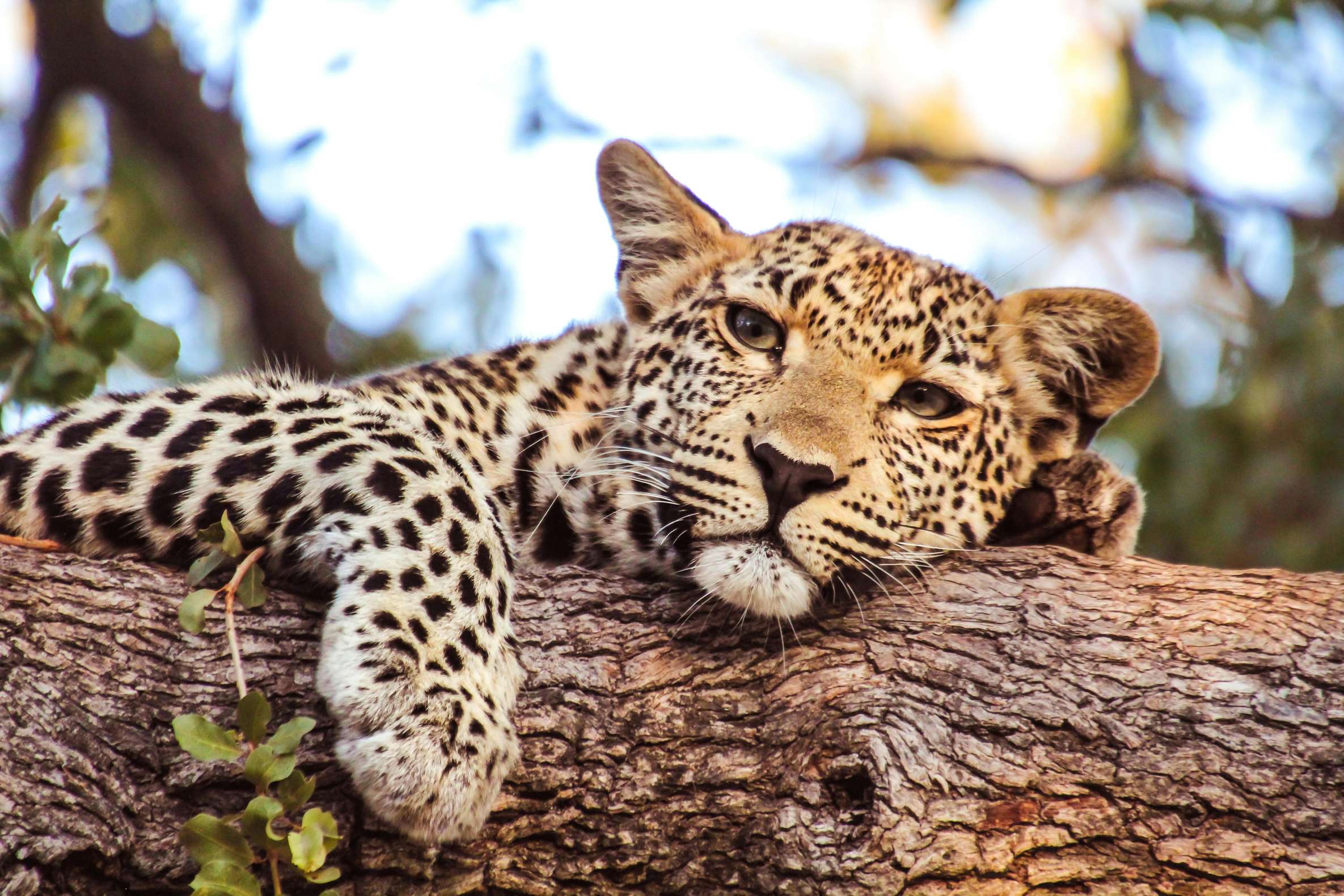
Zebras and gazelles show up first, often in numbers, with wildebeest behind them. Giraffes step across the track. Elephants come and go. And the predators that people fly thousands of kilometres for, lions, cheetahs, leopards and hyenas, appear on this road often enough that guides treat the transit as working game time.
A traveler's note
An incredible, indescribable experience! Everything perfectly organized, friendly staff, delicious food, ideal accommodations. No luxury needed on safari. Our experienced guide showed us all the Big Five. Thanks for this unforgettable time!
No sighting is ever guaranteed, because the animals roam free. What your guide does instead is work the radio: drivers across the park call each other in when someone finds a lion pride or a cheetah on a kill, so a rare cat is rarely missed by the vehicles that want it.
Tour for this
Arusha: 3-Day Serengeti & Ngorongoro Crater Big Five Safari4.7★ (75) · 3 days · Hotel pickup · Free cancellation
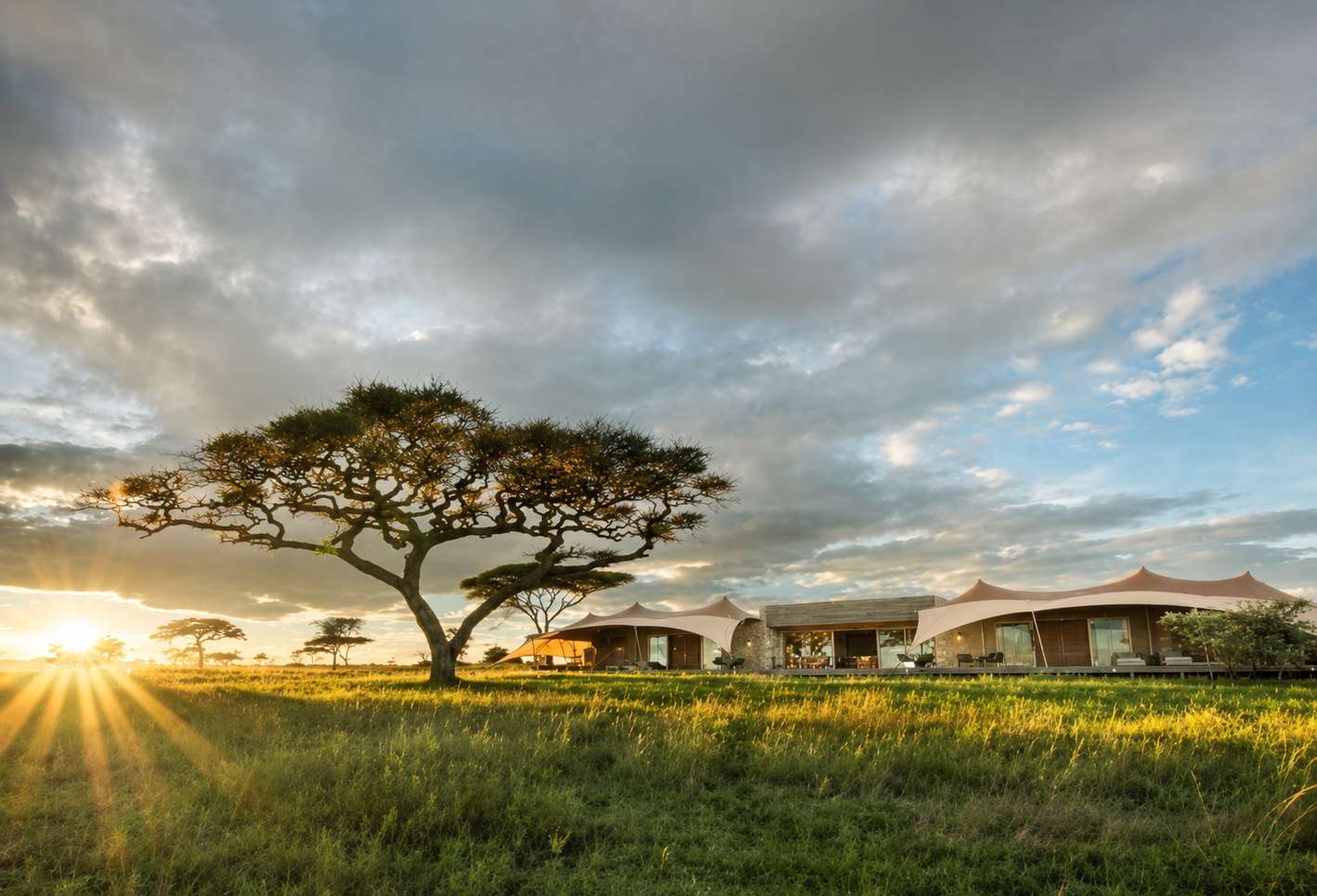
Campsites and tented lodges - where you sleep on circuit
Your nights on circuit come in two broad grades, and both have character. The budget option is a public campsite like Simba Camp on the crater rim or Seronera in the Serengeti: ground tents, foam sleeping mattresses, sleeping bags, and basic shared bathroom blocks.
What you remember from these places is not the plumbing but the night sounds, because wild animals frequently walk straight past the tents.
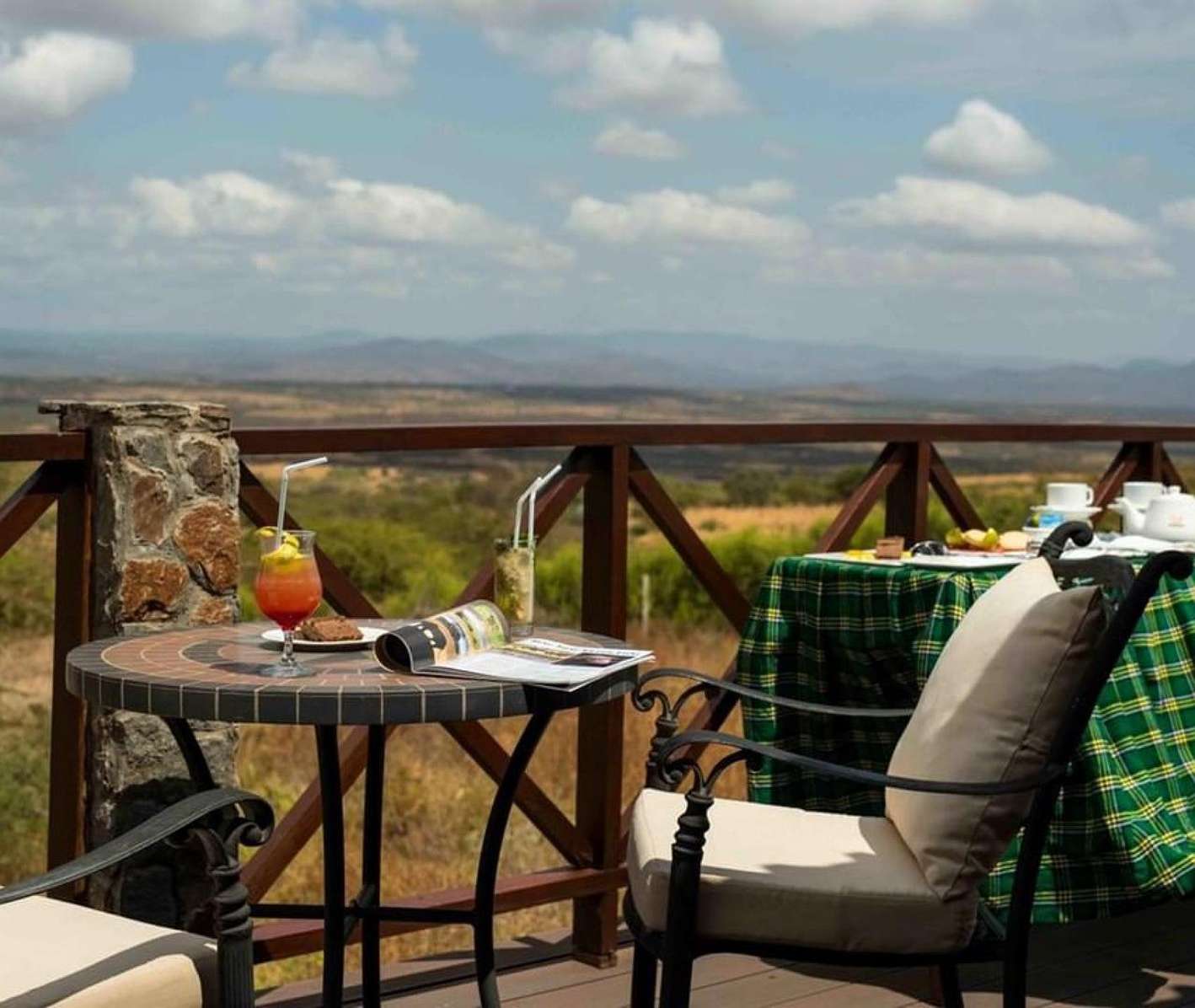
One level up, mid-range permanent tented camps put you in standing canvas with a real bed and a private en-suite bathroom, flush toilet and hot water included. Luxury bush camps trade air conditioning for overhead fans and hot bucket showers, which fits the bush better than it sounds.
What nobody tells you
Solar-powered camps often limit in-room power to lighting
Charge cameras and phones in the main common area, not your tent
Group camping chefs handle every meal
Tell the operator about allergies or vegetarian and vegan needs when you book, not at dinner
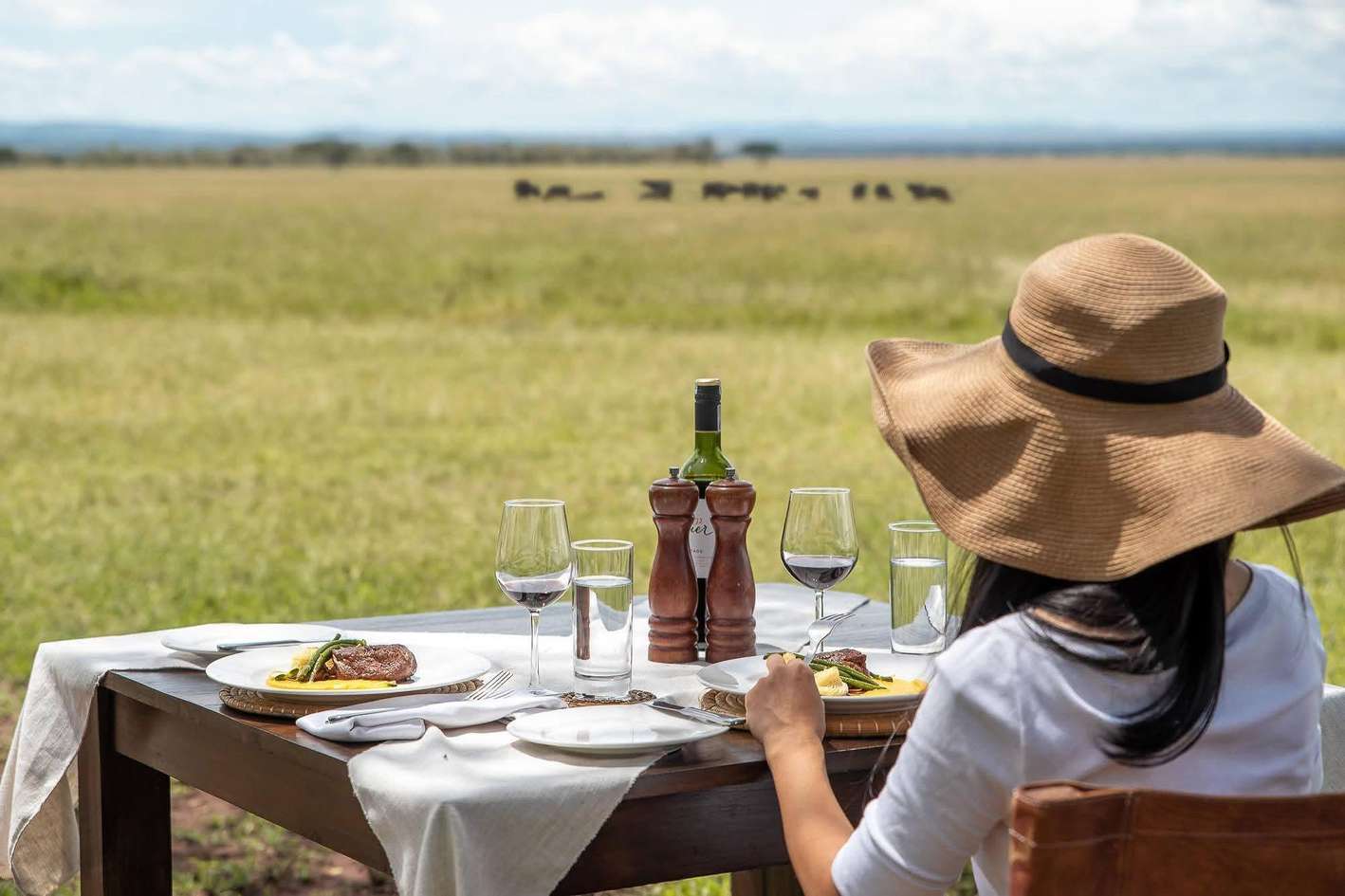
The chores sort themselves out either way. On classic group camping tours a professional safari chef travels with the crew and cooks full-board breakfast, lunch and dinner, and operators handle vegetarian, vegan and allergy requests when you flag them in advance.
Packing for dust, tsetse flies and cold crater nights
The unsealed road between the crater rim and Naabi Hill is paved with fine volcanic soil that traffic and dry wind lift into clouds of silt, and that silt finds its way into any vehicle.
A tight-fitting N95 mask or a snug buff pulled over your nose and mouth is the practical defense, paired with wraparound sunglasses to keep grit out of your eyes.
What to pack for dusty Ngorongoro-Serengeti transit
N95 respirator maskFilters fine airborne road silt and dust kicked up by passing vehicles far more reliably than standard cloth.
Buff or tubular bandanaKept around the neck and pulled up over your nose and mouth whenever dry gravel roads kick up dust clouds.
Wraparound sunglasses or gogglesShields your eyes from blowing grit and UV glare, keeping sand particles from getting behind contact lenses.
Lightweight long-sleeve shirtProtects your arms from coating in volcanic dust while staying breathable in warm vehicle interiors.
Smooth windbreaker or light jacketActs as an easy-to-shake-off outer layer against grime and cuts early morning wind along the high crater rim.
Wide-brim hat or capPrevents dust and sand from settling directly onto your scalp and hair under an open vehicle roof.
Closed-toe walking shoesStops fine gravel and chalky dirt from gathering around your feet during transit drives and road stops.
Colours matter more than fashion here. Dark blue and black attract biting tsetse flies, the same shades used on baited fly traps, so leave the navy and denim at home.
White soils fast from blowing dust, red and orange startle wildlife, and military camouflage is illegal for civilians in Tanzania. Khaki, olive and beige carry you through everything.
Layer for the swing in temperature: lightweight long sleeves under a smooth windbreaker handles the dust and the chilly morning drive along the crater rim, where campsite nights fall to around 5°C. Closed-toe shoes, a sun hat and a warm jacket finish the kit.
Tour for this
Tanzania Join Groups Safari Tarangire Serengeti &Ngorongoro4.0★ (1) · 1 - 5 days · Hotel pickup · Free cancellation
Every circuit carries stacked fees, and it pays to know them before you compare packages. Serengeti entry runs per person per day, public camping adds its own nightly charge, Tarangire charges daily, and Ngorongoro Crater adds a flat vehicle descent fee on top of individual admission, a single charge that surprises many first-timers.
A guided package bundles all of this in, which is why the card prices look the way they do.
The gate rule that can stop the day
Park gates close at 6 pm and some admission points, including crater descents, stop earlier around 4 pm Follow your guide's departure times and never plan a late arrival at a gate
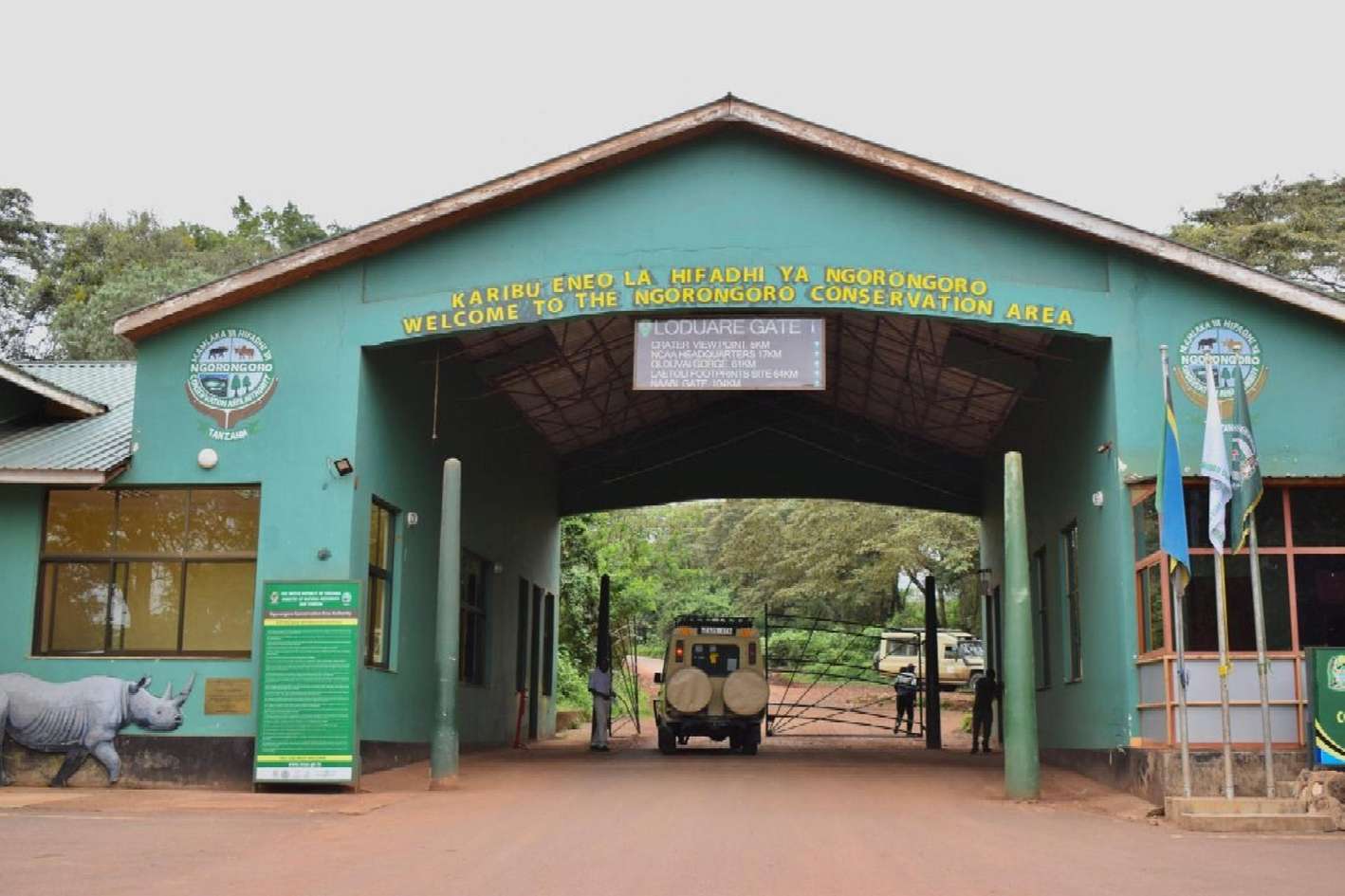
The gates are the other hard fact. TANAPA and conservation area checkpoints, Loduare and Naabi Hill among them, open at 6 am and close at 6 pm, and some admission points stop earlier, around 4 pm, including crater descents. Miss the evening curfew and the vehicle faces ranger sanctions or fines.
Paperwork is simple if your passport is right. Bring the original or a clear copy for park registration, keep at least six months of validity and a blank page or two, and sort your Tanzanian visa in advance through the official e-Visa portal or on arrival at Kilimanjaro.
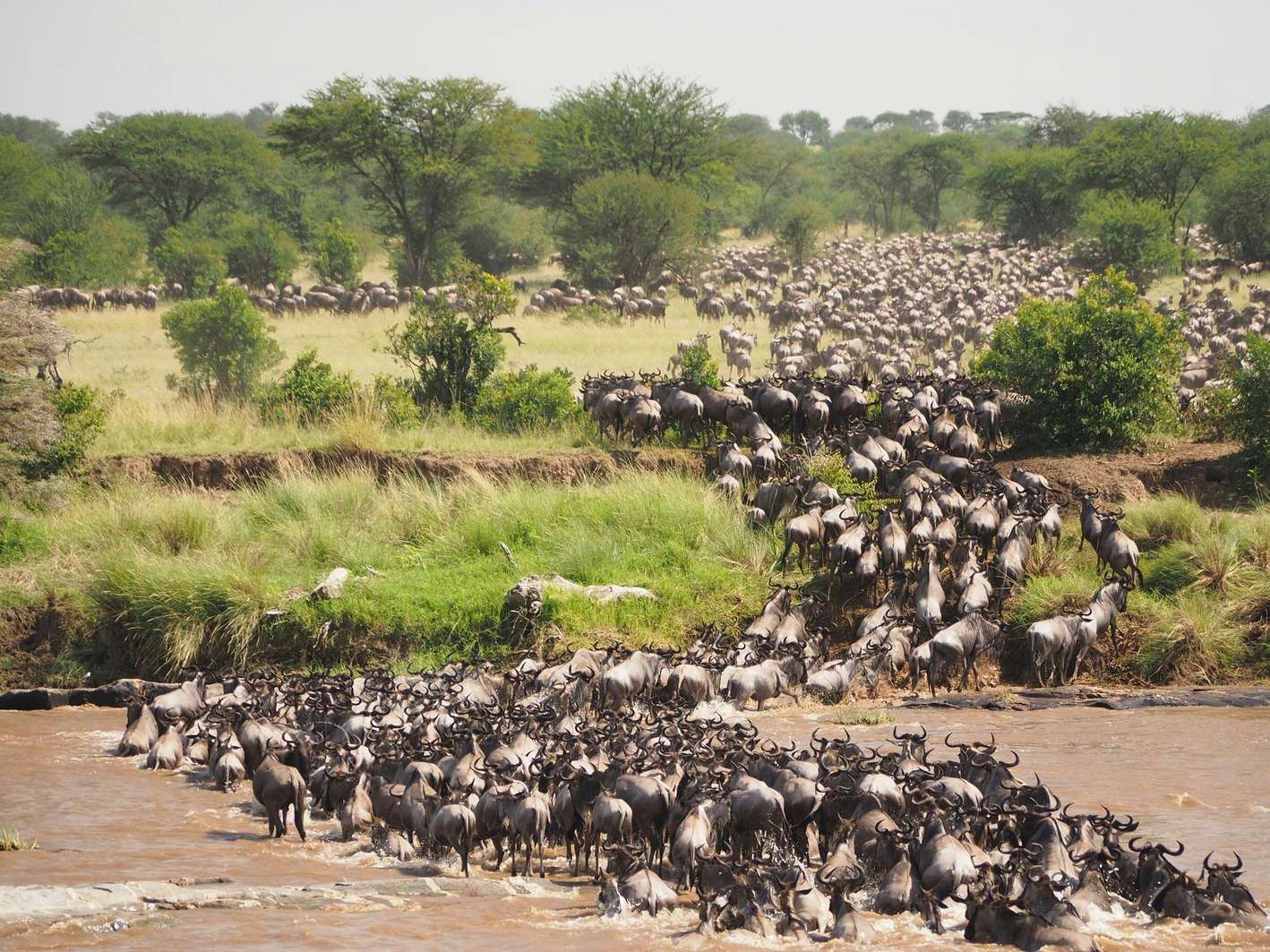
June to October is the dry season and the peak: 26 to 30 dry days a month, low rainfall, and the best odds on wildebeest and lions near the river crossings. A second window opens in January and February for the wildebeest calving in the south, with daytime highs near 28 to 30°C.
How busy it gets, month by month
September: 5 out of 5 for how busy it gets.
HighestFeb, Jul to Oct
In betweenNov to Jan
LowestMar to Jun
Darker: a higher how busy it gets score, out of 5
Tap a month to read it.
April and May are the long rains, and they change the trip without ending it. Side tracks and low crossings turn muddy or impassable, so guides reroute along the main central and northern roads, which stay open all season.
April is also the quietest month on the circuit, and May the second-quietest, which appeals to travelers who value space over polish.
When each safari circuit is at its best
JJanFFebMMarAAprMMayJJunJJulAAugSSepOOctNNovDDec
3-Day CircuitJune to Oct dry peak; Jan to Feb calving; Nov quieter budget
4-Day CircuitJune to Oct dry peak; Jan to Feb calving; Nov quieter budget
One quieter option sits between the peaks: November brings brief rains, solid viewing and campsites free of the dry-season crush, the best balance of year for a budget camping safari. Every circuit runs year-round; the month you pick mostly decides how much company you share the plains with.
Things to do around Arusha before and after your safari
The day either side of the circuit deserves a plan, and Arusha supplies a soft one. Staying on a working coffee plantation estate before the trip lets you shake off the flight and jet lag slowly; Arusha Coffee Lodge suits couples and solo travelers, and Legendary Lodge has private garden cottages for families.
Arusha National Park sits only 30 to 40 minutes from the city, close enough for an 8-hour private safari day tour with pickup and drop-off, including walking safaris and canoeing on the lakes. It is a gentle warm-up for the big drive.
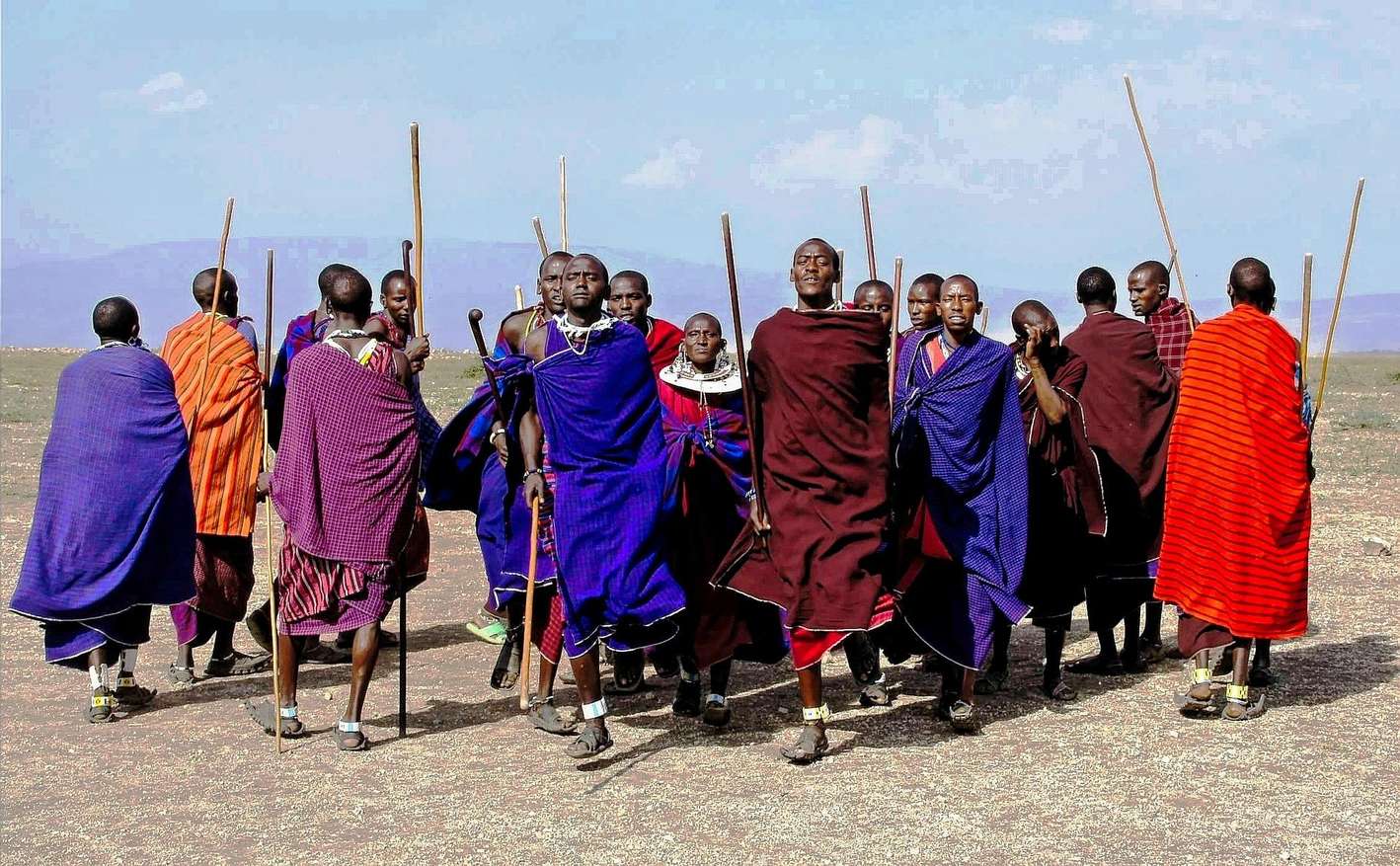
Closer to town, the Shanga artisan workshop next to Arusha Coffee Lodge hosts craft studios that support artisans with disabilities. Add horseback safaris, cultural tours with traditional dance, and market visits, and the spare day fills itself.
If you leave the shopping for the end, remember that single-use plastic bags are banned nationwide, so carry any purchases in something reusable.
Tour or self-arranged - which Arusha departure fits you
Overland wins on cost and on what you see along the way: a 4x4 Land Cruiser with a guide costs far less than bush flights to Seronera, and the transit through the conservation area delivers sightings flying travelers never get.
Flying saves more than seven hours of driving and spares you the rough tracks, so it suits the rushed and the back-sensitive. An unhurried circuit needs at least two nights per park, which is why four days is the honest minimum.
What happens if the day changes
If this happens
What happens then
Heavy April to May rains muddy the side tracks
Guides reroute along the main central and northern roads, which stay open all season
Weather grounds the bush flights on a mixed itinerary
Operators adjust schedules and routes between April 1 and June 1
A scheduled group departure fails to fill
Operators often run the itinerary anyway with a private driver and vehicle
You need to cancel after booking
The featured circuits allow cancellation up to 24 hours in advance for a full refund
Take a booked circuit if you want the logistics handled: fees, gates, camping and a guide who works the radio all come arranged.
Arrange it yourself only if you have time to hire a vehicle and lodge in Seronera or the crater highlands independently, a path that rewards patient travelers more than short ones. Families with children under eight should go private, so drives can be capped at three to four hours without disturbing other guests.
Take a booked overland circuit from Arusha if you want the gates, fees, camping and a guide handled for you; a shared group that fails to fill often runs anyway as a private trip.
Go private with two people, since the vehicle costs only marginally more than a shared seat. Arrange it on your own only if you have spare days and back-friendly patience, because the road is long, dusty and unforgiving on a rushed itinerary.
Go ifYou have at least 3 days, and 4 if you want Tarangire's elephant herds included without backtrackingYou want wildlife from the first hour on the road, and the early start buys itYou travel as a couple and can stretch to a private 4x4 for full control of pacing
Skip ifYou have severe back problems, since full days on rough dirt tracks aggravate themYou are pregnant, a listed restriction on the featured circuitsYou have only one day to spare and cannot tolerate 7 or more vehicle hours daily
Your Serengeti safari questions, answered before you leave Arusha
How far is the drive from Arusha to Serengeti National Park?+
The road distance runs between 225 and 325 kilometres depending on your entry gate and the sector you visit, which means roughly 7 to 8 hours of driving each way in a 4x4. Most itineraries break the journey with an overnight near the Ngorongoro highlands.
Can a 3-day Serengeti safari from Arusha work, or is it too rushed?+
It works, but it is demanding. Transit on rough unpaved roads eats whole travel days, so a 3-day route trades pace for coverage. You still get a full afternoon game drive on the plains and a morning drive before heading to Ngorongoro, but expect around 4 to 6 hours behind the wheel on moving days.
What time do safaris leave Arusha in the morning?+
Pickups run between 6 am and 7 am from accommodations in Arusha City Centre. The early start matters: the roughly 6-hour drive of over 250 kilometres plus gate processing at Ngorongoro has to happen before Serengeti gates close at 6 pm.
Which Arusha hotels qualify for free pickup?+
Accommodations in Arusha City Centre qualify, including places near Charity Hotel, Four Points, Kibo Palace, Mount Meru Hotel and Ambassador Hotel. Stays farther out, around Njiro or Moivaro for example, usually need a paid transfer to the city centre meeting point.
Is a group-joining camping safari much cheaper than a private 4x4?+
Yes, joining a group brings the per-person cost down well below chartering your own vehicle and guide, because you split the vehicle across the seats.
The trade-off is schedule: the group sets departure times and how long you linger at a sighting. For two people traveling together, a private vehicle often costs only marginally more than a scheduled group departure.
What happens at camp on a group camping safari?+
You sleep in tents with sleeping mattresses at public campsites, and a safari chef travels with the crew to cook full-board meals. Evenings centre on a campfire, and wild animals frequently roam right past the tents at night. Classic group tours handle the tent setup and cooking for you.
Do you see wildlife during the drive itself, not just in the parks?+
You do. Leaving Arusha early means game viewing starts on the road through the Ngorongoro Conservation Area, and the stretch from Naabi Hill Gate into Central Seronera regularly produces zebras, gazelles, wildebeest, giraffes and predators before you reach camp.
How bad is the dust on the road to the Serengeti?+
Fine volcanic soil on the unsealed surface kicks up into clouds that find their way into the vehicle. Pack a snug buff or tight mask for your face, wraparound sunglasses for your eyes, and a long-sleeve windbreaker you can dust off between stretches. It doubles as a warm layer on the chilly crater rim.
Why add Tarangire on a 4-day route?+
Tarangire sits only 2 to 3 hours from Arusha, so Day 1 becomes a short morning drive with 4 to 8 hours of game viewing instead of a long haul. You get the park's famous elephant herds and baobabs, and the longer Serengeti transit shifts to the following day without backtracking.
Is the overland Serengeti safari worth the long drive?+
People who make the trip say yes. Resident lions, cheetahs and leopards stay abundant all year, camping inside the park puts animals within earshot of your tent, and the road journey itself counts as game viewing. Bring patience for bumpy tracks and stretches where you spot nothing, then everything at once.

 Our top pick