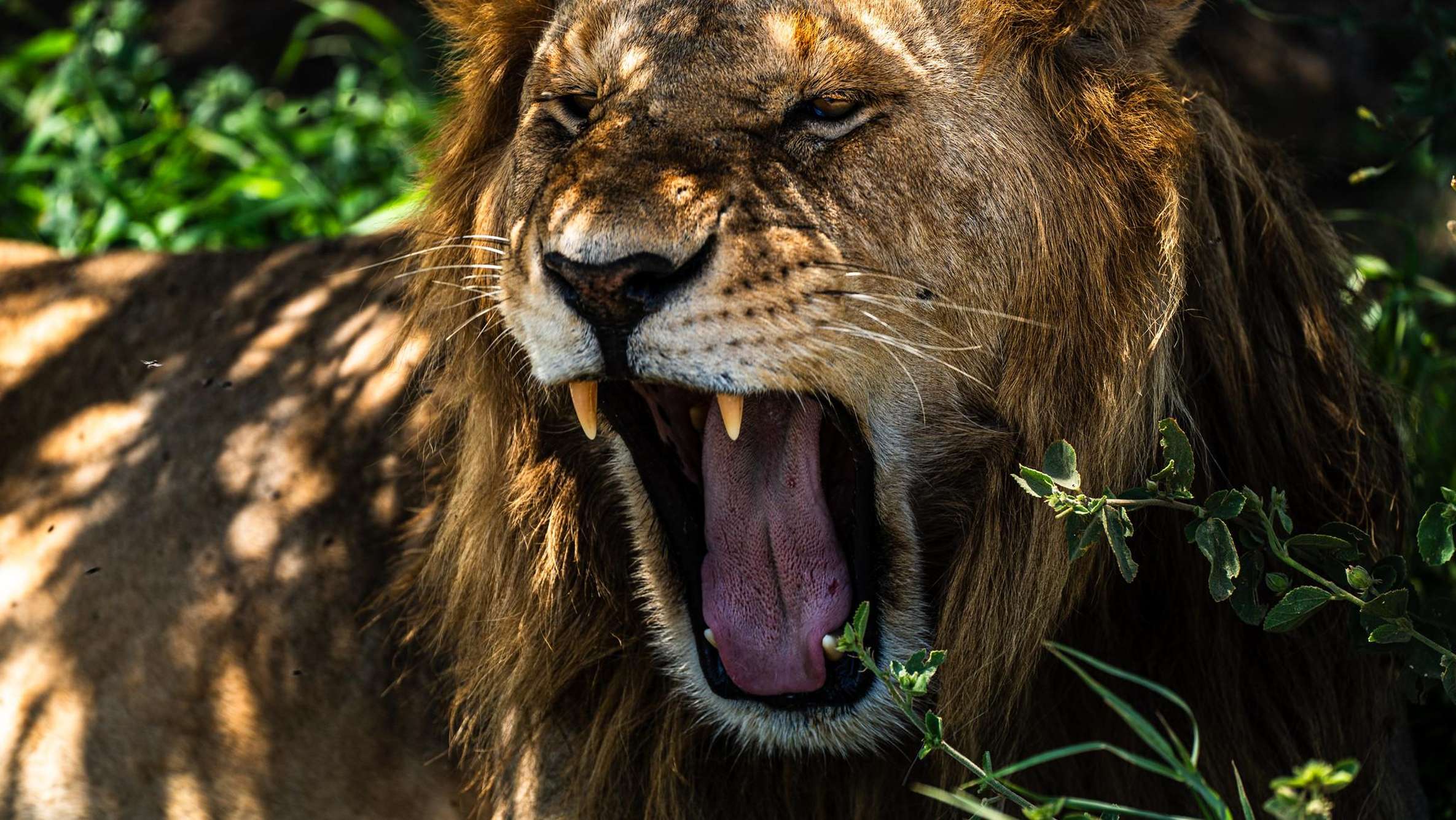
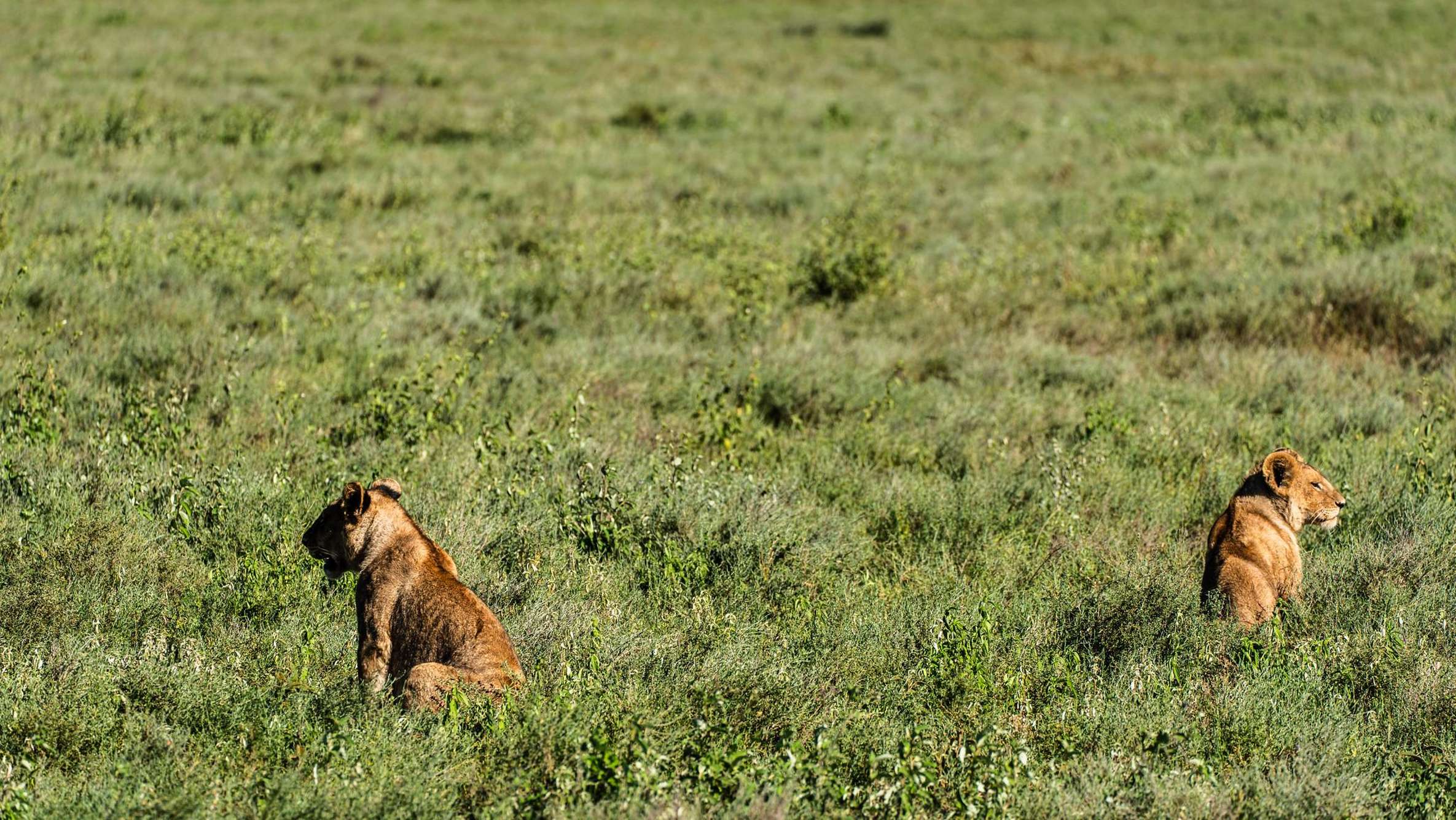
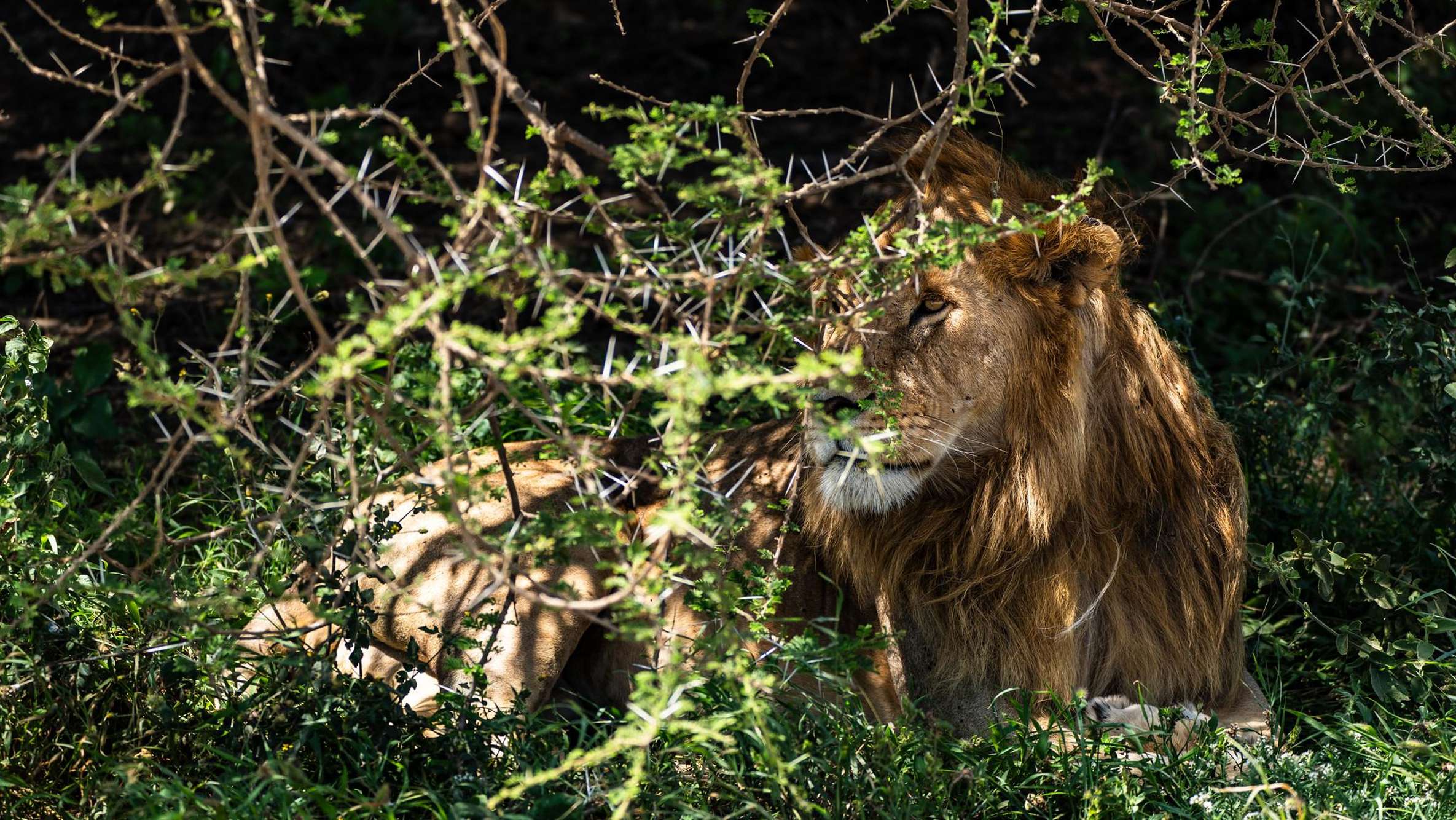
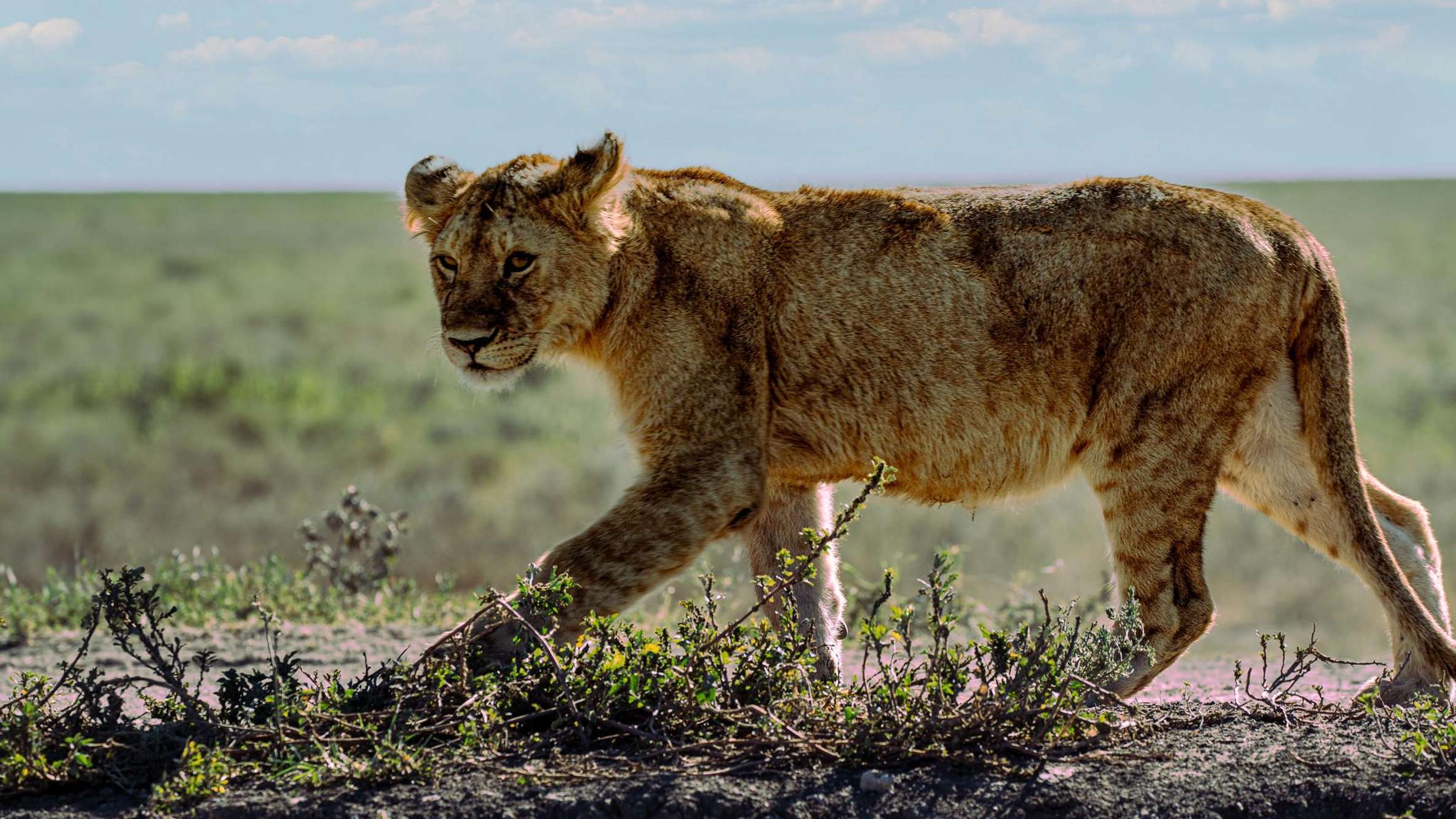
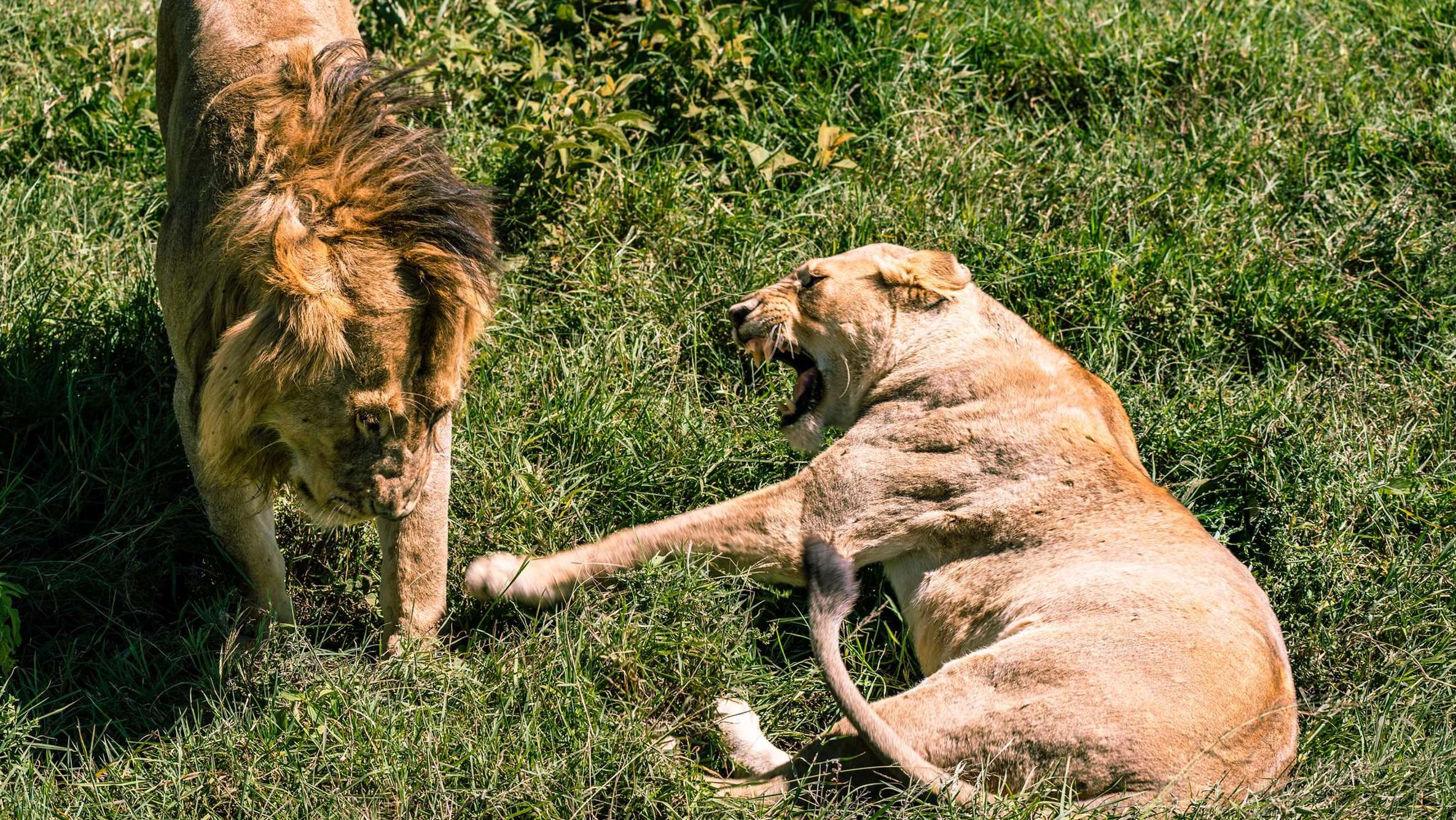
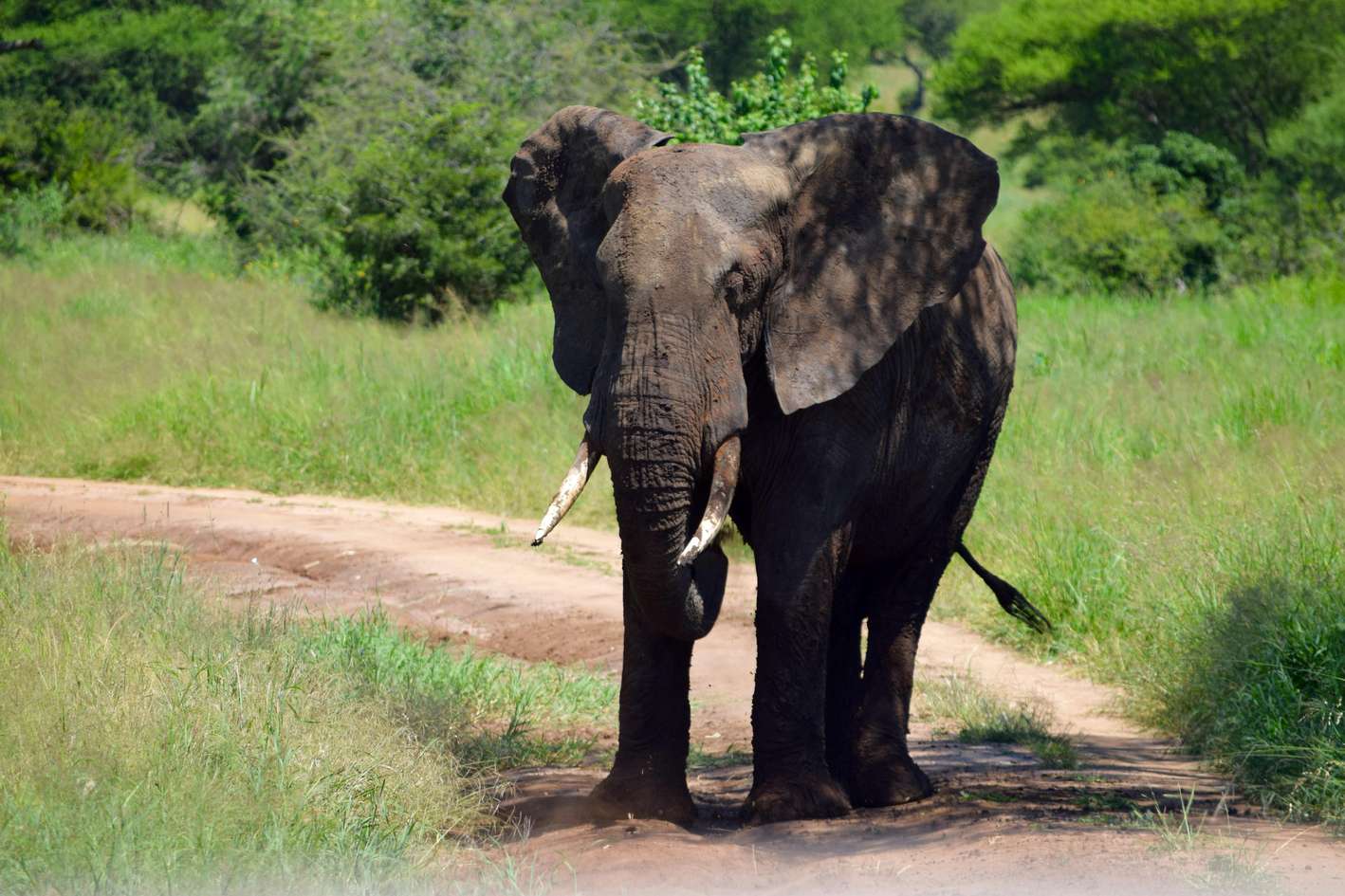
4.75,153 travelers landed on Seronera airstrip and saw lions by lunch
Tanzania and Zanzibar Safari Tours Serengeti Safari and Beach Holidays
See lions and elephants on a real safari and still sleep on the beach. Fly-in packages from Zanzibar bundle return bush flights, park fees, lodge nights and game drives into one booking, with hotel pickups, short flights and minimal downtime between drives.
"It was a dream. Everything worked perfectly, no worries booking this trip. Our driver found every animal for us and made us happy. Food was tasty too. Highly recommend!"
4.7★average rating5,153traveler reviews100%free cancellation30countries travelers came from
Choosing your safari tours in Tanzania and Zanzibar
From a Zanzibar beach, the choice is how far the bush should reach into your holiday. Day flights put you in Mikumi or Selous by mid-morning and back by evening. Two-day trips add a lodge night and, on the Rufiji, a boat safari. The northern parks, Ngorongoro and the Serengeti, ask for longer flights and more days.
documentEveryone entering Zanzibar must hold the government's mandatory tourist insurance, and most safari packages from the island leave it out of the price.
Arrange the Zanzibar tourist insurance online before you fly or buy it on arrival, and budget for it separately from your safari booking. On the health side, no yellow fever vaccination is legally required for travel between mainland Tanzania and Zanzibar.
Zanzibar safari tours, side by side from the beach
cheapest day trip
8 - 32 hours·English, French
4.7(3,203)
From Zanzibar: Mikumi Safari Day Trip with Flights and Lunch
The most booked day trip on the page, with 4.7 stars from 3,203 travelers and a 40 to 60 minute flight to the Mikumi airstrip.
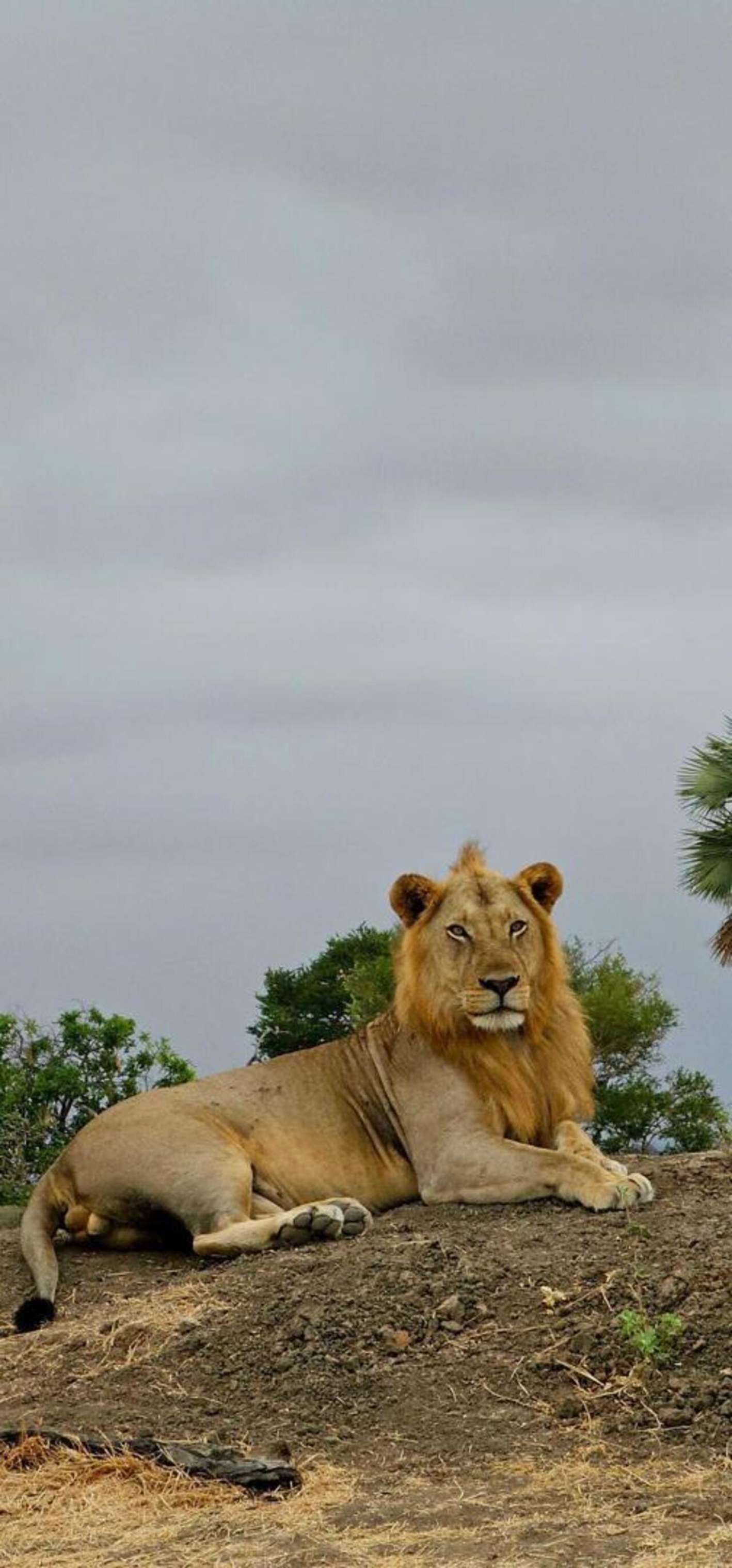
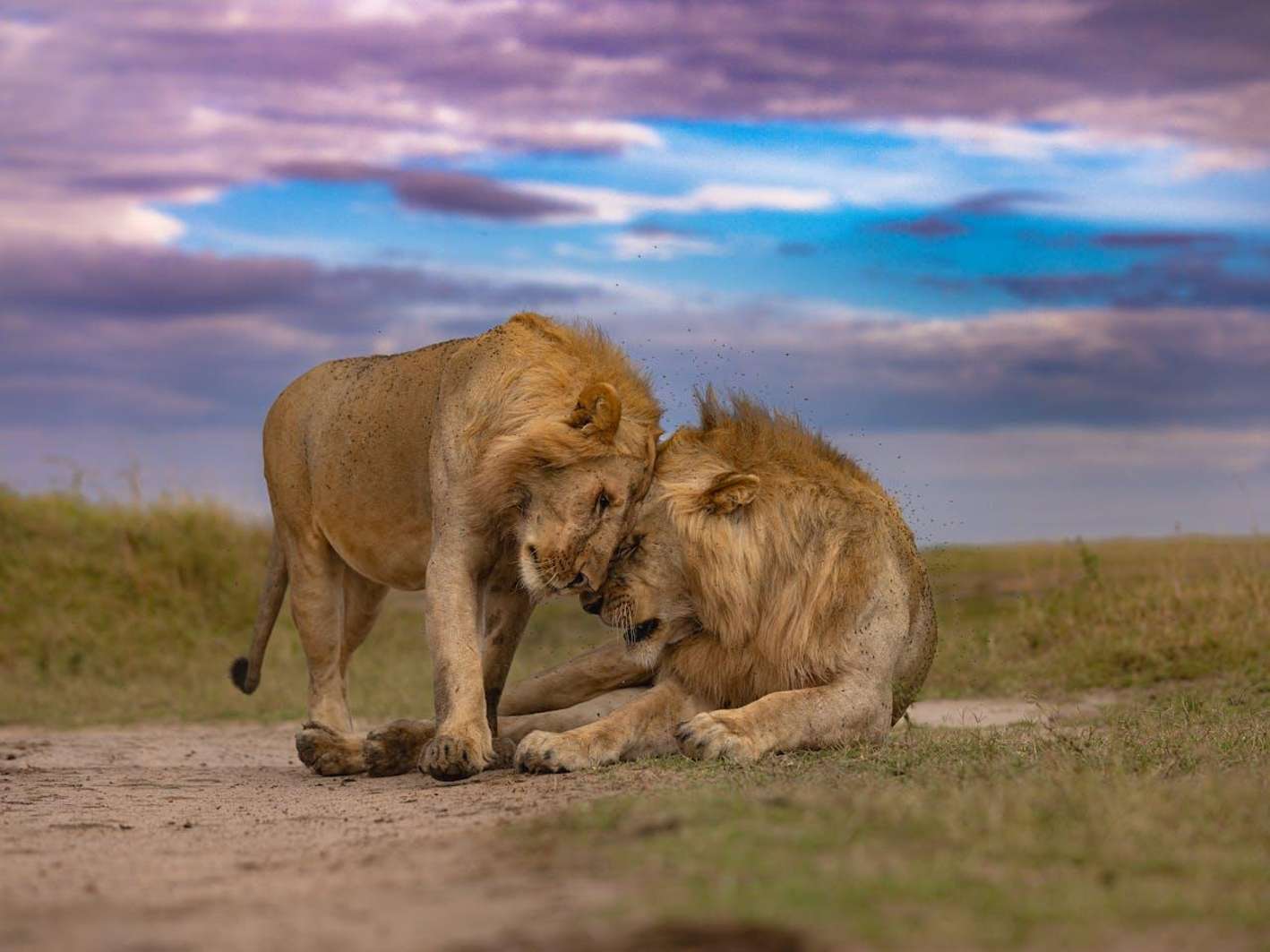
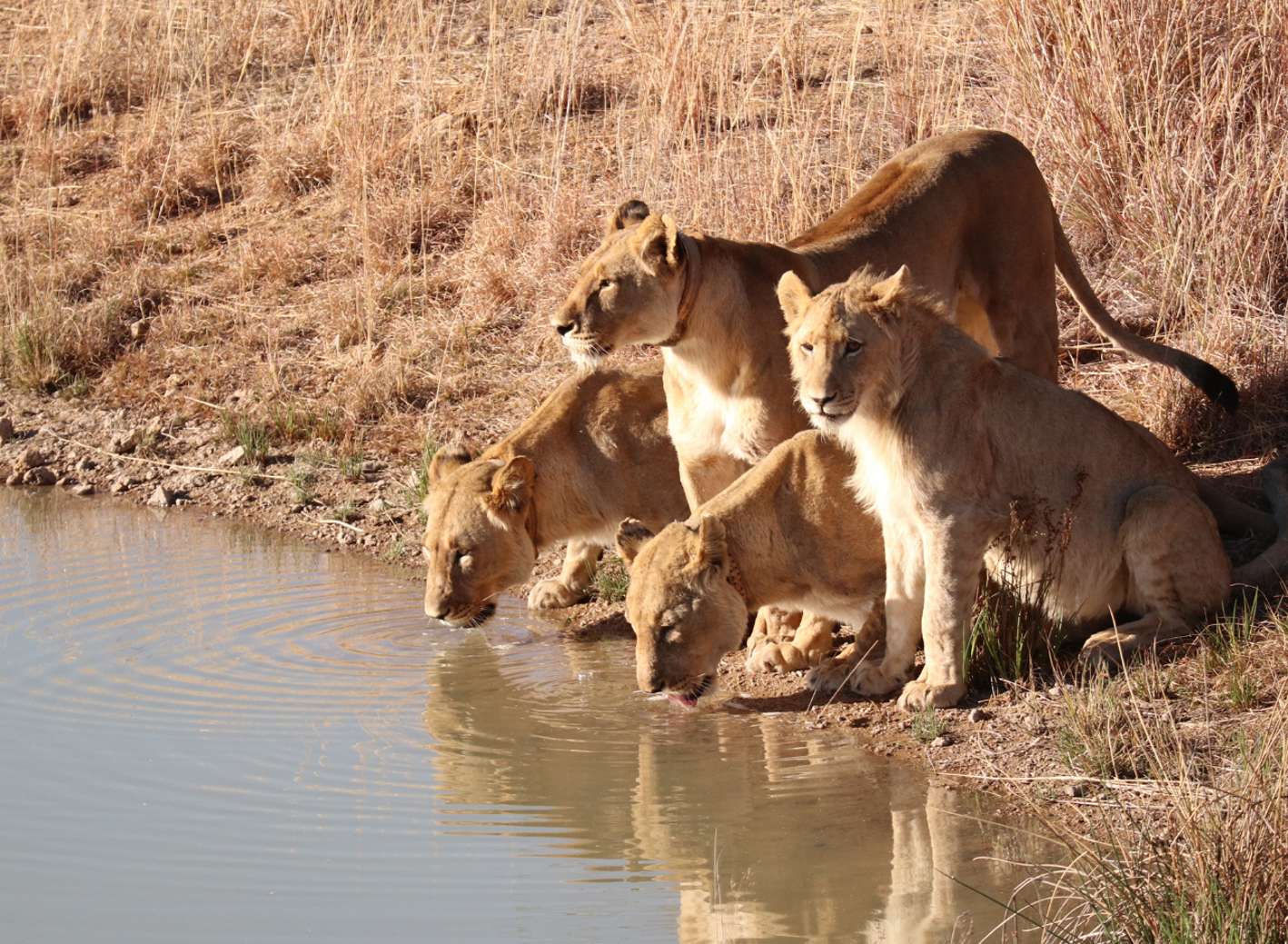
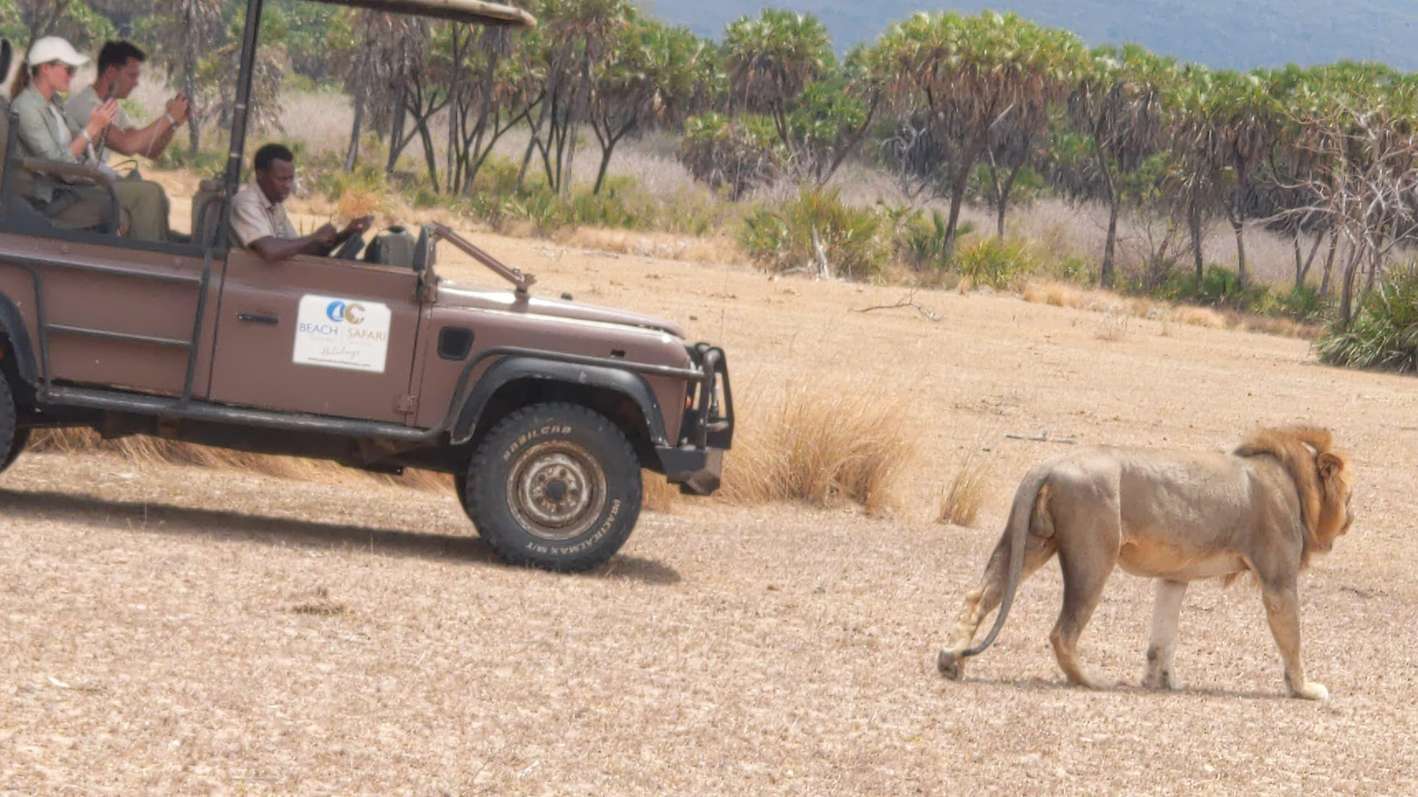
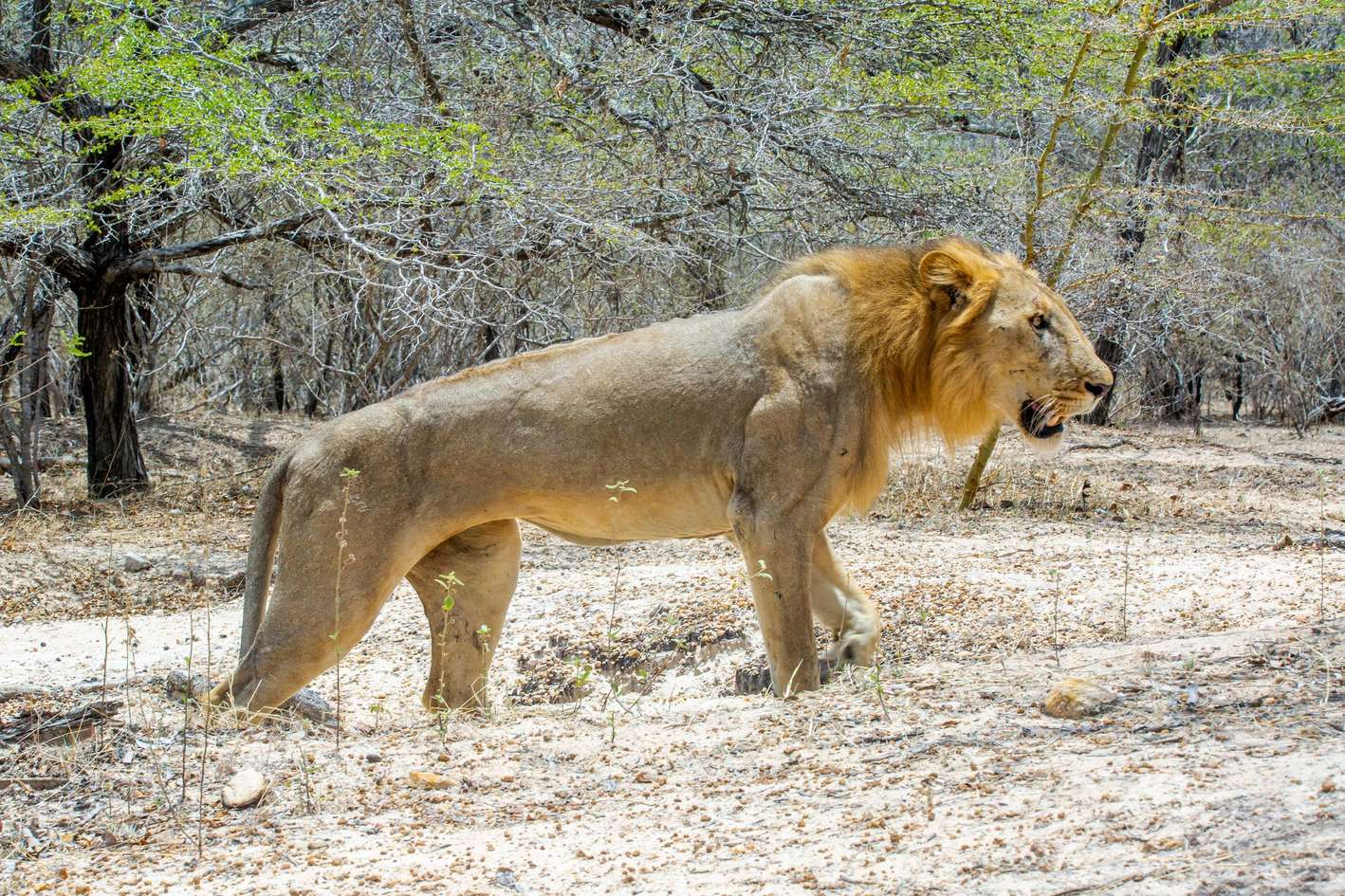
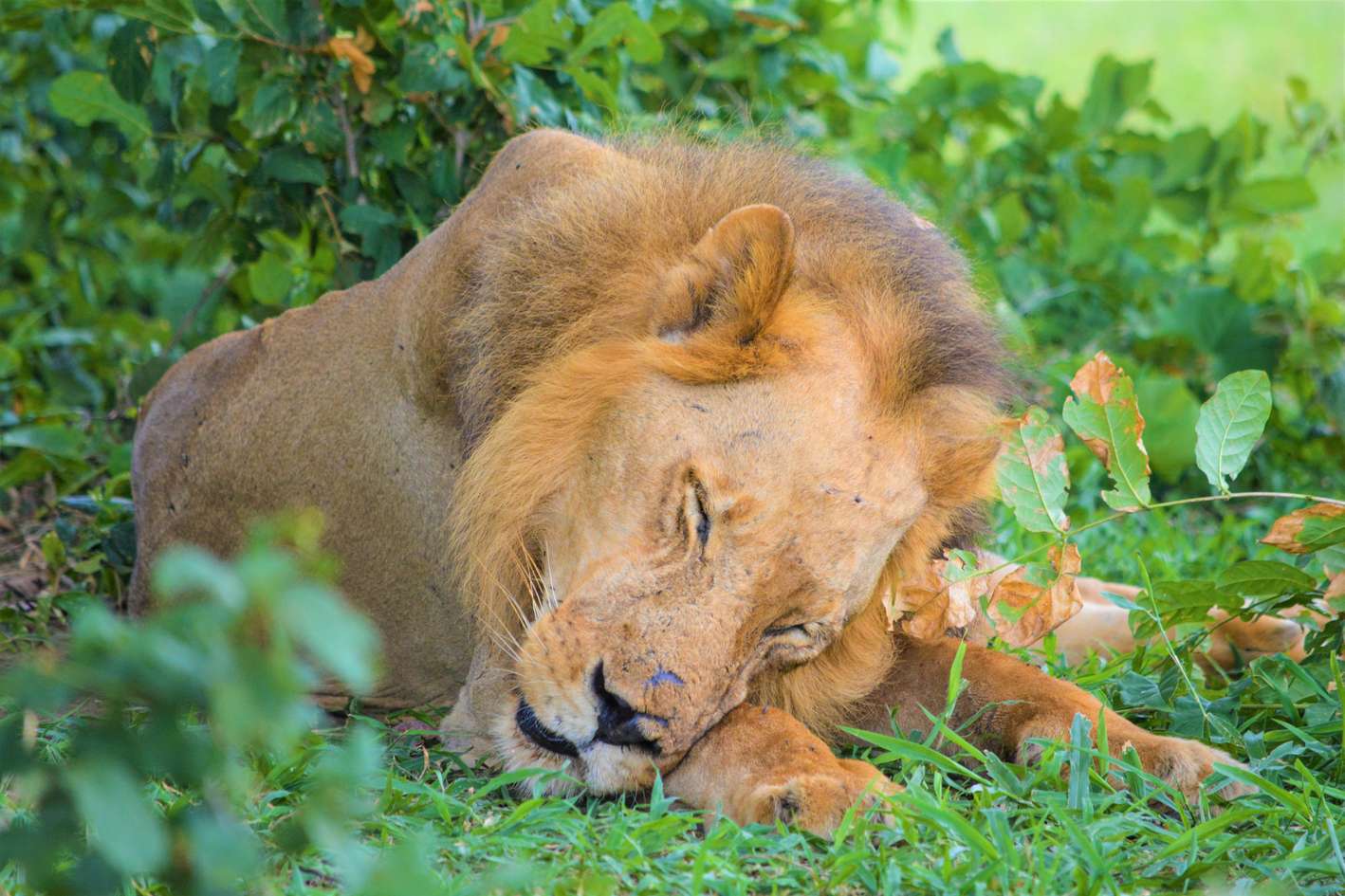
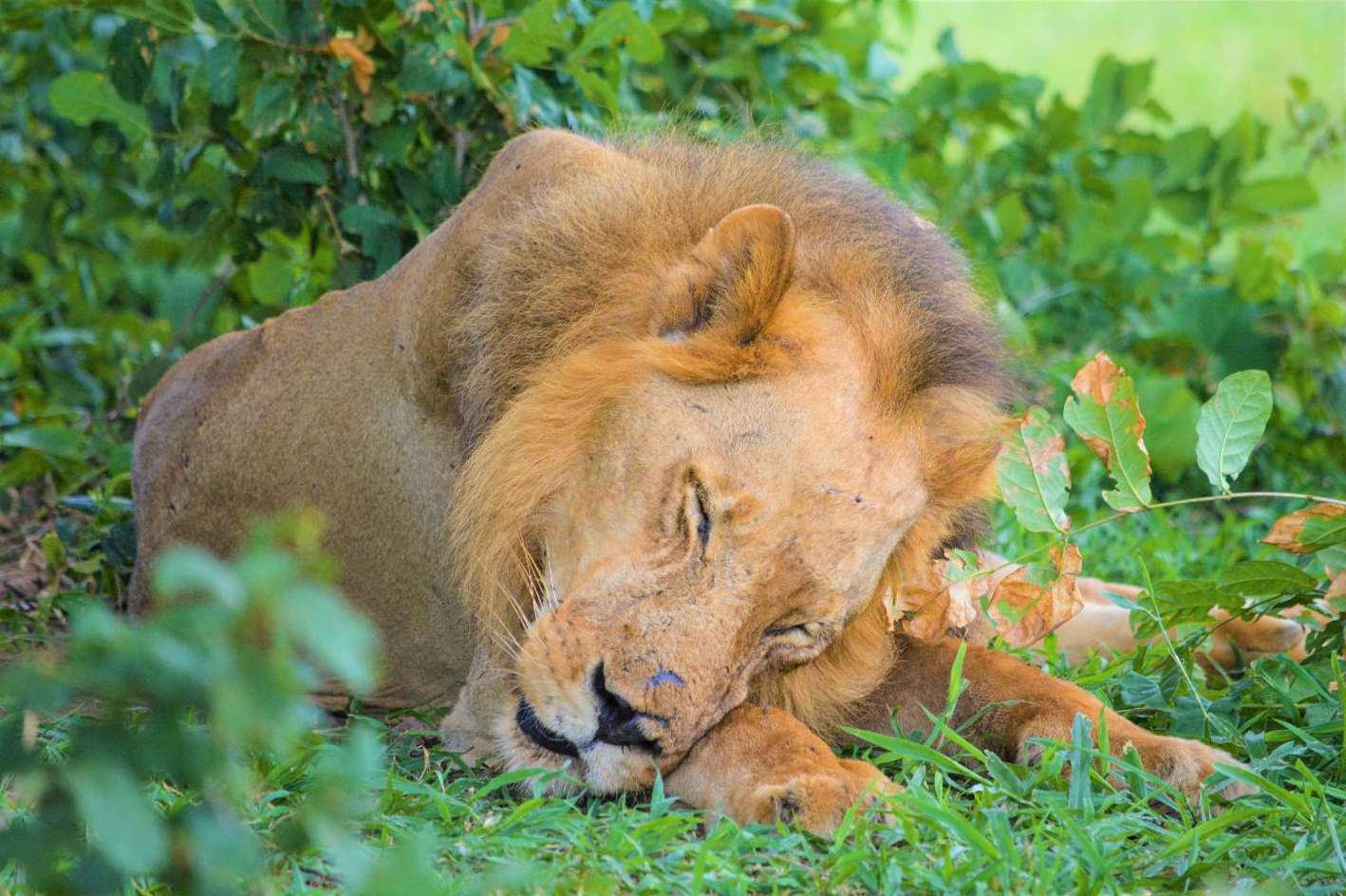
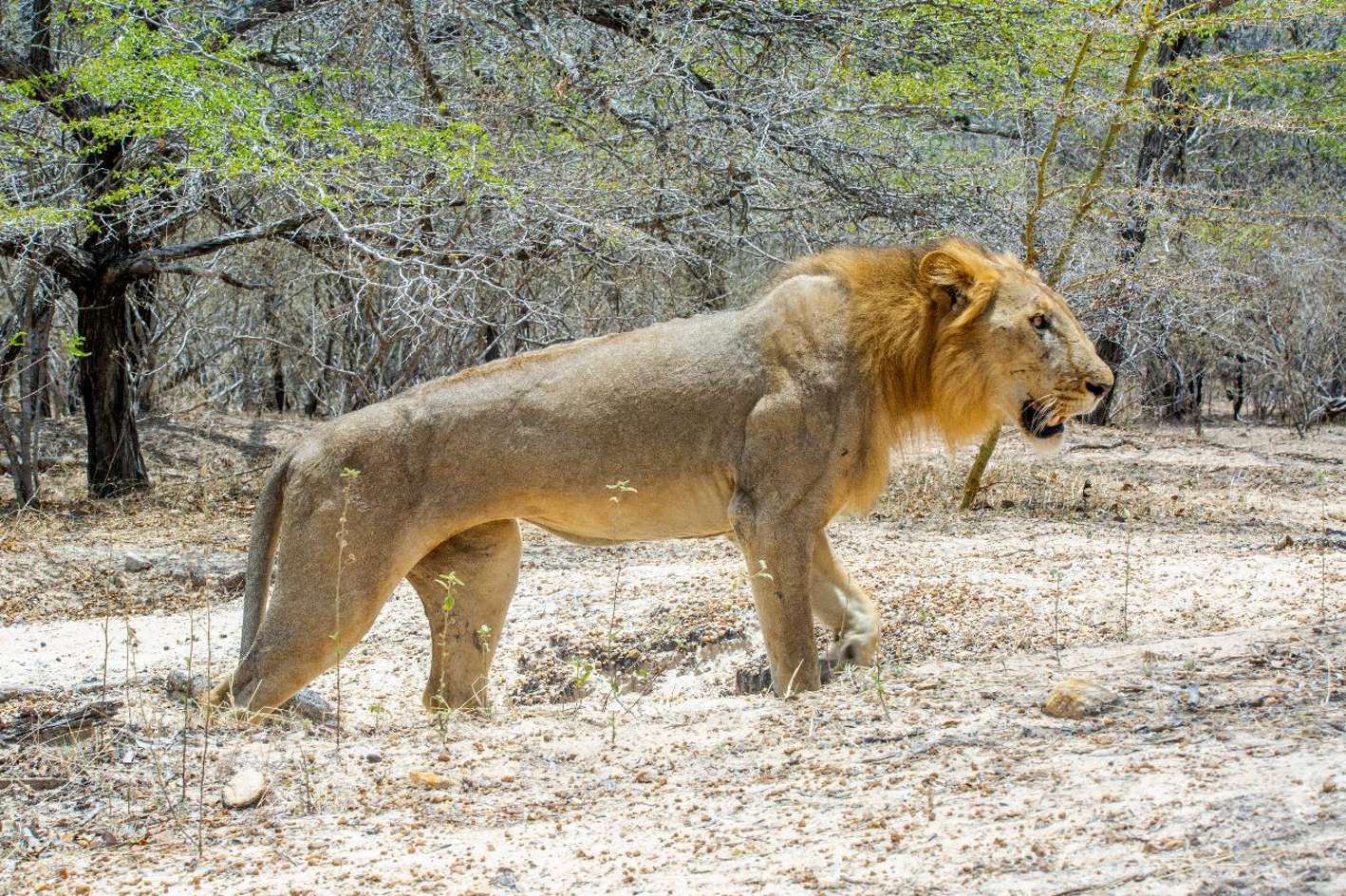
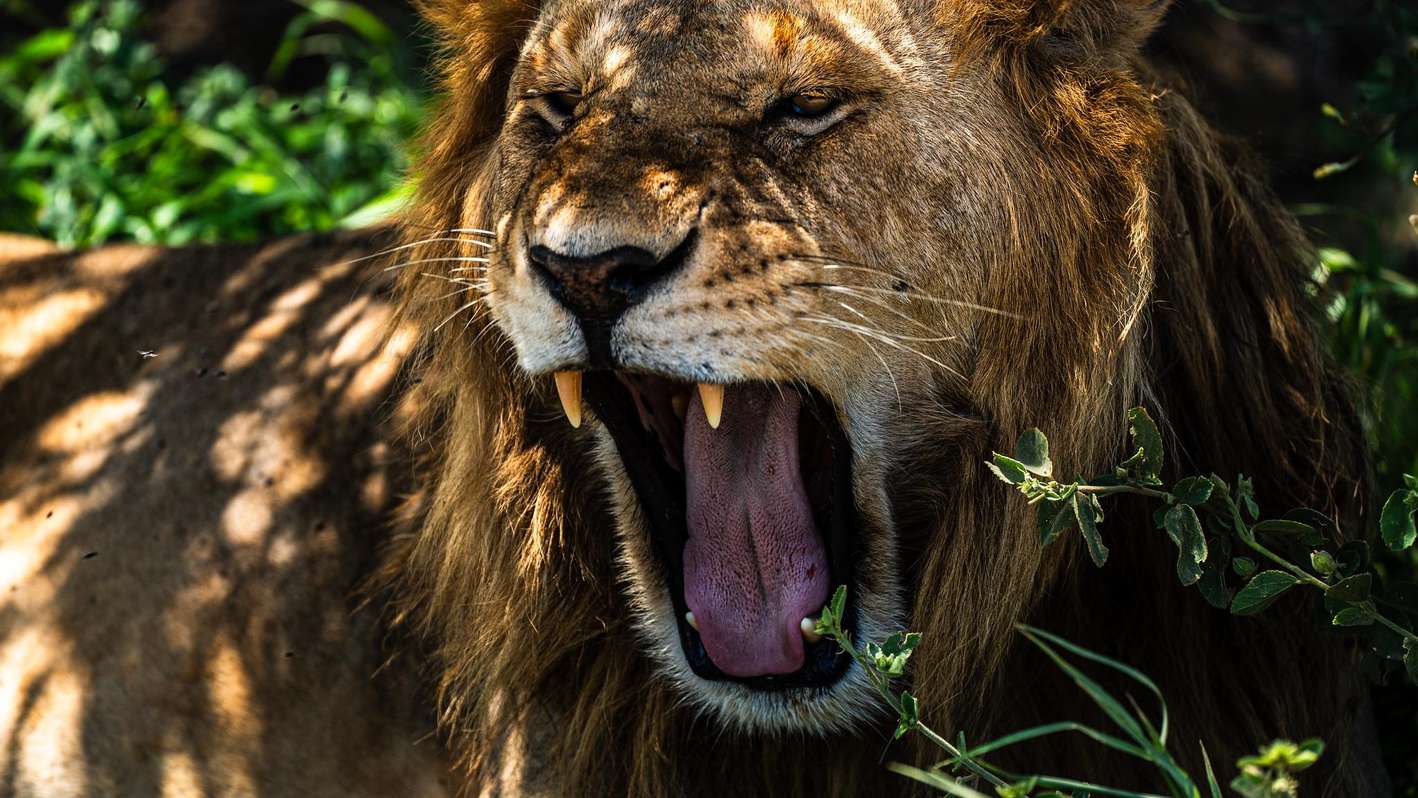
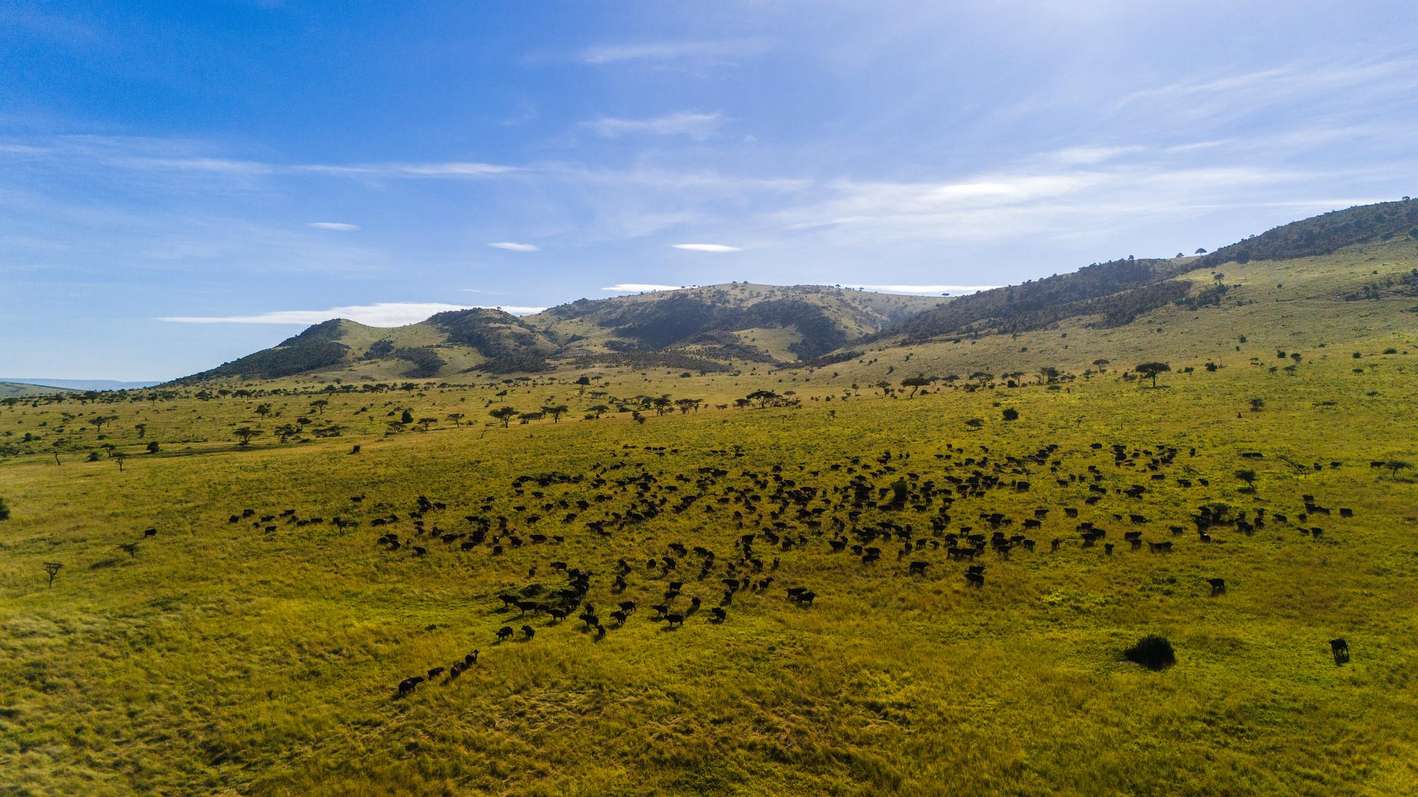
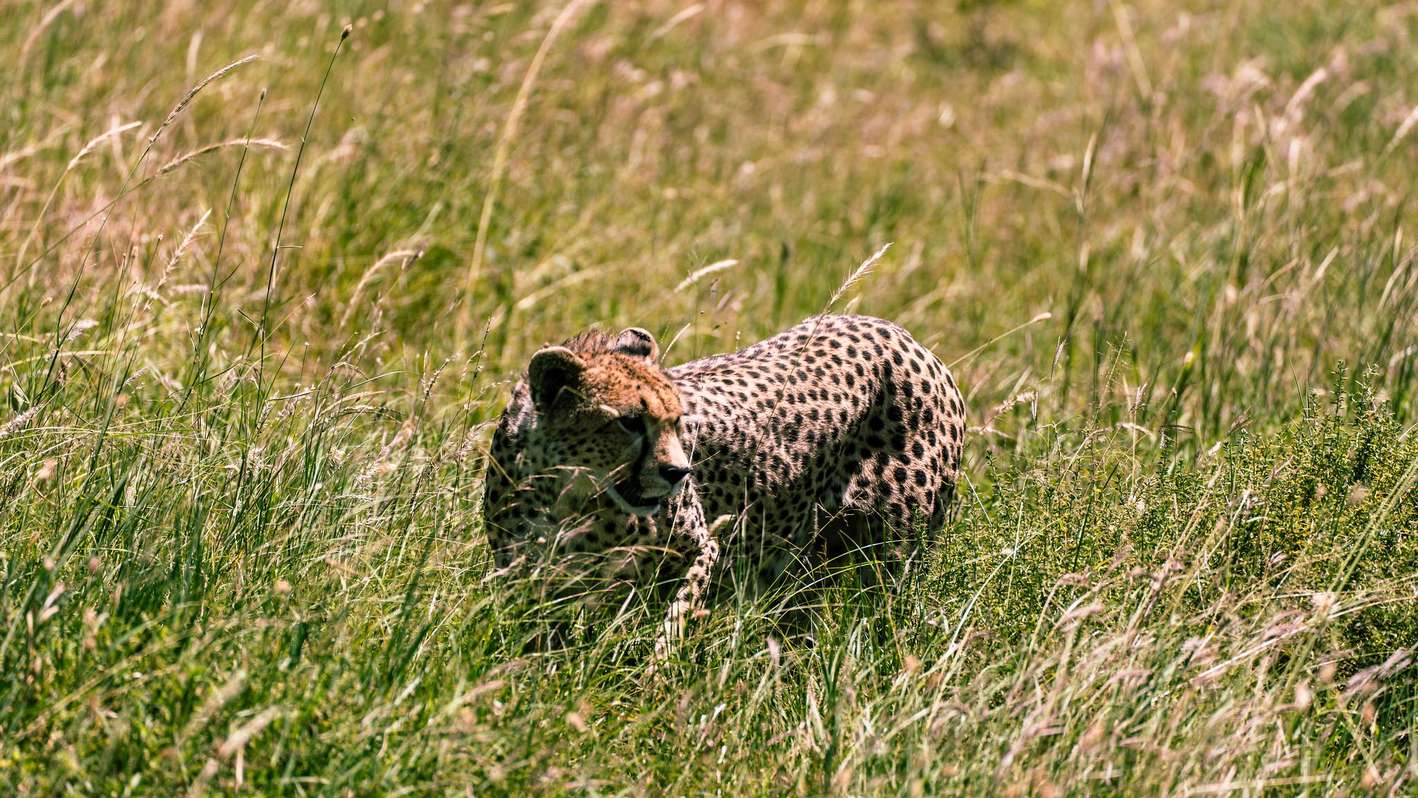
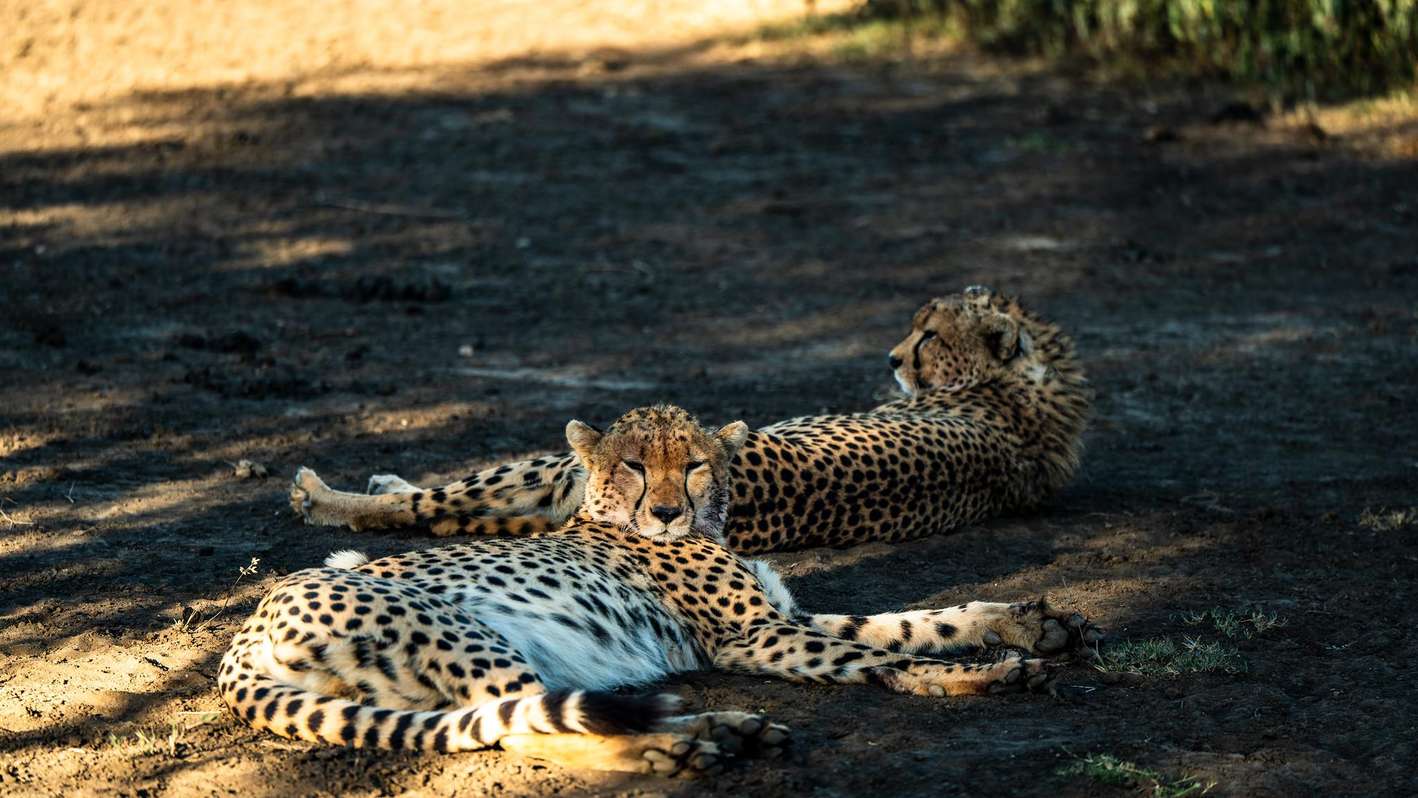
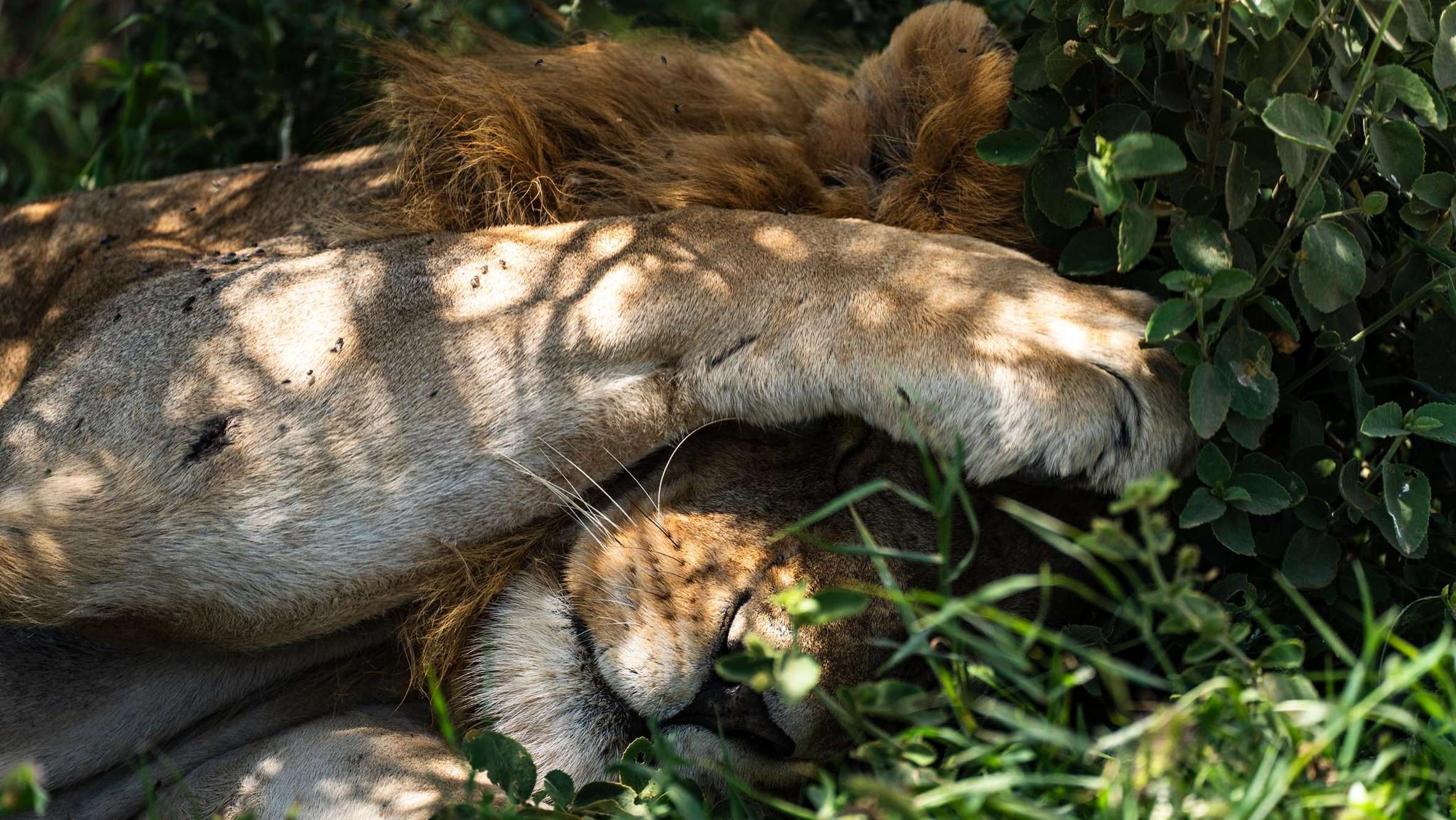
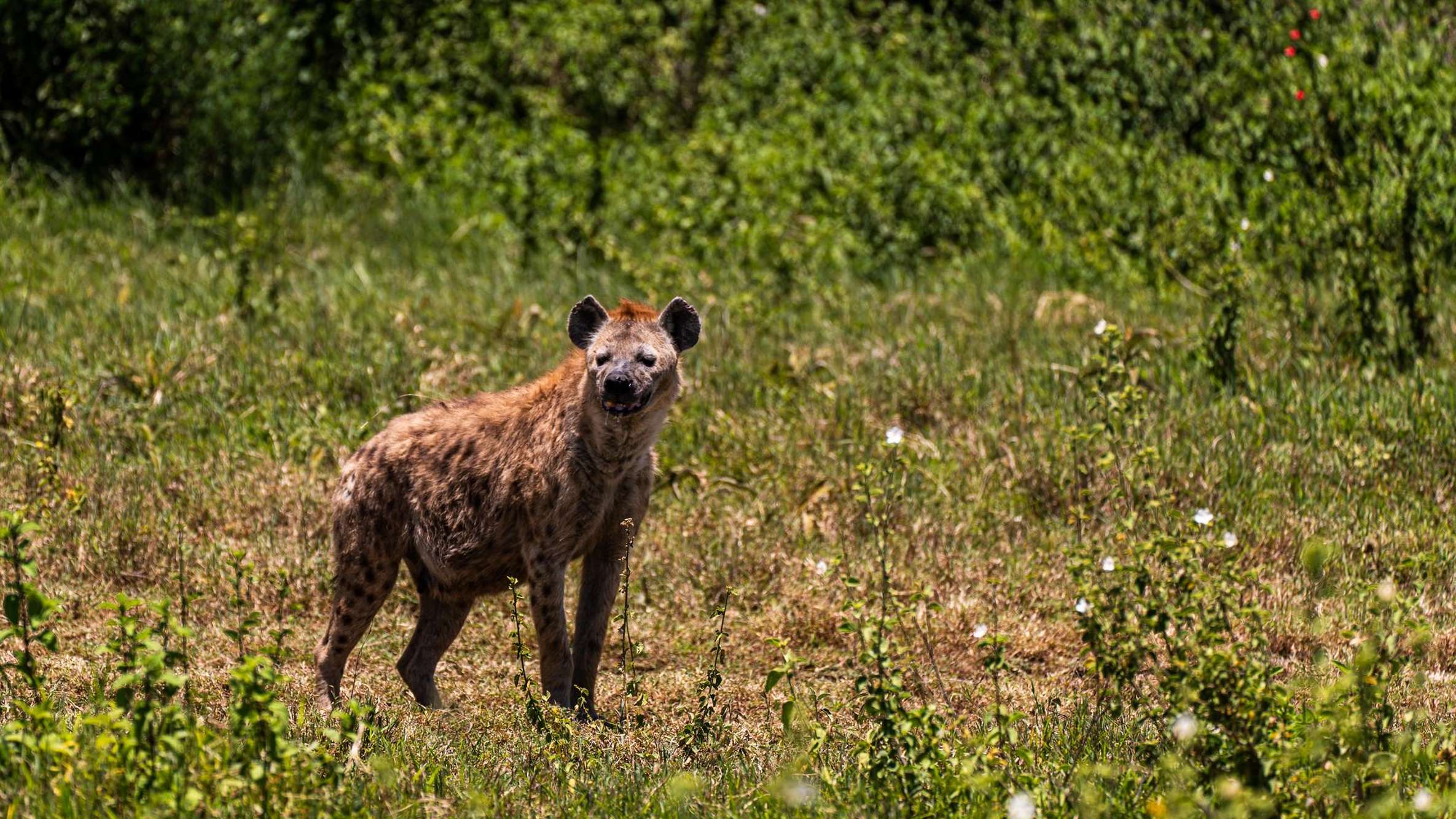
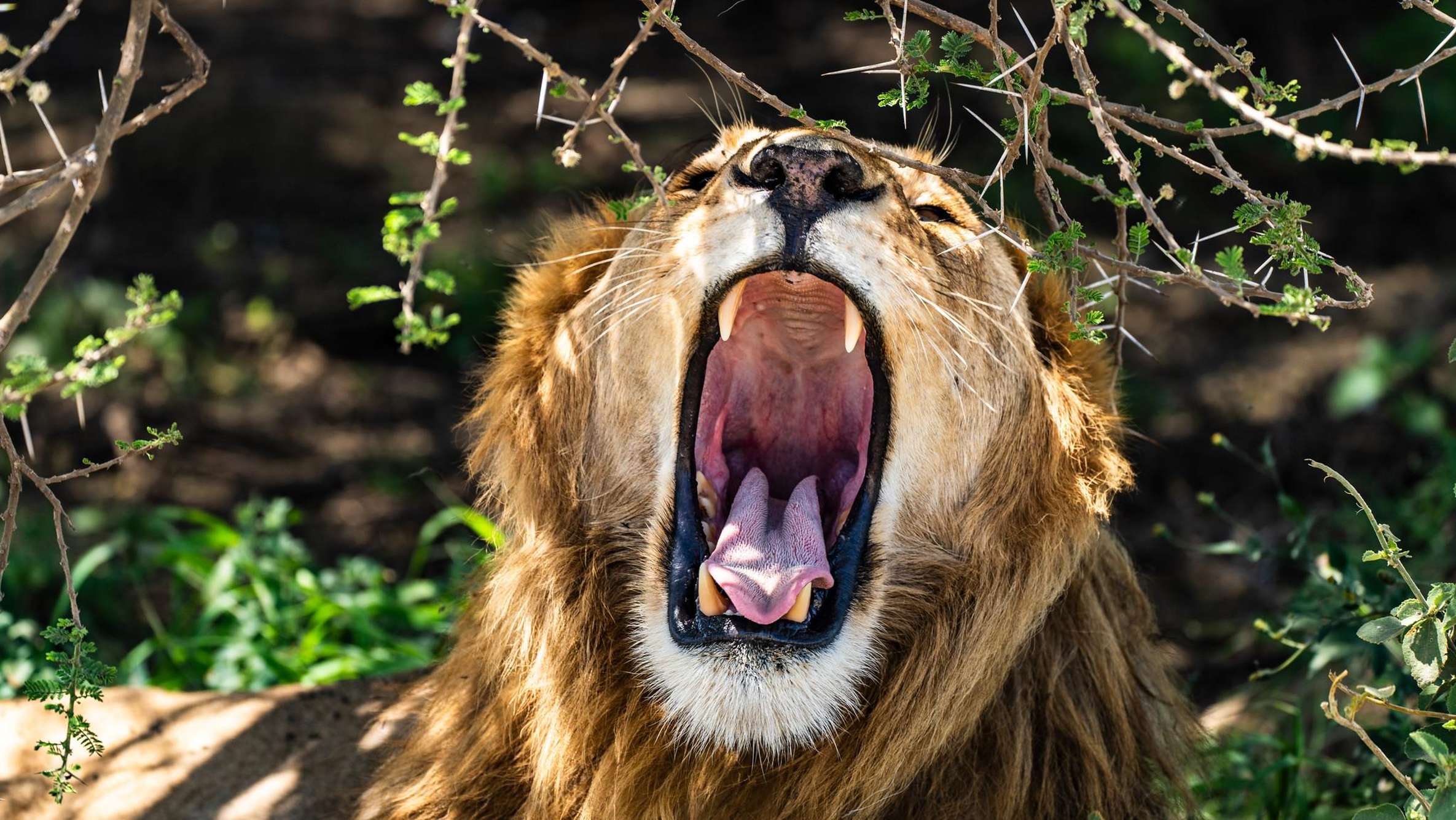
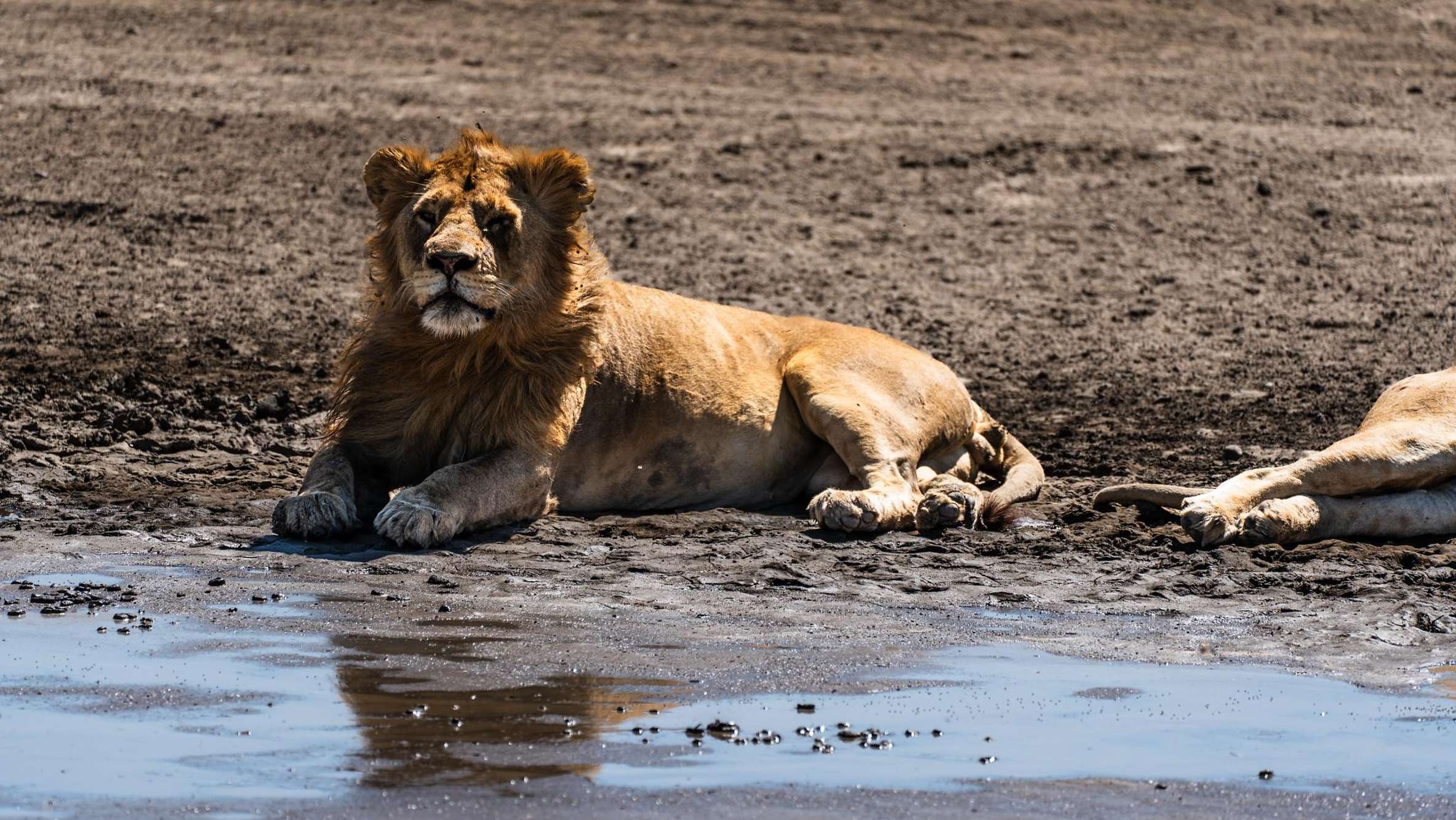
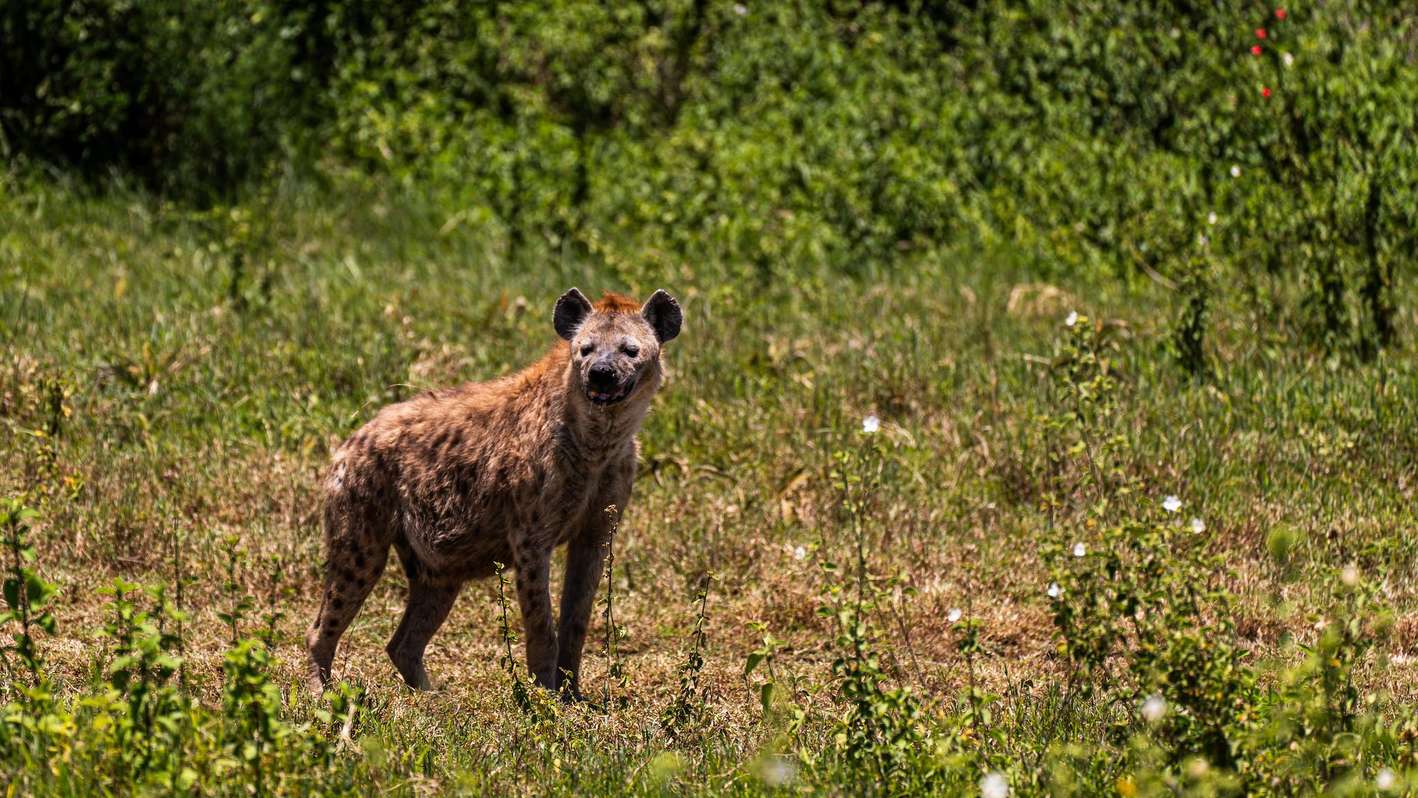
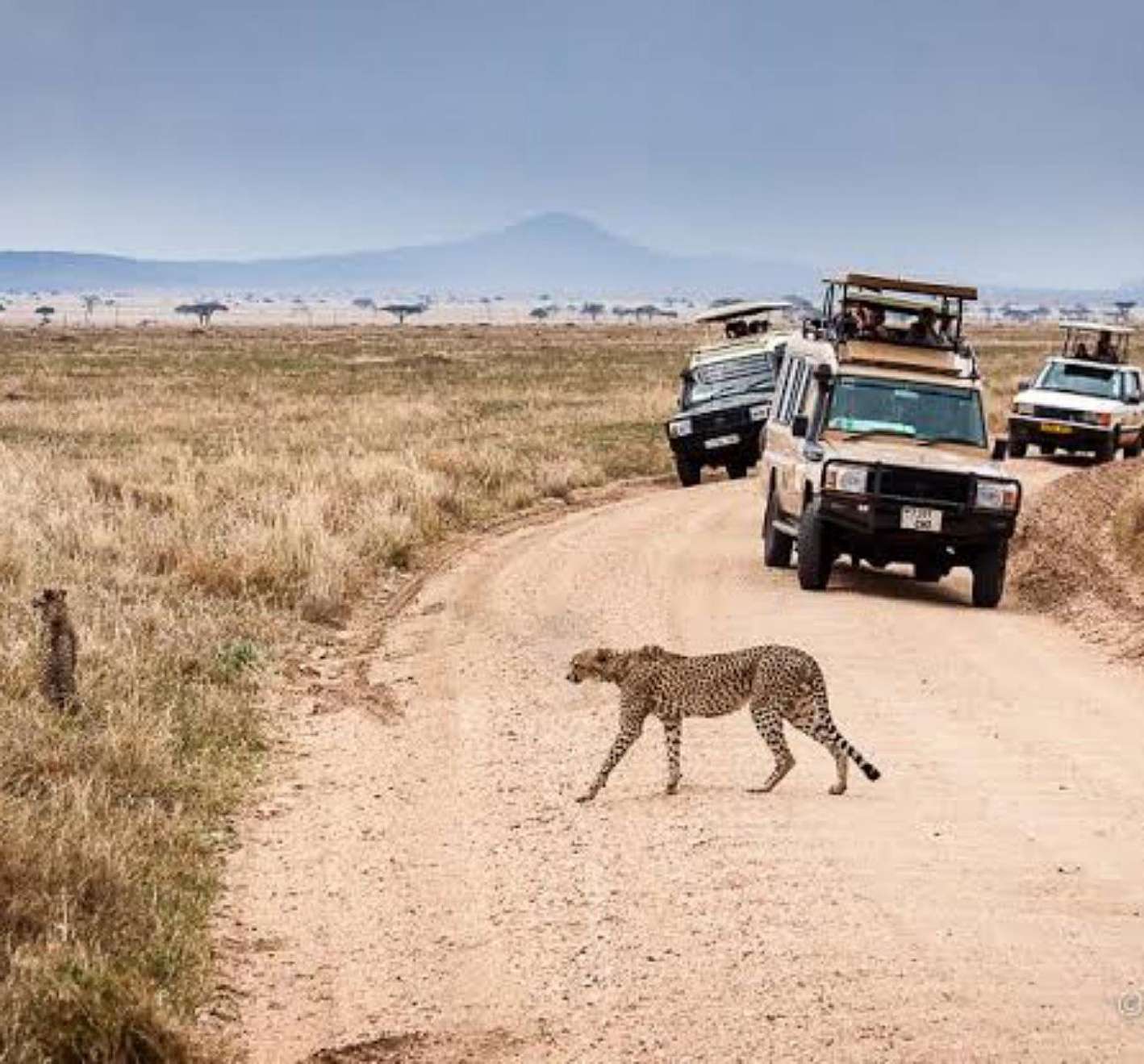
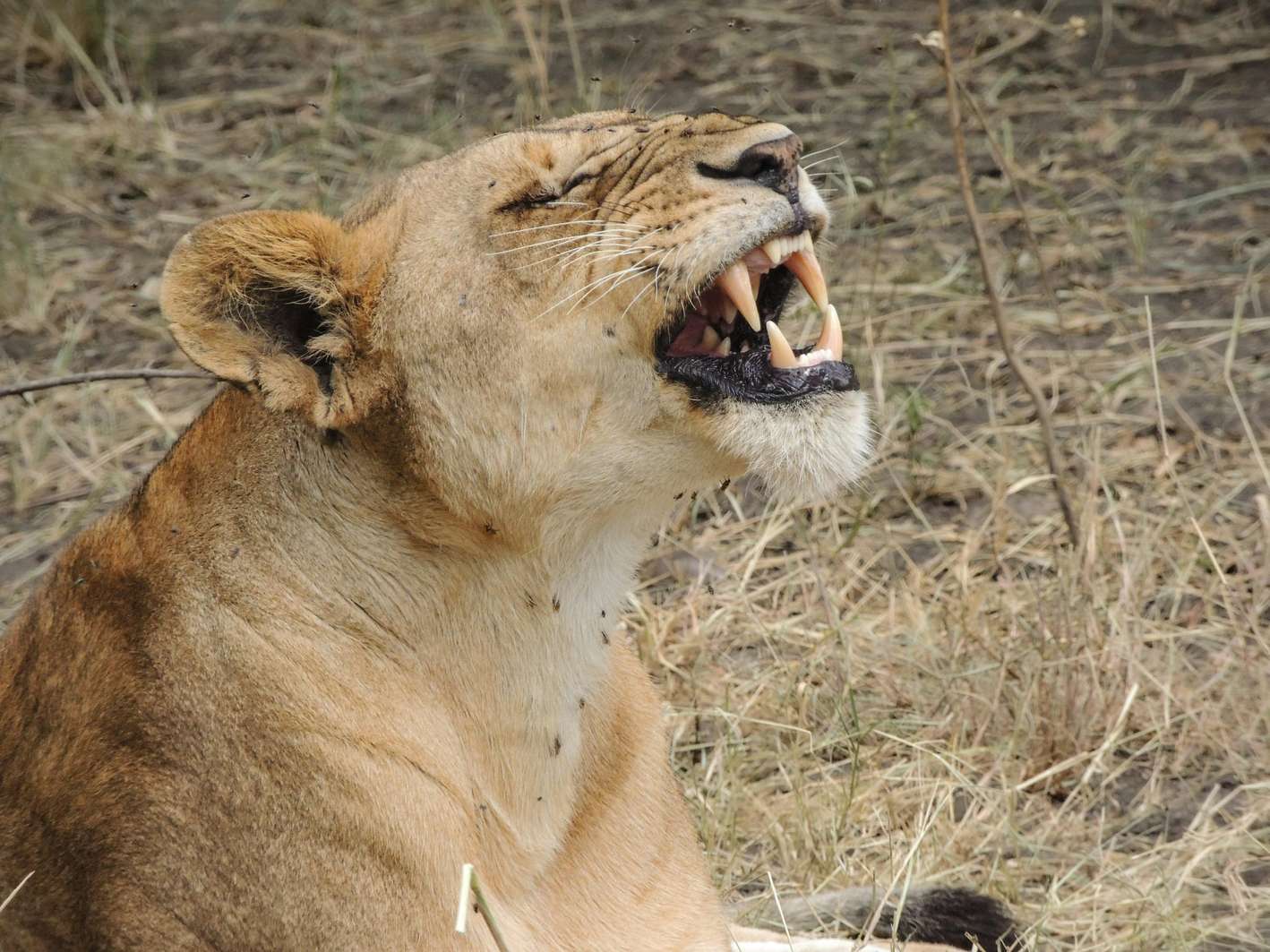
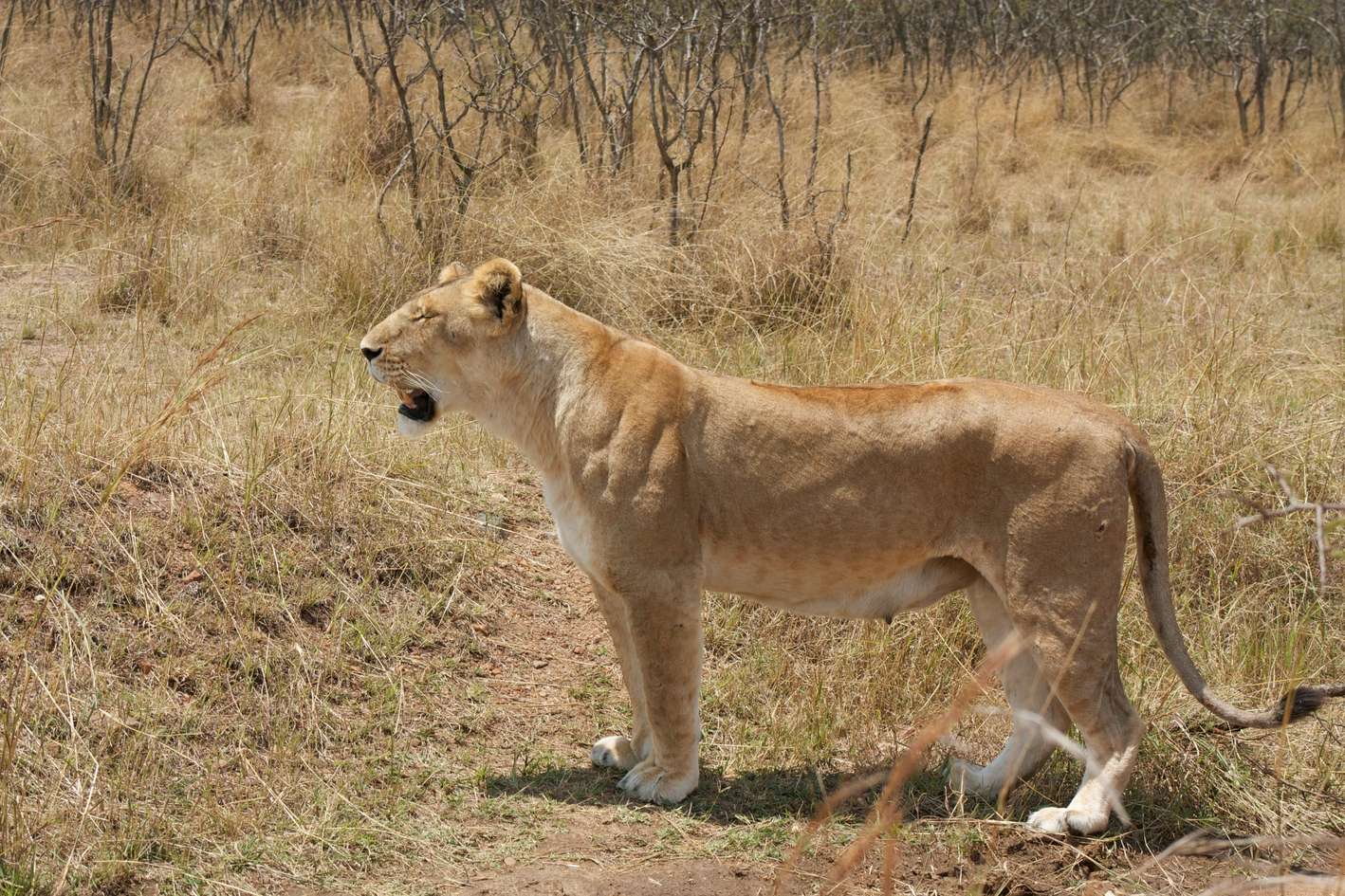
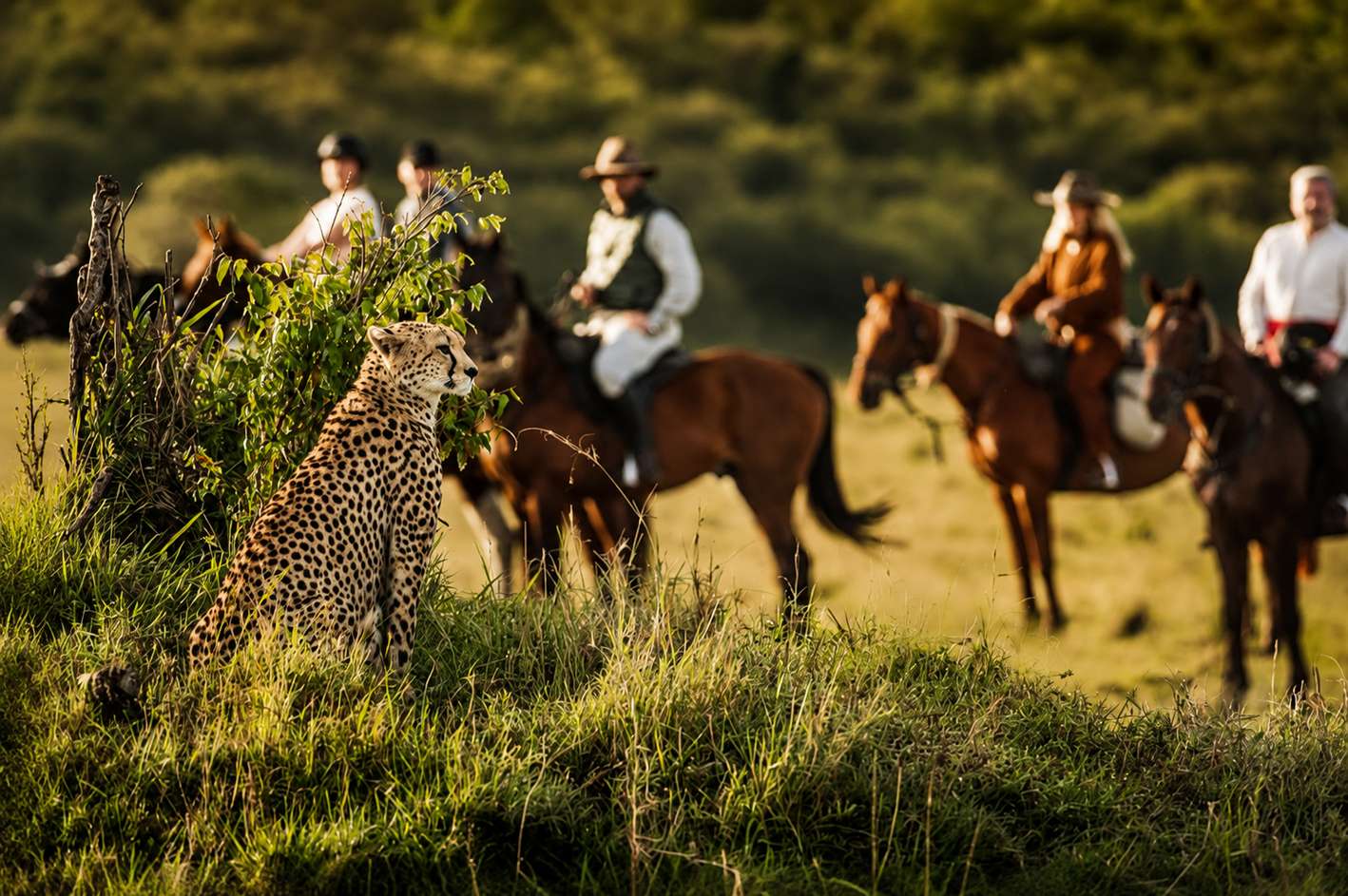
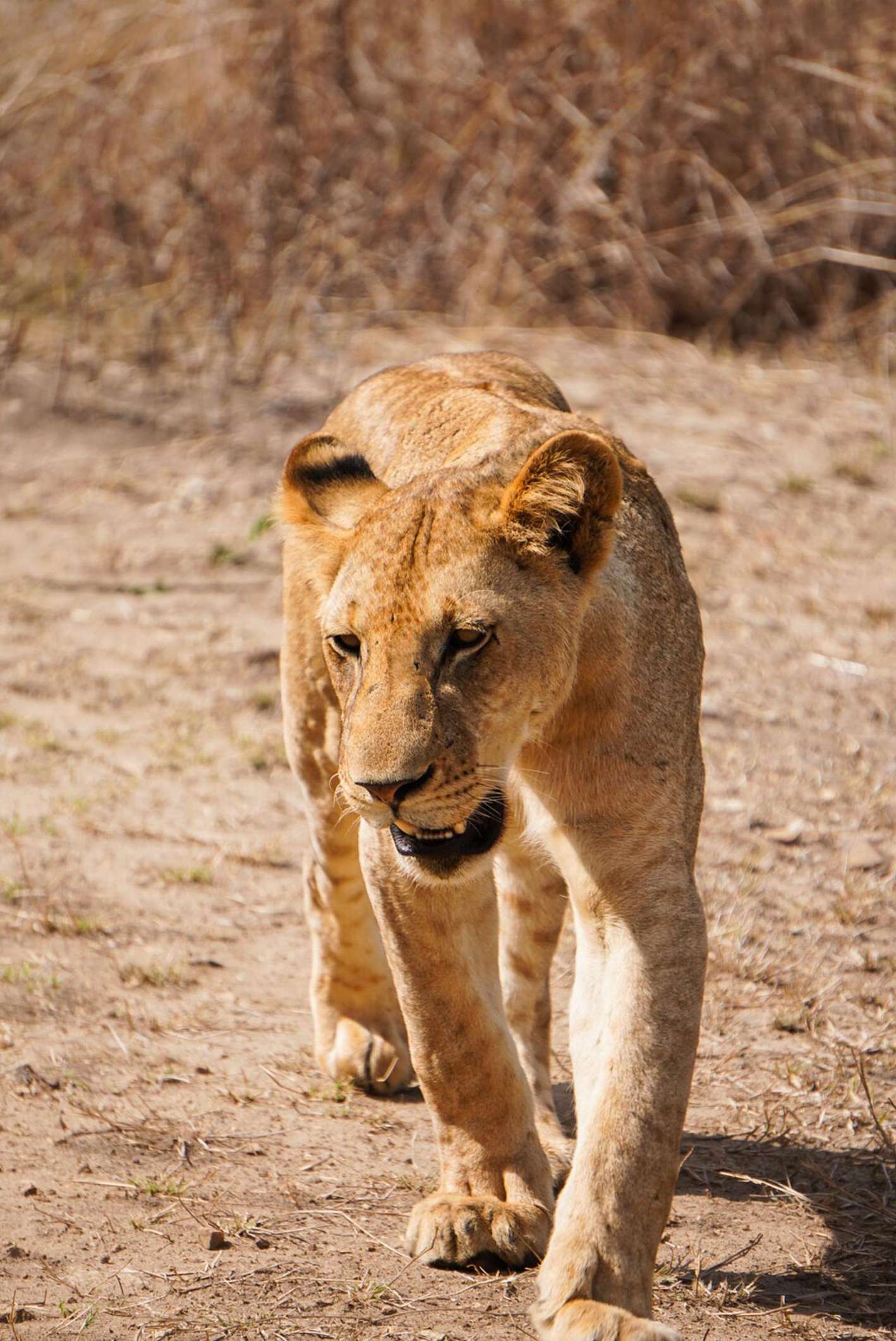
The Serengeti holds the densest predator population on earth: 3,000 to 4,000 lions, 500 to 600 cheetahs and about 7,500 hyenas. This two-day trip from Zanzibar puts you in the middle of it.
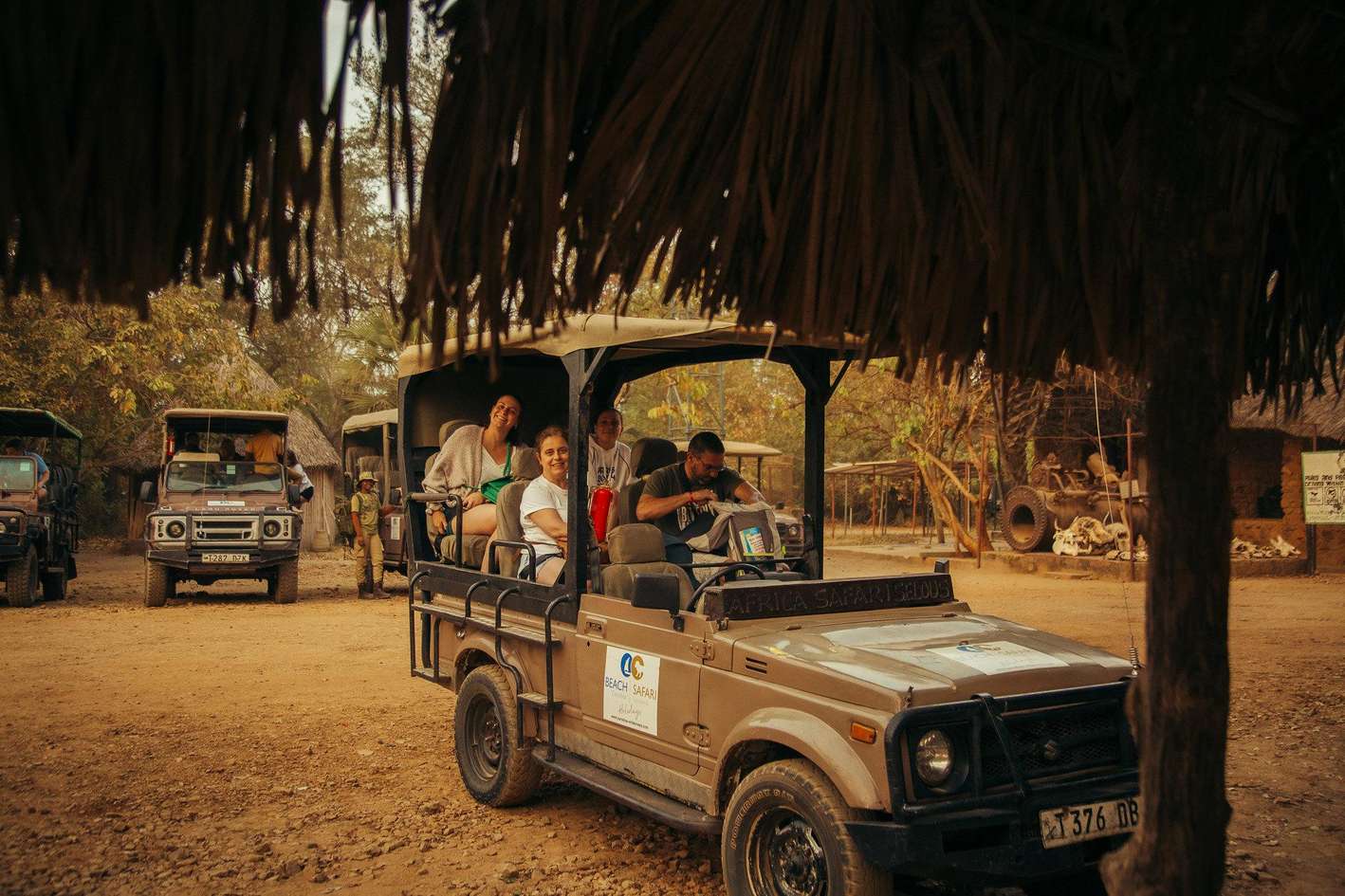
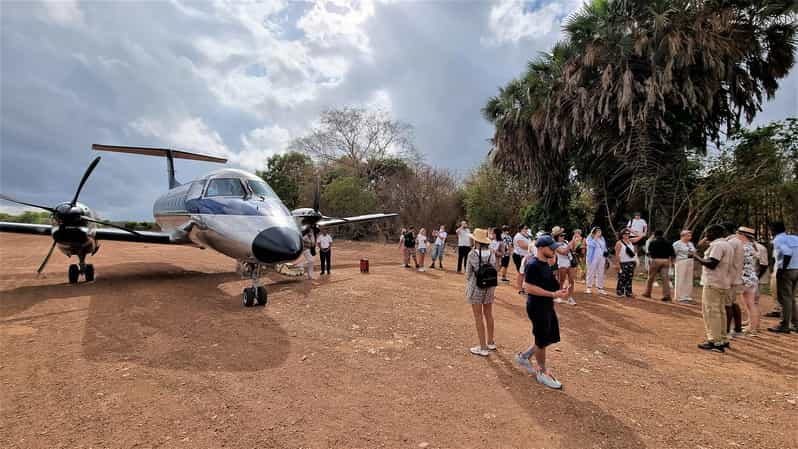
A small prop plane lands on Seronera airstrip, inside the park, where your private guide is already waiting. The game drive starts as you step off and runs all day, with a picnic lunch on the plains.
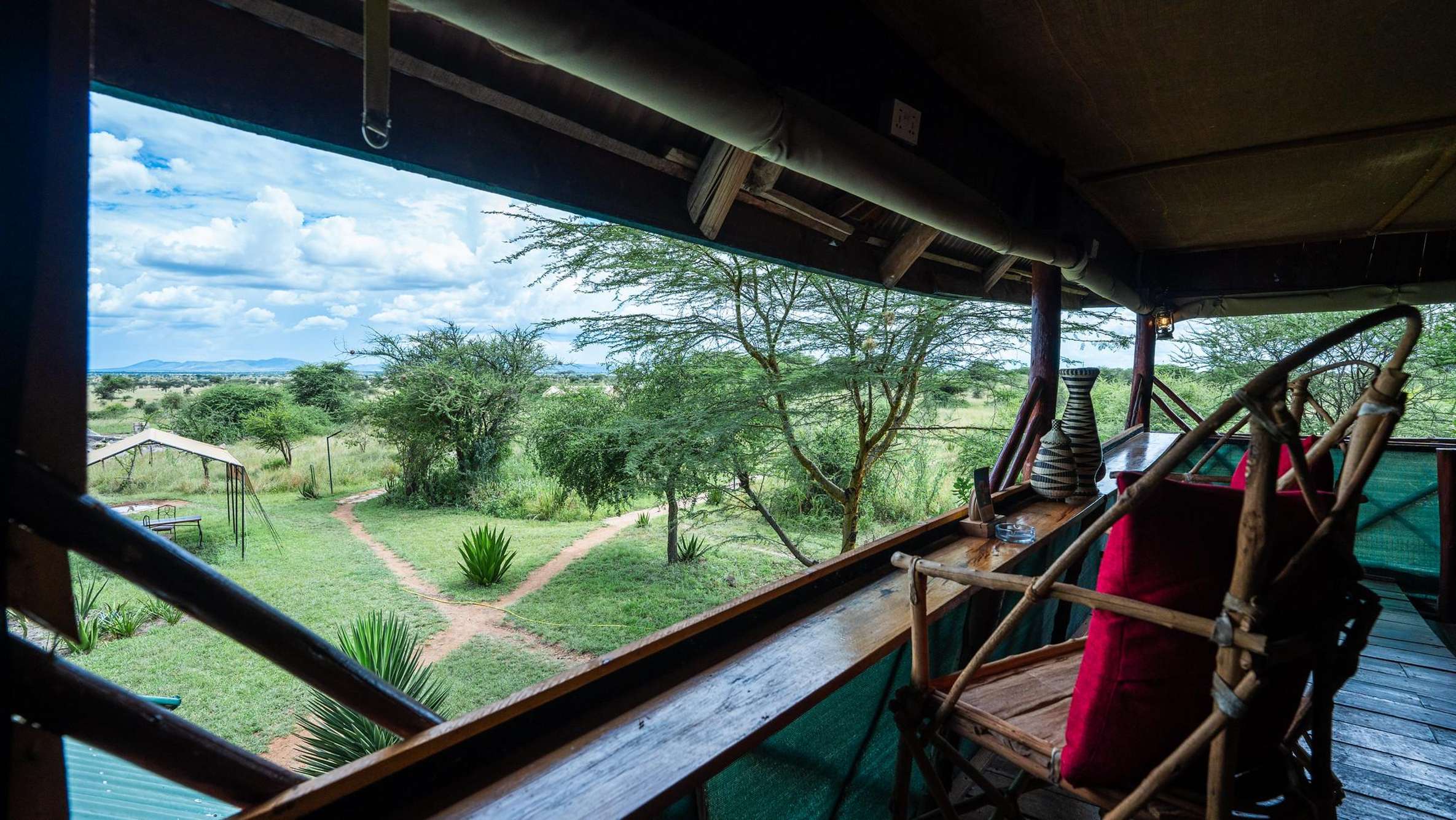
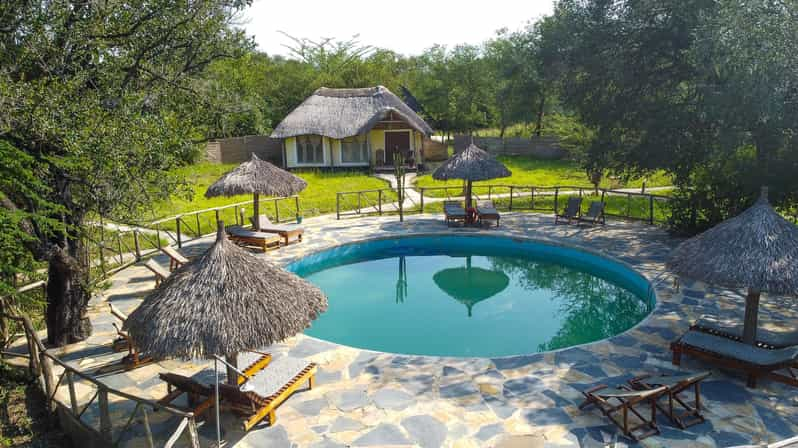
Night one is at Africa Safari Serengeti Ikoma, five minutes from the park gate, with all meals included. So are the park fees, landing fees, return flights and your Zanzibar hotel pickup. The bush logistics are handled before you arrive.
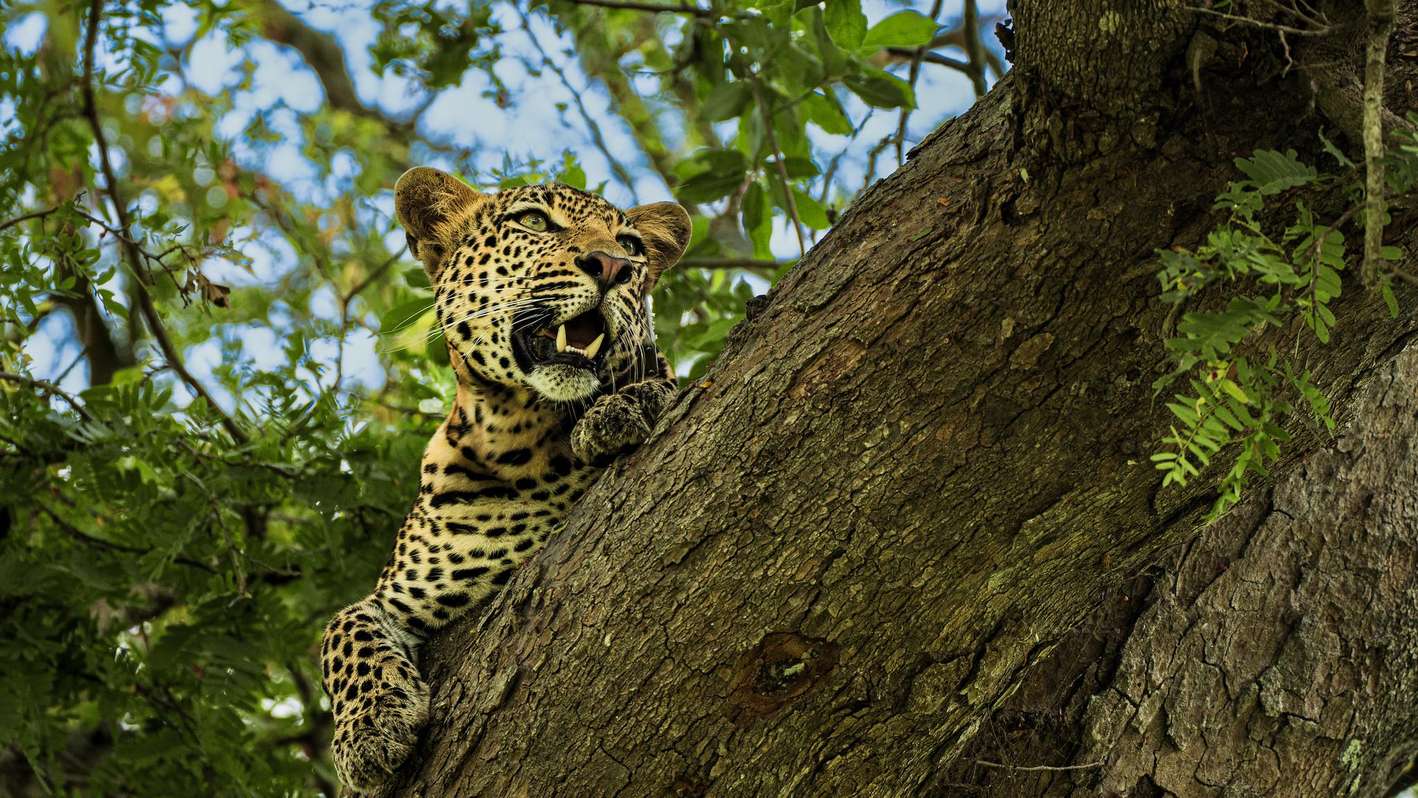
1The flight to Seronera· about 135 minA small prop plane carries you from Zanzibar to a bush airstrip in the middle of the national park, with the plains opening up on the way down.2First drive from the airstrip· about 240 minYour private guide waits where you land, and the game drive begins right away, with chances at lions, leopards, elephants, rhinos and buffalo.3Picnic lunch on the plains· about 45 minMidday, you break for a picnic lunch in the middle of the Serengeti, surrounded by open grassland and whatever wanders past.4The afternoon drive· about 240 minThe drive runs on into the afternoon. Guides radio each other across the park to track down rarer sightings like lions and leopards.5Night at Ikoma· about 780 minAfrica Safari Serengeti Ikoma sits a five-minute drive from the Serengeti gate. Dinner, a bed and breakfast come with the full-board plan.6Second day and the flight back· about 1440 minFull board covers breakfast at the lodge before the short drive back to Seronera airstrip and the return flight to Zanzibar.
Where the other tours go
Tarangire National ParkNgorongoro Crater
From Zanzibar: 3-Day Tanzania Safari: Tarangire & Ngorongoro
Park feesHotel pickup and drop-offDomestic flights Zanzibar to Serengeti Seronera and Serengeti Seronera to ZanzibarPrivate guided safariExperienced guide driverTanzania lodge as per the itinerary
Not included
International flightsVisaTourism Development Levy of$1.50 pp/pn and village tax of $1.00 pp/pn, to be paid by the guest(s) at check-in
Which Zanzibar safari tour fits your days and budget
Green marks the lowest price. Each price says whether it is per person or per group.
Tour
Price
Duration
Pickup
Languages
Best for
Our pick
From Zanzibar: 2-Day Serengeti Park Safari Trip with Flights
4.5★ (10)
from $1,435per person
2 days
yes
German, English
travelers who want the Serengeti's plains in two days without giving up beach time
Most reviewers praise their guide by name for finding lions when even he said the odds were low.
Best surprise
Several reviewers found the small prop plane landing on a bush airstrip a highlight of its own.
Most common wish
Several reviewers wish their flight details had arrived sooner than the morning of the safari.
How to book a safari from Zanzibar, step by step
01
Pick your date and park first
Choose a southern park like Mikumi or Nyerere for a one- or two-day trip, or the Serengeti for two days and more. Lodges near the Great Migration sell out 9 to 12 months ahead.
Pro tipLeave at least two nights in Zanzibar between the safari and your international flight home
Common mistakeSlotting the safari onto your last day and hoping delays won't happen
02
Choose shared or private, and the extras
Shared seats cost the least, and a private option gives you the whole jeep. Decide on hotel pickup or a meeting point, and add a French or German-speaking guide if you need one.
Common mistakeAssuming every option includes hotel pickup; some leave you to meet at the airport
Pro tipFor two travelers, a private jeep usually costs only a little more than shared seats
03
Pay and send your passport details
Free cancellation runs up to 24 hours before departure. After payment, the operator sends a form link asking for passport information, needed for park registration.
ImportantHave your passport handy; park entry needs the details you send after booking
04
Watch for the voucher and pickup time
Tickets arrive the day before the safari, and your pickup time comes then too. Beach resorts on the far coast start early, with pickups around 3 am for morning flights.
Pro tipCheck your email or booking app the day before, that is when the pickup time lands
RecommendedBe at your hotel reception five minutes before the pickup time
05
Know the weather rules before you go
Between April 1 and June 1, weather or airfield conditions can move or reshape the safari. If a day trip is canceled for weather, you get an alternative date or a full refund.
ImportantTourists in Zanzibar must hold government travel insurance, and it sits outside the tour price
RecommendedKeep Serengeti plans flexible, flights to the north have limited seats and dates can shift
What to know before you book a safari from Zanzibar
Can stop the dayGood to knowGood news
01
ChoosingWhat it is, who it suits, when to go
6
Bags
Bush flights take soft bags only, and the allowance is 20 kg per person, with each bag up to about 90 by 65 by 35 cm, so a duffel beats a hard suitcase. Drop beach gear at the airport's Terminals 1 and 3 or a Stone Town hotel, both of which hold bags for the day.
Flight day
Small prop planes land on dirt airstrips inside the parks, and wildlife spotting starts from the air. Mikumi and Nyerere sit under an hour away; the Serengeti takes about two hours. A day trip leaves six to seven hours for game viewing before the afternoon flight back.
BufferCan stop the day
Plan to be back in Zanzibar at least two nights before your international flight. Operators cannot cover missed connections on separate airline tickets, and weather delays do happen. A spare beach day at the end protects the whole trip.
Language
English comes as standard on these safaris. French, German, Spanish and Italian guides exist on several tours, usually as an add-on you select while booking. Ask early, because those guide seats are limited.
Clothes
Leave black and dark blue at home: tsetse flies home in on both shades in Mikumi and Nyerere. Khaki, beige, tan and olive are the safe picks, ideally as long sleeves and trousers against sun and bites.
Extras
Return flights, park fees, game drives, bush lunch and drinking water sit inside the package. Paid on top:
Tips for your guide, optional
Zanzibar's government travel insurance, which is mandatory for tourists
Foreign-language guides on the tours that charge for them
02
BookingHow far ahead, and what happens if plans change
1
Cancellation
Free cancellation runs up to 24 hours before departure. That covers weather too, since a grounded bush flight day trip gets a new date or your money back.
03
Before you goPapers, health, what to bring
3
Weather
Between April 1 and June 1, rain or a wet airstrip can move flight times, and the operator may shift the safari date or route you through Dar es Salaam by road instead. Guides steer drives to drier tracks, and the parks stay open.
HealthCan stop the day
These tours rule out pregnant travelers, people with back or heart problems and wheelchair users, because a game drive means hours on rough dirt tracks. Insect allergies get the same flag. If any applies, raise it with the operator before you book.
Documents
Carry your passport, since park gates check every visitor. A form link for passport details arrives before the trip, and your tickets plus pickup time come the day before the safari.
04
On the dayWhere to be, when, and how you get there
2
Pickup
Your driver meets you at the hotel reception, and day-trip pickups can start as early as 4 am. Stand ready at reception about 10 minutes beforehand. If you booked a meeting-point option, make your own way to the airport.
Booking lead
Book the safari with a return to Zanzibar at least two nights before your international departure, so a flight delay cannot eat your buffer. Tickets and pickup times arrive the day before, and on northern routes limited seats can force a date change.
The Zanzibar safari guide, from beach lounger to game drive
A bush flight from Zanzibar puts you on a park airstrip before nine in the morning and back on the sand by dinner. The choice of park, package and month decides whether that day earns its early alarm.
Seronera· 5.99° S, 39.38° E
If you only remember three things
1
Book flight-inclusive: bush flights run 40 to 60 minutes to the southern parks and about two hours to the Serengeti, with park fees and lunch inside the price.
2
Pack one soft duffel kept at 15 kg including hand luggage; hard cases are refused and plastic bags get confiscated at the airport.
3
Go between June and October, when the parks and the beaches are dry at once, and avoid April and May if the flight cannot move.
Is leaving the beach for the bush worth it on a Zanzibar holiday?
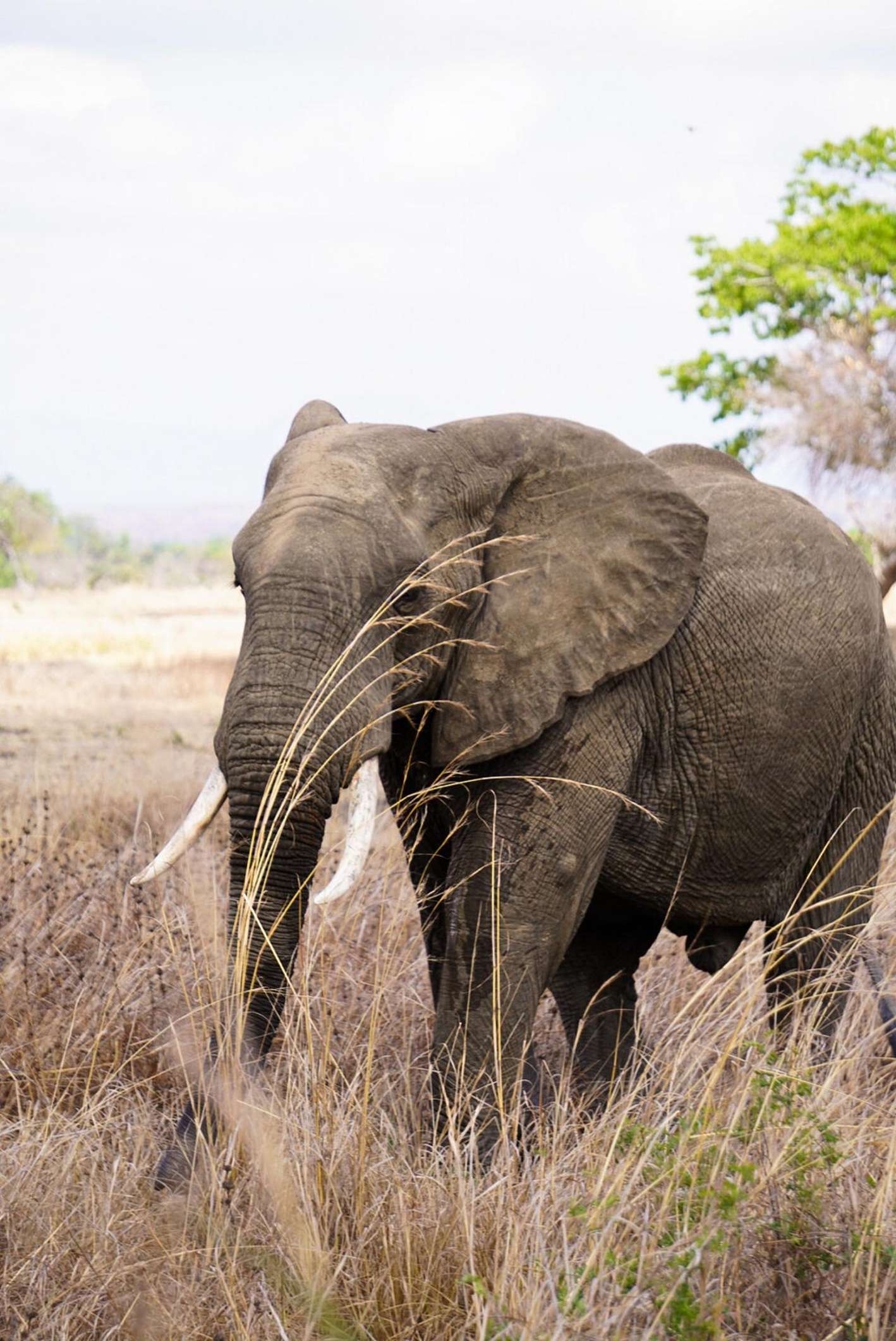
The loudest sound on most Zanzibar beaches is a wave. Forty minutes of flying later, in Mikumi, it is the rumble of elephants moving through dry grass, and the plane lands on a dirt strip inside the park itself.
That is the whole case for going: the transit people dread takes less than an hour to the southern parks.
A fly-in day works like this: wheels down by nine, six to seven hours of game viewing, and the afternoon flight back in time for dinner on the sand. No ferry, no overland day lost to the road.
A traveler's note
Solo traveler here, the tour works great alone. Saw every animal I wanted.
Order matters too. Run a multi-day safari before the beach, so the second half of the holiday is the rest, and a two-day trip crammed into the middle of a beach week can lose most of its bush time to flights.
If you are building the trip from far away, land at Kilimanjaro for the safari and fly home from Zanzibar; open-jaw tickets spare you hours of backtracking across the mainland.
Tour for this
From Zanzibar: Mikumi Safari Day Trip with Flights and Lunch4.7★ (3,203) · 8 - 32 hours · Hotel pickup · Free cancellation
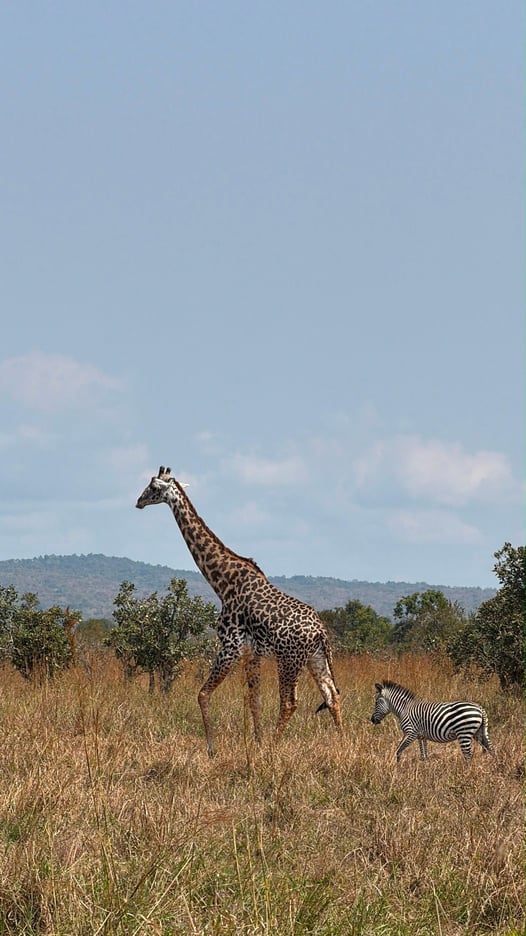
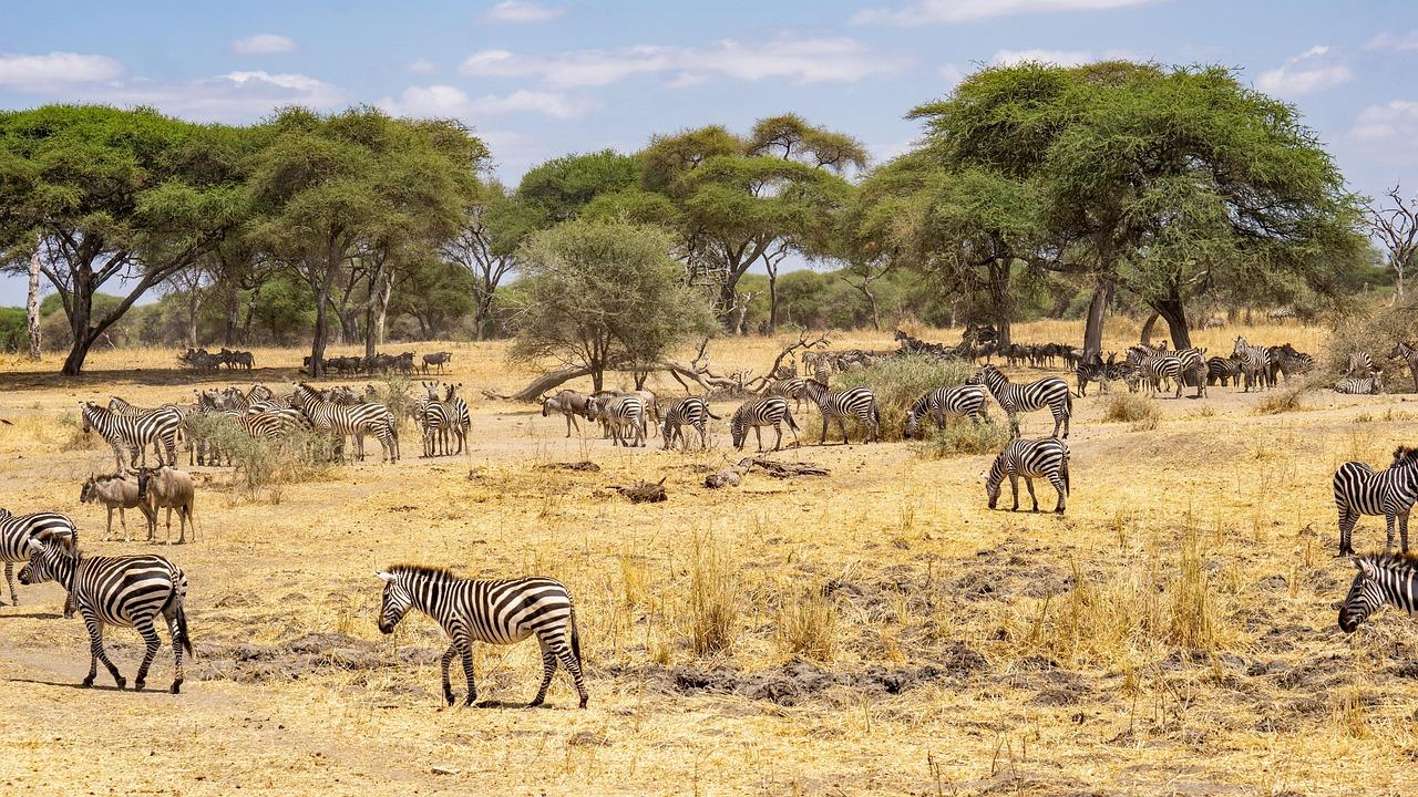
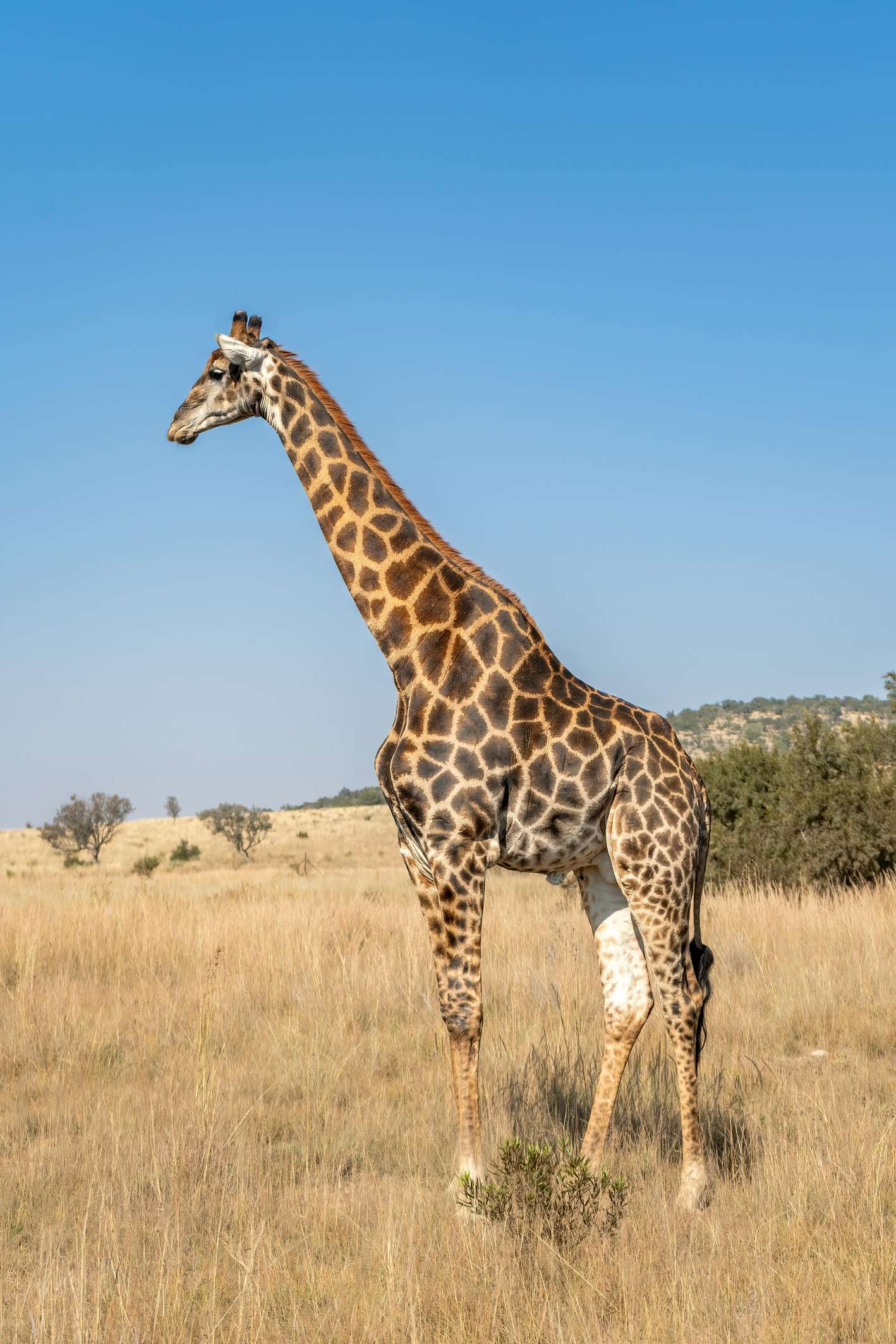
The three realistic shapes of a safari from Zanzibar are more different than they first look. Mikumi is the quick one: the flight runs 40 to 60 minutes, lands on an airstrip inside the park, and a single day buys six to seven hours of game driving among elephants, giraffes and plains game.
Big cats turn up less often here than in the northern parks, which is how Mikumi earned its nickname, the mini Serengeti.
Nyerere, about the same flight time southwest, is the water one.
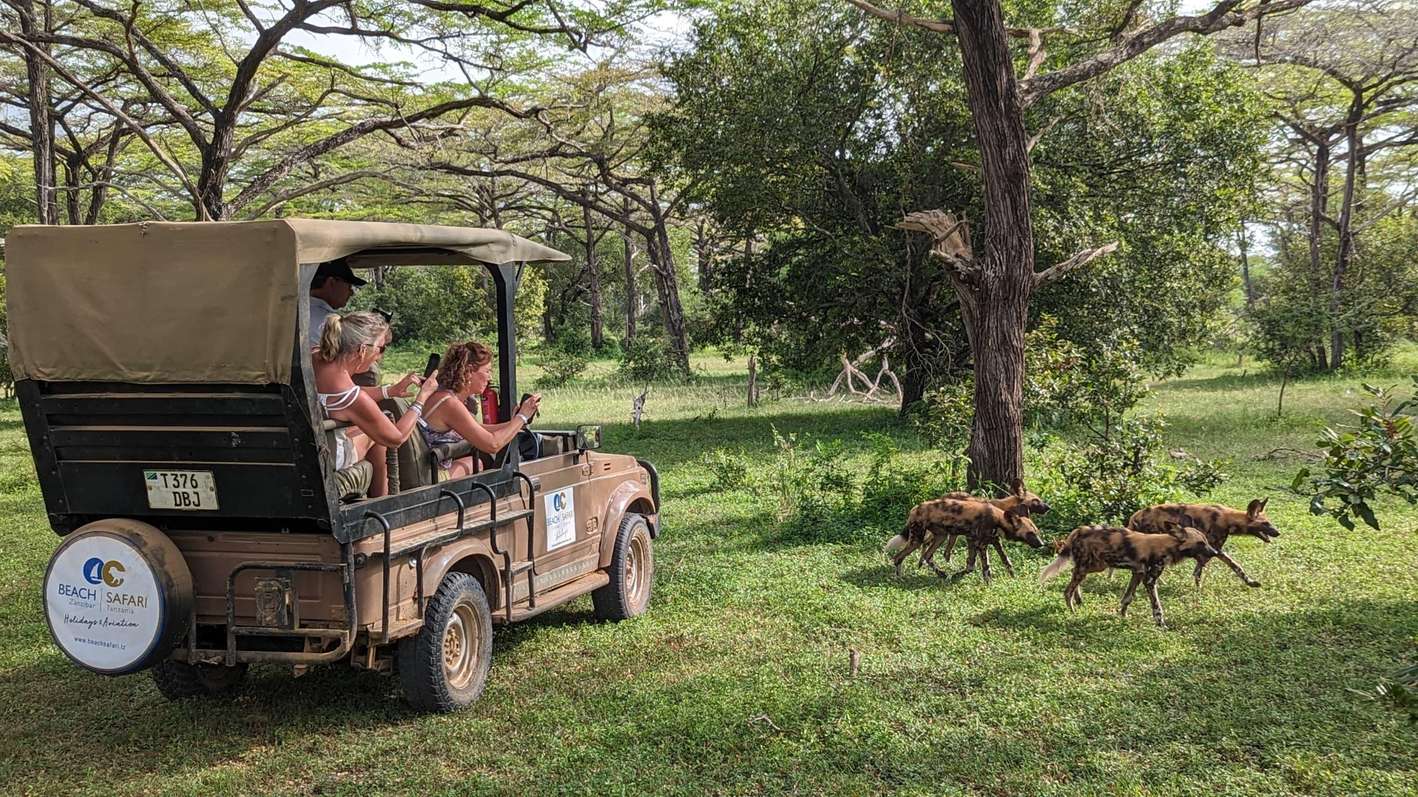
It is the largest protected game reserve in Africa, and what it adds that the others cannot is a boat: hippos, crocodiles and, with luck, African wild dogs along the Rufiji River, plus guided morning walks, all with far fewer vehicles than the northern parks.
Its wildlife is scattered across that huge area, so the guide tracks harder for each sighting.
The Serengeti fly-in is the one people mean when they say the name. Two hours in the air to Seronera, the densest predator population on earth, and the open plains you have watched on screens since childhood. Of the three it costs the most, and it rewards a bigger budget and more spare days.
So pick by the days you can surrender. One spare day points at Mikumi and nowhere else. Two days with a bush night opens Nyerere or the Serengeti, and the choice between them comes down to a river boat against big-cat country.
Tour for this
2-Day Selous (Nyerere) Safari from Zanzibar by Flight4.6★ (25) · 2 days · Hotel pickup · Free cancellation
The alarm goes off in the dark and the day starts at the hotel reception, five minutes before the driver. The bush planes are small, seats fill, and the flight leaves Zanzibar between about half past six and seven forty-five. First light over the channel, then the green of the mainland sliding underneath.
How the safari day unfolds
1
Around 4 am
Pickup at the hotel reception
the pre-booked transfer drives you to the airport in the dark
2
Between 6:30 am and 7:45 am
The bush flight leaves
a small prop plane with views down the channel and out over the bush
3
Around 9 am
Wheels down on the airstrip
the game drive starts right there, no gate queue
4
Midday
Bush lunch under a tree
laid out with fresh juice, mid-drive
5
Mid afternoon
The flight home
back in Zanzibar in time for dinner on the sand
The drive starts from the airstrip; there is no gate queue and no long transfer.
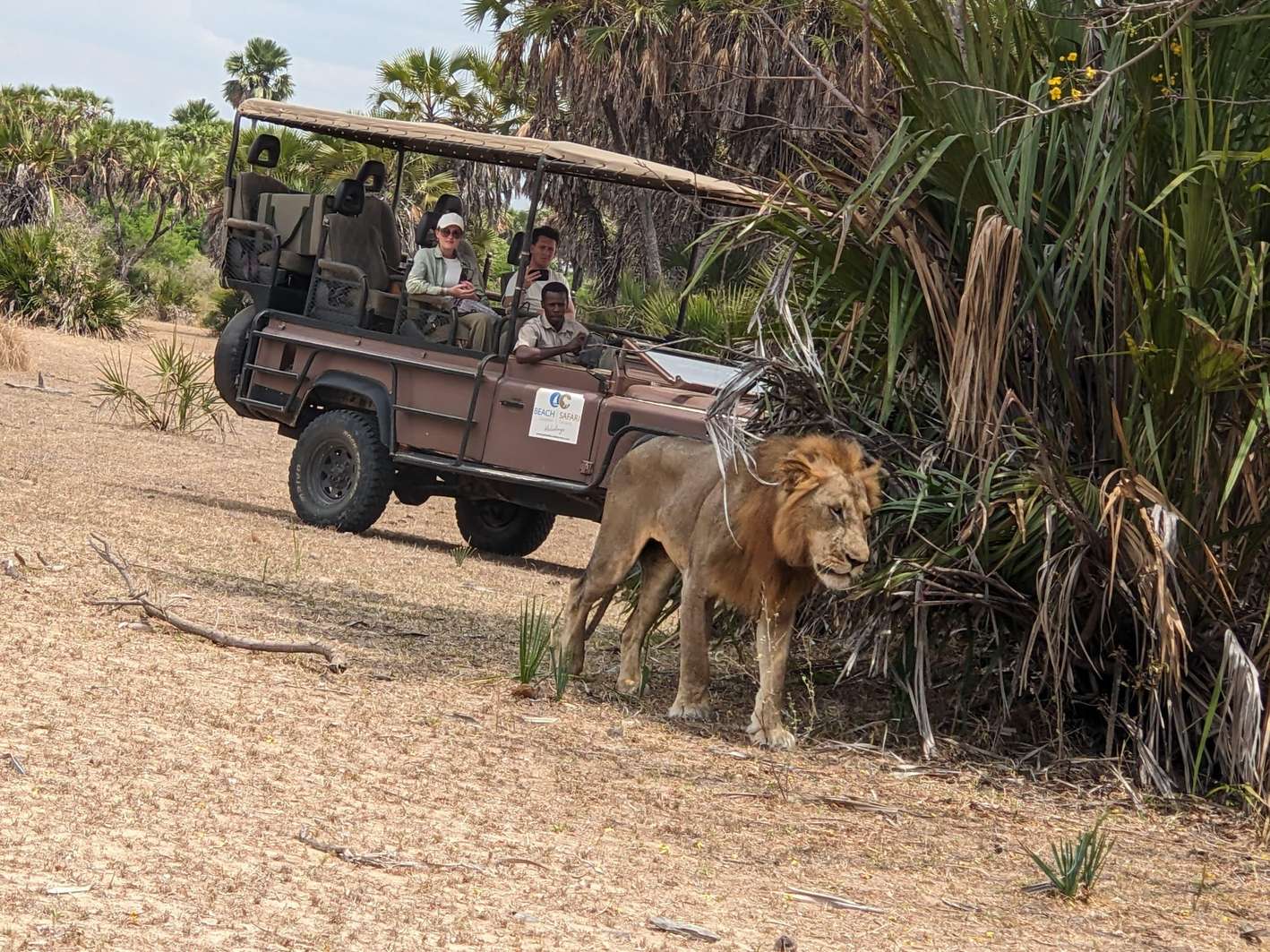
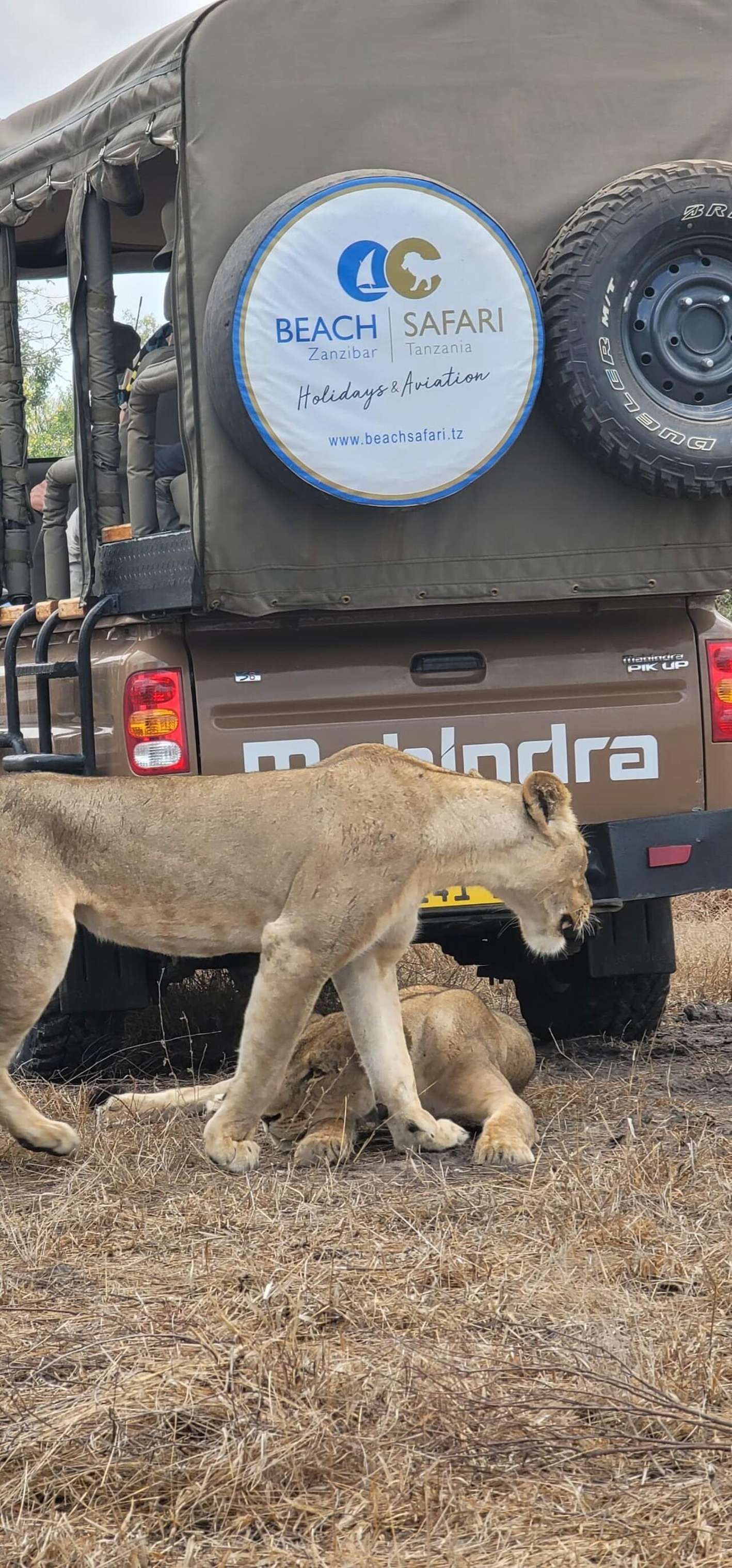
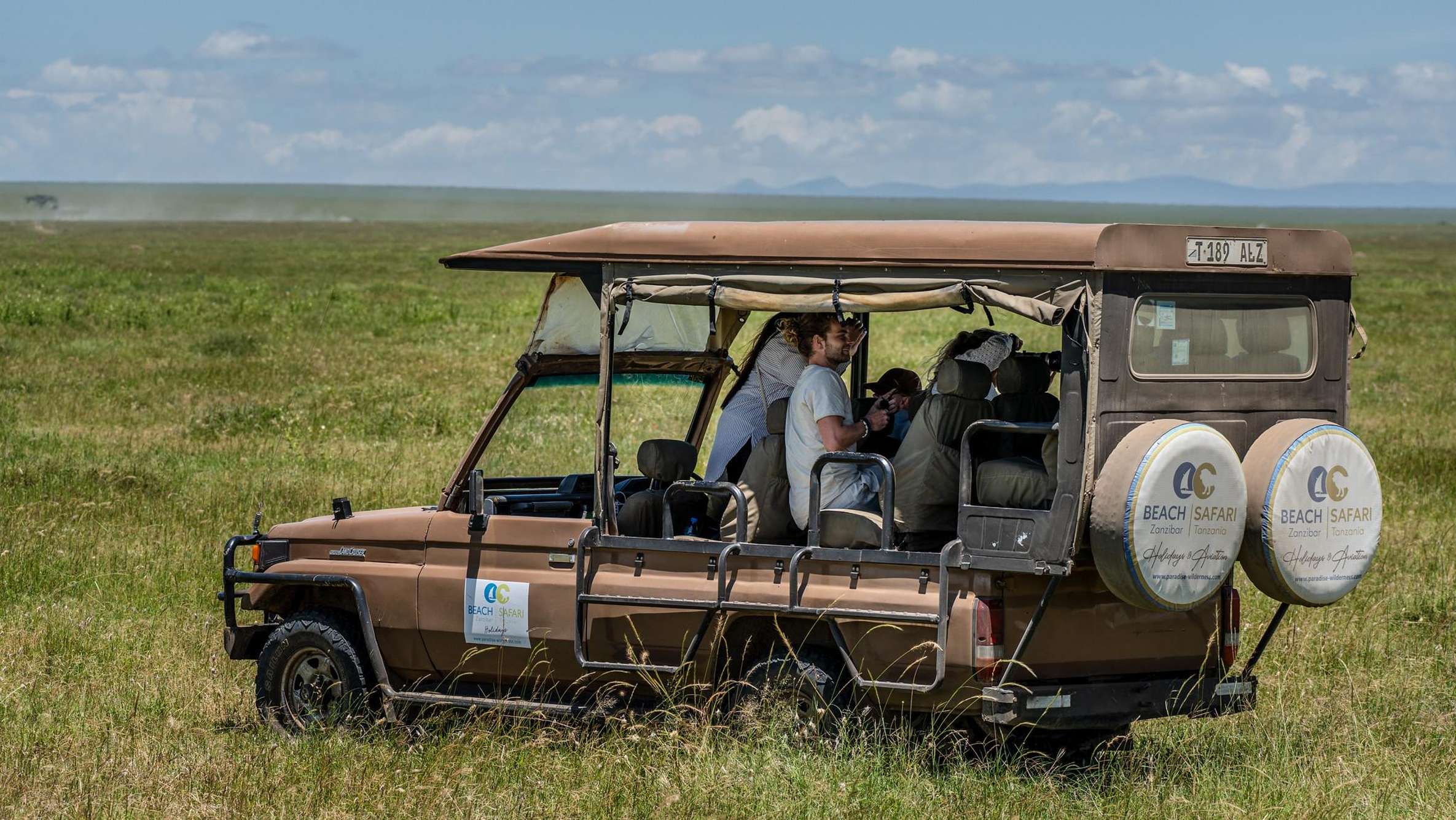
Guides talk to each other by radio across the park, so when one finds lions, the others come around politely and everyone gets a turn at the front row. Drivers double as photographers and will position the jeep for the shot.
Sightings are the one thing nobody scripts. The Serengeti holds 3,000 to 4,000 lions and the densest predator population on earth, so a day there rarely ends empty, but animals roam free and morning is when they move.
In Nyerere the day can bend: a boat along the Rufiji between drives, or a guided walk at first light.
Tour for this
From Zanzibar: 2-Day Selous Safari with Flights & Lodge Stay4.4★ (12) · 2 days · Hotel pickup · Free cancellation
The calendar is kind once, and only once. From June to October the mainland parks run dry: the grass thins, animals gather at the water, and Zanzibar sits in its sunniest stretch, with the parks dry on most days of the month.
July through September serve both halves of the holiday at their best; June and October run close behind.
Northern Tanzania wildlife viewing and Zanzibar beach weather by month
September brings peak visitor numbers, exceptional wildlife viewing across dry northern plains, and warm, sunny Zanzibar beaches.
HighestJul to Oct
In betweenFeb, Nov to Dec
LowestJan, Mar to Jun
Darker: a higher how busy it gets score, out of 5
Tap a month to read it.
July offers prime dry wildlife viewing and sunny Zanzibar beach conditions alongside high visitor numbers.
HighestJun to Aug157 to 202 times seen
In betweenFeb, Sep to Dec98 to 145 times seen
LowestJan, Mar to May35 to 85 times seen
Darker months: higher, from 35 to 202 times seen
Tap a month to read it.
July offers prime dry wildlife viewing and sunny Zanzibar beach conditions alongside high visitor numbers.
HighestJun to Oct25.6 to 30 days
In betweenMar, May19.6 to 23.4 days
LowestApr, Nov to Feb13.8 to 18.8 days
Darker months: higher, from 13.8 to 30 days
Tap a month to read it.
January offers warm days and occasional rains with moderate crowds in the northern parks and sunny beach weather on Zanzibar.
HighestJan to Mar, May to Oct12 to 16.2 days
In betweenDec8.6 days
LowestApr, Nov2.6 to 7 days
Darker months: higher, from 2.6 to 16.2 days
Tap a month to read it.
January offers warm days and occasional rains with moderate crowds in the northern parks and sunny beach weather on Zanzibar.
Lowestall year100% of days
Darker months: higher, from 100 to 100% of days
Tap a month to read it.
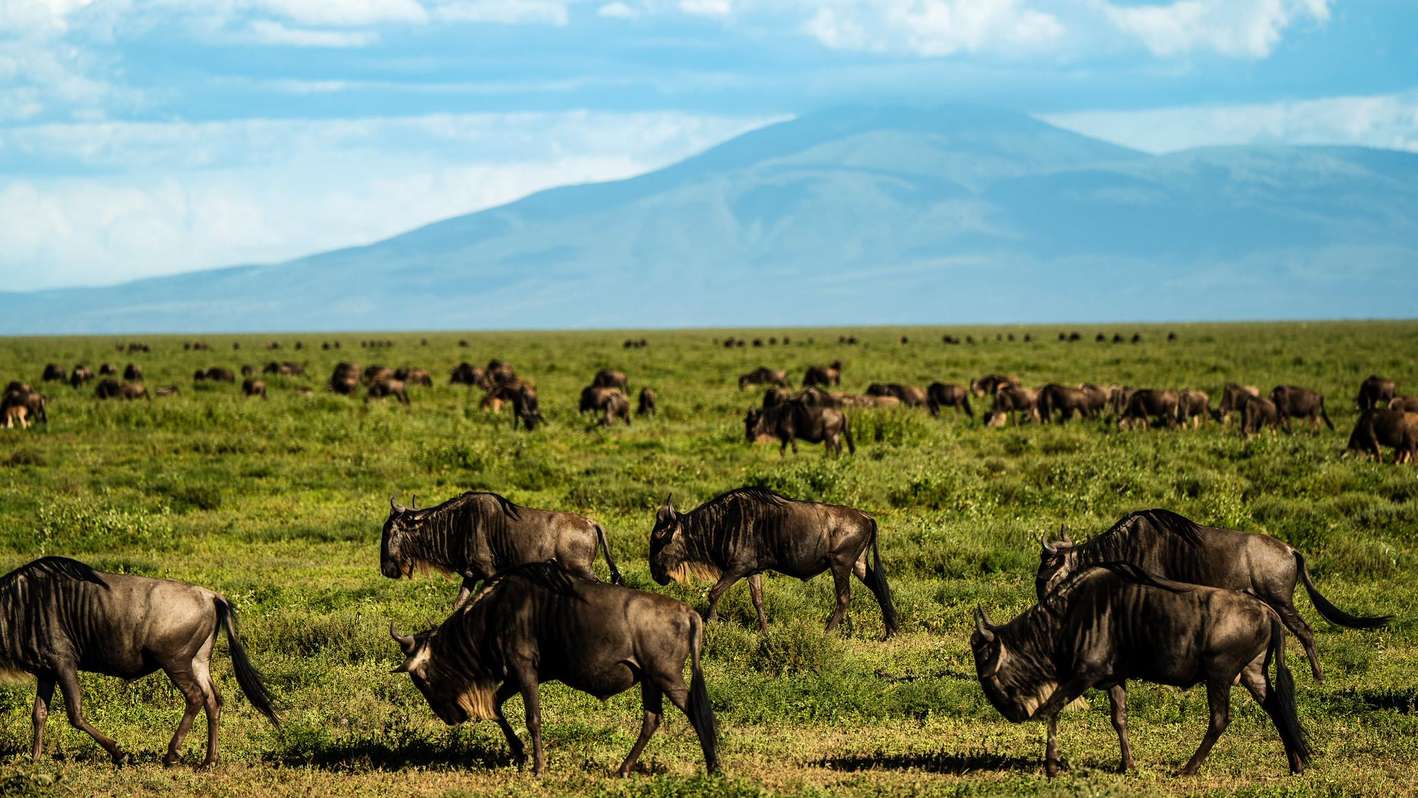
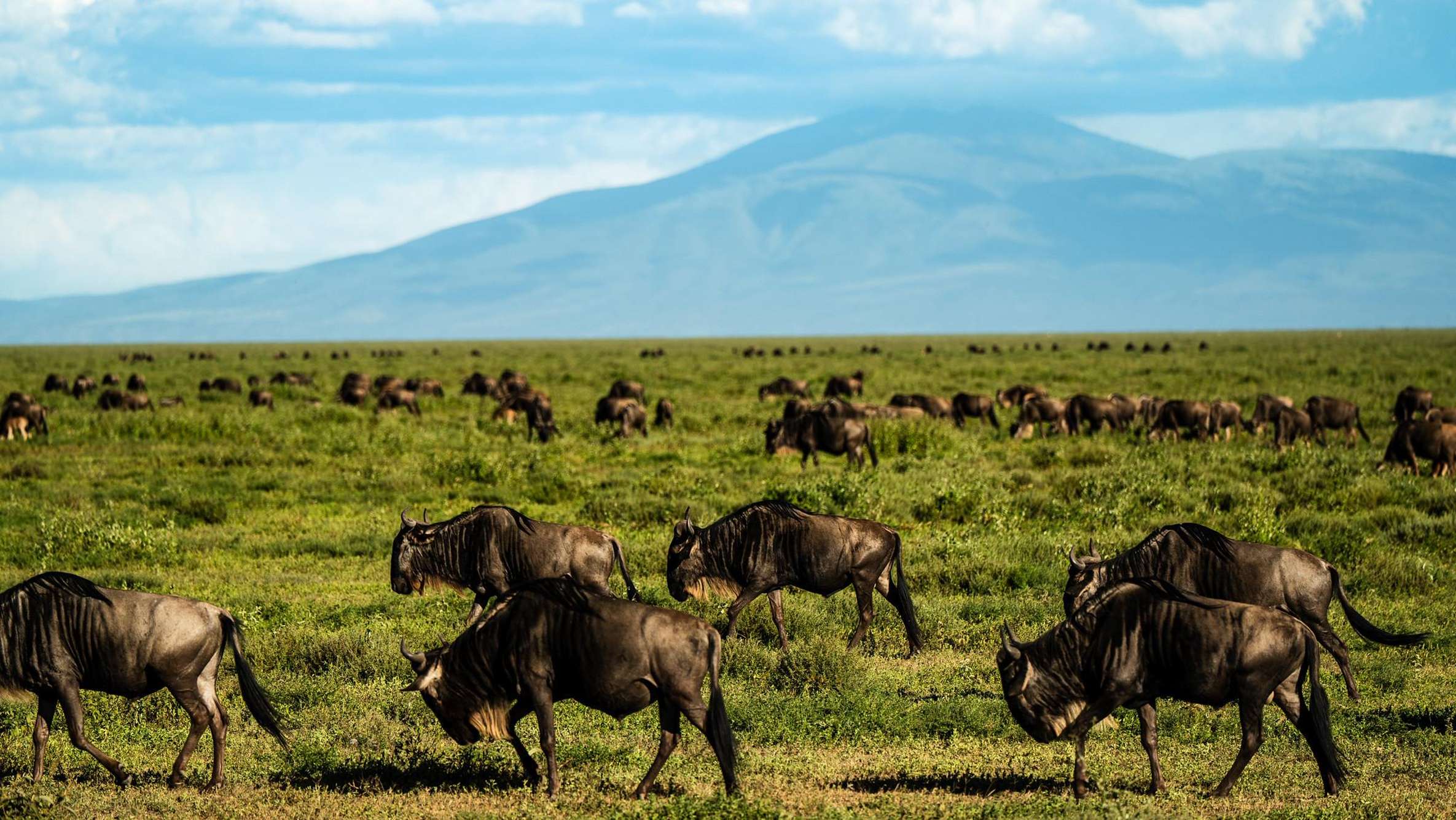
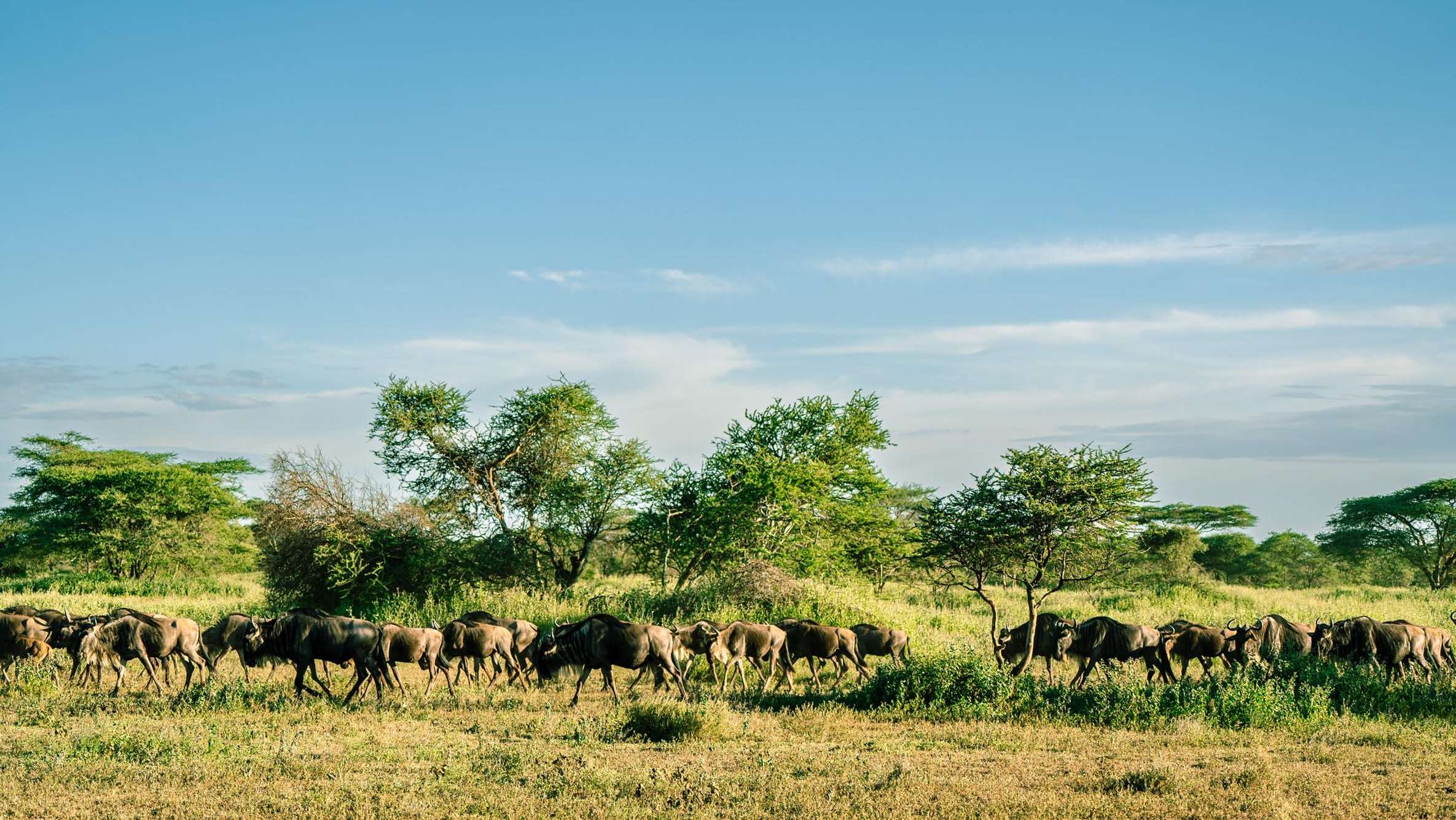
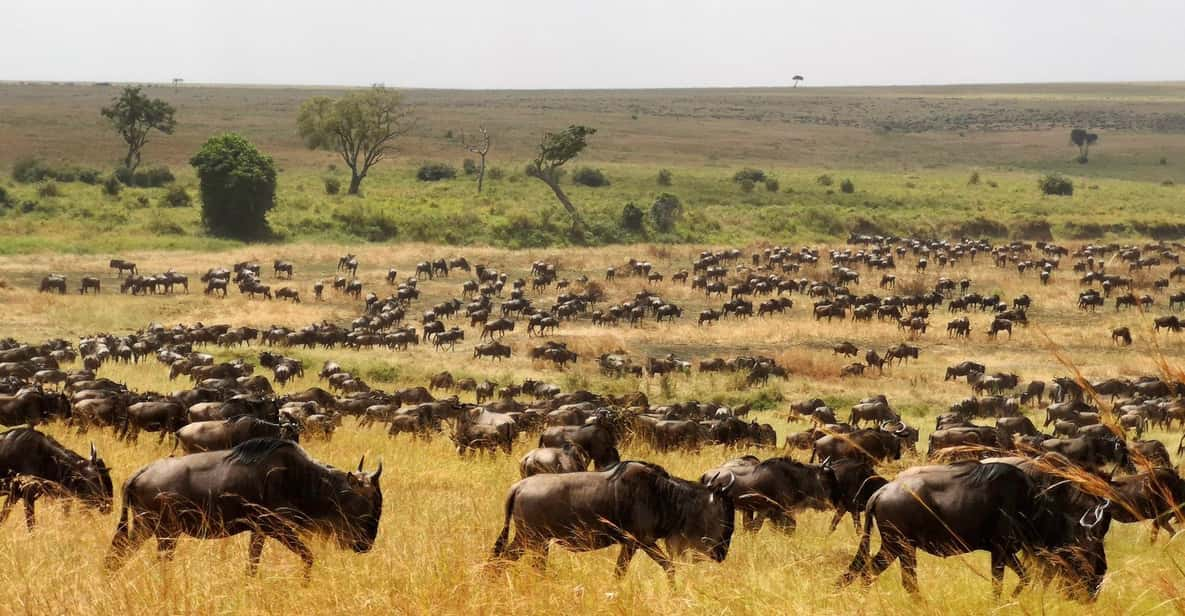
August is the month for the drama, when the wildebeest herds cross the Mara River in the northern Serengeti. Book that one early, and ask the operator about three weeks before departure where the herds are standing that year, because the movement shifts with the rain.
April and May are the months to avoid if the flight matters. Rains fall heavy on both the mainland and the island, and light aircraft get grounded.
A second window runs from late December into February: the hottest beach weather, calm seas, and green parks. For one trip doing both jobs, aim for the middle of the year.
Tour for this
From Zanzibar: Day Selous Game Reserve Safari with Lunch4.8★ (1,688) · 8 hours - 2 days · Hotel pickup · Free cancellation
Start with days. One spare day points at Mikumi and nowhere else; the southern parks are the only ones close enough to make a single day count. Two days opens Nyerere, or the Serengeti fly-in if the budget stretches.
The rule regulars repeat, two nights per park, counts overland trips that burn whole days driving between parks; a fly-in trip lands on the airstrip inside the park by mid-morning and keeps driving until late, so its single lodge night buys the bush hours a two-night overland visit gets.
Then decide who owns the vehicle. Shared jeeps cut the cost and put the schedule in other people's hands; a private 4x4 with your own guide bends the day around you, which is what first-timers say they value most.
Check the operator itself is real: the Ministry of Tourism keeps a stakeholder register, and membership of TATO, the national tour operator association, is the quick credibility test.
How to choose a Zanzibar safari package
Check
Why it matters
Our pick
Check the operator is real
the Ministry of Tourism stakeholder register and TATO membership are the quick credibility tests
a vetted local operator with park fees and landing fees itemized
Insist the flights are in the package
separate bush flight bookings are the logistical trap this trip avoids
return flights Zanzibar to Seronera sit inside one booking
Match days to park
two nights per park keeps overland trips unhurried; a fly-in lands inside the park and drives all day
two days with the lodge night close to the park gate
Decide private or shared
a private vehicle and guide bend the day around you; shared jeeps cut the cost
private guided safari in the lead package
Read the weather terms
coastal fog grounds planes; know the fallback before you pay
full refund or a new date if weather cancels
From Zanzibar: 2-Day Serengeti Park Safari Trip with Flights passes every check above in one booking: return flights to Seronera, park fees, a private guided safari and the lodge night by the gate, with a full refund available up to 24 hours before departure.
Tour for this
From Zanzibar: 2-Day, 1-Night Selous GR Safari with Flights4.9★ (40) · 2 days · Hotel pickup · Free cancellation
Flying is what makes the whole idea work. Direct bush flights leave Zanzibar for Kikoboga airstrip in Mikumi in 40 to 60 minutes and for Nyerere's Mtemere strip in about the same. The Serengeti takes longer, roughly two hours to Seronera, sometimes with a stop at Arusha or Lake Manyara on the way.
Direct flights from Zanzibar to mainland park airstrips
To Abeid Amani Karume International Airport · Stone Town
1From Mikumi National Park
FlightEasiest
Lands directly at Kikoboga airstrip
45 minBush plane
2From Nyerere National Park
FlightEasiest
Lands directly at Mtemere airstrip
50 minBush plane
Two parks miss out. Ngorongoro and Tarangire have no airstrip of their own in range of these flights; the way there is a flight to Arusha and then the road.
The overland alternative exists, and it is the reason people fly. The ferry to Dar es Salaam takes two hours on the water, then four and a half to five hours of driving to reach Mikumi, six and a half to seven and a half hours all in.
The express train from Dar es Salaam to Morogoro trims about two hours off, but a morning flight still leaves every road option hours behind.
Tour for this
Zanzibar: 3-Day Mikumi National Park Safari with Free Pickup4.6★ (9) · Free cancellation
The least glamorous hour of the holiday comes first. From Nungwi the drive to the airport takes about an hour and forty minutes over 64 kilometres; from Paje about an hour and a half over 50.
Pickups run from around three to four in the morning depending on the flight, and the driver collects you at the hotel reception.
Book the transfer when you book the safari. The early departures from the far beaches run as pre-arranged direct transfers, collected at the resort reception, so nobody is negotiating with a taxi driver at midnight.
The tours ask you to be at reception five minutes before the pickup time, which is worth taking seriously when the bush flight cannot wait.
Set the alarm without dread. The driver does the work, and the sunrise over the water from the plane window is the day's first sight.
Tour for this
From Zanzibar: Mikumi Safari by Twin-Engine Plane + Lunch4.7★ (164) · 10.5 - 12 hours · Hotel pickup · Free cancellation
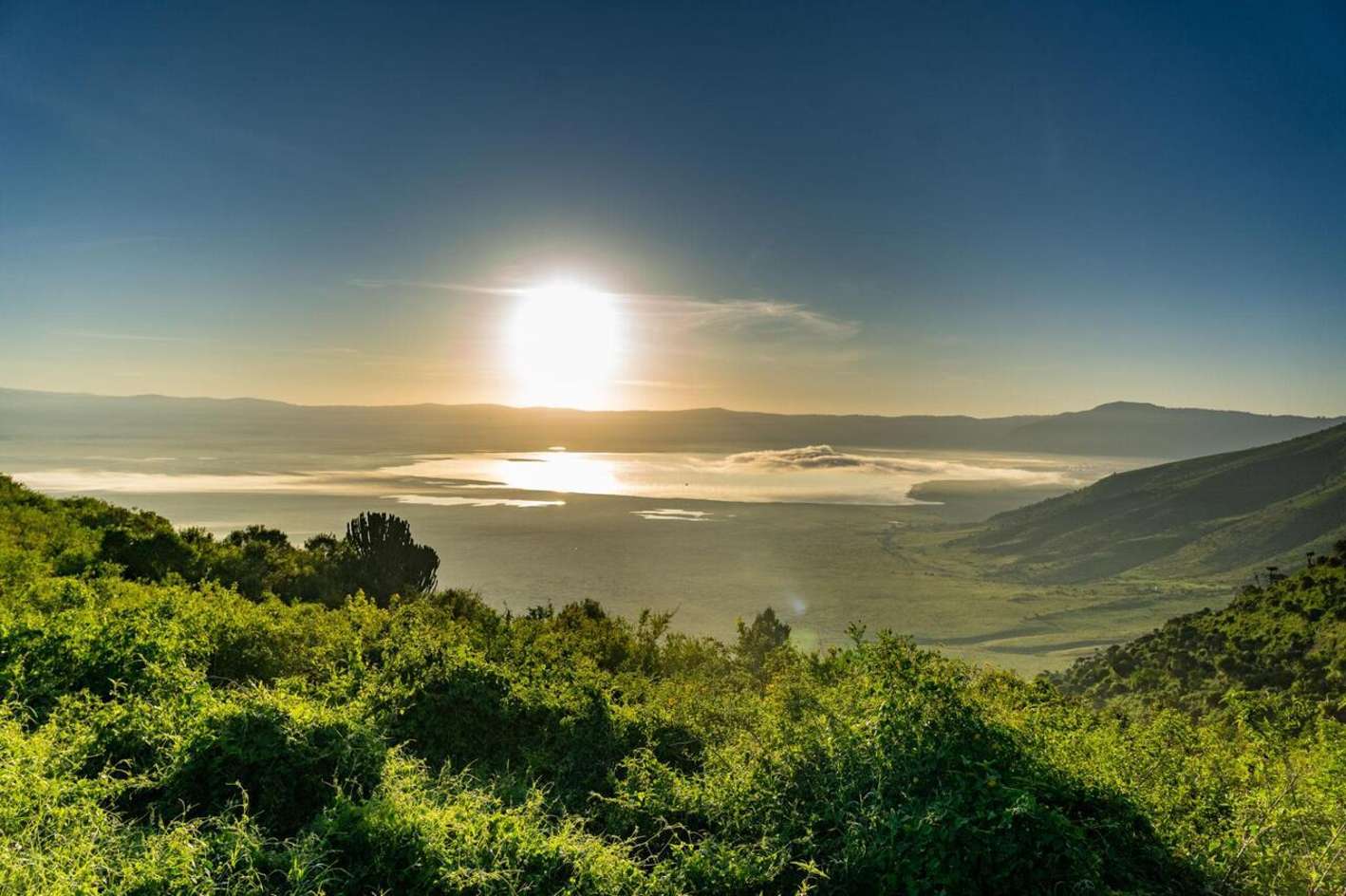
One bag serves two climates if you pack it right. Zanzibar sits at 28 to 33 degrees; the Ngorongoro rim, if your trip runs that far north, drops to 8 to 11 degrees before the sun is up. Swimwear and light cotton for the coast, a fleece and long trousers for the jeep at dawn.
Packing essentials for Ngorongoro and Zanzibar
Warm jacket or fleeceCaldera rim mornings drop to 7-11°C, requiring a warm layer for open-vehicle game drives and cool evenings.
Breathable lightweight clothingZanzibar temperatures reach 28-33°C, calling for loose, airy fabrics that stay comfortable in humid coastal heat.
Closed walking shoesRequired for bracing in safari vehicles on uneven crater tracks, camp grounds, and airport transfer days.
Swimwear and modest cover-upsResort beaches call for swimwear, while sarongs or kaftans provide cultural modesty when moving outside pool areas.
Long trousersOffers wind and insect protection during chilly rim mornings and doubles for breezy air-conditioned coastal evenings.
Wide-brimmed sun hat and sunglassesProtects against harsh equatorial UV reflection on white coastal sand and exposure during open-roof game drives.
Sunscreen and insect repellentGuards against strong sun at high altitudes and sea level, plus evening mosquitoes in both safari camps and beach resorts.
The list above covers both halves of the trip; the flight rules are stricter. Bush flights refuse hard-shell cases. Pack a soft duffel and keep it light: most operators cap bags at 15 kilograms including hand luggage, and some shared tours go down to 10.
Leave single-use plastic bags out entirely; they are banned nationwide and confiscated at the airport, with clear zip-top bags for toiletries the one exception. Camouflage clothing is illegal for civilians, and dark blue or black pulls tsetse flies in the bush, so lean on khaki, olive and beige.
Tour for this
Zanzibar: 2-Day Private Magical Ngorongoro Crater Safari5.0★ (2) · 2 days · Hotel pickup · Free cancellation
What happens if Zanzibar weather grounds the flight?
Coastal weather is the one thing a package cannot promise. Light aircraft fly low and slow, and morning fog or heavy rain between April and June can hold them on the ground. The southern parks, whose tracks turn to clay in the wet, are the trips most likely to bend.
If the bush flight cannot fly
If this happens
What happens then
Weather or unsafe flying conditions cancel a Mikumi day trip
a new date or a full refund
Heavy weather between April 1 and June 1 bends the schedule
the safari moves earlier or later, or a Selous trip reroutes via Dar es Salaam by road
A delay makes you miss a connection on another airline
the safari operator accepts no responsibility for the missed connection
A delay costs a downstream activity
the operator accepts no responsibility, so leave slack in the days after
Read those terms before you pay the deposit. The core promise on the Mikumi day trips is solid: a weather cancellation gets you a new date or your money back. What the operators leave uncovered is the domino effect, a missed connection on another airline or a lost activity downstream of a delay.
So build slack. Regulars book the safari no later than two nights before their international departure from Zanzibar, so a moved flight cannot cost them the flight home.
Tour for this
From Zanzibar: 2-Day Serengeti Park Safari Trip with Flights4.5★ (10) · 2 days · Hotel pickup · Free cancellation
Papers, jabs and the real price of a Zanzibar safari
The paperwork is simpler than it looks. A passport valid for six months beyond arrival with a page or two free for stamps, and a single visa that covers both the mainland and the island, applied for online in advance or bought on arrival at Zanzibar, Kilimanjaro or Dar es Salaam.
A few nationalities need prior approval, so check your own country's rule before flying. Keep proof of your hotel and a return ticket handy; entry officers ask for both.
One needle in the health rules: yellow fever certification is only demanded from travelers aged one and up arriving from, or transiting twelve hours or more through, a country where the disease occurs, with the vaccine given at least ten days before arrival.
Arriving directly from most of Europe, the Americas or the Gulf, you need no jab. Zanzibar, though, requires its own inbound travel insurance from every visitor.
Then the quiet line items. Visas, that insurance and tips for the driver-guide sit outside most quotes, and operators ask a deposit of a third to a half of the booking to hold it. Park fees, landing fees, flights and meals on multi-day trips are inside.
Is a Zanzibar safari safe, and what about the kids?
The honest answer is that the vehicle does the protecting.
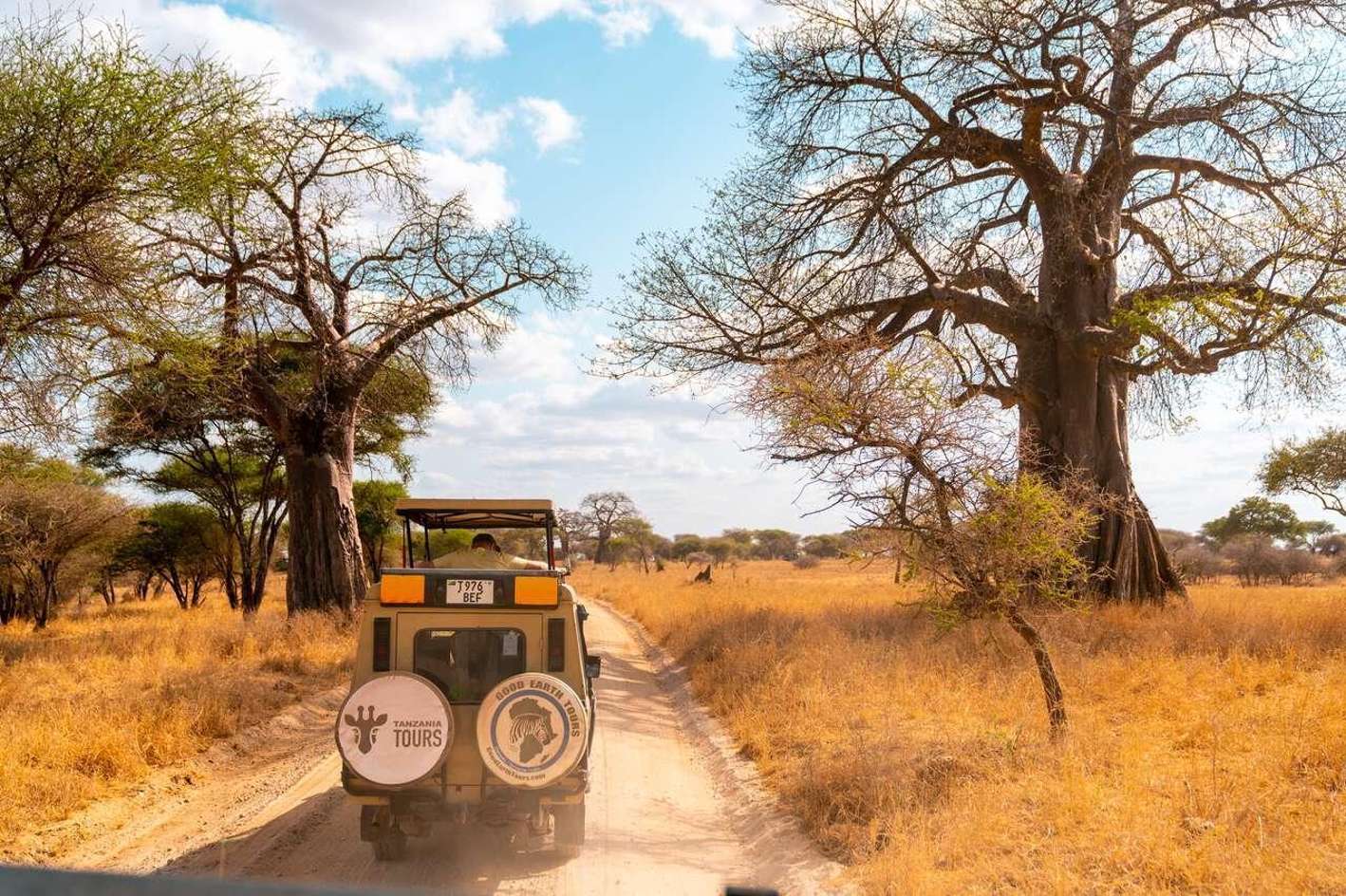
Game drives happen inside a sturdy 4x4, the animals are used to cars passing, and the rules that keep it that way are simple: hands inside, nobody feeds or touches anything, and you step out only at the picnic and restroom stops. Guides enforce all of it.
What people get wrong about Zanzibar safaris
MythSafari must be dangerous, with lions that close
Reality
everyone stays inside the vehicle and the animals are used to passing cars; stepping out is only for the designated stops
MythThe guide can promise you a lion
Reality
sightings are never guaranteed; animals roam free, and guides radio other drivers across the park to track the rarer ones
MythSmall children rule out any safari
Reality
under-fives struggle with the stillness, but a private vehicle lets a family shorten drives; **ages eight to twelve** are the sweet spot
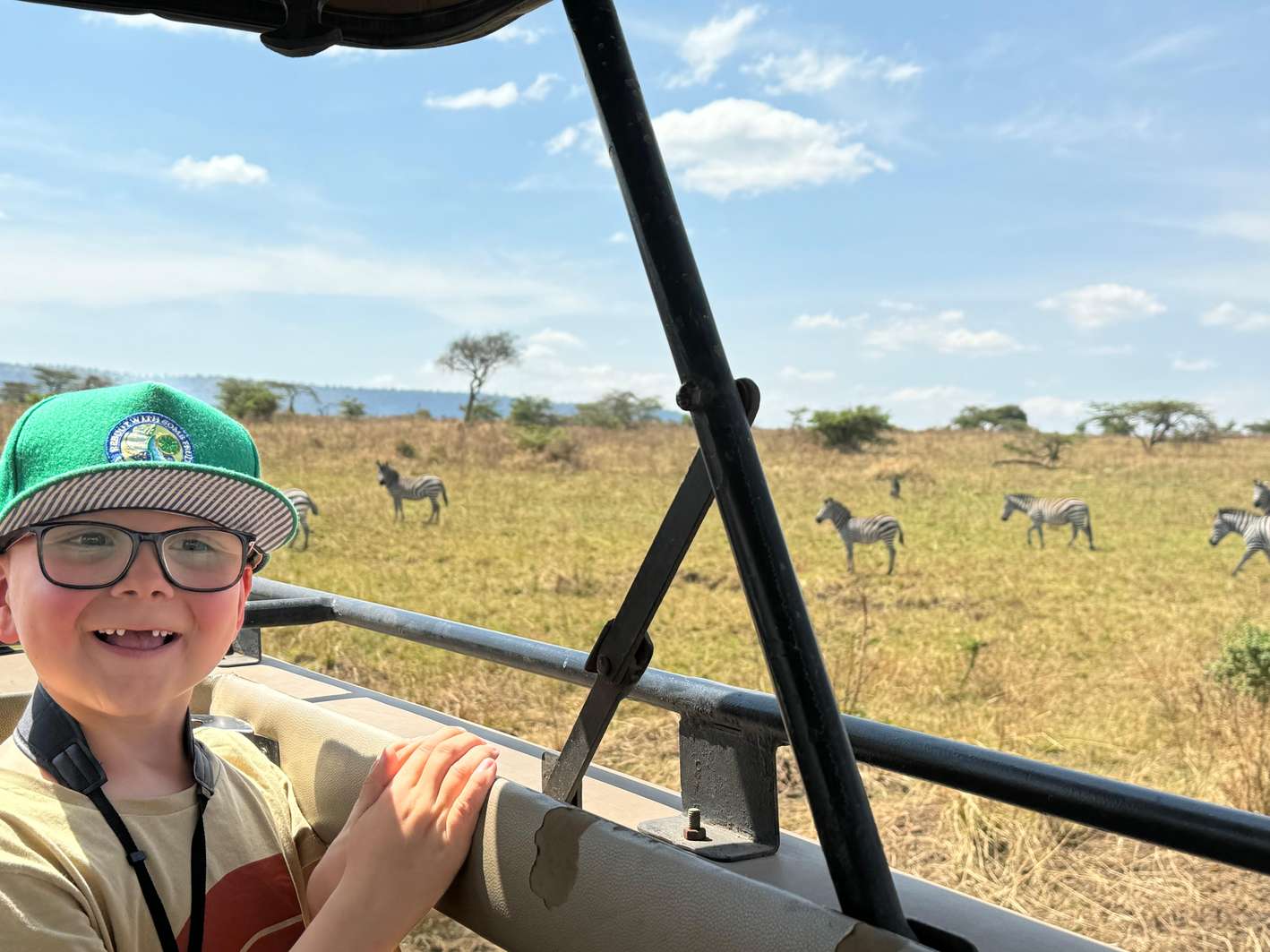
With children, the maths changes more than the safety does. Drives run long on bumpy, dusty roads without air conditioning, and young ones find the quiet and stillness near predators hard; a private vehicle caps drives at three or four hours and breaks them with a pool.
Malaria prophylaxis needs a doctor's visit before you go, since the parks sit below the altitude where the risk stops, and any fever in a child during or after the trip gets seen urgently.
Official advisories treat the safari circuits as ordinary travel with the usual city cautions. The border region with Mozambique is the one area governments single out; no package on this page goes near it.
The days around the safari have their own wildlife. The dhow trip people call Safari Blue runs down the southwest coast to a sandbank, a mangrove lagoon and a seafood lunch on Kwale Island. Private boats go out to Mnemba Atoll for dolphins and snorkeling over the reef.
A diving course takes two or three days if you want the certification, and everyone else books the boat trips the night before, which works fine on the island. Only the smarter restaurants need a real reservation.
Pick the beach base with the tide in mind. Nungwi and Kendwa, up north, swim all day; the east coast around Paje and Jambiani empties at low tide, and the trade winds from June to September pull that side towards kitesurfing. A rented moped covers the rest.
Give a Zanzibar beach holiday one safari day and you will not regret it; give it two and the trip gains a second story.
Book the flight-inclusive package, pack a soft duffel, aim for June to October, and skim the weather terms once before you pay the deposit. The beach will still be there in the afternoon. The lions, you go to them.
Go ifGo if you can spare a day between June and October, when the parks and the beaches are dry at once.Go if the kids are eight or older and can sit quietly in a jeep for a few hours.Go if you want the Serengeti name on the trip and can give it two nights.
Skip ifSkip if your dates fall in April or May and the safari cannot move.Skip if a doctor has advised against malaria tablets or bumpy drives, and take the marine trips instead.Skip if you have less than one full free day; half a day in the bush buys nothing.
Our pick to book
From Zanzibar: 2-Day Serengeti Park Safari Trip with Flights4.5★ (10) · 2 days · Hotel pickup · Free cancellation
Tanzania and Zanzibar safari tours, your questions answered
The questions travelers ask before pairing a Zanzibar beach week with game drives on the mainland, answered from real trip logistics.
Seronera2026
Back at your hotel by early evening, dust on your shoes and a lion story to tell. Pick an early safari date in your beach stay.
Can you go on a real safari while staying in Zanzibar?
Yes. Bush planes fly from Zanzibar to mainland parks, and tour operators run day trips and overnight packages that include flights, park fees and game drives. On the island itself you get marine excursions, like the Safari Blue dhow trip and dolphin and snorkeling outings to Mnemba Atoll.
Which mainland parks can I fly to directly from Zanzibar, and how long is the flight?
Three parks take direct bush flights. Mikumi lands at Kikoboga Airstrip after 40 to 60 minutes, Nyerere lands at Mtemere or Stiegler after 45 to 60 minutes, and the Serengeti lands at Seronera after roughly two to two and a quarter hours.
Ngorongoro Crater and Tarangire have no park airstrip, so flights go to Arusha Airport and the rest of the way is by road.
Is a one-day fly-in safari worth it, or should I stay overnight?
A day trip works. Morning flights arrive around 9 am, leaving six to seven hours of game viewing before the afternoon flight back. An overnight package adds dawn and dusk drives, the times when animals are most active, plus boat safaris on the Rufiji River in Nyerere.
How many days do I need for a safari from Zanzibar?
Mikumi rewards two days: the airstrip sits close to the game, so you can fill a first afternoon and a full second morning. Trying a two-day northern circuit costs you most of your safari time in flights and road transfers. For the Serengeti or Ngorongoro, plan three days or more.
When is the best time to combine a safari with a Zanzibar beach stay?
June through October works best, with July to September at the top. The dry season thins the vegetation and pulls wildlife to the water in the northern parks, while Zanzibar gets its sunniest, driest beach weather. June and October run almost as well on both fronts.
Is a safari safe for families with young children?
Yes, if everyone follows the park rules. You stay inside the vehicle, keep hands in, and step out only at picnic and restroom sites, since the animals are used to passing cars. Children under five often find it hard to stay quiet and still, so a private vehicle lets you shorten drives and take breaks.
What happens if weather cancels my bush flight?
Between April 1 and June 1, rain or wet airstrips can force schedule changes, and a grounded flight can postpone or move your safari day.
If a day trip is canceled outright, you get a different date or a full refund. One tour operator advises keeping your return to Zanzibar at least two nights before your international flight home.
Do I need vaccinations or insurance for a Tanzania safari?
No vaccination is required for the safari itself. Yellow fever proof applies only if you arrive from, or spend twelve hours or more transiting, a country with yellow fever risk. Zanzibar requires every visitor to hold inbound travel insurance, which you arrange separately from the tour.
What luggage should I take on a bush flight safari?
Pack a soft duffel, since small planes and shared jeeps have little space, and leave the hard-shell suitcase in the airport storage at Abeid Amani Karume International or with a Stone Town luggage service. Hotels will hold beach bags too, so you travel light both ways.
What animals will I see on a safari from Zanzibar?
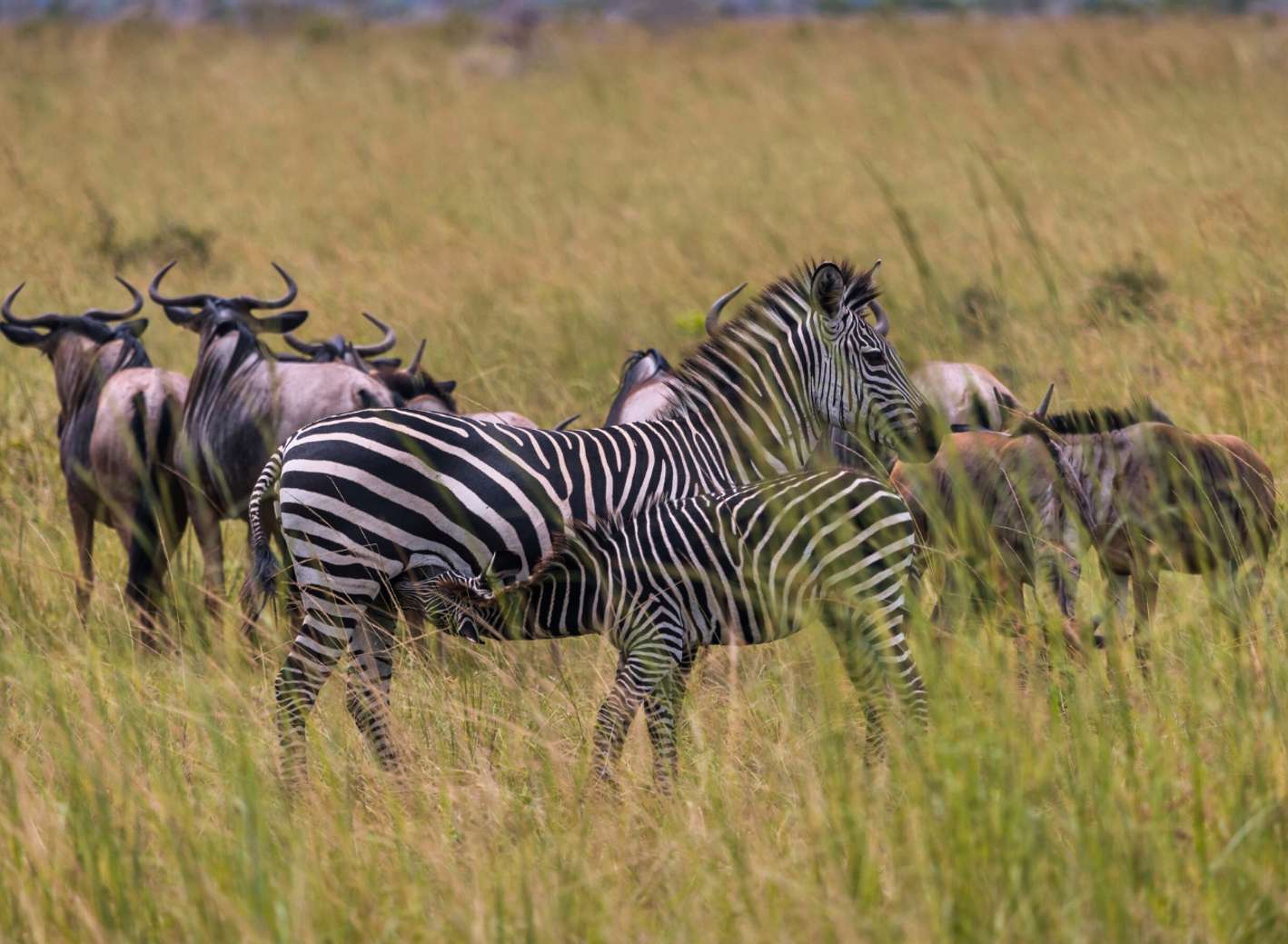
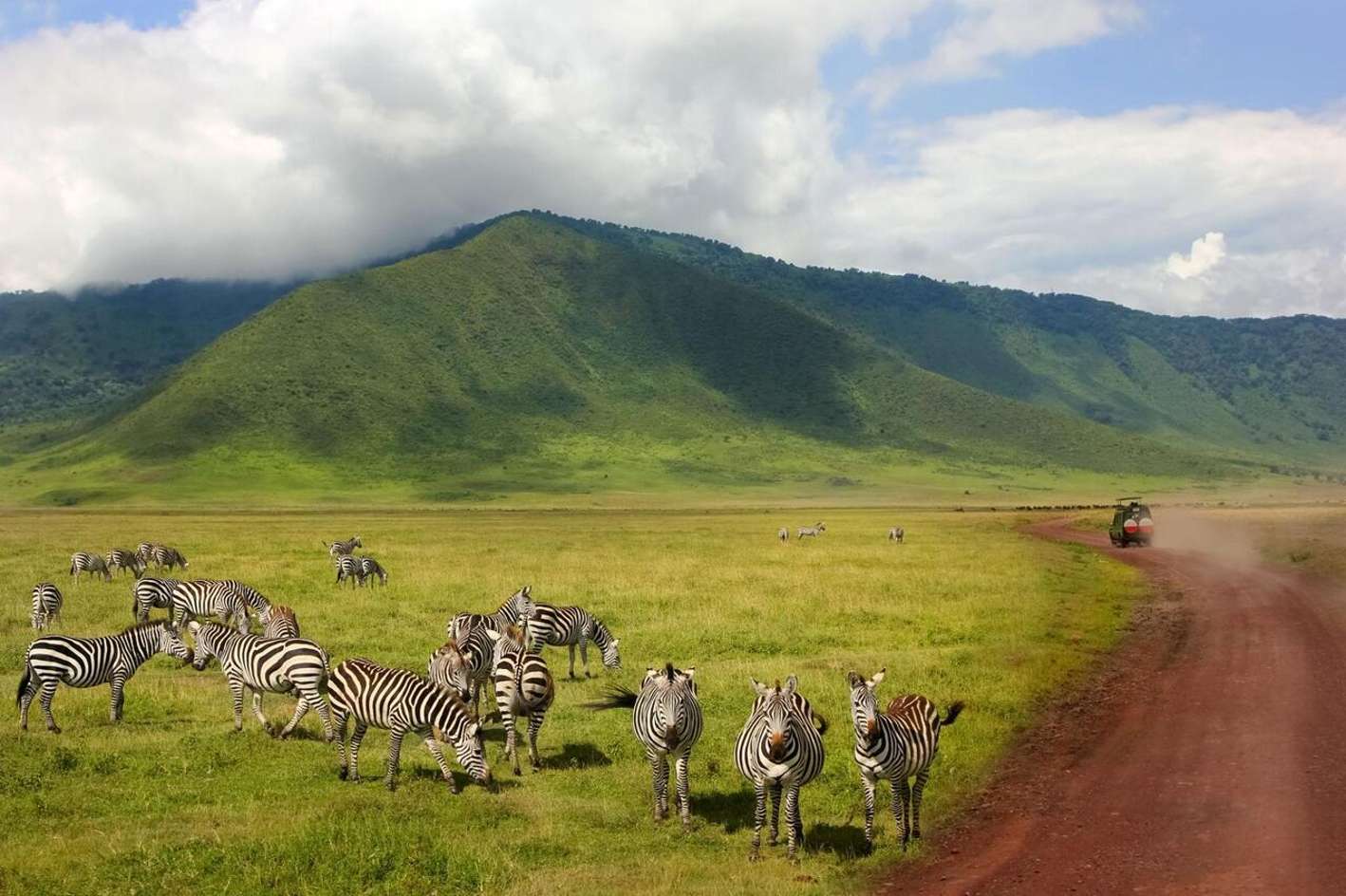
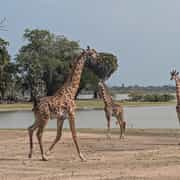
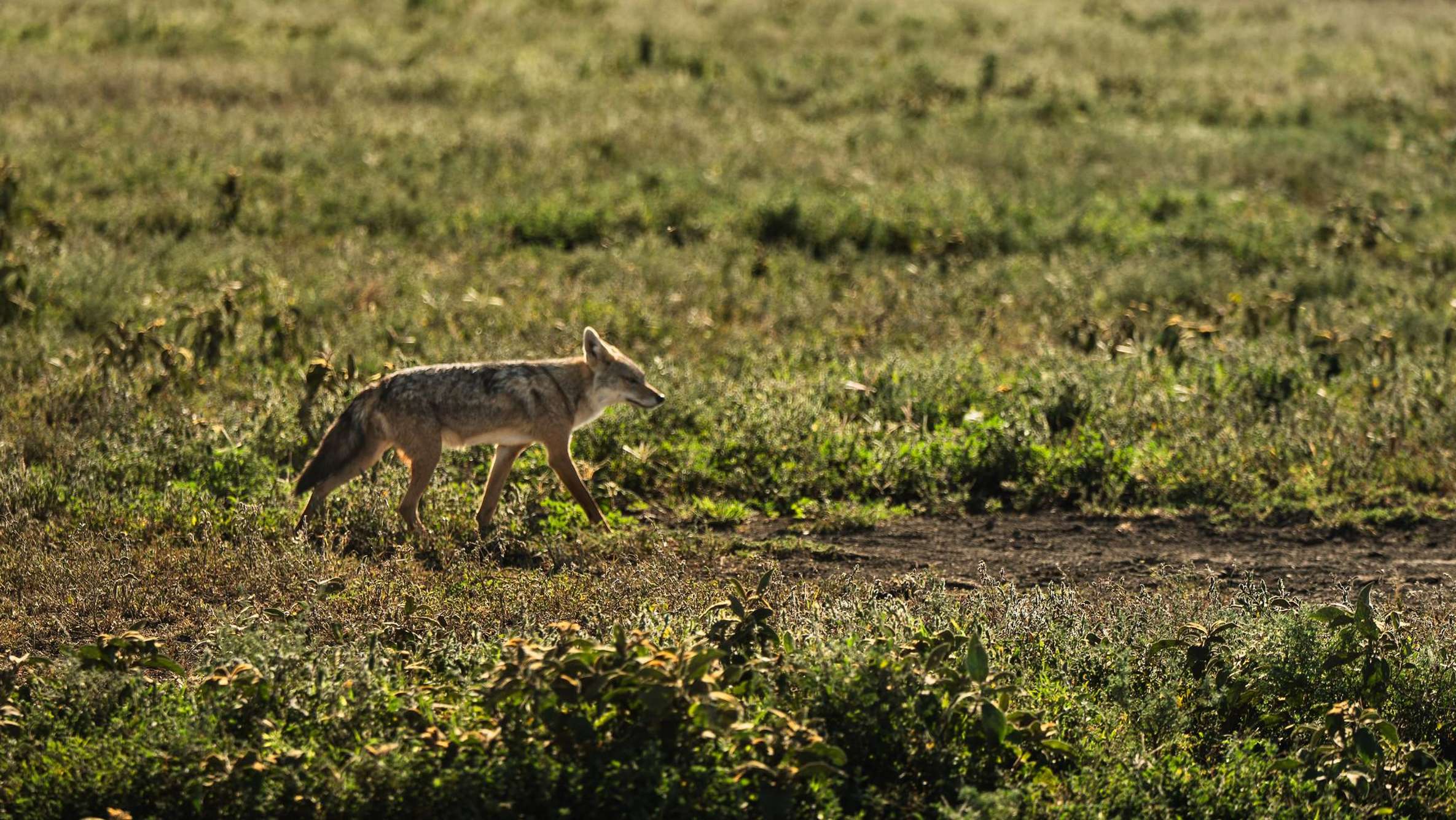
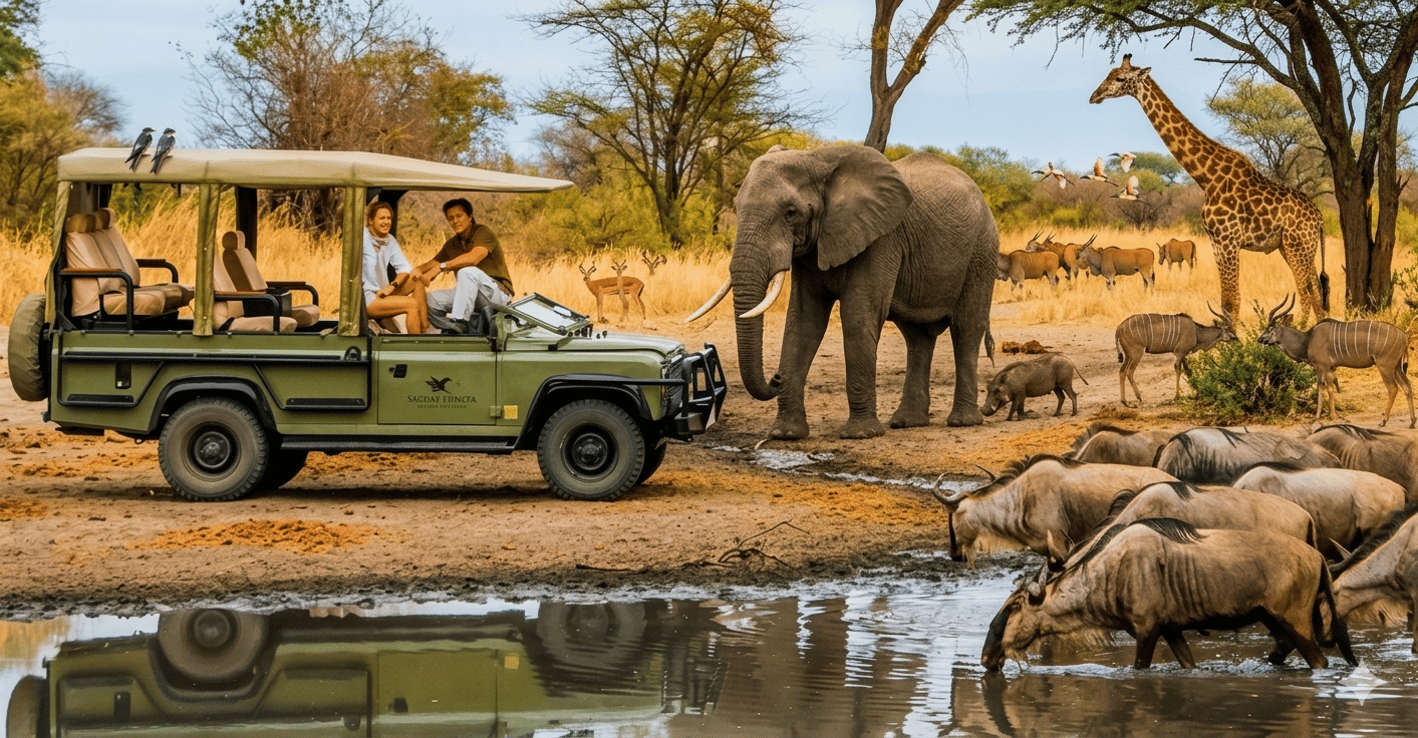
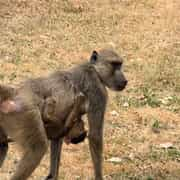
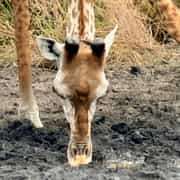
Mikumi has healthy numbers of elephants, giraffes, zebras and hippos, and lions appear, though big cats show up far less often than in the Serengeti. Nyerere adds boat safaris on the Rufiji River with hippos, crocodiles and a real chance of African wild dogs. The Serengeti carries the highest predator concentration in the world.




 Your best match