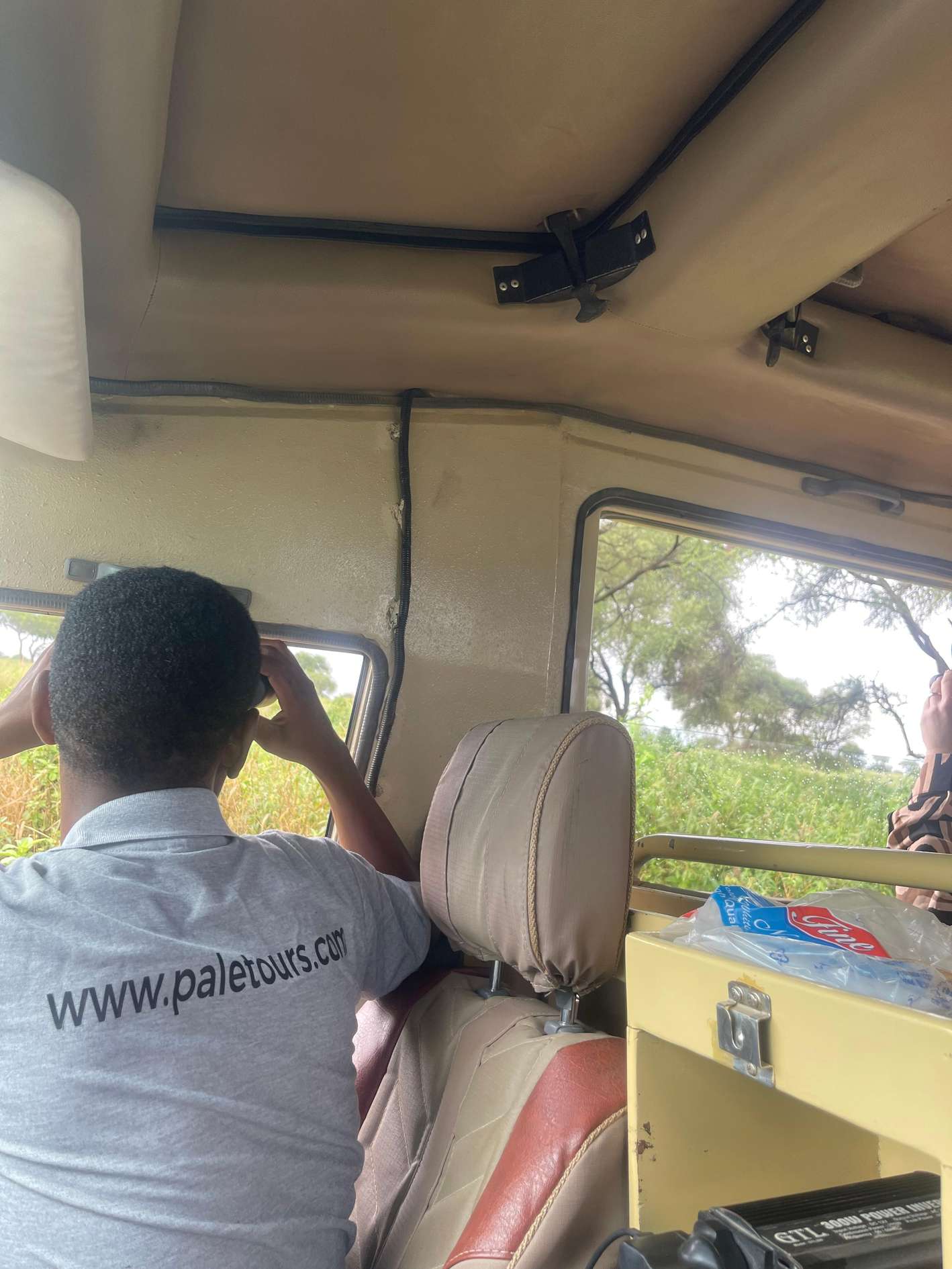
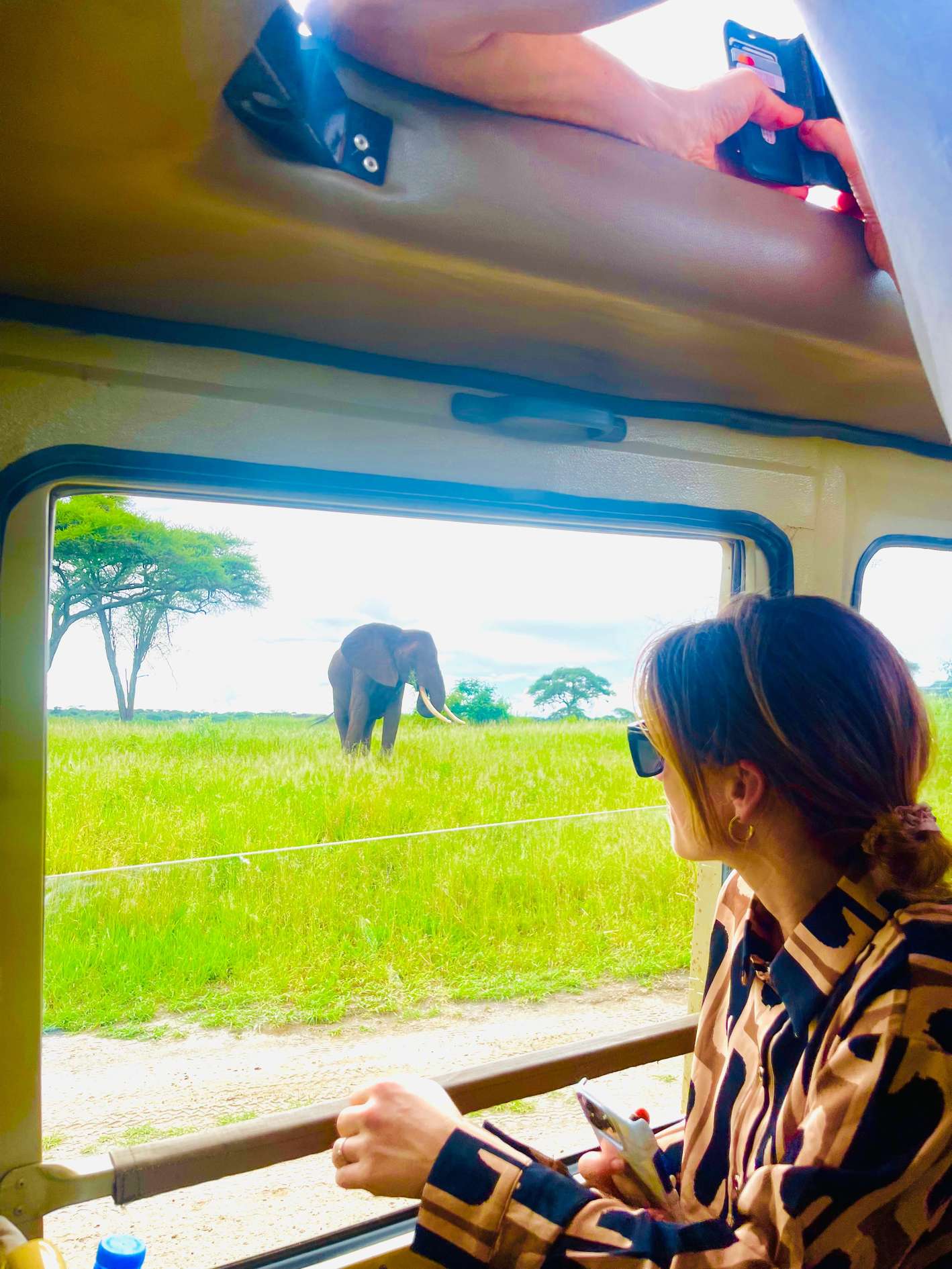
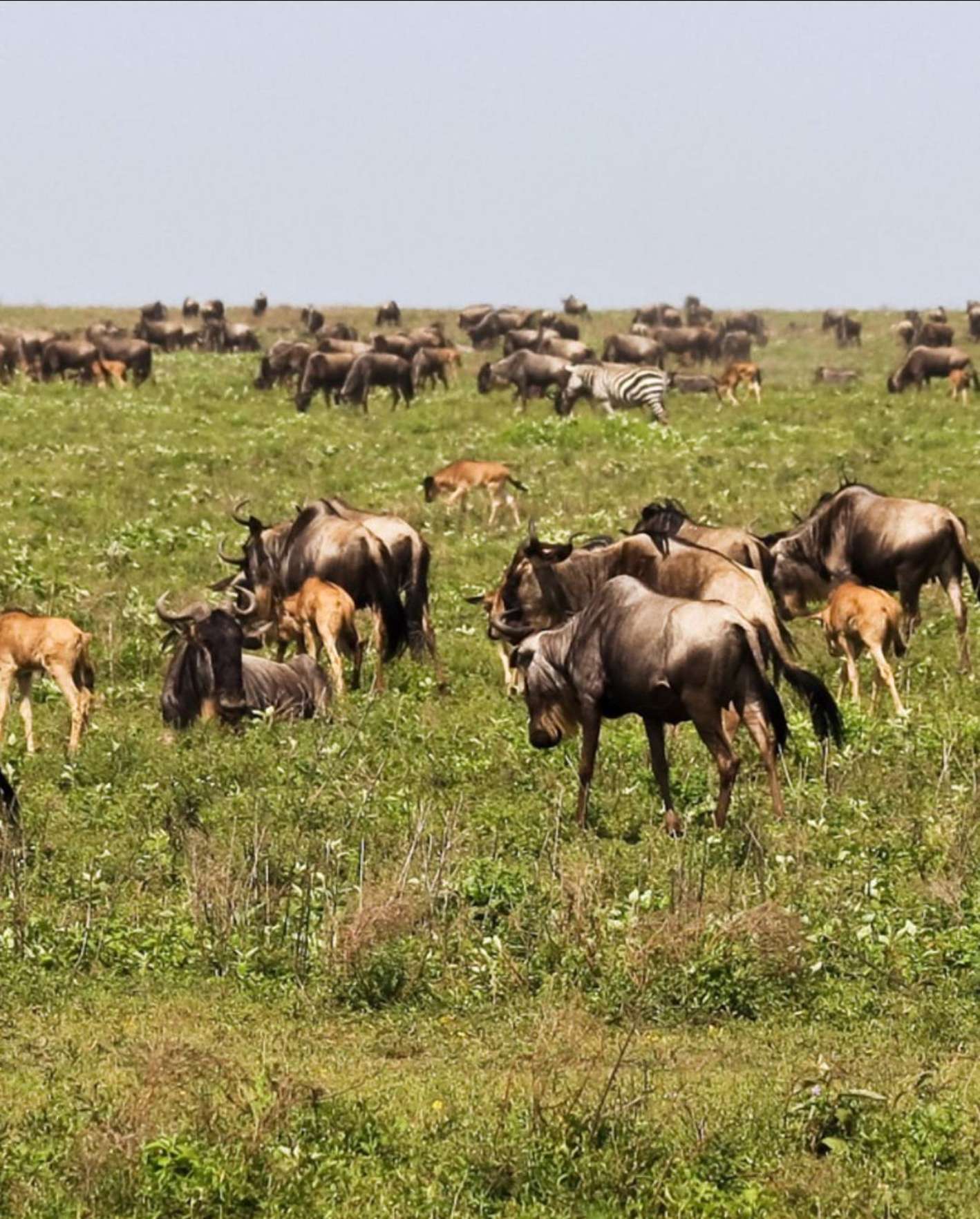
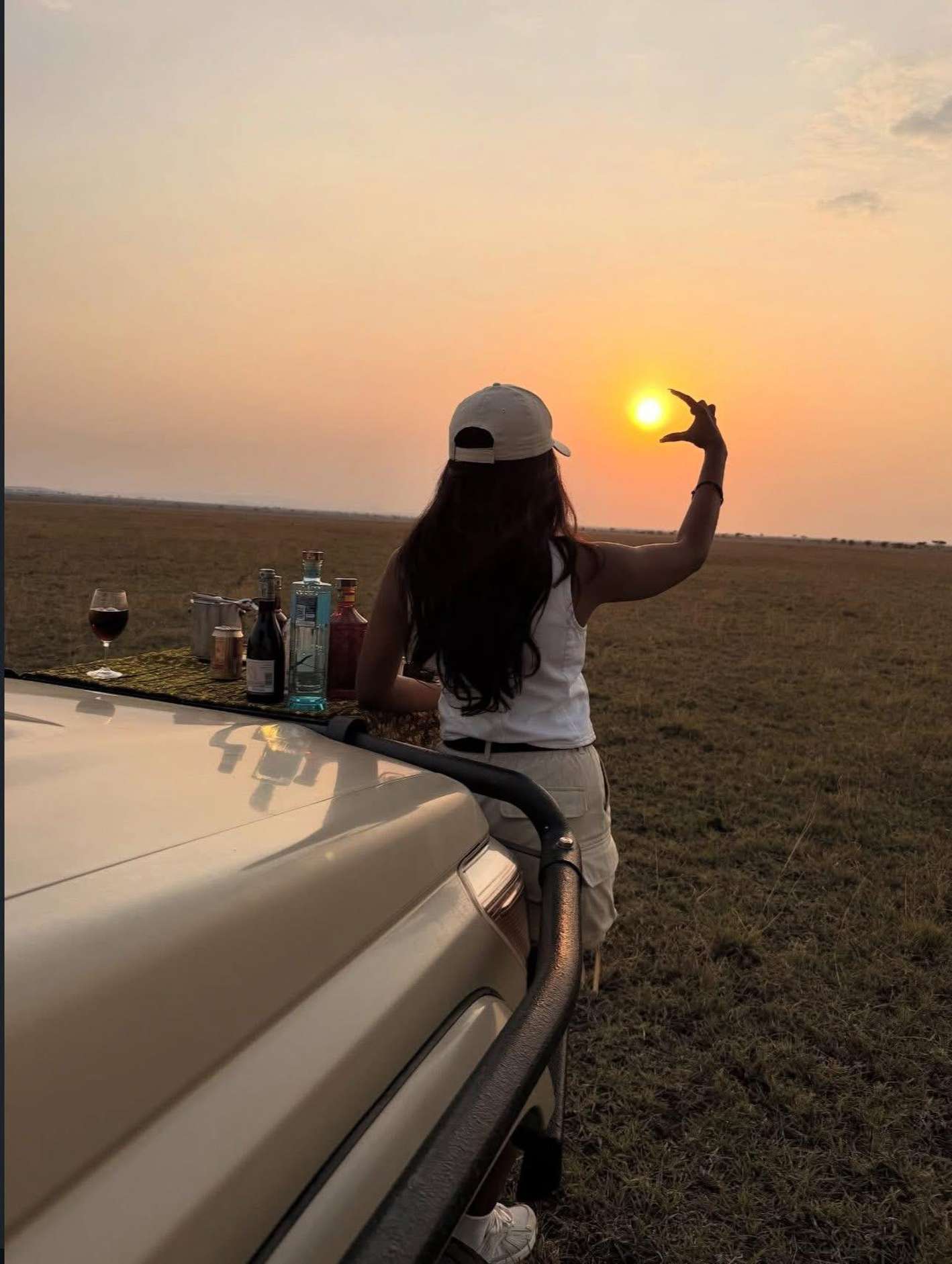
4.4147 travelers watched wildebeest pour across the plains
Serengeti Wildebeest Migration Safari Track the Great Herds
Find the herds, not empty plains. Book a Serengeti wildebeest migration safari with local driver-guides who track the herds daily, from group camping to private 4x4 and fly-in routes. Choose your dates and go.
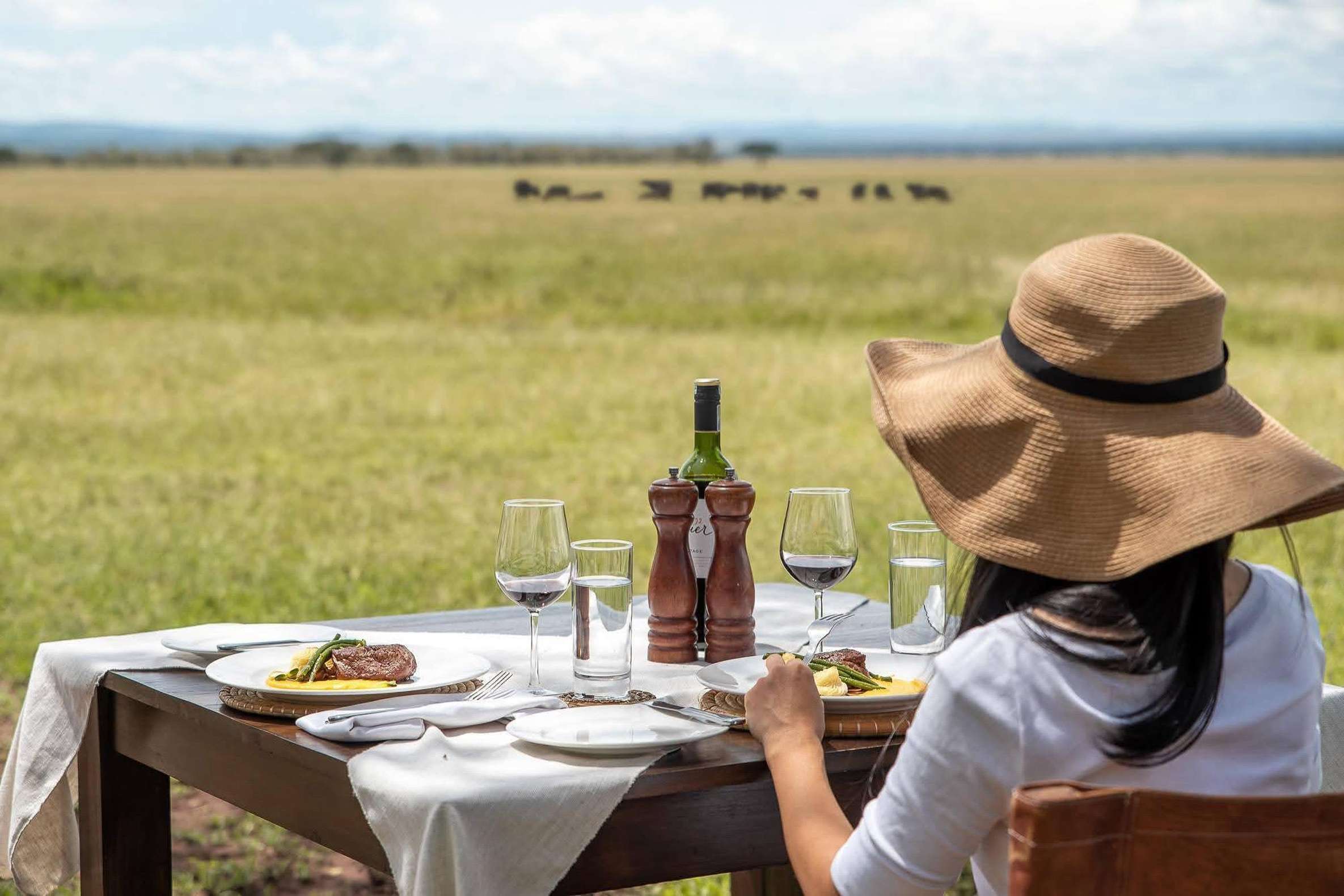
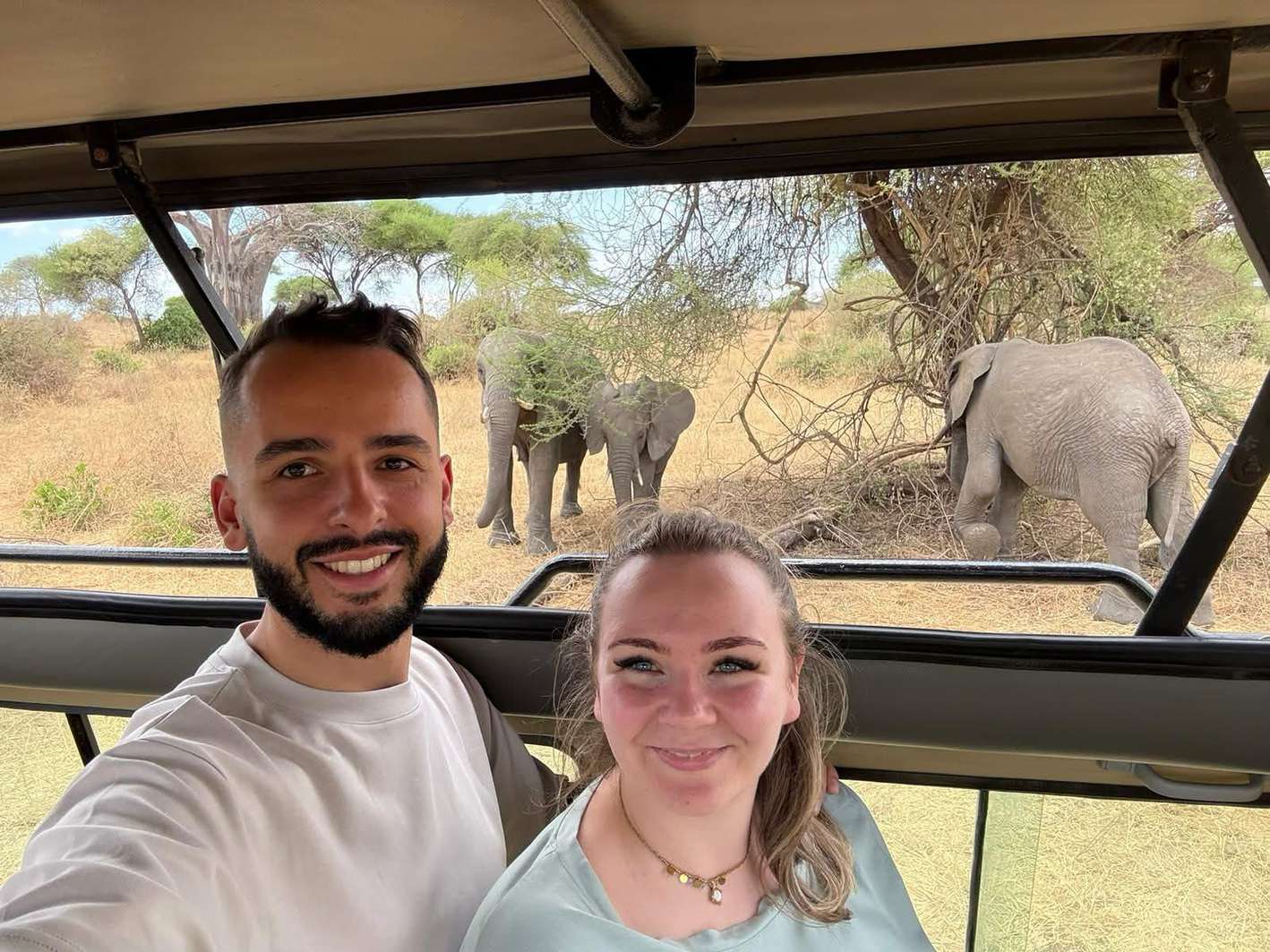
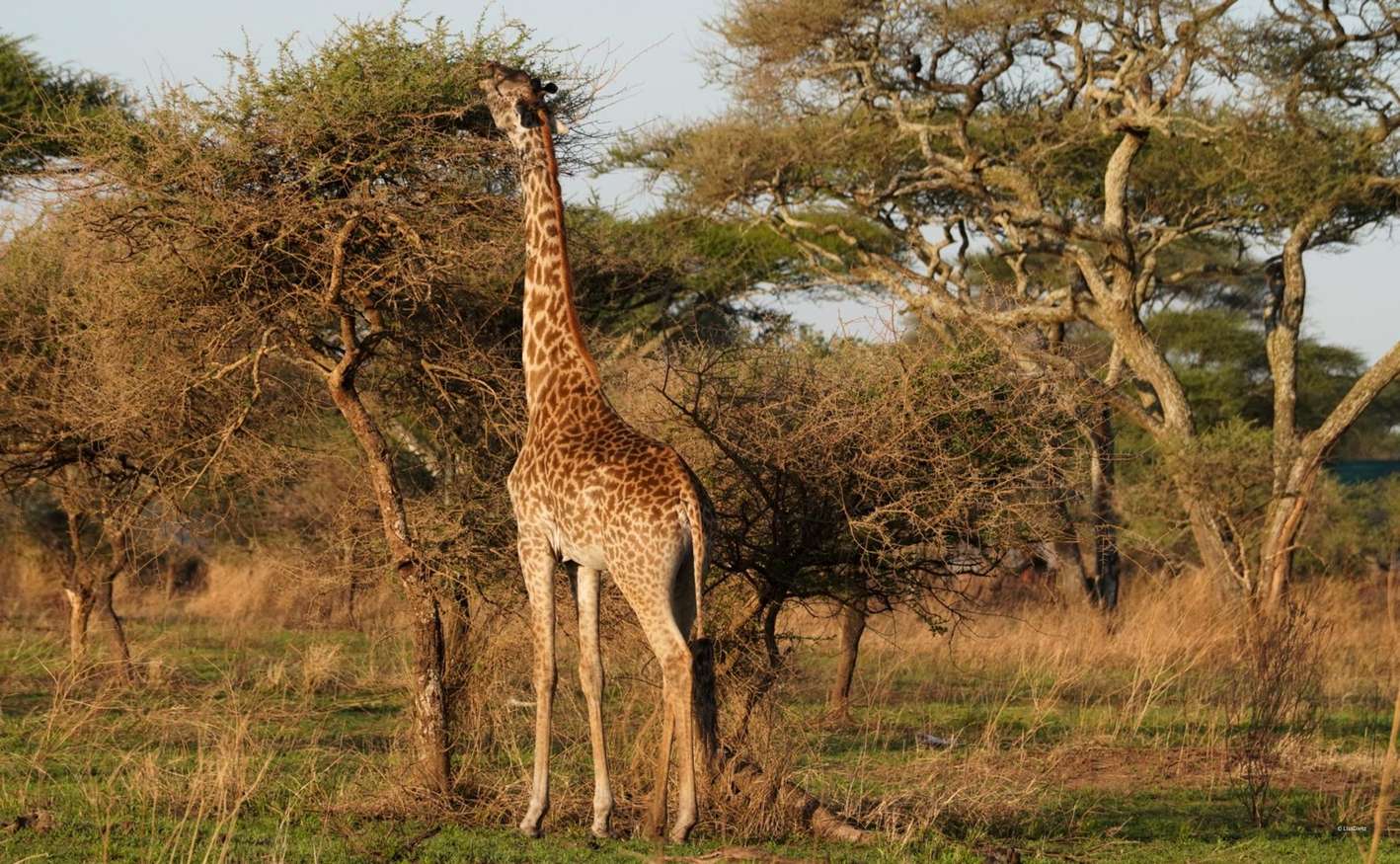
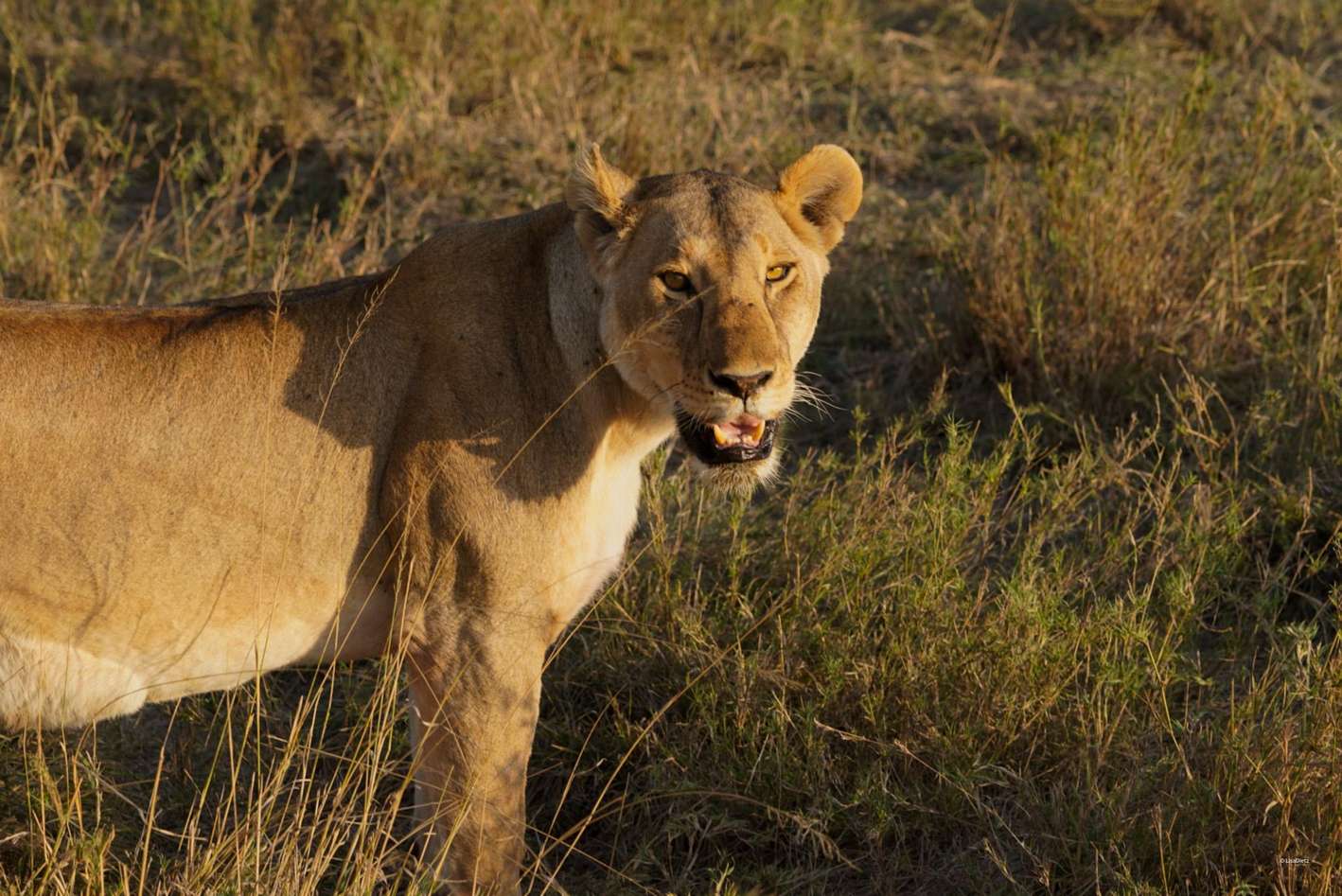
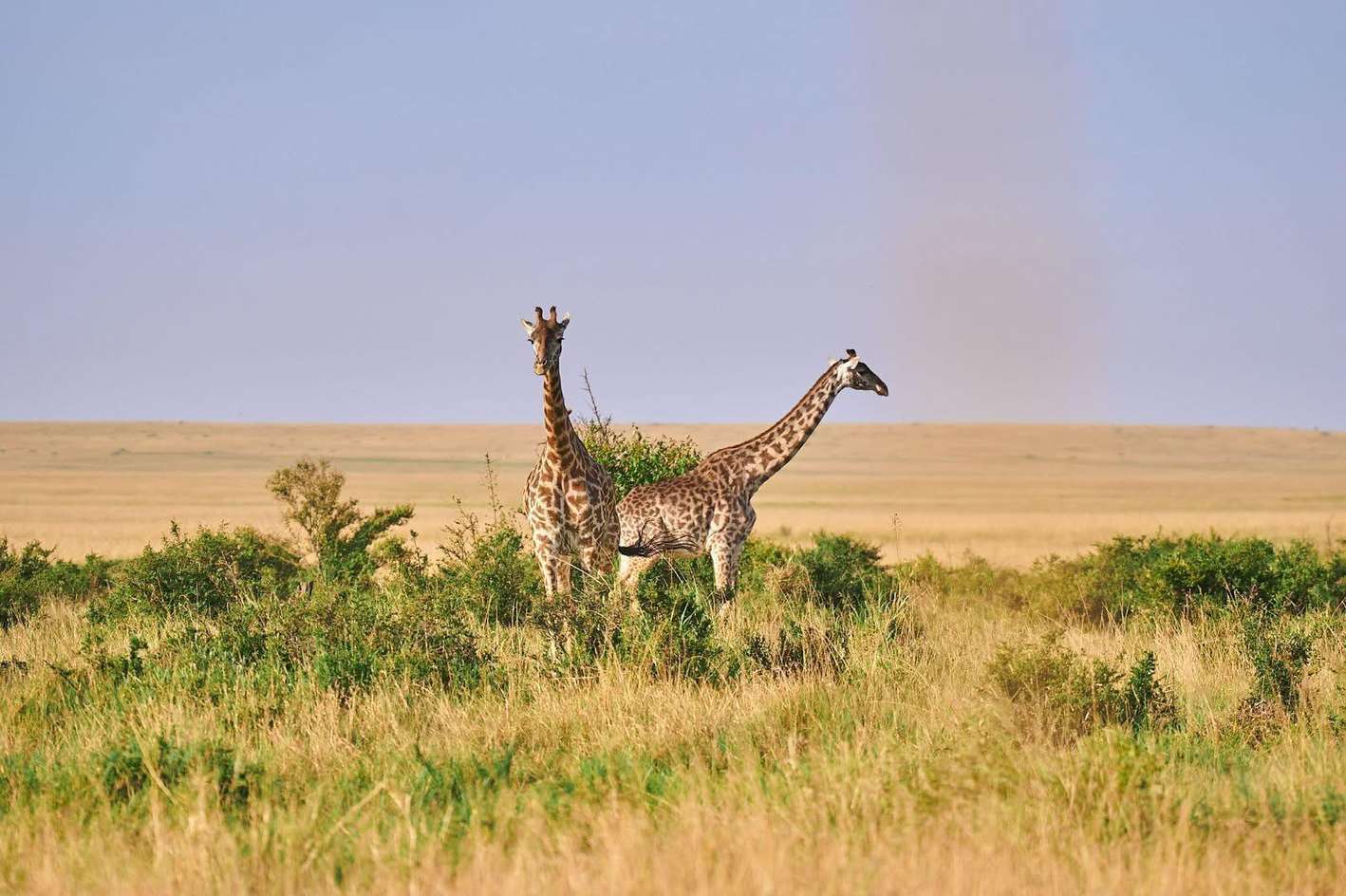
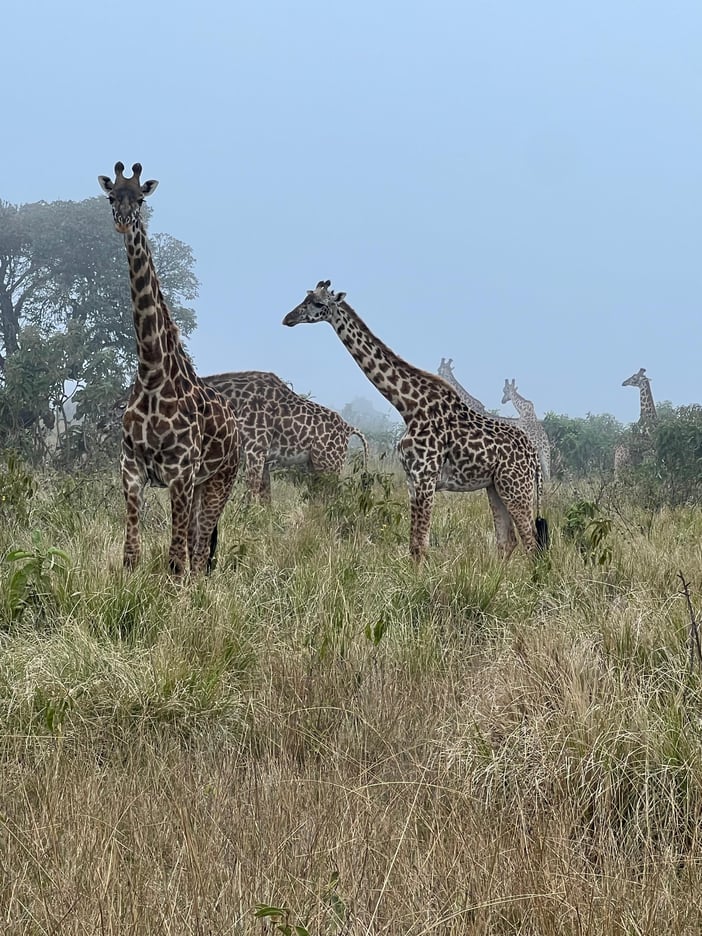
"Amazing wildlife encounters, lions, zebras, giraffes up close! Our chef cooked delicious meals three times a day. Camping was so fun, and our guide Anthony cheerfully guided us even on the roughest paths!"
4.4★average rating147traveler reviews100%free cancellation23countries travelers came from
Serengeti wildebeest migration safari - start here
A migration safari means choosing how you reach the herds. Overland camping tours from Arusha drive through Tarangire and Ngorongoro before reaching the plains, while a fly-in trip from Zanzibar lands on Seronera airstrip inside the park. Camping suits hands-on travelers, lodge and private options suit couples and families who want room to set the pace.
DocumentsYour passport needs six months of validity beyond arrival and one or two blank pages, and most foreign nationals need a visa, which you can apply for online or get on arrival at major airports.
Gate hoursSerengeti gates open at 6 am and close at 6 pm, and driving inside the park after that is prohibited.
SeasonHeavy rains in April and May muddy the secondary tracks, but migration drives run all year on the main central and northern routes.
LuggageBush flights limit bags to soft-sided duffels, with one airline allowing 15 kg and another 20 kg, so leave hard-shell cases behind.
ClothingPack neutral khaki and olive shades and avoid dark blue and black, which attract biting tsetse flies, plus a warm layer for nights near 5 degrees Celsius.
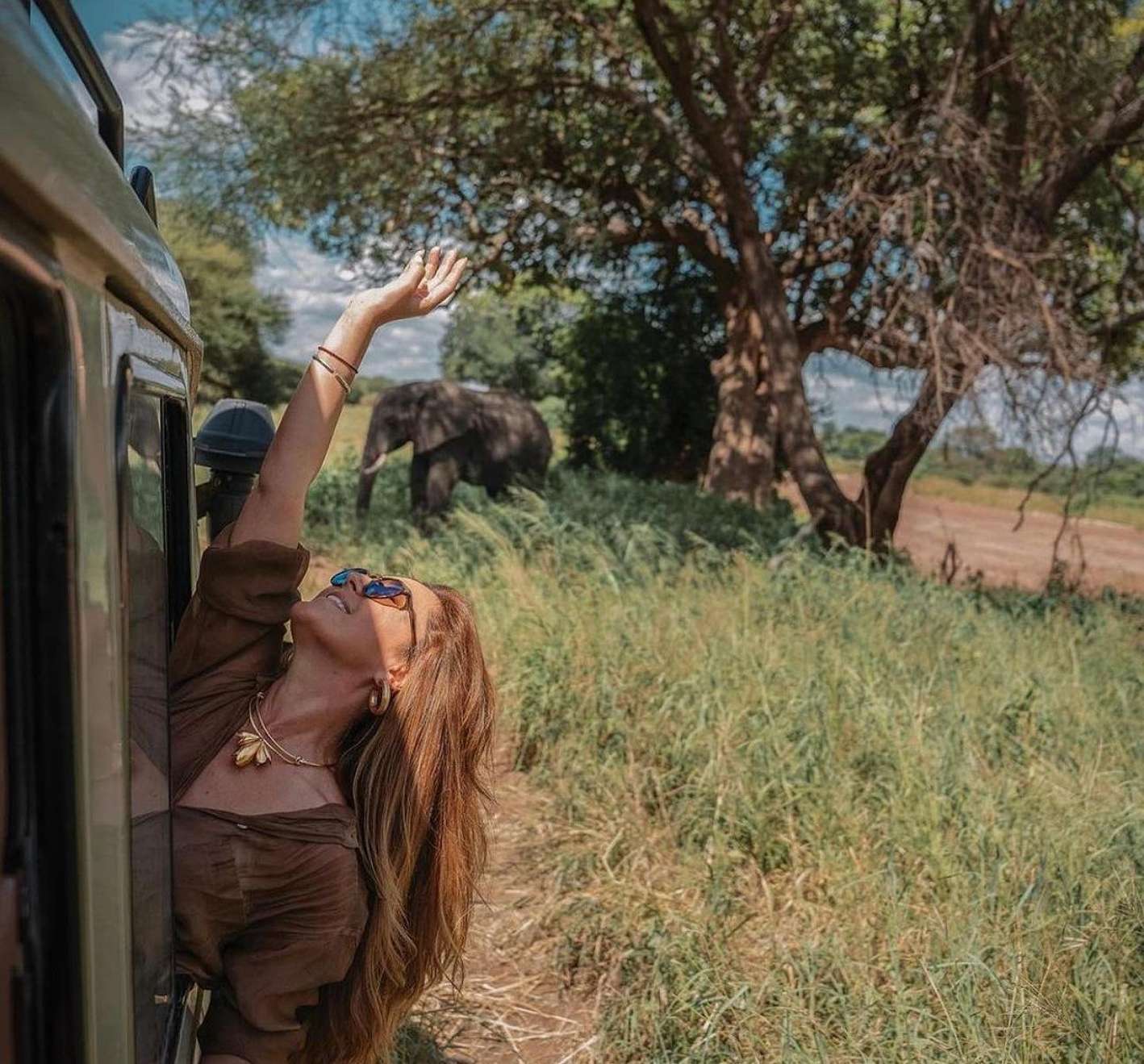
HealthStay inside the vehicle and never feed or touch animals, and the wildlife stays calm around the car.
PickupsGroup safaris leave Arusha hotels between 6 am and 7:30 am, and Zanzibar fly-in guests should wait at reception five minutes before departure.
SightingsGuides network by radio with other drivers to track lions and the moving herds, but no one can guarantee what the animals will do.
documentMost foreign nationals need a visa for Tanzania, and your passport must be valid for at least six months beyond your arrival date with blank pages for entry stamps.
Apply for an e-Visa on the official Tanzania Immigration portal before you travel, or plan on a visa on arrival at Zanzibar, Kilimanjaro or Dar es Salaam airports, and carry proof of accommodation and a return or onward ticket.
Comparing our safari packages for the wildebeest migration in the Serengeti
Full migration circuit
4 days·English
4.7(53)
4 Days Tarangire, Serengeti, Ngorongoro Group Camping Safari
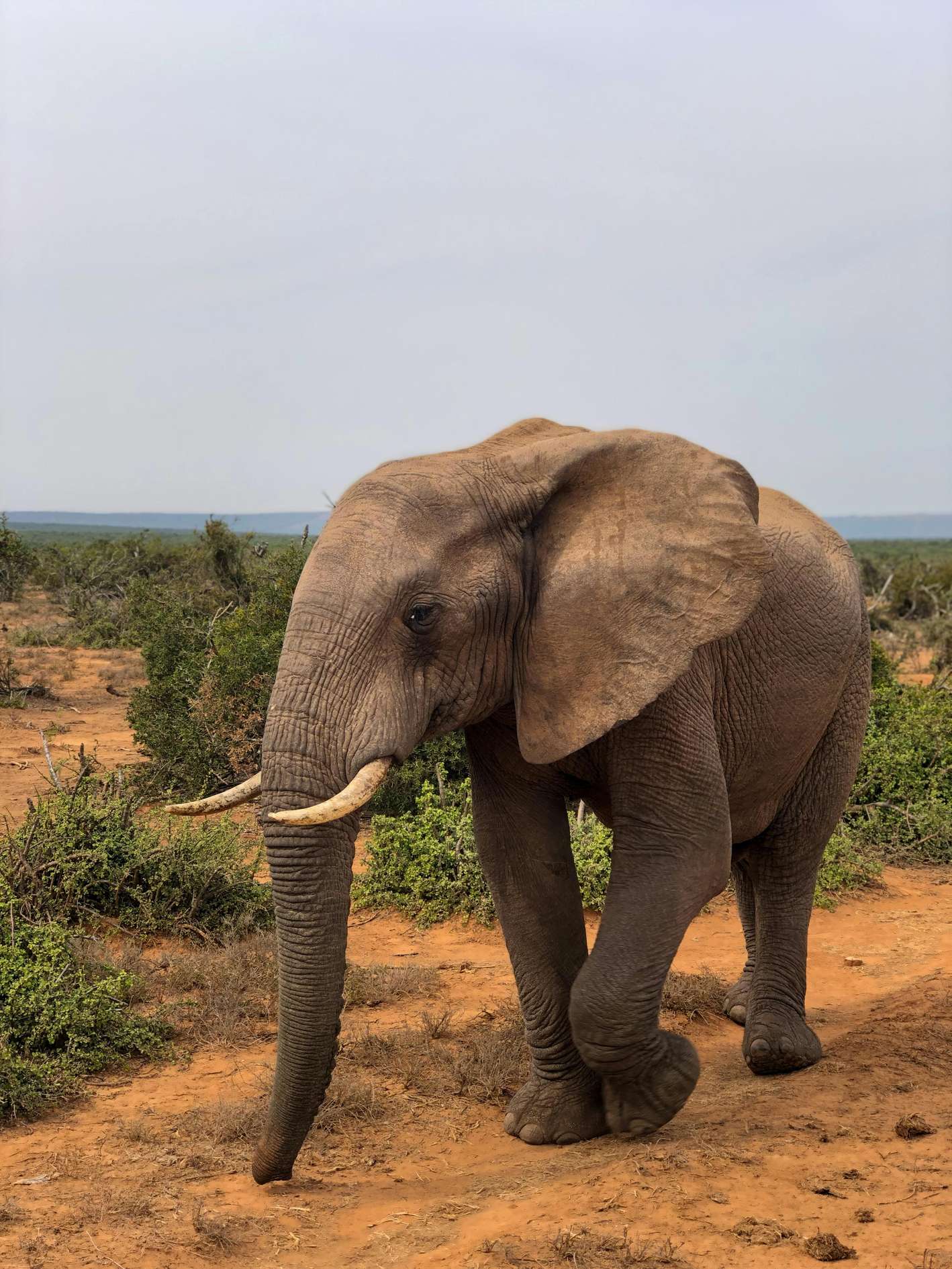
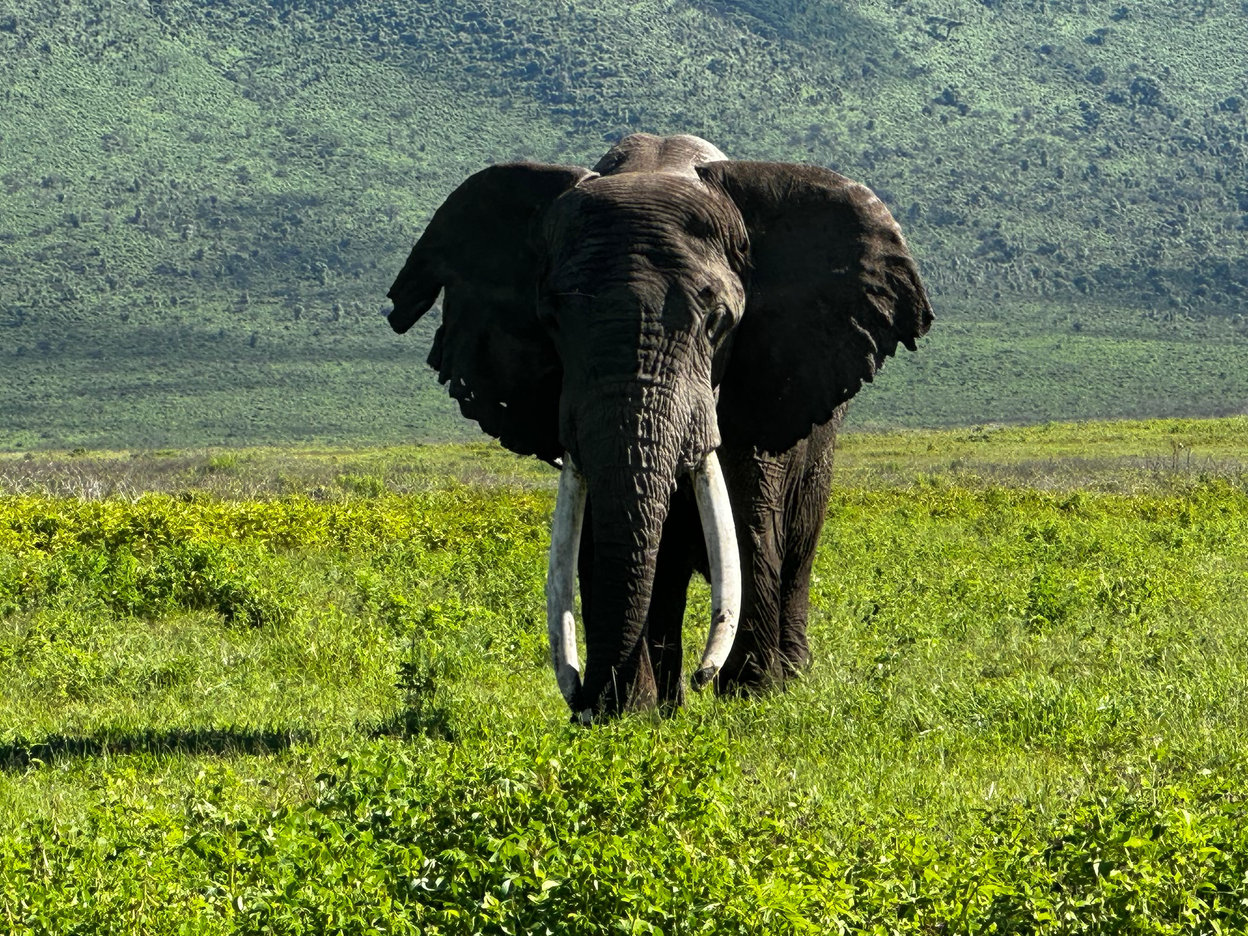
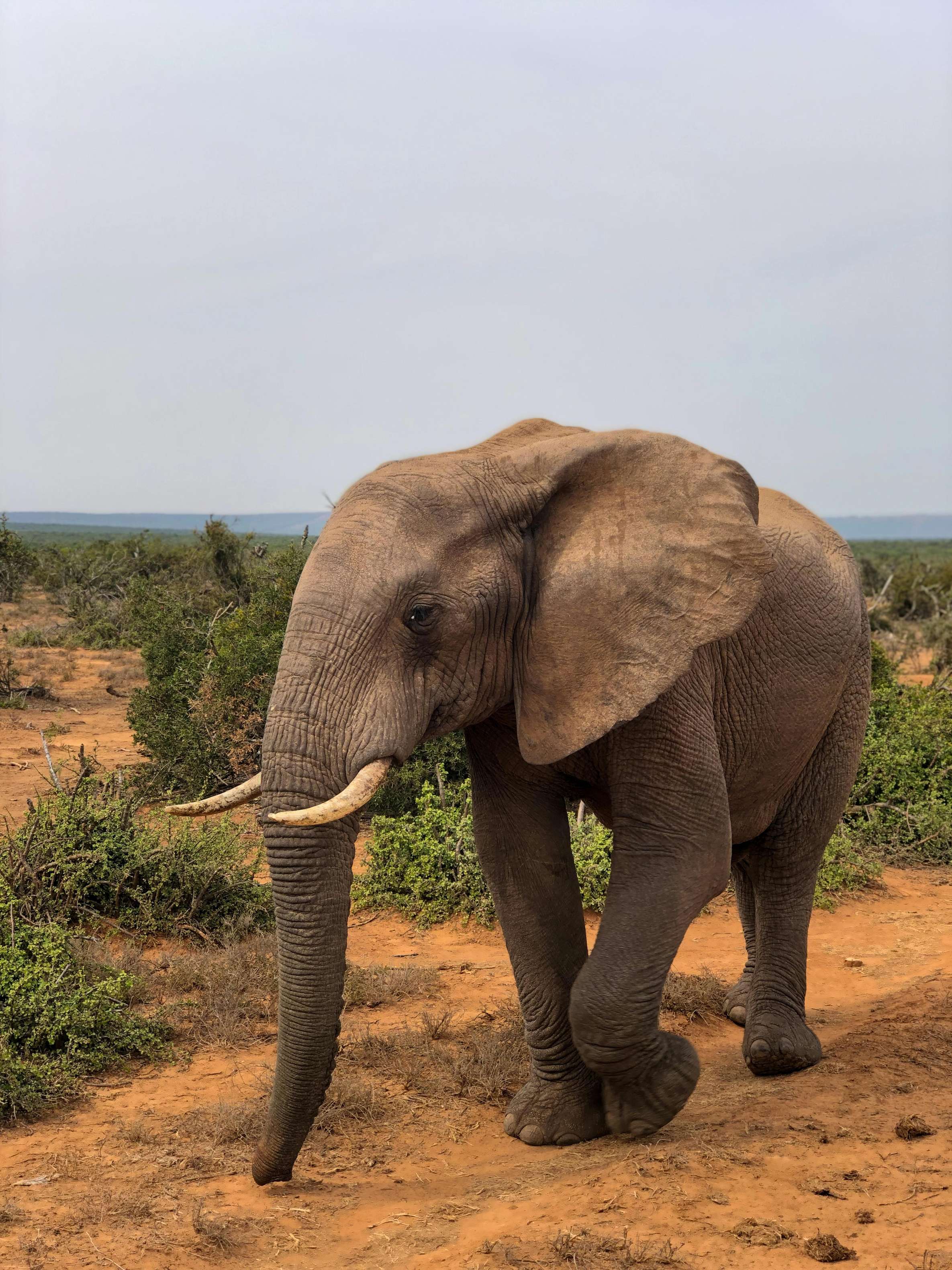
Four days lets the itinerary stretch from Tarangire's elephants to the Serengeti plains and down into Ngorongoro, all under canvas.
What a day on the Serengeti safari looks like as the wildebeest migration moves through
about 1 h
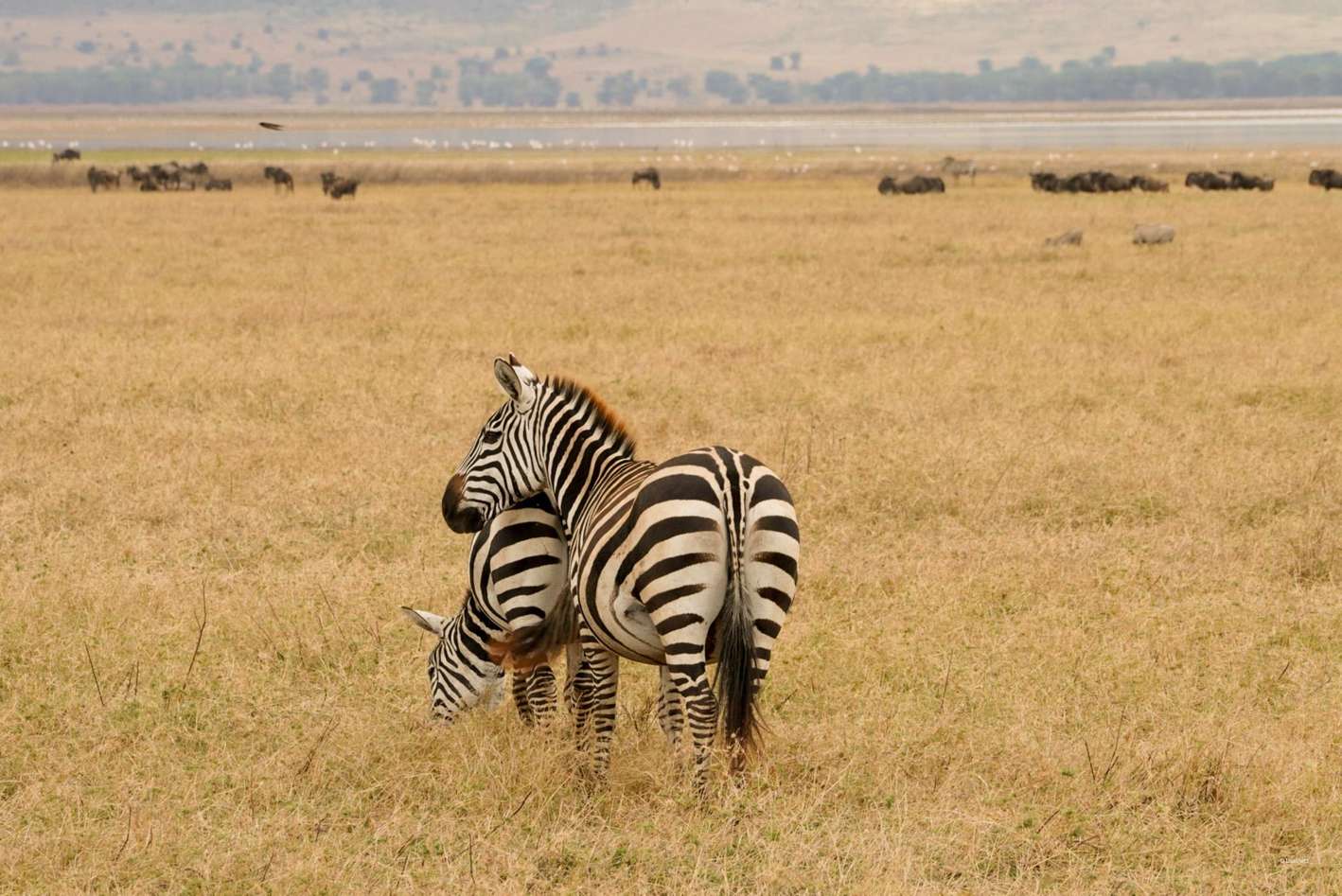
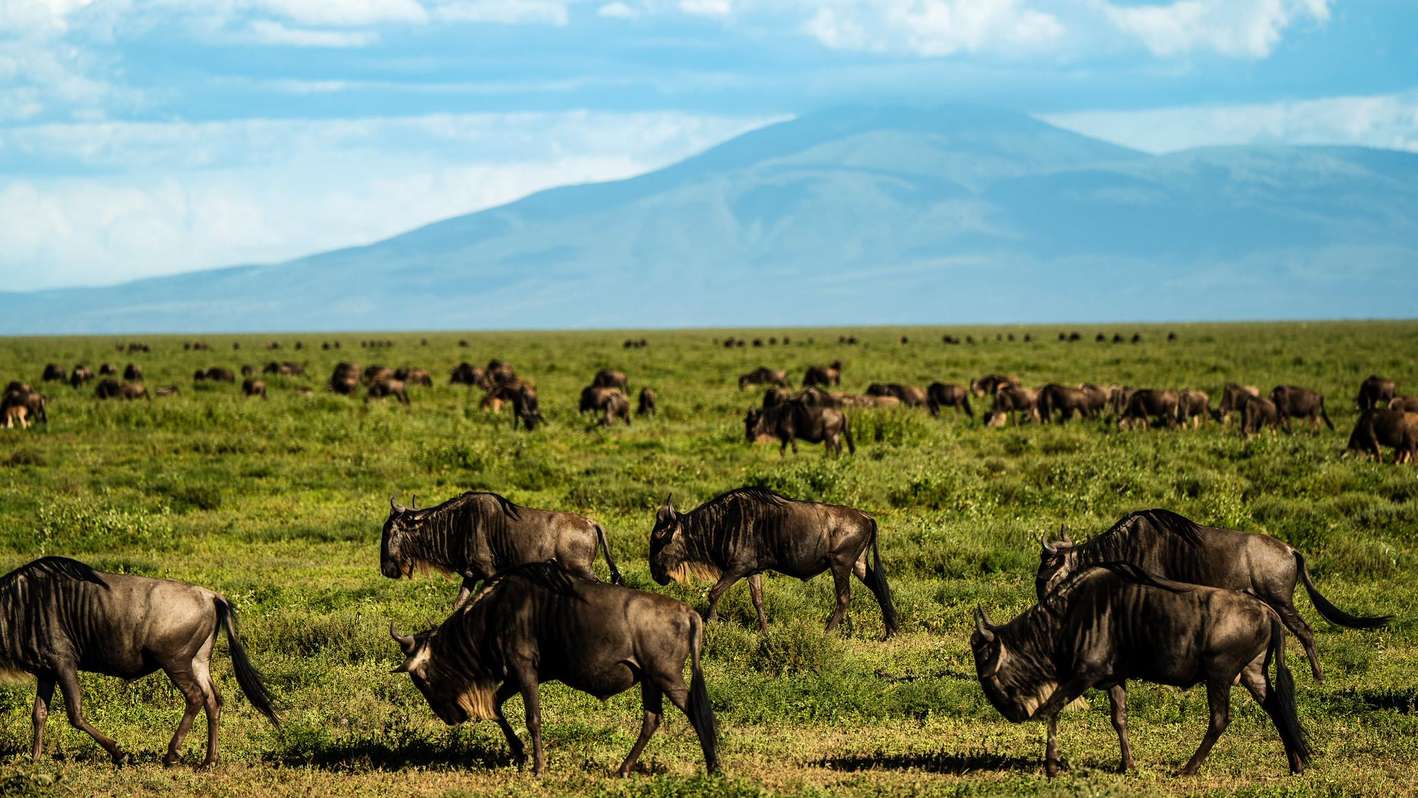
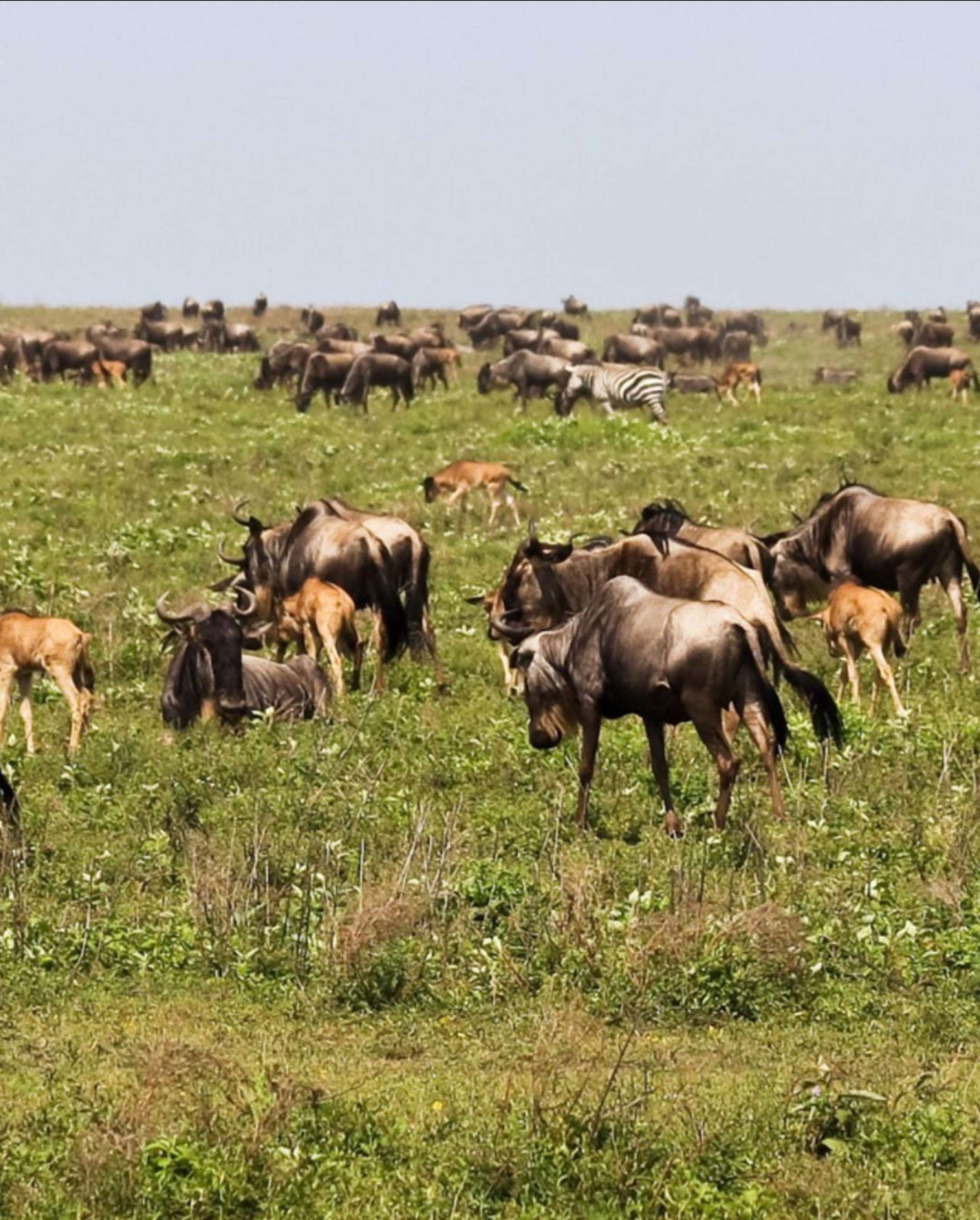
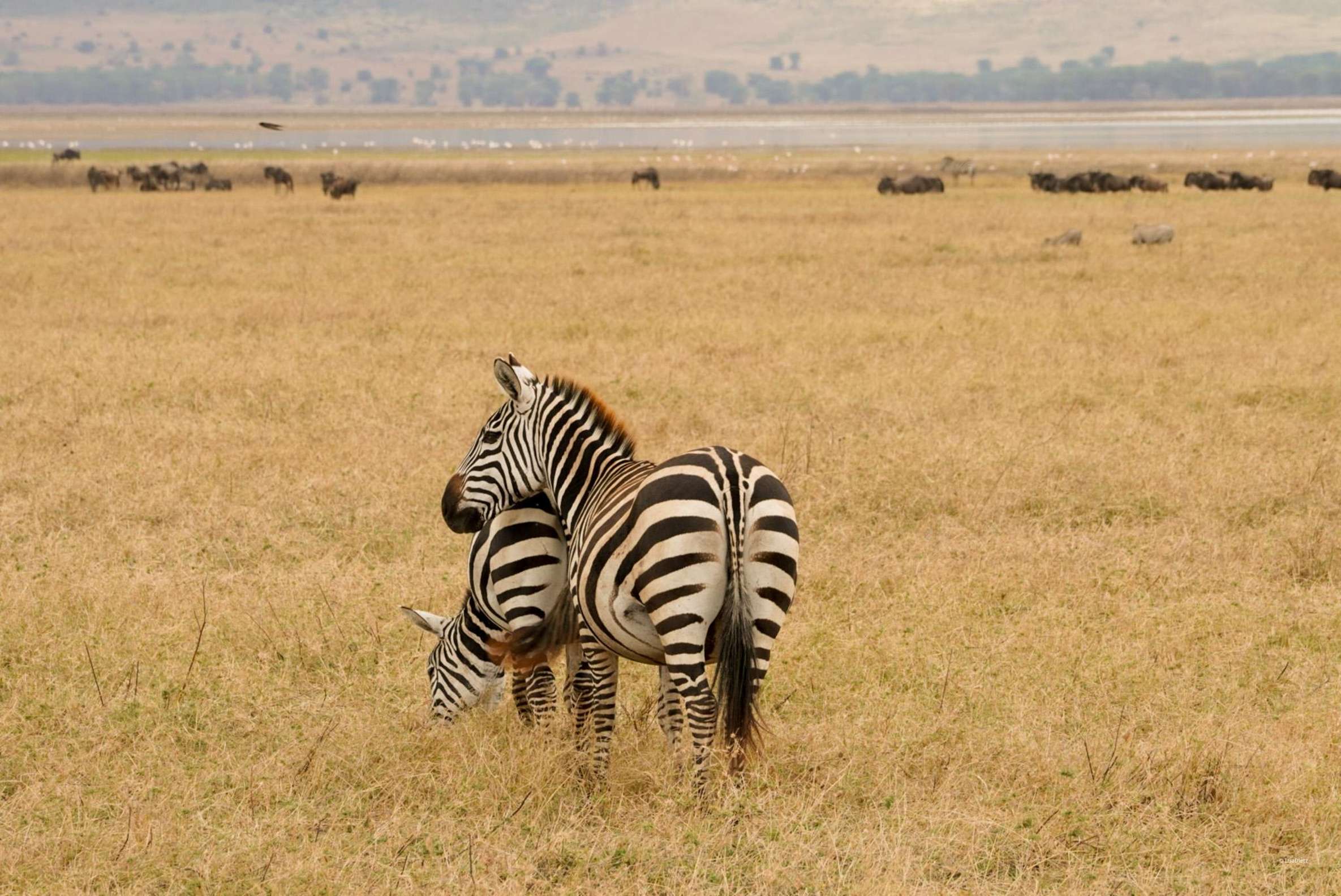
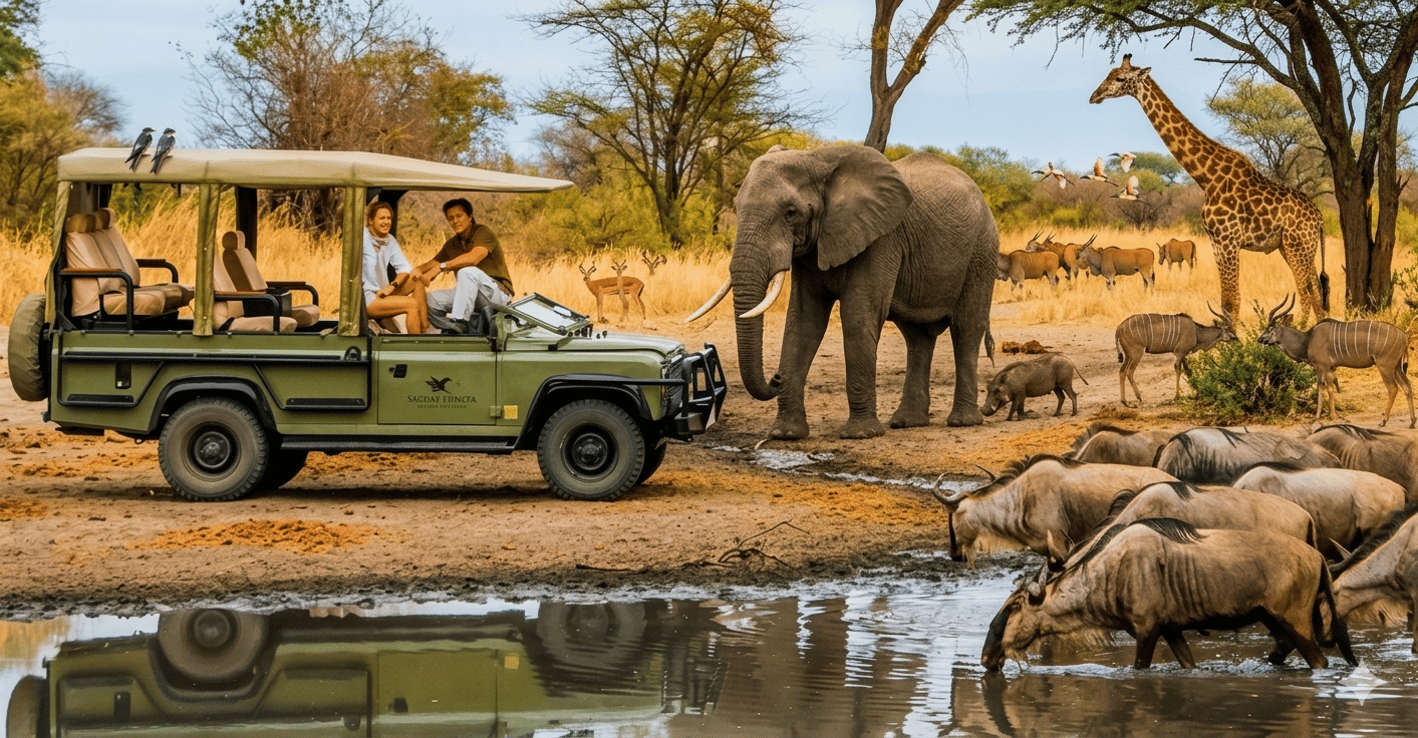
The herds come first. On the longer itineraries your 4x4 heads into the Serengeti's open plains, where over a million wildebeest move with zebras and gazelles, and your guide reads the grass, the dust and the radio chatter to find where the predators are working.
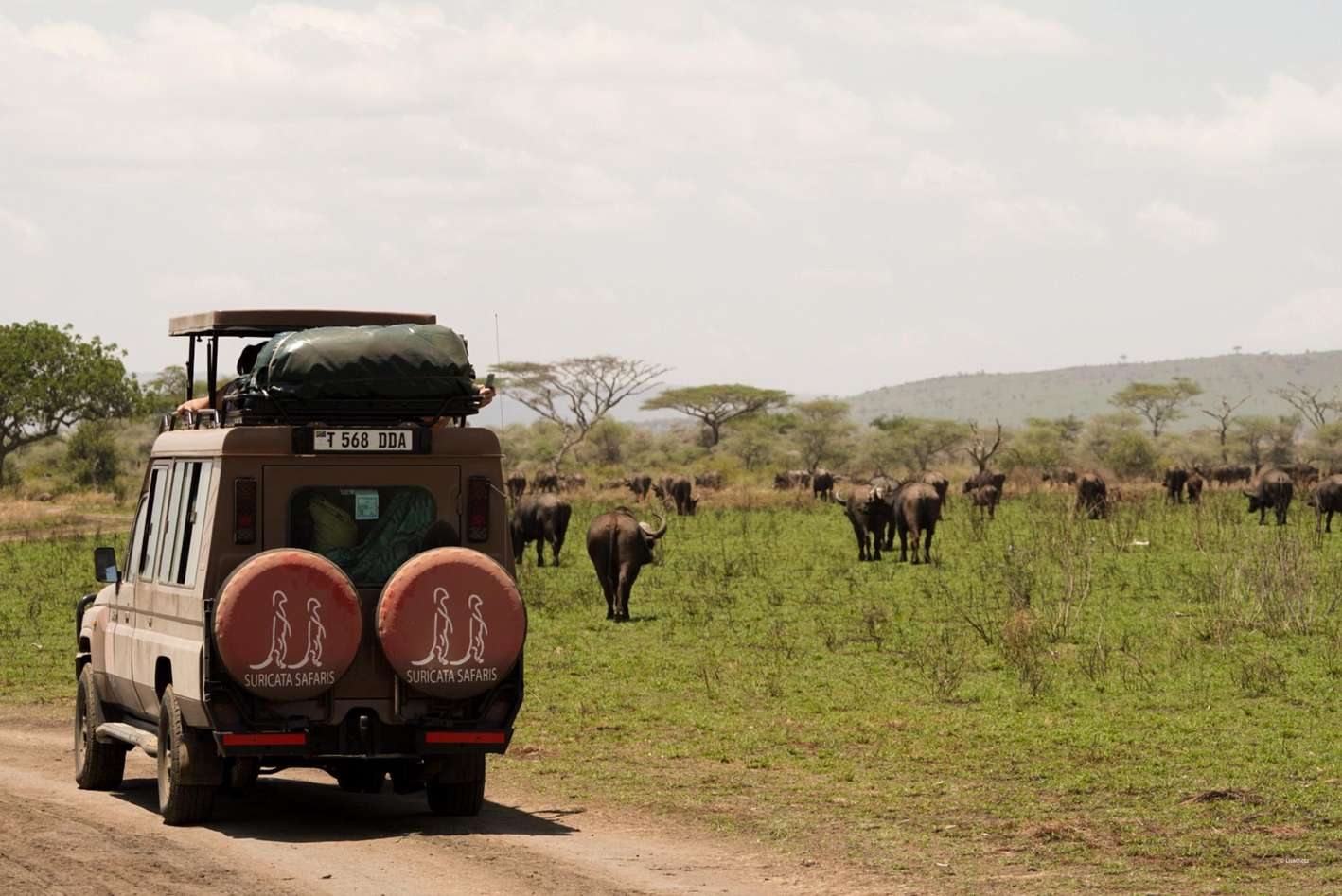
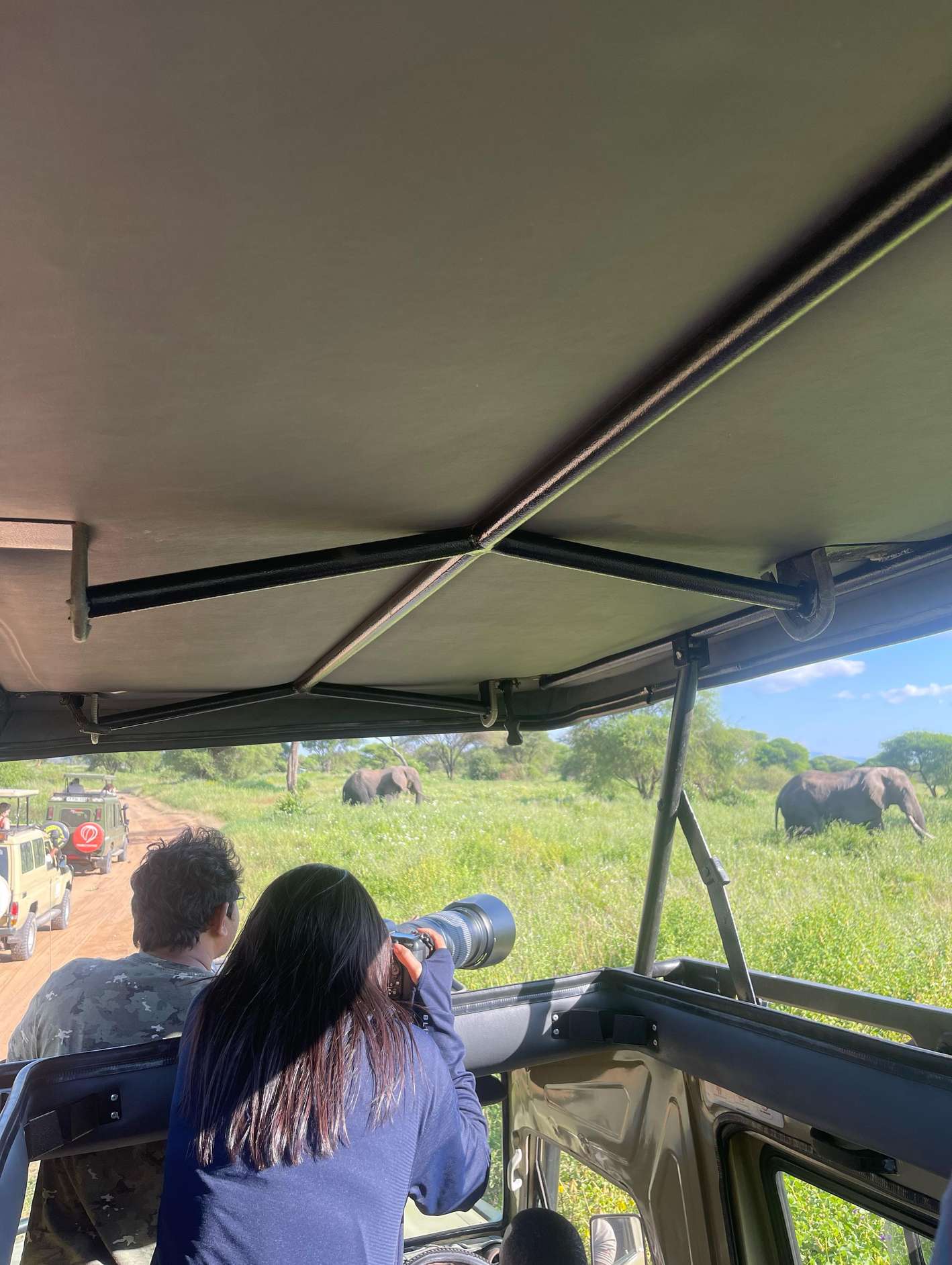
Every option runs through Tanzania's top parks in a shared vehicle with a pop-up roof, with a professional English-speaking guide and driver, all park and conservation fees, meals as per the itinerary, camping accommodation and drinking water on board.
Zanzibar travelers get a round flight to Arusha included. Each moment below shows how a day on the route unfolds, from the first elephants to your last morning in camp.
1Morning in Tarangire· about 3 hoursYour first game drive runs through Tarangire National Park, home to large elephant herds and old baobab trees along the riverine forest.2Picnic lunch in the park· about 45 minLunch is a picnic eaten at a designated spot, with zebras, giraffes and gazelles grazing in view around you.3Into the Serengeti plains· about 5 hoursThe route climbs through the Ngorongoro Highlands to the Serengeti, where open savanna game drives search for lions, leopards and the migrating herds.4A night at camp· overnightYou sleep in a tented camp with dinner and breakfast included, close enough to the park that animals sometimes pass near the tents after dark.5Down into Ngorongoro Crater· about 6 hoursOn crater days you descend the caldera wall for a full game drive among resident Big Five populations inside the Ngorongoro Conservation Area.6What you leave with· about 2 hoursYour guide doubles as a spotter and photographer, positioning the vehicle for shots of the herds, and drops you back in Arusha with park fees and taxes already covered.
Where the other tours go
From Arusha: 4-Day Private Safari to Serengeti & Ngorongoro
Shared group safari in a 4x4 safari vehicle with pop-up roofServices of a professional, English-speaking safari guide/driverAll park entrance fees and conservation feesGame drives in Tanzania’s top national parks (as per itinerary)Accommodation in campsMeals as specified in the itinerary (breakfast, lunch, and dinner)
Not included
Accommodation in CityVisa fees and travel insurancePersonal expenses (laundry, phone calls, souvenirs, etc.)Alcoholic and soft drinks (unless specified)
Tours compared - which wildebeest migration safari in the Serengeti suits you
Green marks the lowest price. Prices per person.
Tour
Price
Duration
Languages
Best for
Our pick
Tanzania Join Groups Safari Tarangire Serengeti &Ngorongoro
4.0★ (1)
from $800lowest price
1 - 5 days
English
flexible travelers who want to mix park days and keep costs low in a group
Most reviewers credit their guide by name for spotting lions, elephants and more across the plains.
Best surprise
Many travelers did not expect the camp food, with chef-cooked meals three times a day.
Most common wish
Several travelers wanted clearer flight and departure times communicated before the final morning.
How to book your place on the wildebeest migration through the Serengeti
01
Pick your date by herd location
Match your travel month to the herds first: the southern Ndutu plains from January to March, Central Serengeti in April and May, the Grumeti River in June and July, and the north from August to October. Your dates decide which sector your safari should target.
Pro tipCalving season on the Ndutu plains in February brings the heaviest predator action of the year
Common mistakeBooking the Serengeti first and checking the herds after, which is how travelers end up on empty plains
02
Choose a duration and travel style
Three-day overland camping safaris from Arusha join a small group and stay in public campsites, while private versions give you your own 4x4 and guide. If you are short on time, a two-day fly-in trip from Zanzibar lands on Seronera airstrip, right in the middle of the park.
Pro tipCamping options include tents, sleeping mattresses, and a safari chef, so you only need a warm bag and neutral clothing
Common mistakeOverpacking, since group camping safaris from Arusha limit luggage to 10 kg per person and want soft duffel bags
03
Read what the fee includes
Check the option details before you commit. Well-built packages bundle park entry, transit, concession, and camping fees with the guide, meals, and water, so you are not paying at the gate. Lodging in Arusha before the tour and tips for the guide usually sit outside the package.
Pro tipMost tour operators ask for a deposit to hold the vehicle and guide, so the rest of the money stays in your pocket until closer to departure
ImportantYou need an original passport or a clear copy at the park gate, and a valid one with six months left for entering Tanzania
04
Sort your pickup in Arusha
Group safaris collect you from your accommodation in Arusha City Centre, with pickups running between 6 am and 7:30 am. Book a room near the center, or arrange a paid transfer to the meeting point if you stay farther out in places like Njiro or Moivaro.
RecommendedLay out your clothes and camera the night before, because a dawn start leaves no spare minutes
Common mistakeStaying outside the free pickup zone and only noticing on departure morning how far you are from it
05
Confirm and watch the messages
You can cancel most of these safaris up to 24 hours in advance for a full refund, which keeps the booking low-risk. After payment you get a voucher, and the operator confirms your pickup details, so check your messages the evening before departure.
Pro tipGuides radio other drivers across the park to track the herds, so trust your guide's plan over a fixed route
RecommendedPack a warm layer, since nights on the crater rim can drop to around 5 degrees even after a hot day
What to know before booking a wildebeest migration safari in the Serengeti
Can stop the dayGood to knowGood news
01
ChoosingWhat it is, who it suits, when to go
4
Vehicle
You ride in a closed 4x4 with a pop-up roof, which is the vehicle the parks require for overland travel between reserves. Open-sided jeeps cannot legally be driven on the highways between Tanzania's parks.
Group size
Group-joining camping safaris share one 4x4 with other travelers, which keeps the per-person cost down. Private options give you your own vehicle and guide, and let you set departure times and rest breaks.
Tipping
Tips for your driver-guide and camp cook are not included in the package price, so bring some cash for the end of the trip. Regulars budget for it per person, per day, and hand it over when the safari ends.
Power
Some tented camps run on solar power that covers lighting only, and devices get charged in the main common areas. Bring spare camera batteries for the long days out on the plains.
02
BookingHow far ahead, and what happens if plans change
1
Cancellation
All the safari packages on this page can be canceled up to 24 hours in advance for a full refund. That gives you room to lock in a date while your flights are still flexible.
03
Before you goPapers, health, what to bring
4
What's included
The packages cover the essentials, and a few things stay on you:
Park entrance, conservation and crater fees
A professional English-speaking driver-guide and all game drives
Camp or lodge accommodation and meals as per the itinerary
Drinking water during game drives
Visa fees, travel insurance, drinks, tips and optional activities
LuggageCan stop the day
Bush flights to the Serengeti airstrips accept soft bags only, so pack in a soft-sided duffel bag, and check your allowance when you book. Extra bags can usually stay in your hotel's storage room.
Health limits
Bring your passport or a clear copy, since rangers check identification at every park gate. These safaris are not suitable for pregnant travelers or people with back problems, because hours on rough dirt tracks are hard on the body.
Road conditions
The overland transit through the Ngorongoro Conservation Area to Naabi Hill Gate is unpaved and notoriously rough. Mornings on the crater rim run cold, so a warm jacket earns its place in your bag.
04
On the dayWhere to be, when, and how you get there
2
Pickup
Every package here includes hotel pickup. Arusha tours collect you from your accommodation between 6 am and 7:30 am, and Zanzibar fly-in tours pick you up at your hotel reception, so be ready a few minutes early.
Game drive rules
You stay inside the vehicle at all times except at designated picnic and restroom sites, and bathroom breaks during a drive need coordination with your driver. Park gates open at 6 am and close at 6 pm, so guides plan the day around that window.
The Serengeti wildebeest migration, month by month
The herds never stop moving, and matching your dates to their circuit decides whether you meet them. This guide walks the year, sorts your travel style, your route and your paperwork.
Ngorongoro, Tanzania· 2.76° S, 36.26° E
If you only remember three things
1
Match your month to the sector: Ndutu from January to March, the Grumeti in June and July, the Mara River from August to October.
2
Give the Serengeti at least three nights; a four-day circuit through Tarangire and Ngorongoro is the balanced minimum.
3
All park gates close at 6 pm, and no vehicle drives inside the park after dark.
Where the Serengeti wildebeest migration herds are each month
The first fear to lose is empty plains. The herds follow one clockwise circuit all year, and each month has an address.
From January through March they mass on the southern Ndutu plains for calving; at the peak, around 1,370 calves hit the ground every day, which across the two to three week calving window adds up to more than half a million newborns on the short grass.
April and May push them through the central Serengeti, around Seronera and the Moru Kopjes, at the height of the long rains.
June and July belong to the Western Corridor and the Grumeti River crossings. From August through October the herds hold the far north, at Lamai, Kogatende and the Mara River. By November and December they swing back east through Lobo toward the southern plains they came from.
The seasons shape the viewing as much as the route. The dry months from June to October thin the vegetation and concentrate animals around the remaining water, and July and August are among the most dependable game-viewing months of the year.
The green season spreads wildlife across taller grass, but January through March more than make up for it with calving herds and the sharpest predator action of the year on the Ndutu plains.
Herd progress follows the rain, and the rain shifts from year to year. Early July is the classic in-between month, and regulars split their nights between the central Serengeti and the Western Corridor or the north to cover both options.
In mid-October you catch late crossings and share the riverbanks with far fewer vehicles. November lets you drive through vast herds and big cats in the eastern Serengeti without the peak-season crowds.
Tour for this
Arusha: 3-Day Serengeti & Ngorongoro Crater Big Five Safari4.7★ (75) · 3 days · Hotel pickup · Free cancellation
Is the Serengeti wildebeest migration worth the trip
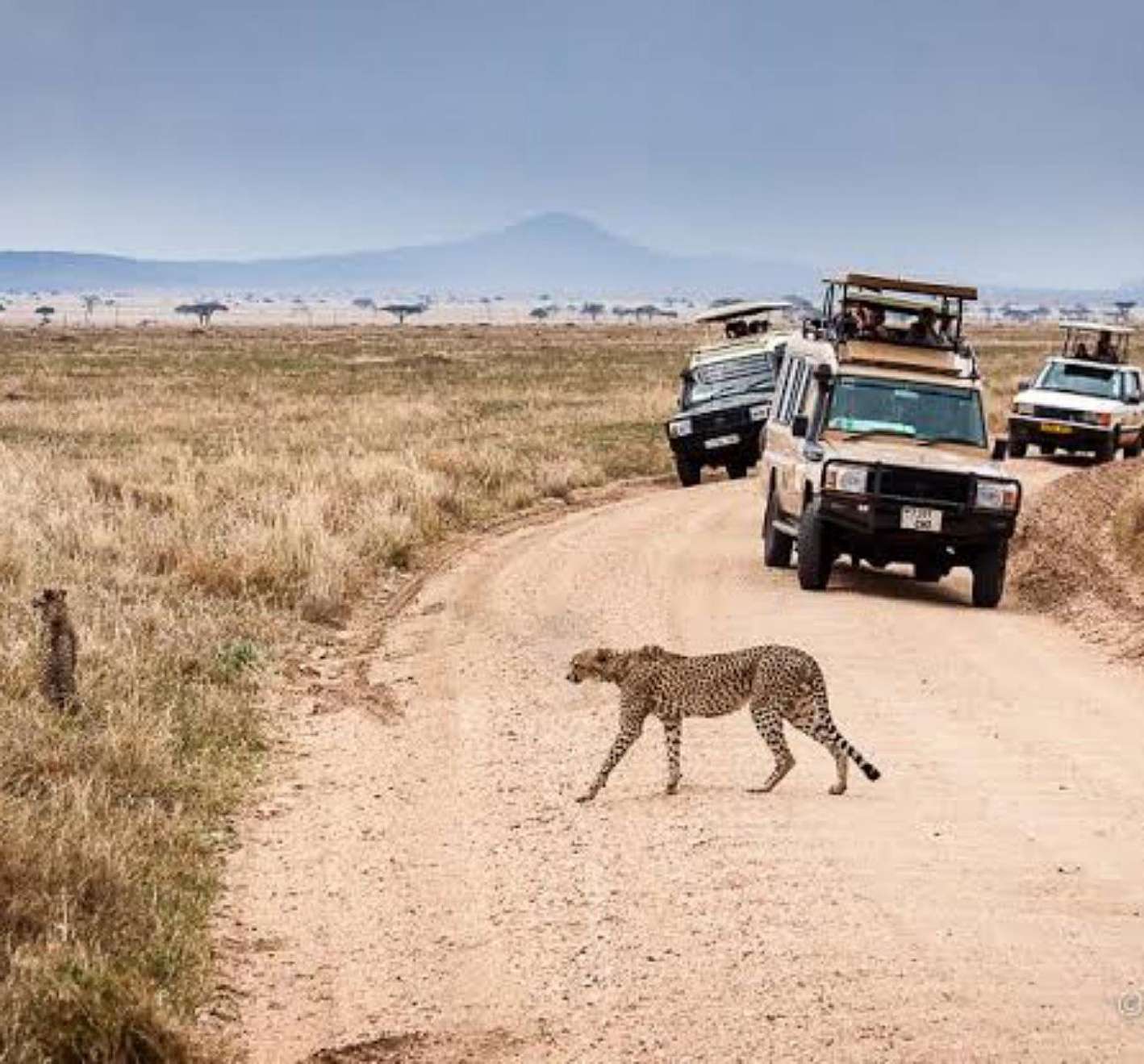
Worth what, exactly? The Serengeti gives you spectacles a standard Big Five drive cannot: a herd more than a million strong, calving flats full of hunting cheetahs, the Mara River at full drama.
Nothing in Mikumi or Ngorongoro matches the scale, and those closer parks will tell you so themselves once you have stood on the southern plains.
The honest part: a river crossing carries no guarantee. Herds gather on the bank for hours, sometimes days, and often turn back at the water's edge.
Peak crossing months bring dozens of vehicles lined along the riverbanks at the popular points, and the northern camps charge their highest rates in those weeks. Patience is part of the ticket.
The migration, sorted from the stories
MythThe herds all leave for Kenya in June
Reality
A large share of the herds stays inside the northern Serengeti through the crossing season, and the river banks are on Tanzanian soil
MythThe migration happens in one season
Reality
It is a year-round circuit, with calving, river crossings and the return trek each in their own months
MythYou must cross into Kenya to see it
Reality
Crossing the border adds transit time and visa costs you do not need
Set against Kenya's Maasai Mara, the Serengeti's great advantage is space. Vastly more territory means vehicles spread out across the plains, and away from the rivers you can watch elephants and giraffes in complete quiet. Book your dates for the spectacle, and let the resident game carry the rest of the day.
Tour for this
4 Days Tarangire, Serengeti, Ngorongoro Group Camping Safari4.7★ (53) · 4 days · Hotel pickup · Free cancellation
Numbers first, because they are hard to picture otherwise. The migration is roughly 1.3 to 1.5 million wildebeest, a quarter to half a million zebras and around as many gazelles, all moving as one body.
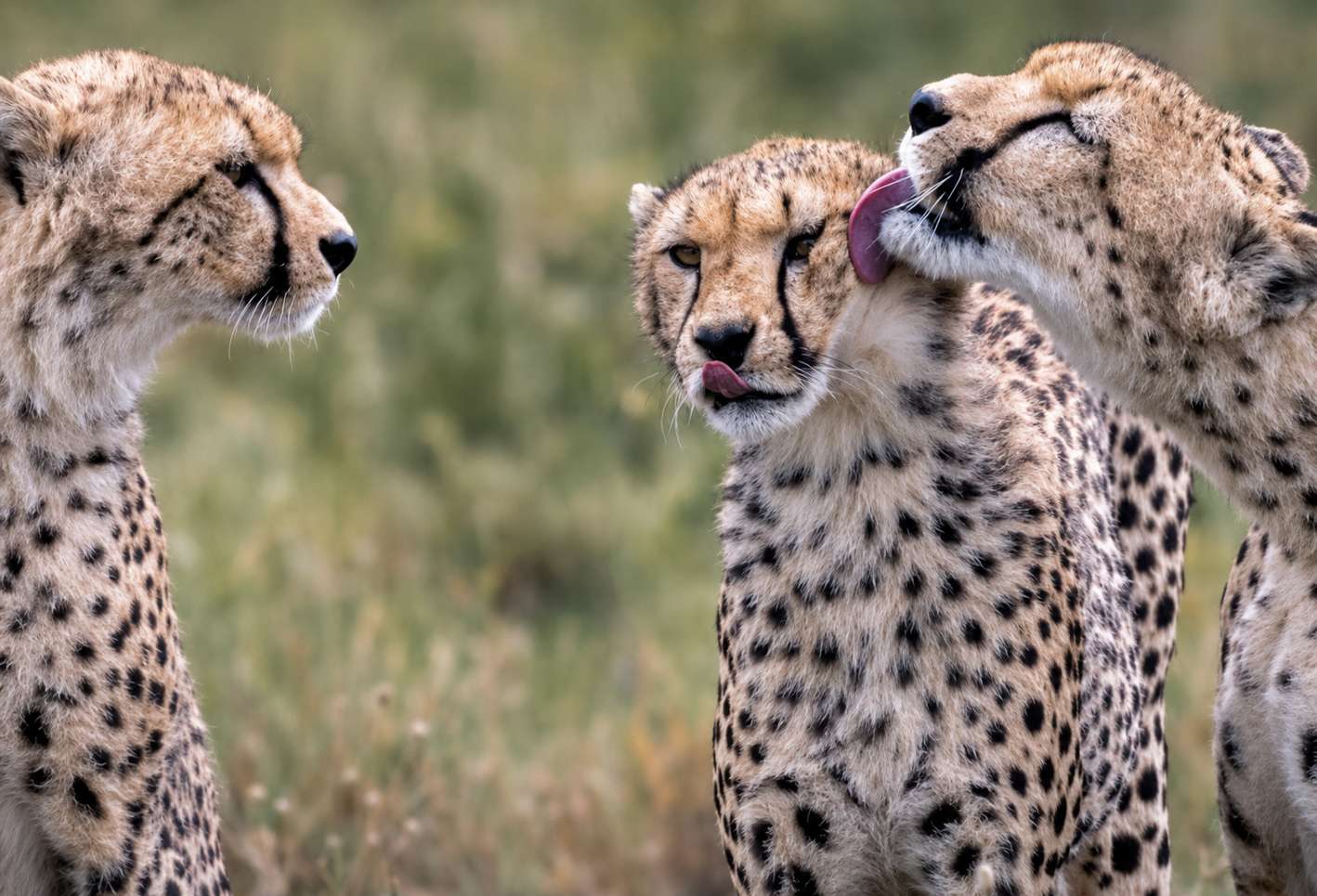
At the Ndutu calving peak, about 1,370 calves are born each day, and February on those plains brings the sharpest hunting of the Serengeti year.
The river crossings are the scenes people remember. Thousands of animals plunge into the Mara together, Nile crocodiles ambush from the shallows, and some 6,000 wildebeest a year never reach the far bank.
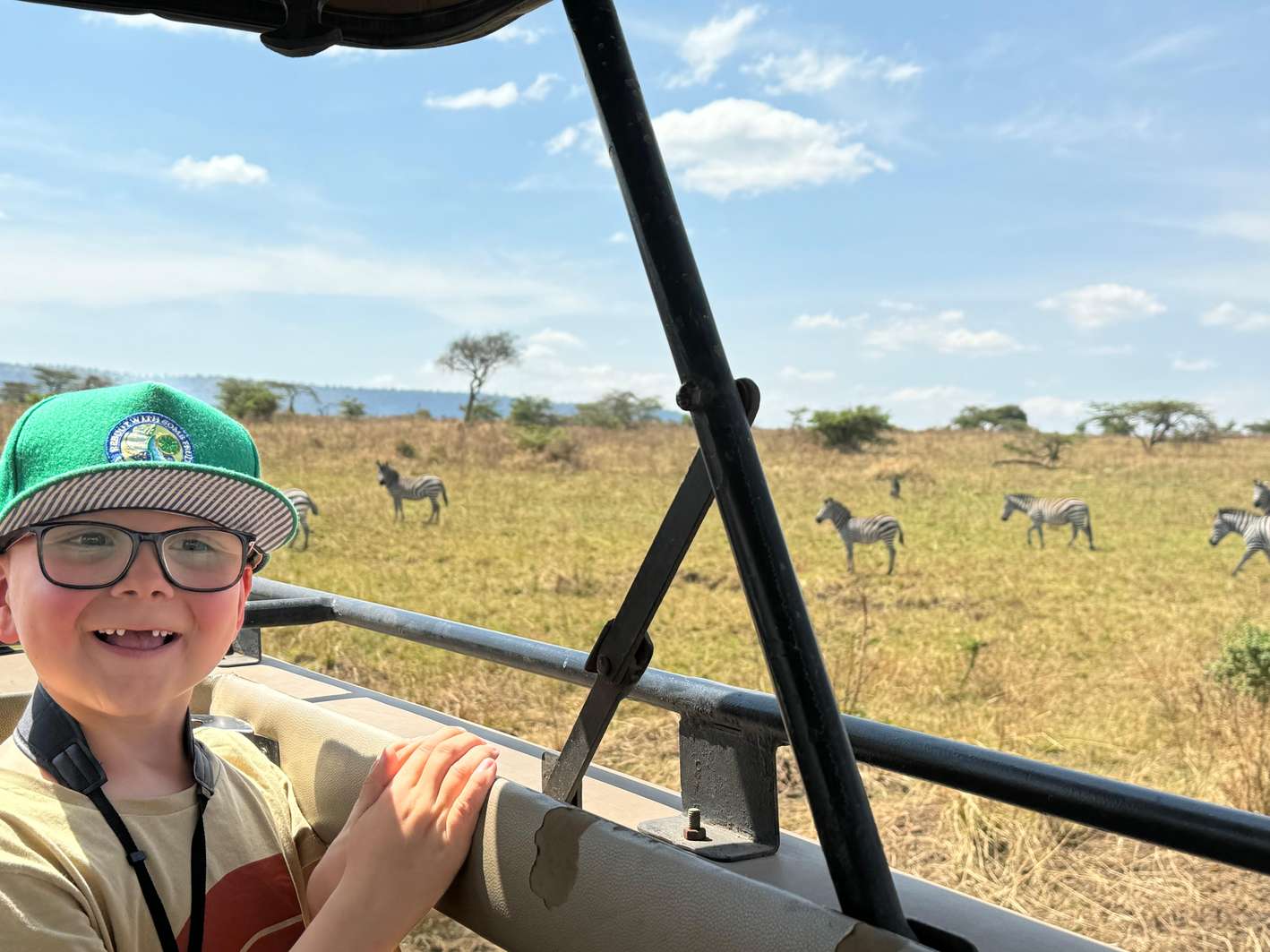
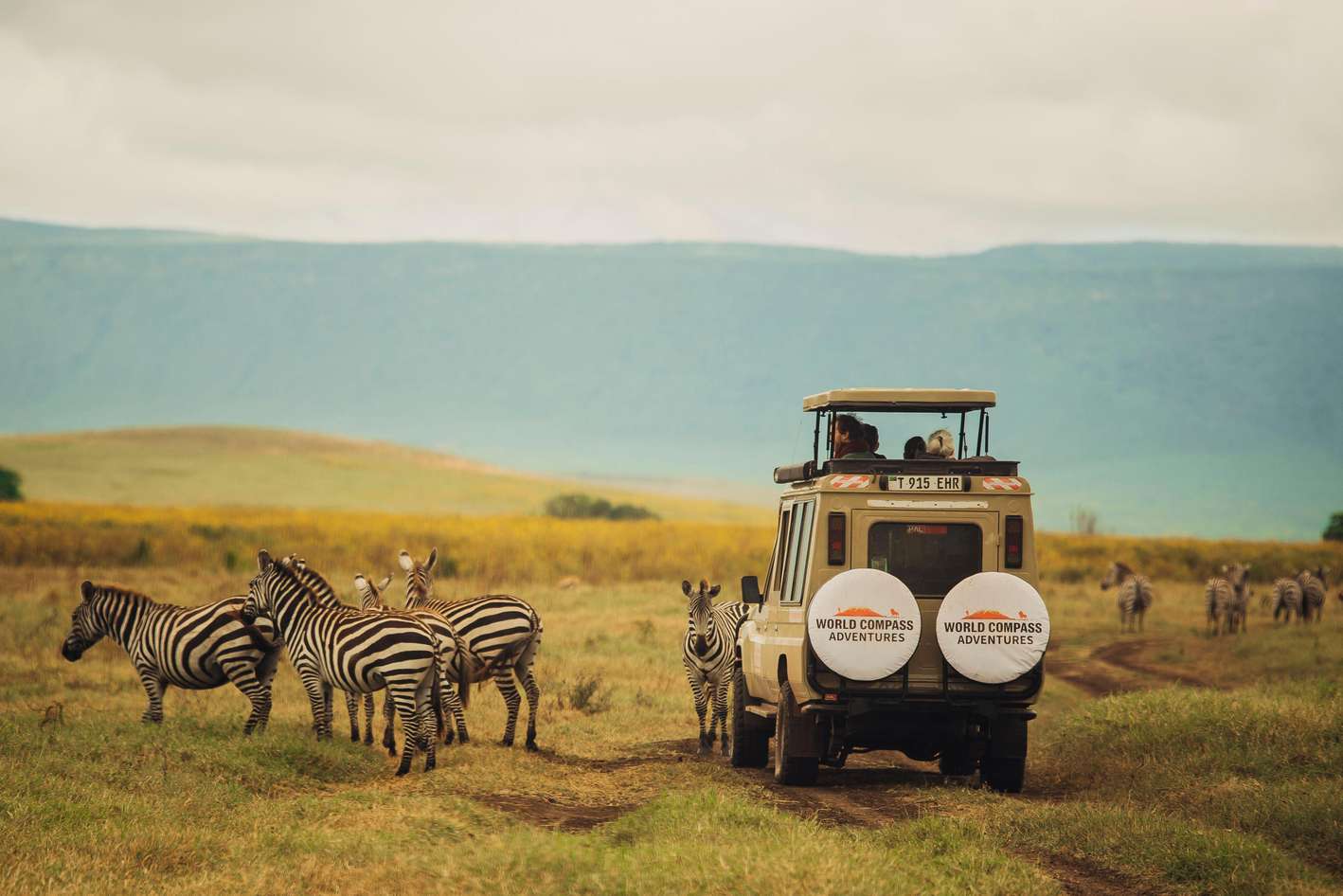
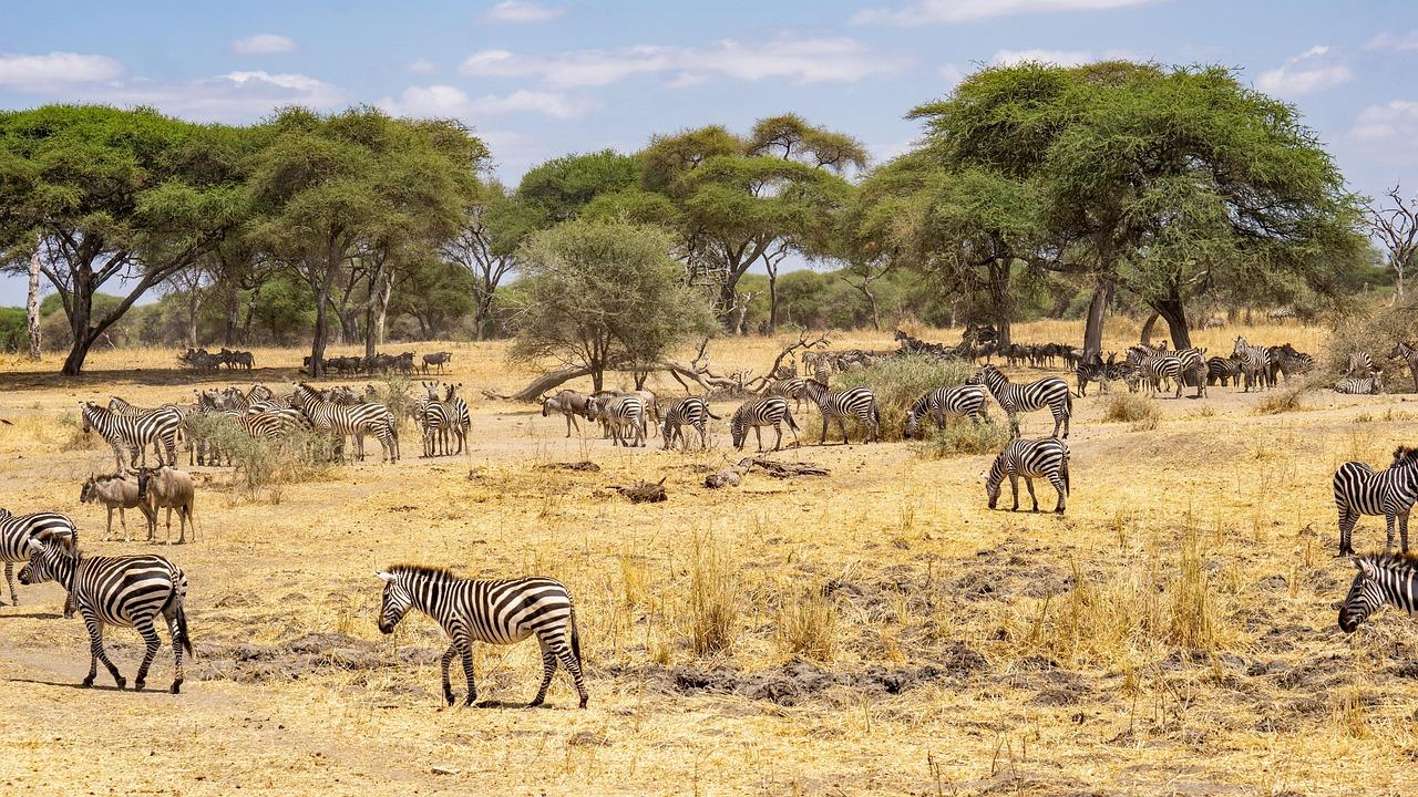
Zebras and wildebeest travel mixed for good reason: zebras eat the tall tough grass first, which exposes the short shoots wildebeest prefer, and zebra eyesight pairs with wildebeest hearing and smell so the combined herd spots trouble sooner.
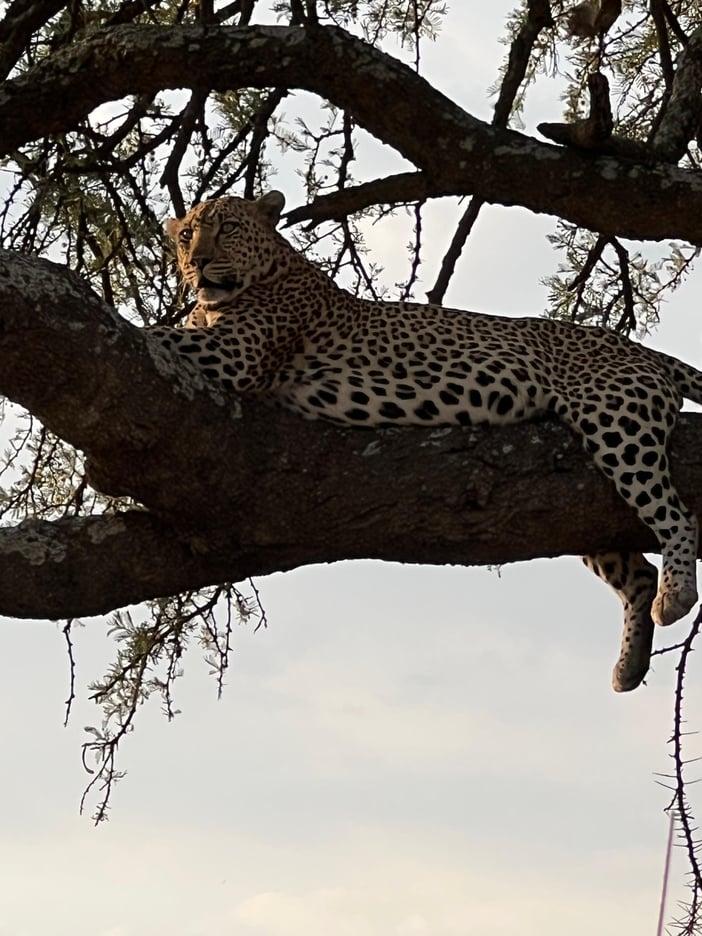
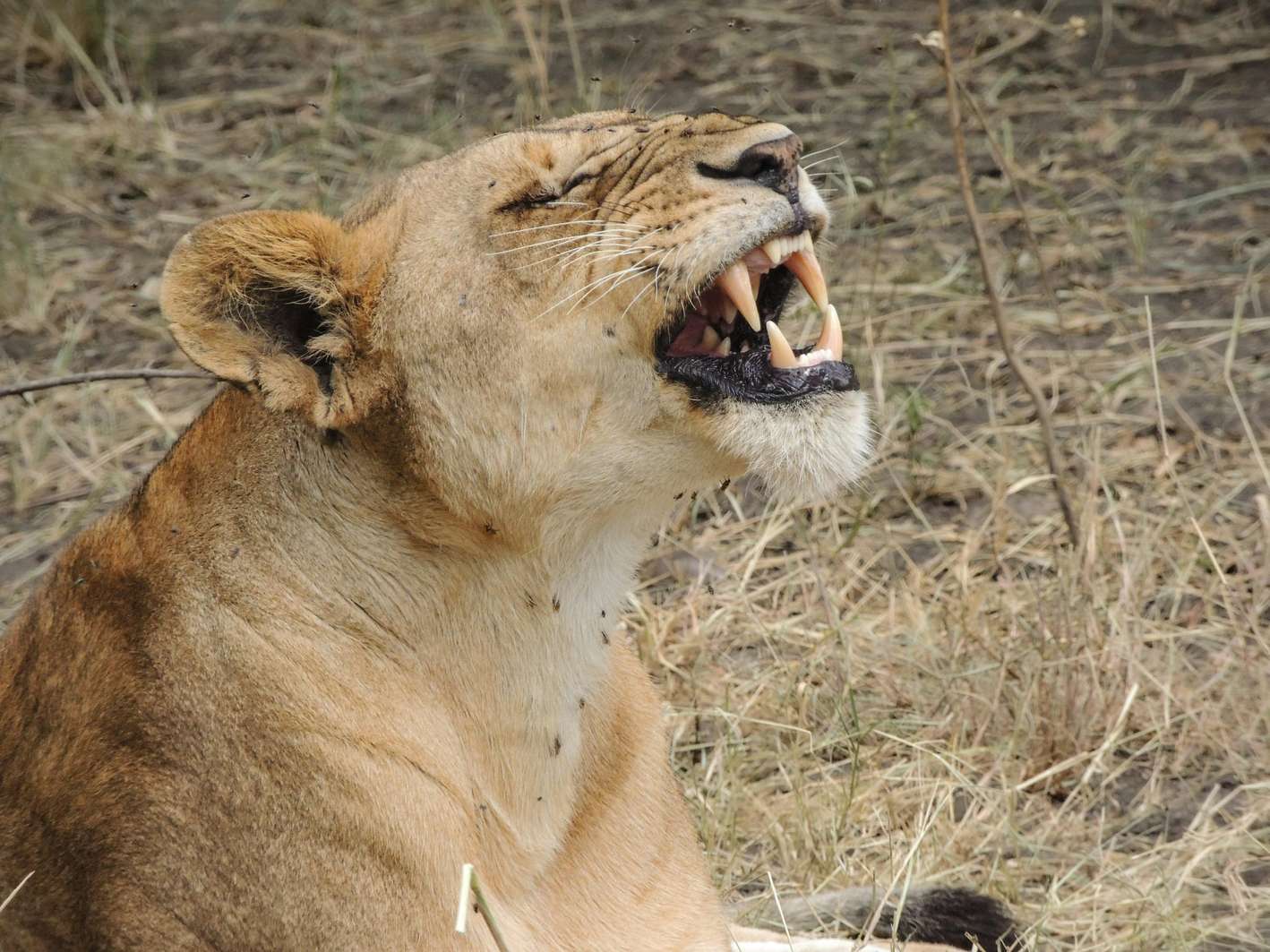
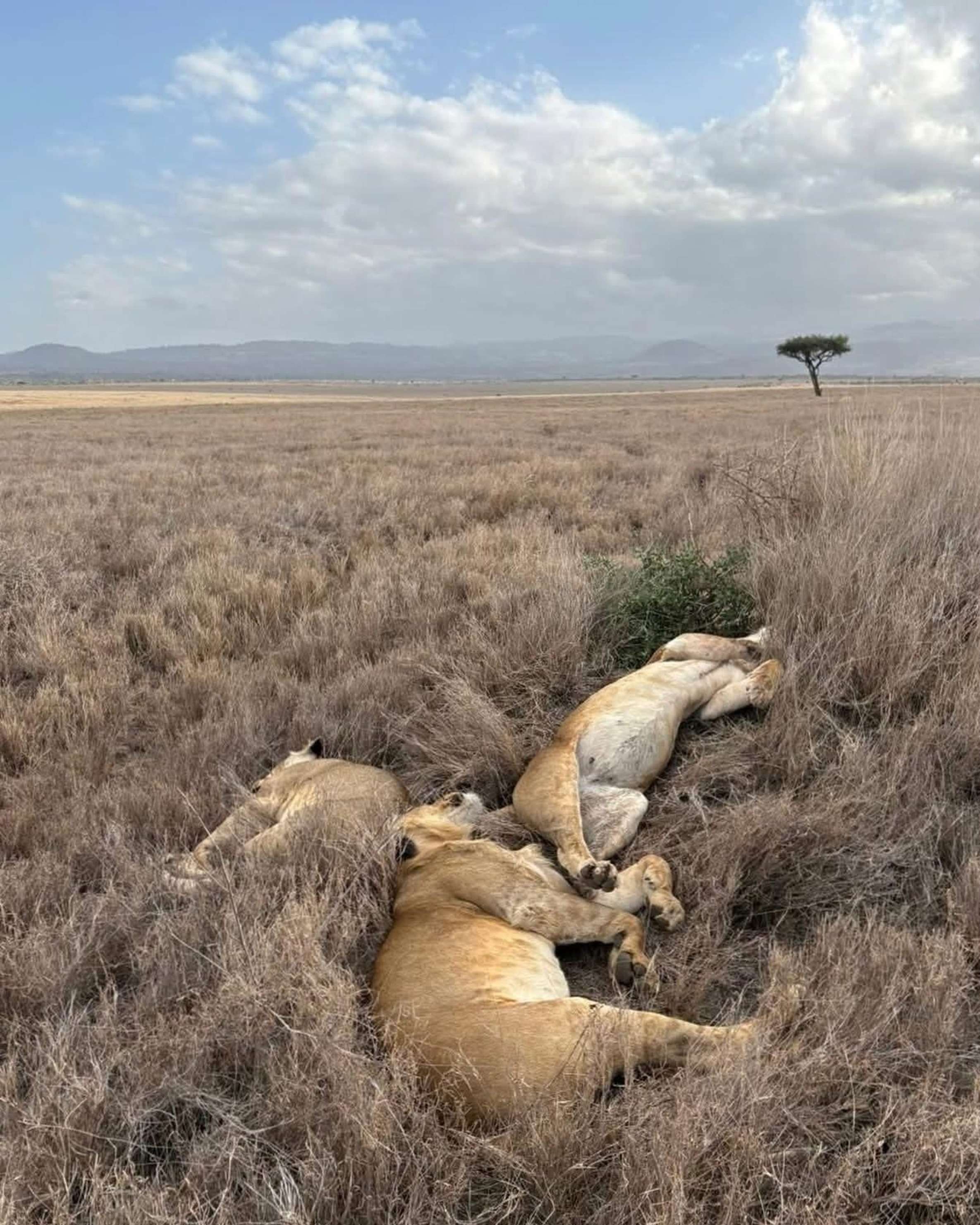
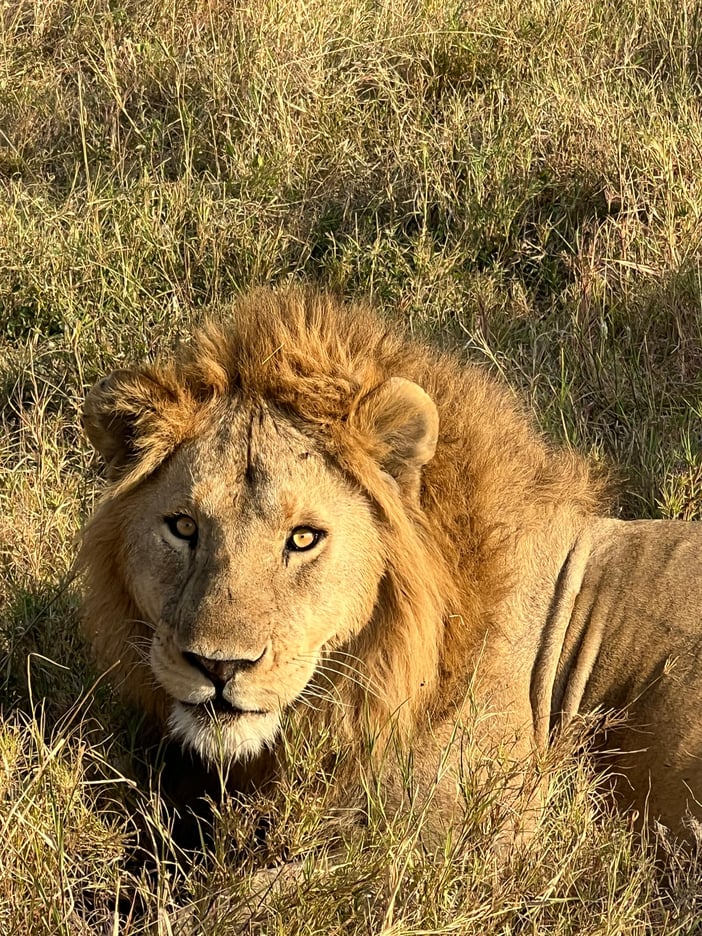
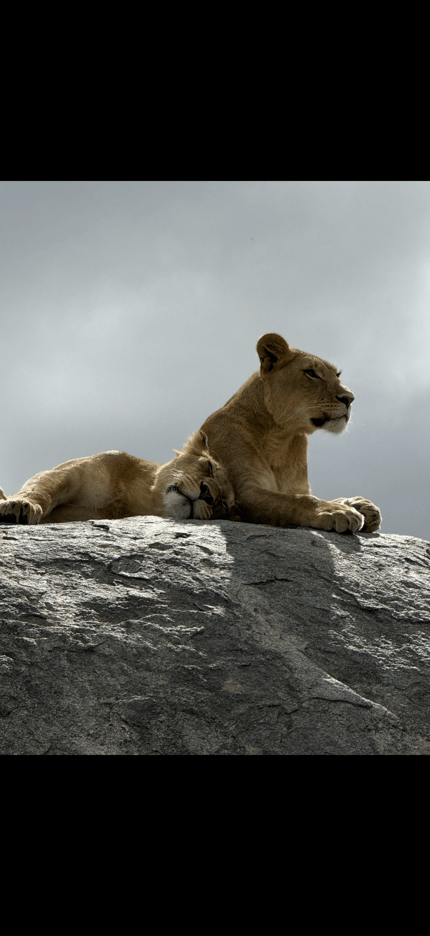
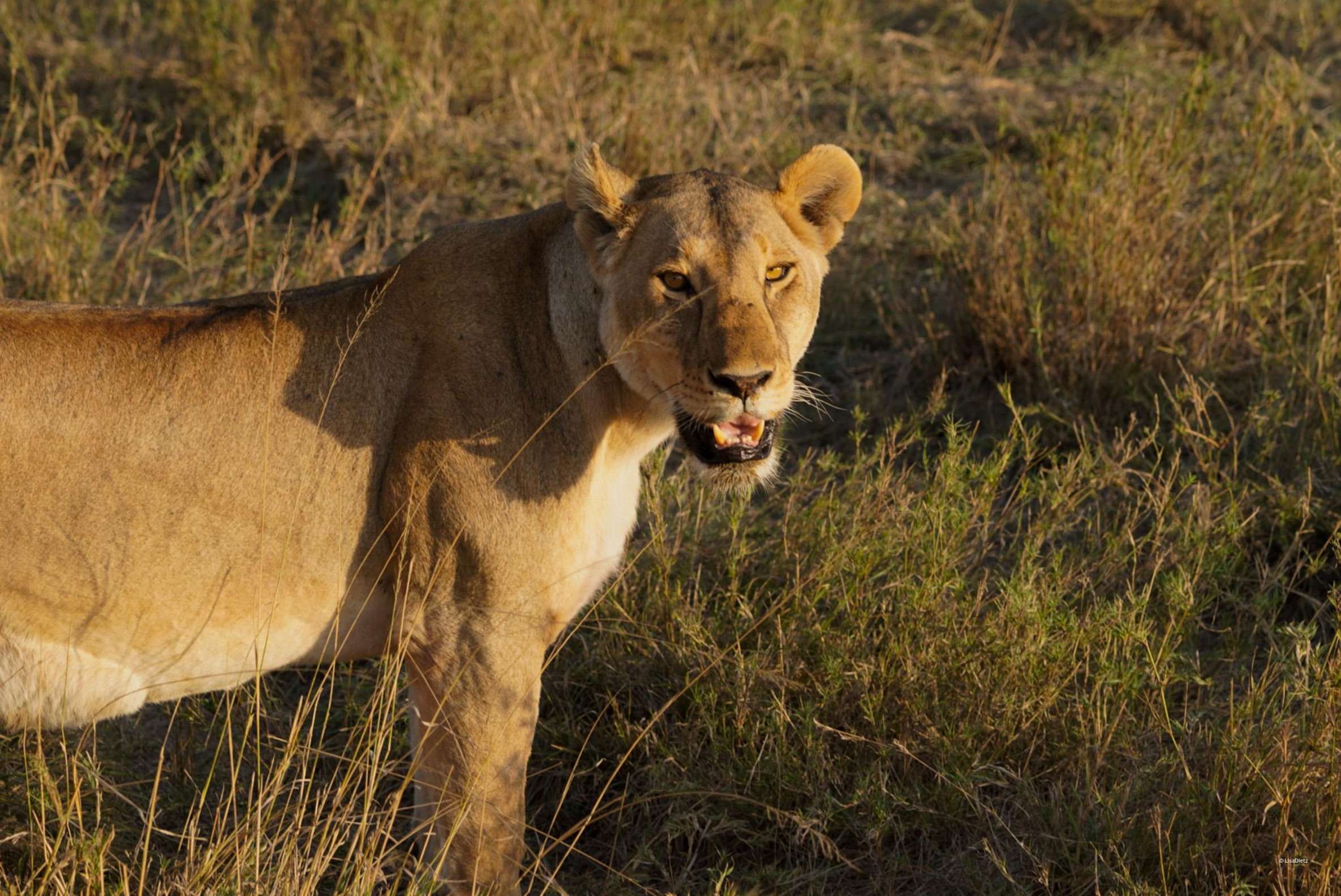
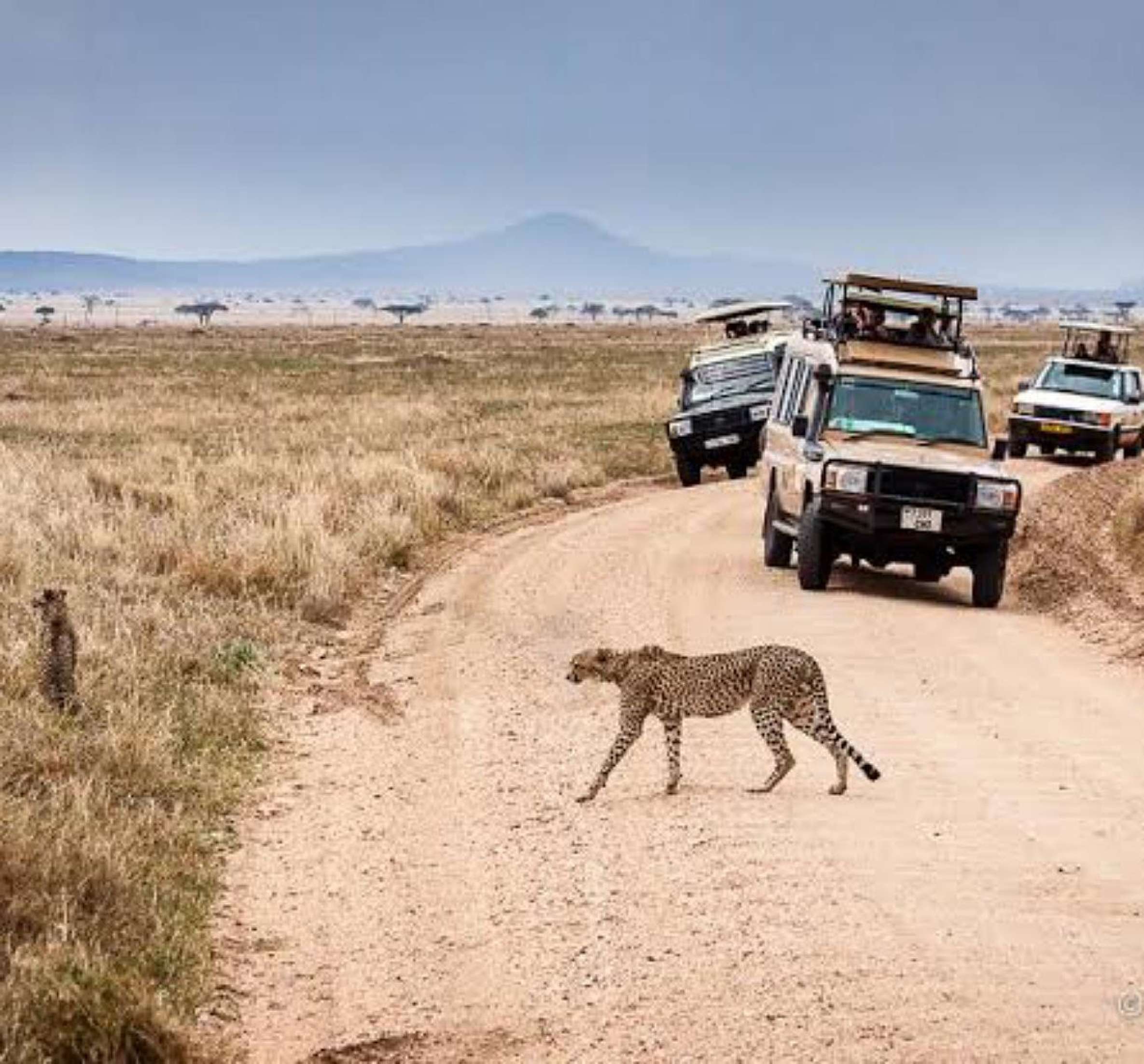
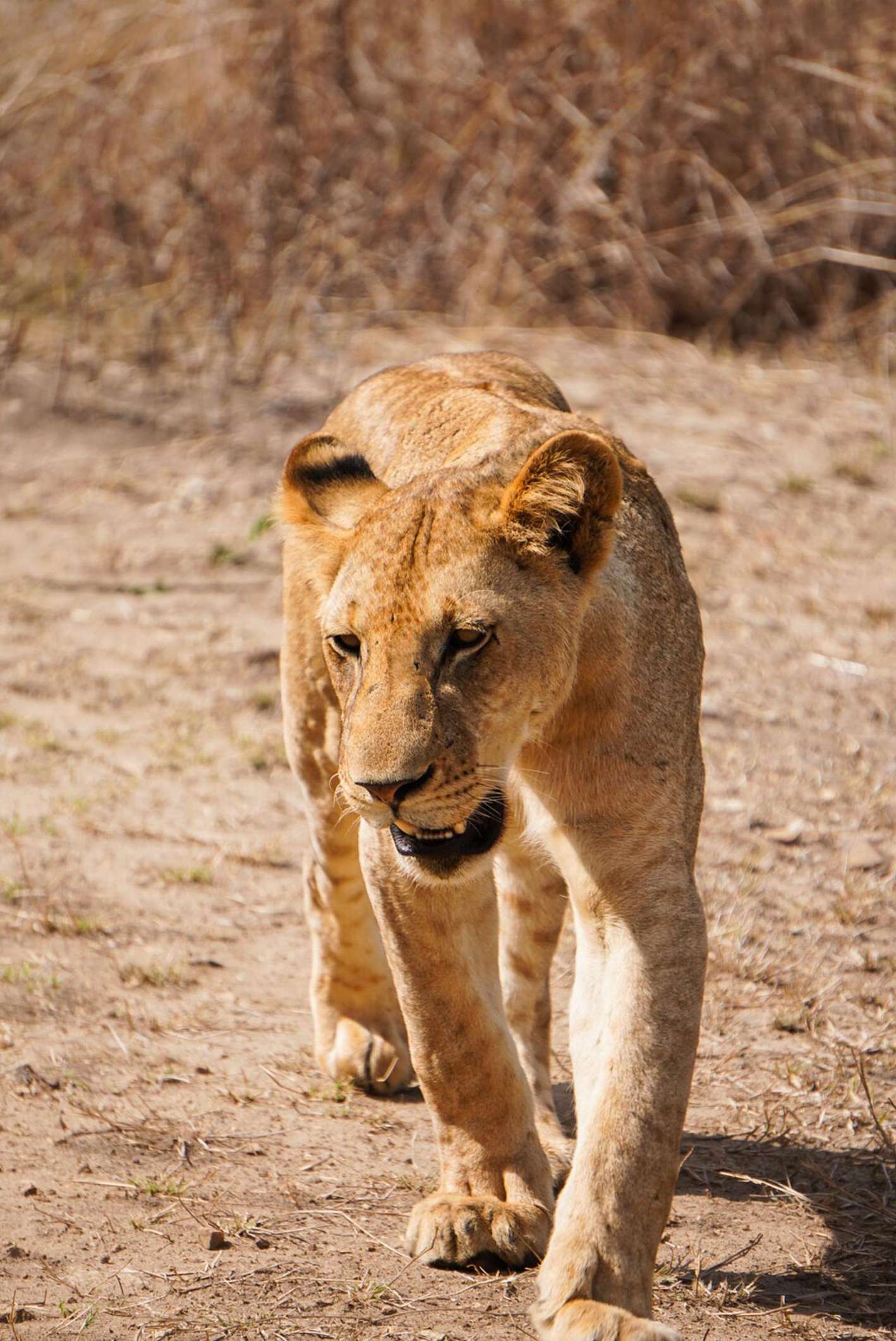
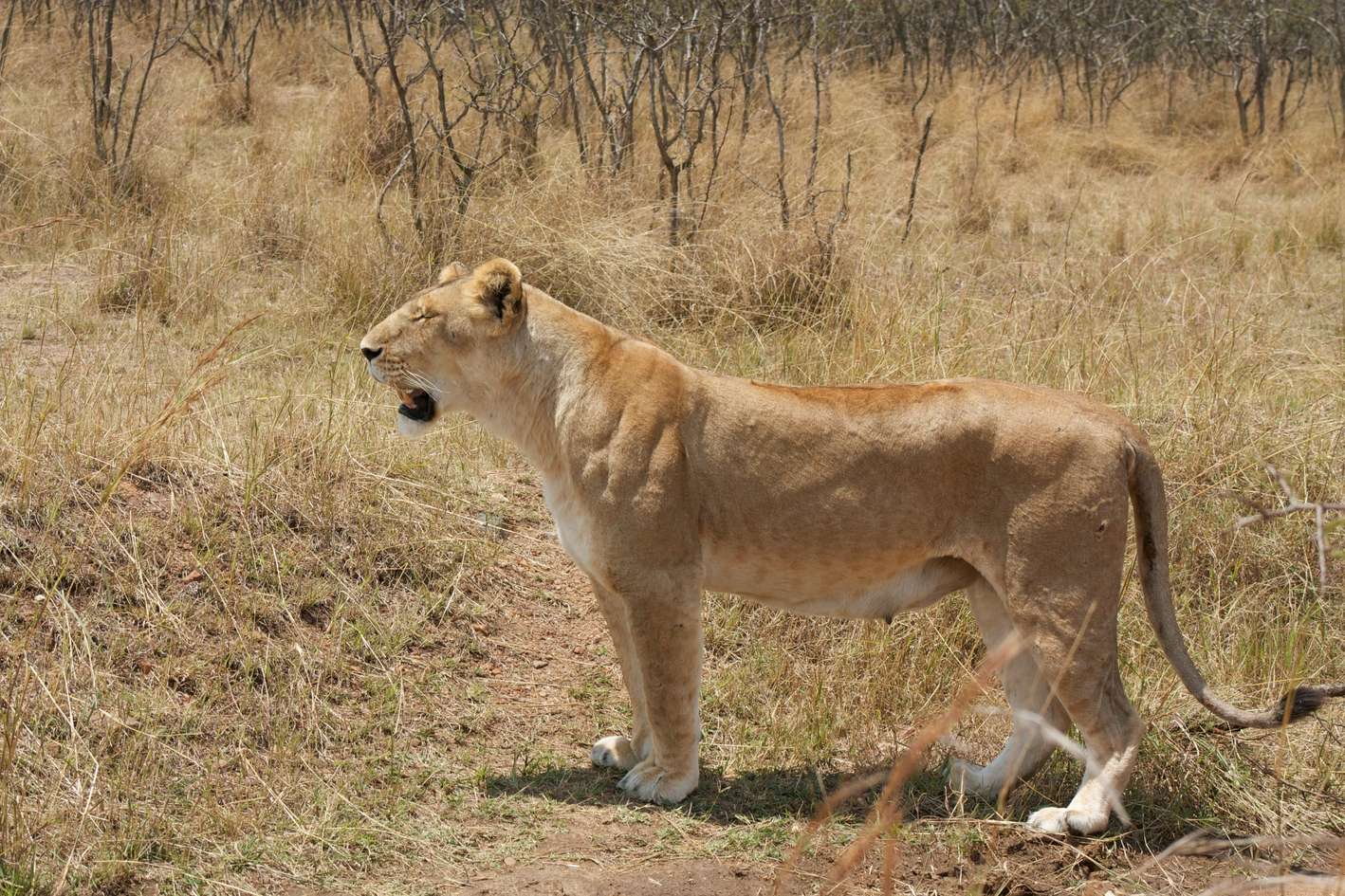
If the herds move off your sector, the trip still holds. Lions, leopards, elephants and hyenas stay resident all year, and the Seronera Valley carries high cat activity in every month.
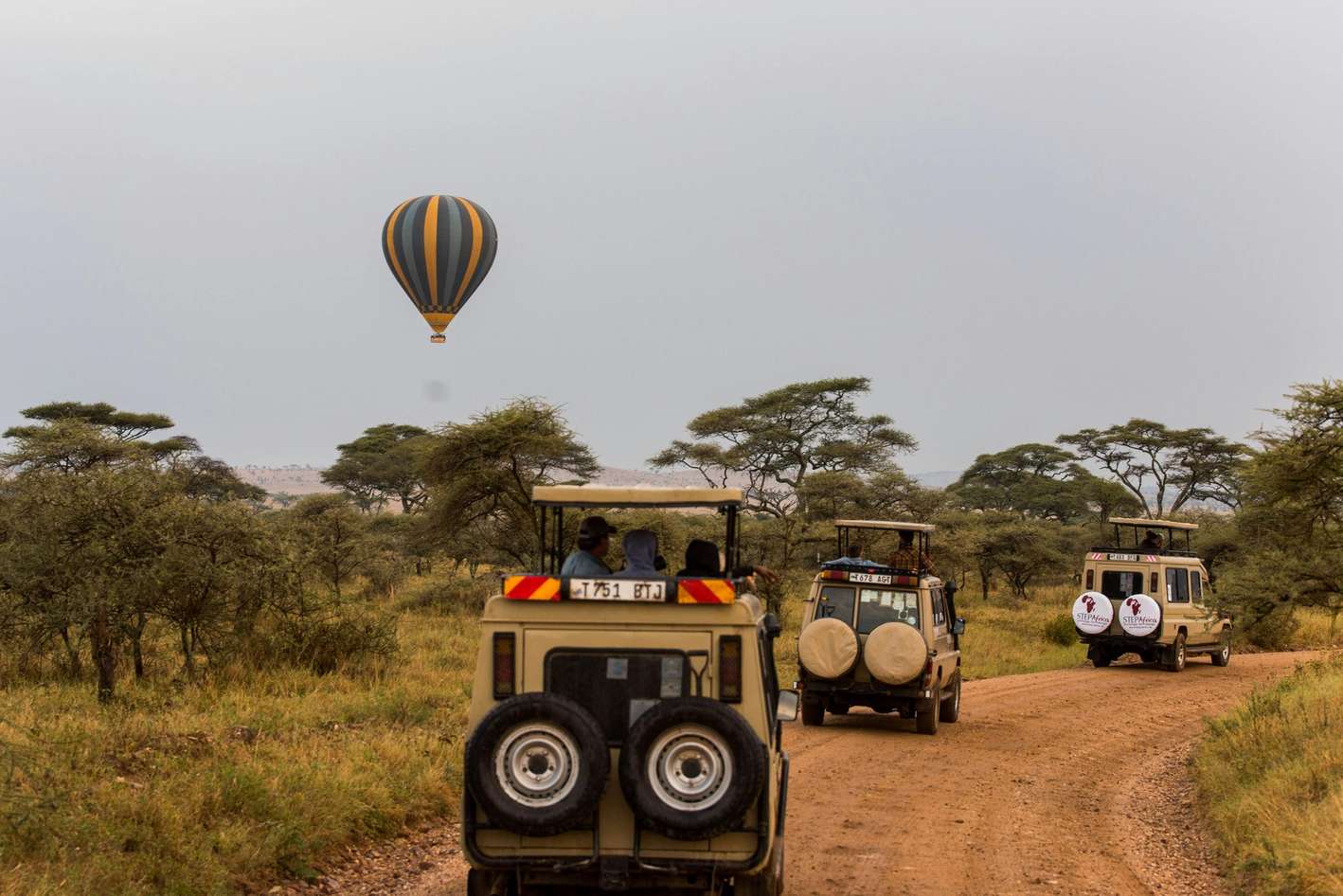
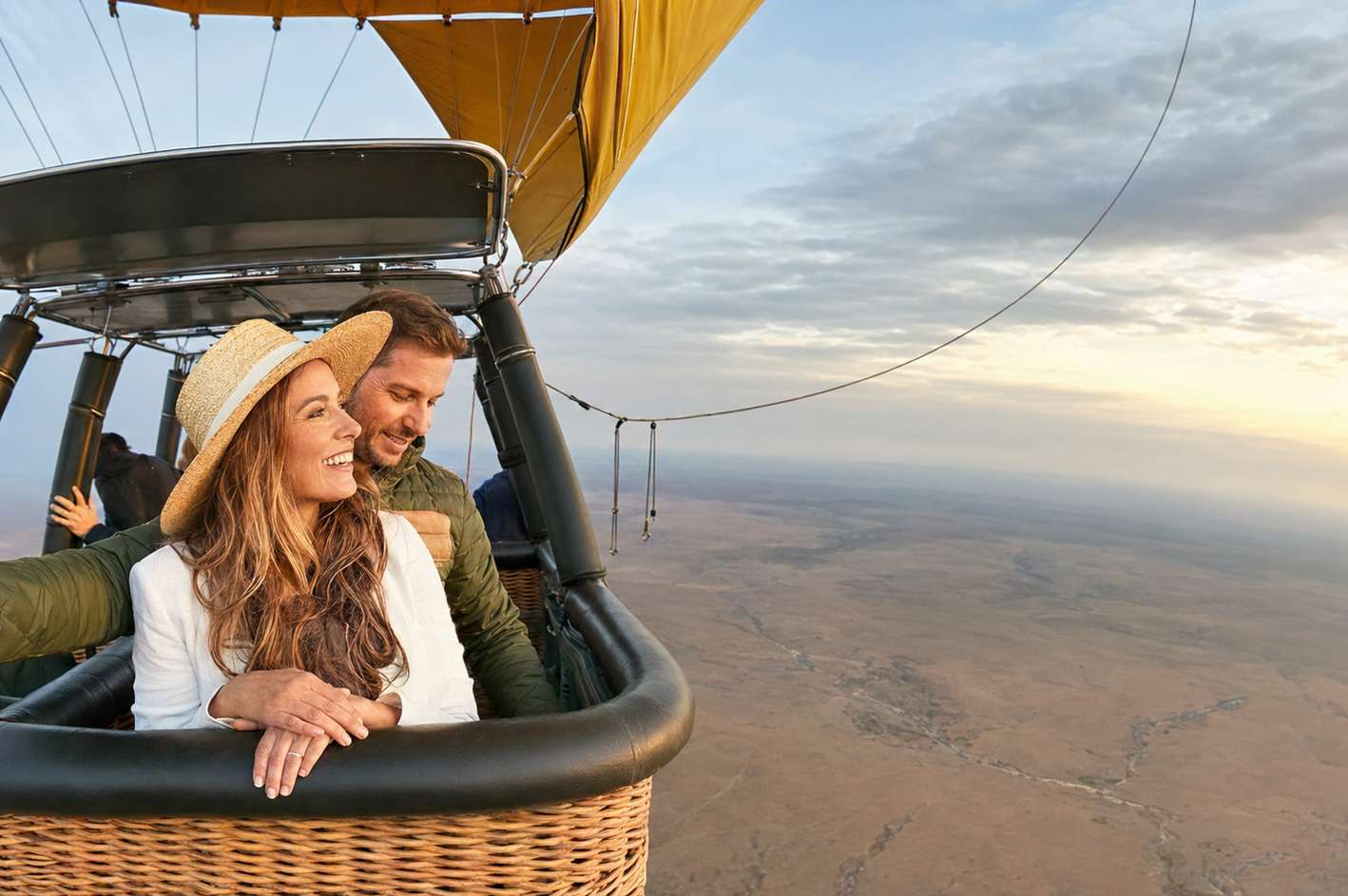
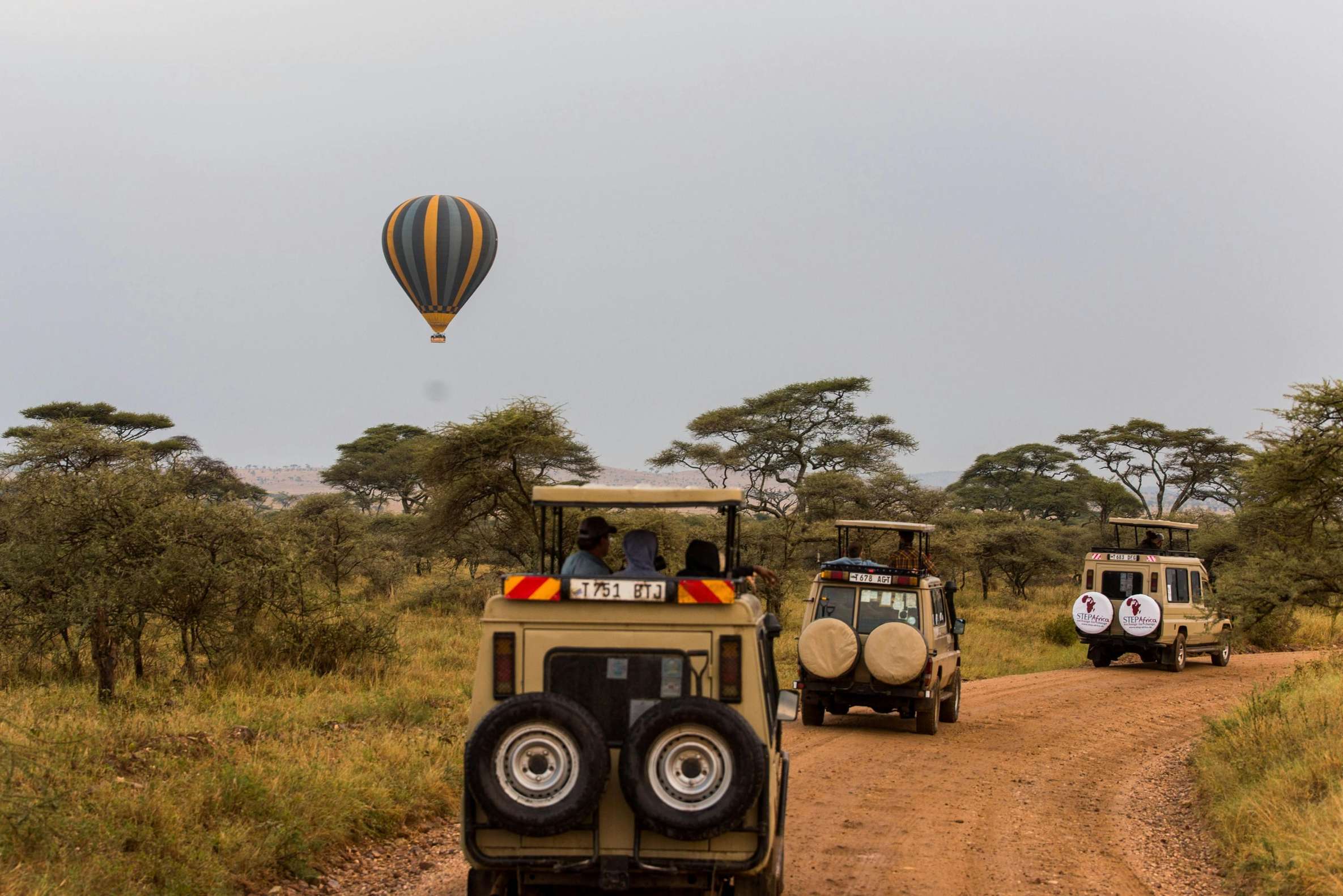
One paid extra changes the vantage: a sunrise balloon flight lifts you over the plains, with a camp pickup around 4:30 am, though balloons fly fixed zones and cannot chase the herds.
Tour for this
From Zanzibar: 2-Day Serengeti Park Safari Trip with Flights4.5★ (10) · 2 days · Hotel pickup · Free cancellation
Camping, tented camp or fly-in on the Serengeti wildebeest migration
Three ways to sleep out here, and each buys something different. Group camping puts you in a ground tent on a mattress with sleeping bags and shared bathroom blocks, the affordable route solo travelers use by joining a scheduled departure.
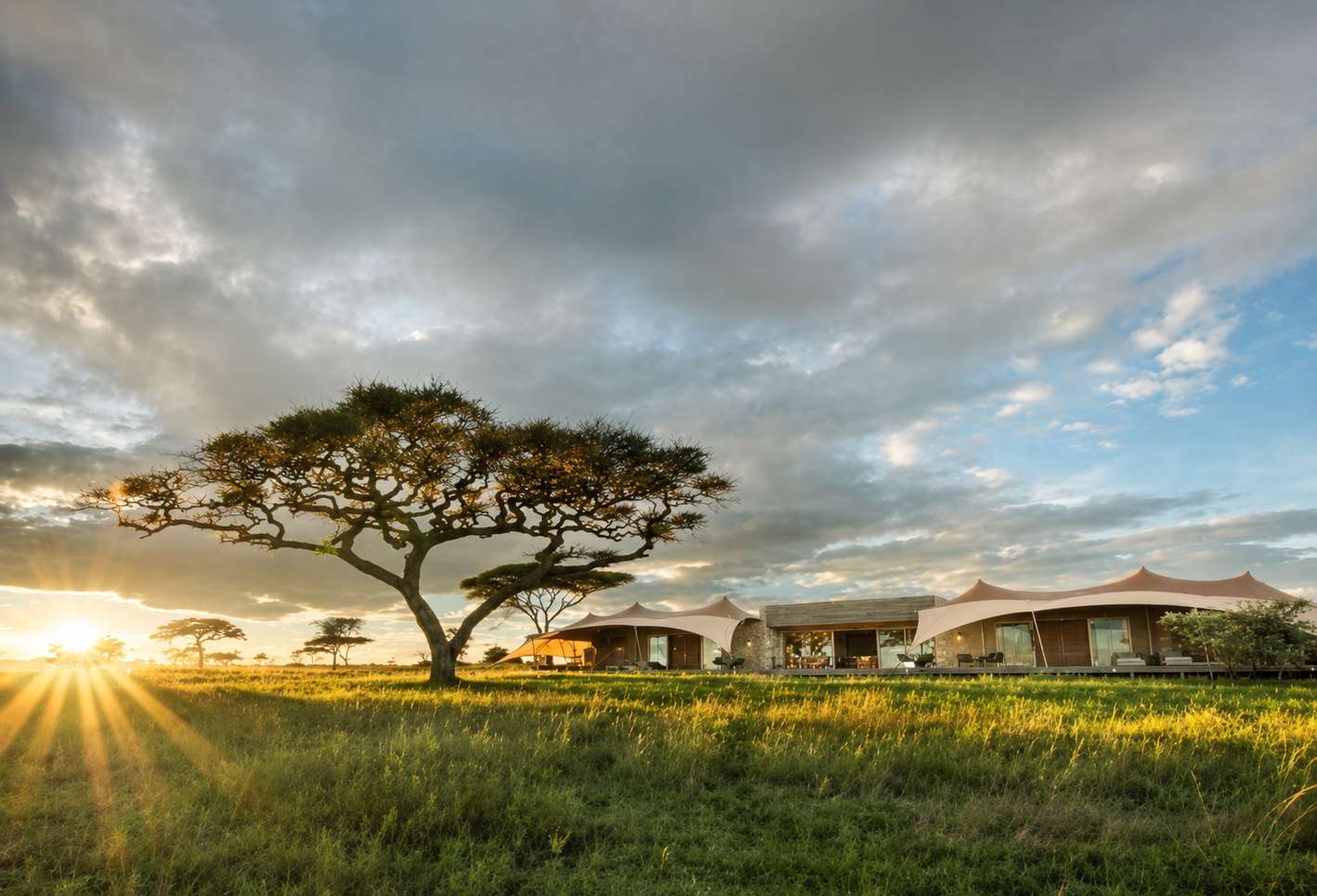
Mobile tented camps pick up and move with the seasons, positioning you at Kusini, Moru or Lamai beside the herds; you trade air conditioning for fans and bucket showers.
Fly-in lodge packages land you on a bush airstrip and hand the game drives to the lodge, the comfortable end of the range.
Choosing how to travel
Group camping
Mobile tented camp
Fly-in lodge
Cost per day
Lowest, tents and shared bathrooms
Mid to high, premium in peak months
Highest, everything bundled
Closeness to the herds
Fixed camps, you drive to the herds
Relocates seasonally beside the herds
Airstrip inside the park, drives from the gate
Comfort
Foam mats and shared blocks
Real beds, hot bucket showers, solar power limits
En-suite rooms, full board
Suits
Solo travelers and small budgets
Travelers chasing herd positions
Couples, families, honeymoons
Group camping
Cost per day
Lowest, tents and shared bathrooms
Closeness to the herds
Fixed camps, you drive to the herds
Comfort
Foam mats and shared blocks
Suits
Solo travelers and small budgets
Mobile tented camp
Cost per day
Mid to high, premium in peak months
Closeness to the herds
Relocates seasonally beside the herds
Comfort
Real beds, hot bucket showers, solar power limits
Suits
Travelers chasing herd positions
Fly-in lodge
Cost per day
Highest, everything bundled
Closeness to the herds
Airstrip inside the park, drives from the gate
Comfort
En-suite rooms, full board
Suits
Couples, families, honeymoons
Families do best with a private 4x4, which sets your own departure times and drive lengths; a shared vehicle locks you into other people's full days. Check camp age rules before booking, because many mobile bush camps want children of at least six.
For two people, private often costs only marginally more than a shared seat, and a party of six can sometimes secure an exclusive private vehicle at no extra charge on fly-in lodge packages.
Tour for this
3-Day Safari Serengeti & Ngorongoro Crater (Private/Joining)4.1★ (8) · Valid 3 days · Hotel pickup · Free cancellation
How many days the Serengeti wildebeest migration needs
The distances settle this question. The ecosystem is enormous, and a two-night dash spends most of its hours in transit. Regulars put the floor at three nights in the Serengeti; fewer, and you spend the trip driving between single-night camp changes.
A first circuit works on four days. Two nights per park is the minimum for active morning game drives, and a four-day route through Tarangire, Ngorongoro Crater and the Serengeti balances wildlife with driving.
Those are two different standards: three nights measures the Serengeti on its own, the four-day shape measures a whole circuit, and longer trips of five to eight days buy more mornings at the river and room for Lake Manyara.
The 4 Days Tarangire, Serengeti, Ngorongoro Group Camping Safari runs from Arusha with an English-speaking guide, a 4x4 vehicle, park fees, water, camping and meals included, and it pitches the Great Migration on the Serengeti plains as its centerpiece. If your dates are fixed and short, that shape, camping and all, is the honest baseline.
Tour for this
Tanzania Join Groups Safari Tarangire Serengeti &Ngorongoro4.0★ (1) · 1 - 5 days · Hotel pickup · Free cancellation
Driving in from Arusha for the Serengeti wildebeest migration
The road from Arusha to the park runs 225 to 325 kilometres depending on your gate, and takes seven to eight hours each way in a 4x4. Most of it is rough, unpaved ground; the stretch through the Ngorongoro Conservation Area to Naabi Hill Gate is notoriously bumpy, and dust comes with the territory.
On a short trip that transit eats whole days, which is why good itineraries break the journey with a night on the crater rim or fly one leg.
The drive is not wasted time, at least. Starting early means game viewing while you pass through the conservation area, and the first day's route through Tarangire country adds elephants and baobabs before you reach the plains. Overland transit costs less than a bush flight, which is the trade you are making.
The morning starts without ceremony. Group safaris pick you up from accommodations in Arusha City Centre between 6 and 7:30 am, so book a night in town: places near Kibo Palace, Four Points or the Mount Meru Hotel sit inside the complimentary pickup zone.
A coffee plantation estate outside town gives you a restful base to recover from the long flight before the bumpy days begin.
Flying in from Zanzibar for the Serengeti wildebeest migration
The beach-and-bush combination works better than most travelers expect, because small prop planes land on bush airstrips inside the park.
Nonstop flights from Zanzibar to Seronera Airstrip run roughly two to nearly three hours; connecting services stop at Arusha or Lake Manyara and take around four hours with a layover. You step off into a game drive the same morning, with aerial views of the plains on approach.
Pack for the plane before you pack for the bush. Hard-shell suitcases are refused on bush flights; you need a soft duffel, and allowances sit around 15 kg including hand luggage, with some operators limiting you to 10 kg.
Leave the plastic bags behind too, since single-use carrier bags are banned nationwide and confiscated on arrival.
When the day changes
If this happens
What happens then
Heavy April or May rains make secondary tracks muddy
Guides reroute along the main central and northern tracks, which stay open all season
Weather grounds a bush flight or cancels a safari
You are offered an alternative date or a full refund
A delay makes you miss a connection on another airline or a booked activity
Operators do not accept responsibility, so leave slack between legs
The simplest version of the add-on is the From Zanzibar: 2-Day Serengeti Park Safari Trip with Flights, which includes return flights to Seronera, hotel pickup, park fees and a night just outside the gate. Two days is tight for the migration itself, so treat it as a taste or extend the bush side.
Tour for this
From Zanzibar: 2-Day Serengeti Park Safari Trip with Flights4.5★ (10) · 2 days · Hotel pickup · Free cancellation
Choosing an operator for the Serengeti wildebeest migration
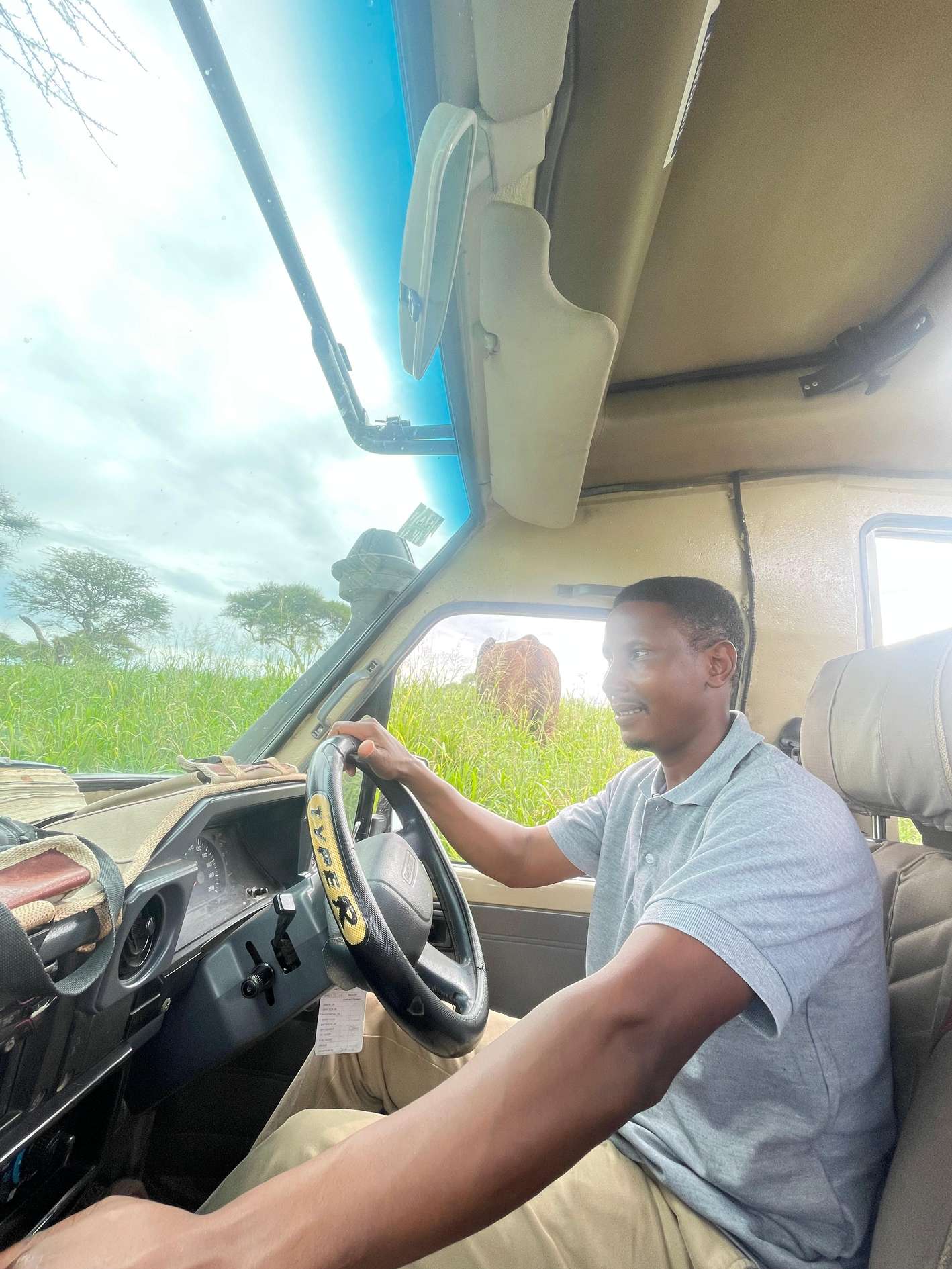
Ask any guide who works this park and they will tell you the same thing: the driver decides the safari. An itinerary is just roads and dates.
A good guide reads animal behavior, anticipates where the herds will move, and works away from the crowded lodge clusters to find wildlife on their own, with the radio as one tool among several.
Vetting is straightforward. Legitimate Tanzanian operators register with the Ministry of Tourism stakeholder register and belong to associations such as TATO. Guides network with other drivers by radio across the park to track rarer sightings, so ask how your operator balances radio work with independent tracking.
If English is not your first language, request a French, German, Spanish or Italian-speaking guide at booking, since some tours price language as an add-on.
How to choose a migration safari operator
Check
Why it matters
Our pick
Licensing and guide training
A registered operator with trained guides finds sightings without the crowd
Run by professional English-speaking driver-guides with deep park experience
Vehicle type
Open-sided jeeps cannot legally drive between parks, so overland safaris need closed pop-top 4x4s
Private 4x4 with a pop-up roof for unobstructed viewing
Group size
Fewer seats mean more time at each sighting and your own schedule
Private departures set your own pace; group joinings run small
Language
A guide you understand changes what you take home
Specify your preferred language when booking
One reassurance on shared departures: if a group fails to fill, operators often run it anyway, giving you a private vehicle for the shared price. The From Arusha: 4-Day Private Safari to Serengeti & Ngorongoro shows the standard a serious operator meets, with unlimited mileage, binoculars, and even emergency evacuation cover in the vehicle.
Tour for this
From Arusha: 4-Day Private Safari to Serengeti & NgorongoroHotel pickup · Free cancellation
Visas, health and budget for a Serengeti wildebeest migration trip
Paperwork first, because it is the part that can stop a trip. Your passport needs six months of validity beyond arrival and one or two blank pages.
Most foreign nationals need a visa; a single Tanzanian visa covers both the mainland and Zanzibar, lasts up to 90 days, and you can apply through the official e-Visa portal or get one on arrival at the major airports.
Bring proof of accommodation and a return or onward ticket. A few nationalities need referral approval before flying, so check your country's case.
Yellow fever follows one narrow rule: the certificate is required only if you arrive from, or transit over 12 hours in, a country with transmission risk, and the vaccine must be given at least 10 days before arrival.
Coming straight from Europe or North America, you will not be asked. The Serengeti sits below the malaria altitude line, so antimalarial tablets are recommended for adults, with weight-based pediatric options for children, and any fever during travel or within a year after needs urgent medical attention.
Deposits at lodges typically run a substantial share upfront, so read the cancellation terms before paying.
The packing list has one organizing insight: color decides your comfort. Dark blue and black attract biting tsetse flies, the same shades used on baited fly traps, and no repellent reliably stops them, since DEET and permethrin have not proven effective.
Bright colors startle wildlife, pure white turns brown in the vehicle dust within a morning, and camouflage clothing is illegal for civilians in Tanzania. Neutral earth tones, khaki, olive and beige, are the whole answer.
Layer for the swing. Early game drives start near 16°C and crater-rim camping nights drop to around 5°C, so pack a fleece or warm jacket, socks and closed walking shoes over lightweight long sleeves and trousers. Long, tightly woven fabric matters as much as warmth, because the flies bite through thin cloth.
What nobody tells you
DEET and permethrin do not reliably deter tsetse flies
Clothing choice does the work: neutral, tightly woven, long
Camouflage is illegal for civilians in Tanzania
Leave the camo prints at home entirely
Hard-shell suitcases are refused on bush flights
Pack in a soft duffel within the weight allowance
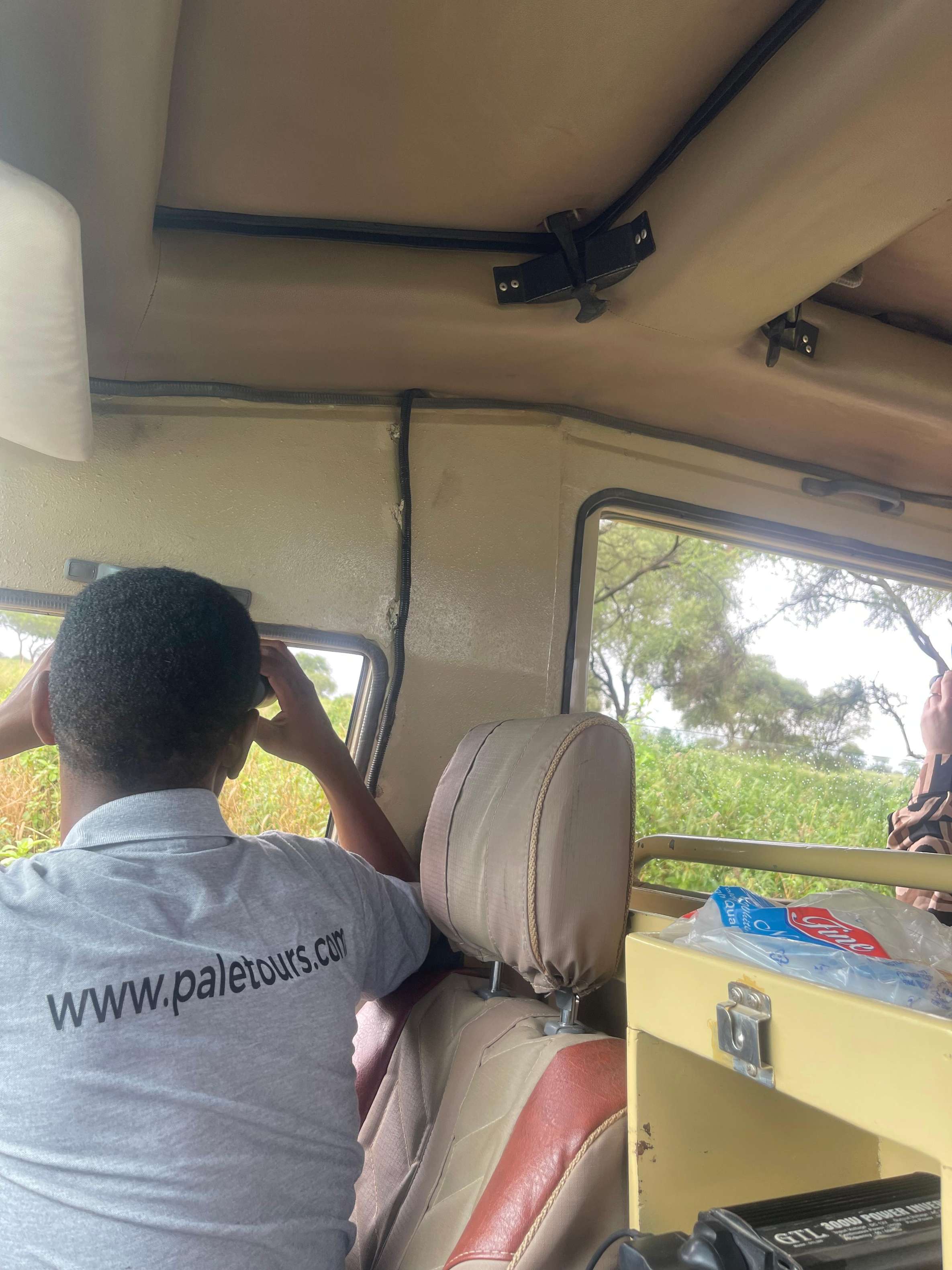
On group camping safaris from Arusha, the luggage limit is 10 kg per person in a soft bag, with extra bags stored at your hotel. Binoculars earn their space, though guides usually carry one to share in the vehicle.
Rules that keep your Serengeti wildebeest migration days safe
The Serengeti has no fences, and the rules exist because the animals are free and the vehicles are not targets. Lions and elephants are accustomed to safari cars, and skilled drivers position you close enough for a front-row view, but you stay inside the vehicle at all times except at designated picnic and restroom sites.
Hands stay in. Feeding animals, touching wildlife or plants, and littering all carry immediate fines or expulsion from the park.
At the river, your guide holds a respectful distance from the bank and waits until a herd has fully committed to crossing before moving, so the animals keep their exit paths clear. Never step out during a crossing or a drive unless park authorities direct you at a rest site.
The one hard clock is the gate. All Serengeti gates open at 6 am and close at 6 pm, and driving inside the park after dark is strictly prohibited. Late entries need prior authorization from park officials, so build your transfer times with slack.
Gate hours that can stop your day
All Serengeti gates close at 6 pm and driving after dark is prohibited Plan arrivals and transfers to clear the gate in daylight, and ask your operator to arrange authorization in advance for any exceptional late entry
Leave the drone at home too. Park authorities do not allow them on Serengeti safaris, and the bathroom question resolves itself: gates, campsites and lodges have facilities, and your guide knows where the safe stops are.
A migration trip rarely stands alone, because the Northern Circuit stacks conveniently. Ngorongoro Crater sits on the road in from Arusha, a self-contained caldera with resident Big Five year-round, and a single full day inside covers it properly.
Descending the crater wall carries a flat vehicle descent fee on top of park admission, which is why many packages list it separately. Off-road driving is banned on the crater floor, so animals keep more distance there than on the open plains.
Lake Manyara joins the same route, good for its forest and flamingo flats, and pairs naturally with a Tarangire stop for elephant herds and baobabs.
Further afield, the southern parks trade crowds for space. Nyerere National Park adds boat safaris on the Rufiji River, a viewing angle the Serengeti cannot give you, and the southern reserves are where you look for African wild dogs and big hippo pods away from vehicles.
Kenya's Maasai Mara connects by scheduled flights with a border crossing at Isebania, but for most travelers the migration never actually leaves Tanzania.
An unbelievable, indescribable experience! Everything was so well organized, staff friendly, food tasty, lodging perfect for such an adventure. No luxury needed. Our experienced guide showed us all the Big 5!
A Serengeti wildebeest migration safari rewards planning more than luck. Pick your month, name the sector the herds will hold, and give the trip at least three nights inside the ecosystem.
Book a registered operator whose guide reads the animals first, pack neutral layers in a soft duffel, and leave slack in the schedule for the rain. The herds will do the rest.
Go ifYou can travel between January and March for calving on the Ndutu plainsYou want the Mara River crossings and will accept patience in August or SeptemberYou have at least three nights for the Serengeti and a private or small-group 4x4
Skip ifYou have only one or two nights and a fixed schedule that cannot absorb transitYou need guaranteed sightings, since no game drive can promise the herdsYou are traveling with children under six on a shared group departure
Our pick to book
Tanzania Join Groups Safari Tarangire Serengeti &Ngorongoro4.0★ (1) · 1 - 5 days · Hotel pickup · Free cancellation
Your wildebeest safari questions, answered before the Serengeti migration
Straight answers on when to go, where the herds are, and which package fits your trip.
Ngorongoro, Tanzania2026
A million wildebeest below you at Ndutu, calving season at full tilt. Book your months around where the herds will be, not where you wish they were.
Which part of the Serengeti holds the wildebeest migration in each month?
The herds move in a rough loop. Southern Serengeti and Ndutu hold them from January through March, the central plains around Seronera from April through May, the Western Corridor along the Grumeti River in June and July, and the north near the Mara River from August through October.
In November and December they pass through the east and Lobo, heading back south.
When is predator action at its best on a Serengeti wildebeest migration safari?
The Ndutu plains in the south carry the heaviest hunting activity from December through March, peaking in February when calving season draws big cats in numbers. For reliable predators any month of the year, the Seronera Valley in the central Serengeti holds the densest resident population.
How many animals actually make up the Great Migration?
Roughly 1.3 to 1.5 million wildebeest, 200,000 to 300,000 zebras, and 400,000 to 500,000 gazelles. At the peak of calving season in February, about 1,370 wildebeest calves hit the ground every day.
Why do wildebeest and zebra travel together during the migration?
They eat different parts of the same grass. Zebras chew down the tall, tough growth, which exposes the shorter, tender shoots the wildebeest prefer.
Zebras bring sharp eyesight and a good memory for safe routes, while wildebeest smell water and fresh rain from miles away, and a big mixed herd lowers the risk for every animal in it.
Are the Mara River crossings guaranteed on a northern Serengeti migration safari?
No. Herds frequently turn back at the water, so a crossing takes patience and can involve hours of waiting along the riverbank with other vehicles. Around 6,000 wildebeest die at the Mara each year, mostly by drowning or predation, so when a crossing does happen, it stays with you.
Is an overland drive from Arusha to the Serengeti realistic for a short trip?
It takes 7 to 8 hours each way on rough, unpaved roads, so a two- or three-day trip spends whole days in transit. Most travelers on short itineraries break the drive with a night on the crater rim or fly at least one leg.
Camping safari or lodge package for tracking the migration herds?
Camping keeps costs down, with tents, mattresses, and shared bathroom blocks at public campsites. Mobile tented camps can shift with the seasons to sit right beside the herds in sectors like Kusini, Moru, or Lamai.
Expect long, bumpy days either way, and pack a warm layer, since nights near the crater rim drop to around 5°C.
Is a private Serengeti wildebeest migration safari safe for honeymooners and first-timers?
Yes, as long as the park rules are followed. You stay inside a sturdy vehicle, the animals are used to passing cars, and guides keep everyone from touching or feeding wildlife. The rules are the whole safety system, and they work.
Should I add a hot air balloon flight over the migration herds?
A balloon flies within fixed zones and cannot chase the herds, so a migration sighting from the air is never guaranteed. What you do get is a sunrise view over open plains and a real chance of spotting lions and hyenas moving in on the herds below.
What does a migration safari package already include in the price?
Daily park entry fees, transit fees, concession fees, and camping fees where they apply are bundled into guided Serengeti packages, along with the guide, vehicle, and meals on most itineraries. Set that against international flights, visas, insurance, and tips, which stay yours to arrange.
Is a Ngorongoro Crater visit part of a Serengeti migration itinerary?
It usually can be. The crater sits in its own conservation area on the way north, and many Northern Circuit packages pair it with the Serengeti. It works differently from the plains: a self-contained caldera with resident Big Five year-round, and heavier vehicle traffic.
Where the Serengeti wildebeest migration takes you next