3 Days Mikumi Safari from Zanzibar National Park Camping Safari Itinerary
Trade your beach towel for an open jeep and give Mikumi the time it deserves. Book a 3-day, 2-night safari with full-day game drives on the Mkata Floodplain, nights near the park gates, and every ferry, train and transfer handled for you. Around 16 to 20 hours of actual game viewing, with a Maasai village visit woven in. Knowledgeable guides, lions and elephants up close, no planning stress.
"A wonderful experience in Mikumi thanks to our guides. Day one: Maasai village visit; day two: saw lots of animals on safari. Everything was organized, transport, lodging, meals. Beautiful memories!"
4.9★average rating59traveler reviews100%free cancellation12countries travelers came from
Picking your 3 days Mikumi trip
Three days gives you the real Mikumi. The choice comes down to how you cross: a ferry and express train overland route, which most of these tours run, or a short bush flight that lands inside the park in under an hour. The overland trips add scenery along the way; the flights buy extra game-viewing hours.
DocumentsCarry a passport or valid ID for the ferry and train legs.
Gate hoursMikumi's gates run strictly from 6 am to 6 pm, and vehicles still inside after curfew face fines.
RainsHeavy April and May rains muddy the floodplain tracks, so guides shift to better-drained circuits, and between April 1 and June 1 schedules or flights can change.
ClothingLeave dark blue and black at home because tsetse flies bite through those shades; khaki, olive and beige work, in long sleeves and trousers.
SightingsAnimals roam free, so nothing is guaranteed, though guides radio other drivers across the park to track lions.
PlasticSingle-use plastic bags are banned nationwide and get confiscated on arrival.
TippingTips for the driver-guide are extra, not part of the package price.
importantHeavy rains in April and May turn the clay tracks on the Mkata Floodplain muddy or flooded, and between April 1 and June 1 weather or airfield conditions can force schedule adjustments or flight changes on the Zanzibar route.
Plan your 3 days mikumi safari outside the April 1 to June 1 window if a fixed schedule matters, or book with flexibility: guides reroute to the better-drained circuits near the northern core and the paved highway, and weather-canceled trips are moved to another date or refunded.
Which 3 days Mikumi option suits you
Cheapest
4.6(9)
Zanzibar: 3-Day Mikumi National Park Safari with Free Pickup
Lowest starting price of the three, and it bundles ferry, train, park fees, meals, the Maasai village visit and drinking water into one booking.
Free cancellationAll meals as per itineraryAccommodation during the safari
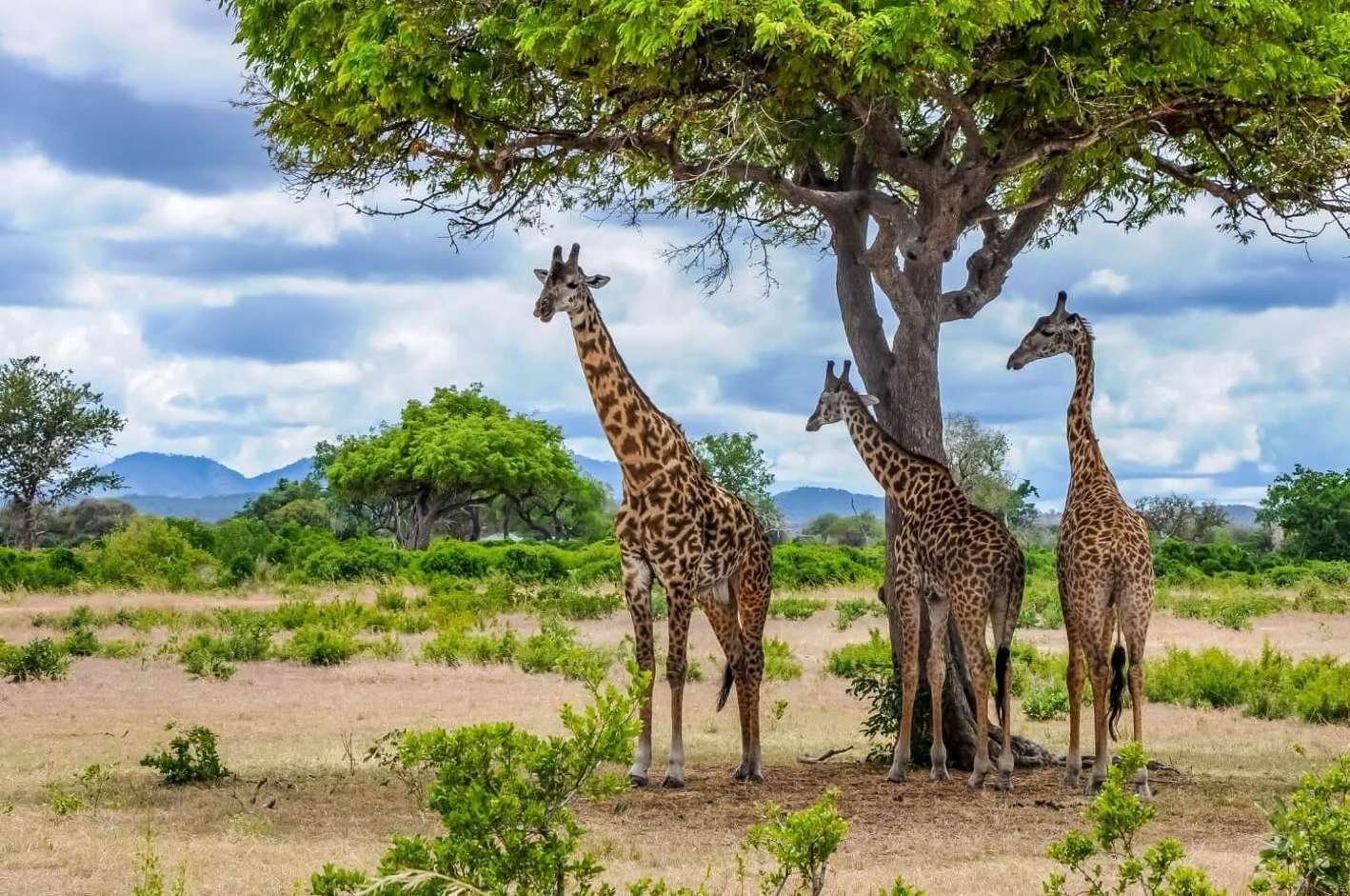
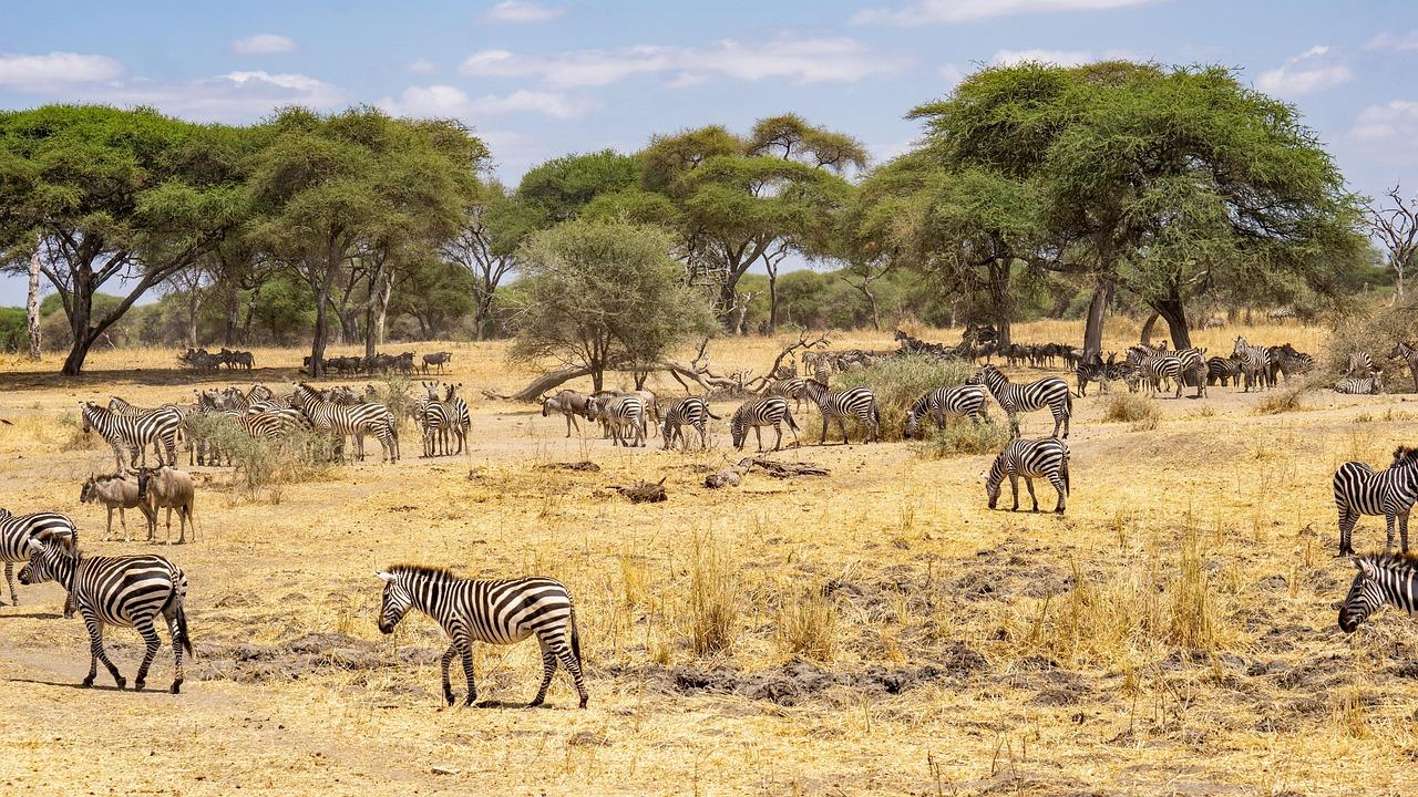
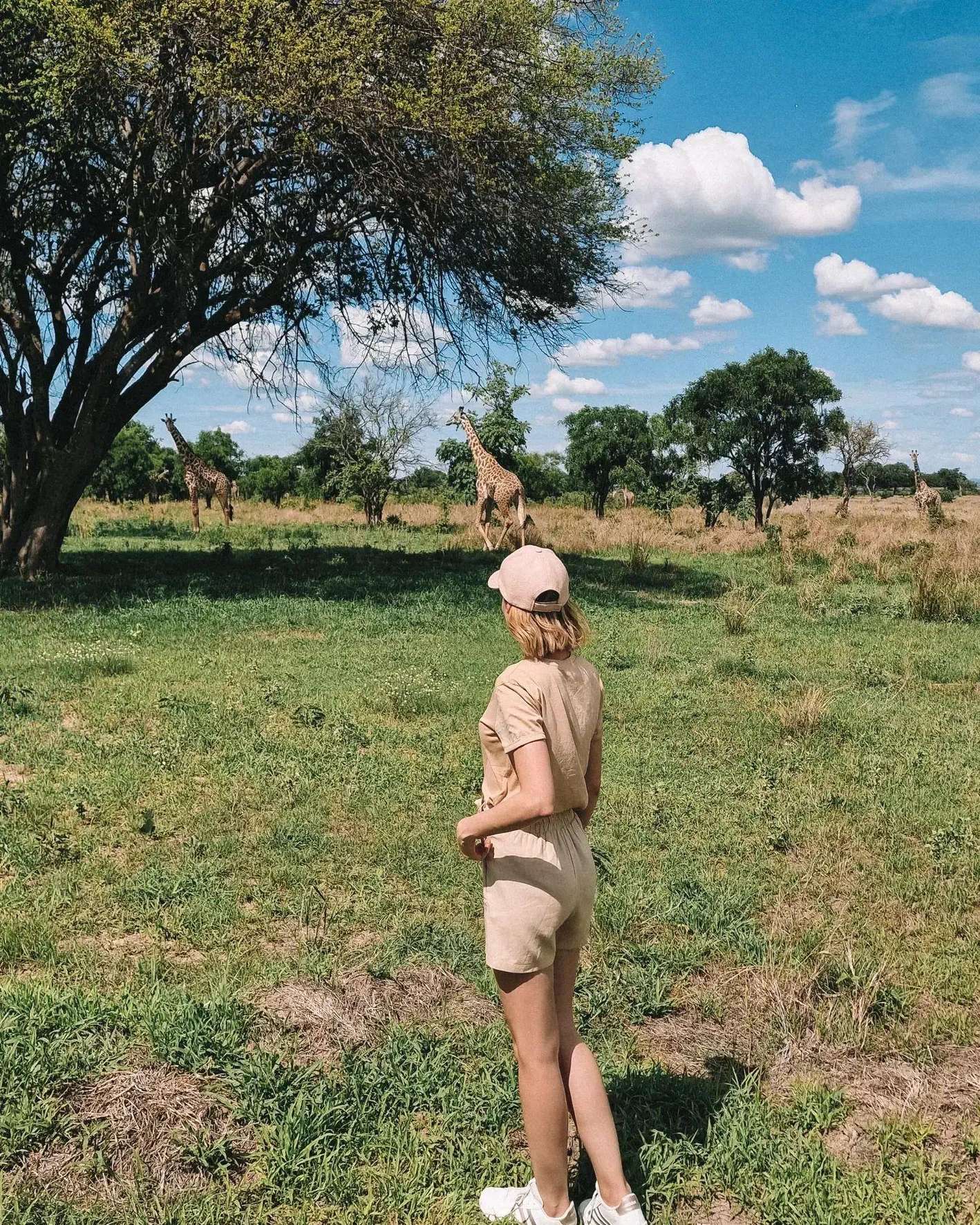
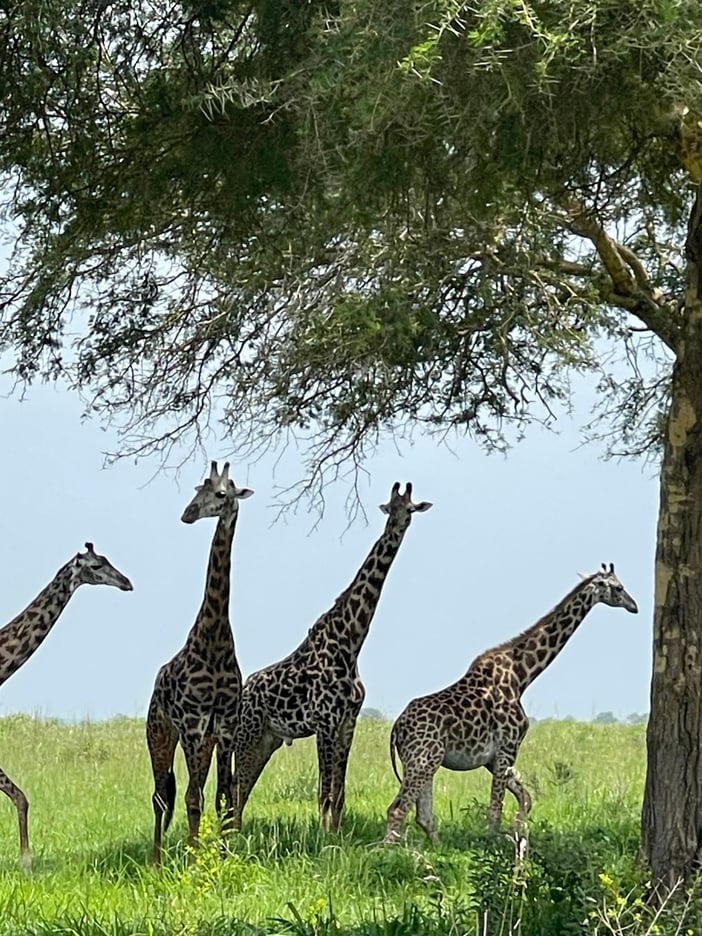
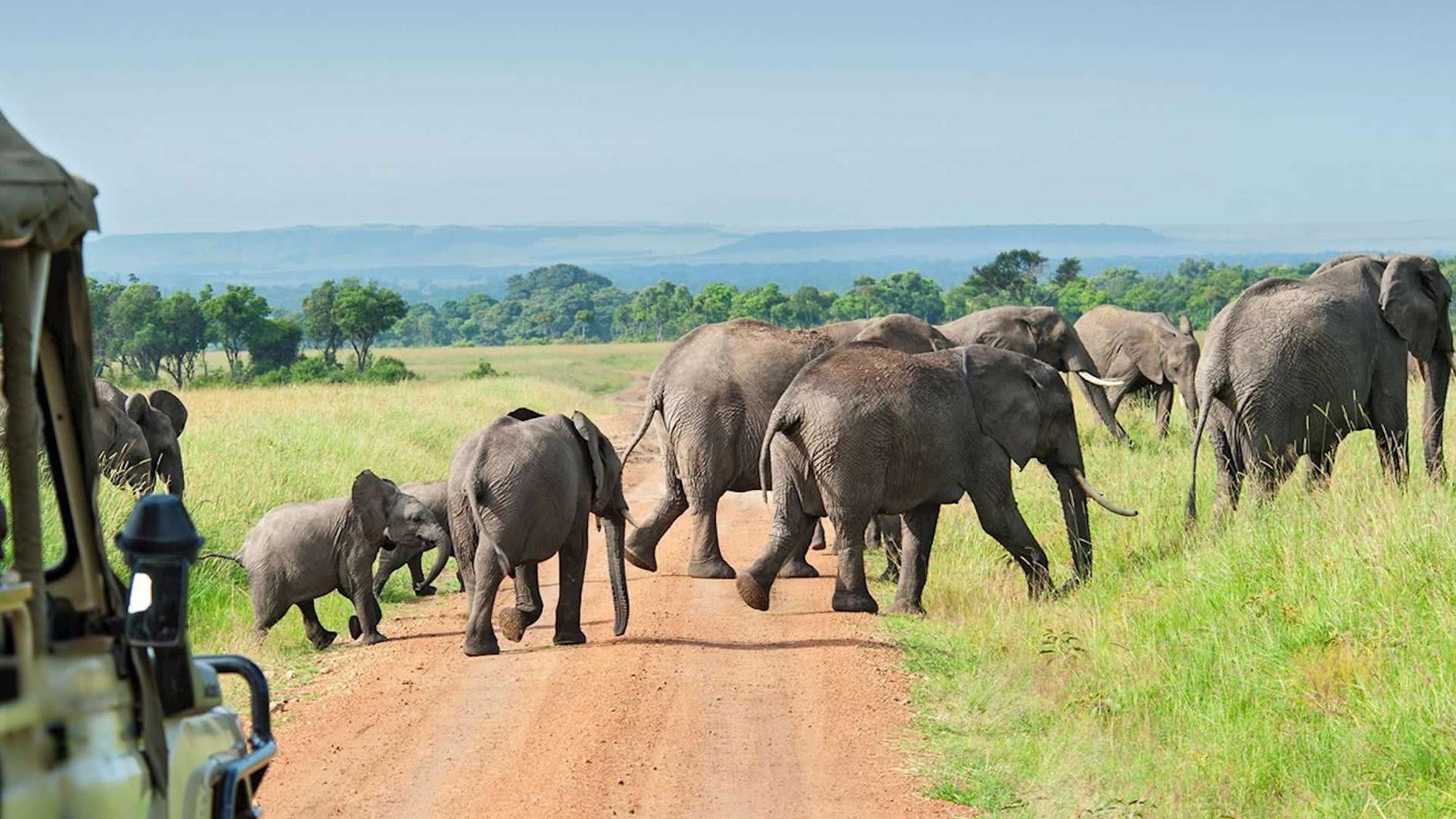
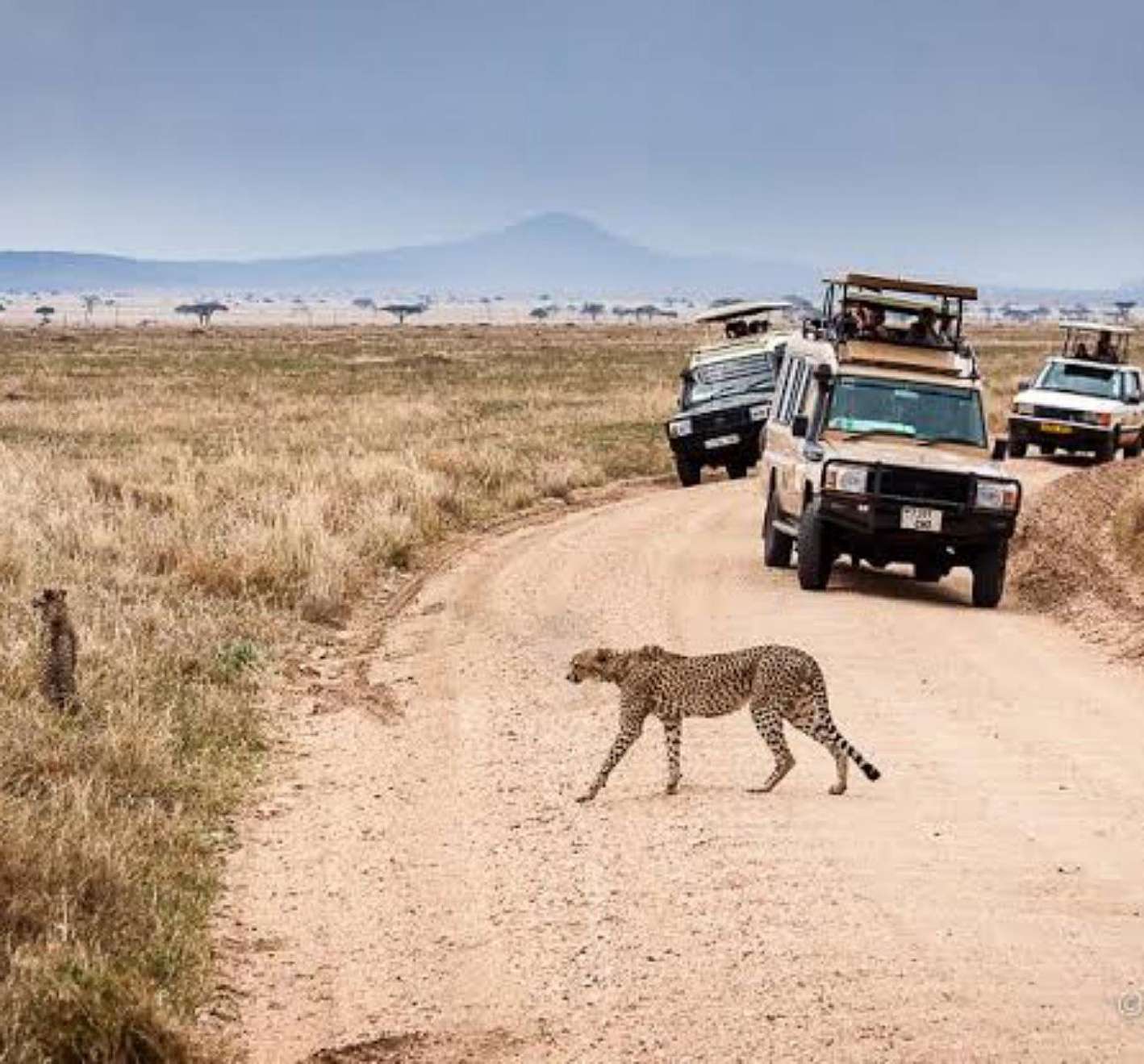
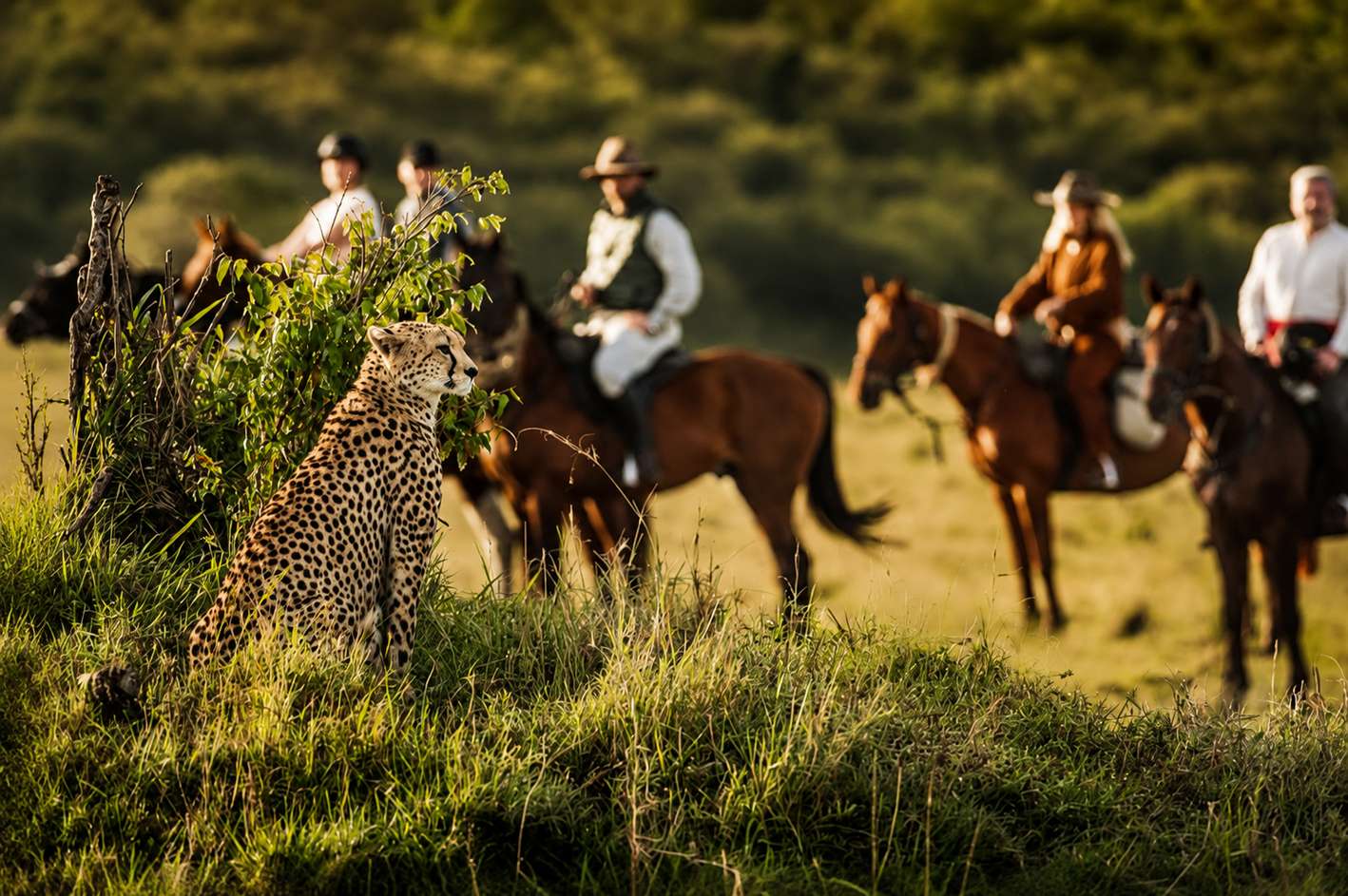
The open jeep comes first. Across three days you spend full daylight hours in Mikumi National Park, most of them on the Mkata Floodplain, where flat grass and scattered acacias have earned the area the nickname Little Serengeti.
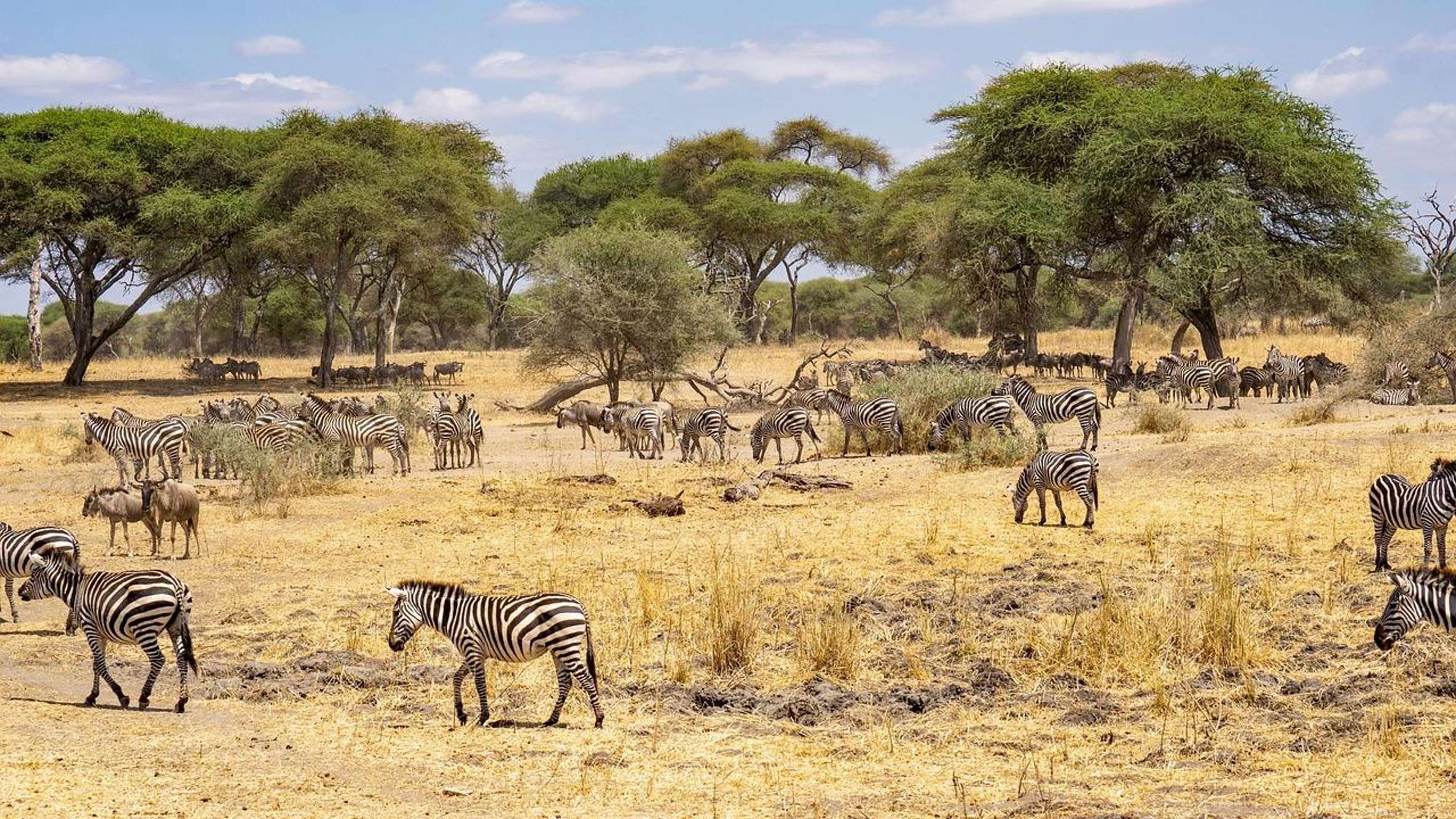
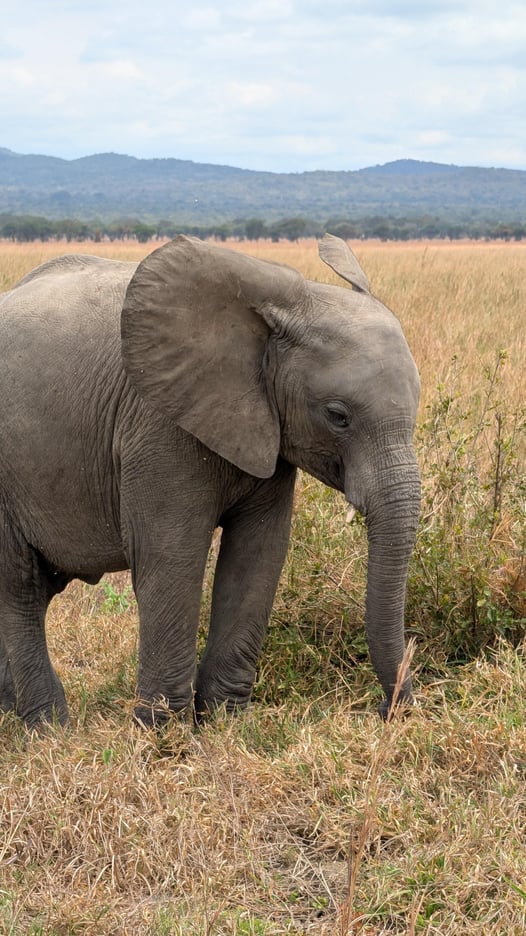
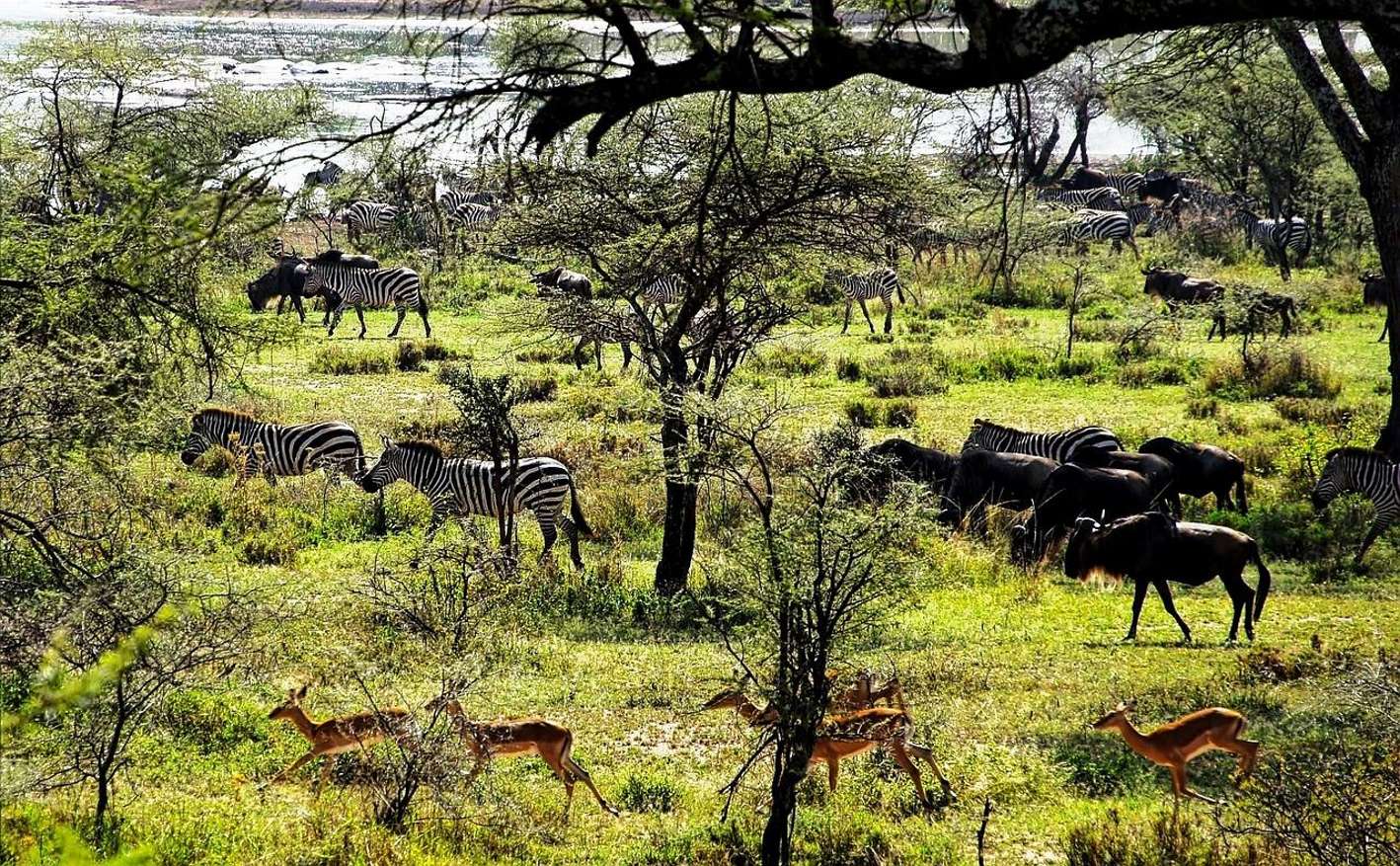
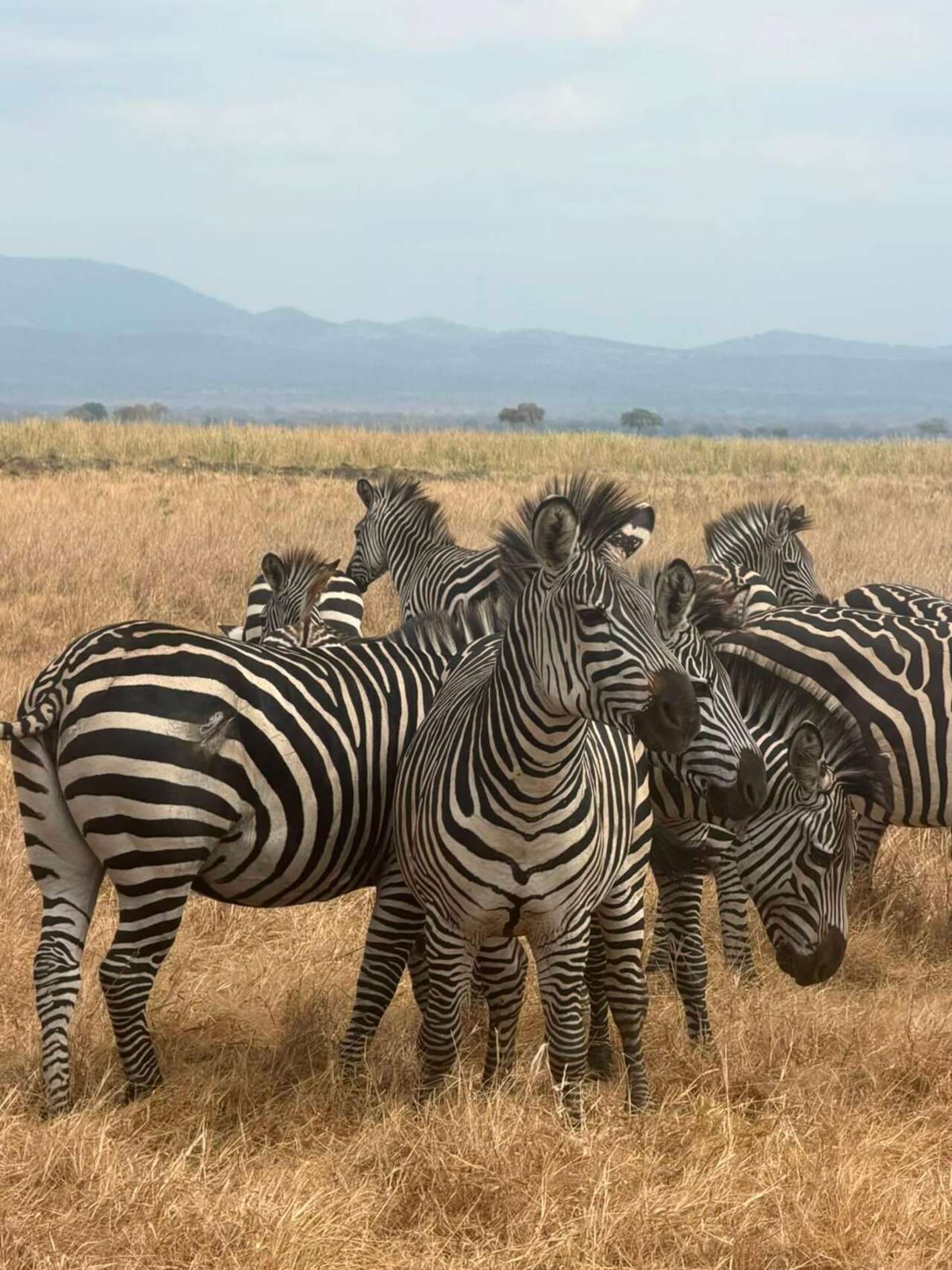
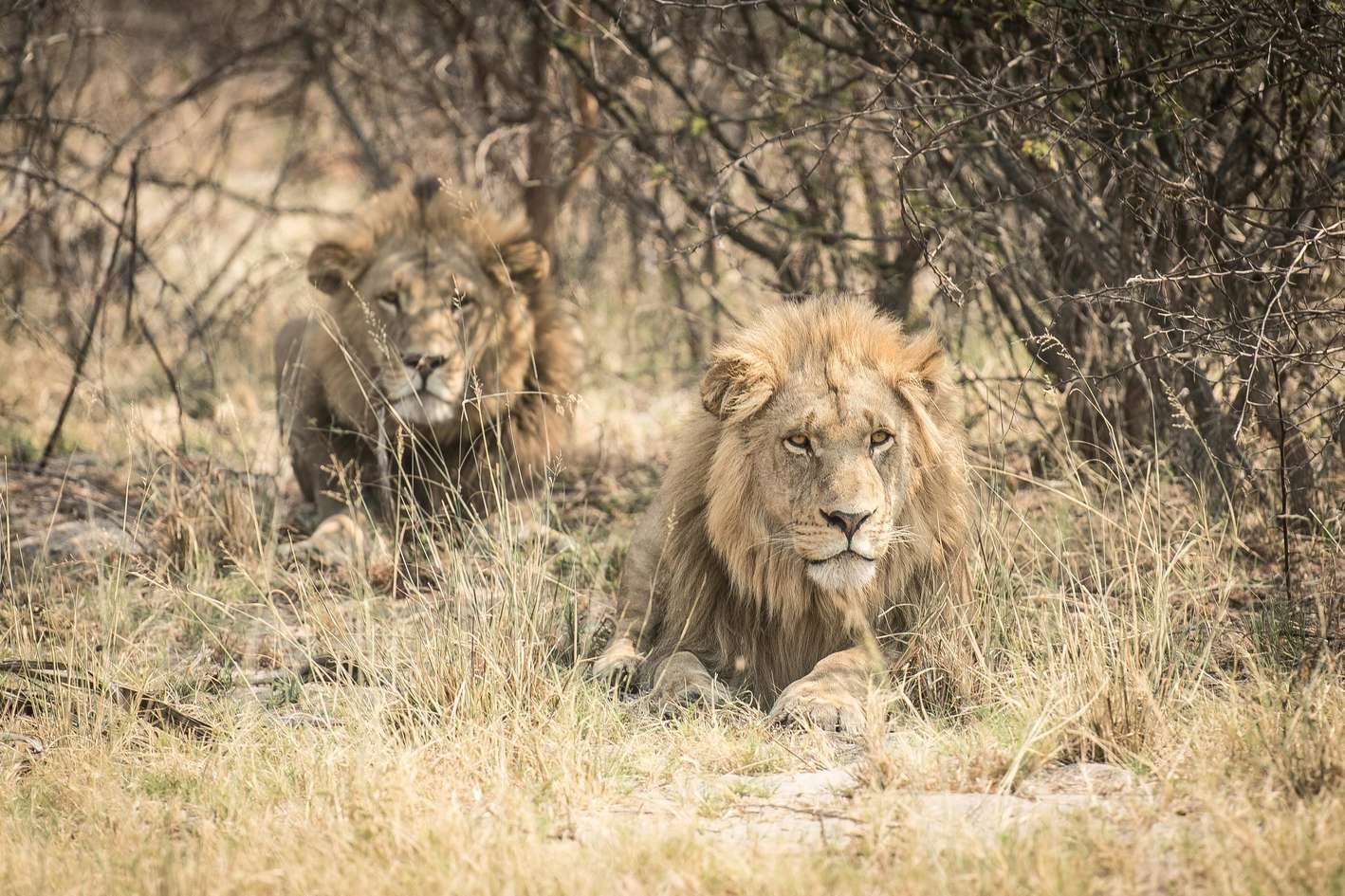
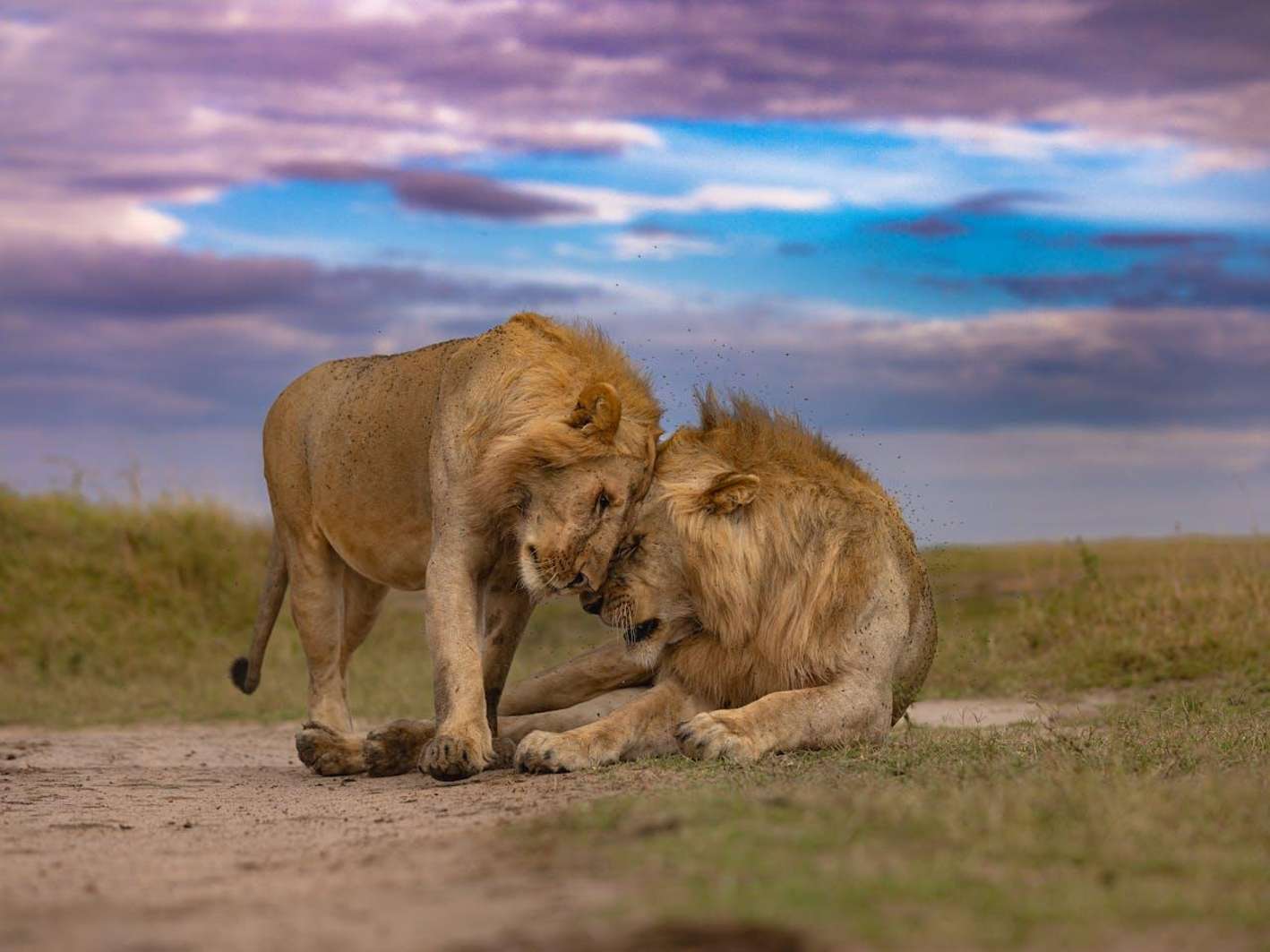
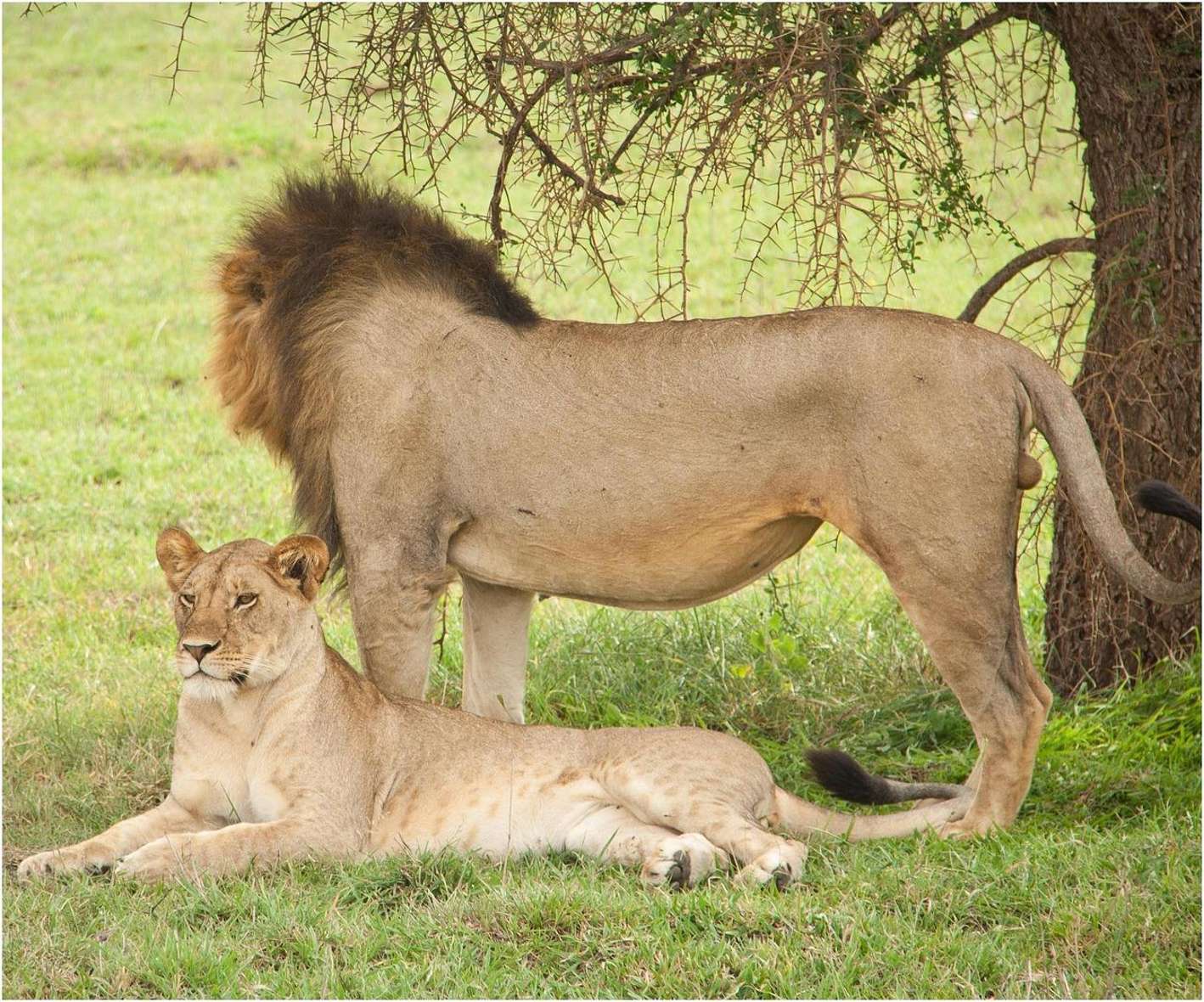
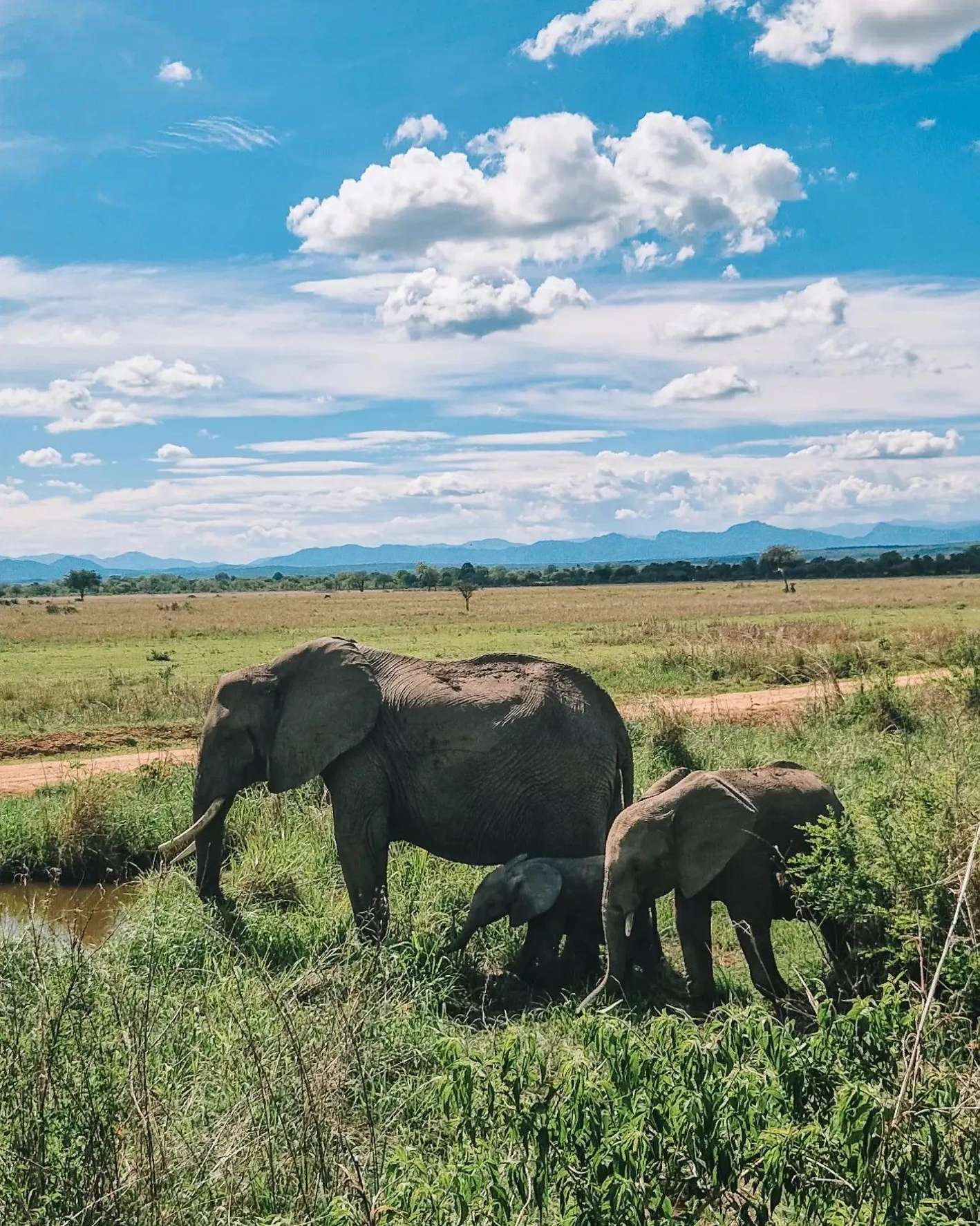
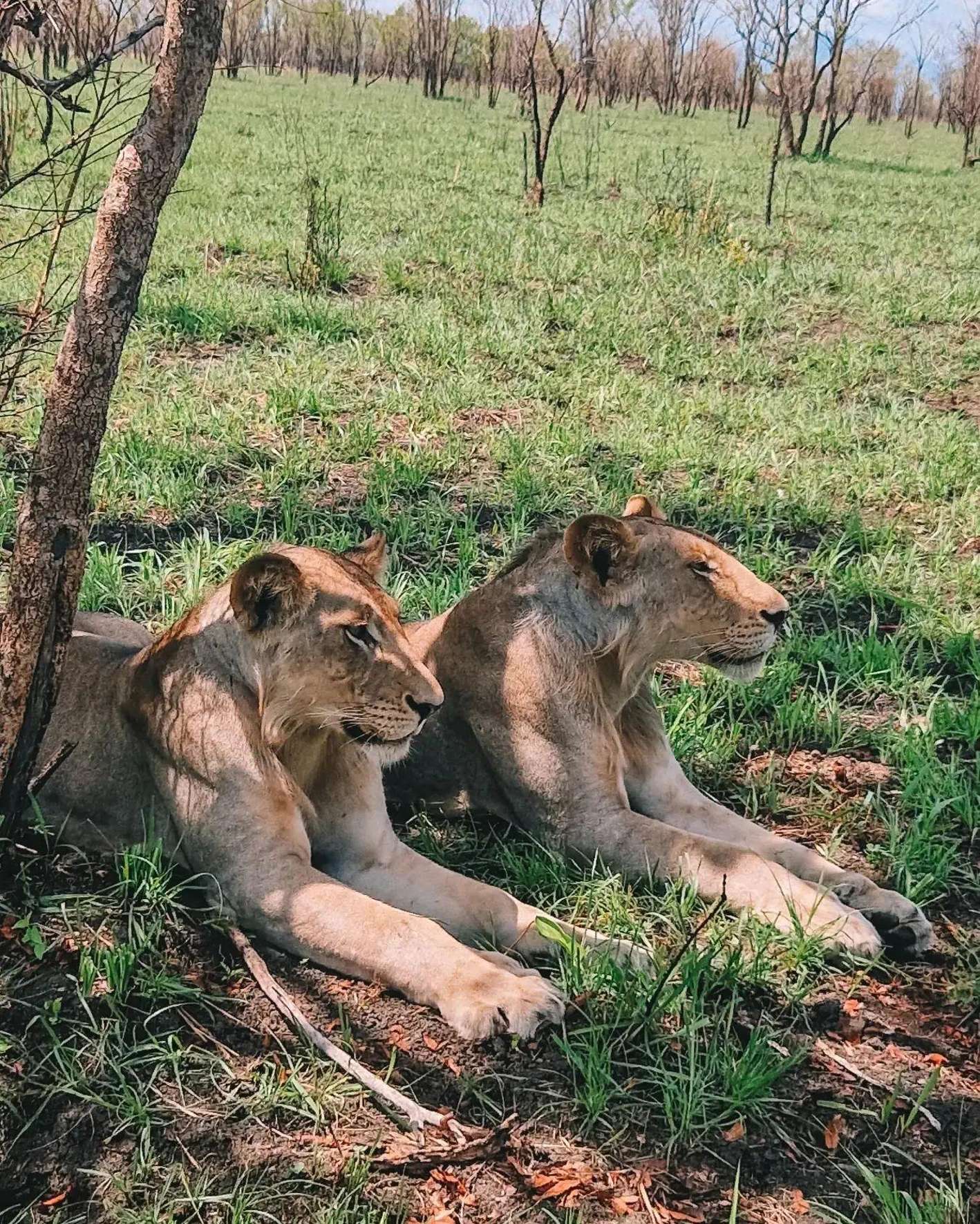
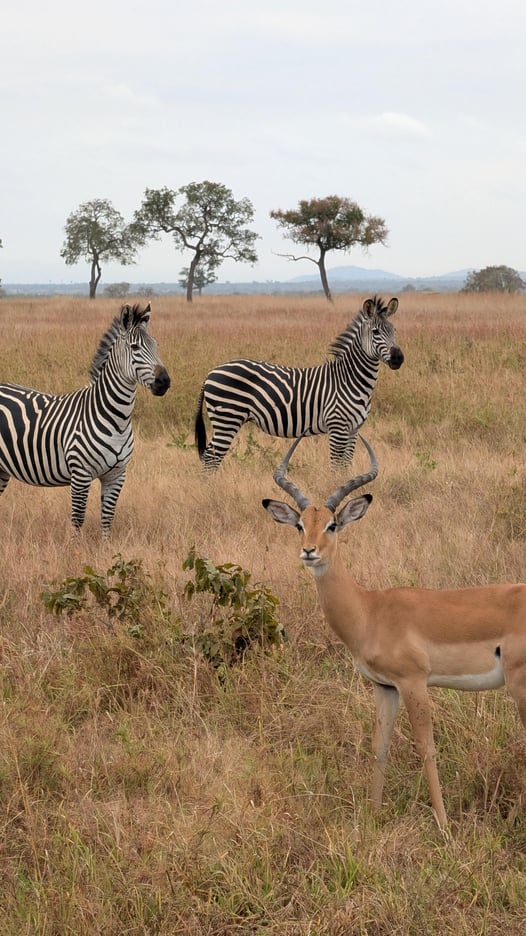
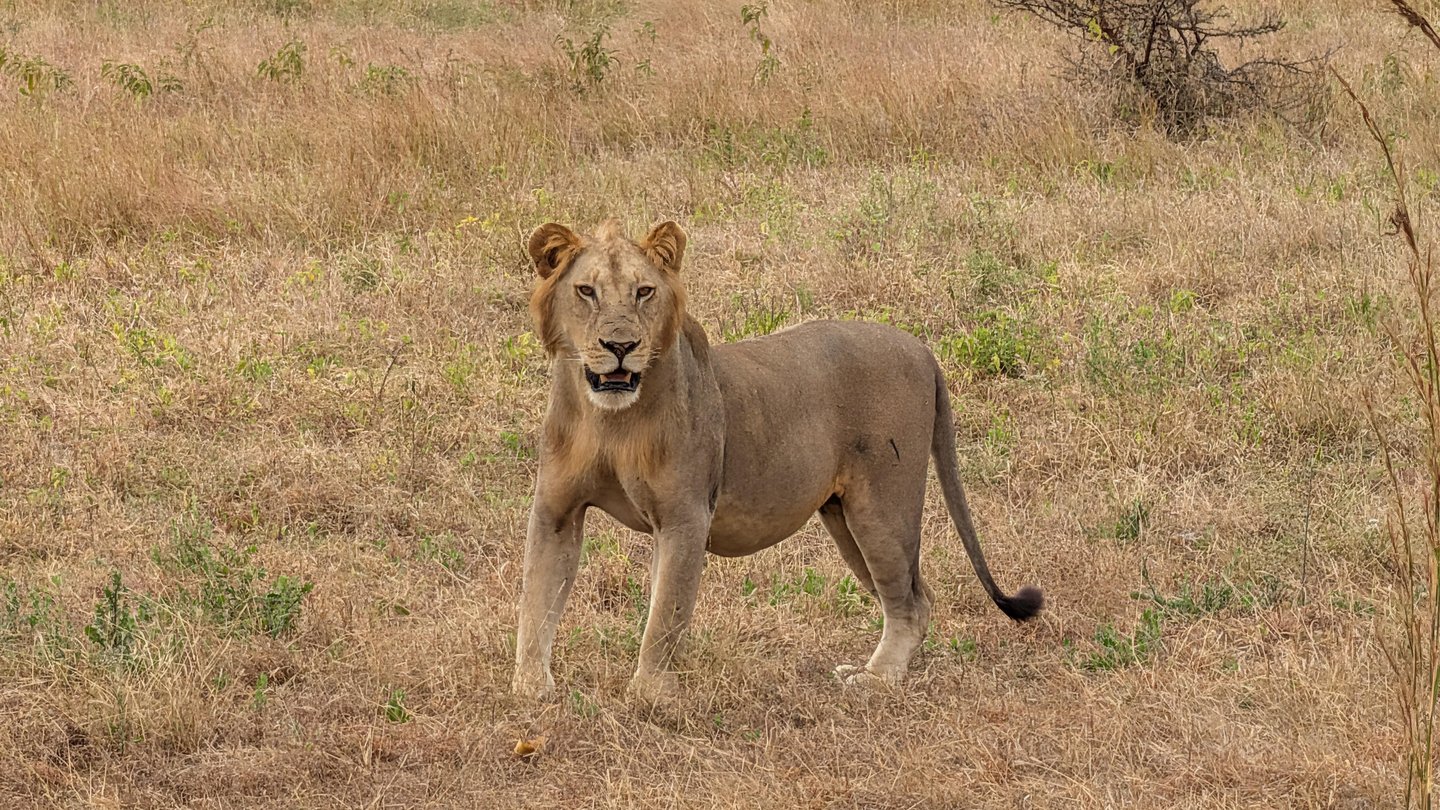
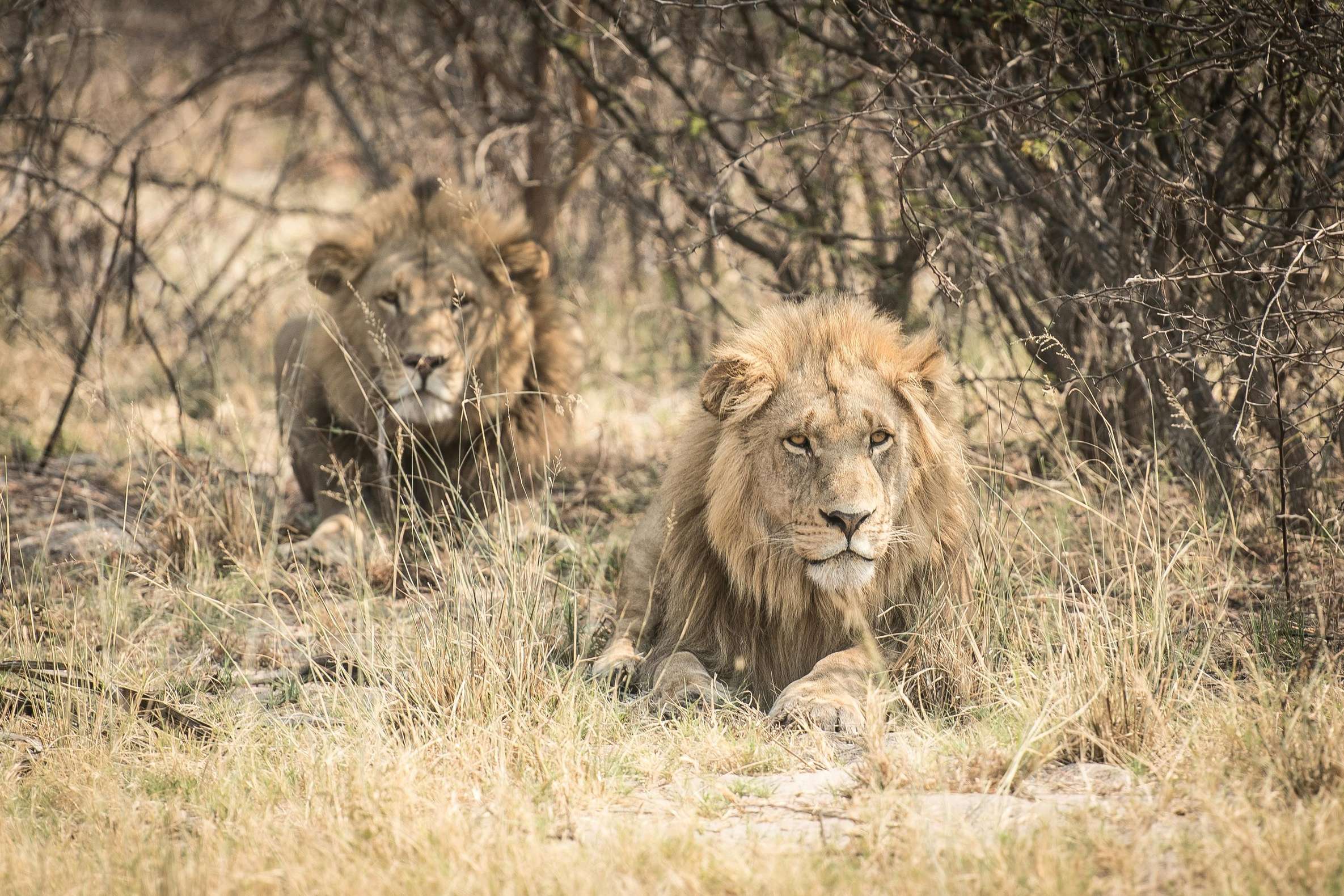
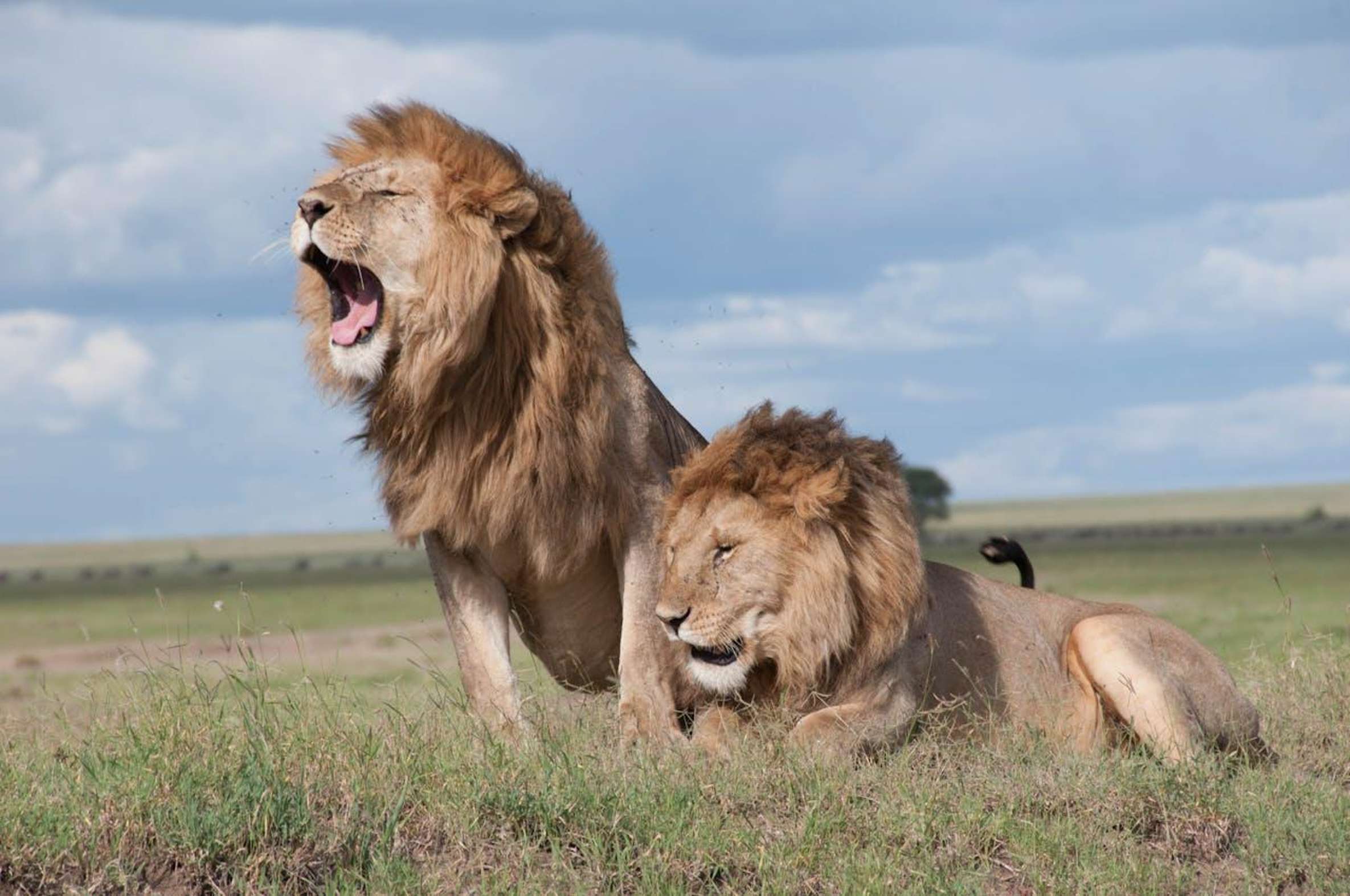
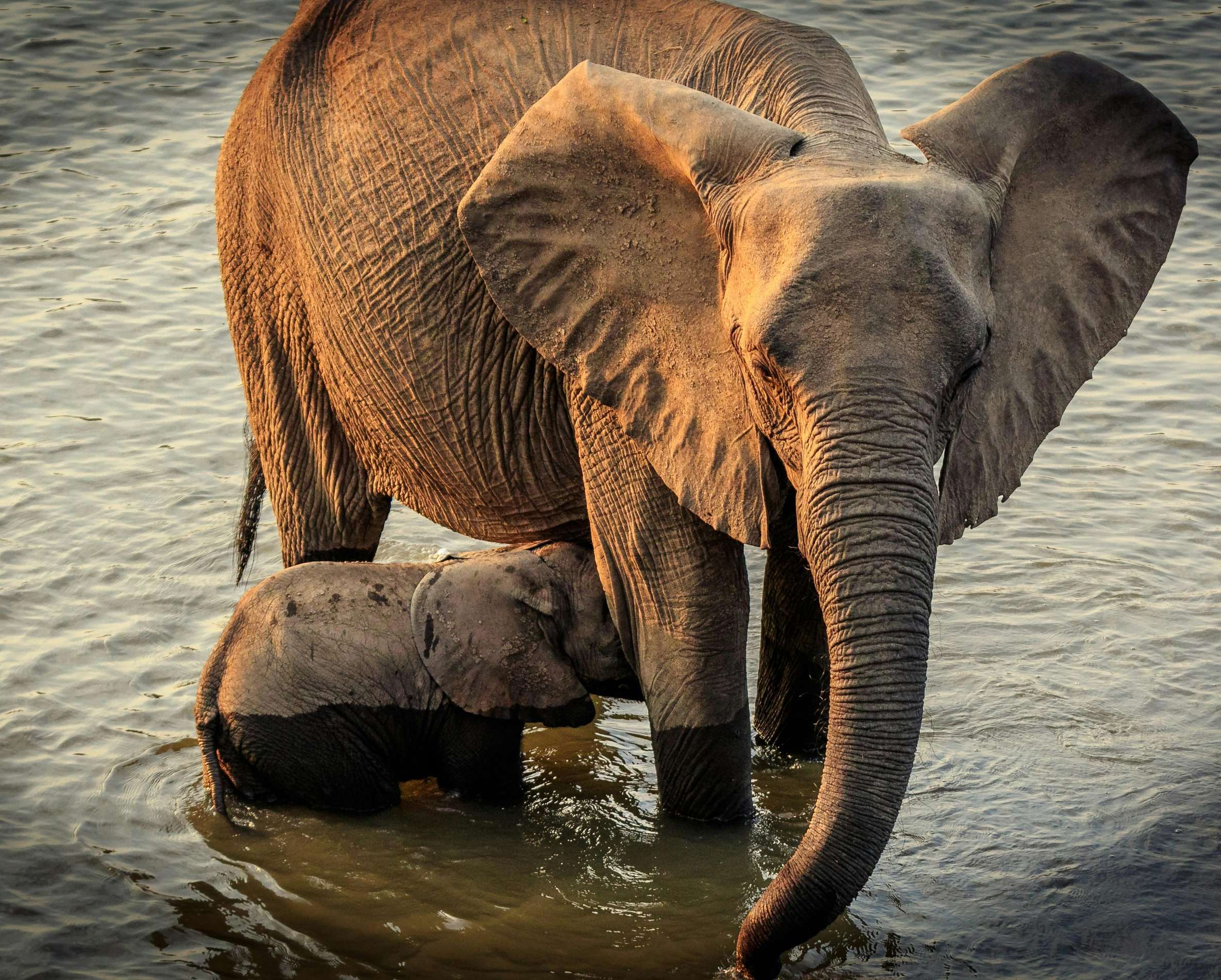
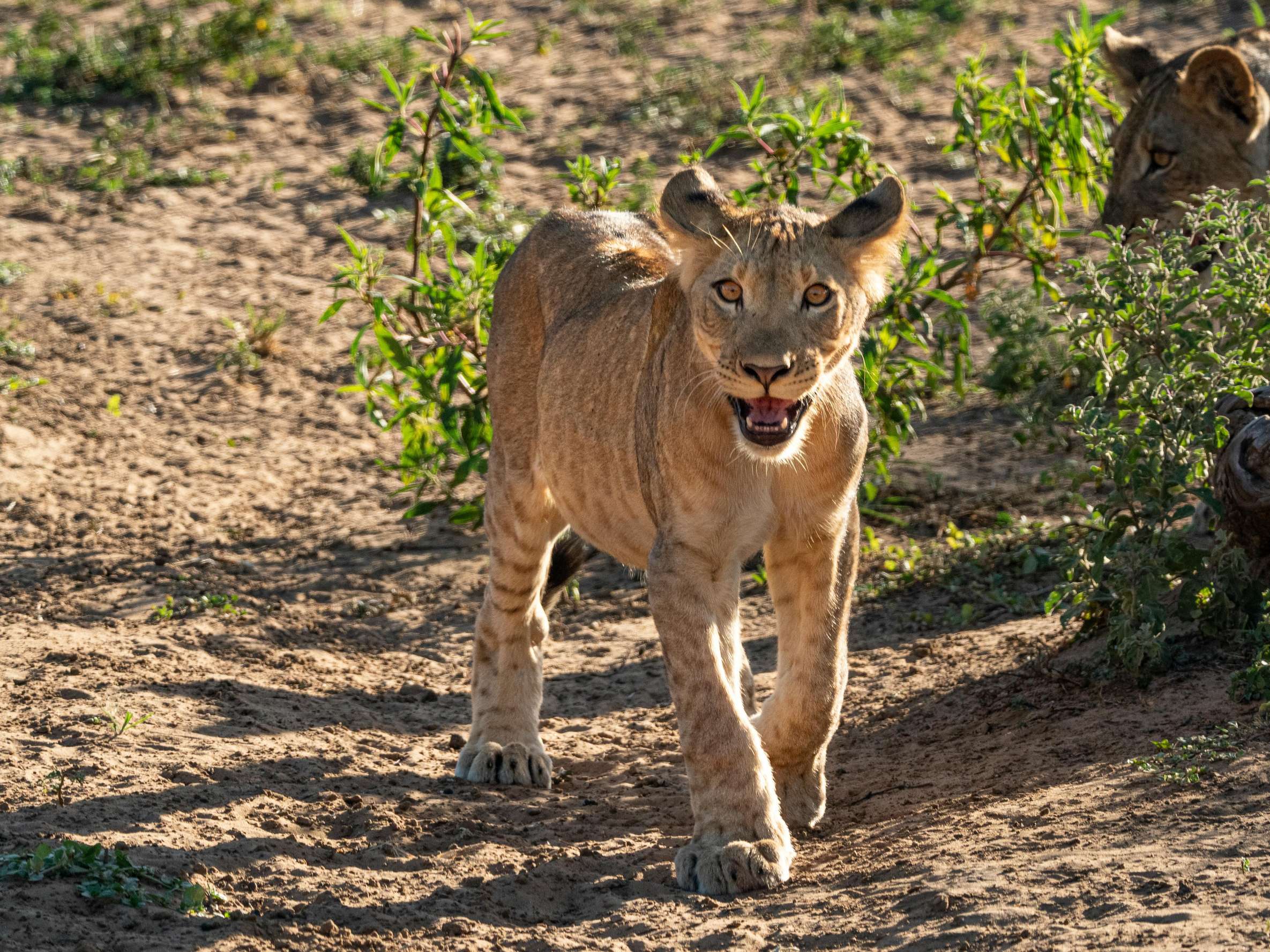
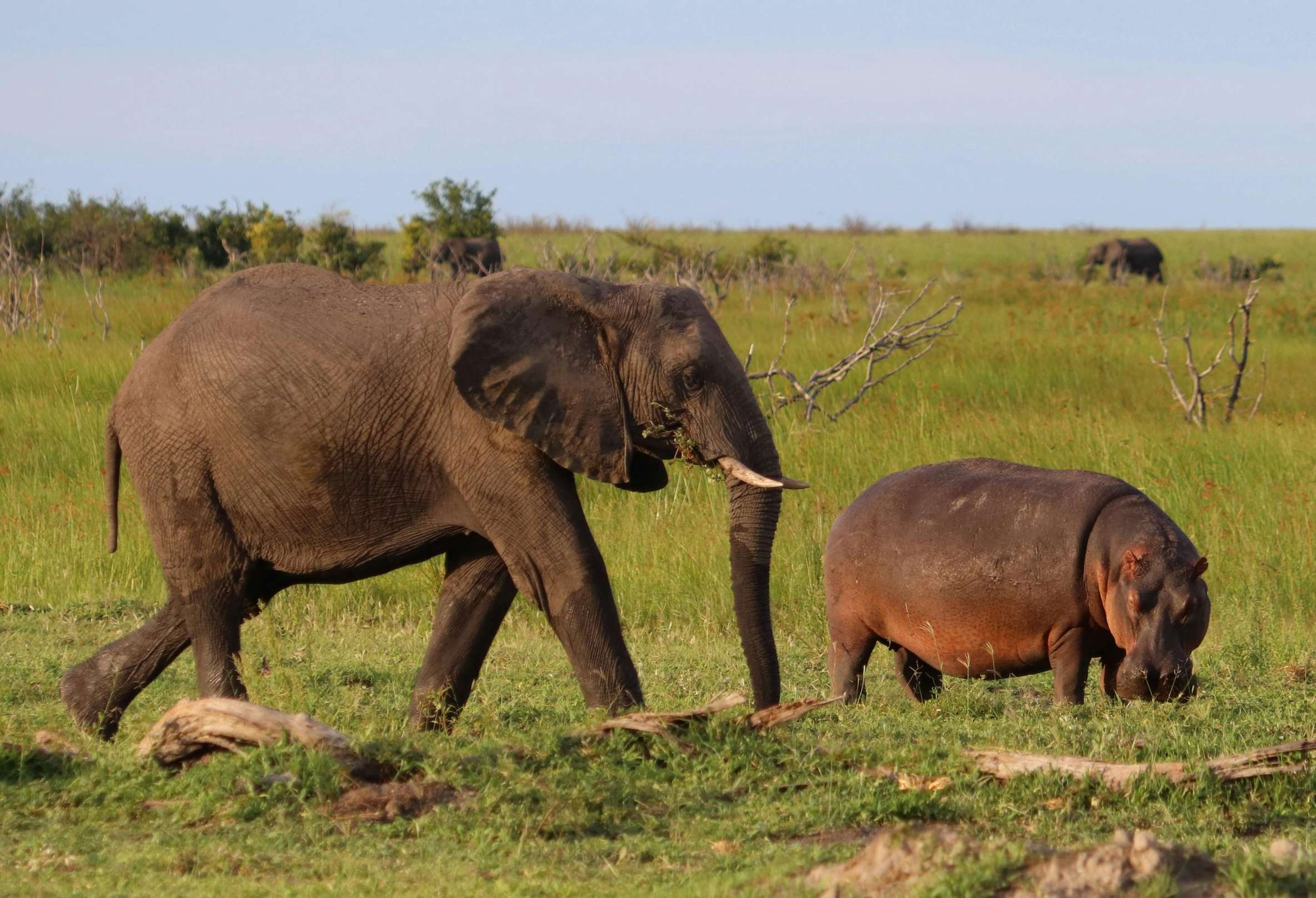
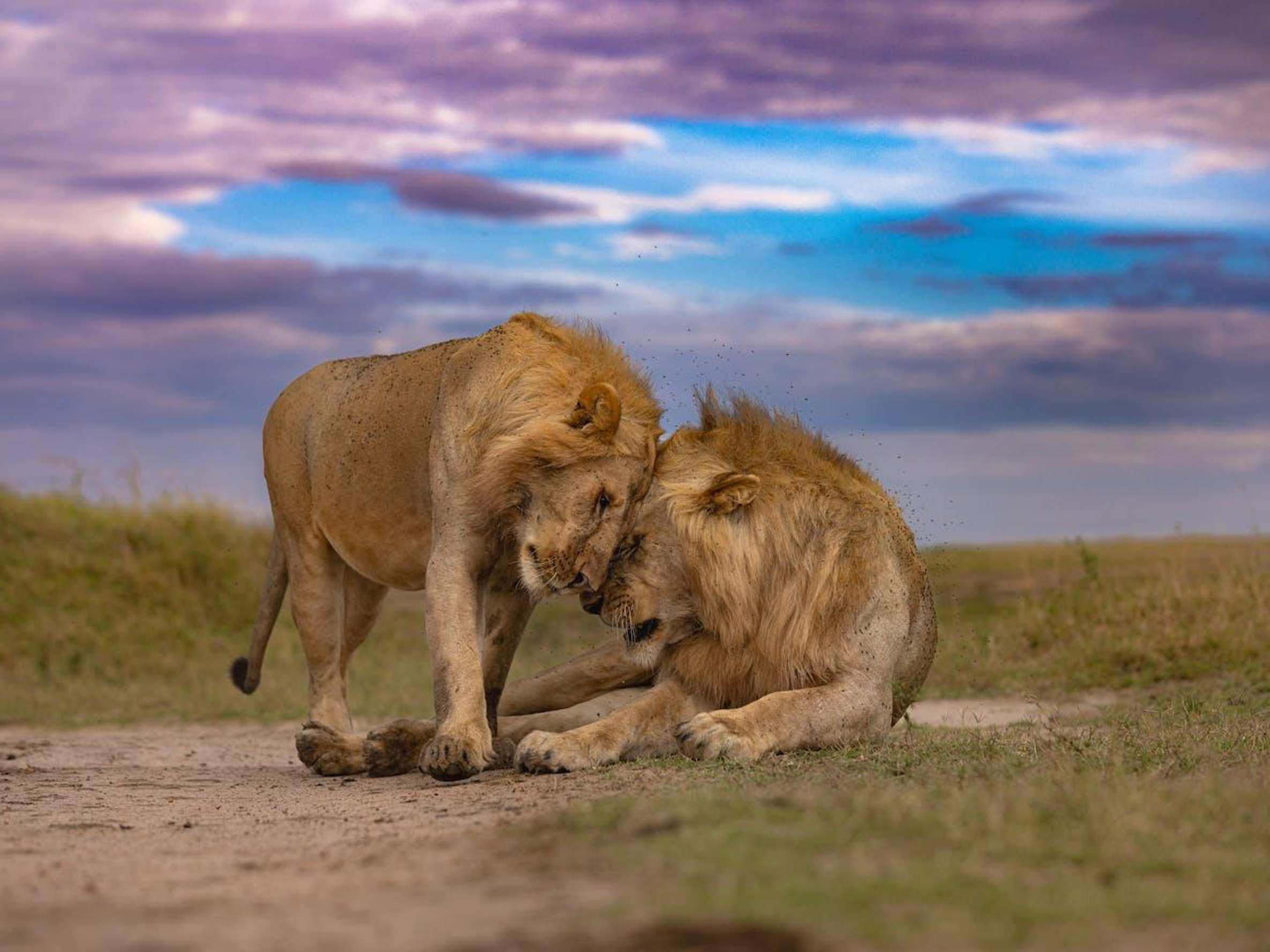
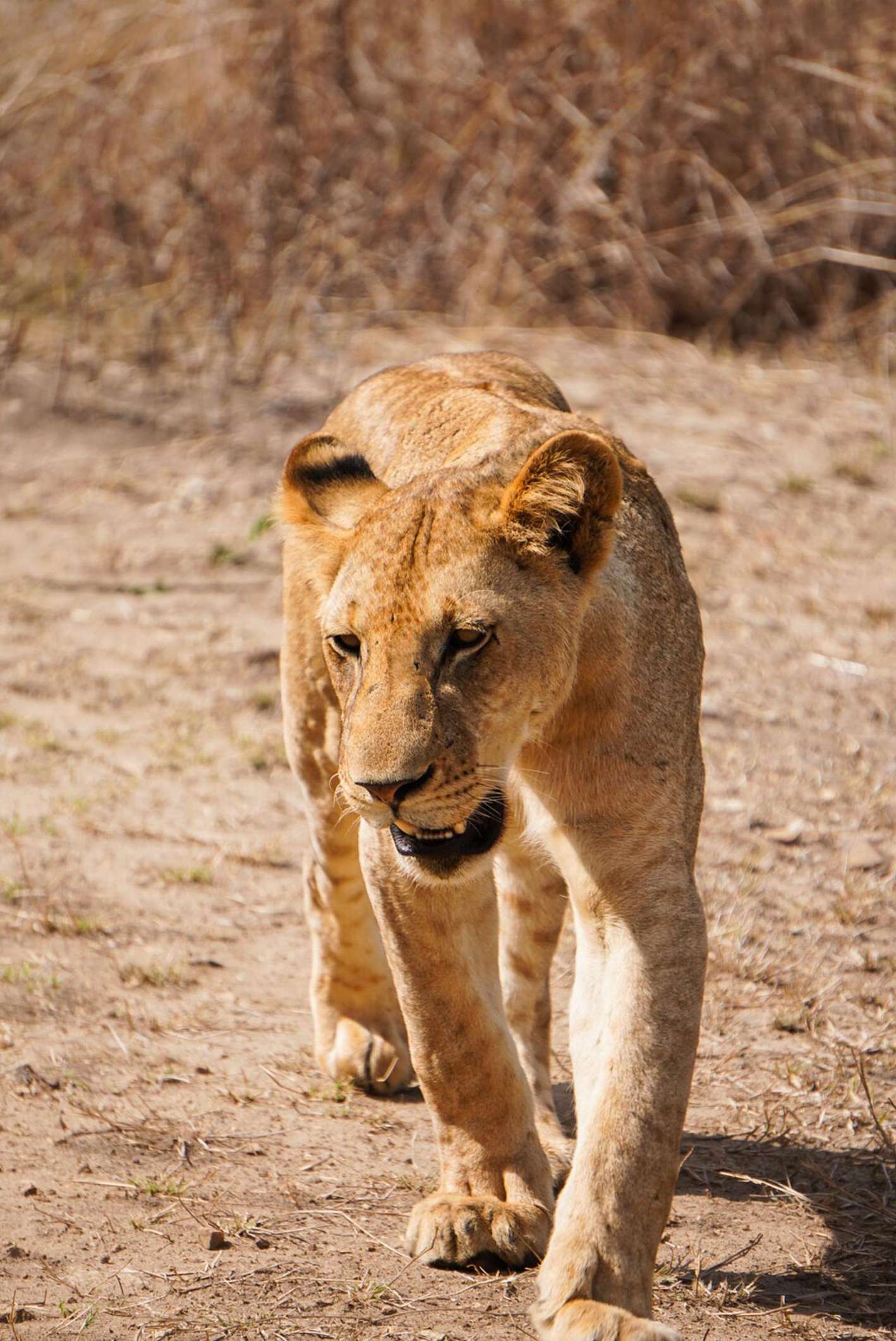
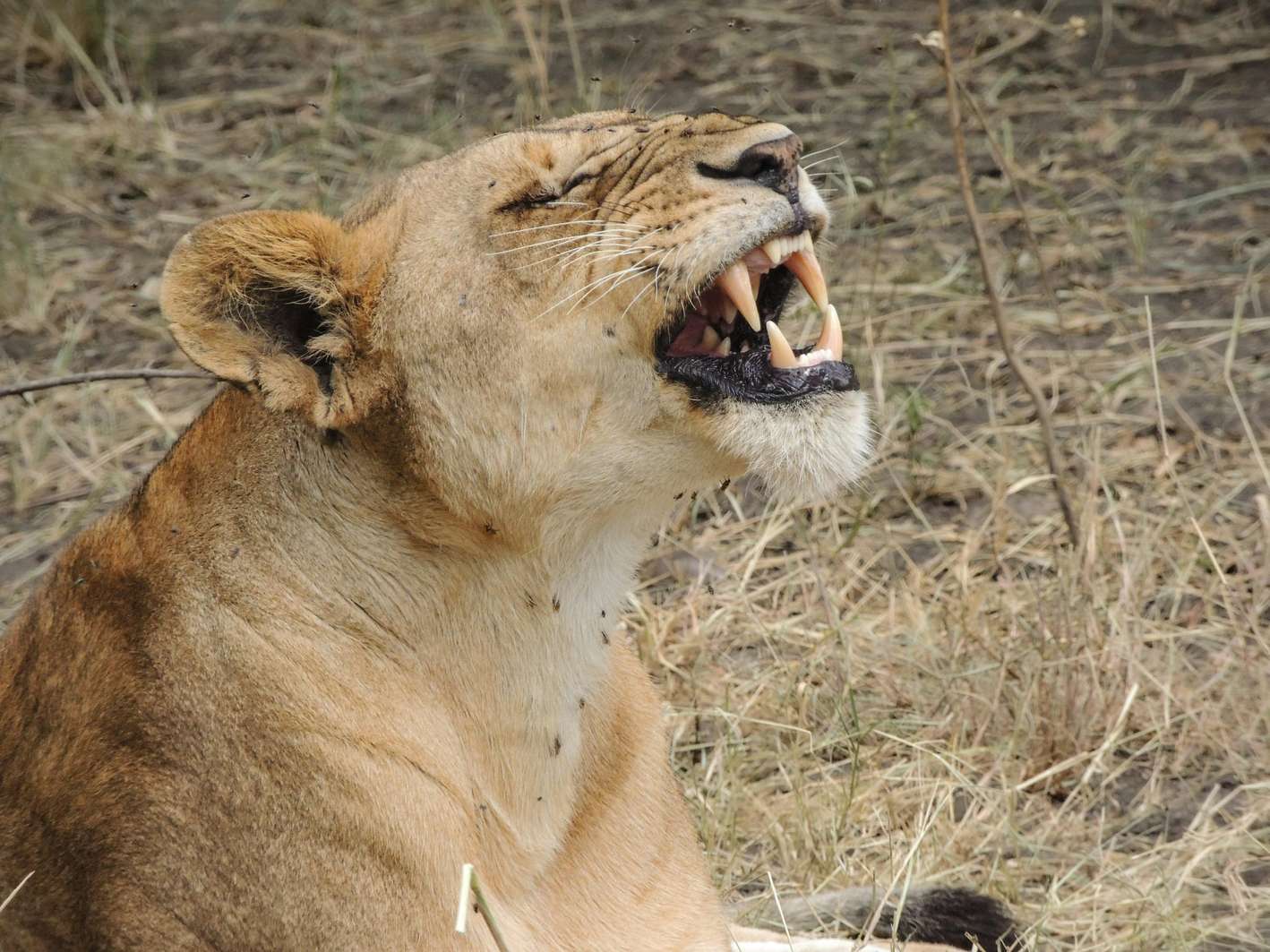
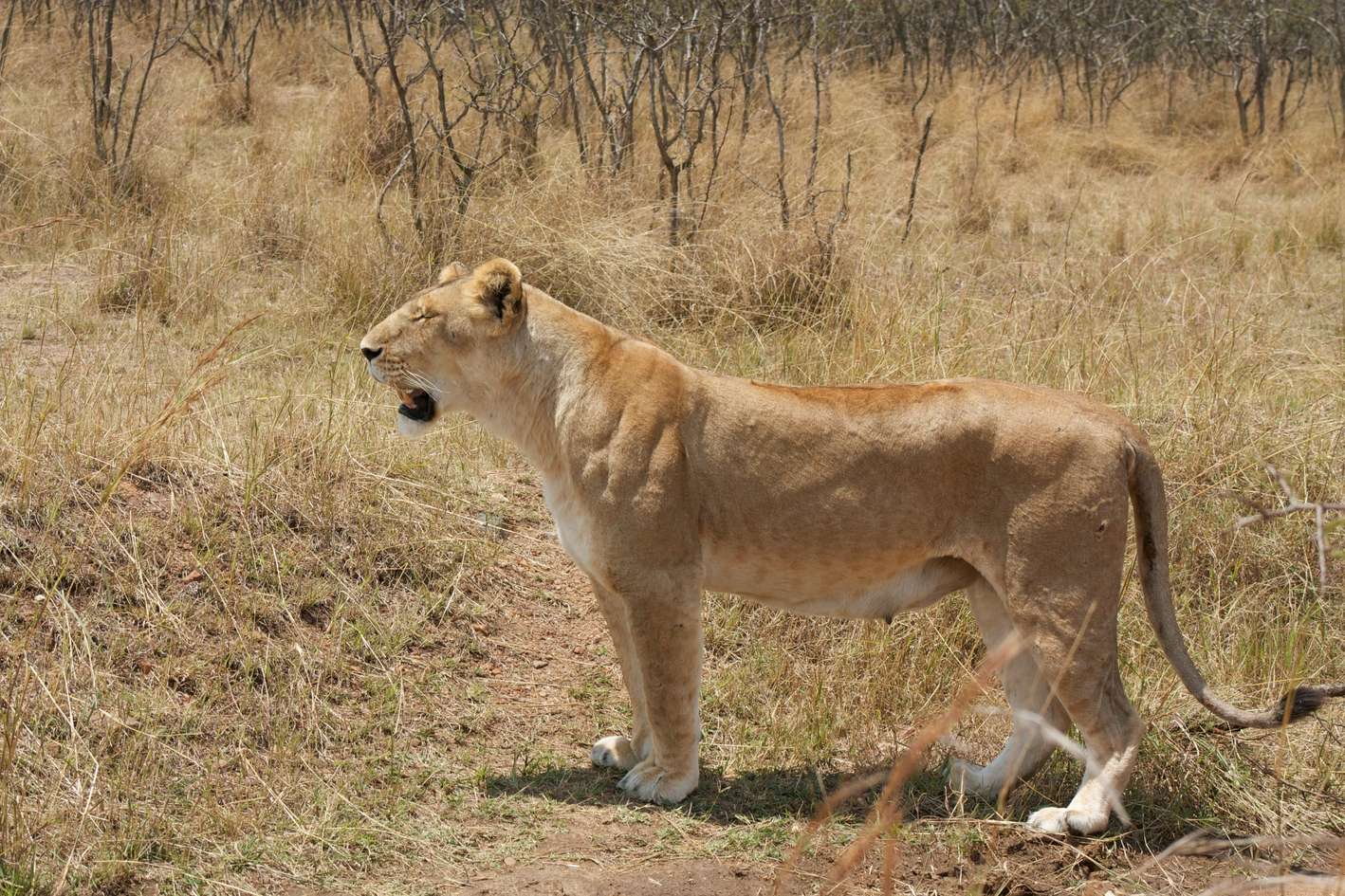
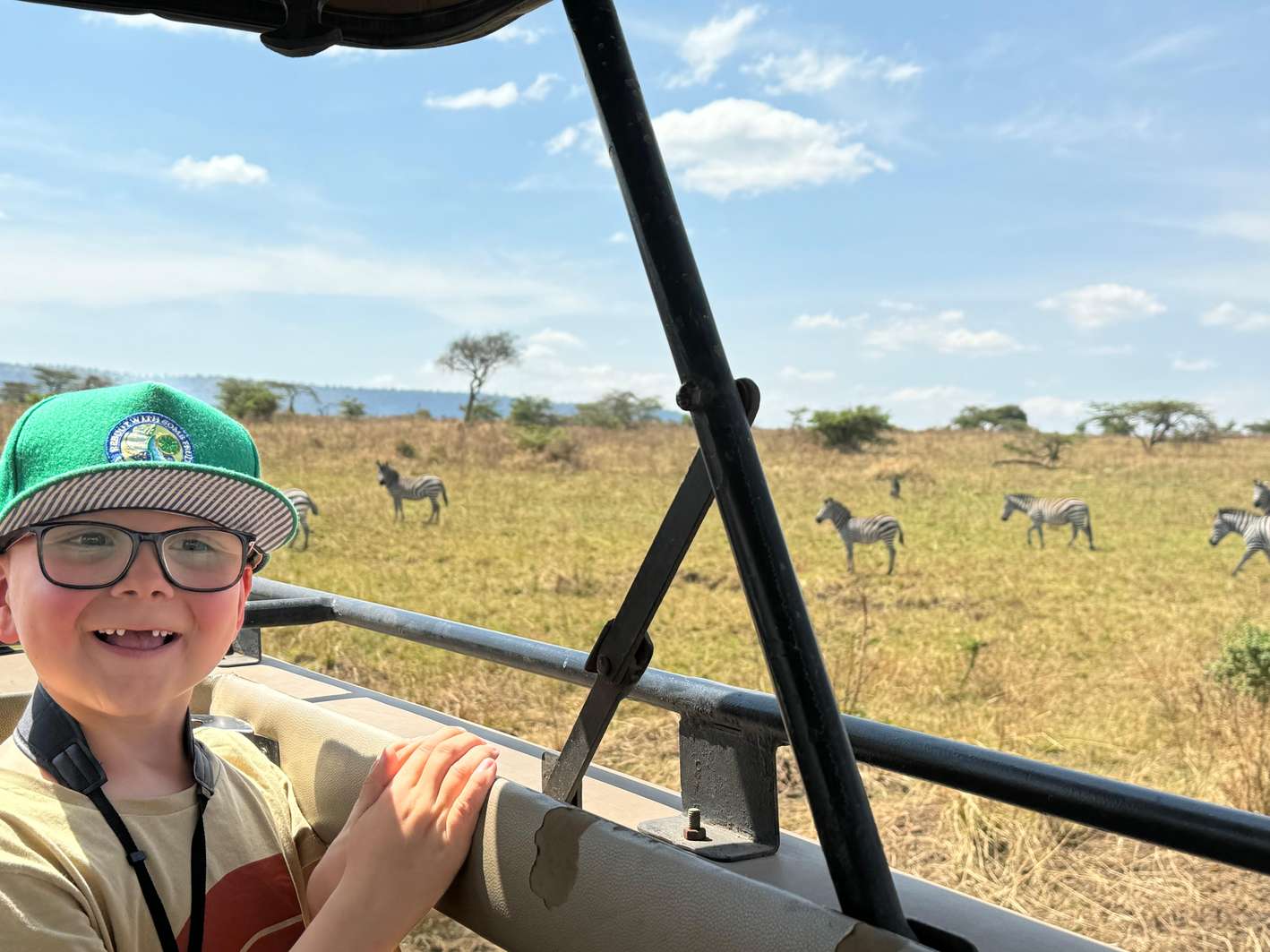
Zebras, wildebeest, buffalo and elephants graze out to the horizon, and lions hold territories here year round. Big cat sightings come less often than in the Serengeti, so your guide works the radio with other drivers to track them down.
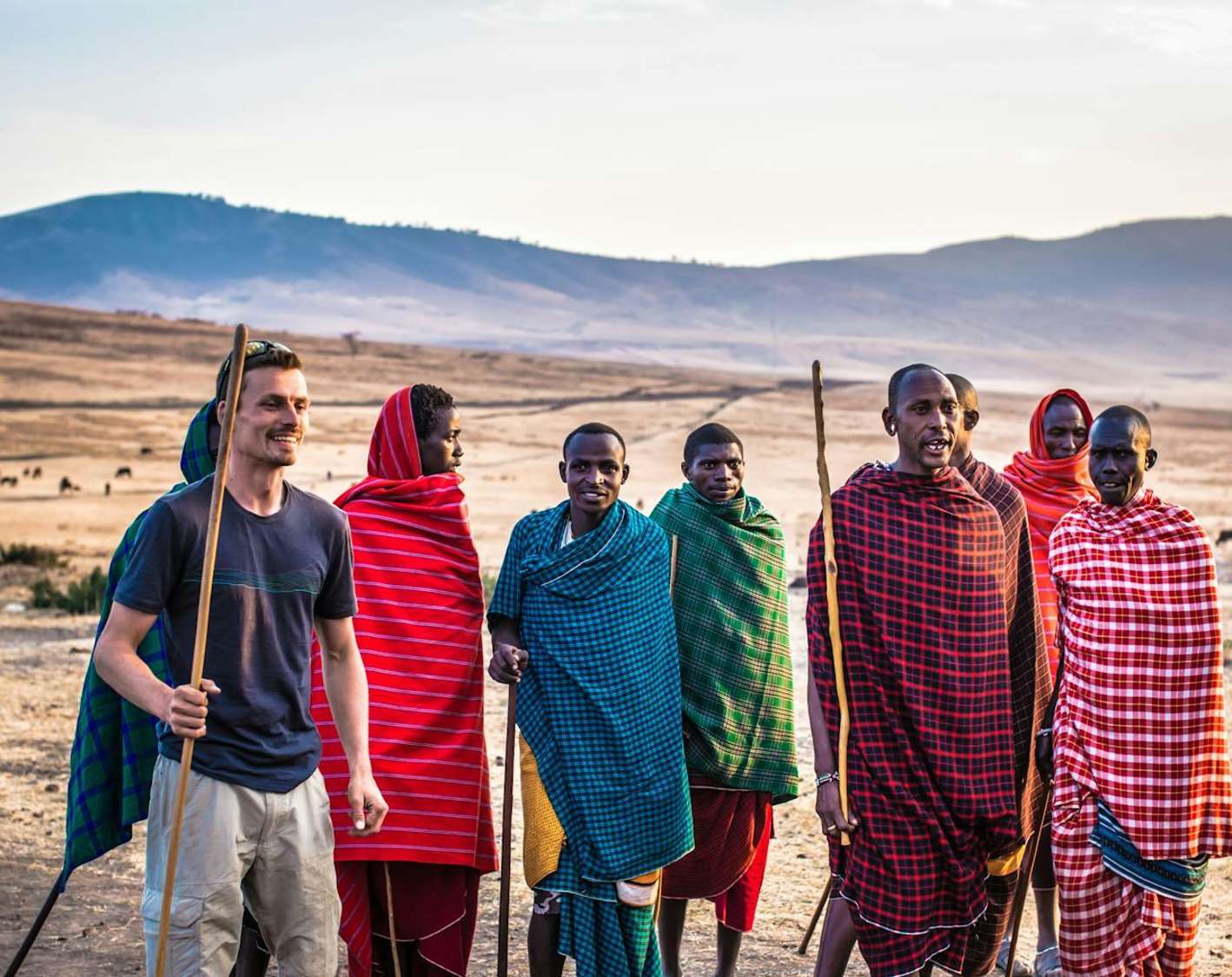
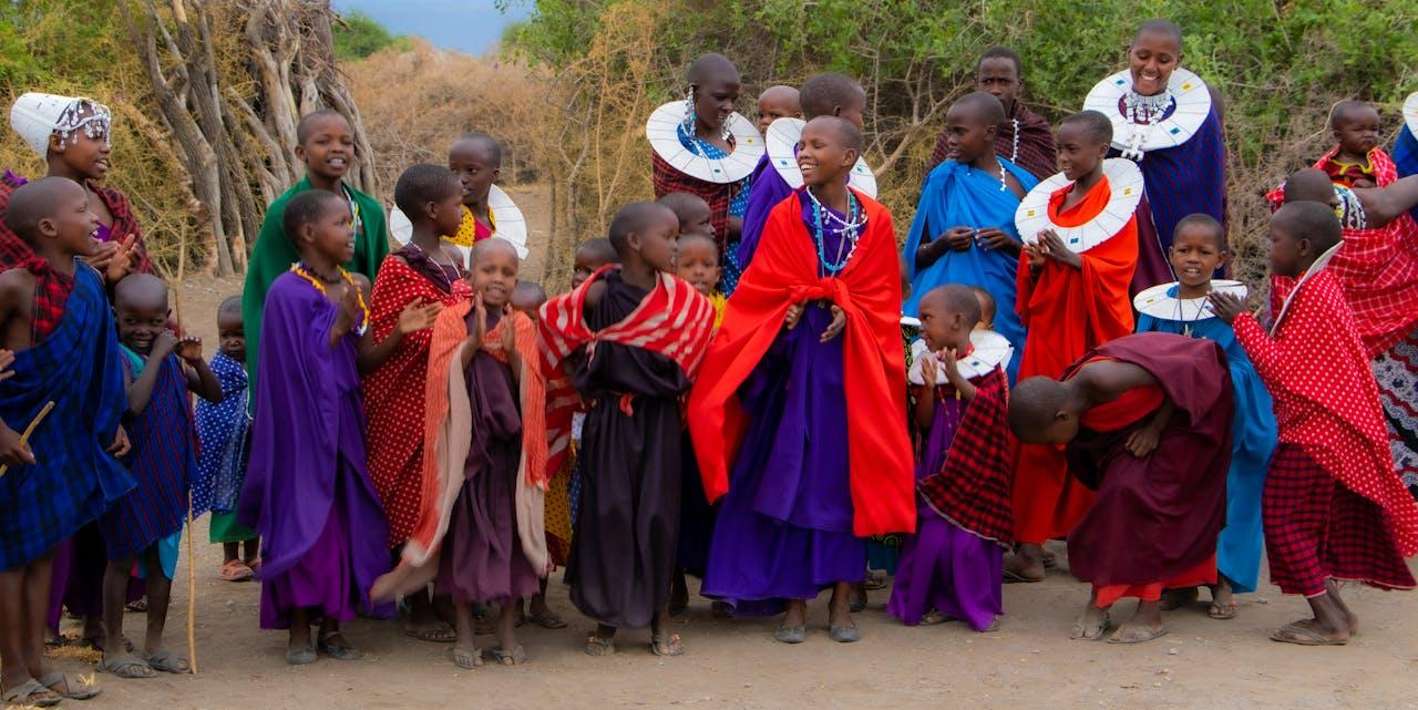
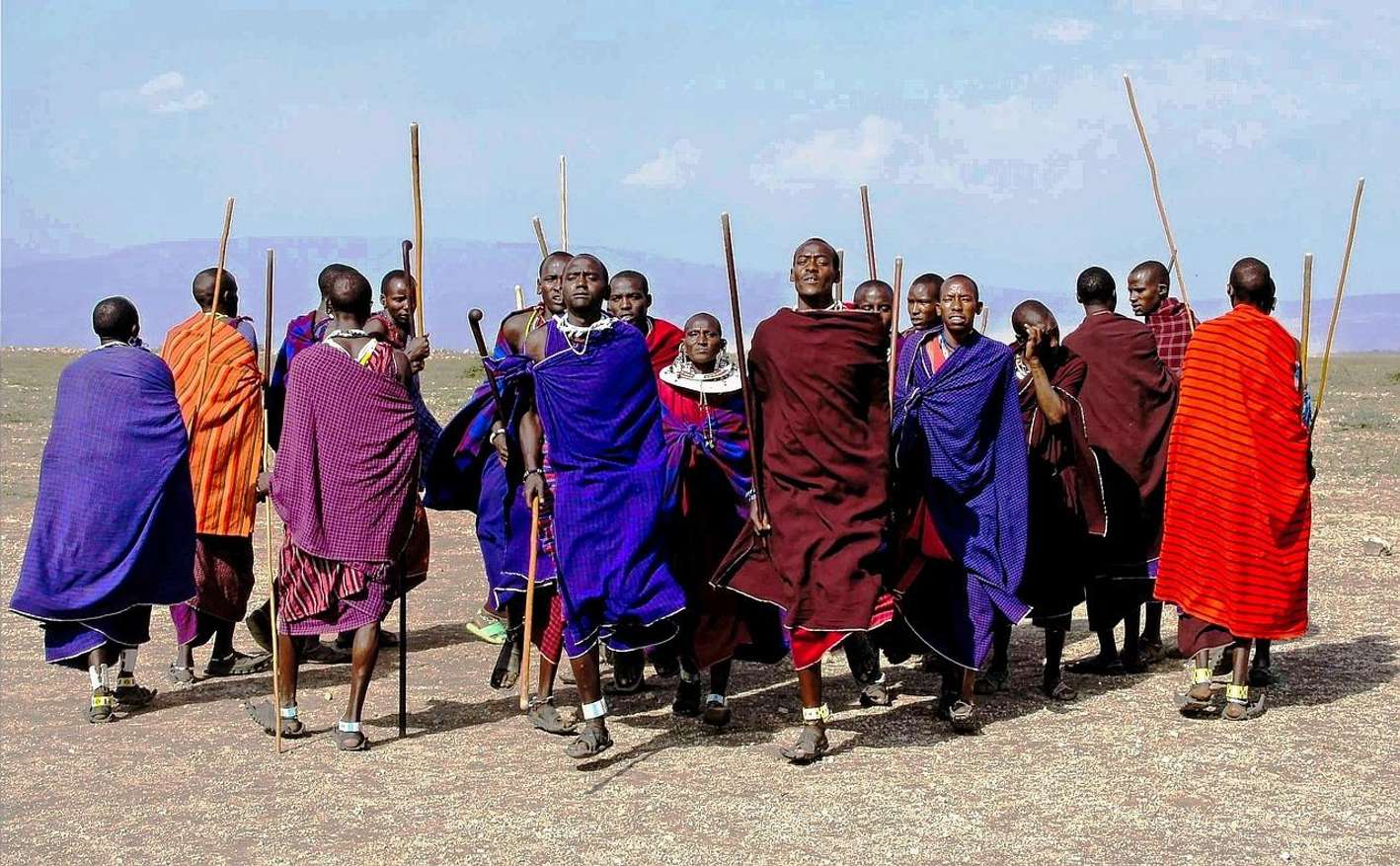
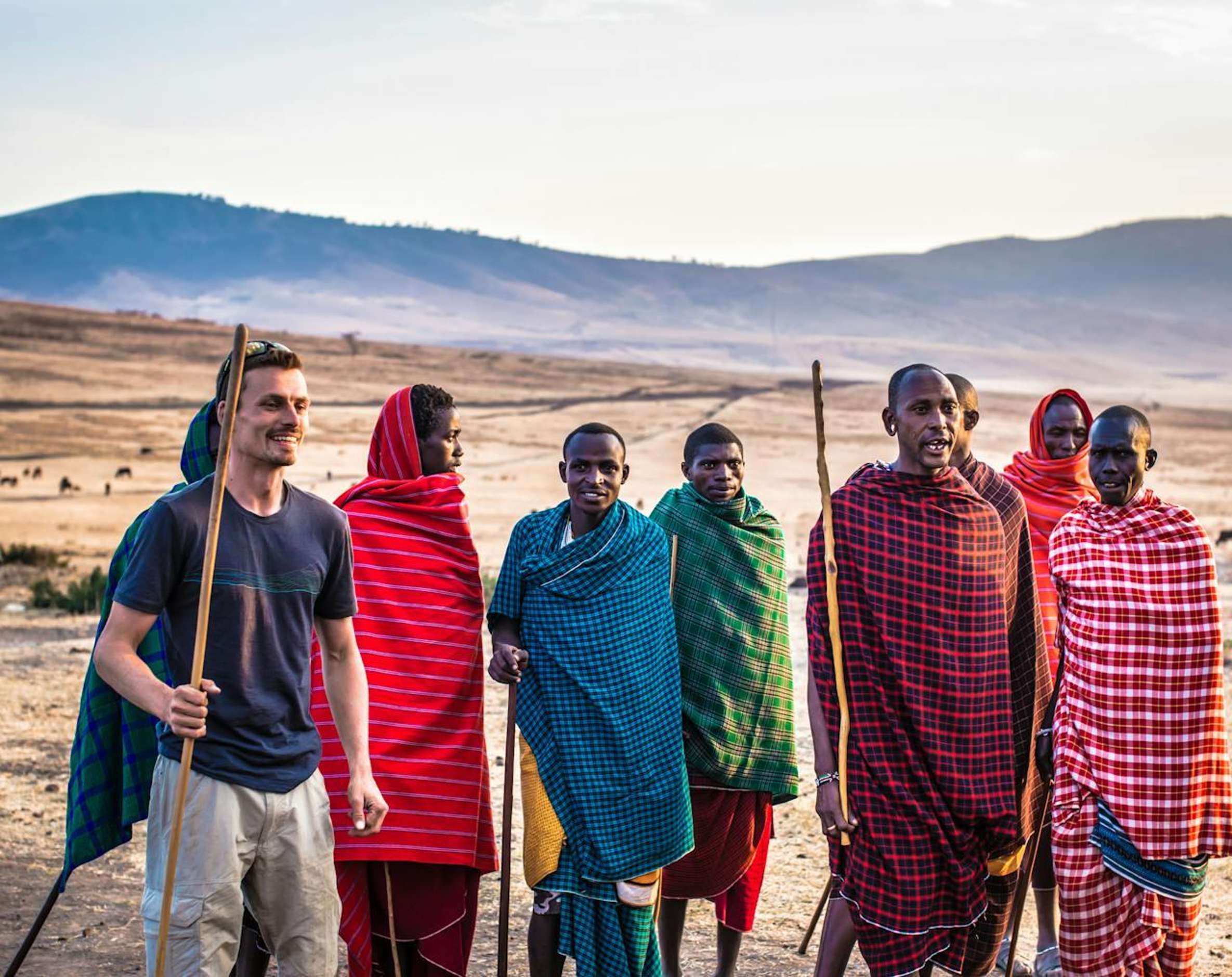
The package wraps the bush time in a full service plan: park fees, two nights of accommodation, all meals as listed in the itinerary, drinks where specified, transfers by ferry, electric train and road, a professional guide, and a Maasai village visit with traditional dances on the first afternoon.
Taxes and VAT are in the price; tips and personal items are not.
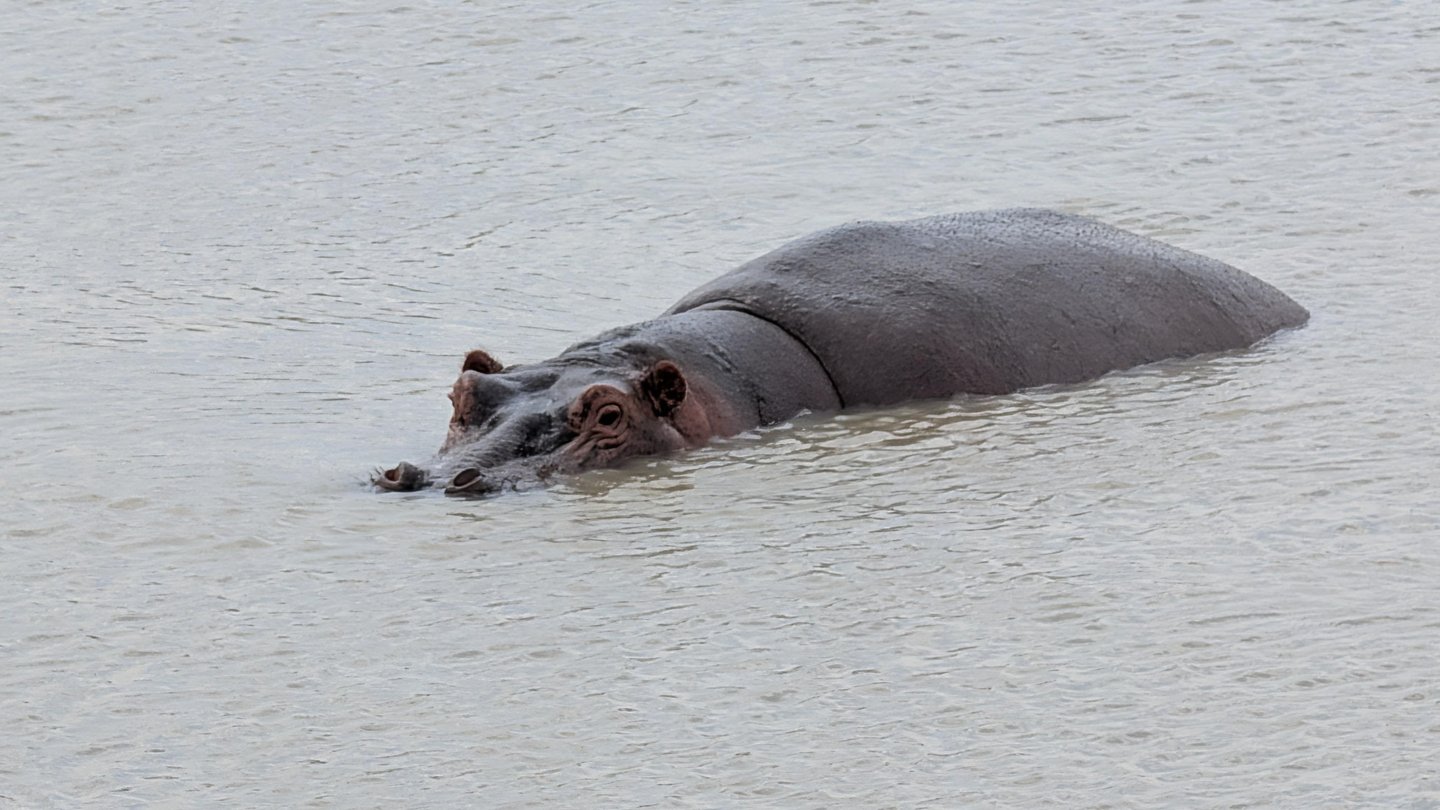
Pickup4 places, depending on your optionThe tour ends with drop-off at your hotel in Nungwi.From this tour2Mikumi· 840 minGuided game drives across the Mkata Floodplain, a Maasai village visit with traditional dances, and the hippo pools near the main gate, where hippos jostle year round and kingfishers, egrets and open-billed storks feed.Drop-off4 places, depending on your optionReturn transfer back to Zanzibar, reversing the ferry and train legs.From this tour
Where the other tours go
Zanzibar: 3-Day Mikumi National Park Safari with Free Pickup
Most reviewers single out their guide by name, calling Jackson, Tayc and Shine the reason they saw so many animals.
Best surprise
Many travelers expected the ferry and train legs to be a grind and were surprised how smoothly everything connected.
Most common wish
Several reviewers wished they had more time in the park and wanted to add a night to fit everything in.
Booking your 3 days Mikumi getaway
01
Pick your date first
Choose the travel date on the tour page, then match it to a departure that fits your Zanzibar plans. During the dry peak from July to October, bush seats and lodge rooms fill weeks to months ahead, so lock the date early.
Pro tipBook at least a month or two ahead for July through October travel.
RecommendedLate dry-season mornings start cool; pack a light layer for the early pickup.
02
Choose the right option
Compare what each package includes. The tour with free pickup bundles ferry tickets, train tickets, road transfers, park fees, meals, the Maasai village visit and lodge nights. Another runs the whole transfer by ferry, electric train and private car with lunch at Chambo Villas on arrival.
Common mistakeBooking a bare-bones option and only later realizing transfers or park fees come out of your own pocket.
ImportantPark entry fees, landing charges and government taxes are already inside these guided bookings.
03
Pay and get confirmed
Enter your details, pay online and wait for the confirmation in your inbox. Cancellation is free up to 24 hours before departure on these tours, so a flexible beach week stays safe.
Pro tipCancel free up to 24 hours in advance, so you can hold a date while your island plans settle.
ImportantKeep your passport handy; ferry and train boarding needs a valid ID.
04
Prepare before departure
Expect an early start: hotel pickup on one package runs at 5:15 am to catch the 7:00 ferry to Dar es Salaam, then the fast train to Morogoro. Pack comfortable shoes, a sun hat, camera, sunscreen and insect repellent.
Common mistakeUnderestimating day one, which is mostly travel, and planning the big sightings for it.
RecommendedPack light with a soft bag; you change transport three times on the way.
05
Know the day-of rules
Your guide handles the timings, but plan for the park gates at Mikumi, which open at 6 am and close at 6 pm sharp. Children under 12 must travel with an adult, and the schedule can shift with weather or park conditions.
Pro tipBetween April 1 and June 1, heavy rain can shift ferry, train or drive times, so build a little slack into your return plans.
RecommendedAsk your lodge for dinner the night before a full game drive day; it saves waiting when you get back.
What to know before you book your 3 days Mikumi escape
Can stop the dayGood to knowGood news
01
ChoosingWhat it is, who it suits, when to go
5
Game drive time
Three days deliver roughly 16 to 20 hours of game-drive time, spread across full days with early-morning and late-afternoon sessions. A single-day trip gives you 6 to 8 hours, and two days about 10 to 12. That extra time is the main reason to choose the longer itinerary.
FitnessCan stop the day
The drives run over rough dirt tracks in an open or pop-top 4x4 for hours at a time. These safaris are marked unsuitable for people with back problems, mobility impairments, or wheelchair users, and for anyone with a low level of fitness. If your back or mobility is a concern, pick a different way to see wildlife.
Luggage
Soft-sided bags work best in a safari vehicle, where space is tight. On fly-in versions, light aircraft limit you to 15 kg checked plus 5 kg hand luggage. Day visitors can leave main bags at the hotel and carry a small daypack.
Included
Packages cover the essentials: park entry fees, accommodation for the two nights, all transfers, meals, and the services of a professional guide. Personal expenses and drinks outside the itinerary are yours to cover, and tips are not part of the price.
Maasai visit
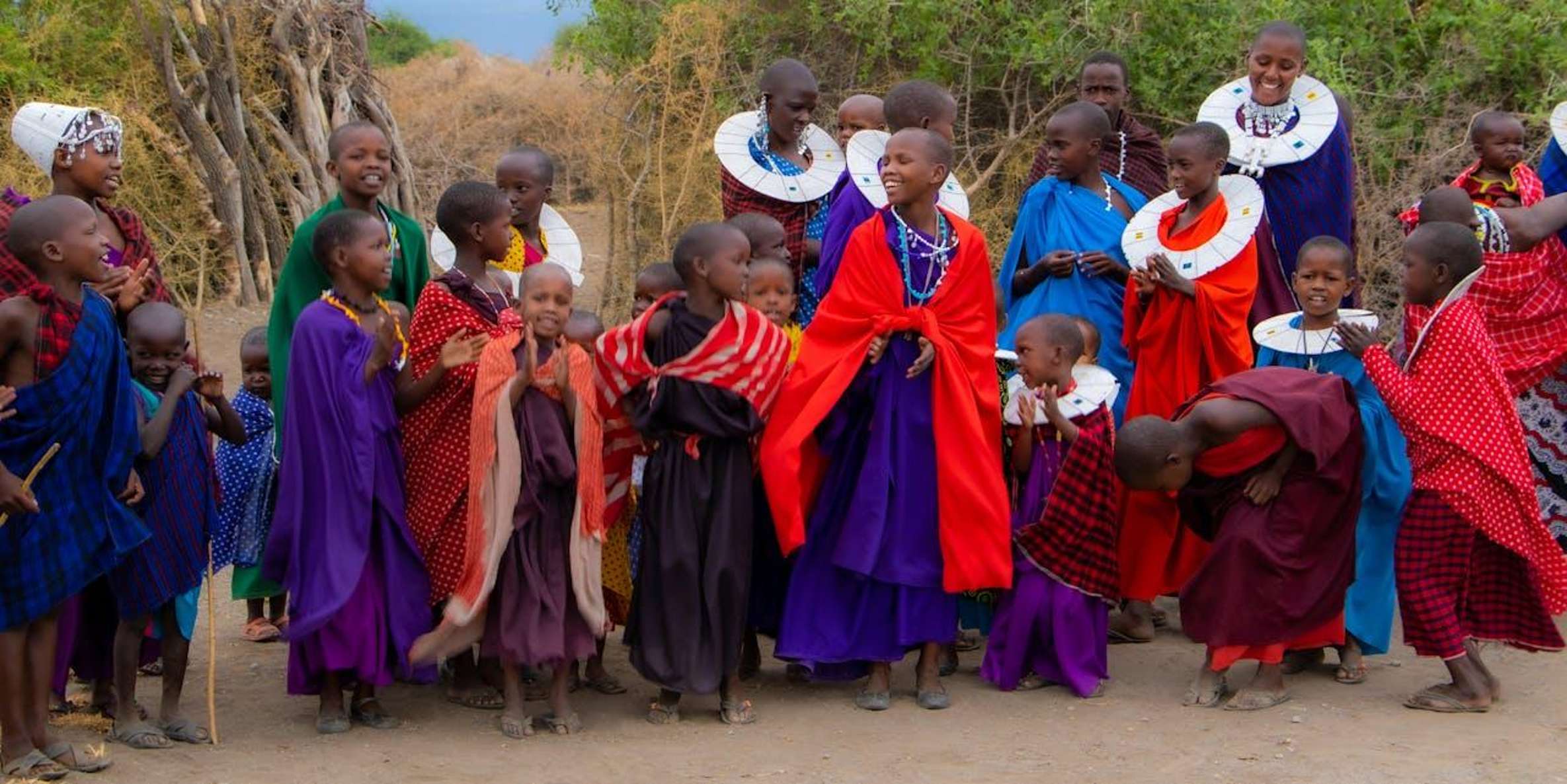
Day one usually includes a visit to a Maasai boma village, with traditional dances and time to talk with the community. It fits well after the long transit, since the village sits on the way to the park and needs no extra travel day.
02
BookingHow far ahead, and what happens if plans change
1
Cancellation
Every 3-day package here can be cancelled up to 24 hours in advance for a full refund. That gives you room to commit early and still walk away if travel plans shift.
03
Before you goPapers, health, what to bring
2
What to wear
Pack lightweight clothes in khaki, beige, or green, with long sleeves and trousers against sun and insects. Black and dark blue attract biting tsetse flies, so leave them at home. Add a light jacket, because dawn game drives start out chilly.
DocumentsCan stop the day
Carry your original passport or a clear copy for park registration, and a valid passport or ID for the ferry and train legs. Adults must accompany children under twelve on the train-and-ferry itinerary. Without the right documents, the trip cannot start.
04
On the dayWhere to be, when, and how you get there
3
Getting there
Most 3-day packages leave Zanzibar by ferry to Dar es Salaam, take the express train to Morogoro, then drive the last stretch to Mikumi. The ferry crossing runs 1.5 to 2 hours and the train about 100 minutes. Count on a long first day in transit, with the game viewing starting on day two.
Early starts
Hotel pickup on day one starts before dawn; one package sets it at 5:15 am to catch the morning ferry. Park gates open at 6 am and close at 6 pm, so the schedule is built around those hours. Set an alarm and sleep on the ferry.
Meals
Full-day drives come with a bush lunch or a picnic inside the park, and drinking water is provided in the vehicle. Special meal requests can be arranged on request, so mention vegetarian or other needs when you book.
05
During the tourWhat is expected of you
1
Tipping
Tips for your driver-guide and lodge staff are optional and expected to be paid in cash at the end. The usual range for a guide runs 10 to 20 per person per day. Small notes are handy, and you settle it yourself, not through the operator.
3 days Mikumi - the full guide from Zanzibar
A three-day Mikumi safari gives you roughly 16 to 20 hours with wildlife, more than double a day trip. Here is how those hours unfold, and how to spend them well.
Paje· 5.73° S, 39.30° E
If you only remember three things
1
Book three days, not one: game-drive time climbs from about 6 to 8 hours on a day trip to 16 to 20 or more across three days.
2
Time drives around the gate hours of 6 am to 6 pm; early morning and late afternoon are when the big cats move.
3
Pack nothing dark blue or black, because tsetse flies go straight for those colours.
Is 3 days Mikumi enough for real wildlife time?
Dawn on the Mkata floodplain and a herd of zebra shuffles out of the acacia shade, and the question writes itself: is this all you get? On a day trip from Zanzibar, it often is.
The flight eats the morning, the drive eats the afternoon, and you leave with 6 to 8 hours of game-drive time and a long list of animals you never met.
Spread the trip over three days and the arithmetic changes. You get 16 to 20 hours or more in the park, which means you stop chasing the clock and start watching behaviour: elephants at the waterhole in the cool of the morning, lions still dozing at nine, impala spooking at something in the grass.
Side-by-side: game-drive time per trip
Day trip from Zanzibar
2-day itinerary
3-day safari
Game-drive hours
6 to 8
10 to 12
16 to 20 or more
Best viewing slots
One afternoon, if the flight holds
One afternoon plus one morning
Every early morning and late afternoon
Pace
Rushed around transit
Comfortable
Unhurried
Day trip from Zanzibar
Game-drive hours
6 to 8
Best viewing slots
One afternoon, if the flight holds
Pace
Rushed around transit
2-day itinerary
Game-drive hours
10 to 12
Best viewing slots
One afternoon plus one morning
Pace
Comfortable
3-day safari
Game-drive hours
16 to 20 or more
Best viewing slots
Every early morning and late afternoon
Pace
Unhurried
Three days earns its wildlife time by repeating the good hours, morning after morning, and two lodge nights are what buy them.
Tour for this
Zanzibar: Mikumi National Park 2-Day Safari with Ferry5.0★ (4) · 2 days · Hotel pickup · Free cancellation
How your 3 days Mikumi itinerary runs, hour by hour
Day one belongs to the road. Hotel pickup comes early, the ferry crosses to Dar es Salaam, and the express train rolls you to Morogoro before a short drive lands you at the park for lunch.
The afternoon goes to a Maasai village visit and your first look at the bush, then dinner and your first night near the plains.
Day two is the day you came for. Gates open at 6 am sharp, and a full-day game drive follows the floodplain through the morning, breaks for lunch inside the park, and keeps going into the late afternoon heat when the big cats stir.
Miss the gate at 6 pm and the penalties are real, so guides plan the last hour around it.
Day three usually holds a final morning drive before the transfer back.
That shape is exactly what the 3-Day, 2-Night Mikumi Wildlife Safari from Zanzibar runs: two lodge nights, all meals and non-alcoholic drinks, admission fees, the Maasai village and the ferry, all bundled.
One tip that repeats among people who have done it: put your main drives in the early morning and late afternoon, when Mikumi's lions are actually awake.
Tour for this
Zanzibar: 3-Day Mikumi National Park Safari with Free Pickup4.6★ (9) · Free cancellation
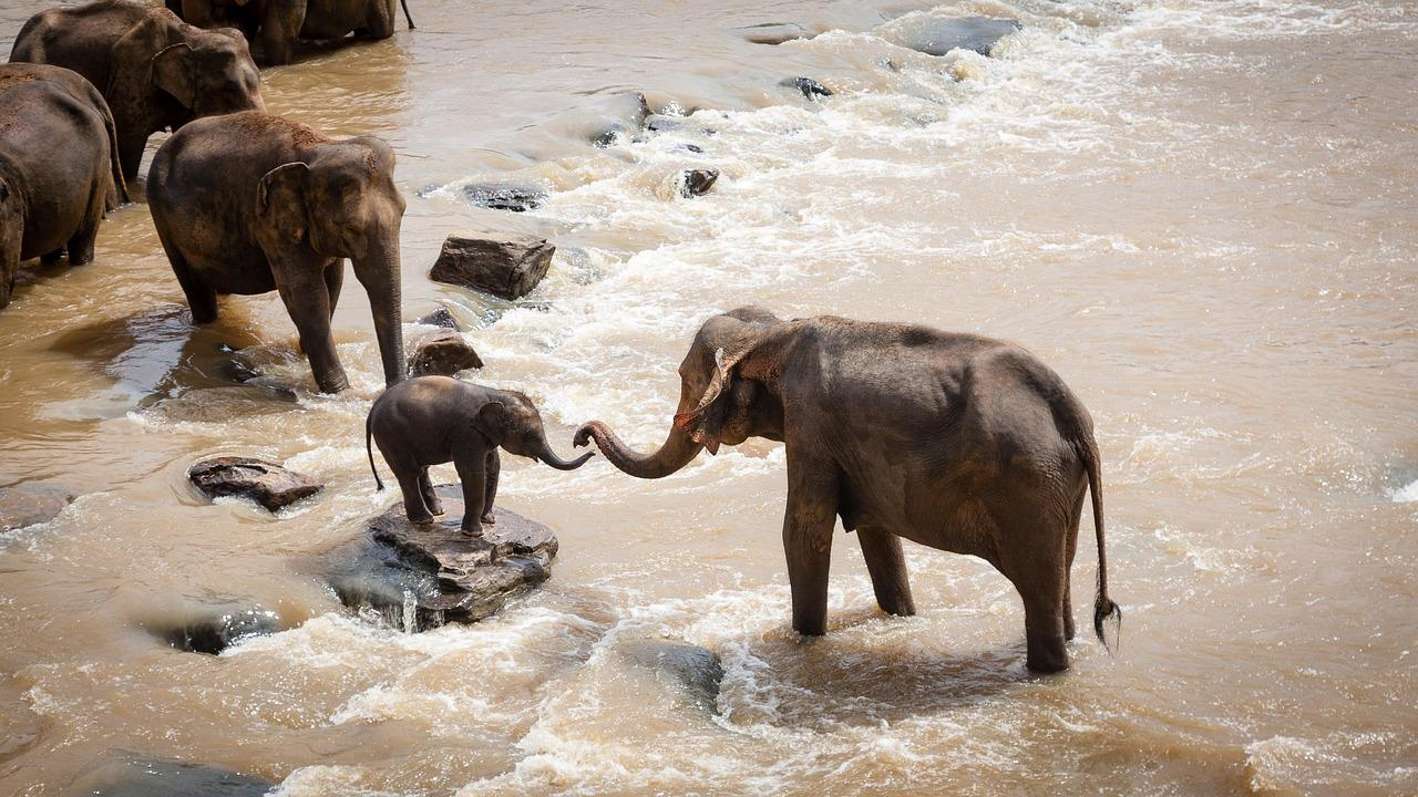
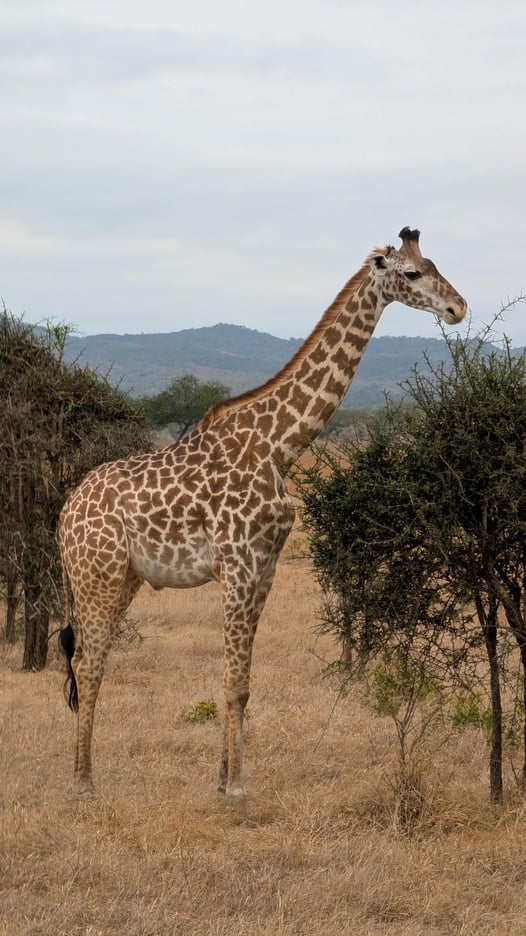
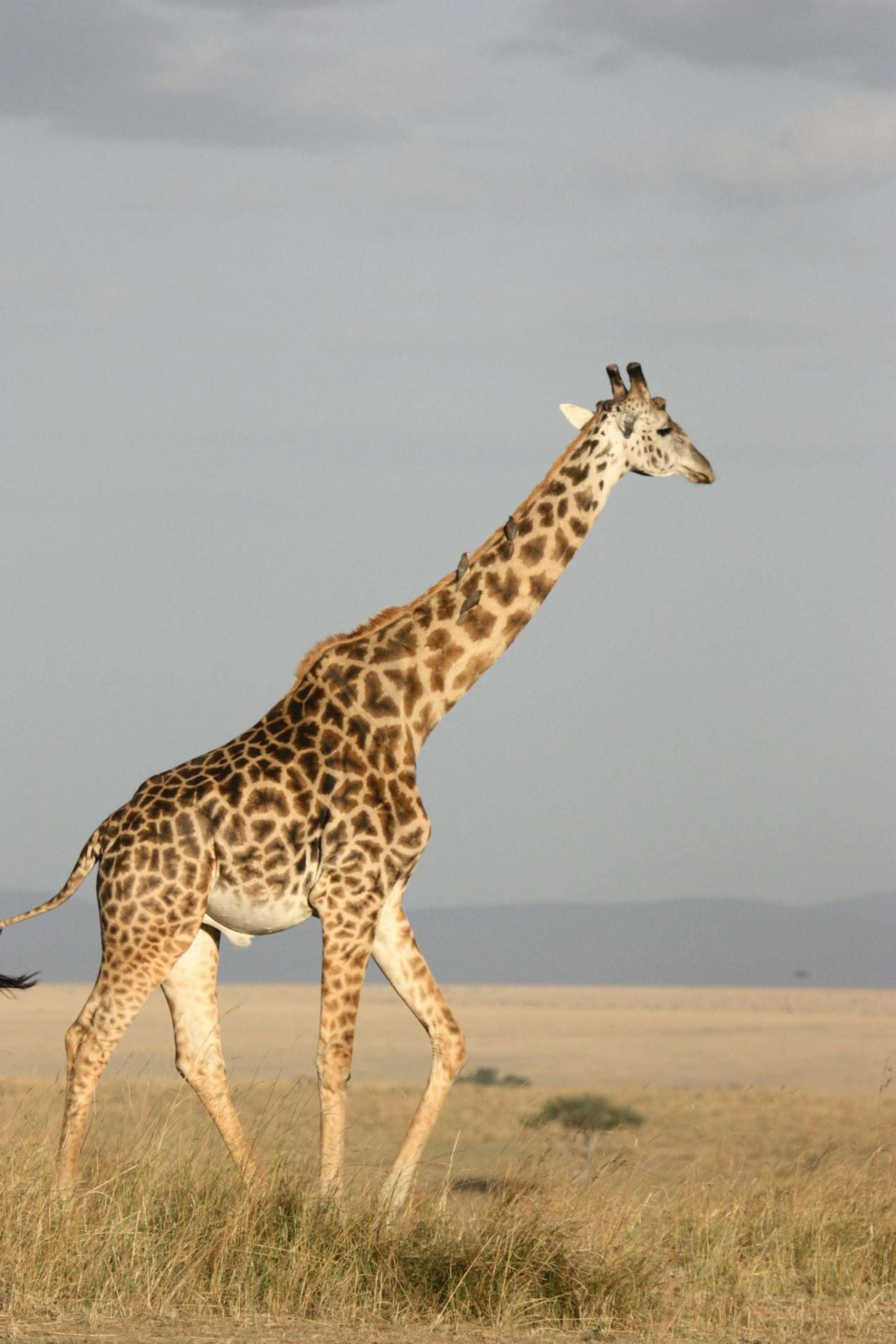
The Mkata floodplain explains Mikumi's nickname. Vast flat grasslands, flat-topped acacias scattered across open horizons, and herds that look lifted straight off the Serengeti: zebra, wildebeest, buffalo, impala and elephants grazing in plain sight, with resident lions somewhere among them.
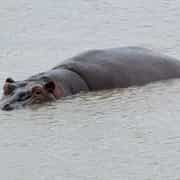
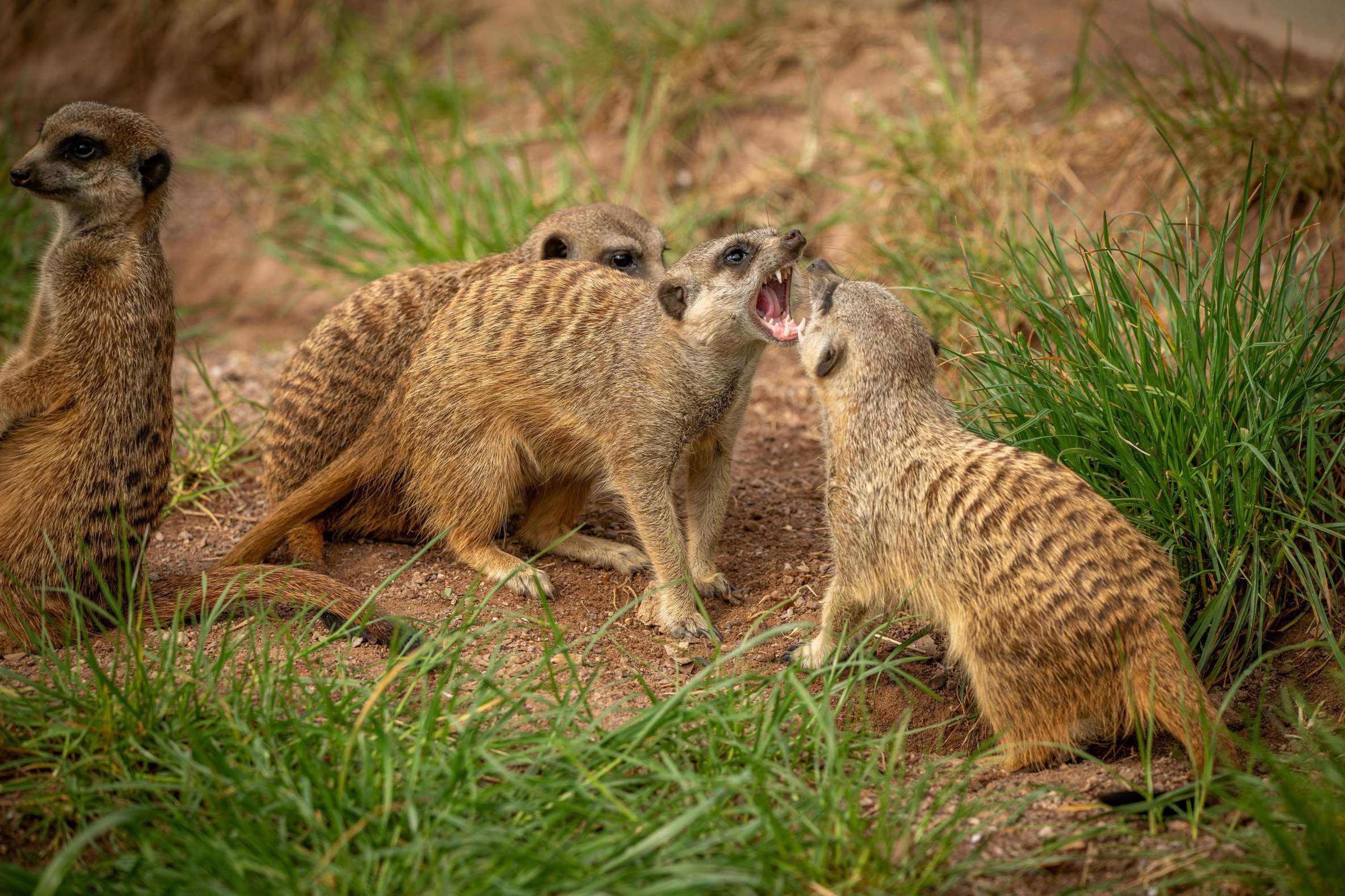
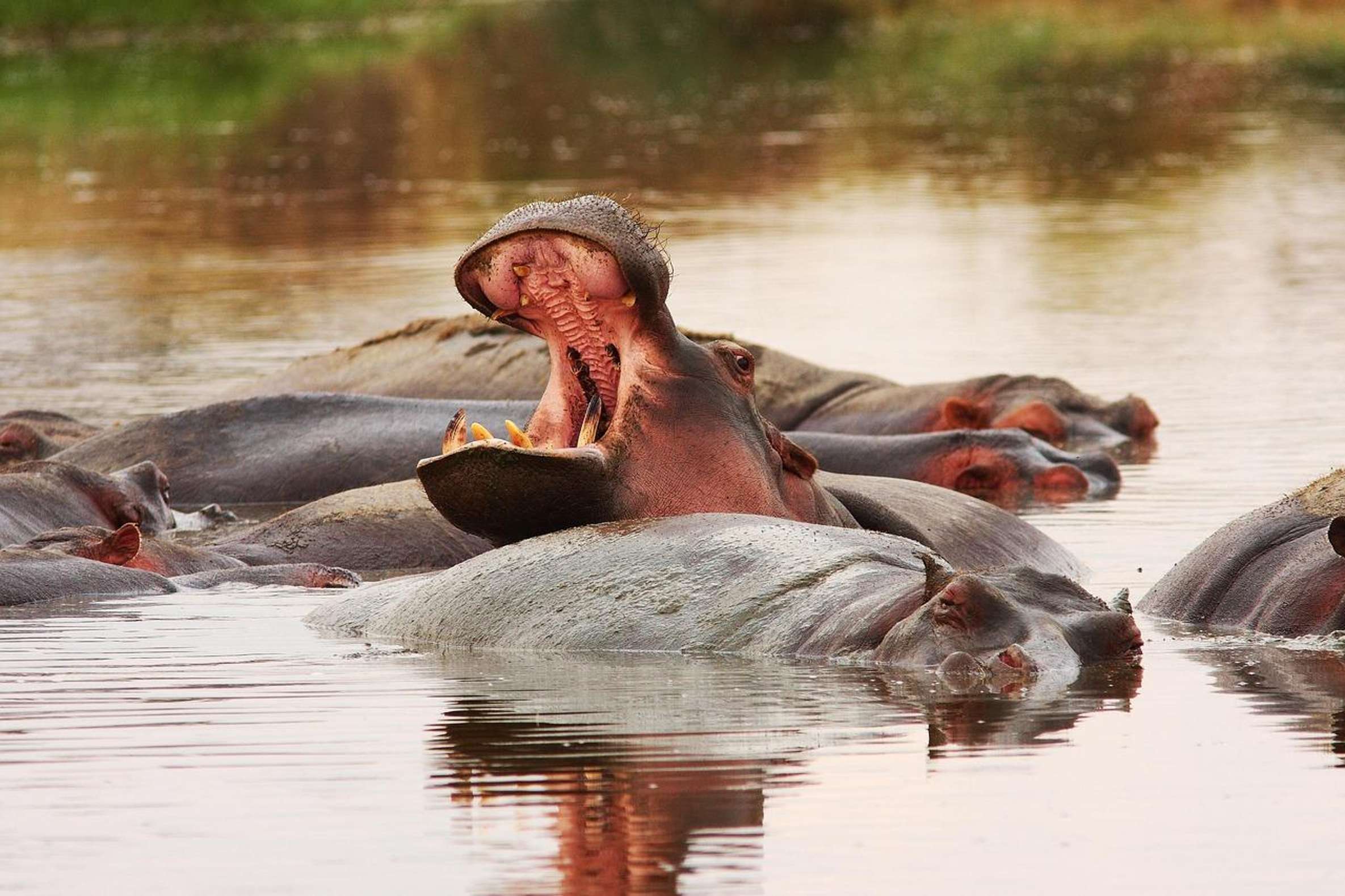
Close to the main gate, the man-made hippo pools hold water all year, which no seasonal pool here manages. That permanence crowds the hippos together, and crowded hippos mean regular territorial jostling and threat displays you can watch from the bank. Kingfishers, egrets, herons and open-billed storks work the mud the hippos churn up.
What people get wrong about Mikumi
MythThe animals empty out of Mikumi into Selous
Reality
Grazers, elephants and predators stay resident in Mikumi year-round; the herds do not decamp to Nyerere
MythMikumi is a mini Serengeti for predators
Reality
The open plains and grazers do look the part, yet big cat encounters happen less often here than in the northern parks
So set expectations honestly: healthy wildlife numbers, guaranteed action at the pools, and lions that take patience and a guide with a radio. On three days, you have the time to be patient.
Tour for this
Zanzibar: Mikumi Wonderful Safari with Open Jeeps4.9★ (41) · 3 days · Hotel pickup · Free cancellation
Two nights, two ways to sleep them, and the choice shapes every morning.
Sleep inside or right beside the park and you wake minutes from the animals. You catch the dawn drive before day-trippers arrive, and after dark the park rangers run nocturnal drives between 8 pm and 10 pm for in-park guests, which is when leopards, civets and hyenas do their real work.
The 2-day trip on this site leans on that trick with a lodge inside the park.
Sleep in Mikumi town and the lodges sit about 20 minutes from the boundary, costing less, and most can arrange private game drives and reputable local guides directly. Tented camps next to the park gate split the difference, with upscale bush amenities and full safari vehicles without the in-park price.
For a three-day trip, the middle night matters most: near the gate means an early start with no commute, and that hour at dawn is worth more than any hotel lobby.
Tour for this
Zanzibar:2-Day Mikumi National Park Safari with boat & Train5.0★ (1) · Free cancellation
Dry ground decides where the animals stand. From June to October the seasonal puddles vanish and everything crowds the permanent water, which concentrates game along predictable lines and keeps the floodplain tracks firm.
September and October bring calm, mostly dry days with daytime highs around 30°C and nights cool enough for a jacket on the dawn drive.
The other side of the year has a different rhythm. April and May soak the Mkata clay, and drives reroute to the better-drained circuits near the northern core.
Best months for wildlife at Mikumi water sources
July is a peak safari month with 26 dry days and mild 27°C temperatures, drawing wildlife to the shrinking waterholes and hippo pools.
HighestJul, Sep to Oct
In betweenAug, Nov to Mar
LowestApr to Jun
Darker: a higher how busy it gets score, out of 5
Tap a month to read it.
August brings steady tour traffic, comfortable temperatures, and over 22 dry days as wildlife clusters closely around remaining water.
HighestAug7 times seen
In betweenMar, Dec to Jan3 to 4 times seen
LowestFeb, Apr to Jul, Sep to Nov1 to 2 times seen
Darker months: higher, from 1 to 7 times seen
Tap a month to read it.
July is a peak safari month with 26 dry days and mild 27°C temperatures, drawing wildlife to the shrinking waterholes and hippo pools.
HighestMay to Oct22 to 26 days
In betweenNov14.8 days
LowestDec to Apr5.8 to 11.4 days
Darker months: higher, from 5.8 to 26 days
Tap a month to read it.
January sees moderate visitor traffic and warm days reaching 31°C, with frequent rain dispersing wildlife across the park away from permanent waterholes.
HighestDec to Apr116 to 167 mm
In betweenNov80 mm
LowestMay to Oct14 to 44 mm
Darker months: higher, from 14 to 167 mm
Tap a month to read it.
November sees moderate crowds and rising temperatures alongside increasing showers that begin replenishing waterholes across the plains.
HighestOct to Feb30.6 to 32.3 °C
In betweenMar, Sep30.1 to 30.2 °C
LowestApr to Aug26.6 to 27.7 °C
Darker months: higher, from 26.6 to 32.3 °C
Tap a month to read it.
July and September carry the heaviest visitor demand, which is why lodges for the dry peak fill several months ahead and bush-plane seats go weeks in advance.
Book those months early or pick June, when the parks have dried out but the crowds have not arrived. Your Zanzibar dates decide more of this trip than any itinerary choice.
Tour for this
3-Day, 2-Night Mikumi Wildlife Safari from Zanzibar4.9★ (4) · 3 days · Hotel pickup · Free cancellation
Two honest decisions settle the booking: how you want to ride, and how much of the logistics you want handled.
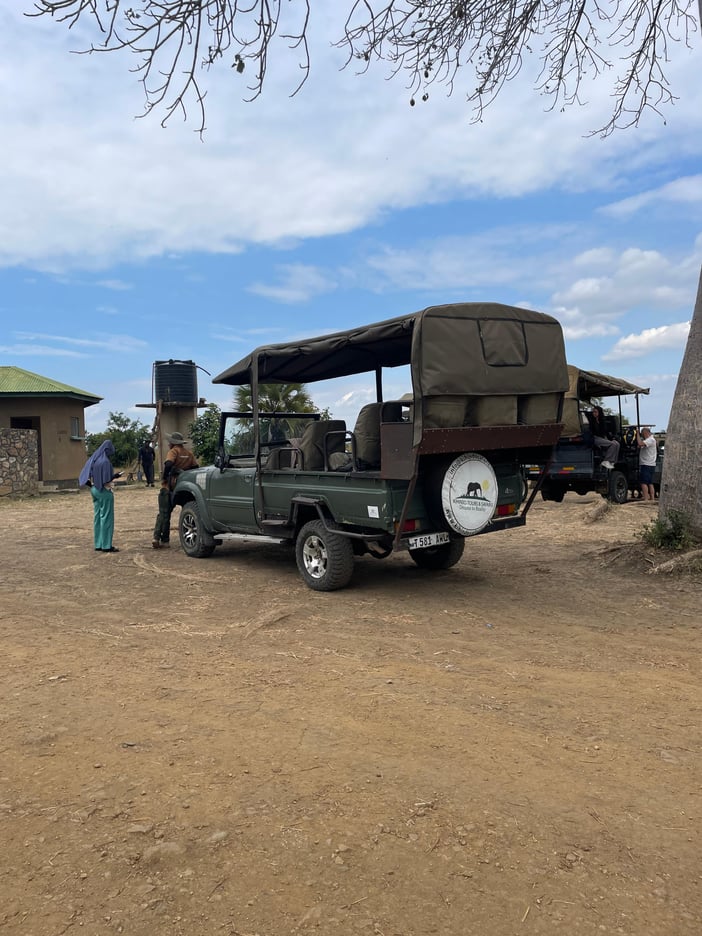
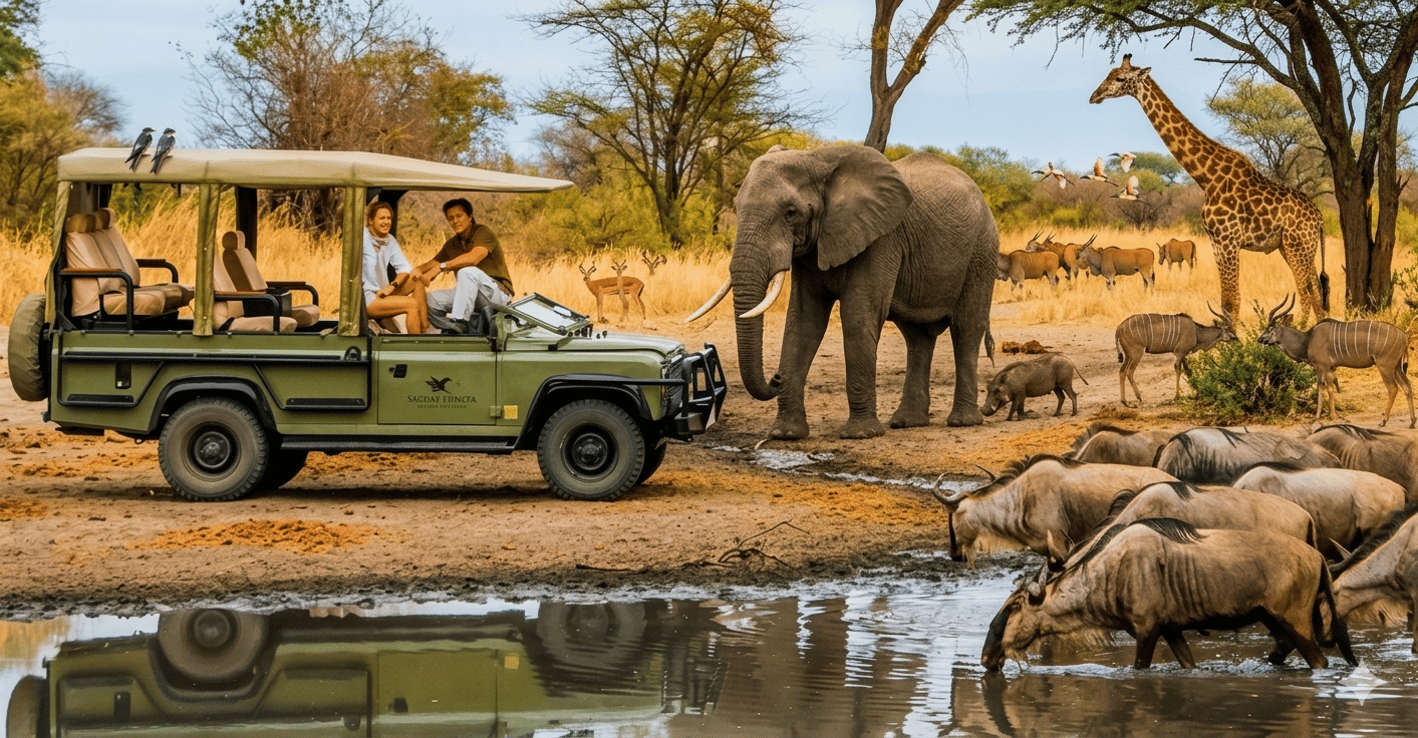
Three days in an open jeep is what the Zanzibar: Mikumi Wonderful Safari with Open Jeeps delivers: game drives with a professional guide, the Maasai cultural visit, and park fees, accommodation, meals and transfers all inside the package.
Open sides change the experience; you feel the dawn air, hear the bush, and photograph without glass in the way.
The overland ferry-and-train packages trade the jeep style for a scenic journey and usually a lower price, with the Maasai village built into day one.
How to choose a 3 days Mikumi safari
Check
Why it matters
Our pick
Vehicle style
Open jeeps give unobstructed views and the feel of the bush; closed pop-tops suit long overland transits
The open-jeep package leads with this
What is genuinely included
Park fees, meals and transfers add up fast when bought separately
Park fees, accommodation, activities, meals and transfers are all included
Group size
Private suits couples and families; shared suits solo budgets
Private setup, which works well for couples
Who it fits
Rough tracks are hard on some bodies
Not suitable for low fitness levels
Say it plainly if it applies to you: Mikumi's tracks are not suitable for travellers with back problems, mobility impairments or wheelchair users, so pick a gentler format if that is your situation.
Tour for this
Zanzibar: Mikumi Wonderful Safari with Open Jeeps4.9★ (41) · 3 days · Hotel pickup · Free cancellation
Two ways across the water, and they feel nothing alike.
Fly and you land at Kikoboga Airstrip inside the park in roughly 45 minutes, watching the coastline fall away from a small prop plane. That is the whole journey, more or less, and it is why day trips by air even exist.
Go overland and the day becomes part of the trip. The ferry crosses to Dar es Salaam in an hour and a half to two hours, then the SGR express train runs to Morogoro in about an hour and 40 minutes, replacing a four-hour highway grind.
The road leg from Morogoro to the gate adds another hour and 40, so the total comes to around 3.5 to 4 hours after the ferry, and the whole route saves roughly two hours on the direct drive.
A traveler's note
Beautiful experience in Mikumi with our guides, Maasai village visit day one, safari with many animals day two. Transport, lodging, meals all handled for us. We left with wonderful memories. Thank you so much!
The Zanzibar: 3-Day Mikumi National Park Safari with Free Pickup runs the ferry-and-train version end to end, with ferry and train tickets, road transfers, meals, park fees and the Maasai village visit all included.
Tour for this
Zanzibar: 3-Day Mikumi National Park Safari with Free Pickup4.6★ (9) · Free cancellation
Independence works here more than in most Tanzanian parks, with a few rules worth knowing before you commit.
The gate takes card only. No cash at Mikumi's entrance, so arrive with the right plastic for park fees and vehicle permits.
With your own vehicle you can self-drive the park and hire an official park ranger guide directly at the gate, and local custom is to tip that ranger at the end of the drive. Rangers at the entrance will also connect independent travellers with vetted safari operators if you would rather not commit blind.
If you rent instead, a private 4x4 with driver for a day splits its cost across whoever shares the vehicle, and Mikumi town lodges coordinate this routinely. Compare a couple of quotes before accepting the first one; vehicle condition and what is actually included vary more than the prices suggest.
Zanzibar to Mikumi National Park
ZanzibarUnguja
Mikumi National ParkMorogoro Region
FlightEasiest
Fastest route into Kikoboga Airstrip
45 minDirect flight
Ferry, train and car
Ferry to Dar then express train
5 hr 30 minFerry and train
Ferry and car
Ferry crossing followed by highway drive
9 hr 30 minFerry and drive
Flying buys you days, driving buys you a long travel day either way. Three days absorbs a slow transit far better than a day trip can, which is exactly why this format suits the overland route.
Two constraints write the packing list: the bush and the baggage allowance.
Fly in and soft-sided bags are mandatory, capped at 15 kg checked plus 5 kg hand luggage, because light aircraft have no room for hard shells. Driving over, the same duffel still packs easier into a shared vehicle than a suitcase.
On the body, the colour rule decides comfort. Black and dark blue, denim included, pull biting tsetse flies the way bait traps do, so khaki, beige, tan and olive it is.
Long sleeves and long trousers earn their keep against sun, dust and insects in an open jeep, and a light jacket handles the chill before dawn, when open-sided vehicles move cold air faster than you expect.
Mikumi 4x4 Safari Packing Essentials
Neutral-colored clothingKhaki, beige, and green shades blend in with the environment and help avoid attracting unwanted savanna insects.
Soft-sided duffel or daypackLight aircraft flights cap baggage at 15 kg checked plus 5 kg hand luggage in soft bags, while day trips require only a small daypack.
Long-sleeved shirts and trousersBreathable long layers shield your skin from harsh tropical sun, dust, and insects during extended drives in open 4x4 vehicles.
Light morning jacketEarly morning game drives starting at dawn in open-sided safari vehicles bring brisk wind chills before the plains heat up.
Wide-brimmed hat and sunglassesCrucial protection against intense midday sun reflection and blowing trail dust across the open Mkata Floodplain.
One more habit from the bush lodges: some camps run on solar power that limits in-room electricity to lighting, so cameras and phones charge in the main common areas. Bring spare batteries and plan your charging around dinner.
The documents come down to three, and none of them are hard if you start early.
Your passport needs six months' validity beyond arrival and one or two blank pages. Most foreign nationals need a visa, and one single-entry tourist visa covers both Zanzibar and the mainland, valid up to 90 days.
Apply online through the official Tanzania Immigration portal, or get one on arrival at Zanzibar or Dar es Salaam airports. Have proof of accommodation and a return or onward ticket ready at the border.
Yellow fever proof is only demanded from travellers aged one and over arriving from, or transiting 12 hours or more through, an endemic country; the mainland-to-Zanzibar crossing itself carries no vaccination requirement. If you cannot be vaccinated, carry an official medical waiver.
The one health rule that is not negotiable: Mikumi sits in a high-risk malaria zone, and antimalarial prophylaxis is recommended for all visitors regardless of accommodation. Sort the tablets before you leave the beach.
Two last notes: entering Zanzibar requires mandatory local insurance coverage, and single-use plastic bags are banned nationwide, so leave them out of your duffel.
Coastal weather is the one force no itinerary controls, so know where you stand before you pay.
Between April 1 and June 1, rain or airfield conditions can push schedules and flights around; the park itself stays open. Complete cancellations stay uncommon; the floodplain clay turns to mud and guides reroute to the better-drained circuits near the northern core, which remain drivable all year.
If the weather turns: what happens next
If this happens
What happens then
Flight grounded by fog or rain
You are offered an alternative date or a full refund
Airfield unusable but the park is open
Passengers may be flown to Dar es Salaam and transferred by road instead
A missed connection on another airline
The safari operator does not accept responsibility for it
Ferry or train delayed
Operators may adjust departure times and dates for operational or weather reasons
Deposits typically run 30 to 50 percent upfront, occasionally more, so read the cancellation terms before you pay. And keep the schedule inside the safari itself: squeezing Mikumi and Nyerere into the same three or four days makes a rushed, unnecessarily expensive trip. Choose one park and give it the days.
Back on the coast with the dust barely washed off, three days of bush leaves the smaller pleasures within easy reach.
Near the mainland side, a 2-day Mikumi trip can pair its game drive with a hike out to Chizua Waterfalls, and the same logic stretches a three-day itinerary if you have a fourth morning: trade one more game loop for falling water and a walk.
In Zanzibar itself, the easy pairing is rest. A lodge pool between drives is not laziness; families say the afternoon swim is what lets children burn off the dust and sit quietly through the next early start.
Beach days bookend the safari well, because the dawn pickups are gentler when the day before ended at sunset on the sand.
What not to do: bolt Nyerere onto the same three days. Wildlife there is dispersed and demands patient tracking, plus boat safaris deserve their own window. One park, done properly, beats two parks done in a hurry, and the nearby options listed below the guide make the choice easy.
Three days in Mikumi turns a rushed beach add-on into a real safari: 16 to 20 hours of game drives, two nights near the plains and time for a Maasai visit. Book the dry months early and it earns its place in your Zanzibar week.
Go ifYou want mainland wildlife without giving up most of your Zanzibar holidayYou can travel in the June to October dry season and book lodges months aheadYou want open-jeep game drives with park fees, meals and transfers handled
Skip ifYou have a back condition or mobility limitation, because the tracks are roughYou only have one afternoon free; a day trip fits that betterYou want frequent big cat sightings on the Serengeti scale; look north instead
Our pick to book
Zanzibar: Mikumi Wonderful Safari with Open Jeeps4.9★ (41) · 3 days · Hotel pickup · Free cancellation
What three days in Mikumi really looks like, from ferry crossings to full game drives.
Paje2026
Hippos were jostling in the pools near the main gate at breakfast. Bring khaki, never black: the tsetse flies love it.
How much actual game drive time does a 3-day Mikumi safari give me?
About 16 to 20 hours in total. A day trip delivers 6 to 8 hours of game driving, and two days gives roughly 10 to 12. Spreading the trip over three days allows long early morning and late afternoon sessions across several days.
How do I get from Zanzibar to Mikumi National Park?
Two main routes. Direct flights reach Mikumi's Kikoboga Airstrip in 40 to 60 minutes. By land and sea, you take a ferry to Dar es Salaam of 1.5 to 2 hours, then an express train to Morogoro of about 100 minutes, then a drive of 1 hour 40 minutes to the park.
Will I see the Big Five in Mikumi?
Elephants, grazers and predators live in the park year round, and the tours list chances to see the Big Four. Big cat sightings happen less often here than in northern parks like the Serengeti, so guides radio other drivers to track them down.
Should I stay inside the park or in Mikumi village?
Lodges in Mikumi village sit about 20 minutes from the park boundary and can arrange day drives directly. Staying inside or next to the park brings a bonus: official park rangers lead nocturnal drives between 8 pm and 10 pm.
Is a 3-day Mikumi safari worth it compared to the Serengeti or Nyerere?
Mikumi saves you serious travel time and cost from Zanzibar, and its wildlife numbers are healthy, though it cannot match the Serengeti's density of big cats.
Nyerere adds boat safaris on the Rufiji River, but wildlife there is spread over far larger areas. Squeezing both parks into 3 to 4 days leaves you rushed and paying more.
What animals live on the Mkata Floodplain, the so-called Little Serengeti?
Its flat grasslands and flat-topped acacias look like the Serengeti, and the herds match: zebra, wildebeest, buffalo, impala and elephants graze the open ground, with resident lions among them.
The hippo pools near the main gate hold water all year, so hippos jostle there constantly and kingfishers, egrets, herons and open-billed storks feed in the stirred mud.
What do the 3-day packages include, and how do the days unfold?
One package runs a full day one transfer by ferry, luxury electric train and road, arriving for lunch before a Maasai village visit, then a full day of game driving, with park fees, accommodation, meals and transport all covered.
Another spends two nights in a lodge and brings the ferry back to Zanzibar. Tips and personal items stay your own.
Do I need malaria tablets for two nights in Mikumi?
The park sits below 1,800 meters in a high-risk malaria zone, and official health guidance recommends antimalarial prophylaxis for all visitors, however long the stay. Bring insect repellent too.
What happens if heavy rain disrupts the trip?
Between April 1 and June 1, weather or airfield conditions can move schedules or change flights rather than close the park.
Internal tracks, especially on the Mkata Floodplain's clay soils, turn muddy after heavy rain, so guides shift routes to better-drained circuits near the paved highway, which stay open year round. If a flight is canceled for weather, you get an alternative date or a full refund.
Can a 3-day safari work with children under twelve?
Yes, though adults must accompany children under that age on the ferry and train route. A private vehicle gives you control over departure times and rest breaks, and game drives with children work best capped at three to four hours before returning to camp.
What should I pack for the trip?
Wear neutral earth tones such as khaki, olive and beige, because dark blue and black attract biting tsetse flies and camouflage clothing is illegal for civilians. Pack long sleeves and trousers, a sun hat, sunglasses, sunscreen, a camera and binoculars, and a valid passport or ID, which is required for the ferry and train.