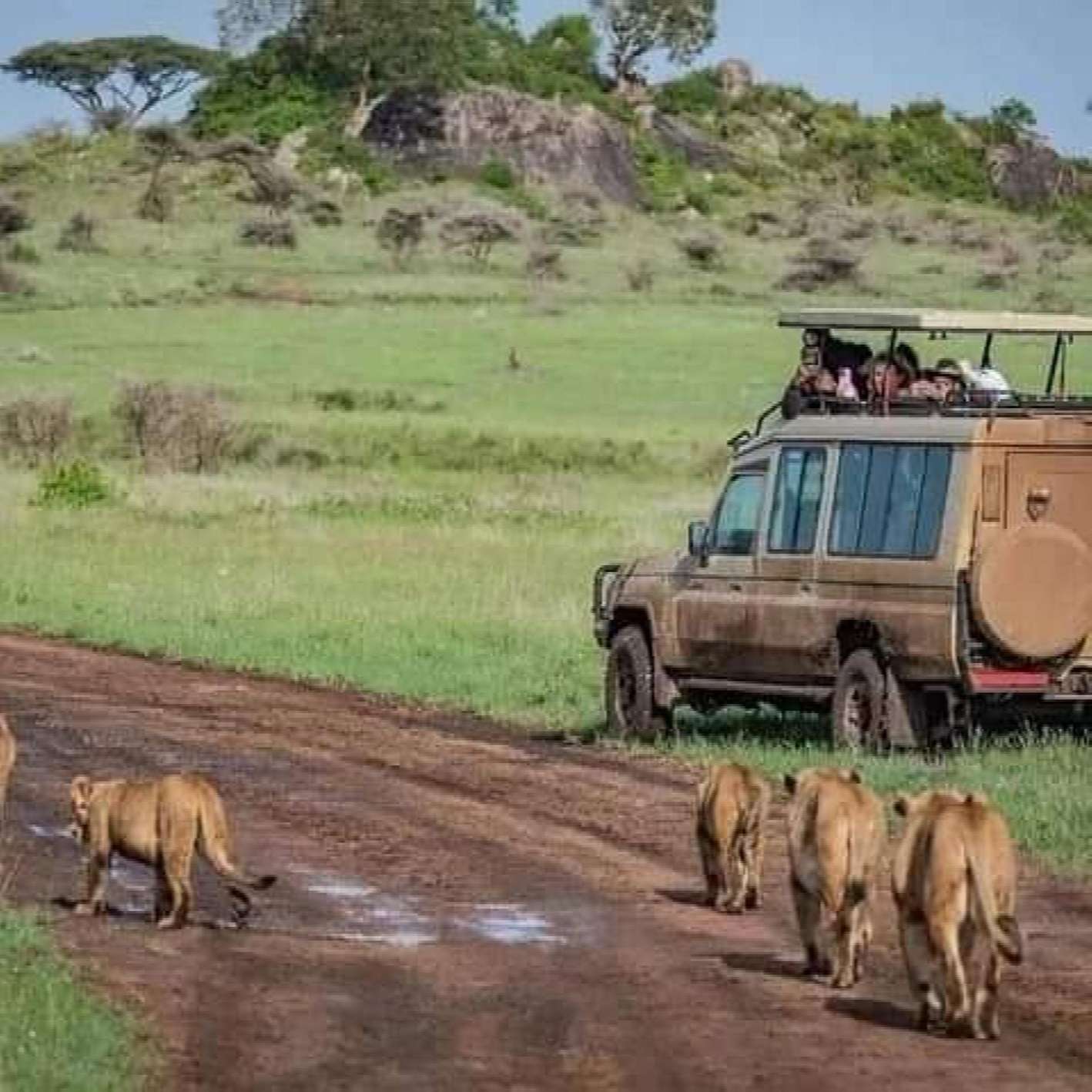
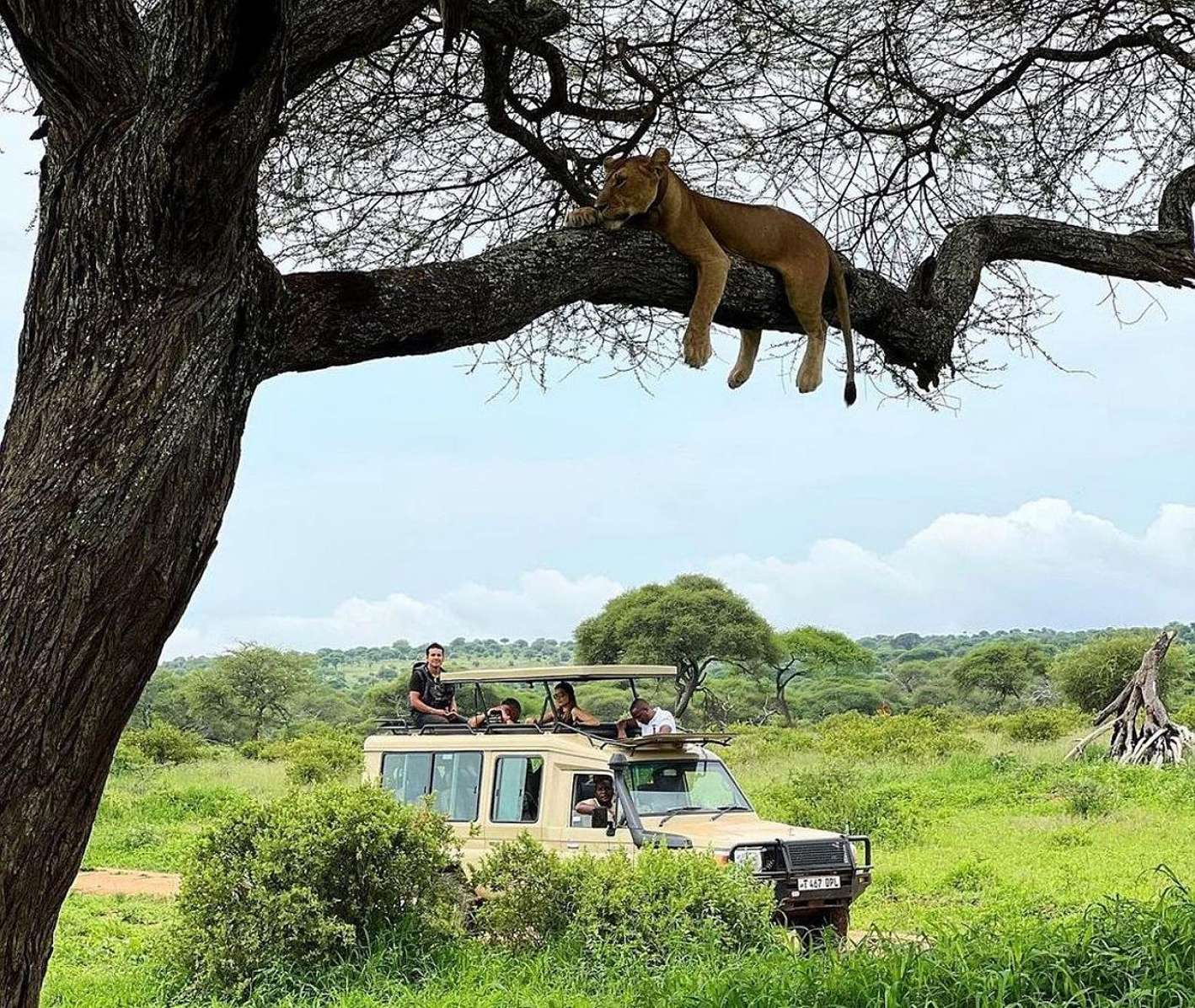
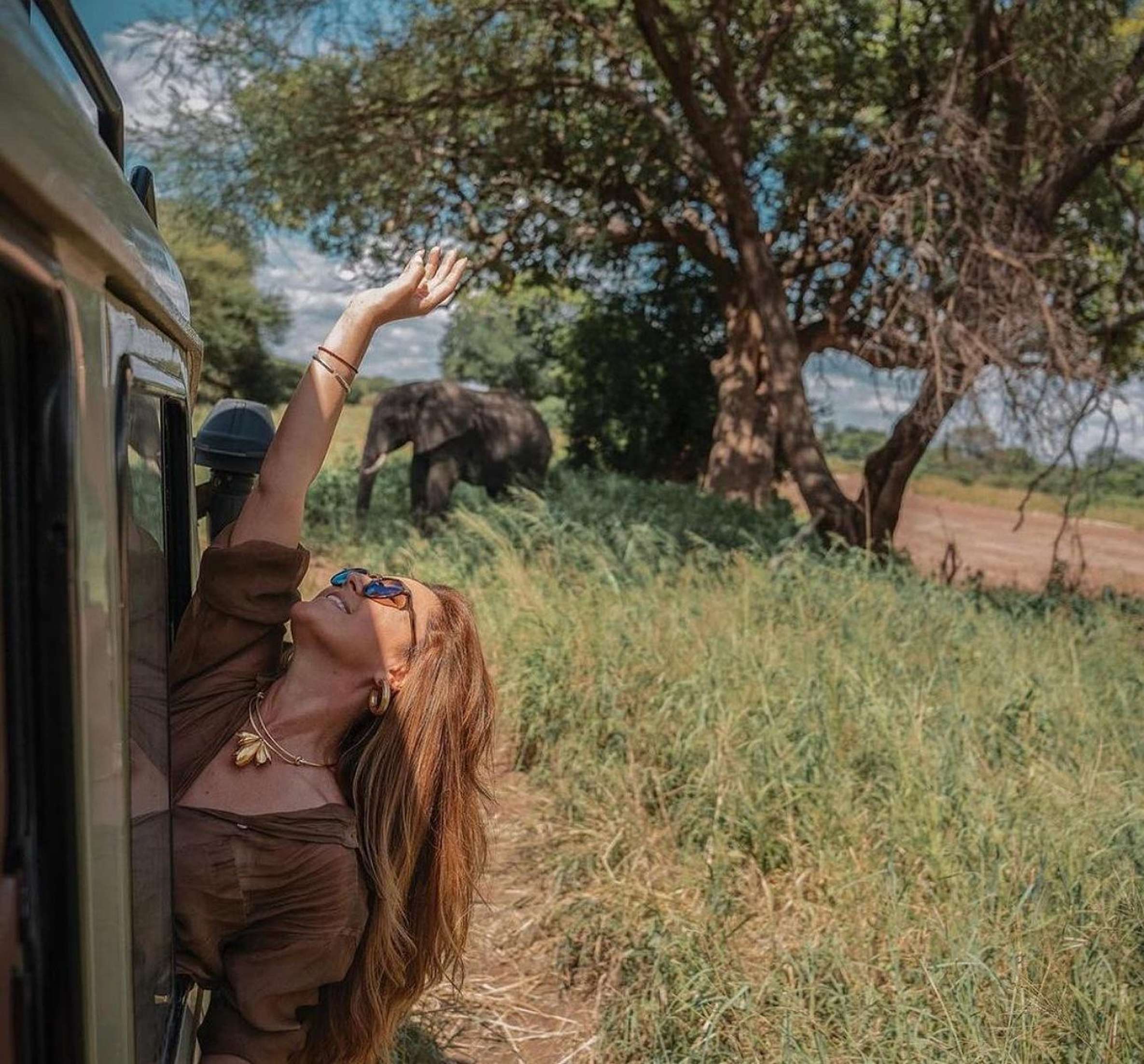
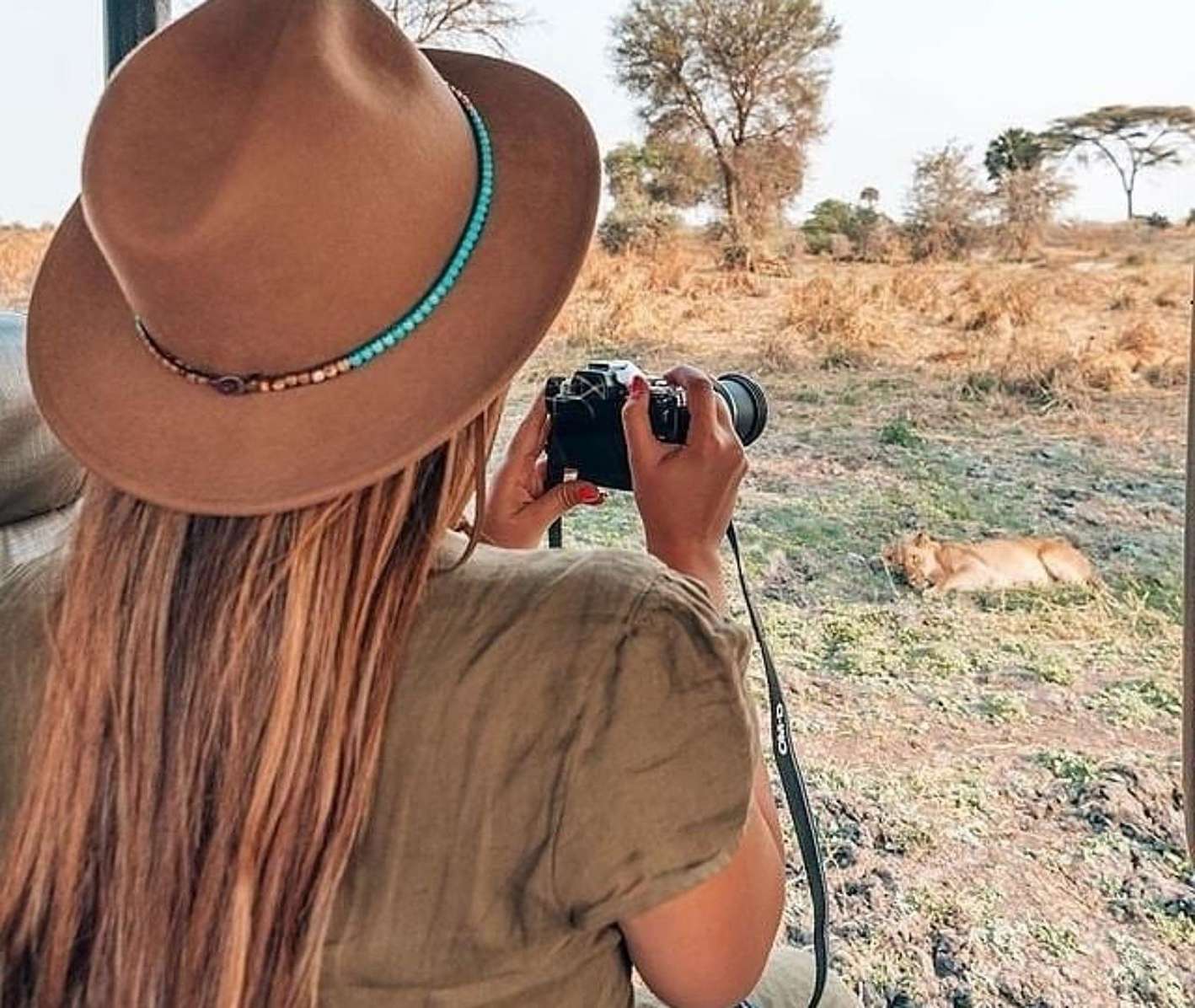
4.6184 travelers watched lions from the pop-up roof
BIG FIVE SAFARI AT SERENGETI PARK National Park Safari Tours
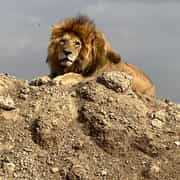
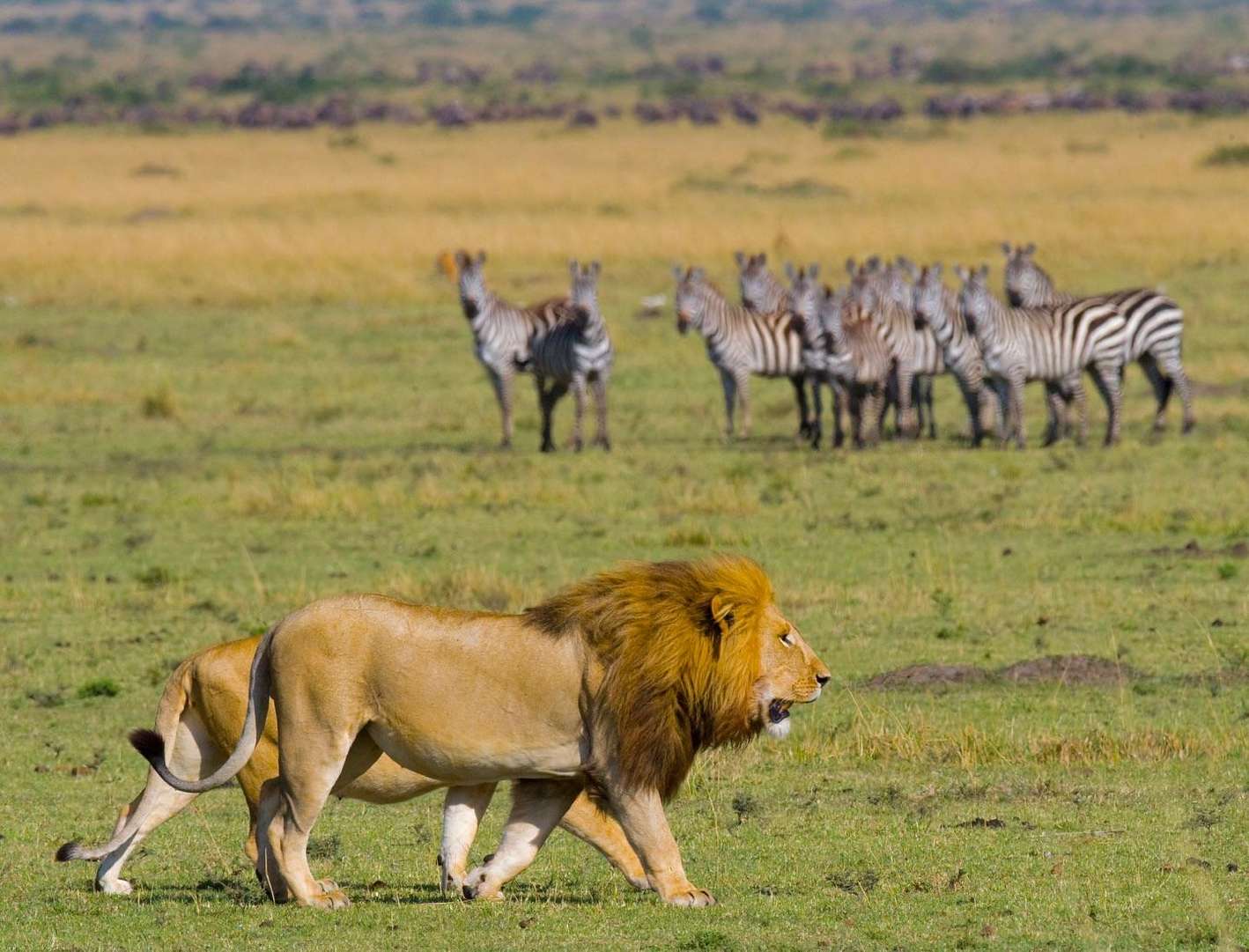
Book a Serengeti wildlife safari and stand on the open plains where 3,000 wild lions hunt. Guides radio each other to track down predators, so knowledgeable spotters put you close to lions and elephants. Choose a 3-day Big Five trip from Arusha and pick your camp or lodge option today.
"Huge thanks to Samuel, chef Martin and Patrick Silaa of Season Master Adventures! Serengeti and Ngorongoro were thrilling, we saw all Big 5! Asante sana, Fawaz from Kuwait."
4.6★average rating184traveler reviews100%free cancellation25countries travelers came from
Your Serengeti wildlife safari, sorted
A Serengeti safari comes in two main shapes: a multi-day overland route from Arusha that adds Ngorongoro Crater, or a short crater day trip when time is tight. The deciding difference is nights in the bush. Multi-day tours reach the big cat country deep in the park; day trips stay on the crater floor.
documentA passport valid for six months beyond your arrival, a blank page for stamps, and a Tanzanian visa are required, and some travelers must get visa approval before leaving home.
Apply for your e-Visa on the official Tanzania Immigration portal well before departure, check your passport date, and book with a return or onward ticket and proof of accommodation ready to show.
Which safari through the Serengeti's wildlife suits you?
Most popular
3 days·English
4.7(75)
Arusha: 3-Day Serengeti & Ngorongoro Crater Big Five Safari
The classic three days: Serengeti plus Ngorongoro, camping, all park fees in, from 75 travelers rating it 4.7.
Free cancellationHotel pickup includedBottled drinking water throughout the tour
Month by month, the park changes hands: dry-season game around shrinking waterholes, green-season dispersal, calving herds in the south early in the year. Pick your window first and the rest of the itinerary falls into place. This section walks through what each month delivers and who it suits, from dust-seeking photographers to green-season birders.
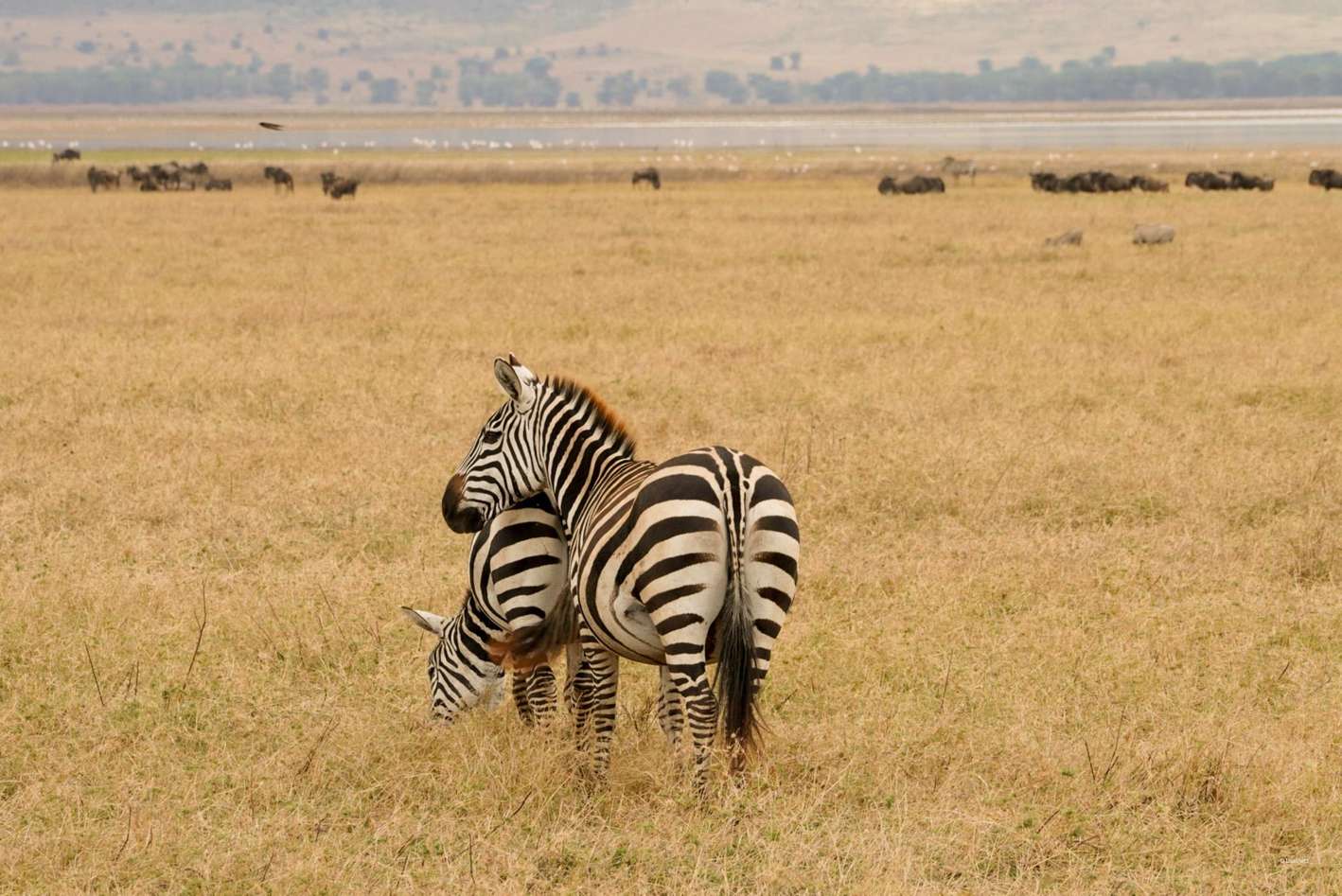
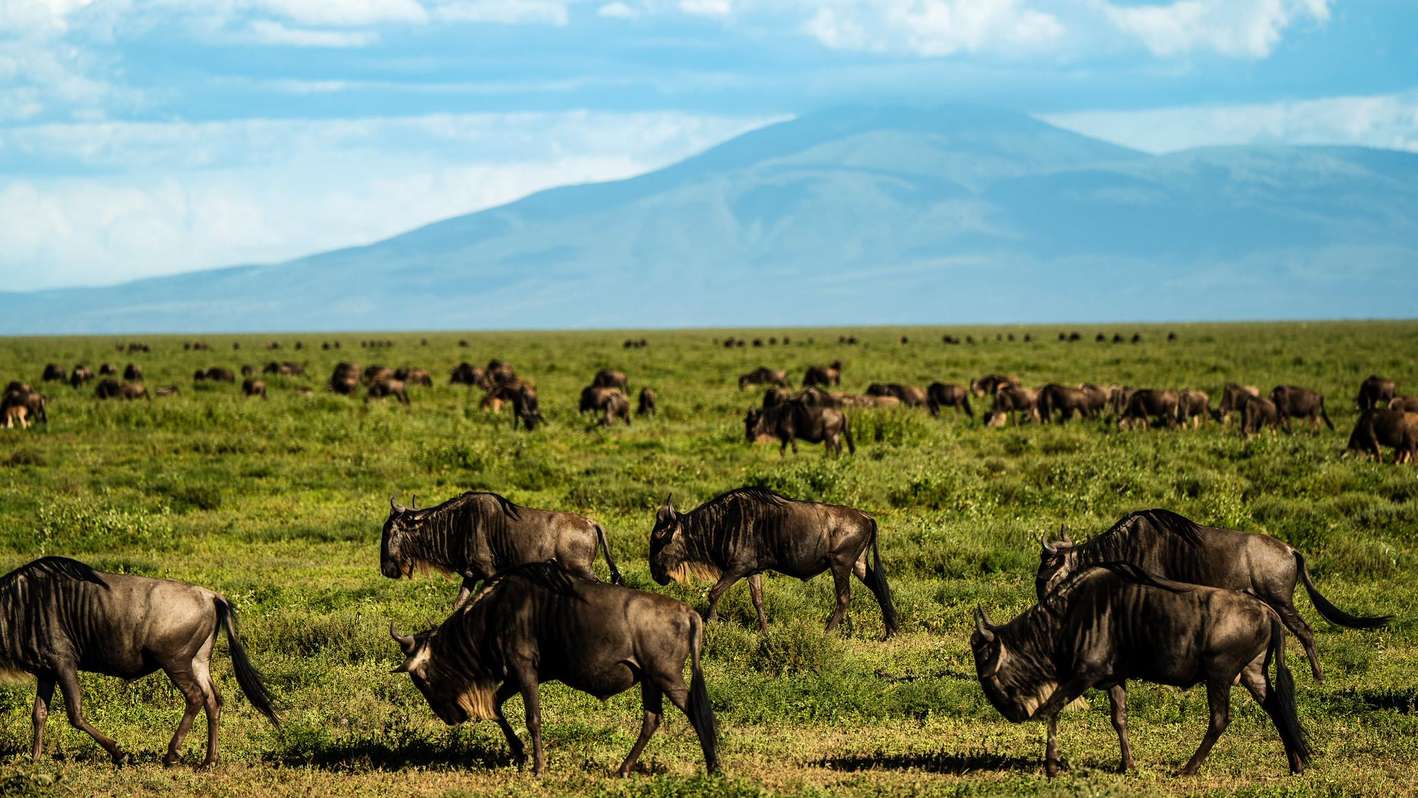
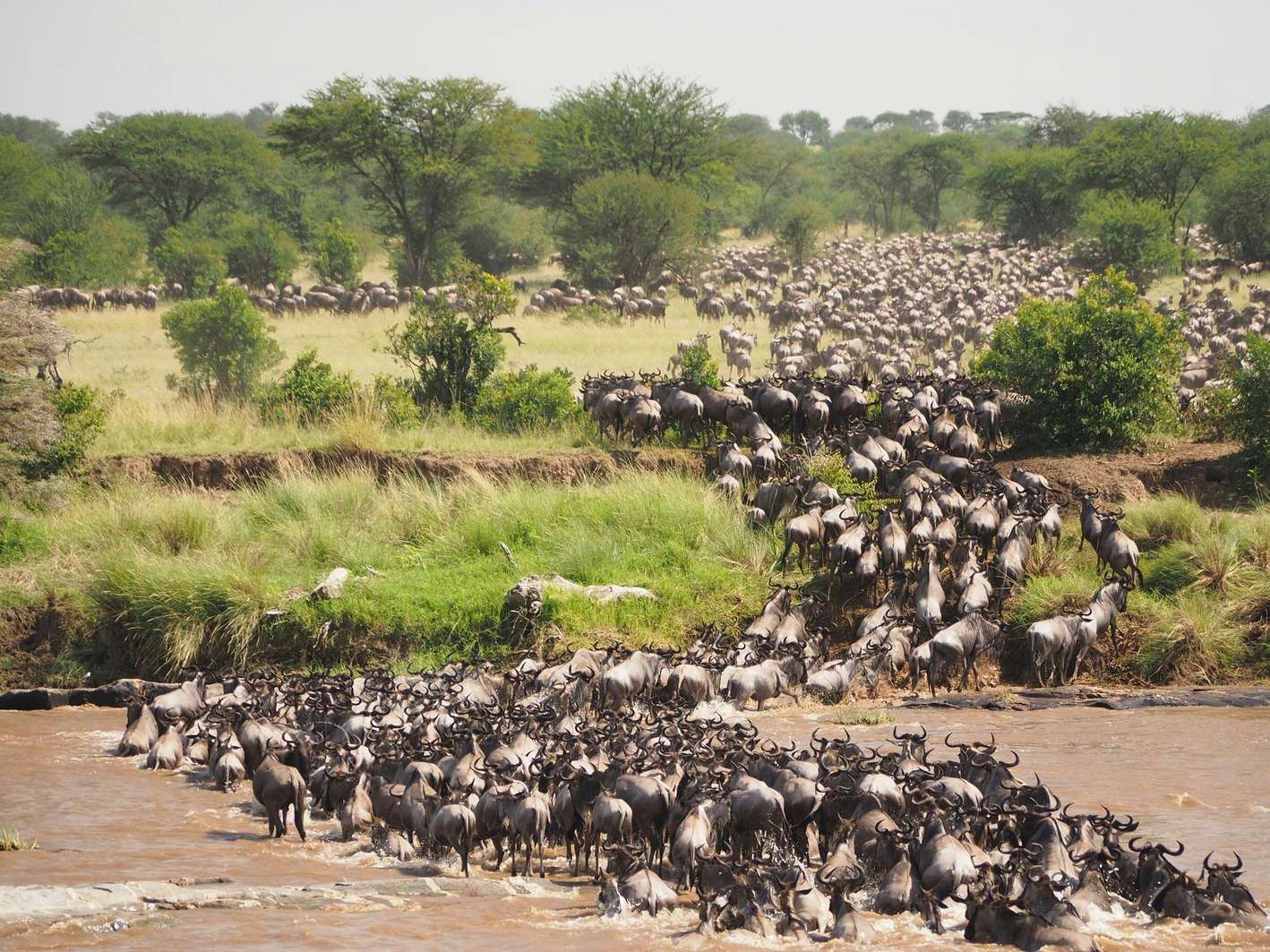
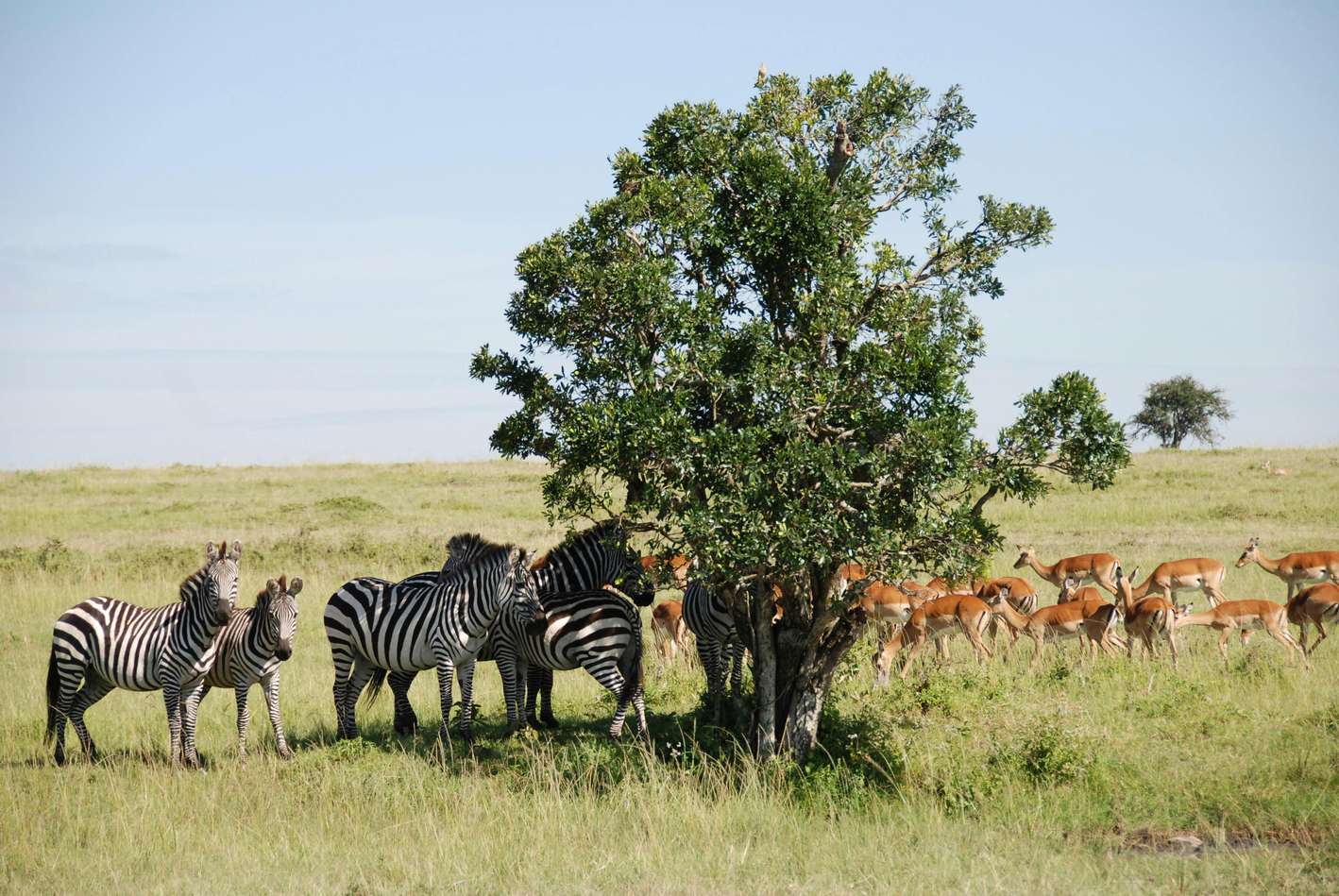
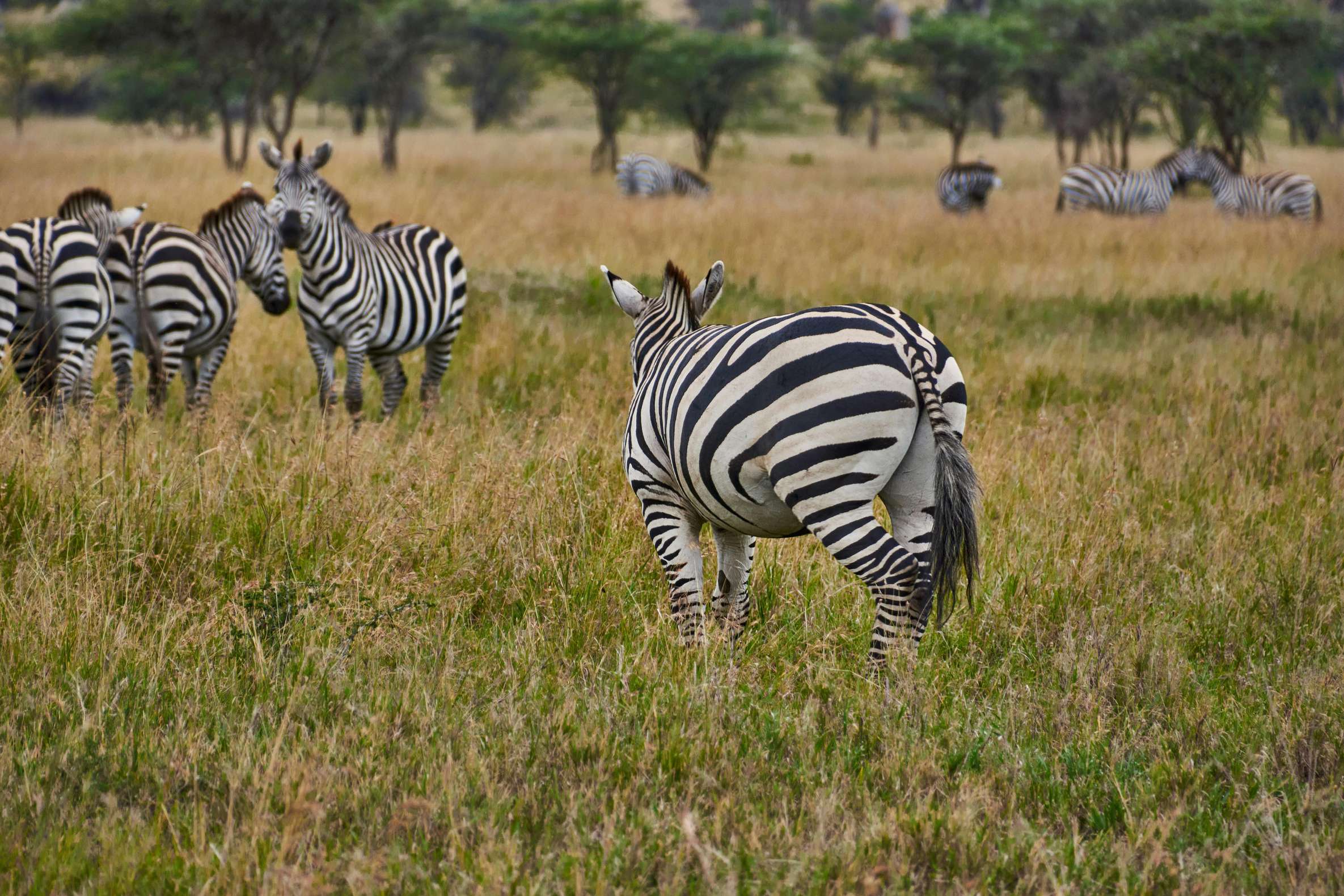
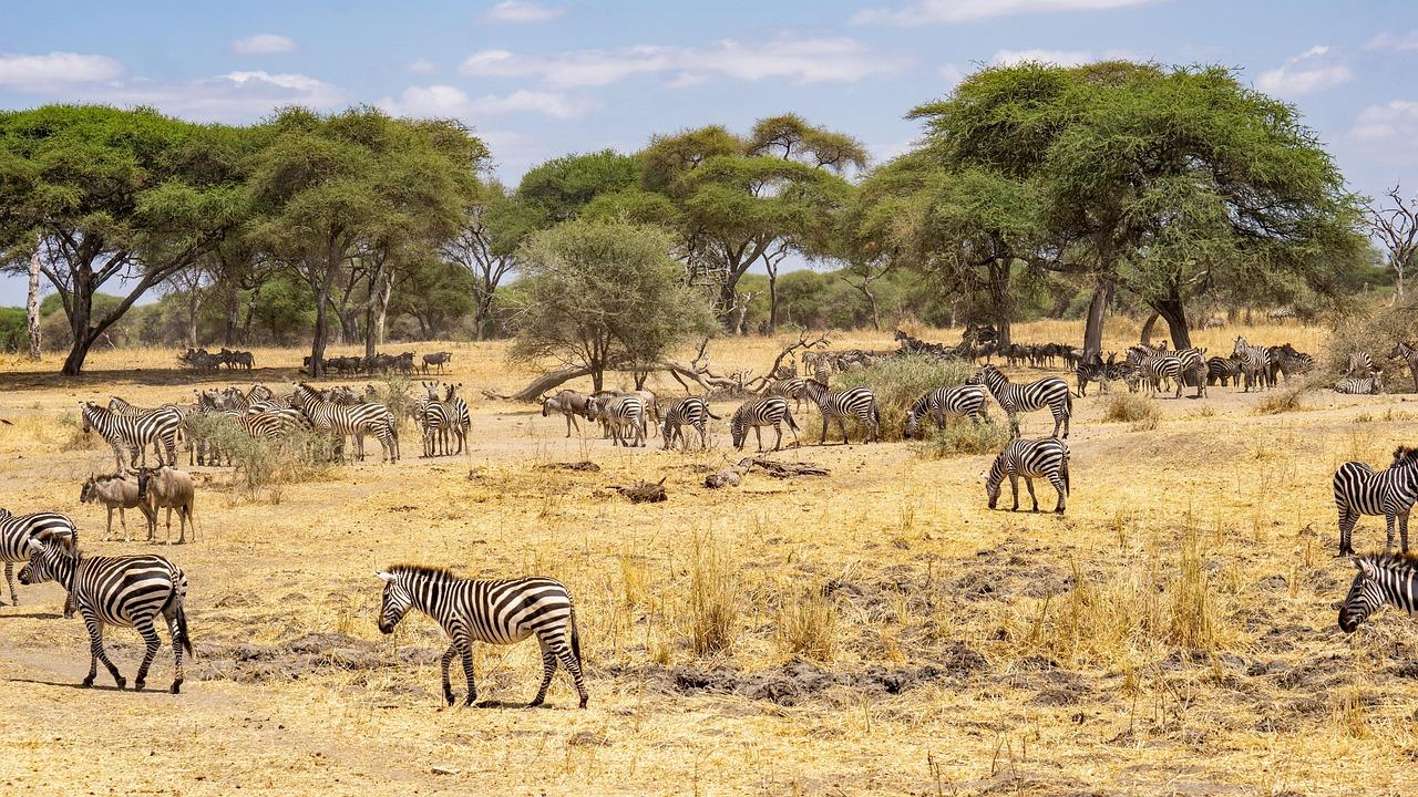
Roughly two million wildebeest and zebra move across the plains in a slow circle, and guides on vehicle radio track the herds for you.
Some tours camp near the calving grounds in January and February; others follow the river crossings mid-year. It suits anyone who wants the migration as the main event of a Serengeti wildlife safari.
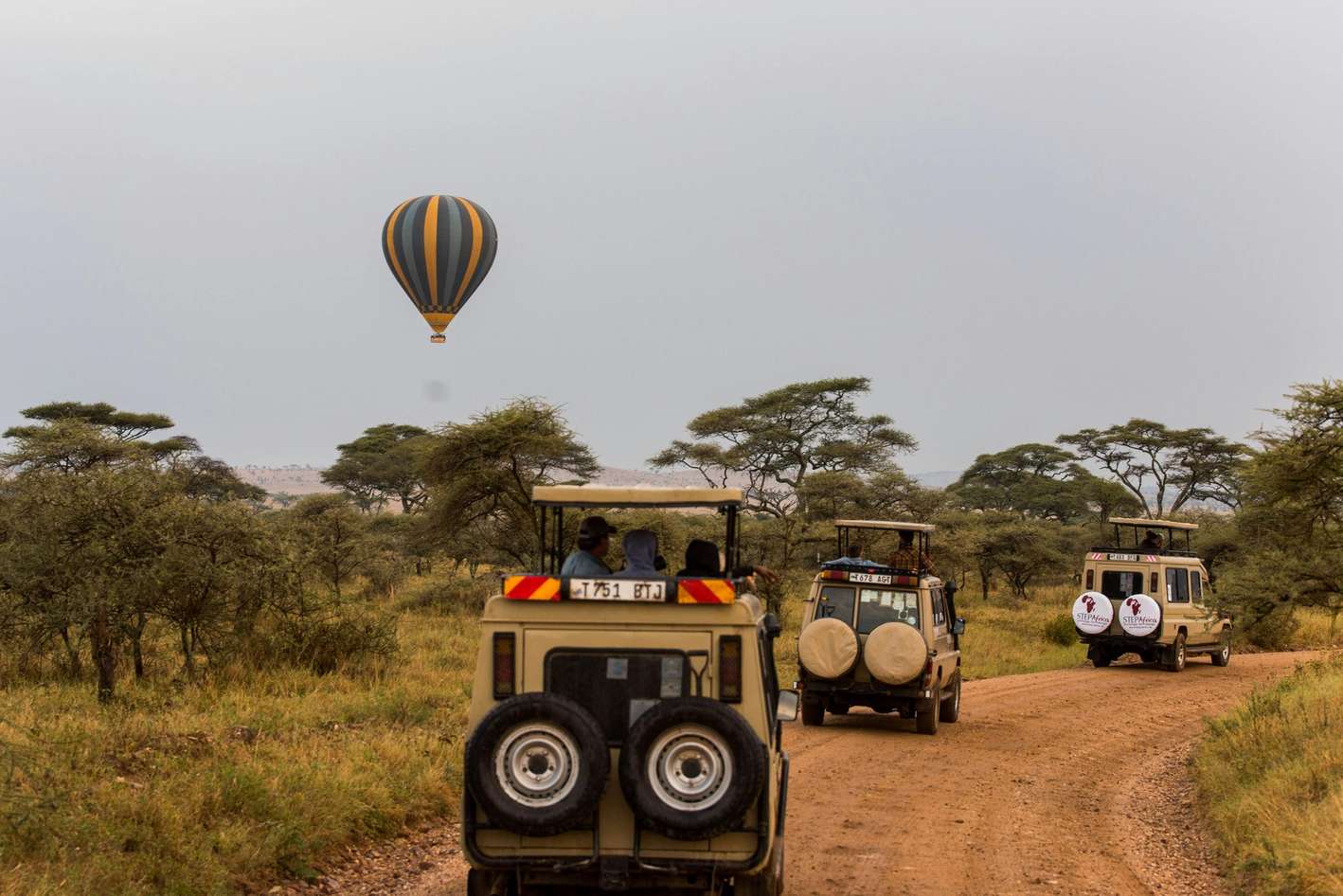
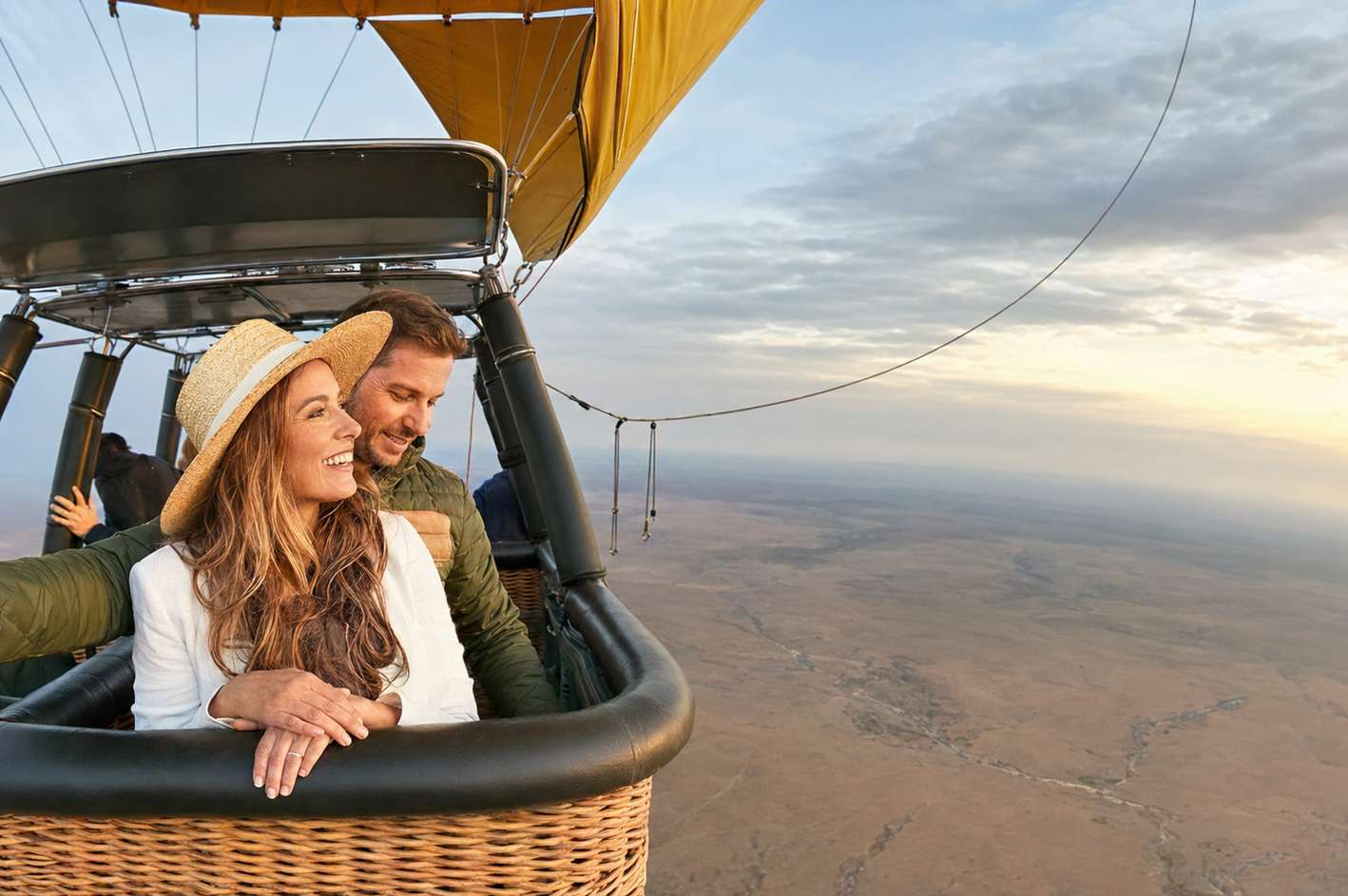
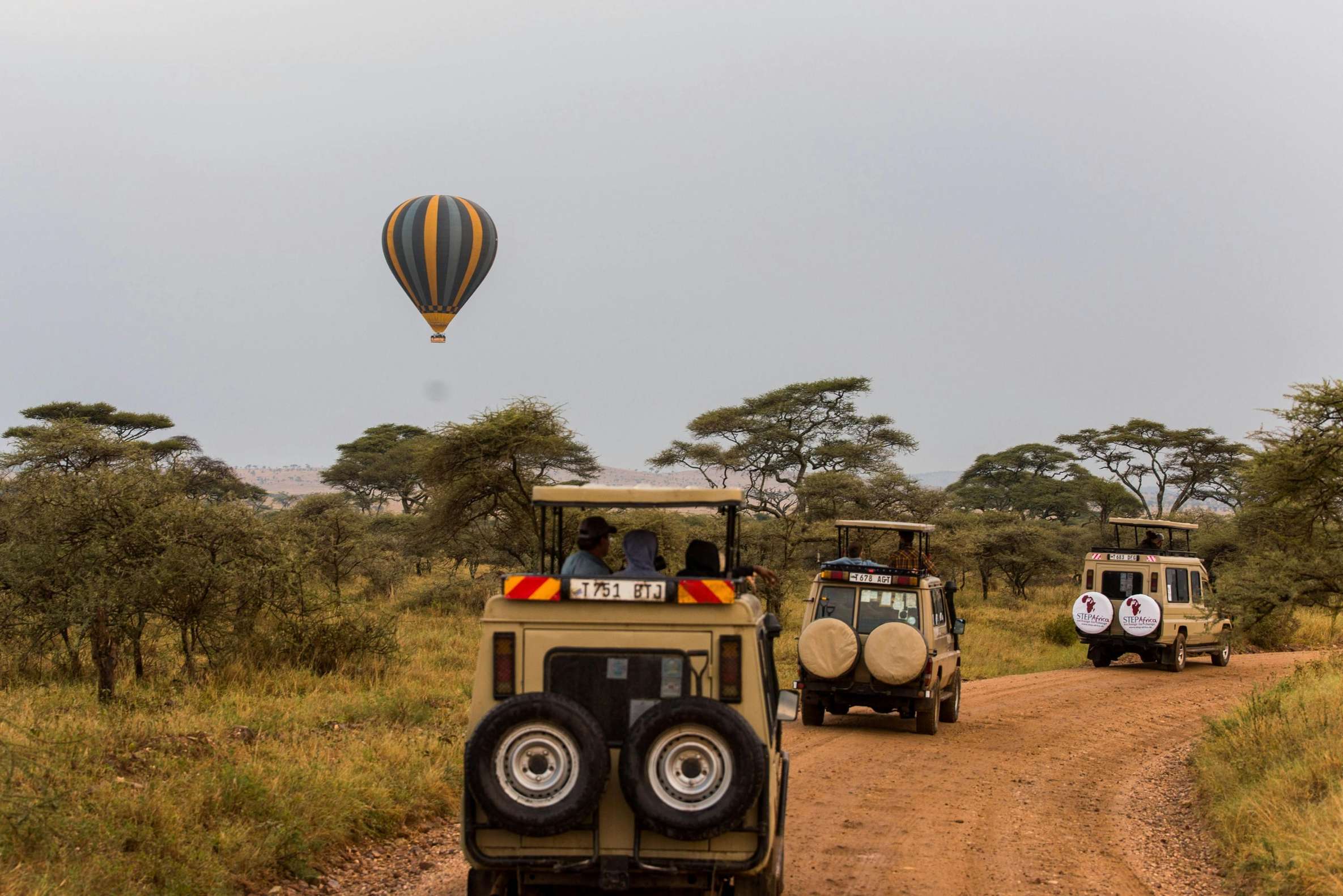
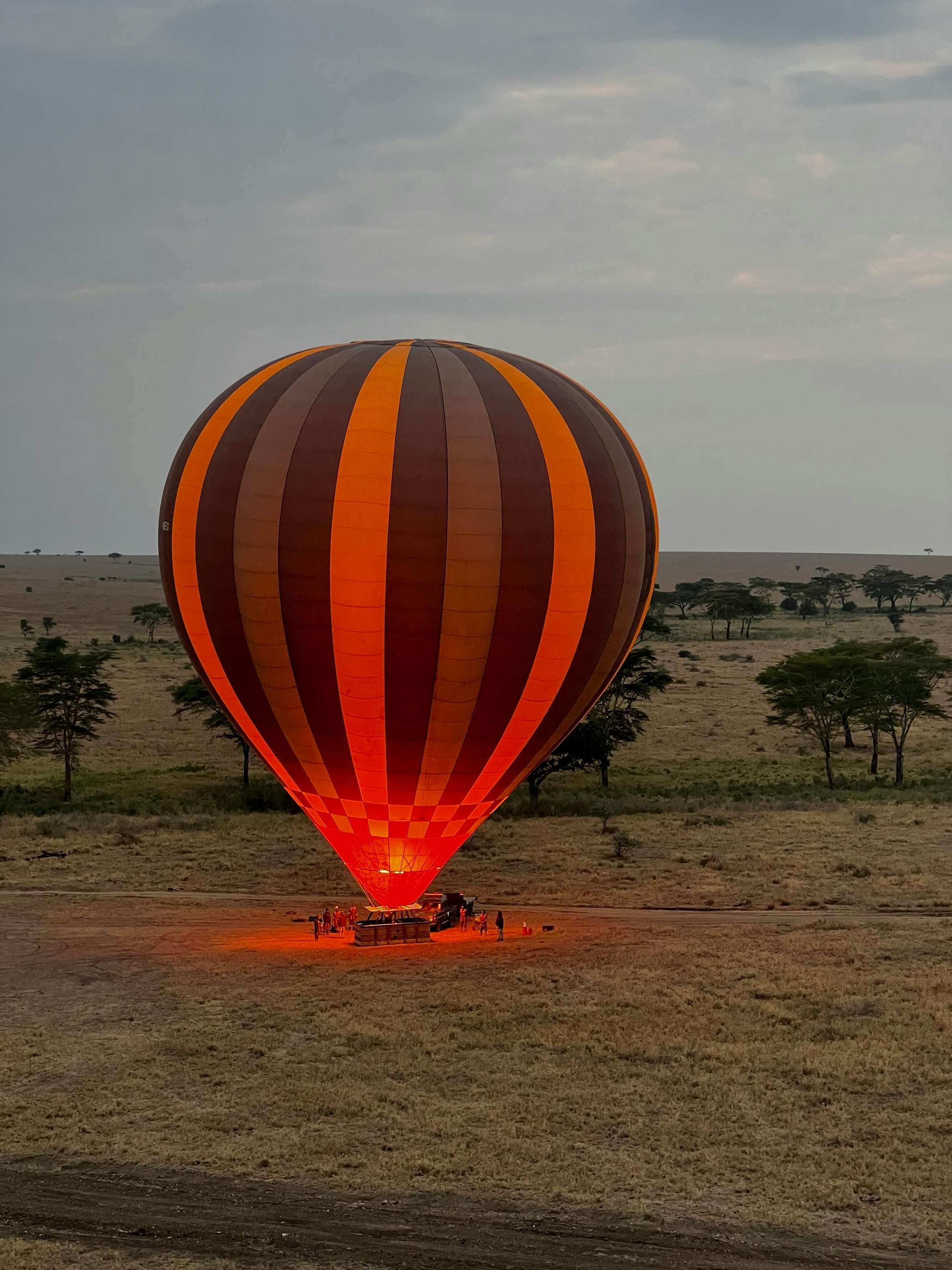
Pickup comes at about 4:30 am, then the balloon lifts you over the plains at sunrise, where lions and hyenas sometimes hunt in view below.
Balloons fly in fixed zones and cannot steer toward the herds, so migration views from the air are never guaranteed. It suits travelers marking an occasion who can absorb the extra cost.
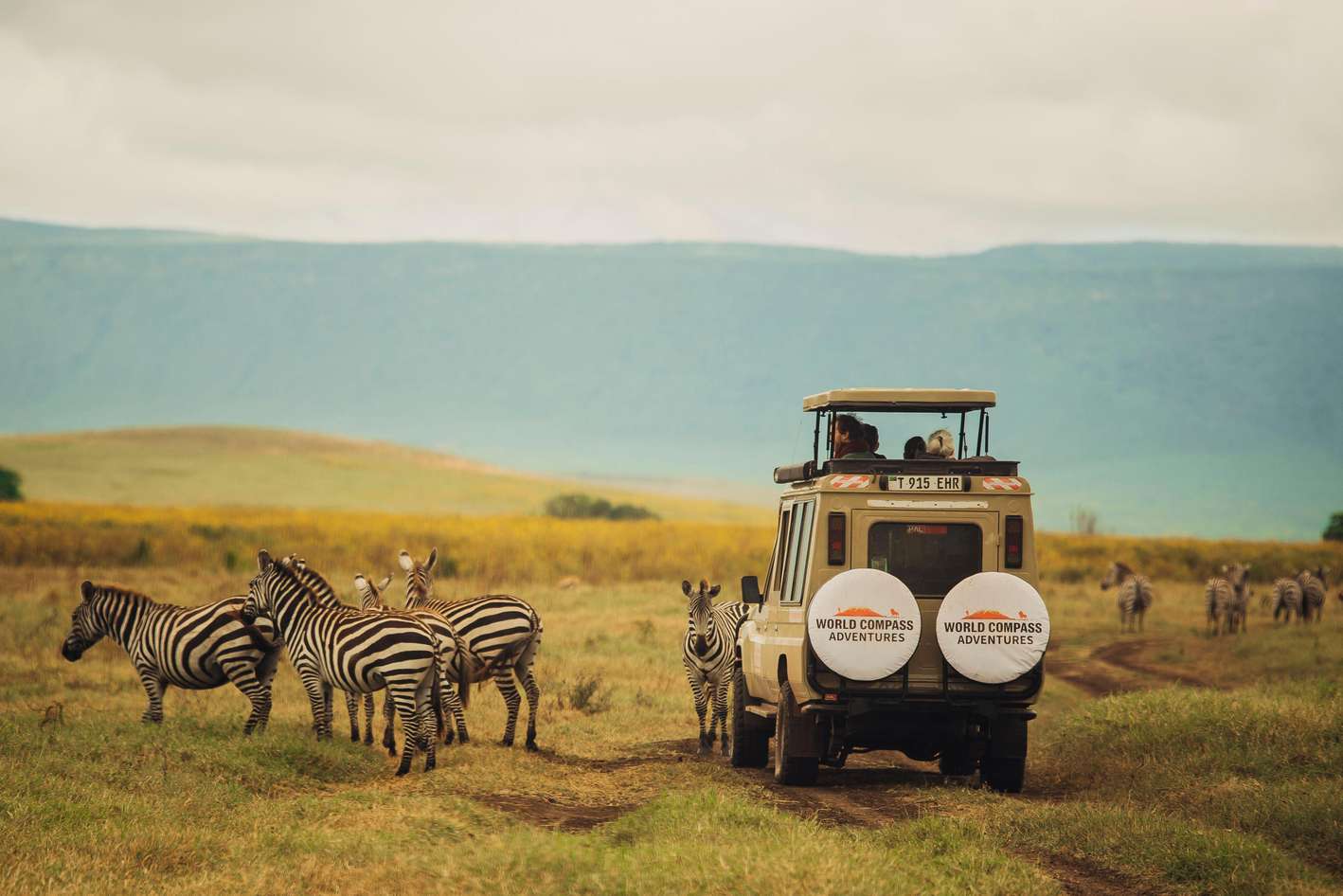
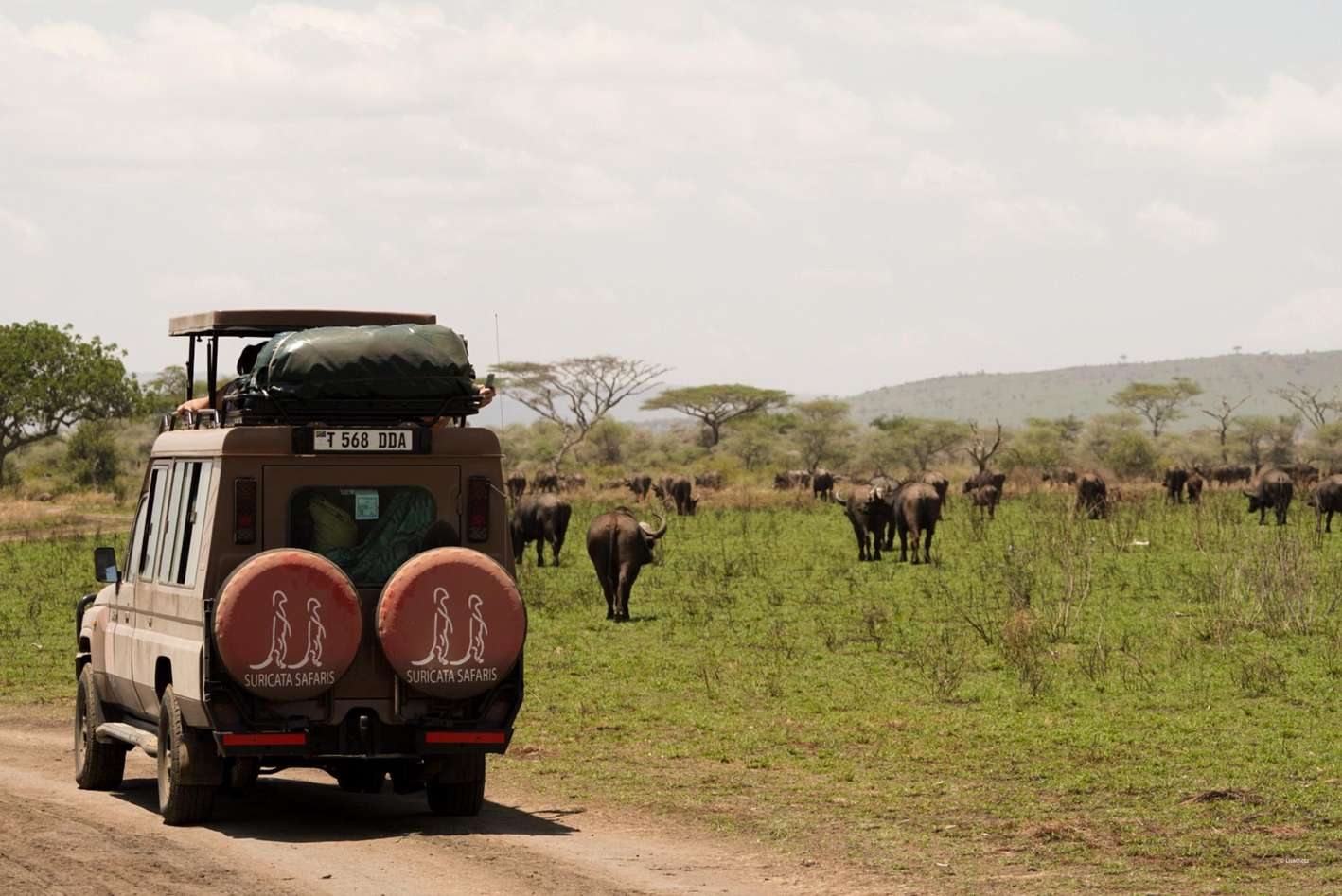
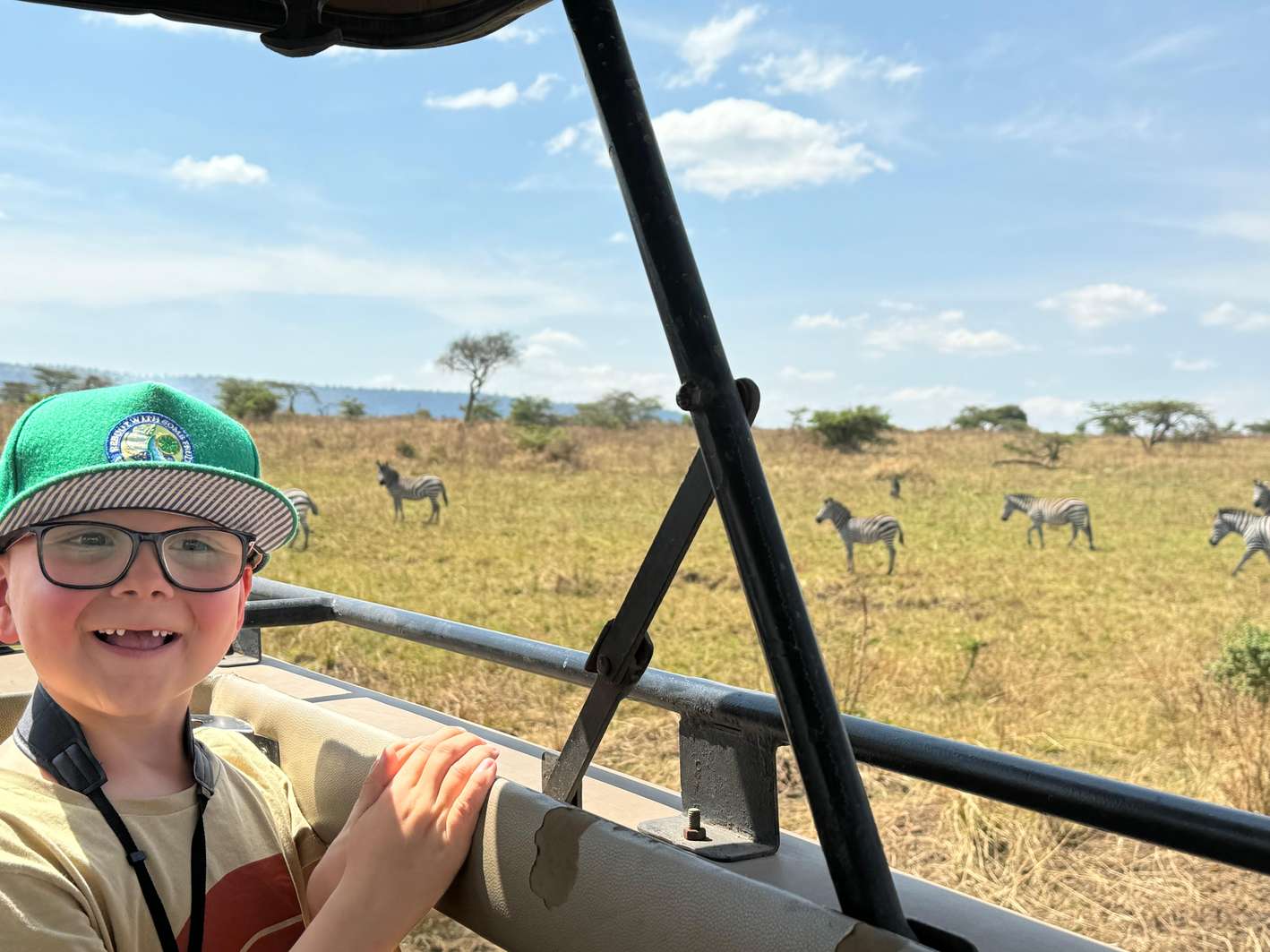
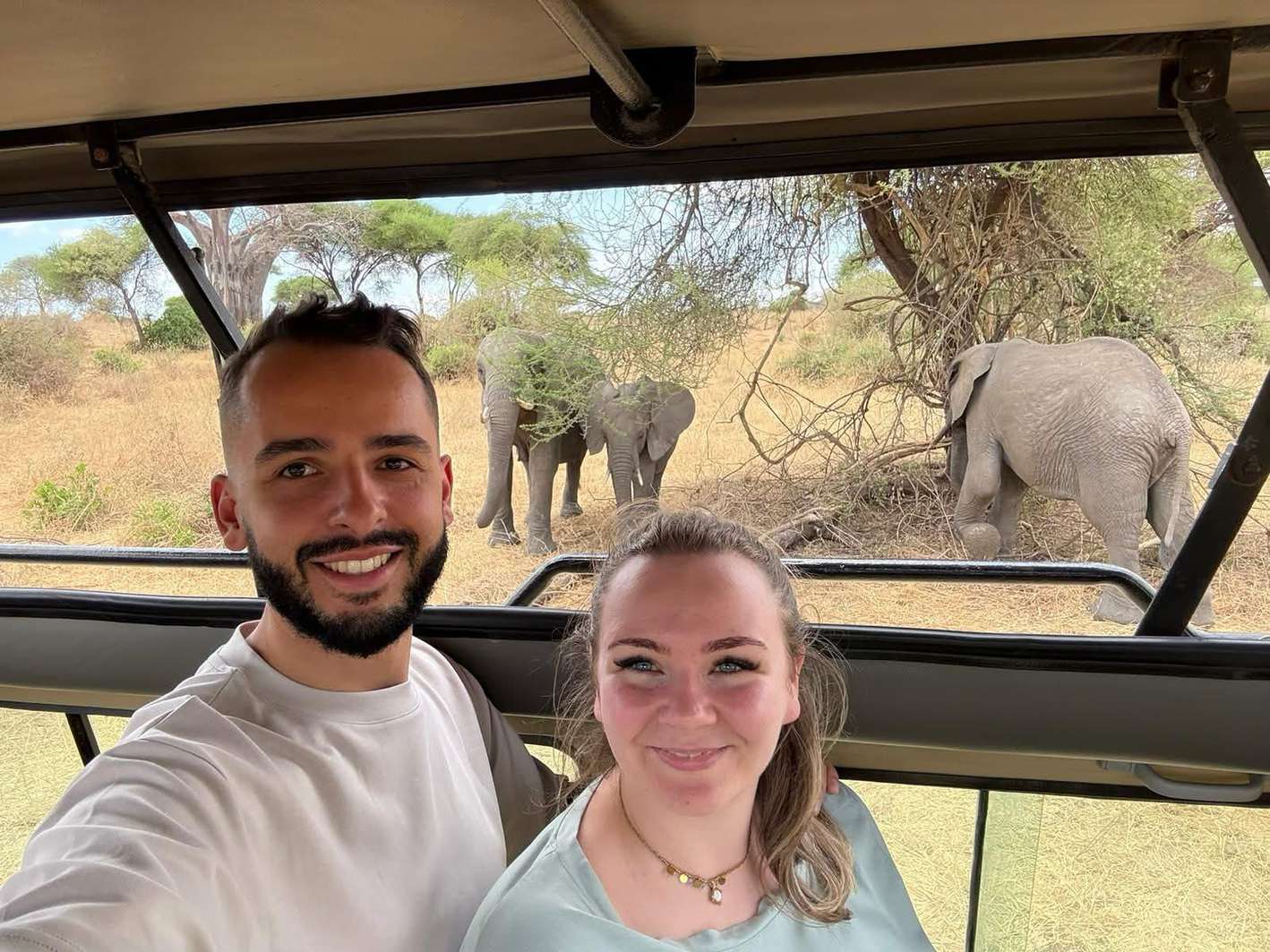
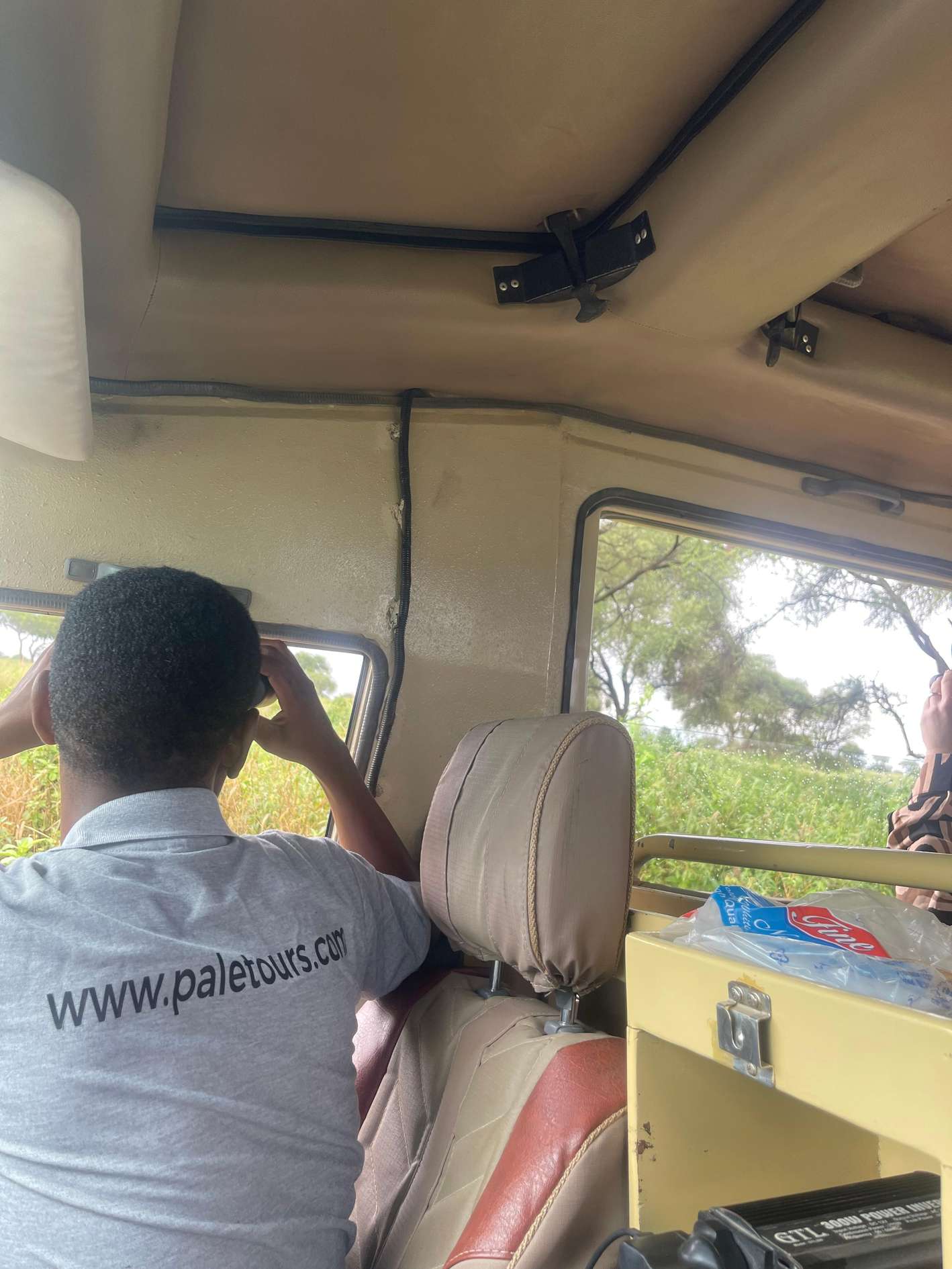
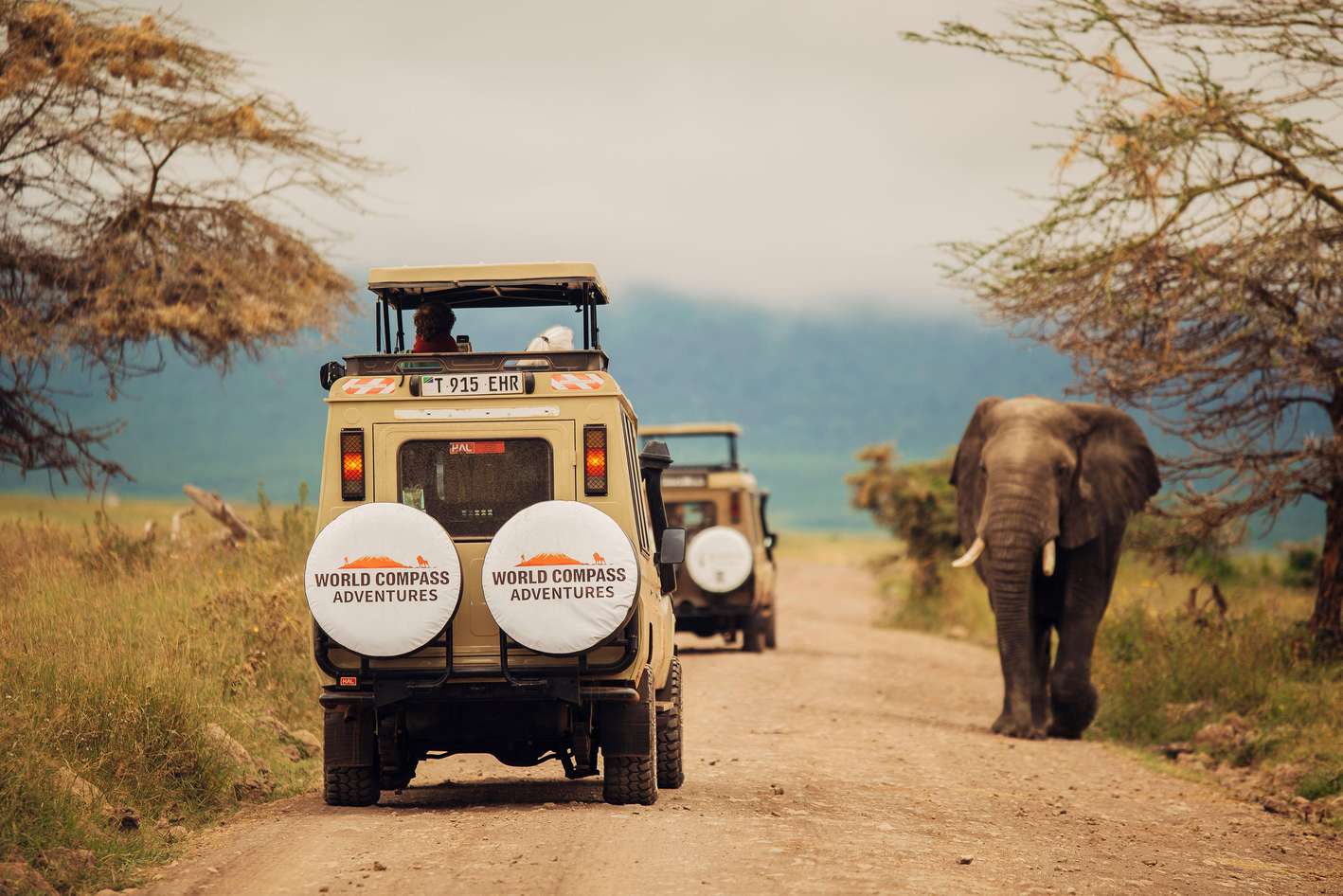
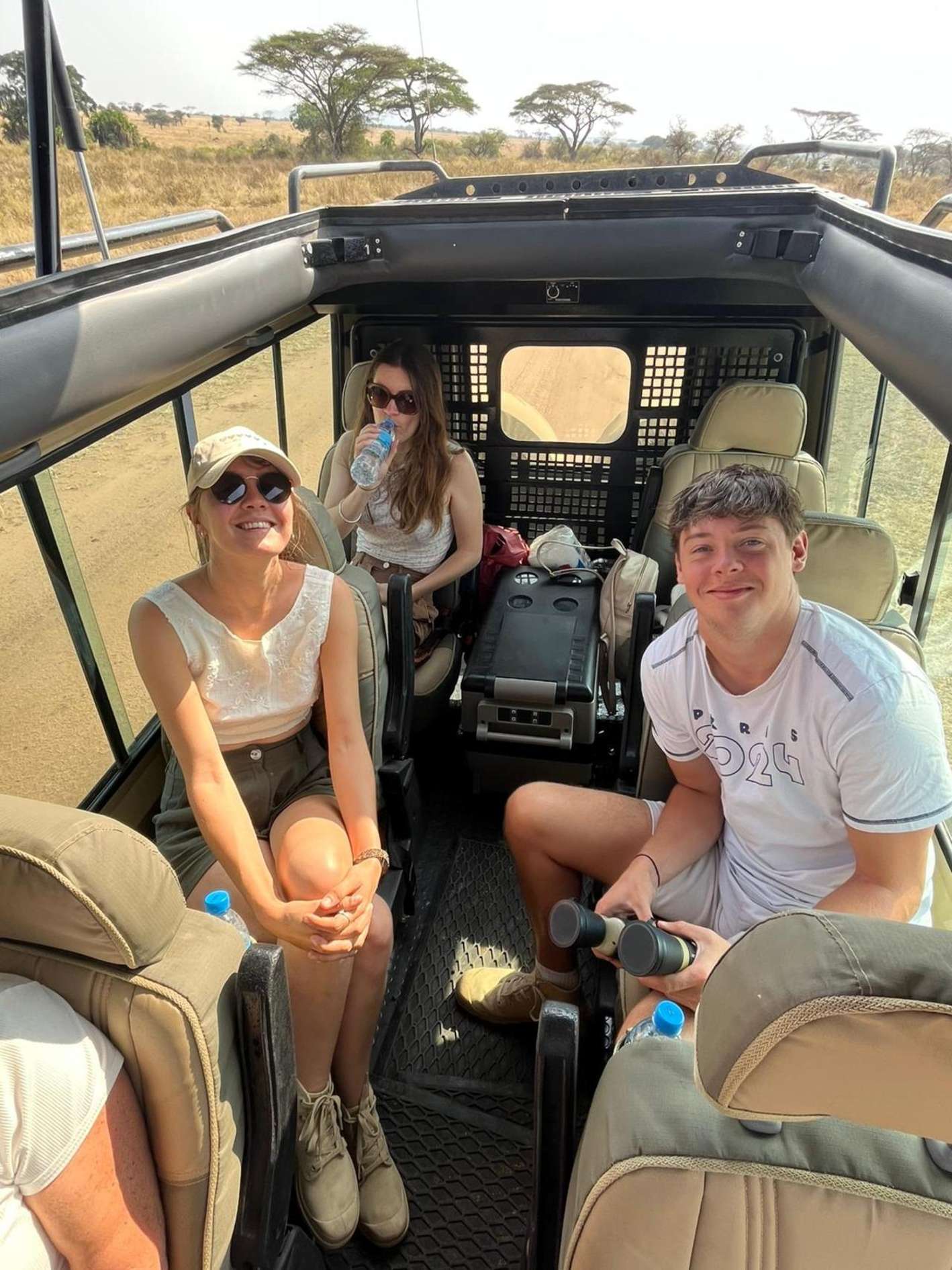
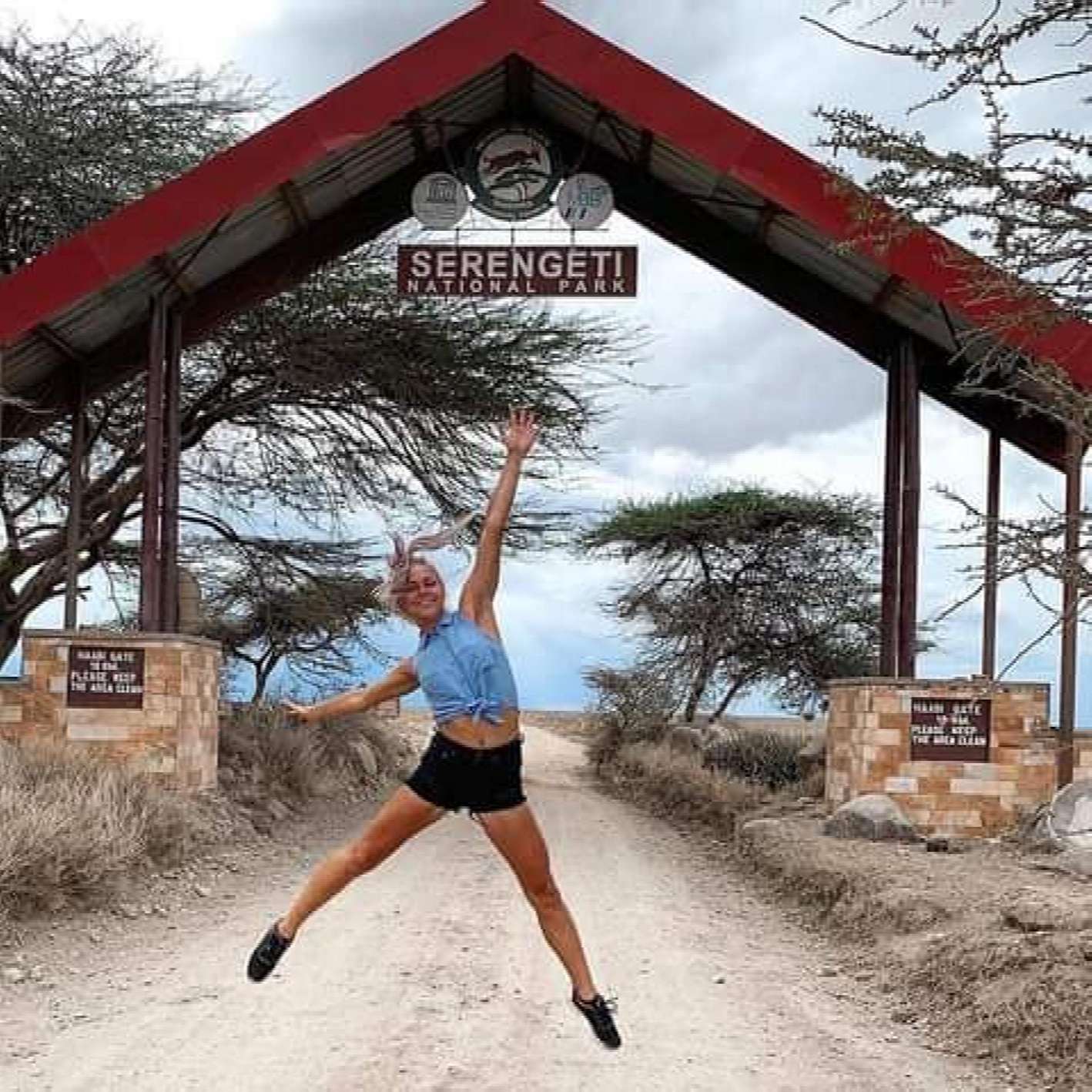
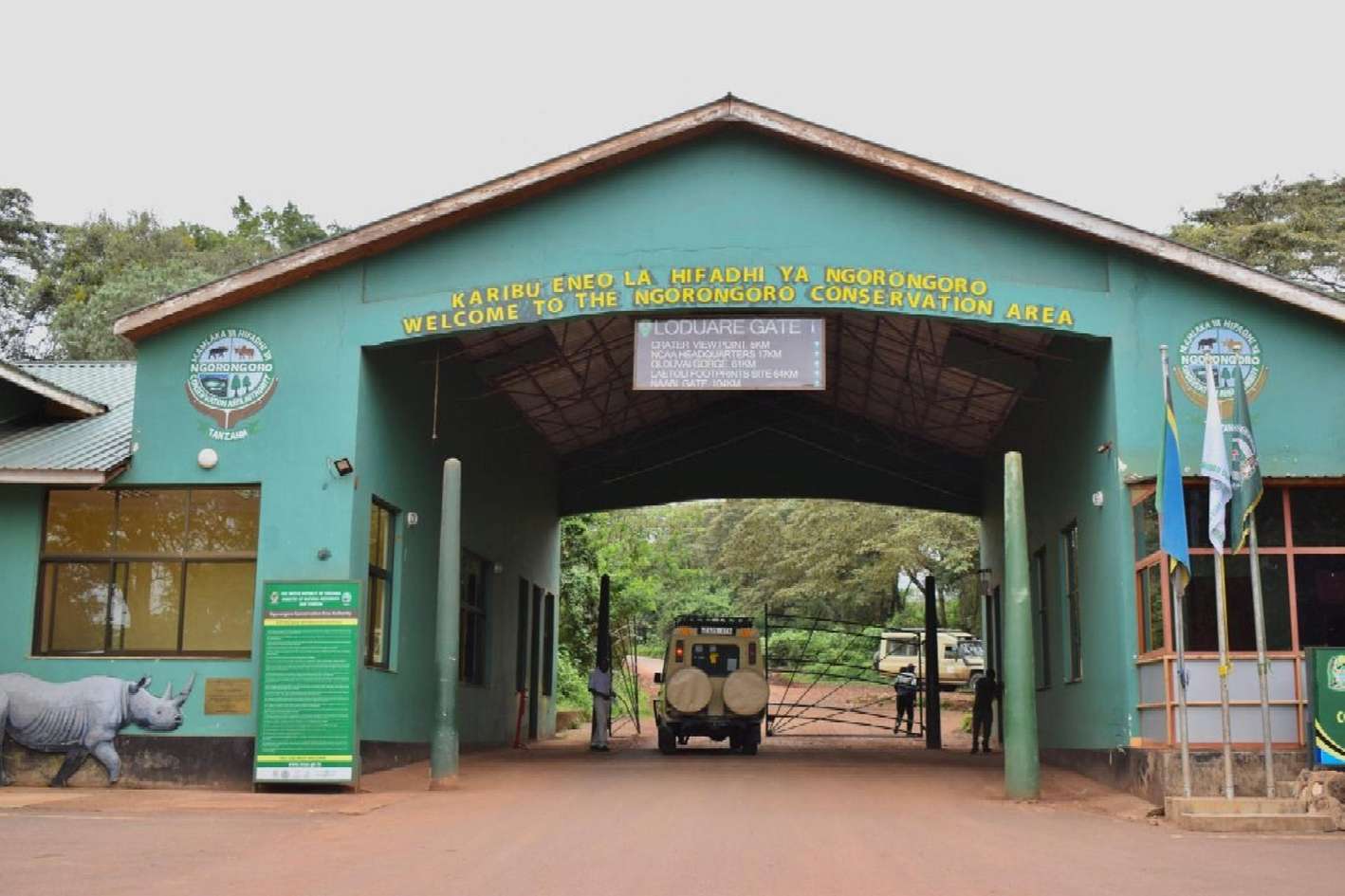
Overland tours start with pickup in Arusha between 6 am and 7 am, then a 4x4 Land Cruiser with a pop-up roof carries you through the Ngorongoro Highlands to the park gate.
The road past Naabi Hill is unpaved and rough, so settle in for the ride. It suits anyone combining Tarangire, Ngorongoro and the Serengeti in one loop.
A wildlife safari in the Serengeti - what you'll see and everything included
4 stops12 places
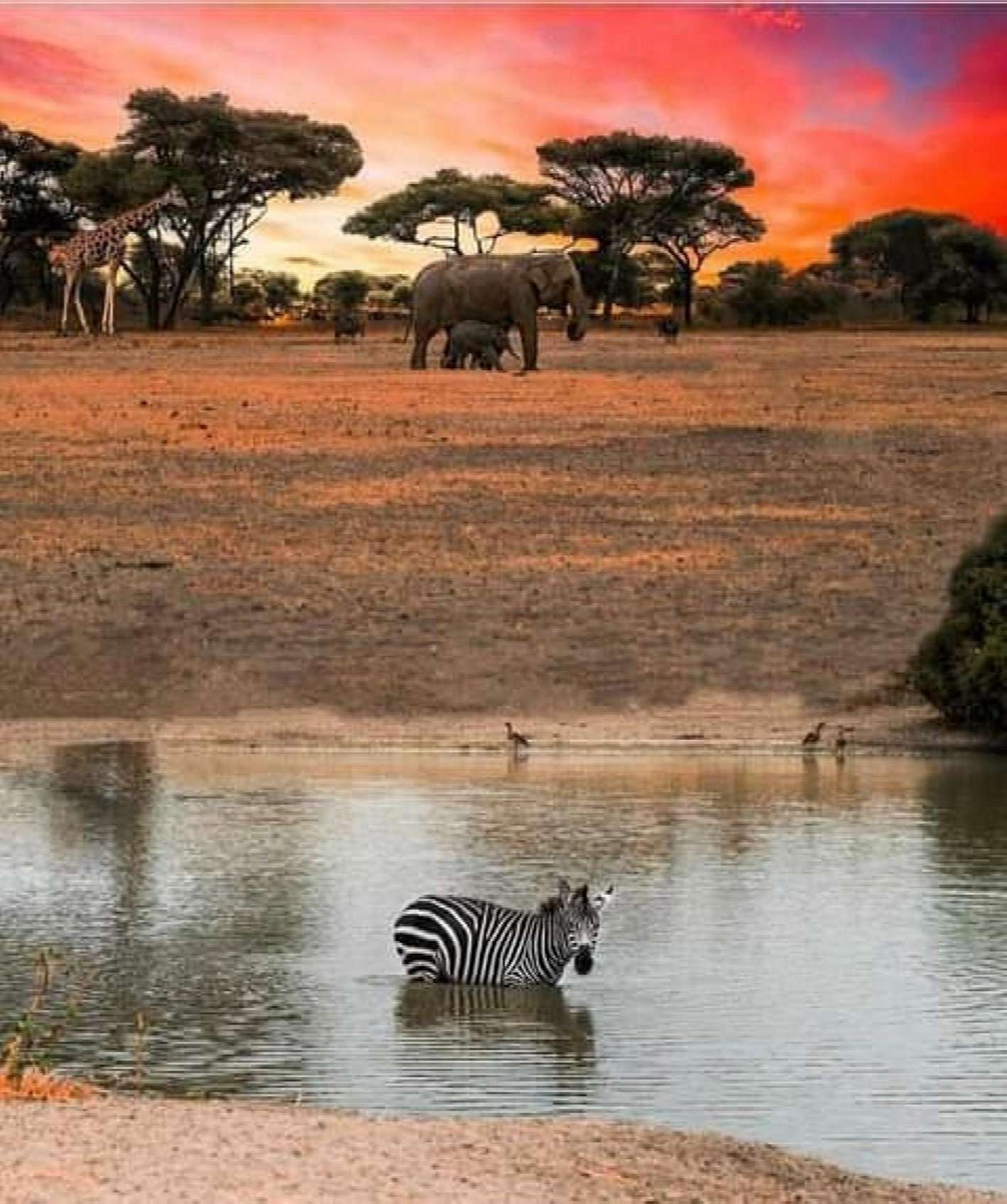
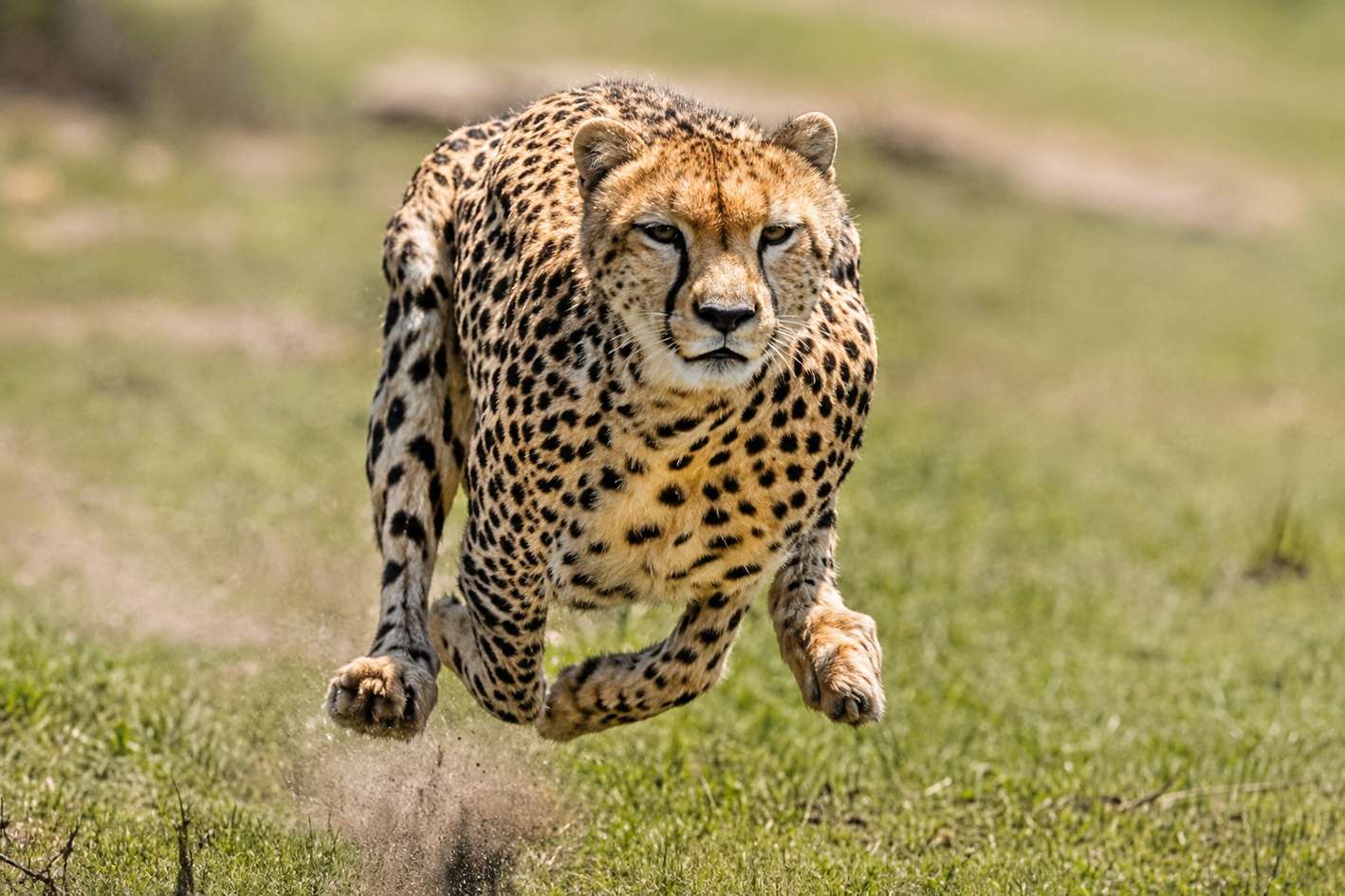
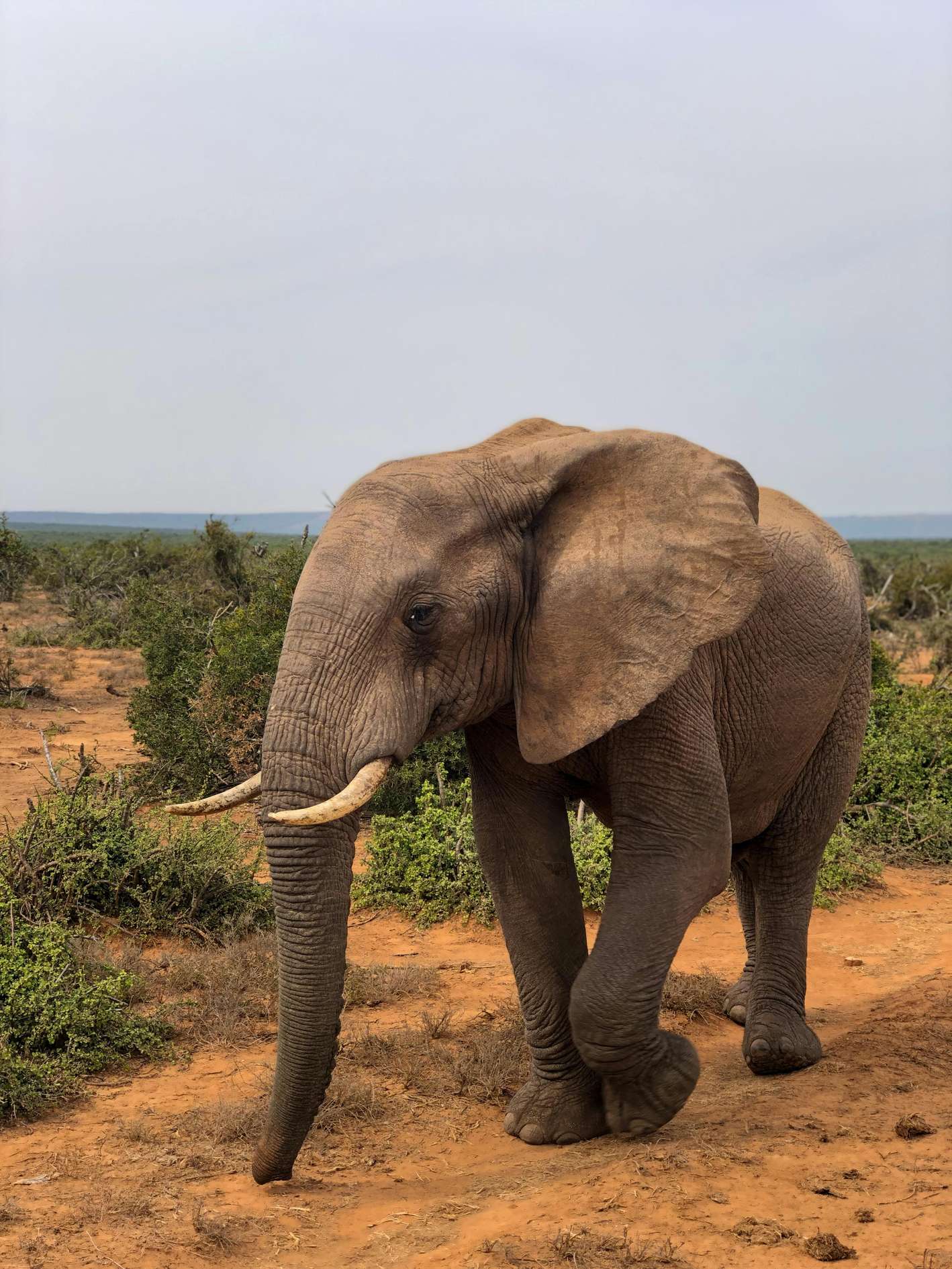
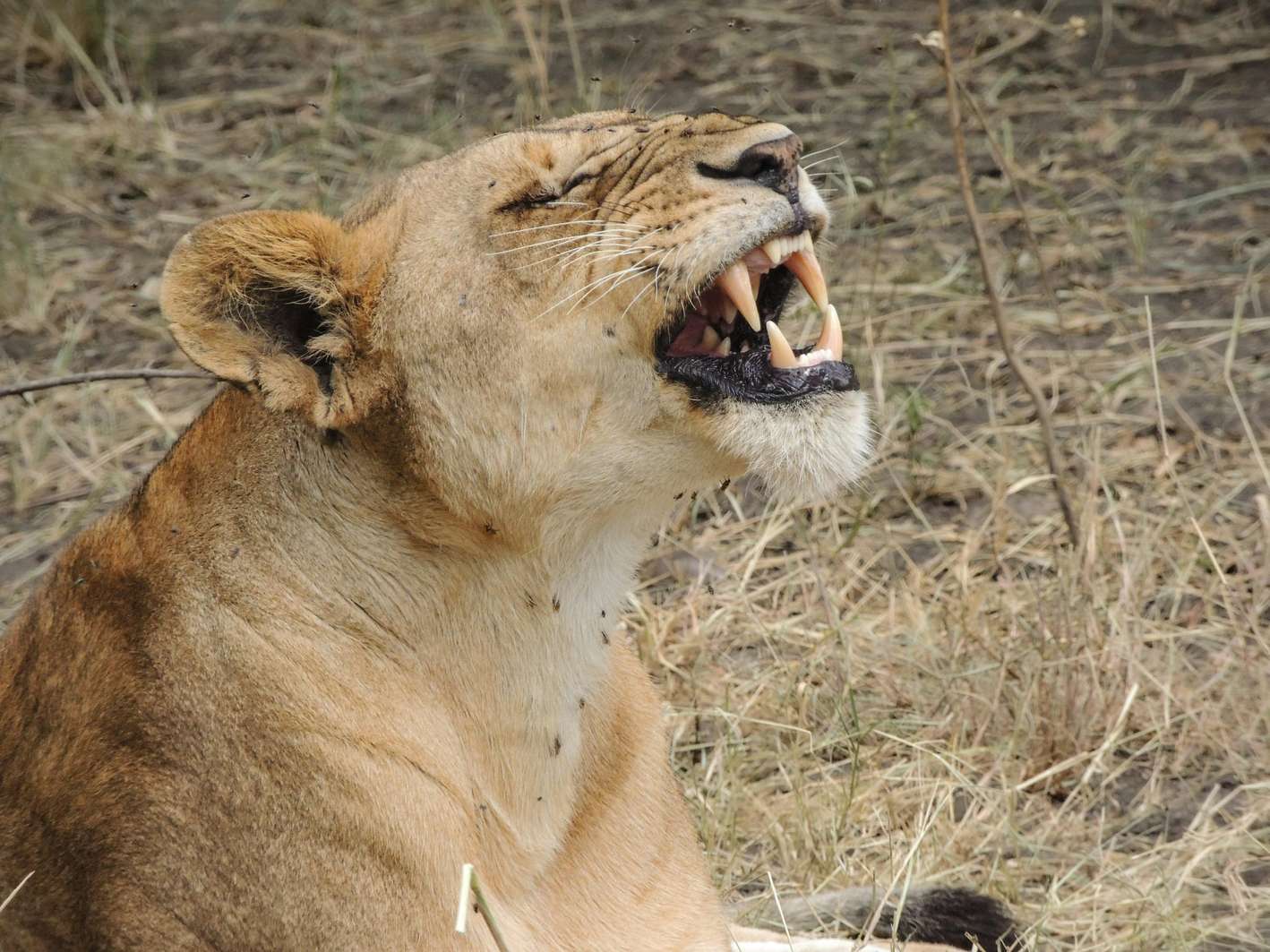
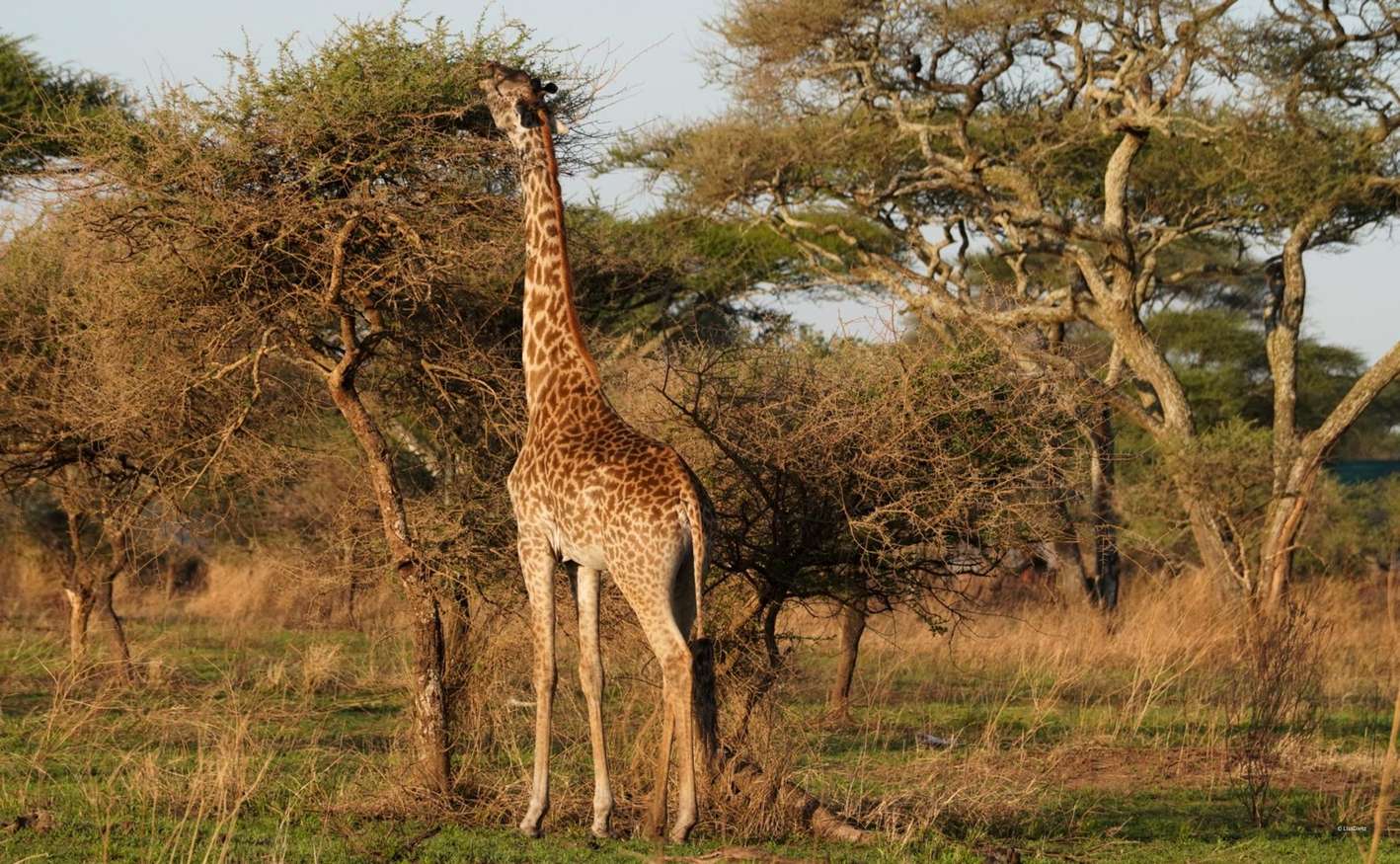
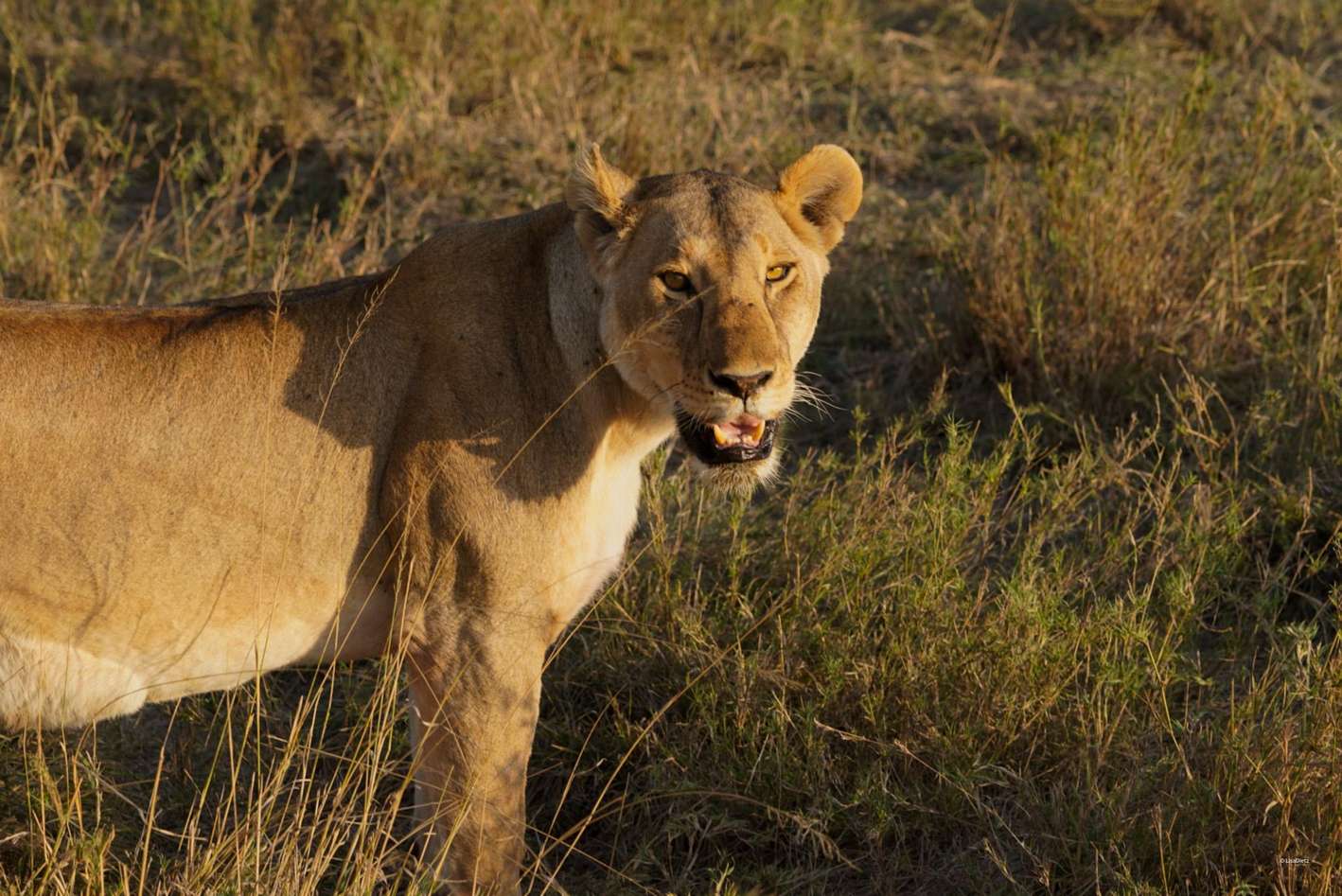
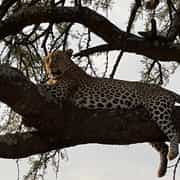
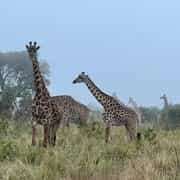
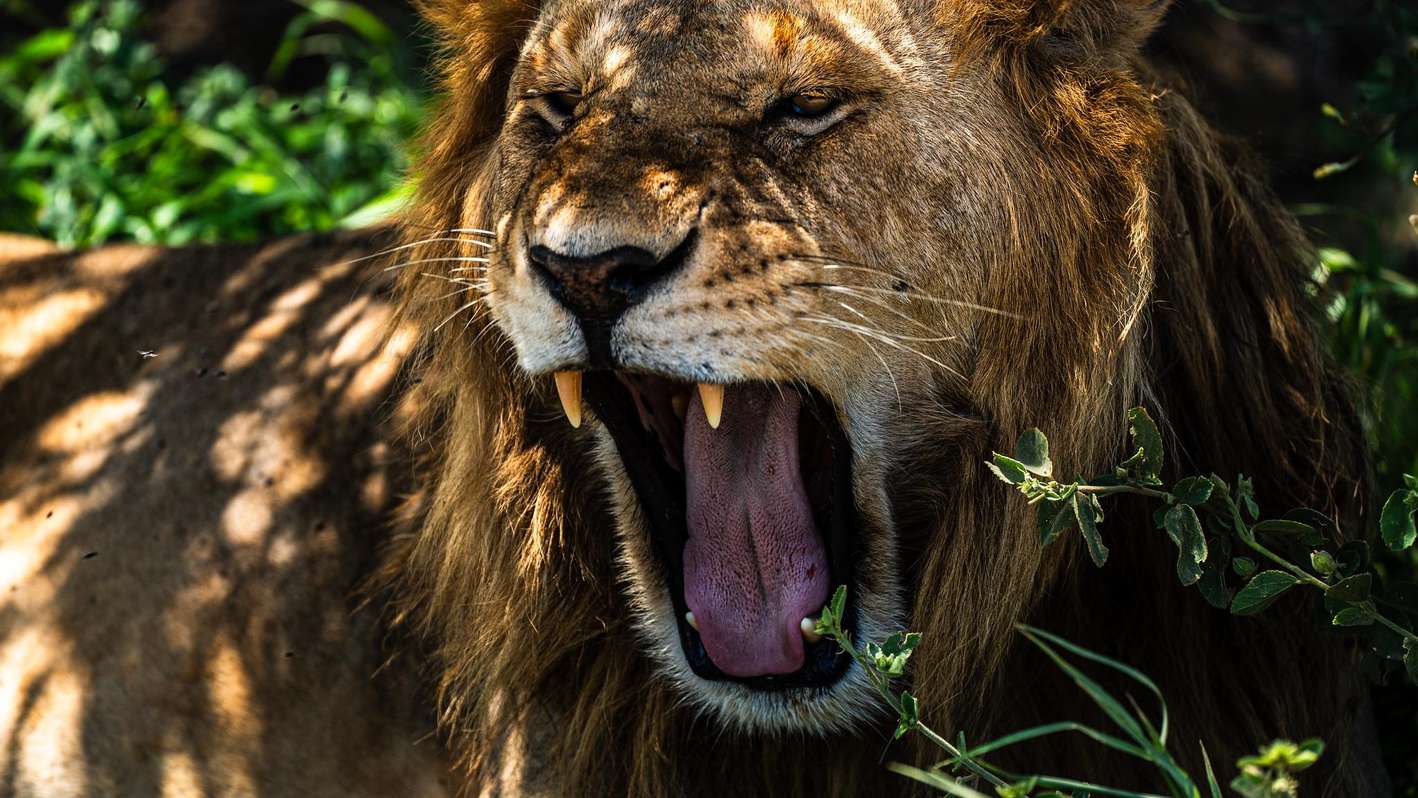
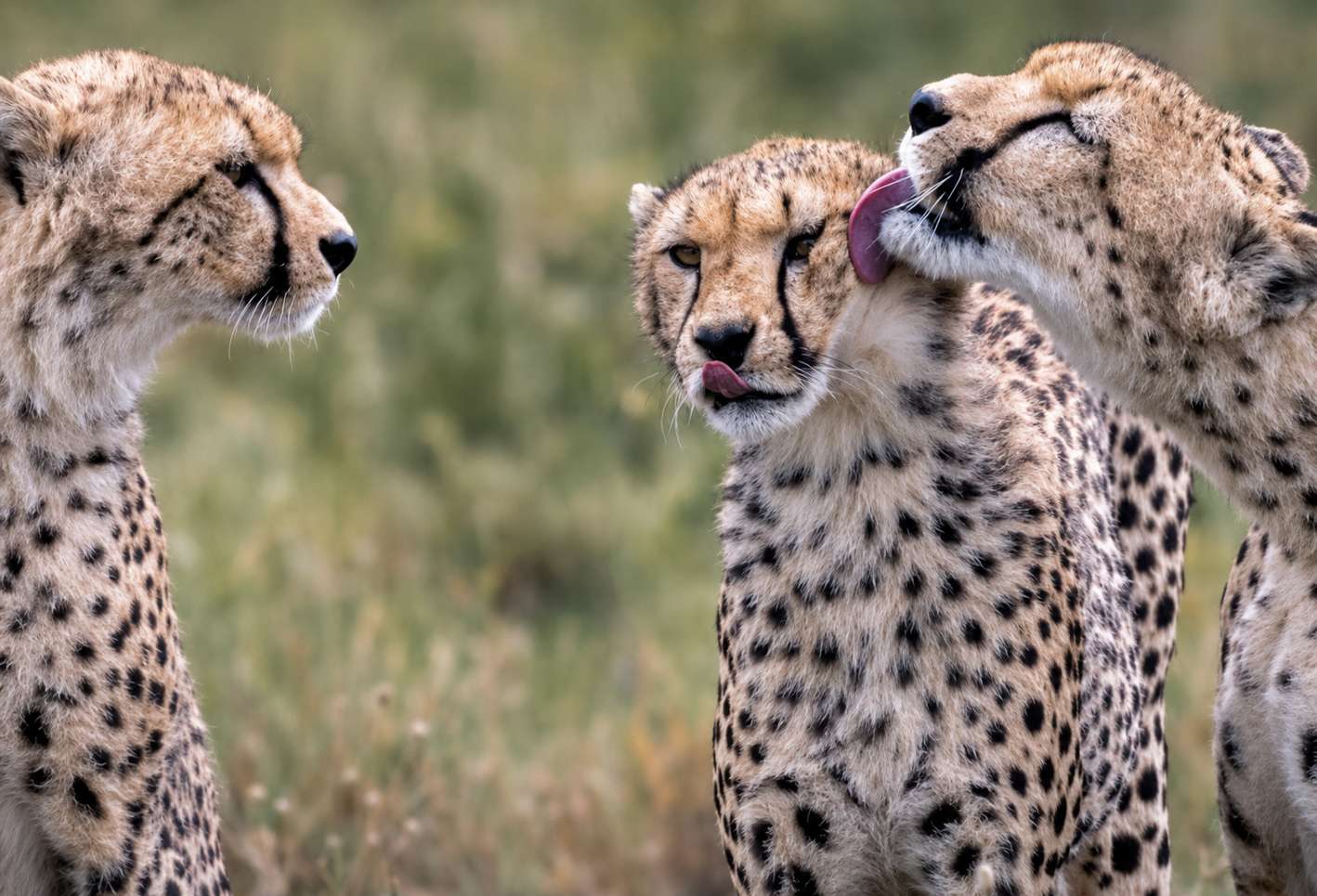
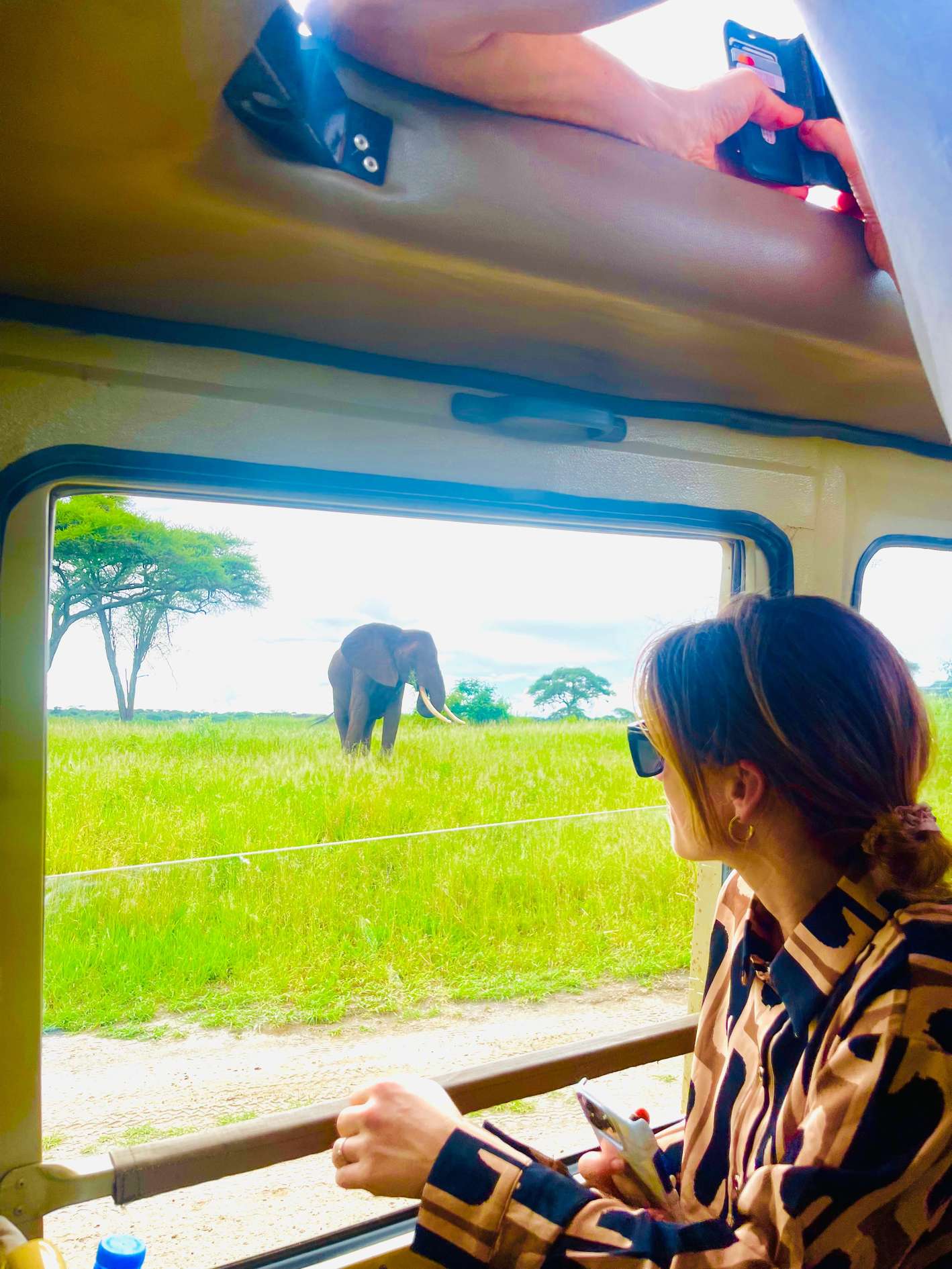
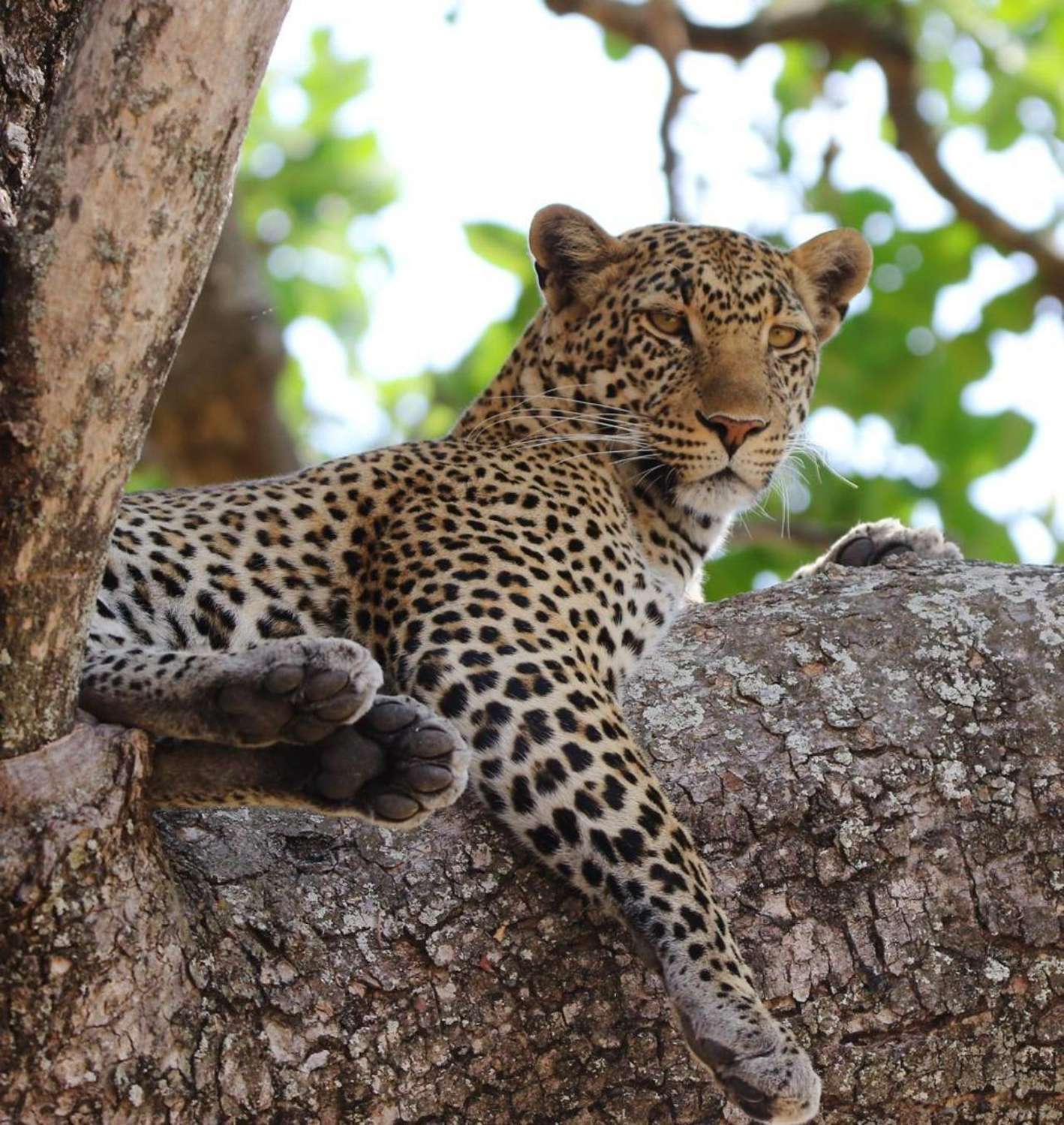
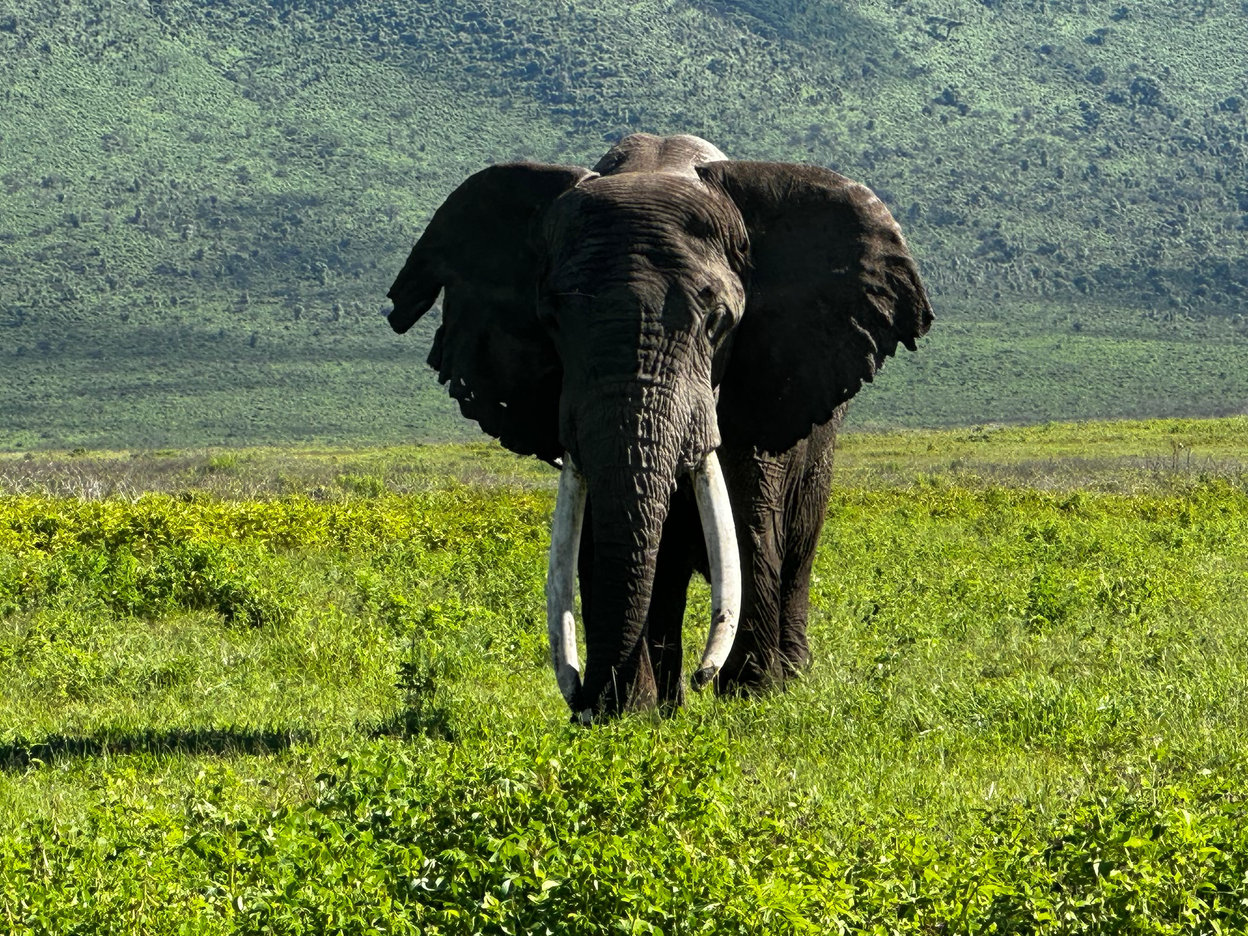
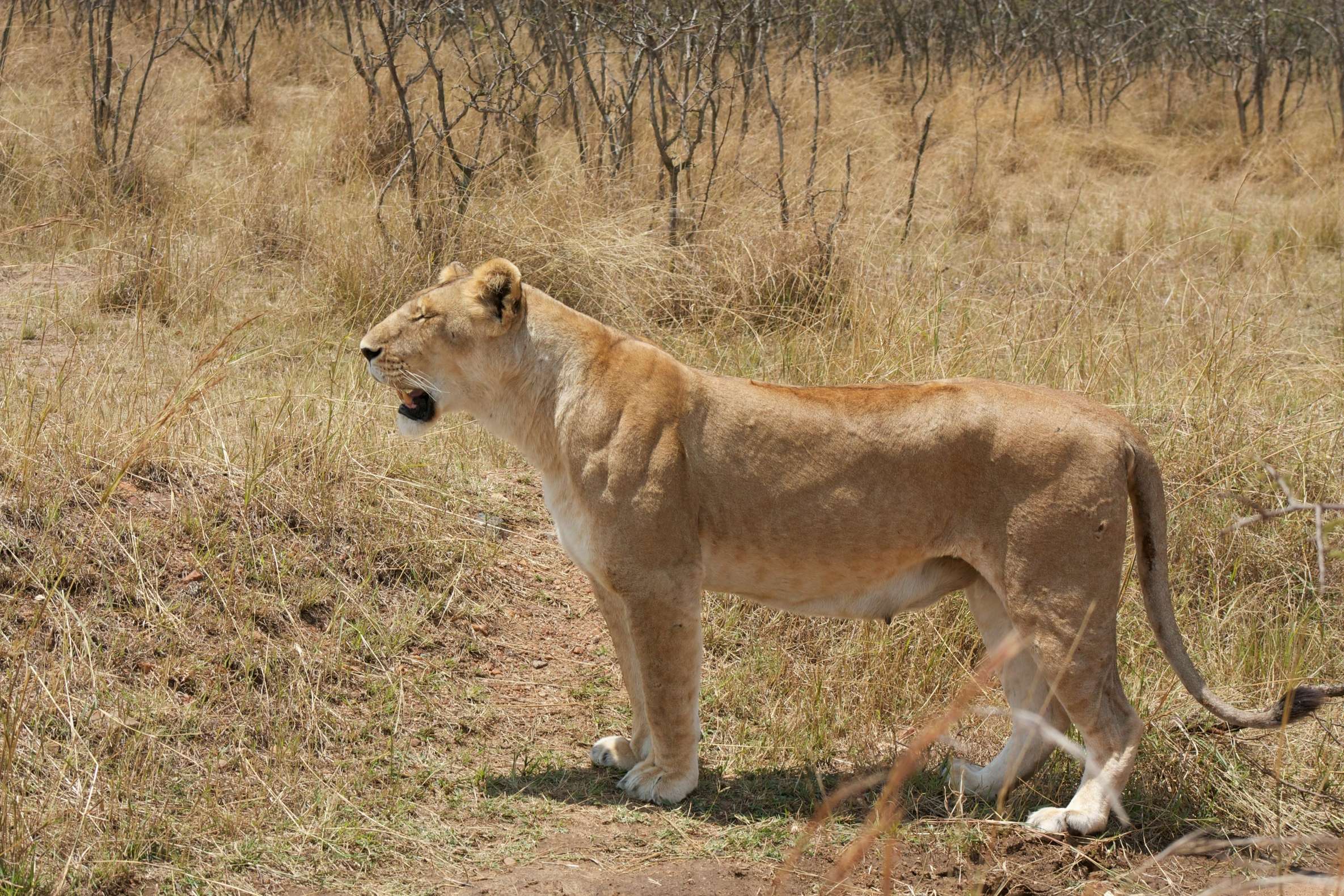
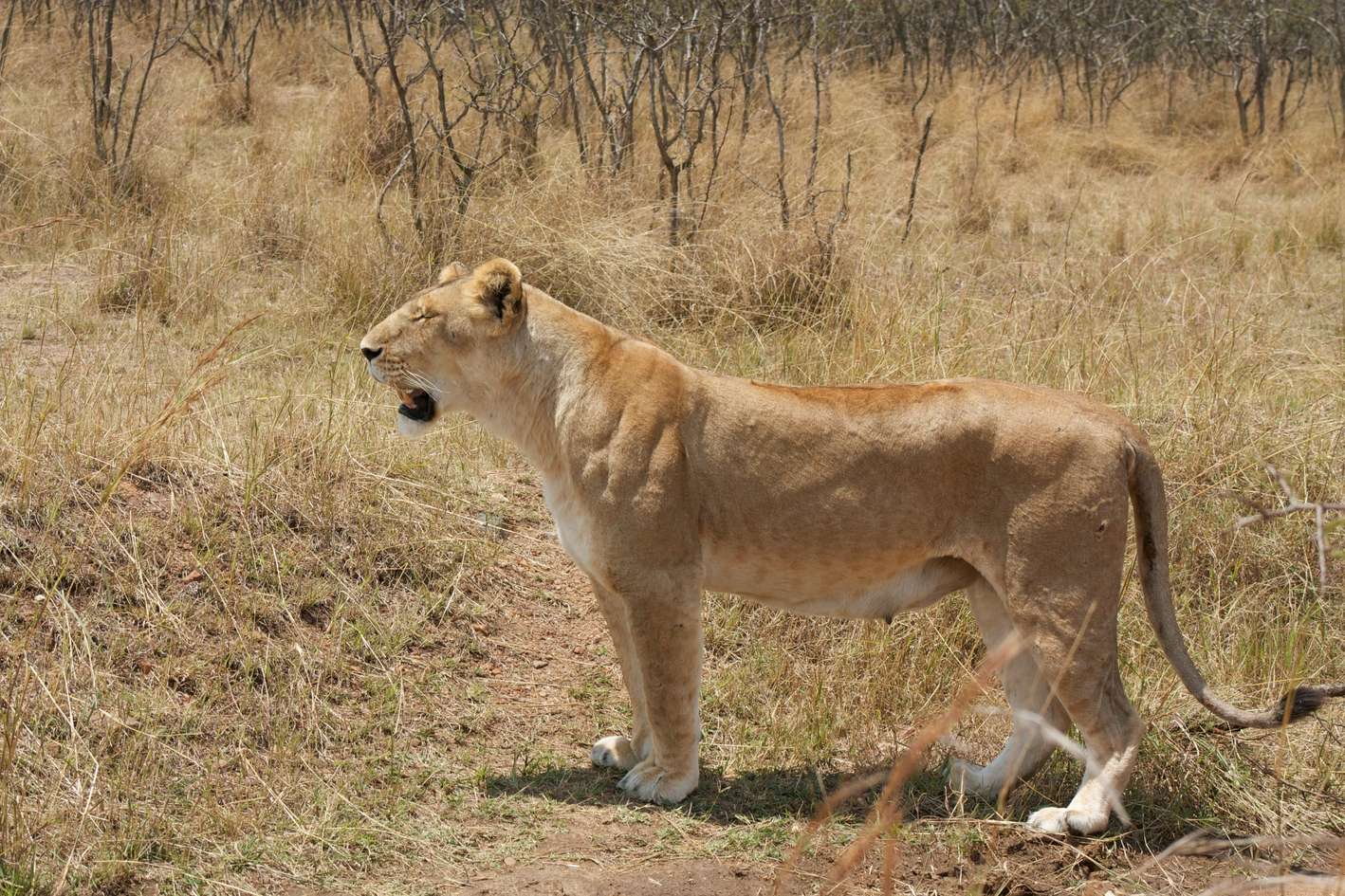
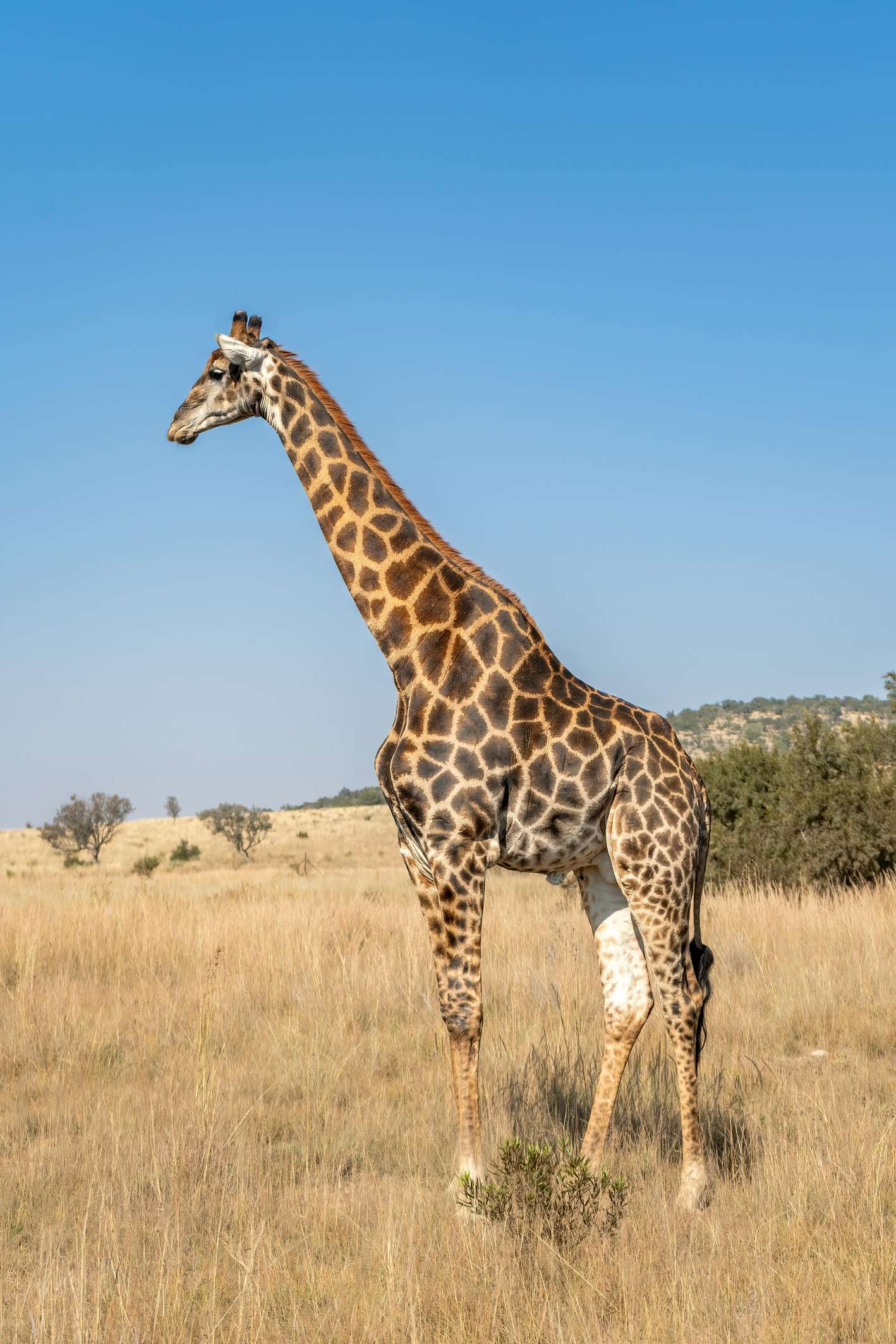
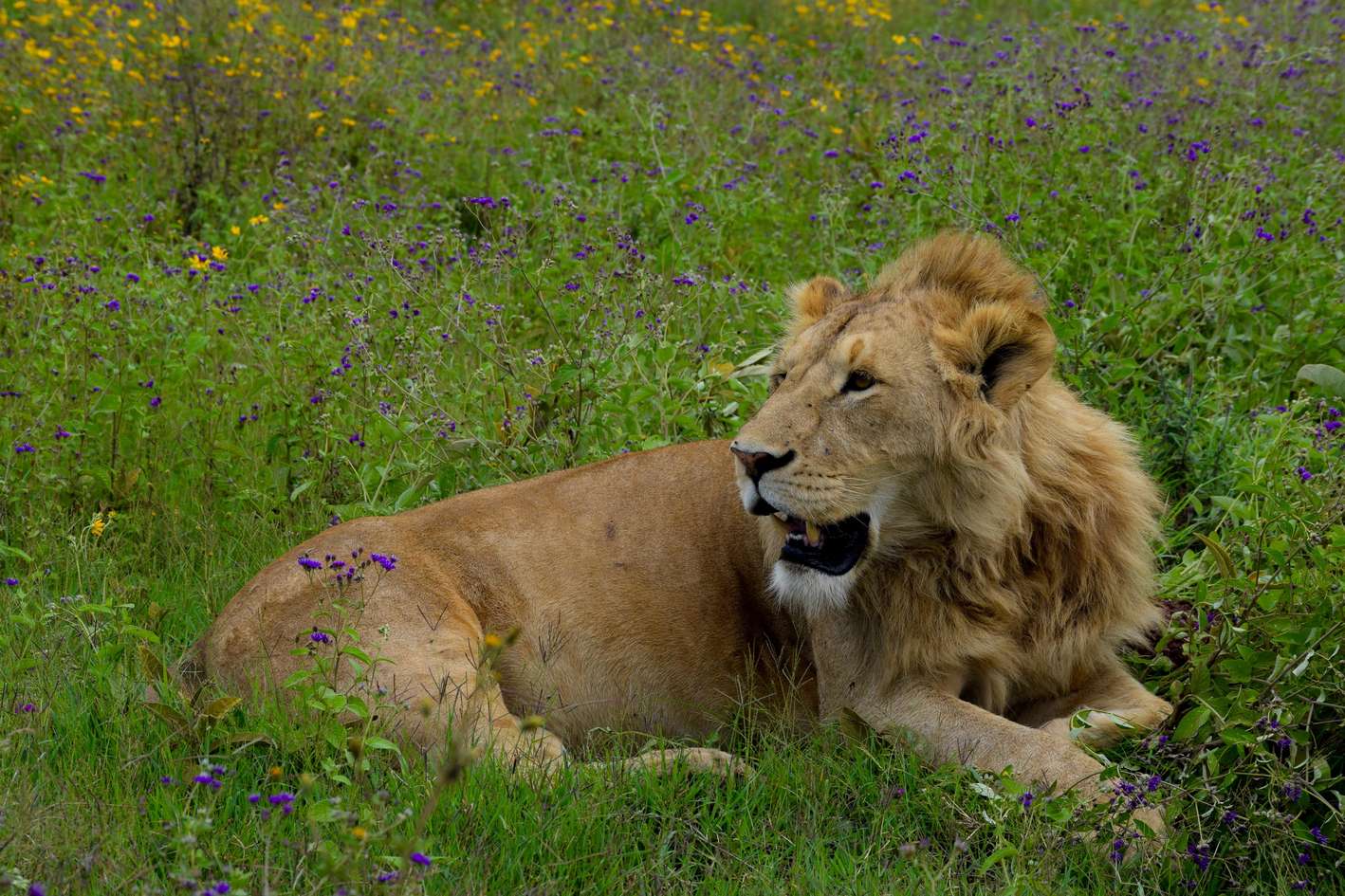
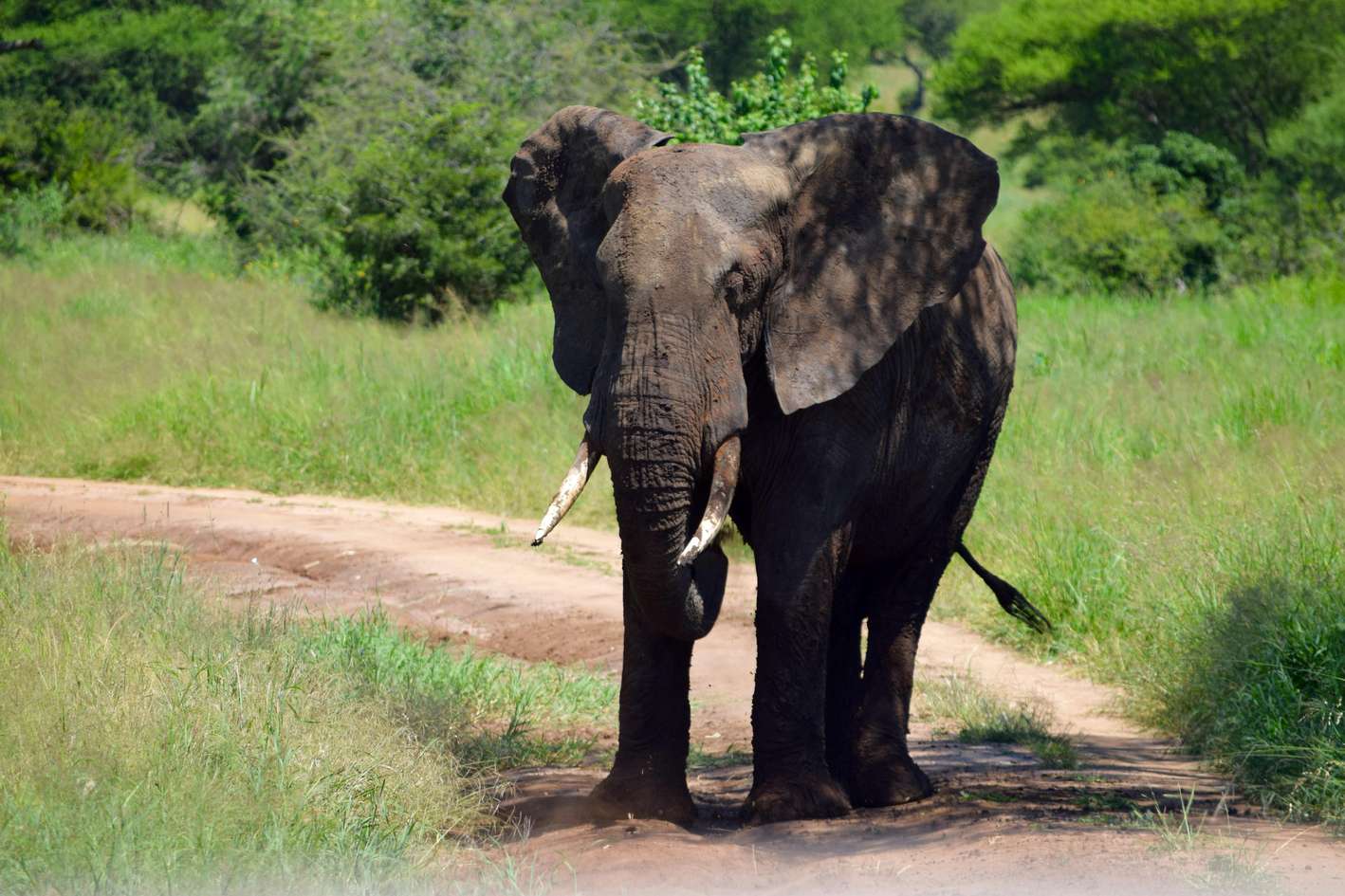
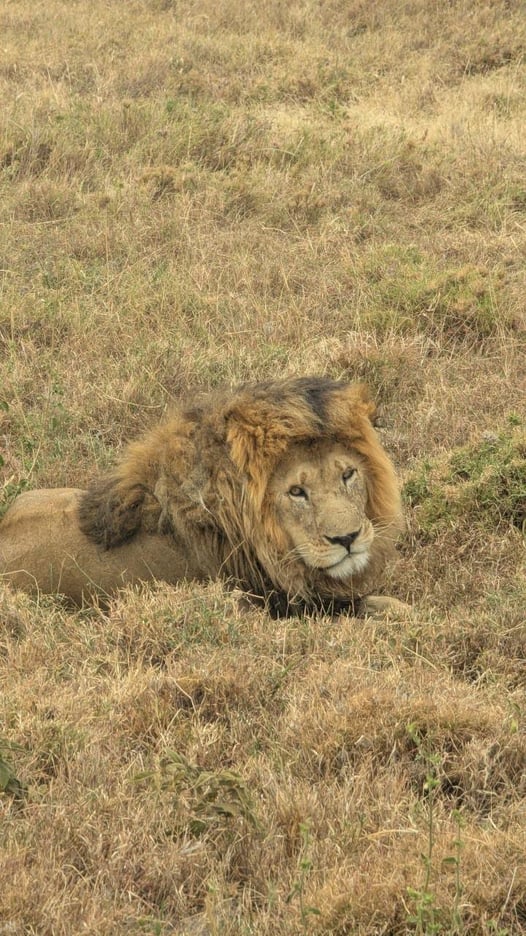
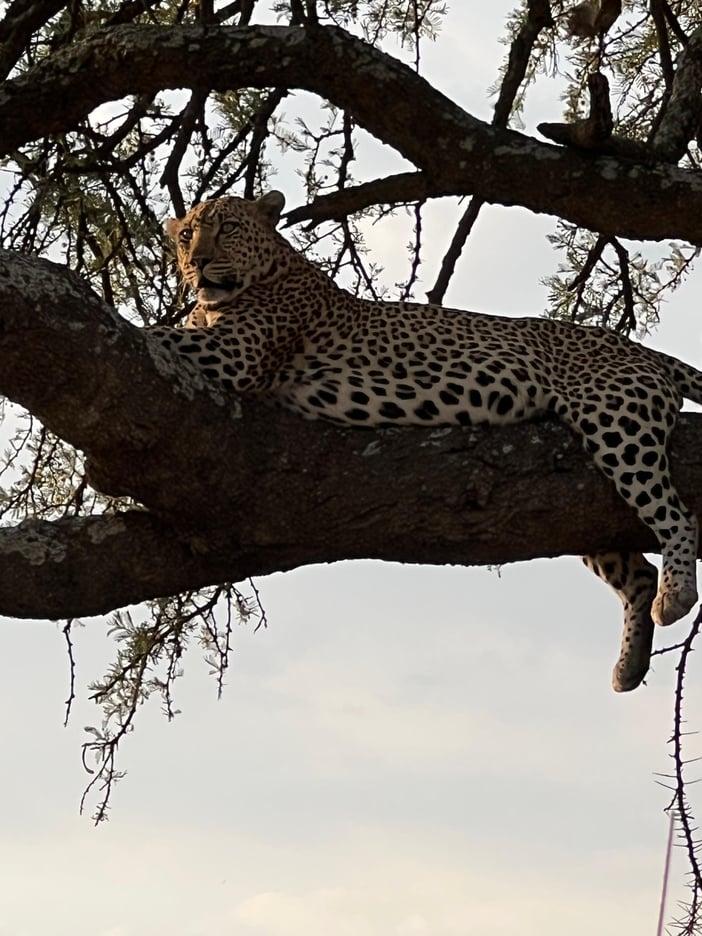
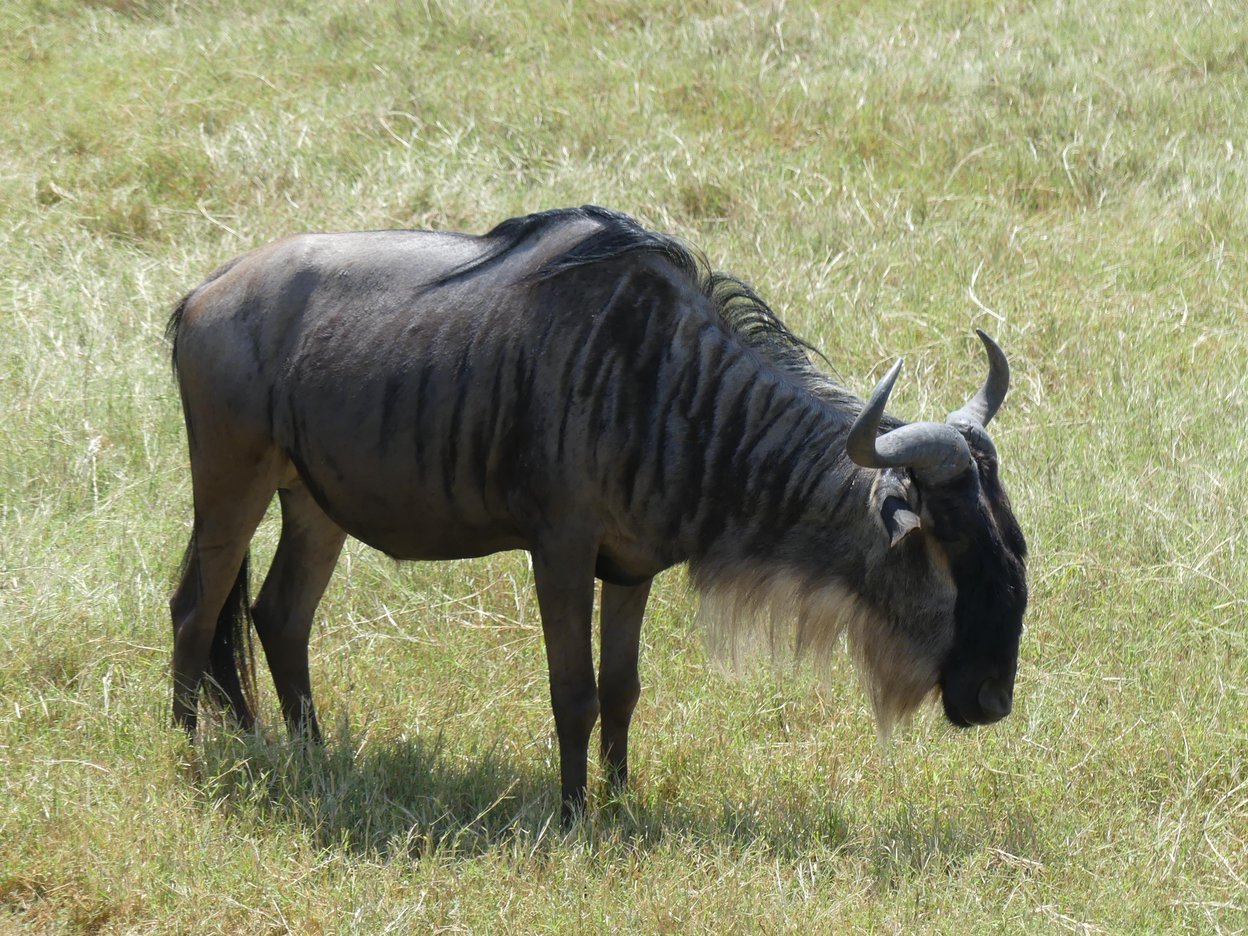
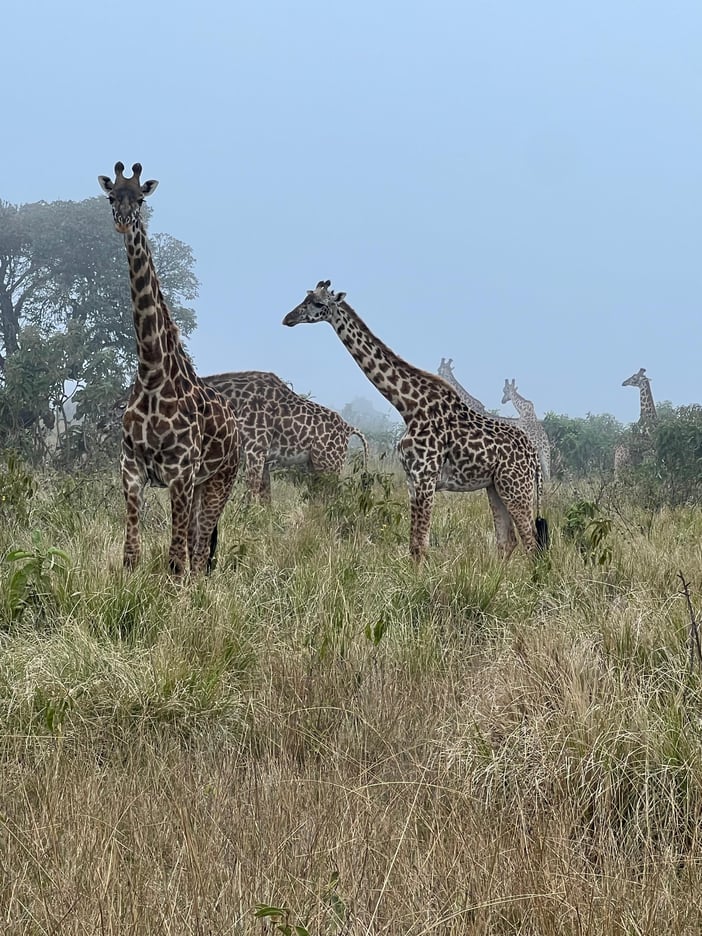
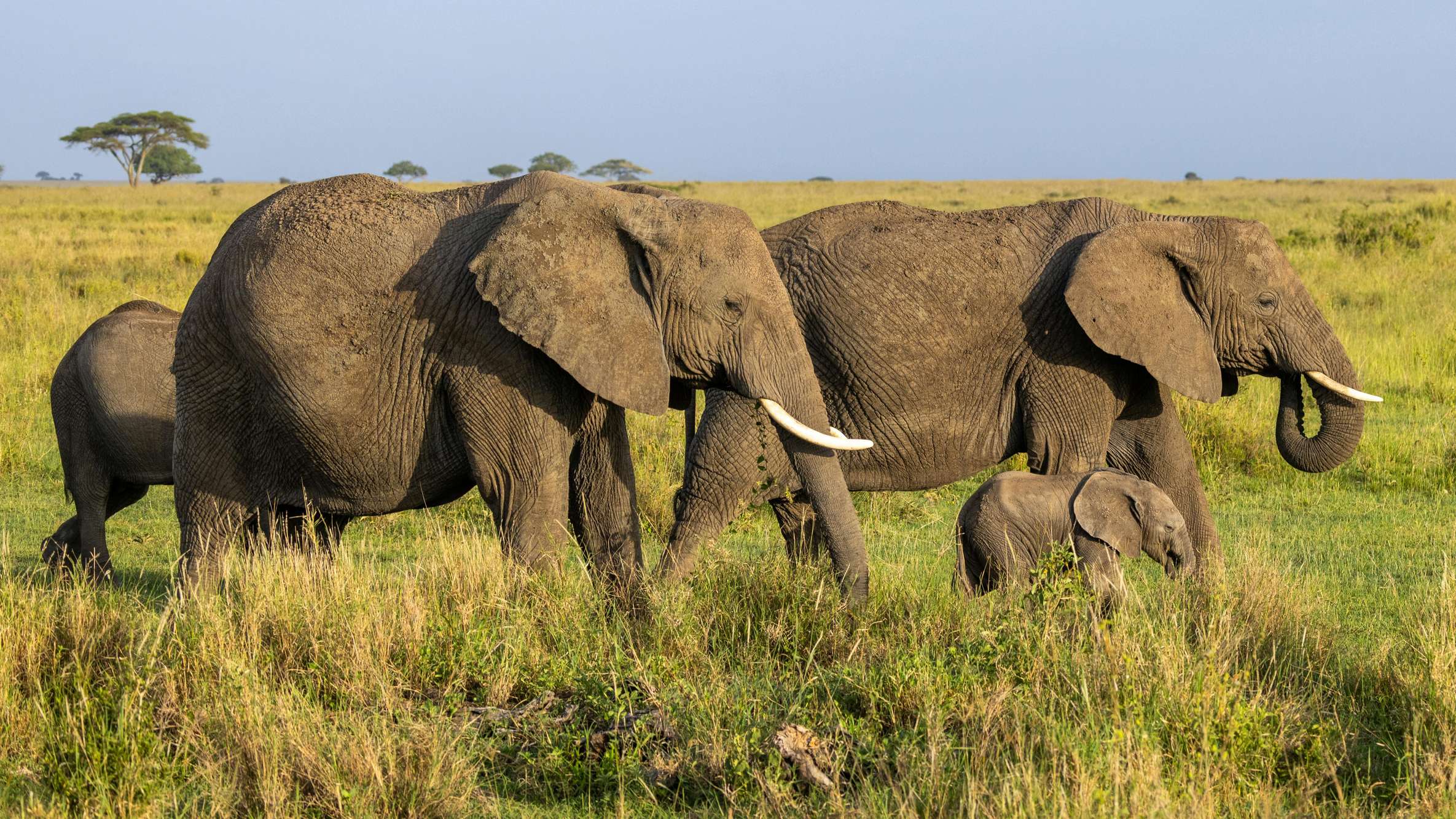
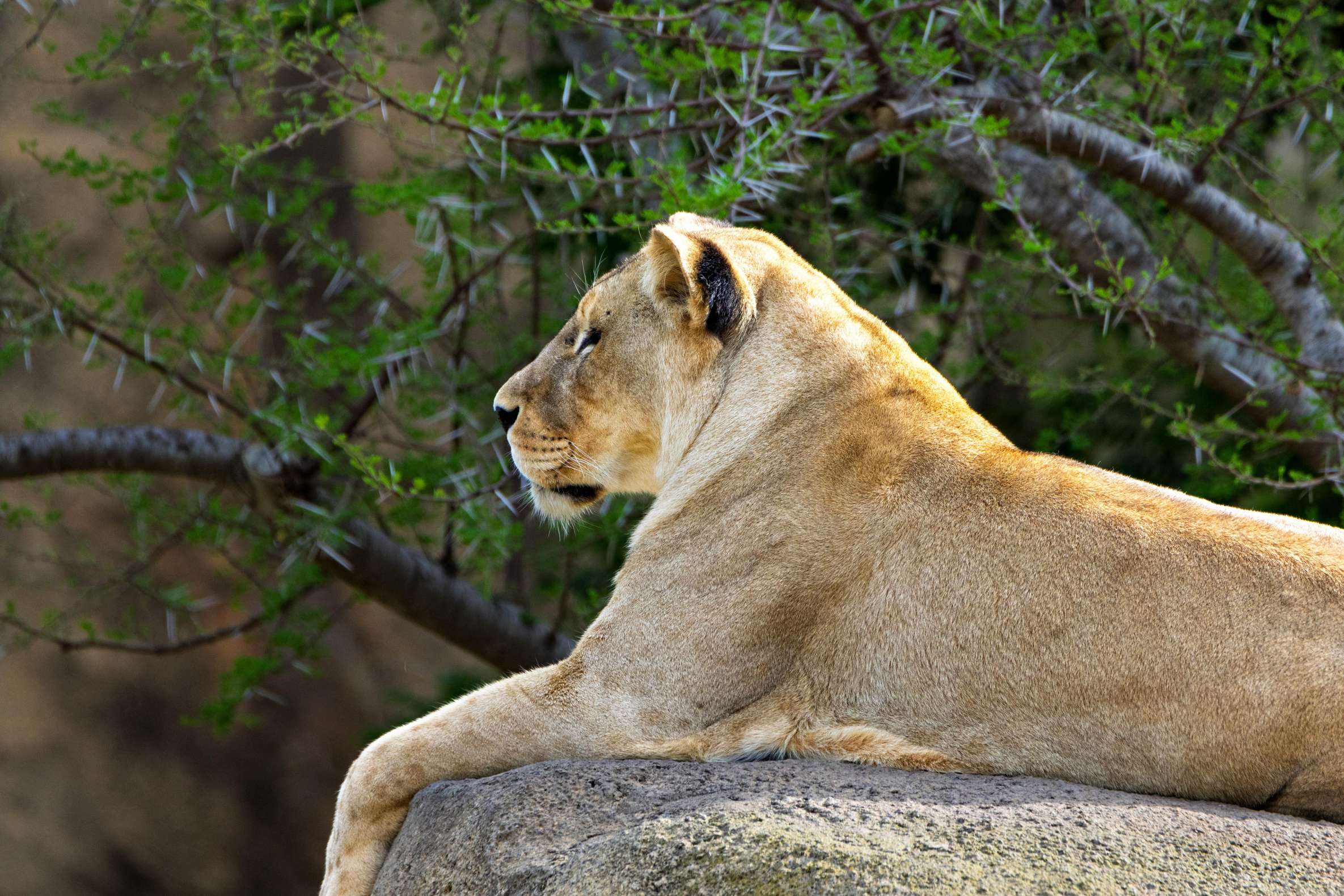
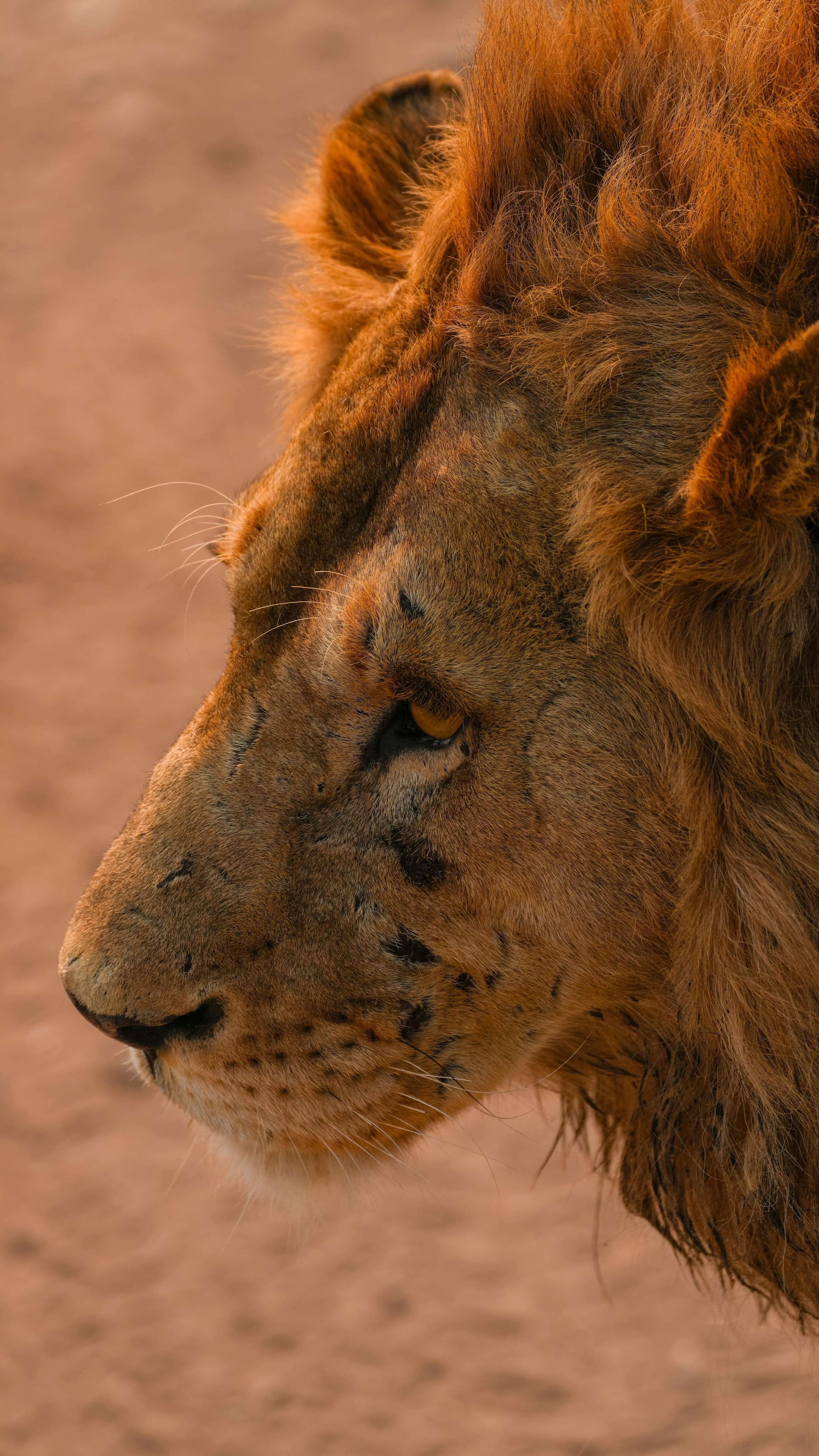
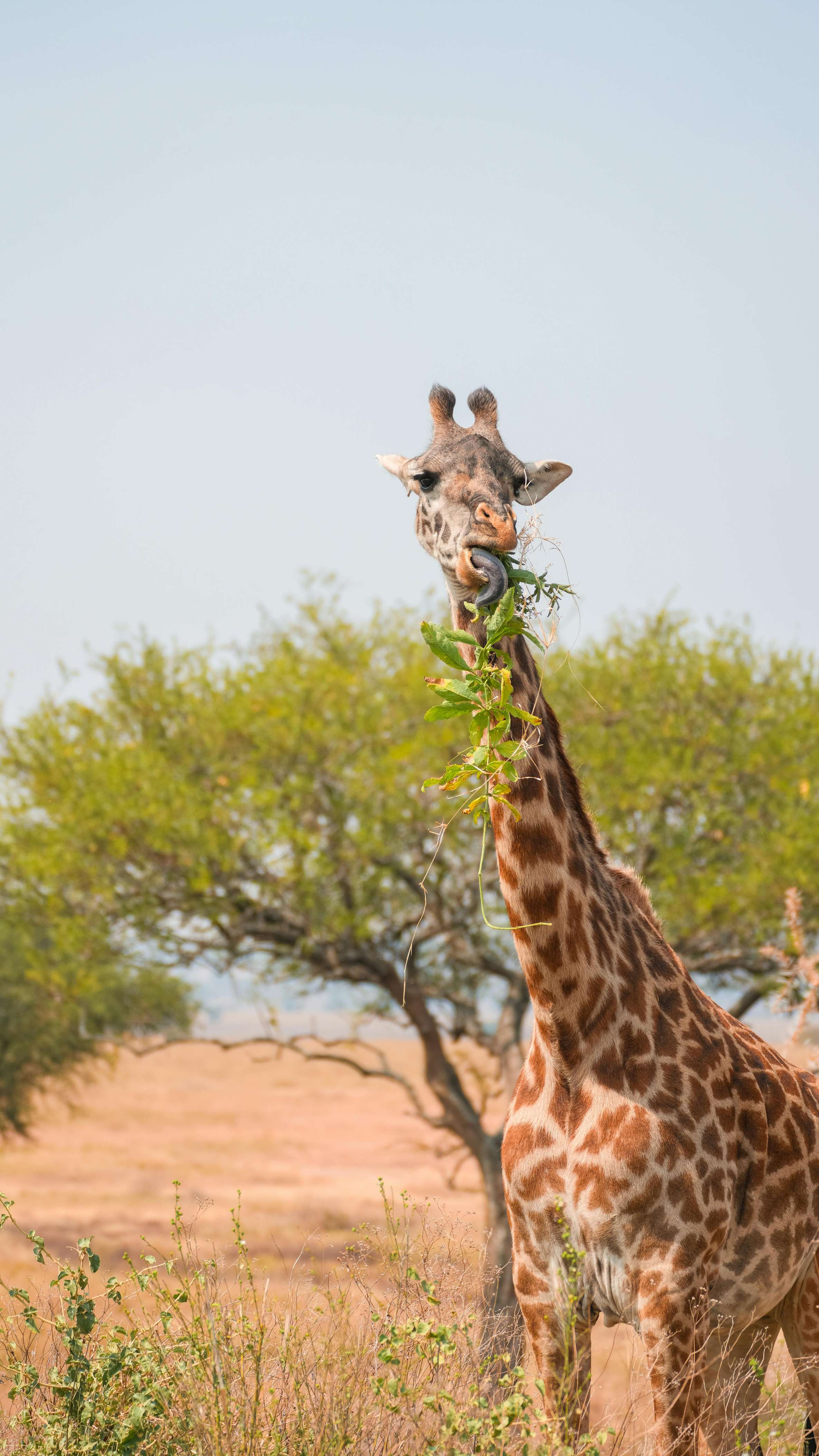
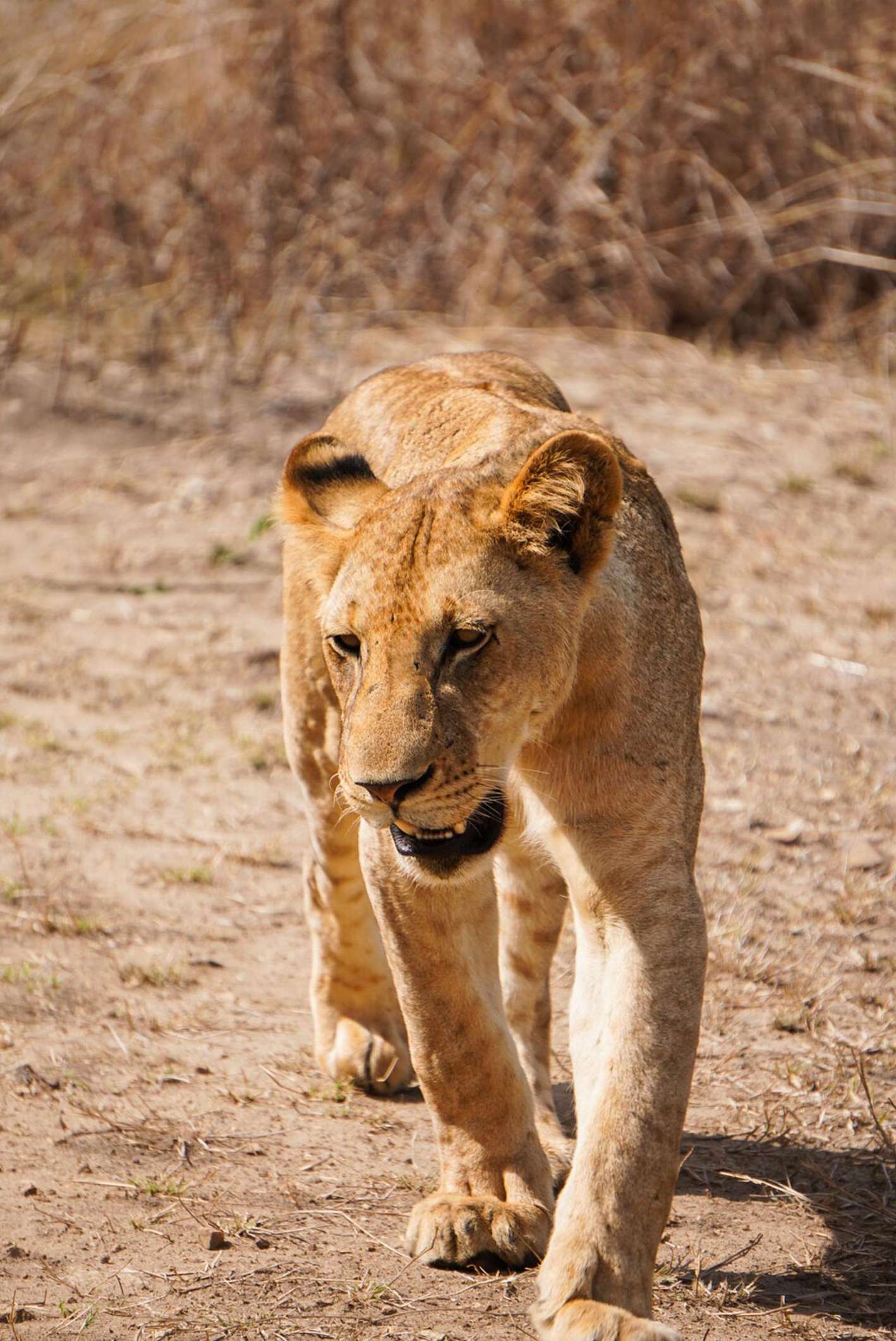
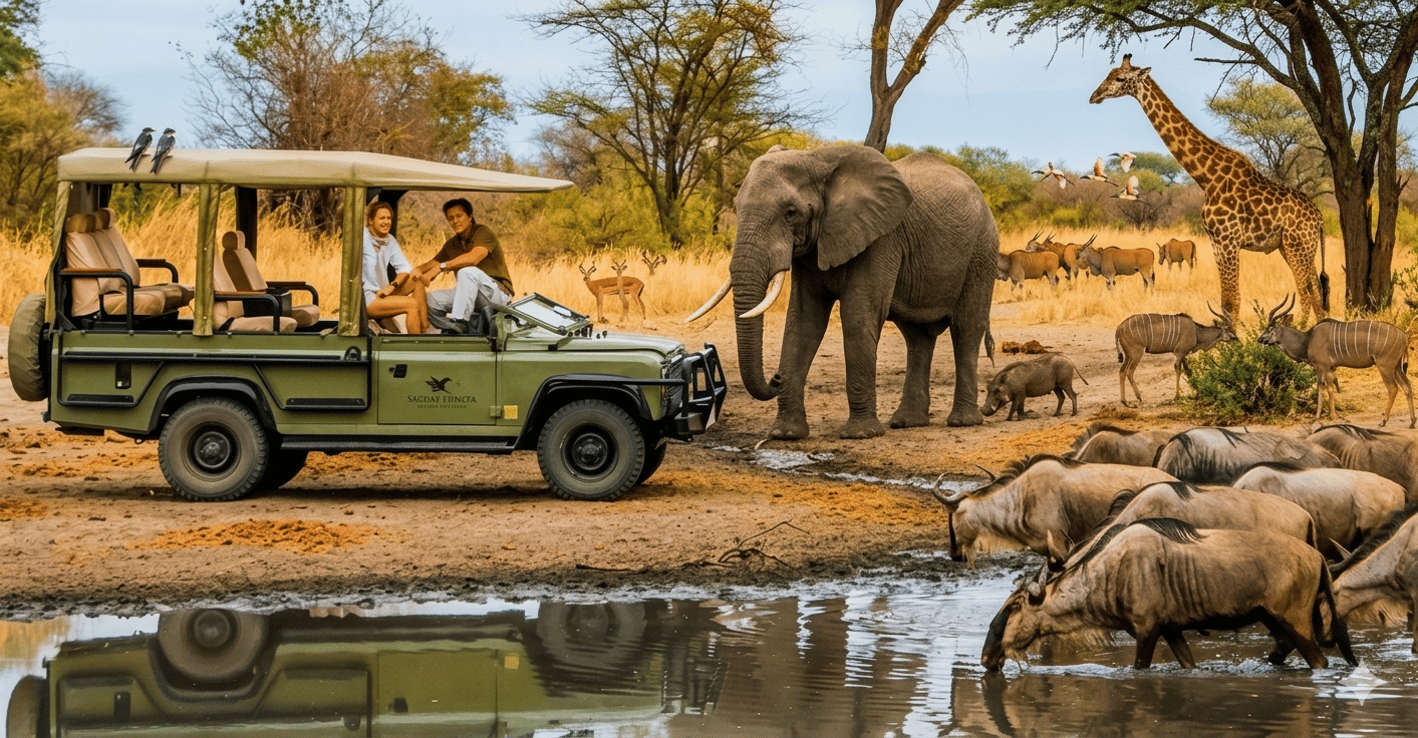
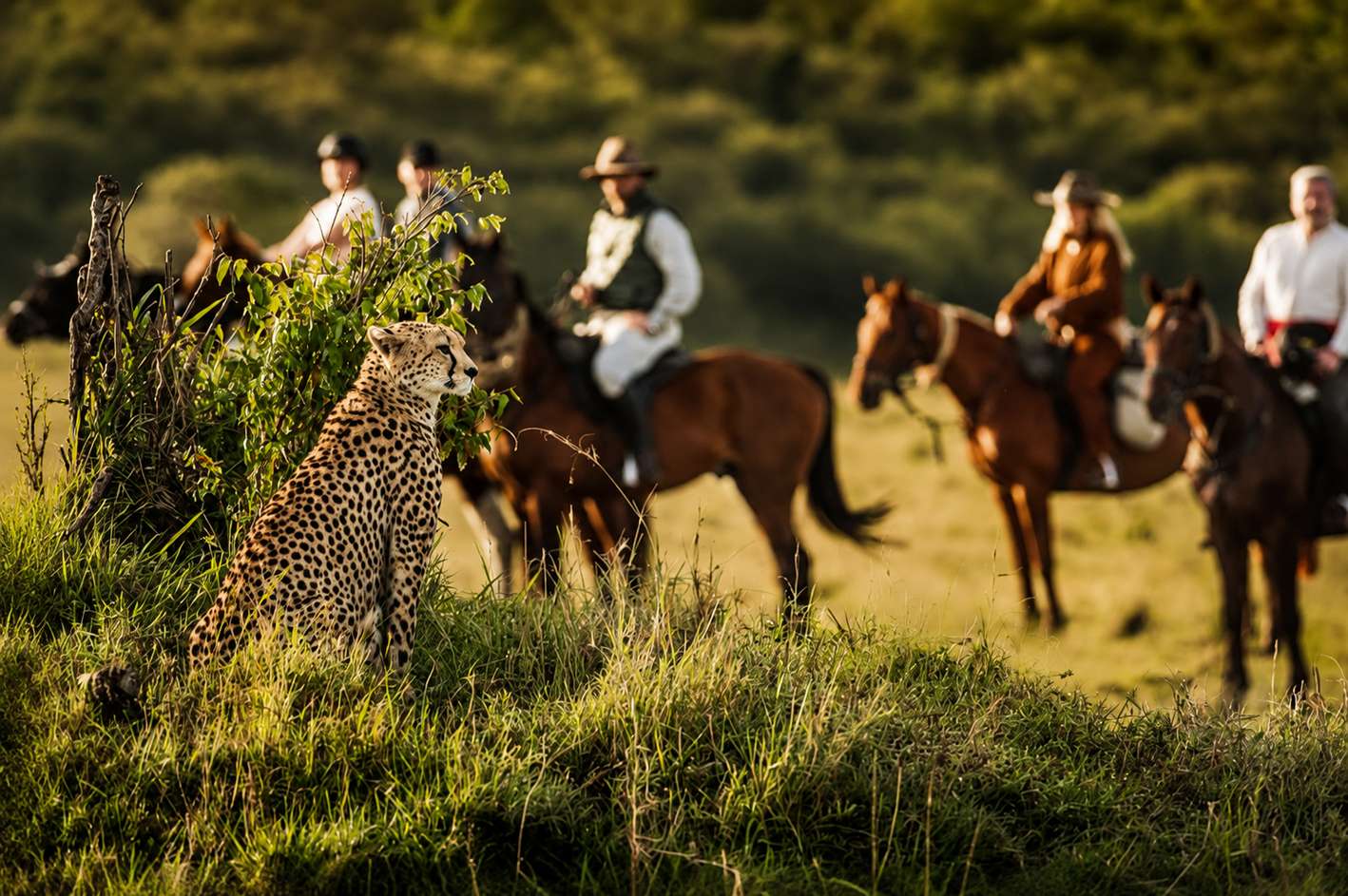
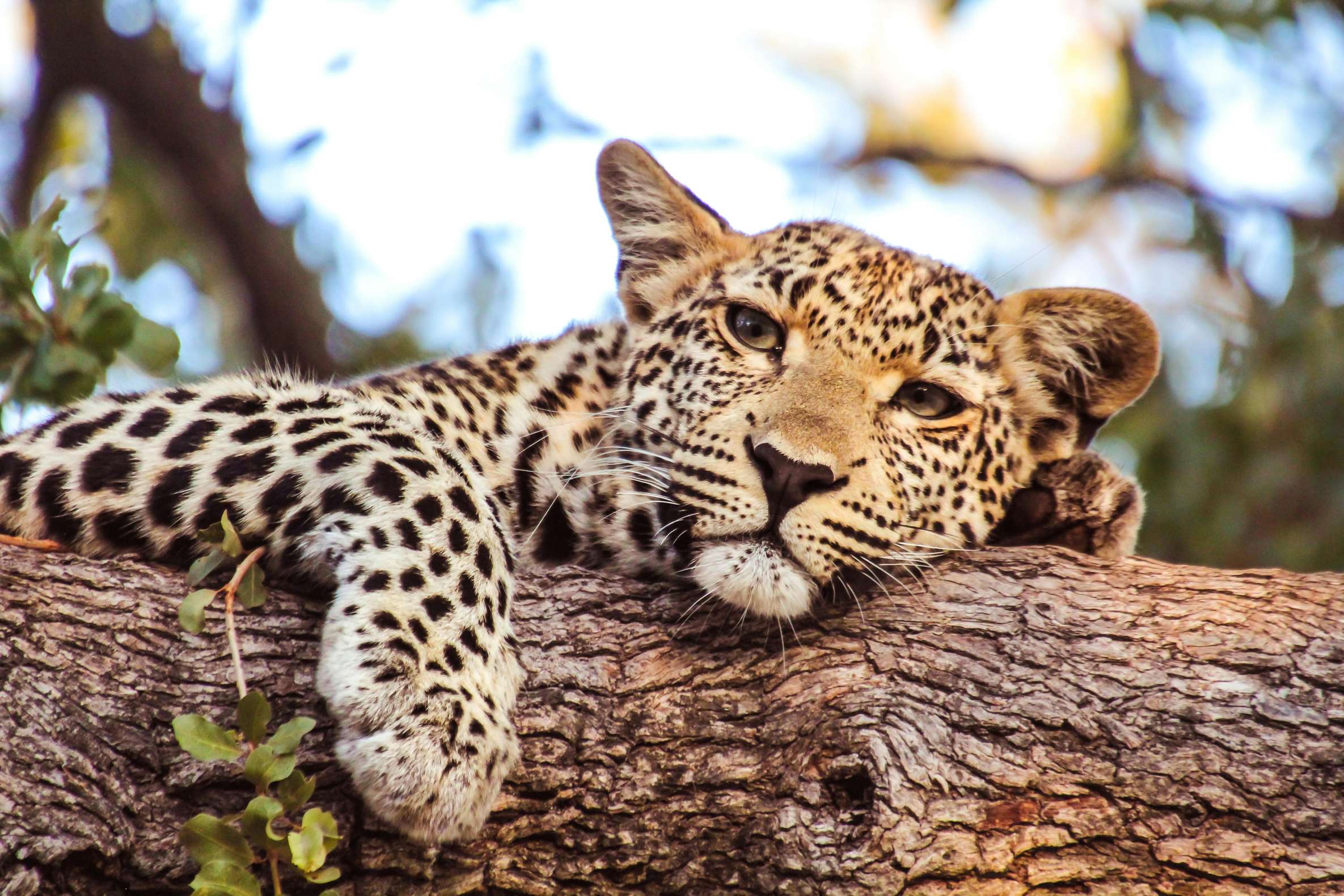
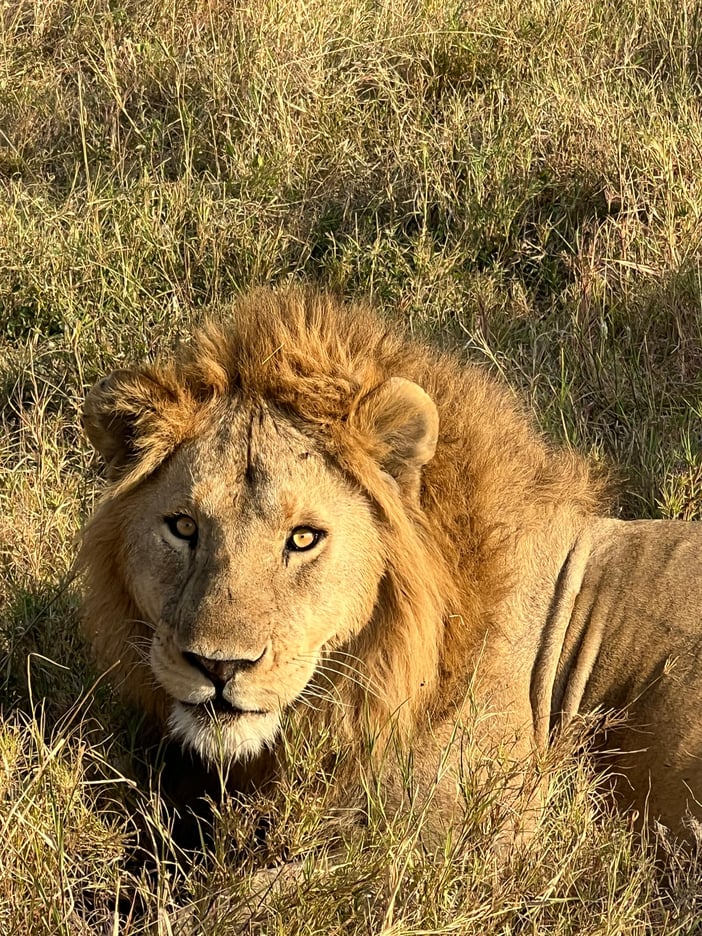
The first game drive starts the moment you reach the Serengeti plains, where guides search for lions, elephants, leopards, buffaloes, giraffes and wildebeests across open grassland. Around 3,000 wild lions live in the park, the largest predator population in Africa, sustained by the herds of the Great Migration.
The three-day route from Arusha runs through the Ngorongoro Highlands, with an early morning drive in the Serengeti when predators hunt, then a descent into Ngorongoro Crater before the return.
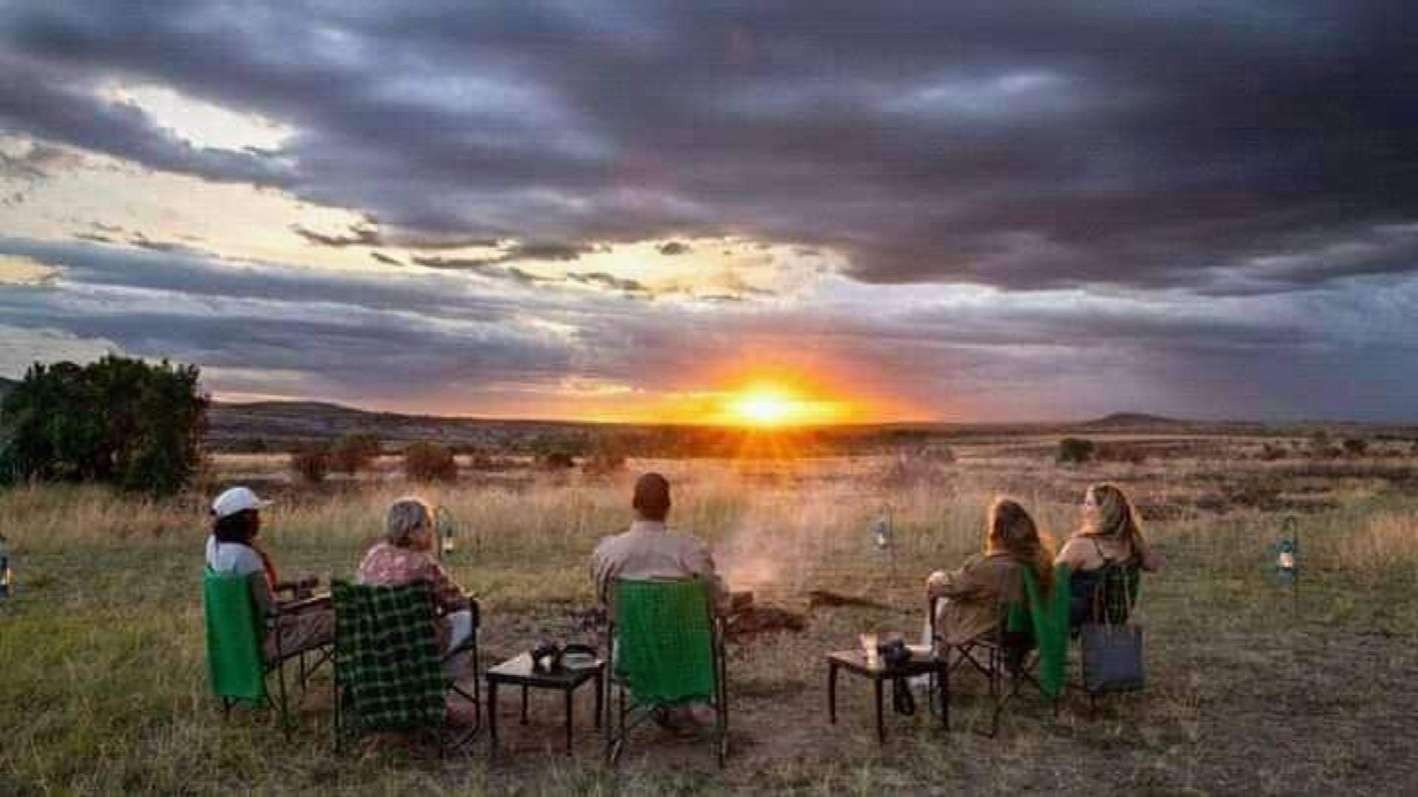
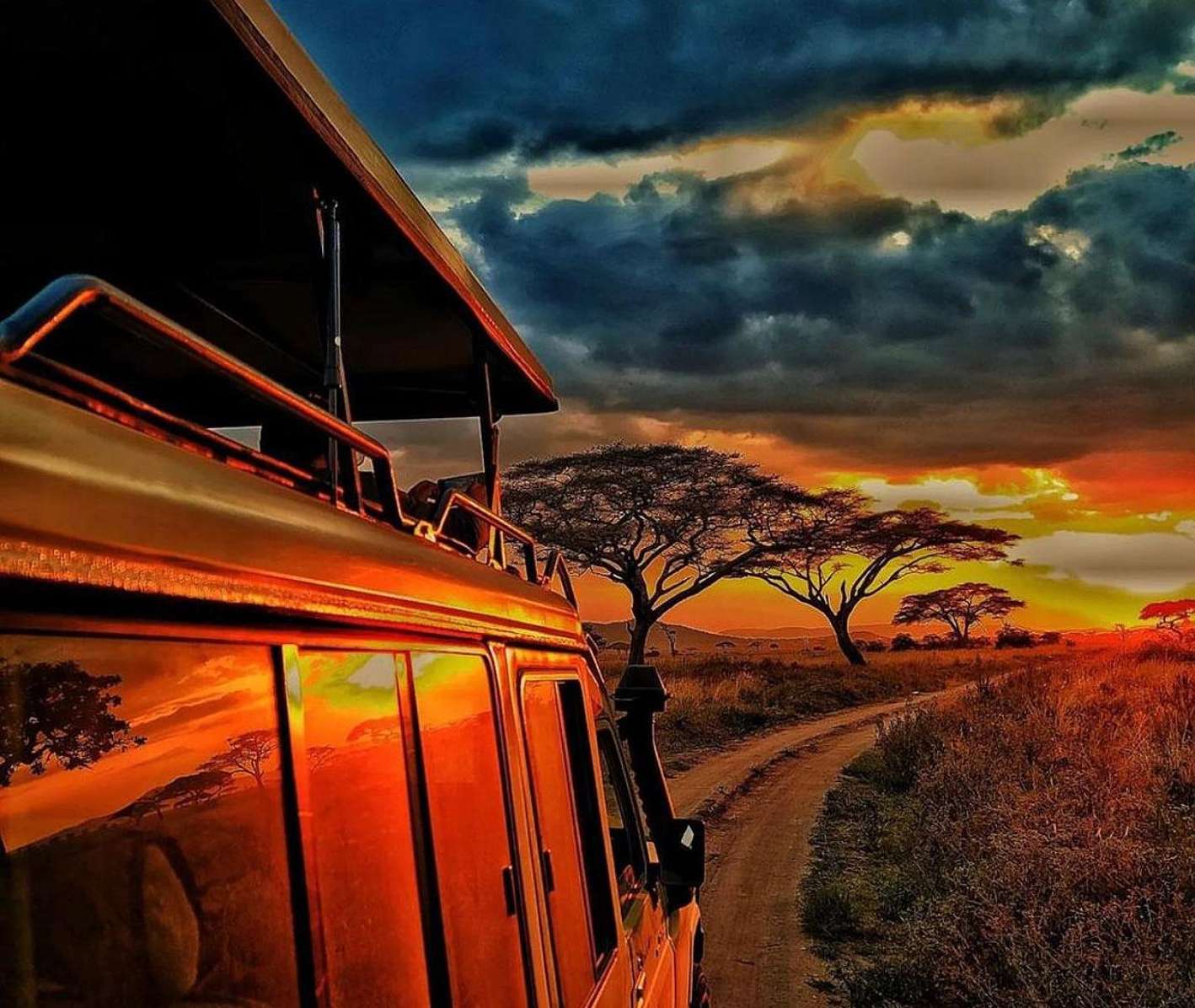
You travel in a 4x4 Land Cruiser with a pop-up roof, sleep in camps with mattresses and cooking gear, and eat full board with bottled water. Park entry, transit, camping and crater fees are all part of the price, and a safari chef travels with the group.
Pickup6 places, depending on your optionFrom this tour2Serengeti National ParkFull-day game drives across the 14,763 square kilometre savanna in search of the Big Five, with a picnic lunch on the plains and dinner and overnight at a public campsite.3Ngorongoro CraterA guided descent onto the caldera floor for a game drive, the best place on the circuit to look for rare black rhinos, with a picnic lunch by the hippo pool.Drop-off6 places, depending on your optionFrom this tour
Where the other tours go
Serengeti National ParkNgorongoro Conservation Area
From Arusha: 4-Day Tarangire, Serengeti & Ngorongoro Safari
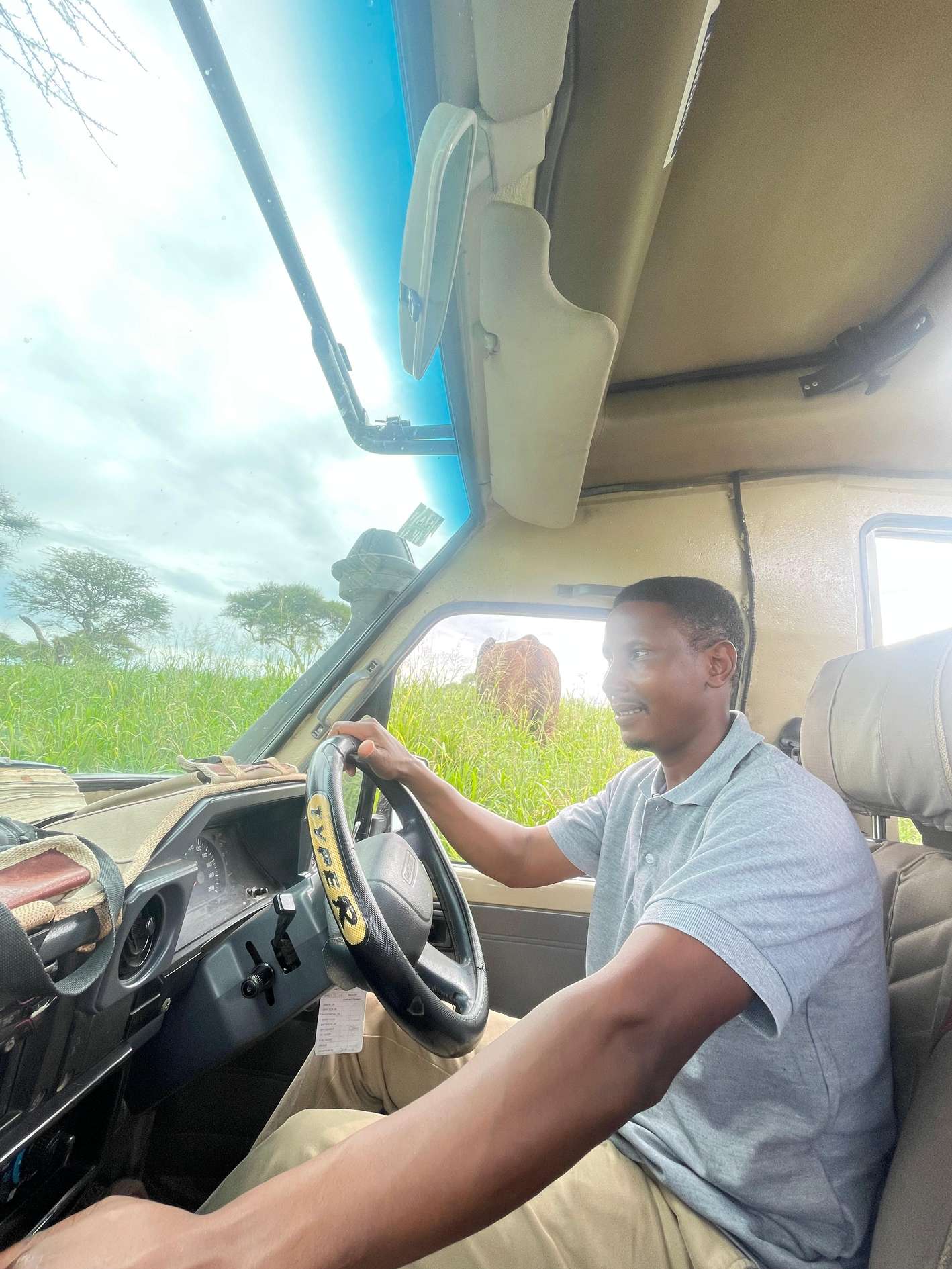
Pickup and drop-off to your accommodation in Arusha townTransportation in a 4×4 Toyota Land Cruiser with pop-up roof throughout the safariAll park fees (entry fees, transit fees, concession fees, camping fees, and crater service fee)Professional, experienced English-speaking safari driver-guideFull-board meals (breakfast, lunch, and dinner) during the safariBottled drinking water throughout the tour
Not included
Travel, accident, and medical insurance - highly recommendedReliable Airport transfers available up on requestTips and gratuities for driver-guide - Will be highly appreciated
Which safari matches your Serengeti wildlife trip?
Green marks the lowest price. Prices per person.
Tour
Price
Duration
Languages
Best for
Our pick
Arusha: 3-Day Serengeti & Ngorongoro Crater Big Five Safari
4.7★ (75)
from $900per person
3 days
English
first-timers who want the classic Big Five route from Arusha on a budget
Nearly every reviewer names their guide, saying a sharp-eyed driver found lions, elephants and leopards.
Best surprise
Many did not expect the food, praising a safari chef who cooked three meals a day even at bush campsites.
Most common wish
Several travelers wished they had flight times and documents confirmed earlier than the morning of departure.
How to book a wildlife safari across the Serengeti
01
Pick your dates first
Choose your travel window before anything else, because it decides your options. In the peak migration season, the top lodges and tented camps in the Serengeti and Ngorongoro sell out 9 to 12 months ahead, and the most requested suites go 12 to 18 months out.
Pro tipBook a mid-range lodge tour as soon as you know your dates, since group camping departs on set days and fills by headcount
Common mistakeWaiting until you land in Zanzibar or Arusha to book, when peak-season lodges near the river crossings are already gone
02
Choose the option that fits you
Most tours list several formats on one card: group camping, private camping, or a lodge version of the same 3-day route. Decide how you want to sleep, then check the inclusions, because some options add a balloon flight or a French or German guide and some change the pickup.
Pro tipFor two people, a private vehicle often costs only marginally more than a shared seat and gives you control over departure times and drive lengths
Common mistakeBooking a shared camping seat without checking that your preferred language is covered, when some tours ask you to select a language add-on at booking
03
Check what the price covers
Read the included list carefully. The better Serengeti packages bundle every park fee: daily entry, transit fees, concession fees, camping fees and the crater service fee. Meals, park transport and drinking water are usually in as well. Tips for your guide and travel insurance stay on you.
ImportantPack your original passport, or a clear copy, since TANAPA staff need it for registration at the park gates
Common mistakeBudgeting for park fees a second time, when a package that lists all fees already pays them for you
04
Confirm pickup and be ready early
Group departures from Arusha pick you up at your accommodation in the city centre between 6 am and 7:30 am, and comfortable spots sit near hotels like Kibo Palace or Four Points. If you stay outside that area, the operator arranges a paid private transfer to the meeting point. Fly-in tours from Zanzibar send a driver to your hotel reception, so wait there five or ten minutes before the stated time.
RecommendedSpend the night before in Arusha, because a morning flight landing on safari day leaves you no room for delay
RecommendedPack soft duffel bags, since shared safari vehicles have tight luggage space and some camping tours cap bags at 10 kg per person
05
On the day, follow the guide
Expect a short briefing, a 4x4 with a pop-up roof, and a long first day on the road to the park. Game drives start early because the best predator action happens from first light until mid-morning, before the big cats rest in the shade. Cancel up to 24 hours ahead for a full refund if plans change.
Pro tipWear khaki or olive and skip dark blue and black, since those shades attract biting tsetse flies
ImportantLeave the drone at home, because drones are banned in the Serengeti and feeding or touching animals carries immediate fines
What to know before booking your safari among Serengeti wildlife
Can stop the dayGood to knowGood news
01
ChoosingWhat it is, who it suits, when to go
5
Vehicle
You ride in a closed 4x4 Land Cruiser with a pop-up roof, which is what the rules require for highway transit between parks. Open-sided jeeps cannot legally be driven between parks on public roads.
Sharing
Group-joining safaris share the vehicle and the cost with other travelers. If the group fails to fill, one tour operator runs the trip anyway with a private vehicle and driver for the shared-seat price.
Included
On the camping safaris listed here, the tour price covers park entry, transit, concession and crater fees, full-board meals, drinking water, tents, mattresses and a safari chef. You add your visa, travel insurance and tips yourself.
Clothing
Skip dark blue and black in the Serengeti, because tsetse flies are drawn to those shades. Wear neutral earth tones in tightly woven fabric, and add a warm layer: crater-rim nights drop to around 5 degrees Celsius.
Timing
The best predator action runs from first light to about 9:30 am, before big cats and hyenas rest in the shade. Park gates open at 6 am and close at 6 pm, so guides plan drives around those hours.
02
BookingHow far ahead, and what happens if plans change
1
Cancellation
The tours on this page let you cancel up to 24 hours in advance for a full refund. That gives you room to book early and still adjust if flights shift.
03
Before you goPapers, health, what to bring
3
LuggageCan stop the day
Bush flights enforce strict bag rules: one airline allows 15 kg and another permits 20 kg, and hard-shell suitcases are refused. Pack a soft duffel, and leave spare bags in your hotel storage room.
Documents
Bring your original passport or a clear copy for park registration at the gates. Your passport must stay valid six months beyond arrival, and most foreign nationals need a Tanzanian visa, which you can apply for online.
Health
Full days on rough dirt tracks suit few bodies, and the tours here rule out pregnant travelers and people with back problems. Overland routes through the Ngorongoro Conservation Area to Naabi Hill Gate are unpaved and notoriously rough.
04
On the dayWhere to be, when, and how you get there
1
Pickup
Arusha tours collect you from your accommodation between 6 am and 7:30 am, so set an alarm and have your bag packed the night before. Zanzibar fly-in trips start even earlier: be at hotel reception five minutes before your transfer to the airport.
05
During the tourWhat is expected of you
2
RulesCan stop the day
You stay inside the vehicle at all times except at designated picnic and restroom sites, and feeding or touching animals brings fines or expulsion from the park. Drones are banned in the Serengeti, so leave the aerial gear at home.
Power
Public campsites have limited electricity, and some tented camps run on solar power that lights rooms only. Charge camera batteries in the common areas, and bring a power bank for the vehicle.
Planning a safari through the Serengeti wildlife - the full guide
Roughly 3,000 lions live inside one park of open savannah, and that alone settles half the argument. The rest is shape: how long, which road, and what you sleep in.
Makuyuni· 2.76° S, 36.26° E
If you only remember three things
1
Two nights per park, and at least three in the Serengeti, is what an unhurried trip takes.
2
The best predator hours run from first light until about 9:30 am; be up before the sun.
3
All vehicles clear the gates by 6 pm; plan the day around that clock.
Is the Serengeti's wildlife worth the trip?
The plains open up in front of the Land Cruiser and for a while there is nothing, just grass and heat shimmer. Then the driver stops, cuts the engine, and points at a shape under an acacia. This is how a Serengeti wildlife safari works: long quiet stretches, then several animals at once.
The reason is scale. The park covers 14,763 square kilometres, more than twice Kenya's Maasai Mara, so animals are spread wide and vehicles rarely bunch up around a sighting. The reward for the patience is Africa's largest predator population, roughly 3,000 wild lions, fed by the Great Migration's huge herds.
Smaller southern parks ask less of your budget and your time, and they give you less in return. Big cats turn up much less often in Mikumi, and in Nyerere the animals are so scattered that a guide's whole day can go into finding them.
The Serengeti asks for patience. It pays it back.
What people wrongly assume
MythA zoo mindset: animals will appear on demand
Reality
Wildlife roams free, so drivers cover long stretches with nothing, then meet several sightings at once
MythA cheaper or smaller park gives the same day out
Reality
Big cat encounters are far rarer in Mikumi, and Nyerere's wildlife is so dispersed it needs active tracking
MythEvery drive ends with a lion photo
Reality
Sightings are never guaranteed, though guides radio each other across the park to find the rarer ones
So walk into the day expecting the gaps, and let the guide work the quiet stretches. The sighting that follows an empty hour tends to be the one you talk about for years.
Tour for this
Arusha: 3-Day Serengeti & Ngorongoro Crater Big Five Safari4.7★ (75) · 3 days · Hotel pickup · Free cancellation
Dawn is the part people remember. Between roughly 6 and 9:30 am, before the heat pushes big cats and hyenas into the shade, is when the hunting happens. This predator window is why every Serengeti safari starts early, and why drivers are moving at first light.
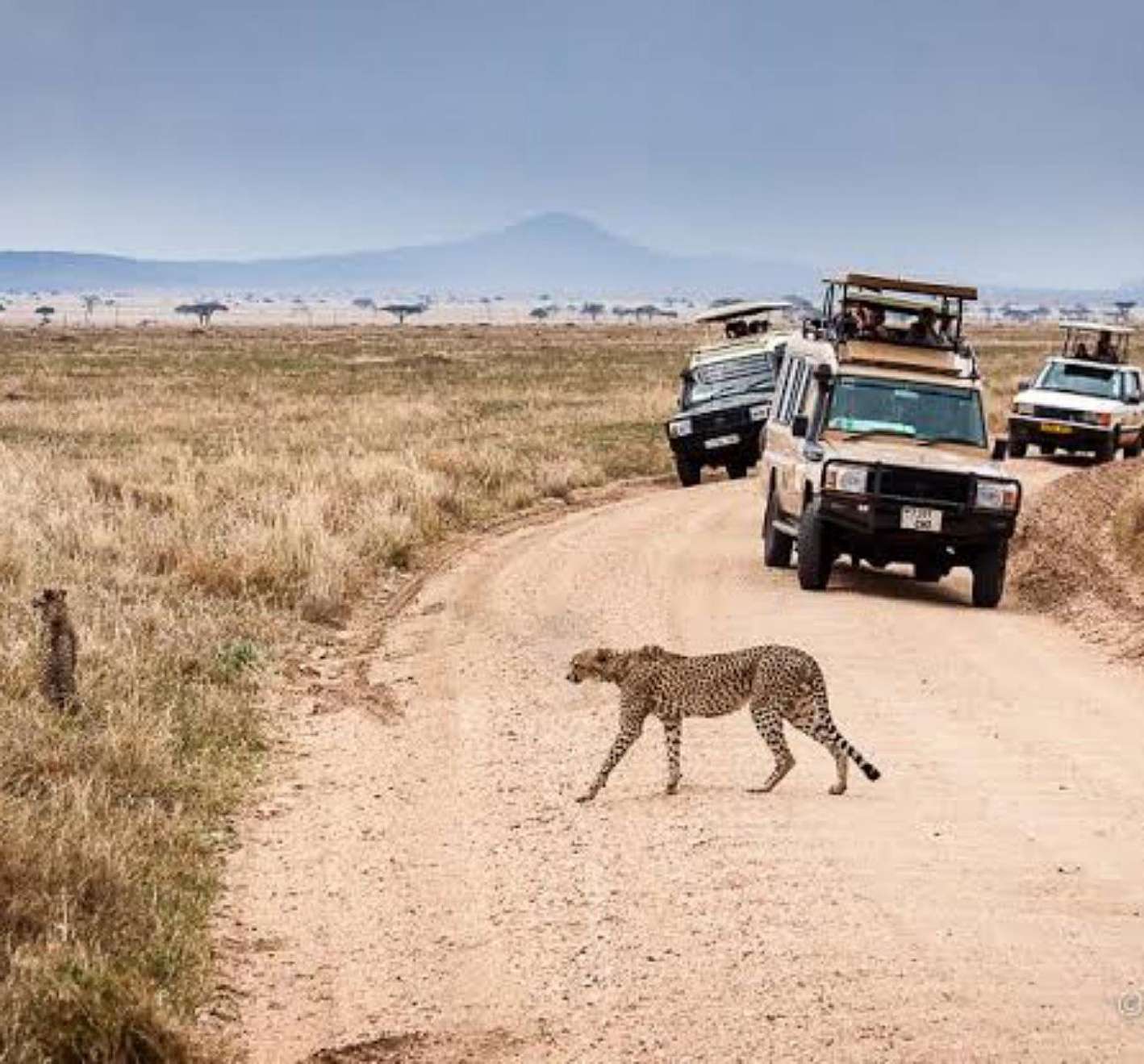
After that, the day runs on radio. Guides talk to each other across the park, so a leopard in a kopje a few kilometres away pulls several vehicles gently together. The best guides, travelers say, are the ones who explain the animal's behaviour instead of racing between radio calls.
The rules are strict and worth knowing. You stay inside the vehicle at all times; stepping onto open ground happens only at designated picnic and restroom stops. No feeding, no touching, no driving off the tracks. Stay inside a sturdy car and the animals, which are used to passing vehicles, keep things safe.
How a game drive day unfolds
1
Dawn pickup
Leave camp in the dark with hot drinks
The coldest hour of the day, bring a layer
2
6 to 9:30 am
Predator window, the best sightings of the day
Lions and hyenas hunt before the heat
3
Midday
Big cats rest in shade, vehicles break for lunch
A picnic stop at a designated site
4
Afternoon
A second drive as temperatures ease
Grazers stay out; cats may stir
5
6 pm
All vehicles clear the park gates
Driving inside the park after 6 pm is prohibited
The whole schedule hangs on that 6 pm gate curfew. Gates shut sharp and no vehicle moves inside the park afterwards, so an early start is how you buy the rich hours rather than lose them to the road.
Tour for this
From Zanzibar: 2-Day Serengeti Park Safari Trip with Flights4.5★ (10) · 2 days · Hotel pickup · Free cancellation
Dry season, June to October, is the dependable choice. Grass thins, water sources shrink, and animals crowd the remaining rivers and pools. July and August average 28 to 30 dry days a month, so rain rarely spoils a drive, and this is when the herds, and the lions that follow them, are easiest to find.
The green season asks for more patience and gives more atmosphere. Wildlife disperses across grass that can stand taller than a jeep's window, and April is the wettest month, when secondary tracks turn to mud and guides reroute along the main roads that stay open.
November, between the seasons, keeps viewing solid while camps empty out.
Then there is the calving exception. From January through March, wildebeest drop their young in the southern plains and predators follow, so January and February deliver the sharpest action of the green season. February in particular leaves the land lush and green.
Serengeti wildlife sightings and climate across seasons
August: common wildebeest seen 378 times. Excellent dry conditions offer roughly 28 dry days and concentrated wildlife viewing around shrinking rivers.
HighestFeb, Jul to Aug278 to 378 times seen
In betweenJan, Jun, Sep169 to 233 times seen
LowestMar to May, Oct to Dec63 to 136 times seen
Darker months: higher, from 63 to 378 times seen
Tap a month to read it.
August: lion seen 512 times. Excellent dry conditions offer roughly 28 dry days and concentrated wildlife viewing around shrinking rivers.
HighestJul to Aug432 to 512 times seen
In betweenJan to Feb, Jun, Sep to Oct236 to 331 times seen
LowestMar to May, Nov to Dec98 to 205 times seen
Darker months: higher, from 98 to 512 times seen
Tap a month to read it.
July: 29.8 dry days. Peak dry season brings prime wildlife viewing with nearly 30 dry days as herds reach the northern rivers.
HighestJun to Oct25.6 to 29.8 days
In betweenFeb to Mar, May19 to 22.6 days
LowestApr, Nov to Jan13.2 to 18.4 days
Darker months: higher, from 13.2 to 29.8 days
Tap a month to read it.
April: 121 mm of rain. Heavy rainfall and tall grasses disperse game across the park, offering quiet tracks with about 13 dry days.
HighestApr, Nov to Jan86 to 121 mm
In betweenFeb to Mar, May53 to 76 mm
LowestJun to Oct4 to 30 mm
Darker months: higher, from 4 to 121 mm
Tap a month to read it.
October: highs around 31.7°C. Warm conditions continue with about 26 dry days, keeping wildlife closely clustered around remaining water points.
HighestSep to Oct30.7 to 31.7 °C
In betweenFeb to Mar, Aug, Nov29.8 to 30.2 °C
LowestApr to Jul, Dec to Jan28.2 to 29.2 °C
Darker months: higher, from 28.2 to 31.7 °C
Tap a month to read it.
Read the seasons side by side and the choice narrows to one question: reliability or drama. July and August give you the most concentrated game and the driest tracks. January and February give you newborn herds and hunting cats on green plains. April suits travelers who want the park almost to themselves and accept mud.
Tour for this
Arusha: Best 3-Day Safari to Serengeti & Ngorongoro Crater5.0★ (4) · 3 days · Hotel pickup · Free cancellation
The most common planning mistake reads well on paper and fails on the road: Tarangire, Ngorongoro Crater and the Serengeti compressed into two or three days. The hours you think you are spending game viewing go into driving instead, because these parks sit hours apart.
Two nights per park is the arithmetic that works, and at least three in the Serengeti itself. A four-day itinerary through Tarangire, Ngorongoro and the Serengeti gives a balanced trip without punishing drives. Single-night camp changes across widely separated camps simply exhaust people, and the extra sightings they were chasing rarely materialise.
Families should read that rule with one addition. A camp or lodge with a pool changes the daily rhythm: children burn off energy between dusty drives instead of enduring an eighth hour in the vehicle.
What nobody tells you
Game viewing starts the moment you leave Arusha
The drive through the Ngorongoro Conservation Area counts as a safari, with wildlife visible along the way
Single-night camp hopping adds nothing
Moving between far-apart camps each night exhausts the group without adding sightings
Transit days are not dead days
A route through Ngorongoro means animals in view while you drive
That first point is worth more than it sounds. On a well-built itinerary, the transit through the conservation area is itself a morning of game viewing, so the days you feared you would waste on driving are often the ones that produce your first elephants.
Tour for this
From Arusha: 4-Day Tarangire, Serengeti & Ngorongoro Safari5.0★ (2) · 3 - 4 days · Hotel pickup · Free cancellation
Here is the fact that should relieve your budget anxiety: the animals look identical whether you sleep in a ground tent on foam mattress or in a luxury tented camp with hot running water and a flush toilet.
Fixed government park fees form the base of every safari price, so what you pay extra for is comfort and exclusivity; the wildlife stays the same.
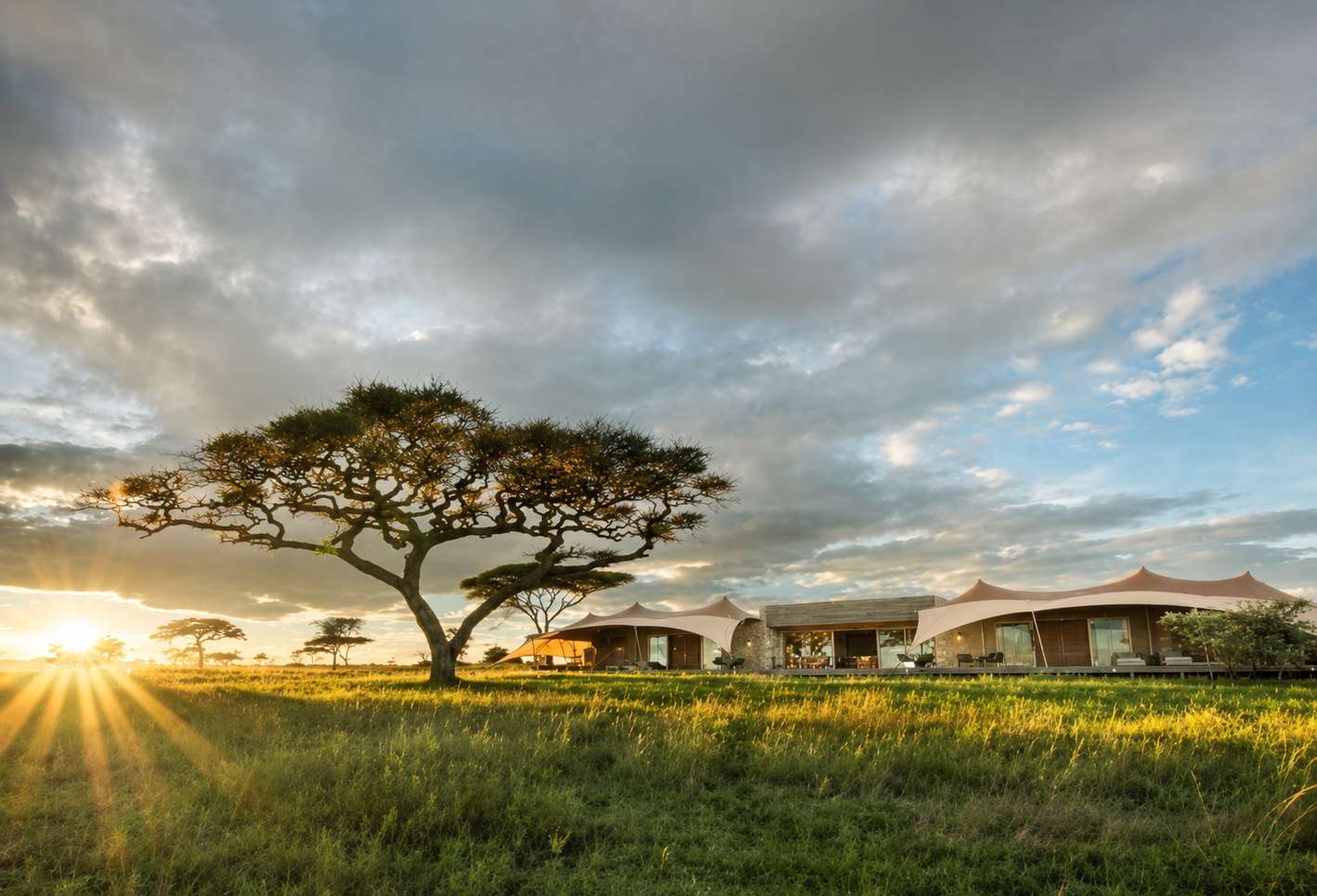
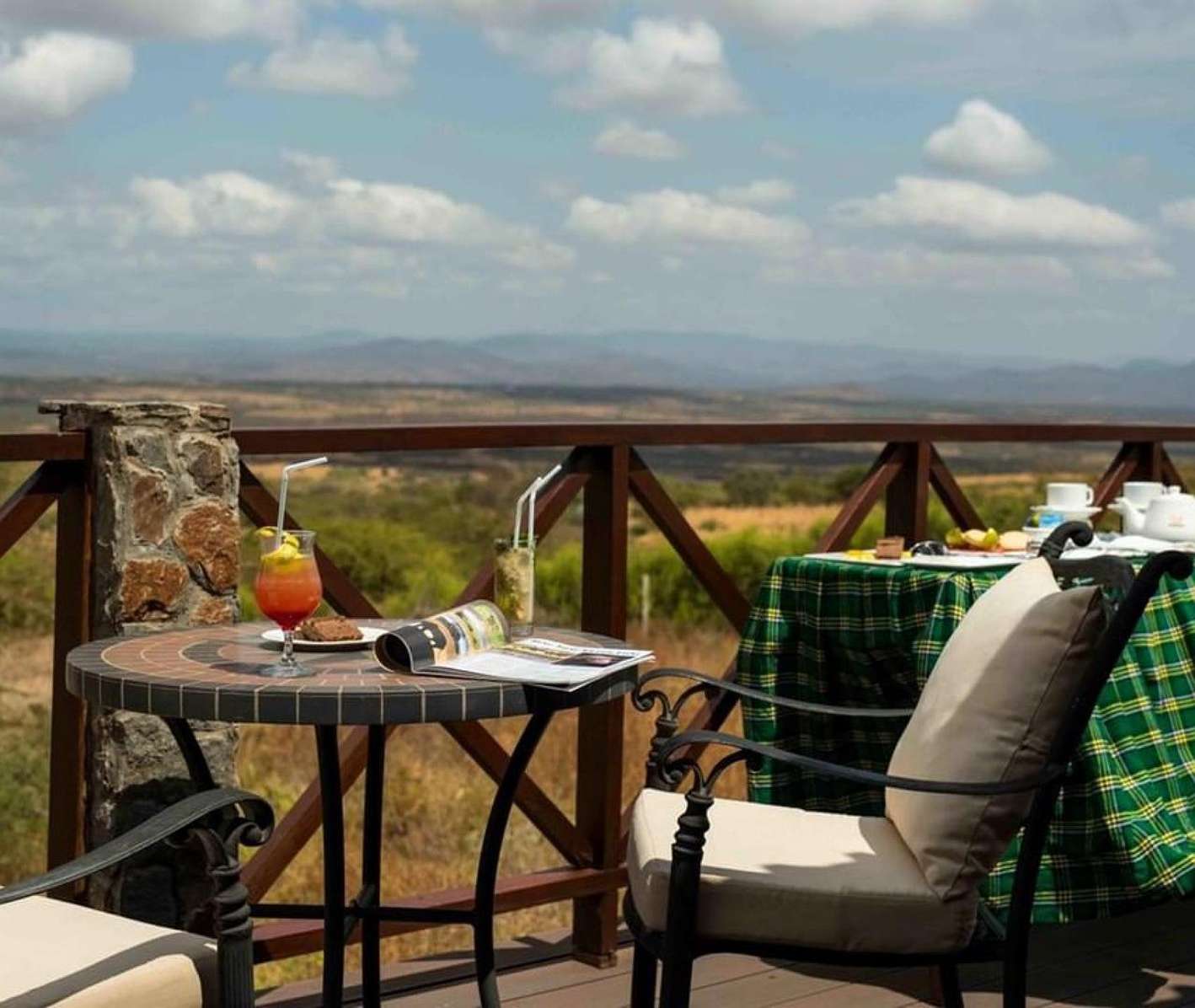
What comfort means in practice: budget camping means shared public bathroom blocks, limited electricity, and on some tours a turn pitching tents. Mid-range tented camps have real beds and en-suite bathrooms. Luxury camps near prime migration areas run to the highest nightly costs on the continent, though some land on tented intimacy without big-lodge crowds.
For couples, the choice between private and shared is smaller than it sounds: a private vehicle for two costs only marginally more than a shared seat, and you gain control over departure times and stops.
With children under eight, go private. Sharing a vehicle with strangers locks a family into full-day drives and makes whispered patience near predators harder for everyone.
The 3-Day Safari Serengeti & Ngorongoro Crater (Private/Joining) covers both sides of this decision in one tour, with camping and lodge options and a pop-up-roof 4x4.
Tour for this
3-Day Safari Serengeti & Ngorongoro Crater (Private/Joining)4.1★ (8) · Valid 3 days · Hotel pickup · Free cancellation
The night before matters. Sleep in Arusha city centre, within the complimentary pickup zone for group departures, and the driver collects you between 6 and 7:30 am. Coffee estates on the edge of town work well too, for a quiet night recovering from the long flight.
Then the road takes over. Arusha to Tarangire runs about two and a half hours, Tarangire to the Ngorongoro area roughly two more, and the final leg to Central Serengeti another three.
The stretch through Ngorongoro Conservation Area to Naabi Hill Gate is unpaved and notoriously rough; by afternoon you will feel it in your spine.
Gates run 6 am to 6 pm, and driving inside the park after 6 pm is prohibited, so the whole route hangs on an early start.
Overland remains the budget way, and the drive through Ngorongoro is itself a safari. Flying one way saves an entire day of backtracking over the same rough dirt. The Arusha: 3-Day Serengeti & Ngorongoro Crater Big Five Safari handles the overland route with a Land Cruiser, all park fees and a guide.
How hard each way of getting there is
Overland from Arusha by 4x4Long, bumpy dirt tracks through Ngorongoro; game viewing on the way
Moderate
Fly one way, drive the otherSaves a full day of backtracking over rough roads; adds a bush flight to book
Easy
Fly both directionsSpares you the worst roads entirely; airfare comes on top of the safari
Easy
However you travel, book the trip that matches your back and your budget. The overland route rewards a strong spine with a cheap seat and animals along the way; a bush flight buys back a full day. Both end at the same gates, before 6 pm.
Tour for this
Arusha: Ngorongoro Crater Day Trip with Wildlife Viewing5.0★ (3) · 2 - 8 hours · Hotel pickup · Free cancellation
An indescribable experience! Everything was perfectly organized, staff friendly, food tasty, lodgings ideal for an adventure, no luxury needed. Our experienced guide showed us all the Big Five. Thanks for this unforgettable time!
The Serengeti earns its reputation: Africa's largest predator population on plains that never crowd. Give it time, two nights per park minimum, and pick the dry season for reliability or February for calving action. Book a private vehicle for two or go shared on a budget, then set the alarm for dawn.
Go ifYou want the best odds on lions and leopards and can spare at least three nightsYou can handle early starts and long dirt-road daysYou want the classic African safari from Arusha or a fly-in from Zanzibar
Skip ifYou have only a day or two and no flexibility (the southern parks are a kinder fit)Rough dirt roads and long drives rule the trip out for youYou want boat safaris, which the Serengeti does not do
Our pick to book
4 Days Tarangire, Serengeti, Ngorongoro Group Camping Safari4.7★ (53) · 4 days · Hotel pickup · Free cancellation
Common questions about wildlife safaris in the Serengeti
The questions travelers ask before they book the plains.
Makuyuni2026
Lions before breakfast today, elephants by ten. Pack khaki and leave the dark blue at home, the tsetse flies love it.
Is a Serengeti wildlife safari safe for first-timers and honeymoon couples?
Yes, as long as park rules are followed. You stay inside a sturdy vehicle the whole time, and the animals are used to passing cars. Keeping hands in, never feeding or touching predators, and listening to your guide keeps every viewing safe.
Will I actually see lions on a safari in Serengeti National Park?
Chances are strong. The park holds around 3,000 wild lions, and it sustains Africa's largest predator population because the Great Migration feeds a massive prey base. Guides also radio other drivers across the park to track rarer sightings.
Can I see black rhinos in the Serengeti?
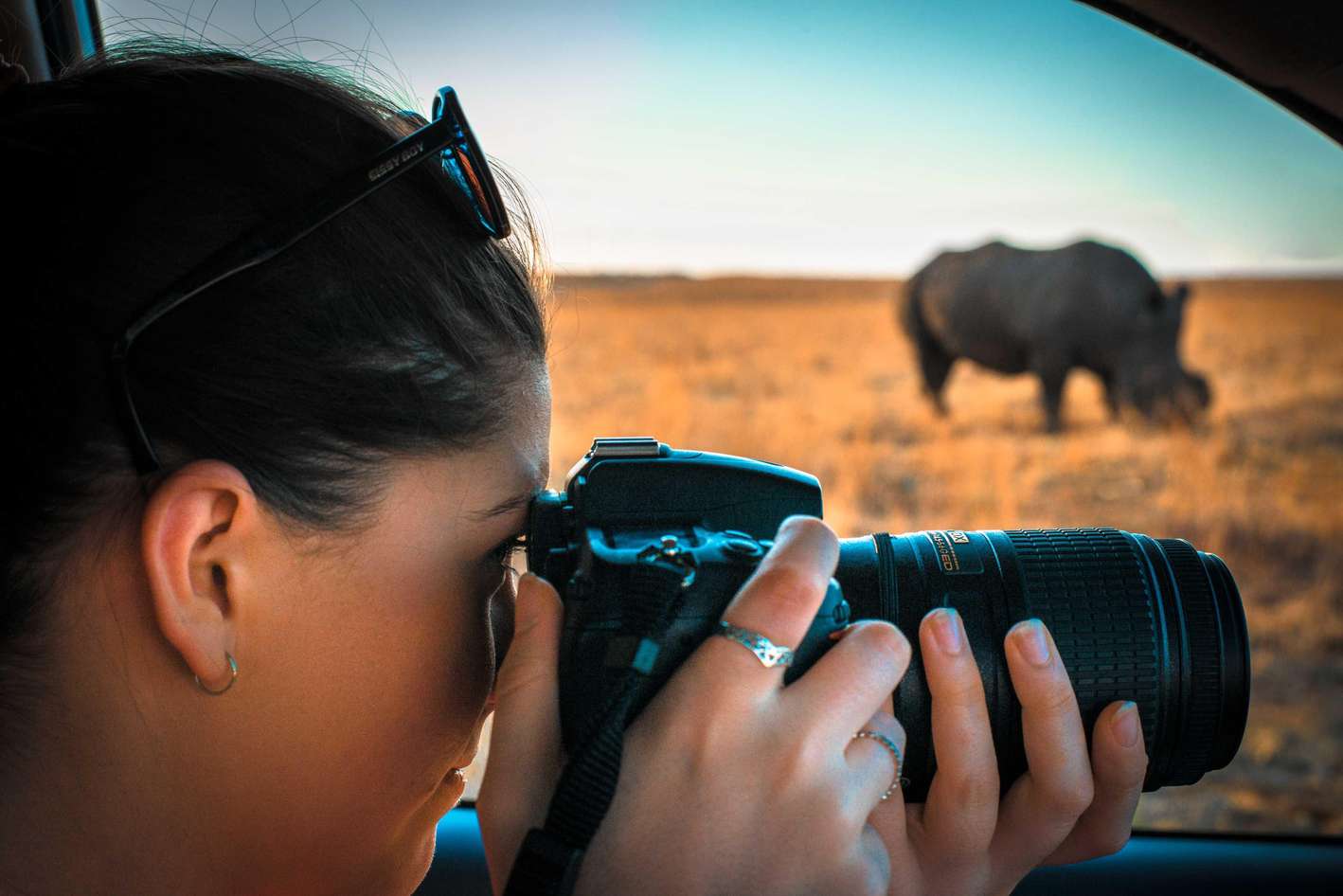
Rhinos are elusive across the northern circuit, and sightings inside the Serengeti itself are rare. Your best bet is an early morning descent into Ngorongoro Crater, which most three-day itineraries build in on the second or third day.
Which airport should I fly into for a Serengeti safari?
For Northern Circuit trips, land at Kilimanjaro Airport (JRO) and fly home from Zanzibar Airport (ZNZ). That routing eliminates wasted backtracking across Tanzania and keeps your days in the parks.
How does a safari in Serengeti National Park compare to Mikumi or Nyerere?
Big cat encounters happen far more often in the Serengeti than in Mikumi, and the park's density outmatches the more dispersed wildlife of Nyerere. What the southern parks add is boat safaris on the Rufiji River and far fewer vehicles around a sighting.
Why do game drives take so long between sightings?
The park covers 14,763 square kilometres, so animals are spread wide across the savanna. That means longer drives between sightings, and it is also what gives the Serengeti its open, unhurried scale. A good guide shortens the gaps considerably.
Is a hot air balloon flight over the Serengeti worth adding?
A sunrise flight puts you above hunting lions and hyenas moving against the herds, which no vehicle can match. Balloons fly fixed zones and cannot steer toward the migration, so aerial migration views are never guaranteed. Pickups start around 4:30 am.
Do park fees explain the price differences between camping and lodge safaris?
Fixed government park fees form the base of every price, so camping trims the cost of comfort and meals while the park costs stay the same. Budget camps mean ground tents and shared bathrooms; tented lodges add real beds and private en-suite bathrooms.
Should I book a camping safari or a lodge safari?
The animals look identical either way. Camping means ground tents, shared bathroom blocks and limited electricity, and some public campsites have wild animals roaming past the tents. Lodge and tented camps add real beds and private bathrooms. Fixed park fees form the base of every price, so camping saves on comfort, not on park costs.
What colors should I wear on safari in the Serengeti?
Skip dark blue and black, the colors tsetse flies are drawn to, and leave camouflage at home because it is illegal for civilians in Tanzania. Khaki, olive and beige in tightly woven fabric work best.
What camping gear do I need to bring myself?
Tour operators supply tents, mattresses and sleeping bags. Pack warm layers yourself, because nights near the Ngorongoro crater rim drop to around 5°C, and a warm sleeping bag or thermal liner makes those nights comfortable.
Can I charge my camera at a Serengeti campsite?
Public campsites have limited electricity, and some tented camps run on solar power that only lights the rooms. Plan to charge camera batteries in the main common areas, and carry a power bank in the vehicle.
Where to head after your wildlife safari in the Serengeti


 Your best match