Tanzania Safari Tours from Arusha -Direct Overland Game Routes
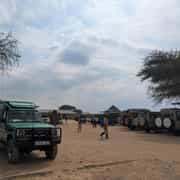
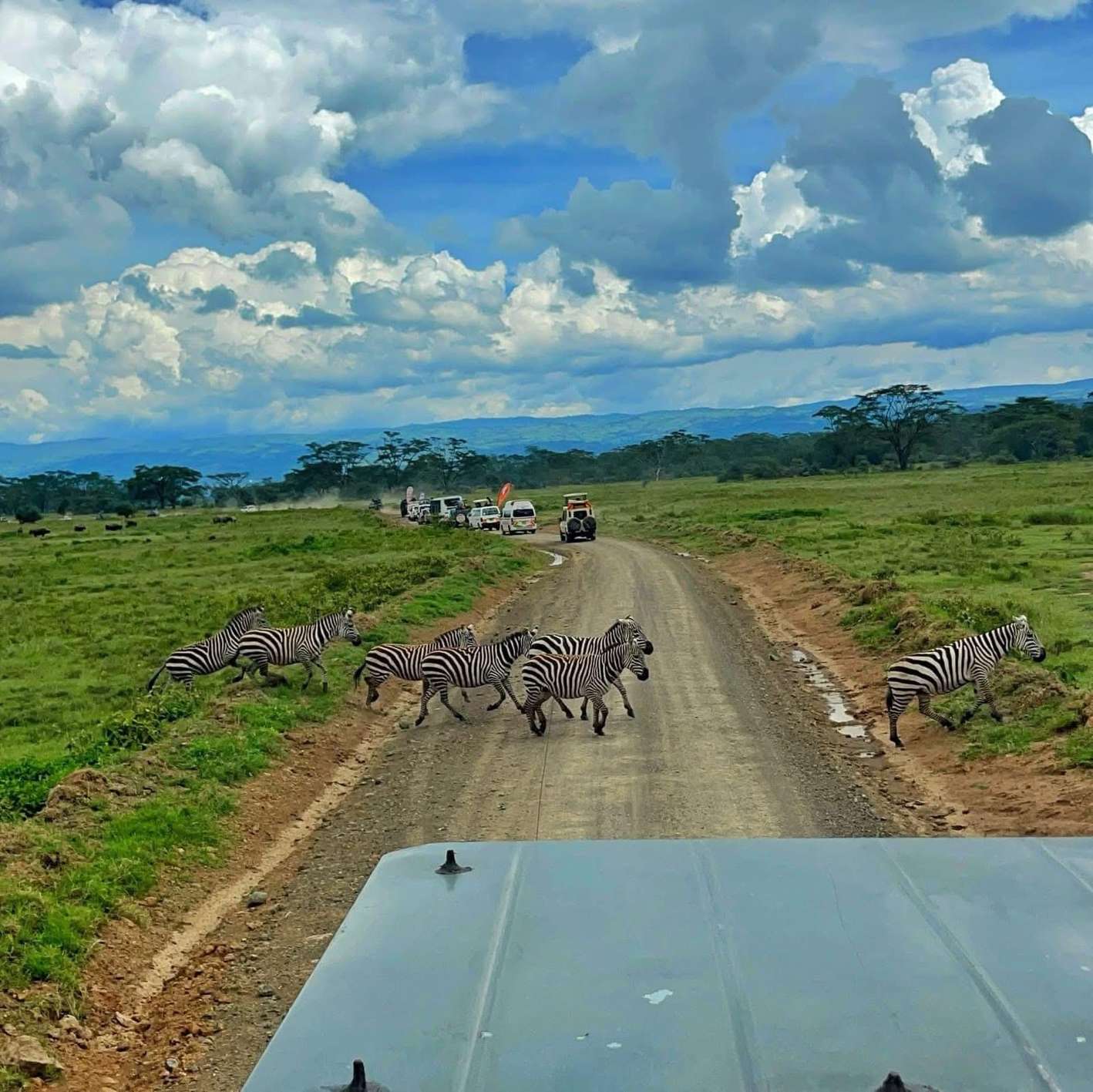
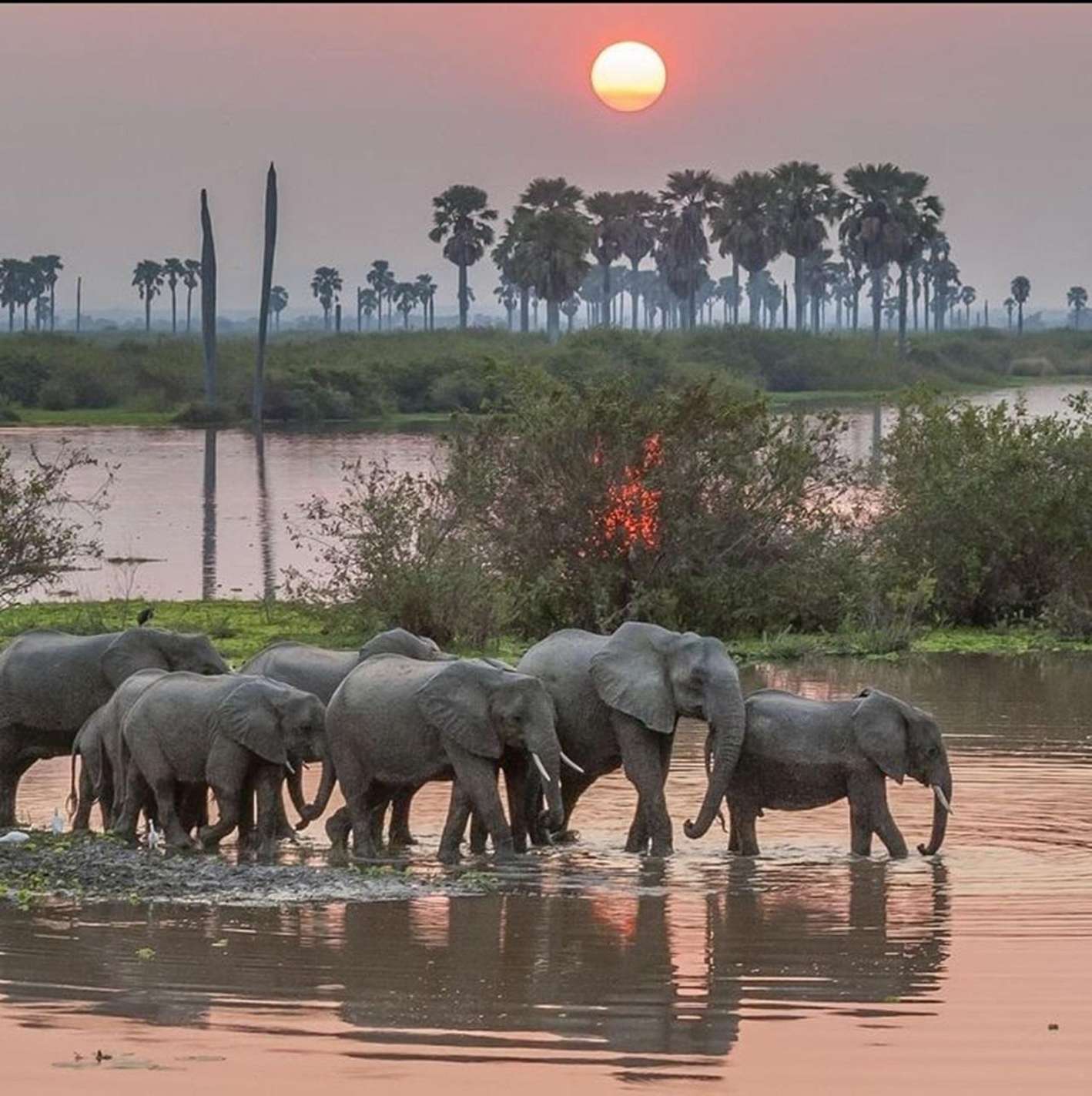
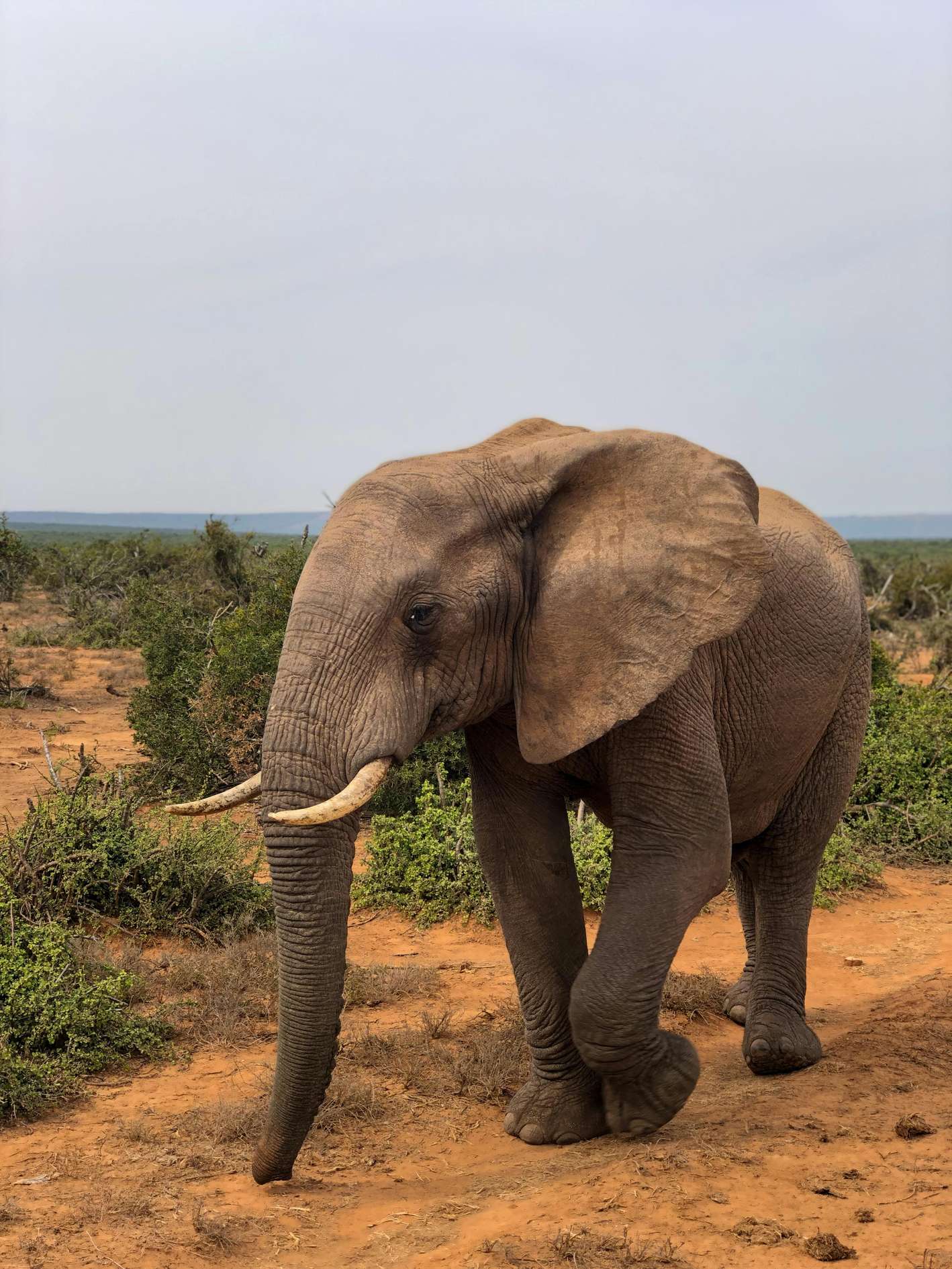
Watch elephants from your first game drive onward. Leave Arusha early in a 4x4 with a pop-up roof, and let guides who track sightings across the whole park take you straight down the Northern Circuit to the Serengeti and Ngorongoro Crater. Book a 3-day safari with hotel pickup and full-board camping included.
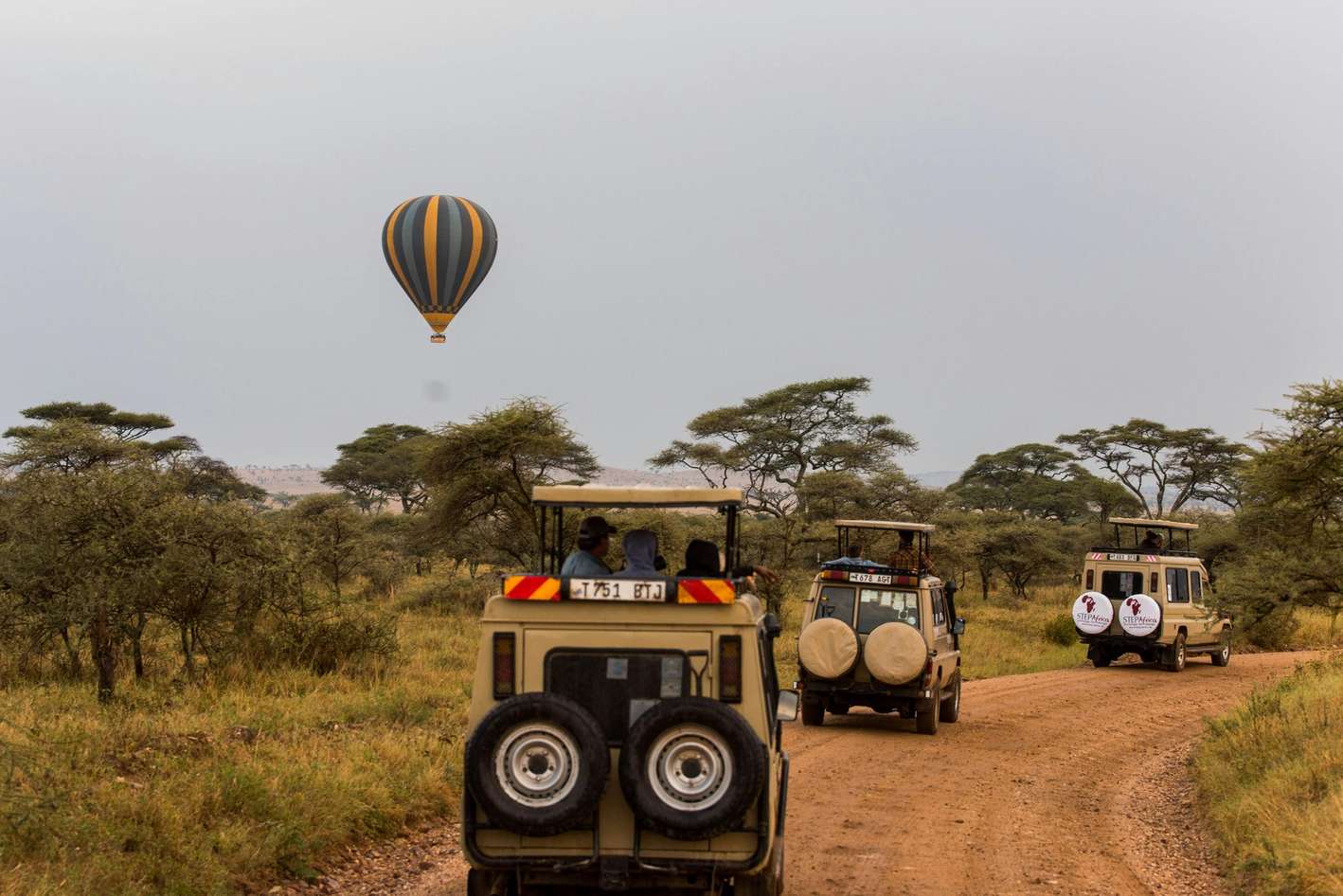
“Amazing trip with Season Master Adv. Friendly, knowledgeable guide, quick helpful replies. Added a Serengeti balloon safari last minute, worth every penny. Highly recommend!”
Distance to gateTarangire about 120 to 130 km, roughly 2 to 2.5 hours each way
Day lengthDay trips run 8 to 13 hours, gates open 6 am to 6 pm
DepartureAround 6 am to reach the gate at opening
Best monthsJune to October for dense elephant herds in Tarangire
Trip lengthOne day at a nearby park, or 3 to 4 days for the full circuit
Safari tours from Arusha
Overland safaris that leave Arusha by road, from a single day at Tarangire or Ngorongoro to three and four day loops through the Serengeti. All start with a hotel pickup and run in a 4x4 with a guide.
Our top pick
★ 4.7 (75) · 3 days · English
Arusha: 3-Day Serengeti & Ngorongoro Crater Big Five Safari
Bottled drinking water throughout the tourServices of a professional safari chefAll activities as per the itinerary
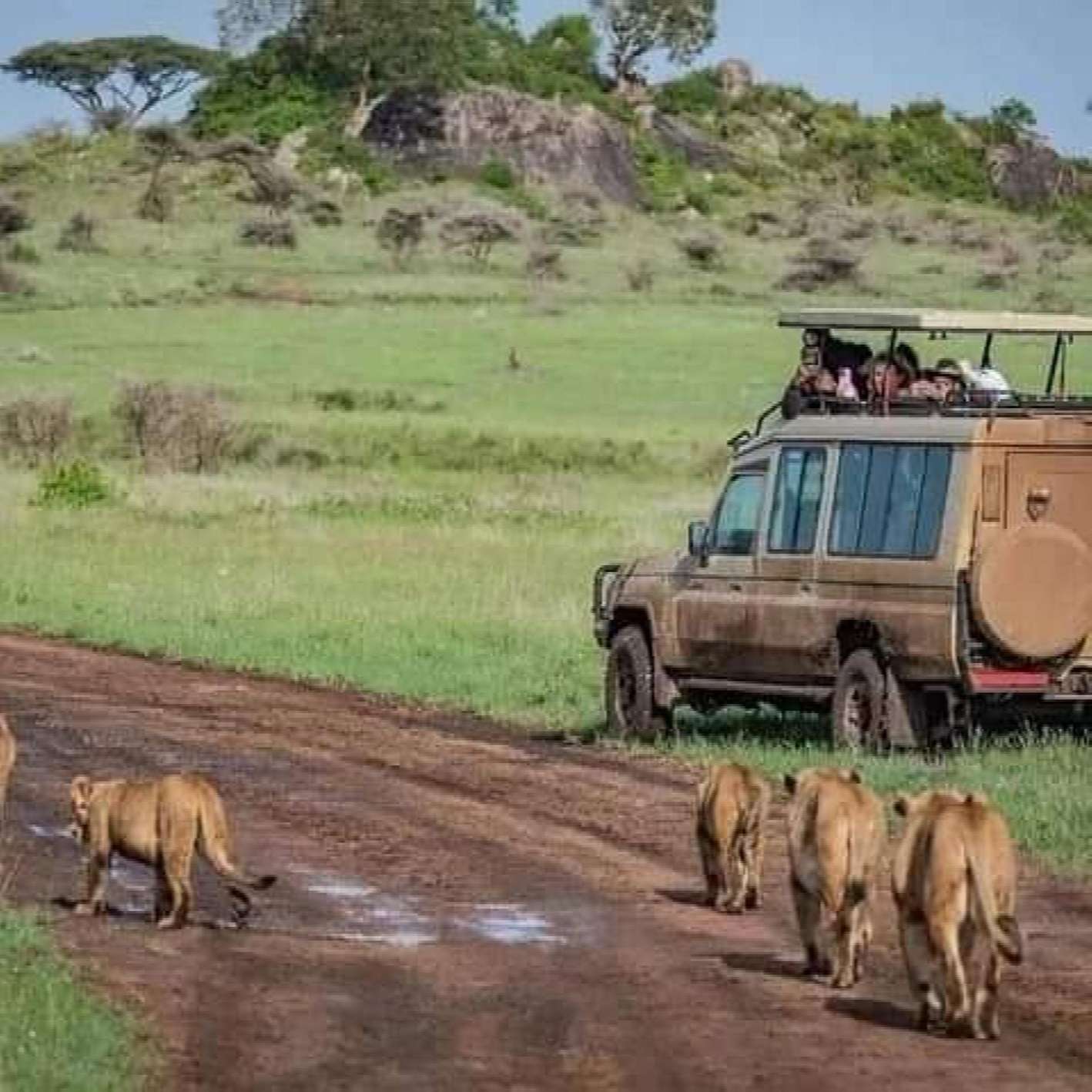
Most reviewers praise their guides, who drive and ask other drivers across the park until they find the Big Five.
Best surprise
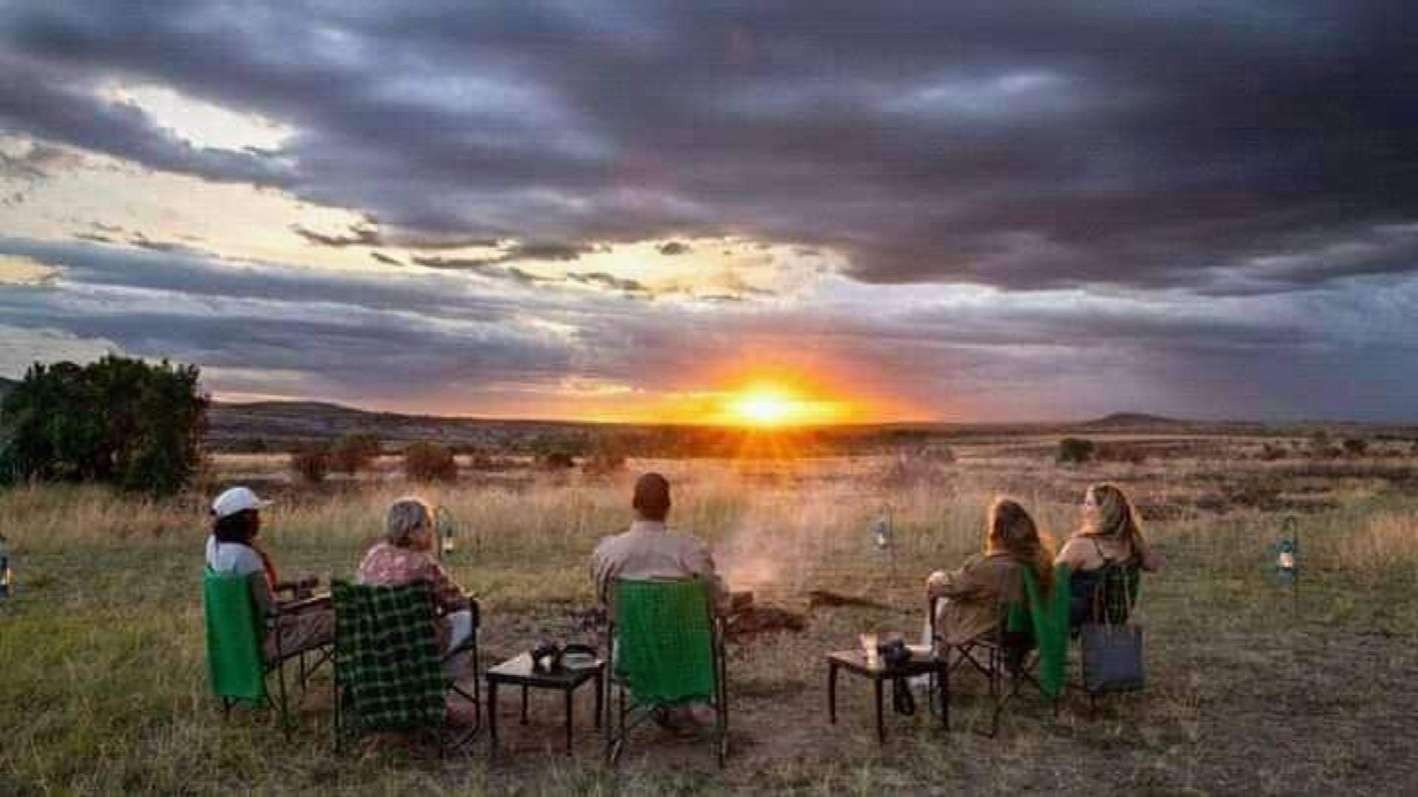
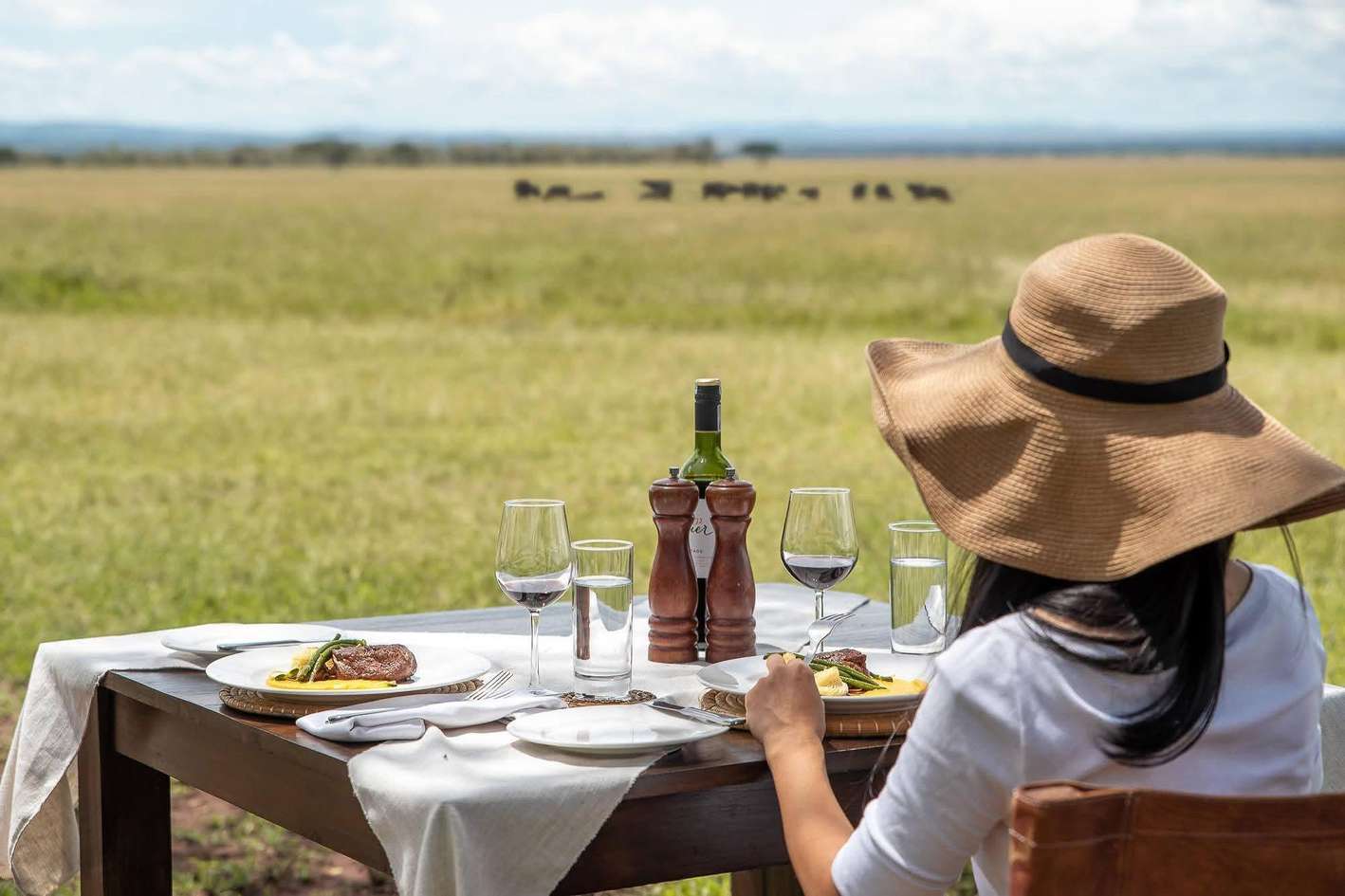
Several reviewers loved the camping nights, where a personal chef cooked three meals a day under the stars.
Most common wish
A few travelers wished they had booked more days, saying three hours of game driving felt too short.
How to book a Tanzania Safari from Arusha
01
Pick your date first
Choose your travel dates before anything else, because camps on the northern circuit work on fixed pitches. In the July to October peak, camp spots fill six to twelve months ahead, and Northern Serengeti camps can be full a year out.
Pro tipLock in dry-season dates a year ahead if you want the dense Tarangire elephant herds that gather along the river from August to October
Common mistakeBooking a July Serengeti trip in June and finding every campsite taken
02
Choose the option that fits your group
On the booking page, pick between joining a small group and taking a private 4x4 with your own guide. A private vehicle lets you set the daily timing and how long you linger at sightings; a group safari follows the fixed plan and often camps in basic tents with foam mattresses and shared bathroom blocks.
Common mistakeFirst-timers book a joining safari for flexibility they never get, because the shared vehicle moves on the group's schedule
Pro tipMost tours let you cancel up to 24 hours in advance for a full refund, so an early choice is reversible
03
Pay and get your confirmation
After payment you receive a confirmation with your pickup details and the operator's contact. Read it the same day, because some operators ask for a passport copy from non-residents before departure, and that document check can stop the trip if it arrives late.
ImportantHave your passport ready, valid six months beyond arrival, with blank pages for entry stamps
Pro tipReply to the operator's confirmation email within a day, while sorting a passport copy takes one email instead of a panic on departure morning
04
Sort your pickup point
Group safaris collect you from your accommodation in Arusha City Centre, at spots near hotels such as Kibo Palace, Four Points, or Mount Meru. Stays outside the centre need a private transfer to the city centre meeting point at an extra cost, so the pickup note in your confirmation tells you which case you are in.
Pro tipIf your stay is outside the centre, arrange the transfer at booking time, months before you pack
Common mistakeBooking a lodge on the outskirts and assuming the safari vehicle comes out there anyway
05
The morning of the tour
Be ready at your hotel reception between 6:00 and 7:30 in the morning, since departures run early to reach the gates when they open. Pack light, in neutral colors, because bright clothing is not allowed in the parks and soft bags beat hard suitcases on a 4x4.
RecommendedPut sunscreen, insect repellent, and a warm jacket by the door the night before, as mornings on the crater rim turn cold
ImportantPark gates close at 6:00 in the evening, so a late start shortens your game drive, not the tour
The route · 12 min read
The Arusha overland route
Arusha sits at the head of the Northern Circuit, with tarmac highway linking the parks in a continuous westward line. Tarangire lies 2 to 2.5 hours southwest, and Ngorongoro's rim is 3 to 4 hours further past Lake Manyara.
How long you have decides the shape of the trip. One free day fits a single park like Tarangire, Arusha National Park, or a full day on the Ngorongoro crater floor. Three or four days let you join the parks into one loop without backtracking, since the route follows a single trunk road.
Pickup is free within the Arusha city centre, so book accommodation in the central zone or budget a private transfer to the meeting point.
A typical day
Day3 days
Stops2
PickupHotel
Rating4.7 ★
Arusha RegionPickup
Arusha Region, Mto Wa Mbu, Karatu, Arusha Urban, Makuyuni, Arusha
Mto Wa MbuPickup
Arusha Region, Mto Wa Mbu, Karatu, Arusha Urban, Makuyuni, Arusha
KaratuPickup
Arusha Region, Mto Wa Mbu, Karatu, Arusha Urban, Makuyuni, Arusha
Arusha UrbanPickup
Arusha Region, Mto Wa Mbu, Karatu, Arusha Urban, Makuyuni, Arusha
MakuyuniPickup
Arusha Region, Mto Wa Mbu, Karatu, Arusha Urban, Makuyuni, Arusha
ArushaPickup
Arusha Region, Mto Wa Mbu, Karatu, Arusha Urban, Makuyuni, Arusha
Serengeti National Park
Break time, Breakfast, Dinner, Lunch, Picnic, Camp activities, Game drive, Off-road adventure, Scenic drive, Scenic views on the way, Wildlife viewing
Ngorongoro Crater
Guided tour, Game drive, Off-road adventure, Scenic drive, Scenic views on the way, Wildlife viewing
Arusha RegionDrop-off
Arusha Region, Mto Wa Mbu, Karatu, Arusha Urban, Makuyuni, Arusha
Mto Wa MbuDrop-off
Arusha Region, Mto Wa Mbu, Karatu, Arusha Urban, Makuyuni, Arusha
KaratuDrop-off
Arusha Region, Mto Wa Mbu, Karatu, Arusha Urban, Makuyuni, Arusha
Arusha UrbanDrop-off
Arusha Region, Mto Wa Mbu, Karatu, Arusha Urban, Makuyuni, Arusha
MakuyuniDrop-off
Arusha Region, Mto Wa Mbu, Karatu, Arusha Urban, Makuyuni, Arusha
ArushaDrop-off
Arusha Region, Mto Wa Mbu, Karatu, Arusha Urban, Makuyuni, Arusha
Yellow fever vaccinations are not legally required for travel between mainland Tanzania and Zanzibar, and infants under 1 year are exempt under official entry guidelines.
Carry your vaccination certificate only if you arrive from a country that requires one, and confirm your own departure country's rules before flying.
Which wildlife each northern park is known for
Each park on the northern circuit has a signature, and knowing it saves you from expecting the wrong animals in the wrong place.
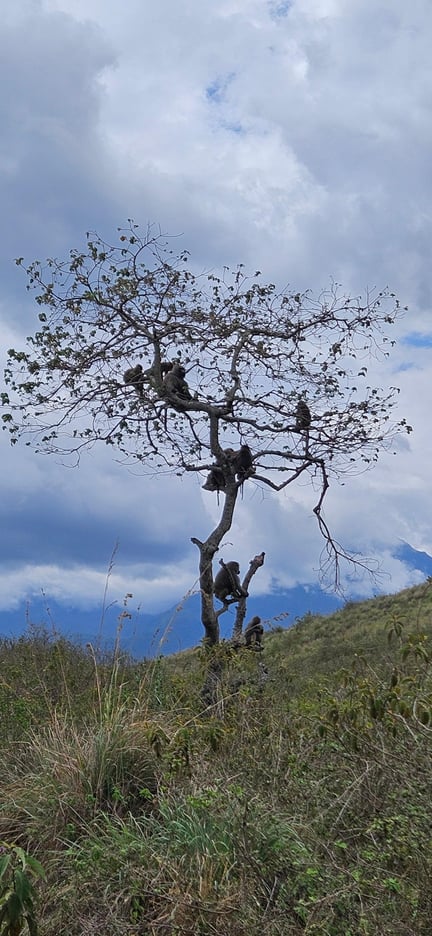
Arusha National Park sits closest to town and plays a different game: forest primates, walking safaris and canoeing, none of which the bigger parks allow. It has no lions, and elephants are very difficult to spot there. Come for the forest and the water; the big cats live elsewhere.
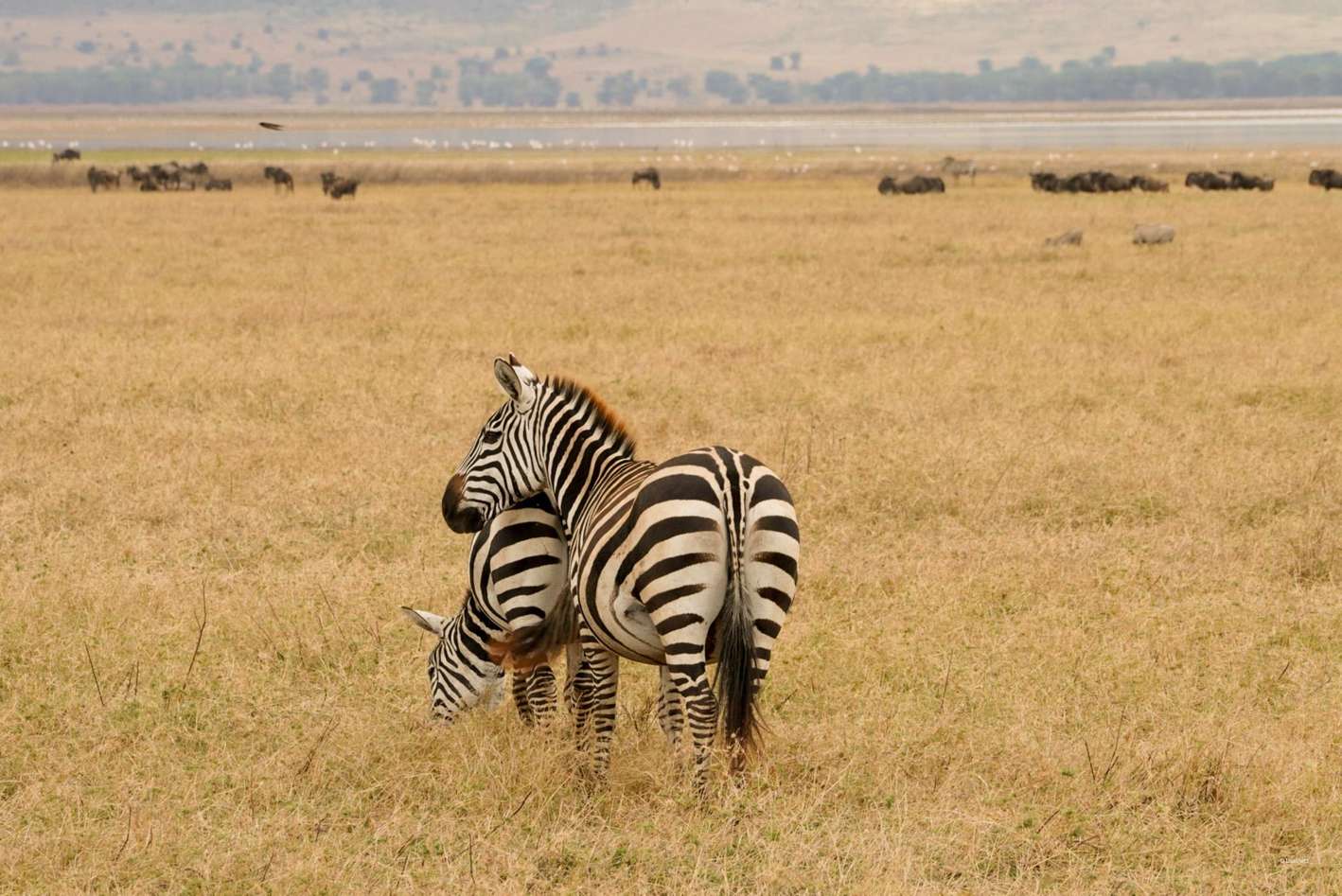
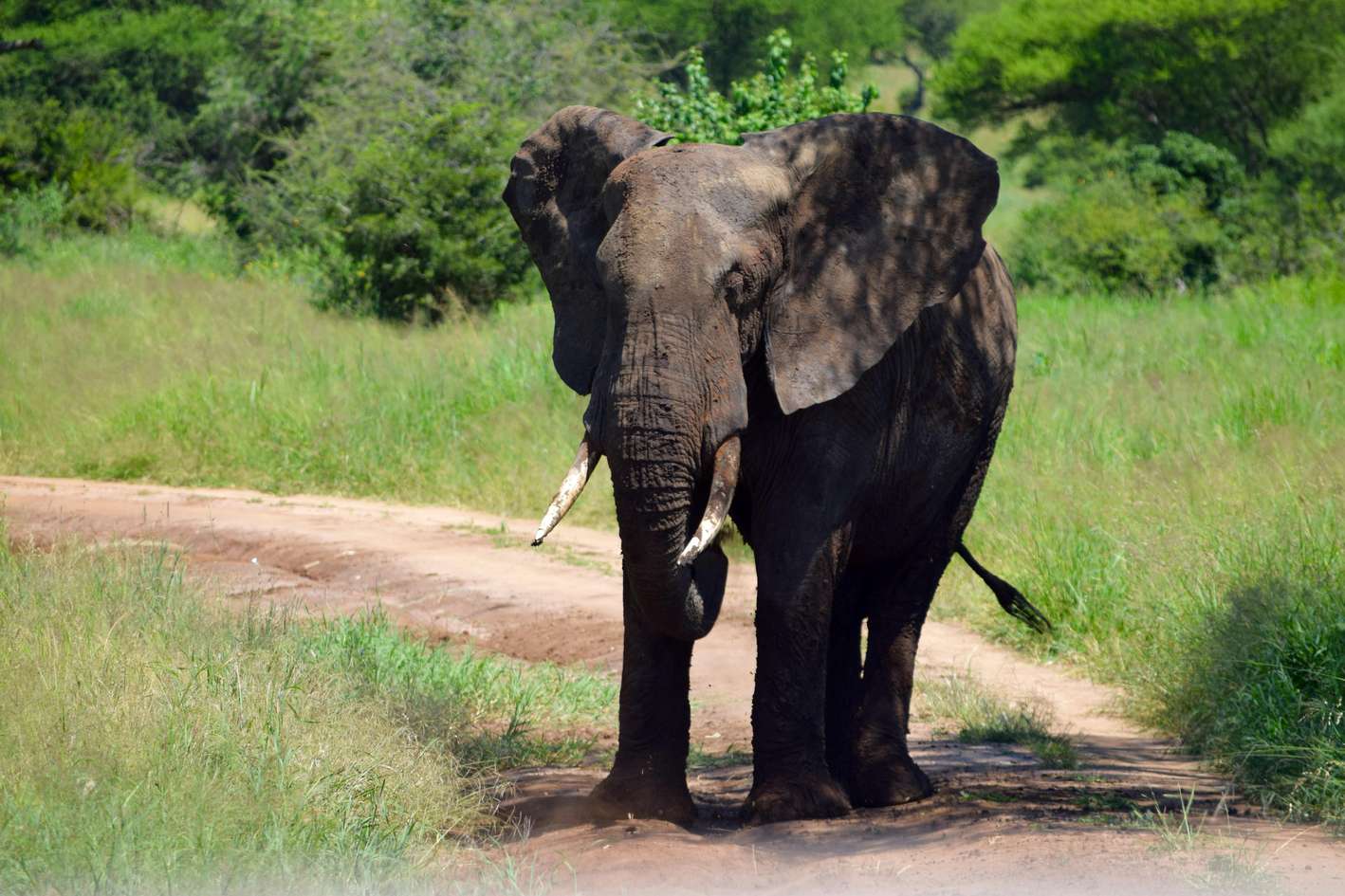
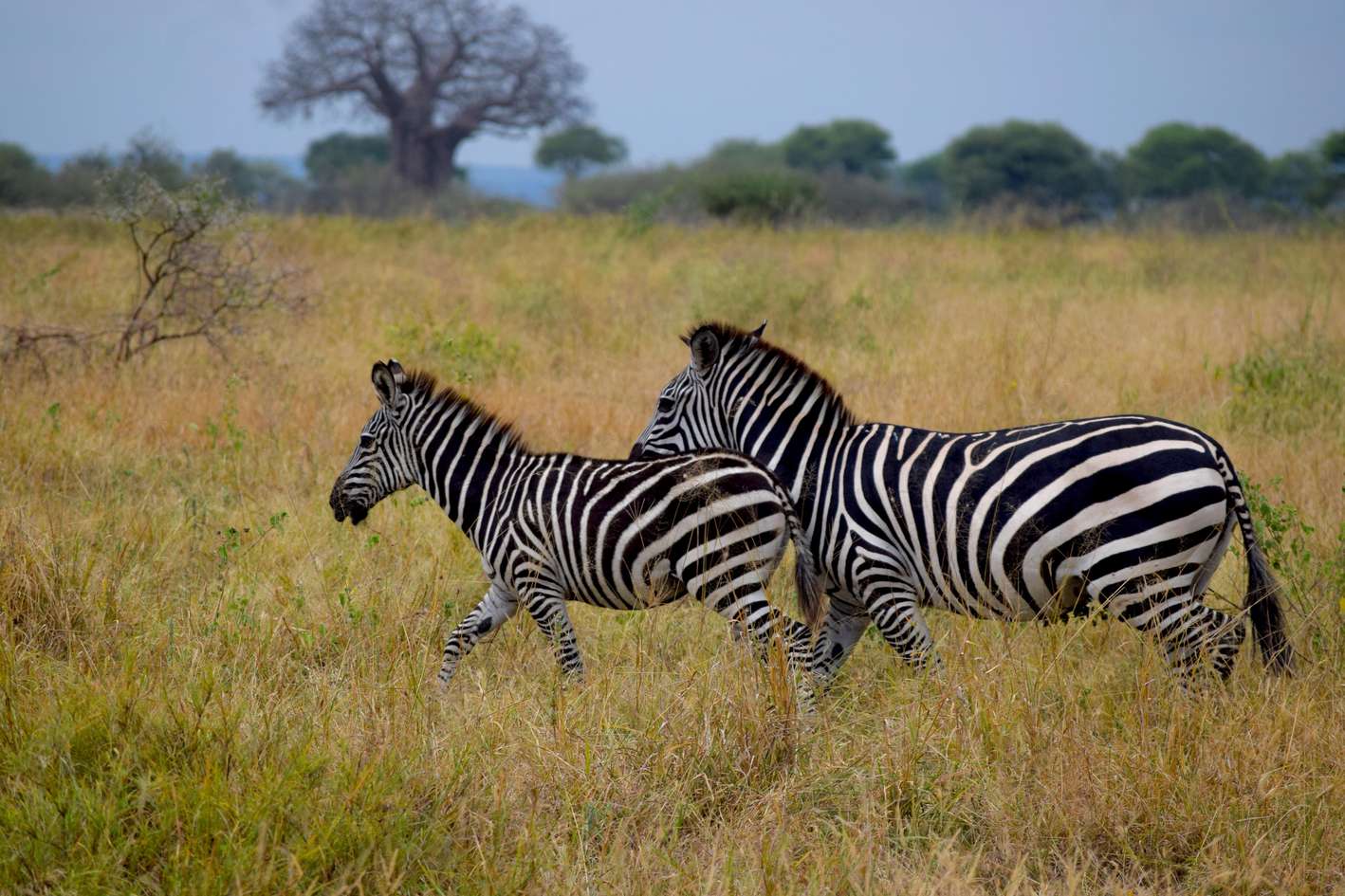
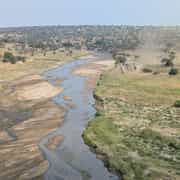
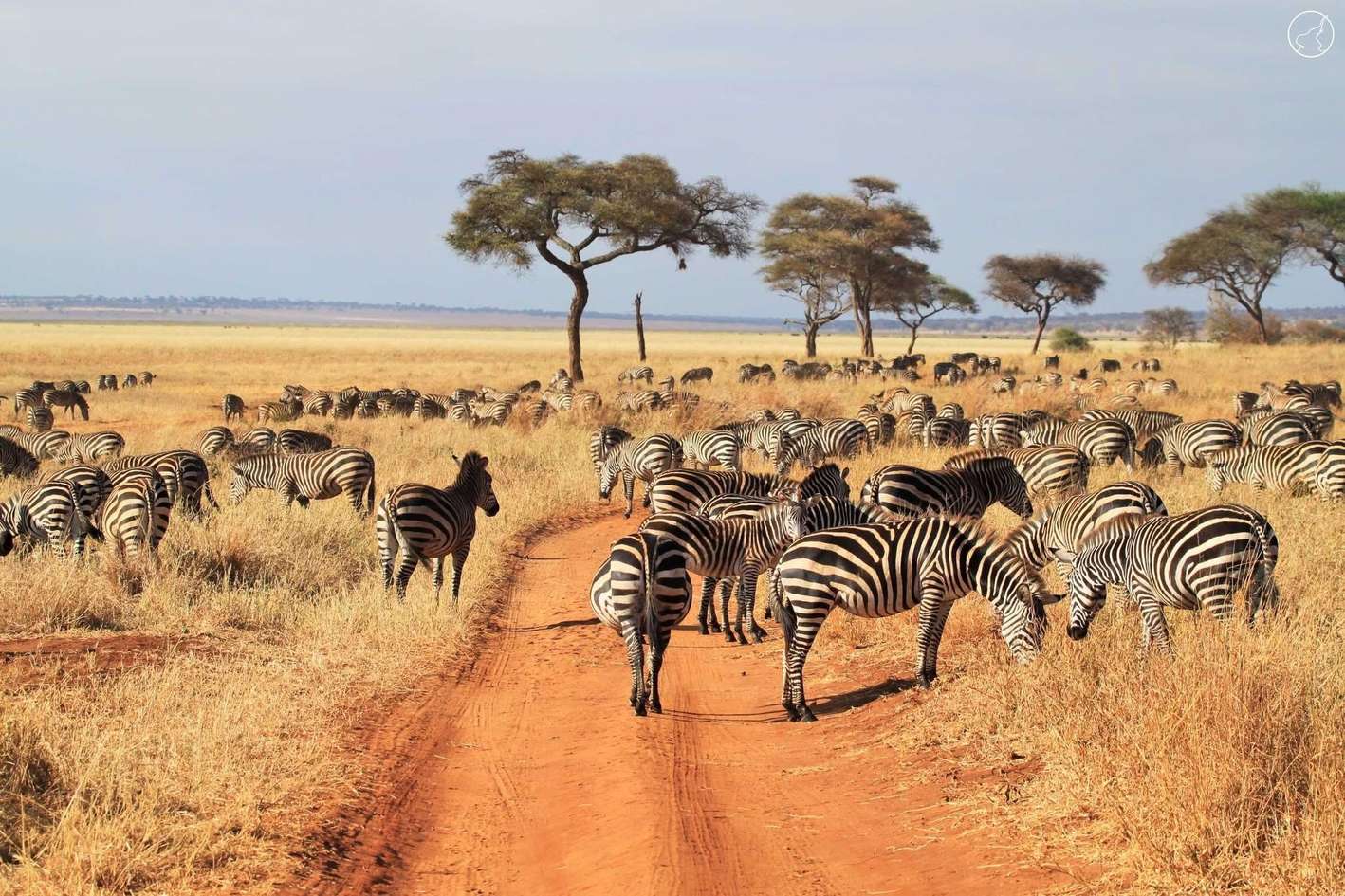
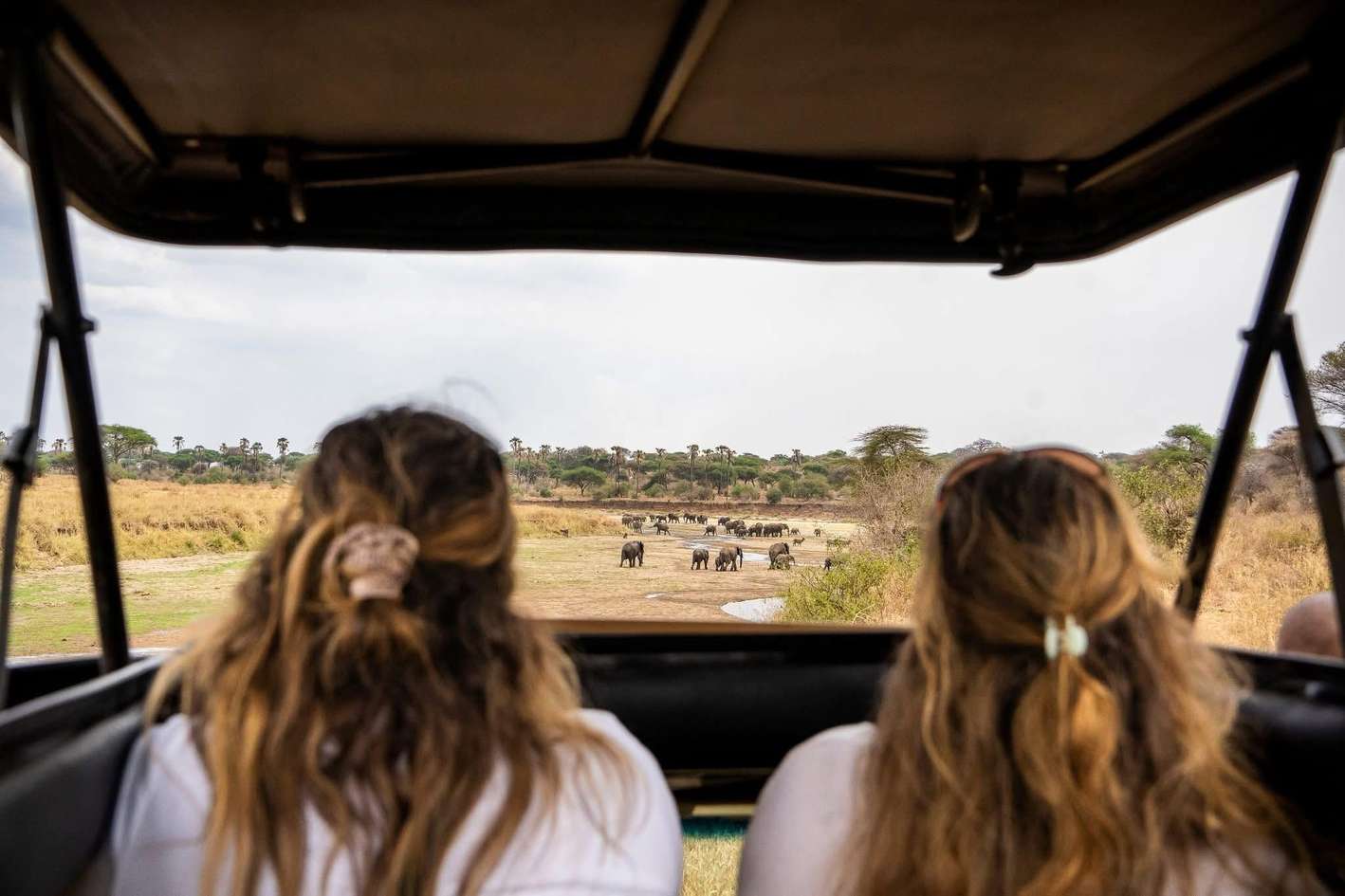
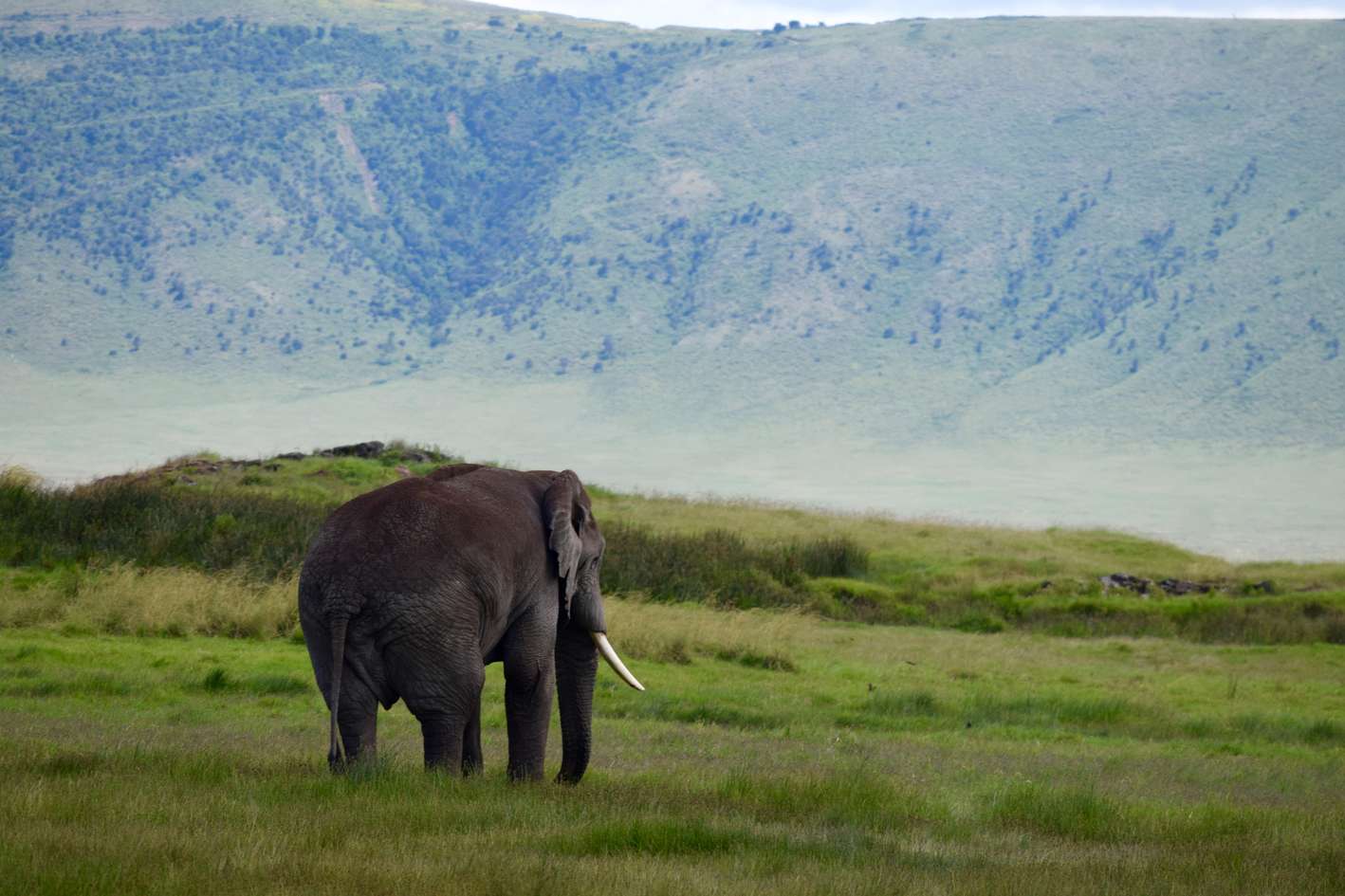
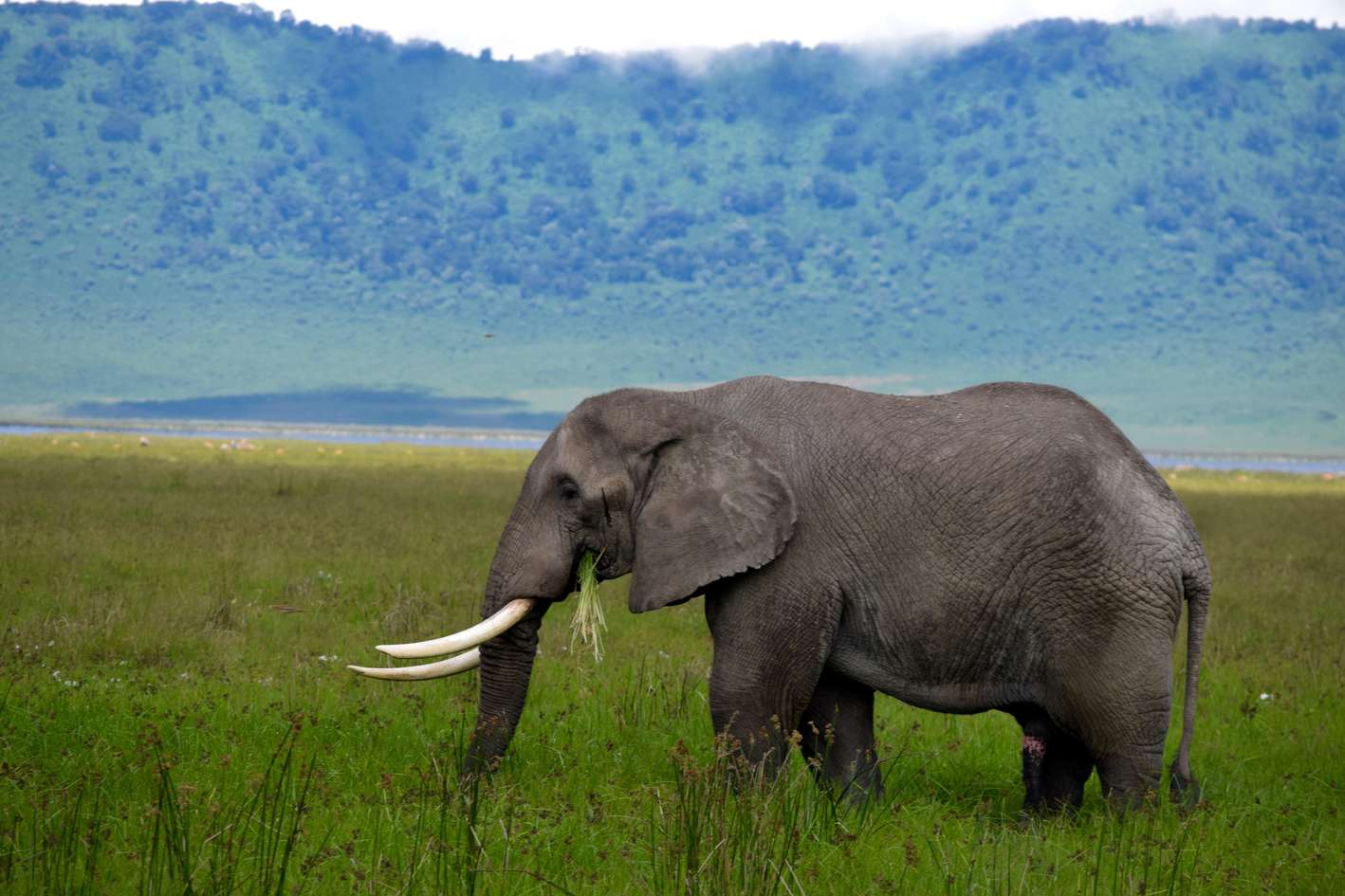
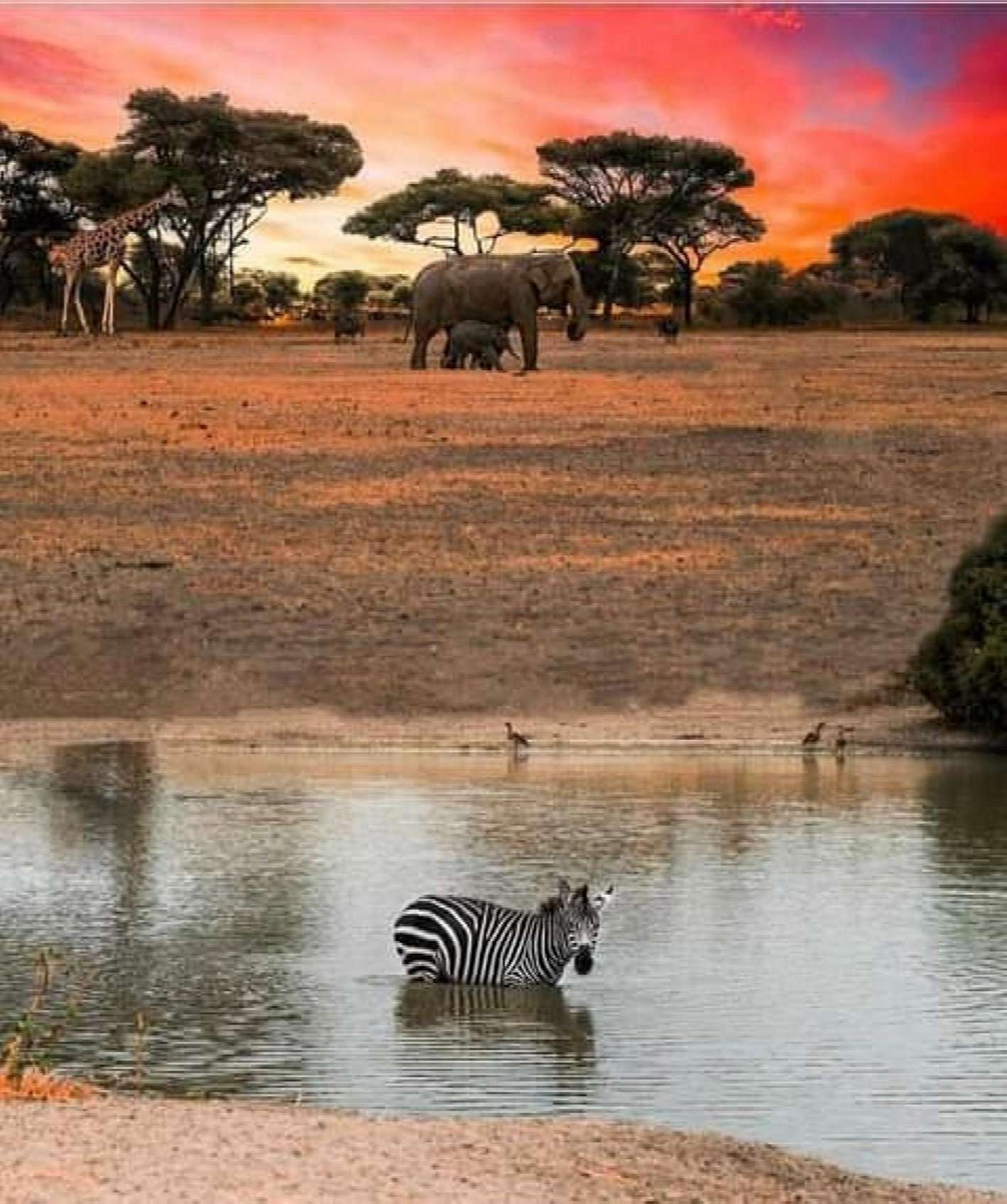
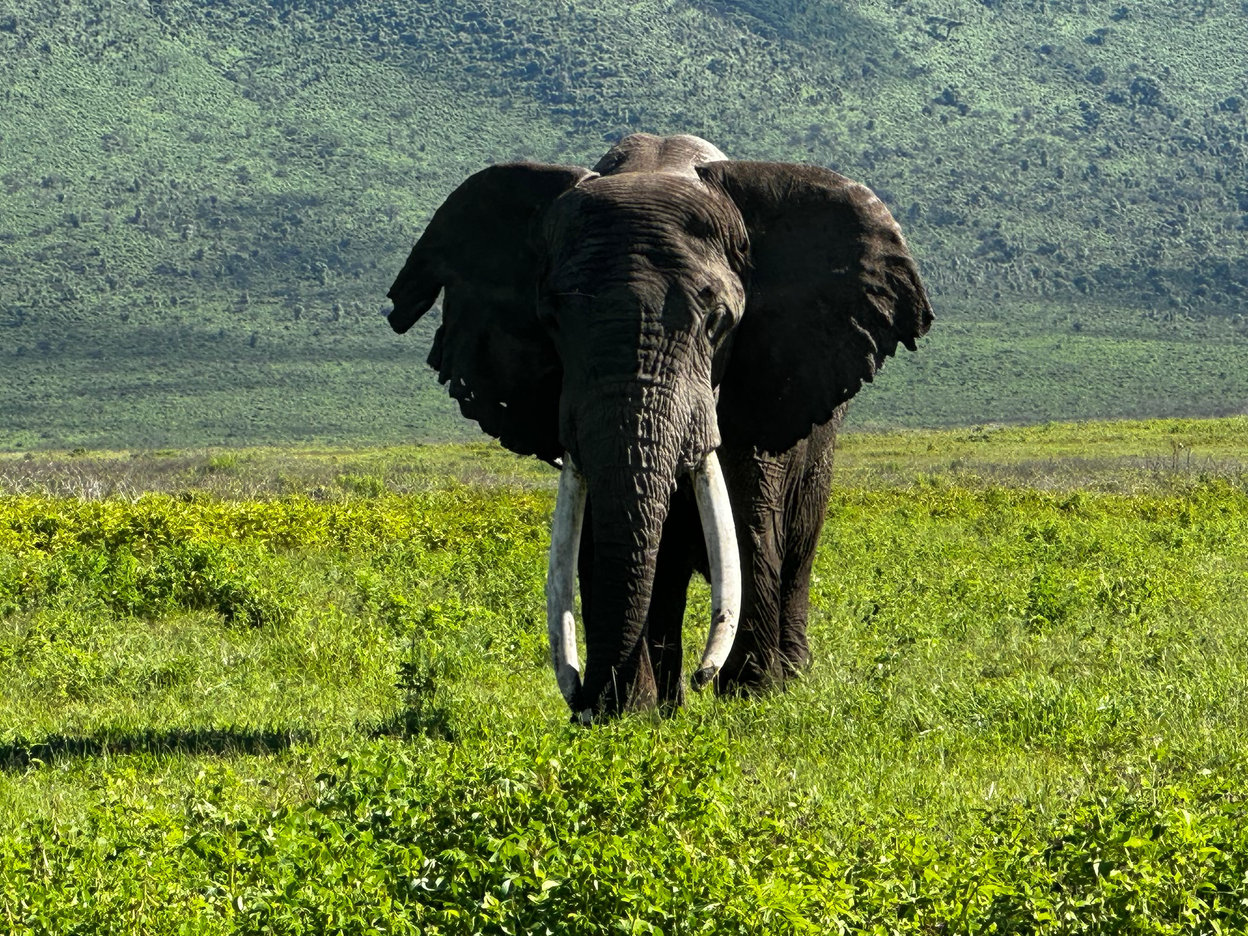
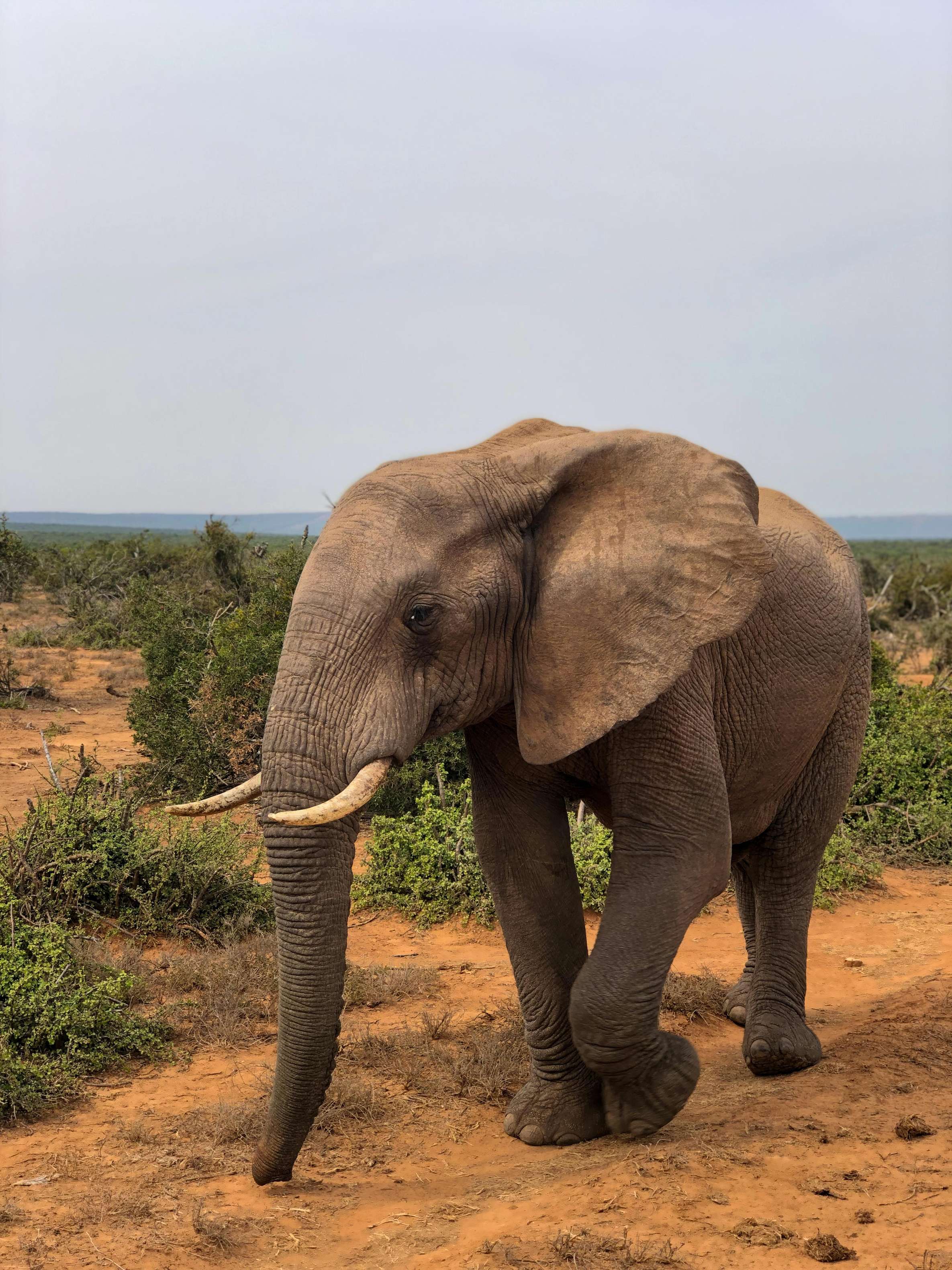
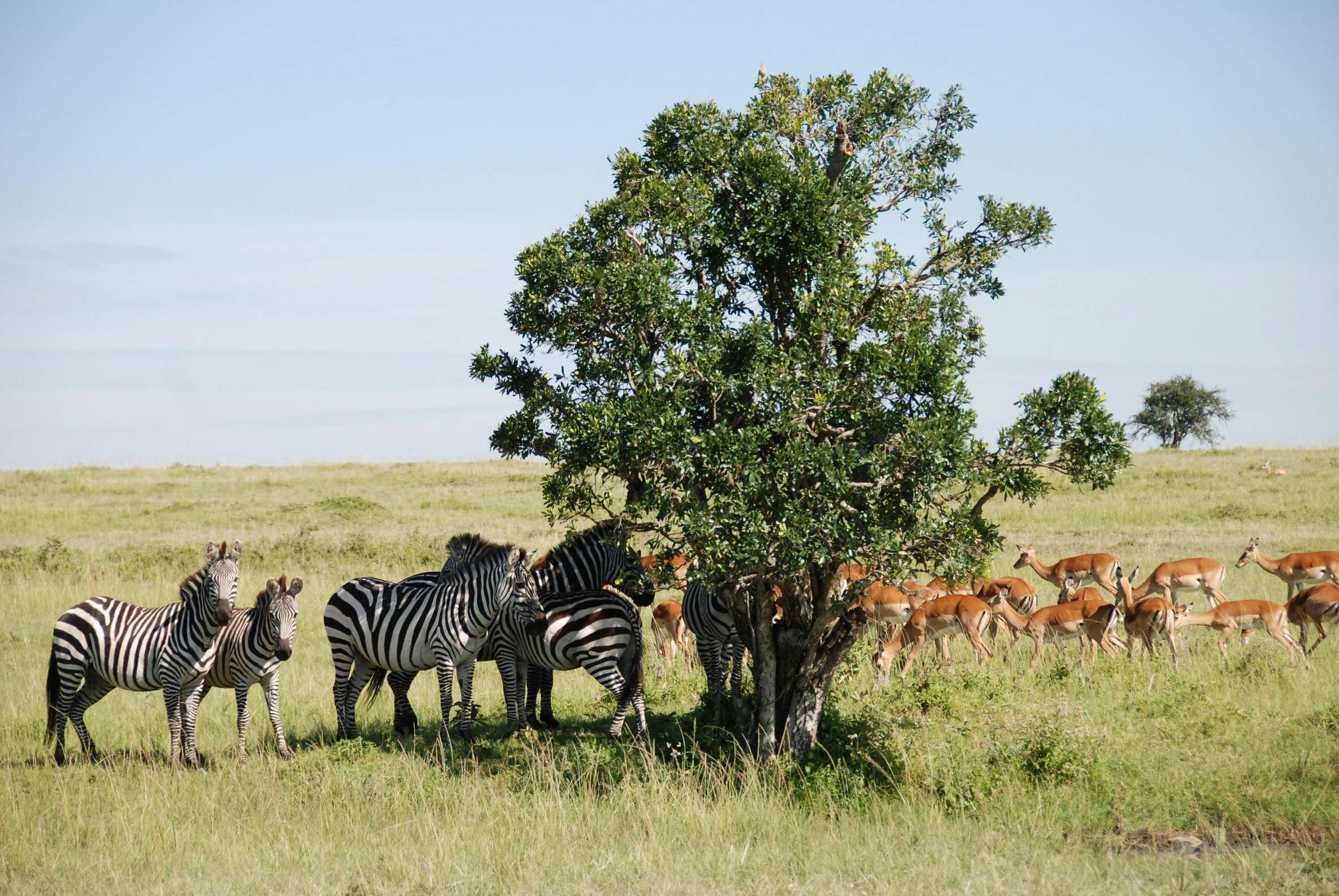
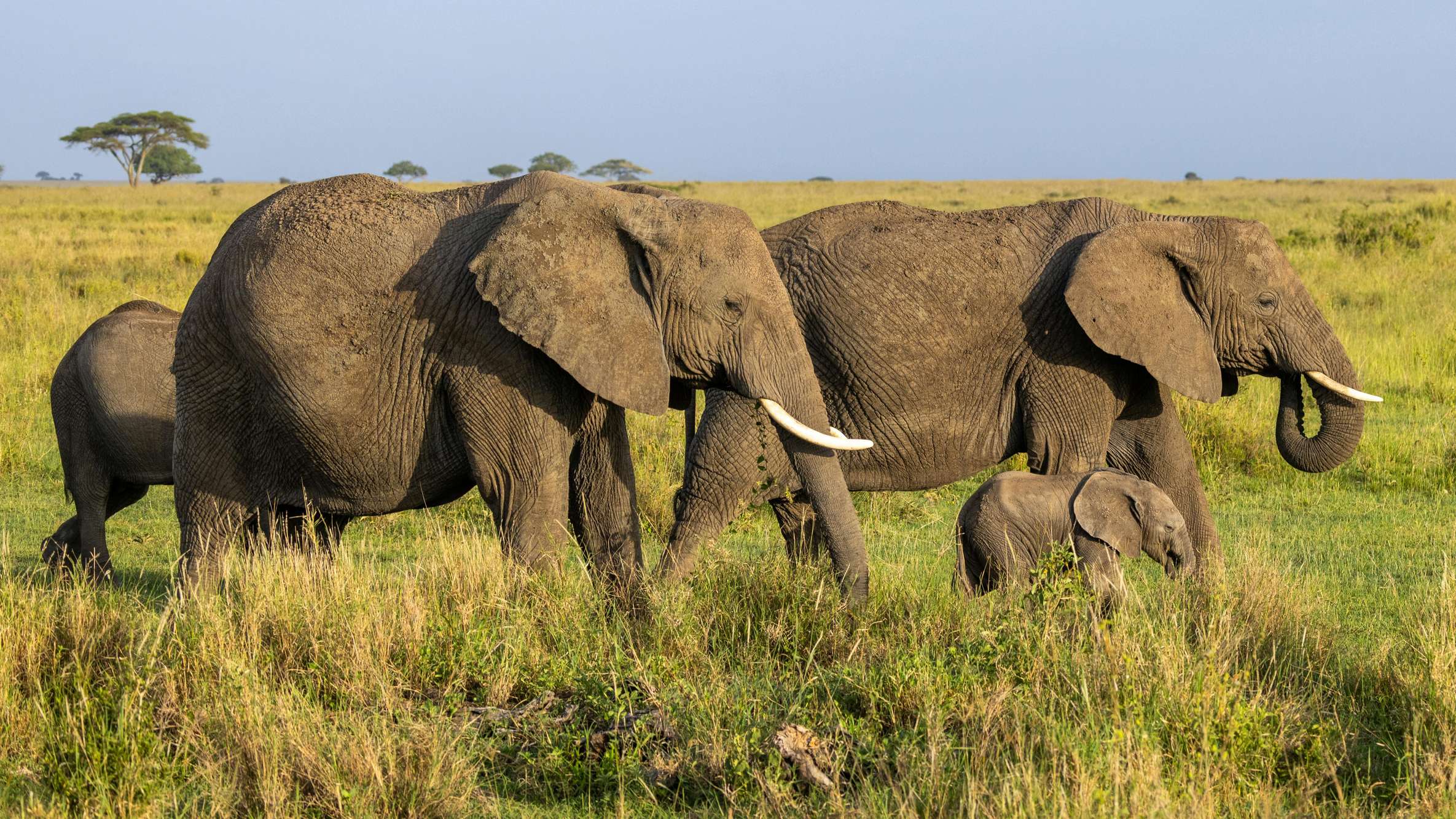
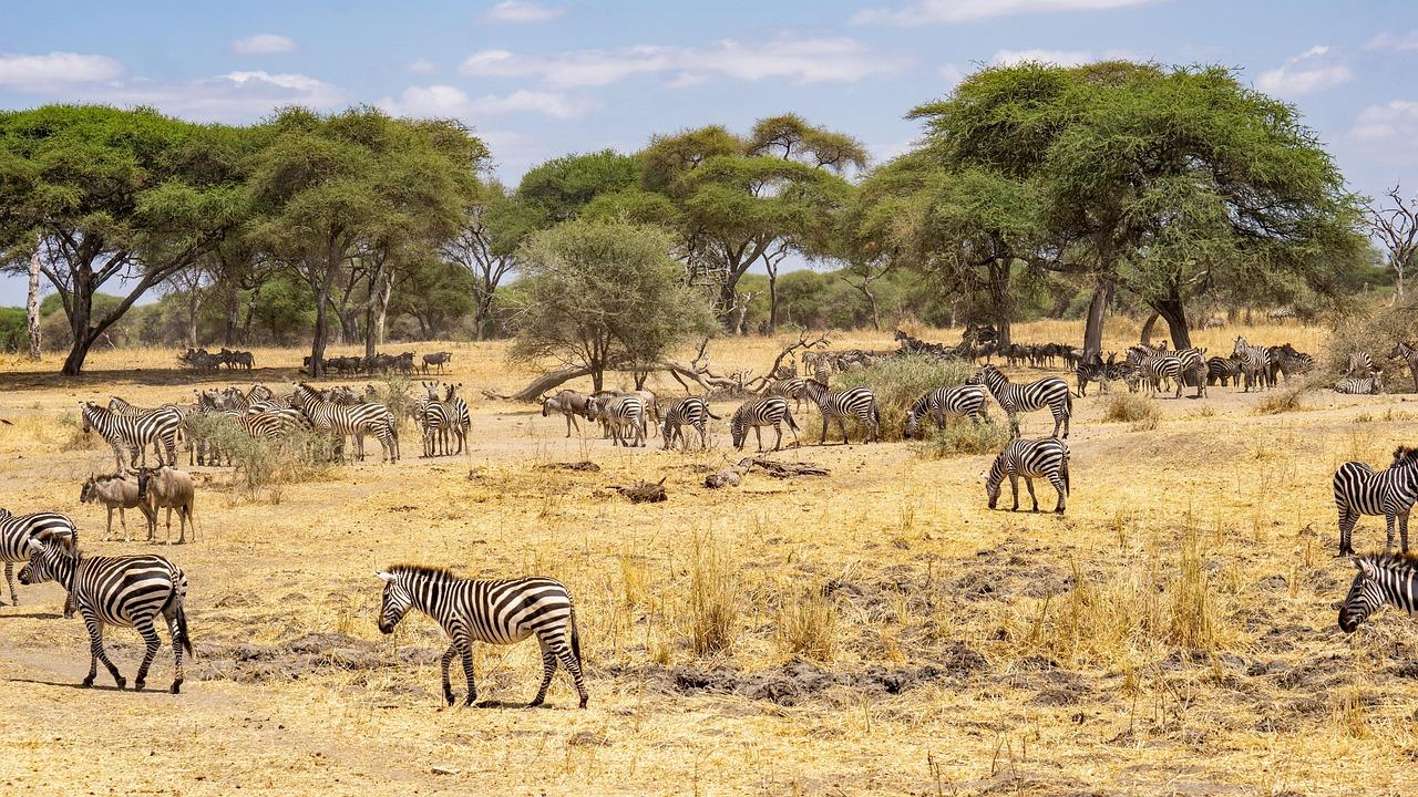
Tarangire is the elephant park. In the dry season from June to October, and peaking through September and October, herds crowd the Tarangire River and the Silale Swamp, because that river is the main permanent surface water left in the whole ecosystem while the surrounding pans dry up.
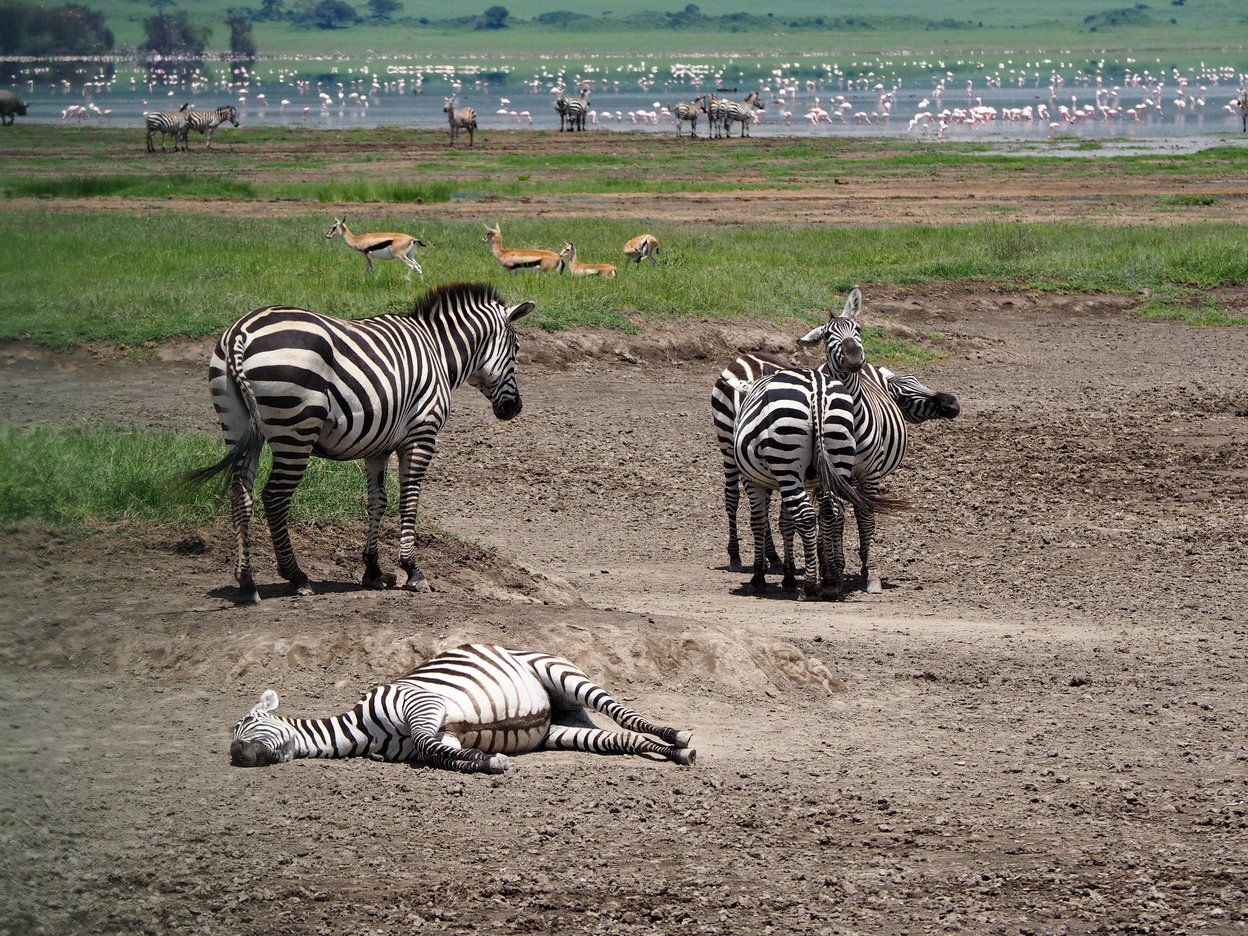
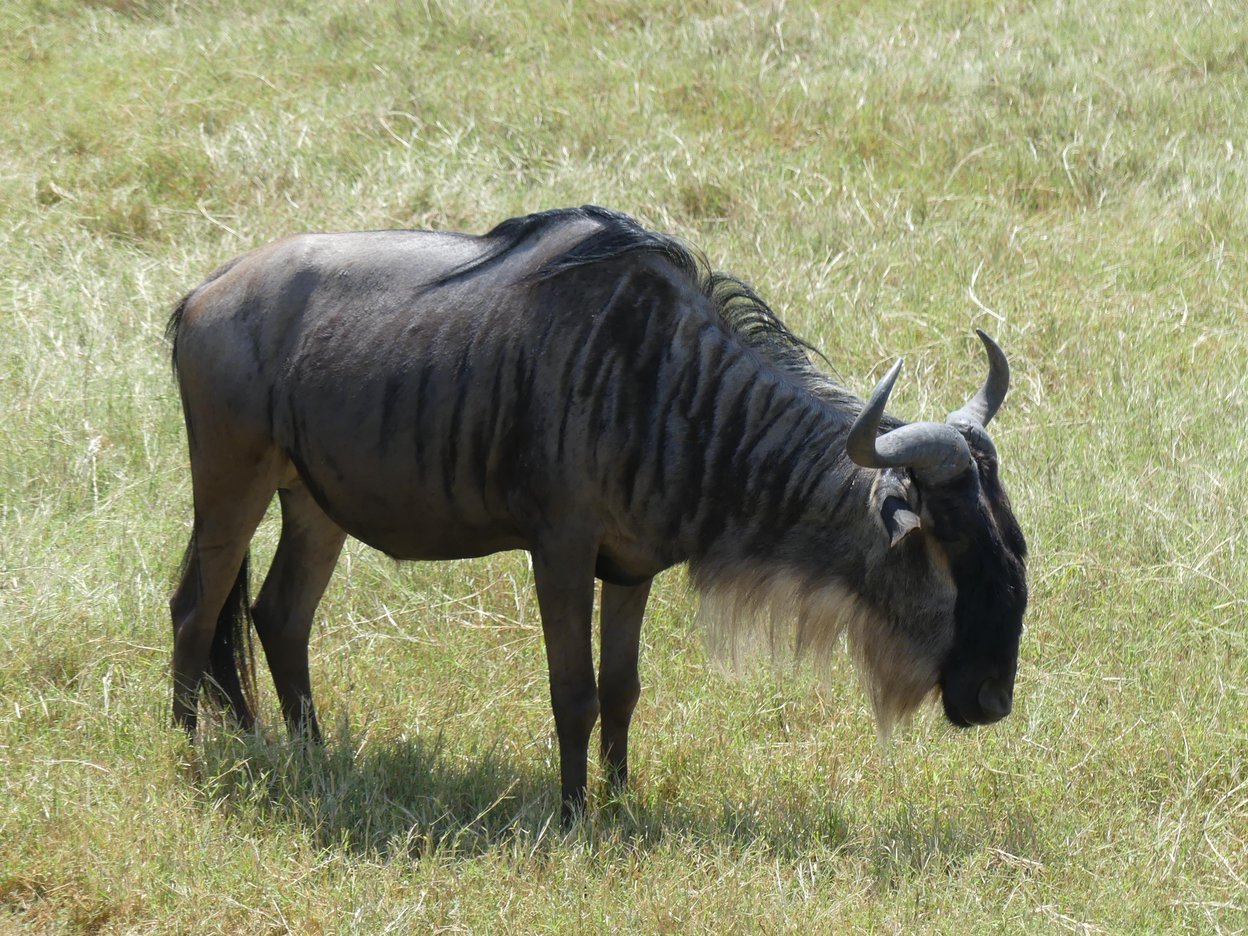
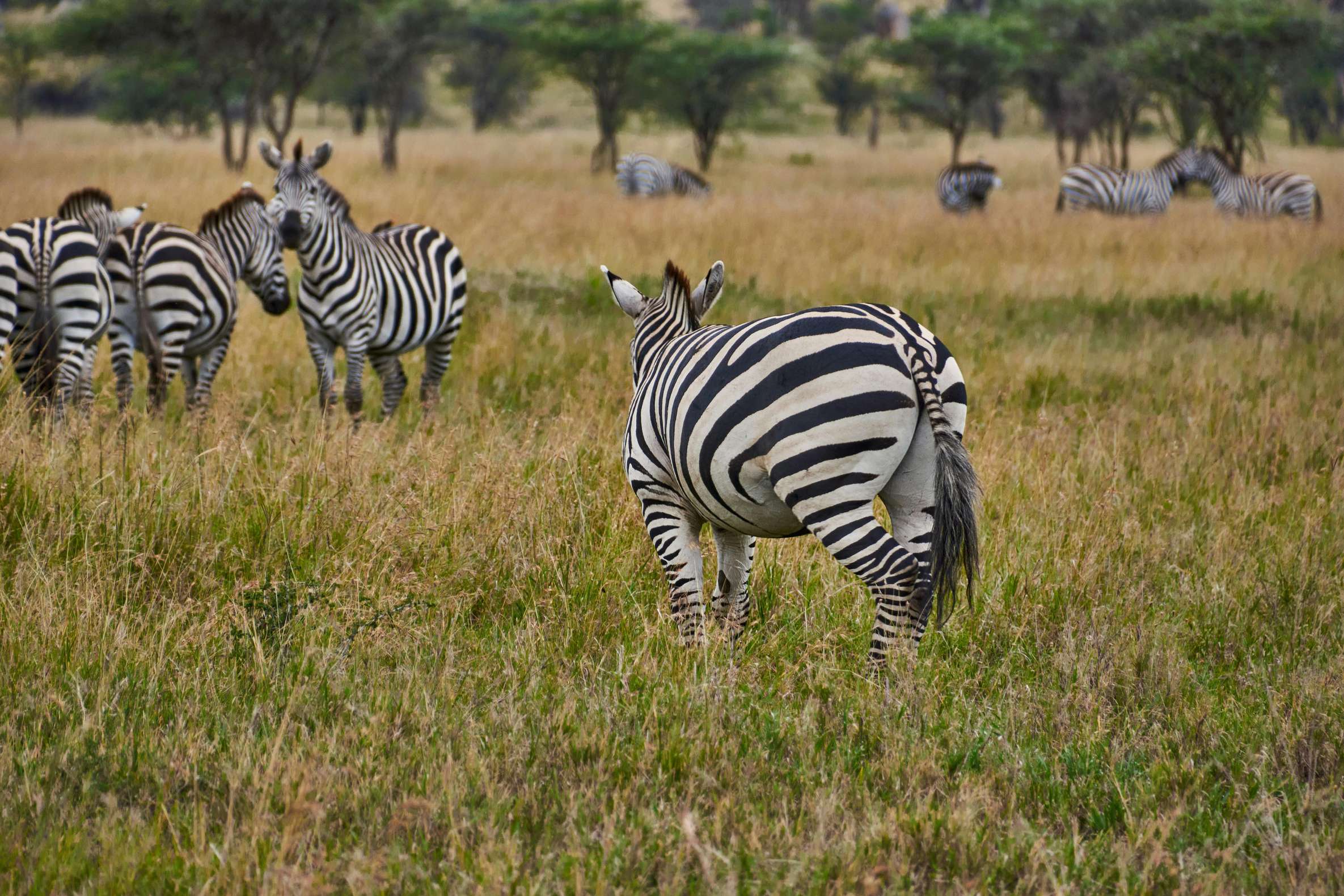
Zebras, wildebeest and buffalo arrive with them. When the rains fill pools across the plains from November to May, the herds spread out again.
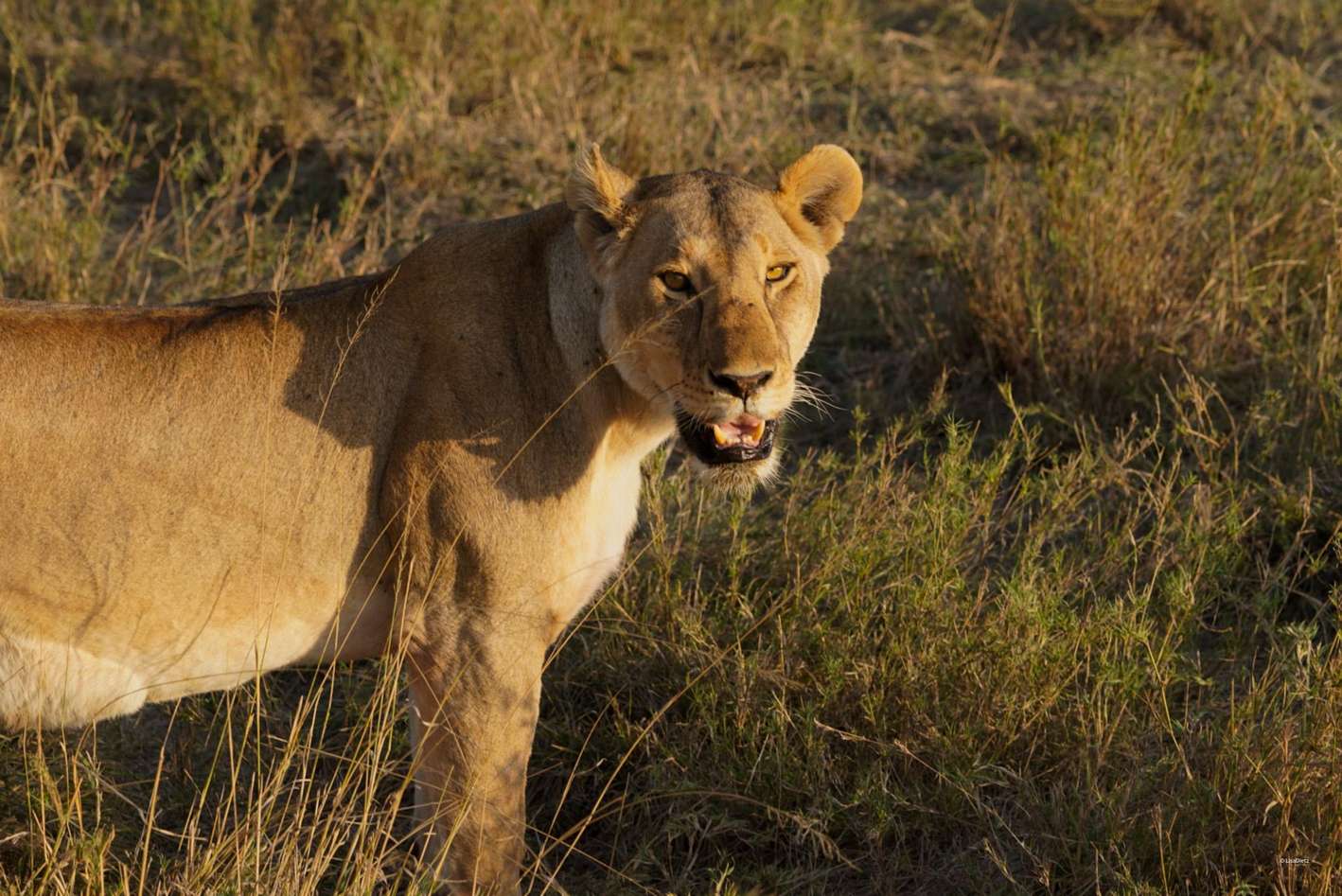
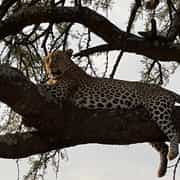
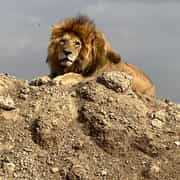
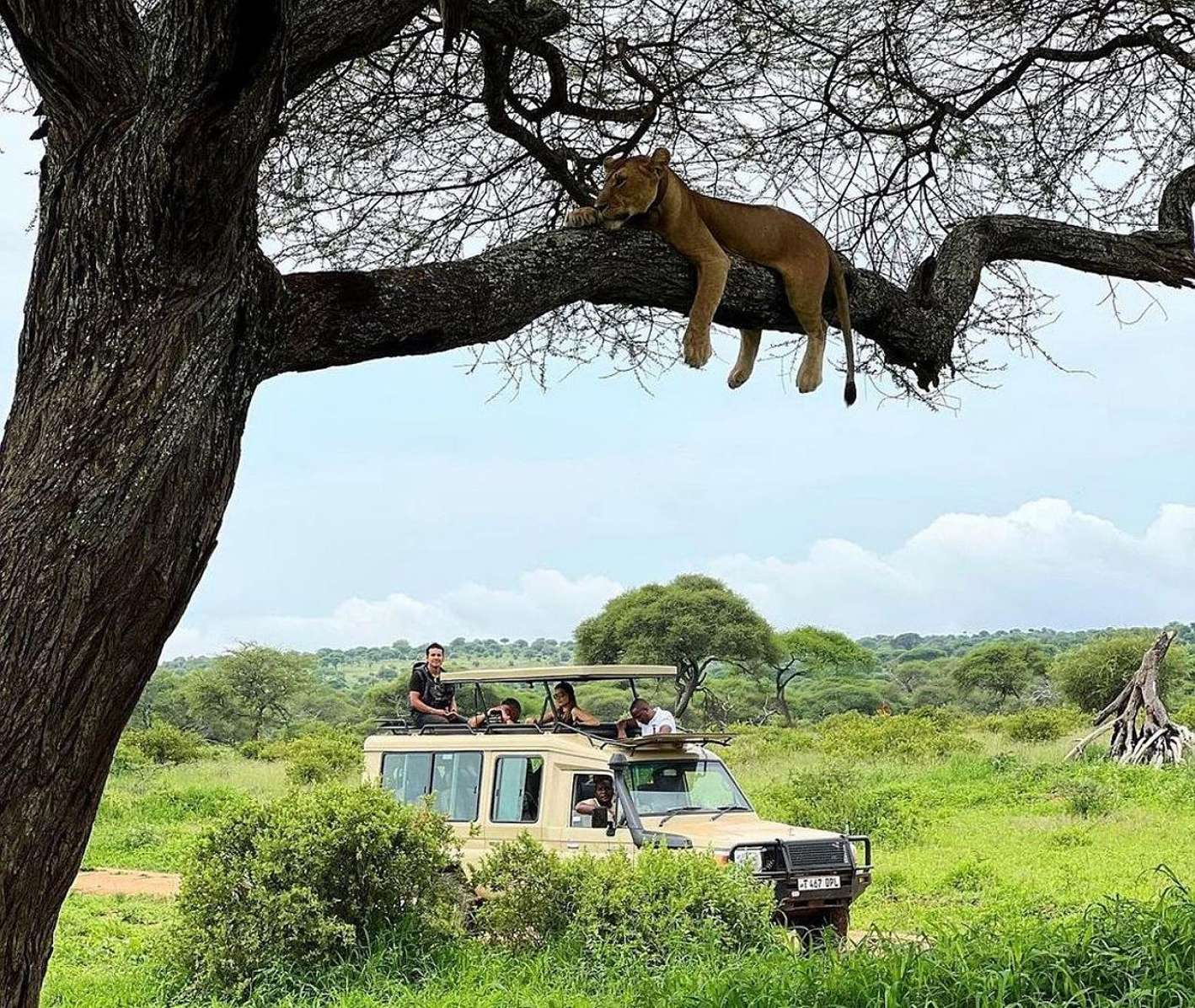
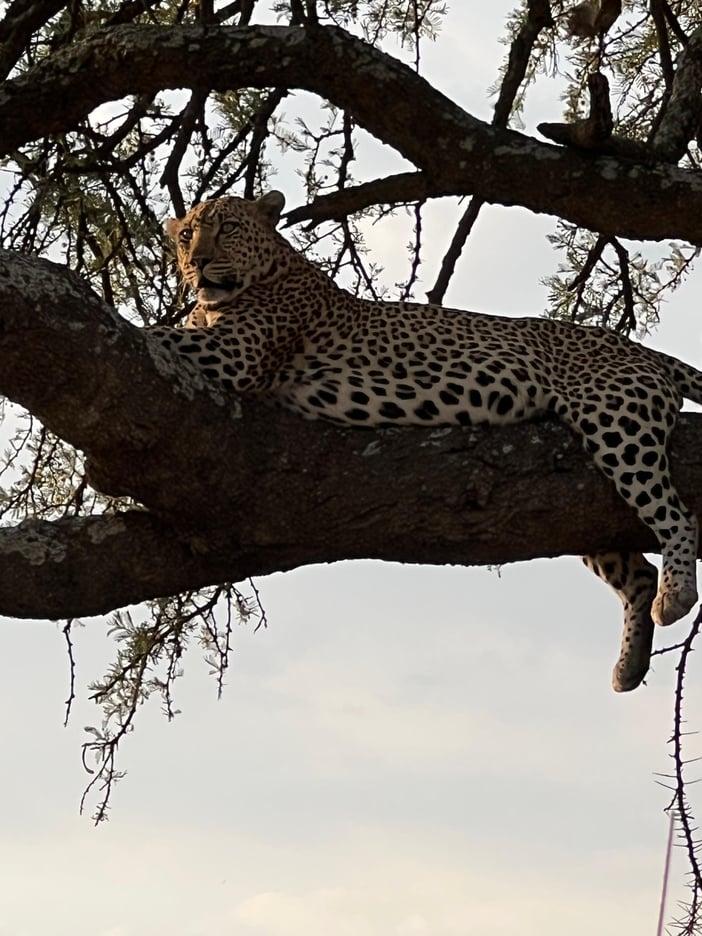
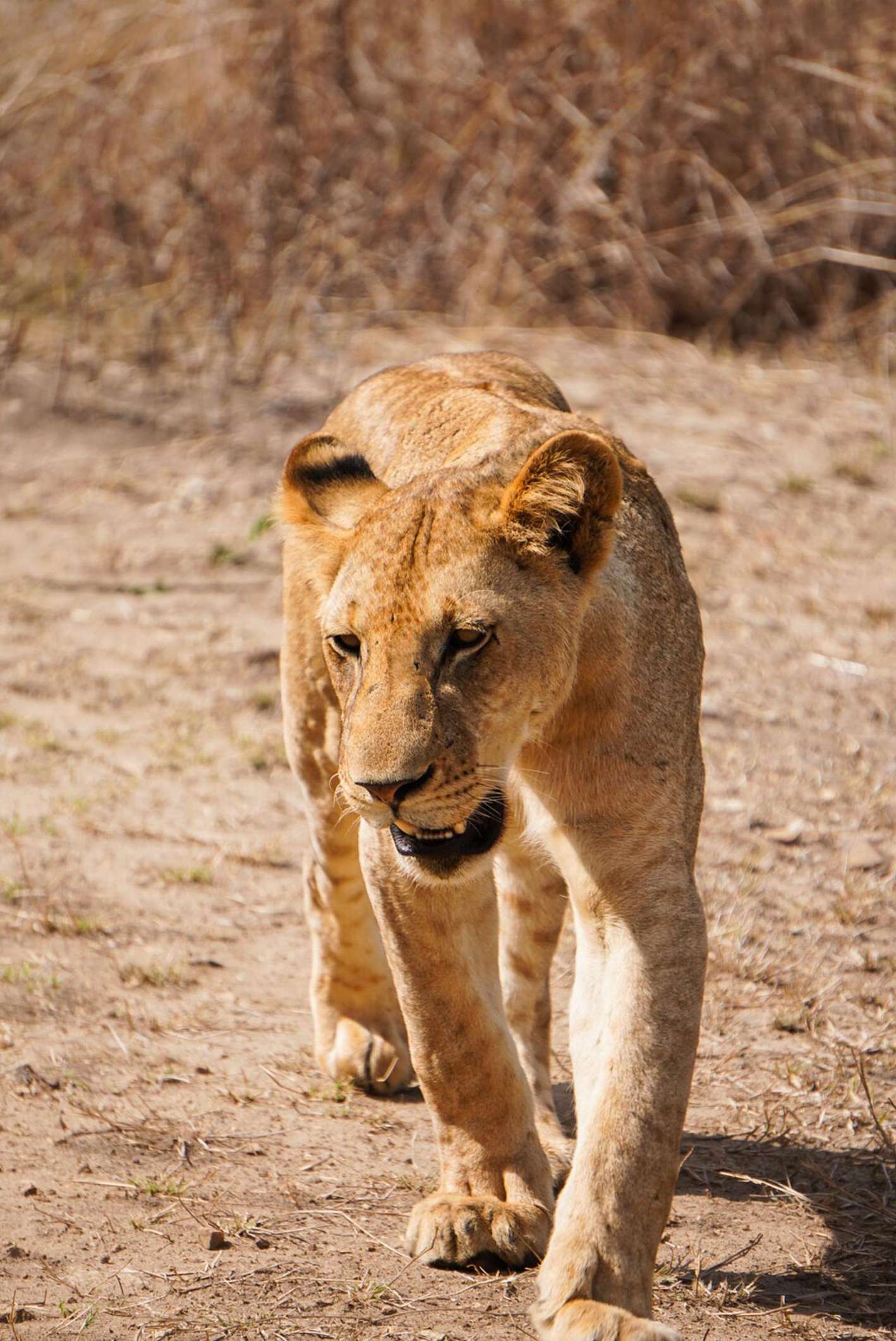
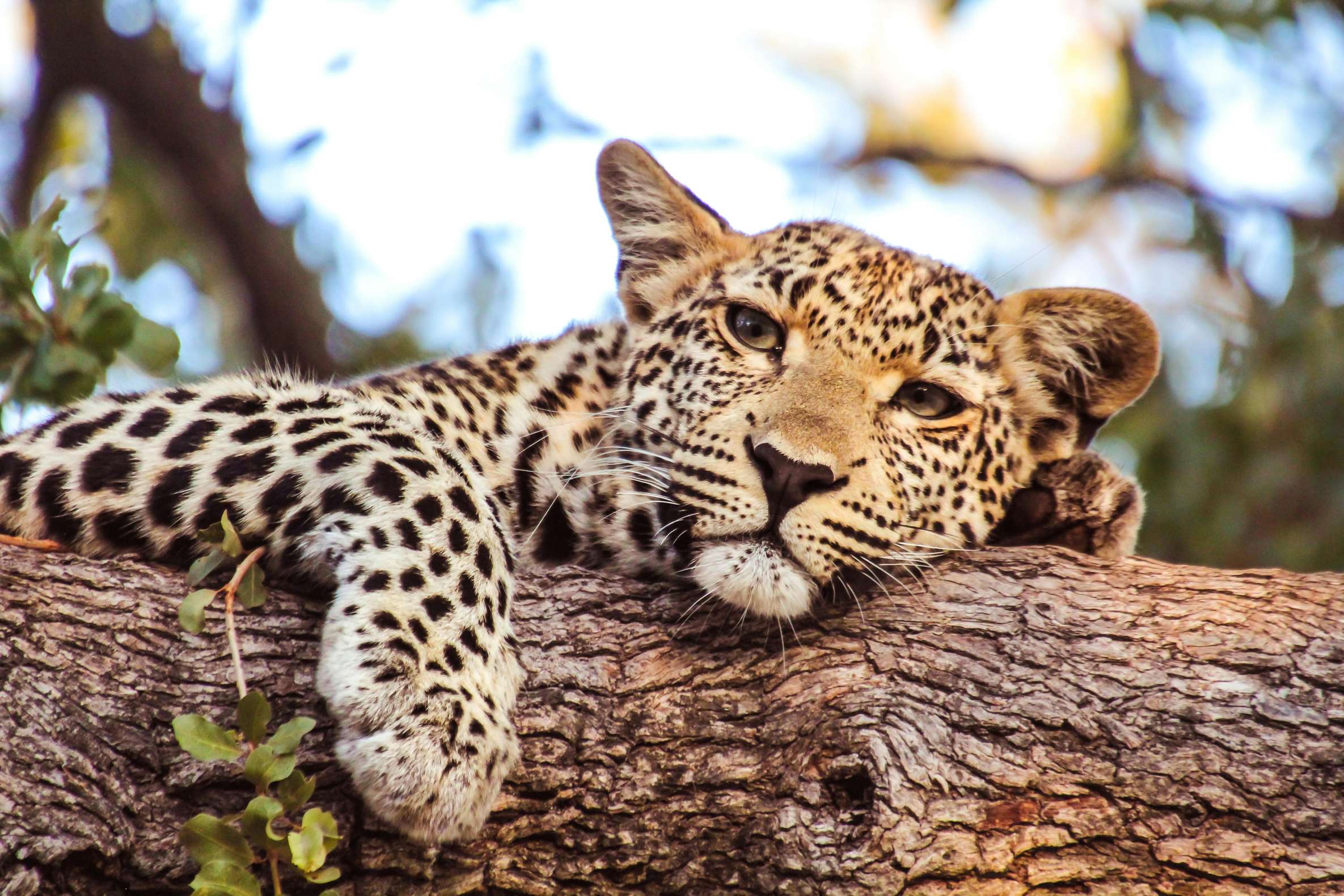
Lake Manyara holds the tree-climbing lions. Your odds are better here than anywhere else in the north, though a sighting is still a matter of luck on any single visit. Leopards live there permanently, most often in the groundwater forest near the entrance gate and along the rocky slopes of the Rift Valley escarpment.
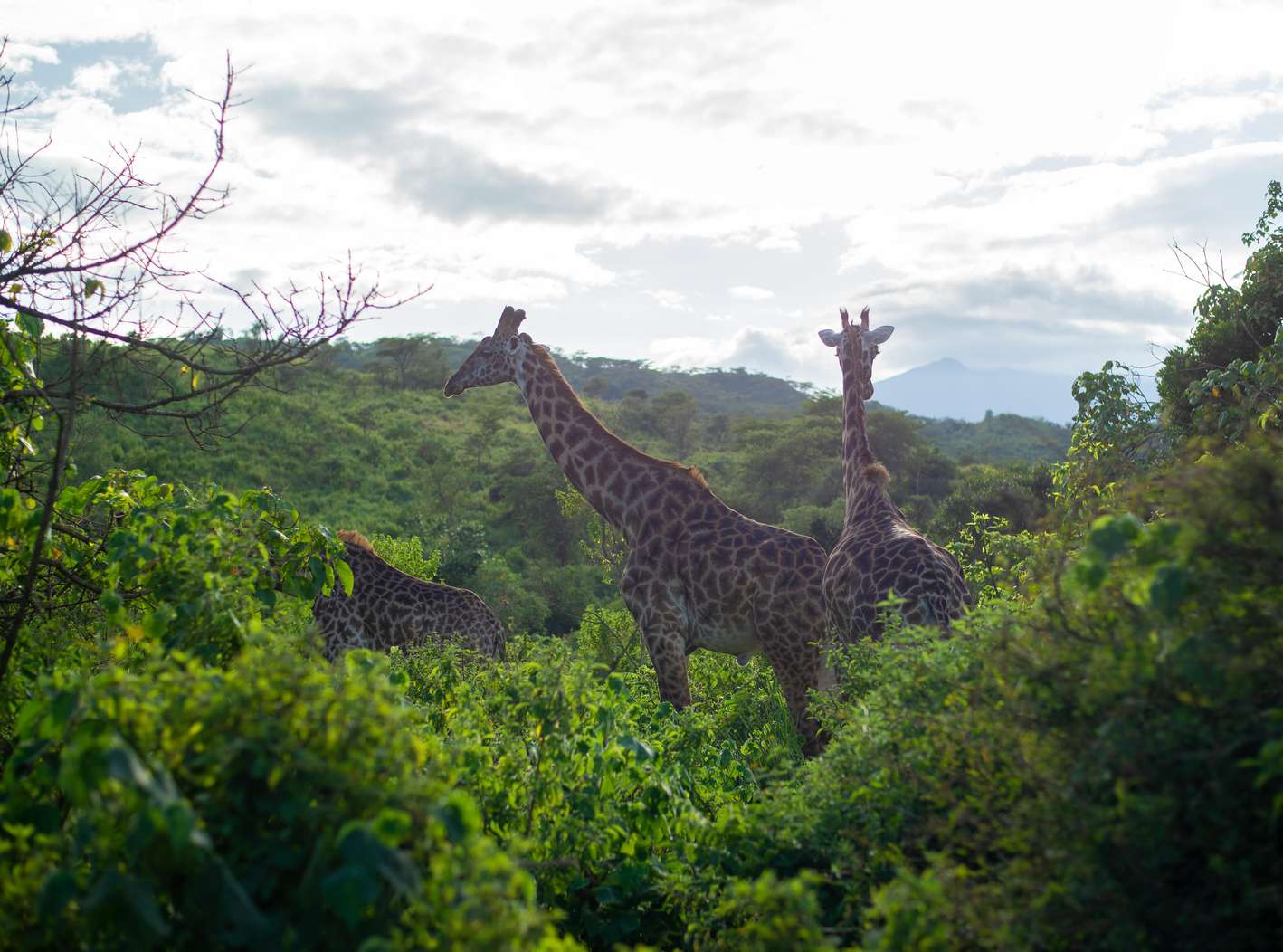
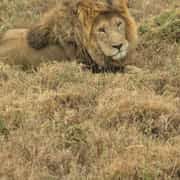
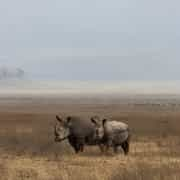
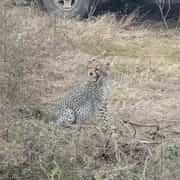
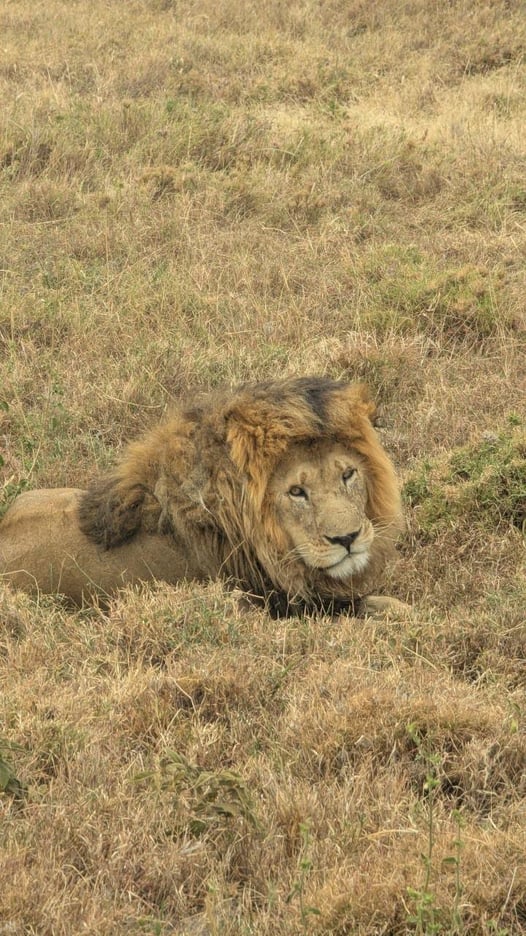
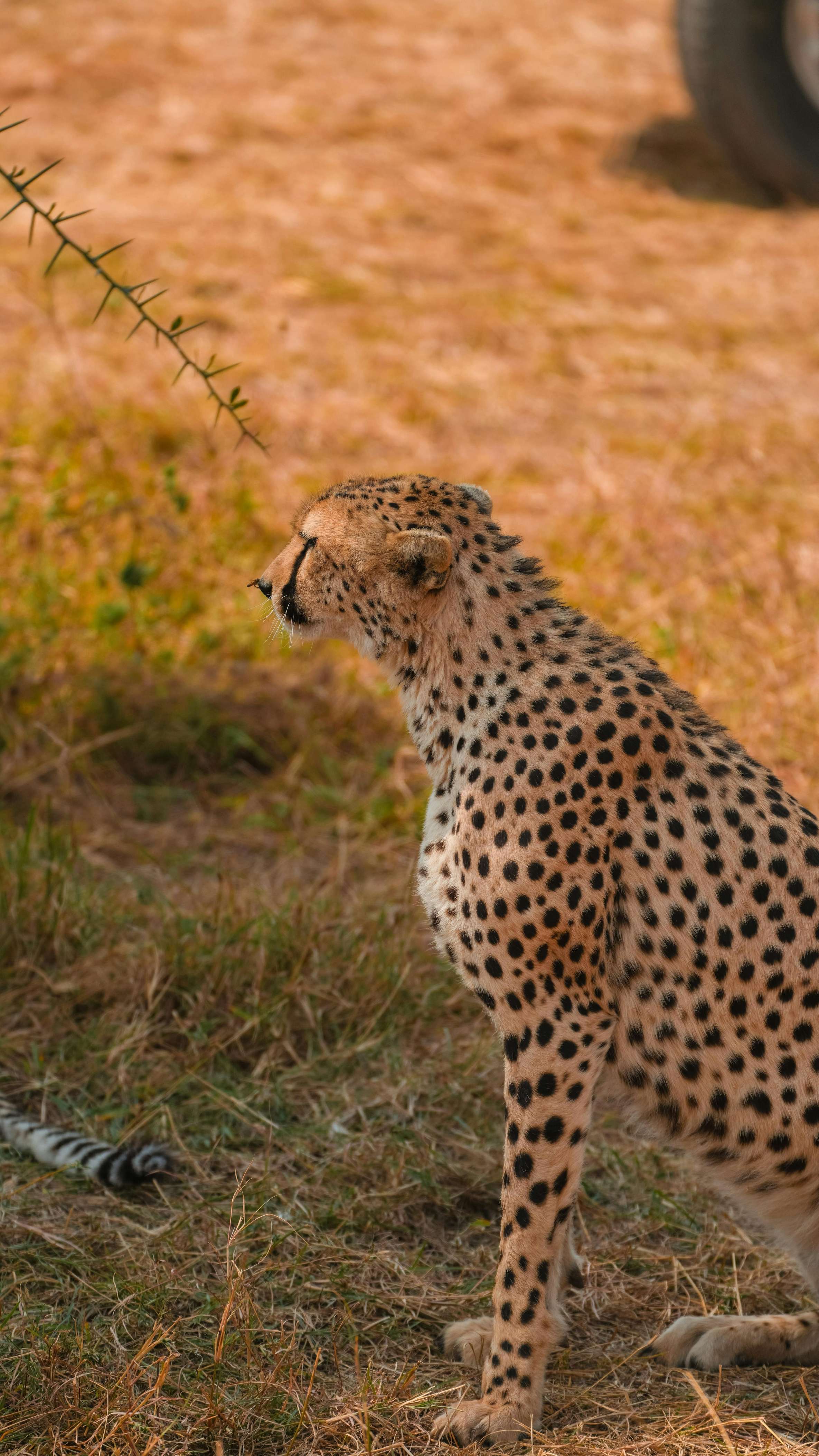
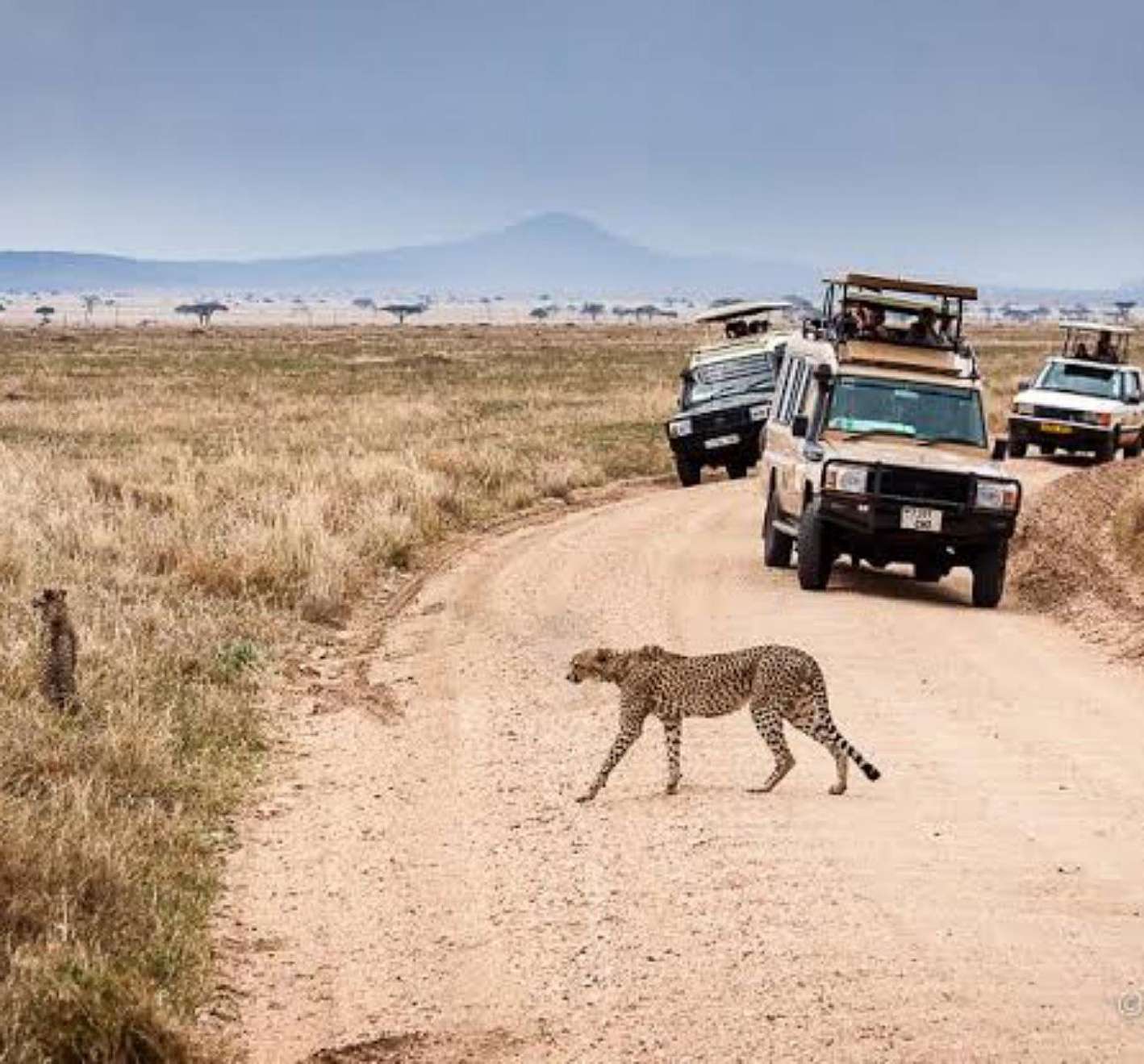
Ngorongoro is the reliability pick. Animals live permanently inside the caldera instead of migrating out, so lions, elephants, rhinos and buffaloes are likely on the crater floor in any month. Cheetahs and leopards are the exceptions; they are much less common.
A traveler's note
An incredible, indescribable experience! Everything superbly organized, staff friendly, food tasty, accommodations perfect for the adventure, no luxury needed. Our experienced guide showed us all the Big Five. Thanks for this unforgettable time!
Distance is one thing; road surface is the other, and the two decide how your day feels.
Arusha National Park is the shortest leg, 45 to 60 minutes from central Arusha, mostly on the paved Moshi-Arusha Highway toward Usa River. Town traffic can stretch it to about 90 minutes, and the terrain turns bumpy once you are inside the park.
Tarangire and Lake Manyara both cost roughly 2 to 2.5 hours, about 120 to 130 km. The road to Tarangire is tarmac most of the way with a gravel final approach to the gate. Lake Manyara runs along a well-maintained tarmac highway on the standard northern circuit, slowing slightly near the park.
The Ngorongoro rim sits 3 to 4 hours out, and the Serengeti is a full 7 to 8 hours each way. From Tarangire it is about 2 hours to the Ngorongoro area, and Ngorongoro to Central Serengeti takes about 3 hours.
The table below lines up the five road-served parks so you can see at a glance which ones fit inside a day trip and which ones demand an overnight circuit.
Read it against your available days. A day trip only works for the parks within 2.5 hours, and an overland circuit lives or dies on how much of it you spend watching the road.
Tour for this
BEST 3-DAY TANZANIA SAFARI TOUR FROM ARUSHA5.0★ (4) · 3 days · Hotel pickup · Free cancellation
Both Tarangire and Ngorongoro can be done as standalone day trips from Arusha, but the gate hours decide the whole day.
Tarangire's gates open at 6 am and close at 6 pm, and the drive takes about two hours each way, so a vehicle that leaves at 6 am reaches the gate at opening and catches the cooler morning hours when wildlife activity peaks.
The rhythm is simple. You ride out in the dark, watch the bush wake up, break for a picnic lunch, run an afternoon drive, and clear the gate before 6 pm. A 13-hour day trip covers exactly that, with park fees and a guide in English, French or Spanish included.
Ngorongoro works the same way as a full-day trip starting and ending in Arusha, with the crater floor game drive as the centerpiece. Descent into the crater has its own cutoff around 4 pm, with all vehicles out by 6 pm
"How a Tarangire day trip unfolds"
1
6 am
Departure from Arusha
Pickup from your accommodation in the city centre
2
6 am
Gate opens at the park
You arrive right at opening, ready for prime game viewing
3
Morning
Game drive in the coolest hours
Wildlife activity peaks before the midday heat
4
Midday
Picnic lunch
Eaten in the park between drives
5
Afternoon
Second drive and the return
The gate closes at 6 pm, and the vehicle clears it first
Tour for this
From Arusha: Day trip to Tarangire National Park4.8★ (4) · 11 hours · Hotel pickup · Free cancellation
Where you sleep changes the pace of the whole safari more than most people expect.
Entry-level budget camping means ground tents with foam sleeping mattresses and shared public bathroom blocks. On some budget camping tours you also help with camp chores: pitching tents, chopping vegetables, washing dishes.
The nights on the crater rim and the high Serengeti sites drop to around 5 degrees Celsius, so a warm sleeping bag or thermal liner matters even in a furnished tent.
The vehicle decides your day more than the tent does. A private 4x4 with a dedicated guide lets you control daily game drive timings, daily hours and how long you sit at a sighting.
Families manage departure times, drive lengths and rest breaks without disturbing other guests. A shared group safari locks you to its schedule.
There is one quirk worth knowing. If a shared group fails to fill up before departure from Arusha, operators may run the itinerary anyway, giving you a private driver and vehicle for the price of a shared seat. Low demand can work in your favor.
If you want an outlet between dusty drives, note that lodges and camps with swimming pools give children somewhere to burn off energy between game drives. A pool stops day three from feeling like a siege.
Tour for this
Arusha: Best 3-Day Safari to Serengeti & Ngorongoro Crater5.0★ (4) · 3 days · Hotel pickup · Free cancellation
Vehicle comfort, dust protection and luggage limits
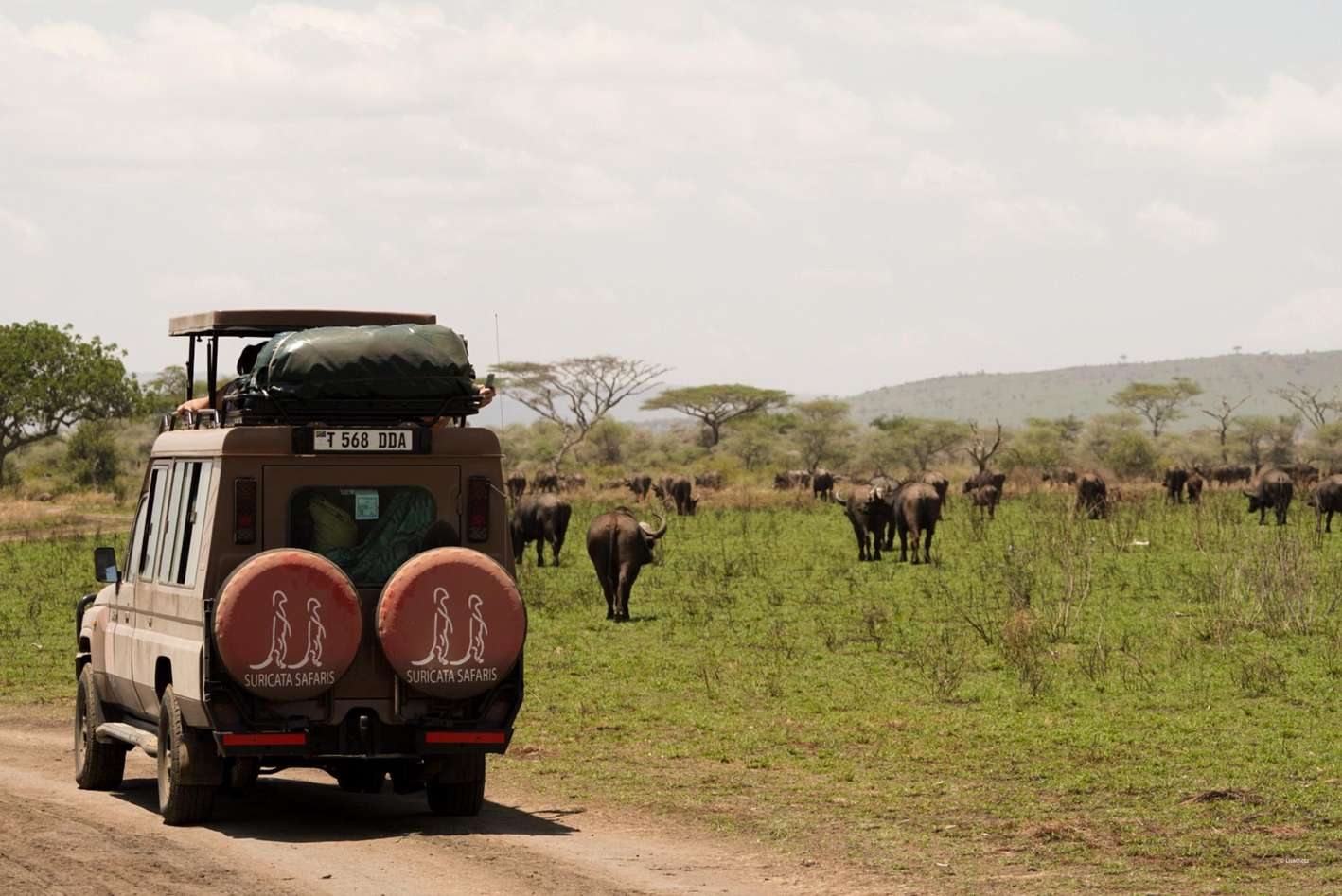
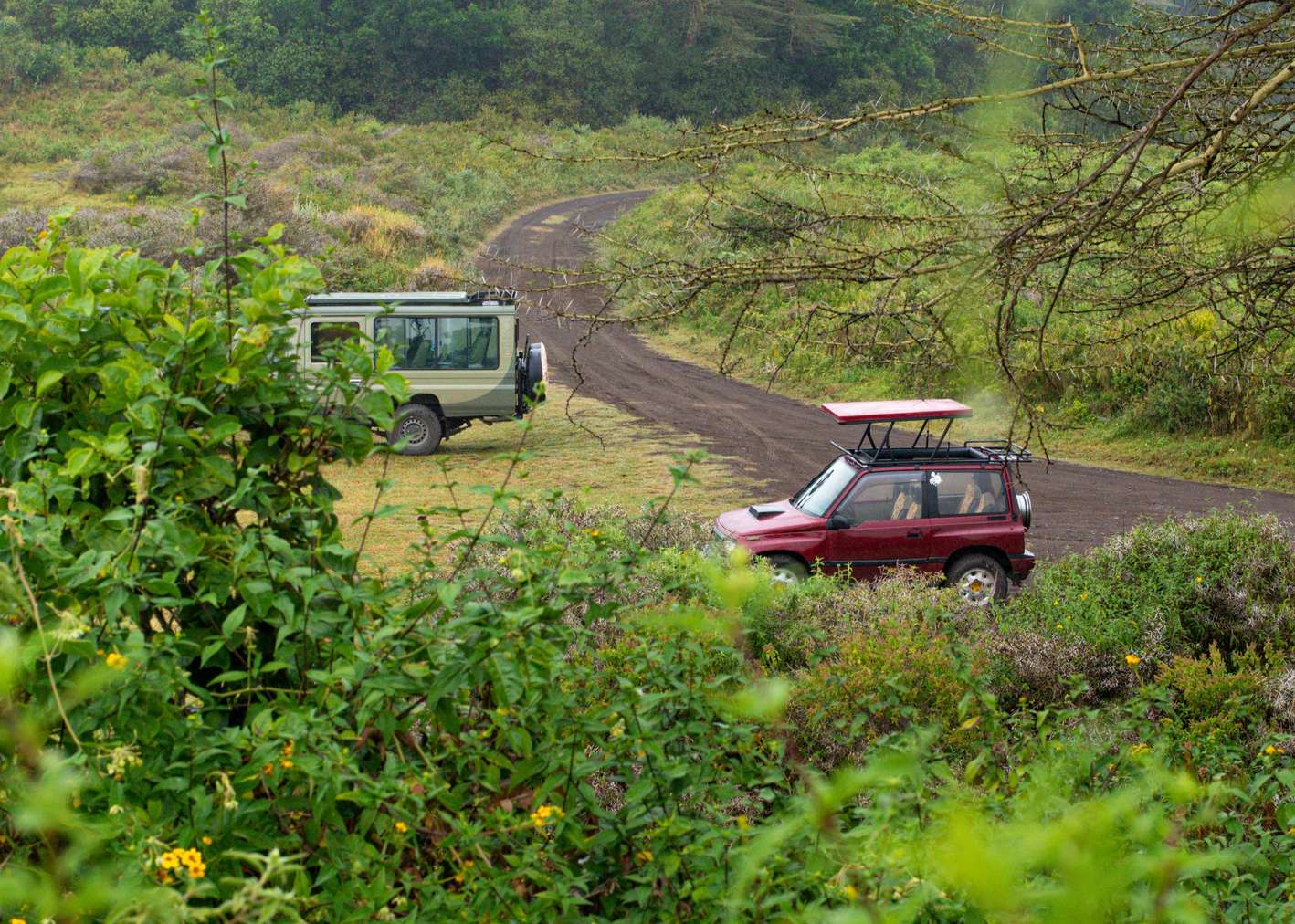
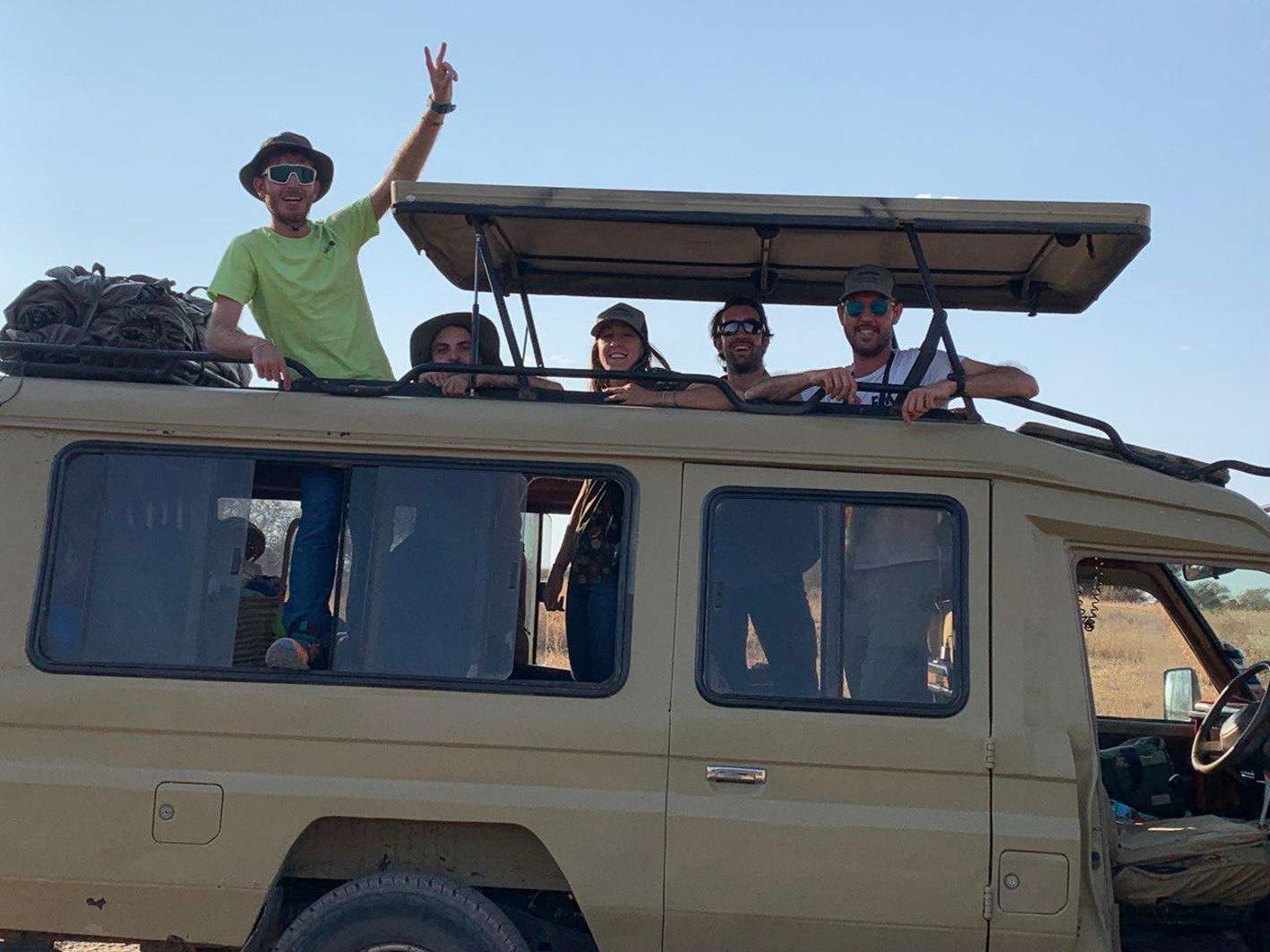
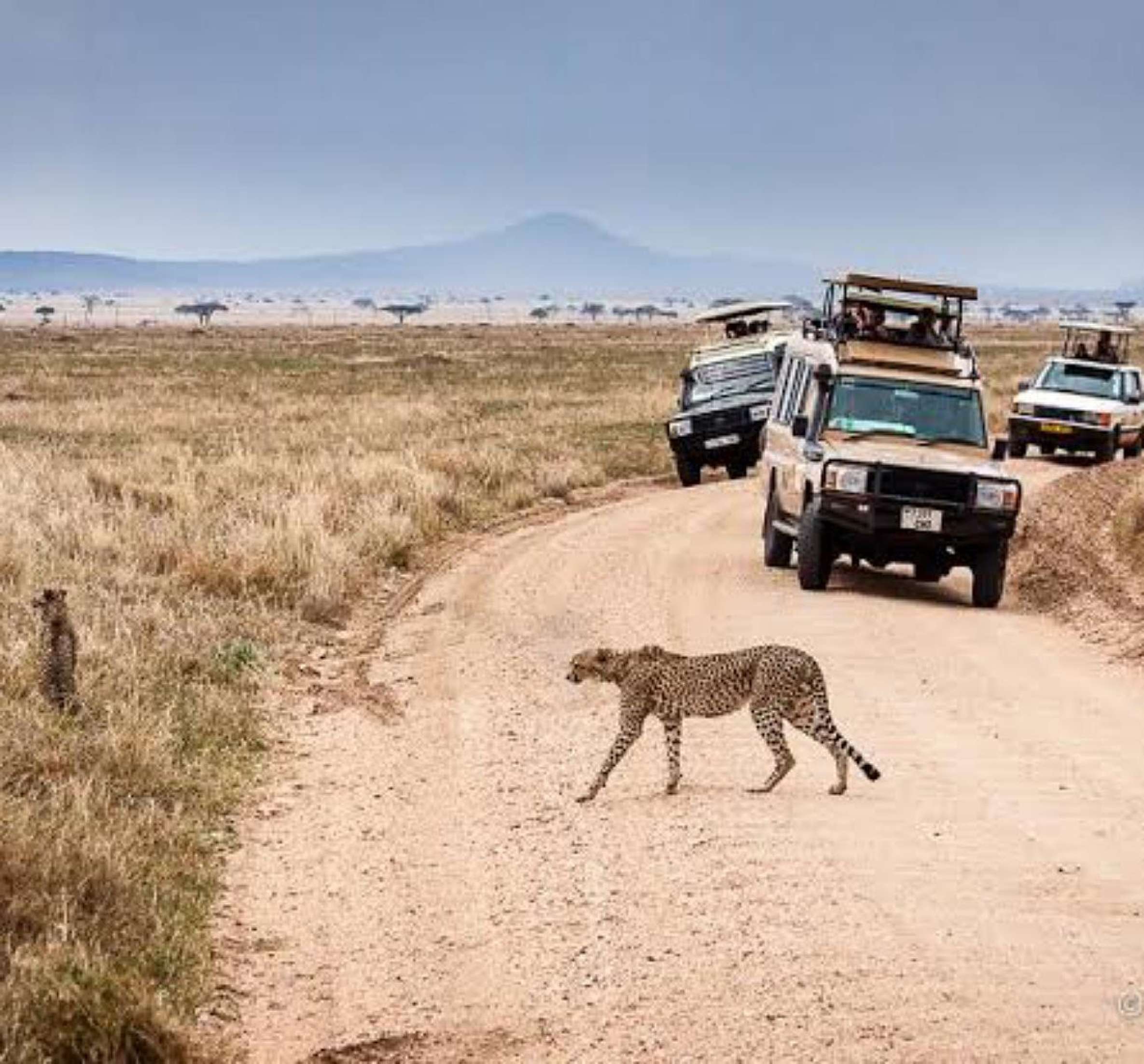
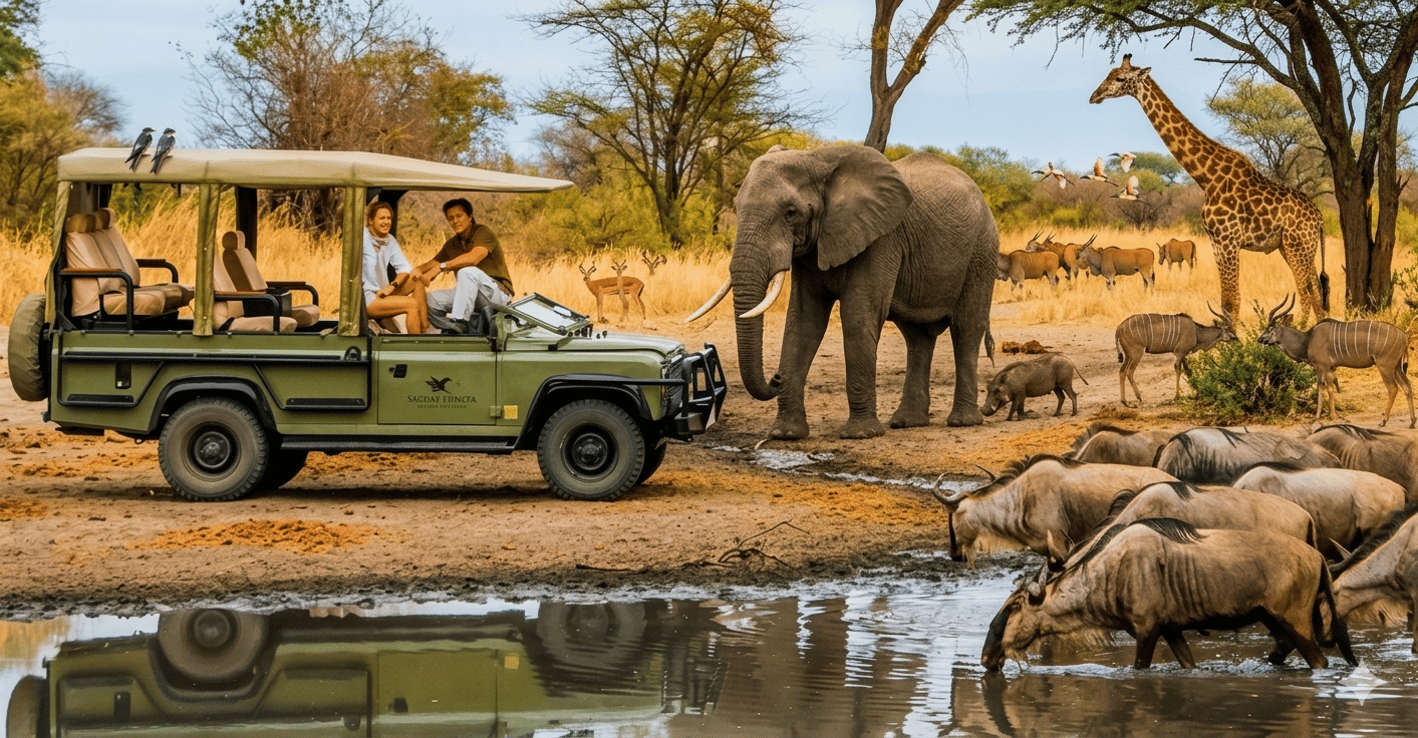
Overland safaris in Tanzania legally run closed pop-top 4x4s, because open-sided vehicles cannot be driven between the parks on highway transit routes. You view animals standing through the roof, then sit enclosed on the road.
The leg between Ngorongoro and the Serengeti throws fine volcanic silt into the air, and clothing is the honest defense.
A tight-fitting N95 respirator or a snug tubular buff pulled over the nose and mouth handles the silt, wraparound sunglasses keep grit out of your eyes, and a lightweight long-sleeve shirt under a smooth windbreaker keeps dust off bare skin while doubling as insulation against the chilly crater rim mornings.
Luggage is a hard limit on some group camping safaris leaving Arusha: 10kg per person. Duffel bags are recommended, one medium soft bag per person because vehicle space is tight, and excess luggage can be stored in the hotel storage room.
Two things catch first-timers on this stretch of road, and the table below names both so you can pack against them before you leave Arusha.
"What nobody tells you"
A snug buff or N95 mask over the nose and wraparound sunglasses beat any repellent on the dusty Naabi Hill road
Fine volcanic silt gets into eyes and airways long before a repellent could help
Repellents barely work on tsetse flies anyway
DEET and permethrin-treated clothing have not been proven effective, so clothing color does the work: khaki, olive and beige, never dark blue or black
With the mask and the earth tones sorted, the dust and the flies stop being a factor, and you can spend your attention on the animals instead.
Tour for this
Arusha: 3-Day Serengeti & Ngorongoro Crater Big Five Safari4.7★ (75) · 3 days · Hotel pickup · Free cancellation
A 3-day Serengeti and Ngorongoro circuit day by day
The classic loop runs 7 to 9 hours of vehicle time each day, split between highway transit and game drives. Here is how the hours fall.
Day 1 is the long one: about 7 to 8 hours of road travel covering roughly 305 km from Arusha over the Ngorongoro Highlands into Central Serengeti, a 5-hour highway transfer followed by an afternoon game drive on the plains.
Day 2 splits 6 to 8 hours between an early-morning Serengeti game drive and a 133 km transit, about 3.5 to 4 hours, to the Ngorongoro rim for the night.
Day 3 is a 4 to 5-hour half-day game drive across the crater floor, then the 4-hour, 173 km drive back to Arusha.
Adding Tarangire as day one of a 4-day circuit changes the math. Instead of a direct 6-hour, 251 km transfer from Arusha to the Serengeti, you drive 2 to 3 hours to Tarangire and spend 4 to 8 hours game viewing.
The longer transit shifts into the next leg, roughly 5 to 6.5 hours of driving toward the Serengeti or Ngorongoro.
That is the trade: a fourth park, paid for in road hours. People who go often say the elephant herds make it worth it in the dry season, and the peak runs June through September with a second window in January and February.
Tour for this
4 Days Tarangire, Serengeti, Ngorongoro Group Camping Safari4.7★ (53) · 4 days · Hotel pickup · Free cancellation
When to go - the best months for each northern park
The dry season from June to October stacks the odds everywhere. Grasses are cropped short, animals gather tightly around permanent water, and visibility opens up.
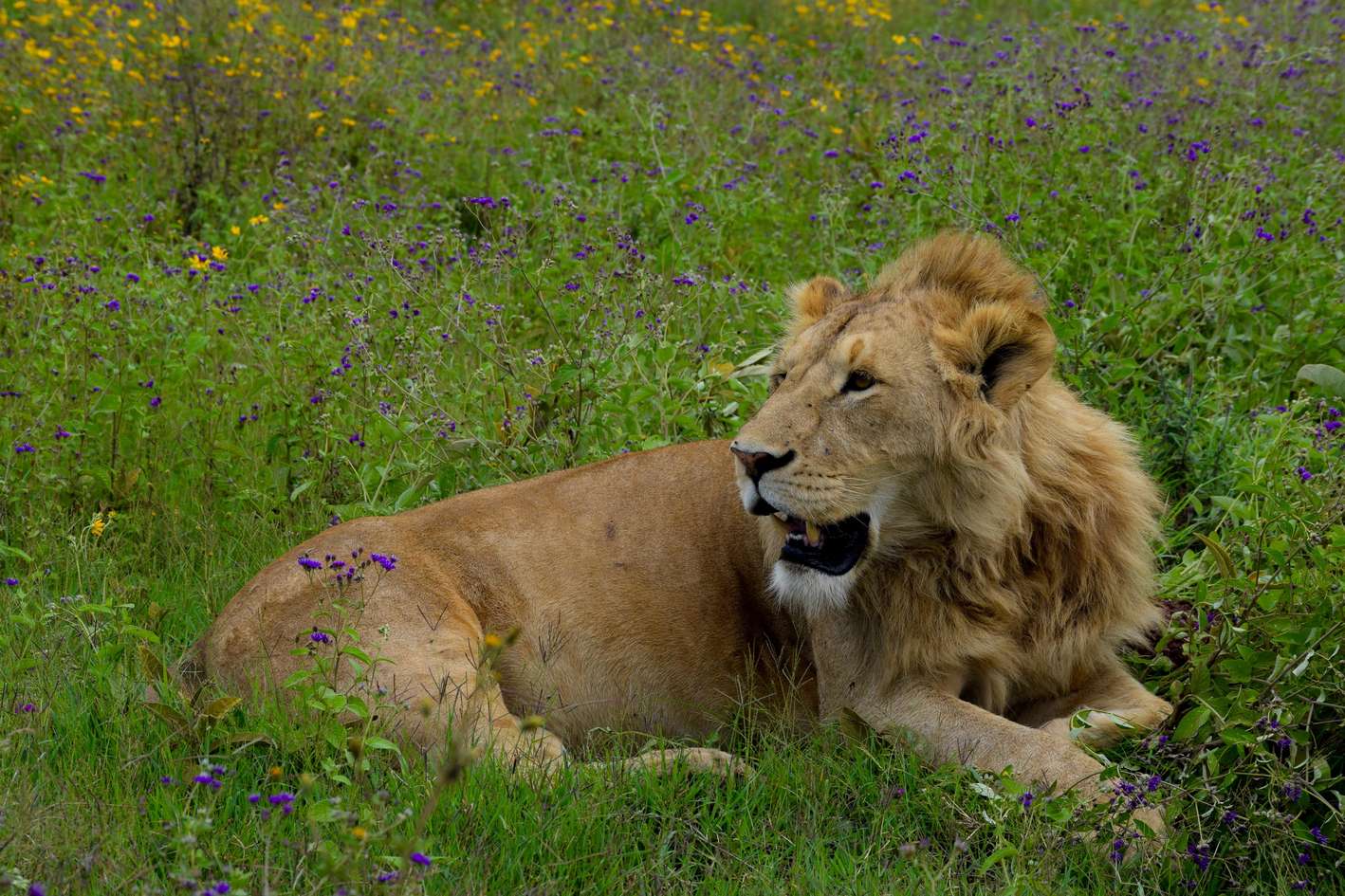
On the crater floor, where about 25,000 large mammals live year-round, the dry months are when spotting predators and black rhinos is easiest. Tarangire peaks with its river herds in the same window.
Lake Manyara runs on a different clock.
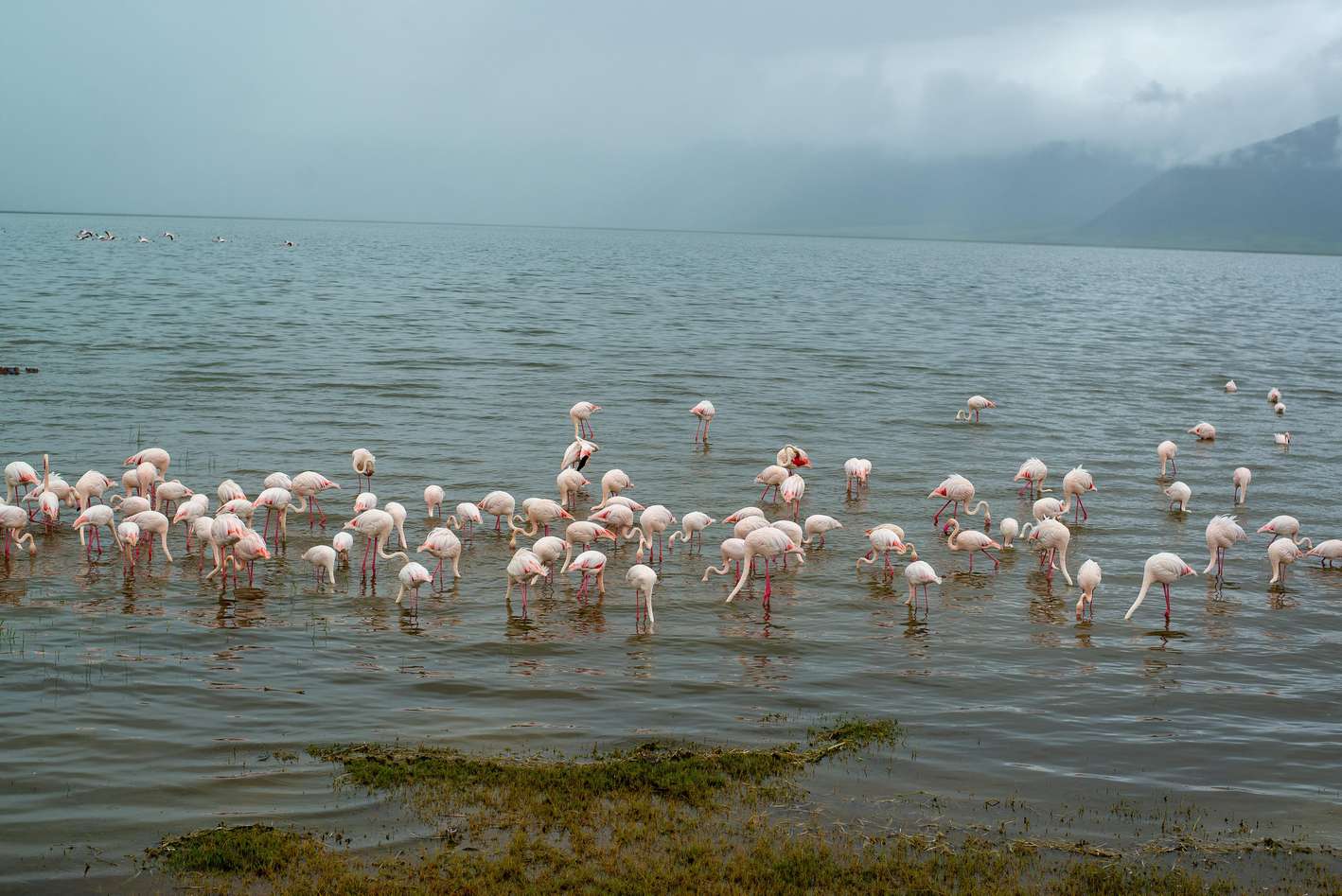
Dry months pack mammals around the lakeshore, but the wet green season brings the birds: rising water levels and flooded shallows pull in waterbirds, and flamingos gather in high concentrations from November through July, largest between November and February and again from May to July after the post-breeding arrival from Lake Natron.
The Serengeti migration peaks from July to October in the Northern Serengeti, and those camps fill a year out.
For budget camping, November is the quiet-camp sweet spot: solid wildlife viewing, typically brief rains, and none of the peak dry-season campsite congestion.
The month-by-month chart below shows where the crowds fall, so you can match your dates to the parks you care about most.
How busy it gets, month by month
September: 5 out of 5 for how busy it gets.
HighestFeb, Jul to Oct
In betweenNov to Jan
LowestMar to Jun
Darker: a higher how busy it gets score, out of 5
Tap a month to read it.
September and October are the busiest stretches on the circuit. If you would rather trade a little weather for quieter campsites, the park table below shows where each park runs well outside the peak.
Best months by park
JJanFFebMMarAAprMMayJJunJJulAAugSSepOOctNNovDDec
Tarangire →Dry-season herds crowd the Tarangire River, peaking Sep-Oct
Lake Manyara →Dry months pack mammals; wet months bring flamingos
Serengeti →Migration peaks Jul-Oct in the Northern Serengeti
At its bestOn
Put the two charts together and the pattern is clear: the dry months reward every park, Manyara keeps its flamingos longest, and the shoulder weeks around the rains are where the budget camper wins.
Tour for this
From Arusha: 4-Day Tarangire, Serengeti & Ngorongoro Safari5.0★ (2) · 3 - 4 days · Hotel pickup · Free cancellation
The game drive is the backbone of the circuit, but it is not the whole menu, and the walks are the part people remember.
Tarangire runs guided walking safaris with an armed ranger, plus night game drives inside the park. It also holds specialized arid-country wildlife you will not find everywhere: fringe-eared oryx and packs of dwarf mongoose.
Lake Manyara has the widest activity list. The park authority permits ranger-guided short walks of 1 to 4 hours, long walks of over 4 hours, and canoe safaris that launch from the Endala picnic site and last about 1.5 to 3 hours.
Canoes run seasonally, only when lake levels are high enough. Near the northern gate there is a 370-meter suspended treetop walkway rising up to 18 meters above the forest floor, a 45-minute to 1-hour loop available year-round.
Next door, the village of Mto wa Mbu offers guided walks through markets, schools and family homesteads, tours of irrigated rice fields and red banana farms, visits to brewers making banana beer, and Tingatinga painters and Makonde woodcarvers at work. Cyclists ride through villages and paddies down to the lake shore.
Inside Ngorongoro, active travelers can add guided hikes into Empakaai Crater, trekking to Olmoti Crater, or caldera rim forest walks with an armed ranger.
Tour for this
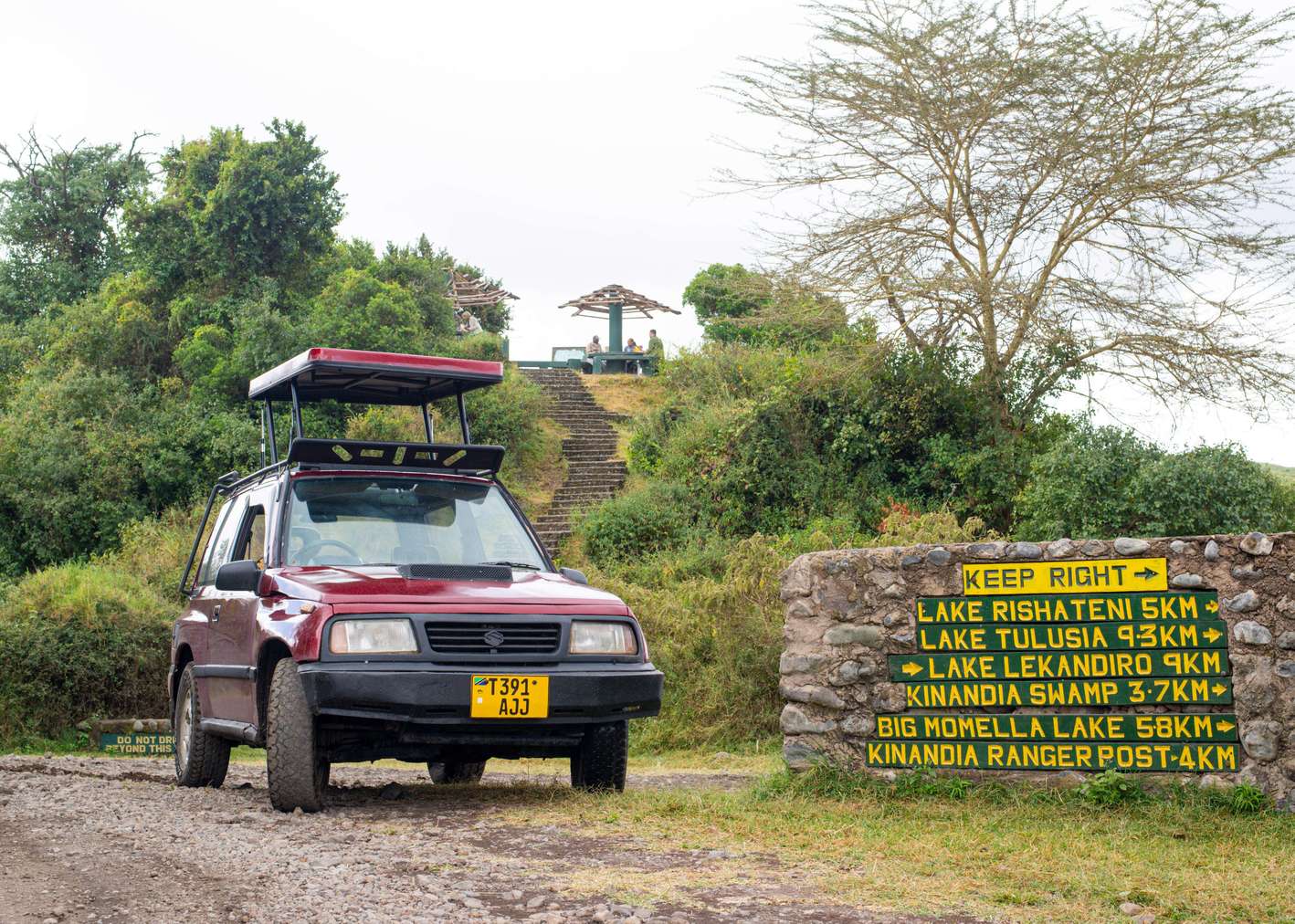
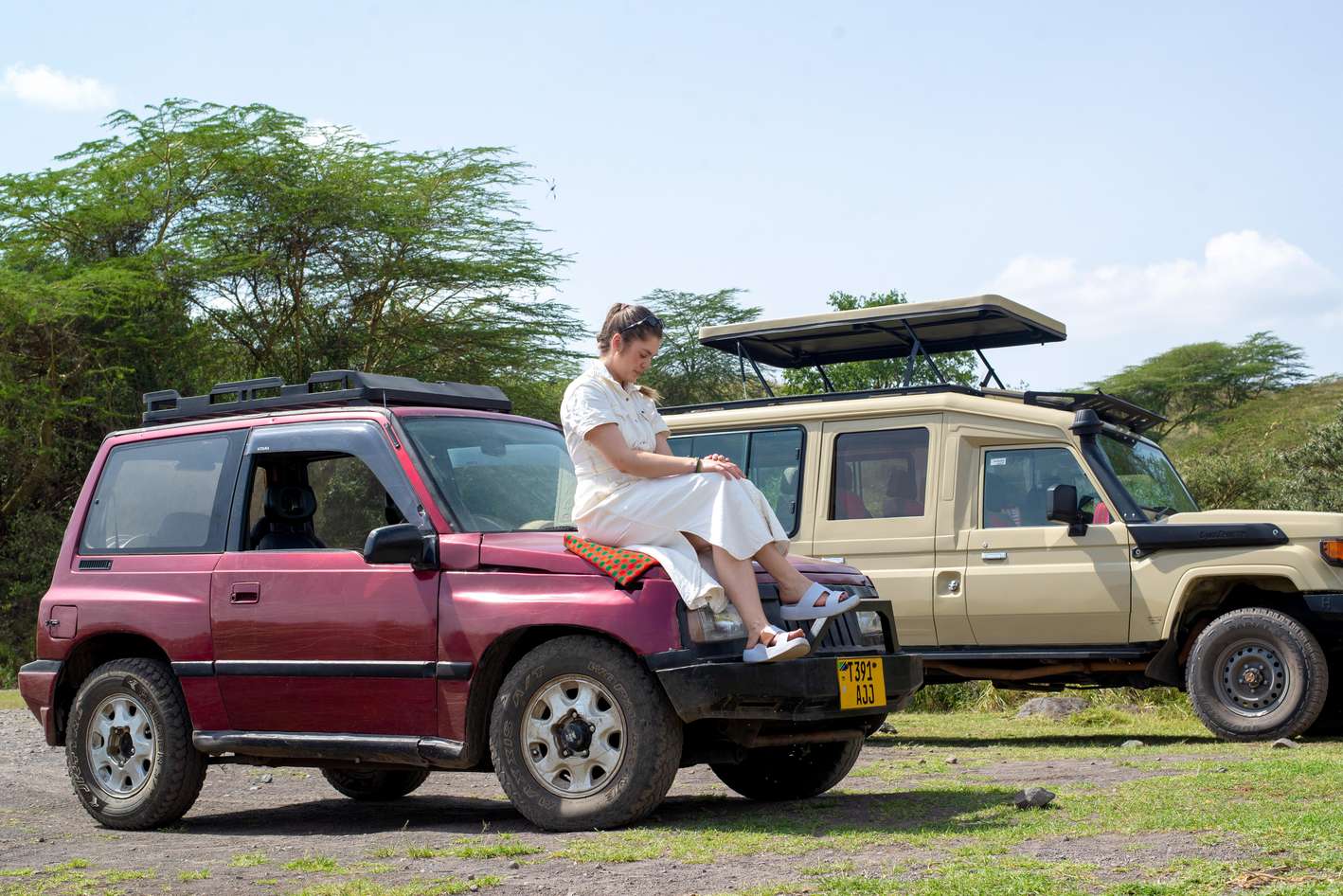
Tarangire Day Safari: Private 4x4 Suzuki Vitara Experience5.0★ (1) · 10 hours · Hotel pickup · Free cancellation
Driving the northern circuit yourself in a rental 4x4
Self-drive is possible on parts of the circuit, and the crater is the test case. Rental cars are allowed to descend into Ngorongoro Crater, but only in high-clearance 4x4s with low-range gearing.
An authorized tour operator vehicle is not mandatory, though self-drive visitors pay a crater descent fee and are typically required to have a certified guide or authorized park ranger accompany them.
That rule is the hinge. You can take the wheel, but you cannot take the crater alone, and the paperwork plus the guide arrangement is a task you handle before you reach the rim.
The table below shows how much friction each way of getting there carries, so you can see the trade before you commit.
"How hard each way of getting there is"
Guided overland tourPermits, gate hours, the crater guide and the rough roads are handled for you
Easy
Self-drive rental 4x4High-clearance low-range vehicle, a crater descent fee and a required certified guide or ranger to arrange yourself
Moderate
One more practical note: the parks' entry gates require proof of identification, so an original passport or a clear copy travels with the driver in both cases.
Tour for this
Private 4x4 Vitara Safari in Arusha National Park4.3★ (6) · 8 hours · Hotel pickup · Free cancellation
A few fixed rules shape every northern safari, and knowing them in advance keeps the day smooth.
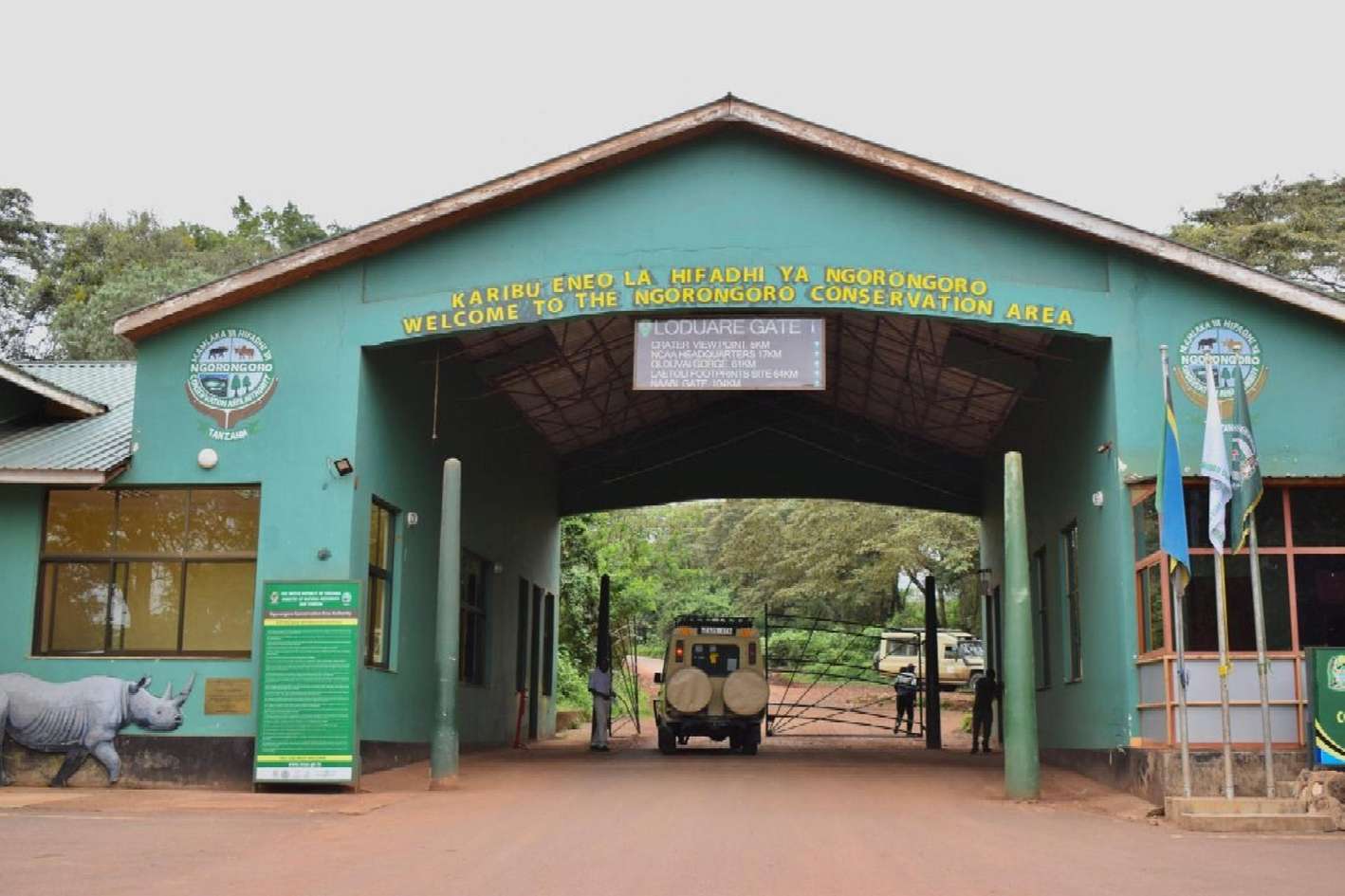
Gate hours are strict. TANAPA gates and Ngorongoro checkpoints, including Loduare Gate and Naabi Hill Gate, run daily from 6 am to 6 pm. Some gates halt vehicle admission earlier, around 4 pm, which is also the standard cutoff for descending into the crater.
Driving inside a park after 6 pm is prohibited, and a vehicle that misses the evening curfew can face discretionary administrative sanctions and fines.
Bring identification: an original passport or a clear copy is required at the gate for park registration. Drones are strictly not allowed on safaris in the Serengeti, so leave any aerial gear behind.
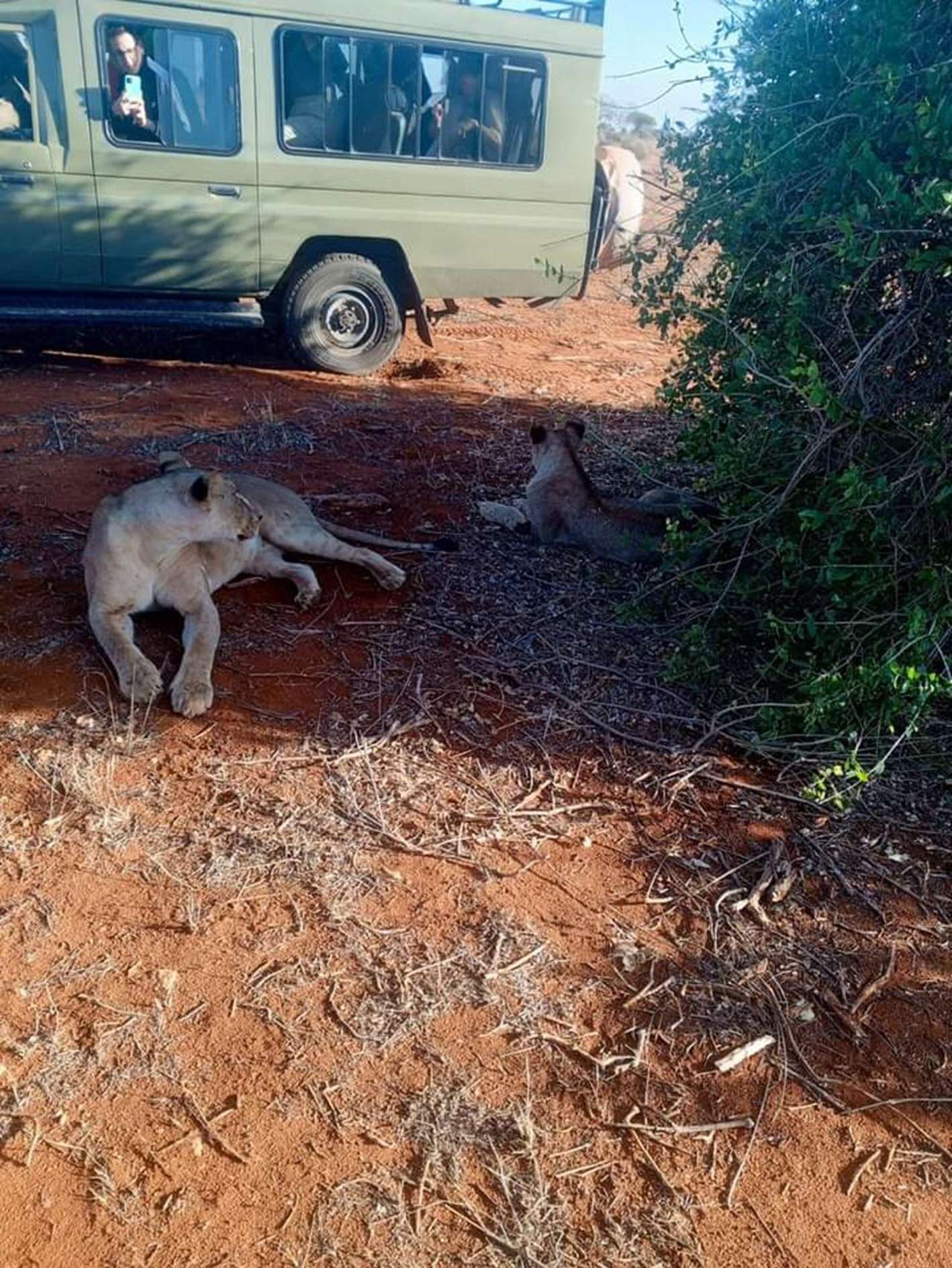
Inside the vehicle, safari is safe when park rules are followed. Animals are accustomed to cars, and staying inside the vehicle and keeping to the rules against touching or feeding predators keeps viewings safe. Violating the park authority's visitor rules can lead to immediate fines or expulsion from the park.
One clothing rule does the work of a repellent: dark blue and black attract tsetse flies, so khaki, olive and beige win in the woodland sectors.
The circuit tests what you pack twice: in the dust and the cold mornings, and in the health department.
Layers are the answer to the first. Days are warm, nights on the crater rim and high Serengeti campsites drop to around 5 degrees Celsius, so a warm jacket, warm sweater and closed walking shoes sit beside the khaki daytime clothing.
Against the fine volcanic dust on the Ngorongoro to Serengeti road, pack a tight-fitting N95 or a snug tubular buff, wraparound sunglasses, and a smooth outer windbreaker that dusts off quickly.
On biting insects, honesty helps more than optimism. Standard repellents do not reliably deter tsetse flies, and DEET or permethrin-treated clothing have not been proven effective against them.
Some travelers report limited deterrence from strong DEET sprays or diluted Dettol solution, but clothing color and tight weave are the real defense: neutral earth tones, long sleeves and trousers, because the flies bite through thin fabric.
For malaria, follow official health guidance for areas below 1,800 meters, and if any child develops a fever while traveling or within a year of returning, that needs urgent medical evaluation for malaria. No vaccination is required for a Tanzania safari.
Driving yourself
Rent a car for the driveCompare cars from the rental companies in one search, then pick yours.
Choosing between a guided tour and your own wheels
The last decision is simple once the roads are laid out. A guided overland circuit from Arusha suits almost everyone: the operator handles the permits, the gate hours, the crater guide and the rough roads, and you spend your attention on the animals instead of the paperwork.
Self-drive suits confident drivers with time on their hands who can arrange a certified guide or ranger for the crater and accept the friction of the descent fee and the rental paperwork. Everyone else belongs in a pop-top 4x4 with a guide who knows the other drivers on the radio.
With two to four days, no appetite for 7 to 8-hour transit days, or a first safari, book the guided overland circuit from Arusha. It handles the gates, the permits and the crater guide for you.
Confident self-drivers with time can make it on their own wheels, but they arrange a ranger or certified guide for the crater and accept the paperwork. Everyone else converts to the tour that fits their days.
Go ifBook the guided overland circuit if you have two to four days and it is your first safariTake the Tarangire day trip if you can leave Arusha by 6 amChoose Ngorongoro for the Big Five when you want the most reliable single-day sighting
Skip ifSkip long overland days if you are pregnant or have a severe back condition, since full-day rough dirt roads aggravate bothSkip the guided circuit if you want open-sided vehicles on transit, which is not legal between parks
Common questions about a Tanzania safari out of Arusha
How far is the Serengeti from Arusha by road?+
Between 225 and 325 kilometres depending on the gate you enter, which means about 7 to 8 hours of driving each way in a 4x4. It works for a two or three day trip, but most travelers break the drive with an overnight on the crater rim or fly one leg.
Can I do a day safari from Arusha without staying overnight?+
Yes, for the closer parks. Tarangire sits roughly two hours each way, so it runs as a full day trip with a picnic lunch by the river. Ngorongoro Crater also works in a single long day, with a six-hour game drive covering the caldera floor.
Where should I stay in Arusha before my safari?+
Staying in the city centre keeps things simple. Charity Hotel, Kibo Palace, Mount Meru Hotel and the Ambassador Hotel all sit inside the free pickup zone, so the safari vehicle collects you from your door. Lodges farther out, such as Moivaro Coffee Lodge, need a paid transfer to the meeting point.
What time do safaris leave Arusha?+
For Tarangire, vehicles need to leave around 6 am. That puts you at the gate when it opens at 6 am and gets you into the cooler morning hours when wildlife is most active. Park gates in general run from 6 am to 6 pm.
What should I wear on safari?+
Stick to khaki, beige, tan and olive. Avoid dark blue and black clothing, which attracts biting tsetse flies, especially in Tarangire. Bring a warm layer too, since mornings on the Ngorongoro rim can get cold. A snug buff or wraparound sunglasses help against fine dust on the open roads.
Are there bathrooms on a full-day safari?+
Safari vehicles carry no onboard toilets. You will find basic restrooms at park gates, visitor centres and approved picnic sites, and your guide will find a safe spot in the bush for comfort breaks during game drives. Lodges and camps have private en-suite bathrooms.
What costs are not included in a safari package?+
Tips for the driver-guide and camp staff are usually left out, so budget for them separately. Visa fees and travel insurance come out of your pocket too, and visitors entering Zanzibar must hold the mandatory Zanzibar insurance coverage.
Is a private safari worth it over a group joining safari?+
A private vehicle with a dedicated guide gives you control over departure times, hours on the road and how long you linger at a sighting. A shared group safari costs less but sets the schedule for everyone in the vehicle. Budget camping trips use basic tents with foam mattresses and shared bathroom blocks.
When are the elephant herds biggest in Tarangire?+
The dry season from June to October, peaking in September and October, when elephants, zebra, wildebeest and buffalo crowd the Tarangire River and Silale Swamp. In the wet season from November to May, the herds spread out across the surrounding plains and floodplains.
Is a one-day safari enough to see wildlife?+
For Tarangire or Ngorongoro, a well-run day trip delivers plenty: huge elephant herds at the river, or all of the Big Five on the crater floor. The trade-off is time. Day-trip vehicles stay near the main gates, and overnight visitors get early morning and night drives that day-trippers cannot reach.
Which parks can I reach without flying from Arusha?+
All of the northern circuit works overland. Arusha National Park is 35 to 45 minutes away, Tarangire about two hours, Ngorongoro a long day, and the Serengeti sits at the far end of the loop. The parks line up along one trunk road, so a multi-day circuit moves west without backtracking.
Do I need to worry about tsetse flies?+
There is no vaccine against sleeping sickness, so prevention comes down to clothing. Wear tightly woven neutral-colored fabrics, skip the dark blue and black, and you remove the main attraction for the flies. Long sleeves help on the forested stretches.
Safari from Arusha - where to go next on your Tanzania trip

 Our top pick