Tarangire National Park One Day Safari Tours Day Trip Safari Packages
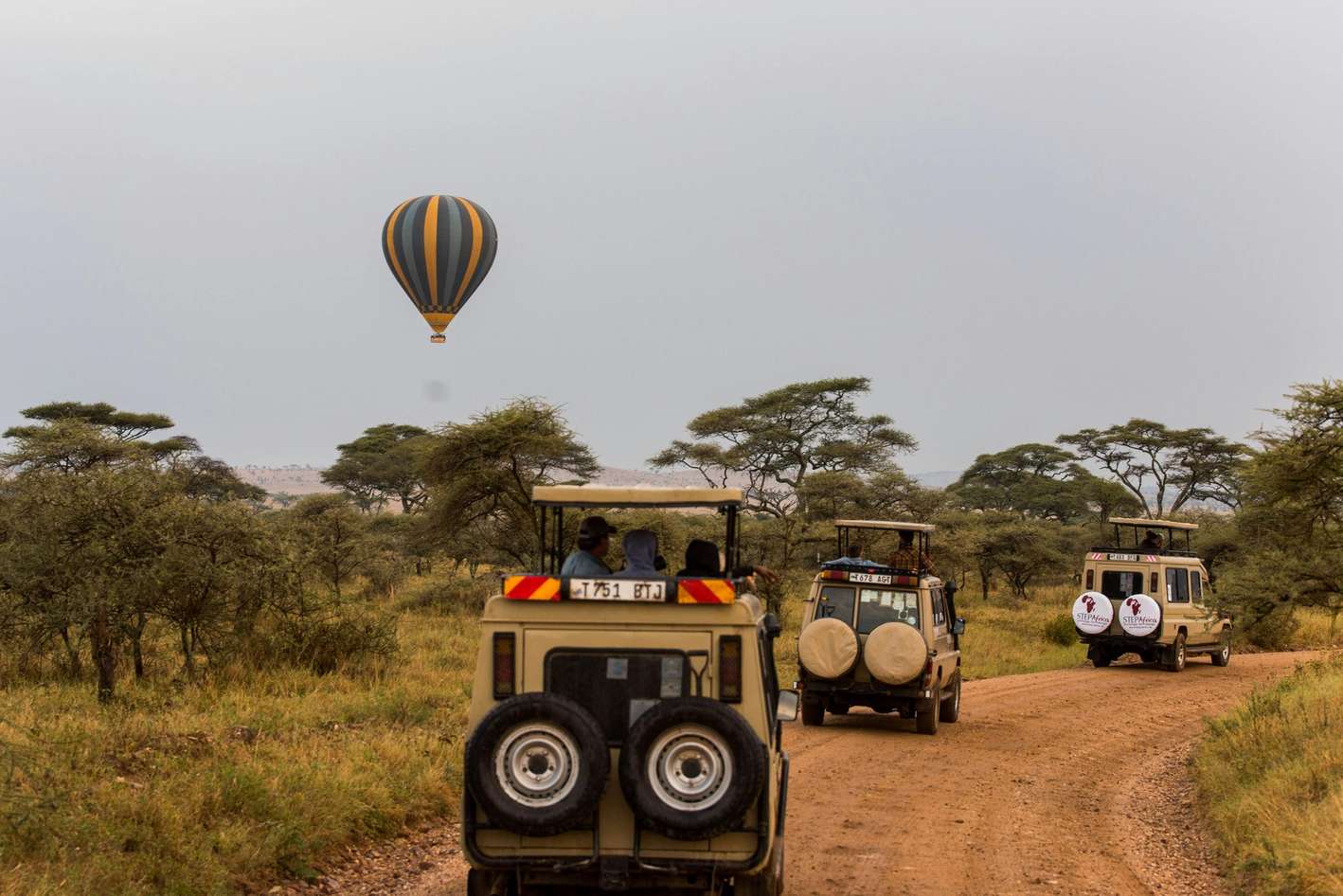
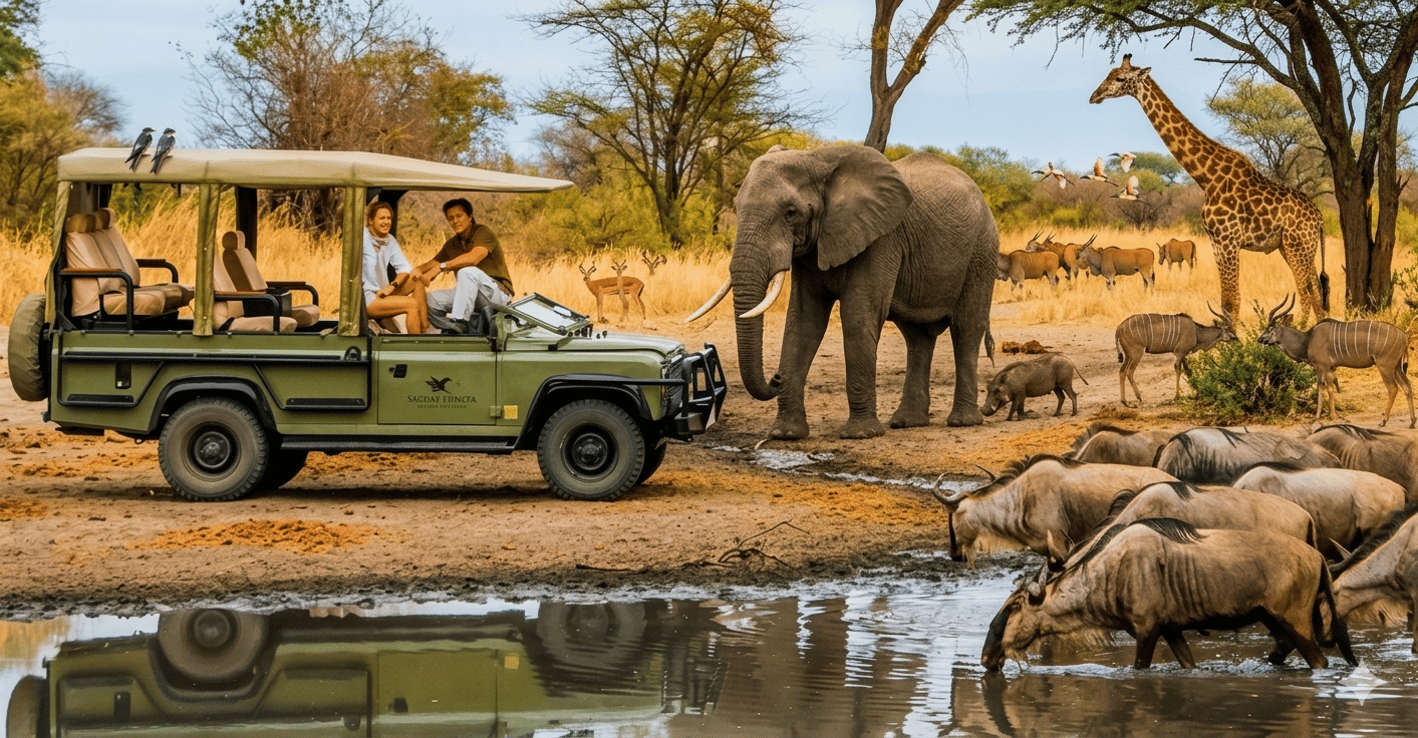
Book a safari in Tarangire National Park and watch massive elephant herds gather along the Tarangire River, just two hours from Arusha. Day trips leave at 6 am to catch the cooler morning hours, with guides who track lions by radio and park fees already covered.
"Everything was perfectly organized. Breathtaking landscapes and incredible wildlife throughout. Thanks Felix and Suricata for such an amazing experience!"
4.7★average rating82traveler reviews100%free cancellation15countries travelers came from
Finding the right safari for your days in Tarangire National Park
Every safari here runs with a driver-guide in a 4x4, so the real choice is scope: a single day trip from Arusha or a multi-day camping circuit that adds the Serengeti and Ngorongoro Crater. Day trips suit short stays. Circuits suit travelers with three or four days.
The rows below match each traveler type to its tour.
documentPark staff check identification at the gate, so every visitor needs an original passport or a clear copy for registration before entering Tarangire National Park.
Pack your passport (or a clear copy of it) and keep it with you on the drive, and confirm with your tour operator that they hold a copy on file before the morning pickup.
Which safari in Tarangire National Park suits you
Cheapest day trip
11 hours·English
4.8(4)
From Arusha: Day trip to Tarangire National Park
An 11-hour shared 4x4 drive with park fees and a picnic lunch, rated 4.8, keeps the cost down by joining a group.
Free cancellationHotel pickup includedPrivate or shared 4x4 safari vehicle
What a day in Tarangire National Park on safari looks like
about 13 h
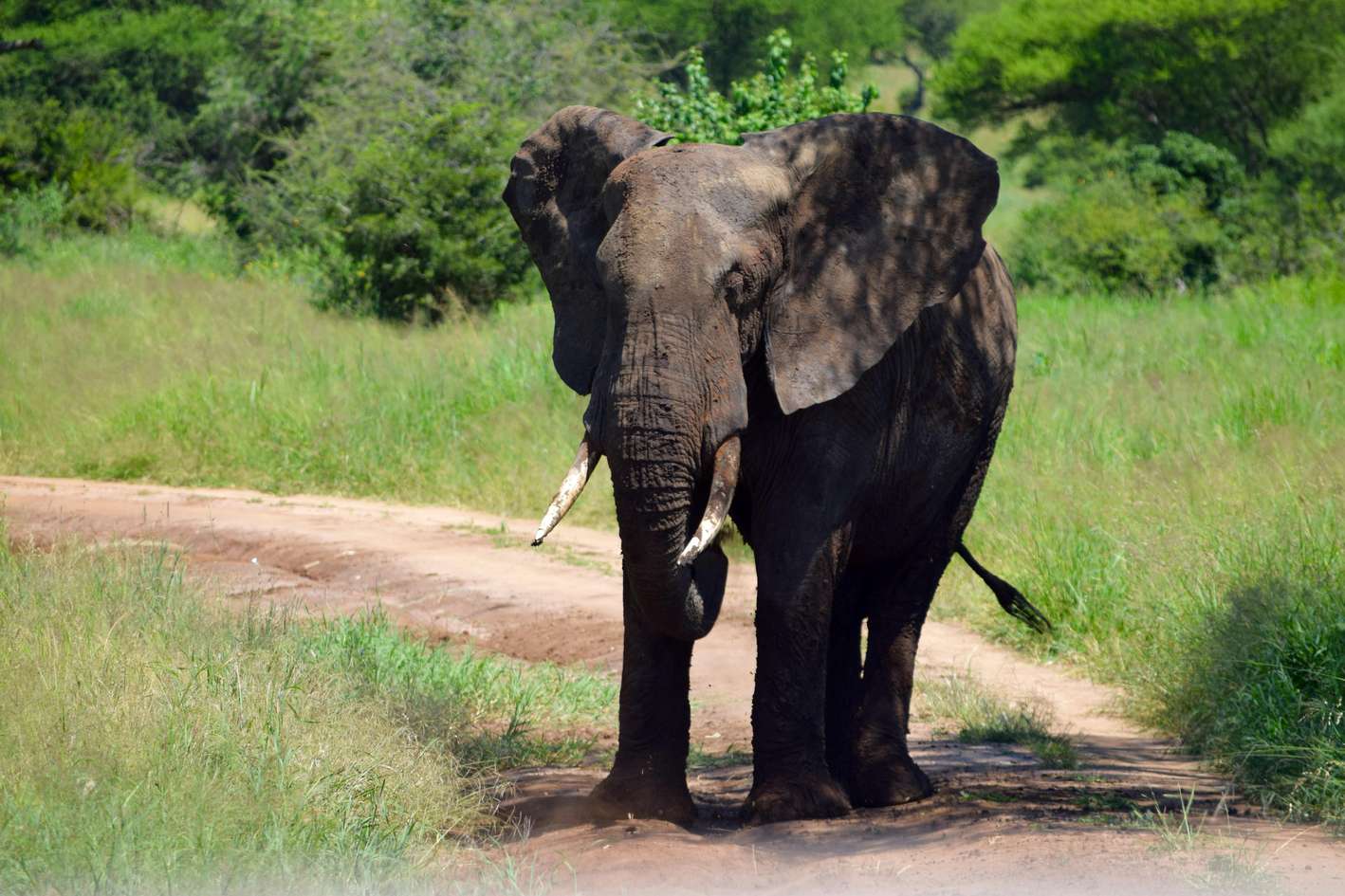
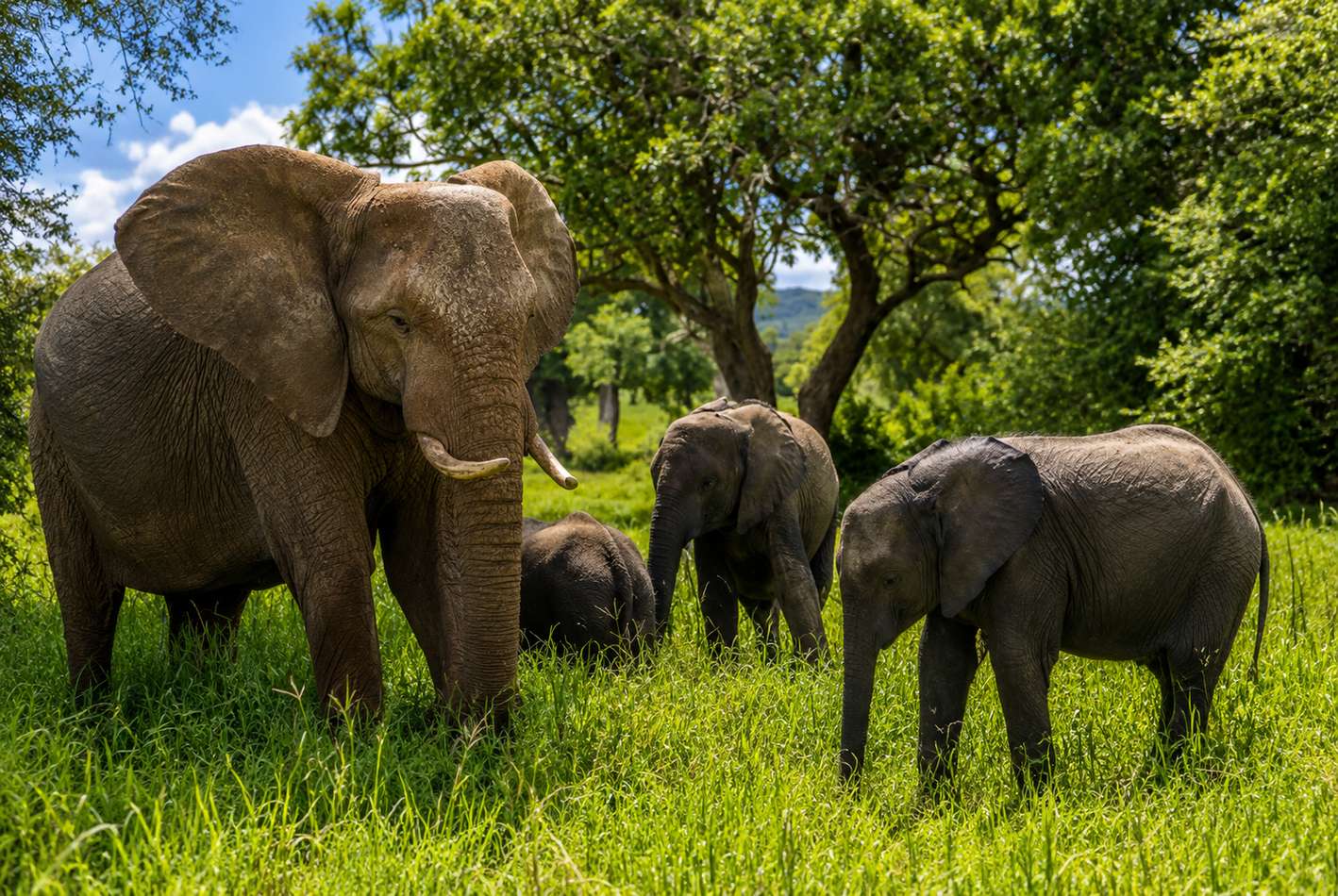
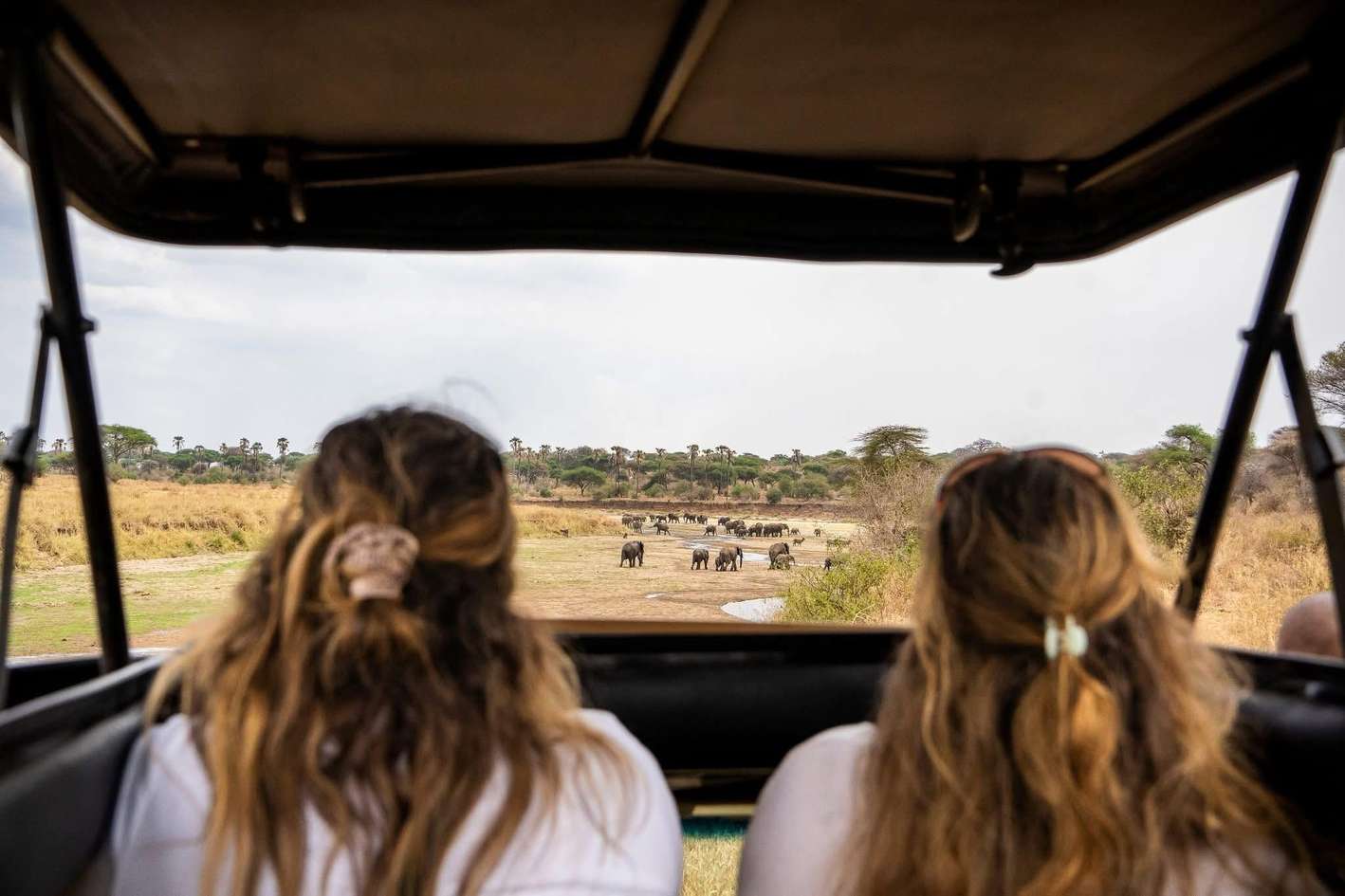
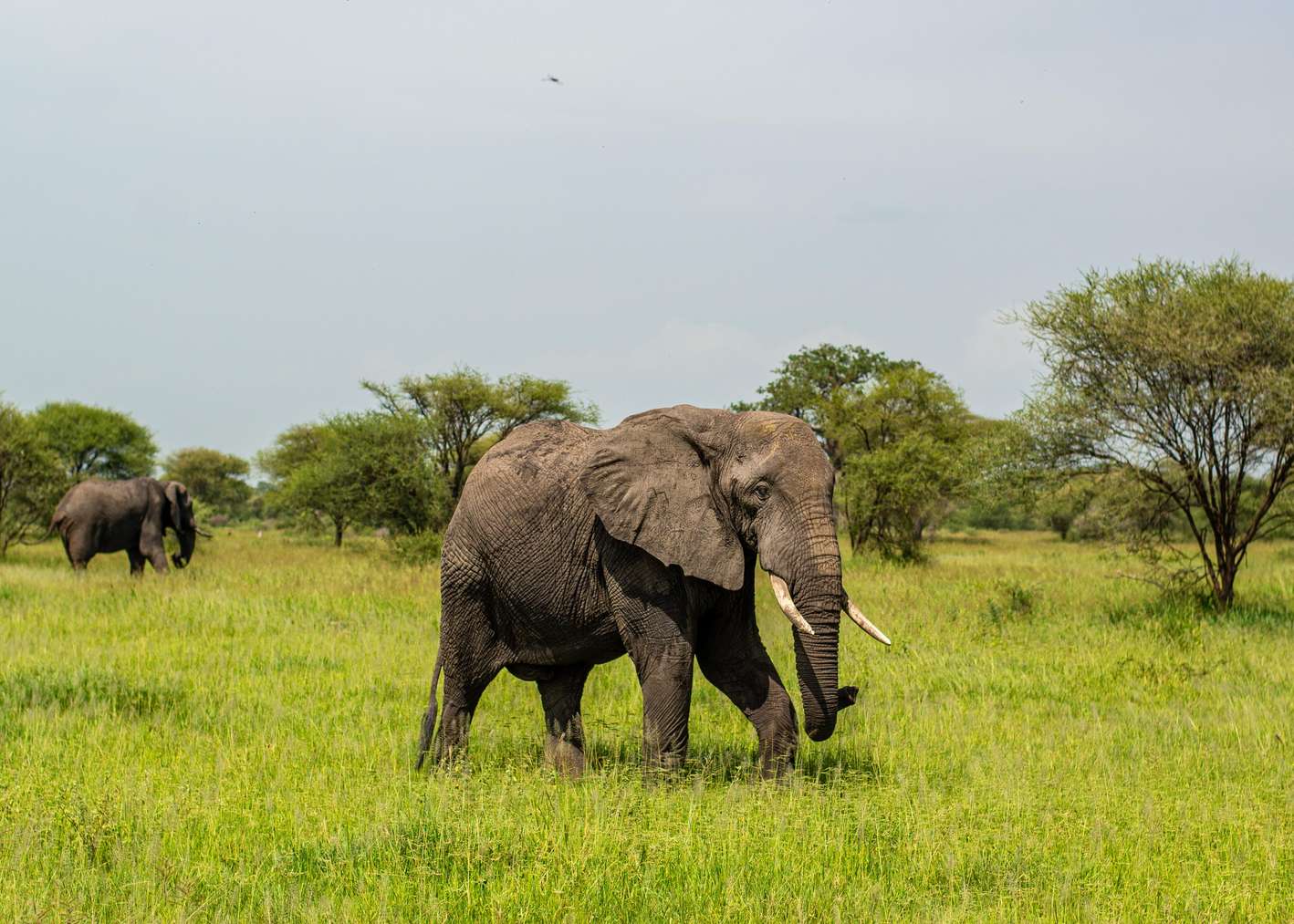
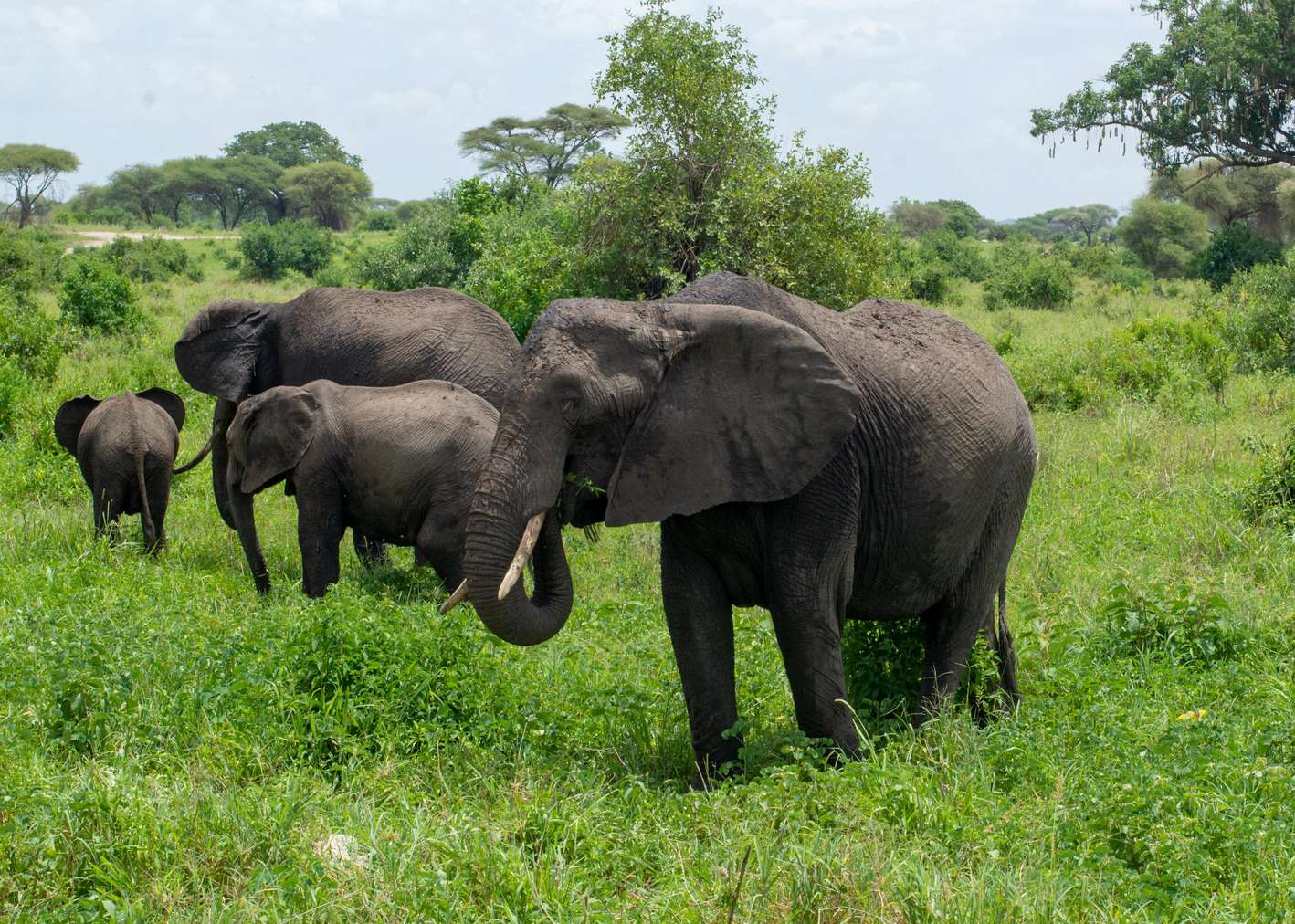
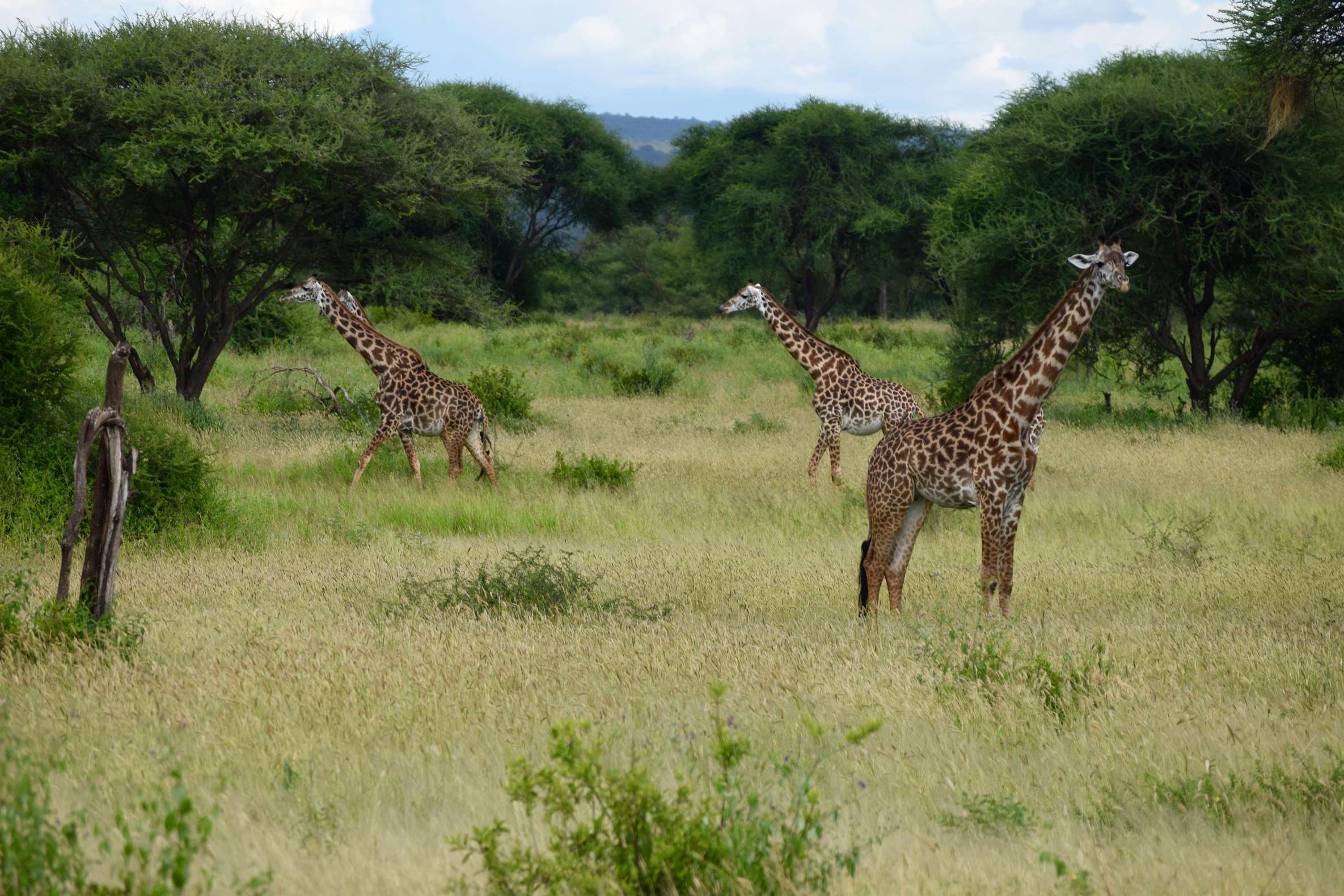
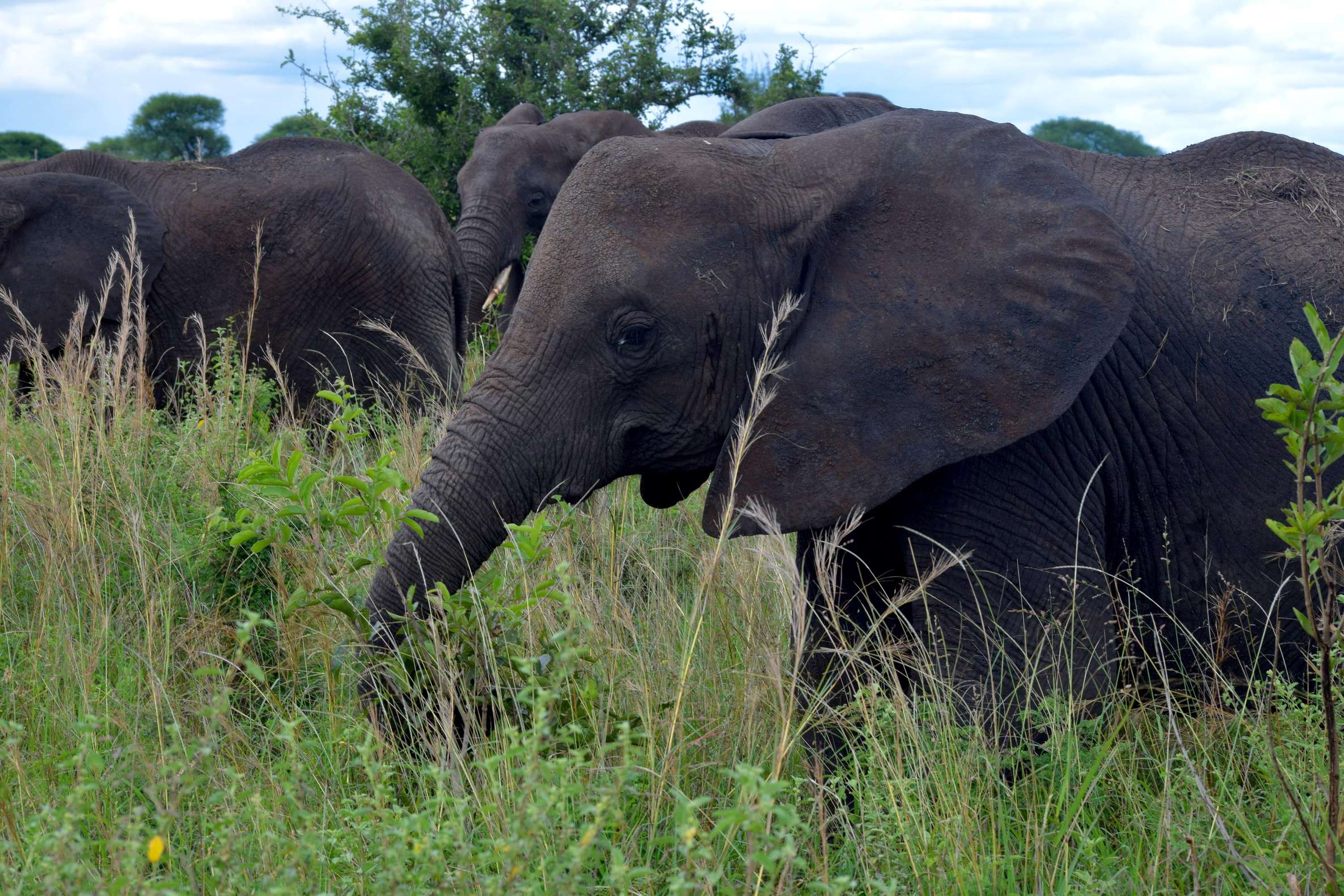
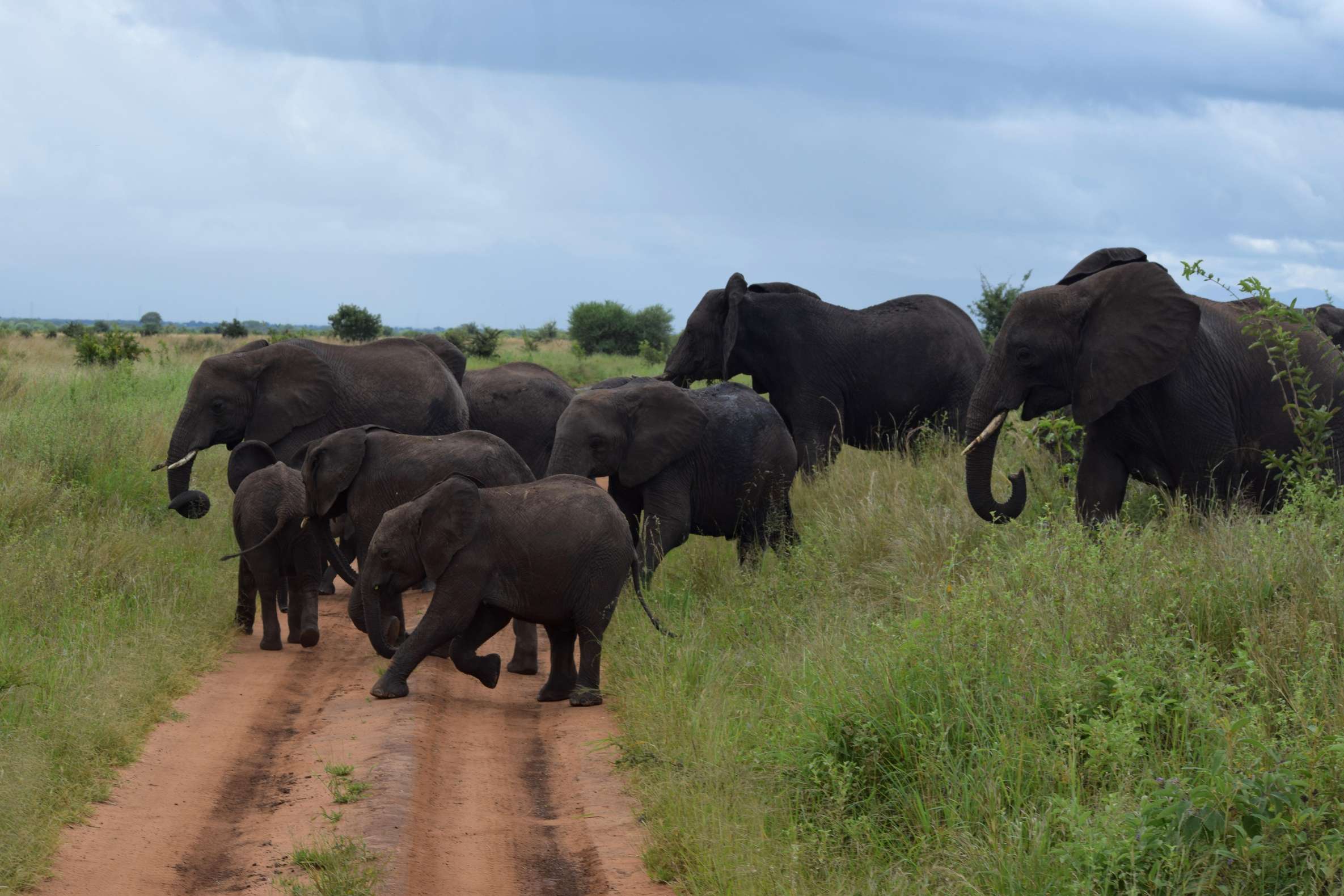
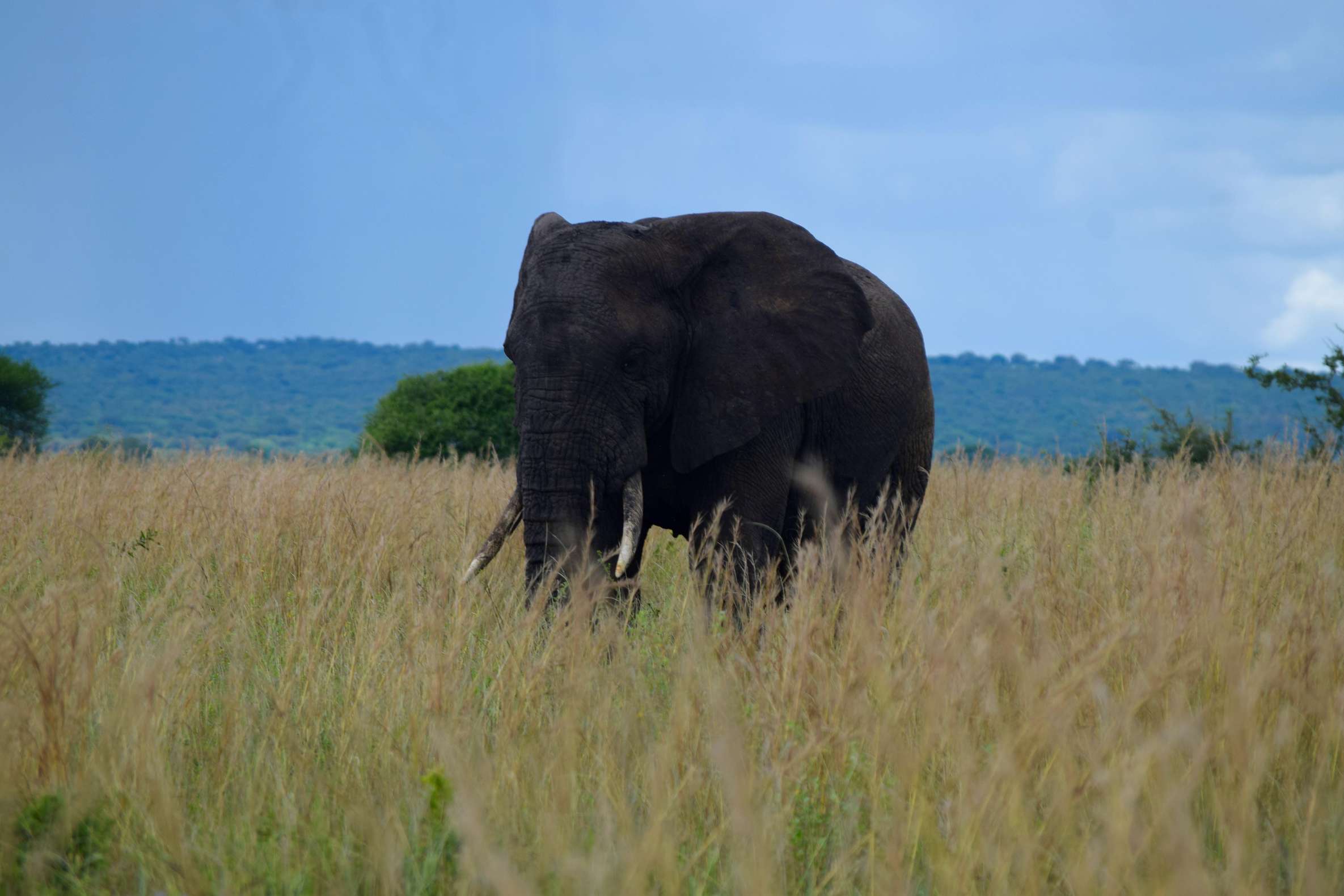
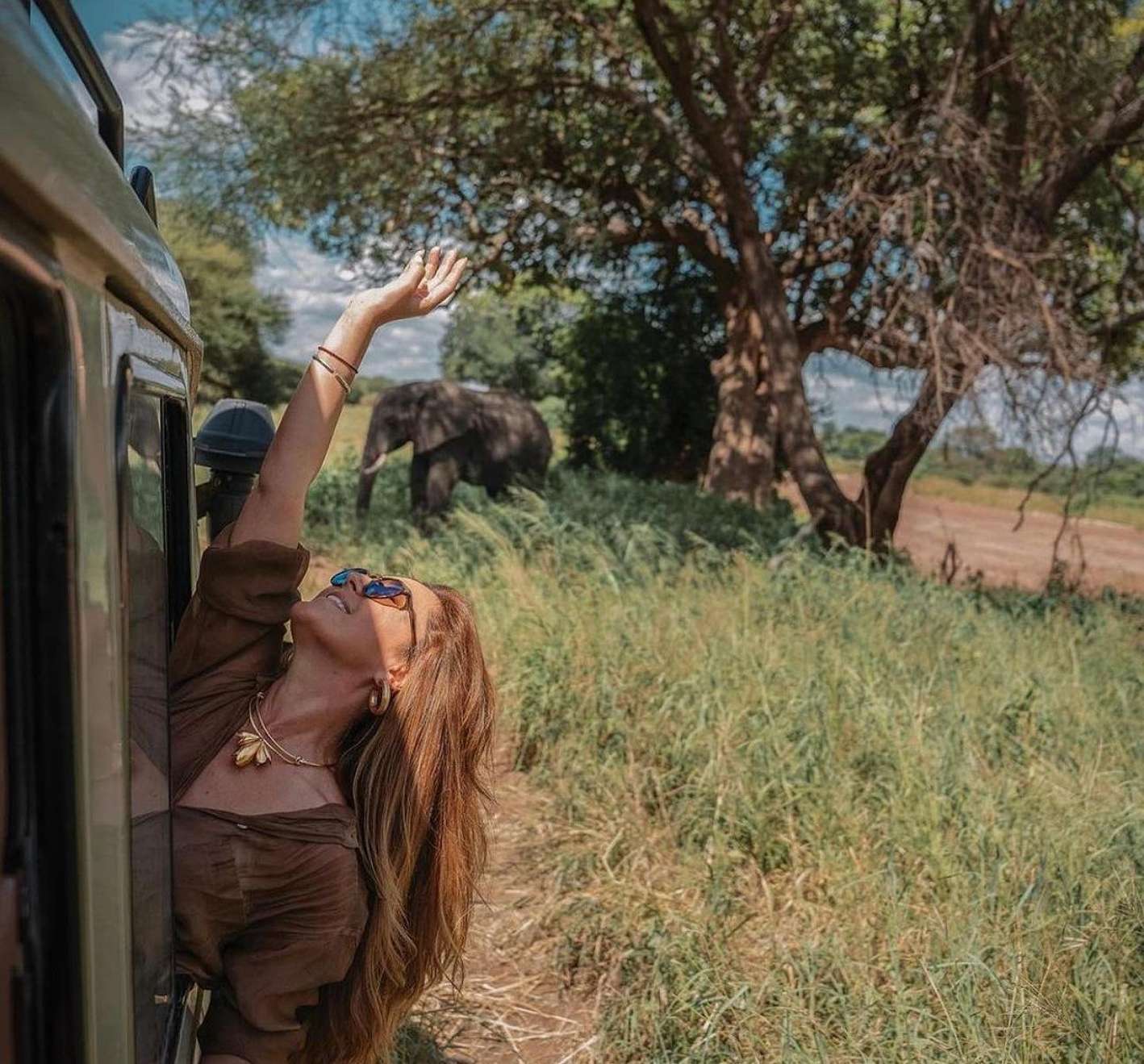
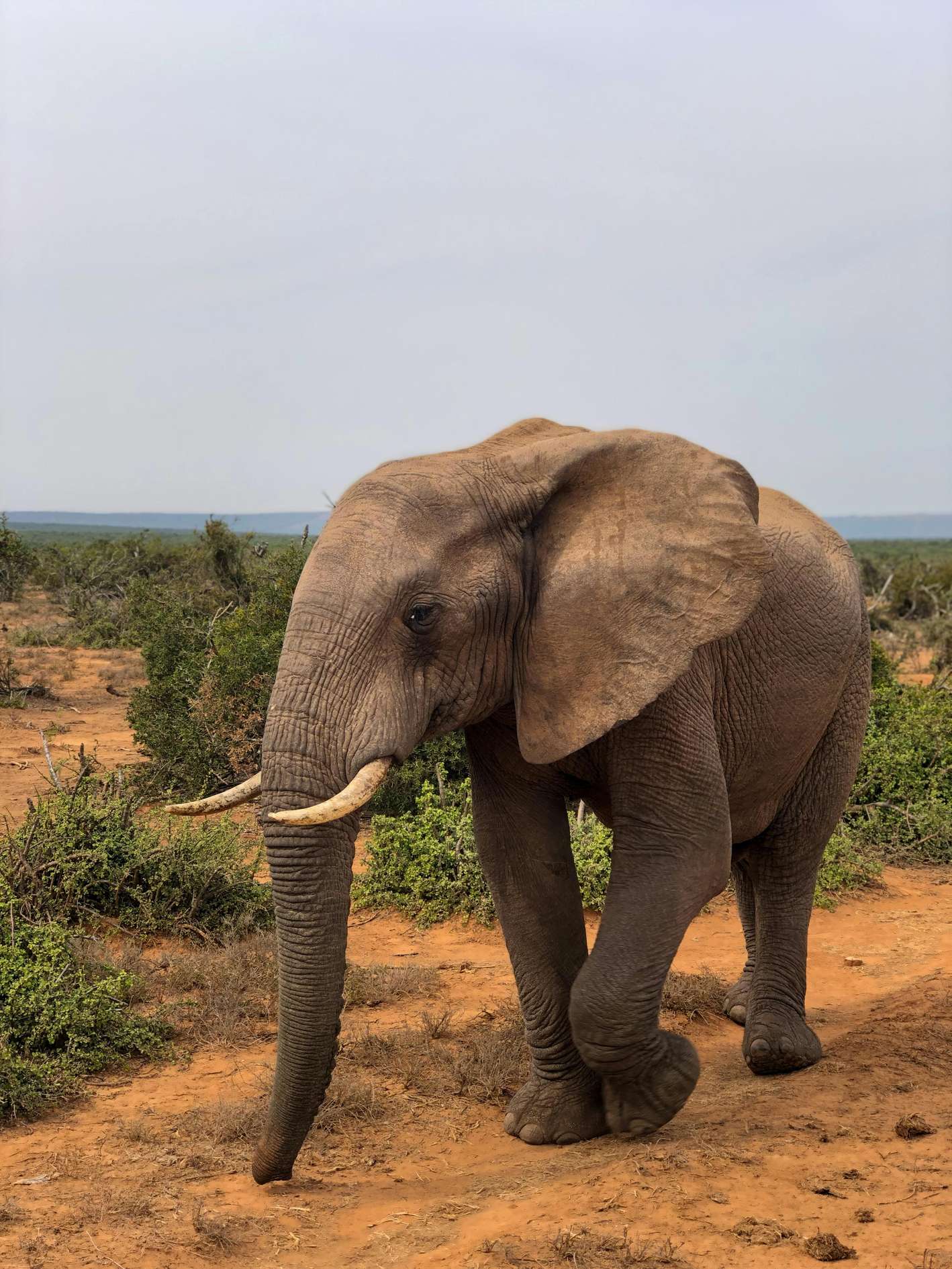
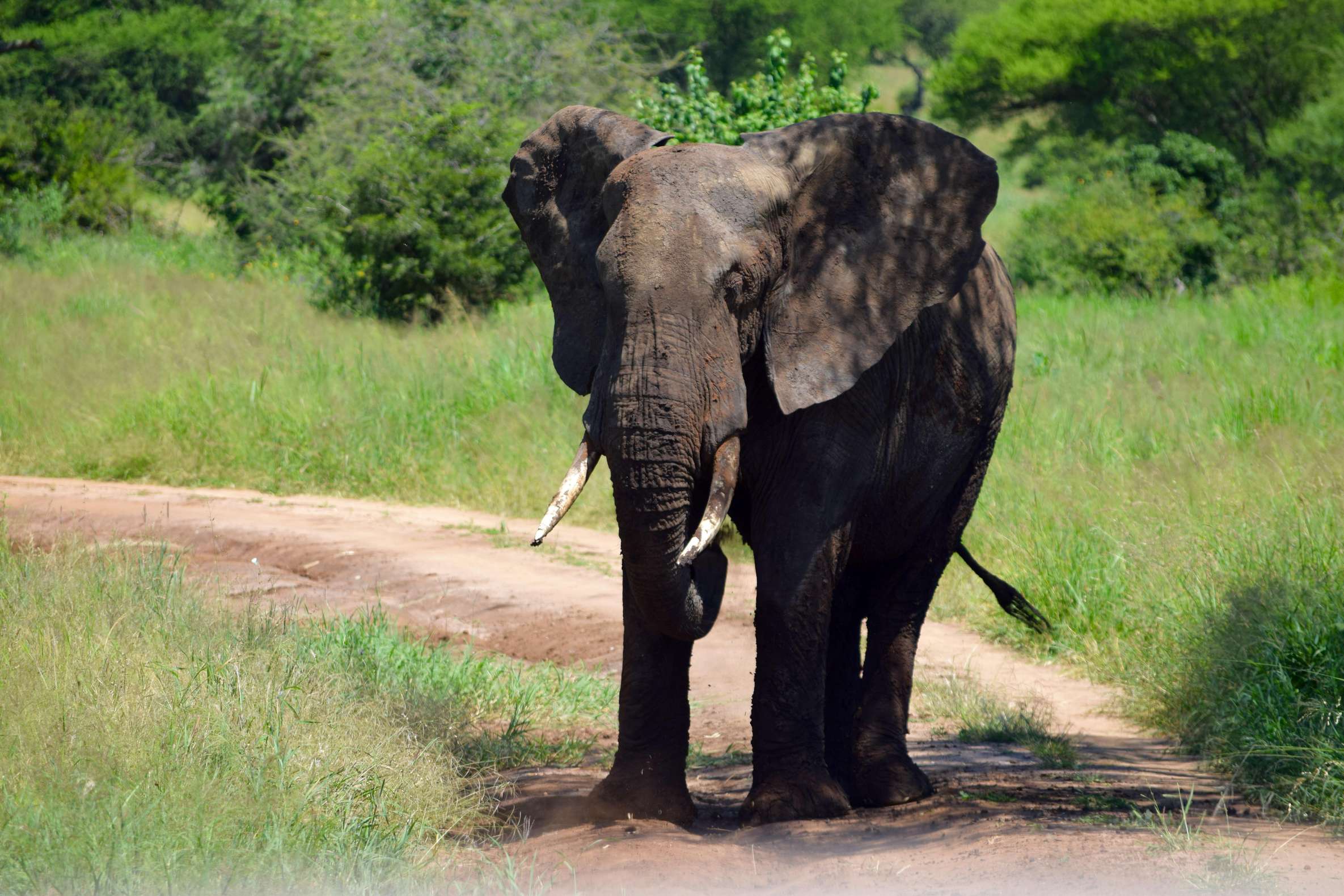
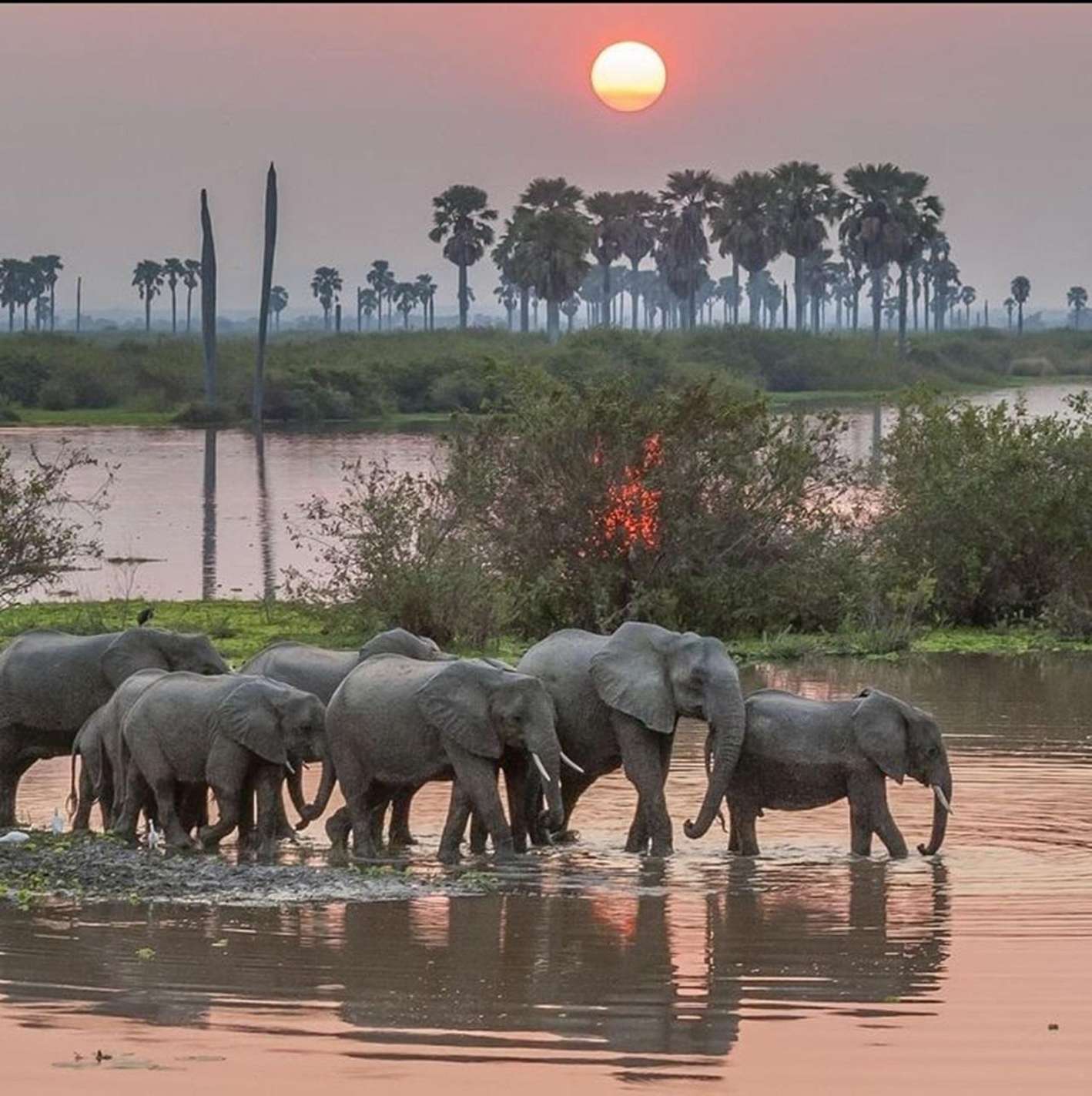
Elephants come first. Tarangire holds some of the largest elephant herds in northern Tanzania, and on a day trip you watch family groups drink, bathe and interact along the river and the open marshes, often within minutes of passing the gate.
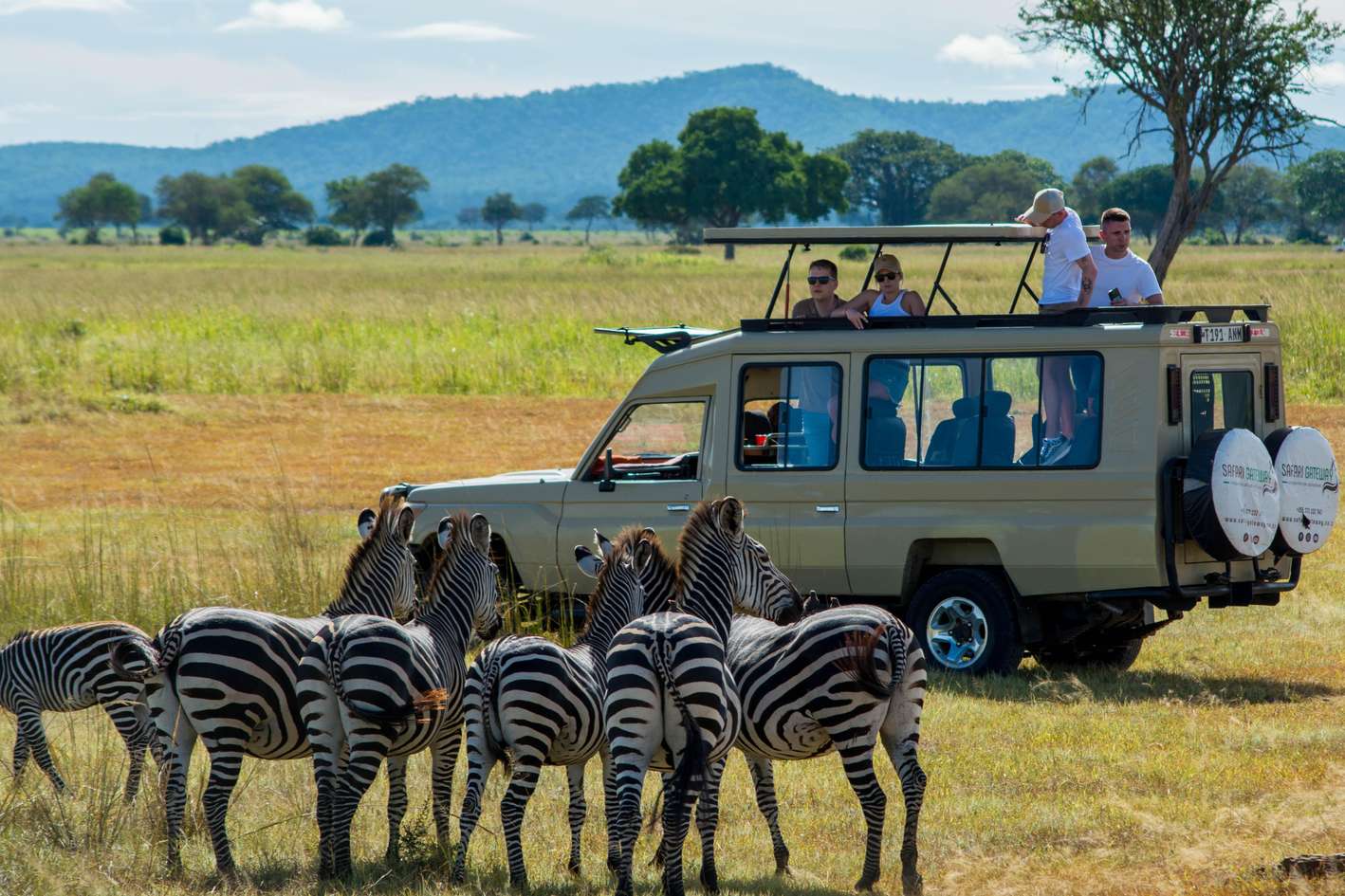
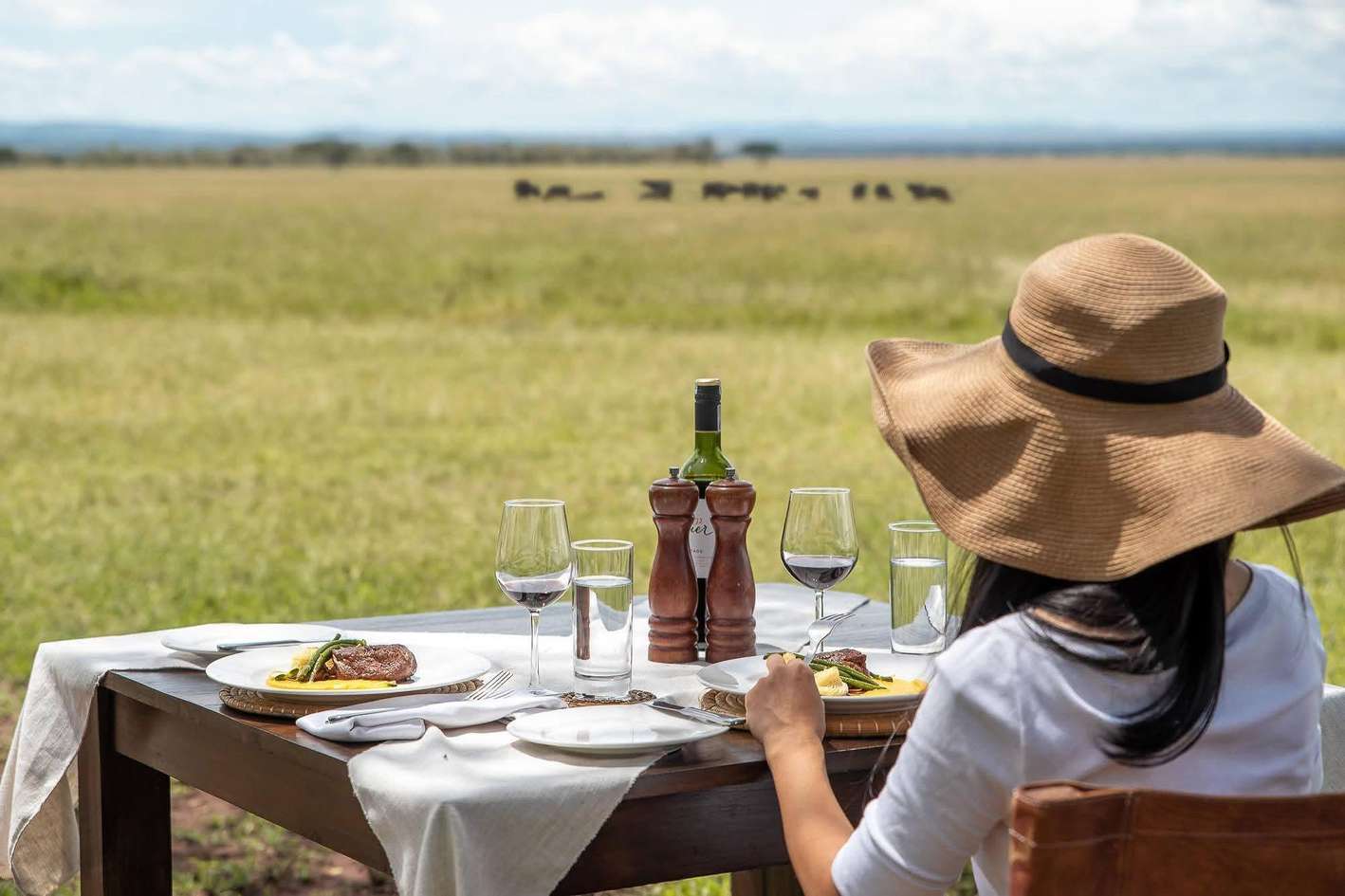
A full day gives you a morning game drive, a picnic lunch at a spot overlooking the river where animals come down to drink, and an afternoon drive that keeps searching until the light fades.
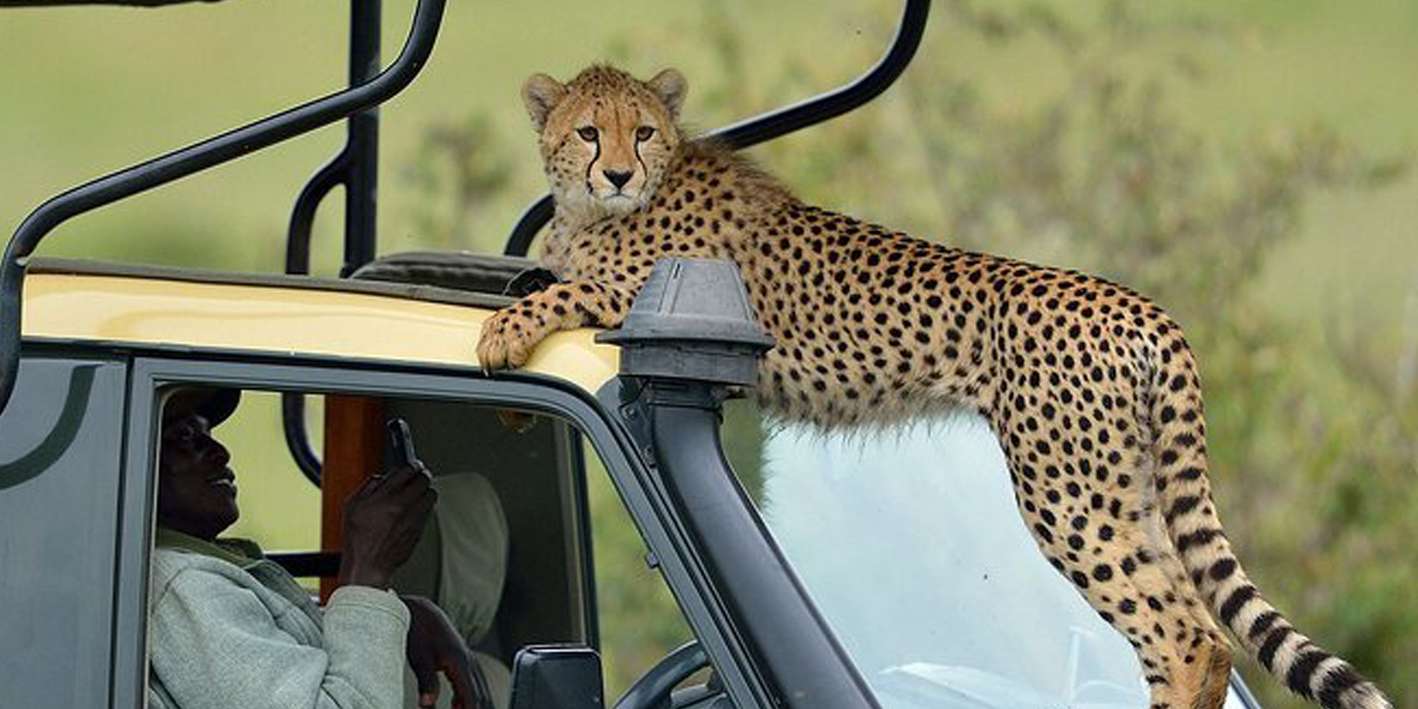
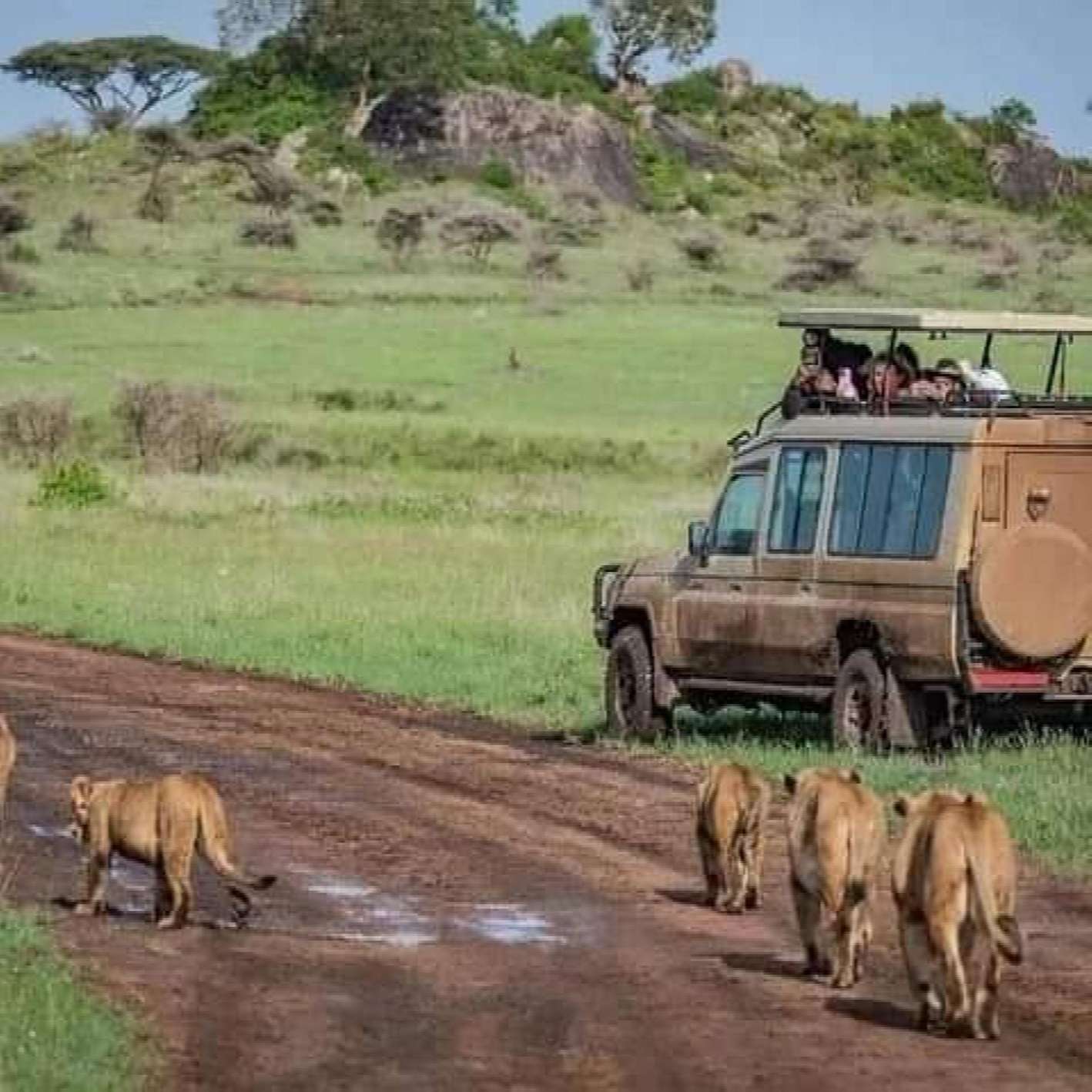
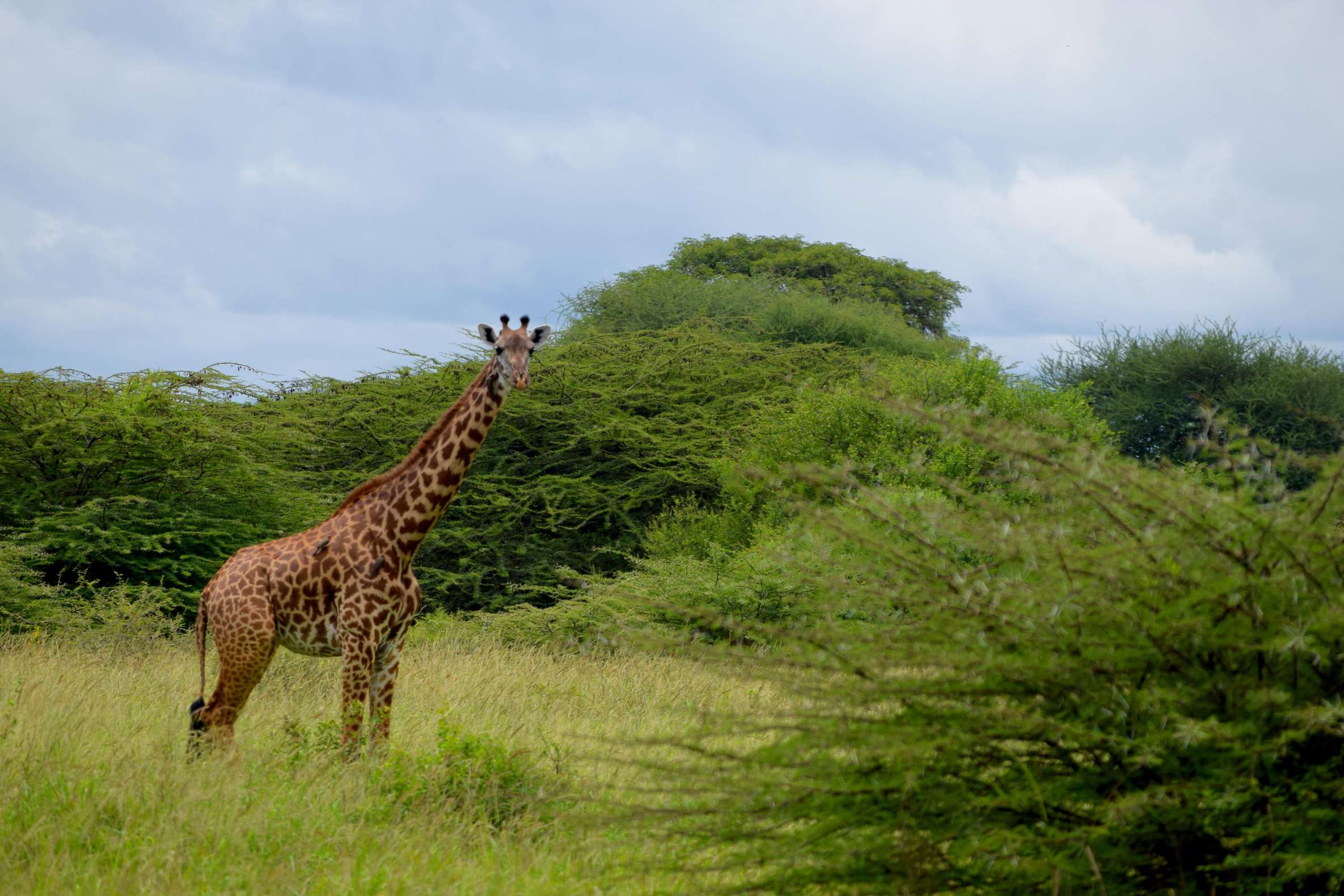
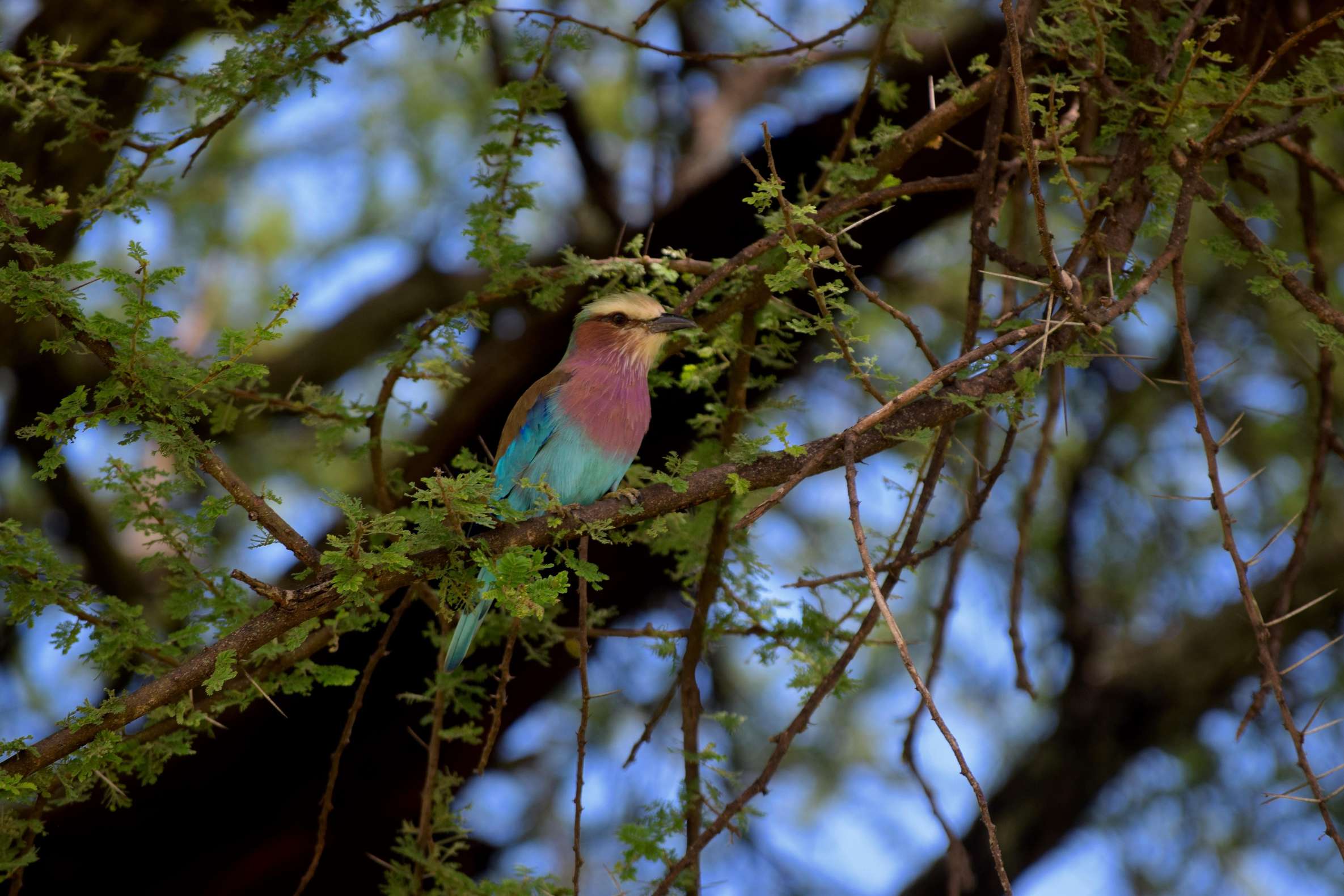
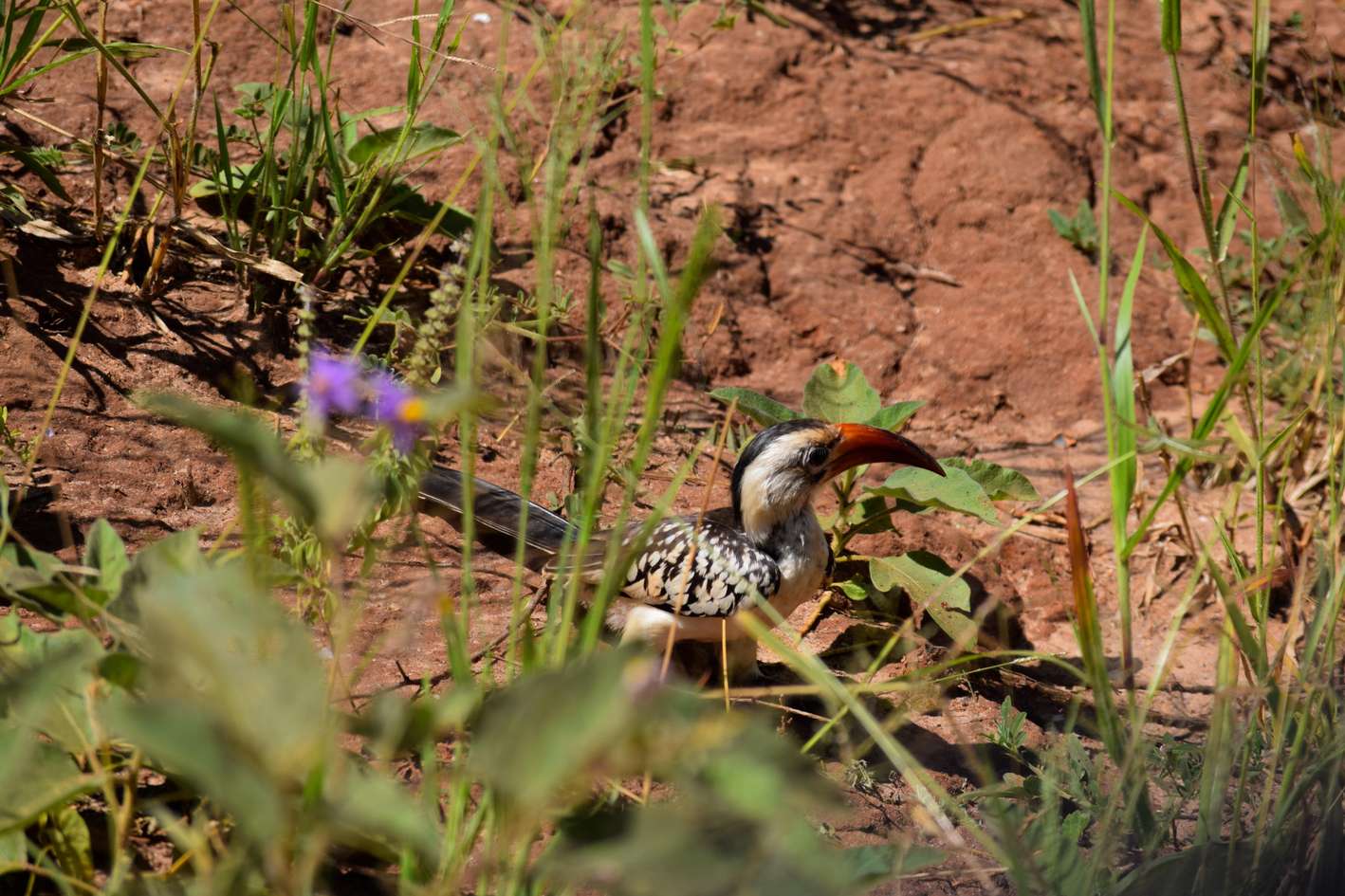
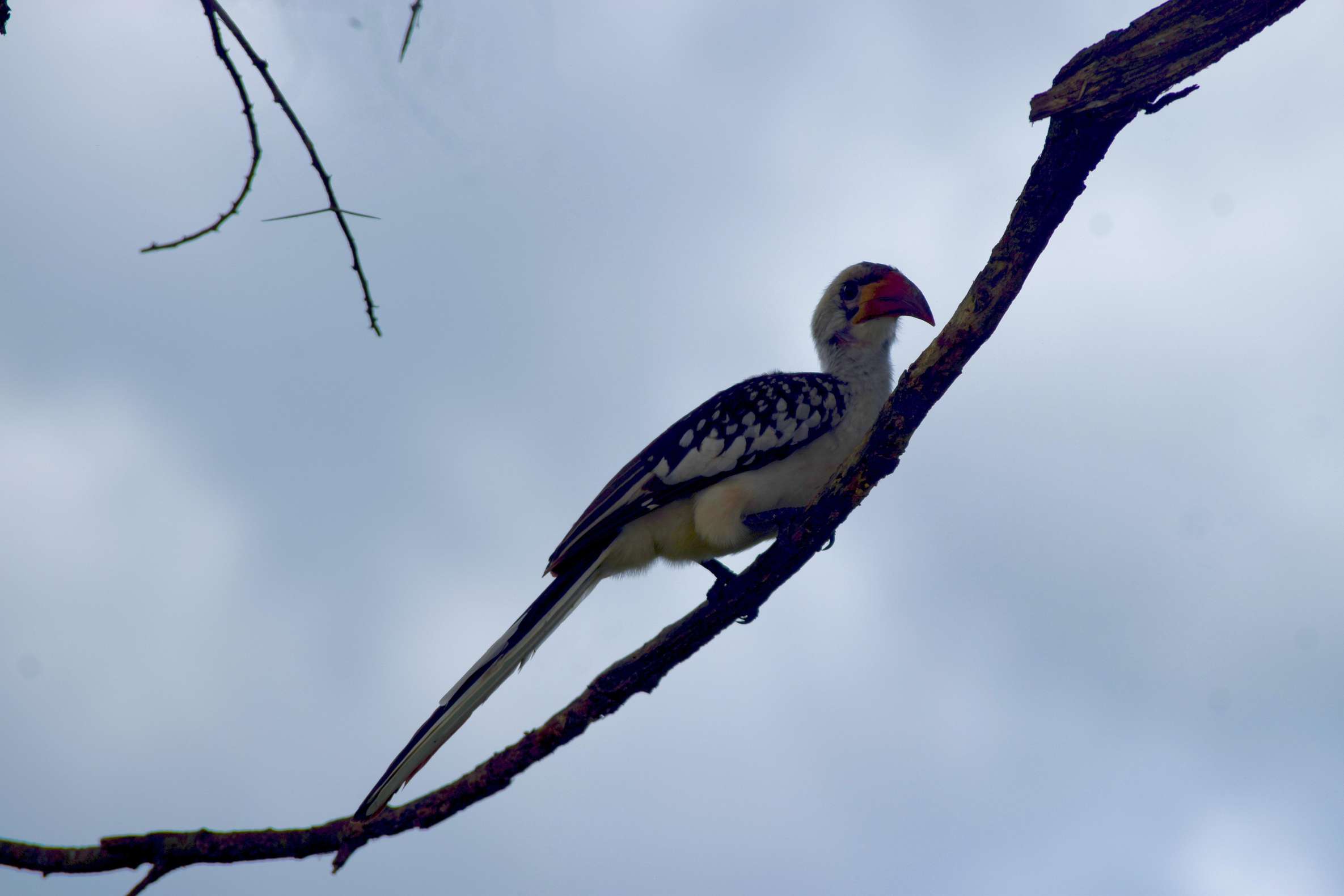
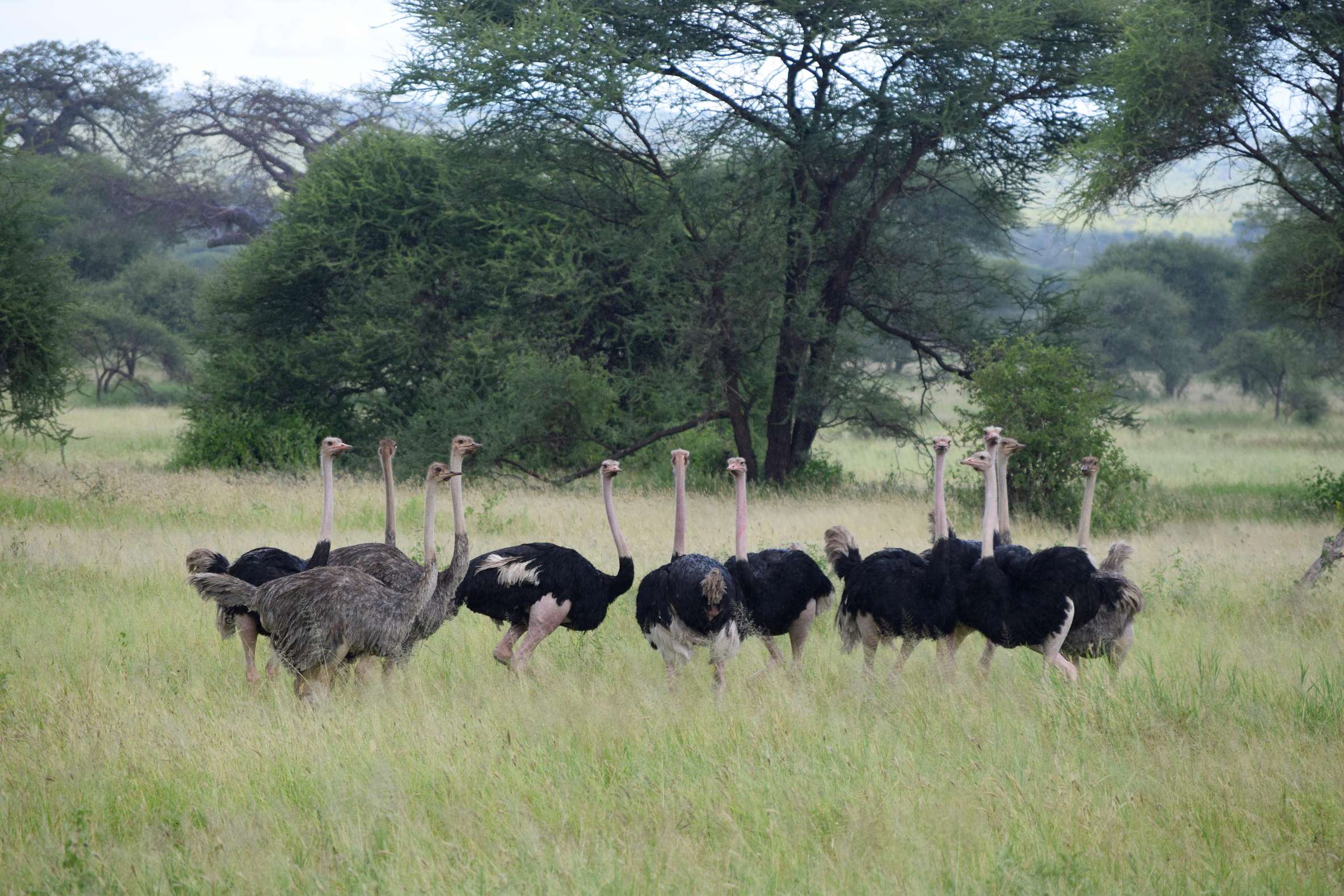
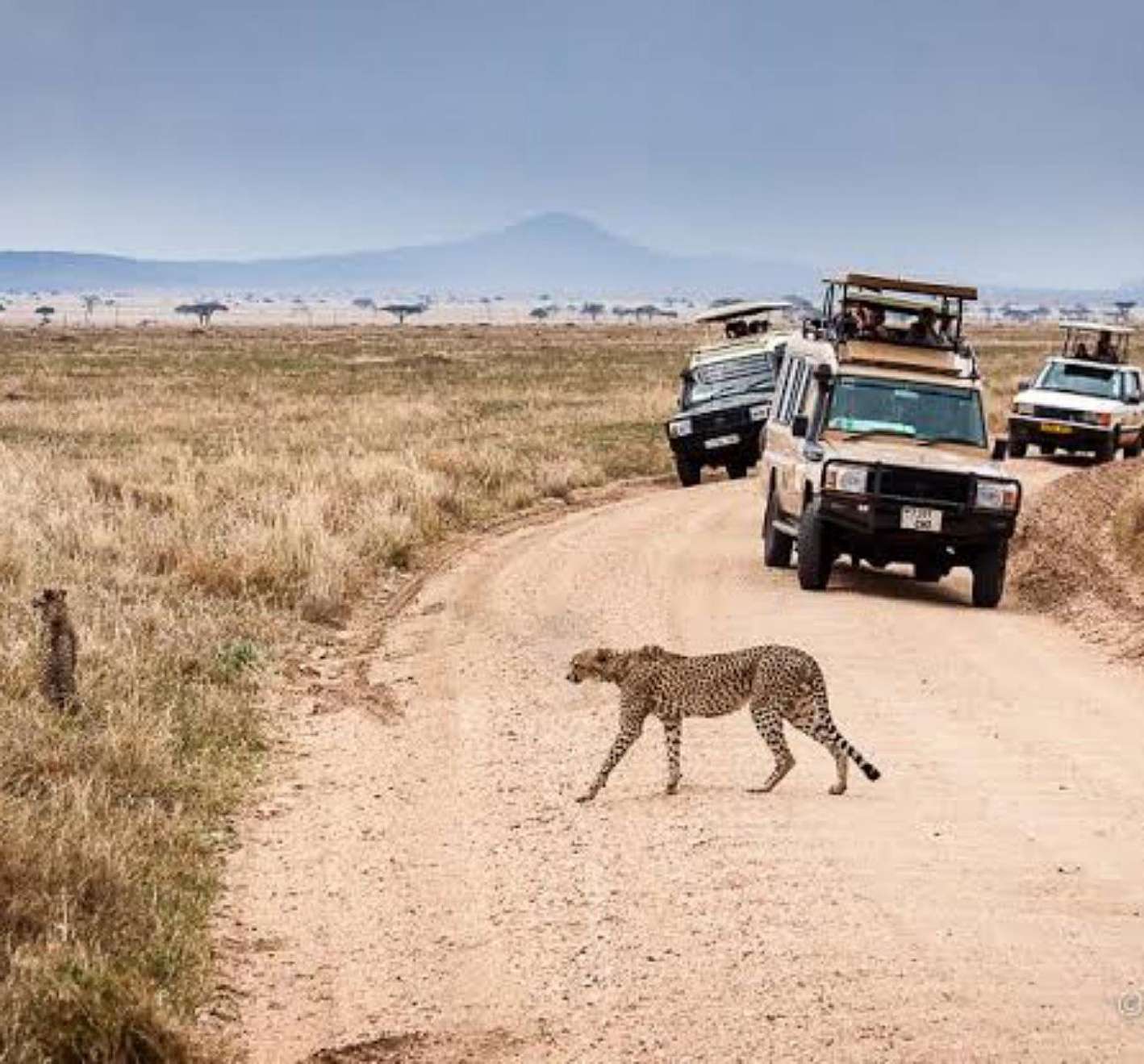
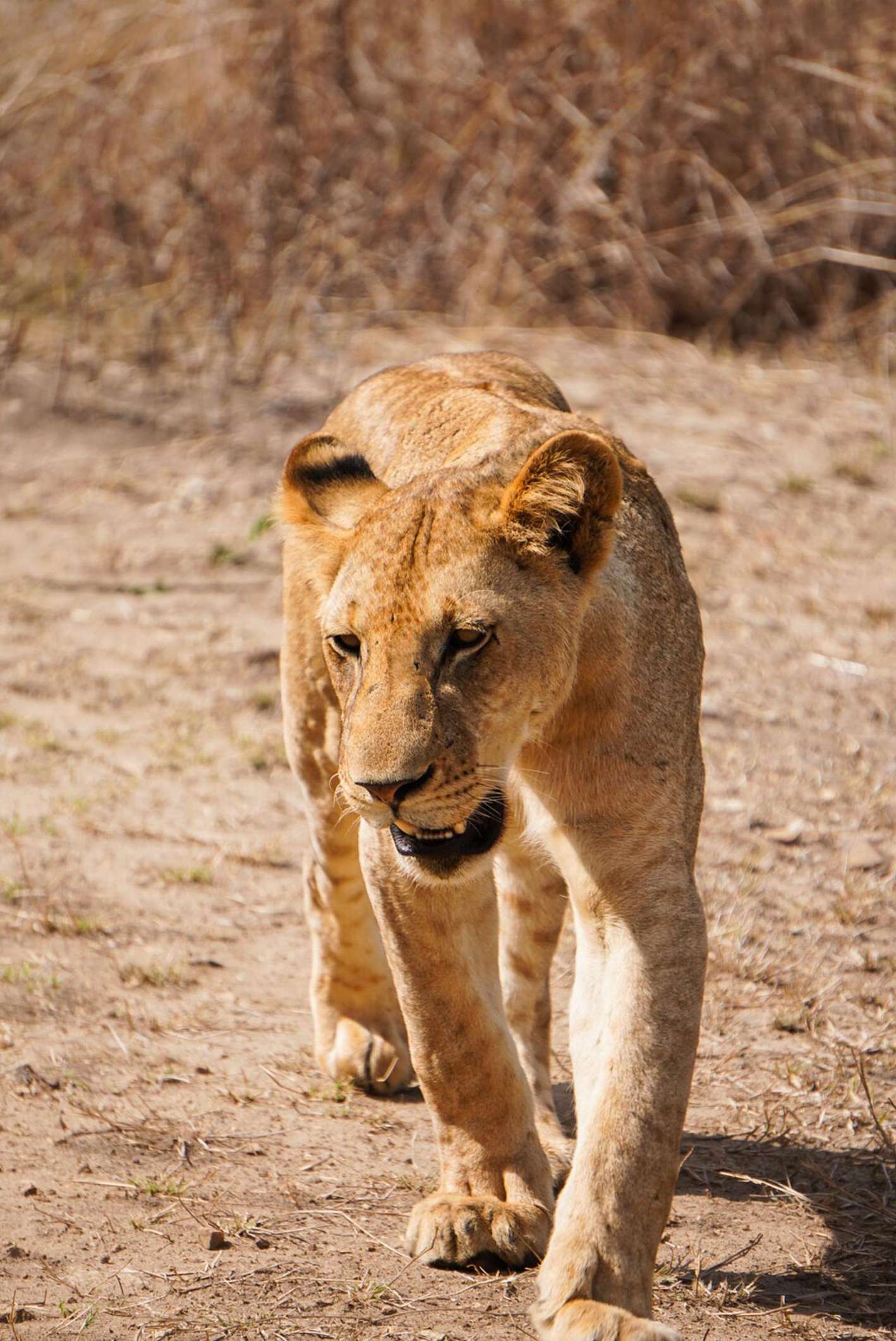
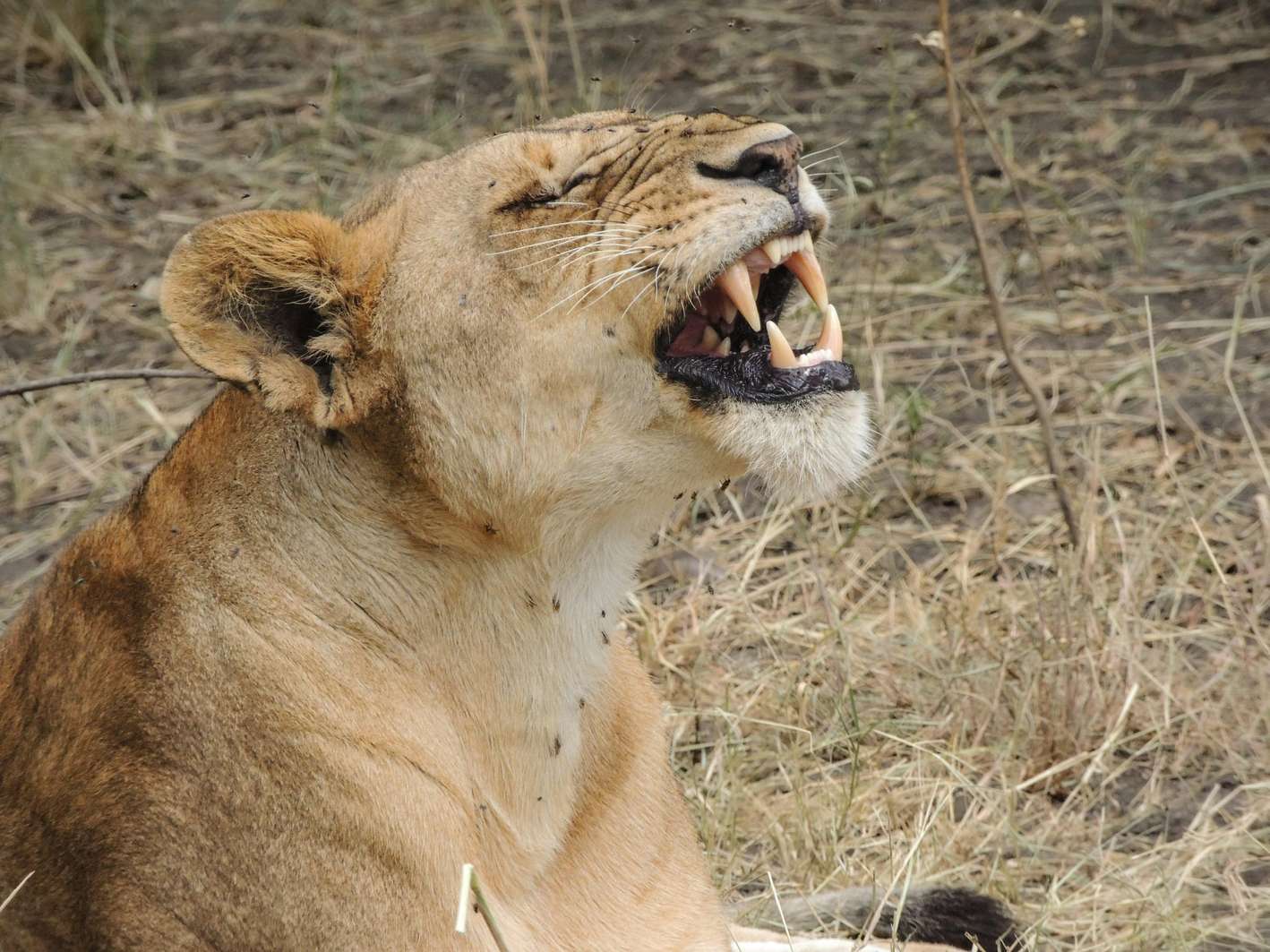
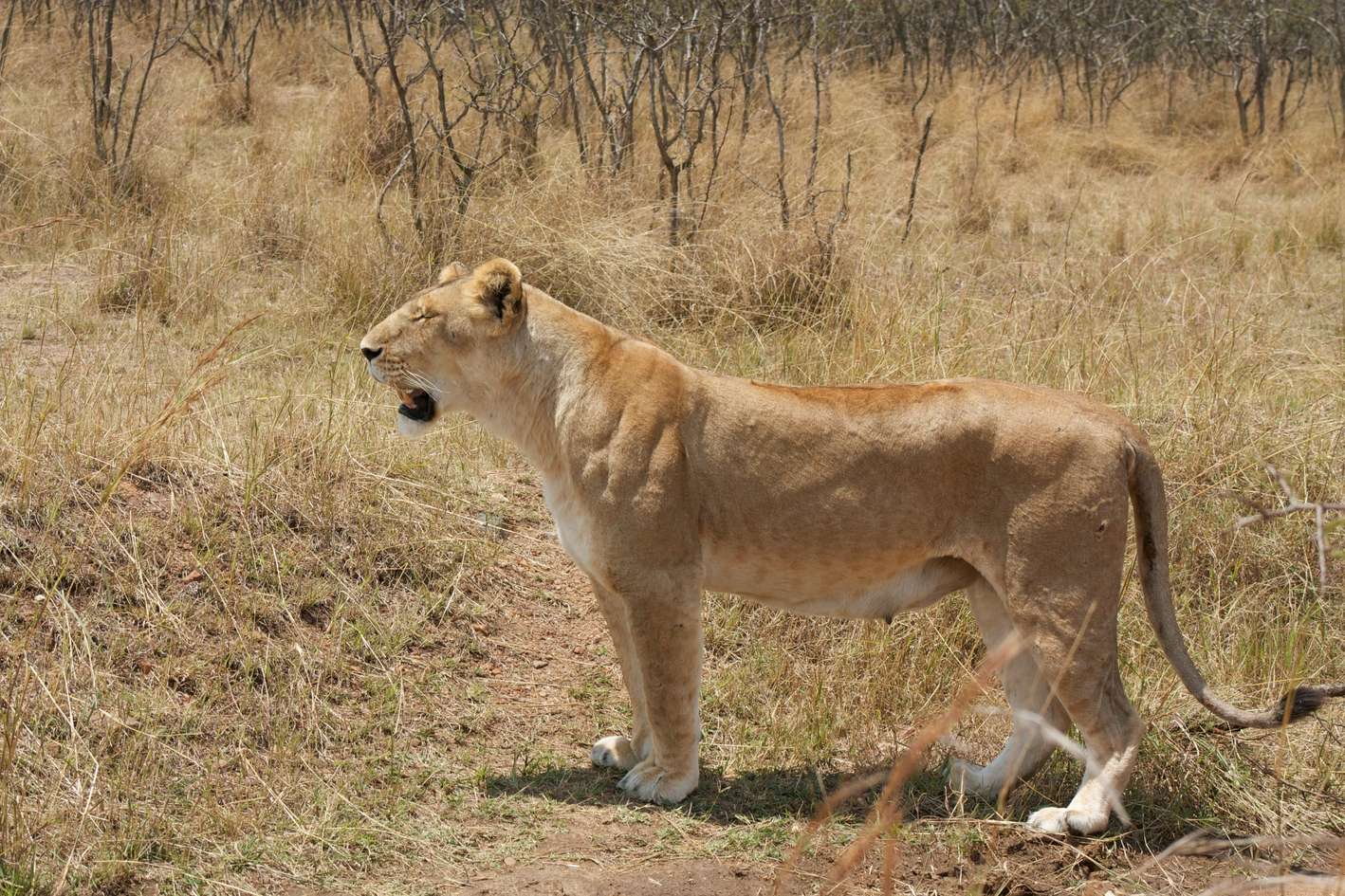
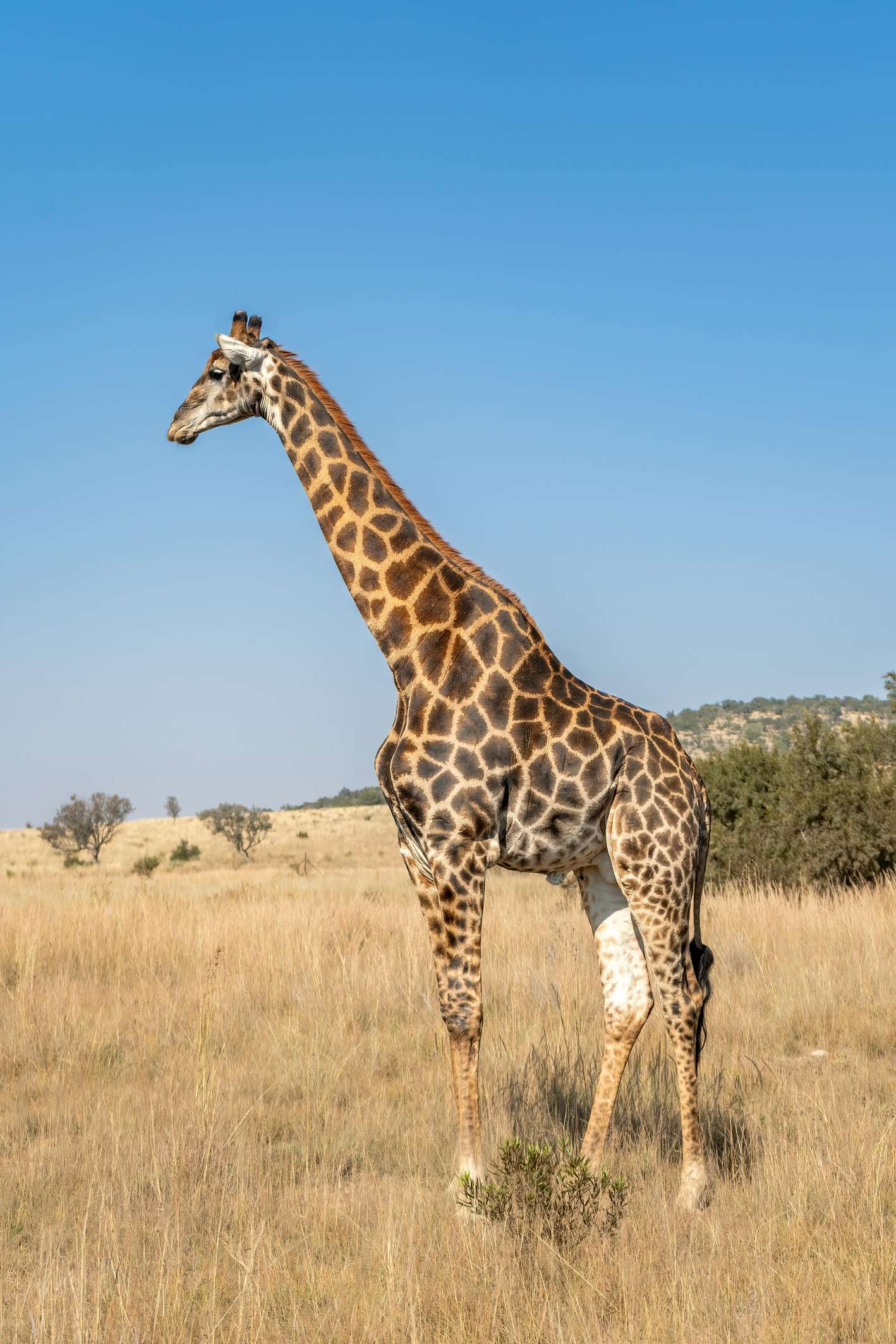
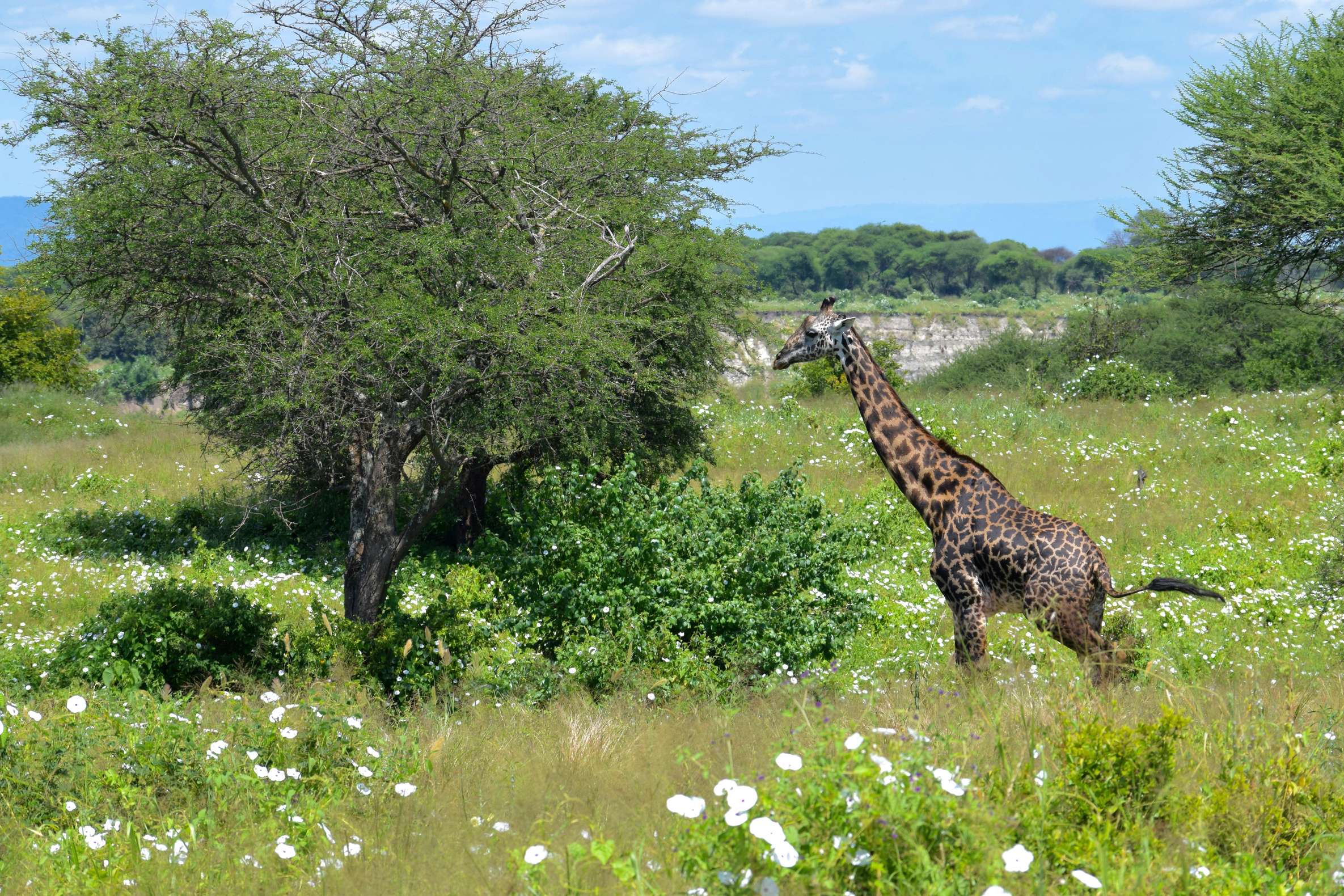
Your guide tracks movements and networks with other drivers by radio, so a lion sighting rarely stays a rumor for long. Over 550 bird species, including ostriches, fill out the quieter moments.
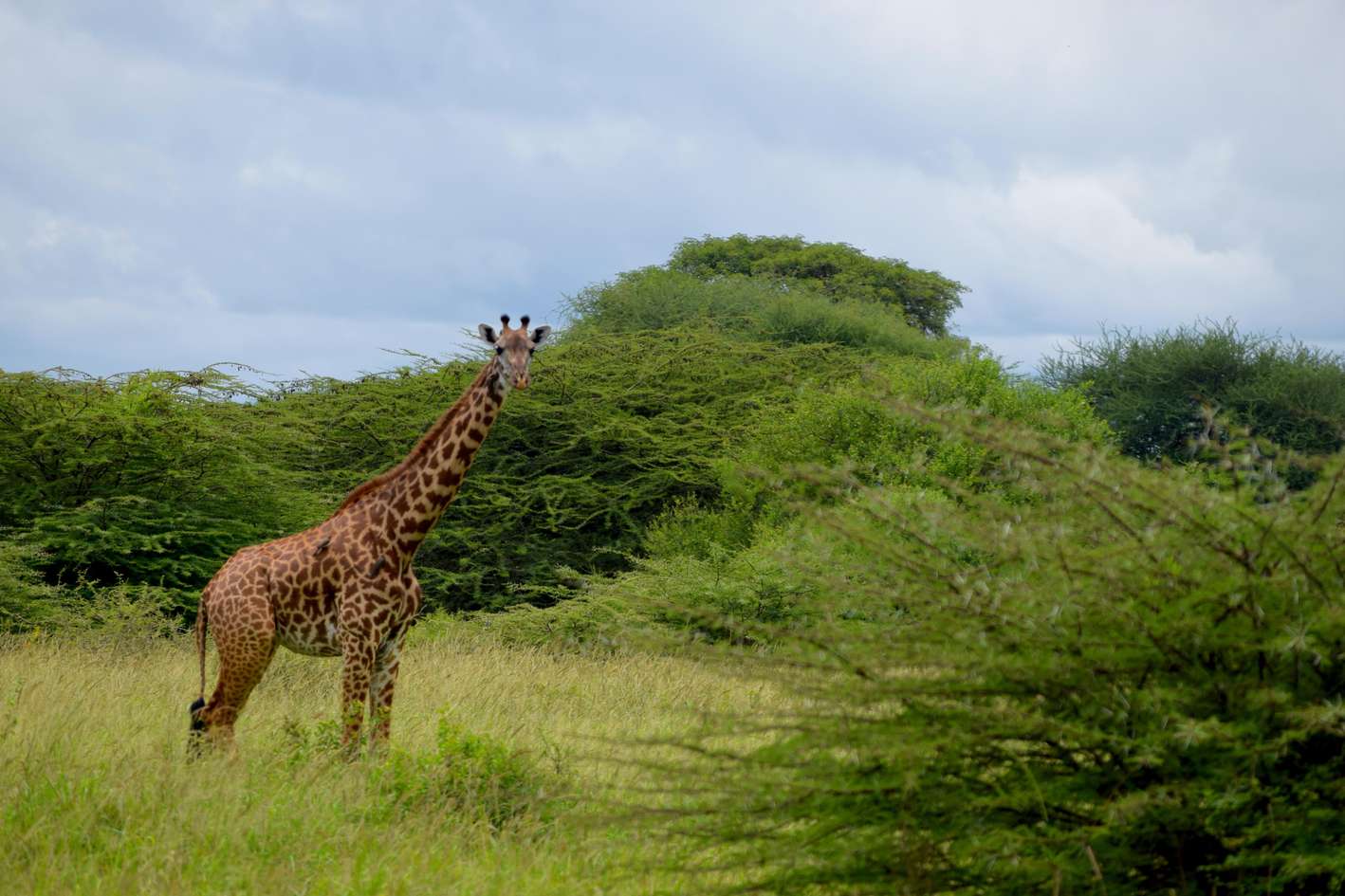
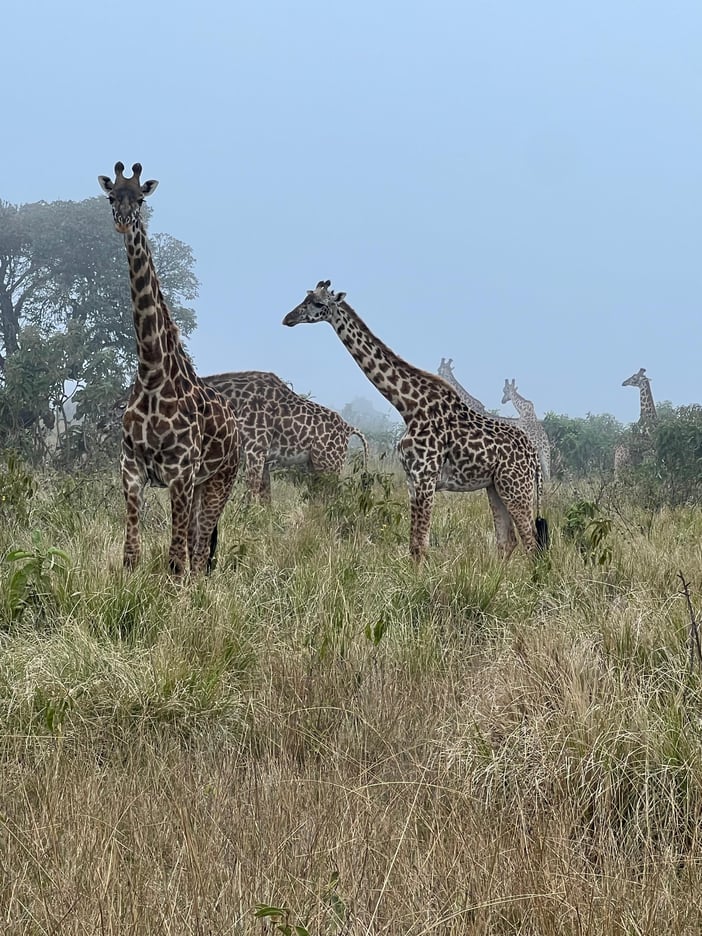
1Elephants at the river· about 120 minMassive herds gather along the Tarangire River, the only permanent water source when the surrounding pans dry up in the dry season.2Morning game drive· about 180 minYour guide drives the park tracks in search of elephants, giraffes, zebras, wildebeests, lions and, with luck, cheetahs and leopards.3River view picnic lunch· about 45 minA packed lunch is served at a scenic spot overlooking the river, where wildlife may gather to drink and cool off while you eat.4Lions in the trees· about 150 minTarangire holds an estimated 117 to 155 lions, some with the odd habit of climbing trees and resting on termite mounds to scan for prey.5Birding and the drive home· about 285 minWith over 550 bird species recorded, ostriches and kori bustards turn the return leg into a game of its own before the drop-off at your hotel.
Most reviewers name their guide, from Elias to Steve, and say he drove all day to find the best animals.
Best surprise
Many campers did not expect a chef, and say the meals were so good they became a trip highlight.
Most common wish
A few wished they had booked more hours in the park after a long drive left less safari time.
How to book your Tarangire National Park safari, step by step
01
Pick your date first
Choose the day you want, then book early for the July to October dry season, when elephant herds gather along the Tarangire River. Group safari departures fill two to four months ahead.
Pro tipMidweek dates are easier to find than weekends in peak season
RecommendedAugust through October gives the densest herds along the river
02
Choose the option that fits
Day trips from Arusha run from 10 to 13 hours, with shared or joining groups and private tours. The private option gives you your own 4x4 and guide, so you set the pace at each sighting.
Common mistakeFirst-timers join a shared tour then want to linger at the elephant herds, which the rest of the group will not
Pro tipTwo people booking a private vehicle often pay only a little more per person than a shared seat
03
Pay and get confirmation
Book the tour, then wait for the confirmation message with your date and pickup details. Most of these day tours let you cancel up to 24 hours in advance for a full refund.
ImportantBring your original passport or a clear copy, because park registration at the gate requires identification
04
Sort out your pickup
Tours from Arusha include hotel pickup within the city, so give your accommodation name when you book. If you stay outside the centre, confirm your pickup point with the operator before the day.
Common mistakeBooking before your hotel is confirmed, then scrambling to change the pickup address
05
Get ready the night before
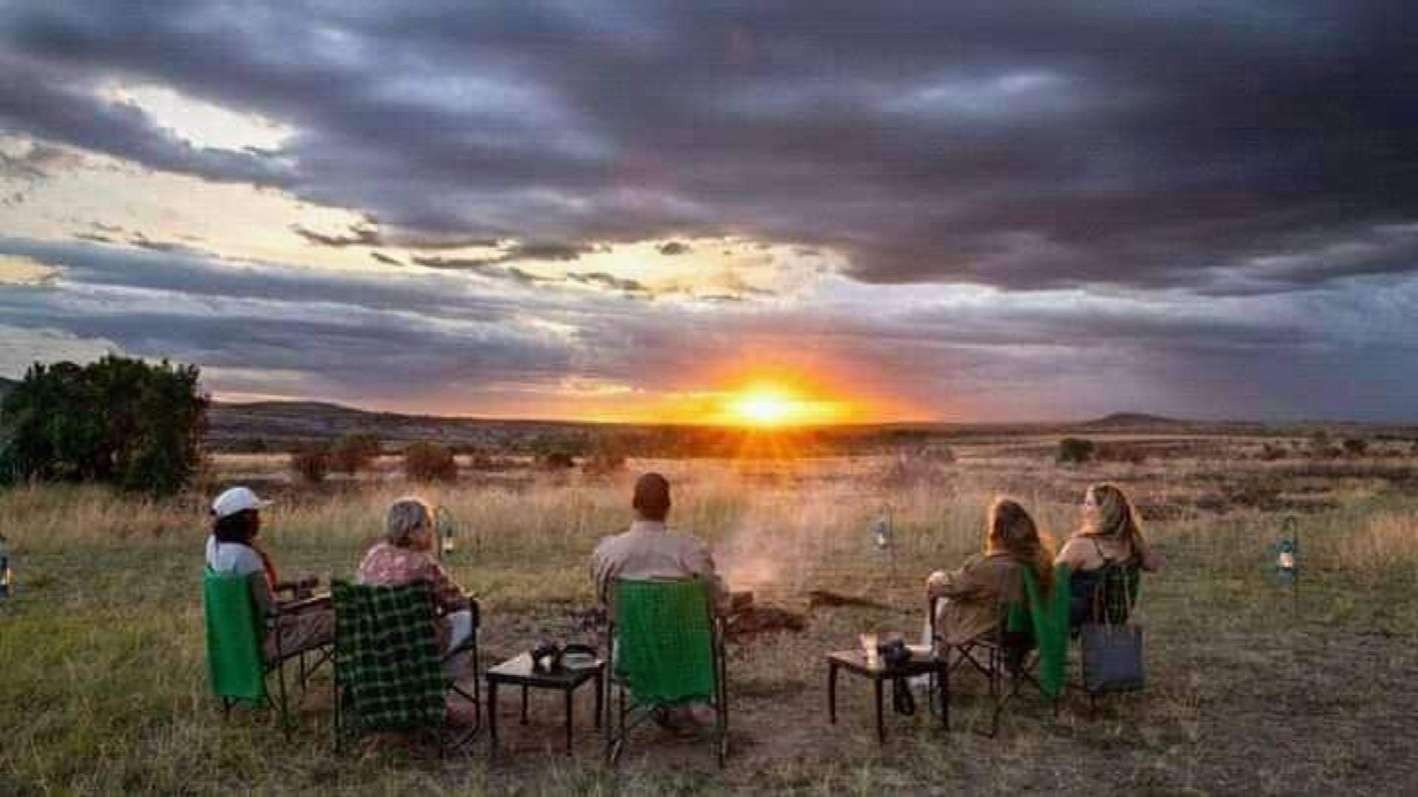
Pack a hat, binoculars, sunscreen and a charged camera, and set an early alarm. Vehicles leave around 6 am to reach the gate when it opens at 6 am, when wildlife is at its most active.
RecommendedWear khaki or olive and skip black or navy, which attract tsetse flies
Pro tipCarry cash for tips, since entry fees and park fees are already in the tour price
What to know before booking your Tarangire National Park safari
Can stop the dayGood to knowGood news
01
ChoosingWhat it is, who it suits, when to go
5
Clothing
Skip black, dark navy and white: tsetse flies are drawn to dark shades and white soils fast from dust. Khaki, beige, olive and tan work best, and long sleeves help because the flies can bite through thin fabric. - repellents barely touch tsetse flies
Jeans
Jeans are allowed, but light neutral trousers suit a full day of driving far better. Denim traps midday heat, stiffens with dust and dries slowly, and it adds bulk against the luggage limits.
Group size
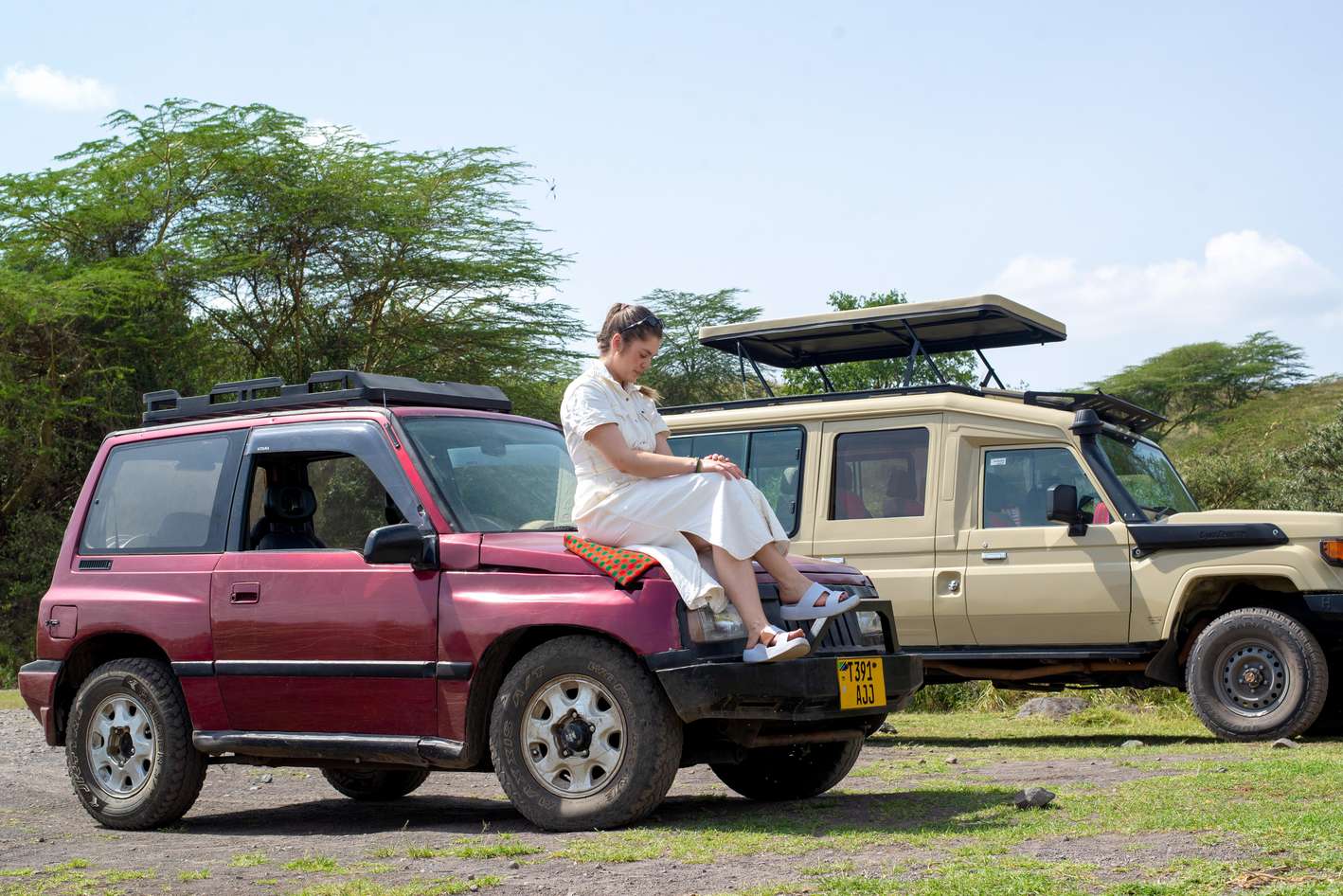
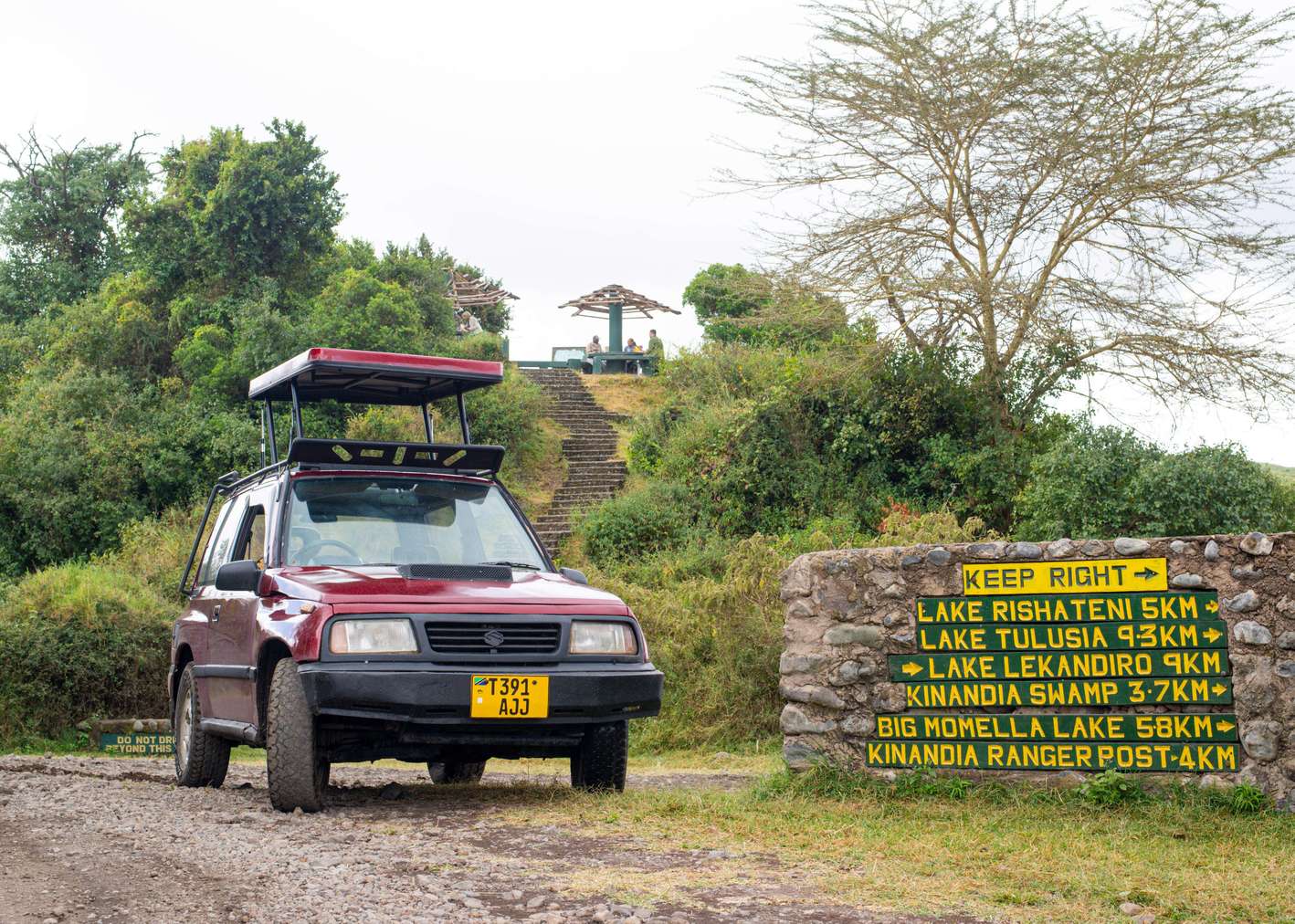
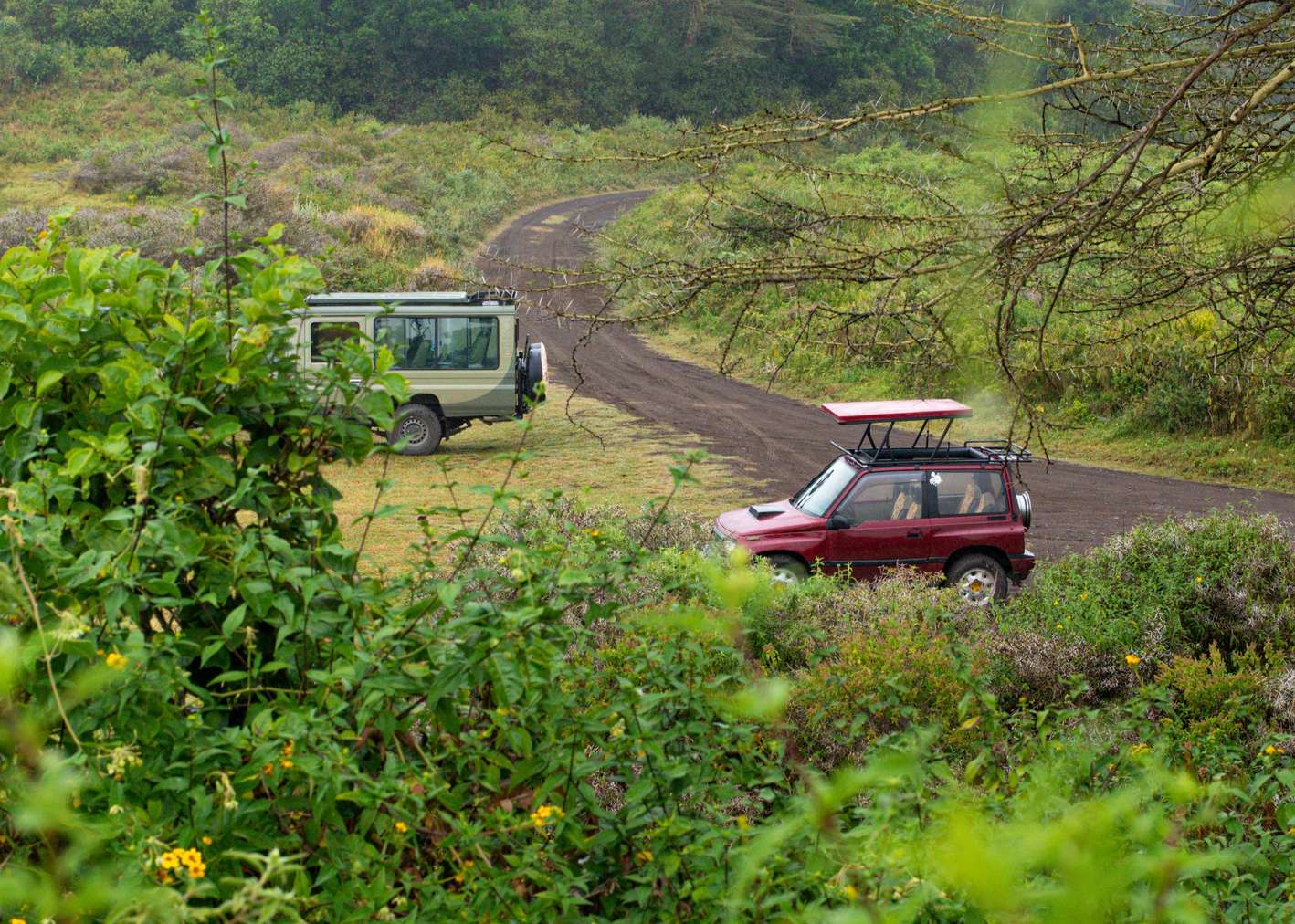
You choose between a shared vehicle and a private one. On the joining safari, solo travelers and duos pair with another group for a lower rate, while the private options give you your own jeep and guide. - private Suzuki Vitara fits solo or couples
Timing
Day trips run 10 to 13 hours door to door, with a two to two and a half hour drive each way over roughly 130 km. The paved highway covers most of it, but the final approach to the gate is gravel.
Wildlife sightings
Elephants, lions, giraffes and over 550 bird species are the draw, but no sighting is ever guaranteed since animals roam freely. Your guide networks with other drivers by radio to track down rarer animals like leopards. - peak herds gather August to October
02
BookingHow far ahead, and what happens if plans change
1
Cancellation
Every Tarangire tour on this page lets you cancel up to 24 hours in advance for a full refund. That makes it easy to hold a date while the rest of your itinerary settles.
03
Before you goPapers, health, what to bring
2
Age and healthCan stop the day
The group day trip is not suitable for children under 6 or for people with mobility impairments. A full day on bumpy gravel tracks also asks a lot of anyone with back problems, so pick your tour with that in mind.
Documents
Bring your original passport or a clear copy for park registration at the gate. Foreign visitors also need a valid Tanzanian visa, and your passport must stay valid for six months beyond arrival.
04
On the dayWhere to be, when, and how you get there
2
Pickup
A safari vehicle needs to leave central Arusha around 6 am to reach the gate when it opens, right as the morning wildlife activity peaks. Pickup runs from your hotel in Arusha, so plan to be ready early. - 2 to 2.5 hrs to the gate, last stretch gravel
What is included
All three day tours include park entrance fees, a professional guide, bottled water and a picnic lunch, with hotel pickup and drop-off in Arusha. Tips for the guide and personal travel insurance are not part of the deal.
05
During the tourWhat is expected of you
1
In the vehicleCan stop the day
You must stay inside the safari vehicle during game drives, stepping out only at designated picnic and restroom sites. Leaving the vehicle on open plains is strictly prohibited, so coordinate bathroom stops with your driver.
The full guide to safaris in Tarangire National Park
Tarangire National Park holds the biggest elephant gatherings in northern Tanzania, and the park gate sits just over two hours from Arusha. Whether one day delivers them or a circuit needs days is the choice this guide walks through.
Arusha· 3.39° S, 36.68° E
If you only remember three things
1
Leave Arusha by 6 am and you reach the gate as it opens, in the hours when the animals are moving.
2
Wear khaki, never black or dark blue: tsetse flies bite the dark shades and chew through thin fabric.
3
Gates run 6 am to 6 pm and take no cash, so carry a card or book a tour with the fees included.
Is one day in Tarangire National Park really enough?
Sixty elephants in a single herd cross the track while the engine ticks off. That is a dry-season morning along the Tarangire River, and it is the sight this park is famous for. The honest question is whether one day from Arusha justifies it.
One full day genuinely delivers the park's signature sights: big herds, lions and baobab country, with only about two hours of road each way. What a day cannot give is depth.
Day vehicles stay near the main gates, which fill with other visitors by mid-morning, and only guests who stay overnight drive out to the quiet Silale Swamp or join a drive after dark.
One expectation to drop: rhinos. Tarangire holds four of the Big Five but no resident rhinos, so treat anything beyond that as a bonus. Leave rigid checklists behind as well, because animals move and no hour guarantees a sighting.
A traveler's note
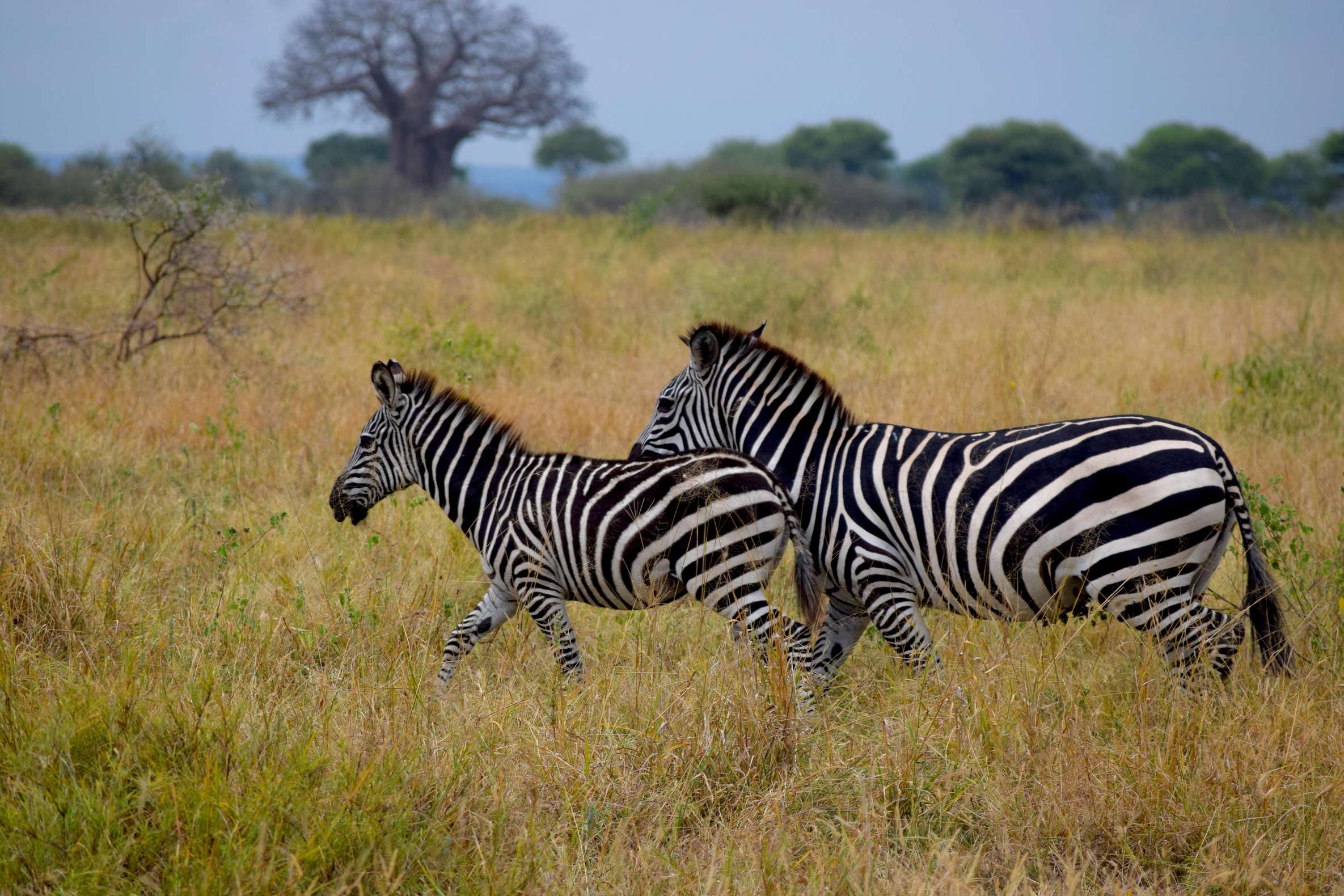
Amazing wildlife encounters, lions, zebras, and giraffes up close! Our chef made delicious meals daily, and guide Anthony cheerfully handled even the roughest paths!
The Arusha: Tarangire National Park Day Safari packs the whole thing into 13 hours, with park fees, bottled water, a riverside picnic lunch and a guide in English, French or Spanish, so the early start is the only thing you arrange yourself.
Tour for this
From Arusha: Day trip to Tarangire National Park4.8★ (4) · 11 hours · Hotel pickup · Free cancellation
Day trip or circuit - your Tarangire National Park format
So which format fits? If you are based in Arusha with a free day, the day trip wins outright: about two hours of road each way with a full game drive between them, and dinner back in town.
If you are building a northern circuit, Tarangire usually opens it, day one on the road to the Serengeti.
The difference is depth. Day trips keep you near the entrance, where by ten in the morning vehicles stack up around every sighting. Spend two nights inside the park and you reach the Silale Swamp, where predator density runs high and most short visitors never go.
The trade-off on a circuit is road time: an itinerary that changes parks daily spends more of its hours on rough transfers than watching wildlife.
The table lays the two formats out: how long each takes, what each covers and who each suits.
Tarangire safari packages side by side
Day trip from Arusha
Multi-day northern circuit
Time needed
one 11 to 13 hour day
three or four days
Parks covered
Tarangire alone
Tarangire, Serengeti and Ngorongoro Crater
Depth in the park
main gate area, busy by mid-morning
two nights reaches the quiet Silale Swamp
Travel style
shared or private 4x4 with hotel pickup
group camping under the stars or lodge stay
Best for
short stays and first safaris
travelers with the migration in mind
Day trip from Arusha
Time needed
one 11 to 13 hour day
Parks covered
Tarangire alone
Depth in the park
main gate area, busy by mid-morning
Travel style
shared or private 4x4 with hotel pickup
Best for
short stays and first safaris
Multi-day northern circuit
Time needed
three or four days
Parks covered
Tarangire, Serengeti and Ngorongoro Crater
Depth in the park
two nights reaches the quiet Silale Swamp
Travel style
group camping under the stars or lodge stay
Best for
travelers with the migration in mind
For couples, a private jeep costs only a little more than two shared seats and buys control over departure times, drive lengths and stops. The 4 Days Tarangire, Serengeti, Ngorongoro Group Camping Safari gives campers all three parks in four days, with a guide, park fees and water included.
Tour for this
Tarangire Day Safari: Private 4x4 Suzuki Vitara Experience5.0★ (1) · 10 hours · Hotel pickup · Free cancellation
Elephants, baobabs and lions of Tarangire National Park
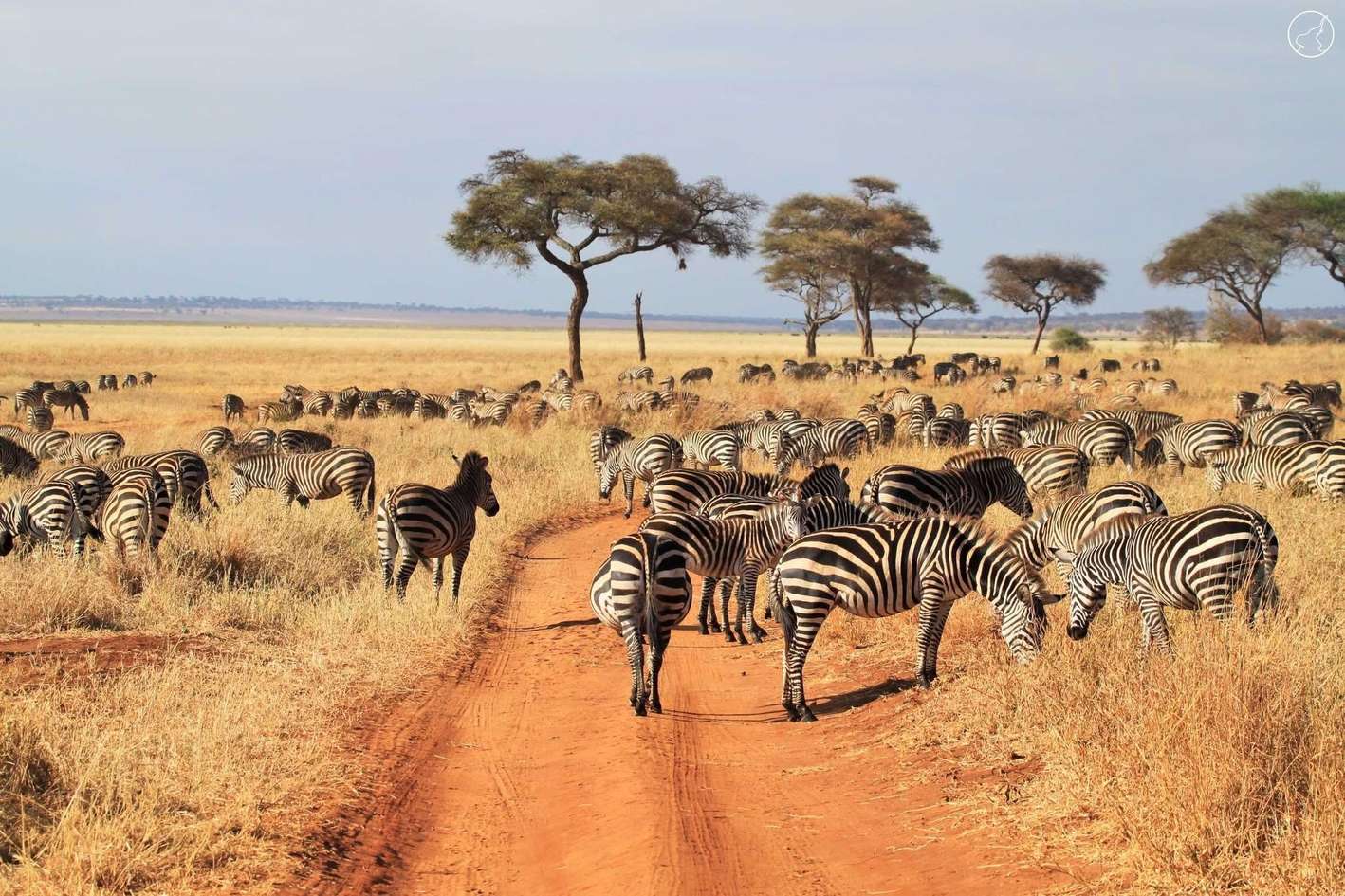
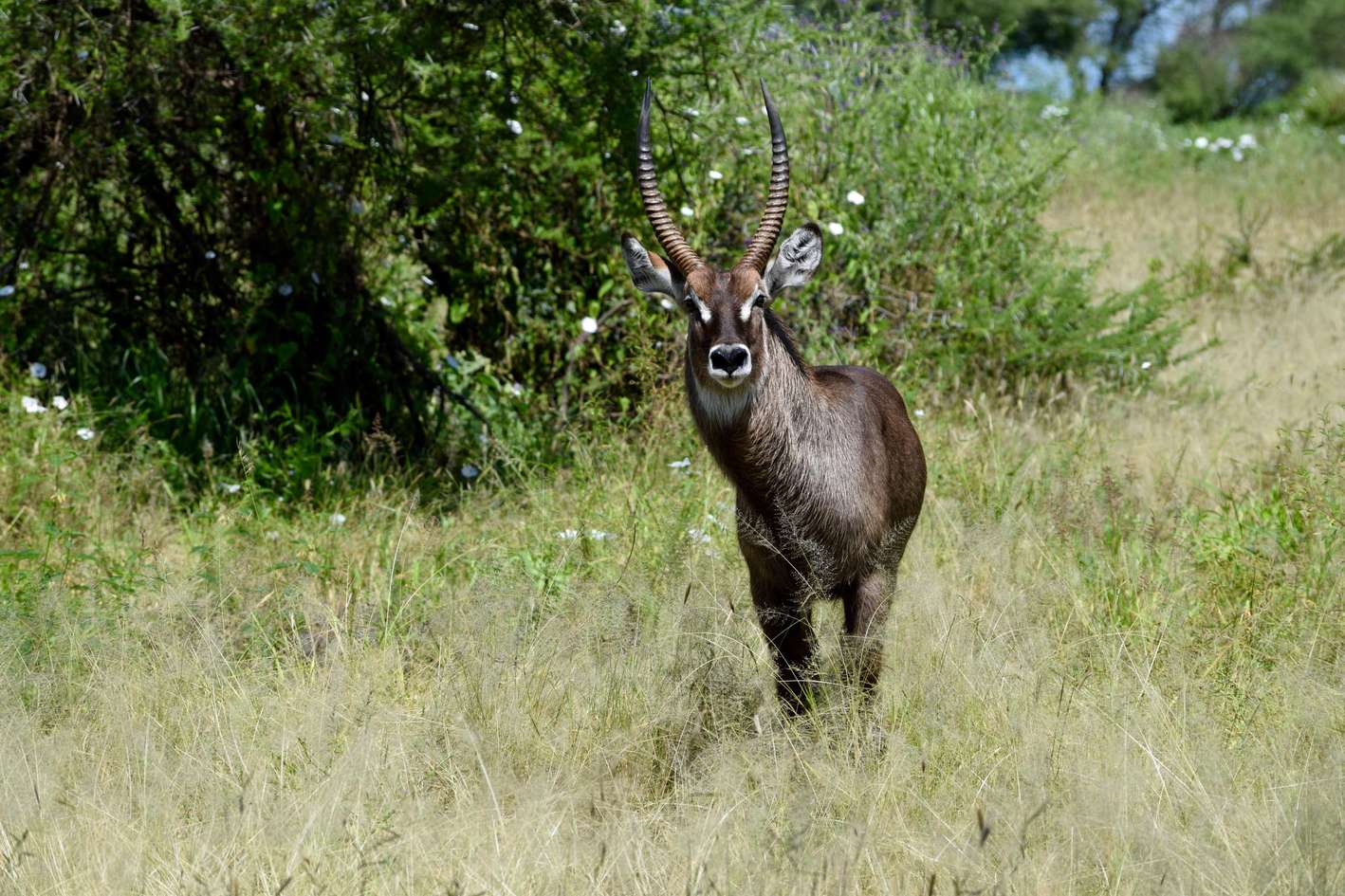
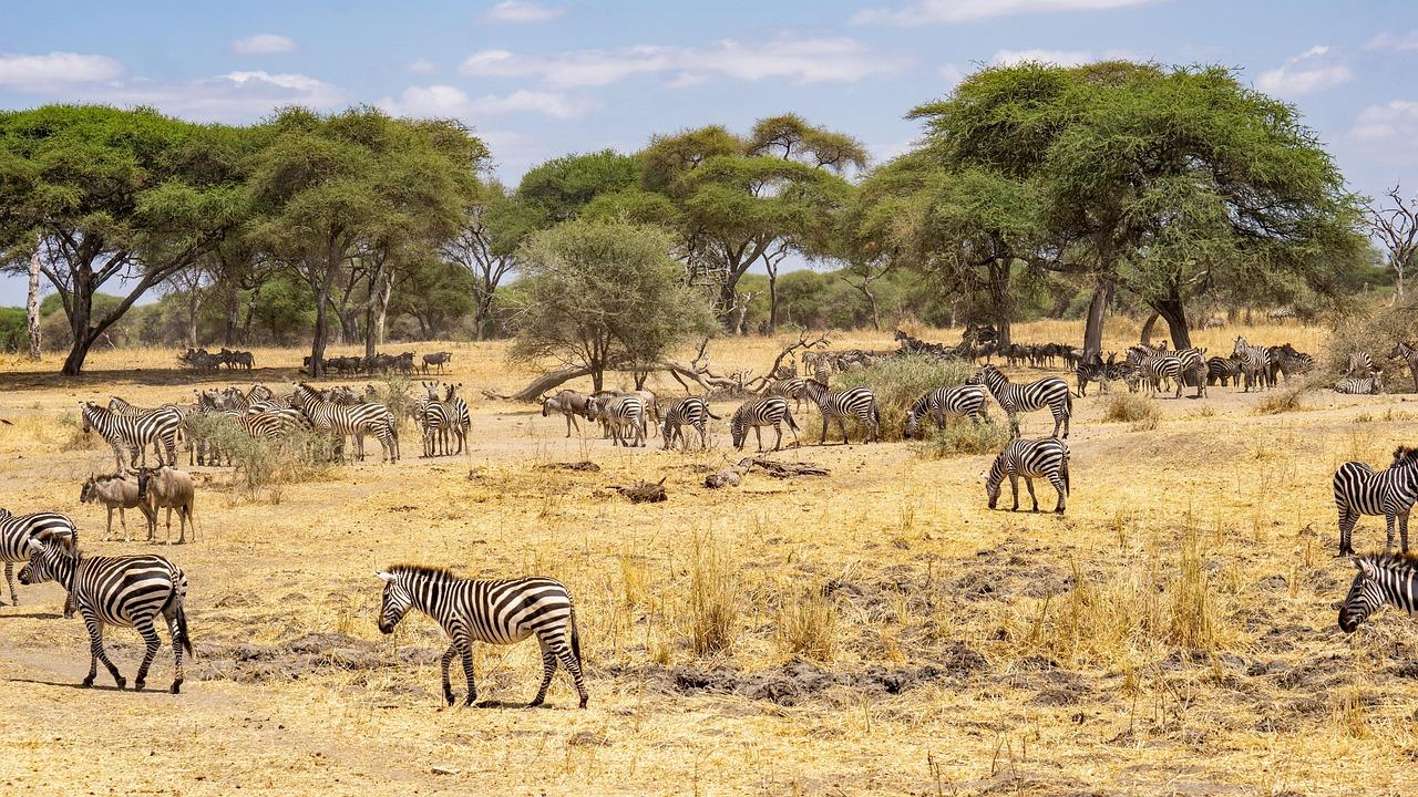
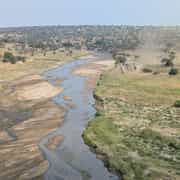
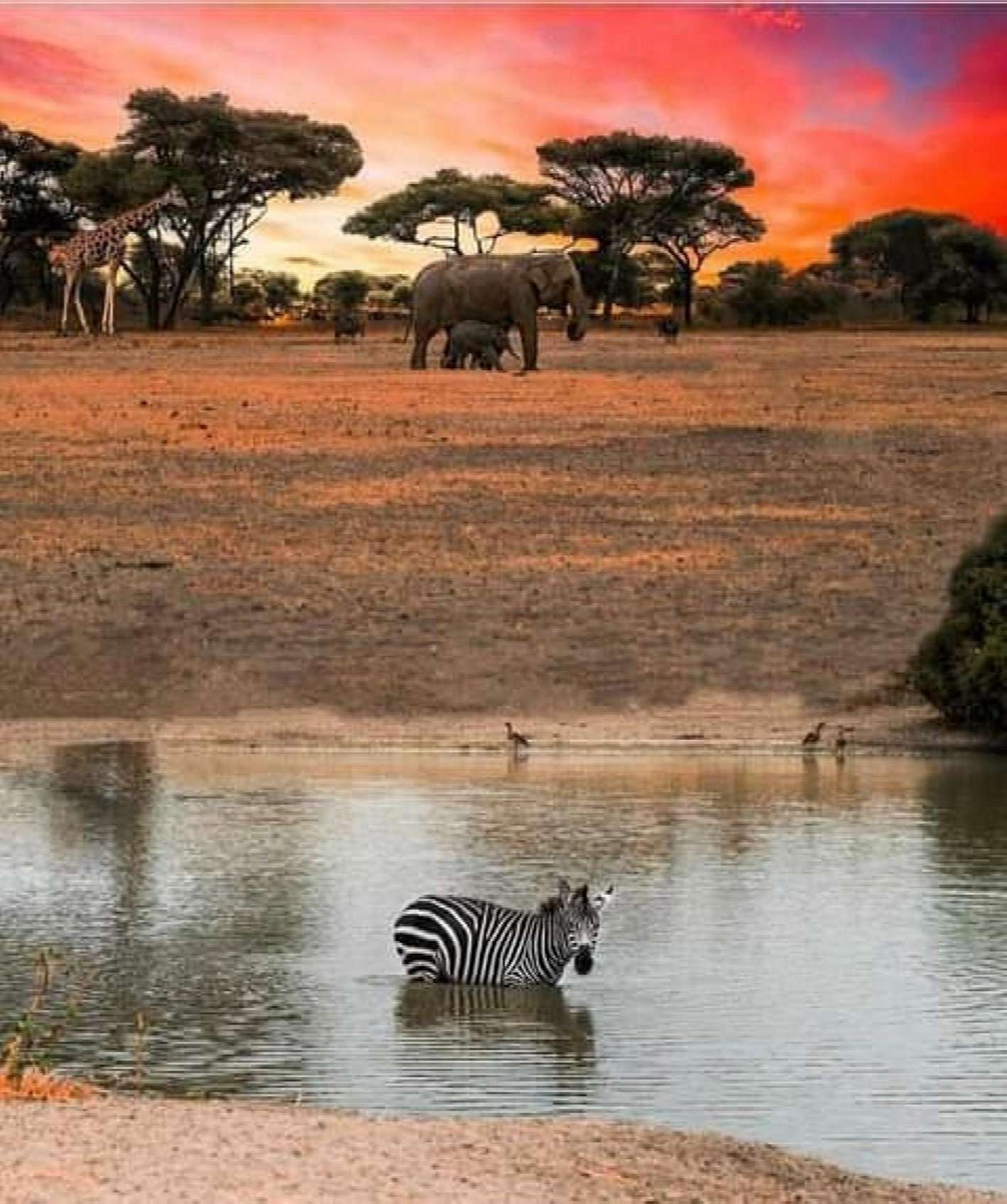
The river explains everything. While waterholes across northern Tanzania dry to cracked pans in the dry season, the Tarangire River keeps flowing, and zebras, wildebeest and buffalo walk in from the whole surrounding ecosystem to drink. Elephants stay all day. September and October are the peak months, when the banks look like a staging ground.
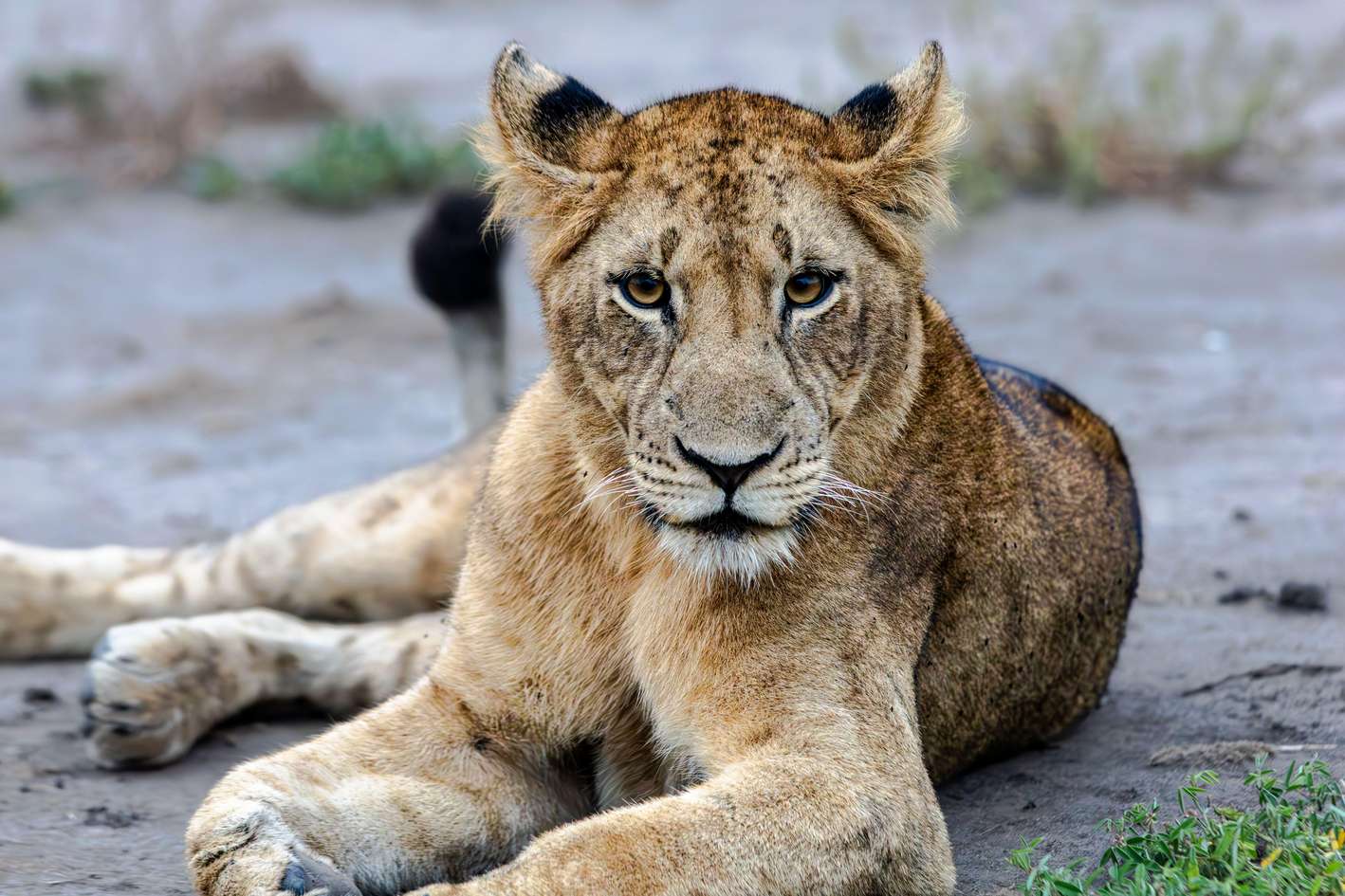
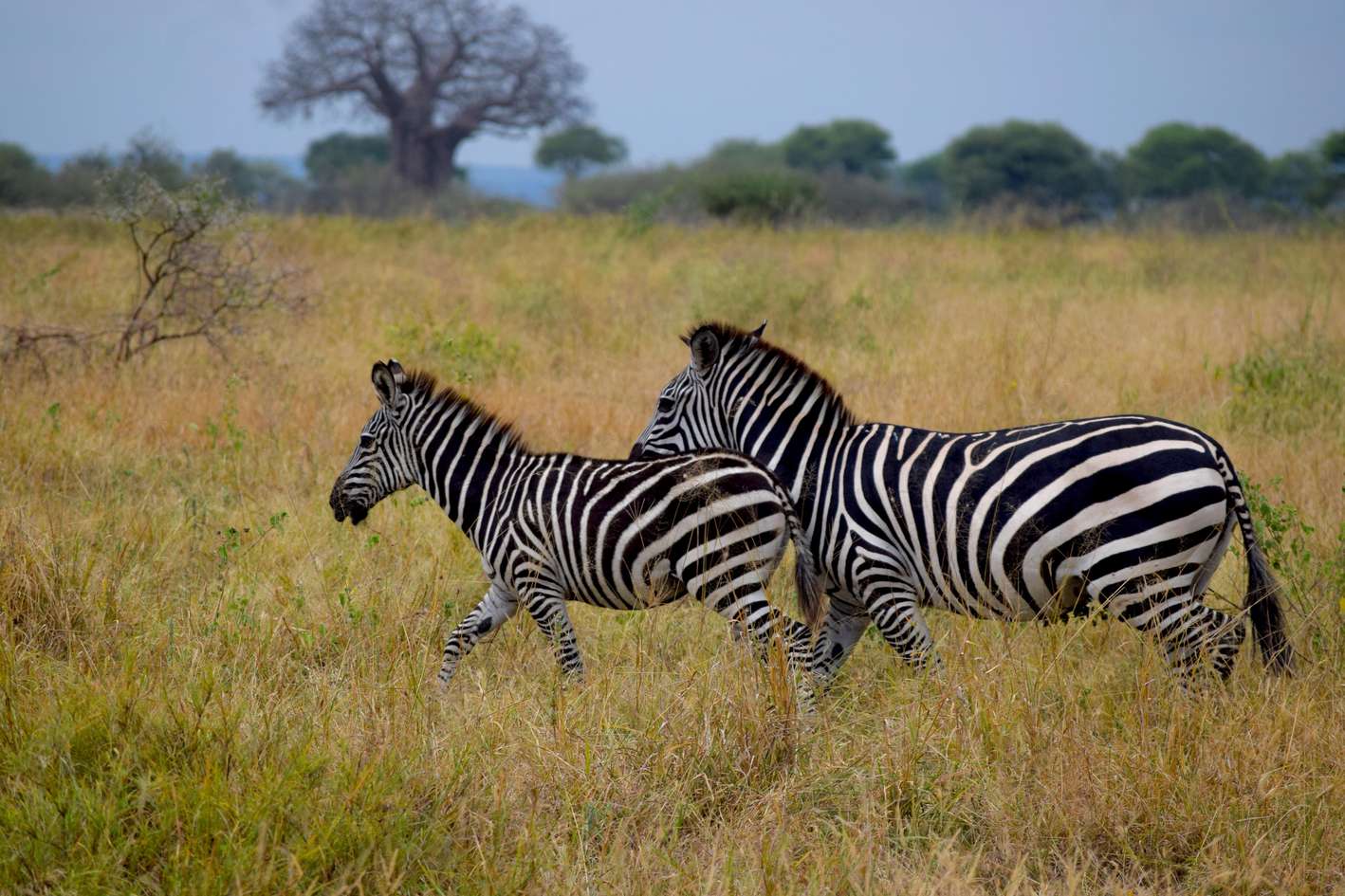
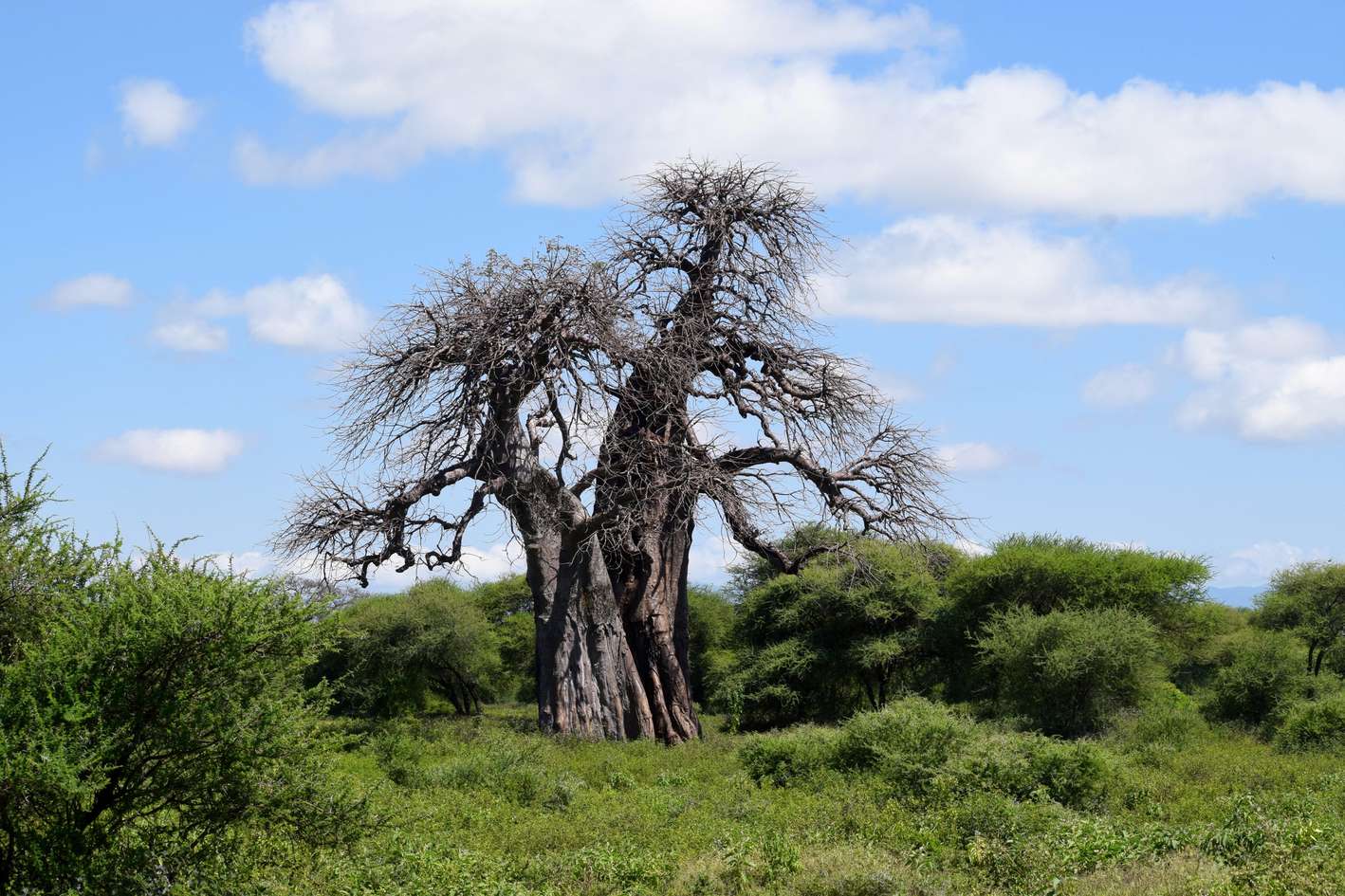
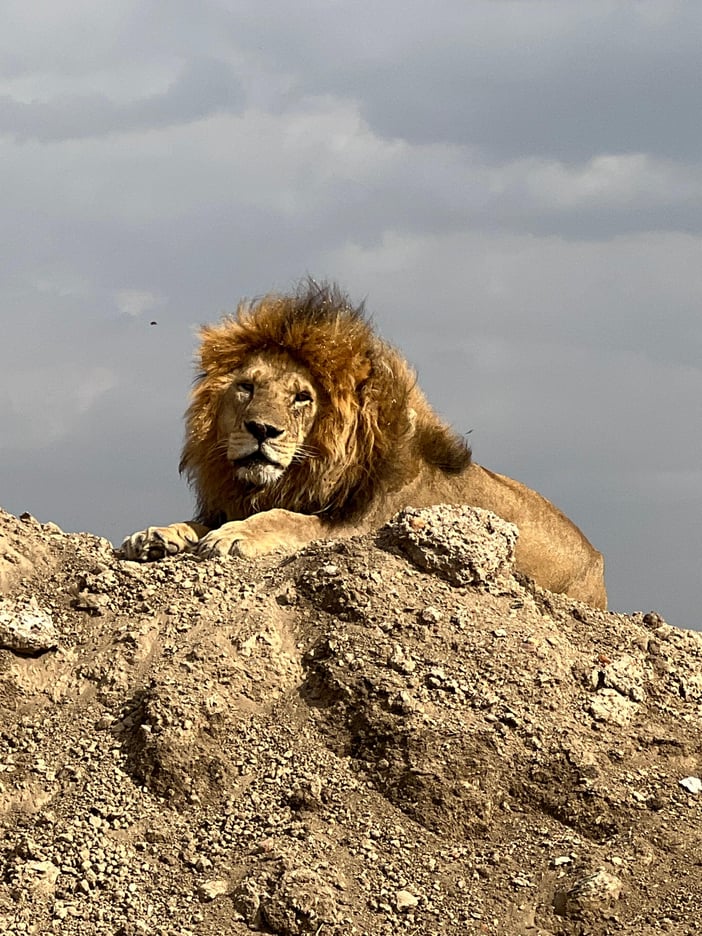
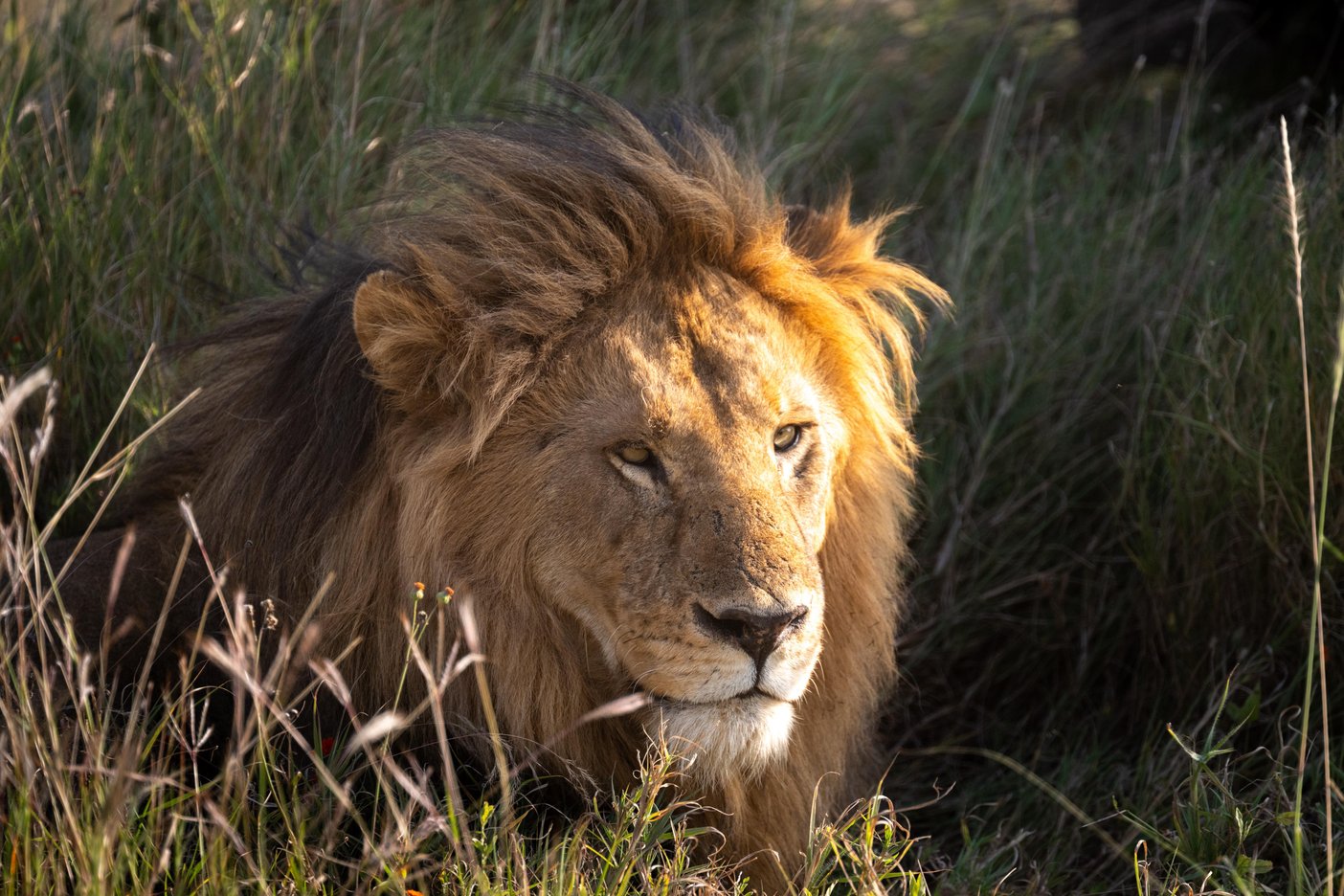
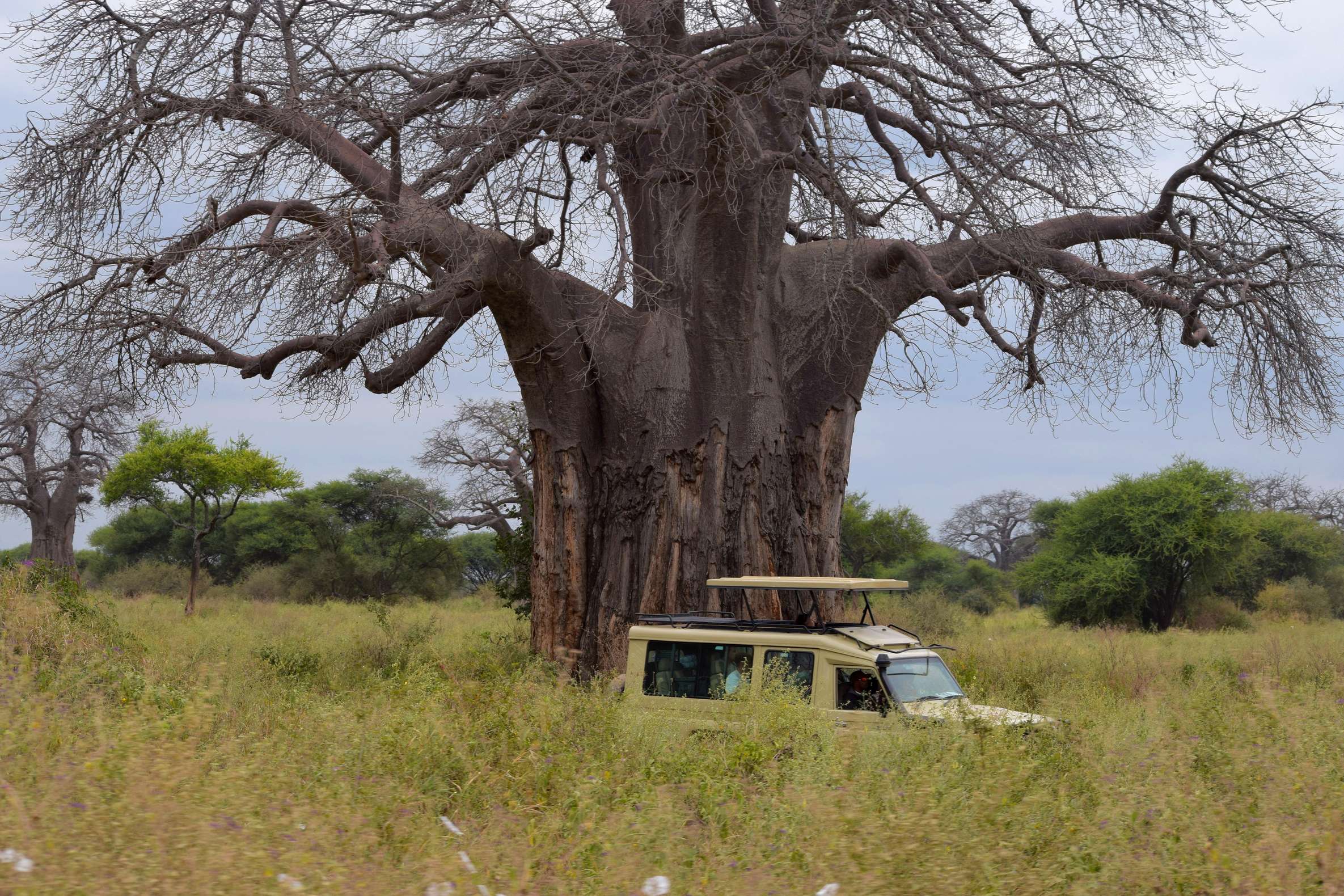
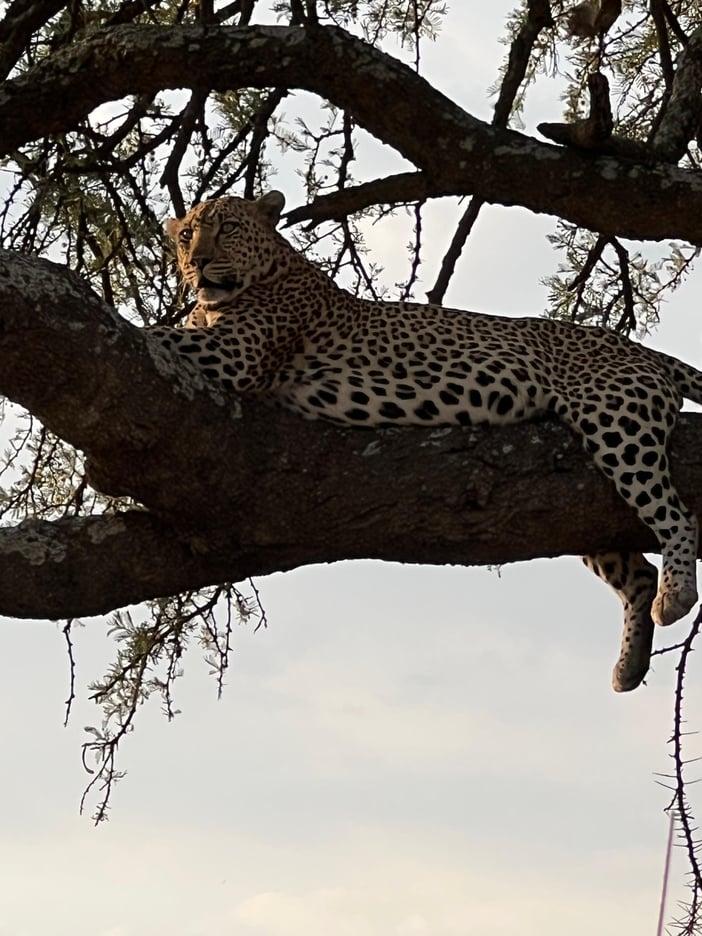
The scenery is its own reason to come. Baobabs many lifetimes old dot the plain, and the country reads nothing like the open Serengeti. Lions climb here too: the park holds an estimated 117 to 155 of them, and they take to trees and termite mounds for a wide view of prey.
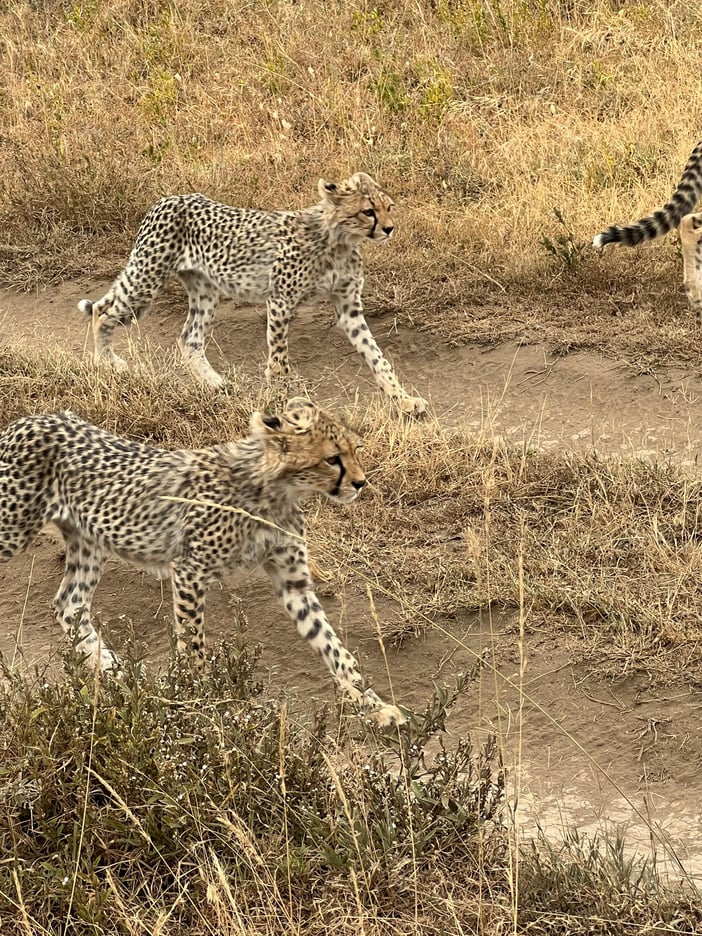
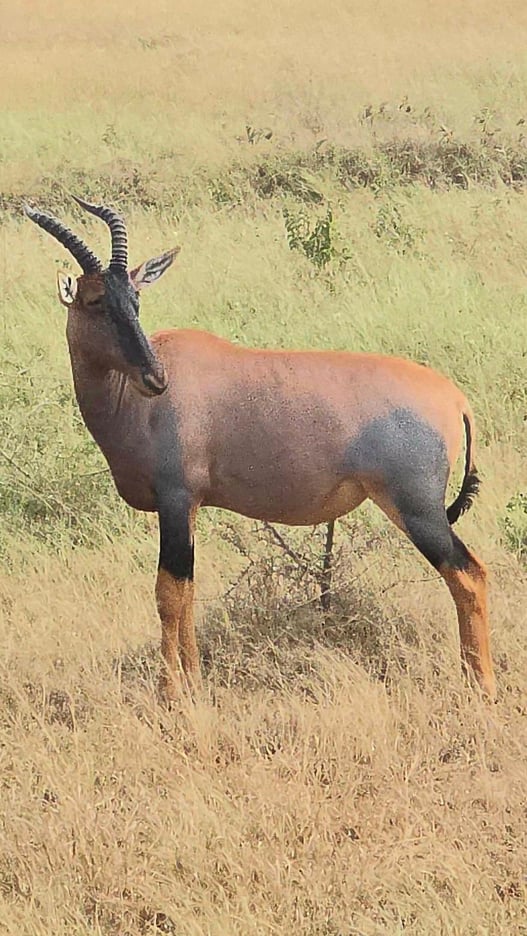
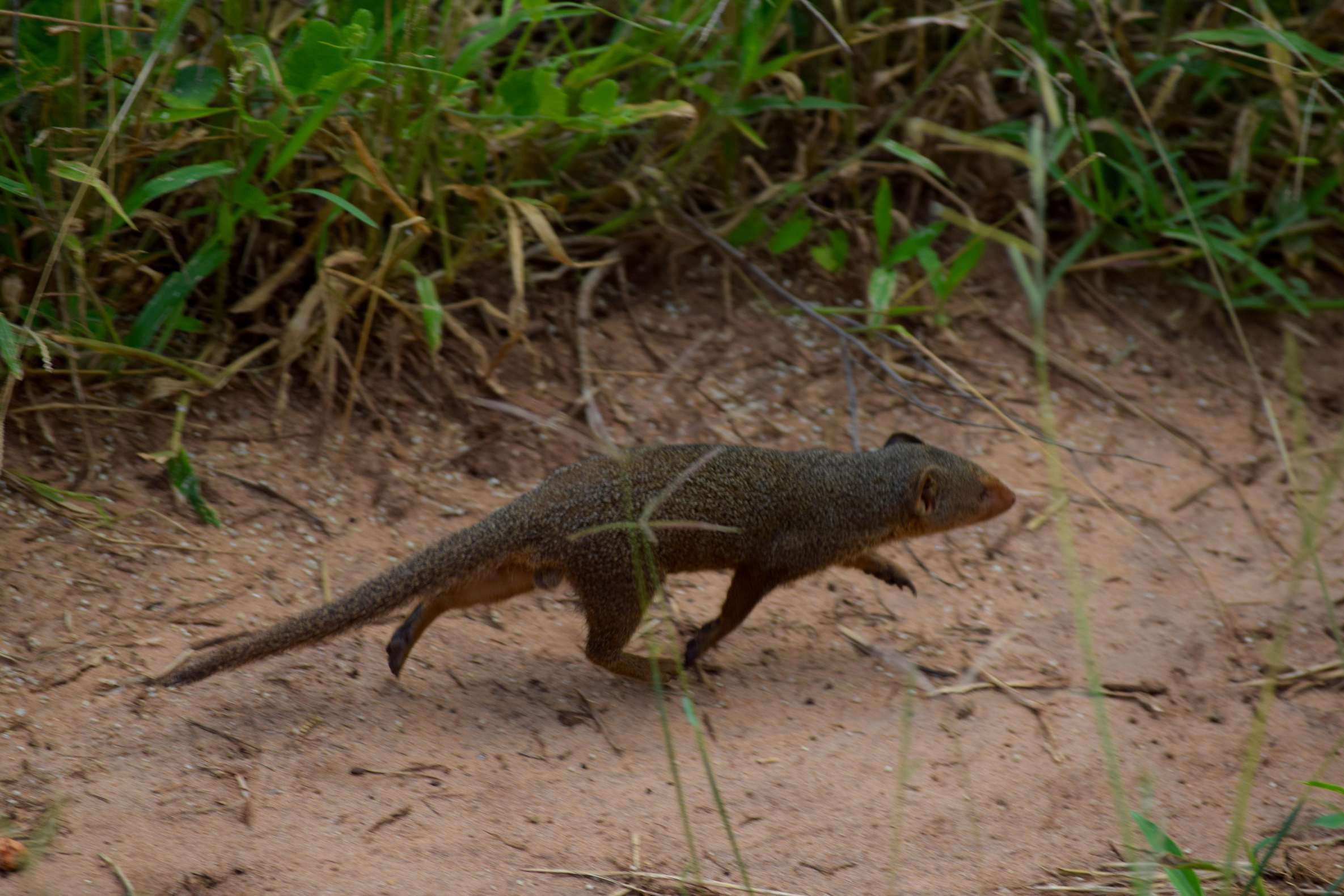
Watch for the specialists as well. Fringe-eared oryx and dwarf mongoose packs live in the drier country and are hard to find elsewhere in the north. Sightings shift with the season and the day, so let your guide work the radio with other drivers and see what the park produces.
Tour for this
From Arusha: 4-Day Tarangire, Serengeti & Ngorongoro Safari5.0★ (2) · 3 - 4 days · Hotel pickup · Free cancellation
When Tarangire National Park has its biggest herds
Timing decides what you see. From June to October the dry season concentrates animals along the river and the Silale Swamp, and the herds build through August to a September and October peak.
In the wet months from November to May, rainwater fills pools across the wider landscape and the elephants spread out over the floodplains and into neighboring wildlife areas.
That does not empty the park. Resident elephants and predators remain year-round, and visitors in late January and February find green country, little dust and thin crowds. The quietest stretch is the long rains of March to May, when some southern tracks turn to mud and guides keep to better-drained circuits.
Tarangire wildlife and seasonal conditions by month
July: african savanna elephant seen 94 times. Dry conditions draw massive elephant herds back to the river valley, offering prime game viewing alongside busy safari tracks.
HighestJan to Feb, Jun to Sep72 to 94 times seen
In betweenOct50 times seen
LowestMar to May, Nov to Dec14 to 37 times seen
Darker months: higher, from 14 to 94 times seen
Tap a month to read it.
August: lion seen 39 times. Peak safari crowds arrive to experience exceptional concentrations of elephants and predators along shrinking watercourses under clear skies.
HighestJul to Sep32 to 39 times seen
In betweenJan, Oct18 to 22 times seen
LowestFeb to Jun, Nov to Dec5 to 16 times seen
Darker months: higher, from 5 to 39 times seen
Tap a month to read it.
April: 160 mm of rain. Peak rainfall and low visitor numbers coincide with tall foliage and dispersed herds, while migratory birdlife remains abundant.
HighestMar to Apr, Nov to Dec111 to 160 mm
In betweenJan to Feb65 to 72 mm
LowestMay to Oct6 to 33 mm
Darker months: higher, from 6 to 160 mm
Tap a month to read it.
July: 29.4 dry days. Dry conditions draw massive elephant herds back to the river valley, offering prime game viewing alongside busy safari tracks.
HighestJun to Oct25.4 to 29.4 days
In betweenJan to Mar, May, Nov15.2 to 19.8 days
LowestApr, Dec4.6 to 10.2 days
Darker months: higher, from 4.6 to 29.4 days
Tap a month to read it.
Read the numbers one way: the driest, busiest months put the most animals in the smallest space, at the cost of other vehicles around every sighting. For the peak, book well ahead, because in-park lodges fill six to nine months out and group departures two to four.
Tour for this
BEST 3-DAY TANZANIA SAFARI TOUR FROM ARUSHA5.0★ (4) · 3 days · Hotel pickup · Free cancellation
The tours divide along a few lines. Private or shared: a private jeep means your own schedule and more time at each sighting, while shared seats cost less per head and run to fixed departure times.
Solo travelers pay the steepest rate per person in a private vehicle, and a pair splitting one pays a fraction of that.
Check who you are booking with. Legitimate local operators are listed on the Ministry of Tourism register and in associations like TATO, worth two minutes of checking.
Confirm the guide's language before paying, because some operators charge extra for anything beyond English, and ask what happens if a shared departure does not fill: many operators run it anyway with a private driver and vehicle at the shared-seat price.
The checks below run this page's lead day tour against each of them.
How to choose a Tarangire National Park safari
Check
Why it matters
Our pick
Operator credentials
unlicensed operators leave you exposed in the bush
this page lists tours from verified local operators
Guide language
a multilingual vehicle can mean half the commentary passes you by
English-speaking guide and driver, with French and Spanish on the lead day tour
Private or shared
shared seats cost less, private means your own pace
a private Suzuki Vitara built for solo travelers and couples
Pickup
group tours collect from Arusha city hotels only
this tour collects from your Arusha accommodation
Park fees
gates take no cash
entrance fees included in the tour
Tour for this
Arusha: Tarangire National Park Day Safari4.7★ (15) · 13 hours · Hotel pickup · Free cancellation
Tarangire sits south of Arusha, and the road is easier than its reputation. The main drive runs two to two and a half hours over roughly 130 kilometers, most of it smooth tarmac, with only the final approach to the gate on gravel.
The departure time matters more than the distance. Leaving Arusha around 6 am puts your vehicle at the gate as it opens, in the cool hours when wildlife is at its busiest. Operators collect guests from hotels in the city centre, with pickups running from about 6 am to 7:30 am.
The route chart puts the guided tour and the rental car side by side.
Self drive? A rental car handles the highway easily, but the gravel last stretch, the paperless gate system and the radio network guides use to find lions all argue for a guided 4x4 on a first visit.
On a guided tour the driving is someone else's problem, and your day starts at the gate instead of the rental office.
Tour for this
Arusha: 3-Day Safari- Arusha, Tarangire & Lake Manyara Parks4.5★ (2) · 1 - 2 days · Hotel pickup · Free cancellation
Gate hours, fees and rules in Tarangire National Park
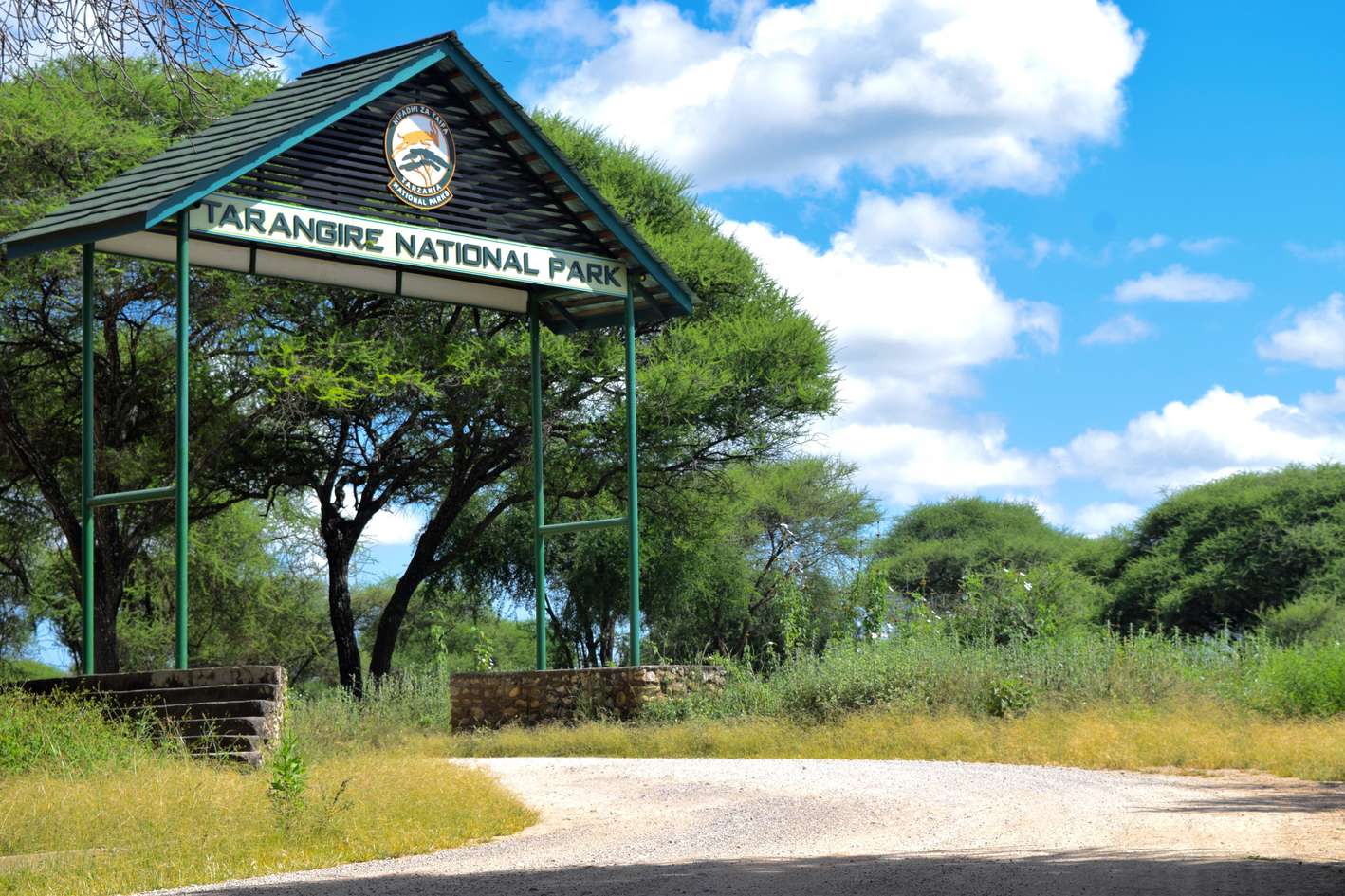
The gate runs strict hours: 6 am to 6 pm daily, and vehicles that miss the evening cut face sanctions. Your guide plans the whole day around it, which is one more reason for the early departure.
Money is where day trippers get caught. TANAPA gates take no cash, only card and electronic payments. Tours handle the fees for you, and Tarangire National Park charges its full daily rate per person even for a short visit, so day tours carry that cost inside the ticket price.
At the Tarangire National Park gate
The gates accept no cash for park fees, only card or electronic payment bring a working credit or debit card, or book a tour that includes the entry fees
Papers come next. Keep your original passport or a clear copy at hand for park registration, where a ranger can read it the moment you reach the gate.
The rules on the other side of the gate carry immediate fines: no feeding animals, no leaving the vehicle except at picnic and rest sites, no driving off the tracks.
Tour for this
Tanzania: 2-Day Safari to Tarangire and Ngorongoro Crater4.0★ (1) · 2 days · Hotel pickup · Free cancellation
Tsetse flies rule the wardrobe here. In Tarangire's woodlands they hunt by eyesight, drawn to dark colors, especially blue and black, and they bite straight through thin fabric. Khaki, olive and beige are the colors that keep the flies away.
Fabric matters as much as color. Tightly woven long sleeves and full-length trousers protect arms and legs, and light layers beat the midday heat. Jeans are permitted but a poor choice: denim traps heat, stiffens with dust and dries slowly. Standard repellent does little against tsetse flies, so the clothing does the work.
Clothing to pack for Tarangire National Park
Khaki or beige safari shirtsNeutral earth tones blend into the savannah and do not attract biting tsetse flies like dark colors do.
Olive or sand-colored trousersEarth-toned pants avoid attracting flies, and full-length coverage protects your legs from painful bites.
Long-sleeved tops in woven fabricTsetse flies can bite through thin materials, so medium-weight, tightly woven fabrics keep arms shielded.
Closed safari boots or shoesClosed footwear shields ankles and feet from insect bites and rough terrain during game drives and stops.
Neutral sun hatA wide-brimmed hat in tan or khaki blocks strong tropical sun while steering clear of fly-attracting dark shades.
Insect repellentHelps ward off mosquitoes and other insects during early mornings and evening stops around camp.
One more packing note: vehicles carry limited space, so bring one soft bag per person and leave surplus luggage in your hotel's storage room in Arusha.
Tour for this
4 Days Tarangire, Serengeti, Ngorongoro Group Camping Safari4.7★ (53) · 4 days · Hotel pickup · Free cancellation
Paperwork is simple if you start early. Your passport needs six months of validity beyond arrival and one or two blank pages. Most foreign visitors need a visa, available as an e-visa through Tanzania's official immigration portal or on arrival at the major airports, and one visa covers both the mainland and Zanzibar.
Yellow fever is the rule people misread. The certificate is required only if you arrive from, or transit twelve hours or more through, a country with yellow fever risk; travelers coming directly from elsewhere need no proof.
If you cannot be vaccinated, bring a medical waiver letter, and any required vaccination must be given at least ten days before arrival.
Malaria is the real health prep. Tarangire sits well below the altitude where risk fades, so antimalarial tablets are recommended for adults, and weight-based pediatric options exist for children. The safari regions themselves carry no travel warnings, and inside the vehicle the animals are accustomed to cars. Save the caution for town streets.
What if rain changes your Tarangire National Park plans
Rain is the main thing that changes a Tarangire day. Heavy downpours in the March to May long rains and the November and December short rains flood the low-lying loops around Silale Swamp and close southern tracks, sometimes for days.
April is the wettest month of all. Guides simply reroute to the better-drained circuits near the gate and the highway, and the game goes on.
Booking terms are calmer than the fine print suggests. The tours on this page cancel free up to 24 hours before departure for a full refund, and multi-day operators typically take a deposit of 30 to 50 percent rather than full payment up front.
The fallbacks, in order of likelihood.
When plans change
If this happens
What happens then
Heavy rain closes the southern swamp tracks
your guide reroutes to better-drained circuits near the entrance
A shared group departure is short on numbers
many operators run the trip anyway with a private driver and vehicle
You cancel a day tour
free cancellation up to 24 hours ahead for a full refund
You book a multi-day circuit
operators typically ask a 30 to 50 percent deposit, with the balance before departure
Practical reading: book the format you want, keep the 24-hour rule in mind, and let the guide reroute when the sky does.
Walking safaris and night drives in Tarangire National Park
Tarangire is one of the few northern parks where you can leave the vehicle, and the two formats differ.
A guided walking safari runs with an armed ranger, usually about ninety minutes near camp, best in the early morning before the tsetse flies wake. Wild animals keep their distance on foot; the interest is in tracks, birds and the smaller bush.
Night drives are the other exclusive. The gate closes at 6 pm, so a night game drive in Tarangire National Park is only possible with an overnight stay, and it shows you the nocturnal shift, hyenas to bushbabies, that day trippers never meet.
The editor's rule: never swap a game drive for a walk on a short visit. Drives cover vastly more ground and deliver the big sightings, while the walk and the night drive are what you add when you have two nights or more.
Tarangire slots neatly into a wider trip. Ngorongoro Crater lies about two hours away and is the natural next stop on the road to the Serengeti. Lake Manyara sits on the same circuit, though it needs a full day to be properly explored, and its game is thinner on the open plains.
The quick add-on is Arusha National Park itself, 30 to 40 minutes from the city, with waterfalls, Mount Meru views and forest primates. What it does not have is lions, and elephants are hard to find there, so it suits hikers more than big-game chasers.
Kilimanjaro trekkers use these parks too: a one-day wildlife drive in Tarangire is a gentle way to wind down after a summit before flying home. Book the next piece of the circuit from the multi-day tours on this page and the driving is already planned.
Book the day trip if Arusha is your base and the dry season is your window; the herds justify the early alarm. Choose a circuit if you want Silale Swamp, night drives and the Serengeti behind it. Either way, leave by 6 am, wear khaki and carry a card.
Go ifYou have one free day in Arusha between June and OctoberYou want elephants and baobabs without an internal flightYou are building a northern circuit and want Tarangire as its opening day
Skip ifYou expect rhinos: Tarangire National Park has noneYou cannot sit for long hours: the day runs 10 to 13 hours in a vehicleYou want a walking safari or night drive, which need an overnight stay
Our pick to book
Arusha: Tarangire National Park Day Safari4.7★ (15) · 13 hours · Hotel pickup · Free cancellation
Common questions about a Tarangire National Park safari
The answers travelers ask before booking a day in Tarangire, from drive times and gates to what the park can and cannot promise.
Arusha2026
September here is all elephants: herds lined up along the river from dawn. Wear khaki, never blue, or the tsetse flies find you.
How long is the drive from Arusha to Tarangire National Park?
The drive covers roughly 120 to 130 km and takes between 2 and 2.5 hours. Most of the route is paved tarmac, and the final approach to the gate is a gravel track.
When should I leave Arusha for the best morning game viewing?
Vehicles need to depart around 6 am. That gets you to the gate as it opens, into the cooler hours when wildlife is most active.
When are the elephant herds biggest in Tarangire?
The densest herds gather from June to October, peaking in August through October along the Tarangire River and Silale Swamp. From November to May, rains spread the elephants out across the wider floodplains.
Why do animals concentrate at the Tarangire River in the dry season?
Surrounding water sources dry up into seasonal pans, and the Tarangire River becomes the ecosystem's main permanent water supply. Elephants, zebras, wildebeest, and buffalo pull in from across the landscape to drink along its banks.
Is one day enough time in Tarangire National Park?
A day trip from Arusha delivers massive elephant herds, lions, and baobab scenery, so it is practical. Staying overnight adds night drives and time to reach the uncrowded Silale Swamp, where predator density runs high.
Can I see all of the Big Five in Tarangire?
You can find elephants, buffalos, lions, and leopards there, but the park has no resident rhino population. For rhinos, plan a separate visit to Ngorongoro Crater.
How many lions live in Tarangire, and do they really climb trees?
An estimated 117 to 155 lions live in the park. Many climb trees and rest on termite mounds to watch for prey from above.
What colors should I wear on a Tarangire safari?
Tsetse flies are strongly drawn to dark blue and black, and white is discouraged too. Wear khaki, tan, beige, olive, or muted grey, in tightly woven long sleeves and trousers.
Can I wear jeans on safari?
Jeans are allowed, but lightweight neutral trousers work better for long drives. Denim traps midday heat, stiffens with dust, and dries slowly.
How do bathroom breaks work during a game drive?
You cannot step out of the vehicle on open plains, so breaks happen at designated restroom and picnic sites or with the driver's coordination. Guides know the safe spots.
Are there age limits for children visiting Tarangire?
TANAPA allows children of all ages into the park. Tour operators set their own minimums, so check with the tour operator before booking if you travel with very young kids.
Can I do a Tarangire day trip from Zanzibar?
It is possible, but it means an early flight to Arusha or Kilimanjaro plus a 2.5 to 3 hour drive each way before any game drive starts. Day trips to Tarangire work best from Arusha.
Beyond Tarangire National Park - Serengeti, Mikumi and more


 Your best match